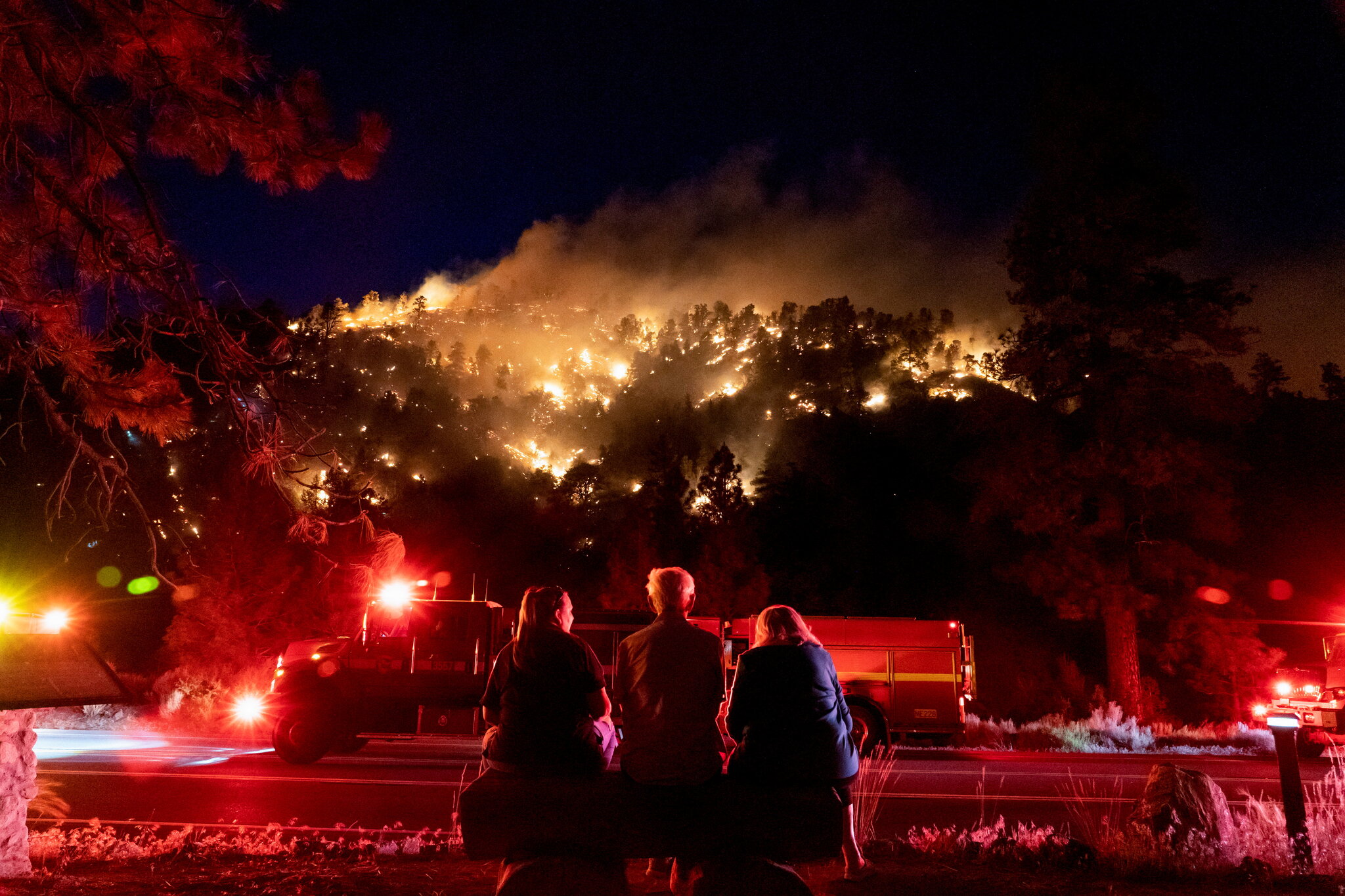
A wildfire, dubbed the Springs Fire, expanded to 4,176 acres (16.9 square km) with only 10 percent containment in Riverside County as of Friday evening, according to the California Department of Forestry and Fire Protection (Cal Fire).
Around 260 firefighters are still battling the fire as evacuation orders were issued for some nearby communities in the area.
Another blaze, dubbed the Crown Fire, had burned 345 acres (1.4 square km) in Los Angeles County. The fire was 25 percent contained so far, according to the Cal Fire.
All evacuation orders for the Crown Fire have been lifted, but evacuation warnings remain in place for parts of the surrounding area.
The U.S. National Weather Service issued a Wind Advisory for some areas in Southern California, warning that “moderate to strong Santa Ana winds affected much of the area” Friday.
“Significant warming is expected through Sunday as gusty Santa Ana winds continue over Los Angeles and Ventura Counties,” the agency said in an area forecast discussion.
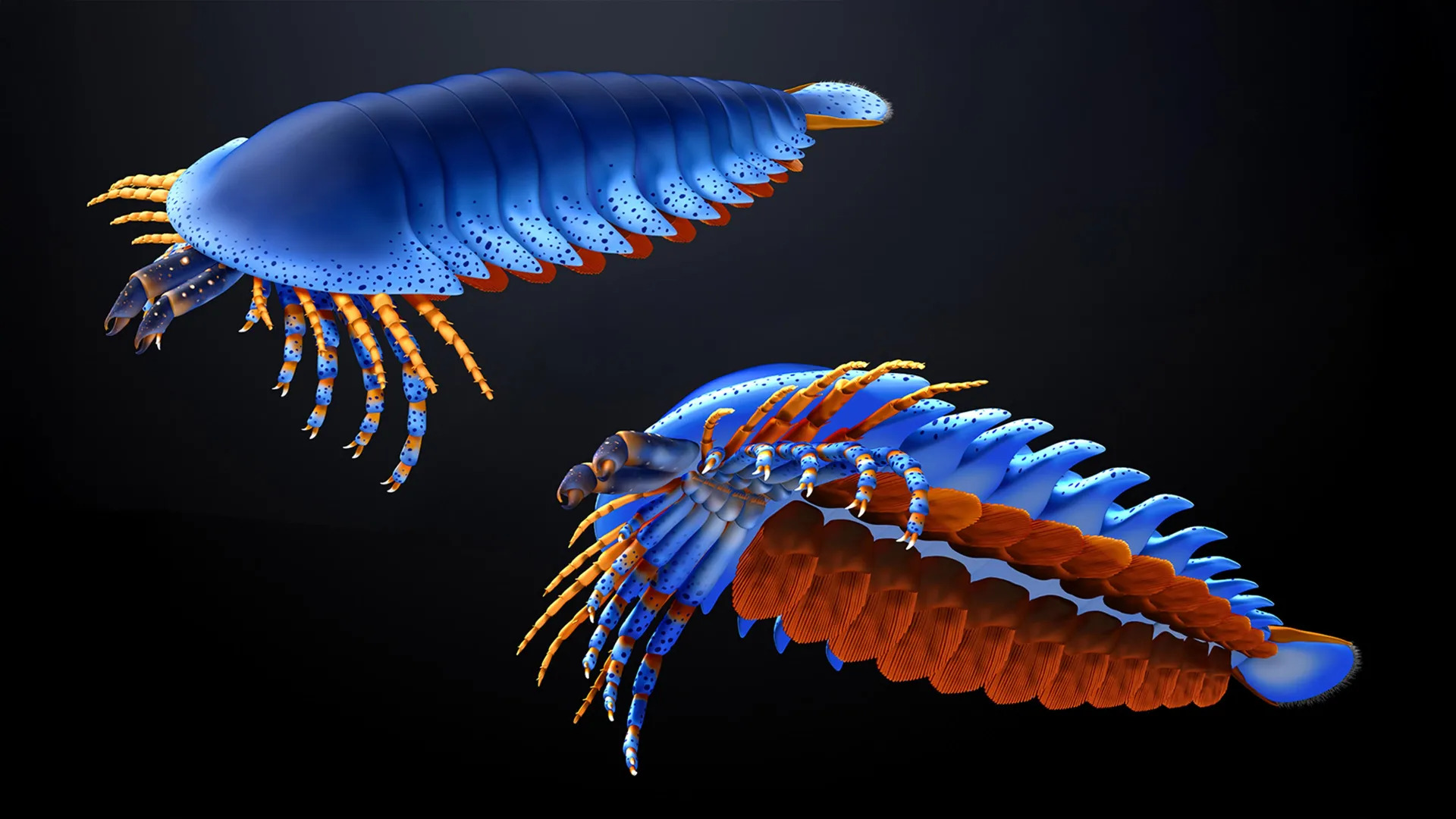
This groundbreaking find began with a simple fossil examination. Paleontologist Rudy Lerosey-Aubril noticed something unusual: a claw-like appendage in place of where an antenna should be.
Initially puzzling, closer analysis revealed that this claw belonged to a chelicerate, a group of arthropods that includes spiders and scorpions.
The fossil, named Megachelicerax cousteaui, is now regarded as the earliest and most primitive chelicerate discovered, predating previous finds by a stunning 20 million years.
What makes this find so remarkable is that it reveals complex body features that were thought to have developed much later in evolutionary history.
The fossil shows a segmented body with a head shield, legs, and respiratory structures similar to modern horseshoe crabs, but with the distinct chelicera at the front of the body a hallmark of chelicerates.
This pincer-like appendage sets them apart from other arthropods that instead possess antennae.
The Megachelicerax fossil fills a significant gap in our understanding of the Cambrian Explosion, the rapid diversification of life that occurred over half a billion years ago. Prior to this discovery, evidence of chelicerates from this period was scarce.
This tiny claw has now pushed back the origins of this ancient group, showing that specialized body plans and appendages were evolving much earlier than previously thought.
Named in honor of the renowned marine explorer Jacques-Yves Cousteau, the fossil reminds us of how even the smallest discoveries can have profound impacts on our understanding of evolution.
Today, chelicerates remain one of the most diverse and widespread groups of arthropods. Thanks to this new finding, we now have a clearer picture of their early origins, which were once hidden beneath the layers of time.
Ancient fossil claw unlocks new insights into the origins of spiders and chelicerates.
According to district authorities, Karongi has experienced 647 disaster incidents over the past 13 years, resulting in the deaths of 156 people.
These disasters include 233 cases of unusually heavy rainfall, 58 landslides, 114 lightning strikes, 127 windstorms, 27 floods, three minor earthquakes, 31 fires, and two cases of mine collapses.
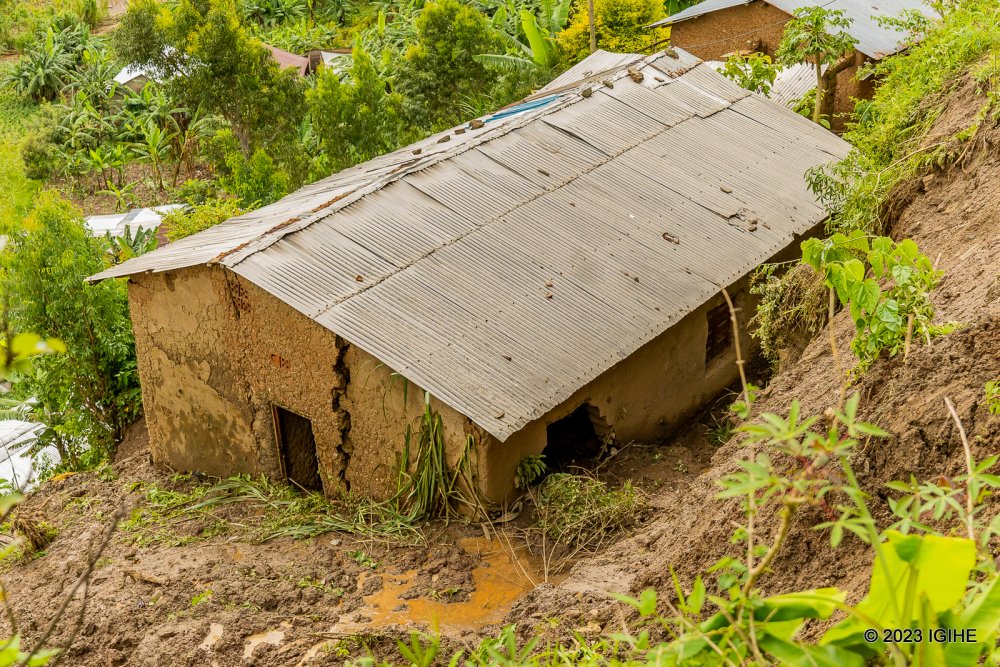
Among the most devastating incidents was a landslide that occurred on May 8, 2018, in Rwankuba Sector. Triggered by prolonged heavy rains, part of a mountain collapsed onto nearby homes, killing 18 people.
More recently, between May 2 and 3, 2023, the district was again hit by severe disasters that claimed 16 lives.
Overall, disasters in Karongi over the past 13 years have injured 128 people, destroyed 139 houses, damaged 2,334 homes, and affected crops on 95,197 hectares of land. Additionally, 123 hectares of forest and 35 livestock were lost.
At the beginning of the 2025/2026 fiscal year, about 800 households whose homes were destroyed by disasters were in need of relocation and resettlement. Currently, 399 families are being provided with new houses across various sites, including Kayenzi, where 190 homes are under construction.
Karongi District Mayor, Muzungu Gerald, told IGIHE that in the past three months alone, nine people have lost their lives due to disasters, mainly from landslides and drowning in rivers.
To prevent further loss of life, the district has adopted several measures, including relocating residents living in high-risk zones and constructing footbridges over rivers that often flood and sweep people away. A total of 10 such bridges are planned for construction during the current fiscal year.
“We have 201 households that still need to be relocated. So far, 190 have already been moved. We are continuing the assessment to identify all those who must relocate. Those who can afford it are encouraged to find housing on their own, while we support vulnerable families with rent,” Mayor Muzungu said.
The district has also established monitoring systems to track disaster risks and ensure rapid emergency response. In addition, two designated relocation sites have been prepared to accommodate residents in case of major disasters.
Mayor Muzungu cautioned residents against complacency, stressing that living for many years in a high-risk area without incident does not eliminate the danger.
Disasters killed 156 people in Karongi over 13 years
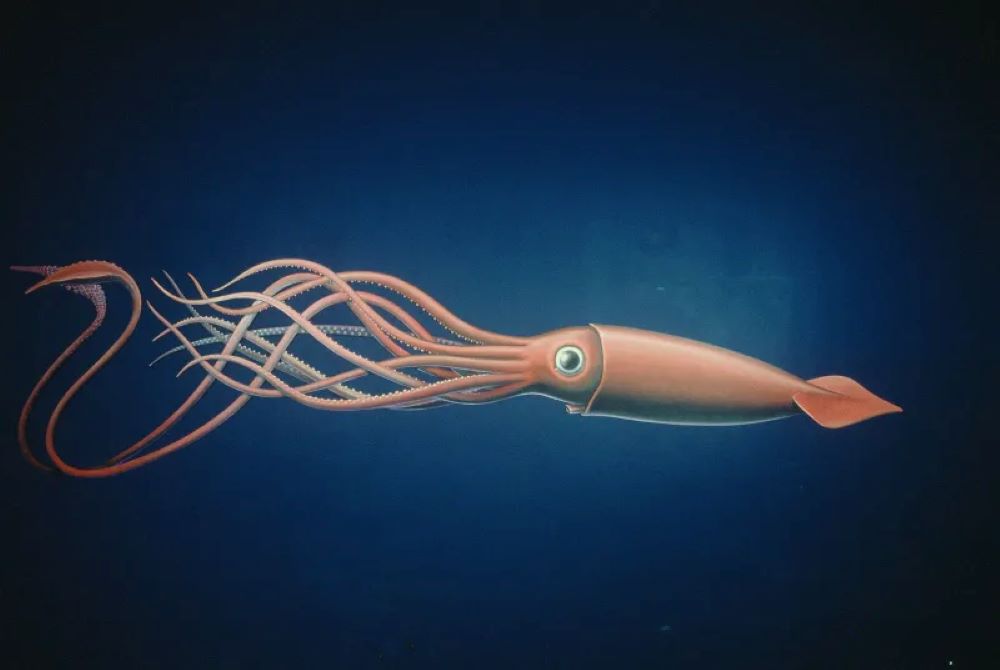
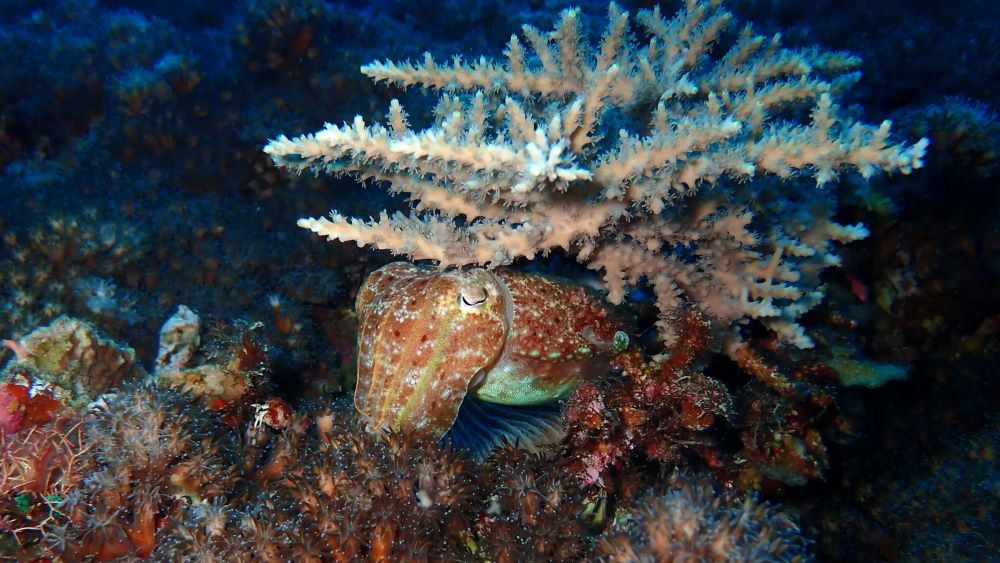
These sea creatures, known for their ability to change color and move quickly, have long puzzled scientists.
Their evolution has been difficult to trace because they leave behind very few fossils and have complex genetic structures. However, a recent study published in Nature Ecology & Evolution is now shedding light on their origins.
Researchers from the Okinawa Institute of Science and Technology combined large genetic datasets with newly sequenced squid genomes.
This allowed them to build the most complete evolutionary tree of squid and cuttlefish to date. Their findings show that these animals likely began in the deep ocean millions of years ago.
Around 66 million years ago, Earth experienced a major extinction event that wiped out about 75% of all species, including the dinosaurs.
Surprisingly, squid ancestors survived. Scientists believe they found refuge in deep, oxygen-rich parts of the ocean, where conditions were more stable compared to shallow waters affected by acidification.
After the planet recovered, squid and cuttlefish began to spread into new environments such as coral reefs and coastal areas. The study describes this process as a “long fuse” evolution, where species change slowly for a long time, then suddenly diversify rapidly when conditions improve.
Today, squid and cuttlefish are among the most diverse and intelligent marine animals. This research not only explains their survival but also opens the door to understanding their unique features, from camouflage abilities to complex behavior.
Photo of a common cuttlefish (Sepia sp.) Credit: Keishu Asada
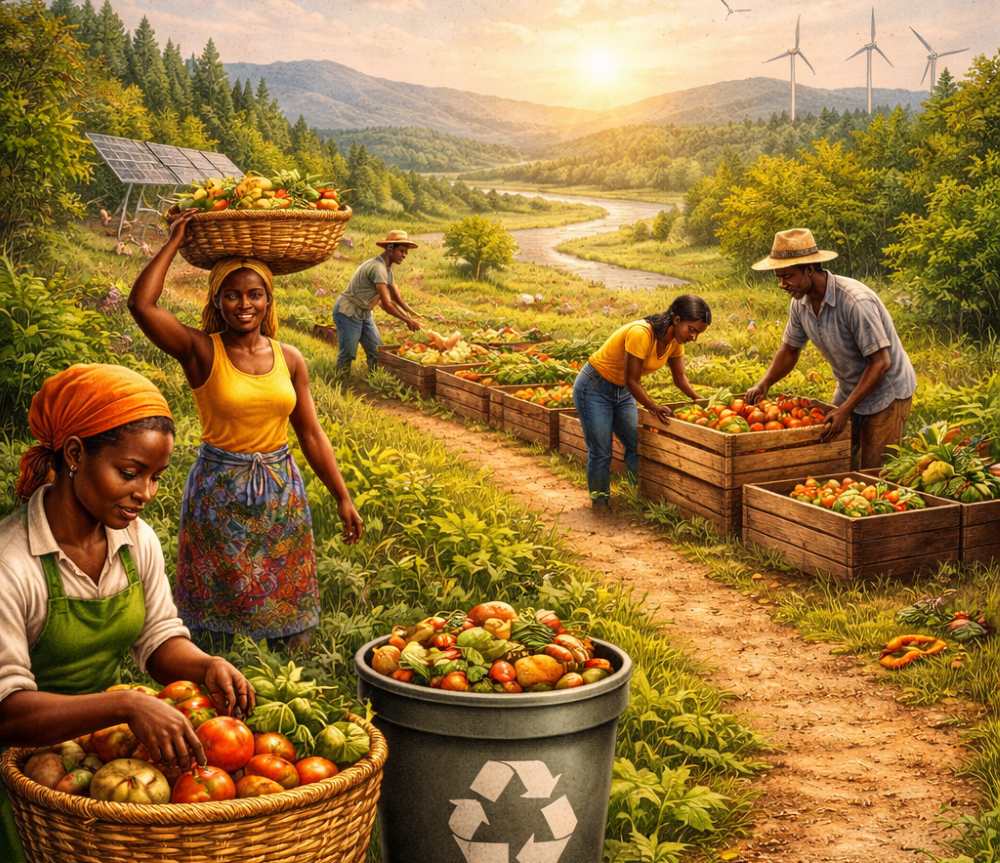
More than one billion tonnes of food, equivalent to 19 percent of all food available to consumers, are wasted, while 13 percent is lost before arriving at retail outlets, according to a joint statement from the United Nations Environment Program (UNEP) and the United Nations Human Settlements Program (UN-Habitat).
About 60 percent of food waste happens within households, followed by food service at 28 percent and retail at 12 percent, with households alone wasting over one billion meals daily, according to the UN agencies.
Inger Andersen, UNEP executive director, noted that food loss and waste cost the global economy one trillion U.S. dollars annually, while combating the challenge is key to taming the climate crisis, desertification, and water scarcity.
“Reducing food waste makes economic sense, delivers methane cuts, supports food security, and helps build a circular, zero-waste, zero-emissions future,” Andersen said.
Food loss and waste generate 8 to 10 percent of global greenhouse gas emissions, nearly five times the emissions from the aviation industry, with food waste alone accounting for up to 14 percent of global methane emissions, according to the statement.
Anaclaudia Rossbach, UN-Habitat executive director, noted that urban centers have been at the forefront of integrating food systems, water services, waste management, and recovering surplus food to foster circularity.
Rossbach added that informal workers, waste pickers, and community water managers are providing solutions to the food waste crisis in cities, helping to create circular systems that save money, cut emissions, and generate jobs.
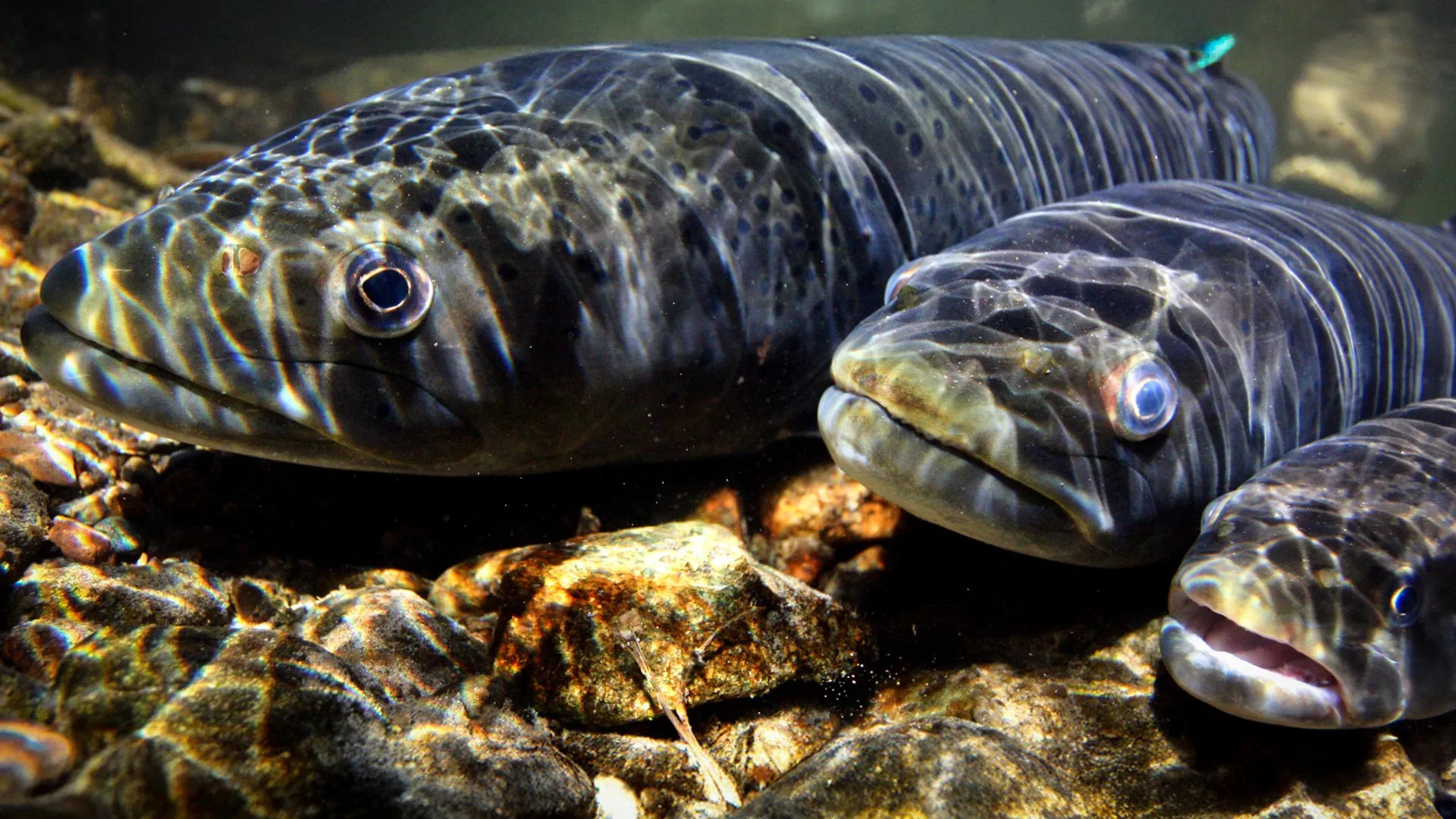
This alarming decline affects hundreds of species that depend on connected waterways to reach feeding grounds, breeding areas, and nursery habitats across continents.
Scientists say this collapse of freshwater migrations is one of the most severe biodiversity losses on Earth and highlights the urgent need for coordinated conservation efforts.
According to the Convention on the Conservation of Migratory Species of Wild Animals (CMS), migratory freshwater fish once moved freely along long river systems such as the Amazon, Nile, Mekong, Danube, and La Plata‑Paraná.
But today, dams, habitat fragmentation, pollution, overfishing, and changes in water flows have cut off these pathways. As a result, many species can no longer complete their life cycles, which has led to dramatic population declines.
The report found that 325 migratory freshwater fish species now require international protection, though only a few are currently listed under global conservation agreements.
Of those already evaluated, 97% are threatened with extinction, underscoring how quickly the crisis is unfolding. Experts stress that managing rivers as connected ecosystems rather than treating them as separate national waterways is crucial to slowing or reversing declines.
Lead author Dr. Zeb Hogan highlighted that “many of the world’s great wildlife migrations take place underwater,” and their loss is “a sign of rapidly deteriorating freshwater environments.”
The CMS and conservation partners are calling for transboundary cooperation to restore river connectivity, protect migration corridors, and implement basin‑wide strategies to support both aquatic life and human communities that depend on these fish for food and livelihoods.
Freshwater fish populations has declined by 81% as river migrations are disrupted.
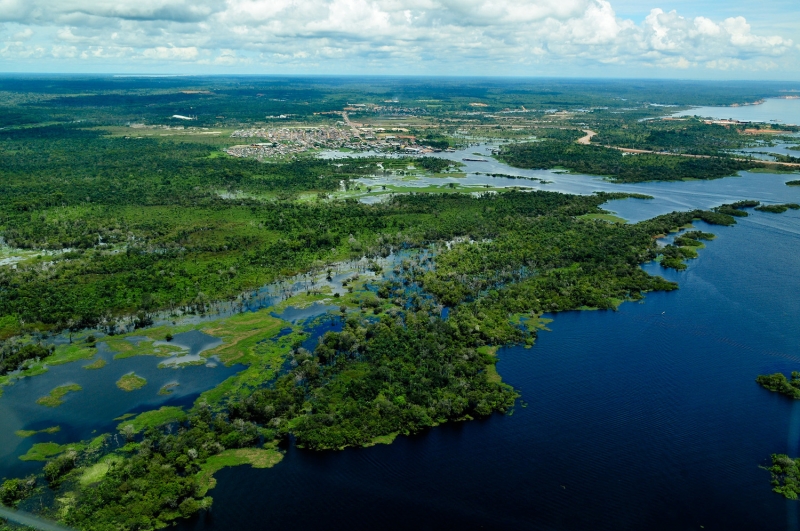
Each year, these remarkable fish undertake the longest migration of any freshwater species, traveling between 8,000 and 12,000 kilometers from the foothills of the Andes to the Atlantic Ocean.
Scientists have only recently uncovered the full scale of this journey, which can last for 12 to 15 years. However, while the journey itself is an incredible natural phenomenon, it is now at risk due to human-caused disruptions. Dams and hydropower projects along the Amazon River and its tributaries are blocking the fish’s migratory routes, altering water quality, and disrupting essential seasonal flooding that sustains the region’s ecosystems. These obstacles threaten the fish’s life cycle, which relies on specific environmental conditions to thrive.
The dorado catfish plays a critical role in the Amazon’s ecosystem as an apex predator, helping to maintain balance in the food web. Its migration also supports local economies, as the species is a key source of protein for millions in the region and fuels commercial fisheries. A new report from the Convention on the Conservation of Migratory Species of Wild Animals (CMS) calls for urgent action to protect migratory freshwater species like the dorado.
Governments and experts are encouraged to discuss a multi-species action plan that focuses on safeguarding migration routes, restoring connectivity, and promoting sustainable fishing practices.
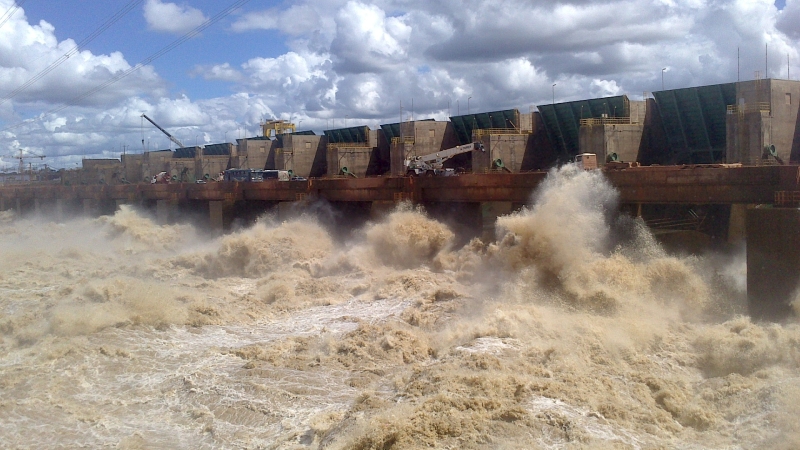
The Santo Antonio Hydroelectric Plant being constructed on one of the rivers travelled by the dorado catfish. Credit: Reginaldo Rodrigues / Wikimedia Commons
This discovery changes scientists’ understanding of how sudden climate shifts occurred near the end of the last Ice Age.
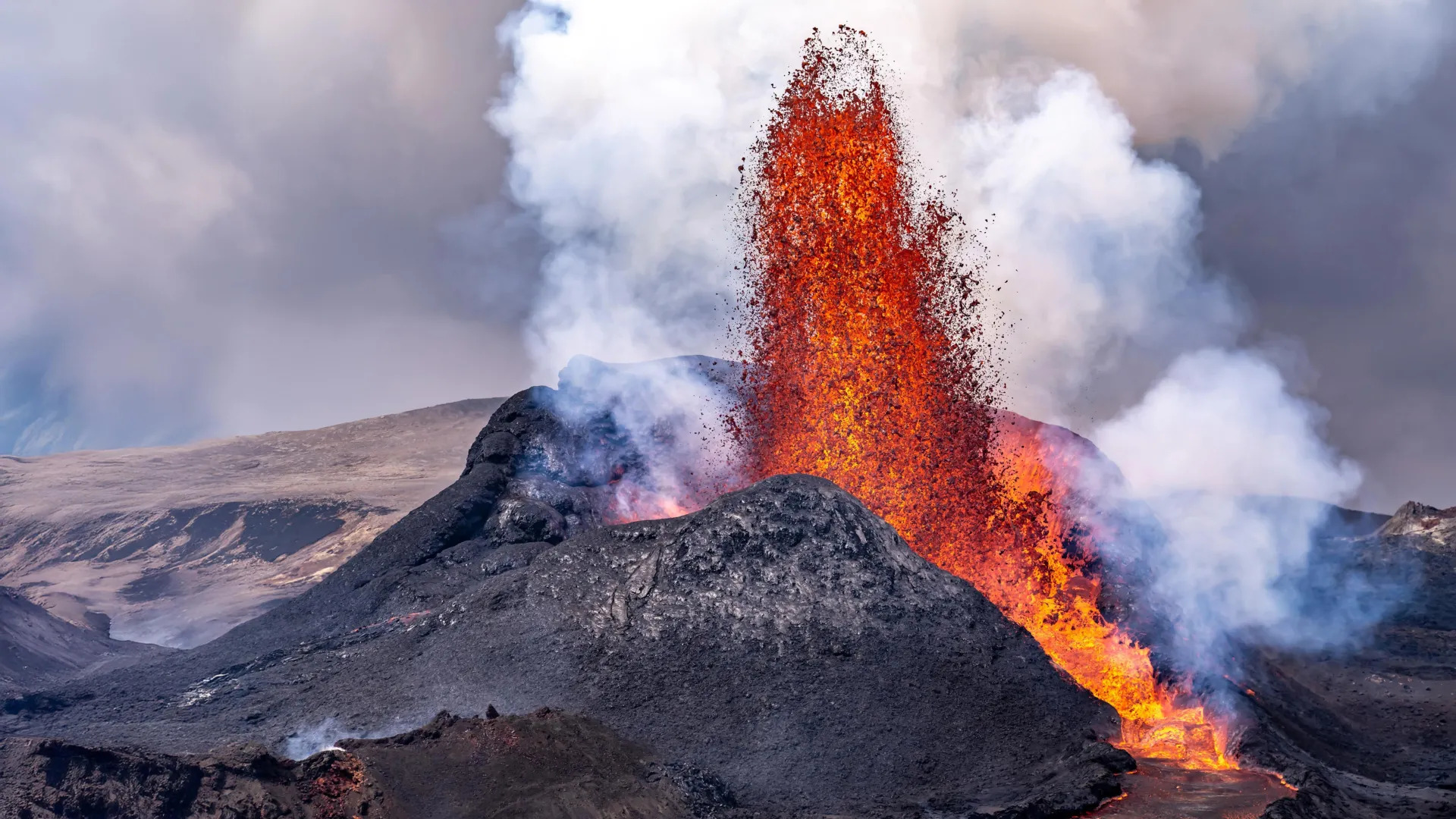
The study focuses on an unusual spike in platinum levels found deep within ice cores taken from Greenland’s massive ice sheet.
For years, this platinum anomaly puzzled researchers because platinum is often associated with extraterrestrial debris, leading many to believe a meteorite or comet strike triggered abrupt cooling at the end of the Bølling‑Allerød warm period, a climatic event known as the Younger Dryas.
However, an international team led by Professor James U. L. Baldini and colleagues from university earth sciences departments have now demonstrated that the platinum signal does not match space dust signatures and instead more closely resembles material from volcanic eruptions on Earth.
Importantly, the platinum spike appears to have occurred decades after the onset of cooling, which strongly suggests that the cooling was not caused by an impact event.
Instead, researchers propose that volcanic activity, possibly from large eruptive events, may have sent aerosols and particles into the atmosphere, affecting Earth’s climate and contributing significantly to the temperature drop known as the Younger Dryas.
This volcanic explanation fits both the chemical evidence in the ice cores and the timing of climate changes.
In explaining the new finding, scientists emphasize that while platinum anomalies remain striking signals in ice core records, they should no longer be automatically linked to extraterrestrial impacts.
The mistake of assuming space rocks were responsible has shaped climate debates for decades, and this research offers a more grounded and testable explanation.
Professor Baldini and his team argue that their work helps refine scientists’ tools for reading Earth’s climate history: rather than relying on dramatic cosmic scenarios, researchers can now consider Earth’s own volcanic system as a powerful driver of abrupt climate change during the last Ice Age.
Volcanic Eruptions, not Meteorite impacts, explained Ancient climate shift in Greenland.
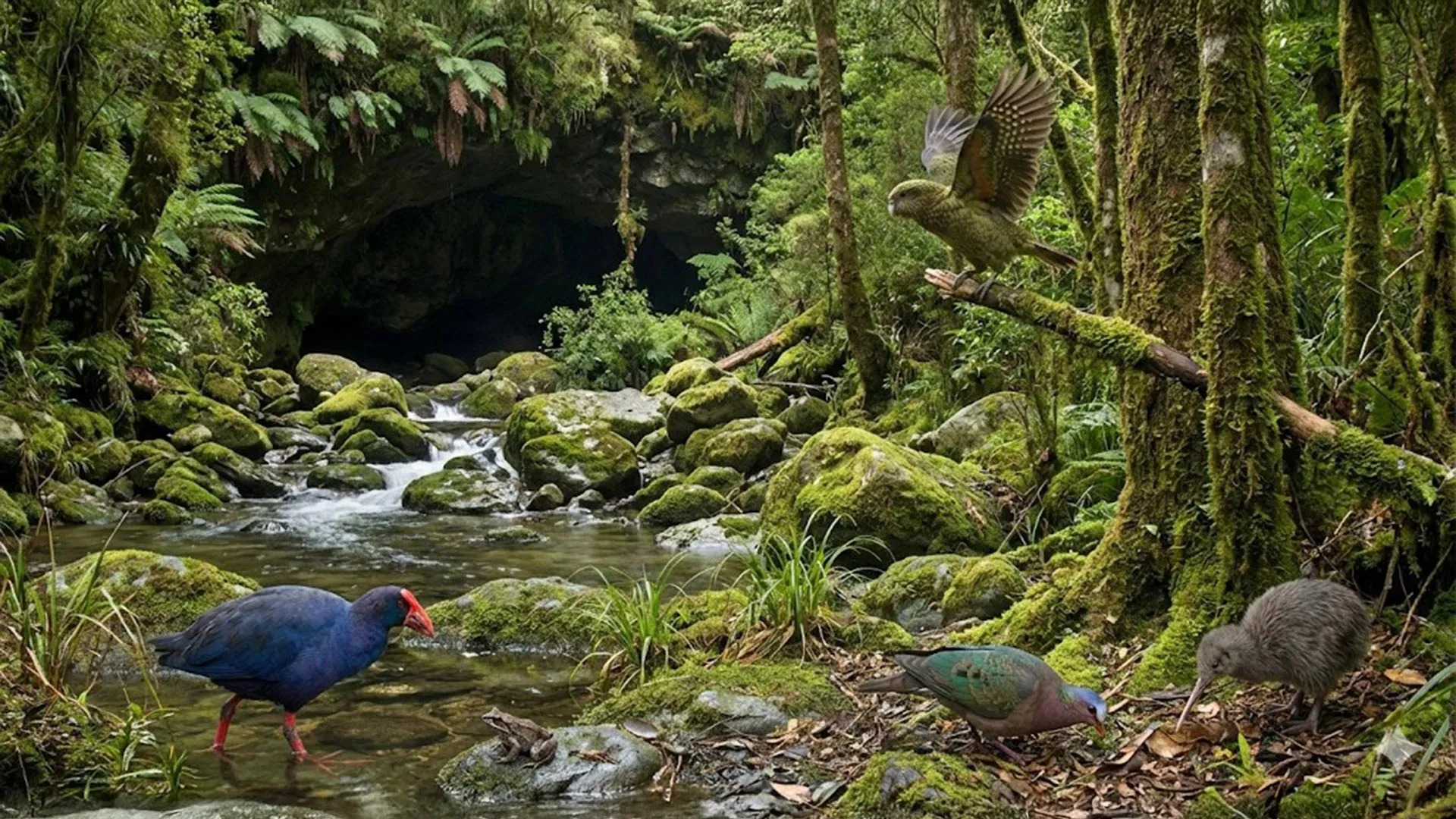
The researchers found the remains of at least 16 species, including birds and frogs.
Among the most significant discoveries was a newly identified parrot species, Strigops insulaborealis, believed to be an ancestor of the flightless kākāpō, though this ancient bird may have had the ability to fly.
Other findings include extinct ancestors of the takahē and a pigeon species closely related to the Australian bronzewing.
The fossils were embedded in two distinct layers of volcanic ash, dated to 1.55 million years ago and 1 million years ago, which helped the researchers establish a precise timeline for the remains.
These layers acted as natural time markers, giving scientists a clear snapshot of life during this ancient period.
The discovery challenges previous assumptions about New Zealand’s wildlife. Prior fossil records were either from millions of years ago or from the time after humans arrived.
The new findings fill a crucial gap in understanding the environmental forces shaping wildlife long before humans arrived. According to Associate Professor Trevor Worthy, the fossils represent a “missing volume” in the natural history of New Zealand.
The team also pointed out that climate shifts and volcanic eruptions may have caused significant extinctions before humans, with as many as 33-50% of species disappearing in the million years before human settlement.
Dr. Paul Scofield from Canterbury Museum emphasized that these natural events played a pivotal role in the extinction of species, adding that this discovery “proves that dramatic climate changes and volcanic activity were already reshaping wildlife”, long before human impact.
Scientists open a million-year-old time capsule beneath New Zealand.
The two-day summit, hosted by The European House-Ambrosetti, brought together global leaders, private sector players and investors to champion climate finance, environmental stewardship and a just transition.
Kenya’s Cabinet Secretary in the Ministry of Agriculture and Livestock Development Mutahi Kagwe warned that failure to finance climate-smart agriculture in Africa could trigger far-reaching consequences for global food systems.
Kagwe said that climate change is already dismantling traditional agricultural systems across Kenya, with extreme weather patterns now defining the country’s reality.
“Climate shocks are no longer future risks. They are present disruptions. If agriculture in Africa fails, global food systems will feel the shock,” he warned.
The summit aims to catalyze a global discussion on the crucial role of industry in building a climate-resilient Africa.
Through a series of plenary sessions and panels, participants, including more than 150 CEOs, institutional leaders and influential stakeholders from Africa and beyond, will have the opportunity to examine best practices, innovations and policies needed to mitigate the impacts of climate change on the African continent.
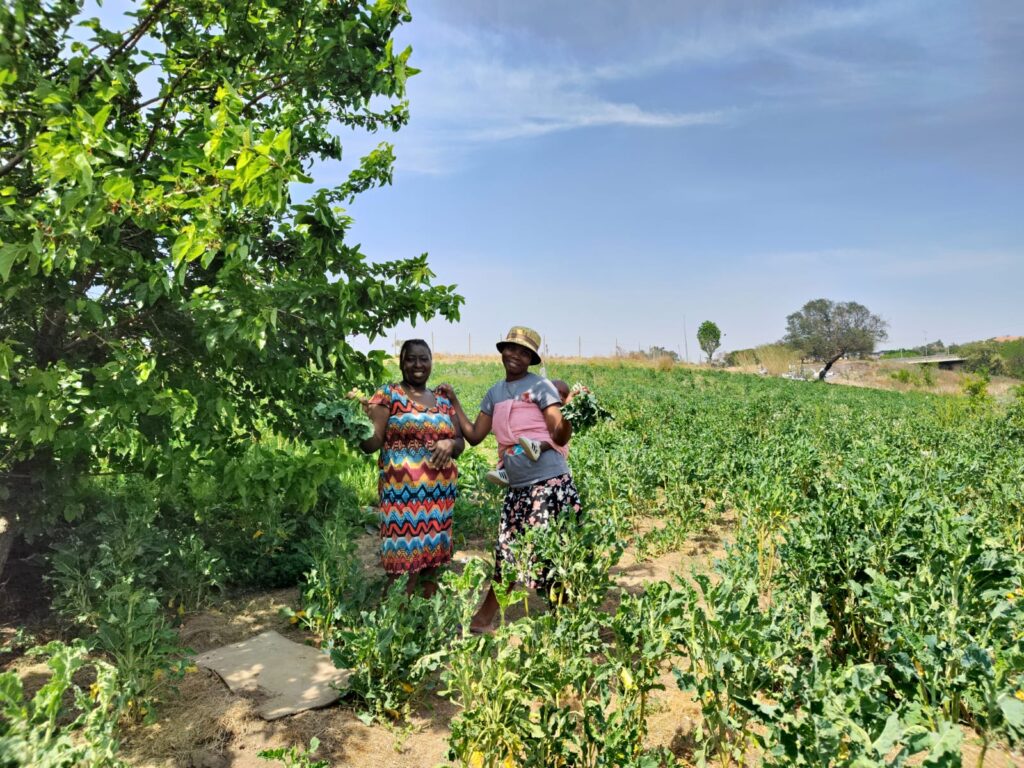
Kagwe said that Kenya’s heavy reliance on rain-fed agriculture, which accounts for 98 percent of farming, leaves millions exposed to climate variability.
He said the consequences have already been severe, including five failed rainy seasons between 2020 and 2023, 4.4 million people pushed into food insecurity, and the loss of over 2.5 million livestock.
“Even in 2026, the crisis persists. While some regions face deadly floods, others are battling drought and extreme heat, with over two million Kenyans currently in need of emergency food and livestock support,” Kagwe said.
But beyond the statistics, Kagwe said that Africa must no longer be sidelined in climate decision-making or subjected to externally designed solutions.
“There is no one-size-fits-all solution. Climate change is a lived experience for our farmers. The answers must come from the ground, not from boardrooms in Brussels, New York or Paris,” he said.
The summit called on international investors to finance climate-smart agriculture to boost food security on the continent.