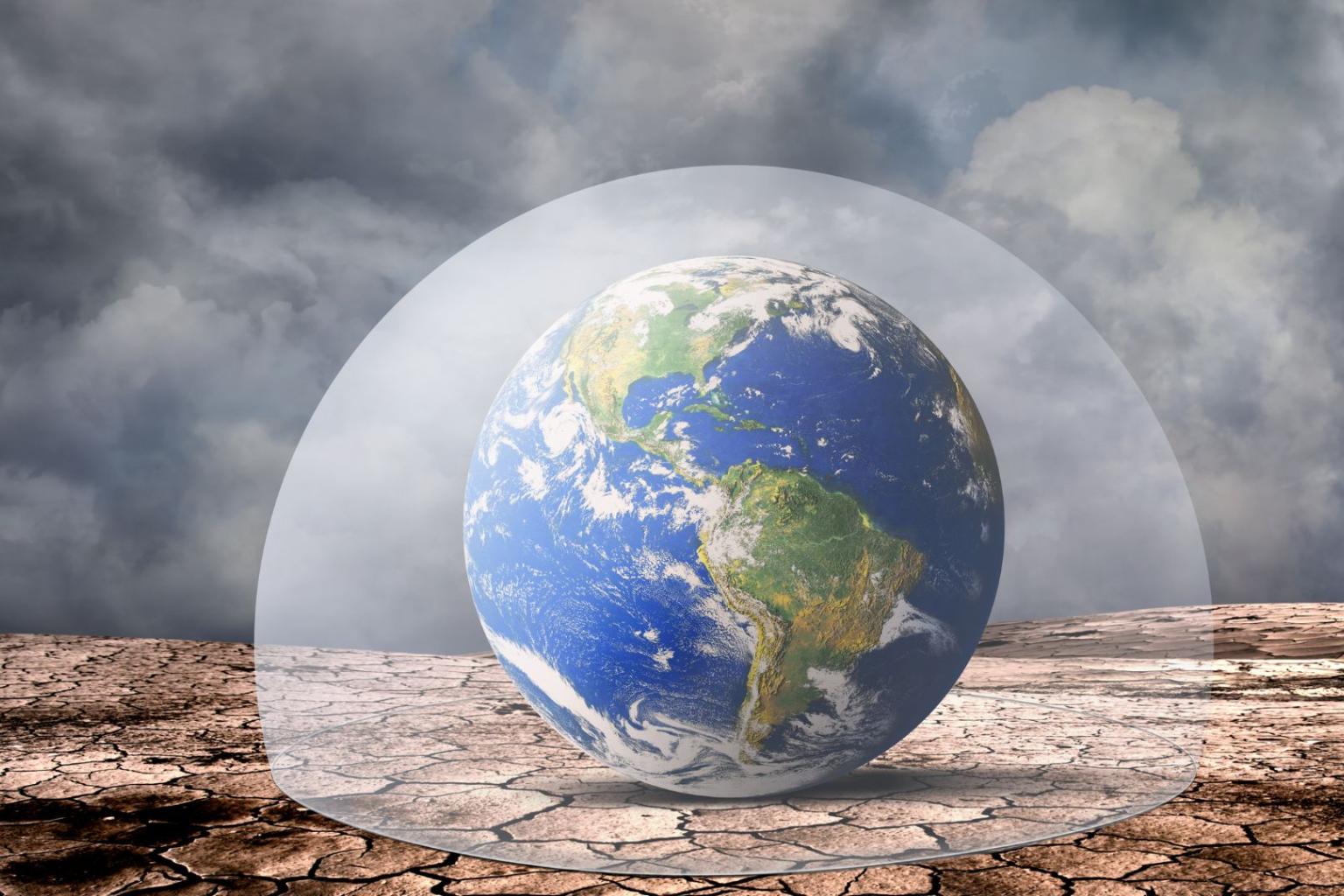
March 23 is World Meteorological Day, with the theme “Observing Today, Protecting Tomorrow.” On the same day, the WMO released the State of the Global Climate report 2025, analyzing a range of key climate indicators, including greenhouse gas concentrations, surface temperature, ocean heat and acidification, sea level rise, Antarctic sea ice extent, and glacier melt.
The report confirmed that 2015-2025 were the hottest 11 years on record, and 2025 was the second or third hottest year on record, at about 1.43 degrees Celcius above the 1850-1900 average. Extreme events around the world, including intense heat, heavy rainfall and tropical cyclones, caused disruption and devastation, highlighting the vulnerability of interconnected economies and societies.
The ocean continues to warm and absorb carbon dioxide. Over the past two decades, the ocean has absorbed the equivalent of about 18 times the annual human energy use each year. In 2025, ocean heat content (to a depth of 2,000 meters) reached the highest level since records began in 1960, surpassing the previous high set in 2024.
Data from individual monitoring stations showed that levels of three main greenhouse gases, carbon dioxide, methane and nitrous oxide, continued to increase in 2025.
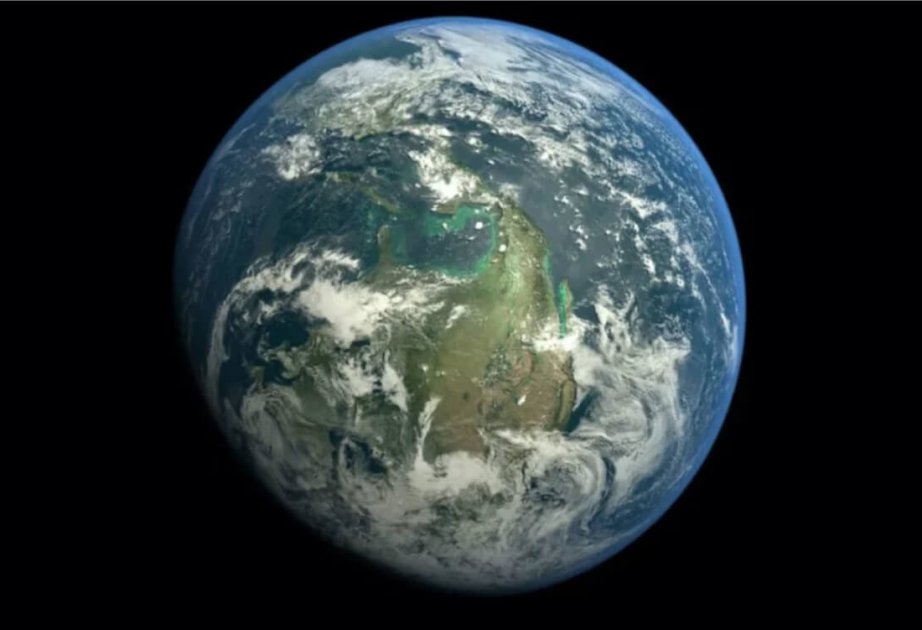
For the first time, the report included Earth’s energy imbalance as a key climate indicator. The Earth’s energy balance measures the rate at which energy enters and leaves the Earth system.
Earth’s energy imbalance has been increasing since its observational record began in 1960, particularly in the past 20 years. It reached a new high in 2025.
The Earth’s energy balance measures the rate at which energy enters and leaves the Earth system.
A team from the University of Arizona’s Lunar and Planetary Laboratory has created simulations to better understand Psyche’s interior by studying the formation of a large crater near its north pole. Their research, published in JGR Planets, suggests that craters can reveal key information about the asteroid’s composition.
The study found that Psyche’s internal porosity, the amount of empty space within it, plays a crucial role in how craters form. Asteroids with more voids absorb impact energy differently, creating deeper, steeper craters with less debris scattered around.
This finding is important as it could help scientists interpret the data NASA’s spacecraft will collect, including whether Psyche has distinct layers of rock and metal or is a chaotic mixture of materials.
Scientists also modeled an impact on Psyche using a 3D shape model and found that a 3-mile wide impactor could create the type of crater seen on the asteroid. This result could indicate whether Psyche’s interior is made up of a metallic core surrounded by a thin rocky mantle, or a mixture of metal and rock.
The upcoming NASA Psyche mission will analyze Psyche’s surface, gravity, magnetic field, and composition to confirm these predictions. With these simulations, scientists are hopeful that the spacecraft will uncover whether Psyche holds the secrets of a lost planet’s core.
This illustration, created in March 2021, depicts asteroid Psyche, which lies in the main asteroid belt between Mars and Jupiter. Psyche is the focal point of NASA’s mission of the same name.
From March 23 to 29, 2026, delegates will gather at the Bosque Expo venue for what promises to be a pivotal UN wildlife conference, the first time Brazil has hosted this landmark event.
Under the compelling theme “Connecting Nature to Sustain Life”, the meeting underscores the indispensable role of ecological connectivity, the seamless web of habitats, corridors, and stopover sites that migratory species rely on to complete their epic journeys.
Representatives from the CMS’s 133 Parties, comprising 132 countries plus the European Union, will join forces with scientists, conservation organizations, Indigenous Peoples, local communities, environmental NGOs, and other stakeholders from across the globe.
High-level government officials, including Brazil’s Ministry of the Environment and Climate Change leadership, are expected to preside over sessions, with João Paulo Capobianco designated as the COP15 President. The gathering will also feature side events, stakeholder dialogues, and a dedicated high-level segment aimed at securing renewed political commitments.
This COP follows the momentum built at COP14, held in February 2024 in Samarkand, Uzbekistan, the first CMS COP in Central Asia, under the banner “Nature Knows No Borders.”
That meeting launched the groundbreaking State of the World’s Migratory Species report, revealing that 44% of monitored populations were declining and over one in five listed species faced extinction risk.
It also adopted the Samarkand Strategic Plan for Migratory Species 2024–2032, setting ambitious targets for habitat restoration, reduced infrastructure impacts, and enhanced connectivity.
Recent updates paint an even starker picture: an interim assessment shows declines have worsened to 49% of migratory species populations, with 24% now at heightened extinction risk.
Mounting threats include habitat fragmentation, overexploitation, fisheries bycatch, marine and plastic pollution, illegal take, climate-driven disruptions, light pollution, renewable energy infrastructure collisions, anthropogenic noise, and emerging risks like deep-sea mining.
Delegates at COP15 are poised to tackle these challenges head-on through a comprehensive agenda. Key discussions will center on implementing the Samarkand Strategic Plan, proposing amendments to the CMS Appendices to afford stricter protections to vulnerable species; such as certain sharks and rays, hammerhead and thresher sharks, giant otters, striped hyenas, Amazon catfish, and potentially others like the snowy owl.
Cross-cutting issues will dominate debates, including measures to curb bycatch and fisheries mortality, combat pollution and illegal take, promote wildlife health, address climate impacts, safeguard seamount ecosystems, and advance ecological connectivity initiatives, including tools like an Atlas of Animal Migration.
Participants will also explore synergies with other global frameworks, such as the Convention on Biological Diversity and Ramsar wetlands convention, while emphasizing sustainable livelihoods, pastoralism in rangelands, and the role of infrastructure in minimizing harm to migratory routes.
Expected outcomes include the adoption of a high-level Ministerial Declaration reaffirming global commitments, approvals of new species listings and concerted action plans, strengthened guidelines on emerging threats, and concrete steps to operationalize the Strategic Plan through the next decade.
These decisions could galvanize coordinated international efforts, potentially reversing declines and ensuring migratory species, from soaring birds and ocean-crossing whales to river-traversing fish, continue to sustain ecosystems and human well-being.
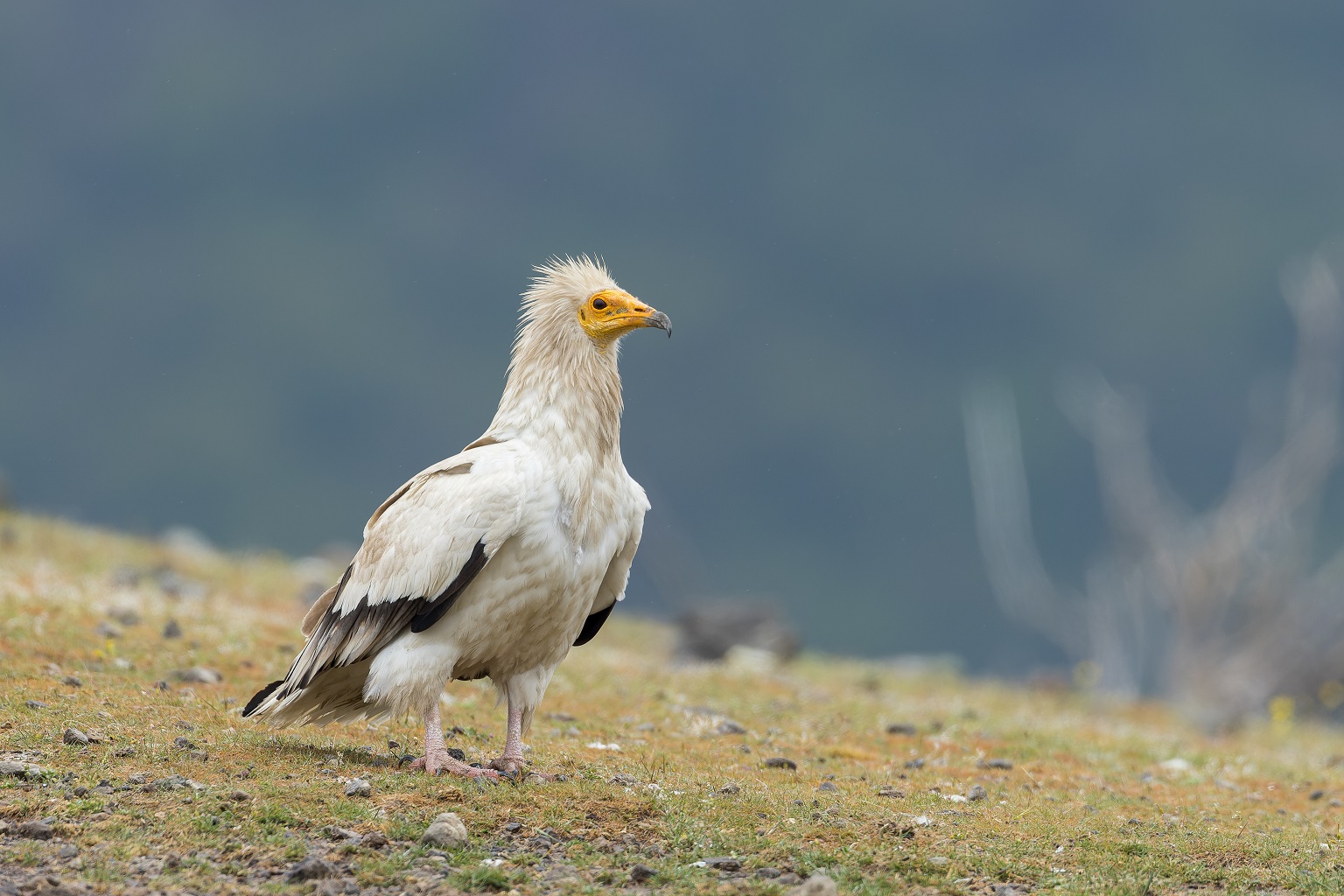
The Egyptian vulture can fly up to 640 kilometers (400 miles) in a day as it travels between its wintering grounds in the Sahara and European breeding sites — a migration that of up to 5,000 km (3,100 mi). Image by Sergey Dereliev.
Earth’s day is not always exactly 24 hours. It changes naturally because of the moon’s pull and processes inside the planet. But recent climate change adds a new factor. As ice melts, water moves from land to oceans, shifting Earth’s mass. This slows rotation, like a figure skater spinning more slowly when stretching their arms.
To study how unusual this is, researchers looked at tiny marine fossils called benthic foraminifera. The chemical makeup of these fossils shows old sea levels. Using this data and a special computer model, scientists could estimate how day length changed over millions of years.
During past ice ages, growing and melting ice sheets changed day length, but none as fast as today. Only around 2 million years ago was the change somewhat similar, but still slower.
This shows that today’s climate change is faster than anything in the last 3.6 million years, according to said Benedikt Soja of ETH Zurich. By the end of this century, human-driven climate change could affect day length even more than the moon does.
Even though the change is only a few milliseconds, it can affect precise tasks like space travel.
Scientists from the University of Vienna and ETH Zurich say climate change is slowing Earth’s spin, making our days slightly longer.
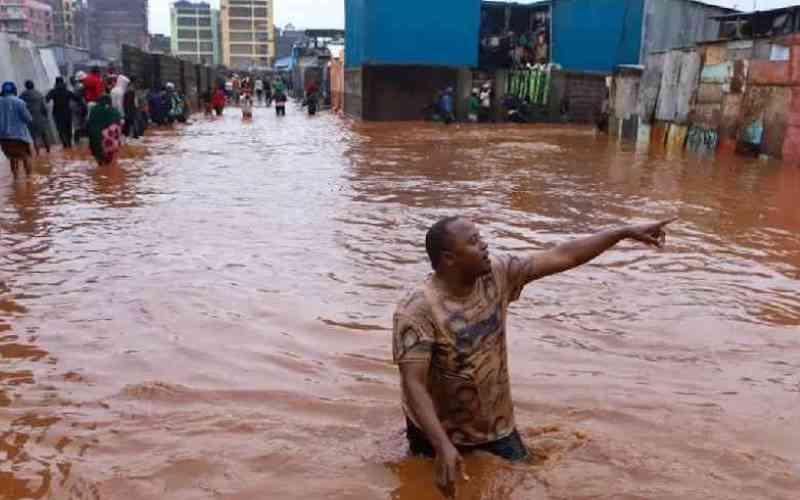
The Ministry of Interior and National Administration said the victims comprise 46 men, eight women, and eight children.
“Nairobi recorded the highest number of deaths with 33, followed by the Eastern region at 17, and Rift Valley region with seven,” the ministry said in an update released in Nairobi, the Kenyan capital.
The government said the floods have affected more than 10,000 households, with 4,845 people displaced and forced to seek shelter in safer areas.
The heavy rainfall has caused flooding in several parts across the East African nation, leading to road closures, property damage, displacement and distress among the affected communities.
In addition to the tragic loss of lives, significant damage to infrastructure and livelihoods has been reported.
The Kenya Meteorological Department has forecast continued heavy rainfall and urged residents to take extreme caution to prevent further loss of life.
Kenya said floods have affected more than 10,000 households, with 4,845 people displaced
Since the first State of the World’s Migratory Species report in 2024, the proportion of imperiled CMS-listed species has risen from 44% to 49%, highlighting an alarming trend over just two years.
Migratory animals, from shorebirds to freshwater fish, rely on moving across continents to breed, find food, and escape harsh weather.
Blue wildebeest, for instance, migrate across the Serengeti-Masai Mara Ecosystem in East Africa following seasonal grass growth, while humpback whales travel thousands of miles between tropical breeding grounds and Antarctic feeding areas.
When habitats are lost or fragmented, these natural journeys are disrupted, threatening the survival of entire populations.
The report identifies multiple drivers of decline, including habitat loss, hunting, overfishing, and climate change. Roads, railways, fences, and pipelines often block long-established migration routes, constraining species such as the Mongolian gazelle.
In the Arctic, mining activities and climate change have contributed to dramatic losses of tundra caribou, with some herds shrinking from hundreds of thousands to just a few thousand over decades.
Birds, in particular, are being heavily affected by highly pathogenic avian influenza (HPAI). Since 2020, H5N1 has caused mass die-offs, killing tens of thousands of waterfowl and shorebirds, and spreading to more than 500 bird species and over 100 mammals worldwide.
Species impacted include Peruvian pelicans, hooded cranes, African penguins, and red-crowned cranes, with Australia remaining largely unaffected. The virus, combined with habitat loss, has intensified the decline of many avian species.
Despite these challenges, there are some conservation successes. The reintroduction of the scimitar-horned oryx in Chad has increased its population to 575, and saiga antelope numbers have rebounded after disease outbreaks.
Mapping migration routes and creating safe corridors remain critical. Protected areas along the Serengeti-Masai Mara Ecosystem Corridor, for example, allow up to 2.5 million herbivores, including wildebeest, zebras, and gazelles, to migrate safely over vast distances.
CMS Executive Secretary Amy Fraenkel emphasizes the need for cross-border habitat protection, especially for birds and ocean species, which require networks of safe areas rather than single contiguous spaces.
Ahead of the 15th Conference of the Parties to the Convention on the Conservation of Migratory Species of Wild Animals (CMS COP15), 42 new migratory species are being proposed for CMS listing, the largest number ever, to spur urgent action.
“We know what needs to be done, and we look forward to galvanizing action by governments and other stakeholders to protect, conserve and save these species. There is no time to wait,” said Susan Lieberman, vice president of international policy at the Wildlife Conservation Society.
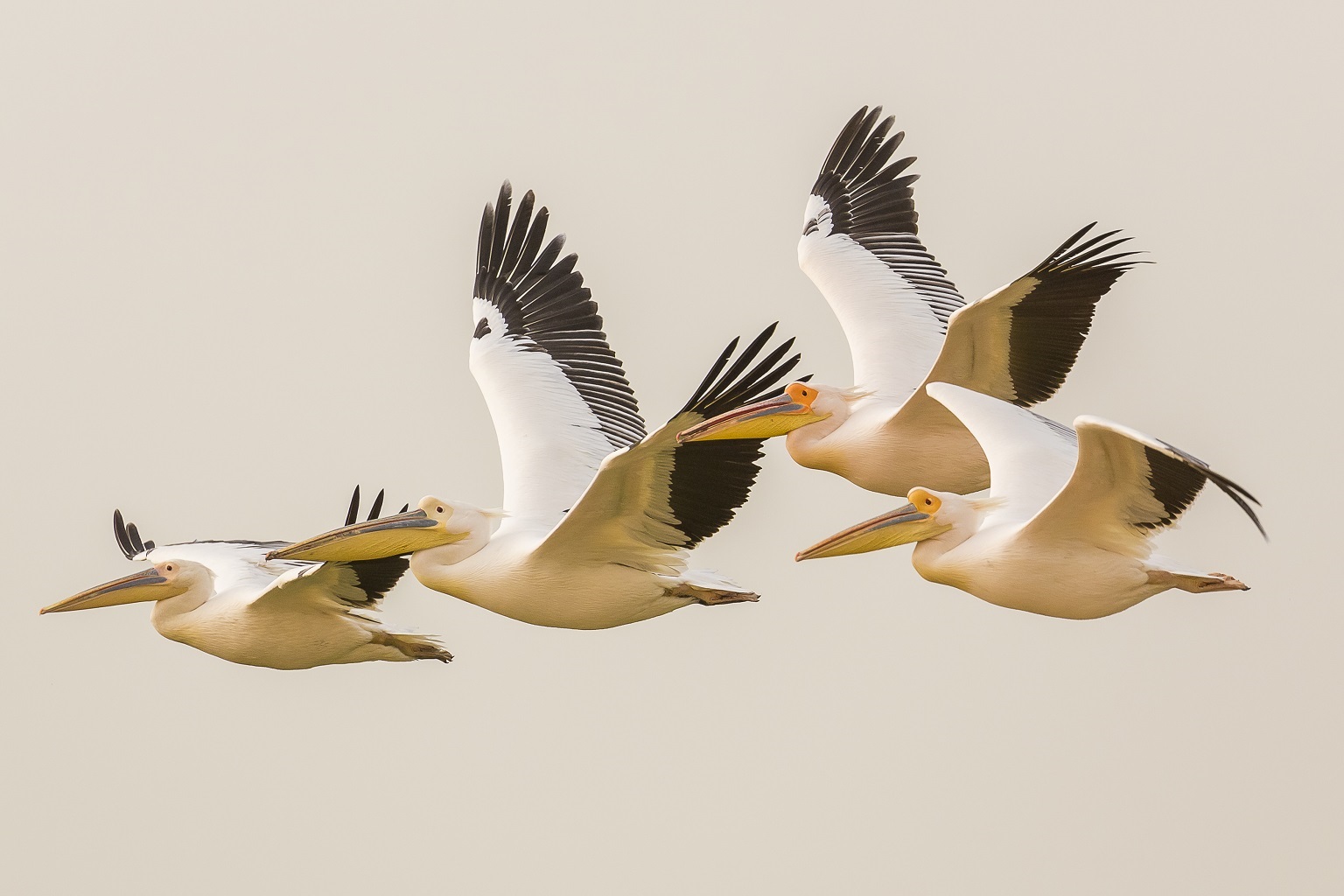
Many bird species have lost vital stopovers along flyways, but with ongoing spread of Highly Pathogenic Avian Influenza, some populations have been decimated. Shorebirds have been particularly hard-hit, including pelicans. Image by Sergey Dereliev.The Egyptian vulture can fly up to 640 kilometers (400 miles) in a day as it travels between its wintering grounds in the Sahara and European breeding sites — a migration that of up to 5,000 km (3,100 mi). Image by Sergey Dereliev.
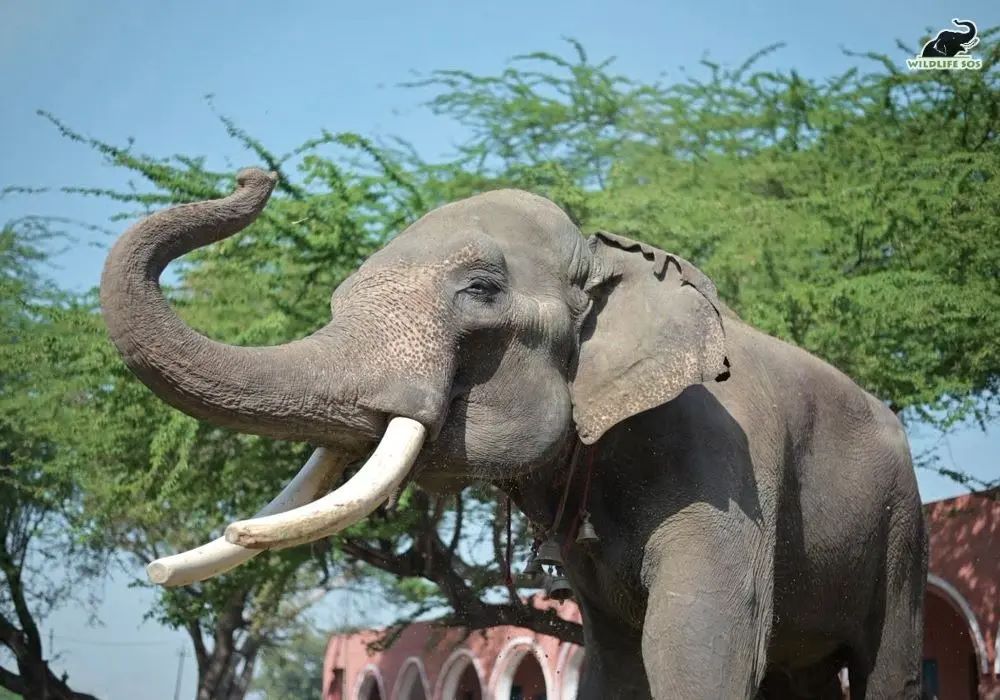
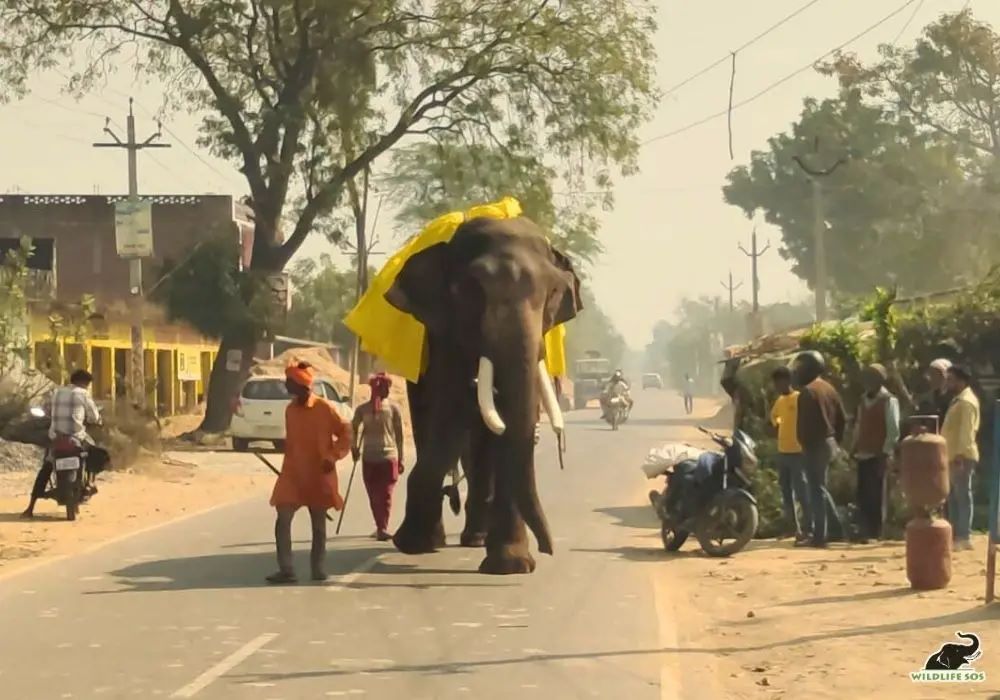
According to Wildlife SOS, the elephant, named Veer, had reportedly endured years of exploitation, including being used as a “begging” elephant on the streets, a practice that often exposes animals to harsh conditions, overwork and inadequate medical care.
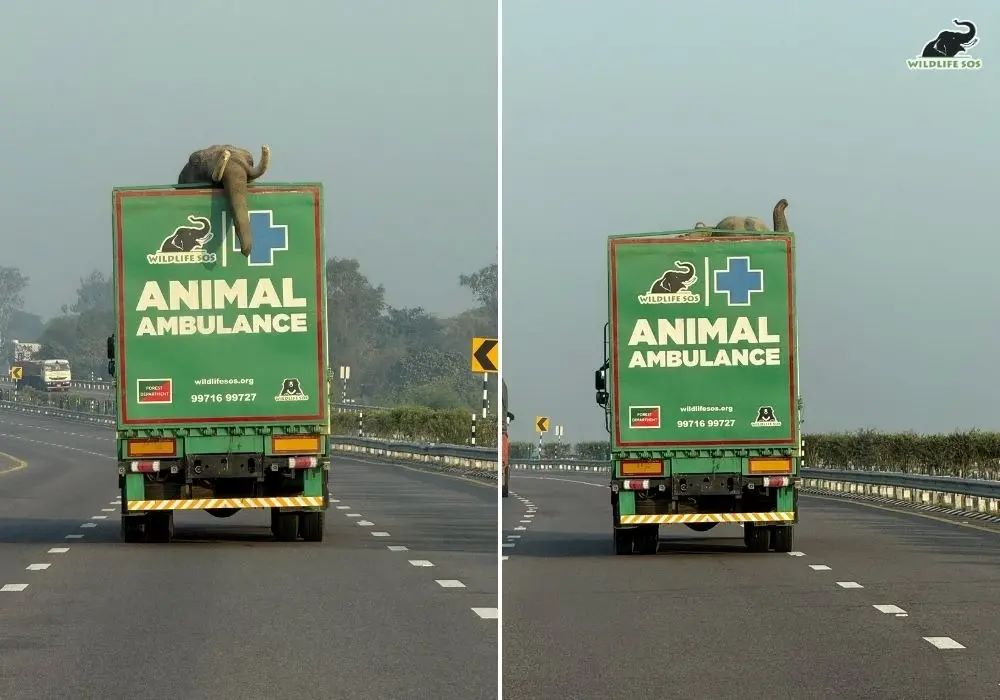
Responding to the urgent situation, Wildlife SOS mobilized a specialized veterinary team late last month to rescue the injured animal and transport him to safety.
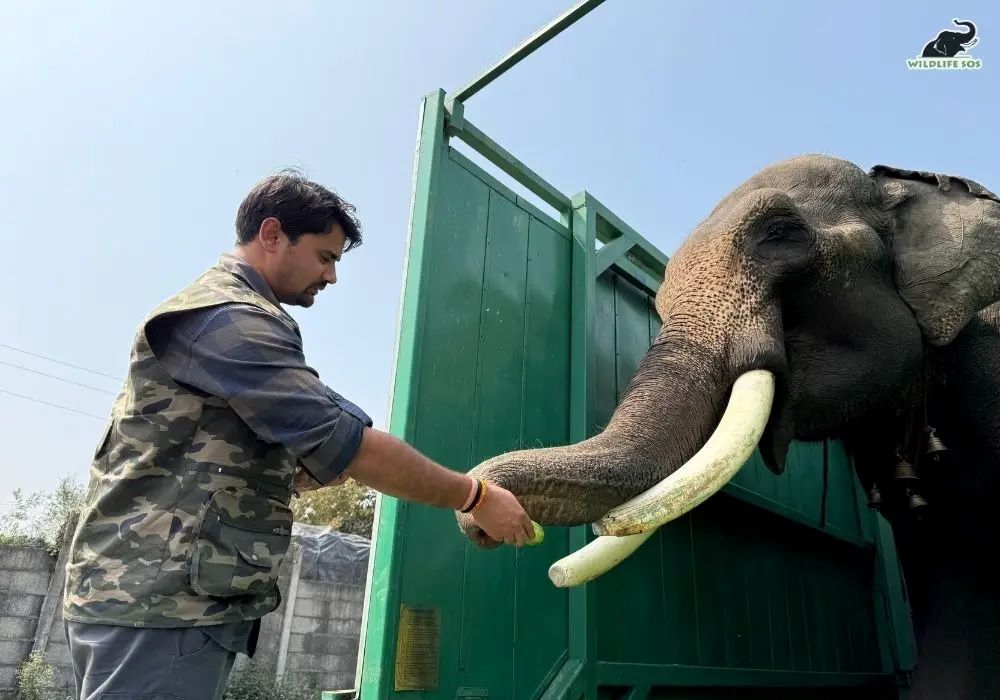
The remarkably tall, exceptionally calm and endearingly curious Veer would keep peeping and popping out his trunk over the ambulance every few minutes. Photo by Wildlife SOS
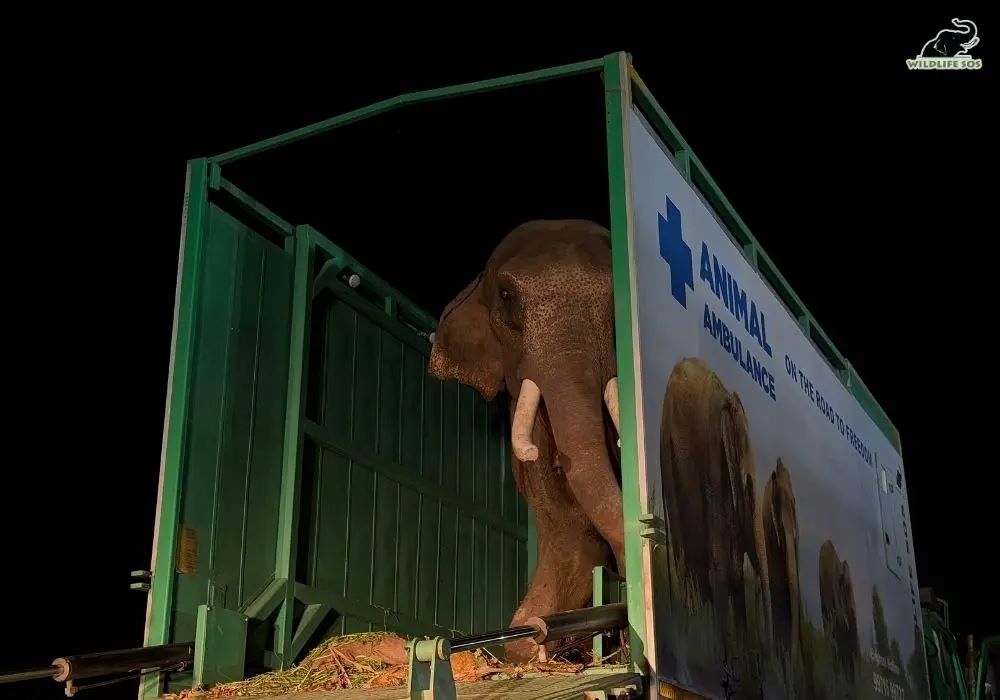
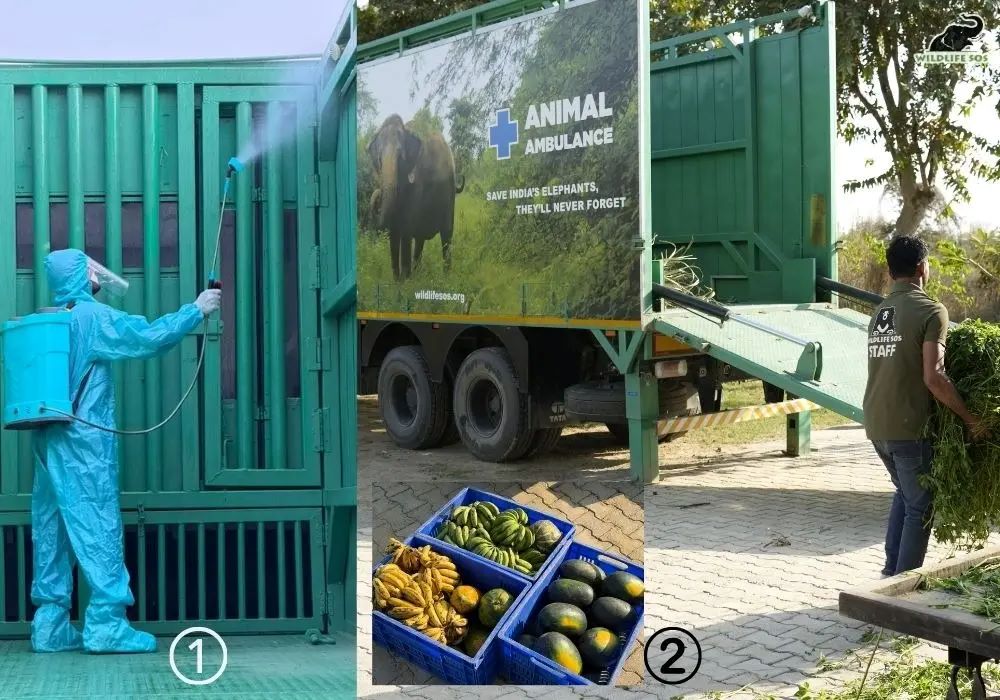
For the mission, the organization deployed its newly commissioned elephant ambulance, marking the vehicle’s first field rescue. Designed specifically for long-distance elephant transfers, the ambulance is equipped with advanced safety and stabilization systems to ensure the safe transport of injured elephants.
The vehicle includes specially designed access points that allow veterinary technicians to administer medication and monitor vital signs while maintaining a safe distance. Inside, the ambulance is structured to provide stability and reduce stress for the animal during travel. Since elephants must remain standing during transport, supportive straps and harnesses allow them to shift weight away from injured limbs.
“This rescue represents both urgency and hope,” said Nikki Sharp, Executive Director of Wildlife SOS USA. “For decades, ‘begging’ elephants have endured unthinkable physical and psychological trauma. With our new elephant ambulance and expert veterinary team, we are able to respond faster and more safely than ever before.”
Veer displayed no unrest around the Wildlife SOS team, and remained engrossed with the abundance of food offered to him. Photo by Wildlife SOS
Upon reaching Veer, the medical team conducted an examination and provided immediate treatment before beginning the transport. Because elephants must stand while the vehicle is moving, the team made regular stops during the multi-day journey so the animal could rest and lie down.
Veer was eventually transported to the Wildlife SOS Elephant Hospital, located at the Elephant Conservation and Care Centre in Mathura, Uttar Pradesh, where he will receive specialized treatment and long-term care.
Wildlife SOS is also spearheading an international campaign to end the exploitation of elephants used for street begging in India. The initiative aims to rescue and rehabilitate all such elephants by 2030, many of whom suffer from chronic injuries, malnutrition and untreated illnesses.
The organization currently cares for more than 30 rescued elephants at its conservation facility.
“Veer’s rescue is a powerful reminder of why this work matters,” Sharp said. “Because of our supporters, he now has access to the specialized treatment and long-term care he urgently needs.”
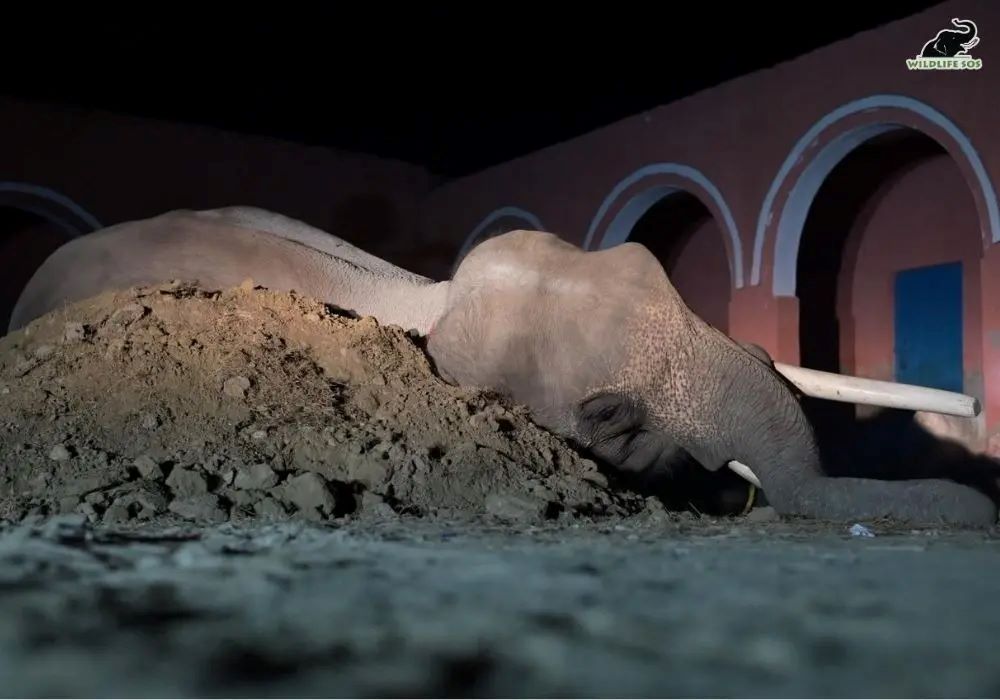
A brighter chapter has opened up in Veer’s life, filled with nourishing care and affection. Photo by Wildlife SOSVeer was offered a lot of cucumbers to keep up his hydration levels. Photo by Wildlife SOSWhile the team faced an unexpected turn of events when the ambulance tyres sunk into the mud, caregivers made the best of the situation by creating a mud bed for Veer to aid his sleep. Photo by Wildlife SOSThe remarkably tall, exceptionally calm and endearingly curious Veer would keep peeping and popping out his trunk over the ambulance every few minutes. Photo by Wildlife SOSWildlife SOS rushed to prepare the animal ambulance by sanitising it thoroughly and stocking it with fresh edibles for the elephant thereafter. Photo by Wildlife SOSThe gentle giant was forced to walk on concrete roads, bearing goods on his back under the scorching sun. Photo by Wildlife SOS
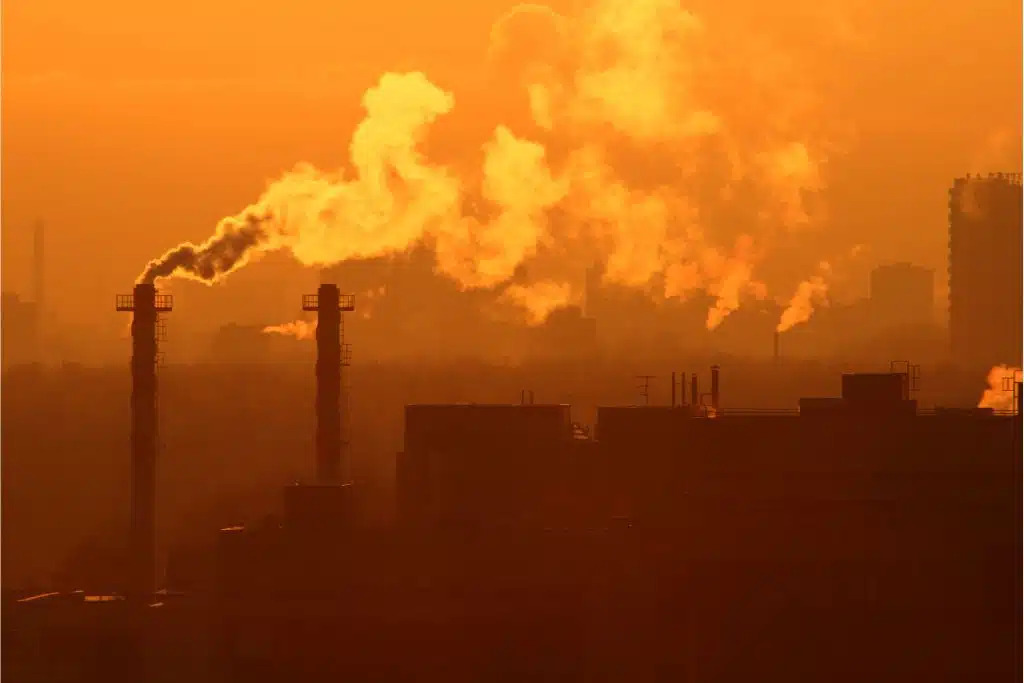
This research, published in the journal Geophysical Research Letters, provides the first statistically significant evidence that global warming is not just continuing, it is speeding up. Researchers removed the influence of natural climate variations to show that the recent increase in temperature is real and persistent.
According to the study, if temperatures continue to rise at the current rate, the world is likely to exceed the 1.5°C global warming limit established under the 2015 Paris Agreement by the end of this decade.
This threshold is considered crucial because surpassing it would greatly increase the risks of extreme weather, rising sea levels, and long-term damage to ecosystems and human societies.
Scientists emphasize that the main driver of this rapid warming is human activity, particularly the burning of fossil fuels like coal, oil, and natural gas, which release greenhouse gases into the atmosphere and trap heat. Global fossil fuel consumption and emissions have both reached record levels, mainly contributing to the recent acceleration in warming.
The study also notes that the past 11 years have all been the warmest on record, with the three most recent years among the hottest ever observed. This trend underscores the urgency of reducing carbon emissions and shifting toward cleaner energy sources in order to limit future warming and avoid the most severe consequences of climate change.
Global warming has accelerated over the past decade.
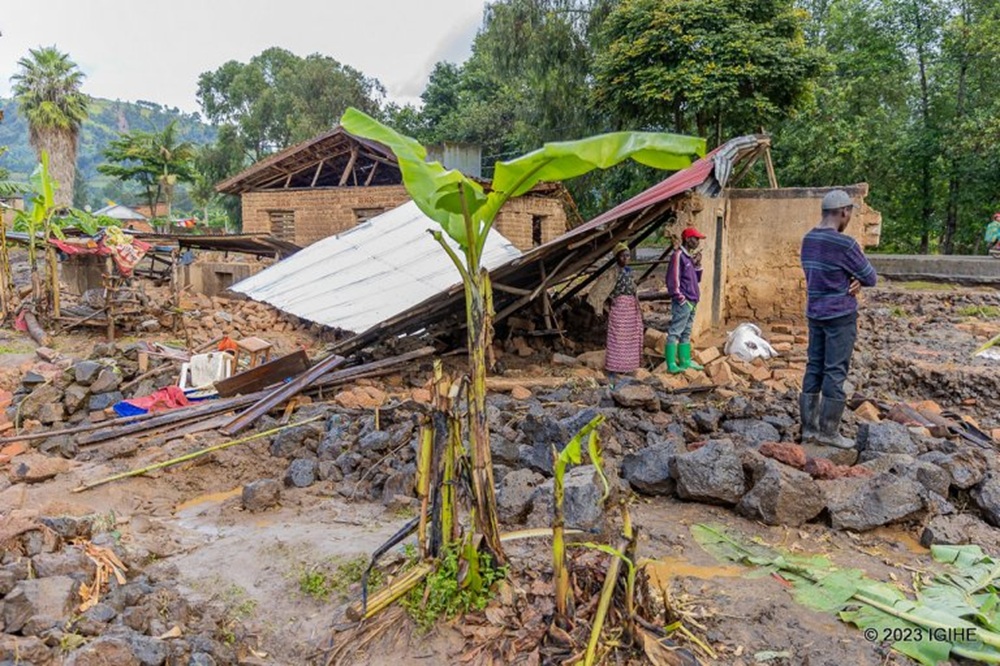
Data shared with IGIHE shows that between January 1 and March 11, 2026, disasters including lightning strikes, landslides and floods claimed lives in different parts of the country.
Among the victims, 14 people were killed by lightning, while five died in fires. Floods and landslides each killed three people, while two people died after houses collapsed. One person lost their life in a disaster linked to mining activities.
MINEMA also reported that besides the fatalities, 75 people have been injured since the start of the year, while 297 houses were damaged.
The disasters also destroyed crops on 220 hectares of land, killed 25 cows and nine other livestock, and damaged public infrastructure.
According to the ministry, the incidents also destroyed eight school classrooms, 14 roads, 22 electricity lines, and 22 bridges. In addition, one church and one market were damaged.
Recently, Rwanda’s Meteorological Agency warned that March 2026 is expected to receive above-average rainfall, which could increase the risk of disasters.
The meteorological agency said rainfall during the month could be slightly higher than the usual average, increasing soil moisture levels.
While this may benefit agricultural activities at the beginning of the Season B planting period, it could also bring strong winds and thunderstorms capable of triggering disasters, especially in areas where the ground is already saturated.
Forecasts indicate that rainfall between 100 and 350 millimeters is expected in the first and second ten-day periods of March, slightly above the usual average for those periods. Between March 21 and 31, rainfall is expected to return to normal levels ranging between 89 and 292 millimeters.
The Minister in charge of Emergency Management, Albert Murasira, recently urged residents to take precautions against disasters linked to heavy rains, particularly those living in high-risk zones.
He also called on people living in wetlands and high-risk zones to relocate to safer areas to avoid putting their lives in danger, stressing that long-term measures are being implemented to ensure communities do not settle in hazardous locations.
MINEMA has reported that disasters claimed 28 lives in Rwanda since start of 2026.
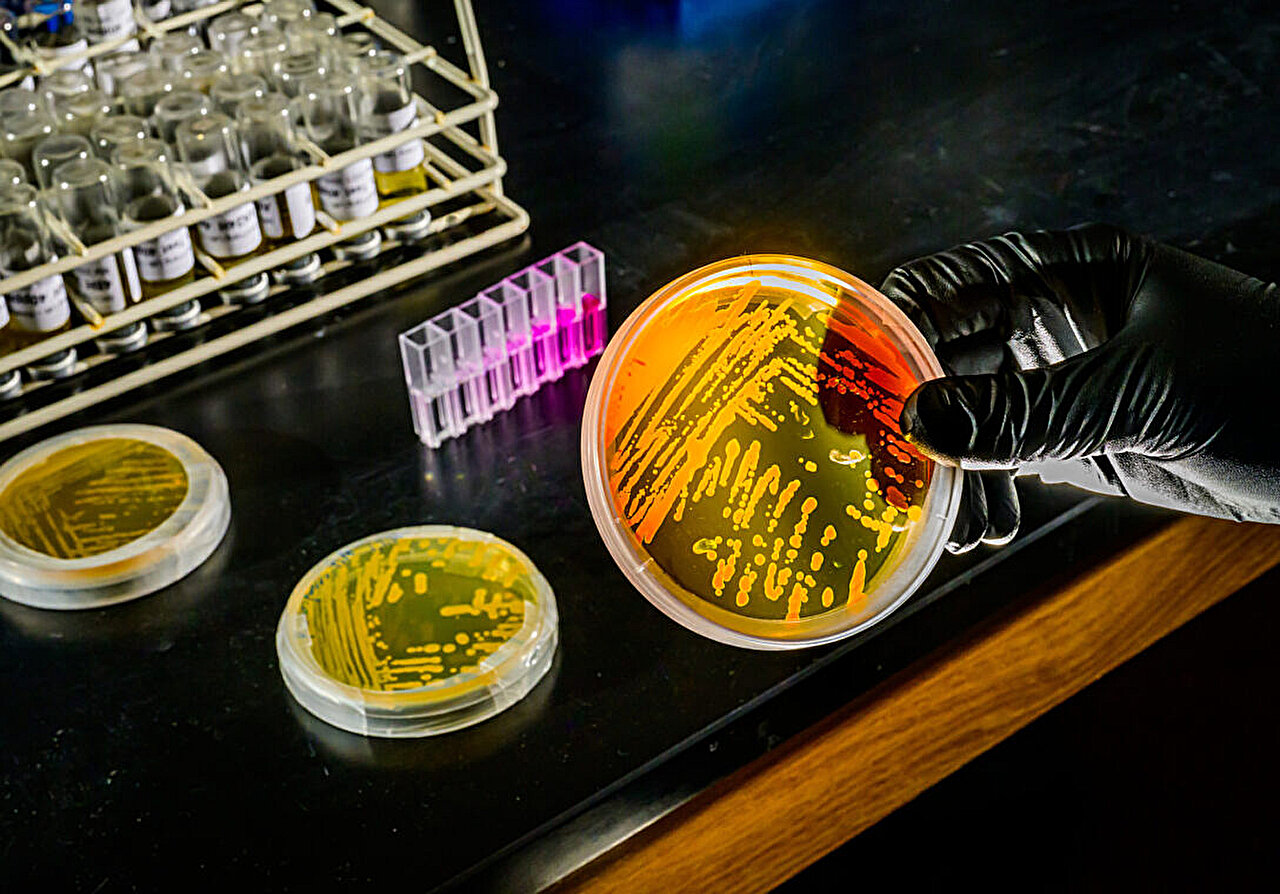
The research, published in Proceedings of the National Academy of Sciences, focuses on the microbe Nitrosopumilus maritimus, a type of ammonia-oxidizing archaea that plays a crucial role in ocean nutrient cycles. Scientists say these microbes make up roughly 30 percent of marine microbial plankton and are essential for the chemical processes that sustain marine life.
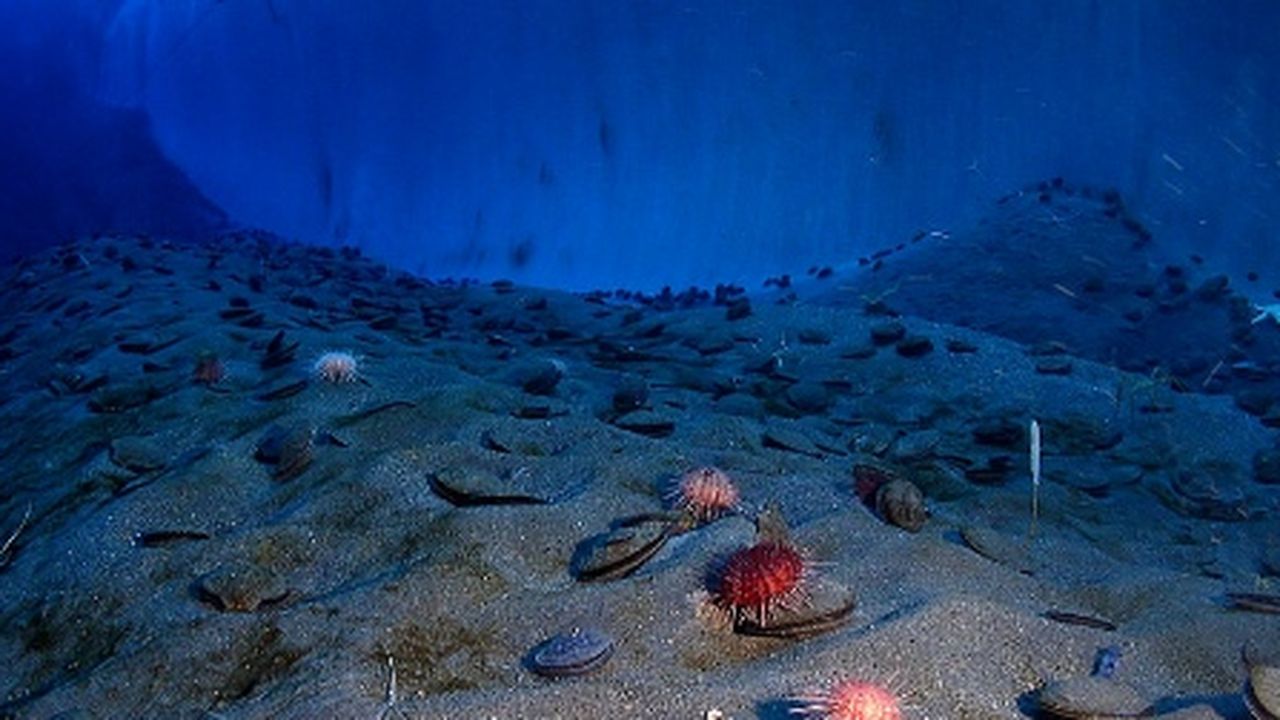
As ocean temperatures rise due to climate change and marine heatwaves, scientists have been concerned about how warming waters, sometimes reaching depths of more than 1,000 meters, could disrupt delicate biological and chemical systems in the deep sea.
The study was led by Wei Qin, a microbiology professor at the University of Illinois Urbana‑Champaign, and David Hutchins of the University of Southern California. Using controlled laboratory experiments, the team exposed cultures of Nitrosopumilus maritimus to different temperatures and iron levels.
They discovered that warmer conditions combined with limited iron actually improved the microbes’ efficiency in using the metal, which is vital for their metabolism. This suggests the organisms can adapt to the stress of higher temperatures and reduced nutrient availability.
According to the researchers, global ocean models indicate that these microbes could continue, and possibly strengthen, their role in nitrogen cycling and supporting marine productivity in a warming ocean.
Later this year, the scientists plan to test their findings during a research expedition aboard the RV Sikuliaq, traveling from Seattle to the Gulf of Alaska and toward Honolulu to study natural microbial populations in real ocean conditions.
A research group co-led by the University of Illinois Urbana-Champaign predicts that a surprisingly adaptable species of marine archaea will play an important role in reshaping biodiversity in the planet’s oceans as the climate changes. Credit: Photo by Fred Zwicky