For decades, scientists have known that sponges, the simplest of animals, almost certainly existed far earlier than the fossils suggested.
Genetic studies implied that sponges may have evolved around 700 million years ago, but convincing physical fossils were only known from much later. This created a puzzling 160‑million‑year gap in our understanding of early animal life.
The breakthrough came when a team led by geobiologist Shuhai Xiao from Virginia Tech and collaborators from the University of Cambridge and the Nanjing Institute of Geology and Paleontology uncovered a rare fossil preserved in marine carbonate rock along the Yangtze River in China.
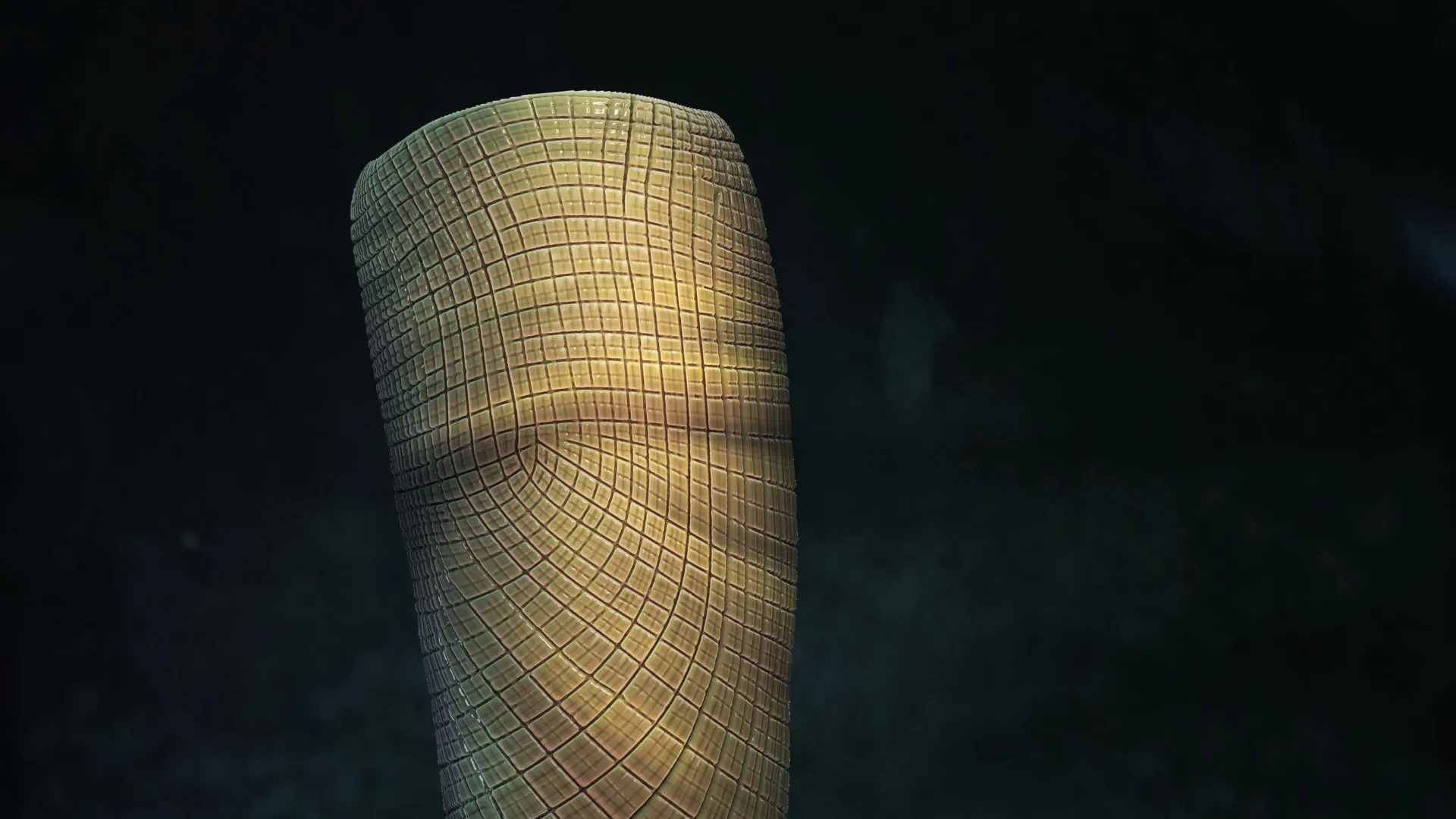
Unlike most fossils, which form from hard body parts like bones or shells, this fossil shows an exceptionally well‑preserved soft‑bodied sponge.
What makes this find so important is that scientists now think the earliest sponges lacked mineral skeletons or rigid structures. Because traditional fossilization usually preserves hard parts and not soft tissues, this has made early sponge fossils extremely rare and difficult to find.
The new fossil shows that ancestral sponges could have been soft‑bodied and therefore easily lost over time, explaining why earlier fossils have been scarce.
The fossil itself is unusual not only for its age but also for its detailed surface pattern and relatively large size about 15 inches long, challenging earlier expectations that early sponges would be tiny and simple. These features give researchers new ideas about how early animals lived and evolved.
This discovery not only fills an important gap in the fossil record but also reshapes how scientists search for evidence of ancient life. By broadening their focus beyond hard parts to include special rocks that preserve soft tissue, researchers may now uncover more of life’s earliest chapters.
Leave a Reply