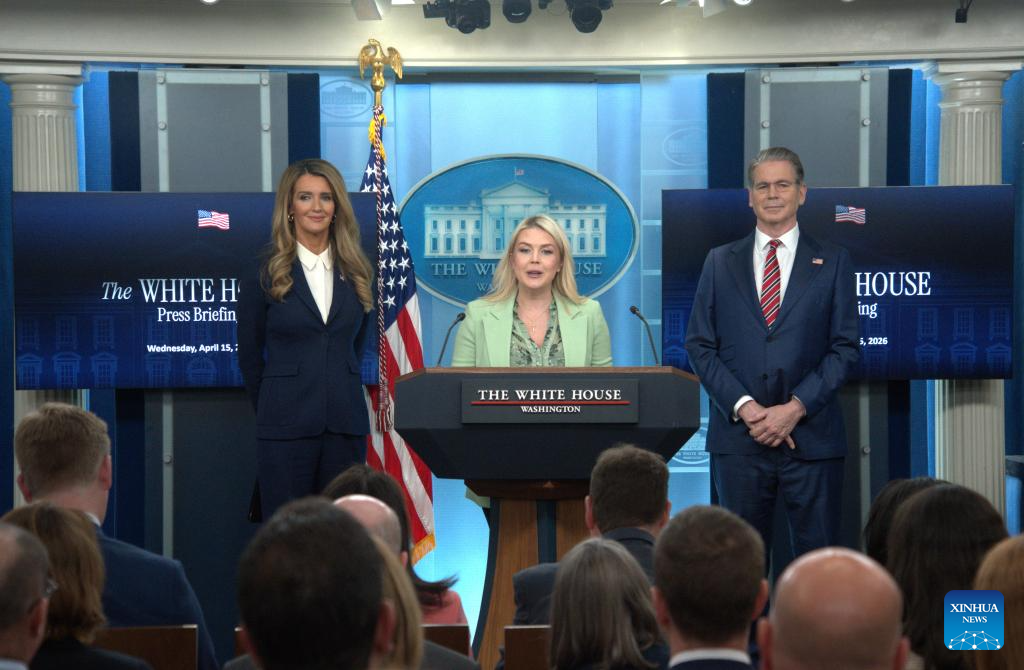
Leavitt said at a White House press briefing that the Trump administration is optimistic the continued negotiations could yield a deal to end the weeks-long war.
“We feel good about the prospects of a deal,” she said.
Leavitt also did not confirm when talks with Iran would resume, but said if there were talks, they would continue to be held in Pakistan following stalled talks in Islamabad over the weekend.
U.S. President Donald Trump said Tuesday that fresh U.S.-Iran talks “could be happening over next two days” in Pakistan. Also, he said earlier on Wednesday that the U.S.-Israeli war with Iran is “very close to being over,” without providing a clear timeline.
The two-week ceasefire is set to expire next week.
White House Press Secretary Karoline Leavitt speaks during a White House press briefing in Washington, D.C., the United States, April 15, 2026. Leavitt said Wednesday an extension of the current U.S. ceasefire with Iran is “not true at this moment.”
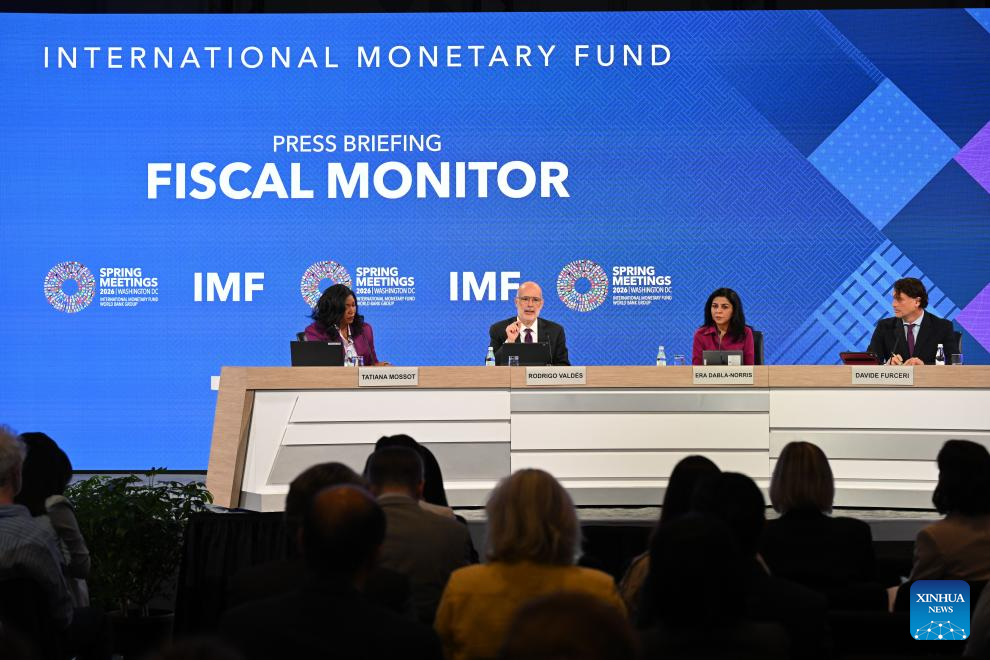
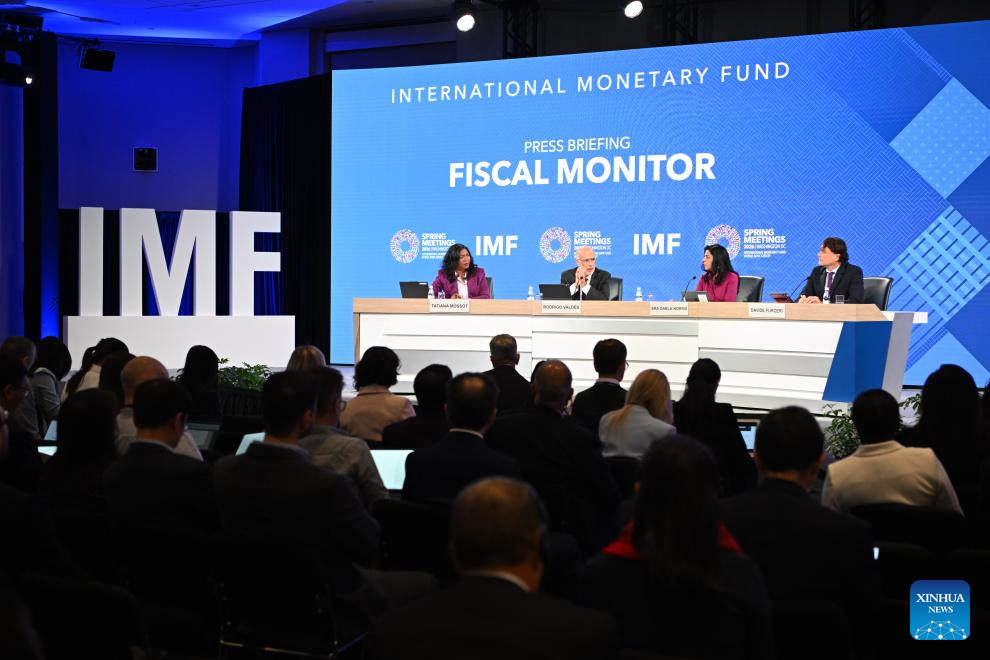
In its latest Fiscal Monitor report released Wednesday, the IMF said fiscal management is becoming increasingly challenging against a backdrop of trade fragmentation, intensifying geopolitical tensions, evolving sovereign debt markets and the buildup of structural vulnerabilities.
While global public debt dynamics showed no improvement in 2025, the outbreak of conflict in the Middle East has added a new source of fiscal pressure to an already fragile global landscape, the report noted. Global gross government debt rose to nearly 94 percent of GDP in 2025 and, on current trajectories, is projected to reach 100 percent by 2029 — a level previously reached only in the aftermath of World War II.
Rodrigo Valdes (C), director of the IMF’s fiscal affairs department, speaks at a press briefing on Fiscal Monitor in Washington, D.C., the United States, on April 15, 2026. The International Monetary Fund (IMF) has warned that global fiscal policy is coming under mounting pressure amid elevated debt levels and growing risks.
Concerns extend beyond the sheer scale of global debt to the shrinking fiscal space under current policy settings. The global fiscal buffer has effectively vanished, falling from more than 1 percent of GDP a decade ago to near zero today.
In addition, interest payments have risen sharply in just four years, from about 2 percent to nearly 3 percent of global GDP.
The IMF said the fiscal outlook has deteriorated further since its April 2025 Fiscal Monitor, with global debt-at-risk three years ahead now approaching 117 percent of GDP, underscoring heightened downside risks.
The Middle East conflict could further strain public finances through higher food and energy prices, tighter financial conditions, weaker economic activity, and rising defense outlays. In a scenario of prolonged conflict, global debt-at-risk could increase by an additional 4 percentage points, the IMF warned.
In the United States, the general government deficit currently stands at between 7 and 8 percent of GDP, with no debt consolidation plan in sight. Gross debt is projected to reach 142 percent of GDP by 2031.
The conflict also risks reinforcing adverse financial and commodity price dynamics, adding to macroeconomic pressures in emerging market and developing economies.
With the window for orderly fiscal adjustment narrowing, the IMF urged countries to adopt more forward-looking and structurally anchored fiscal policies as they cope with the effects of energy price shocks.
It called on the United States to stabilize its debt trajectory through measures on both revenue and expenditure, urged European governments to reconcile rising defense commitments with aging-related spending pressures by reprioritizing expenditures, and advised emerging markets to address contingent liabilities, phase out costly fuel subsidies and broaden their tax bases.
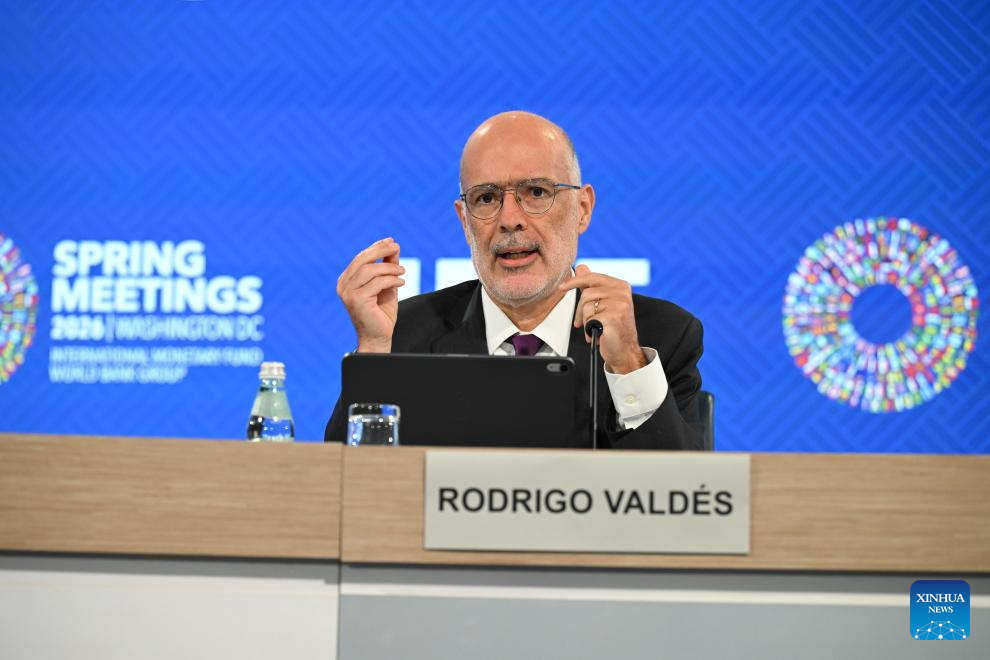
Rodrigo Valdes, director of the IMF’s fiscal affairs department, speaks at a press briefing on Fiscal Monitor in Washington, D.C., the United States, on April 15, 2026.
The announcement by the Taiwan Work Office of the Communist Party of China (CPC) Central Committee followed a meeting on Friday between Xi Jinping, general secretary of the CPC Central Committee, and Cheng Li-wun, chairwoman of the Chinese Kuomintang (KMT) party, the first such top-level meeting between the two political parties across the Taiwan Strait in a decade.
Invited by the CPC Central Committee and Xi, Cheng led a KMT delegation on a six-day visit to mainland cities including Nanjing, Shanghai and Beijing, which concluded on Sunday.
Atop the 10 initiatives announced by the mainland on Sunday is a proposal to explore a regular communication mechanism between the CPC and the KMT.
The CPC and the KMT will, on the common political foundation of adhering to the 1992 Consensus and opposing “Taiwan independence,” take “stronger measures” to promote cross-Strait exchanges, interaction and integration, the CPC’s Taiwan work office said in a statement.
The Taiwan question is a scar left over by a full-blown civil war fought between the forces led by the CPC and the KMT about eight decades ago. In 1949, the remnants of the defeated KMT retreated to Taiwan, and the People’s Republic of China was founded under the leadership of the CPC.
The unresolved civil war and foreign interference have left the two sides of the Strait in a prolonged state of political confrontation.
However, the fact that Taiwan is an inalienable part of China’s territory has never changed.
The latest policies and measures, according to the statement, aim to advance the peaceful development of cross-Strait relations and enhance the kinship and well-being of compatriots across the Strait.
The policy package demonstrates the mainland’s sincerity, goodwill and firm resolve in promoting the peaceful and integrated development of cross-Strait relations, said Wang Yingjin, director of the cross-Strait relations research center of the Renmin University of China. “The measures will inject fresh momentum into efforts to sustain the steady improvement of cross-Strait relations.”
Infrastructure, travel and trade
According to the statement, efforts will be made to support the coastal areas of Fujian Province — the mainland region closest to Taiwan — in sharing water, electricity and gas supplies with the offshore islands of Kinmen and Matsu, and to promote construction of sea-crossing bridges linking them, when conditions permit.
The mainland will also move to resume regular direct passenger flights across the Strait, including routes to and from Urumqi, Xi’an, Harbin, Kunming and Lanzhou.
Kinmen will be supported to use a new airport under construction in the nearby mainland city of Xiamen, expected to begin operations by the end of 2026.
Lee Chou-hsi, a Tsinghua University graduate student from Taiwan, welcomed the new measures. “During my undergraduate study in Changsha, I had to transfer flights to and from Taiwan, which was very inconvenient at the time,” said Lee. “More direct flights between mainland cities and Taiwan will surely benefit students and tourists.”
A communication mechanism will be set up on the common political foundation of adhering to the 1992 Consensus and opposing “Taiwan independence” to facilitate the entry of Taiwan’s agricultural and fishery products that meet the quarantine standards into the mainland.
Efforts will also be made to help Taiwan’s agricultural and fishery products gain access to various mainland trade fairs to expand their sales channels.
The mainland will explore building wharves and berths in regions where conditions permit for distant-water fishing vessels from the Taiwan region, and mull providing convenience for the sales of their fish catch on the mainland.
It will also facilitate registration procedures for qualified Taiwan food manufacturers and the entry of their food products into the mainland market.
The mainland will explore the establishment of more trading markets for small-ticket items with Taiwan and support micro, small and medium-sized enterprises from Taiwan to expand business on the mainland.
Mainland cities such as Fuzhou and Xiamen have long established such markets, allowing small businesses from Taiwan to directly sell specialty commodities to mainland buyers.
Wu Chia-ying, executive vice president of the Association of Taiwan Investment Enterprises on the Mainland, said that the measures respond to the practical needs of business development such as reducing operating costs and improving access to the mainland market.
“We hope these measures will be implemented as soon as possible,” Wu said, adding that the association will play a bridging role to help Taiwan businesses better seize opportunities and participate in the country’s modernization drive, contributing to a stronger Chinese economy.
Youth, culture
The statement said that an institutionalized platform will be set up to promote two-way exchanges between young people on both sides of the Strait. The All-China Youth Federation and other relevant mainland institutions will invite 20 youth groups from Taiwan to visit the mainland for exchanges every year.
Fan Chiang-feng, a young Taiwan entrepreneur based on the mainland, said that the establishment of a regular platform for young people on both sides of the Strait would help break down information barriers. “Our generation on both sides of the Strait should move forward together,” he said.
To boost cultural ties, the mainland will allow qualified TV shows, documentaries and animations from Taiwan to be aired, and permit Taiwan residents to take part in the mainland’s fast-growing micro-drama industry.
Working in youth services in Xiamen, Wu Ping-chang from Taiwan was encouraged by the policies. “With more opportunities and confidence, I hope to take cross-Strait stories into the drama production in the future, enabling audiences on both sides to see more authentic and warm exchanges,” Wu said.
The statement also noted that the mainland will promote the resumption of individual tours for Shanghai and Fujian residents to Taiwan.
A pilot scheme allowing mainland individuals to tour Taiwan was introduced in 2011, but was suspended in 2019 — a few years after the secessionist Democratic Progressive Party came to power in Taiwan and stepped up plots to seek “Taiwan independence.”
Sheng Jiuyuan, director of the center for Taiwan studies at Shanghai Jiao Tong University, told Xinhua that the cumulative effect of these measures may reshape the pattern of cross-Strait exchanges.
“The two-way integration across the Strait, grounded in tangible improvements to people’s livelihoods, will lay a broad and durable foundation of public support and foster profound mutual trust,” Sheng said.
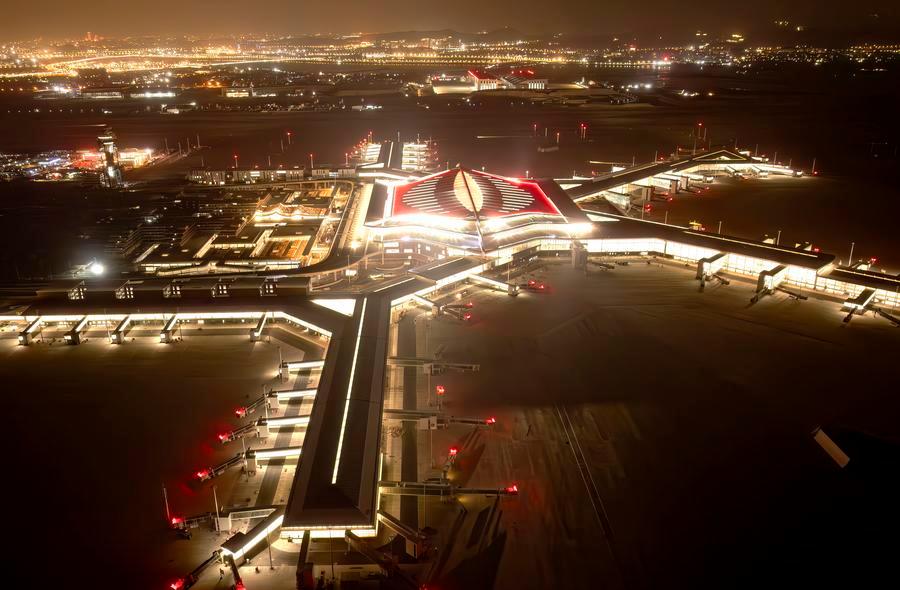
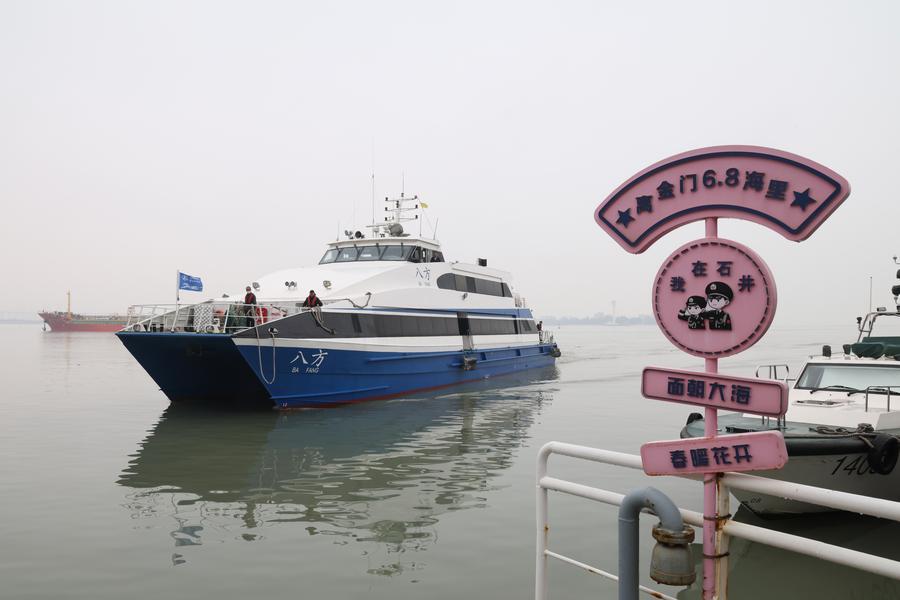
An aerial drone photo taken on Jan. 20, 2026 shows a night view of the Xiamen Xiang’an International Airport in Xiamen, southeast China’s Fujian Province.A ferry linking Fujian Province on the mainland with Kinmen approaches a passenger terminal in Quanzhou, southeast China’s Fujian Province, April 3, 2026.
UN Under-Secretary-General for Humanitarian Affairs and Emergency Relief Coordinator Tom Fletcher said Sudan remains the world’s largest humanitarian crisis.
“Nearly 34 million people in Sudan — or almost two out of every three people — need humanitarian assistance, as hunger tightens its grip, children face acute malnutrition and women and girls are subjected to widespread and brutal violence,” Fletcher said.
The UN relief chief called for urgent action to stop the fighting, protect civilians, ensure safe and unimpeded humanitarian access, and mobilize the funding needed to sustain life-saving operations.
UN Women said the number of women and girls requiring support after experiencing gender-based violence nearly doubled in two years and quadrupled since the start of the war.
“Women and girls are being raped and killed in their homes, and as they flee, seek food, water and medical care,” said UN Women Regional Director for East and Southern Africa Anna Mutavati. “The use of sexual violence has been embedded in the blueprint of Sudan’s war.”
UN Women cited a new Gender Alert on the war, published Tuesday, as saying that more than 4.3 million women and girls have been displaced in Sudan, while 17.1 million require humanitarian assistance. For many, there is limited or no access to food, shelter or medical care.
Eva Hinds, UN Children’s Fund (UNICEF) chief of communication in Sudan, said that at least 245 children were reportedly killed or injured in just the first three months of this year.
“This is a sharp increase compared to the same period last year. Most of these children killed or injured were in Darfur and the Kordofan states, where violence has become a constant part of daily life,” Hinds told a press briefing in Geneva.
She said that “since the war began, the United Nations has verified more than 5,700 grave violations against children across Sudan. More than 4,300 children have been killed or maimed, with Darfur and Kordofan states again accounting for the highest numbers.”
Humanitarian access remains a major challenge, since large parts of the country are still cut off because of fighting, damaged infrastructure, and administrative obstacles. The constraints are especially severe in Darfur, Kordofan and parts of Blue Nile state, leaving many of the most vulnerable children beyond reach, said Hinds.
UNICEF Executive Director Catherine Russell said: “For three years, children across Sudan have been killed, injured, and displaced at staggering levels. Their homes, schools and hospitals continue to come under attack. There is no justification for violence against children. It reflects a collective failure by parties to the conflict to protect the most basic rights of children.”
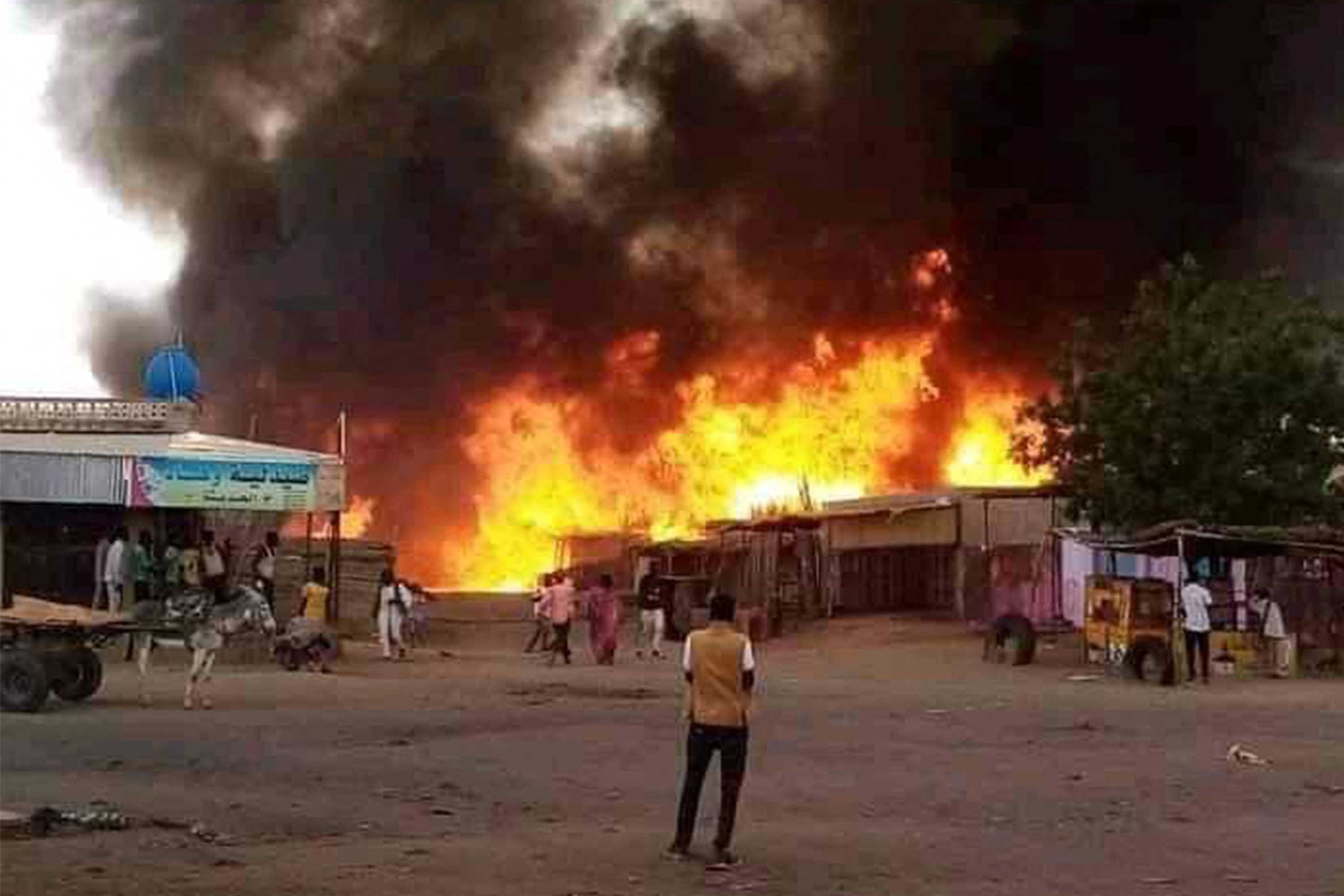
The UN Office for the Coordination of Humanitarian Affairs (OCHA) said that drone strikes have reportedly killed nearly 700 civilians in the first three months of this year. On Monday, a drone strike in Ed Daein, East Darfur state, reportedly killed nine civilians and injured 27 others, including a child and health-affiliated workers.
OCHA reiterated that the violence must stop.
“Civilians and civilian infrastructure must be protected in line with international humanitarian law,” said the office. “Humanitarian access must be rapid, safe, unimpeded and sustained, and the response must be fully funded to save lives.”
Fletcher also said the grim and chastening anniversary marks another year when the world has failed to meet the test of Sudan.
The UN relief chief has called for urgent action to stop the fighting in Sudan, protect civilians, ensure safe and unimpeded humanitarian access, and mobilize the funding needed to sustain life-saving operations.
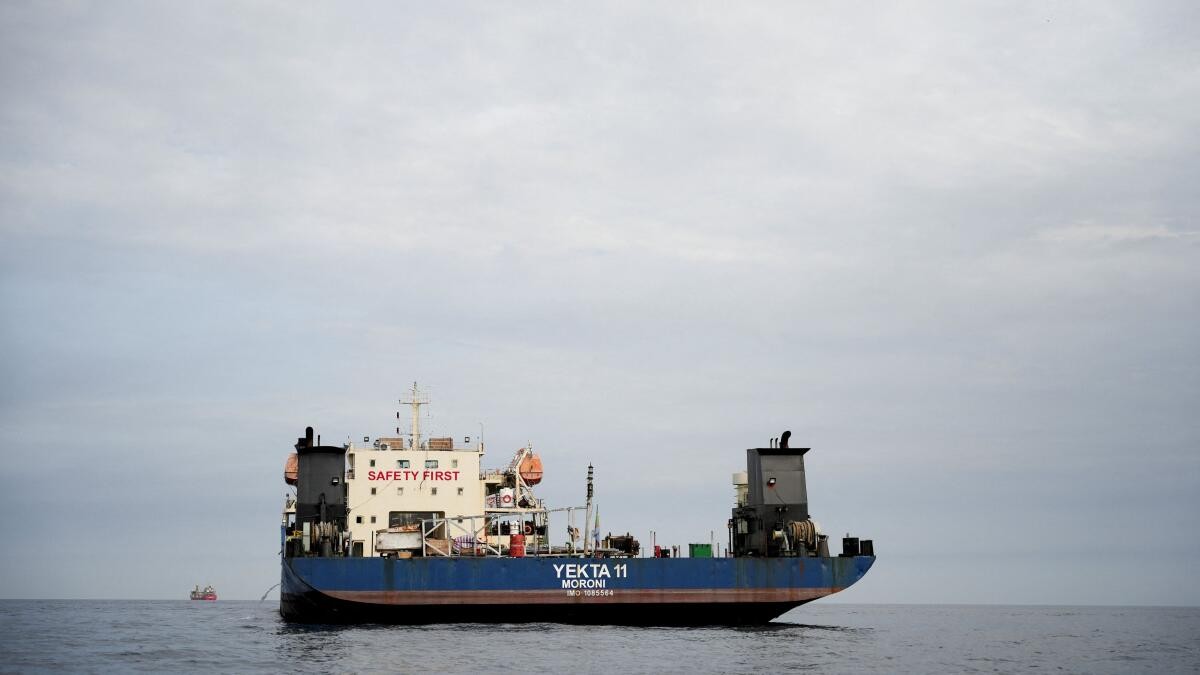
The report said that following the enforcement of the blockade, some vessels with intended calls at Iranian ports were observed adjusting their AIS destination signals while passing through the Strait of Hormuz.
According to the report, shortly after the blockade took effect, at least two Iran-flagged container ships previously indicating sailing to the southern Iranian port of Bandar Abbas changed their AIS messages to the more general designation of “PG Ports,” meaning “Persian Gulf ports.”
After successfully passing through the Strait, they continued their journey toward Bandar Abbas on Tuesday, said the report.
Citing analysts, the report said such actions could complicate the intelligence collection phase of the U.S. blockade and require additional resources to track and identify vessels involved in maritime traffic to Iranian ports.
The U.S. Central Command said Tuesday that more than 10,000 troops are executing the mission to blockade ships entering and departing Iranian ports, targeting vessels of all nationalities without discrimination.
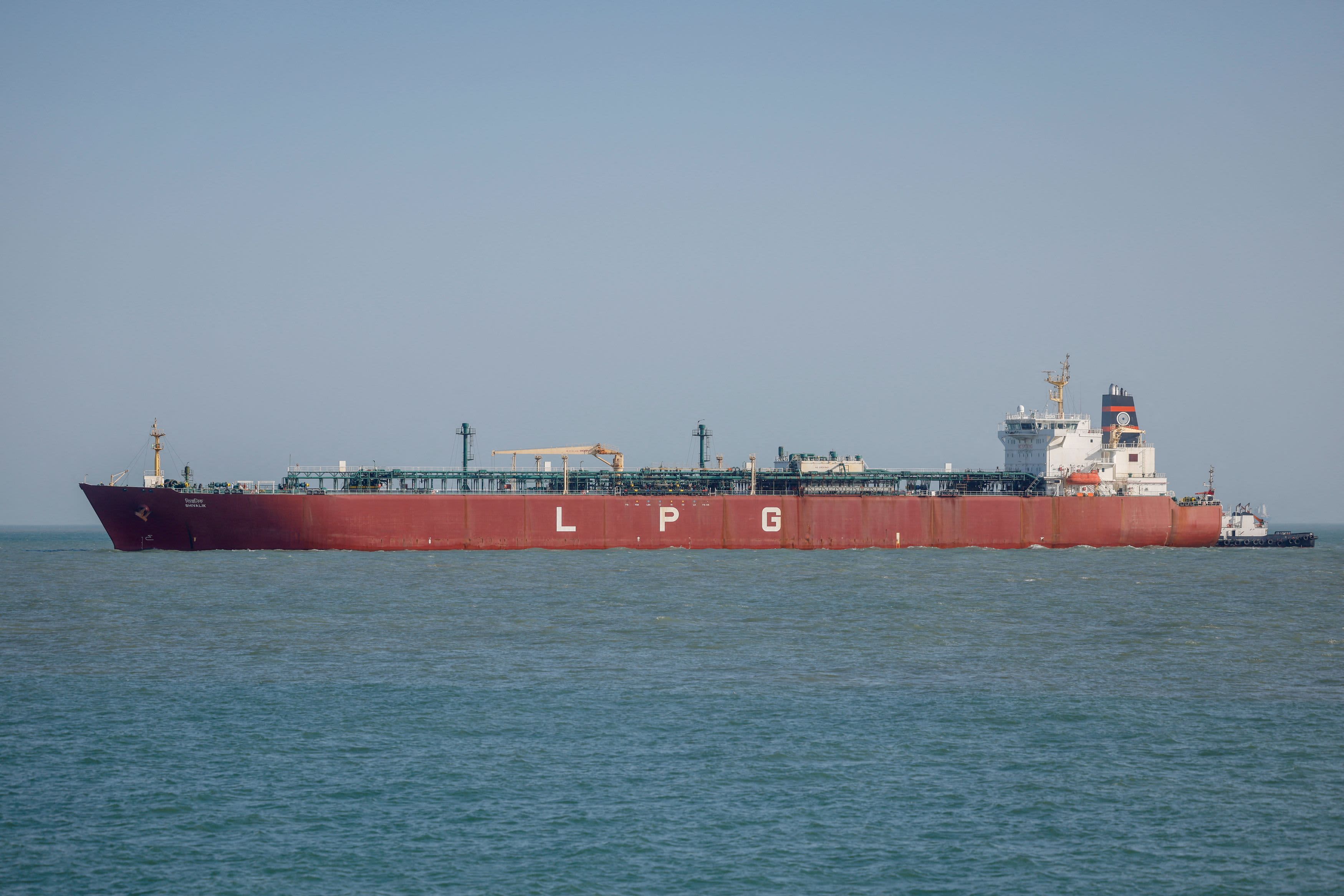
At least two vessels transited through the Strait of Hormuz en route to Iranian ports after altering their Automatic Identification System (AIS) destination data.
“The global financial system is confronting the ongoing war in the Middle East, potential inflationary pressures, rising risks of further tightening in financial conditions, and several channels through which market turmoil could escalate into financial instability,” the report said.
The longer the conflict continues, the greater the risk that global financial conditions could tighten further and more abruptly, it suggested.
The report listed several channels that could test the financial system’s resilience and lead to financial stability risks.
First, greater bond market volatility could tighten funding markets, as rising debt-to-GDP levels have led to larger bond yield gyrations.
Second, emerging markets may face currency and capital outflow pressures as carry trades unwind and terms of trade worsen.
Third, an abrupt tightening of financial conditions can lead to forced selling by hedge funds, option sellers, leveraged exchange-traded funds and other nonbank financial intermediaries (NBFIs) that have expanded through leverage.
Fourth, signs of more borrower defaults in private credit could cascade into broader concerns about corporate credit, particularly for highly leveraged borrowers subject to the artificial intelligence (AI) disruption.
Also, booming investments in AI may slow significantly if the Middle East conflict were to persist.
The IMF urged policymakers to act decisively to bolster resilience amid the Middle East conflict, suggesting that monetary policy preserve price stability and be attuned to spillovers from actual inflation to inflation expectations, while remaining data dependent.
It also recommended a fiscal stance shift toward appropriately tight settings to place public debt on a stable path, with new spending focused on protecting vulnerable groups from the inflation shock.
Closing data gaps, improving cross-jurisdictional data sharing, and enhancing oversight are critical, as NBFIs grow more leveraged and more connected to banks, the report said.
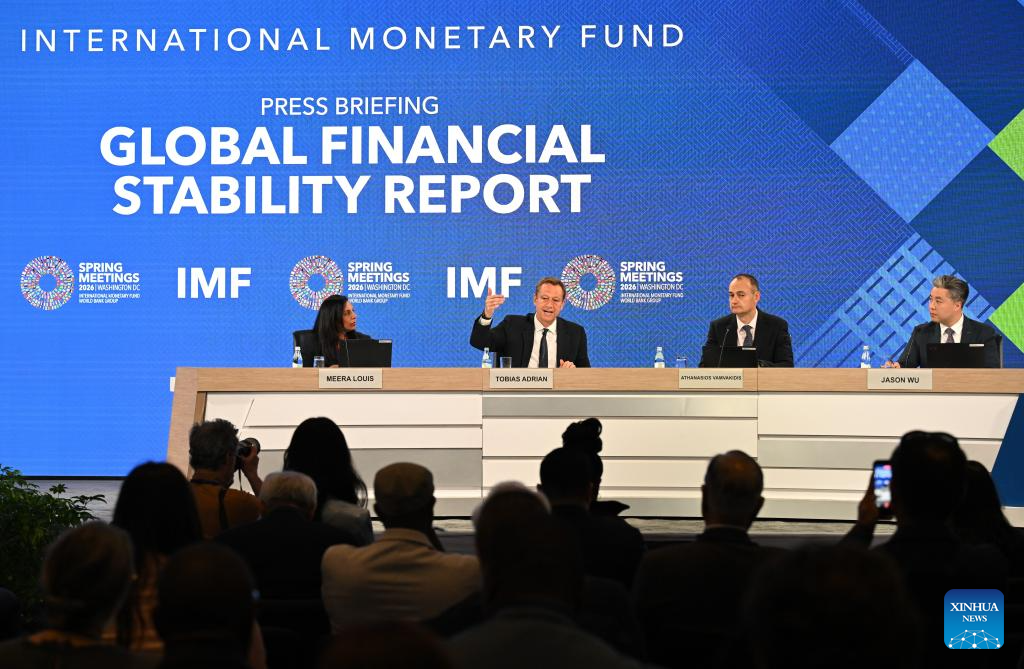
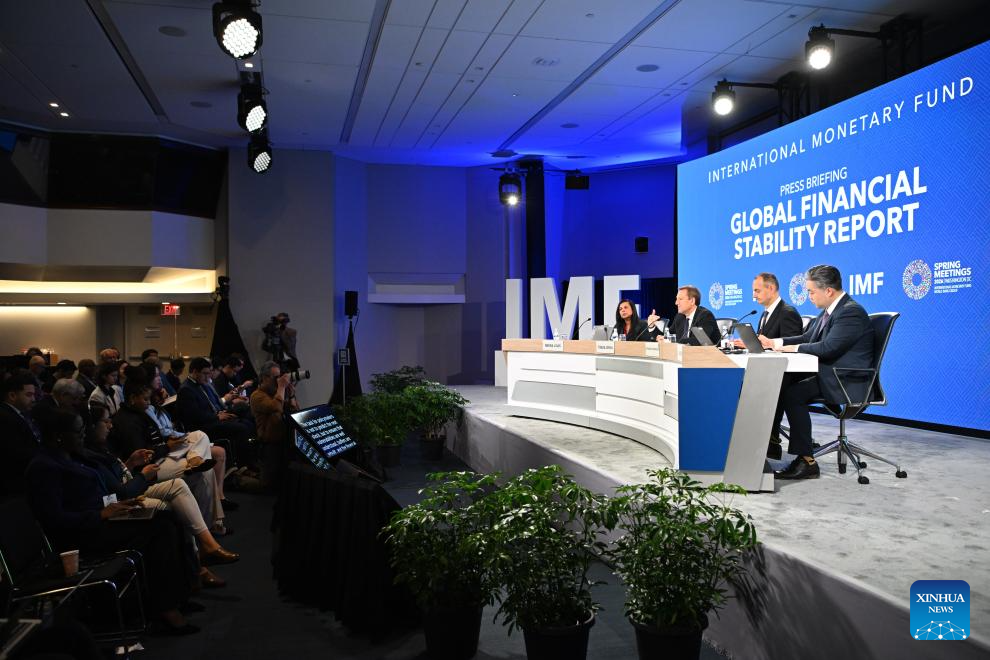
Tobias Adrian (3rd R), director of the International Monetary Fund’s (IMF’s) Monetary and Capital Markets Department, speaks at a press briefing on Global Financial Stability Report in Washington, D.C., the United States, on April 14, 2026. IMF on Tuesday released its Global Financial Stability Report, warning that risks to global financial stability are rising amid the current situation in the Middle East. (Xinhua/Li Rui)
The meeting followed a two-week ceasefire that paused nearly 40 days of intense hostilities and briefly opened a narrow window for diplomacy.
Held in Pakistan, a key regional mediator, the talks marked the highest-level face-to-face engagement between the United States and Iran since 1979, a relationship long defined by decades of sanctions, periodic confrontation, and deep mistrust.
Analysts said the failure to reach an agreement underscores entrenched structural divisions between the two sides, while noting that the very fact that the talks took place signals limited but meaningful diplomatic progress.
They added that domestic political pressures, economic risks linked to potential instability in the Middle East, and signs of growing war fatigue may continue to encourage both sides to keep diplomatic channels open despite the current deadlock.
No deal reached
Speaking at a press conference in Islamabad on Sunday, U.S. Vice President JD Vance said he was returning “without an agreement,” adding that Iran had not accepted U.S. terms despite what he described as “a good-faith engagement.”
Vance said the Iranian nuclear program remained at the center of the dispute, reiterating that Washington requires an “affirmative commitment” from Tehran not to pursue nuclear weapons or the capability to rapidly develop them. Iran, however, has consistently maintained that its uranium enrichment activities are a sovereign right and has rejected externally imposed restrictions.
Iranian officials, in turn, blamed the impasse on what they described as “excessive and unreasonable demands” from the United States, arguing that Washington’s conditions failed to respect Iran’s “legitimate rights,” including enrichment activities and meaningful sanctions relief.
Iranian Foreign Ministry spokesman Esmail Baghaei said that while the two sides had reached understandings on several issues, they remained far apart on two to three key points, preventing a final agreement.
Despite the lack of a breakthrough, Tehran signaled that dialogue could continue. Quoted by Iran’s Mehr News Agency, Baghaei said it would be unrealistic to expect a deal in a single round of talks, adding that Tehran remained “confident that contacts between us and Pakistan and our other friends in the region will continue.”
Pakistani security analyst Tughral Yamin noted that Pakistan had provided a platform for dialogue rather than a venue for a final settlement, suggesting the Islamabad talks may represent only an initial step in a longer diplomatic process.
For Pakistan, which facilitated the negotiations, officials indicated their role was far from over. Deputy Prime Minister and Foreign Minister Mohammad Ishaq Dar said Islamabad would continue to play a constructive role in supporting engagement between Iran and the United States in the days ahead.
Testing red lines
In the early hours of Saturday, a 71-member Iranian delegation led by Parliament Speaker Mohammad Bagher Ghalibaf and Foreign Minister Abbas Araghchi arrived in Islamabad. Later that day, a much larger U.S. delegation headed by Vance also reached the Pakistani capital, with the American side numbering around 300 people.
Before formal negotiations began, Pakistani Prime Minister Shehbaz Sharif held a meeting with the Iranian side, during which Tehran laid out several preconditions for engaging with Washington, including the unfreezing of all Iranian overseas assets and accounts and an immediate halt to all attacks, particularly those targeting Lebanon. Iranian officials have repeatedly stressed that stopping strikes on Lebanon is an integral component of any broader ceasefire arrangement.
However, the fragile ceasefire between the United States and Iran has been further complicated by continued Israeli strikes against Hezbollah, the Iran-backed group in Lebanon.
On Saturday evening, Israeli Prime Minister Benjamin Netanyahu said in a statement that the elimination of Hezbollah was a precondition for any ceasefire agreement between Israel and Lebanon.
Tensions also flared during more than 20 hours of negotiations over developments in the Strait of Hormuz.
The United States announced on Saturday that two U.S. Navy destroyers had passed through the strategic waterway, a claim Iran denied, saying its forces had forced the vessels to withdraw.
Entrenching deadlock
Analysts believed that the unsuccessful talks highlight the persistence of deep strategic divisions between the two sides, stressing that the gap is not merely tactical but structural.
The positions of both countries are highly divergent, with maximalist demands that remain far apart and are further complicated by deep-rooted mistrust, former Pakistani diplomat Masood Khalid said.
This divergence is reflected across multiple core issues. According to another former Pakistani diplomat, Naghmana Hashmi, the impasse centers on several key areas: the control of the Strait of Hormuz, the nuclear issue where both sides maintain hardline positions, military arrangements including Iran’s demand for a U.S. withdrawal from the region, compensation claims for damages suffered by Iran, sanctions relief — particularly frozen assets — and the situation in Lebanon.
Addressing these complexities remains a formidable challenge, as Mohamed Benaya, an expert on Iranian and Gulf affairs at Al-Azhar University in Egypt, said that “bridging these gaps will be difficult without phased, reciprocal concessions.”
Glimmers of hope
Despite these significant hurdles, analysts believe that the mere occurrence of these talks signifies progress.
Hashmi observed that both parties’ willingness to remain at the negotiating table indicates a “positive mindset” focused on finding a solution, adding that the priority now is to maintain diplomatic momentum.
Khalid echoed this sentiment, suggesting that in the current high-tension climate, the fact that dialogue happened at all is an achievement in itself.
Looking ahead, analysts said that a combination of domestic and global pressures may push the dialogue to continue despite the deadlock.
Aizaz Ahmad Chaudhry, former Pakistani ambassador to the United States, noted that for U.S. President Donald Trump, the risks of a prolonged military confrontation and its potential fallout on upcoming midterm elections create a strong incentive for diplomacy.
Furthermore, experts said long-term economic risks, specifically the threat of instability in the Middle East disrupting global energy markets and trade flows, have strengthened international calls for de-escalation.
Battlefield dynamics may also be shaping diplomatic calculations. Said Nazir, a Pakistani defense analyst, pointed to growing “war fatigue” on both sides after weeks of confrontation and demonstrations of military capability, saying this could push Washington and Tehran to avoid a costly, open-ended conflict by keeping diplomatic channels open.
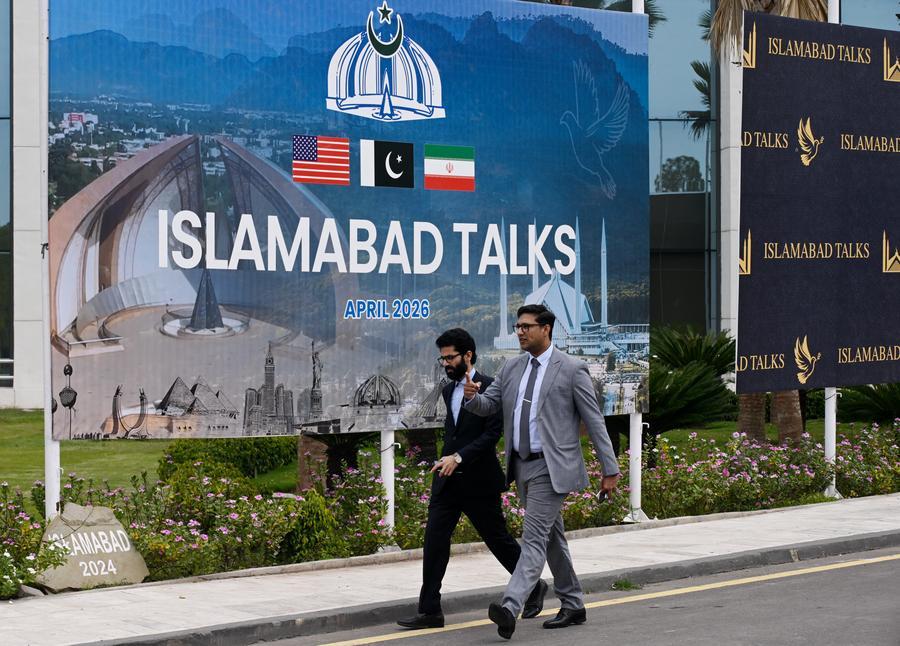
People walk past the press center for the talks between the United States and Iran in Islamabad, Pakistan, April 11, 2026.
Experts say that, given the complexity of the strait and the potential blowback to U.S. own interests, a full blockade may be difficult to sustain. Nevertheless, this “reckless move” could further disrupt the global economy and heighten the risk of renewed regional conflict.
“Reckless move”
After U.S. President Donald Trump threatened on Sunday to block ships attempting to enter or leave the Strait of Hormuz, U.S. Central Command said that U.S. forces will begin implementing a blockade of “all maritime traffic entering and exiting Iranian ports” on Monday at 10 a.m. Eastern Time (1400 GMT).
In accordance with Trump’s proclamation, the blockade will be enforced “impartially” against vessels of all nations entering or departing Iranian ports and coastal areas, including “all Iranian ports on the Arabian Gulf and Gulf of Oman,” according to the statement.
On Monday afternoon, the U.S. blockade of the Strait of Hormuz came into effect.
In a press conference following the blockade, Trump warned that the U.S. military will “eliminate” any Iranian ship if it comes close to the U.S. blockade in the Strait of Hormuz.
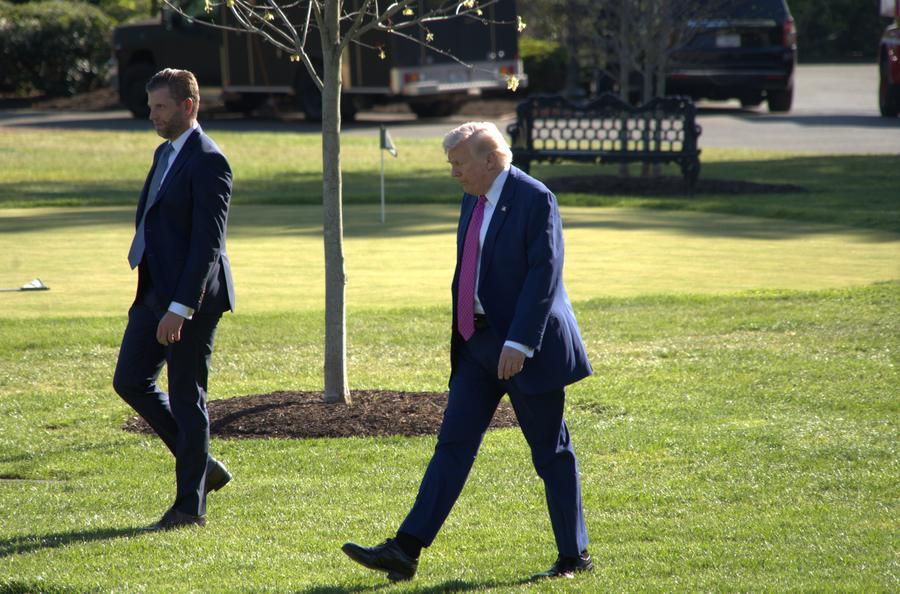
U.S. President Donald Trump (R) walks toward Marine One at the White House in Washington, D.C., the United States, on April 10, 2026.
The blockade adds yet another hurdle to a globally vital shipping route already battered by the U.S.-Israel-Iran conflict.
U.S. blockade of the Strait of Hormuz “is not just a geopolitical escalation but a reckless move that risks choking the global economy, with American consumers bearing the brunt,” Iranian semi-official Tasnim news agency opined on Monday.
Unsustainable blockade
While the United States seeks to pressure Iran by blocking the strait to secure concessions on issues such as the reopening of Hormuz, experts say that a full blockade is unlikely to be either feasible or sustainable.
The United States is likely to rely on enhancing its naval presence, intensifying monitoring and inspection operations, and possibly imposing “selective restrictions” on the movement of certain vessels, said Abdulaziz Alshaabani, a Saudi researcher at Al Riyadh Center for Political and Strategic Studies.
“However, it is unlikely that the naval blockade would be complete or absolutely effective, given the complexities of maritime routes and the entanglement of international interests,” Alshaabani added.
Mohammed Al-Jubouri, a professor at al-Iraqia University in Baghdad, echoes Alshaabani’s assessment.
“Iran does not need to engage the U.S. fleet directly to undermine the blockade,” Al-Jubouri said. “It suffices for Tehran to employ tactics involving fast-attack craft, naval mines, coastal missile batteries, or even proxy attacks in other parts of the region. Such tools are capable of transforming any blockade into a prolonged war of attrition.”
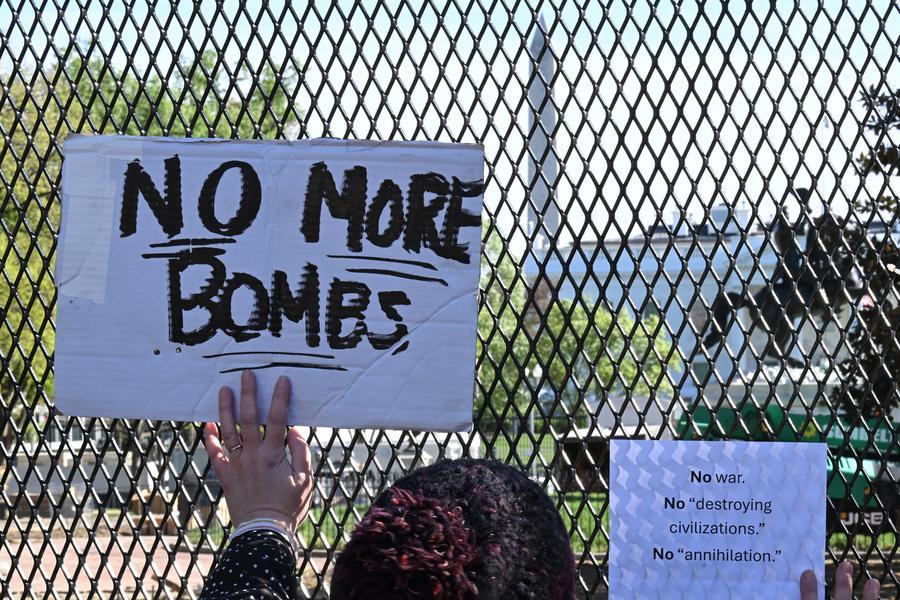
A demonstrator holds placards in front of the White House in Washington, D.C., the United States, on April 7, 2026.
Abu Bakr al-Deeb, an advisor at the Cairo-based Arab Center for Research and Studies, argues that a complete blockade could end up shooting the United States in the foot, ultimately working against its own interests.
“The United States can impose temporary or partial control, but it would face immense difficulty in transforming that control into a stable, long-term blockade without incurring significant political and economic costs,” he added.
Far-reaching impact
Even if a long-term blockade may be beyond Washington’s reach, the move is sure to send additional shockwaves through a global energy market already roiled by ongoing U.S.-Iran tensions and could further jeopardize the fragile ceasefire between the United States, Israel and Iran, raising the risk of renewed conflict.
A blockade of a strait as vital as Hormuz cannot remain a “purely American affair” in terms of its impact, al-Deeb said, adding, “The global economy — particularly Asia and Europe — would suffer immediate and direct harm.”
Following the outbreak of the U.S.-Israel-Iran conflict on Feb. 28, Brent Crude oil prices have already soared, reaching highs of over 120 U.S. dollars per barrel by early April.
Oil could rise to 150 dollars a barrel under a U.S. blockade of the Strait of Hormuz, Jorge Montepeque, managing director at Britain-based Onyx Capital Group, told Bloomberg.
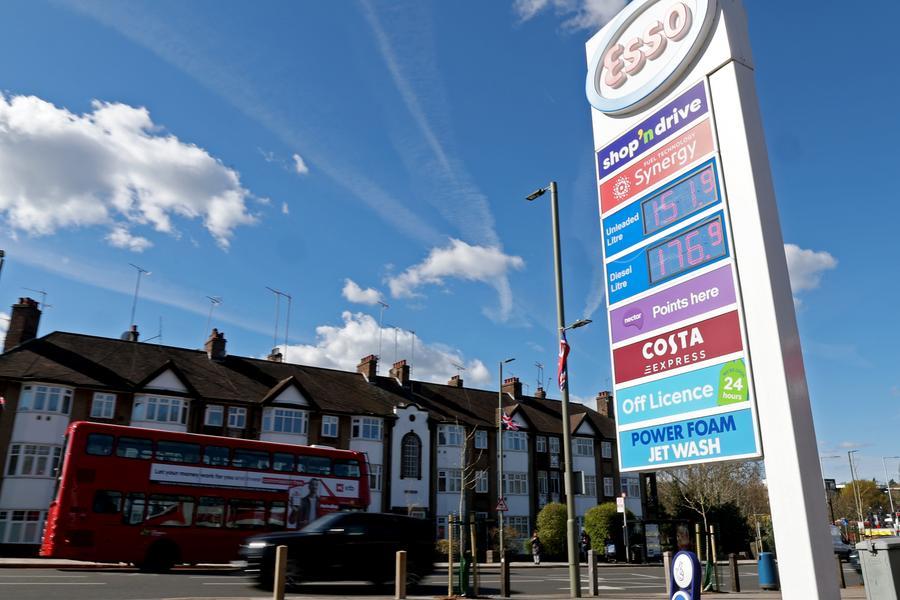
Gas prices are displayed at a petrol station in London, Britain, March 26, 2026. The strikes launched by the United States and Israel against Iran have triggered a sharp spike in global oil prices.
The U.S. blockade is also believed to raise the risk of hostilities reigniting between Washington and Tehran, potentially undermining the ceasefire that was just agreed upon last week.
“The U.S. insistence and lack of flexibility regarding navigation in the Strait of Hormuz … reveals Washington’s intention to use these issues as a pretext for launching further strikes and attacks,” said Al-Jubouri.
Iran’s Islamic Revolution Guards Corps (IRGC) has vowed to use new military capabilities if the war with the United States and Israel continues.
“We have not yet used our capabilities, and if the war continues, we will unveil capabilities that the enemy has no idea about,” IRGC spokesperson Hossein Mohebbi said after the U.S. blockade took effect.
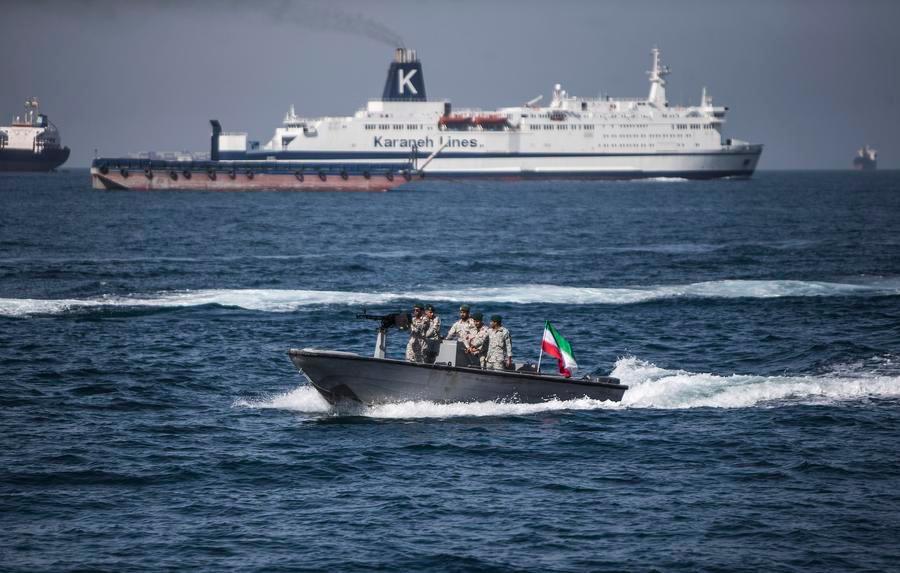
Iranian soldiers patrol the Strait of Hormuz in southern Iran, April 30, 2019.
The initiative, titled “Blueing the Caspian Sea: Building Capacities for Pollution Management and Biodiversity Conservation,” is expected to benefit Azerbaijan, Kazakhstan and Turkmenistan.
The project will receive 11.74 million dollars in grant financing from the Global Environment Facility.
The implementation will be coordinated by the United Nations Environment Programme, while the United Nations Office for Project Services will receive a 183,489 dollar grant to develop environmental and social framework tools and strengthen cross-country cooperation.
World Bank funding will support two components: pollution monitoring management worth 3.15 million dollars, aimed at developing systemic approaches and comparable water quality assessments, and biodiversity planning management worth 4.25 million dollars to improve protected area management and track population status.
The project seeks to enhance pollution control systems and increase the effectiveness of marine protected areas across the Caspian Sea, which hosts around 400 endemic species.
The bank warned that the sea’s level has decreased significantly in recent decades and could drop by 8 to 30 meters by 2100 due to climate change and economic use of water resources.
In Azerbaijan, the initiative will assist the Ministry of Ecology and Natural Resources in developing a marine pollution monitoring scheme, including policy tools, a national seminar and staff training.
The project will also support biodiversity measures focused on Caspian seals and sturgeon, alongside plans to expand marine protected areas within Absheron National Park.
More than 7.89 million voters were registered, with turnout reaching 58.75 percent. The results show Wadagni, the incumbent Minister of Economy and Finance, backed by the ruling coalition, defeated opposition candidate Paul Hounkpe of the Cowry Forces for an Emerging Benin.
Wadagni’s running mate, Mariam Chabi Talata, will serve as vice president.
During the campaign, Wadagni pledged to build on reforms of the past decade and pursue a shift from a primary industry-driven model to a modern economy focused on industrialization, digitalization and regional integration. He said the emphasis would move from expanding economic scale to achieving higher-quality growth.
Political figures, electoral institutions and observers said the voting process was generally smooth and orderly. Benin’s Constitutional Court is expected to announce the final results within five days. Under the electoral code, the president and vice president are elected by direct universal suffrage for a seven-year term.
Wadagni, 49, previously worked at Deloitte before joining the government after Patrice Talon was elected president in 2016. He has since served as Minister of Economy and Finance. Wadagni was reappointed in 2021 and promoted to senior minister, playing a key role in implementing Talon’s economic policies.
Romuald Wadagni casts his ballot at a polling station in Lokossa, Benin, on April 12, 2026. Romuald Wadagni won Benin’s presidential election held on Sunday, according to preliminary results released Monday by the country’s Autonomous National Electoral Commission.