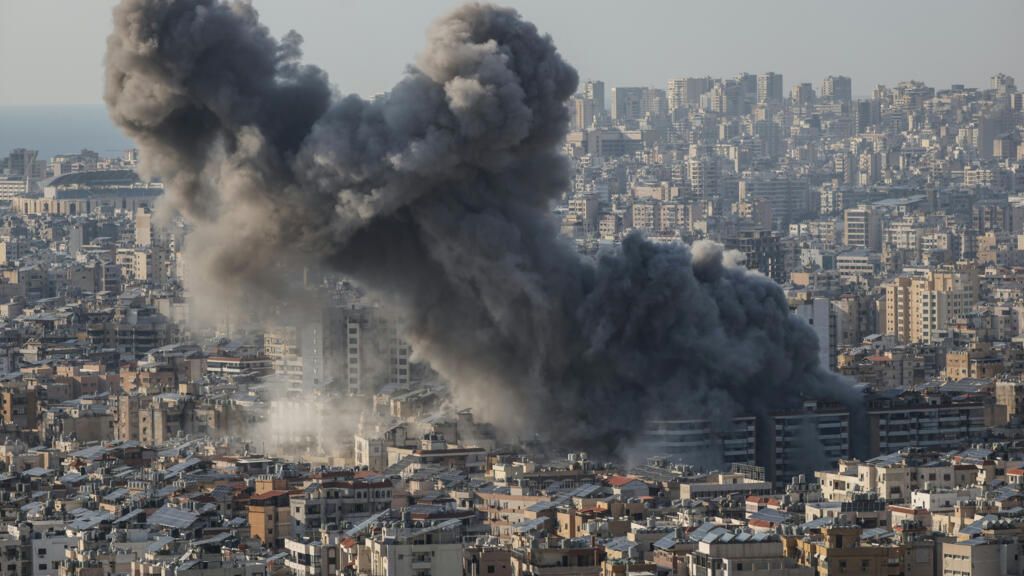
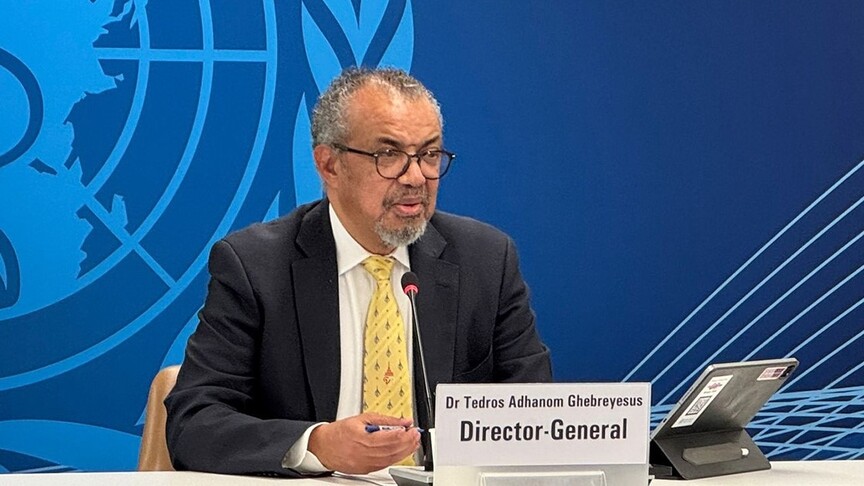
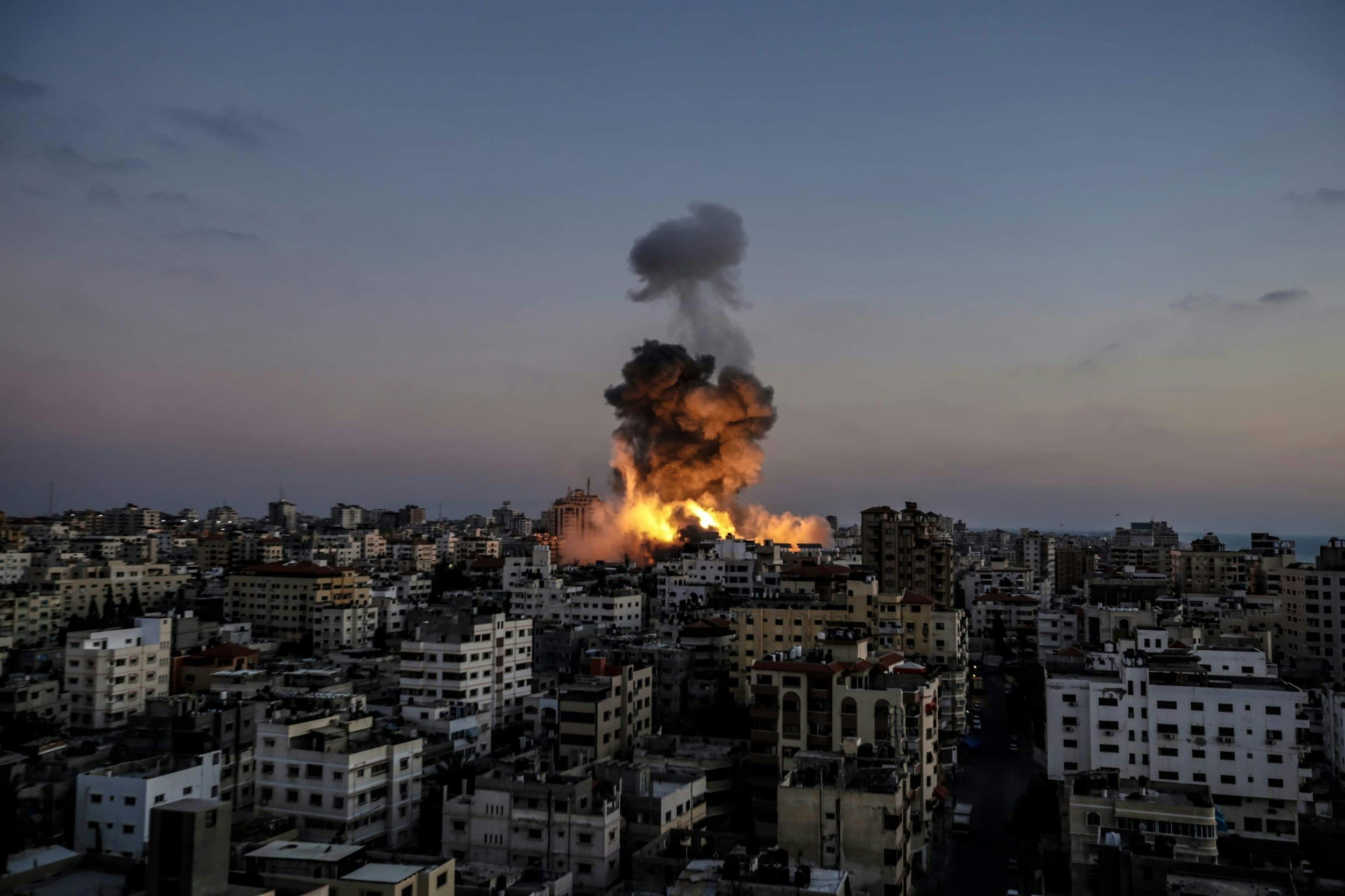
In a post on social media platform X, Tedros said the evacuation order issued by the Israeli Defense Forces targets the Jnah area in Beirut’s southern suburbs, where two major referral hospitals – Rafik Hariri University Hospital and Al Zahraa Hospital – are located.
He noted that “no alternative medical facilities” are available to accommodate around 450 patients from the two hospitals, including 40 in intensive care units (ICU), making evacuation “operationally unfeasible.”
Both hospitals are operating at full capacity, including treating those injured in the April 8 strikes, he added.
Tedros said the affected area also includes a health ministry complex and five shelters housing more than 5,000 people.
He called on Israel to “ensure the protection of all health facilities, health workers, patients and civilians.”
World Health Organization (WHO) Director-General Tedros Adhanom Ghebreyesus has urged Israel to rescind an evacuation order covering a district in Beirut, warning that it puts hundreds of patients at serious risk.
Interior Minister Mohsin Naqvi said on Thursday that a comprehensive plan has been prepared to ensure foolproof security for all visiting foreign delegates.
The negotiations are expected to bring together senior officials from both countries as part of diplomatic efforts to reach a longer-term settlement after weeks of escalating conflict.
According to Iran’s Students’ News Agency, Iran’s Parliament Speaker Mohammad Baqer Qalibaf will lead the Tehran delegation for talks with U.S. Vice President JD Vance in Islamabad. The White House confirmed that the U.S. team will include senior envoys Steve Witkoff and Jared Kushner, with the first round of negotiations expected on Saturday.
Analysts said Pakistan-facilitated talks face cautious optimism, saying that both sides have suffered heavy military, political, and economic losses, creating pressure for a negotiated settlement.
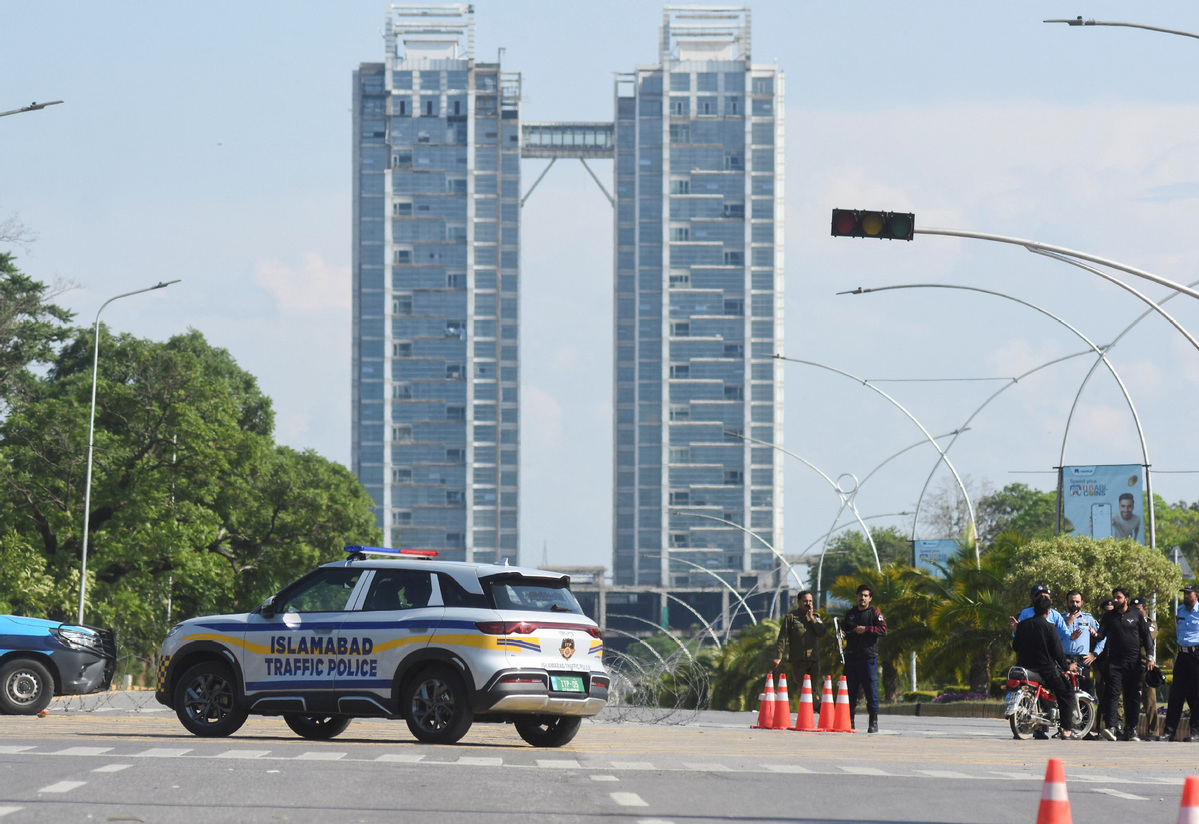
Authorities in Islamabad have introduced sweeping security measures ahead of the talks. Local holidays have been declared in the twin cities of Islamabad and Rawalpindi to facilitate arrangements. Police, paramilitary troops, and other security agencies are deployed under the Blue Book VVIP protocol, with separate routes designated for the movement of foreign delegations.
Islamabad Police issued a traffic advisory warning commuters of diversions on the Express Highway. Rescue services and hospitals have been placed on high alert. Serena Hotel, a five-star property in the Red Zone, has been reserved exclusively for the delegations, while several entry points to the capital will remain sealed during their stay.
Despite the ceasefire, several contentious issues are expected to dominate the negotiations.
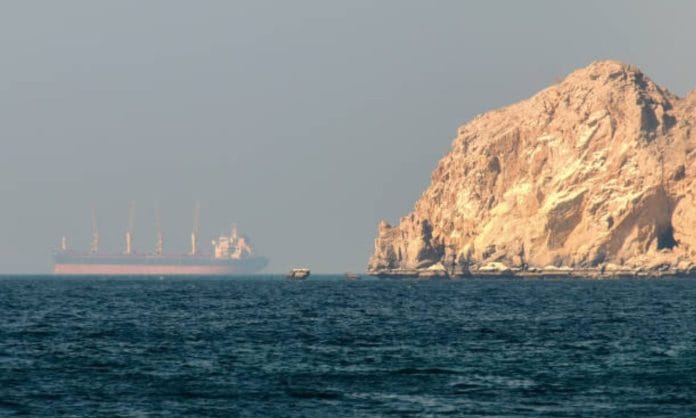
One major point is the future of the Strait of Hormuz, a critical maritime corridor through which a significant portion of the world’s oil and liquefied natural gas passes.
Sanctions relief is another central issue, with Iran seeking the lifting of sanctions imposed on it, which have severely restricted its economy and international financial transactions.
Differences also persist over uranium enrichment. Iran insists on maintaining its program for civilian nuclear energy purposes, while Washington has reiterated that it seeks strict limits on the activity.
To bring both sides to the negotiating table, Pakistani Prime Minister Shehbaz Sharif and Deputy Prime Minister and Foreign Minister Mohammad Ishaq Dar have held consultations with regional leaders and maintained diplomatic contacts with both Tehran and Washington. Analysts said the country’s neutrality, backed by longstanding ties with all stakeholders, gives it unique leverage in promoting dialogue.
Tughral Yamin, retired brigadier and a regional security analyst, described Pakistan’s success in convening the talks as “a remarkable achievement,” noting that bringing two deeply distrustful parties together was once considered improbable. “It demonstrates ambition and a willingness to take risks in pursuit of peace,” he said.
He said the real challenge lies in shaping a mutually acceptable outcome, requiring pragmatism, flexibility, and careful concessions.
Officials and analysts expressed the hope that the talks could mark a critical step toward reducing tensions in one of the world’s most volatile regions.
Security guards stand at a checkpoint outside Constitution Towers as Pakistan gears up to host the US and Iran for peace talks, in Islamabad, Pakistan, April 9, 2026.
“By the decision of the Supreme Commander-in-Chief of the Armed Forces of the Russian Federation, Vladimir Putin, a ceasefire has been declared in view of the upcoming Orthodox holiday of Easter, from 16:00 on April 11 until the end of the day on April 12, 2026,” the Kremlin said in a statement.
According to the statement, Russia’s Defense Minister Andrei Belousov and Chief of the General Staff of the Russian Armed Forces Valery Gerasimov have been instructed to cease combat operations along all fronts during this period.
“Troops must be prepared to thwart any possible provocations by the enemy, as well as any aggressive actions,” the Kremlin said, adding that it expects that the Ukrainian side will follow Russia’s lead.
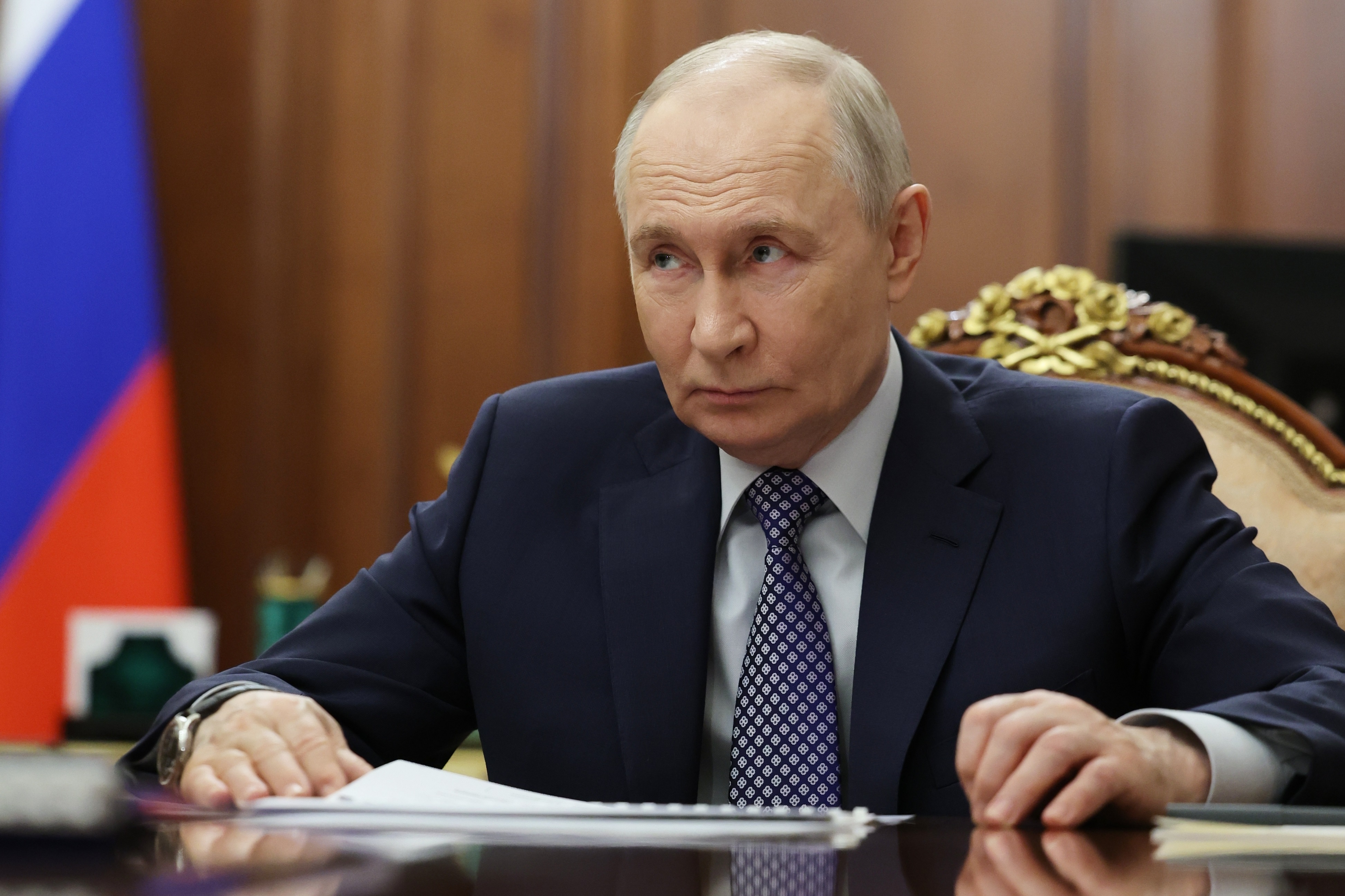
Russian President Vladimir Putin listens to Deputy Prime Minister, Chief of the Government Staff Dmitry Grigorenko during their meeting at the Kremlin, in Moscow, Thursday, April 9, 2026. (Alexander Kazakov/Sputnik, Kremlin Pool Photo via AP)
The long-awaited truce was struck in the nick of time, coming shortly before U.S. President Donald Trump’s deadline for Iran to agree to a deal and reopen the Strait of Hormuz, or the “whole civilization will die.”
While the ceasefire has pressed pause on a conflict whose shockwaves have been felt across the globe, experts warn that deep-seated disputes between Washington and Tehran remain unresolved, leaving the prospects for lasting peace far from certain.
Last-ditch breakthrough
The ceasefire was reached amid repeated threats from Trump, which culminated on Tuesday when he warned that Iran’s “whole civilization will die” if Tehran failed to meet his latest deadline for a deal by Tuesday, 8:00 p.m. Eastern Time (0000 GMT Wednesday), a statement that drew widespread criticism.
Late Tuesday night, as the world braced for possible U.S. strikes, Trump announced a two-week “double sided ceasefire,” as Tehran agreed to “the complete, immediate and safe opening” of the Strait of Hormuz.
In an interview with the media, Trump hailed the agreement as a “total and complete victory,” adding that Iran’s uranium would be “perfectly taken care of” under the ceasefire deal.
Following Trump’s announcement, Iran’s Supreme National Security Council quickly issued a statement confirming the ceasefire.
Iran has achieved a “great victory” and “forced” the United States to accept its 10-point plan, which includes controlled passage through the Strait of Hormuz and the necessity of ending the war against all elements of the “axis of resistance,” said the statement.
Iran’s Foreign Minister Seyed Abbas Araghchi said that Iran will cease “defensive operations” if attacks against it stop. Araghchi also promised safe passage through the Strait of Hormuz during the two-week ceasefire under “coordination” with Iranian armed forces.
For its part, Israel said it supports the temporary truce, noting that Lebanon is excluded from the deal.
Entrenched differences
The ceasefire has, to some extent, revived hopes that negotiations might settle the conflict, but responses from key stakeholders suggest that deep divisions and mutual distrust remain firmly in place.
In the statement confirming the ceasefire, Iran’s Supreme National Security Council stressed that the negotiations will be conducted on Friday in Islamabad “with complete distrust of the American side.”
“Our hands are on the trigger, and as soon as the slightest mistake by the enemy is made, it will be responded to with full force,” the security council warned.
Hamad Alhosani, a researcher at TRENDS Research and Advisory in the United Arab Emirates, said that the statements from the United States and Iran also reveal “a wide chasm.”
On the Strait of Hormuz, Washington demands “complete, immediate, and safe opening,” while Tehran insists on “continued Iranian control,” Alhosani said. On the nuclear program, Iran demands acceptance of its enrichment rights, while the United States has told Israel it is committed to removing all of Iran’s nuclear material, he added.
Similarly, Mohamed Benaya, an expert on Iranian and Gulf affairs at Al-Azhar University in Egypt, said, “The main points of difference are structural, the nuclear issues and the levels of enrichment and timelines.”
“There is a problem of trust between the two sides, driven by both ideological concepts,” Benaya added. “Bridging these gaps will be difficult without phased, reciprocal concessions.”
Analysts also noted that the disagreements between Washington and Tehran are not new: They stem from decades of political, ideological and strategic rivalry, and are unlikely to be resolved through either war or negotiations alone.
Akram Atallah, a Palestinian political analyst, said differences over Iran’s nuclear program, concerns about its regional influence, and the weight of economic sanctions have left fundamental disputes between Tehran and Washington unresolved.
“The current agreement should be understood primarily as an attempt to contain escalation rather than resolve the underlying conflict. It opens a diplomatic window, but the structural issues between the two sides remain unresolved,” Atallah said.
Dim prospects
Given these entrenched divisions, experts said the prospects for lasting peace in the Middle East remain shrouded in uncertainty.
“Over the next two weeks, we may see limited confidence-building steps, but the talks will likely focus on preventing further escalation rather than resolving all underlying disputes,” Oytun Orhan, a senior researcher at the Ankara-based Center for Middle Eastern Studies, told Xinhua.
Salah Ali Salah, a project officer at the Sanaa Center for Strategic Studies, said the ceasefire reflects a reluctant compromise by both sides rather than a genuine consensus.
“What we are witnessing is a forced and temporary truce between two sides that have exhausted their escalation options without achieving decisive outcomes,” he said. “With many critical issues still unresolved, the chances of renewed tensions outweigh the prospects for a real diplomatic breakthrough in the coming weeks.”
Jumaa Mohammed, a politics professor at Iraq’s Tikrit University, also voiced doubts about the prospects for lasting peace.
Both sides have lost enough to realize that a quick return to war would be more costly, but they do not yet trust each other enough to make major concessions, Mohammed said.
Mohammed Zakaria Aboudahab, a professor of public law and political science at Morocco’s Mohammed V University, also warned that the ceasefire is no guarantee of lasting peace.
“The fundamental drivers of conflict – Iran’s nuclear status, the reconfiguration of Gulf security architecture, and the persistent risk of escalation within the Israel-Hezbollah-Iran triangle – remain unresolved,” Aboudahab said. “What we are witnessing is more likely an intermission than a conclusion.”
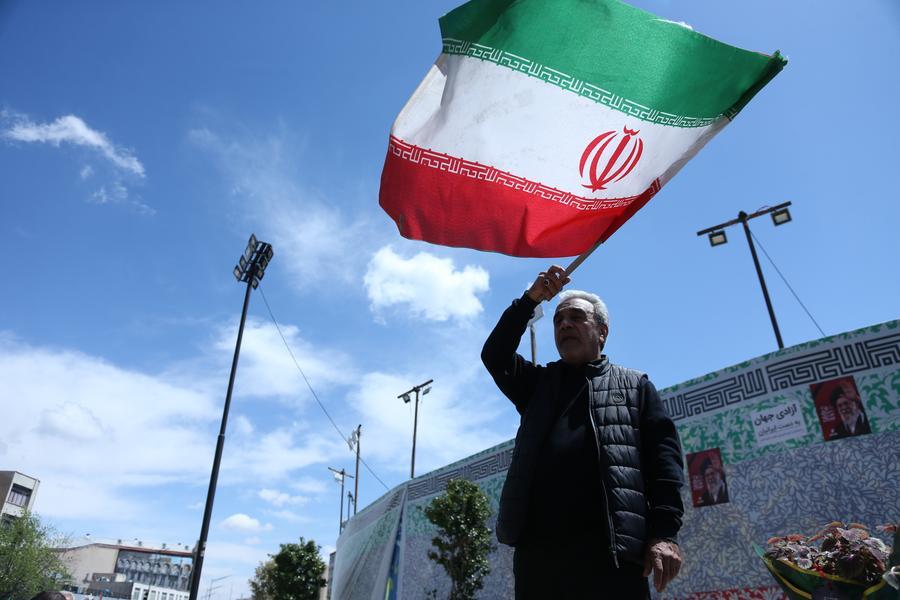
A man attends a rally in Tehran, Iran, April 8, 2026. After some 40 days of deadly clashes, the United States and Iran on Wednesday reached a two-week ceasefire
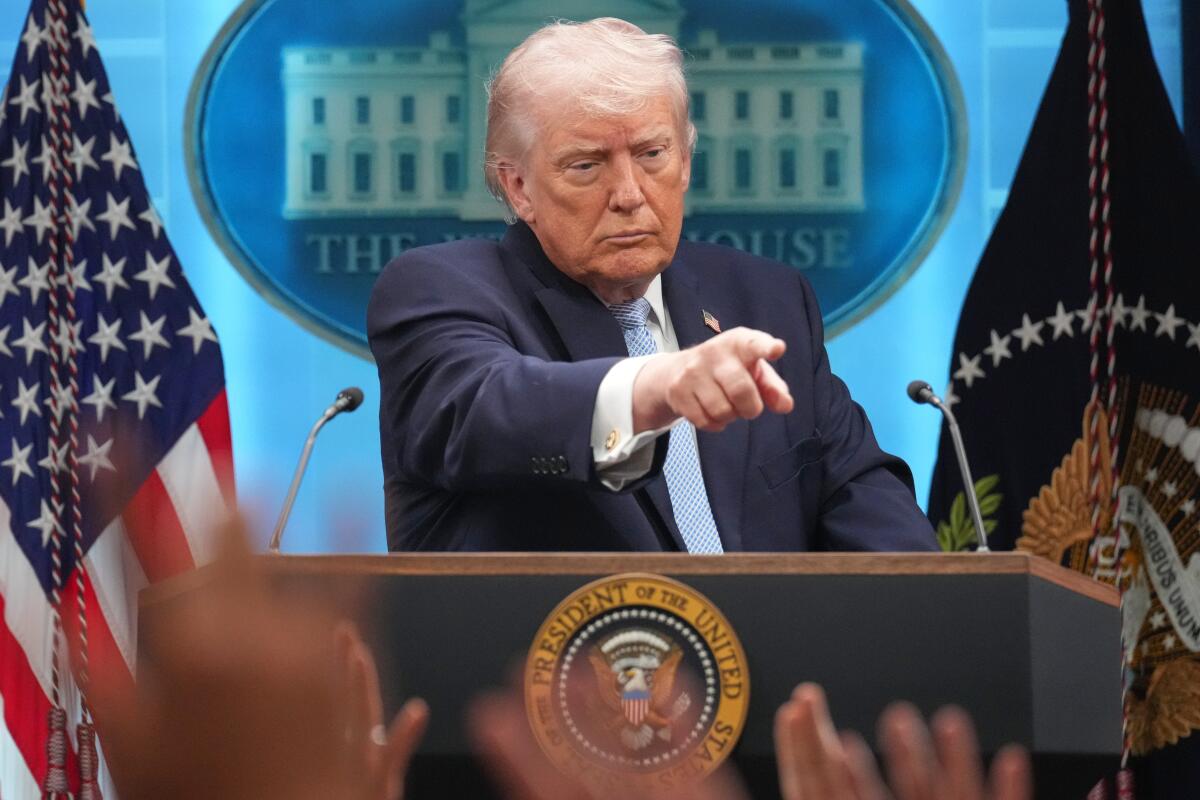
The whiplash was breathtaking, even by Trump’s own standards. On Tuesday morning, Trump posted on his Truth Social platform that “a whole civilization will die tonight, never to be brought back again” if Iran failed to meet his deadline to strike a deal.
He had set 8 p.m. ET as the cutoff, threatening to target Iran’s power plants and bridges — actions that legal experts warned could constitute a war crime.
Hours later, the same man was singing a very different tune.
In announcing a two-week ceasefire deal brokered by Pakistan, Trump wrote that Iran had proposed a “workable” 10-point peace plan and declared: “This will be a double-sided CEASEFIRE!”
Then came the Trump Social post captured in the viral screenshot circulating on X: “A big day for World Peace! Iran wants it to happen, they’ve had enough!”
He predicted “lots of positive action,” said “big money will be made,” and invited Iran to “start the reconstruction process” — concluding that “this could be the Golden Age of the Middle East!!!”
The contrast left much of the world blinking. The abrupt pivot came just two hours before his own self-imposed deadline, after Pakistani Prime Minister Shehbaz Sharif asked Trump to extend the ultimatum and urged Iran to reopen the Strait of Hormuz as a goodwill gesture.
It was not the first time. Since the war began on February 28, Trump has repeatedly imposed deadlines linked to threats, only to extend them.
This particular escalation-and-retreat cycle was sharper than most. Just hours before the ceasefire announcement, Trump had described the looming crossroads as “one of the most important moments in the long and complex history of the world,” and warned that “47 years of extortion, corruption, and death will finally end.”
Critics were quick to point out the contradiction. As commentator Mario Nawfal noted on X: “Twelve hours ago he threatened to end an entire civilization. Now he’s…” — with the rest of the sentence left to speak for itself.
The ceasefire marks the most significant pause in a war that has rattled global energy markets, sent oil prices soaring, and drawn in regional powers since the United States and Israel launched their campaign against Iran’s military and nuclear infrastructure in late February.
Pakistan’s Prime Minister Sharif declared that “both parties have displayed remarkable wisdom and understanding,” and invited delegations from the U.S. and Iran to Islamabad on April 10 to continue negotiations toward a permanent peace.
Whether this latest ceasefire holds, and whether Trump’s “Golden Age” rhetoric lasts longer than a news cycle, remains very much an open question.
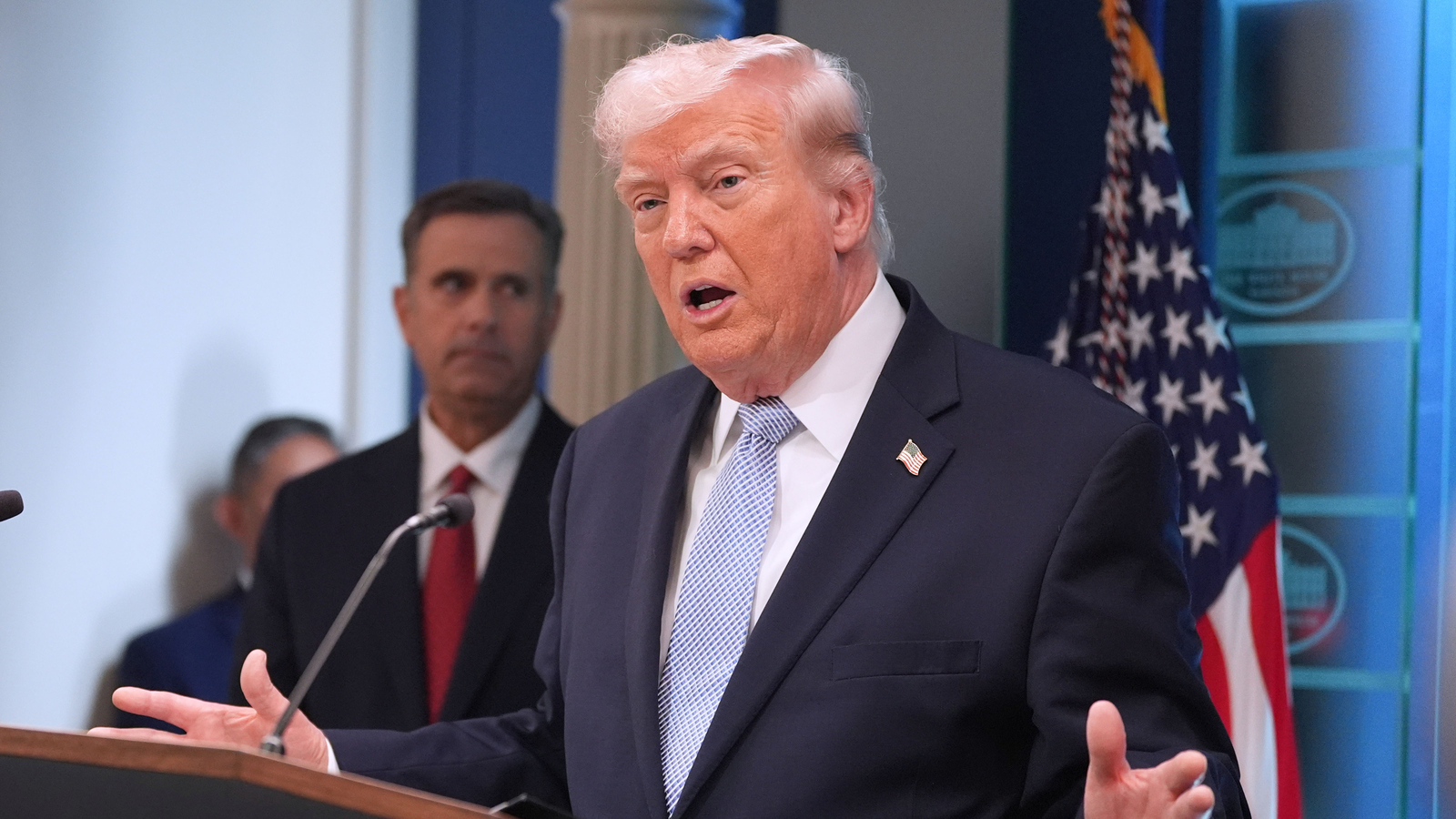
Donald Trump had threatened Iran with severe consequences, warning that an entire civilization could be destroyed if his demands were not met.
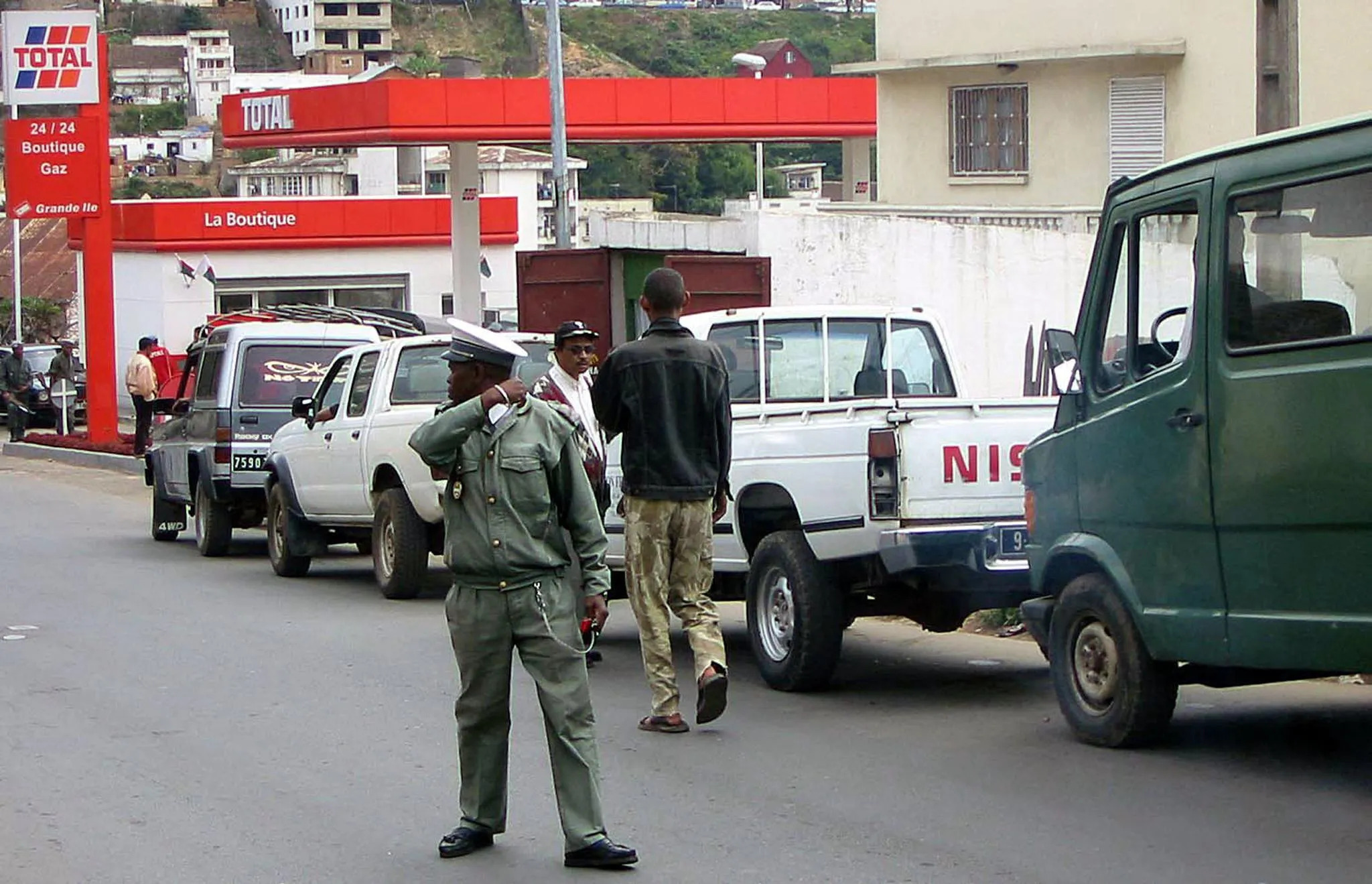
According to a presidential communique, this situation is attributable in particular to the repercussions of the conflict in the Middle East, which have disrupted energy supplies and public services in Madagascar.
The government said that this state of emergency would allow for the implementation of rapid and targeted measures to restore energy supplies, ensure the continuity of essential services, and maintain the proper functioning of the national economy.
The ongoing energy crisis also impacts public order, security, and institutional stability, the communique added.
The government reaffirmed its commitment to mobilize all necessary resources to overcome this crisis and limit its effects on the daily lives of the population.
According to local media, since mid-March, petroleum stations in Madagascar have faced insufficient storage capacity or temporary stock shortages. The country’s supply of refined petroleum depends heavily on imports, particularly from Oman.
Madagascar declared a two-week nationwide energy emergency on Tuesday, as global tensions in the Middle East disrupted fuel supplies and strained the island’s economy.
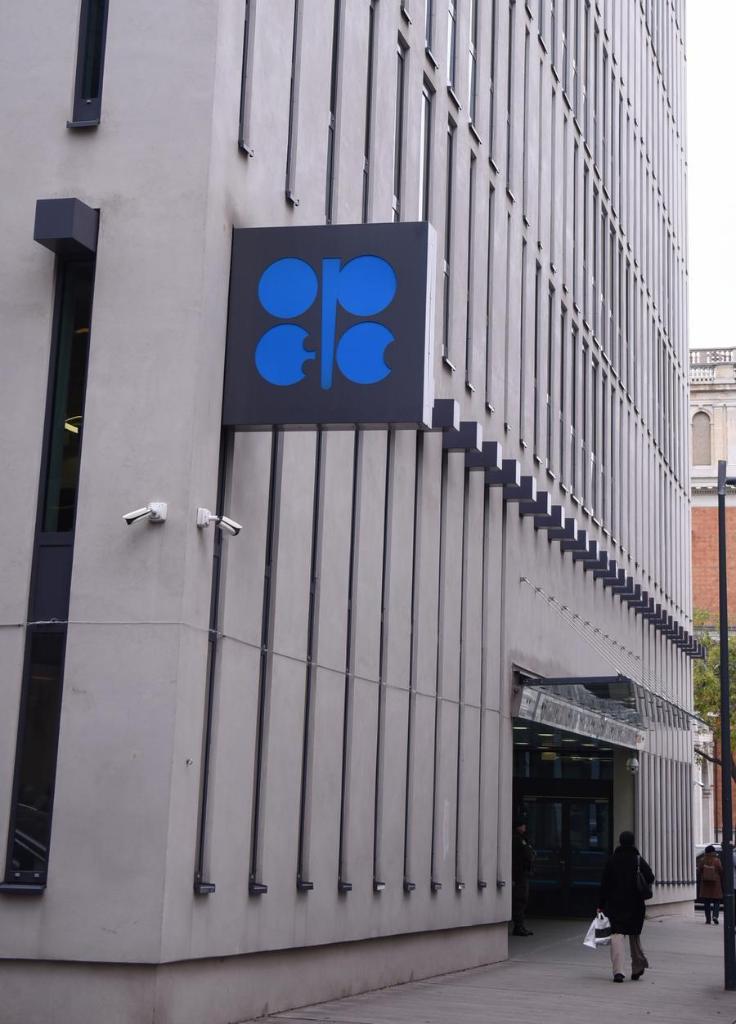
The decision was announced following a virtual meeting attended by Saudi Arabia, Russia, Iraq, the United Arab Emirates, Kuwait, Kazakhstan, Algeria, and Oman, which reviewed global market conditions and outlook.
Amid the ongoing military conflict in the Middle East, the eight OPEC+ countries underscored the critical importance of safeguarding international maritime routes to ensure the free flow of energy supplies.
The eight countries also expressed concern over attacks on energy infrastructure, which harmed the overall supply availability. They stressed that it is both costly and takes a long time to restore damaged energy assets to full capacity.
They are scheduled to meet again on May 3 to make further decisions.
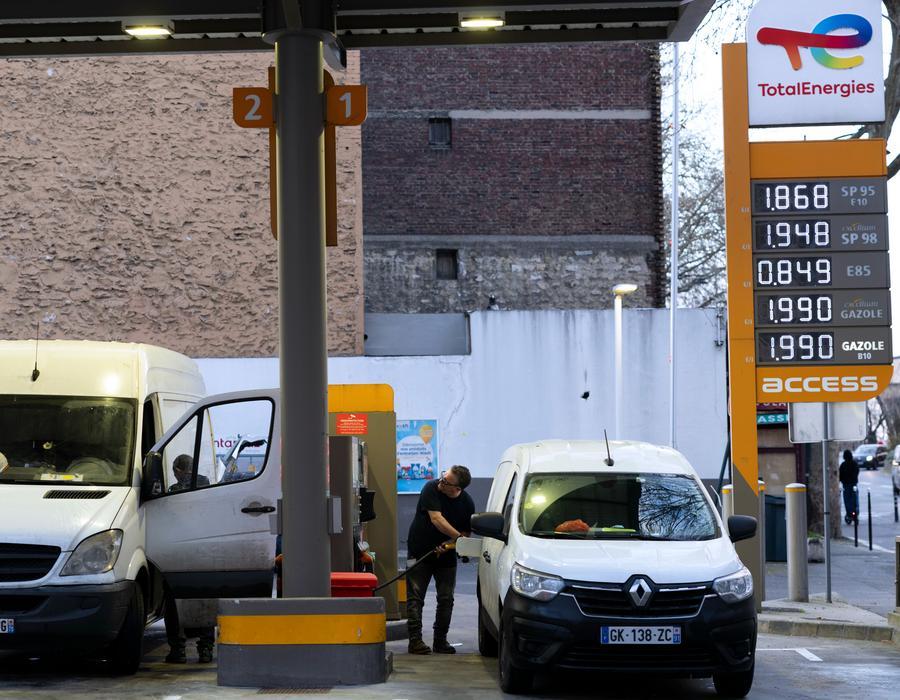
Since the U.S.-Israeli strikes on Iran beginning Feb. 28, the conflict in the Middle East has severely disrupted regional energy flows, with crude oil and refined product shipments declining significantly.
Photo taken on Nov. 30, 2023 shows the headquarters of the Organization of the Petroleum Exporting Countries (OPEC) in Vienna, Austria. (Xinhua/He Canling)
In a joint policy brief issued Saturday, the AU, the United Nations (UN) Economic Commission for Africa, the African Development Bank, and the UN Development Program warned that the longer the conflict lasts and the more severe the disruption on shipping routes, energy, and fertilizer supplies, the greater the risk of a significant growth slowdown across Africa.
With most African countries still growing at rates below the pre-COVID time, the brief projected a loss in output growth of 0.2 percentage points on Africa’s gross domestic product for 2026 if the conflict exceeds six months.
The organizations stressed that the conflict, which has already triggered a trade shock, could quickly become “a cost-of-living crisis” through higher fuel and food prices. Rising shipping costs, insurance premiums, exchange rate pressures, and tighter fiscal conditions could further compound the crisis, with vulnerable households bearing the heaviest burden.
The Middle East accounts for 15.8 percent of Africa’s imports and 10.9 percent of exports, which highlights the critical implications of the current situation for African economies, according to the brief.
Highlighting that the fertilizer channel may prove more consequential than oil shocks for some countries, the brief noted that disruptions to Gulf liquid natural gas supply would affect ammonia and urea production, raising fertilizer costs during the crucial March-to-May planting season.
It warned that the phenomenon will put further upward pressure on food prices and hit vulnerable households hardest, with significant negative impacts on food security in Africa.
Expressing concern over potential geopolitical spillover effects that could reshape Africa’s security, it also warned that a wider conflict could intensify competition for influence in Africa, with regional conflicts in Sudan, Somalia, and Libya already reflecting external sponsorship.
The brief emphasized the importance of strengthening energy security, safeguarding and restoring fiscal space, accelerating the implementation of the African Continental Free Trade Area, and establishing financial safety nets across Africa as essential strategies for building resilience.
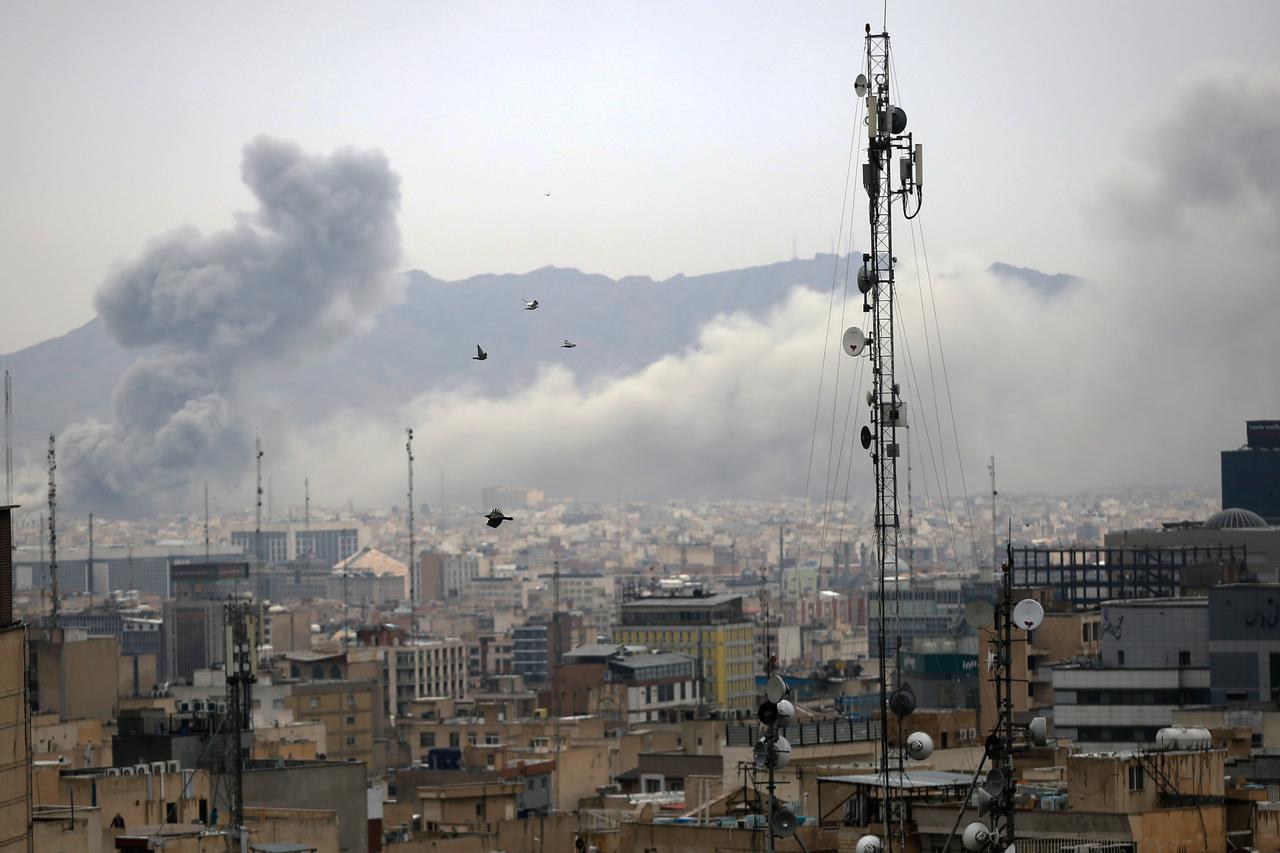
Smoke rises after airstrikes in Tehran, Iran on March 13, 2026. (AA Photo)
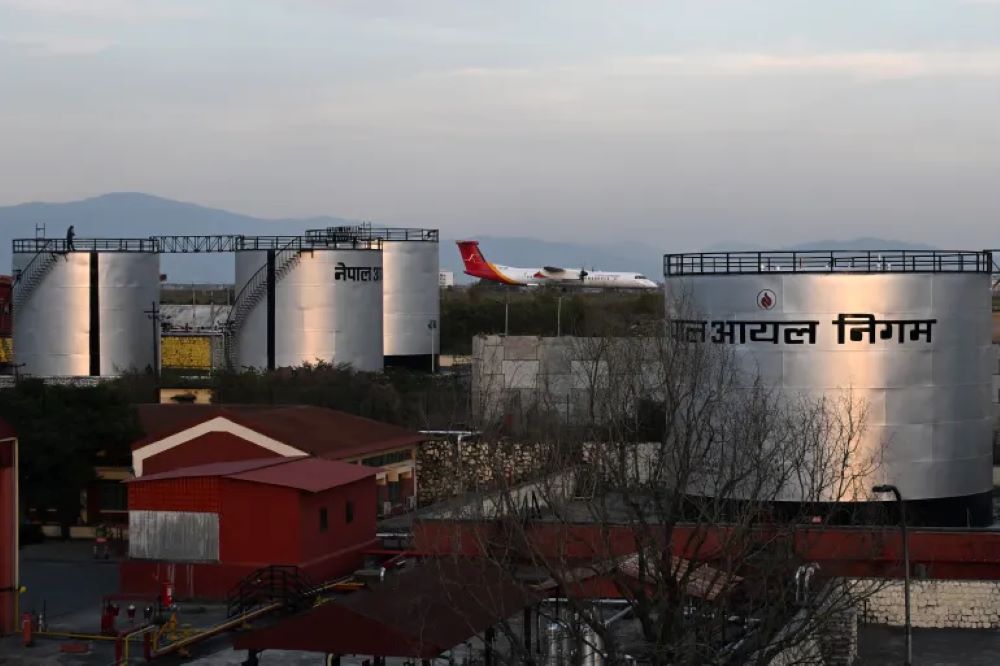
Making public the cabinet decisions, Minister for Education, Science and Technology Sasmit Pokharel said the decision of holidays on Saturday and Sunday will be enforced with immediate effect. Nepal has been practicing a one-day weekend on Saturdays.
He also informed that the cabinet has decided to prepare laws necessary to facilitate conversions of fossil fuel vehicles into electric vehicles.
The Nepali government on Sunday decided to introduce two-day weekly holidays in the government offices and academic institutions in a measure to counter disruptions in petroleum supplies.
On March 21, Trump threatened to “hit and obliterate” Iranian power plants if the country fails to fully open the strait within 48 hours. Two days later, he postponed strikes on power plants for five days, claiming to have held “productive conversations” with Tehran.
On March 26, Trump again pushed the deadline back, saying that he will pause planned strikes on Iranian energy facilities for 10 days, to April 6, the upcoming Monday at 8 p.m. Eastern Time. On Saturday, Trump reaffirmed that Iran has 48 hours to strike a deal on opening up the strait or face “Hell.”
However, in the post on Sunday, Trump appeared to hint at extending the deadline for Iran to reopen the strait for another time.
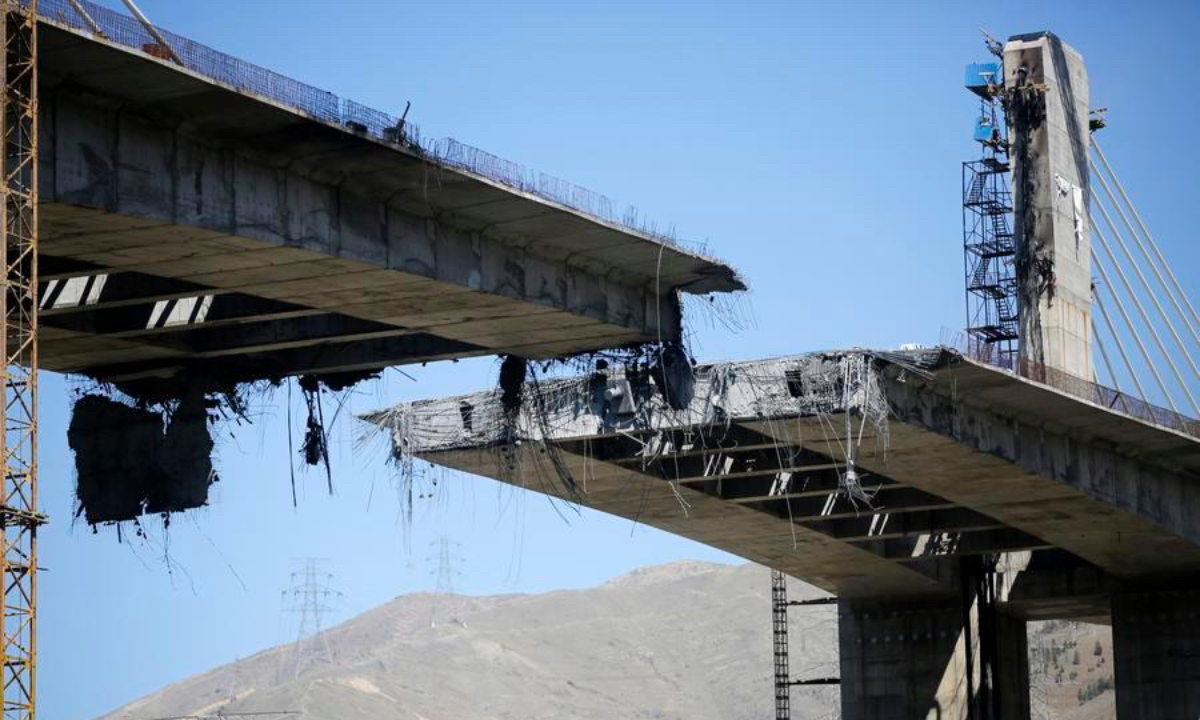
In a post earlier Sunday, the U.S. president threatened that Tuesday would be “Power Plant Day, and Bridge Day, all wrapped up in one” for Iran, and again urged Iran to open the Strait of Hormuz.
In an interview with The Wall Street Journal on Sunday, Trump threatened to destroy all of Iran’s power plants if the country’s leaders don’t agree to reopen the strait by Tuesday evening.
“If they don’t come through, if they want to keep it closed, they’re going to lose every power plant and every other plant they have in the whole country,” Trump said.
In a phone interview with Fox, Trump said that a deal to end the conflict in Iran could be reached by Monday.
However, Trump’s optimism does not seem to be echoed by the other side. Iran has rejected a U.S. proposal for a 48-hour ceasefire, which was recently sent through one of its “friendly countries,” the semi-official Fars news agency reported Friday, citing a source.
In a post earlier Sunday, the U.S. president threatened that Tuesday would be “Power Plant Day, and Bridge Day, all wrapped up in one” for Iran, and again urged Iran to open the Strait of Hormuz.