More than 7.89 million voters were registered, with turnout reaching 58.75 percent. The results show Wadagni, the incumbent Minister of Economy and Finance, backed by the ruling coalition, defeated opposition candidate Paul Hounkpe of the Cowry Forces for an Emerging Benin.
Wadagni’s running mate, Mariam Chabi Talata, will serve as vice president.
During the campaign, Wadagni pledged to build on reforms of the past decade and pursue a shift from a primary industry-driven model to a modern economy focused on industrialization, digitalization and regional integration. He said the emphasis would move from expanding economic scale to achieving higher-quality growth.
Political figures, electoral institutions and observers said the voting process was generally smooth and orderly. Benin’s Constitutional Court is expected to announce the final results within five days. Under the electoral code, the president and vice president are elected by direct universal suffrage for a seven-year term.
Wadagni, 49, previously worked at Deloitte before joining the government after Patrice Talon was elected president in 2016. He has since served as Minister of Economy and Finance. Wadagni was reappointed in 2021 and promoted to senior minister, playing a key role in implementing Talon’s economic policies.
Romuald Wadagni casts his ballot at a polling station in Lokossa, Benin, on April 12, 2026. Romuald Wadagni won Benin’s presidential election held on Sunday, according to preliminary results released Monday by the country’s Autonomous National Electoral Commission.
The office said Netanyahu signed the appointment letter following approval by an advisory committee.
Gofman is set to assume the role on June 2 for a five-year term, after current director David Barnea completes his tenure.
The appointment has drawn criticism, including from current and former Mossad officials who raised concerns over Gofman’s lack of intelligence experience.
The advisory committee, which reviews senior government appointments in Israel, voted 3-1 in favor of the appointment, with its chairman, former Supreme Court president Asher Grunis, voting against.
“In light of the integrity-related shortcomings for which Maj. Gen. Gofman is responsible, it is not appropriate to appoint him to the position of head of the Mossad,” Grunis wrote in an appendix to the decision.
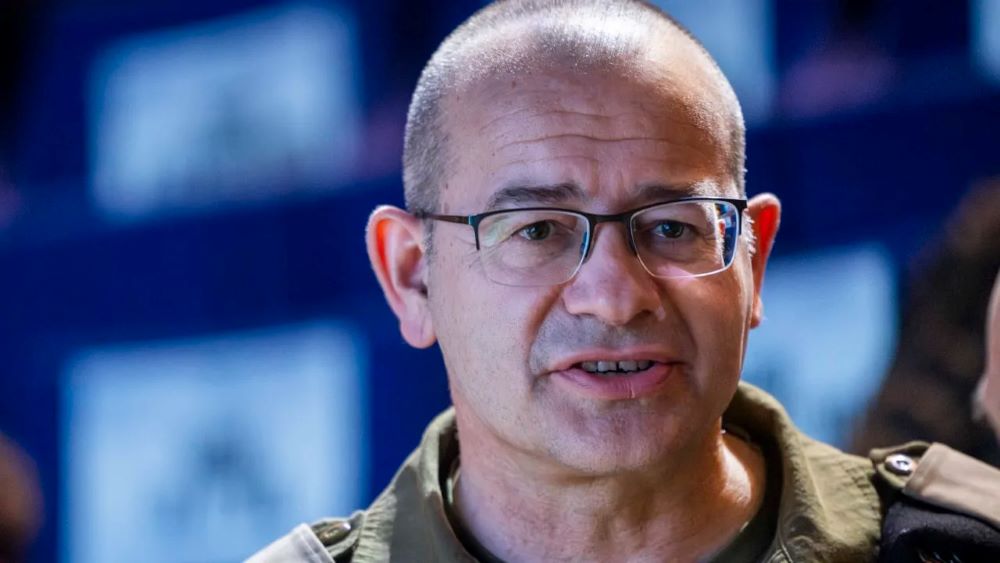
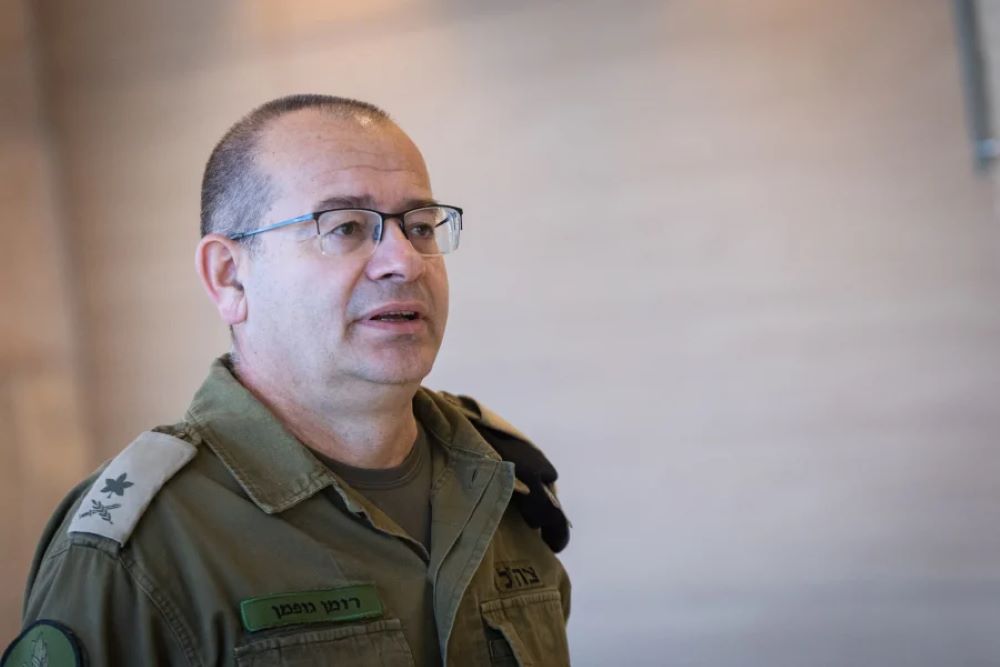
Israeli Prime Minister Benjamin Netanyahu has appointed his military secretary, Roman Gofman, as the next head of the Mossad intelligence agency
“After all, we want a sustainable peace. And sustainable peace can only be achieved once we have safeguarded our interests and attained the objectives that have been in place since the very beginning,” he said.
Peskov noted that the key point of disagreement in the Russian-Ukrainian negotiation process is a small area of the Donetsk People’s Republic currently controlled by the Ukrainian army.
He said that substantive talks on resolving the conflict can only begin after Russian troops reach the administrative borders of Russia’s new regions.
“In any case, we are talking about very complex, meticulous, and not quick negotiations,” Peskov said.
The law, which declares France’s colonization of Algeria from 1830 to 1962 a crime, was described by officials as “a step to preserve national memory and honor the sacrifices made during the colonial period.”
In December 2025, the lower house unanimously adopted the draft law calling for an official apology from France and affirming Algeria’s right to reparations.
However, Algerian President Abdelmadjid Tebboune later clarified that Algeria seeks France’s recognition of its crimes rather than financial compensation.
To this end, a joint parliamentary committee was established to resolve differences between the two houses and produce a unified text.
The final version adopted by both houses reportedly removed broad reparations clauses and apologies from France, while retaining provisions related to victims of French nuclear tests in the Sahara.
The diplomatic rift between Algeria and France has deepened recently, fueled by disputes over immigration, historical grievances, and France’s backing of Morocco regarding Western Sahara.
Tebboune has maintained that direct talks with French President Emmanuel Macron are the only path to resolving these bilateral issues.
In 2021, Macron acknowledged that the colonization of Algeria was a “crime against humanity,” but stopped short of offering a formal state apology.
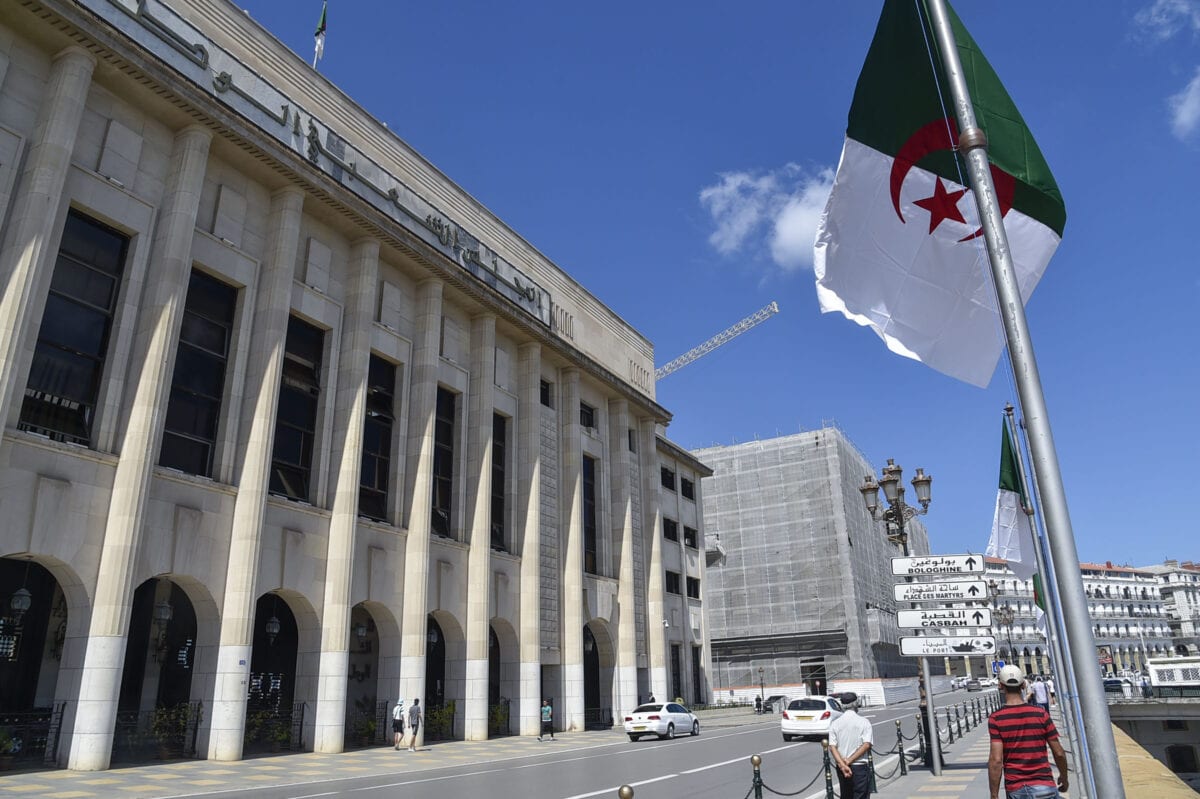
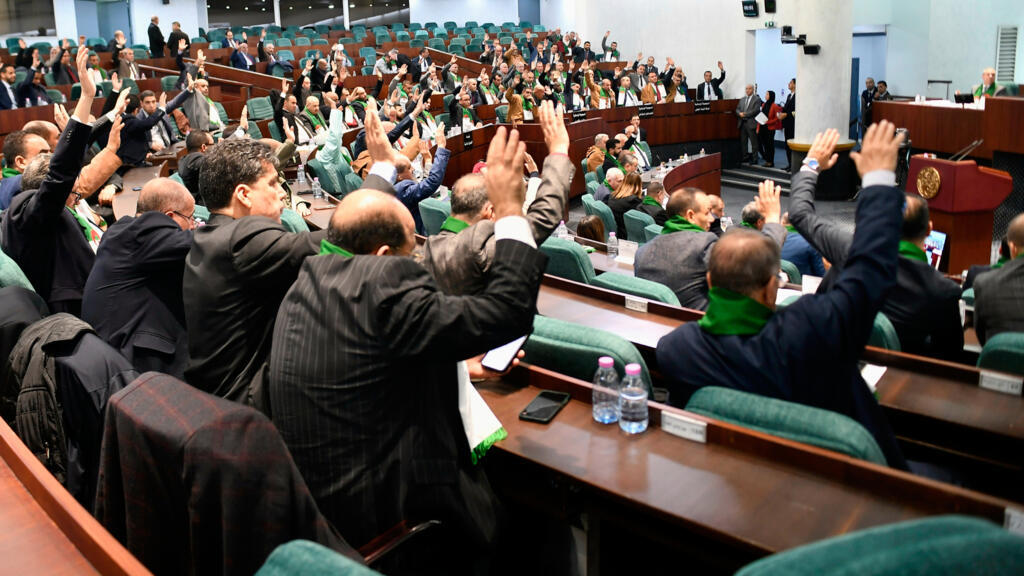
Algeria’s Council of the Nation (upper house of parliament) on Sunday adopted a draft law criminalizing French colonization.
The blockade, in accordance with U.S. President Donald Trump’s proclamation, will be enforced “impartially” against vessels of all nations entering or departing Iranian ports and coastal areas, including all Iranian ports on the Arabian Gulf and Gulf of Oman, according to the statement, which was posted on social media platform X.
U.S. Central Command forces “will not impede freedom of navigation for vessels transiting the Strait of Hormuz to and from non-Iranian ports,” it added.
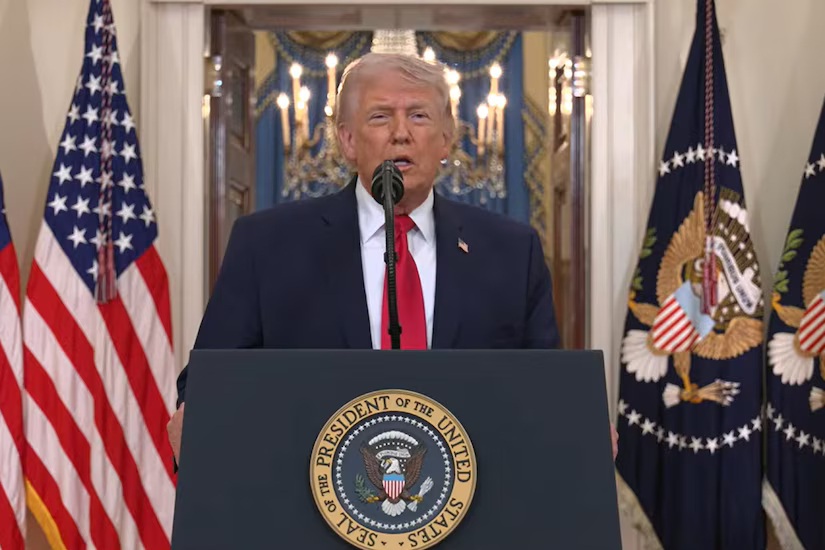
The statement came a few hours after Trump announced on Truth Social that the U.S. Navy would begin blocking ships trying to enter or leave the Strait of Hormuz.
In an interview with Fox News, Trump said that the United States and allied countries would deploy minesweepers to the strait to clear sea mines and secure shipping lanes.
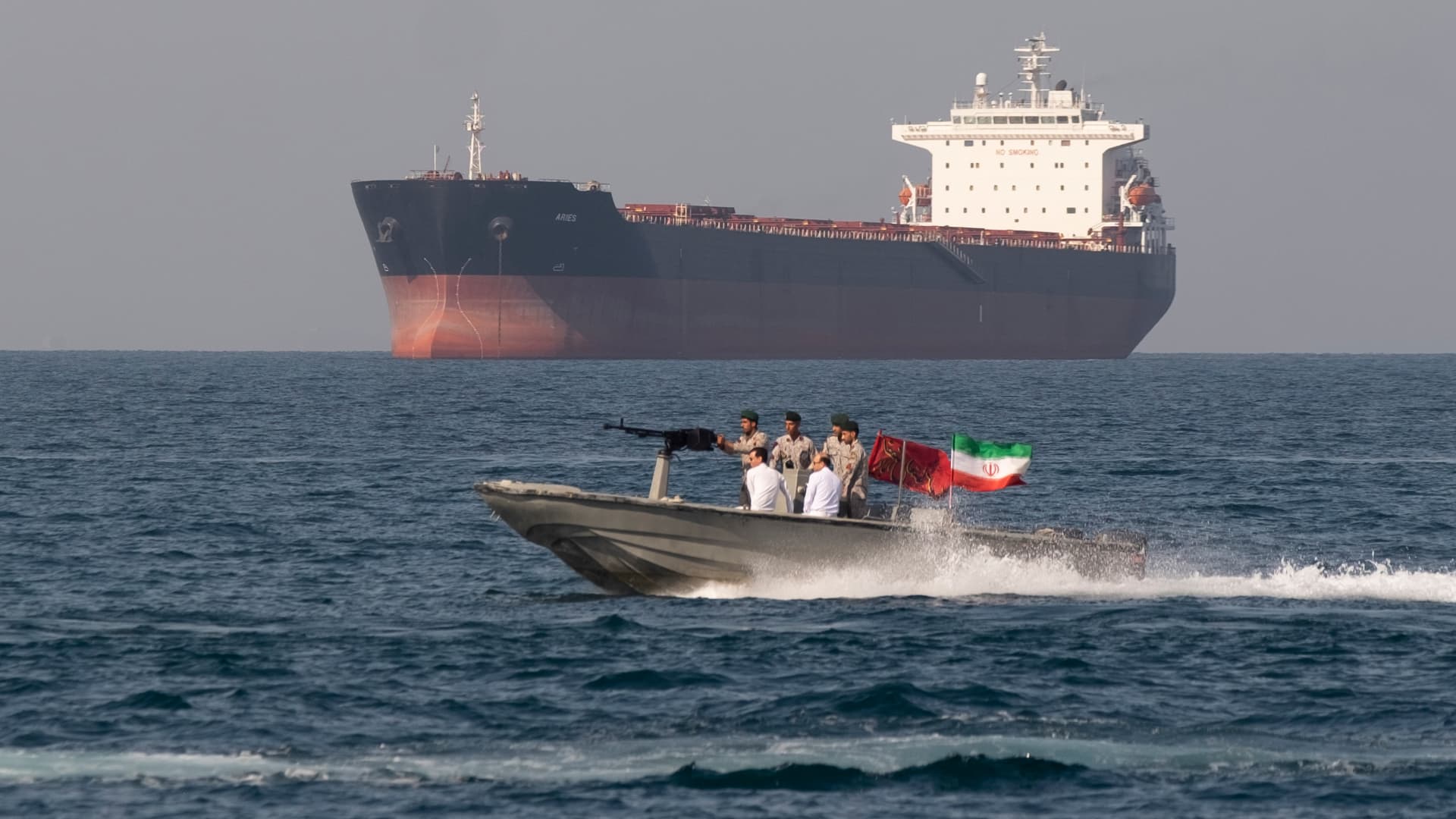
After Trump’s statement on Strait of Hormuz naval blockade, Iran’s Islamic Revolutionary Guard Corps Navy Command warned Sunday that any “wrong move” in the Strait of Hormuz would trap its enemies in “deadly whirlpools.”
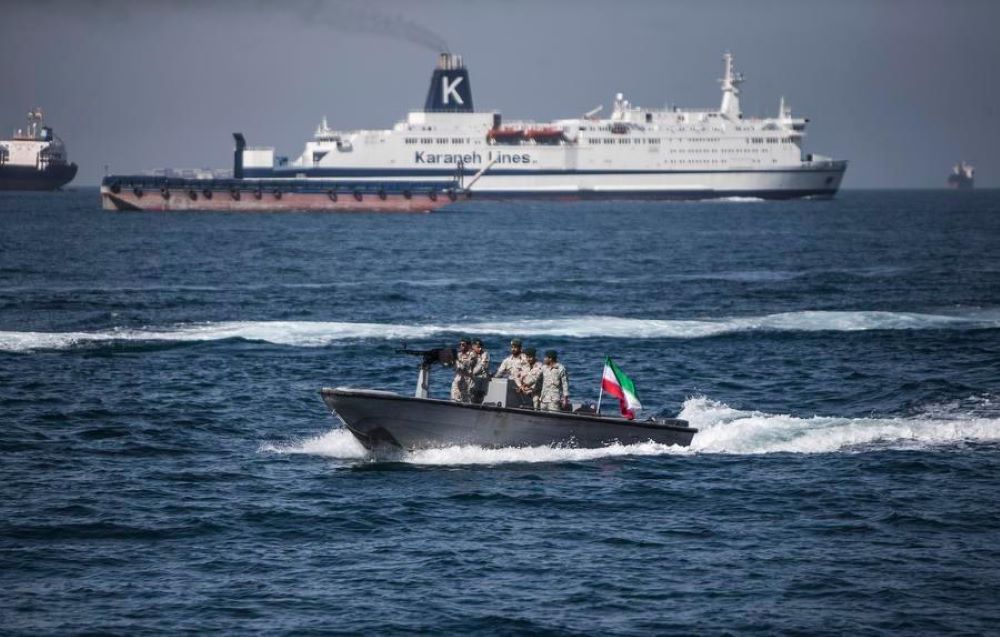
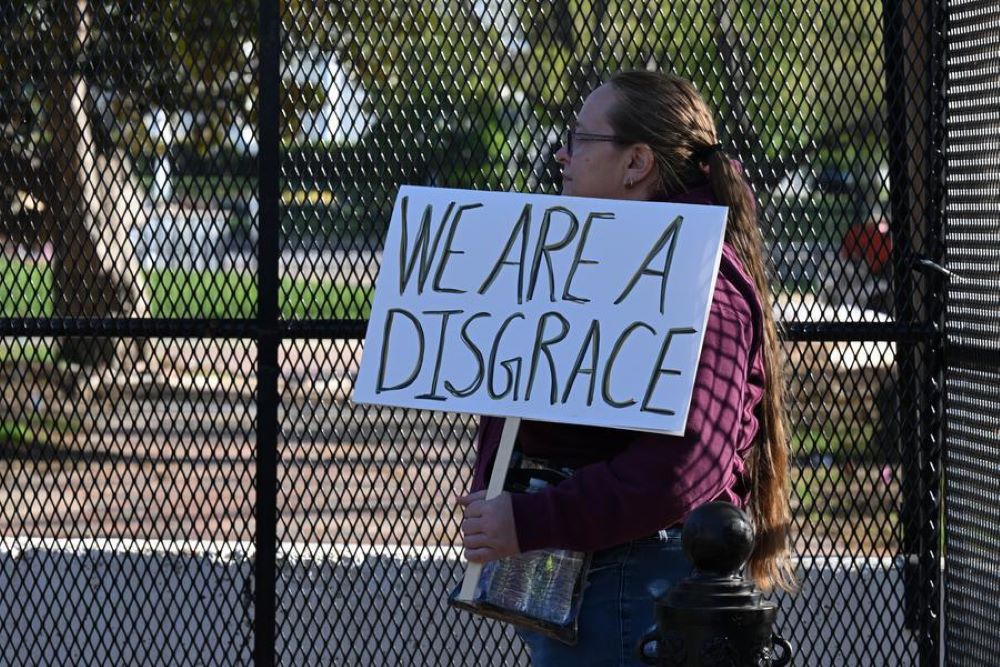
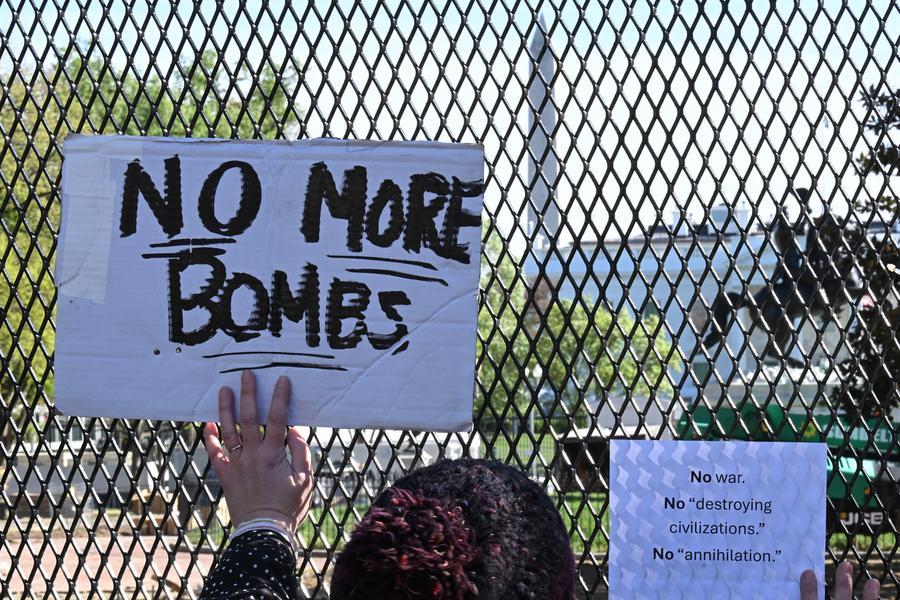
A demonstrator holds a placard in front of the White House in Washington, D.C., the United States, on April 7, 2026.Iranian soldiers patrol the Strait of Hormuz in southern Iran, April 30, 2019
Delegations from both countries departed Islamabad on Sunday without a breakthrough, each side blaming the other for the collapse of talks aimed at ending a war that has killed thousands and disrupted global energy markets.
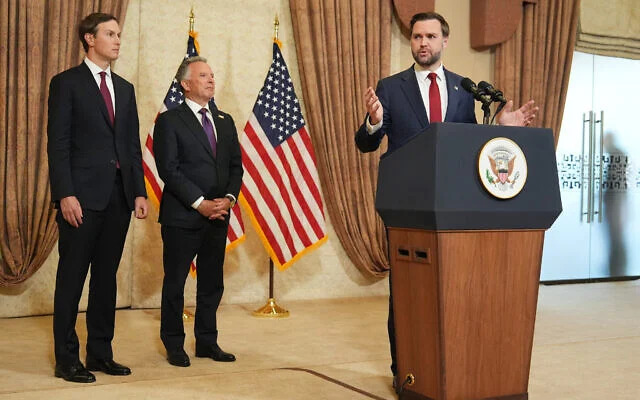
U.S. Vice President JD Vance, who led the American delegation, acknowledged the outcome shortly before leaving Pakistan.
“We’ve had a number of substantive discussions with the Iranians,” he said. “The bad news is that we have not reached an agreement.”
Vance emphasised that Washington’s key demands had not changed, particularly regarding Iran’s nuclear ambitions. He said the U.S. had sought firm guarantees that Tehran would not pursue nuclear weapons or the capability to rapidly develop them.
“We just could not get to a situation where the Iranians would accept our terms,” he added, describing the proposal on the table as the United States’ “final and best offer.”
Vance also revealed the level of direct coordination with Washington during the talks, saying he had spoken with President Donald Trump as many as a dozen times throughout the negotiations. Even as discussions continued, Trump downplayed the necessity of reaching an agreement.
“We’re negotiating. Whether we make a deal or not makes no difference to me, because we’ve won,” President Trump told reporters on Saturday.
Iranian officials, however, pushed back, accusing Washington of making unreasonable demands. A spokesperson for Iran’s foreign ministry described the talks as “intensive” but said progress depended on “seriousness and good faith” from the U.S. side. Iranian media reported that disagreements over the country’s nuclear programme and control of the strategically vital Strait of Hormuz were among the main obstacles.
The negotiations, held over two days and stretching overnight, marked the first direct high-level engagement between the two countries in more than a decade. They followed a temporary ceasefire agreed earlier in the week, which Pakistani officials have urged both sides to maintain despite rising tensions.
Pakistan’s Foreign Minister stressed the importance of preserving the truce, calling it “imperative” for regional stability. Officials in Islamabad had hoped the talks would pave the way for a broader de-escalation, but signs of strain were evident throughout the discussions. One source familiar with the negotiations described “mood swings” and fluctuating tensions as talks progressed.
Beyond nuclear concerns, broader geopolitical issues complicated the negotiations. Iran has reportedly demanded the release of frozen assets, war reparations, and greater control over the Strait of Hormuz, a critical global oil route through which roughly one-fifth of the world’s energy supply passes. The U.S., meanwhile, has insisted on ensuring free navigation through the strait and curbing Iran’s nuclear enrichment capabilities.
The failure to secure a deal leaves the region in a precarious position. Although some oil tankers have begun moving through the Strait of Hormuz following the ceasefire, many vessels remain stranded, and global markets continue to react nervously to the uncertainty.
Adding to the volatility, fighting linked to the broader conflict continues elsewhere in the region. Israel has carried out strikes against Iran-backed Hezbollah targets in Lebanon, underscoring the risk of further escalation beyond the immediate U.S.-Iran confrontation.
Despite the setback, officials on both sides have not ruled out future negotiations. For now, however, the breakdown in Islamabad highlights the deep divisions that remain, and the challenges ahead in turning a temporary ceasefire into lasting peace.
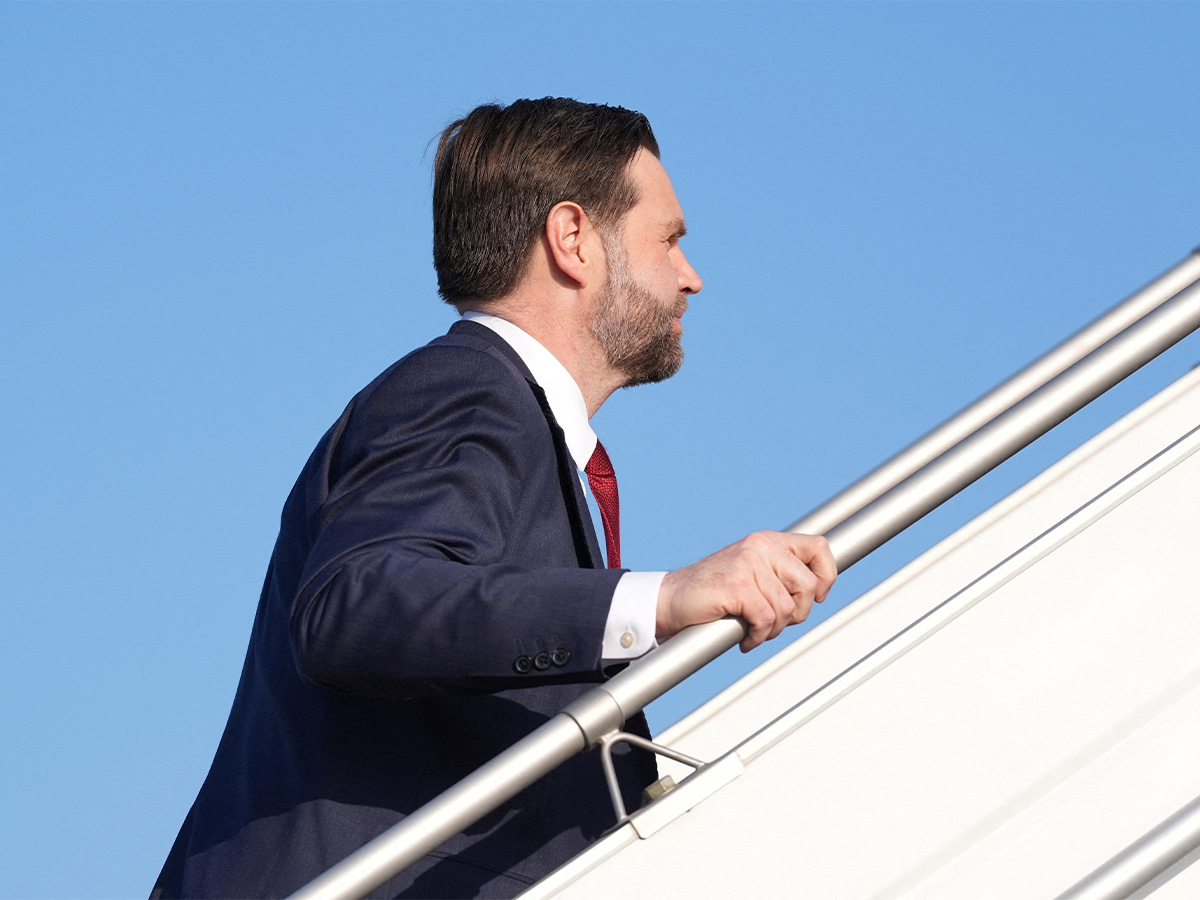
Images showed Vance, who headed the US delegation, along with other members, boarding a plane back to the United States, just minutes after a brief press conference in which he announced that the round of negotiations in Islamabad had ended without an understanding.
In a statement, the deputy prime minister reiterated Pakistan’s willingness to continue facilitating the parties in achieving a lasting and durable solution, underscoring the importance of dialogue and cooperation in resolving disputes.
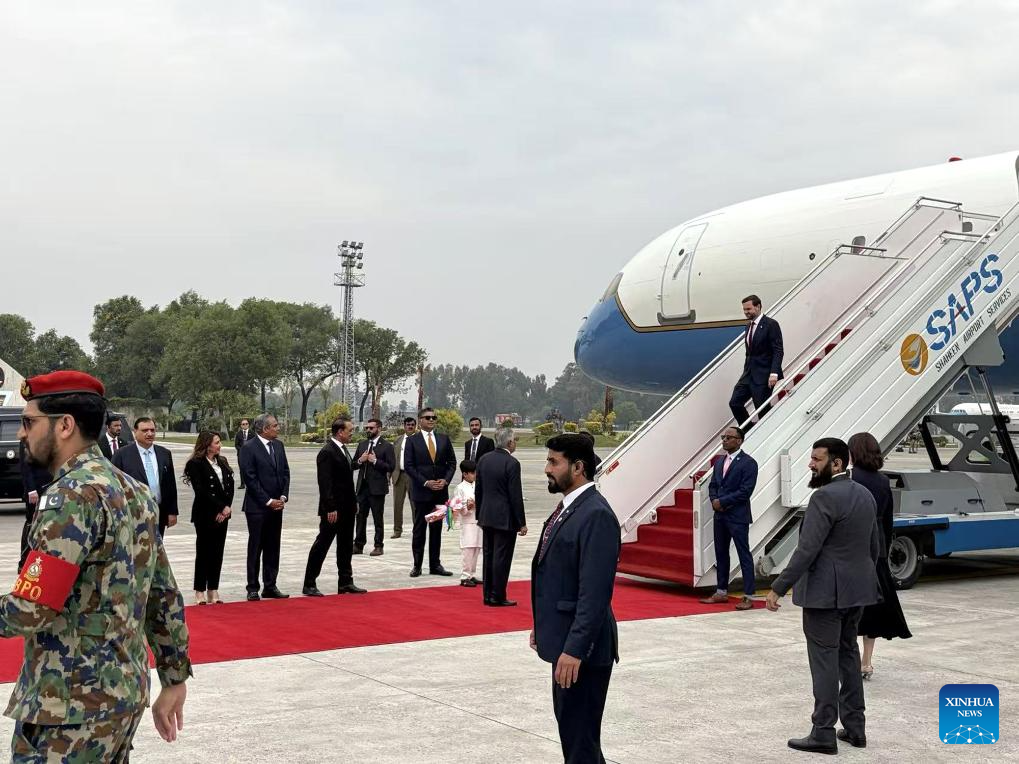
The statement came after the U.S. delegation arrived in Pakistan on Saturday. The Iranian team reached Pakistan earlier. The two sides are expected to have a negotiation to end recent hostilities in the Middle East.
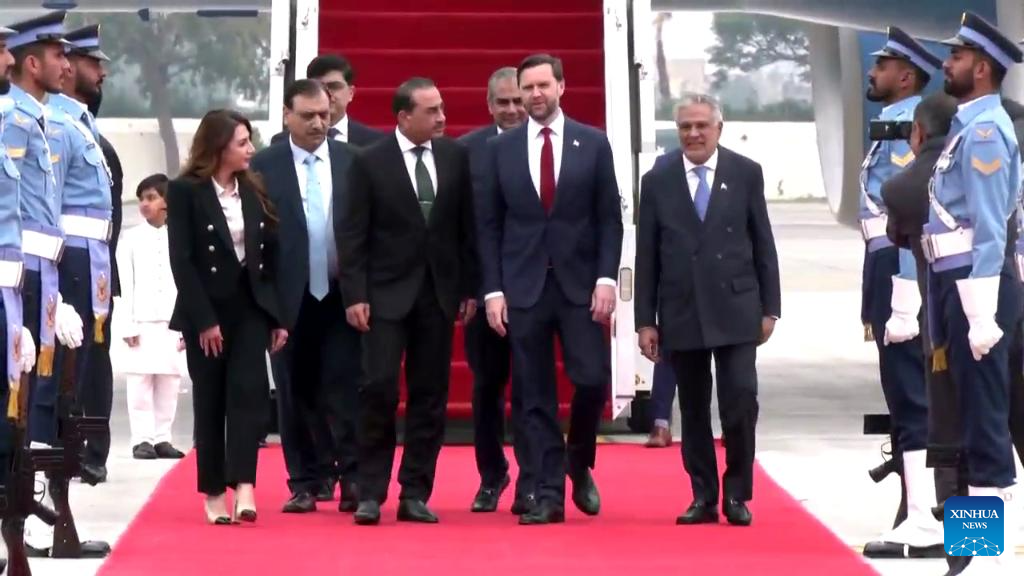
This screenshot from a video clip shows U.S. Vice President JD Vance arriving at the Nur Khan airbase in Rawalpindi, Pakistan, on April 11, 2026. U.S. delegates led by Vice President JD Vance arrived in Pakistan on Saturday morning for talks with Iran, according to sources.
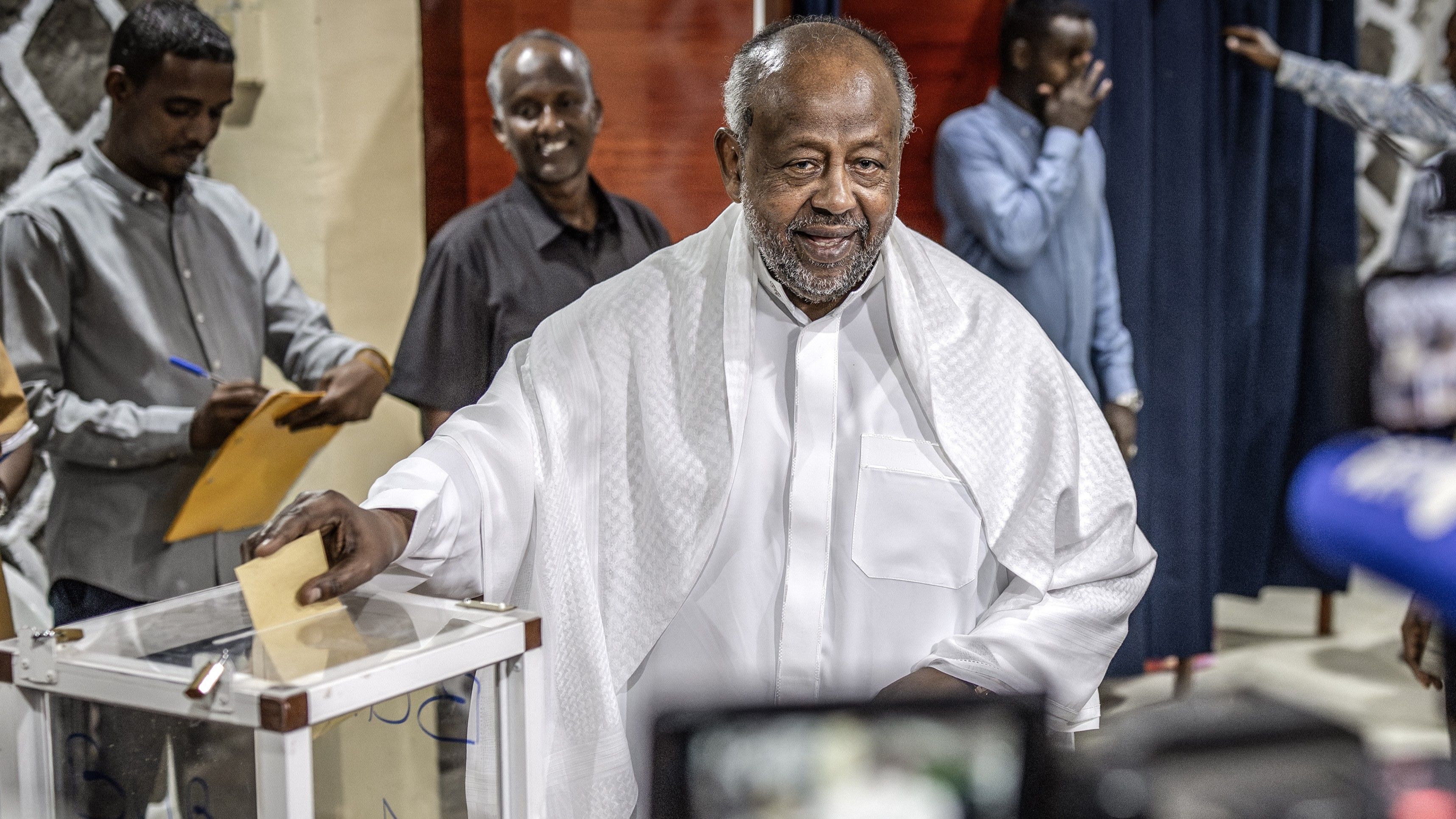
The Ministry of Interior announced on Saturday morning that Guelleh defeated his opponent, Mohamed Farah Samatar, presidential candidate for the Unified Democratic Center, who won 2.19 percent of the vote in Friday’s presidential election.
Guelleh, 78, declared victory in a social media post a few hours ahead of the official results, after early results gave him a huge lead.
Djibouti, a small country at the mouth of the Horn of Africa, is a major hub for international commerce and a key partner in the fight against sea piracy and transnational terrorism.
The Red Sea nation, with a population of about 1 million, is also the main foreign trade outlet for neighboring landlocked Ethiopia.
Djibouti’s incumbent President Ismail Omar Guelleh was re-elected for a sixth term with 97.81 percent of the vote
Iran’s leaders “talk much differently when you’re at a meeting than they do to the press. They’re much more reasonable,” Trump said during a phone interview with NBC News.
“They’re agreeing to all the things that they have to agree to,” he claimed. “If they don’t make a deal, it’s going to be very painful.”
Trump said he had a phone call with Israeli Prime Minister Benjamin Netanyahu on Wednesday and noted that the Israelis were “scaling back” operations in Lebanon.
“I spoke with Bibi (Netanyahu) and he’s going to low-key it. I just think we have to be sort of a little more low-key,” he said.
Israel and Lebanon will start their first round of direct negotiations next week in Washington, D.C., with the United States, Israel and Lebanon represented at the ambassadorial level, online U.S. media outlet Axios reported Thursday, citing a senior Israeli official.
Iranian President Masoud Pezeshkian and Parliament Speaker Mohammad Baqer Qalibaf have stressed that stopping attacks on Lebanon is an integral part of the ceasefire reached between the United States and Iran.
US President Donald Trump said he had a phone call with Israeli Prime Minister Benjamin Netanyahu on Wednesday and noted that the Israelis were “scaling back” operations in Lebanon.
“There are reports that Iran is charging fees to tankers going through the Hormuz Strait — They better not be and, if they are, they better stop now!” Trump wrote on his social media platform Truth Social.
A day earlier, Trump told ABC News he is weighing to set up a “joint venture” with Iran to charge tolls from vessels passing through the crucial waterway through which about 20 percent of global oil is transported, calling it “a beautiful thing.”
He also said on social media on Wednesday that “big money” could be made by the U.S. “helping with the traffic buildup in the Strait of Hormuz.”
Iran demands oil tankers pay a transit toll of 1 U.S. dollar per barrel for passing through the strait, according to a report from The Wall Street Journal on Thursday.
Marine traffic in the strait remained at a trickle. For the first time since the ceasefire was reached on Tuesday, two non-Iranian oil tankers were tracked crossing the strait, The New York Times reported on Thursday, citing ship-tracking firm Kpler.
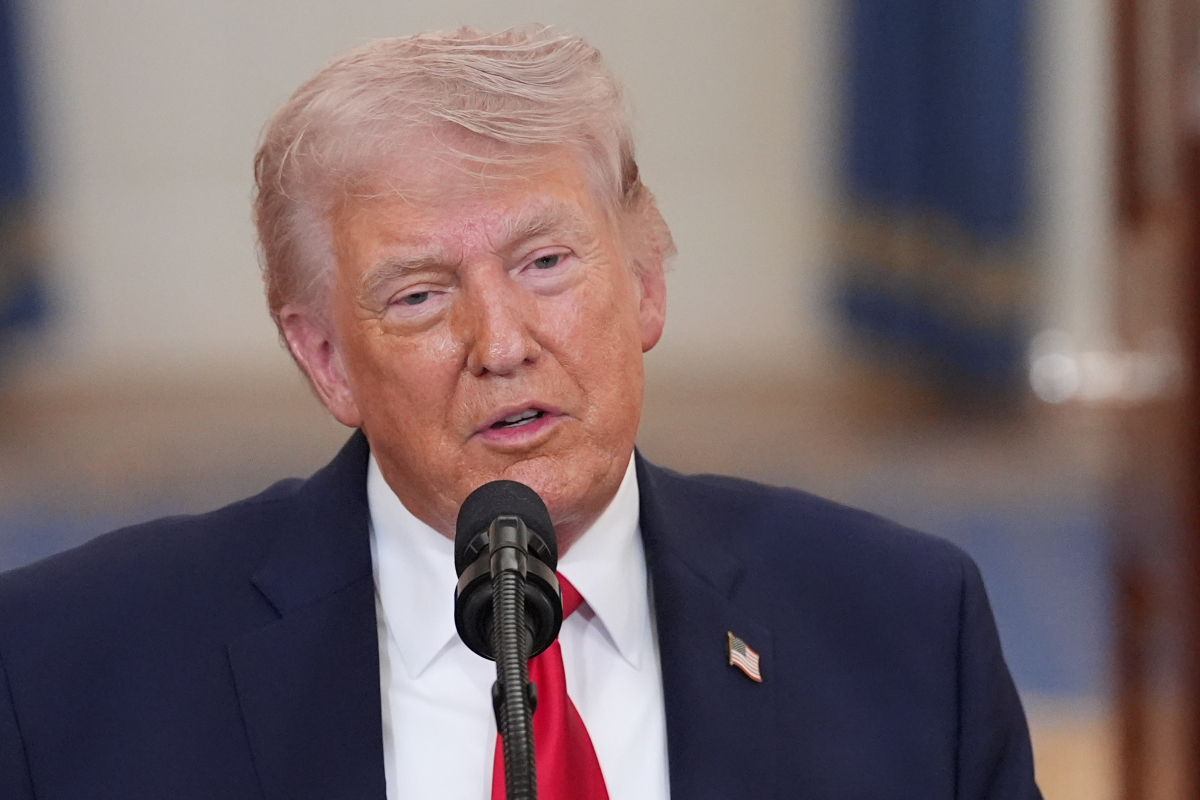
U.S. President Donald Trump on Thursday threatened Iran to stop charging fees to tankers passing through the Strait of Hormuz if the country is doing so.