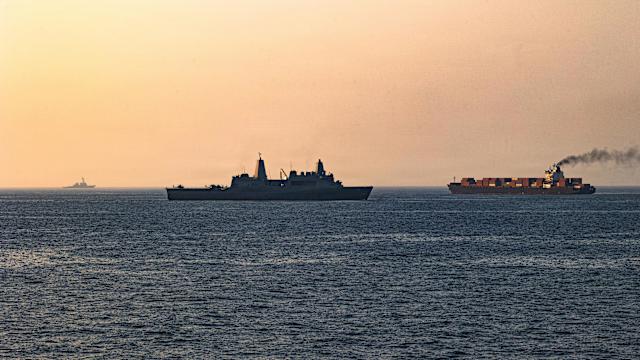
Furthermore, any such operation is unlikely to be carried out until the U.S.-Israeli war with Iran comes to an end, members of the House Armed Services Committee were told on Tuesday, according to the report. This means gasoline and oil prices could remain elevated through the U.S. midterm elections.
Iran may have emplaced 20 or more mines in and around the strait. Some were floated remotely using GPS technology, which has made it difficult for U.S. forces to detect the mines as they are deployed, a senior defense official told lawmakers. Others are believed to have been laid by Iranian forces using small boats.
The disclosure was made in a classified briefing for lawmakers, Pentagon spokesman Sean Parnell acknowledged in a statement, while criticizing the related reports as “inaccurate.”
“As we said in March, one assessment does not mean the assessment is plausible, and a six month closure of the Strait of Hormuz is an impossibility and completely unacceptable to the (Defense) Secretary,” Parnell said, without specifying how long it could take.
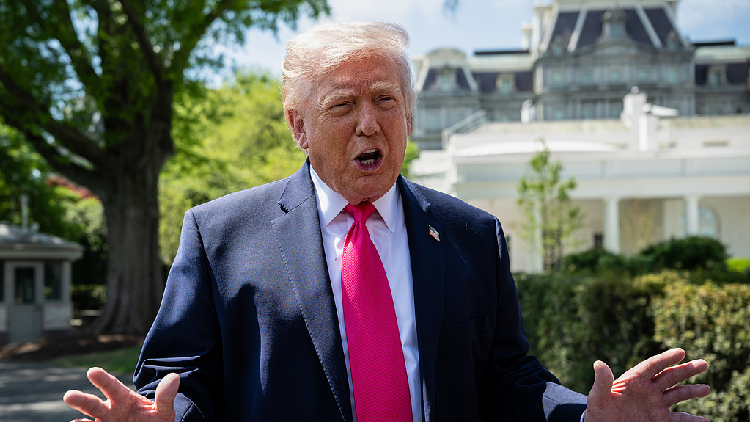
U.S. President Donald Trump told Fox News on Wednesday there is “no time frame” for ending the U.S.-Israeli war with Iran.
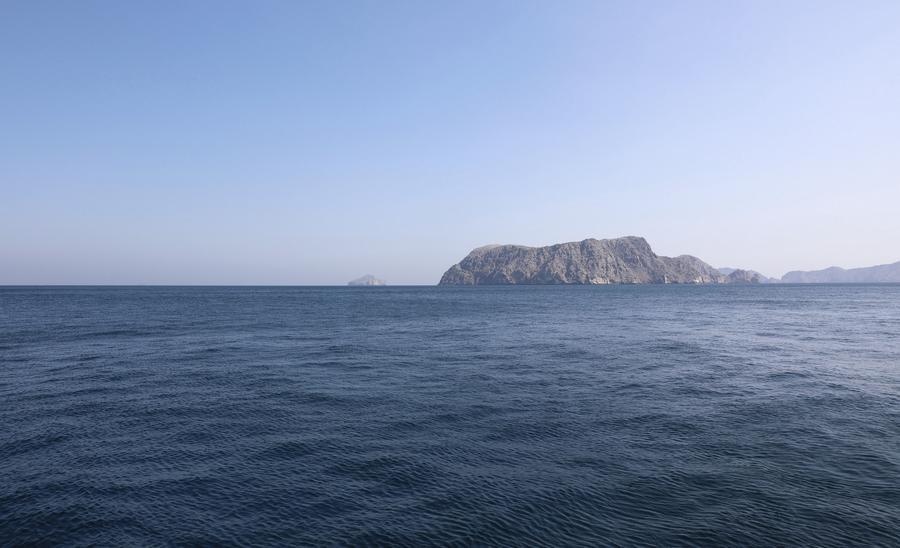
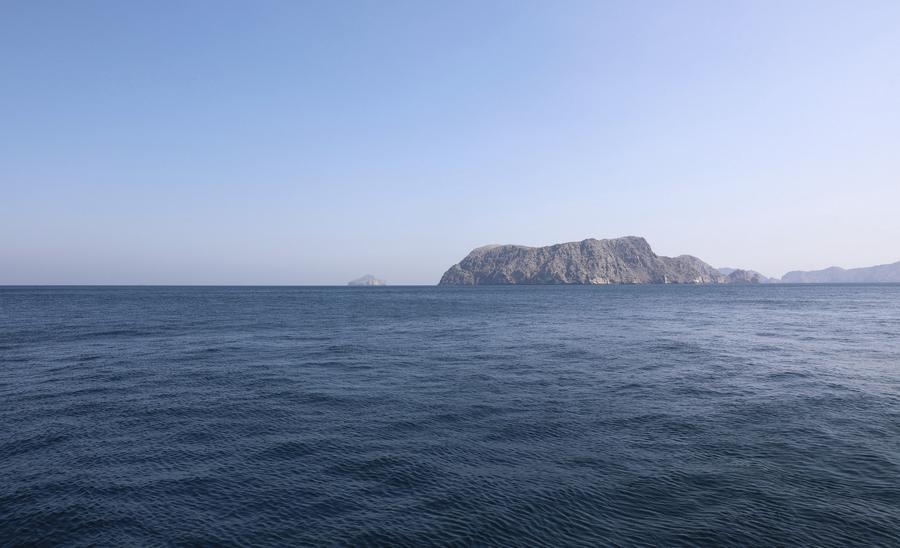
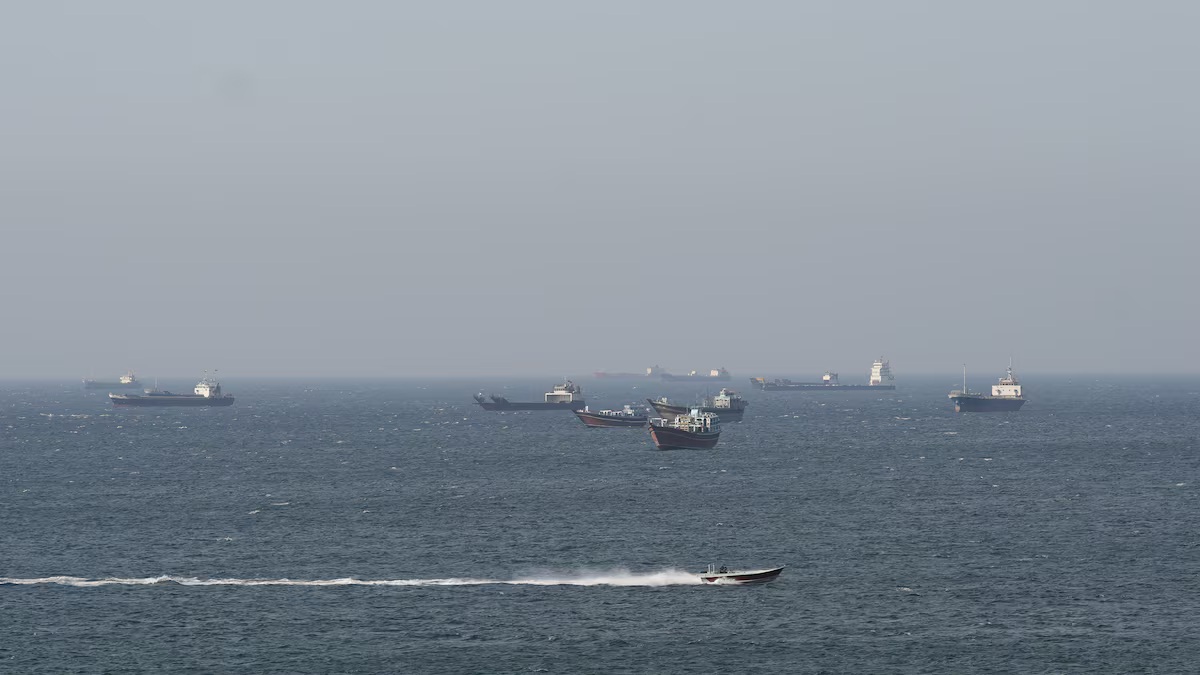
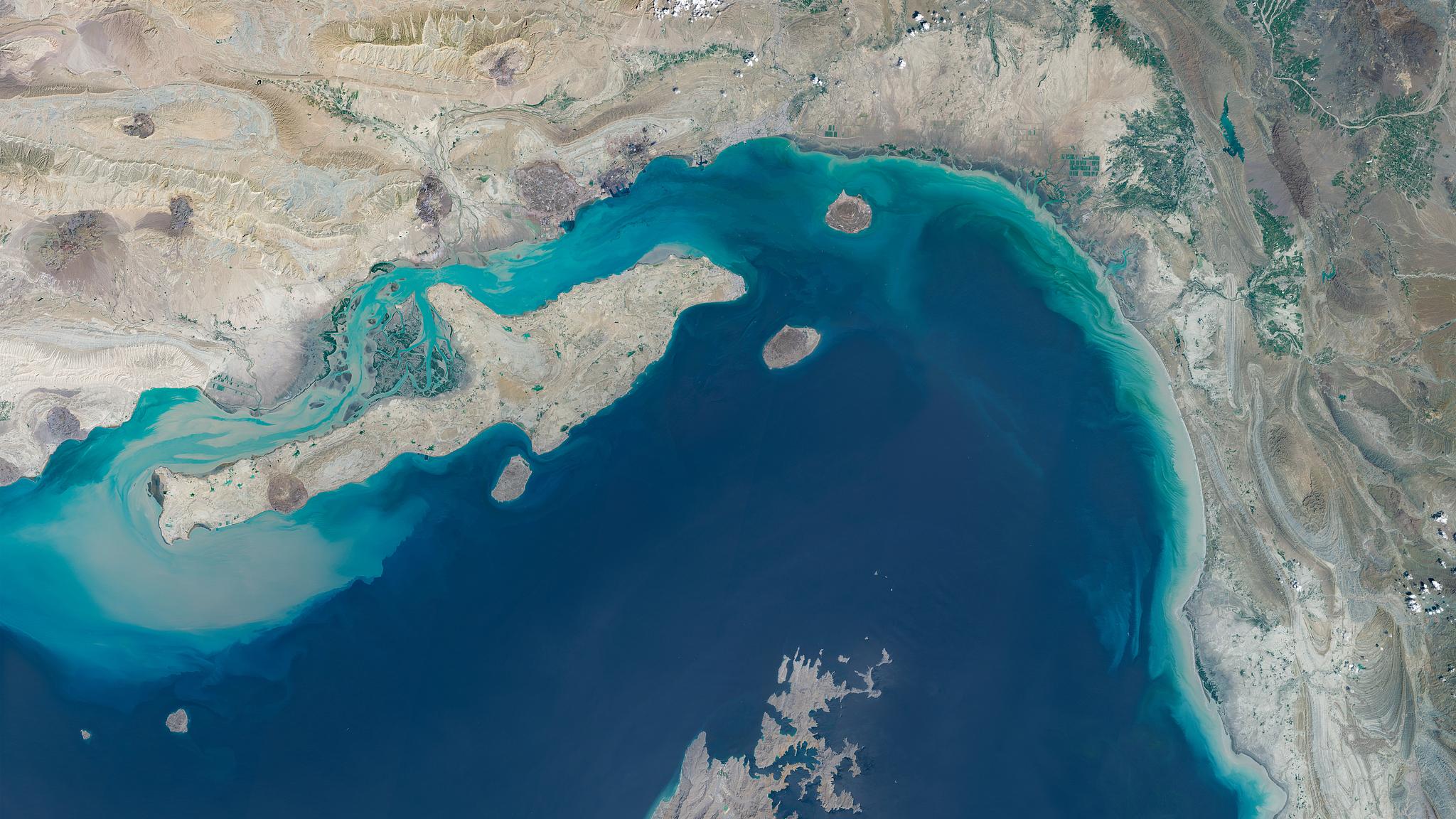
This file photo taken on Feb. 19, 2025 shows the Strait of Hormuz.
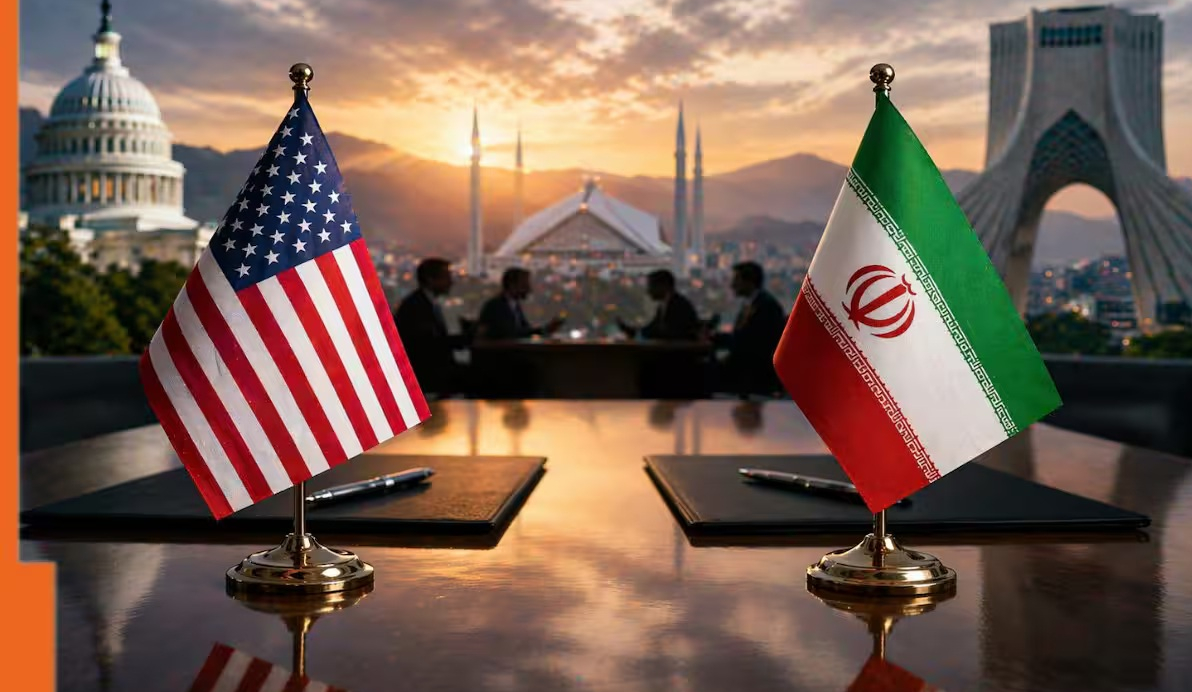
While the move is welcome, it has yet to generate momentum for dialogue. Iran has made it clear that it will not engage in a new round of talks unless Trump lifts his blockade on ships entering or exiting Iranian ports in the Strait of Hormuz. The contrast between a prolonged ceasefire and stalled diplomacy underscores the fragility of the current situation.
Against this backdrop, several key questions arise: Why has Tehran refused to attend the talks? What is Washington’s real intention in extending the ceasefire while maintaining pressure? And where might the situation head next?
Why Iran refuses to negotiate
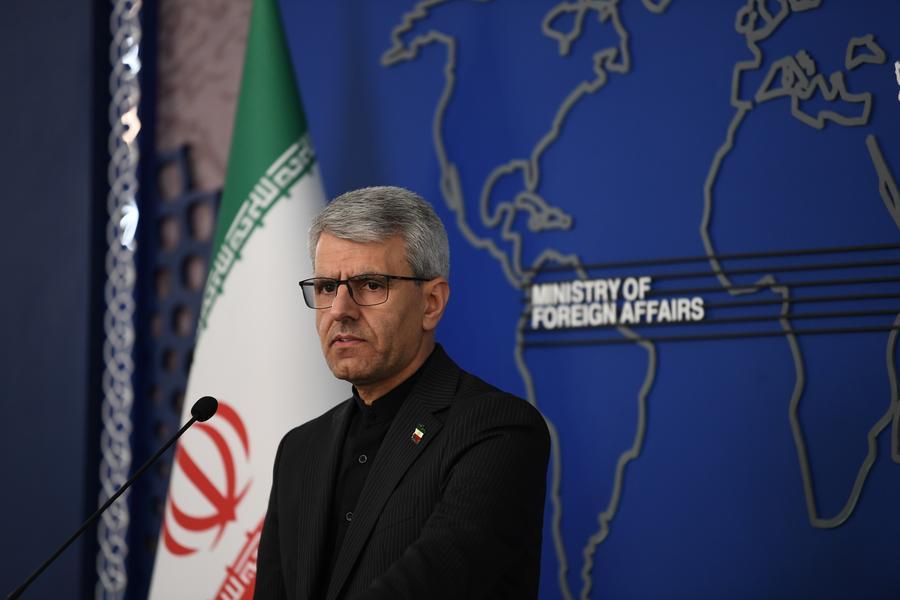
Iranian Foreign Ministry spokesperson Esmaeil Baghaei said Monday that Iran currently has no plan for the second round of peace negotiations with the United States.
Tehran’s attendance depends on Washington meeting preconditions, Iran’s semi-official Tasnim news agency reported, citing the U.S. naval blockade and “excessive demands” as key obstacles.
Iran’s Foreign Minister Seyed Abbas Araghchi said Monday that U.S. “provocative actions” and ceasefire violations are major obstacles to continuing peace negotiations between the two countries.
The United States takes actions that are in no way indicative of its seriousness in pursuing a diplomatic process, Baghaei said, noting that since the ceasefire took effect on April 8, “we have been faced with the breaking of promises and nagging by the United States.”
He also noted an attack against an Iranian commercial ship earlier in the day, which he said is also considered a violation of the ceasefire.
Baghaei said that under UN General Assembly resolutions, the blockade of a country’s seas and ports is an act of aggression. He said Iran will carefully decide on how to proceed based on a single guiding principle: safeguarding the Iranian nation’s interests.
He said the issue of transferring Iran’s enriched uranium has never been an option in any of the negotiations, stressing the importance for Iran to maintain its nuclear, industrial and scientific achievements.
This file photo taken on Feb. 19, 2025 shows the Strait of Hormuz.
What’s Washington’s real intention?
The U.S. decision to extend the ceasefire indefinitely has been widely interpreted as an attempt to preserve a diplomatic window, but analysts caution that it also serves broader strategic purposes.
“Trump … remains eager for a diplomatic solution to the war, wary of reviving an unpopular conflict he’s claimed the United States already won,” CNN reported Wednesday.
However, the United States has not scaled back its military posture in the region. Multiple media outlets reported that U.S. naval deployments and surveillance activities in the Gulf have been maintained—and even intensified—during the ceasefire, suggesting continued pressure and the retention of military options.
The United States is expected to deploy three aircraft carrier strike groups simultaneously in the Middle East in the coming days, NBC reported on Monday.
The U.S. military will continue the blockade against Iran and “remain ready and able,” Trump said Tuesday, although Pakistan’s Army Chief, Field Marshal Asim Munir, told him that the blockade of Iranian ports would remain a major obstacle to meaningful diplomatic progress.
In this sense, the ceasefire extension is less a definitive step toward peace than a tactical maneuver to buy time for both negotiation and contingency planning.
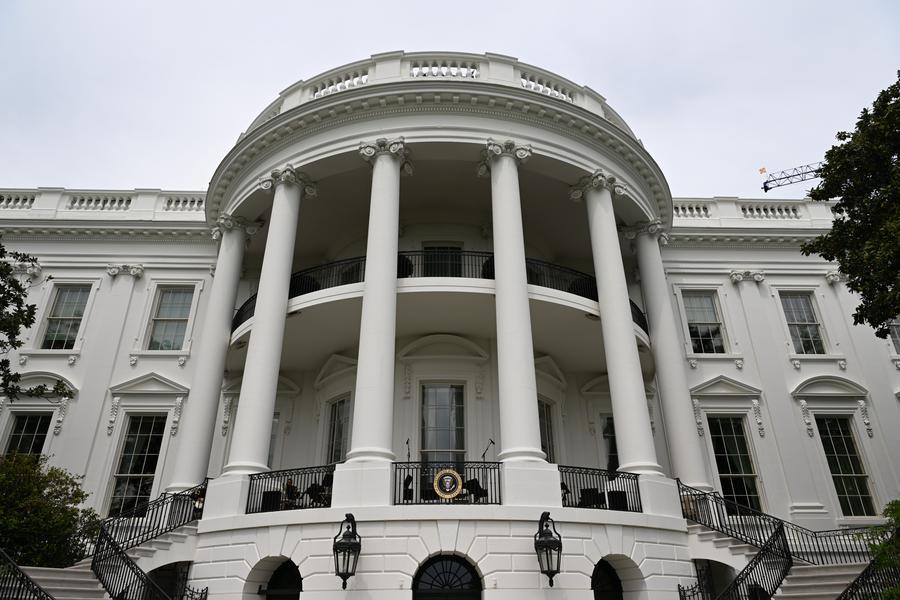
This photo taken on April 18, 2026 shows a view of the White House in Washington, D.C., the United States.
Where are U.S.-Iran talks headed?
“Trump’s ceasefire extension means nothing,” said Mahdi Mohammadi, an adviser to Iranian Parliament Speaker Mohammad Baqer Qalibaf, who led the Iranian negotiating delegation.
“The losing side cannot dictate terms. The continuation of the siege is no different from bombardment and must be met with a military response,” he added.
Araghchi said Monday that Iran would decide whether to continue diplomacy based on “all aspects of the issue” and U.S. behavior, adding that Tehran would take steps to protect its interests and national security.
“Honoring commitments is the basis of meaningful dialogue,” Iranian President Masoud Pezeshkian wrote in a post on X on Monday. He said deep mistrust of U.S. conduct persists in Iran, with “unconstructive and contradictory signals” from American officials suggesting they seek Iran’s surrender.
Despite significant hurdles, a U.S. official said there is still a chance that U.S. and Iranian negotiators will meet soon, though whether and when such talks might occur is far from certain, according to CNN reports.
“The question now is not whether diplomacy has failed, but whether both sides are willing to keep trying despite that failure,” said an analysis article published by Geojuristoday, a non-partisan think tank based in New Delhi.
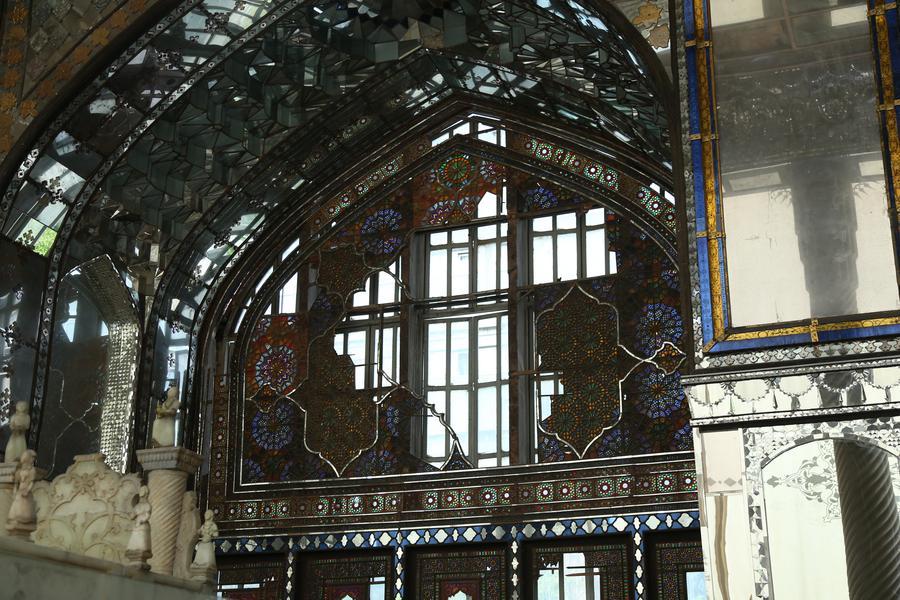
This photo taken on April 20, 2026 shows an interior view of the Golestan Palace damaged by the U.S.-Israeli attacks, in Tehran, Iran.
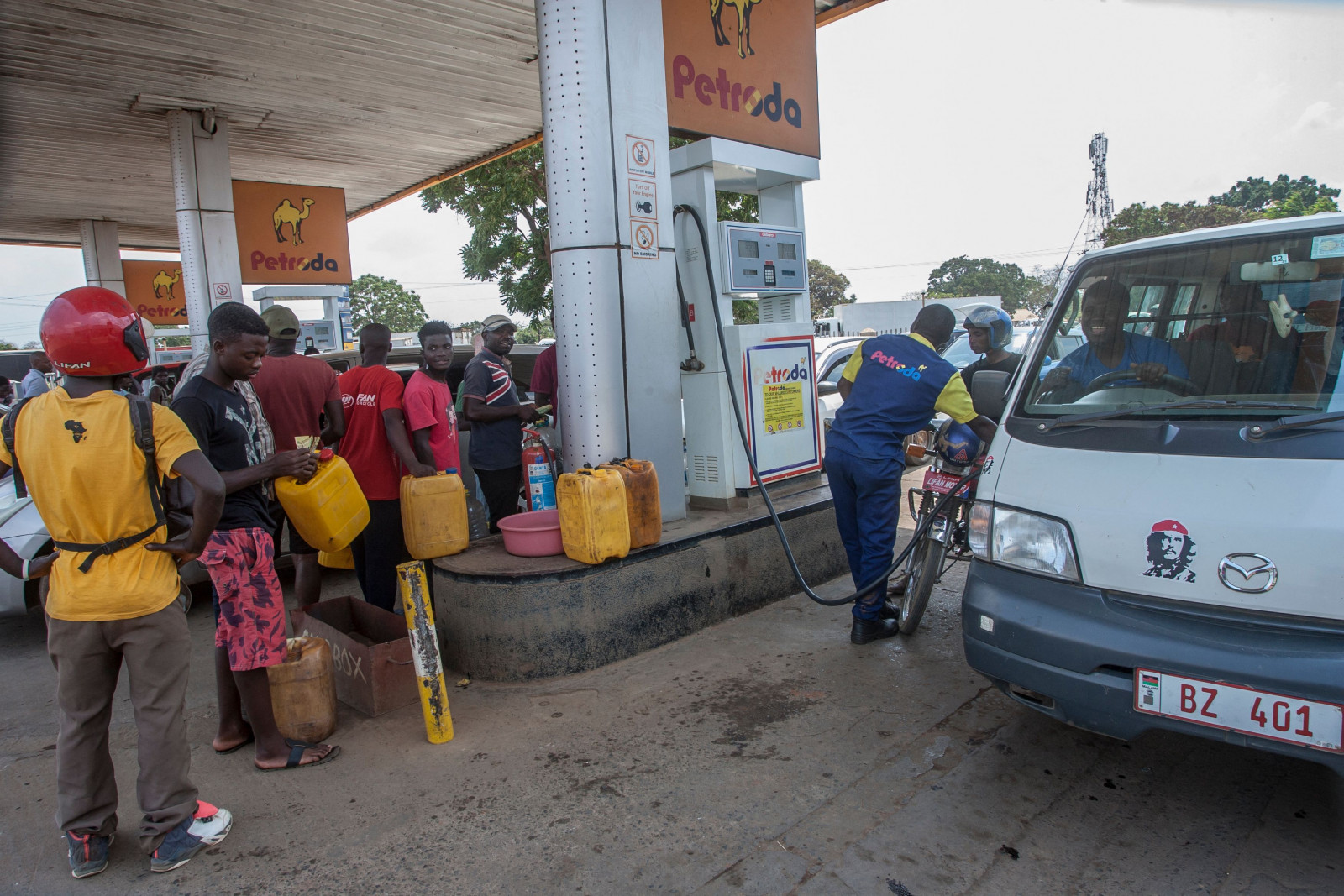
Minister of Information and Communications Technology Shadric Namalomba, who is also the government spokesperson, told local media that the country’s fuel reserves are completely dry as the conflict in the Middle East has disrupted global oil supplies, and the Malawian government has no foreign exchange to pay importers for petroleum products.
He said the much-needed 120 million dollars would cater for the procurement of 120 million liters of fuel, a volume he said would help ease the situation in the country.
Long queues of vehicles have become a common sight in filling stations across the country, with residents expecting the fuel to become fully available.
On April 1, the Malawi Energy Regulatory Authority hiked the fuel prices by an average of 35 percent, saying the Middle East conflict had pushed prices for petrol and diesel to very high levels.
On Monday, during the opening of the 2026 tobacco marketing season, Minister of Agriculture, Irrigation and Water Development Roza Mbilizi said the Malawian government is counting on the tobacco market to generate more foreign exchange and strengthen the country’s import cover.
On April 1, the Malawi Energy Regulatory Authority hiked the fuel prices by an average of 35 percent, saying the Middle East conflict had pushed prices for petrol and diesel to very high levels.
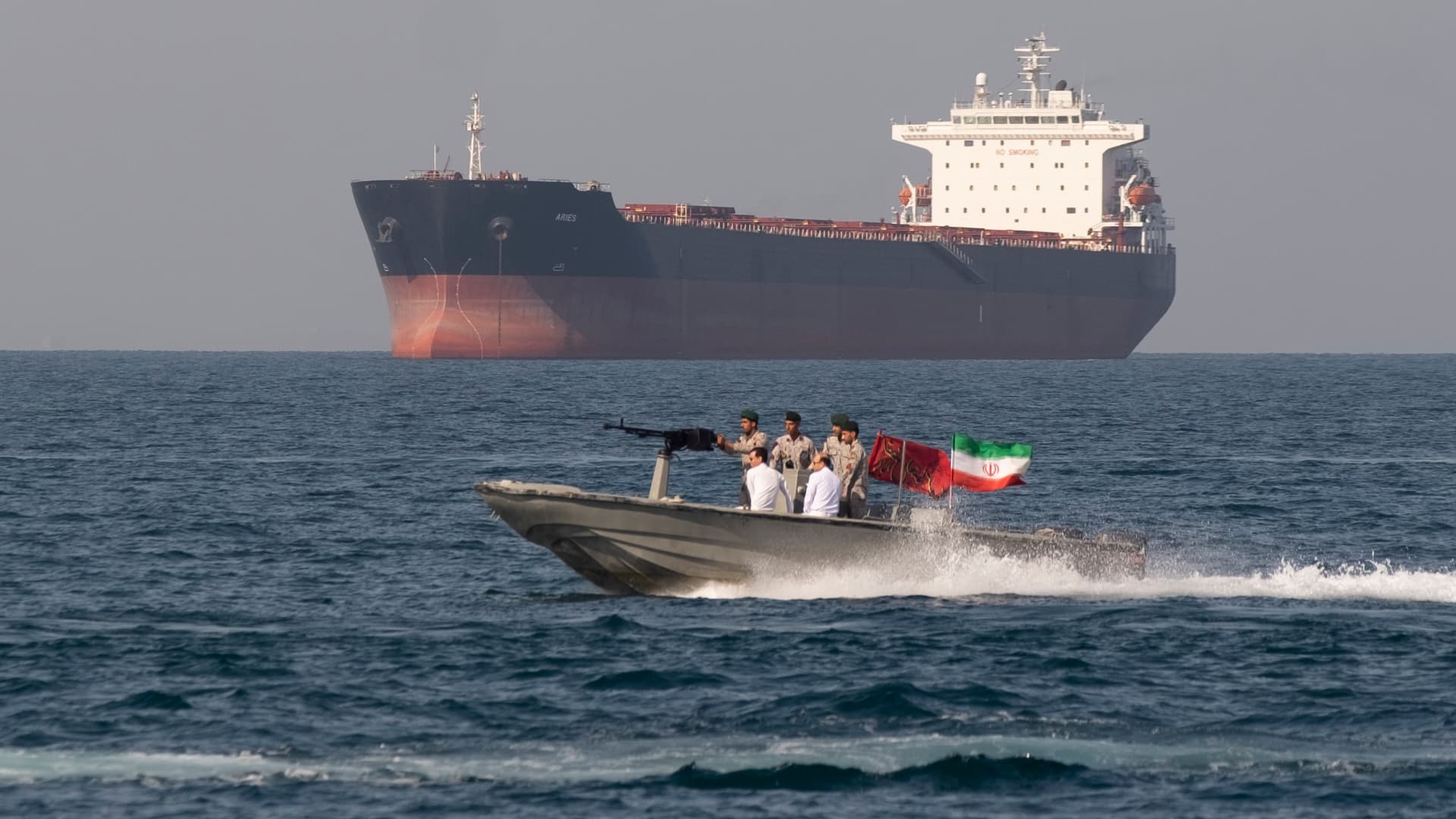
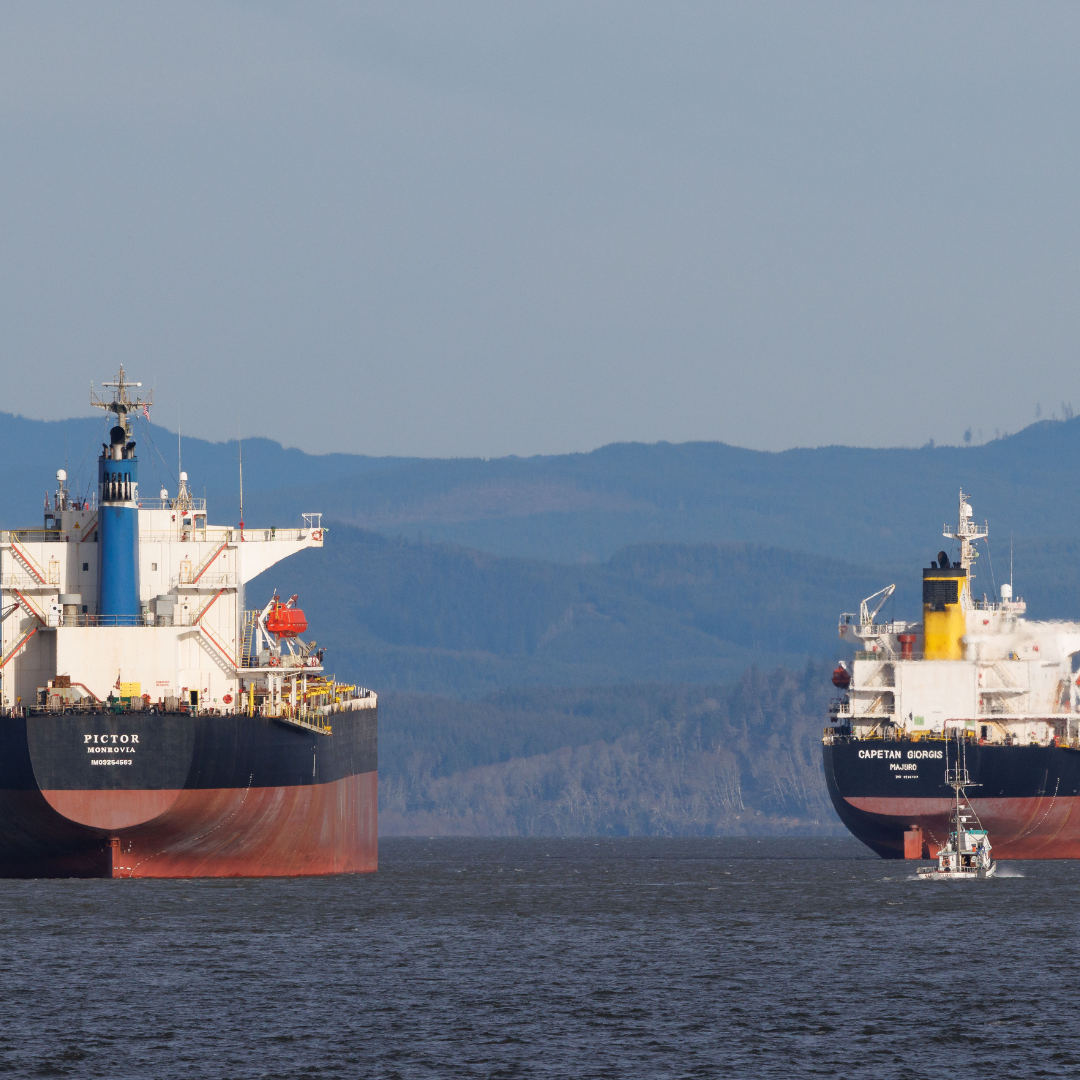
The UKMTO said it had received a report of an incident about 8 nautical miles west of Iran. The master of a cargo ship outbound from the Gulf reported that the vessel came under fire and was stopped in the water.
All crew members are safe and accounted for, and there are no reports of damage to the vessel, it said.
In a separate incident, a container ship was fired upon by a gunboat believed to be linked to Iran’s Islamic Revolution Guard Corps off the coast of Oman, damaging the vessel’s bridge.
The ship’s master reported that the gunboat approached and opened fire without issuing any VHF challenge, the UKMTO said.
All crew members are safe, and no fire or environmental damage has been reported, it added.
The International Maritime Organisation has warned that the situation remains volatile and urged vessels to exercise maximum caution when transiting the area.
Two commercial vessels were reportedly fired upon in separate incidents near the Strait of Hormuz, with all crew members safe, according to warnings issued Wednesday by the United Kingdom Maritime Trade Operations (UKMTO).
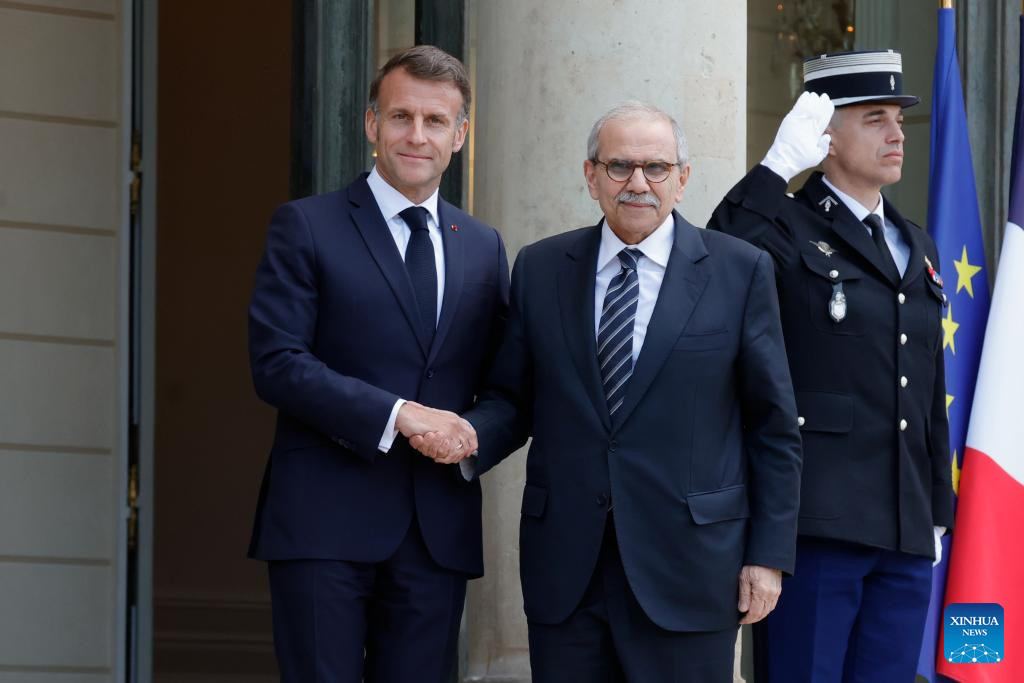
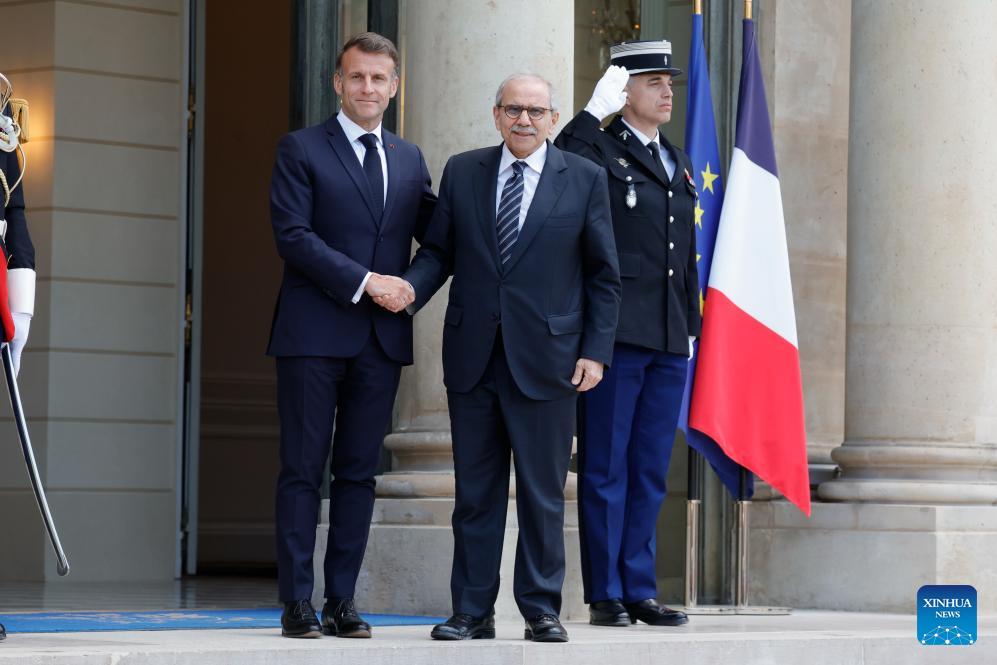
Speaking at a press conference after meeting with visiting Lebanese Prime Minister Nawaf Salam, Macron urged a “political agreement” between Israel and Lebanon to guarantee security for both countries, safeguard Lebanon’s territorial integrity, and pave the way for normalized relations.
Macron also warned that the European Union (EU) could reconsider its ties with Israel if its policies remain unchanged. He said suspending the EU-Israel Association Agreement – which has governed trade relations since 2000 – would become a “legitimate question” under such circumstances.
Addressing broader regional tensions, Macron called for extending negotiations between the United States and Iran as their ceasefire approaches expiration, stressing that “war must not be allowed to resume.”
For his part, Salam reiterated Lebanon’s demand for the “complete withdrawal” of Israeli forces from its territory, along with the return of Lebanese prisoners and displaced persons.
French President Emmanuel Macron (L, front) greets visiting Lebanese Prime Minister Nawaf Salam (R, front) at Elysee Palace in Paris, France, April 21, 2026. French President Emmanuel Macron said Tuesday that Israel must “renounce its territorial ambitions” in Lebanon, calling for a political settlement to ensure regional stability. (Photo by Henri Szwarc/Xinhua)
“Based on the fact that the Government of Iran is seriously fractured, not unexpectedly so and, upon the request of Field Marshal Asim Munir, and Prime Minister Shehbaz Sharif, of Pakistan, we have been asked to hold our Attack on the Country of Iran until such time as their leaders and representatives can come up with a unified proposal,” Trump wrote on Truth Social.
The U.S. president said he will “extend the ceasefire until such time as their proposal is submitted, and discussions are concluded, one way or the other.”
The U.S. military will continue the blockade against Iran and “remain ready and able,” Trump said.
Trump said on Monday that it was “highly unlikely” for him to extend the truce, and on Tuesday morning he told U.S. media that he doesn’t want to do that, expecting the United States to “end up with a great deal” with Iran while threatening to bomb Iran again if no deal is reached.
U.S. Vice President JD Vance, whose trip to Pakistan for talks with Iran has been put on hold, was at the White House for meetings on Tuesday, along with Trump’s envoy Steve Witkoff and son-in-law Jared Kushner, multiple media outlets reported.
U.S. Secretary of State Marco Rubio and Secretary of Defense Pete Hegseth arrived at the White House on Tuesday afternoon to join discussions over Washington’s next steps, according to the reports.
The United States violated the ceasefire by starting a naval blockade of Iran’s ports, Iranian Foreign Minister Abbas Araghchi said Tuesday on X.
Iran’s Foreign Ministry spokesman Esmail Baghaei told state TV late Tuesday that Iran has not yet decided whether to join fresh peace talks since it was upset about what he called mixed messages from Washington.
“It is not out of indecisiveness, it is because we are facing contradictory messages and behaviors, and unacceptable actions from the American counterpart,” Beghaei said.
As U.S. forces have intercepted and taken custody of an Iranian-flagged cargo ship on Sunday and Iran has not yet announced its decision to send a negotiating team for talks, the prospect of an expected second round of U.S.-Iran talks remains unclear, according to media reports.
U.S. President Donald Trump said Tuesday he will extend the ceasefire with Iran as the current two-week truce is set to expire on Wednesday night.
The men’s half-marathon world record was created by Uganda’s star distance runner Jacob Kiplimo at the Lisbon Half Marathon in Portugal last month.
At the inaugural E-Town half-marathon in 2025, Tiangong Ultra seized victory in two hours, 40 minutes, and 42 seconds, and only six out of the 20 competing teams successfully finished the 21.0975-kilometer race to make history.
In the second edition of the event on Sunday, humanoid robots made remarkable progress and demonstrated technological breakthroughs to become faster and more stable in running. The number of participating teams increased to more than 100 this year, including participants from Germany, France and Brazil.
In terms of competition rules, robots and human runners followed the same route but separate lanes to ensure safety, and the robot’s cutoff time was set at three hours and 40 minutes. The newly added format this year includes two ways of participation – remote control and autonomous navigation.
For teams in remote control, their finishing times need to be multiplied by a coefficient of 1.2. About 40 percent of the teams adopted the autonomous navigation to achieve better results.
“The setting of coefficient aims to guide and encourage the research and development of autonomous navigation, which represents a technological foundation for humanoid robots to be applied in more scenarios in our daily life towards future,” explained Liang Liang, deputy secretary-general of the Chinese Institute of Electronics.
On the human’s side of E-Town half-marathon, China’s Zhao Haijie took the men’s title in one hour, seven minutes, and 47 seconds, while his compatriot Wang Qiaoxia was crowned in the women’s race with 1:18:06.
Gold medalist “Flash” (C) of Qitiandasheng Team in the autonomous category poses during the awarding ceremony for the humanoid robots’ half-marathon at the Beijing E-Town half-marathon and humanoid robots half-marathon in the Beijing Economic-Technological Development Area in southeast Beijing, China, April 19, 2026. (Xinhua/Zhang Chenlin)Humanoid robot “Flash” of Pofengshandian Team in the remote-controlled category crosses the finish line during the Beijing E-Town half-marathon and humanoid robots half-marathon in the Beijing Economic-Technological Development Area in southeast Beijing, China, April 19, 2026. (Xinhua/Zhang Chenlin)
In a wide-ranging discussion with the German newspaper WELT AM SONNTAG, Rutte stated he does not foresee a future where the United States abandons its post-war security commitments. However, he balanced this reassurance with a stern call for a “stronger Europe within a stronger alliance,” suggesting that the burden of Western defense must be more equitably shared.
The remarks serve as a direct response to recent escalations from U.S. President Donald Trump. The President has intensified his “America First” stance, labeling NATO a “paper tiger” and expressing visible frustration over European involvement, or lack thereof, in Middle Eastern tensions, specifically regarding Iran. Trump’s repeated suggestions that he is “considering” a withdrawal have sent ripples of anxiety through Baltic and Eastern European capitals.
Rutte acknowledged that the U.S. commander-in-chief’s disappointment is not without merit.
“The President is visibly frustrated with certain members,” Rutte noted, acknowledging the long-standing U.S. grievance regarding defense spending. Currently, while more nations are hitting the 2% GDP spending target, several key European economies still fall short.
Despite the friction, Rutte emphasized that the structural foundations of the alliance remain indispensable. He reaffirmed that the U.S. nuclear umbrella continues to serve as the “ultimate guarantor” of European security, a deterrent that no individual European nation can currently replicate.
To ensure the alliance remains viable, Rutte argued that Europe must move beyond “rhetorical support” and invest in tangible military capabilities. Analysts suggest that by framing the issue as an opportunity for European growth, Rutte is attempting to bridge the gap between Trump’s isolationist leanings and Europe’s security requirements.
As the next NATO summit approaches, the focus will likely remain on these two pillars: maintaining the U.S. commitment while rapidly accelerating European defense autonomy to satisfy a frustrated Washington.
NATO Secretary General Mark Rutte dismissed growing concerns over a potential U.S. withdrawal from the alliance in an interview published Saturday.
The U.S. “will actively pursue any Iranian-flagged vessel or any vessel attempting to provide material support to Iran,” Dan Caine, chairman of the Joint Chiefs of Staff, said Thursday.
The move will enable the U.S. to take control of Iran-linked vessels around the world, including ships carrying Iranian oil that are already sailing outside the Persian Gulf and those carrying arms that could support Tehran, the report said.
The operation would be carried out in part by the U.S. Indo-Pacific Command, according to Caine.
It marks a new phase of the U.S. pressure campaign against Tehran, dubbed “Economic Fury” by the Trump administration, aiming to maximize economic pressure on the Middle Eastern country as a temporary ceasefire between the two sides is set to expire next week.
U.S. President Donald Trump is optimistic that the naval blockade, combined with measures imposed under “Economic Fury,” “will help facilitate a peace deal,” White House spokeswoman Anna Kelly was quoted as saying.
The U.S. “will actively pursue any Iranian-flagged vessel or any vessel attempting to provide material support to Iran,” Dan Caine, chairman of the Joint Chiefs of Staff, said Thursday.
Baghaei, speaking on state-run IRIB television, said that recent public statements by Foreign Minister Seyed Abbas Araghchi were made within the framework of the ceasefire between Iran and the United States announced on April 8, not as signals of a new diplomatic opening.
Earlier Friday, Araghchi said the Strait of Hormuz would remain “completely open” to commercial shipping for the duration of the current truce between Iran and the United States.
Baghaei moved to clarify the foreign minister’s position, saying that following a ceasefire in Lebanon on Friday, Tehran chose to apply safe-passage conditions outlined in its agreement with Washington to vessels transiting the strait.
“We have reached no new agreement,” he said. “The ceasefire agreement is the one announced on April 8.”
He accused the United States of failing, from the outset of the truce, to honor a commitment to extend its terms to Lebanon, a provision Iran insists was included in the April 8 agreement. Washington and Jerusalem have rejected that characterization.
Baghaei also warned that Iran would take “countermeasures” if a United States naval blockade of the Strait of Hormuz persisted. He said no talks on extending the ceasefire had taken place, and that mediation efforts led by Pakistan remained focused on ending the conflict and protecting Iran’s interests.
Iran tightened its grip on the strait beginning Feb. 28, when it barred safe passage to vessels belonging to or affiliated with Israel and the United States following joint strikes on Iranian territory.
The United States subsequently imposed its own blockade, preventing ships traveling to and from Iranian ports from transiting the waterway after peace negotiations in Islamabad collapsed over the weekend.
Axios reported Friday, citing people familiar with the talks, that a second round of United States-Iran negotiations is expected to take place in Pakistan this weekend, most likely on Sunday.
Iranian Foreign Ministry spokesman Esmaeil Baghaei speaks at a weekly press conference in Tehran, Iran, April 6, 2026.