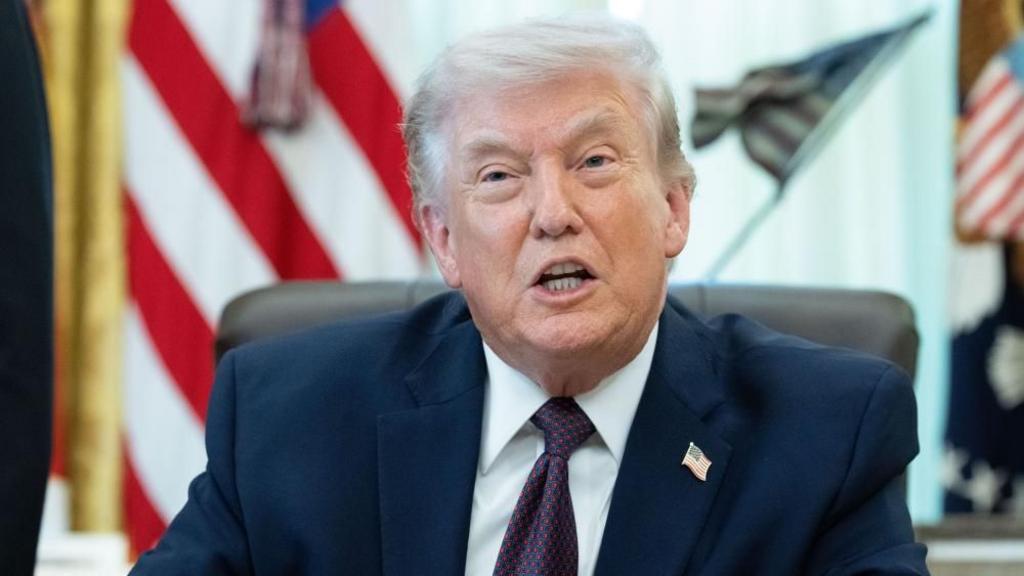
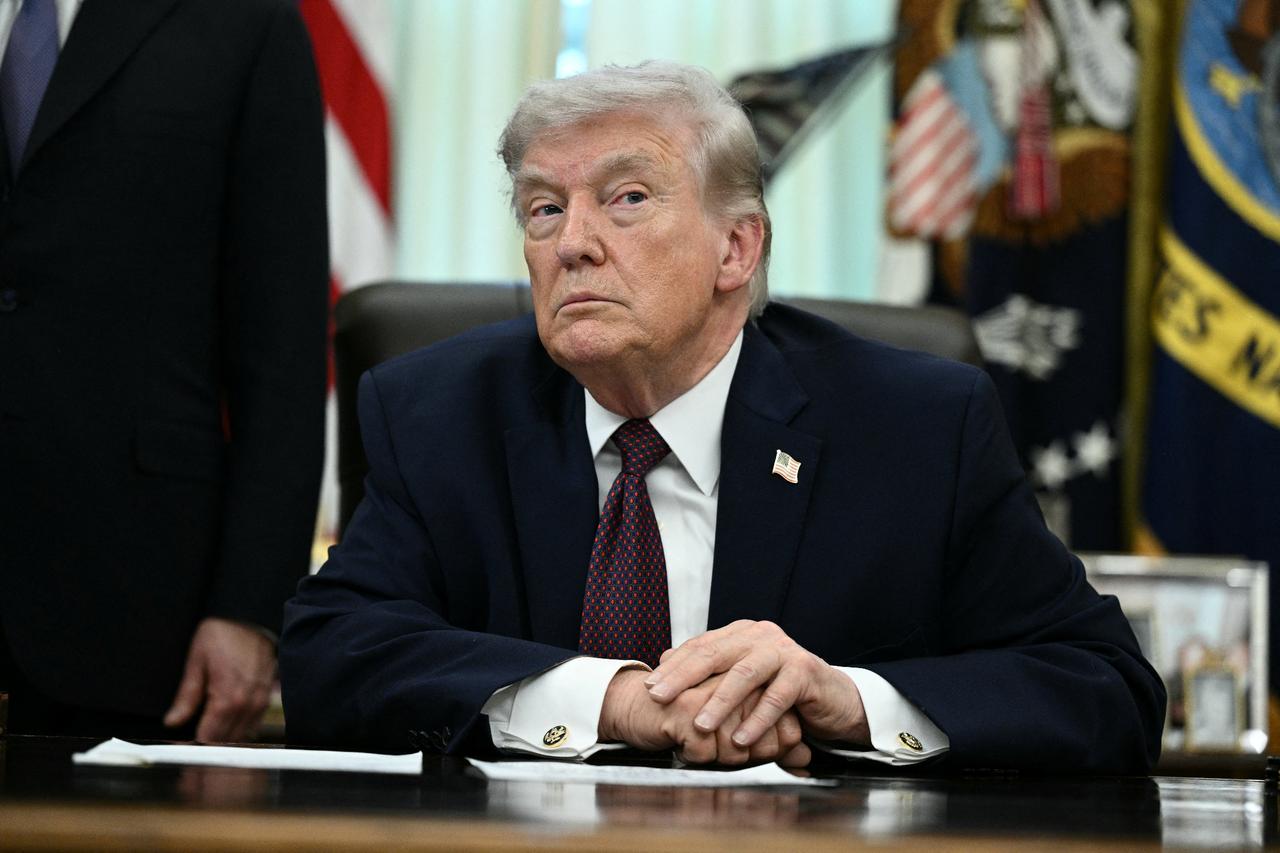
“We leave because there’s no reason for us to do this,” Trump told reporters at the White House.
“All I have to do is leave Iran, and we’ll be doing that very soon, and they’ll become tumbling down,” Trump said when asked about his plan for lowering gas prices.
The U.S. president, facing mounting pressure from energy market volatility and investor concerns over a prolonged conflict, has issued a number of conflicting remarks on the timeline of the war since the U.S. and Israel launched massive attacks on Iran on Feb. 28.
Trump said the U.S. and Iran are negotiating, and it’s possible that the war will come to an end sooner if the two countries reach a deal.
“It’s possible that we’ll have a deal because they want to make a deal. They want to make a deal more than I want to make a deal. But in a fairly short period of time, we’ll be finished,” Trump said.
“Now we have a group of people that’s very — that are very different. They’re much more reasonable,” Trump added.
Trump reiterated that it will be up to other countries to reopen the Strait of Hormuz and secure the crucial global energy waterway.
“If France or some other country wants to get oil or gas, you go up through the strait and — the Hormuz Strait — they’ll go right up there and they’ll be able to fend for themselves,” Trump said.
Trump said the U.S. and Iran are negotiating, and it’s possible that the war will come to an end sooner if the two countries reach a deal.
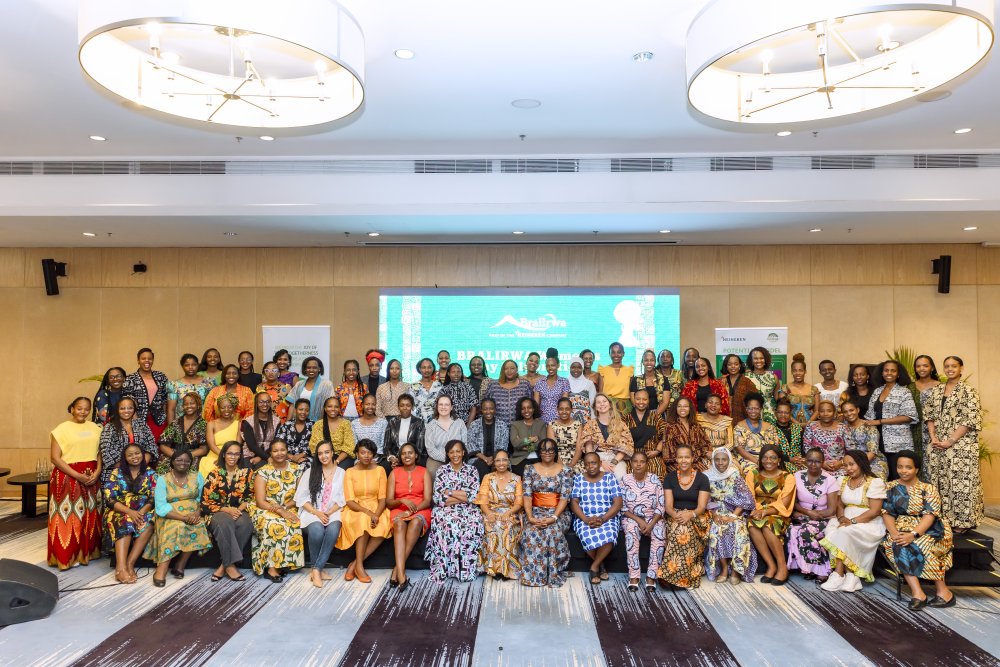
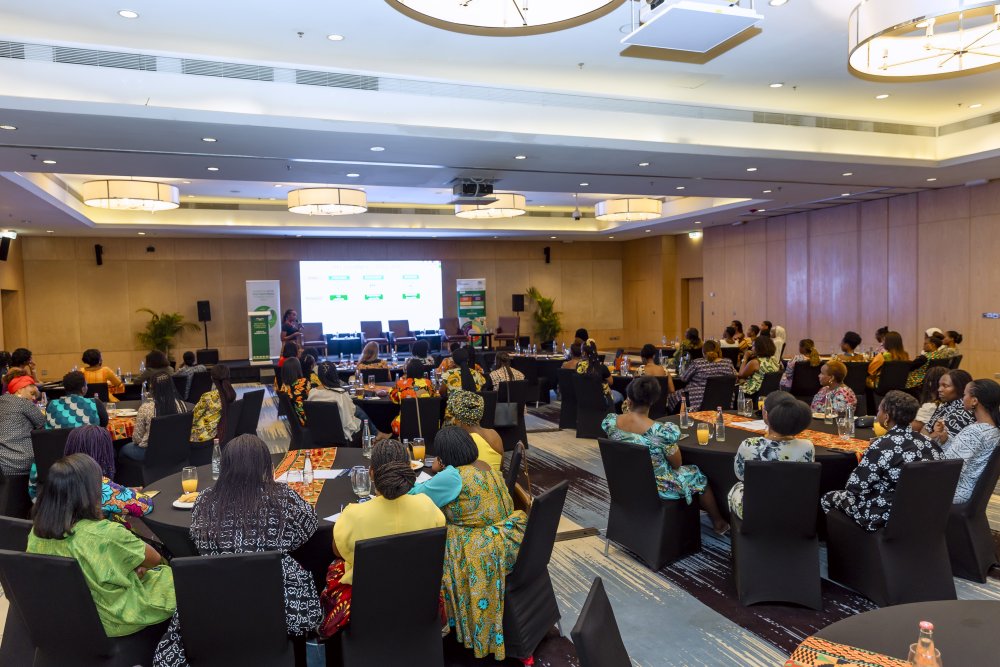
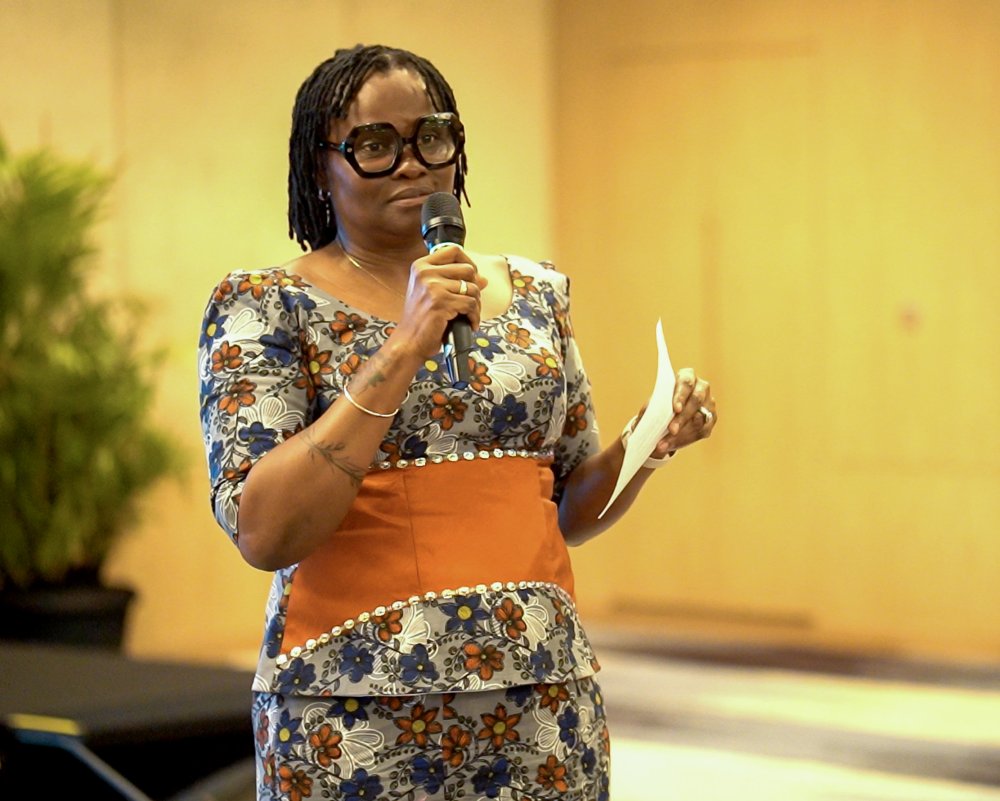
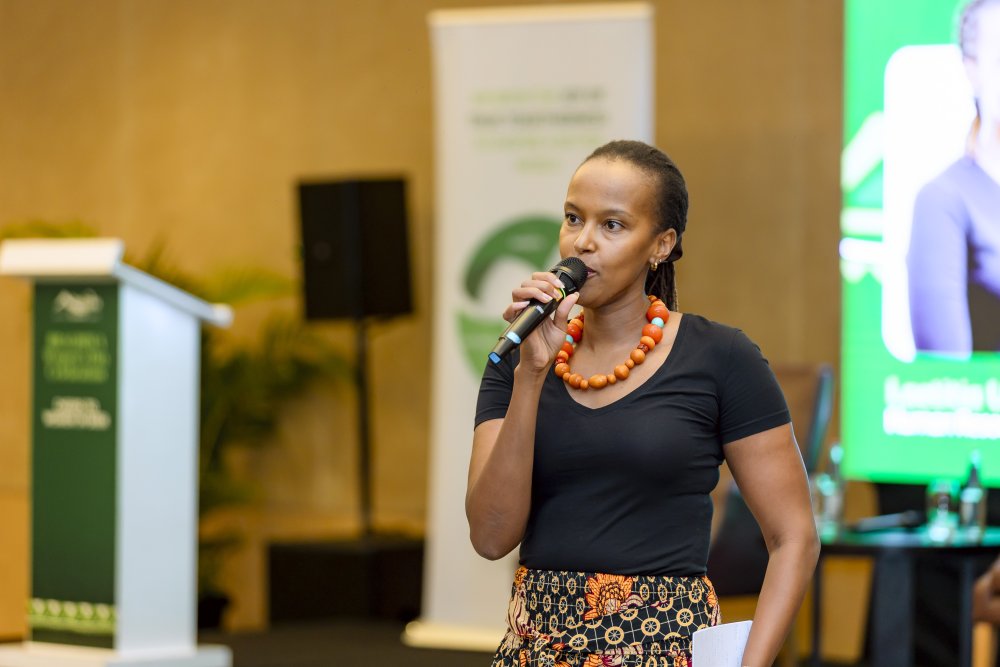
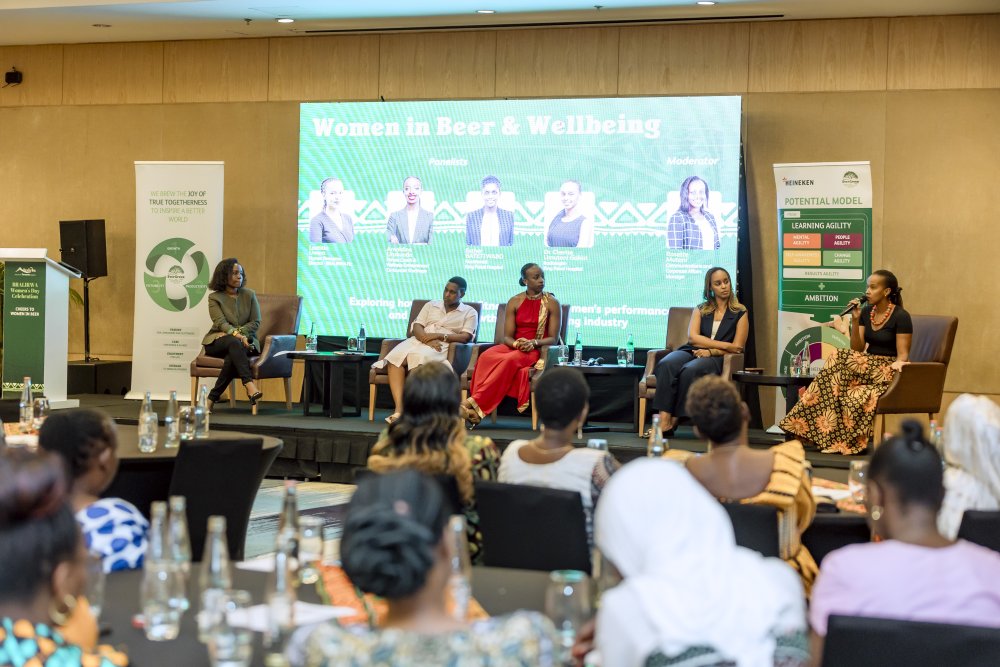
As part of the celebrations, BRALIRWA organized an event that brought together all female employees of the company.
The gathering aimed to recognize their achievements, provide a platform for sharing experiences, and reflect on the company’s journey toward advancing gender equality in the workplace.
More than just a celebration, the event served as an opportunity to highlight BRALIRWA’s ongoing efforts to create a workplace where women feel valued, supported, and empowered to lead.
The event also featured discussions on health and well-being, alongside testimonies from women who participated in the company’s nine-month leadership and career development program known as “Lift Her Up.”
In recent years, BRALIRWA has recorded notable progress in increasing women’s representation in leadership roles, reflecting its commitment to gender-balanced management. Currently, women make up 65% of the company’s leadership, up from 37%.
The company has also prioritized career advancement, with women accounting for 38% of all employee promotions in the past year. This demonstrates that BRALIRWA not only employs women but actively supports their professional growth and advancement.
BRALIRWA’s Human Resources Director, Laetitia Uwera, said the progress made reflects the company’s people-centered approach.
“Inclusion and gender equality are not just values; they are pillars of sustainable growth. We are proud of the progress we have made so far.
“When our employees feel supported and empowered, they perform better and drive meaningful change. Inclusion is integral to how we operate, as it fosters innovation, growth, and capability development. We remain committed to strengthening these efforts to build a workplace that supports women and all employees,” she said.
BRALIRWA Plc Managing Director, Ethel Emma-Uche, emphasized that fostering an inclusive work environment benefits not only employees but also the business.
“To effectively meet the needs of our diverse consumers, it is essential that our workforce reflects that diversity. This allows us to remain relevant and continue innovating. When people with different perspectives come together, we make better decisions in producing our beverages and delivering value to customers across the country.
While we are proud of the progress achieved, we will continue working to ensure BRALIRWA remains a place where everyone has the opportunity to grow and thrive,” she said.
Among other initiatives, BRALIRWA has extended parental leave to support working families. Maternity leave has been increased to over four months (18 weeks), while paternity leave has been extended from 14 to 28 days.
The company also continues to invest in future talent through programs that support women and youth. These include internship opportunities for recent graduates within the HEINEKEN network, as well as initiatives like the Women Interactive Network (WIN), which offers mentorship and leadership training for women.
BRALIRWA’s efforts in promoting gender equality have also received international recognition. In 2025, the company was awarded a Gold Medal in the HEINEKEN Gender Playbook Assessment, underscoring its strong commitment to advancing inclusion and equality in the workplace.
The event served as an opportunity to highlight BRALIRWA’s ongoing efforts to create a workplace where women feel valuedAs part of the celebrations, BRALIRWA organized an event that brought together all female employees of the company. BRALIRWA Plc Managing Director, Ethel Emma-Uche, emphasized that fostering an inclusive work environment benefits not only employees but also the business. BRALIRWA’s Human Resources Director, Laetitia Uwera, said the progress made reflects the company’s people-centered approach.Beverage manufacturer, BRALIRWA Plc has marked Women’s Month by celebrating the impact of its inclusive policies.
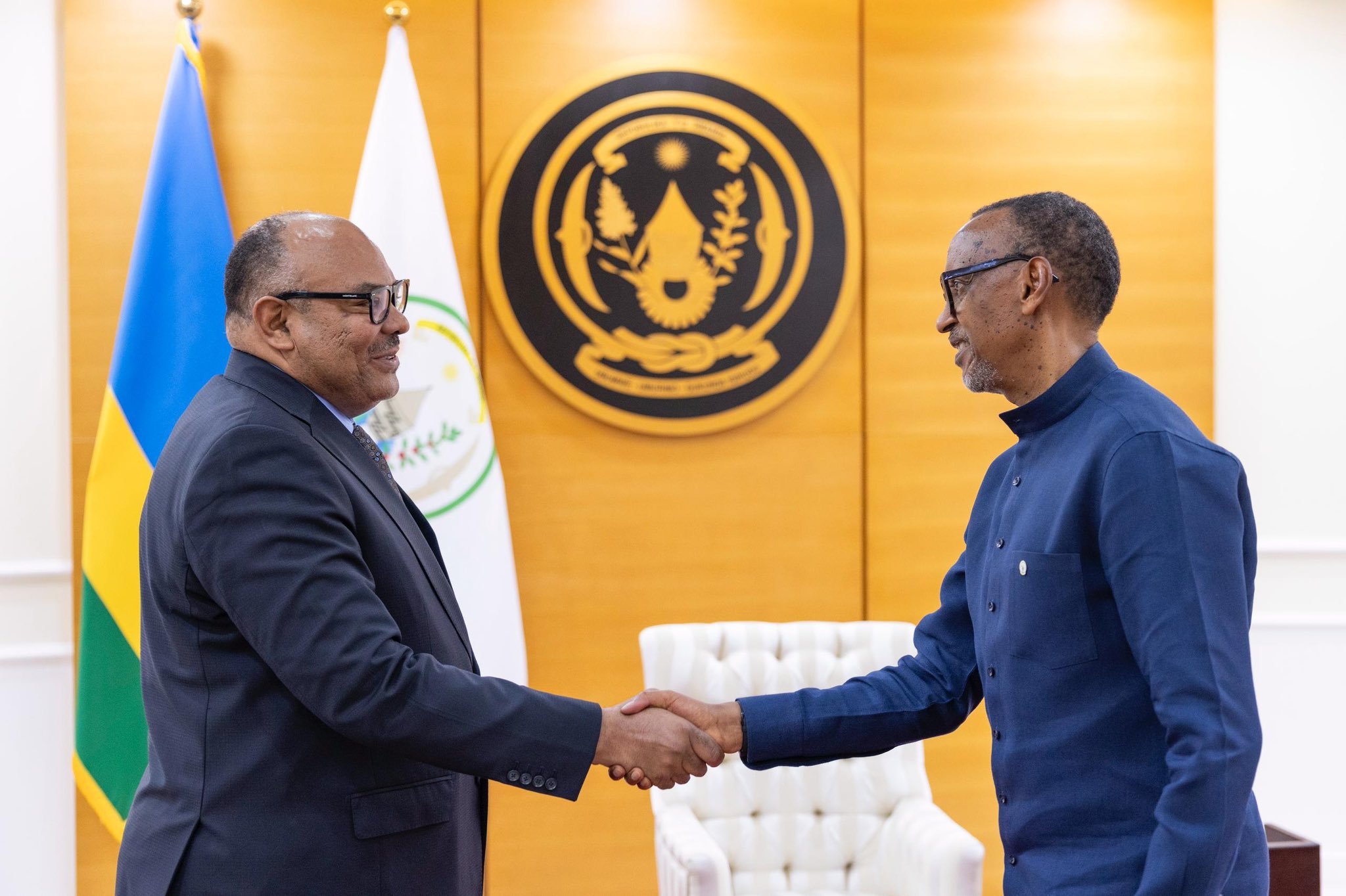
According to the Office of Rwanda’s President, their discussions held on March 31, 2026, centered on deepening the already strong bilateral ties between Rwanda and Tanzania.
Rwanda and Tanzania maintain a robust partnership in areas such as technology and communications.
The two countries also have existing cooperation agreements covering media, education, ICT, and internet infrastructure among others.
In July 2025, Rwanda and Tanzania on Saturday signed two memoranda of understanding to facilitate cooperation in agriculture and the establishment of a Tanzania Ports Liaison Office in Kigali, the capital of Rwanda.
The agreements were signed by Rwanda’s Minister of Foreign Affairs and International Cooperation Olivier Nduhungirehe and Tanzanian counterpart Mahmoud Thabit Kombo during a ministerial session of the 16th Joint Permanent Commission (JPC) between the two countries in Kigali.
Trade also forms a cornerstone of the Rwanda-Tanzania partnership, with Rwandans regularly using the port of Dar es Salaam and Rwandan goods frequently exported to Tanzania.
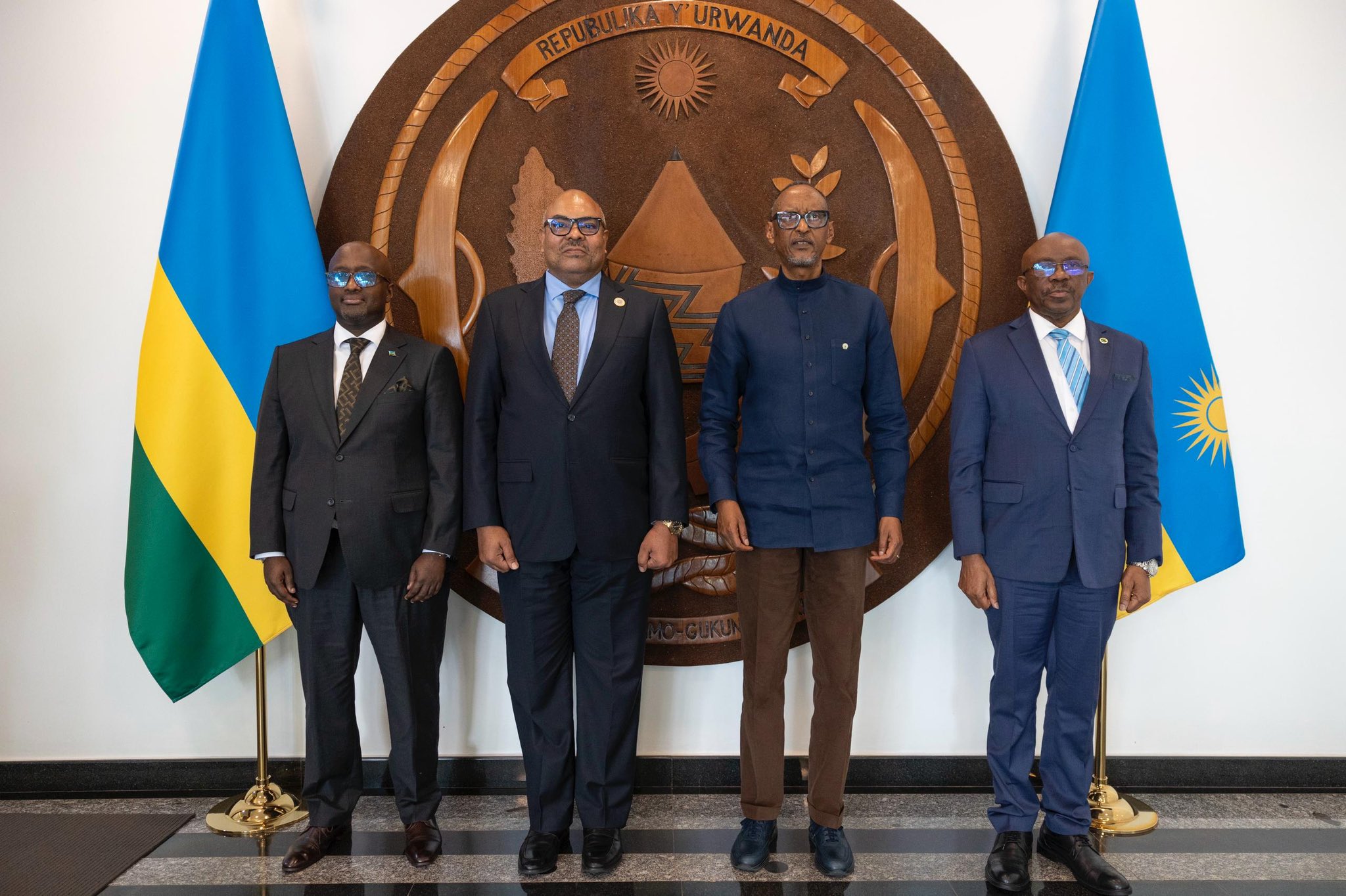
Tanzania’s Minister of Foreign Affairs and East African Cooperation, Mahamoud Thabit Kombo was hosted at Urugwiro Village along with his delegation. President Paul Kagame on March 31, 2026 received Tanzania’s Minister of Foreign Affairs and East African Cooperation, Mahamoud Thabit Kombo, at his office in Village Urugwiro.
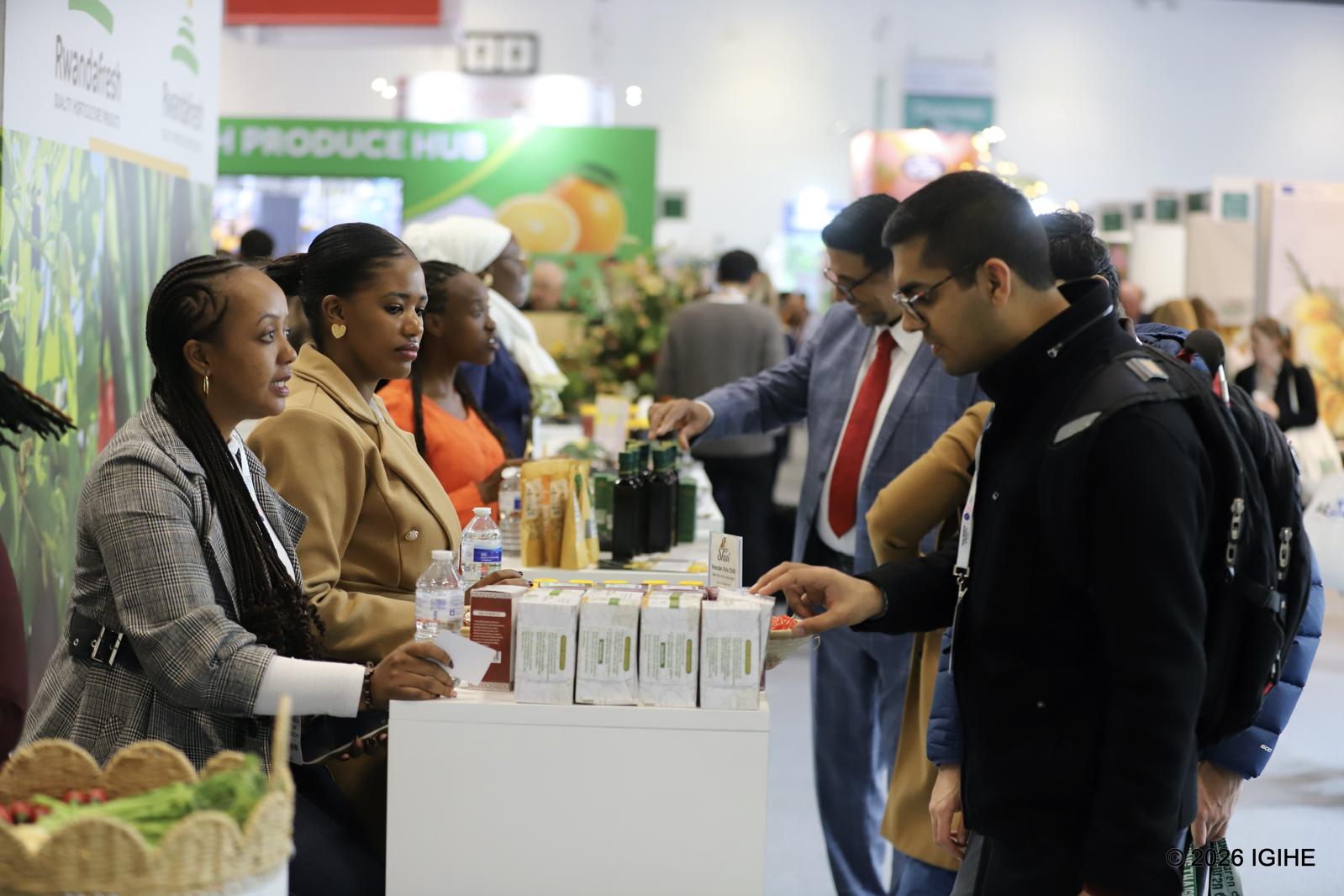
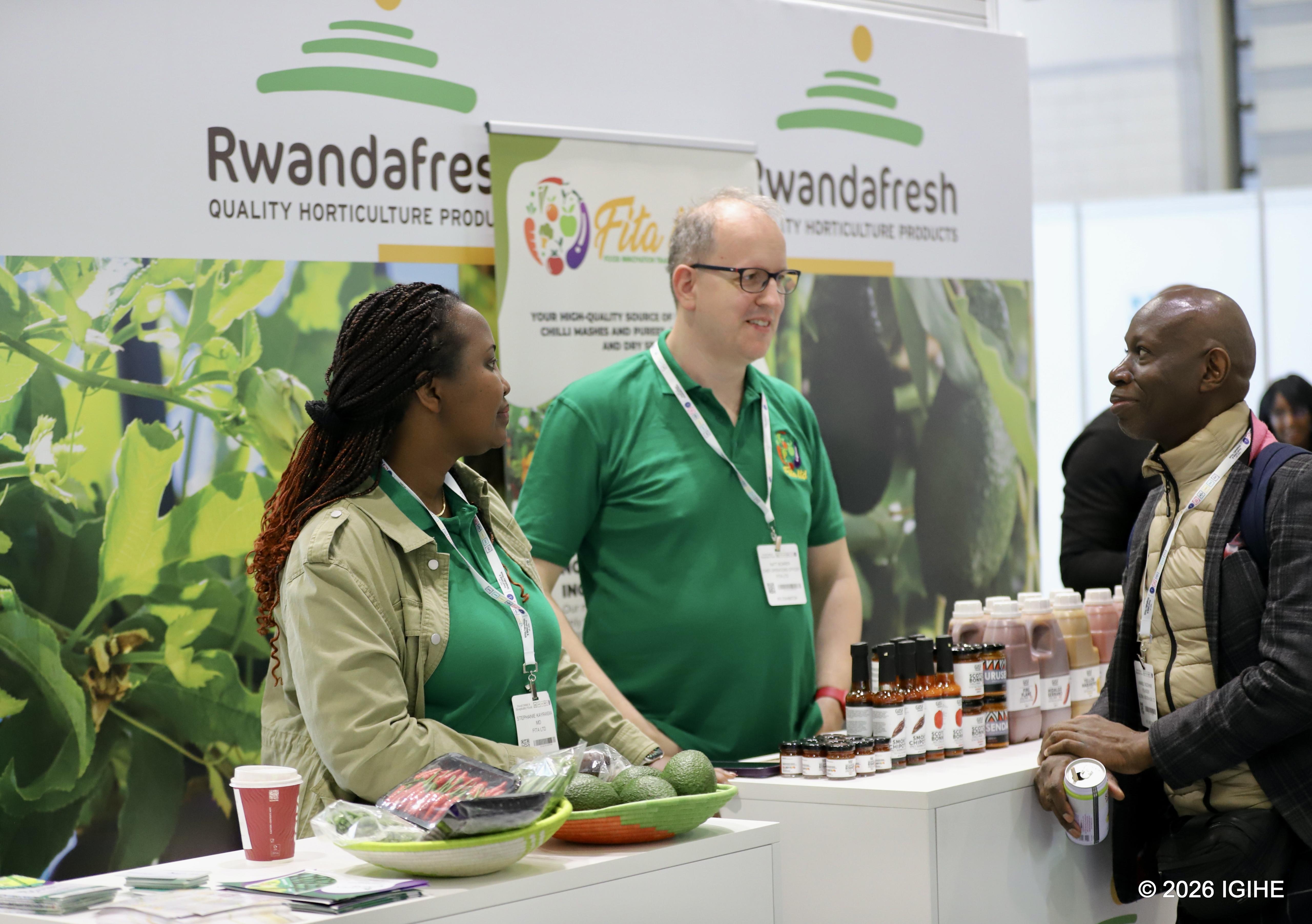
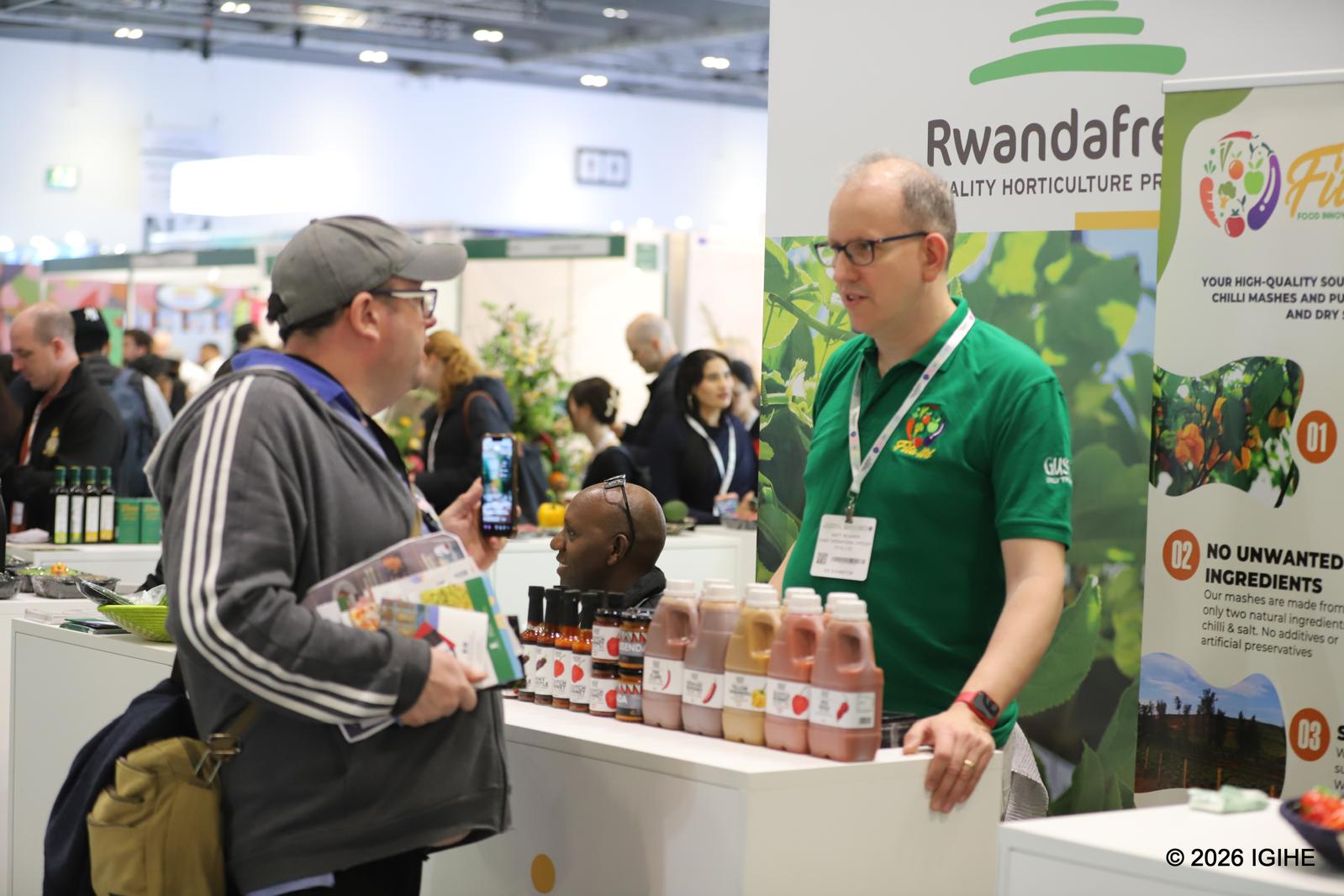
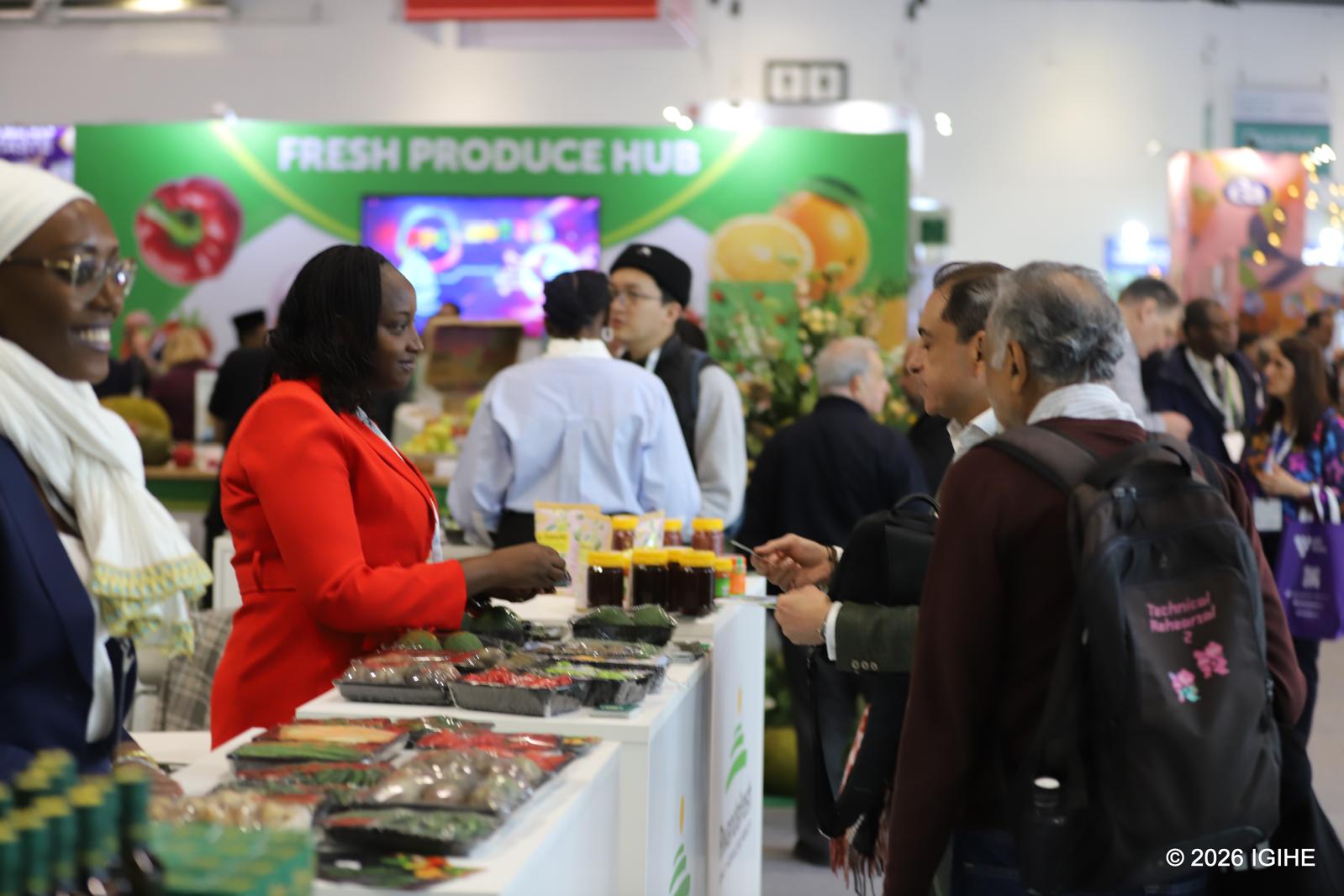
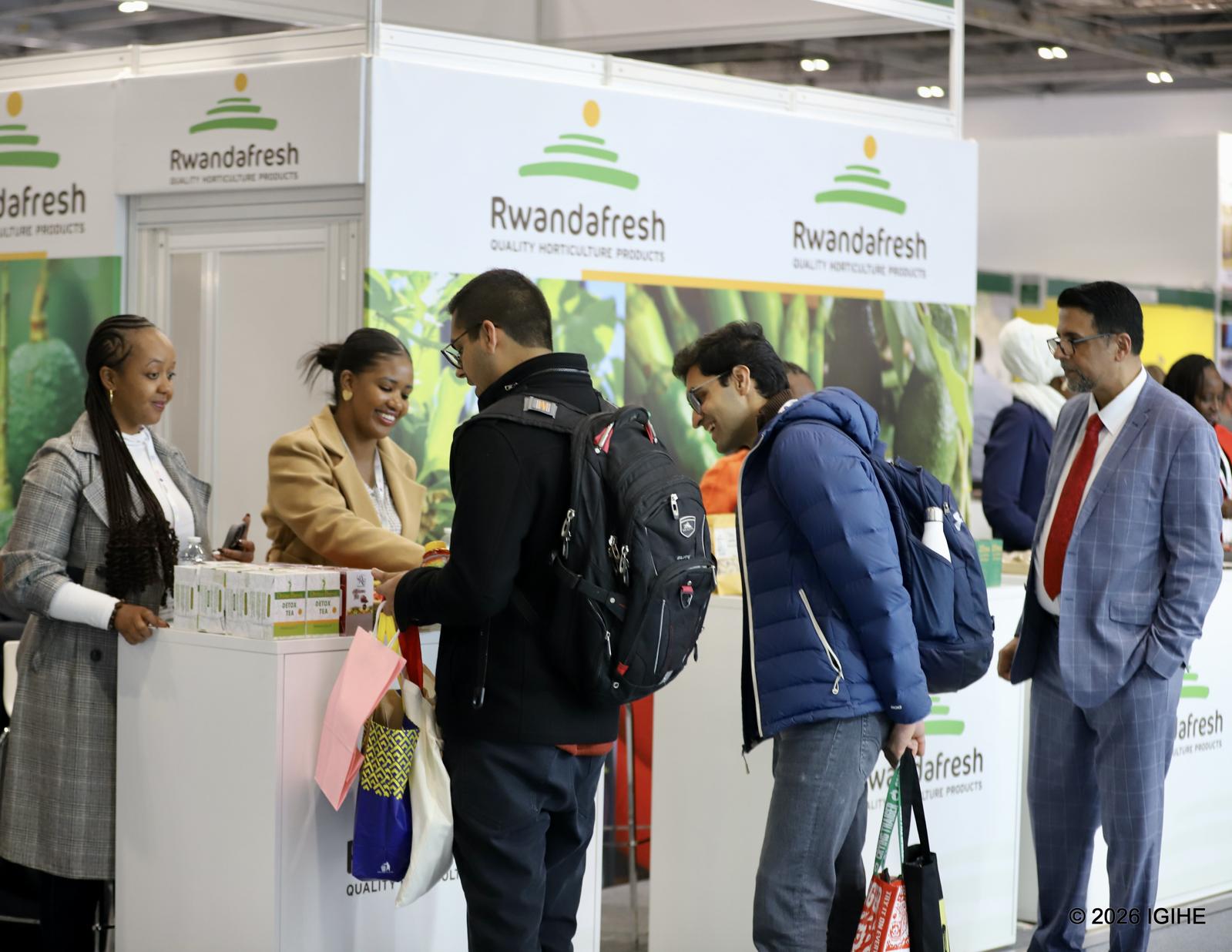
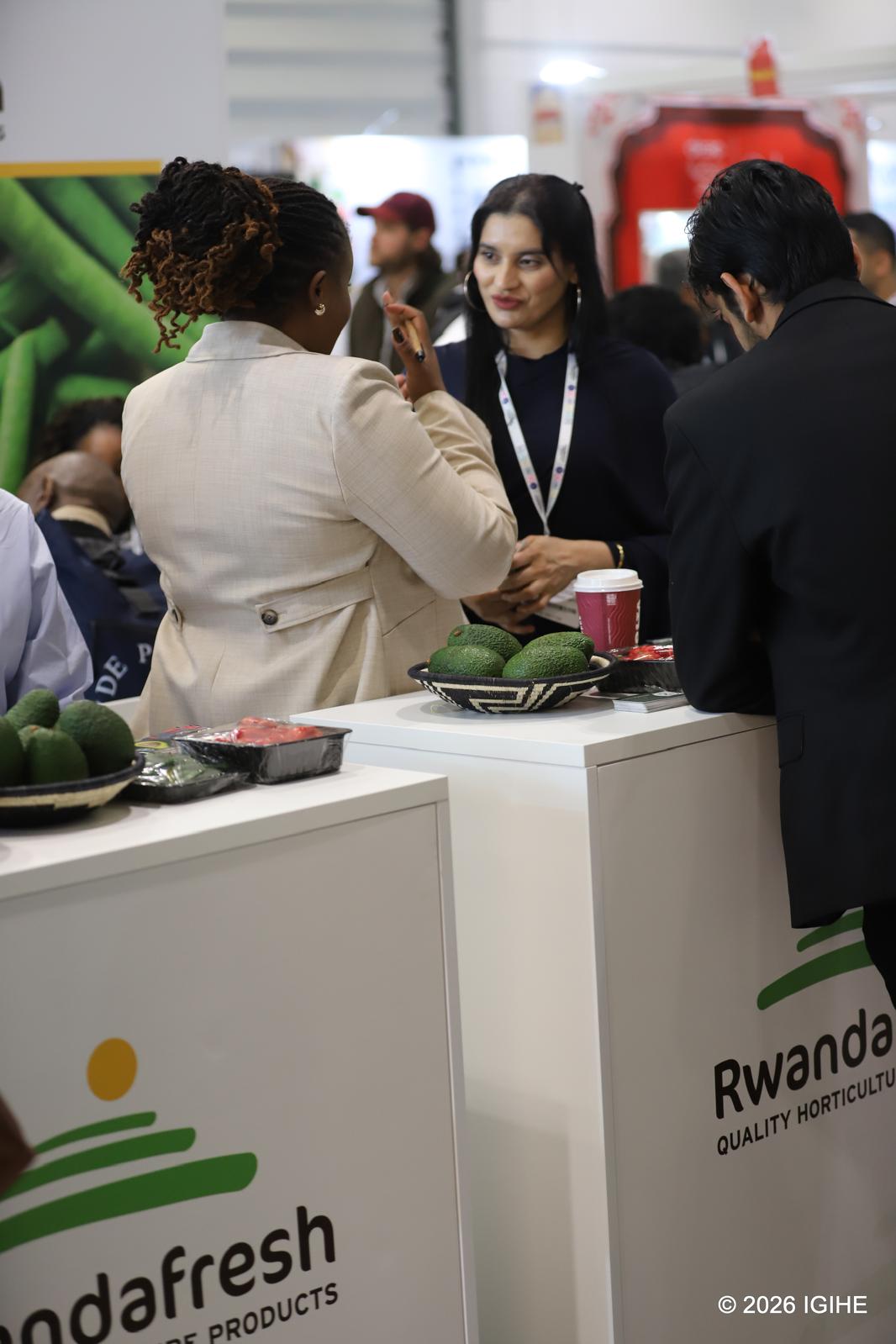
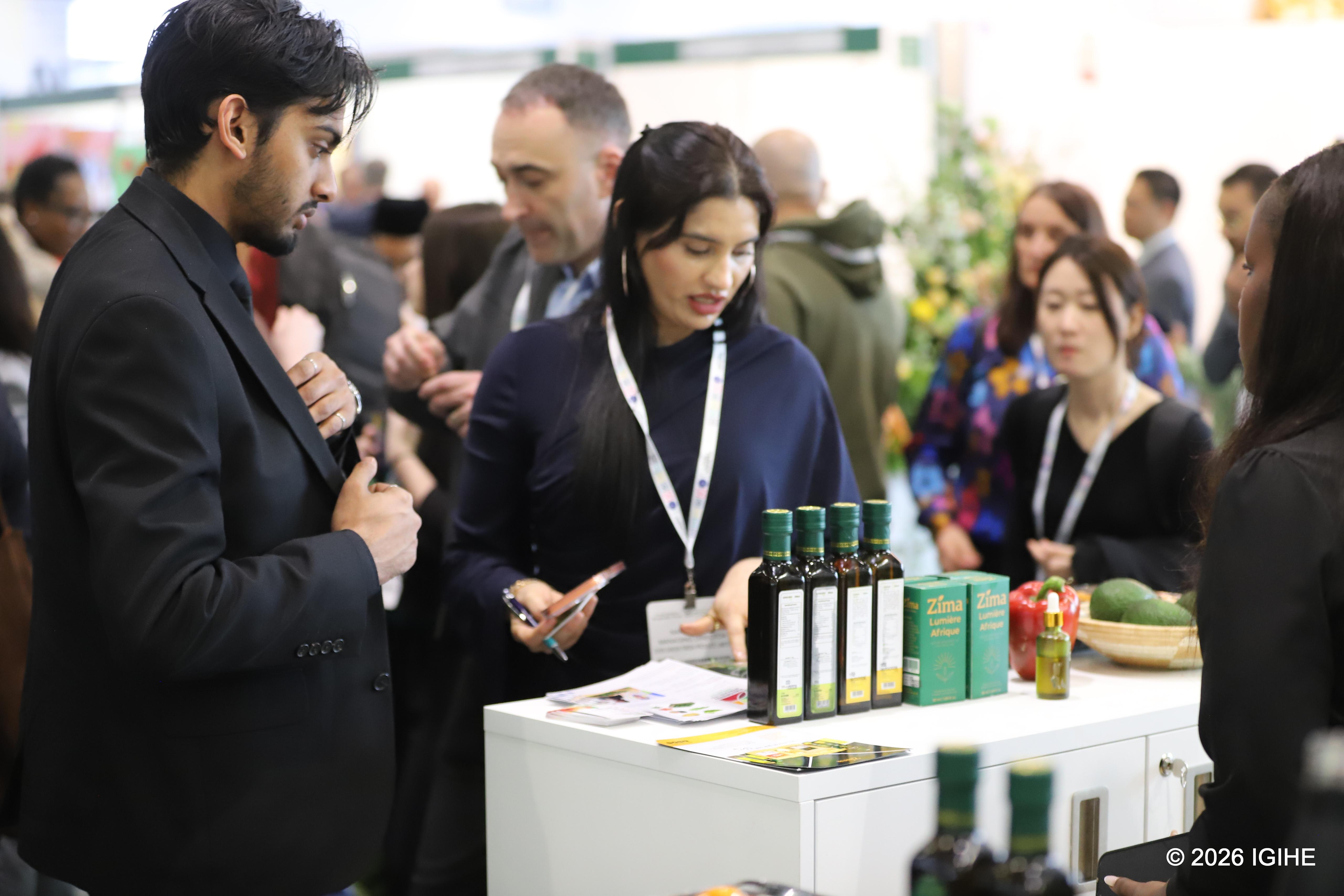
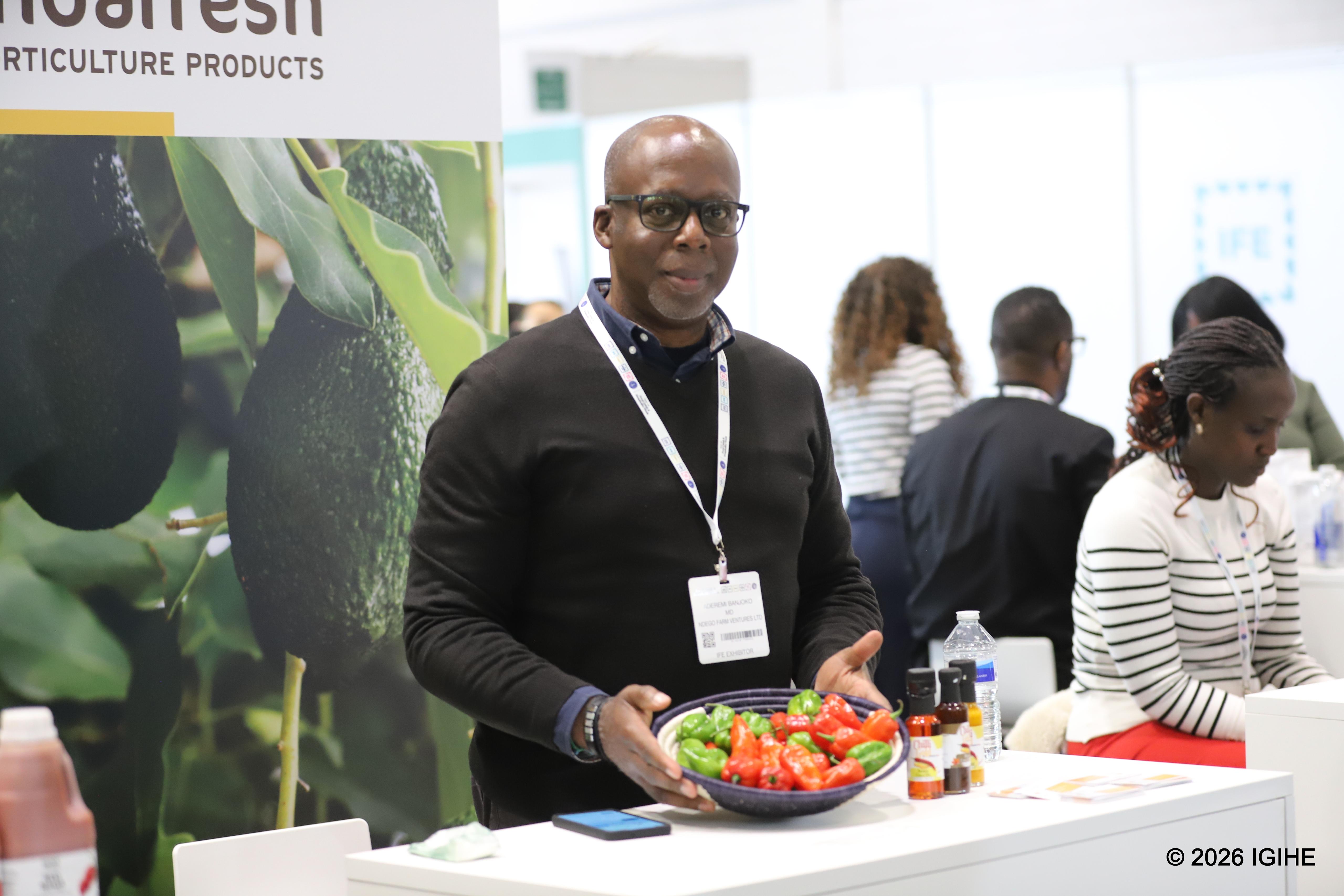
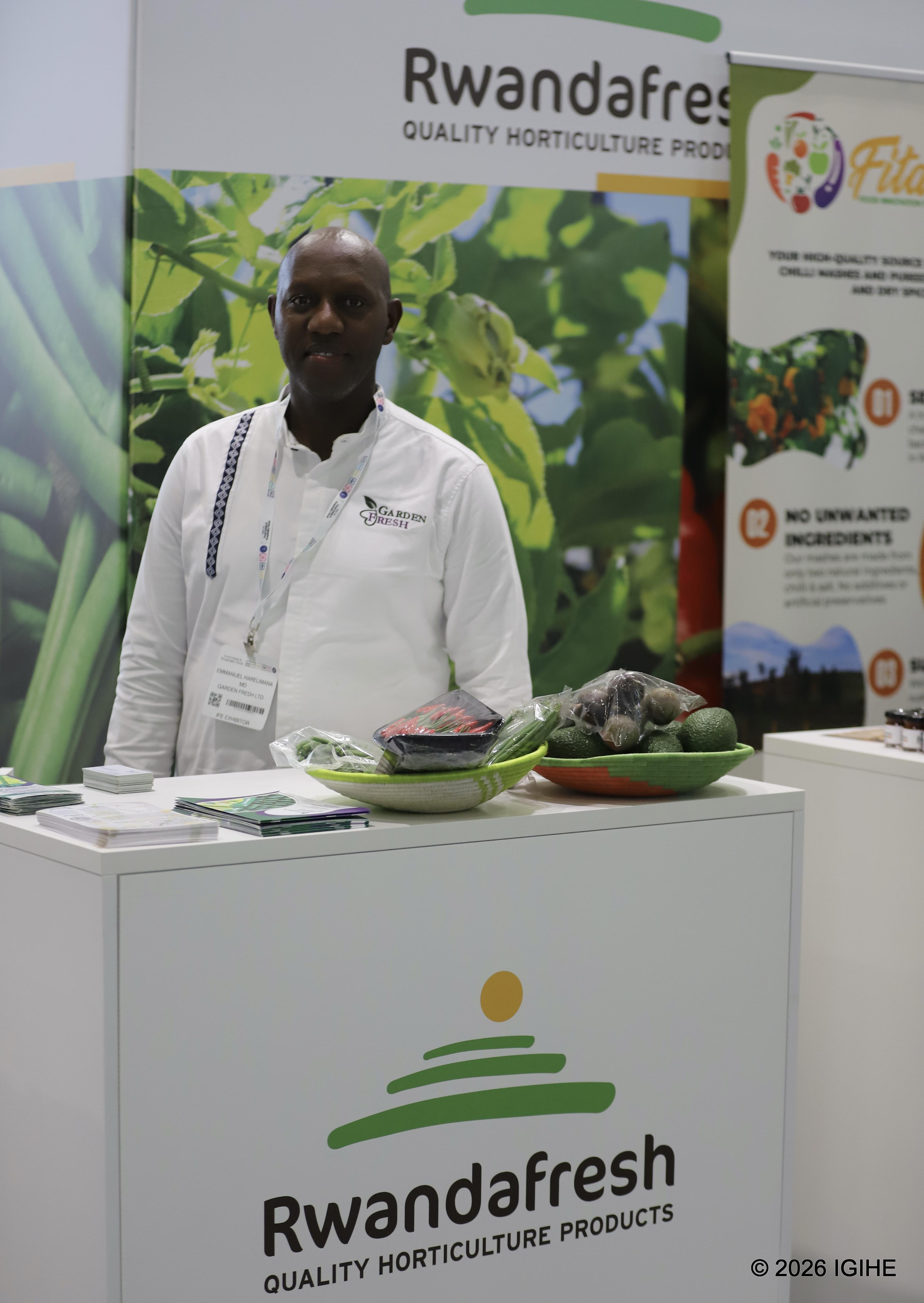
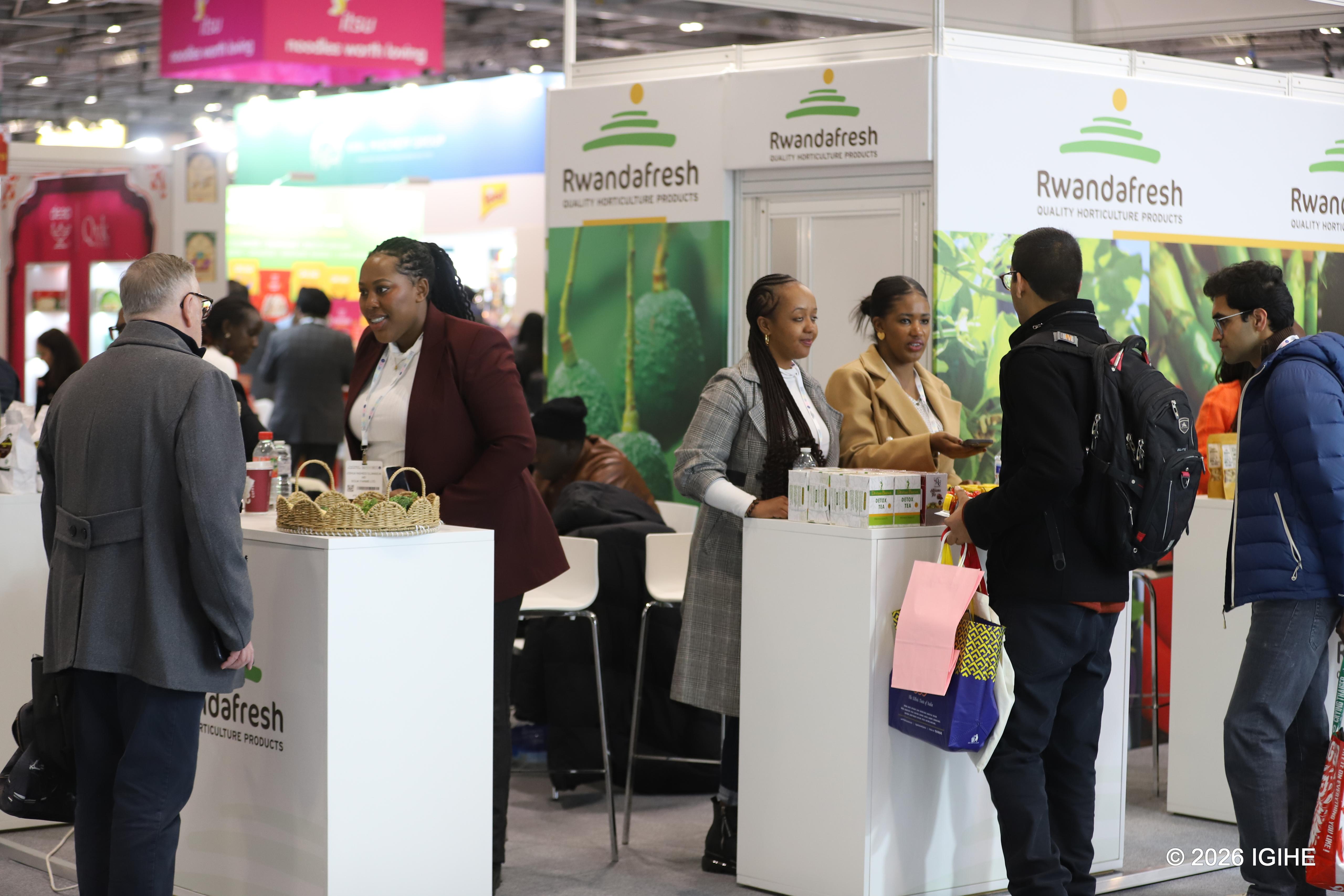
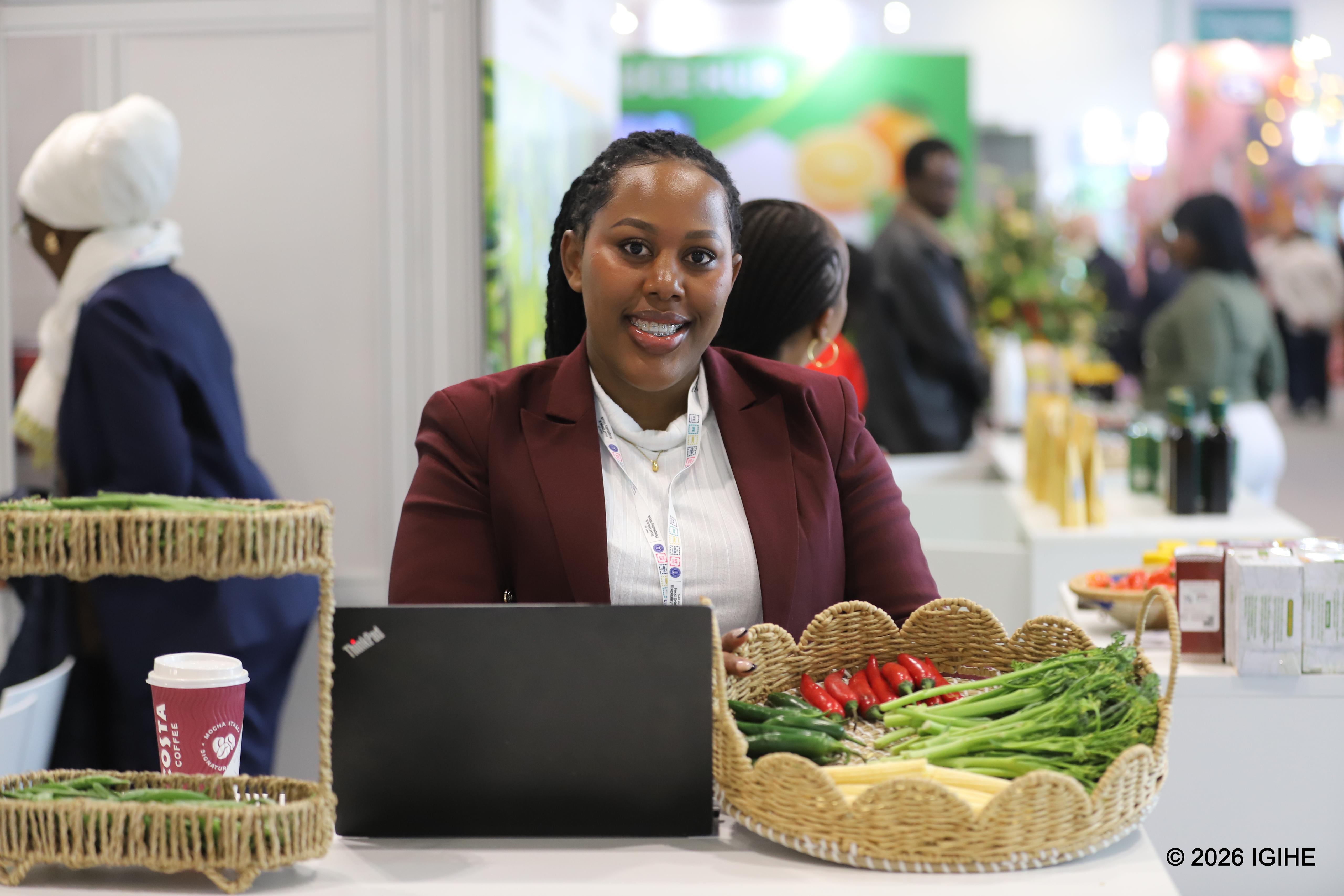
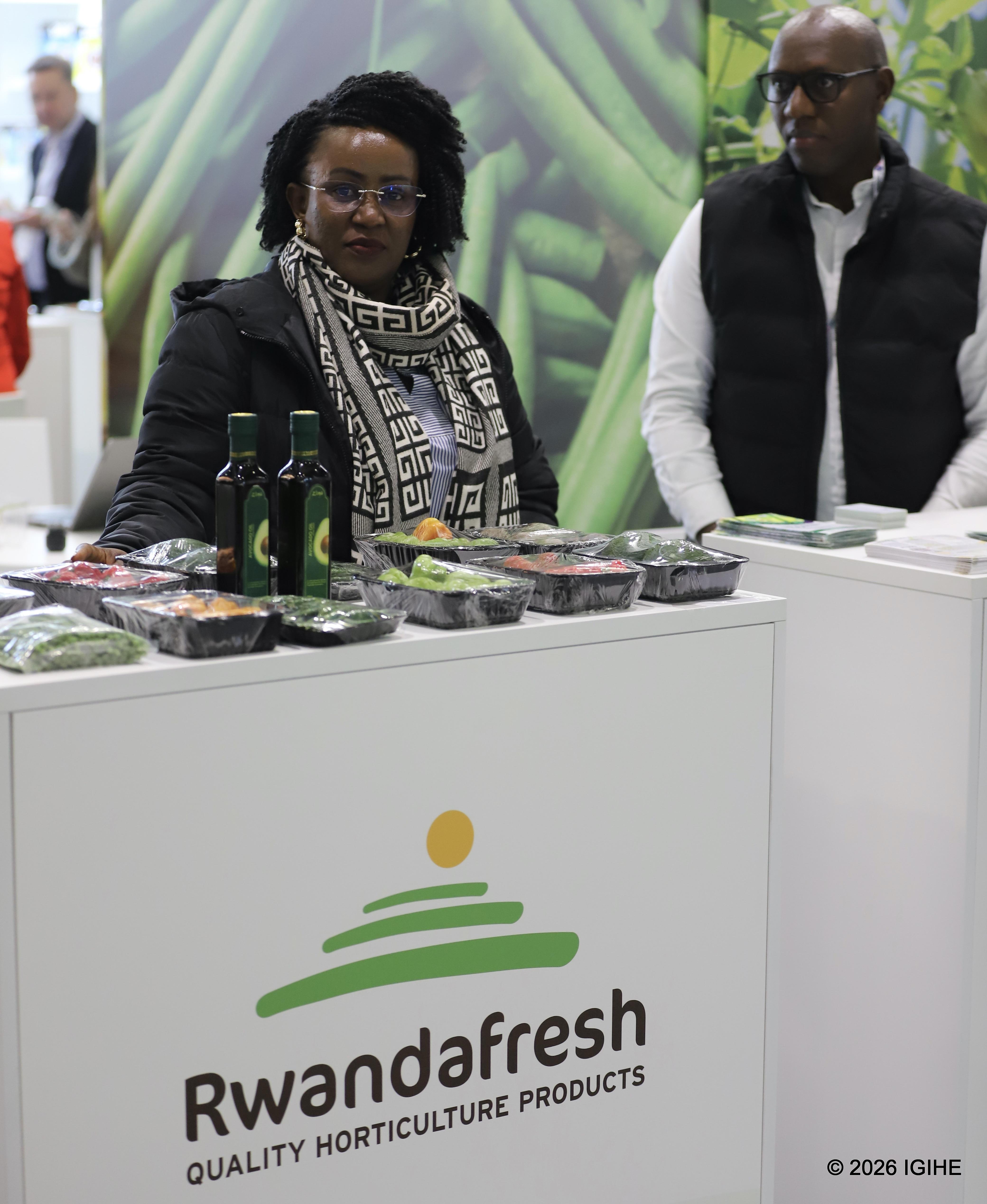
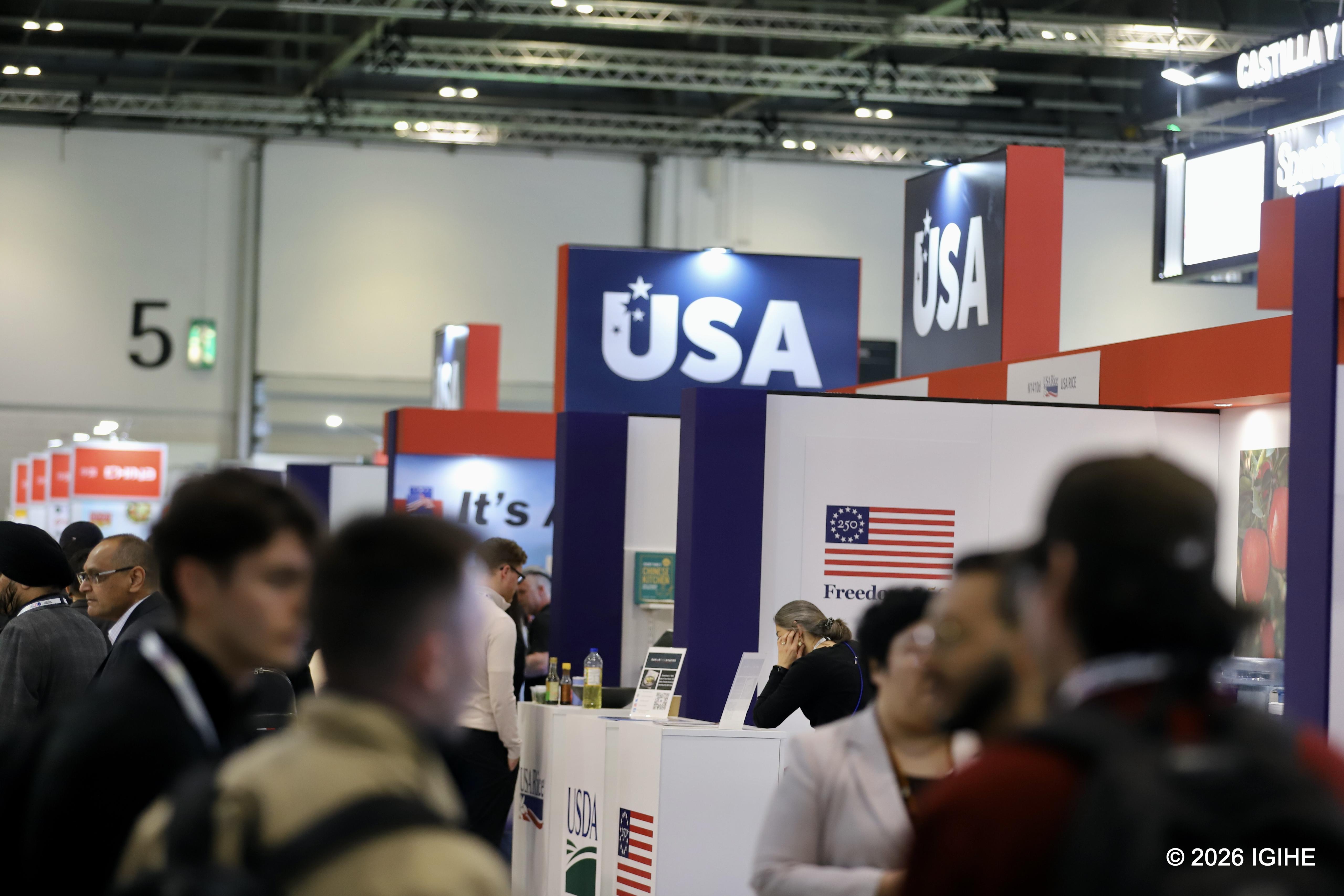
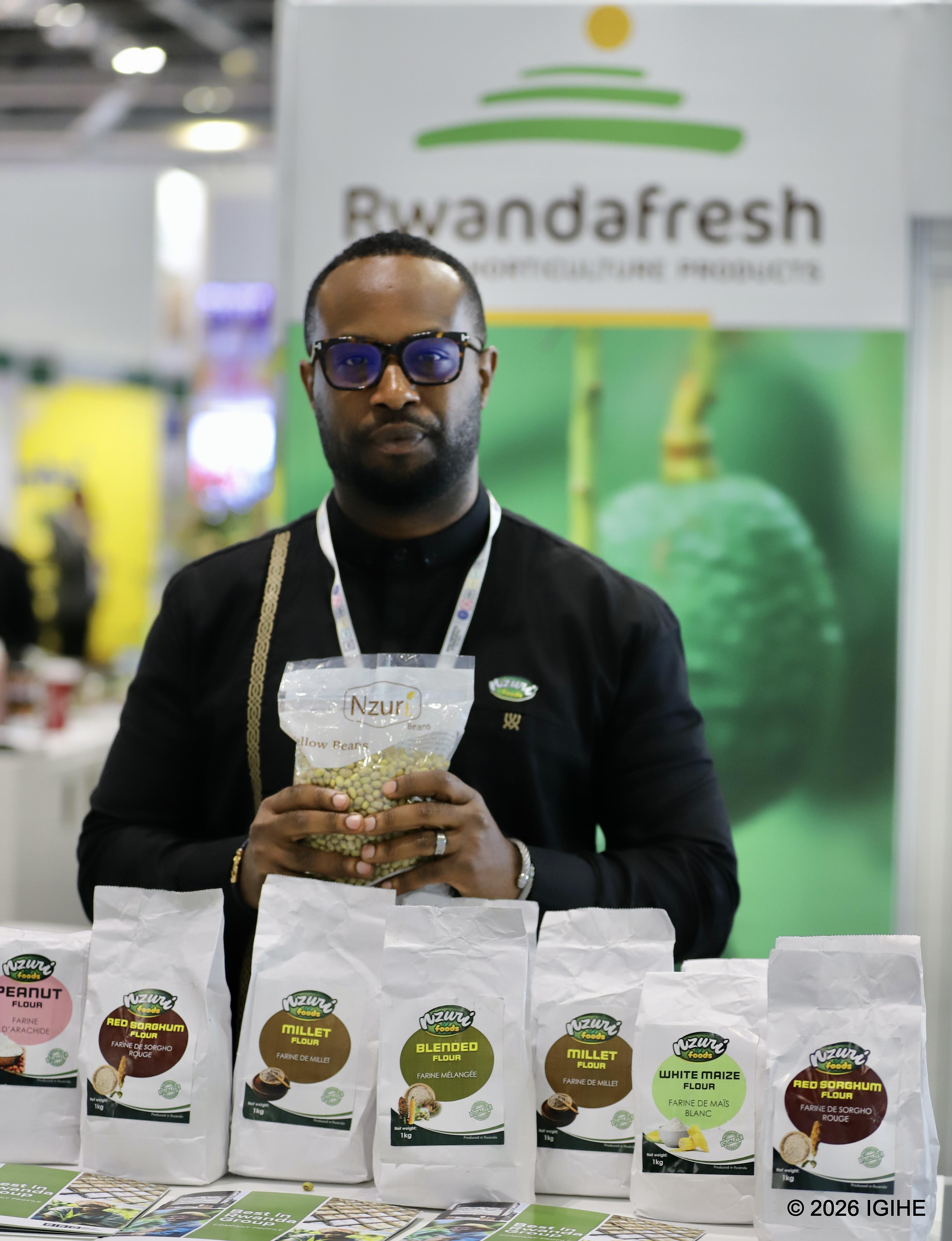
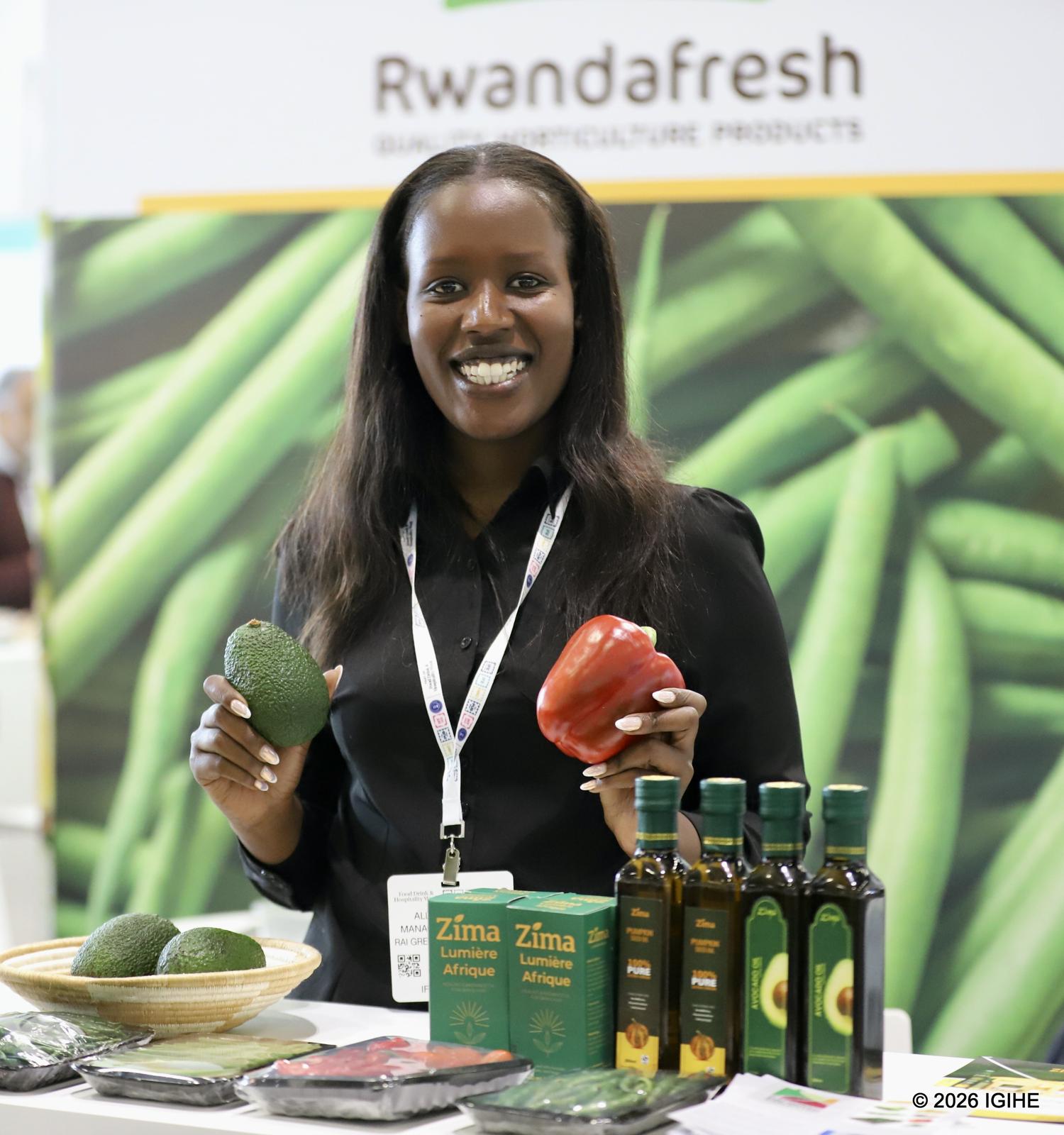
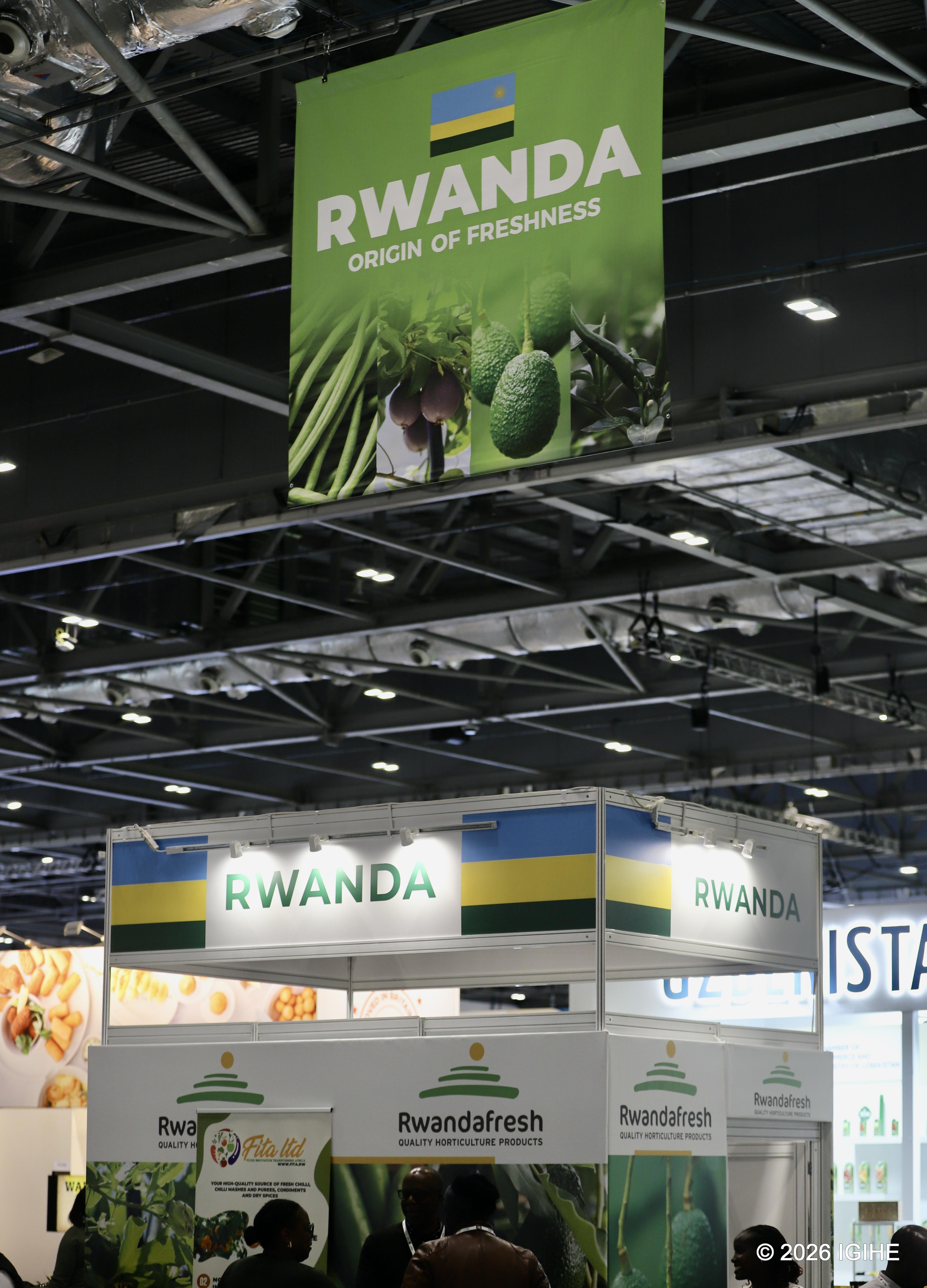
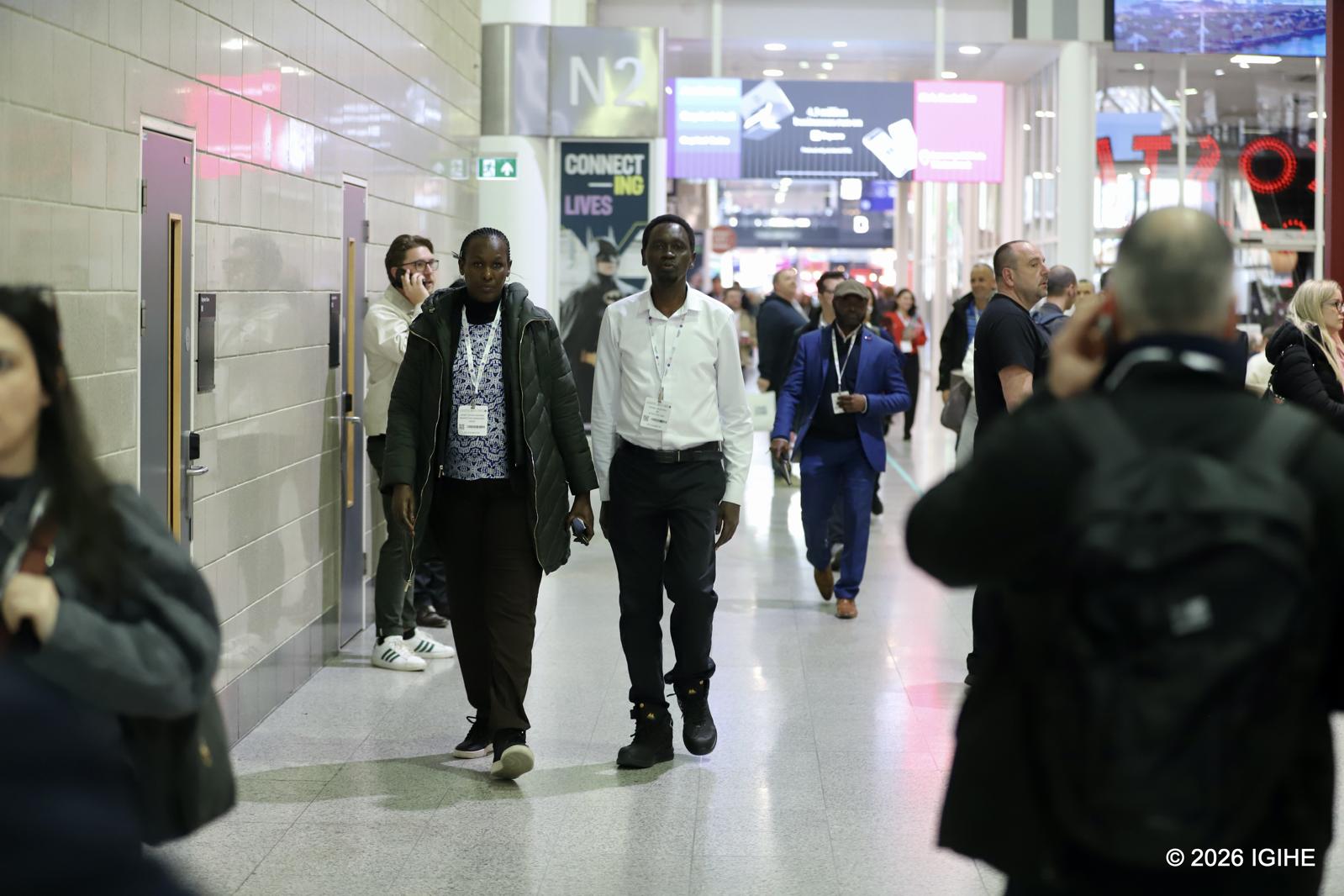
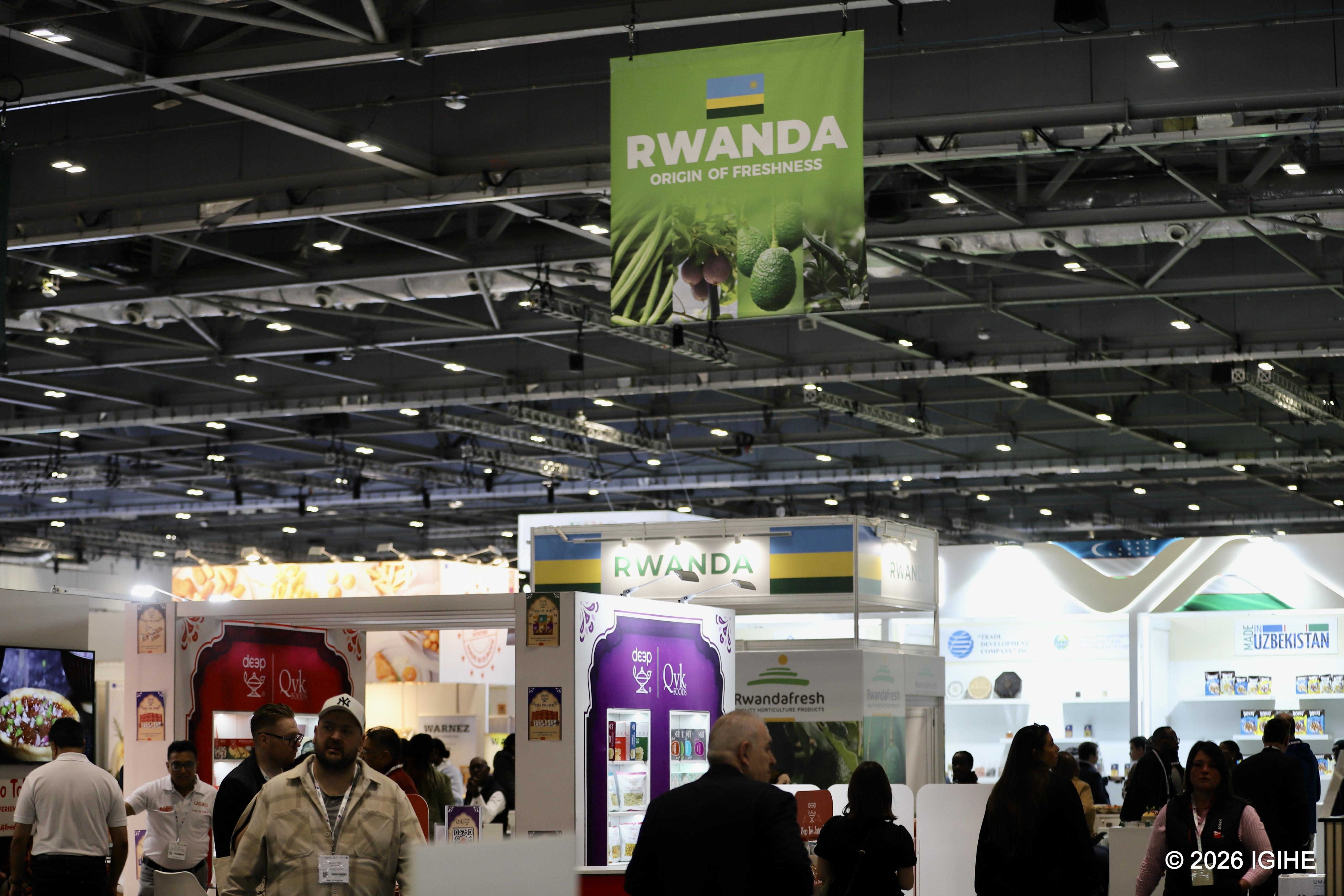
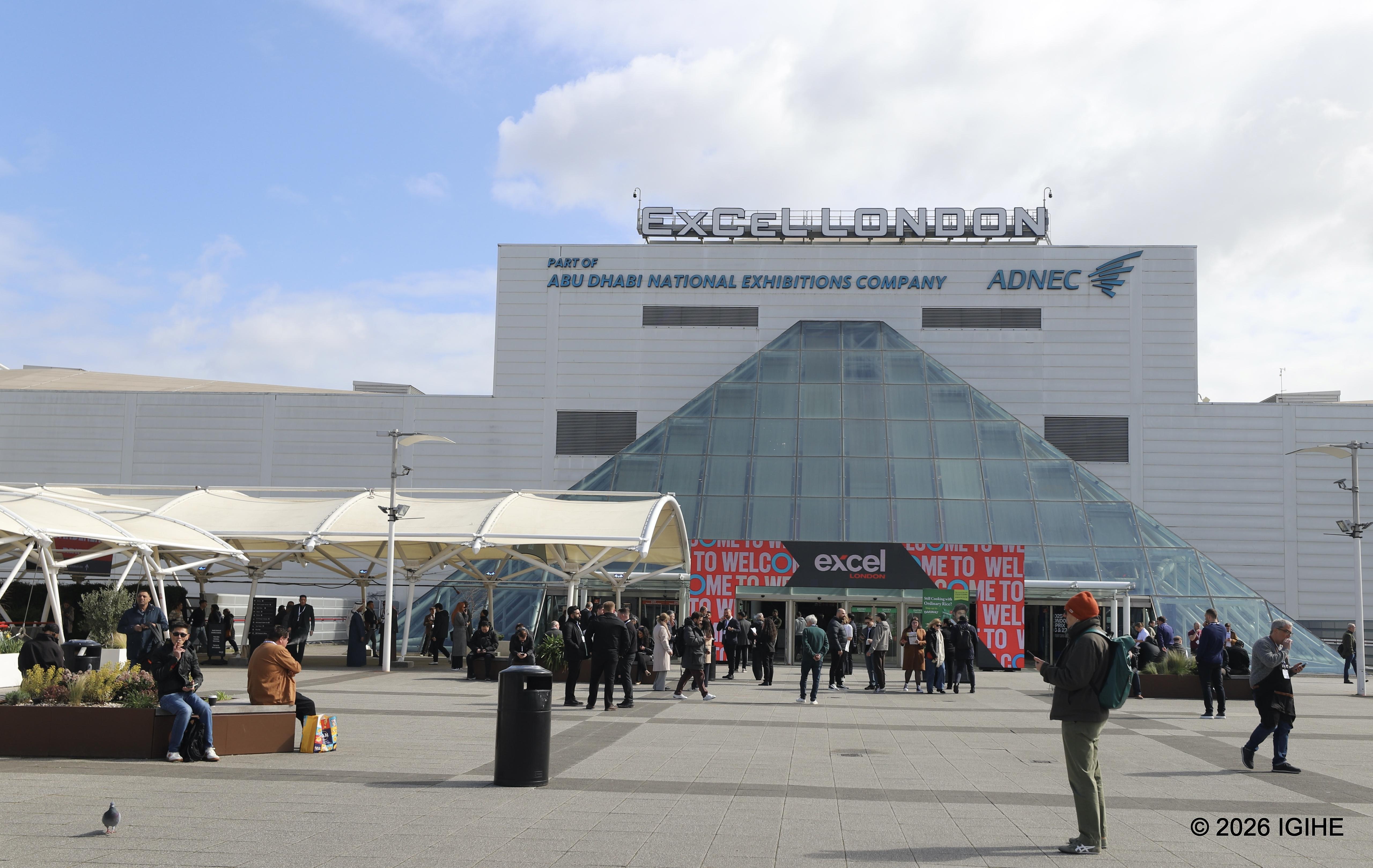
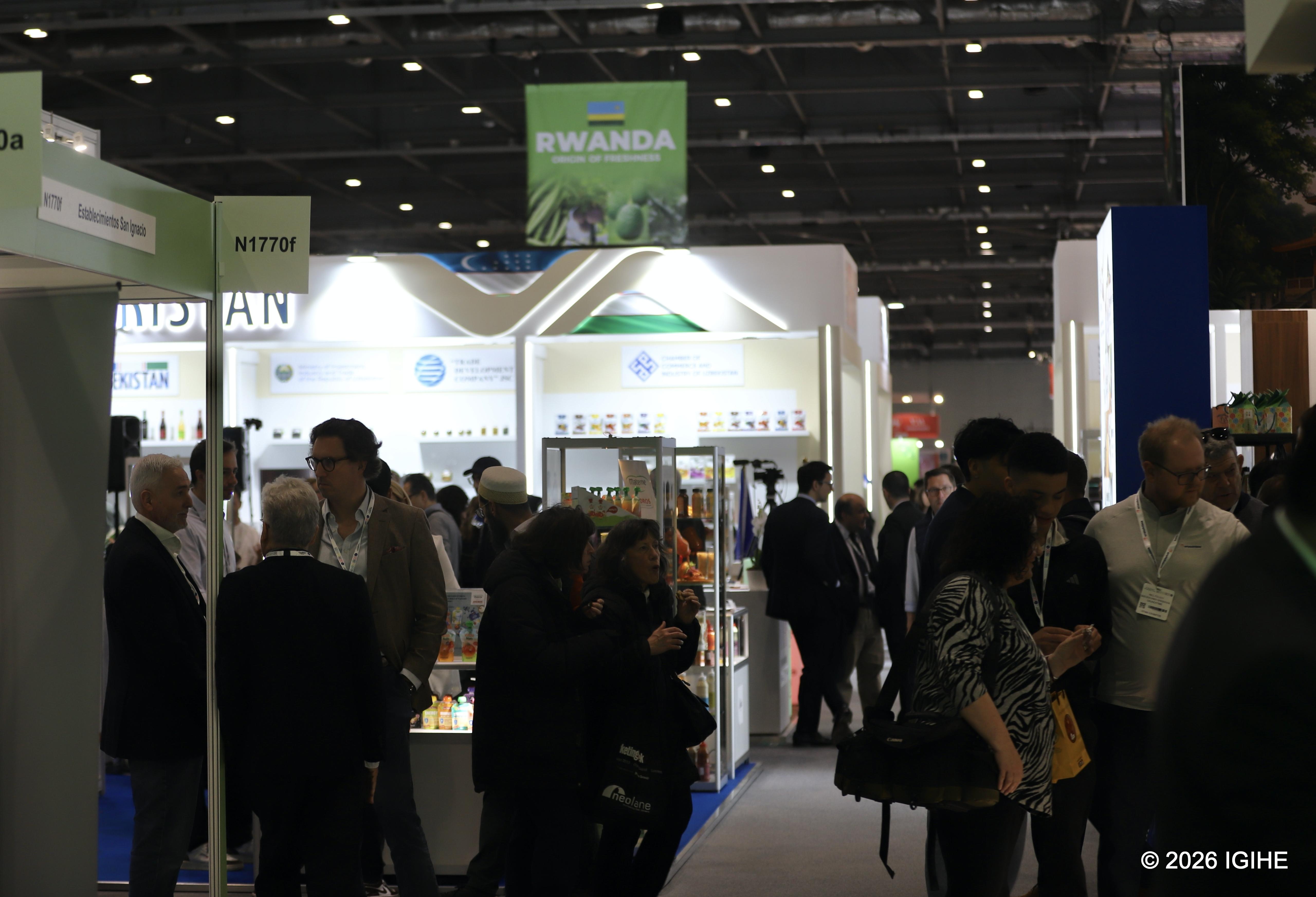
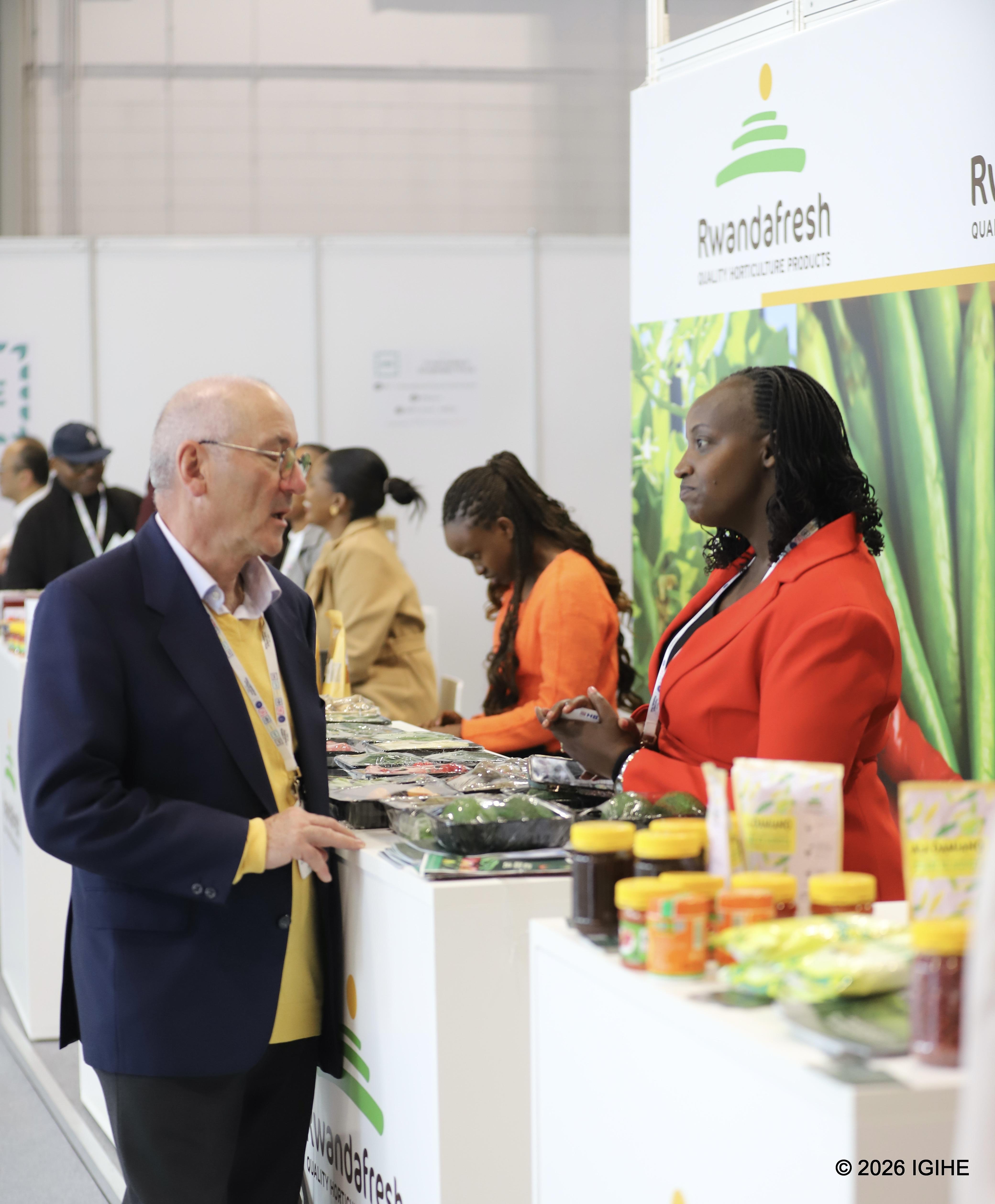
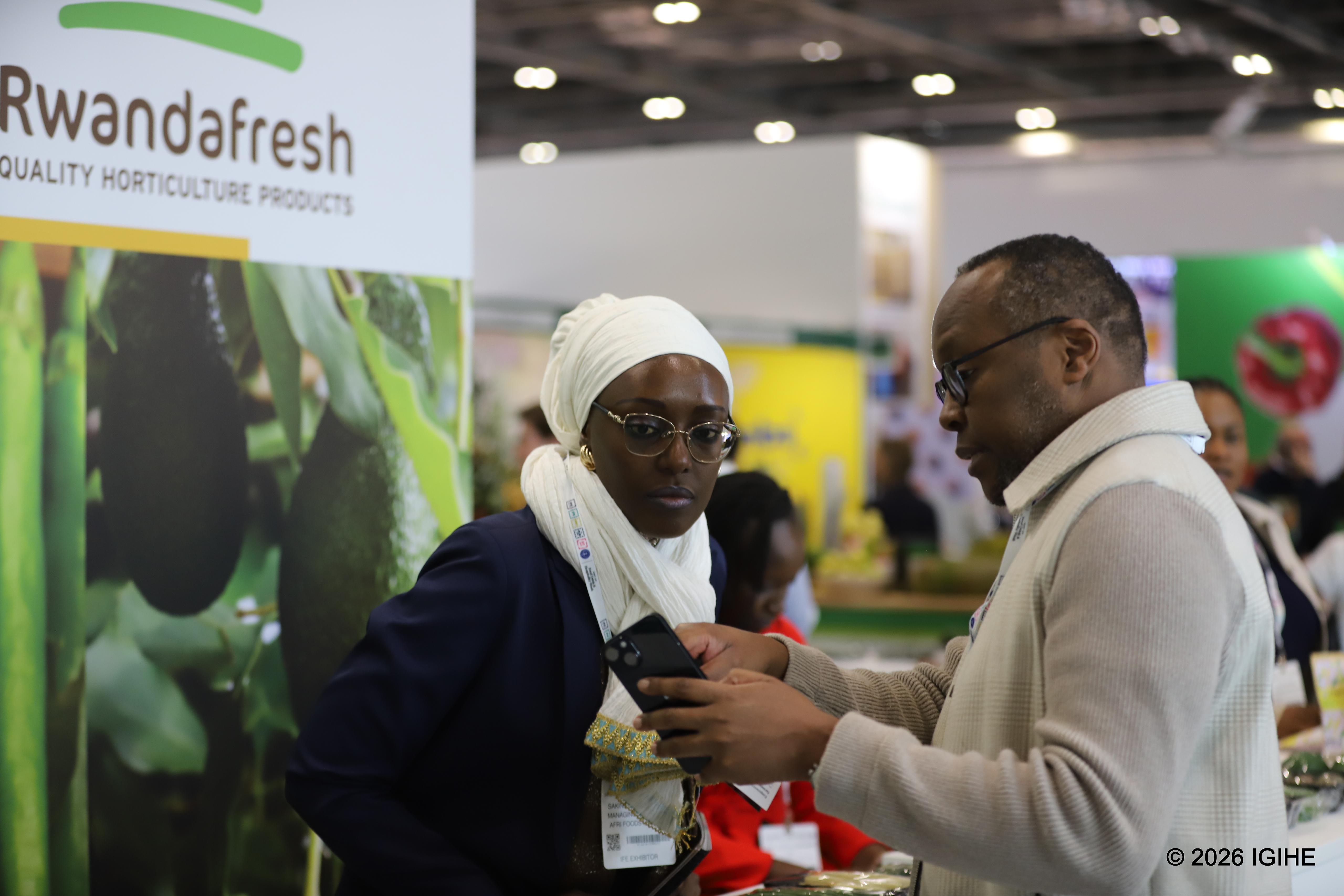
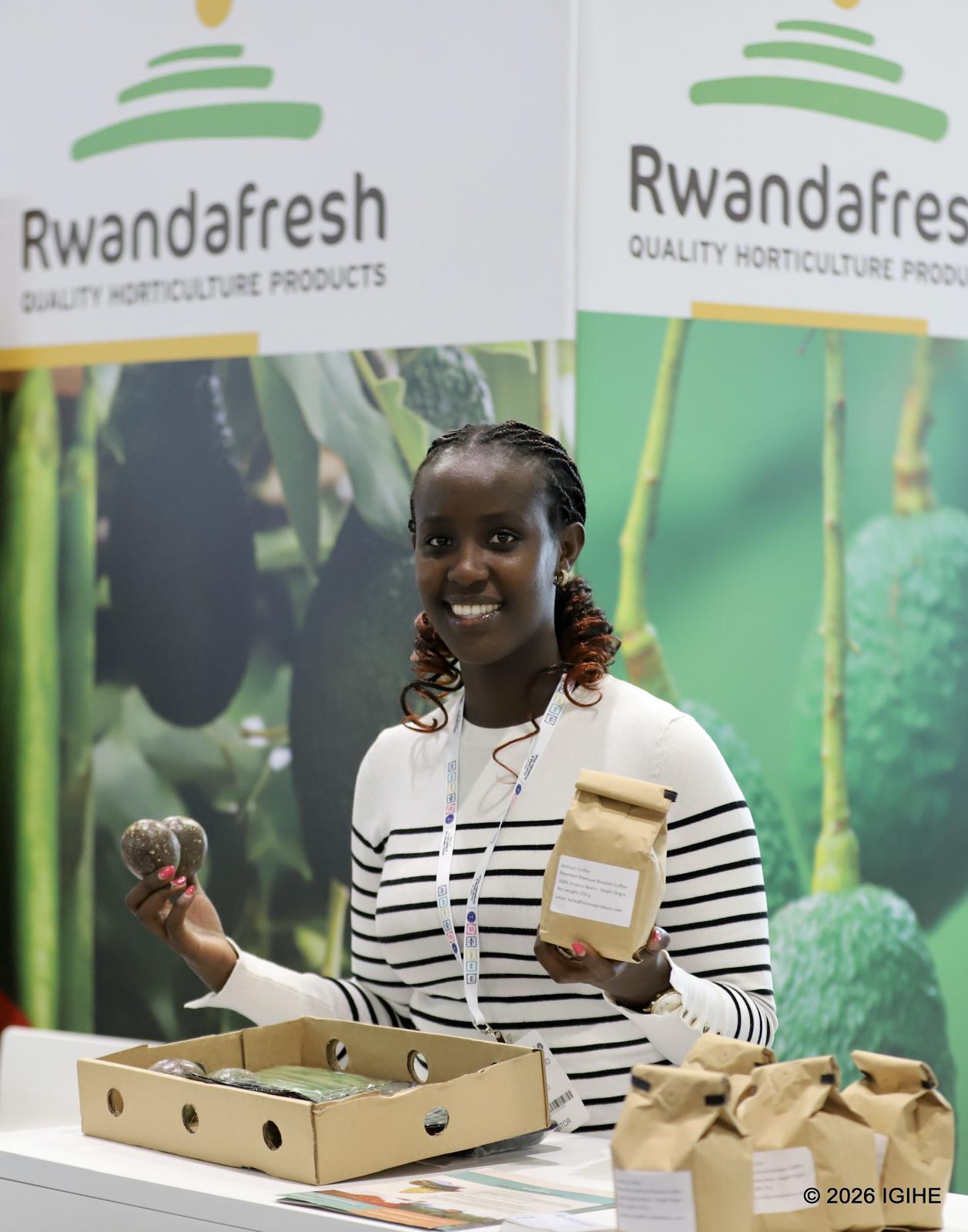
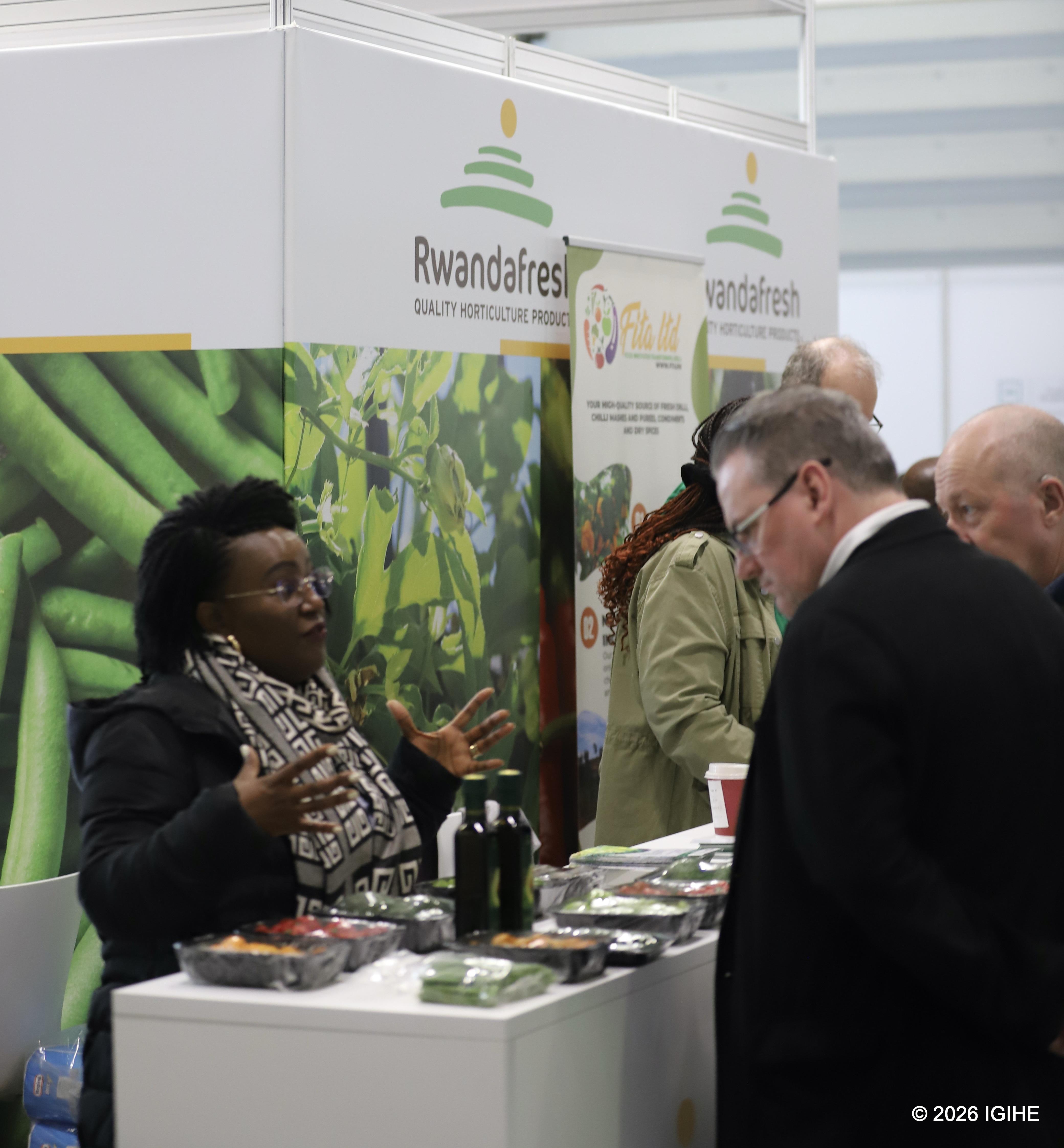
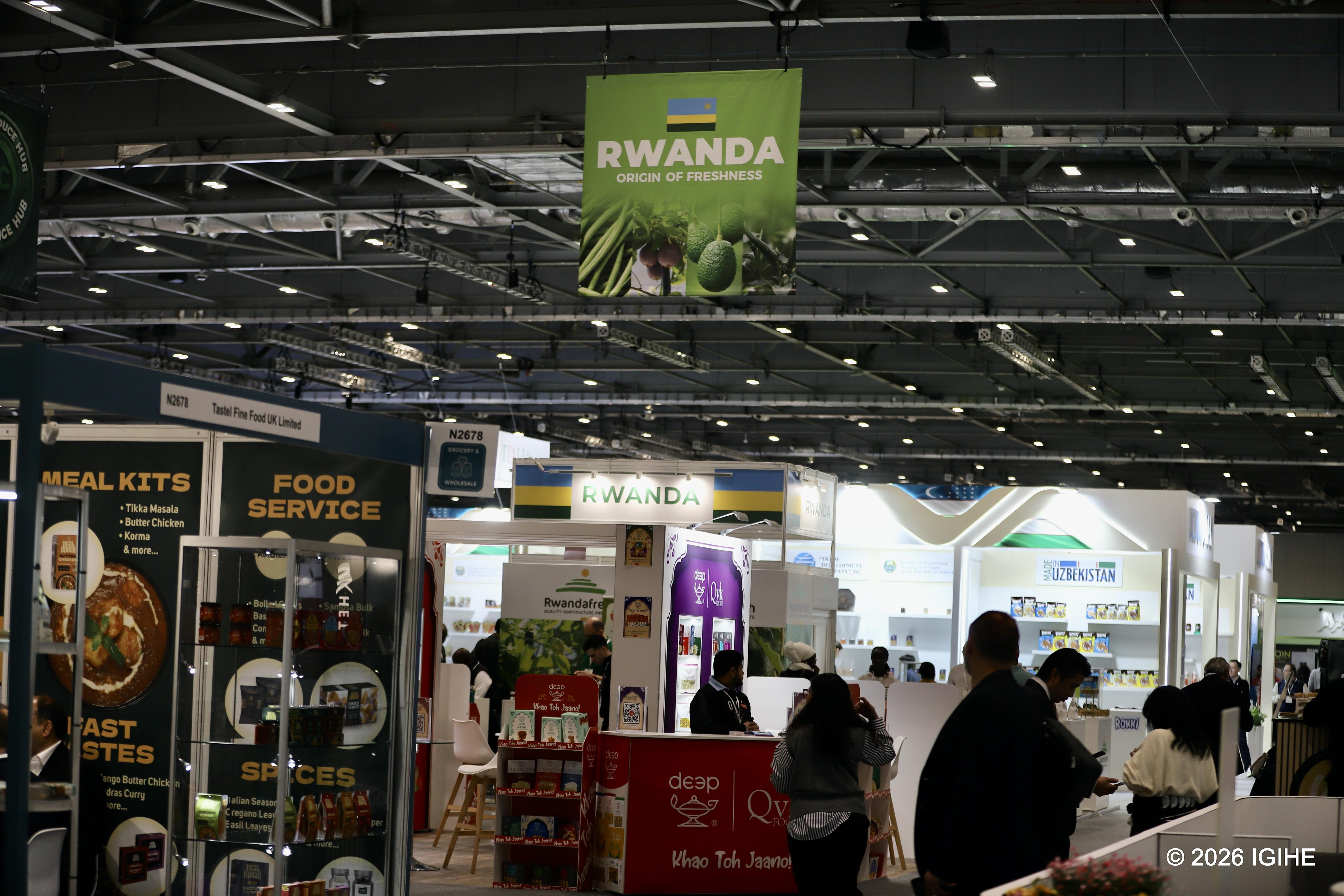
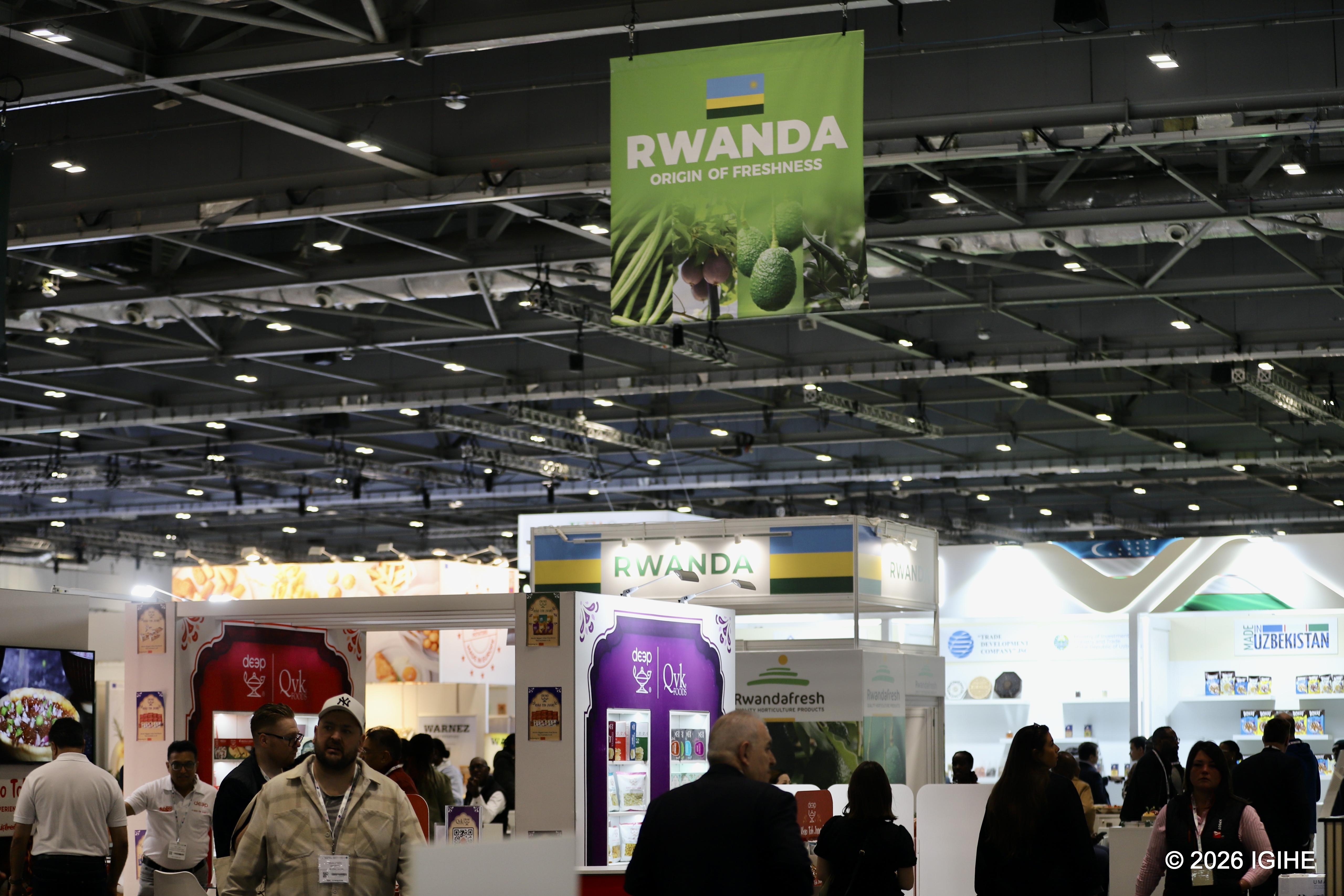
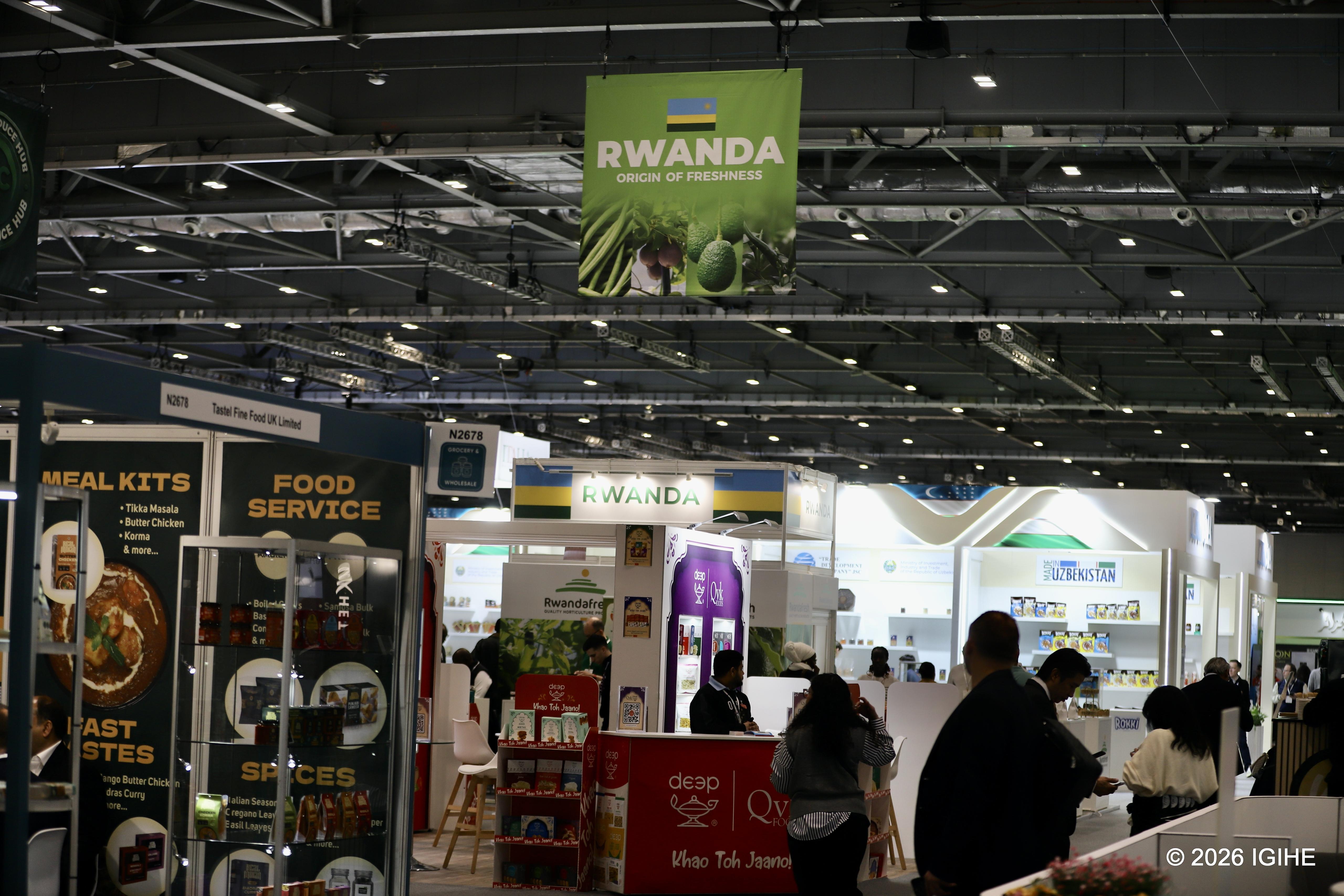
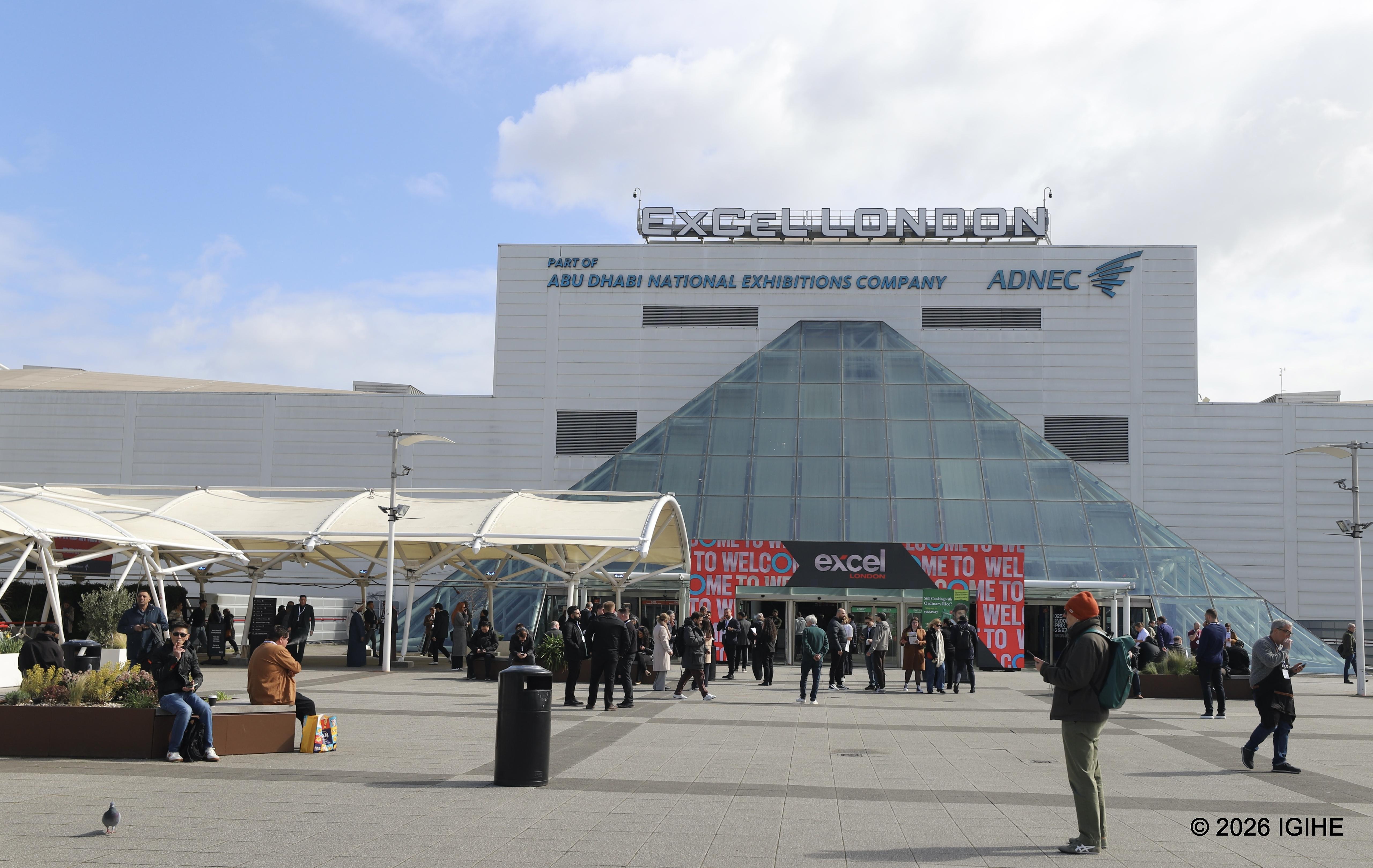
This exhibition taking place in London, United Kingdom, officially opened on March 30, 2026, and runs through April 1, 2026, at the ExCeL London exhibition centre.
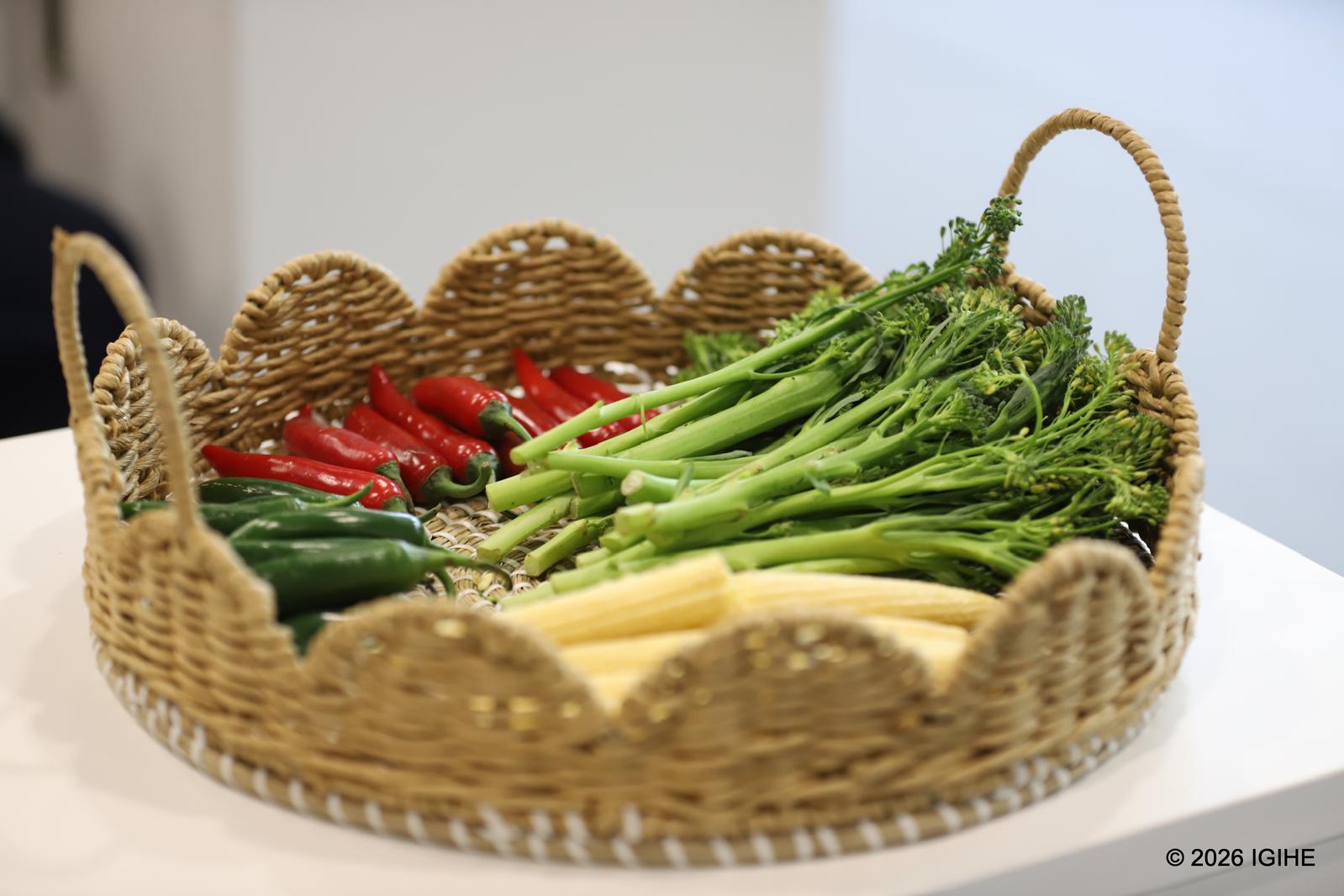
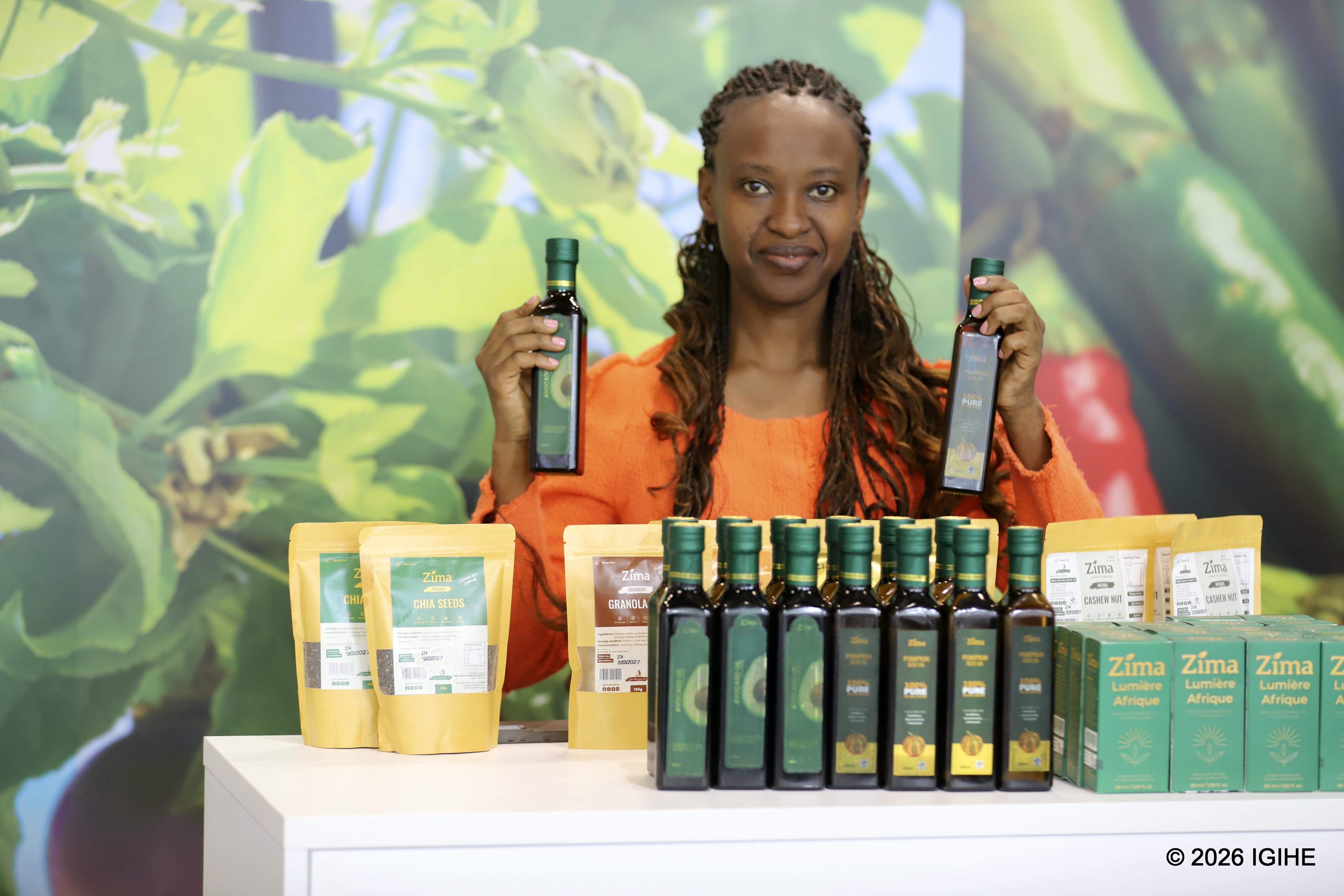
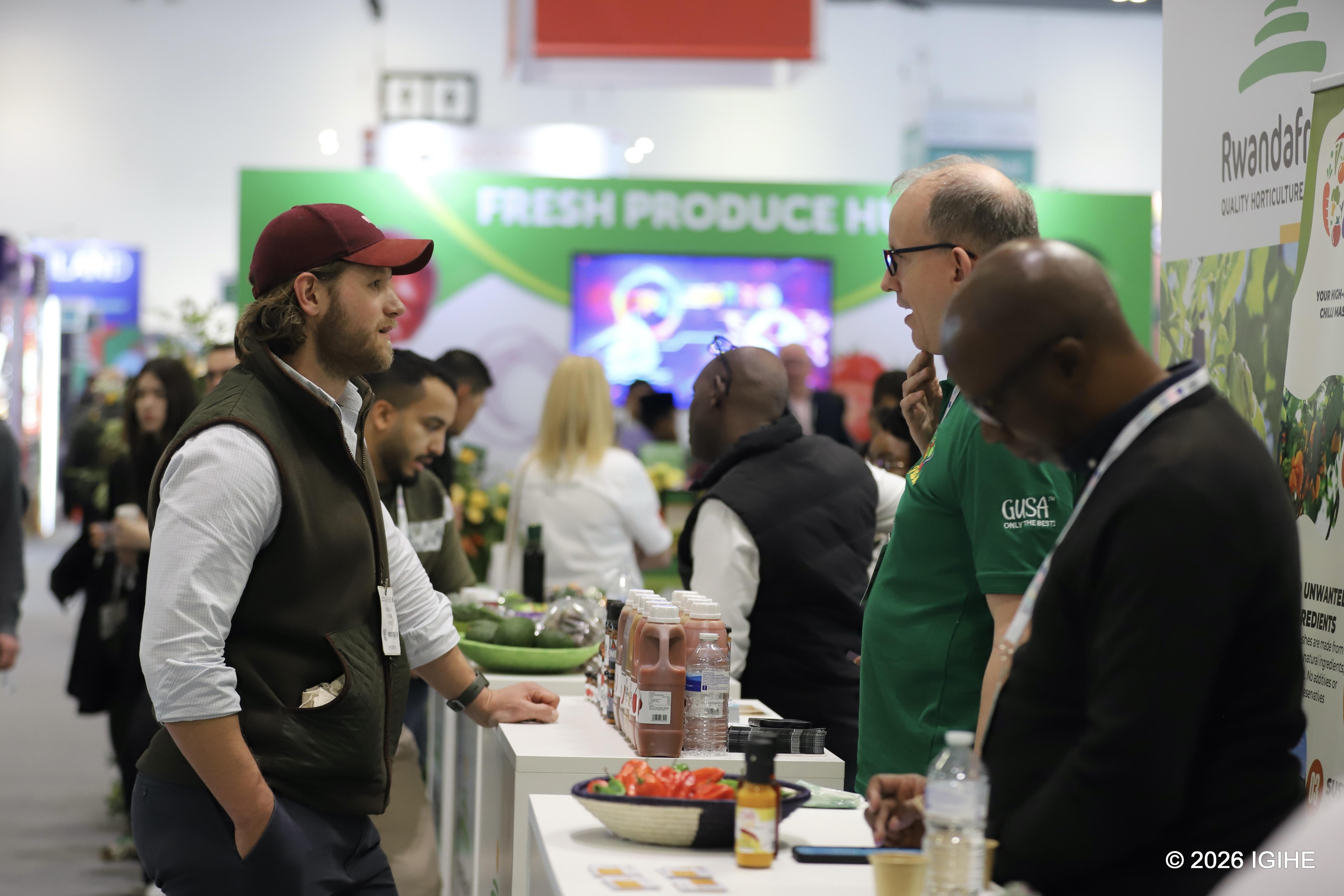
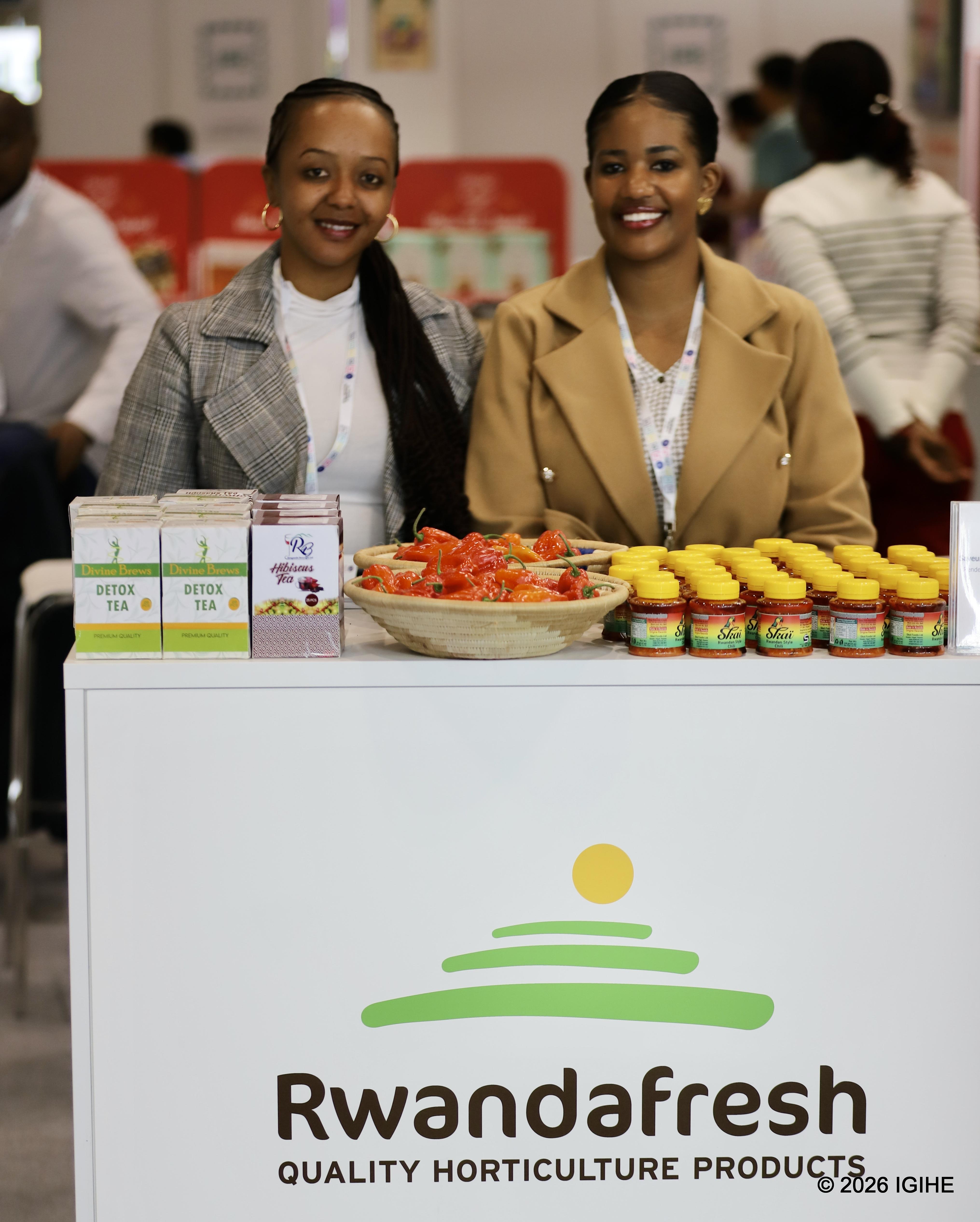
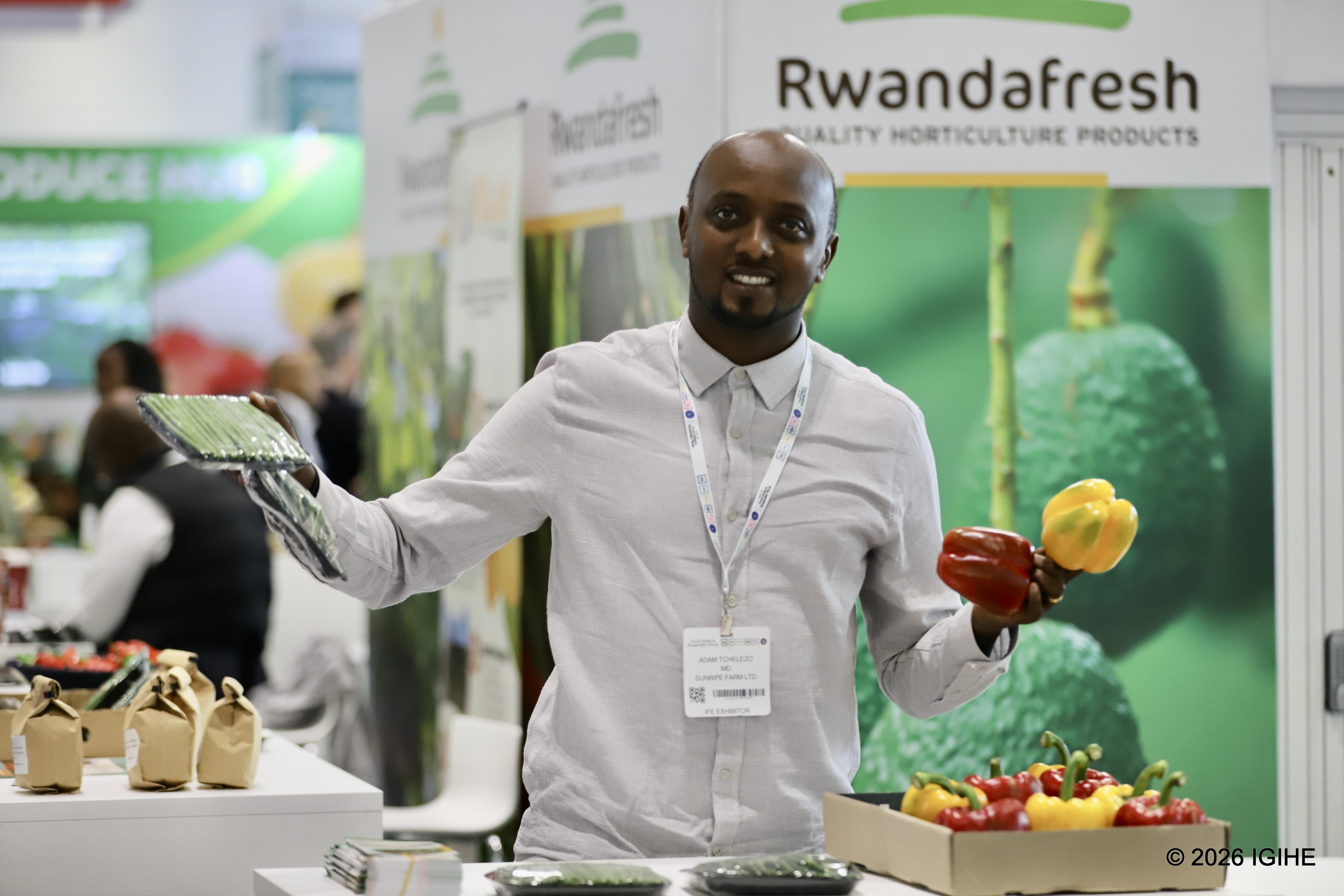
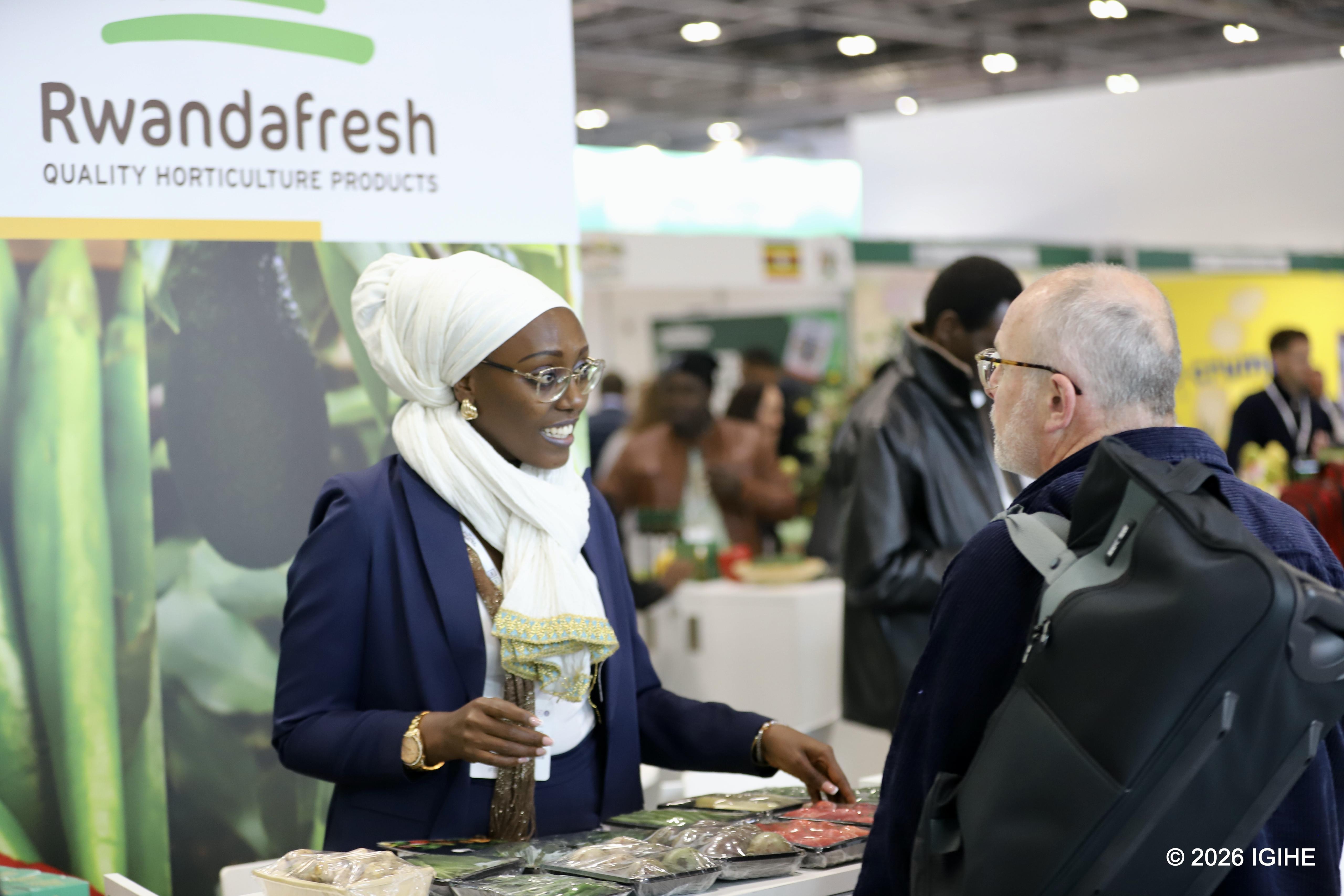
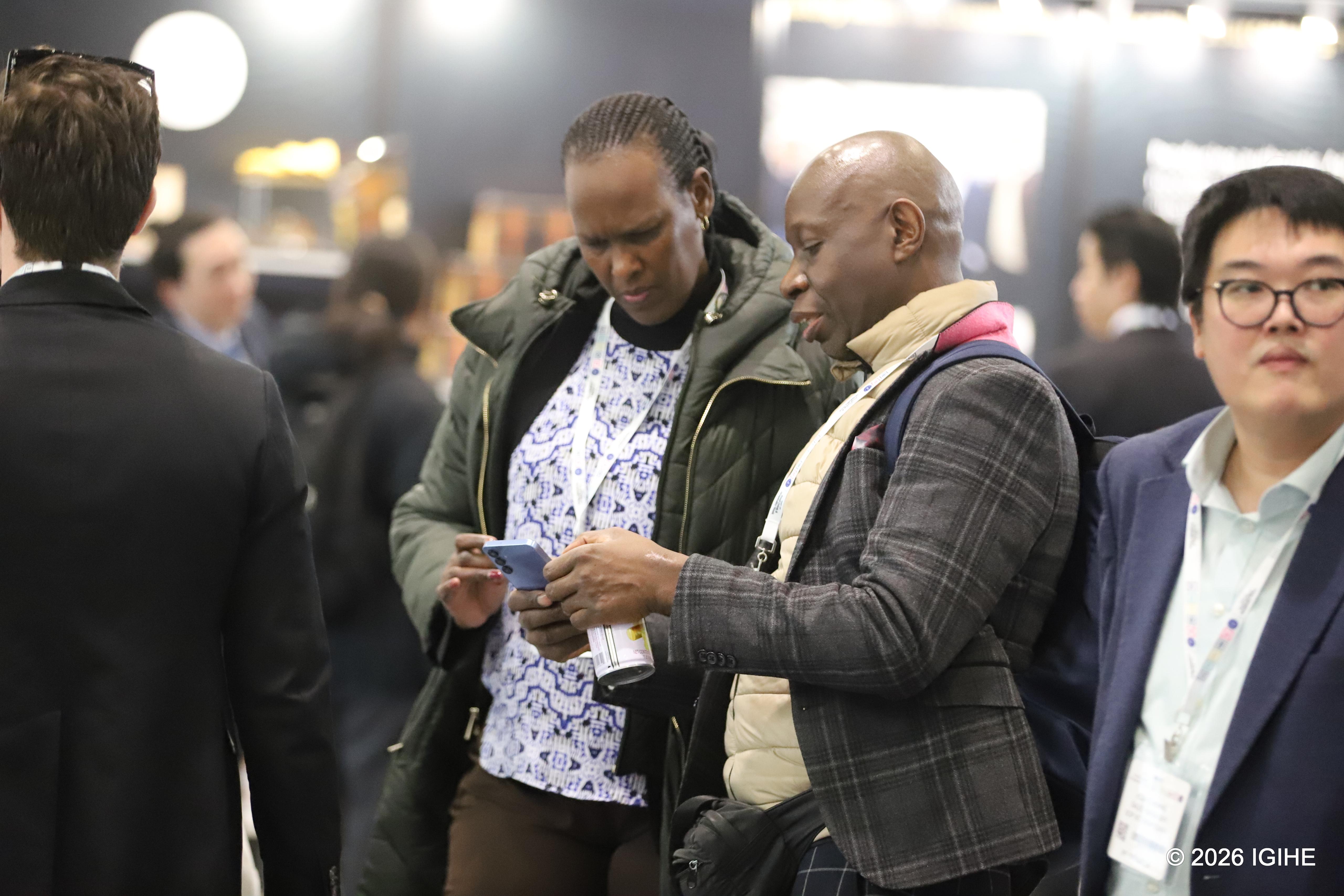
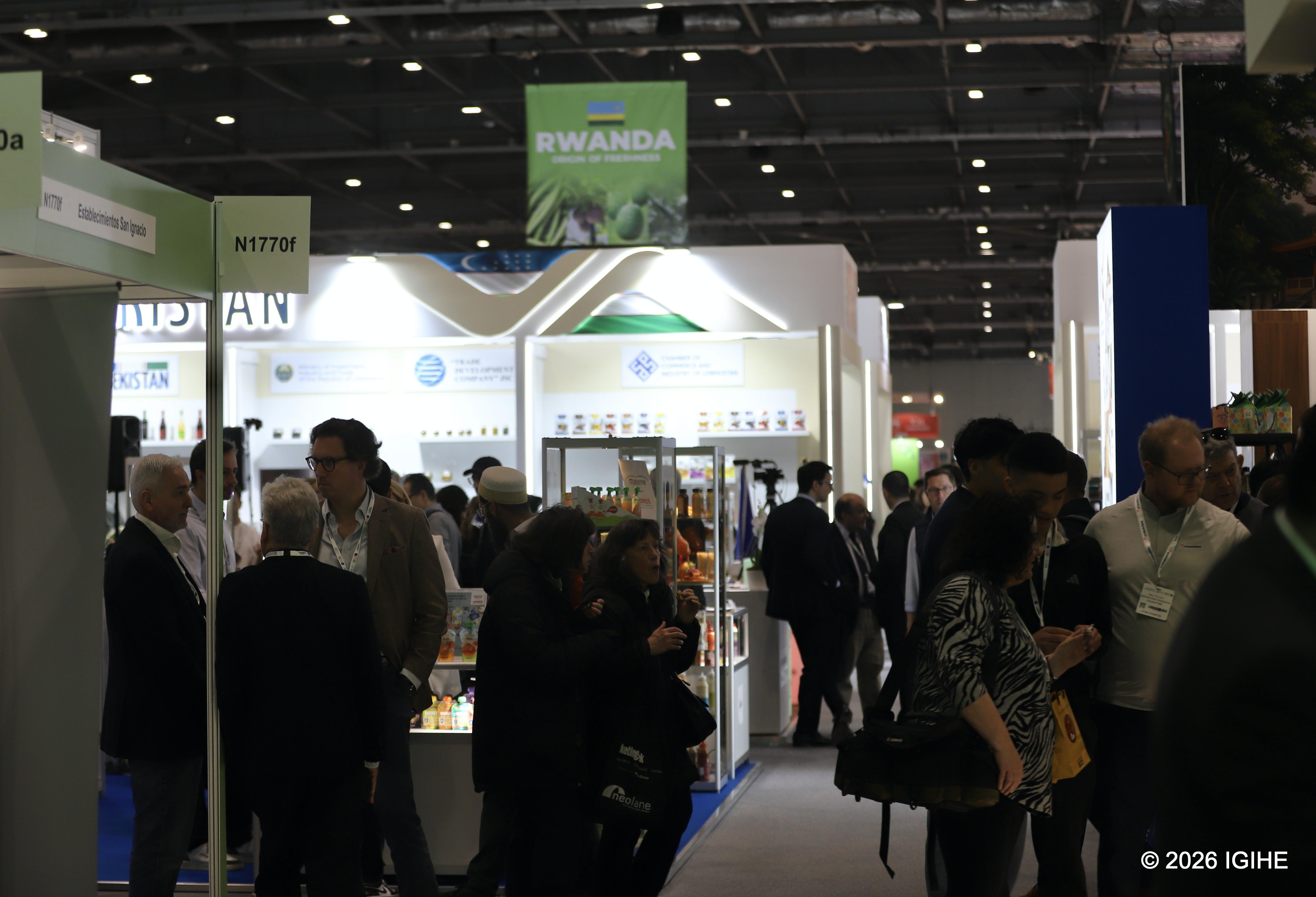
At the trade fair, a delegation from Rwandan companies is showcasing a range of locally produced goods and engaging directly with international partners.
Rwanda’s participation is coordinated by the Embassy of Rwanda in the United Kingdom, in collaboration with NAEB.
The event aims to support Rwanda’s ambition to boost agricultural exports, strengthen its presence on the international stage as a competitive food-processing nation, and attract new buyers for Rwandan products.
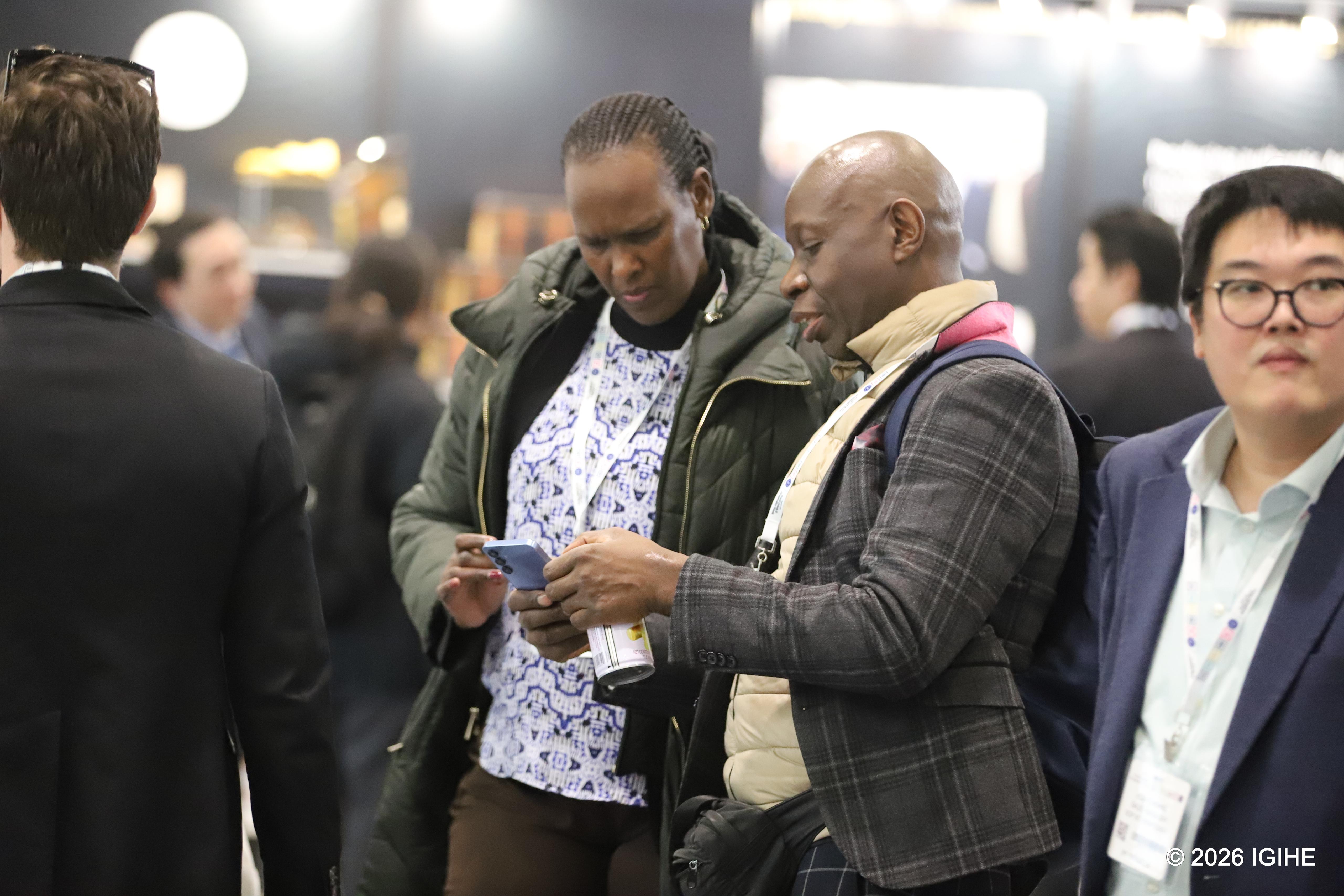
IFE brings together thousands of professionals each year from the food, beverage, and hospitality sectors across all continents. For Rwanda, this is not only an opportunity for visibility but also a strategic platform to increase exports, build new partnerships, and showcase the quality of its products to the global market.
This participation comes at a time when the Middle East, previously a key export market for Rwanda’s agricultural products, is facing instability due to ongoing conflict. Exploring new markets in Europe could help Rwanda mitigate the potential impact of these disruptions and sustain its export growth.
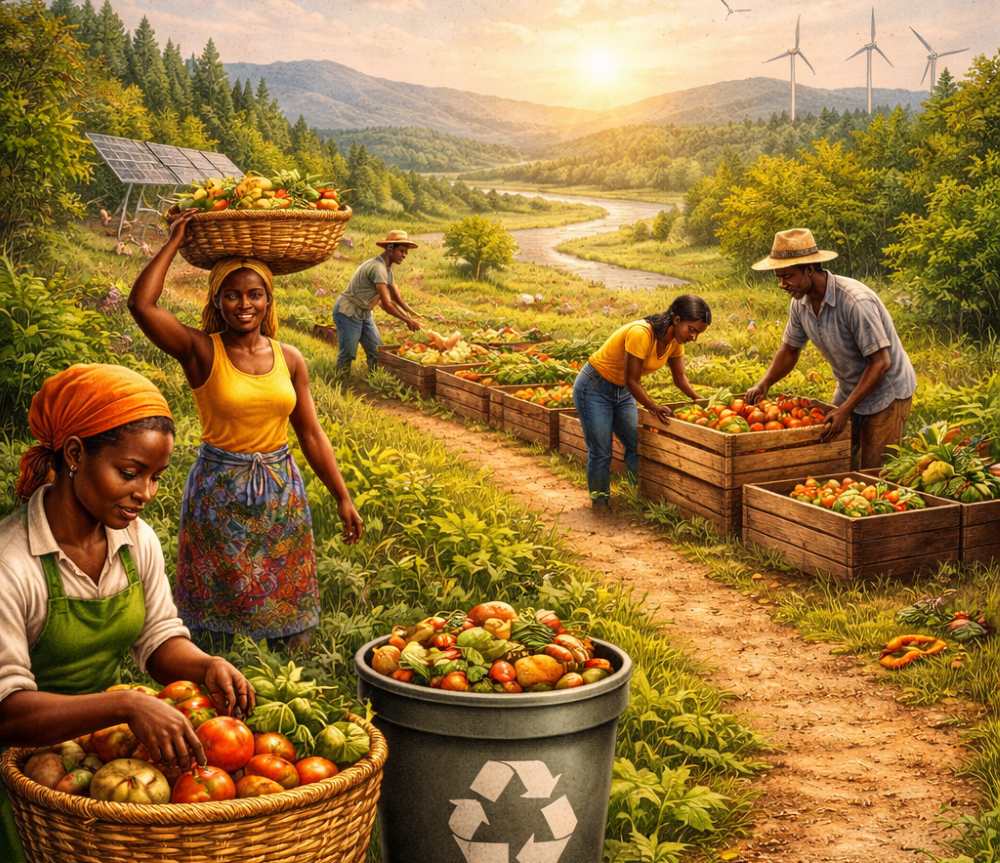
More than one billion tonnes of food, equivalent to 19 percent of all food available to consumers, are wasted, while 13 percent is lost before arriving at retail outlets, according to a joint statement from the United Nations Environment Program (UNEP) and the United Nations Human Settlements Program (UN-Habitat).
About 60 percent of food waste happens within households, followed by food service at 28 percent and retail at 12 percent, with households alone wasting over one billion meals daily, according to the UN agencies.
Inger Andersen, UNEP executive director, noted that food loss and waste cost the global economy one trillion U.S. dollars annually, while combating the challenge is key to taming the climate crisis, desertification, and water scarcity.
“Reducing food waste makes economic sense, delivers methane cuts, supports food security, and helps build a circular, zero-waste, zero-emissions future,” Andersen said.
Food loss and waste generate 8 to 10 percent of global greenhouse gas emissions, nearly five times the emissions from the aviation industry, with food waste alone accounting for up to 14 percent of global methane emissions, according to the statement.
Anaclaudia Rossbach, UN-Habitat executive director, noted that urban centers have been at the forefront of integrating food systems, water services, waste management, and recovering surplus food to foster circularity.
Rossbach added that informal workers, waste pickers, and community water managers are providing solutions to the food waste crisis in cities, helping to create circular systems that save money, cut emissions, and generate jobs.
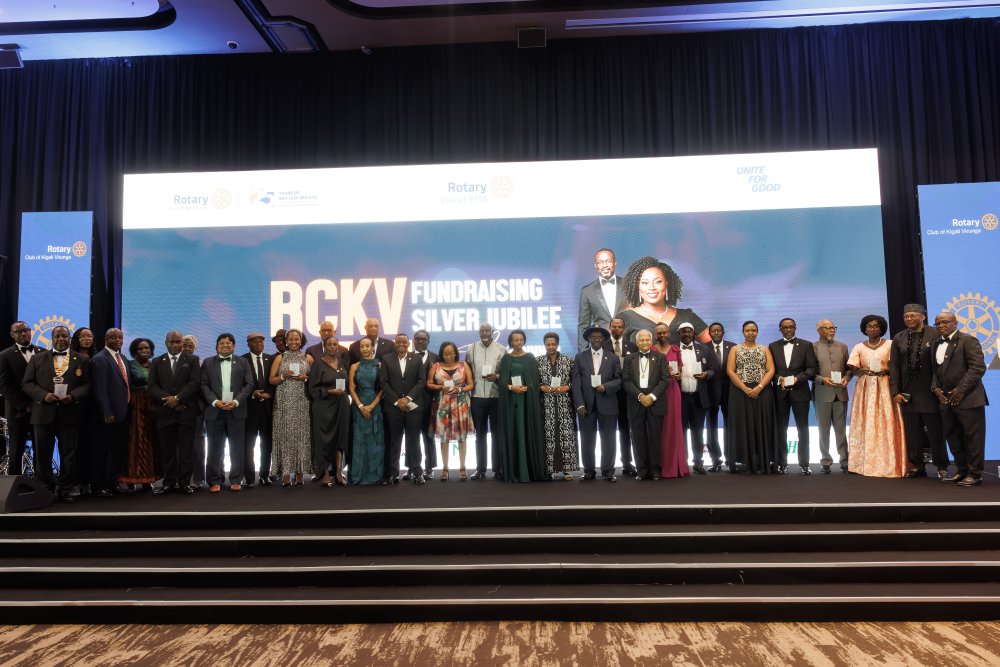
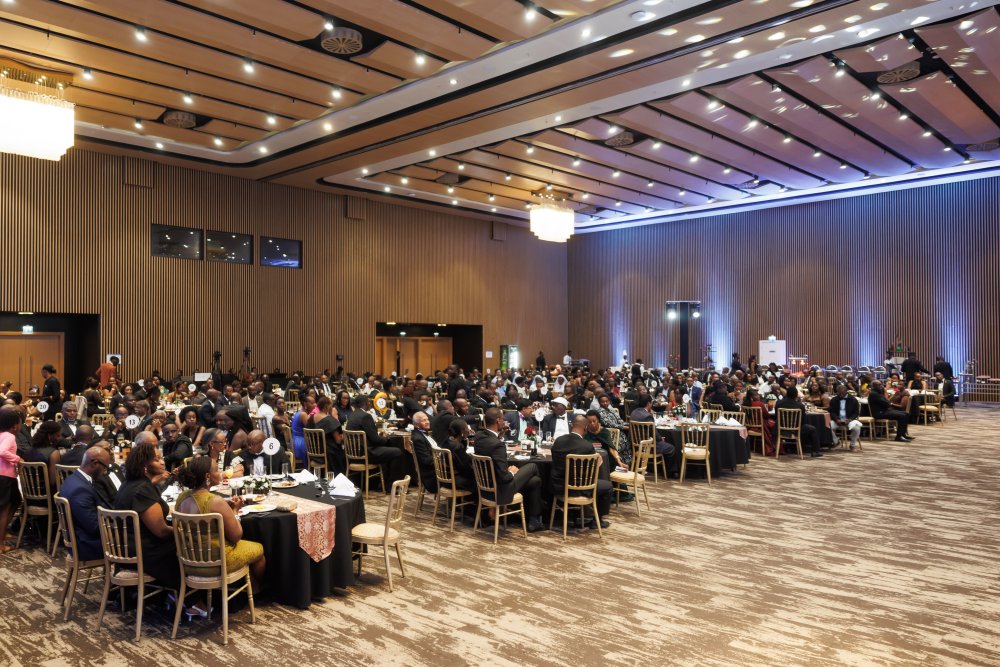
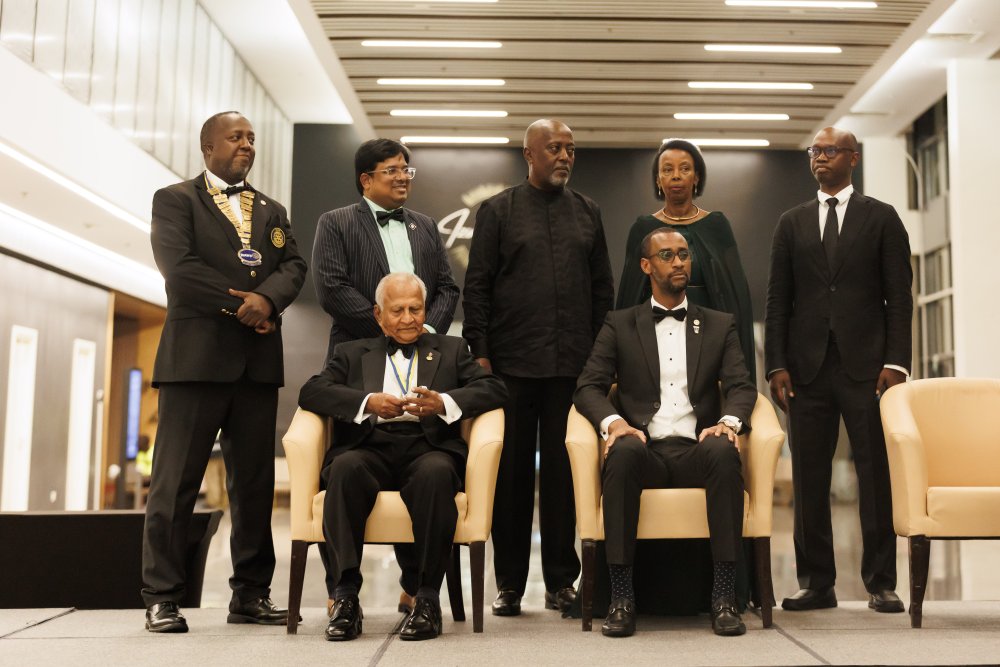
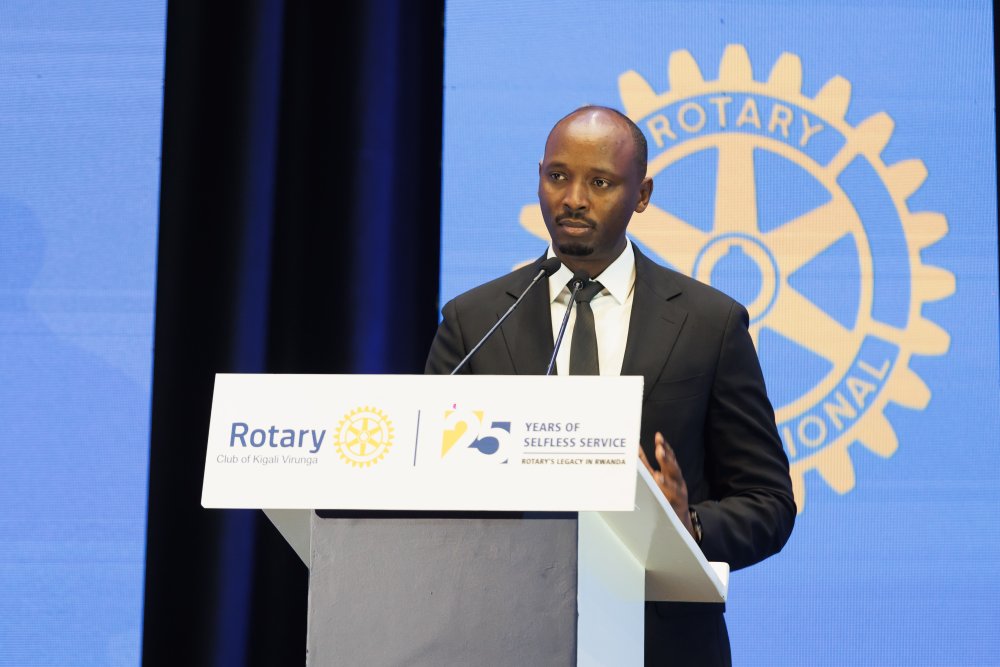
The commitment was made on March 28, 2026, during celebrations marking the club’s 25th anniversary.
Rotary is an international non-governmental organization dedicated to humanitarian work, including supporting the underprivileged, promoting public welfare services such as clean water, environmental conservation, combating epidemics, and contributing to community development initiatives.
Rotary International was founded by Paul Percy Harris in Chicago, United States, on February 23, 1905. In Rwanda, it was introduced in 1960 by the Rotary Club Kigali Doyen. The Kigali Virunga chapter was established in 2000 and currently has over 94 members.
Peter Malinga, President of the Rotary Club of Kigali Virunga, highlighted that over 25 years, the club has implemented numerous projects benefiting the community, including contributions to the Kigali Library, which cost over $6 million, with the club contributing $2 million.
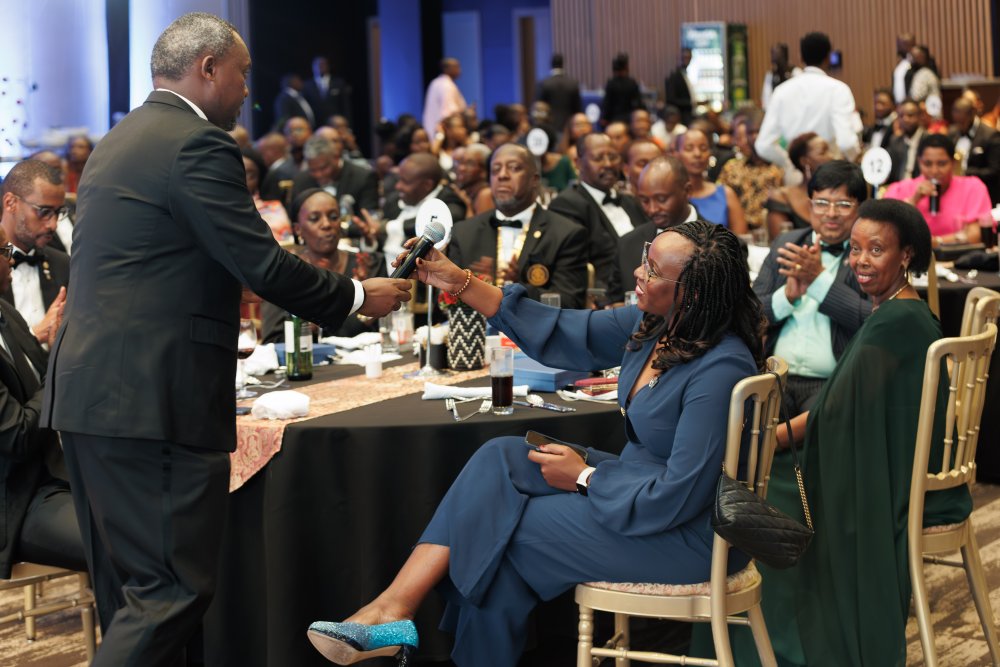
“We have undertaken many projects that demonstrate the impact of the Rotary Club of Kigali Virunga in society. These initiatives reflect the achievements possible when government institutions and non-governmental organizations collaborate effectively,” he stated.
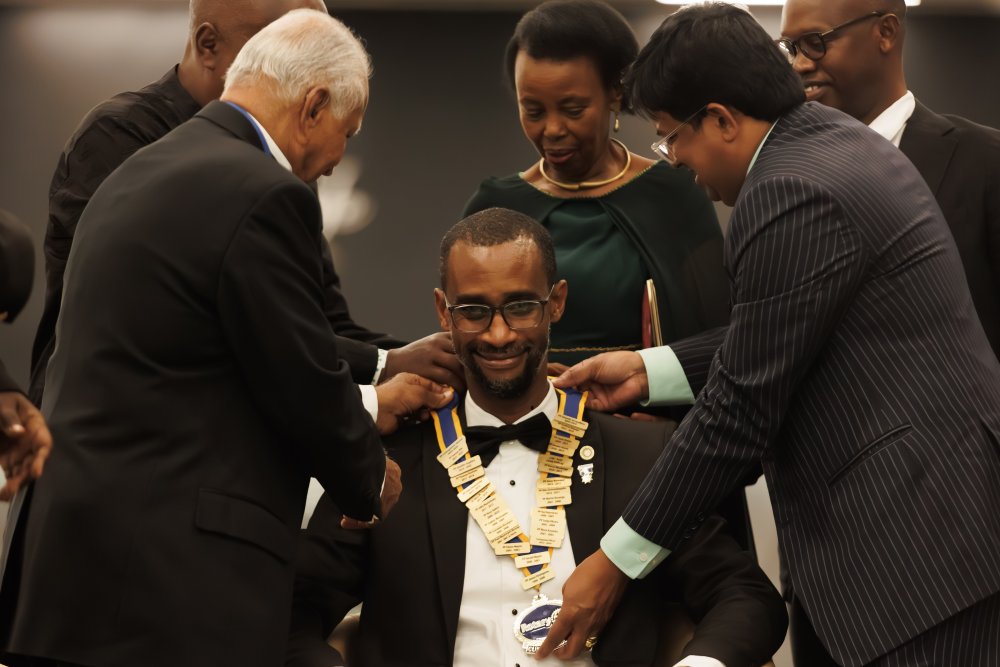
During the celebrations, members elected Alex Ndibwami as the new club president for the 2026/2027 term.
The club also raised over Rwf53 million to support the purchase of the SPECT Scan machine. Ndibwami emphasized that fundraising efforts will continue through partnerships with private companies, collaboration with other Rotary clubs in Rwanda, and additional grant applications.
He noted, “Within Rotary International, there are structured ways to request support, but it requires demonstrating what you have already accomplished. We will combine our local fundraising with support from other clubs and both private and government entities to complete this project.”
Rwanda’s Minister of Health, Dr. Sabin Nsanzimana, welcomed the initiative, noting that it complements government efforts to provide high-quality healthcare.
“Currently, breast and cervical cancers are on the rise. Introducing a machine like this, which can detect cancer early, is an opportunity for Rwanda, as many patients previously had to travel abroad at high cost to access such services,” he said.
The project to acquire the SPECT Scan machine is expected to be completed by 2028.
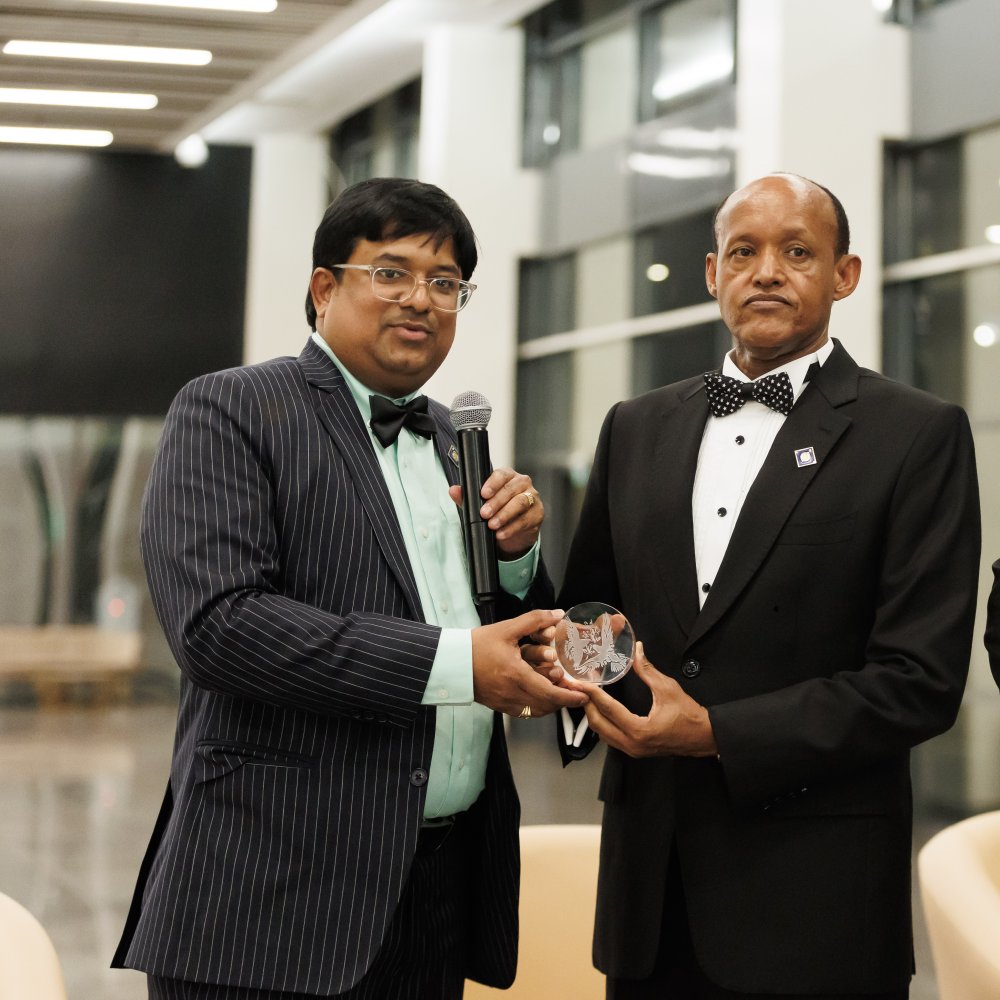
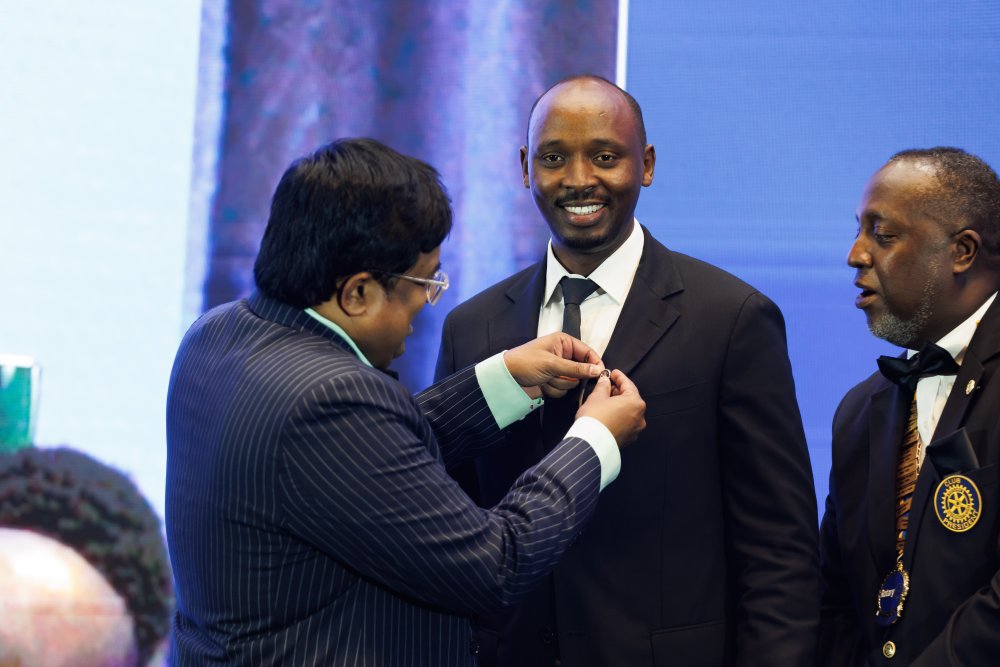
During the event, Past Assistant District Governor (PADG) and Centennial Past President (CPP) Paul Masterjerb Birungi, a dedicated member of the Rotary Club for 25 years, was recognized as the district’s top recruiter and inducted into the Membership Society, an honor reserved for Rotarians who have recruited more than 25 new members.
Notably, he is the only individual across the district, which spans 10 countries, to have reached this milestone.
Businessman Faustin Mbundu also received the Major Donor Label pin in recognition of his USD 10,000 contribution to the Rotary Foundation, which supports impactful community projects worldwide.
Over the past 25 years, he has remained closely connected to the growth of Rotary Club Kigali Virunga, frequently serving as a guest of honor and generously supporting various initiatives.
Rotary Club of Kigali Virunga has celebrated 25 years of serviceDuring the celebrations, Alex Ndibwami was elected as the new President of Rotary Club of Kigali VirungaMembers of Rotary Club of Kigali Virunga pledged $5 million to acquire a state-of-the-art medical scannerRotary Club of Kigali Virunga raised over Rwf53 million to purchase a SPECT Scan machineProminent businessman Mbundu Faustin was also awarded the Major Donor Label pin in recognition of his USD 10,000 contribution to the Rotary Foundation, which funds projects globally that impact communities. He has been closely involved with the growth of Rotary Club Kigali Virunga over the past 25 years, frequently serving as the club’s guest of honor and supporting numerous projects through generous donations.Health Minister Dr. Sabin Nsanzimana welcomed the SPECT Scan acquisition project
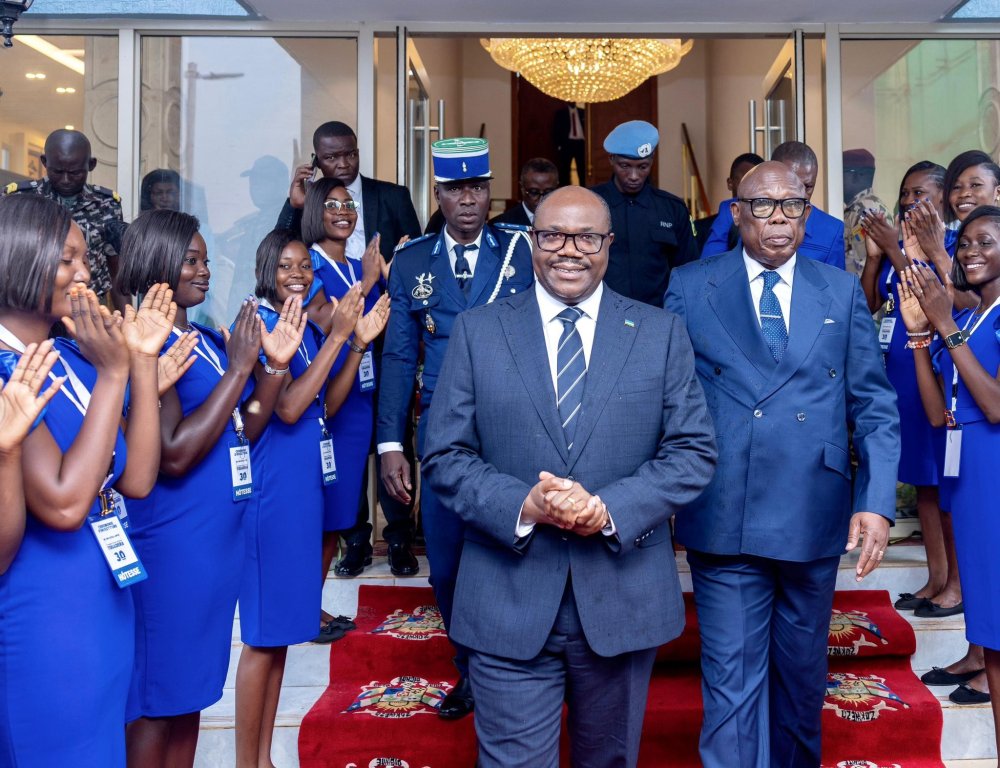
According to the Prime Minister’s Office, Dr. Nsengiyumva arrived in Bangui on the morning of March 30, 2026.
President Touadéra was re-elected in the December 2025 elections, securing 76.15% of the vote. His 2026–2032 agenda emphasizes building lasting peace in the country, implementing political reforms, and investing in initiatives that promote economic growth and improve the well-being of citizens.
Rwanda and the Central African Republic share strong bilateral relations in several areas, particularly in security, mineral resources, and other sectors.
Security cooperation is a key pillar of the relationship. Since 2014, Rwandan Defence Forces (RDF) and police have contributed to the United Nations peacekeeping mission in the Central African Republic, MINUSCA.
In 2020, the two countries signed a bilateral agreement under which Rwanda deployed around 1,200 troops to help neutralize rebel groups loyal to François Bozizé, which were threatening Bangui.
Beyond this, Rwandan forces provide security for the President and the capital city of Bangui, while also helping to build the capacity of the Central African Armed Forces (FACA) so they can maintain security independently once the Rwandan mission ends.
To date, the RDF has trained over 2,400 new Central African soldiers and 300 officers. The first cohort of 512 soldiers joined FACA in November 2023, followed by 634 in August 2024, 438 in March 2025, and 545 in November 2025.
Rwandan troops and police in CAR perform a wide range of duties, including protecting civilians and their property, high-level government officials including President Touadéra, UN personnel and assets, and critical infrastructure such as M’Poko International Airport.
Currently, around 1,200 Rwandan personnel are deployed in CAR under these bilateral arrangements, separate from the UN mission. Their responsibilities include restoring peace and security, safeguarding Bangui and its surroundings, and ensuring that daily life continues smoothly for local residents.
Another key responsibility is securing President Touadéra’s residence in the Damara area of Ombella-M’Poko Prefecture.
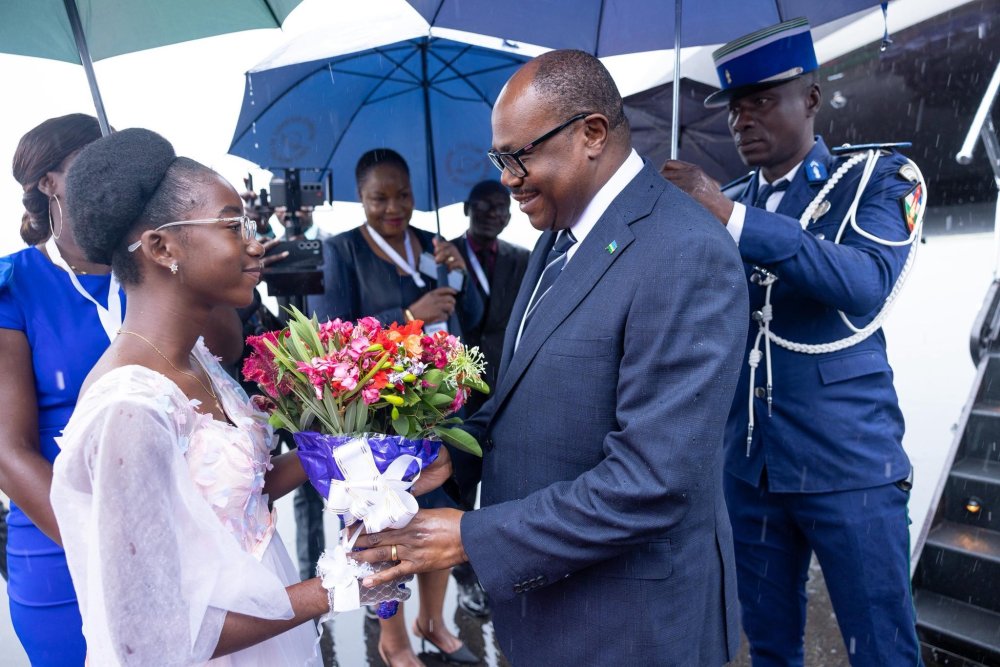
Rwanda’s Prime Minister, Dr. Justin Nsengiyumva was warmly welcomed upon arrival in Bangui, the capital of CARDr. Nsengiyumva arrived in Bangui on the morning of March 30, 2026.
At the center of the deadlock was the e-commerce moratorium, a long-standing rule that prevents countries from imposing customs duties on electronic transmissions such as streaming services, software, and other digital products.
Diplomats worked through Sunday to bridge the gap between Washington and Brasília, but positions remained far apart. The United States initially pushed for a permanent extension of the moratorium, later showing flexibility by backing a compromise proposal for a four-year extension with a one-year sunset clause, which would run until 2031.
Brazil, which had earlier proposed a two-year extension, later signaled openness to four years but insisted on a mid-term review clause, a proposal that failed to gain support.
Developing countries broadly resisted a long-term extension, arguing that the moratorium deprives them of potential tax revenues that could be reinvested into their economies and limits their ability to shape domestic digital industries.
Rwanda takes a balanced approach to the e-commerce moratorium at the WTO. As part of the Organisation of African, Caribbean and Pacific States, it shares the view that more discussion is needed to fully understand how the moratorium affects developing countries, especially in terms of lost revenue and long-term economic benefits.
Rwanda supports keeping the issue open for negotiation rather than rushing into a permanent decision, and it agrees that development concerns should be at the center of any outcome.
At the same time, Rwanda tends to be more open to digital trade than some of its peers. The country sees the growth of the digital economy as a real opportunity — to attract investment, create jobs, and connect to global markets.
Despite intense negotiations, the Yaoundé summit ran out of time before a final deal could be reached.
Instead of focusing on taxing digital services, Rwanda is more focused on building its own capacity: improving infrastructure, supporting innovation, and helping local businesses compete. In simple terms, Rwanda is saying that digital trade should remain open, but the rules must also give developing countries a fair chance to grow and benefit from it.
With no agreement reached, the moratorium is now set to expire, effectively opening the door for countries to impose tariffs on digital services such as streaming platforms, software, and other electronic transmissions. Such a shift could significantly reshape global digital trade, increasing costs for businesses and consumers while introducing new uncertainty into cross-border data flows.
Negotiations are now expected to move back to the World Trade Organization headquarters in Geneva, where members will revisit the issue during a General Council meeting scheduled for May.
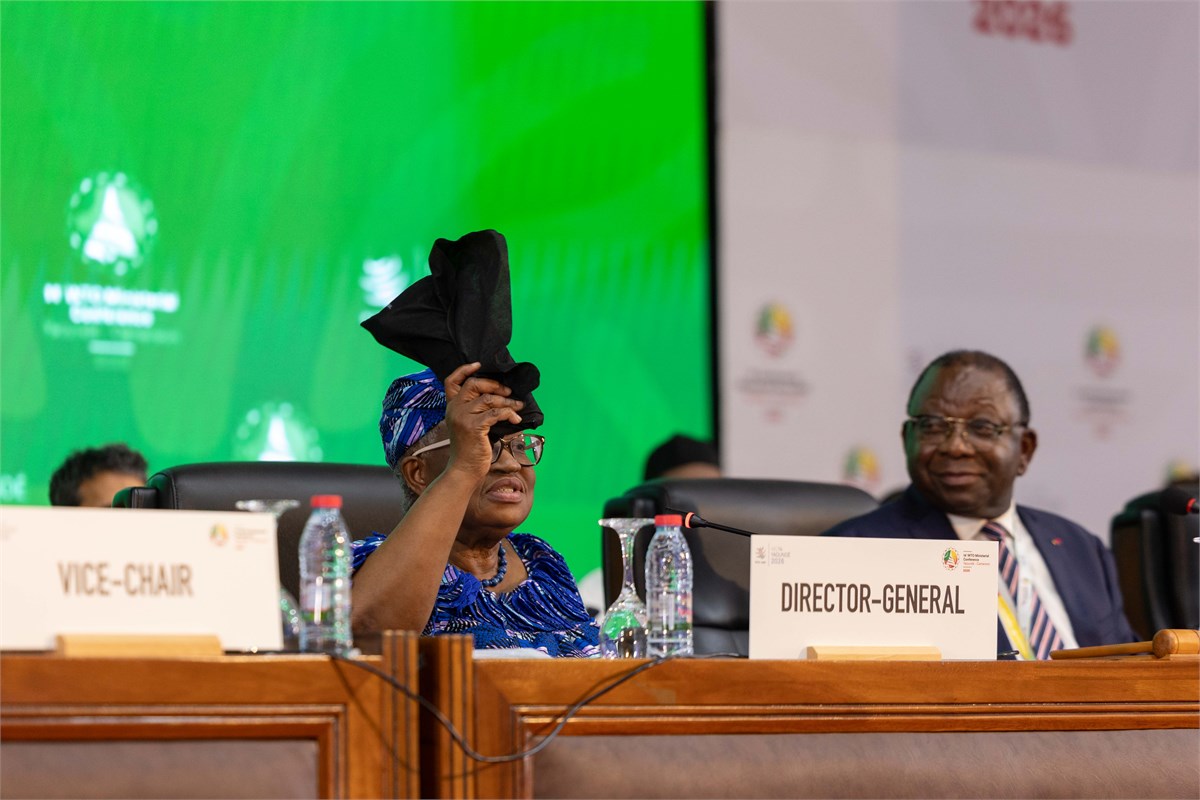
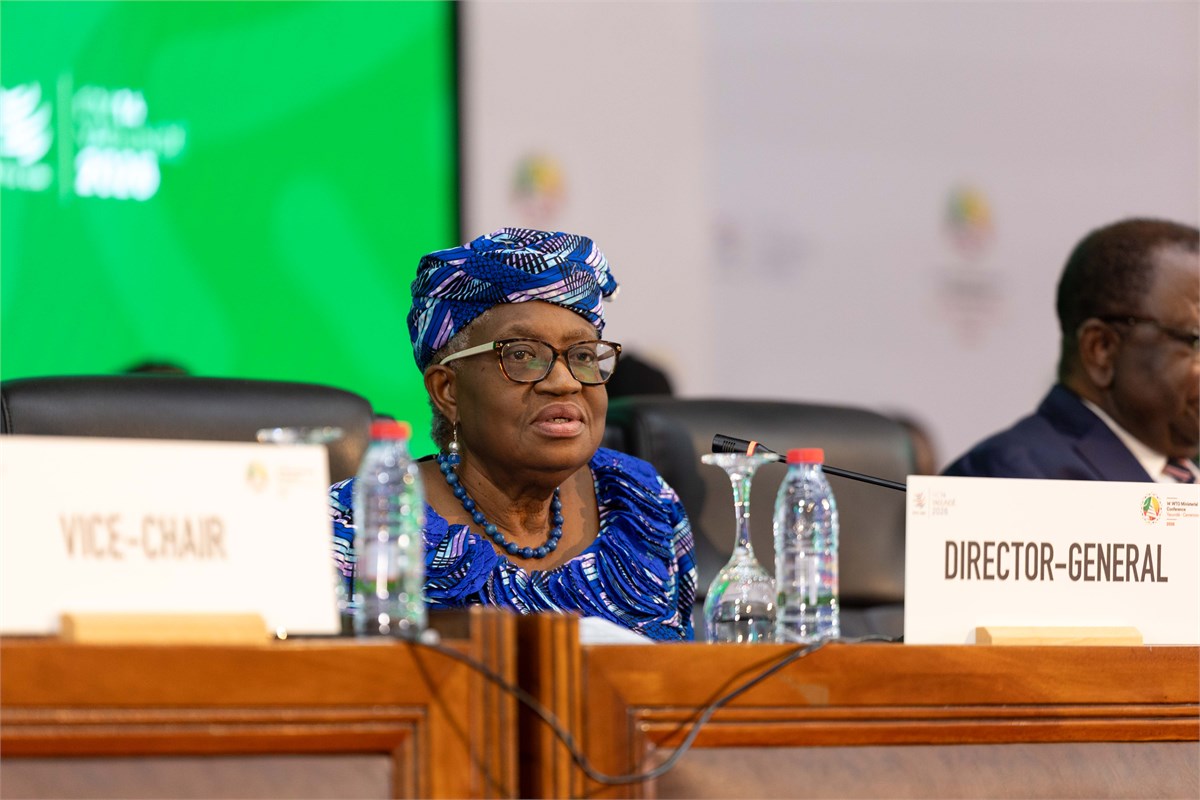
Director-General Ngozi Okonjo-Iweala praised progress in Yaoundé despite talks ending without a final agreement.
The failure to agree on the moratorium also derailed a broader reform package that had been taking shape during the four-day ministerial meeting in Yaoundé. A draft roadmap outlining timelines and key priorities for modernizing the WTO was reportedly close to agreement before talks ran out of time.
The reform plan aimed to improve decision-making in the WTO’s consensus-based system, increase transparency around industrial subsidies, and revisit rules governing special treatment for developing countries. The United States and the European Union have argued that current rules allow countries like China to benefit unfairly, while critics say reforms must also address development concerns.
Washington had also linked its support for the reform package to a satisfactory outcome on the moratorium, raising the stakes of the dispute and increasing pressure on negotiators.
Despite the failure to reach a deal, WTO Director-General Ngozi Okonjo-Iweala said negotiations in Yaoundé had made significant progress, even as time ultimately ran out.
“We were supposed to finish at 1pm today, and it is now almost midnight. It’s been a long, hard day and I am deeply grateful to all of you for the patience you have shown today, as we tried to bridge a handful of remaining differences on some of the key files before us,” she said.
She acknowledged that practical constraints, including ministers needing to leave, brought the negotiations to an end before consensus could be reached.
“However, we have run out of time. Some have already caught flights, and some have changed flights, and some will need to go soon,” she added.
Okonjo-Iweala stressed that members had come close to agreeing on a comprehensive package of outcomes that could shape the future of the organization.
“We are very close to a Yaoundé package of agreements that would be important for Members and the future of the organization. We’ve worked really hard here, and we are very close, but we’re not all the way there yet.”
She urged members not to abandon the progress made, noting that the work done in Yaoundé could still form the basis for an agreement in the next phase of negotiations.
“It would be regrettable to lose so much effort and work, with the finish line in our sights… we believe that it would be appropriate to preserve the important texts we have developed here, and use them as a basis to finalize agreements in Geneva.”
Looking ahead, she signaled that the process is far from over. “We have come a long way. All we need is time. And we can give ourselves that between now and the next General Council.”
The collapse leaves both the future of digital trade rules and the WTO reform agenda uncertain, with upcoming discussions in Geneva expected to determine whether members can salvage the progress made in Yaoundé or whether the deadlock signals a deeper crisis in the global trading system.
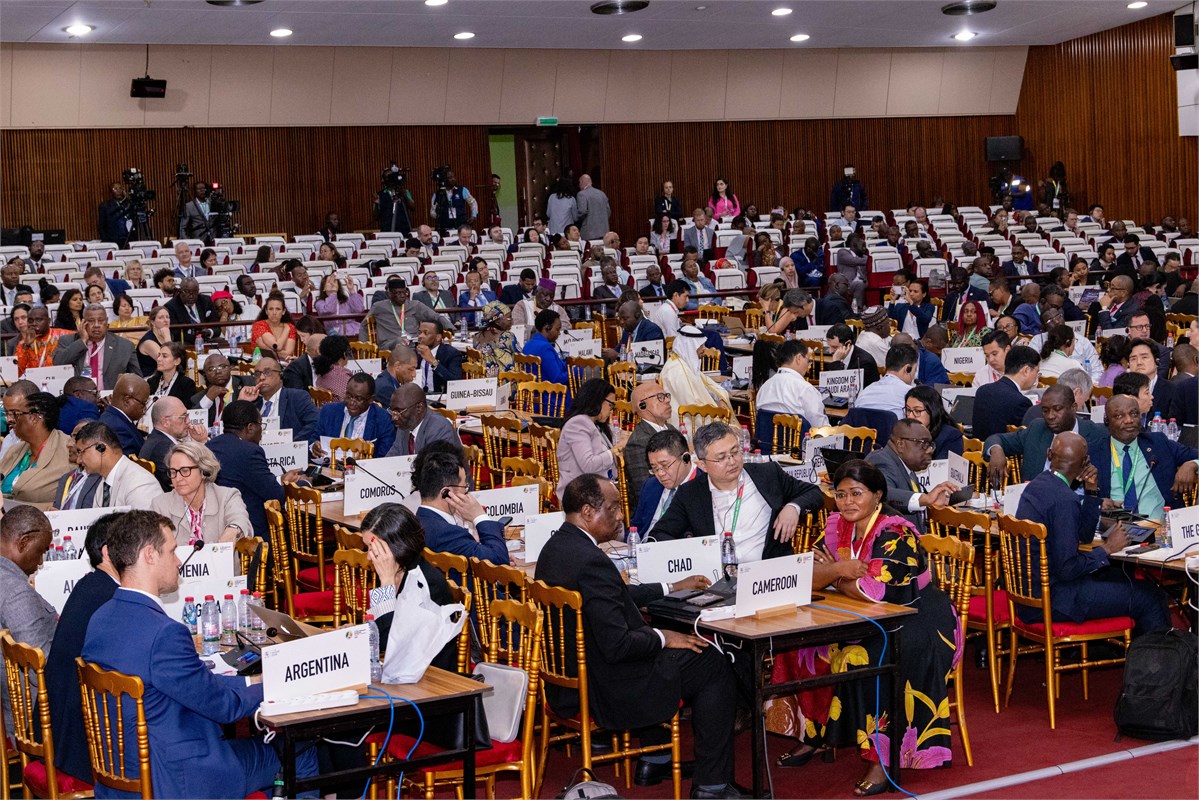
Negotiators at the Yaoundé summit struggled to resolve disagreements over the e-commerce moratorium.Okonjo-Iweala urged WTO members to preserve the Yaoundé texts as a foundation for future negotiations in Geneva.
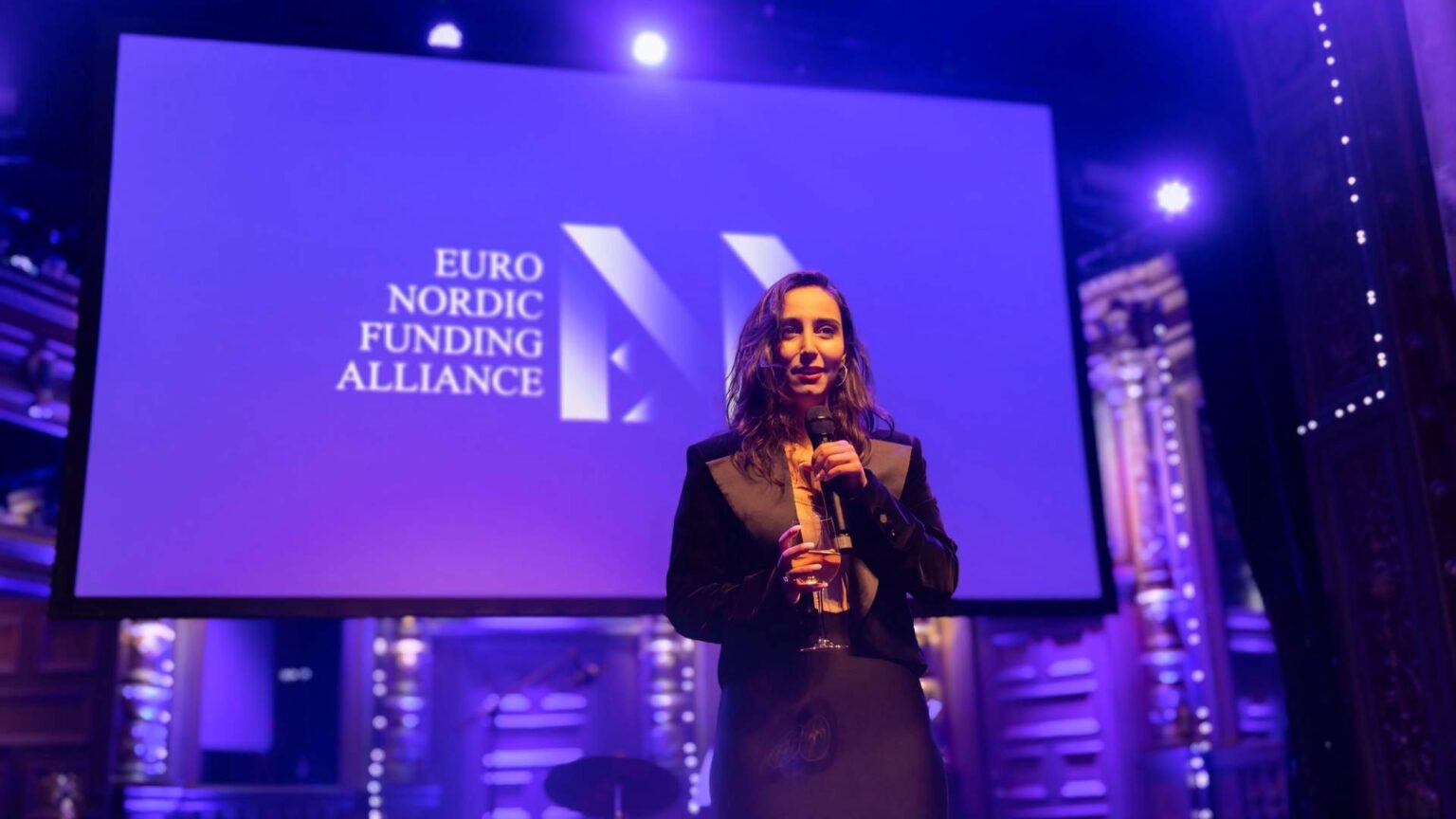
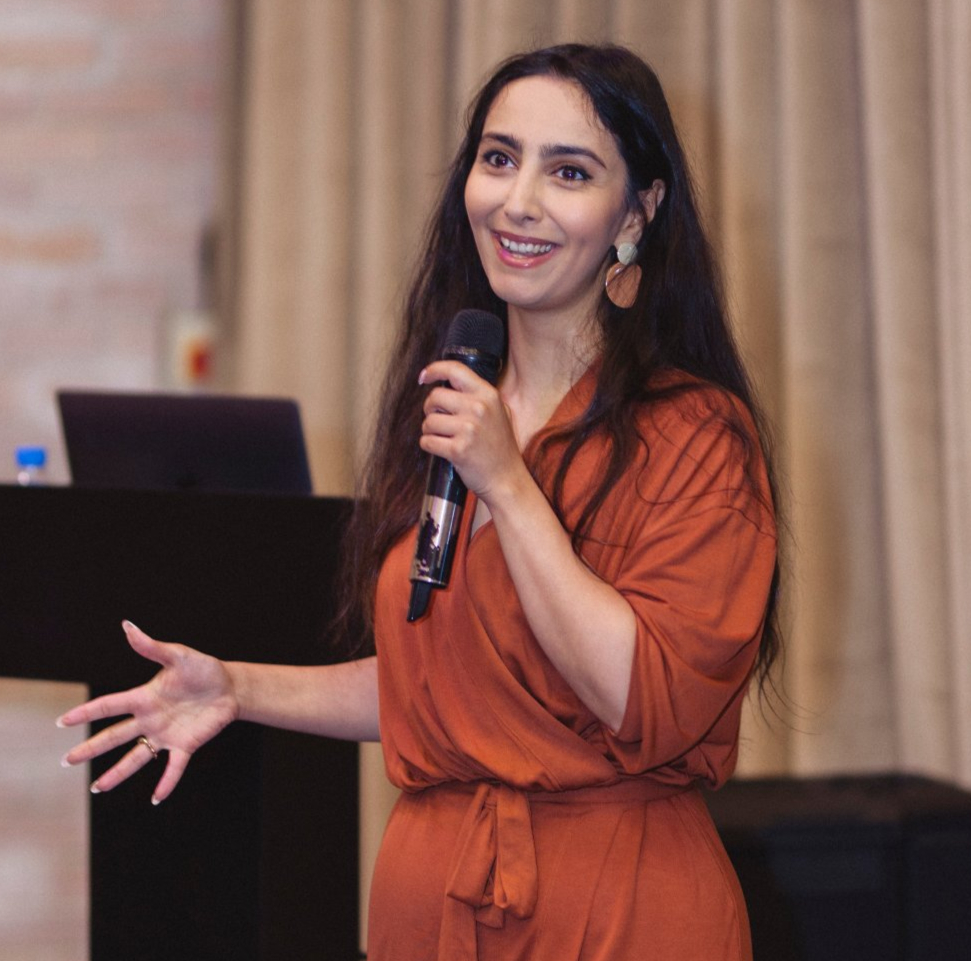
A Persian-Norwegian with a background in architecture and systemic design, Gharavi recently spent two weeks in Kigali, scouting Rwanda’s “hidden entrepreneurial gems” and exploring opportunities to connect them with European and Nordic investors.
“Rwanda is a bold and dynamic country,” Gharavi told IGIHE during an exclusive interview. “It has fundamental elements for finance structuring and project development in place, which makes it a very good base to expand into Africa.”
She added that the country’s commitment to entrepreneurship, strong institutions, and regional connectivity made it an ideal location for ENFA to establish a presence and test its model in practice.
Euro Nordic Funding Alliance (ENFA) boss Niloufar Gharavi, during a recent meetup with startup founders and stakeholders in Kigali’s entrepreneur community at Norrsken.
Founded three years ago, ENFA has grown from a concept into a presence in 21 countries, operating as a facilitator of cross-border business development and blended financing. Gharavi explains that the organization’s core philosophy is not merely to introduce entrepreneurs to capital, but to become a development partner: providing training, advisory support, and strategic connections to ensure startups and SMEs thrive in the long term.
ENFA has been active in Rwanda for nearly a year through local partnerships, guided by Regina Mukamusinga, the CEO of ENFA Rwanda and a former investment analyst with 14 years of experience at the Development Bank of Rwanda. The organisation has now formalised its presence by establishing a legal entity in the country.
“The reception has been overwhelmingly positive,” Mukamusinga said. “Local entrepreneurs are eager to join our network, and we’re seeing real progress in turning these SMEs into internationally connected businesses.”
Gharavi highlights the impact of this approach using Rwanda’s honey industry as an example. Through ENFA, women-led honey businesses that had previously operated independently were connected, advised on value chain development, and introduced to international partners. This collaboration not only enhances production capacity but also opens doors to broader markets.
A systemic designer by profession, Gharavi, says she approaches business through a lens of complexity and interconnectivity.
For Grace Mbabazi, founder of M&M Sozo, producing and exporting honey, joining ENFA has shown her just how transformative the right support and connections can be for a growing business.
“Before ENFA, our business was mostly local. Now we have access to training, strategic advice, and European partners. It’s transforming how we operate and where we can sell our honey,” she said.
Beyond SMEs, ENFA is actively exploring larger projects across Rwanda in sectors such as affordable housing, health tech, and agriculture.
Initiatives include a state-of-the-art prefabricated housing factory, a network of 50-bed clinics to expand rural healthcare access, and digitised agricultural solutions to facilitate export and market expansion.
Gharavi also emphasised the potential for renewable energy projects, including Lake Victoria and Lake Kivu developments, as well as data centres that can tap into European and Nordic investment.
A systemic designer by profession, Gharavi approaches business through a lens of complexity and interconnectivity.
“Everything is a system,” she explains. “Your business, your product, your value chain; they’re all interconnected. We don’t just bring capital; we help entrepreneurs redesign and optimise their systems to generate sustainable growth.”
ENFA’s funding model spans five brackets, from €500,000 to over €15 million, combining public grants, philanthropic funds, and private investments. But Gharavi underscores the importance of local equity.
“Investors want to see Rwandans actively putting their own capital into their projects. That’s how trust is built and exploitation avoided,” she explains, adding that this approach supports local ownership and ensures international support complements, rather than replaces, Rwandan initiative.
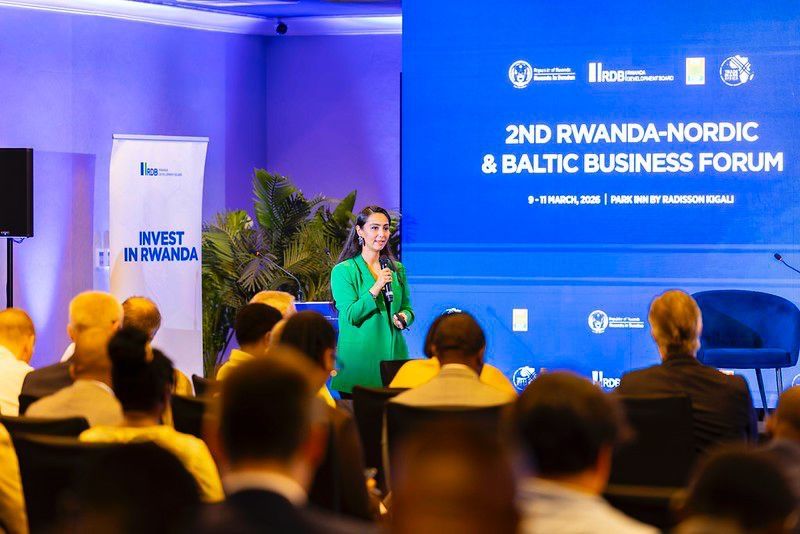
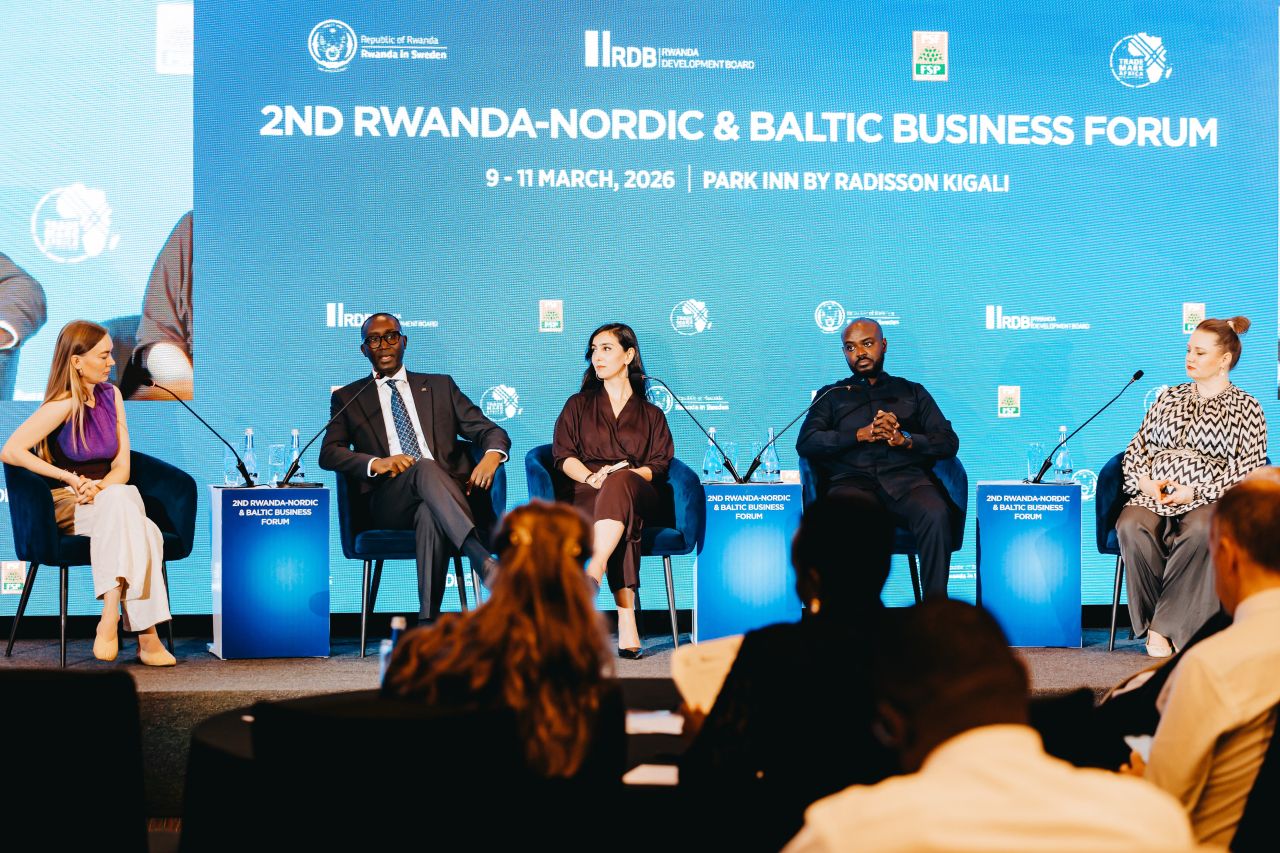
Niloufar Gharavi was a panellist at the 2nd Rwanda Nordic-Baltic Forum, held in Kigali from March 9–11, 2026
Earlier this month, Gharavi was a featured speaker and panellist at the 2nd Rwanda Nordic-Baltic Forum, held in Kigali from March 9–11, 2026. In the interview with IGIHE, she reiterated ENFA’s hands-on approach to connecting European and Nordic investors with African businesses.
“We actually become their partners. They join us, we give them the right advice and the right network, and support them as they grow,” the founder explained.
Last December, Gharavi launched her book, Save the World Before Breakfast, introducing the concept of design-driven entrepreneurship.
“Everything we do is designerly,” she stressed. “Designers see the world from scratch. We know that this chair, this building, this phone, even the lifestyles we live, they didn’t exist naturally. They were all created over time. Once you realise that everything can be redesigned, that’s when real sustainability and regeneration become possible.”
Niloufar Gharavi’s book Save the World Before Breakfast challenges conventional notions of startups, innovation, and leadership.
She emphasised that this philosophy shapes ENFA’s operations, from its internal code of conduct to member training programs. ENFA’s newly established holding in Luxembourg, she added, will champion regenerative, fair-share economies built on design thinking, equipping entrepreneurs to approach challenges with “fresh eyes on the world.”
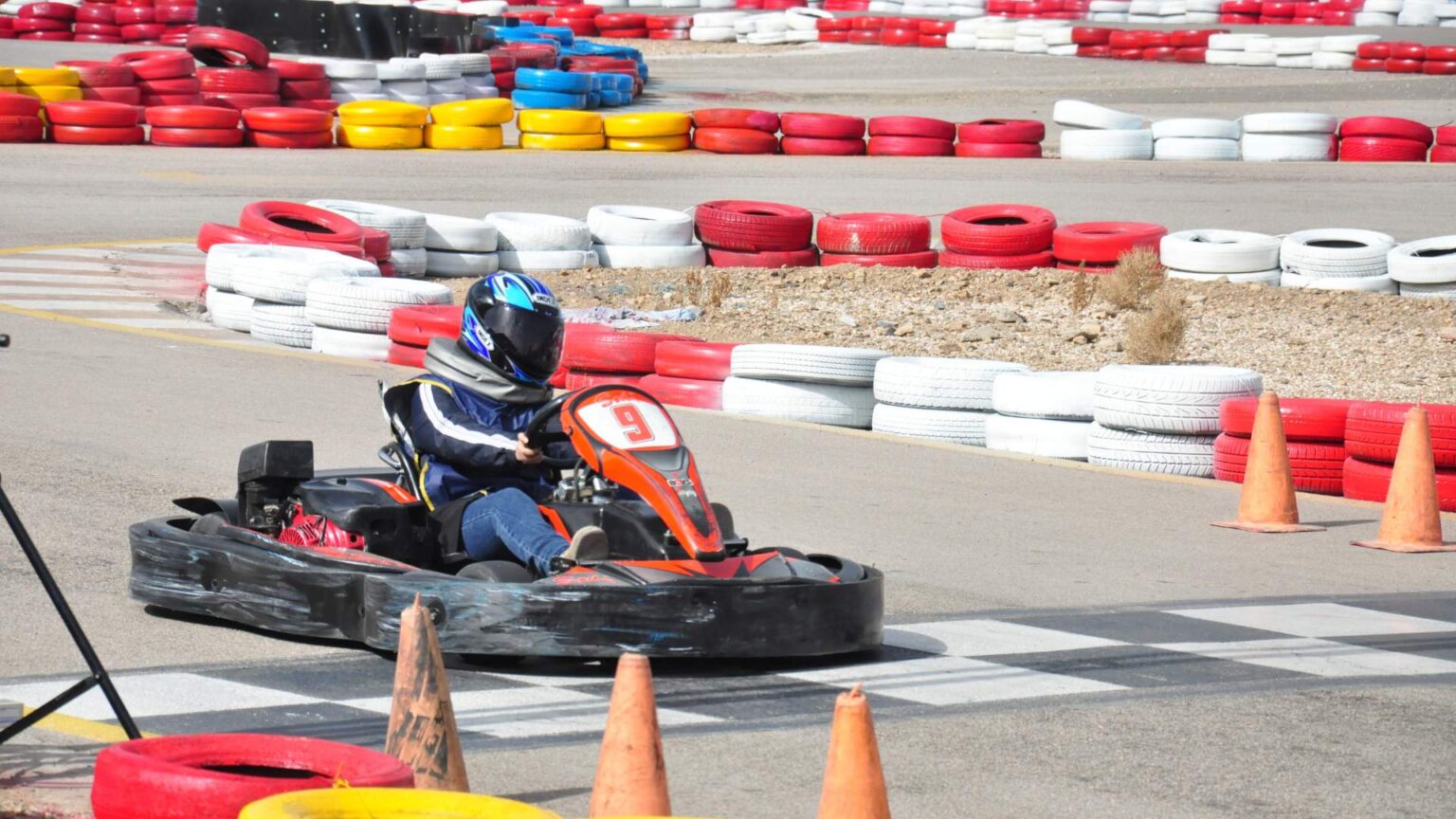
For Gharavi, the journey from architect to global entrepreneur has been shaped by high-stakes decision-making and a design-driven mindset. Her experience as a professional rally driver also plays a role.
“Racing taught me to assess risks, make decisions quickly, and trust the team around me. Those same skills are vital when supporting entrepreneurs across continents,” she said.
Niloufar Gharavi is a former racing driver.
Reflecting on Rwanda’s entrepreneurial ecosystem, Gharavi is optimistic.
“We are becoming a fund ourselves, but primarily, we facilitate growth,” she said. “The local teams and authorities play a central role. Rwanda has the readiness, the infrastructure, and the entrepreneurial spirit to become a gateway to the continent.”
Gharavi envisions similar partnerships expanding across Africa, leveraging Rwanda as a model for design-driven, investor-backed entrepreneurial growth.
Curious to learn more? Watch her full conversation with IGIHE below.
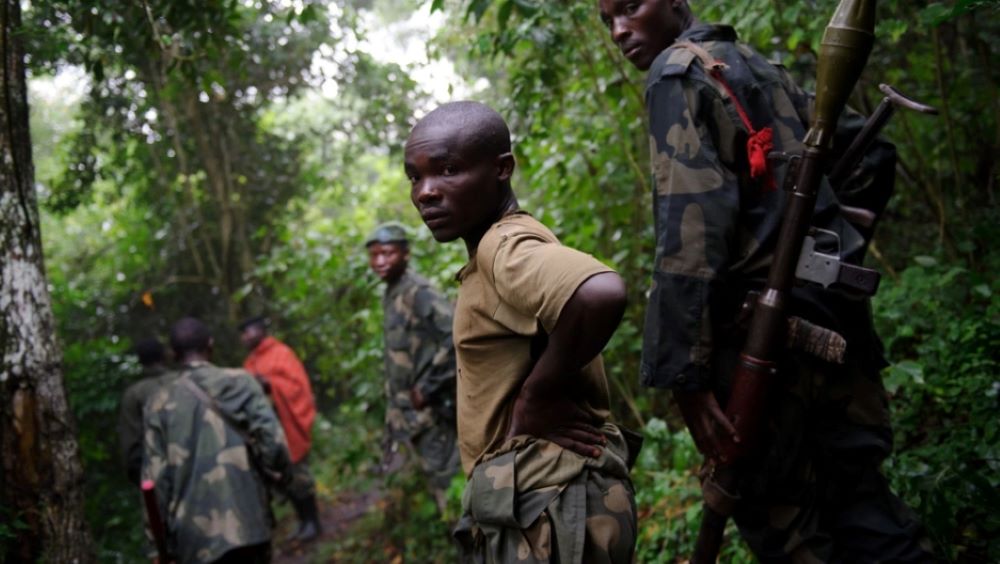
Despite its ongoing presence, there are those who downplay its significance, particularly in the international community. Often, it is portrayed as an organization no longer a threat to Rwanda, to the Congolese civilians, or to the Great Lakes region in general.
The first mistake made by those who hold such views is the neglect of the fact that the FDLR is rooted in genocide ideology. The extremists within this group continue to wreak havoc in eastern Congo while seeking to destabilize Rwanda.
Although the group remains under UN and U.S. sanctions, this has not stopped it from continuing its operations, even receiving occasional political, military, and logistical support from the Kinshasa government over the years.
Congolese authorities have repeatedly claimed that the FDLR is no longer a formidable force and is merely composed of elderly individuals fleeing justice. However, this claim is far from the truth. The FDLR remains active in politics, military actions, and the propagation of its genocidal ideology.
This has been further demonstrated in the ongoing conflict between the Congolese government and the M23 rebel group.
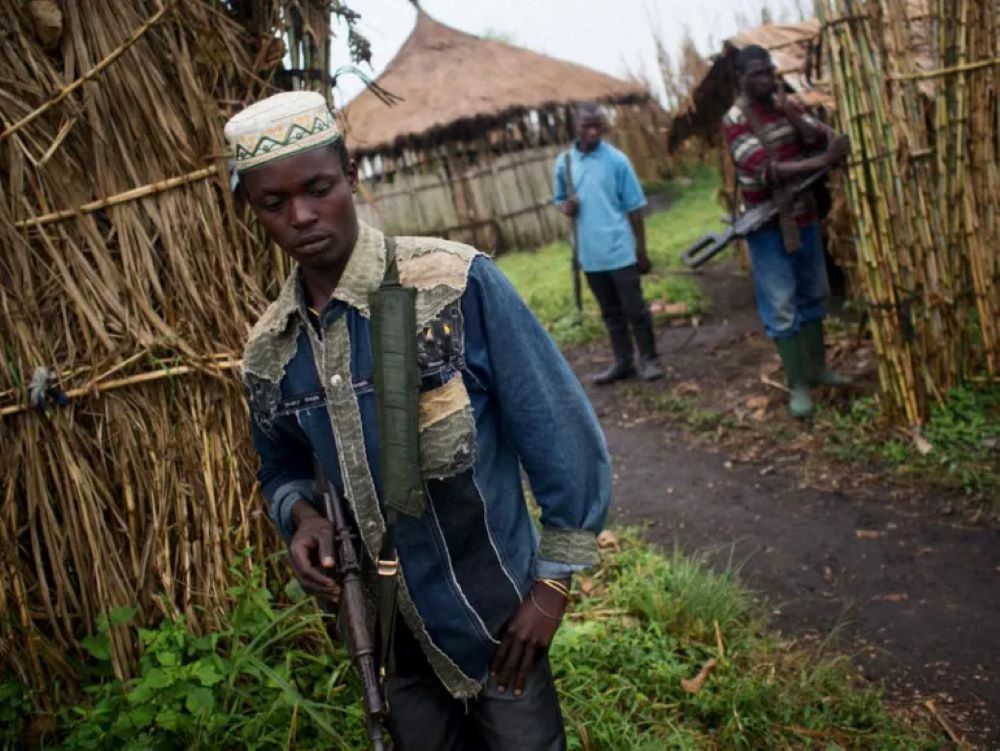
Reports from UN experts in 2024 and 2025 revealed that the administration of President Félix Tshisekedi has utilized the FDLR and other groups such as Wazalendo as auxiliary forces to support government troops against M23. These developments should decisively eliminate any confusion or misinformation about the group being a mere historical relic.
Who are the current leaders of the FDLR?
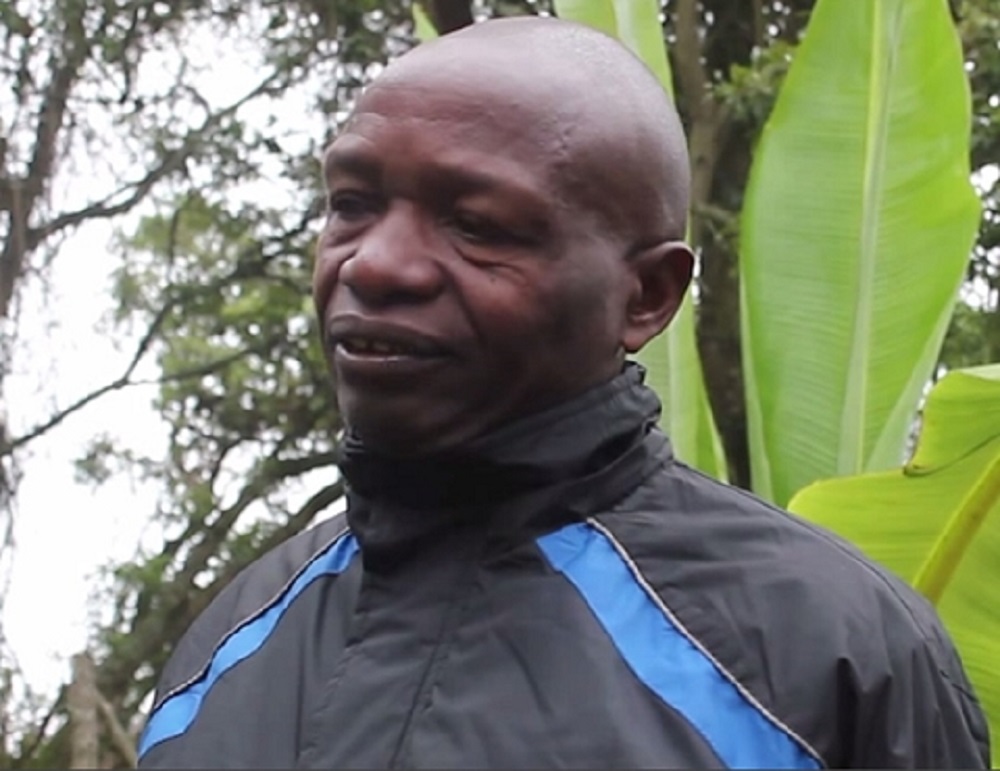
The FDLR is currently led by Lt Gen Iyamuremye Gaston, also known as Byiringiro Victor or Rumuri, who serves as the group’s president.
Iyamuremye, born in 1948 in the current Musanze District, now resides in Hembe, Bashali-Mokoto, in Masisi, eastern DRC. He is under both UN and U.S. sanctions.
During the 1994 genocide against the Tutsi, Iyamuremye held the rank of major and led an armoured battalion.
His continued leadership of the FDLR underscores the fact that the group is still directed by individuals with direct involvement in the genocide.
Iyamuremye has close associates in both political and military operations within the FDLR. These include Moïse Izabayo, who is in charge of foreign relations and also based in Hembe, and Maj Gen Bunani Daniel, also known as Busogo Ukwishatse, responsible for security.
Another key figure is the FDLR’s spokesperson, Augustin Maniragaba, known as Cure Ngoma, who also operates from Hembe. Maniragaba, who hails from Nyamutera in Ruhengeri, Rwanda, was a teacher during the 1994 genocide against the Tutsi and has been a prominent advocate for the group’s genocidal ideology.
FDLR continues to pose a significant threat to both the region and Rwanda
Military backbone of the FDLR
The FDLR’s military wing, the Forces Combattantes Abacunguzi (FOCA), is led by Maj Gen Pacifique Ntawunguka, known as Omega. Ntawunguka was born in 1964 in Gisenyi (now Rubavu) and resides in the Kirama forest in the Rutshuru area of North Kivu. He was a lieutenant in the FAR (Rwandan Armed Forces) during the 1994 genocide against the Tutsi and later fled to Congo after the defeat of the genocidal regime.
Ntawunguka, with his extensive military training, remains a senior leader within the FDLR, having undergone military education in Egypt, Greece, and France. His role and leadership show that the FDLR is not a random or ill-trained group, but one with substantial military expertise. He continues to express his defiance, stating that he will not return to Rwanda until no Tutsi is left.
Intelligence and propaganda within the FDLR
The FDLR also has an intelligence division led by Brig Gen Uwimbabazi Sebastien, known as Kimenyi Gilbert Nyembo. Uwimbabazi was sanctioned by the U.S. in 2023 for his involvement in the ongoing conflicts in eastern DRC. He was a lieutenant colonel in the Rwandan gendarmerie during the genocide and is closely linked to the group’s propaganda efforts.
FDLR also runs a military academy, headed by Brig Gen Hitimana Bernard, who has been instrumental in training the group’s forces. Hitimana was involved in the FDLR’s operations in 2008-2009 and has served in various leadership capacities in the group.
Ntawunguka, with his extensive military training, remains a senior leader within the FDLR, having undergone military education in Egypt, Greece, and France.
Elite forces
Among the most notorious commandos within the FDLR is Lt Col Rurakabije Pierre Célestin, known as Samba Guillaume, who leads an elite unit called CRAP (Commandos de Recherche et d’Action en Profondeur).
Rurakabije is listed on four international sanctions lists due to his involvement in promoting violence and insecurity in eastern DRC.
Another prominent figure is Col Kubwayo Gustave, known as Sircof Modeste, who leads operations under the name SINAI in many areas of Rutshuru, including Kahumiro, Kazaroho, Katanda, and Mayamoto.
Additionally, there is Col Oreste Ndatuhoraho, who uses the names Uwikunda Oreste or Issa Pierre. He leads CANNAN/JERICHO, which is considered the main headquarters of the FDLR.
Ndatuhoraho was born in Rutobwe in 1970 and worked as a secondary school teacher before joining armed groups. In 1994, he participated in military training for the Interahamwe militia to use weapons aimed at killing the Tutsi during the Genocide.
FDLR is not a group to underestimate
The FDLR is a highly organized and skilled group, with a clear political, military, and ideological agenda. It is not a group of displaced individuals without power, as some would suggest. On the contrary, the FDLR continues to pose a significant threat to both the region and Rwanda, bolstered by military expertise, political ties, and a genocidal ideology that remains influential.
To dismiss the FDLR as a mere historical artifact is to ignore the real threat it still poses today. The international community must recognize the continued existence of this threat and work together to address it. Military action alone is not enough to dismantle the FDLR; a coordinated and sustained international effort is necessary to address the root causes of this violent group.
The FDLR is currently led by Lt Gen Iyamuremye Gaston, also known as Byiringiro Victor or Rumuri, who serves as the group’s president. The FDLR remains active in politics, military actions, and the propagation of its genocidal ideology.