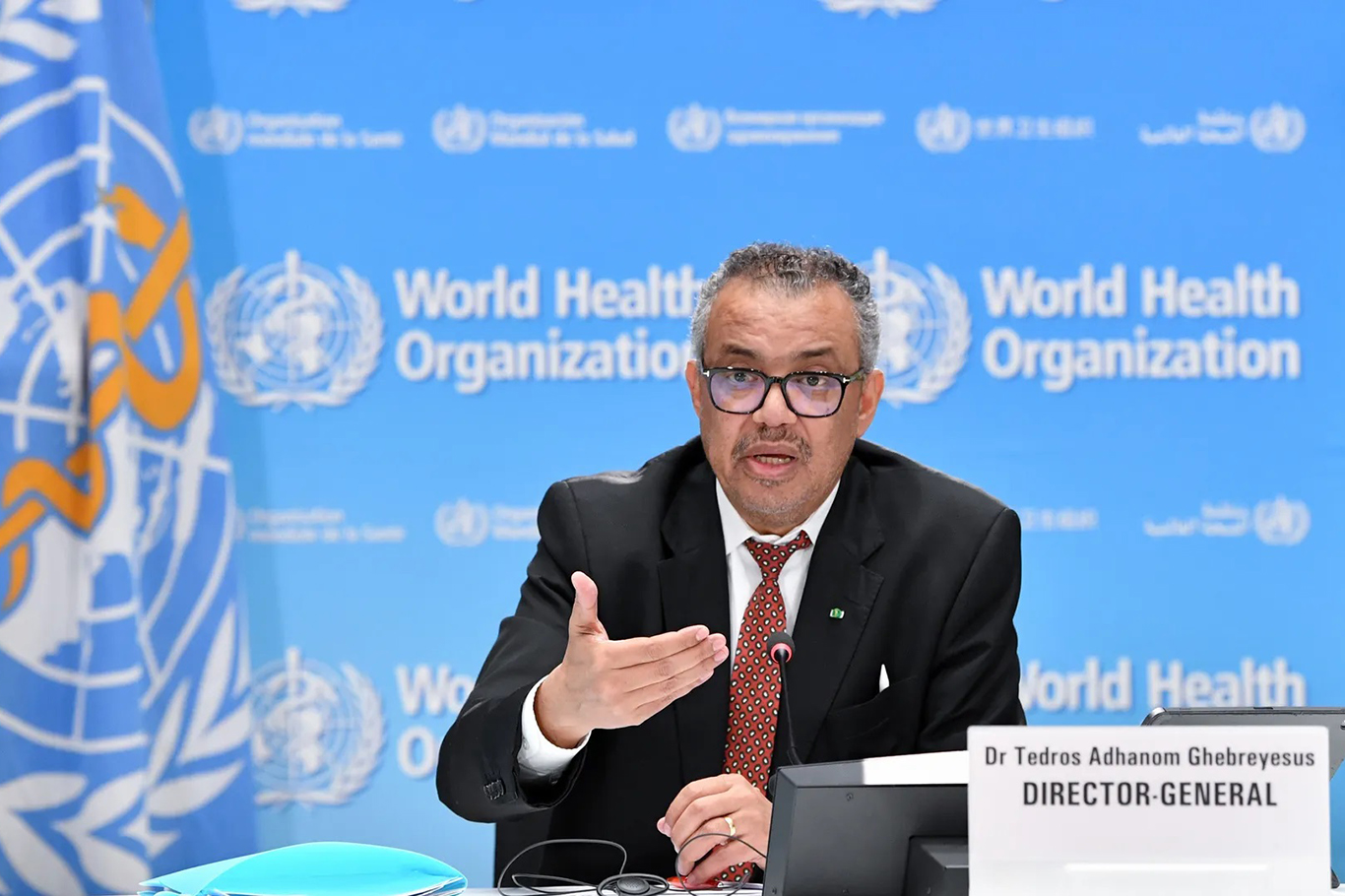
Health systems in the affected countries are “under severe strain” following weeks of intensified violence, Tedros said, adding that the WHO has launched a 30.3 million U.S. dollar flash appeal to support its health response to the escalating conflict in the Middle East, with a focus on the five countries.
The appeal, covering the period from March to August 2026, aims to sustain essential health services and trauma care, strengthen disease surveillance and early warning systems, and enhance mass casualty management, as well as national readiness for chemical, biological, radiological and nuclear emergencies, Tedros noted.
According to the WHO, as of March 31, the ongoing hostilities in the Middle East have triggered the displacement of more than 4 million people, with over 3,300 deaths and 30,000 injuries.
World Health Organization (WHO) Director-General Tedros Adhanom Ghebreyesus said on Friday in a social media post that urgent support is needed for the health systems of five countries affected by the conflict in the Middle East
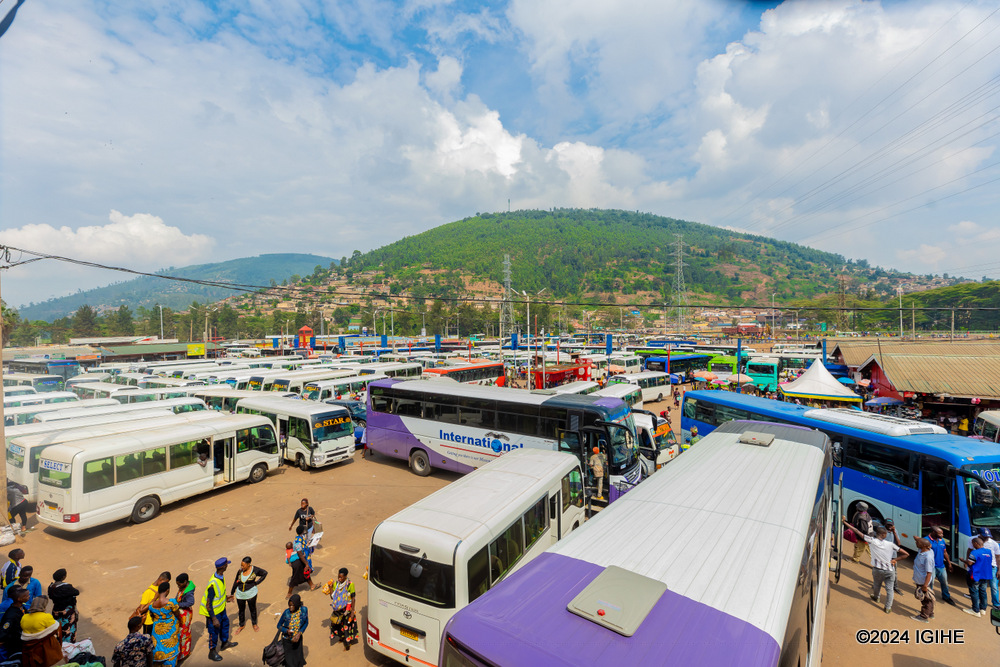
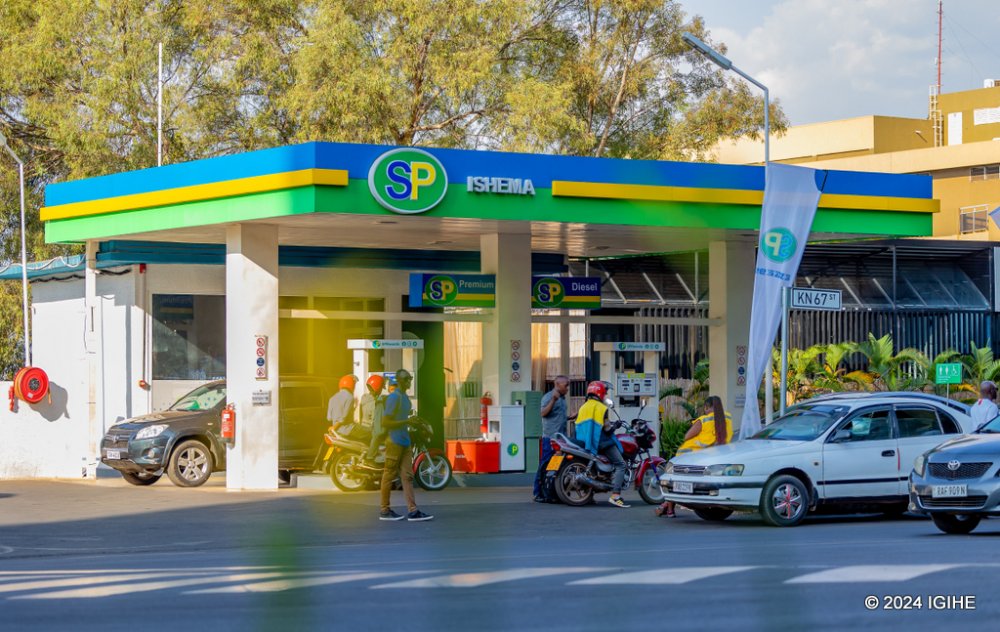
The changes come in response to a sharp rise in fuel prices, which recently reached historic levels in Rwanda. For the first time, both petrol and diesel exceeded Rwf 2,000 per litre, with petrol priced at Rwf 2,303 and diesel at Rwf 2,205.
Under the revised pricing structure, passengers in Kigali will now pay Rwf 59.28 per kilometre, while intercity travels will be charged Rwf 41.58 per kilometre.
Currently, the most expensive route in the country is from Nyabugogo to Kamembe via Huye, with a fare of Rwf 11,445. This route was not among those listed in the 2024 fare structure.
Passengers traveling from Nyabugogo to Pindura will now pay Rwf 10,930, up from the previous Rwf 8,070.
For those heading from Nyabugogo to Kamembe via Karongi, the fare has increased to Rwf10,296. Meanwhile, passengers traveling from Muhanga to Kamembe via Huye will pay Rwf 9,603, compared to the previous Rwf 7,090.
The fare from Nyabugogo to Mushubi has risen to Rwf 9,524 from Rwf 7,032. Similarly, passengers traveling from Rubavu to Kamembe will now pay Rwf 9,009, up from Rwf 6,652.
Other updated fares include Rwf 4,950 for the journey from Rubavu to Karongi, Rwf 4,851 from Nkomero to Kirambo, and Rwf 5,881 for passengers traveling from Gakeri to Nyamasheke.
The last adjustment to fuel prices was made on March 4, 2026, when petrol was priced at Rwf 1,989 per litre and diesel at Rwf 1,948 per litre.
In a statement released on April 3, 2026, RURA indicated that the new prices will take effect from April 4 at 6:00 a.m.
“These adjustments reflect the prevailing international market trends as well as government measures to mitigate the impact of global price fluctuations,” reads the statement.
“The public is encouraged to plan travel efficiently, use public transport and avoid unnecessary trips and in order to reduce fuel consumption,” the statement adds.
RURA also noted that the changes in fuel prices have led to a revision of the base fare in public transport. In the City of Kigali, passengers will now pay Rwf 59.28 per kilometre, while intercity travels will cost a passenger Rwf 41.58 per kilometre.
As of April 3, 2026, the price of a barrel of crude oil on the international market had reached $112.4 up from about $70.
The ongoing conflict involving the United States, Israel, and Iran, now entering its second month, has led to the blockage of the Strait of Hormuz, a critical passage through which 20% of the world’s daily oil supply passes.
On April 3, 2026, Prime Minister Dr. Justin Nsengiyumva told members of the press that the situation is already impacting Rwanda’s economy.
“This issue is affecting international trade, particularly in energy and transport, and has already caused noticeable changes in global market prices, especially for petroleum products and gas,” he said.
He further explained that the conflict is disrupting Rwanda’s exports, with some trade routes, including those to the United Arab Emirates, already affected.
Imports are also impacted, as rising global prices are expected to translate into higher costs within Rwanda.
“These are some of the effects we are observing that could impact our national economy. It is projected that global economic growth could decline from 3.3% to 2.7%. This will also contribute to rising prices in Rwanda, meaning it will affect nearly every Rwandan. We must be prepared, but without panic,” he added.
RURA has announced new fuel prices, with the cost of petrol rising to Rwf 2,303 per litre, an increase of Rwf 314. Diesel has also gone up to Rwf 2,205 per litre, reflecting an increase of Rwf 257.
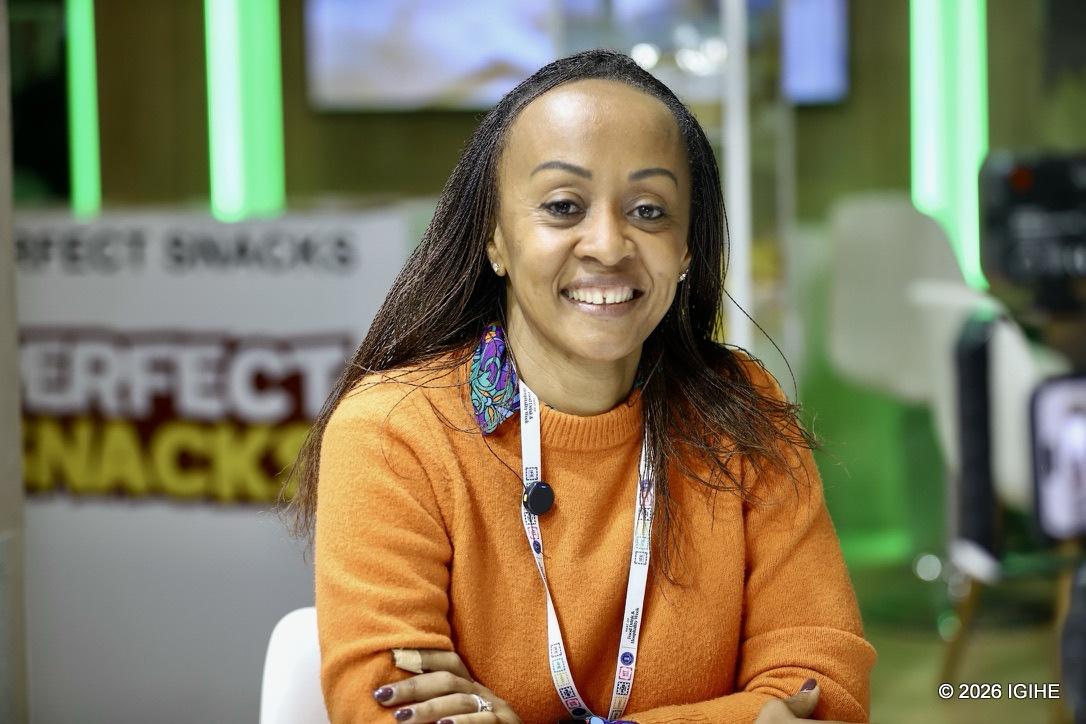
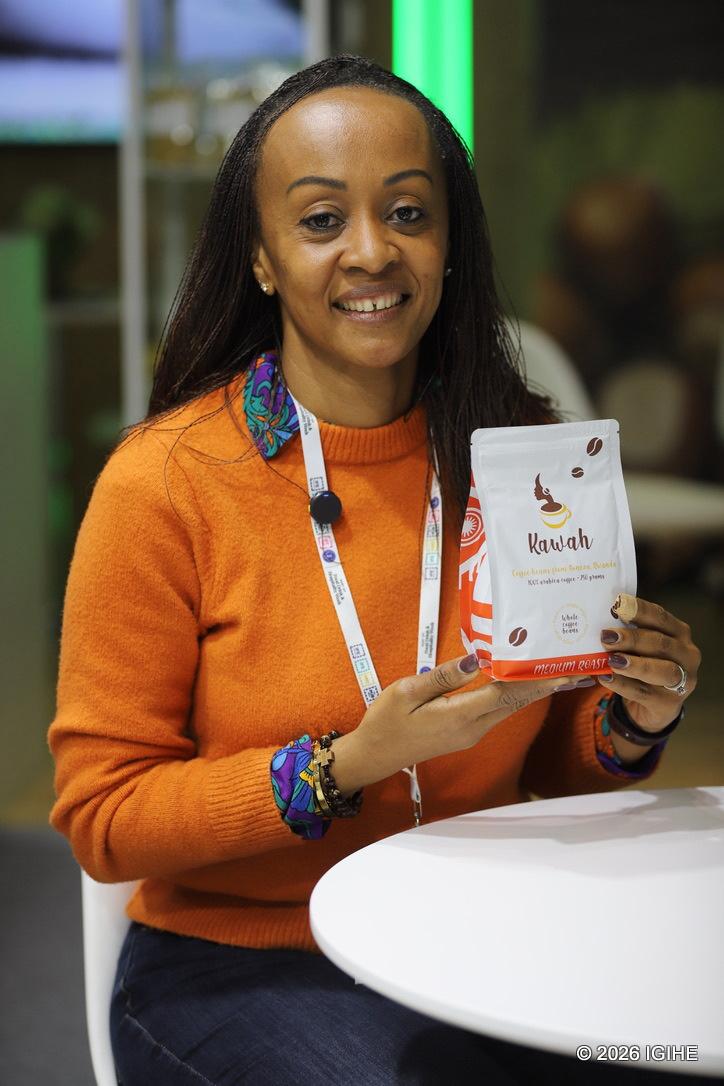
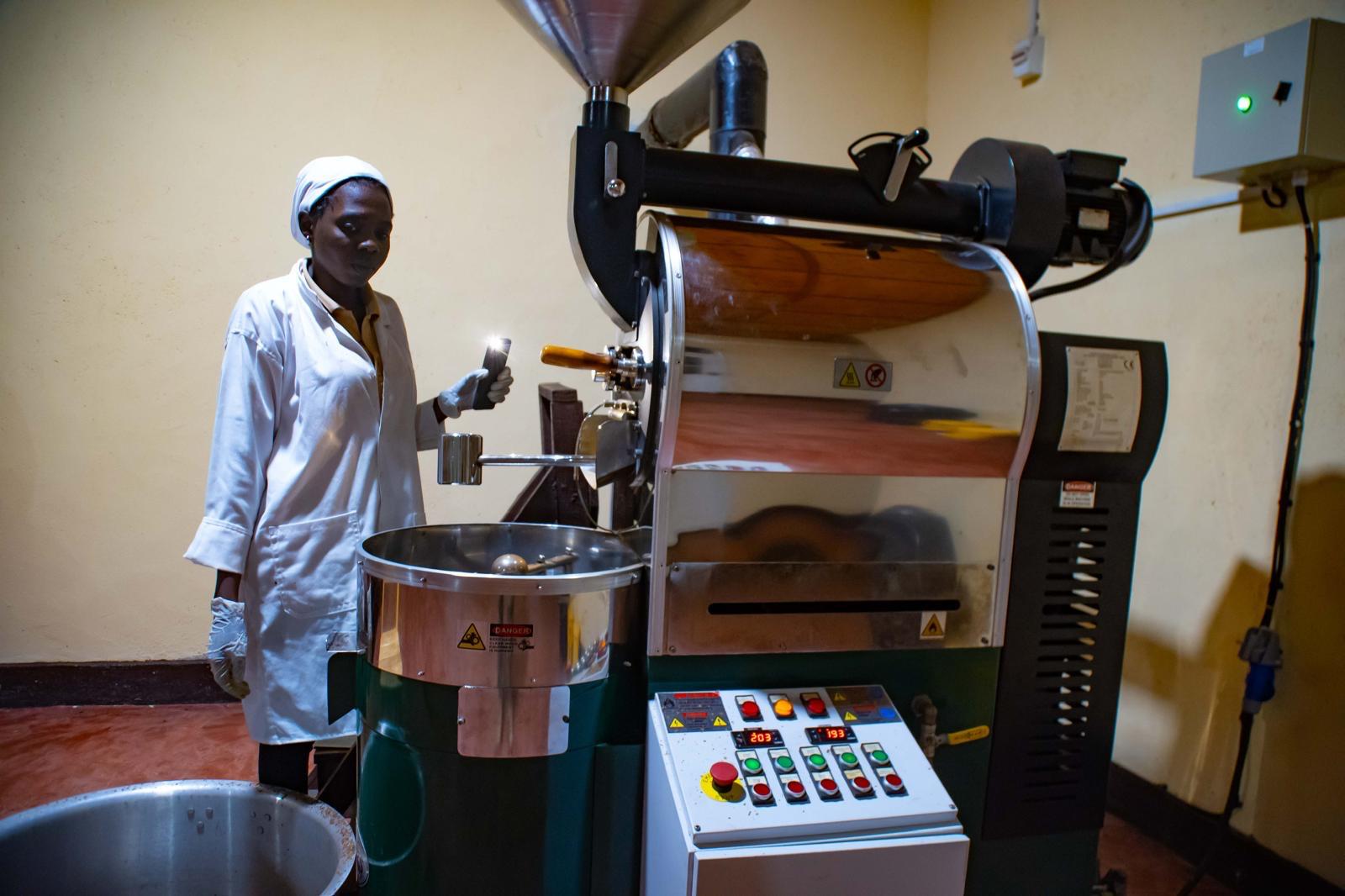
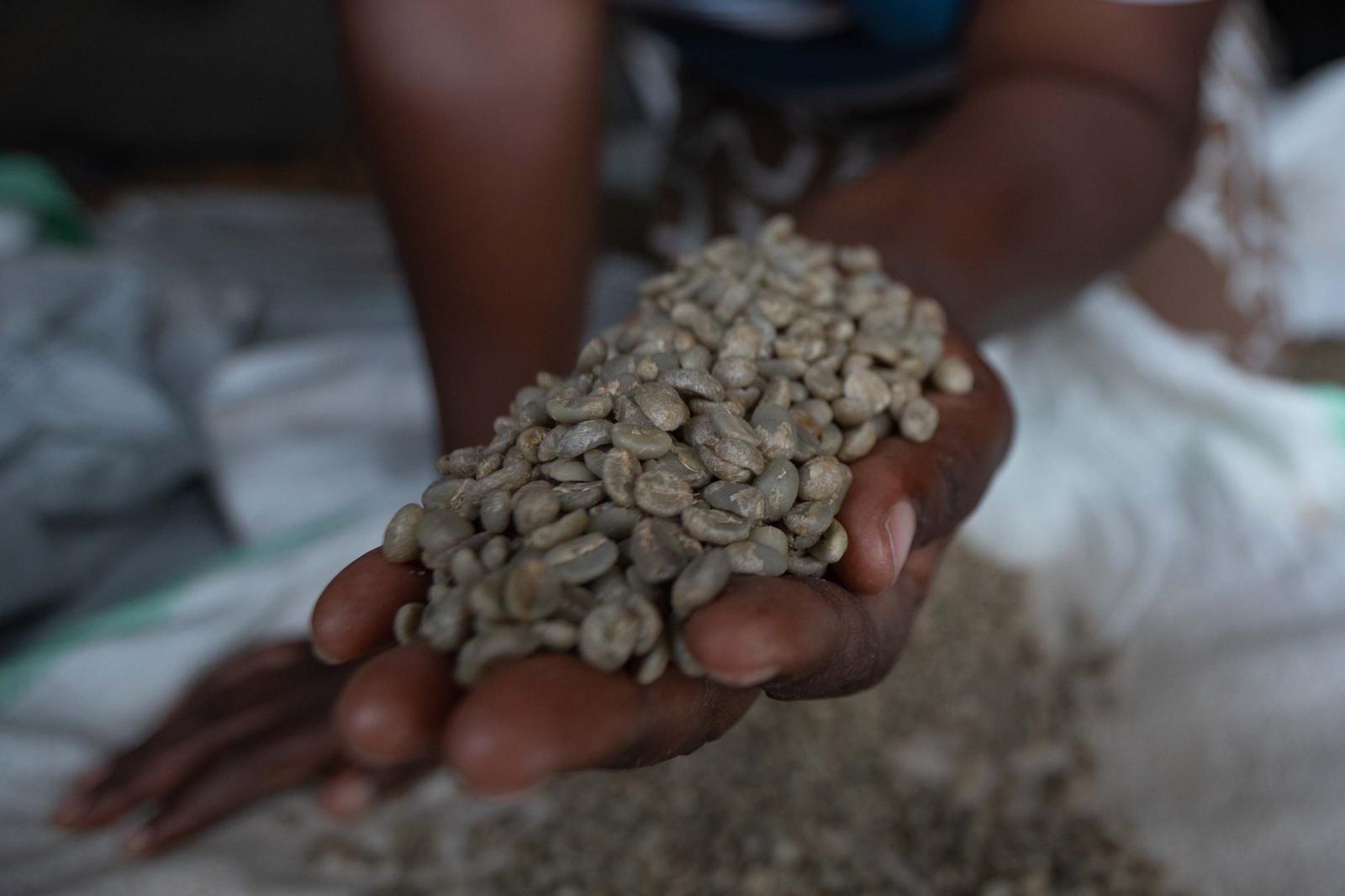
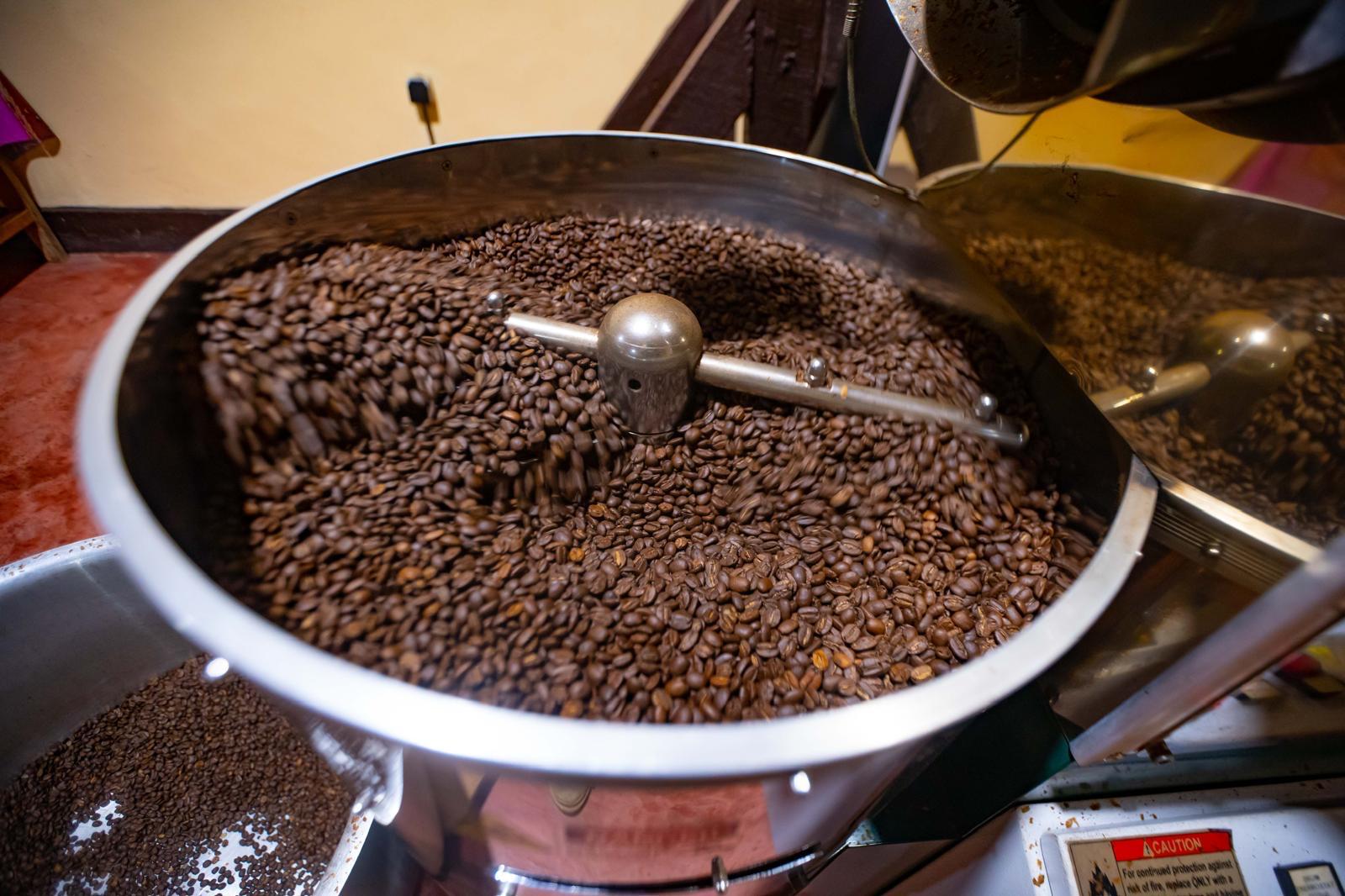
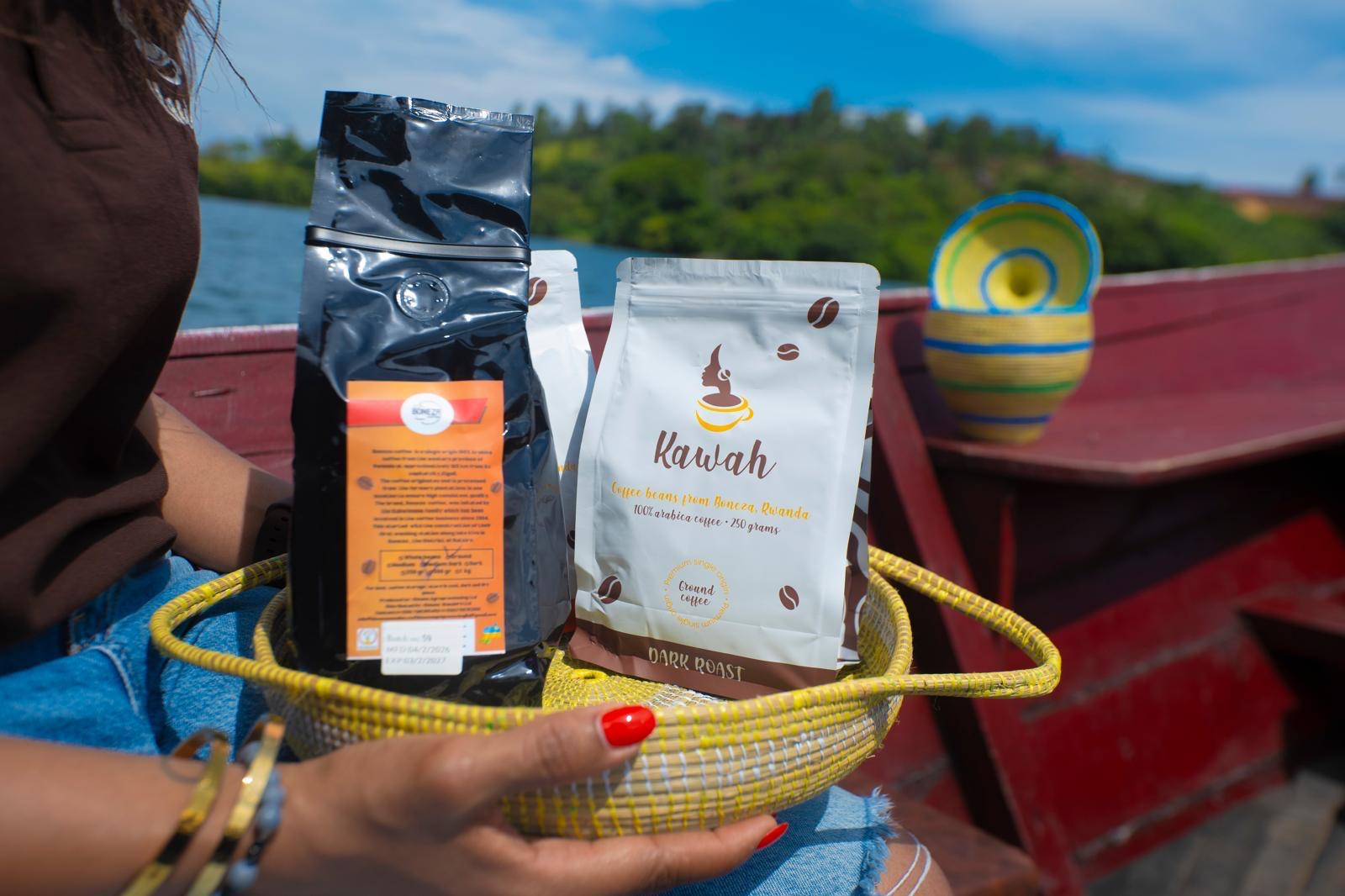
From her early studies in interior architecture to leading an internationally recognized coffee brand, Kubwimana combines creativity, heritage, and entrepreneurship in a journey that celebrates both her roots and Rwanda’s growing prominence in the global coffee market.
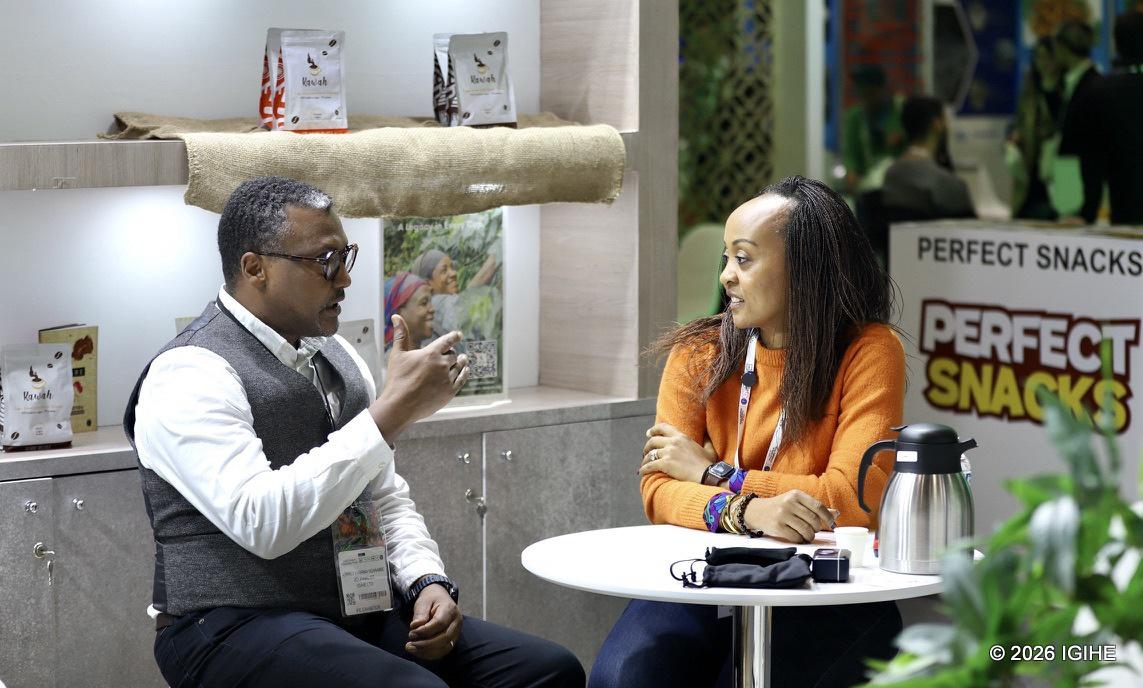
IGIHE spoke with her during the recent International Food and Drink Event (IFE) trade show in London about her career, the evolution of Kinunu, and the story behind the coffee that has captured international attention.
IGIHE:Your academic and professional background is in architecture, yet today you lead a coffee business. How did this transition come about?
Michaelle Kubwimana: I wasn’t initially destined for the coffee sector. I completed my bachelor’s degree in interior architecture in 2001 in South Africa, and later earned my master’s degree in 2006 in Italy. I practiced in this field for several years, running my own architecture business in Rwanda before gradually becoming involved in the family coffee enterprise.
Can you share how you became involved in the family coffee business?
Kubwimana: By the time I finished my studies, my father had already started the coffee farm in his native village, working with one of my brothers. That village has always been central to our family life, and I spent much of my childhood there. Over time, I developed a genuine interest in the farm, particularly as I saw the positive impact it had on the local community.
Kinunu today seems to be much more than a coffee farm. How has it evolved?
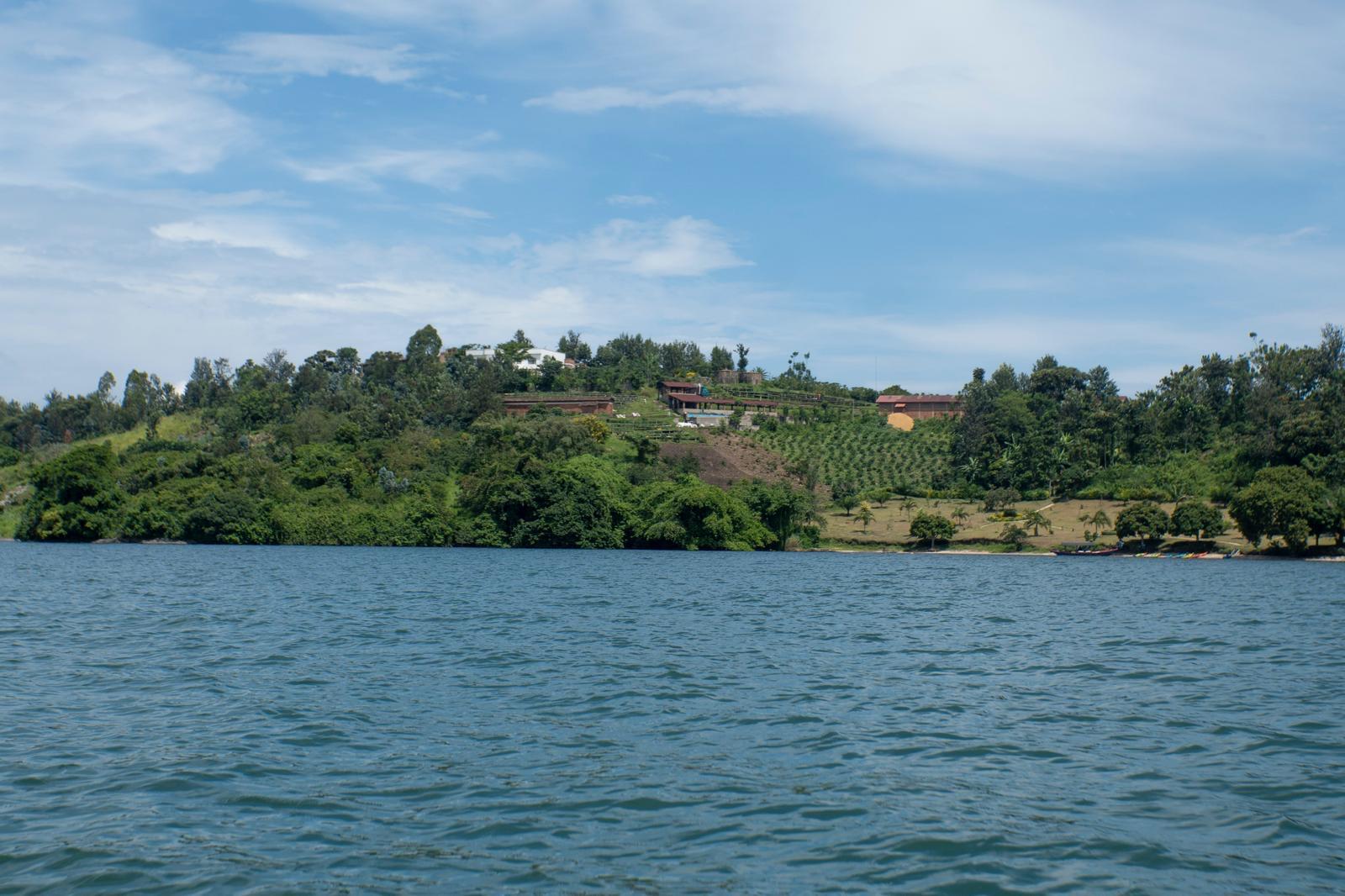
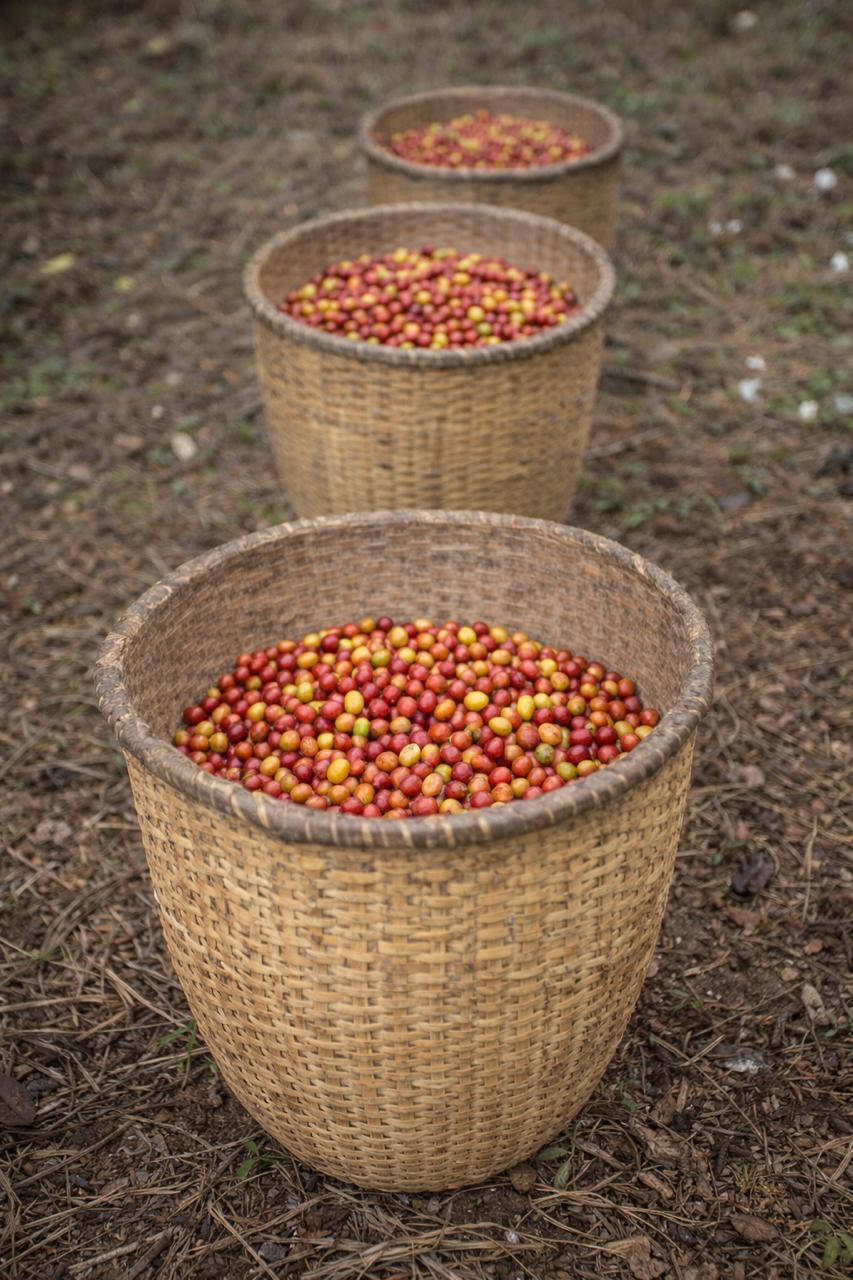
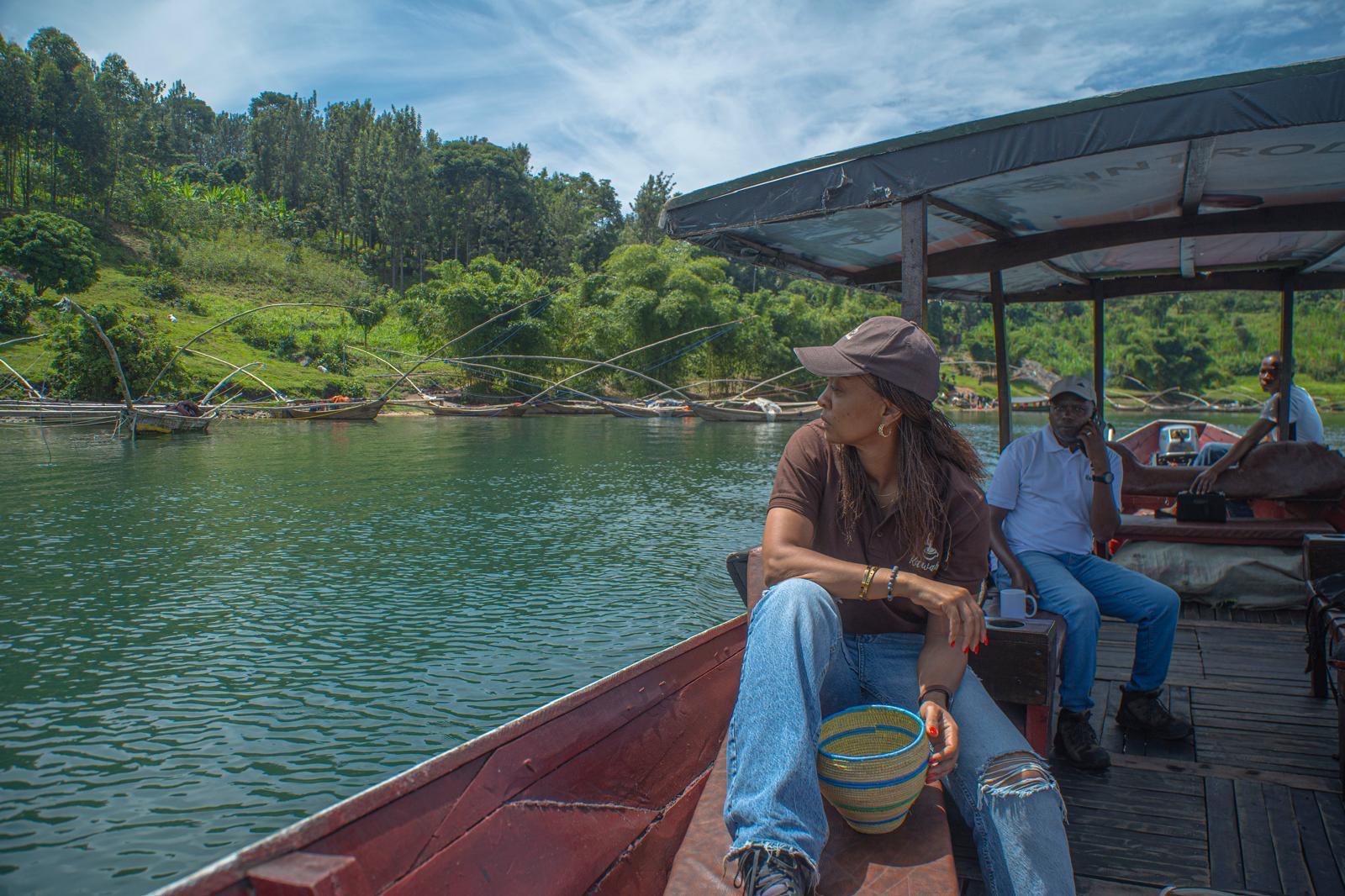
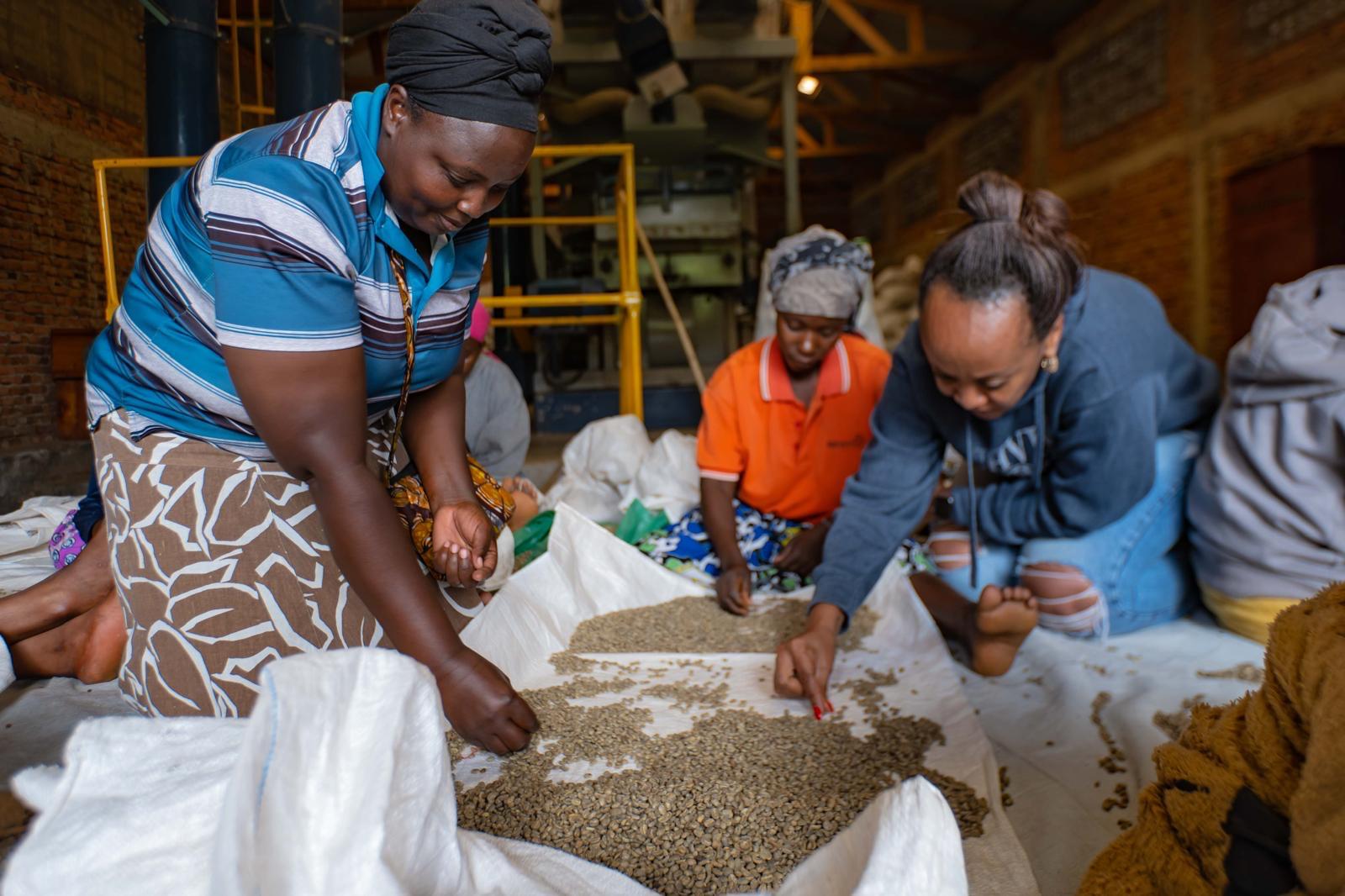
Kubwimana: Absolutely. What started as a small farm aimed at supporting the village and surrounding region has grown into a full ecosystem. We now operate a coffee washing station, host tours for both local and international visitors, and offer a guesthouse and restaurant managed by my sister. Kinunu is recognized by the Rwanda Development Board as a key stop along the Congo Nile Trail, blending heritage, tourism, and community development.
You have also played a role in expanding Rwandan coffee internationally. What has the journey been like?
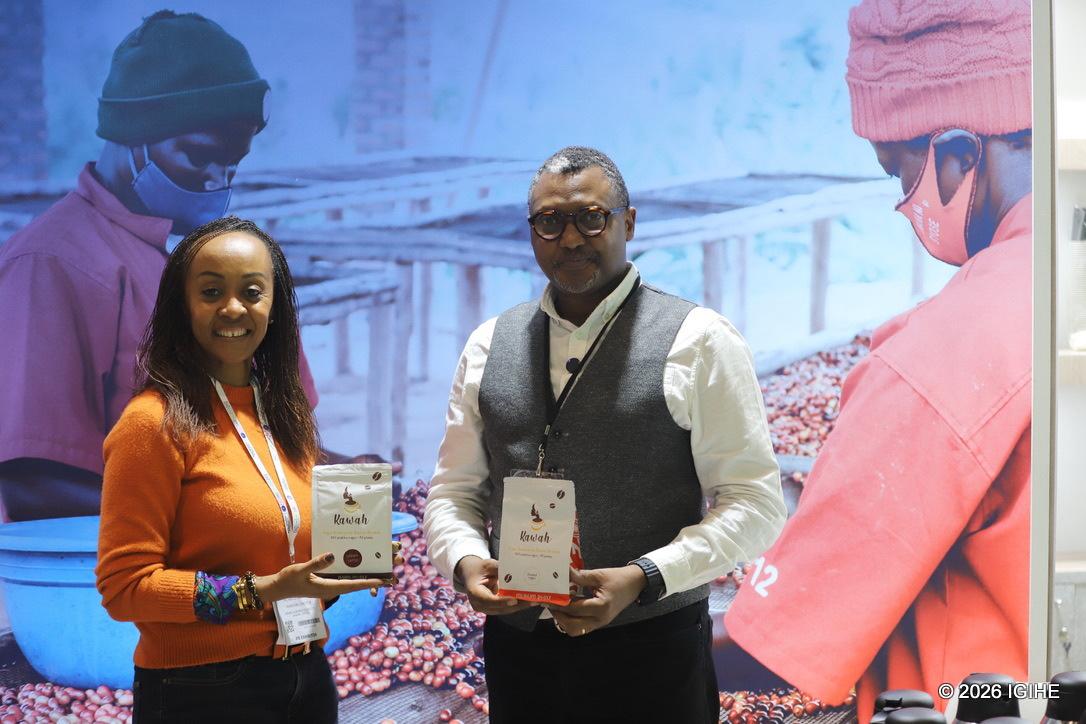
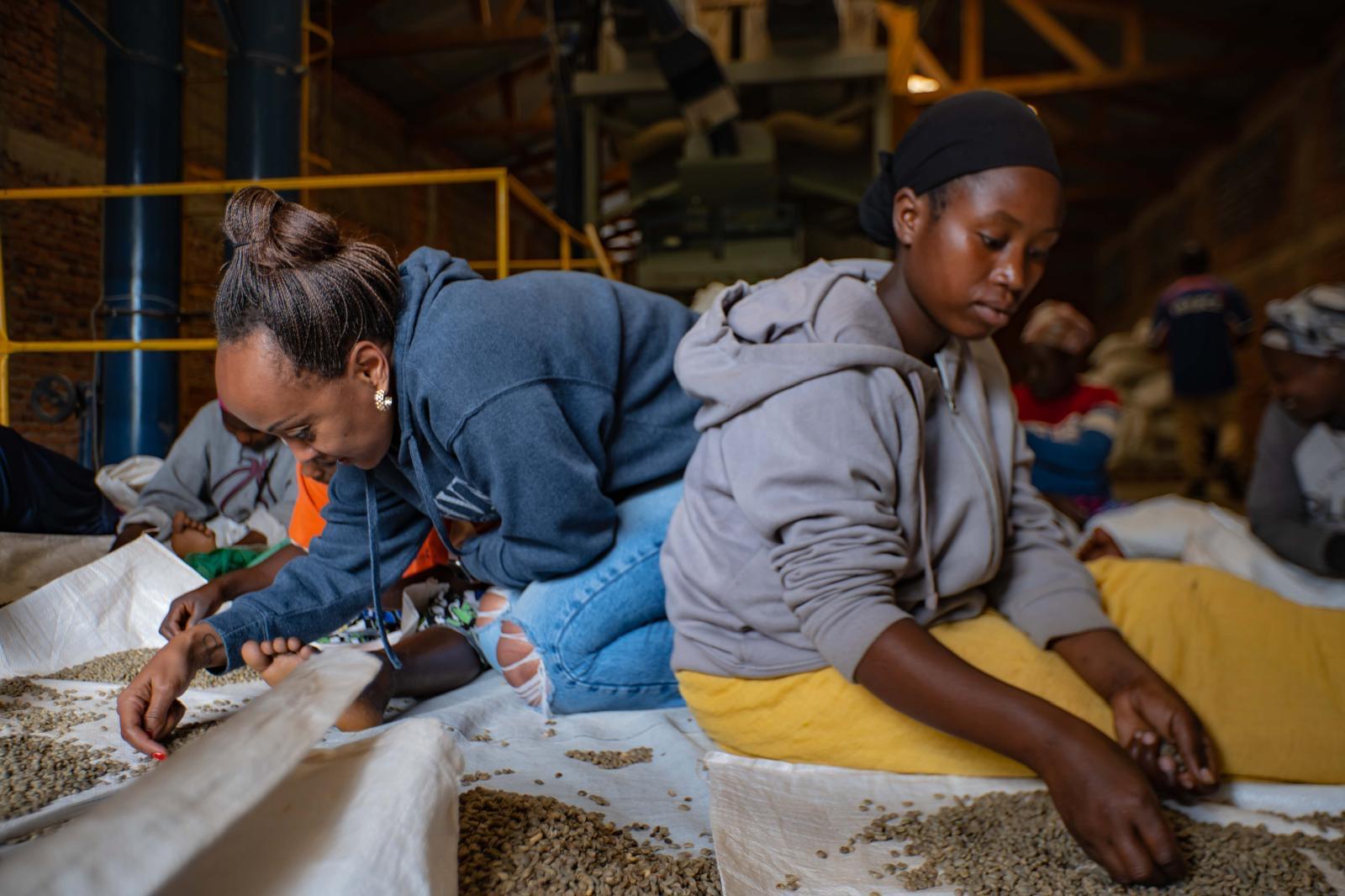
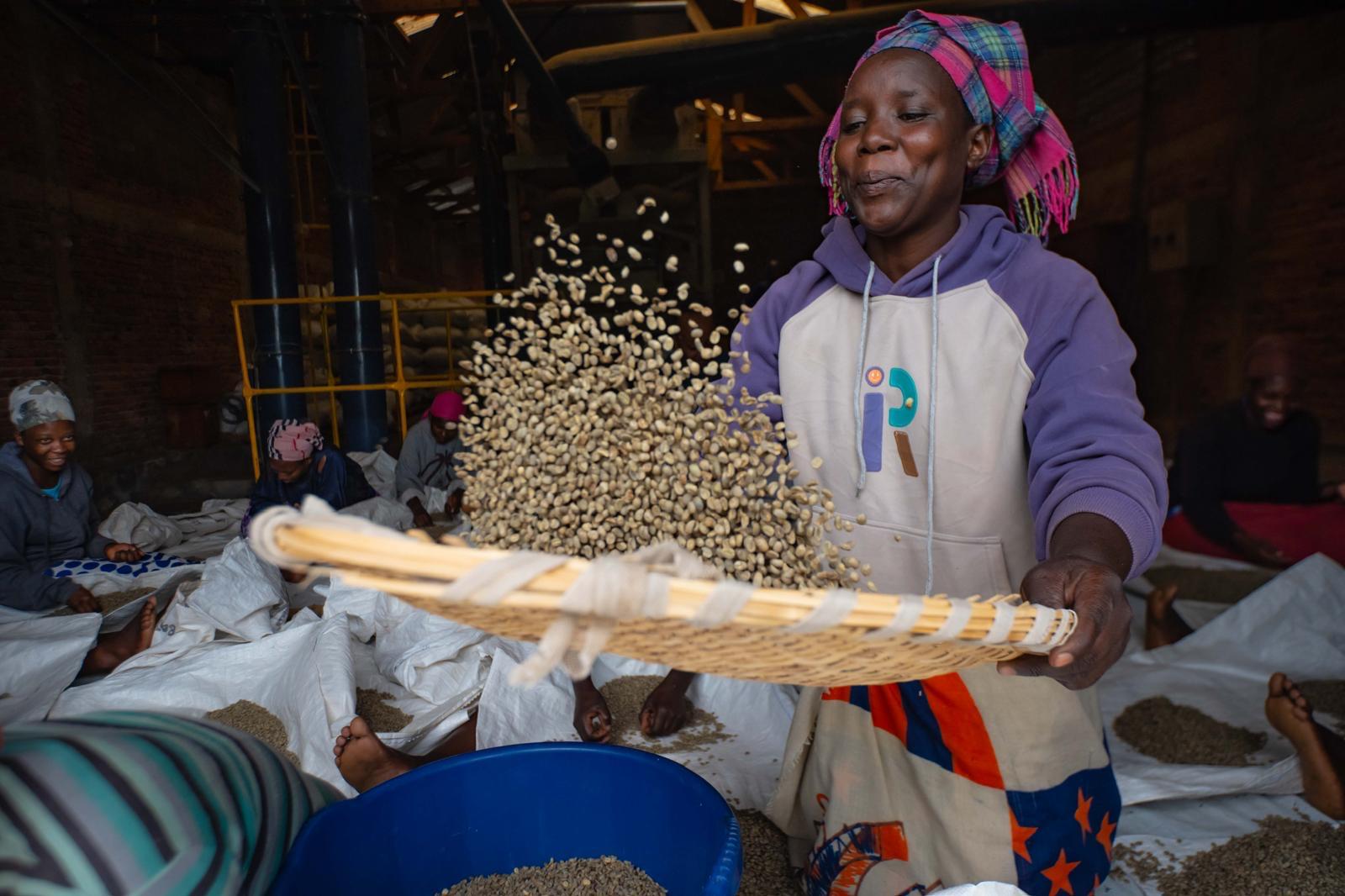
Kubwimana: In 2014, I began promoting our coffee abroad, especially in Dubai, through Boneza Coffee. In 2020, after moving to Singapore, I launched Kawah Coffee, targeting the international market. The goal was not just to showcase our coffee but also to highlight the stories of our farmers—90% of whom are women. By September 2022, the brand was registered in the UK after we relocated there.
What inspired you to formally take on the leadership of Kinunu Agroprocessing?
Kubwimana: It was a gradual decision fueled by both passion and responsibility. Kinunu is more than a business—it’s a family legacy. Leading it allows me to honor the heritage of my father and grandfather while supporting the community that has grown with the farm.
How do you see Rwandan coffee positioned in the global market today?
Kubwimana: Rwanda has made a clear strategic choice to focus on quality. Despite its small size, the country produces coffee under excellent conditions, which is why Rwandan coffee is now recognized among the best in the world. Initiatives such as the Visit Rwanda brand have also helped increase the country’s visibility internationally, making it much easier today to introduce Rwandan coffee to new markets compared to a few years ago.
Any final thoughts you’d like to share?
Kubwimana: Taking over Kinunu is about continuing a family and human story. It’s about preserving heritage, staying true to our values, and looking forward, ensuring that the legacy of our coffee farmers continues to thrive both locally and globally.
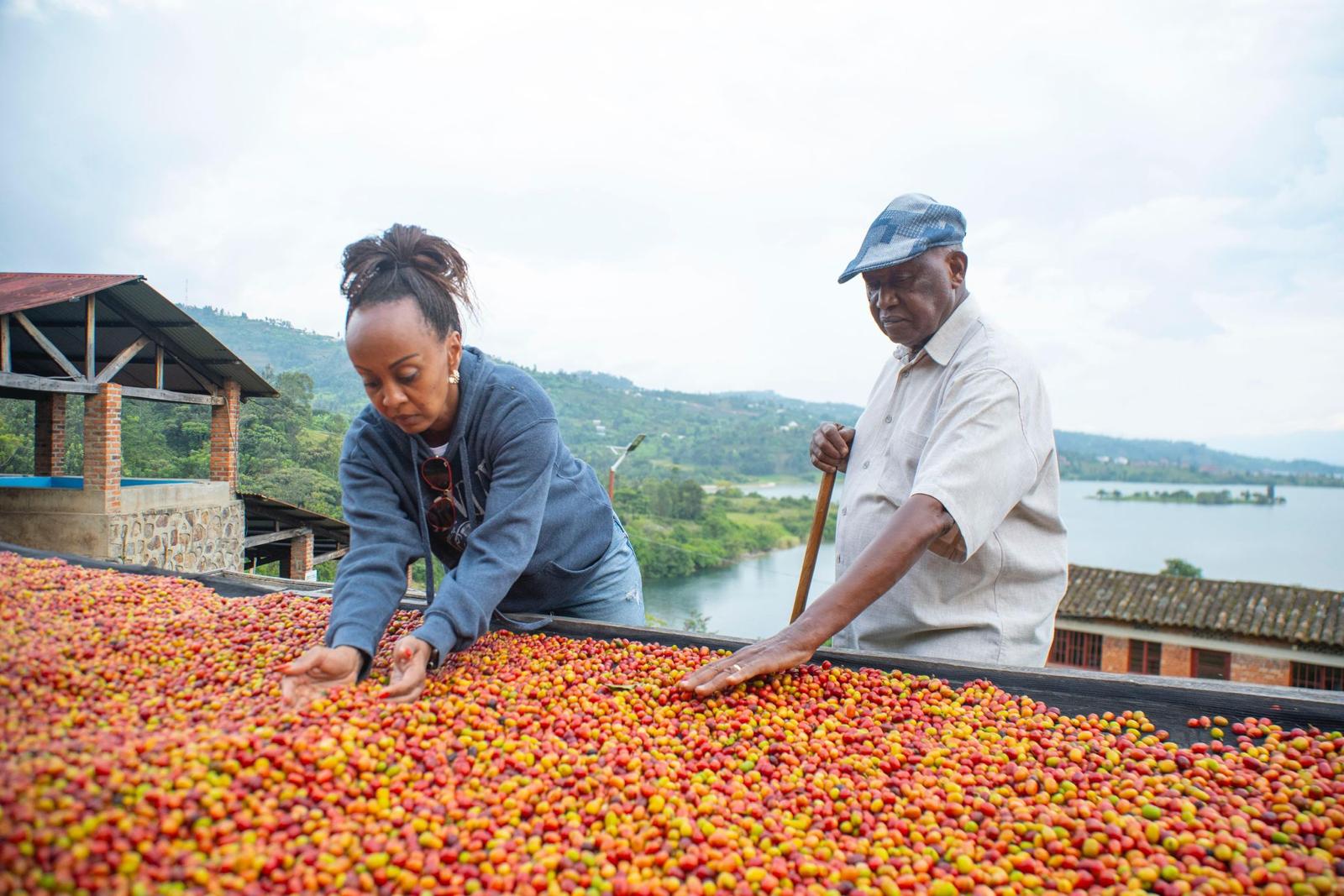
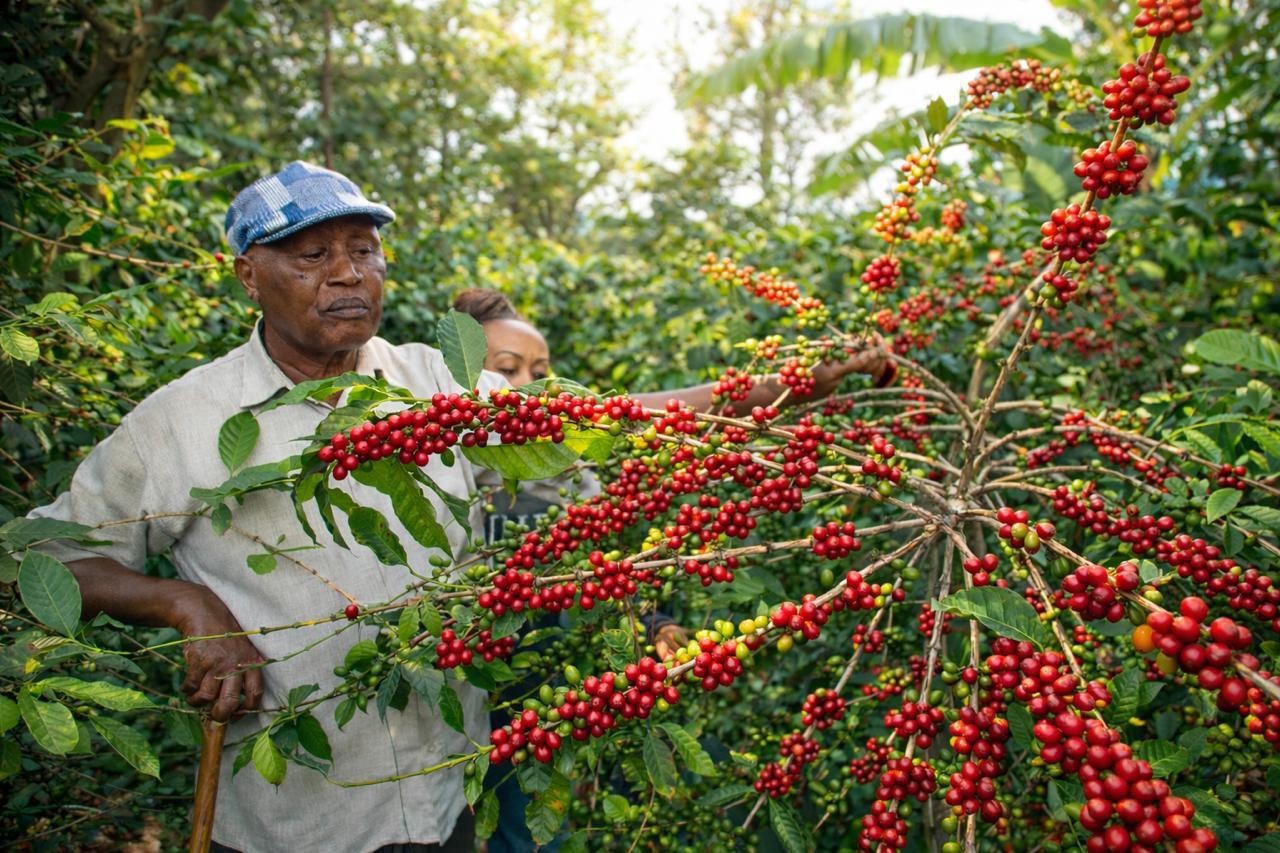
Michaelle Kubwimana, the Managing Director of Kinunu Agroprocessing, is redefining the legacy of her family’s coffee farm. Kubwimana during an interview with IGIHE at IFE-2026
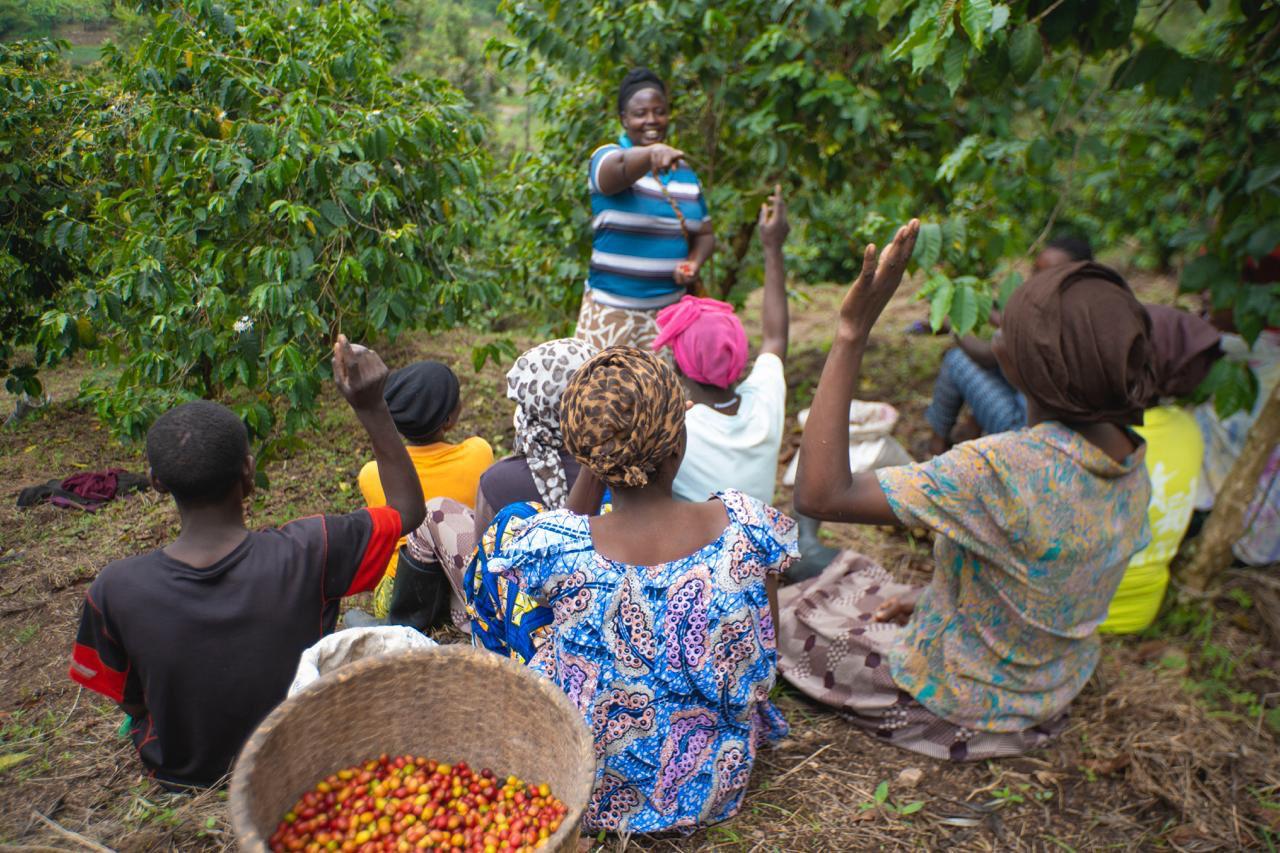
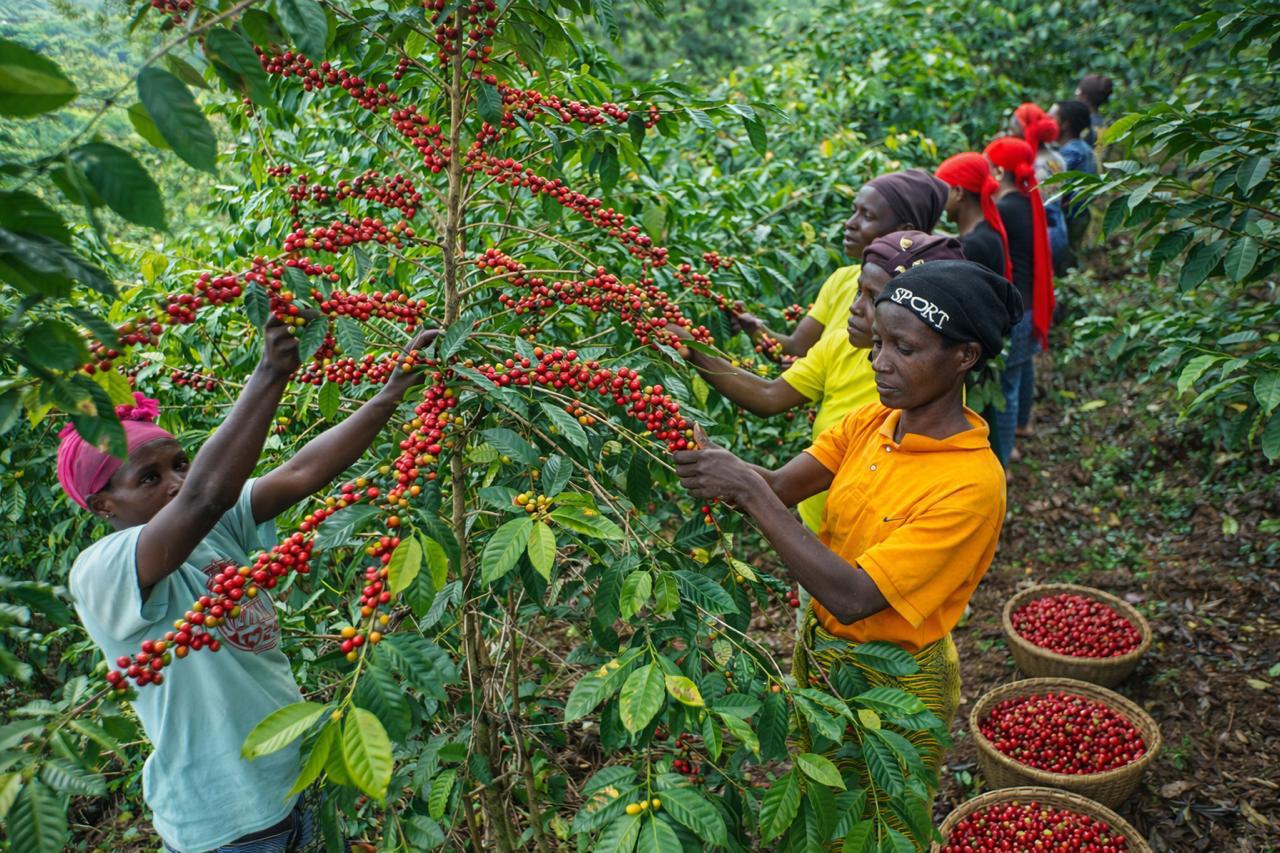
Photos showing Kubwimana and her father with farmers working on their farm in Kinunu
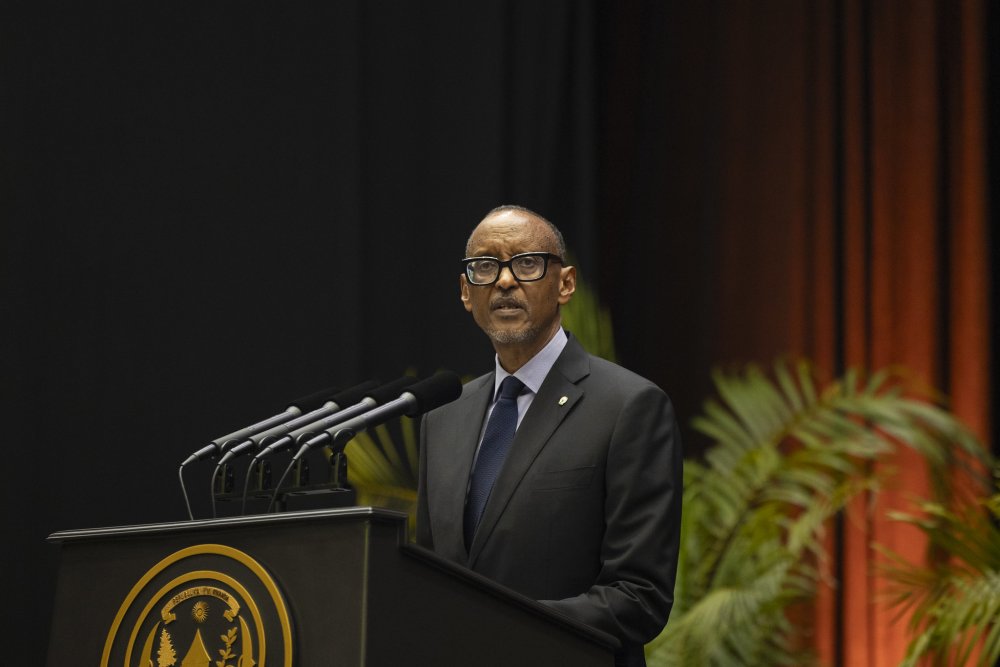
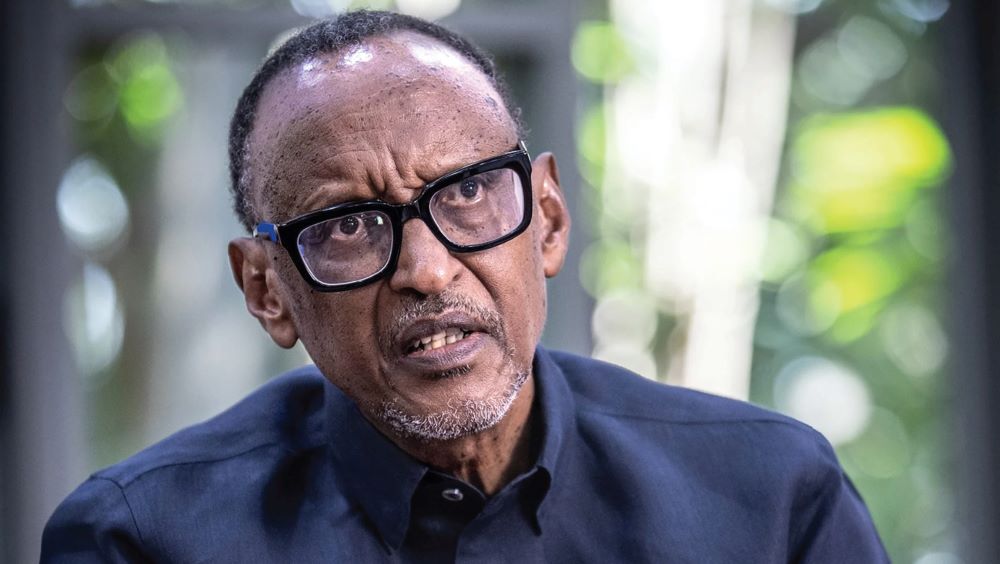
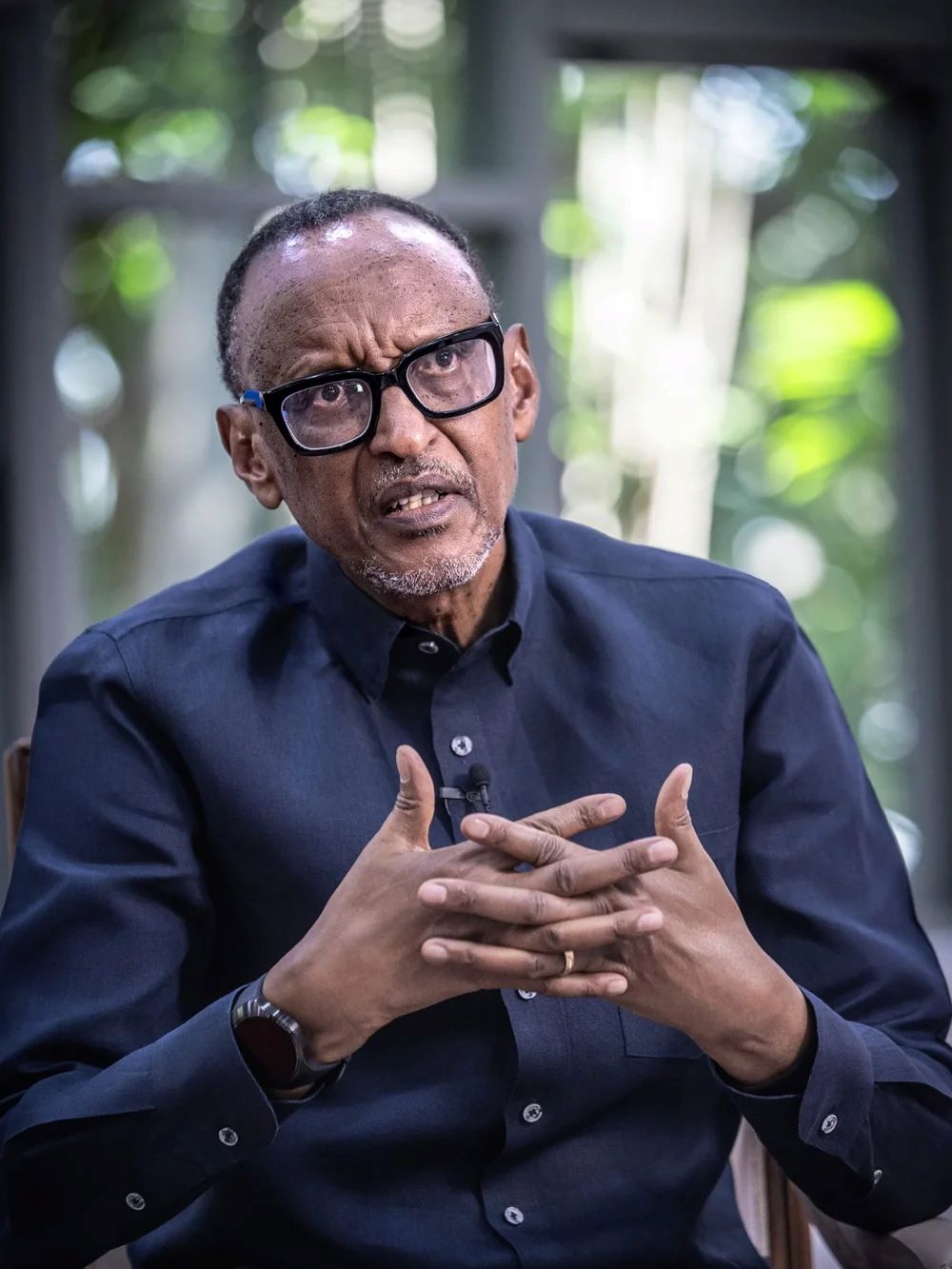
He made his criticisms during an interview with Jeune Afrique where he addressed concerns about his personal reputation, recent U.S. sanctions and rumors that once circulated about his health.
“Those who apply sanctions, they’ll do what they want, any day. You don’t have to have done anything wrong, but because they support somebody who has done something wrong, or is doing something wrong, they will apply it if it is based on interest,” he stated.
On March 2, 2026, the U.S. Department of the Treasury’s Office of Foreign Assets Control (OFAC) announced sanctions against the RDF as an institution and four senior military officials; Chief of Defence Staff Gen Mubarakh Muganga; Army Chief of Staff Maj Gen Vincent Nyakarundi; Commander of the RDF Special Operations Force, Brig Gen Stanislas Gashugi; and Commander of the RDF’s Fifth Division, Maj Gen Ruki Karusisi.
In early December 2025, Rwanda and the DRC signed the Washington Accords in Washington, D.C., aimed at restoring peace in eastern DRC.
Despite the agreements, however, a DRC-allied coalition—including the genocidal FDLR militia, mercenaries, Burundian soldiers, and Wazalendo militia, continued launching attacks on AFC/M23 positions and densely populated areas using ground and drone offensives.
The DRC has accused Rwanda of supporting the AFC/M23 rebel coalition, which resumed fighting in 2021 to defend the rights of marginalized Tutsi communities targeted by the DRC government after previous talks failed.
The United States statement imposed sanctions, accusing Rwanda of backing the M23, allegations Kigali has consistently denied, while urging the Democratic Republic of the Congo to end its collaboration with the FDLR, which has launched attacks on Rwandan territory on multiple occasions.
During the fighting in DRC, Rwanda was targeted multiple times, prompting the country to establish defensive measures along its border.
In its statement released on March 2, 2026, the Rwandan government insisted that the sanctions unfairly target only one party to the peace process while ignoring violations by the DRC side.
Commenting on these sanctions, Kagame also emphasized that Rwanda’s global reputation is important, but it cannot be compromised by sanctions that ignore the root causes of conflicts.
On the topic of public perception, Kagame also reflected on his brief disappearance from public view last year, which had sparked health rumors. He explained that the time away was personal, spent with his grandchildren, and not related to any illness.
The President reassured the public of his robust health, comparing himself favorably to others worldwide.
“But let me tell you, if you take 100 people randomly from anywhere to investigate how healthy they are—here, France, London, the UK, America—and include me among them, I would come among the top 10.”
President Kagame has criticized biased sanctions against Rwanda
In an exclusive interview with Jeune Afrique, Kagame criticized the hypocrisy by international actors calling for lifting of defensive measures without taking Rwanda’s security concerns into consideration.
“We refuse to remove defensive measures, whether it means troops or whatever else. We call it defensive measures. And in your logic, why would a threat be against me and you are asking me to remove my defensive measures but you’re not dealing with a threat? What is the logic?” he said.
Kagame stressed that the defensive measures are intended solely to secure Rwanda’s borders and prevent any hostile force from crossing into the country.
He emphasized that the FDLR terrorist group remains a persistent threat, making the continuation of measures put in place essential.
Since January 2025, when AFC/M23 forces captured Goma, Kagame highlighted that the security situation in Eastern Congo has improved. He highlighted that the presence of M23 on the border guarantees better border security with the DRC.
“The situation today is better than it was before. Anybody can make their own assessment. It is better there in Goma and better in Bukavu than it was before. There is no question about it. The whole border now is secure.”
Despite criticism from some international actors, Kagame maintained that Rwanda’s defensive posture is necessary to ensure no threat crosses into Rwanda.
“The easiest thing to do here is to blame Rwanda and keep all the penalties and whatever on Rwanda because it is easy. They are doing what is easy for them to do. […] But can it give a solution when you are keeping quiet about the root cause?” he wondered.
He also hinted at the possibility of compromise but warned that previous agreements with the DRC had not been fully respected.
“A compromise solution has been indicated in many of these agreements we have had, including the one in Washington, D.C., but previous agreements have never been respected by DRC.”
President Kagame has defended Rwanda’s defensive measures during an interview with Jeune Afrique.
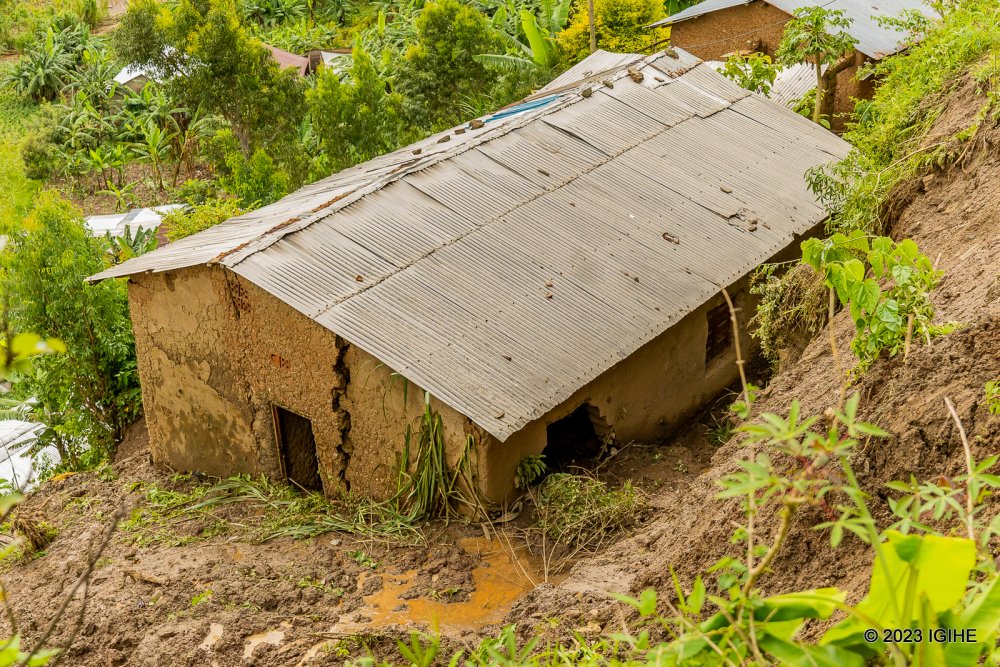
According to district authorities, Karongi has experienced 647 disaster incidents over the past 13 years, resulting in the deaths of 156 people.
These disasters include 233 cases of unusually heavy rainfall, 58 landslides, 114 lightning strikes, 127 windstorms, 27 floods, three minor earthquakes, 31 fires, and two cases of mine collapses.
Among the most devastating incidents was a landslide that occurred on May 8, 2018, in Rwankuba Sector. Triggered by prolonged heavy rains, part of a mountain collapsed onto nearby homes, killing 18 people.
More recently, between May 2 and 3, 2023, the district was again hit by severe disasters that claimed 16 lives.
Overall, disasters in Karongi over the past 13 years have injured 128 people, destroyed 139 houses, damaged 2,334 homes, and affected crops on 95,197 hectares of land. Additionally, 123 hectares of forest and 35 livestock were lost.
At the beginning of the 2025/2026 fiscal year, about 800 households whose homes were destroyed by disasters were in need of relocation and resettlement. Currently, 399 families are being provided with new houses across various sites, including Kayenzi, where 190 homes are under construction.
Karongi District Mayor, Muzungu Gerald, told IGIHE that in the past three months alone, nine people have lost their lives due to disasters, mainly from landslides and drowning in rivers.
To prevent further loss of life, the district has adopted several measures, including relocating residents living in high-risk zones and constructing footbridges over rivers that often flood and sweep people away. A total of 10 such bridges are planned for construction during the current fiscal year.
“We have 201 households that still need to be relocated. So far, 190 have already been moved. We are continuing the assessment to identify all those who must relocate. Those who can afford it are encouraged to find housing on their own, while we support vulnerable families with rent,” Mayor Muzungu said.
The district has also established monitoring systems to track disaster risks and ensure rapid emergency response. In addition, two designated relocation sites have been prepared to accommodate residents in case of major disasters.
Mayor Muzungu cautioned residents against complacency, stressing that living for many years in a high-risk area without incident does not eliminate the danger.
Disasters killed 156 people in Karongi over 13 years
She emphasized that these assaults are, in fact, conducted by the Congolese Army (FARDC) in coordination with Burundian troops and the Wazalendo forces.
Makolo’s remarks came in response to statements by DRC Government Spokesperson Patrick Muyaya, who had insisted that attacks on the Banyamulenge in Minembwe are perpetrated by M23.
Addressing Muyaya’s claims, Makolo highlighted the deliberate misrepresentation of facts, referencing what has become known as the classic poisonous tactic.
“‘Accusation in a mirror’ – where perpetrators falsely attribute their own crimes to their intended victims. Often used to incite violence or genocide, reversing reality to portray attackers as defenders against a threatening out-group and preemptively shift blame,” she stated.
The DRC has long propagated false narratives in its conflict with M23. Even during moments of ceasefire agreement; FARDC, Burundian forces, FDLR, and allied groups have continued attacks in areas controlled by M23.
Peace talks in Doha included agreements on prisoner exchanges and temporary ceasefires, yet FARDC reportedly violated them by continuing targeting civilians.
Rwanda maintains that sustainable peace in the region will only be possible when the DRC takes decisive action against the FDLR, the terrorist group responsible for spreading genocidal ideology throughout the region.
The Spokesperson of the Government of Rwanda, Yolande Makolo has dismissed DRC’s false claims on attacks against the Banyamulenge community.
He is among the officials appointed during the Cabinet meeting of April 2, 2026, held at Village Urugwiro and chaired by President Paul Kagame.
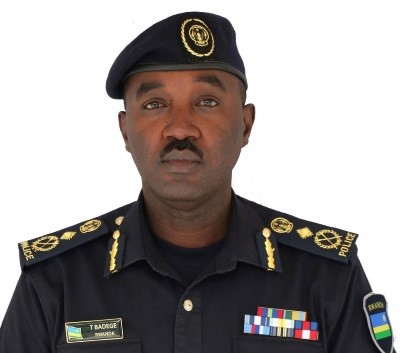
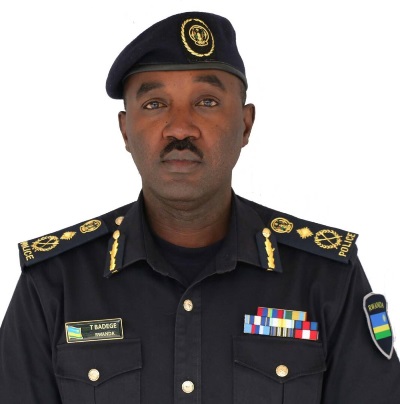
CP Badege previously served as spokesperson of the Rwanda National Police at different times. In 2013, he left the role to become the Commissioner for Criminal Investigation Department (CID) within the police force.
In 2016, he was reappointed as police spokesperson, a position he held before taking up duties with Interpol, where he has been serving in recent years.
CP Theos Badege has been appointed as Deputy Commissioner General of RCS
The meeting was chaired by President Paul Kagame at Village Urugwiro. Institutions, communities and individuals have been encouraged to take part in the 32nd commemoration of the 1994 Genocide against the Tutsi.
The cabinet also approved different draft laws, discussed the economic implications of the ongoing situation in the Middle East, particularly its impact on global energy and commodity markets, and several appointments in key government institutions.
Cabinet resolutions
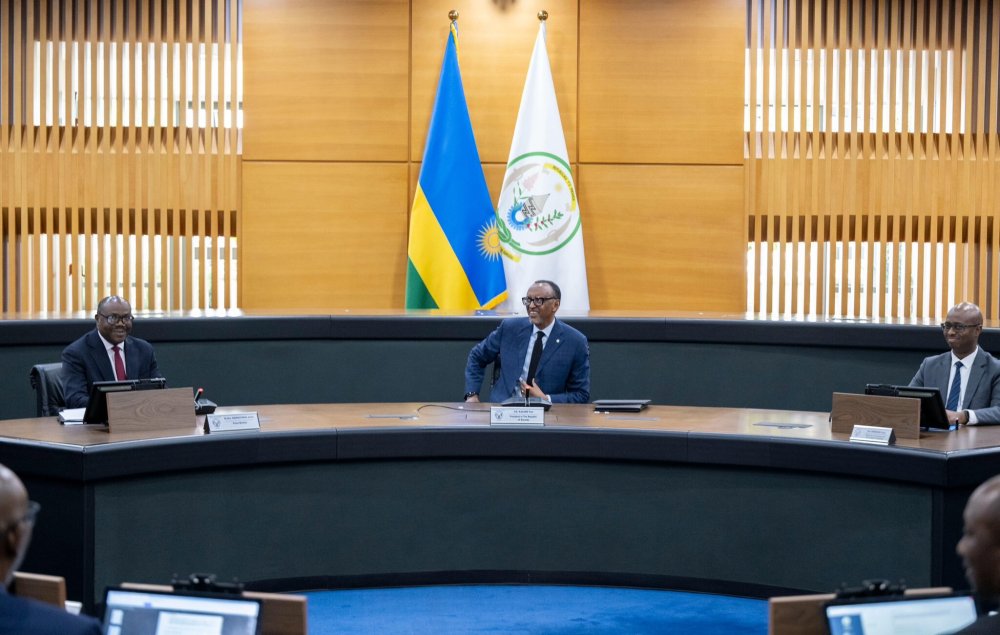
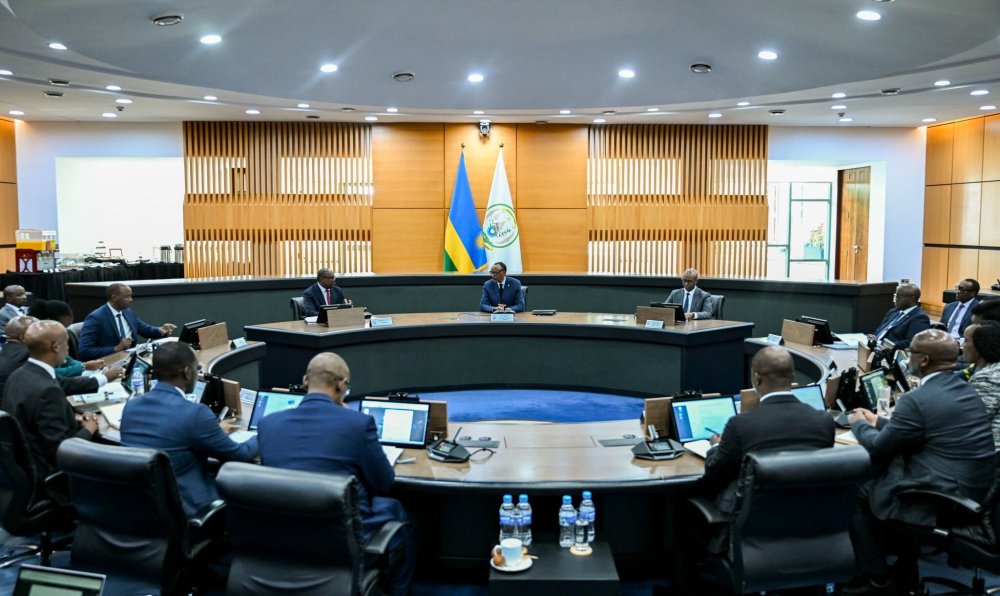
On Thursday, 2 April 2026, His Excellency Kagame Paul, the President of the Republic of Rwanda, chaired a Cabinet Meeting at Urugwiro Village.
1. Cabinet was briefed on preparations for the 32nd Commemoration of the Genocide against the Tutsi (Kwibuka 32).
The national commemoration week will be observed from 7 – 13 April 2026 in Rwanda and abroad. Institutions, communities, and individuals are encouraged to actively participate in remembrance activities.
As Rwanda commemorates Kwibuka32, Cabinet called upon all citizens to reject genocide ideology in all its forms.
In light of its continued resurgence in the region and beyond, it is essential that all Rwandans come together to safeguard national unity, reconciliation, and the country’s peace and stability.
2. Cabinet discussed the economic implications of the ongoing situation in the Middle East, particularly its impact on global energy and commodity markets.
Cabinet emphasised the need to continuously sustain Rwanda’s macroeconomic stability, mitigate inflationary pressures, and ensure that citizens are consistently informed and engaged throughout this process.
3. Cabinet was briefed on the recently published education statistics and the key measures driving continuous improvement across the education sector.
4. Cabinet approved the following draft laws:
Draft law approving ratification of the Loan Agreement between the Republic of Rwanda and the Asian Infrastructure Investment Bank for Rwanda’s energy sector result-based financing.
Draft law approving ratification of the Financing Agreement between the Republic of Rwanda and the International Development Association, relating to the credit for the Rwanda inclusive and resilient job creation development policy financing.
Cabinet approved the following policies/strategies/programmes:
National Lottery Operating Agreement between the Government of Rwanda and Moja Rwanda Limited.
Power Purchase Agreement between the Government of Rwanda and G2P Energy Limited related to their investment in generating electricity from methane gas.
Partnership Agreement between the Government of Rwanda and Teleperformance Rwanda Limited related to their investment in telecommunication.
Cabinet granted agrément to the proposed Ambassador and Honorary Consuls as follows:
Mr. El Houssein Nagi, Ambassador of the Islamic Republic of Mauritania to the Republic of Rwanda, with residence in Addis Ababa
Mr. Irene Ndikumwenayo, Honorary Consul of Grenada to the Republic of Rwanda.
Mr. Hugh Delaney, Honorary Consul of Ireland to the Republic of Rwanda.
Cabinet approved the following appointments:
Rwanda Cooperation Initiative (RCI)
Mr. Niwenshuti Richard, Chief Executive Officer
Ms. Tubane Chance, Chief Operating Officer
Rwanda Development Board (RDB)
Mr. Nsengiyumva Joseph Cedrick, Chief Corporate Affairs Officer
Mr. Kayibanda Richard, Chief Licensing Officer
The Office of the Ombudsman
Ms. Mbabazi Judith, Deputy Ombudsman in charge of Preventing and Fighting Injustice.
Rwanda Correctional Service (RCS)
CP Badege Theos, Deputy Commissioner General
National Electoral Commission (NEC)
Mr. Nkiko Albert, Commissioner
National Prosecution Authority (NPPA)
Mr. Habimana Donath, National Prosecutor
AOB
The Chief Executive Officer of the Rwanda Development Board informed the Cabinet of the 12th edition of the Africa CEO Forum , scheduled in Kigali from May 14 to May 15, 2026.
The Minister of Infrastructure informed the Cabinet of the Nuclear Innovation Summit for Africa scheduled in Kigali from May 18 to May 21, 2026.
President Paul Kagame chaired a Cabinet Meeting at Urugwiro Village on Thursday, 2 April 2026.