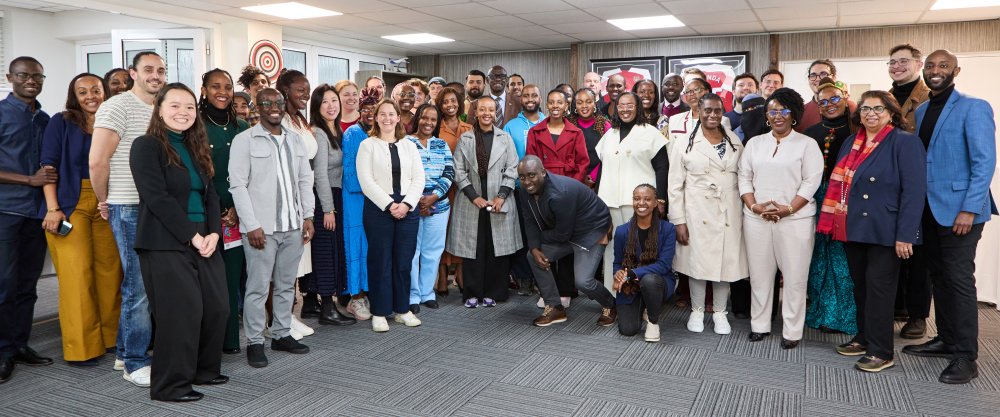
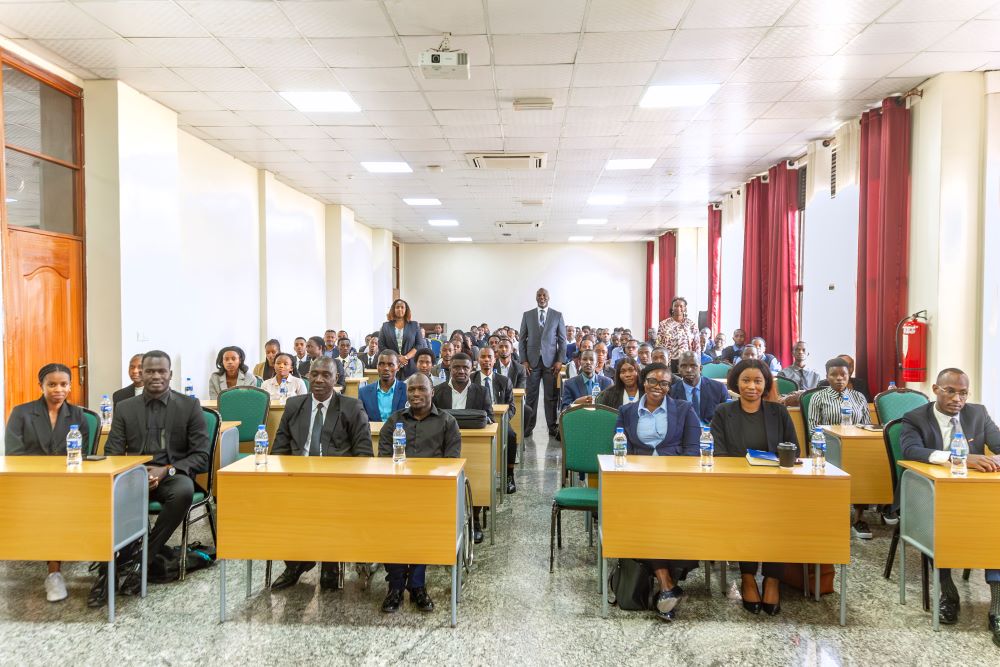
The tour ran from March 25 to March 28, 2026, and included women involved in horticulture, as well as coffee production.
During the trip, participants visited markets in London and Birmingham, learning about how international markets operate, customer preferences, the requirements for exporting products, and networking opportunities, all designed to strengthen their business knowledge and expand their trade.
Gisele Umuhoza, programme management adviser for ITC SheTrades, highlighted that the study tour enhances women entrepreneurs’ market access and boosts their businesses.
“By connecting women exporters with buyers and traders, we are creating tangible opportunities for these entrepreneurs to grow,” she said.
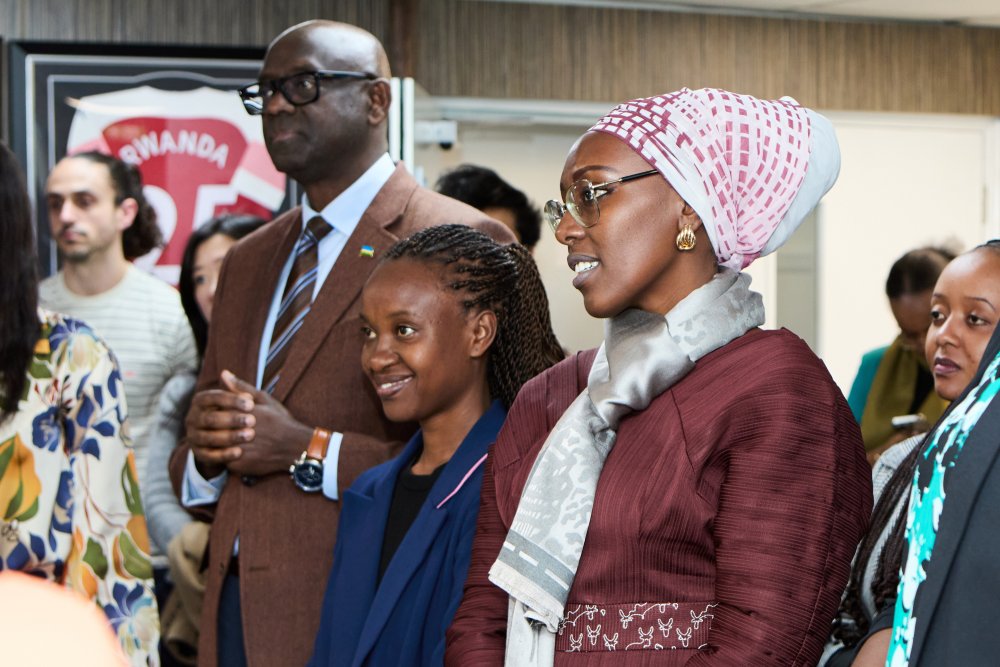
Rwandan High Commissioner to UK, Johnston Busingye, emphasized that the initiative aligns with Rwanda-UK trade cooperation.
“The UK remains a key trade partner with Rwanda, and programs like SheTrades complement our economic cooperation policies, offering meaningful opportunities to expand trade relations. We are thrilled to see women entrepreneurs taking the lead, showcasing the quality of Rwandan coffee and other products, while building new partnerships with UK buyers.”
Meanwhile, in collaboration with the National Agricultural Export Development Board (NAEB), 20 Rwandan women traders participated in the International Food and Drink Event (IFE) in London from March 30 to April 1, 2026. The event provided international exposure for Rwandan coffee and other agricultural products.
Janet Basiima, Division Manager of Export Market Development and Innovation Division at the National Agricultural Export Board (NAEB) explained that these initiatives aim to support women-led businesses.
“By helping women entrepreneurs access key markets like the UK, we not only promote Rwandan coffee and other products but also strengthen relationships and partnerships that help meet international market demands,” she said.
Connecting Rwandan women entrepreneurs to buyers through the SheTrades program creates opportunities for export growth while contributing to Rwanda’s overall economic advancement.
A group of 15 Rwandan women traders explored market trends and export opportunities during a study tour across London and Birmingham.Rwandan High Commissioner to UK, Johnston Busingye, emphasized that the initiative aligns with Rwanda-UK trade cooperation. By connecting with UK buyers, Rwandan women entrepreneurs are building partnerships that could drive long-term export growth.The SheTrades initiative is opening doors for Rwandan women by linking them directly with international buyers and trade networks.
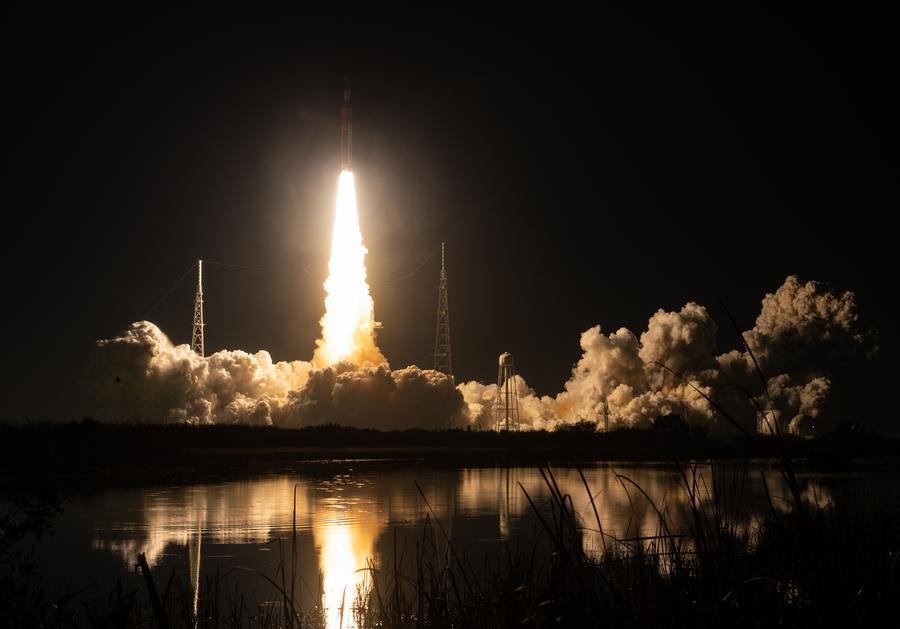
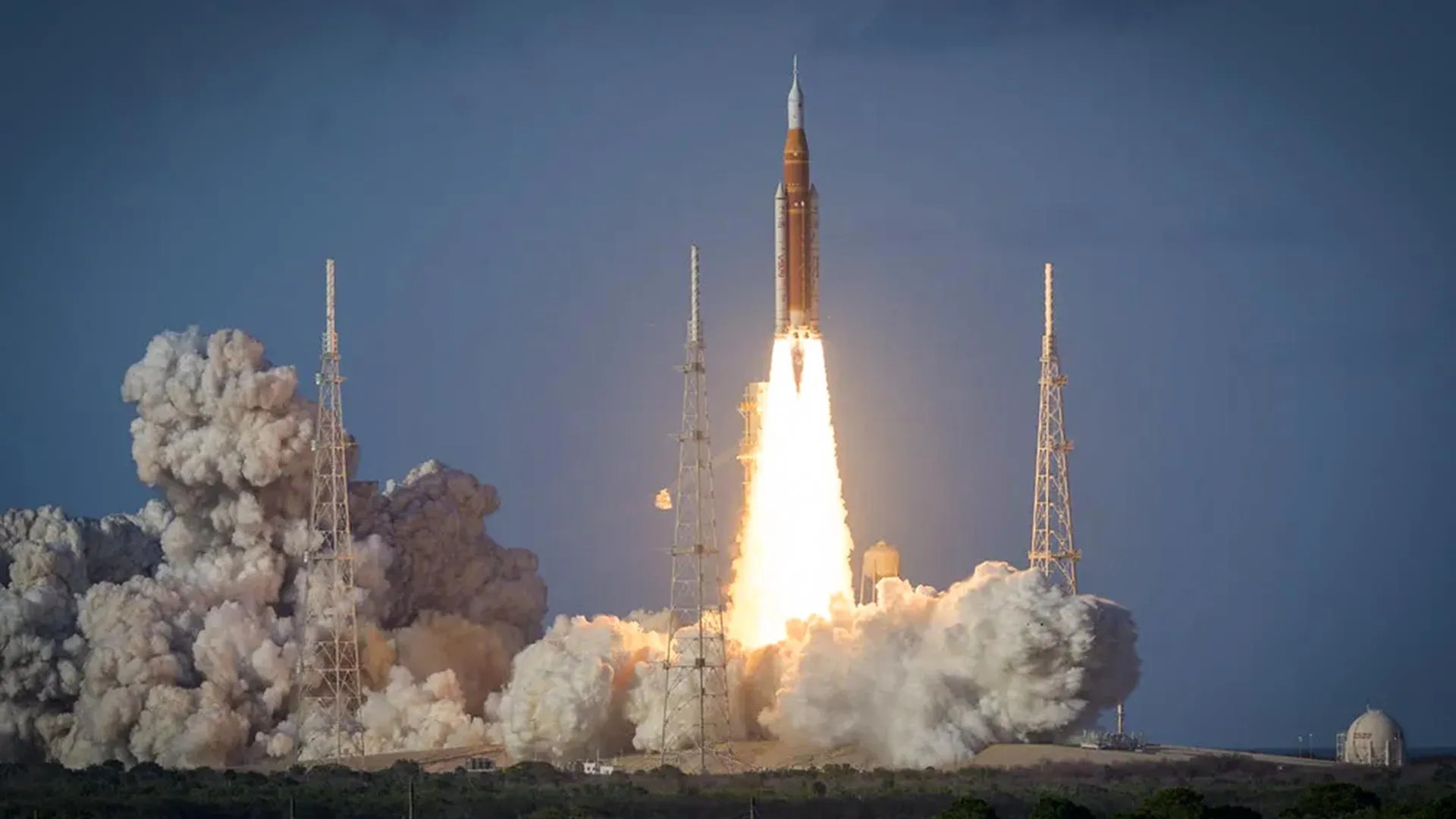
The Space Launch System rocket, with the Orion spacecraft on top, launched from NASA’s Kennedy Space Center at 6:35 p.m. Eastern Time.
It is NASA’s first crewed mission under the Artemis program. The four-member crew consists of NASA astronauts Reid Wiseman, Victor Glover and Christina Koch, along with Canadian Space Agency astronaut Jeremy Hansen.
What’s the purpose?
A sweeping collection of astronaut health studies planned for the mission will soon provide agency researchers with a glimpse into how deep space travel influences the human body, mind and behavior, NASA said on its website.
During an approximately 10-day mission, the astronauts are set to collect and store saliva, wear wrist monitors that track movement and sleep, and provide other essential data for NASA’s Human Research Program and other agency science teams.
The mission will explore how the immune system reacts to spaceflight and evaluate how crew members perform individually and as a team throughout the mission, including how easily they can move around within the confined space of their Orion spacecraft.
Astronauts will also collect a standardized set of measurements spanning multiple physiological systems to provide a comprehensive snapshot of how spaceflight affects the human body.
What’s more, radiation sensors placed inside the Orion capsule cells will collect additional information about radiation shielding functionality and organ-on-a-chip devices containing astronaut cells will study how deep space travel affects humans at a cellular level.
The crew will also conduct science investigations that will inform future deep space missions, including a lunar science investigation as Orion flies about 4,000 to 6,000 miles (approximately 6,400 to 9,600 kilometers) from the Moon’s surface.
As Orion passes on the far side of the Moon, the side that always faces away from Earth, the crew will analyze and photograph geologic features on the surface, such as impact craters and ancient lava flows.
Why is the mission crucial?
The studies focusing on the health of Artemis II astronauts will provide researchers with an unprecedented glimpse into how deep space travel influences the human body, mind and behavior, said NASA.
Results will help the agency develop future interventions, protocols, and preventive measures to best protect astronauts on future missions to the lunar surface and Mars, it said.
“Artemis II is a chance for astronauts to implement the lunar science skills they’ve developed in training,” said Kelsey Young, Artemis II lunar science lead at NASA’s Goddard Space Flight Center in Greenbelt, Maryland.
“It’s also an opportunity for scientists and the engineers in mission control to collaborate during real-time operations, building on the years of testing and simulations that our teams have done together,” she said.
The crew’s observations will also help pave the way for lunar science activities on future Artemis missions to the Moon’s surface, said NASA.
The astronauts could be the first humans to see some parts of the Moon’s far side with the naked eye, it said. During the nine Apollo missions that left Earth’s orbit, astronauts saw parts of the Moon’s far side, but not all of it, limited by which sections were lit during their orbits.
The astronauts may also get to observe flashes of light from space rocks striking the surface, clues that help reveal how often the Moon gets hit, or dust floating above the Moon’s edge, a mysterious phenomenon scientists want to understand, it added.
“Whether they’re looking out the spacecraft’s windows or walking the surface, Artemis astronauts will be working on behalf of all scientists to collect clues to the ancient geologic processes that shaped the Moon and our solar system,” said Cindy Evans, NASA’s Artemis geology training and strategic integration lead.
Why the moon?
The Artemis II mission is part of the Artemis program that aims to return astronauts to the Moon and develop space defense technologies. According to NASA, there will be two more missions under the program in the next two years.
Scheduled for 2027, the Artemis III mission will launch a crew in the Orion spacecraft atop the Space Launch System rocket to test rendezvous and docking capabilities between Orion and commercial spacecraft needed to land astronauts on the Moon.
NASA targets early 2028 for the launch of Artemis IV to lunar orbit, where two crew members will land on the Moon and spend approximately a week near its South Pole, investigating the landforms, rocks and other features around their landing site.
The program envisions humans living beyond Earth’s orbit, said Clayton Swope, deputy director of the Aerospace Security Project at the Washington-based Center for Strategic and International Studies, a think tank.
All roads to the cosmos naturally lead through the Moon, making it ideal for NASA to test new technologies and figure out how to sustain human life far from Earth, thereby preparing for future missions to Mars and beyond, Swope wrote in a commentary on the think tank’s website.
It will serve as a jumping-off point for scientific expeditions, he said, adding that lunar infrastructure will serve as a key waystation and transit hub, possibly within decades, like a service plaza on an interstellar toll road for journeys between Earth and beyond.
The Moon is also important because of its natural resources, he said. “Today, transporting the materials needed to support space activities into orbit, let alone to deep space, is expensive. Water ice on the Moon can be broken down and used for a variety of purposes, such as manufacturing propellant.”
The Moon contains certain resources that may be valuable enough to extract and bring back to Earth, including rare earth elements used in modern electronics, while helium-3 — scarce on Earth but abundant on the Moon — could support future advances in quantum technologies, he added.
Some experts also argue that during a time when Americans are polarized once more and the United States is at war, the program could offer a rare moment of collective national pride.
“Space is one of the few areas that Americans with different political views can enjoy and watch together,” Esther Brimmer, a senior fellow at the Council on Foreign Relations who specializes in space policy, told the BBC.
“The space programme is something that most Americans have grown up with and see as a point of pride,” Brimmer added. “It’s by and large unifying, in terms of the social impact.”
NASA’s Space Launch System rocket carrying the Orion spacecraft lifts off on the Artemis I flight test at NASA’s Kennedy Space Center in Florida, the United States, Nov. 16, 2022.
The program comes at a critical moment as Rwanda navigates the global economic ripple effects of the ongoing war in the Middle East, declining budget support, and rising domestic inflation. It aims to support Rwanda’s reform momentum, maintain prudent economic management, rebuild financial buffers, and safeguard growth ambitions.
Structured around three key pillars; strengthening coherent economic policies, managing fiscal and debt risks, and promoting private-sector-led growth with transparent oversight of state-owned companies, the program seeks to provide both stability and opportunity for the country’s economy.
“We are pleased with the progress on the ECF program, which will cushion the impact of the Gulf war and declining budget support while sustaining Rwanda’s growth, investment ambitions and structural transformation,” said Yusuf Murangwa, Minister of Finance and Economic Planning.
Rwanda’s economy demonstrated remarkable resilience in 2025, growing by 9.4%, well above expectations. Inflation, however, rose to 9.2% in February 2026, surpassing the central bank’s target.
Strong exports of coffee and minerals improved the country’s external position, while imports, mainly of equipment and business materials, remained high.
Foreign exchange reserves remain comfortable, covering more than four months of imports, and recent tax reforms have strengthened domestic revenue collection.
“Rwanda’s economy remains resilient with strong 2025 growth, but prolonged war in the Middle East and tighter financing could pressure inflation, external balance, and debt. […] The IMF is committed to continue supporting the country in strengthening its policy foundations for advancing its reform and development agenda,” said Albert Touna Mama, IMF mission chief.
The war in the Middle East has contributed to expectations that growth will moderate to 6.8% in 2026. Rising global oil and fertilizer prices, combined with financing needs for strategic investments, continue to pressure the budget and trade balance.
Other risks include volatile commodity prices, weak global demand, and geopolitical tensions. Yet, Rwanda’s sound economic adjustments, ability to attract private investment, and supportive trade flows provide avenues for positive outcomes.
Under the new ECF program, Rwanda will pursue reforms aimed at durable private-sector-led growth, economic stability, external balance, and rebuilding policy buffers.
Key measures include implementing a credible medium-term budget plan, including the Medium Term Revenue Strategy (MTRS-2), tightening control over foreign-funded capital spending, strengthening risk management, and safeguarding social and priority expenditures to maintain debt sustainability.
Given inflation pressures, the National Bank of Rwanda will maintain appropriately tight monetary policy to bring inflation down to the medium-term target of 5%. Enhanced exchange rate flexibility, supported by regular price-based auctions, will help absorb economic shocks and rebuild reserves.
“The Government remains committed to implementing the reforms under this program to protect Rwandans from external shocks while building a stronger, more self-reliant economy,” Minister Murangwa added.
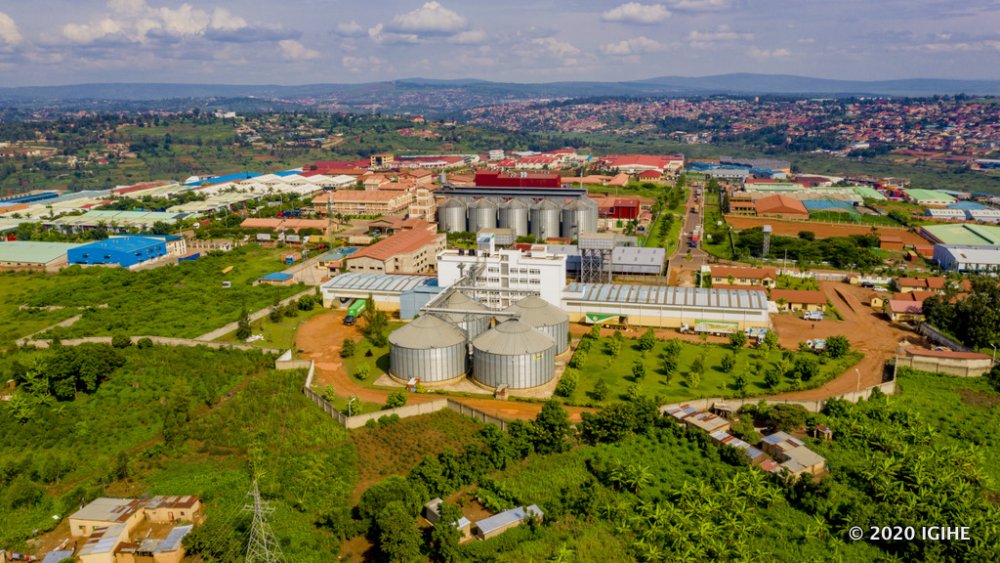
Rwanda’s economy demonstrated remarkable resilience in 2025, growing by 9.4%, well above expectations. This photo shows the bird’s eye view of Kigali Special Economic Zone.
A new clinical trial has now shown that a wake‑promoting medication called solriamfetol can significantly help early‑morning workers stay awake and improve their performance on the job.
Researchers from Mass General Brigham led the study, which is the first clinical trial to specifically focus on early‑morning shift workers, people who start work between roughly 3 a.m. and 7 a.m.
These workers often struggle not because they lack motivation, but because their bodies’ internal clocks are naturally programmed for sleep during those hours.
As a result, they face a double burden: excessive sleepiness during work hours and trouble getting sufficient rest when it is time to sleep.
The study involved 78 adults diagnosed with shift work disorder, a condition in which misaligned sleep schedules cause persistent daytime sleepiness and impaired performance.
Over a four‑week period, some participants were given solriamfetol, while others received a placebo.
Researchers assessed how well participants could stay awake in situations that simulated their typical work environment and also monitored reports on daily functioning, task performance, and overall alertness.
At the end of the trial, people who took solriamfetol showed clear improvements compared with those taking the placebo. They were able to stay awake longer during work hours, reported less sleepiness, and demonstrated better performance in tasks that required alertness.
Both study participants and the clinicians observing them noted meaningful enhancements in productivity, daily functioning, and quality of life.
The results suggest that solriamfetol may be an effective option for helping early‑morning shift workers overcome the biological disadvantage of starting work before their internal clocks are ready.
Currently, medications such as modafinil are sometimes used to promote wakefulness, but these have primarily been studied in nighttime or overnight shift workers and can affect sleep later in the day.
Solriamfetol, already approved for treating excessive daytime sleepiness in conditions like obstructive sleep apnea and narcolepsy, may offer a more targeted solution for the unique challenges faced by early‑morning workers.
The researchers caution that more study is needed to understand the long‑term effects of solriamfetol, especially over periods longer than four weeks and in broader worker populations.
Follow‑up clinical trials are already underway to explore its potential benefits for overnight shift workers as well, which could lead to wider treatment options for people struggling with shift work disorder.
Solriamfetol shows promise in helping early-morning shift workers stay alert and perform better.
This flight marks a major step forward in human space exploration and signals a return to lunar operations beyond Earth’s orbit after decades of inactivity in crewed lunar missions.
Aboard the Orion spacecraft are four astronauts who will spend about ten days in space, testing critical systems while traveling around the Moon and back toward Earth.
This includes Reid Wiseman, Victor Glover, and Christina Koch from NASA, plus Jeremy Hansen from the Canadian Space Agency, making this a diverse and internationally significant crew.
The mission is designed as a test flight to evaluate the spacecraft’s ability to support human life and function under real deep‑space conditions, an essential requirement for future missions that aim to land astronauts on the Moon and eventually send humans to Mars.
Shortly after launch, Orion’s solar arrays were deployed to begin generating electrical power from sunlight, and the spacecraft was transitioned into normal flight operations.
Engineers and astronauts then worked through a series of system checks, validating life support, communication, and navigation systems. These tests are vital because they will build confidence in both the spacecraft and mission control teams as NASA prepares for more complex missions in the coming years.
After reaching a high Earth orbit, Orion will separate from the rocket’s upper stage and continue on a course toward the Moon. During the mission, the spacecraft will travel into a lunar flyby trajectory, taking advantage of the Moon’s gravity before returning to Earth.
Along the way, the crew will perform additional scientific observations and experiments, including studies related to human health in space, which will help inform future long‑duration missions.
The Artemis II mission is part of NASA’s broader Artemis program, which seeks to establish a long‑term human presence on the Moon and lay the groundwork for human exploration of Mars.
By successfully completing this mission, NASA moves closer to returning astronauts to the lunar surface and expanding human reach into deeper regions of space.
NASA Sends Artemis II on Historic Crewed Moon Flyby, the First in 50 Years.
The development was confirmed in a statement released on Thursday, April 2, 2026, noting that it applies to both the public and private sectors.
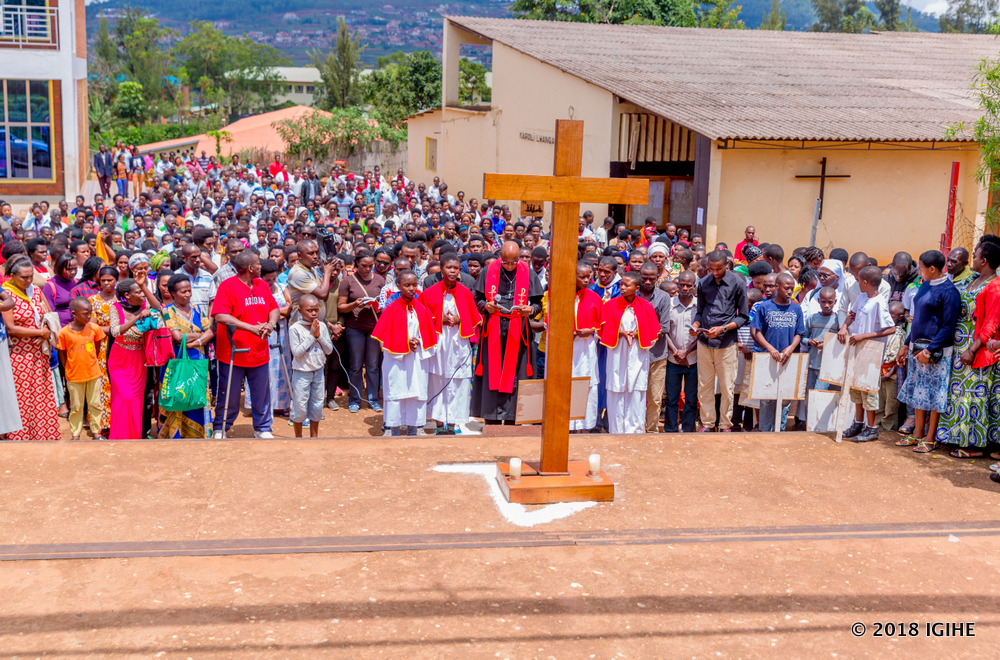
Good Friday is one of the most significant days in the Christian calendar. It commemorates the crucifixion and death of Jesus Christ, and is typically observed through church services, prayer, fasting, and reflection.
Many Christians in Rwanda and around the world use the day to remember the suffering and sacrifice of Christ, often participating in solemn religious gatherings.
Easter Monday, which follows Easter Sunday, is part of the broader Easter celebrations marking the resurrection of Jesus Christ.
While Easter Sunday is the central celebration, Easter Monday provides an additional opportunity for rest, family gatherings, and continued religious observance.
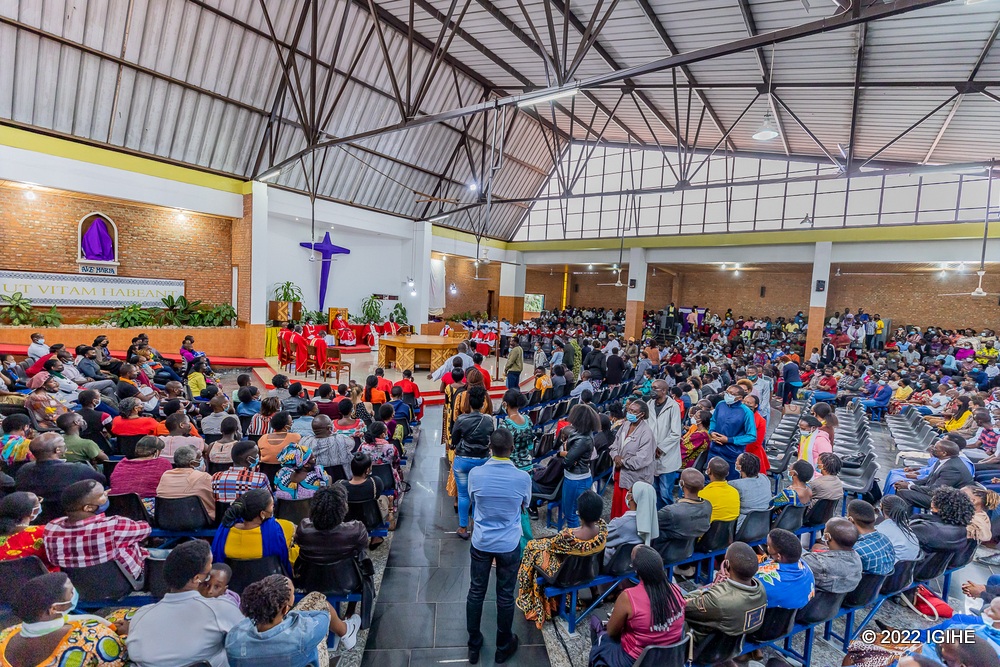
Christians celebrate Easter, marking the resurrection of Jesus Christ, a central event symbolizing hope, renewal, and new life. This photo shows a past Easter celebration at Saint Michel Cathedral. Observed by Christians worldwide, Good Friday commemorates the crucifixion and death of Jesus Christ, a day of reflection, prayer, and solemn remembrance.
The championship, part of the Sunshine Development Tour – East Africa Swing, is rapidly establishing Rwanda as a rising hub for competitive golf in Africa.
Following a groundbreaking inaugural edition in 2025, which drew 105 golfers from 12 countries and became the first tournament in Rwanda to award Official World Golf Ranking (OWGR) and World Amateur Golf Ranking (WAGR) points, this year’s event is expected to attract over 150 professional and amateur players from across Africa and beyond.
The 54-hole, three-day tournament will feature a prize purse of USD 25,000 (RWF 36.5 million), along with Sunshine Development Tour Order of Merit points and valuable OWGR and WAGR points, elevating its status on the global golfing stage.
Rwandan professional Celestin Nsanzuwera made history by winning the inaugural championship in 2025, a triumph that not only boosted his international ranking but also signalled a shift in Rwanda’s golf narrative from a niche pursuit to a competitive sport with growing international relevance.
Speaking ahead of the 2026 edition, Sunshine Development Tour – East Africa Swing promoter Charles Gacheru said the success of the inaugural event in Kigali demonstrated the untapped potential within the region, both in terms of talent and the ability to host world-class tournaments.
“This year, we are building on that foundation by expanding participation and creating more opportunities for players to earn ranking points and progress within the global golf structure,” Gacheru said.
Christian Gakwaya, lead of the SportsBiz Africa Forum, highlighted the tournament’s wider impact.
“This championship is more than a tournament, it is part of SBA’s vision to build world-class sporting assets that connect sport with business and drive sustainable development. As we grow this event into a recurring, high-level platform, we are not only showcasing Rwanda as a premier destination for international sport, but also creating meaningful opportunities for local talent, partners, and the wider sports ecosystem,” he said.
The return of the SBA Golf Championship underscores Rwanda’s growing role in international sports and strengthens pathways for African golfers to compete on the global stage. The 2026 Sunshine Development Tour will also expand to 14 events across East Africa, including a new West Africa leg, the Alpha Bravo Golf Classic in Lagos, Nigeria.
As anticipation builds, the Kigali Golf Resort & Villas is expected to become the center of Africa’s golfing spotlight this September, with over 150 players set to tee off for glory in the second edition of the championship.
The championship, part of the Sunshine Development Tour – East Africa Swing, is rapidly establishing Rwanda as a rising hub for competitive golf in Africa.The SportsBiz Africa (SBA) Golf Championship is set to return to Kigali for its second edition from 10th to 13th September at the Kigali Golf Resort & Villas.Rwandan professional Celestin Nsanzuwera made history by winning the inaugural SportsBiz Africa Golf Championship in 2025The triumph of Rwandan Celestin Nsanzuwera not only boosted his international ranking but also signalled a shift in Rwanda’s golf narrative from a niche pursuit to a competitive sport with growing international relevance.
“I can say tonight that we are on track to complete all of America’s military objectives very shortly. We are going to hit them extremely hard over the next two to three weeks. We’re going to bring them back to the Stone Ages where they belong,” Trump said in a primetime address to the nation.
The president insisted that the negotiations between the United States and Iran “are ongoing” despite Iran’s denial, saying Iran’s “regime change has occurred because of all of their original leaders’ deaths” and “the new group is less radical and much more reasonable.”
“If there is no deal, we are going to hit each and every one of their electric generating plants very hard and probably simultaneously,” Trump said. He also signaled the U.S. military could target Iran’s oil infrastructure.
Trump again urged U.S. allies to “build up some delayed courage” and take the lead in reopening the Strait of Hormuz, suggesting Washington may end the U.S.-Israeli war with Iran without reopening the crucial global energy waterway, whose prolonged closure has fueled a global energy shock and sent oil and gas prices sharply higher.
“Go to the strait and just take it, protect it, use it for yourselves,” Trump urged U.S. allies, claiming again that the strait would “just open up naturally” with the end of the war.
Grappling with market volatility and public concerns over a drawn-out war, Trump argued the ongoing conflict, now in its fifth week, is far shorter than wars such as World War II, Vietnam or Iraq, and should be viewed as a necessary “investment” in the future rather than another prolonged conflict abroad.
Trump used the primetime address to justify the Iran war, tout U.S. military gains, and assure the U.S. public the war is nearing its end, local analysts say.
Markets reacted negatively to Trump’s address on his Iran war strategy, with S&P 500 futures falling 0.75 percent, Nasdaq futures down 1 percent, and Dow futures dropping more than 310 points.
Meanwhile, oil prices surged, with U.S. crude rising from about 98 U.S. dollars to nearly 104 dollars a barrel, while Brent crude climbed from around 99 dollars to 106 dollars.
Up to 67 percent of Americans believe that Trump does not have a clear plan for handling the situation in Iran, according to the latest CNN poll.
Trump insisted that the negotiations between the United States and Iran “are ongoing” despite Iran’s denial,
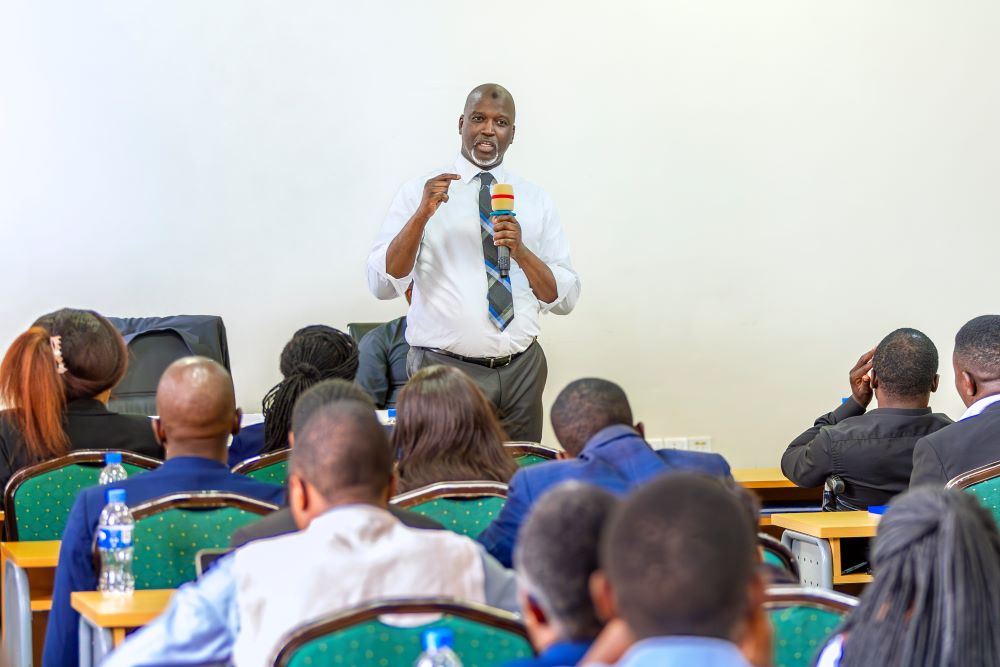
This lecture on “International Criminal Justice and the Genocide against the Tutsi: The Role of the ICTR and the Residual Mechanisms in Upholding Genocidaires Accountable,” was delivered on March 31, 2026 by Mr. Abubacarr M. Tambadou, the Registrar of the International Residual Mechanism for Criminal Tribunals.
The session provided a sweeping look at the pursuit of justice, the evolution of international criminal justice, and the complex human realities of post-genocide accountability.
Established by the United Nations Security Council, the International Criminal Tribunal for Rwanda (ICTR) faced a monumental and logistically impossible task: prosecuting the thousands of perpetrators involved in the genocide. Instead, the tribunal took a pragmatic and deeply symbolic approach.
“By prosecuting those who bore the greatest responsibility particularly top-level leaders in the political, military, religious, and business spheres the ICTR sent a clear message,” the lecture highlighted. “It demonstrated that absolutely no one is above the law, while simultaneously establishing global standards for fair trials and due process.”
Through its international authority, the ICTR successfully compelled nations across the world, especially from Africa and Europe to transfer fugitive suspects many of whom had fled Rwanda back into its custody to face trial.
Beyond individual prosecutions, the ICTR fundamentally reshaped international human rights law. The lecture placed special emphasis on the landmark case of Prosecutor v. Jean-Paul Akayesu.
For the first time in history, this case formally recognized rape and sexual violence as acts of genocide under international law, provided they were committed with the specific intent to destroy a targeted group.
“This ruling expanded the interpretation of the Genocide Convention,” the expert noted during the session. “It set a lasting, irrefutable precedent for all future international tribunals.”
Furthermore, the ICTR cemented the doctrine of command responsibility, ensuring that leaders could no longer turn a blind eye to atrocities, holding them legally accountable when they failed to prevent or punish crimes committed by their subordinates.
One of the most gripping moments of the lecture came from the personal testimony of a former ICTR prosecutor, illustrating the deep emotional toll of the tribunal’s work. Mr. Abubacarr recounted the visceral trauma of reading witness statements, which frequently resulted in recurring nightmares.
“Initially, I struggled so deeply with the horrific nature of the crimes that I refused to even shake the hands of the detained perpetrators,” the former prosecutor shared.
However, a pivotal shift occurred when they realized that cooperation from these lower-level detainees was the only way to build airtight cases against the senior architects of the genocide.
“By setting aside my personal judgment and choosing to treat the detainees with basic dignity, I gained their trust and cooperation,” the prosecutor explained. “It highlighted a difficult but necessary truth: while their crimes were horrific, the perpetrators were still human beings. Acknowledging that complexity transformed my understanding of justice and is essential for long-term reconciliation.”
Emmanuel Manzi, a DLP student in attendance, reflected on how deeply the tribunal’s history connects to the upcoming Kwibuka (commemoration) period.
“This lecture went far beyond legal insights,” Manzi observed. “It served as a powerful reminder of our shared responsibility in preserving memory and promoting unity among all Rwandans.”
As the nation prepares to remember the victims of the Genocide against the Tutsi, the session provided attendees with vital guidance for the days ahead. The core message emphasized the importance of standing in unwavering solidarity with the survivors of the Genocide against the Tutsi while firmly rejecting all forms of discrimination, division, and genocide ideology.
To put these principles into practice, attendees were encouraged to actively participate in national efforts and community events throughout the commemoration week, ultimately fostering an enduring culture of unity, compassion, and healing among all Rwandans.
The lecture ultimately served as a poignant reminder that the legacy of the ICTR is not just an academic or legal exercise. It is a living testament to the necessity of accountability, and a roadmap for a world striving to ensure that “Never Again” is a reality.
The lecture was delivered on March 31, 2026, at the Institute of Legal Practice and DevelopmentMr. Abubacarr M. Tambadou, the Registrar of the International Residual Mechanism for Criminal Tribunals delivered the lecture themed, “International Criminal Justice and the Genocide against the Tutsi: The Role of the ICTR and the Residual Mechanisms in Upholding Genocidaires Accountable.”
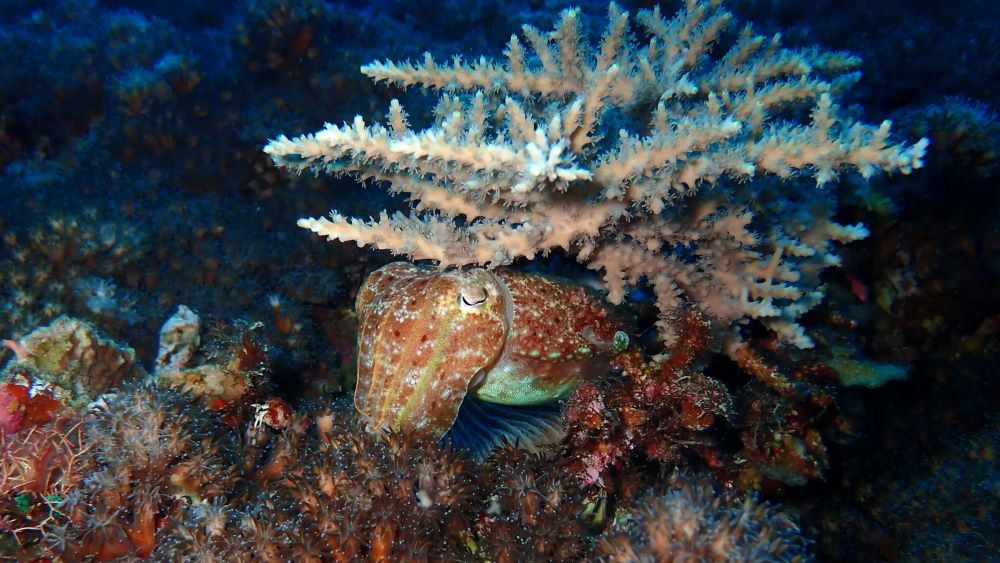
These sea creatures, known for their ability to change color and move quickly, have long puzzled scientists.
Their evolution has been difficult to trace because they leave behind very few fossils and have complex genetic structures. However, a recent study published in Nature Ecology & Evolution is now shedding light on their origins.
Researchers from the Okinawa Institute of Science and Technology combined large genetic datasets with newly sequenced squid genomes.
This allowed them to build the most complete evolutionary tree of squid and cuttlefish to date. Their findings show that these animals likely began in the deep ocean millions of years ago.
Around 66 million years ago, Earth experienced a major extinction event that wiped out about 75% of all species, including the dinosaurs.
Surprisingly, squid ancestors survived. Scientists believe they found refuge in deep, oxygen-rich parts of the ocean, where conditions were more stable compared to shallow waters affected by acidification.
After the planet recovered, squid and cuttlefish began to spread into new environments such as coral reefs and coastal areas. The study describes this process as a “long fuse” evolution, where species change slowly for a long time, then suddenly diversify rapidly when conditions improve.
Today, squid and cuttlefish are among the most diverse and intelligent marine animals. This research not only explains their survival but also opens the door to understanding their unique features, from camouflage abilities to complex behavior.
Photo of a common cuttlefish (Sepia sp.) Credit: Keishu Asada