The development was confirmed in a statement released on Thursday, April 2, 2026, noting that it applies to both the public and private sectors.
Good Friday is one of the most significant days in the Christian calendar. It commemorates the crucifixion and death of Jesus Christ, and is typically observed through church services, prayer, fasting, and reflection.
Many Christians in Rwanda and around the world use the day to remember the suffering and sacrifice of Christ, often participating in solemn religious gatherings.
Easter Monday, which follows Easter Sunday, is part of the broader Easter celebrations marking the resurrection of Jesus Christ.
While Easter Sunday is the central celebration, Easter Monday provides an additional opportunity for rest, family gatherings, and continued religious observance.
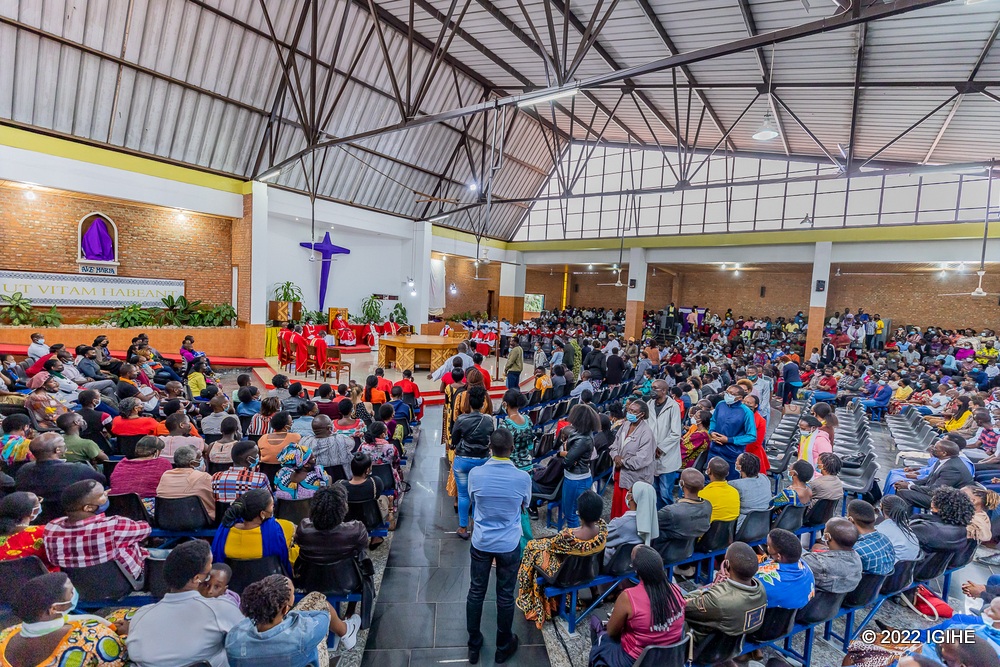
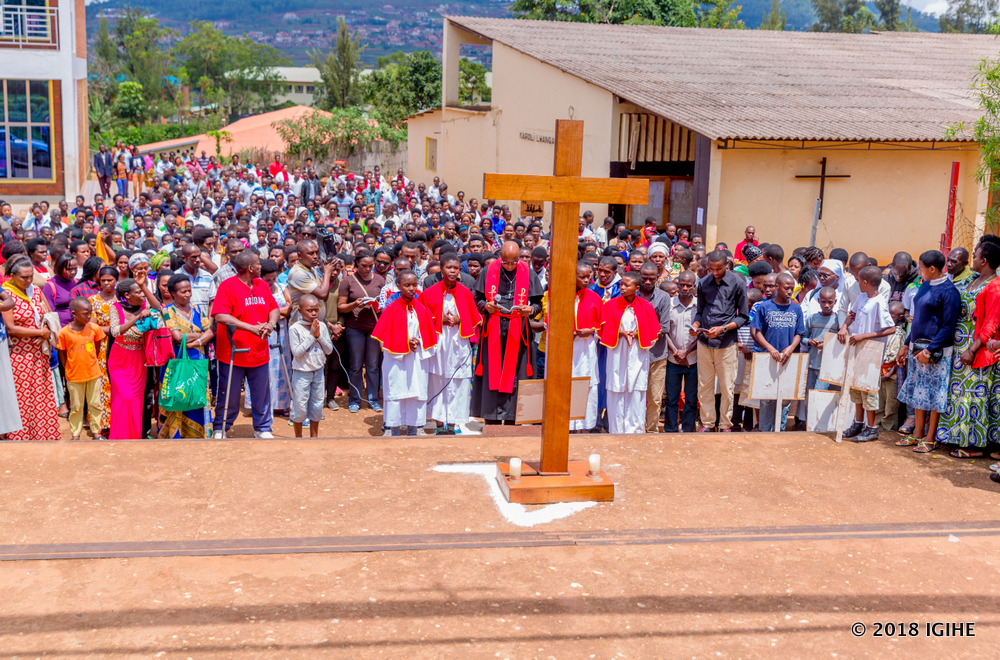
Christians celebrate Easter, marking the resurrection of Jesus Christ, a central event symbolizing hope, renewal, and new life. This photo shows a past Easter celebration at Saint Michel Cathedral. Observed by Christians worldwide, Good Friday commemorates the crucifixion and death of Jesus Christ, a day of reflection, prayer, and solemn remembrance.
The championship, part of the Sunshine Development Tour – East Africa Swing, is rapidly establishing Rwanda as a rising hub for competitive golf in Africa.
Following a groundbreaking inaugural edition in 2025, which drew 105 golfers from 12 countries and became the first tournament in Rwanda to award Official World Golf Ranking (OWGR) and World Amateur Golf Ranking (WAGR) points, this year’s event is expected to attract over 150 professional and amateur players from across Africa and beyond.
The 54-hole, three-day tournament will feature a prize purse of USD 25,000 (RWF 36.5 million), along with Sunshine Development Tour Order of Merit points and valuable OWGR and WAGR points, elevating its status on the global golfing stage.
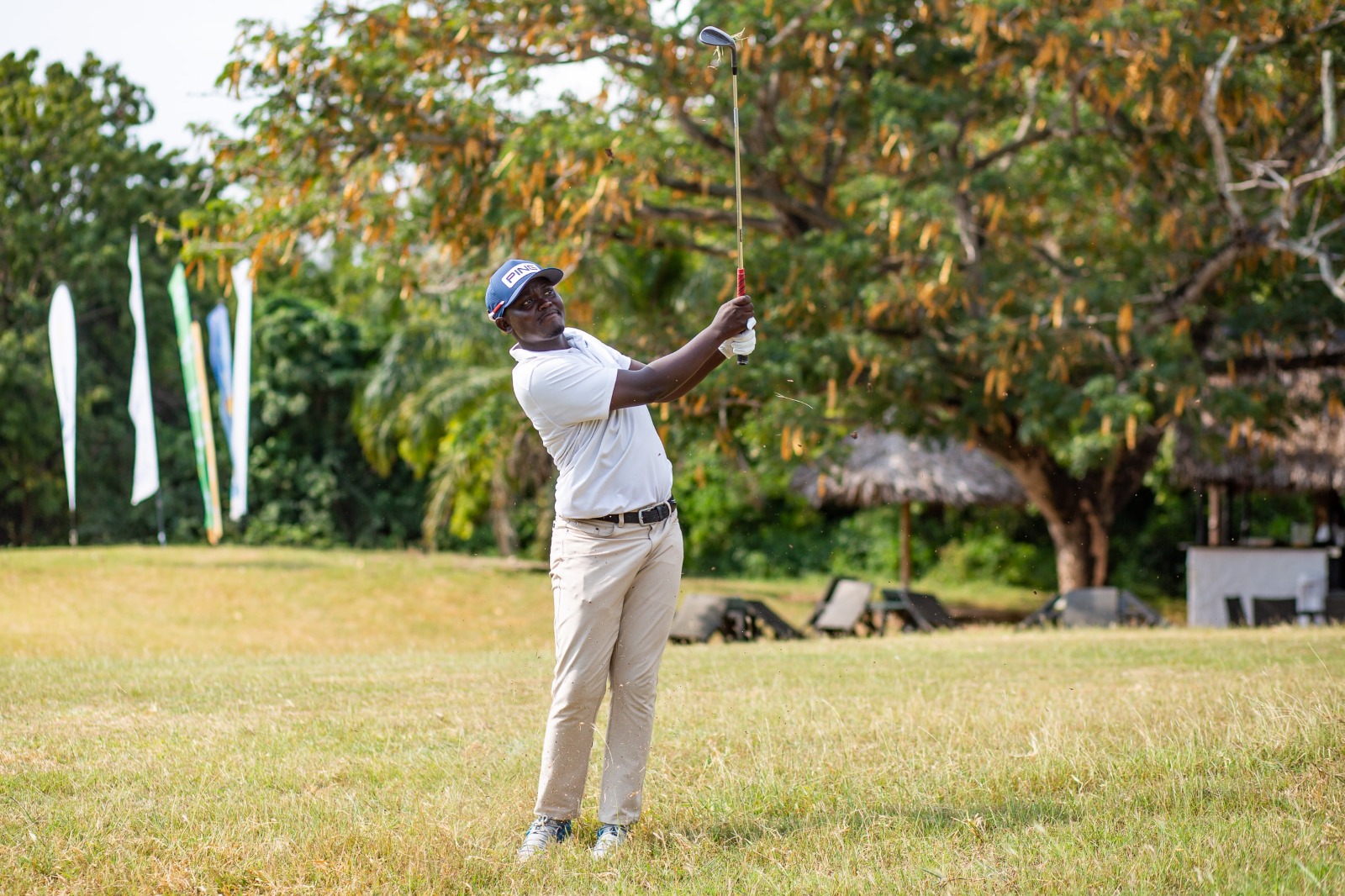
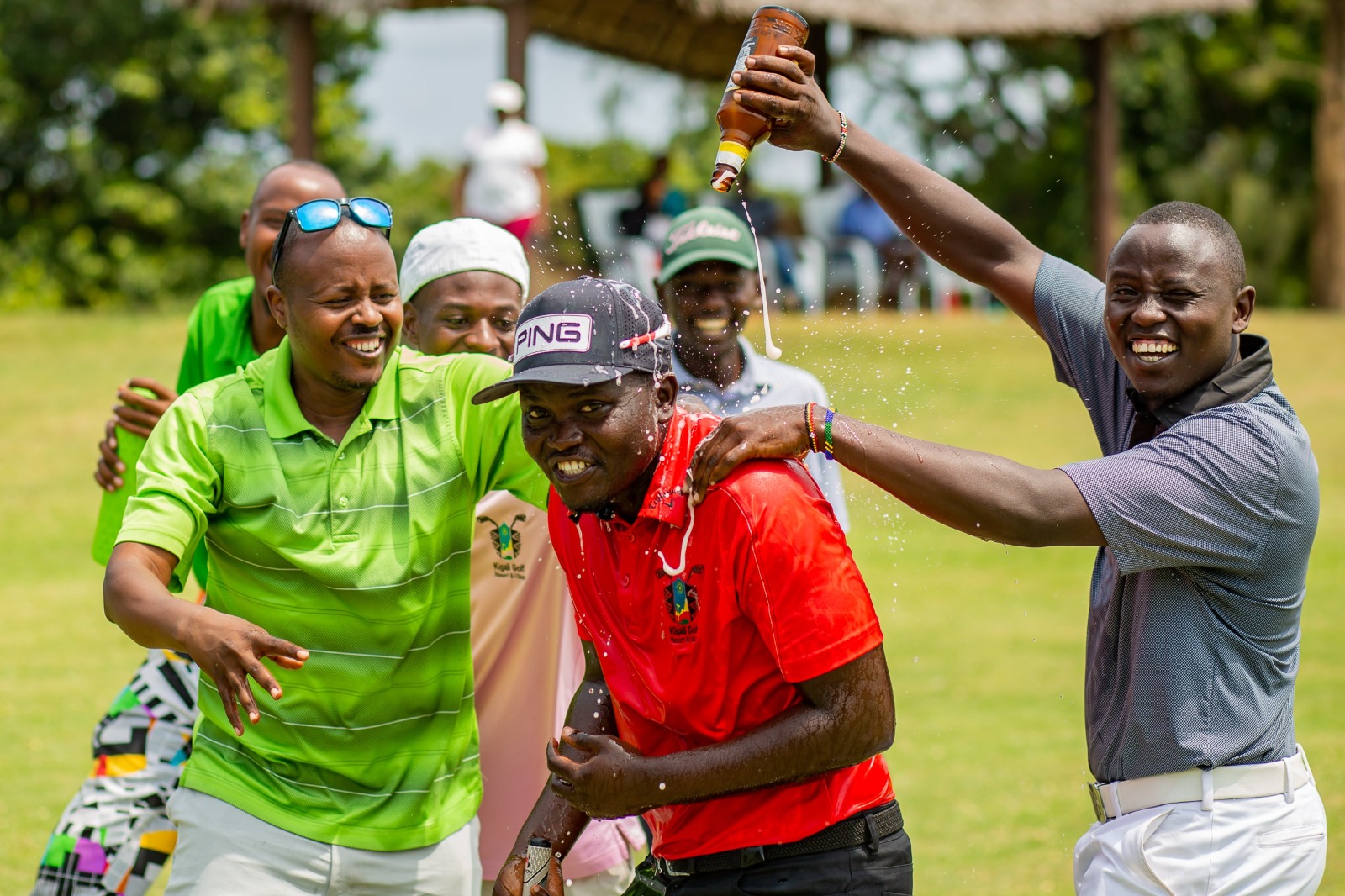
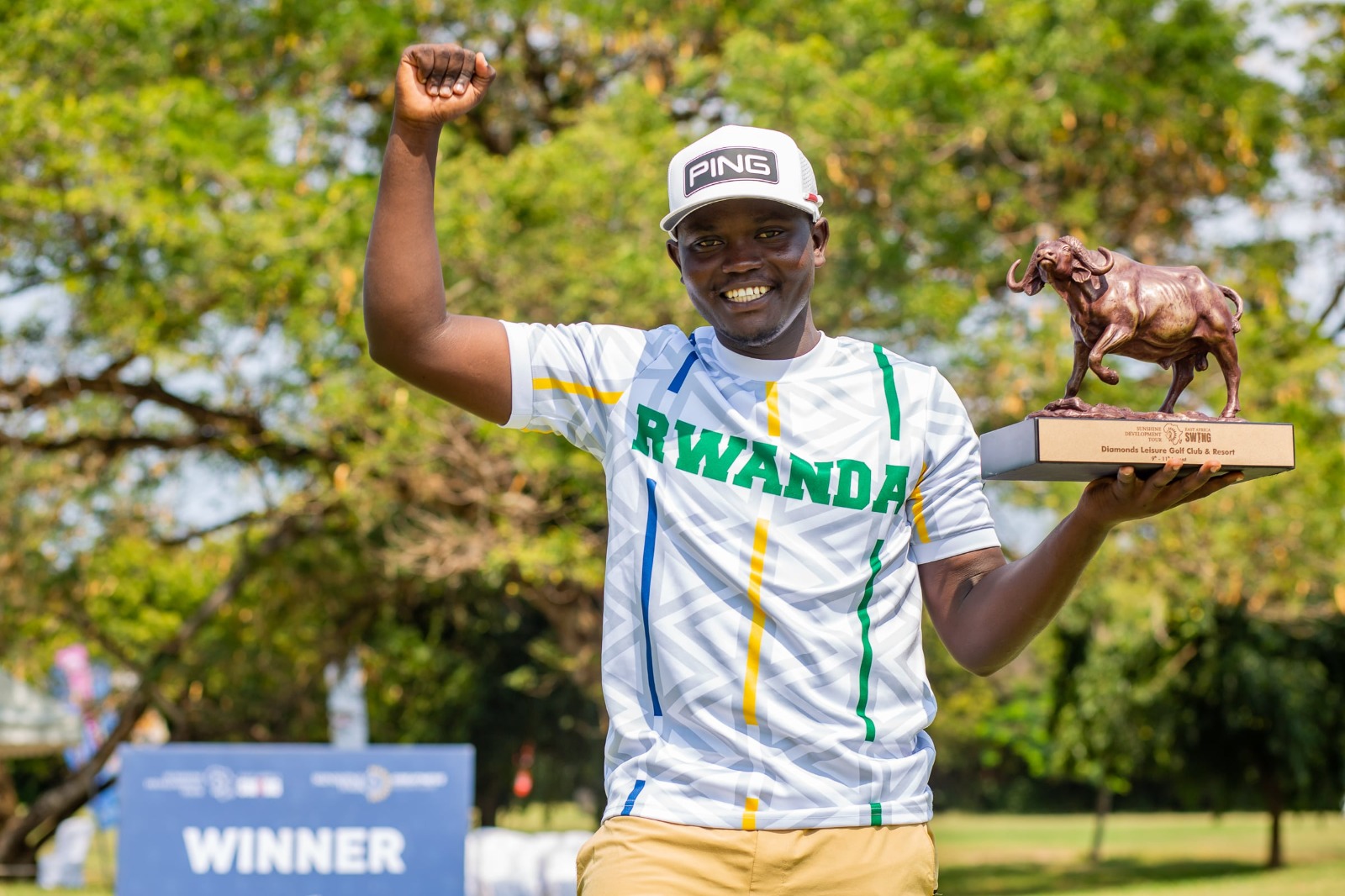
Rwandan professional Celestin Nsanzuwera made history by winning the inaugural championship in 2025, a triumph that not only boosted his international ranking but also signalled a shift in Rwanda’s golf narrative from a niche pursuit to a competitive sport with growing international relevance.
Speaking ahead of the 2026 edition, Sunshine Development Tour – East Africa Swing promoter Charles Gacheru said the success of the inaugural event in Kigali demonstrated the untapped potential within the region, both in terms of talent and the ability to host world-class tournaments.
“This year, we are building on that foundation by expanding participation and creating more opportunities for players to earn ranking points and progress within the global golf structure,” Gacheru said.
Christian Gakwaya, lead of the SportsBiz Africa Forum, highlighted the tournament’s wider impact.
“This championship is more than a tournament, it is part of SBA’s vision to build world-class sporting assets that connect sport with business and drive sustainable development. As we grow this event into a recurring, high-level platform, we are not only showcasing Rwanda as a premier destination for international sport, but also creating meaningful opportunities for local talent, partners, and the wider sports ecosystem,” he said.
The return of the SBA Golf Championship underscores Rwanda’s growing role in international sports and strengthens pathways for African golfers to compete on the global stage. The 2026 Sunshine Development Tour will also expand to 14 events across East Africa, including a new West Africa leg, the Alpha Bravo Golf Classic in Lagos, Nigeria.
As anticipation builds, the Kigali Golf Resort & Villas is expected to become the center of Africa’s golfing spotlight this September, with over 150 players set to tee off for glory in the second edition of the championship.
The championship, part of the Sunshine Development Tour – East Africa Swing, is rapidly establishing Rwanda as a rising hub for competitive golf in Africa.The SportsBiz Africa (SBA) Golf Championship is set to return to Kigali for its second edition from 10th to 13th September at the Kigali Golf Resort & Villas.Rwandan professional Celestin Nsanzuwera made history by winning the inaugural SportsBiz Africa Golf Championship in 2025The triumph of Rwandan Celestin Nsanzuwera not only boosted his international ranking but also signalled a shift in Rwanda’s golf narrative from a niche pursuit to a competitive sport with growing international relevance.
“I can say tonight that we are on track to complete all of America’s military objectives very shortly. We are going to hit them extremely hard over the next two to three weeks. We’re going to bring them back to the Stone Ages where they belong,” Trump said in a primetime address to the nation.
The president insisted that the negotiations between the United States and Iran “are ongoing” despite Iran’s denial, saying Iran’s “regime change has occurred because of all of their original leaders’ deaths” and “the new group is less radical and much more reasonable.”
“If there is no deal, we are going to hit each and every one of their electric generating plants very hard and probably simultaneously,” Trump said. He also signaled the U.S. military could target Iran’s oil infrastructure.
Trump again urged U.S. allies to “build up some delayed courage” and take the lead in reopening the Strait of Hormuz, suggesting Washington may end the U.S.-Israeli war with Iran without reopening the crucial global energy waterway, whose prolonged closure has fueled a global energy shock and sent oil and gas prices sharply higher.
“Go to the strait and just take it, protect it, use it for yourselves,” Trump urged U.S. allies, claiming again that the strait would “just open up naturally” with the end of the war.
Grappling with market volatility and public concerns over a drawn-out war, Trump argued the ongoing conflict, now in its fifth week, is far shorter than wars such as World War II, Vietnam or Iraq, and should be viewed as a necessary “investment” in the future rather than another prolonged conflict abroad.
Trump used the primetime address to justify the Iran war, tout U.S. military gains, and assure the U.S. public the war is nearing its end, local analysts say.
Markets reacted negatively to Trump’s address on his Iran war strategy, with S&P 500 futures falling 0.75 percent, Nasdaq futures down 1 percent, and Dow futures dropping more than 310 points.
Meanwhile, oil prices surged, with U.S. crude rising from about 98 U.S. dollars to nearly 104 dollars a barrel, while Brent crude climbed from around 99 dollars to 106 dollars.
Up to 67 percent of Americans believe that Trump does not have a clear plan for handling the situation in Iran, according to the latest CNN poll.
Trump insisted that the negotiations between the United States and Iran “are ongoing” despite Iran’s denial,
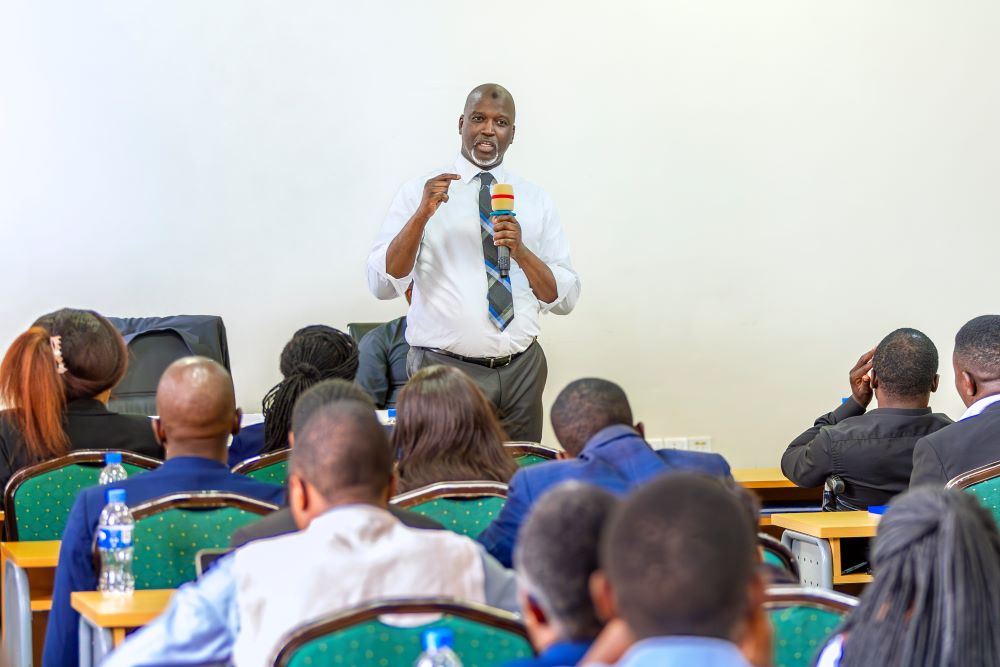
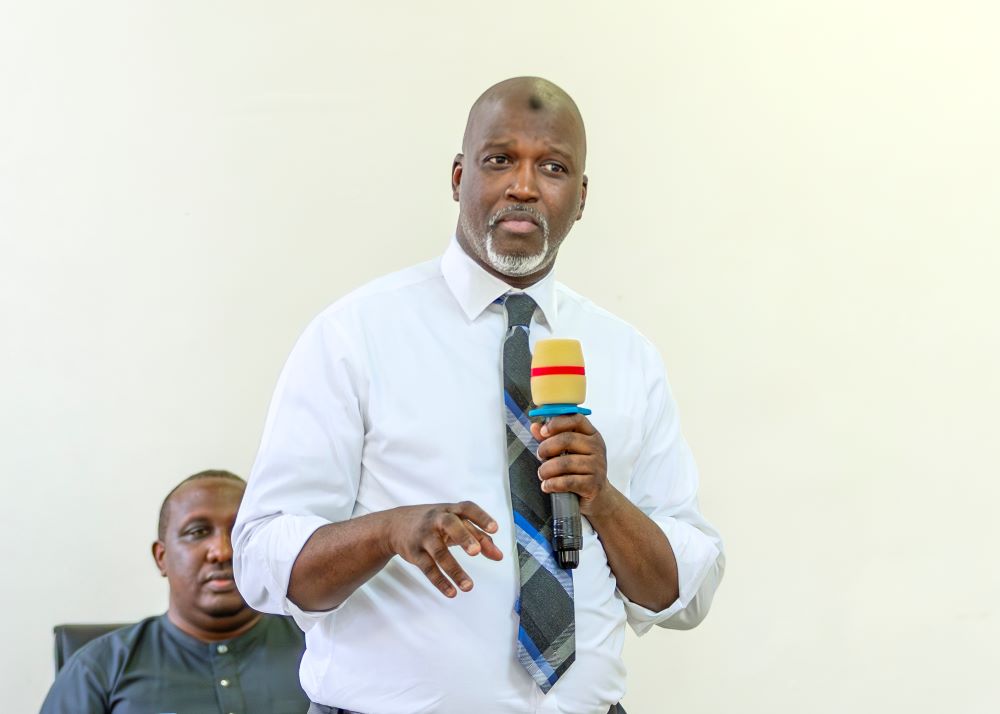
This lecture on “International Criminal Justice and the Genocide against the Tutsi: The Role of the ICTR and the Residual Mechanisms in Upholding Genocidaires Accountable,” was delivered on March 31, 2026 by Mr. Abubacarr M. Tambadou, the Registrar of the International Residual Mechanism for Criminal Tribunals.
The session provided a sweeping look at the pursuit of justice, the evolution of international criminal justice, and the complex human realities of post-genocide accountability.
Established by the United Nations Security Council, the International Criminal Tribunal for Rwanda (ICTR) faced a monumental and logistically impossible task: prosecuting the thousands of perpetrators involved in the genocide. Instead, the tribunal took a pragmatic and deeply symbolic approach.
“By prosecuting those who bore the greatest responsibility particularly top-level leaders in the political, military, religious, and business spheres the ICTR sent a clear message,” the lecture highlighted. “It demonstrated that absolutely no one is above the law, while simultaneously establishing global standards for fair trials and due process.”
Through its international authority, the ICTR successfully compelled nations across the world, especially from Africa and Europe to transfer fugitive suspects many of whom had fled Rwanda back into its custody to face trial.
Beyond individual prosecutions, the ICTR fundamentally reshaped international human rights law. The lecture placed special emphasis on the landmark case of Prosecutor v. Jean-Paul Akayesu.
For the first time in history, this case formally recognized rape and sexual violence as acts of genocide under international law, provided they were committed with the specific intent to destroy a targeted group.
“This ruling expanded the interpretation of the Genocide Convention,” the expert noted during the session. “It set a lasting, irrefutable precedent for all future international tribunals.”
Furthermore, the ICTR cemented the doctrine of command responsibility, ensuring that leaders could no longer turn a blind eye to atrocities, holding them legally accountable when they failed to prevent or punish crimes committed by their subordinates.
One of the most gripping moments of the lecture came from the personal testimony of a former ICTR prosecutor, illustrating the deep emotional toll of the tribunal’s work. Mr. Abubacarr recounted the visceral trauma of reading witness statements, which frequently resulted in recurring nightmares.
“Initially, I struggled so deeply with the horrific nature of the crimes that I refused to even shake the hands of the detained perpetrators,” the former prosecutor shared.
However, a pivotal shift occurred when they realized that cooperation from these lower-level detainees was the only way to build airtight cases against the senior architects of the genocide.
“By setting aside my personal judgment and choosing to treat the detainees with basic dignity, I gained their trust and cooperation,” the prosecutor explained. “It highlighted a difficult but necessary truth: while their crimes were horrific, the perpetrators were still human beings. Acknowledging that complexity transformed my understanding of justice and is essential for long-term reconciliation.”
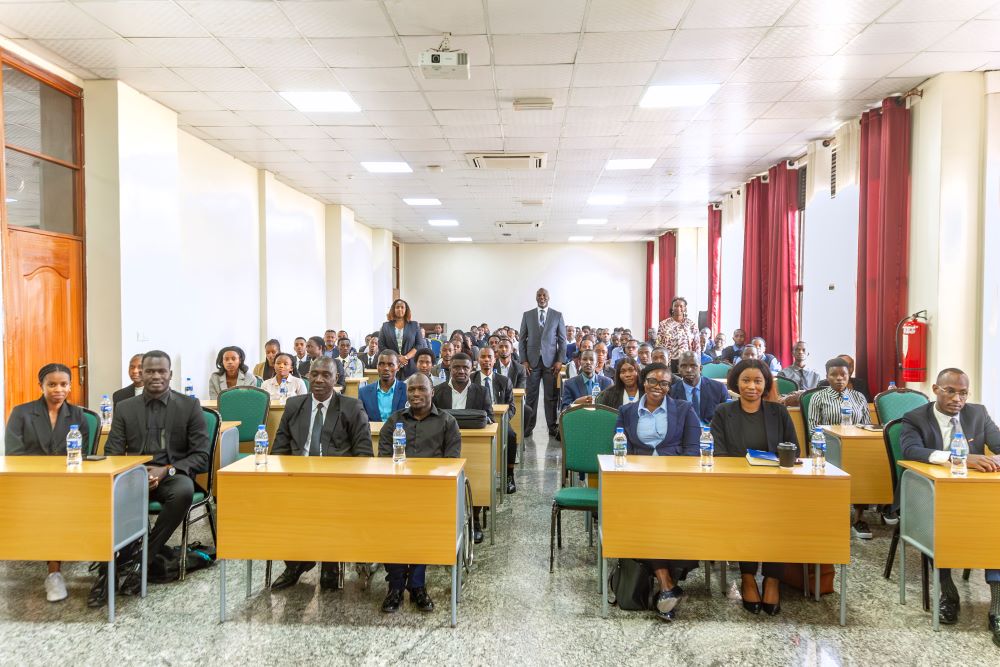
Emmanuel Manzi, a DLP student in attendance, reflected on how deeply the tribunal’s history connects to the upcoming Kwibuka (commemoration) period.
“This lecture went far beyond legal insights,” Manzi observed. “It served as a powerful reminder of our shared responsibility in preserving memory and promoting unity among all Rwandans.”
As the nation prepares to remember the victims of the Genocide against the Tutsi, the session provided attendees with vital guidance for the days ahead. The core message emphasized the importance of standing in unwavering solidarity with the survivors of the Genocide against the Tutsi while firmly rejecting all forms of discrimination, division, and genocide ideology.
To put these principles into practice, attendees were encouraged to actively participate in national efforts and community events throughout the commemoration week, ultimately fostering an enduring culture of unity, compassion, and healing among all Rwandans.
The lecture ultimately served as a poignant reminder that the legacy of the ICTR is not just an academic or legal exercise. It is a living testament to the necessity of accountability, and a roadmap for a world striving to ensure that “Never Again” is a reality.
The lecture was delivered on March 31, 2026, at the Institute of Legal Practice and DevelopmentMr. Abubacarr M. Tambadou, the Registrar of the International Residual Mechanism for Criminal Tribunals delivered the lecture themed, “International Criminal Justice and the Genocide against the Tutsi: The Role of the ICTR and the Residual Mechanisms in Upholding Genocidaires Accountable.”
These sea creatures, known for their ability to change color and move quickly, have long puzzled scientists.
Their evolution has been difficult to trace because they leave behind very few fossils and have complex genetic structures. However, a recent study published in Nature Ecology & Evolution is now shedding light on their origins.
Researchers from the Okinawa Institute of Science and Technology combined large genetic datasets with newly sequenced squid genomes.
This allowed them to build the most complete evolutionary tree of squid and cuttlefish to date. Their findings show that these animals likely began in the deep ocean millions of years ago.
Around 66 million years ago, Earth experienced a major extinction event that wiped out about 75% of all species, including the dinosaurs.
Surprisingly, squid ancestors survived. Scientists believe they found refuge in deep, oxygen-rich parts of the ocean, where conditions were more stable compared to shallow waters affected by acidification.
After the planet recovered, squid and cuttlefish began to spread into new environments such as coral reefs and coastal areas. The study describes this process as a “long fuse” evolution, where species change slowly for a long time, then suddenly diversify rapidly when conditions improve.
Today, squid and cuttlefish are among the most diverse and intelligent marine animals. This research not only explains their survival but also opens the door to understanding their unique features, from camouflage abilities to complex behavior.
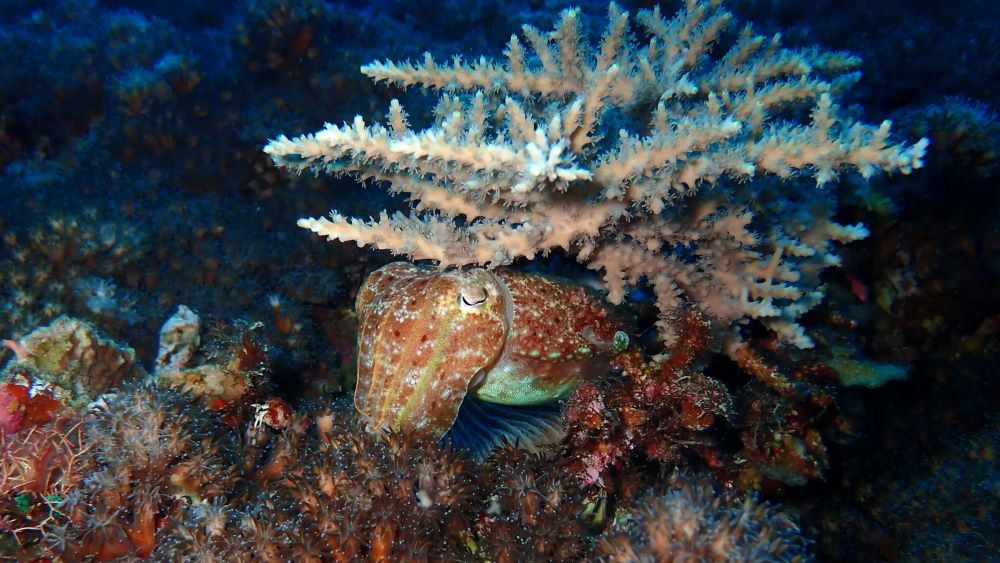
Photo of a common cuttlefish (Sepia sp.) Credit: Keishu Asada
“We leave because there’s no reason for us to do this,” Trump told reporters at the White House.
“All I have to do is leave Iran, and we’ll be doing that very soon, and they’ll become tumbling down,” Trump said when asked about his plan for lowering gas prices.
The U.S. president, facing mounting pressure from energy market volatility and investor concerns over a prolonged conflict, has issued a number of conflicting remarks on the timeline of the war since the U.S. and Israel launched massive attacks on Iran on Feb. 28.
Trump said the U.S. and Iran are negotiating, and it’s possible that the war will come to an end sooner if the two countries reach a deal.
“It’s possible that we’ll have a deal because they want to make a deal. They want to make a deal more than I want to make a deal. But in a fairly short period of time, we’ll be finished,” Trump said.
“Now we have a group of people that’s very — that are very different. They’re much more reasonable,” Trump added.
Trump reiterated that it will be up to other countries to reopen the Strait of Hormuz and secure the crucial global energy waterway.
“If France or some other country wants to get oil or gas, you go up through the strait and — the Hormuz Strait — they’ll go right up there and they’ll be able to fend for themselves,” Trump said.
Trump said the U.S. and Iran are negotiating, and it’s possible that the war will come to an end sooner if the two countries reach a deal.
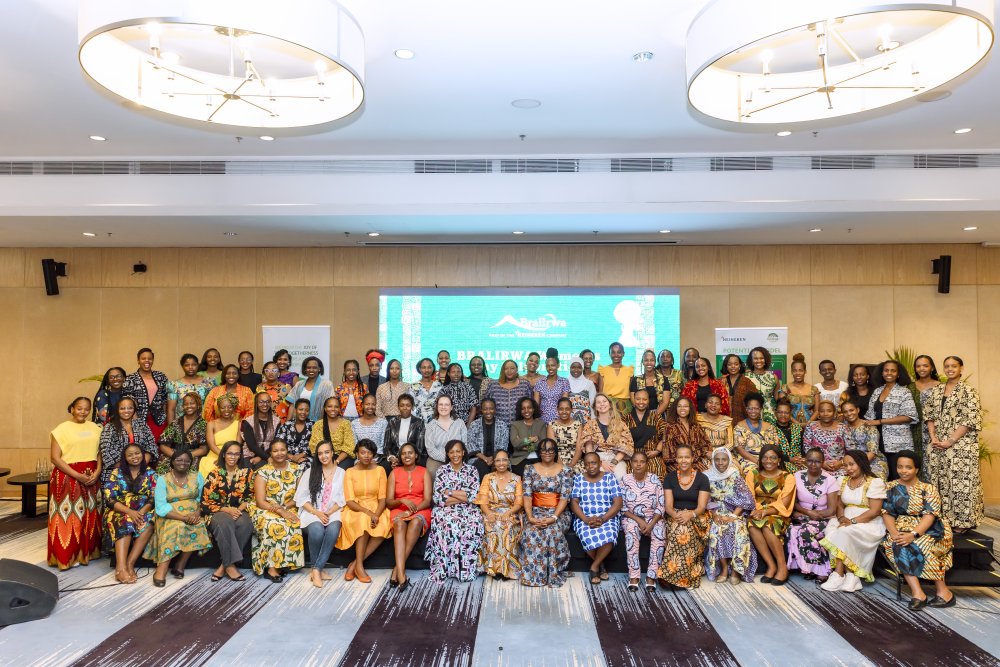
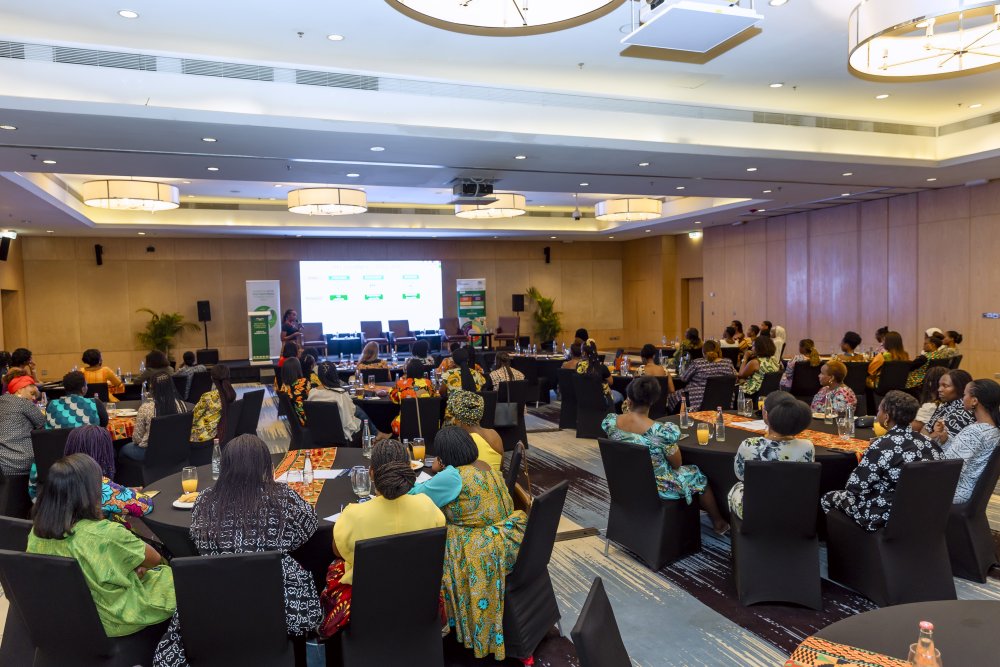
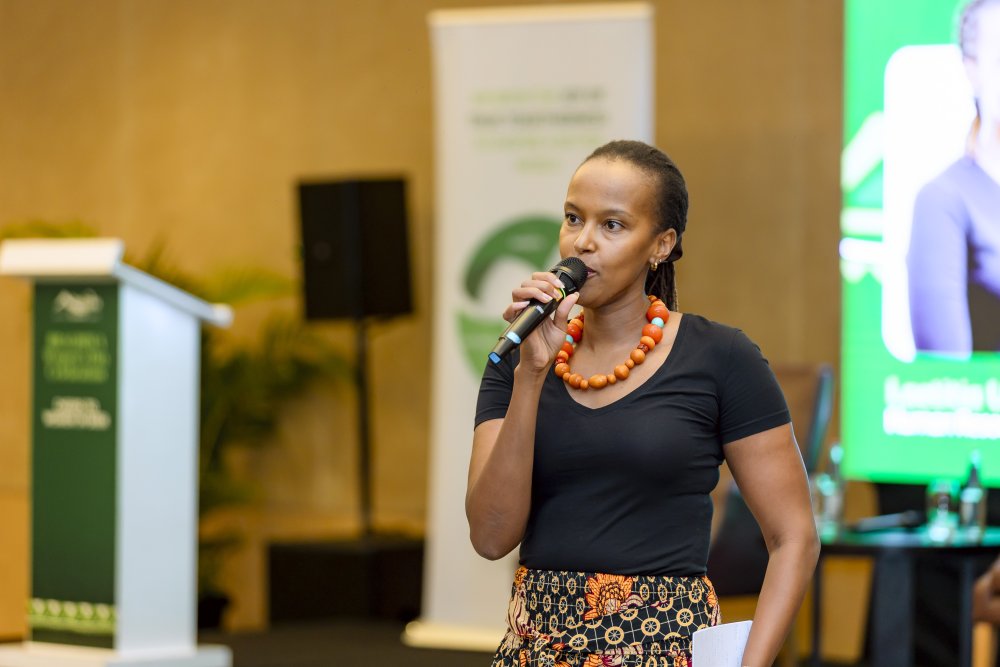
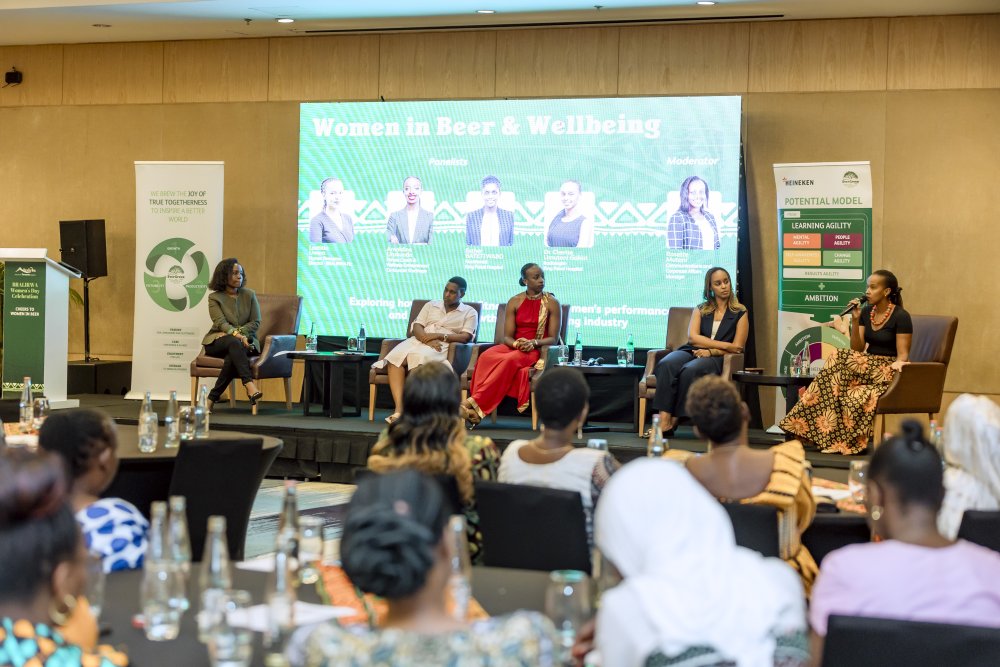
As part of the celebrations, BRALIRWA organized an event that brought together all female employees of the company.
The gathering aimed to recognize their achievements, provide a platform for sharing experiences, and reflect on the company’s journey toward advancing gender equality in the workplace.
More than just a celebration, the event served as an opportunity to highlight BRALIRWA’s ongoing efforts to create a workplace where women feel valued, supported, and empowered to lead.
The event also featured discussions on health and well-being, alongside testimonies from women who participated in the company’s nine-month leadership and career development program known as “Lift Her Up.”
In recent years, BRALIRWA has recorded notable progress in increasing women’s representation in leadership roles, reflecting its commitment to gender-balanced management. Currently, women make up 65% of the company’s leadership, up from 37%.
The company has also prioritized career advancement, with women accounting for 38% of all employee promotions in the past year. This demonstrates that BRALIRWA not only employs women but actively supports their professional growth and advancement.
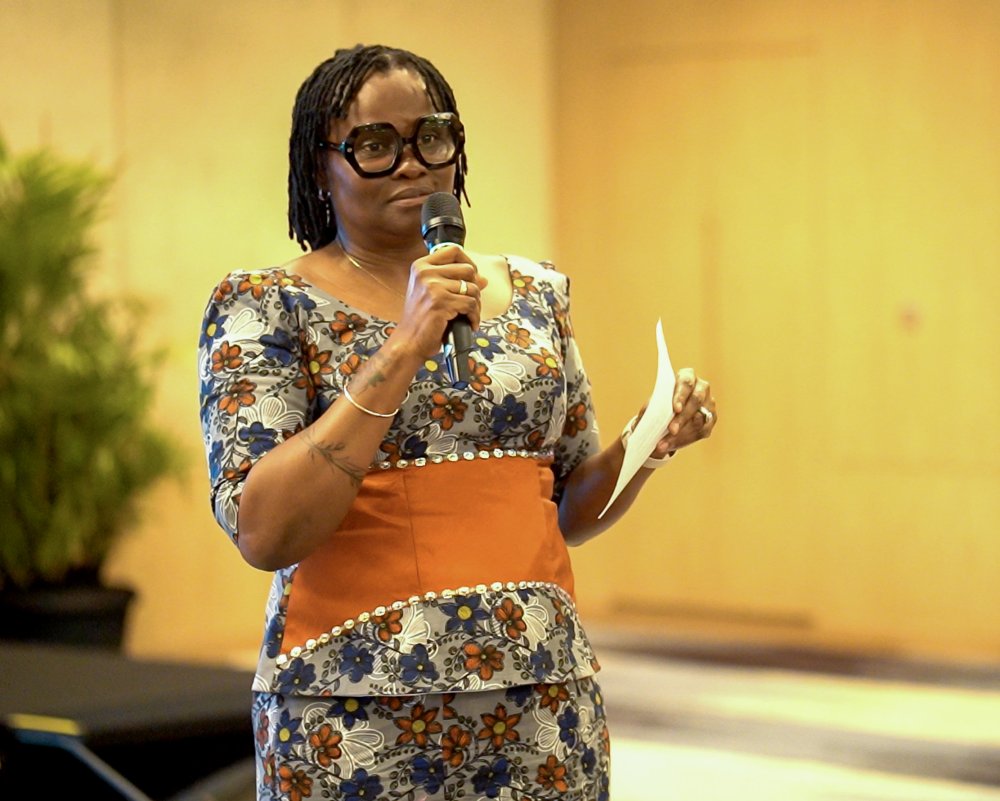
BRALIRWA’s Human Resources Director, Laetitia Uwera, said the progress made reflects the company’s people-centered approach.
“Inclusion and gender equality are not just values; they are pillars of sustainable growth. We are proud of the progress we have made so far.
“When our employees feel supported and empowered, they perform better and drive meaningful change. Inclusion is integral to how we operate, as it fosters innovation, growth, and capability development. We remain committed to strengthening these efforts to build a workplace that supports women and all employees,” she said.
BRALIRWA Plc Managing Director, Ethel Emma-Uche, emphasized that fostering an inclusive work environment benefits not only employees but also the business.
“To effectively meet the needs of our diverse consumers, it is essential that our workforce reflects that diversity. This allows us to remain relevant and continue innovating. When people with different perspectives come together, we make better decisions in producing our beverages and delivering value to customers across the country.
While we are proud of the progress achieved, we will continue working to ensure BRALIRWA remains a place where everyone has the opportunity to grow and thrive,” she said.
Among other initiatives, BRALIRWA has extended parental leave to support working families. Maternity leave has been increased to over four months (18 weeks), while paternity leave has been extended from 14 to 28 days.
The company also continues to invest in future talent through programs that support women and youth. These include internship opportunities for recent graduates within the HEINEKEN network, as well as initiatives like the Women Interactive Network (WIN), which offers mentorship and leadership training for women.
BRALIRWA’s efforts in promoting gender equality have also received international recognition. In 2025, the company was awarded a Gold Medal in the HEINEKEN Gender Playbook Assessment, underscoring its strong commitment to advancing inclusion and equality in the workplace.
The event served as an opportunity to highlight BRALIRWA’s ongoing efforts to create a workplace where women feel valuedAs part of the celebrations, BRALIRWA organized an event that brought together all female employees of the company. BRALIRWA Plc Managing Director, Ethel Emma-Uche, emphasized that fostering an inclusive work environment benefits not only employees but also the business. BRALIRWA’s Human Resources Director, Laetitia Uwera, said the progress made reflects the company’s people-centered approach.Beverage manufacturer, BRALIRWA Plc has marked Women’s Month by celebrating the impact of its inclusive policies.
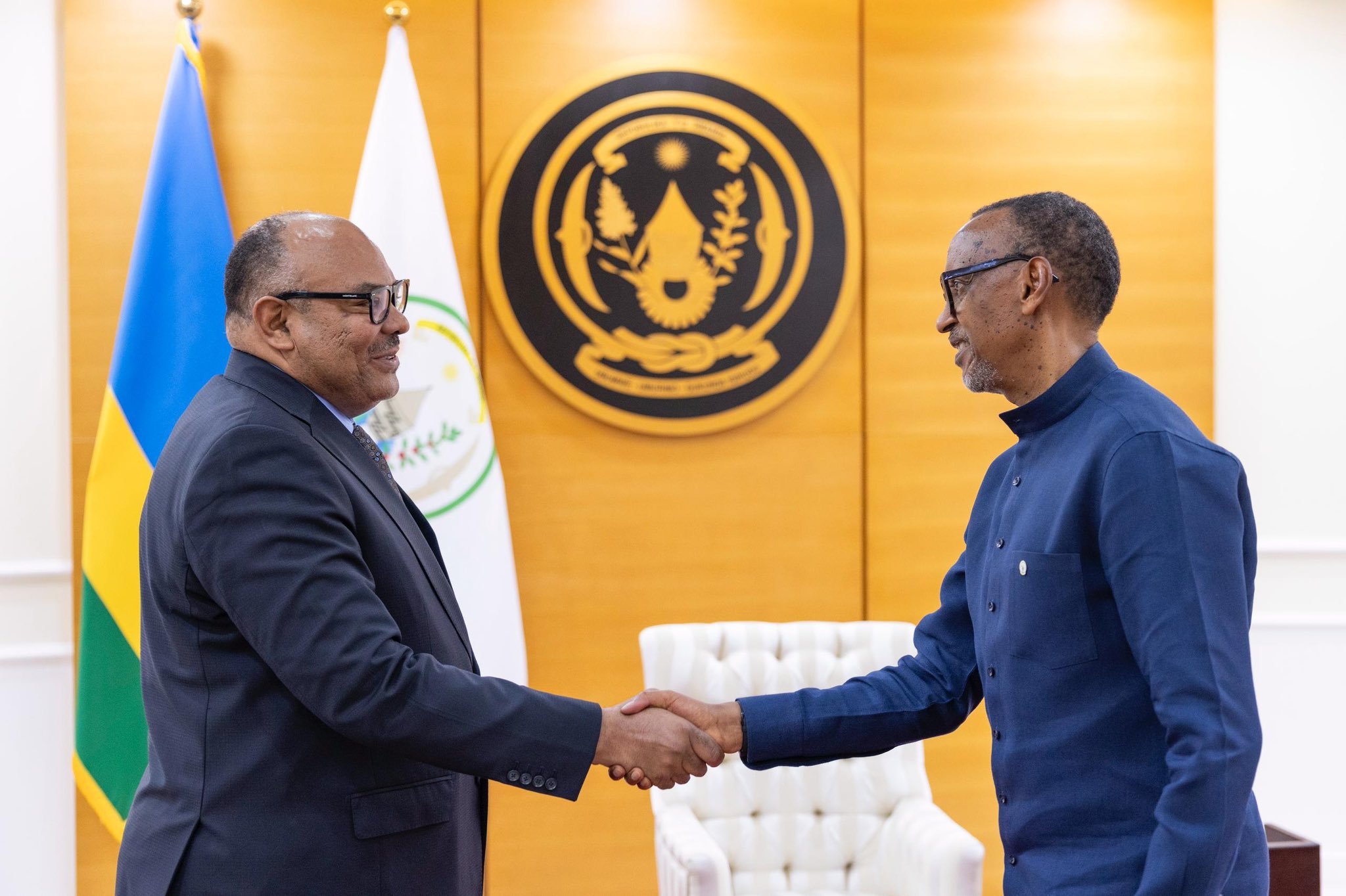
According to the Office of Rwanda’s President, their discussions held on March 31, 2026, centered on deepening the already strong bilateral ties between Rwanda and Tanzania.
Rwanda and Tanzania maintain a robust partnership in areas such as technology and communications.
The two countries also have existing cooperation agreements covering media, education, ICT, and internet infrastructure among others.
In July 2025, Rwanda and Tanzania on Saturday signed two memoranda of understanding to facilitate cooperation in agriculture and the establishment of a Tanzania Ports Liaison Office in Kigali, the capital of Rwanda.
The agreements were signed by Rwanda’s Minister of Foreign Affairs and International Cooperation Olivier Nduhungirehe and Tanzanian counterpart Mahmoud Thabit Kombo during a ministerial session of the 16th Joint Permanent Commission (JPC) between the two countries in Kigali.
Trade also forms a cornerstone of the Rwanda-Tanzania partnership, with Rwandans regularly using the port of Dar es Salaam and Rwandan goods frequently exported to Tanzania.
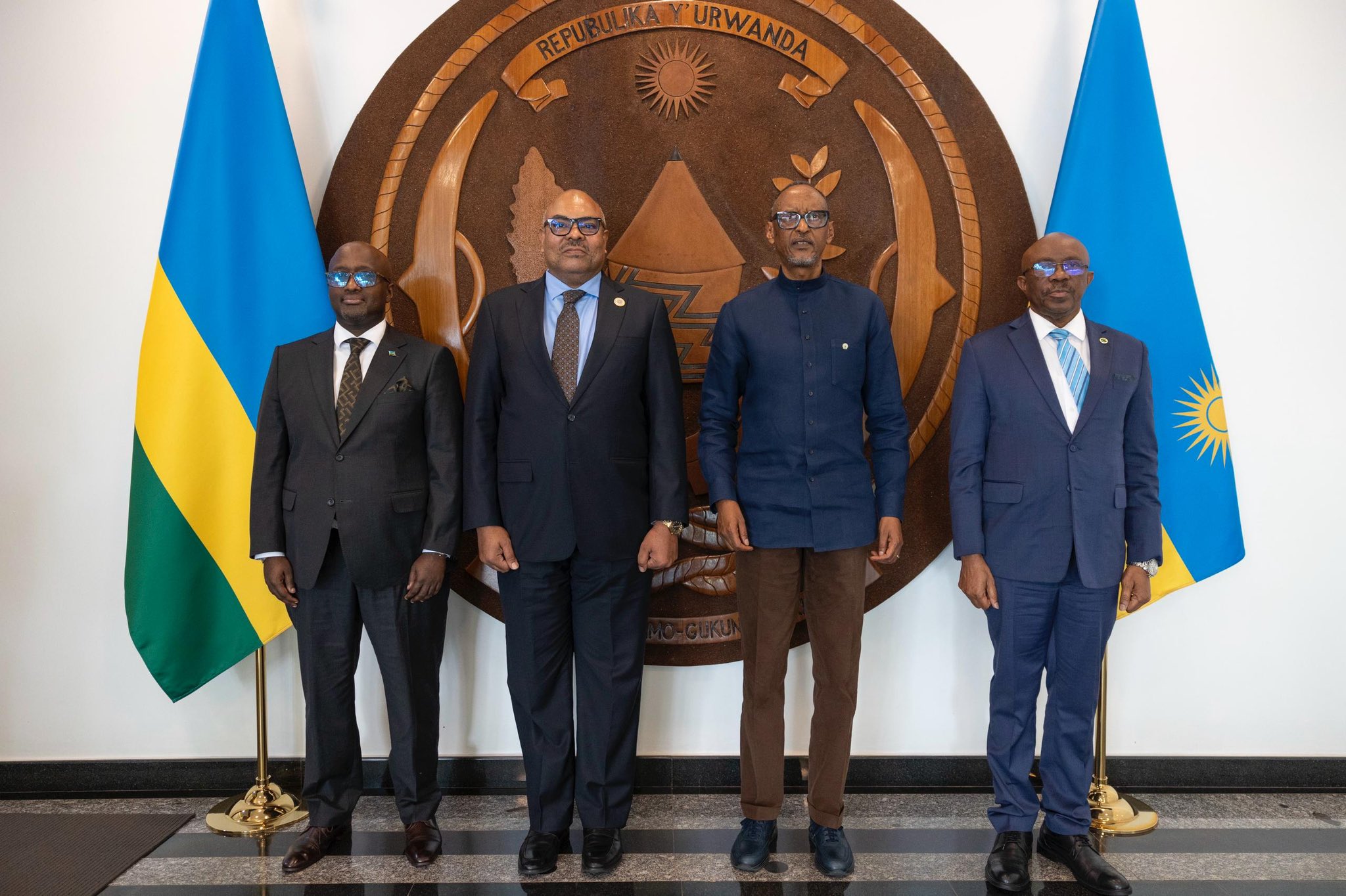
Tanzania’s Minister of Foreign Affairs and East African Cooperation, Mahamoud Thabit Kombo was hosted at Urugwiro Village along with his delegation. President Paul Kagame on March 31, 2026 received Tanzania’s Minister of Foreign Affairs and East African Cooperation, Mahamoud Thabit Kombo, at his office in Village Urugwiro.
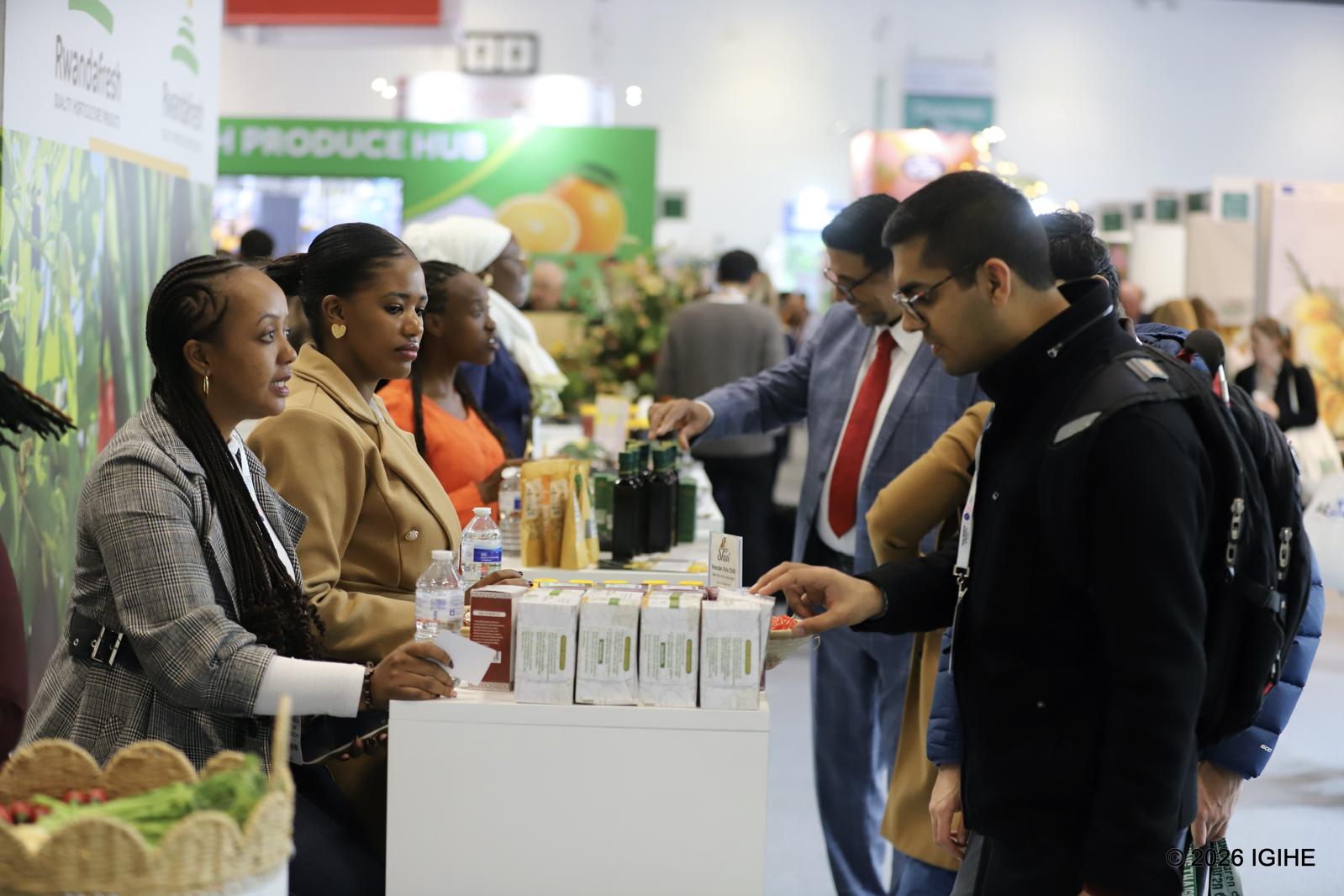
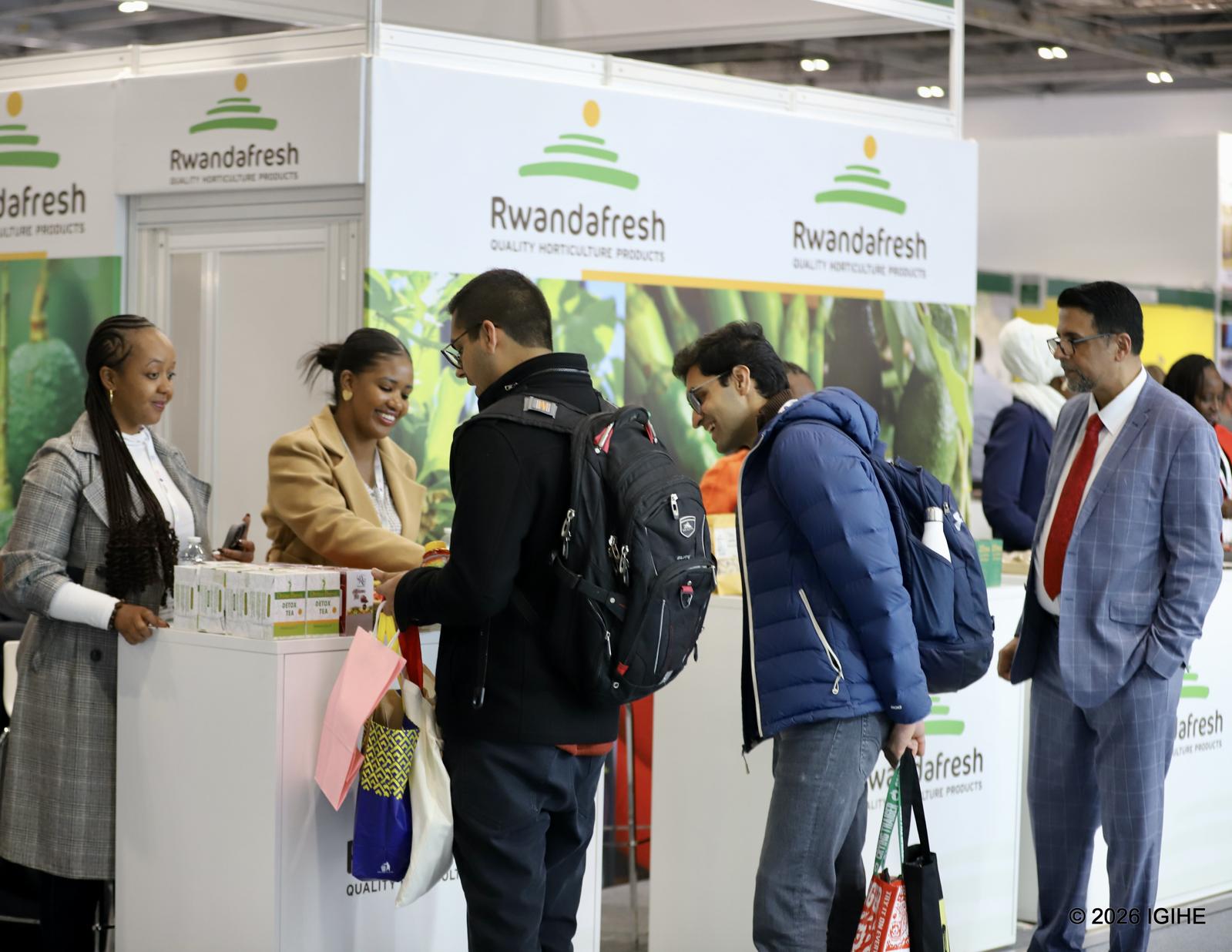
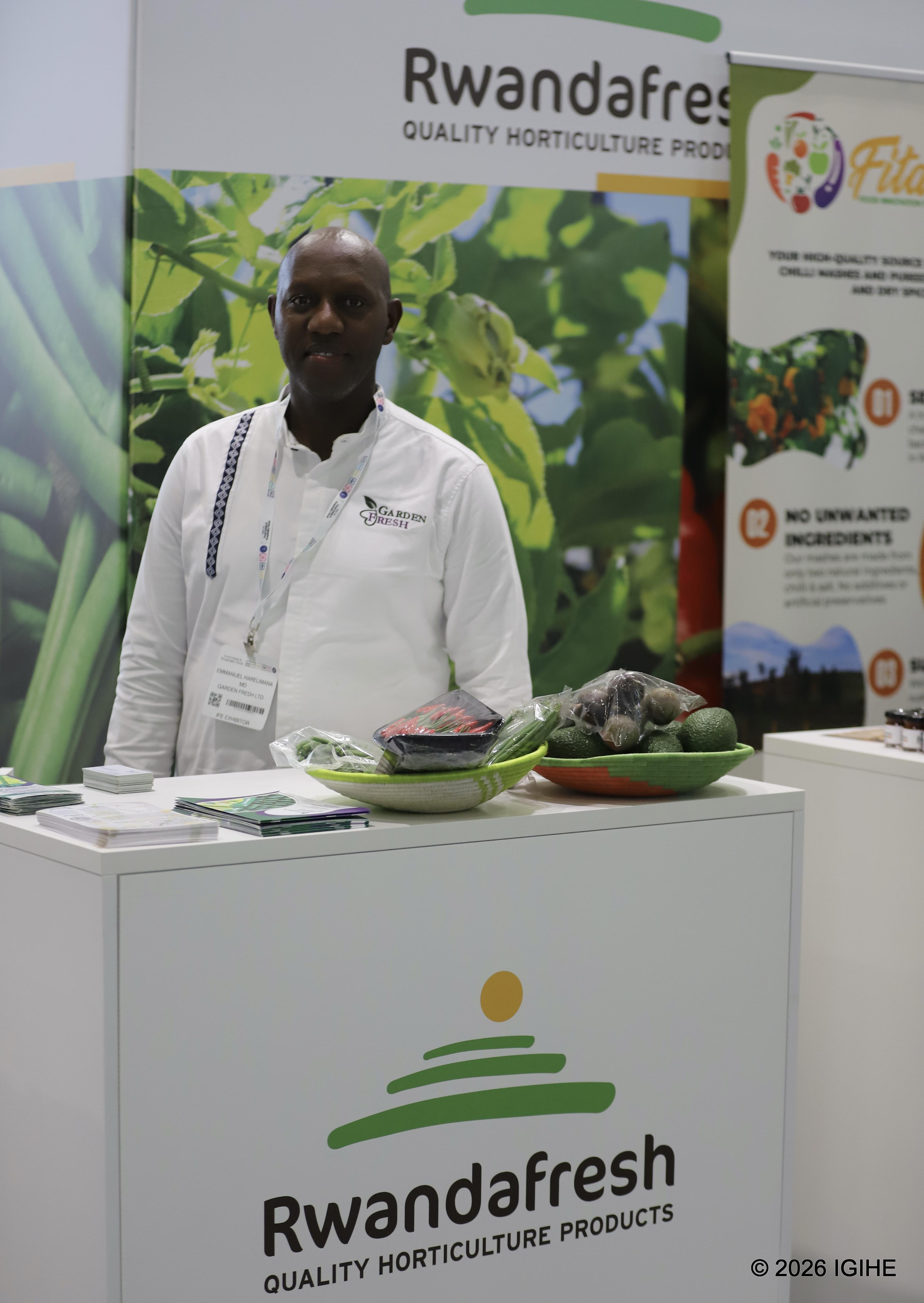
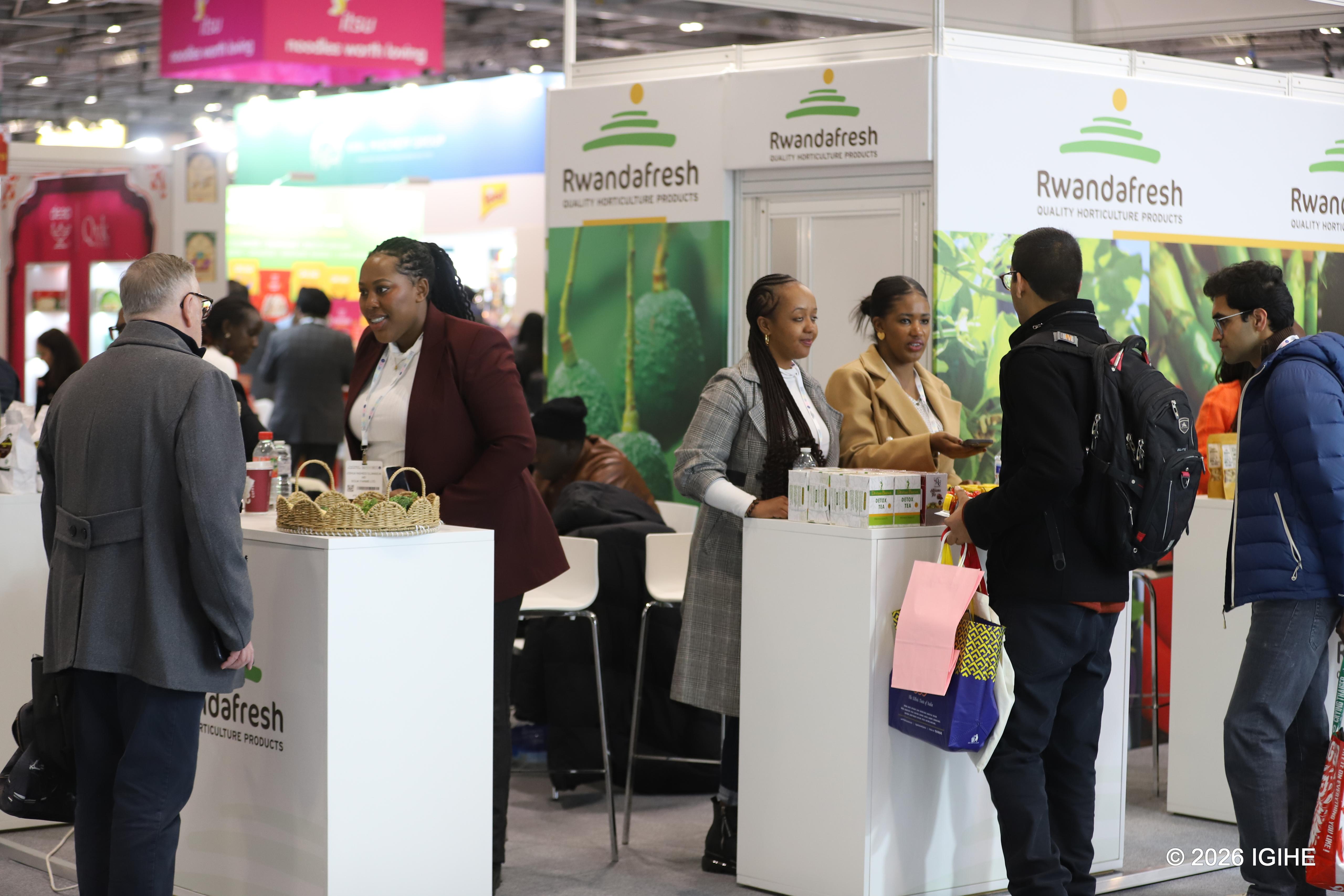
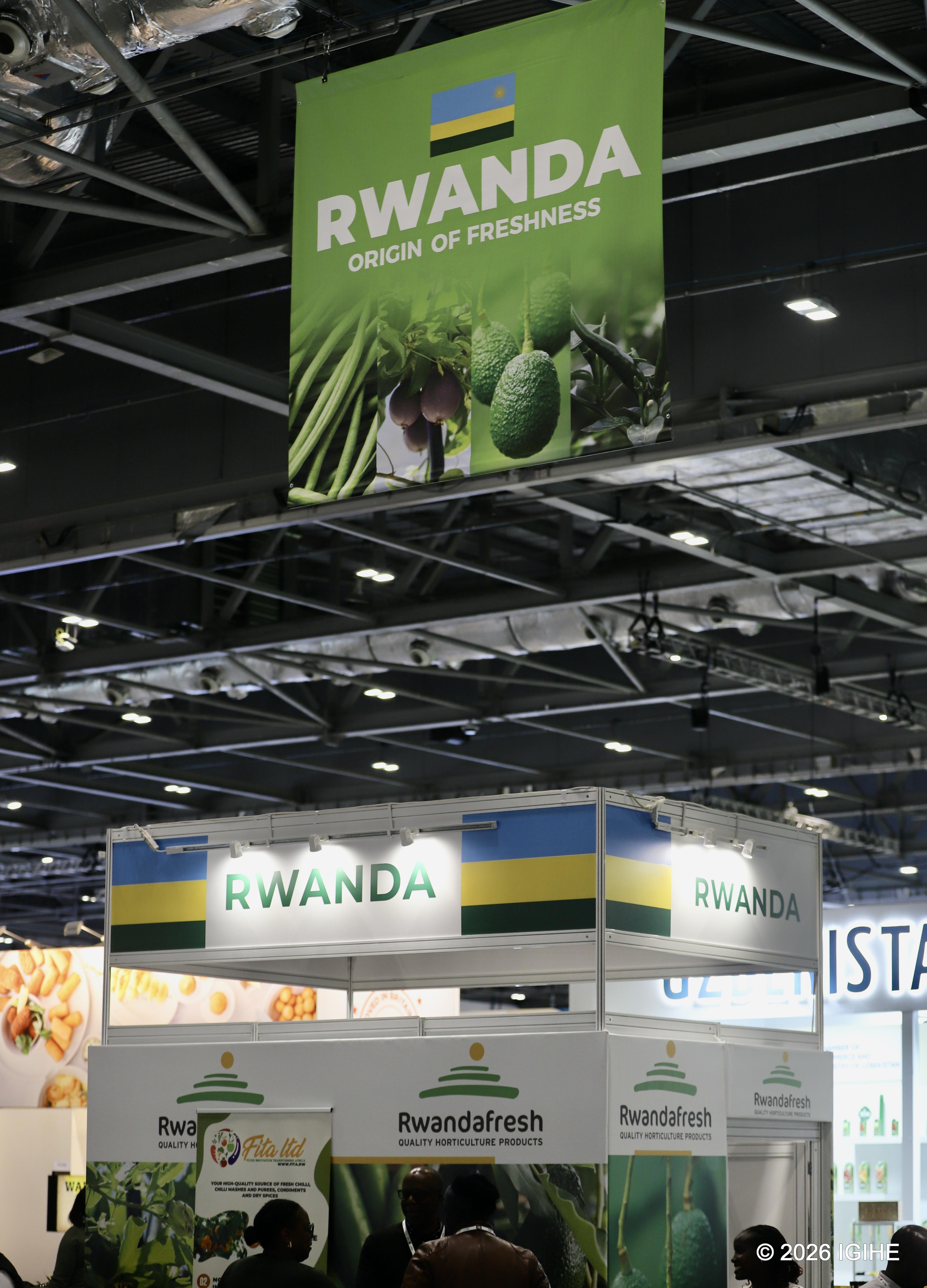
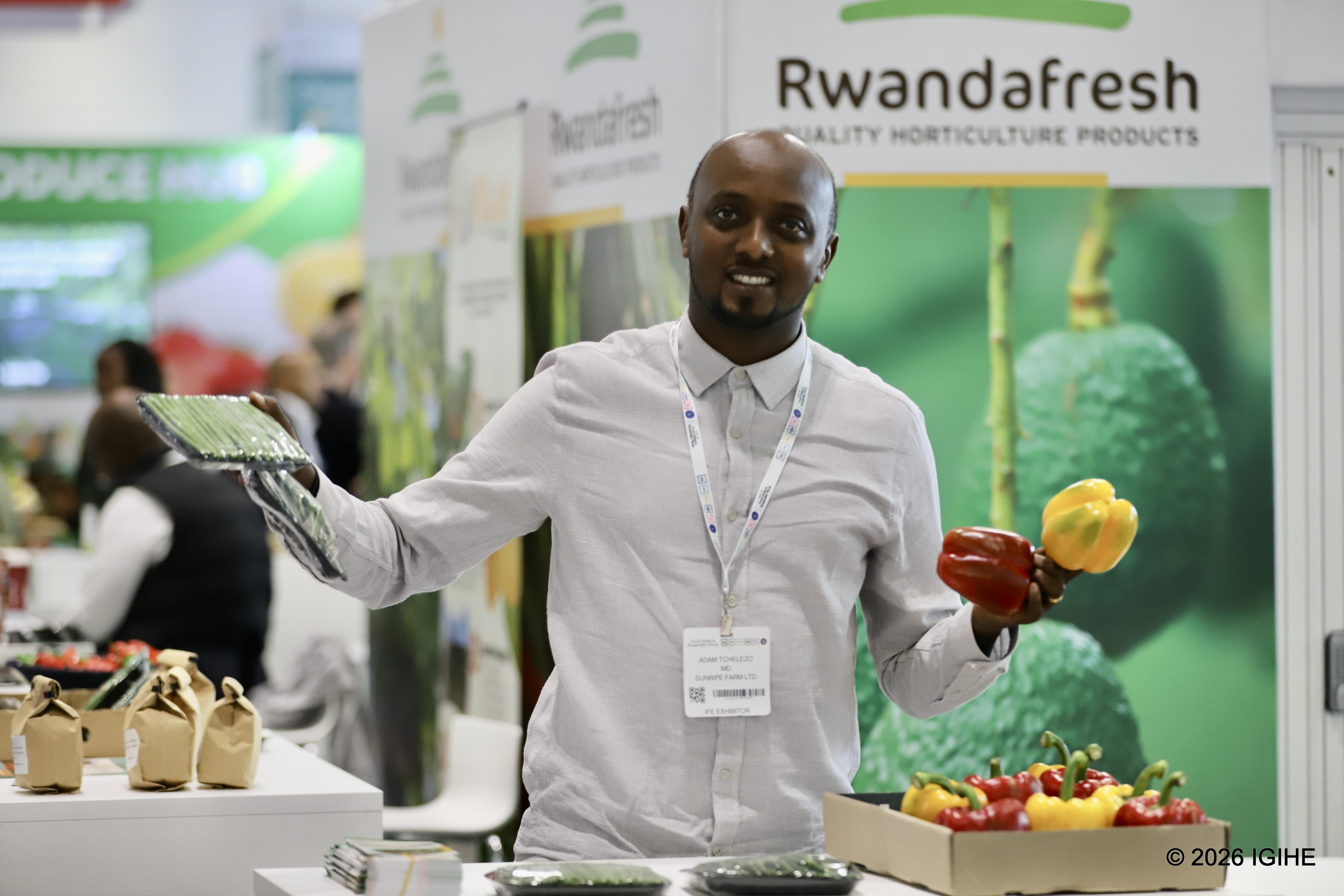
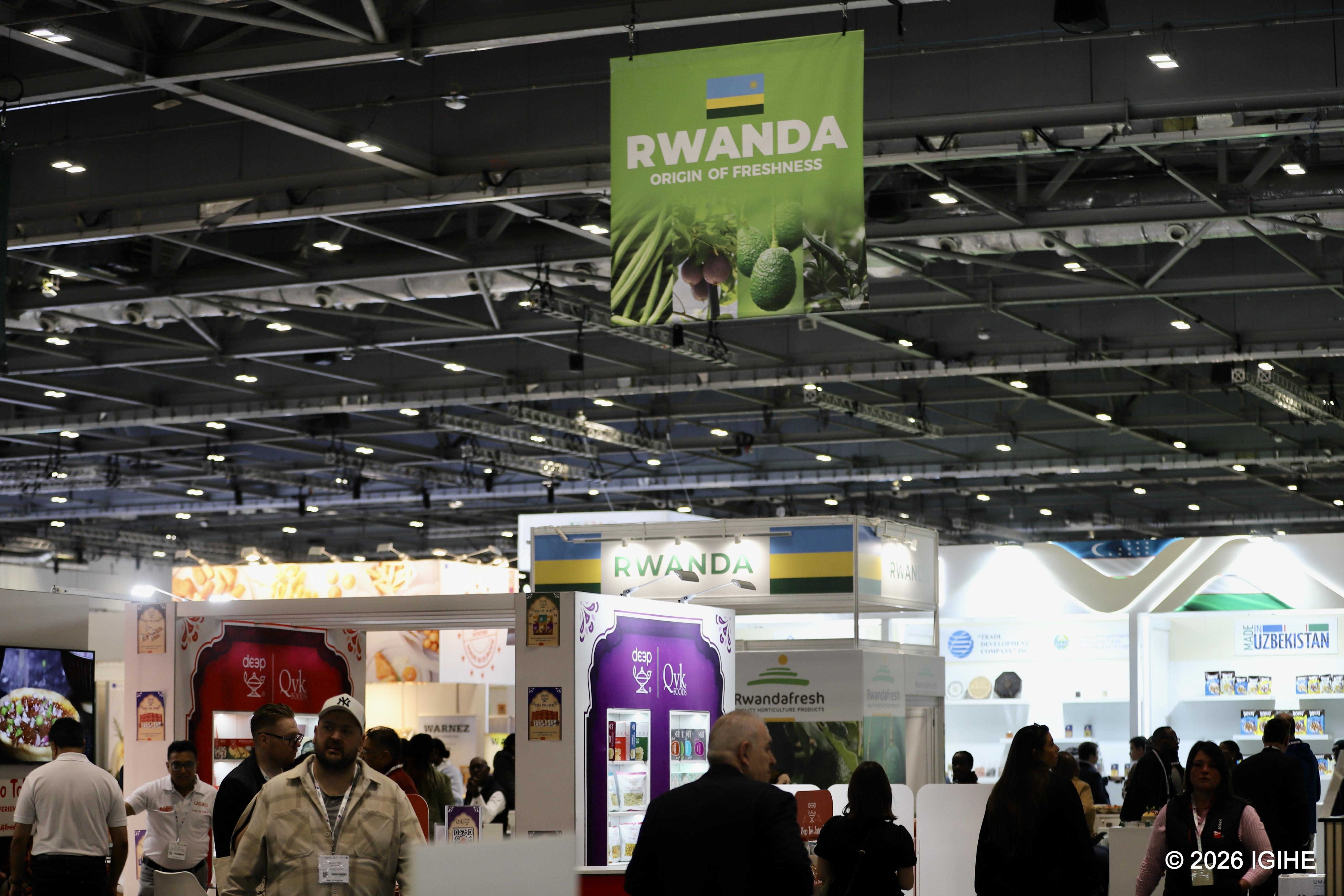
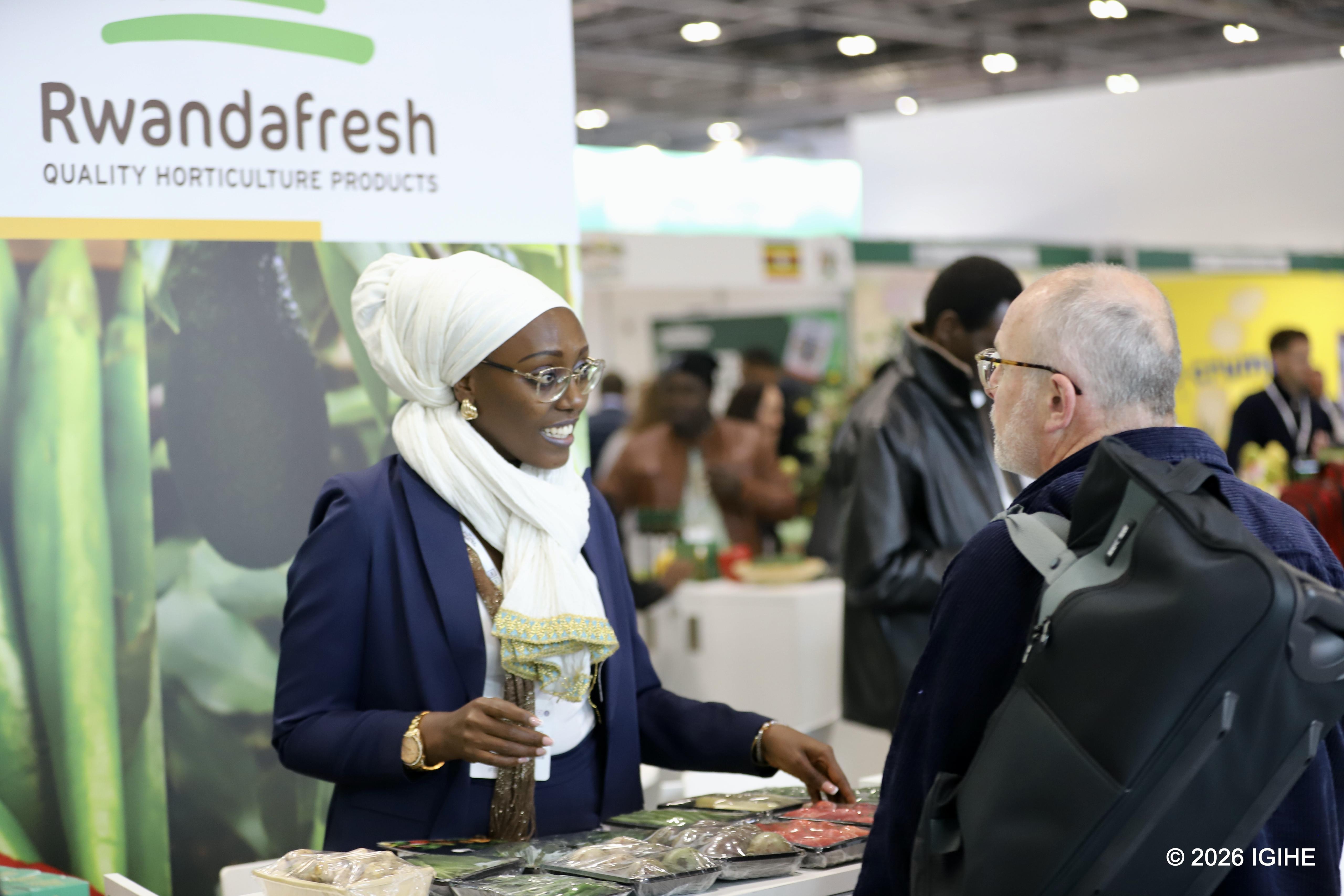
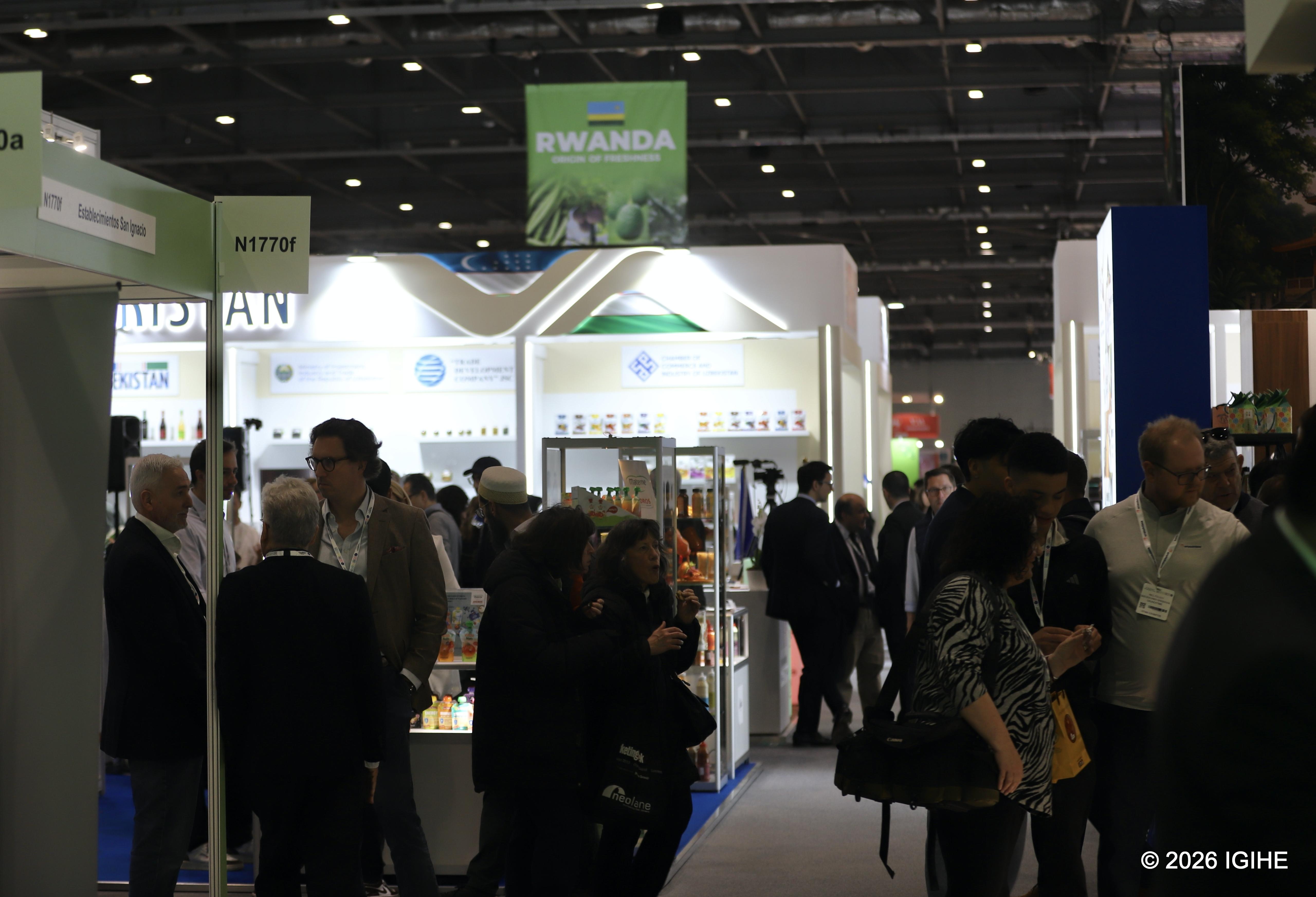
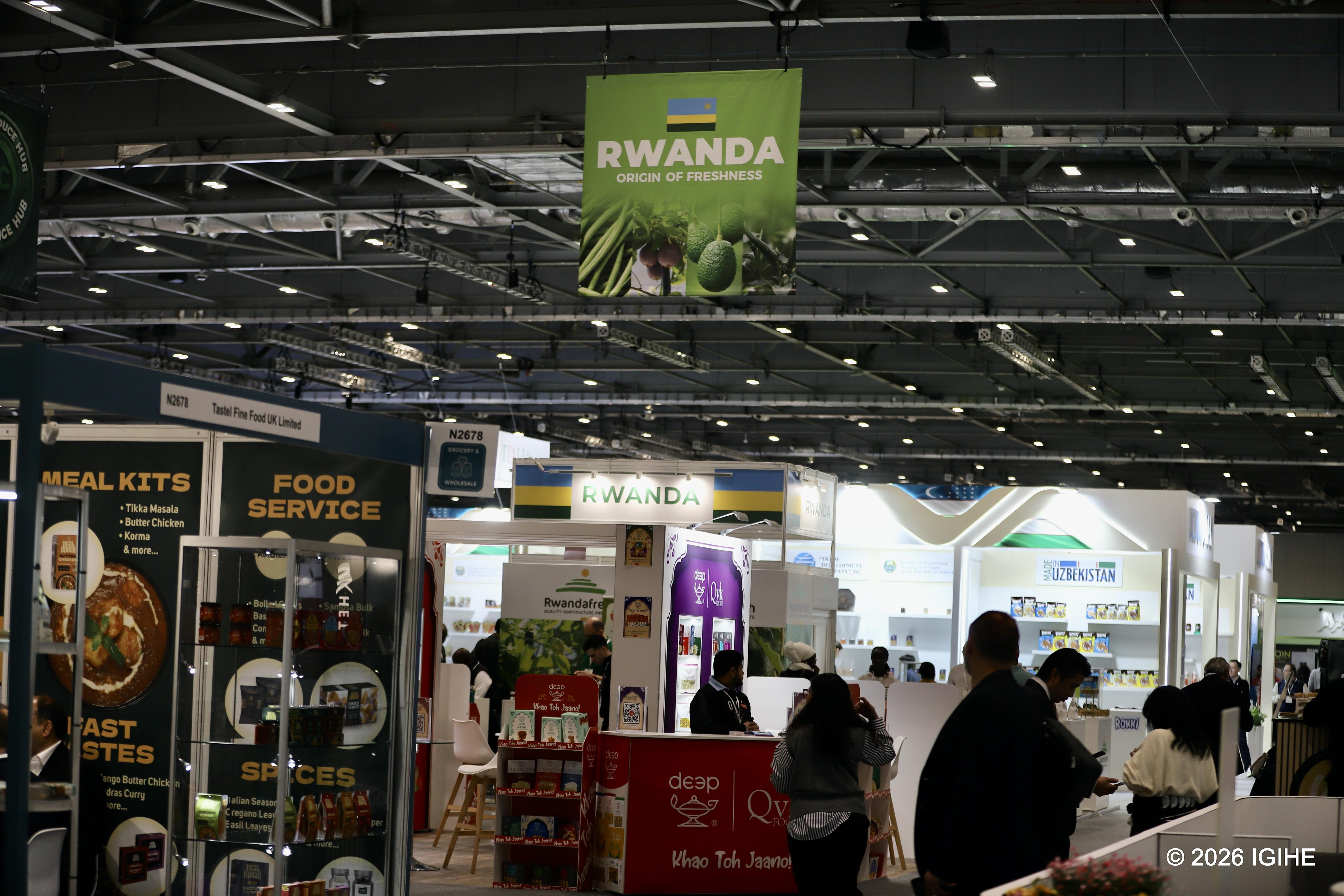
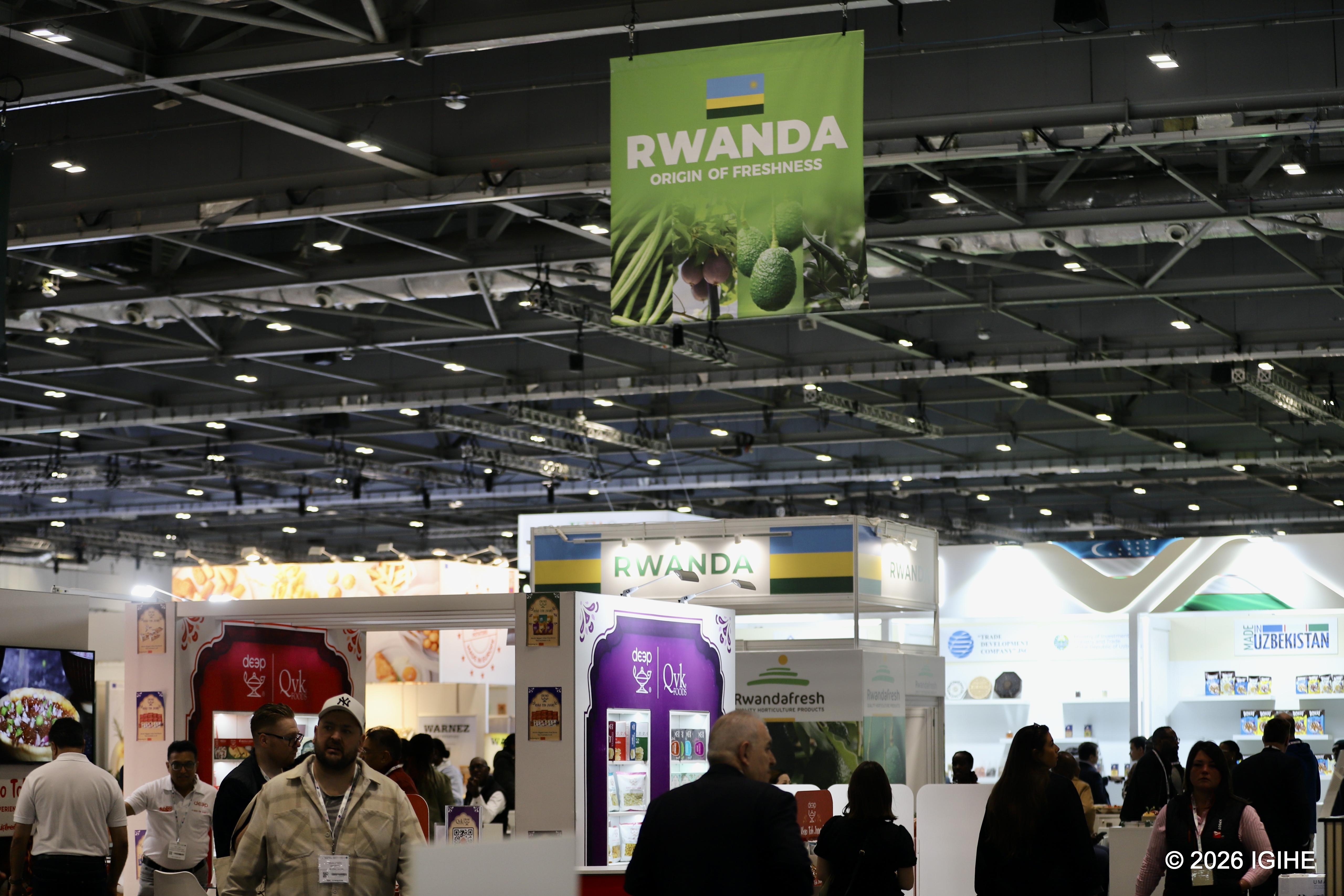
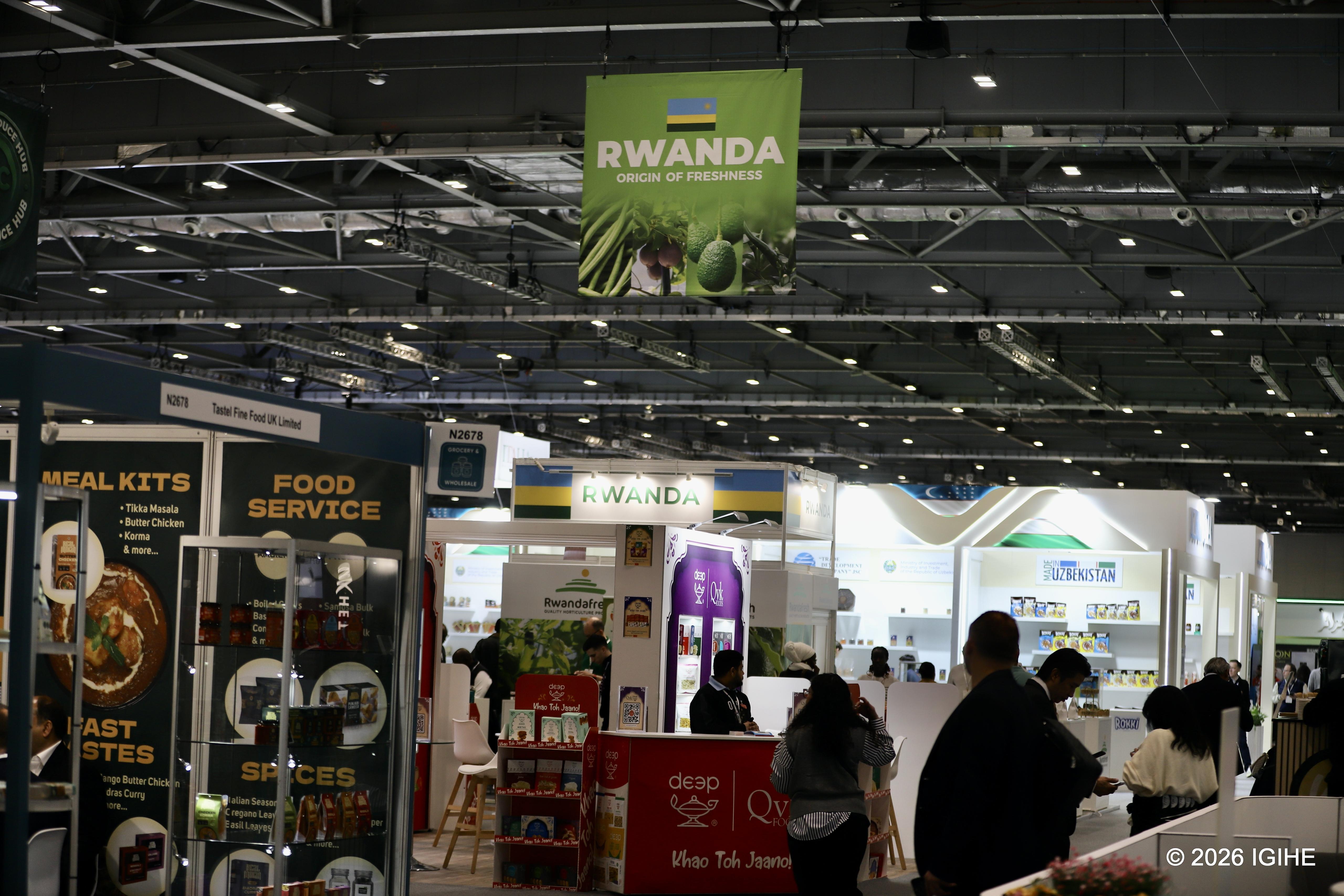
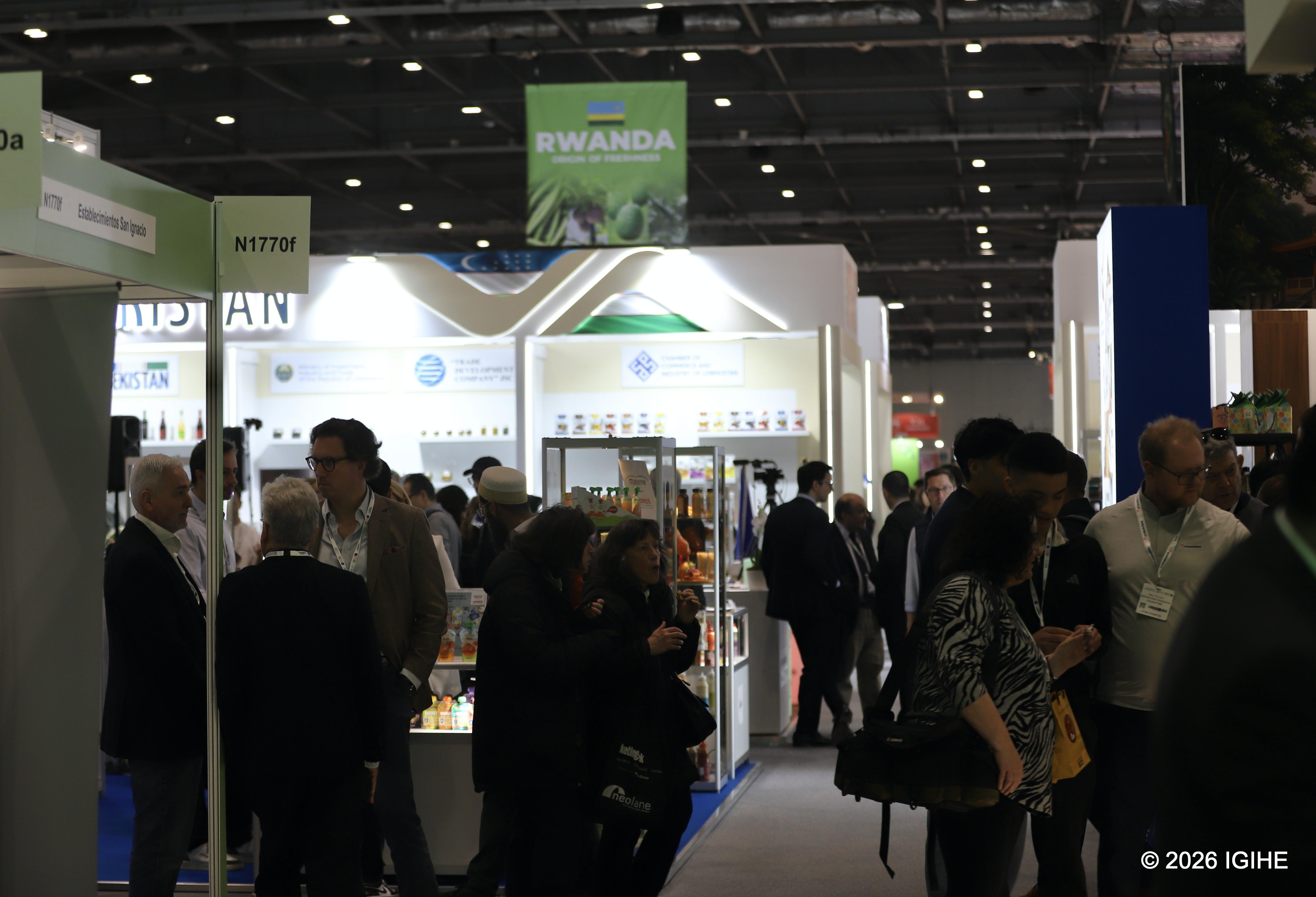
This exhibition taking place in London, United Kingdom, officially opened on March 30, 2026, and runs through April 1, 2026, at the ExCeL London exhibition centre.
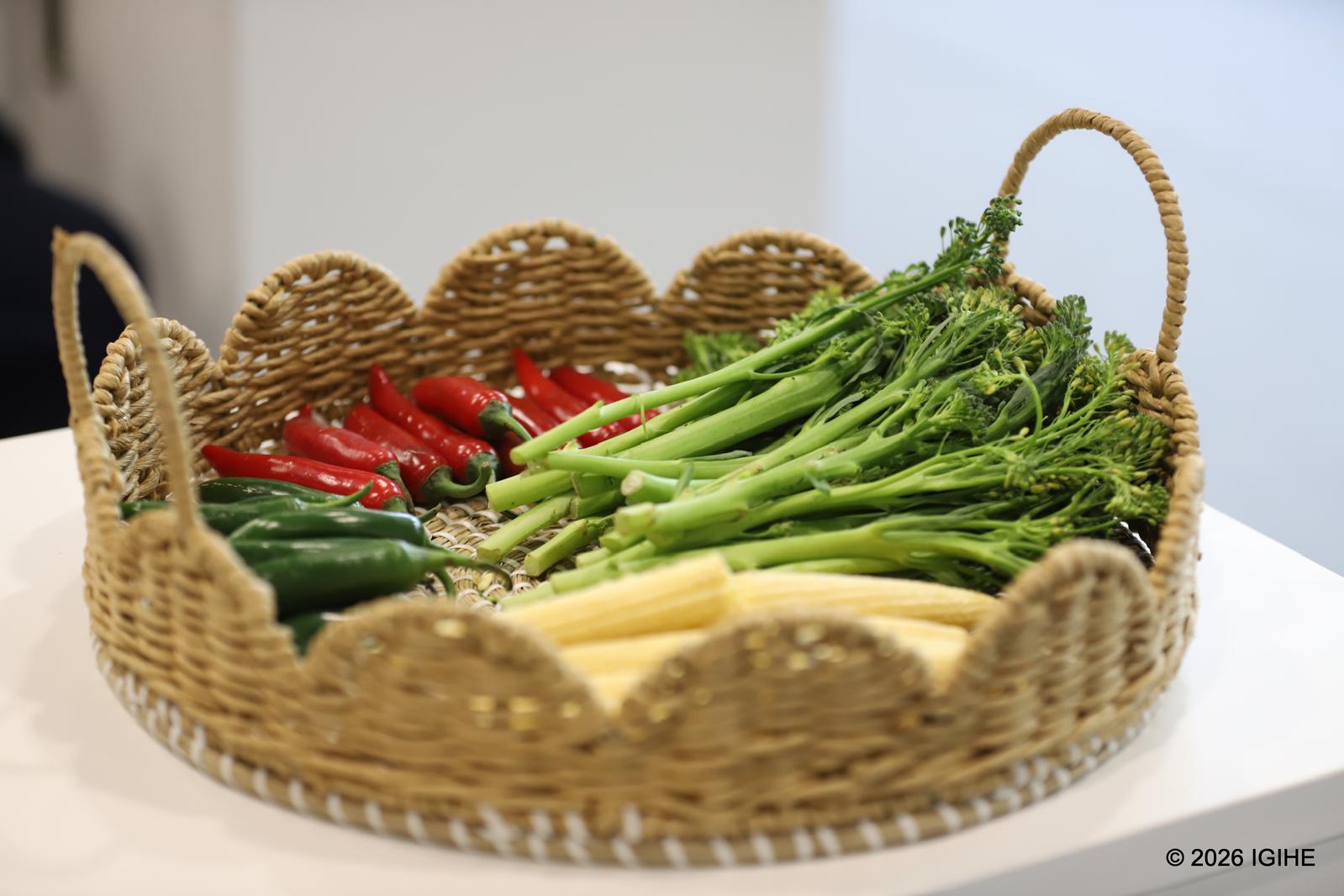
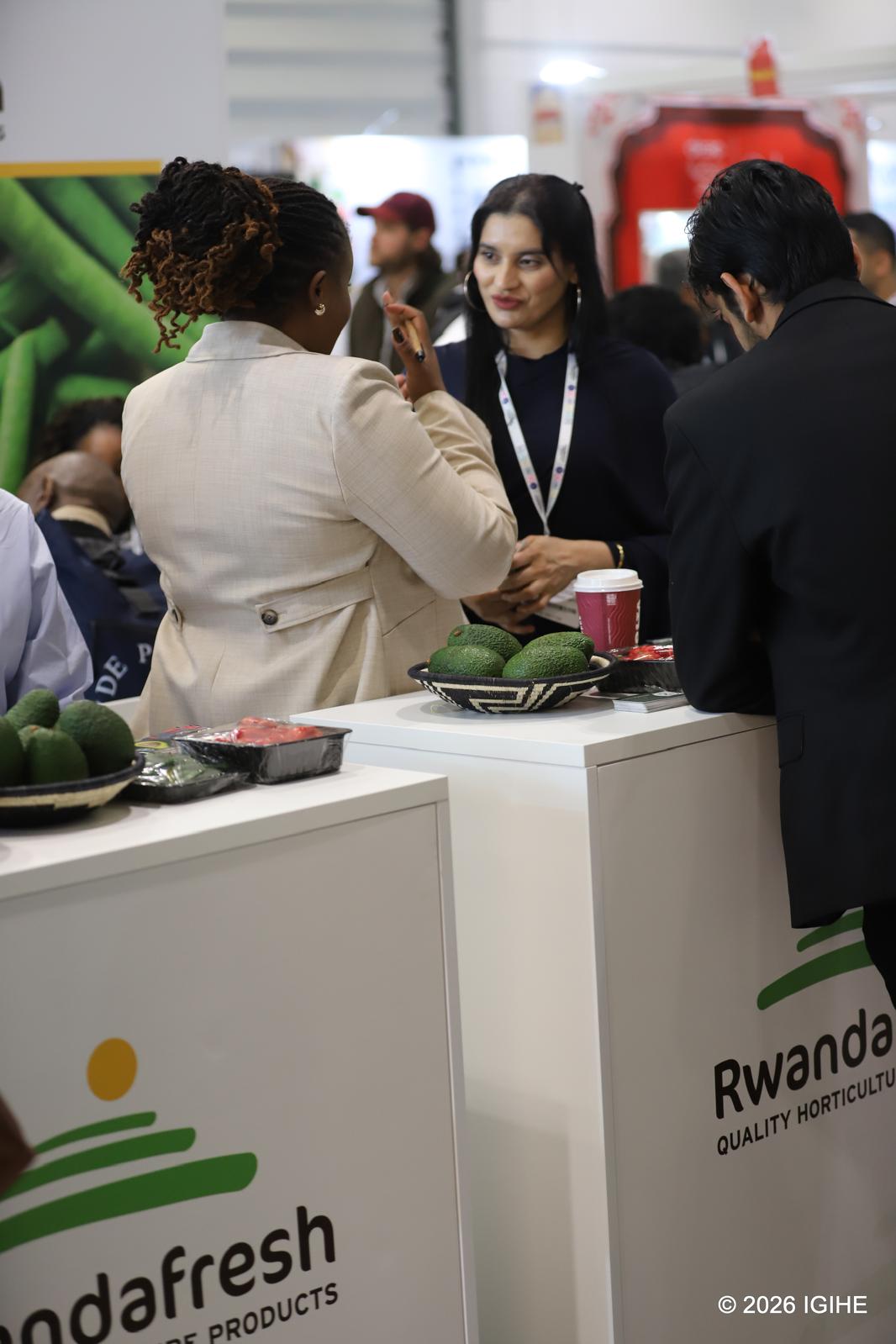
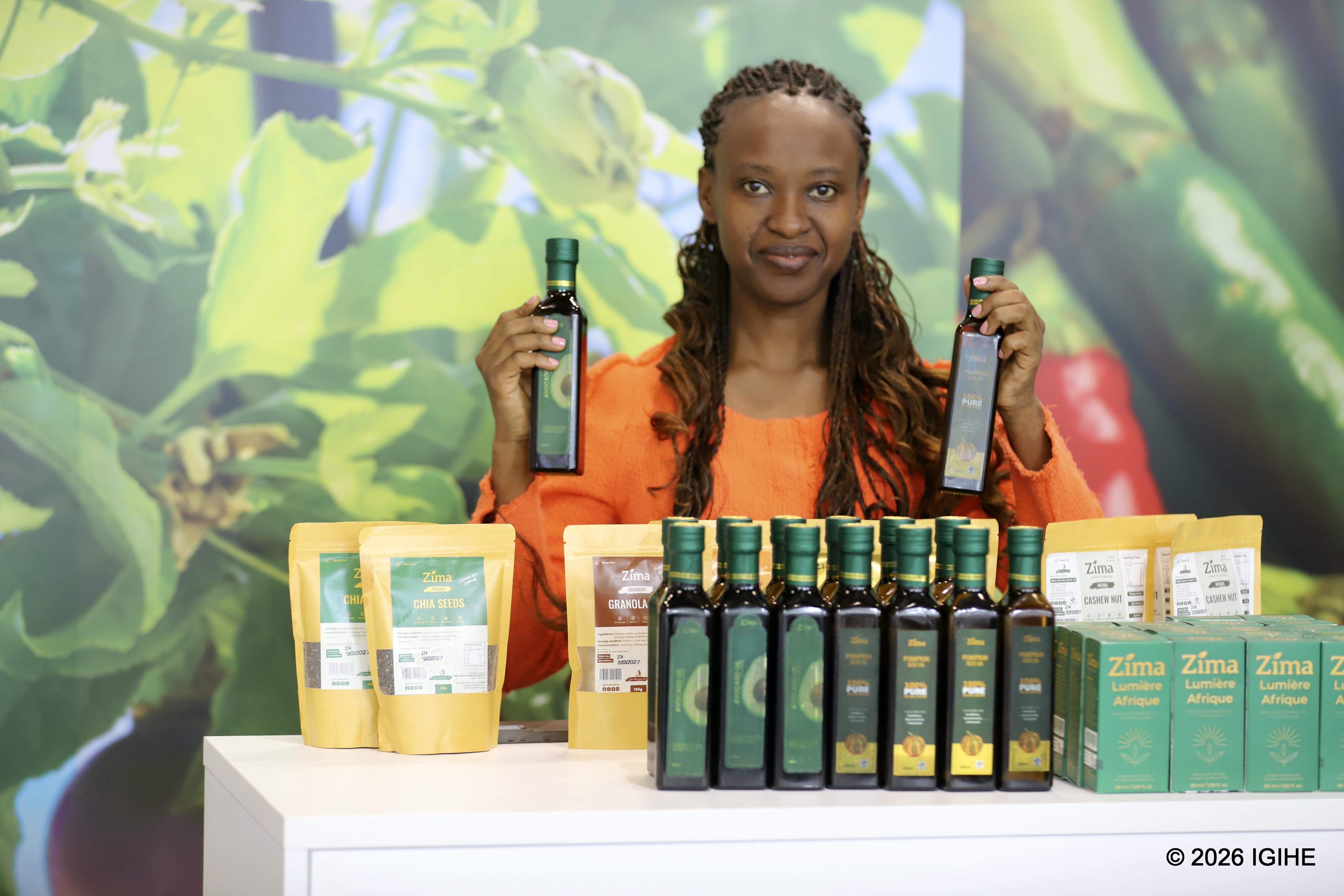
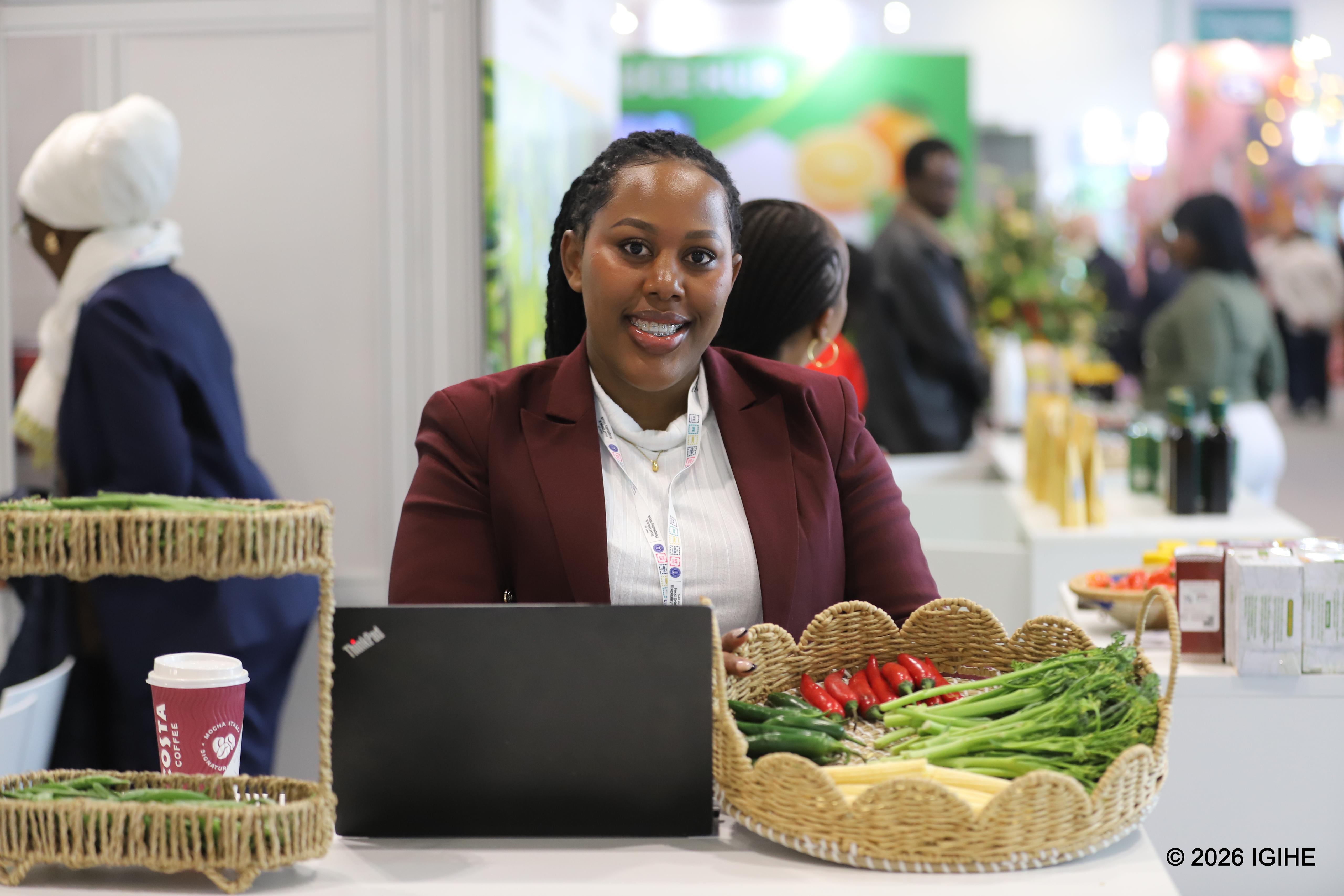
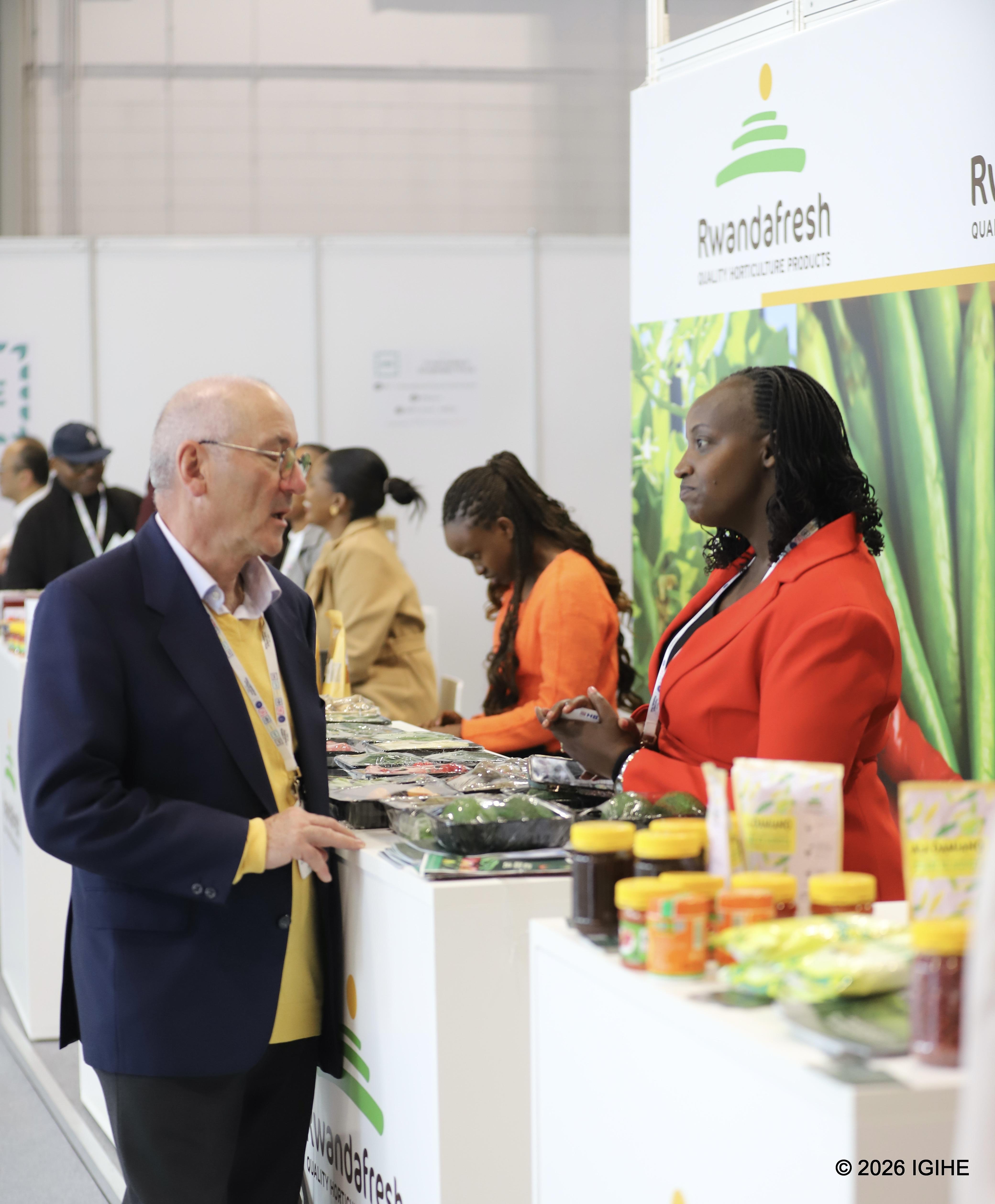
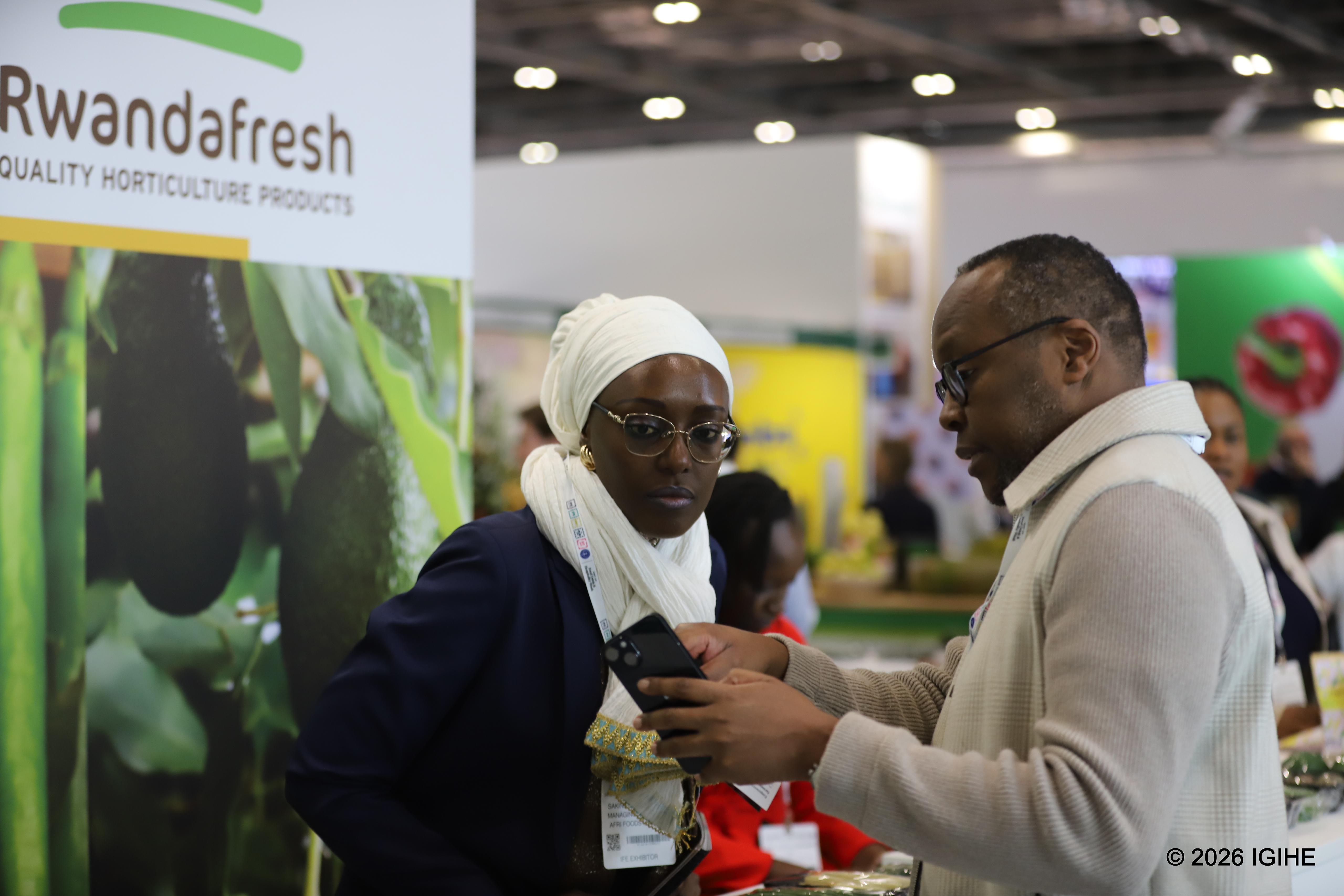
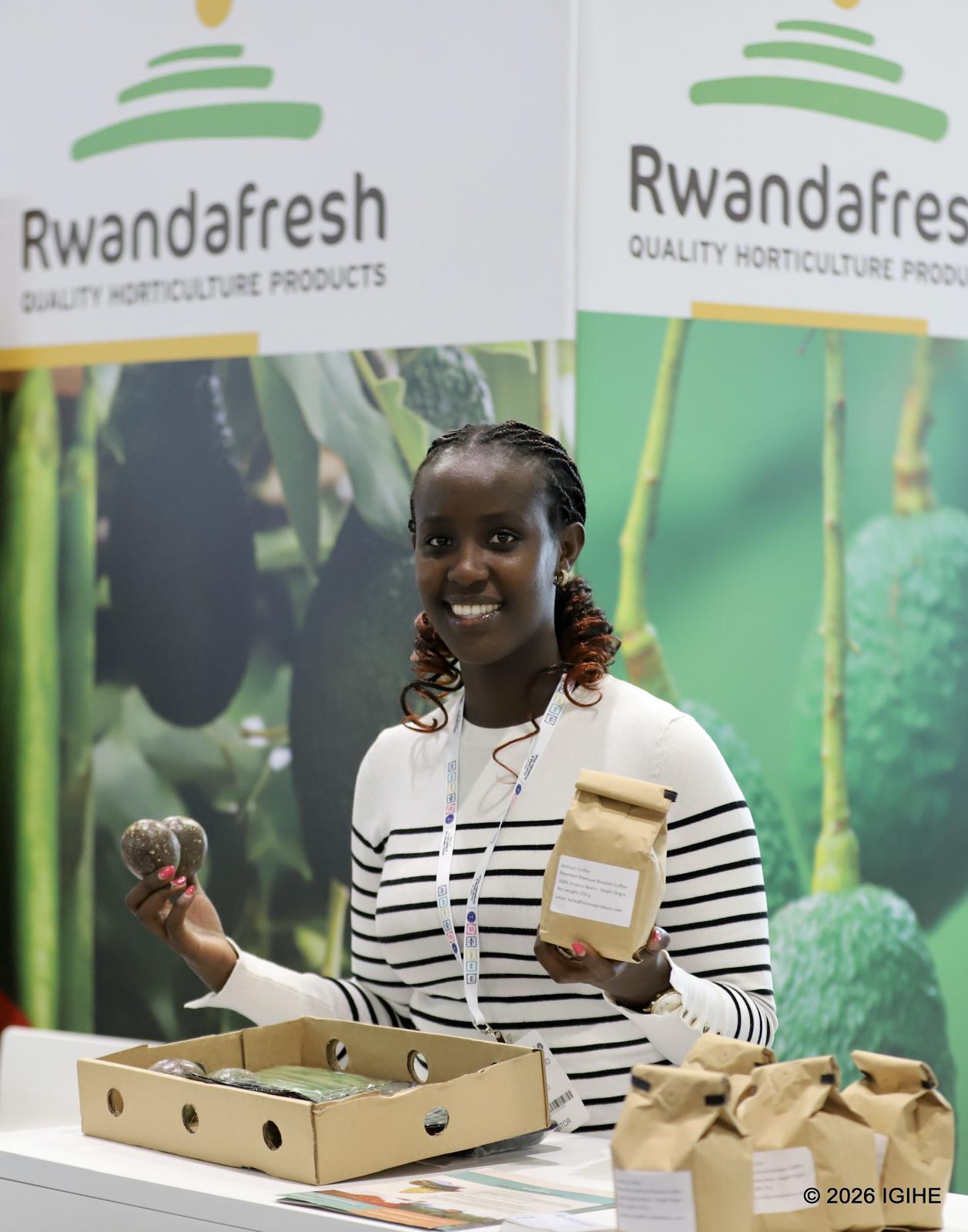
At the trade fair, a delegation from Rwandan companies is showcasing a range of locally produced goods and engaging directly with international partners.
Rwanda’s participation is coordinated by the Embassy of Rwanda in the United Kingdom, in collaboration with NAEB.
The event aims to support Rwanda’s ambition to boost agricultural exports, strengthen its presence on the international stage as a competitive food-processing nation, and attract new buyers for Rwandan products.
IFE brings together thousands of professionals each year from the food, beverage, and hospitality sectors across all continents. For Rwanda, this is not only an opportunity for visibility but also a strategic platform to increase exports, build new partnerships, and showcase the quality of its products to the global market.
This participation comes at a time when the Middle East, previously a key export market for Rwanda’s agricultural products, is facing instability due to ongoing conflict. Exploring new markets in Europe could help Rwanda mitigate the potential impact of these disruptions and sustain its export growth.
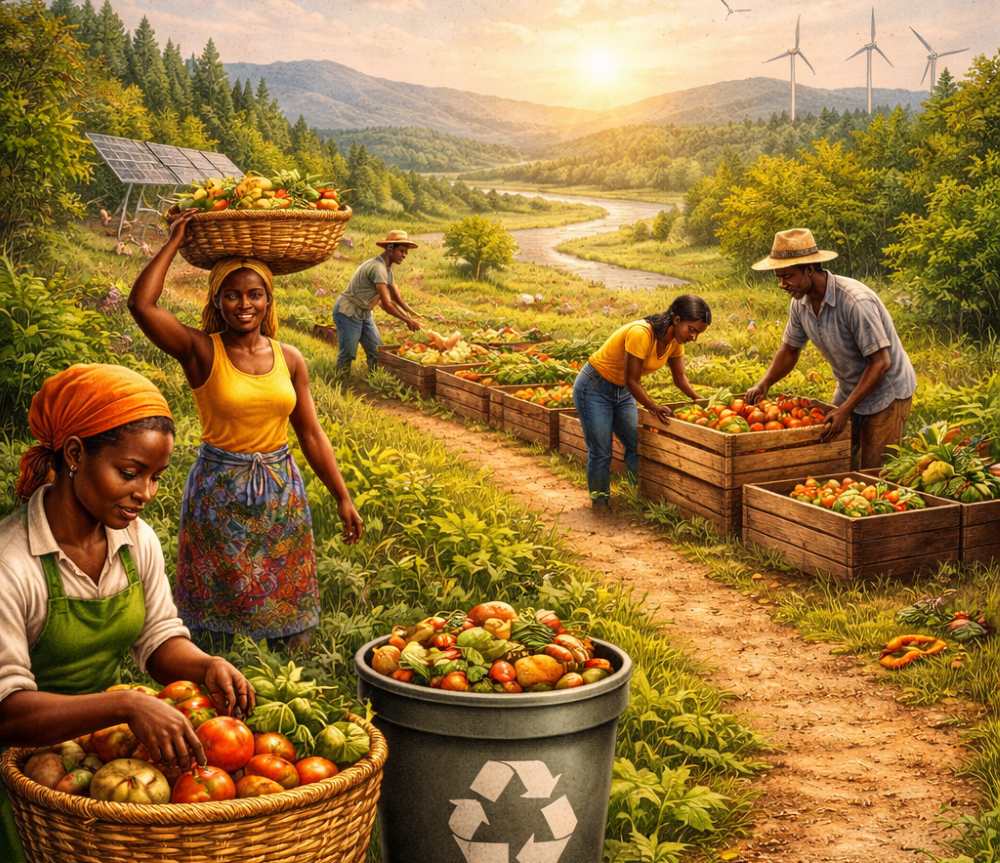
More than one billion tonnes of food, equivalent to 19 percent of all food available to consumers, are wasted, while 13 percent is lost before arriving at retail outlets, according to a joint statement from the United Nations Environment Program (UNEP) and the United Nations Human Settlements Program (UN-Habitat).
About 60 percent of food waste happens within households, followed by food service at 28 percent and retail at 12 percent, with households alone wasting over one billion meals daily, according to the UN agencies.
Inger Andersen, UNEP executive director, noted that food loss and waste cost the global economy one trillion U.S. dollars annually, while combating the challenge is key to taming the climate crisis, desertification, and water scarcity.
“Reducing food waste makes economic sense, delivers methane cuts, supports food security, and helps build a circular, zero-waste, zero-emissions future,” Andersen said.
Food loss and waste generate 8 to 10 percent of global greenhouse gas emissions, nearly five times the emissions from the aviation industry, with food waste alone accounting for up to 14 percent of global methane emissions, according to the statement.
Anaclaudia Rossbach, UN-Habitat executive director, noted that urban centers have been at the forefront of integrating food systems, water services, waste management, and recovering surplus food to foster circularity.
Rossbach added that informal workers, waste pickers, and community water managers are providing solutions to the food waste crisis in cities, helping to create circular systems that save money, cut emissions, and generate jobs.