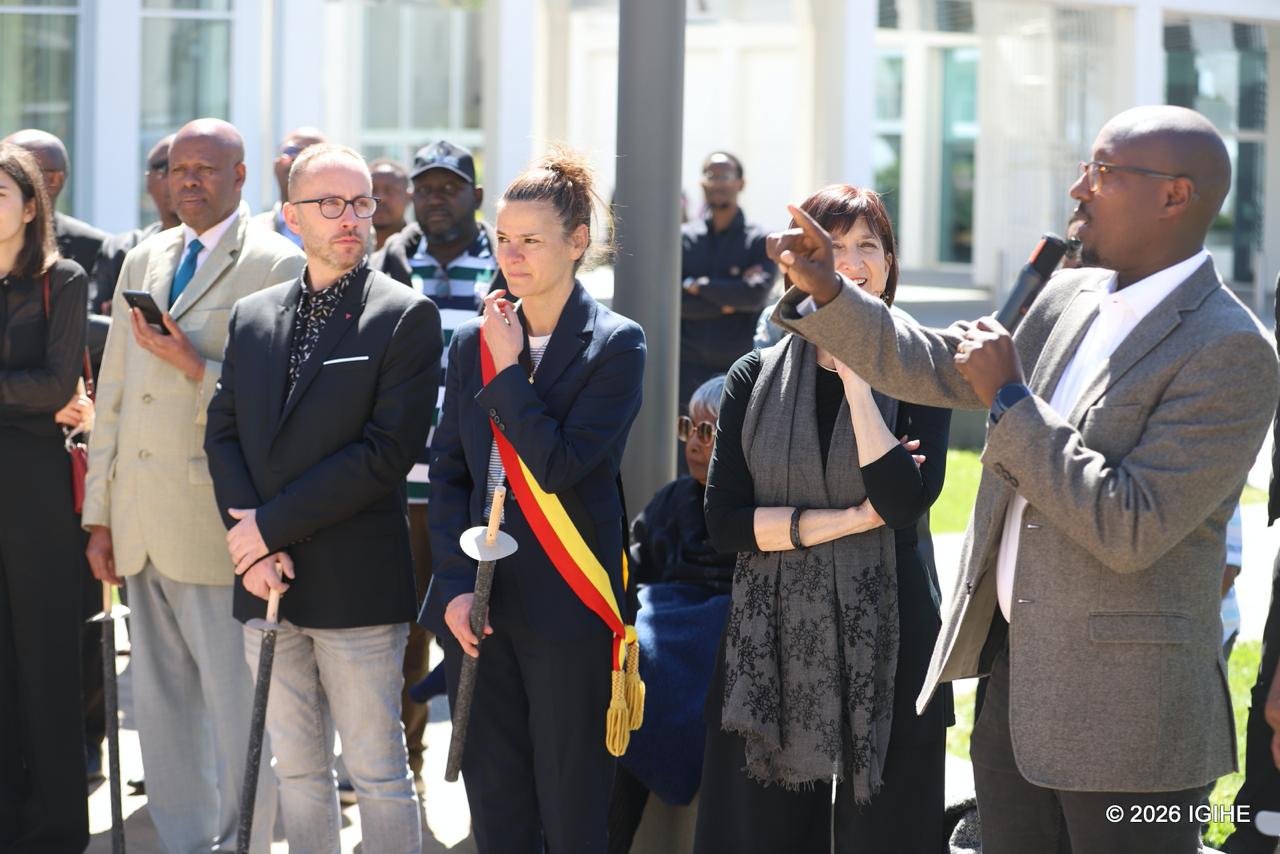
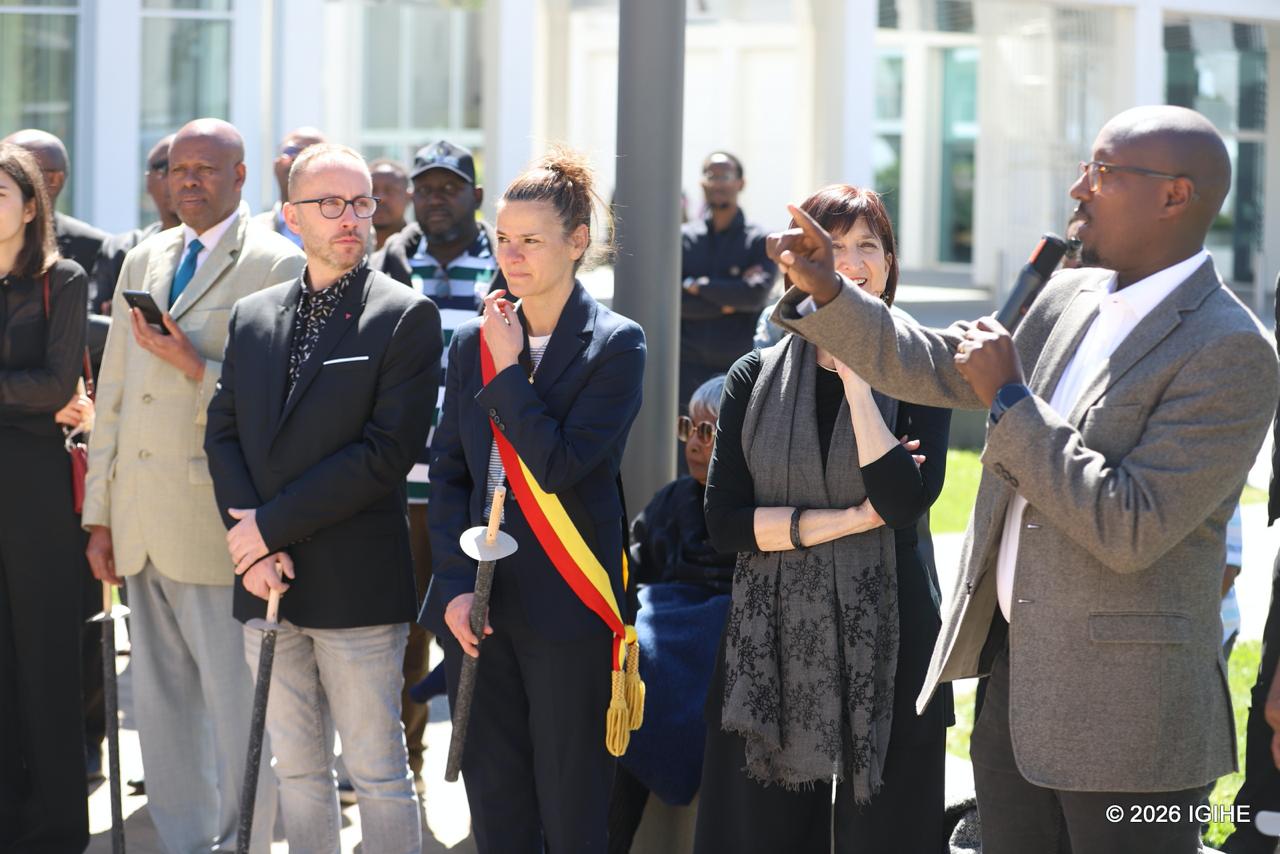
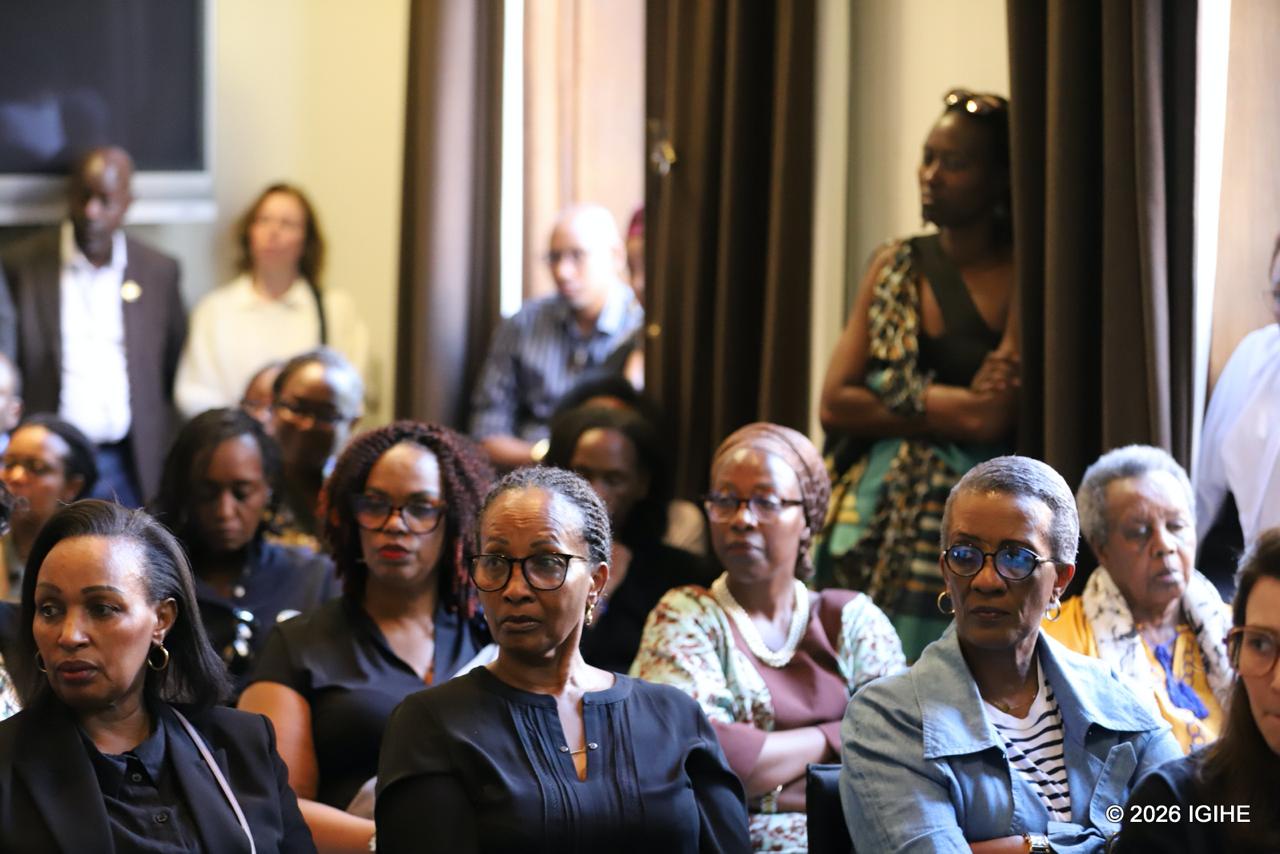
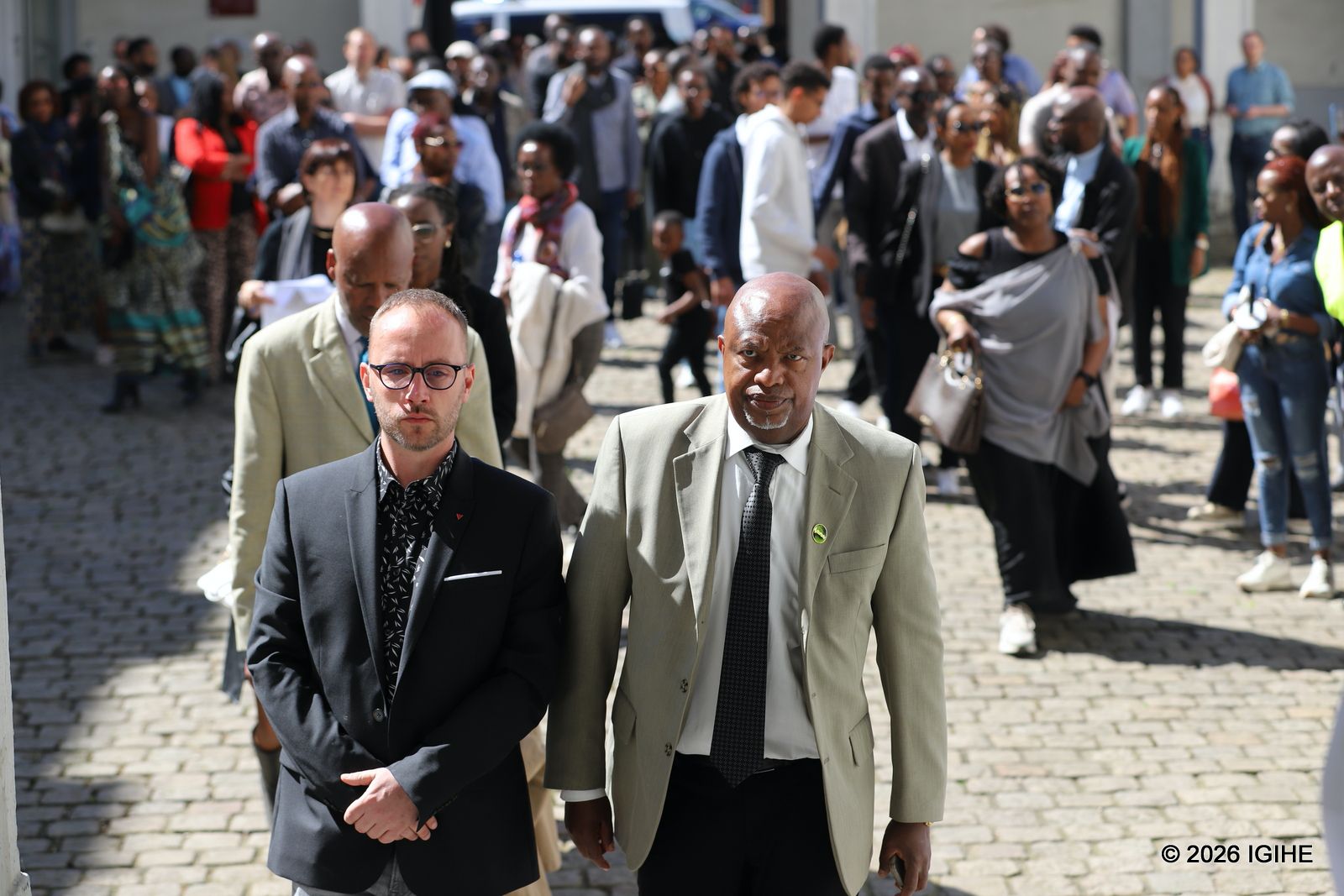
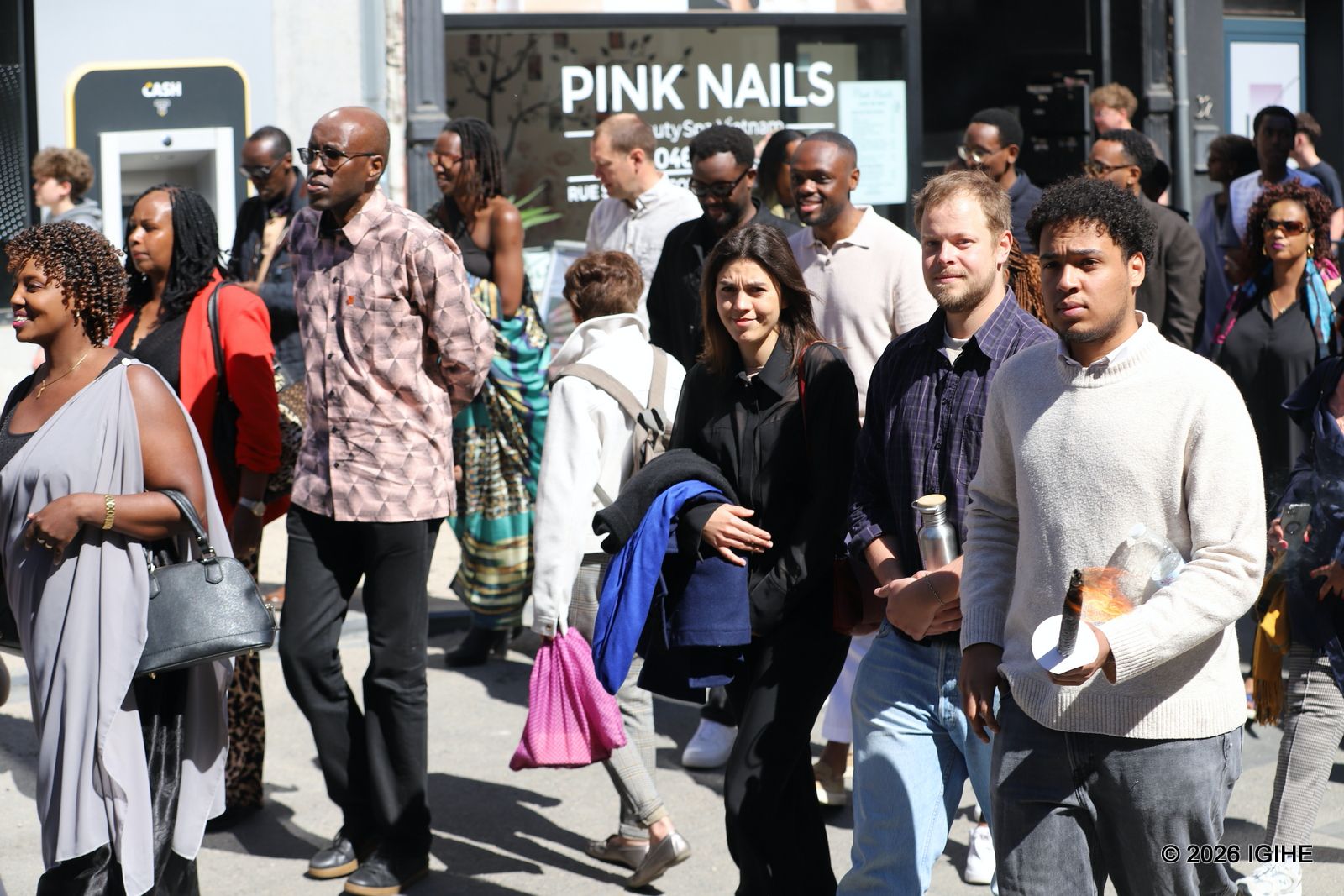
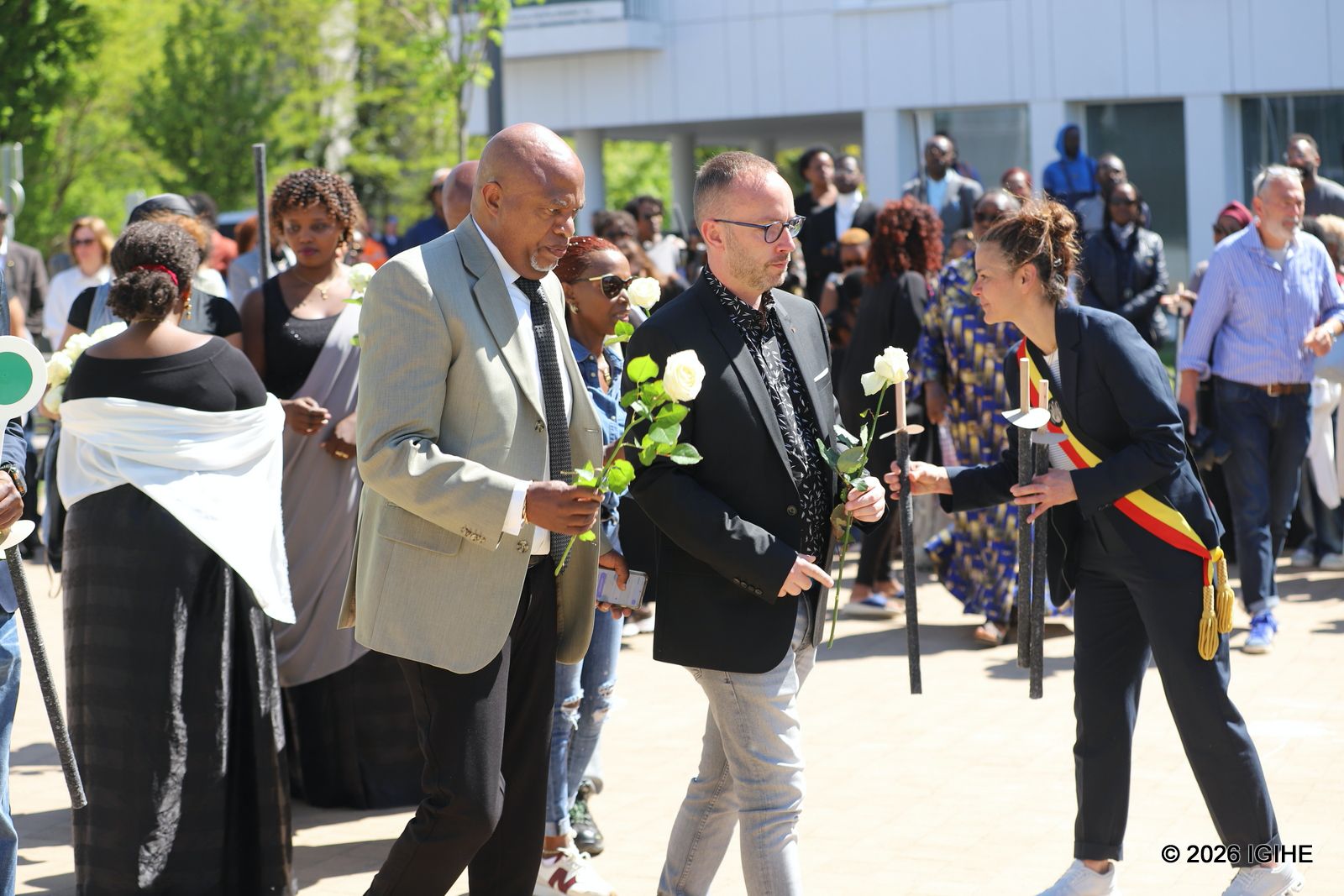
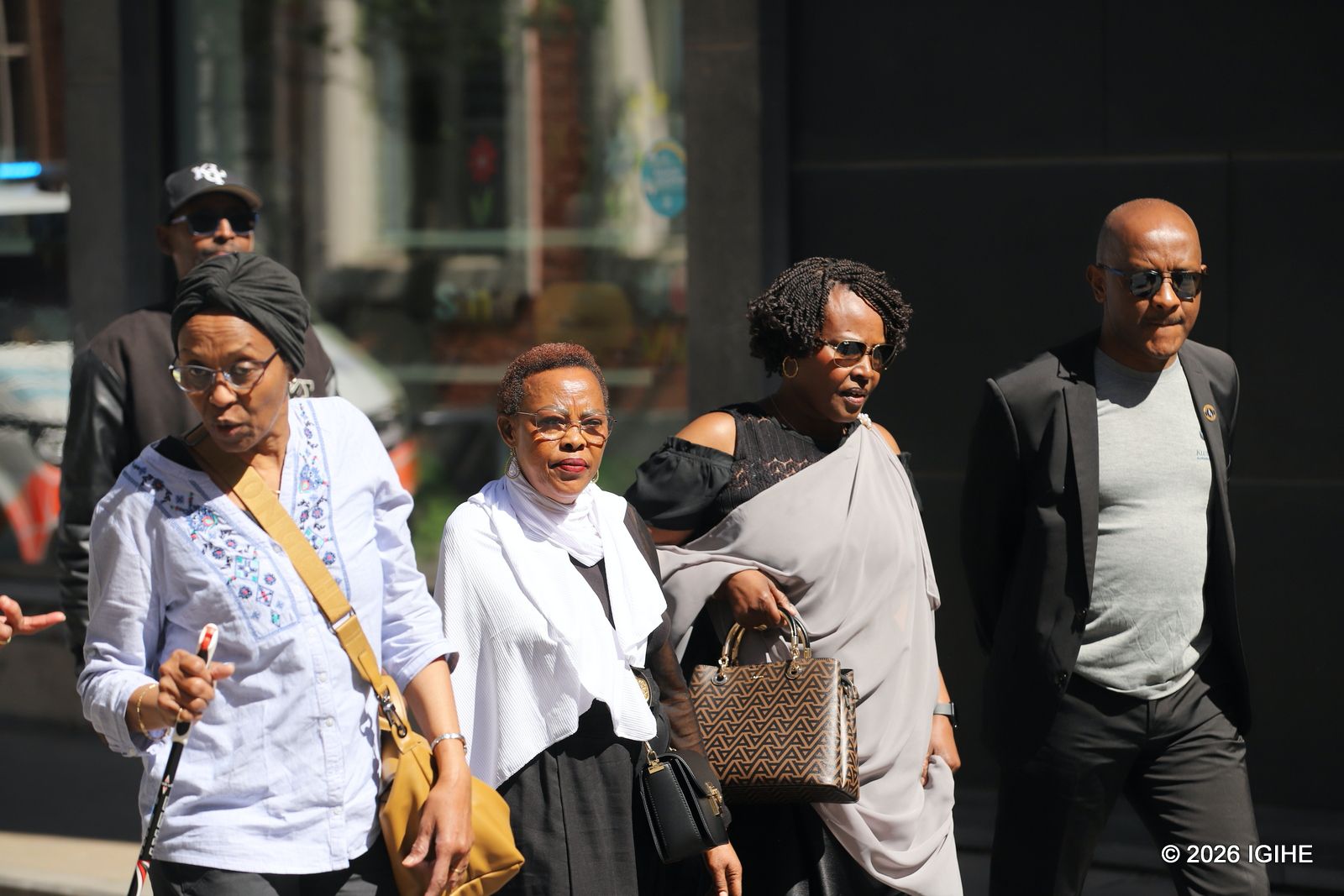
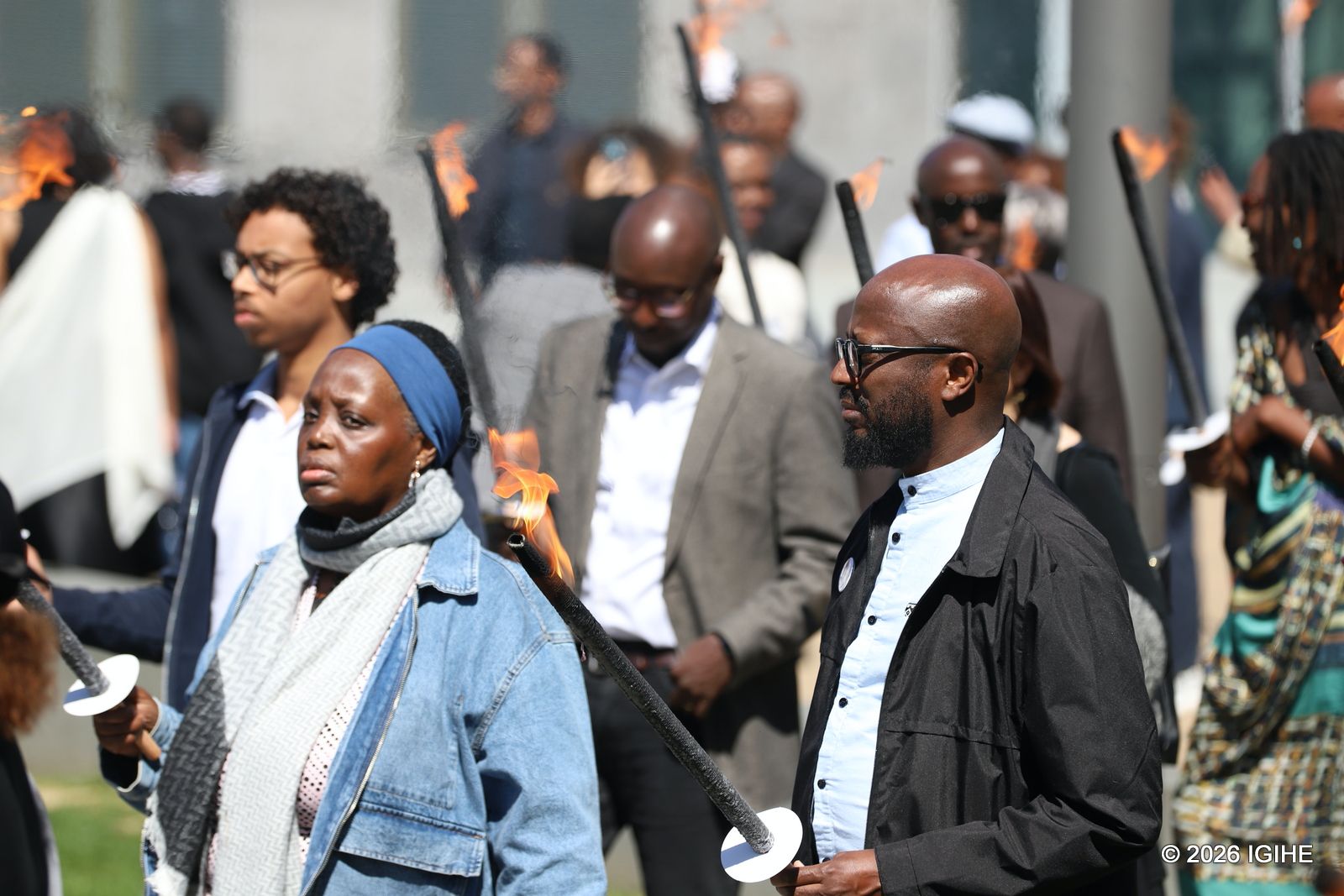
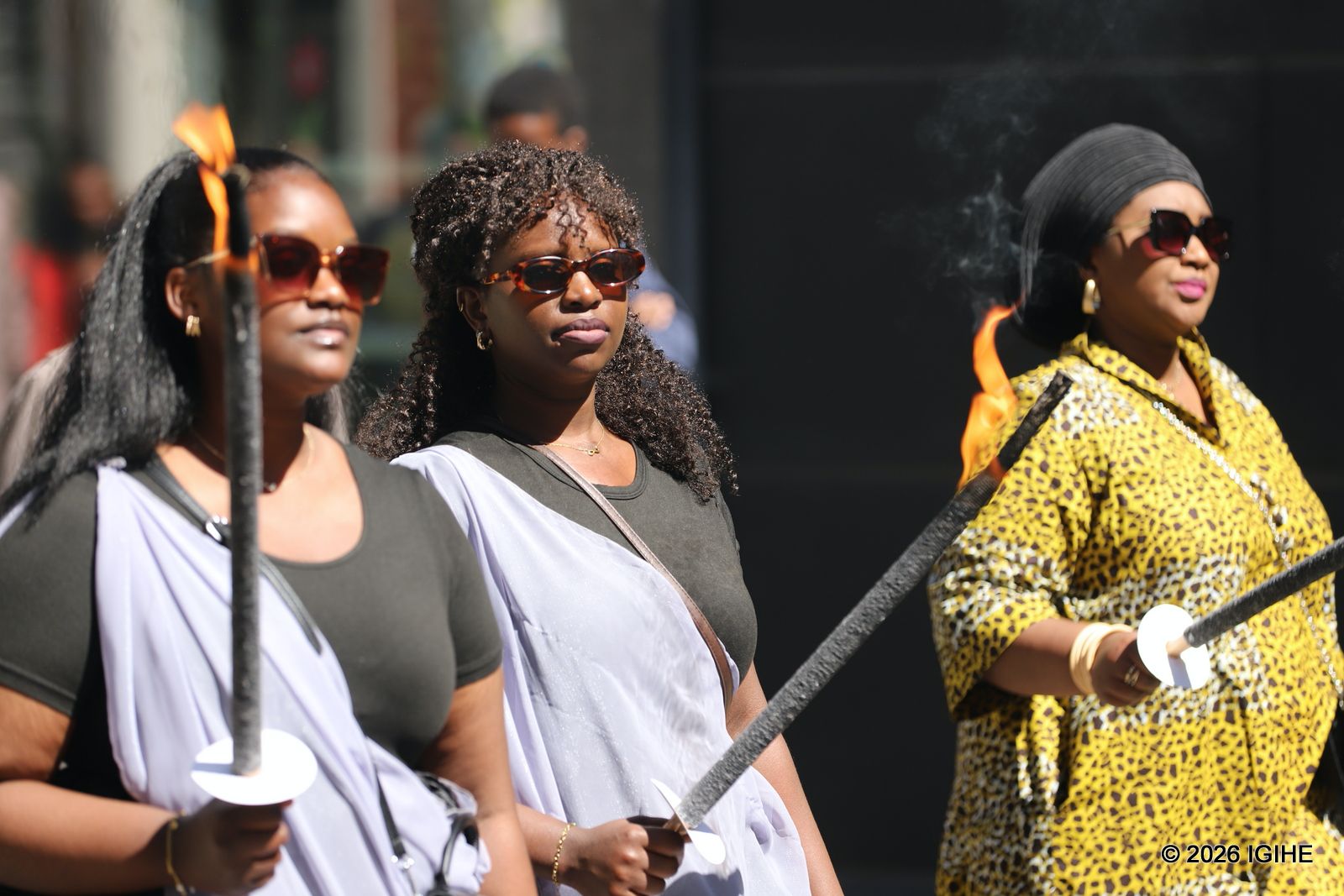
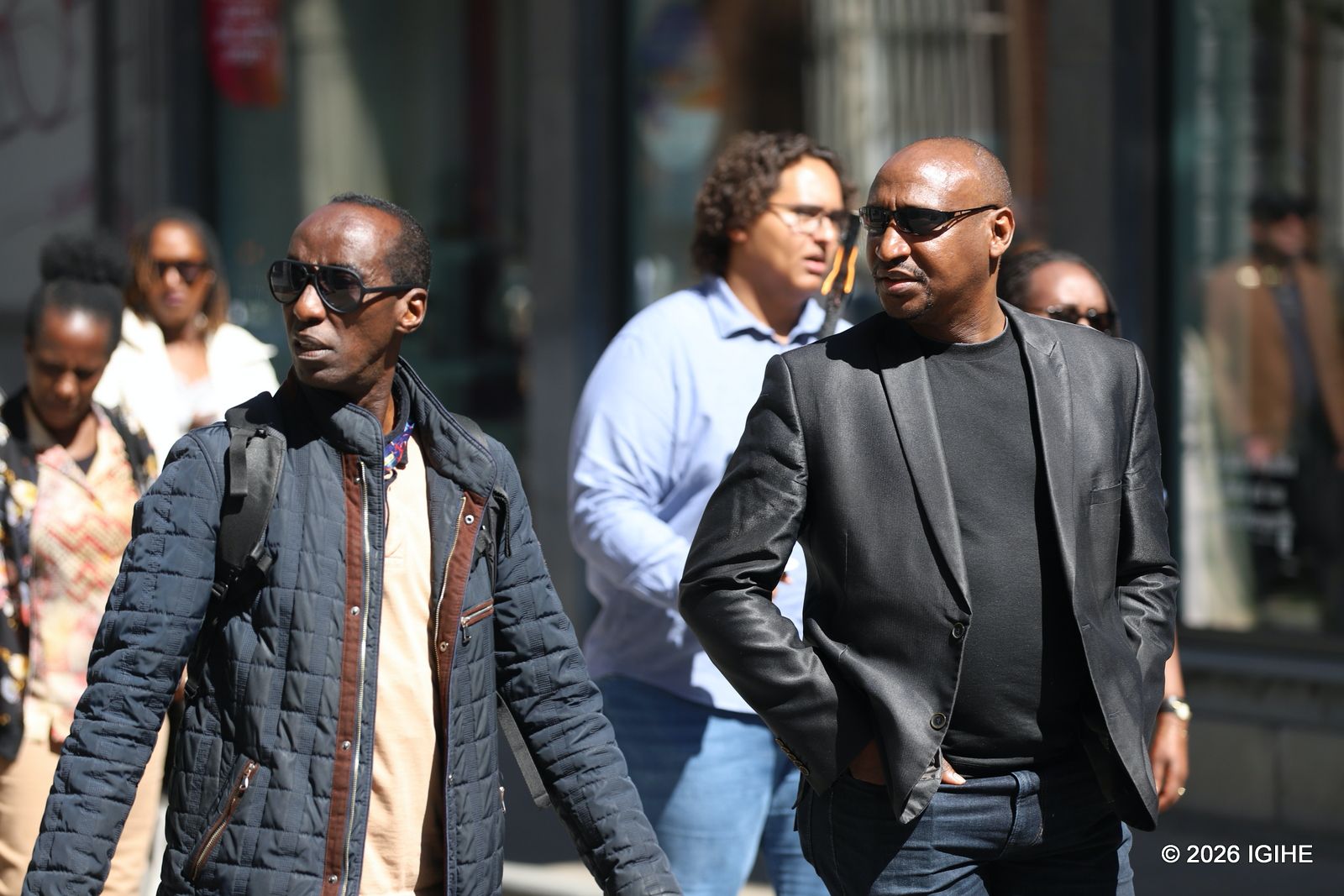
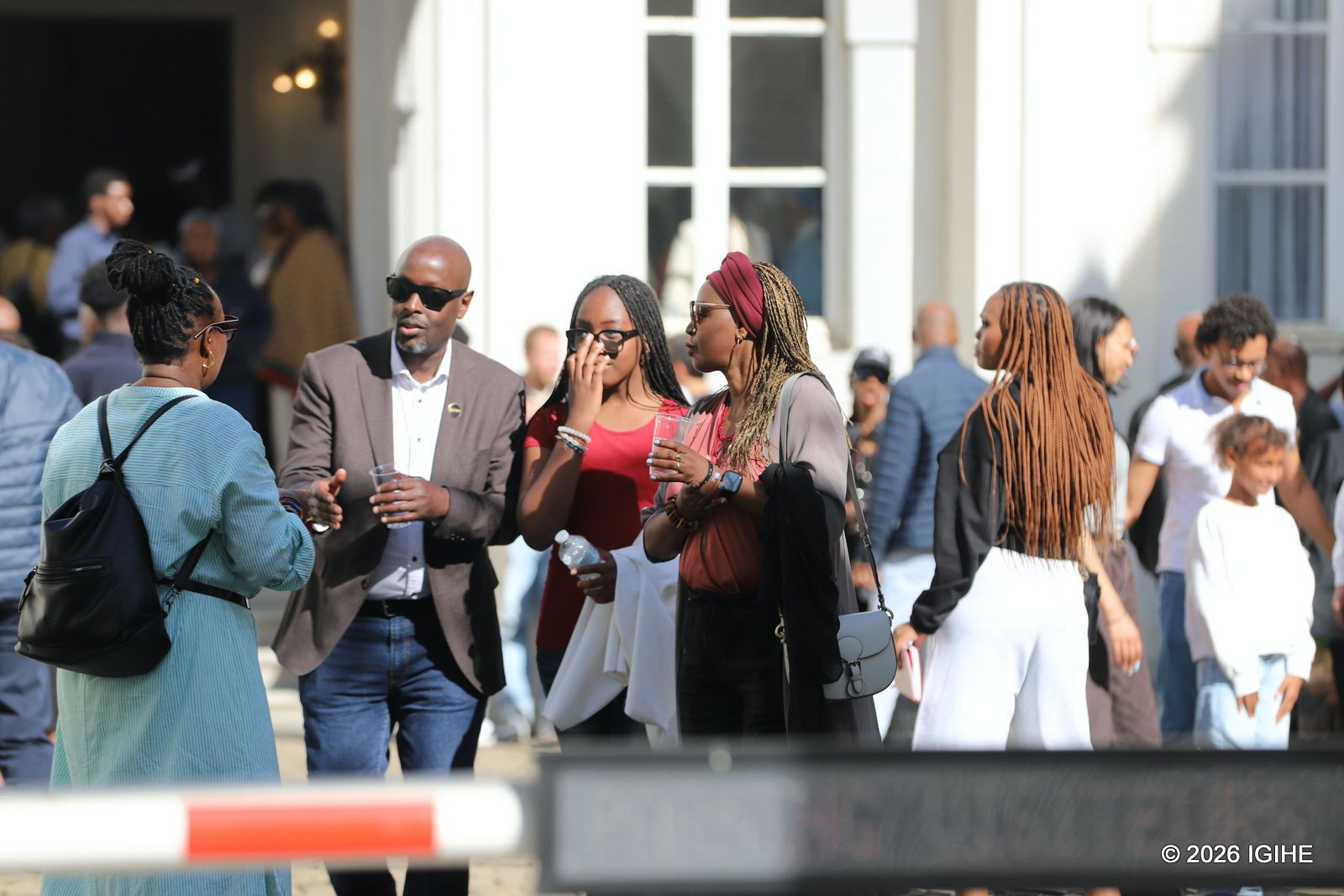
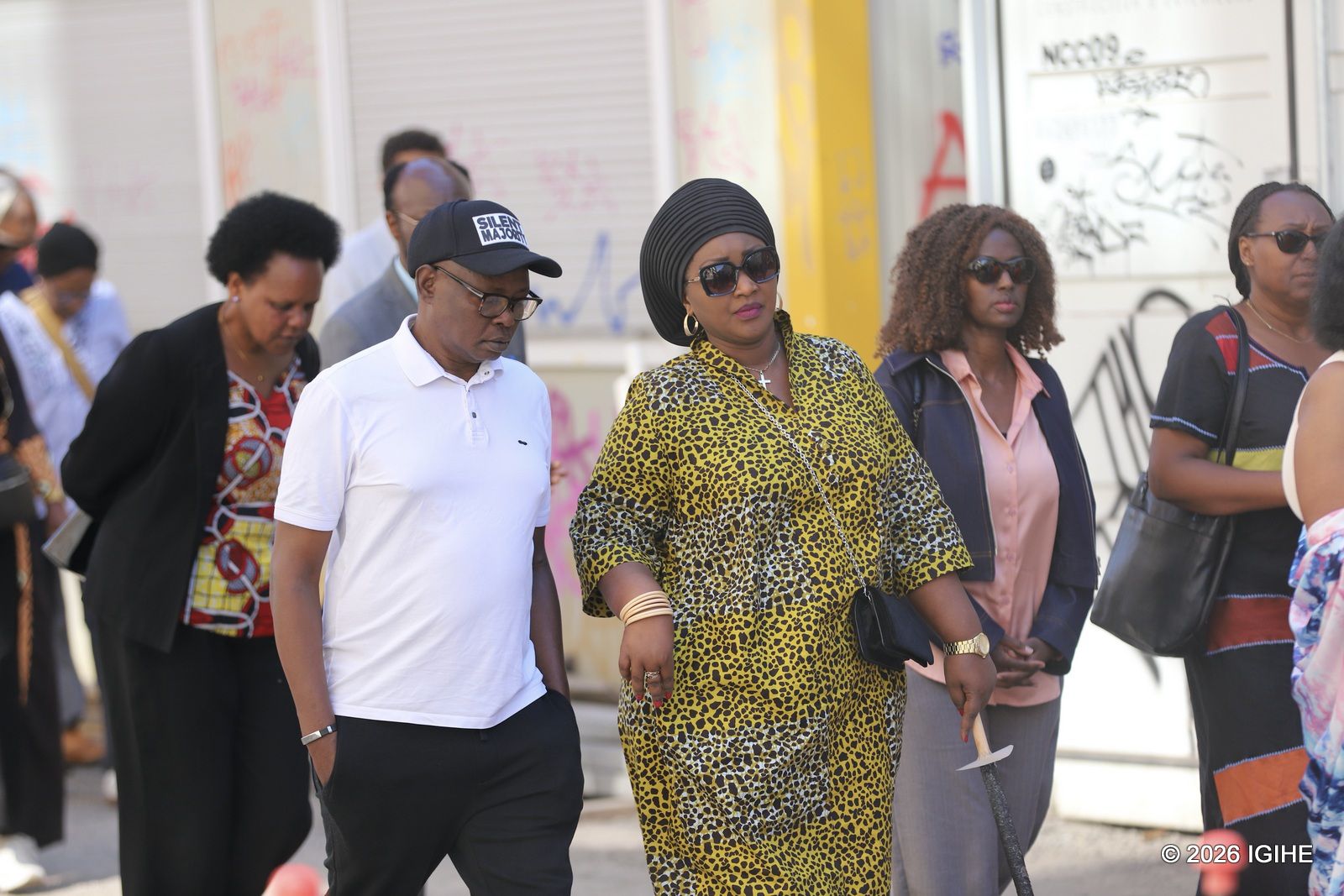
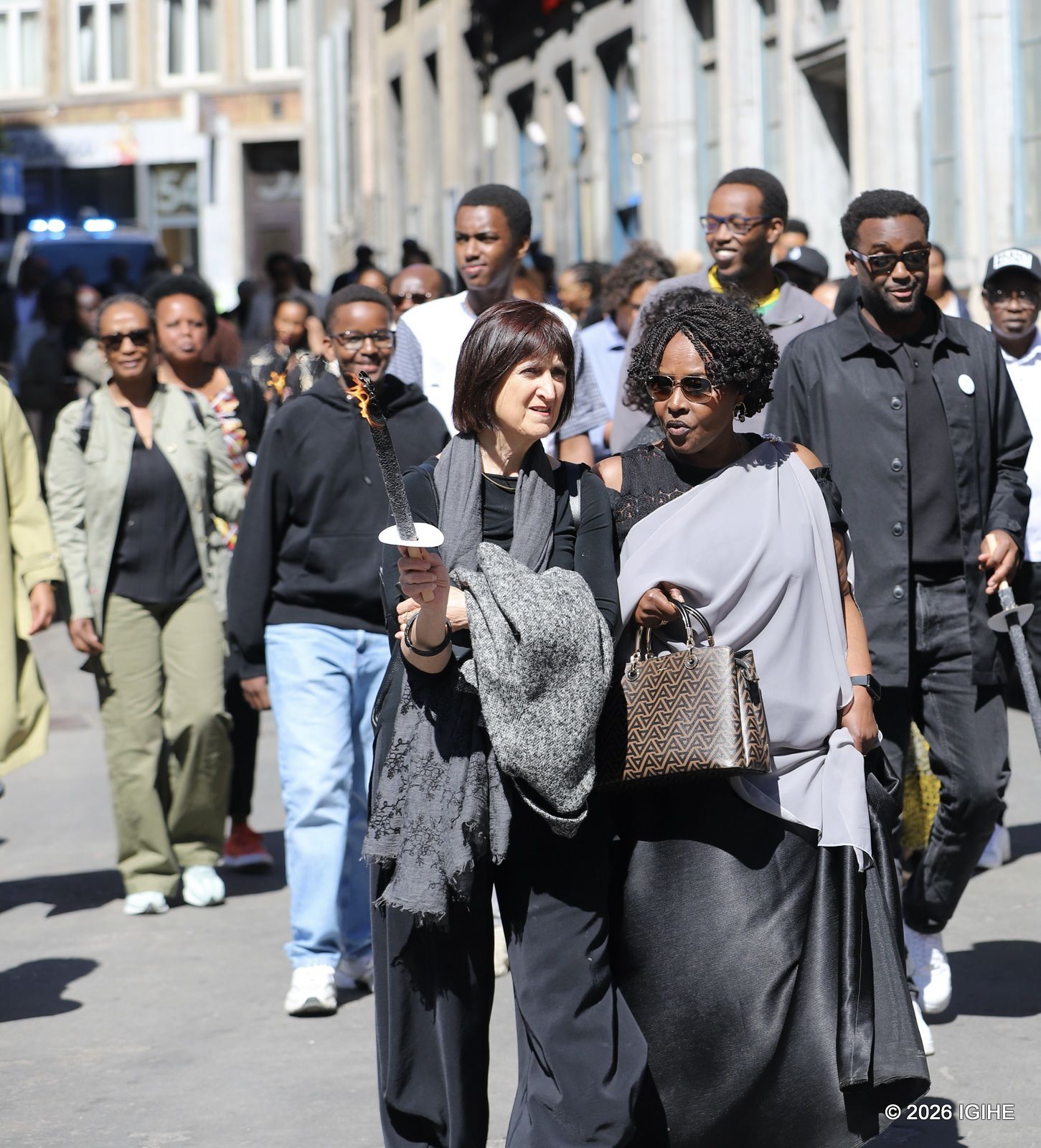
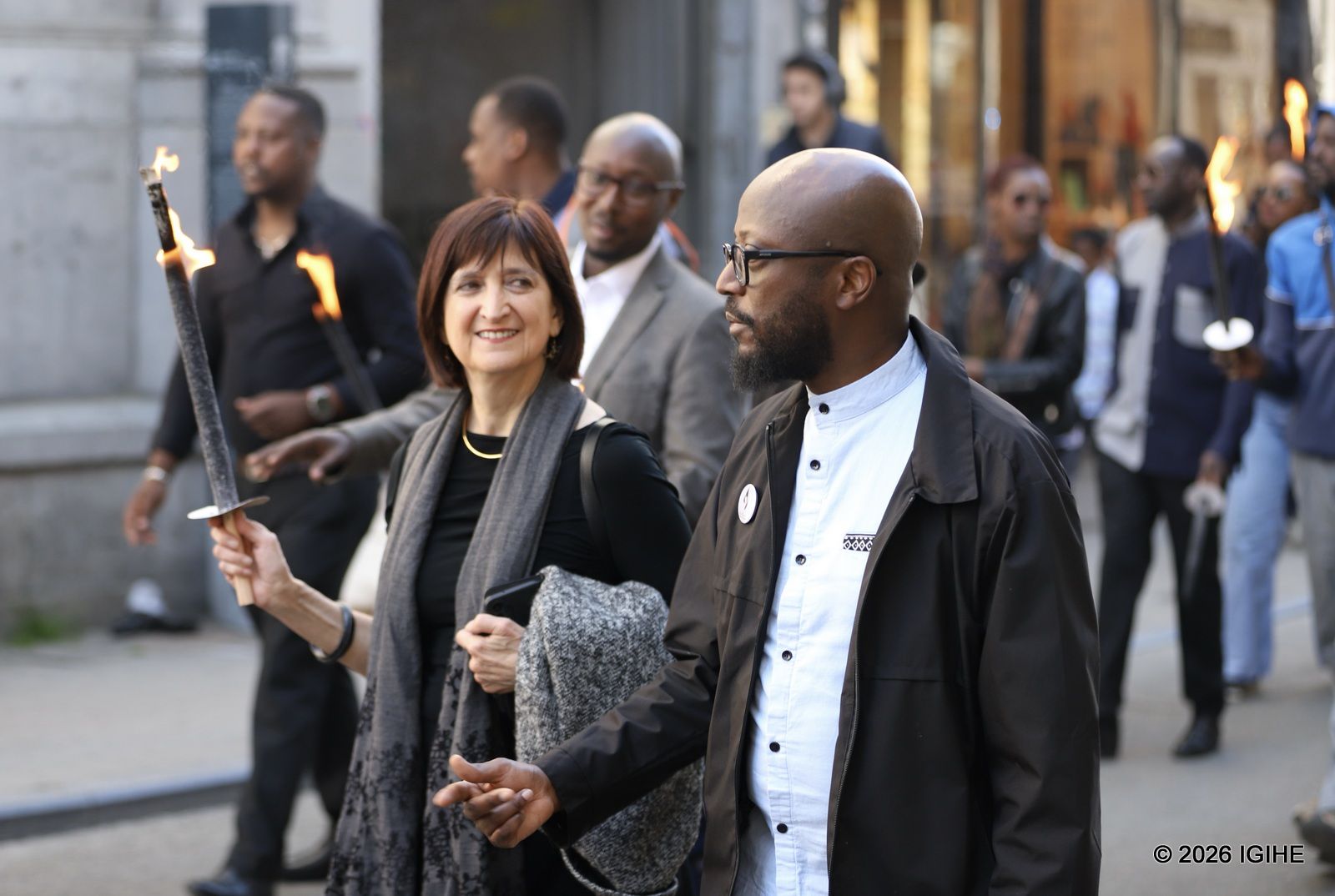
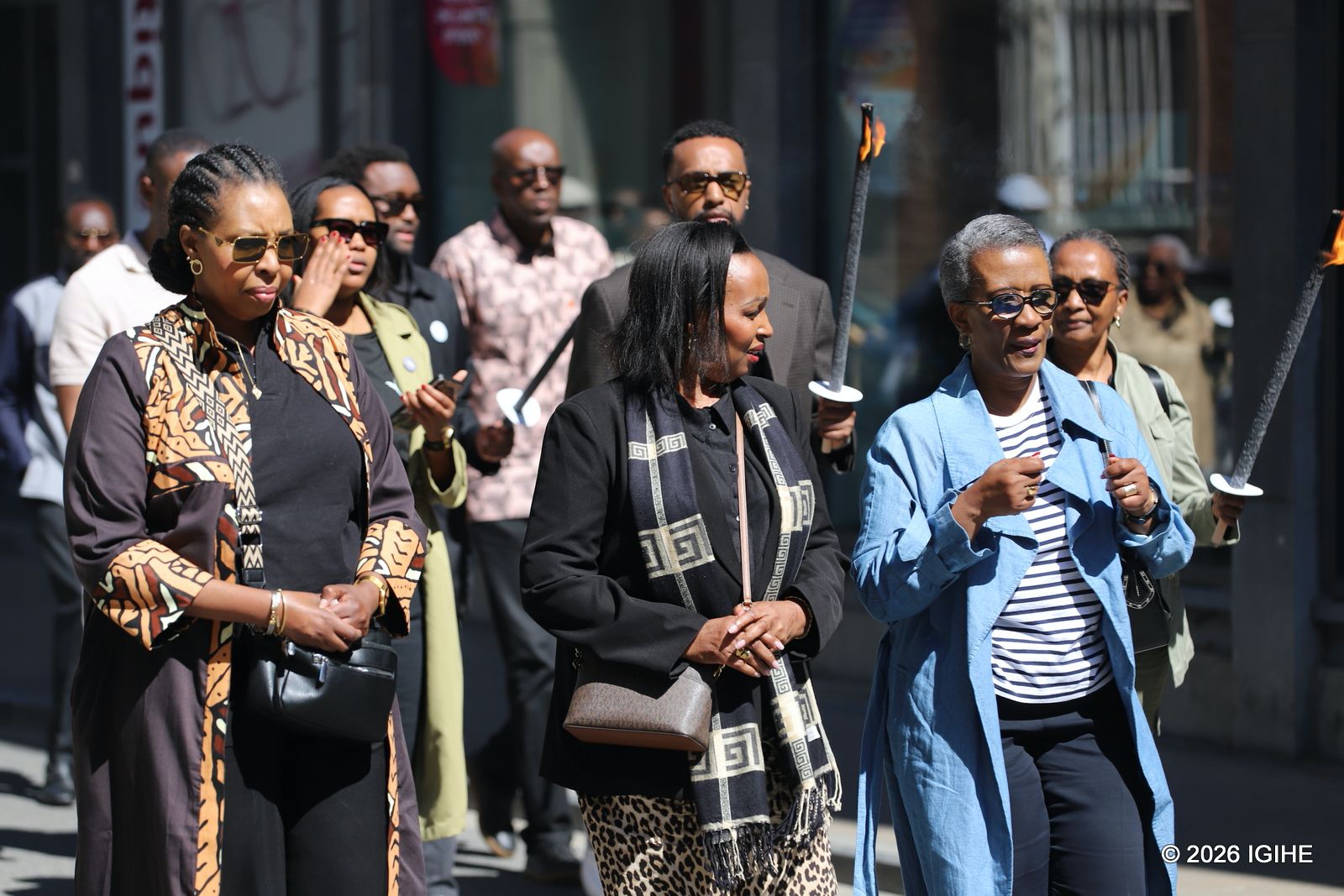
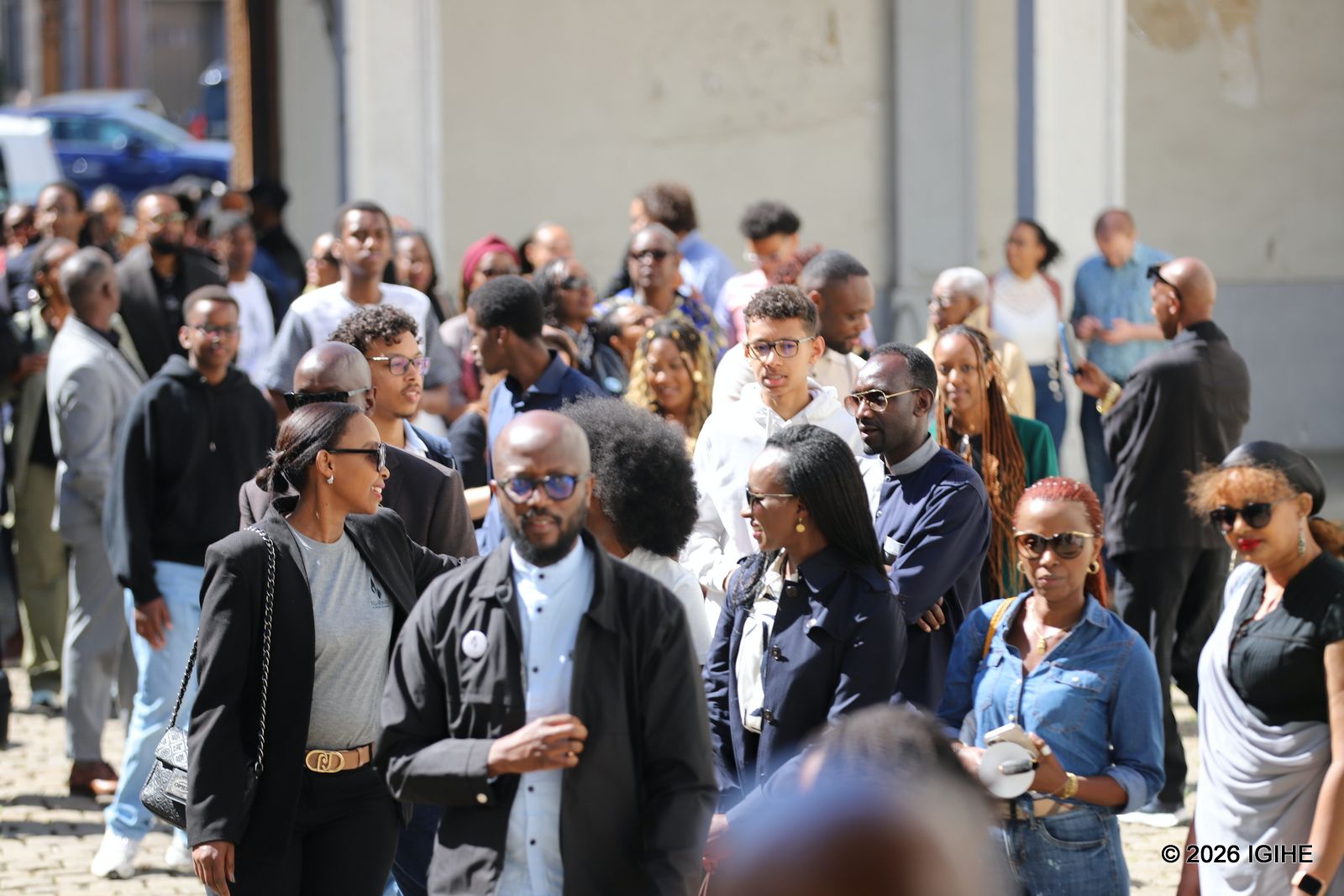
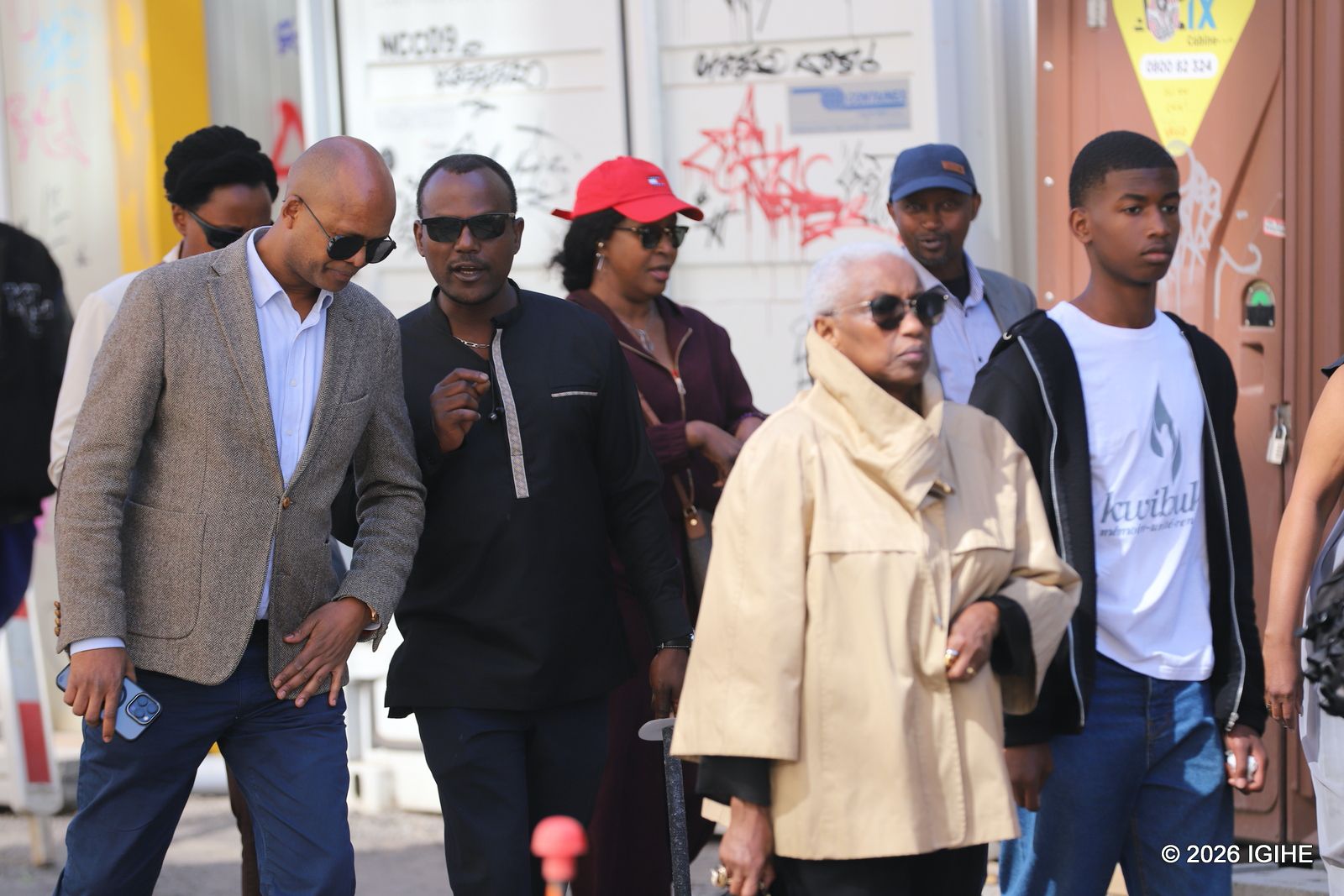
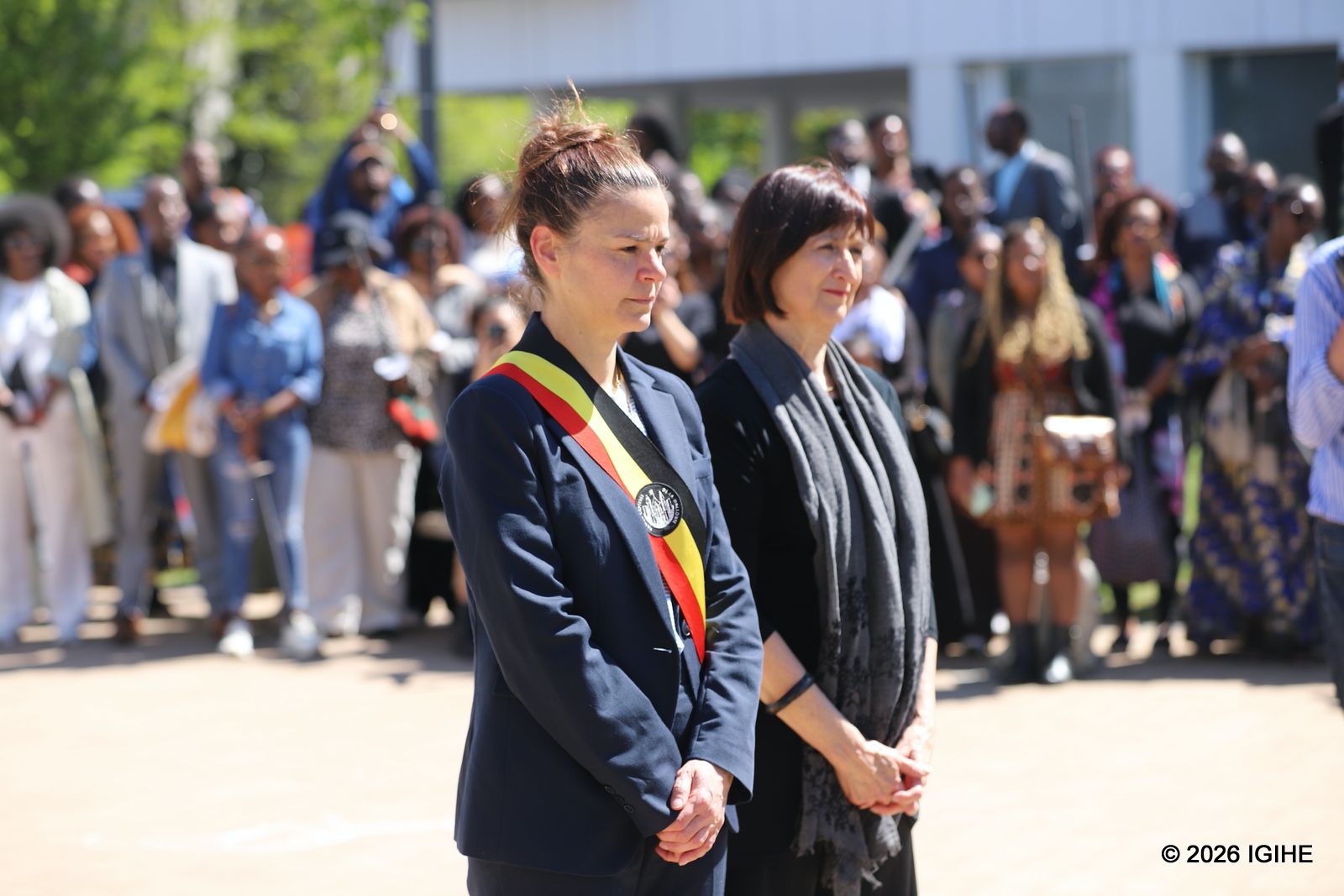
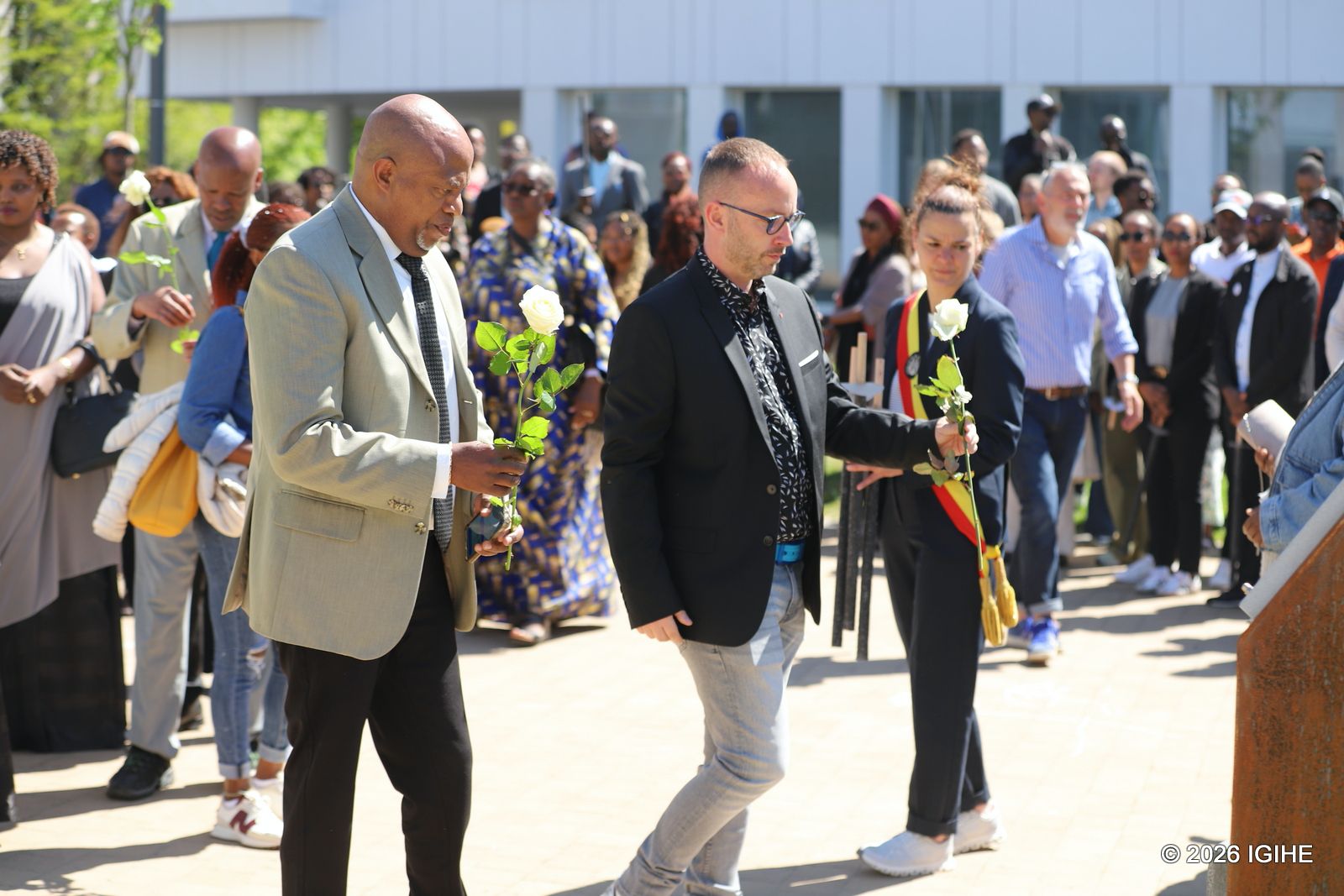
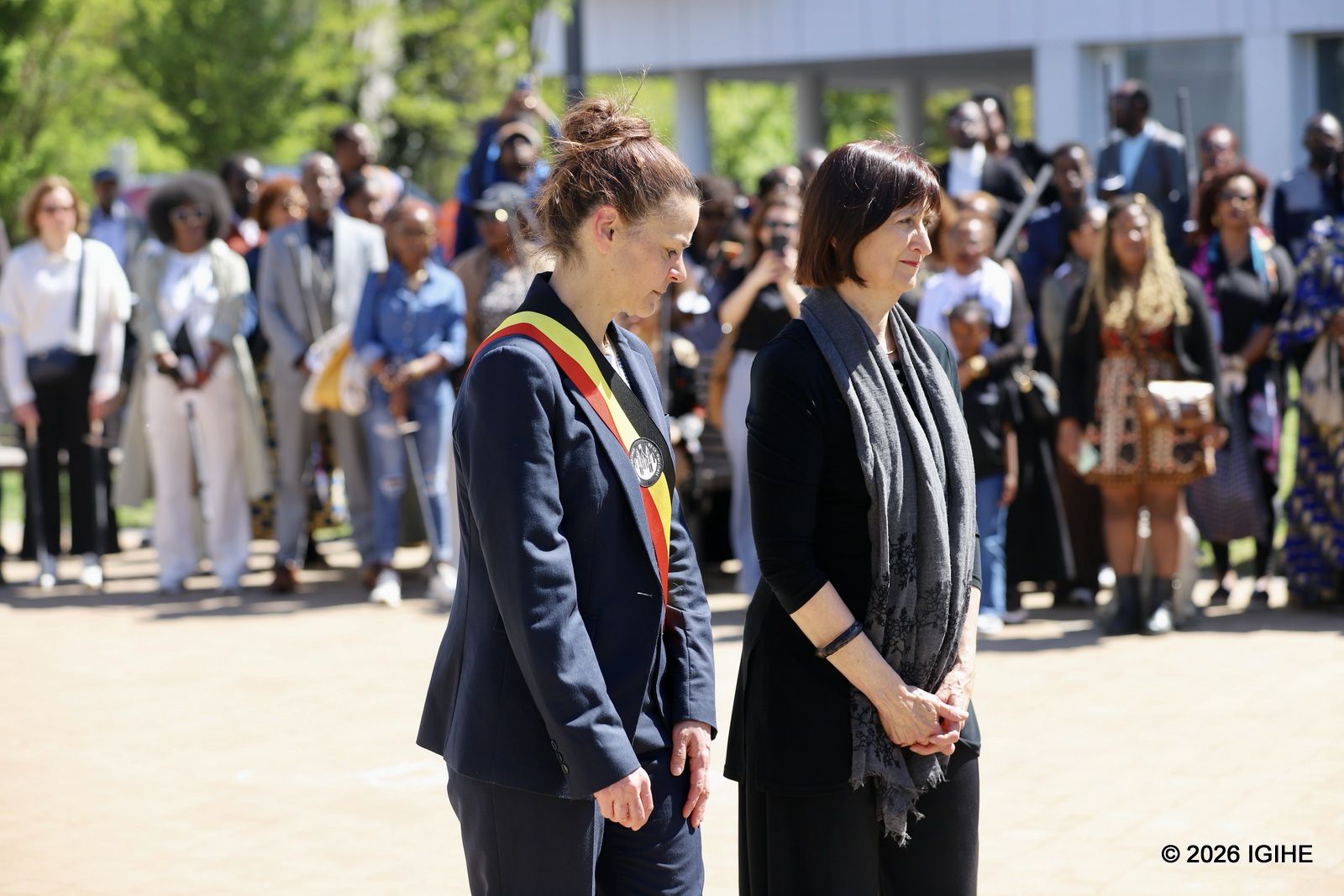
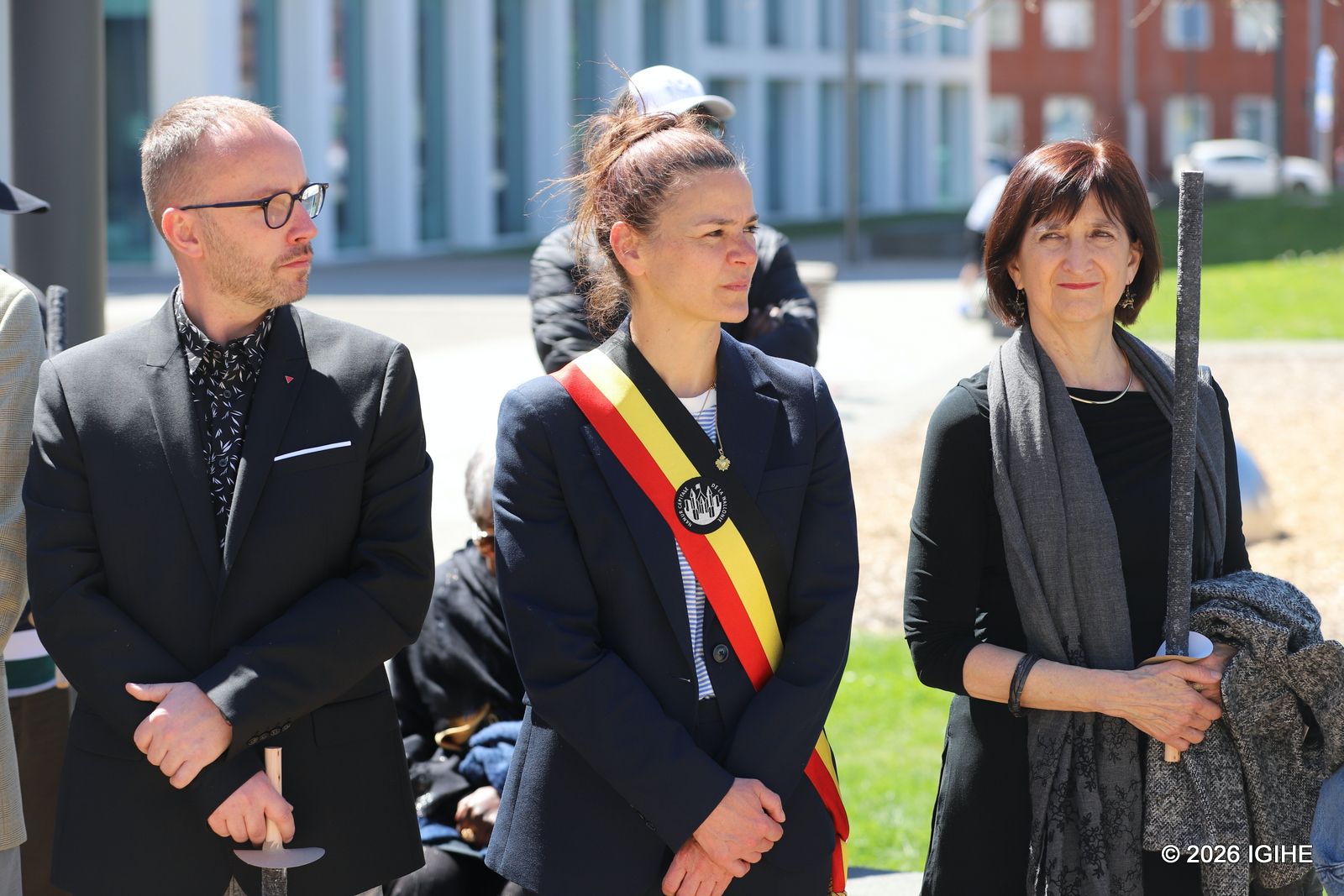
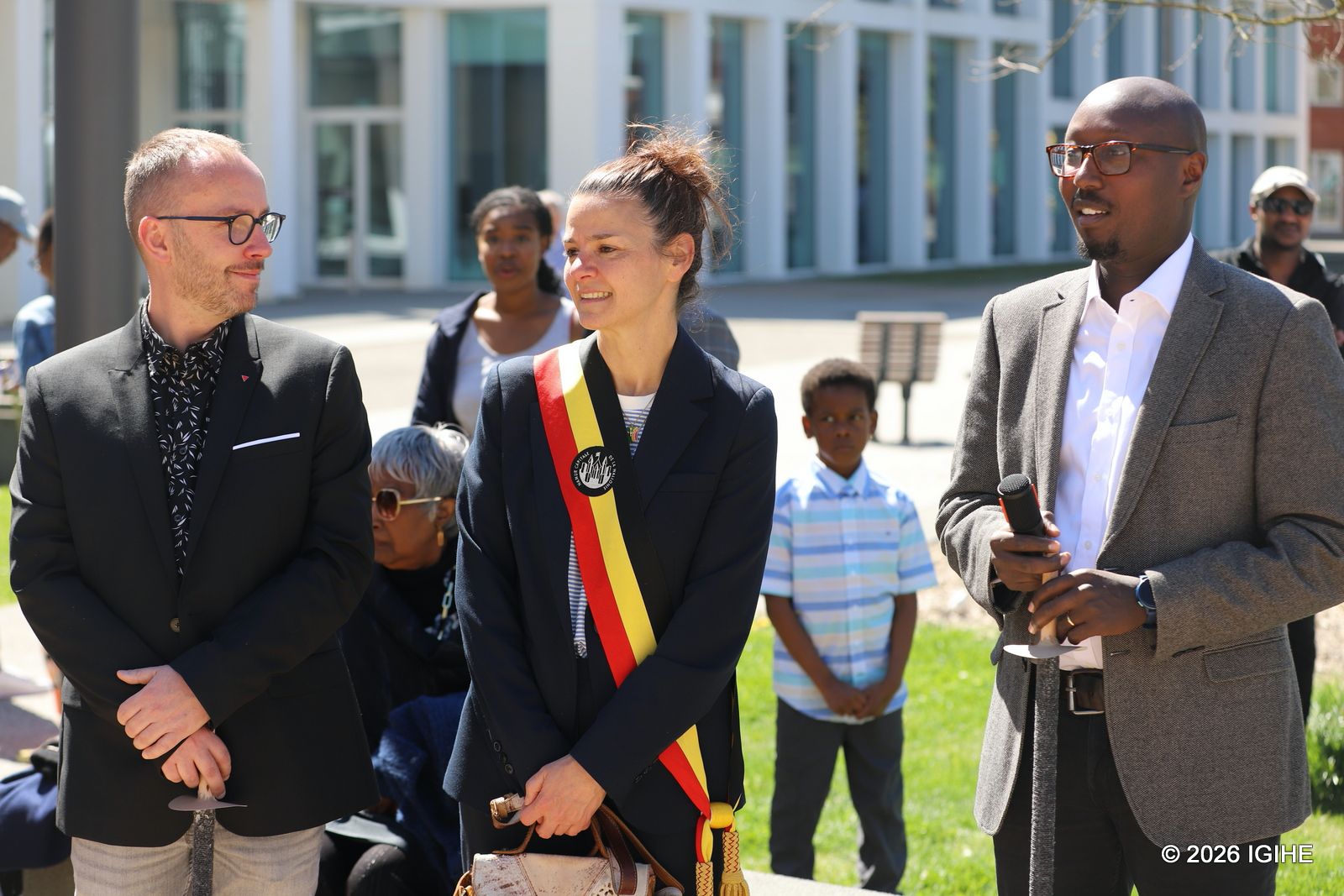
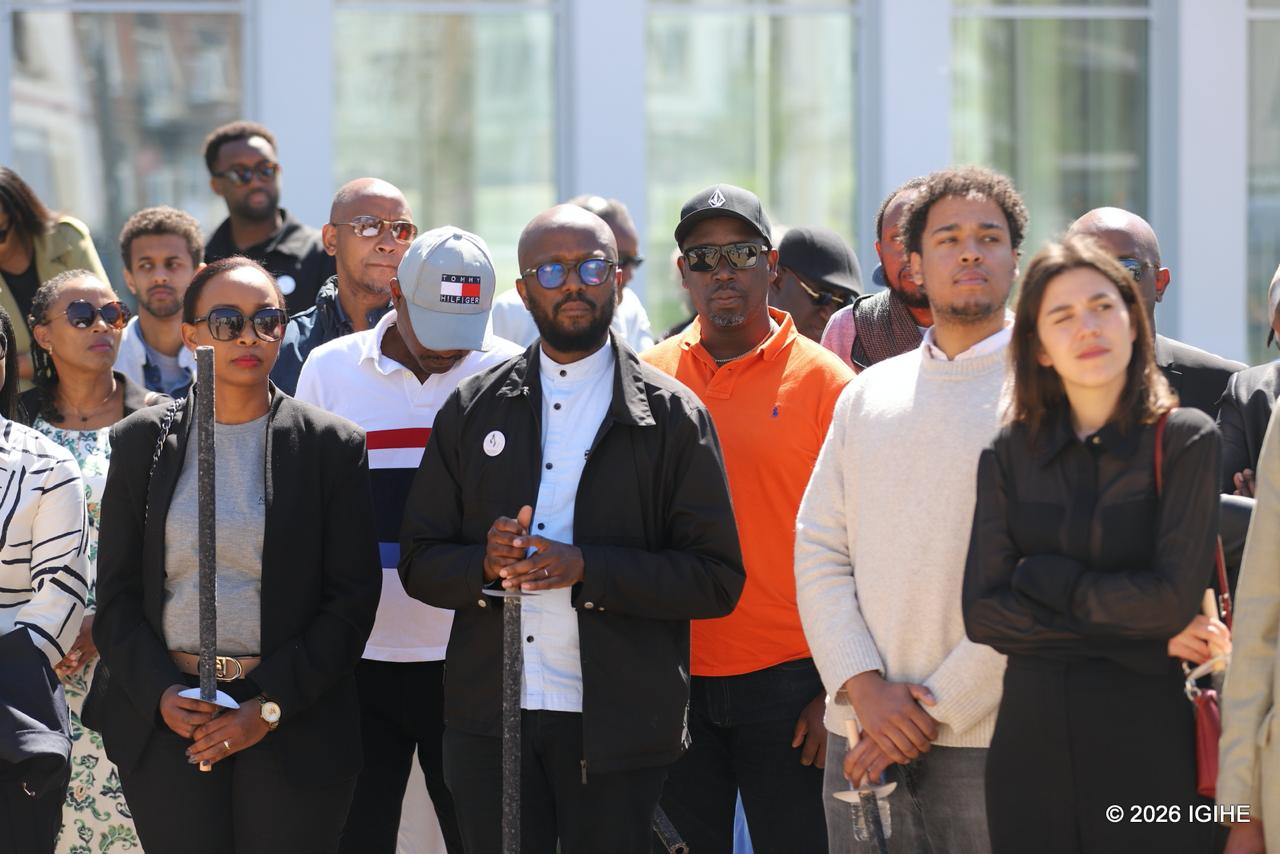
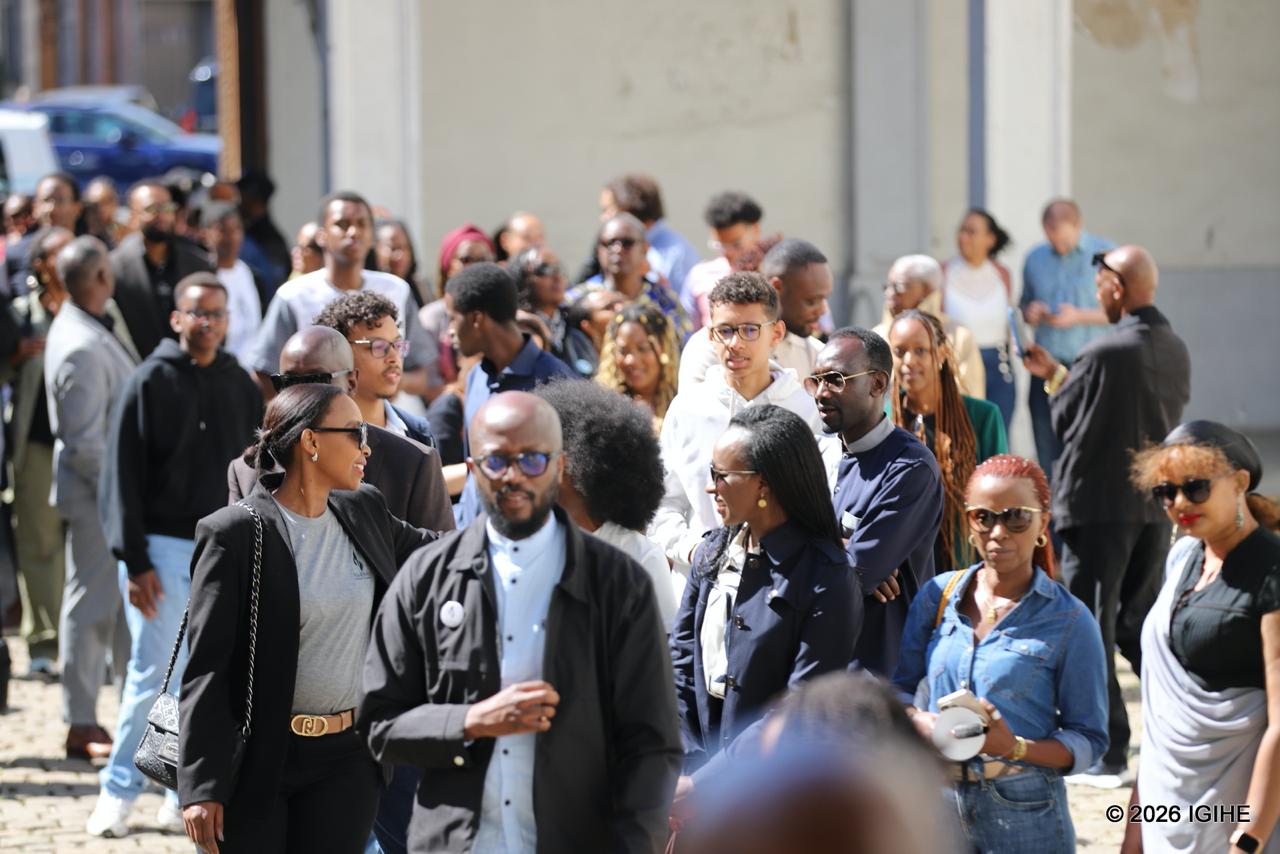
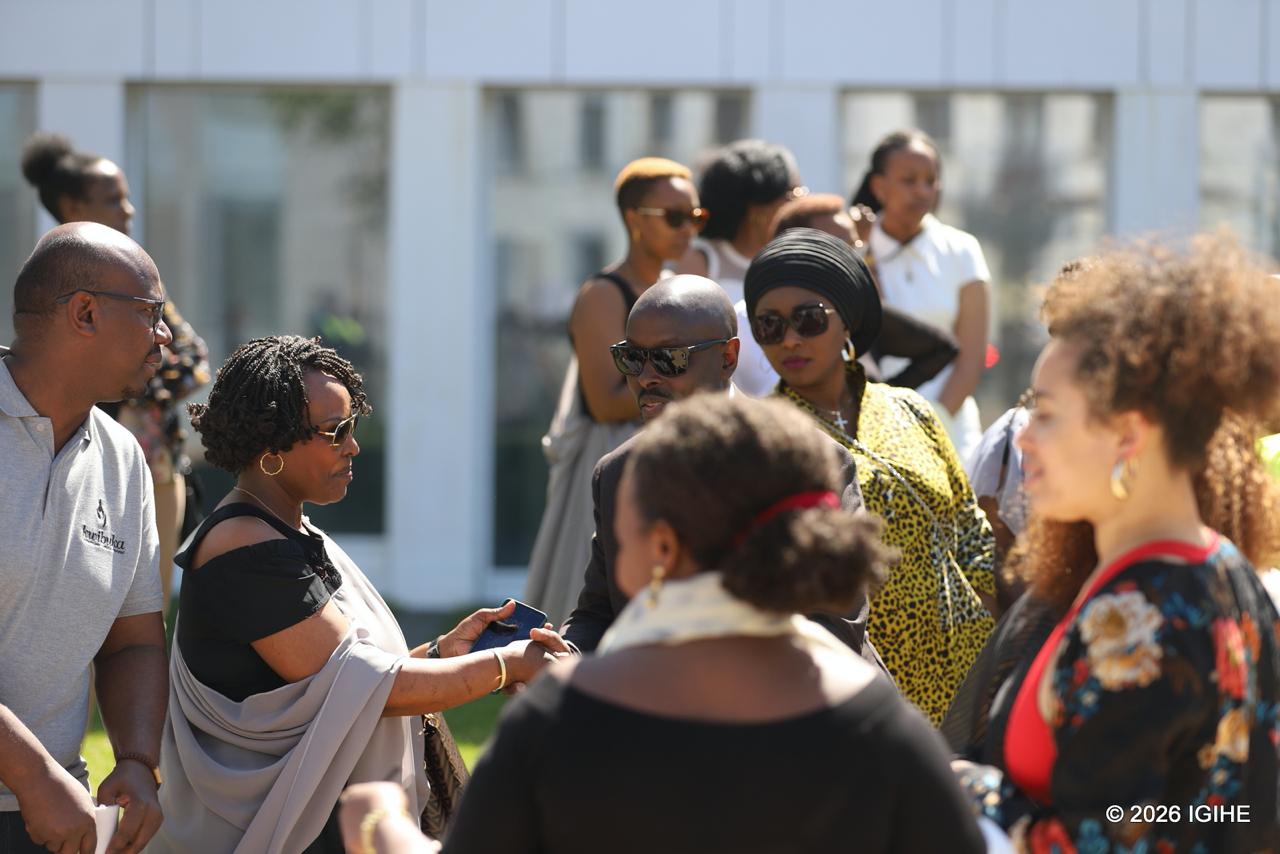
The event brought together, among others, the Acting Mayor of Namur, Charlotte Bazlaire, Claire Kayirangwa, representative of Ibuka-Memory and Justice-Belgium, Gakuba Ernest, President of the Rwandan diaspora in Belgium, as well as Karugarama Lionel, President of the Rwandan diaspora section in Namur, who also coordinated the ceremony.
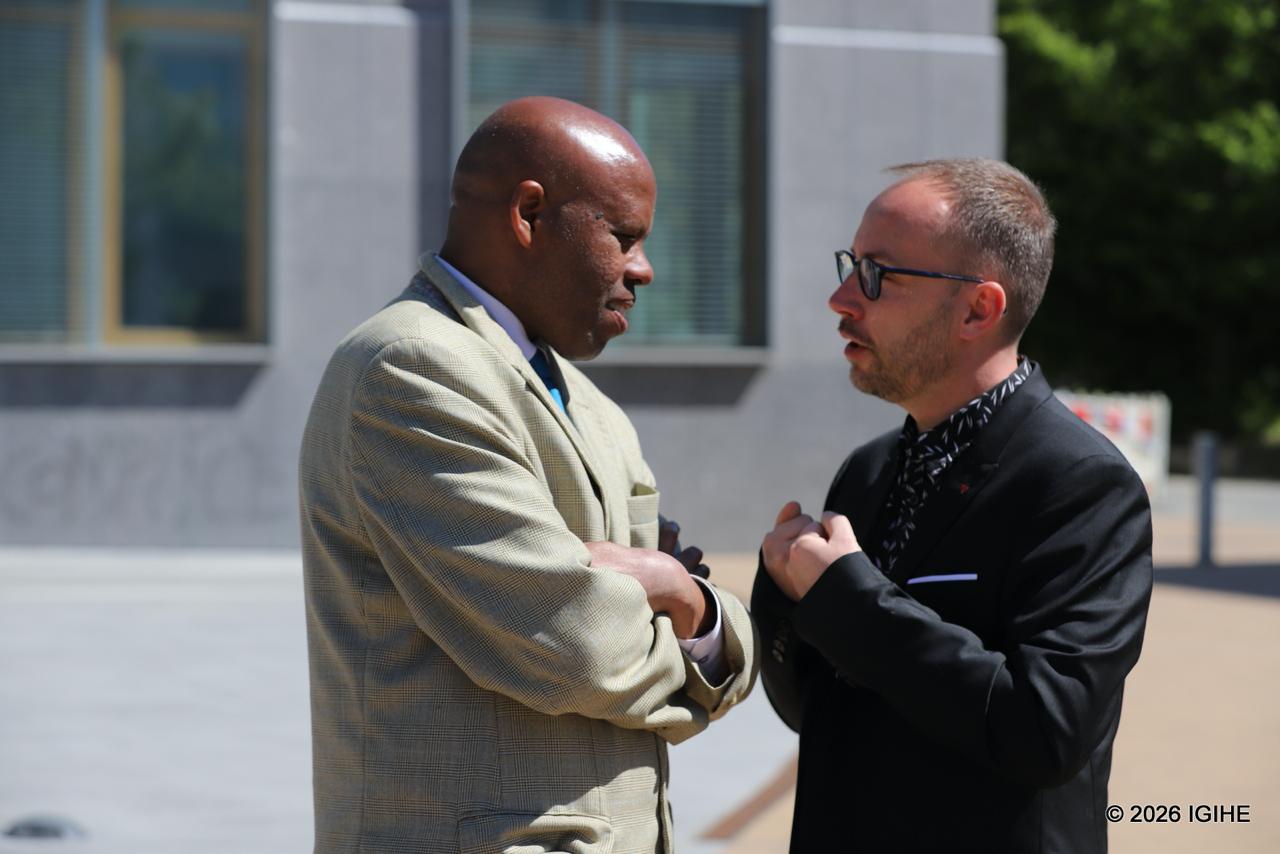
The President of “Les Territoires de la Mémoire,” Michaël Bisschops, who came from the Liège region, also took part in the commemoration, alongside representatives of various associations active in Belgium.
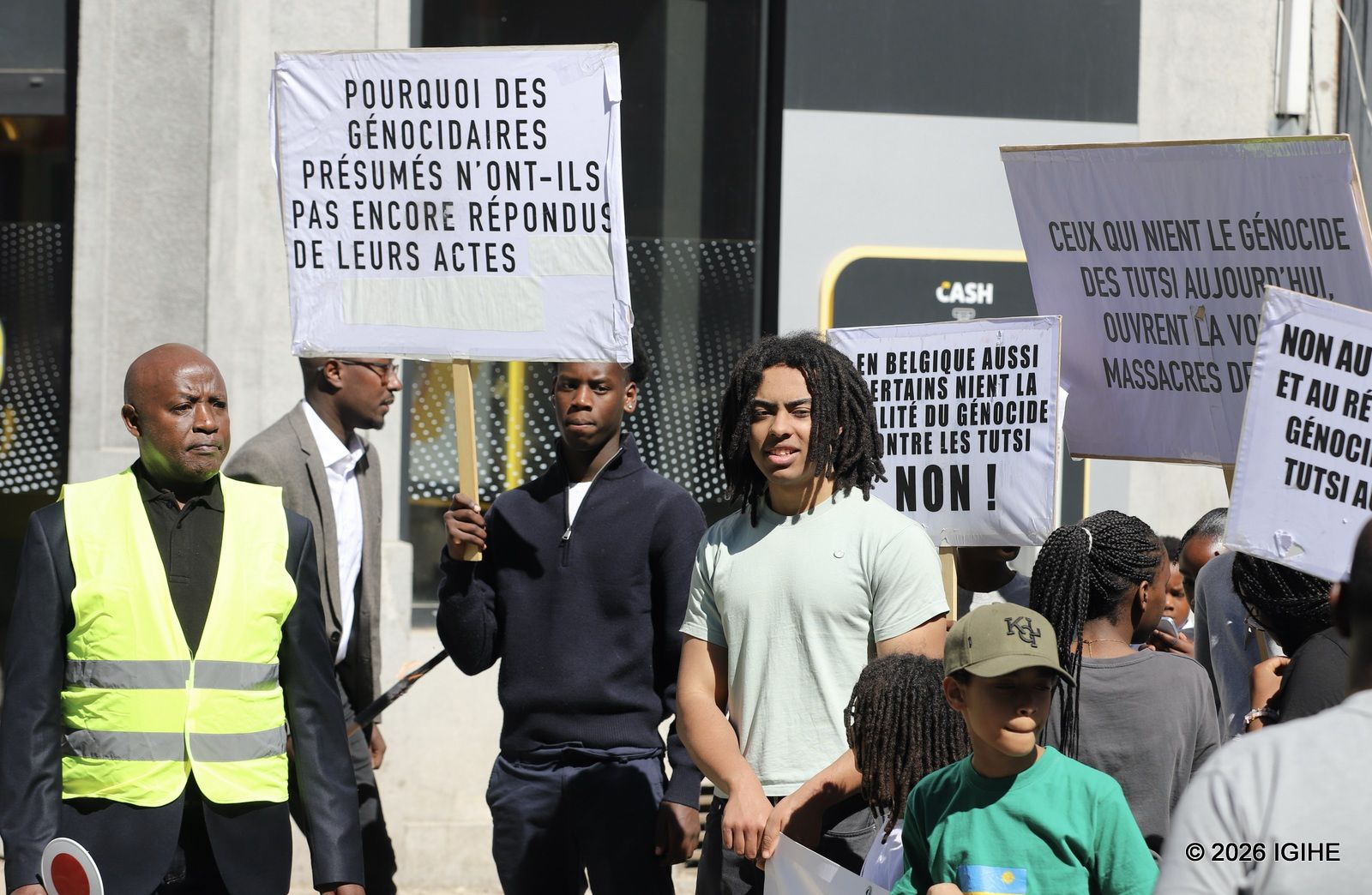
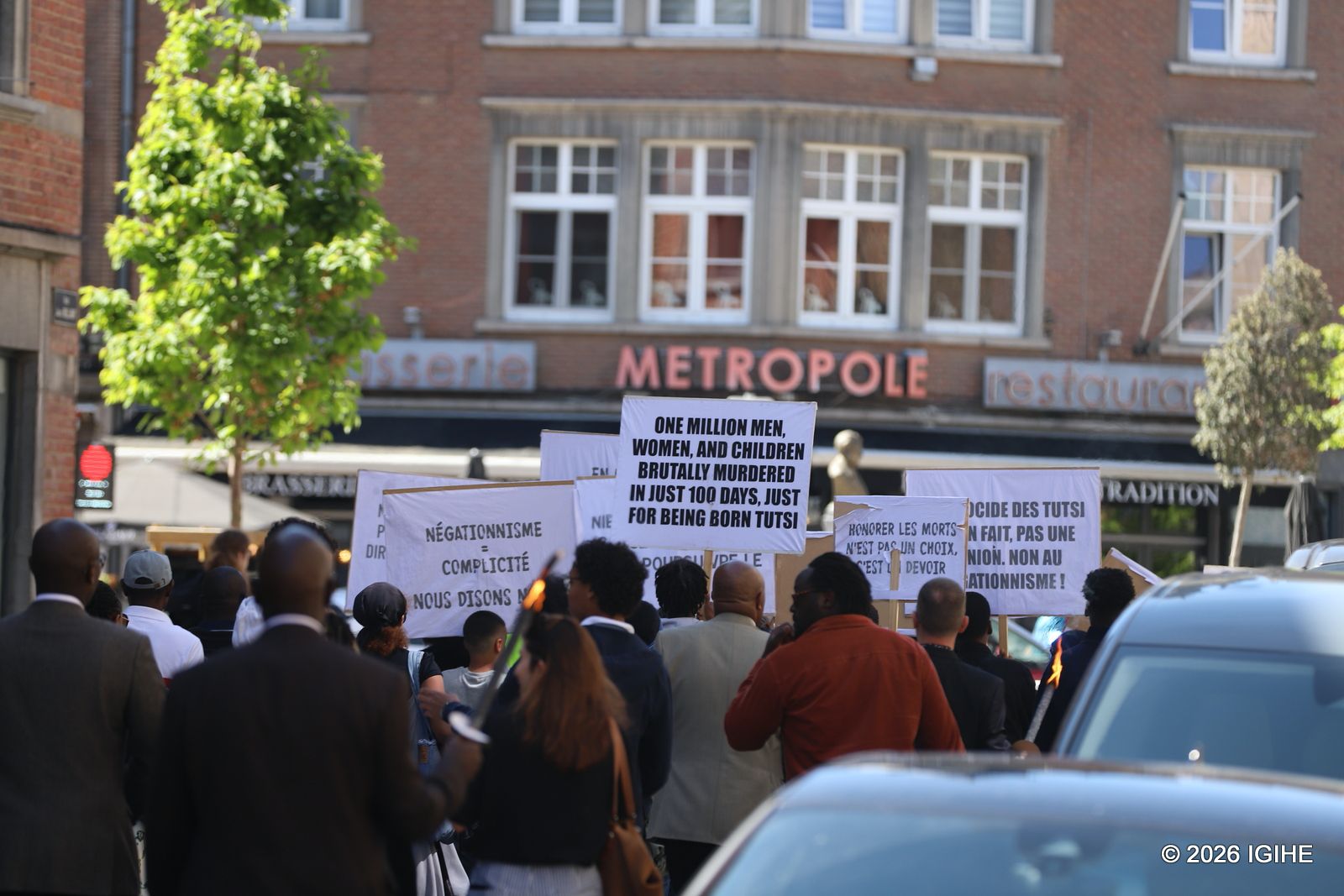
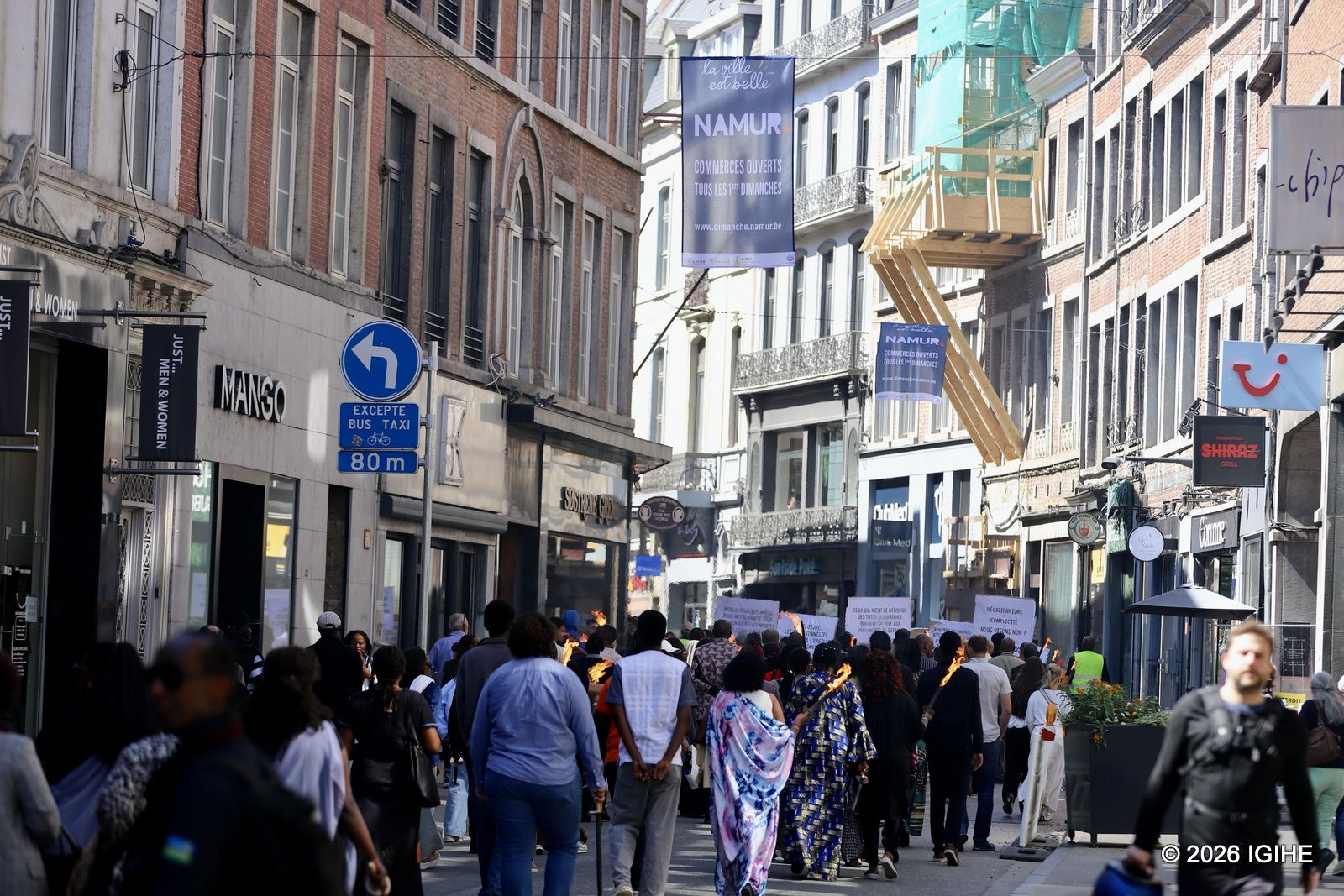
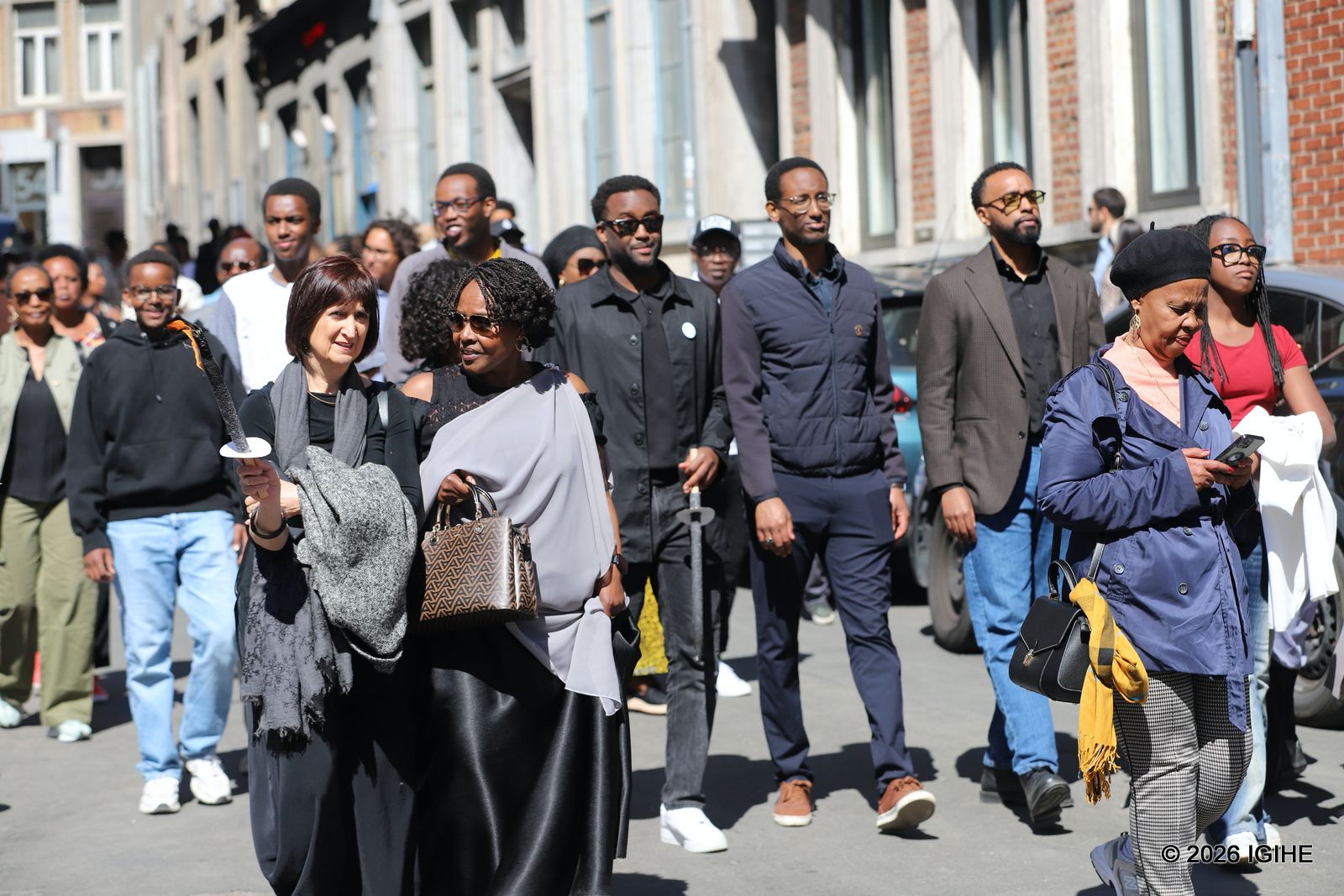
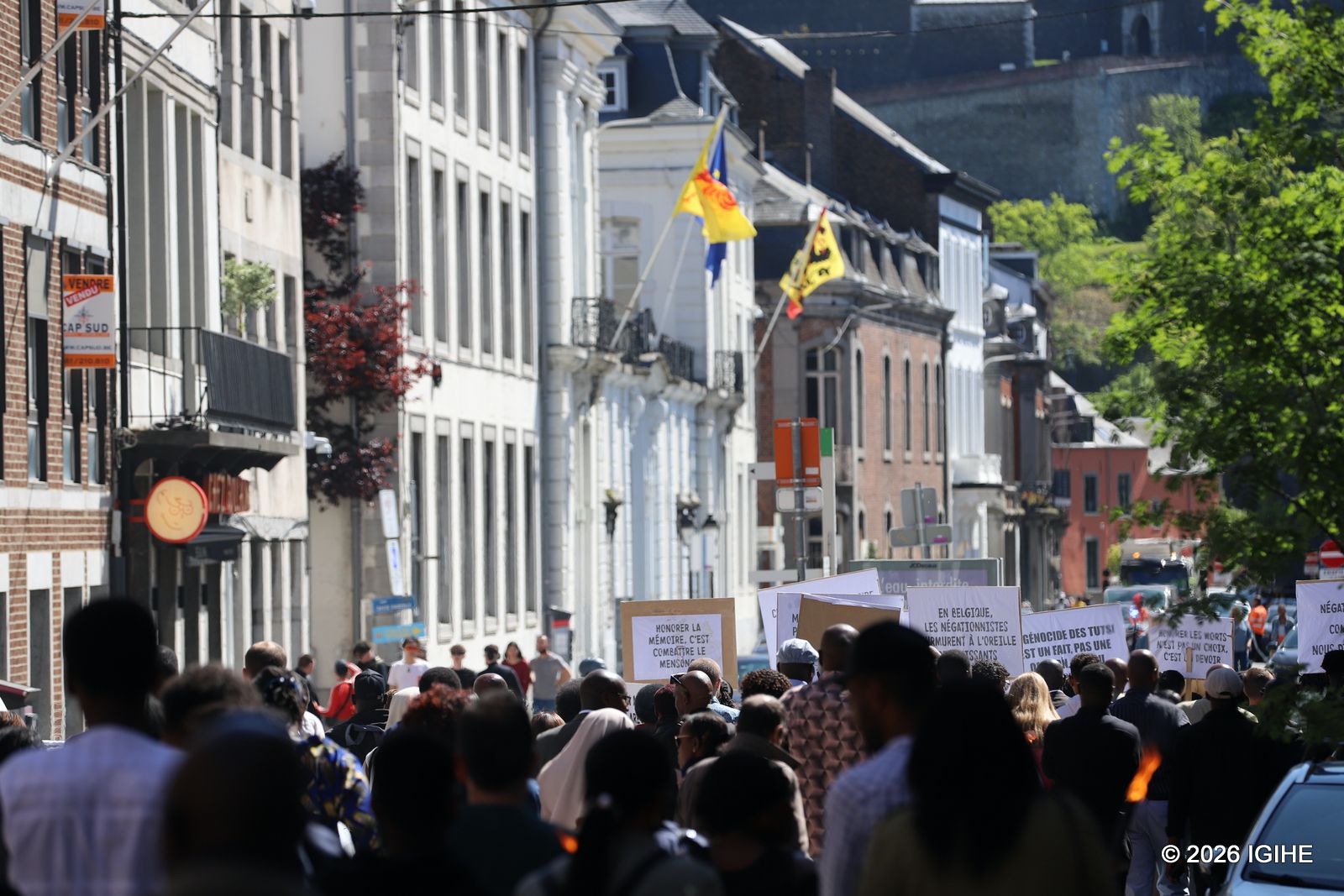
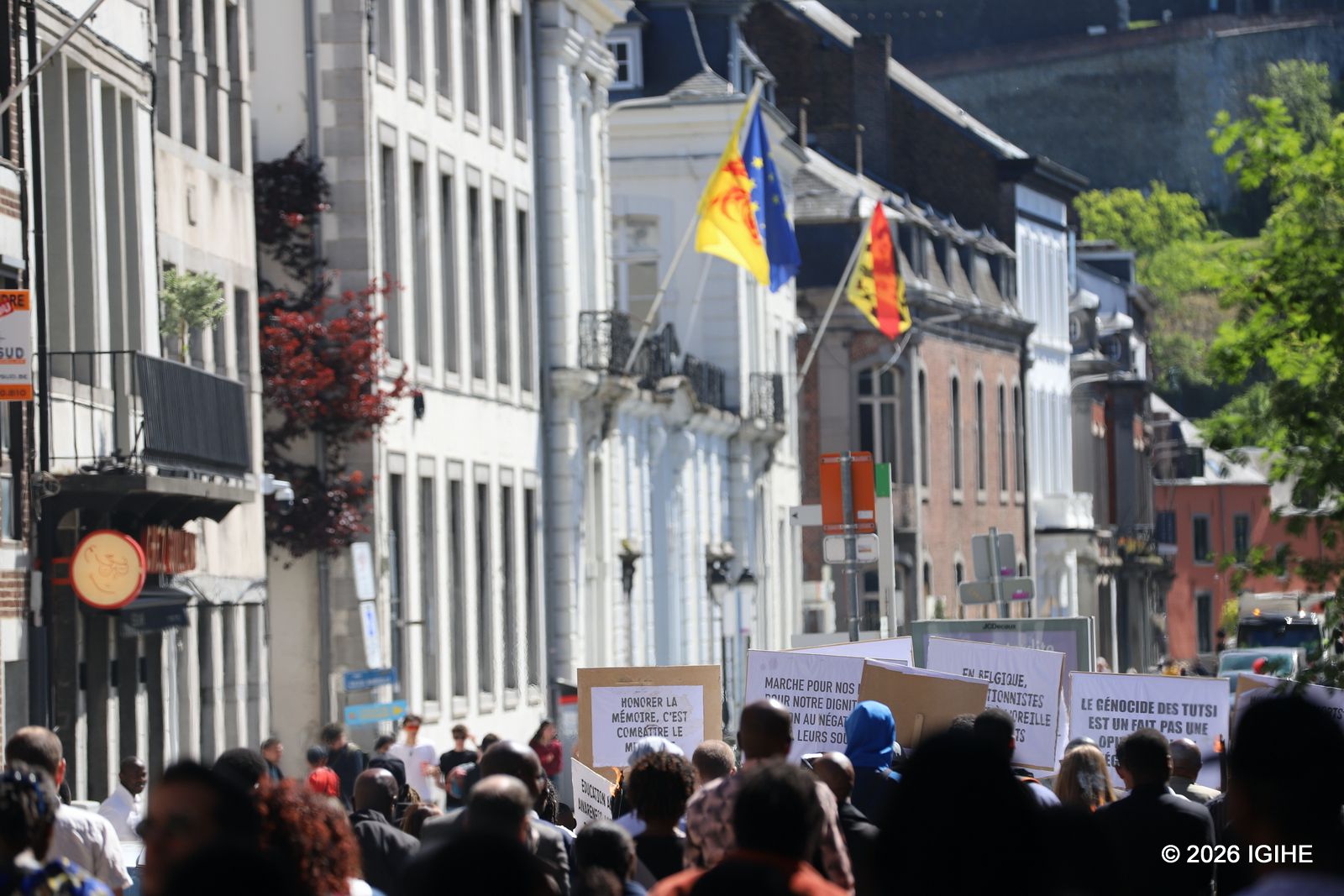
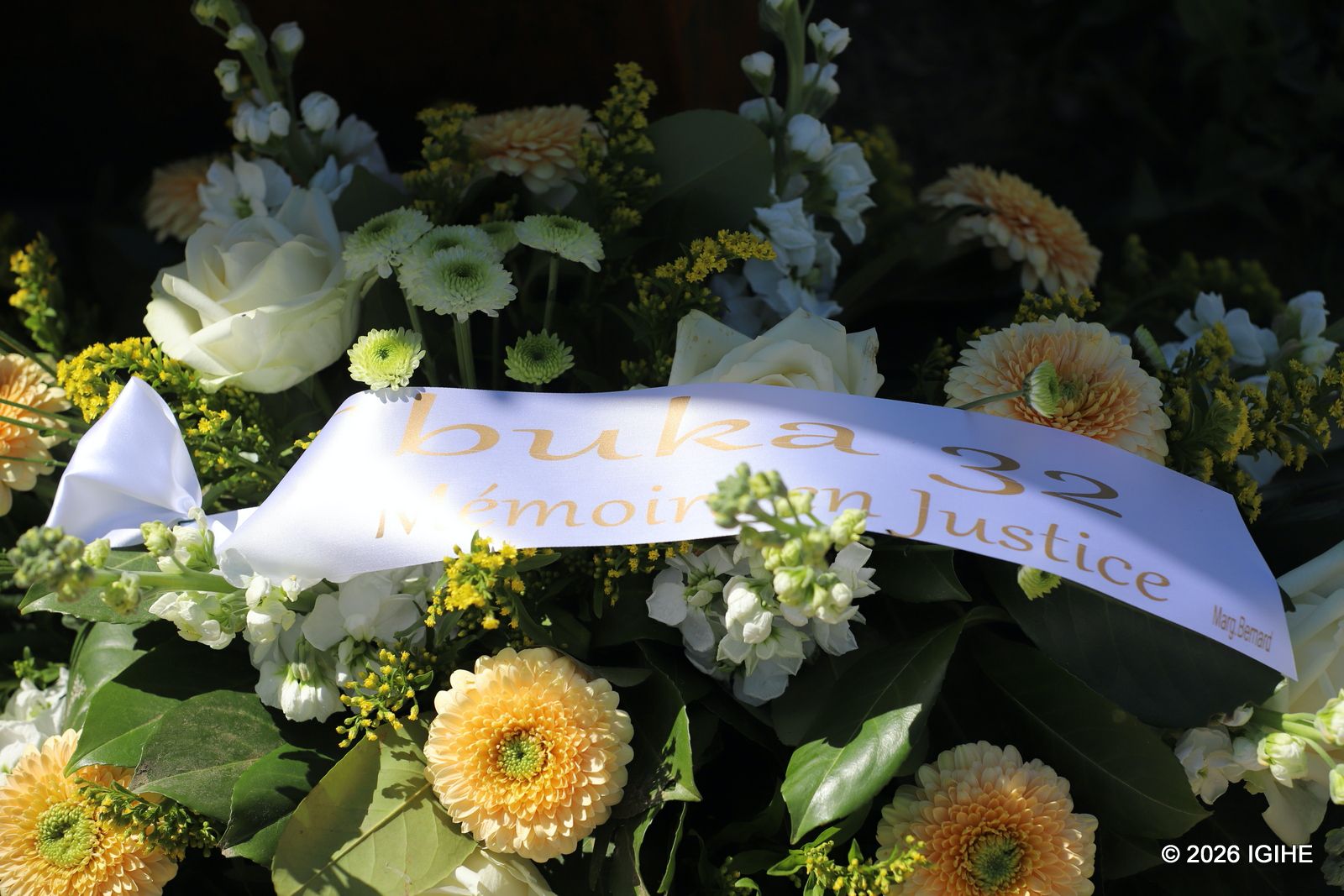
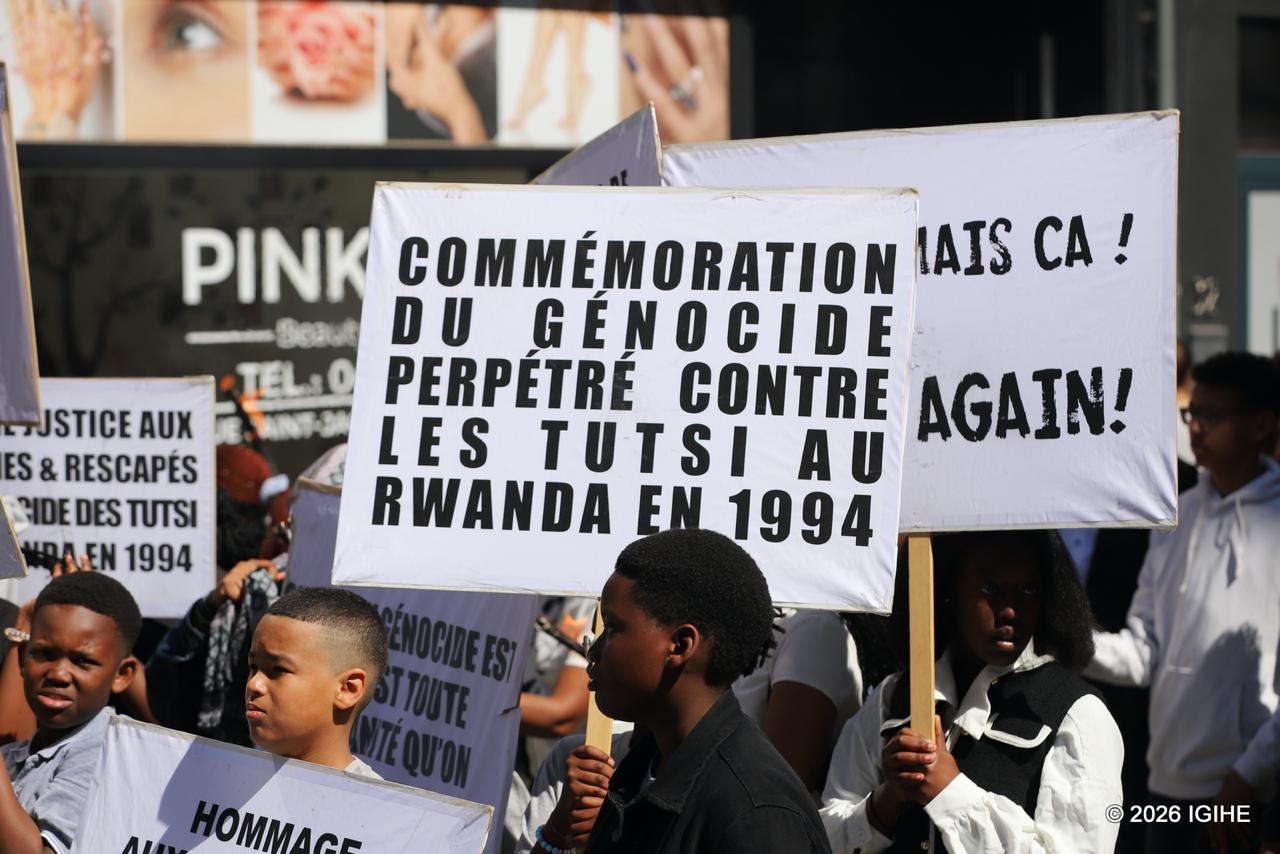
The commemoration held in Namur is part of a series of similar events organized in several cities, including Brussels, Liège, and Bruges.
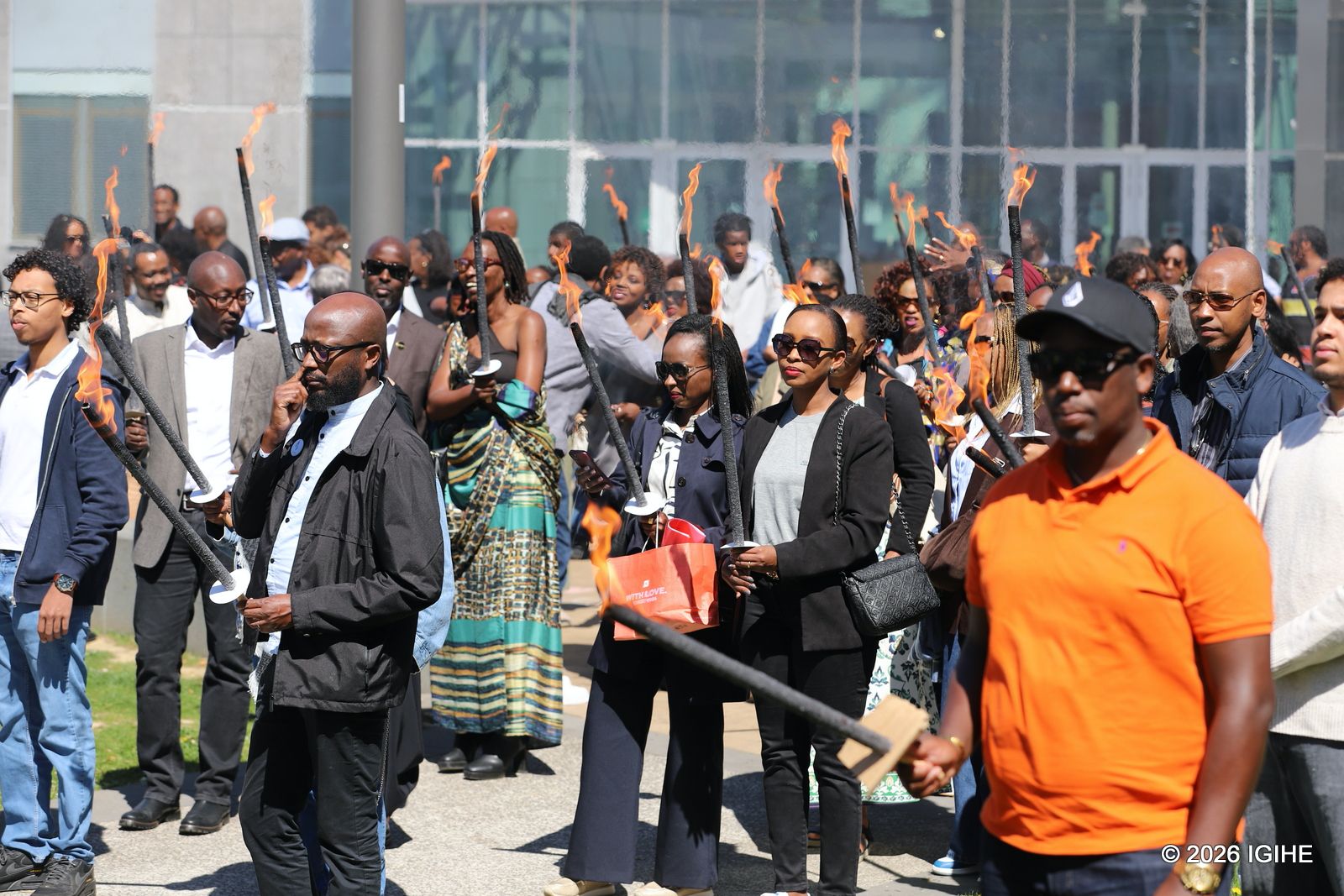
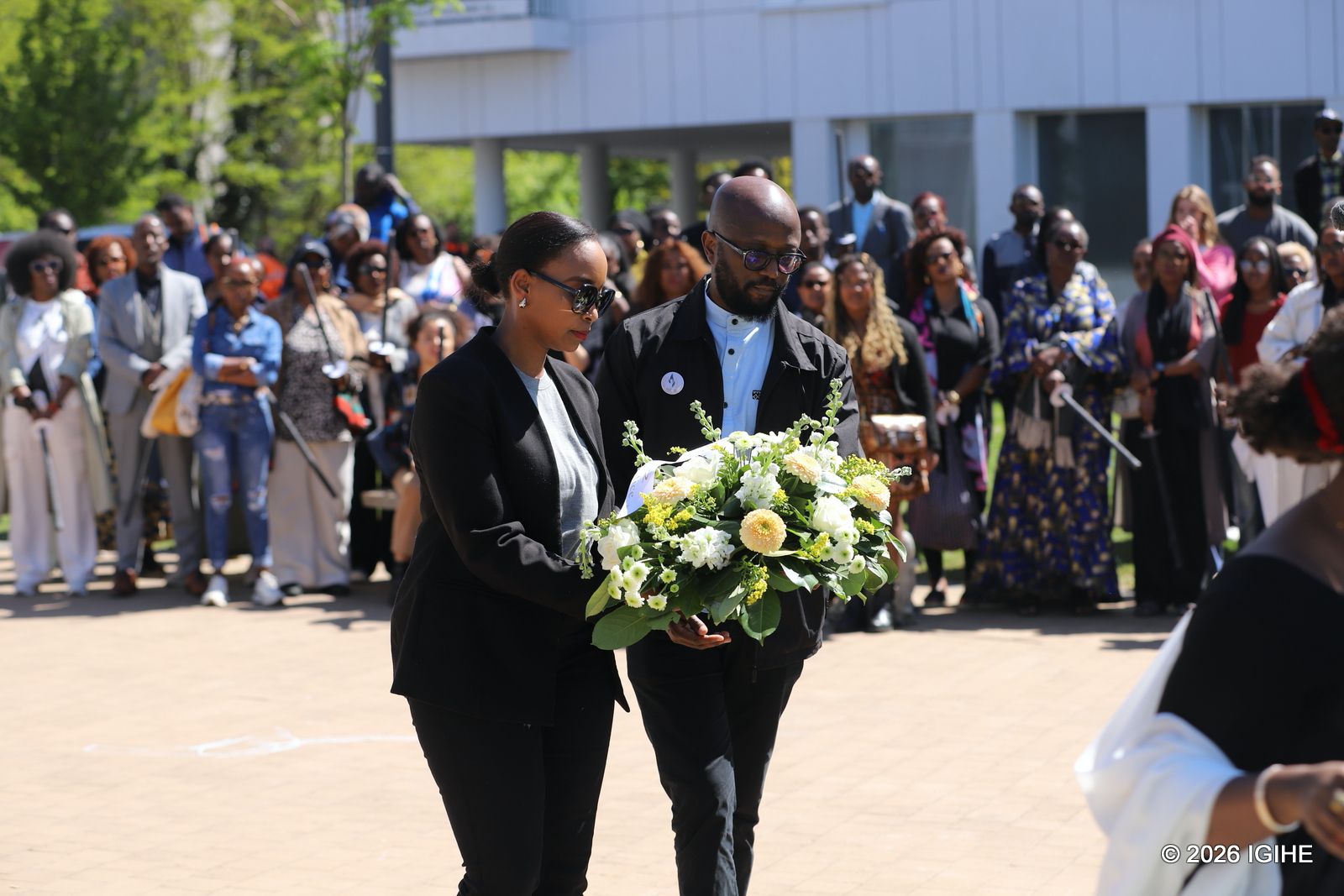
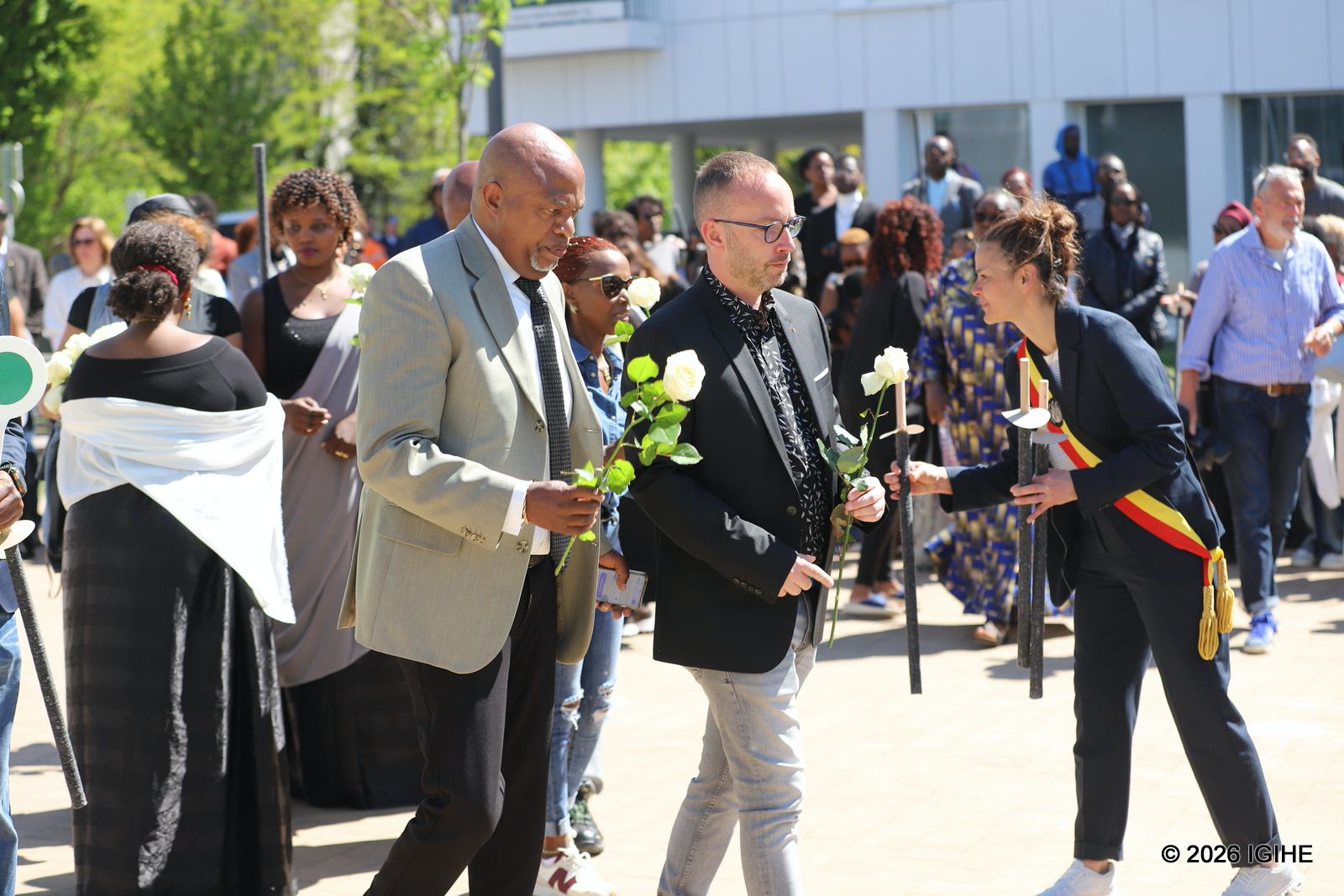
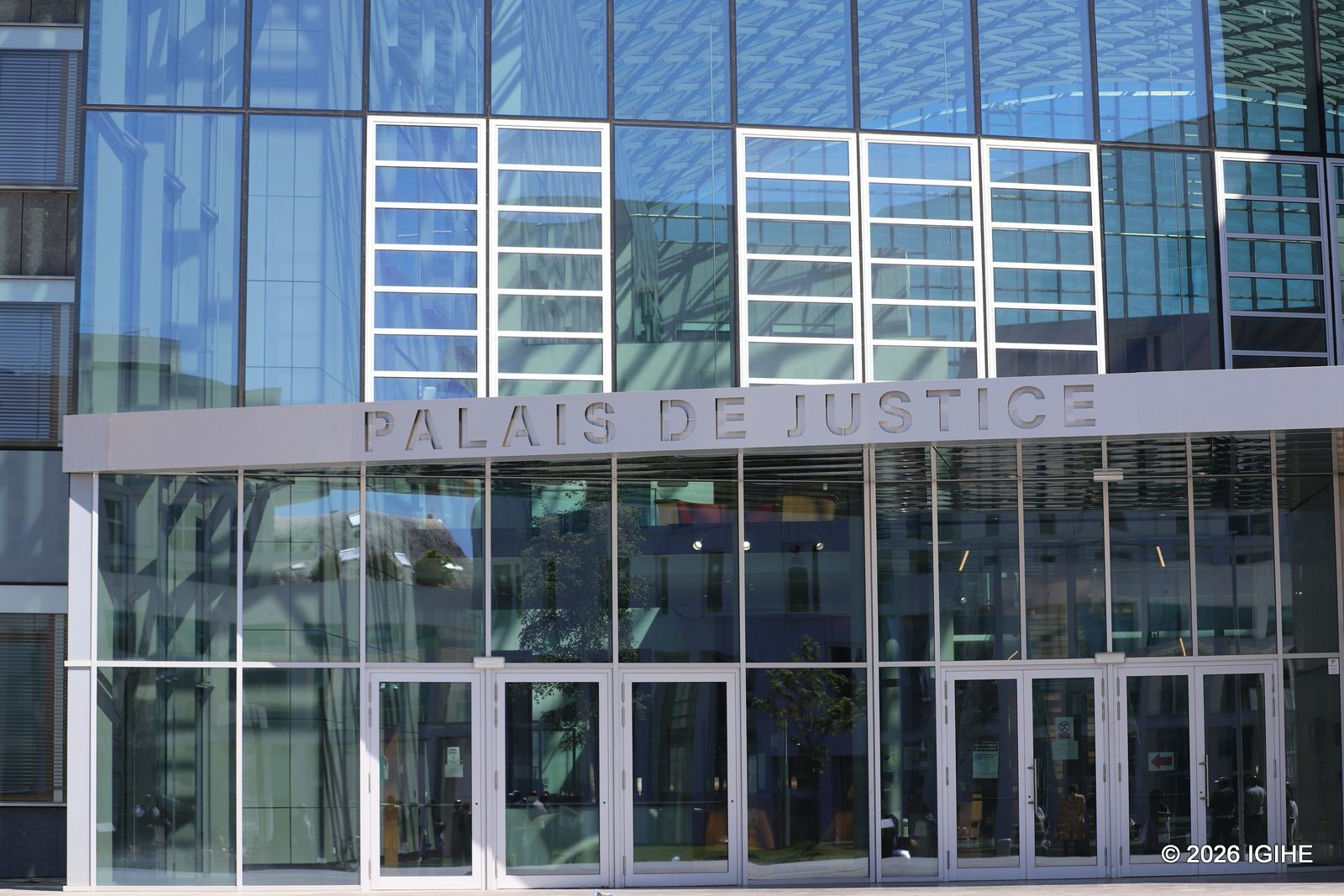
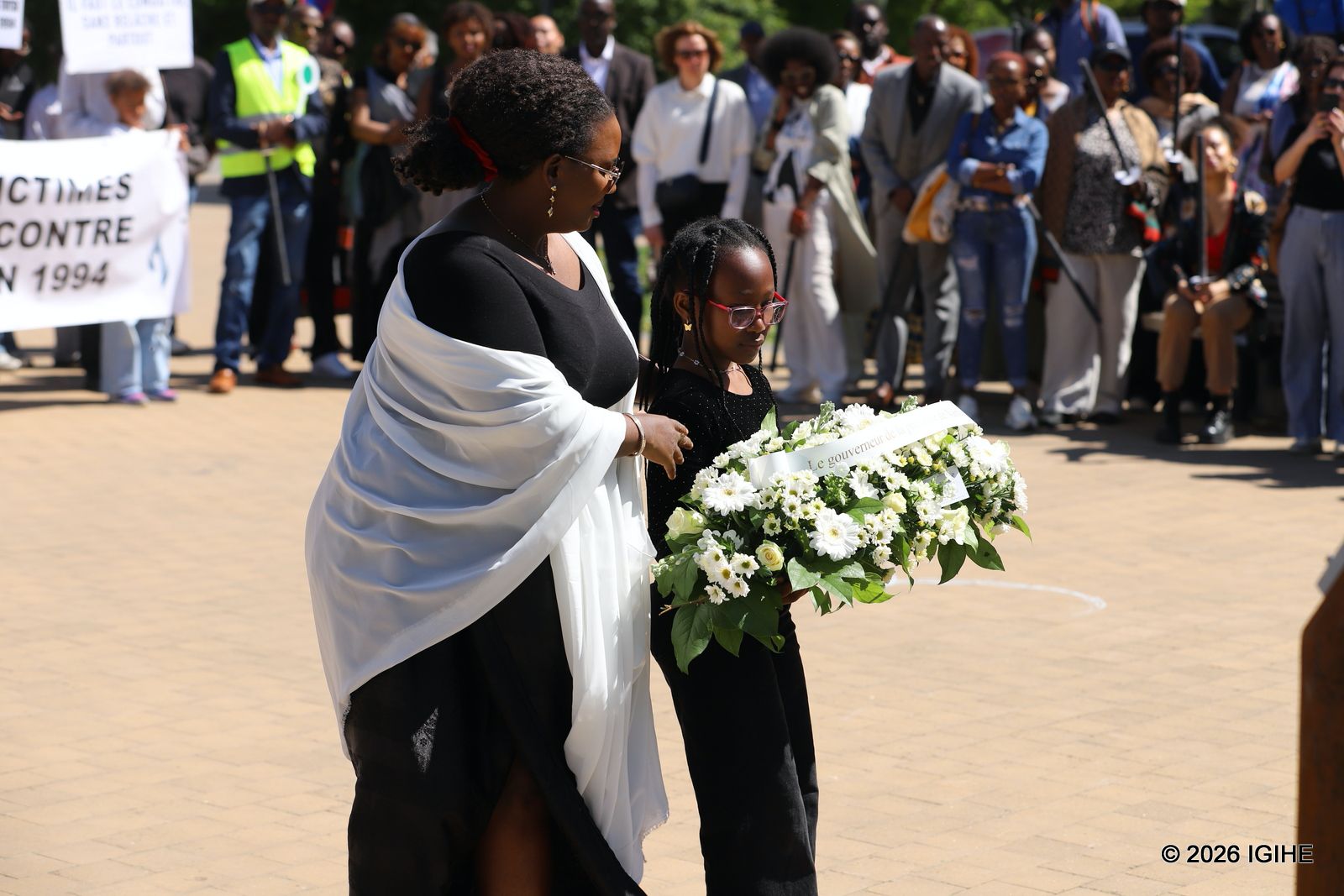
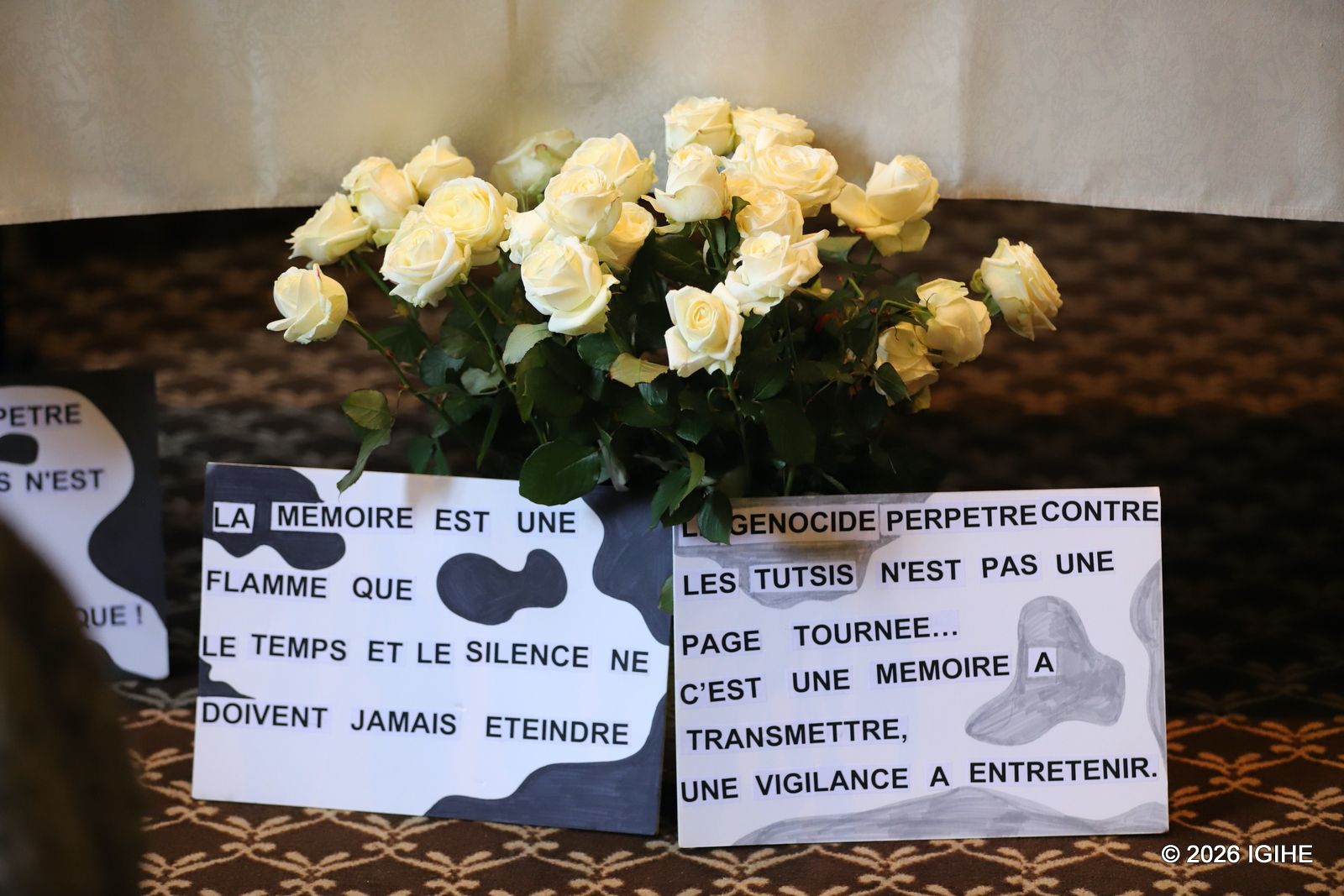
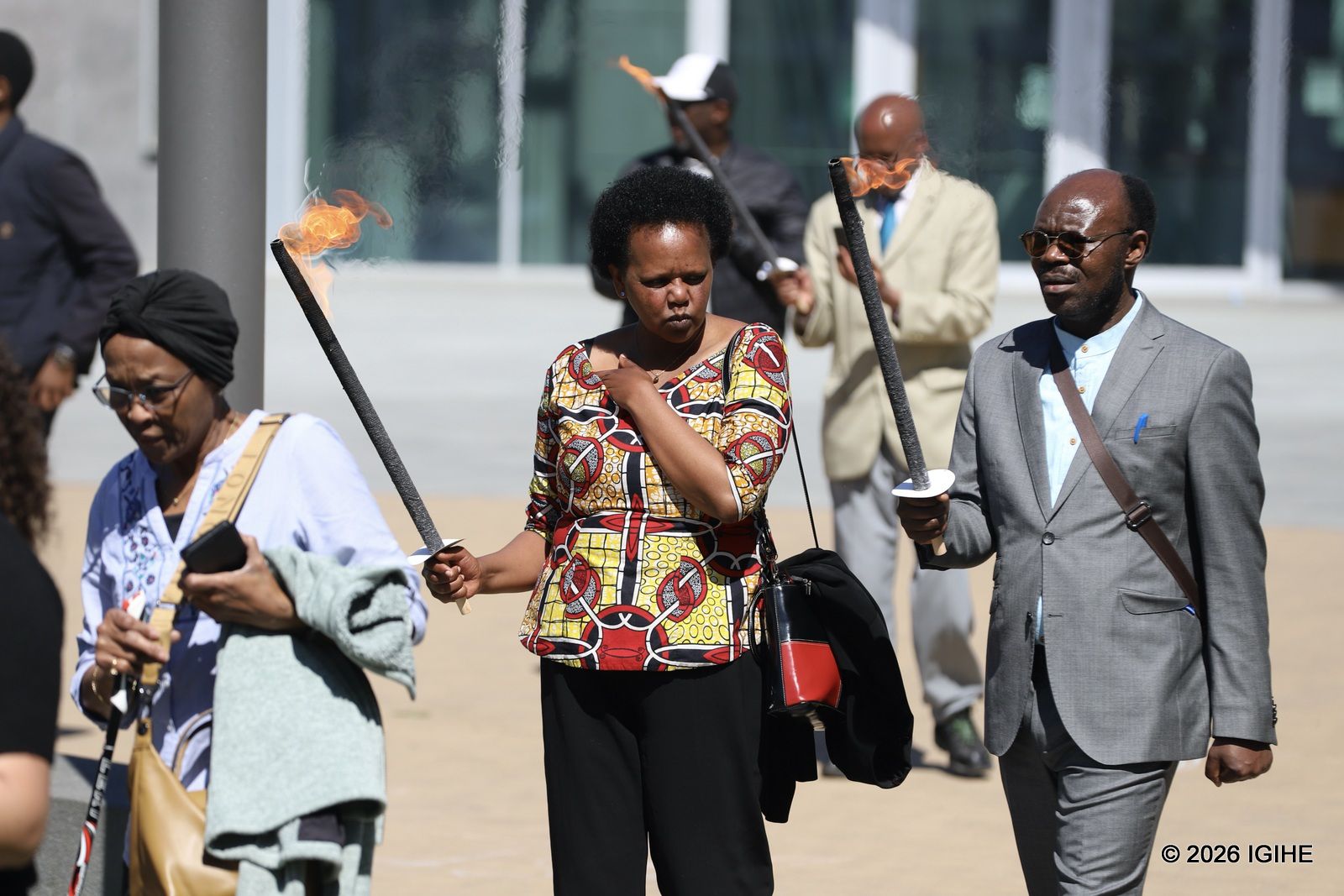
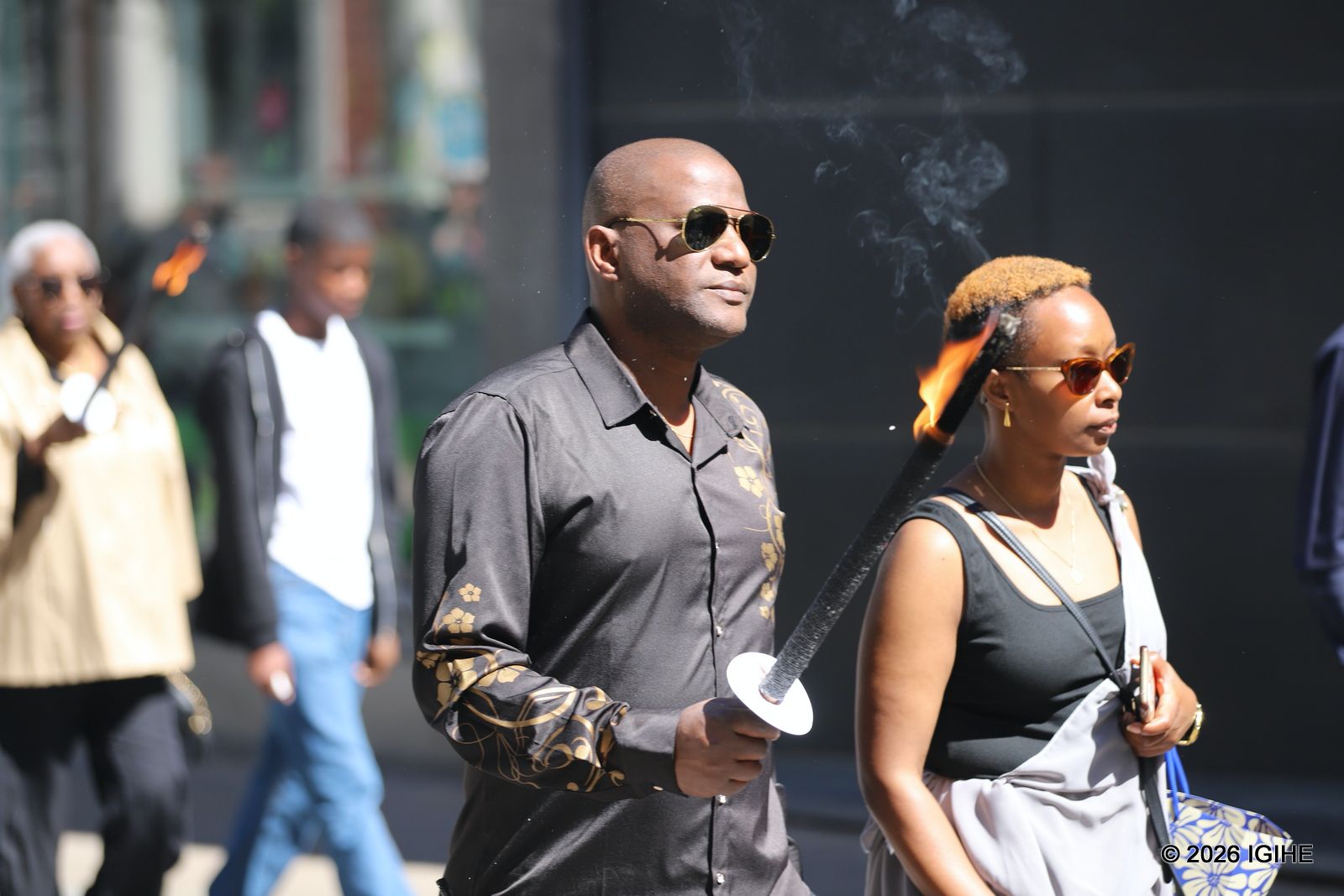
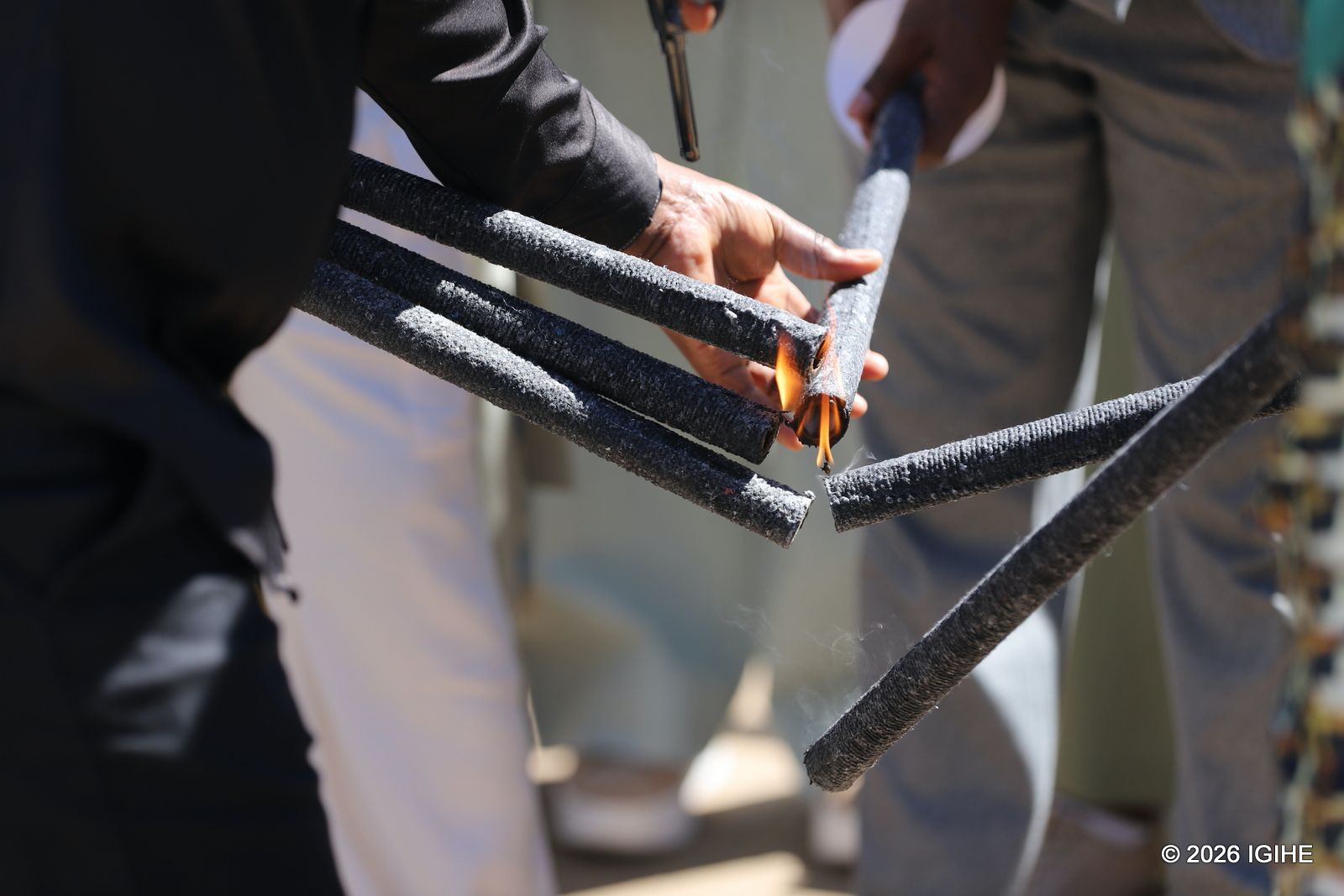
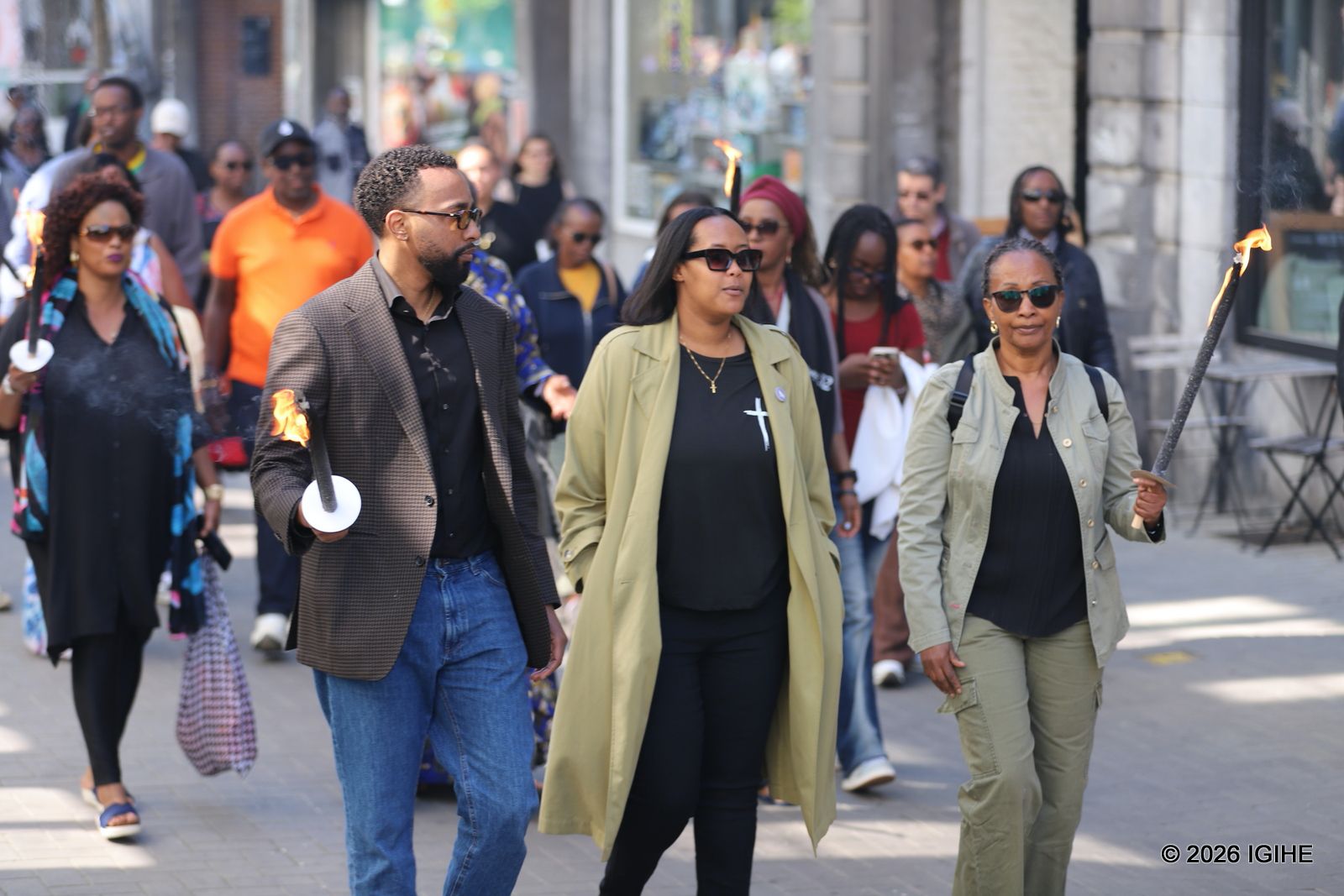
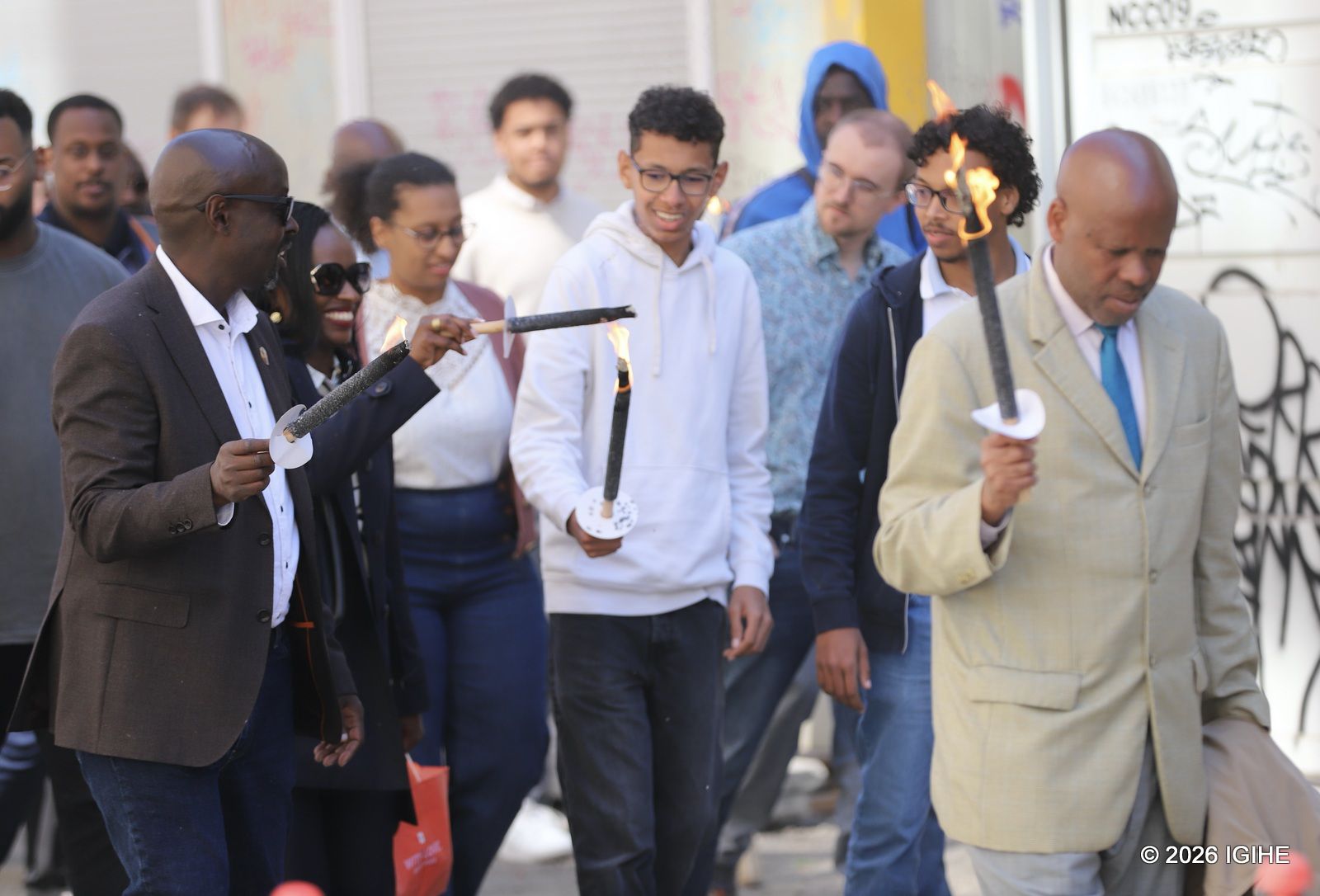
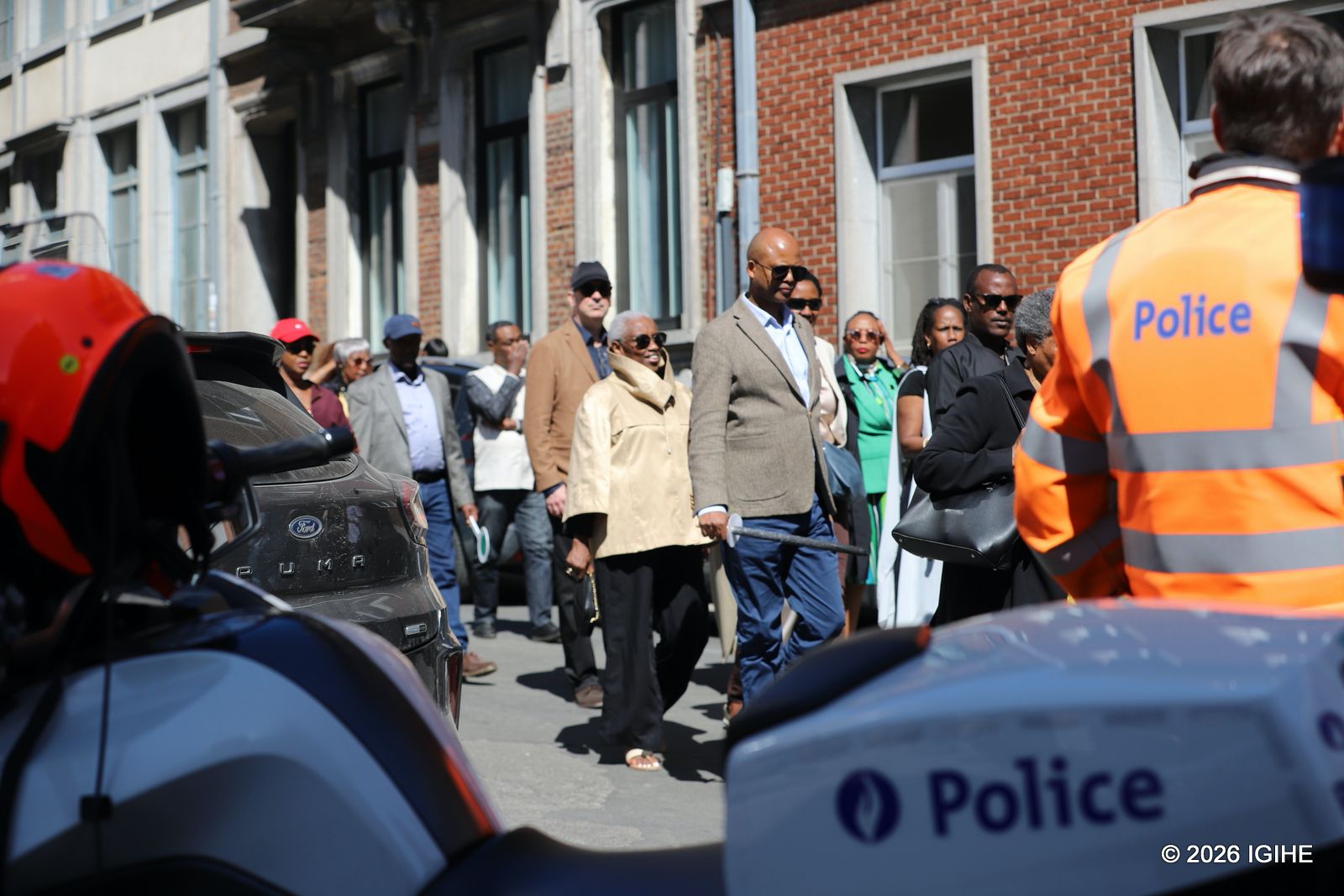
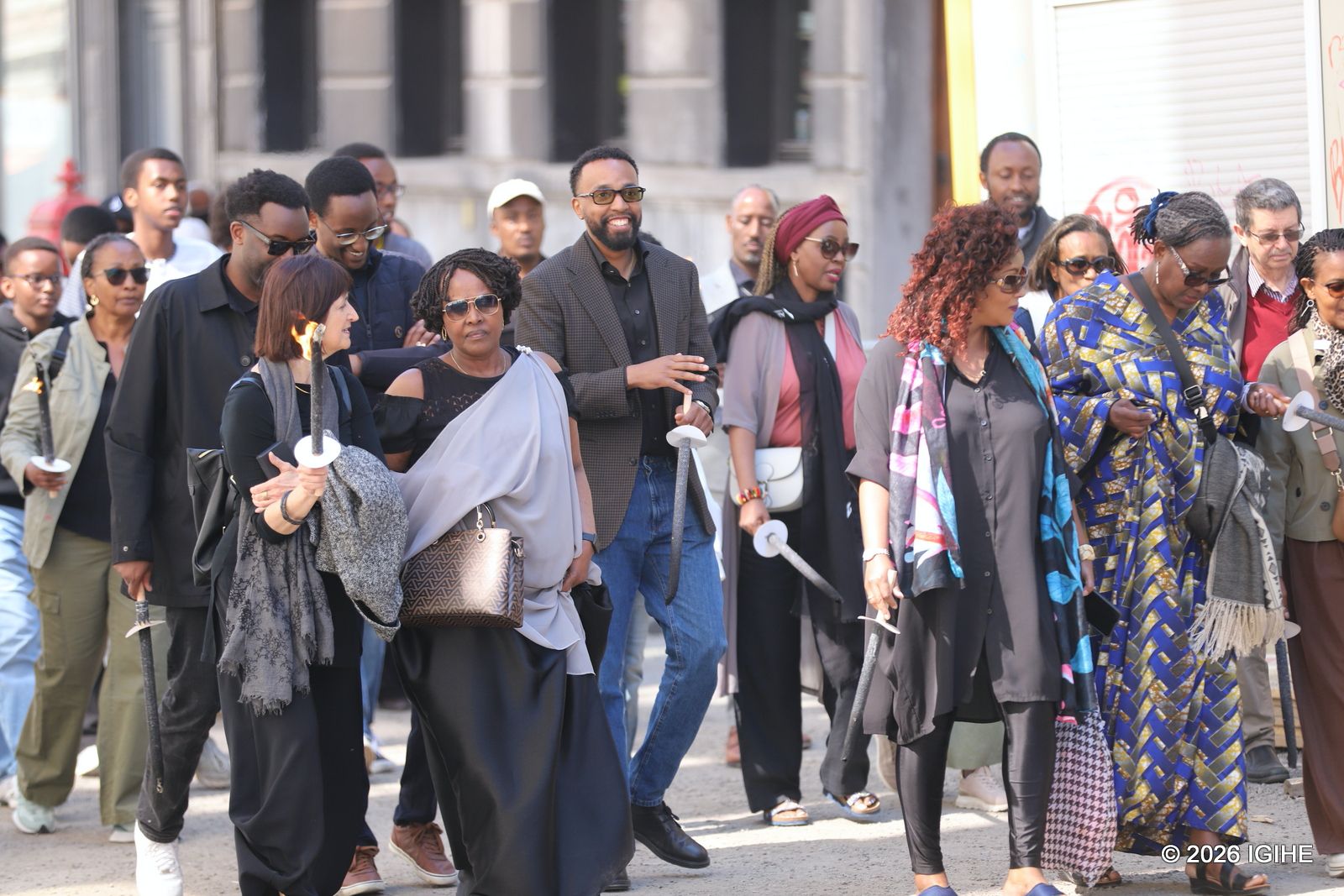
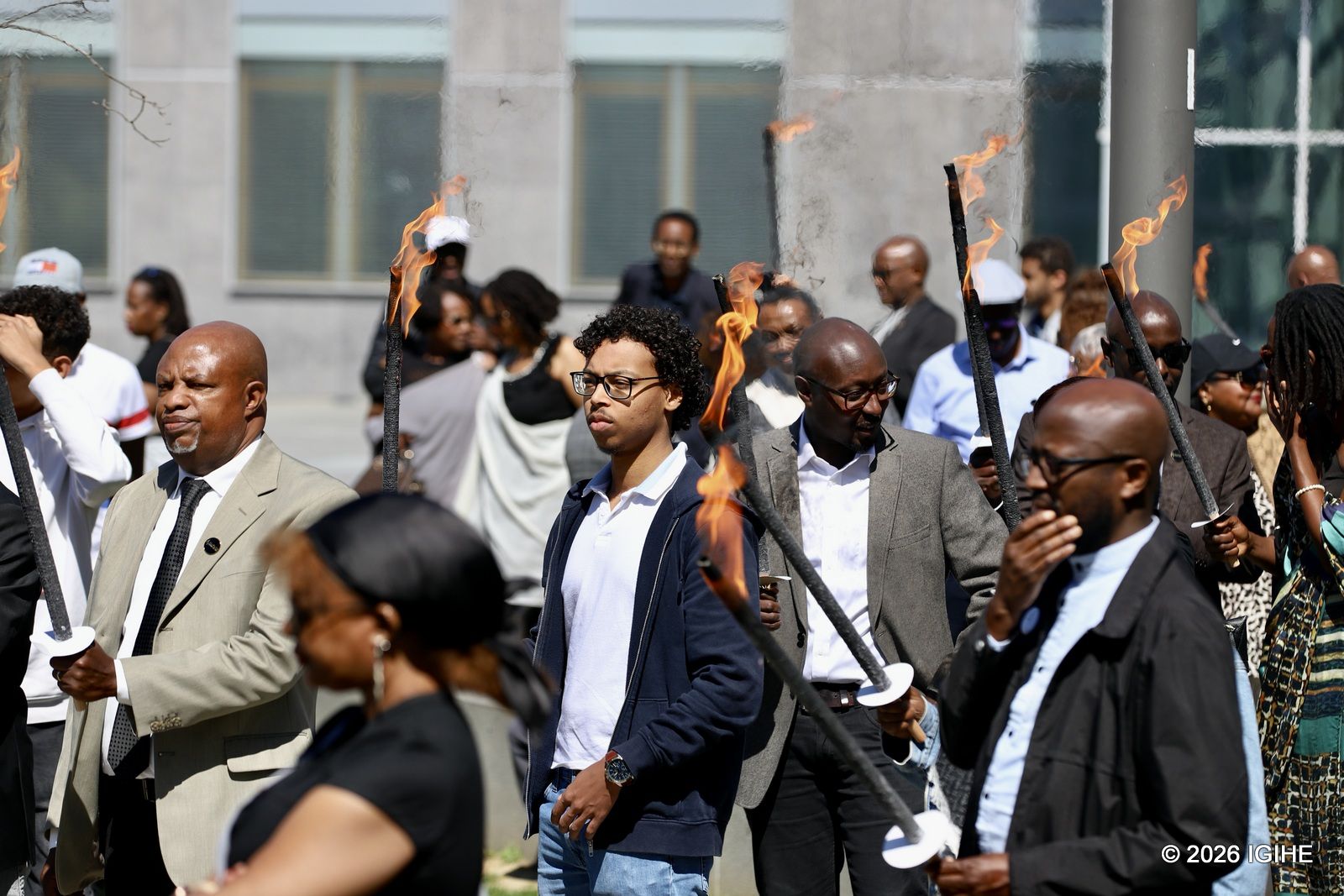
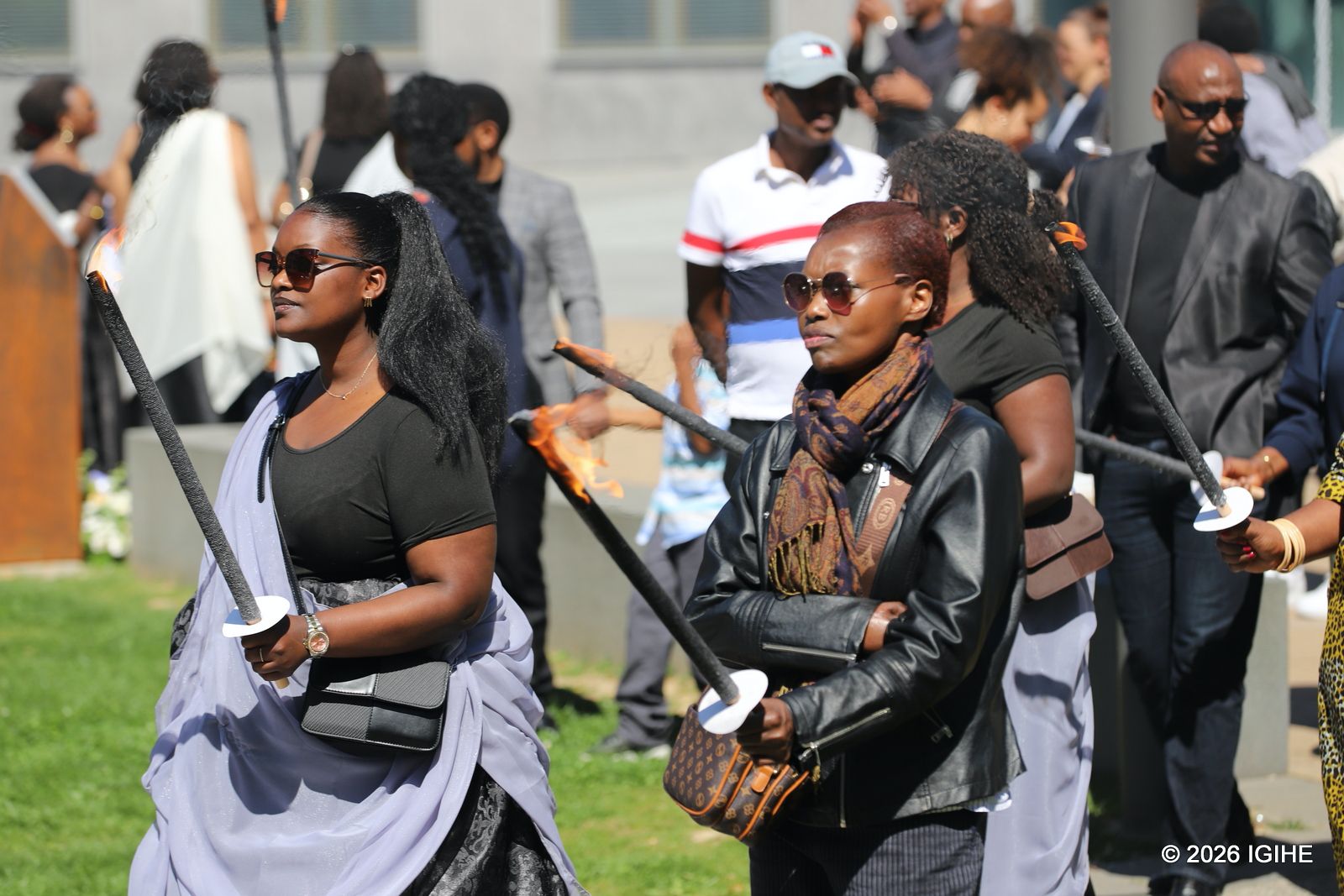
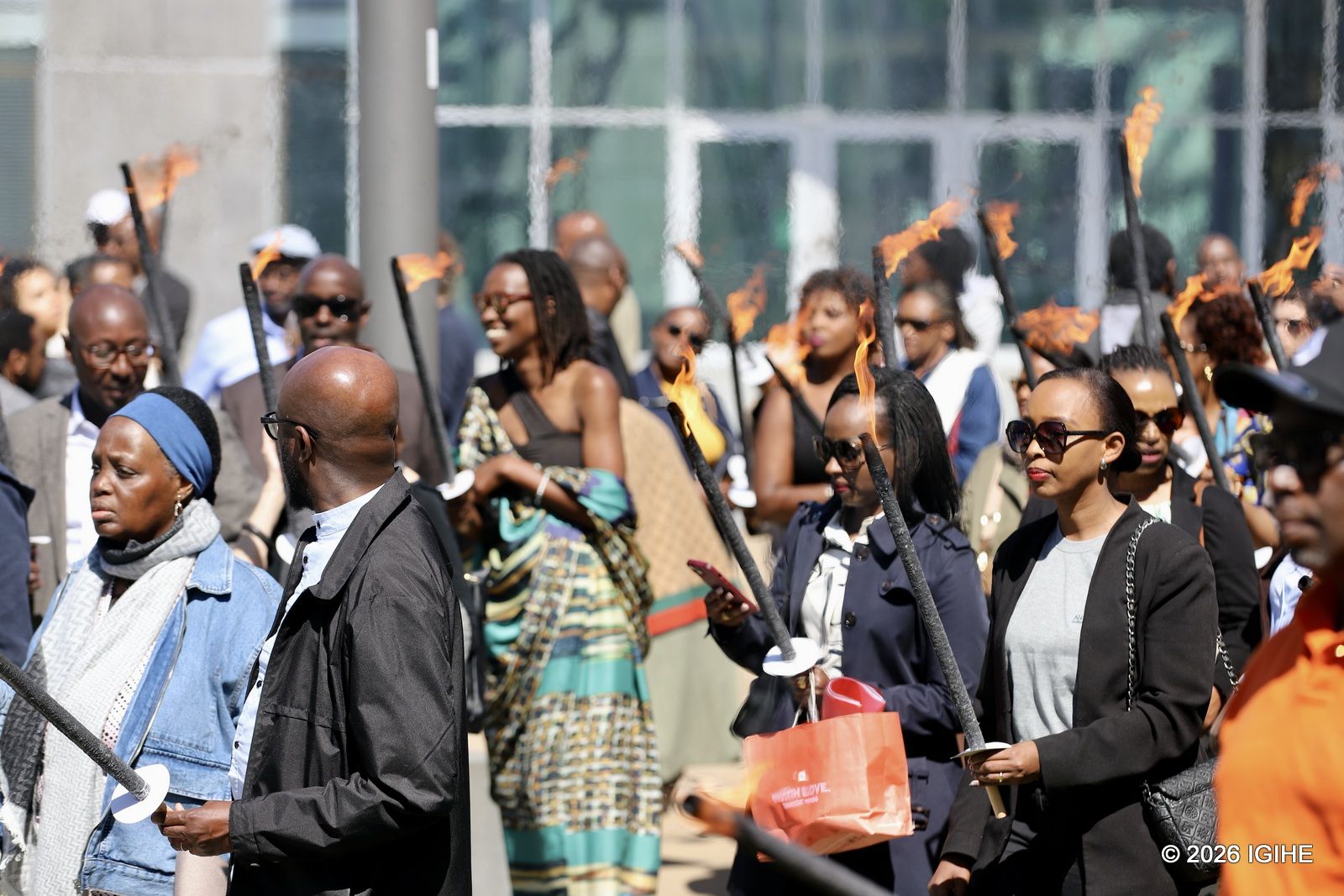
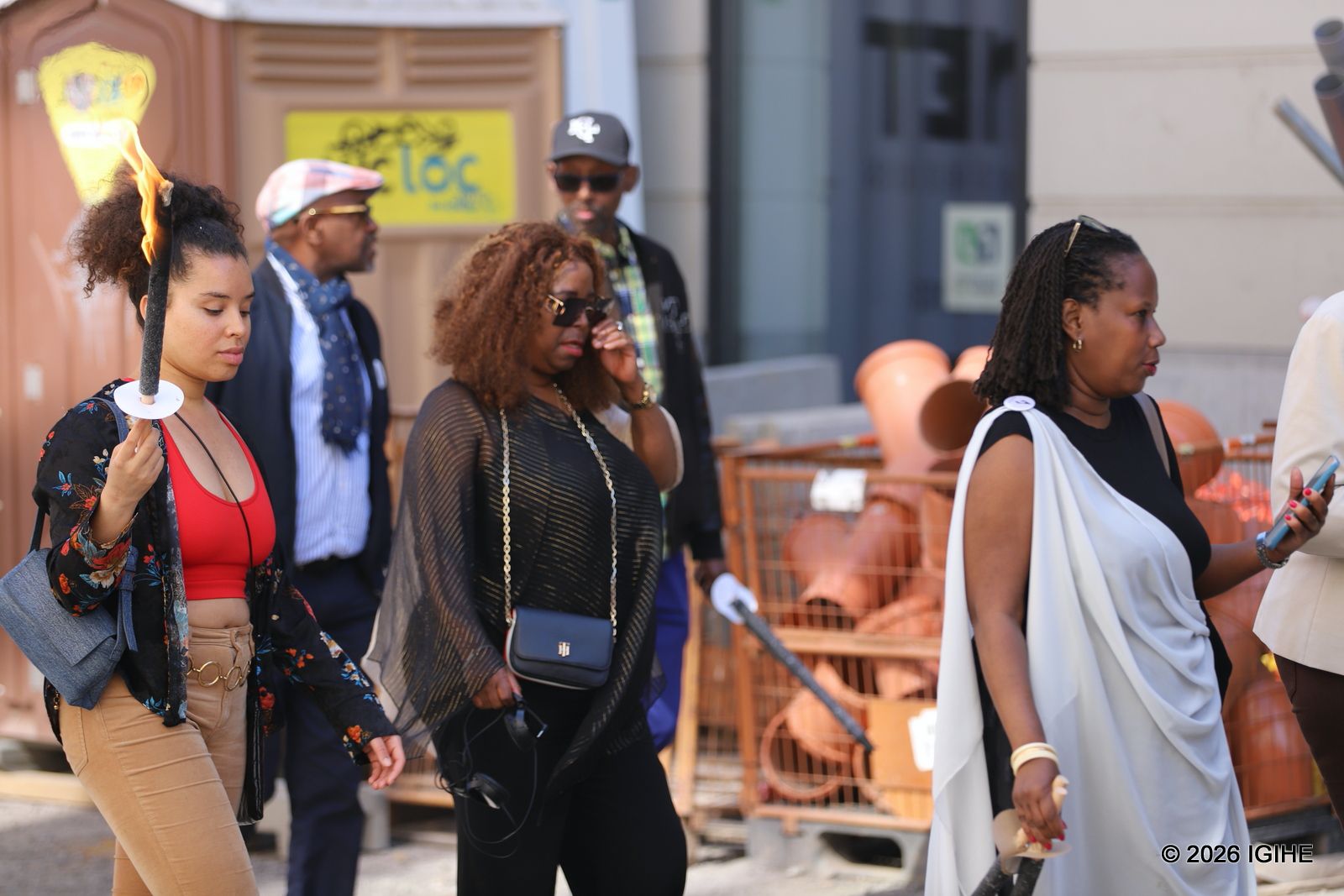
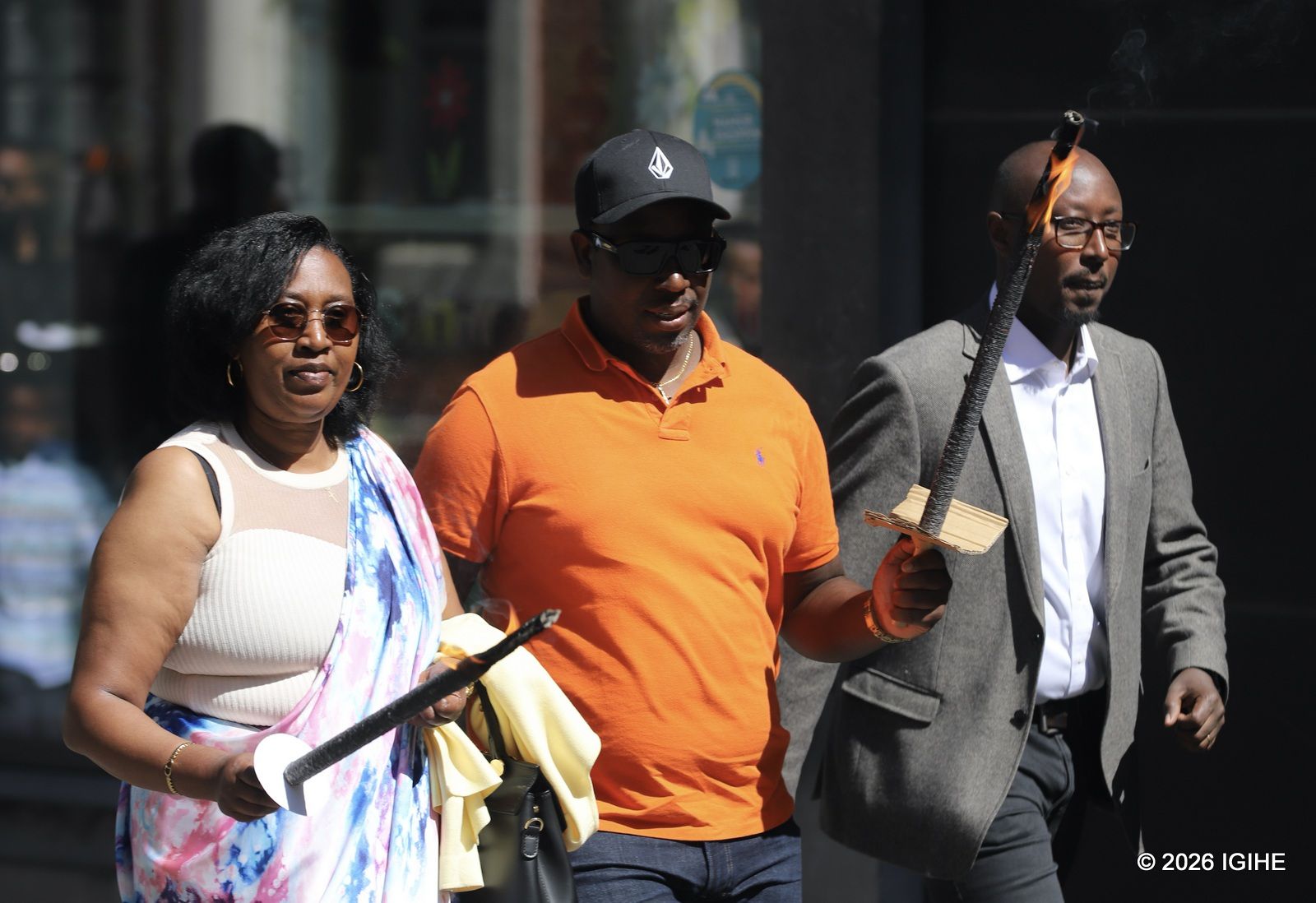
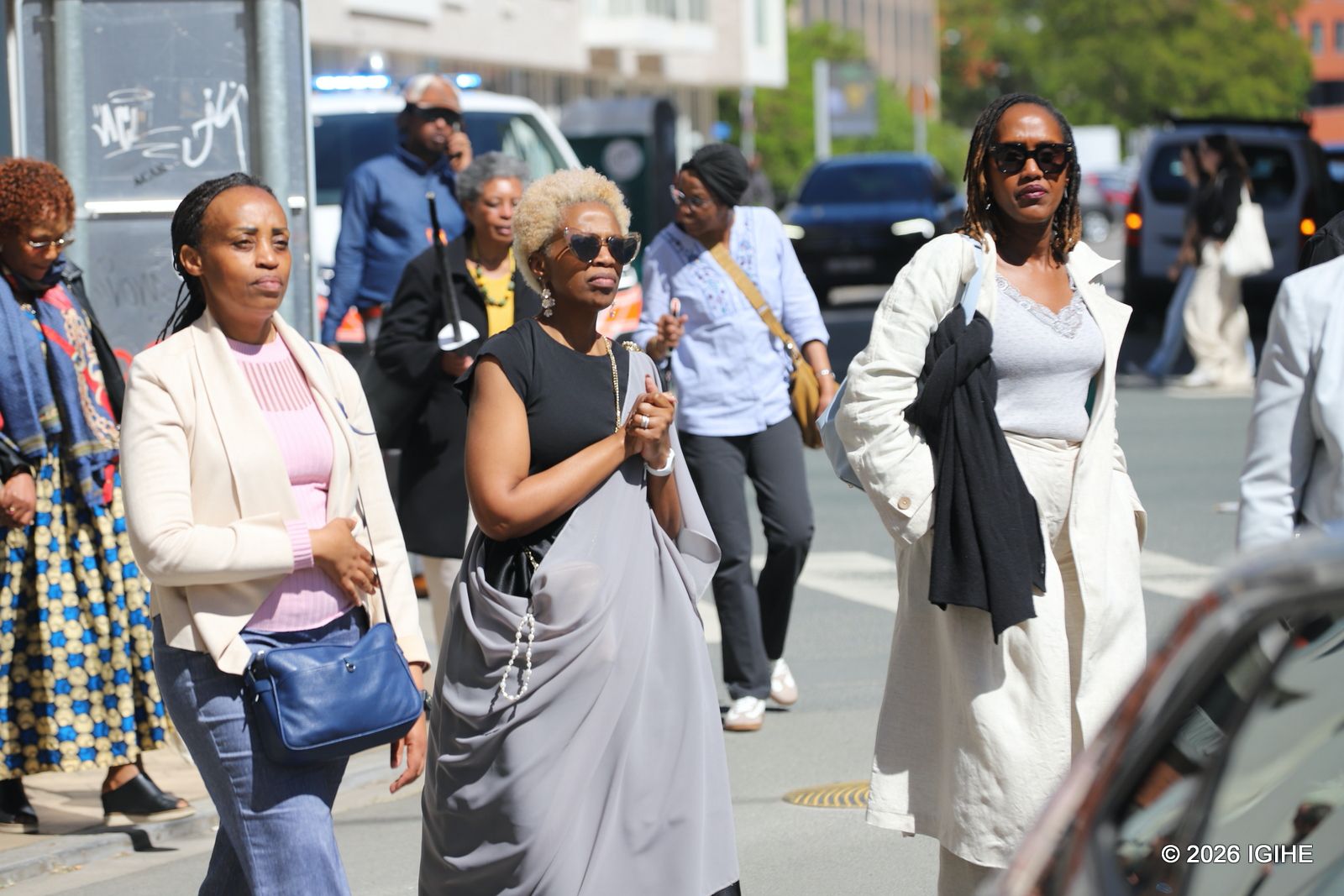
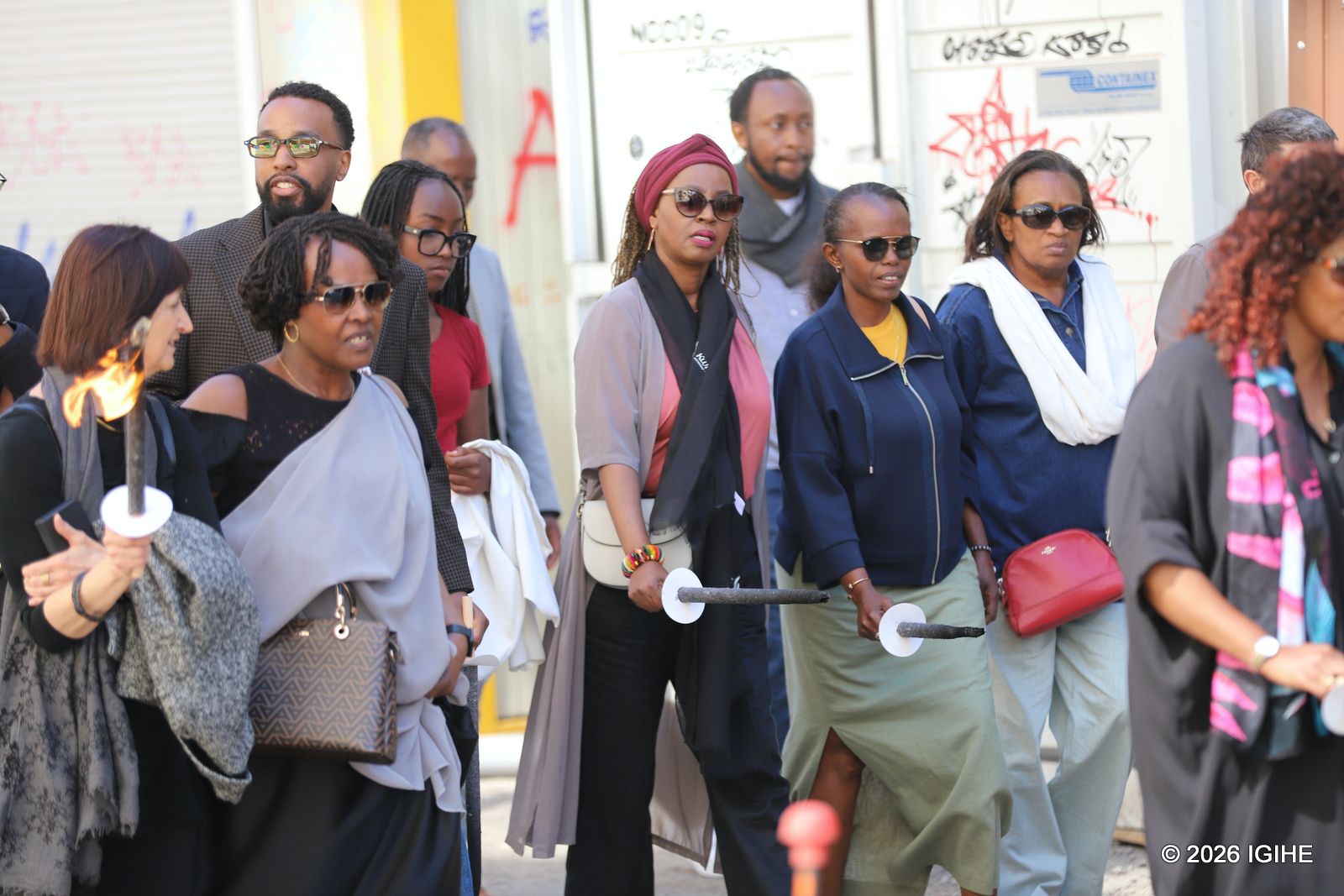
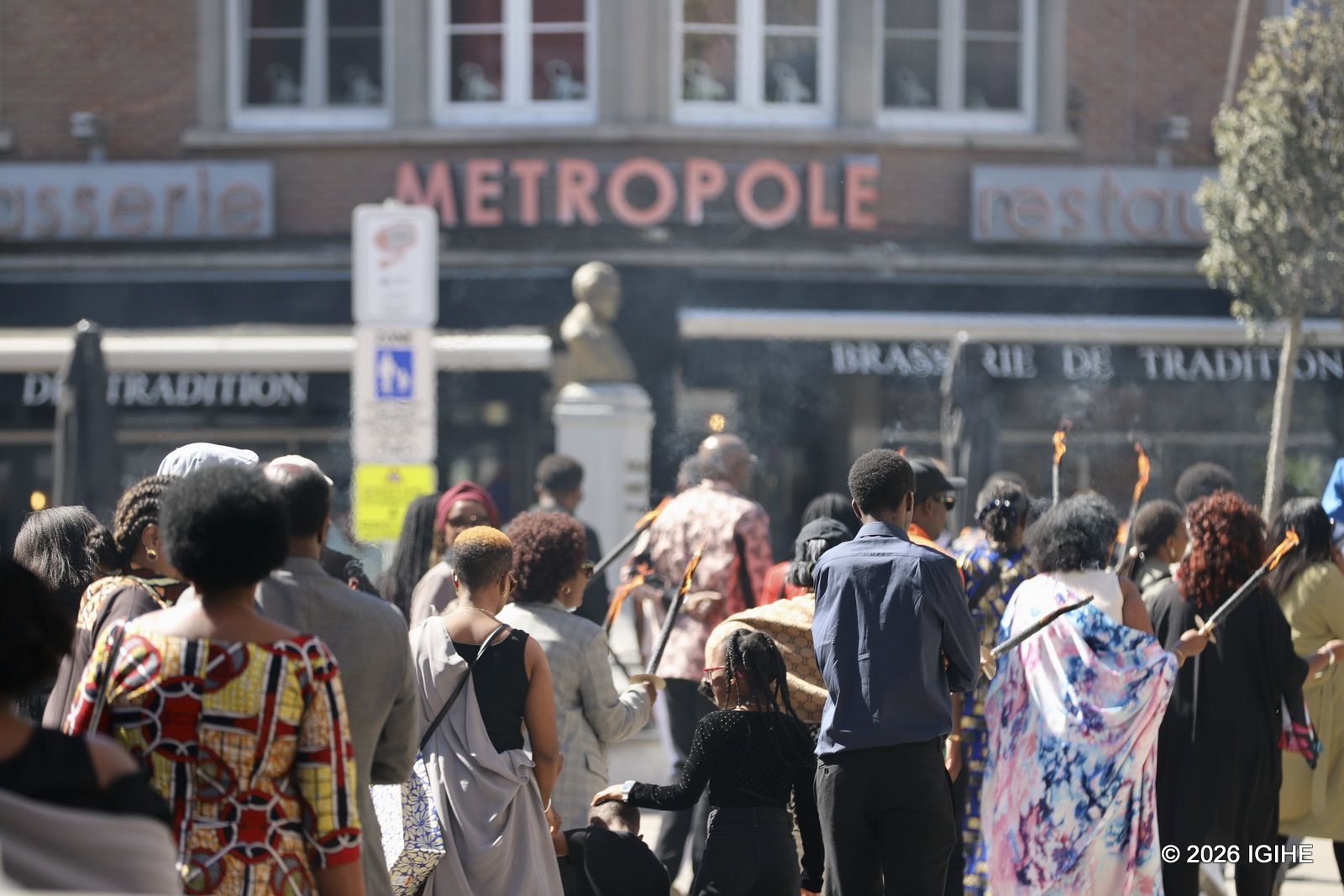
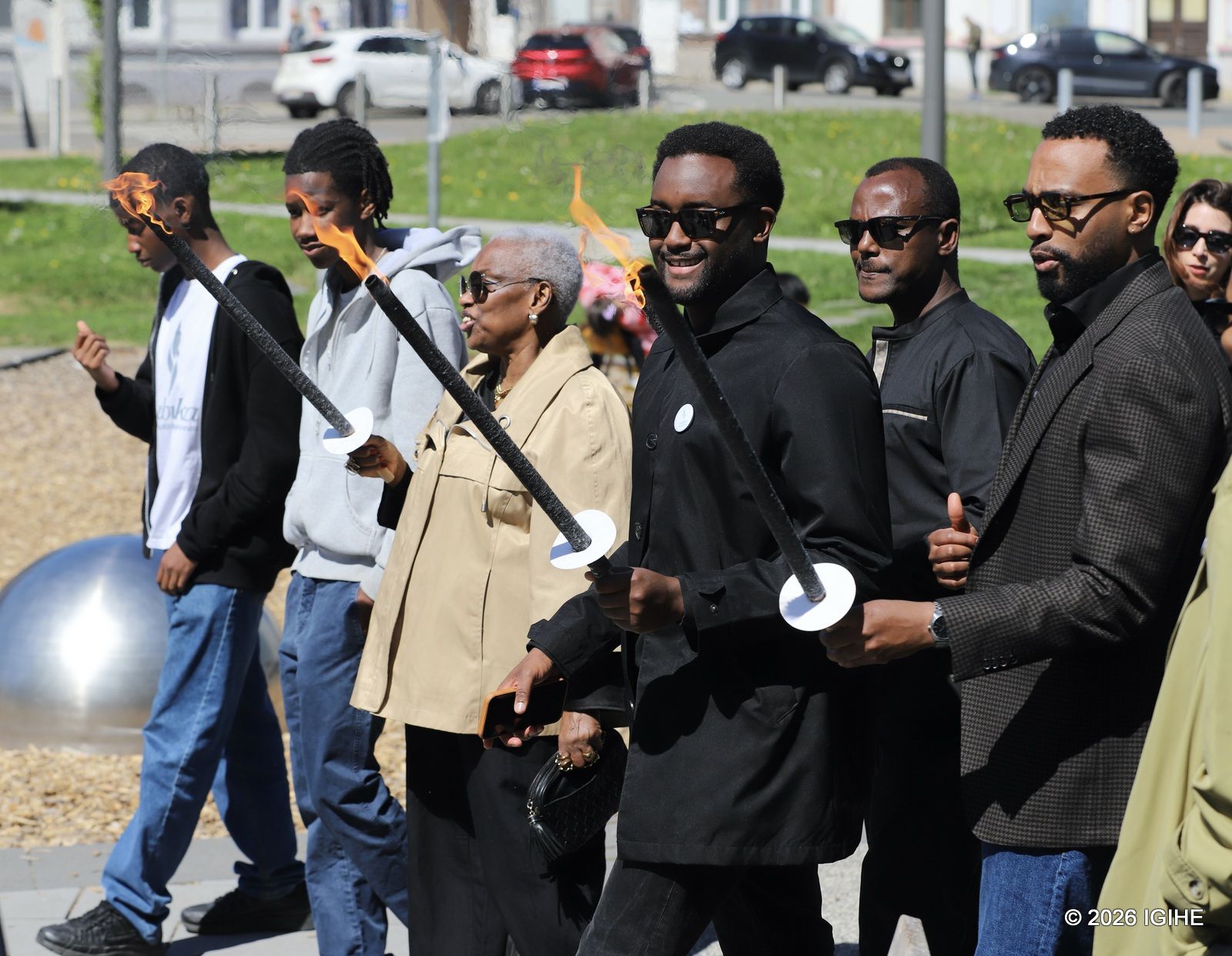
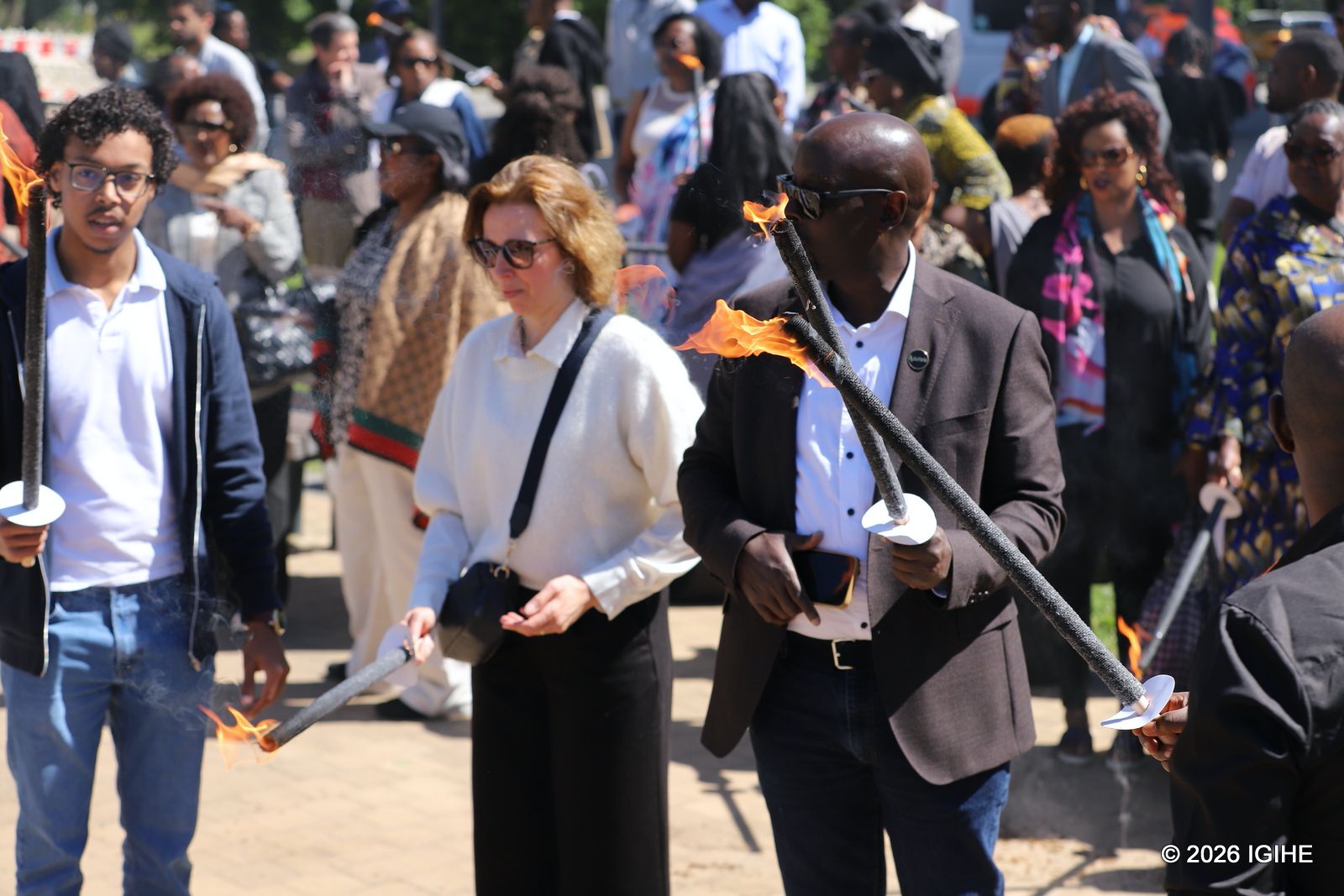
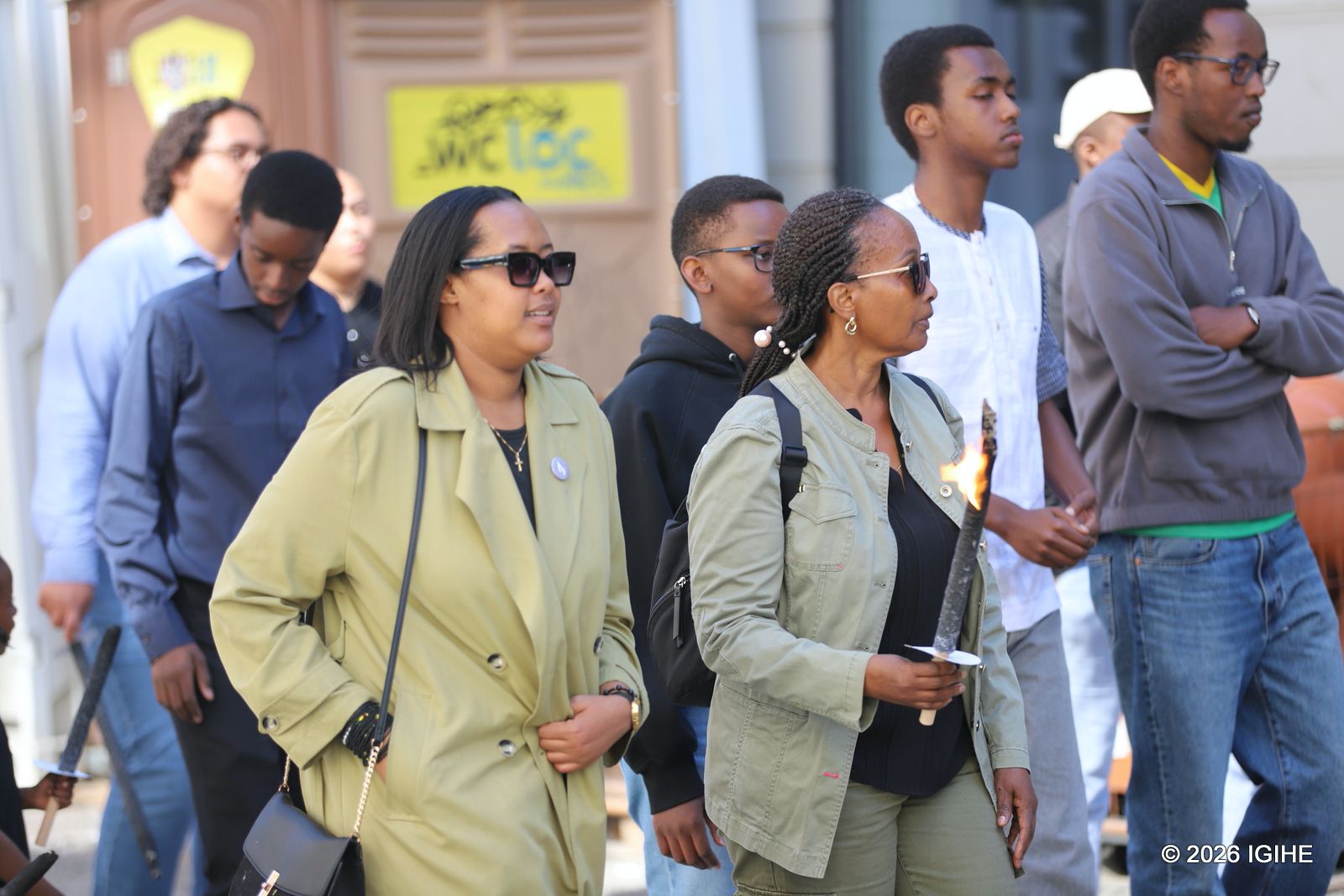
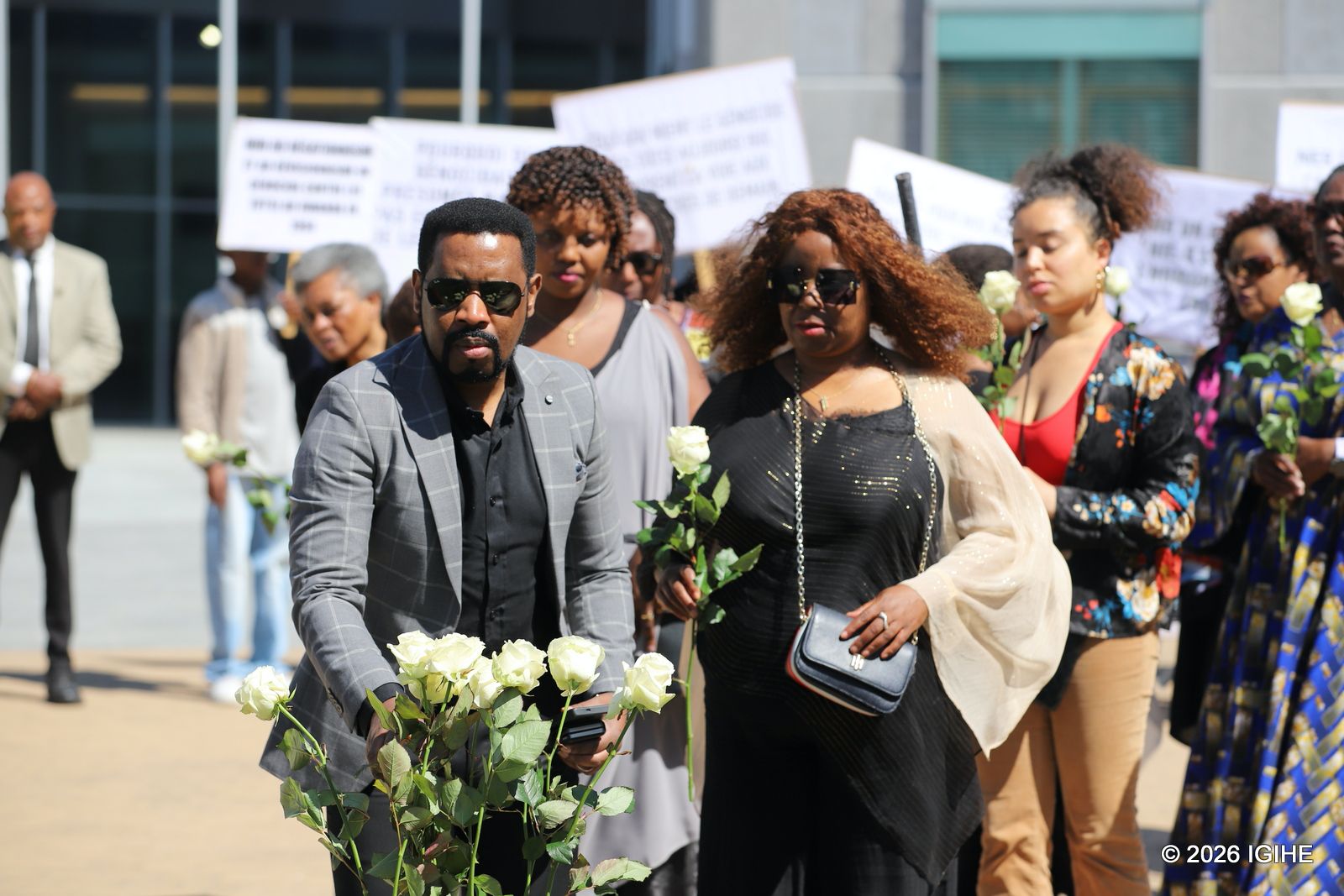
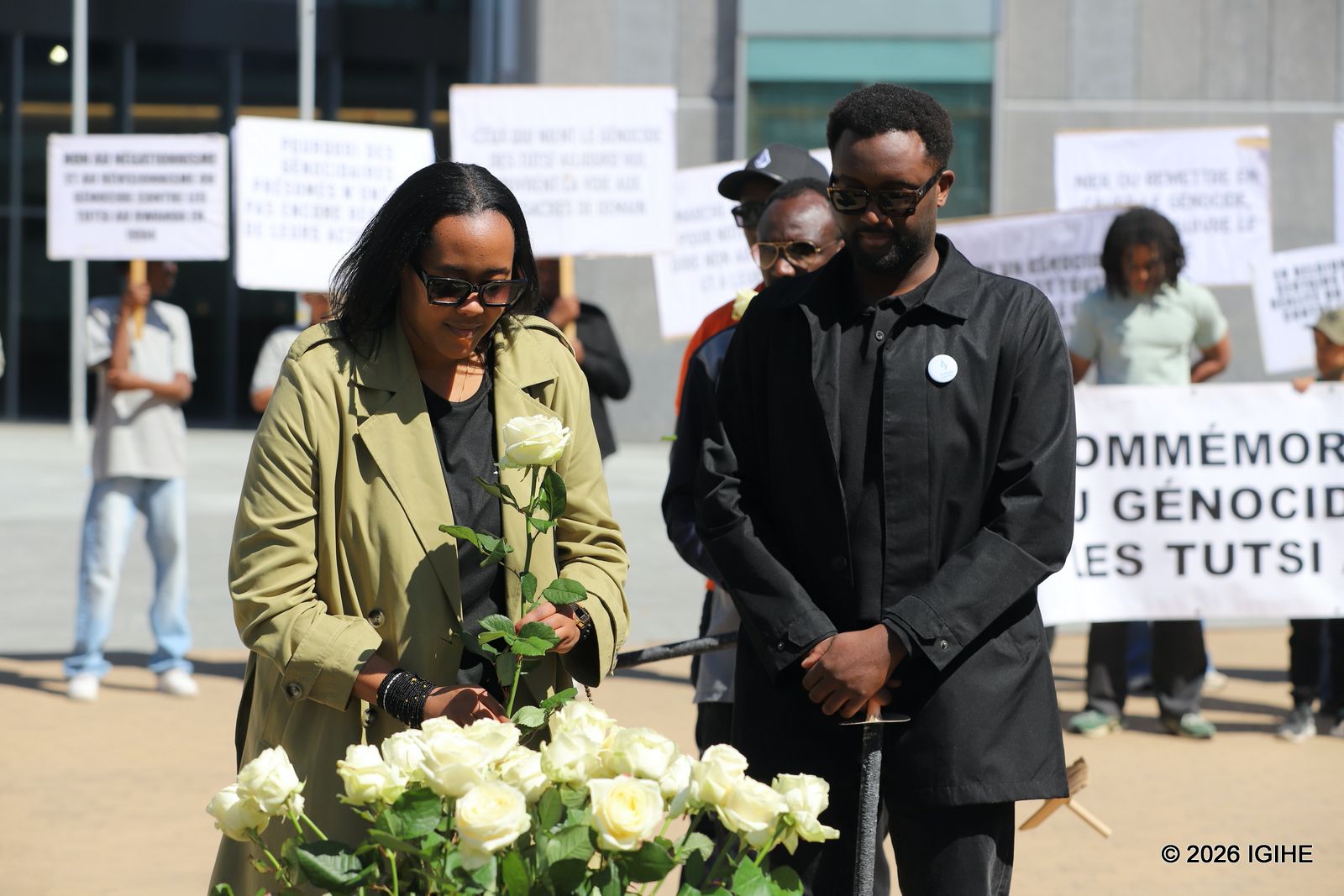
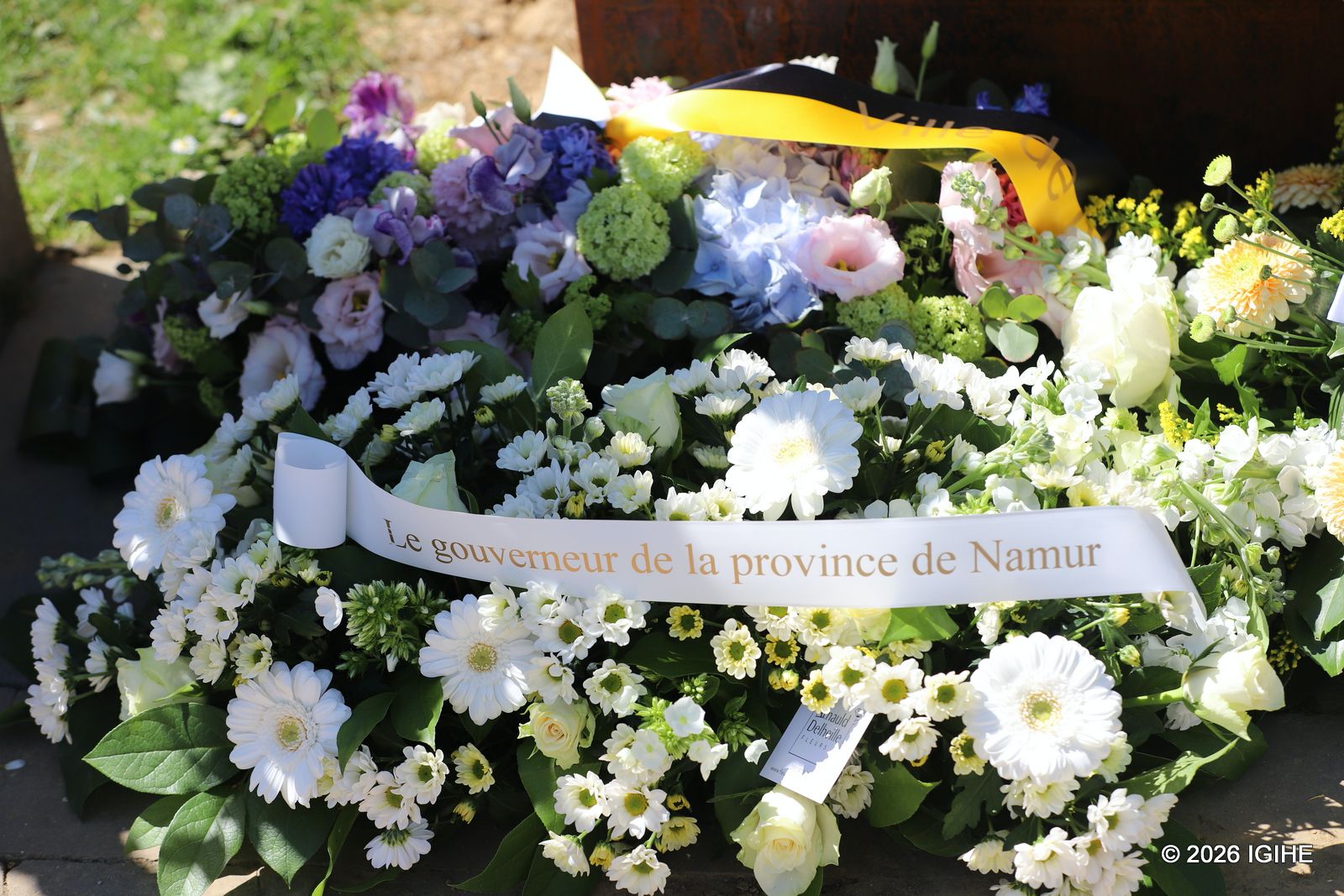
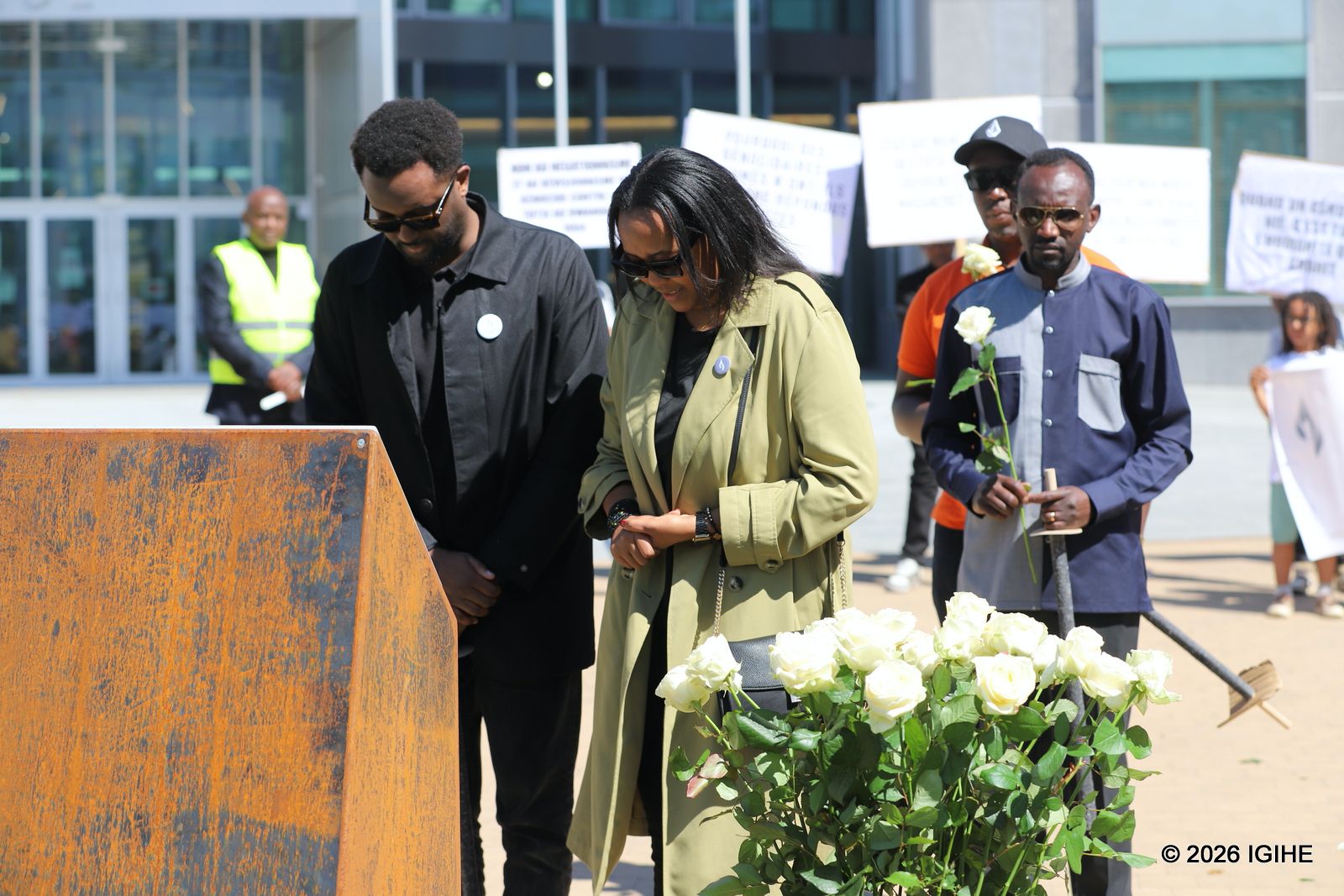
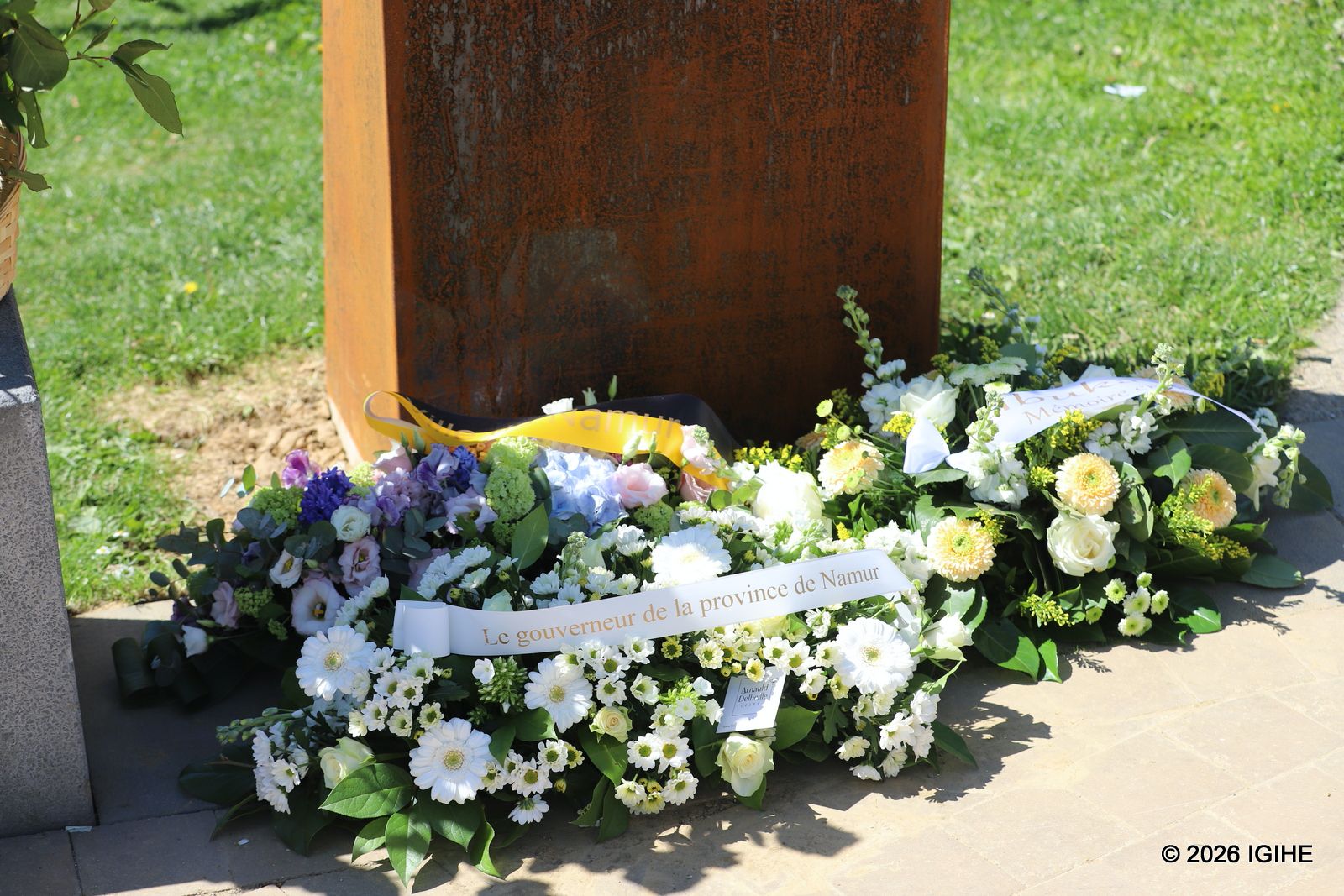
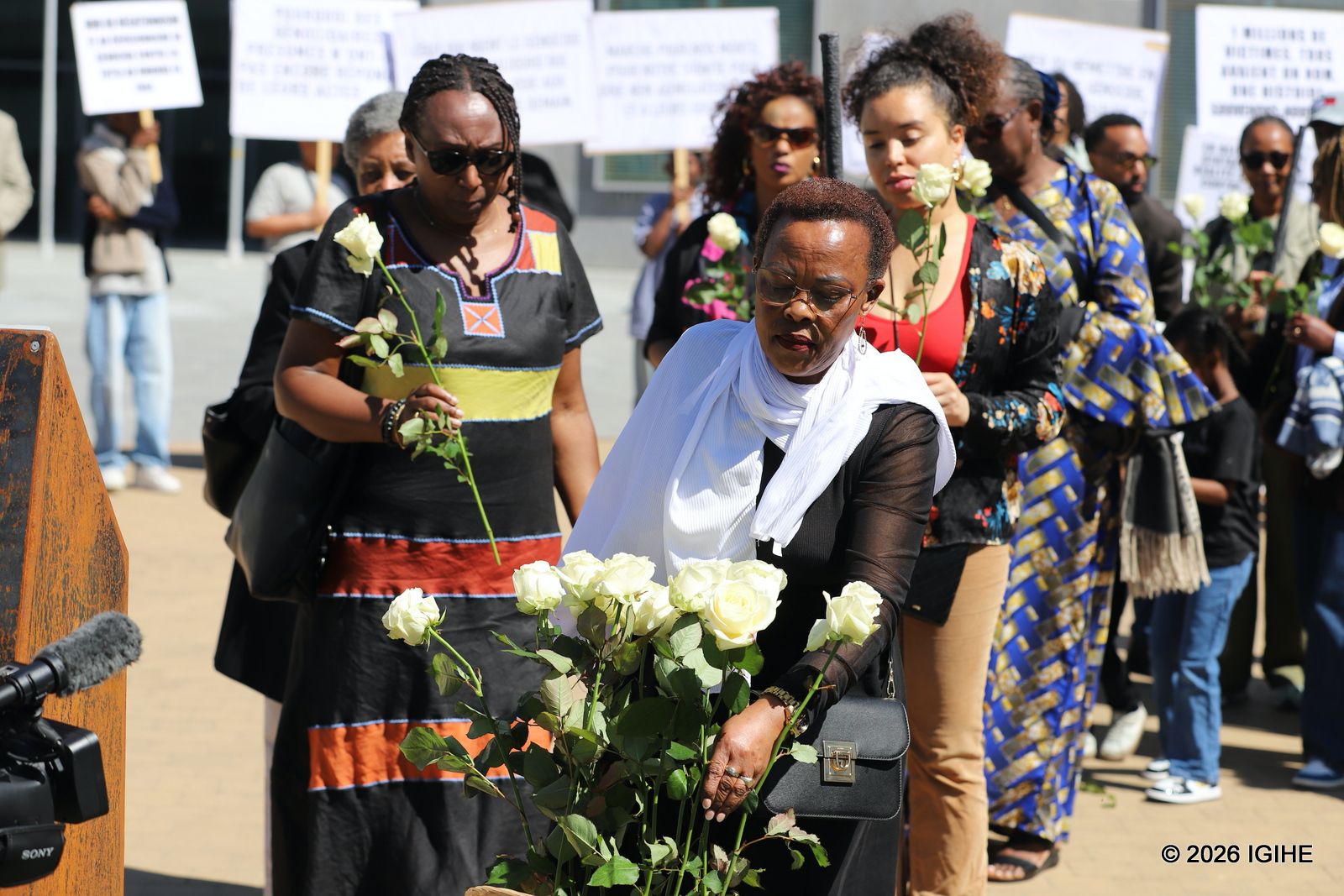
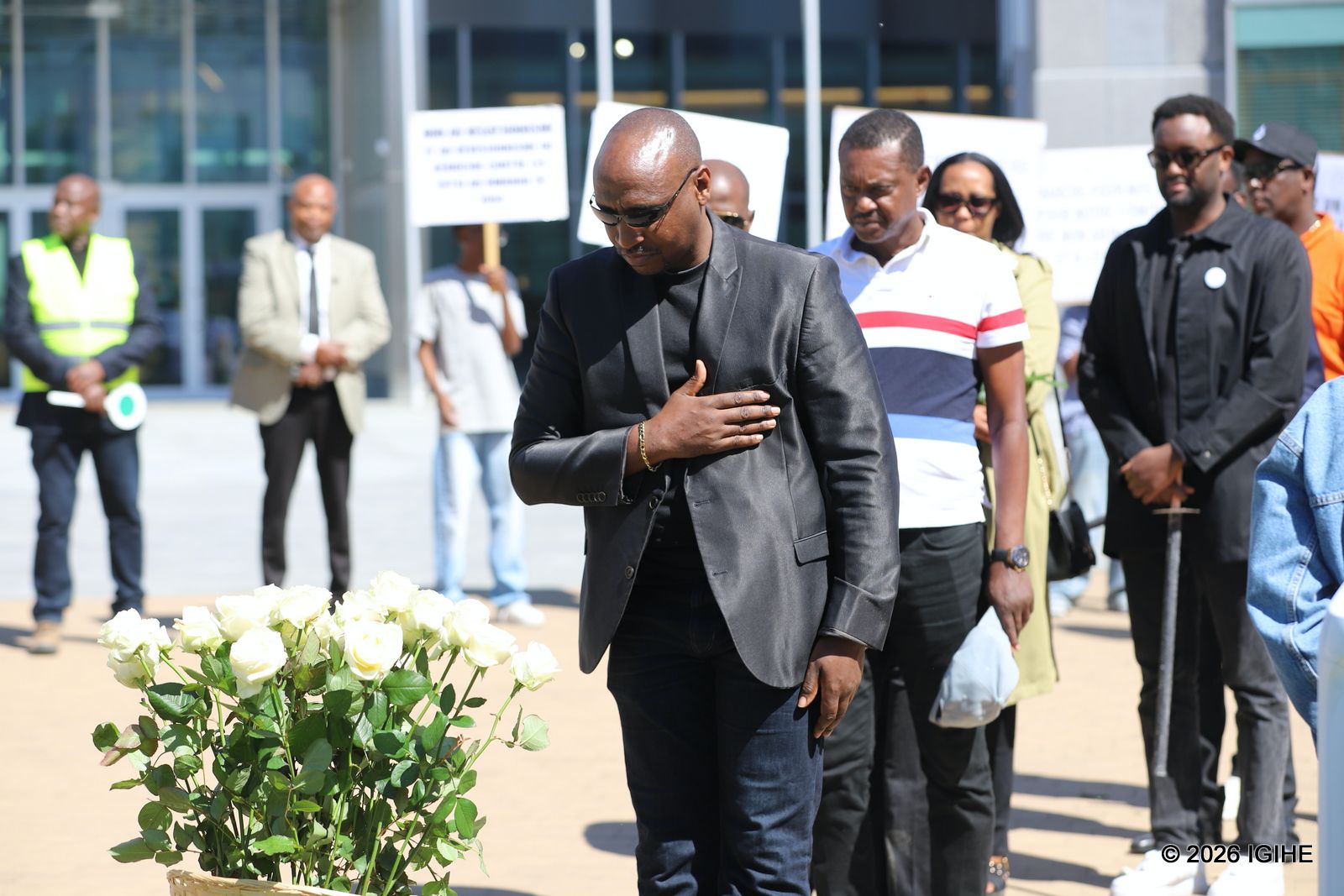
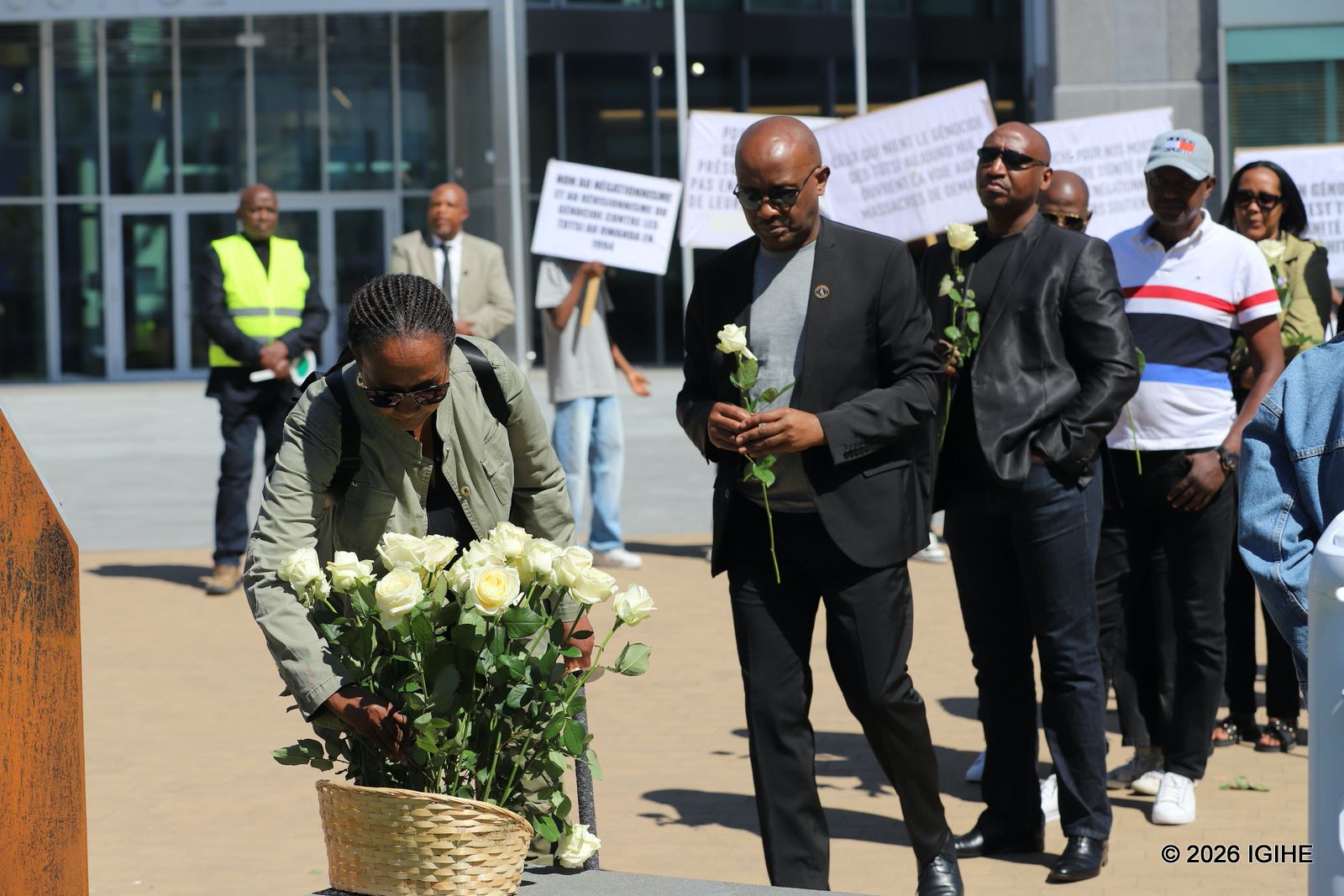
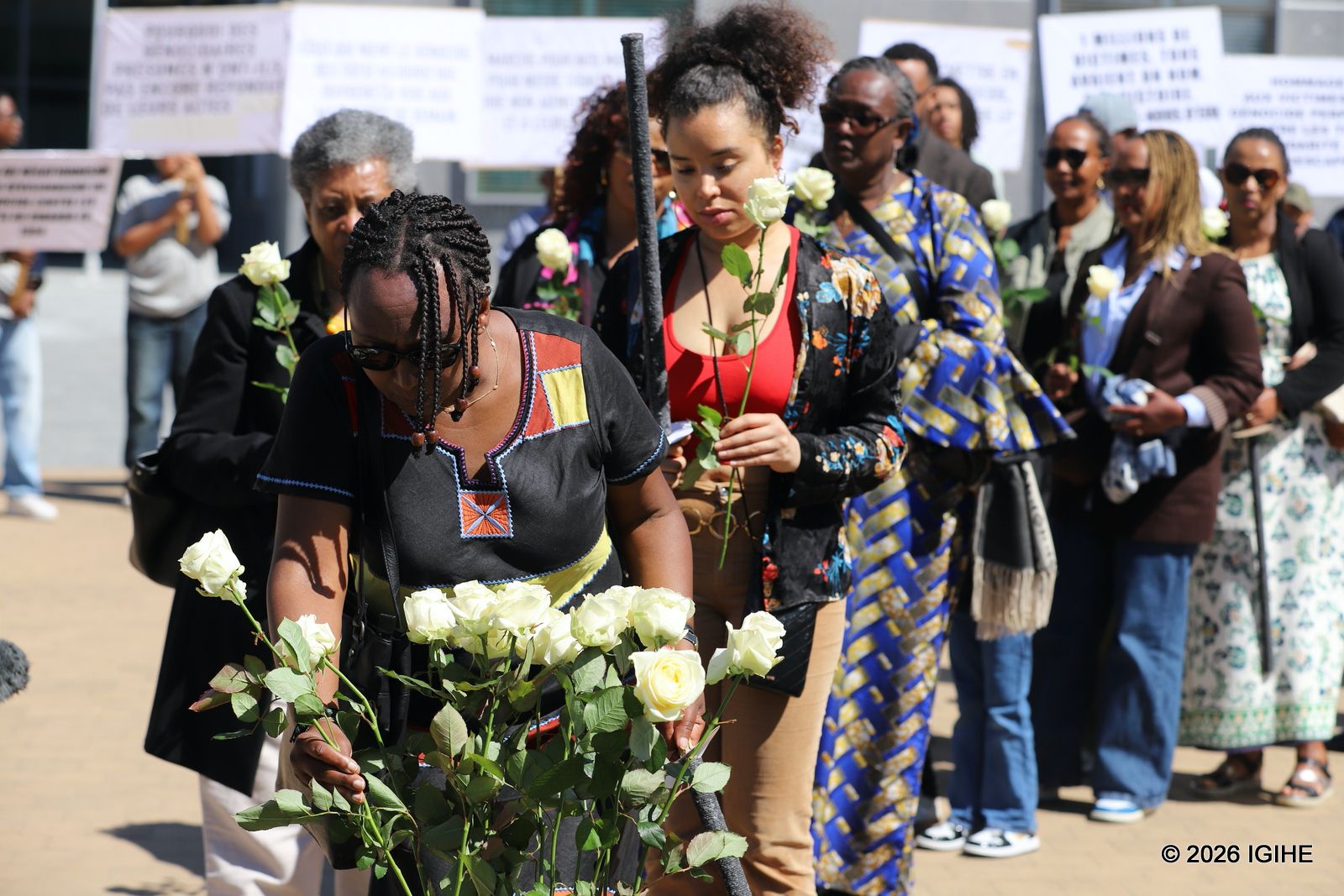
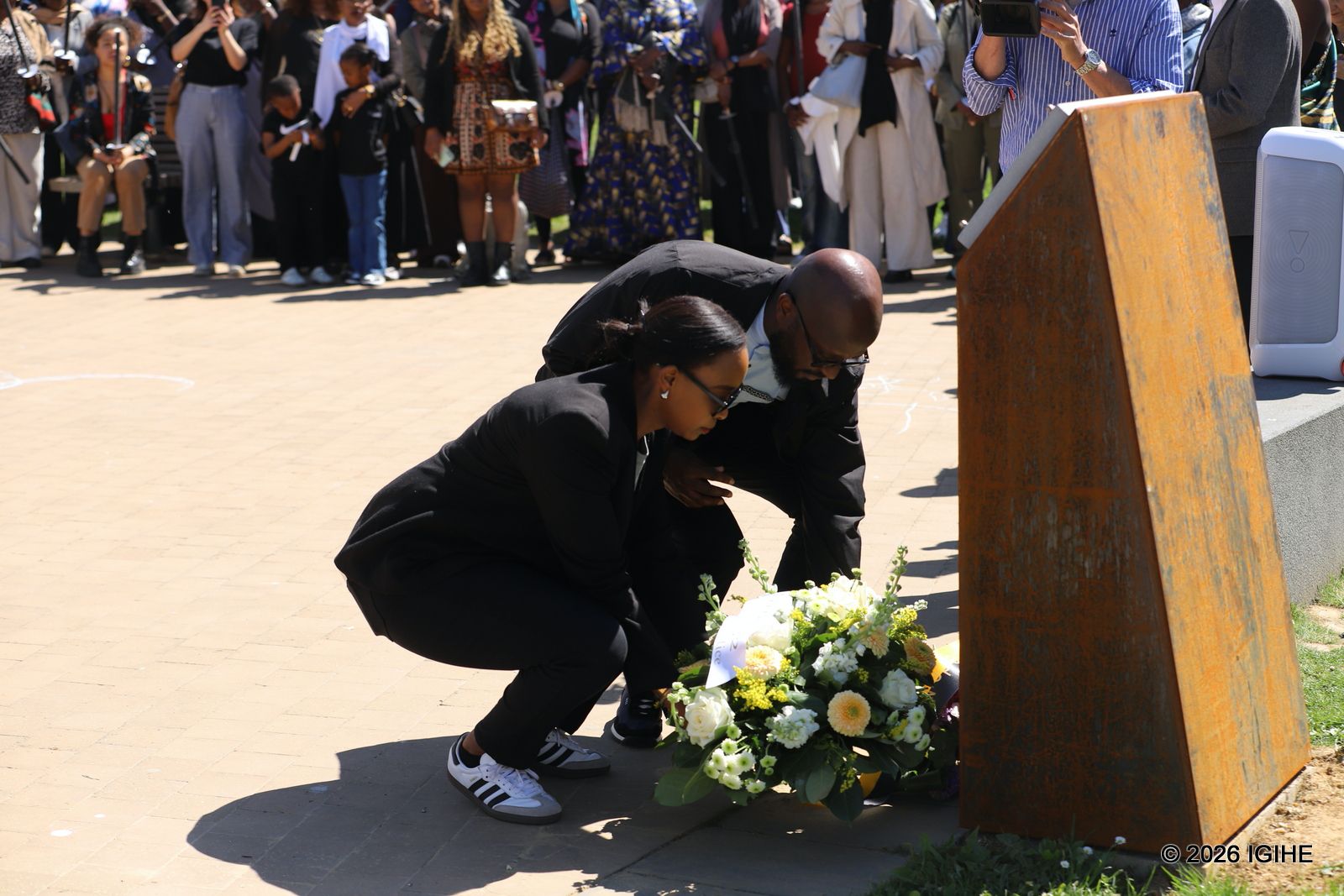
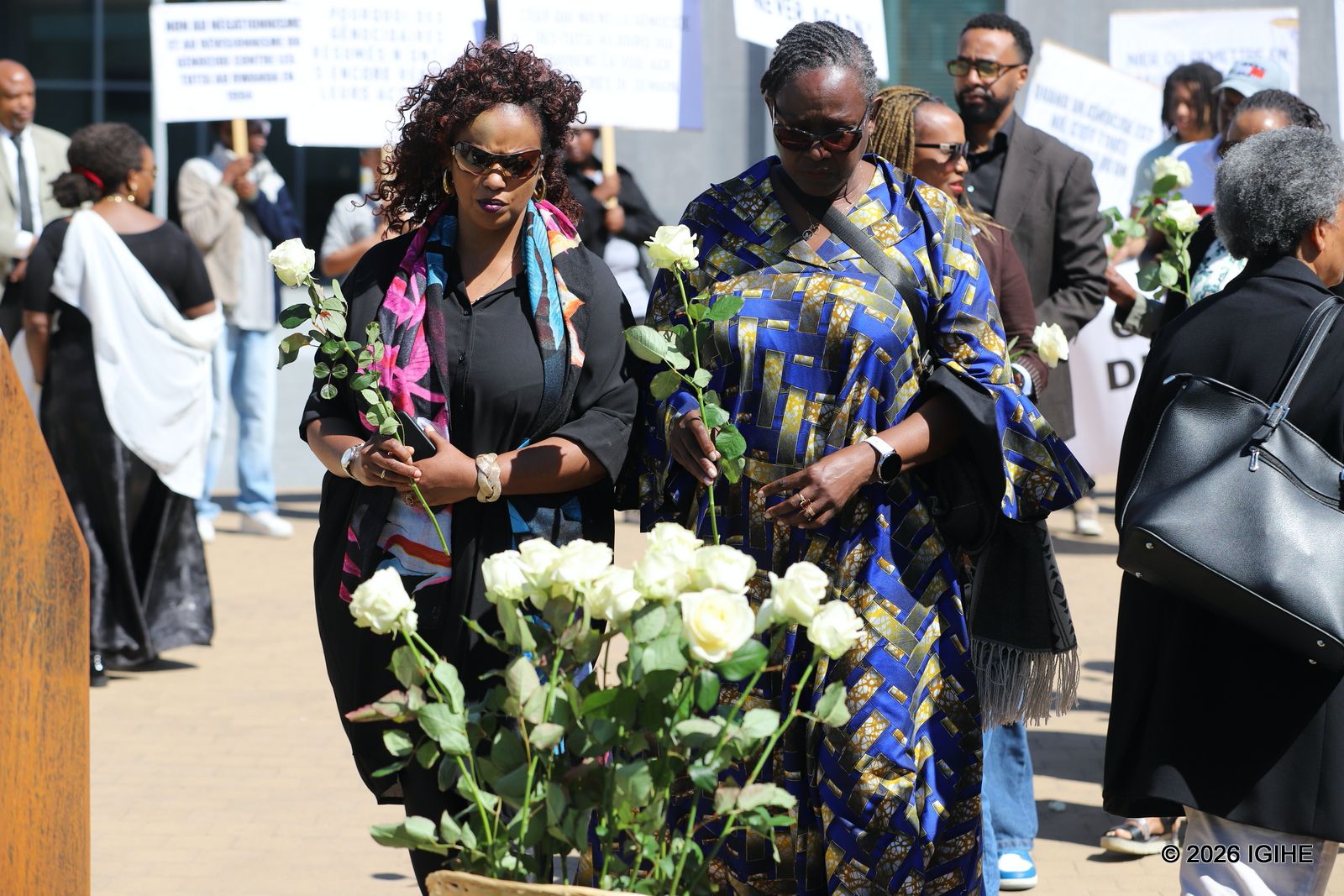
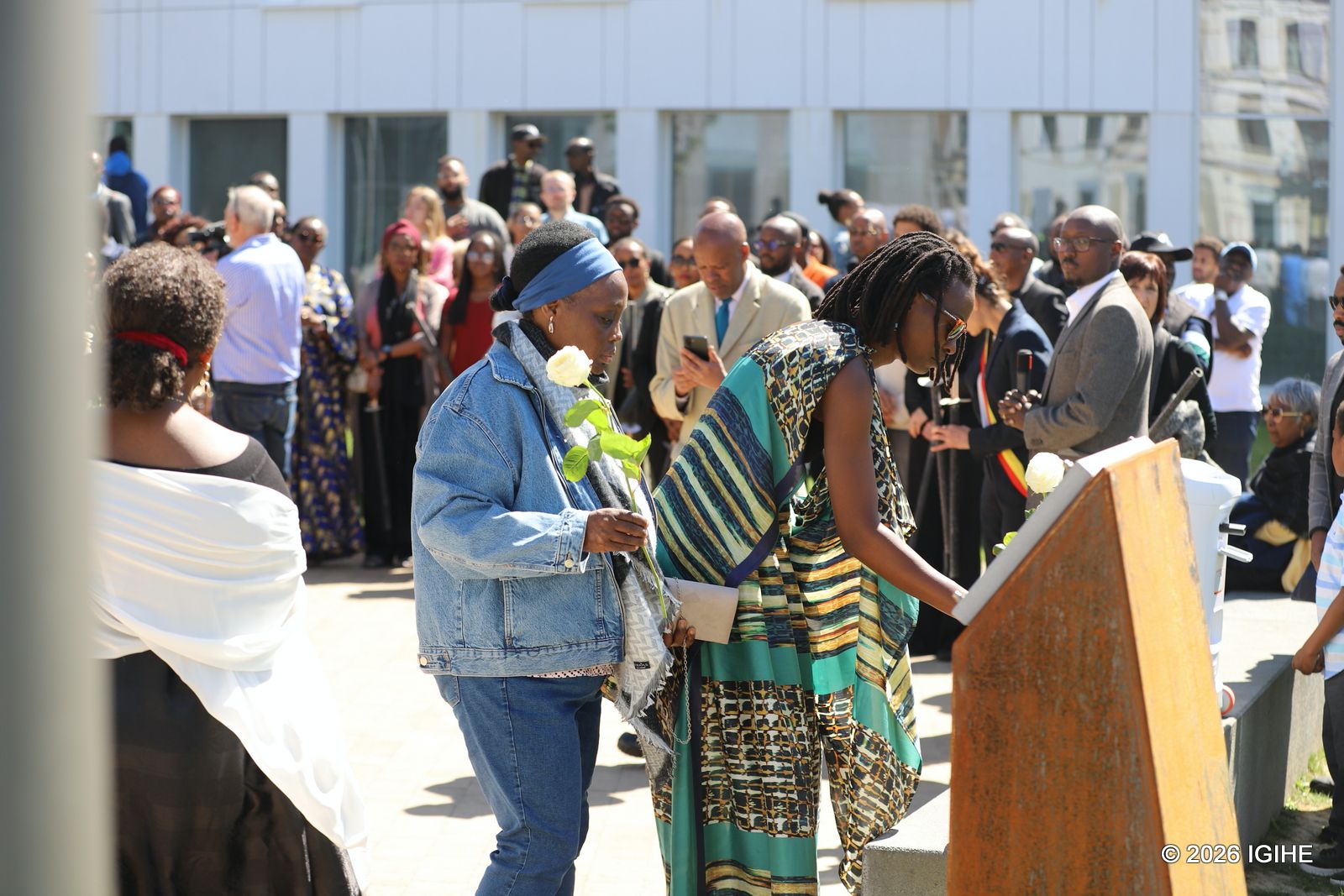
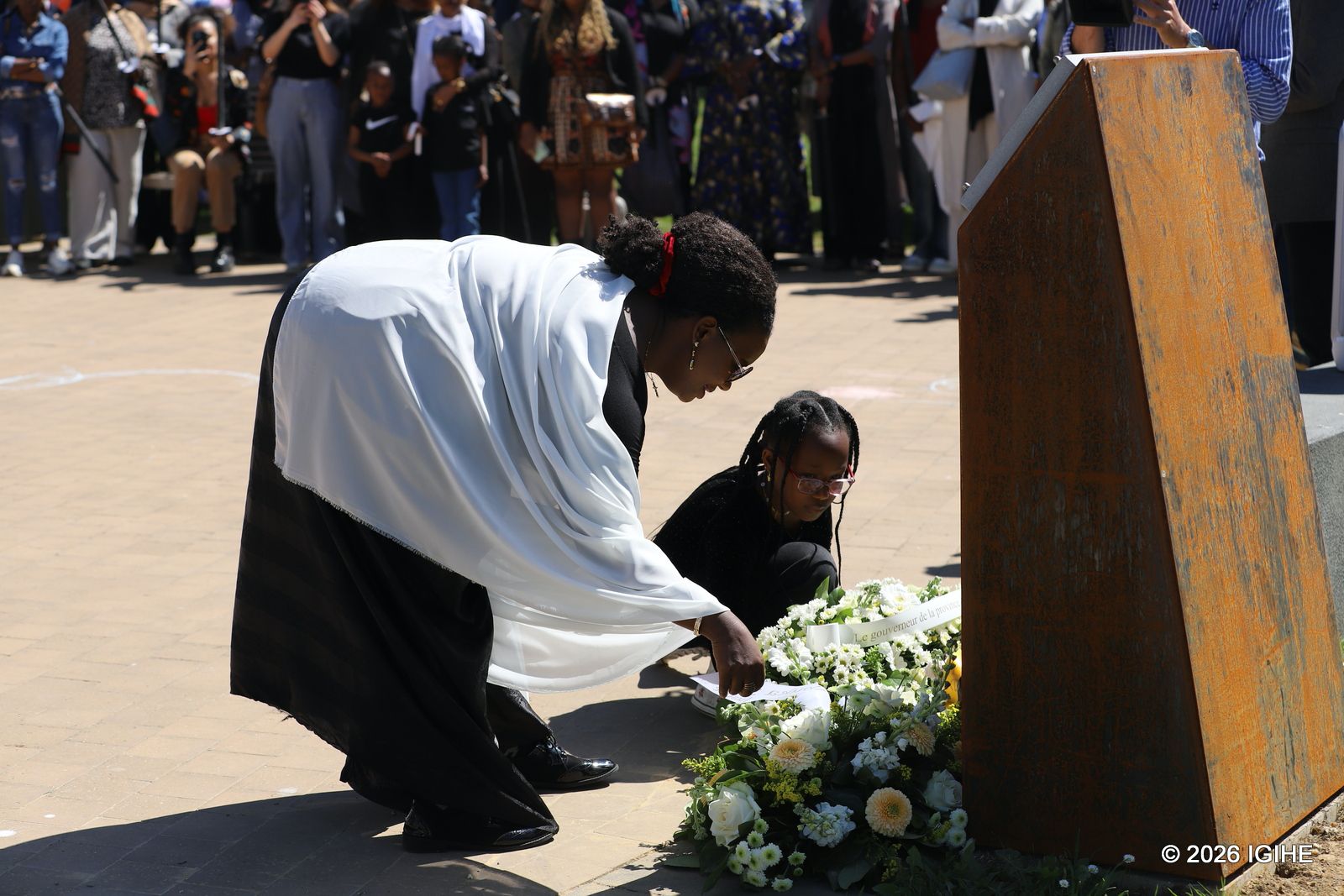
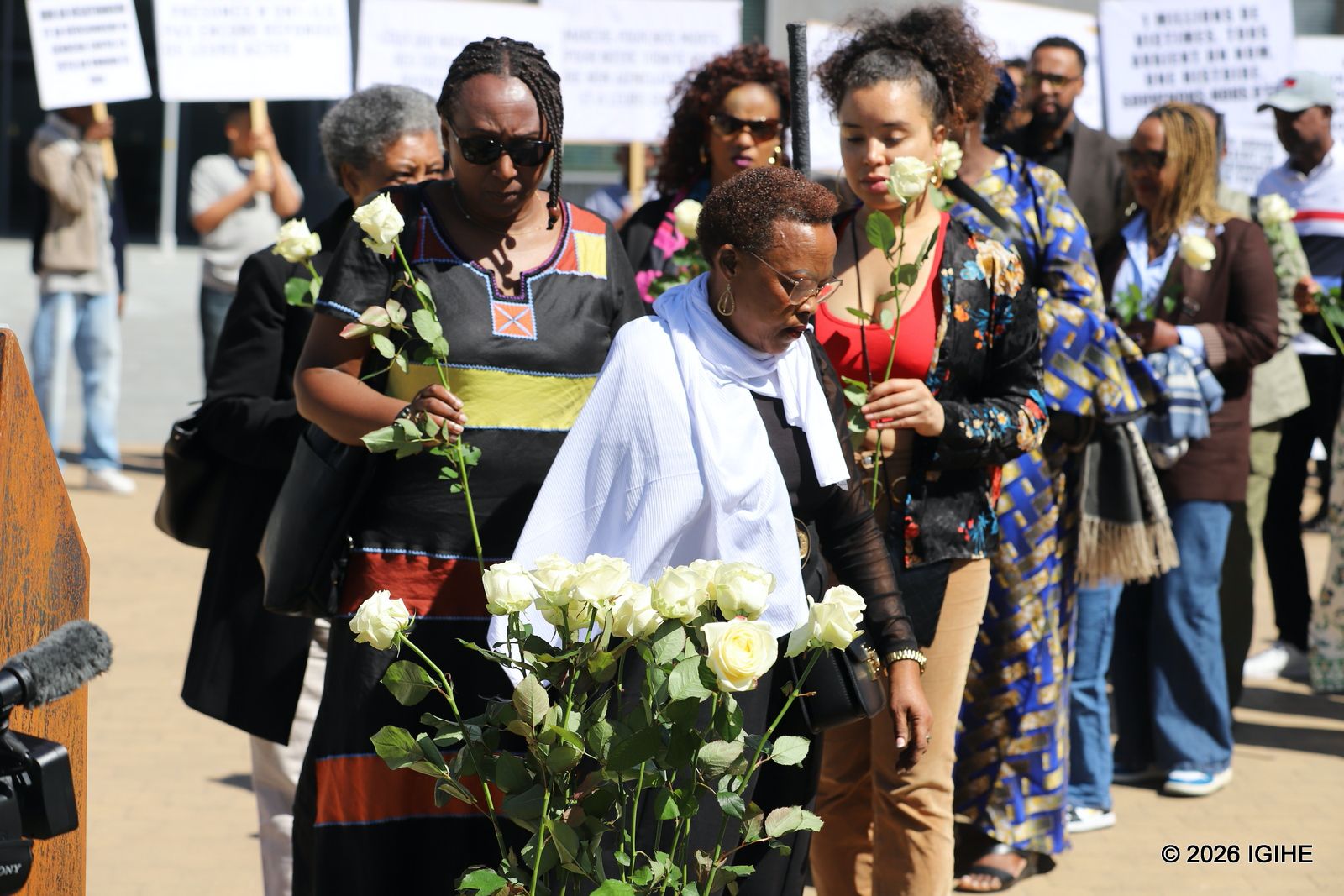
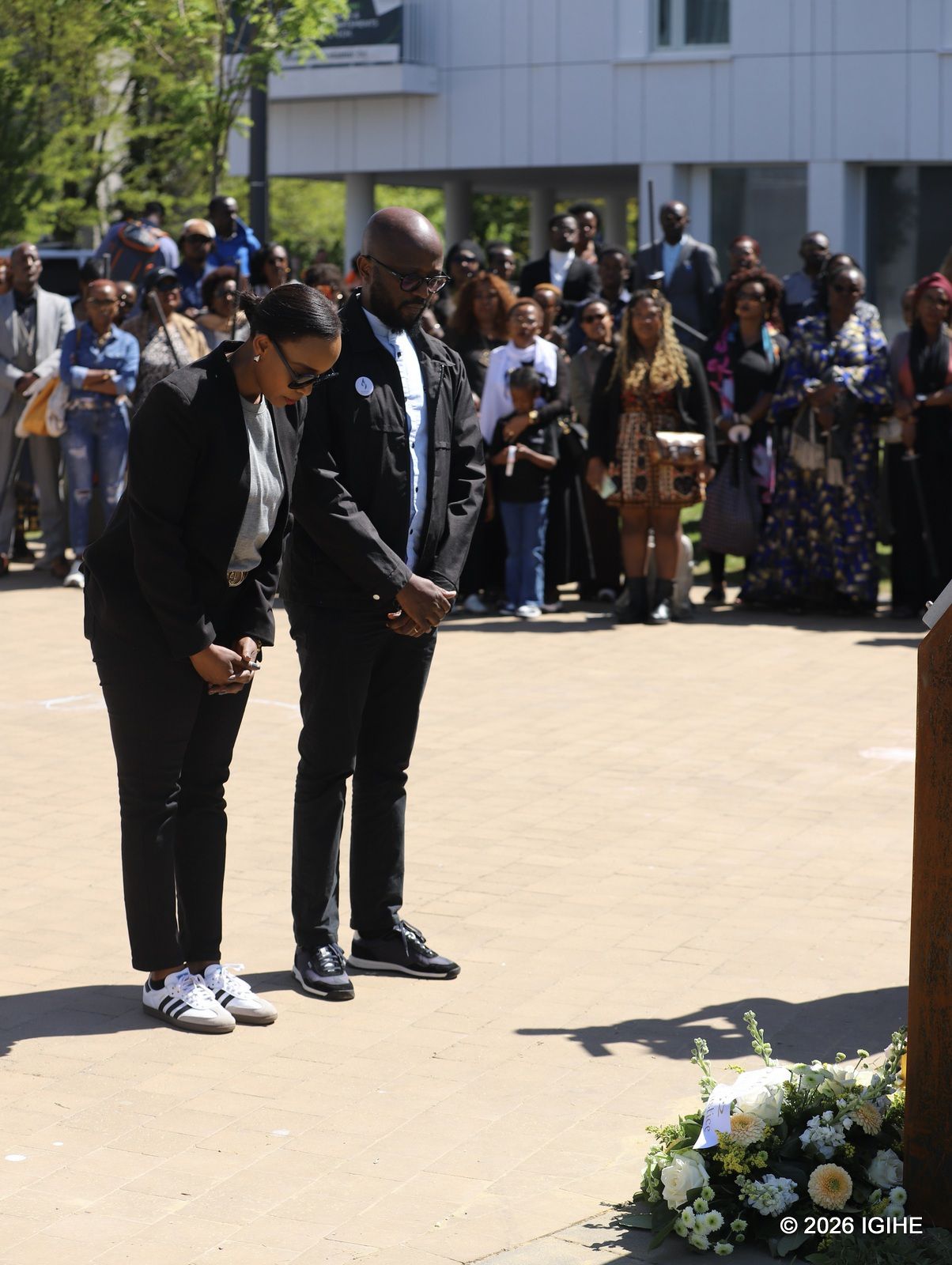
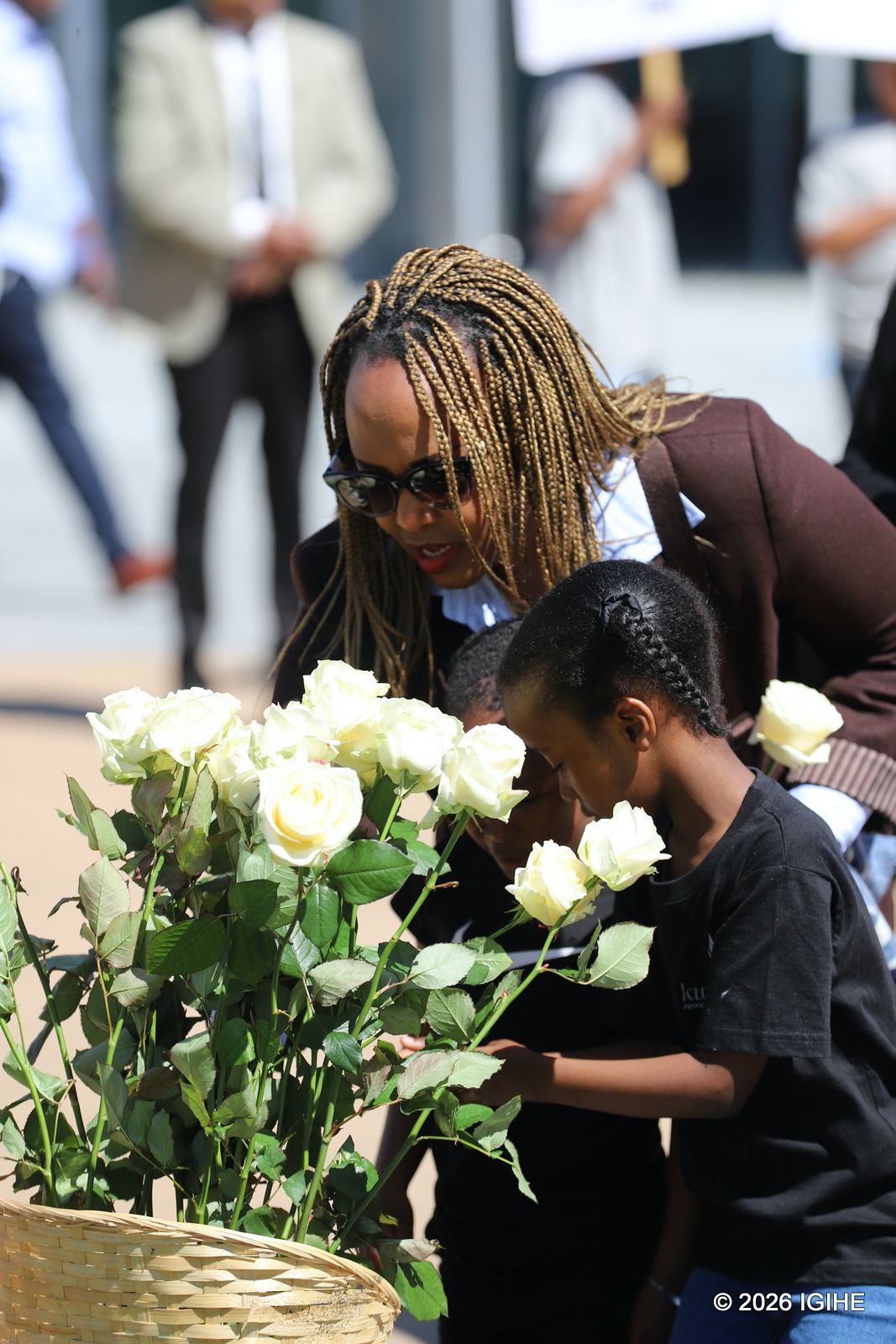
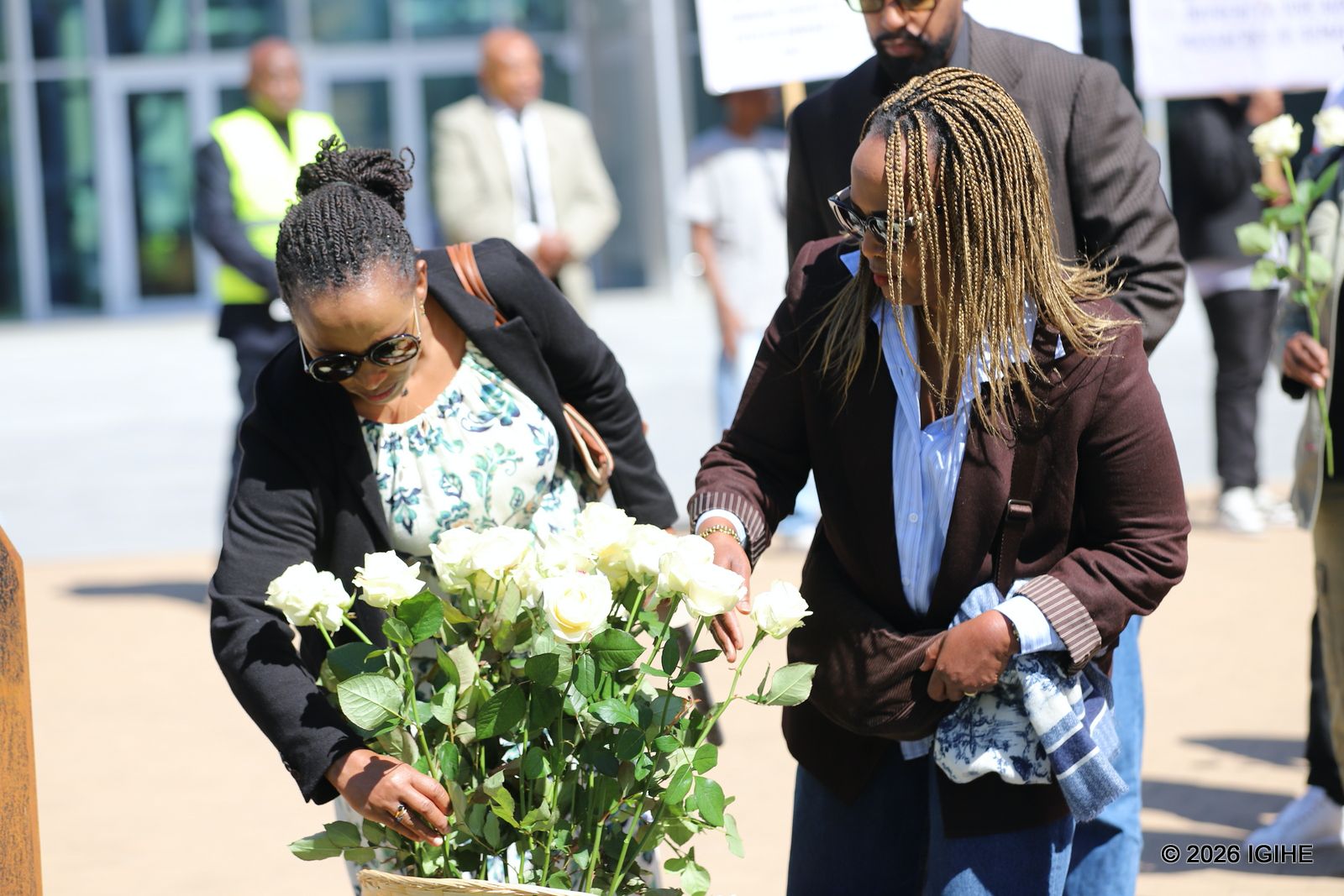
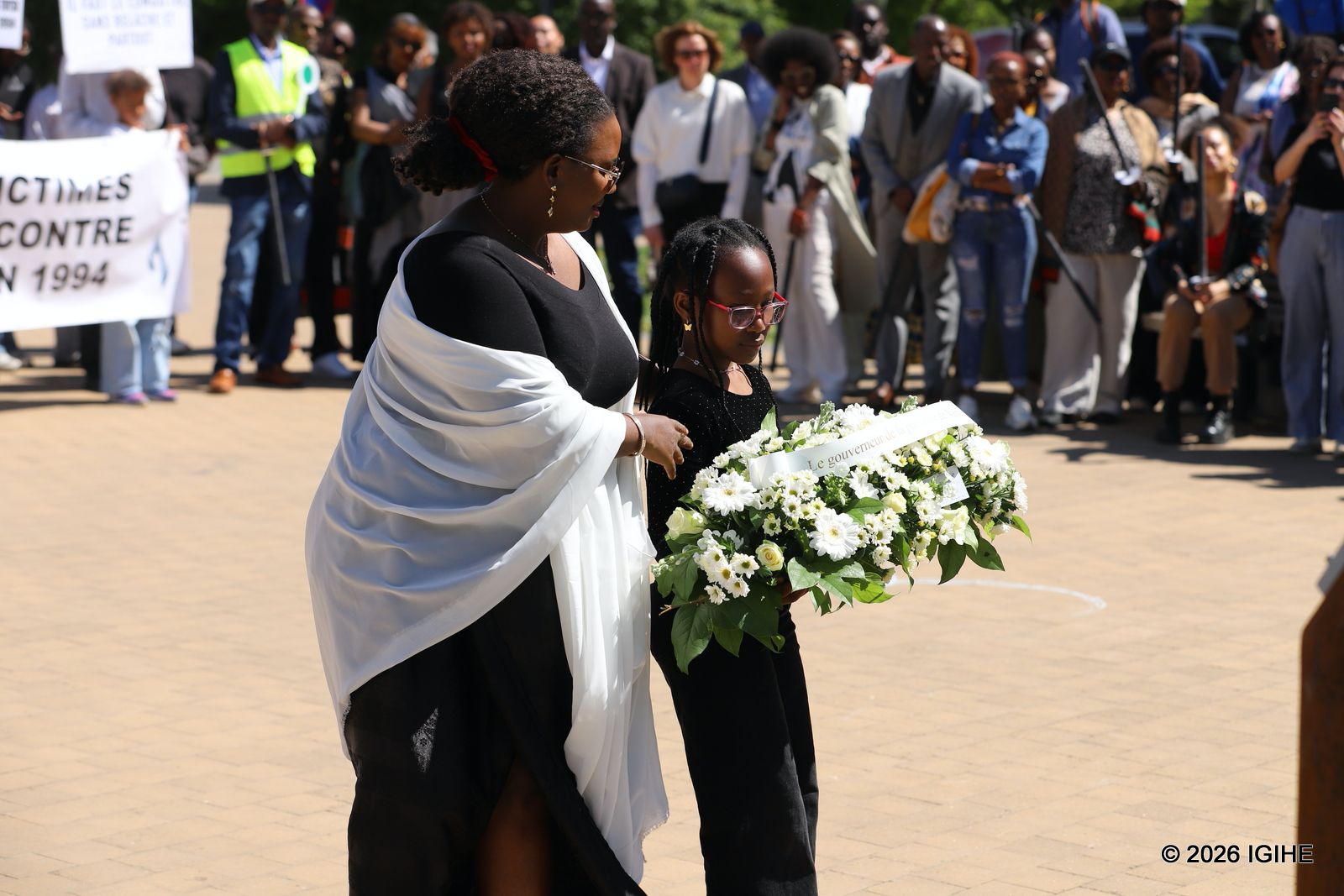
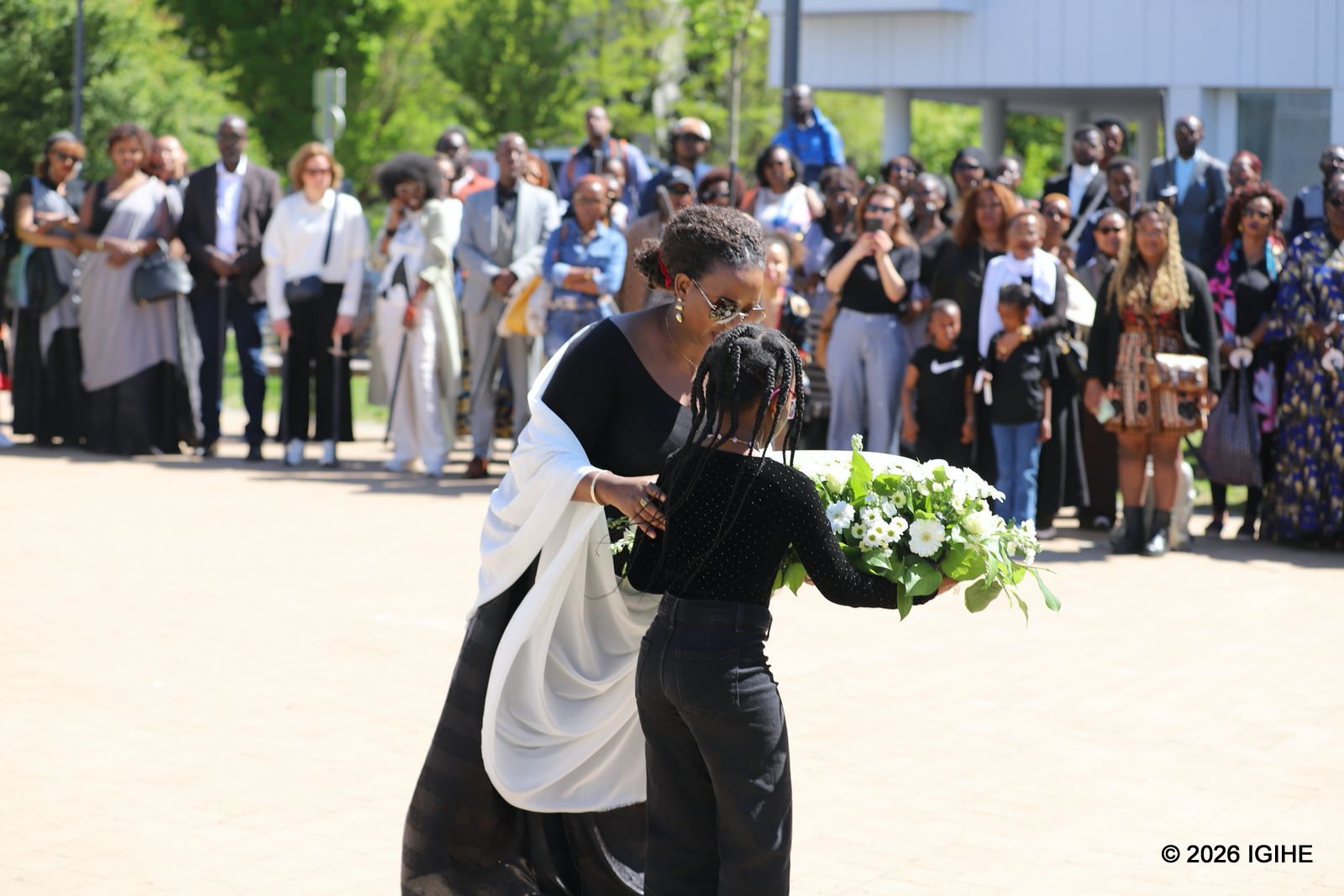
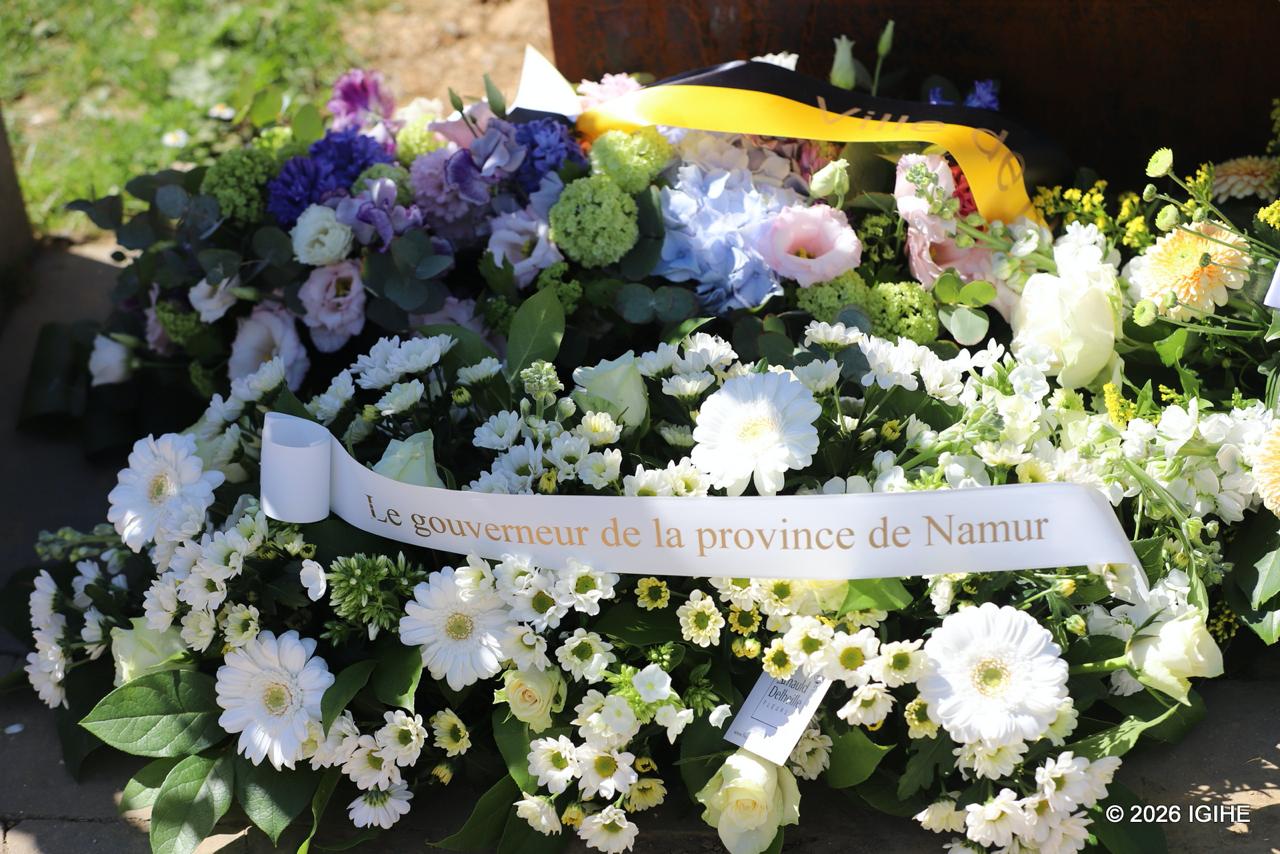
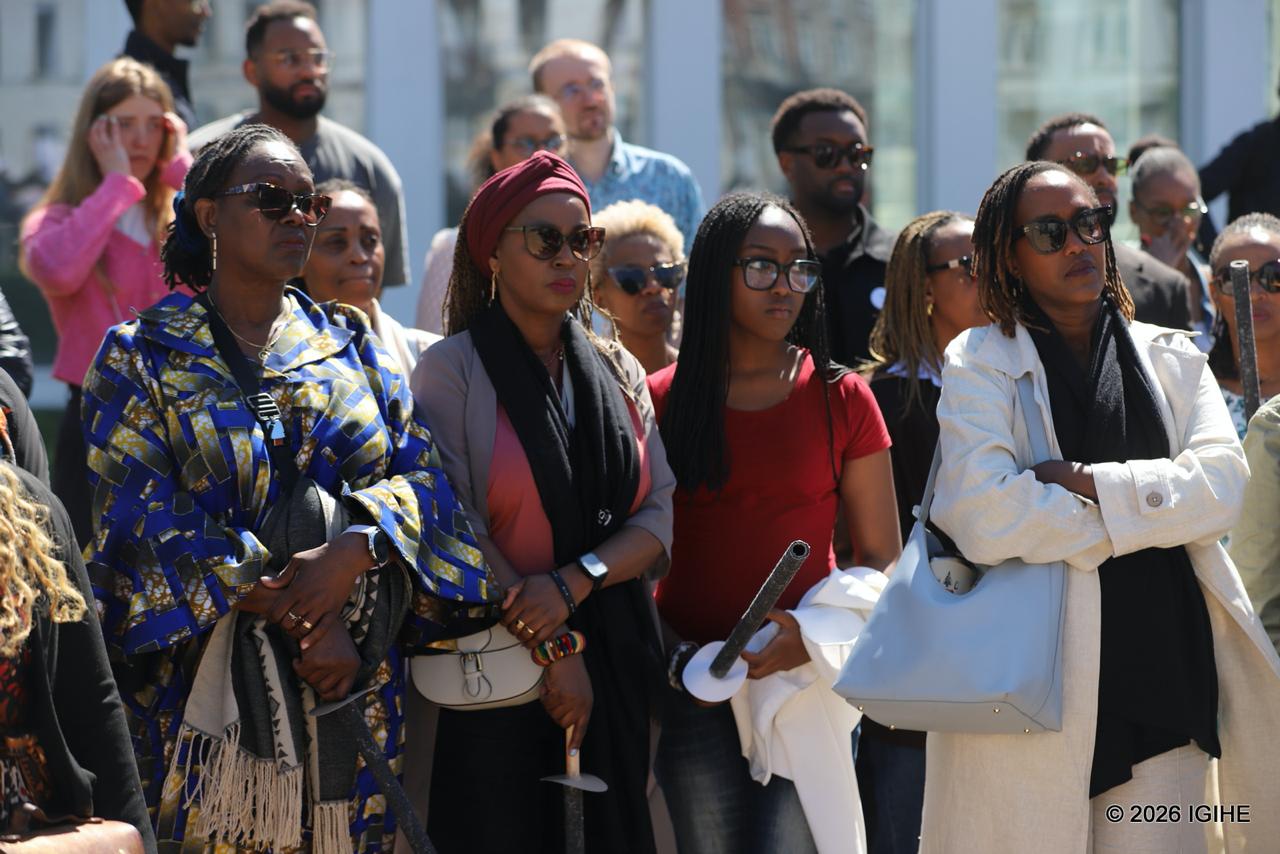
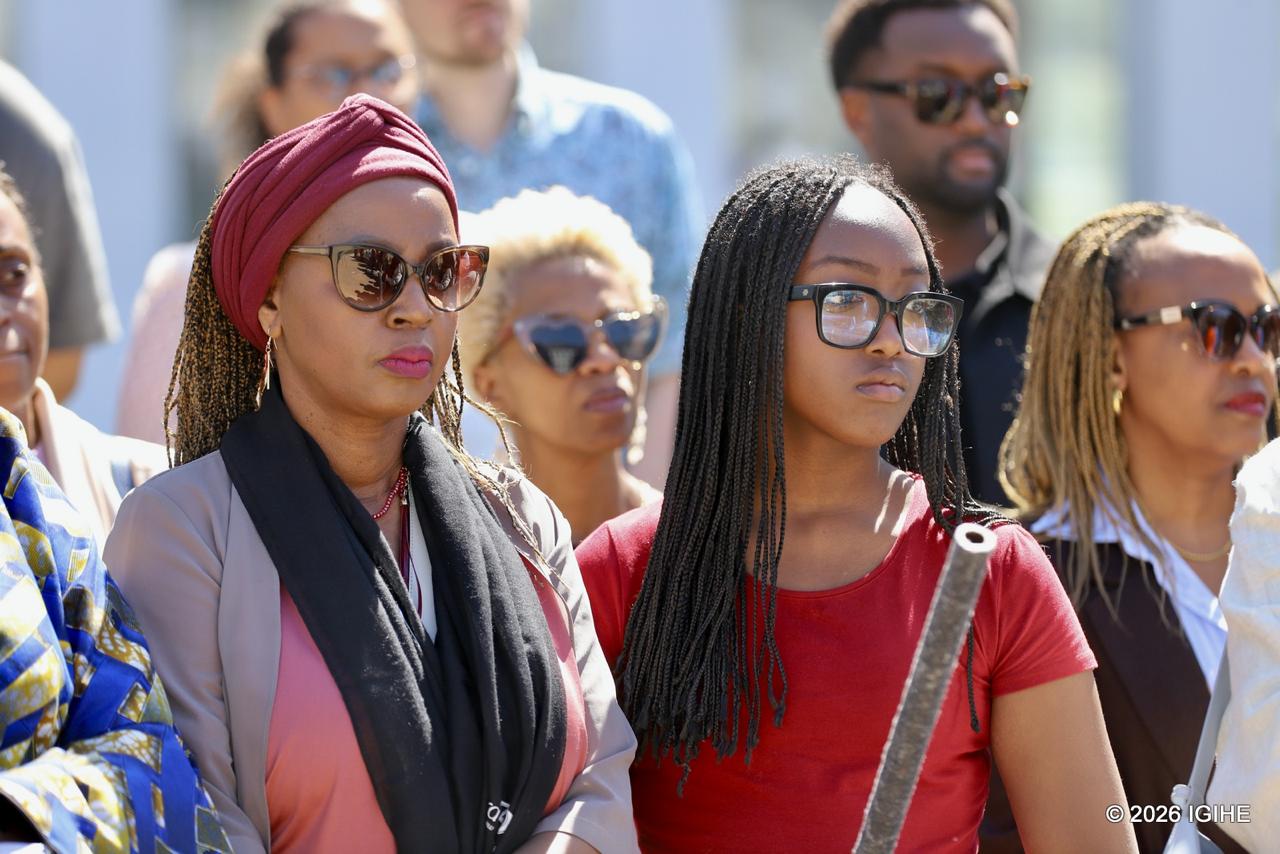
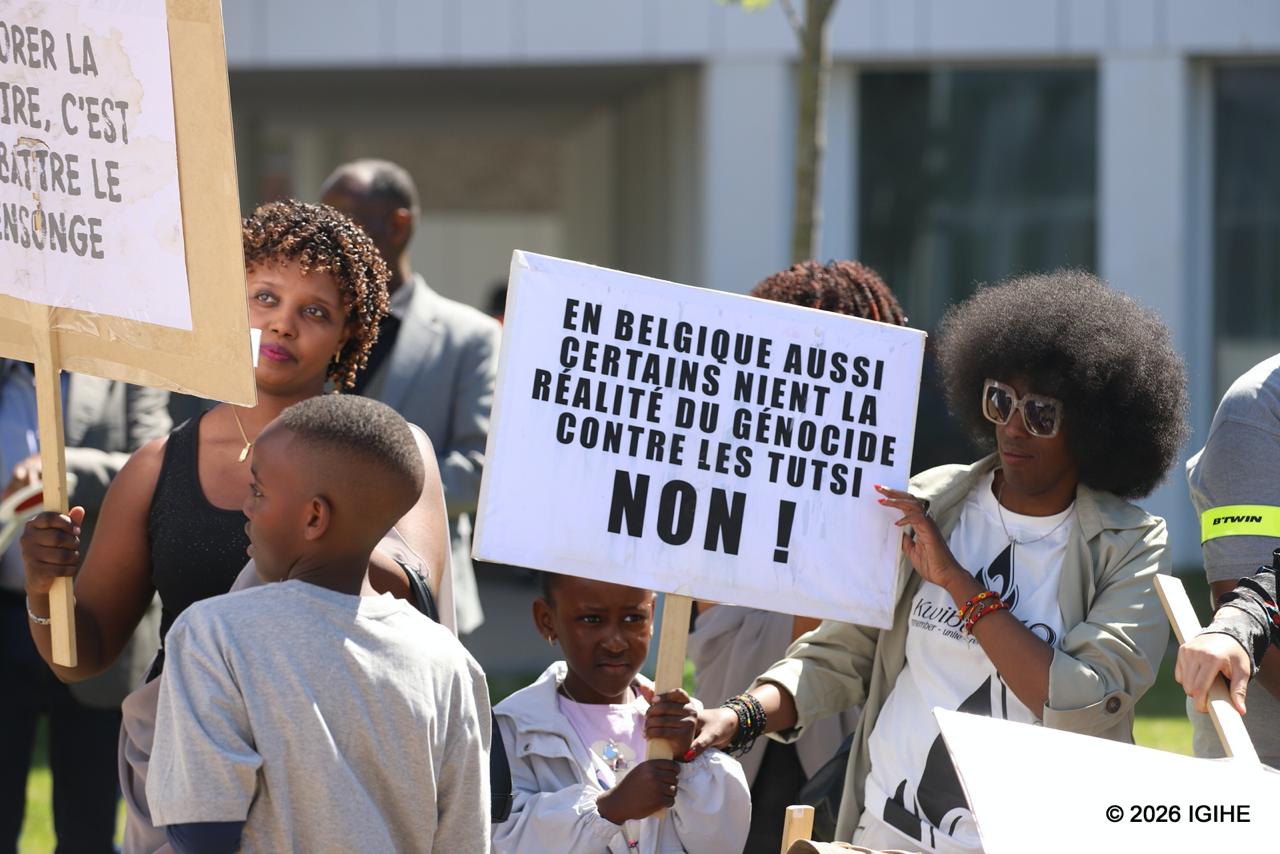
The event began at the memorial dedicated to the victims of the Genocide against the Tutsi, located in front of the Namur Courthouse.
The memorial was relocated from the MusAfrica museum to make it more visible to the public, particularly in front of the Courthouse, thus allowing for better transmission of memory.
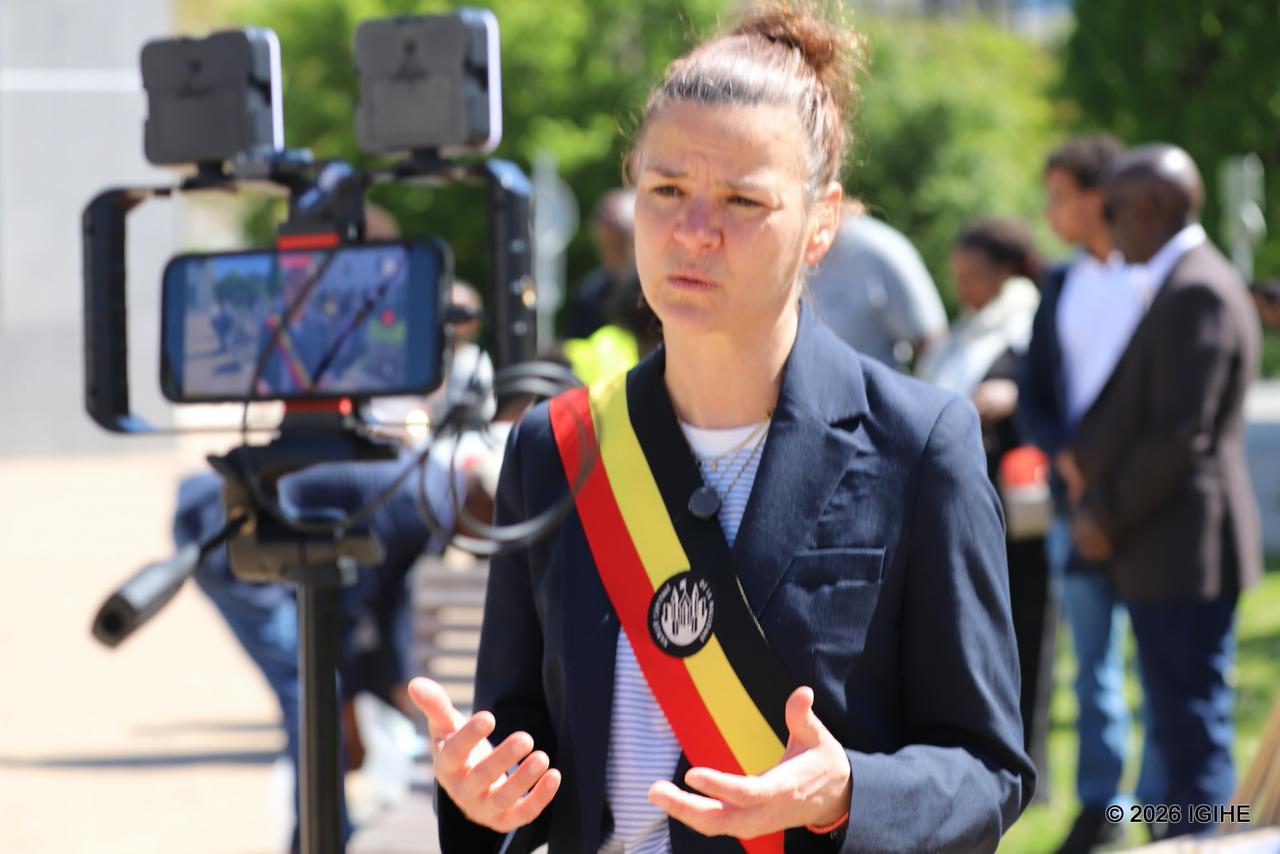
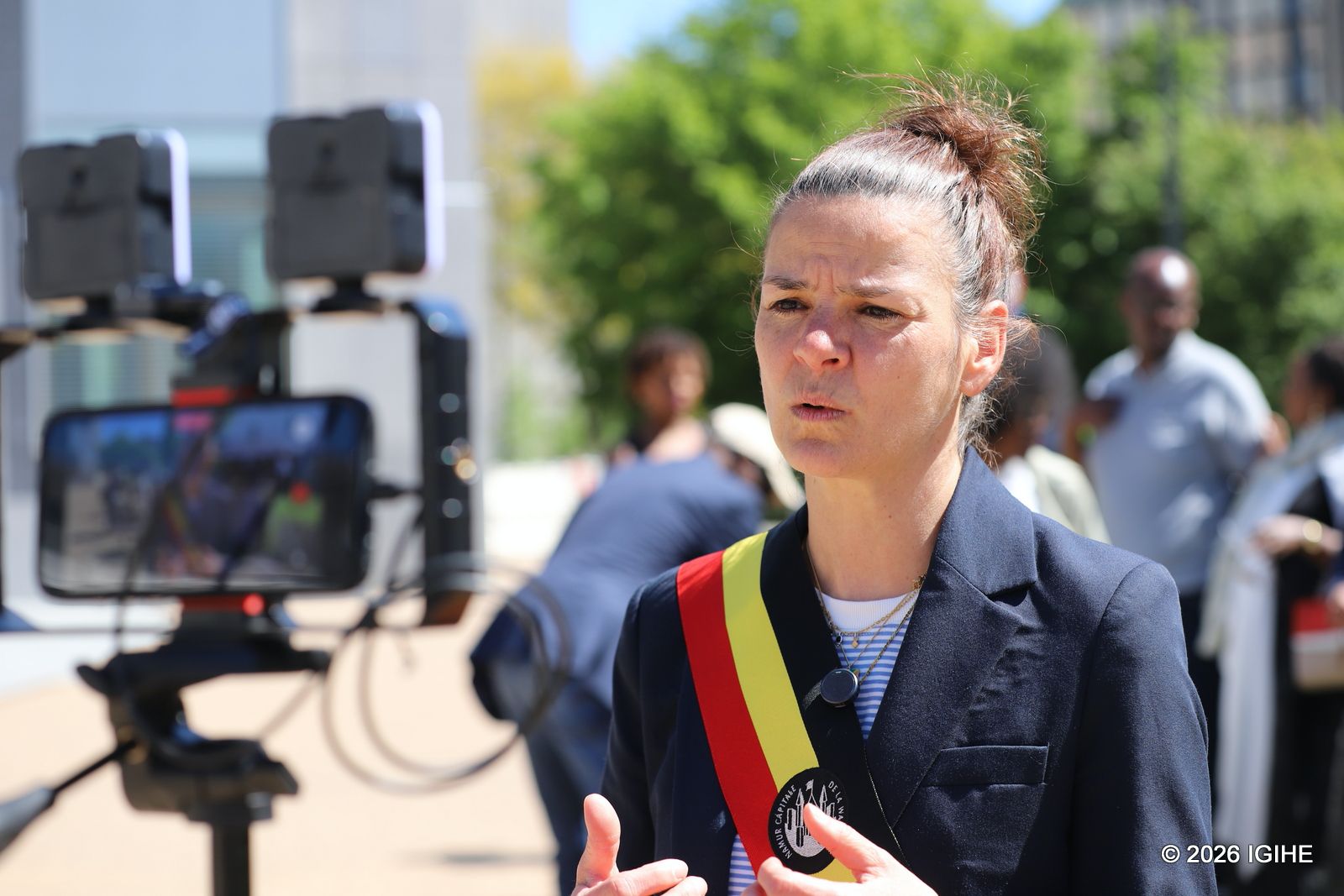
Speaking to IGIHE, the Acting Mayor of Namur, Charlotte Bazlaire honored victims of the genocide and called for collective efforts to prevent reoccurrence.
“It is an honor to be here representing the City of Namur during this 32nd commemoration. I am thinking of all those who were affected, in one way or another, by this tragedy.
“Thirty-two years later, the wounds are still present. I am here to remind people that in 1994, extreme brutality took place in Rwanda, and to raise awareness in today’s world about the importance of preventing the divisions that can lead to genocide,” she said.
Bazlaire added that her participation reflects a duty of remembrance, aimed at preventing any trivialization or forgetting of these tragic events.
She also welcomed the relocation of the memorial in front of the Courthouse, highlighting the symbolic importance of its visible location.
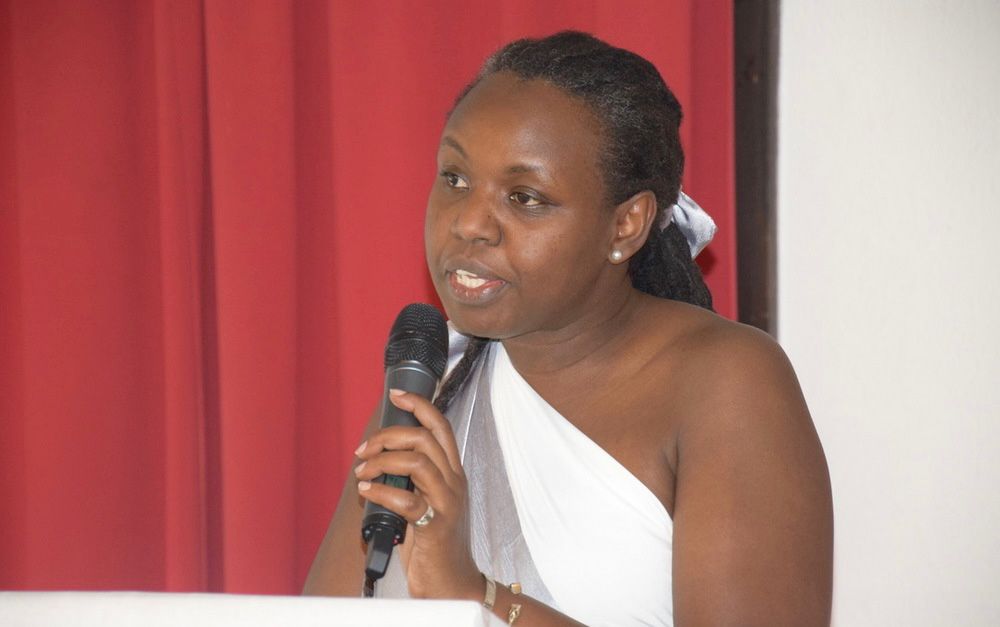
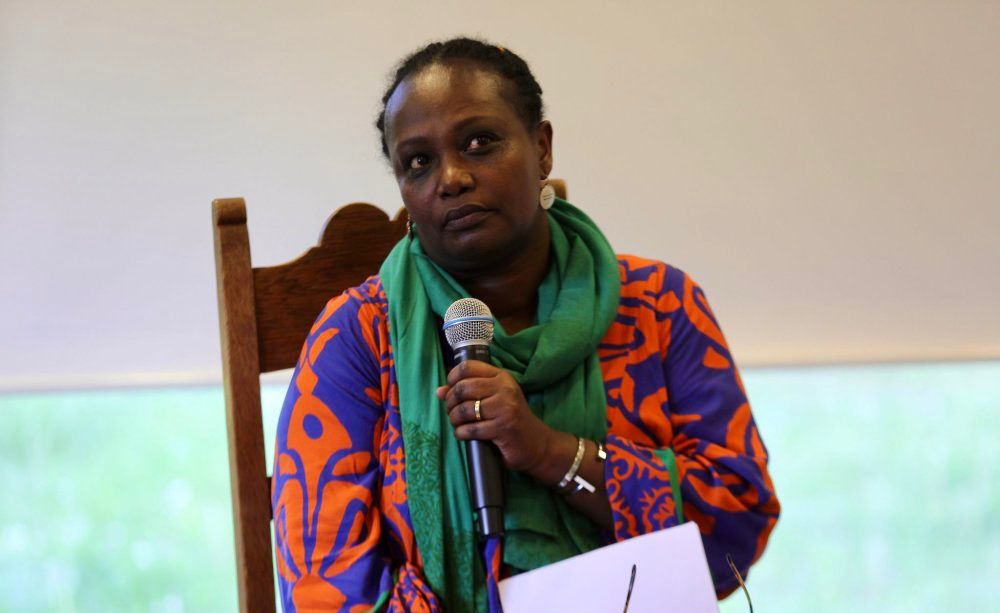
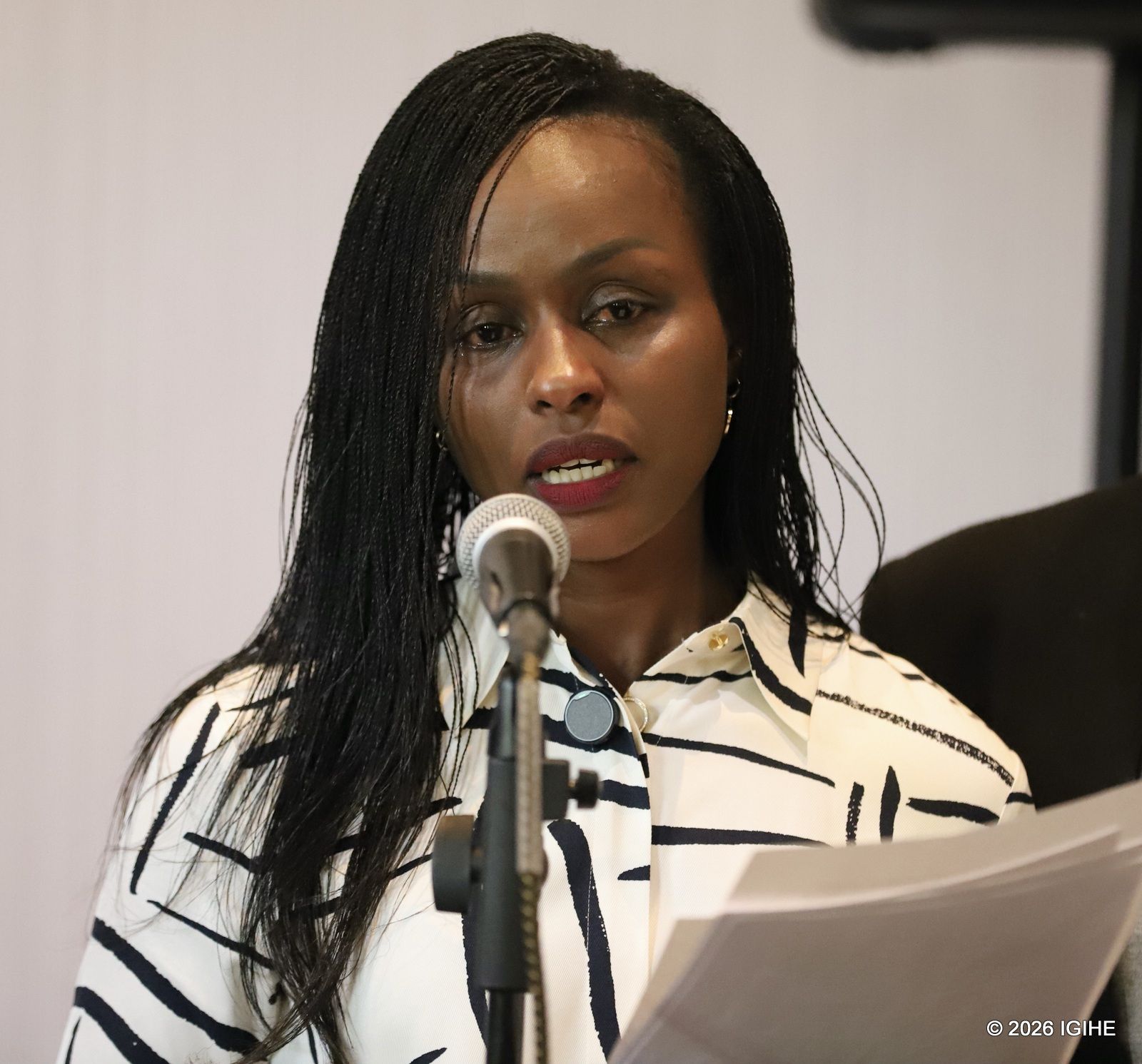
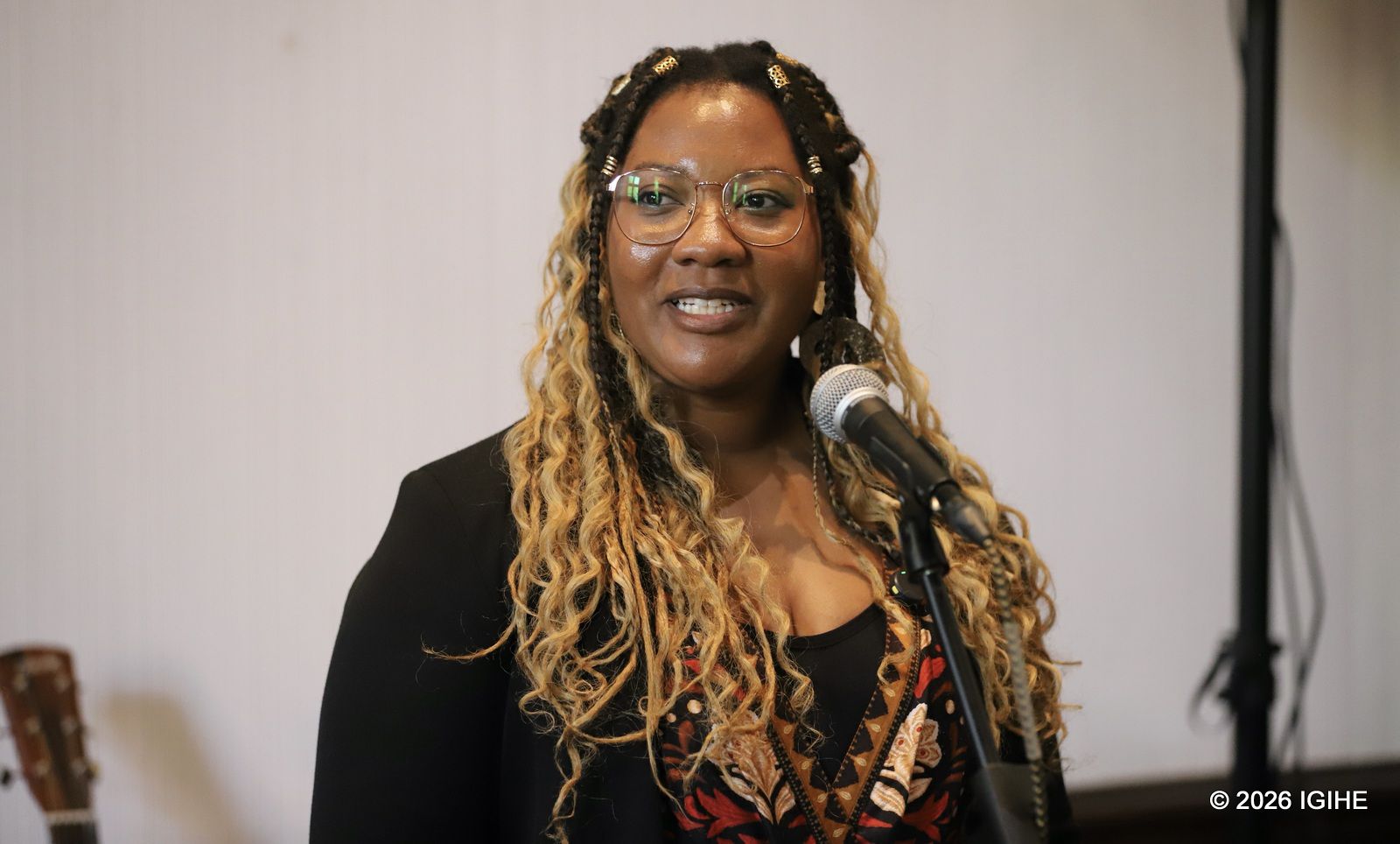
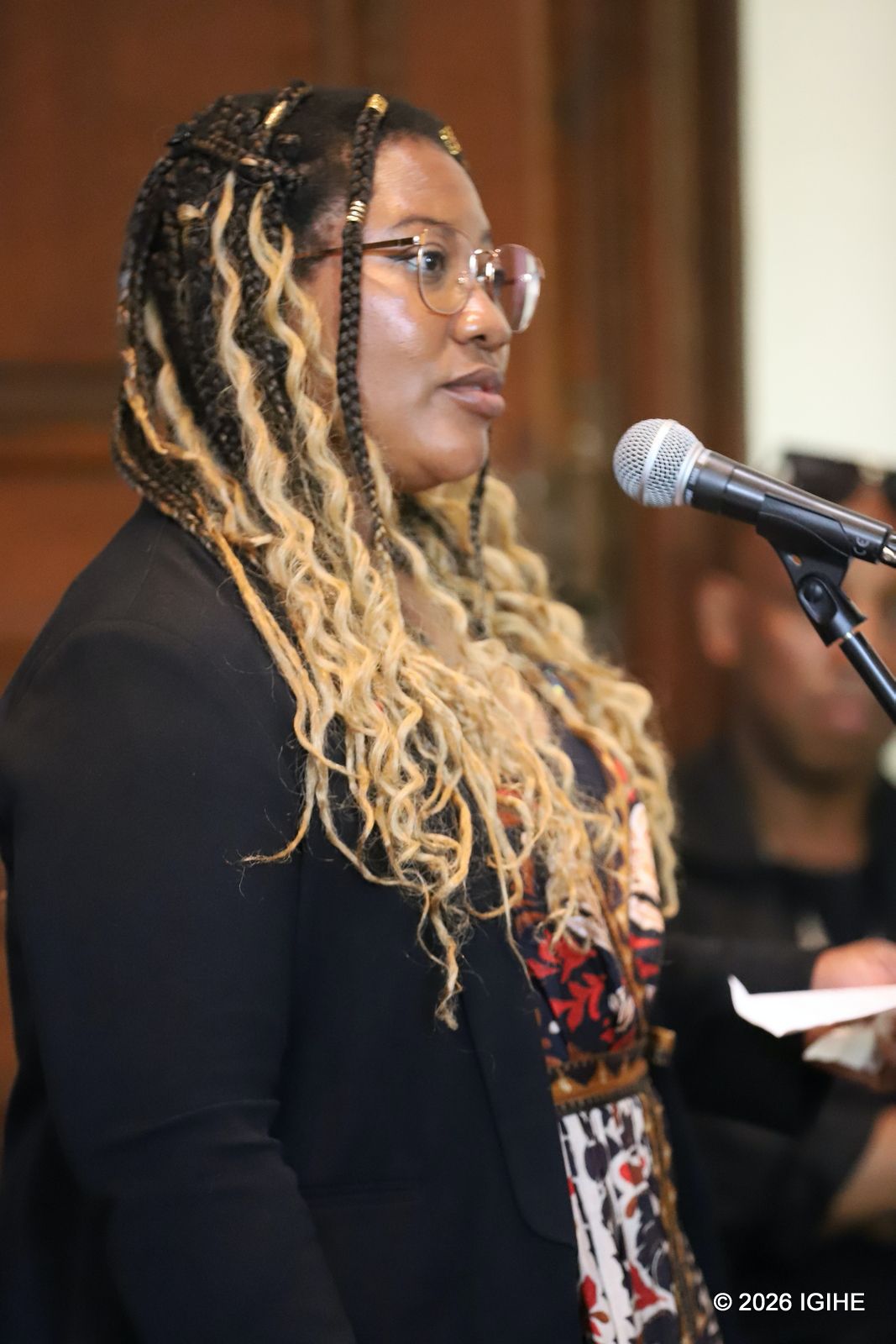
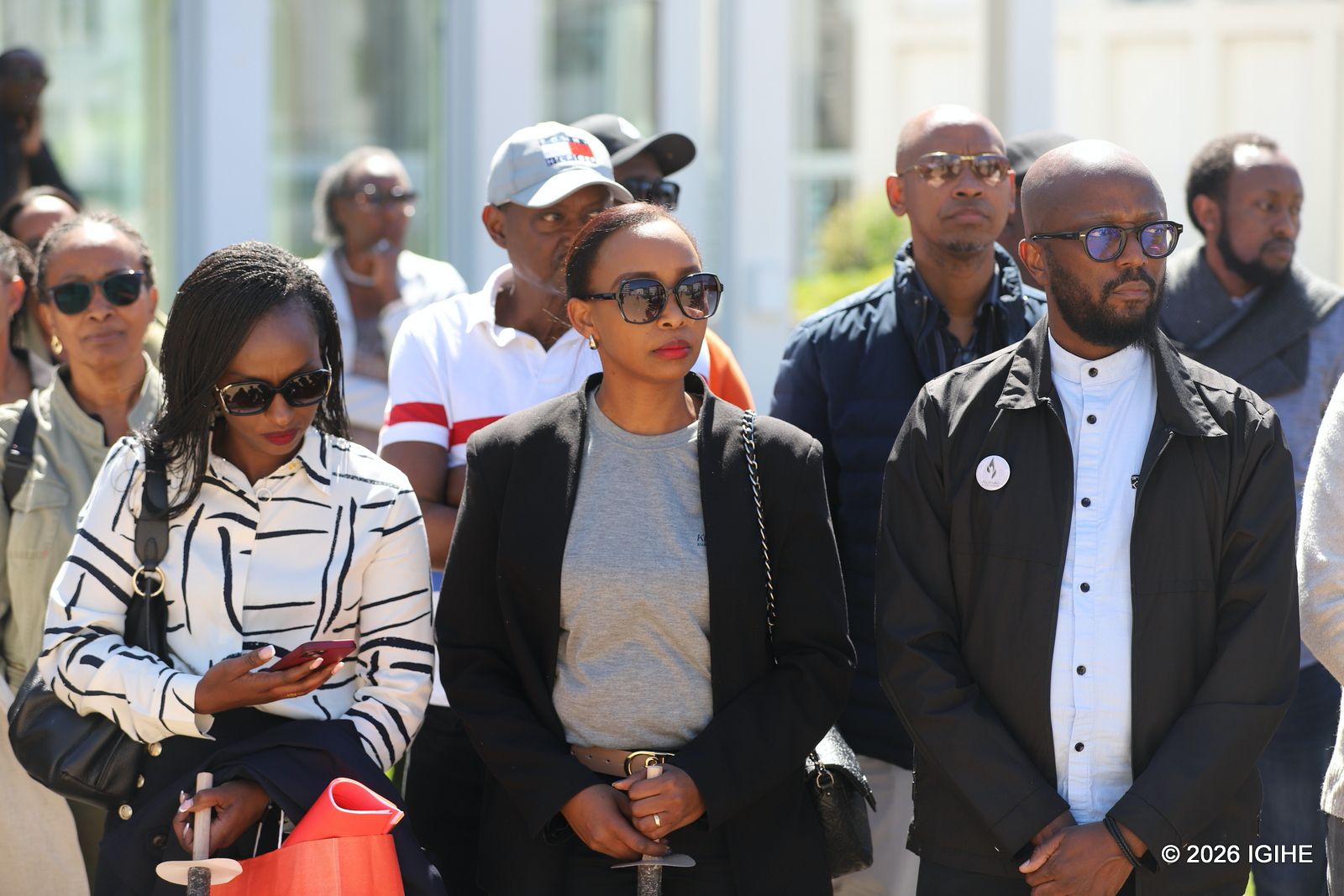
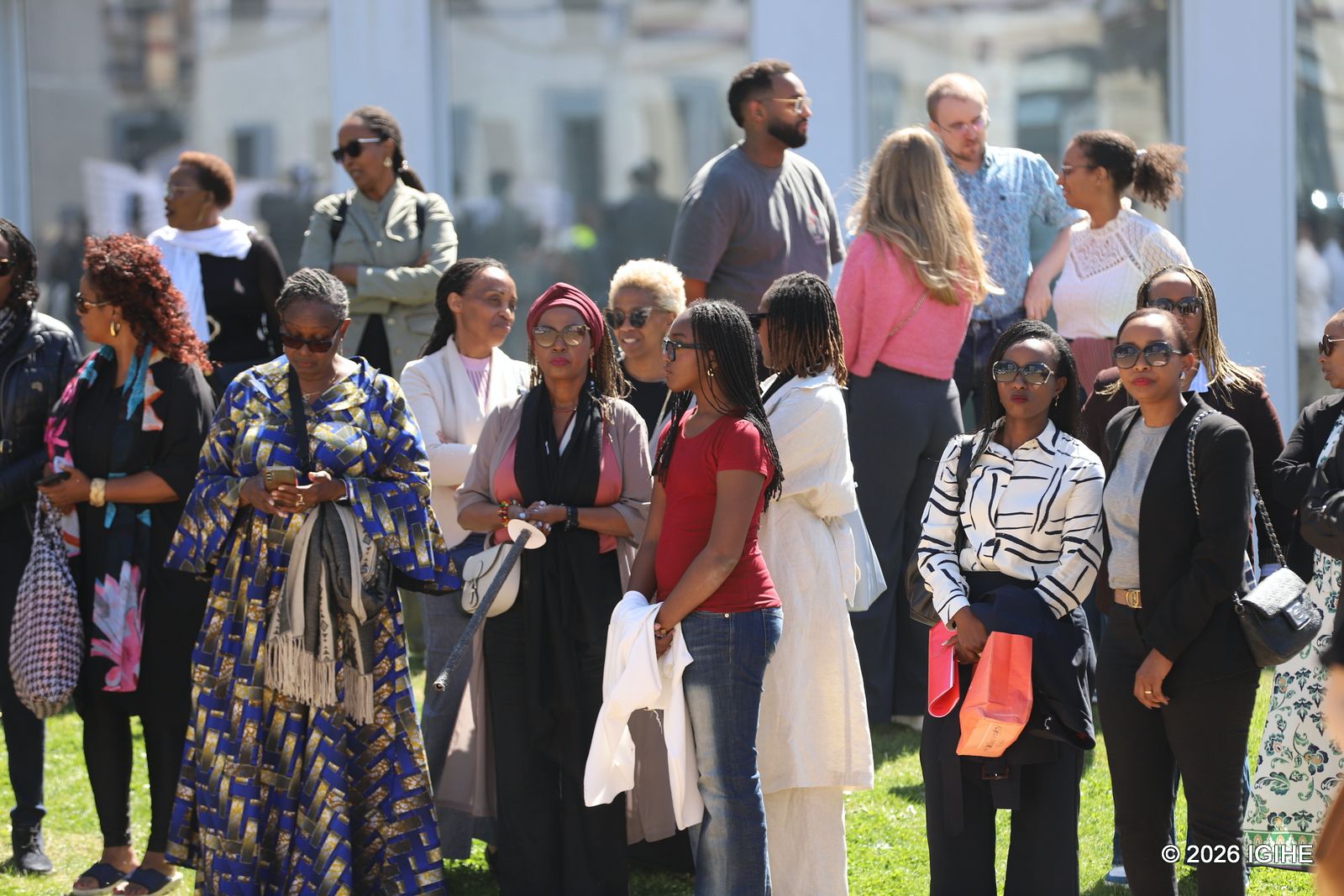
Claire Kayirangwa, representative of Ibuka-Memory and Justice-Belgium, thanked the organizers and participants, including friends of Rwanda.
“Your presence shows your commitment to ensuring that this history is never forgotten and that such a tragedy never happens again anywhere in the world. You have also come to support survivors and honor the memory of their loved ones,” she noted.
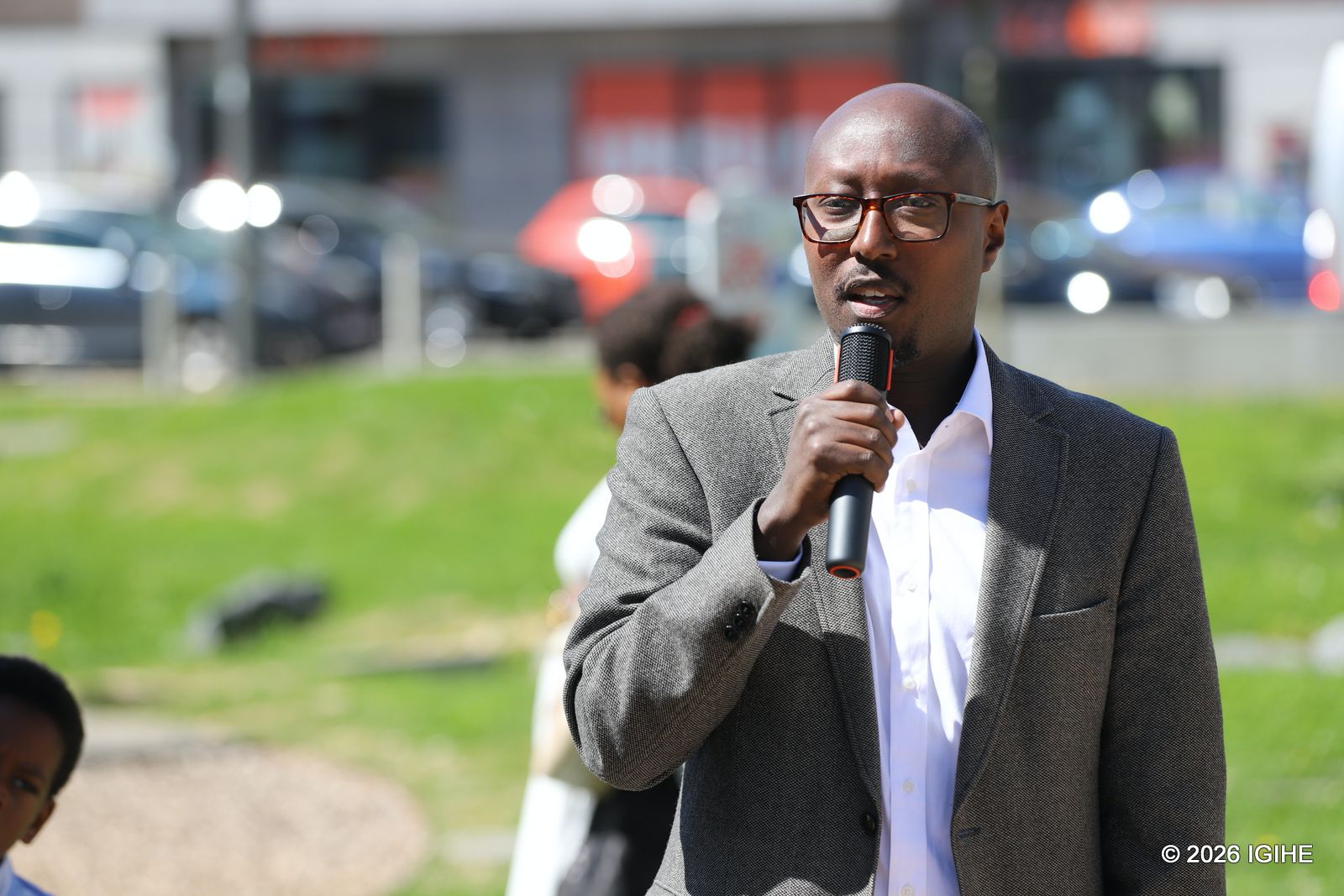
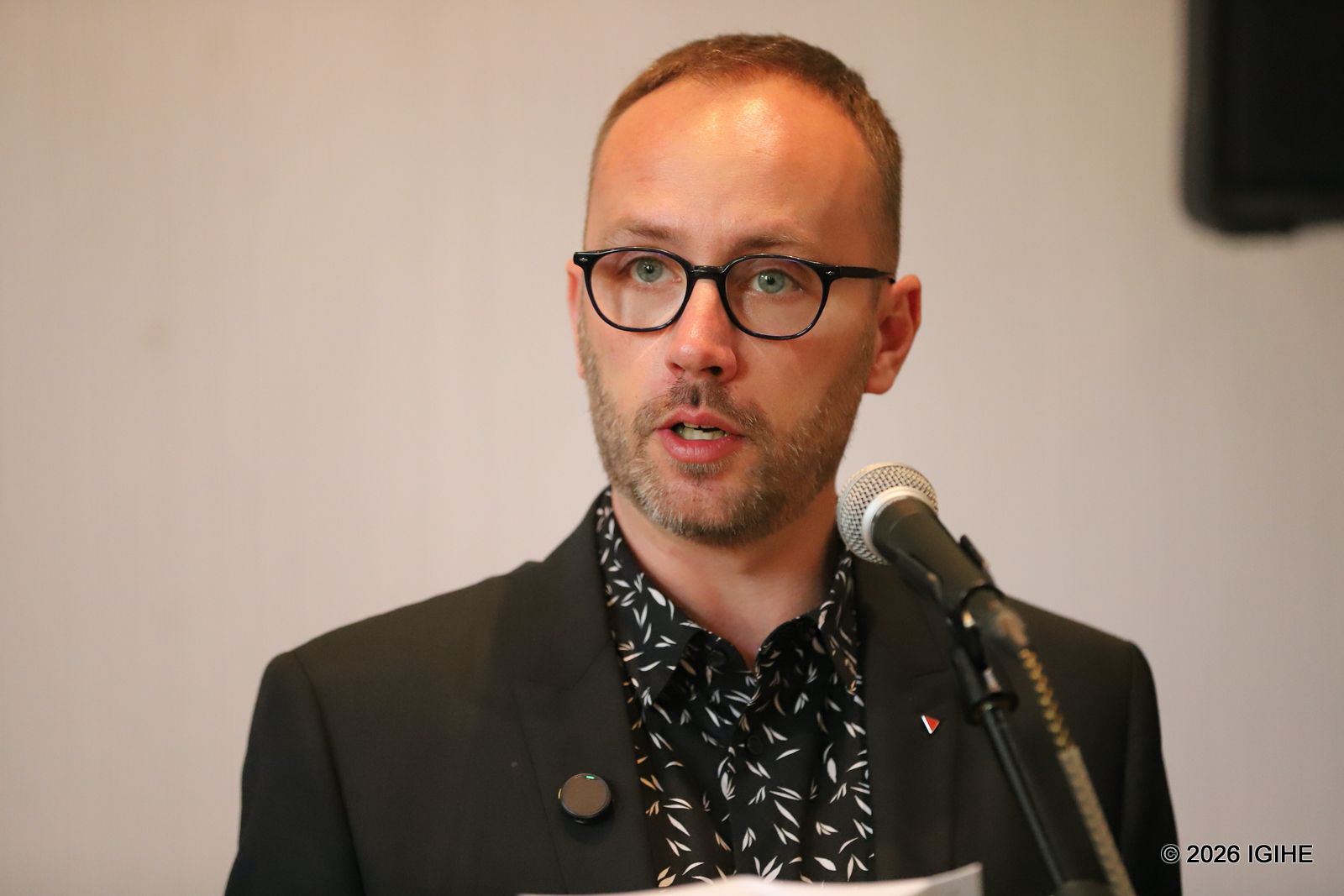
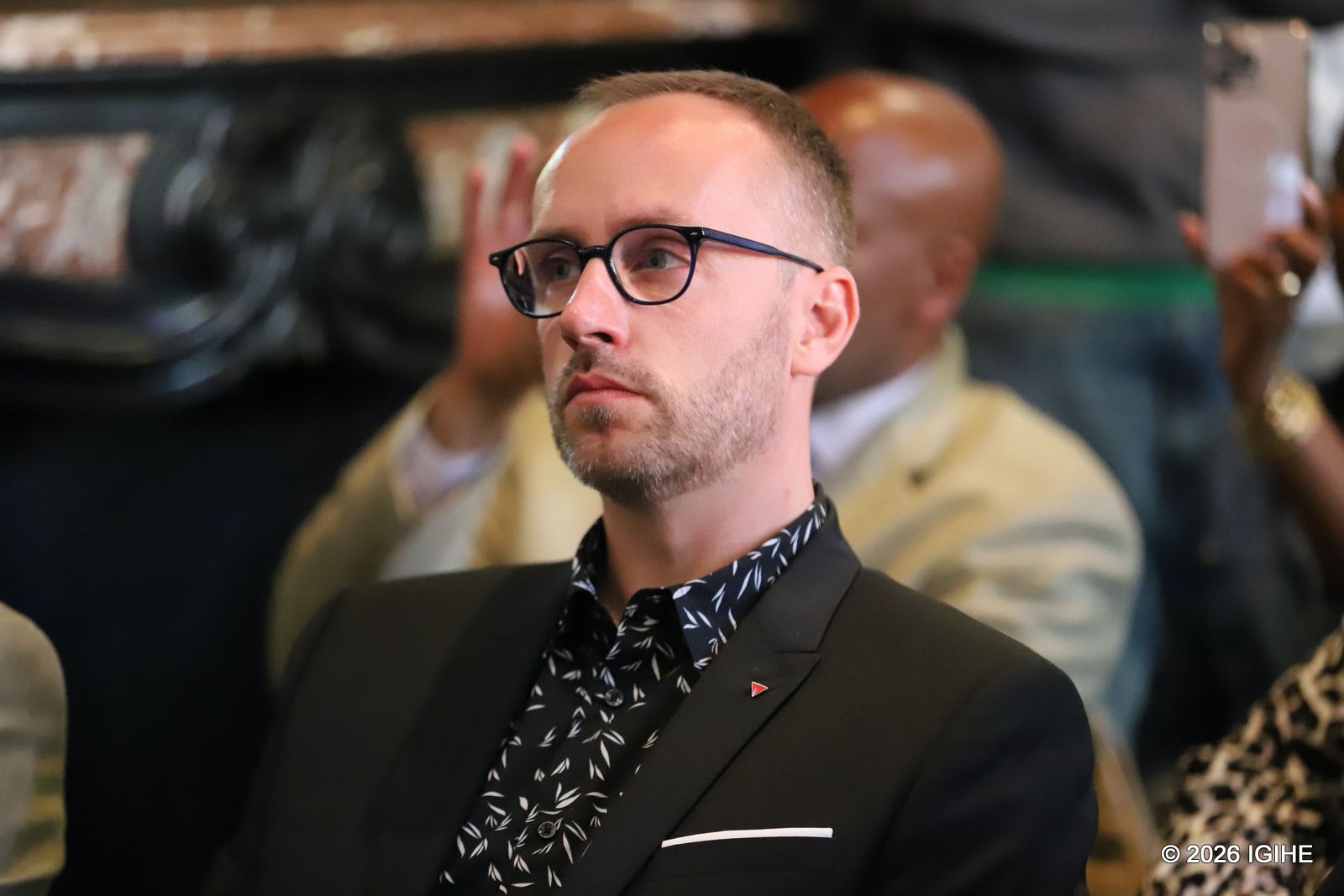
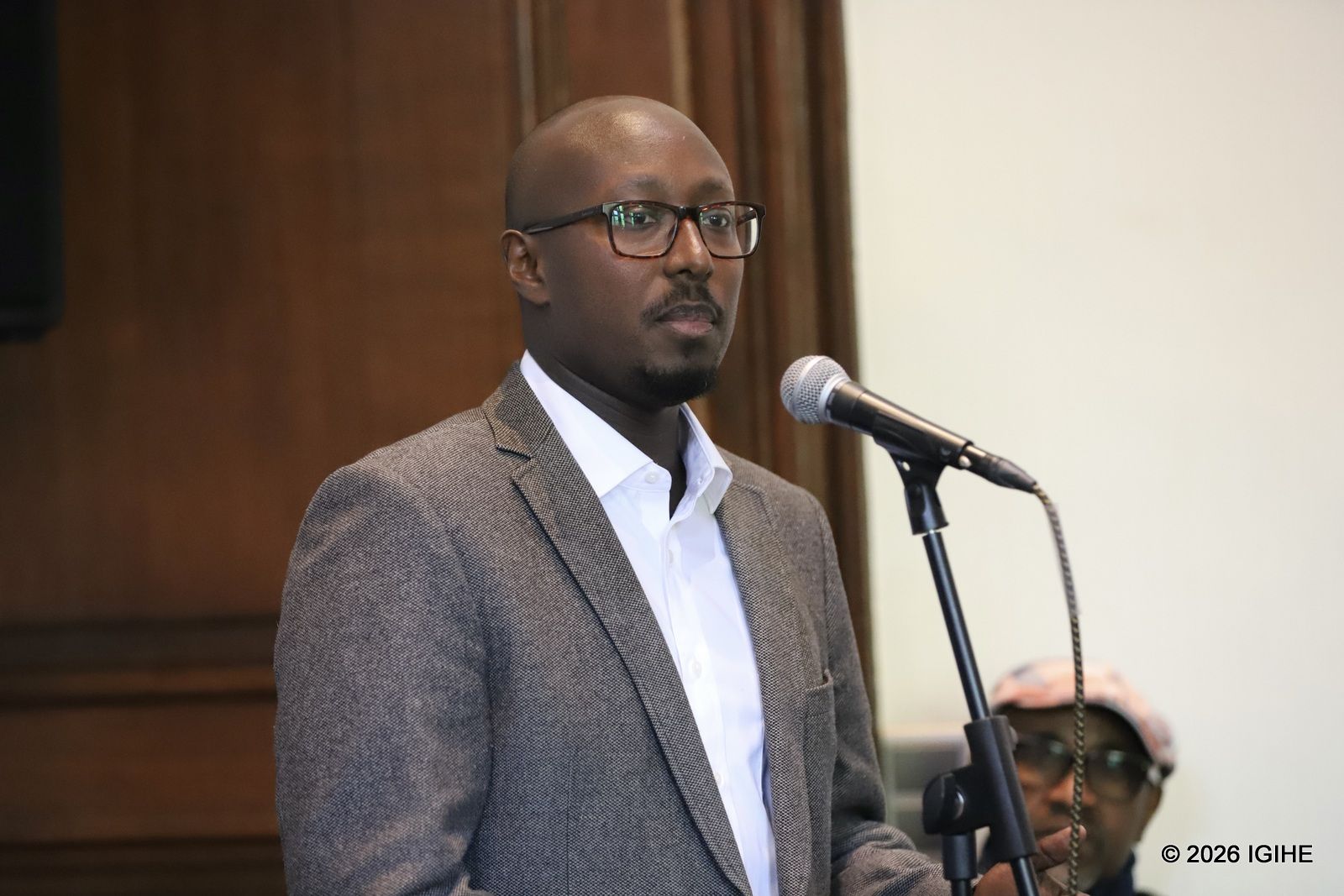
Speaking at the event, Michaël Bisschops, President of “Les Territoires de la Mémoire,” stressed that remaining silent in the face of such crimes is equivalent to a second killing.
“Keeping silent in the face of such barbarity is like killing a second time, as it allows it to happen again. Genocide does not begin with weapons, but with words that dehumanize people. Today is therefore a day to speak out, because we do not have the right to remain silent,” he said.
He emphasized that his presence from Liège reflected his commitment to preserving this memory and supporting survivors.
Akoeley Bernard, advisor at the CPAS of Namur, said she was only seven years old in 1994 and learned about these events through television.
“I could not understand how a human being could commit such acts. I felt a lot of anger and sadness, wondering why journalists were showing these images without being able to save the victims.”
She added that she later realized it was not only the media, but the entire world that had abandoned the Tutsi.
Akoeley also stressed that this tragedy is part of Belgium’s history, due to divisions inherited from the colonial period that contributed to the genocide.
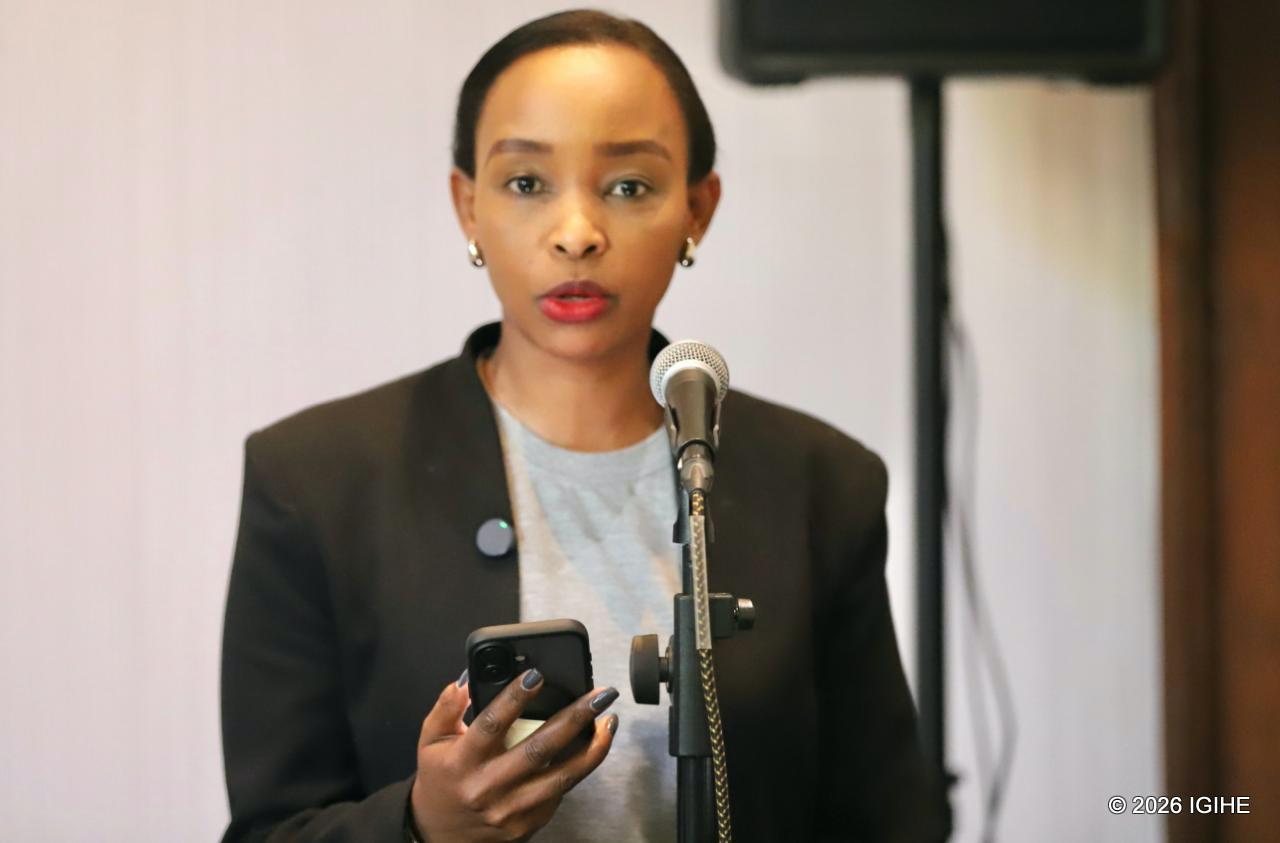
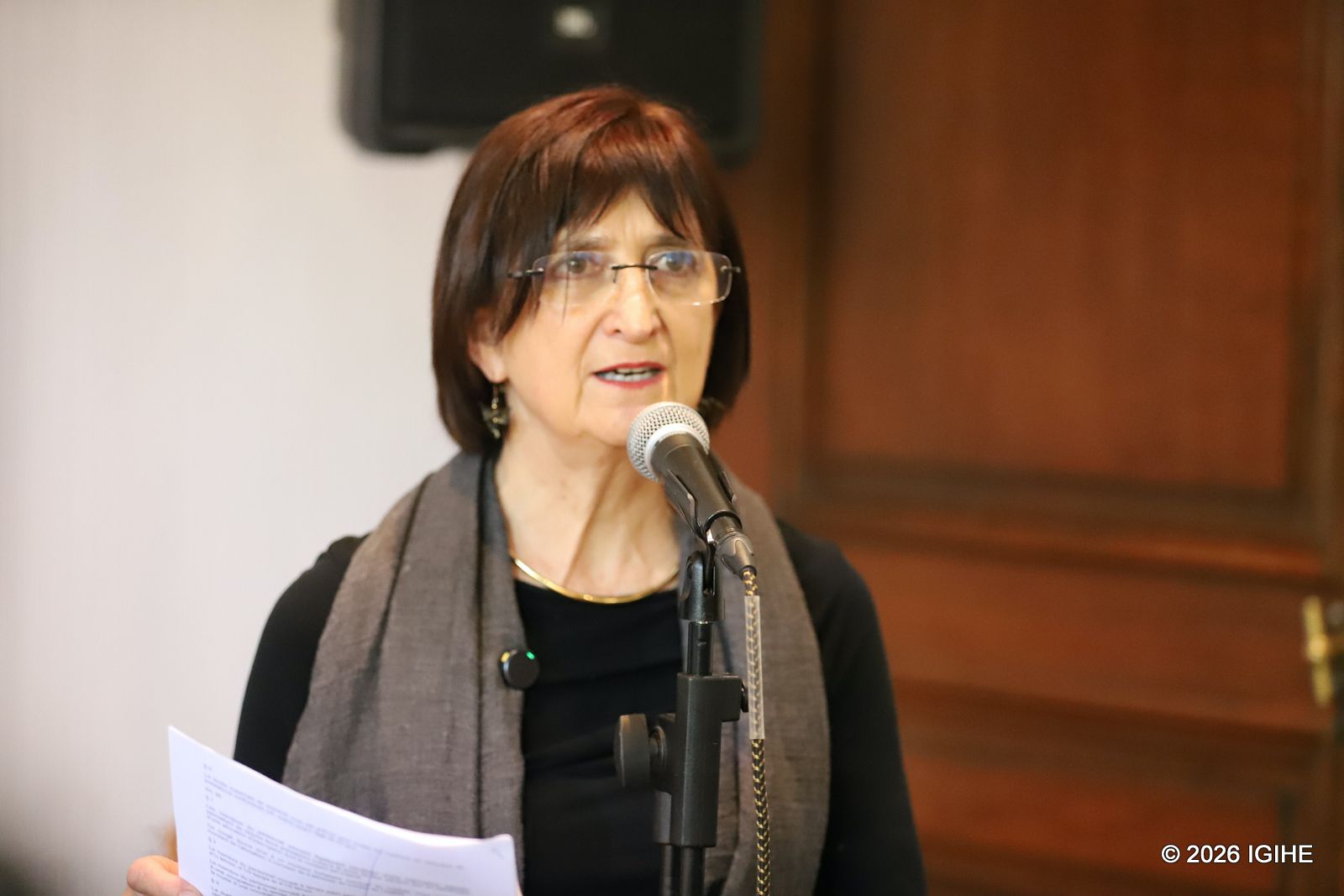
Dorothée Klein, President of the CPAS of Namur, stressed the importance of the commemoration held in the city of Namur to honor victims of the 1994 Genocide against the Tutsi.
She noted that the gathering served as a moment to honor the memory of more than one million people who were killed, explaining that entire families were destroyed while others were displaced and scattered across the world. According to her, such acts of remembrance are essential to ensure that similar tragedies are never repeated.
Klein emphasized that even though the events took place far from Belgium, it remains important for communities in Namur to remember and share testimonies. She underlined that silence is not an option in the face of such crimes, as forgetting would amount to a second injustice against the victims.
“Although words fall short in the face of such atrocities, silence is not an option,” she said. “We must continue to speak and to remember, so that the victims are not lost to oblivion a second time.”
Klein further warned that genocide does not happen suddenly, but develops gradually when discrimination becomes normalized and tolerated.
She called for continued vigilance, stressing that societies must actively resist all forms of exclusion and dehumanization to prevent history from repeating itself.
The event also featured testimony from Claire Ruyuki, a survivor of the genocide, who spoke about the loss of her family members and shared a letter her father had written to her, encouraging her to continue her education and remain strong.
“Today, I am alive and I have children. They are my greatest treasure. Testifying is essential,” she said.
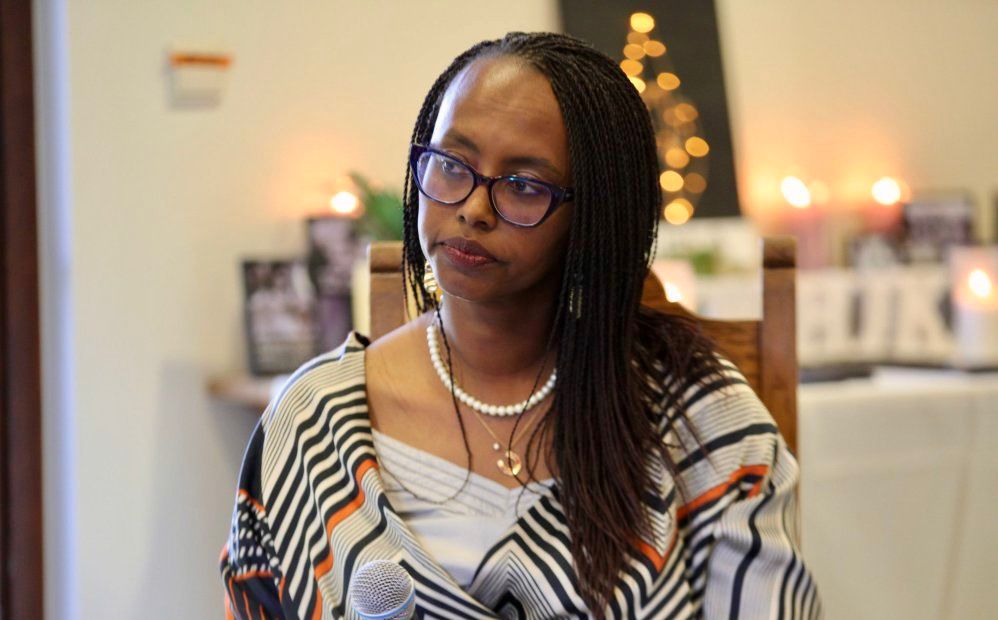
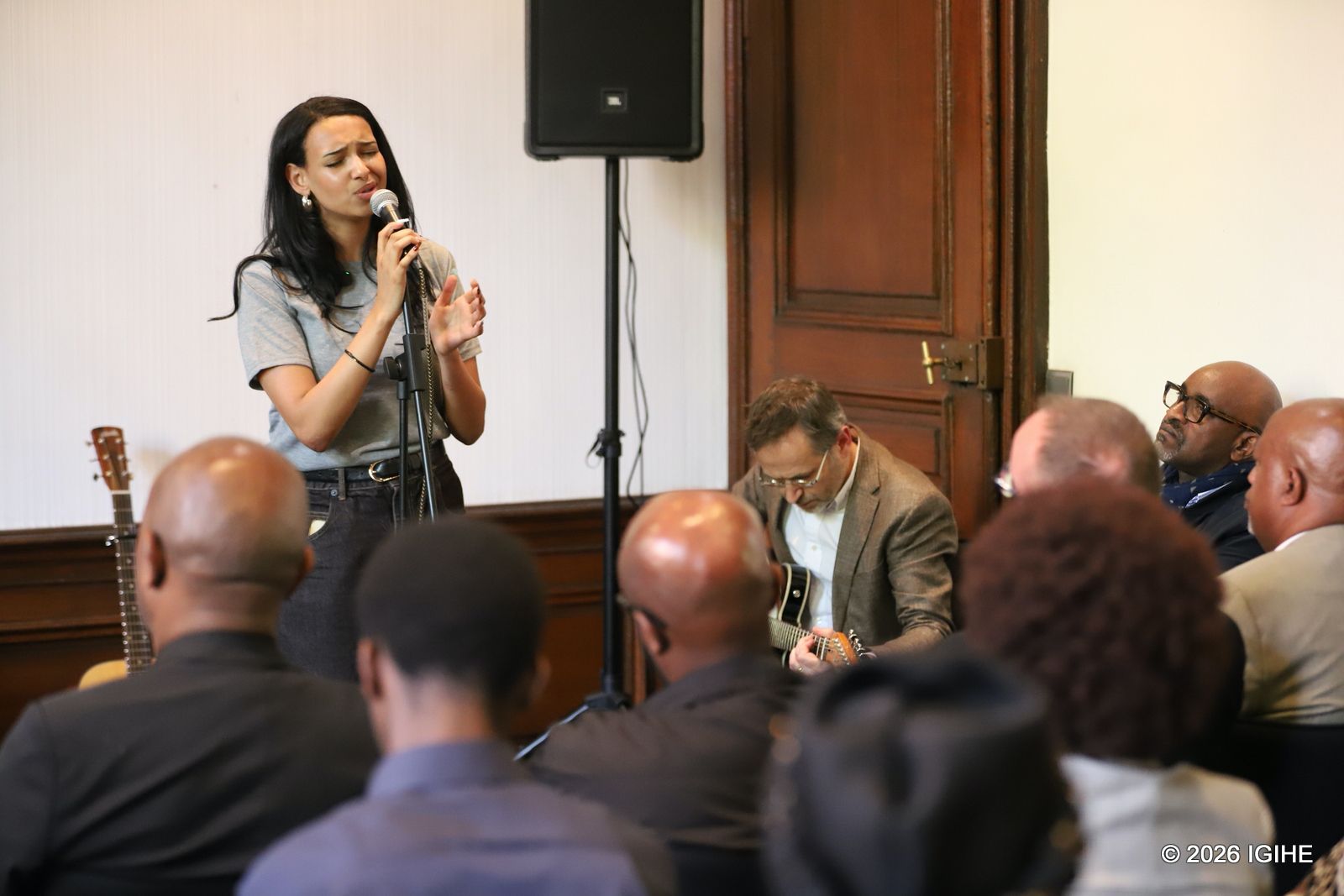
The day continued with an evening commemoration, including the screening of a testimony about the life of a genocide survivor, Providence Rwayitare, followed by a discussion with psychologists Annick Umutoni Rwampungu and Jacqueline Rwagatare.
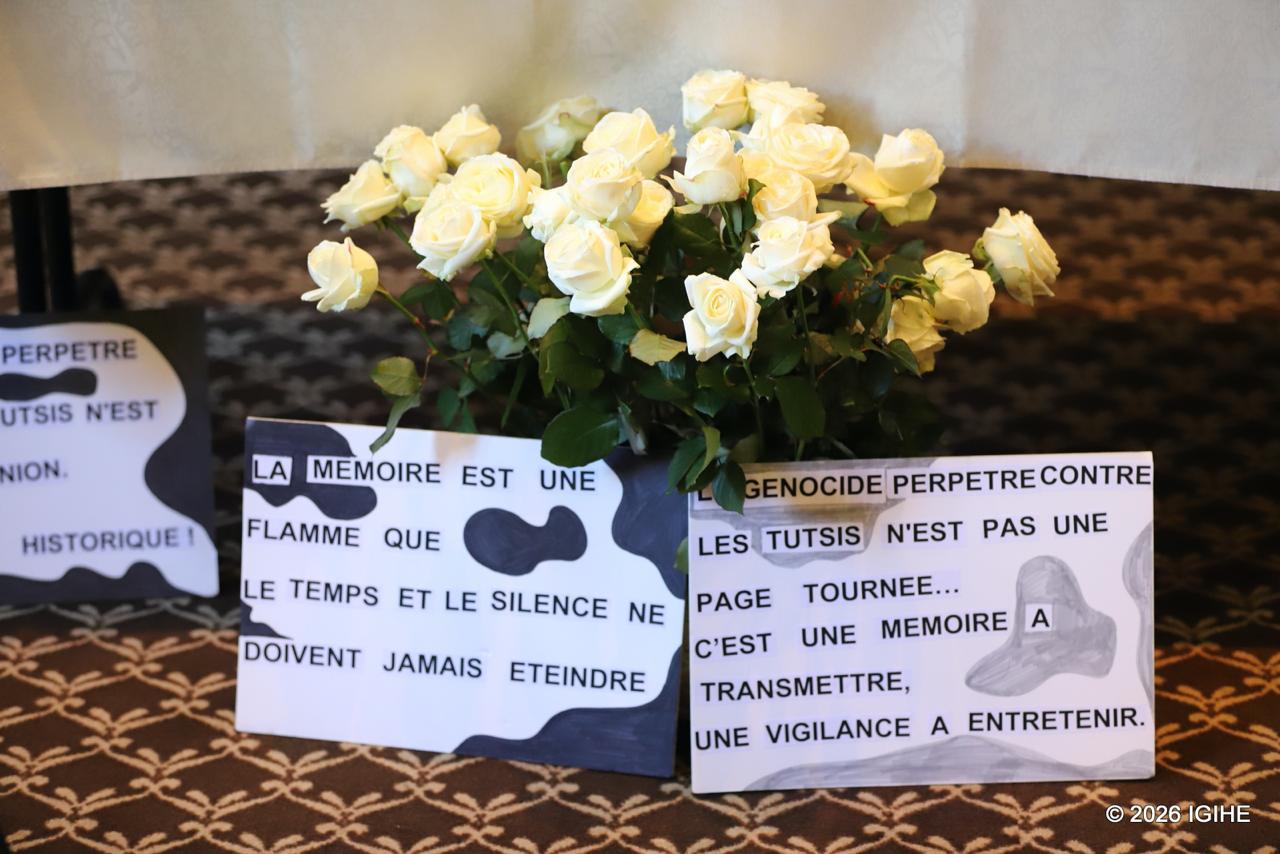
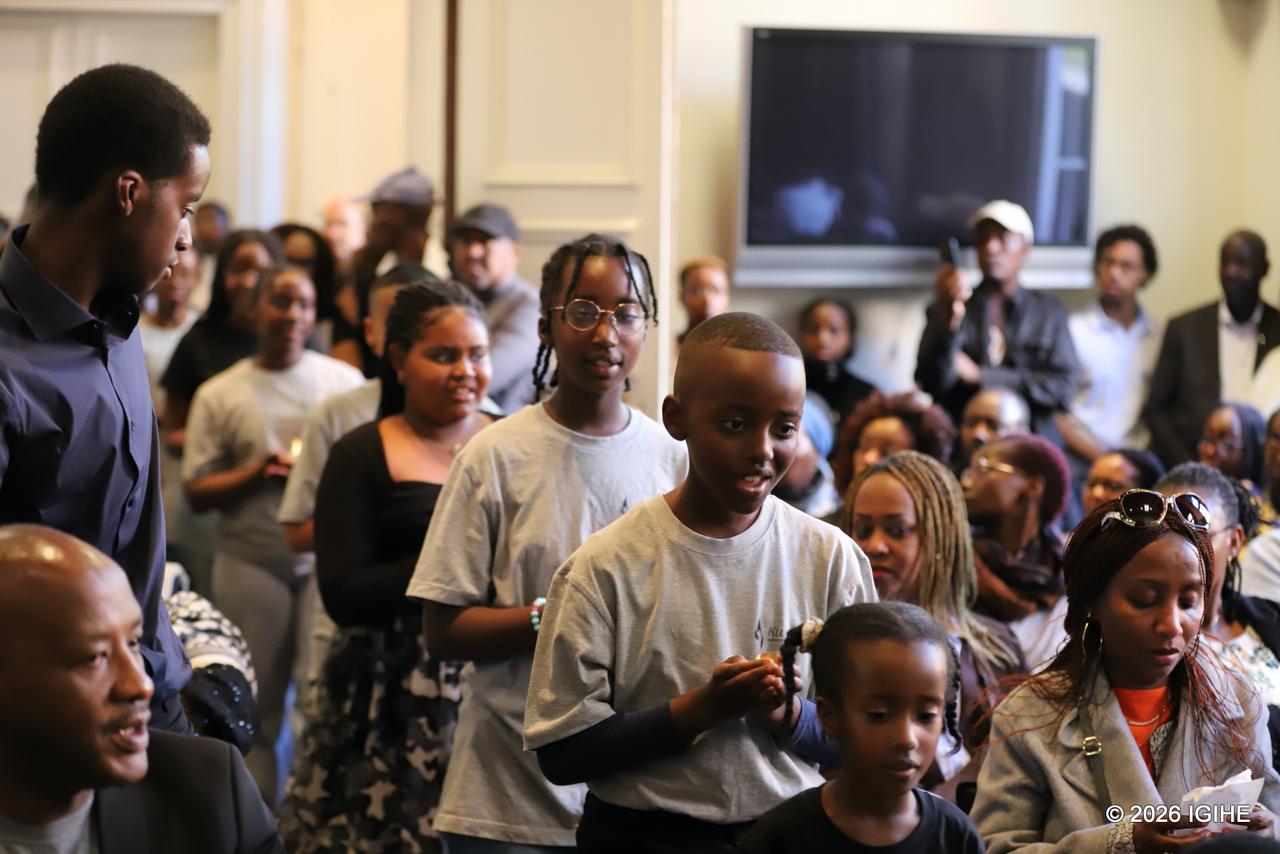
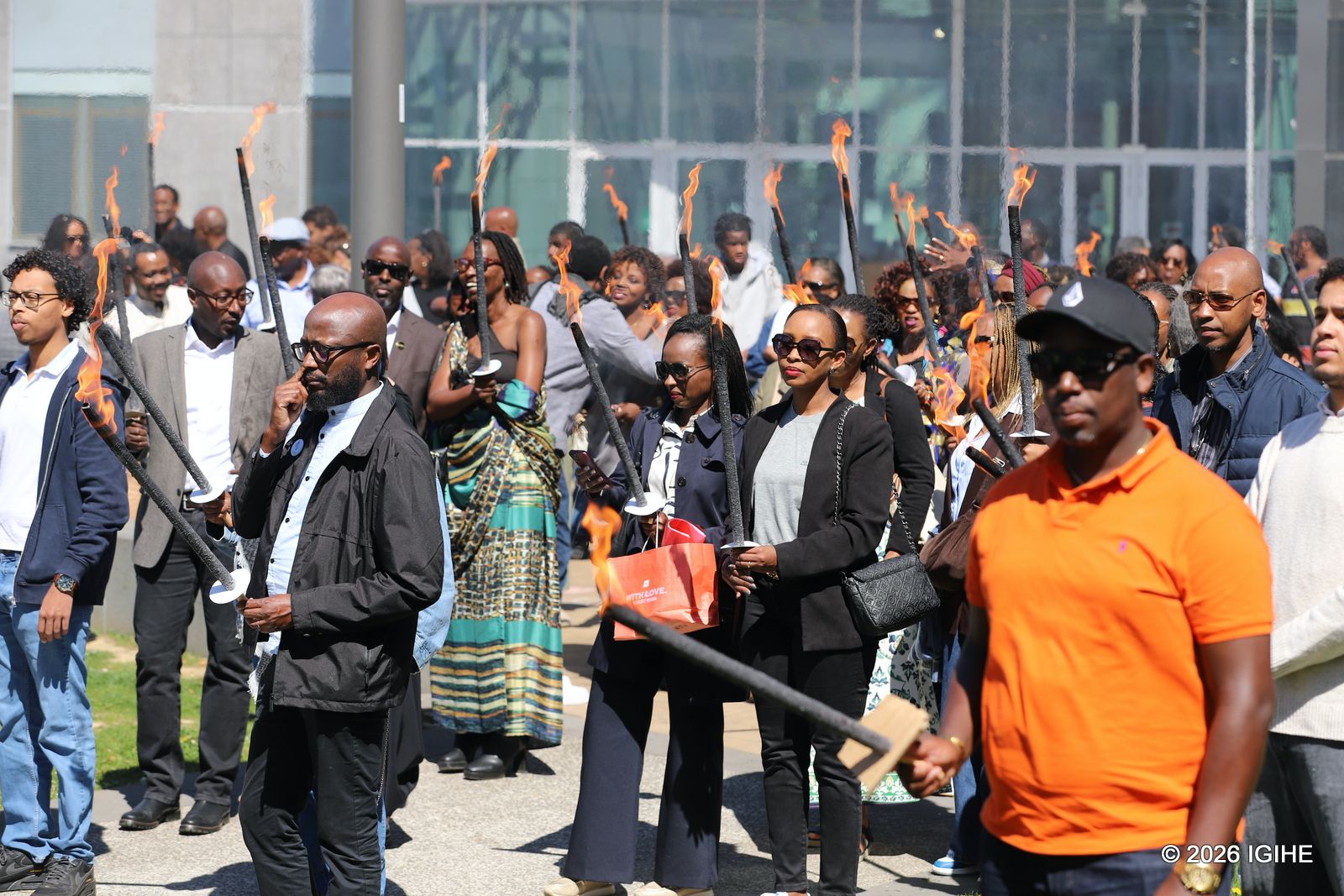
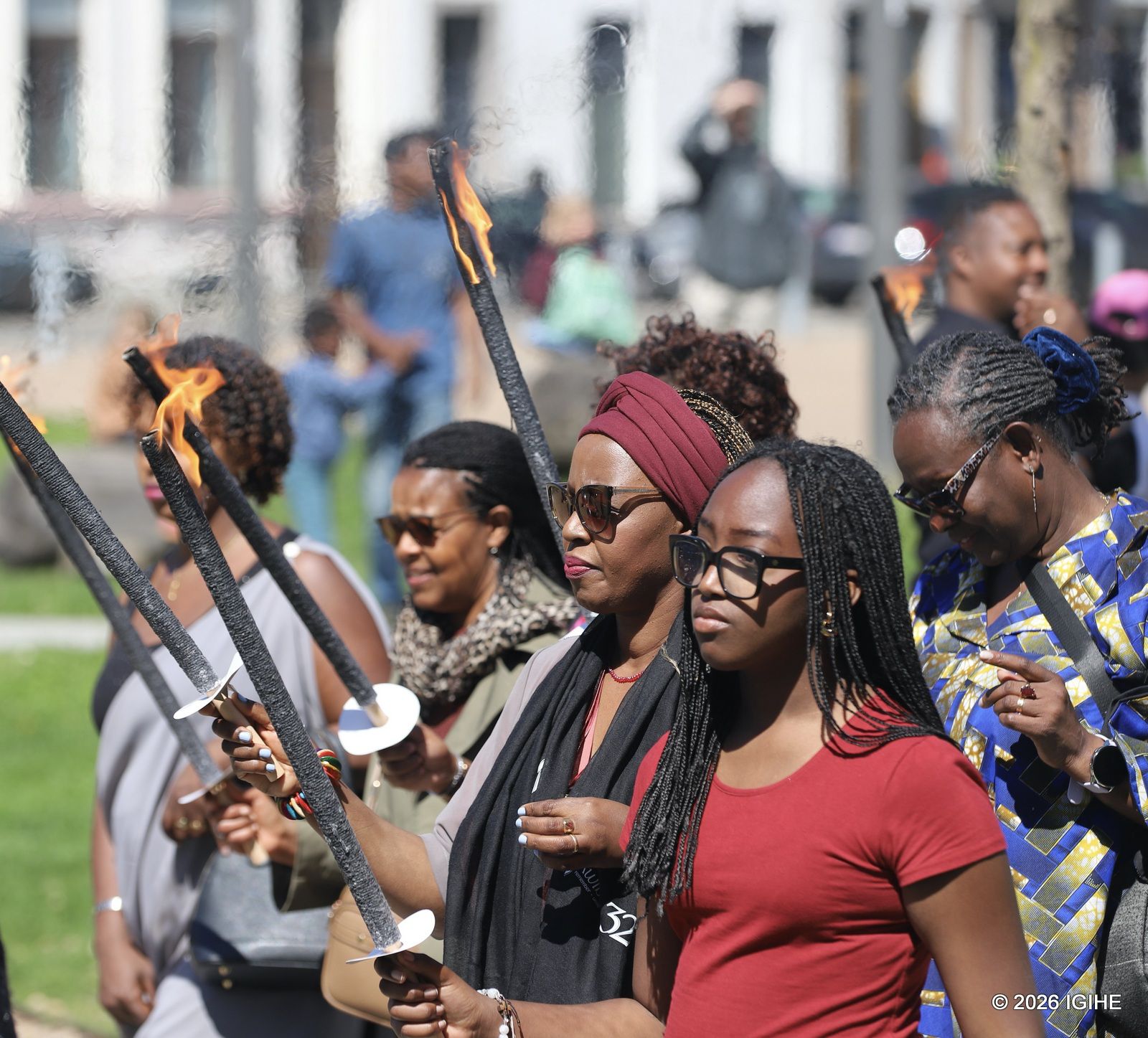
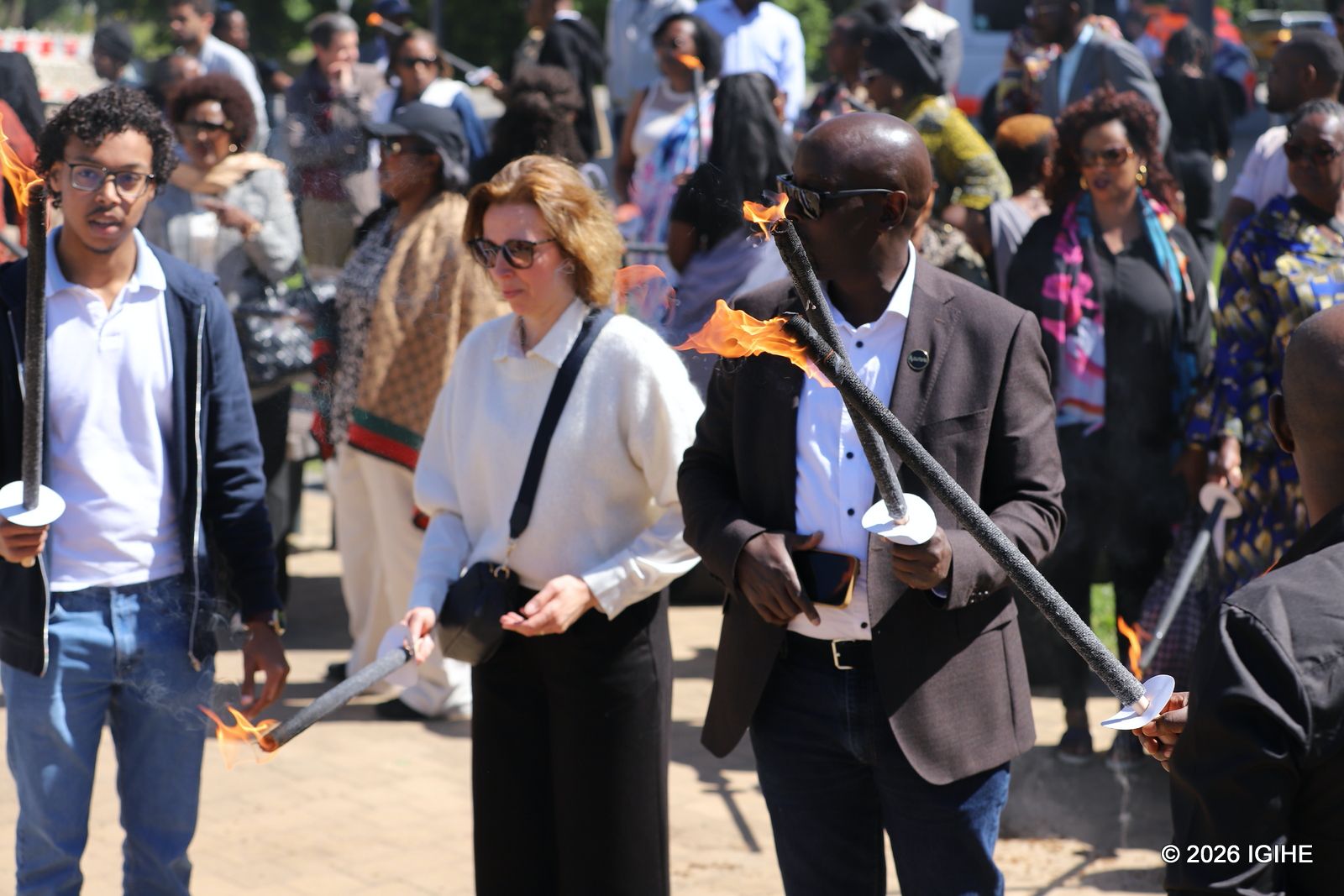
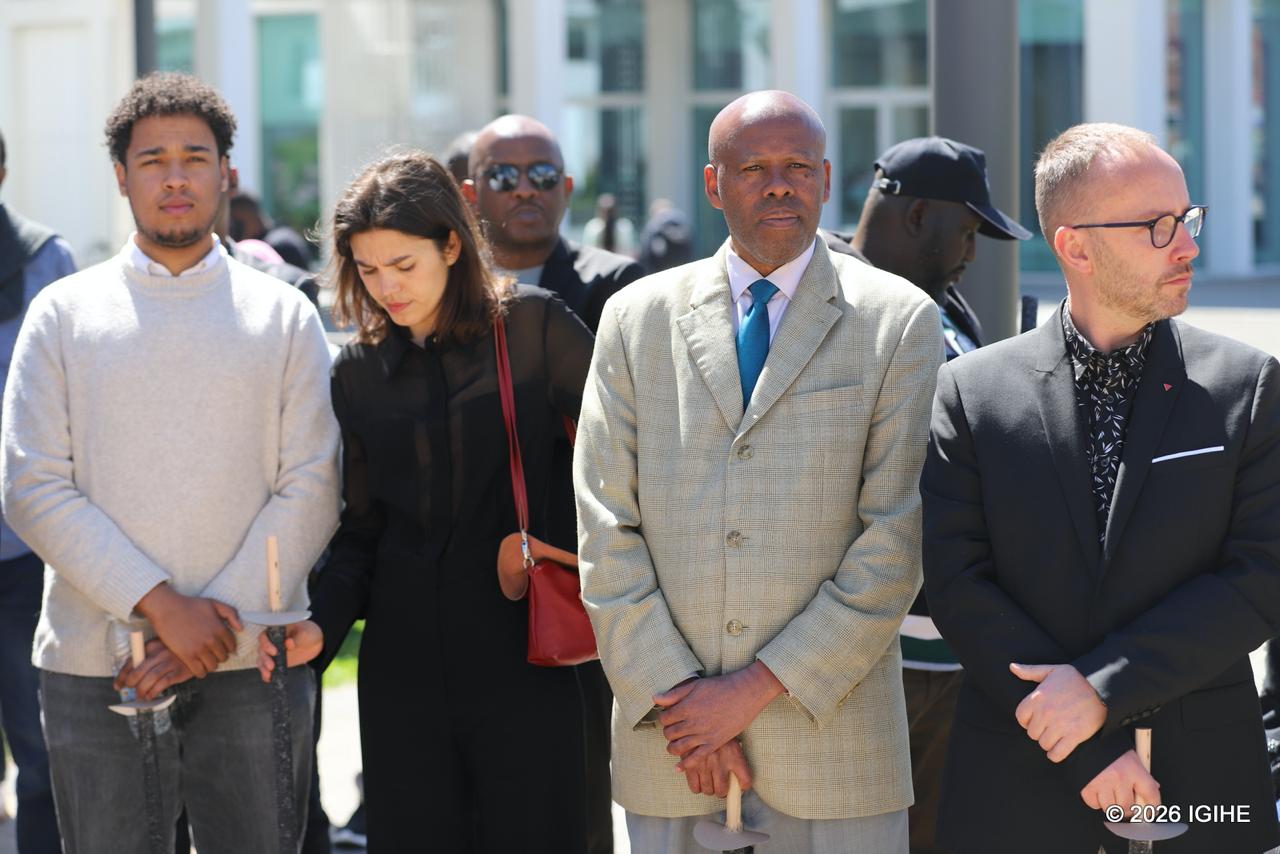
Finally, a remembrance vigil led by Miheto Tatien allowed participants to view photos of genocide victims and reflect on their lives to honor their memory.
The next commemorations in the coming weeks will take place in Louvain-la-Neuve, Mons, Antwerp, Tournai, and Leuven.






karirima@igihe.com
Leave a Reply