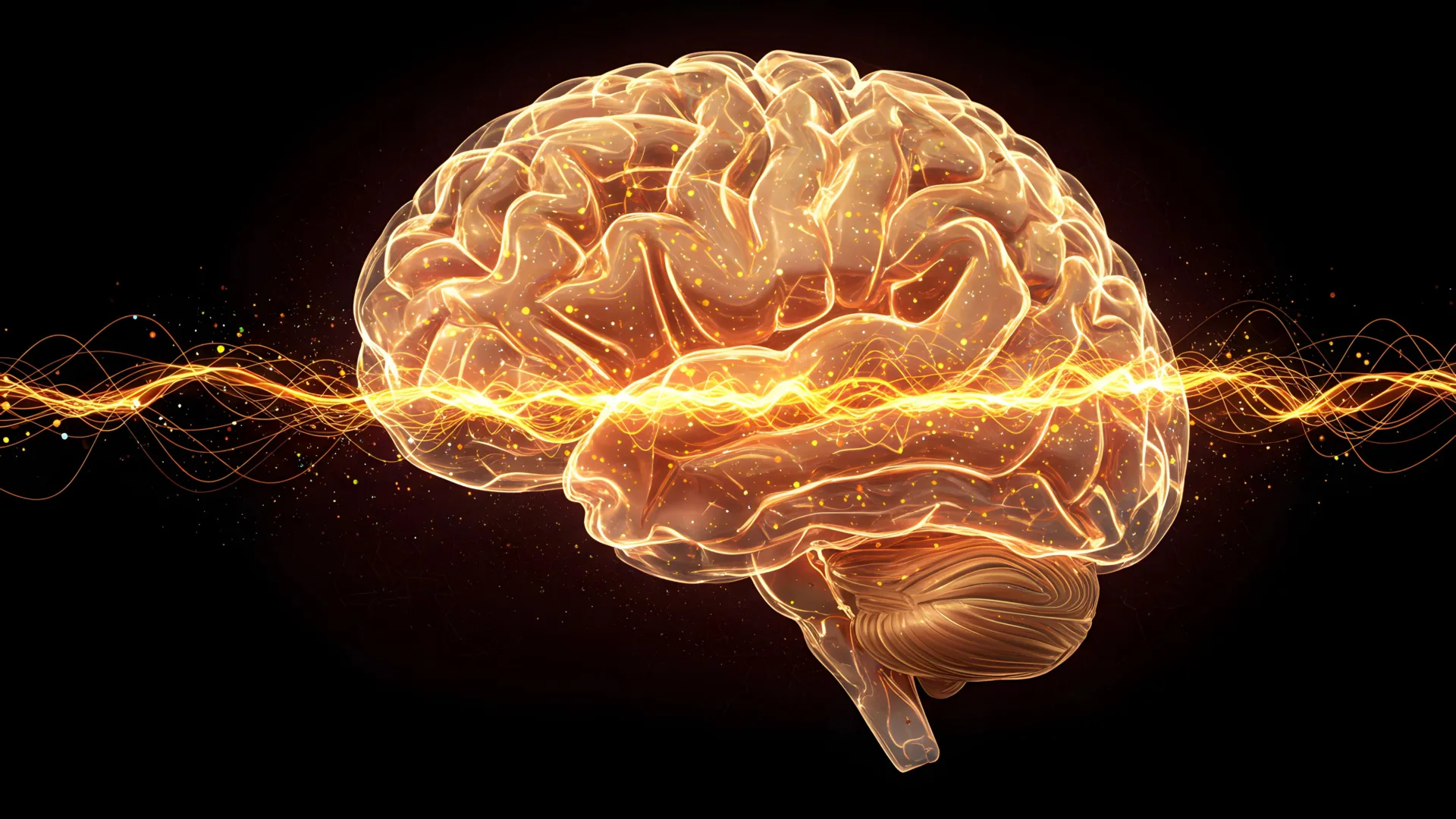
This breakthrough comes from researchers at the University of Colorado Boulder, who have found a small but powerful region of the brain called the caudal granular insular cortex (CGIC).
It turns out that this part of the brain might play a key role in deciding whether pain sticks around or fades away after an injury.
In their research, scientists found that when this part of the brain is activated, pain signals continue to be sent long after the injury has healed and that’s when pain can become chronic.
But if they could switch off this brain circuit, they found that pain would either stop or never even become chronic in the first place.
The cool part? They used advanced neuroscience techniques to pinpoint exactly how this area of the brain is linked to the rest of the nervous system. By turning off the CGIC’s neurons in animal models, they were able to stop chronic pain in its tracks. This could be a game‑changer in how we think about treating pain.
So, why does this matter? Well, many pain treatments, like opioids, try to block pain signals throughout the body, but they come with some pretty serious side effects, including addiction.
If doctors could target this specific part of the brain, it might allow them to treat chronic pain without those dangerous risks.
Instead of masking the pain, we could be looking at a way to actually stop the brain from sending the pain signals in the first place.
Though the research is still in its early stages (and has only been tested in animals so far), it’s a huge step forward in understanding why chronic pain sticks around.
This discovery suggests that chronic pain might not just be a physical issue, but something that the brain decides to keep sending.
If scientists can figure out how to turn that “switch” off, it could lead to new treatments that finally offer relief for those who suffer from long‑lasting pain.
Leave a Reply