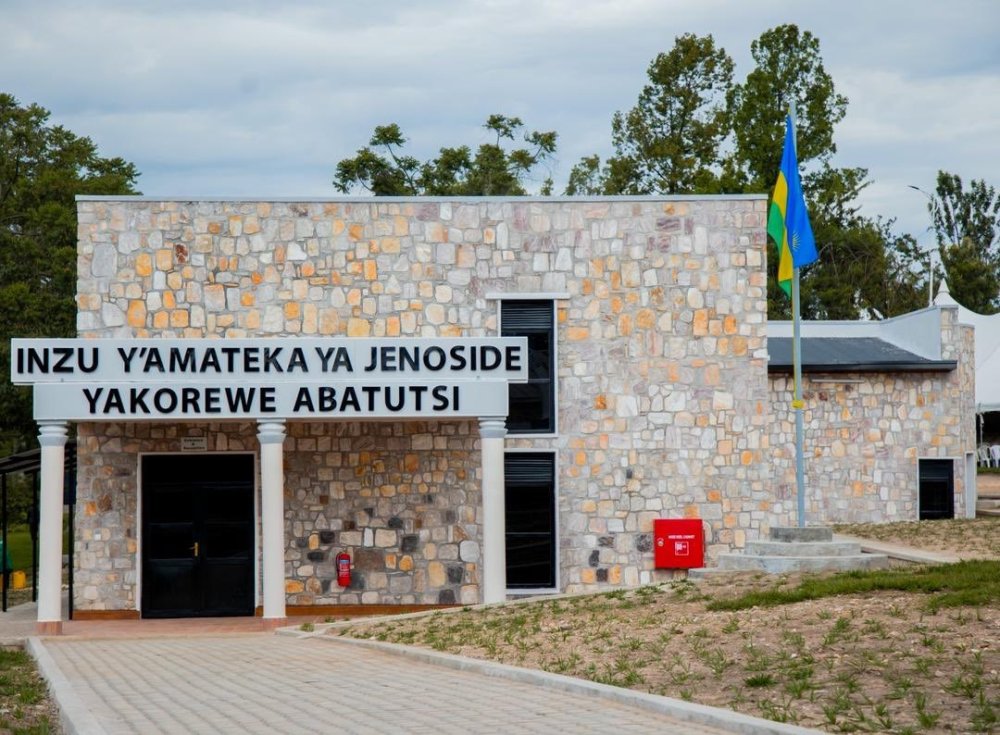
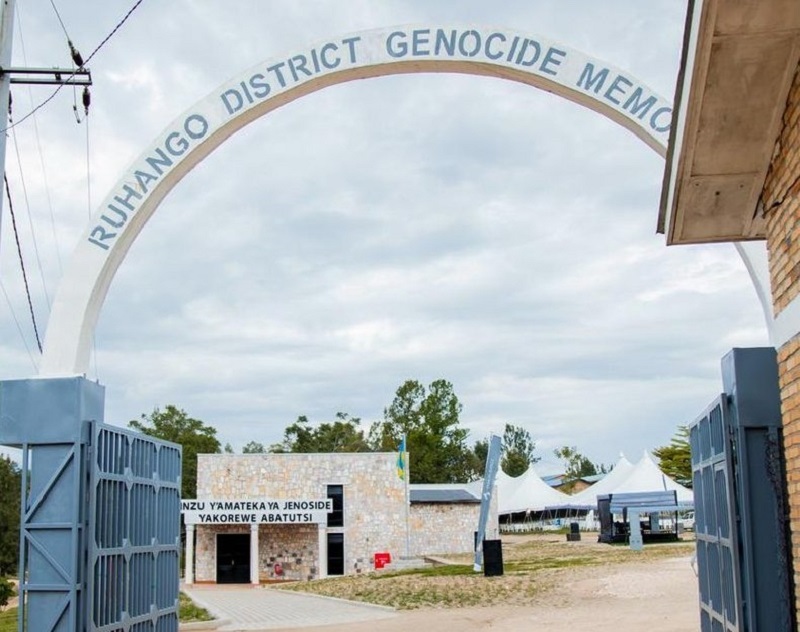
On April 26, 2026, during the commemoration of the Genocide against the Tutsi in former Commune Ntongwe (current Ruhango District and neighboring areas), survivors welcomed the completion of the center, saying it will help provide a clearer understanding of what happened in the area.
They noted that the building will highlight the brutality of the killings, how Tutsi in the region attempted to defend themselves, how the Genocide was stopped, and how survivors have since rebuilt their lives.
For survivors, the memories remain deeply painful. Innocent Munyawera, who was the only survivor in a family of ten, said the violence in the area was so extreme that it made him question humanity itself.
Speaking about events in Kinazi, he referred to accounts that some perpetrators from Burundi committed extreme acts of brutality, including killing victims and eating their hearts.
“When we talk about Kinazi, we refer to what happened here, including the fact that Tutsi were killed and their hearts were eaten by some Burundians,” he said. “This is part of our history. But those who did this, even if they appeared human outwardly, were not human in their actions.”
Munyawera called for the names of all individuals involved in the killings, whether prosecuted or not, to be included in the “Dark Room,” including Burundians who participated in the violence.
He said: “We have many Interahamwe militia who betrayed us, and we also have Burundians who betrayed us. Some were tried, others were not, but we feel that in this Dark Room, their names should be included because their hearts were dark. It should be as if they are confined there for a certain time because of what they did.”
Representatives of genocide survivors association in the area confirmed that the “Dark Room” will include names and photographs of individuals identified as having played major roles in the killings, with the aim of using the space for education, especially for younger generations.
They said the section will include Kagabo Charles, former mayor of Ntongwe Commune; Burundian refugees; sector leaders from the 13 sectors that made up the commune; and Nsabimana Jacques, also known as “Pirato,” who led the CDR party in Ntongwe.
It will also include Placide Koloni, former sub-prefect of Ruhango; soldiers including Hitabatuma Rukeragabiro; Kanyandekwe Zephanie, a councilor of Kareba Sector; Kageruka Aristarque; Ntintanguranwa; and traders Munyentama Simon and his brother Nahayo Florent.
Speaking about Nsabimana Jacques, survivors recalled his role in preparations for the Genocide: “We have previously spoken about Nsabimana Jacques during a commemoration evening, where it was discussed that a pit near CND was dug as part of genocide preparations. He was the one who instructed that it be dug while he was head of Rutabo A school, claiming it was a school latrine. But in reality, it was part of genocide preparation. He had it dug around 1992, and it later became a place where our people were dumped.”
“All those perpetrators will be placed in this Dark Room. They will be confined there,” Munyurangabo added.
He further explained that although some Burundians who came from Ntega and Marangara were considered refugees and stayed in Nyagahama camp, their presence in the area was not related to asylum, but part of what he described as a coordinated plan under the government of Juvénal Habyarimana to implement the Genocide against the Tutsi.
“The Burundians came and carried out population surveys, identifying where Tutsi lived. They set up different roadblocks and gradually began targeting people until the Genocide plan was fully put into action.”
The genocide history center is part of the wider Ruhango Genocide Memorial, where the remains of 63,293 victims of the Genocide against the Tutsi are buried. On April 26, 35 recently retrieved remains were given a dignified burial, as survivors renewed calls for continued efforts to locate and properly bury all remaining victims.
Leave a Reply