The Iran War Energy Cost Tracker from Brown’s Watson School says higher gasoline and diesel prices have cost the average U.S. household more than 760 dollars since the war began on Feb. 28.
The U.S. national average price for diesel rose to a record 5.90 dollars per gallon on Monday, surpassing the record 5.85 dollars set on Friday, according to the American Automobile Association.
Texas has borne the biggest share of the cost increase, with consumers paying around 11 billion dollars in extra gas and diesel costs since the war began. It is followed by California and Florida, at about 8 billion dollars and 5 billion dollars, respectively.
U.S. consumers are expecting a longer period of higher fuel prices than they anticipated when the war began, the tracker shows. The rising costs have translated into higher transportation expenses for many everyday goods. Some businesses have already passed those costs on to consumers in the form of additional fees.
Iran war has added 100 bln USD to U.S. consumers’ energy costs
Under a resolution approved by the Council of Ministers, national flags will be flown at half-mast at public buildings across the country as well as at Cabo Verde’s diplomatic and consular missions abroad during the mourning period. Public celebrations and performances will also be canceled.
The resolution took effect at midnight on Sunday.
Prime Minister Francisco Carvalho, who traveled to Fogo on Sunday along with the ministers of health and justice, said 25 people were killed and 14 others injured in the accident.
Carvalho said the government had set up a crisis response team and sent a 16-member medical team, including doctors and nurses, to Fogo to reinforce local medical services. The government is also in contact with international partners over the possible evacuation of patients requiring specialized treatment, he said.
President Jose Maria Neves also traveled to Fogo on Sunday, expressing solidarity with the victims’ families and calling for psychological support for those affected by the tragedy. He said the causes of the accident should be investigated to help prevent similar incidents in the future.
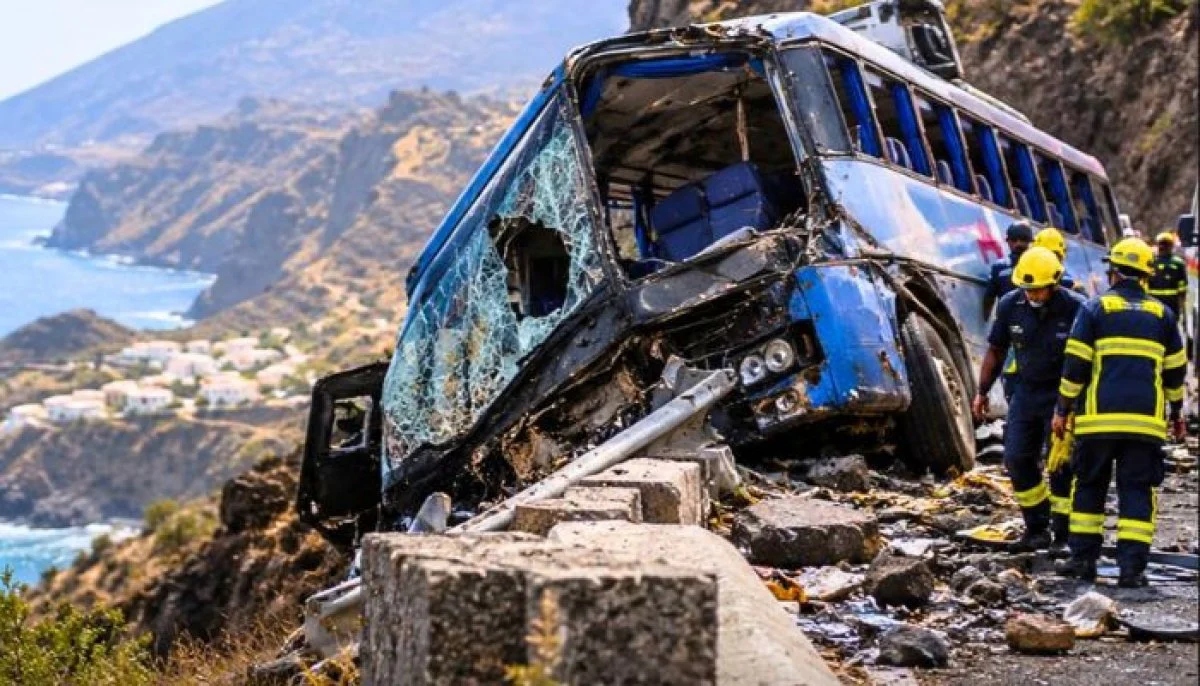
The accident occurred on Saturday when a passenger bus traveling between Cha das Caldeiras and Campanas de Cima on Fogo Island went off the road. The cause of the accident remains under investigation.
The government of Cabo Verde on Sunday declared two days of national mourning for the victims of a bus accident on the island of Fogo that killed 25 people.
In an interview with state-run IRIB TV, which was broadcast Sunday night, Rezaei said that the zone would extend from “the line where the U.S. naval blockade begins to the Strait of Hormuz region and inside the Persian Gulf on the other side (of the strait).”
Ships that enter the zone without coordination with Iran, he added, would face sanctions affecting their insurance coverage and future passage through the waterway.
Rezaei framed the move as part of a broader strategic shift in Iran’s approach to war and diplomacy, aiming at increasing pressure on Washington.
The security official stressed that the Strait of Hormuz is completely closed, dismissing the U.S. claim that ships and oil tankers are crossing the waterway as a “lie.”
While acknowledging that some vessels attempt to cross the strait via a route near Oman, often switching off their navigation systems to evade detection, Rezaei said most of those ships “receive blows.”
Yet he added that Iran does not intend to sink them for now due to environmental concerns.
Rezaei further revealed that Iran had test-fired for the first time a domestically developed anti-destroyer missile above a U.S. aircraft carrier 48 hours ago, describing it as a warning that the U.S. naval blockade is vulnerable.
“The special missile created a hell for the Americans, and they fled,” he said.
Rezaei said the Strait of Hormuz would remain closed unless the United States takes practical steps to fulfill its obligations under a peace memorandum of understanding signed between Tehran and Washington in June.
In the coming days, he added, a new international corridor designated by Iran and Oman for passage through the strait would be announced, emphasizing that the corridor would be under Iran’s management.
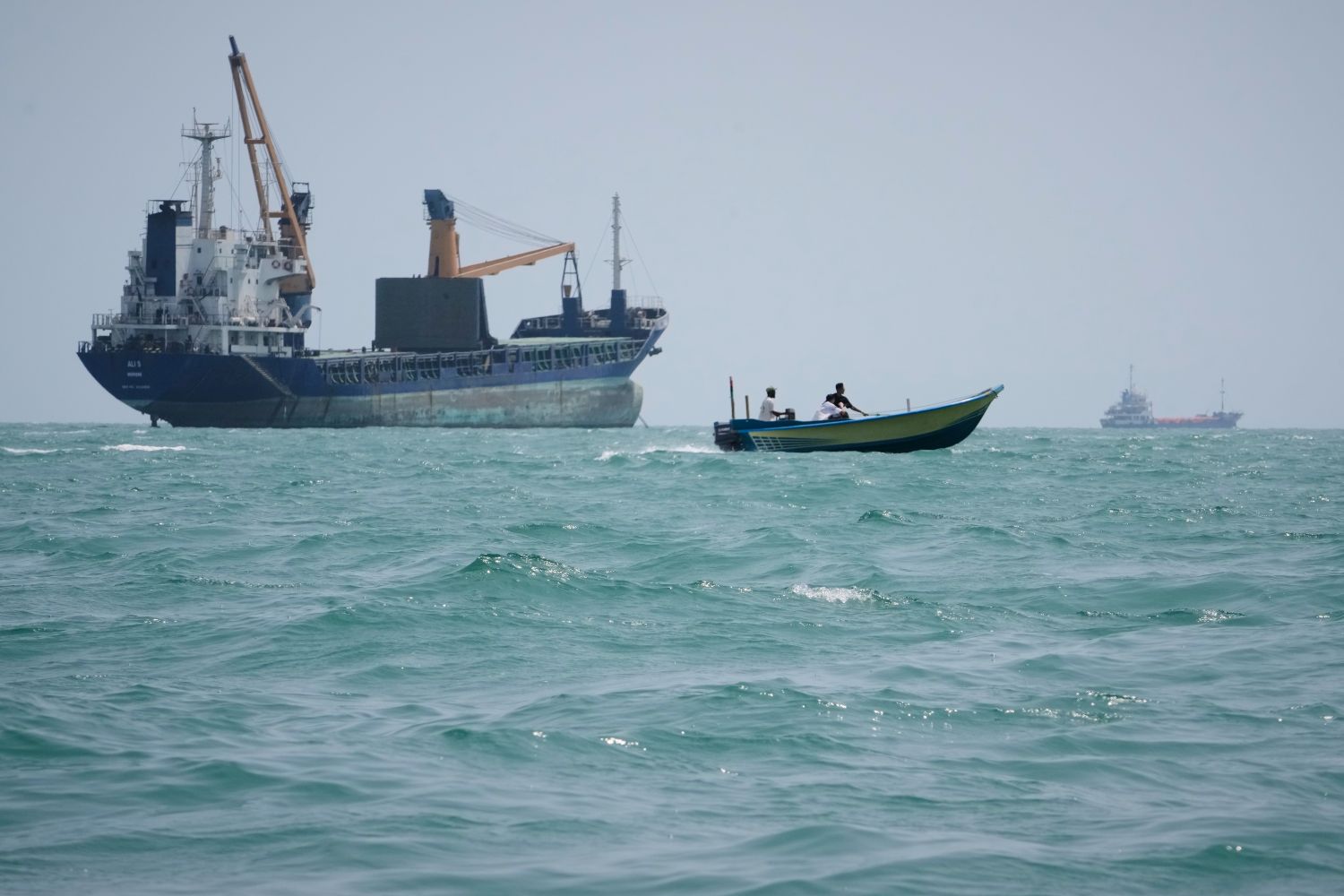
Following U.S.-Israeli strikes on Iran on February 28, Tehran restricted passage through the Strait of Hormuz, while U.S. forces imposed a naval blockade targeting vessels traveling to or from Iranian ports and coastal areas.
A motorboat passes a general cargo ship anchored in the Strait of Hormuz off Bandar Abbas, Iran, September 6, 2026.
According to the latest details released by police, as many as 1,344 bodies had been recovered by 5 a.m. local time Saturday.
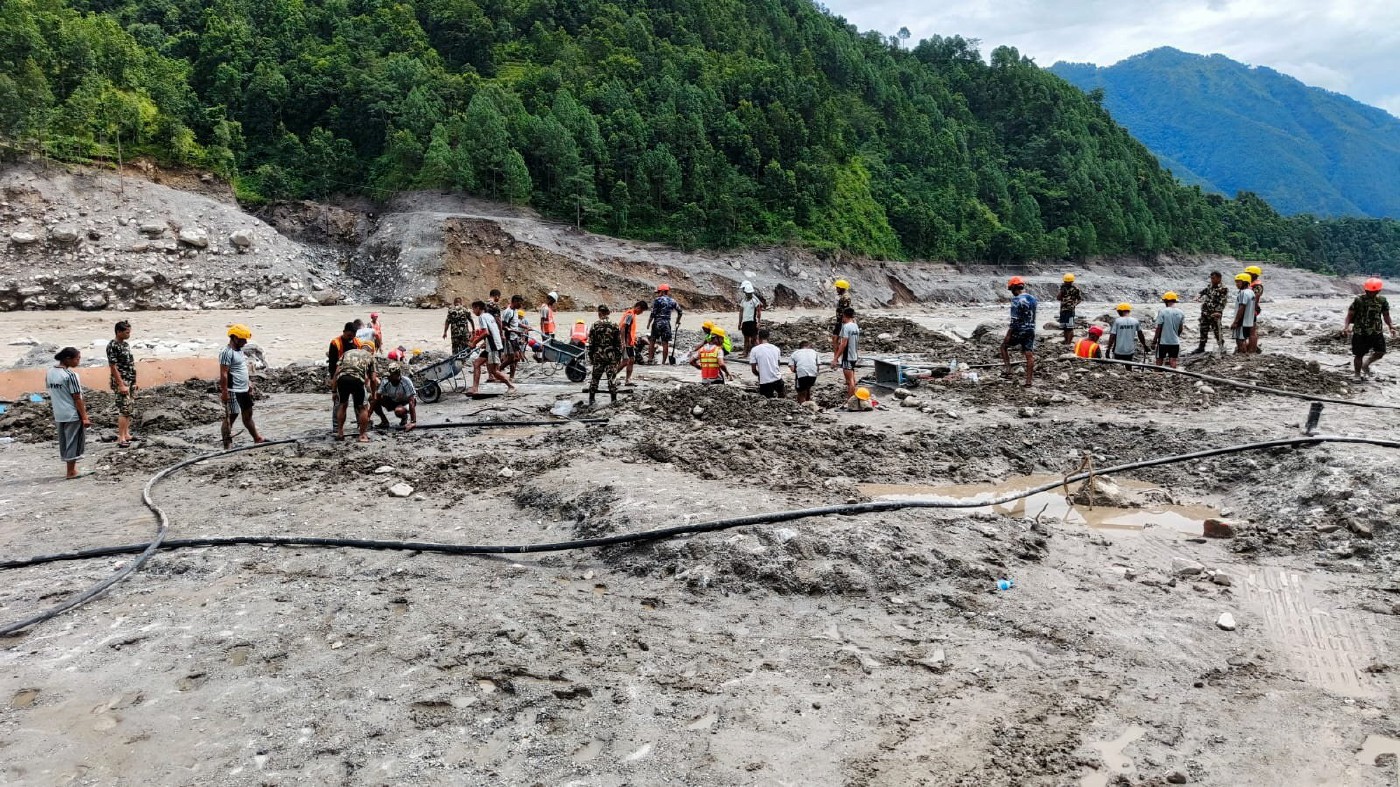
Police said 4,898 people remained out of contact as of Saturday morning, and 8,631 people have been rescued so far, as security agencies continue search and rescue operations in the mudslide-affected areas.
Authorities have also intensified efforts to identify bodies through DNA testing. DNA samples have been collected from 1,260 deceased people and 972 relatives of the deceased, bringing the total number of samples collected to 2,232.
Nepal army soldiers work during a search and rescue operation outside a tunnel near the Hydropower Project sites, following deadly flash floods and mudslides
“We may hit Pickaxe very soon,” Trump told reporters at the White House, referring to the underground facility where Washington says Iran has moved some of its stockpile of highly enriched uranium.
Meanwhile, Trump tried to downplay the conflict with Iran, arguing that it was not a war. “It’s a military conflict, but it’s very intermittent,” Trump said, though he has repeatedly described the conflict as a “war” while avoiding the term at times.
“I call it a military conflict because it’s small potatoes for us. It’s not a big thing,” Trump claimed.
“I would say that it’s intermittent. You know, we do intermittent strikes,” Trump said. “There’s a lot of truth that we’re not fighting right now. There’s no fighting.”
U.S. forces targeted nearly 60 Iranian targets around the Strait of Hormuz this week, including air defense sites, radar systems, mine-laying capabilities and communications facilities, CNN reported.
On Tuesday night, a U.S. strike hit a wedding party in Sirik County in Hormozgan province, killing at least five people and injuring over 60 others, Iranian state media reported.
Trump on Wednesday threatened to launch more strikes on Iran “anytime we want.”
The United States and Israel launched massive military attacks on Iran on Feb. 28, marking the start of a conflict that has killed thousands of people.
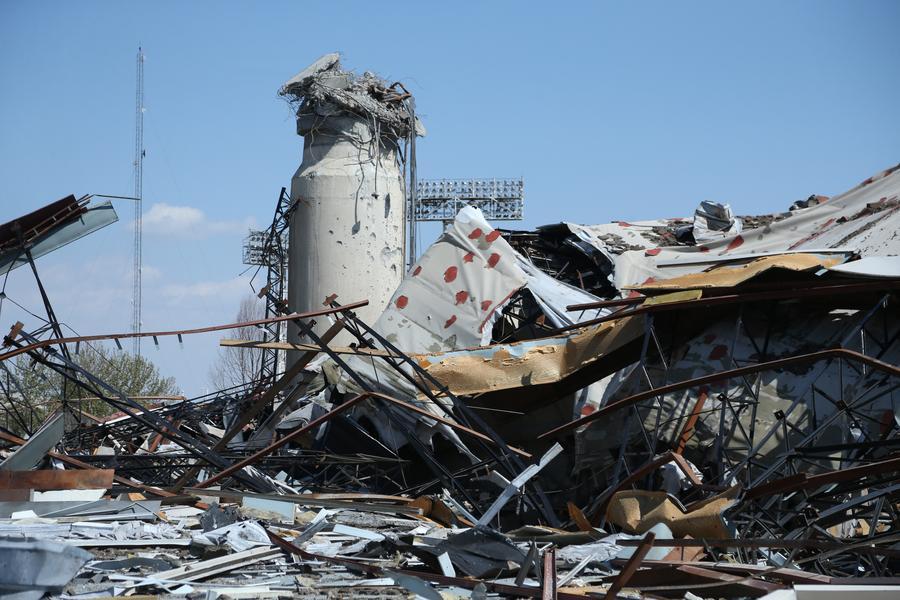
This photo taken on April 3, 2026 shows a view of a destroyed sports stadium inside the Azadi Sports Complex in Tehran, Iran. (Xinhua/Shadati)
Xi made the remarks during his talks with Egyptian President Abdel Fattah El-Sisi, while emphasizing China’s support for regional countries in building a new security architecture in the Middle East via upholding a vision of common, comprehensive, cooperative and sustainable security.
Enhancing bilateral exchanges
Noting that Egypt was the first Arab and African nation to establish diplomatic ties with the People’s Republic of China in 1956, Xi said that the older-generation leaders of the two countries led their peoples in striving side by side for national independence and against imperialism and colonialism, forging an unbreakable bond of friendship.
Over the past seven decades, China-Egypt relations have weathered challenges and developed distinctive features of equality and mutual trust, friendship and mutual learning, solidarity and mutual support, as well as win-win cooperation, he said.
Xi said the China-Egypt comprehensive strategic partnership has achieved leapfrog development in recent years under the guidance of the two heads of state. The two sides share similar views and have closely aligned strategies in pursuing development and revitalization, improving people’s well-being, and upholding international fairness and justice, he added.
Xi emphasized that China and Egypt should firmly support each other, maintain the momentum of high-level exchanges, enhance exchanges and cooperation in all fields and at all levels, and strengthen exchanges and mutual learning on governance experience.
Xi said the two sides should promote mutually beneficial cooperation, better align their development strategies, tap the potential for cooperation in traditional fields such as infrastructure development, power, agriculture and communications technology, and foster new highlights of cooperation in green energy, electric vehicles, aerospace, the digital economy and modern agricultural technology.
The two sides should promote people-to-people exchanges, comprehensively expand exchanges and cooperation in culture, education, science and technology, health, sports and other fields, and facilitate personnel exchanges and enhance people-to-people bonds, Xi said.
The two sides should strengthen security cooperation, jointly combat transnational crime, deepen international cooperation in anti-corruption, firmly support each other’s anti-terror efforts, and safeguard their common security, Xi said.
The two sides should strengthen multilateral collaboration, further enhance coordination and cooperation on multilateral platforms such as the United Nations and the BRICS, jointly promote the development of the China-Arab States Cooperation Forum and the Forum on China-Africa Cooperation, jointly oppose unilateralism and acts of bullying, and promote a more just and equitable global governance system, Xi said.
For his part, Sisi welcomed Xi’s historic state visit to Egypt on the occasion of the 70th anniversary of diplomatic ties between the two countries.
Sisi said that since the establishment of diplomatic relations, bilateral ties have developed in a sound and steady manner, and cooperation across various fields has yielded fruitful results.
Egypt firmly adheres to the one-China principle and is committed to further advancing the Egypt-China comprehensive strategic partnership, Sisi added.
Egypt is ready to work with China to deepen cooperation in trade and investment, manufacturing, infrastructure development, finance, science and technology, and new energy, strengthen military and security exchanges, and promote closer people-to-people exchanges, so as to benefit the two peoples and contribute to regional development and prosperity, Sisi said.
Sisi said China, as a permanent member of the UN Security Council, plays an important and constructive role in international affairs. Egypt is ready to strengthen coordination with China at multilateral platforms, jointly address global challenges, and work together to uphold international fairness and justice, he added.
The two heads of state jointly witnessed the signing of multiple cooperation documents on Belt and Road cooperation, artificial intelligence, economic and trade, and industrial and supply chain cooperation.
The two sides also issued a joint statement on further deepening their comprehensive strategic partnership, and signed more than 20 cooperation documents covering such areas as digital economy, science and technology, education, and transportation.
New regional security architecture
In the talks, Xi raised a four-point proposal on building a new security architecture in the Middle East, saying that China supports countries in the region in developing good-neighborly and friendly relations.
To promote common security in the region, Xi said that efforts should be made to foster the internal driving force for common security in the region.
People in the Middle East should remain masters of their own affairs, and external interference should be rejected, Xi said, noting that China supports regional countries in strengthening dialogue on peace and security, exploring the building of a new security architecture for the Middle East, and taking their future into their own hands.
Xi said that a comprehensive approach should be adopted to advance common security in the region and that given the multiple hotspots in the Middle East and their close interconnections, comprehensive solutions should be pursued.
The Palestinian issue remains at the core of the Middle East question and should never be overlooked or marginalized, he added.
The foundation for common security should be strengthened through development, Xi said, noting that lasting peace and stability in the Middle East fundamentally depend on development.
China stands ready to work with Middle East countries to safeguard the security of international shipping lanes, advance development cooperation, promote the convergence of interests of regional countries, gradually enhance mutual trust, and eliminate the root causes of the conflict, he said.
Xi urged that international coordination for common security in the region should be strengthened, and the UN Charter and international law should serve as the fundamental principles for handling Middle East affairs.
The international community, especially external powers, should abandon double standards in the Middle East, respect the sovereignty and territorial integrity of regional countries, and safeguard regional peace and stability, Xi added.
He also urged support for the United Nations’ effective role in Middle East affairs.
Sisi said that Egypt highly appreciates China’s consistent, objective, and impartial stance on the Middle East question, noting that Egypt is committed to promoting de-escalation in the region, resolving conflicts and differences through political means, and advancing regional security and development.
Egypt stands ready to continue strengthening coordination with China to ease tensions in the Middle East, safeguard regional stability, and explore a regional security architecture, Sisi said.
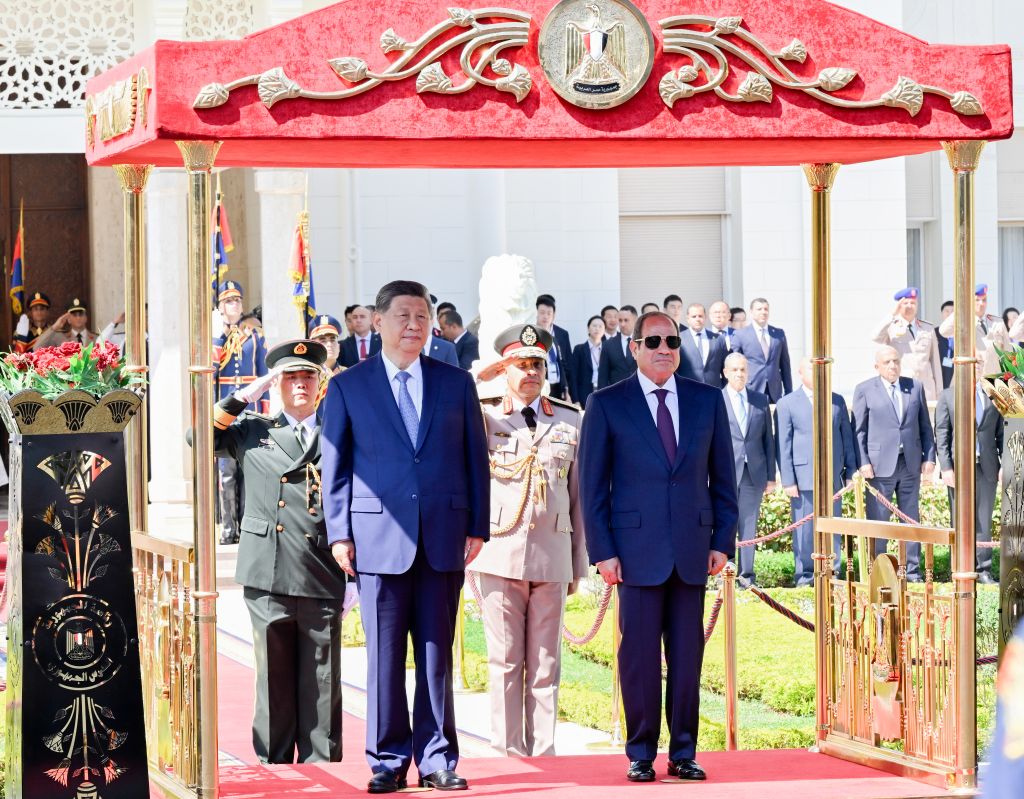
Chinese President Xi Jinping attends a welcome ceremony held by Egyptian President Abdel Fattah El-Sisi prior to their talks in Cairo, Egypt, Sept. 2, 2026. Xi held talks with Egyptian President Abdel Fattah El-Sisi in Cairo on Wednesday. (Xinhua/Shen Hong)
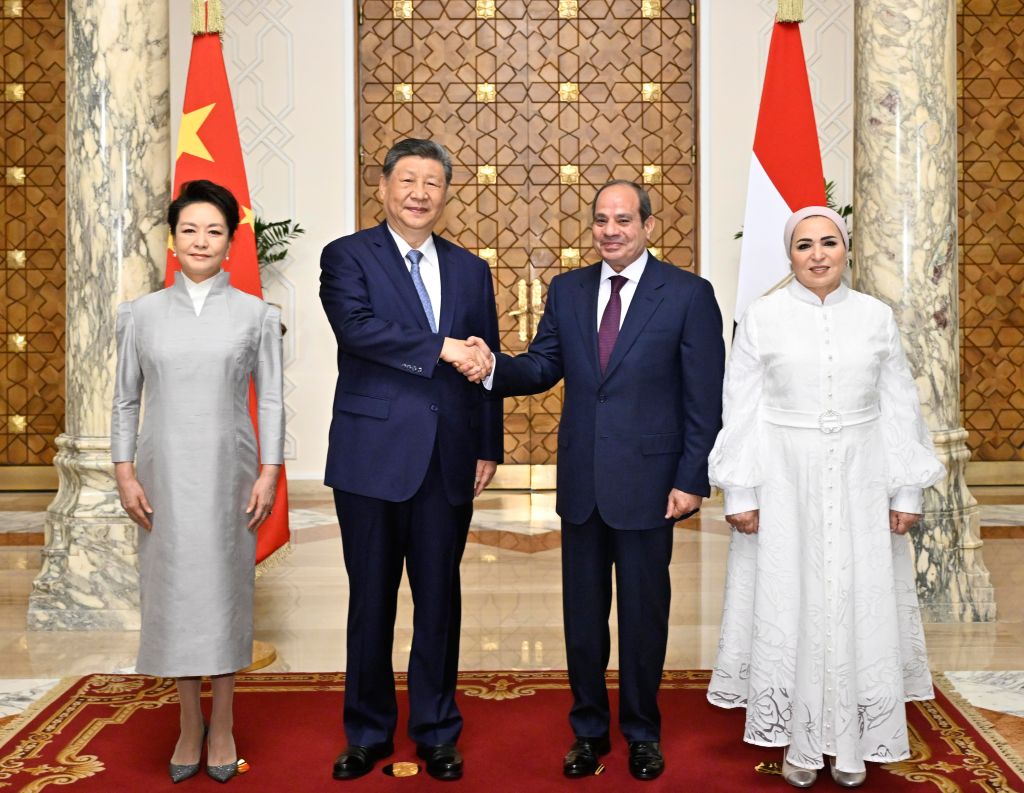
Chinese President Xi Jinping and his wife Peng Liyuan pose for a group photo with Egyptian President Abdel Fattah El-Sisi and his wife Entissar El-Sisi in Cairo, Egypt, Sept. 2, 2026. Xi held talks with Egyptian President Abdel Fattah El-Sisi in Cairo on Wednesday. (Xinhua/Yin Bogu)
In a statement, the military said it was working to “neutralize” the tunnel network.
According to the military, Israeli troops had gained control of the ridge above and below ground, killing several Hezbollah members. It said the underground complex contained facilities including command centers, weapons storage rooms and living quarters, claiming that the infrastructure had been built over two decades with Iranian funding.
The development came amid continued tensions along the Lebanon-Israel border, following the seventh round of Lebanese-Israeli talks held in Rome, Italy, in early August. The talks focused on security arrangements along the border and the implementation of a framework agreement between the two sides.
The Ali al-Taher ridge, about 15 km from the Israeli border, has become a major flashpoint in the Israel-Hezbollah conflict. Israeli forces remain deployed in parts of southern Lebanon despite a ceasefire and Lebanese demands for their withdrawal.
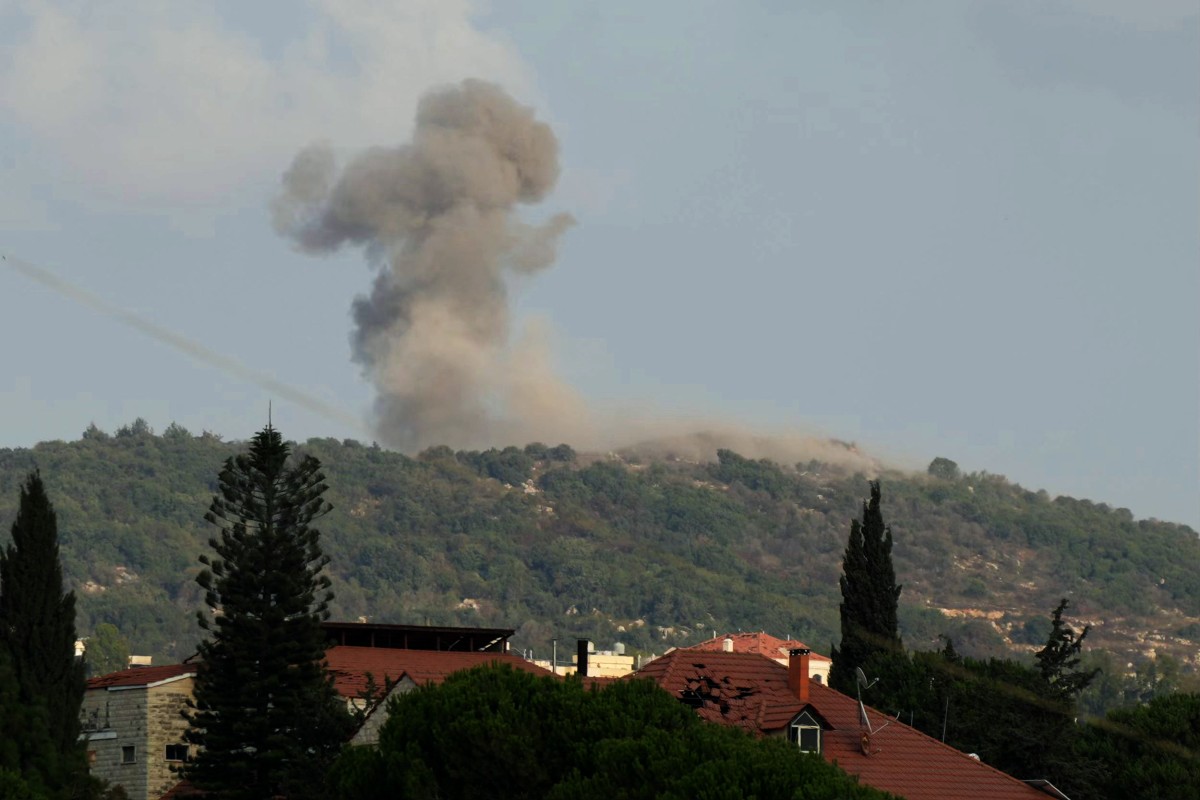
A photograph taken from the southern Lebanese area of Nabatieh shows smoke as it rises from the site of Israeli strikes that targeted the hilltops of the mountainous area of the strategic Ali al-Taher Ridge on August 14, 2026. Lebanon became embroiled in the Middle East war after Hezbollah fired rockets at Israel on March 2, prompting a widespread Israeli bombing campaign and ground invasion. More than 4,300 people have been killed, though violence has decreased since a US-Iran deal and a Washington-sponsored framework agreement between Lebanon and Israel went into force. (Photo by AFP) /
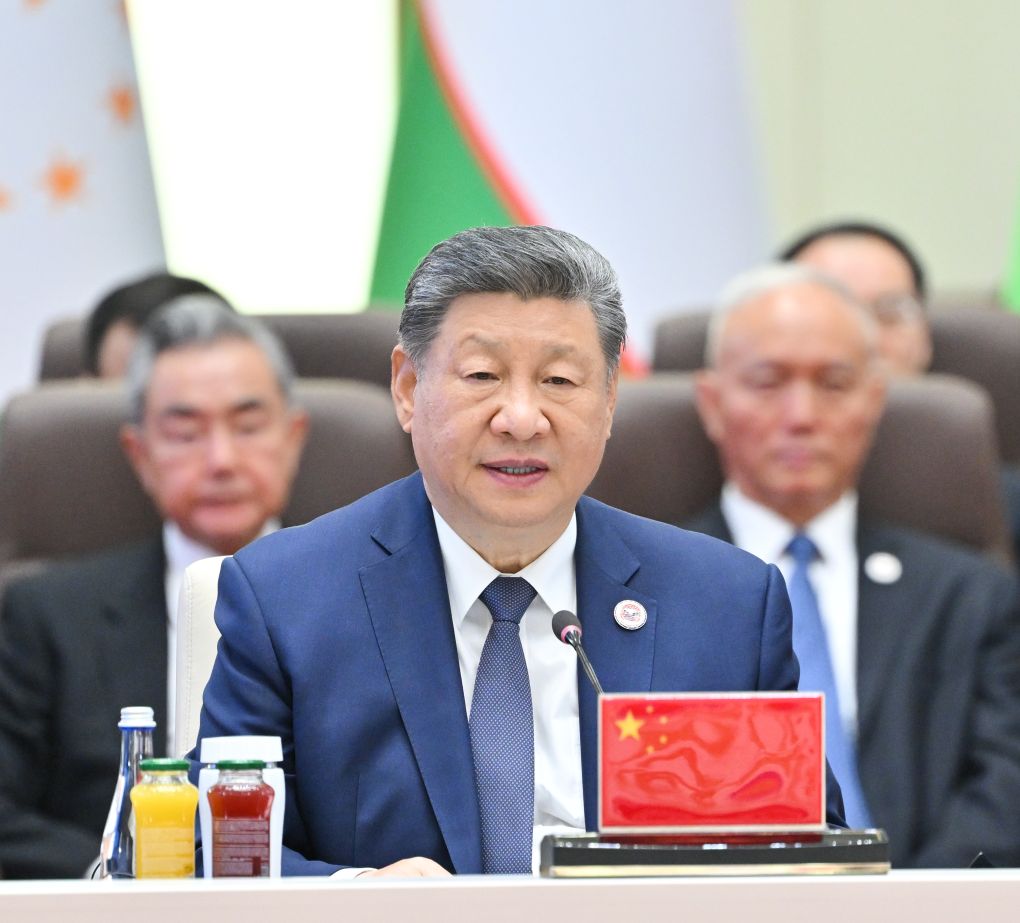
Xi made the remarks in his speech at the “SCO Plus” meeting in the Kyrgyz capital of Bishkek.
“The meeting today focuses on strengthening the role of the United Nations and building a multipolar world, and it demonstrates SCO’s commitment to reforming and improving global governance as required by our times,” Xi said.
“Currently, major changes unseen in a century are accelerating across the globe. Hegemonism, unilateralism and protectionism are resurging against historical trends. Nevertheless, the overwhelming majority of the world do not condone power politics, conflict and confrontation, or isolation and backwardness,” he added.
What they want instead, Xi said, is to hold a place on the world stage through national development and international cooperation.
Xi noted that in recent years, the rise of the Global South is driving a profound shift in the international balance of power, adding that the trend toward a multipolar world is irreversible.
“What kind of multipolarity does the world need? How are countries going to take part in and promote it? The international community should build consensus and make the right choice that can stand the test of practice and history,” Xi said.
Noting that as a responsible major country, China advocates for an equal and orderly multipolar world, Xi said sovereign equality and mutual respect are fundamental principles; balance, order and the rule of law are inherent requirements; multilateralism, dialogue and consultation are essential pathways; mutual benefit, win-win and inclusiveness are the way forward for development.
“We should ensure equal rights, equal opportunities and equal rules for all countries, regardless of their size, strength and wealth,” Xi said, adding that “as an important part of a multipolar world and a key driving force behind it, the Global South countries ought to have greater representation and voice in international affairs.”
He called on various parties to promote the common values of humanity, reject double standards, exceptionalism, foreign interference, bullying and the law of the jungle, and advance the rule of law in international relations.
“Major countries in particular should take the lead in observing international norms and honoring the rule of law, and work together to tackle global challenges,” he added.
Xi also said that world affairs should be discussed by all, and international norms should be set by all.
“The authority and vitality of the United Nations need to be restored. Multilateral mechanisms, global and regional, should enhance their coordination and improve their efficiency,” he said.
“We should focus on the development agenda, uphold openness and cooperation, and bridge the digital and AI divides, so that technological revolution and development achievements can benefit all nations,” Xi added.
Xi noted that after a 25-year journey, the SCO has successfully set a stellar example in conducting relations among big countries, among neighbors, and among countries of different sizes.
The SCO, Xi said, has successfully brought together half of the world’s population and a quarter of the global economy, generating strong driving forces for development, adding that a more united and vibrant SCO is fully capable of making greater contributions to a multipolar world.
“It is important that SCO member states and partners ride the trend of history and shoulder the responsibility of our times. Let us take the people-centered and action-oriented approach, jointly advocate an equal and orderly multipolar world, make global governance more just and equitable, and build a community with a shared future for humanity,” Xi said.
To further enhance the SCO’s role, Xi called for advancing common prosperity in the vast continent straddling Asia and Europe with the SCO Strength.
“We should continue to leverage our strengths, unlock our potential, and connect the multiple growth poles across the continent through high-quality Belt and Road cooperation. We should empower each other, help each other succeed, and work together to create new opportunities and promote shared prosperity,” Xi said.
“We should promote the development and rise of the Global South through the SCO Wisdom,” Xi said, calling on various parties to “carry forward the Shanghai Spirit, strengthen and expand the SCO Plus partnerships, and jointly speak up for peace, foster synergy for development, build bridges for cooperation, and pave the way for win-win outcomes.”
Xi also proposed that the SCO countries should guide the reform and improvement of global governance through the SCO Action.
“We should stay committed to building partnerships rather than alliances, and engaging in dialogue rather than confrontation,” he said.
Xi also called for sticking to the principle of “planning together, building together and benefiting together” to encourage equal participation in global governance by all countries and ensure all will benefit from it.
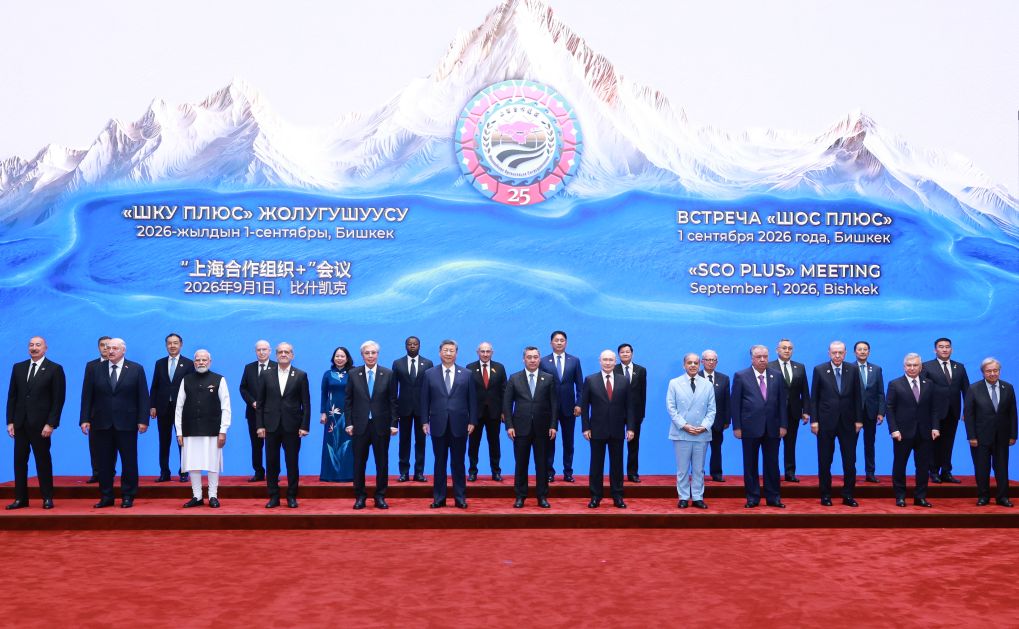
Chinese President Xi Jinping delivers an important speech during the “Shanghai Cooperation Organization (SCO) Plus” meeting in Bishkek, Kyrgyzstan, Sept. 1, 2026. (Xinhua/Zhai Jianlan)Chinese President Xi Jinping attends a group photo session during a welcome banquet held by Kyrgyz President Sadyr Japarov ahead of the “Shanghai Cooperation Organization (SCO) Plus” meeting in Bishkek, Kyrgyzstan, Sept. 1, 2026. Xi attended the “SCO Plus” meeting and delivered an important speech on Tuesday. (Xinhua/Wang Ye)