The request seeks technical, legal and judicial assistance to support Libyan authorities’ ongoing investigations, share the investigative burden, help establish the circumstances of the incidents and identify those responsible, according to the statement.
Preliminary investigations by relevant Libyan institutions indicated that the attacks were part of what the authorities described as a broader plan targeting civilian infrastructure, including fuel storage facilities and power stations, while putting civilians’ lives at risk.
The council said security agencies and the National Safety Authority had contained some of the operations and prevented others from being carried out.
Given the nature and gravity of the incidents and the circumstances surrounding them, they could constitute crimes against humanity or genocide, according to a legal assessment by the Libyan authorities, the statement said.
Earlier this month, Libya’s internationally recognized Government of National Unity announced that it had dismantled an organized sabotage cell and arrested five Libyans and foreigners allegedly involved in suicide drone attacks on oil and electricity facilities in Tripoli and Zawiya.
It said investigations were ongoing to identify other individuals involved and the parties that planned, financed, or supported the operations.
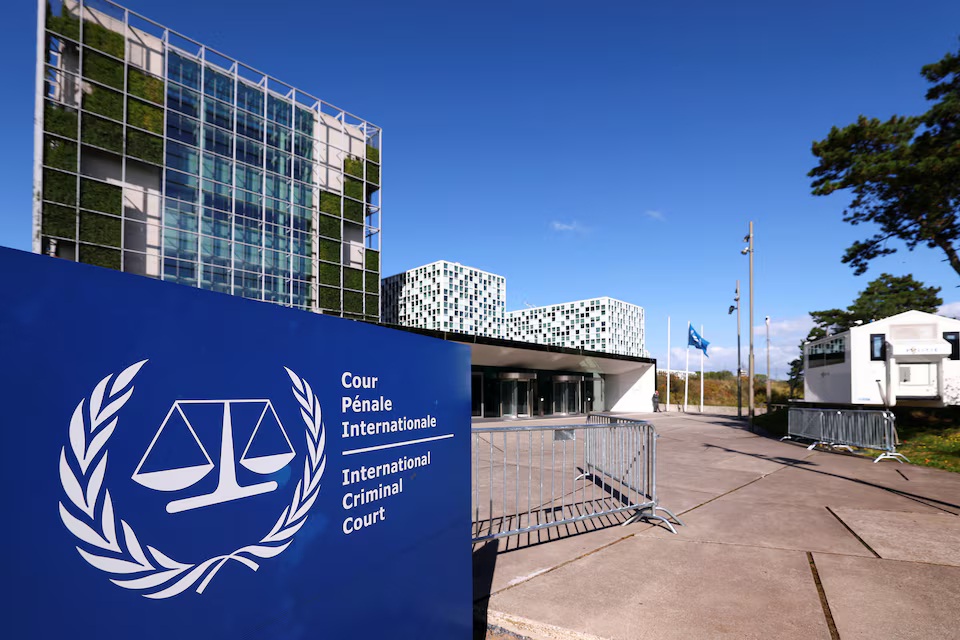
Libya has formally requested support from the International Criminal Court (ICC) in investigating attacks on vital civilian facilities in the capital Tripoli and the western city of Zawiya.
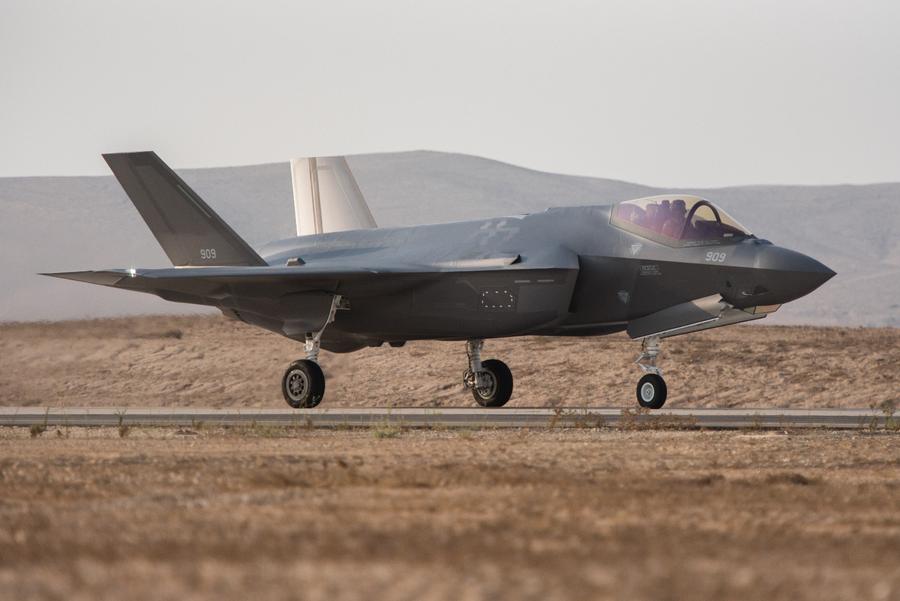
The U.S. State Department said Thursday that the government had approved a potential sale of 48 F-35 fighter jets, along with communications equipment and other support items, to Saudi Arabia.
Estimated at 24.3 billion U.S. dollars, the deal still needs congressional approval.
The F-35, built with stealth technology designed to evade enemy detection, is considered among the world’s most advanced fighter jets. Israel is reportedly the only country in the Middle East to currently operate the aircraft.
The proposed sale “will improve Saudi Arabia’s capability to deter current and future threats by strengthening its homeland defense, and improving interoperability with U.S. forces, and other regional and NATO forces,” the U.S. State Department said in a news release on Thursday, noting that it “will not alter the military balance in the region.”
Israel has opposed U.S. fighter jet sale to Saudi Arabia over military edge concerns: report
The requirement was introduced under the Insurance (Inbound Travel Insurance) Regulations, 2026, issued by the Minister for Finance through Government Notice No. 256 published on September 4.
The regulations apply to foreign visitors entering mainland Tanzania through airports, seaports or land borders.
However, citizens of East African Community (EAC) and Southern African Development Community (SADC) member states are exempt from the requirement.
Visitors covered by the regulations must have valid inbound travel insurance, which can be purchased before travelling or at a designated point of entry.
Those arriving without the required cover may be denied entry into Tanzania.
Visitors who stay in Tanzania beyond the 92-day validity period must obtain a new policy.
The insurance will be provided by Tanzania’s National Insurance Corporation (NIC) or other registered insurers operating in partnership with NIC. The insurance products must also receive approval from the Tanzania Insurance Regulatory Authority.
The mandatory cover includes emergency medical treatment, medical evacuation, emergency repatriation and loss of luggage. The specific limits and benefits will depend on the terms of the policy issued to each visitor.
Insurers are also required to establish systems for verifying premium payments and insurance coverage and integrate them with relevant government authorities.
The new requirement extends Tanzania’s use of mandatory travel insurance for foreign visitors beyond Zanzibar, which introduced a separate compulsory insurance scheme in October 2024.
The move also follows Kenya’s introduction of a mandatory inbound travel health insurance framework for foreign visitors in July 2026.
Kenya’s scheme requires non-Kenyans staying in the country for less than 12 months to have insurance with a minimum cumulative benefit limit of $50,000.
However, implementation of Kenya’s requirement was suspended by the High Court in August after two petitioners challenged the policy.
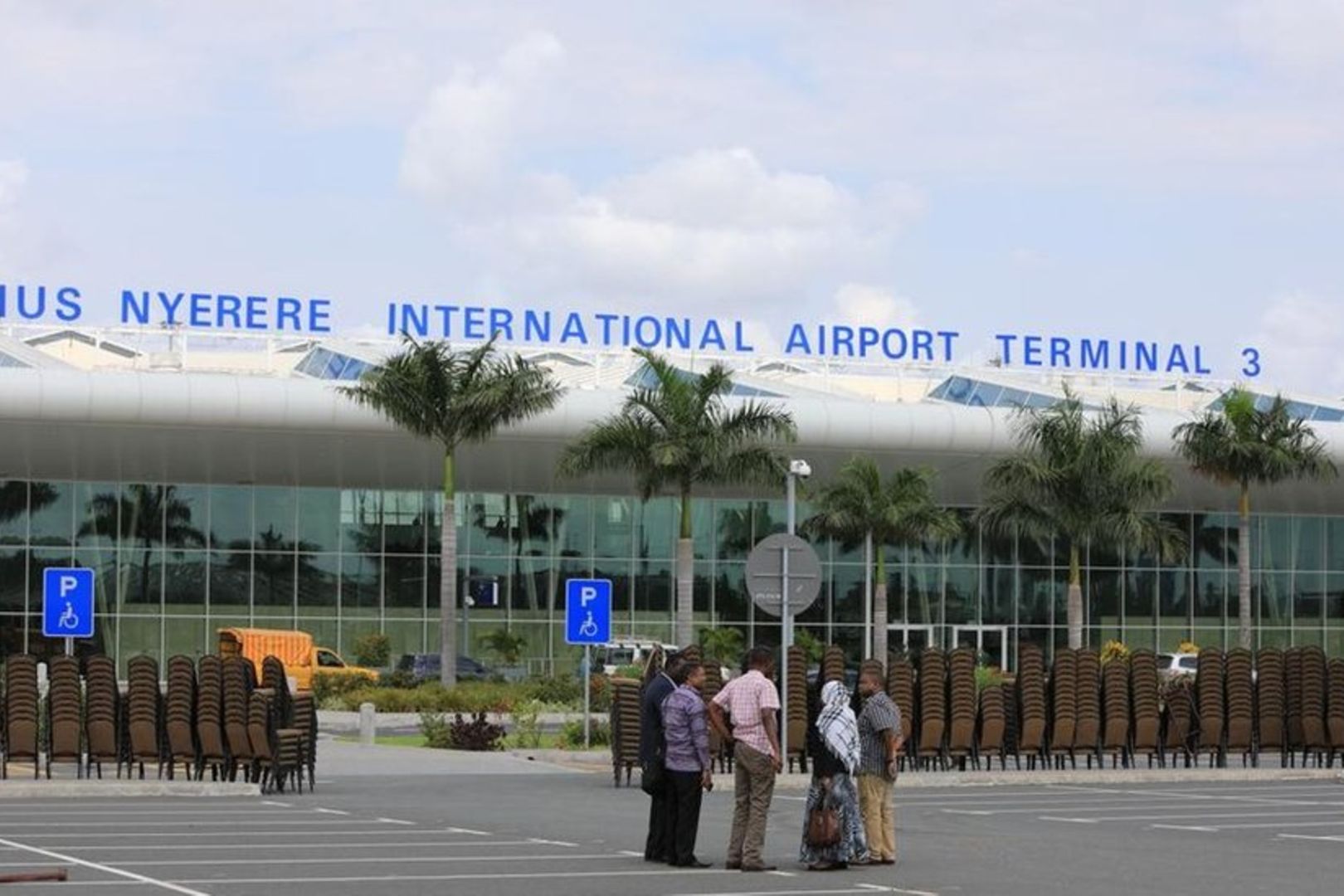
Tanzania has introduced mandatory travel insurance for foreign visitors entering mainland Tanzania, with the policy costing $44 (about Rwf65,000) and valid for up to 92 days.
The estimated total cost is 24.3 billion U.S. dollars, the department said in a statement.
Saudi Arabia has requested to buy 48 F-35 Lightning II Joint Strike Fighter aircraft with conventional takeoff and landing and 49 Pratt & Whitney F135-PW-100 engines, of which 48 are installed and the other is a spare, the statement said.
According to the statement, the proposed sale “will improve Saudi Arabia’s capability to deter current and future threats by strengthening its homeland defense, and improving interoperability with U.S. forces, and other regional and NATO forces,” but “will not alter the military balance in the region.”
Israel is reportedly the only country in the Middle East to currently operate F-35 fighter jets.
U.S. has approved sale of 48 F-35 stealth fighter jets to Saudi Arabia
Under the proposed EU KIDS Act, children under 13 would be barred from social media, and children aged between 13 and 15 would only be allowed to use limited social media accounts set up through a parent or guardian’s account. Such accounts would include restrictions on social contacts and screen time of up to one hour per day.
The proposal would also require social media platforms, video-sharing services, online video games, AI companions and chatbots used by minors to be “safe by design.”
Addictive features, including infinite scrolling, certain reward mechanisms and push notifications during sleeping hours, would be restricted. Profiles of minors would have to be private by default, with geolocation, camera and microphone access switched off.
AI companions and chatbots would also be disabled by default for minors and prohibited from simulating interpersonal relationships in ways that could create emotional dependency.
The proposal requires online services and app stores to introduce age-assurance mechanisms. The Commission said its EU age-verification app could be used without retaining identity documents or biometric data.
The act would also reverse the burden of proof for very large online platforms, requiring providers to demonstrate that their services are safe for children. They would have to submit compliance plans for independent auditing before introducing relevant services or features.
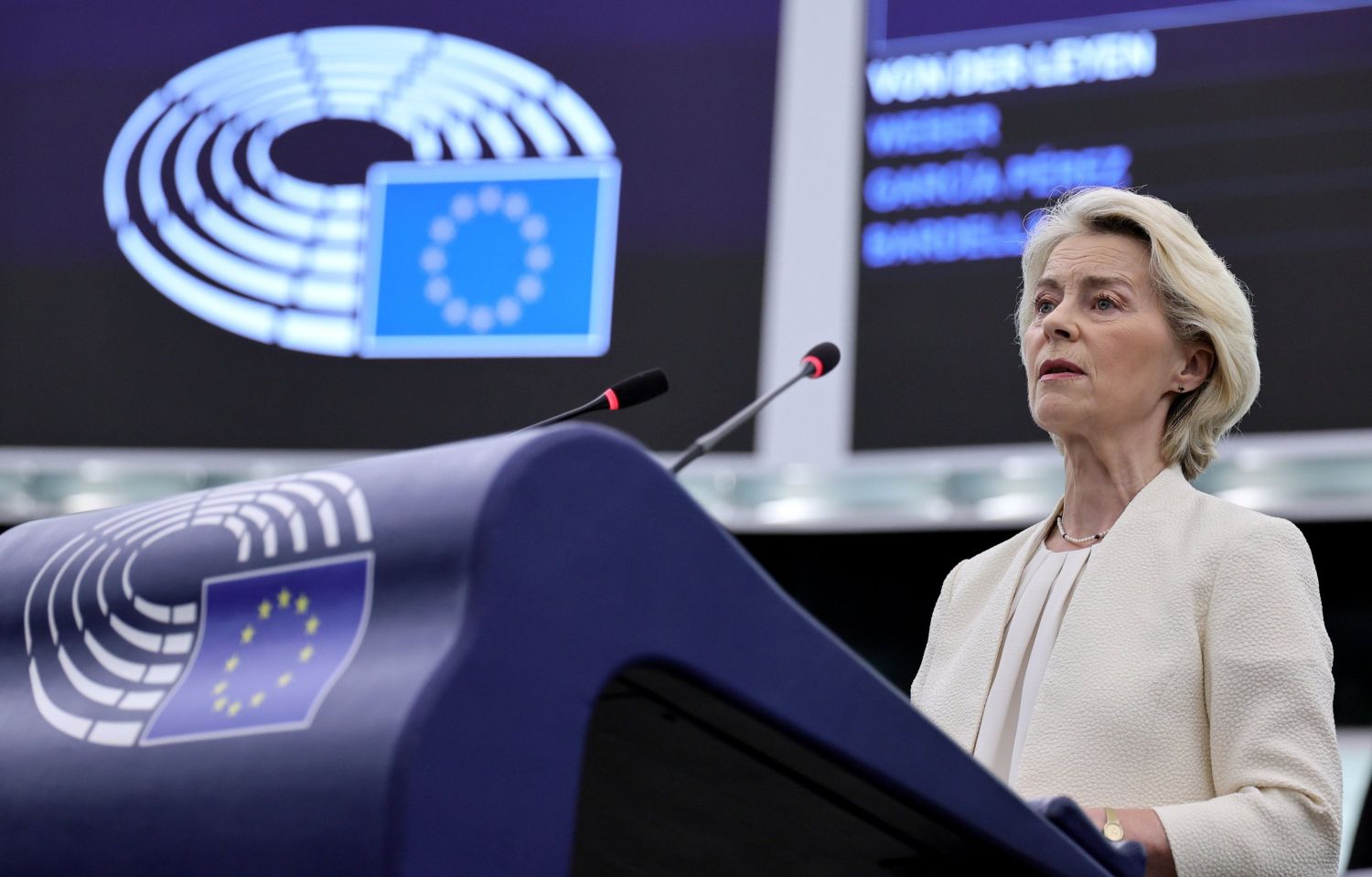
European Commission President Ursula von der Leyen said the proposal was intended to put parents “back in the driving seat” and require platforms to prove their services are safe by design.
The proposal has been submitted to the European Parliament and the Council of the EU for consideration and approval. Enforcement would build on existing mechanisms under the Digital Services Act and the Artificial Intelligence Act, with fines for violations potentially reaching 6 percent of a company’s total worldwide annual turnover.
European Commission President Ursula von der Leyen speaks during a debate on the “State of the Union” at the European Parliament, Strasbourg, France, September 16, 2026.
Among them is Jiangsu, a province whose importance does not come only from its size, but from how complete its economic system has become.
With 85.18 million people, Jiangsu recorded a GDP of approximately 14.235 trillion yuan (approximately US$2.12 trillion) in 2025, growing by 5.3%, while its per-capita GDP reached about 167,040 yuan.
Although the province occupies only around 1% of China’s land area, it contributes more than one-tenth of China’s economic output.
Its economy reflects a balanced foundation, with agriculture contributing 3.8%, manufacturing 42.2%, and services 54%.
But behind these numbers is a broader story: a province where rural communities, industrial centres, universities, technology companies and cultural industries are connected into one ecosystem.
Jiangsu has a coastline stretching more than 1,000 kilometres, 168 higher-education institutions, approximately 2.5 million college students, and more than 51,000 high-tech enterprises.
It is a place where rice fields exist beside robotics, ancient canals coexist with artificial intelligence, traditional textile industries compete in global markets, and historic towns generate modern tourism revenue.
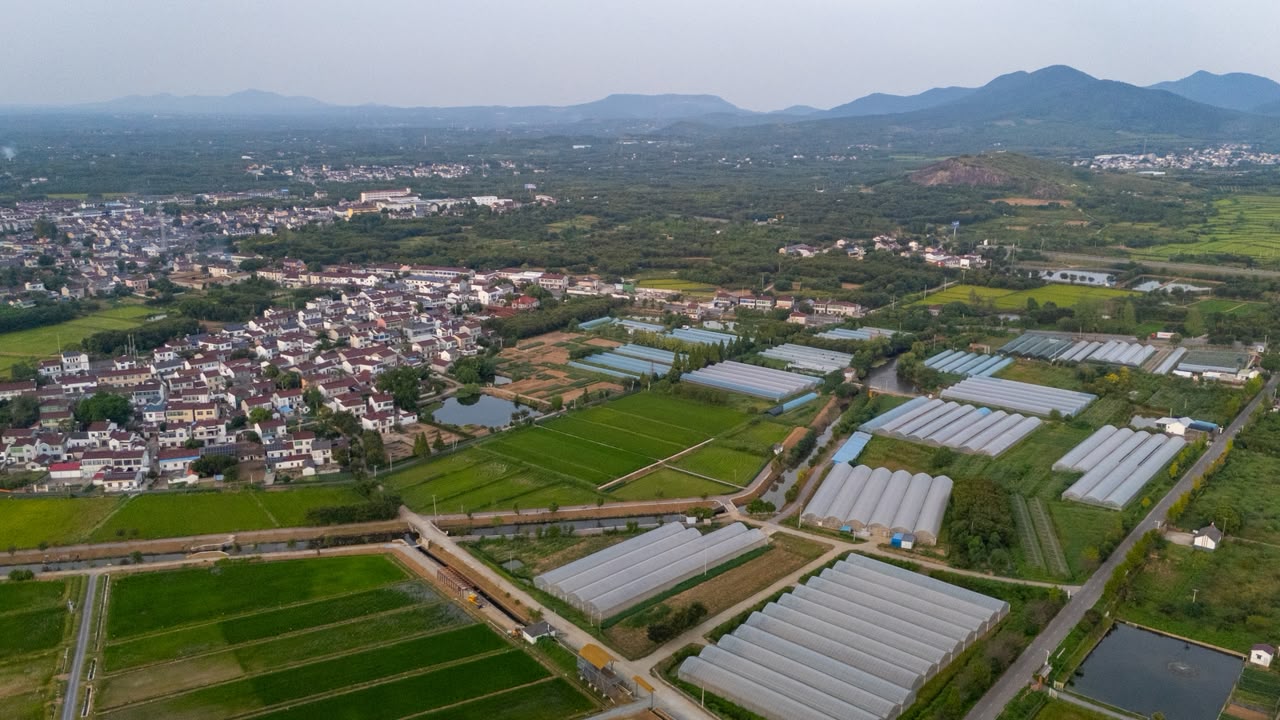
Daizhuang Village’s rice fields demonstrate how ecological farming can improve yields while preserving biodiversity
A journey through China’s high-speed connection
The journey from Beijing to Jiangsu offered the first glimpse into the infrastructure supporting the province’s development.
Covering approximately 1,210 kilometres, the trip took just over four hours by high-speed train.
While route estimates place the distance at about 1,226 kilometres, the road distance is approximately 1,094 kilometres, requiring at least 11 hours by car and between 12 and 15 hours by bus.
China’s fastest high-speed trains can reach speeds of up to 350 kilometres per hour, covering approximately 1 kilometre every 10 seconds.
The journey was not simply about travelling from one place to another. It demonstrated how connectivity allows people, goods, technology and ideas to move rapidly across regions.
Wuxi: Where heritage meets high-tech growth
The first destination was Wuxi, a city where ancient culture and modern economic power exist side by side.
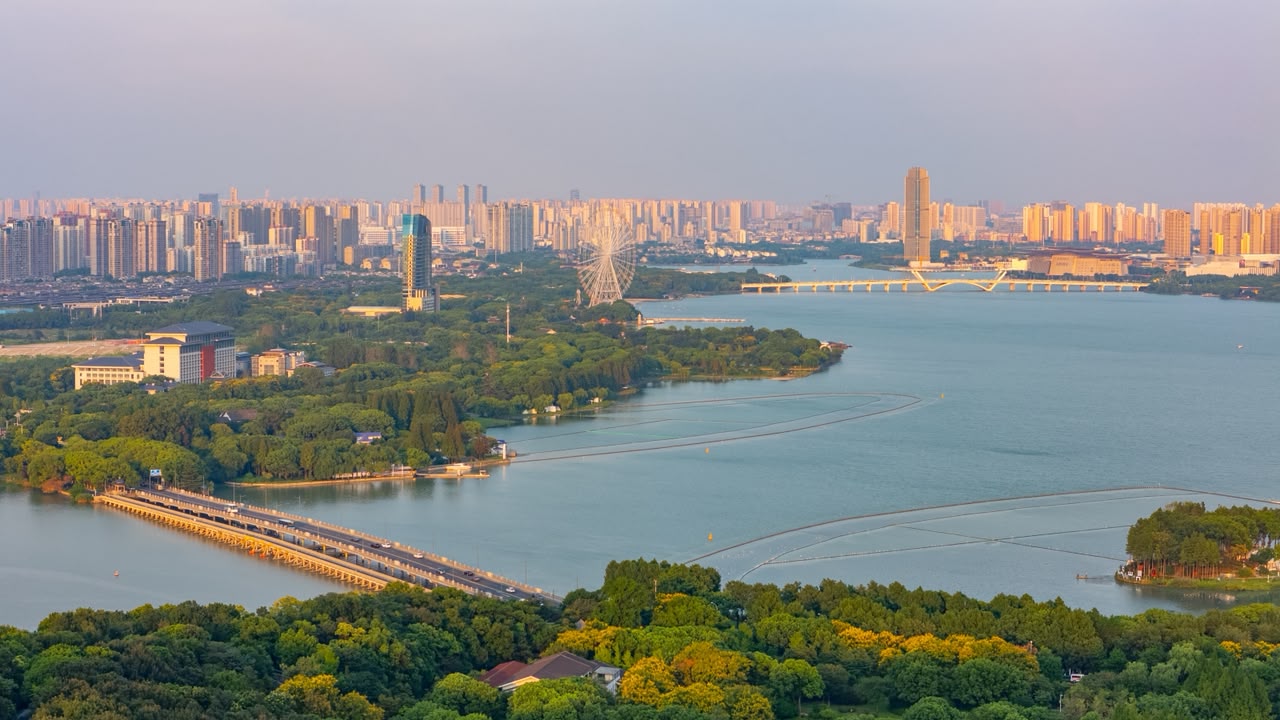
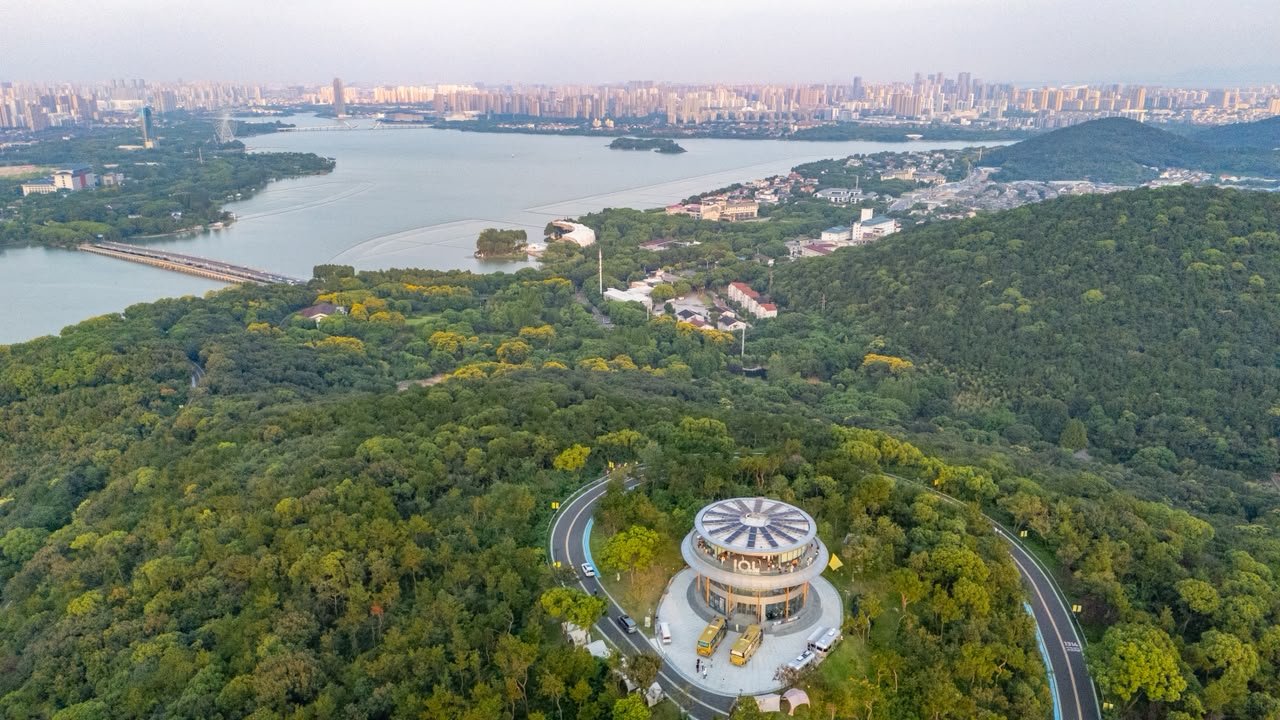
Located between the Yangtze River and Taihu Lake, Wuxi is one of the major economic centres of the Yangtze River Delta, with approximately 7.5 million residents.
The city recorded a 2025 GDP of about 1.68 trillion yuan, while high-tech industrial output reached approximately 1.463 trillion yuan, accounting for 53.97% of industrial output.
Today, Wuxi is driven by advanced manufacturing, integrated circuits, artificial intelligence, biomedicine, digital technology, new energy and international trade.
However, its identity is not defined only by innovation.
Wuxi has more than 3,100 years of recorded history and over 2,200 years since becoming a city. It remains an important centre of Wu culture, Jiangnan culture and Grand Canal culture.
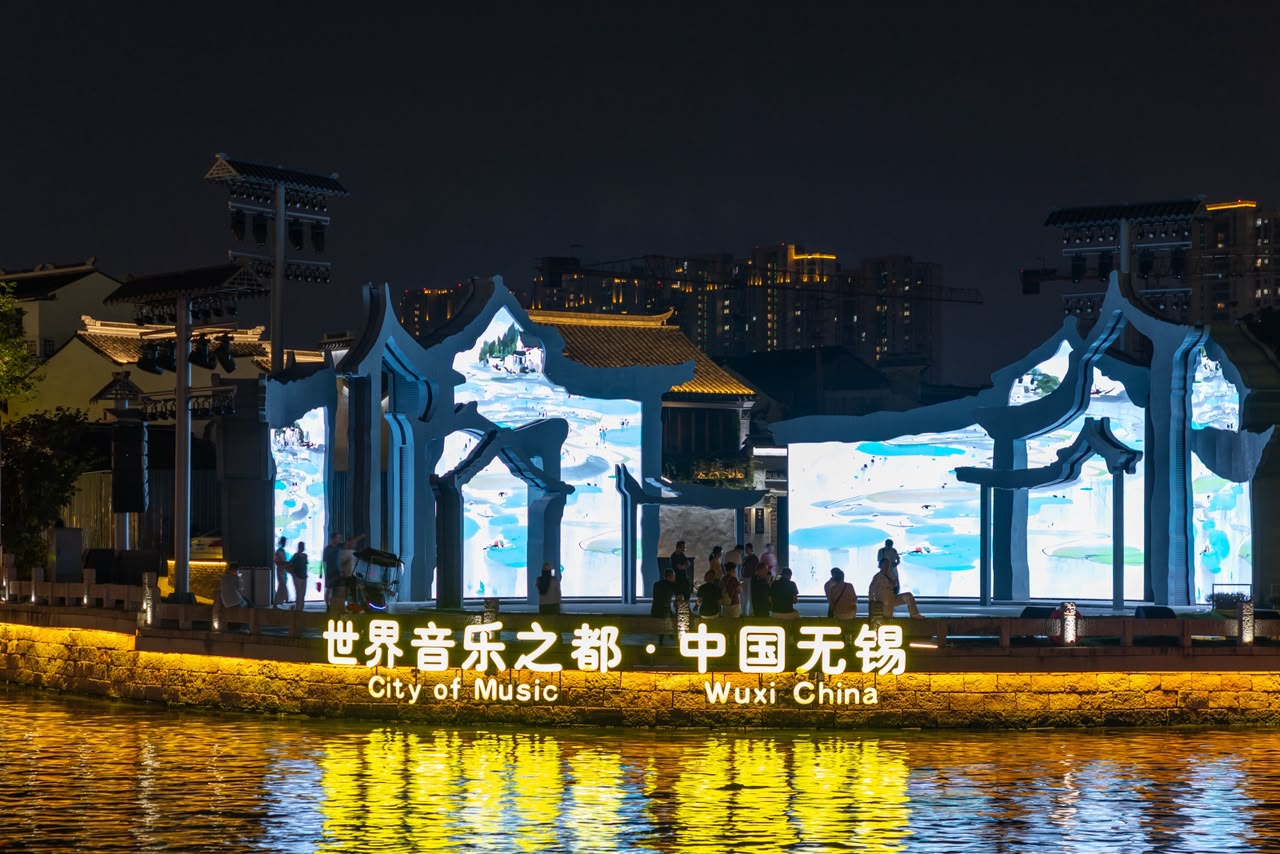
UNESCO recognised Wuxi as a Creative City of Music, and the city is known as the birthplace of the famous musician Abing’s masterpiece The Moon Reflected in the Second Spring.
At night, Wuxi reveals another dimension of its development. Its historic canals become vibrant spaces where culture, tourism, restaurants and entertainment meet.
The Qingmingqiao Historical and Cultural Block has created the “Tonight · Liangxiao” night-time brand, combining shopping, dining, sightseeing, performances and cultural experiences.
The wider Qingmingqiao Ancient Grand Canal scenic area receives nearly 30 million visitors annually, while during the 2025 Spring Festival holiday, the block welcomed approximately 2.2 million visitors.
Wuxi demonstrates that heritage does not have to remain in the past. It can become a living economic asset.
Daizhuang Village: Transforming agriculture through innovation
Jiangsu’s development story is not only written in cities and factories. It is also visible in rural communities.
In Daizhuang Village, located in southern Jurong City, agriculture has been transformed into a model of ecological production and rural development.
The village covers 10.4 square kilometres, with 487 hectares of cultivated land and a population of 2,879, including 1,100 permanent residents.
Its Village Party Committee, established in 2011, manages 3 Party branches with 122 members.
Under the guidance of Zhao Yafu, a delegate to the 20th National Congress of the Communist Party of China and National Model for Poverty Alleviation, Daizhuang developed what is known as the “Daizhuang Experience.”
The model is built around cooperation between farmers, cooperatives and village leadership.
The village has received recognition as a National Civilised Village, National-level Ecological Farm, China’s Most Beautiful Leisure Village, National Model Village for One Village One Product and National Model Farmers’ Professional Cooperative.
In 2024, Daizhuang’s collective income reached 5.2 million RMB, while per-capita income reached 45,000 RMB.
Since the Daizhuang Biodiversity Farmland Project began in 2001, the village has developed ecological agriculture through rice-duck farming, rice-fish symbiosis and sustainable cultivation.
More than 30 new species have been introduced, while monitoring has recorded nearly 150 small animal species and 98 bird species in the rice fields.
Organic rice yields increased from around 4.5 tonnes per hectare to more than 7.5 tonnes per hectare from 1,500 yuan to about 6,000 yuan.
Villagers’ per-capita net income increased from 2,800 RMB in 2003 to 47,000 RMB in 2025.
Daizhuang shows how agriculture can move beyond traditional farming to become a driver of environmental protection, tourism, technology and income growth.
Daizhuang Village represents Jiangsu’s rural transformation, where agriculture, technology and ecological development grow together
A manufacturing bridge between China and Africa
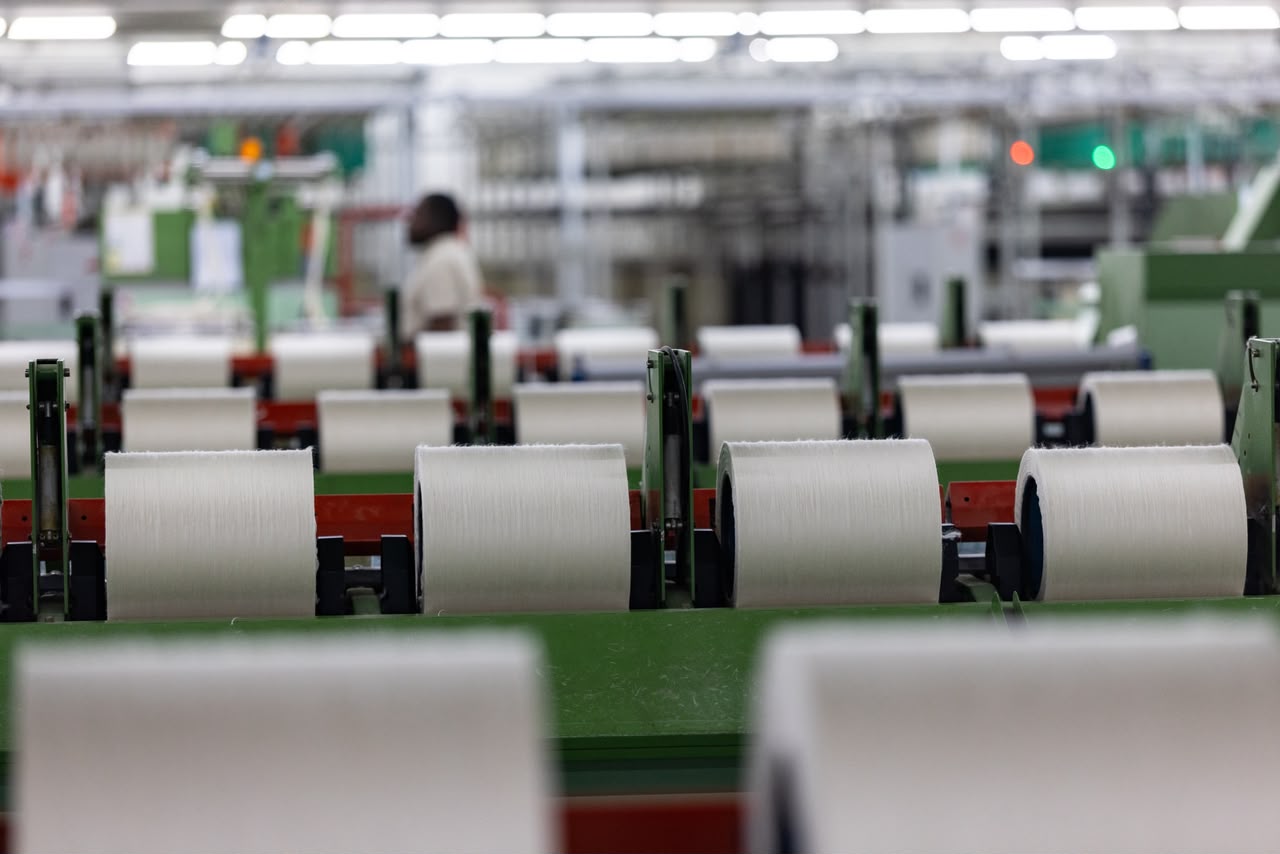
At Wuxi No.1 Cotton Textile Group Co., Ltd., founded in 1919, Jiangsu’s industrial strength becomes clear.
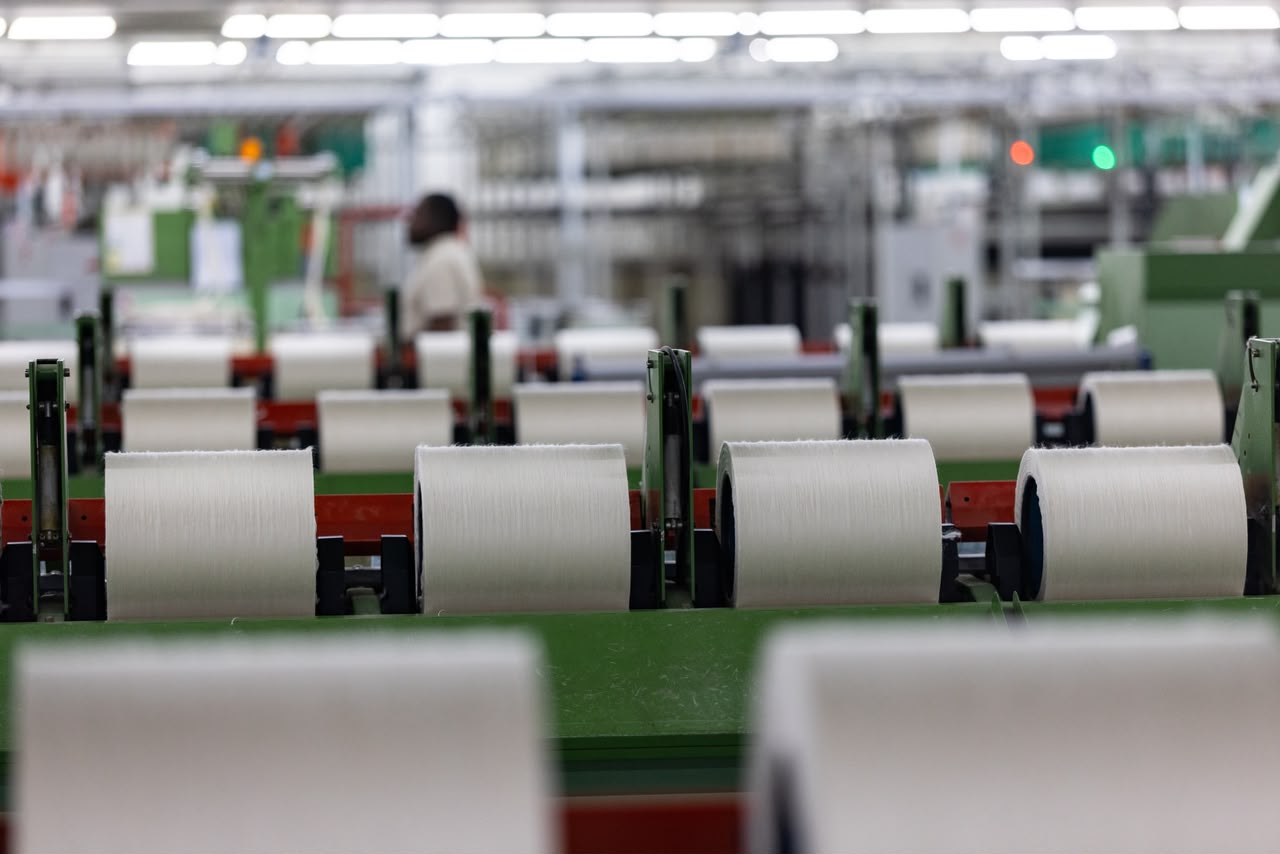
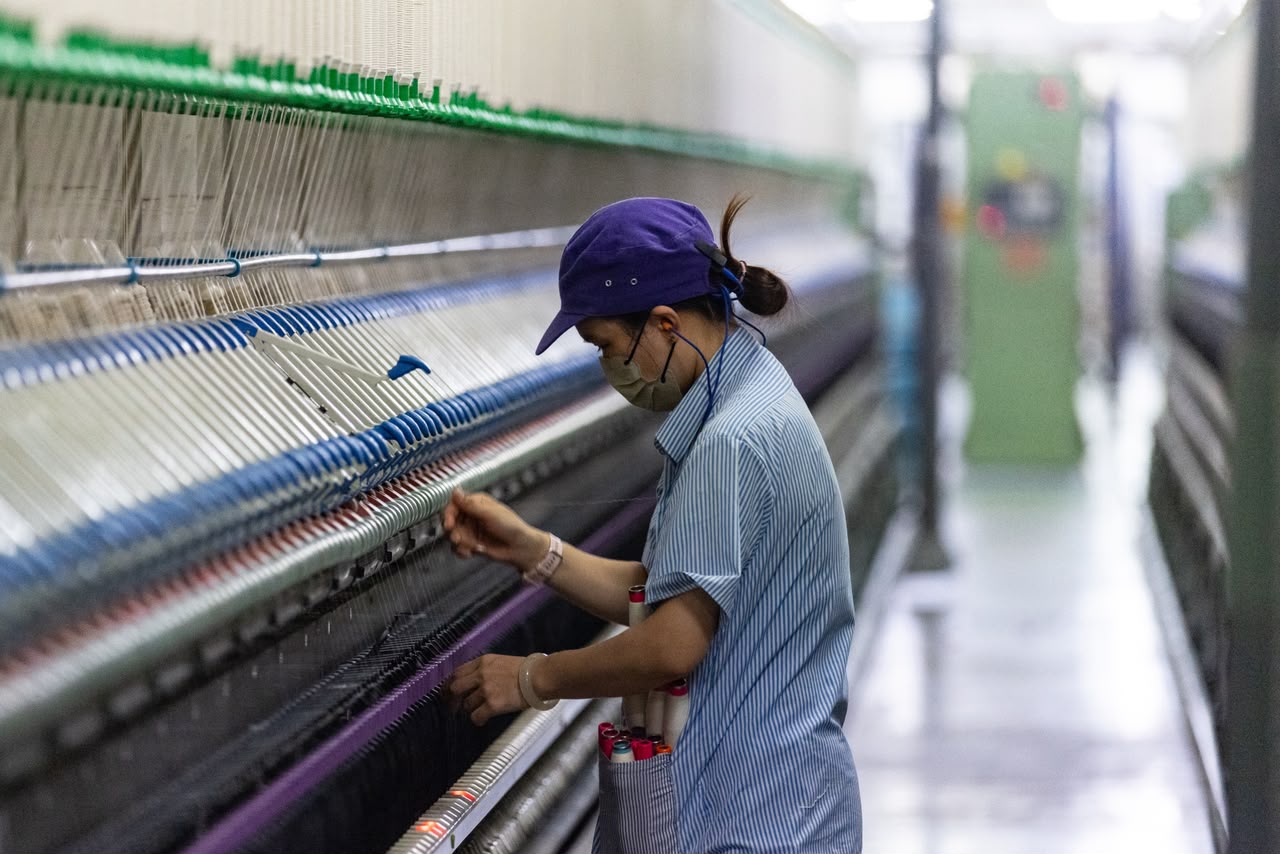
The company operates 700,000 spindles and 500 looms, producing 40,000 tons of high-grade yarn and 50 million metres of premium fabrics annually.
Through the Belt and Road Initiative, the company expanded into Ethiopia, where its Phase I plant with 100,000 spindles began operation in 2019.
The wider Ethiopia project plans a capacity of 300,000 spindles and is expected to create nearly 3,000 jobs.
The company employs 1,100 workers in China and around 600 people in Ethiopia.
Its TALAK brand is registered in 55 countries and regions, serving high-end textile markets worldwide.
The company’s success reflects Jiangsu’s approach: combining traditional industries with technology, innovation and international partnerships.
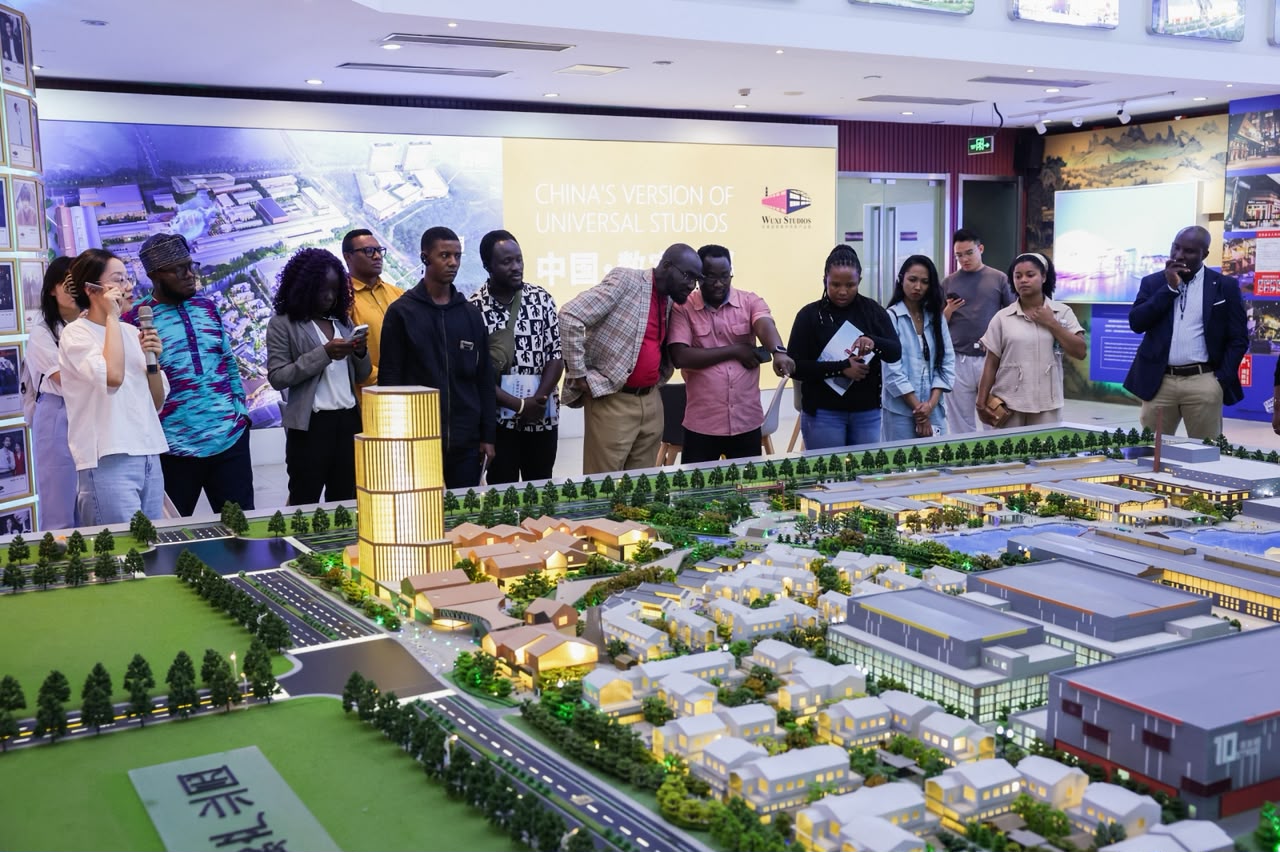
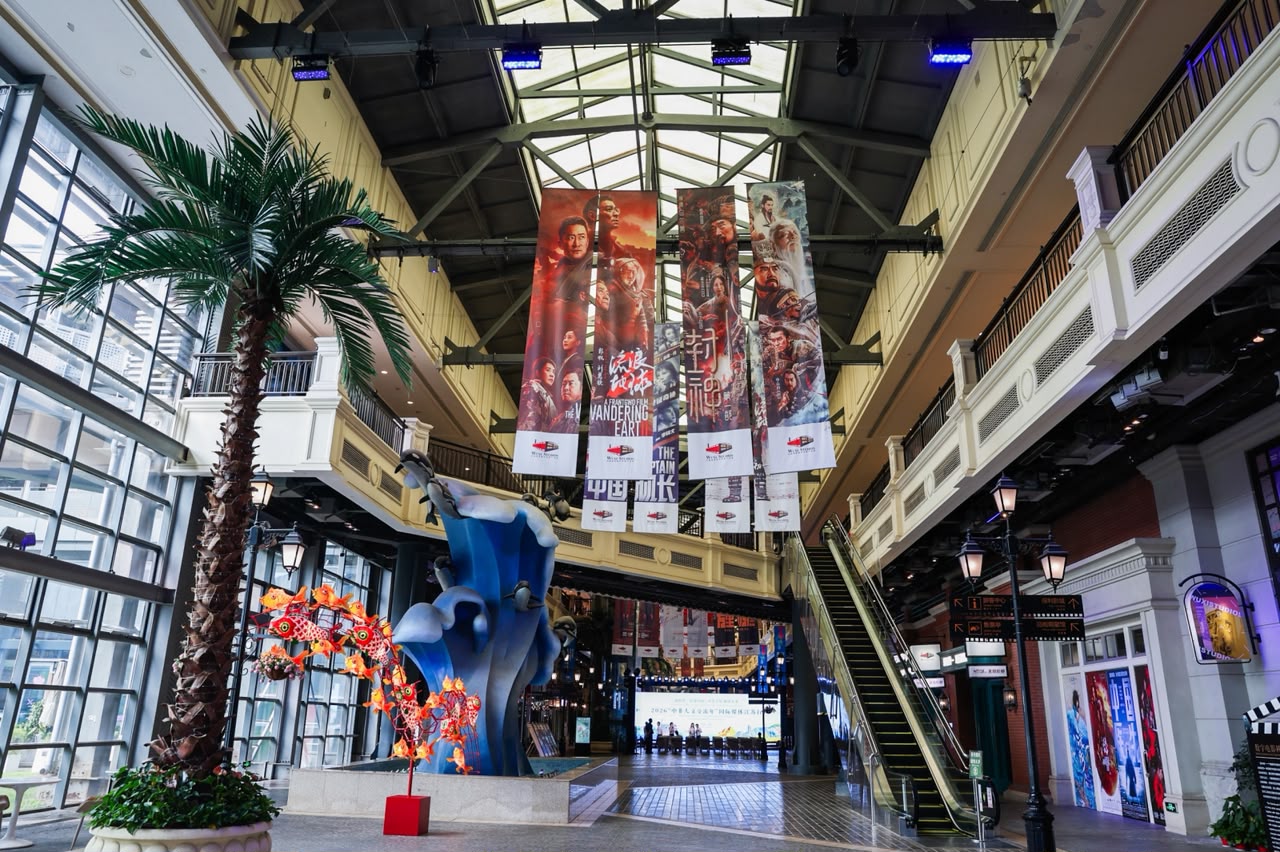
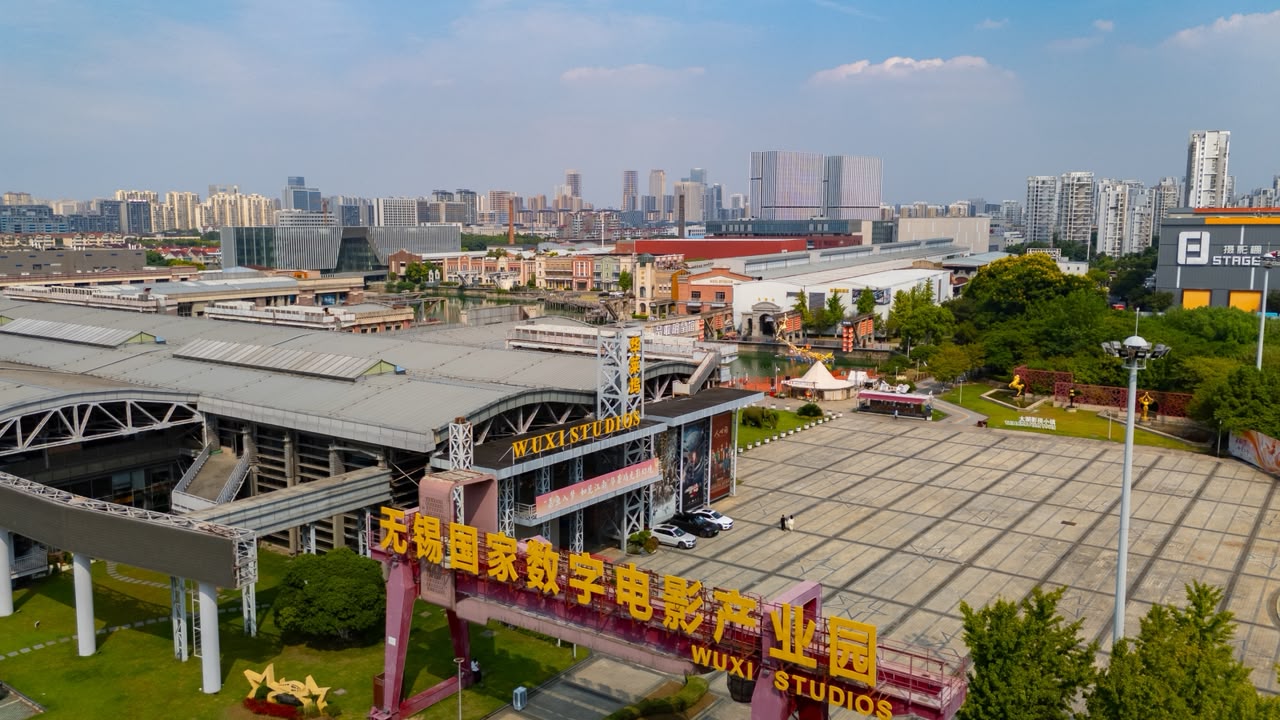
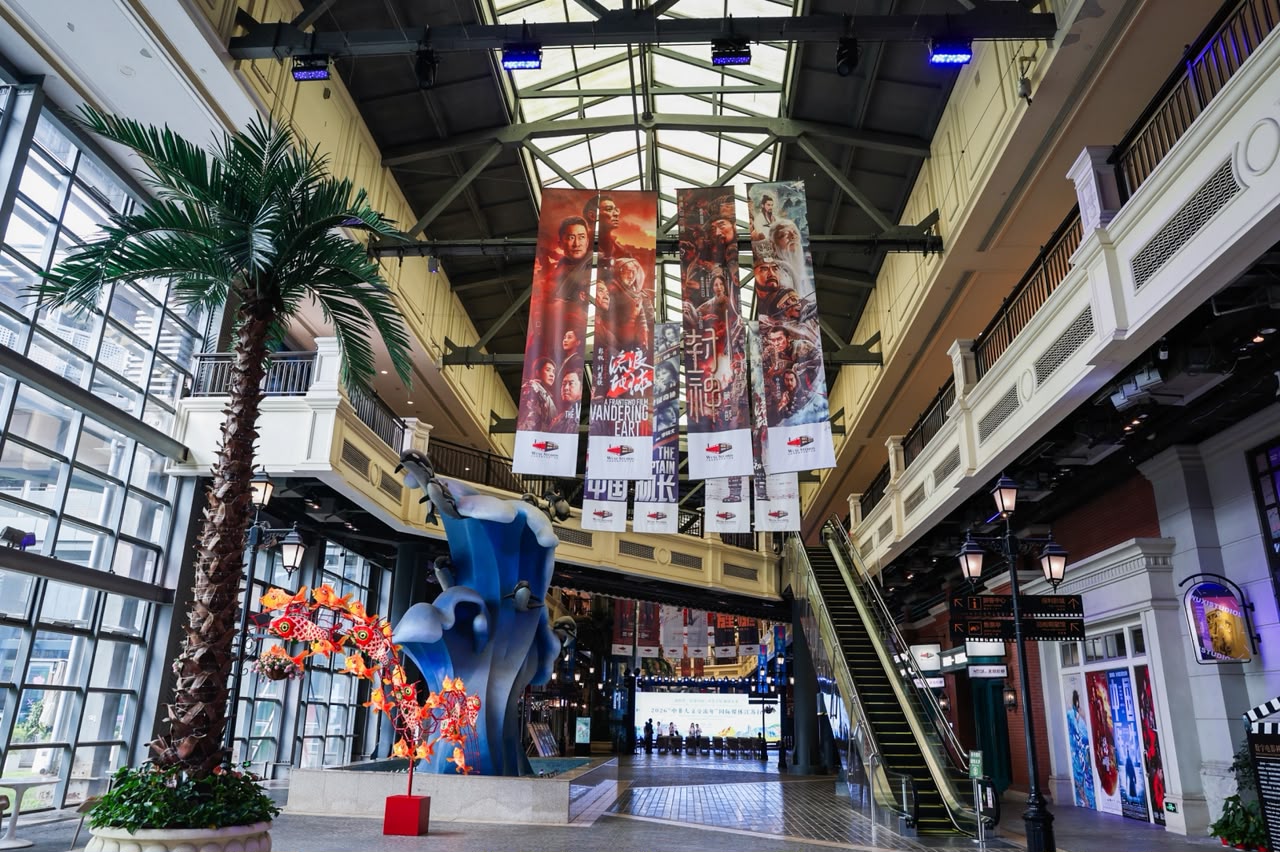
At the Wuxi National Digital Film Industrial Park, known as “China’s Hollywood,” creativity has become a major economic sector.
Opened in 2013, the park covers approximately 39 hectares.
It has supported more than 2,100 films and television programmes and attracted over 1,200 film and cultural enterprises.
Its annual output value is estimated between 6 billion and 8 billion yuan, supported by 15 high-tech studios, virtual production facilities, artificial intelligence applications and a 5G smart virtual cinematography laboratory.
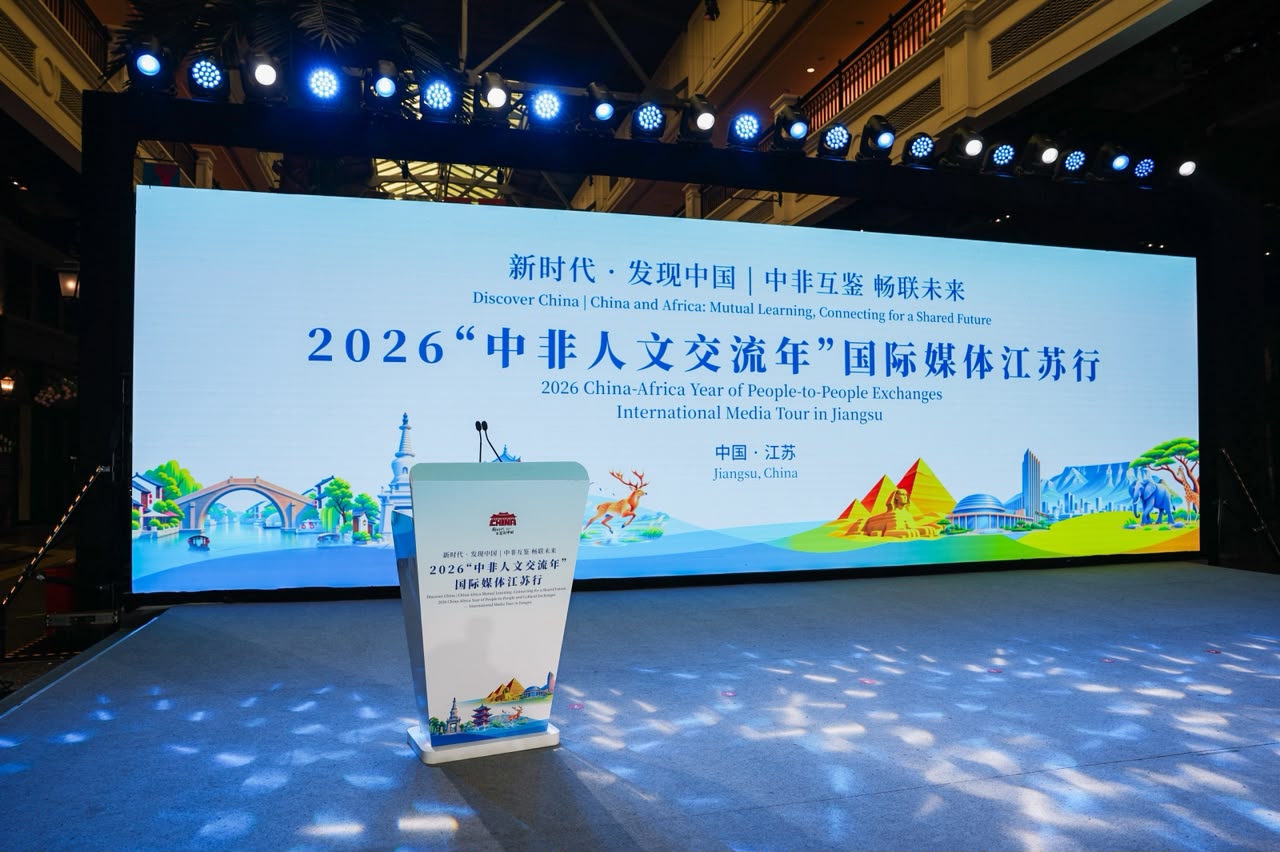
The visit coincided with the 2026 China–Africa Year of Cultural and People-to-People Exchanges, marking 70 years of China–Africa diplomatic relations.
In the first half of 2026, Wuxi’s trade with Africa reached 18.6 billion yuan, increasing by 40.7% year on year.
More than 3,000 fisheries technicians and administrators from over 50 African countries have received training in Wuxi.
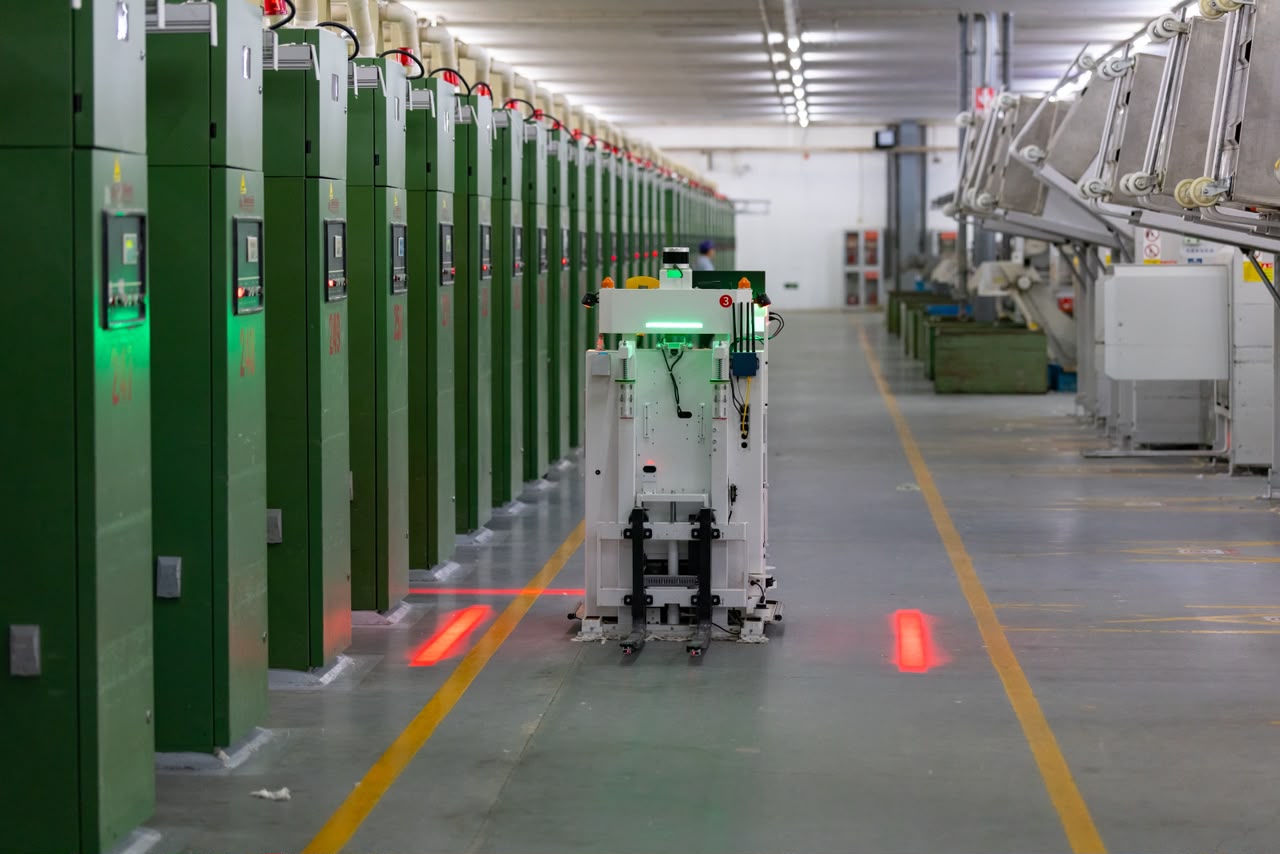
Wuxi has a unique identity, where natural landscapes coexist with one of China’s most dynamic economic regionsWuxi National Digital Film Industrial Park showcases China’s investment in creative industries, technology and future-oriented developmentWorkers remain at the centre of Jiangsu’s textile industry, combining skilled craftsmanship with modern manufacturing systems.Automation and intelligent technology are reshaping traditional industries, increasing efficiency in Jiangsu’s textile sectorWuxi’s landscapes highlight the balance between urban development, ecological protection and sustainable growthDaizhuang Village represents Jiangsu’s rural transformation, where agriculture, technology and ecological development grow togetherWuxi blends economic innovation with cultural heritage, earning recognition as a UNESCO Creative City of MusicInside Wuxi No.1 Cotton Textile Group, advanced looms transform high-quality yarn into premium fabrics for global markets
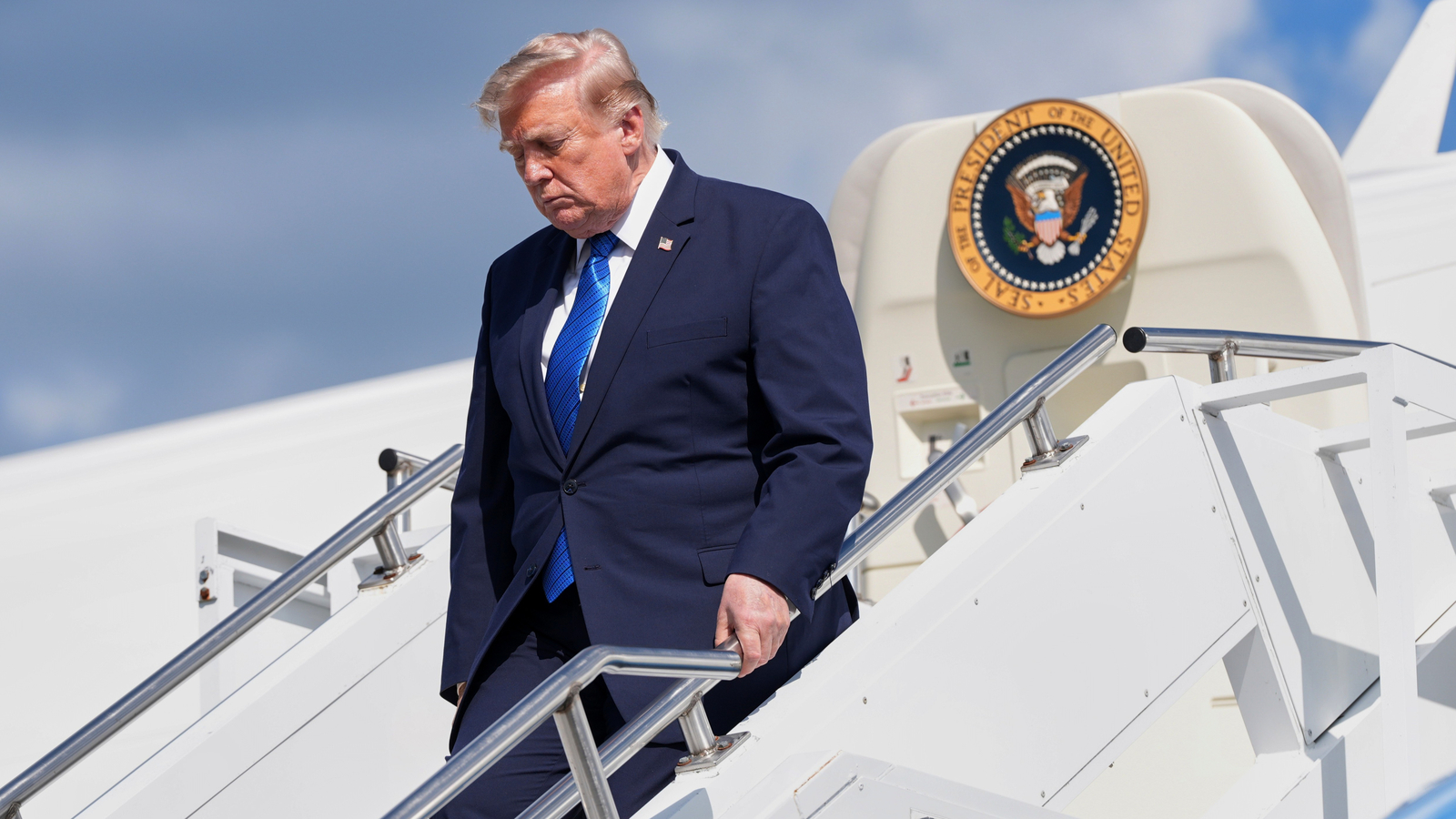
The meeting is expected to focus on U.S. ideas for a postwar strategy, the report said.
Citing sources, the report said Trump is expected to meet with leaders or foreign ministers from the six Gulf Cooperation Council countries: Saudi Arabia, the United Arab Emirates, Qatar, Bahrain, Kuwait and Oman. The U.S. Department of State sent out initial invitations on Wednesday.
Trump and his senior team are working on a day-after plan that is expected to be finalized after the midterm elections, according to the report.
Israeli Prime Minister Benjamin Netanyahu also wanted to meet Trump in New York, but no meeting had been scheduled, Axios reported, citing an Israeli source.
Trump is expected to hold Iran talks with Gulf leaders next week.
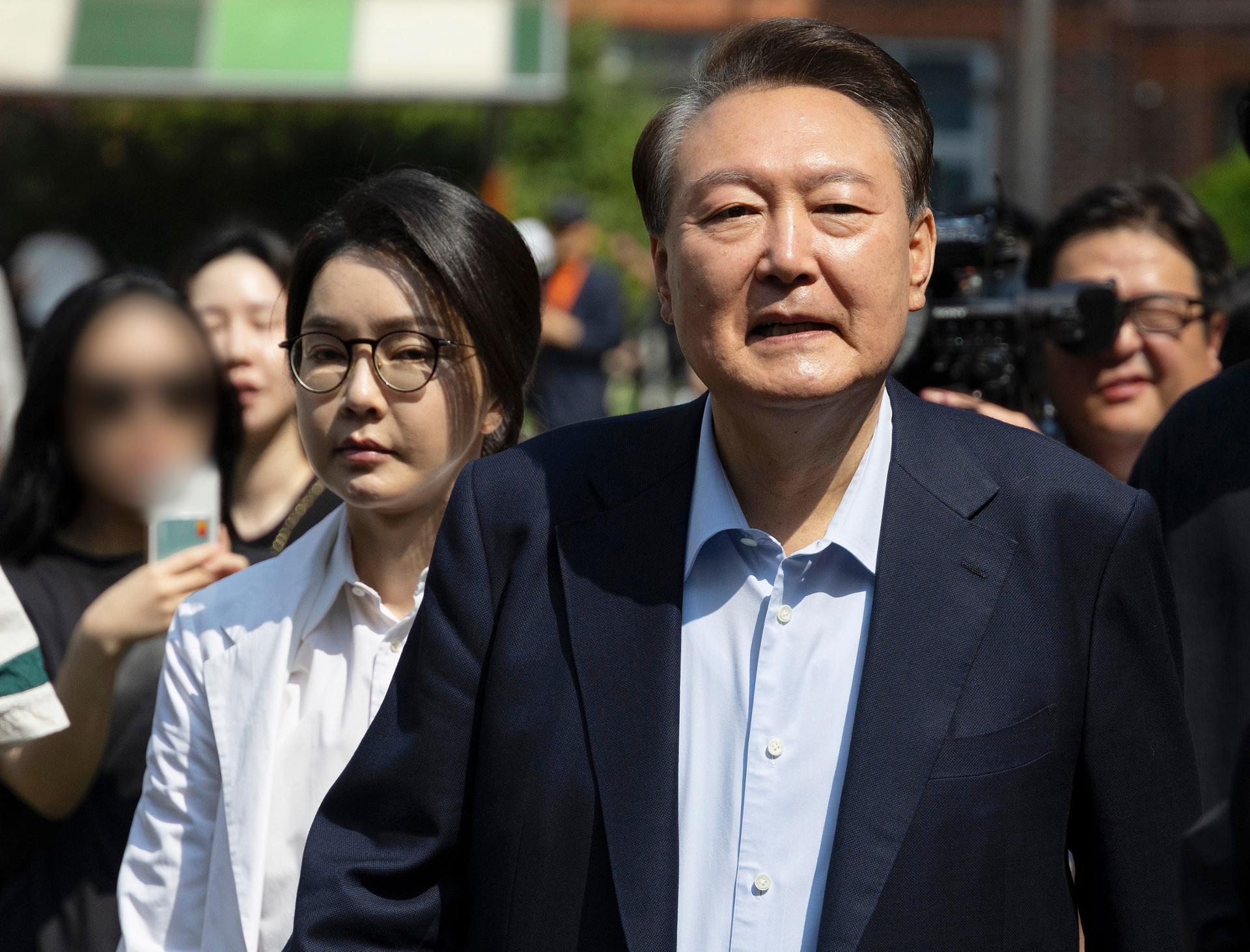
The Seoul Central District Prosecutors’ Office formally charged Yoon with failing to fulfill his official reporting duty under the Improper Solicitation and Graft Act, despite knowing that his wife, Kim Keon-hee, had accepted high-priced gifts.
Kim was accused of accepting a luxury handbag valued at 3 million won (2,170 U.S. dollars), a cosmetics set worth 1.79 million won and premium liquor worth 400,000 won from a pastor between June and September 2022.
The prosecution initially dropped all charges against the couple in October 2024, but the case was reopened under a special counsel probe targeting Yoon’s wife.
A special police task force in charge of independent counsel referrals forwarded the case back to the prosecution with a recommendation for indictment in June.
Yoon was sentenced to life in prison in February for the insurrection stemming from his martial law declaration.
The emergency martial law was declared by Yoon on the night of Dec. 3, 2024, but it was revoked hours later by the National Assembly.
He was indicted under detention in January 2025 as a suspected ringleader of the insurrection, becoming the first sitting president to be arrested and indicted.
South Korea’s former President Yoon Suk-yeol has been indicted on charges of violating the anti-graft law.
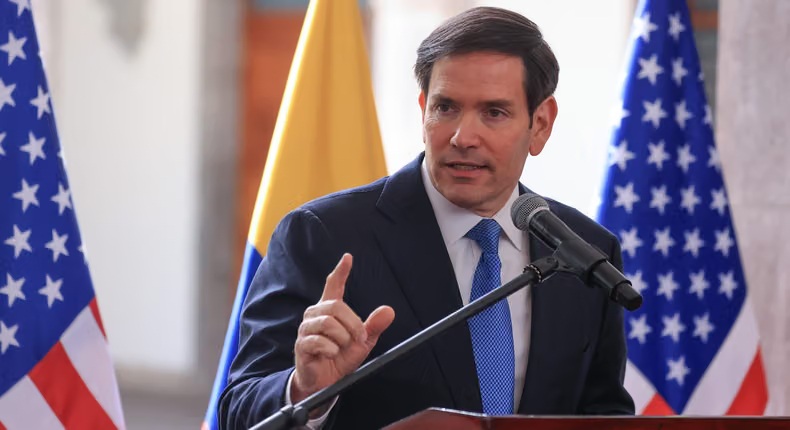
US Secretary of State Marco Rubio announced the policy on Tuesday, saying Washington had determined that the South African government had not adequately addressed concerns previously raised by the Trump administration.
The restrictions will target people whom the US says are responsible for or complicit in the enactment or implementation of laws or policies that enable uncompensated land seizures, race-based discrimination or the incitement of imminent violence against minority ethnic or racial groups in South Africa.
The US did not immediately identify any individuals affected by the restrictions.
Rubio said the policy was being imposed under Section 212(a)(3)(C) of the US Immigration and Nationality Act, which allows the secretary of state to declare a foreign national inadmissible where their entry could have potentially serious adverse consequences for US foreign policy.
“These actions directly undermine peace, economic stability, and the rule of law,” Rubio said in the statement.
The move is the latest escalation in relations between Washington and Pretoria, which have deteriorated since President Donald Trump returned to office in January 2025.
The Trump administration has repeatedly accused South Africa of discriminating against Afrikaners, the predominantly white descendants of European settlers, through its racial-equity policies and land reform programme. South Africa has rejected those allegations.
At the centre of the dispute is South Africa’s land reform policy. President Cyril Ramaphosa signed legislation allowing the state to expropriate property in the public interest, including in limited circumstances where compensation may be set at zero.
The law requires authorities, in most cases, to first seek agreement with property owners, while disputes can be challenged in court. The South African government has argued that the legislation is intended to address land inequalities created during apartheid and does not permit arbitrary seizure of property.
Land ownership remains a politically sensitive issue in South Africa, where the black majority was dispossessed of land and denied many rights under apartheid.
Trump has previously accused South Africa of failing to protect white farmers and offered refugee status to Afrikaners seeking to leave the country. South African authorities have rejected claims of a campaign of persecution against white people and have said allegations of a “white genocide” lack credible evidence.
The latest US measures come after Washington imposed a 30% tariff on South African exports in August, adding to tensions between the two countries.
The US embassy in Pretoria said the new visa restrictions were the first in a series of measures intended to demonstrate Washington’s position on the issue.
“The South African government has not adequately addressed the previously laid out concerns,” Rubio said.
US Secretary of State Marco Rubio announced the policy on Tuesday, saying Washington had determined that the South African government had not adequately addressed concerns previously raised by the Trump administration.
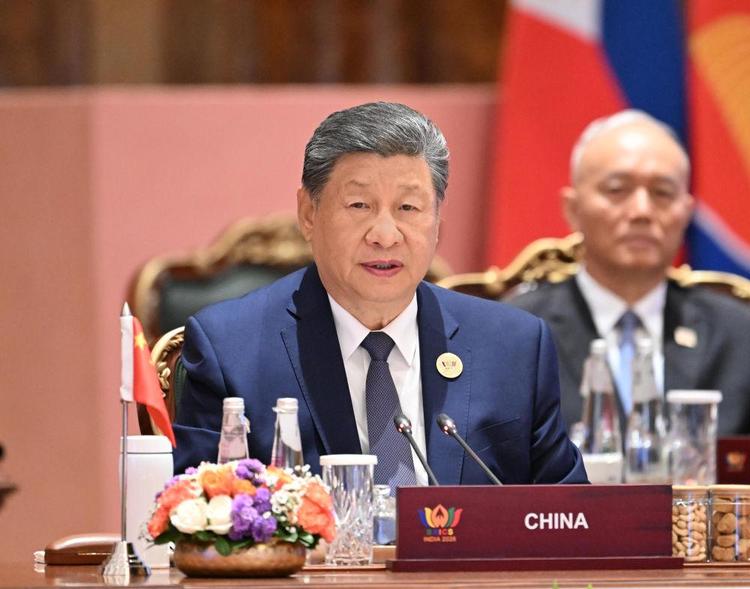
In a speech when attending the second day of BRICS summit in New Delhi, Xi also outlined concrete proposals to further strengthen greater BRICS cooperation, with a focus on emerging areas including artificial intelligence, trade, digital industries and manufacturing.
Key driver of multipolarity
Xi pointed out that when changes unseen in a century are accelerating across the world, the Global South, with its collective rise, has become a key driver of world multipolarity.
At the same time, the international landscape is volatile and fraught with risks and challenges, Xi said, adding that to bring stability to the world and make it a better place, BRICS countries must seize the historical initiative, rally the Global South, and advance the well-being of all humanity.
Global South countries should jointly defend the rule of law in international affairs, safeguard the basic norms of international relations including sovereign equality, noninterference in internal affairs, and the peaceful settlement of disputes, Xi said. It should be ensured that international law and international rules are applied to all, and free from double standards, he added.
Global South countries should hold high the banner of multilateralism, uphold the authority and role of the United Nations, and support multilateral institutions in advancing reform and increasing efficiency, Xi said.
He also called for promoting the reform of the World Trade Organization in the right direction, as well as reforming and improving the international financial architecture to increase the representation and voice of developing countries.
Global South countries should stay committed to a people-centered development philosophy and strive to deliver on the 2030 Agenda for Sustainable Development, Xi said.
Global South countries should also jointly advance security governance, tackle both traditional and nontraditional security threats, and improve global climate governance, Xi said, also calling for working faster to evolve a consensus-based global AI governance framework, so that new technologies can light the way toward shared prosperity.
“It is a solidarity that unlocks partnerships, unlocks democratization of the international system, unlocks an open international system, and unlocks an inclusive international system,” said Charles Onunaiju, director of the Center for China Studies in Nigeria.
Rakhim Oshakbayev, director of the TALAP Center for Applied Research in Kazakhstan and former Kazakh vice minister for investment and development, said BRICS cooperation should “bring together developing countries’ shared aspirations and promote coordination and cooperation.”
BRICS countries should continue seeking common interests, he said, noting that the grouping’s expansion had placed greater demands on internal coordination.
Greater BRICS cooperation
During the speech, Xi proposed five initiatives on “greater BRICS” cooperation in areas of AI, trade and investment facilitation, digital industry, intelligent manufacturing, and science and technology talent development.
To accomplish great things and achieve major progress, the foundation of greater BRICS cooperation must be cemented, Xi said, calling for leveraging BRICS’ close ties with fellow emerging markets and Global South countries, upholding open cooperation for mutual benefit, safeguarding stable and smooth industrial and supply chains, and fostering a large integrated market.
“We should build incubators for innovation, upgrade traditional industries, develop emerging industries, and deploy future industries,” Xi said.
On the open source and inclusive AI initiative, Xi said that China will be a pioneer in establishing a BRICS AI open source community, support the cooperation in developing and applying large language models, hold specialized AI seminars and training courses, and build an open ecosystem for AI.
On the trade and investment facilitation initiative, China proposes to establish a BRICS special economic zone partnership, under which countries can set up an intelligent portal, coordinate policies, and build a new frontier for open development, Xi said, adding that in an effort to cultivate new drivers of economic and trade cooperation, China will hold the BRICS Forum on Trade in Services next year.
On the digital industry cooperation initiative, Xi said that China will push for establishing a BRICS digital ecosystem cloud platform, and conduct digital skills training, technological exchange and industrial alignment, so as to jointly enable the development of the digital economy.
On the intelligent manufacturing cooperation initiative, China stands ready to assist fellow BRICS countries in building smart factories and developing standards and norms, and jointly promote manufacturing transformation and upgrading, he said.
On the science and technology talent development initiative, China proposes to set up a BRICS engineer cultivation alliance for joint development of engineers and mutual recognition of competency standards, Xi said, adding that China will launch a BRICS youth exchange program for scientific and technological innovation, so as to cultivate more high-caliber talent.
The five initiatives proposed by Xi focus on key areas including technology, industry, trade and talent, providing concrete pathways to lay a solid foundation for practical cooperation among the broader BRICS community, said Serik Korzhumbayev, editor-in-chief of the Delovoy Kazakhstan newspaper.
It demonstrates China’s firm resolve to share the opportunities of its modernization, a reflection of the spirit of openness, inclusiveness and mutual benefit that underpins BRICS cooperation, he said.
Xi has outlined concrete proposals to further strengthen greater BRICS cooperation