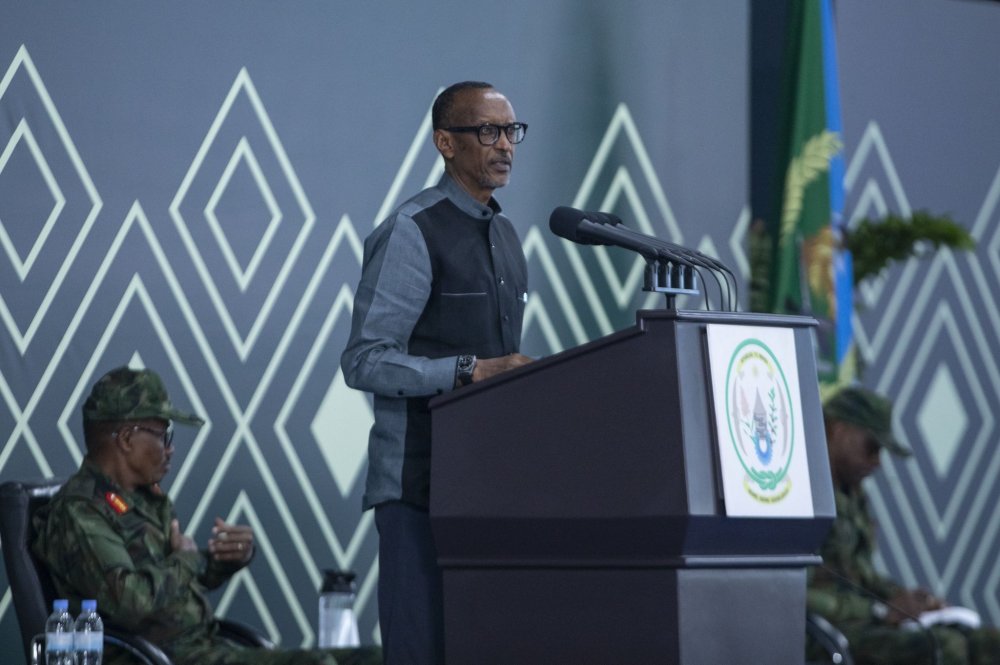
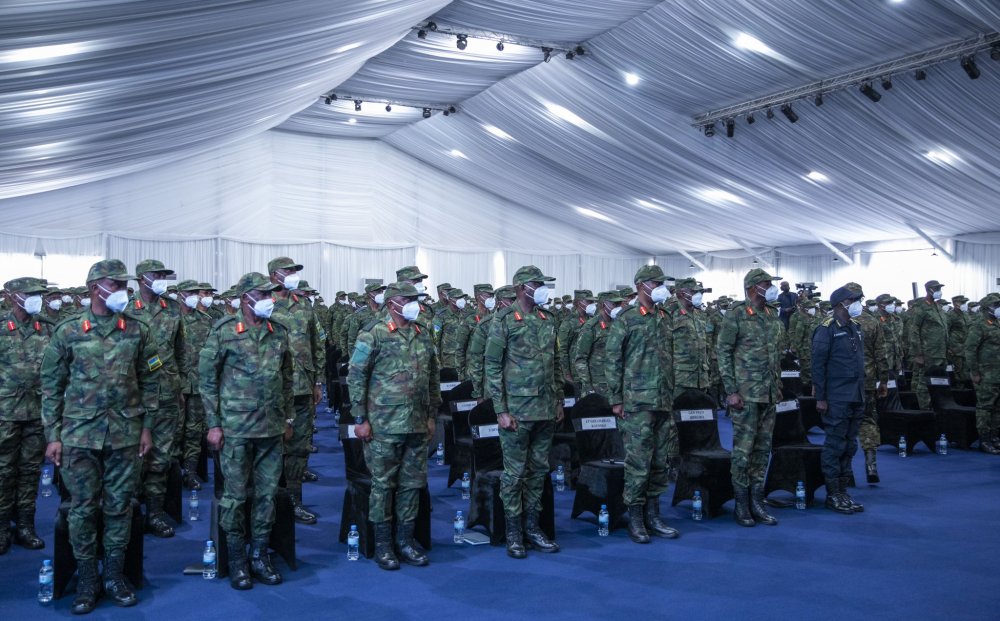
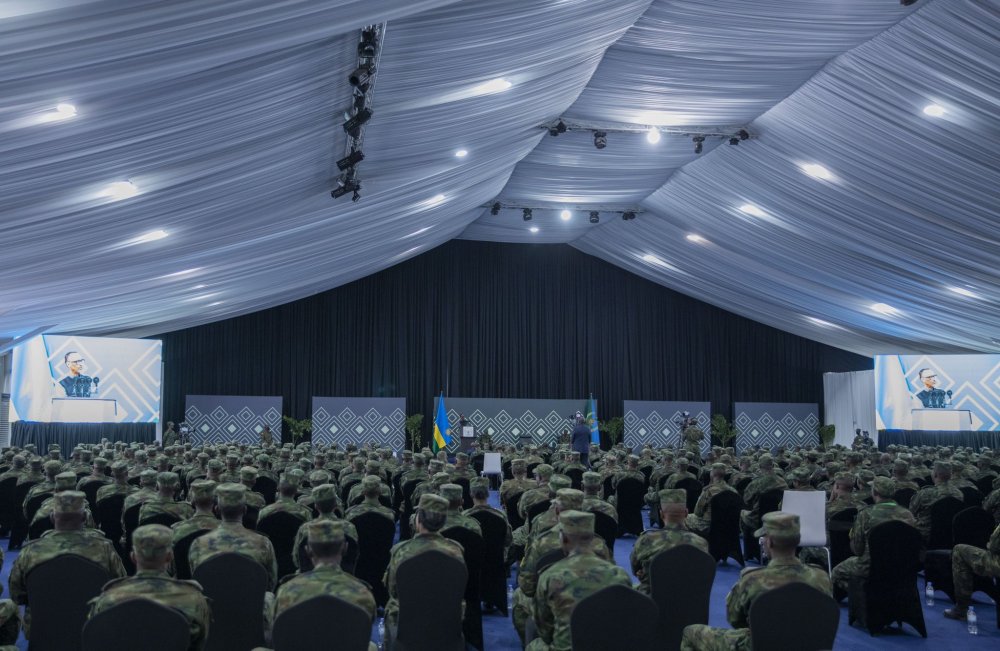
Rwanda’s Presidency has revealed that the council took place on Friday but did not mention topics of discussions.
The High Command Council is a periodic decision-making council and a strategic guidance forum chaired by the Commander-in-Chief.
Speaking at the High Command Council held last year in September, President Kagame called on all present to uphold the values of discipline, service to country and hard work on which RDF was founded.
He reminded the participants of their role in ensuring the sustainability of Rwanda’s socio-economic transformation and hard-earned security.
{{Below are new features on BK internet banking }}
{{1. URUBUTO PAY}}
With BK Internet Banking Channel, you are able to pay High School and University tuition fees easier and faster. You do not need to waste time queuing at the branch!
{{2. MTN/AIRTEL Purchase}}
You can purchase MTN & AIRTEL float easier and faster with BK Internet Banking Chanel.
{{3. Instant Card Loading}}
Load your Prepaid and Credit card and instantly start using the credit with no need to contact the bank
{{4. Rwanda Revenue Authority Payments}}
BK Internet banking allows you to pay RRA taxes on time. There’s no need to be fined for late payment when BK Internet Banking is available at your fingertips.
{{5. NAEB}}
With BK Internet Banking you are able to pay for your imports and exports. You do not need to queue at the bank when you can make payments in a blink of an eye.
HOW TO REGISTER?
Registering for BK Internet Banking is quick and easy one-time process. You can register by filling in the registration form and dropping it off at any of our branches or head office. You will be given a registration username and password which you can use to access BK Internet Banking. BK Internet Banking is available to Business and Personal account holders who have a BK current or savings account.
For more information Bank of Kigali – Internet Banking (bk.rw)
Emmanuel Muganga, 39, a resident of Kigabiro in Remera Sector, Gasabo District was arrested in Nyagatare Sector, Barija cell where the Rwanda National Police (RNP) department of Testing and Licensing was supervising driving tests.
Superintendent of Police (SP) Hamdun Twizeyimana, the Police spokesperson for the Eastern region, said that Muganga had registered to do tests for category ‘A’ driver’s license. Category ‘A’ is for a motorcycle.
“Police officers from the department of Testing and Licensing, who were verifying the documents of candidates before doing the driving tests, realized that Muganga’s provisional driver’s license was forged and they arrested him,” said SP Twizeyimana.
Investigations indicate that Muganga passed a provisional driving test in 2015 but neither did he pay for it or collect it.
Recently, with the help of one only identified as Hategekimana, a driving instructor, they allegedly forged a provisional driving license, which he was caught with.
Muganga allegedly paid Hategekimana Frw30,000 for the illegal service. The search for Hategekimana is still underway.
SP Twizeyimana warned the public against forging driver’s license and other related criminal acts.
Last week, another man was arrested at a driving test centre in Rwamagana District also with a forged driver’s license.
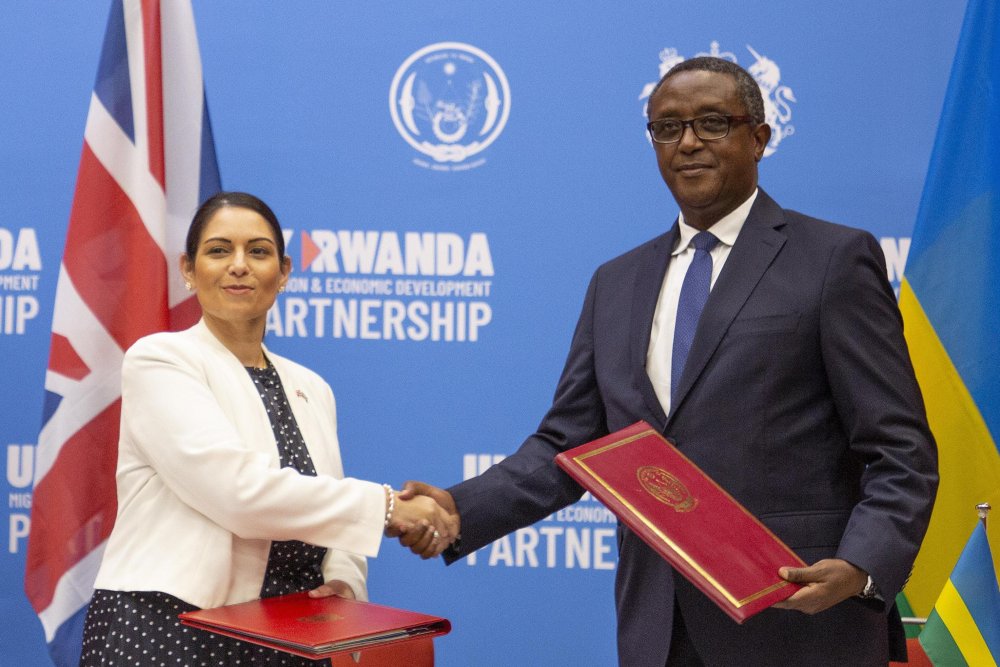
Rwanda and the United Kingdom (UK) recently signed the Economic Development Partnership on Thursday 14th April 2022.The partnership will see Rwanda accommodating asylum seekers staying in UK illegally.
The development came at a time when deep global inequalities are driving millions of people from their homes in search of opportunity, at the same time as millions are forcibly displaced by conflict, persecution, and other threats to safety.
Under this program, the UK will provide an upfront investment of £120 million to fund invaluable opportunities for Rwandans and migrants including secondary qualifications, vocational and skills training, language lessons, and higher education.
These asylum seekers from African countries and others outside the continent will be treated decently like Rwandans upon arrival. It is expected that those willing to return to their mother lands will be helped to do so.
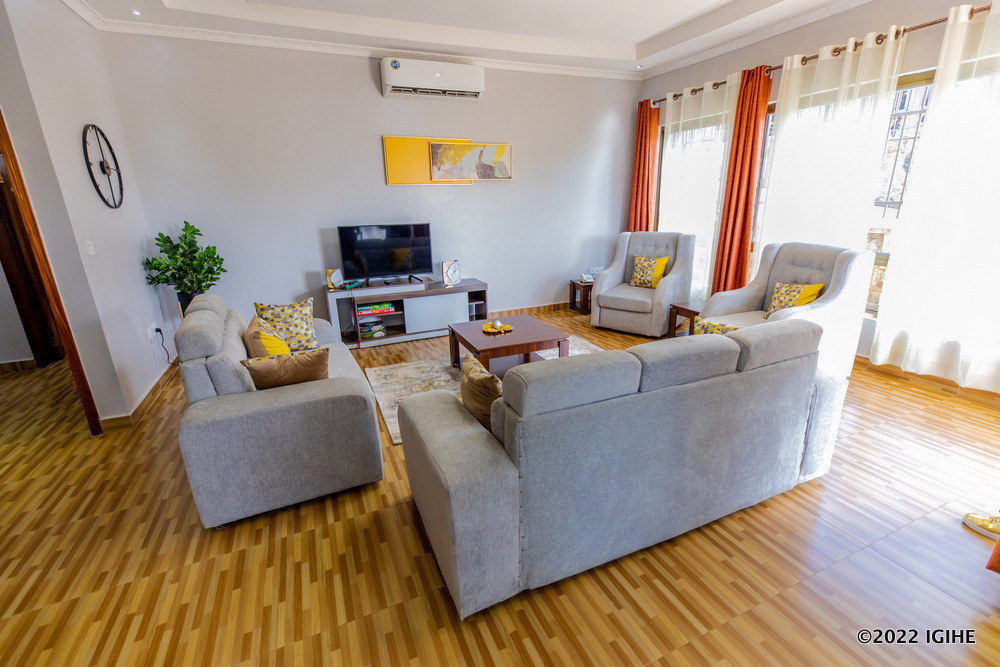
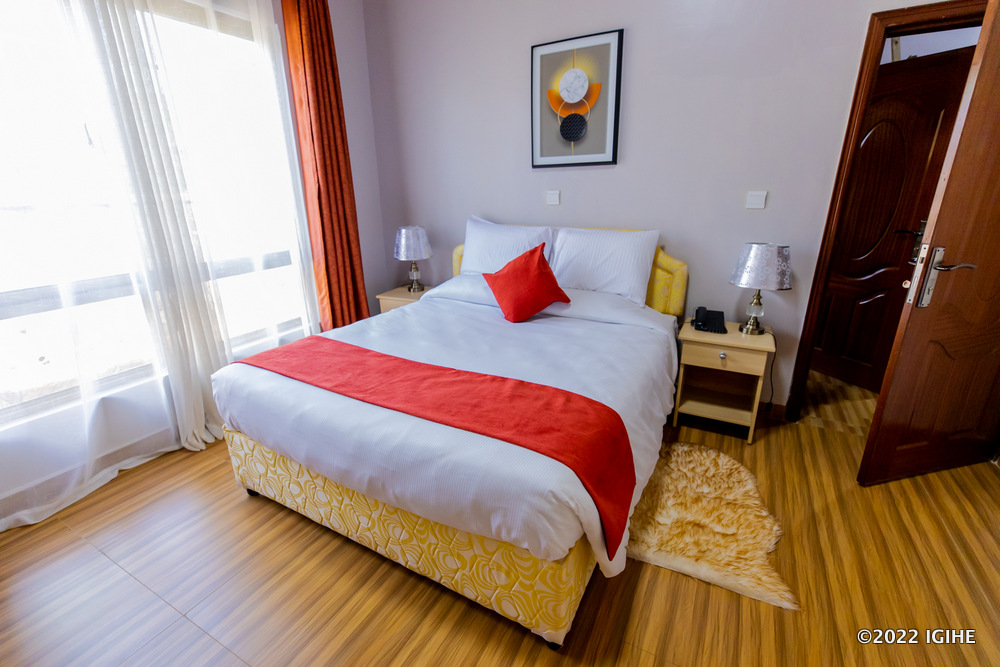
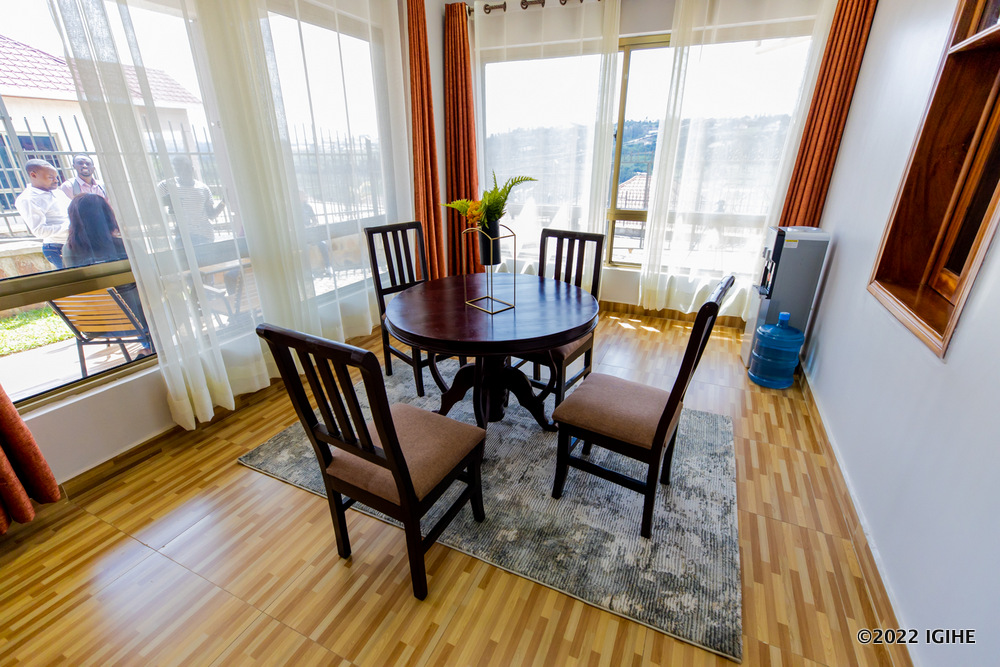
Unlike asylum seekers and refugees from Libya living in Gashora Transit Camp, the ones from UK will be housed in specially-selected accommodation facilities where they will wait for asylum claims to be processed.
{{First batch to arrive soon }}
The Deputy Spokesperson of the Government of Rwanda, Alain Mukuralinda has said that the first batch of asylum seekers is expected to arrive soon. He however revealed that the final decision will be taken by UK.
“We are expecting the first batch of asylum seekers to arrive soon but we cannot confirm the exact date because we are not the ones to send them. The United Kingdom knows the precise number of individuals to be flown in the first batch and when they are ready to send them,” he said.
Mukuralinda revealed that Rwanda has already made necessary preparations.
“The most important thing is that Rwanda is ready. As of today, I want to assure that we can even host 500 in the first batch but they will arrive in batches on communicated dates,” he noted.
Mukuralinda further disclosed that hostels to accommodate the refugees and asylum seekers are available.
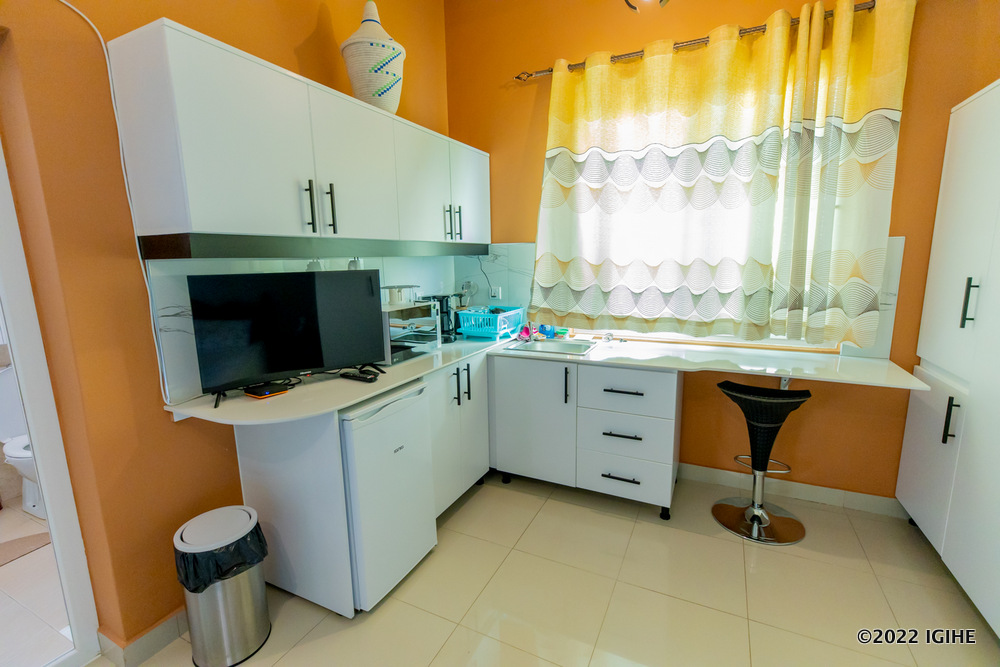
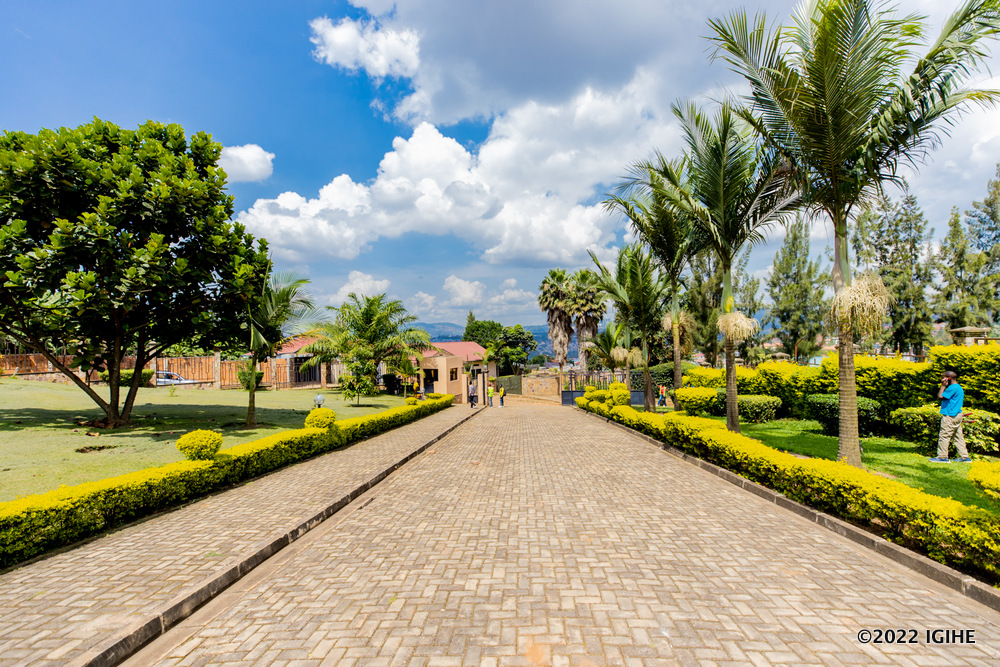
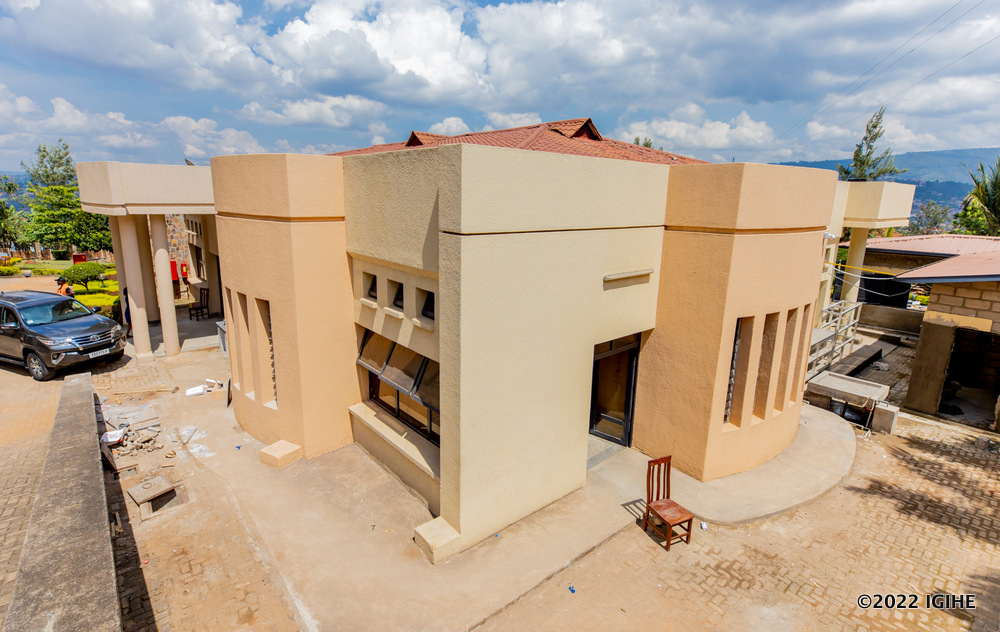
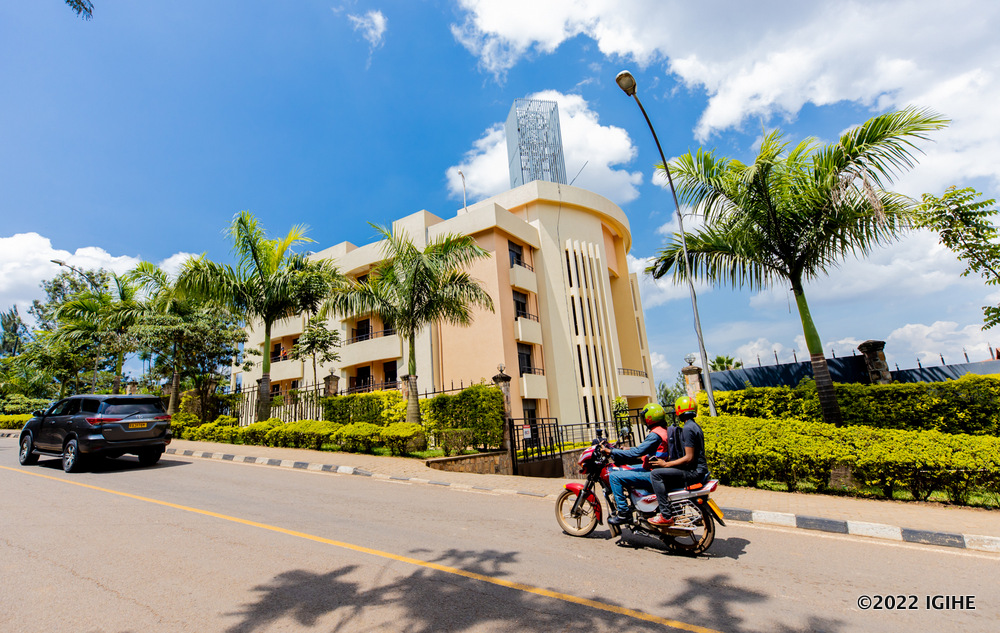
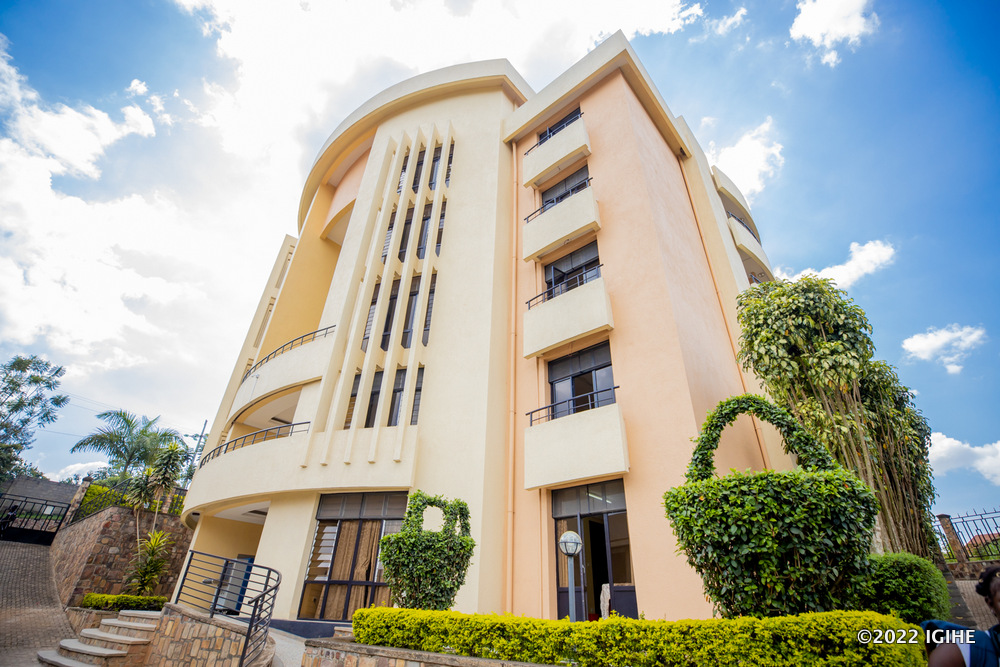
IGIHE has learnt that three buildings meeting requirements in Kigali City have been designated to host them.
These include Hope House located in Kinyinya Sector. The latter is managed by AERG (Association des Etudiants et Eleves Rescapes du Genocide), a body that brings together genocide survivors studying in university and secondary schools. The building previously accommodated Genocide orphans without shelters.
It has been prepared enough to accommodate the asylum seekers. The facility is expected to shelter 100 people who will be served food thrice a day.
Refugees and asylum seekers will enjoy their rights to move freely and return to the building anytime they want.
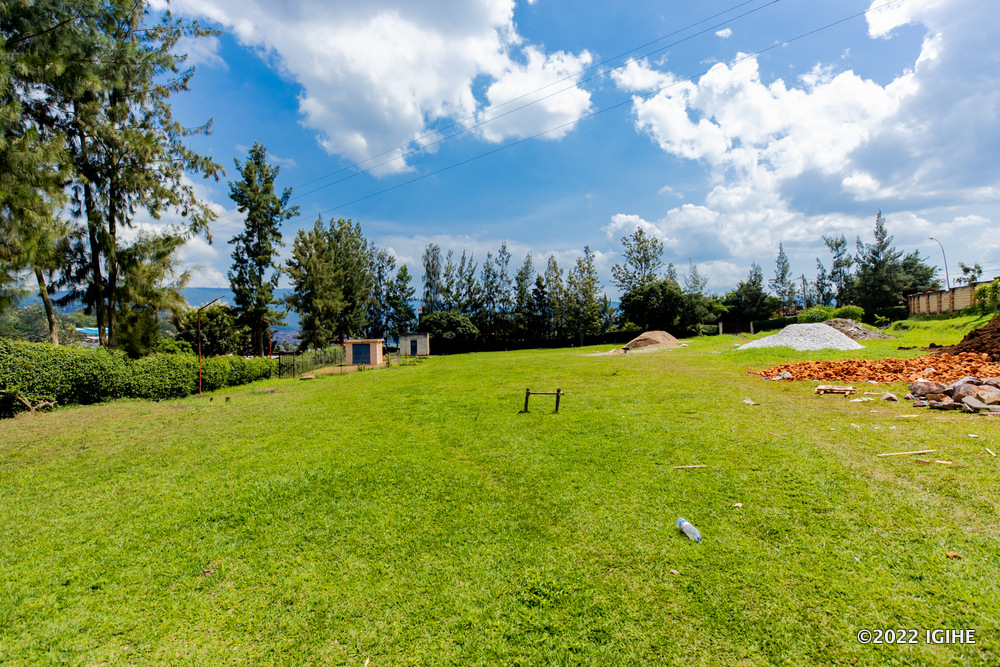
New facilities including a football playground, Volleyball and Basketball courts for asylum seekers are being developed at the premises.
The five-storey building constructed between 2010 and 2014 has all necessary equipment including beds.
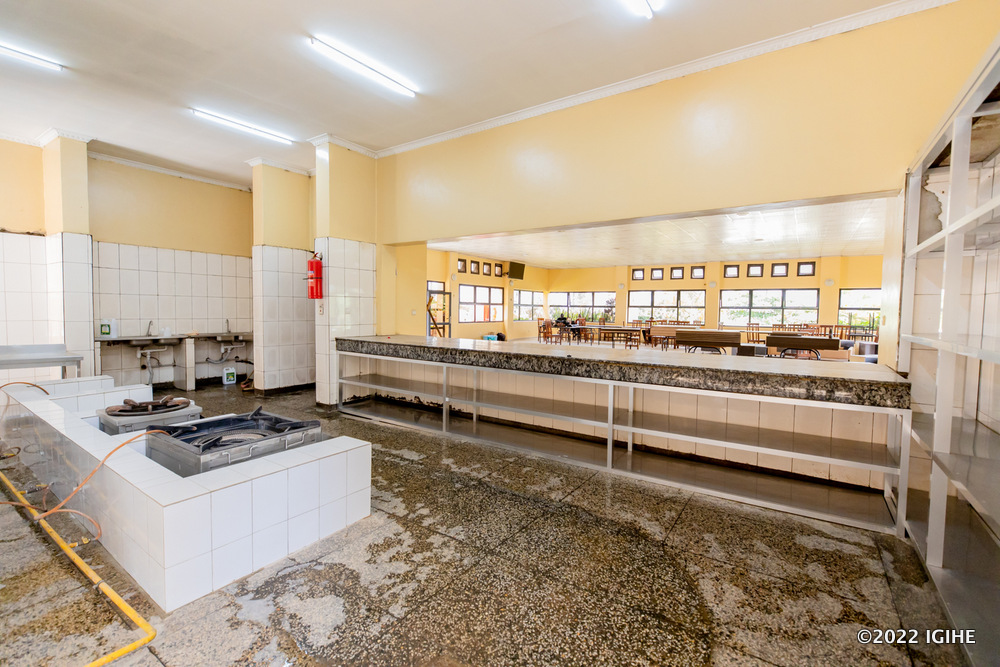
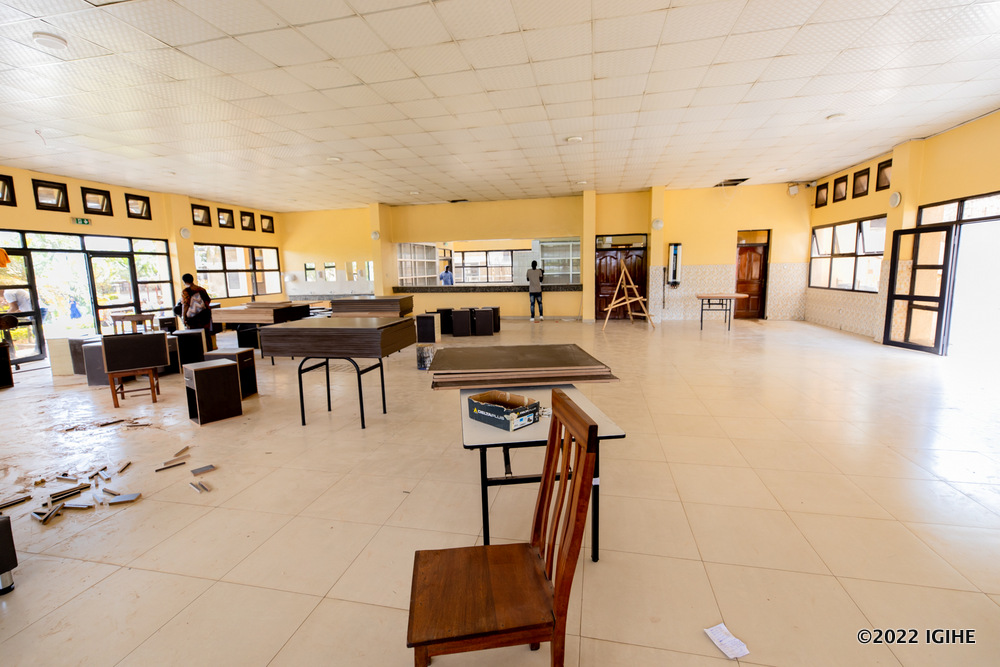
Hope House also has a large room that can serve as a refectory and multipurpose hall where asylum seekers will turn up for social interactions.
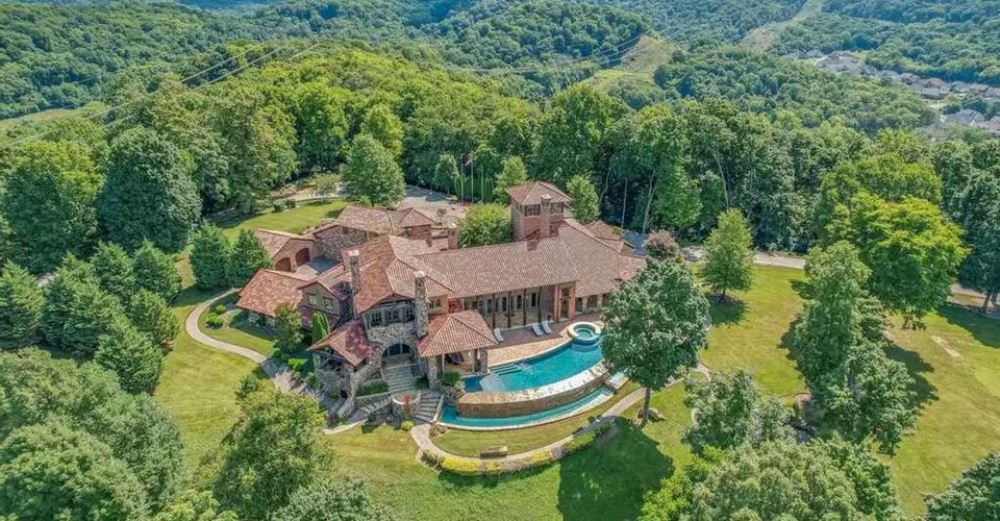
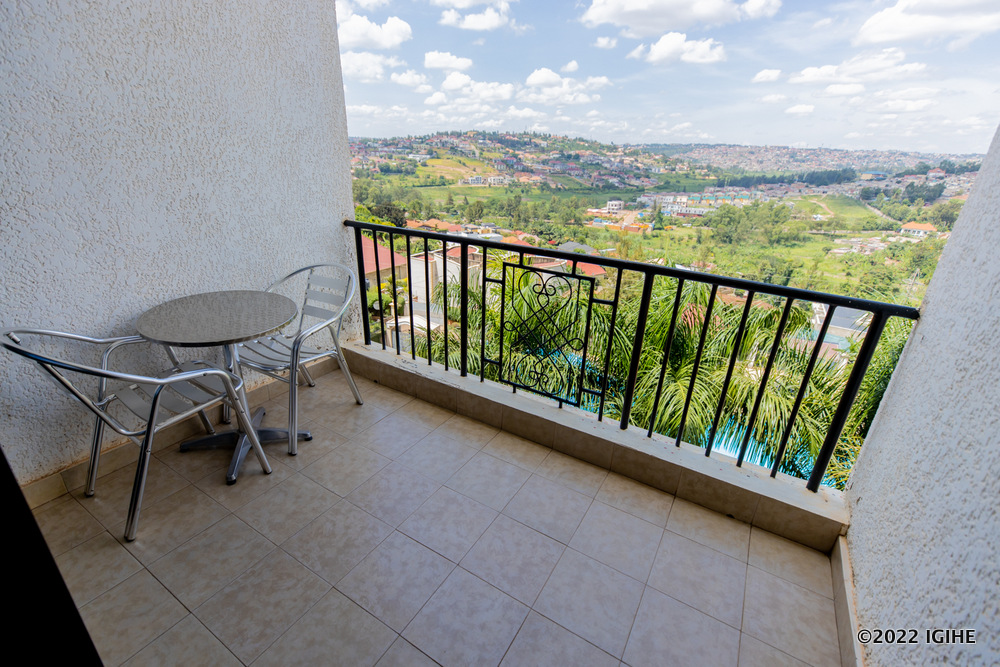
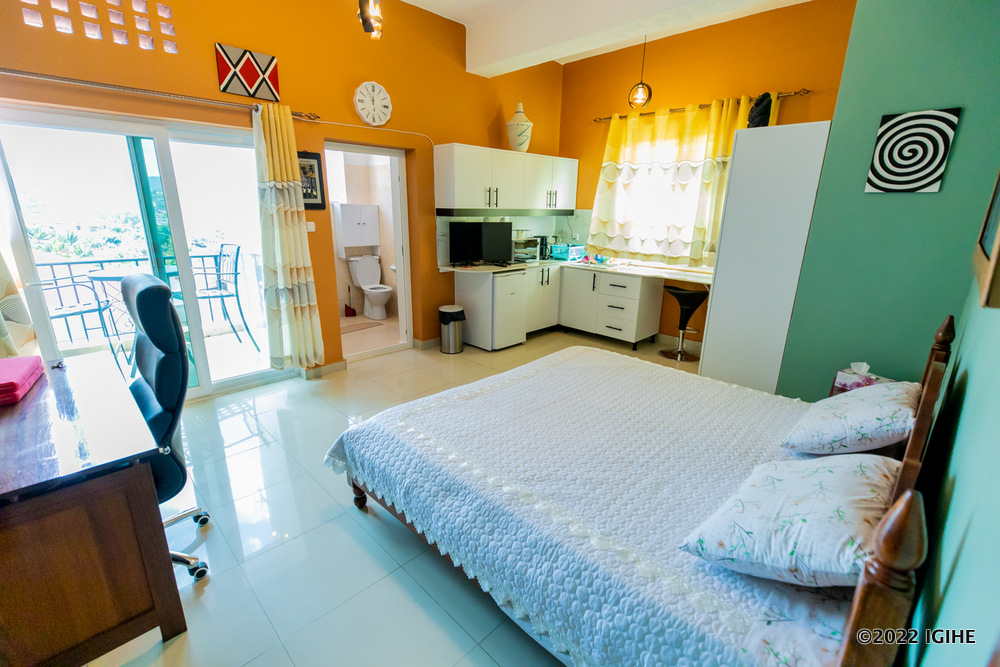
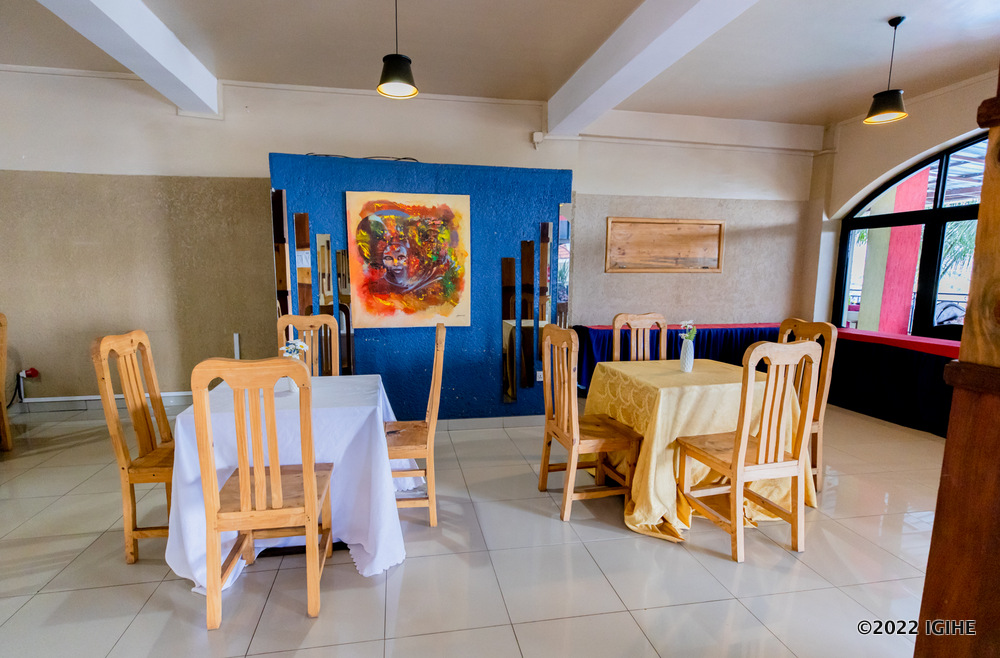
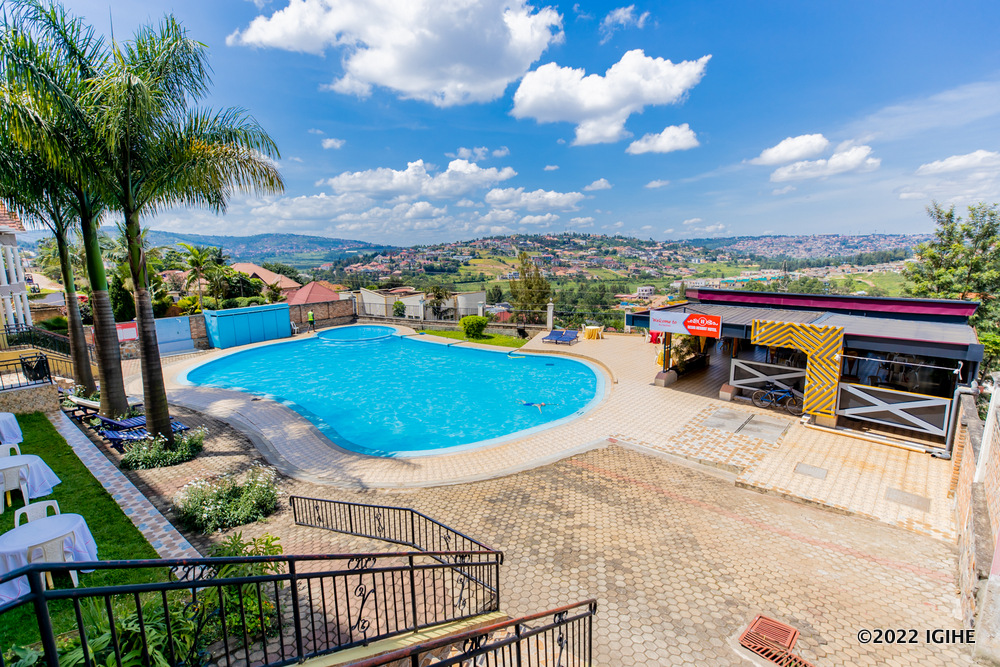
‘Desire Resort Hotel’ located in Kagugu of Gasabo District is another facility set to accommodate asylum seekers. It has 72 rooms and different recreational facilities including a swimming pool.
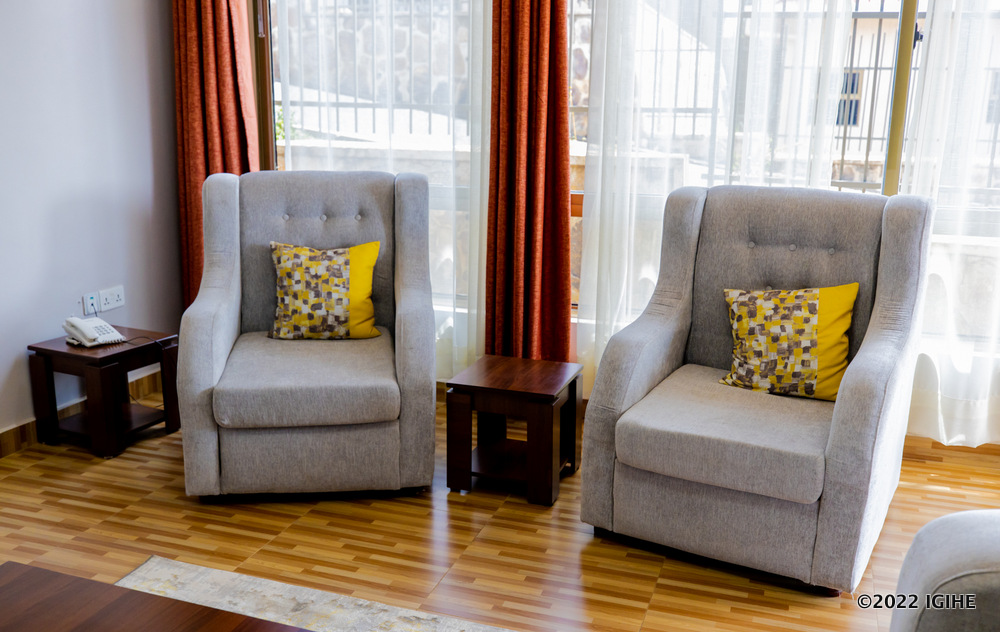
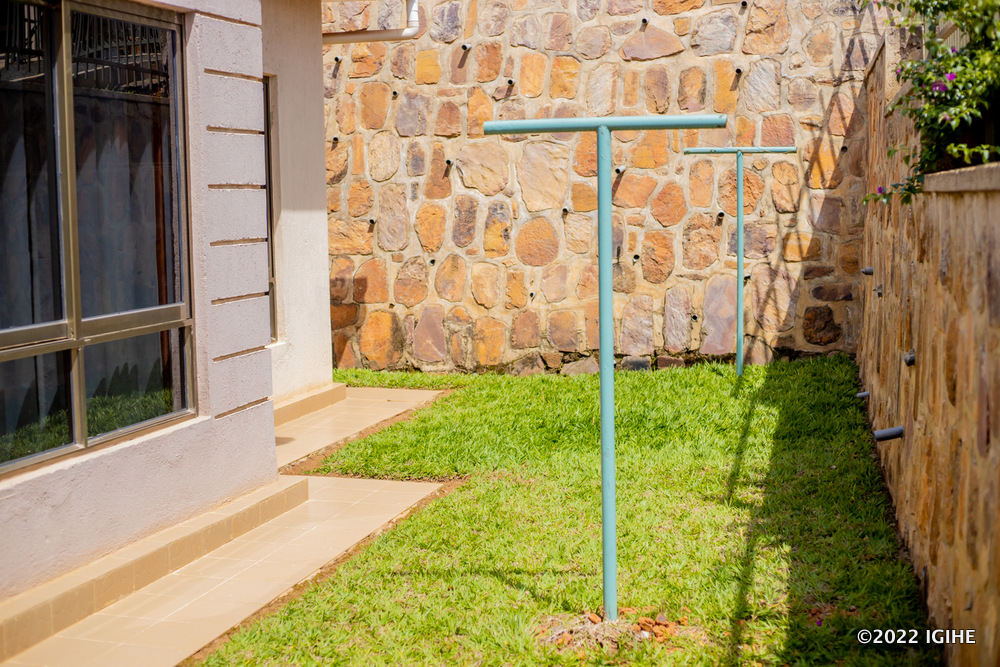
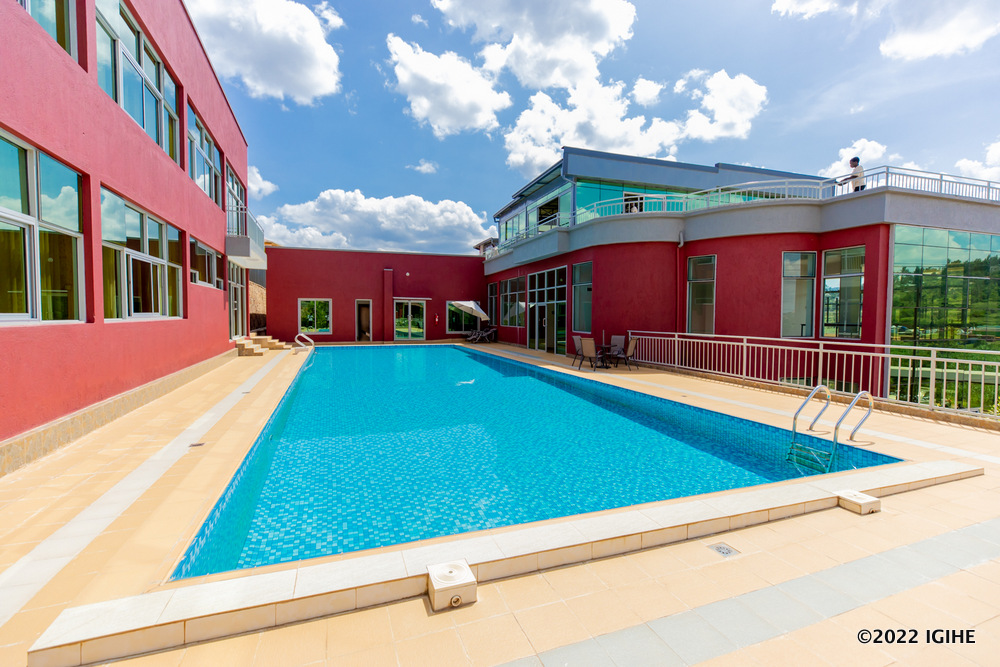
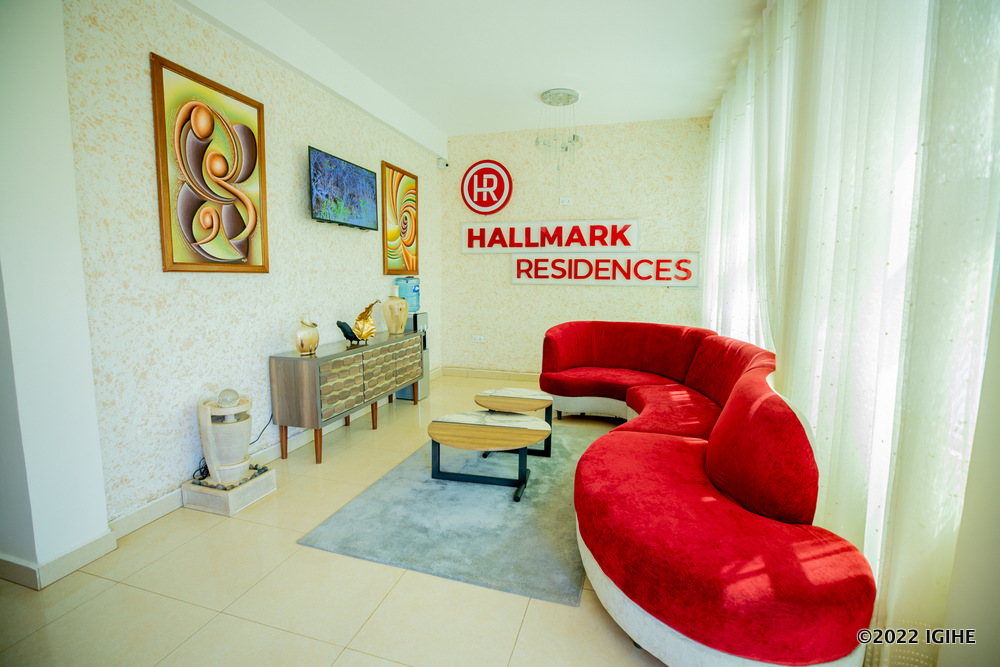
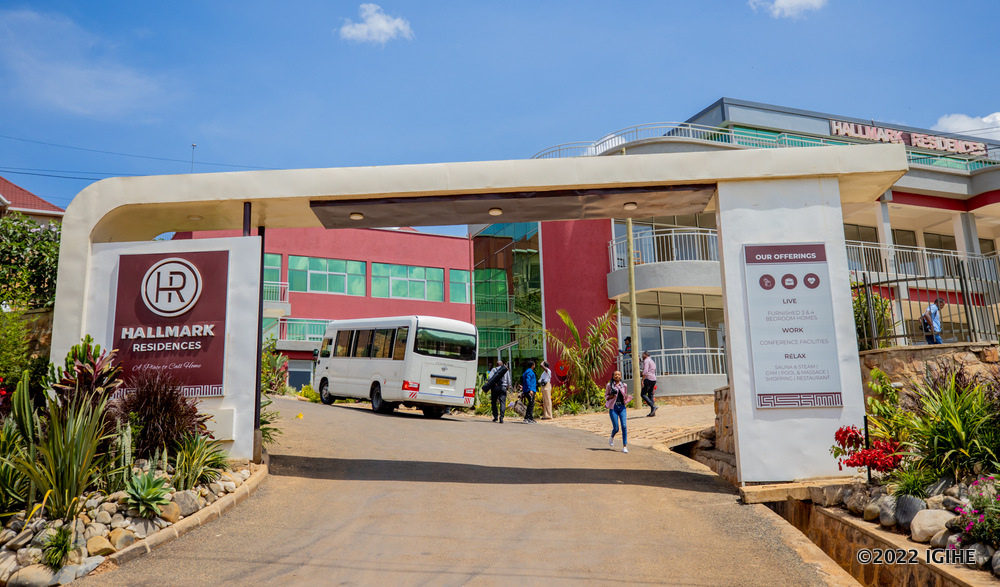
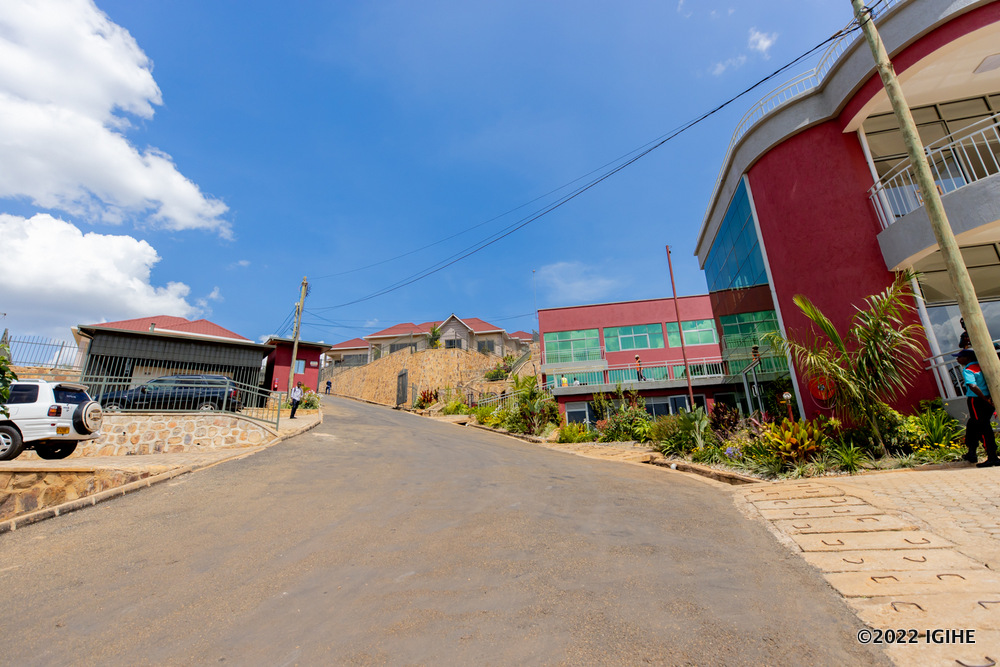
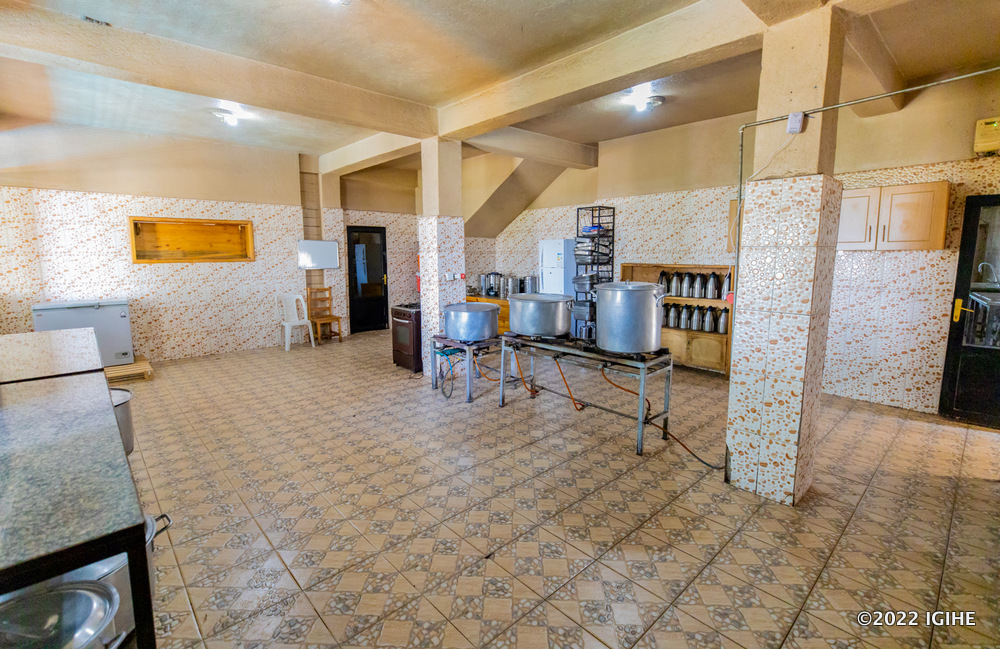
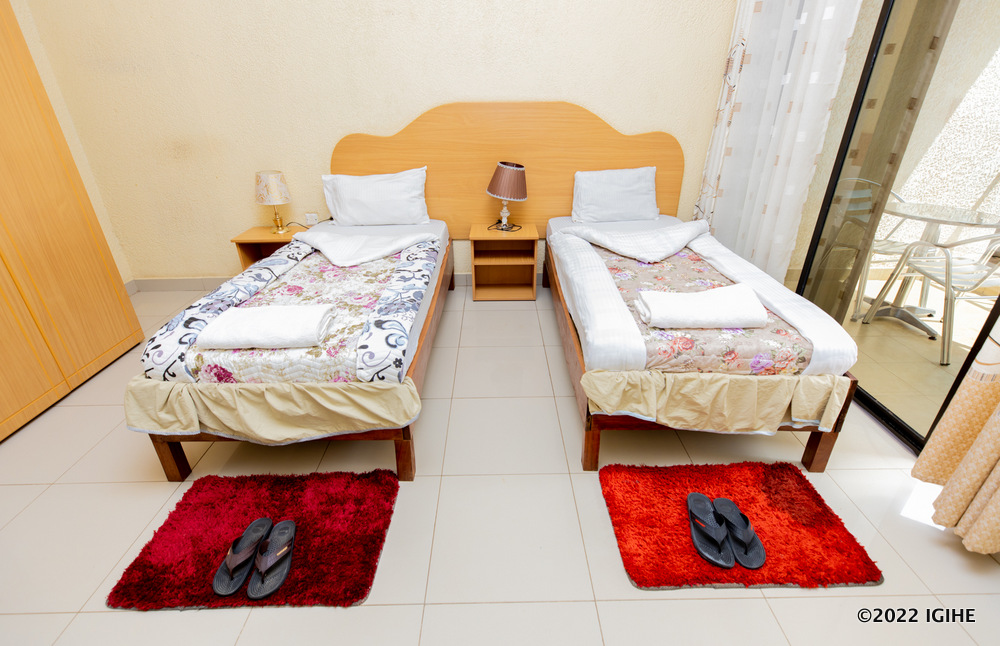
More refugees and asylum seekers will be hosted at ’Hallmark residences’, a facility comprised of 30 units with 102 rooms.
Those to be hosted at the facility will also be fed and helped to participate in different recreational activities.
On 18th May 2022; the Minister of Foreign Affairs, Dr. Vincent Biruta met with UK Home Secretary, Priti Patel with whom they discussed the implementation of the UK-Rwanda Migration and Economic Development Partnership.
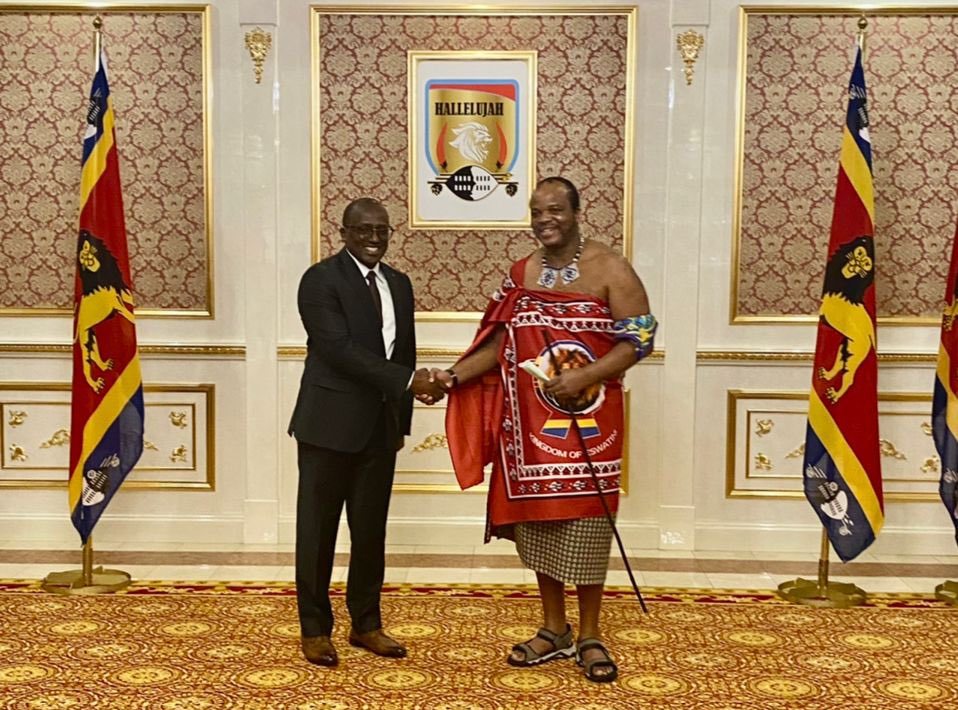
Amb. Nikobisanzwe also oversees Rwanda’s interests in Mozambique.
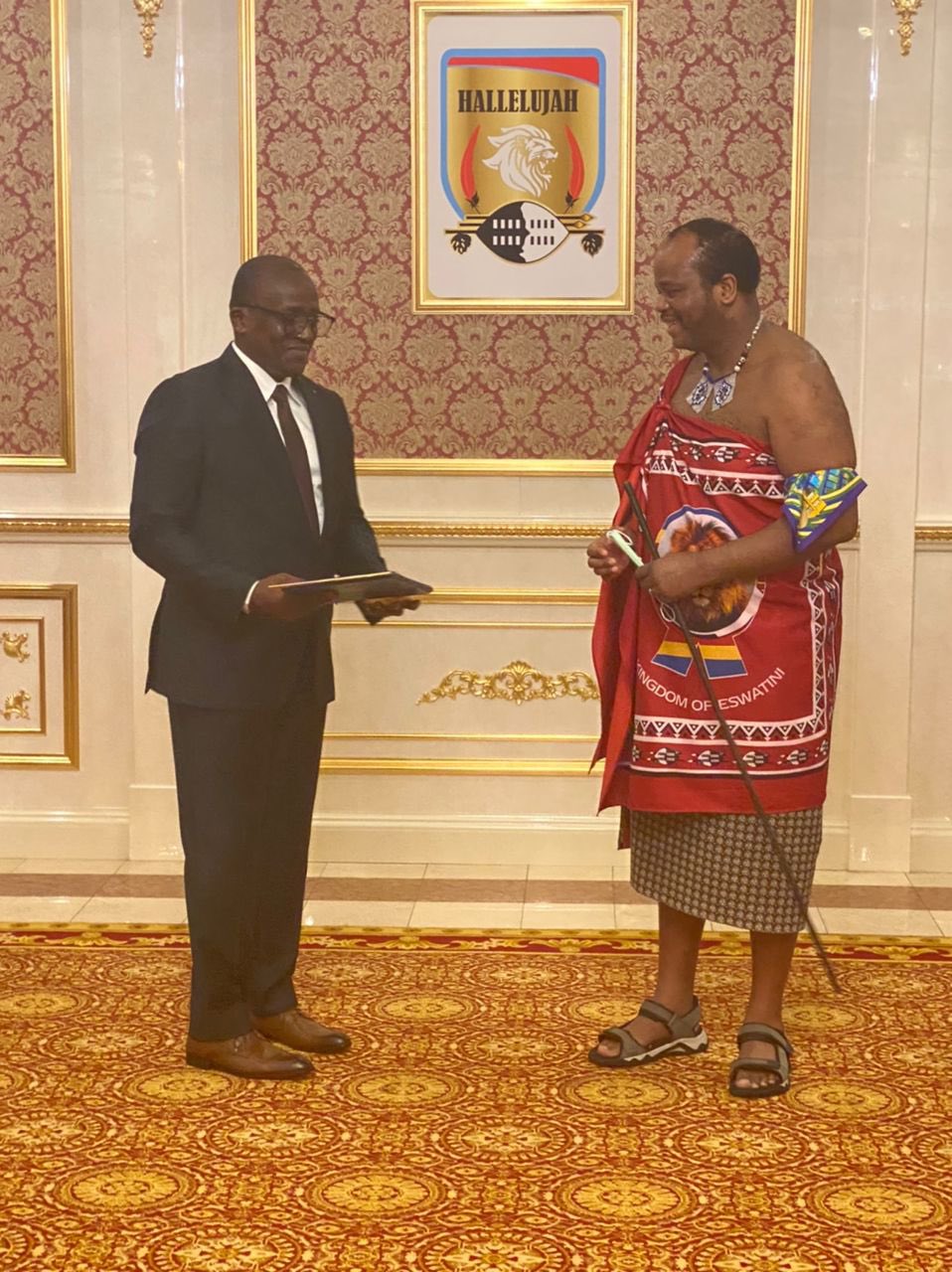
“I had the honour and privilege to present my Letters of Credence to His Majesty King Mswati III, King of Eswatini. I conveyed a message of best wishes of peace and prosperity from HE Paul Kagame, President of Rwanda,” he tweeted after presenting letters of credence.
Amb. Nikobisanzwe was the first envoy to represent Rwanda in Mozambique since 2018.
Prior to the appointment, he served as Permanent Secretary in the Ministry of Foreign Affairs.
The Rwandan component is part of a regional programme with the Democratic Republic of Congo and Uganda for a total amount of 50 million euro.
The intervention in Rwanda aims to enable young people and women of working age to engage in decent work, to be better protected by labour rights and to benefit from social protection and a more inclusive social dialogue. Together these objectives constitute the “4 pillars of decent work” as defined by the International Labour Organization (ILO).
Enabel, the Belgian development agency, will be in charge of executing the programme, in close cooperation with Rwandan authorities, the private sector, CSOs and players at local, national and regional level.
The programme targets 4 sectors: manufacturing, construction, mining and trade.
The intervention zone consists of the City of Kigali and the five districts that make up the Kivu Belt: Rubavu, Karongi, Rutsiro,Rusizi and Nyamasheke.
Concretely, the first pillar of the intervention aspires to create more decent job opportunities by supporting both growth of existing Small and Micro Entreprises (SME)’s and the creation of new SME’s. The creation of decent jobs will be complemented by increasing the work readiness and employability of both existing and future workers.
Secondly, the intervention aspires to support ongoing efforts to assure overall compliance to the rights embedded in the national labour law and international labour standards as well as international labour conventions ratified by Rwanda.
The third pillar, increased access to social protection mechanisms, will be operationalized by the roll out of a network of para-social workers who will link vulnerable households to the existing social protection mechanisms. And finally, the programme will enhance social dialogue with the ambition to develop collective bargaining agreements in the mining, construction and manufacturing sectors.
The activities from these four areas will provide the input to a fifth axis, which is policy development and a national dialogue on decent work. It is worth pointing out that Rwanda will function as the hub for the regional initiatives, such as the sharing of best practices and peer-to-peer learning.
The long-term ambition of the programme is to improve the living conditions and resilience of the most vulnerable populations in the Great Lakes Region by bringing about a positive change and access to decent work for more people, beyond the scope of the portfolio.
Commenting on the development, Minister Ndagijimana said: “Social protection remains one of the main priorities of the Government of Rwanda. We have built an integrated social protection system to ensure vulnerable groups have access to decent employment, improved living standards, are resilient to shocks and have opportunity through increased human capital development and equitable growth. This support from the Government of Belgium will enhance the existing social protection programs to ensure that no one is left behind.”
Ambassador Versmessen underlined that “Social rights are human rights. All activities in the portfolio will be cross-checked to contribute directly or indirectly to the realization of human rights and SDG particularly No 1.3 and 8.5, Vulnerable groups take a central position, so that no one is left behind, and special attention will be paid to specific problems faced by youth and women.”
The visit held on 18th May 2022 was also attended by representatives from Tearfund, African Evangelical Enterprise in Rwanda (AEE Rwanda) as implementers of the project and officials from Rwamagana District.
Farmers benefitting from the project revealed that working in groups and embracing land consolidation helped them to yield big and changed their livelihoods.
Agriculture is one of sectors with huge contribution to national economy. However, farmers need to shift from rudimentary to professional practices to make the sector more meaningful to Rwanda’s economy.
To achieve the goal, the Government of Rwanda continues to work with different partners to improve the sector and increase agricultural yields.
Through Rwanda’s Ministry of Finance and Economic Planning, the European Union provided funding for a five-year project running from 20202 to promote horticulture among small scale farmers as well as Small and Medium Enterprises and increase agricultural exports.
The project is implemented in the districts of Gasabo, Bugesera, Rwamagana and Kayonza.
Two years on, beneficiaries attest transformed livelihoods owing to trainings on best practices in the farming of chili, French beans, onions, pineapple, red cabbages, straw berries, garlic and cauliflowers.
Jean Paul Ndacyayisenga, one of beneficiaries growing vegetables in Nyirabidibiri, a wetland located in the sectors of Mwulire, Nzige and Rubona expressed delight for received support that saw his livelihoods improved.
“We used to grow crops in disorder but we have been sensitized on the relevance of land consolidation. We have already witnessed its impact with regards to increasing produce. Before, a farmer would earn Rwf50, 000 per year but the income has increased to Rwf300, 000. Transformations are self-evident,” he said.
Ndacyayisenga went on to explain that income generated from harvest on a hectare has also increased from Rwf500,000 to more than Rwf1.8 million.
Donatille Mukandayisenga, another beneficiary has said that tapping into the advantage of horticulture helped her to become self-reliant that she no longer depends on her husband to cater for all household needs.
As she revealed, Mukandayisenga initially grew chili on rented garden, but her income grew that she bought own garden and is optimistic to achieve more, thanks to horticulture.
The Mayor of Rwamagana District, Radjab Mbonyumuvunyi who joined farmers to welcome guests from EU also emphasized that the project has changed farmers’ livelihoods to a great extent.
He explained that there is plan to help farmers reap big from horticulture through distribution of selected seeds, fertilizers and linking them to markets.
In the four districts of intervention, chili is grown on 189.70 hectares, French beans on 83.60 hectares, pineapple on 11.80 hectares and onions on 18.30 hectares.
The EU Commission Deputy Director-General, Myriam Ferran has told IGIHE that horticulture is among recommendable areas of investment with a good market.
She revealed that the project’s impact in just two years where beneficiaries regained hope for better life as they can meet basic household needs and support children’s education is commendable and expressed optimism for continued expansion.
The EU Ambassador to Rwanda, Nicola Bellomo disclosed that the project might be expanded to other districts in the future.
Since the beginning of the project, beneficiaries generated Rwf213,171,357 from 397,146 kilograms of chili; Rwf411,065,237 from 1,481,085 kilograms of French beans; Rwf 29,621,135 from 218,302 kgs of pineapple and Rwf 86,859,050 from 234,207 of onions.
Simeon Uwiringiye, Horticulture Project Manager at AEE Rwanda said that the smallholder farmers are still having challenges to access international market among other challenges. He also talked about climate change and dramatic increase of fuel and inputs prices mostly due to the current war in Ukraine. Uwiringiye encouraged buyers to timely assist farmers for better production and market handling.
Douwe Dijkstra, Regional Director East and Central Africa at Tearfund expressed delight for registered achievements in collaboration with the Government of Rwanda and farmers. He also reminisced on farm certification that is still an issue because the fulfillment of related requirements is a challenge for the smallholder farmers at the moment, which will be handled as the project goes on.
He explained that much emphasis in the remaining three years will be drawn on access to market, increasing produce and tackle post-harvest losses by taking advantage of cold rooms built for beneficiaries.
The visit was highly appreciated and the support from European Union much commended.
The forum held between 17th and 19th May 2022 brought together over 1000 participants in Kigali while more 1000 attended virtually.
The forum was attended by different dignitaries including President Paul Kagame; United Nations Secretary General, António Guterres, heads of governments, and energy stakeholders, representatives of youth and civil society organizations among others.
As he officiated the opening of the forum, President Kagame highlighted that there needs to be increased financing to developing countries to support climate adaptation.
“By integrating sustainable energy in pandemic recovery plans, we can accelerate the transition to clean power. But the transition must be just and equitable,” he said.
The United Nations Environment Programme (UNEP) shows that developed countries account for around 80% of global greenhouse gas emissions which affects developing countries.
President Kagame has said that Africa should not carry the burden alone.
“Africa cannot carry the burden alone, especially given that its emissions did not create the climate emergency. However, Africa will be part of the solution,” he noted.
As the forum was concluded on 19th May 2022, participants raised funds in respective capacities where they committed US$347 million contribution to be injected into different projects aimed at accelerating access to clean energy in developing countries.
Of the funds, US$242 million was provided by Bloomberg Philanthropies, a philanthropic organization based in New York of the United States of America.
The contribution of Bloomberg Philanthropies will be utilized to expand clean energy across ten African countries including Mozambique, Kenya and Nigeria.
Global Energy Alliance for People and Planet (GEAPP) also pledged U$50 million, IKEA Foundation pledged US$5.8 million while UK based company dubbed Energy Catalyst contributed EUR 40 million.
At least 800 million of the global population do not have access to electricity, majority of whom being from Africa.
Among others, 2.5 billion people mainly from Africa and Asia do not access clean cooking energy.
Speaking at the opening ceremony of the forum, the UN Secretary General, António Guterres stressed the need to design special policies to deliver to the agenda 2030 to achieve universal access to electricity and take action on the climate change crisis.
This unique programme will accompany young entrepreneurs through the process of developing a business idea, refining their business model, launching a start-up company, business expansion, and ultimately maturation of the enterprise.
During the entire journey from ideation to pre-incubation, incubation, and post-incubation, the programme will offer services to youth-led Micro, Small, and Medium Enterprises (MSMEs), including training and orientation, business planning, legal services, or connecting them with potential funders and mentors.
“This programme is yet another demonstration of how the EU supports Rwandan youth to acquire skills and create jobs. Innovative start-ups create new job opportunities and spur innovation within Rwanda’s entrepreneurship ecosystem. The EU-UNDP project demonstrates how the EU is spearheading initiatives to boost the growth of youth-led SMEs, with a strong emphasis on the inclusion of young women and persons with disabilities.
Our cooperation will focus on addressing the gaps and strengthening the synergies in the full cycle of SMEs development to provide comprehensive and effective support to young entrepreneurs launching their own companies,” said Myriam Ferran, the Deputy Director General at the European Commission, DG International Partnerships (DG INTPA).
Many young people’s businesses fail to take off because of post-incubation gaps, such as a lack of technical, management, and financial support for innovative start-ups. Through this programme, UNDP and the European Union are closing identified gaps, especially in the post-COVID19 period.
Ahunna Eziakonwa, the UNDP Assistant Administrator and Regional Director for Africa, said, “If harnessed for its full potential, Africa’s youth demography will be the cohort that broke the commodity curse; the cycles of poverty, climate change, socio-economic crisis; and inequality. Africa’s youth are already leading the fourth industrial revolution”.
The partnership launched ton Thursday 19th May 20222, will build and strengthen synergies with the YouthConnekt agenda and leverage complementarities with the national youth SMEs and start-up ecosystem, including the incubation hubs and the national business development initiatives.
The Minister of Youth and Culture Rosemary Mbabazi described the occasion as an essential opportunity to scale up the impact of youth-led enterprises, “As we embrace the 10th Anniversary of the YouthConnekt initiative, we are looking back to the past with much confidence of the socio-economic impact brought to our young people, together with our strategic partners such as UNDP. We are delighted to welcome the EU to the YouthConnekt family and looking forward for more impact, positioning youth-led enterprises as important contributors to the private sector development.”
{{Through this cooperation, UNDP and EU will support Rwanda to:}}
• Establish a support framework to accompany young entrepreneurs through the complete journey from the business idea to starting up and maturing an enterprise.
• Provide customized coaching, mentorship, and incubation services.
• Establish a unique investment model that accommodates the top entrepreneurs from various fields and distinct existing programmes implemented by other partners.
• Harness the gender dimensions by tailoring training, mentorship, and business development approach to the differing needs of young women and men.
• Promote Youth creativity to achieve the SDGs and Leave No One Behind by focusing on vulnerable youth populations (young women, youth from rural areas, refugees, etc.) and the youth from the creative industry (in partnership with Imbuto Foundation) and youth from TVET schools.
The present action will also cooperate with the Tony Elumelu programme and Norssken to deliver world-class mentorship. Qualified youth businesses will be offered a 1-year fellowship at the Norssken Foundation.
The training is conducted in Lake Kivu by scuba dive trainers from the Carabinieri Scuba Diving Centre in Genoa, Italy under the cooperation framework between RNP and Carabinieri.
The Carabinieri are the national gendarmerie of Italy.
Assistant Commissioner of Police (ACP) Elias Mwesigye, Police marine commanding officer, while opening the training, said that it will equip the marine with advanced diving skills that are required to protect people and national water bodies.
The training will cover aspects of short-range researches visual or non-visual methodology (tactile), circular, spiral, transverse, and seine.
Other areas include search diving with transverse, seine, circular and spiral methodology; searchers with bathymetric lines and line to ground methodology; setting metal detector and diving with metal detector; survey and measurements with GPS and video camera; and recovery of an object on the bottom with hydrostatic lifting flask.
RNP and Carabinieri signed a cooperation agreement in 2017 to partner in capacity development, including environmental protection and marine in particular, peace support operations, counter-terrorism, aviation security, public order management, VIP protection, cybercrime, traffic and road safety.