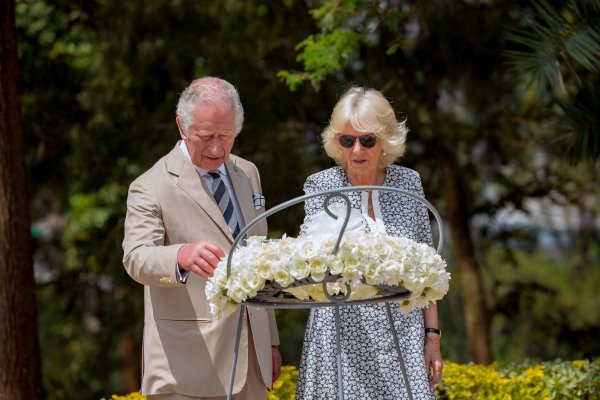
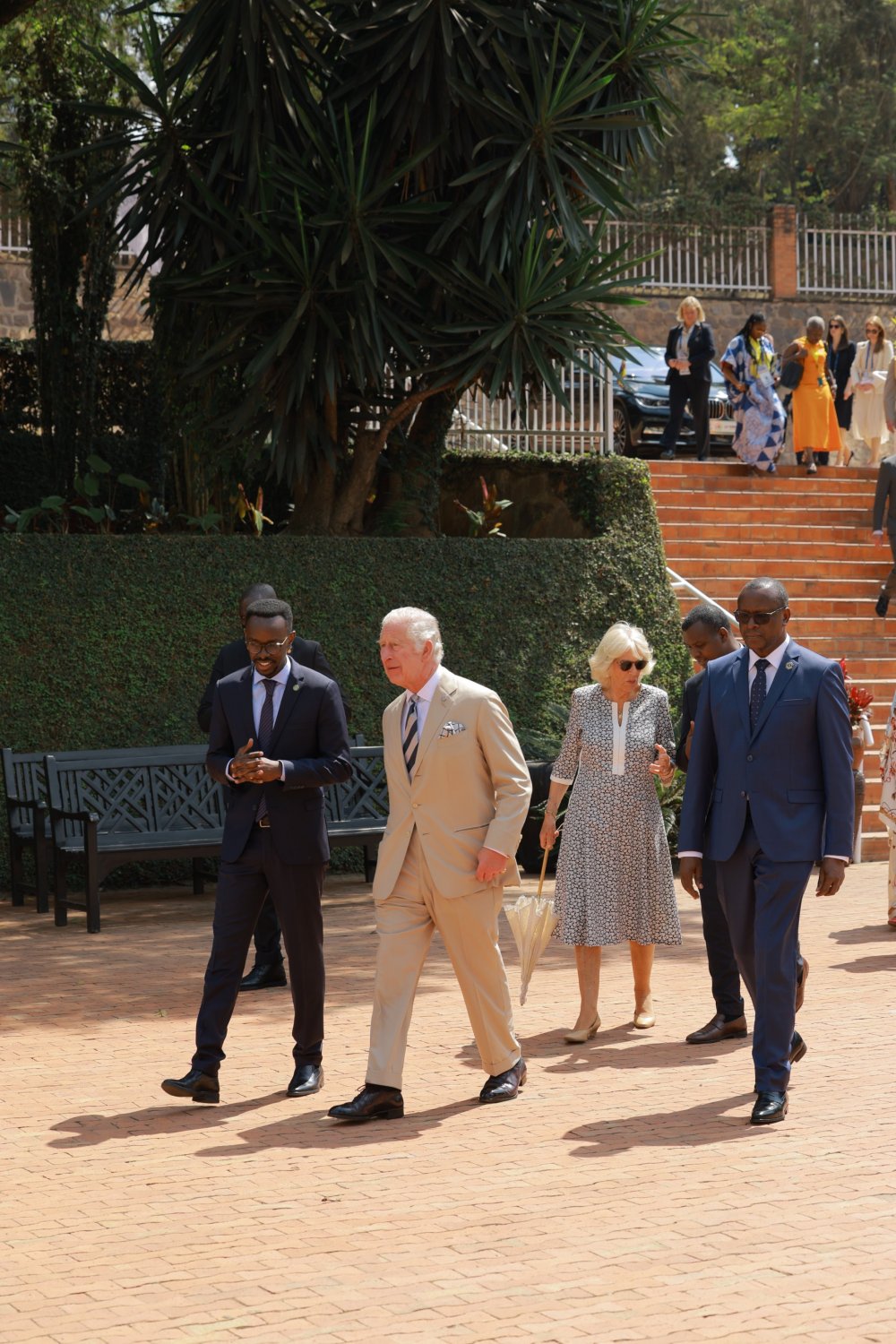
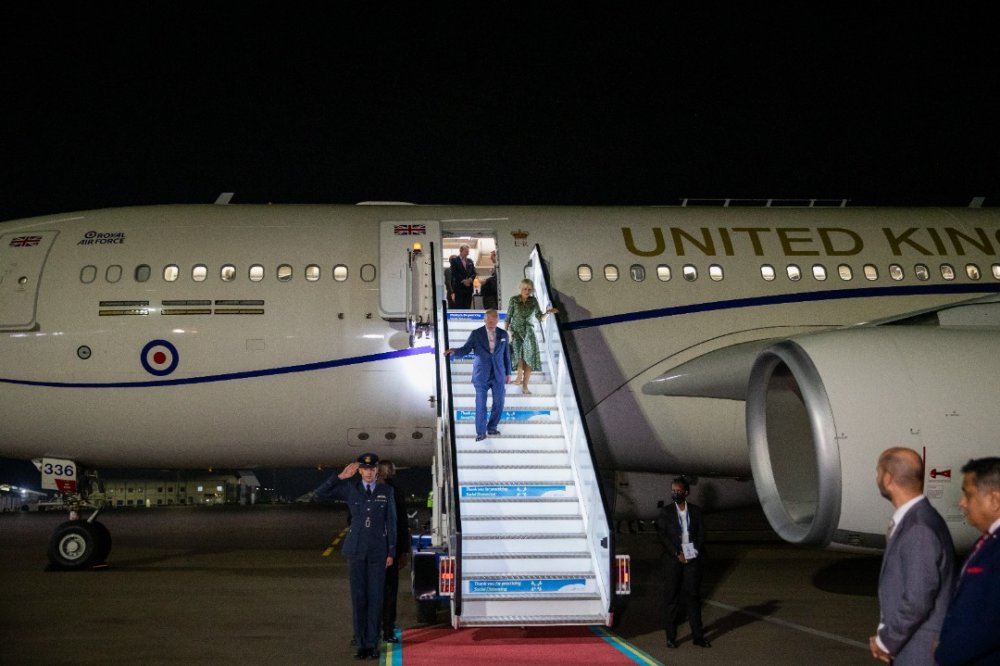
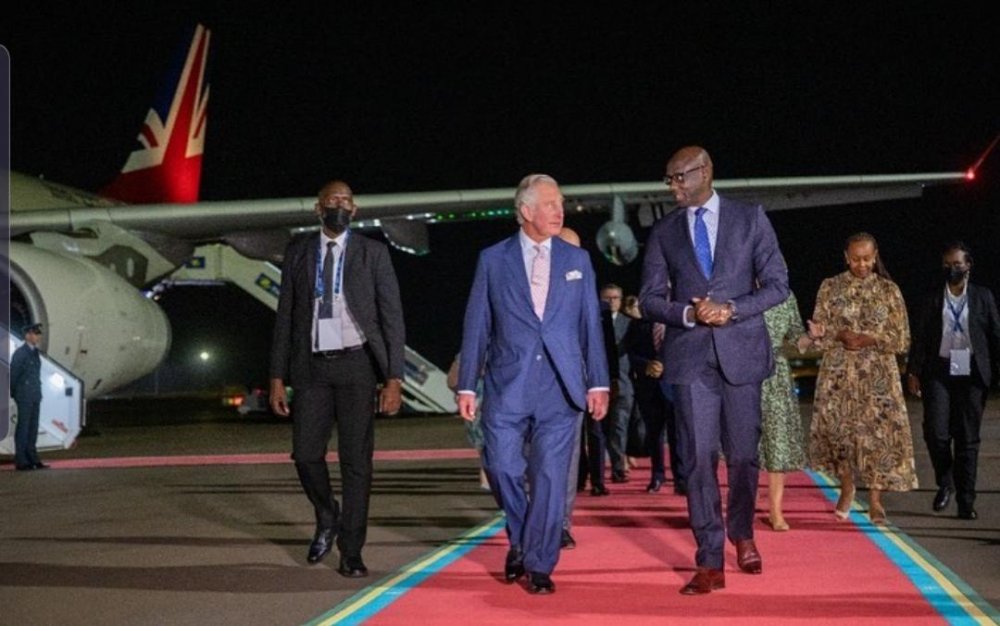
Prince Charles arrived in Kigali in the evening of Tuesday 21st June 2022 accompanied by the Duchess of Cornwall, Camilla Parker Bowles.
They arrived at Kigali International Airport around 9:00 p.m. onboard Royal Air Force’s plane.
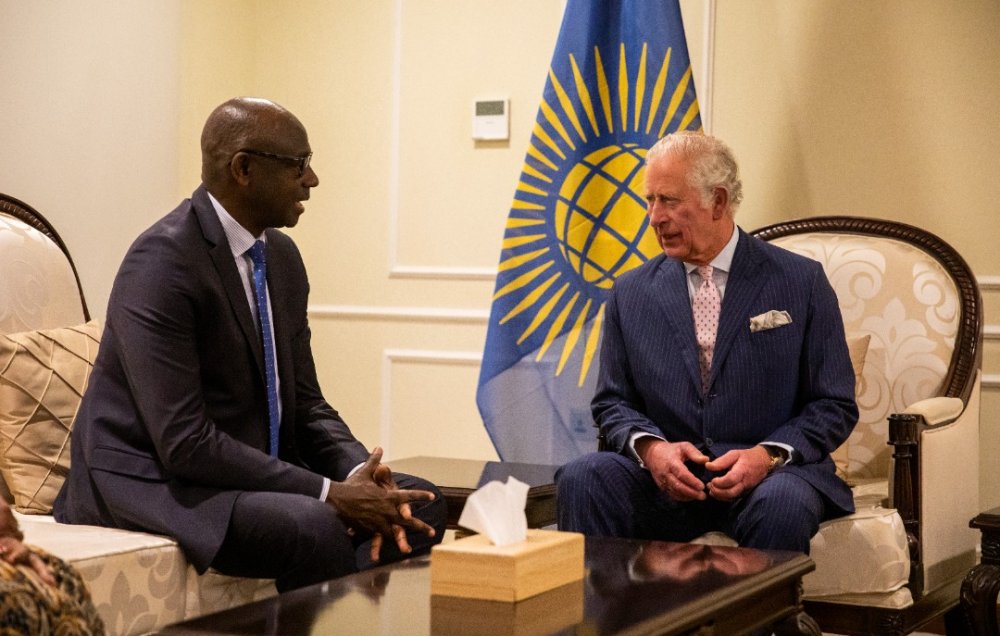
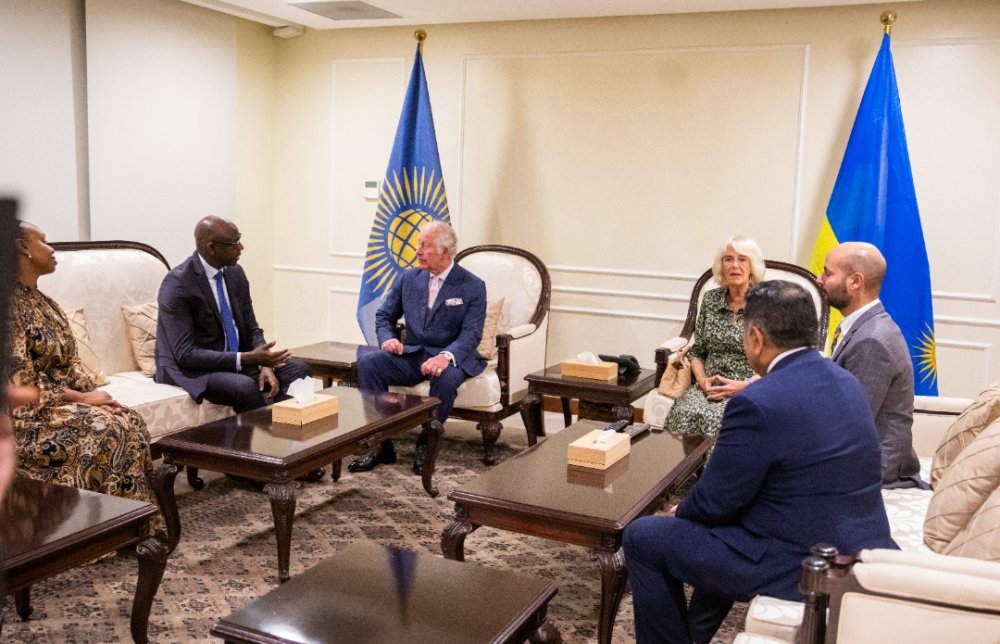
Upon arrival in Rwanda, they were welcomed by different officials including Rwanda’s High Commissioner to the United Kingdom (UK), Johnston Busingye and British High Commissioner to Rwanda, Omar Daair and UK Minister of State for South and Central Asia, UN and the Commonwealth, Tariq Ahmad.
Prince Charles was accompanied by Camilla and the Minister of National Unity and Civic Engagement (MINUBUMWE) on his visit to Kigali Genocide Memorial where he toured different sections and received explanations on history of Genocide against Tutsi.
Prince Charles is visiting Rwanda for the first time. He will represent Queen Elizabeth II at the CHOGM 2022.
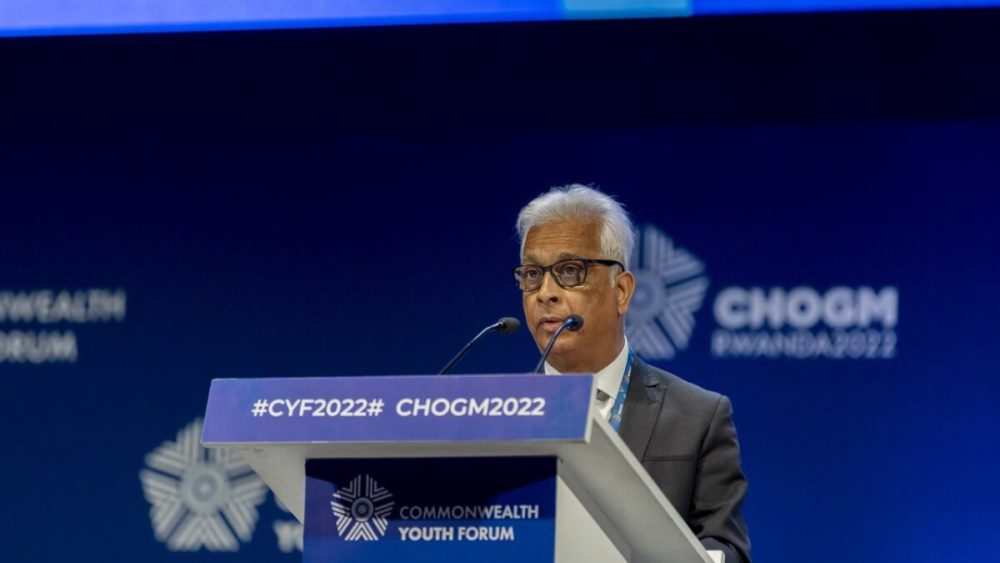
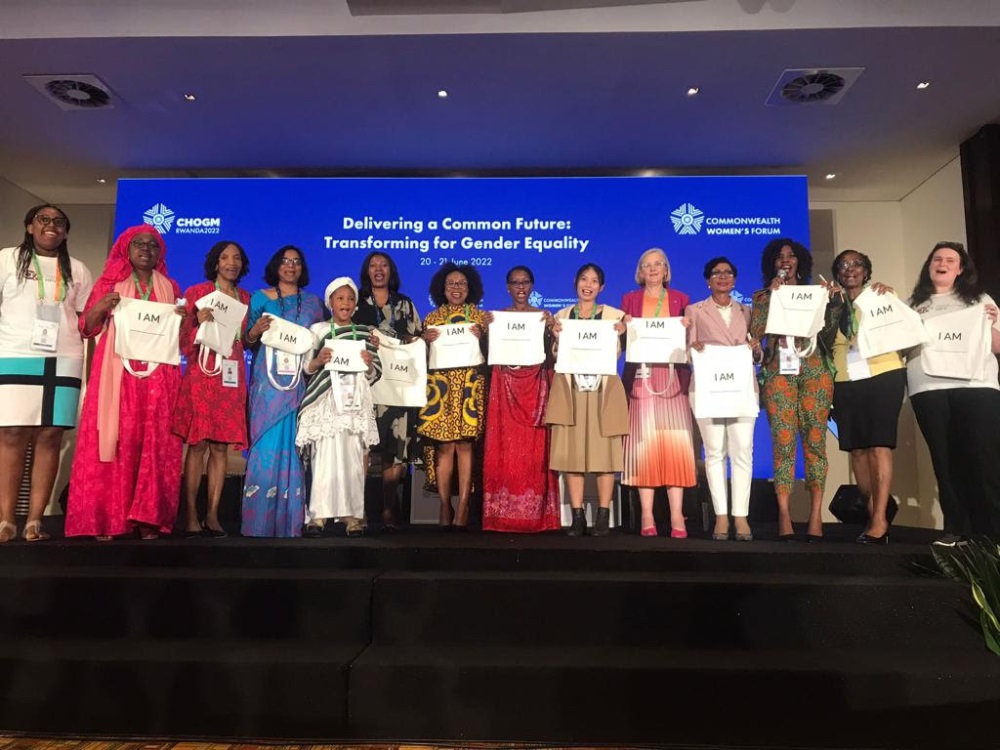
He was speaking at the the Closing Ceremony of the Commonwealth Women’s Forum in Kigali, the capital of Rwanda on 21st June 2022.
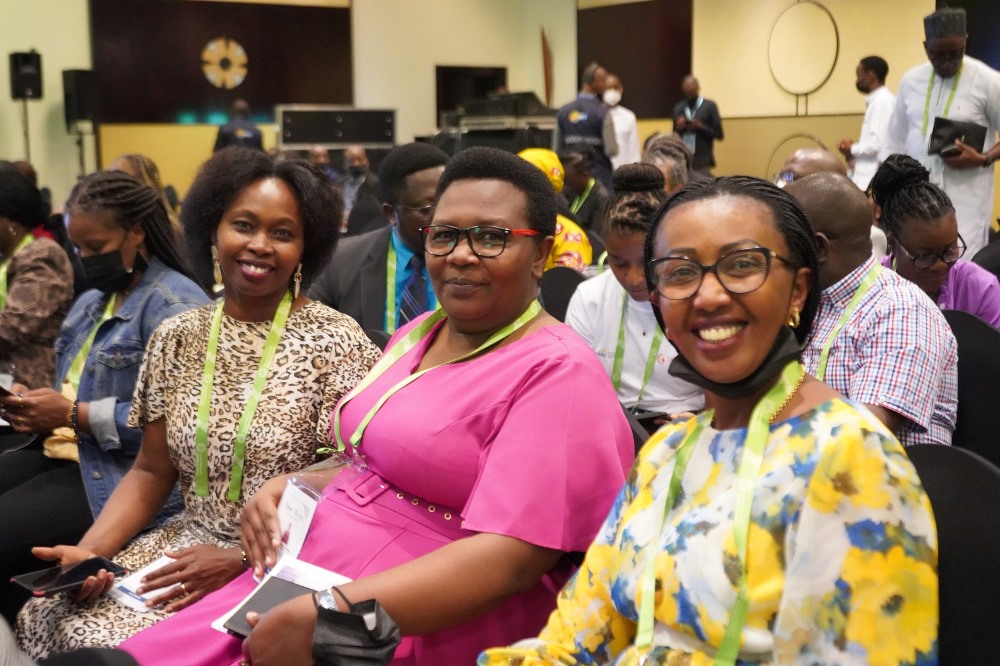
With over 600 delegates registered and almost 60 speakers, delegates from all over the Commonwealth discussed issues as diverse as women’s leadership, economic empowerment, preventing violence against women and girls, climate change, cervical cancer, peace and security as well as how to hold governments accountable on their gender commitments.
Speaking at the closing, the Deputy Secretary-General said: “We’ve heard many examples of inspiring and transformative solutions and actions on advancing gender equality in the Commonwealth and beyond. This gathering of inspiring women and men, tirelessly working towards achieving gender equality, has once again shown us that when we join together to improve the lives of millions of women and girls in our member countries, communities can be transformed for the better.”
Suddhoo went on to outline the main outcomes of the Women’s Forums which will be formalised and provided to Foreign Affairs Ministers ahead of the meeting of the Heads of Government at the end of this week.
{{Commonwealth Business Forum’s outcomes}}
-* A repeated theme was the need for increased resources to strengthen gender equality and women’s empowerment in all spheres.
-* Similarly, the importance of collecting accurate and regular disaggregated data was a repeated theme – without sufficient data, we do not know where gaps and progress are. This is applicable again to all spheres, from ending violence against women and girls, to leadership, to economic empowerment, to the digital economy.
-* The need to link economic empowerment with access to quality education for all was also raised. This includes financial education and literacy, and education for older women.
-* Trade and women’s economic empowerment are deeply interlinked, and the barriers women face are high, including stigma, violence and harassment. The transactional costs are also high, and there is a need for clear and accessible information on taxes and customs for example. It is an opportunity to bring women in the informal sector into the formal sector, and to provide access to finance.
-* The economic empowerment of women is not possible without addressing violence against women and girls first. Listening to survivors’ voices and needs, including in designing and implementing initiatives which engage men and boys, is of fundamental importance in our efforts to end violence. To be effective, this work also requires high-level political commitment and leadership, active participation of us all, as well as allocation of sufficient, sustainable funding.
-* Dignity and respect for older people should not only be promoted but ensured through provision of quality healthcare and palliative care for older people and support careers of the aged; and tackling poverty in old age.
-* Work with governments, businesses and traditional leaders should focus on addressing discrimination against older women, and provision of platforms for intergenerational dialogue not only to recognise the role older people play in our societies, but also to enable transfer of skills between younger and older women.
-* Accountability mechanisms need to take into account the intersectionality of women: disability, sexual orientation, gender identity and age. If these mechanisms are not inclusive, we will undoubtedly leave people behind.
-* Human Capital Development is a key priority for the whole of the Commonwealth. It is increasingly important that skills and literacy are a focus area across sectors so that girls and women are able to fully participate in the digital economy.
-* Lastly while the Commonwealth represents over 30% of the world’s population, it accounts for 40% of the global cervical cancer incidence and 43% of global mortality due to cervical cancer.
-* Cervical cancer is one of the only cancers with proven elimination strategies, namely the Human Papillomavirus (HPV) vaccine and yet only 13 percent of girls aged 9–14 years globally were vaccinated as of 2020.
-* Cervical cancer elimination is a health equity and social justice concern that transcends gender. Clearing the path to cervical cancer elimination requires combined joint efforts by many actors, including addressing inequity of access to HPV vaccines and screening.
The Commonwealth is a voluntary association of 54 independent and equal sovereign states. Its combined population is 2.5 billion, of which more than 60 per cent is aged 29 or under.
The Commonwealth spans the globe and includes both advanced economies and developing countries. Thirty-two of members are small states, many of which are island nations.
The Commonwealth Secretariat supports member countries to build democratic and inclusive institutions, strengthen governance and promote justice and human rights.
Its work helps to grow economies and boost trade, deliver national resilience, empower young people, and address threats such as climate change, debt and inequality.
Member countries are supported by a network of more than 80 intergovernmental, civil society, cultural and professional organisations.
SFH will use Addressya’s digital addressing platform to make it easy for anyone to find their locations, improve internal logistics, as well as plan, monitor, and evaluate their operations. Ultimately, improving customer service and availability.
The registered addresses have been combined into one customized directory and embedded on the SFH website. The addresses combine GPS coordinates, with official address data made available by the government, as well as user-generated information (picture, phone numbers), opening hours and navigation support.
Commenting on the development; Karoline Beronius, the CEO and Co-founder of Addressya said: “We believe in equal access to goods and services, and want to make sure that companies and service providers can reach all citizens and consumers. Together with SFH, we are transforming the way people access essential goods and services.”
Addressya is the digital addressing infrastructure of tomorrow made available today.
The digital addressing infrastructure allows the company to provide tomorrow’s infrastructure today. Addresses only need registering once, can be updated and improved instantly at any time, and are easy to share through unique links, and displayed in the customized directory.
“We are using Addressya to ensure that our communities get easy access to essential health products and services, and strategically plan our locations to bridge any gaps in service delivery,” said Manasseh Wandera, the Executive Director of SFH Rwanda.
{{About Addressya}}
Addressya AB is a Swedish company improving access, opportunities, inclusion partnerships, and trade through addressing.
It was created in response to the fact that 4 billion people, businesses, and governments worldwide suffer from the lack of addresses.
Addressya enables everyone to create a precise, complete, and easy-to-use address to get access to public and private goods and services, as well as new opportunities. To businesses, we offer Addressing as a Service.
Addressya is a result of many years of working with ICT for development in Africa, Central Asia, Latin America, and Europe. Addressya is present in Uganda, Rwanda, and RSA.
[{{You can read more about Addressya here}}->https://addressya.com/wp-content/uploads/2022/06/2022-06-About-Addressya-tomorrows-addressing-infrastructure-today.pdf]
{{About SFH Rwanda}}
The Society for Family Health Rwanda (SFH) was founded in 2012 as a result of a collaboration between Population Services International (PSI), the Rwandan government (via the Ministry of Health) and USAID. Their primary purpose is to improve the health of Rwandan communities. SFH provides communities with readily available life-saving products, accurate health information, and services that enable them to make informed and healthy decisions.
To influence social and behavioural norms, SFH Rwanda collaborates with local communities, community-based organisations, and partners. SFH Rwanda seeks to ensure that everyone has access to good health.
The main interventions of SFH Rwanda are focused on encouraging behaviour change techniques through innovations in health communication and social marketing in areas such as HIV/AIDs, malaria, family planning, water, Sanitation and Hygiene (WASH), nutrition, maternal and Child Health, and finally access to healthcare.
Key recommendations in the 25-page Youth Declaration include: Raising government’s financial commitment to fighting climate change, investing in low-carbon developments, and increasing the taxation of polluting businesses; Investing in age-appropriate healthcare – with better access to HPV vaccines and Eradicating child labour, gender-based violence and child marriages.
Other recommendations include Prioritization of the social, economic, and political inclusion of all young people with an added focus on supporting women and the disabled into work and training.
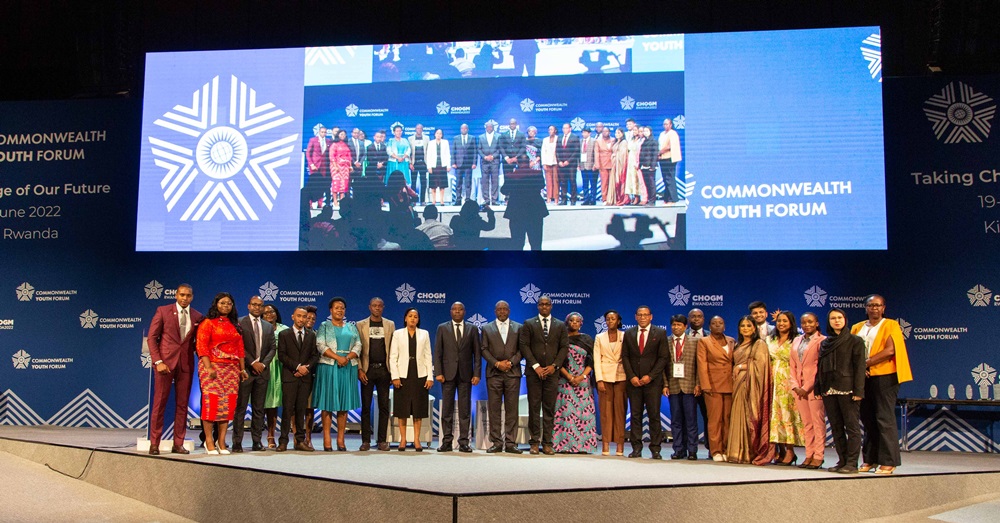
The declaration (available in full via the [{{CYF app}}->https://cyf.thecommonwealth.org/]) is the product of months of deliberation by youth leaders. It was finalised at the Commonwealth Youth Forum, held in the run-up to the Commonwealth Heads of Governments Meeting, under the theme ‘Taking Charge of Our Future’.
It underscores the importance of considering young people as equal partners in government decision-making and asserts their vital role in shaping the future of the Commonwealth and achieving the 2030 Sustainable Development Goals.
The declaration was revealed at a ceremony marking the installation of the new Commonwealth Youth Council (CYC) – executives who will act as a recognised voice for the 1.2 billion under-30s living in the Commonwealth.
CYC Chairperson, Papua New Guinean Kim Allen, urged young people to be solution-focused and action oriented.
“Let us reflect on our past efforts and mistakes, assess current situations, identify our strengths, and refine our vision and objectives to move forward. Be adaptable! Build and equip yourself and also help others to elevate them. Focus on people always! Take time for reflections but don’t wait long to act,” he said.
Speaking at the closing ceremony, Commonwealth Secretary-General, Patricia Scotland said: “I see young people with courage, determination, talent, vibrancy, and innovation. You are not tomorrow’s leaders. You are the leaders of today.”
“I watched with such joy in my heart what you have done in the last three days. You have led, you have created, and you have also made great friends. If you look at what you have done… the 12th Commonwealth Youth Forum has been a resounding success.
Young people are making the difference in every country in our Commonwealth. We know with the right support and the ability to shape decisions, you have the potential to transform the future of our Commonwealth. You have everything we need to build a better world,” she added:
Also speaking at the event, Rwanda’s Prime Minister Edouard Ngirente said: “As we conclude what has been an exciting forum, I urge the youth here to take your place on the world stage. Be bold and courageous. Chose courage over fear.”
The declaration makes recommendations under six categories: ‘The Rule of Law’, ‘Human Capital Development’, ‘Facilitate Trade, Boost Entrepreneurship and Tackle Unemployment’, ‘Information, Technology and Communication (ICT)’, ‘Health and Covid-19’ and ‘Environment, Climate Change and Sustainability’.
Key tasks under the ‘Rule of Law’ include giving more power to national youth councils and supporting more young people to run as candidates for parliament.
There is a strong focus on human rights protection, including child protection and eradicating child labour and child marriages; as well as the removal of social and economic barriers to access to justice, strategies to tackle discrimination, and the importance of involving young people in conflict prevention and resolution.
Under the ‘Human Capital Development’ point, the main call to action is the prioritization of the social, economic, and political inclusion of all young people, with an emphasis on practical actions to remove barriers to work and training for persons with disabilities.
On trade and entrepreneurship, young leaders call on governments to address enduring issues around equal pay and affordable childcare to ensure the equal participation of women.
Promoting and protecting small businesses and start-ups, enabling innovation and public sector partnership with youth-led entities are also emphasized.
The next point focuses on ‘Information, Technology, Communication, and Innovation’. It calls for Commonwealth member countries and the Commonwealth Secretariat to establish a Commonwealth Youth Innovation Fund, supplying grants to promising youth start-ups. This fund would operate across the Commonwealth, with input and contributions from public-private sector partnerships, academia, and voluntary and non-governmental organizations.
Young leaders have also urged governments to secure an agreement that deems the internet as a basic public good, and to collaborate on building ICT infrastructures that target “internet poverty”, and to ensure that young people, regardless of where they live, can have equal access to the internet and improved digital literacy skills.
On ‘Environment, Climate Change and Sustainability’, there was a strong call for governments to raise their climate financing commitments and increase the taxation of polluting industries, while promoting and investing in sustainable alternatives. This includes putting into use the global pot of money for climate action called the Green Climate Fund and ensuring all countries can draw from it for their projects.
The ‘Health and Covid-19’ point pushes for people to be made central to the devising of solutions to handle future outbreaks.
Also, of importance is ensuring that access to high-quality, age-appropriate healthcare is not hampered by location, gender, social or financial status, the declaration notes. There is specific mention of the need to widen access to HPV vaccines across the Commonwealth with the aim of raising immunity to this preventable cancer.
Young leaders also call for governments to beef-up laws that protect the rights of people with mental health illnesses and provide high-quality and affordable treatment for their conditions.
The declaration will form the topic of discussion when young leaders meet with heads of governments during an intergenerational dialogue on Saturday. Heads will also consider its recommendations during their summit this week.
In sessions later this week, heads of government are expected to discuss issues such as shared climate ambitions, financing climate and ocean action, and rebuilding sustainable green and blue economies in the wake of the COVID-19 pandemic, among other key items on the agenda.
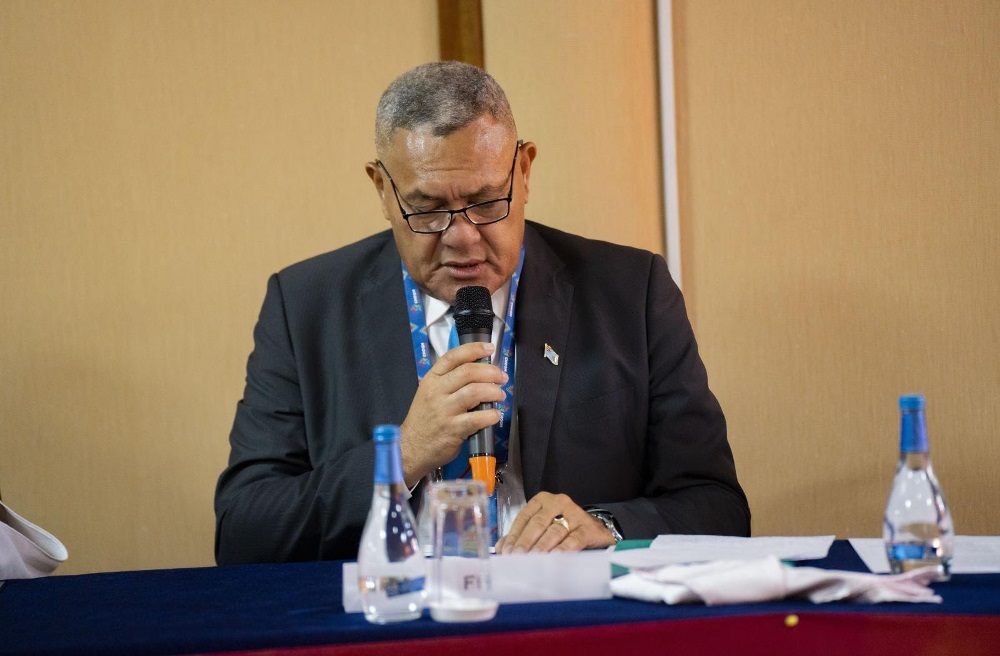
During a breakfast meeting co-hosted on Tuesday by the Commonwealth Secretariat and the Fiji Government in the margins of the summit, High Commissioner Jitoko Tikolevu addressed an audience of mainly envoys from fellow island nations, from Tuvalu to Cyprus to The Bahamas.
“The ocean and climate are inextricably inter-connected and the health of our oceans dictate the livelihoods of millions of people around the world, from the Pacific to the Atlantic… The challenges facing our oceans and its resources are diverse and complex and yet our answer is simple, we need action,” he said.
Mr Tikolevu added that the ocean’s function both as a ‘carbon sink’ and a source for nature-based solutions for climate change adaptation, warrants more acknowledgement in climate negotiations, which focus mainly on reducing carbon emissions.
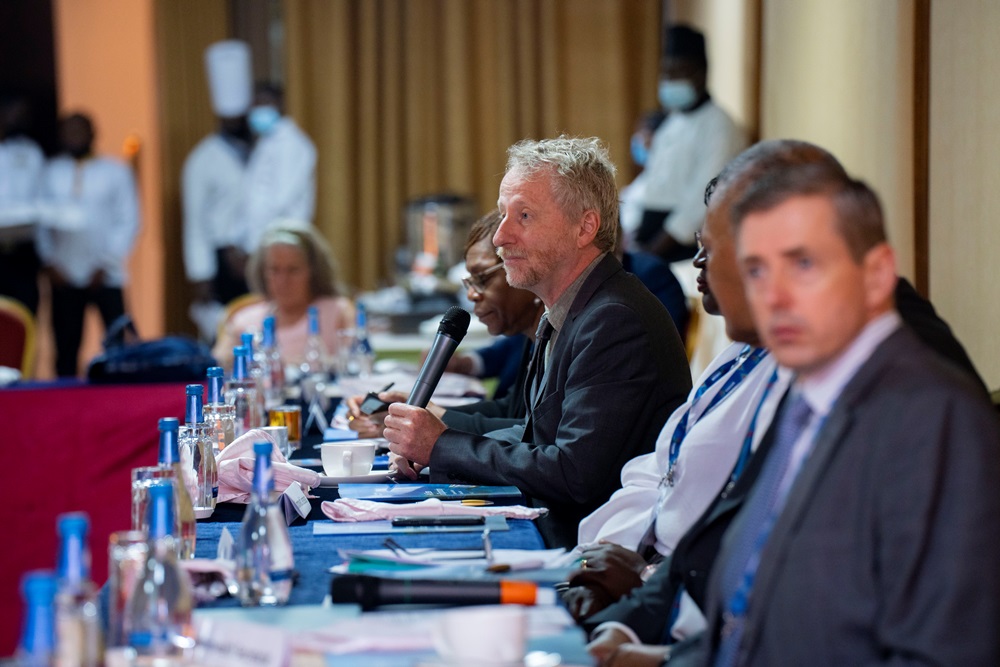
His remarks were followed by a roundtable discussion with representatives from the Pacific, Caribbean and Indian Ocean about actions being taken to address ocean and climate change issues, and how the Commonwealth can support.
Head of Oceans and Natural Resources at the Commonwealth Secretariat, Dr. Nicholas Hardman-Mountford, said: “The harsh reality of climate change is that it affects all sectors of society, and all realms of the planet, including the ocean. The climate crisis is also an ocean crisis. Action Groups under the Commonwealth’s flagship ocean programme, the Blue Charter, are each responding to climate change under their respective themes.”
{{Blue Charter milestones}}
The Commonwealth Blue Charter is a historic commitment by 54 countries to work together to find solutions for global ocean challenges.
Since its endorsement at the last Commonwealth Heads of Government Meeting (CHOGM) in April 2018, at least 16 countries have stepped forward to champion ten thematic Action Groups, comprising like-minded members willing to share knowledge and align strategies to tackle issues such as marine plastic pollution, unsustainable coastal fisheries and disappearing coral reefs.
The Action Group on Ocean and Climate Change is championed by Fiji.
Commonwealth Blue Charter programme lead at the Commonwealth Secretariat, Dr. Jeff Ardron presented the meeting with a report detailing progress achieved over the past four years.
“The Blue Charter Action Groups have proven themselves to be a good model by which countries can take the lead on the climate and ocean issues most important to them. Over the past four years, we have trained more than 450 representatives from more than 40 countries. Now we are focusing on getting more Climate-Ocean projects up and running,” he noted.
A survey conducted by the Secretariat of its membership shows that 75 per cent of countries reported that the Commonwealth Blue Charter had helped to progress national ocean policy or legislation and allowed them to better interact with external partners.
The Secretariat has also launched a number of successful partnerships with collaborators such as Bloomberg Philanthropies, Arizona State University and the Stimson Center, with the aim of leveraging their expertise, services and resources to help Action Groups achieve their goals.
Nearly 300 government officials in the ocean sector from across the Commonwealth are registered on the Commonwealth Blue Charter Knowledge Hub, enabling them to access free training, knowledge resources and networking opportunities, including an ocean funding database with details of how to access opportunities worth over USD 150 million from more than 100 funders.
This week’s discussion at the Commonwealth Heads of Government Meeting (CHOGM) will lead into next week’s United Nations Oceans Conference, scheduled for 27 June to 1 July in Lisbon, Portugal. They also take place less than six months ahead of the world’s most important climate summit of the year, the UN Climate Change Conference COP27 in Sharm el-Sheikh, Egypt this November.
The hackathon is a joint initiative between the Commonwealth Secretariat’s Connectivity Agenda (CCA) and the Commonwealth Telecommunications Organization (CTO).
At the Youth Forum, Commonwealth Secretary-General, Patricia Scotland expressed delight for the launch of another important project for young people.
“We are asking you to lead the future charge in building resilient, sustainable and interconnected digital economies across the Commonwealth. We are asking you to take part in a unique HACKATHON: “Harnessing Technology to Transform the Digital Trade Economy”. This Hackathon will scout, select and support impact-driven teams with game-changing solutions – designed to harness the shift to digitalisation across the Commonwealth and beyond. Trade is a vital connection in our Commonwealth family, and this hackathon will directly engage you to come up with fresh, innovative ideas to harness digital technology to facilitate trade and cross border paperless trade.”
Ahead of the launch, Secretary-General of the CTO, Ms. Bernadette Lewis said: “There is no returning to December 2019 and while trade is recovering, there are many more opportunities for fostering digital trade. This Hackathon will challenge you to re-imaging trade – examine the existing barriers to digital trade and developing software solutions to overcome them.
The Commonwealth Telecommunications Organisation is pleased to be a partner with the Commonwealth Secretariat to convene this Hackathon. This endeavour is part of our push to support The Commonwealth’s Connectivity Agenda, to explore and develop technologies that can facilitate cross border paperless trade. This project will bring together finance and technology innovators and major technology institutions. The winner of the Commonwealth Digital Trade Hackathon will receive a cash prize as well as entrepreneurial support.”
{{About the Commonwealth Digital Trade Hackathon}}
The Commonwealth Digital Trade Hackathon’s theme is “Harnessing Technology to Transform the Digital Trade Economy”. This dynamic initiative aims to develop innovative solutions that increase the adoption of digital technology in the Commonwealth and beyond, the need for which has been accentuated by the COVID-19 pandemic. Proposed solutions will therefore seek to explore high-potential existing and new technologies that can facilitate trade and cross-border paperless trade.
The Commonwealth Digital Trade Hackathon is open to teams with scale-ready solutions that want to accelerate their impact. Among the solutions that this hackathon seeks to come up with are:
increasing accessibility to reduce barriers to trade through efficient digital infrastructure; promoting inclusive growth, including experience sharing, digital skills development and industrial upskilling; improving agricultural and fisheries connectivity; promoting business to business partnerships that support inclusive and sustainable economic recovery.
{{How to Join the Hybrid Hackathon}}
Unlike most Hackathons, the Commonwealth’s will feature scale-ready solutions.
Teams will have 48 hours to prepare and present their exiting tech solution.
Submission is through the Digital Hack Platform and hybrid presentation before the awarding in October. Workshops, mentorship and learning sessions are available throughout the event.
The delivery of the Hackathon is supported by Impact Hub. Sandra Akariza from Impact Hub Kigali, announced the timeline of the event.
“This is a real opportunity for teams with proven solutions to make a huge difference to Commonwealth citizens by scaling their solutions internationally,” she said.
The winner of the Commonwealth Digital Trade Hackathon will receive exciting prizes and the unique opportunity to receive support to scale their solution across the Commonwealth.
Cervical cancer researchers, policymakers, academics, advocates, civil society and political leaders, on 21st June 2022, gathered in Kigali for the first time since the pandemic, to discuss the current challenges, priorities, and strategies for cervical cancer elimination across the Commonwealth.
The event, which took place on the margins of the Commonwealth Women’s Forum, focused on the theme “Accelerating Cervical Cancer Elimination: Realities, Challenges and Opportunities”, and sought opportunities to expand the role of women leaders to be advocates for elimination.
{{Commonwealth disproportionately affected by cervical cancer}}
Delegates recognised the fact that the Commonwealth carries a significant cervical cancer burden, particularly in low- and middle-income countries (LMICs) – despite having only 30 per cent of the world’s population, Commonwealth members account for 40 per cent of global cervical cancer incidence and 43 per cent of cervical cancer mortality.
In her opening remarks, Dr Ruth Kattumuri, Senior Director of the Economic, Youth, and Social Policy Directorate at the Commonwealth Secretariat, stressed the urgent need for governments and health professionals to work together towards its elimination. She said:
“Globally, cervical cancer is currently among the most pressing threats to women’s health. Of the four cancers affecting women globally, cervical cancer is the only one that has proven effective elimination strategies through the Human Papillomavirus (HPV) vaccine and early screening tools for pre-cancerous lesions.
“Unfortunately, progress has been slow because many low- and middle-income countries are experiencing challenges with access to screening tools and HPV vaccines. In addition, stigma and misconceptions surrounding cervical cancer is high. Hence there is an urgent need to work together to eliminate cervical cancer. And it requires bold strategic policies and actions by governments, health professionals and community organizations, involving women and youth in health advocacy, to improve awareness and address access challenges.”
As part of the event, delegates watched an excerpt of the documentary, Conquering Cancer, which aims to show the world that global cervical cancer elimination is possible for every woman and girl, and includes some case studies from the Commonwealth.
The event included a keynote address by Dr Princess Nono Simelela, Assistant Director-General for Family, Women, Children and Adolescents at the World Health Organization (WHO), who underscored the need for collective action to achieve the Commonwealth’s elimination targets by 2030 and achieve vaccine inequity in countries where the cancer burden is the highest.
“We really should be very angry that in the 21st century we are still talking about women dying of cervical cancer when we have the tools, technology, and know-how [to eliminate it]” she said.
A discussion followed thereafter with experts from across the Commonwealth, including Prof. Miriam Mutebi, Consultant Breast Cancer Surgical Oncologist and Board Director of UICC, Prof. Marion Saville, Executive Director of the Australian Centre for the Prevention of Cervical Cancer, Professor Senait Fisseha, Director of Global Programs at the Susan Thompson Buffett Foundation and Summer Ng, cervical cancer survivor and youth advocate.
{{Making cervical cancer history}}
Although cervical cancer is one of the most preventable and treatable forms of cancer, significant obstacles to achieving elimination remain. These obstacles include a lack of equitable access to quality medical countermeasures in LMICs and associated stigma and misconceptions about the disease at the community level.
The Human Papillomavirus (HPV) vaccine and effective screening tools for pre-cancerous lesions are key tools to achieving elimination. However, as of 2020, only 13 per cent of girls aged 9–14 years were vaccinated against HPV globally.
The COVID-19 pandemic also put immense pressure on global health systems, especially those of developing countries with underfunded and under-resourced health systems, halting progress made over the last 20 years towards attaining health-related Sustainable Development Goals. This has, in turn, put the prevention and treatment of life-threatening diseases such as cervical cancer at risk.
If adequate steps are not taken to radically reduce the rising incidence of cervical cancer within the Commonwealth, the number of new cases of cervical cancer is expected to rise by 55 per cent (to 324,598) and deaths by 62 per cent (to 186,066 deaths) by 2030. This would equate to one woman dying of cervical cancer every three minutes.
The event provided an important reminder that elimination is a health equity and social justice concern that transcends gender and demonstrates a health system’s preparedness to deliver care to its most disenfranchised. It was made clear that clearing the path to cervical cancer elimination requires combined joint efforts by many actors, including strengthening the role of women in health advocacy for cervical cancer elimination.
A set of recommendations was developed during the event calling Heads of Government to:
-* Address the inequity of access to cervical cancer elimination tools, including ensuring equitable access to HPV vaccines and cervical cancer screening provisions, so that elimination can become a reality.
-* Take steps to ensure that by 2025, girls in the Commonwealth have access to vaccination against HPV infection by age 13, in accordance with commitments made during the 33rd and 34th Commonwealth Health Ministers Meetings (CHMM), and country contexts.
-* Increase investment in their national cervical cancer control plans, in alignment with the WHO Global Strategy for the Elimination of Cervical Cancer and the UN’s 2030 Sustainable Development Goals.
As part of its mandate, the Commonwealth Secretariat is committed to continue working with key partners, including experts from the Commonwealth International Taskforce for the Elimination of Cervical Cancer, World Health Organization, UICC and the International Network for Cancer Treatment and Research to advance collective elimination efforts based on these recommendations.
They arrived at Kigali International Airport around 9:00 p.m. onboard Royal Air Force’s plane.
Upon arrival in Rwanda, they were welcomed by different officials including Rwanda’s High Commissioner to the United Kingdom (UK), Johnston Busingye and British High Commissioner to Rwanda, Omar Daair and UK Minister of State for South and Central Asia, UN and the Commonwealth, Tariq Ahmad.
Prince Charles is visiting Rwanda for the first time. During his stay in Rwanda, he is expected to visit Kigali Genocide Memorial in Gisozi.
He will also visit a school at district level to witness how students enrolled in vocational courses acquire skills paving the way for creation of jobs and contribute to national economy.
Prince Charles will be representing Queen Elizabeth II at the meeting which was postponed two times in 2020 and 2021 due to COVID-19 related restrictions.
The first born of Queen Elizabeth II, Prince Charles, was designated as her successor in 2018.
Prince Charles has attended similar meetings five times since 1997.
CHOGM is usually held in a different country every two years.
The last country to host CHOGM in 2018 was the UK and the host country for CHOGM 2024 will be announced at this week’s summit.
The Commonwealth Heads of Government Meeting 2022 takes place from 20-25 June in Kigali, Rwanda under the theme “Delivering a Common Future : Connecting, Innovating, Transforming”.
The official opening of CHOGM takes place on Friday 24th June and is followed by the main high-level meetings of Heads on Friday 24th to Saturday 25th June. These events are preceded by four forums, ministerial meetings, side events and other activities.
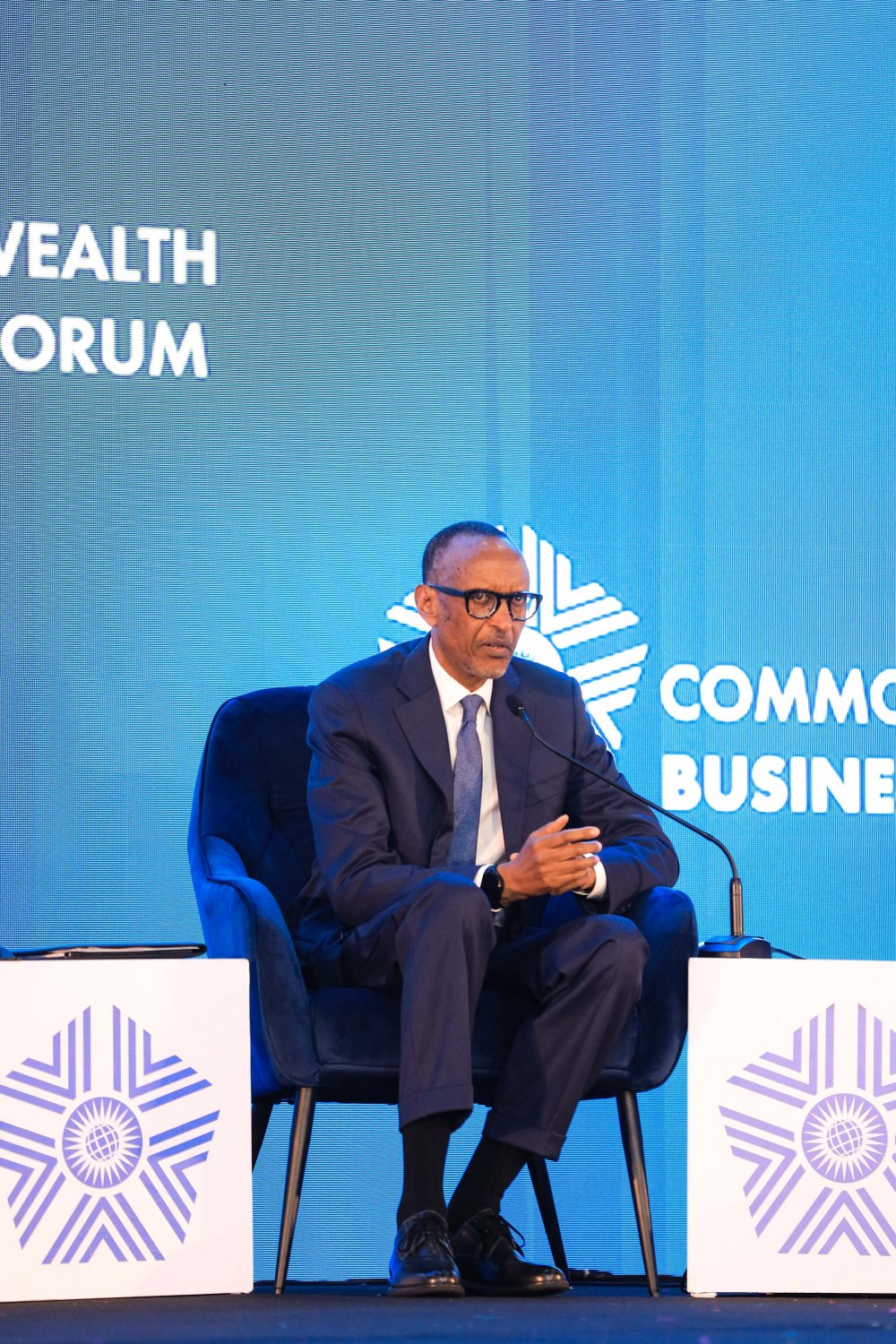
The Head of State delivered the message as he participated in a Fireside Chat the opening of the Commonwealth Business Forum in Kigali.
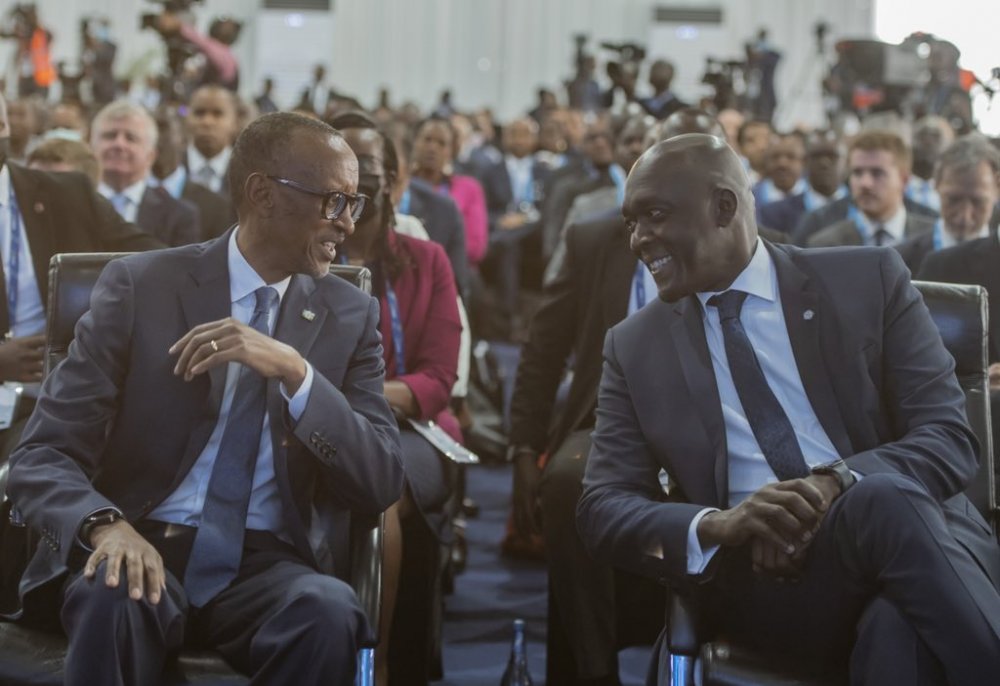
Kagame was the guest honour at the event that was also attended by the Prime Minister of Bahamas, Philip Davis; Commonwealth Secretary-General, Patricia Scotland and Jonathan Marland, the Chairman of the Commonwealth Enterprise and Investment Council.
The CEO of Rwanda Development Board (RDB), Clare Akamanzi has said that participants of the forum will in the next three days discuss on the future of work and economic recovery from effects of COVID-19 among others.
She highlighted that they will also seek together how technology can be leveraged to create innovations and solve problems facing Commonwealth and the world at large.
The Commonwealth comprises of 1.2 million people. Akamanzi has said that leaders attending the forum have responsibilities to create job opportunities.
Jonathan Marland thanked Rwanda for earmarked efforts for the event to happen.
Commonwealth Secretary-General, Patricia Scotland revealed that the bloc presents huge opportunities noting that investment between countries has increased by 27% since 2015.
Meanwhile, the combined GDP of Commonwealth countries in 2021 was US$13.1 trillion and is estimated to reach $19.5 trillion in 2027, almost doubling in ten years from $10.4 trillion in 2017.
Dr. Akinwumi Adesina, the CEO of African Development Bank (AfDB) has said that common future goes hand in hand with good governance.
“As the Secretary-General said, the size of the economy of Commonwealth is about us$13 trillion but the issue is that it concentrated in five countries. These include UK, Australia, Canada, India and Nigeria. It must be well shared,” he said.
President Kagame has emphasized that Commonwealth needs to be a bloc comprised of countries with a shared vision to lift each other along the economic growth.
“With the commonwealth, we already have many things in common indeed. Be it the language, be it different systems, financial systems that would enable us to make investments, trade with each other altogether. There is a starting point that it more less, I would say, good enough.
But we need to make it better. We need to keep making sure that when we talk about the Commonwealth, we actually mean the Commonwealth. Not just being common to a few of the main 54 countries,” he said.
The Head of State called for more efforts to ensure that no country member is left behind.
“[…] this is why I said, it keeps being work in progress. We keep having to engage one another, finding out what we can do to bring that balance to the extent that everyone in the Commonwealth, the family of nations feels, they are part of it and no one is left behind,” he noted.
“I think this is what we have to focus on so that those at the low level, like it was said earlier; the small and developing nations, feel not left behind. Uplift everyone, move towards that and fulfill that obligation to the commonness that we aspire to in this family of nations whether it is trade or investments,” added Kagame.
The President also pointed out an example of COVID-19 pandemic where some countries struggled to access vaccines. He observed that there have been efforts to foster cooperation noting that it is still possible to make improvements.
“But the pace at which things move, need to be increased so that we give more value to the Commonwealth and the feelings of the people of Commonwealth,” he said.
Kagame said that there is optimism to do more based on the fact that participants seem to understand very well what they need to do.
On empowering the youth, Kagame said that young people should be involved in decision making to get the best outcomes.
“We also need to be thinking about what we do more with them than for them because they know what to do as well. It is about having access to different things they don’t have access to. We also need to get them involved. There are certain decisions that have to be made at different levels and the more they get involved in these decision making processes, the better we get the best outcomes,” he said.
“We must look at the society as a complete thing and allow different players to do their part,” he added.
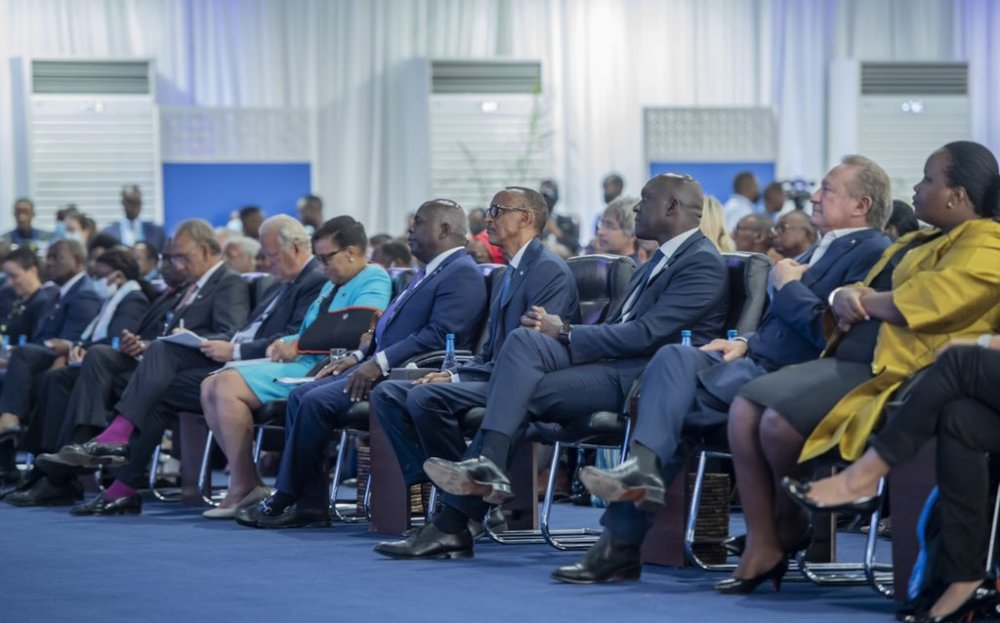
The forum brought together government leaders, captains of industry and business executives, leaders of global and regional development institutions, young entrepreneurs and representatives of trade and investment organizations from across the Commonwealth.
The Commonwealth Business Forum (CBF 2022) is the first and largest in-person gathering for governments and businesses across the Commonwealth since the start of the Covid-19 pandemic, bringing together over 1,500 delegates from Commonwealth member states.
It addresses the CHOGM theme – ’Delivering a Common Future: Connecting, Innovating, Transforming’, with a focus on “A Global Reset”, dealing with the impact of the pandemic and the Commonwealth’s role in rebuilding and reinvigorating the global economy.
Throughout the 3-days of the forum, participants will explore topics such as financing future growth, trade and regional integration, sustainability, inclusive and resilient food systems and the future of work.
There will be several sessions with discussions that shape agendas, generate insights and share best practice knowledge on strategies businesses in the Commonwealth can apply as they build back post-pandemic.
The building is expected to be the tallest in Rwanda.
Dr. James Mwangi, the Group CEO of Equity Group Holdings has said that the bank was the smallest in Kenya when it was inaugurated 30 years ago but has registered tremendous growth over the years.
Today, the group has become the largest in Central and East Africa by assets where it has hit US$13 billion and registered 17 million clients.
Dr. Mwangi has revealed that the group continued to expend much effort to maintain a leading role while expanding cooperation with other institutions including the International Finance Corporation (IFC) affiliated to the World Bank.
IFC is the largest global development institution focused exclusively on the private sector in developing countries.
Dr. Mwangi has said that the group has cemented its presence in Rwanda with a wide range of services including loans for execution of mega projects like the construction of Kigali Marriot Hotel.
He underscored that the time has come for the group to expand activities.
As part of expansion plans, Dr. Mwangi revealed that they decided to support Rwanda along its vision to become financial and business hub by setting up state-of-the art infrastructures.
He said that the US$100 million project will see two identical tall skyscrapers (Twin Tower) erected in Kigali.
The eco-friendly building is expected to be completed in 24 months.
One section will be comprised of 24 floors that will house offices while the second will be a 20-floor building comprised of a hotel and residential structures.
“We are hoping this building will attract investment banks, finance companies, Africa regional offices and others,” said Dr. James Mwangi.
Marc Allchin, the Managing Director of Equity Holding and Venture Capital Rwanda has said that the building can serve different purposes.
During night hours, the building will have displays conveying different messages, some of which aligning with the development of Kigali City.
Taking an example of different hotels constructed on loans provided by the bank including Marriott Hotel and others; the CEO of RDB, Clare Akamanzi has said that the contribution of Equity Bank in Rwanda’s development is self-evident.
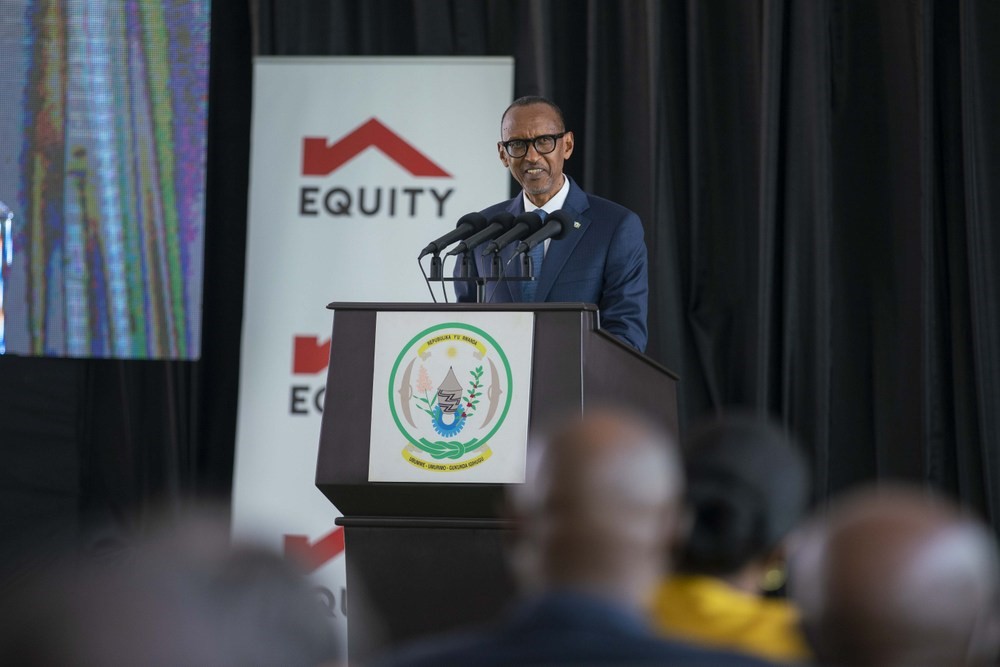
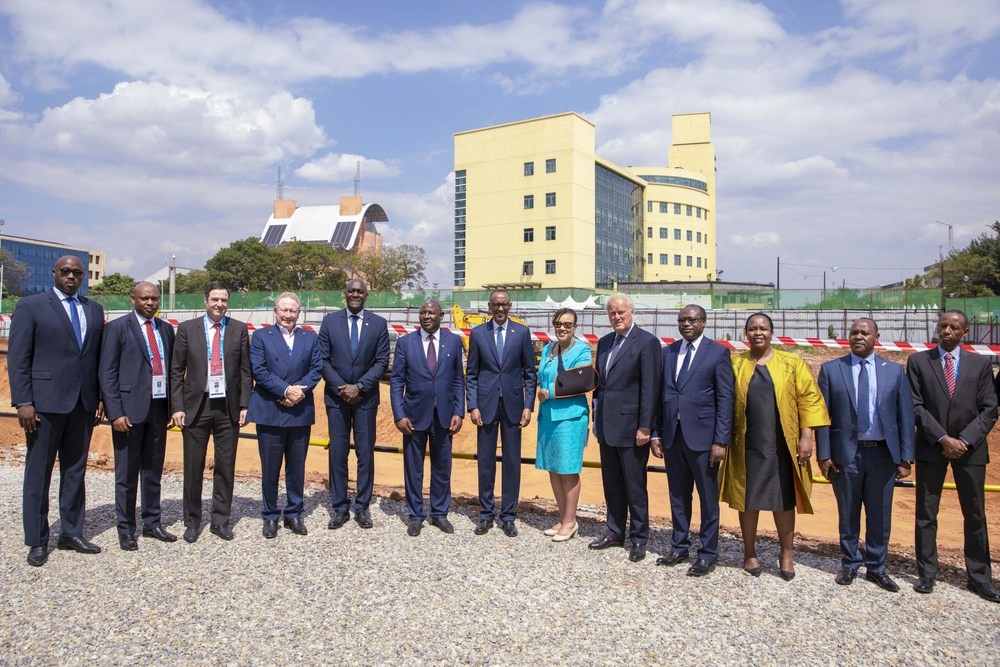
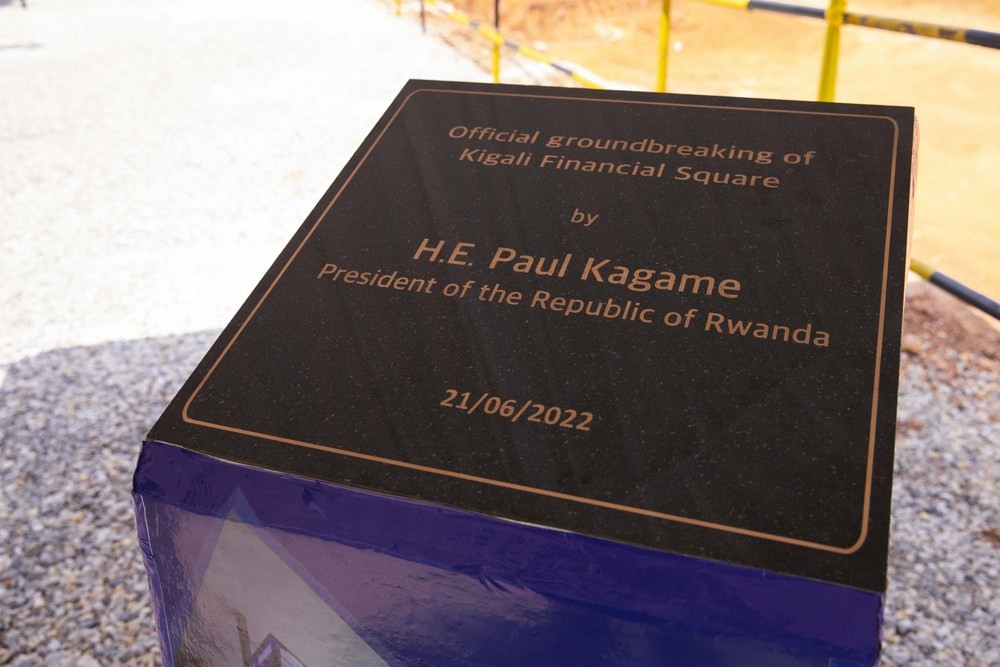
President Kagame commended Equity Group highlighting that the project is in the interests of Rwandans.
“This project is also about the future of our people and our most valuable asset that is our people. Over the years, we have created meaningful partnership that contributed to our development. I think it will be the same for Kigali International Finance and Business Square,” he said.
Kigali Financial Square will be built in the plot between Kigali City Hall, Ecobank building.
It will be the tallest skyscraper in Kigali followed by Kigali City Tower (20 floors) inaugurated in 2011. The latter was completed at a tune of US$20 million (approximately Rwf 20 billion).