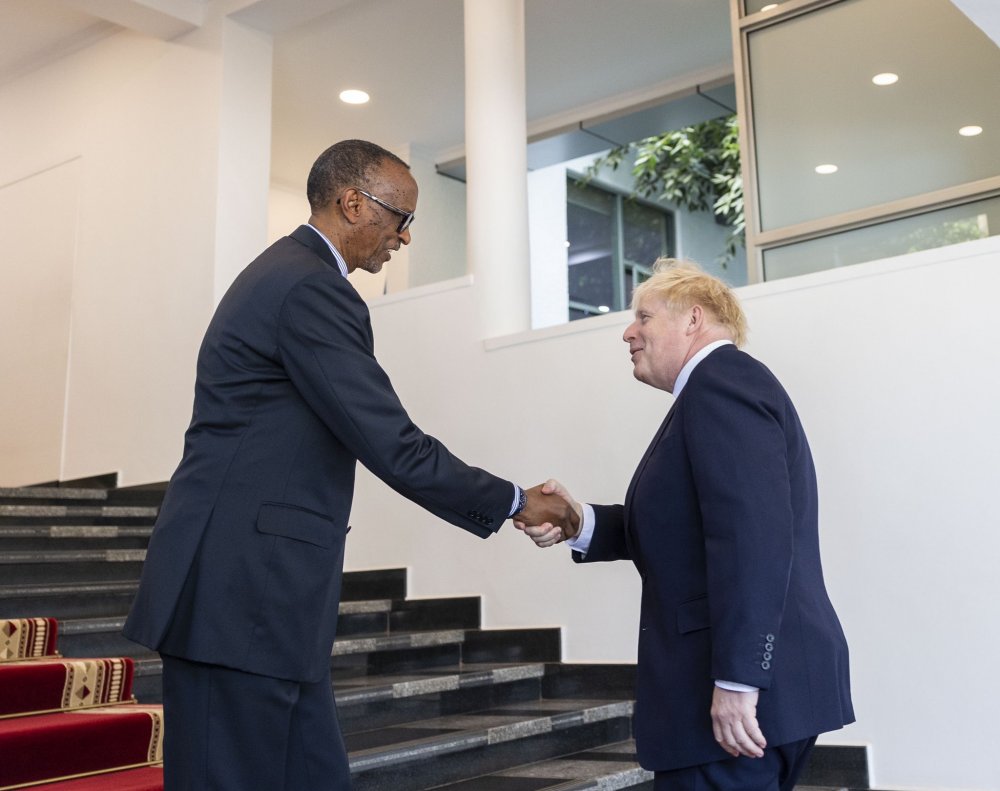
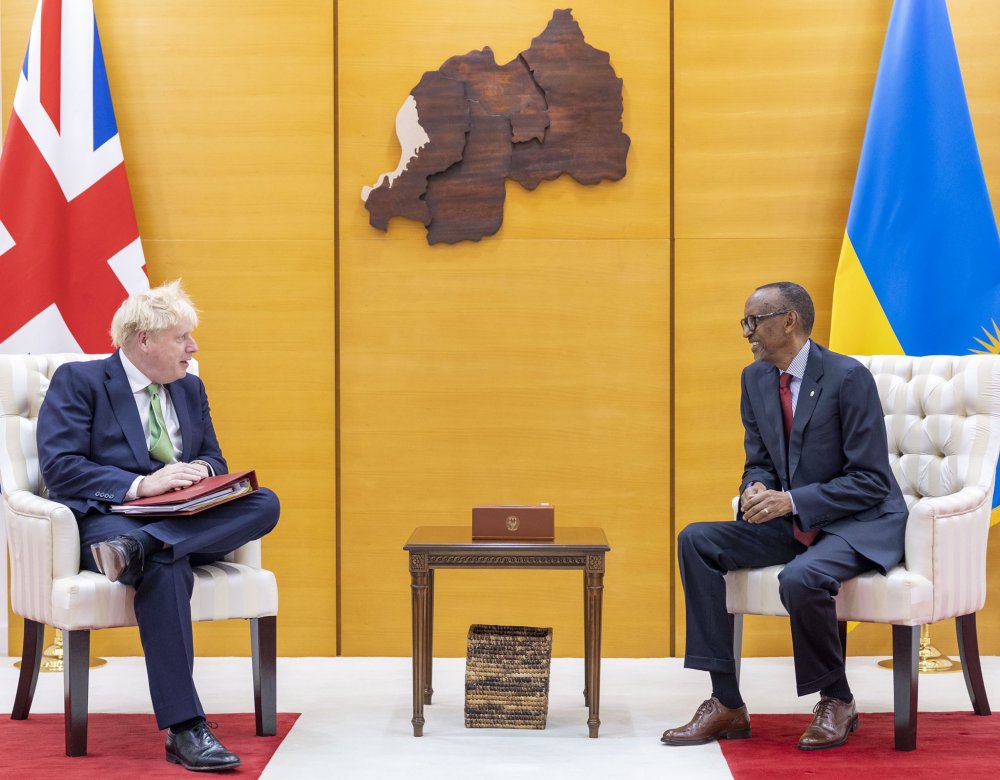
Johnson has arrived in Rwanda to attend Commonwealth Heads of Government Meeting (CHOGM) 2022 taking place in Kigali, the capital of Rwanda.
“President Kagame received the Rt. Hon Boris Johnson, Prime Minister of the United Kingdom who is in Kigali for #CHOGM2022. The two leaders held talks on existing partnerships between Rwanda and the UK including the recent Migration and Economic Development Partnership,” Rwanda’s Presidency has revealed via Twitter handle.
Rwanda and UK signed the partnership on 14th April 2022. Under this partnership, the UK will provide an upfront investment of £120 million to fund invaluable opportunities for Rwandans and migrants including secondary qualifications, vocational and skills training, language lessons and higher education.
These asylum seekers from African countries and others outside the continent will be treated decently like Rwandans upon arrival. It is expected that those willing to return to their mother lands will be helped to do so.
The plane carrying the first batch of migrants deported from UK to Rwanda under the recently signed Migration and Economic Development Partnership was expected to land in Kigali on Wednesday 15th June 2022.
Few hours before scheduled time for the plane to take off, the flight was stopped after a late intervention from the European Court of Human Rights (ECtHR) led to fresh challenges in the UK courts.
After the judgement from the ECtHR, passengers were removed from the plane which had to take off on Tuesday at 11:30 p.m. of Kigali Time.
The human rights court said that it had suspended the deportation of one migrant from Iraq who was onboard the plane.
It also maintained that UK must wait for the final judgement next month before further action.
Following the last minute cancellation; the Spokesperson of the Government of Rwanda, Yolande Makolo has said that Rwanda remains committed to welcome the migrants when they arrive.
“We are not deterred by these developments. Rwanda remains fully committed to making this partnership work. The current situation of people making dangerous journeys cannot continue as it is causing untold suffering to so many,” she said.
“Rwanda stands ready to receive the migrants when they do arrive and offer them safety and opportunity in our country,” added Makolo.
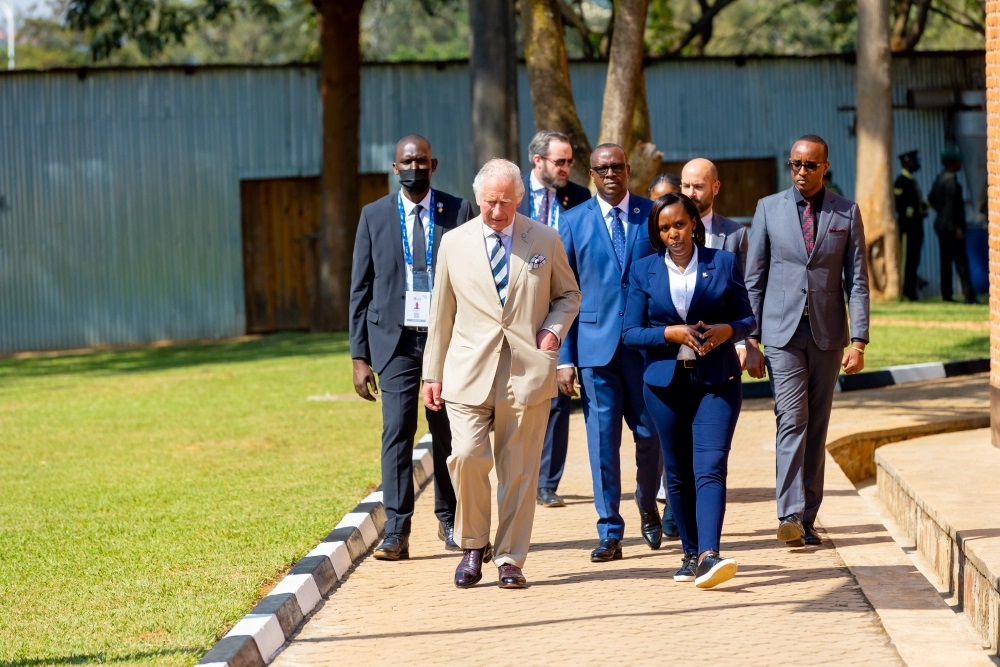
The second day of his visit to Rwanda, on Wednesday 22nd June 2022, was marked by different activities including a visit to Kigali Genocide Memorial, holding talks with President Paul Kagame among others.
Prince Charles who was accompanied by the Duchess of Cornwall, Camilla is in Rwanda the first time to represent Queen Elizabeth II.
Below are activities that marked the second-day visit of Prince Charles to Rwanda.
{{Kigali Genocide Memorial}}
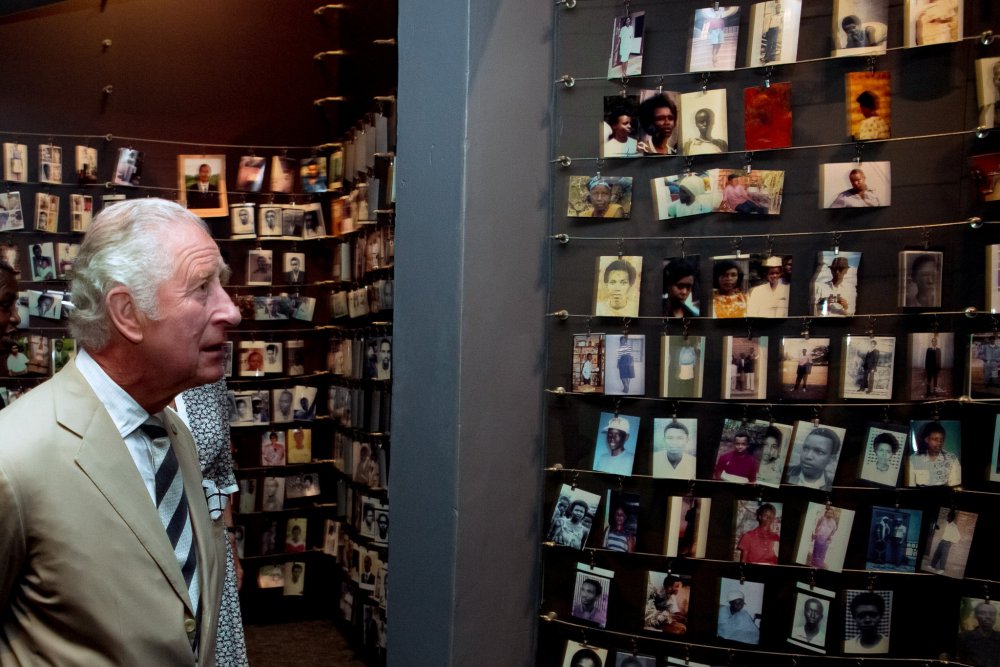
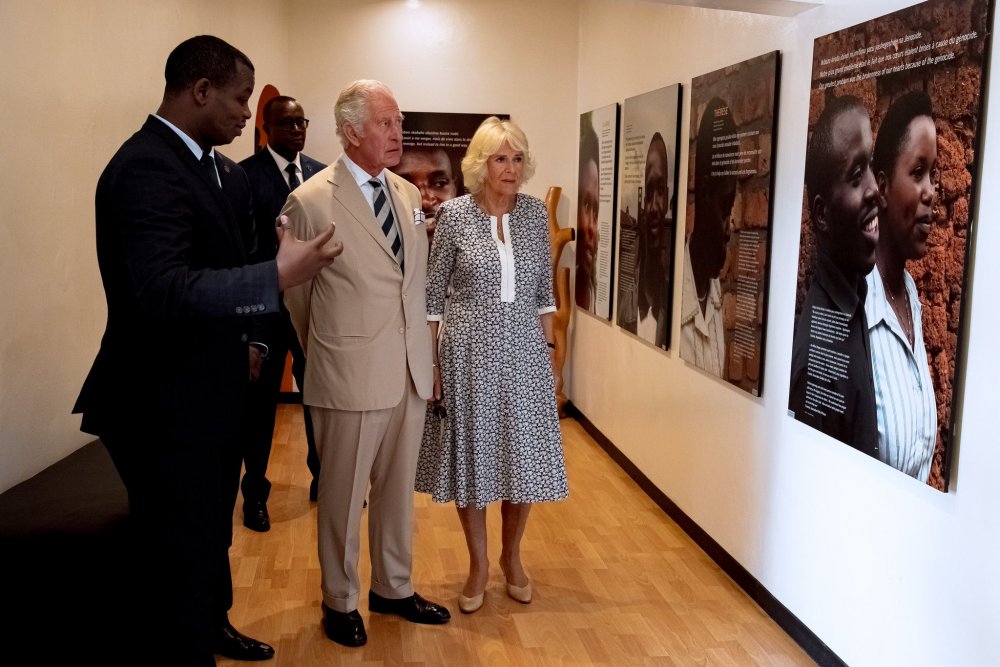
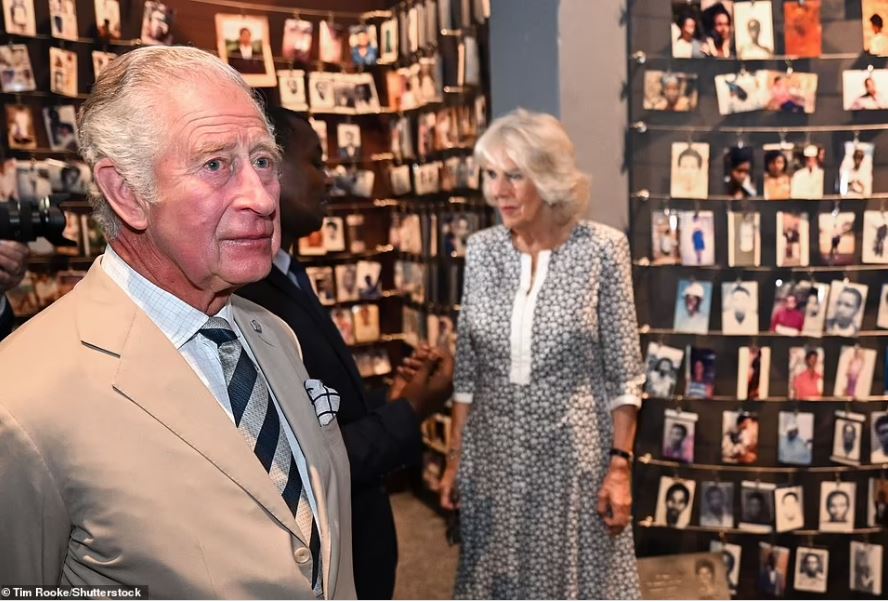
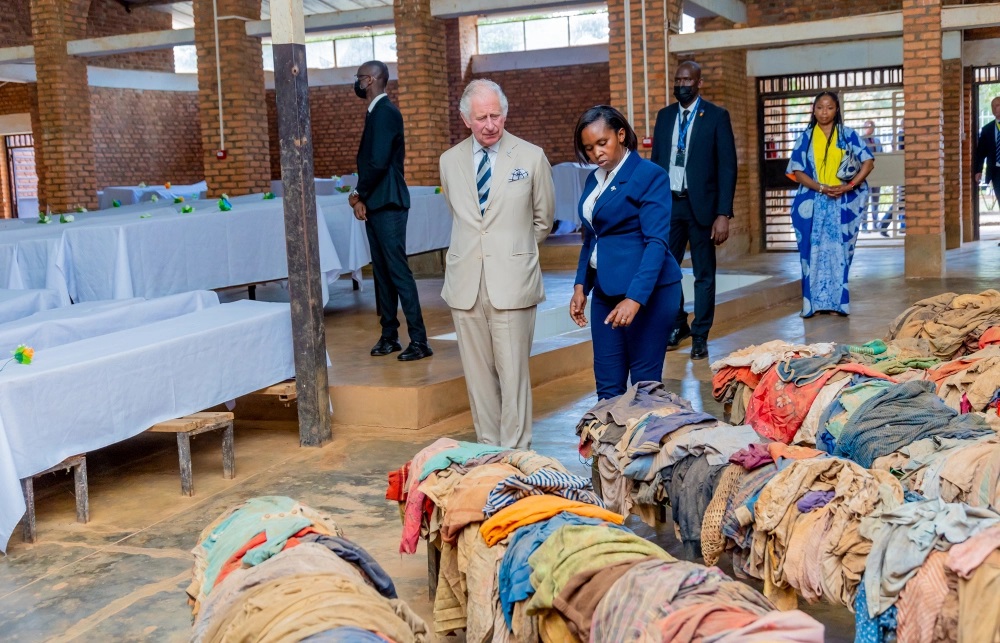
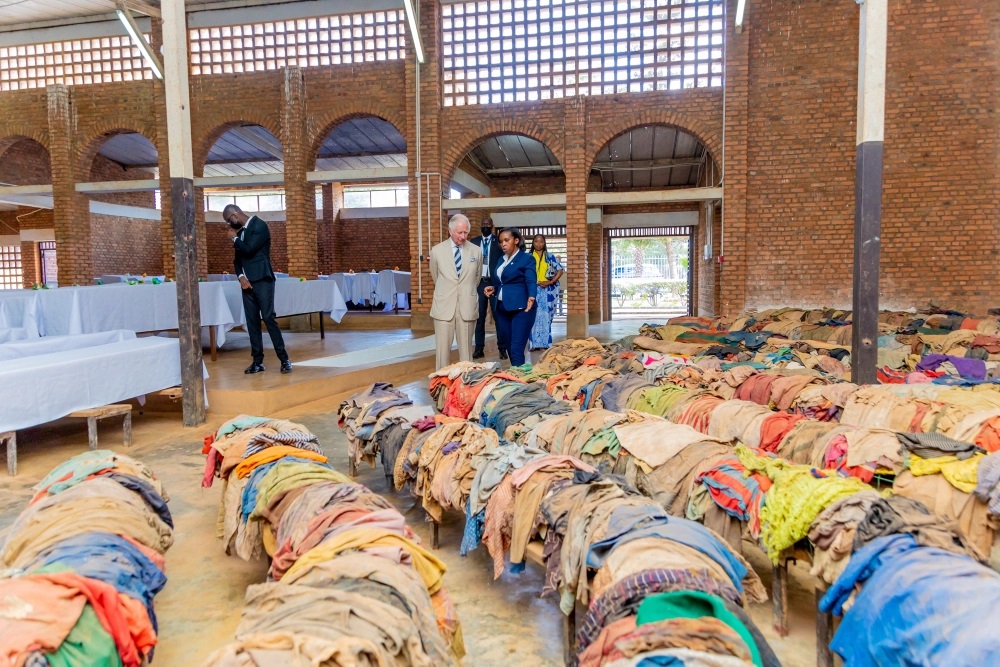
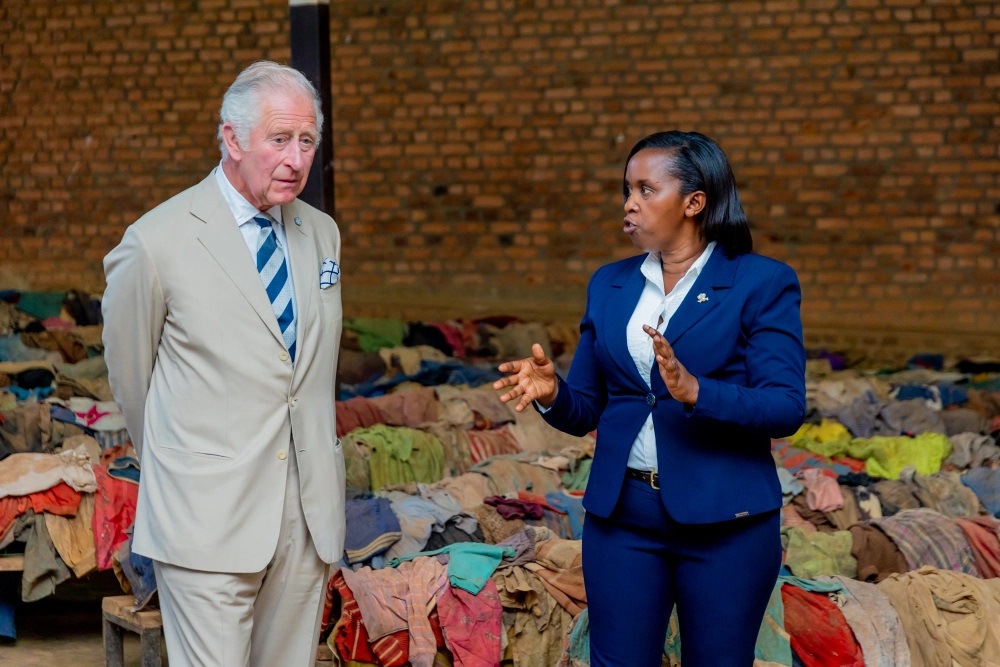
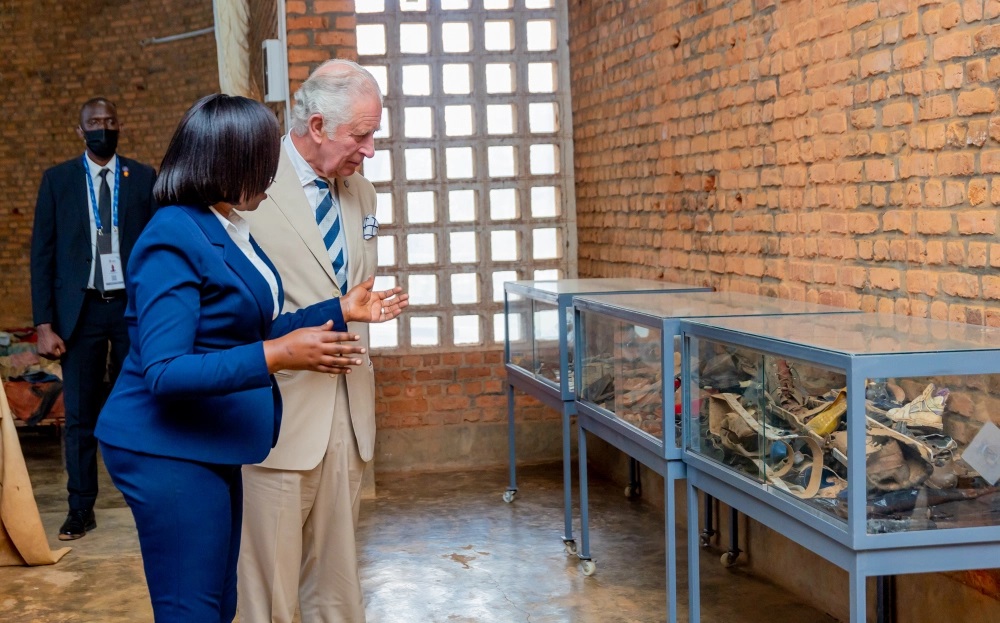
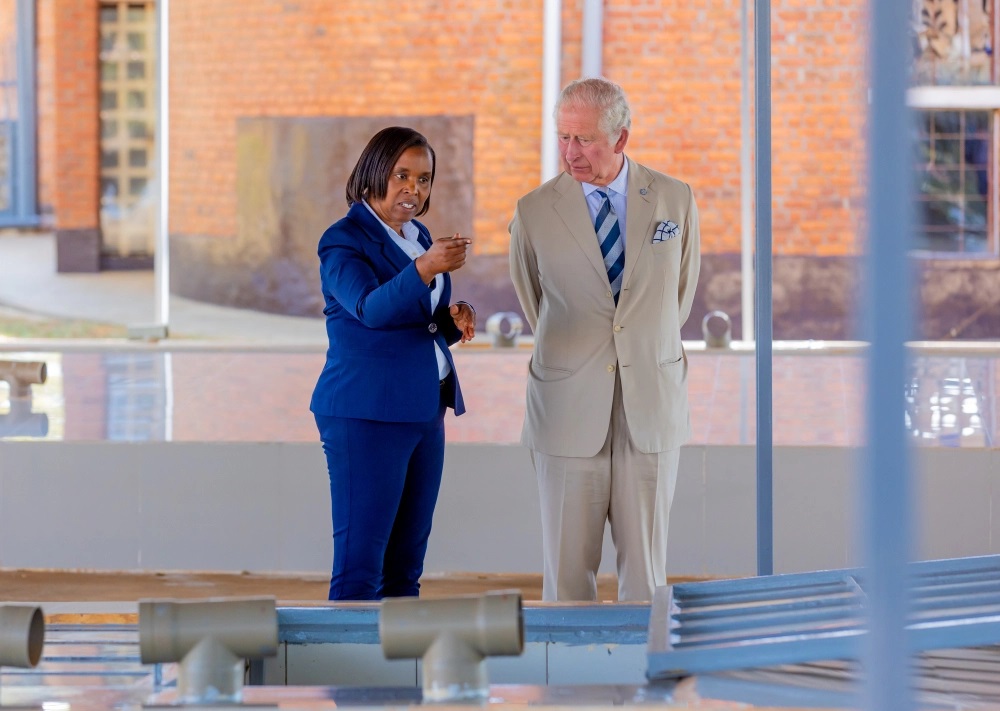
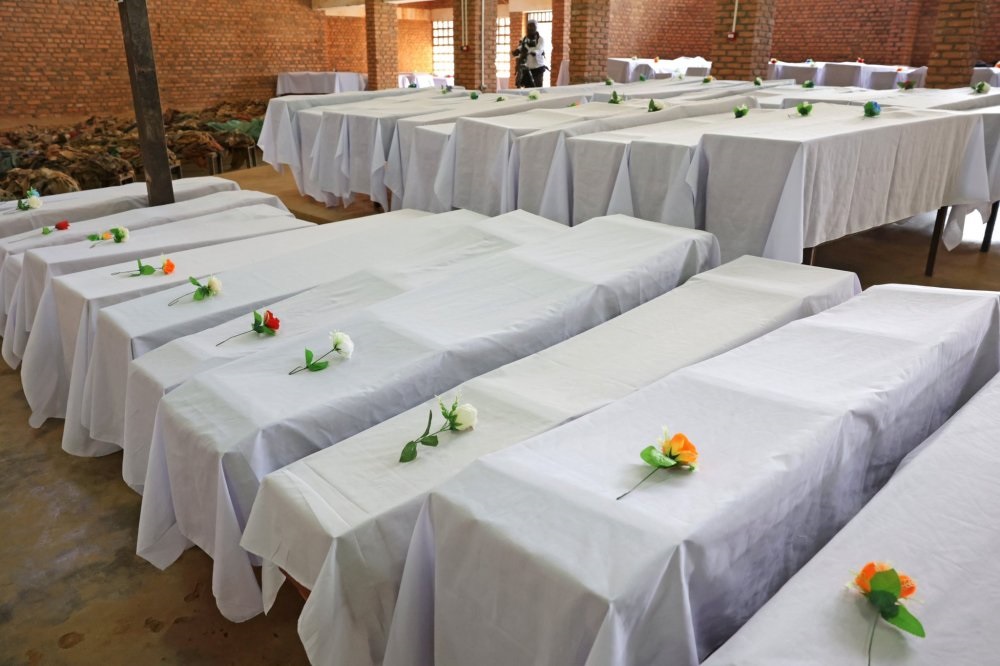
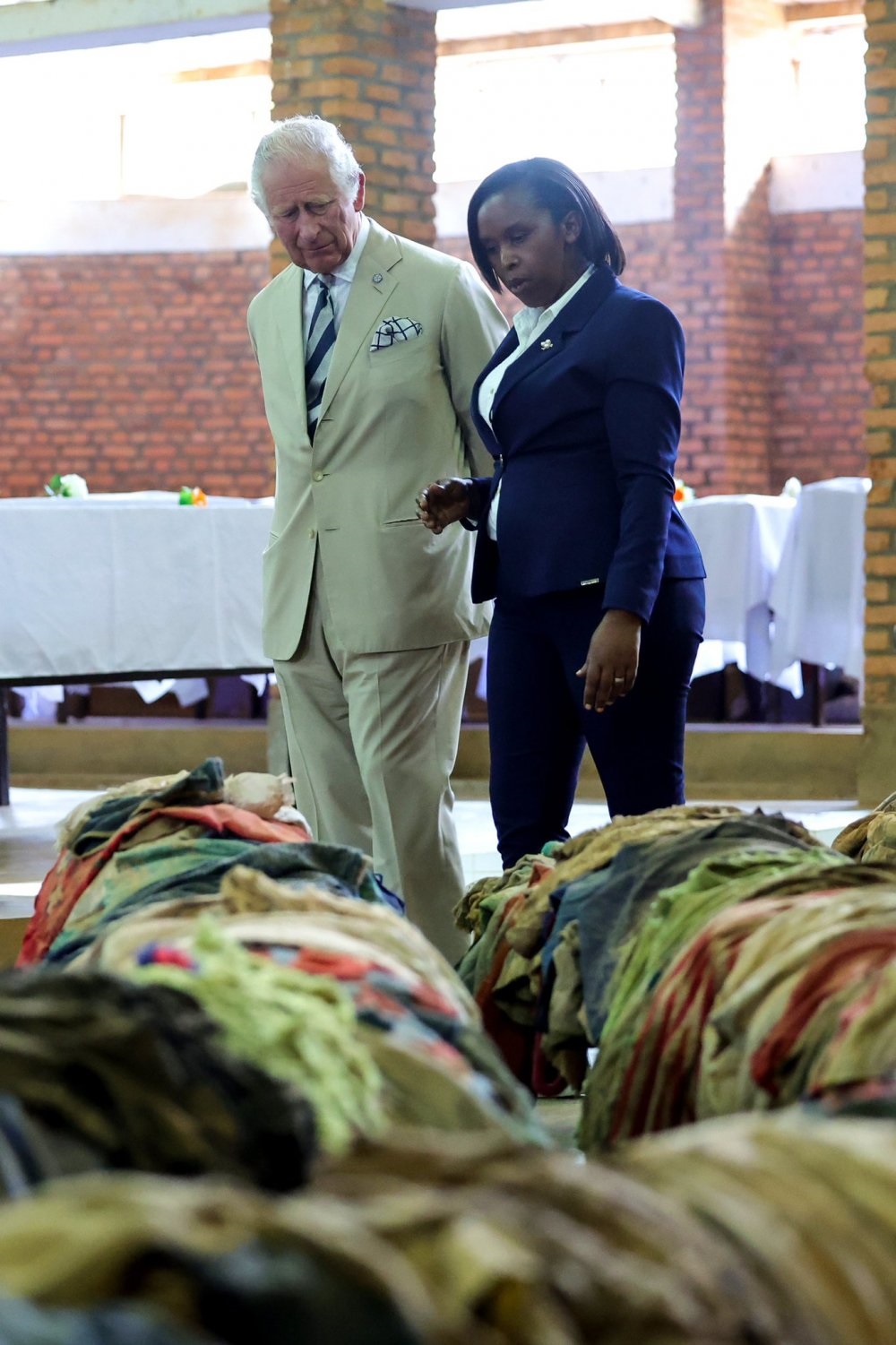
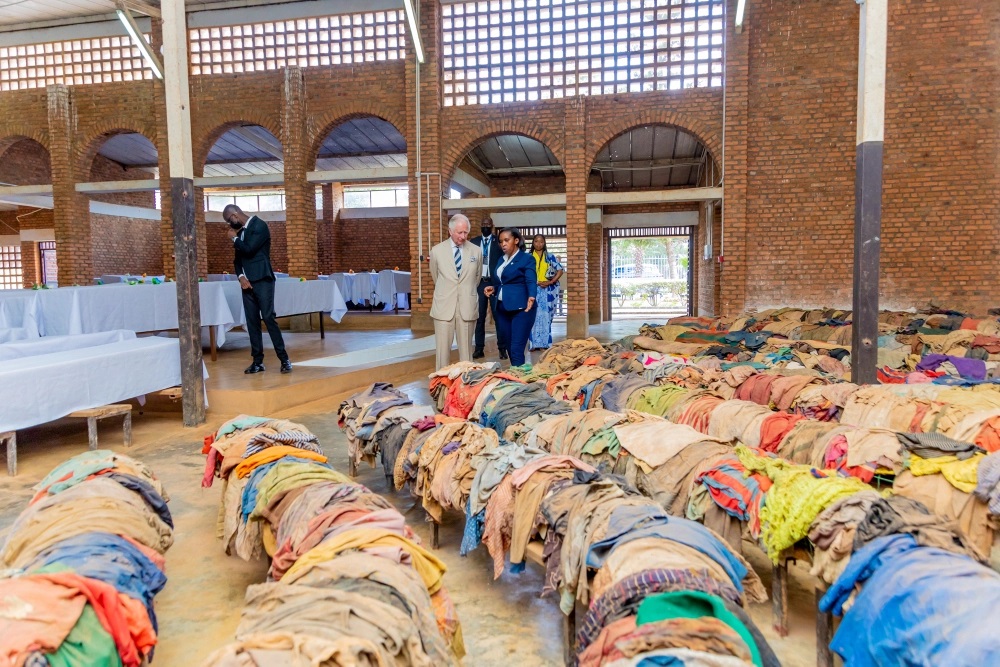
Prince Charles started his visits to Kigali Genocide Memorial, where he received a tour of the Memorial’s exhibits, including personal effects and photographs of the victims of the 1994 Genocide against the Tutsi.
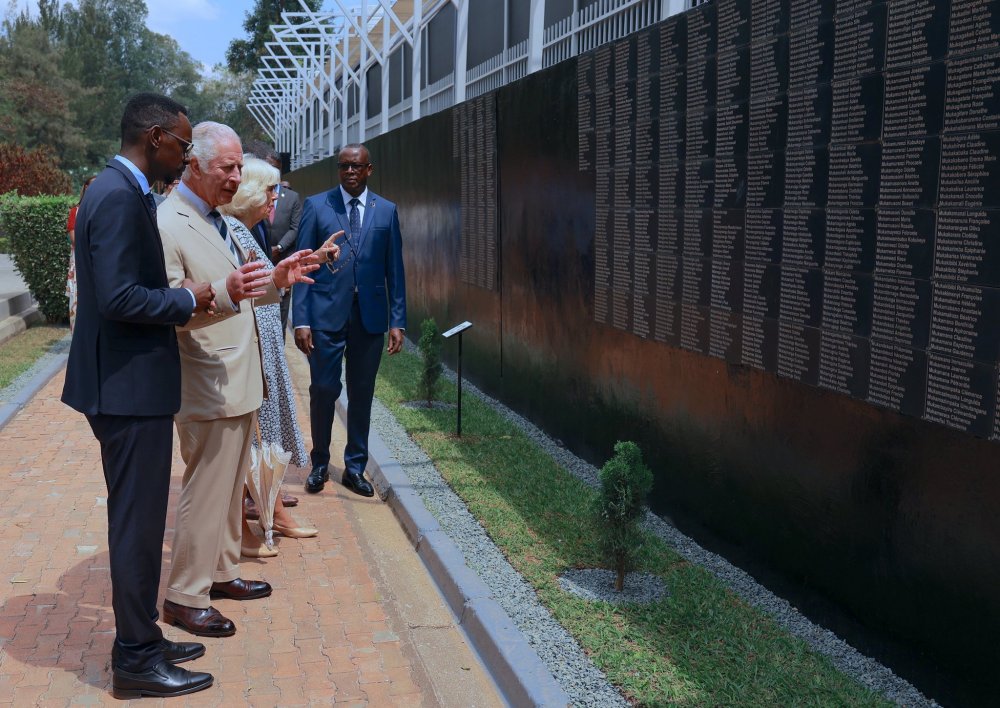
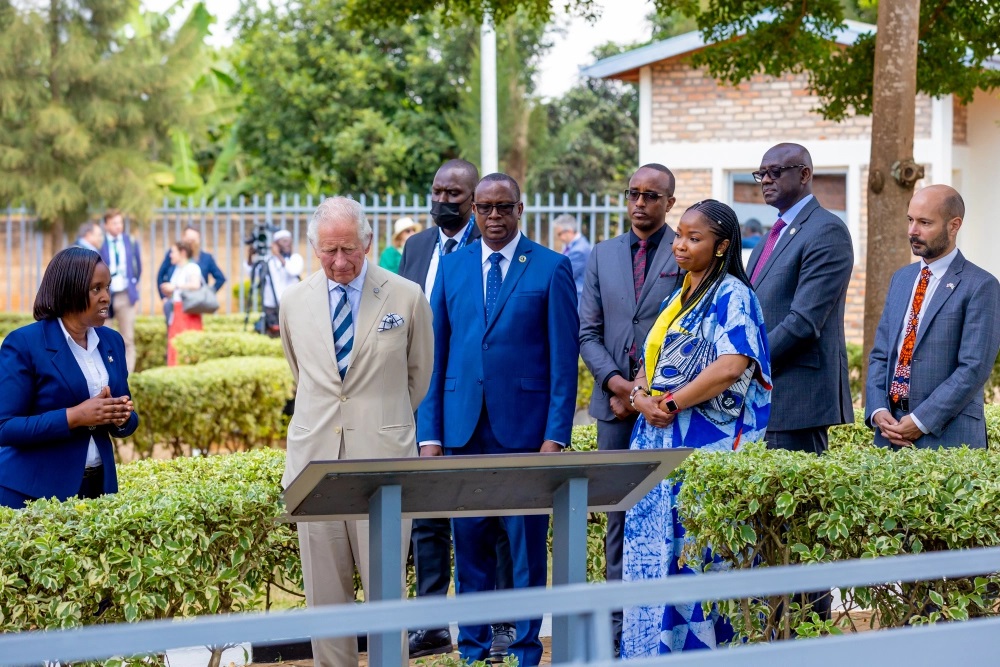
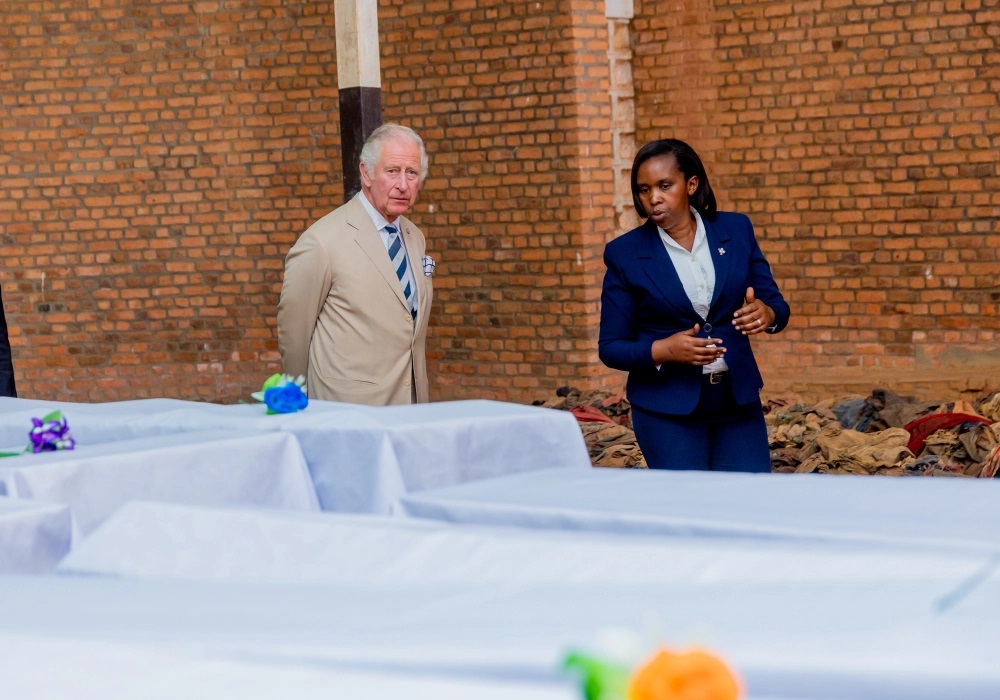
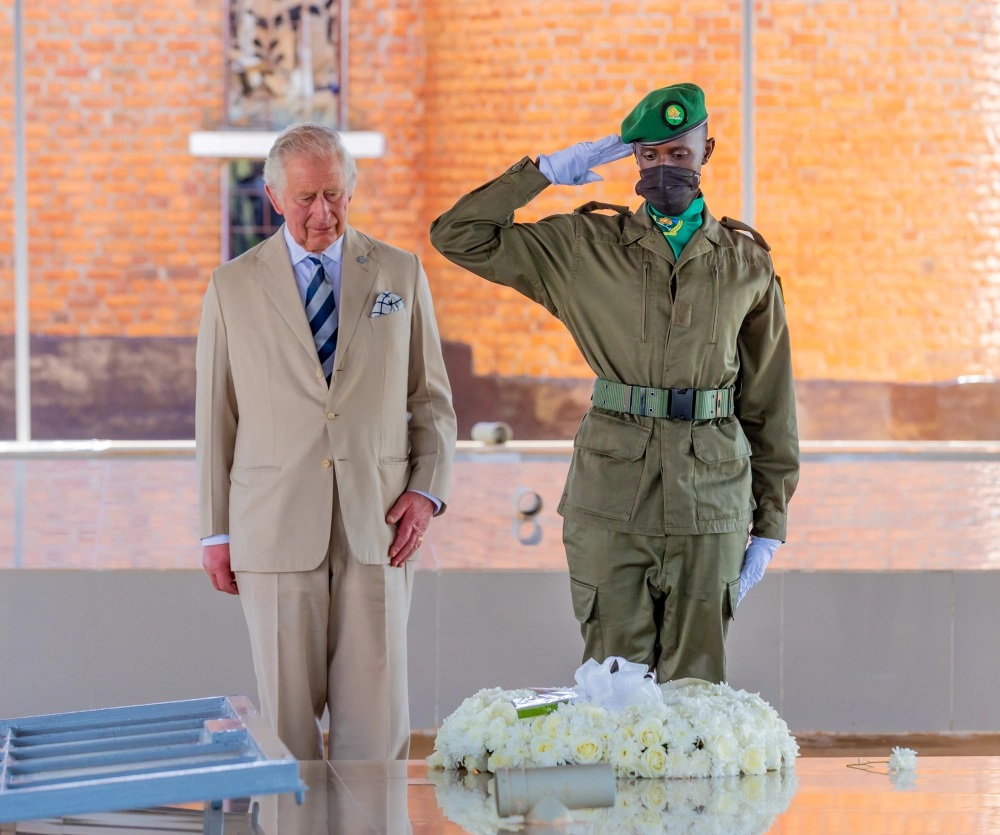
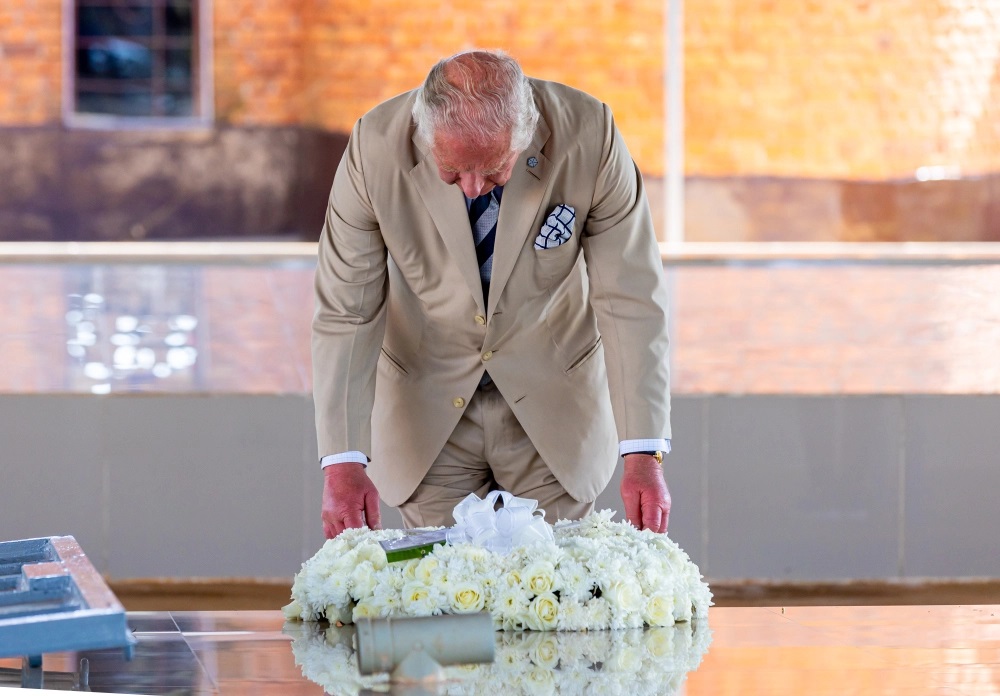
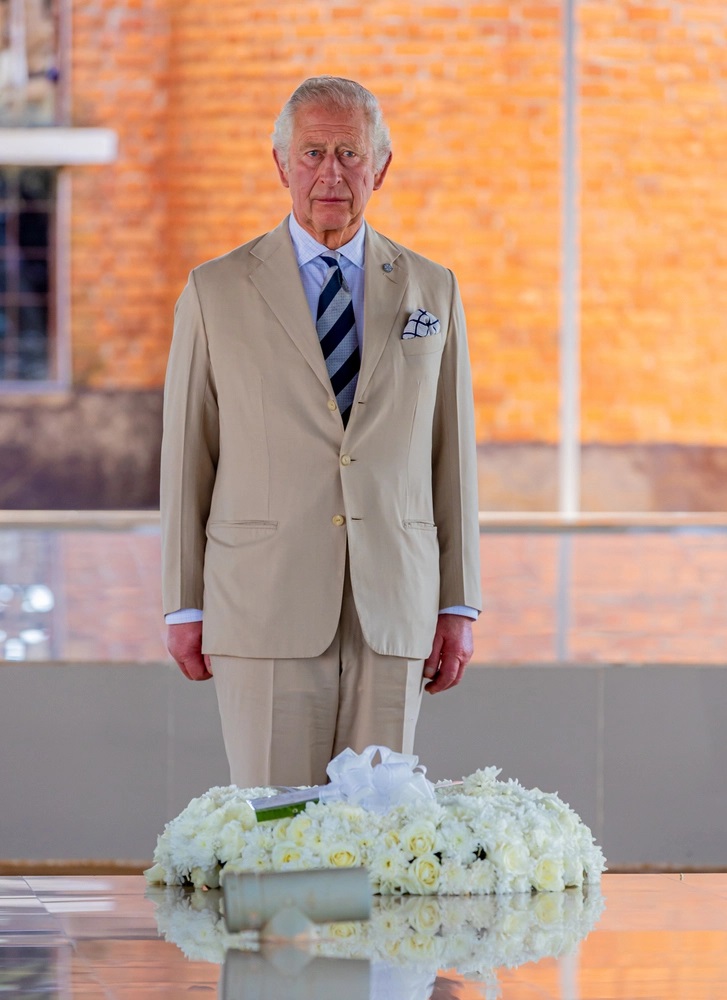
Outside, The Prince of Wales and The Duchess of Cornwall were shown the mass graves beside the Wall of Names and paid tribute to victims laid there.
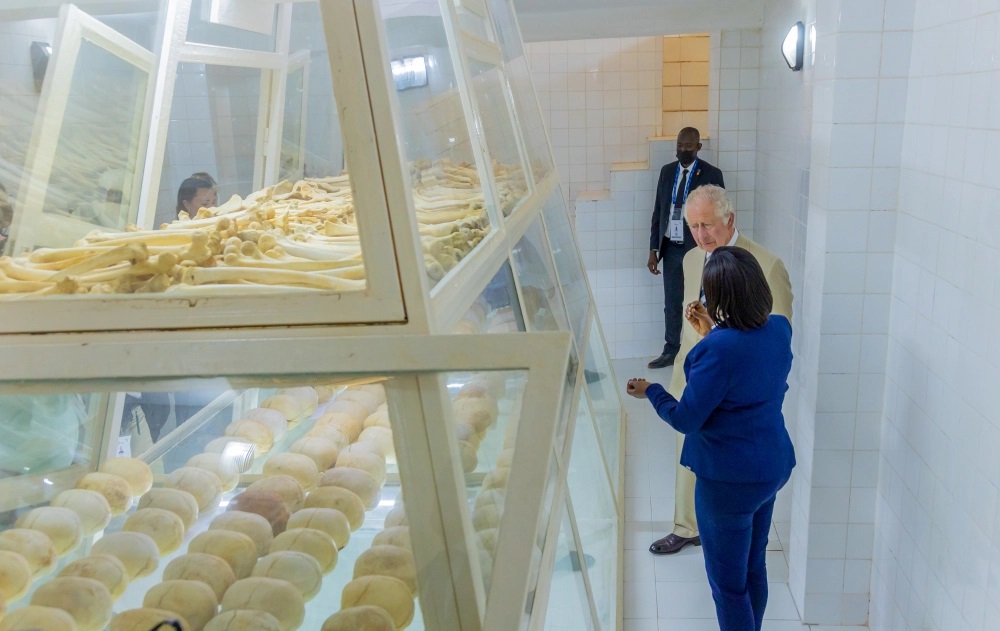
The Kigali Genocide Memorial is the final resting place for more than 250,000 victims of the 1994 Genocide against the Tutsi and was officially opened in 2004, to mark the tenth commemoration of the Genocide.
The centre serves as a place where survivors can grieve for and remember their lost loved ones. It also serves as a museum where both local and international visitors can learn about the history and consequences of the Genocide.
{{Meeting with President Kagame and First Lady}}
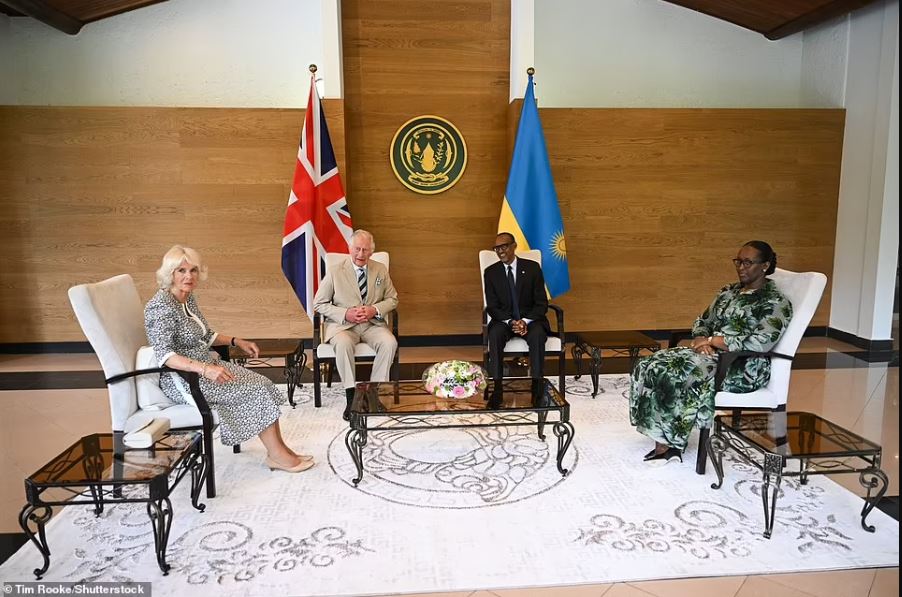
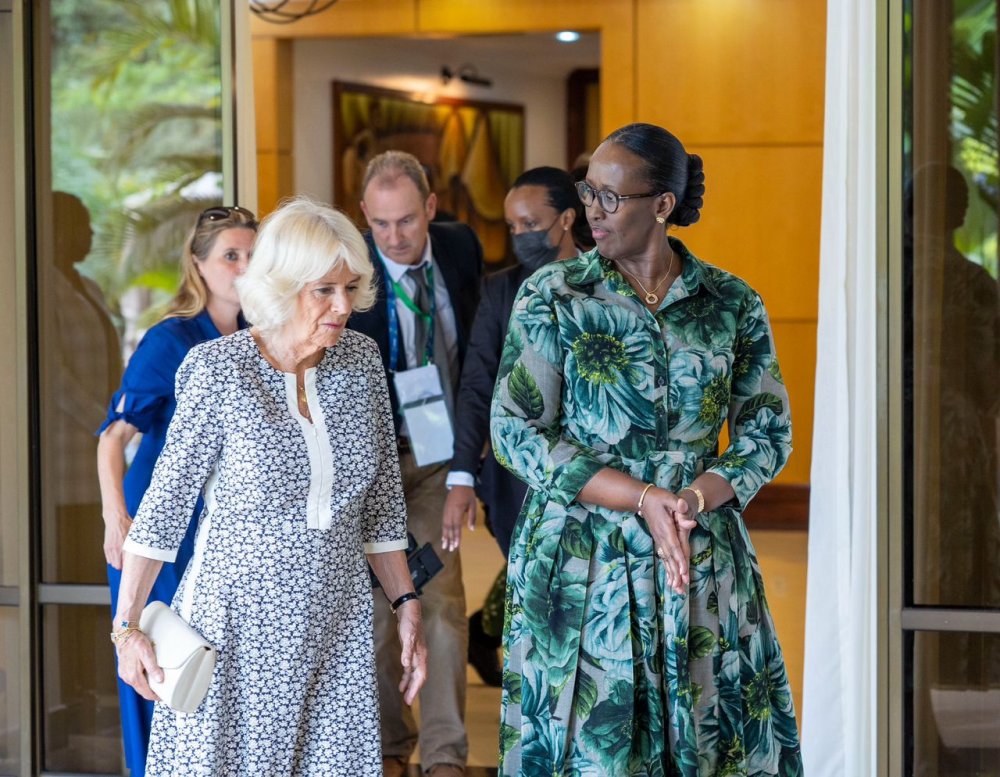
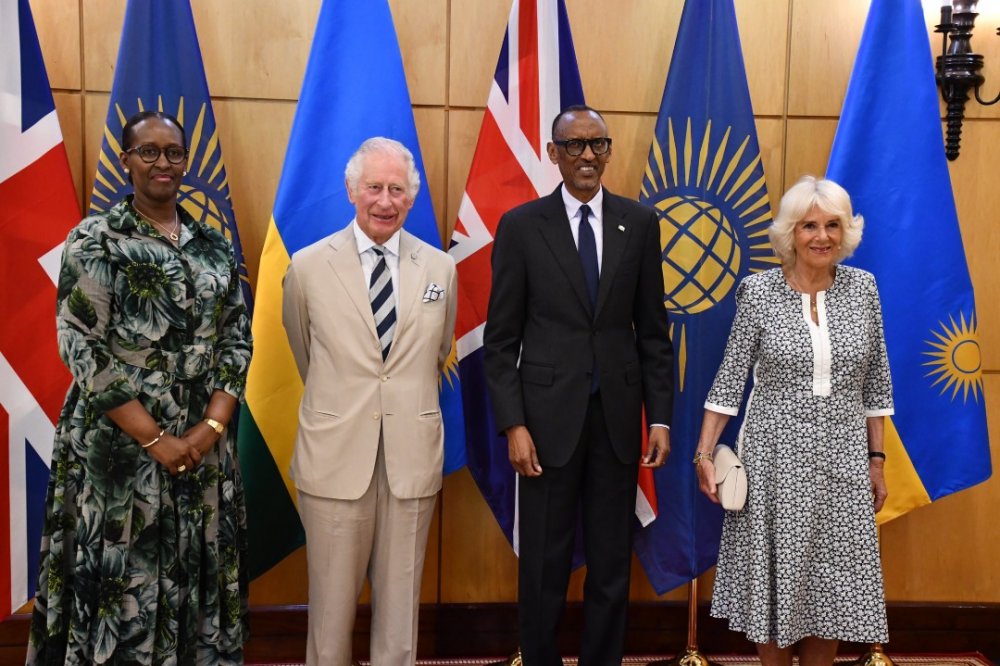
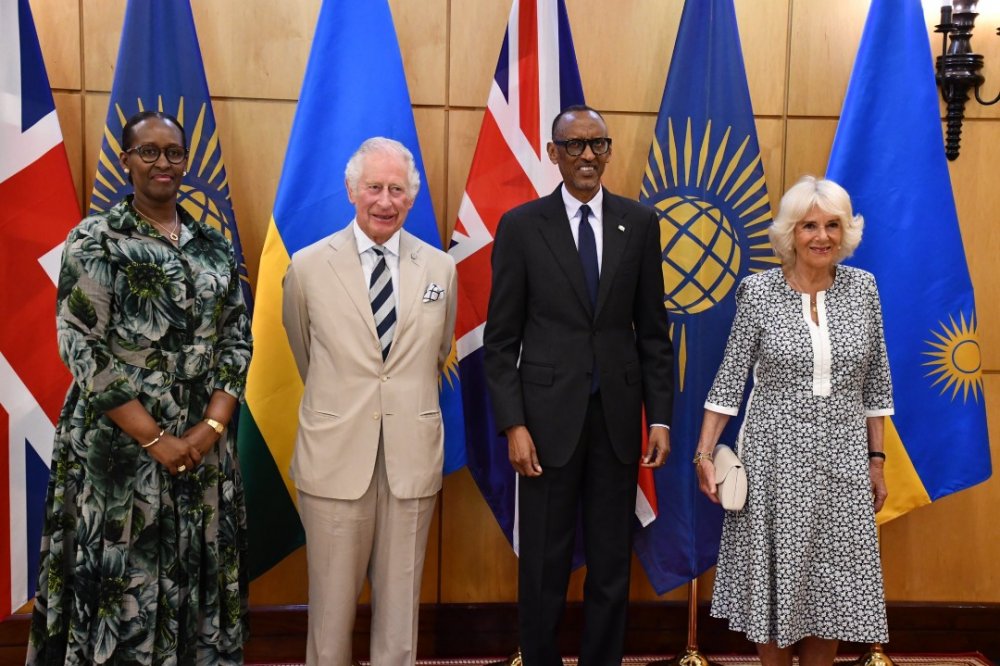
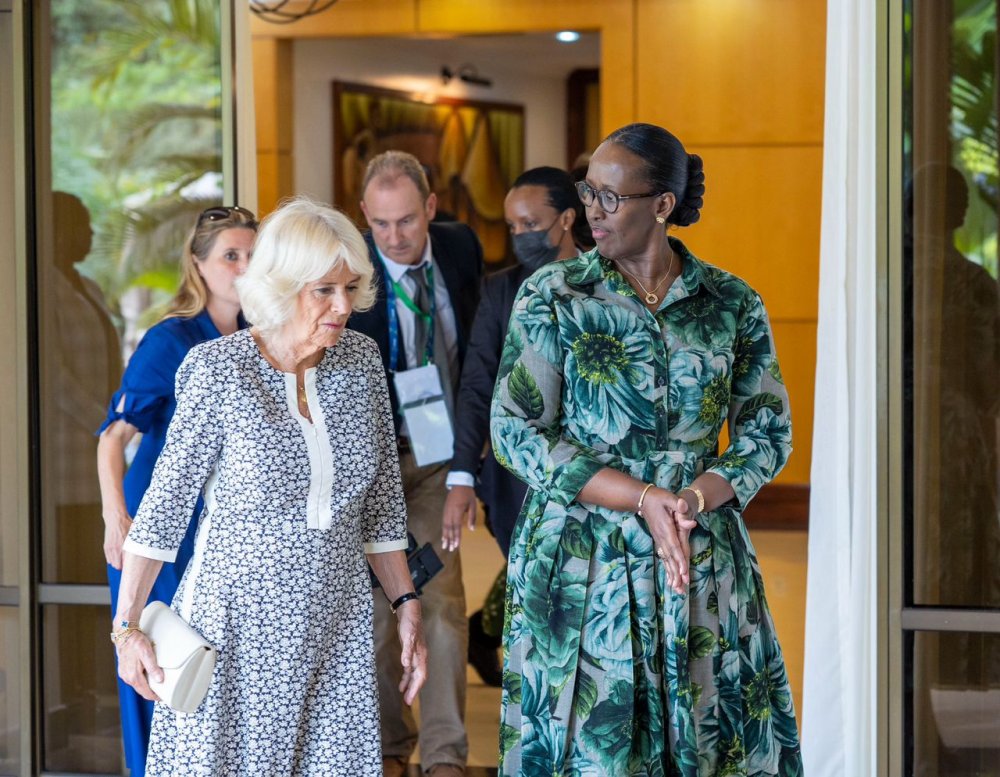
Prince Charles and Camilla then travelled to the Office of the President, where they were welcomed by a Guard of Honour from the Republic Guard, before being received on the steps by the President of the Republic of Rwanda, Paul Kagame and the First Lady of the Republic of Rwanda, Jeannette Kagame.
{{Nyamata Genocide Memorial}}
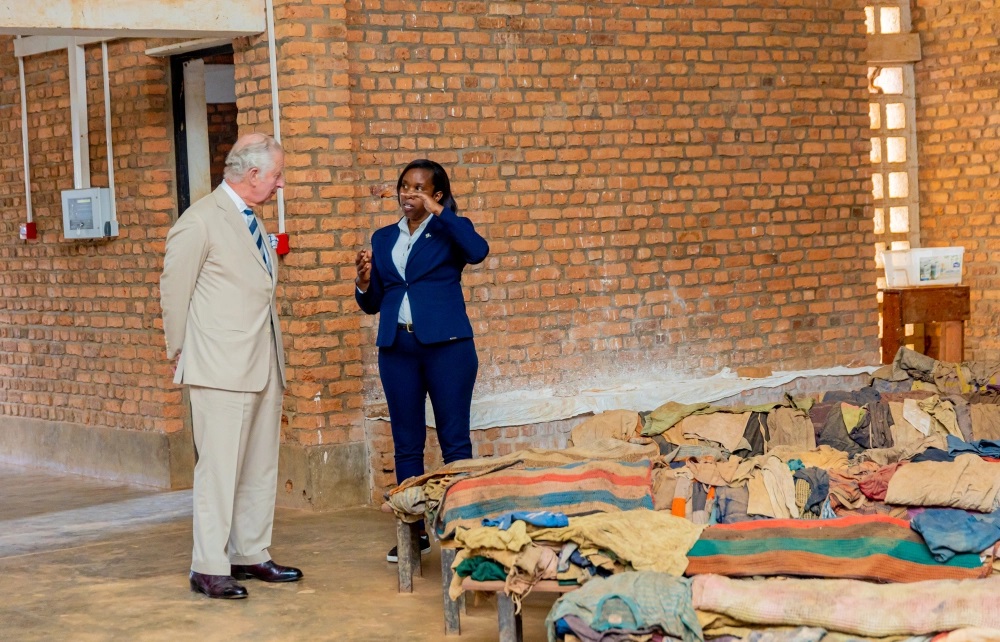
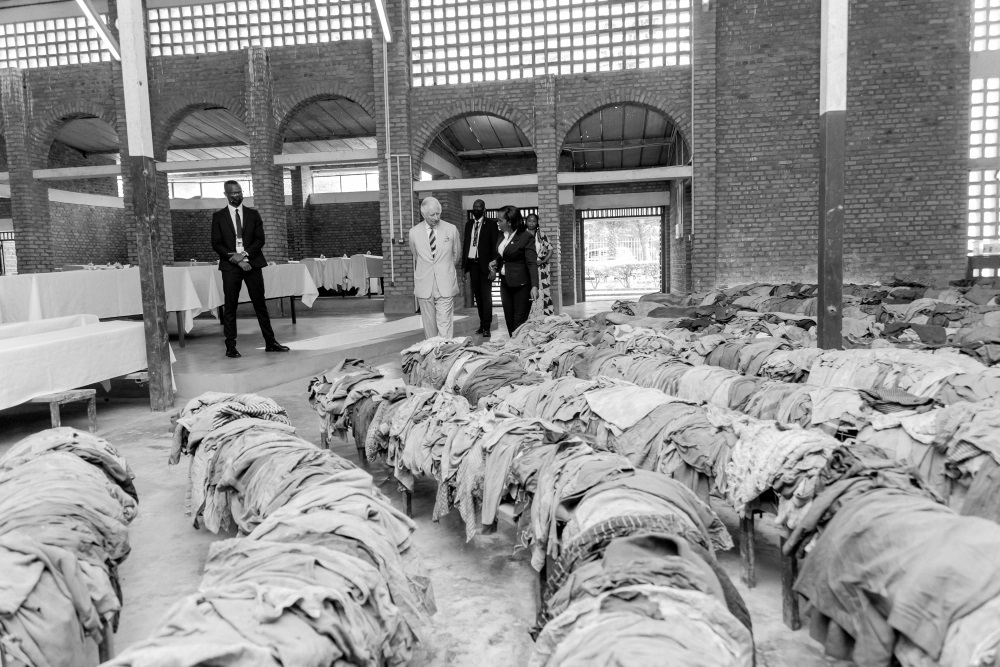
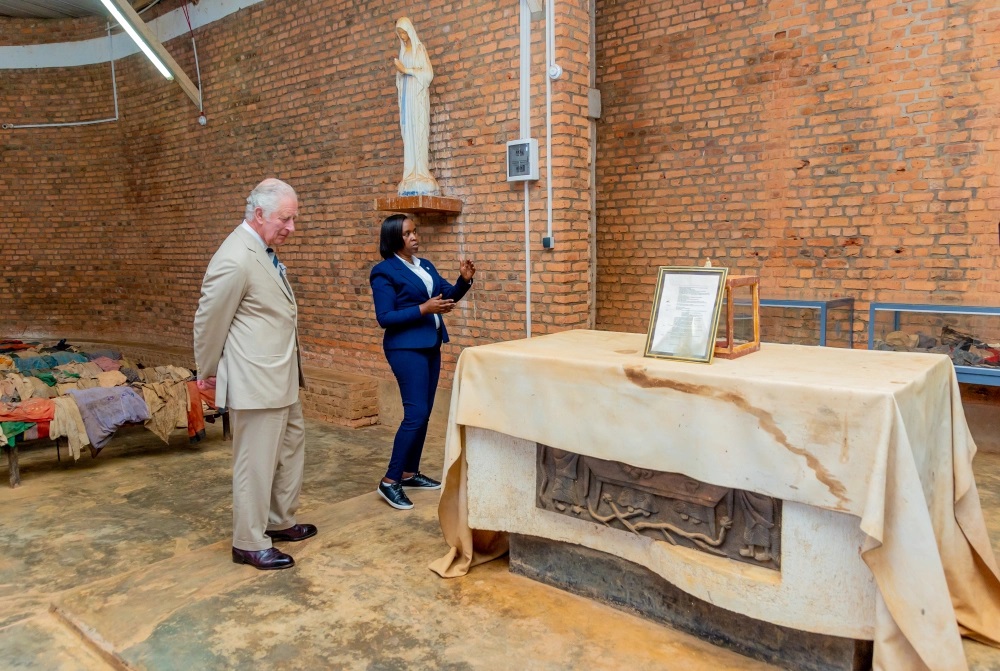
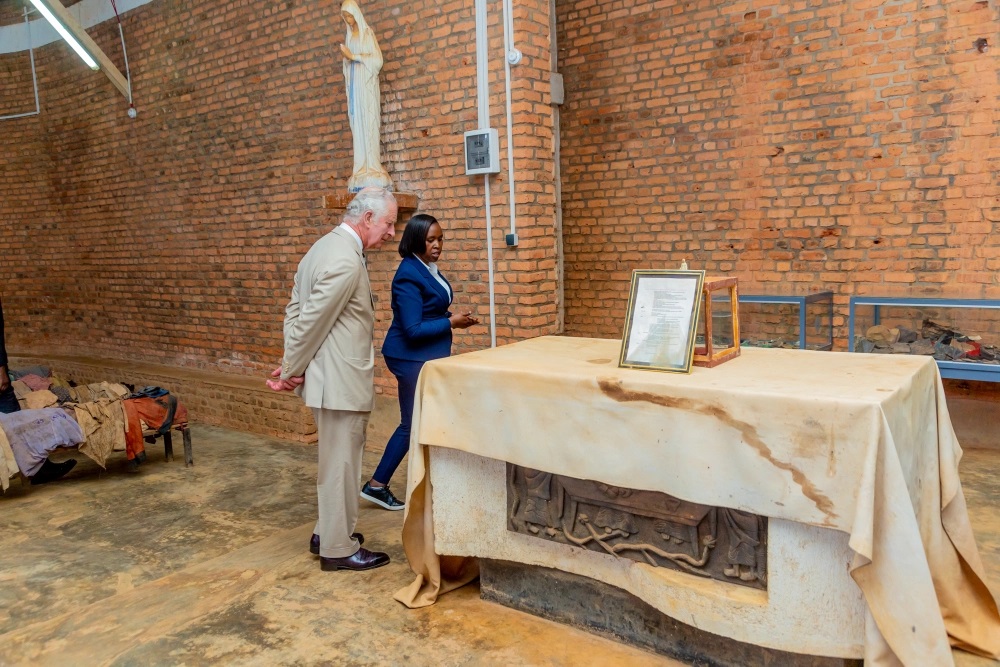
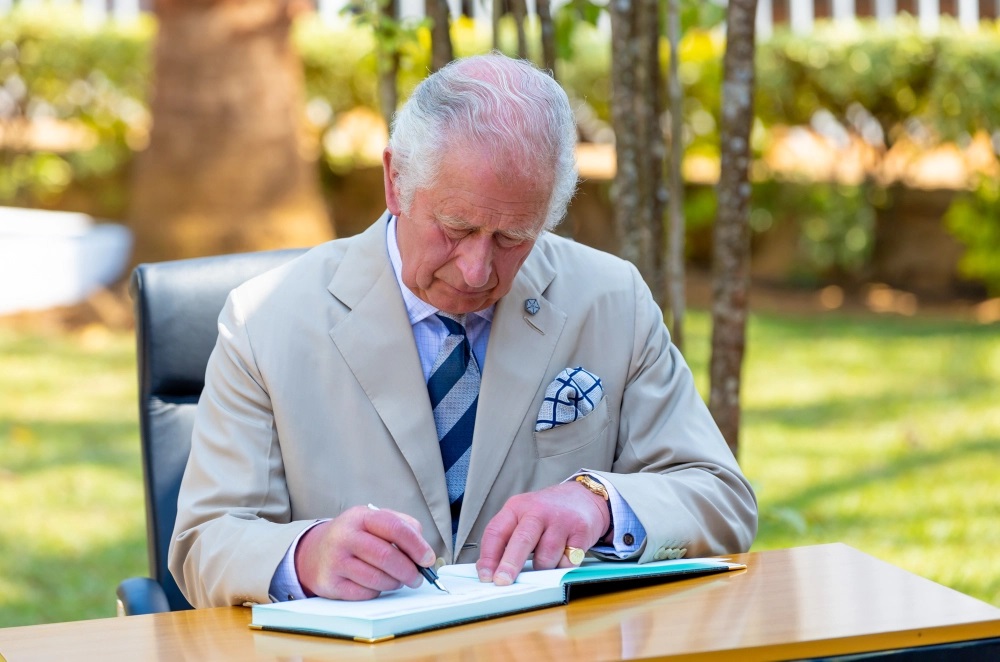
Following meetings at the Office of the President, The Prince of Wales visited the Nyamata Genocide Memorial, one of Rwanda’s six National Genocide Memorials.
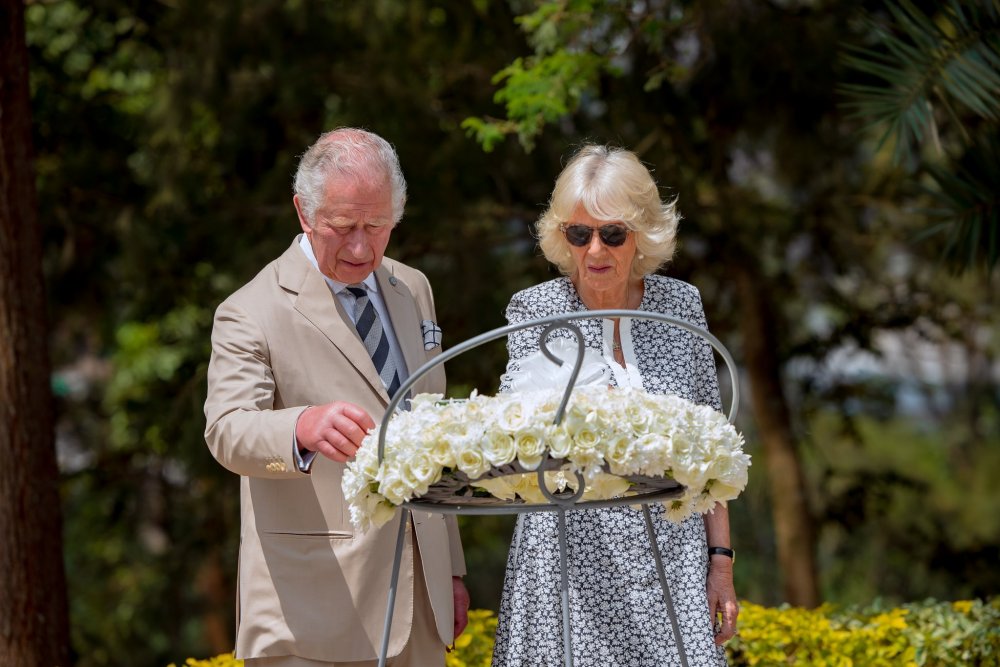
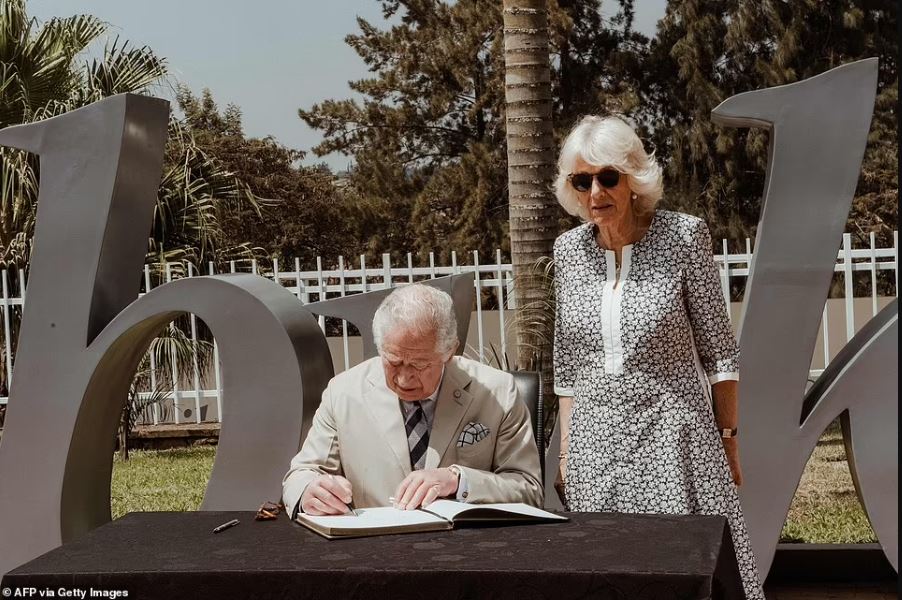
Having looked inside the church to observe the clothing and personal effects of the victims, The Prince of Wales moved outside to lay a wreath on the mass grave, before pausing for a moment of reflection and signing the visitors book.
{{Mbyo Reconciliation Village}}
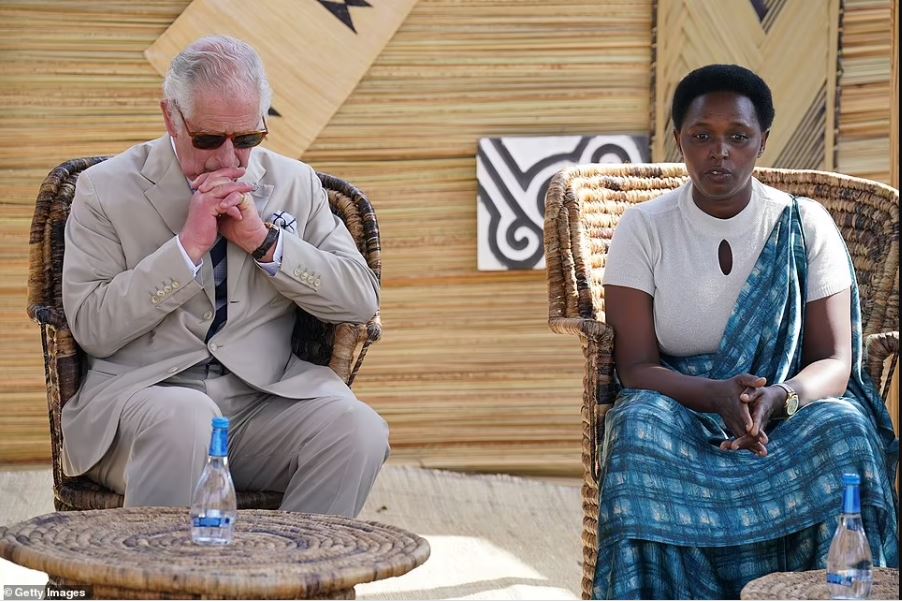
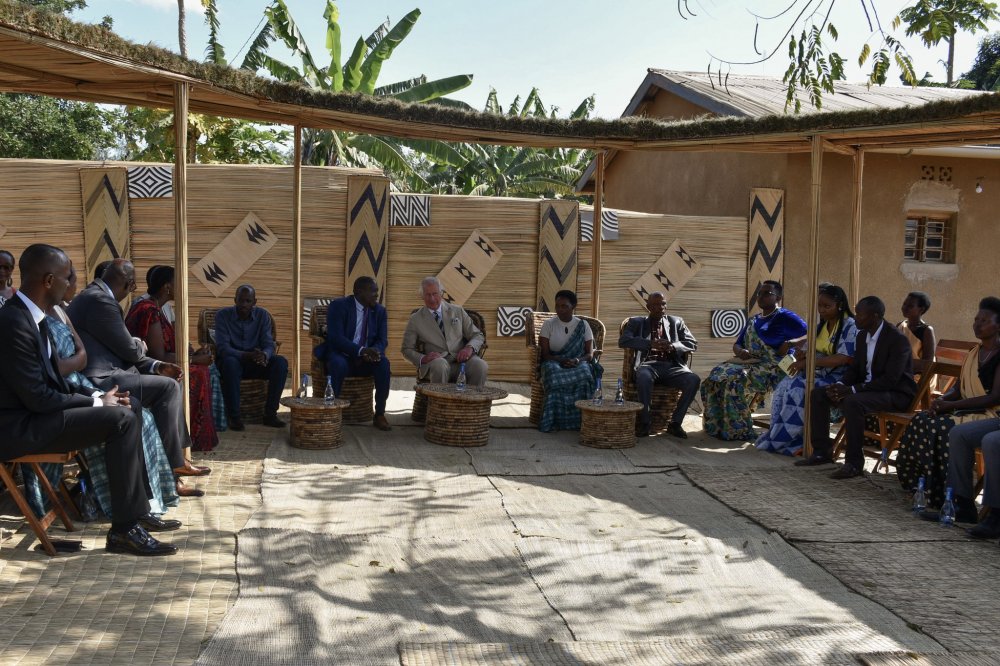
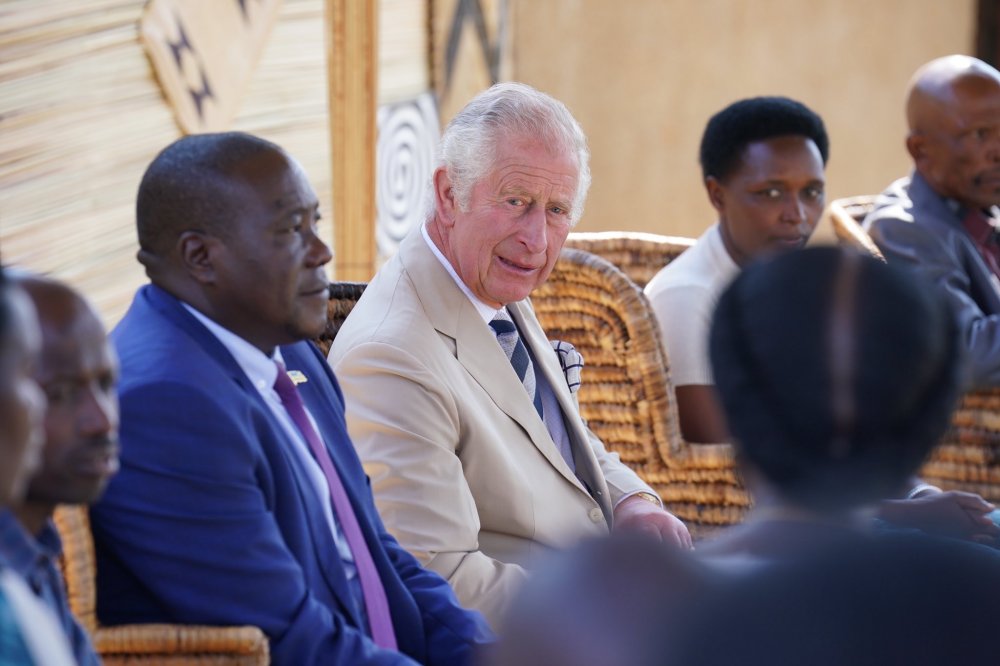
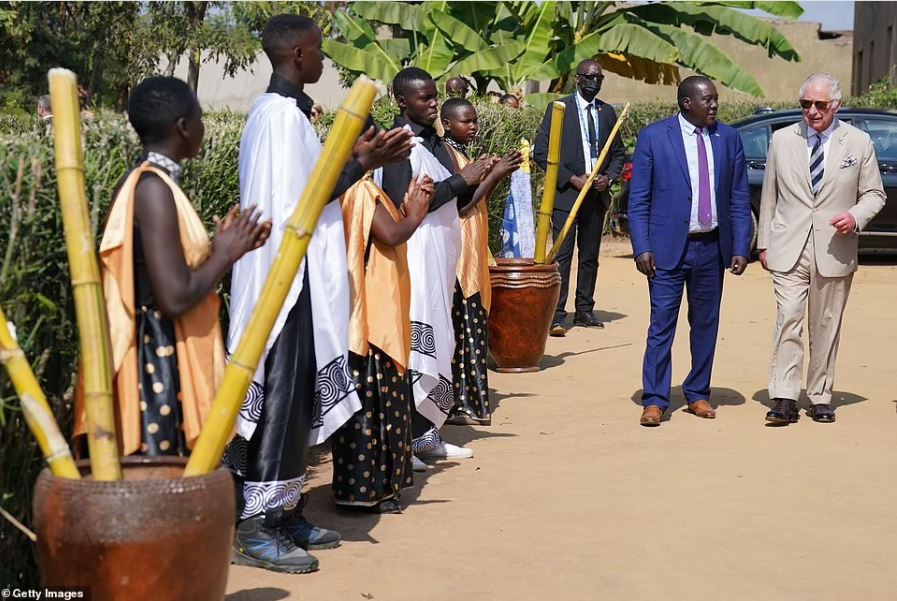
After visiting the Nyamata Genocide Memorial, The Prince travelled to the Mbyo Reconciliation Village, where he was welcomed by local leaders, and traditional singing and dancing by the villagers.
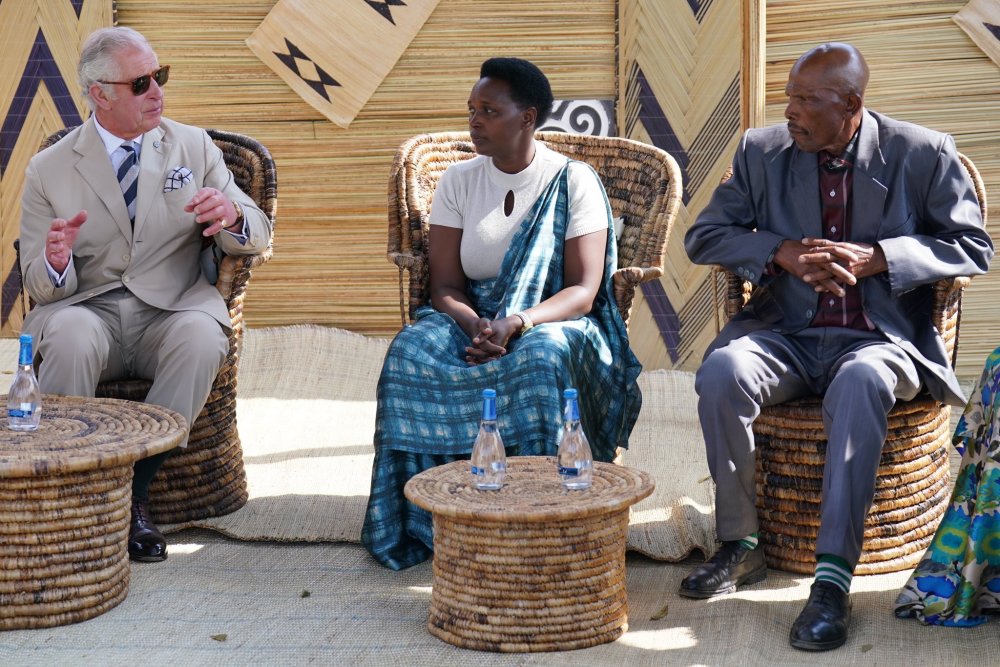
He then met with six Genocide survivors and perpetrators, who now live together in the village and listened to a testimony from both a survivor and perpetrator.
The Mbyo Reconciliation Village is one of eight similar reconciliation villages in Rwanda, where survivors and perpetrators of the Genocide against the Tutsi live alongside each other. The Perpetrators re-integrate into society by publicly apologizing for their crimes and the survivors profess their forgiveness.
{{Albertine Rift Conservation Society agroforestry site}}
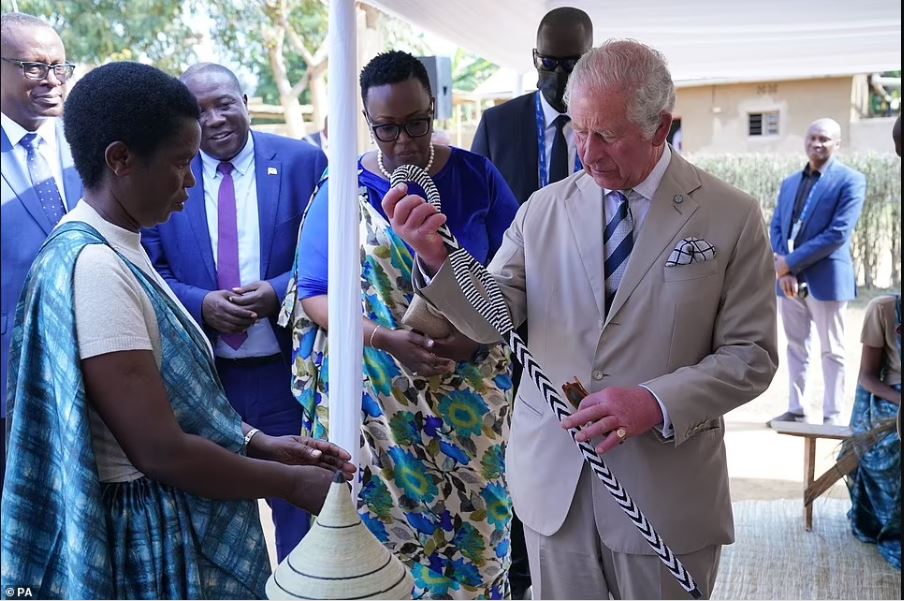
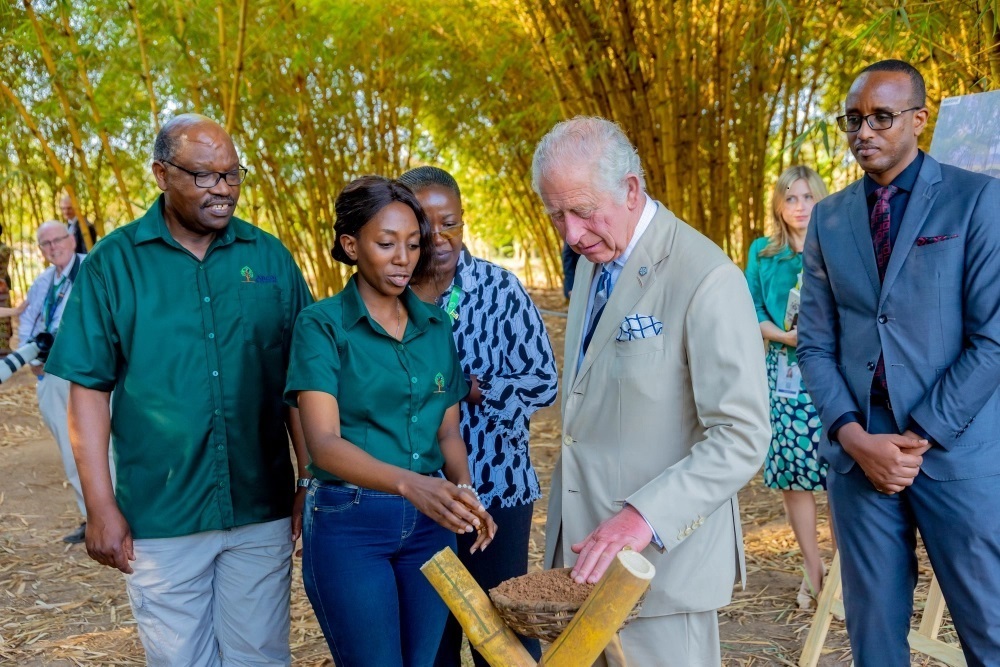
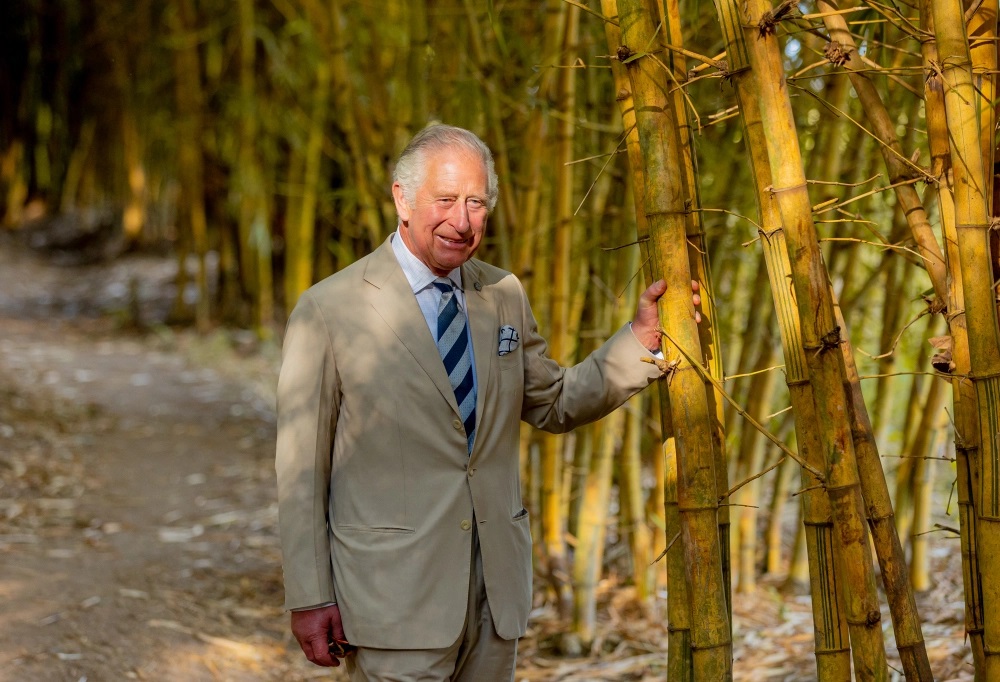
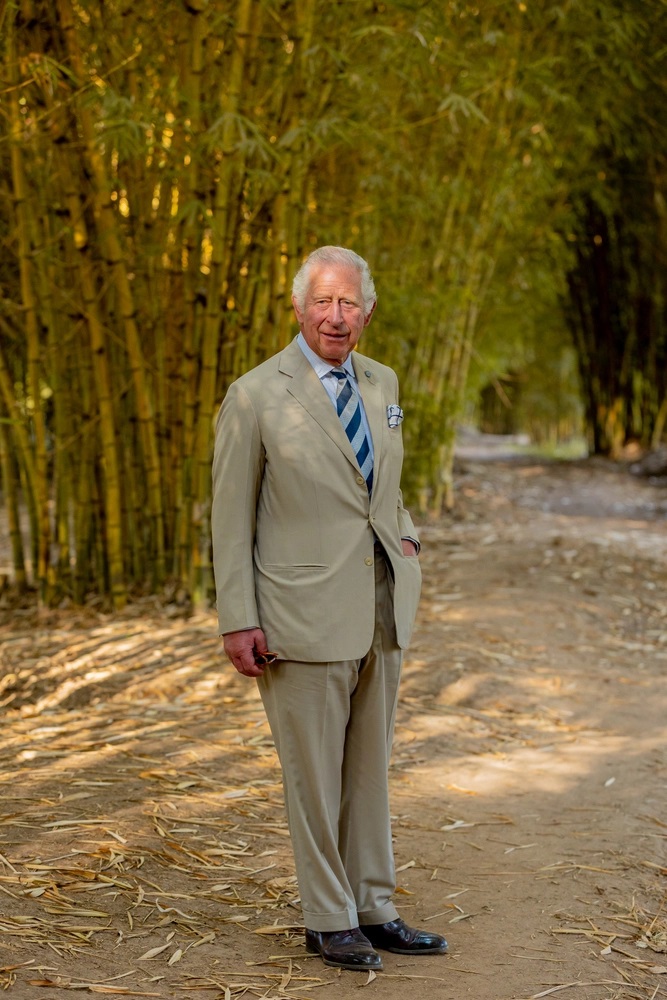
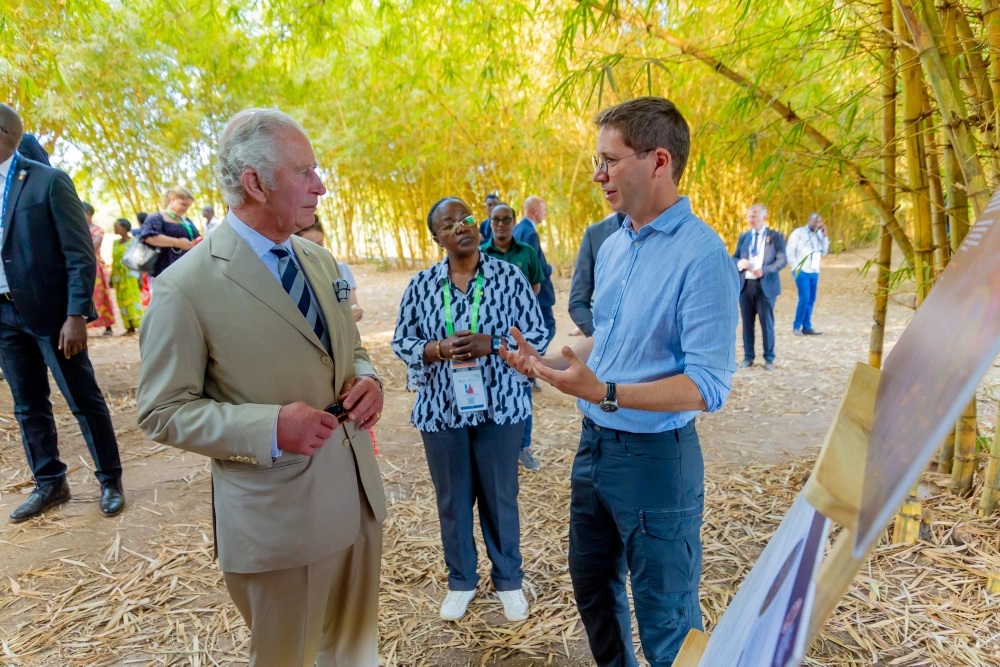
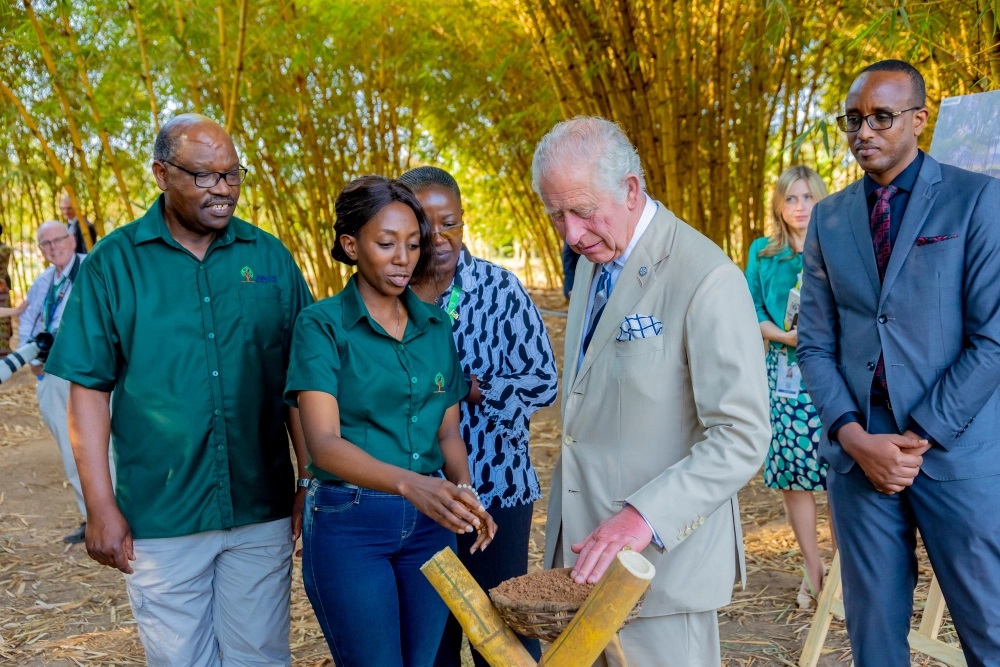
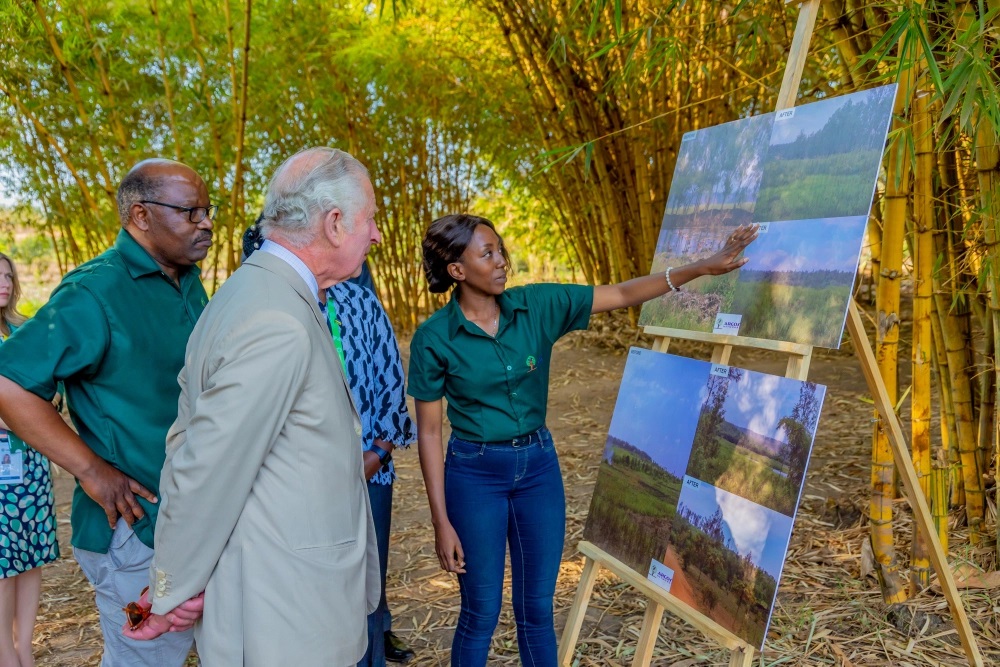
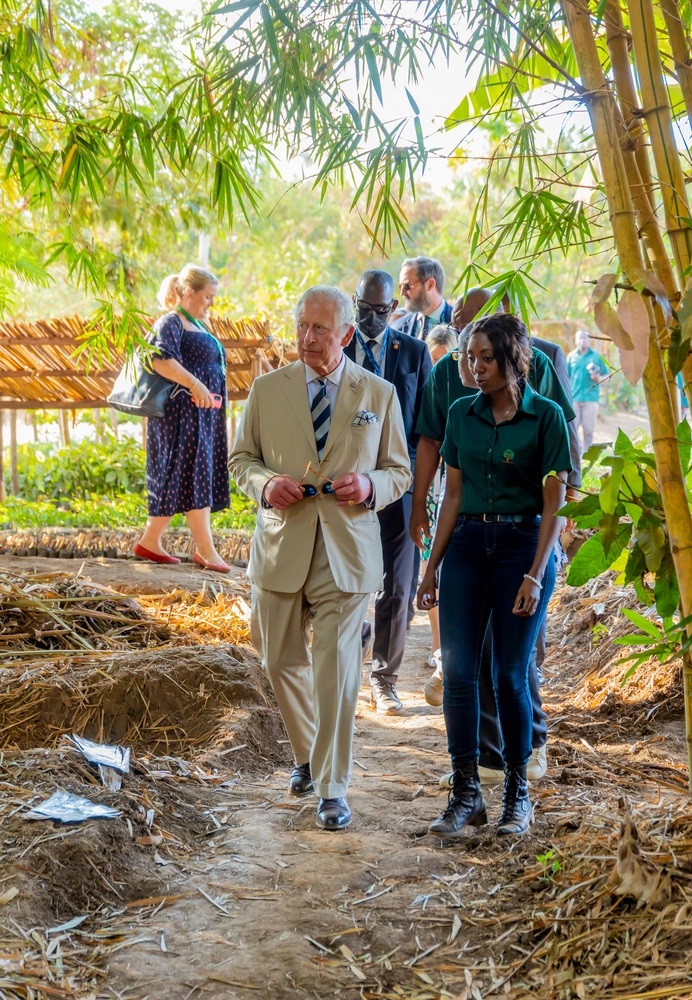
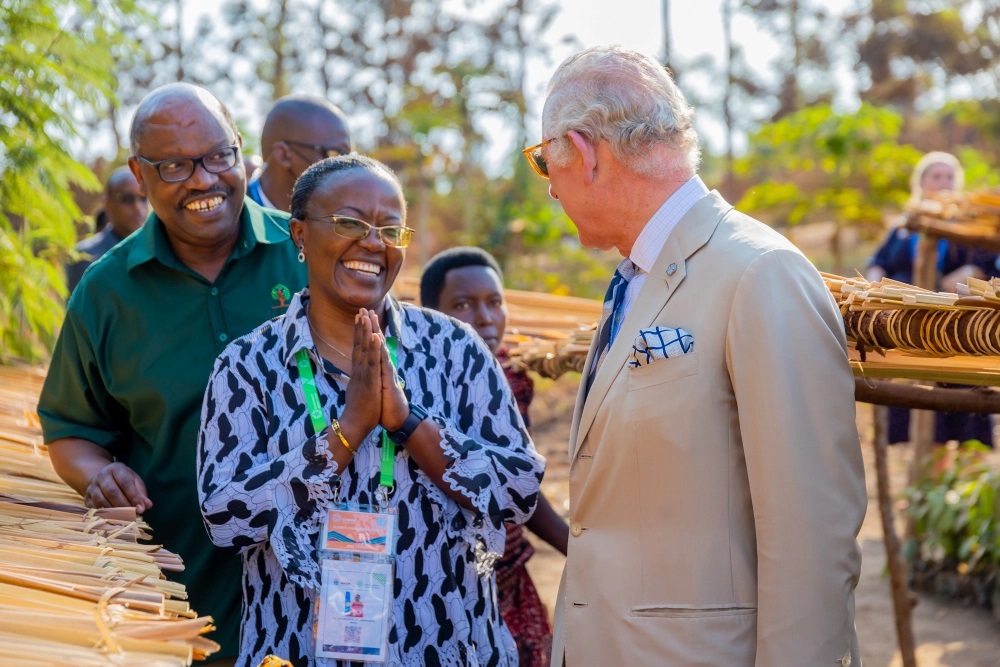
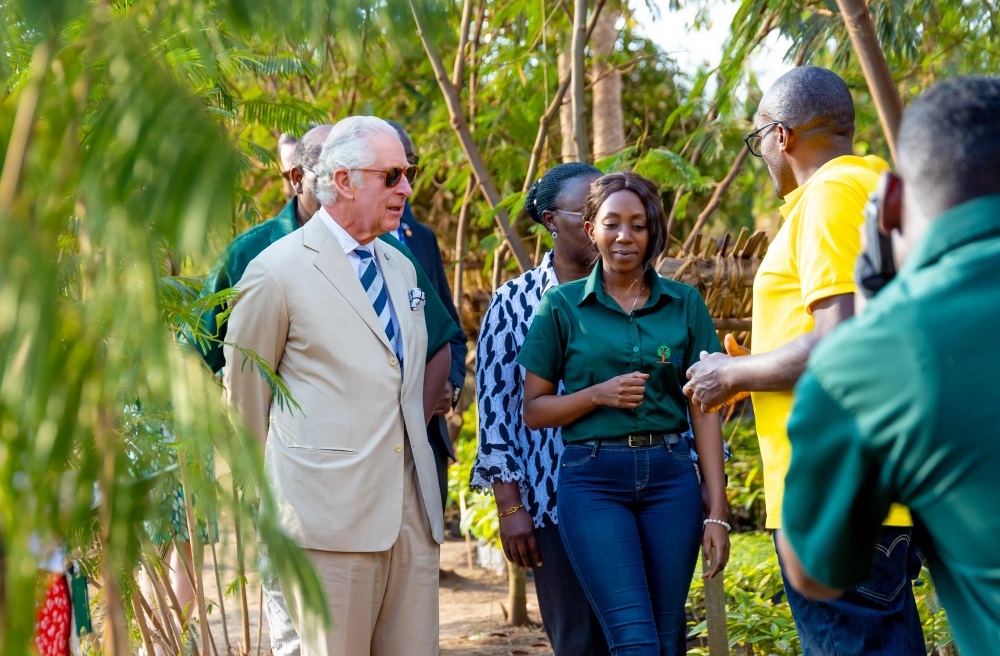
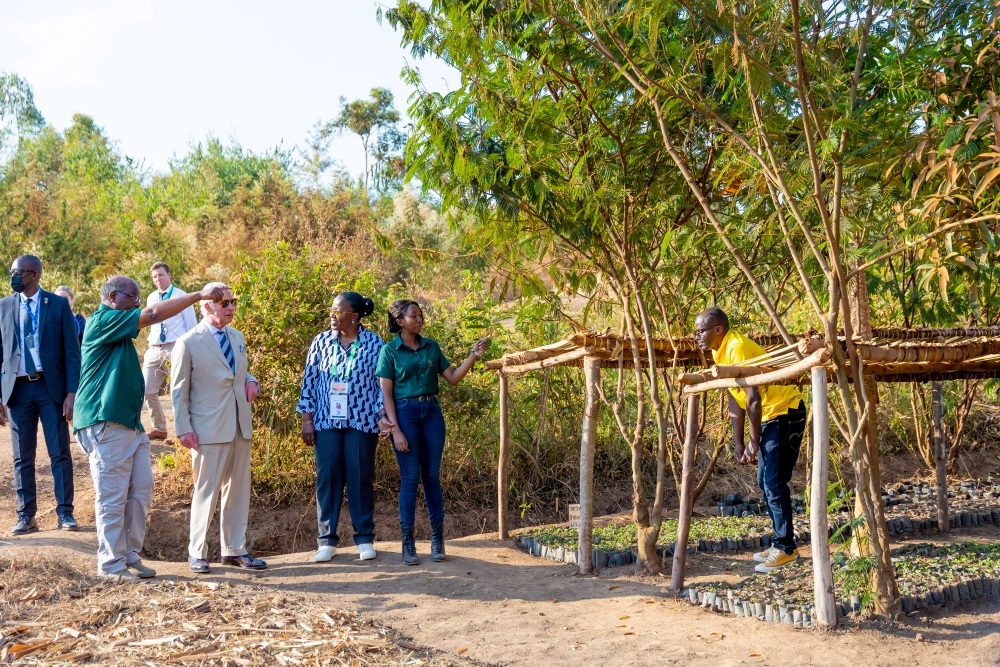
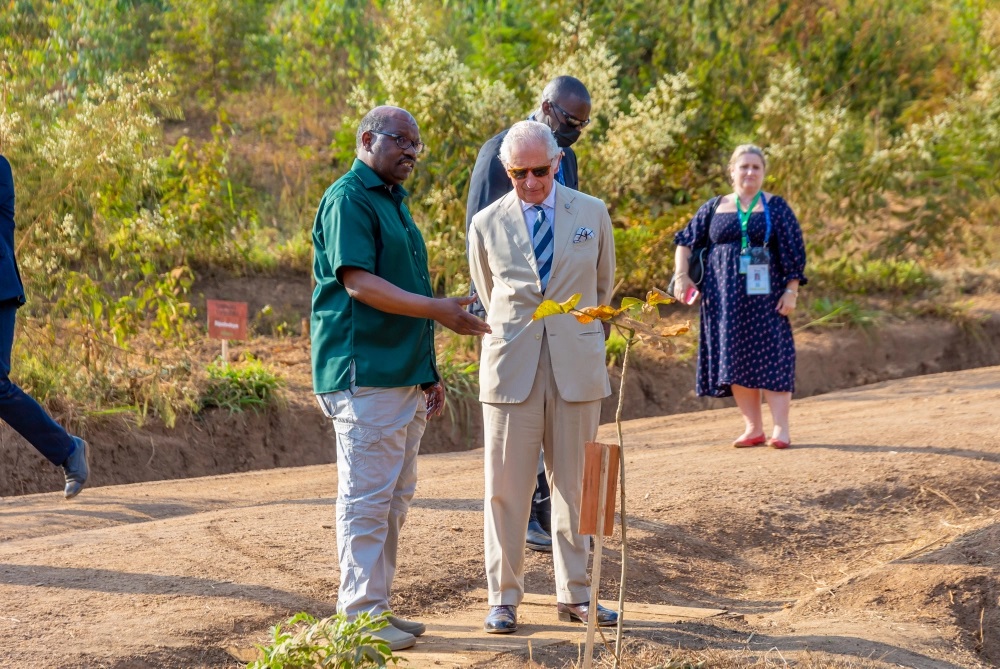
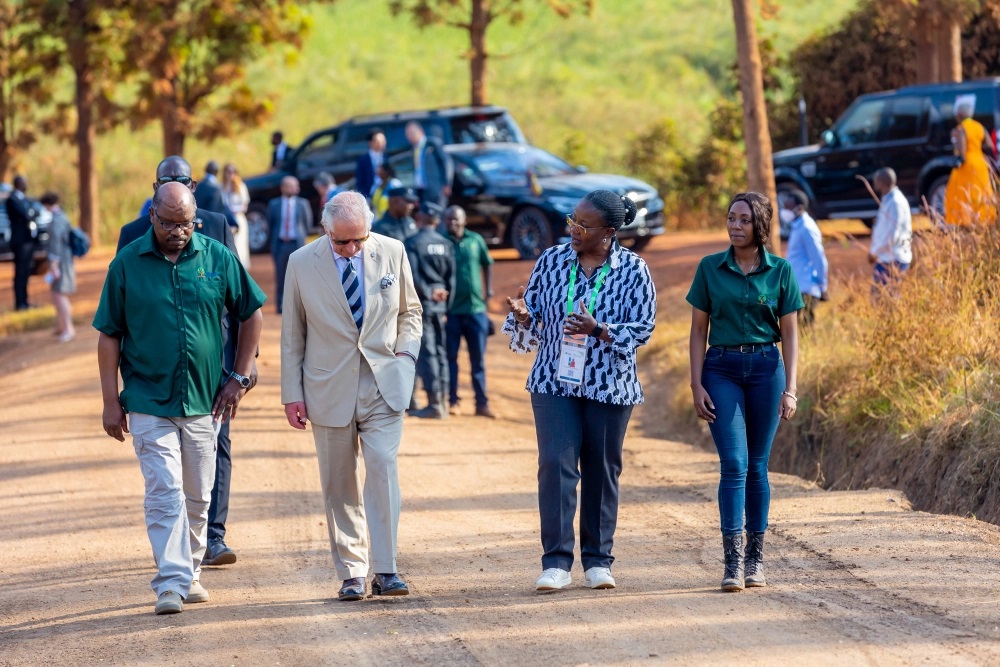
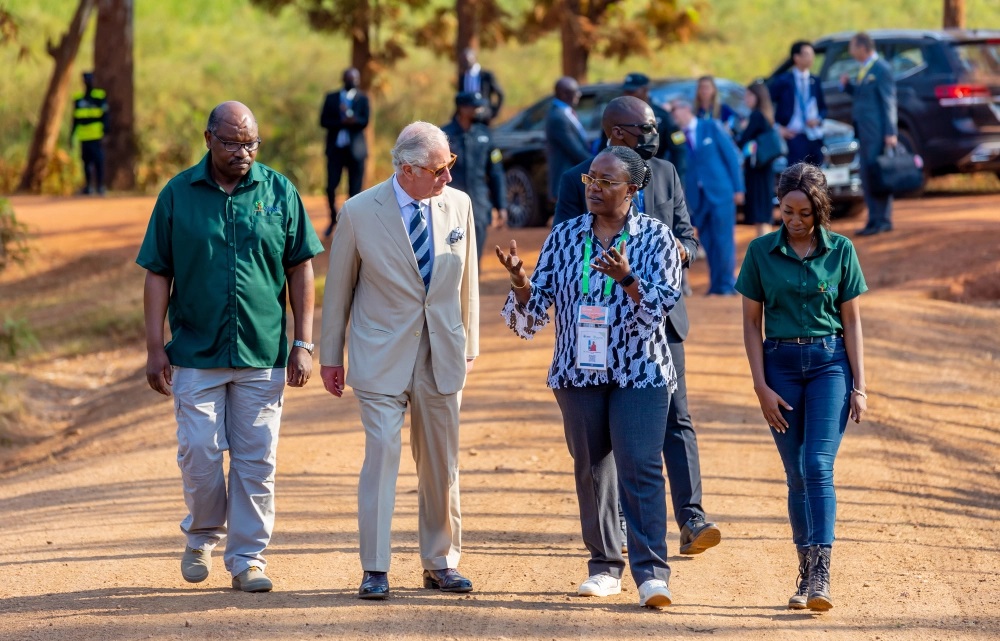
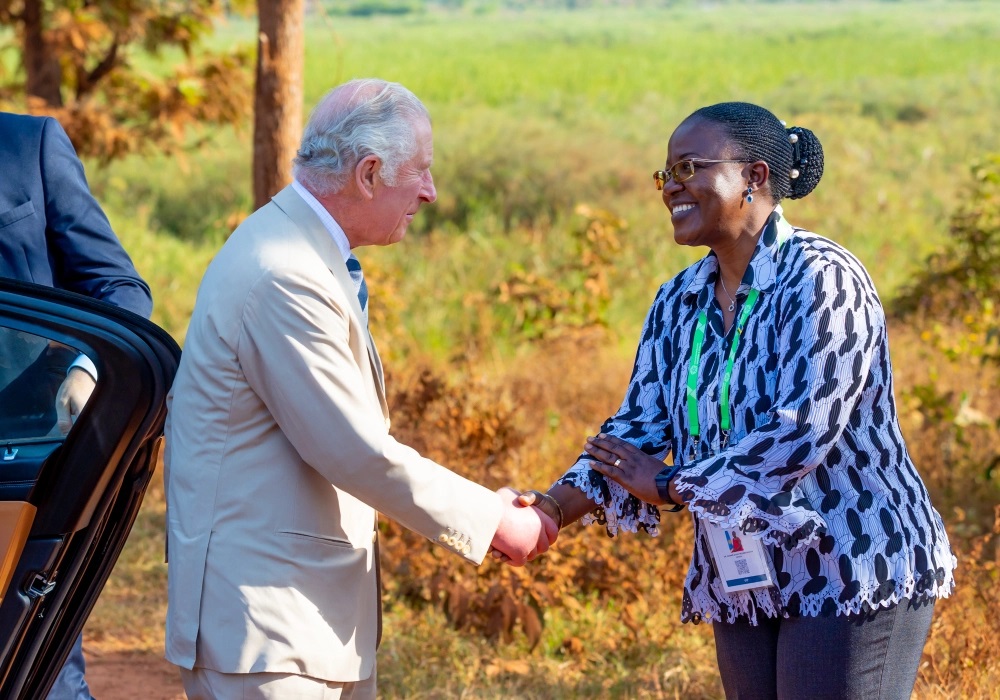
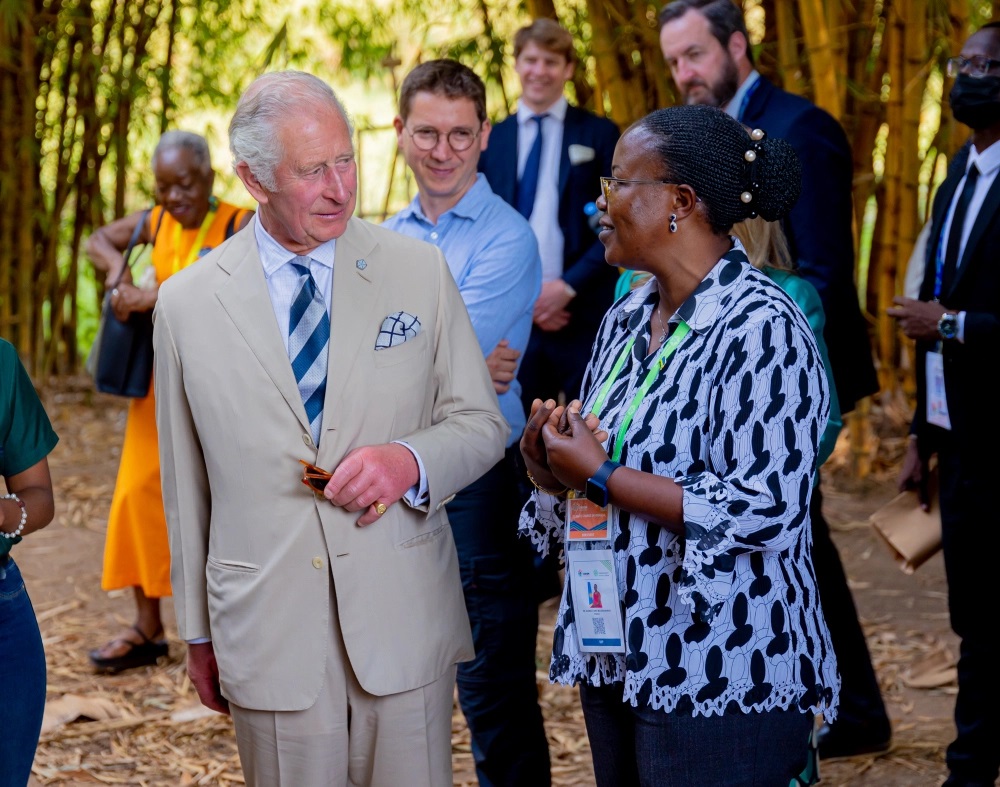
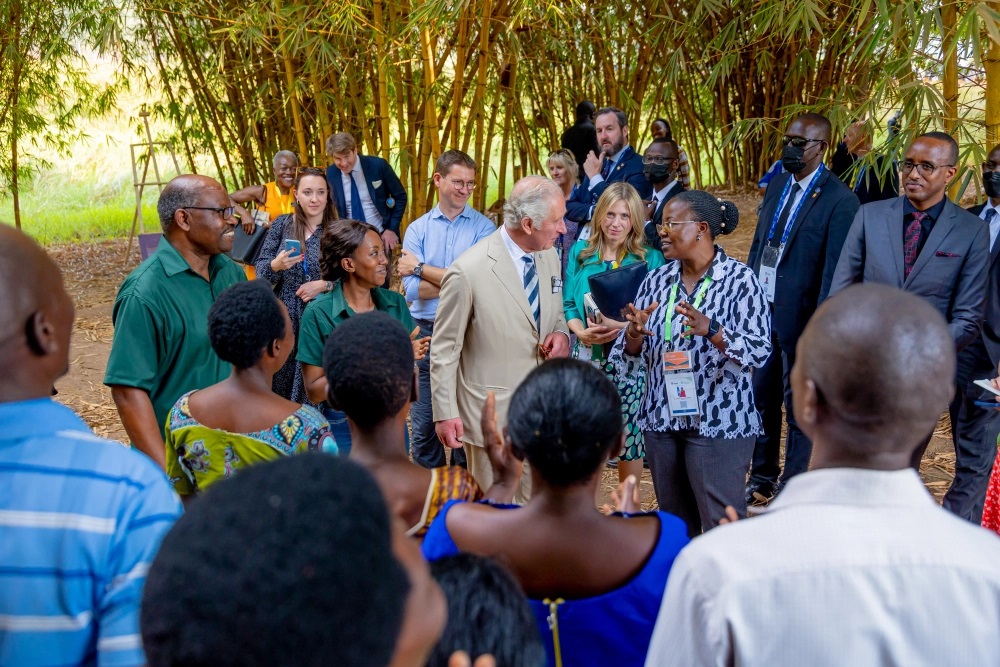
Concluding day two, The Prince of Wales visited the Albertine Rift Conservation Society (ARCOS) agroforestry site. Here, he walked through the tree nursery and learnt more about the work ARCOS is doing to enhance biodiversity conservation and the sustainable management of natural resources.
The Prince of Wales then continued towards the bank of the wetland, where he witnessed a solar-powered irrigation system and heard about efforts to conserve the wetland through changes to cultivation practices.
{{Meeting with President Kagame at Urugwiro Village}}
{{Visit to Kigali Genocide Memorial}}
{{Visit to Nyamata Genocide Memorial}}
{{Visit to Mbyo Reconciliation Village}}
{{Albertine Rift Conservation Society agroforestry site visit}}
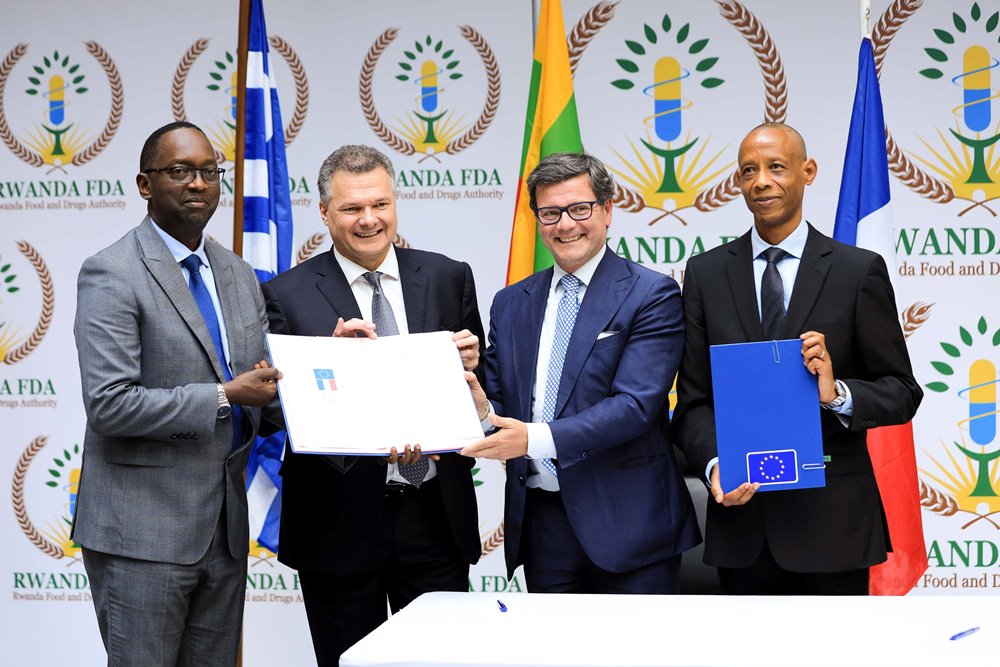
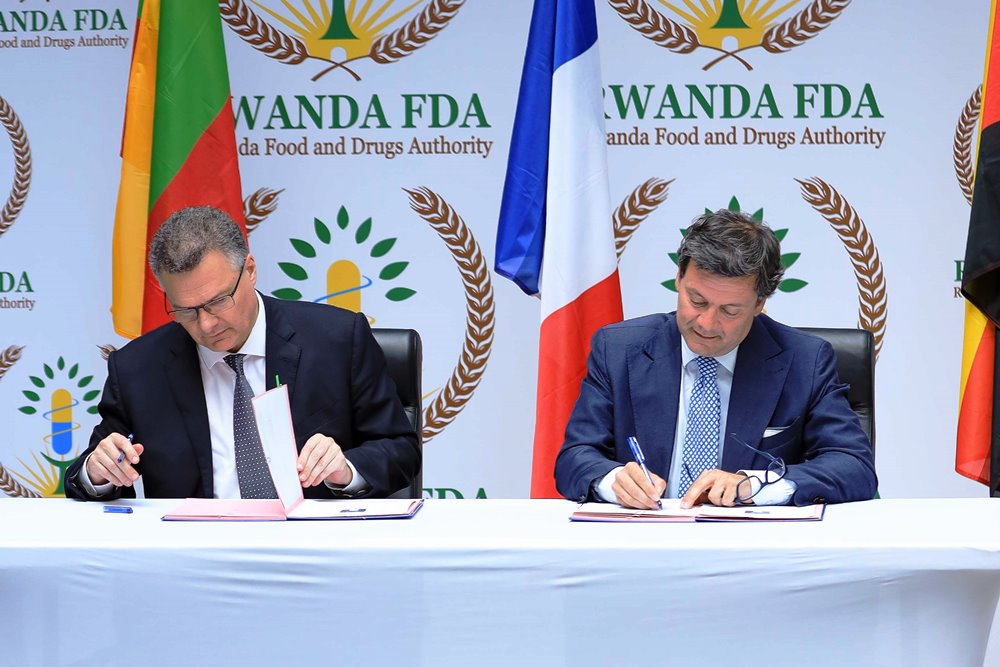
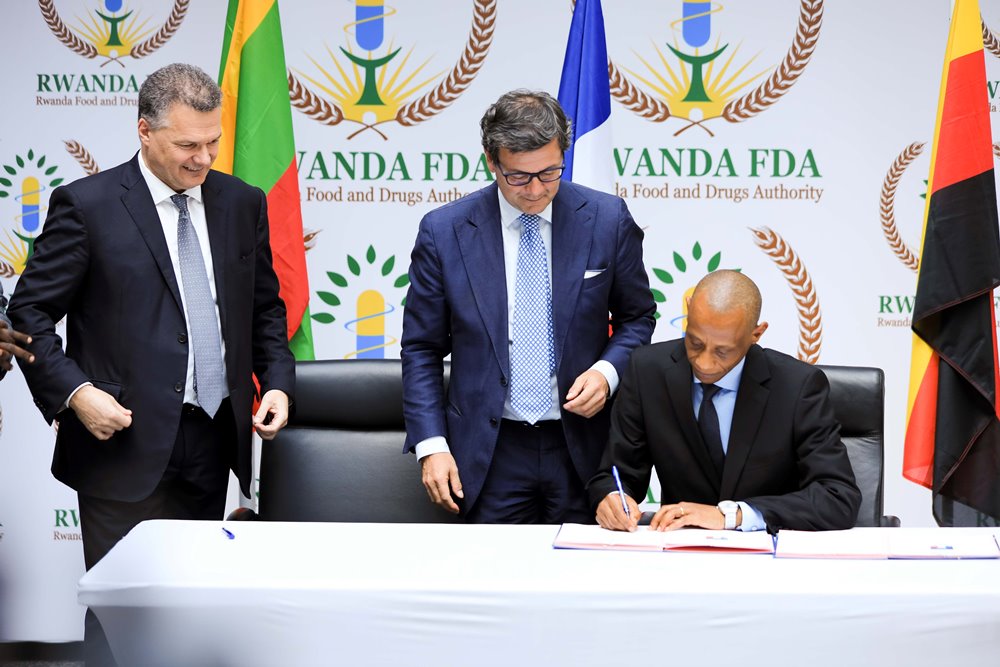
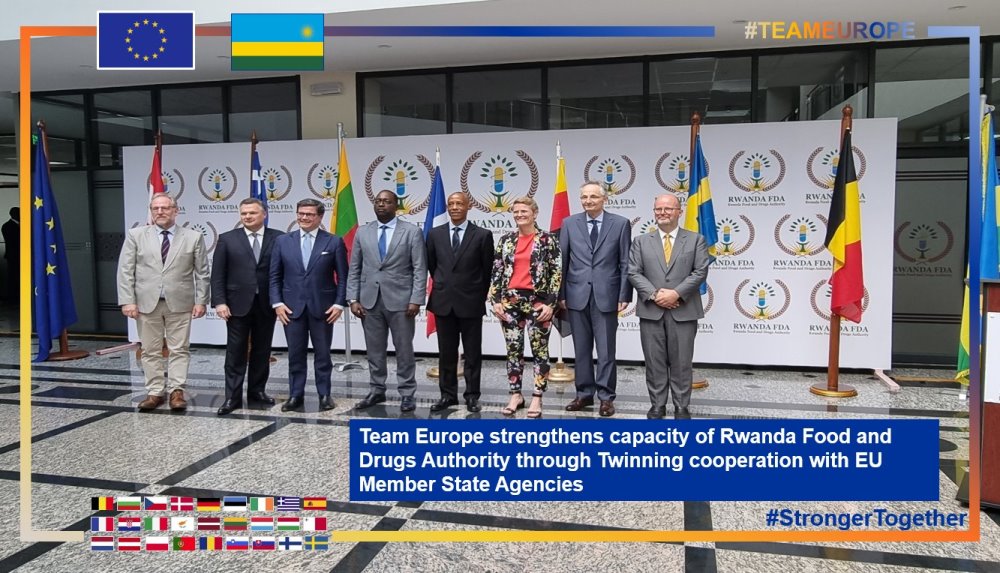
France is the lead Member State of the consortia, which is further composed of Germany, Belgium and Lithuania. It aims to support the Rwanda FDA to improve the enabling environment for regulation of medicinal products and vaccines in the country.
The EU also delivered critical quality control laboratory equipment to the Rwanda FDA, including key integrated information management system equipment, to allow the Authority to establish a more modern Quality Control Laboratory and thereby support its role to ensure the safety, efficacy and quality of vaccines and pharmaceutical products.
On this occasion, EU Ambassador, Nicola Bellomo stated; “It is with great pleasure that we welcome today’s signature. This is a real Team Europe initiative, bringing
together specialized expertise from several EU Member States with RFDA experts. It is timely, with the start of the construction of Rwanda’s BioNtech vaccine production plant. Lastly, this is a ground-breaking partnership. It is the first Twinning cooperation between Rwanda and EU Member State public authorities and the first Twinning in the field of health in Sub-Saharan Africa.”
The Ambassador of France to Rwanda, Antoine Anfre said; “This is a very ambitious and timely Team Europe Initiative. France together with Belgium, Germany and Lithuania is proud to be part of this Twinning Agreement, which will enable Rwanda to become a manufacturing hub for drugs and vaccines. The regulatory aspects are crucial in this field.
I am confident the forthcoming close partnership between Rwanda Food and Drugs Authority (Rwanda FDA) and French Agence Nationale de Sécurité du Médicament (ANSM), German Paul Ehrlich Institute, Belgian Sciensano and Lituanian State Medicines Control Agency is a game changer. Congratulations and thanks to the EU Delegation, the operator Expertise France and the Government of Rwanda for their respective achievements in this process.”
The Minister of Health, Dr. Daniel Ngamije described the cooperation as crucial to support Rwanda’s medicine’s regulatory framework; “The Government of Rwanda appreciates the efforts deployed through European Commission by the consortium partner countries (France, Germany, Belgium, and Lithuania) to mobilize their best Health and Regulatory Institutions as well as expertise from other three EU Member States (Sweden, Greece and Austria) to support the Republic of Rwanda in strengthening its medicines’ regulatory framework. Rwanda looks forward to the implementation of this cooperation and is committed to use the laboratory equipment from the EU team to deliver efficient laboratory services especially in the regulation of vaccines”.
“This project comes at the right time when Rwanda is already on the road to vaccine manufacturing, which requires strengthening the regulatory capacity of Rwanda FDA. This project therefore aims at supporting the strengthening of Rwanda FDA’s regulatory framework. Through the EU financial support, Rwanda FDA has also received laboratory equipment. The equipment received under this consignment will increase the capacity of our quality control laboratory as we move into regulation of vaccines which is one of the Authority’s priorities as of today, “ said Rwanda FDA Director General, Dr. Emile Bienvenu.
The Twinning cooperation will provide the Rwanda FDA with access to support from EU National Regulatory Agencies, including expert missions, seminars, workshops, training courses and study visits, to achieve jointly established objectives. The programme includes the secondment to Rwanda FDA of a full-time staff member of an EU National Regulatory Agency for 2 years, to direct the programme, mobilise activities, and work directly with the management of the Rwanda FDA.
Furthermore, the equipment delivered today will also help the agency in achieving the required level of certification by the World Health Organization (WHO) for vaccine production regulatory oversight. It included deep freezers, refrigerators, workbenches, a refractometer (a tool that can determine the concentration of a particular substance in a liquid solution), desiccators (sealed containers that are used for drying samples), and data loggers (an electronic device that records data over time), among other items.
Lastly, just recently, the EU in Rwanda, together with ENABEL, also launched a EUR 7 million programme that will provide training and further laboratory equipment to the Rwanda FDA, as well as help digitalise the country’s pharmaceutical system. It will also work to improve the wider skills’ development in relevant fields for vaccine production, specifically at university level.
The three actions are part of the EU’s overall support package to vaccine production in Africa for Africa under its EU Global Gateway, the new European strategy to boost smart, clean and secure links in digital, energy and transport sectors and to strengthen health, education and research systems across the world. They are also a building block of the Team Europe initiative on manufacturing and access to vaccines, medicines and health technologies in Africa (MAV+) initiative.”
{{About the Global Gateway Initiative}}
The EU’s Global Gateway initiative, a EUR 150 billion investment package, will, among others, support efforts in vaccine deployment, infrastructure and production capacities, skills development, regulatory frameworks and universal health coverage.
{{About MAV+}}
This initiative will help create an enabling environment for local vaccines manufacturing in Africa and tackle barriers on both supply and demand sides. It is backed by EUR 1 billion from the EU budget and the European development finance institutions such as the European Investment Bank (EIB). This amount will be further enhanced by contributions from EU Member States.
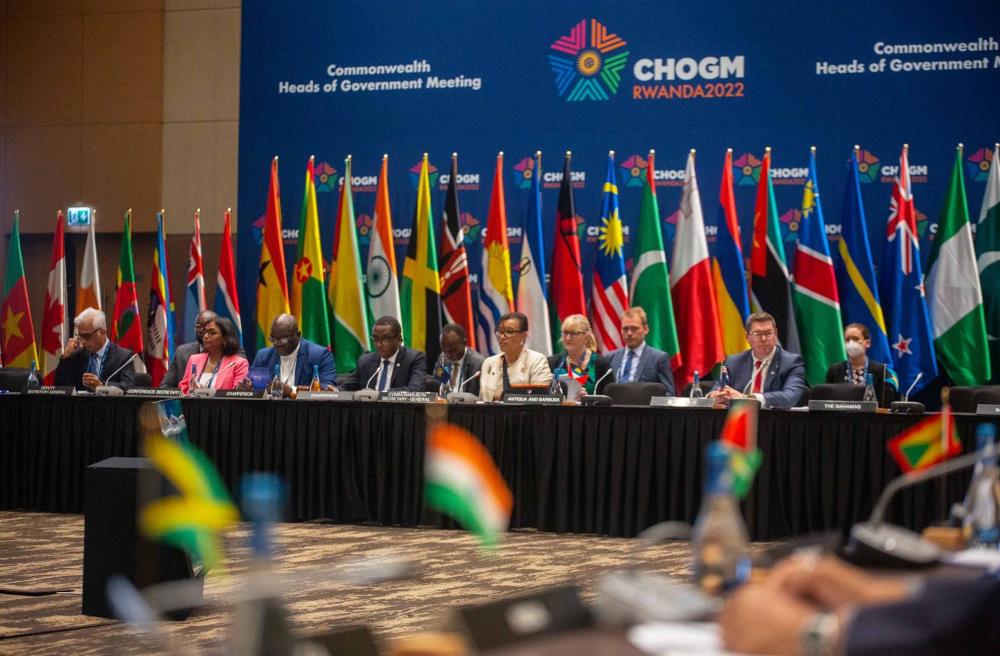
Ministers stressed the need to forge partnerships to mobilise global efforts on the issues affecting small states, such as the persistent environmental, health and economic shocks heightened by the COVID-19 pandemic and the economic ramifications of the ongoing conflict in Ukraine.
The containment measures to curb the spread of the Covid-19 pandemic, and the halting of all non-essential travel contributed to the average Commonwealth Small States Gross Domestic Product (GDP) contracting by 7.2 per cent. This is higher than the 3.3 per cent contraction of global GDP, due to the steep contraction in tourism and trade, on which Small States heavily rely. The economic recovery of Small States now hinges on vaccination rates and distribution, alongside fiscal support and the recovery of international travel and tourism.
In an effort to collectively help build the resilience of Small States, the Commonwealth Secretariat together with the United Nations has developed the UN-Commonwealth Advocacy Strategy on Small States which was officially launched at the meeting held on Wednesday.
Speaking at the opening of the meeting, the Commonwealth Secretary-General, Patricia Scotland said: “It is our duty and task to work together to find real solutions now – because every day which passes without urgent action intensifies the challenge. I champion Small States everywhere I go because I have the duty and mandate to do so.
But I fiercely believe that centralising the needs of Small States makes practical sense. It helps everybody. It is the right thing to do, our Small and Developing States are where the need is greatest. It is also rational self-interest because addressing our greatest vulnerabilities strengthens the whole. Strengthening the whole enables every nation, every community, in every part of our world, to be more peaceful, more secure, happier, healthier and more prosperous.”
On the issue of vulnerability and concessional financing criteria, Ministers noted that per capita income criteria as a means for accessing concessional funding is not suitable because it does not reflect the inherent challenges and characteristics of vulnerable countries.
This year’s meeting was Co-chaired by Dr. Vincent Biruta, Rwanda’s Minister of Foreign Affairs and Cooperation and Curtis King, Minister of Education and National Reconciliation, St Vincent and the Grenadines.
Curtis King said that it is critical for Small States within the Commonwealth to have access to finance to enable them to confront and mitigate the challenges they face.
“A difficulty is posed when access to concessional financing for development is dependent upon income classification by international financial institutions such as the World Bank. For example, Small States not classified as low-income countries are still vulnerable to exogenous shocks and may need assistance to confront and mitigate these shocks. However, based on the income classification approach, these states would be excluded from concessional financing for development,” he said.
The Commonwealth Secretariat is proposing a new dimension to include a range of vulnerabilities and resilience of countries within the GDP per capita framework for financing for development.
The current GDP criteria in the absence of a vulnerability measure does not appropriately reflect a country’s income capacity to respond to shocks and the Secretariat calls on International Finance Institutions to further investigate the GDP+ proposal.
The document, known as the ‘Living Lands Charter’, is slated for discussion and possible adoption at this week’s Commonwealth Heads of Government Meeting (CHOGM) in Kigali, Rwanda.
During a high-level breakfast event held on Wednesday in the margins of the Kigali gathering, the Commonwealth Secretary-General, the Patricia Scotland, set the context for discussions, stating: “Tens of millions of the 2.5 billion people who call the Commonwealth home – 60 per cent of whom are under age 30 – are already in the cross hairs of climate change. They know that without our action, the force and frequency of violent weather, fire, shortages of food and water and the threat of rising seas will continue to intensify until it overwhelms them.
It is our duty to put their voices, their experiences, at the heart of what we do – and turn it into action.”
She said the proposed Charter was conceived following the 2019 Inter-Governmental Panel on Climate Change (IPCC) Special Report on Climate Change and Land.
It aims to support member countries to effectively deliver their commitments under the three Rio conventions – the United Nations Convention on Biological Diversity (UNCBD), United Nations Convention to Combat Desertification (UNCCD), and United Nations Framework Convention on Climate Change (UNFCCC).
{{Support for action}}
The meeting featured statements from the Prime Ministers of Saint Lucia, Tonga, Mauritius and Fiji, who all welcomed the work led by the Commonwealth Secretariat over the past two years to consult with countries and regions in shaping the agreement.
The Prime Minister of Saint Lucia, Hon Philip J. Pierre, said:
“The Commonwealth Call for Action and Living Lands Charter is a step in the right direction. It holds great promise in strengthening and enhancing for coordinated implementation of relevant actions on the street Rio Conventions, serving as a catalyst for global political will and financing climate action, building resilience, reducing biodiversity, biodiversity, loss, and impeding land degradation.”
The Prime Minister of Tonga, Siaosi Sovaleni (Hu’akavameiliku) said: “The need to support climate adaptation, biodiversity and land enrichment measures to protect our communities and natural ecosystems is of great urgency. However, without the necessary financial support, we will be unable to implement any concrete actions and achieve shared goals. The Government of Tonga [supports the] call for increased global funding and investment towards land and other nature-based actions within the context of a post COVID-19 green recovery.”
The Prime Minister of Mauritius, Pravind Kumar Jugnauth said: “I seize this opportunity to express our strong support for the proposed Commonwealth Living Lands Charter that will spur concerted actions for enhancing climate action and fostering efficient management of landmass, soils and terrain. We are gratified that the Commonwealth continues to be at the forefront of the global movement to address climate change.”
The Prime Minister of Fiji, Frank Bainimarama, provided a statement through Fiji’s High Commissioner to the UK, Jitoko Tikolevu. He said:
“If left unchecked, climate change will undo a lot of the progress made over the past years in development. It can also exacerbate, as we are already seeing, current threats such as food and water scarcity, which can lead to conflict. Doing nothing will end up costing us a lot more than if we take actions now that will lead to more jobs, greater prosperity, and better lives for all, while reducing greenhouse gas emissions and building climate resilience.”
The event also included statements from Ministers from Botswana, Guyana, Namibia, Nigeria, Rwanda and Zambia, along with leaders of international partner agencies such as the United Nations Convention to Combat Desertification (UNCCD), United Nations Institute for Training and Research (UNITAR), Green Climate Fund and International Solar Alliance (ISA).
{{Australia provides funding boost for Commonwealth Climate Finance Access Hub}}
The Living Lands Charter, if agreed at CHOGM, will be implemented through multiple mechanisms and processes, including the Commonwealth Climate Finance Access Hub.
The Hub is headquartered in Mauritius and coordinates a network of highly skilled national and regional climate finance experts embedded in relevant government ministries to help them secure funding for climate action.
This is achieved by developing projects and submitting proposals to international funds for support, as well as providing human and institutional capacity building, and assisting in the development of climate action policies.
At the event, the Government of Australia announced a fresh contribution of AUD$2 million to support the Commonwealth Climate Finance Access Hub.
Underlining the new government’s commitment to being a more constructive and ambitious partner to combat climate change, the Australian Minister for International Development and the Pacific, Pat Conroy said: “Australia has heard the call and is increasing our development assistance to address climate change adaption and resilience particularly in the Pacific. This includes through a new Pacific Climate Infrastructure Financing Partnership, where we will work with the Pacific family to support climate related infrastructure and energy projects in the Pacific.
“We have also committed an additional AUD 2 million for the Commonwealth Climate Finance Access Hub, to help countries access finance.”
Under the Call to Action on Living Lands, the Hub will unlock vital financial and capacity building support for projects linked to themes such as climate smart agriculture, soil and water conservation, green cover and biodiversity, livestock rearing, engaging indigenous people and climate resilient development.
Terrorism and extremism remains a significant problem in all regions of the Commonwealth, which makes a focus on rehabilitation and reintegration very important, alongside building community-level resilience to further radicalisation.
When a person leaves violent extremism behind, it may take months or years to find a sustainable way of living in the non-radical world.
The guide – produced by the Commonwealth Secretariat’s Countering Violent Extremism (CVE) team – was launched at an event held in Kigali, ahead of the Commonwealth Heads of Government Meeting (CHOGM) on Saturday.
Speaking at the event, Mark Albon Head of CVE Unit, at the Commonwealth Secretariat, said: “Rehabilitating people who have left violent extremism is essential to preventing future violence.
“This sits alongside CVE’s broader efforts to build resilience to violent extremism and strengthen good governance and the rule of law in the policies and practices applied to the management of terrorism.”
Government Heads, civil society members, youth leaders, and private sector representatives came together at the Hôtel Des Mille Collines on Wednesday morning to hear about the Commonwealth’s progress on key commitments like preventing the terrorist use of the internet and increasing youth and women’s involvement in global efforts to counter violent extremism.
They shared challenges and best practices from their own nations over the 90-minute event.
The Manual was presented as a key resource designed to help advance CVE priorities in the 54 member nations. It outlines ways policymakers and practitioners working in Commonwealth countries can support the proactive reintegration of violent extremists and their families, whilst keeping communities safe and stopping the spread of terrorist ideals.
Having participated either virtually, within their home country or across national borders, ‘returnees’ covered by the guide include men, women and children; those who physically fought in conflict, others who supported conflicts virtually or from afar, as well as individuals who were coercively or forcibly brought into terrorist groups or were married/ born into conflict.
This group may also include self-directed violent extremists who never joined a group but became involved with violent extremist ideas, people who have moved in and out of established groups and – sometimes – people whose ambitions to join violent extremist movements were thwarted, whether by law enforcement, family or other circumstances.
The guide states that disengagement from violent extremist groups is most often successful when the individual becomes connected and engaged somewhere – namely, their home community.
Building connections is key but the process requires a long-term focus and a commitment to providing opportunities for returnees to put their lives back together so that the community can be safer in the long term. It can also not be solely managed via a national security lens but must be considered in a community context too, the guide states.
Uza Mariya Didi, Minister of Defence, Republic of the Maldives, presented the Maldives’ experience in developing and implementing a National Action Plan to Counter Violent Extremism.
Young people make up 43% of population in the Maldives with two thirds connected to the internet.
Their strategy is to counter the false, negative messages which promote radicalisation – particularly those taking advantage of misinterpretation of religious texts.
“We need to ensure our positive messages are louder than those promoting radicalisation,” she said.
Meanwhile, Major General Joseph Nzabamwita, Secretary General of the National Intelligence and Security Service, Republic of Rwanda, shared Rwanda’s experience of in addressing terrorism.
Violent extremism is on the rise in the country, but authorities are dedicated to ensuring the past doesn’t repeat itself.
He said: “We need to ensure the best policies for Rwanda. We are building a resilient society, a country on the move that has rebuilt itself.
“But we’re not isolated from the rest of the world… terrorism is global.”
Christine Odera, Global Coordinator of Commonwealth Youth Peace Ambassadors Network, Fahmida Faiza, Asia Regional Representative, Commonwealth Youth Council and Anna Sherburn, Deputy Head of CVE Unit, Commonwealth Secretariat, gave an overview of the Commonwealth projects that are increasing the role of women and young peacebuilders in building resilience against violent extremism.
Christine said: “Young people are at the centre of violent extremism across the Commonwealth. Al Shabaab translates to ‘youth’ and if you look at the make-up of groups like ISIS etc, the majority are young people.
“It is clear that failing to place this demographic at the centre of plans to combat terrorism is detrimental to all our efforts.
“We need dedicated centres to ensure strategies can be dealt with close to home; as well as national solutions.”
The Commonwealth is a voluntary association of 54 independent and equal sovereign states. Its combined population is 2.5 billion, of which more than 60 per cent is aged 29 or under.
The Commonwealth supports international efforts to counter violent extremism in all its forms.
Commonwealth Heads of Government have affirmed that violent extremism represents a serious threat to international peace and security, shared values and aspirations, social harmony and economic and social development.
In line with the mandate given by leaders at their Malta summit, a dedicated unit was established within the Commonwealth Secretariat in 2017 to support national strategies to counter violent extremism (CVE).
Its programme work leverages decades of experience in supporting governments – for example in strengthening the rule of law, human rights and youth empowerment – while drawing on the shared values, cultural and regional diversity of the Commonwealth.
Heads have also previously encouraged Commonwealth member countries to work with the Commonwealth Secretariat CVE Unit and the Commonwealth Cadre of CVE Experts, to develop policies or action plans that actively involve young people and women in preventing and countering violent extremism and take action to counter the use of the internet by violent extremist groups.
It’s the first time civil society in the Commonwealth has convened in four years at this scale, owing to the pandemic, with the discussion spanning how civil society can encourage Commonwealth leaders to build new agreements for collective action in the lead up to COP27.
In particular, advocates proposed a World Environment Court, a new global dispute resolution mechanism to arbitrate negotiations over climate loss and damage funding.
As Rwandan Minister of Justice and Attorney General Dr Emmanuel Ugirashebuja explains: “I have been a strong proponent of a World Environmental Court. Global challenges need global solutions. Climate change does not have borders, it transcends borders. We only have a very small room of opportunity to really reverse the impacts of climate change and environmental problems — and I think the legal avenues at the multilateral level are very limited at the moment.”
{{Civil society champions}}
Dr. James Fletcher, former Saint Lucian climate change negotiator who played a pivotal role in the adoption of the Paris Agreement at COP21, supported this in principle, but with caveats: “I welcome any thought of an environmental court but I know judging from the kind of resistance to loss and damage, we will have problems. That said, civil society can help — because if we just leave it to the politicians to argue, compromises will be made back and deals will be made. We will not be able to do it on our own. We need civil society to champion this.”
Maxwell Gomera, a resource economist at UNDP and one of the leading proponents of a Global Green New Deal following the financial crisis of 2008, agreed civil society had a role to play.
“I’m delighted that civil society is taking the initiative here to start the conversation. We require thought leadership, new ideas, but also require new agreements for collective action across governments and society. The Commonwealth can broker these conversations. It can be a partner in thought leadership, for example, as 54 countries of the Commonwealth we are committed to ensuring there’s a decision about loss and damage in the court,” he said.
{{Climate action}}
Harjeet Singh, global expert on climate impacts, mitigation and adaptation from Climate Action Network, weighed in on why historically, climate action has failed to deliver.
“The good thing is over the last few years, we see that terminology of climate justice has become more popular than climate action. People now understand that the challenge is the negotiations. When you talk about justice, you have to mention historical responsibility. We have to talk about who is responsible for the crisis, who is suffering and who has to do the most to deal with the crisis. This is a crisis that we have to deal with collectively. So countries or corporations who are responsible for it, have to take the bigger responsibility,” he noted.
Dr. James Fletcher added that the time for negotiations is now — whether that’s in court or another multilateral forum — as small island states can’t afford more talk.
“So many small island developing states are disappearing. There are islands in the Bahamas, in the Marshall Islands, that will disappear. In Jakarta, cities are under threat. There is nothing you could do to adapt to that. There is no seawall that you could build to cause that to change. Somebody has to take responsibility for this.”
Sixty per cent of the Commonwealth’s 2.5 billion population is under the age of 30. The Commonwealth Charter is explicit on the importance of placing young people at the heart of decisions affecting their future, including on climate change and sustainable development.
The Cambridge collaboration brings young people together with political leaders and world leading experts to generate and stress-test new policy ideas ahead of implementation. As part of the project, teams generate funding templates for Small Island Developing States to attract new investment in project designed to promote young participation and sustainable development.
Of the recently secured US$10 million, US$5 million will be provided by Simplilearn across Africa, the Caribbean and the Pacific to provide 10,000 young people with digital training. The remaining investment will come from GOQii as part of their effort to promote healthy lifestyles among young people, announced earlier this week, and from Pop India who will invest in youth connectivity and jobs in the Caribbean region.
This investment represents a near 50-fold return on investment for the collaboration, which has more than a year remaining until the research is complete.
In its own investment announcement, GOQii thanked Secretary General Patricia Scotland and praised the Cambridge collaboration “for attracting sustainable development in Small Island Developing States, which will underpin our efforts”
The Secretary-General said that attracting finance for Small Island Developing States to engage young people in shaping their sustainable futures is a major challenge.
“I am delighted that our collaboration with Cambridge University is already bearing fruit and unlocking finance for the states which most need it. We will look to take this work from strength to strength,” she noted.
For many years, women have been taught to only fulfill two roles: a mother and a wife. The world changed and evolved and things consequently changed. During the time of industrialization, women started working the untraditional role and it made the path for a new era.
It was an era that showed women were much more than just pie bakers and caretakers, they demonstrated an era of capacity and capability since they had to talk the talk and walk the walk.
This gave birth to what we know now as women emancipation, the process by which women in general and poor women in particular are made to gain access and control of all forms of resources in a nation.
In African societies, they had their own cultures and their own ways of life. Women performed that traditional role, they cook the meals and raise the children while the men hunt, and go to war.
Colonization installed new things such as Christianity, European education and politics. It was first accessible mostly accessible to men but with relentlessness from different activists girls started going to schools in great numbers. Therefore, they could do different things with their lives, departing from their traditional roles of aspiring to be simply a wife.
It was a whole process which has led to today’s modern world and modern women, where in many parts of the world education and opportunities are given to both men and women, and where women are taking part in every field there exists.
We see women in Politics, we see them in business, we see them in healthcare, we see them in science, we see them excelling and succeeding even though the path is neither easy nor fair. What surprises me to this day is that there are still people that are teaching our young girls that the priority is finding a good husband and being a good wife.
I recently had a conversation with a young woman. She is in her early 20’s and is in business specifically in Information technology. She is thriving and hustling, she wakes up everyday with goals and great ambitions.
A woman you can clearly see is on her path for success. During our conversation, she told me the only thing her relatives want her to achieve is to find a husband and give birth to children.
Even though we claim to be in a modern world where rules have changed and women are being given a stand, there are still certain unspoken rules that women are still required to abide by and most of the time they are taught these rules by other women.
In that conversation, I was appalled. I thought to myself she is becoming what some women dream of becoming but the only thing her family wishes for her to be is a wife and a mother. Don’t get me wrong, there is nothing wrong with being a wife and mother but is that all we ought to be?
During that conversation, I recalled another girl also in her 20’s who told me if she gets a fiancé, she would immediately stop university to get married and raise children, and my question was ‘is your education a hobby until you get knocked up?’.
It is then that I realized, it is not her fault for having had that kind of mindset. It is what women have taught her, from mothers to aunties and grandmothers. They often still live by the rule that patriarchy has set ‘a woman is only great when she has a husband and kids’.
Which is also what young men are taught by their mothers. We often hear mothers telling their sons to ‘find a wife that can cook and take care of the children, the rest does not matter’ or phrases like ‘she has a big personality. She cannot make a good wife’.
That is why some men think that when he marries a woman, she should give up her dreams and hopes to become only a wife and mother. It is understandable because they were raised to believe that a woman like that is wifey material.
This is where the saying ‘be beautiful and shut up’ comes in handy. They teach our young women that the only thing they have to do is to be beautiful in order to marry, it is not to be self-sufficient, independent, successful or impactful, it is to be beautiful.
This mindset is the reason most of these young women do not take advantage of the opportunities they have been given. They do not tap into their full potential because at the end of the day, they are required to abide by the traditional rules.
As far as I am concerned, this is a mindset or rule we should unlearn from patriarchy. Women should stop identifying themselves as women only when they have husbands and children, women should define themselves according to their own definition of who they are and who they want to be.
Do not get me wrong! We live in a world where you will not get accepted in the societies when you only have that kind of social status. It has become normalized that when a person does not have what it requires, it is not what it entails.
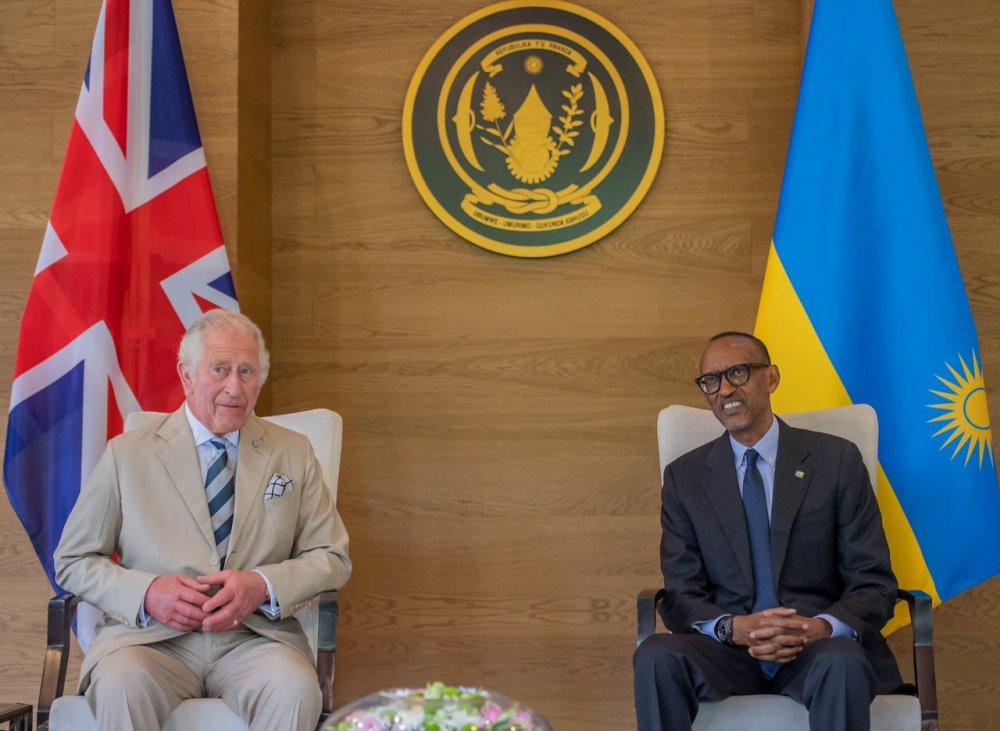
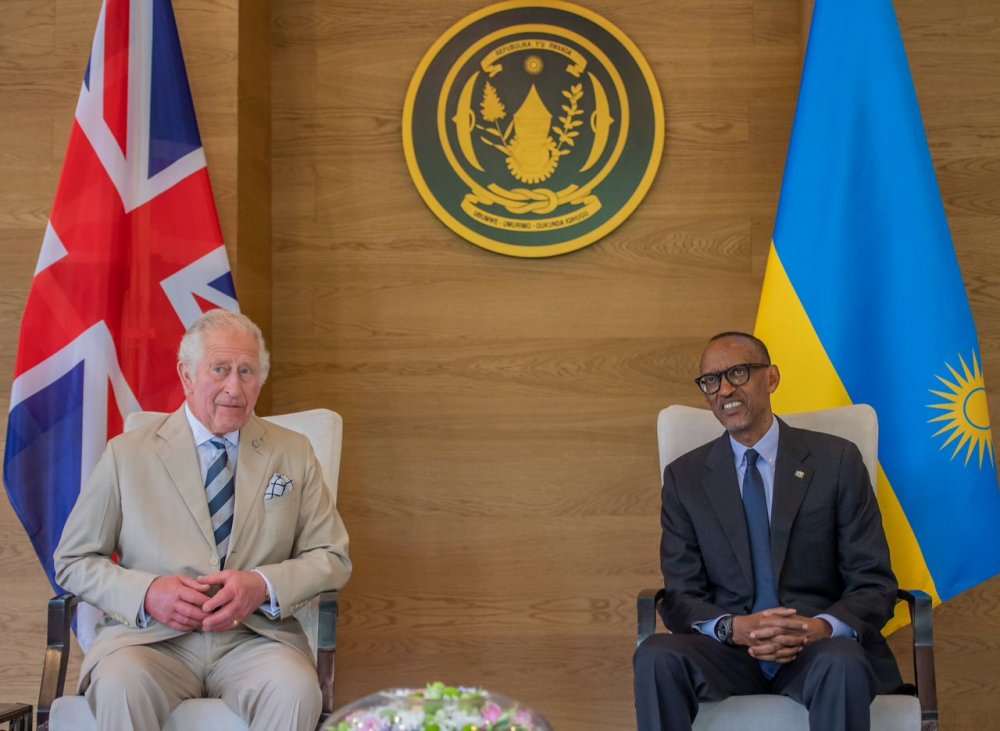
Rwanda’s Presidency has revealed that the leaders’ discussions held at Urugwiro Village focused on existing partnerships and areas of mutual interest.
Clarence House, the Royal Residence of Prince Charles has via Twitter handle posted a photo and message commending Rwandan President and First Lady Jeannette Kagame for a warm welcome to Rwanda.
Prince Charles arrived in Kigali in the evening of Tuesday 21st June 2022 accompanied by the Duchess of Cornwall, Camilla Parker Bowles.
They arrived at Kigali International Airport around 9:00 p.m. onboard Royal Air Force’s plane.
Prince Charles is visiting Rwanda for the first time where he will represent Queen Elizabeth II at CHOGM 2022.
On Wednesday morning, Prince Charles visited Kigali Genocide Memorial where he paid tribute to victims of the 1994 Genocide against the Tutsi laid there.