Rwanda has started using Paxlovid pills to treat COVID-19 after initiating implementation of the accord signed in May 2022.
Paxlovid is an oral antiviral pill that patients tested positive for coronavirus can take at home and lower their risk of going to the hospital.
The Accord countries include all 27 low-income countries as well as 18 lower-middle-income countries that have transitioned from low to lower-middle-income classification in the last ten years.
Initially, Rwanda, Ghana, Malawi, Senegal and Uganda were the first five African countries which committed to join the Accord. Health officials in these countries will help identify and resolve hurdles beyond supply to inform the roll out in all 45 lower-income countries.
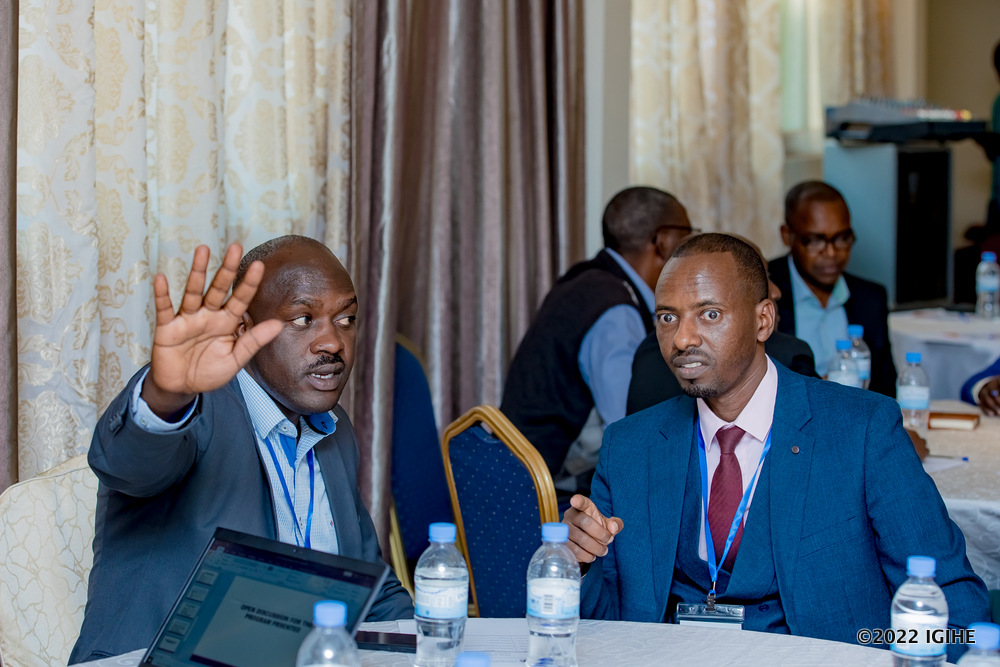
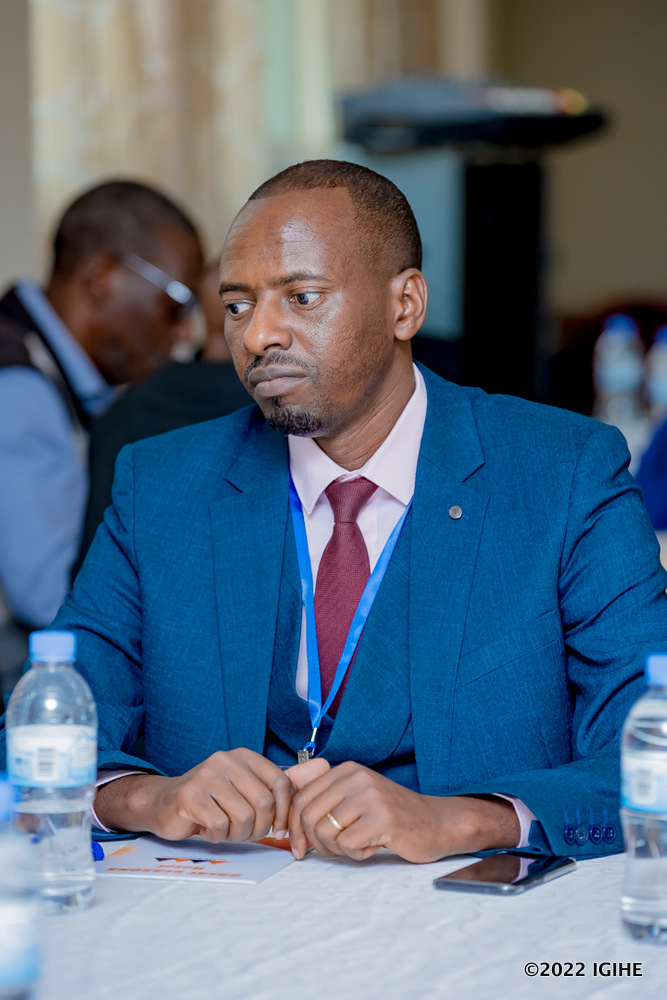
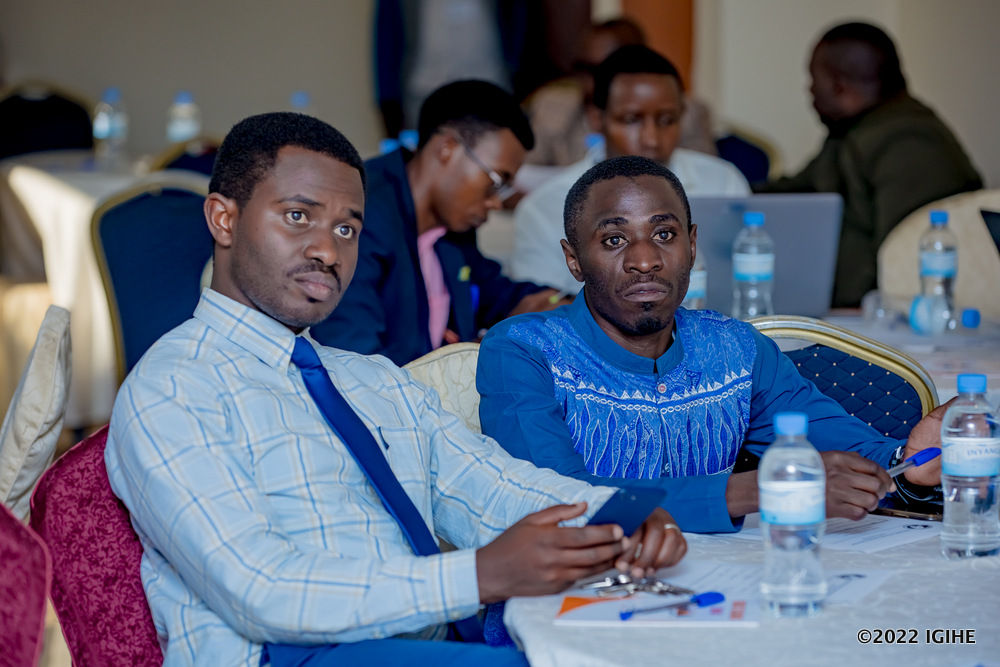
As of today, Rwanda has become the first country to benefit from this initiative where two-day training to health workers from different hospitals is taking place in Kigali City with a view to exchange information and share knowledge.
The Minister of Health, Dr. Daniel Ngamije has said that the training provided by experts from Pfizer is one of major steps for implementation of the accord helping Rwanda to access medicines on a not- for-profit basis.
“This training is aimed at helping our doctors from hospitals at national, provincial and district level to be equipped with knowledge and updated on prescriptions for proper use of medicaments,” he said.
Dr. Ngamije revealed that the accord also paves the way for other activities including research development, and up-skilling health care professionals.
Apart from the training, Rwanda has already received the first medicines including pills used to treat COVID-19.
“Rwanda has started receiving the first batch of medicaments. For instance, Paxlovid is being used to treat patients diagnosed with symptoms of COVID-19,” he said.
Paxlovid pill was manufactured by Pfizer. Towards the end of 2021, it was approved by the US as effective for treatment of COVID-19.
As the accord was signed this year, it was revealed that Pfizer will collaborate with participants to identify quick and efficient regulatory pathways and procurement processes to reduce the longer amount of time it can take to make new medicines and vaccines available in these countries.
Under the accord, Pfizer has committed to provide 23 medicines and vaccines that treat infectious diseases, certain cancers, and rare and inflammatory diseases.
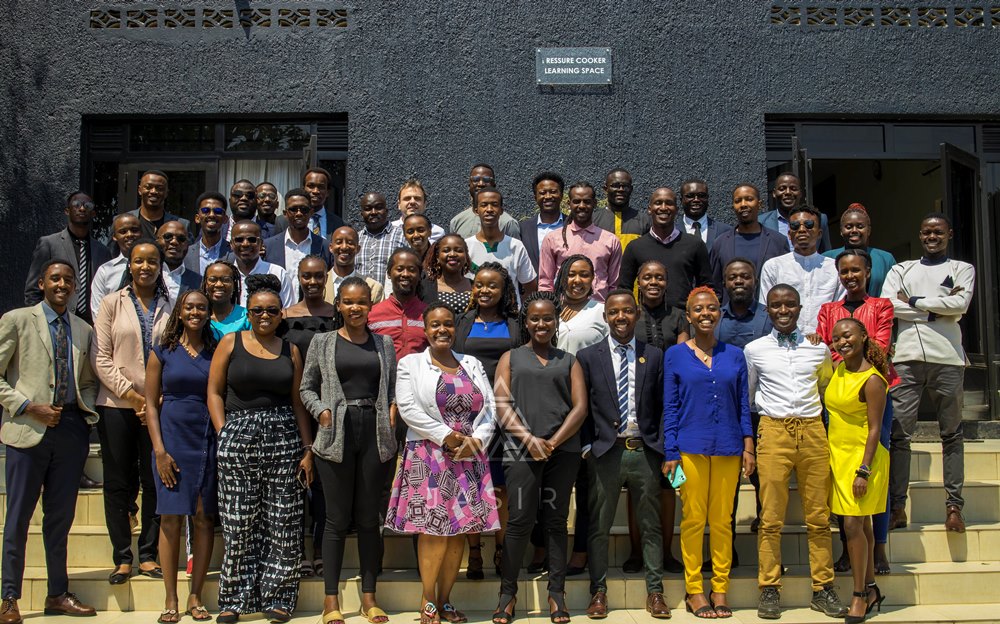
The Jasiri Talent Investor is a one-year entrepreneurship program powered by Allan & Gill Gray Philanthropies (AGGP). Through the program, aspiring entrepreneurs meet equally ambitious co-founders and are supported to build thriving businesses from idea generation to venture creation.
Brian Simiyu, a 2021 Jasiri Fellow shares what he gained from the program: “Jasiri’s Talent Investor is an exceptional program that provides you with world-class facilitators who help you develop your idea, and a brains trust team who support you to assess your business opportunity case. You also get to meet co-founders and build a team to create the next market-leading innovation.”
Roselyn Marandu-Kareithi, Country Lead of Allan & Gill Gray Philanthropies in Kenya, emphasizes how the Jasiri Talent Investor program is a transformative journey that empowers aspiring entrepreneurs.
“Our Jasiri Talent Investor program focuses on aspiring entrepreneurs and we are committed to supporting them in transforming their ideas into impactful ventures. Are you a brave entrepreneur? We are ready to support you to achieve your dreams. Apply today and experience this remarkable journey,” she enthused.
High potential individuals who demonstrate exceptional entrepreneurial drive will be selected and provided with the tools, resources and guidance they need to launch high-growth ventures including funding, intensive coaching, mentoring, and linkages with industry experts.
They will first undergo an online program to introduce them to business and entrepreneurship essentials as well as industry research. Fellows will then join an intensive residential program where they will form teams, put together ideas, test and validate them.
“We are excited to open applications for our third cohort and look forward to recruiting aspiring entrepreneurs across Rwanda, Kenya and Ethiopia. We believe responsible entrepreneurship is at the centre of community transformation. We encourage young achievers who aspire to realise their entrepreneurial aspirations to apply,” said Aline Kabanda, the Country Director, Rwanda, Allan & Gill Gray Philanthropies.
To date, Jasiri has enrolled two cohorts of aspiring entrepreneurs from Rwanda and Kenya in its Talent Investor program. The second cohort of 53 fellows will start the residential part of the program in Kigali on July 5th 2022 and embark on a journey of business development.
Aspiring entrepreneurs are encouraged to apply via [{{ jasiri.org/application/}}->https://jasiri.org/application/]
{{About Jasiri}}
Jasiri invests in, nurtures, and empowers entrepreneurs who benefit society and attack poverty through the creation of high impact businesses, creating new markets on the African continent. Jasiri believes that entrepreneurial teams are at the heart of new venture creation, and provides the entrepreneur with access to a diverse group of potential co-founders. Jasiri supports new ventures from idea generation to venture creation.
It is supported by Allan & Gill Gray Philanthropies, which takes a long-term approach to developing exceptional, responsible entrepreneurs on the African continent.
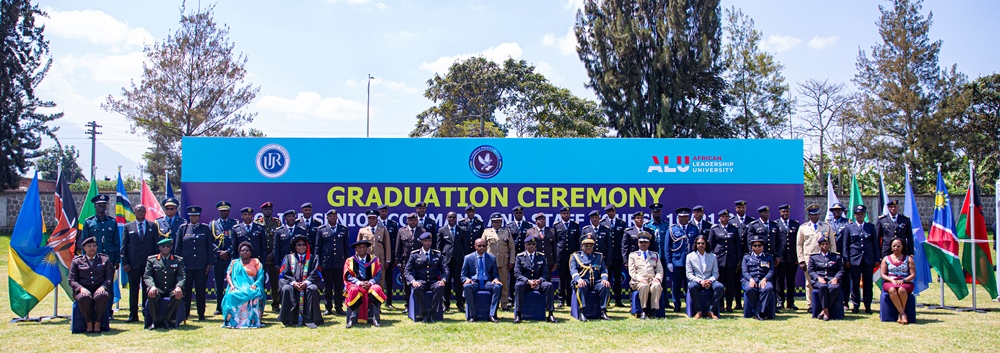
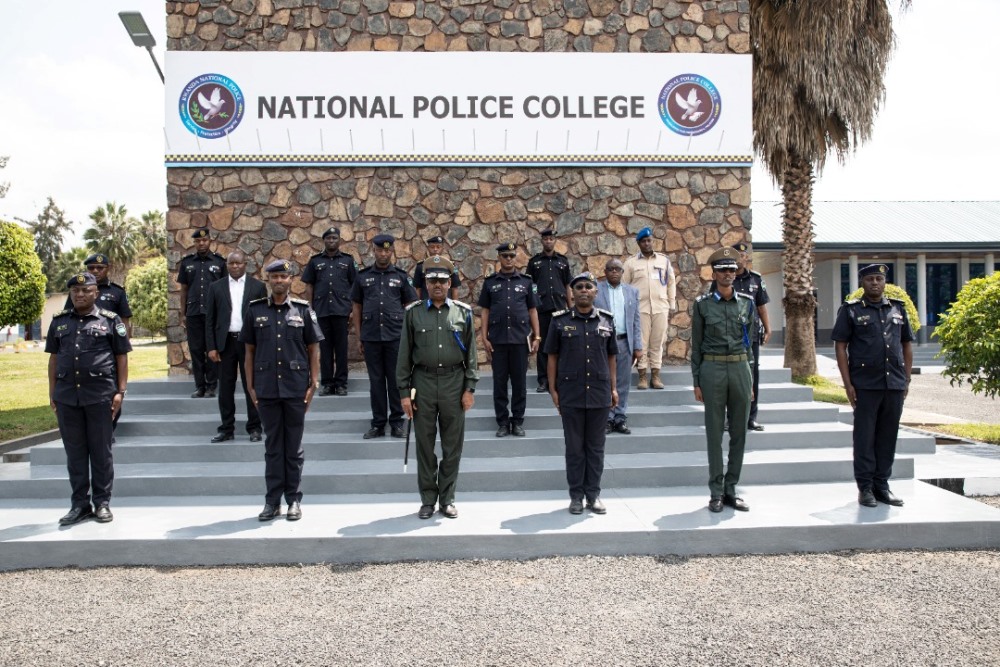
The graduation of the 10th intake was attended by senior law enforcement officers from Rwanda, Kenya, Malawi, Namibia, Somalia, South Sudan, Tanzania and Zambia.
The tenth PSCSC programme comprised of three main components: a Police professional career component, which leads to the award of a Post Staff College (PSC) title; a Master’s degree in Peace Studies and Conflict Transformation by the University of Rwanda; and a post-graduate programme, which awards a post graduate diploma in Strategic Leadership and Management by the African Leadership University.
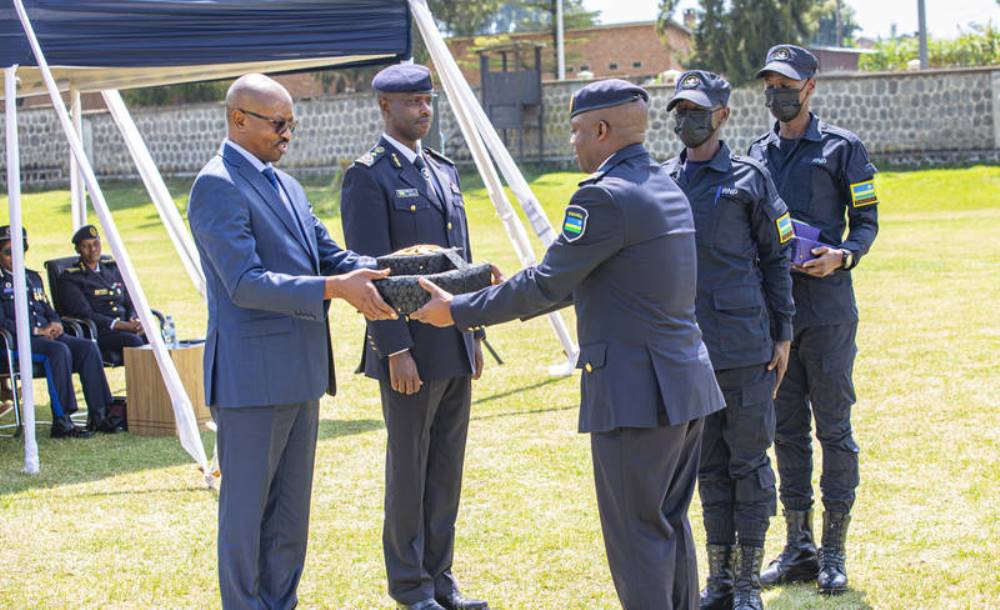
The colourful event was presided over by the Minister of Interior, Alfred Gasana, who reminded the graduands that titles and awards attained should reflect on their ability to bring solutions to law enforcement challenges in their respective countries.
The graduation was also graced by the Inspector General of Police (IGP) Dan Munyuza, the IGP of Namibian Police, Lt Gen Sebastian Ndeitunga, Police Commissioner for Somali Police Force (SPF), Maj Gen Abdi Hassan Mohammed; Governor Northern Province, Dancilla Nyirarugero, Senior Assistant Commissioner of Police (SACP) Betty N, Timba from Zambia Police Service, and RNP Deputy IGP in charge of Administration and Personnel, Jeanne Chantal Ujeneza and other officials.
Thirteen senior Police officers from Namibia, six from Somalia and five Zambia have attended the PSCSC at NPC.
“Today, we are here to celebrate your achievements as well as your efforts, hard work, team spirit, commitment and resilience. I commend you for translating your wisdom into action,” Minister Gasana said.
As they celebrate the milestone, the Minister reminded them that there is still more to do, more to learn and more to achieve.
He reiterated that peace and security in countries depend on the amount of efforts deployed to prevent or disrupt crimes; minimize, manage or transform conflicts that are unavoidable in any human society.
“These efforts mostly focus on addressing the root causes of conflicts from socio-economic, political, legal, institutional and structural perspectives and where no due consideration is given to these issues, conflicts are likely to break out and escalate beyond proportion,” Minister Gasana said.
In Rwanda, he said, the Genocide against the Tutsi was a culmination of a long time unresolved issues of divisionism and discrimination followed by exclusion, bad governance, structural violence and impunity.
“In the aftermath of the 1994 Genocide against the Tutsi, we have witnessed how the promotion of collective security, unity, reconciliation, fair justice and good governance contributed to social cohesion, peace towards accelerated development,” he said.
He added that learning from this experience, it becomes apparent that leadership is at the heart of societal transformation and all endeavours towards peace, security and sustainable development.
The participation of law enforcement officers from African countries, Minister Gasana said, it is an “expression of African solidarity towards finding African solutions to African challenges and build the Africa we want.”
He further observed that this joint training venture is one of the key tools for nurturing cooperation and to foster exchange of experience, information sharing and provide a forum for designing joint strategies to respond to crime-related challenges.
The NPC Commandant, Commissioner of Police (CP) Rafiki Mujiji said that the course was highly demanding requiring high levels of self-discipline and determination to achieve the goals.
“Your positive attitude, hard-work spirit and discipline exhibited throughout the course have made possible today’s celebrations,” CP Mujiji said.
Prof. Nosa O. Egiebor, the acting Vice Chancellor of the University of Rwanda (UR), congratulated the senior Police officers for the milestone and urged them to be good ambassadors.
“As you move-on to your various duty posts to take on your professional assignments as peace and security officers, you must remember that the authority entrusted on you comes with huge responsibilities to your people and society to provide exemplary leadership for the resolution of the contemporary peace, security and conflict related challenges of your time,” Prof. Nosa said.
Veda Sunassee, the CEO of African Leadership University, a new partner with the RNP Senior Command and Staff Course, expressed commitment to the sustainability and efficiency of the course.
“We are privileged to have a potential partner in Rwanda National Police… Pan-Africanism is a core identified of what we do. Thank you for entrusting us with this responsibility to deliver this leadership programme. You are one of our best and greatest partners and we look forward to a continued journey,” Sunassee said.
He added that leadership is not a destination but a path to walk.
{{Awards}}
Senior Superintendent of Police (SSP) Peter Mwale Kalaya from Malawi was awarded for the overall best research paper.
Kenya’s SSP Fatuma Hadi Ali was the overall Best Student; SP Faustin Munyabarenzi from RNP came second while Brig Gen Abraham Dut Deng Dut from South Sudan was awarded as the third overall best student.
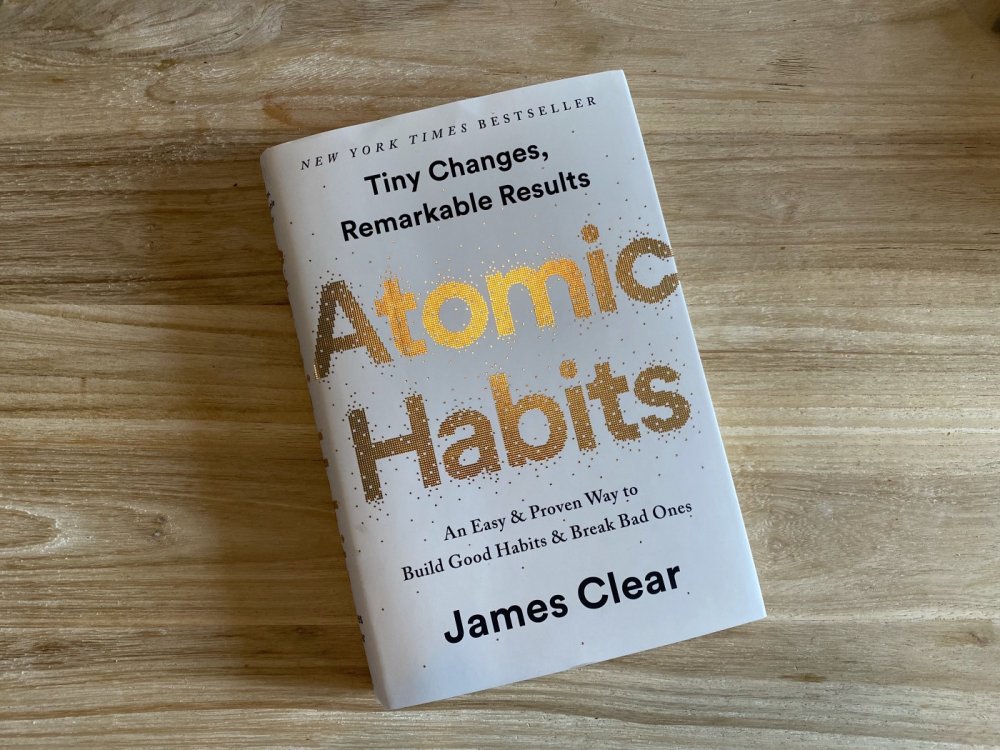
Atomic habits was originally published in 2018. It was written by James Clear. The book is about the different habits, how to build good habits and how to destroy bad ones in ourselves. This book can help those who have struggled with certain habits for a long time.
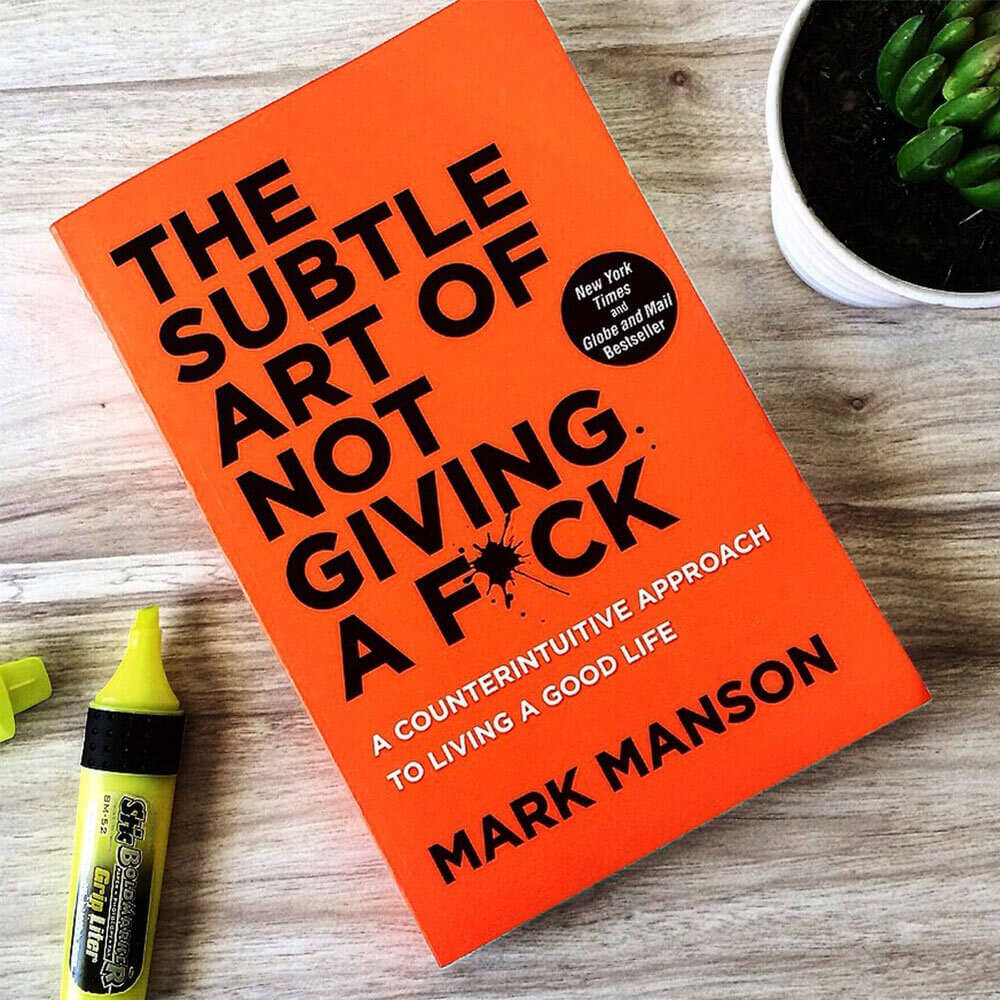
{{The subtle art of not giving a f * ck}}
The subtle art of not giving a f*ck was originally published in 2016 and written by Mark Manson. It is a non-fiction book about how to live a good and better life. In this book, the author shows how people are bothered by the most insignificant little things that are not worthy of our time and energy.
Mark Manson talks about how one can avoid being bothered for the less important things in life and how people should look at the world and life in a different way than they normally do.
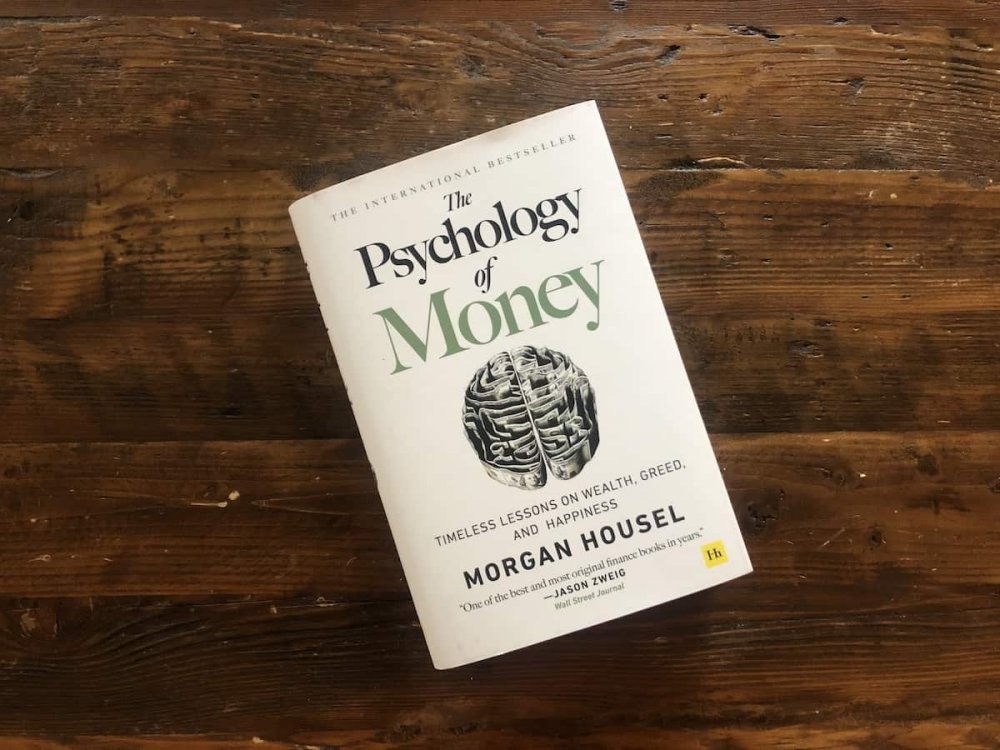
{{The psychology of money}}
This book was published in 2020 and was written by Morgan Housel. In this book, the author discusses how one can use one’s money for profit.
He talks about financial literacy in investing, saving and how to use money on a daily basis.
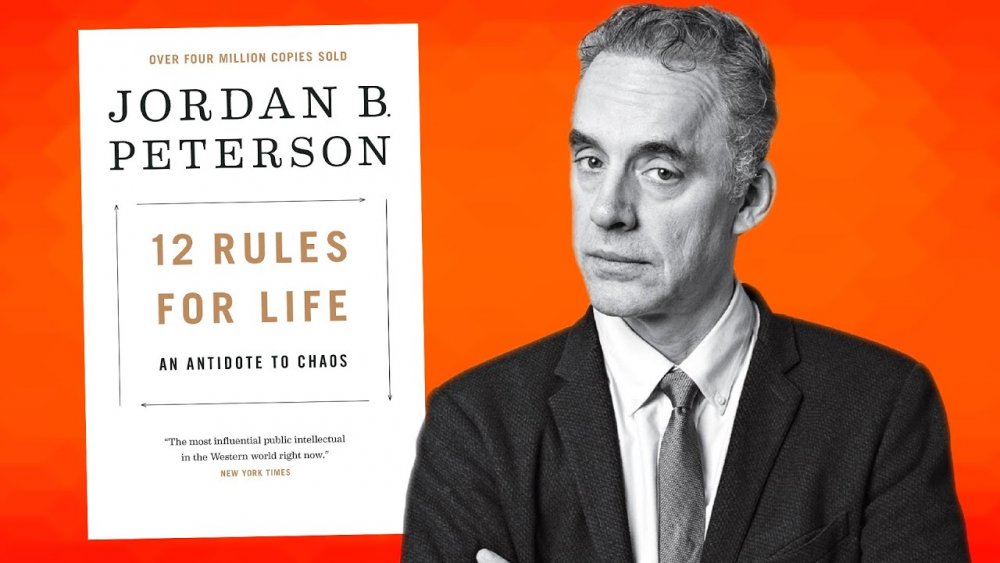
{{12 rules for life}}
Written by psychologist Jordan Peterson,12 rules for life was published in 2018. In this book, the author shows that life is a balance between good and bad, chaos and order, ups and downs and highs and lows.
Peterson outlines how one can navigate all that based on his own testimony, psychological principles, ethics, human thinking, religion and more.
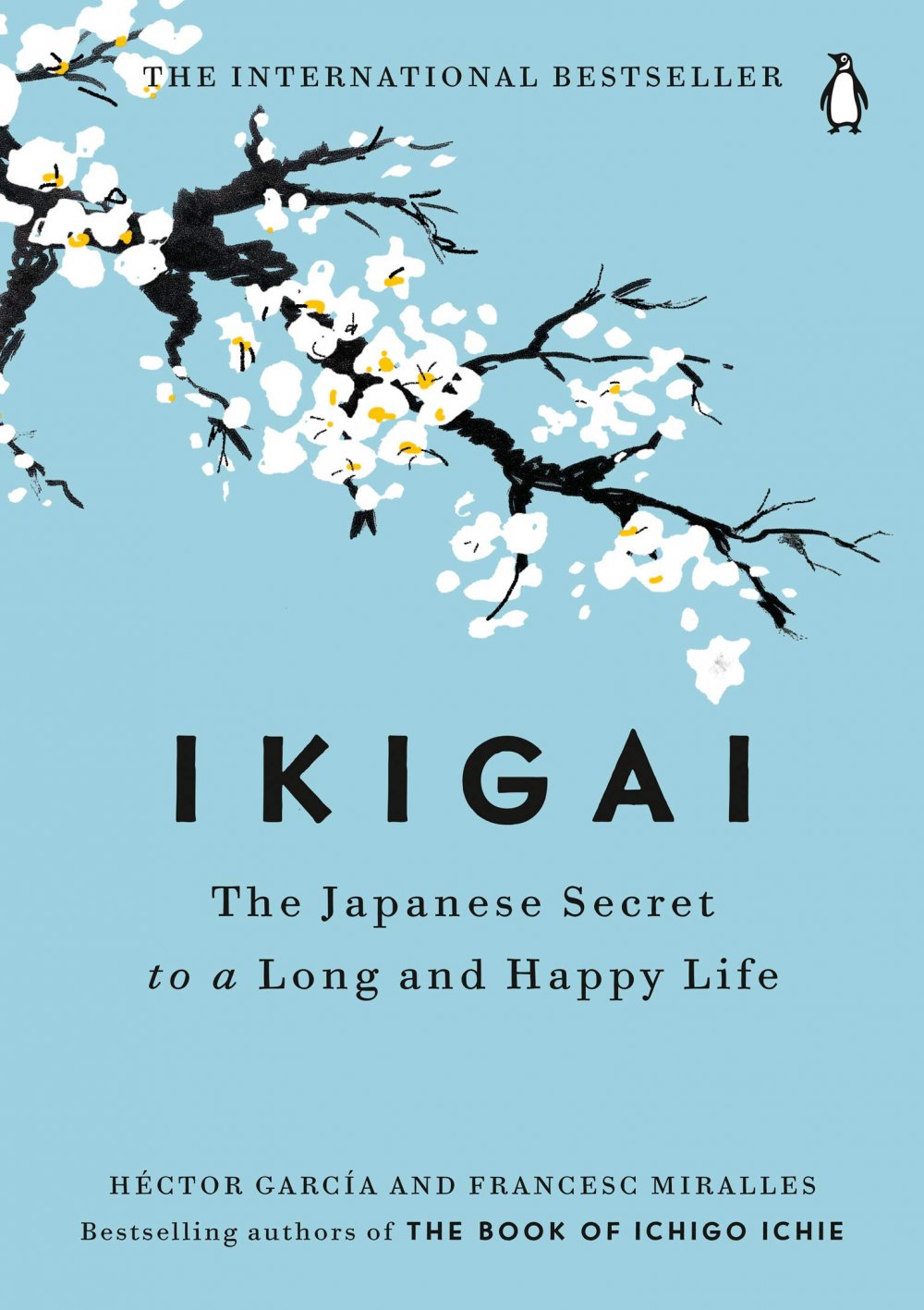
{{Ikigai: The Japanese secret to living a long life}}
Ikigai was published in 2016. It was written by Francesc Miralles and Hector Garcia. In this book, the authors describe certain Japanese lifestyles that make them live long. Currently, Japan has the highest life expectancy in the whole world.
{{The One thing}}
It is a 2012 book by Gary W. Keller and Jay Papasan. The book is about how one can simplify one’s workload by focusing on one important thing that ties together all the workload.
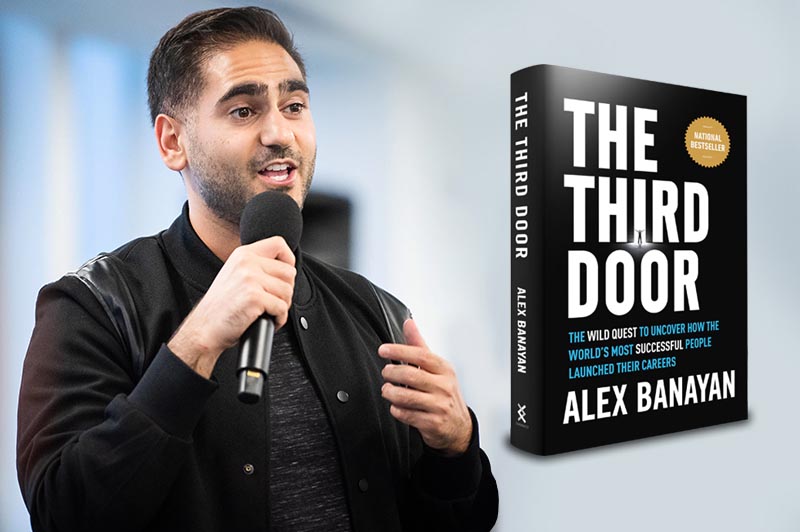
{{The third door}}
The author of this book, Alex Bayan, has followed some of the world’s most influential and successful people such as Bill Gates. He was on a quest to find how they got to be so successful.
He shares his findings in these books as a way to help others unlock the secret of their success. It was published in 2018.
{{How to stop worrying and start living}}
It is a book by Dale Carnegie published in 1948. It encourages readers to seek peace of mind and live with no worries about the future.
{{Man’s search for meaning}}
It is a book written by Viktor Frankl and published in 1946. In this book, Viktor Frankl describes his experiences as a prisoner in Nazi concentration camps during World War II. He explained his psychotherapeutic methods that kept him sane. He would give himself a goal and imagine its result.
He was delivering a public lecture to students of IPRC Tumba on the history of Rwanda before, during and after colonial rule as well as the struggle for its liberation.
Gen Kabarebe said that President Kagame made a lot of reforms during the Liberation Struggle, particularly encouraging them to maintain solidarity as people striving for a common goal.
Rwandans who joined the struggle had come from different countries including Uganda, Rwanda, Burundi and former Zaïre.
Gen Kabarebe revealed that President Kagame gave them a clear guidance and advised them to keep divisions at bay if they were to win.
He said that Kagame initially instilled the Rwandan spirit because the war leaves deaths, casualties likely to spark blame games as some people start complaining that they are overloaded, deployed in risky zones or on frontline.
Gen Kabarebe revealed that having common understanding among soldiers and working together to strive for shared aspirations reflect the role of a good leader who works tirelessly to prevent those intending to hold back achieved gains.
“These were our sources of strength. Even though we were few, we had a strong foundation of good leadership and positive mindsets. RPA drew its strength from a good leader, started a good fight and won. We don’t need any more governance lesson because Rwanda has a good leader,” he said.
Emmanuel Ndagijimana, one of students from IPRC Tumba revealed that the lecture inspired him to stick to the value of patriotism, keep up efforts to consolidate gains and work with others to achieve envisioned national development.
Marlene Rugambwa, another student said that the lecture gave her courage to contribute to the nation in his capacity.
The university belongs to World Mission Frontiers, a faith-based non-governmental organization which has been operating in Rwanda after the 1994 Genocide against the Tutsi.
It was launched by Dr. Paul Kim, a South Korean who wanted to solve some of problems facing the society at the time.
He initially established an orphanage in Gikondo of Kigali City and later founded schools. So far, it runs a primary and secondary vocational training school dubbed ‘World Mission TVET School’ which is ranked among the top 10 TVT schools in Rwanda.
The school’s outstanding performance has pushed parents to request World Mission Frontiers to establish a university to facilitate over 300 children at its schools to attend higher education.
The idea was welcomed that the management started negotiations with the Higher Education Council (HEC) to assess the project’s feasibility.
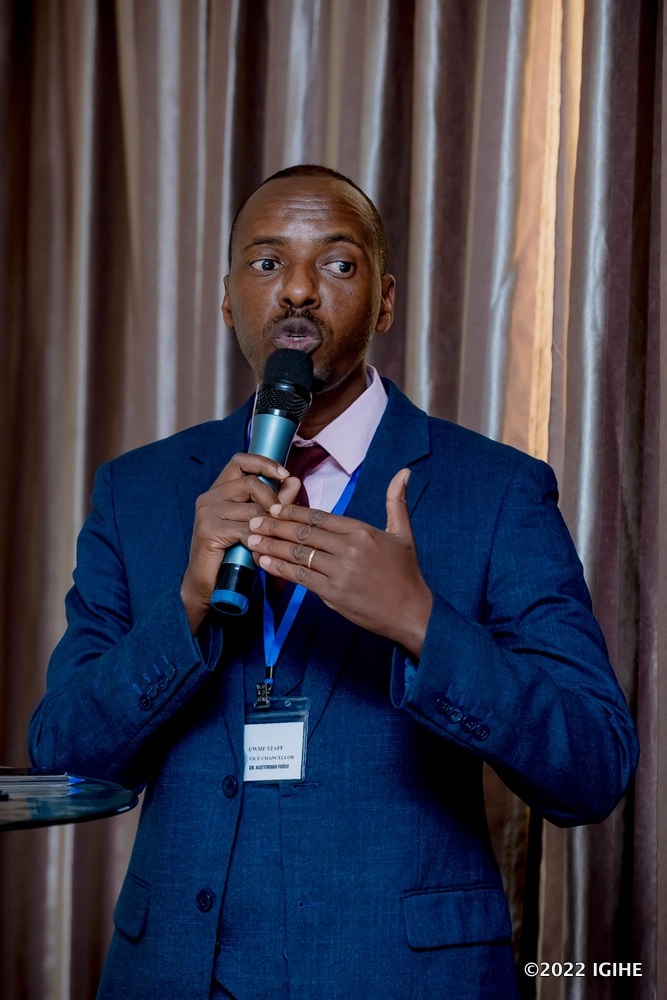
The Vice Chancellor of the university set to open; Dr. Fidele Nizeyimana has disclosed that they initially carried out research to identify courses needed at the labour market in Rwanda.
“We conducted research aimed at identifying needed courses suitable for Rwanda’s labour market to be integrated into our curriculum. We decided to draw emphasis on four disciplines including Theology, Commerce and Business, Education as well as Science and Technology,” he said.
Dr. Nizeyimana revealed that they want to start with 15 courses where students will graduate with a bachelor degree while those enrolled in Theology can continue studies up to Master’s.
All the courses, Dr. Nizeyimana said, will be designed to address problems facing the labour market and increase the number of qualified teachers.
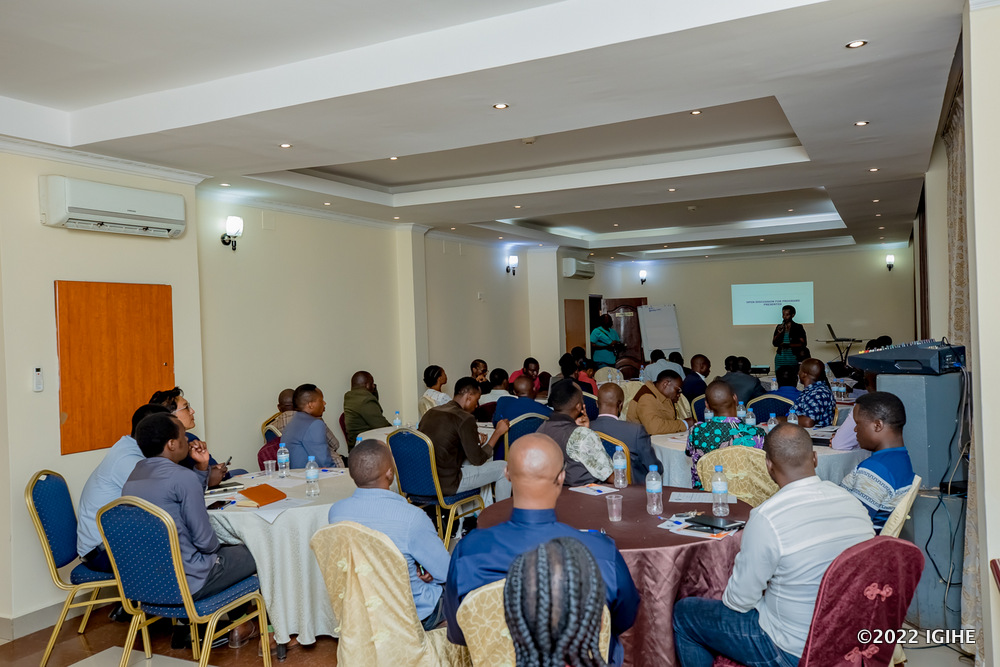
During a consultative meeting to reflect on the progress of preparations, stakeholders from the education sector and employers requested the management to prove how it will sustain its activities once it gets a go-ahead.
The Board Director at the University of World Mission Frontiers, Doreen Kagire said that the organization has means to finance its activities without relying on students’ tuition fees.
She revealed that it has different income generating activities including a business building under construction, conference halls and playgrounds to let.
Kagire underscored that infrastructures including classrooms have been completed as more plots of land are available for extension, if need be.
Lecturers have been also recruited while other didactic materials and library are available for use.
Selected lecturers are from different countries including the United States of America (USA) and South Korea.
World Mission Frontiers has operations in the districts of Kayonza, Nyamasheke and Kigali City.
Globally, the organization has branches in countries including Uganda, the Democratic Republic of Congo, Burundi and Tanzania. Its higher learning institutions are based in USA and South Korea.
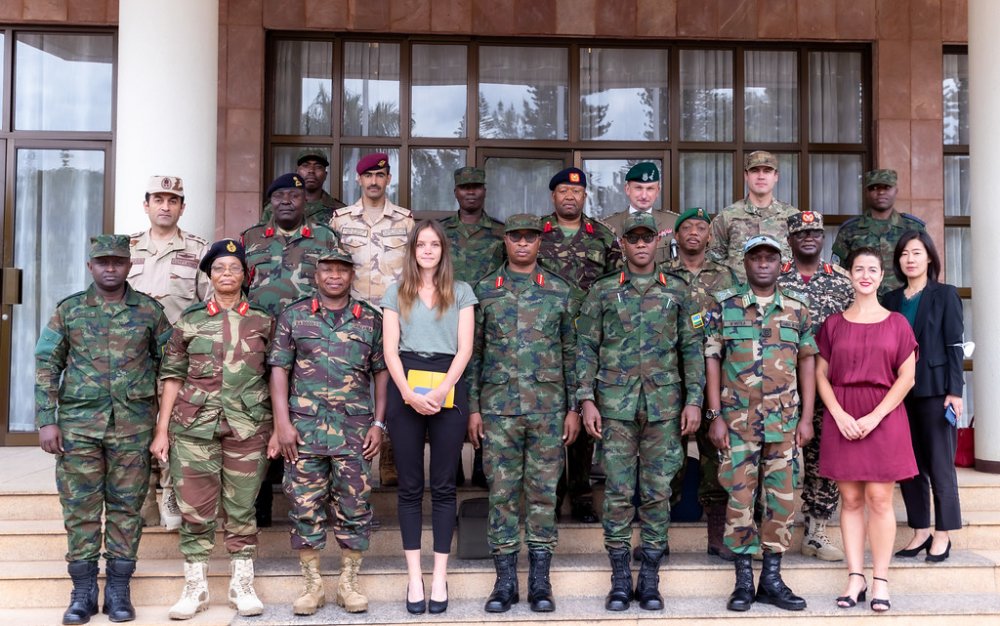
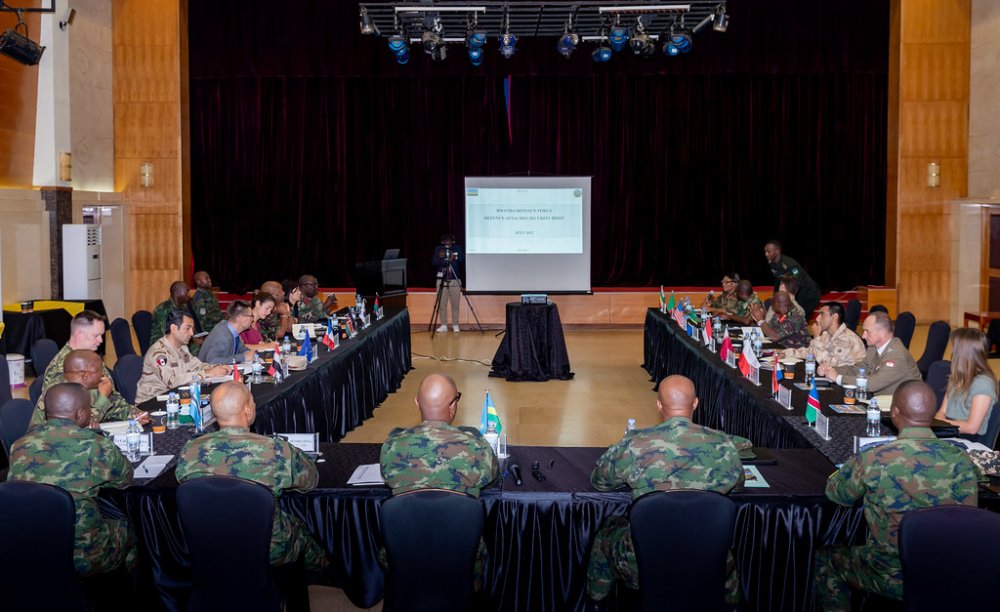
The briefing was organised by the RDF-International Military Cooperation Department and involved 17 Defence Attachés and Associates representing their respective countries.
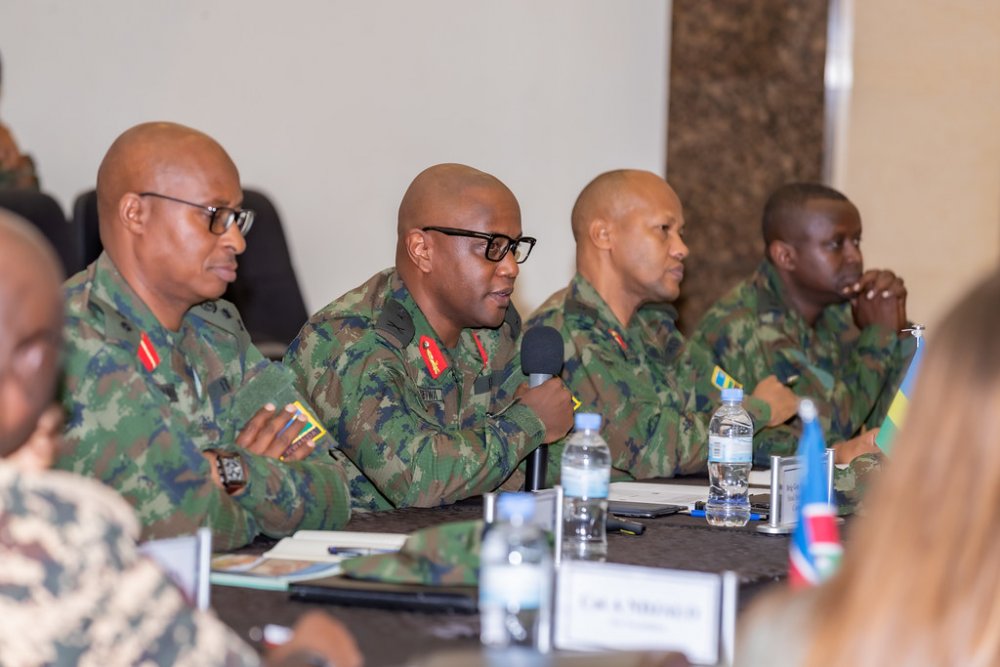
The Head of RDF’s Department of International Military Cooperation (IMC), Brig Gen Patrick Karuretwa said that they exchanged on updates on security dynamics in Rwanda and the region.
“It was a very constructive and fruitful interaction aimed at enhancing Rwanda’s ability to pursue its national interests and its defence priorities through effective cooperation and genuine partnerships,” he said.
Col Kelius Mwadime, the DA from Kenya, said that the briefing was important to put the International Community in Rwanda particularly the Defence Attachés on common understanding of the security situation in Rwanda as well as in the region.
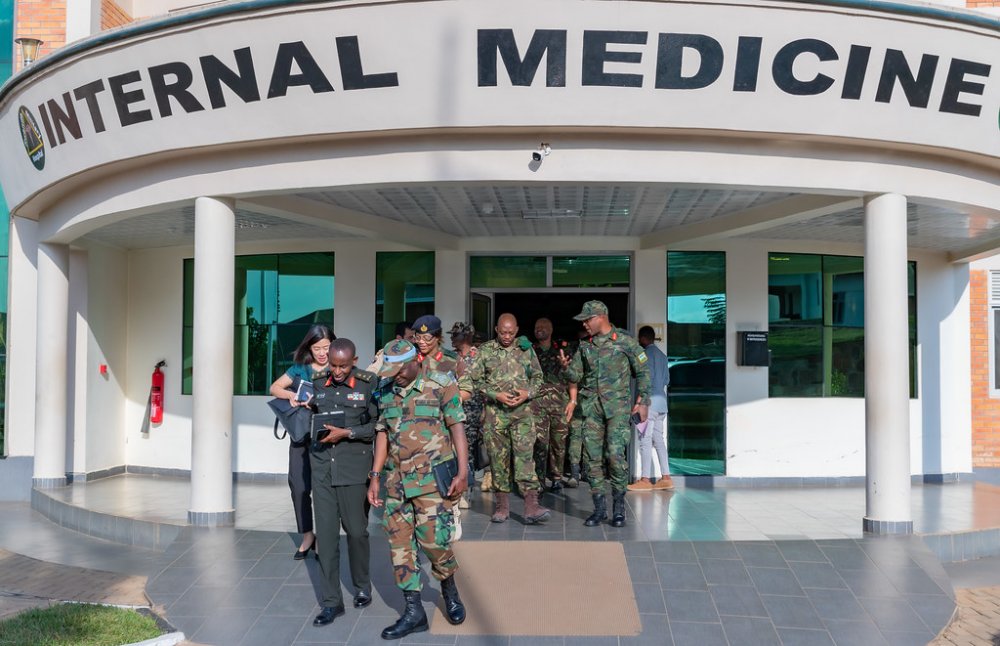
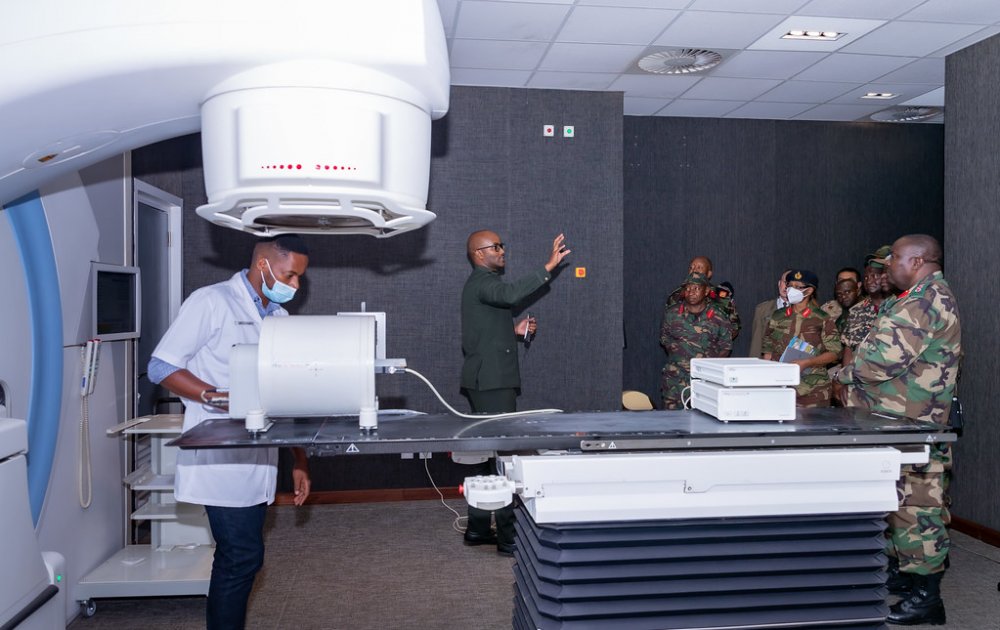
After the briefing, the Defence Attachés also visited Rwanda Military Hospital where they toured different medical services including Rwanda Cancer Center among others.
The tour is part of his week-long official visit to strengthen cooperation between Rwanda National Police (RNP) and Somali Police Force (SPF).
At NPC, where he was received by the College Commandant, Commissioner of Police (CP) Rafiki Mujiji, Maj Gen Abdi was explained on the academic and professional programmes.
The College, among others, conducts a one year Police Senior Command and Staff Course (PSCSC), which combines both academic and professional aspects; a Master’s degree in Peace Studies and Conflict Transformation, and a level 7 certificate in Strategic Leadership and Management.
Six Somali senior Police officers have attended the Police Senior Command and Staff Course at NPC, including one who is currently attending the 10th intake.
“This is a well developed and equipped College, which benefits all law enforcement organs on the continent,” Maj Gen Abdi said.
In his message after visiting the Western region where he was explained on its readiness and operations, he said: “The RNP Western region headquarters is well equipped, well organized and operating for the safety, security and wellbeing of the people.”
The suspect identified as Jean Marie Vianney Hagenimana was handed over to RIB at Kinigi station after he was arrested in Rugari Village, Kamwumba Cell of Nyange Sector where he was trying to defraud a mobile money agent to deposit on his mobile account counterfeits amounting to Rwf42,000.
Superintendent of Police (SP) Alex Ndayisenga, the Northern Region Political and Civic Education Officer (RPCEO) said that Hagenimana’s arrest followed a tip off from the mobile money agent who, after realising that the currency notes received from the suspect was counterfeit, called the Police.
“Upon receiving a call from the would-be victim, Police immediately arrived at the scene and arrested the suspect after discovering that the money; eight notes in the denominations of Rwf5,000 and one note of Rwf2,000, he had paid to the agent, were counterfeit,” SP Ndayisenga said.
SP Ndayisenga called for vigilance against such “criminal individuals or groups,” and to share information in time on anyone suspected to be counterfeiting or circulating fake monies.
Counterfeit money, if not prevented, can lead to massive negative impact on the country’s economy and people’s businesses.
Article 269 of law No 68/2018 determining offenses and penalties in general, states that any person, who fraudulently counterfeits, falsifies or alters coins or bank notes which are legal tender in Rwanda or abroad, notes issued by the Treasury with its stamp or brand, either banknotes or alike that have legal tender in Rwanda or abroad, or one who introduces or issues in Rwanda such effects or notes with knowledge that they are forged or falsified, commits an offence.
Upon conviction, he/she is liable to imprisonment for a term of not less than five years and not more than seven years.
To compile this list of the World’s Greatest Places, the top spots to visit this year, TIME solicited nominations of places from its international network of correspondents and contributors, with an eye toward those offering new and exciting experiences.
The list features prominent towns like Doha in Qatar where 100 new hotels are being opened to accommodate participants of the World Cup between November and December.
Often described as the friendliest African city, Kigali has been selected for its initiatives to push toward a green future, especially for its growing tourism trade.
These include GuraRide, the new Rwandan bike-sharing app which provides easy, affordable access to scooters, road bikes, and e-bikes, with docks peppered throughout the city.
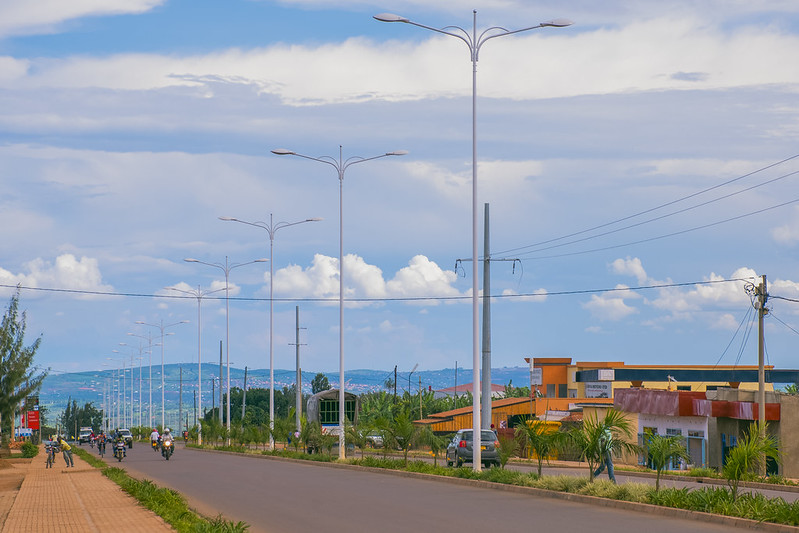
Kigali is also upgrading its roads as part of the recently launched Kigali Infrastructure Project, which aims to ease congestion, provide more direct connection among hard-to-reach neighborhoods, and reduce pollution.
Newly created car-free zones, the most recent launched in Gisimenti, let residents and visitors take back city streets on weekends.
More investment has yielded more development in the tourism sector in the last year. The first 18-hole golf course in the city, at the new Kigali Golf Resort and Villas, hosted its first golf tournament last December.
These activities are an addition to the opening of the Nyandungu Wetland Ecotourism Park early in January which safeguards 121 hectares of endangered wetlands, including more than 70 bird species and a fig forest—viewable from walking routes and cycling paths.
Located southeast of Kigali, Bugesera International Airport is set to deliver more direct flights. Other infrastructures include a new Four Points by Sheraton opened in Kigali in June, just in time to house attendees of the Commonwealth Heads of Government Meeting.
The annual list also features four best destinations in Africa including Nairobi City in Kenya, Hwange National Park in Zimbabwe, Franschhoek town in South Africa and Lower Zambezi Park in Zambia.
Other outstanding destinations on the list include Ras Al Khaimah (UAE), Park City (Utah), Galápagos Islands, Dolni Morava (Repubulika ya Tcheque), Seoul (Korea y’Epfo), Great Barrier Reef (Australia), Doha, (Qatar), Detroit, Kerala (u Buhinde), The Arctic, Ahmedabad (India), València (Espagne), Queenstown, (Vouvelle Zelande), Historic Silk Road Sites (Uzbekistan), São Paulo (Brazil) and Trans Bhutan Trail (Bhutan) among others.
[{{Click here to read more selected destinations.}} ->https://time.com/collection/worlds-greatest-places-2022/]