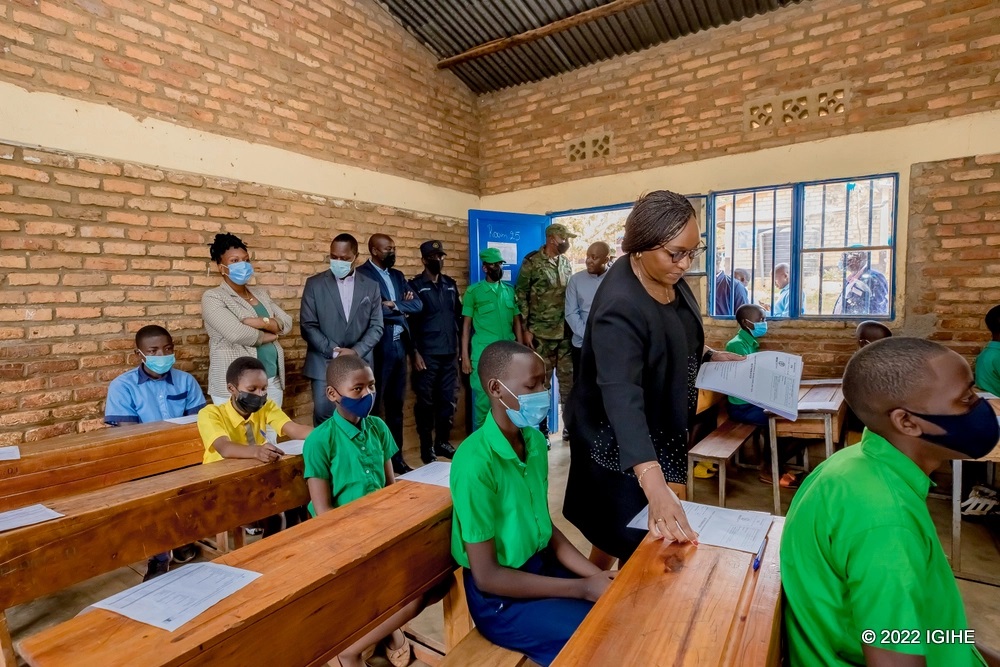
The Minister of Education, Dr. Valentine Uwamariya has officiated the start of exams at Groupe Scolaire Nyagasambu in Fumbwe Sector of Rwamagana District which serves as an examination center for 633 learners (including 301 boys and 332 girls) from four schools including Rwamashyongoshyo Parents School, GS Runyinya, Nyagasambu Vision and GS Nyagasambu.
Minister Uwamariya told the candidates to consider the exam as an opportunity giving them chance to be promoted to the next level.
“You have spent six years preparing for this exam allowing you to be promoted to the next level. In fact, it is about preparations to join the category of mature people. This is a good move for you but it is not extraordinary because you have done exams at different times,” she said.
Minister Uwamariya has revealed that learners have had smooth preparations unlike the past two years where studies were affected by COVID-19.
Even though the pandemic has not yet been defeated, Minister Uwamariya observed that this school year went well and ended on time without COVID-19 restrictions suspending studies and expressed optimism for good performance.
She also urged parents and head teachers to make sure that all children participate lest they are deprived of a brighter future.
At least 429,151 finalists from primary, ordinary level and upper secondary school are expected to sit for national exams this year.
Ordinary level exams are scheduled between 26thy July and 2nd August 2022 while students completing the upper secondary school will sit for national exams from 26th July to 5th August 2022.
Besides, candidates from Teacher Training Colleges (TTCs) will sit for exams between 26th July and 3rd August 2022 while written exams for students from Vocational Training Schools are scheduled to run from 26th July to 5th August 2022.
At last 254,000 primary school finalists sat for national exams last year.
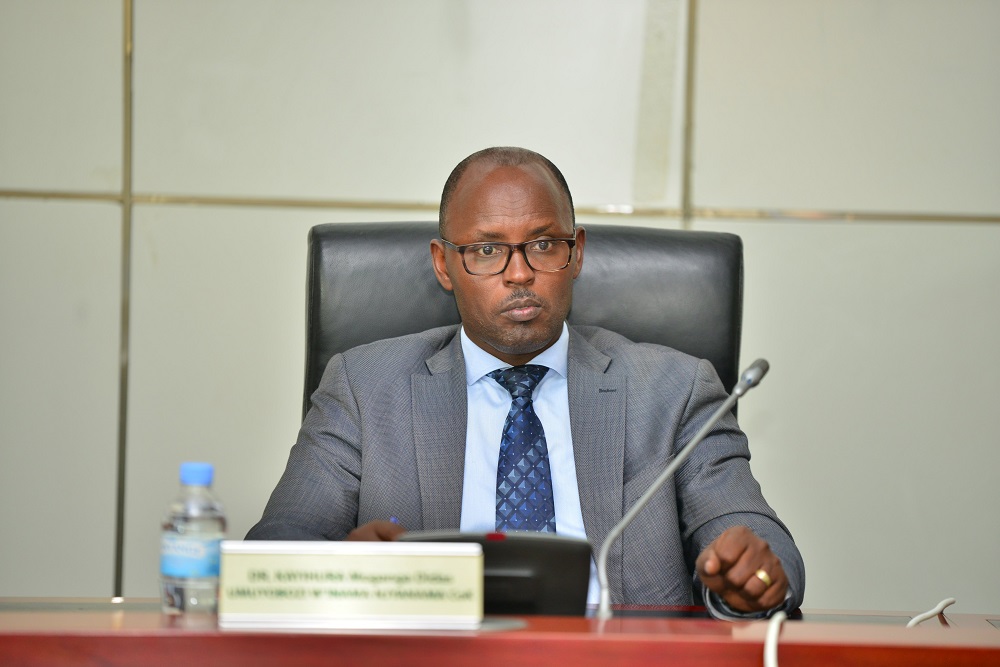
Dr. Kayihura replaced Prof. Nosa Egiebor who has been serving as the Acting Vice Chancellor for 72 days following the resignation of Prof. Alexandre Lyambabaje to begin his retirement life.
Meanwhile; Dr. Ndikumana replaced Dr. Musafiri Papias Malimba who had held the position for four years.
The new reforms are aimed at strengthening the university’s management to continue offering quality education and provide solutions to problems facing the society through research development among others.
The newly appointed leaders, Dr. Muganga and Dr. Raymond Ndikumana are familiar with the functioning of UR.
Dr. Muganga once served as the Acting Principal of University of Rwanda’s College of Arts and Social Sciences (CASS) between 2016 and 2017. He was the Dean of the Faculty of Law at The National University of Rwanda (UNR), from 2007 to 2009.
Dr. Ndikumana has been also working at the University of Rwanda. He once served as a coordinator of Swedish project which provides funding to UR among others.
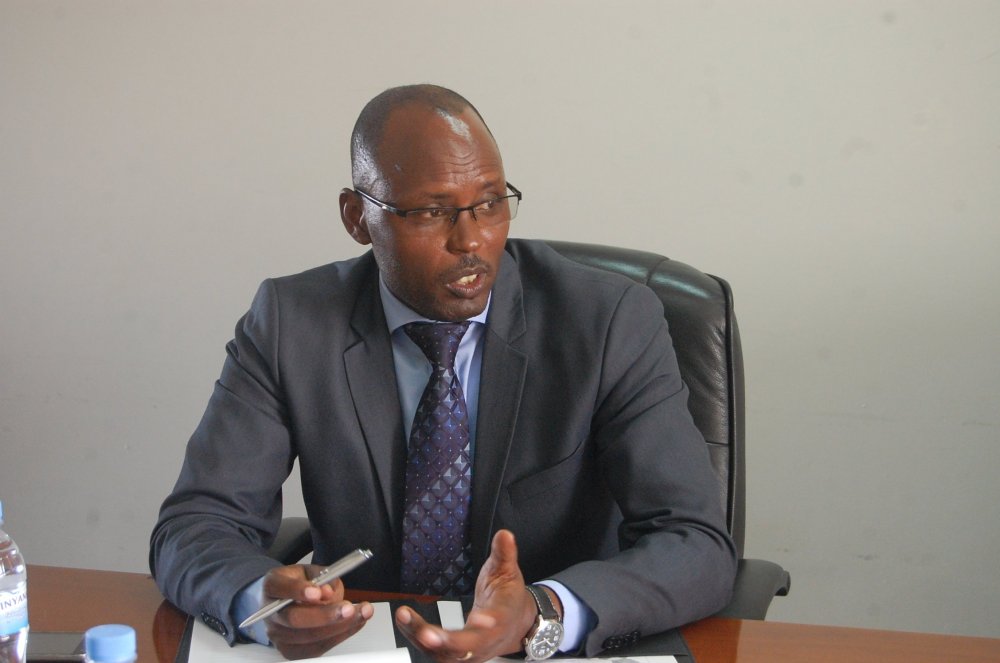
Speaking to IGIHE, Dr. Muganga has outlined priorities during his leadership.
His projections fall under broad plans including workforce integration, promoting technology and the reputation of UR on the global scene.
“Today, the university’s workforce seem to be disjointed and don’t work together. It is as if everyone is working independently. Members of the management need to work as a team and have common understanding to facilitate projects’ implementation. This issue needs a lot of attention,” he said.
“Secondly, we need to see how to widen planning to address existing challenges in the society,” added Dr. Muganga.
He explained that it requires the collaboration with all partners to achieve envisaged goals.
“The university cannot address these problems on its own. There is need for collaboration with different partners and citizens to remove these barriers,” Dr. Muganga added.
The University of Rwanda was created in 2014 out of the merger of public higher learning institutes. It had six colleges prior to the merger.
Eight years after its creation, the university is ranked 3024th among 31,000 universities globally as per list released by Webometrics, an international platform ranking higher education institutions based on web-accessible data.
It also ranks UR at 55th place out of 2049 universities.
The university had emerged the 10,028th among nearly 25,000 universities globally before the merger.
In 2018, UR was the 83rd out of 1687 in Africa and 3146th out of 28.074 universities globally.
Dr. Muganga has said that there is optimism to build on achieved progress to take the university to greater heights.
He highlighted that engaging with his colleagues to have a new direction will be a priority right after assuming duties.
Dr. Muganga has revealed that international universities in Rwanda like the African Leadership University (ALU) and Carnegie Mellon are not perceived as competitors but rather as partners.
“We don’t have any issues with them even if the number might increase to ten. Their lecturers will help us and work on different projects,” he said.
Dr. Muganga also stressed the need to implement several projects and research for the university to remain positioned among leading ones.
Regarding technology; Dr. Muganga has said that he will first assess the situation regarding the university’s efforts to advance technology before deciding on the next course of action.
UR was seen as the hub for sports with leading teams in different games. As years went by, sporting activities seemed to have received little attention where its teams became less popular.
However, efforts have been in place for the past two years where the university’s teams are active in different competitions.
Dr. Muganga said that the university had different teams in Volleyball, Football, Basketball, Karate and traditional dance troops by the time he was part of its management.
He disclosed that there are efforts underway to promote sporting activities.
Dr. Muganga observed that merging operations of all colleges of UR will help to enhance communication, concert researchers’ efforts, which should be also applied to sporting activities.
Dr. Muganga has been serving as the Rector of the Institute of Legal Practice and Development in Rwanda.
He holds a PhD degree from Utrecht University in 2015. Dr. Muganga also has Master’s Degree in International Business Law from the same university in 2006 and Bachelor’s Degree from the former National University of Rwanda.
Some people actually start regretting why they ever got married even though they love their partners. Some people I have talked to said routine is one of the things that make marriage boring.
“You wake up to the same day over and over again. Sometimes, it just doesn’t stop and you forget to live and make yourself happy,” one of them said.
“And because of other responsibilities like taking care of your children by providing for them, sometimes you just continue to get carried away and you do not remember to do things that can actually bring back the spark,” the person added.
It is not even one experience but many of the married people that I know continued to talk about this thing of ‘bringing up the spark’ in other words reverting back to the honeymoon stage where things are still interesting.
I started to think that this is what probably happens when you get married. I thought it is an unfortunate fate that all married couples face.
But I was wrong, I spoke to one older couple that has been married for 17 years and had known each other for another 4 years prior to their marriage. Today, they still act like they got married yesterday, they have let me in unto the secret of keeping the spark alive.
{{Putting in the work}}
They told me that one mistake couples usually make is that they both know what it requires but they do not want to put in the work.
“If you know what your partner wants and you don’t want to put in the work to make it happen and make each other happy, then it is never going to work,” the husband said.
“If you know what your partner needs and enjoys, then you will know what to do and it has to always go both ways,” the wife told me.
{{It takes two }}
Too often, you find that the reason why one person in the relationship or marriage is bored by the relationship is because they find themselves giving and never receiving.
For instance, you may find the wife to always be the one compromising things for the sake of the husband or vice versa.
This older couple strongly believes that it takes two to actually make the marriage work and keep things interesting.
“Your partner should not always be the one sacrificing or be the one to put in all the effort to make the other one happy. I think it is crucial to always do things for each other.”
{{Surprise each other}}
Surprising someone you have known for a long time might be tricky, they know most of what there is to know about you. There is nothing new in the relationship, but surprises do not have to be about gifts. It can range from planning a spontaneous date to doing something for them that they do not expect.
“Small surprises sometimes touch a person’s heart more than you think, they come from the heart and that is what matters,” the husband told me.
{{Make new memories }}
One mistake that people often make is to live in the past, always remembering how things were, how life was rather than making new memories.
“I used to do that thinking about the past and how things were and the things that we had done, rather than focusing on the present and how we can make it better,” she said.
“Living in the moment also counts, you have to understand the times change and things cannot always be the same but you can make your present enjoyable,” she added.
{{Remembering not to forget }}
As every couple, their relationship was not always roses. It had its thorns. I asked them what mistake they think they have made in their relationship that may have caused them to lose the spark for a while.
“I think one mistake is that we each got so carried away with our own person that we forgot each other,” the husband said
“We became so selfish and self centered that we could never take each other’s feelings into consideration.”
Relationships and marriage take a lot of work, but according to this couple, it is all worth it if you are with the right person.
The Western region Police spokesperson, Superintendent of Police (SP) Bonaventure Twizere Karekezi, identified the suspect as Innocent Hakizimana, 37, who was arrested due to a tip-off by residents.
“Residents in Ubucuruzi Village reported Hakizimana, who was being transported on a motorcycle with a bundle of cannabis. Police conducted an operation and apprehended him with the narcotics few minutes after being dropped by the taxi-moto operator, who fled,” said SP Karekezi.
SP Karekezi commended the impact of the public in identifying and reporting suspected drug dealers.
He warned commercial motorcyclists against facilitating and transporting drug dealers, and narcotics.
Hakizimana and the exhibits were handed over to RIB at Gisenyi station for further investigations.
Article 3 of the Ministerial order nº 001/moh/2019 of 04/03/2019 establishing the list of narcotic drugs and their categorisation classifies cannabis in the category of very severe narcotics.
Article 263 of the law No. 68/2018 of 30/08/2018 determining offences and penalties in general states that any person who, unlawfully produces, transforms, transports, stores, gives to another or who sells narcotic drugs and psychotropic substances, commits an offence.
In case of “very severe narcotic drugs” the offender is liable to between 20 years and life imprisonment and a fine of between Rwf20 million and Rwf30 million.
The appointments have been announced through a statement released by Prime Minister, Dr. Edouard Ngirente.
Dr. Didas Kayihura has been serving as the Rector of the Institute of Legal Practice and Development in Rwanda.
He once served as the Acting Principal of University of Rwanda’s College of Arts and Social Sciences (CASS), (2016-2017). He was the Dean of the Faculty of Law at The National University of Rwanda (UNR), (2007-2009).
Dr. Kayihura holds a PhD from Utrecht University in 2015. He also has a Master’s Degree in International Business Law from Utrecht University (2006) and Bachelor’s Degree from the National University of Rwanda.
Among others, he is a member of the Rwandan Kigali Bar Association (KBA), the East African Law Society (EALS), and the Kigali International Arbitration Centre (KIAC).
Dr. Kayihura has been also serving as the Chairperson of Kigali City Council since 2021. He had been the Vice Chairperson since 2019.
Meanwhile, Dr. Raymond Ndikumana has been also working at the university of Rwanda (UR).
He once served as a coordinator of Swedish project which provides funding to the UR among others.
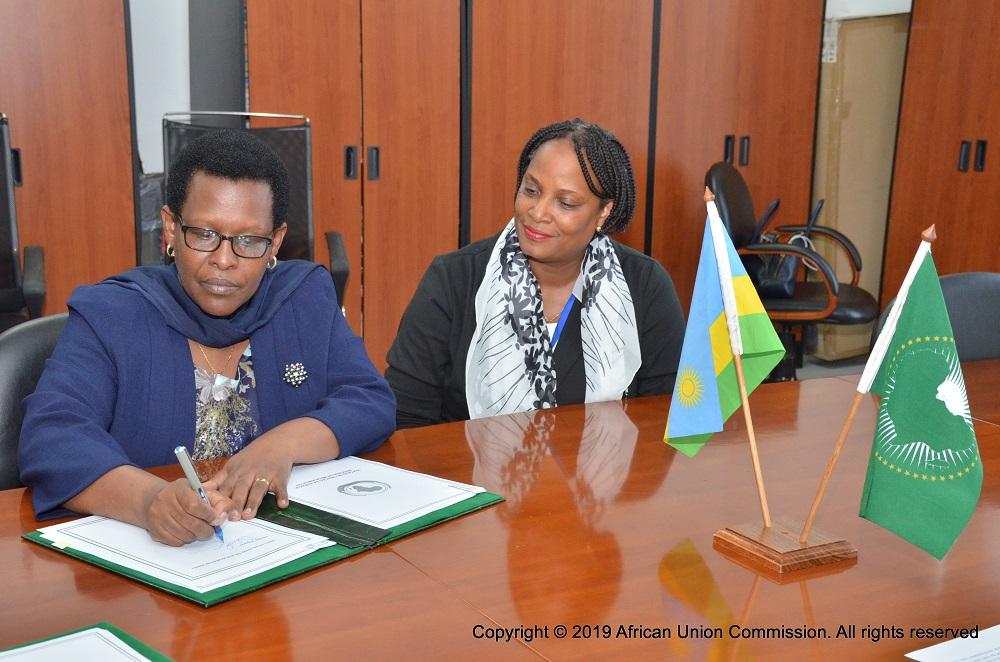
The elections took place on Friday 15th July 2022 in Lusaka, the capital of Zambia during the meeting of the Executive Council.
The meeting is convened twice a year in January and June or July.
The African Union adopted treaties establishing AMA in February 2019. It is expected to address challenges in the health sector particularly reinforcing the manufacturing of medicines of African continent to avoid heavy reliance on imports.
The Treaty for the Establishment of the African Medicines Agency (AMA) entered into force as of 5th November 2021, thirty (30) days after the deposit of the 15th instrument of ratification, on the 5th of October 2021, by the Republic of Cameroon at the African Union Commission.
Rwanda ratified treaties establishing the agency on 7th October 2019.
In November 2021, seventeen (17) member states of the African Union (Algeria, Benin, Burkina Faso, Cameroon, Chad, Gabon, Ghana, Guinea, Mali, Mauritius, Namibia, Niger, Rwanda, Seychelles, Sierra Leone, Tunisia and Zimbabwe) have ratified the Treaty for the Establishment of the African Medicines Agency and deposited the legal instrument of ratification to the Commission.
At the time, Morocco had ratified the treaty but had not yet deposited the instrument of ratification.
{{About the African Medicines Agency }}
The African Medicines Agency (AMA) Treaty was adopted by Heads of States and Government during their 32nd Ordinary Session of the Assembly on 11th February 2019 in Addis Ababa, Ethiopia.
The African Medicines Agency aspires to enhance capacity of State Parties and AU recognized Regional Economic Communities (RECs) to regulate medical products in order to improve access to quality, safe and efficacious medical products on the continent. AMA shall build on the efforts of the African Medicines Regulatory Harmonization (AMRH) initiative (2009), which is led by the Africa Union Development Agency – the New Partnership for Africa’s Development (AUDA-NEPAD).
The AMRH initiative provides guidance to AU recognized Regional Economic Communities (RECs) and Regional Health Organizations (RHOs), to facilitate harmonization of regulatory requirements and practice among the national medicines authorities (NMRAs) of the AU Member States. AMA will be the second specialized health agency of the African Union after the Africa Centres for Disease Control and Prevention (Africa CDC).
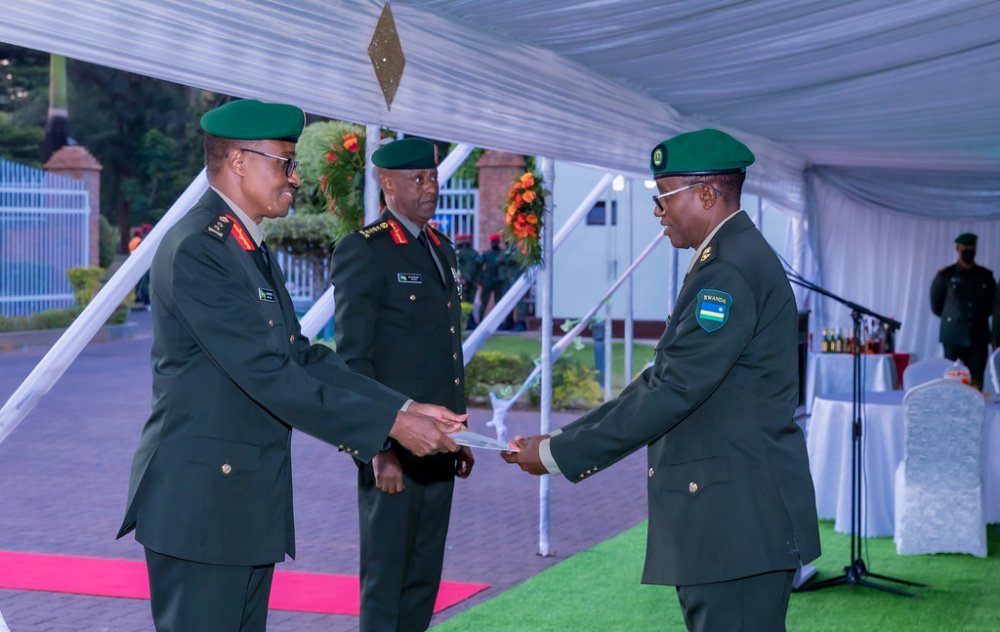
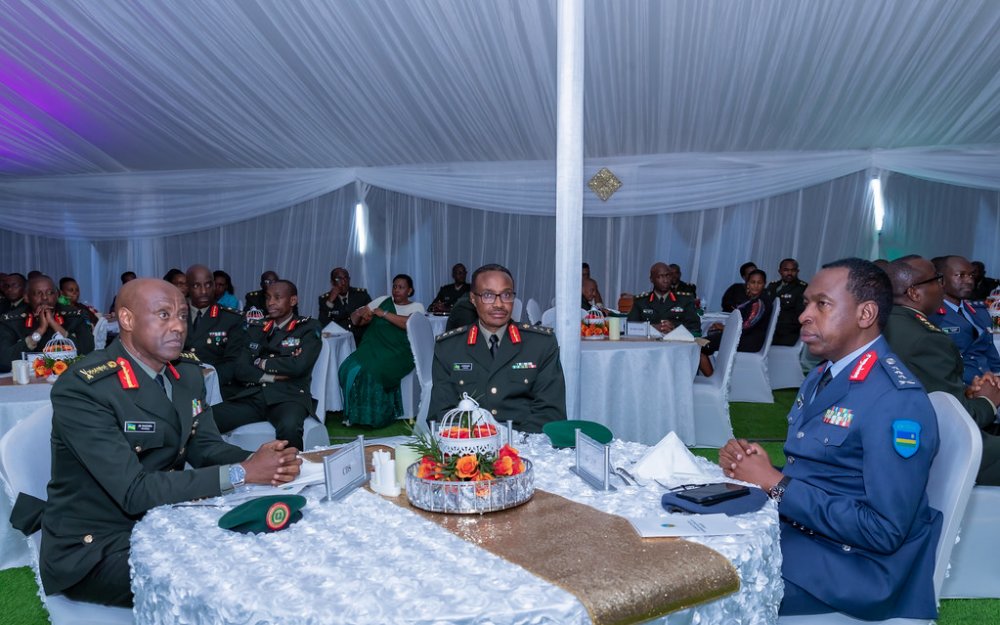
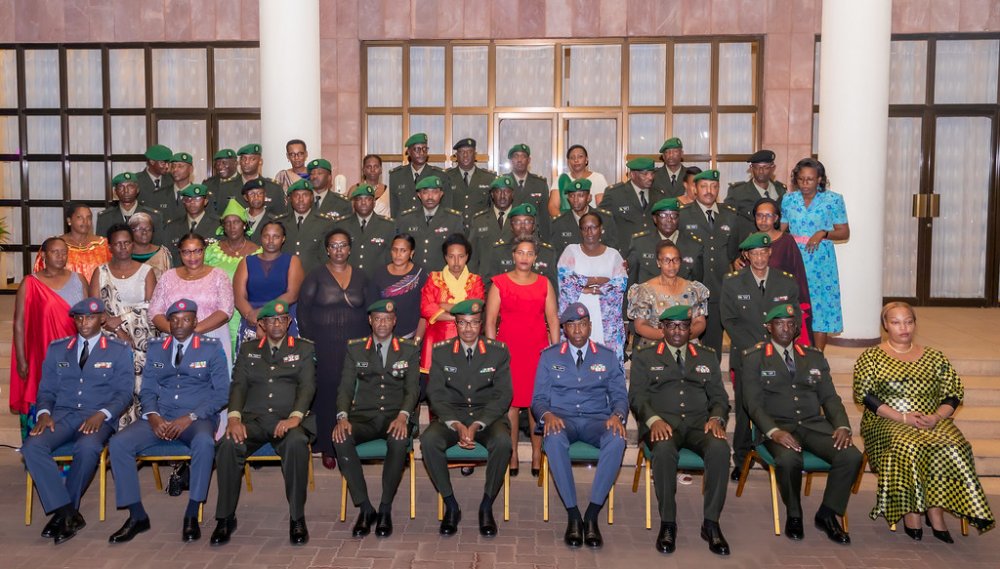
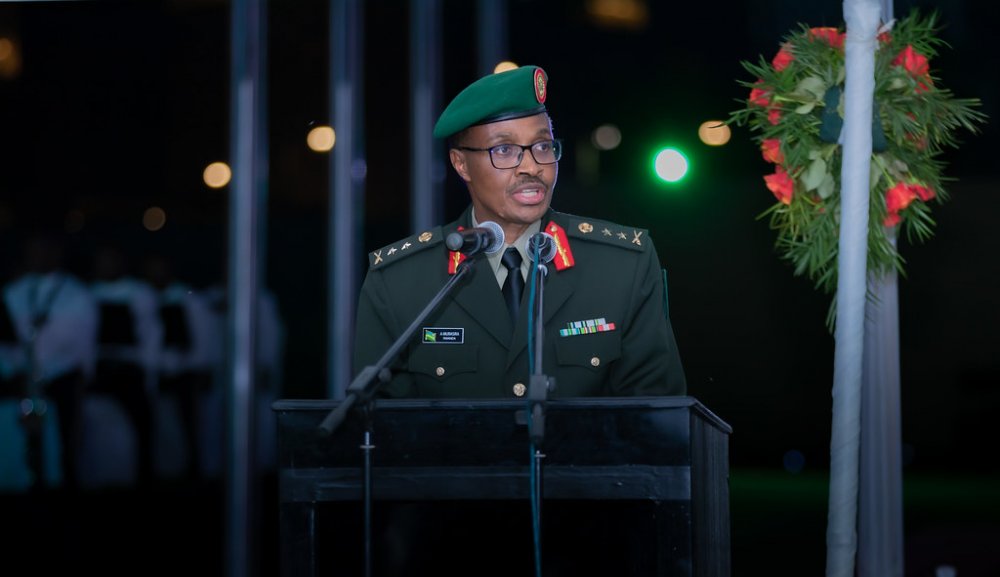
The official send-off event was held on Friday 15th July 2022 at RDF Headquarters in Kimihurura and presided over by the Minister of Defence, Maj Gen Albert Murasira on behalf of the Commander-in-Chief of RDF. The event was also attended by the Chief of Defence Staff, Gen J Bosco Kazura, Service Chiefs, Generals and Senior Officers.
Maj Gen Murasira applauded the retirees and their families for their dedication, sacrifice and noble service to the country.
On behalf of the retirees, Maj Gen Ferdinand Safari thanked the President of Rwanda and Commander-in-Chief of Rwanda Defence Force for his good leadership and guidance in shaping a strong RDF family.
He emphasised that though they are retiring, they are still attached to RDF family and will continue to work for the development of Rwanda.
The retirees were also awarded certificates in recognition for their service rendered to Rwanda Defence Force.
Quite often, people buy LPG also known as cooking gas, with inadequate or no knowledge on how to use it safely.
In other cases, those using it are reckless and do not care to observe the recommended safety tips. In such circumstances, the cylinder will release gas leading to explosion, especially when the cylinder is kept in a closed area or place with high heat.
Over the years, the Rwanda National Police (RNP) Fire and Rescue Brigade (FRB) has conducted awareness campaigns targeting different groups to educate and train them on how to use the LPG safely.
On Friday, this campaign was extended to hundreds of owners and employees of restaurants and canteens in Biryogo and Gisementi car free zones as well as people operating various businesses in these areas.
Last week, a gas exploded in one of the restaurants in Biryogo car free zone.
“We educated them on the causes of gas explosion and how to avert such hazardous conditions,” said Superintendent of Police (SP) Laurent Ndagijimana, the Deputy Commanding Officer for Fire and Rescue Brigade.
He added that most gas explosions are caused by human behaviours.
During these practical sessions, participants were explained on various features of gas cylinder and stove, and safety tips.
The safety tips include; never to leave the gas stove unattended when cooking, to ensure that the cylinder is in a safe space for storage with enough air, and to always open windows for minutes before lighting the stove.
They were also equipped with skills on how to use various types of fire extinguisher and fire blanket to put out fire.
General safety tips
Always ensure adequate ventilation and never use indoors or in confined spaces.
Do not connect or disconnect cylinders near a naked flame.
Always keep cylinders cool and away from flames, sparks and heat.
Always check all washers and O-rings on appliances and cylinders regularly
Never interfere with or remove the valve on any LPG cylinder
Do not turn the gas on until you are ready to light the appliance
Close the cylinder valve when appliances are not in use
Never use a flame to locate a leak – use soapy water
Regulate the burner to your needs – flames should not go beyond the edge of the cooking utensil
Keep the LPG away from children
Take time to teach your house-help on how safe to use the LPG
Always be quick to call the Fire and Rescue Brigade in case of emergency.
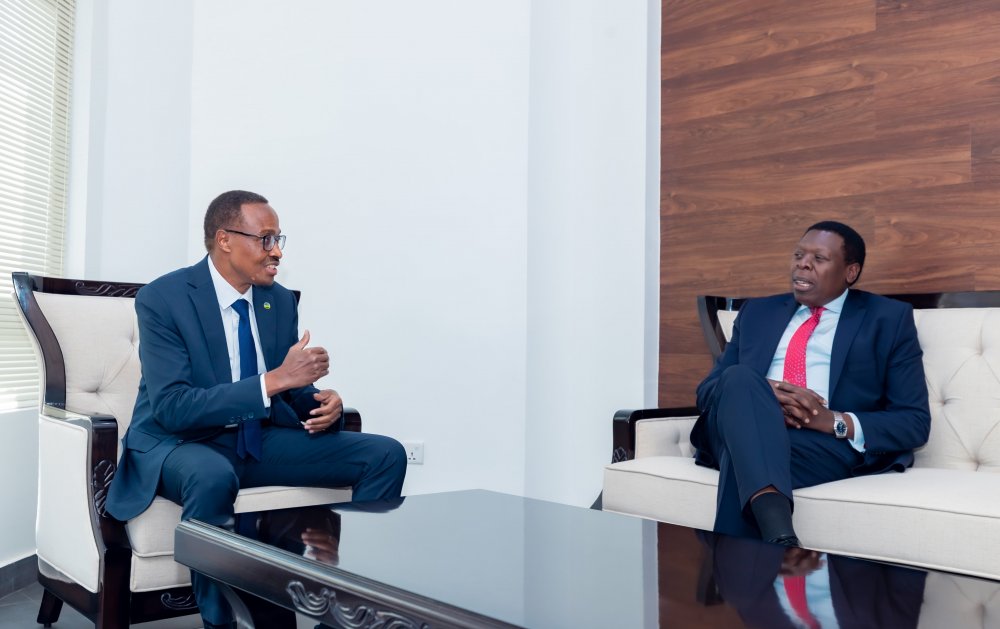
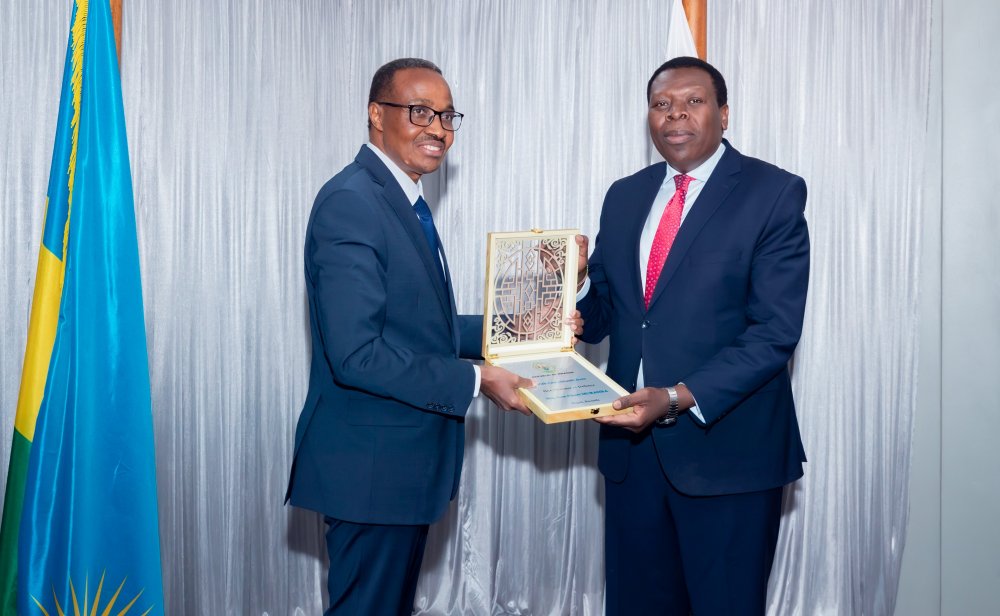
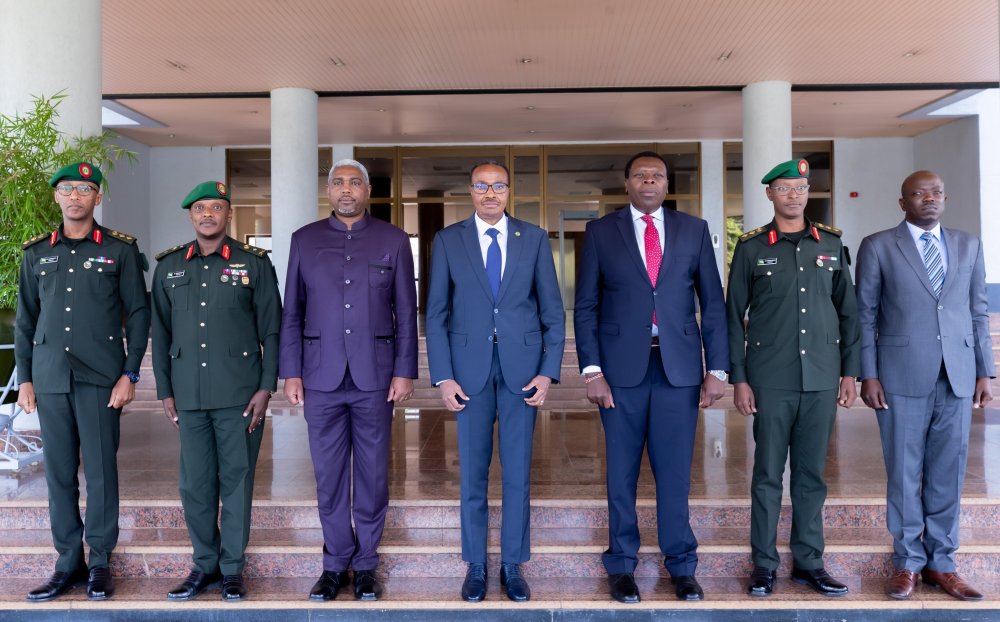
Among issues discussed were the benefits that RDF has registered from a partnership with International Computer Driving License (ICDL) in ICT training and skills development in Military colleges and other sectors.
They also discussed ways of strengthening existing defence cooperation between their respective defence forces and regional efforts to deal with security challenges.
Kenya is currently holding the Chairmanship of the East African Community (EAC) is leading the plan to send joint regional troops to restore peace in the eastern part of the Democratic Republic of Congo (DRC).
Initially, the troops will be deployed in Ituri of Northern Kivu Province and later in Southern Kivu.
DRC accuses Rwanda of supporting M23 rebel group. However, Rwanda has repeatedly rejected the allegations and blamed Congolese Army for working with the Democratic Forces for the Liberation of Rwanda (FDLR) and shelling Rwandan territory.
The provocations left civilians injured and houses destroyed.
Preparations are underway to send the troops in DRC which has boycotted the participation of Rwandans from the joint operations.
Rwanda has however disclosed that it won’t be frustrated by the decision if the regional troops address the issue of insecurity in the area and guarantee Rwanda that there won’t be more shelling from the region.
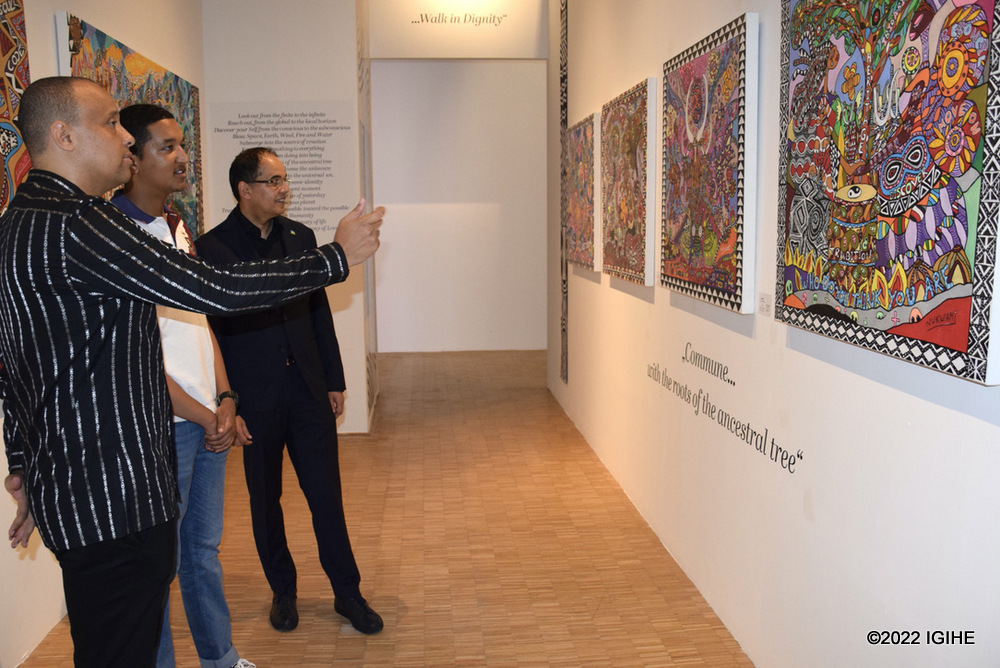
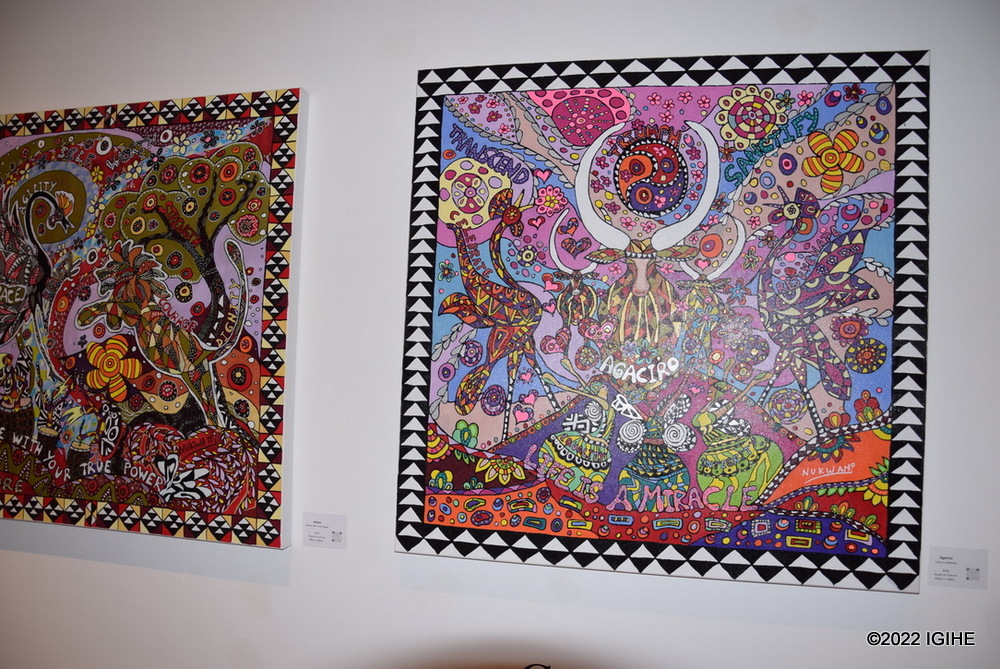
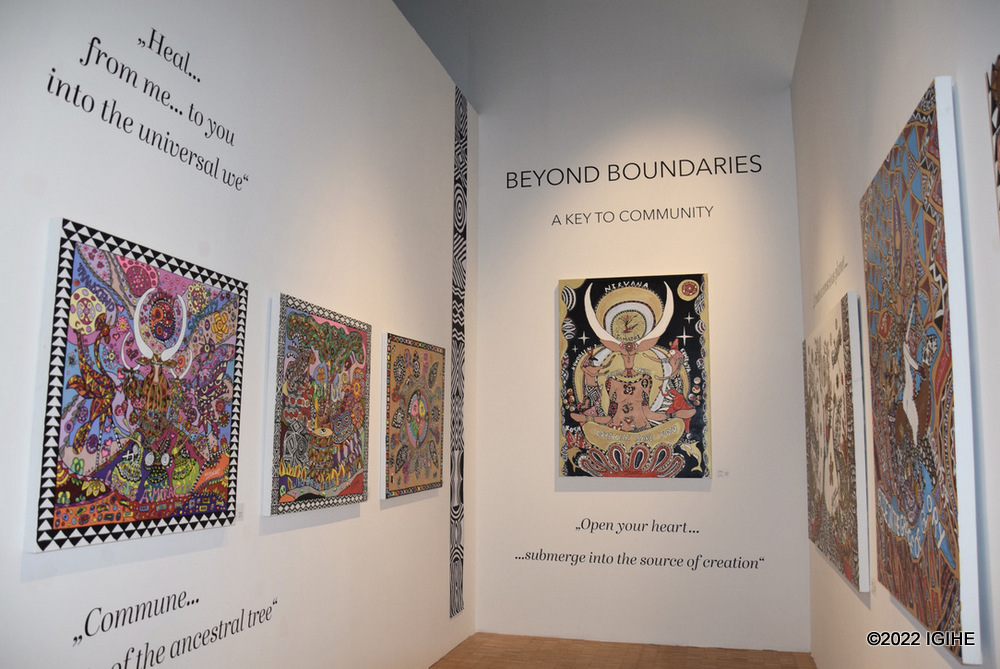
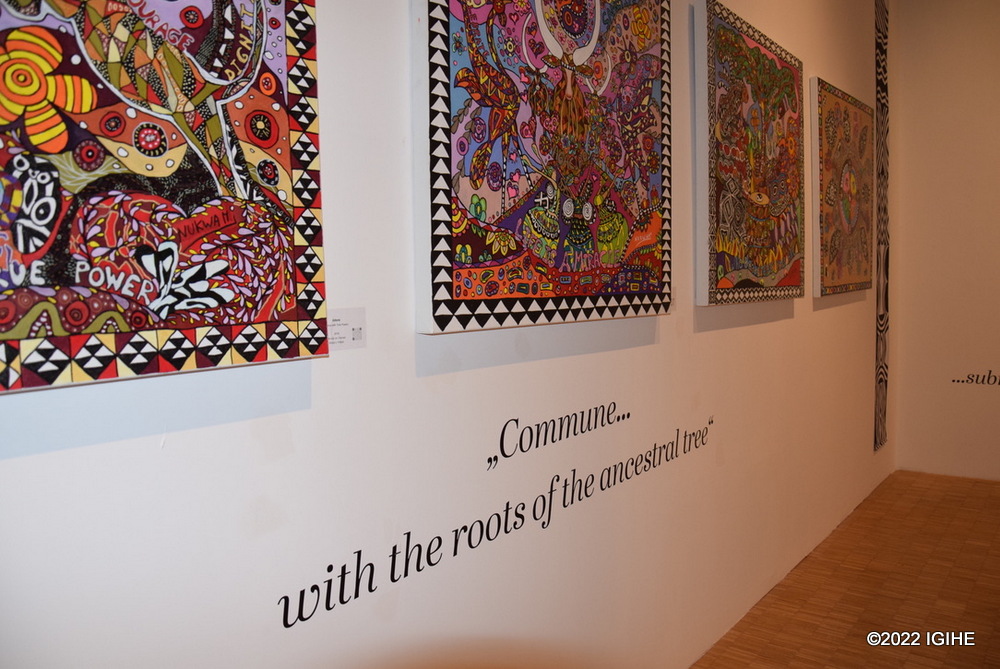
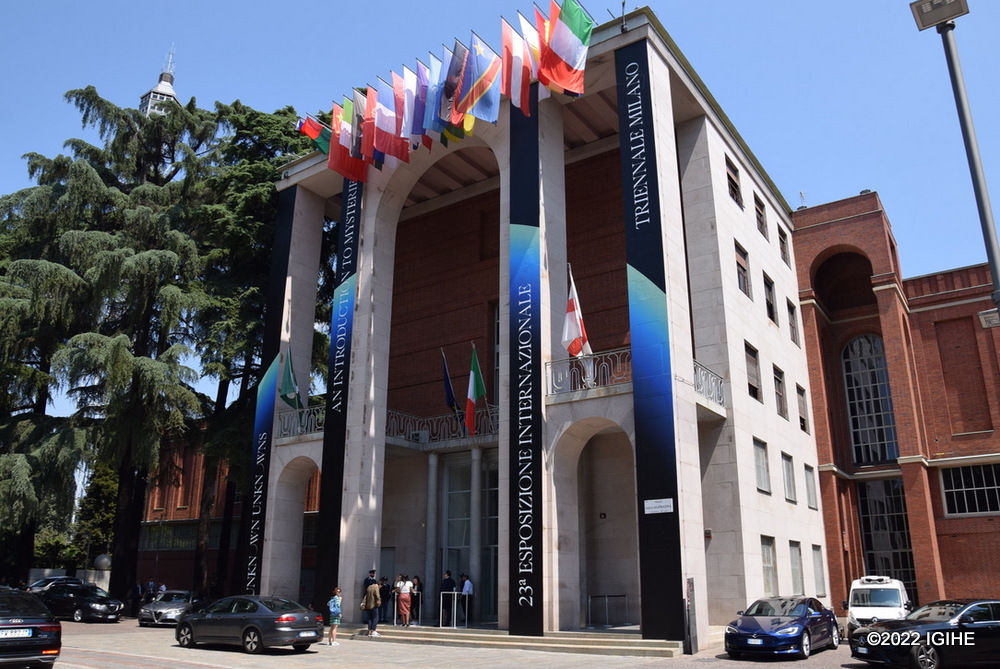
The international art exhibition in northern Italy has brought together 40 countries including six African countries.
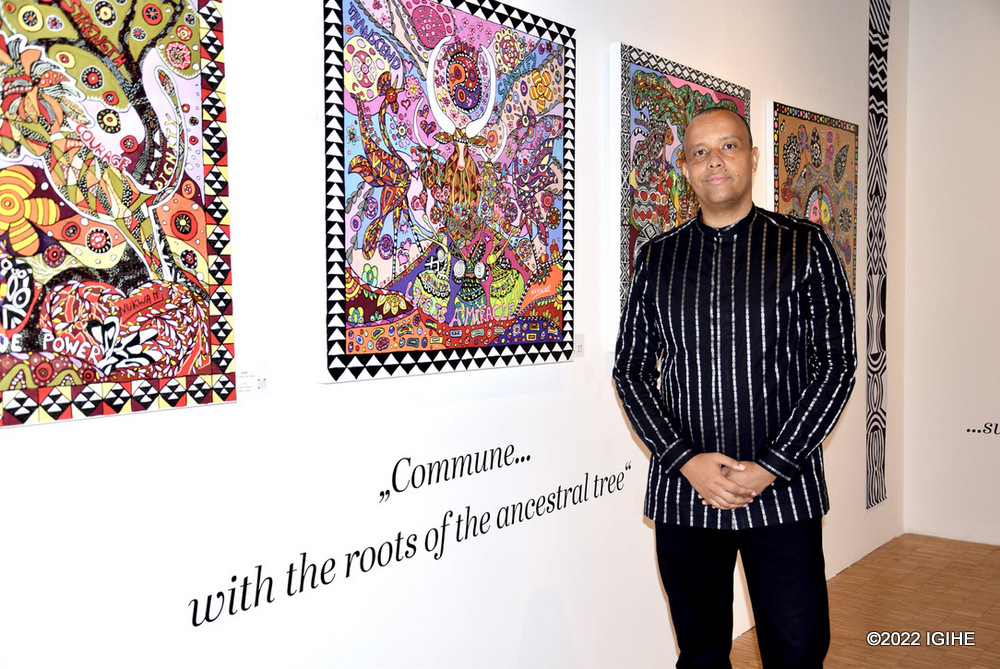
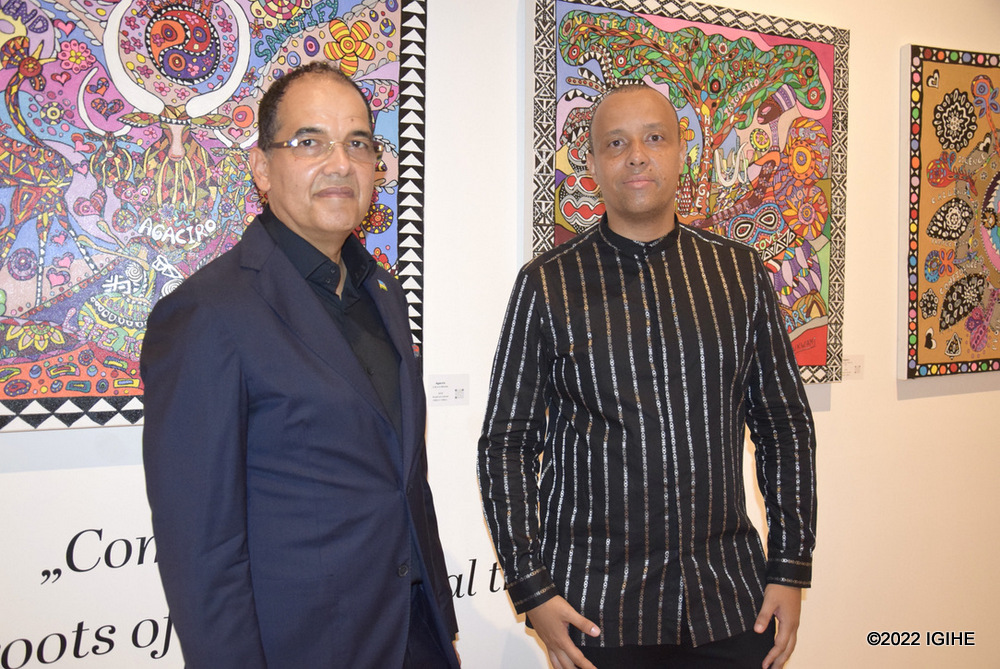
Nukwami is the artist with Rwandan roots sent by the Ministry of Youth and Culture.
His has different paintings depicting Rwanda’s culture and history and the artist’s journey to reconnect to his Rwandan roots.
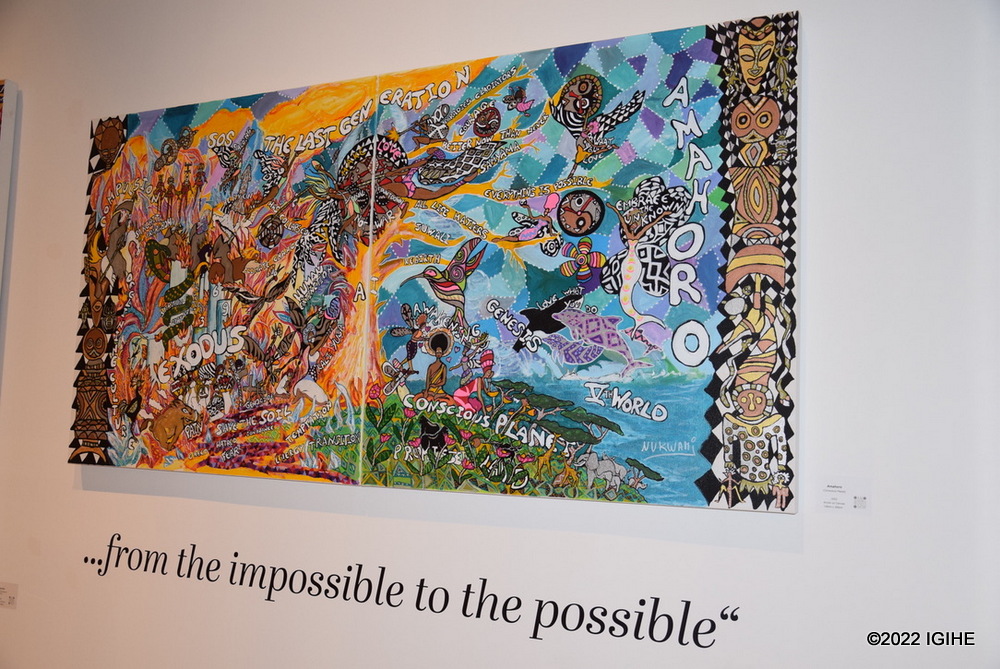
His paintings bear different names including Agaciro (self-dignity), Amahoro (peace), Ubumuntu (humanity), Ibimanuka featuring aspects of Rwanda’s traditional religion and Kumenya which is about the transmission of knowledge from one person to another among others.
Speaking to IGIHE, Nukwami said that he discovered his identity as a child born to the couple of a Rwandan and German nationals.
As he says, the paintings keep him familiar with the culture and history as a Rwandan who spent long time abroad without reconnecting to his roots.
According to Nukwami, Agaciro was based on a research on self-dignity as the base of Rwandans’ values to build the nation.
He also painted Intore drawing an inspiration from research on what the classic warrior is.
Nukwami revealed that he got chance to return to Rwanda where he conducted research on Rwandan culture and individual research to discover his identity.
“These different paintings give me a doorway to my Rwandan culture,” he noted.
Ibigabiro is also another painting of Nukwami being showcased in the northern Italy.
It is a tree that would be planted at former King’s palace or his tomb.
He revealed that the tree has more implications of a legacy to be passed to future generations. Nukwami said that Ibigabiro helped him deeply understand Rwanda’s history.
He further revealed that his painting ‘Amahoro’ reflects how issues of global concern including refugees and asylum seekers and wars among others can be addressed if people work together. It also alludes to Rwanda’s home grown solutions to reach commendable progress despite the dark past the country endured.
Nukwami has highlighted that his artistic journey is mostly focused on sharing experiences and his memories.
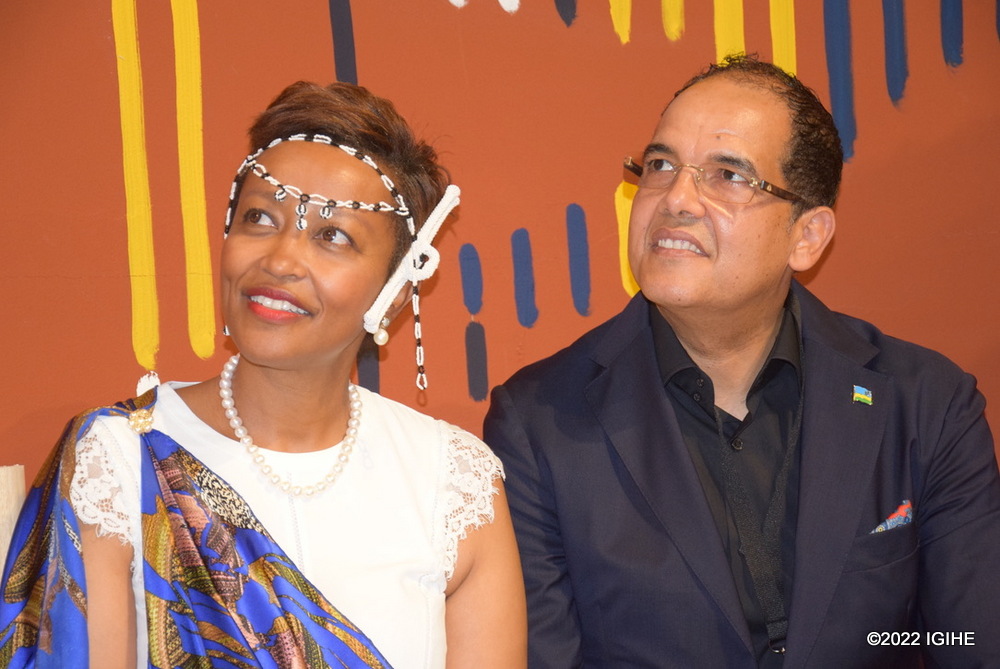
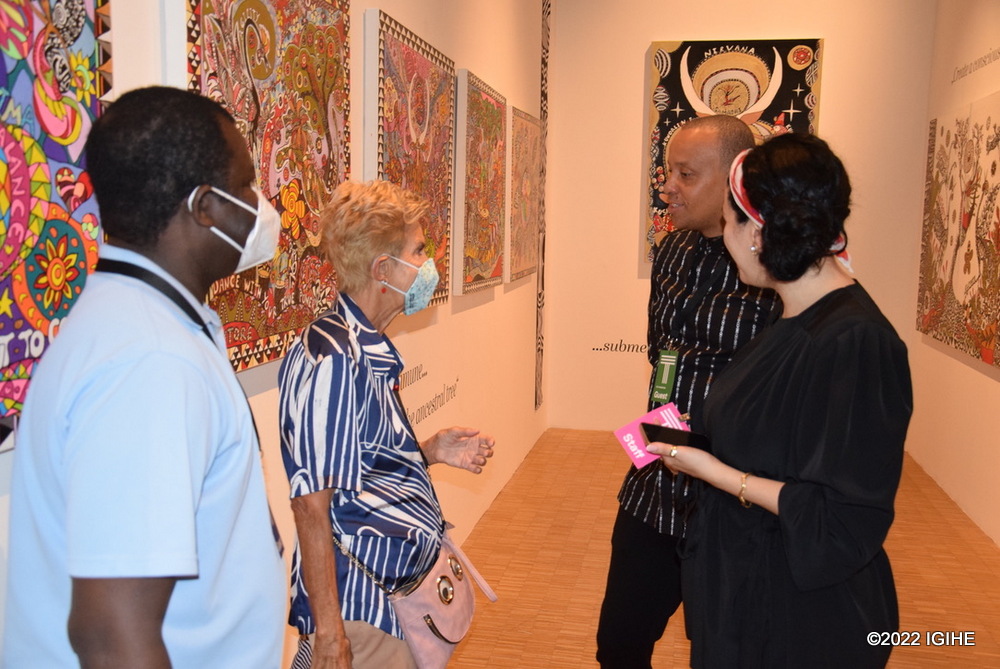
Rwanda’s ambassador to Germany, Igor César is among dignitaries who attended Triennale Milano International Exhibition.
He commended Nukwami’s artworks and their implications reflecting his journey to reconnect to his Rwandan roots.
“This exhibition is held under a theme revolving around discovering new things. The ministry attached great relevance to paintings of Nukwami because they reflect our roots as Rwandans through images linking us to our traditional roots,” Igor said.
“The colonial history deprived Rwandans of many things including Rwandan identity. This expo depicts such reconnection to one’s roots and efforts to discover our identities. This artist has German and Rwandan roots. He conducted research to know his Rwandan identity. It is something that he seemed to lack to be complete,” he added.
Amb. Igor César has disclosed that Rwanda’s history and culture will continue to be showcased throughout five months of the international exhibition taking place in Italy.
The exhibition is open to public from 15th July to 11th December 2022. It is an opportunity to present issues of global concern, showcase culture, history and people’s lifestyle through arts.
Amb. Igor has encouraged Rwandans living in Milano and its surroundings to take advantage of this opportunity to visit Rwanda’s pavilion.