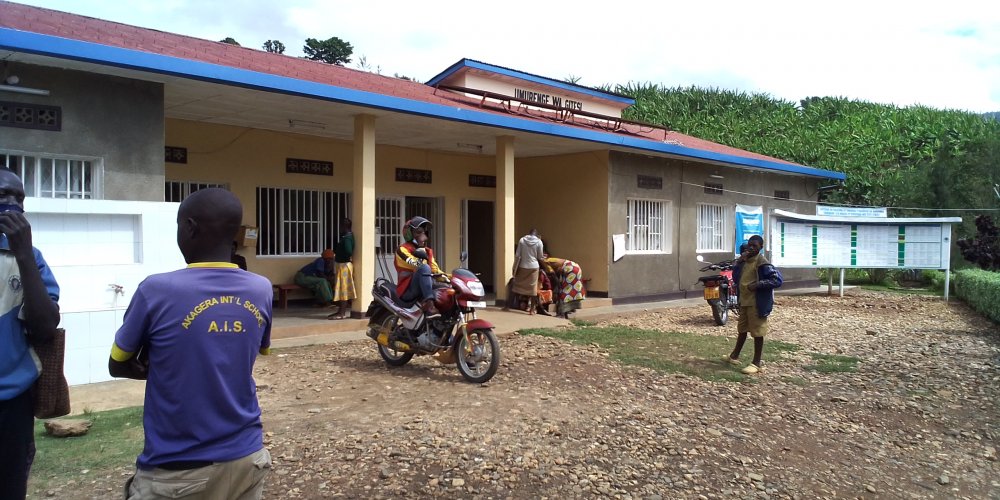
The incident took place in Rugoberi Village, Gitega Cell of Gitesi Sector in Karongi District.
Details about his death emerged on Wednesday 20th July 2022 around 12:00 noon when a daughter of the old man entered their house and found the father hanging.
It is suspected that the man committed suicide after his wife and children had left home.
The Executive Secretary of Gitesi Sector, Vianney Nsanganira has told IGIHE that Rwanda Investigation Bureau arrived at the scene whereafter the body was taken for postmortem.
He revealed that they are waiting for autopsy report to confirm whether he was killed or committed suicide.
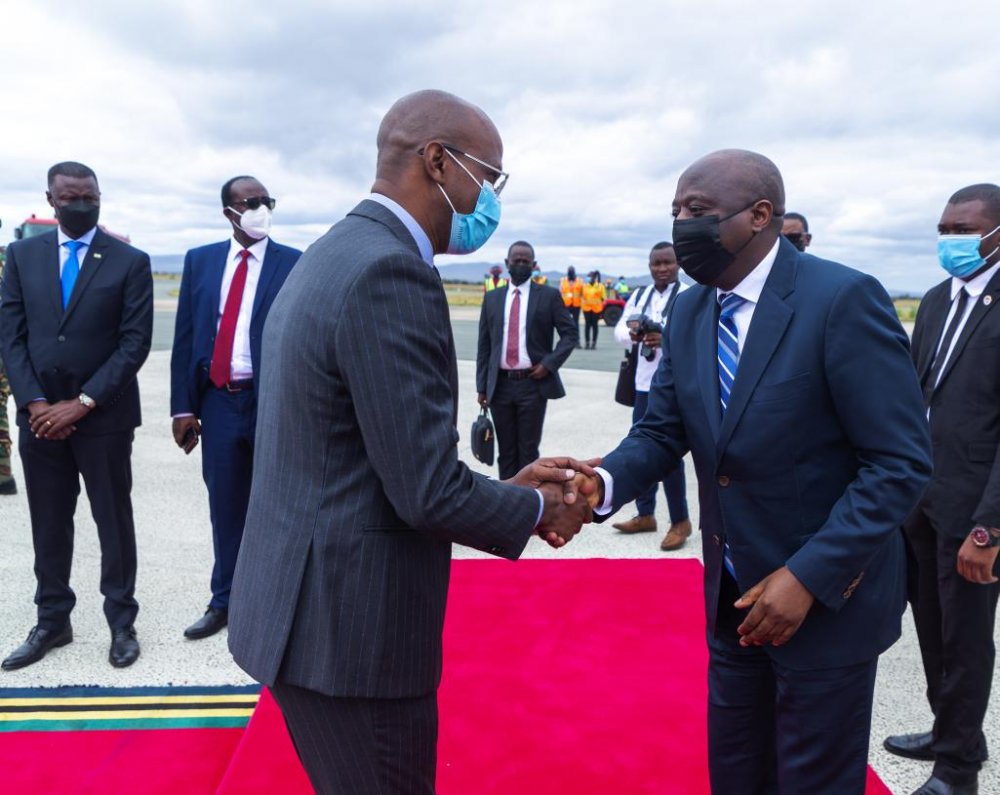
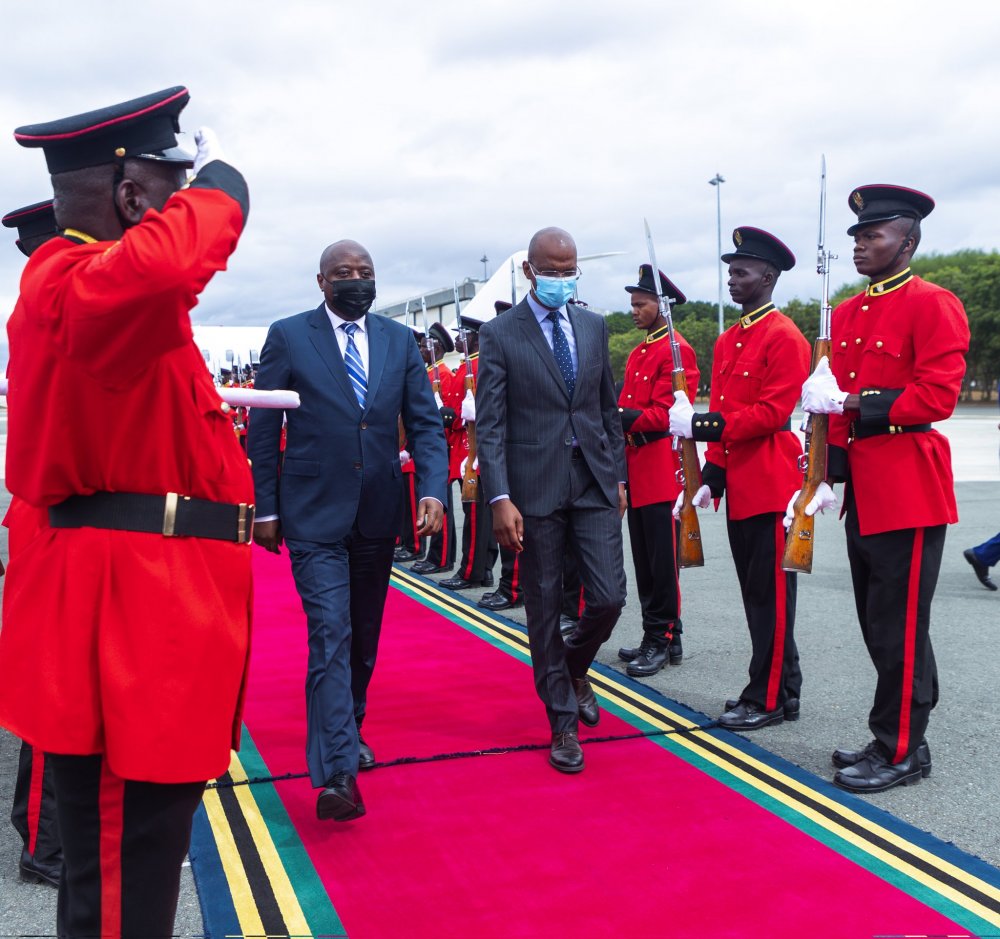
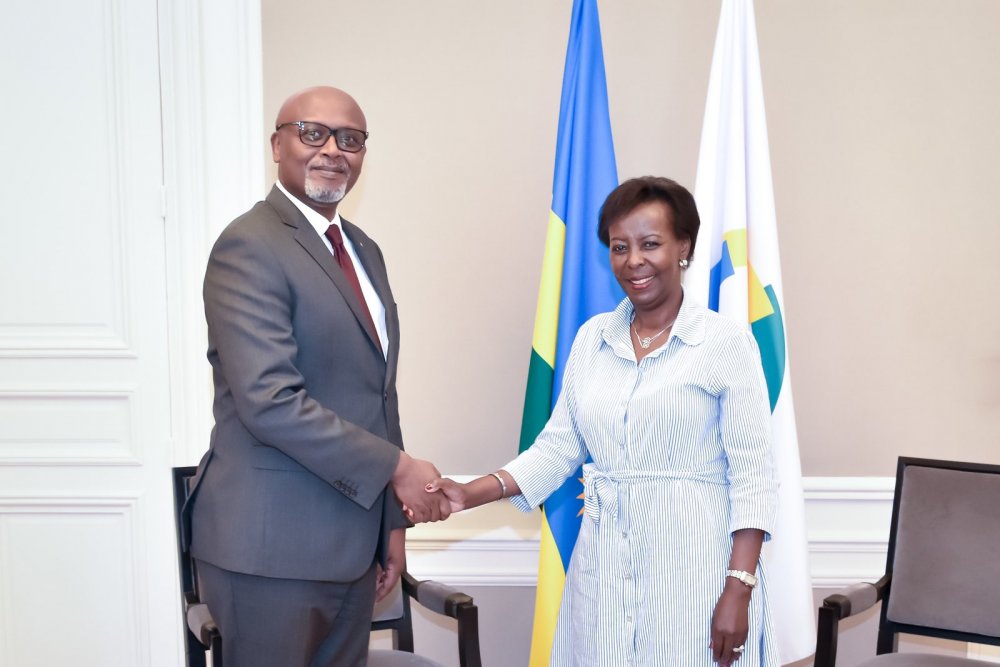
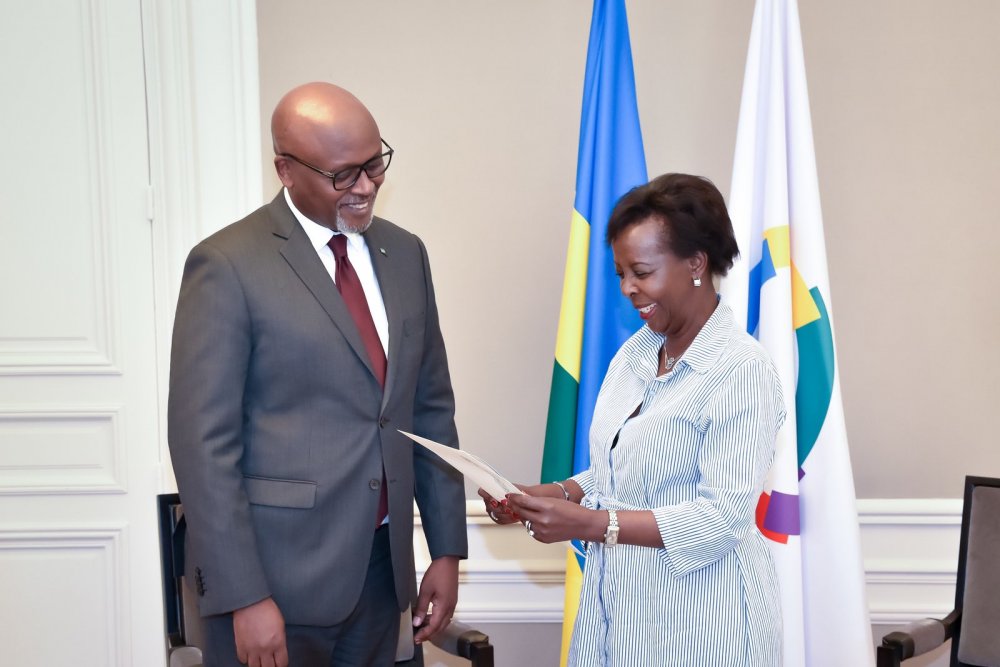
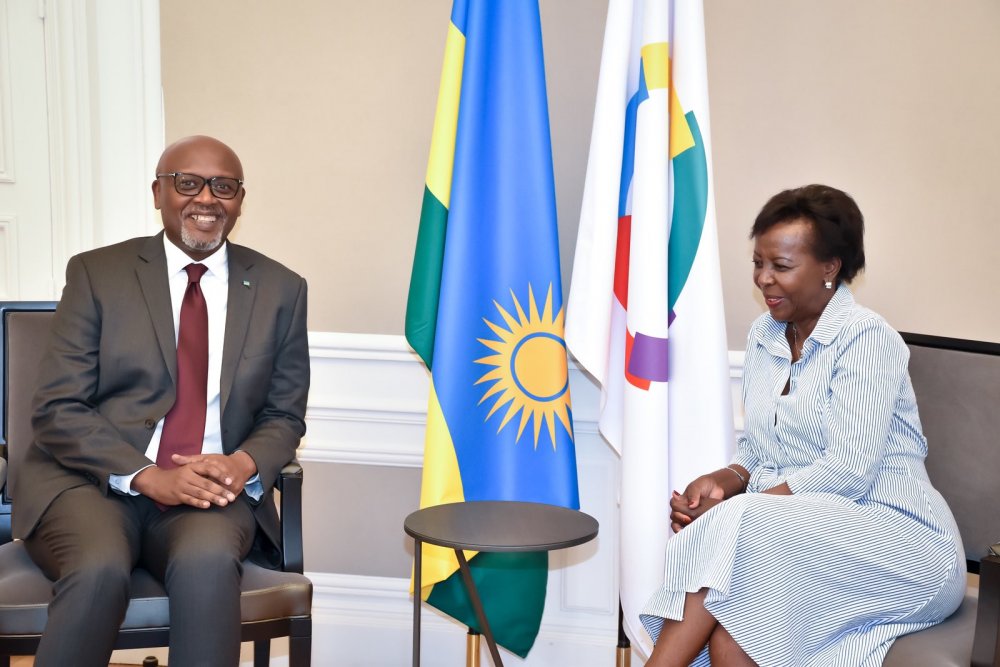
Amb. Nkulikiyimfura presented the letters of credence to OIF Secretary-General, Louise Mushikiwabo on 19th July 2022.
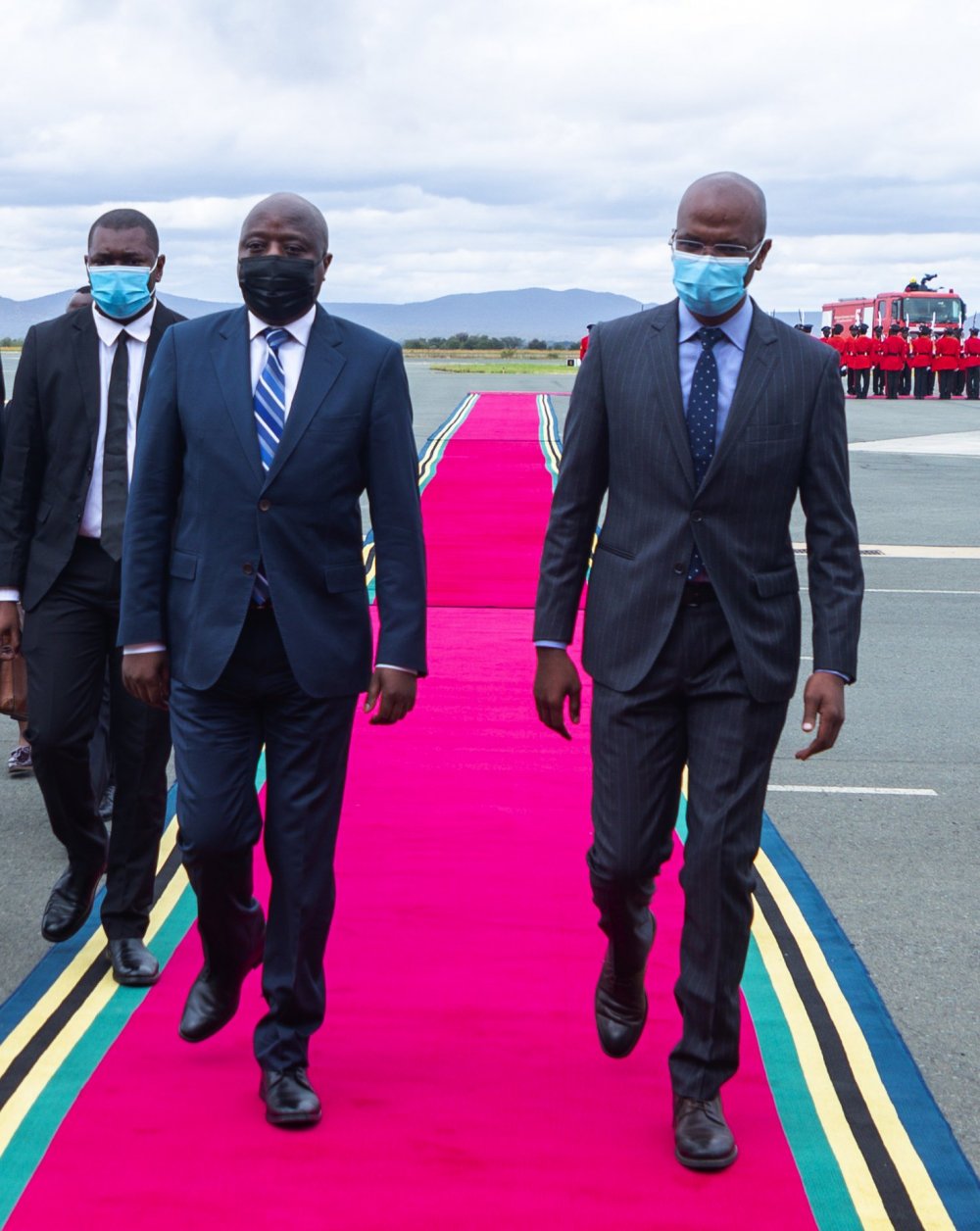
Nkulikiyimfura was appointed Rwanda’s ambassador to France in April 2022 replacing François Xavier Ngarambe. Prior to the this appointment, he was representing Rwanda’s interests in Qatar.
Louise Mushikiwabo was elected as the Secretary-General of OIF in 2018, replacing Canadian, Michaelle Jean.
After presenting credentials, OIF has via Twitter account revealed that Amb. Nkulikiyimfura and Mushikiwabo held talks revolving around reinforcing cooperation between OIF and Rwanda, particularly the “mobility project” aimed at enhancing French language teaching among its member states.
The project which started with countries including Rwanda, Ghana and Guinea is expected to reach 10 countries.
In April this year, Rwanda received 45 French language teachers following the first batch of 25 teachers sent by OIF.
The recent teachers sent to Rwanda are from Gabon, Ivory Coast, the Democratic Republic of Congo (DRC), Guinea, Mali, Senegal, Bénin, Togo, Cameroun, Burundi, Burkina Faso and France.
The recent report of OIF show that there were 300 million French speakers around the world in 2018 expected to increase to 700 million in 2060.
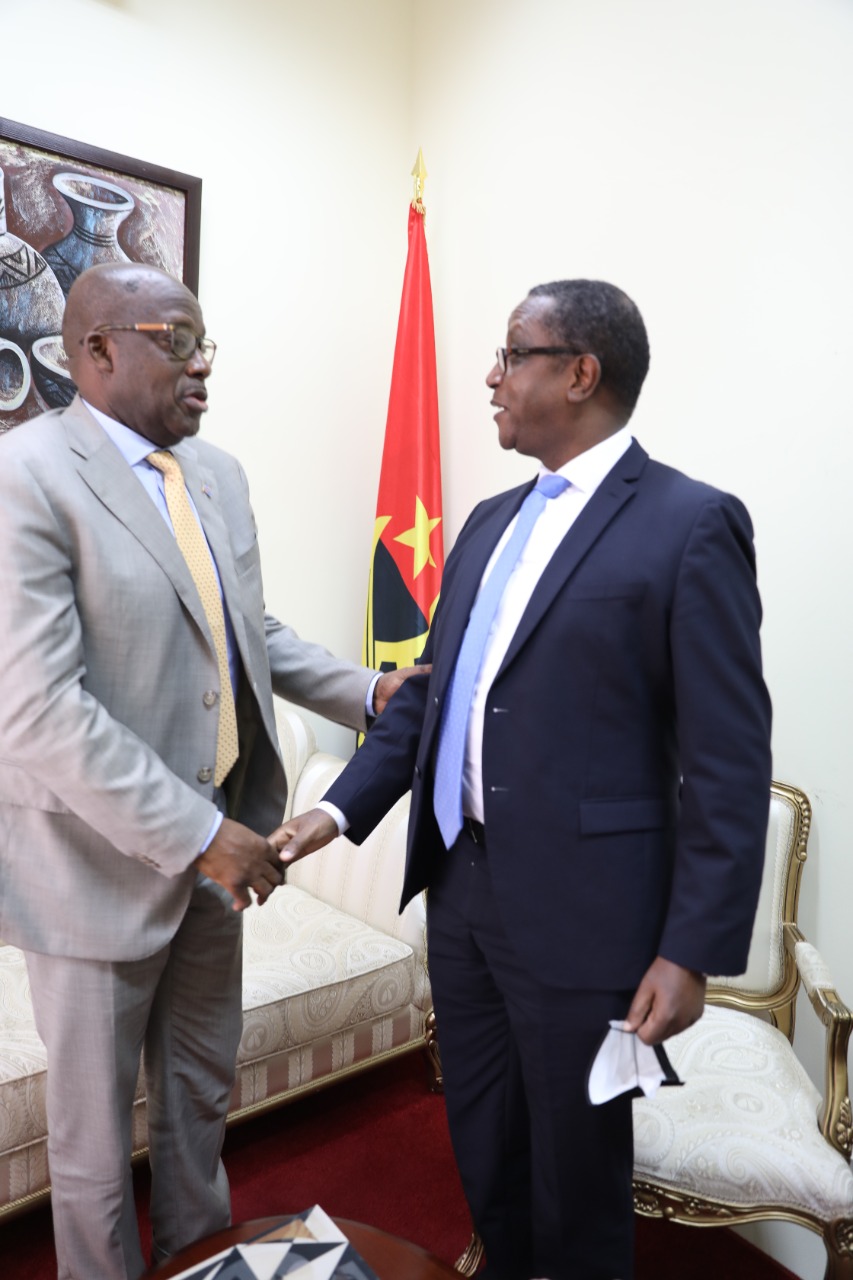
On 19th July 2022, Amb. Nkulikiyimfura also presented credentials to the Director-General of the United Nations Educational, Scientific and Cultural Organization (UNESCO) to represent Rwanda.
Their discussions focused on the importance of tangible and intangible world heritage and the education of young girls.
Emmanuel Niyirora, 38, and Eric Ntagungira, 35, were intercepted in Shwemu Village, Gisa Cell in Rugerero Sector, transporting four bundles of cannabis on a motorcycle registration number RC 476A, which was also impounded.
Their arrest came five days after another drug dealer was also arrested in Rubavu transporting about 1,000 pellets of cannabis to his clients in Rugerero sector.
Superintendent of Police (SP) Bonaventure Twizere Karekezi, the Western region Police spokesperson, said the suspects were arrested due to a tip-off by local residents.
“The Rwanda National Police Anti-Narcotics Unit (ANU) had prior credible information from residents in Kageshi, Busasamana Sector about two people riding on the same motorcycle, transporting narcotics, which they had trafficked into Rwanda from Democratic Republic of Congo (DRC),” SP Karekezi said.
He added: “Police conducted an operation and intercepted the two drug dealers, who were using Byahi-Rugerero route, with the four bundles containing combined 6,000 pellets of cannabis.”
The two men were allegedly heading to Nyanza District apparently to supply their clients there.
SP Karekezi issued a stern warning against drug traffickers and local retailers.
“There is increased cooperation and collaboration with the public to break drug supply chains, this and many other previous successful operations, are the results of this strong community policing,” SP Karekezi said.
The suspects and exhibits were handed over to RIB at Gisenyi station for further investigations.
Article 3 of the Ministerial order nº 001/moh/2019 of 04/03/2019 establishing the list of narcotic drugs and their categorisation classifies cannabis in the category of very severe narcotics.
Article 263 of the law No. 68/2018 of 30/08/2018 determining offences and penalties in general states that any person who, unlawfully produces, transforms, transports, stores, gives to another or who sells narcotic drugs and psychotropic substances, commits an offence.
In case of “very severe narcotic drugs” the offender is liable to between 20 years and life imprisonment and a fine of between Rwf20 million and Rwf30 million.
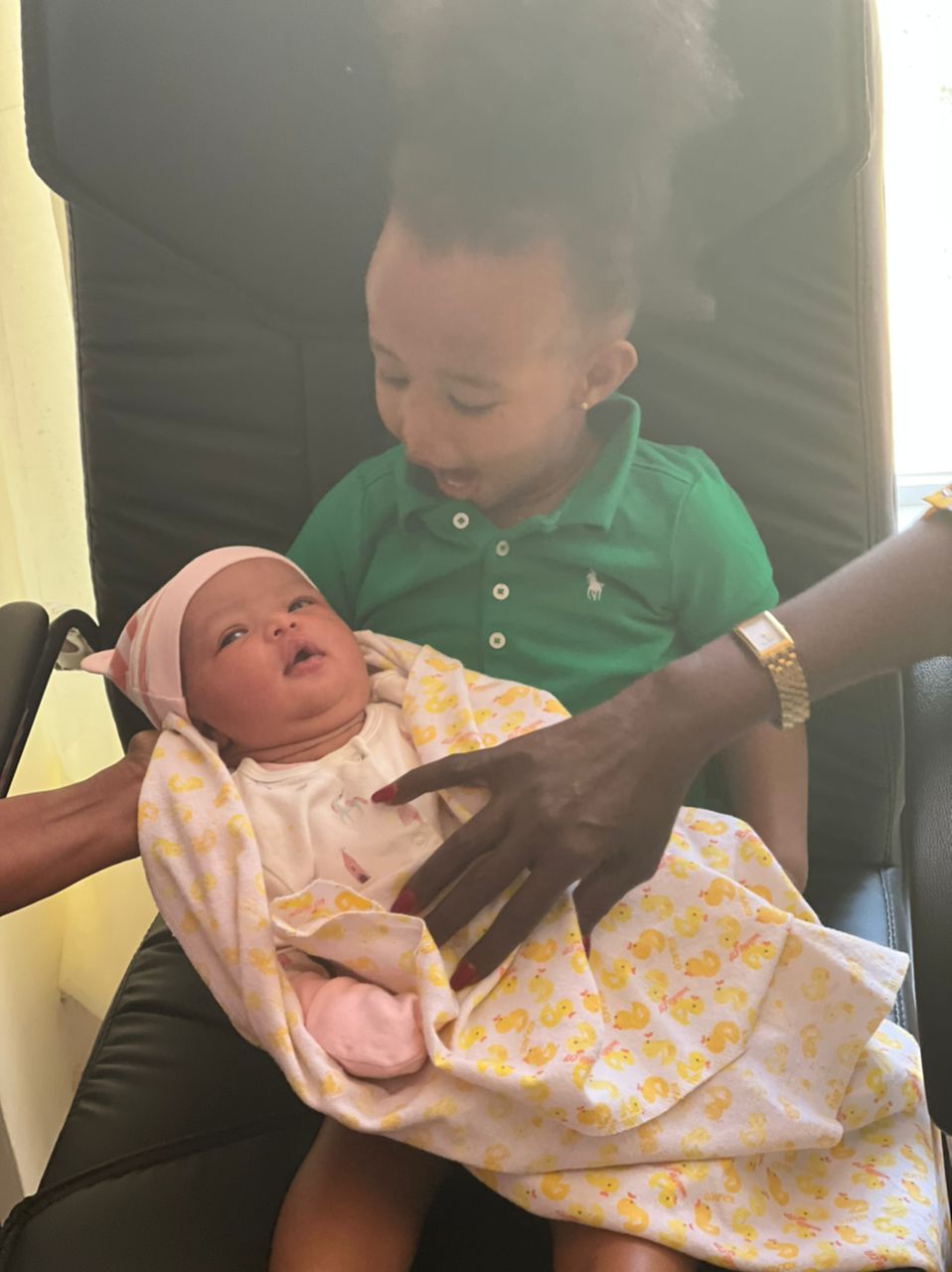
Kagame posted the message on Twitter along with a photo of his granddaughter holding the newly born baby.
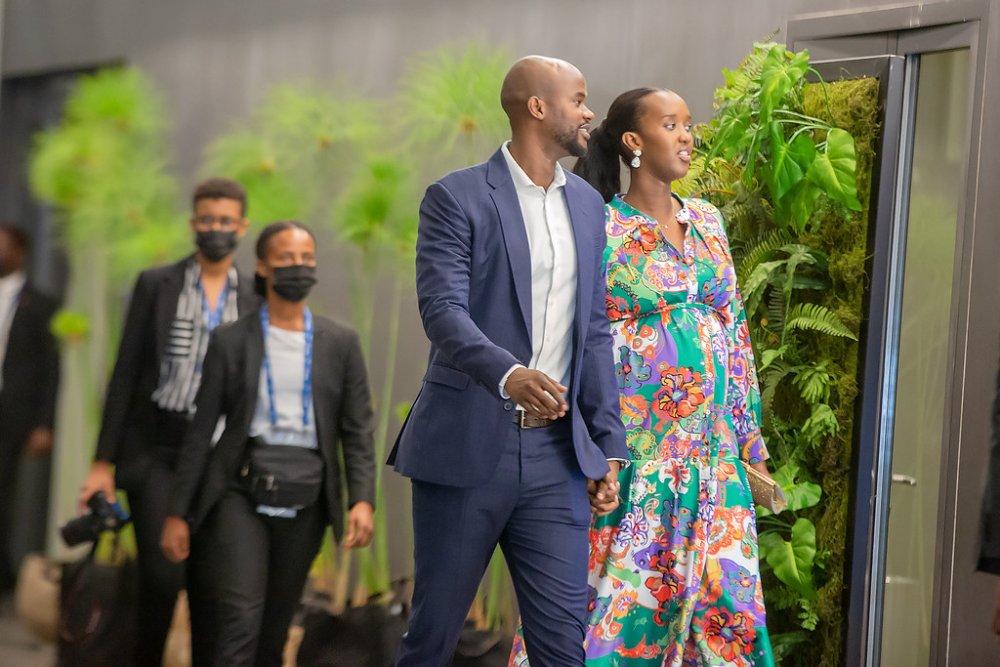
Ange Kagame was married to Ndengeyingoma in July 2019. The couple was blessed with the first child born on 19th July 2020.
Last year, Ange Kagame joined the ‘Parenting Month’ campaign in Rwanda by sharing tips for parents on how to boost their babies’ brain development through play.
The month-long campaign was launched on 1st June 2021, by the Ministry of Gender and Family Promotion, the United Nations Children Fund (UNICEF) Rwanda, and other partners to promote positive parenting.
In the video released last year by UNICEF Rwanda; Ange Kagame, talked about how a baby’s brain develops most in the first 1,000 days at a pace never repeated again.
The video explains the various techniques such as ‘serve and return’ that parents can use to strengthen their bond with their babies while ensuring their holistic development.
At the time, Ange Kagame highlighted the role of both parents, male and female in the overall development of their baby.
In the earliest years of life, a child’s brain develops at an astounding speed of more than 1 million new neural connections every second.
This period offers once-in-a-lifetime opportunity to shape a child’s ability to learn, grow, form healthy relationships, and contribute fully to society in adulthood.
Parents are the key providers of health, nutrition, stimulation, opportunities for early learning, and protection that babies need for healthy brain development. Another area where parents can contribute significantly to a child’s development is by playing with the baby.
This helps babies learn and build crucial life skills – from problem-solving to expressing ideas – and strengthening the bond between child and parent.
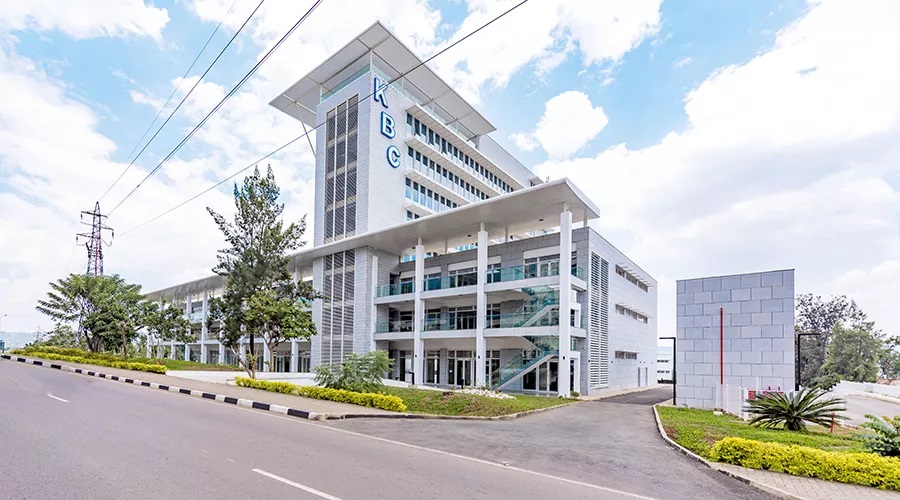
The building opposite Kigali Convention Centre was refurbished and reopened four years ago.
It is located in a Kimihurura Gateway, an area reserved for different businesses, hotels and entertainment activities.
The statement announcing the auction reads that bidders of the the building worth Rwf23.8 billion, must present a surety worth Rwf1.19 billion.
The Managing Director of KBC, David Mporanyi told IGIHE that the business complex was completed at a tune of Rwf21 billion of which 48% of the funds was provided by the investor while 52% was a bank loan.
The auction is open from 17th July 2022 to 24th July 2024.
KBC is a household name of a commercial building that existed since 2003. The building underwent a major facelift since 2016.
It houses different companies including La Planète Club, Chicken Tonight, Sony and Brioche.
Other businesses in the KBC include supermarkets, banks, clothes’ stores, pharmacies and restaurants among others.
The building has 13,477 square meters reserved for retail spaces, 4,000 for office and more than 200 parking spaces.
It was constructed by a Chinese construction firm dubbed Beijing Construction Engineering Group (BCEG) while its design was conceptualized by a Belgian company, CERAU.
ERF2 was introduced following the successful completion of ERF1 which was launched on 8th June 2020 with a value of 100 billion Rwandan Francs that was distributed across the various sectors that make up the economy.
The Development Bank of Rwanda (BRD) Plc and the Business Development Fund (BDF) are the custodians of the ERF2 whose main purpose is to support economic recovery through increased access to finance for businesses affected by the COVID-19 pandemic; with BRD overseeing the lending part while BDF will be in charge of the credit guarantee part.
ERF 2, through BRD, will provide funding to critical sectors of manufacturing that champion innovation, create employment opportunities, and prioritize Made in Rwanda, such as construction materials, agro-processing, textiles, and light manufacturing. The fund is also expected to provide working capital loans to businesses that demonstrate a negative impact of COVID-19 on their operations, proven by at least a 20% reduction in sales for the past 12 months compared to pre-COVID-19.
Additionally, the fund will allocate working capital for micro businesses, guarantee schemes of a higher percentage for special categories such as youth, women, and people living with disabilities, and provide a refinancing window for eligible sectors.
{{HATANA}}
HATANA, translated to “be relentless” in English, is the brand name for this fund at BRD to encourage businesses to keep thriving and reviving their businesses. It targets firms that have persisted and remained operational despite the numerous setbacks caused by the effects of Covid-19 pandemic.
As a custodian of HATANA (ERF 2) fund, BRD emphasizes the spirit of resilience that the Bank sees in Rwandans throughout Rwanda’s transformative history.
HATANA is a five-year strategic project that will help reduce the current trade deficit by enabling more investments for exports and import substitution in promotion of ‘Made in Rwanda’ products.
The lending is being done directly through BRD and through on-lending to participating financial institutions (PFIs). Terms and conditions apply.
{{Performance to date}}
Since the launch, BRD has so far disbursed close to Rwf41 billion to various commercial banks and companies which has been invested into the economy particularly in the manufacturing sector; and an additional Rwf75 billion has been approved and currently fulfilling all documentation required.
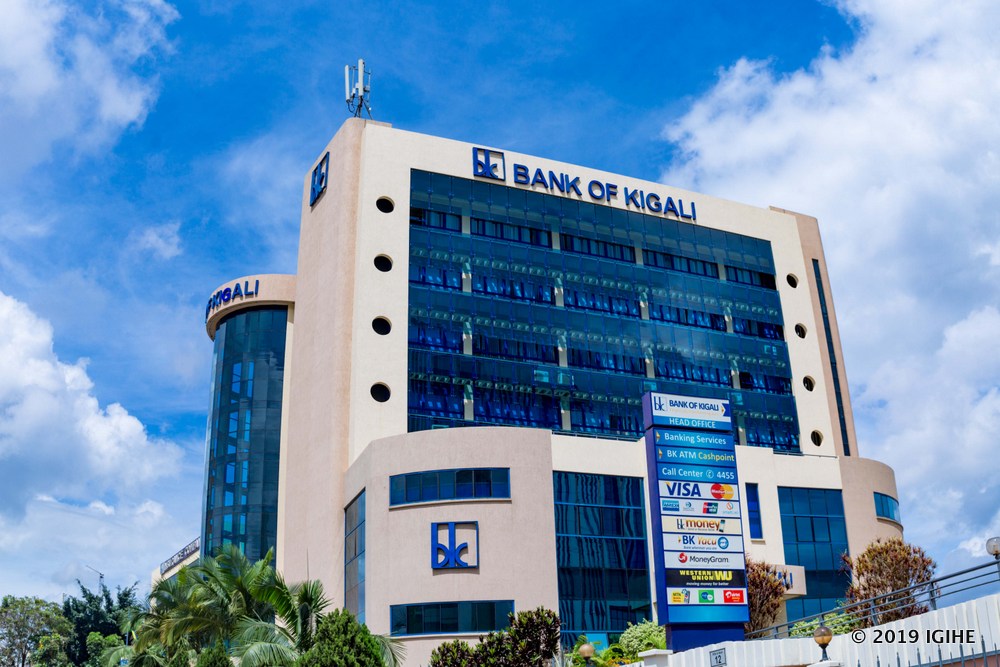
The HATANA (ERF2) fund is currently accessible through different banks including; NCBA, BPR Bank, RIM, Bank of Kigali (BK), Equity Bank, GT Bank and I&M Bank.
Further information about applying, eligibility and more can be accessed via hatana.brd.rw/.
The agreement was signed on Tuesday 19th July 2022.
During the signing ceremony; Rwanda was represented by the Minister of Infrastructure, Dr. Ernest Nsabimana while Austria was represented by its ambassador in Rwanda with residence in Kenya, Christian Fellner.
Minister Nsabimana has said that the bilateral agreement expected to strengthen existing cooperation between both countries, is a fruit of existing relations that have deepened roots.
He explained that it provides opportunities to continue expanding the large network in tourism and trade.
The agreement entails processes aimed at enhancing air transport including a legal framework for the regulation of frequency and capacity of air services between both countries and pricing among other aspects.
Amb. Christian Fellner said that the agreement will add up to efforts meant to enhance movements and commended existing cooperation between both countries in different areas of development.
The development follows another deal inked on Monday 18th July 2022, where Rwanda and UniCredit Bank Austria signed a financing agreement worth EUR 7.5 million (approximately Rwf 7.5 billion) for the establishment of a Technical and Vocational education and Training (TVET) Centre of Excellence in the Kigali Special Economic Zone.
The centre of excellence will enable establishment of a modern and highly efficient dual training program which will be a model for industrial-academia linkages that allows exchange of training facilities such as workshops and equipment for mutual benefits.
According to the financing modalities, 15% of the US$ 7.5 million (or EUR 1.125,000) will be a grant. The financing facility will be guaranteed by Oesterreichische Kontrollbank AG (OeKB) on behalf of the Republic of Austria at 0% interest rate, with a payment period of 18.5 years after a grace period of 8.5 years.
The meeting was organized after identifying numerous issues including shortage of health workers and inadequate capacity among African countries.
Figures show that 70% of African countries face the shortage of healthcare professionals.
Apart from the shortage and inadequate capacity, challenges faced by investors in the sector also results into shortage of infrastructures and high cost of pharmaceuticals.
Dr. Pascal Zurn, a Health Economist at World Health Organization has revealed that the meeting is of critical significance because healthcare professionals need adequate training to bridge gaps in the sector.
He also stressed the need to make follow up to ensure trained individuals are hired to serve people especially in rural areas and expressed optimism that training beneficiaries will contribute to the advancement of the health sector in their respective countries.
“We expect experts gathered here to be equipped adequate knowledge helpful in building capacities of health workers in their countries,” he said.
Dr. Patrick Ndimubanzi, the Executive Secretary of Rwanda Human Resources for Health (HRH) thanked organizers of the meeting noting that it is a platform for countries to exchange ideas on how persistent issues can be addressed. He also shared Rwanda’s efforts geared towards building the capacity of health workers.
“We conducted an assessment which indicated that we need healthcare professionals in public and private facilities. Since then, we established the body of human resources for health workers’ capacity building,” he said.
Despite pointed out gaps, the health sector on the African continent has registered commendable efforts to increase healthcare professionals where health schools rose from 168 in 2005 to 401.
The number of trained healthcare professionals also increased from 6000 in 2005 to 28600. At least, 60,000 nurses graduate every year compared to 26,000 graduates released in 2005.
As of today; 148, 000 healthcare professionals attend different trainings every year.
The goods, including banned skin bleaching cosmetics, had been sneaked into Rwanda from the Democratic Republic of Congo (DRC), according to Superintendent of Police (SP) Bonaventure Twizere Karekezi, the Police spokesperson for the Western region.
The successful operations were conducted on Monday and Tuesday.
Those arrested include one Asia Uwamahoro, 35, who was intercepted on Tuesday, July 19, in Rurembo Village, Byahi Cell of Gisenyi Sector with assorted skin bleaching cosmetics, used shoes and clothes, tobacco and an illicit gin called simba waragi, all worth over Frw8.6 million.
“Uwamahoro had hired other people to smuggle the goods into Rwanda from DRC, but her employees dropped them and run away after they saw the Police,” said SP Karekezi said.
The seized outlawed skin whitening oils and creams, include Cocopulp, Carolight and Elegance. They are among the 1,342 listed cream and oil brands with hydroquinone and mercury, which are prohibited in Rwanda.
Another suspect identified as Marie Aimée Mukamazimpaka, 28, was arrested, Monday, July 18, in Isangano Village, Rukoko Cell also in Gisenyi Sector with smuggled electric cables, used clothes and shoes, and non-biodegradable polythene polythene bags, all worth over Rwf550,000.
SP Karekezi added that the two suspected smugglers and dealers in illegal goods were reported by residents.
Article 199 of the East African Community Management Act, which is also used in Rwanda, specifies a penalty of US$5000 to a driver found driving a vehicle with smuggled goods while the vehicle and the goods are auctioned.
Article 87 of law on tax procedures, provides that a person who, while intending tax evasion, commits one of the following acts: use of forged documents in his or her accounts; counterfeit and use of documents or materials of the tax administration used for taxation; hiding taxable goods or assets related to business; making a declaration indicating that the taxpayer has not made sales; changing the trade name by a person prosecuted in relation to tax; fraudulent registration of trade under the name of another person; hiding accounting documents from the tax administration or damaging them; use of forged accounting records; commits an offence of tax evasion.
Upon conviction, he or she is liable to imprisonment for a term of not less than two (2) years and not more than five (5) years.
Article 266 of the law determining offenses and penalties in general, states that any person, who produces, sells, or prescribes harmful products; cosmetics or body hygiene substance or any other products derived from plants, commits an offence.
Upon conviction, he/she is liable to imprisonment for a term of not less than one year and not more than two years and a fine of not less than Rwf3 million and not more than Rwf5 million or one of these penalties.
Munyenyezi appeared before the court on Tuesday 19th July 2022 around 9:00 a.m. with combed hair, wearing inmates’ uniform, sandals and glasses.
As the trial began, her defence lawyer requested the court to allow her client to stand trial sitting down citing sickness reasons and responded in favour.
The Prosecution told the court that Munyenyezi is facing charges including manslaughter as Genocide crime, preparation of Genocide, direct or indirect mobilization to perpetrate Genocide, conspiracy during Genocide, extermination as a crime against humanity.
She was deported to Rwanda on 16th April 2021 from the United States of America (USA).
It is suspected that Munyenyezi committed the crimes in former Commune Ngoma, Butare Prefecture currently in Huye District of Southern Province.
Her defence lawyers include Bruce Bikotwa and Gashema.
The Prosecution has revealed that Munyenyezi is the wife of Arsène Shalom Ntahobali and daughter-in-law of Pauline Nyiramasuhuko, the former Minister of Family and Women’s Affairs during the 1994 Genocide against the Tutsi.
The Prosecution alleged that Munyenyezi and her husband along with her mother-in-law controlled roadblocks including the one mounted near Ihuriro Hotel which sheltered Nyiramasuhuko.
She has been accused of attending and leading meetings organized to plan for the killings of targeted Tutsi victims.
The Prosecution accused Munyenyezi of killing a nun who resided in Tumba using a pistol. He was also accused of having arrested Tutsi girls at roadblocks and ordering Interahamwe to rape them.
According to the Prosecution, a witness identified Jean Damascène Munyaneza alias Saddam testified that Munyenyezi was at a roadblock at Mukoni in 1994 when she went to a nearby place where Tutsis were being killed and saw an Interahamwe identified as Lambert Habyarimana raping a nun.
As the Prosecution said, Munyenyezi took a pistol and shot the nun on the head after telling Munyenyezi that they would be held accountable.
Another witness identified as Jean Paul Rutiganda is also said to have told the Prosecution that Munyenyezi shot dead the nun after enduring rape.
Munyenyezi rejected the charges claiming that she didn’t go to any roadblock because she was a pregnant mother taking care of another kid.
The suspect said that witnesses don’t know the person being accused because they revealed, she was studying at the National University of Rwanda yet she has not completed secondary school.
Munyenyezi said that the two witnesses provide contradictory statements because one accuses her of having killed the nun in an underground section of a hotel while another claims that she killed her at a roadblock at Mukoni.
“It is clear that they don’t know what they say. I don’t know why they are telling lies about me,” she said.
Her defence lawyers have told the court that the Prosecution does not present tangible evidences proving that Munyenyezi had a role in the 1994 Genocide against the Tutsi.
They insisted that the names of the nun Munyenyezi is alleged to have killed are not mentioned, which is among reasons pushing them to consider witnesses’ statements as false.
The defence lawyers also said that witnesses’ statements are contradictory, proving that they don’t know Munyenyezi.
They also argued that birth certificates of Munyenyezi and her children indicate that their client was pregnant and had another kid in 1994.
“She was in her last days of pregnancy that she could not take a gun to hunt Tutsis.”
The defence lawyers said that there are other cases of people from Butare including her husband Arsène Shalom Ntahobali tried by the International Criminal Tribunal for Rwanda in which Munyenyezi provided testimonies.
When asked how she was invited as a witness yet she was not able to leave her house due to pregnancy, defence lawyers revealed that Munyenyezi went to provide testimonies regarding how her husband did not hunt Tutsis because he was suffering from Malaria.
The Prosecution has objected that making disclosure of her pregnancy is not enough to sanitize Munyenyezi because there are no medical reports confirming that she was in critical condition.
It was also highlighted that it is normal to have testimonies as per legal provisions and asked Munyenyezi to prove them wrong.
On her education status, the Prosecution said that it is apparent that Munyenyezi was in secondary school where proving that she was a student at the time is enough.
Prosecutors explained that defence lawyers do not present details of testimonies provided at the International Criminal Tribunal for Rwanda to prove how they are contradictory.
They also maintained that not knowing the names of killed nun is not enough to prove that witnesses are wrong.
On the charge of conducting mobilization to perpetrate Genocide, the Prosecution alleged that Munyenyezi attended a meeting held at a playground in Rango where she held a speech and told people that Tutsis are enemies who had attacked the country.
The Prosecution said that more witnesses accused Munyenyezi of having provided grenades to kill Tutsis at a roadblock mounted at Nkubi, issued instructions to Interhamwe to kill a child and arrest Tutsis at a roadblock nearby Ihuriro Hotel and kill them.
Munyenyezi has said that she had no powers to give instructions to Interahamwe.
She also denied having handed over girls to Interahamwe to be raped and attendance of the meeting in Rango.
Her defence lawyers also defended her clients’ objections claiming that witnesses provided false testimonies because they do not prove how they are reliable.
Even though Munyenyezi was not tried by Gacaca courts, the Prosecution indicated that testimonies pinning her were provided by survivors of the 1994 Genocide against the Tutsi and perpetrators.
Munyenyezi has however claimed that being a daughter-in-law of Nyiramasuhuko didn’t grant her powers of attending meetings and mobilizing the killings of Tutsis.
Defence lawyers said that there are witnesses from Butare convicted of Genocide crimes who revealed that they do not know Munyenyezi and argued that there are no evidences pinning her.