The panda twins celebrated their third birthday by eating a “cake” in front of the amused crowds.
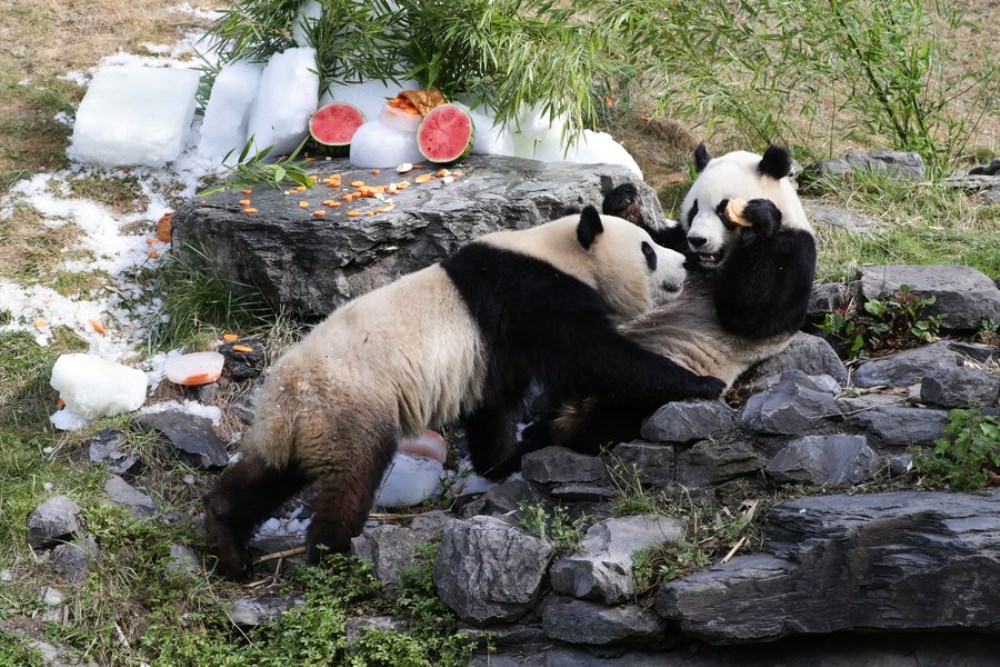
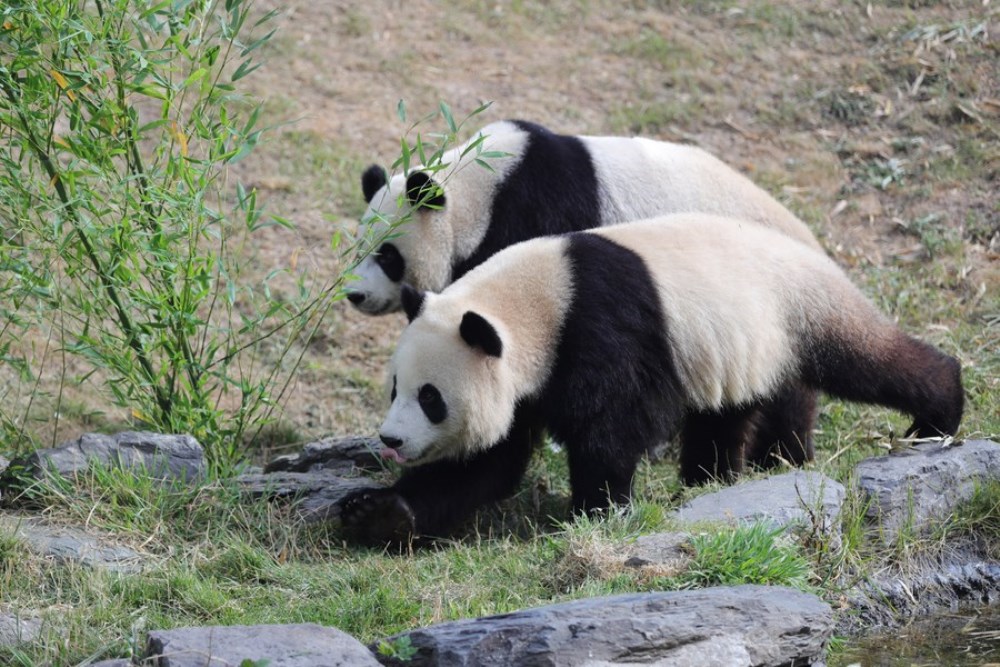
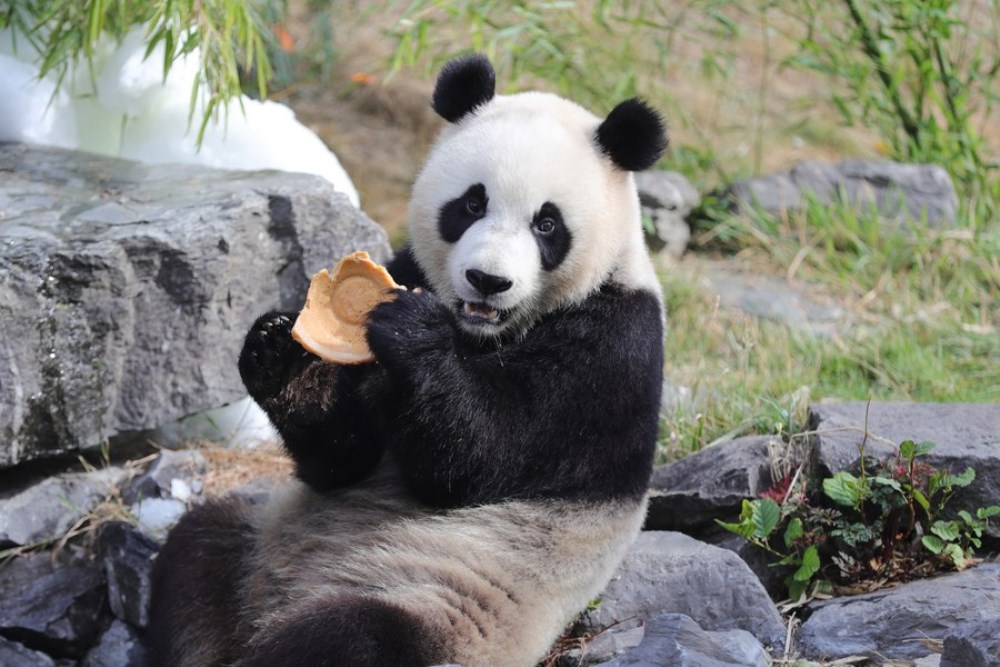
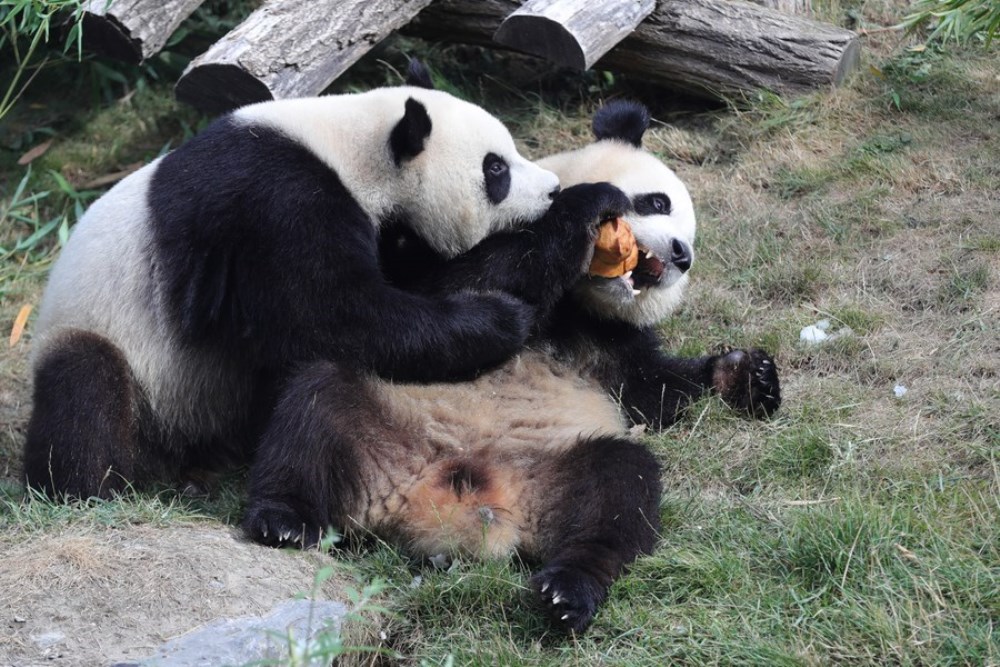
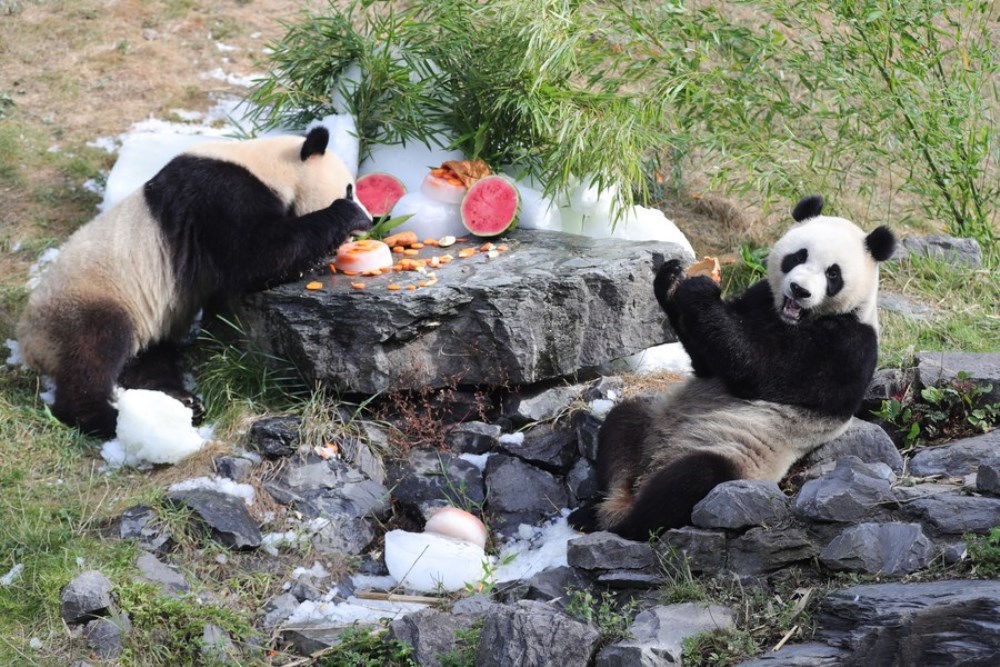
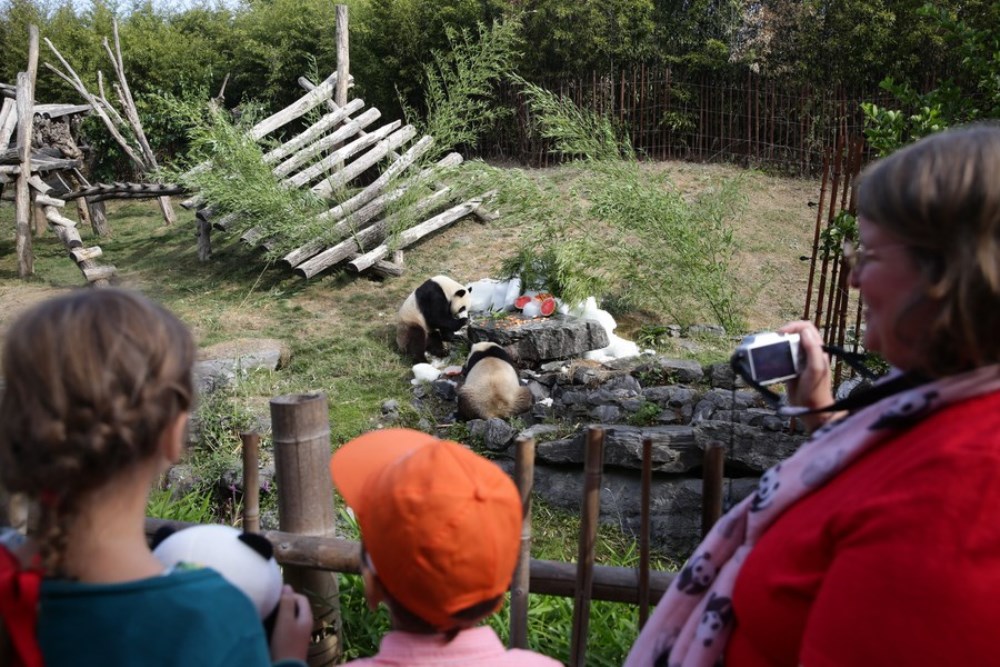
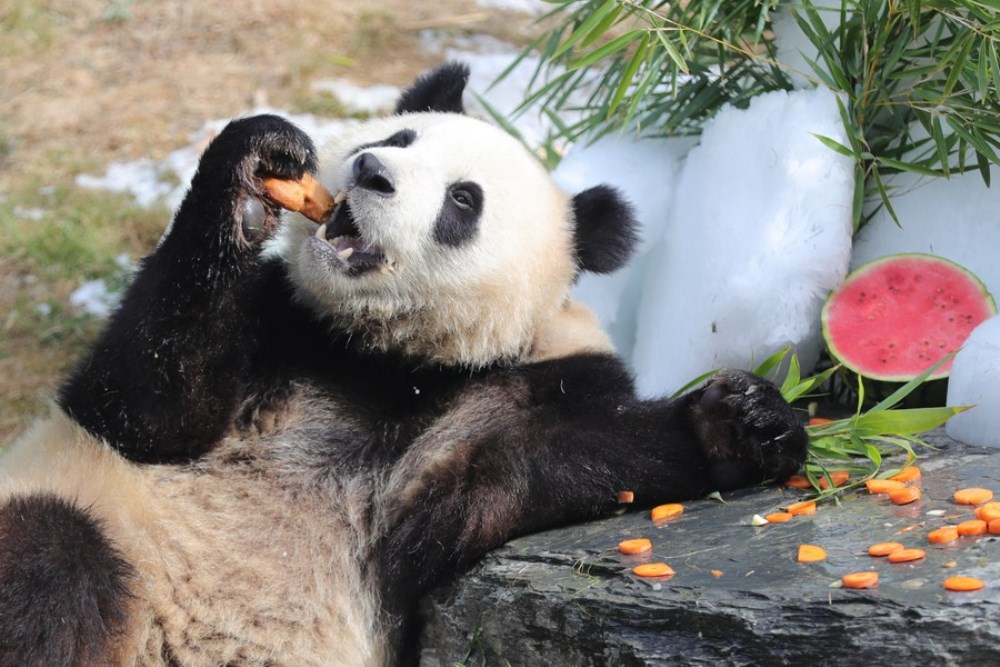
The panda twins celebrated their third birthday by eating a “cake” in front of the amused crowds.
Lior Hayat, head of Israel’s National Public Diplomacy Directorate, said in a statement that the cease-fire would take effect at 11:30 p.m. local time (2030 GMT).
“If the cease-fire is violated, Israel reserves the right to respond forcefully,” Hayat added.
Israel also thanked Egypt for mediating the cease-fire.
Starting Friday, Israel unleashed a series of airstrikes targeting PIJ sites in Gaza, killing at least 43 people including 15 children, according to the Palestinian health ministry in Gaza.
In response, the PIJ and other militants in Gaza fired more than 950 rockets at cities in southern and central Israel, causing no fatalities.

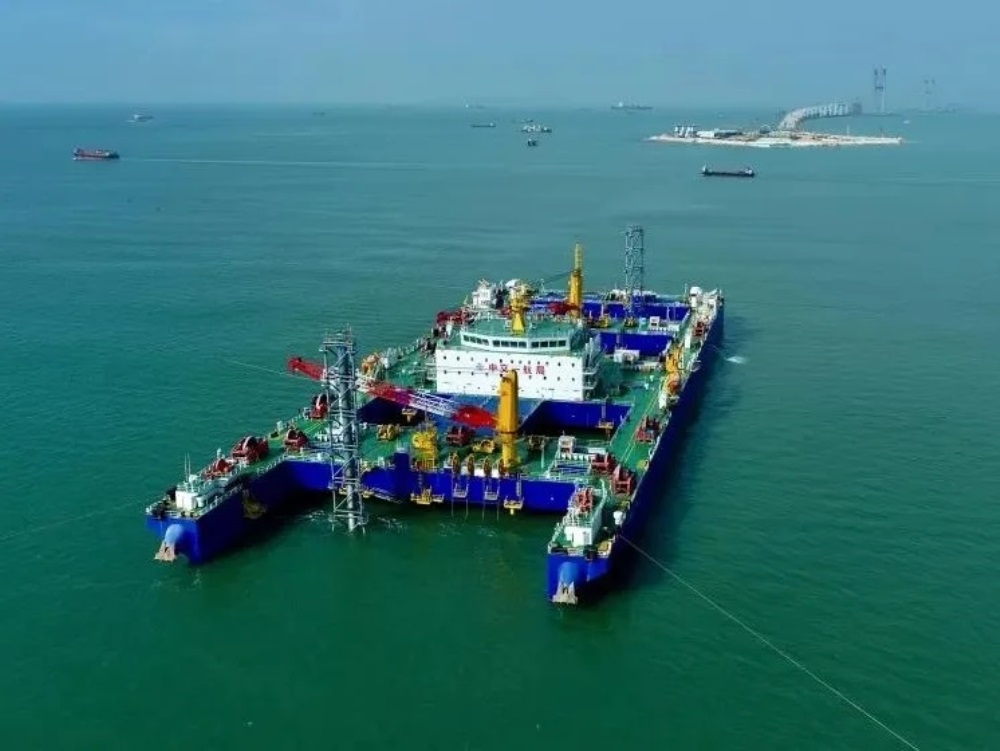
The 5.1-kilometer long tunnel is made up of 18 large immersed tubes, with its tube section measuring 3,035 meters.
When completed, the tunnel will have six traffic lanes in both directions, with a design speed of 60 kilometers per hour.
The new tunnel is expected to relieve traffic pressure, optimize urban development and promote the integration of Dalian Bay after it’s completed.
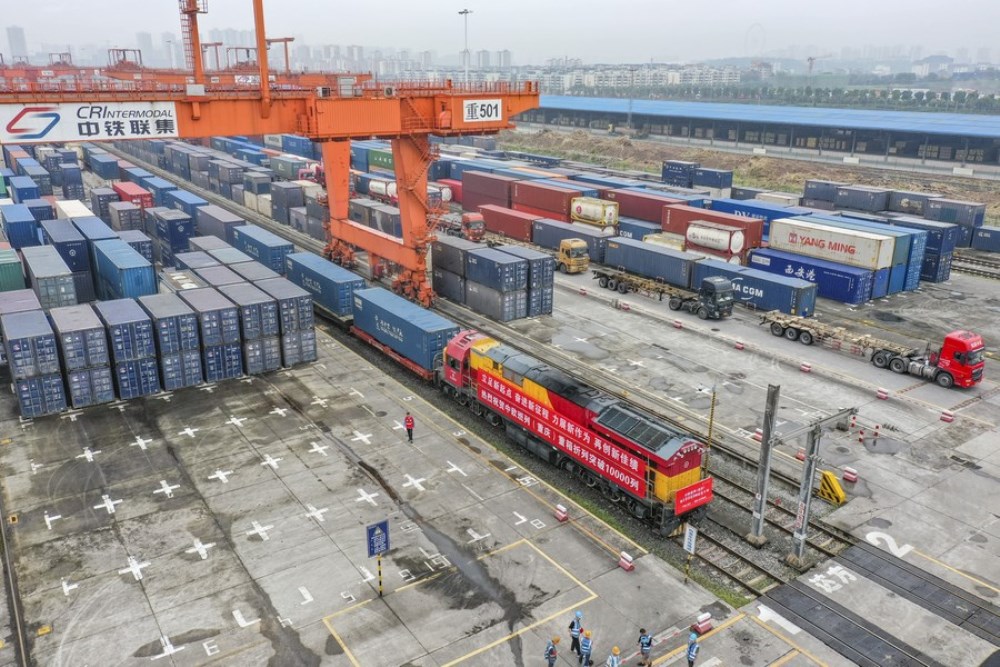
Exports rose 14.7 percent year on year to 13.37 trillion yuan, while imports increased 5.3 percent from a year ago to 10.23 trillion yuan, according to the General Administration of Customs (GAC).
During the period, China’s trade with the Association of Southeast Asian Nations, the European Union and the United States, expanded by 13.2 percent, 8.9 percent and 11.8 percent from a year ago, respectively.
From January to July, China’s trade with Belt and Road countries and other members of the Regional Comprehensive Economic Partnership (RCEP) soared by 19.8 percent and 7.5 percent year on year.
In July, trade with RCEP partners reached 1.17 trillion yuan, up 18.8 percent year on year, boosting the overall foreign trade growth by 5.6 percentage points, said Li Kuiwen, spokesperson for the GAC.
This ranking was made in consideration of the living index. The latter compares the expected average cost of necessities such as food, clothing, entertainment, health care and other and how much each would cost you to have a living in that city.
It is calculated by comparing the prices of a range of goods and services on which consumers spend their money. Costs are broken down by category, like health care, food and housing, and weighted based on spending patterns and individual budgets.
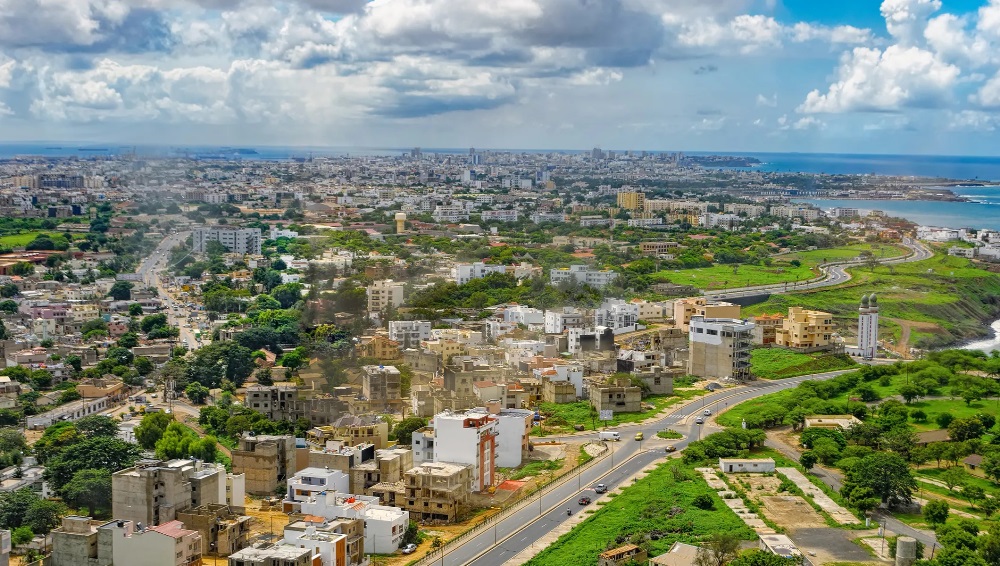
{{Dakar}}
Dakar is the capital city of Senegal in West Africa with a population of over 16 million people. The report showed it is the most expensive city to live in. It has been on the top of this list since the beginning of this year.
Dakar is expensive because many goods are imported from Europe. The important food and household goods such as gas are very expensive to buy. It is one of the safest cities to live in but it is the most expensive.
{{Addis Ababa}}
The Ethiopian capital comes in second place. It is home to five million people. Addis Ababa has also been on the top of the list for quite some time. It is one of the most expensive places to buy property in Africa.
According to the latest data, the cost of living in Addis Ababa of a family of four estimated monthly cost is US$2,044 without rent. A single person’s estimated monthly cost is US$622$ without rent.

{{Abidjan}}
The Ivorian capital city comes after Addis Ababa. It is home to five million people. It has also been on the top of the list since the beginning of this year. In Abidjan, food and other basic necessities are very expensive.
The cost of living in Abidjan estimates that the monthly spending of a family of four is US$2,028$ without rent. A single person’s estimated monthly costs is US$588 without rent.

{{Harare}}
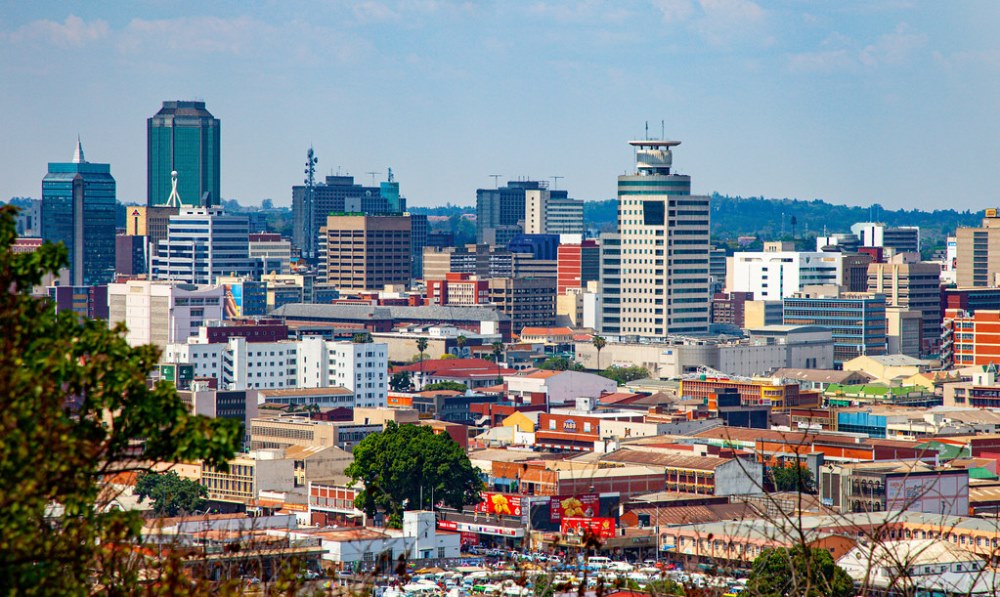
Harare is the capital city of Zimbabwe. It is home to two million people. The cost of living in Harare is very high due to heavy reliance on imports, most quality goods are imported and are double of their price in Europe or USA.
A family of four estimated monthly cost is US$2,003 without rent. A single person’s estimated monthly costs is US$573$ without rent, basic monthly utilities like electricity, water, heating and cooling.
{{Johannesburg}}
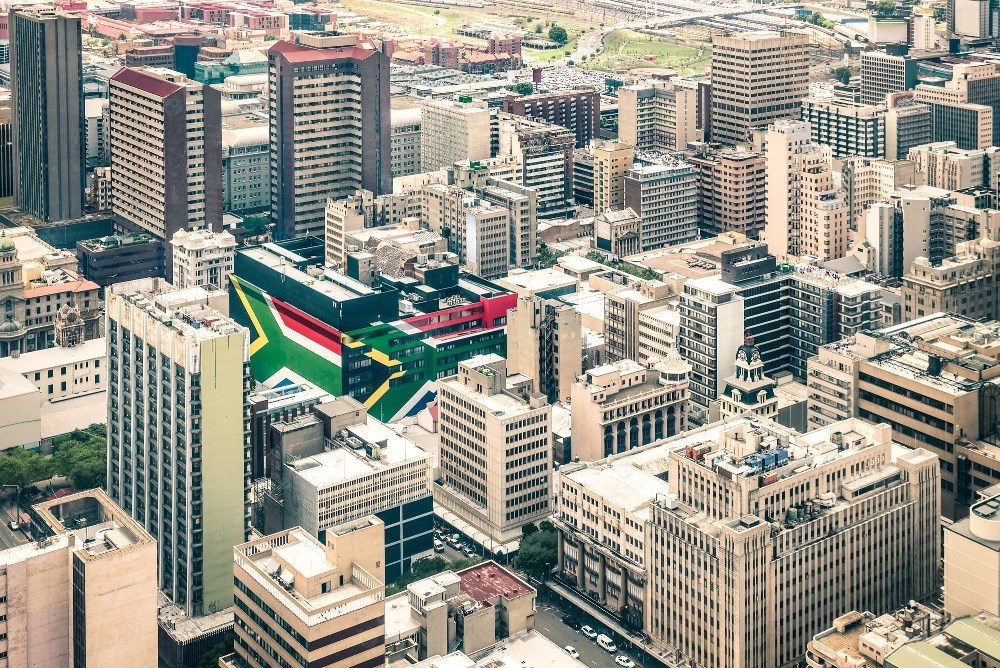
Johannesburg is home to six million people. It is the most expensive city in South Africa. The price of cars and fuel increased significantly over the past year, pushing up the cost of living.
It is estimated that the cost of living in Johannesburg is around half that of European cities such as London and Paris while the average salary is lower.
{{Pretoria}}
Pretoria (South Africa) comes after Johannesburg. It is home to 2 million people. In Pretoria, a family of four estimated monthly cost is US$1,934 without rent.
A single person’s estimated monthly cost is US$556 without rent. Pretoria is 62.11% less expensive than New York (without rent) which is the most expensive city in the world. Pretoria is 27.6% more expensive than Kigali even though the rent is 7.26% lower than Kigali.

{{Gaborone}}
Gaborone is the capital city of Botswana. It is home to 208,411 people and comes after Pretoria on the list of the most expensive cities in Africa.
A family of four estimated monthly cost is US$1,852.54 without rent. A single person estimated monthly cost is US$513.91 without rent. Gaborone is 24.94% more expensive than Kigali without rent, on average the rent is 28.82% lower than in Kigali.

{{Cape Town}}
Cape town is home to four million people. It is the 8th most expensive city in Africa according to the report by Statista.
A family of four estimated monthly cost is US$1,879.10 (31,127.18R) without rent, a single person estimated monthly costs are US$533.02 (8,829.50R) without rent.
Cape Town is 23.44% more expensive than Kigali without rent. Rent in Cape Town is 47.12% higher than Kigali.

{{Durban }}
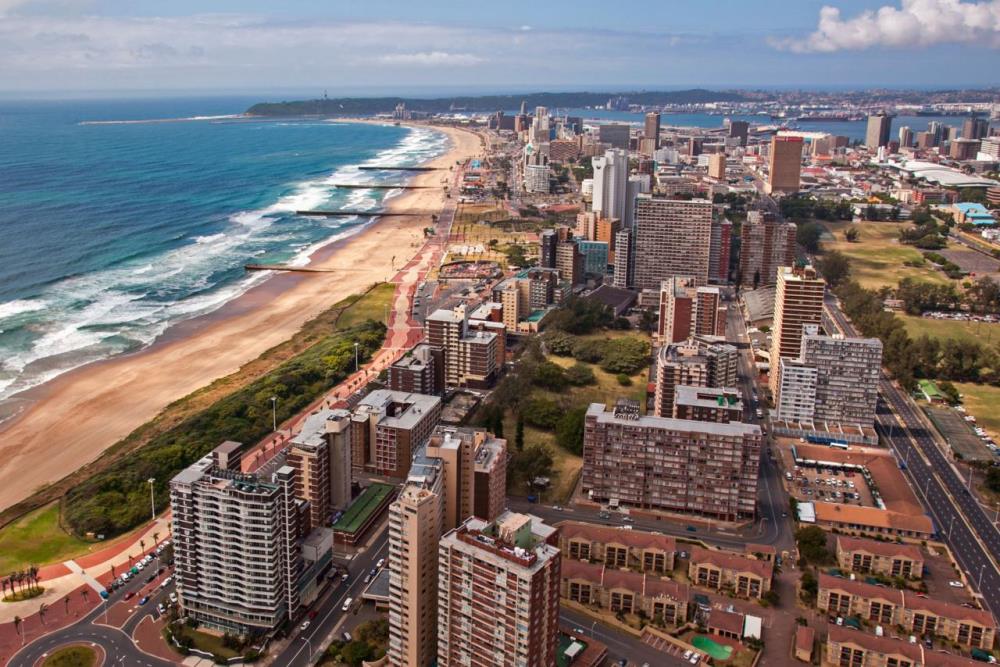
Durban (South Africa) comes in 9th place with a population of 595,000. A family of four estimated monthly cost is US$1,906.74$ (31,585.01R) without rent. A single person estimated monthly cost is US$559.02$ (9,260.21R) without rent.
Durban is 24.07% more expensive than Kigali without rent. Rent in Durban is on average, 15.02% lower than in Kigali.
{{Marrakech}}
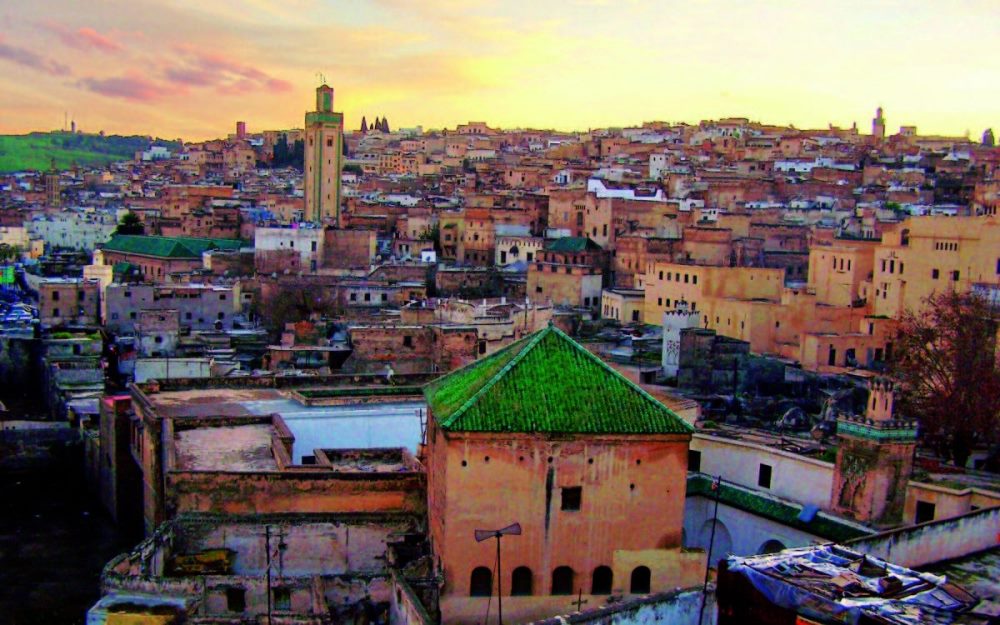
At the tenth place is Marrakech ( Morocco). It is home to over a million people and well known for its tourist attractions like Palaces, Mosques and royal gardens.
The estimated monthly cost for a family of four is US$1,567.38 without rent. For a single person, the estimated monthly cost is US$447.92 without rent. Marrakech is 10.01% more expensive than Kigali without rent. Rent in Marrakech is, on average, 31.75% lower than in Kigali.
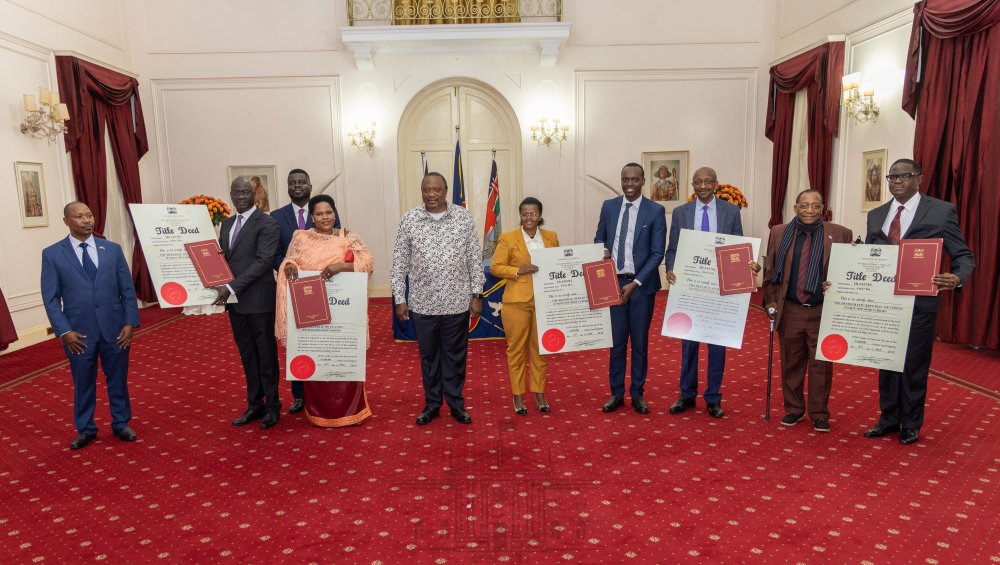
The land is a gift of Kenya to Rwanda. Amb. Masozera received the land title along with other envoys from five East African countries including Burundi, Uganda, South Sudan and the Democratic Republic of Congo (DRC) which were also gifted land in the area.
The 4.047 hectares given to Rwanda will be used to build warehouses for in-transit cargos from Mobassa port before they are shipped to Kigali.
Rwanda already had land in Kenya. In 1986, the then President of Kenya, Daniel Arap Moi gave 12 hectares to Rwanda in the vicinity of Mombassa port.
Later, a Kenyan businessman identified as Salad Awale, filed a lawsuit claiming that the land belonged to him.
The businessman said that he had land titles given to him in 1986 valid for 99 years.
The Kenyan High Court ruled that the claimant’s title was not genuine as the details provided on the land differed with those stated on the land’s deed plan. The land was given back to Rwanda.
In 2019, Amb. Dr. Masozera told IGIHE that disputes related to the land had ended where the next move was to have it exploited.
At the time, he revealed that the land can be developed to reduce the time it takes for goods (shipped from or to Rwanda) at Mombassa port or offer the space for rent.
At least more than 3000 Rwandans live in Kenya.
VUP was introduced in 2008 as an Integrated Local Development Program to fast-track poverty eradication, rural growth, and social protection.
Providing loans to individuals with promising projects and paid employment for poor households are among kinds of support extended to beneficiaries.
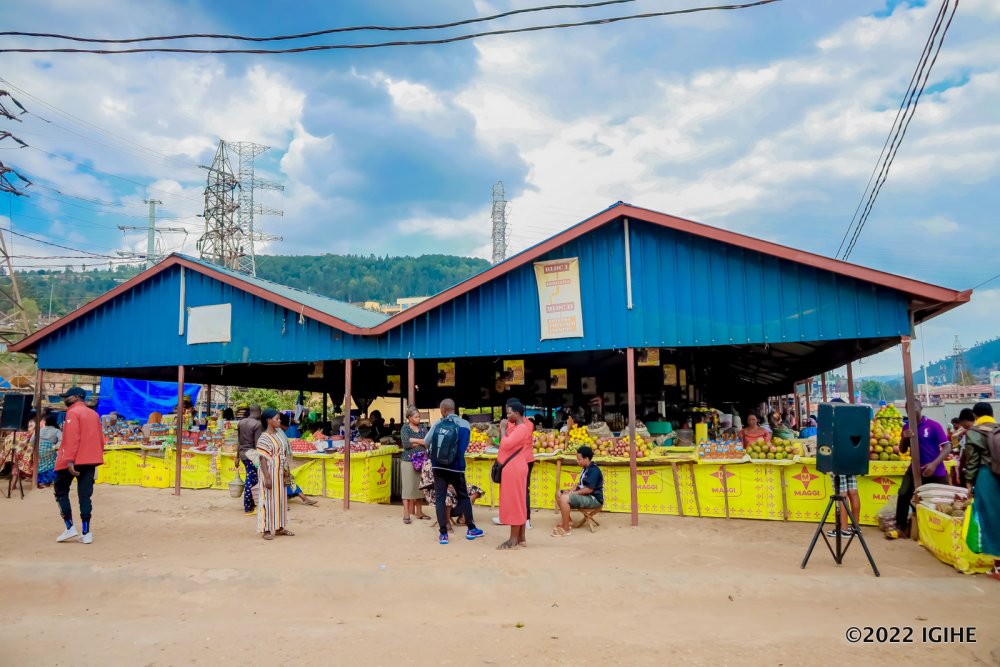
Speaking to members of the press recently, Kigali City officials revealed that they are set to enable street vendors to benefit from such services.
Kigali City Vice Mayor in charge of Socio-Economic affairs, Martine Urujeni said that they will make possible efforts to ensure street vendors have access to financial services under VUP.
“Through collaboration with Local Administrative Entities Development Agency – LODA, street vendors settled in markets are set to receive financial support to expand their businesses,” she said.
Urujeni disclosed that the city is working with relevant partners to set out terms and conditions for disbursement of loans to street vendors under VUP program for their businesses to thrive.
Kigali City started relocating street vendors to modern markets in 2016. At the time, over 12,197 street vendors were registered in the city including 5,058 from Nyarugenge; 5,149 from Gasabo and 1990 from Kicukiro District.
However, lack of capital was reported to be among challenges facing relocated street vendors pushing them to return to streets.
To address this issue, Kigali City has unveiled a plan to provide them with financial support after settling them in markets.
“We are working with different partners, particularly the Ministry of Local Government, LODA and local leaders to see how we can make follow up lest they abandon the markets,” noted Urujeni.
Normally, street vendors settled in new markets like Nyabugogo Modern Market or Gisimenti among others do not pay rental fees. They are also exempted from taxes for one year.
Apart from loans, Urujeni said that street vendors might also benefit from employments provided under the VUP program.
In the fiscal year 2022/2023, Kigali City allocated Rwf727.5 million for activities meant to stamp out the chaos of street sellers including the construction of new markets.
Kigali City registers 3977 street vendors to be given spaces in markets under construction.
Deng noted that Japan joined other members of G7 and the EU in issuing the statement which confounds black and white and attempts to justify the U.S. connivance at Speaker of the U.S. House of Representatives Nancy Pelosi’s visit to China’s Taiwan region and infringement on China’s sovereignty, made unwarranted accusations and smears against China, grossly interfered in China’s internal affairs, seriously violated basic norms governing international relations and the principles of the four political documents between China and Japan, and sent a seriously wrong signal to the international community.
“China firmly opposes and strongly condemns this,” Deng said.
Reiterating China’s position on the Taiwan question, Deng said that the Taiwan question concerns the political foundation of China-Japan relations and the basic trust between the two countries.
Noting that Japan had colonized Taiwan for a long time and thus bears serious historic culpability, Deng said Japan should be more cautious in its words and deeds.
“China strongly urges the Japanese side to abide by the principles of the four political documents between China and Japan and its political commitments on the Taiwan question, stop interfering in China’s internal affairs, prudently and properly handle Taiwan-related issues, and refrain from going further down the wrong path,” Deng said.