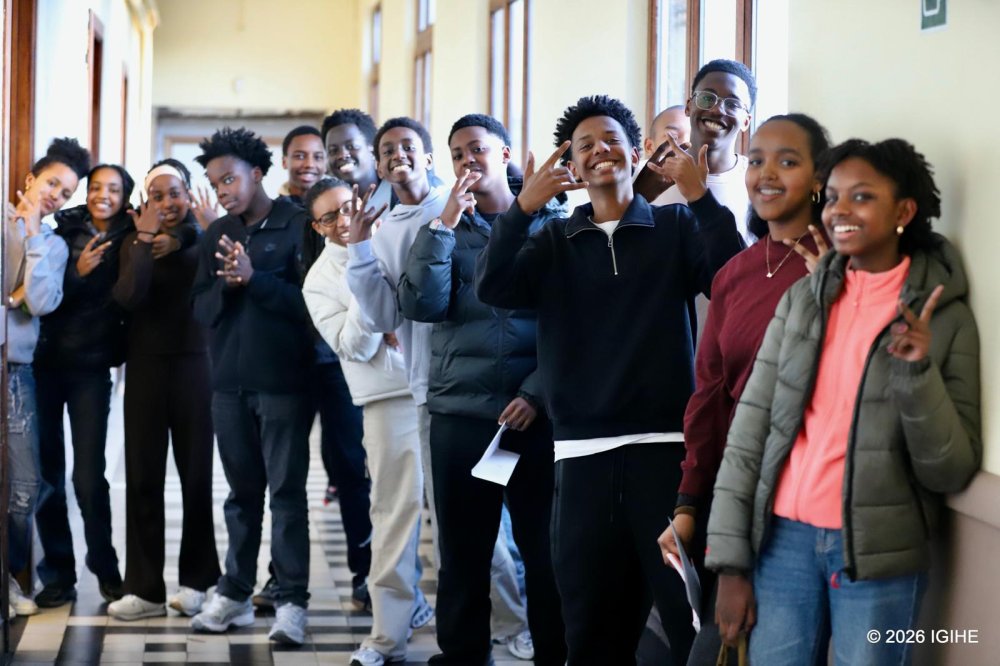
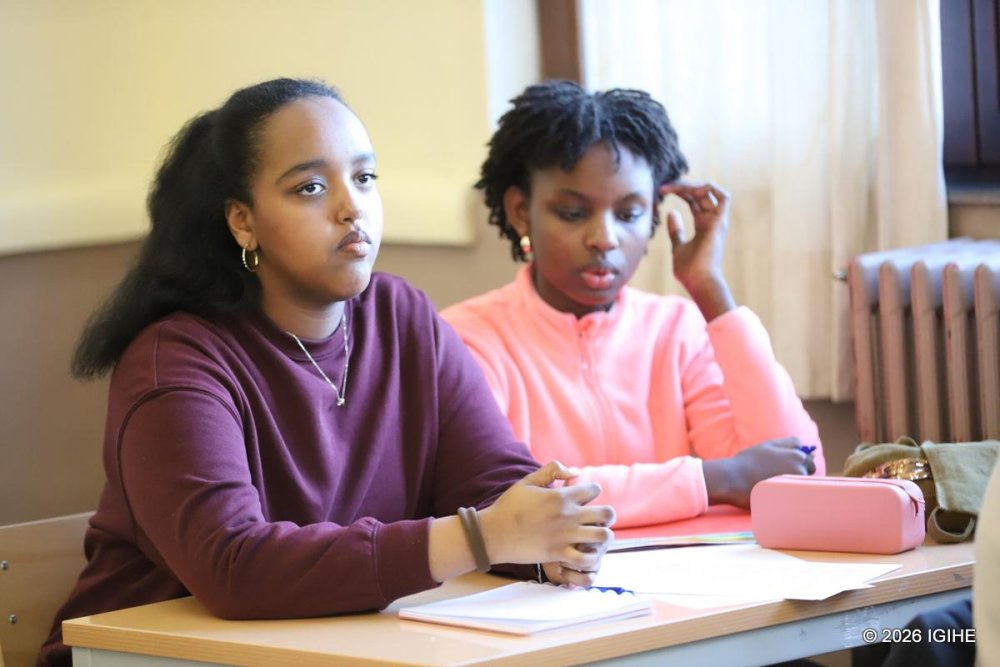
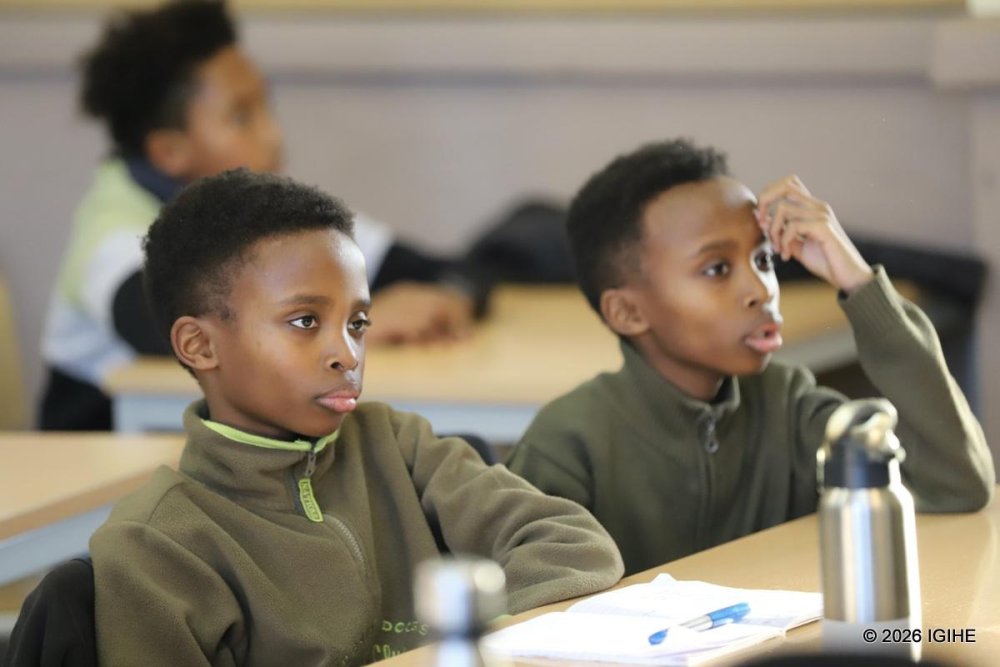
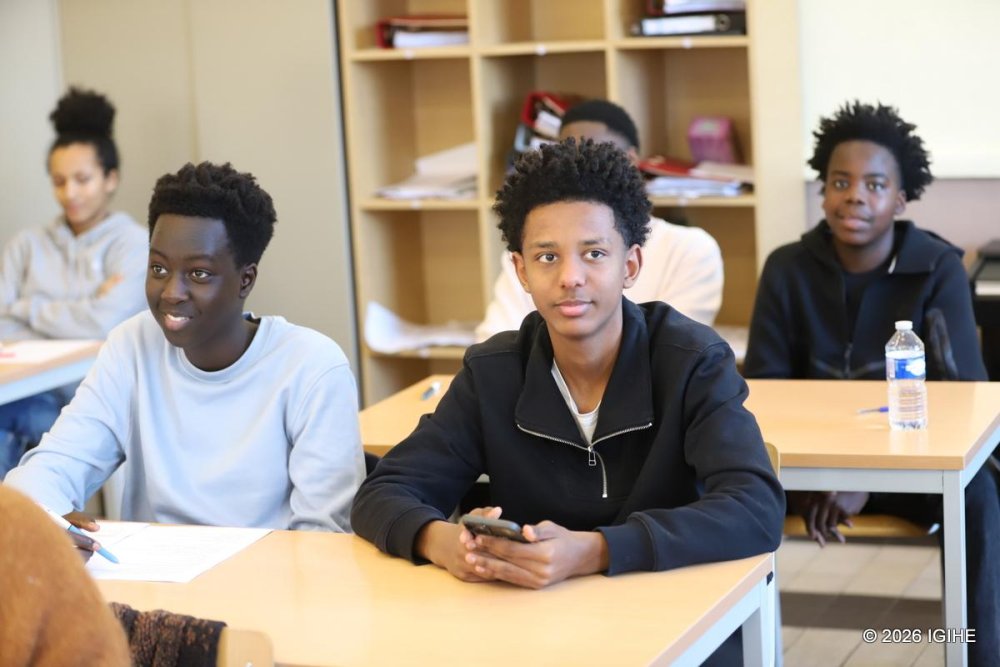
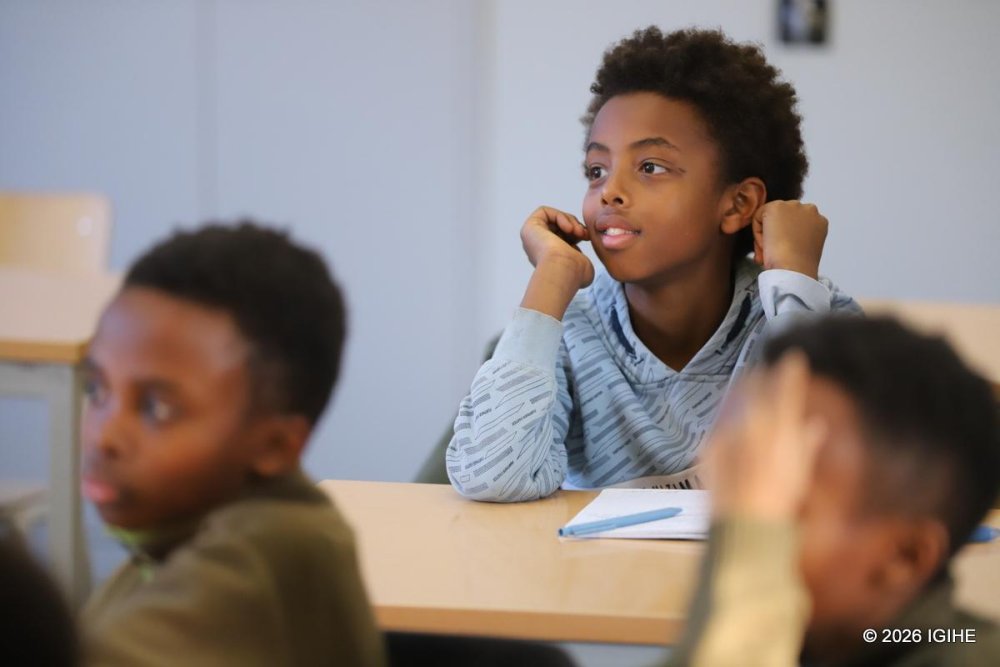
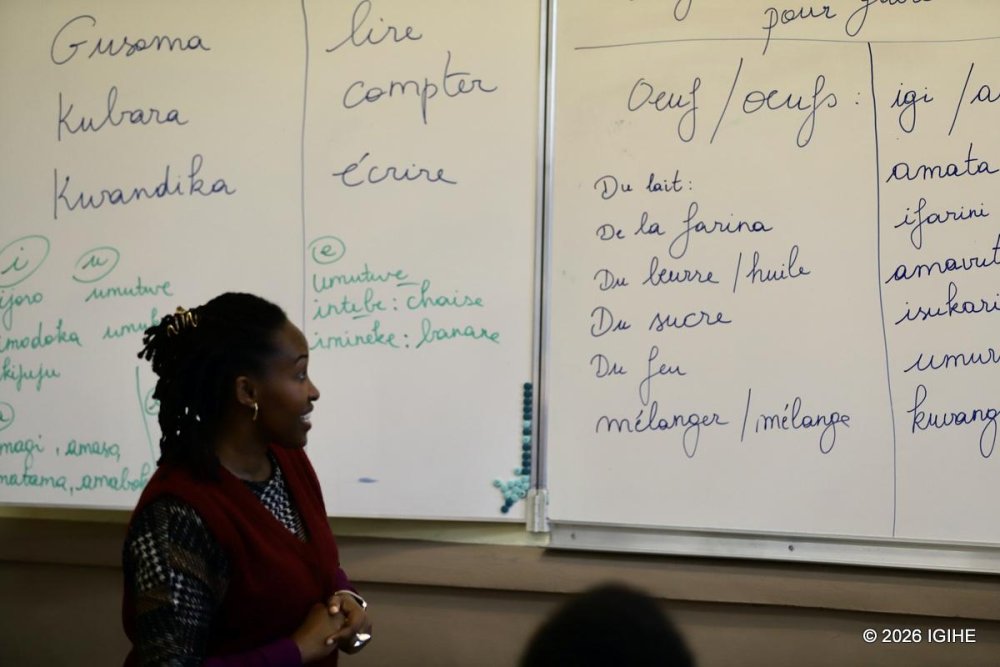
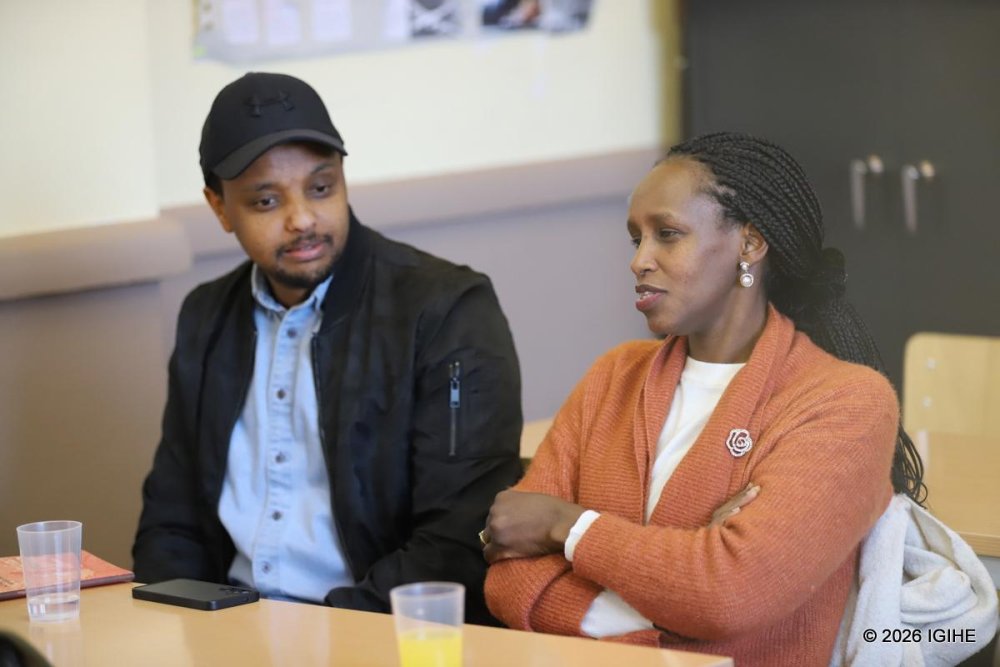
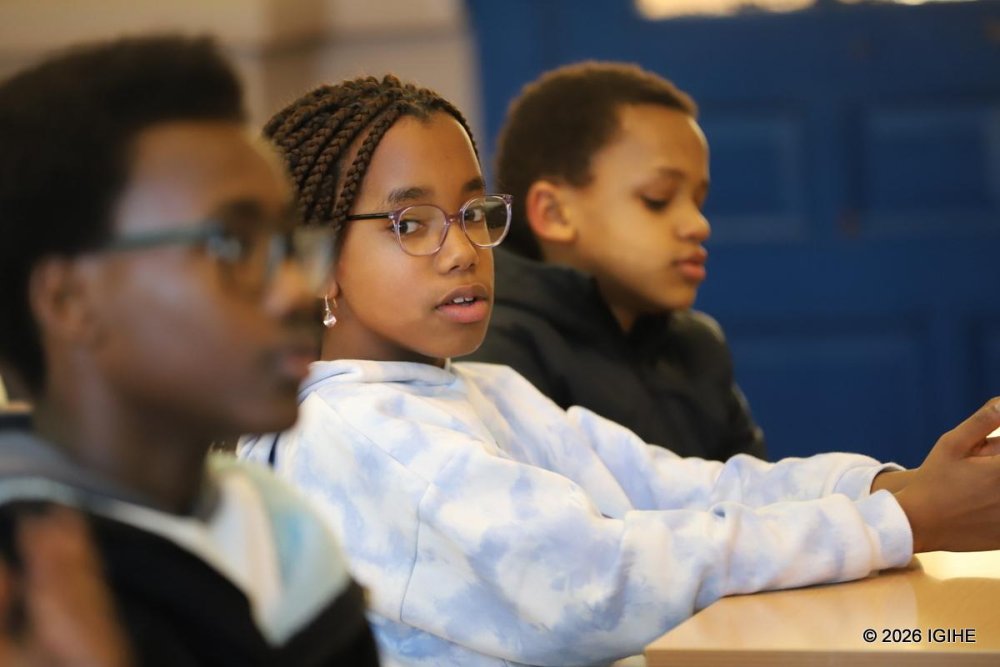
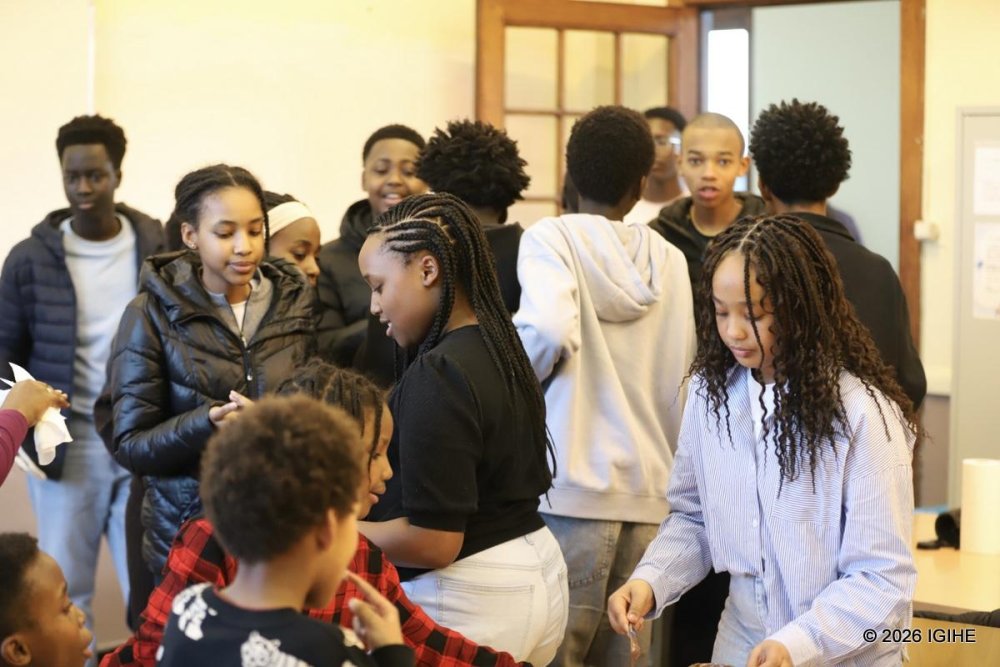
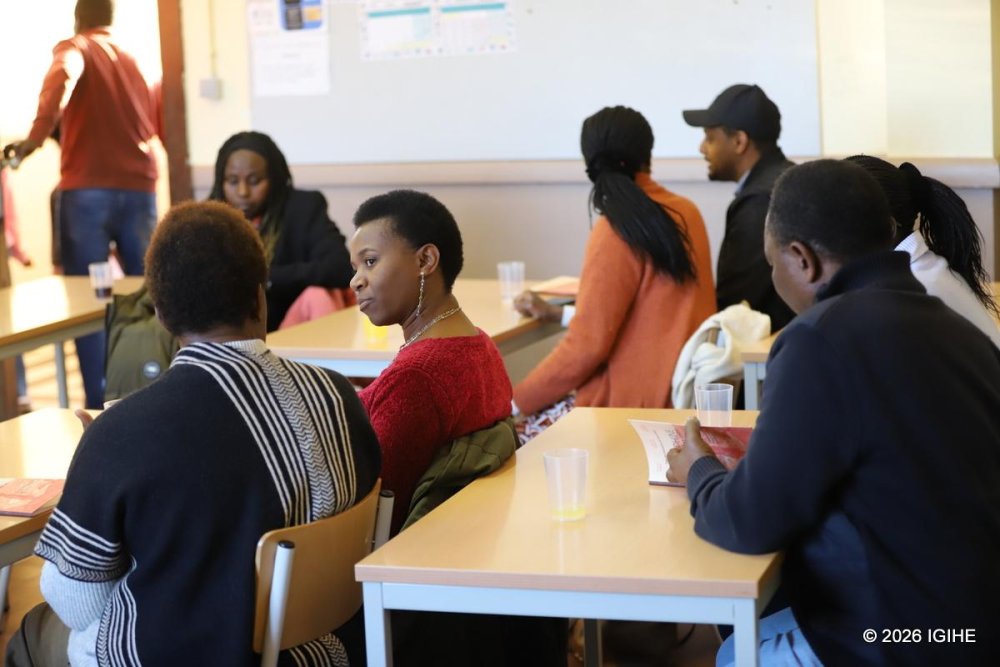
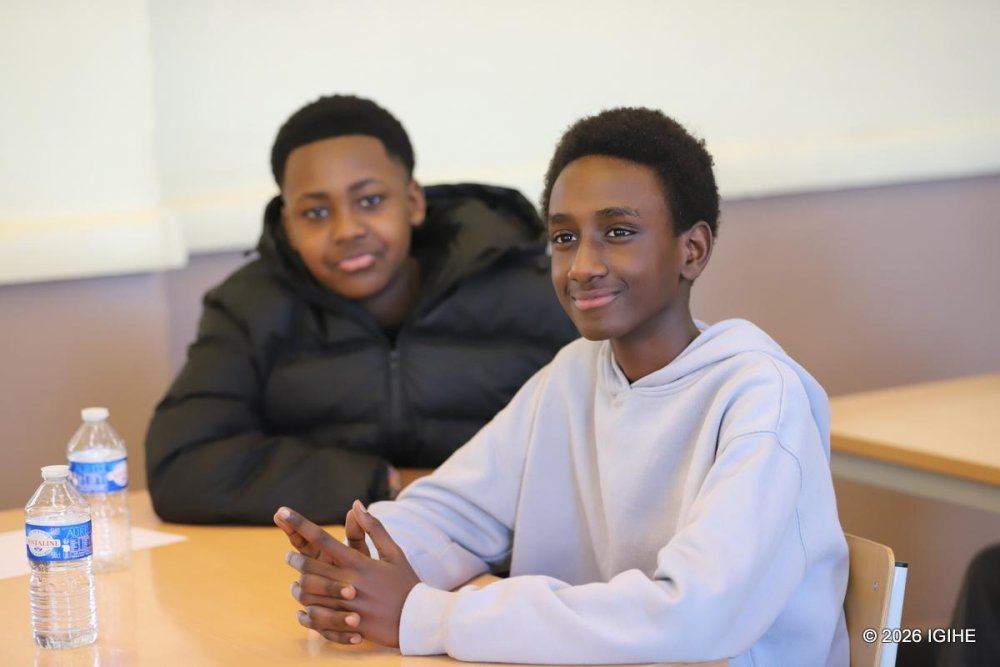
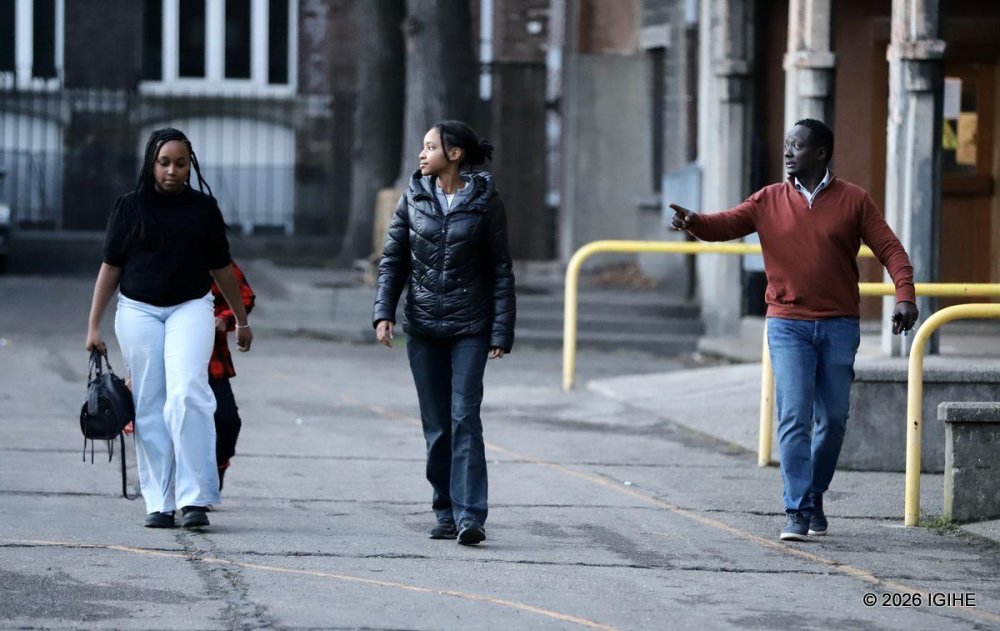
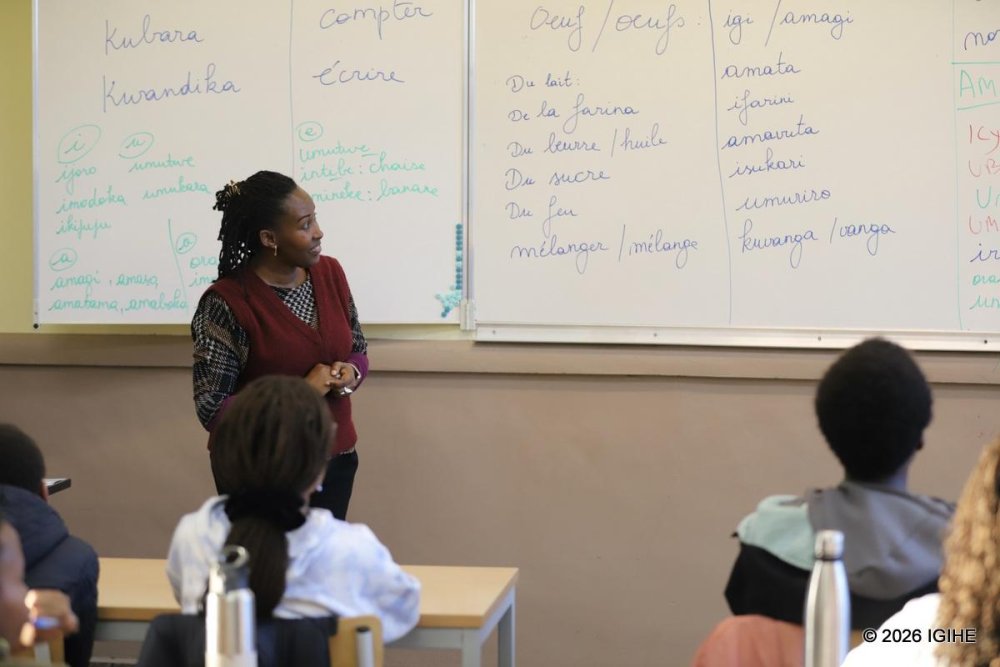
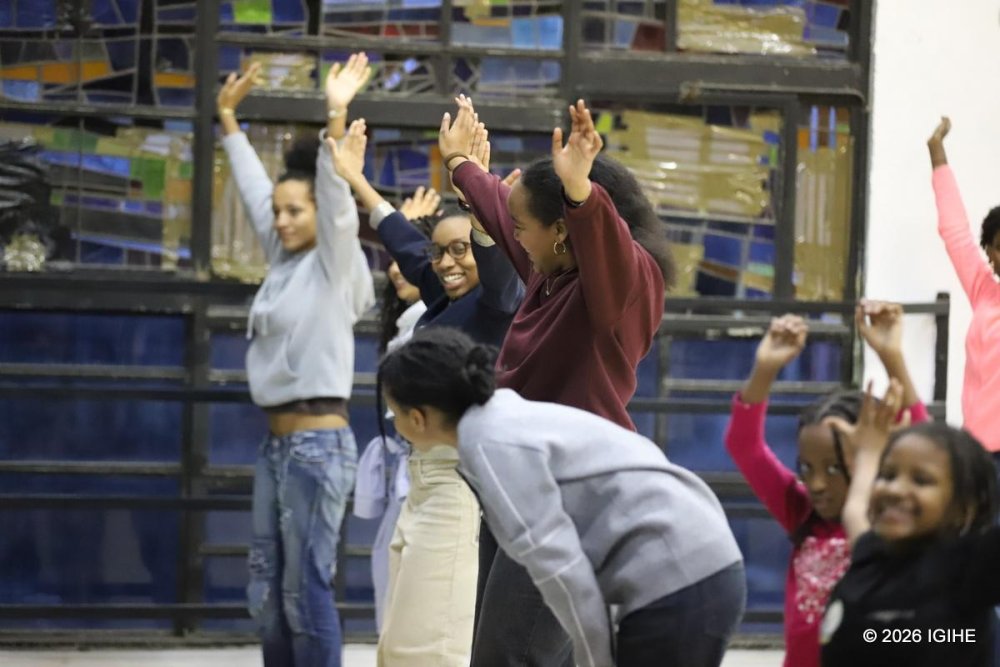
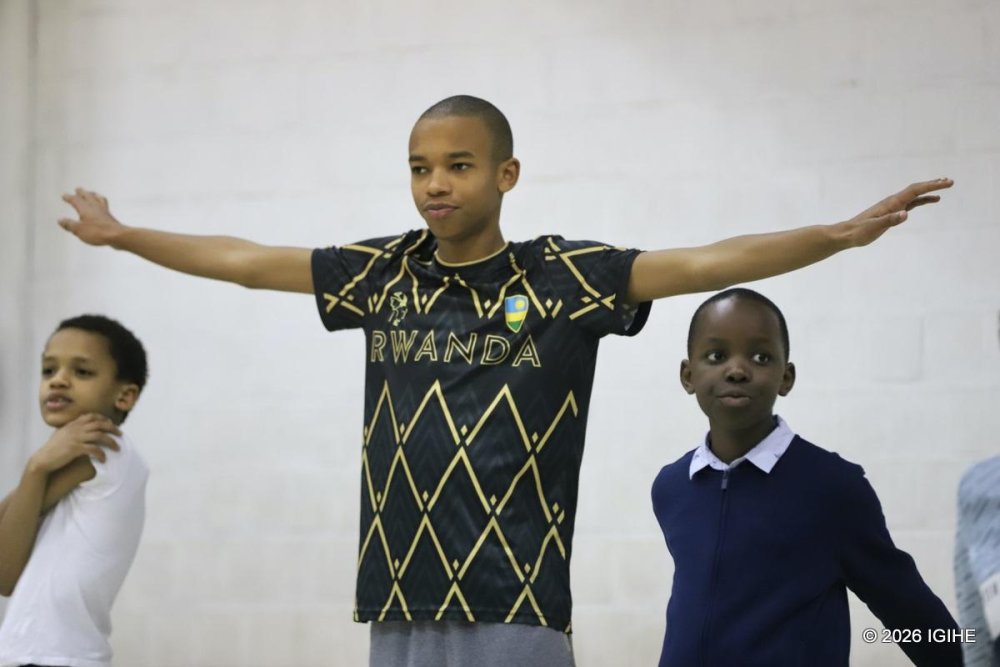
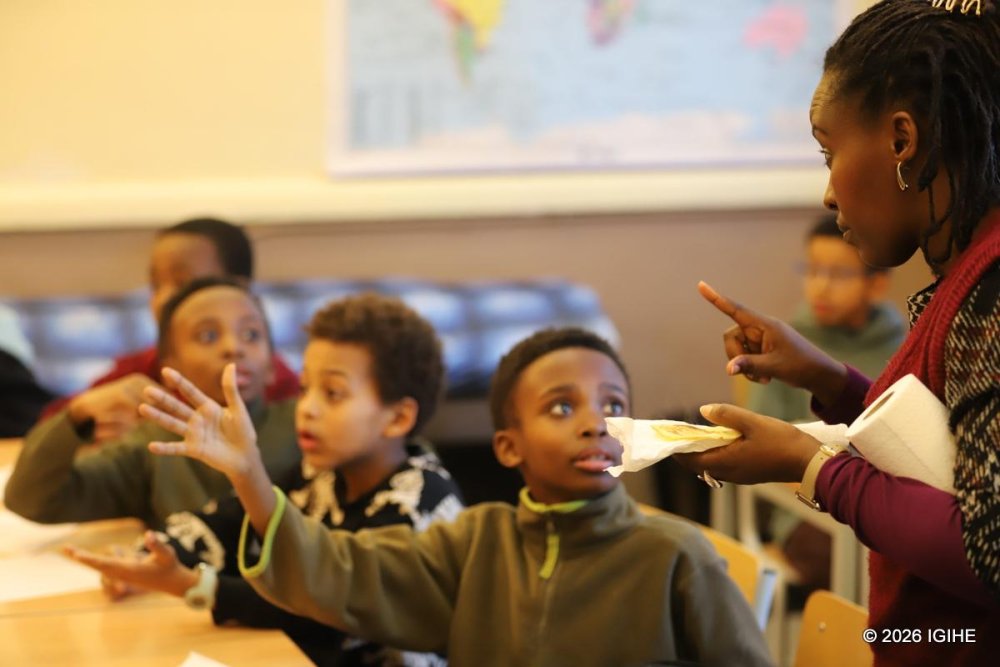
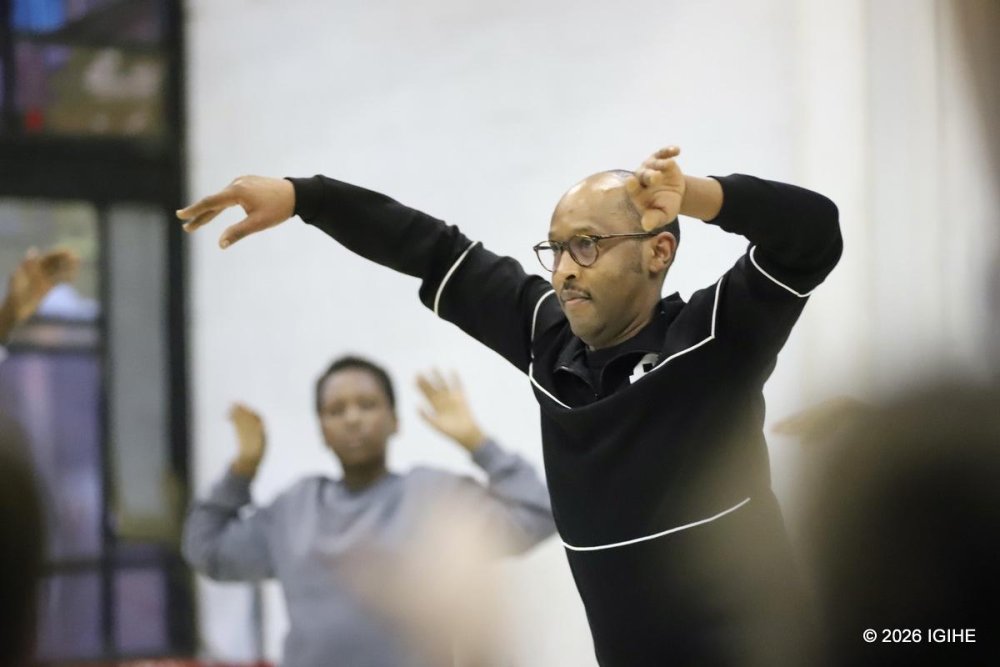
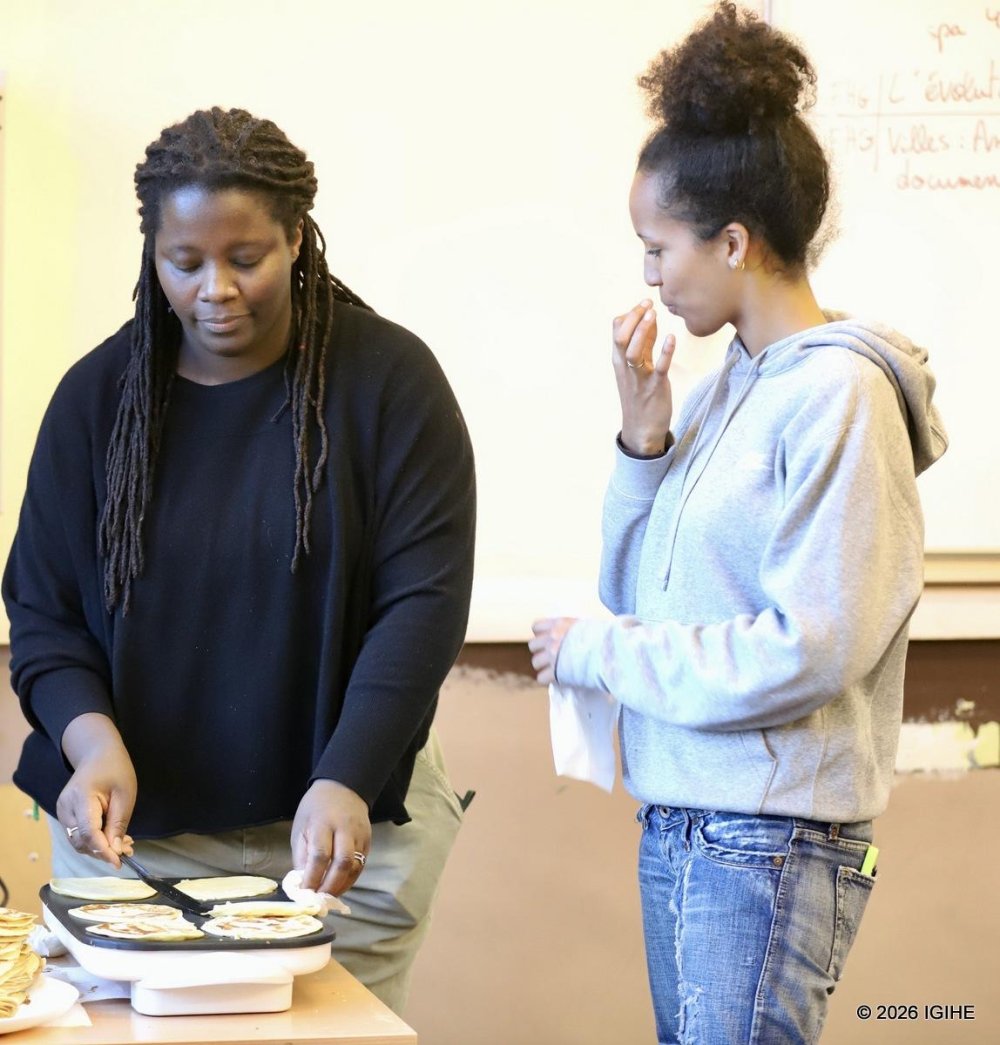
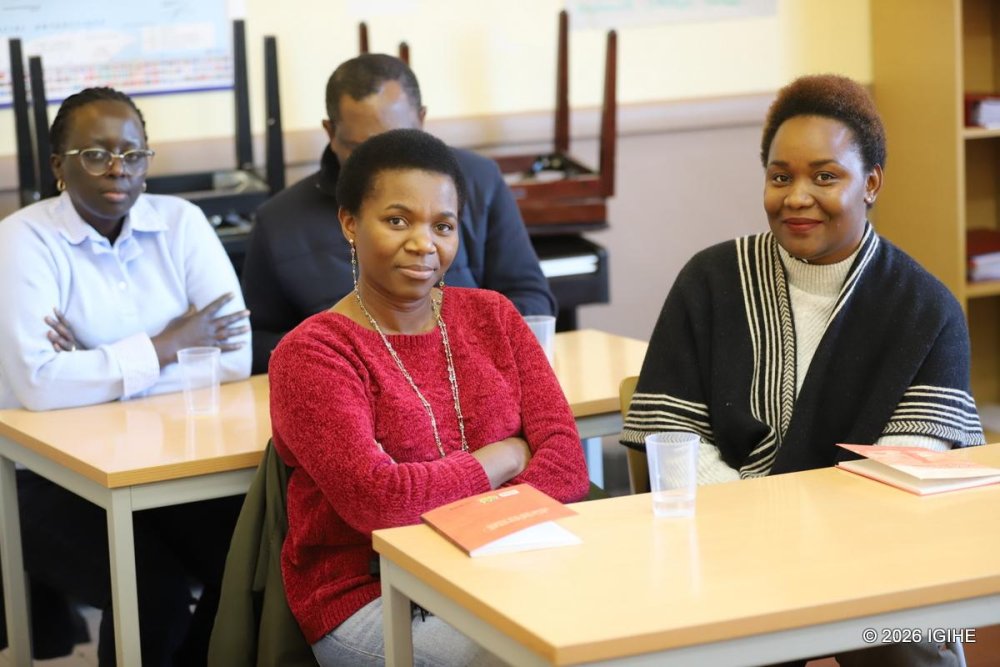
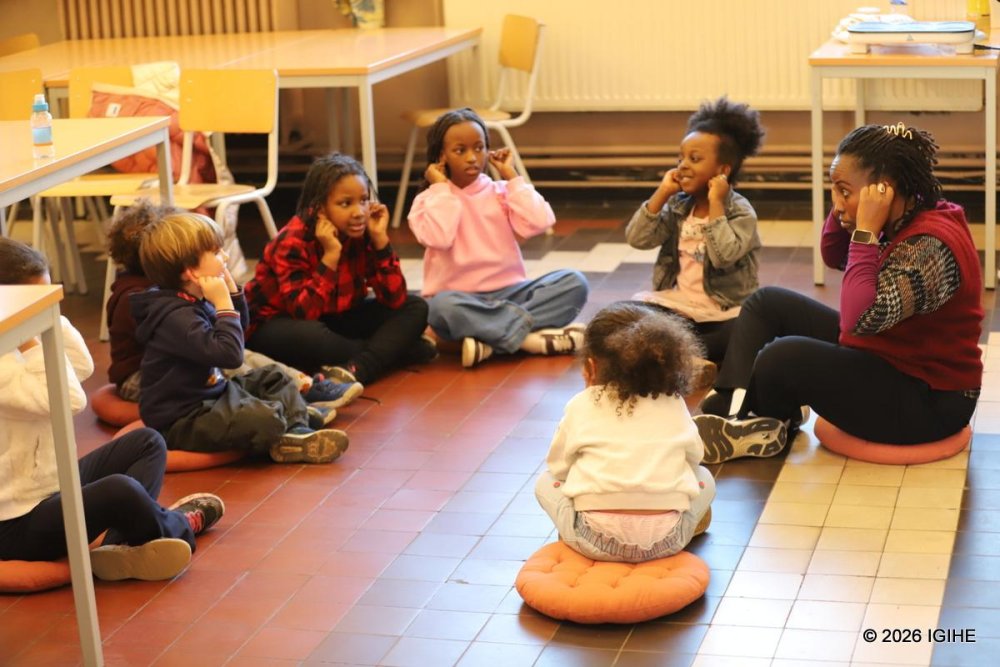
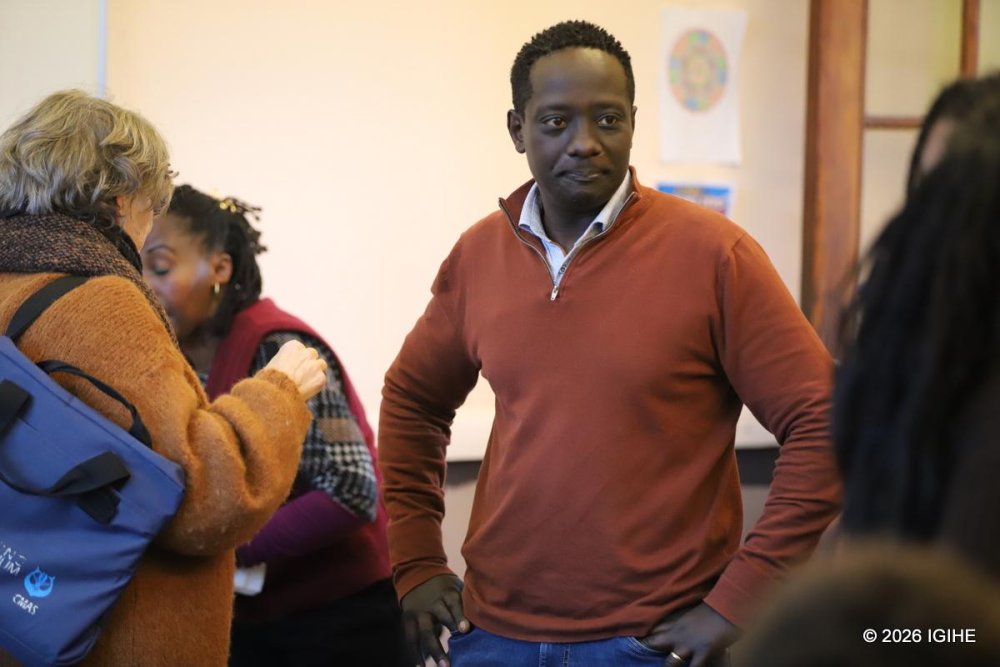
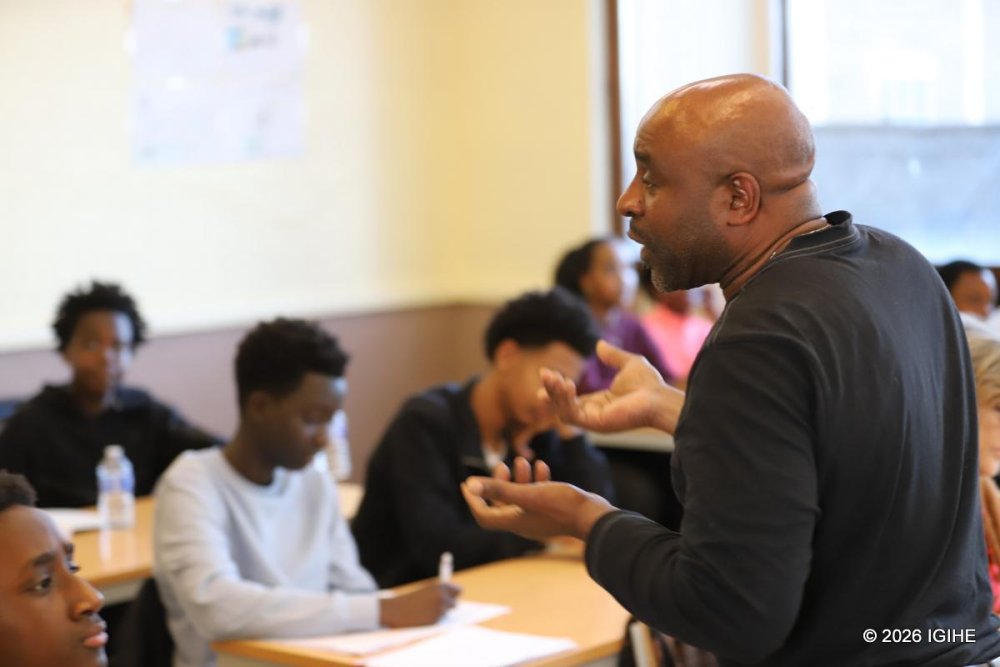
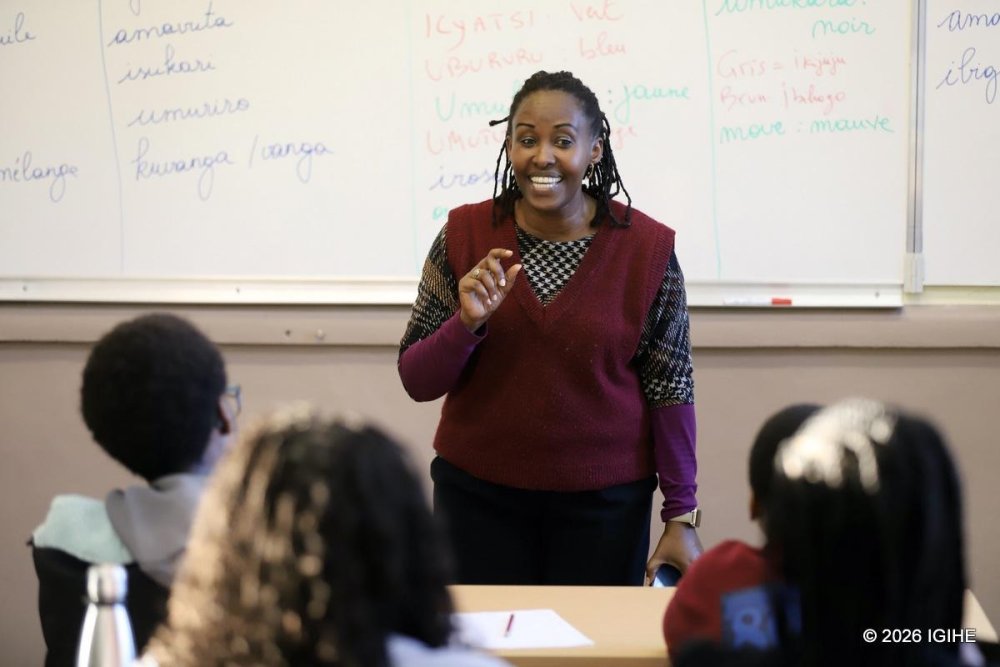
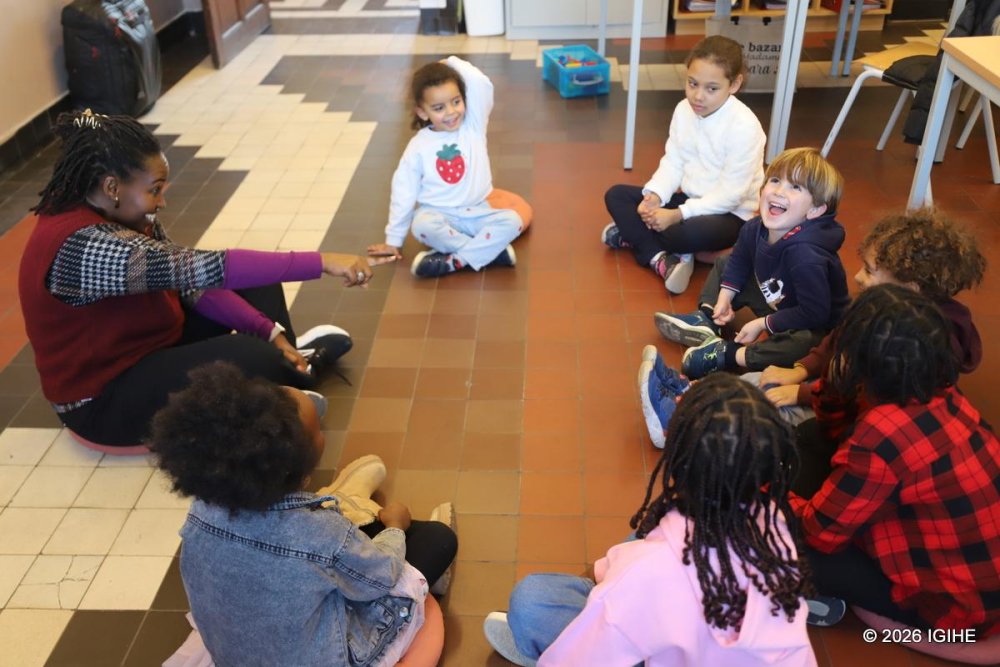
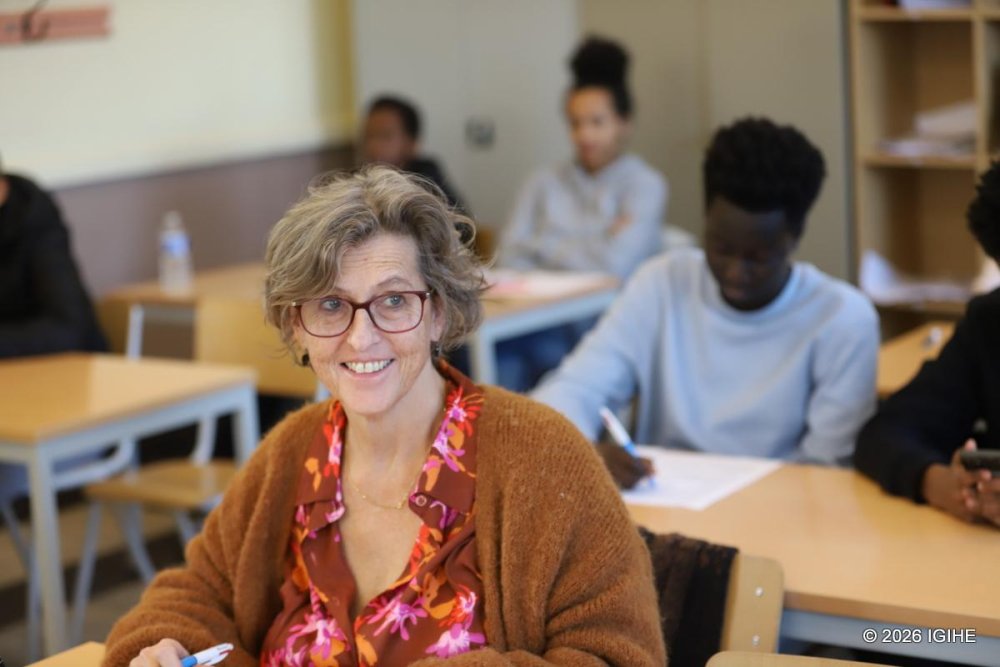
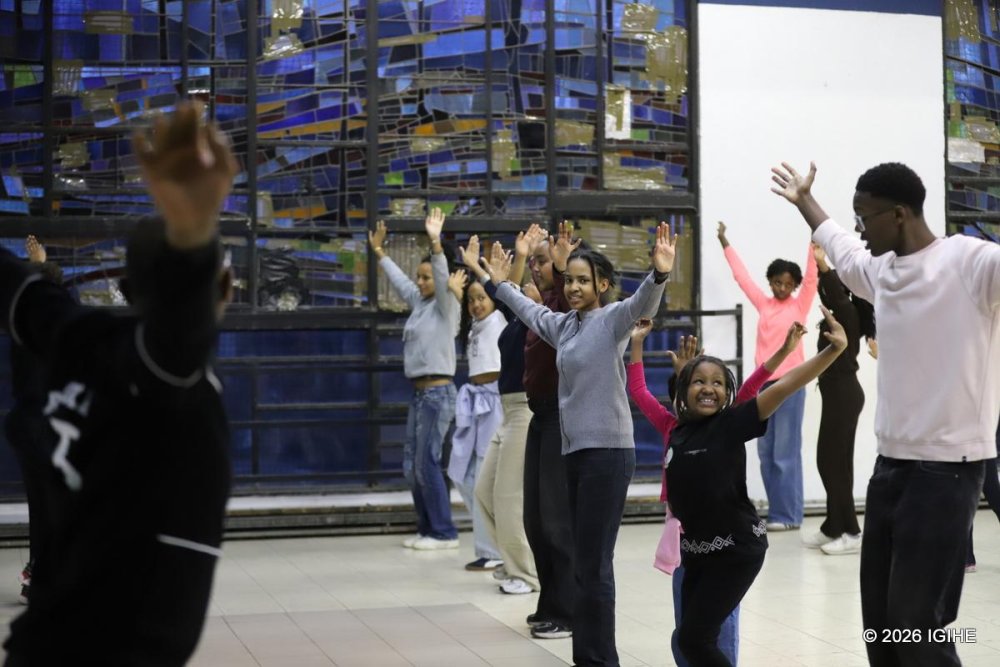
The group is expected to arrive in Kigali on February 11, 2026. Ishuri-Umuco school was founded eight years ago in Liège, at the end of 2019, by members of the Rwandan diaspora affiliated with DRB-Rugari Liège. The school was established to provide Rwandan children abroad with a space to build unity and preserve Rwandan culture.
In an interview with IGIHE, Eric Twagirimana, the founder and director of Ishuri-Umuco, said the school is excited to launch its programs this year, including the trip to Rwanda.
“We are thrilled to return to Rwanda, where we will help the children refine what they have learned, speaking Kinyarwanda fluently, exploring the country, and learning about its history,” he said.
“When the children arrive in Rwanda, they visit key historical sites and engage with local people, which greatly enriches their knowledge,” Twagirimana added.
Esperance Nyiramana, a mother of two students, expressed her gratitude during a recent gathering. “On behalf of all the parents, we sincerely thank Eric Twagirimana and his team, the teachers, and everyone who made it possible for our children to connect with their language and heritage,” she said.
She continued, “At home, it is wonderful to hear our children speaking Kinyarwanda correctly, singing in the language, and exploring Rwanda as they did last time. We are truly grateful.”
During the first visit, 35 students traveled to Rwanda. This year, the group has doubled to 70 students, who will fly with RwandAir.
Twagirimana also thanked the Rwandan government institutions that support these educational trips, including the Institute of National Culture, the Ministry of Foreign Affairs, the Ministry of National Unity and Civic Engagement, Rwanda’s museums, and other partners.
“The warm welcome during the previous visit helped the children learn more about their country’s history and strengthened their sense of unity. We are returning this year, and the students are very excited,” he said.
Other activities at Ishuri-Umuco include annual gatherings that bring together students, parents, and friends to celebrate the end of the school year, promoting unity among children, parents, and teachers.
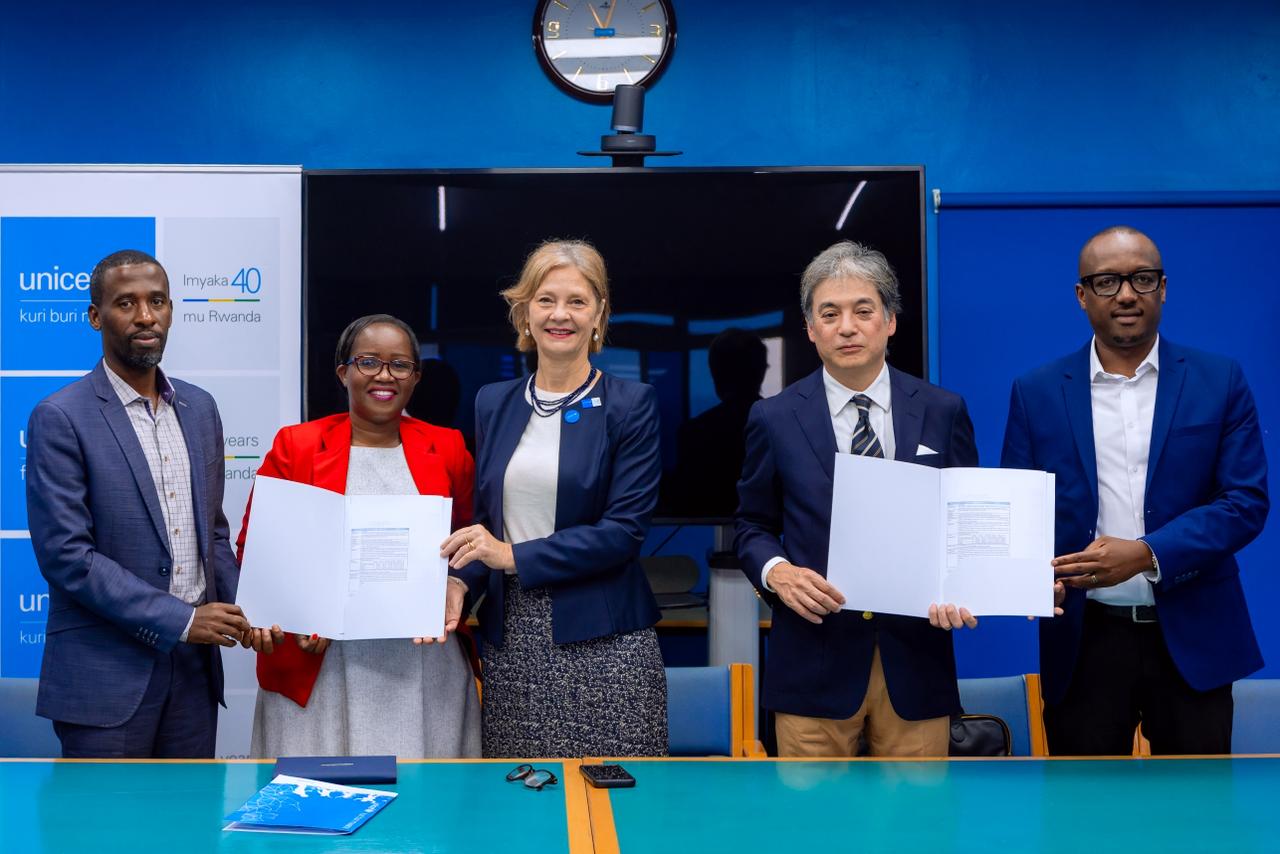
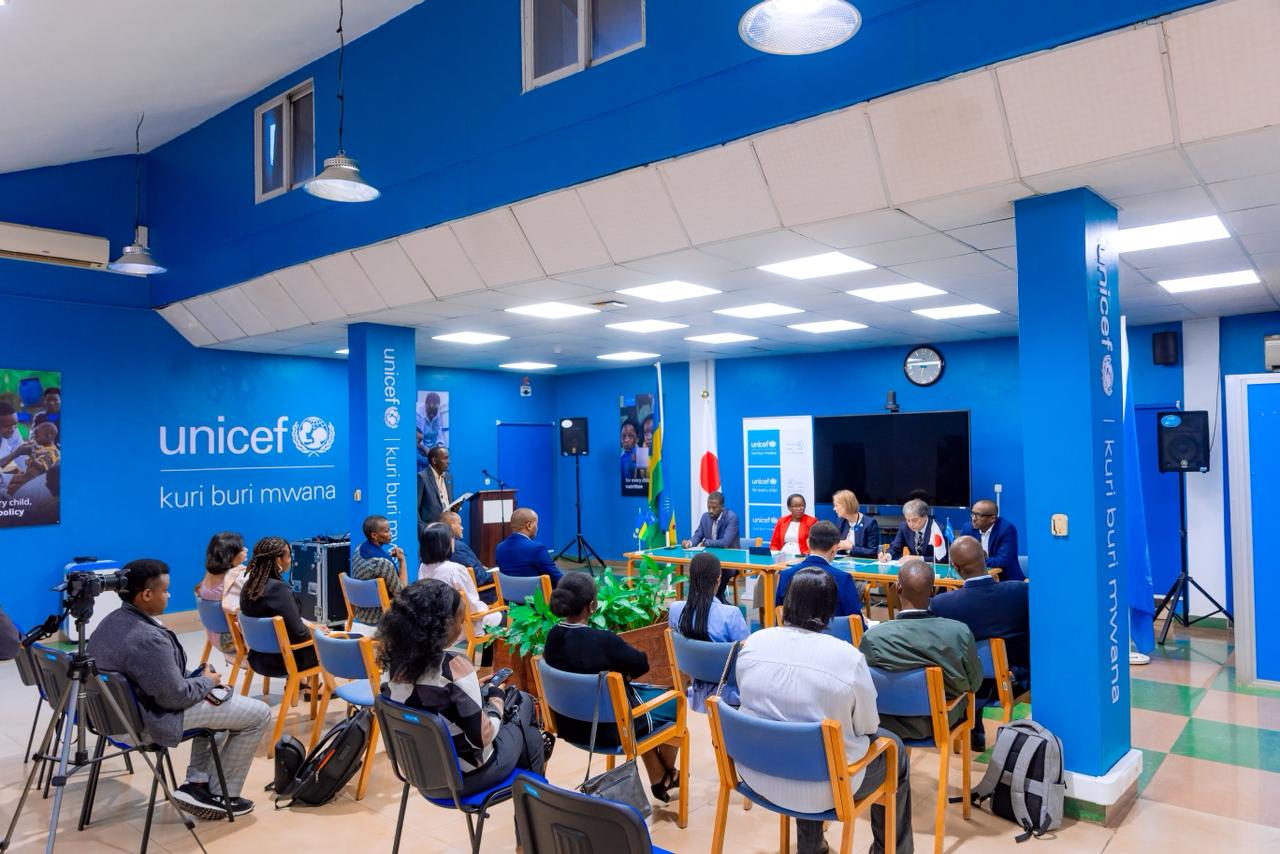
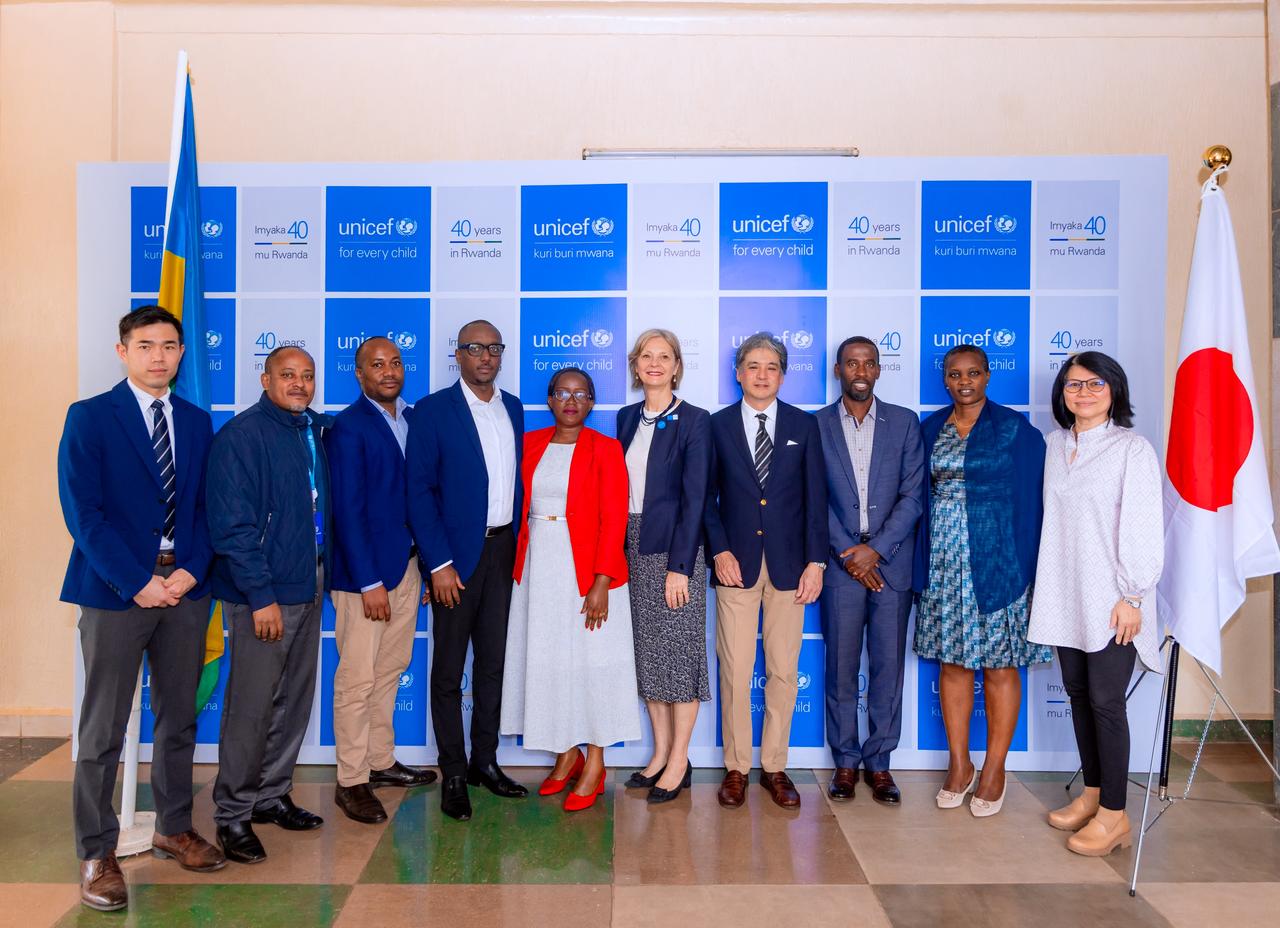
The project, part of Japan’s Supplementary Budget for FY2025, is aimed at improving access to health, nutrition, and Water, Sanitation and Hygiene (WASH) services in six border districts: Rubavu, Nyabihu, Karongi, Rusizi, Nyamasheke, and Rutsiro. The initiative forms part of a larger Japanese contribution of approximately $2.5 million released in 2023 and 2025, which has already enabled the rehabilitation of water supply systems in Nyamasheke and Rusizi, benefiting thousands of residents.
The new funding will directly impact nearly 115,000 people, with a focus on restoring damaged infrastructure and ensuring safe, climate-resilient water supply services. Rutsiro District, which experienced significant damage to its water systems, is a key beneficiary.
Kazuya Nakajo, Ambassador of Japan to Rwanda, said the funding aligns with Rwanda’s National Strategy for Transformation (NST2).
He noted that the $2.5 million support will reach more than 100,000 beneficiaries, addressing stunting and advancing universal health coverage to help end endemic diseases.
Gemma Maniraruta, Director General of Water and Sanitation at the Ministry of Infrastructure, said past Japanese grants achieved about 94 percent of physical progress and that the new funding will sustain and expand these gains.
She emphasised the importance of technical support, noting, “We are requesting a technical team to maintain the existing projects, and we submitted a proposal in 2024. Considering our shortage of expertise, we hope this request will be considered.”
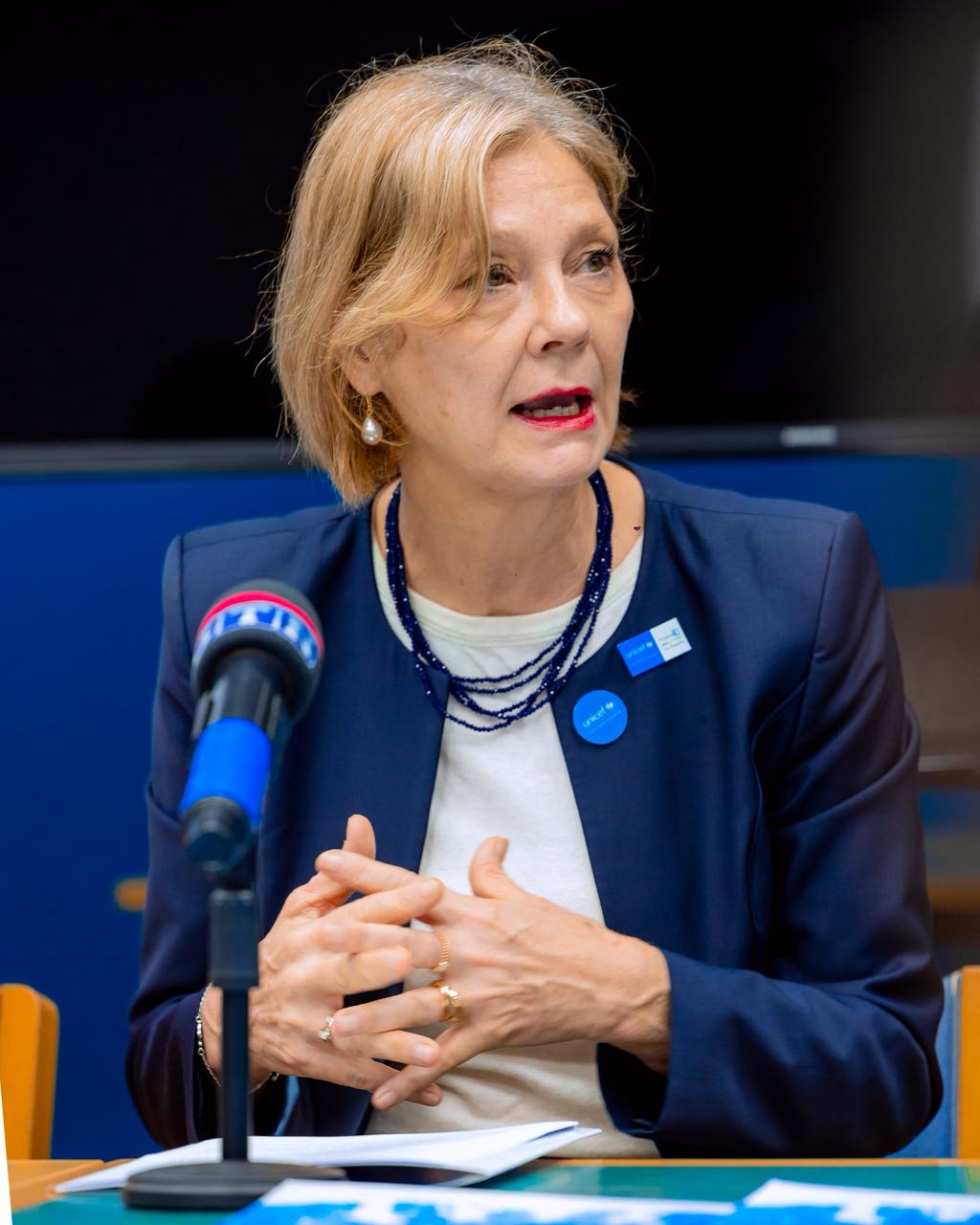
Lieke van de Wiel, UNICEF Representative in Rwanda, highlighted the strain that climate change and disasters have placed on health and water systems.
“The contribution will strengthen essential health, nutrition, and WASH services, helping to save lives today, prevent disease, and build resilience for the future,” she said, adding that UNICEF will ensure diligent implementation through monitoring and reporting.
Officials from the Rwanda Biomedical Center and the Water and Sanitation Corporation Group welcomed the support, noting that it will improve public health outcomes, reduce stunting linked to poor sanitation, and help transition communities toward climate-resilient water and health systems.
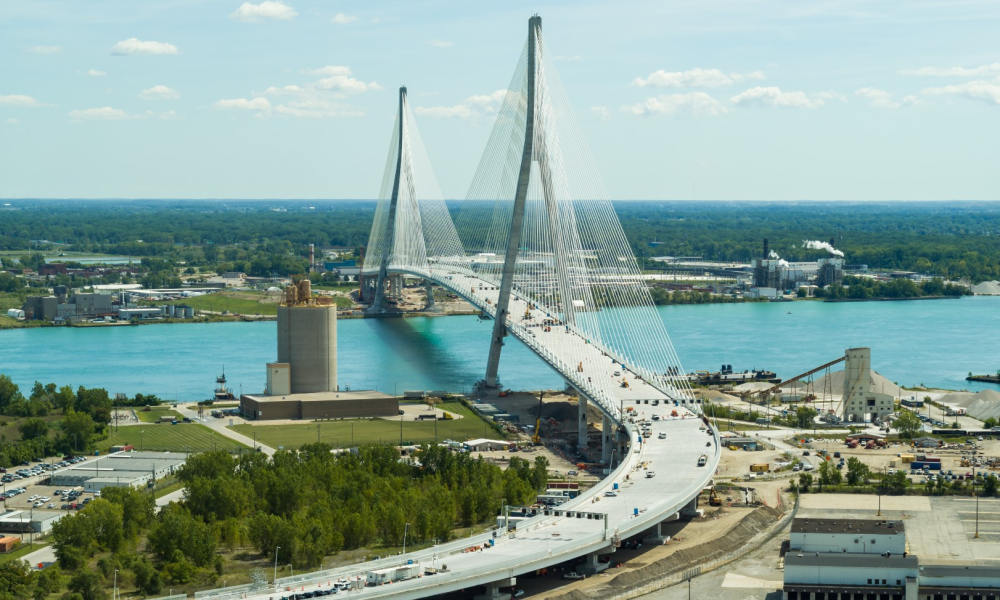
The bridge, expected to open in early 2026, has been funded by the Canadian government and is designed to alleviate traffic congestion, especially for trucks crossing the Detroit River via the Ambassador Bridge.
In a recent social media post, Trump demanded that the United States be given at least half of the bridge’s ownership, alongside other unspecified conditions.
“I will not allow this bridge to open until the United States is fully compensated for everything we have given them and, importantly, until Canada treats the United States with the fairness and respect we deserve,” Trump stated. He also emphasized that negotiations with Canada would begin immediately.
The Gordie Howe Bridge is expected to significantly reduce crossing times for trucks by up to 20 minutes, potentially saving an estimated $2.3 billion over 30 years, according to a study from the University of Windsor.
However, Trump’s threats to halt the project have raised concerns about the economic impact, with Michigan Senator Elissa Slotkin warning that such an action could increase costs for Michigan businesses, disrupt supply chains, and cost jobs.
This move is the latest in a series of escalating tensions between the US and Canada, with Trump previously threatening to impose tariffs on Canadian goods and criticizing Canada’s trade relations with China. The US and Canada are also preparing to renegotiate the United States-Mexico-Canada Agreement (USMCA), which Trump signed during his first term.
The Gordie Howe Bridge, negotiated by former Michigan Governor Rick Snyder, is a critical infrastructure project that aims to improve trade and reduce congestion between the two countries. Despite the political turbulence, it remains a vital part of future cross-border operations.
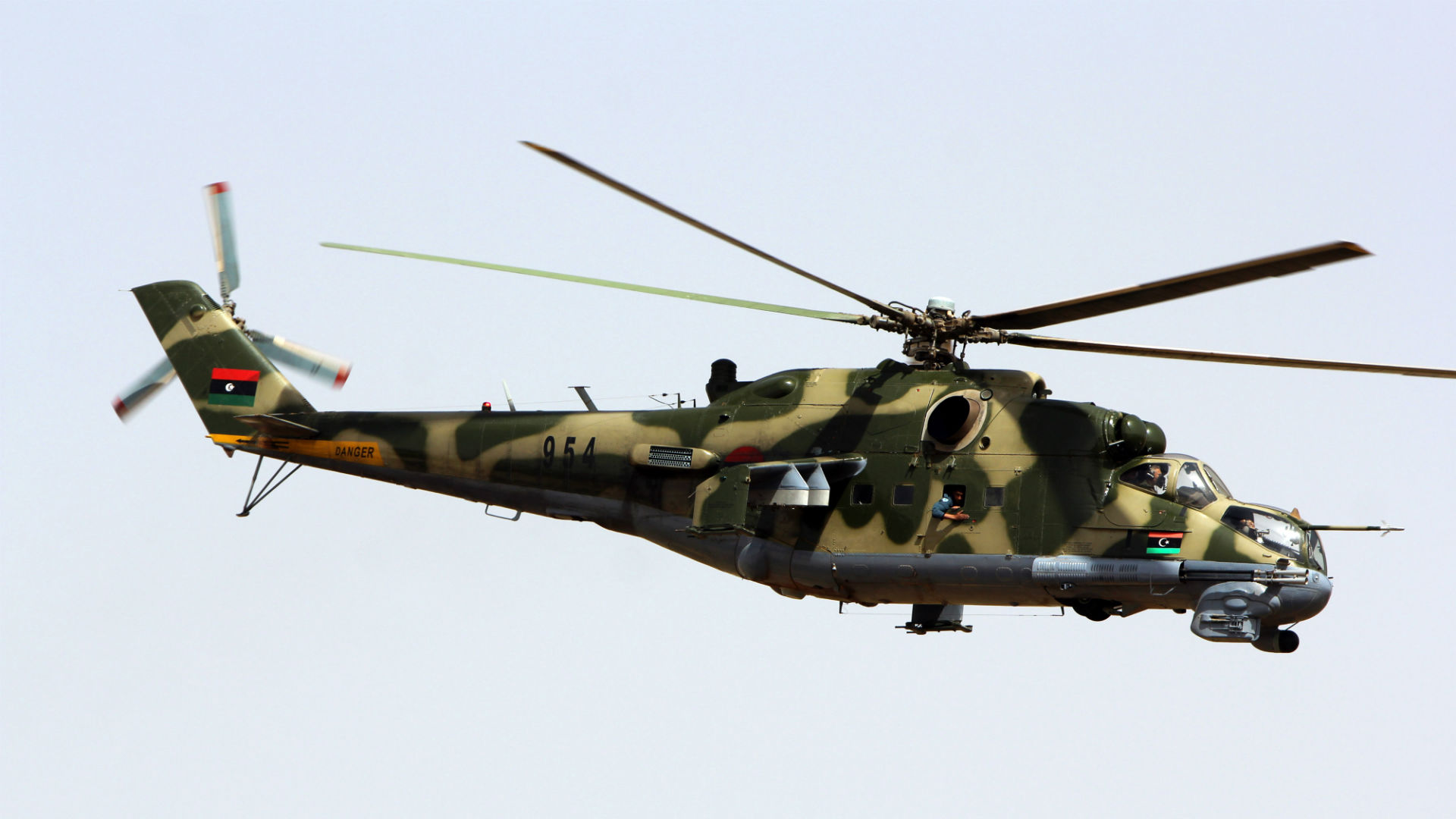
The helicopter was carrying two military personnel and a medical escort, in addition to two foreigners, the TV channel said on Facebook, quoting a source from the city of Kufra.
The helicopter had been on a mission to evacuate a soldier injured in a traffic accident in the desert before it crashed at the base, the TV said.
The fighters had undergone extended training at the Tshanzu military training center in Rutshuru Territory, North Kivu Province. Their instruction included combat techniques and physical endurance training.
AFC/M23 military chief Maj Gen Sultani Makenga told the new commandos that their fellow fighters on the front lines had carried out major operations that weakened what he described as a coalition of Congolese government forces and allied groups.
“Your colleagues have done significant work on various battlefronts. They confronted and defeated the enemy’s forces, which included different groups such as Burundian troops, FDLR elements, and foreign mercenaries,” he said.
He added that the group’s fighters had overcome multiple adversaries and called on the new recruits to support what he described as a shared mission.
“Your colleagues on the front lines are waiting for you. When you join them, they expect you to help advance the mission, not become a burden. Go and support civilians who have suffered for a long time, and do not cause them harm,” Makenga said.
He urged the recruits to maintain discipline and avoid conduct he associated with opposing forces, including harming civilians, drug use, and looting, saying such behavior undermines stability and governance.
Since AFC/M23 captured the city of Goma in January 2025, the group has continued to recruit and train new fighters. In September and October of that year, more than 16,000 commandos completed training at the Tshanzu and Rumangabo centers before their deployment.
UNMISS spokesperson Priyanka Chowdhury said that the process is progressing in a coordinated and orderly manner, with the safety and protection of residents remaining a central priority.
“UNMISS is working closely with Upper Nile State and national authorities as well as humanitarian partners to facilitate the transition of the Malakal UN Protection of Civilians site into a settlement area, for which the government will take full responsibility under its sovereign obligations to protect civilians,” Chowdhury told Xinhua in Juba, the capital of South Sudan.
In 2020, the POCs in Bor, Bentiu, Wau, and Juba were redesignated as internally displaced persons camps under government authority.
The Malakal POC site, which hosts approximately 40,000 residents, remains the only safe shelter for civilians fleeing violence amid intermittent clashes between the South Sudan People’s Defense Forces and the opposition Sudan People’s Liberation Army-In Opposition (SPLA-IO).
Tensions between the two forces escalated after an attack on the SSPDF base in Nasir, Upper Nile State, in March 2025 by the White Army, a militia which the government claimed to be linked to the SPLA-IO.
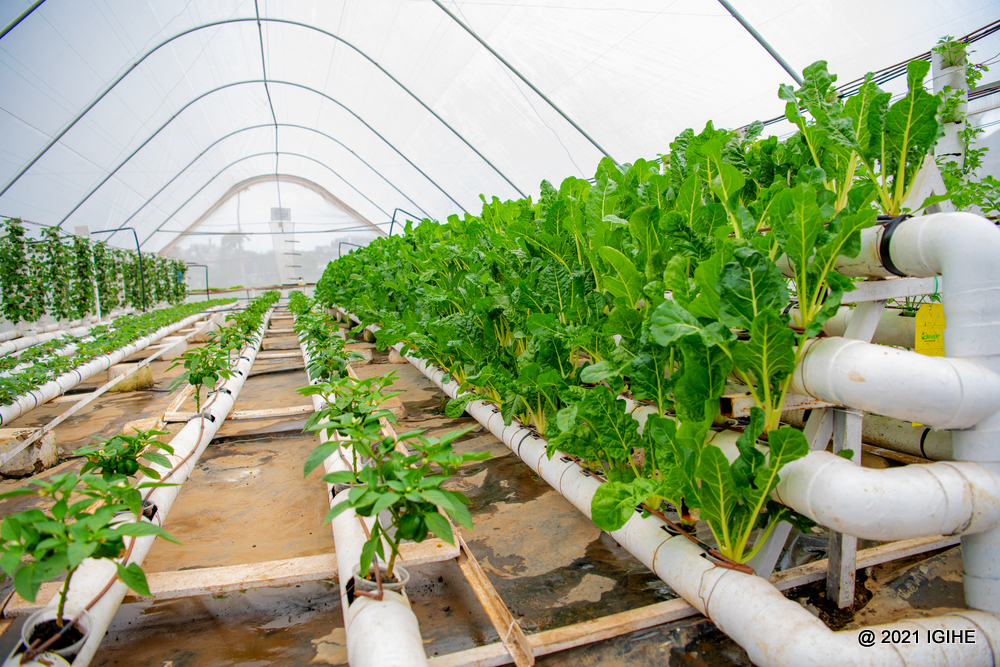
The two-day Organization for Economic Cooperation and Development (OECD) public-private dialogue on mobilizing the private sector for sustainable trade and investment in Africa’s agrifood sector brought together over 100 delegates, including government officials, industry executives, and representatives from regional economic blocs.
Themba Khumalo, director of the private sector unit at the African Continental Free Trade Area (AfCFTA) Secretariat, said that the continent’s rising food import bill continues to strain fiscal balances and expose millions of Africans to external shocks.
“These realities underscore the urgency of the private sector to support governments in enhancing agricultural output and incomes for farmers, processors, traders, and consumers,” Khumalo said.
He added that the AfCFTA will catalyze private investments because it provides a platform to unlock Africa’s vast agricultural potential through trade.
Florian-Emil Dumitru, secretary of state at the Ministry of Agriculture and Rural Development of Romania, added that private companies often invest in innovations, such as climate-smart technologies and mechanization.
Yemi Osinbajo, former vice president of Nigeria, revealed that private investors can support African governments to enable small-holding farmers to overcome challenges such as access to affordable credit and agricultural extension services.
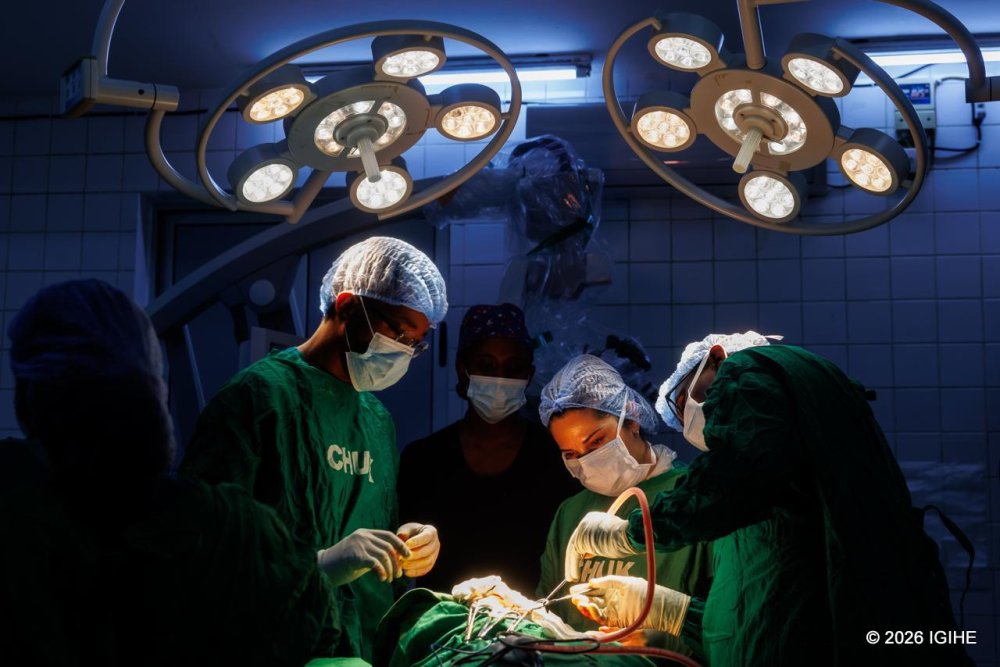
The week-long surgical program began on Monday, February 9, 2026, with the successful operation of a 39-year-old woman who had lived with epilepsy for 15 years despite ongoing medication.
The procedure was conducted by a team of CHUK specialists working alongside visiting international experts who are supporting the introduction of epilepsy surgery services in Rwanda.
Until now, epilepsy in Rwanda has been treated primarily with medication, as surgical capacity was not available. However, some patients do not respond to drug therapy and previously had to seek treatment abroad, often in India.
Epilepsy occurs when brain signals become excessive or disorganized, triggering physical and behavioral symptoms.
These may include loss of consciousness, repeated falls, tongue biting, muscle stiffness, and involuntary urination or defecation, depending on the part of the brain affected.
During the procedure, surgeons accessed the brain by temporarily removing a section of skull bone before treating the affected area.
Other surgical techniques for epilepsy may also be used depending on the patient’s condition.
Dr. Inyange Musoni Sylvie, a Rwandan neurosurgeon involved in the operation, said the patient’s seizures originated from the left side of the brain.
“The treatment involved removing a small portion of brain tissue identified by MRI scans as the source of the seizures,” she explained.
Despite long-term treatment, the patient had continued to experience seizures about twice a week, significantly affecting her quality of life and overall health.
According to Dr. Inyange, the procedure offers an estimated 85 percent chance of recovery, with the possibility that medication can be gradually reduced or discontinued entirely.
She described the development as a major milestone for epilepsy care in Rwanda, noting that patients who did not respond to medication previously had limited options, while seeking treatment abroad was often difficult and costly.
“This is an important breakthrough because many Rwandans living with epilepsy could not access this treatment. When patients came to us, our only option was to adjust medication. It placed a heavy burden on families, the health system, and the country as a whole,” she said.
Alivera Mukarugwiza, a caretaker, said her daughter first developed epilepsy while in primary school. For years, the family pursued different treatments without success. Medication later reduced the frequency of seizures, but recovery remained incomplete, and traveling regularly from Rwamagana to Kigali for care was challenging.
She expressed gratitude for the treatment her daughter received, thanking both God and the country for making the surgery possible.
MoKash is regulated by the National Bank of Rwanda (BNR) and offered on the MTN Mobile Money menu in partnership with NCBA Bank Rwanda.
The enhancements mark an important step in MoKash’s evolution from a fast, accessible digital lender into a holistic financial partner that supports customers through every stage of their financial journey.
{{Loan top up}}
The new Loan Top Up feature allows customers to access additional funds on their existing loan, within their approved limit, during the first 20 days after disbursement. The feature is designed around real customer behavior and economic realities.
Many customers borrow based on anticipated needs, only to discover new opportunities shortly after receiving funds. Rather than requiring customers to wait for a full loan cycle to close before accessing additional credit, Loan Top Up provides a timely and transparent way to extend financing within the same loan window.
“Loan Top Up reflects the real rhythm of our customers’ lives and businesses,” said Chantal Kagame, CEO of Mobile Money Rwanda Ltd. “Our customers make financial decisions in real time; a market trader may restock today and quickly realize that demand has grown. With MoKash, we are standing alongside them as a trusted financial partner, offering instant and flexible support that adapts to their everyday realities. This evolution reinforces our commitment to building inclusive digital financial solutions designed around how our customers live, work, and grow.”
{{Lock savings}}
The newly introduced Lock Savings feature empowers customers to save and commit funds for defined periods ranging from one to twelve months. By choosing to lock their savings for a set tenure, customers earn competitive interest rates based on their balance levels, encouraging disciplined financial behaviour and long-term planning.
Lock Savings is fully embedded within the MoKash experience for MTN Mobile Money customers. Customers can seamlessly allocate funds from their MoKash General Savings account or mobile wallet into a locked savings account, monitor balances in real time, and earn up to 8% interest per annum while maintaining full visibility of their financial goals.
Commenting on the launch, Maurice Toroitich, Managing Director of NCBA Bank Rwanda, described Lock Savings as a powerful tool.
“Lock Savings reflects how our customers aspire to grow. A parent setting aside school fees, a trader saving to expand stock, or a young professional building a financial cushion, these are everyday ambitions,” said Toroitich.
“We want to enable customers to transform short term income into long term progress.
Since its launch, MoKash has focused on solving real, everyday financial challenges by providing instant access to credit without paperwork, collateral, or long approval timelines. With Lock Savings and Loan Top Up, the platform now goes further by enabling customers to plan more deliberately, manage liquidity more flexibly, and build stronger financial foundations in a rapidly evolving economy.”
{{About MoKash}}
Since its launch in 2017, MoKash has grown to serve over 5 million customers, with women accounting for 40 percent of the customer base and youth approximately 60 percent.
The platform currently disburses more than 10,000 loans daily, reinforcing MoKash’s leadership in digital financial inclusion.
{{About Mobile Money Rwanda Ltd}}
Mobile Money Rwanda Ltd is MTN Rwanda’s FinTech subsidiary, established on 27th April 2021 to provide and manage Mobile Money services in Rwanda. The company has over 6.2 million subscribers, more than 66,000 Mobile Money agents, and over 550,000 MoMoPay merchants nationwide.
With continuous innovations in services such as MoMoPay, MoKash Loans & Savings, Tap&Go bus payments, Bill Payments, Virtual Card by MoMo, International & Regional Remittances, and more, MoMo Rwanda is at the forefront of driving financial inclusion and powering the digital economy in Rwanda.
{{About NCBA Bank Rwanda}}
NCBA Bank Rwanda is a subsidiary of NCBA Group, a regional banking group providing a broad range of financial products and services to corporate, institutional, SME, and consumer banking customers.
NCBA Group operates 115 branches in five countries: Kenya, Uganda, Tanzania, Rwanda, and Ivory Coast, serving over 60 million customers and ranking as the largest banking group in Africa by customer numbers.
In Rwanda, NCBA operates branches in Kigali, Musanze, Nyagatare, Rubavu, Kayonza, and Rusizi. Through its partnership with MTN Mobile Money Rwanda Ltd on MoKash, NCBA has attracted over 5 million customers, making it the country’s largest retail digital bank and a central catalyst for financial inclusion.
Prince Kid, the former organizer of the Miss Rwanda beauty pageant, was convicted in Rwandan courts of rape and soliciting or engaging in sexual acts in exchange for favors related to contestants in the competition he ran.
In October 2023, the High Court sentenced him to five years in prison. Neither he nor his legal team appeared for the ruling, while the prosecution was present. It was later established that Prince Kid had fled justice.
The United States Immigration and Customs Enforcement (ICE) arrested Prince Kid in Fort Worth, Texas on March 3, 2025.
Authorities said he had been living in Fort Worth unlawfully for some time. This immigration-related offense is the basis of the case he currently faces in the U.S.
Speaking on Monday during the launch of the judiciary’s anti-corruption week, Prosecutor General Habyarimana said Rwanda is working closely with U.S. judicial authorities to ensure that Prince Kid answers for his crimes.
“The case concerning Ishimwe Dieudonné, known as Prince Kid, has been concluded with a final conviction, meaning there are no further avenues of appeal. It has now been established that he is in the United States, where he is also facing other charges under that country’s jurisdiction.
“As is standard practice when a person has been definitively convicted and their location is known, the required procedures were undertaken, including the preparation of an arrest warrant submitted to the competent authorities in that country. Cooperation is ongoing, and we are following the matter in accordance with the law,” she said.
She added that Prince Kid could be extradited to Rwanda after responding to the charges he faces in the United States.
“We informed them of the judgment against him, detailed the charges, provided his full identification, and formally requested that he be returned to Rwanda. When a person is facing proceedings in another country, extradition can sometimes take time. We submitted the relevant documents and case files in October 2024, but he must first answer to the proceedings where he is currently located. In due course, we expect to receive him as requested.”
The charges against Prince Kid stem from alleged sexual abuse of contestants who participated in the Miss Rwanda pageant, which he organized for years through his company, Rwanda Inspiration Backup.