The proposal was put forward by Angola’s President, João Lourenço, in his role as Chairperson of the African Union, who indicated that the ceasefire should take effect on February 18, 2026, ahead of peace talks involving Congolese stakeholders.
On February 12, Amb. Nduhungirehe recalled that in 2024, ceasefires were announced twice, and in 2025, six peace or ceasefire agreements were signed yet the DRC government failed to implement any of them.
“We can stack peace agreements or ceasefire declarations endlessly, but as long as Kinshasa shows no political will to stop its air and artillery attacks, as long as President Tshisekedi remains fixated on impossible military solution, and as long as the international community continues to turn a blind eye to Kinshasa’s actions, which violate all these agreements, it will be in vain.” he shared on X.
Angola’s call for a ceasefire followed a visit by DRC President Félix Tshisekedi on February 9, 2026, during which he met with AU mediator Faure Essozimna Gnassingbé and Olusegun Obasanjo, a mediator appointed by both the East African Community (EAC) and the Southern African Development Community (SADC).
The mediators emphasized the need to focus on African Union-led talks that include Congolese parties, stating that such dialogue is the only way to address the root causes of the DRC’s ongoing crisis.
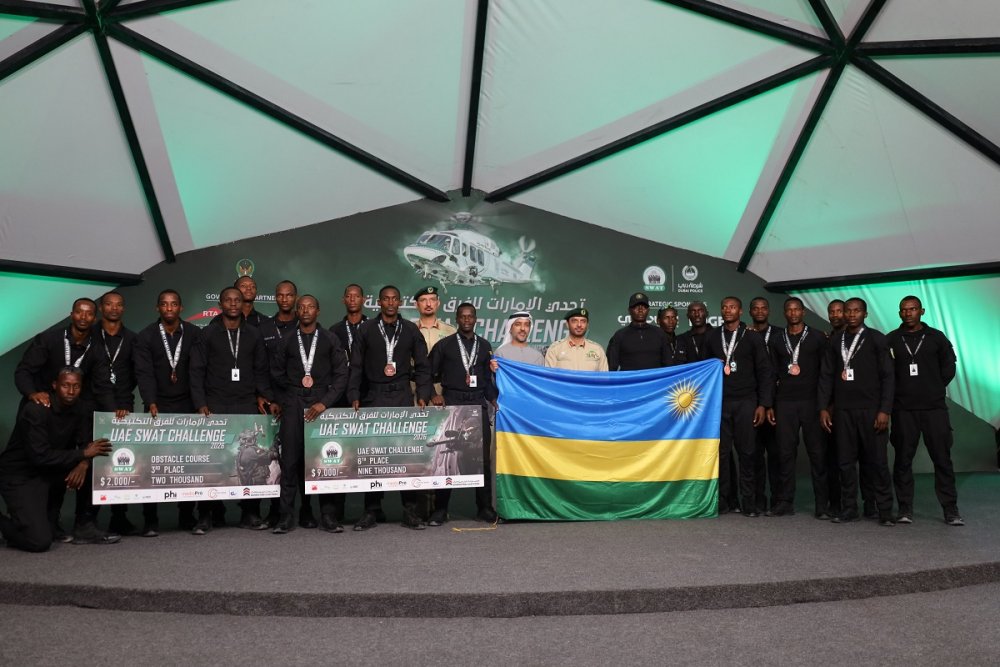
The international competition, which concluded on Wednesday, February 11, 2026, drew 109 teams from 48 countries. It tested elite police and military units in realistic counter-terrorism and tactical scenarios across five challenging categories.
The culminating obstacle course, a grueling test of physical endurance, teamwork, wall scaling, and navigation through tough terrain, required five-member teams to tackle 19 complex stations as quickly as possible.
RNP SWAT Team I, Rwanda’s top-performing squad, completed the demanding course in 3 minutes, 40 seconds, and 90 milliseconds. This placed them third in the event, securing the bronze medal behind Kazakhstan’s dominant teams and ahead of strong showings from China and others.
In the overall standings, which combined results from all stages, RNP SWAT Team I finished an impressive sixth with 484 points, marking the team’s best-ever result in the competition. RNP SWAT Team II placed 29th with 386 points, while the Rwanda Defence Force Special Operations Forces (RDF SOF) Team came in 37th with 361 points.
Kazakhstan led the field decisively: their Team C claimed gold with 536 points, Team A took silver with 515 points, and China Police Team C rounded out the podium bronze overall with 493 points.
The study, led by Australia’s University of Technology Sydney (UTS) and the Woolcock Institute of Medical Research, is the first to show that sex modulates gene networks controlling bronchial responsiveness under normal physiological conditions, said a UTS statement on Thursday.
“Biological sex fundamentally shapes how the lungs function, even under healthy, non-diseased conditions,” said study lead author, UTS and Woolcock Institute Research Fellow Razia Zakarya.
“Male lungs are intrinsically more reactive to inhaled triggers than female lungs, which helps explain why the sexes experience respiratory disease differently,” Zakarya said, adding these differences arise from discrete gene network activity rather than a single gene or hormone.
The study, published in the Federation of American Societies for Experimental Biology journal, shows that sex differences in lung function exist at a deep molecular level, long before disease develops.
“Essentially, the sexes utilize different genetic toolboxes when exposed to environmental factors,” Zakarya said.
The team also found that early-life environmental exposures could alter these molecular networks in sex-specific ways, potentially influencing vulnerability to diseases such as asthma and chronic obstructive pulmonary disease.
Zakarya said the findings underscore the need for sex-inclusive biomedical and environmental health research from the earliest stages of discovery.
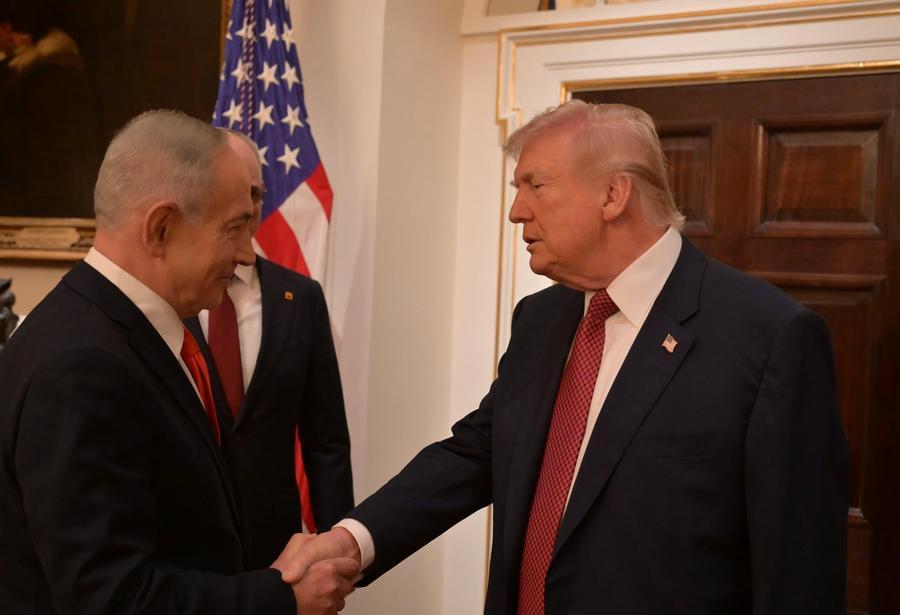
“I have just finished meeting with Prime Minister Netanyahu, of Israel, and various of his Representatives,” Trump said in a post on Truth Social.
“There was nothing definitive reached other than I insisted that negotiations with Iran continue to see whether or not a Deal can be consummated,” Trump said. “If it can, I let the Prime Minister know that will be a preference. If it cannot, we will just have to see what the outcome will be.”
He added that the two leaders discussed the progress being made in Gaza and the region in general.
Netanyahu arrived at the White House in a vehicle via the South Lawn on Wednesday morning and left without a press conference or a statement issued.
The meeting, their seventh since the start of Trump’s second term, reportedly lasted roughly three hours.
Before the meeting, Netanyahu met with U.S. Secretary of State Marco Rubio and formally signed up as a member of the “Board of Peace.” The initiative is controversial in Israel’s parliament, Fox News reported.
Ahead of his trip to Washington, Netanyahu told reporters: “I will present to the president our concept regarding the principles of the negotiations (on Iran) — the essential principles that are important not only to Israel but to anyone who wants peace and security in the Middle East.”
Netanyahu’s office has said that the prime minister wants the talks to include limits on Iran’s ballistic missile program and cut Iran’s ties with militant groups such as Hamas and Hezbollah.
Trump said Tuesday in an interview with Fox Business Network that “it’s got to be a good deal. No nuclear weapons, no missiles.”
Iranian President Masoud Pezeshkian said at celebrations in Tehran for the 47th anniversary of the 1979 Islamic Revolution on Wednesday that a “wall of distrust” created by the West is hindering nuclear talks with the United States, vowing that Iran will never surrender to excessive demands and aggression.
Also on Wednesday, Iranian Foreign Minister Seyed Abbas Araghchi told Russia Today that he believes Iran and the United States can strike a nuclear deal better than the Joint Comprehensive Plan of Action signed in July 2015, while reiterating that Iran will not negotiate on its missile program or regional alliances.
Washington and Tehran held their indirect talks on Friday in the Omani capital of Muscat amid simmering tensions between the two sides and a U.S. military buildup near Iran.
On Tuesday, Trump said he is considering sending a second aircraft carrier strike group to the Middle East for possible military actions against Iran if negotiations fail.
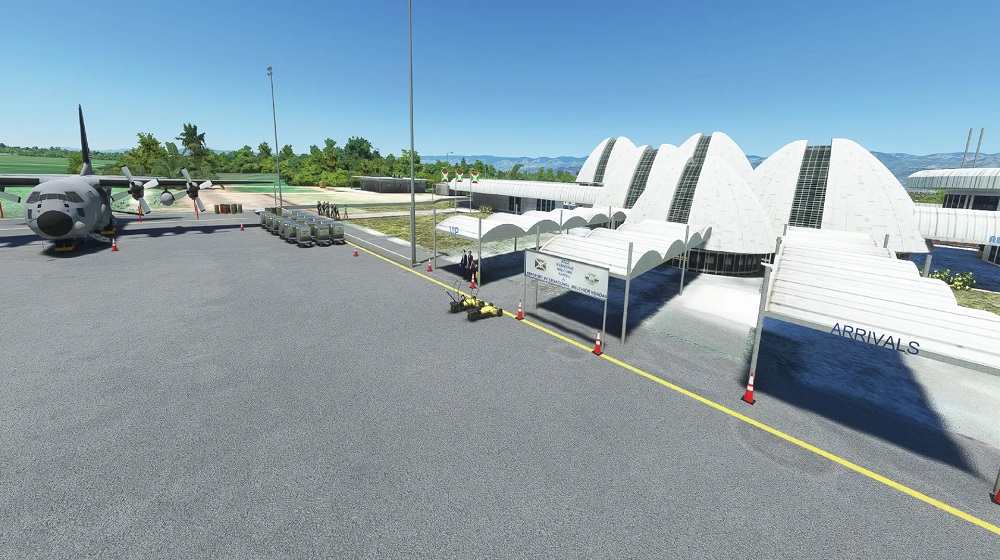
The disruptions have affected several high-level flights, including travel by Burundi’s President, Evariste Ndayishimiye.
Safe aircraft operations rely on constant coordination between pilots and ground air traffic controllers, supported by navigation technologies such as radar and GPS systems that provide accurate positioning and approach guidance.
However, airport officials say these systems began malfunctioning after Belgian-installed air telecommunications equipment was removed and replaced with Russian-made systems.
On February 1, 2026, a RwandAir flight was forced to return to Kigali International Airport when it was approximately six kilometers from landing in Bujumbura due to communication difficulties between the cockpit and ground control.
On the same day, a Falcon 900 jet carrying Togo’s President of the Council of Ministers, Faure Essozimna Gnassingbé, and his delegation also diverted after experiencing GPS-related issues. The aircraft landed in Kampala, Uganda, instead of Bujumbura.
The situation also affected President Ndayishimiye on February 7. His aircraft, en route from Abu Dhabi in the United Arab Emirates, was unable to complete its approach to Bujumbura and had to turn back due to similar communication problems.
Airlines impacted by the disruptions have reportedly contacted Bujumbura airport authorities to seek clarification and assurances regarding the reliability of the airport’s communication and navigation systems.
Data from the National Agricultural Export Development Board (NAEB) shows that coffee and tea remained the country’s top foreign exchange earners during the week, contributing significantly to the overall export revenues.
Coffee exports reached 650 metric tons, generating $3,992,824, maintaining its position as Rwanda’s leading agricultural export. Tea followed closely, with 958 metric tons exported and revenues amounting to $2,800,793.
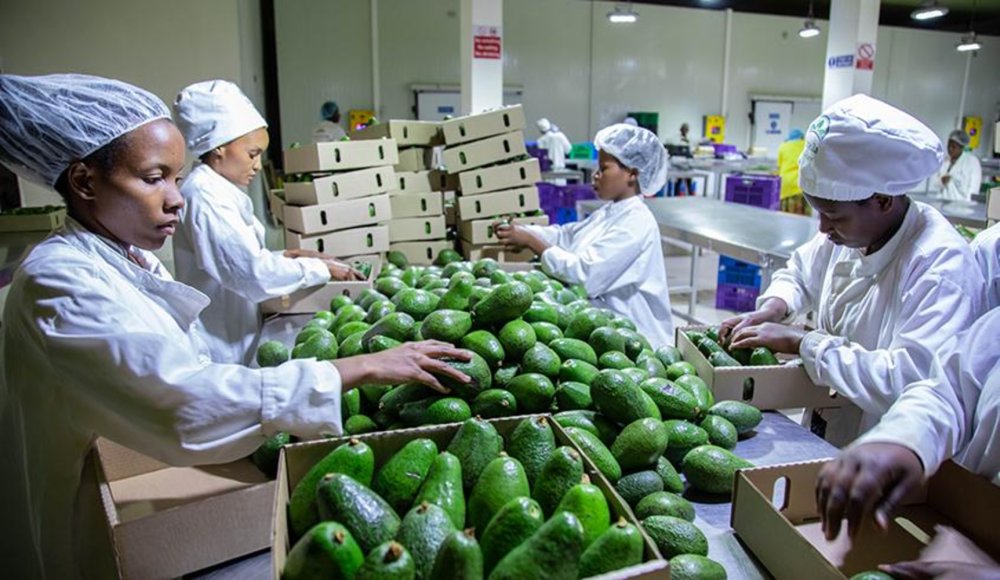
Diversified agricultural products accounted for the largest export volume during the period, with 6,732 metric tons shipped abroad, generating $4,288,813. Key destinations included the United States of America, Oman, as well as cross-border and other African markets.
The horticulture subsector also recorded notable performance. Vegetable exports totalled 363 metric tons, earning $390,539, with major markets including Great Britain, the Netherlands, India, Canada, Germany, France, and regional African countries. Fruit exports reached 267 metric tons, generating $311,860, mainly destined for the United Arab Emirates, Great Britain, Canada, and regional markets.
Flower exports, though smaller in volume at 59 metric tons, generated $614,925, reflecting strong demand in the Netherlands and the United Kingdom.
Animal products contributed $676,440 from 364 metric tons exported, with the United Arab Emirates and cross-border markets serving as key destinations.
Last month, the RRA and RNP launched a joint nationwide awareness campaign, providing special support to fast-track ownership transfers and assist those facing challenges in completing this mandatory process.
All owners of vehicles and motorcycles that are no longer in use are also required to return their number plates for deregistration and to prevent the accumulation of unnecessary taxes.
In Kigali, ownership transfer services are provided at Dubai Port Masaka, Nyamirambo, Gikondo Expo Ground, and Canal Olimpia. Similar services are available at 14 other tax centres across the provinces.
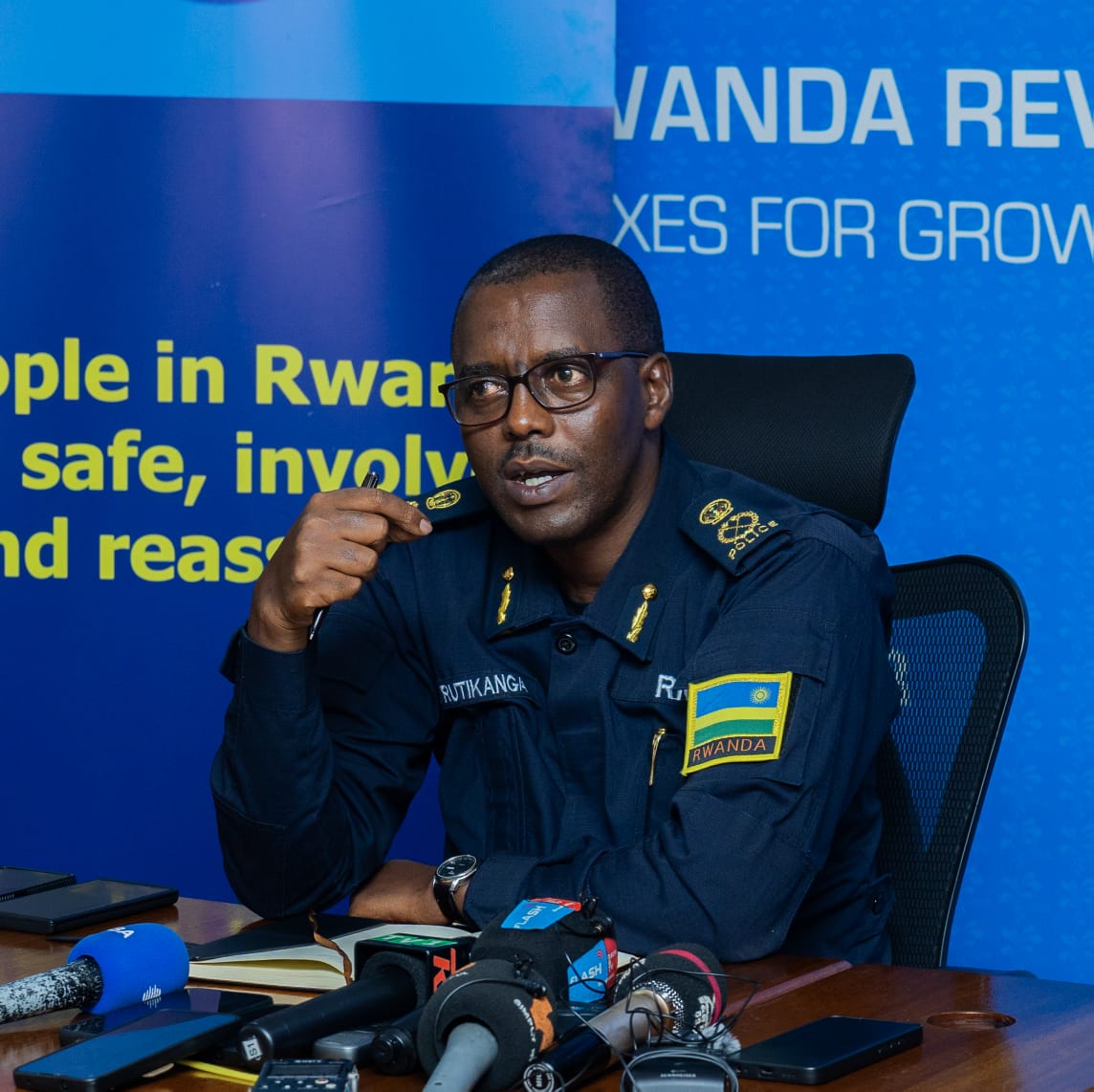
The RNP spokesperson, Assistant Commissioner of Police (ACP) Boniface Rutikanga, said that while many people are responding positively, some remain uncooperative.
“Although people are turning up for this service, some individuals remain reluctant and fail to assist their counterparts in completing ownership transfers,” ACP Rutikanga said.
One such case involved motor-taxi rider Bikorimana Samuel from Shangi Sector in Nyamasheke District, who bought a motorcycle from Hitarurema Placide in July 2025. According to Bikorimana, repeated attempts to complete the transfer were unsuccessful after the seller stopped responding to calls.
“He told me he did not have time and that we would do the ownership transfer the following month. When the time came, he stopped answering my calls,” Bikorimana said.
He further explained that due to his work in Nyamasheke and Rusizi districts, he was unable to return to Kigali to follow up. However, after learning about the ongoing special support, he reported the issue to the authorities.
“The Police later called me and told me they had located him. They brought us together, and the ownership transfer was finally completed,” he said, thanking the Police for their intervention and encouraging others facing similar challenges to seek help at the designated service sites.
Similarly, Joseph Ndayisaba had spent three years without completing the ownership transfer for a car he bought after the seller refused to cooperate.
“When I heard about the campaign, I went to one of the sites and explained my problem. I was told they would help locate the seller so the issue could be resolved,” Ndayisaba said, urging others facing similar challenges to take advantage of this special window period.
ACP Rutikanga once again reminded the public that the grace period, which ends on February 28, will not be extended.
“Anyone who bought or sold a vehicle and failed to facilitate ownership transfer should take advantage of this period. Once it ends, other measures will be taken to enforce the law,” he warned.
The Police and RRA continue to urge vehicle and motorcycle owners to utilise the established service points across the country before enforcement measures begin.
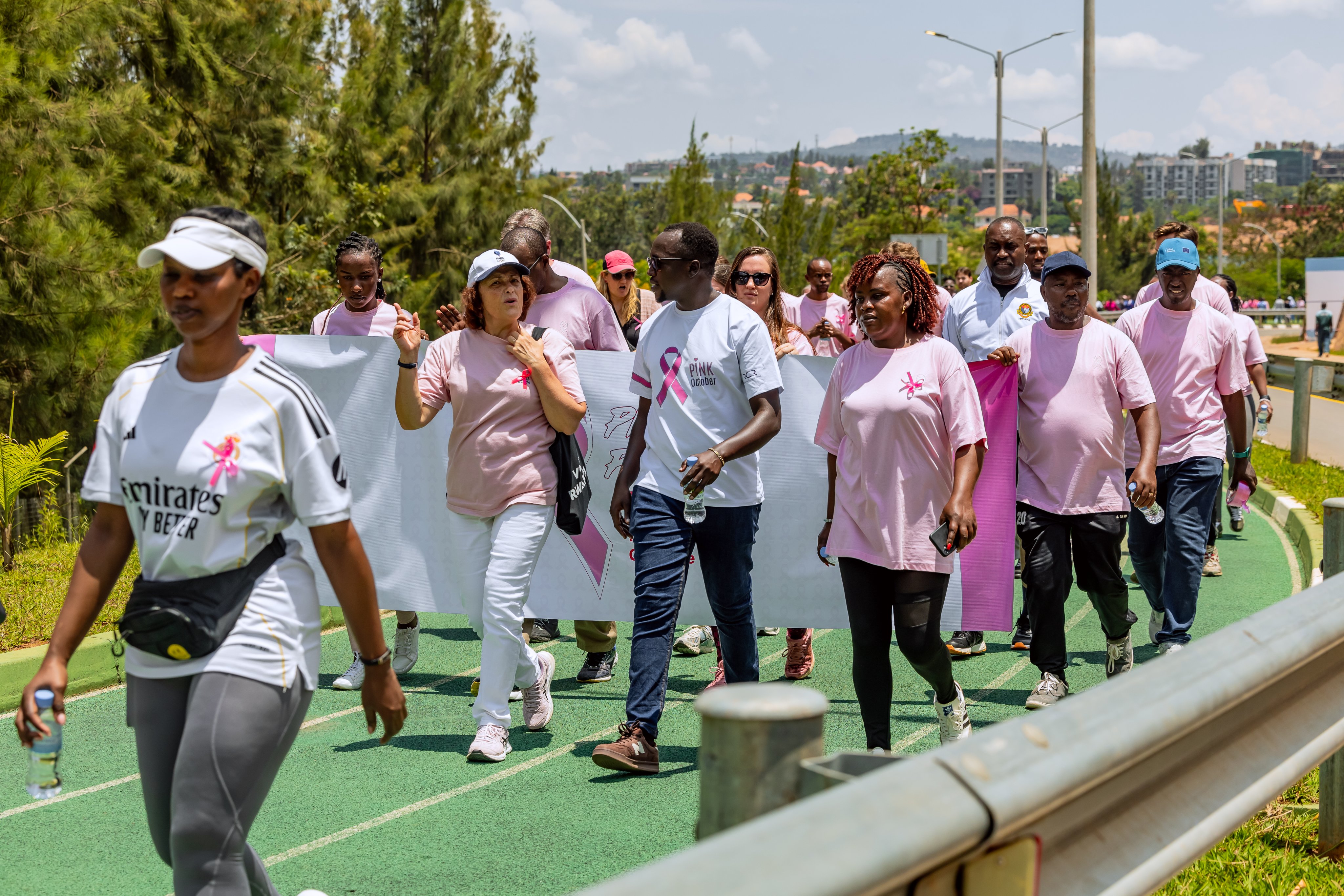
The book captures the emotional journeys of those facing the disease, highlighting resilience, courage, and the human connections that sustain people through some of life’s toughest moments.
Speaking during an interview with IGIHE, Dr. Rubagumya shared that his work is deeply personal. He lost his mother to cancer when he was only 11 years old, a loss that shaped his decision to pursue medicine and eventually specialise in oncology.
“Every patient who enters my room, I see my mom’s face,” he explains. “I take care of that person as if I’m treating my mother.”
In the interview, Dr. Rubagumya explained that during his early years, he did not know the exact cause of his mother’s death due to limited medical records and the state of healthcare in Rwanda at the time, as the country was still recovering from the 1994 Genocide against the Tutsi.
It was only during his clinical rotations in medical school, when he revisited the hospital where she had been treated, that he learned she had died of cancer. This revelation, coming years after her passing, changed his career path from aspiring surgeon to dedicated oncologist.
“Without passion and empathy, medicine would be just any other business,” he said. “Because of my background, I approach every patient with care and responsibility.”
That sense of empathy drives both his medical practice and his reflections in Beyond Cancer. It also inspired him to co‑found Rwanda Cancer Relief, a nonprofit organisation established in 2012 to support cancer patients across Rwanda.
Initially focused on childhood cancers, the organisation now supports patients of all ages through awareness campaigns, educational programs for healthcare professionals, patient support, including assistance with treatment costs when needed, and research to improve cancer care in the country.
“We support patients with indirect costs or the 10% co‑pay for Mutuelle patients who can’t afford it,” he says, noting that through these efforts, Rwanda Cancer Relief helps reduce financial barriers and provides critical support to patients and families navigating the challenges of cancer.
Cancer remains a major health challenge in Rwanda. According to the Rwanda Biomedical Center (RBC), breast cancer is the leading cancer among women, while prostate cancer is the most common among men. In 2023, 5,635 new cancer cases were recorded, including 719 breast cancer cases, 525 prostate cancer cases, and 664 cervical cancer cases. Stigma, late diagnoses, and financial constraints continue to impact patient outcomes, highlighting the urgent need for awareness, support, and accessible treatment, issues that Beyond Cancer brings to life through personal stories.
In the new book, Dr. Rubagumya shares stories of patients confronting life-altering diagnoses, families navigating fear and uncertainty, and caregivers showing unwavering dedication despite limited resources.
Through these stories, he shines a light on the social and emotional ripple effects of cancer, how it touches not only the body but entire families and communities. Readers encounter accounts of women struggling with stigma, parents fighting for their children’s treatment, and patients drawing strength from those around them.
Beyond documenting hardship, Beyond Cancer celebrates hope and resilience. It reveals how patients and families navigate challenges, from financial struggles to emotional strain, and how courage, compassion, and human connection often become as vital as medical treatment.
The book also emphasises the importance of raising awareness about cancer, encouraging readers to support patients, reduce stigma, and recognise that a diagnosis is not the end of life, but the beginning of a challenging journey that can still hold meaning and possibility.
Beyond Cancer is set to officially launch on Thursday, February 12, 2025. Dr. Rubagumya said the book will be available as hard copies in major bookstores and libraries in Kigali, as well as a soft copy on Amazon. All proceeds from the book will go to Rwanda Cancer Relief, supporting patient care, awareness campaigns, and research initiatives. Readers can also place direct orders for delivery by contacting +250 786 525 322.
Watch the full video below to learn more about Dr. Rubagumya’s inspiring journey.
Of this sponsorship, KShs. 100 million will go directly to the Safari Rally Kenya, while KShs. 28.5 million will be spent on the 5 KCB-sponsored; Karan Patel, Nikhil Sachania, Tinashe Gatimu, Queen Kalimpinya from Rwanda, and Uganda’s Oscar Ntambi. The rest of the funds will be spent on activations and marketing.
This brings to the total KShs. 980 million, the amount of money the Bank has given towards the global showpiece since its return to Kenyan soil in 2021 after a 19-year absence.
While presenting the sponsorship cheque to the Sports Principal Secretary, Elijah Mwangi Tuesday morning, KCB Group CEO Paul Russo said: “Our sponsorship demonstrates our commitment to driving sustainable impact, supporting local talent, and stimulating economic activity across tourism, trade, and enterprise among other sectors.”
“We are looking at continually building on our experience and scale in sports sponsorships across East Africa to further support talent for global, regional and in-country competitions across disciplines.”
KCB, a synonymous name in sports, has played a pivotal role in elevating the sports landscape in the country. In the past two decades, the Bank has spent over KShs. 5 billion on various sports disciplines, including motorsports, rugby, chess, volleyball, football, golf, and athletics. For motorsports specifically, the Bank has invested over KShs. 2 billion while also giving local drivers an opportunity to participate in local, regional, and international events.
The rally will cover a total competitive distance of 350.02 kilometers, supported by a liaison distance of 842.9 kilometers, in line with FIA requirements.
The four-day event will be based in Naivasha, a move designed to meet the FIA 2026 sporting regulations on distances and crew working hours, moving away from the usual ceremonial flag off in Nairobi.
On Thursday, March 12, there will be a shakedown at the newly introduced Nawisa stage. This will be followed by a ceremonial flag off before the cars pass Camp Moran and Mzabibu stages.
On Friday, March 13, cars will pass Camp Moran, Loldia, Geothermal, and Kedong. On Sunday, March 14, action will head to Soysambu, Elementaita, and Sleeping Warrior, before concluding with an autograph signing at Mzabibu.
Sunday, March 15, marks an electric day of action as cars rev off from Oserengoni, Hell’s Gate, before passing the Wolf Power Stage in the afternoon, culminating in the prize-giving ceremony.
“KCB’s sustained investment has helped grow local talent, attract global attention, and unlock opportunities for communities along the rally route. We commend the Bank for being a dependable partner in advancing sports development and youth empowerment in Kenya,” said PS Mwangi.
The Bank is committed to embedding sustainability at the heart of the rally, with an ambitious target of planting and growing 5,000 trees this year, in line with the government’s agenda to plant 15 billion trees by 2032.
Additionally, KCB will engage over 60 high schools in a curated green debate series that seeks to inspire and engage the younger generation, at the same time promoting environmental consciousness.
“The Safari Rally continues to grow as a global sporting spectacle, attracting fans and competitors from around the world. We are proud to showcase Kenya on the international motorsport stage and to inspire the next generation of local talent,” said Safari Rally Kenya CEO, Charles Gacheru.
This year, the rally is expected to attract 50 local and international teams, with top manufacturers such as Toyota, Hyundai, Škoda, and M-Sport Ford confirmed to compete.
The entry list features some of the sport’s biggest names, including Sebastien Ogier, Thierry Neuville, defending Safari Rally champion Elfyn Evans, and Grégoire Munster, among others.
Marking the third round of the season, the event remains the ultimate test of survival in the WRC, where the wildlife is as unpredictable as the weather, with a refined schedule that packs 20 special stages into four days.
In a statement shared on X reacting to a recent Reuters report, Amb. Nduhungirehe highlighted the deployment of foreign mercenaries linked to Erik Prince, the founder of the Blackwater from the United States (U.S.).
He questioned whether the United Nations Security Council, the African Union, and the broader international community would continue to overlook these actions.
“Let me recall that, by using foreign mercenaries over and over again, the Government of the DRC is defying the international community by violating the OAU Convention for the Elimination of Mercenarism in Africa, adopted in Libreville on 3rd July 1977, and the International Convention against the Recruitment, Use, Financing and Training of Mercenaries, adopted by the UN General Assembly on 4th December 1989 [Resolution 44/34],” Amb. Nduhungirehe wrote.
“Will the UN Security Council, the African Union and the larger ‘international community’ continue looking the other way in the face of this persistent violation of international law?”
The minister’s remarks directly reference a Reuters exclusive detailing Prince’s involvement in the DRC conflict.
The AFC/M23 fighting the Congolese government captured Uvira city on December 9, 2025, advancing toward the Makobola center.
By the end of that month, Congolese special forces from the ‘Hiboux’ and ‘Cheetah’ units had launched heavy attacks on the rebel positions, using heavy weaponry, combat aircraft, and drones.
On January 10, 2026, Reuters reported, citing four sources, that Erik Prince had deployed a private security team to operate the drones while Congolese forces intensified efforts to dislodge AFC/M23 from the city and the surrounding highlands of South Kivu.
The report said the team worked alongside Israeli advisers who trained two Congolese special forces battalions in day and night combat operations, although the Israelis’ mandate was limited strictly to training.
On 17th and 18th January, AFC/M23 withdrew all its fighters from the city after the United States reportedly promised that, if the withdrawal was respected, peace talks in Doha, Qatar, would resume.
By that time, Prince’s contractors were no longer needed on the frontlines, as Congolese forces and allied militias re-entered the city on the morning of January 18, without engaging in combat.
Sources indicated the team provided drone support to Congolese special operations forces and the army in Uvira before withdrawing to refocus on revenue collection efforts.
Last year, following the withdrawal of hundreds of Romanian mercenaries who had been fighting alongside the Armed Forces of the Democratic Republic of Congo (FARDC) after their defeat by the M23 rebels in Goma, President Félix Tshisekedi’s government reportedly hired the private military company Blackwater, founded in Colombia by Erik Dean Prince.
Amb. Nduhungirehe’s statement echoes Rwanda’s longstanding position that the DRC’s hiring of foreign fighters undermines regional peace efforts.