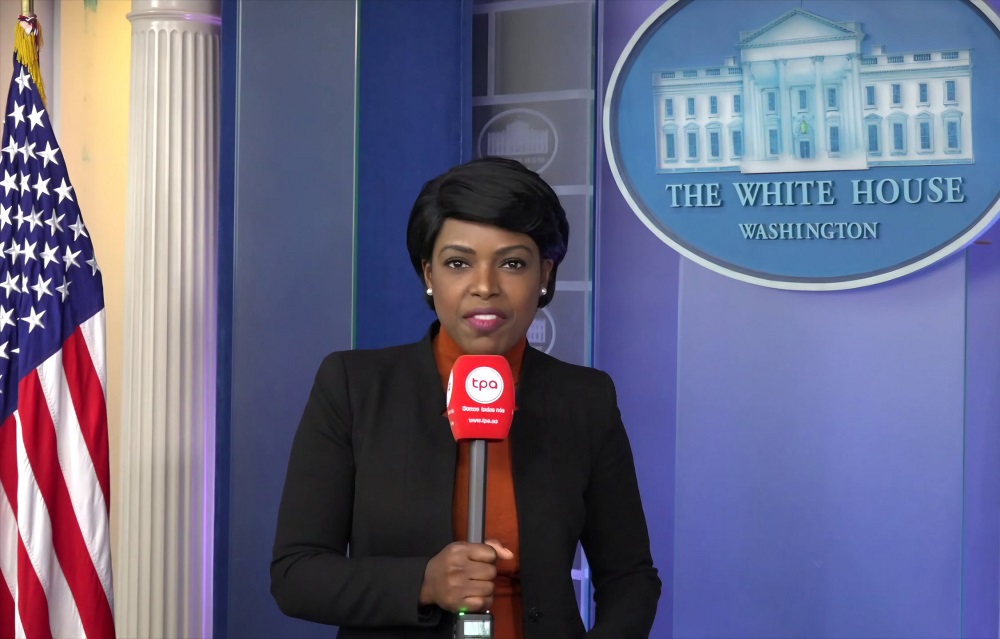
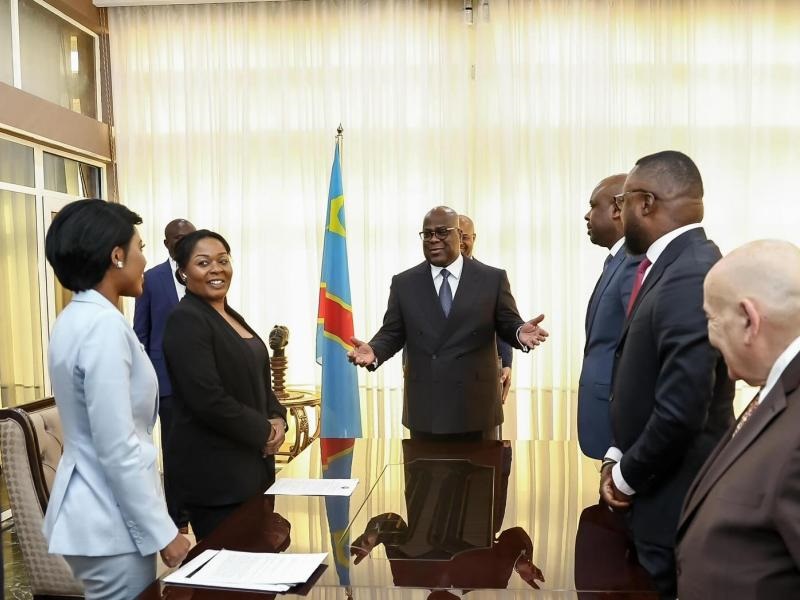
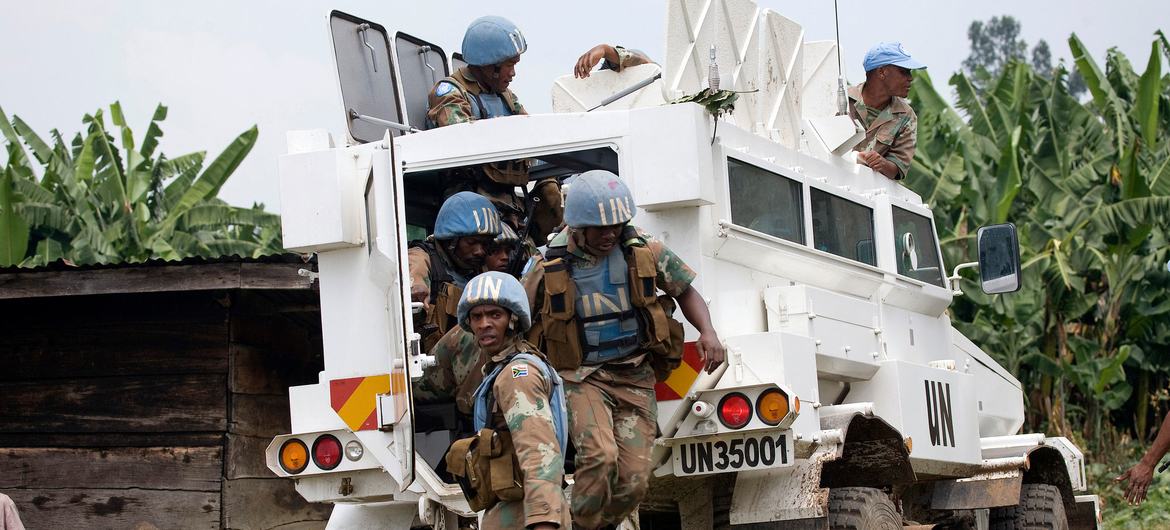
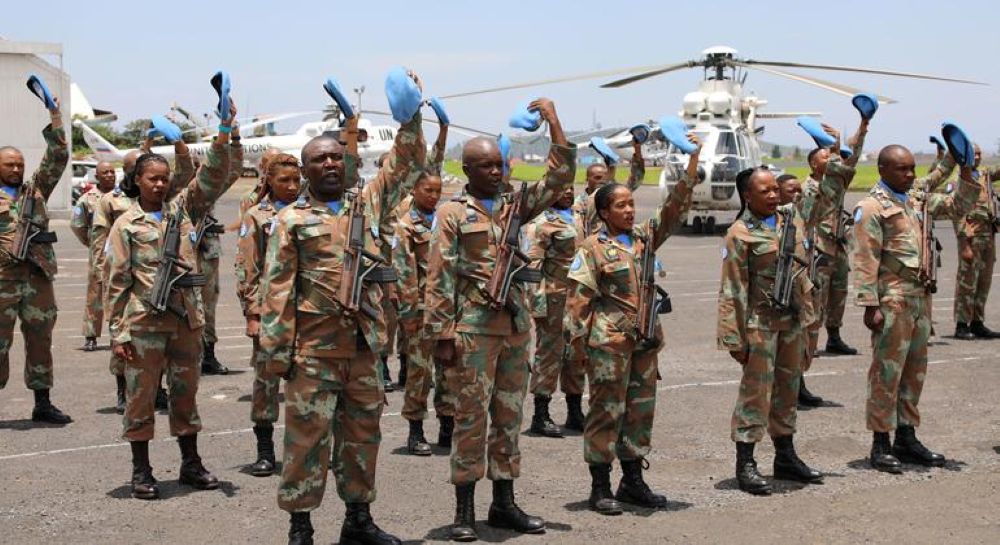
State-owned SABC reports that President Cyril Ramaphosa informed United Nations Secretary-General António Guterres last month of South Africa’s decision to withdraw its troops from the United Nations Organization Stabilization Mission in the Democratic Republic of the Congo (MONUSCO).
South Africa is among the top 10 troop-contributing countries to MONUSCO, with over 700 soldiers currently deployed to support the mission’s peacekeeping mandate. According to the president, the decision to withdraw is driven by the “need to consolidate and realign the resources of the South African National Defence Force”, following 27 years of supporting UN peacekeeping efforts in the DRC.
The move comes after Pretoria had earlier repatriated several hundred troops from a Southern African Development Community (SADC) military mission in the DRC, following the deaths of 17 South African soldiers amid escalating conflict between Congolese government forces and the M23 rebel group.
SADC’s intervention force, SAMIDRC, which included troops from South Africa, Tanzania, and Malawi, was deployed in December 2023 to combat M23 and other armed groups. Despite a one-year extension in November 2024, the mission struggled to achieve its objectives and suffered significant battlefield losses, including during the capture of Goma in early 2025.
The withdrawal of South African troops from MONUSCO is expected to be completed before the end of 2026, marking a major shift in the peacekeeping landscape in eastern DRC amid ongoing efforts to achieve a political solution.
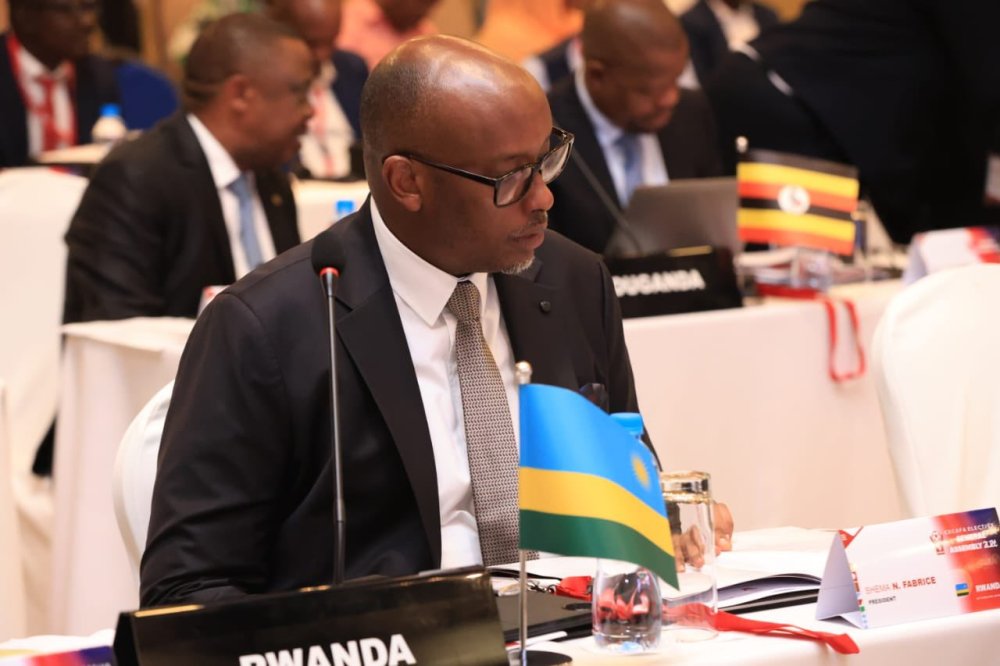
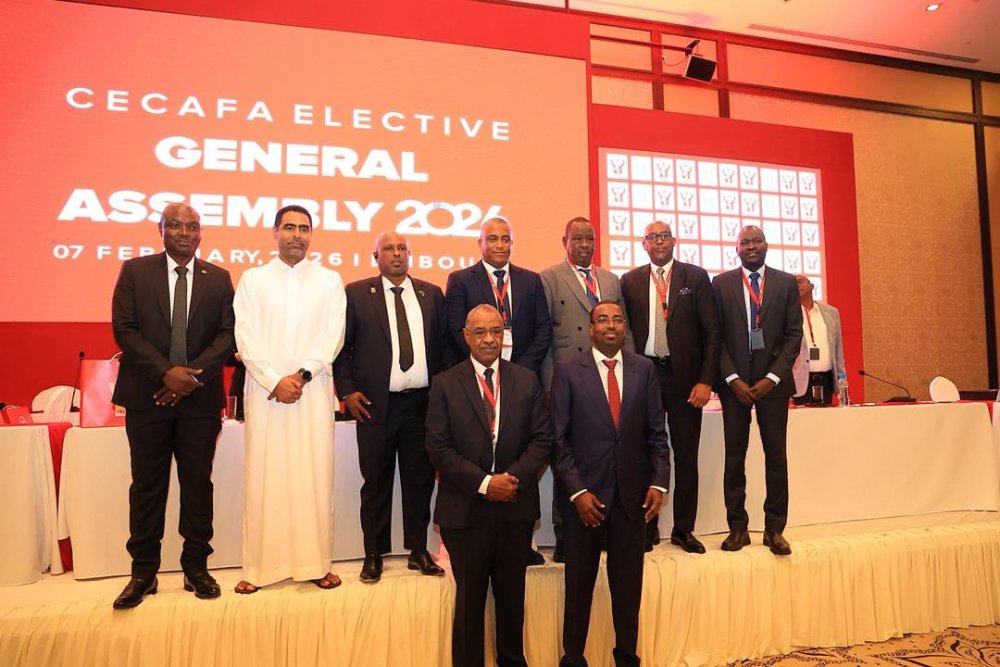
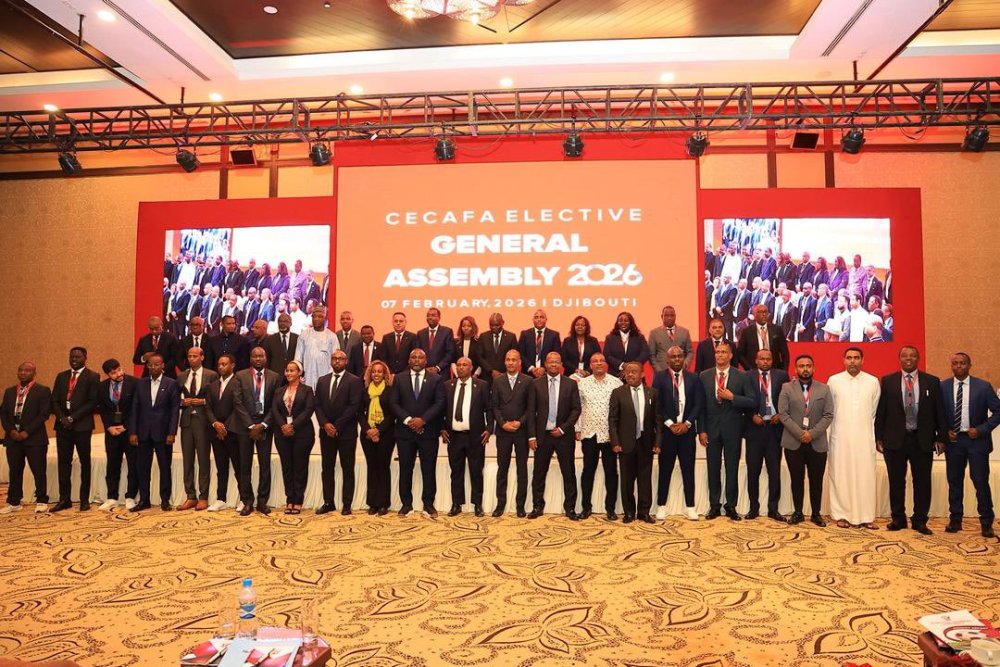
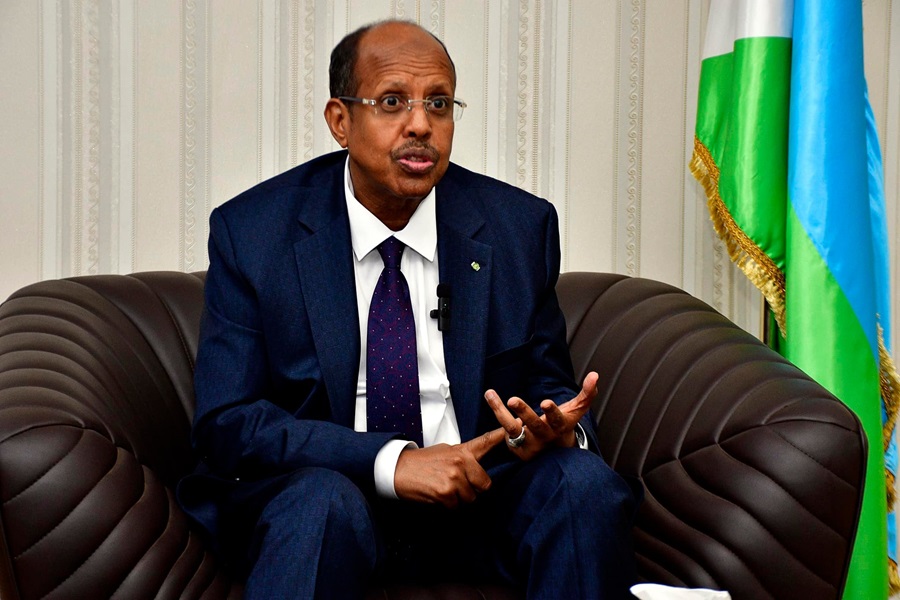
Shema was elected on Saturday, February 7, during the CECAFA 2026 General Assembly in Djibouti, where member associations chose new leadership and discussed the development of football in the region. Twelve associations attended the assembly, which elected officials to serve four-year terms.
Shema, elected FERWAFA President in August 2025, will join the CECAFA Executive Committee to support sustainable development, enhance regional competitions, and strengthen cooperation with CAF, FIFA, and other stakeholders. He has also recently joined FIFA’s committee tasked with combating racism and discrimination in football.
Paulos Weldehaimanot Andemariam of Eritrea was elected CECAFA President, with Ali Abdi Mohamed of Somalia as Vice President. South Sudan’s Francis Amin Michael also joins the Executive Committee.
CECAFA’s current members include Burundi, Djibouti, Ethiopia, Eritrea, Rwanda, Kenya, Tanzania, Uganda, Somalia, Sudan, Zanzibar, and South Sudan.
The election comes as CECAFA prepares to host the 2027 Africa Cup of Nations across Uganda, Kenya, and Tanzania.
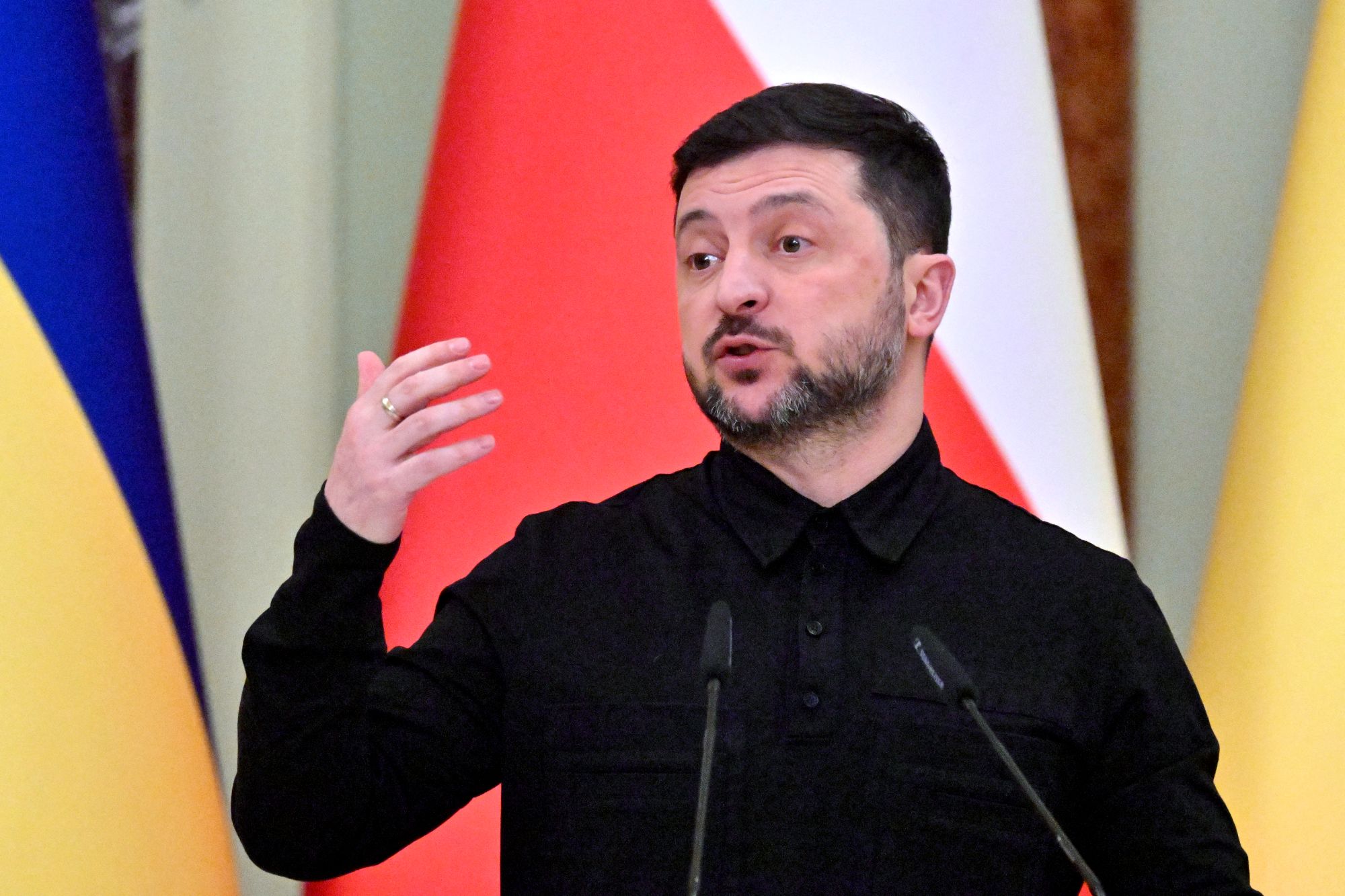
“The Americans are proposing that the parties end the war by the beginning of this summer, and they will likely exert pressure on the parties in line with this timetable,” Zelensky told reporters.
He suggested that the proposal deadline is linked to the start of the U.S. Congress election campaign.
Currently, there are four documents that will form the basis of security guarantees for Ukraine after the end of the hostilities, Zelensky said.
He said the documents include a security guarantees agreement between Ukraine and the United States, an agreement on the creation of the Coalition of the Willing, a document on prospects for Ukraine’s membership in the European Union, and a short framework document that links the other three.
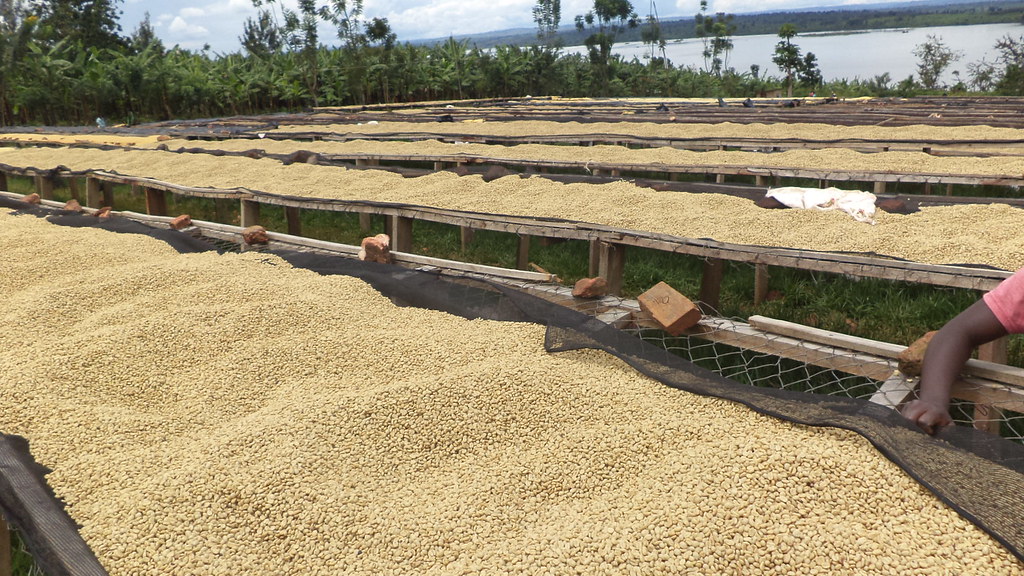
Data from Kenya’s Agriculture and Food Authority (AFA) show that coffee imports into Kenya declined by 2.9 percent during the quarter under review, falling from 248.93 tonnes in 2024–2025 to 241.81 tonnes in 2025–2026. Despite the lower volumes, the total value of imports rose by 11.8 percent to $1.64 million, up from $1.47 million a year earlier, reflecting higher prices and changing consumer preferences.
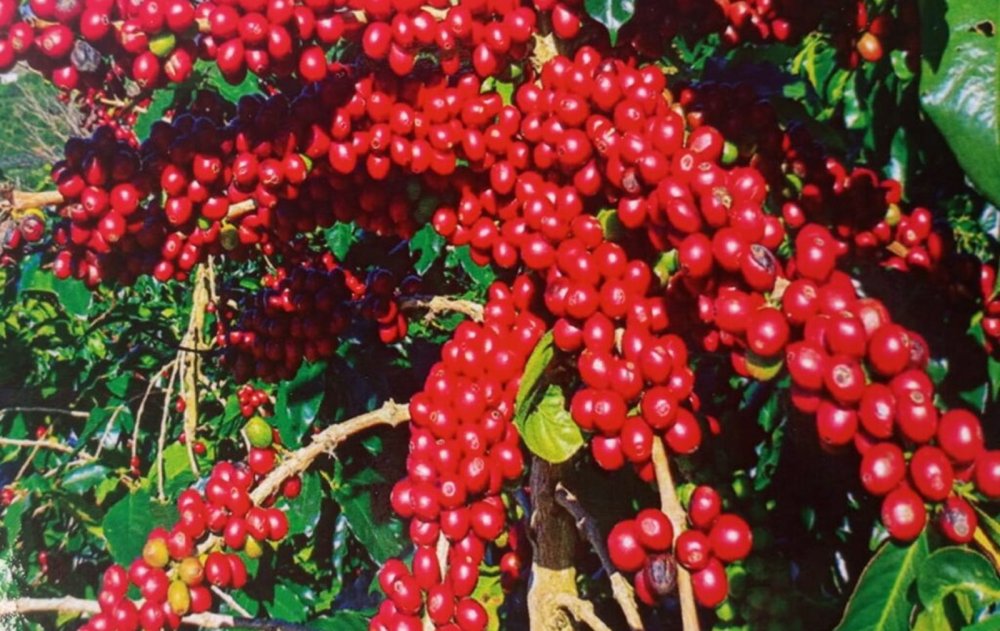
The shift saw Rwanda overtake Uganda as Kenya’s leading coffee supplier during the period. This transition is largely driven by Rwanda’s specialisation in high-quality Arabica coffee, which accounts for approximately 98 percent of its total production. Unlike the bulk Robusta typically sourced from the region, Rwanda’s Arabica is prized for its bright acidity and complex flavour profiles, making it the preferred choice for Kenya’s expanding speciality coffee houses.
With the shift, Rwanda accounted for 43 percent of Kenya’s coffee imports, while Uganda’s coffee exports to Kenya declined from $1.13 million to $0.48 million during the period.
Rwanda’s stronger position in Kenya’s coffee market comes amid a record year for its global coffee exports. In 2025, Rwanda earned more than $148.6 million (about Rwf 216 billion) from coffee exports, the highest level on record, according to the National Agricultural Export Development Board (NAEB).
Export volumes rose by 39 percent year-on-year to 23,860 tonnes of green coffee, while revenues increased by 65 percent compared with 2024, when exports totalled 17,142 tonnes valued at $89.8 million. Higher global prices also supported earnings, with the average export price rising by 19 percent to $6.2 per kilogram.
NAEB said the growth was driven by increased production from newly maturing coffee trees, improved farming practices and sustained investment across the sector. Market expansion efforts, particularly in specialty segments in Europe and North America, also contributed to the gains.
NAEB Chief Executive Claude Bizimana said the 2025 performance puts Rwanda on track to meet its medium-term targets under the second National Strategy for Transformation, which aims to raise coffee exports to 32,000 tonnes and generate $192 million in revenues by 2029.
For farmers, higher export earnings translated into improved returns. In 2025, growers earned an average of Rwf 900 per kilogramme of coffee cherries, above the minimum farm-gate price of Rwf 600 set by NAEB.
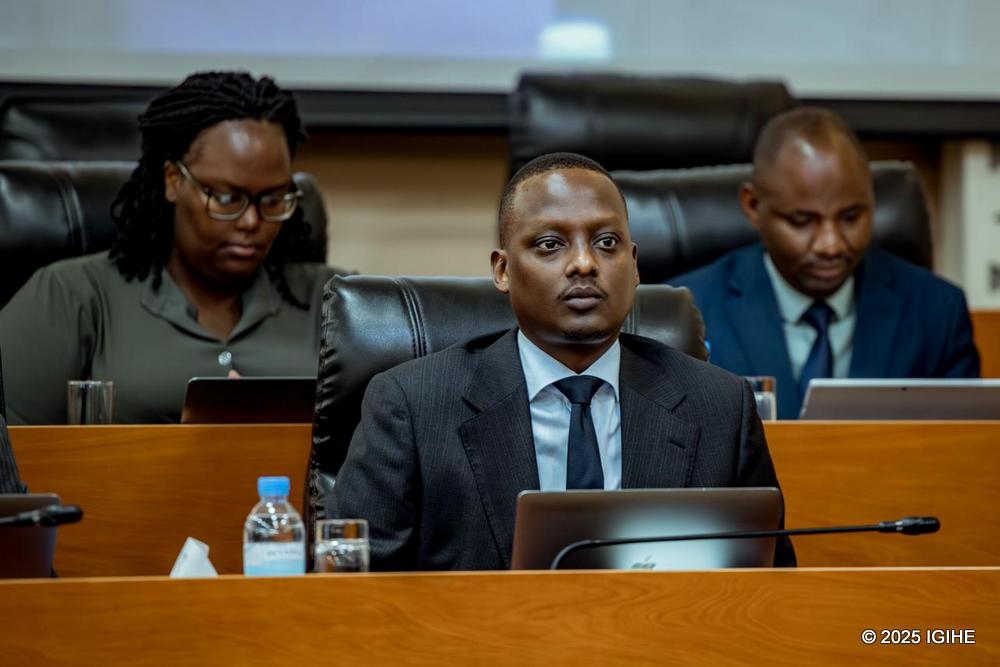
The disclosure was made by the Minister of State for Health, Dr. Yvan Butera, during the National Dialogue Council (Umushyikirano) held on February 5–6, 2026.
Rwanda’s health sector has long faced staffing shortages, at times leaving a single health worker responsible for as many as 1,000 patients.
Dr. Butera said the government responded to this challenge by launching an ambitious strategy aimed at quadrupling the number of health workers within four years under the 4×4 programme, which is already showing positive results.
“Our biggest challenge was the shortage of health professionals. Before 2024, only about 1,600 people joined the health sector each year. In the most recent year alone, that number rose to 6,400, nearly four times higher, in line with our goal of expanding the health workforce fourfold within four years,” he said.
The growth has been particularly significant among nurses and midwives. Training capacity for nurses has expanded from around 200 students per year to nearly 2,000, while the annual intake of midwives has increased dramatically from 72 to about 1,000. This expansion is intended to bring maternal and general health services closer to communities across the country.
“With this momentum, we expect health services to become more accessible to citizens in the near future,” Dr. Butera noted.
He also highlighted progress in specialized healthcare services. Over the past three years, Rwanda has carried out kidney transplants for 83 patients, resulting in savings of approximately USD 800,000. In cardiac care, 543 children and 318 adults have undergone heart surgery.
Rwanda currently has 15 teaching hospitals that combine service delivery with medical training. The 2025/26 academic year also saw an increase in secondary schools offering nursing programs, rising from 12 to 18. In addition, both public and private universities and higher learning institutions are enrolling large numbers of students expected to help bridge remaining workforce gaps.
Launched in 2024, the 4×4 programme aims to improve the doctor-to-patient ratio from one doctor per 1,000 people to four doctors per 1,000. As of early July 2024, Rwanda had more than 25,000 health professionals, a figure projected to reach 58,582 by 2028 once the programme is fully implemented.
The initiative is supported by an investment exceeding USD 395 million, allocated to scholarships, training resources, medical equipment, infrastructure development and rehabilitation, and other key components aligned with the programme’s objectives.
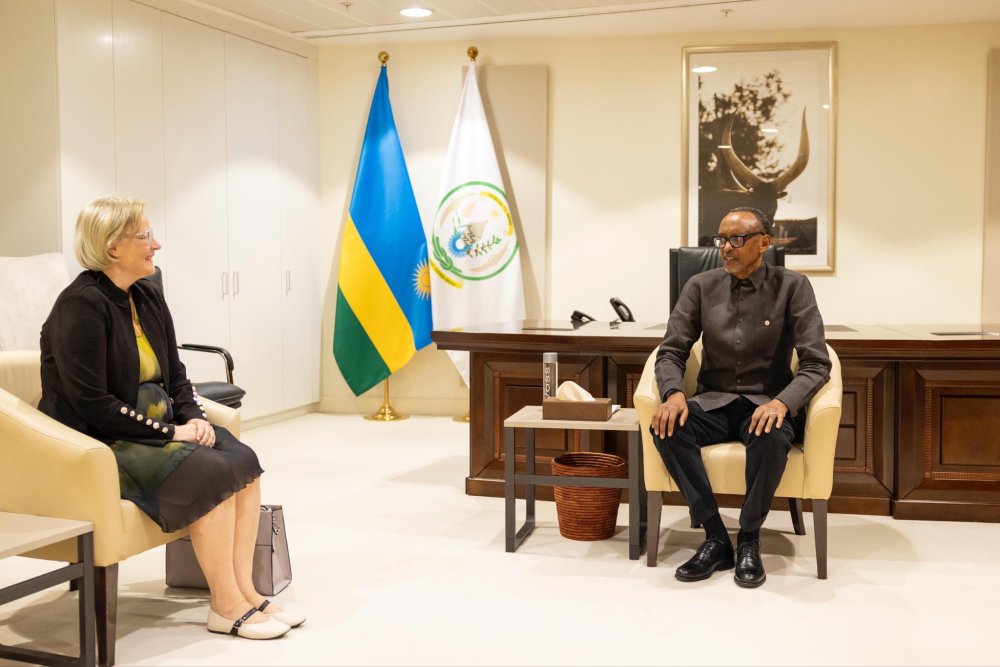
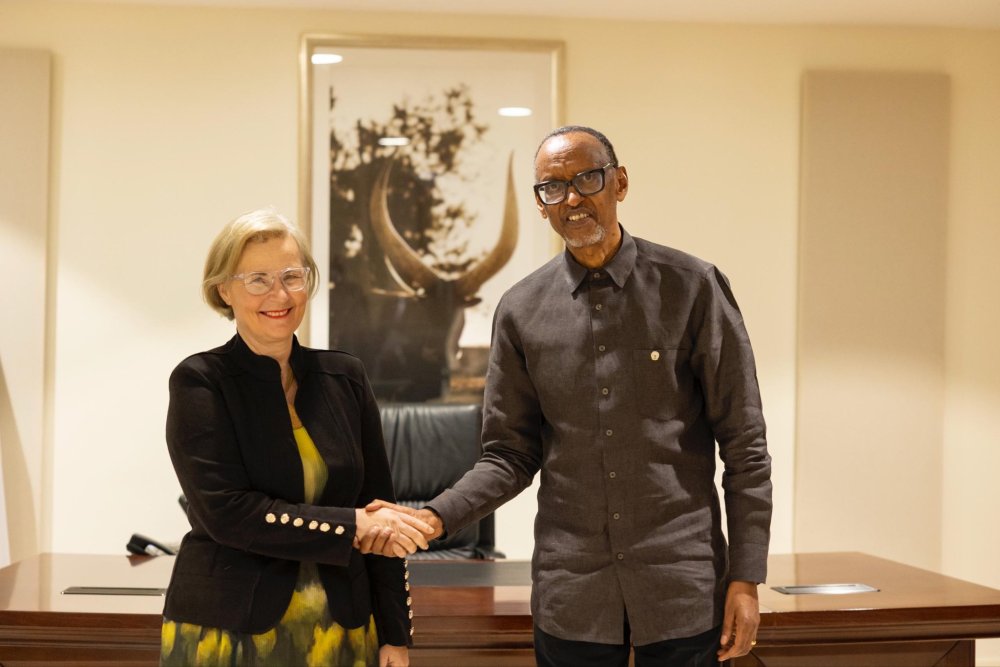
According to a statement from the President’s Office, Kagame and Amb. Fragoso discussed the strong and productive bilateral relations between Rwanda and Portugal.
Ambassador Fragoso began her assignment in Rwanda with residence in Addis Ababa, Ethiopia after presenting credentials to President Kagame on February 7, 2023.
At the time, she highlighted numerous opportunities including potential for cooperation in the areas of economy, agriculture and education.
Rwanda and Portugal established diplomatic relations on January 12, 1976.
Portugal’s first ambassador to Rwanda, António Baptista Martins, was based in Kinshasa, Democratic Republic of Congo, and officially began his duties in Rwanda on January 25, 1977.
Portugal has also been a significant investor in Rwanda. In 2017, it ranked first among foreign investors, accounting for 23.8% of registered foreign investment, totaling $398 million, followed by the United Kingdom with $203.1 million.
Since 2023, Rwanda’s Ambassador to France, François Nkurikiyimfura, has been overseeing Rwanda’s interests in Portugal.
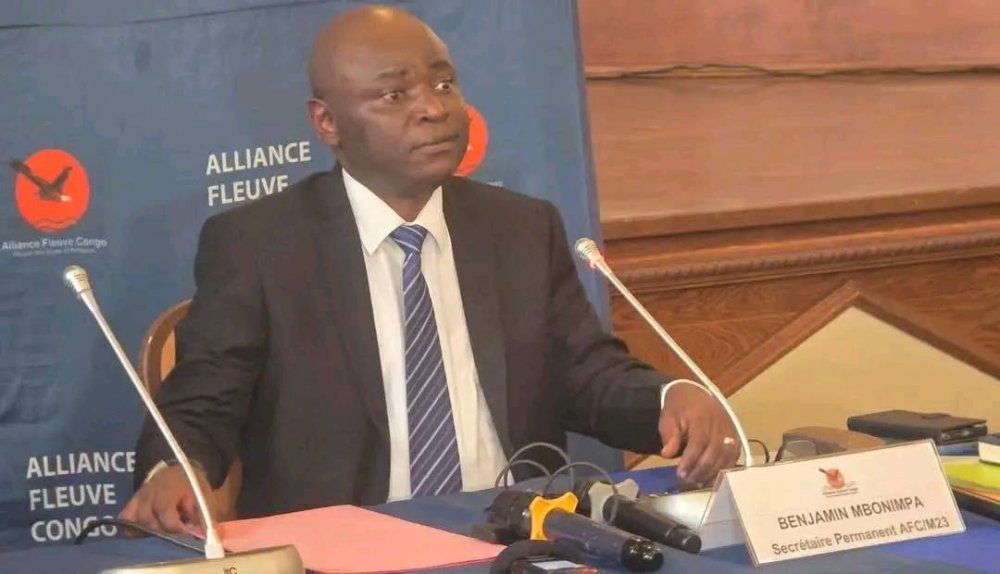
In a statement dated February 6, 2026, the Permanent Secretary of AFC/M23, Benjamin Mbonimpa reacted to remarks by the Chairperson of the AU Commission condemning a drone operation carried out by the group on the night of January 31 to February 1 at Bangoka Airport in Kisangani, Tshopo Province.
AFC/M23 said the operation targeted a military facility used by Congolese government forces to launch repeated drone attacks against both its positions and civilian populations in areas under its control in North and South Kivu.
According to the movement, for nearly two months, particularly since January 22, 2026 , civilians in Minembwe and the Haut Plateau have faced an escalation of military operations conducted by government forces using between eight and twelve attack drones operated by foreign mercenaries.
It claims these drones bombed densely populated areas including Minembwe, Twangiza, Rwitsankuku, Katogota, Sange, the Port of Kalundu, Masisi, Walikale, Rutshuru, Lubero, Mwenga and Kalehe, as well as civilian infrastructure such as hospitals, schools and churches, resulting in the deaths of many civilians, including women and children.
The AU Commission Chairperson, Mahmoud Ali Youssouf condemned the Kisangani strike on Friday, warning that attacking infrastructure located in a major city could endanger civilian lives and violate international law.
He further stated that in the absence of evidence proving the airport was being used for military purposes, the action could be considered an attack on civilian infrastructure and classified as terrorism.
In response, AFC/M23 rejected that characterization, stating that the drone-neutralization operation “exclusively targeted military assets,” caused no civilian casualties, and was intended to protect innocent populations while enforcing the ceasefire established under the Doha Agreement.
The group argued that condemning what it describes as a defensive action without prior investigation or requests for contradictory information places the AU Commission in an unbalanced position and raises questions about its impartiality in the peace process it is expected to lead.
AFC/M23 further said that describing an action it claims helped save lives as terrorism represents a dangerous step backward for the African Union, weakens its moral credibility, and departs from its fundamental mandate to protect African peoples.
It also criticized the AU Commission for what it called silence on the use of foreign mercenaries operating attack drones, noting that the African Union Charter prohibits the use of mercenaries.
The movement concluded by strongly condemning what it termed a hasty statement and called on the African Union to adopt an impartial, responsible and fact-based approach, which it said is the only path toward a just and lasting peace in the Democratic Republic of Congo.
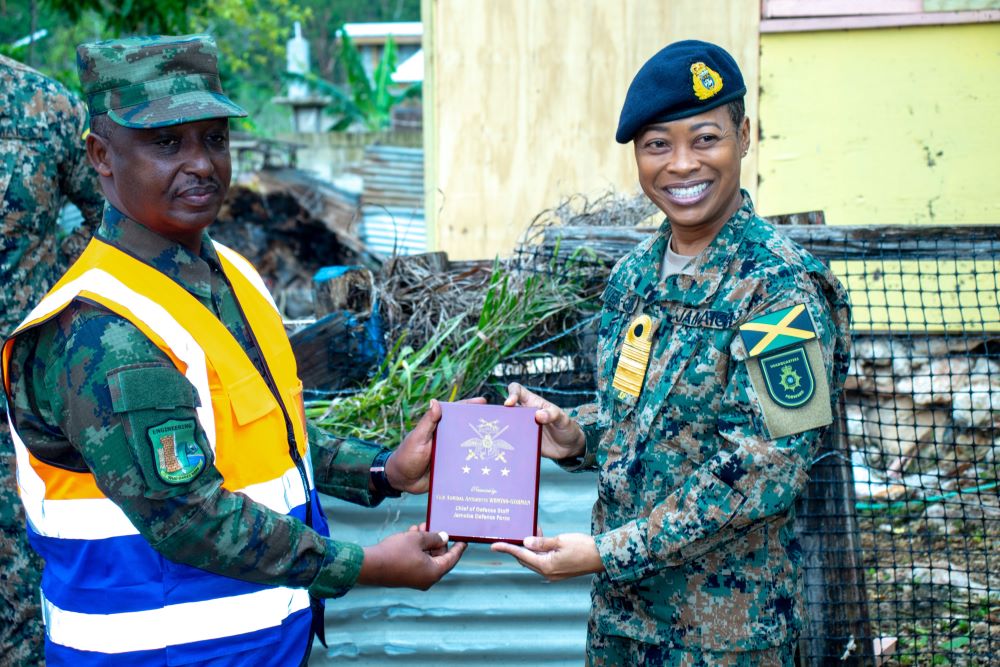
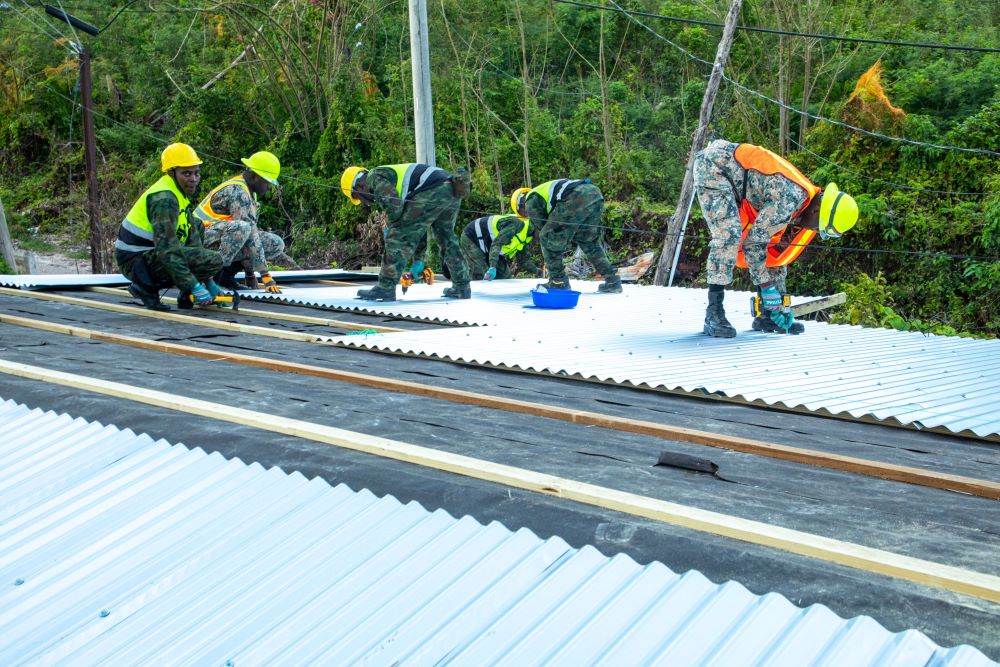
Upon her arrival, Vice Admiral Wemyss-Gorman was received by Col Moses Kayigamba, Commander of the RDF Engineer Contingent, who briefed her on the progress of reconstruction activities being carried out in St James and Trelawny Parishes.
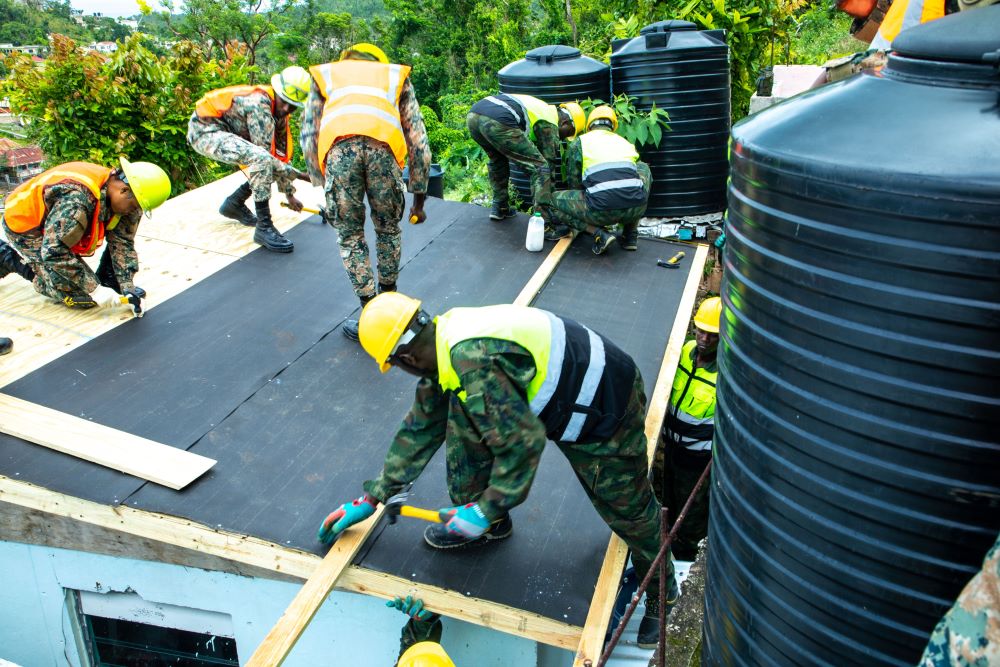
Accompanied by Col Moses Kayigamba, the JDF Chief of Defence Staff toured several reconstruction sites where engineers from both forces are rebuilding homes affected by the hurricane.
During the visit, they interacted with beneficiaries, who expressed their gratitude to both forces for the support provided.
Vice Admiral Wemyss-Gorman commended the RDF Engineer Contingent for the commendable work being undertaken in close collaboration with their JDF counterparts, noting that the RDF’s support has a positive impact on the affected communities.
The visit reflects the JDF Chief of Defence Staff’s appreciation for the strong military cooperation and solidarity demonstrated in responding to natural disasters and in supporting communities throughout the recovery and rebuilding process.
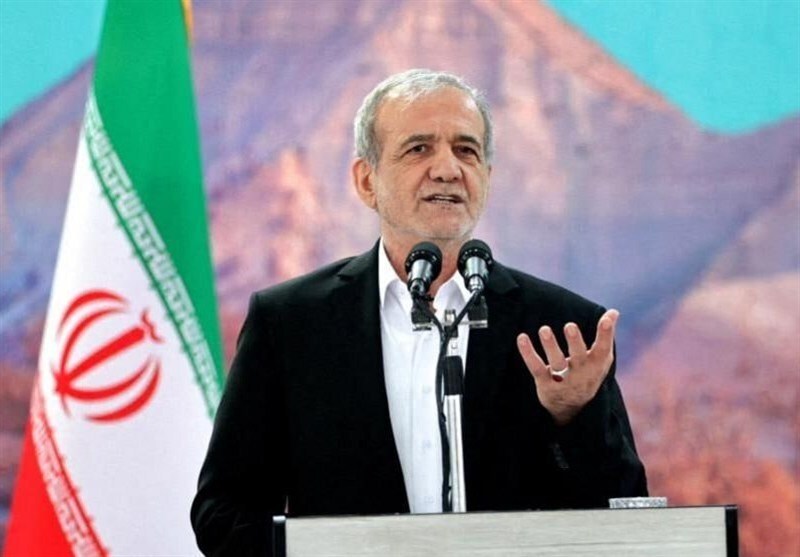
Noting that the talks took place in “a positive atmosphere,” Araghchi, heading the Iranian delegation, told reporters after the hours-long talks that the two sides will first hold consultations back in their capitals, and then decide how and when it will be regarding the next round of talks.
Meanwhile, according to a report by Iran’s official news agency IRNA, Araghchi said the Friday talks focused solely on the nuclear issues, and that Tehran did not discuss “any other topics” with Washington.
The Iranian delegation had pointed out in the talks that refraining from threat and pressure is the prerequisite for any dialogue, Araghchi said, adding that Iran expects that this point “definitely be observed to prepare the ground for the talks’ continuation.”
Also, Iran’s state-run IRIB TV, quoting Araghchi as saying, reported that Omani Foreign Minister Sayyid Badr bin Hamad Al Busaidi held several meetings with the Iranian and U.S. delegations, helping the two sides exchange their viewpoints.
The “very deep distrust” between Washington and Tehran formed in the past posed “a very big challenge to the negotiations, and we firstly have to overcome the pervading atmosphere of distrust and then, be able to design the framework for a new dialogue capable of safeguarding the Iranian people’s interests,” Araghchi noted.
Following the talks, Al Busaidi, the Omani foreign minister, wrote a statement on social media platform X, calling the talks “very serious” and “useful.”
The discussions helped clarify each side’s position and identify potential areas for progress, he said, adding that the parties “aim to reconvene in due course, with the results to be considered carefully in Tehran and Washington.”
Earlier in the day, IRIB TV reported that the talks ended “for now” in Muscat, and that the two delegations may return home, whereas Iran’s Mehr News Agency reported that Iran rejected a “zero enrichment” demand during the talks.
The two sides centered on the dilution of Iran’s existing uranium stockpile, Mehr reported, adding that the atmosphere of the talks was “more serious” than the previous rounds of talks between the two sides.
So far, the U.S. side has not issued any official statement regarding the talks, but Washington’s subsequent moves have sent a signal somehow contradictory to Tehran’s rhetoric regarding the atmosphere at the negotiation table.
Hours after the conclusion of the talks, Washington announced new sanctions to curb Iran’s oil exports, including targeting 14 vessels, reaffirming Washington’s “maximum pressure” campaign against Iran.
The latest round of talks came amid heightened regional tensions, especially between Washington and Tehran, featuring a recent U.S. military buildup in the Middle East and Iran’s stepped-up preparations.
The talks have revisited a diplomatic track that collapsed violently last June, leading to U.S. airstrikes on Iran. Past negotiations between the two sides faltered over Washington’s demands for zero uranium enrichment and curbs on missile development and regional proxies, all rejected by Tehran.
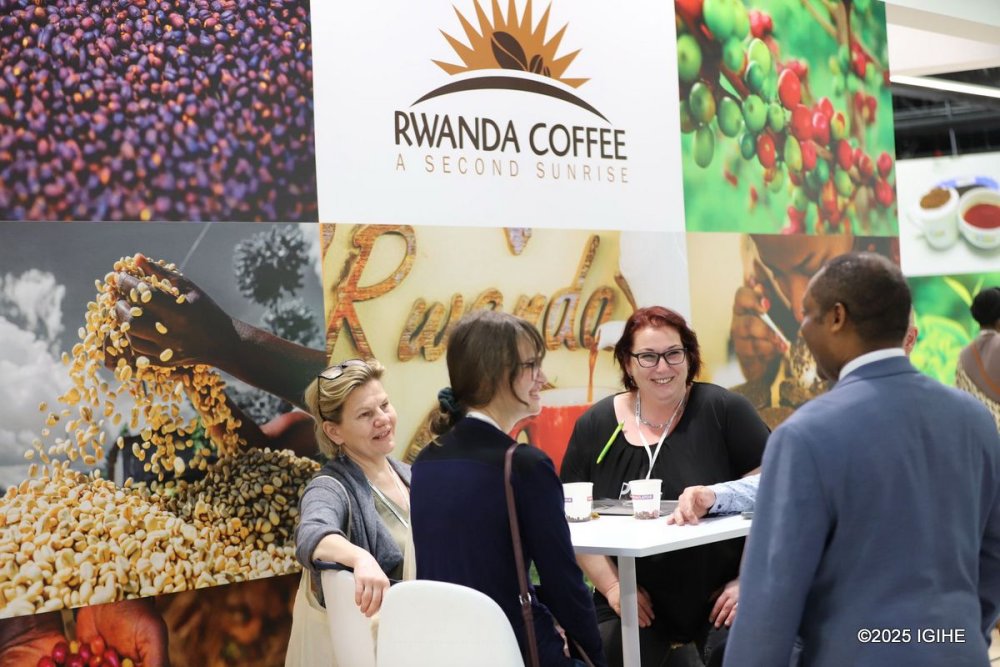
The event, held from February 4 to 6 at Messe Berlin, brought together 2,600 exhibitors from 90 countries and attracted trade visitors from more than 150 nations, reinforcing its status as one of the world’s most influential platforms for the fresh fruit and vegetable industry.
Among the Rwandan exhibitors was Zima Healthy Group, a company specialising in value-added, minimally processed agricultural products, including extra virgin avocado and pumpkin seed oils.
Representing the company, Marie-Ange Mukagahima told IGIHE that Fruit Logistica offered a rare opportunity to test new products directly with international buyers.
“This year, we brought our extra virgin oils, along with a new product, a blend of African herbs and oils designed for skin and hair care. People here love it, and we are truly grateful,” she said.
Gahima noted that discussions went beyond Germany, with potential partners expressing interest from markets such as Poland, Israel and Dubai.
“Through this event, we have met potential customers from all over the world. We’ve had very fruitful discussions about cooperation and representing Rwanda in their markets,” she added.
She emphasised that the benefits extend beyond individual firms. “If we manage to secure key clients here, it won’t benefit just Zima. It will benefit the entire value chain, the farmers, distributors and many others,” Gahima said, adding that professional packaging and international-standard labelling were helping position Rwanda as a source of premium, high-end products.
{{New investments positioning Rwanda for future exports}}
Evergreen Holding Limited, through its subsidiaries Pure Harvest Farms Limited and Agribloom Farms Limited, used the fair to showcase upcoming export capacity rather than current volumes.
Represented by Emnet Kejelcha, the company highlighted its large-scale avocado, strawberry and vegetable projects in Bugesera.
“This was an excellent opportunity to present our company, our current production, and what we will be exporting from Rwanda in the near future, within the next five months and beyond,” Kejelcha said.
He explained that strawberries planted in January 2026 are expected to reach export markets by April or May, while avocado orchards will follow after maturation.
Beyond buyers, the company connected with investors, packaging suppliers and agro-input providers.
“By participating in Fruit Logistica 2026, we benefited greatly in supply chain management, customer handling and building connections,” he said.
Kejelcha described Rwanda as a favourable investment destination. “Investing in Rwanda is very rewarding. We benefit from welcoming people, friendly policies, accessible water resources and strong investment incentives,” he noted.
{{Rwanda’s growing visibility on the global stage}}
Rwanda’s Ambassador to Germany, Igor Cesar, said the country’s presence at Fruit Logistica has grown significantly over the past decade.
“Rwanda has been participating for the last 10 years, and this event provides an excellent platform to present our produce internationally,” he said.
This year, more than 15 Rwandan companies were represented, alongside institutions such as NAEB, the Rwanda Development Board and the Rwandan Embassy in Germany.
“Rwanda’s presence is now much stronger. We have multiple stands, including a prominent main one that stands out across the African continent,” Cesar said, adding that Rwanda’s visibility often greets visitors as soon as they enter the exhibition halls.
According to the ambassador, meetings were held with potential investors across the entire fruit and vegetable value chain, signalling growing confidence in Rwanda’s export potential.
At the institutional level, Janet Basiima, Division Manager for Export Market Development and Innovation at NAEB, said Rwanda’s approach to the fair has become increasingly strategic.
“Before arriving, we review registrations, identify potential buyers, schedule appointments and plan targeted meetings in advance,” she said.
Basiima noted tangible outcomes from this year’s participation. “Our companies are pleased with the results. They received clients and secured deals at fair prices,” she said, praising the professionalism of the mainly youth-led delegations.
She added that NAEB remains committed to supporting exporters’ access to international markets.
From the organiser’s perspective, Hauke Plümbeck, Head of Marketing at Fruit Logistica, pointed to Rwanda’s participation as a standout example of coordinated growth.
“The development has been phenomenal. The sector has grown significantly, with an increasing number of exporters, stronger presence in global markets, and growing participation at this trade fair,” he said.
Plümbeck highlighted the collaboration between government institutions, private companies and development partners as a key driver.
“We greatly value the true spirit of cooperation between the government, private sector, and stakeholders in the fresh produce value chains, one of the key factors behind Rwanda’s success at this fair. It continues to evolve in the right direction,” he said.
Rwanda’s participation at Fruit Logistica 2026 comes amid sustained growth in horticultural exports. In late January alone, the country earned over USD 10.85 million from agricultural shipments, while full-year exports in 2025 surpassed USD 893 million.
Under the Second National Strategy for Transformation (NST2), Rwanda aims to raise annual foreign exchange earnings from agriculture and livestock to USD 1.5 billion by 2029, a target officials say events like Fruit Logistica help bring within reach.