The statement released last night shows that a woman aged 57 from Kigali succumbed to the virus while no one recovered.
Rwanda confirmed the first Coronavirus case on 14th March 2020. Since then, 27660 people have been tested positive of whom 26341 recovered, 953 are active cases, 9 are critically ill while 366 have succumbed to the virus.
A total of 388,716 people have been vaccinated since Rwanda began countrywide inoculation program on 5th March 2021.
New COVID-19 cases continue to increase where the country has been registering over 100 new patients for the past three days.
The Minister of Health, Dr. Daniel Ngamije has requested Rwandans to avoid complacency to contain the spread of COVID-19.
Coronavirus symptoms include coughing, flu, and difficulty in breathing. The virus is said to be transmitted through the mucous membranes of the respiratory tract.
Rwandans are urged to adhere to COVID-19 health guidelines, washing hands frequently using soaps and safe water, wearing face masks and respecting social distancing.
The trio was showed to the media on Thursday, June 10, at Police Metropolitan Headquarters in Remera, Gasabo District.
They are Samuel Twagiramungu, 40, Fidele Mugesera, 40, and Clementine Ahishakiye, 27.
Twagiramungu and Mugesera were apprehended in Kigali Sector, Nyarugenge District with 156 pieces of assorted skin whitening creams including Caro light, Eclair 600, Extra Clair, White Max and Beauty.
Ahishakiye was arrested in Kinyinya Sector, Gasabo District with 27 cartons of plastic bags.
Twagiramungu said he was buying the outlawed lotions from street vendors at a cheaper price.
Ahishakiye admitted that he started selling plastic bags more than a month ago.
“I was buying the polythene bags in Rulindo District and selling them from home in Kinyinya Sector. I never thought I could be arrested,” said Ahishakiye.
RNP spokesperson, Commissioner of Police (CP) John Bosco Kabera said the suspects were arrested as a result of the strong collaboration between the police and citizens through information sharing.
“We have over and again warned and raised awareness against selling and using these outlawed harmful products,” CP Kabera said.
He added: “We have talked about the dangers of skin bleaching creams and oils to the users as explained by medical experts and the laws and regulations in Rwanda. It is the same with polythene bags, which pose danger to the ecosystem. Those who have kept deaf eyes will be arrested to face the law.”
CP Kabera warned that Police heightened operations against dealers in banned products and that “no one will be tolerated.”
The RNP spokesperson further thanked the public for sharing information leading to the arrest of dealers.
Article 266 of the law determining offences and penalties in general states that any person who produces, sells or prescribes a drug; harmful products; cosmetics, body hygiene substances or any other products derived from plants; commits an offence.
Upon conviction, he/she is liable to imprisonment for a term of not less than one year and not more than two years and a fine of not less than Frw3 million and not more than Frw5 million or only one of these penalties.
Manufacturing, use, importation or sale of plastic carry bags and single-use plastic items are prohibited under article 3 of law N° 17/2019 of 10/08/2019 relating to the prohibition of manufacturing, importation, use, and sale of plastic carry bags and single-use plastic items in Rwanda.
In article 10, any person, who imports plastic carry bags and single-use plastic items is liable to the dispossession of those plastic carry bags and such items, and to an administrative fine equivalent to ten times the value of those plastic carry bags and single-use plastic items.
In article 11, a wholesaler of plastic carry bags and single use plastic items is liable to an administrative fine of Rwf700, 000 and dispossession of those plastic carry bags and such items.
In article 12, a retailer of plastic carry bags and single-use plastic items is liable to an administrative fine of Rwf300, 000 and dispossession of those plastic carry bags.
In a statement released last night, RwandAir announced that the decision takes effect from 10th June 2021.
“Due to a surge in COVID-19 cases in Uganda, RwandAir announces the suspension of its flights to Entebbe effective 10 June 2021, until further notice. RwandAir sincerely apologizes for the inconvenience caused,” reads part of the statement.
“Affected customers can rebook and fly at a later date, once flights resume at no additional cost-or request refund,” adds the statement.
Uganda is among regional countries that have been registering surge in COVID-19 cases towards the end of May 2021 which prompted the suspension of schools and inter-district lockdown.
Uganda has recorded 56,949 new COVID-19 cases while 402 people succumbed to the virus since the pandemic emerged in the country. The prevalence of positivity rate is at 17%.
RwandAir has been operating six weekly flights from and to Uganda. During COVID-19 pandemic, passengers were required to have COVID-19 negative test results within the past 72 hours.
OVO’s SusTech4Africa programme in Rwanda offers a tailor-made six-month programme to support companies on their pathway to growth. Each accepted company will be paired with a team of expert coaches in Belgium and Rwanda.
The coaches offer strategic guidance and technical assistance to companies through weekly or bi-weekly mentoring sessions.
Every year, 10-15 small enterprises will be accepted into the six-month programme and will receive hands-on coaching and business development support to develop sustainable and profitable business models with the clear aim to get access to affordable loans of up to 50,000 Euros.
Rwandan start-ups that are transforming their local communities through the use of sustainable technology and aligning with the United Nation’s Sustainable Development Goals are invited to apply to join the yearly programme.
Commenting on the partnership, Deputy Chief Executive Officer, the Rwanda Development Board, Zephanie Niyonkuru said: “Rwandan businesses have been impacted by the Covid-19 crisis. Therefore, our partnership with OVO joins the growing list of the country’s economic recovery initiatives that re-enforce entrepreneurship skills and build capacities of Rwandan business owners. We look forward to having the entrepreneurs succeed in creating decent and productive jobs as well as increasing exports through the program.”
Björn Macauter, General Manager of OVO explained that the company has been active across Africa supporting early stage entrepreneurs doing innovative and impact work in their local communities since 2015 and expressed delight for the partnership.
“We’re excited to return to Rwanda for our SusTech4Africa programme. We’re bullish on Rwanda and that’s why we’re making a three-year commitment to working with and financing Rwandan companies contributing to the economic and social transformation of Rwanda. We are very excited for this partnership with RDB. They are doing amazing work in Rwanda, so it is an honour and a pleasure for us to combine forces with RDB. Together we can have a great impact on Rwandan entrepreneurship,” he noted.
The 2021 SusTech4Africa programme will take place in June. All companies that successfully complete the programme will join the OVO Rwanda Business Club and will receive unique support and discounts on office space, accounting and legal services.
The next 2-month call for companies will open on 1st March 2022 and 2023.
{{About the Entrepreneurs for Entrepreneurs}}
Entrepreneurs for Entrepreneurs (Ondernemers voor Ondernemers) is a registered Non for profit based in Belgium. Through its flagship SusTech4Africa programme, the organisation provides expert capital and access to affordable loans to early stage entrepreneurs in Rwanda, Senegal and Uganda. OVO is powered by more than 100 volunteers as well as blue-chip Belgian private sector organisations as well as public institutions.
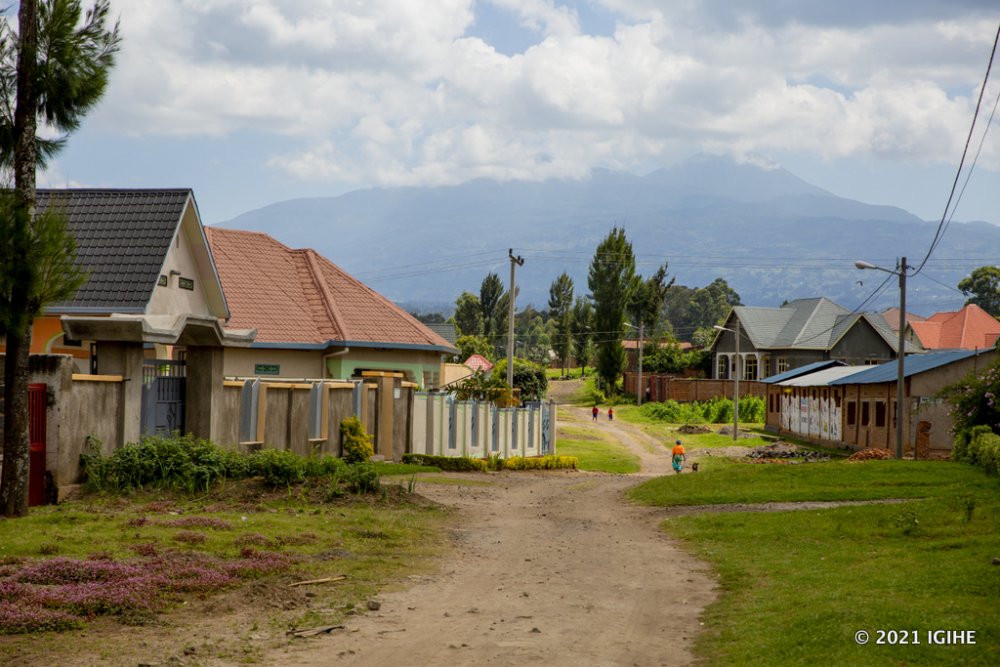
At the time, Musanze was among other parts of the country shaken by the 1994 Genocide against Tutsi that underwent a period of uncertainty between 1997 and 1997 during insurgency attacks.
Bajeni has recounted how residents in the area went through difficult times until close collaboration with the Government bore fruits to bring the situation to normal.
Bajeni who once served as a Parliamentarian between 2003 and 2008 resides in Byimana village, Ruhengeri cell in Musanze sector where he bought a plot of land in 1999 in which he built a house in 2000.
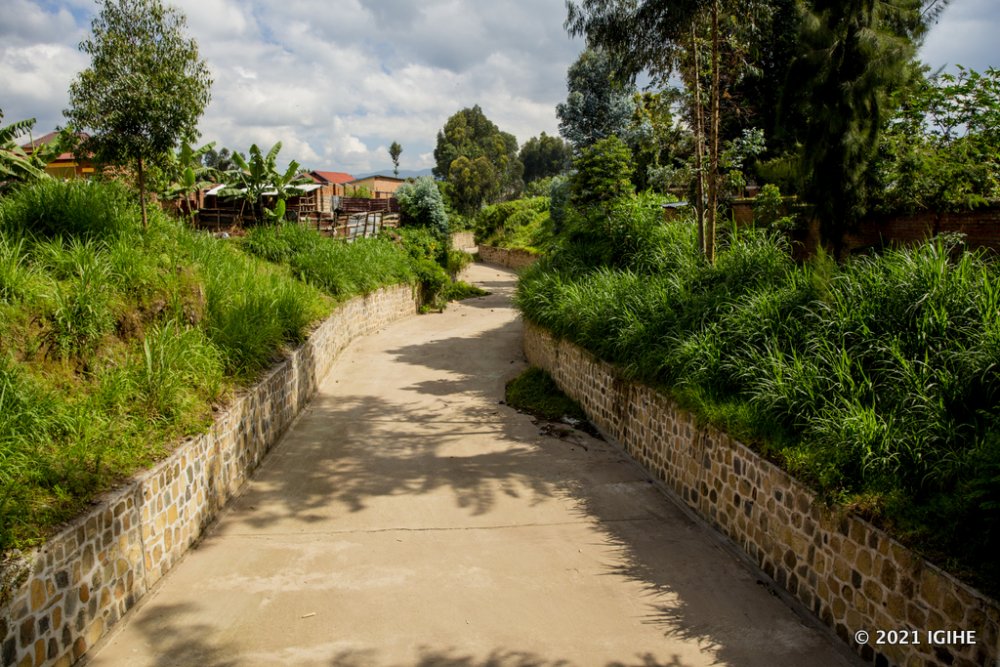
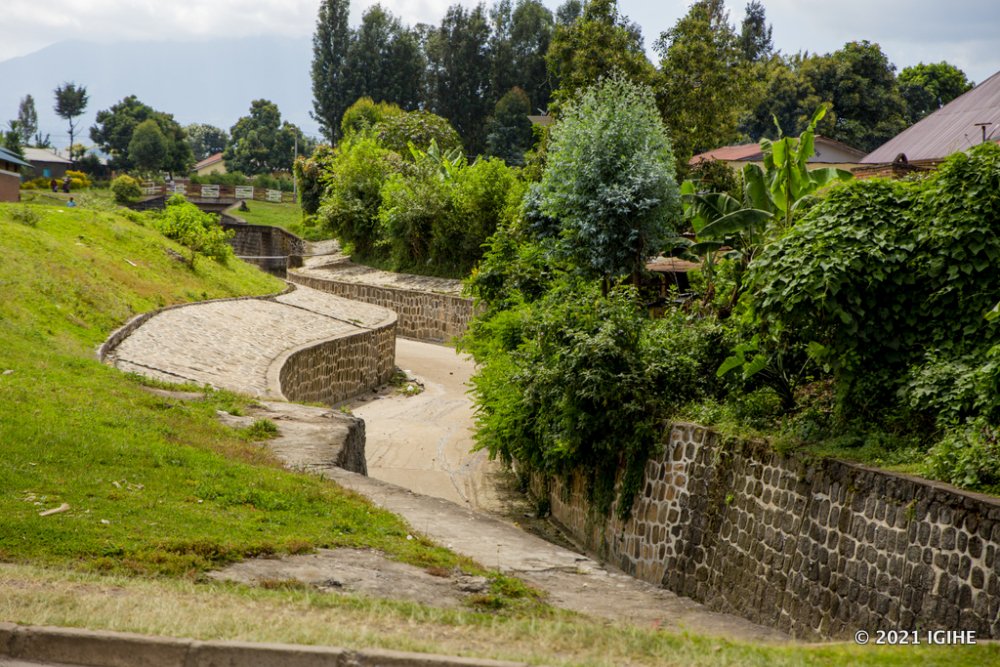
His home is located in the vicinity of Rwebeya water drainage channel (Ruhurura) that used to be flooded by water from the Volcanoes National Park, claiming lives and destroying properties.
During rainy season, the water drainage channel would put many things on standstill obstructing movements.
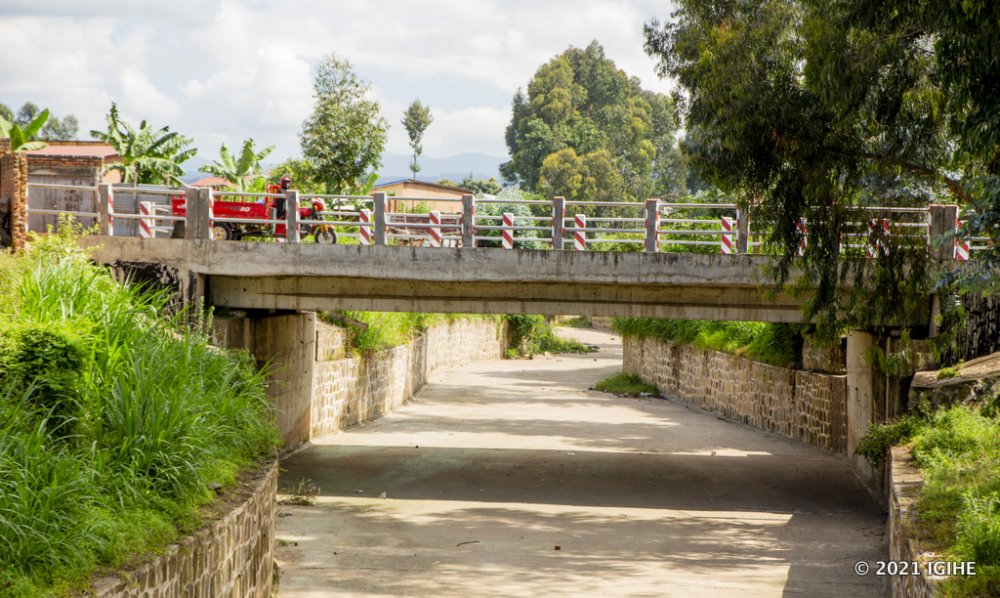
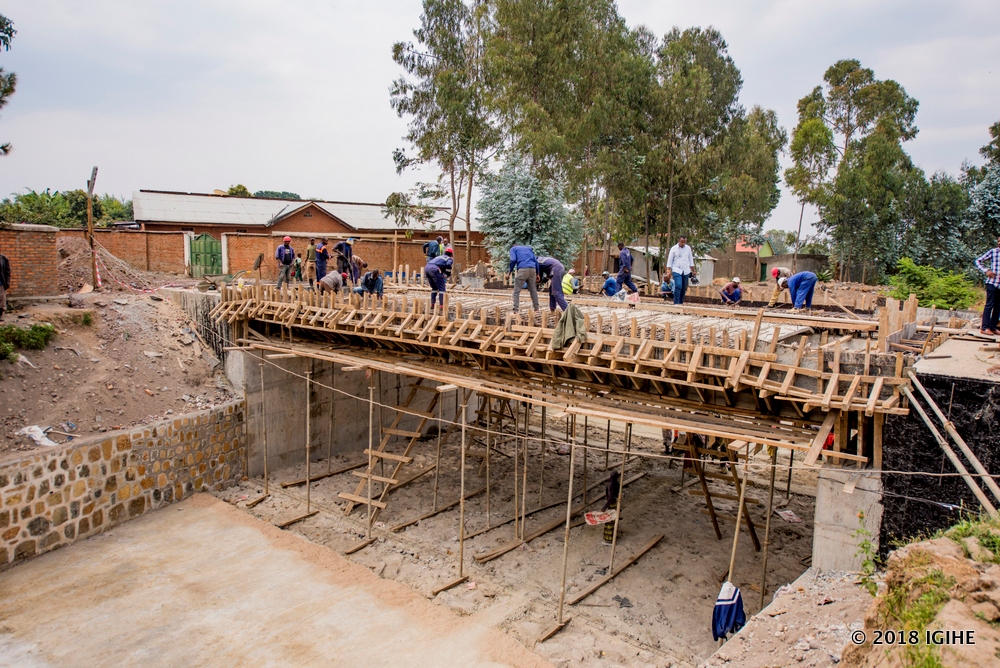
As a parliamentarian, Bajeni advocated for residents requesting a bridge that would facilitate movements.
“There was no bridge over the drainage channel. It was a steep slope that required one to lean on strong persons to cross,” he said.
During rainy season, it was impossible to cross as a result of widespread flooding occasioned by water flowing from Volcanoes National Park.
Bajeni has recalled the time when he saw four women from Gisenyi with their children whom he helped to find other routes paths to reach the destination after failing to cross the flooded drainage channel.
“I was moved by the unpleasant situation residents were going through and conducted advocacy. It was before the year 2008. We later got relief with construction of the bridge and a tarmac road as well,” he said.
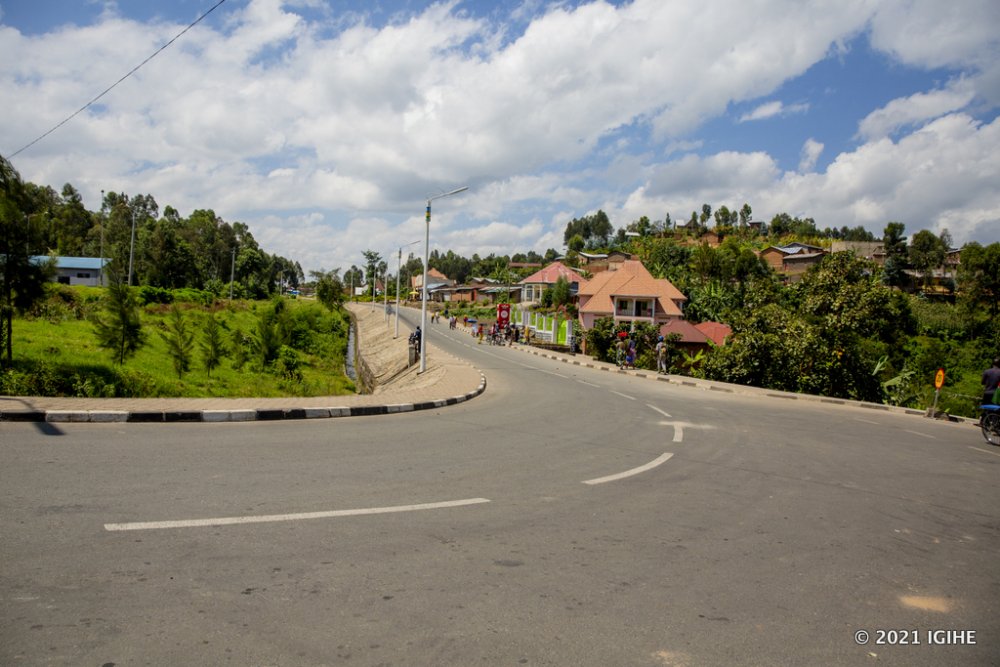
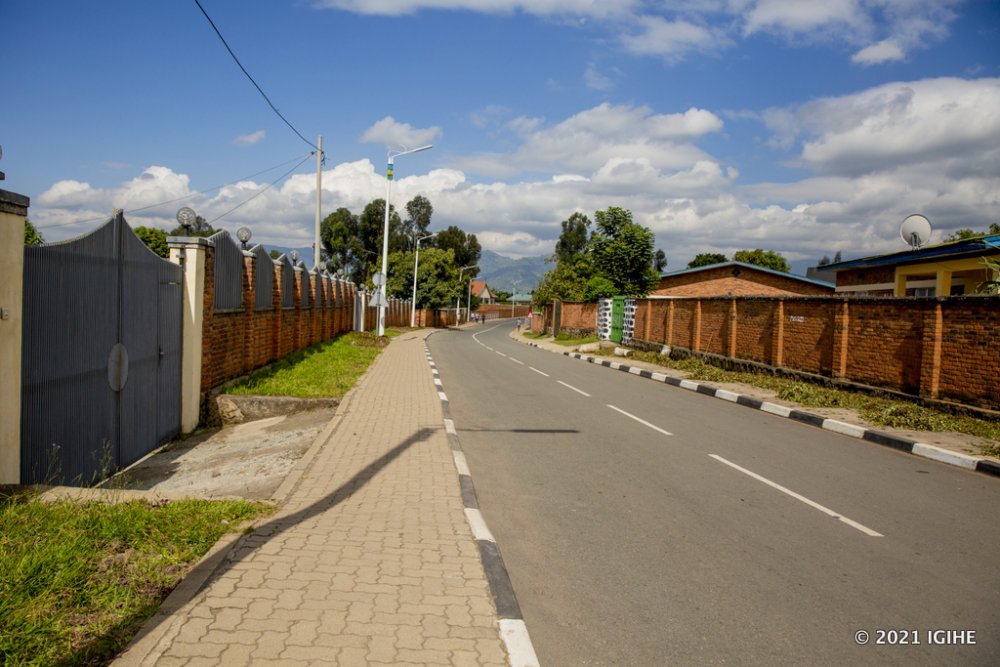
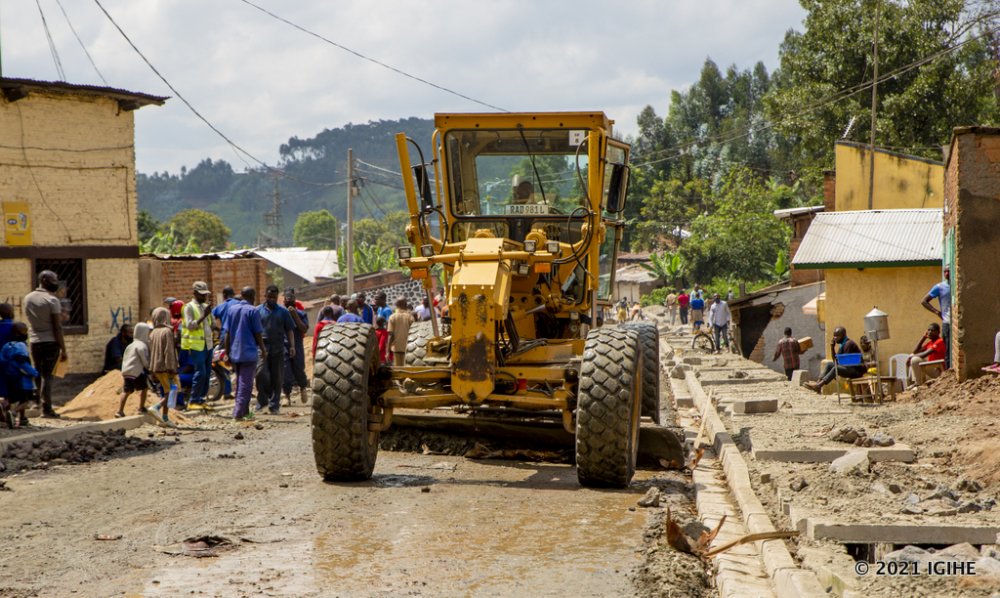
Rwebeya water drainage channel is stretched along 720 meters and flows from Kinigi sector into River Mukungwa. It was built during the first phase of the project to provide roads and water drainage systems in secondary cities.
The project saw the construction of 4,577 Km roads completed at over Rwf 4.2 billion in Musanze district while water drainage channels stretched along 922 meters cost Rwf 949.9.
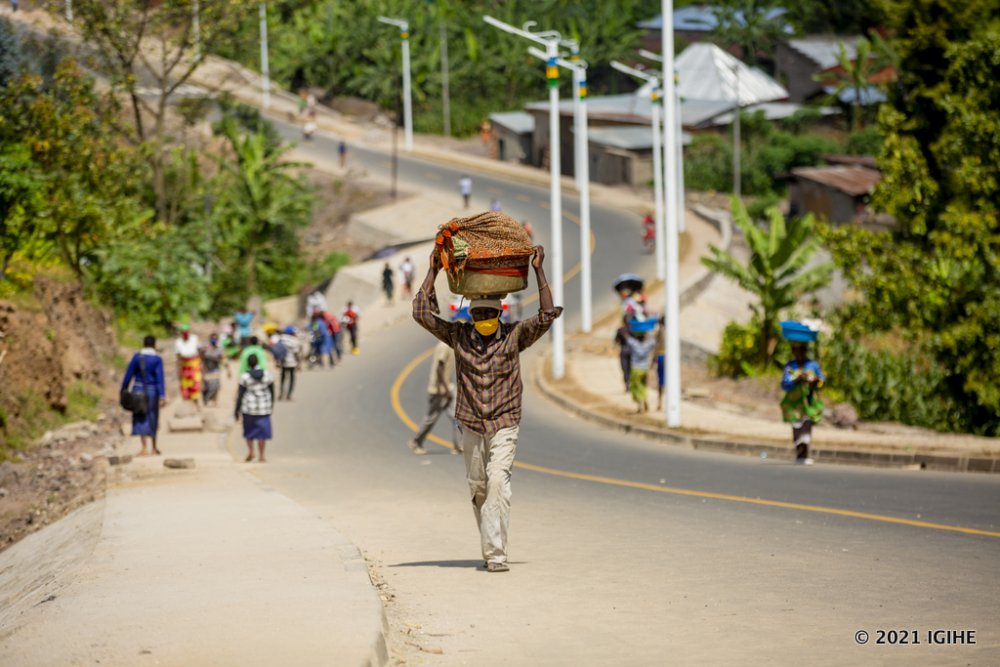
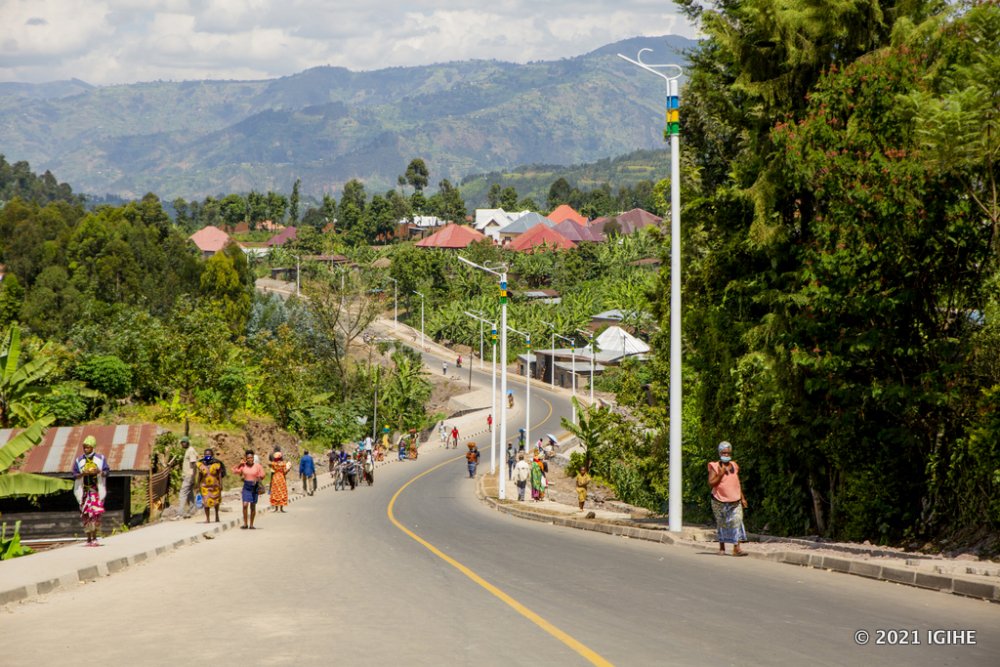
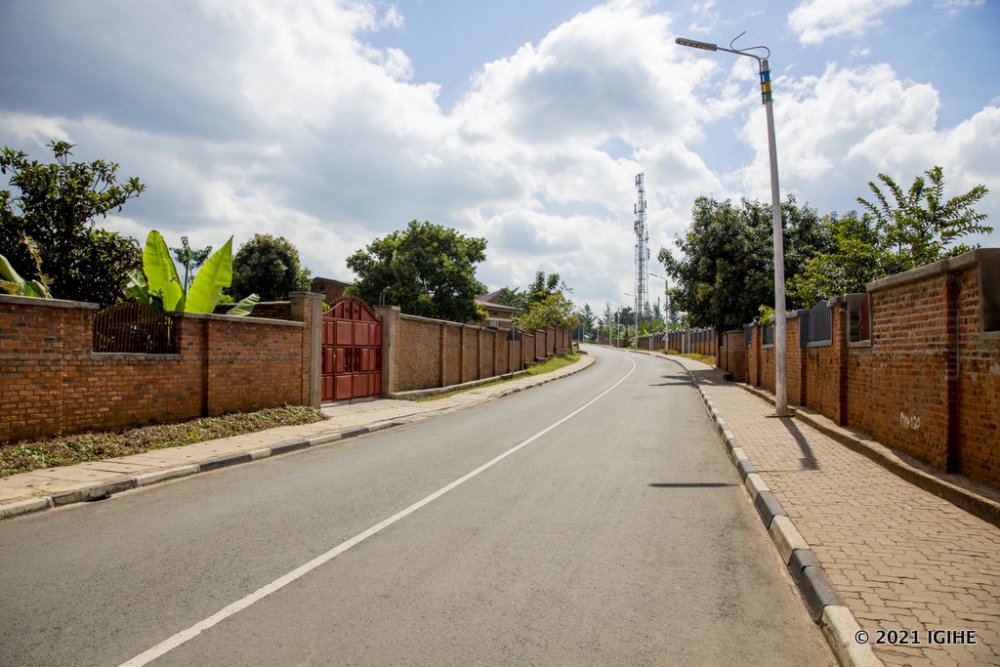
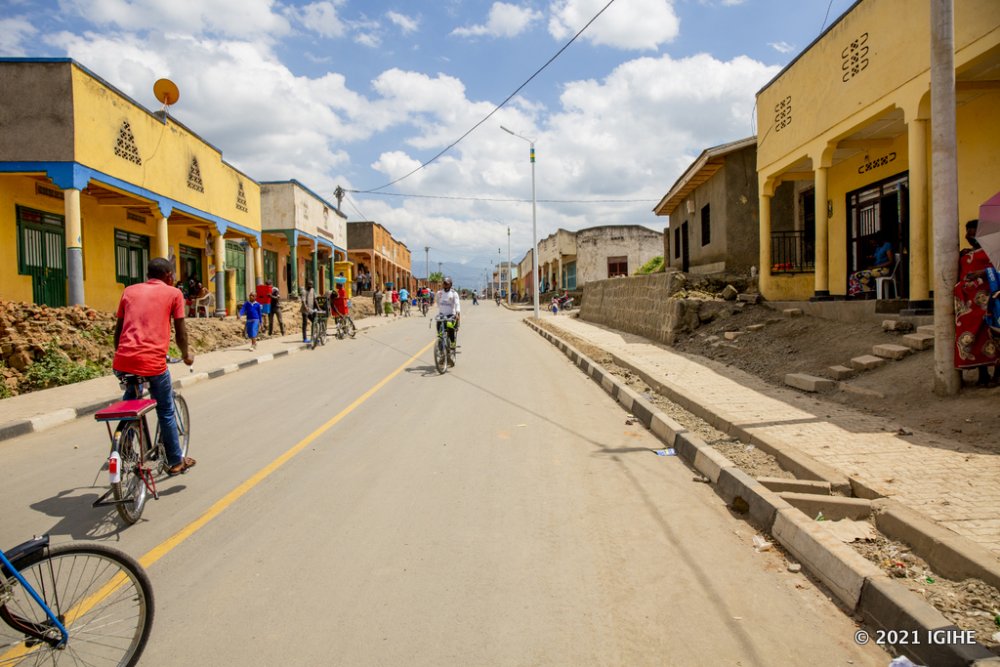
Bajeni has explained that such infrastructures have eased movements and connectivity in surrounding communities that residents safely reach markets and health facilities among others.
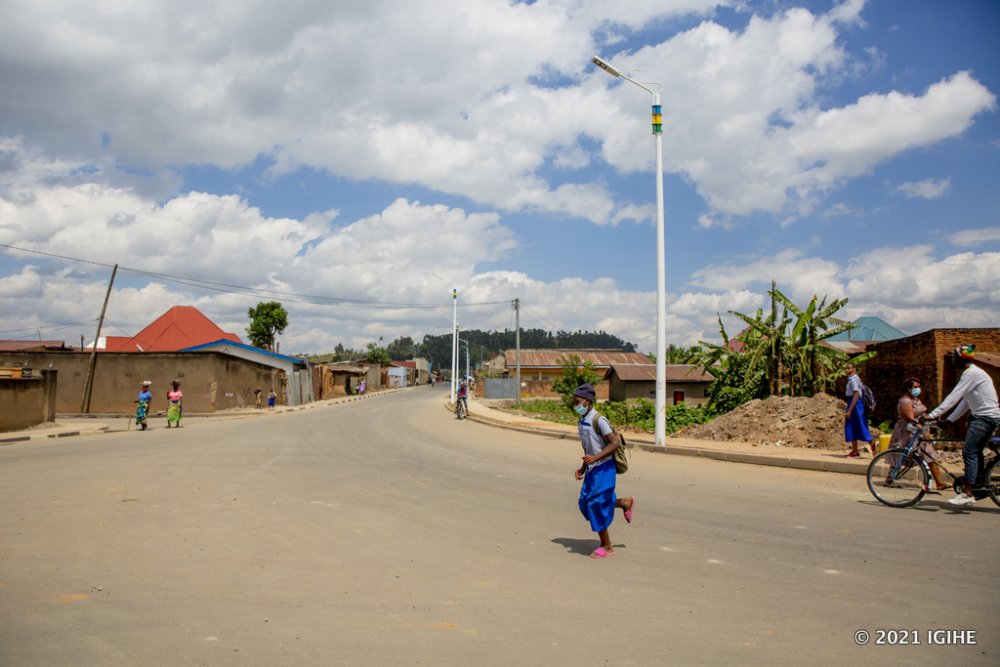
“For instance, thieves would loot residents’ belongings and escape to the drainage channel. Today, related theft cases have reduced because lights are installed along the road. The development is among other infrastructures made possible under the visionary leadership of President Paul Kagame which continuously induce pride among residents,” he revealed.
Residents have also revealed that infrastructure development has made them smart residents with optimism for new opportunities.
“After raining, roads turned muddy and became almost unmotorable. So, you can image how frustrating it was for someone cross the muddy road with his/her clean shoes and clothes. Today, we are grateful because we move freely be it in rainy season or dry spell,” said Jean d’Amour Ntakirutimana, a motorcyclist.
Antoinette Mukampirwa, a vendor of vegetables in Giramahoro village, Muhoza sector is among residents benefiting from infrastructures made available.
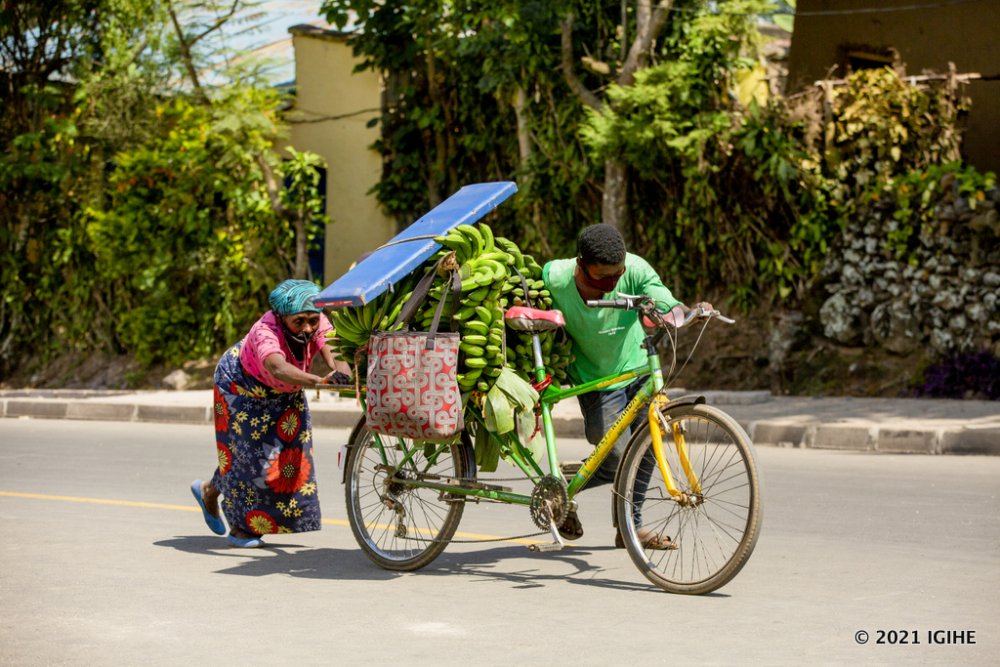
She explained that new roads facilitated transport that they currently run businesses smoothly.
The mayor of Musanze district, Jeannine Nuwumuremyi has said that new roads have facilitated movements and connectivity and paved the way for development in other areas.
“Our district is prone to frequent rains. The situation worsens when flowing water has no properly constructed drainage channels. Having strong bridges facilitates movements and connectivity,” she noted.
“People visiting our town can move freely. It also impacts tourism positively as it gives a memorable experience to tourists visiting Virunga National Parks pushing them to prolong their stay,” added Nuwumuremyi.
She explained that Musanze district has other projects in the pipeline expected to attract tourists visiting gorillas in Virunga National Park to prolong their stay.
“We want tourists to stay longer. When there are infrastructures, it gives them courage to explore more areas. Visiting different parts to witness settlements, and citizens’ development might be part of their adventures. Besides, there are new coffee shops in Rusagara and Ibereshi among others where tourists from Volcanoes National Park can pass by,” stressed Nuwumuremyi.
At least a 6.428 kilometer road under construction in the second phase of infrastrure development in Musanze district has reached 94.2%.
Statistics indicate that 774 assorted electronic equipment were stolen in different parts of City of Kigali between March and May this year.
At least 387 items were reported stolen in Gasabo District, 214 in Nyarugenge District and 173 in Kicukiro District.
Flat television sets, laptops and desktop computers, smart phones and fridges are among the majority stolen electronic appliances.
During the meeting held at the RNP General Headquarters in Kacyiru on Wednesday, 9th June 2021, Commissioner of Police (CP) George Rumanzi, Commissioner for Operations and Public Order, observed that in most cases, burglars work with dealers in used electronics or electronics technicians, who help them to get buyers or buy the stolen items themselves.
“The majority of electronic equipment stolen are sold to dealers in used appliances on the black market for little money, which makes you accomplices even if you did not know that the item was stolen. It is your responsibility to know the origin of these items sold to you cheaply,” CP Rumanzi said.
Members of different rackets, who include burglars and buyers of stolen electronics items, who also sell them on the black market, have been arrested in separate Police operations conducted in Kigali and other parts of the country such as Rubavu and Rusizi.
In April, Police arrested three people in Nyarugenge District belonging to the same group, who were behind series of burglaries in City of Kigali. The ring was targeting electronics in shops and homes.
At the time, Police recovered assorted stolen electronic items from the trio, including six laptops, two flat TV sets, eight digital cameras, four hard disks, two sound speakers, computer CPUs and amplifiers.
Other five members of another ring, were arrested later in May also in Kigali with seven flat television sets, one laptop and six smart phones stolen from different homes in Kigali.
According to CP Rumanzi, there are cases where thieves assault, injure or kill victims during night break-ins.
ACP Felly Bahizi Rutagerura, the Regional Police Commander (RPC) for Kigali noted that the availability of black markets for stolen electronics encourage the criminal acts.
Such acts, he added, tarnish the image of the country.
“It is your duty to report those who bring these stolen items to you instead of buying them, which encourages them to continue stealing,” said ACP Rutagerura.
He urged them to reorganize themselves, form cooperatives and harmonize their business to fight those, who tarnish their image.
Dinalo Tandimwebwa, an electronics technician in the city center noted that some individual hide behind this business to work with thieves.
He pledged to report anyone he suspects to be engaged in such criminal practices as well as those who try to sell him suspicious items.
Narcisse Havugimana, a dealer in used electronics in Kazi ni Kazi also thanked RNP for bringing them together to be part of the fight against theft of electronics.
He added that working in cooperatives will help them to organize their business but also another way of business growth.
“It is important to ask receipts for the items we buy from people to prevent purchasing those that are stolen,” said Havugimana.
Similar meetings will also be held with dealers in used electronic items and technicians in Gasabo and Kicukiro districts.
The move is aimed at creating a strong bond between RNP and those engaged in selling or repairing electronics to identify and arrest those dealing in stolen items on the black market.
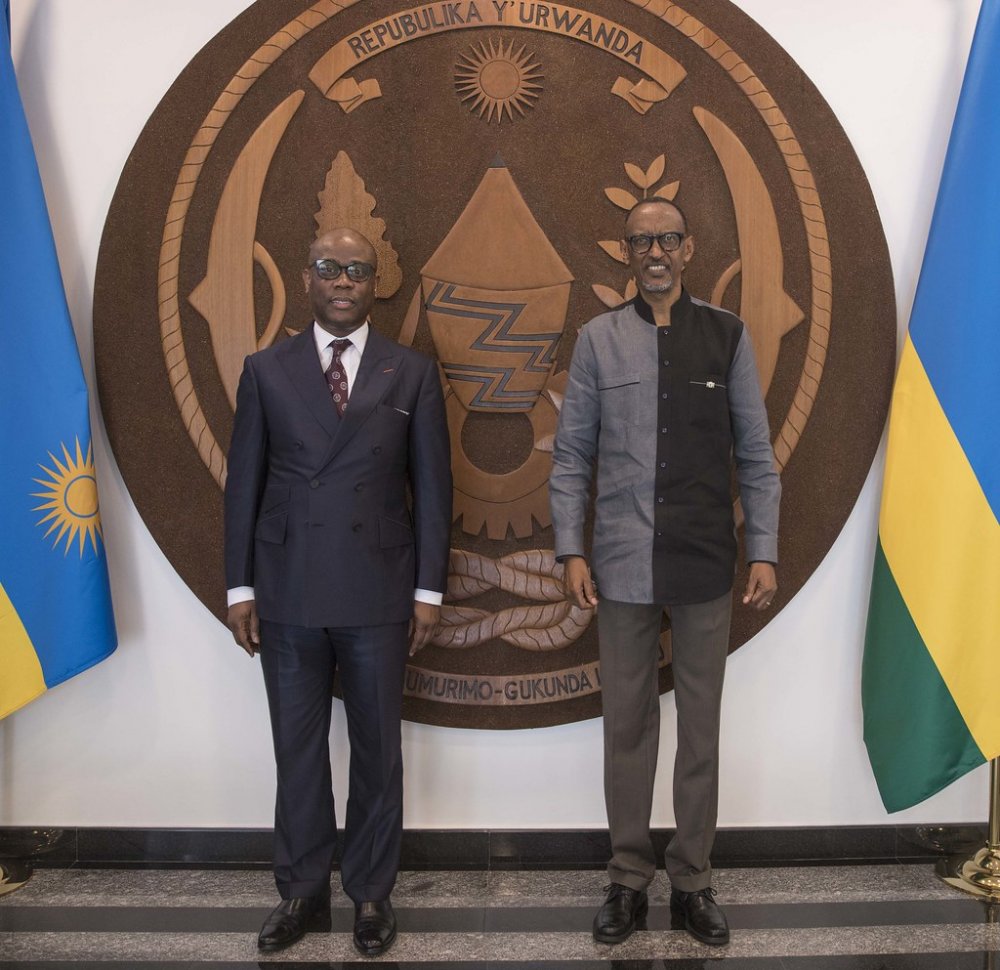
Herbert Onyewumbu visits Rwanda, two years after Access Bank Plc merged with Diamond Bank from Nigeria to enhance footprint expansion and drive penetration into advanced digital banking services to serve customers with utmost convenience.
Access Bank Group and Diamond Bank PLC merged operations in 2019 forming one entity retaining ‘Access Bank’ name. At the time, it was announced that the enlarged Access Bank will improve customers’ retail banking experience complementing existing services to corporate clients.
It was also revealed that the merger undertaken the beginning of April 2019 created the largest retail bank by number of customers and diversified business scope spanning three continents, 12 countries and 29 million clients.
They were arrested in curfew enforcement operations conducted between Sunday, June 6, and Tuesday, June 8 in the City of Kigali. Violators were paraded before the media on Wednesday, June 9, at Nyarugenge District Police Unit (DPU) in Rwezamenyo Sector.
RNP spokesperson, Commissioner of Police (CP) John Bosco Kabera said eight drunk violators were arrested in the night of Sunday, five on Monday while three others were arrested on Tuesday night.
Their vehicles were also impounded, and drivers will be fined accordingly.
“They were all arrested beyond 10pm, when everyone should be home, and they were all drunk.We have on many occasion paraded people to the media, who were arrested for disregarding the nation Covid-19 prevention directives, and we want to repeat this; operations to enforce the government directives and to arrest anyone undermining these directives, will continue,” CP Kabera said.
He added that although the RNP awareness on the directives and safety guidelines against Covid-19, which played great impact as well as Gerayo Amahoro campaign, which also tackled the issue of drunk-driving, some errant individuals continue to put lives of people at risks of catching the virus, fatal accidents, and destruction of property.
CP Kabera reminded every driver to act responsibly and take all necessary precautions to prevent the road accidents and loss of lives.
He warned that, besides operations to enforce the curfew, Police is also fighting drunk-driving and using breathalyzers to measure the alcoholic content of drivers.
The statement released last night shows that 114 people caught the virus while 64 recovered.
Rwanda confirmed the first Coronavirus case on 14th March 2020. Since then, 27 548 have been tested positive of whom 26 341 recovered, 842 are active cases, 6 are critically ill while 365 have succumbed to the virus.
The majority of new cases were found in Kigali: 62 and Rubavu: 20.
A total of 386,468 people have been vaccinated since Rwanda began countrywide inoculation program on 5th March 2021.
Coronavirus symptoms include coughing, flu, and difficulty in breathing. The virus is said to be transmitted through the mucous membranes of the respiratory tract.
Rwandans are urged to adhere to COVID-19 health guidelines, washing hands frequently using soaps and safe water, wearing face masks and respecting social distancing.
Police said the suspects, who include medics, connived to forge medical documents for one Olivier Safari, who had been caught in the night of June 4, driving during prohibited movement hours.
Movements are prohibited from 10pm, according to the government restrictions meant to contain the spread of the Covid-19 pandemic.
Safari was arrested alongside his three accomplices; Valentin Iraduha, Jean Michel Shimwamana and Olive Umutoni.
Iraduha and Shimwamana work at Clinic medicale de l’ arche while Umutoni is a pharmacist at Milik pharmacy, both located in Gisenyi town.
They were paraded to the media on Wednesday, June 9, in Rubavu.
Investigations and subsequent arrest of the quartet also followed a complaint by one Yves Mudeyi on his twitter account claiming that his colleague, Safari Olivier was being falsely accused for violating the curfew, and his vehicle wrongly impounded.
Chief Inspector of Police (CIP) Bonaventure Twizere Karekezi, the Police spokesperson for the Western region said that on June 4, officers enforcing the curfew in Gisenyi town caught Safari at about 10:15pm.
“Safari was at the time driving a car RAE 993R, Police officers stopped him but he claimed that he had gone for medical services at Clinic medicale de l’ arche.
However, Safari did not have any supporting medical papers apart from tablets he was showing to Police officers. He argued that he forgot the papers at the same clinic,” CIP Karekezi said.
According to CIP Karekezi, Police advised him to go back to the clinic and collect the medical documents.
Safari returned the following morning at the Rubavu District Police Unit (DPU) with the medical prescription paper, medical bill and a justification letter in a bid to have his vehicle released and to prevent any related penalties.
“Out of suspicion on the authenticity of the documents, Police officers went to the same clinic and found that Safari visited the clinic on June 5, just to pick the papers from the nurse, Jean Michel Shimwamana,” said CIP Karekezi.
“Police later established that after being caught for flouting the directive, Safari started dealing on phone with Valentin Iraduha, also a nurse at the same clinic to help him get the required documents, but Iraduha was not on duty that day.
However, Iraduha called Shimwamana to help his friend (Safari) with the same. Shimwamana gave Safari the medicine prescription form.
Later, Safari also went to Milik pharmacy where he got a back-dated medical receipt with the help of Olive Umutoni, a pharmacist.”
The two nurses; Iraduha and Shimwamana as well as the pharmacist Umutoni, while speaking to the media, admitted to have helped Safari acquire the documents.
CIP Karekezi warned that forging or issuing legal documents with intent to help someone break the law or directives is a “criminal act to all parties involved.”
“Violating the government directives itself is putting lives at the risk of getting infected with Covid-19, but that should not be corrected with such criminal action,” CIP Karekezi warned.
The quartet was handed over to RIB for further legal process.
Article 276 of the law determining offences and penalties states that any person who, with fraudulent intention, produces a false written document, causes to write false statements or produces a conflicting declaration, is considered to commit the offence of forgery.
Upon conviction, he/she is liable to imprisonment for a term of not less than five years but not more than seven years and a fine of not less than Rwf3 million but not more than Rwf5 million or only one of these penalties.