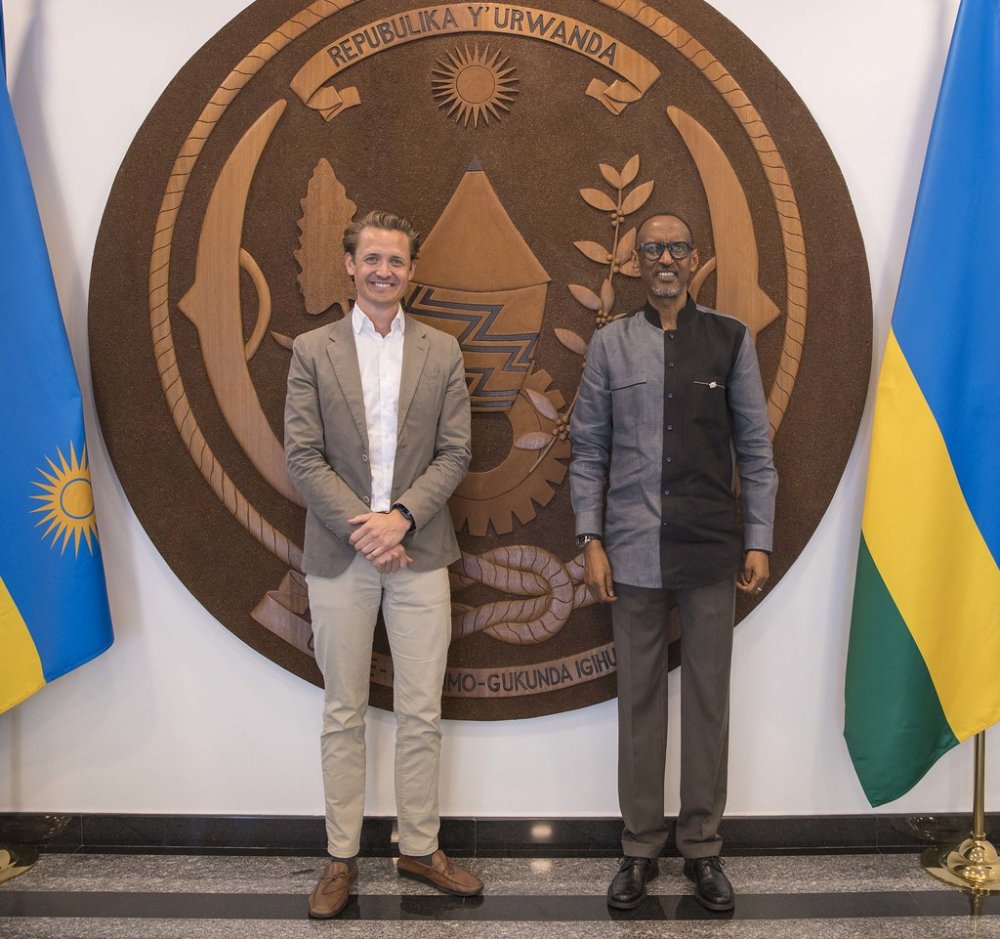
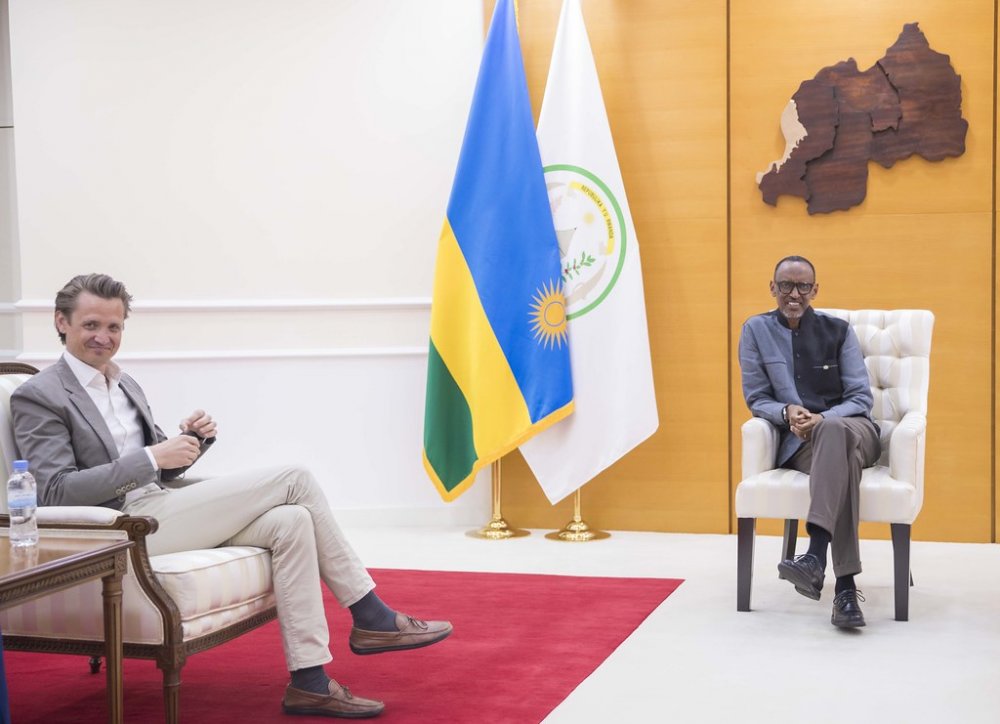
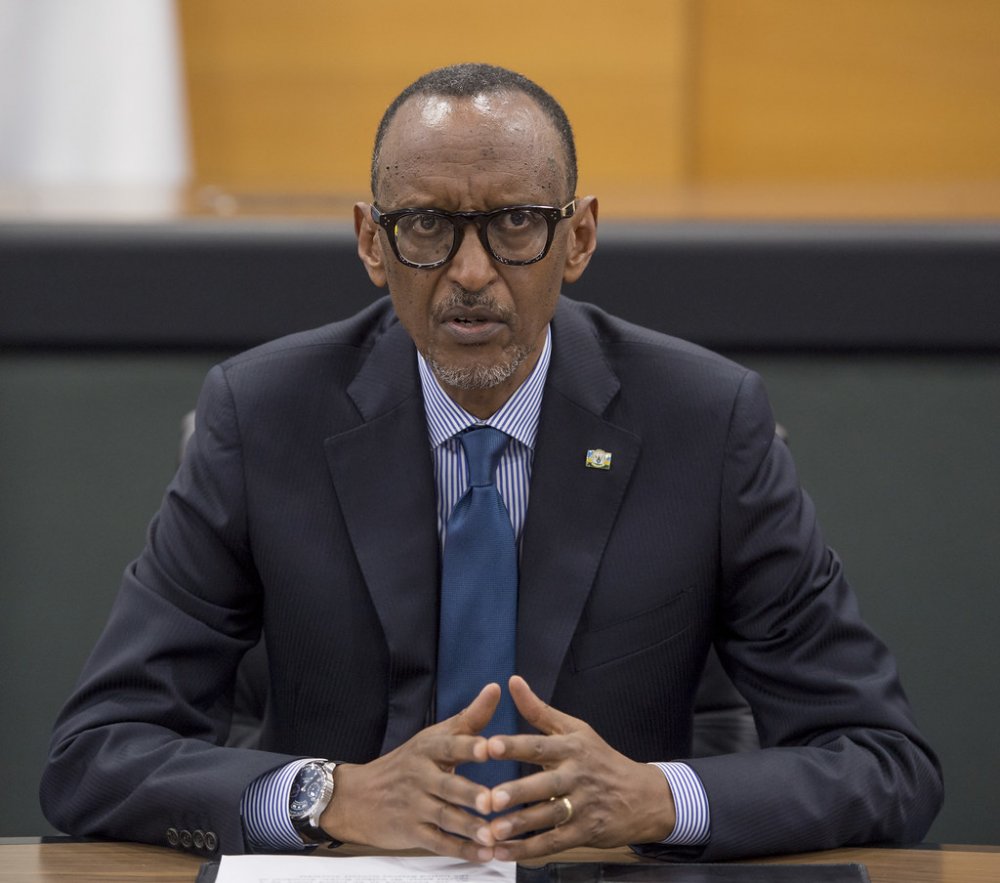
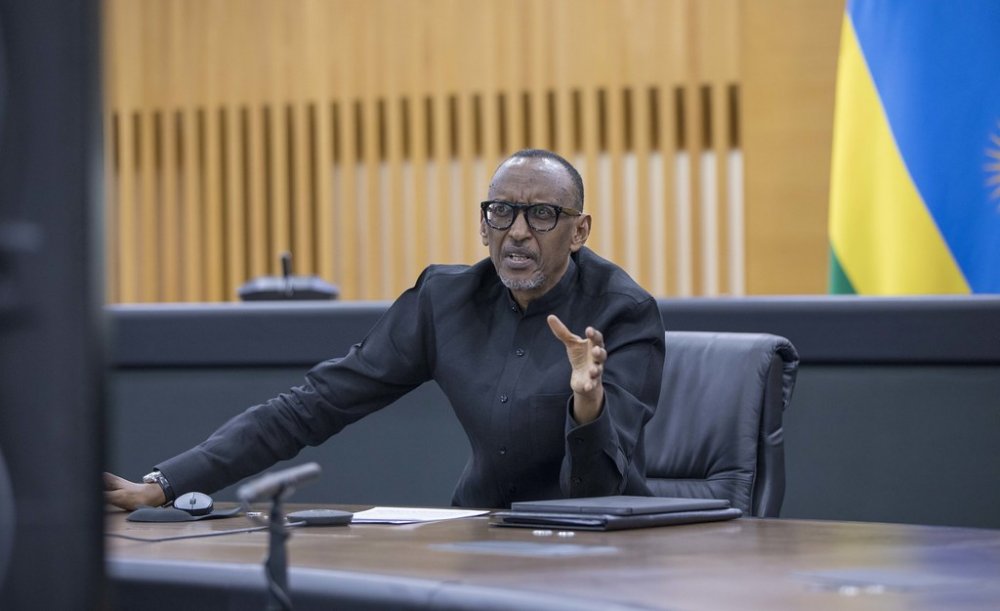
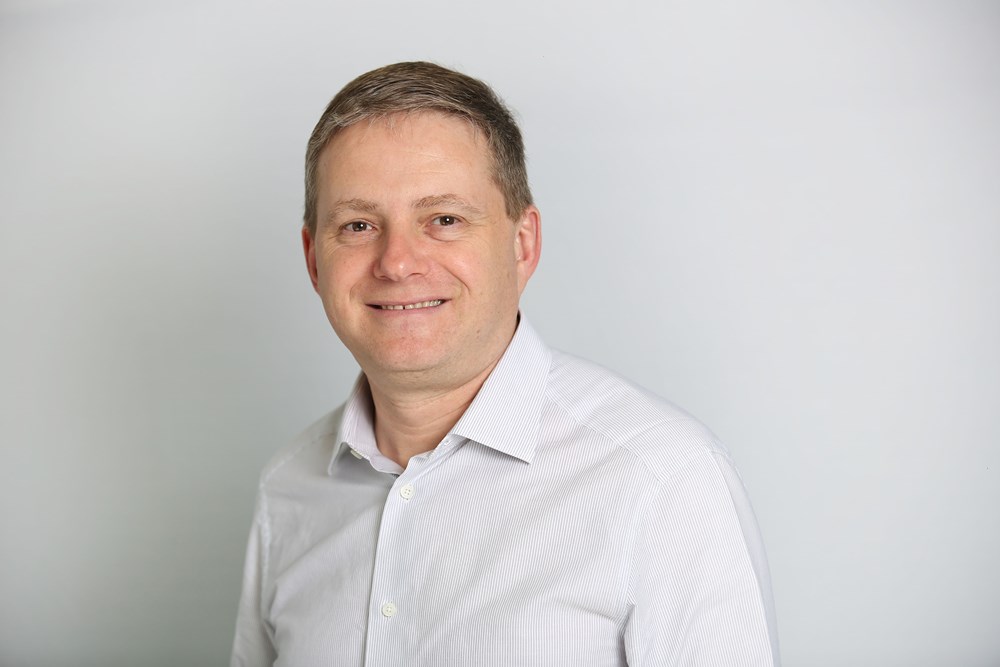
He held talks with Kagame after meeting with Rwanda’s entrepreneurs including those registered to benefit from its programs.
Norrsken Foundation is currently building East Africa’s largest hub for entrepreneurship and innovation in the old premises of the Ecole Belge in Kigali which is set to offer business incubation programs to over 1,000 entrepreneurs and provide funding to grow their businesses.
When Norrsken purchased the site in 2019, it had been vacant since the school’s relocation in 2017. Norrsken seeks, among other things, to revive one of the most important landmarks in Kigali and turn it into a place where education, innovation and entrepreneurship will join to generate solutions for scalable growth and development in Kigali and throughout the region.
Before heading to Village Urugwiro, Adalberth met with the Minister of Trade and Industry, Béata Habyarimana; the Minister of Technology and Innovation, Paula Ingabire and the CEO of Rwanda Development Board (RDB), Clare Akamanzi.
Adalberth co-founded the company with colleagues Victor Jacobsson and Sebastian Siemiatkowski from Stockholm School of Economics.
Currently, the company has estimated assets of over US$30 billion and netted US$700 million profit last year.
In 2015 Niklas left Klarna with the aim to give back to the world. Adalberth founded Norrsken Foundation, a Swedish non-profit foundation supporting and investing in impactful start-ups with the potential to radically improve the world. He has, so far, injected US$126 million in the foundation.
In 2020, Norrsken Foundation worked with 450 entrepreneurs from 130 companies.
Norrsken Foundation plans to establish 20 hubs worldwide.
This transformational commitment is part of Hansjorg Wyss’s visionary Wyss Campaign for Nature, a $1 billion investment in helping nations, NGO’s and indigenous communities conserve 30 percent of the planet by 2030 and is one of the largest single gifts ever made to the conservation of Protected Areas in Africa.
The statement released yesterday shows that the Foundation’s commitment will be made over an initial five-year period to support up to half of the annual budgets of nine existing parks currently under African Parks’ management in Angola, Benin, Malawi, Mozambique, Rwanda, and Zimbabwe; as well as support the addition of five new parks (which are yet to be identified) and up to two-thirds of their annual budgets.
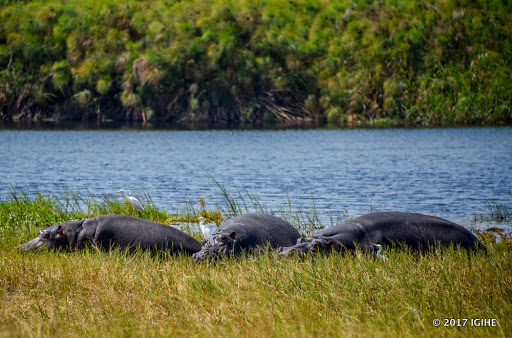
African Parks manages Akagera National Park in Rwanda.
The funding for these new parks will come with a matching requirement with the goal of enticing new and diversified funders to provide needed stability for these landscapes. The grant overall serves a critical need in long-term and sustainable, multi-year financing, providing critical support for a park’s operating budget, which can vary between $1.5M to $4M per year.
“We are in a race against time to save Africa’s wildlife and wild places,” said Hansjörg Wyss, Founder and Chairman of The Wyss Foundation.
“Multiple and compounding threats, including deforestation, illegal mining, poaching, and wildlife trafficking among others have imperiled Africa’s lands, waters, and wildlife – some of the most awe-inspiring on Earth. Only by working with governments and local people can we protect natural areas for the benefit of people and wildlife across the African continent. By supporting African Parks, I know that funding is being used effectively to help nations and communities protect nature and their economy now, not tomorrow.”
African Parks, a conservation organization founded in 2000, takes on the direct, long-term management responsibility of national parks and protected areas in partnership with governments to protect wildlife, restore landscapes and ensure sustainable livelihoods for local communities. With 19 parks in 11 countries under African Parks management, their conservation footprint spans over 14.7 million hectares which is the largest amount of area under conservation for any one NGO on the continent. Their goal is to directly manage 30 parks by 2030, measuring 30 million hectares, safeguarding globally significant biodiversity and ensuring that vast ecosystems function in order to sequester carbon, deliver clean air, water and food security, provide stability, and economic, socio-political and ecological benefits for millions of people.
“It’s hopeful and inspiring to see the impact one individual can have, with intent and clarity of purpose in wanting to help protect the planet,” said Peter Fearnhead, the CEO of African Parks.
“The partnership forged with the Wyss Foundation is helping secure some of the most threatened but globally significant landscapes on Earth. What is not being managed will be lost, and once lost, these areas and their ecological functions are essentially impossible to restore. What Mr. Wyss’s commitment does is help secure these threatened areas now, it inspires other actors to get involved, and paves the way for a green and sustainable future for humans and wildlife alike”.
The philanthropic commitment announced yesterday comes on top of the Wyss Foundation’s existing support to African Parks from 2016 for nine parks currently under their management, including three parks in Malawi where the Foundation supported one of the largest elephant translocations in human history.
The Wyss Foundation has a more than two decades long track record of working with local communities, Indigenous Peoples, and nations in their efforts to accelerate the pace and scale of conservation, supporting locally-driven projects in Africa, Australia, North America, South America, Europe, and central Asia.
By partnering with communities to create and expand protected areas, by encouraging more ambitious international conservation targets, by investing in science, and by inspiring conservation action around the world, the Wyss Foundation is working to slow the loss of nature and safeguard the planet’s biodiversity.
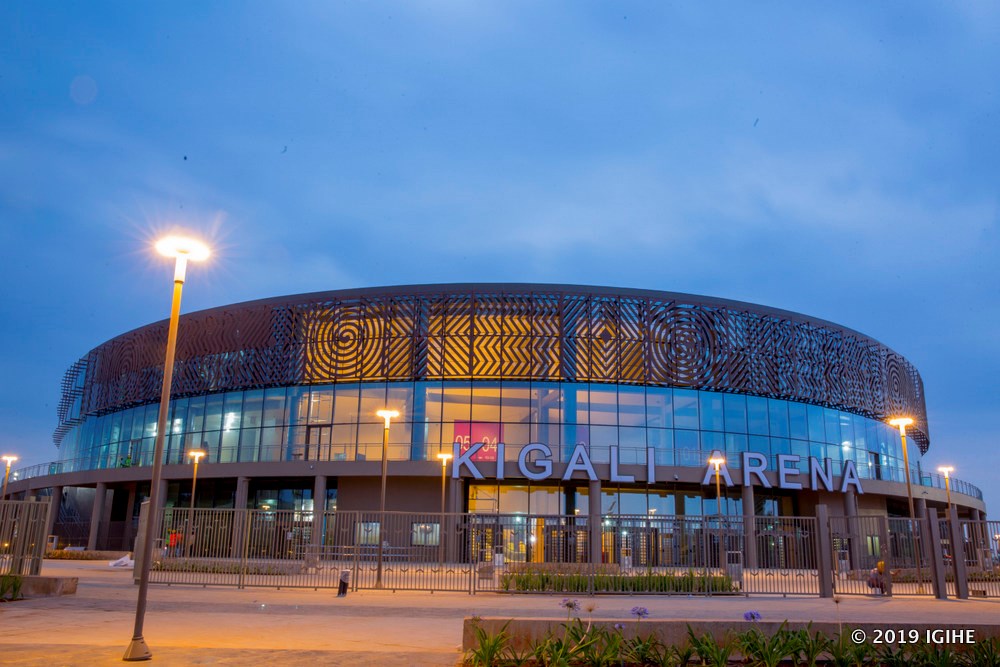
The social media challenge runs from 8th June until 7th July 2021. To participate in the month-long Instagram contest, participants are required to follow Kigali Arena on Instagram (@kigaliarenarw), post one’s and her/his partner’s photo with a small description about the couple, use the hashtag #WedAtKigaliArena and tag @kigaliarenarw.
The campaign is open only to legal residents of Rwanda aged 21 and above as of the date of entry. The winner will be selected by a random drawing under the supervision of QA Venue Solutions and notified by via social media platforms within 7days following the selection.
Speaking at the launch of the campaign, Kyle Schofield, Director at QA Venue Solutions explained that the campaign forms part of efforts to showcase Kigali Arena’s ability to host events while adhering to all health and safety measures ensuring that couples enjoy their day in a memorable manner.
“The Kigali Arena has lots of amazing spaces for various events and hosting weddings is one of them. We look forward to all the photos and stories throughout the campaign and most importantly hosting the lucky winners at the iconic Kigali Arena,” he said.
Terms and conditions can be found on www.kigaliarena.rw
{{About Kigali Arena}}
Rwanda has been consistently ranked the second most popular destination in Africa for hosting international conferences and events by the ICCA (International Congress and Convention Association) and the award-winning Kigali Arena is one of Rwanda’s world class venues.
Inaugurated in August 2019 and managed by QA Venue Solutions, the multi-purpose Kigali Arena has, among other events, successfully hosted renowned R&B star Ne-Yo in a sold-out concert as well as the FIBA Afrobasket 2021 Regional Qualifiers.
This fabulous a 10,000 seating capacity Arena can host live concerts, sporting events, beauty pageants, gala dinners, product launches, exhibitions and much more. With the Arena comes a host of meeting rooms, open spaces and VIP Suites.
With its state of the art facilities, Kigali Arena is the ideal home for Africa’s events and sport industry.
In 2020, QA Venue Solutions Rwanda signed a seven-year agreement with the Government of Rwanda to manage the iconic Kigali Arena
Kagame made the call on Tuesday 8th June 2021 during the United Nations General Assembly High Level Meeting on HIV/AIDS.
The meeting taking place from 8th to 10th June 2021, was organized to undertake a comprehensive review of the progress on the commitments made in the 2016 Political Declaration towards ending the AIDS epidemic by 2030, and how the response, in its social, economic and political dimensions, continues to contribute to progress on the 2030 Agenda for Sustainable Development and the global health goal.
The high-level meeting is expected to provide recommendations to guide and monitor the HIV/AIDS response beyond 2021, including new concrete commitments to accelerate action to end the AIDS epidemic by 2030 as well as to promote the renewed commitment and engagement of leaders, countries, communities and partners to accelerate and implement a comprehensive universal and integrated response to HIV/AIDS.
As he delivered remarks, Kagame explained Rwanda’s efforts towards defeating HIV/AIDS where the country has achieved nearly all of the 90-90-90 targets indicating that 90% of all people living with HIV should know their HIV status, 90% of all people with diagnosed HIV infection receive sustained antiretroviral therapy while 90% of all people receiving antiretroviral therapy will have viral suppression.
The President also revealed that HIV prevalence rate in Rwanda has been stable at 3 percent since 2005 noting that more efforts are still needed.
“But it is not yet time to celebrate. There is still 95 to be achieved, and then 100. That is the reason why a new Political Declaration is needed, to end the HIV pandemic by 2030,” he said.
Kagame stressed HIV/AIDS and Covid-19 are both pandemics that should leave common lessons.
“HIV/AIDS and Covid-19 are both pandemics. One is 40 years old, while the other has been with us for only a year-and-a-half. But there are common lessons and shortcomings to address. First, the quality and speed of response is still mostly determined by wealth and poverty. Waiting to respond to HIV in Africa was a mistake, because the virus was spreading, even though it was treatable,” he stated.
“Some even believed that Africans would not be able take their medicine on time. A decade was lost, and many lives as well. The turning point in the fight against HIV in Africa was the consensus to invest heavily in national health systems, through key programs such as PEPFAR, the Global Fund, and others,” added Kagame.
He revealed that the health systems that Africa has depended on to fight the COVID-19 pandemic were largely built with HIV funding.
“For example, Rwanda’s National Reference Laboratory has performed thousands of Covid tests per day during the pandemic. And it was originally built as an HIV lab. Even within the framework of combatting a specific pandemic, we can work together as partners to disburse funds in a flexible manner, with the goal of continuing to strengthen health systems,” he noted.
Kagame highlighted that established health systems to defeat particular pandemic might be used to contain emerging crisis requiring prompt interventions to save people’s lives.
He pointed out an example where ‘a maternity wing that treats HIV-positive mothers, may also save the life of a mother with malaria’.
“We must also seize this moment to increase scientific research collaboration with Africa, and to invest in drug and vaccine manufacturing capacity on our continent,” stressed Kagame.
UNAIDS 2021 epidemiological estimates shows that 37.6 million people globally were living with HIV in 2020 including 1.5 million people infected in 2020 while 690, 000 people died from AIDS-related illnesses in the same year.
The narcotics were seized from three drug dealers, who were also taken into custody.
Hakizimana, 23, was arrested in Hanika Village, Makoro Cell in Busasamana Sector of Rubavu District with 7.5kgs of cannabis.
Two other suspects; Theoneste Kavamahanga, 25, and Innocent Karibana, 28, were arrested in Gicumbi District transporting 5kgs of cannabis on a motocycle.
Chief Inspector of Police (CIP) Bonaventure Twizere Karekezi, the Police spokesperson for the Western region said Hakizimana was reported by residents.
“Area residents reported that Hakizimana was seen in Hanika Village trafficking drugs in a bag, heading to Nyabihu. We swiftly responded to the tip-off and Hakizimana was arrested red-handed with 7.5kgs of cannabis,” said CIP Karekezi.
On the other hand, Theoneste Kavamahanga had hired Innocent Karibana, a taxi-moto operator to transport him and his 5kgs of cannabis before they were intercepted in Cyumba Sector, Gicumbi District.
It was later established that the suspects acquired the drugs in Kanyanzugi Village, Nyirataba Cell, Kivuye Sector in Burera District.
At the time of their arrest, Kavamahanga was headed to Kanteko Village, Taba Cell in Gashenyi Sector, Gakenke District where Kavamahanga lives.
The suspects were handed to RIB at Busasamana and Cyumba stations for further investigation.
Cannabis is classified among the very severe narcotic drugs in Rwanda.
Article 263 of law No 68/2018 of 30/08/2018 determining offenses and penalties in general states that any person, who unlawfully produces, transforms, transports, stores, gives to another or sells narcotic drugs and psychotropic substances commits an offence.
Upon conviction for “very severe narcotics,” the offender faces between 20 years and life imprisonment, and a fine of up to Rwf30 million.
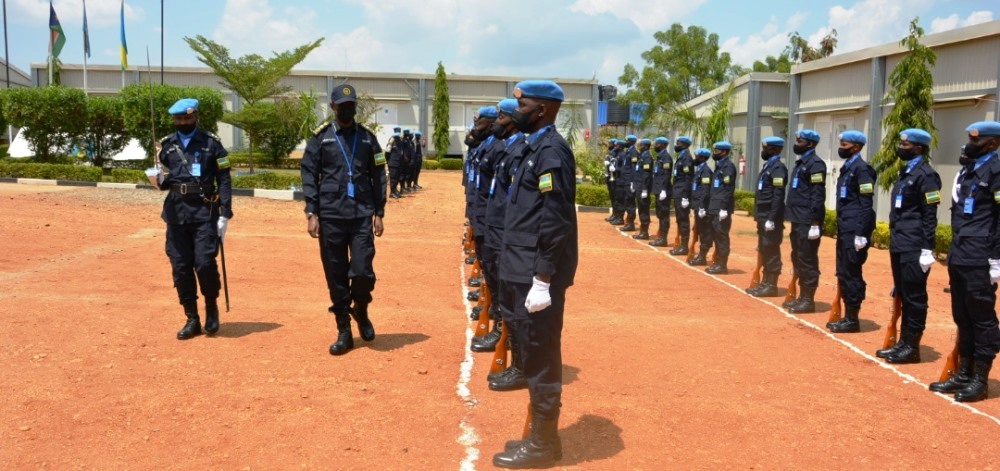
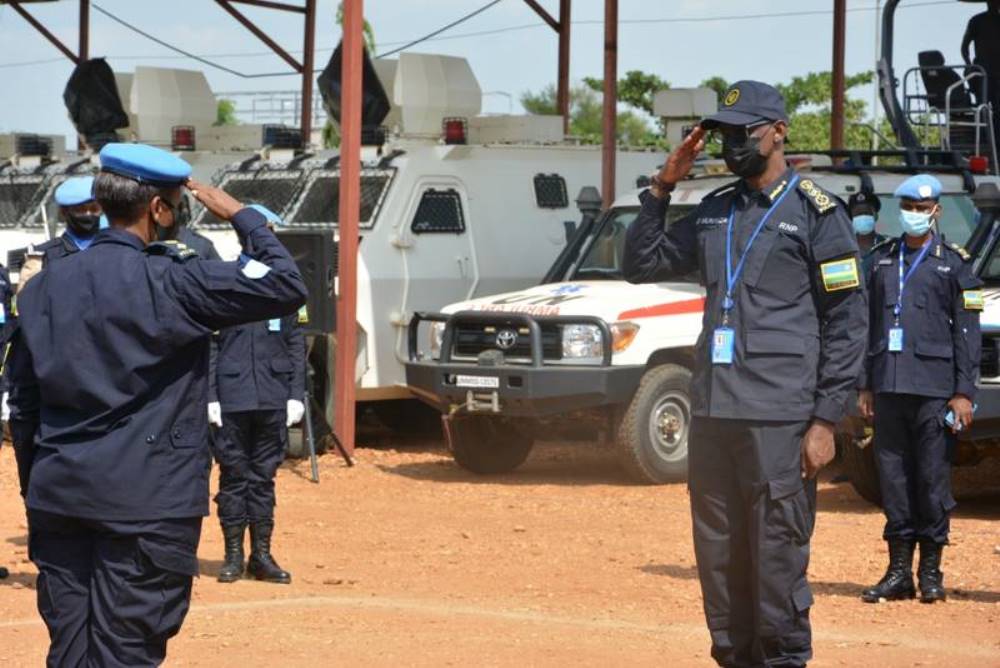
Two contingents, FPU-2 and FPU-3 of 160 officers each, are deployed in the Capital Juba under the UN Mission in South Sudan (UNMISS), where they perform various peacekeeping duties such as patrols, escort, protection of civilians in IDP camps, humanitarian assistance as well as other community policing and human security activities for the local population and South Sudan Police.
Rwanda FPU-1 of 240 officers is deployed in Malakal, Upper Nile State.
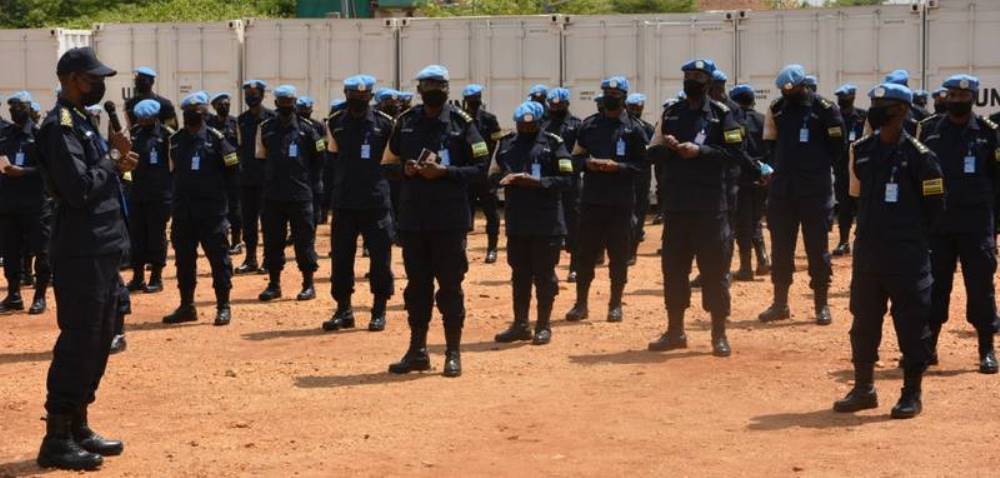
“I am happy to find you safe and healthy, and your country thanks you for your contribution towards restoring peace and security for the wellbeing of the people of South Sudan,” IGP Munyuza told the peacekeepers.
As some of them are nearing the end of their mission, he observed, the remaining period might seem to be challenging but urged them to maintain the discipline, teamwork, respect for superiors and to continue working well with the people of South Sudan until the very end when they will go back home after a successful tour-of-duty.
Rwanda and South Sudan, IGP Munyuza said, enjoy good relations in different sectors of security and development and that the two Head of States set a tone and line to follow.
“Even when you complete your peacekeeping mission, some of you might come back to serve in other capacities as part of the good relations and memorandum of understanding between Rwanda National Police and South Sudan National Police Service. Your being here should, therefore, strengthens this cooperation and collaboration,” IGP Munyuza said.
The two Police institutions signed a memorandum of understanding to partner in various areas of policing including the exchange of information and training in cyber and aviation security as well as other career, professional and academic courses.
South Sudan Police officers have previously attended cadet courses and other command courses, including the Police Senior and Junior Command and Staff Courses, in Rwanda.
“Always be mindful of what you stand for here; you are peacekeepers but also ambassadors. Uphold the values that define you as Rwandans and strive to raise the Rwandan flag higher,” IGP Munyuza told the officers.
He reminded them to take maximum precautionary measures against the pandemic of Coronavirus and in consideration of the new variant adding that complacency can be fatal. He urged them to maintain hygiene as well as cleanliness in their camps.
The Police Chief also explained to them on the security situation back home, which remains intact and the role RNP is playing in supporting the national efforts in the fight against the COVID-19 pandemic.
IGP Munyuza also paid a courtesy call to UNMISS Police Commissioner, Madam Unaisi Bolatolu-Vuniwaqa and echoed Rwanda’s continued commitment to peace support operations.
Madam Vuniwaqa lauded Rwanda’s role in restoring peace and security in South Sudan.
The deceased include two women from Huye (aged 45) and Kigali (aged 43) respectively as well as two men from Kigali aged 61 and 33.
The statement released last night shows that 127 people caught the virus yesterday while 27 recovered.
The majority of new cases were found in Kigali: 47, Rubavu: 23, Musanze: 11 and Huye: 10.
Rwanda confirmed the first Coronavirus case on 14th March 2020. Since then, 27 434 have been tested positive of whom 26 277 recovered, 793 are active cases, 7 are critically ill while 364 have succumbed to the virus.
A total of 376, 182 people have been vaccinated since Rwanda began countrywide inoculation program.
Coronavirus symptoms include coughing, flu, and difficulty in breathing. The virus is said to be transmitted through the mucous membranes of the respiratory tract.
Rwandans are urged to adhere to COVID-19 health guidelines, washing hands frequently using soaps and safe water, wearing face masks and respecting social distancing.
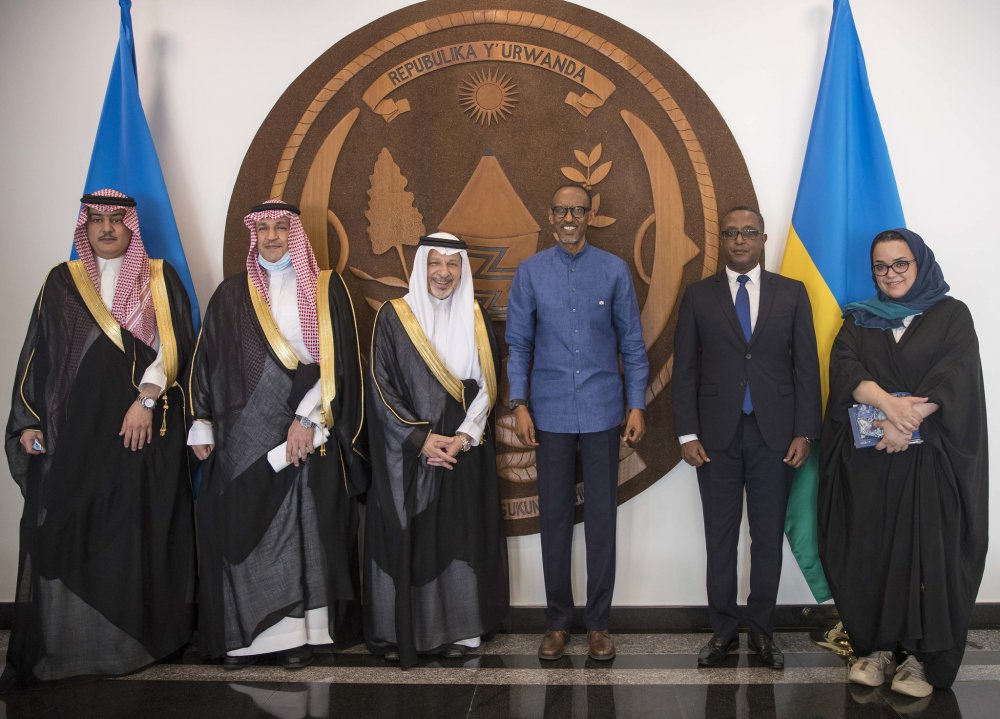
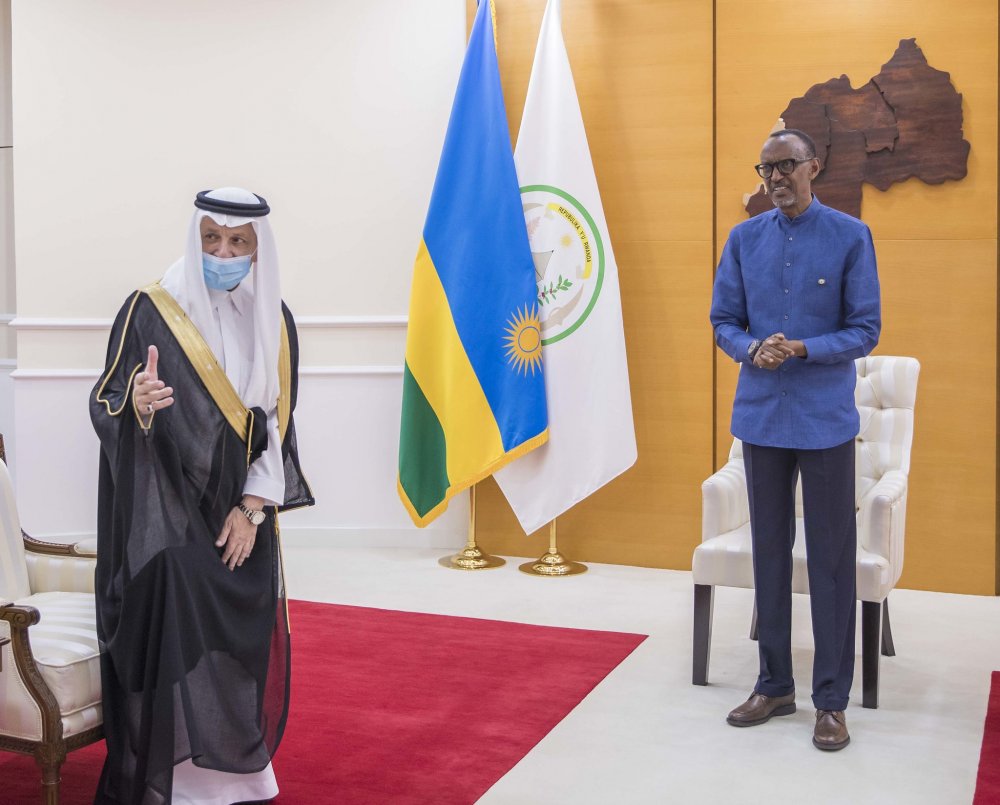
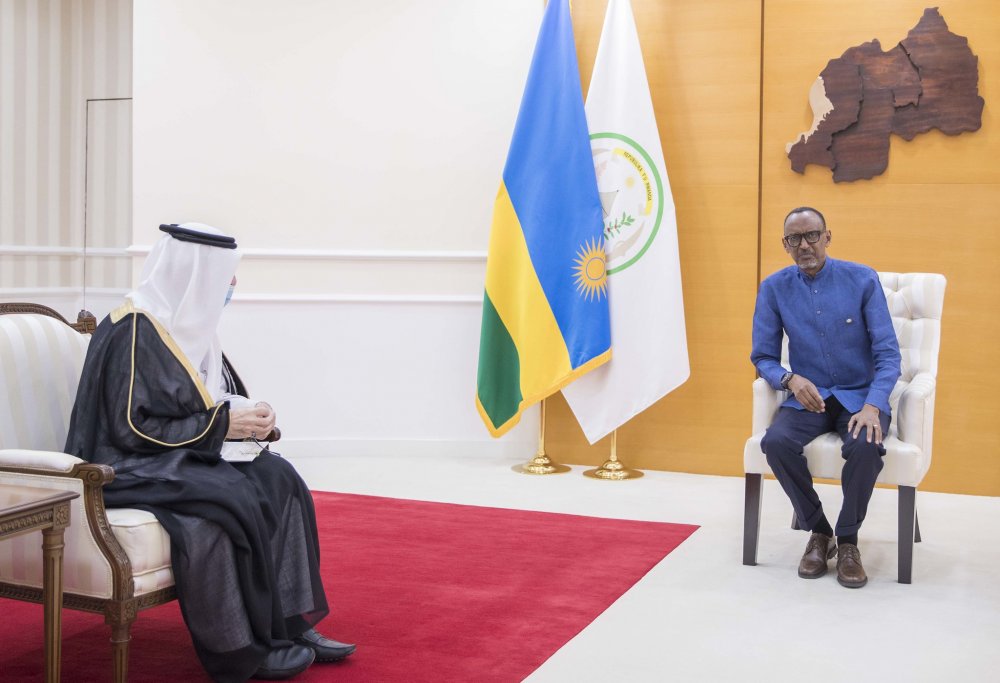
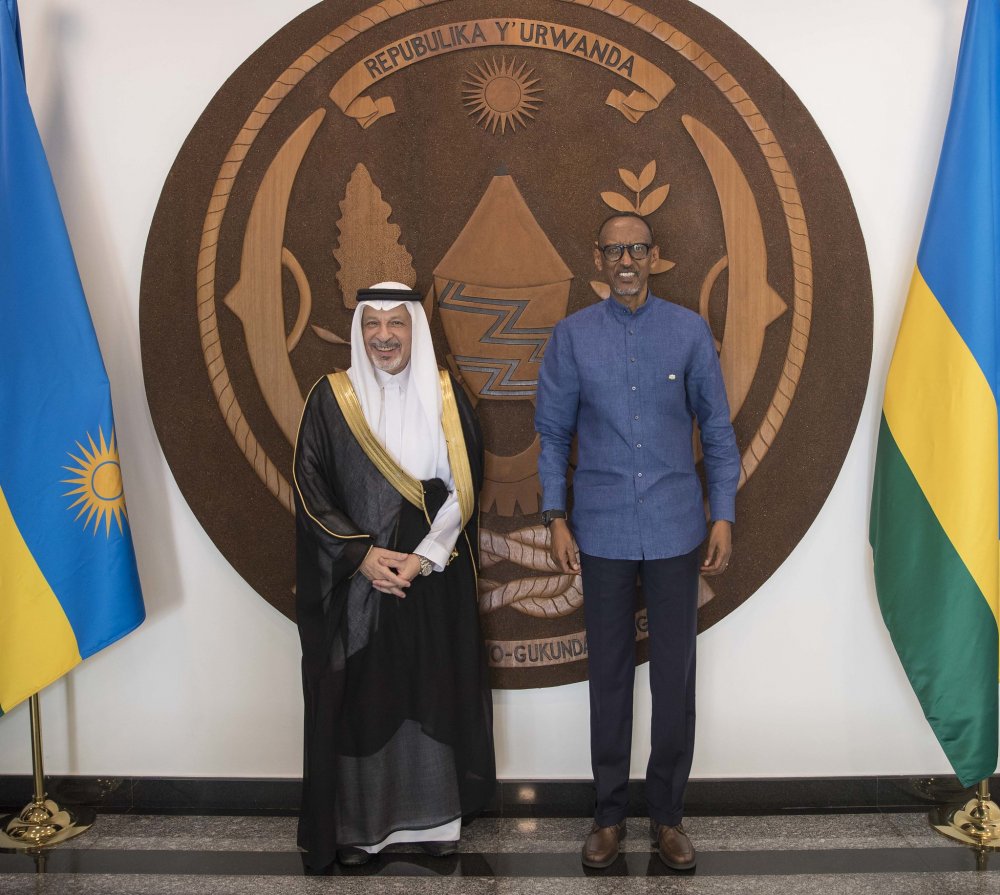
Kagame received Ahmed after meeting with Rwanda’s Minister of Foreign Affairs and International Cooperation, Dr. Vincent Biruta where the two ministers held discussions on strengthening bilateral relations and signed a General Cooperation Agreement.
Ahmed Kattan becomes the first Saudi official to visit Rwanda.
On Monday, Ambassador Jamal M.H Al-Madani presented credentials to Kagame has to represent the Kingdom of Saudi Arabia to Rwanda with residence in Kampala, Uganda.
He was approved by the cabinet meeting held on 14th December 2020.
Rwanda and Saudi Arabia have enjoyed cordial relations and cooperation in different areas since 2006. In 2018, both countries signed the establishment of diplomatic relations.
Saudi Arabia was among Rwanda’s top 10 import markets last year with imports valued at US$5,83 million in December 2020 from US$6,50 million in 2019.
Kagame made the recommendation today at the official launch of the partnership between MasterCard Foundation and the Africa Centers for Disease Control and Prevention (Africa CDC).
The three-year partnership will leave US$1.3 billion deployed to save the lives and livelihoods of millions of people in Africa and hasten the economic recovery of the continent.
The Saving Lives and Livelihoods initiative will acquire vaccines for at least 50 million people, support the delivery of vaccinations to millions more across the continent, lay the groundwork for vaccine manufacturing in Africa through a focus on human capital development, and strengthen the Africa CDC.
President Kagame said that MasterCard Foundation has been making real difference on the continent in the areas of education and youth empowerment since 2009 and highlighted three critical areas the newly launched partnership should prioritize.
“First, it is practical and immediate. Lives are going to be changed vaccine purchases. Second, there is a commitment to work directly with our public health institution and make them stronger. Creating pararrel systems has not been effective or sustainable. Third, there is a long-term vision to build Africa’s capacity to produce high quality medicines and vaccines right here on our continent,” he said.
Kagame also stressed the need for urgent interventions to get out of the crisis.
“As Africa, we have to do our part with a sense of urgency and excellence. We won’t get out of this crisis with a business-as-usual mindset. That means, investing much more of our own domestic health resources in our national systems,” he noted.
The African Union’s goal as set out in the African COVID-19 Vaccine Development and Access Strategy is to vaccinate at least 60 percent of its population – approximately 750 million people or the entire adult population of the continent – by the end of 2022. To date, less than two percent of Africans have received at least one vaccine dose.
The new partnership builds on the efforts of the COVID-19 Vaccines Global Access facility (COVAX), the COVID-19 African Vaccine Acquisition Task Team (AVATT), and the global community to expand access to vaccines across Africa. The number of vaccines available to Africa represents a small portion of the global supply and the financial costs to purchase, deliver, and administer vaccines remain significant. The Africa CDC has called on governments, global funders, the private sector, and others to help meet this goal.
“Ensuring inclusivity in vaccine access, and building Africa’s capacity to manufacture its own vaccines, is not just good for the continent, it’s the only sustainable path out of the pandemic and into a health-secure future,” said Dr. John Nkengasong, Director of the Africa CDC.
“This partnership with the Mastercard Foundation is a bold step towards establishing a New Public Health Order for Africa, and we welcome other actors to join this historic journey.”
In 2020, Africa faced its first economic recession in 25 years due to the pandemic.
The African Development Bank has warned that COVID-19 could reverse hard-won gains in poverty reduction over the past two decades and drive 39 million people into extreme poverty in 2021. Widespread vaccination is recognized as being critical to the economic recovery of African countries.
The initiative builds on an earlier collaboration between the Mastercard Foundation and the Africa CDC to expand access to testing kits and enhance surveillance capacity in Africa. Through the Foundation’s support, the Africa CDC’s Partnership to Accelerate COVID-19 Testing (PACT) deployed nearly two million COVID-19 tests and more than 12,000 trained health care workers and rapid responders across Africa.
In total, the PACT has enabled over 47 million COVID-19 tests across the continent.
Liquid has been manoeuvring steadily through Africa, investing in increasing its reach, which it has successfully done, moving the dial from 89,989 km at the beginning of 2021 to reach the milestone. With its additional fibre network connecting 14 countries, primarily in Sub-Saharan Africa, customers can now explore opportunities in Africa and across the US, Asian and European markets.
The organisation’s fibre infrastructure impacts more than 100 million people across 643 towns and cities on the continent.
According to the management of the company, this extensive network will create new opportunities by making digital inclusion a reality for businesses and individuals across the continent and ultimately accelerating the ongoing digital transformation in Africa.
This well-earned achievement has not come without the extensive effort and drive that followed Liquid’s initial vision and growth plan, as noted by Nic Rudnick, Group Chief Executive Officer, Liquid Intelligent Technologies.
“Over the years we have been successfully connecting countries through our high-speed connectivity and digital services. Our successful partnerships with customers ensured that today we are recognised as a technology company that has brought local businesses access to Cloud capabilities, world-class Cyber Security solutions in addition to our existing telecoms and connectivity capability,” he said.
Accomplishing one achievement after the next, Liquid recently expanded its operations in the Democratic Republic of Congo, bringing its world-class fibre network and digital services to a country that previously relied only on expensive mobile broadband.
For the first time, 2.7 million people of Mbuji-Mayi in the DRC will have access to fibre connectivity, creating an environment that stimulates exciting new sector growth opportunities.
Knowing that connectivity is vital for Africa’s economic growth, the extended penetration will also enable small businesses, enterprises, and government entities to increase their competitiveness through the many digital solutions catering to their individual needs.
“The internet offers unprecedented opportunities for economic growth in developing countries. By providing access to information, connecting people to businesses everywhere, and opening up new markets, the internet can act as an enabler of economic activity and an engine for information sharing. Economic development is not about choosing between access to the internet and basic necessities, they need to work together to allow societies to flourish,” stated Rudnick.
According to Deloitte, it is estimated that by extending internet penetration, another 640 million children may access the internet and the wealth of information it makes available while they study. With only a 20% internet penetration in Africa, the internet plays a pivotal role in extending access to educational resources and accelerating knowledge sharing among students and teachers. It improves the quality of offline education, resulting in better school performance with online learning resources. As a result of education improvement, young people are more employable, and improved literacy promotes social inclusion and benefits the economy.
{{About Liquid Intelligent Technologies }}
Liquid Intelligent Technologies is a pan-African technology group with capabilities across 14 countries, primarily in Sub-Saharan Africa. Established in 2005, Liquid has firmly established itself as the leading pan-African digital infrastructure provider.
Liquid Intelligent Technologies is redefining Network, Cloud and Cyber Security offerings through strategic partnerships with leading global players, innovative business applications, intelligent cloud services and world-class security to the African continent. Under its new brand identity, Liquid Intelligent Technologies has eight business units, namely: Liquid Networks, Liquid Business, Liquid Sea, Liquid Cloud, Liquid Cyber Security, Liquid Home, Liquid Innovation and Liquid Satellite.
Liquid Intelligent Technologies is now a full one-stop-shop technology group that provides tailor-made digital solutions to businesses in the public and private sectors across the continent. The Group also operates state-of-the-art data centres in Johannesburg, Cape Town, Nairobi, Harare and Kigali, with a combined potential 19,000 square metres of rack space and 74 MW of power.