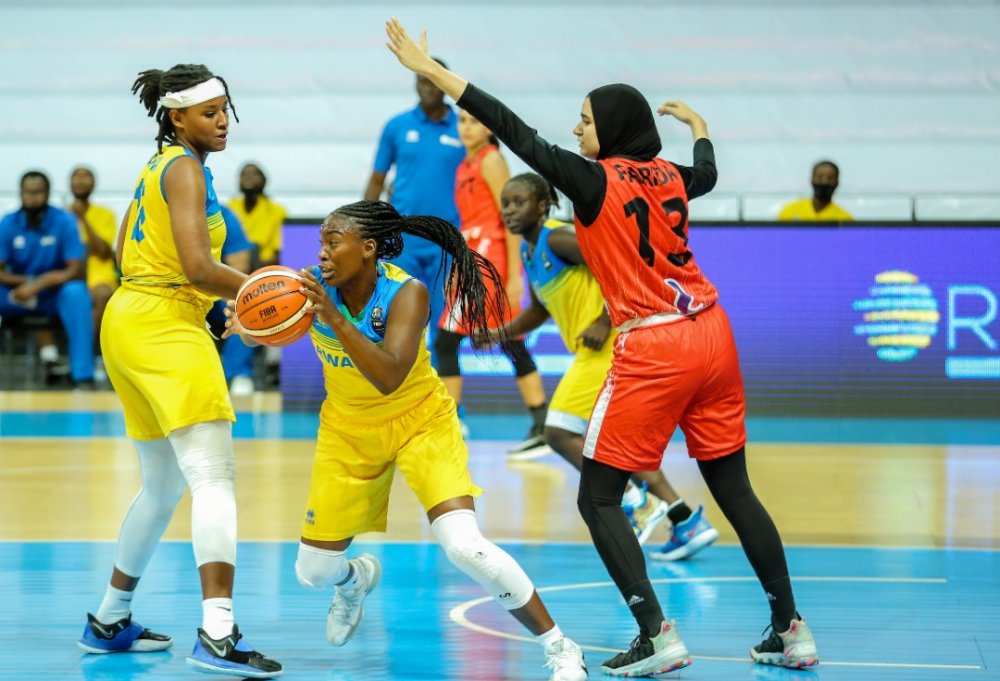
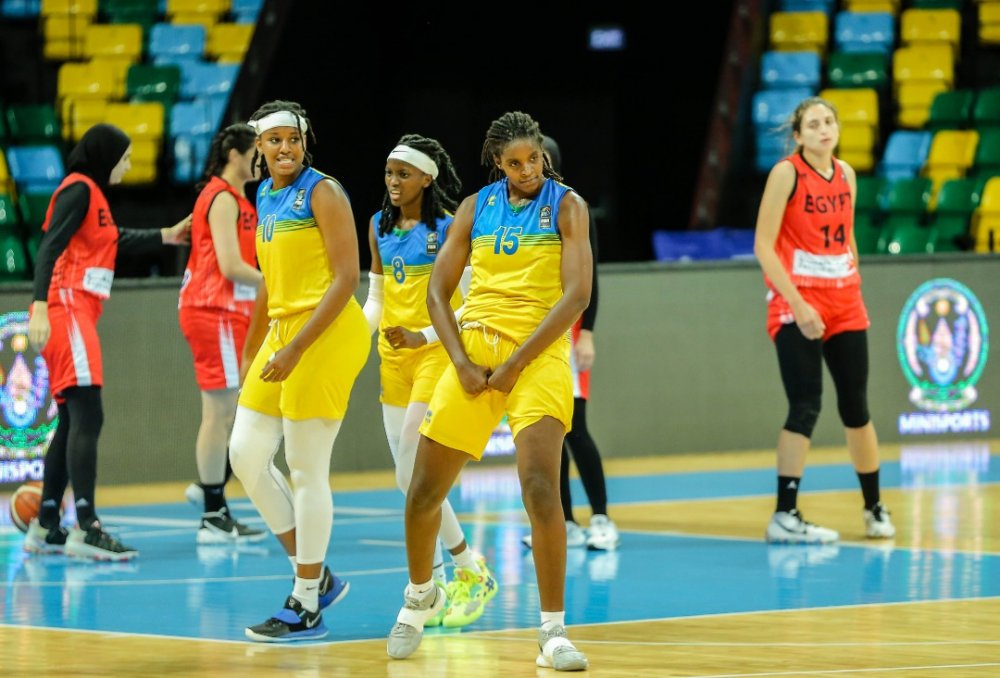
The Women’s AfroBasket Zone 5 qualifiers tournament kicked off on 12th July 2021 at the Kigali Arena and runs through July 17.
Regional qualifying tournaments across the continent are taking place this month where the winner from each zone will participate in finals to be held in Cameroon from 17th through 26th September 2021.
In Zone 5, Rwanda is facing off Kenya, South Sudan and Egypt.
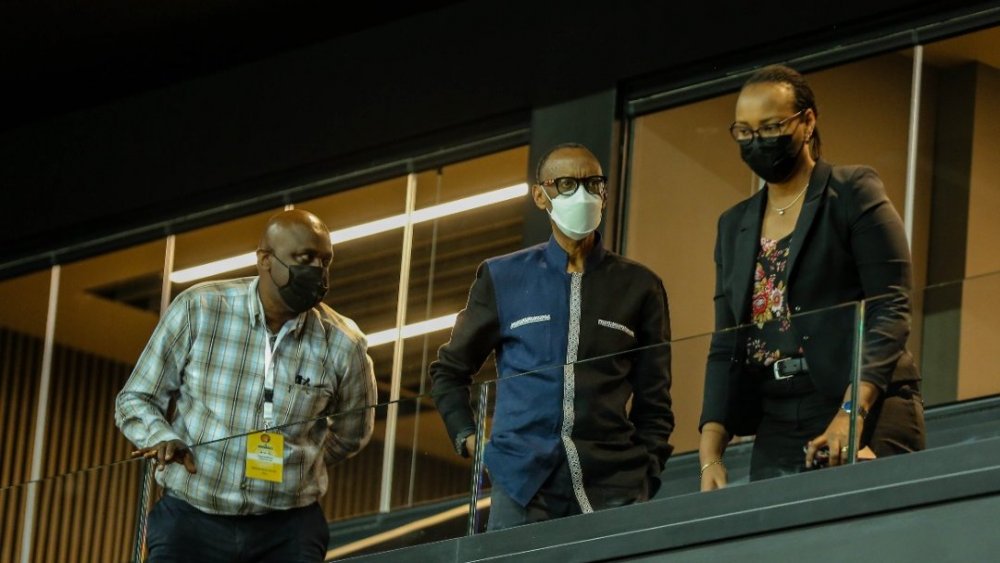
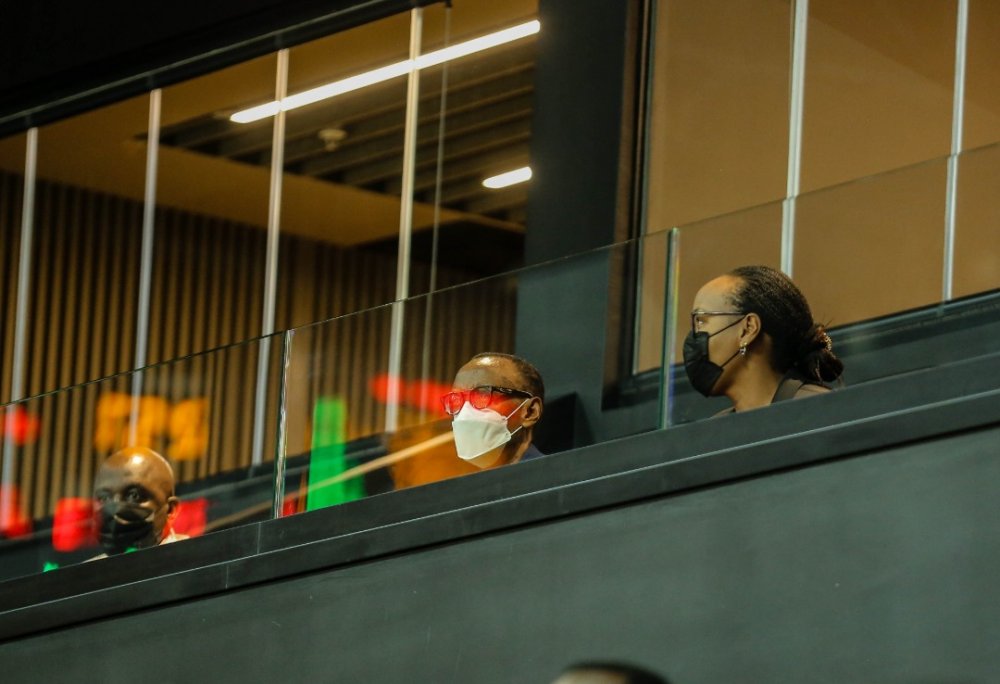
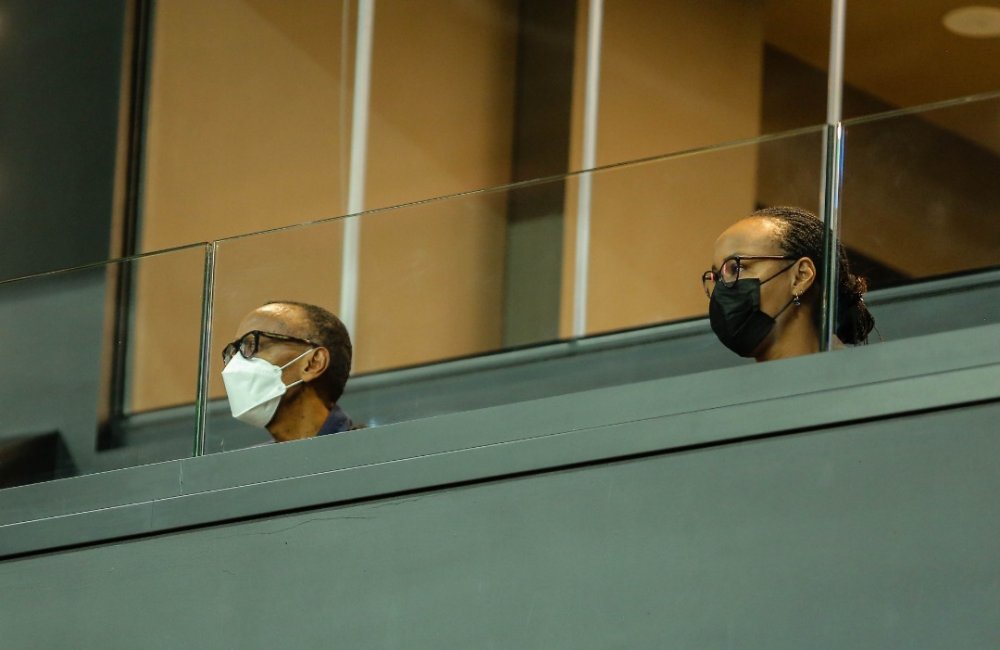
The game held last evening and attended by Kagame accompanied by the Minister of Sports, Aurore Mimosa Munyangaju saw Rwanda losing to Egypt 59-71 after winning its first game against South Sudan.
Another game on the same day ended with the victory of Kenya beating South Sudan with 66 over 48.
Previously, Rwanda beat Kenya with 77 points over 45.
On Wednesday 14th July, Rwanda will face off South Sudan from 6p.m while Egypt will play against Kenya around 3p.m.
Following one day break preceding semi-finals, games will resume on Thursday.
The FIBA Women’s AfroBasket 2021 will be the 27th edition of event.
The inaugural FIBA Women’s AfroBasket was held in Guinea in 1966 and Egypt finished top of the podium after beating the host nation in the Final while Senegal have captured the crowns in 12 of the 26 FIBA Women’s AfroBasket.
They are followed by Nigeria with four titles as they clinched the last one during the 26th edition of 2019. DRC has three titles in their cabinet while Angola and Egypt are two-time champions.
Two of the suspects; Aime Harerimana, 26, and Innocent Niyoniringiye, 21, were arrested in Mahoko Cell of Kanama Sector with 648 pellets of cannabis, which they were trafficking on a motorcycle RC 804X, which was also impounded.
The two other suspects identified as Yvan Sibomana, 26, and Elie Ndayisenga, 22, were intercepted in Kitarimwa Village, Gikombe Cell of Nyakaliba Sector with 706 pellets of cannabis.
The Western region Police spokesperson, Chief Inspector of Police (CIP) Bonaventure Twizere Karekezi said that the suspects were enroute to supplier cannabis retailers in Kanama and Nyakaliba sectors.
“ANU received credible information that Harerimana, a taxi-moto operator said to be a drug dealer, was headed to Kanama Sector from Bugeshi Sector (both in Rubavu District), with a consignment of cannabis to supply retailers in Inshusho trading centre. Harerimana together with Niyiniringiye were trailed and intercepted midway with 648 pellets of cannabis,” CIP Karekezi said.
Sibomana and Ndayisenga, on the other hand, were at the time traveling in a public bus from Kora cell in Jenda sector heading to a place called Kivoka to supply cannabis retailers.
CIP Karekezi warned of heightened operations against drug traffickers and lauded the impact of community policing through identifying and reporting dealers.
The suspects were handed over to RIB at Kanama station for further legal process.
The statement released last night shows that 792 people have caught the virus while 1211 recovered.
The majority of new cases were found in Kigali: 306, Kamonyi: 56 and Gakenke: 55.
Rwanda confirmed the first Coronavirus case on 14th March 2020. Since then, 49 808 people have been tested positive of whom 34 567 recovered, 14 643 are active cases, 73 are critically ill while 598 have succumbed to the virus.
A total of 398,056 people have been vaccinated since Rwanda began countrywide inoculation programme on 5th March 2021.
Coronavirus symptoms include coughing, flu, and difficulty in breathing. The virus is said to be transmitted through the mucous membranes of the respiratory tract.
Rwandans are urged to adhere to COVID-19 health guidelines, washing hands frequently using soaps and safe water, wearing face masks and respecting social distancing.
Three of the violators later tested positive for Covid-19 following the tests that carried out on all the 24 women.
Those who returned positive results include one Epiphanie Nyiramafaranga, 52, who had hosted the bridal shower for her daughter at their home in Kabudundu Village.
The women had come from different villages of Muko, Rwaza, and Muhoza sectors. Some of the violators claimed they were ignorant about some of the directives.
Nyiramafaranga also argued that she had invited very few people and never expected a big turn-up.
“All these are my friends, although I had invited only few, but when others got to know about it they all came to support my daughter and it became hard for me to turn them back,” Nyiramafaranga argued.
Musanze District Police Commander (DPC), Senior Superintendent of Police (SSP) Jean Pierre Kanobayire said the violator were found at Nyiramafaranga’s home at about 4pm, following a tip-off from a local resident.
“Police was informed by the resident about the prohibited gathering at Nyiramafaranga’s home. When Police arrived there, they found 24 women overcrowded in the living room fundraising for her daughter’s wedding scheduled for next month,” said SSP Kanobayire.
He added: “They were all isolated at Nkumba isolation site but so far three of them including the host, Nyiramafaranga, have turned positive for Covid-19.
More tests will be carried out on all other women, who returned negative results and they will remain at the isolation centre where they will continue to be monitored.”
He warned that as directed by the Cabinet, parties in all settings are prohibited.
“This is why the government put a ban on all parties because such gatherings ignite the spread of the virus.
You can imagine 24 people from different places converging in a small room, no social distancing nor face masks and the ventilation system is not adequate. As we have been advised by health experts, the virus spreads fast in such circumstances.”
He warned against such reckless and inappropriate behavours, and called upon the public to continue sharing information on all violations, including those holding prohibited social gatherings such as parties.
Nyusi was speaking on Monday 12th July 2021 during a visit to military units in Sofala province, Mozambique.
His statement is considered a response to South Africa’s Minister of Defence, Nosiviwe Mapisa-Nqakula who recently criticized the deployment of Rwandan troops before SADC saying it was “regrettable” that the arrival of Rwandan troops “happened before SADC had deployed its strength.”
Ossufo Momade, the president of Renamo (main opposition party in Mozambique) also criticized the presence of Rwandan troops in Mozambique considering it illegal and accused Filipe Nyusi of having violated the Constitution by not taking this request from foreign forces to the Parliament.
“The President must respect the Constitution and take this matter to the Assembly of the Republic,” Ossufo Momade said on Monday.
“What we thought would happen was that SADC would come with its force from the 15th, but we were surprised when we realized that the Rwandan force arrived first, which worries Mozambicans,” he added.
Nyusi explained that SADC accepted the bilateral efforts of his Government to seek more support to tackle terrorism in Cabo Delgado and assured to ‘work with our brothers in Rwanda and SADC’.
“We are a sovereign country and SADC respects that,” he said.
The President reiterated that those who will lead the fight against rebel groups in Cabo Delgado are the Mozambicans, who know the terrain well.
Rwanda recently on 9th July 2021 started the deployment of 1000 troops of the Rwanda Defence Force (RDF) and the Rwanda National Police (RNP). The second batch left the country on Saturday afternoon to fight terrorism and insurgency in the Southern Africa nation.
Rwandan troops have already arrived in the Southern Africa country and are on standby to conduct operations to fight rebel groups linked the Islamic State of Iraq and the Levant (ISIL).
The group sometimes calls themselves al-Shabaab, although they do not have known links with the Somali al-Shabaab.
The situation started worsening in October 2017 when armed extremists linked ISIL launched an insurgency in the Cabo Delgado region of Mozambique.
Since then, Mozambique Defence Armed Forces have been battling the extremists.
Many civilians have been displaced by the fighting.
Following different attacks, the militants seized the port town of Mocimboa da Praia August 2020.
Over fifty people were beheaded by terrorists in the province in April 2020 and a similar number in November 2020.
Among others, the militants seized Palma on 24th March 2021, murdering dozens of civilians displacing more than 35,000 of the town’s 75,000 residents.
So far, intensified fight between rebels and Government soldiers for the past four years has claimed lives of 3000 civilians leaving over 800,000 displaced.
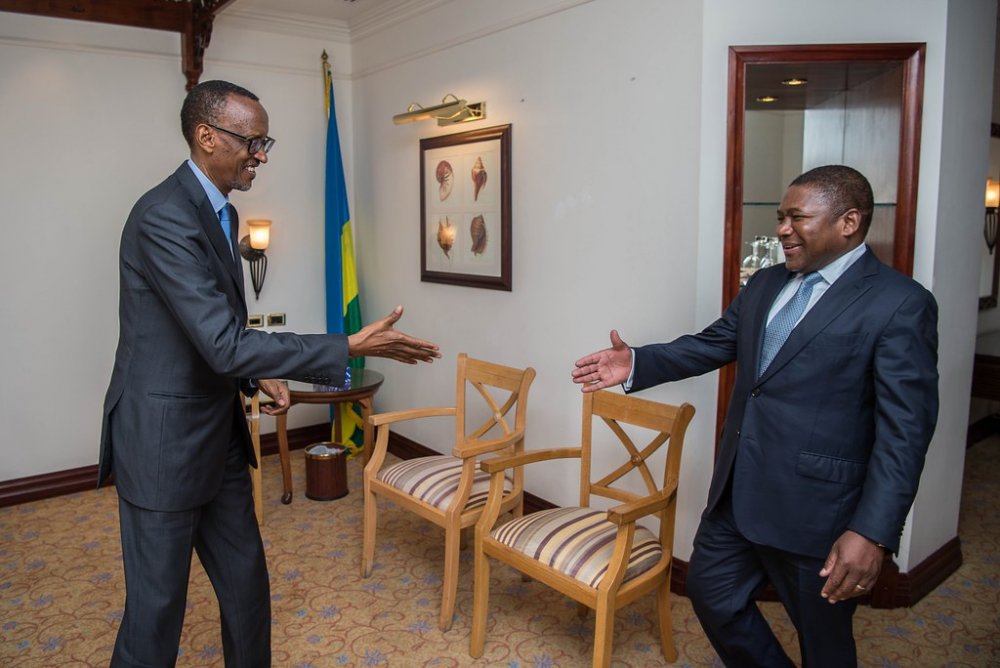
The incessant violence prompted the visit of Mozambique President Filipe Nyusi to Rwanda in April 2021 where he discussed the problem with his counterpart Paul Kagame.
The statement released by the Government of Rwanda ahead of sending troops to Mozambique reads that the deployment is a response to the request of the Government of Mozambique.
Towards the end of last week, President Nyusi welcomed Rwandan troops expressing optimism that they will work with his country’s youth.
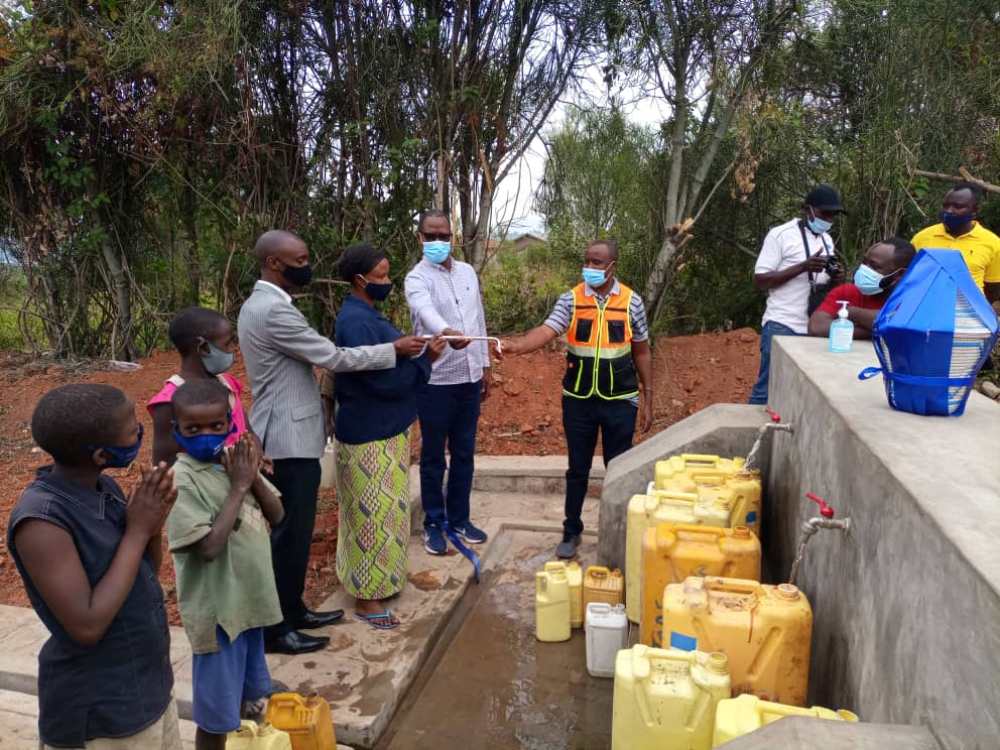
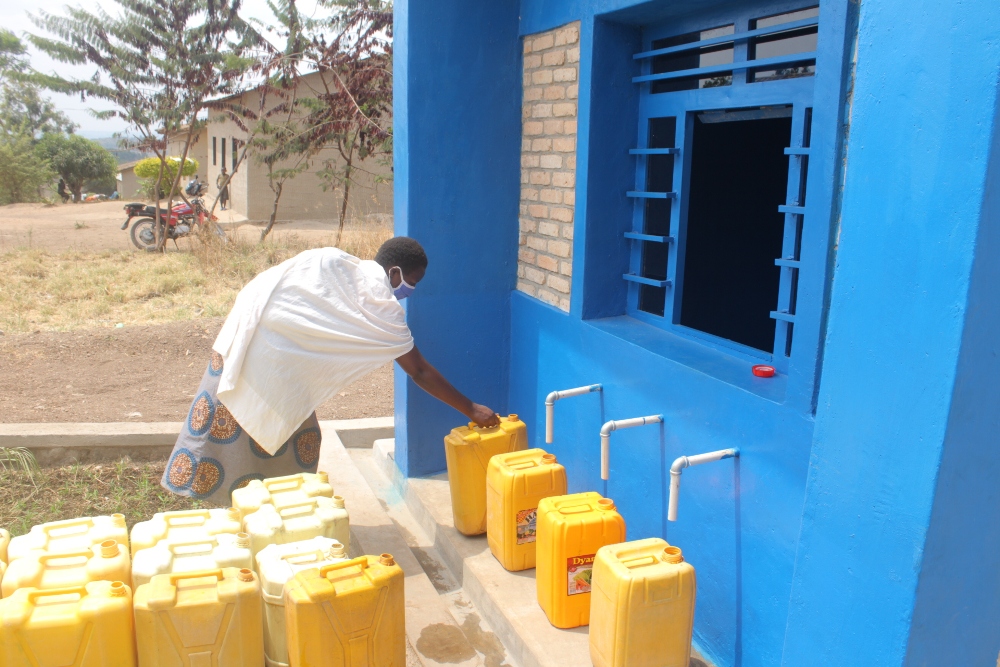
The water supply system comes in handy to reduce exhausting treks as residents used to fetch water from far distant areas.
The infrastructure will also facilitate the provision of water in Mukingo sector where residents would use dirty water from marshlands, Butansinda Health Post as well as Gahombo A and B schools.
Josephine Ingabire, a resident of Kamushatsi village, Gatagara cell has revealed that IGIHE that the water supply system will help them improve hygiene.
“We had been hit hard fetching dirty marshland water after an hour-long trek. We are very excited for water infrastructure made available to help us improve hygiene and prevent poor sanitation related diseases,” she said.
The mayor of Nyanza district, Erasme Ntazinda explained that 79.5% of Nyanza residents have access to safe water adding that the infrastructure will be extended to Rwabusoro and Rwabicuma sectors.
The water supply system is among infrastructures launched in Nyanza districts to mark the celebration of Rwanda’s 27th Liberation anniversary.
Rwanda targets universal access to safe water by 2024.
The ceremony held virtually on Monday 12th July 2021 was also attended by some of diplomats accredited to the country, representatives from the country’s Ministry of Foreign Affairs Rwandans living in Belarus and friends of Rwanda.
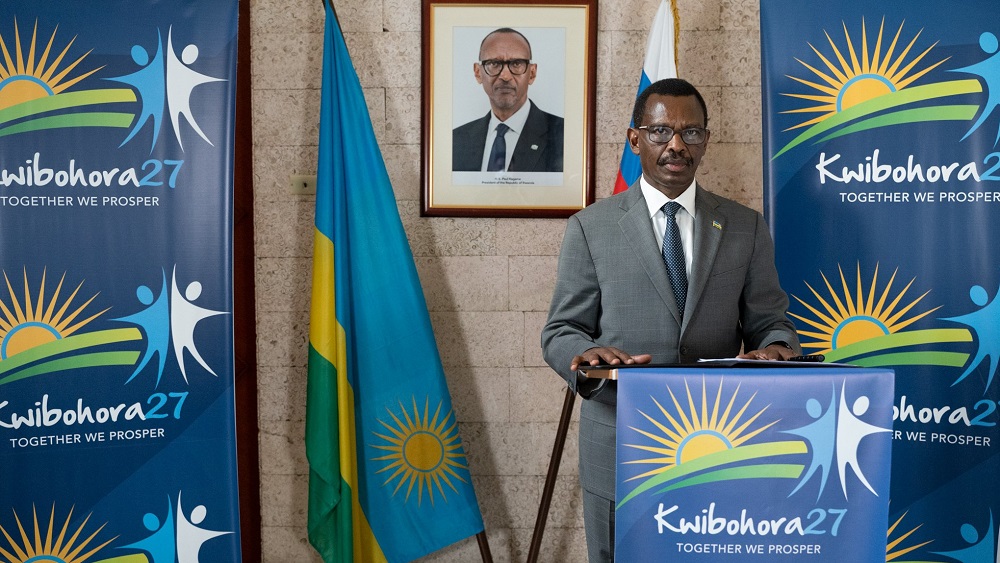
Speaking at the ceremony; Rwanda’s ambassador to Russia, Lt Gen Frank Mushyo Kamanzi reflected on bravery that characterized the youth that took part in the liberation struggle led by President Paul Kagame and commended them for sacrifice which became a foundation for Rwanda’s transformational journey over the past 27 years.
He also echoed the message of President Kagame delivered on 4th July 2021 as Rwanda marked the Liberation anniversary where he reminded Rwandans that attained progress is a result of working together.
“Twenty-seven years ago, Rwandans joined hands to liberate our country. Ever since we have worked together every day to renew our society and make Rwanda the best it can be for each one of us. I want to thank you for this,” reads the message.
After stopping the 1994 Genocide against Tutsi, RPA Inkotanyi soldiers installed non-divisive leadership promoting unity, reconciliation, and inclusive development among Rwandans under the championship of Kagame.
Rwanda experienced serious economic collapse but has today become a resilient country with impressive transformations in various aspects of life that it is seen as a role model for many countries.
Lt Gen Kamanzi has urged the youth forming bigger segment of Rwandans living in Russia and Belarus to consolidate gains and advance Rwanda’s development further.
Vsevolod Tkachenko, the Director of the Africa Department at Russia’s Ministry of Foreign Affairs commended Rwanda’s resilience and efforts to promote unity and reconciliation over the past 27 years.
He reiterated his country’s commitment to support Rwanda’s development in different areas and commended existing bilateral relations since 1963.
The Vice President of Rwandan community in Russia and Belarus, Joseph Rutaganira encouraged the youth to emulate patriotism of RPA Inkotanyi soldiers who selflessly fought for the liberation of Rwanda and continue contributing to national development agenda.
Rwandan youth from different universities in Russia present during the event also voiced appreciation RPA soldiers for their sacrifice and pledged contribution to build the nation.
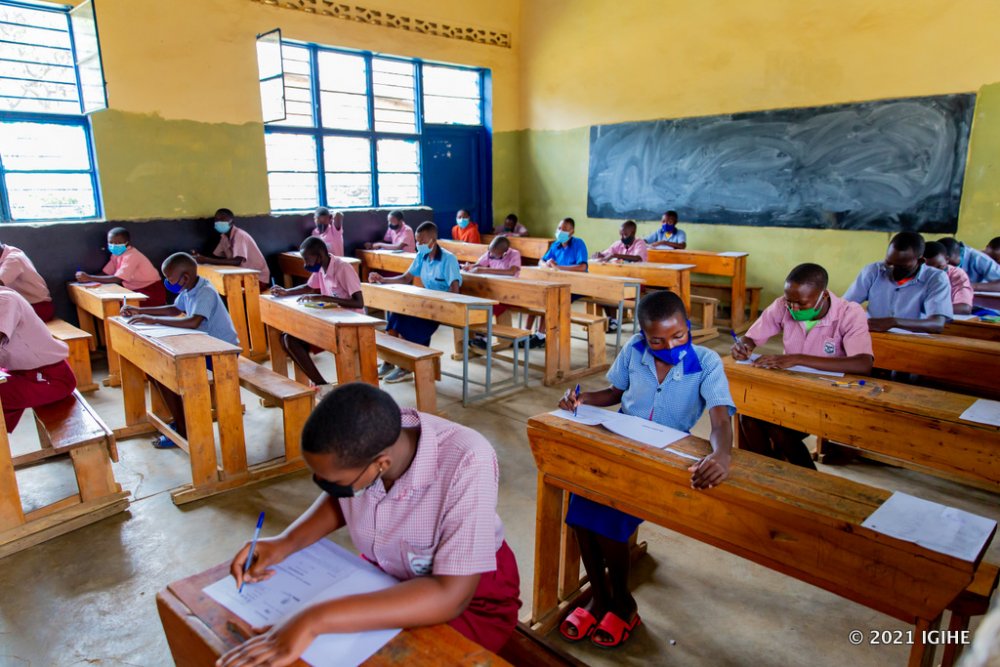
As she officially officiated the start of primary six national exams on Monday 12th July 2021; the Minister of Education, Dr. Valentine Uwamariya explained that the situation was unpredictable but commended public collaboration which led to smooth preparations.
“These learners would have sat for exams in November last year but there has been delays occasioned by COVID-19 pandemic. We were not sure if it would happen at this time due to emerging circumstances but we are happy for today’s blessing as students finally sit for national exams,” she said.
“Exams starting today will last three days. More students in ordinary level and upper secondary school finalists will begin exams on 20th July expected to last 10 days.We continue to make possible effort to ensure they don’t miss exams,” added Uwamariya.
Rwanda confirmed the first Coronavirus case on 14th March 2020. In a bid to prevent the spread of Coronavirus, the Government ordered the closure of all schools that saw all students returning home in March 2020.
Universities and higher learning institutions were allowed to reopen in September 2020 under strict COVID-19 control measures.
In October 2020, the Ministry of Education announced 2nd November as the reopening date for learners in primary 5 and 6 classes. Students from ordinary level, senior 5 and 6 also resumed studies the same day.
The second batch started the second term on 23rd November 2020. This includes learners in primary 4 classes, and secondary school students from senior 1, 2 and 4.
Following the crisis, national exams were also postponed to July 2021.
At least 452,053 are expected to sit for all national exams running from 12th to 30th July 2021.
The violators had gathered at the home of one Epiphanie Nyiramafaranga, 52, for the bridal shower of her daughter, contrary to the government directives against COVID-19 spread.
They had come from Muko, Rwaza, and Muhoza sectors. Some of the violators claimed they were ignorant about some of the directives.
Nyiramafaranga also argued that she had invited very few people and never expected a big turn-up.
“All these are my friends, although I had invited only few, but when others got to know about it they all came to support my daughter and it became hard for me to turn them back,” Nyiramafaranga argued.
Musanze District Police Commander (DPC), Senior Superintendent of Police (SSP) Jean Pierre Kanobayire said the violator were found at Nyiramafaranga’s home at about 4pm, following a tip-off from a local resident.
“Police was informed by the resident about the prohibited gathering at Nyiramafaranga’s home. When Police arrived there, they found 24 women overcrowded in the living room fundraising for her daughter’s wedding scheduled for next month,” said SSP Kanobayire.
He warned that as directed by the Cabinet, parties in all settings are prohibited.
“You can imagine 24 people from different places converging in a small room, no social distancing nor face masks and the ventilation system is not adequate. If either of them was infected with Covid-19, it is likely that everyone there was infected,” said the DPC.
He warned against such reckless and inappropriate behavours, and called upon the public to continue sharing information on all violations, including those holding prohibited social gatherings such as parties.
The statement released last night also shows that 772 people have caught the virus while 833 recovered.
The majority of new cases were found in Kigali: 251, Kamonyi; 61, Musanze: 51, Gakenke: 46, Muhanga: 45 and Nyamasheke: 41.
Rwanda confirmed the first Coronavirus case on 14th March 2020. Since then, 49 016 people have caught the virus of whom 33 356 recovered, 15 078 are active cases, 70 are critically ill while 582 have succumbed to the virus.
A total of 395, 919 have been vaccinated since Rwanda began countrywide inoculation programme on 5th March 2021.
Coronavirus symptoms include coughing, flu, and difficulty in breathing. The virus is said to be transmitted through the mucous membranes of the respiratory tract.
Rwandans are urged to adhere to COVID-19 health guidelines, washing hands frequently using soaps and safe water, wearing face masks and respecting social distancing.