The statement released last night also shows that the country has recorded zero deaths while three people are critically ill.
The death toll remained at 1314.
A total of 1,744,937 people have been fully vaccinated while 3,434,690 received the first dose of COVID-19 vaccine since Rwanda began countrywide inoculation program on 5th March 2021.
Coronavirus symptoms include coughing, flu, and difficulty in breathing. The virus is said to be transmitted through the mucous membranes of the respiratory tract.
Rwandans are urged to adhere to COVID-19 health guidelines, washing hands frequently using soaps and safe water, wearing face masks and respecting social distancing.
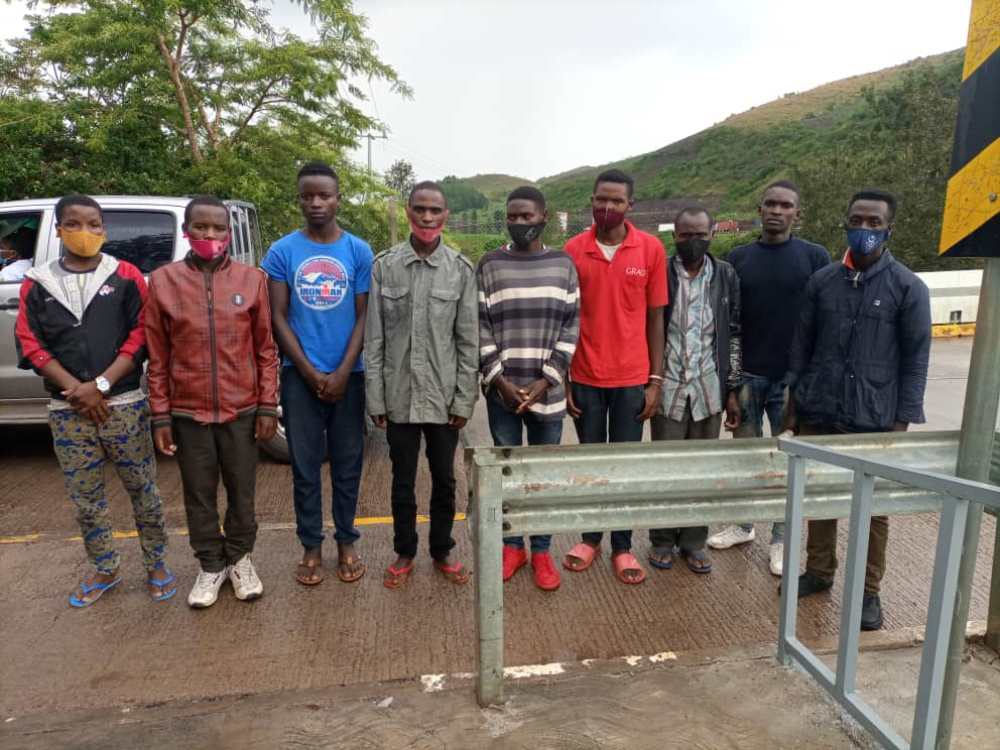
The deportees including young men in the age bracket between 18 and 23 arrived in Rwanda on Wednesday 20th October 2021 through Kagitumba One Stop Border Post.
Their deportation follows series of circumstances under which Ugandan officials have been dumping Rwandans at borders following days of torture in detention facilities accused of being spies yet they had traveled to Uganda to run businesses or visit relatives among other reasons.
Rwanda, Uganda relations worsened since 2017. Rwanda has been expressing concerns over Rwandans who travel to Uganda for business purposes but are abducted, imprisoned and tortured accused of being spies.
Rwanda also accuses Uganda of hosting dissidents that are posing a threat to national security.
In March 2019, the Government of Rwanda officially advised citizens not to travel to Uganda for their security following testimonies of over 1000 Rwandans tortured and deported from Uganda.
In August 2019, President Yoweri Museveni of Uganda and his Rwandan counterpart, Paul Kagame signed memorandum of understanding ‘Luanda Agreement’ in a bid to solve conflicts between both countries.
Despite efforts to sign the agreement between both heads of state witnessed by mediators including the President of Angola, Joao Lourenço and Felix Tshisekedi of the Democratic Republic of Congo (DRC), the situation is still worsening as Uganda’s Chieftaincy of Military Intelligence continues with arbitrary detention of Rwandans who are subjected to torture in its facilities.
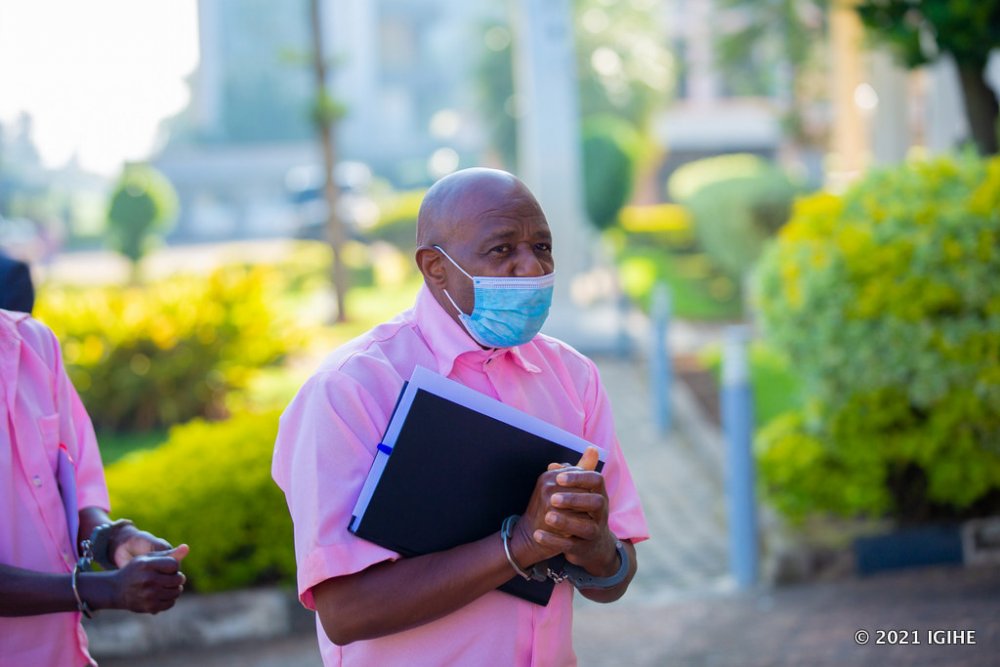
The court handed 25-year sentence to Rusesabagina and 20-year jail term to Callixte Nsabimana alias Sankara, the former spokesperson for the terror group after they were found guilty of terrorism charges.
The terror group which they headed plotted different attacks to Rwanda in 2018, which claimed lives of nine innocent residents in the Southern Province. They left many others gravely injured, and caused significant material and economic damage in South-West Rwanda.
Faustin Nkusi, the Spokesperson of NPPA has told IGIHE that they have appealed against the court’s judgment.
“We have appealed against the entire process of the court case. Further details will be revealed in court,” he said.
As the court read the ruling last month, Rusesabagina, 67, was convicted for membership of terrorist group and complicity in terrorism acts.
He was however acquitted of the crime of forming an irregular armed group.
Callixte Nsabimana a.k Sankara was sentenced to 20 years for being part of a terrorist group and denying the 1994 Genocide against Tutsi.
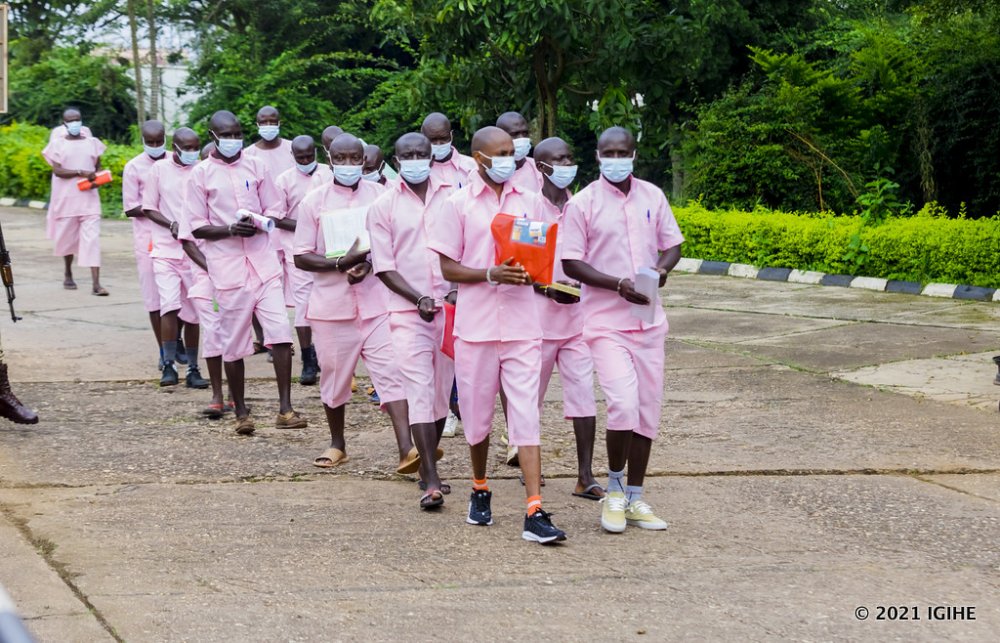
Other MRCD-FLN combatants accused along with Rusesabagina and Sankara were handed different punishments from three to 20-year jail term.
Following the ruling, people whose relatives lost lives during attacks plotted by the terror group said that they were unsatisfied with the ruling.
The first set of e-Learning materials channeled through audio tools provides access to transferable employability skills to students. The second set of e-learning materials will reinforce and/or increase the capacity of trainers to integrate e-learning, while the third set of the BRITE e-learning materials will improve the capacity of the trainers to prepare the students for industrial attachment and also serve as self-learning materials to students.
“The COVID-19 pandemic has brought to the fore the challenge of delivering practical lessons remotely. It is now more than ever critical to look at the role of digitalization of TVET in equipping youth for the future of work as digital skills have become vital in a world of increasing adaptability skills. Projects like BRITE are key to start embracing this new normal and support this change in education,” said Rica Rwigamba, Rwanda Country Head at the Mastercard Foundation.
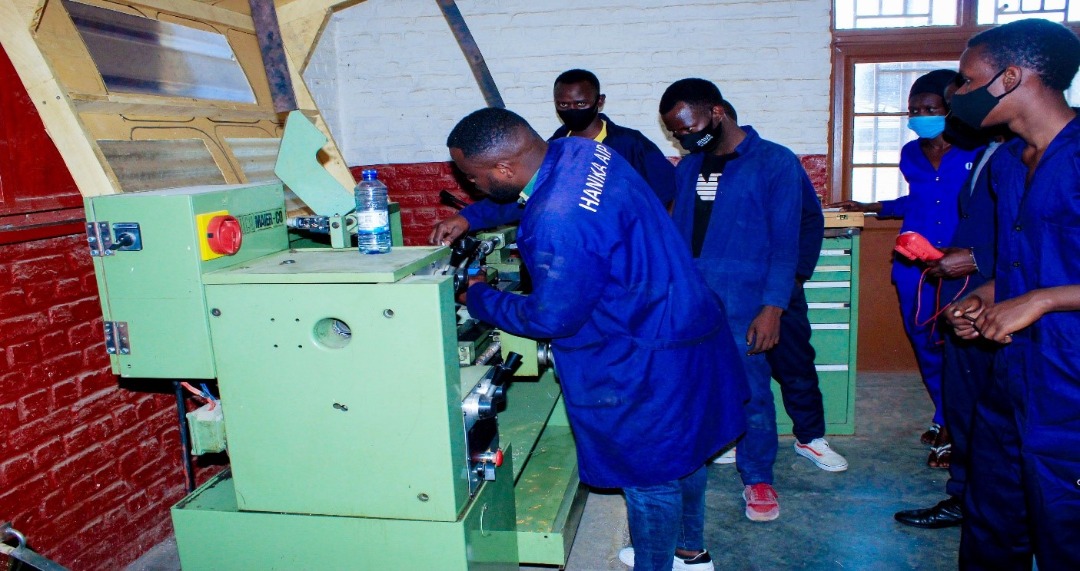
BRITE works closely with Rwanda Polytechnic (RP) and the Rwanda TVET Board (RTB) to increase knowledge and assets to adopt a blended teaching and learning approach. Through the integration of a variety of interactive e-learning materials, BRITE will help enhance the quality and impact of face-to-face training while increasing the readiness of students, trainers, and institutions to adapt to unforeseen changes. This will enable continuity of learning in the event that in-person teaching is disrupted.
“One of the strengths of the BRITE project is that these e-learning materials are co-developed with trainers and students of TVET schools and IPRCs, building on their knowledge and direct experience in the real teaching and learning context, while introducing a blended approach to teaching and learning that is new for the sector,” said Alejandra Bonifaz, EDC Country Director
Supported by the Mastercard Foundation, BRITE will work with RP and RTB to supplement and strengthen their training delivery model and student transition to the workplace.
{{About BRITE }}
Building Resilience in TVET Through e-Learning (BRITE) is a 2-year project funded by the Mastercard Foundation, through COVID-19 recovery and resilience program. It is implemented by Education Development Center, in close collaboration with Rwanda Polytechnic (RP) and Rwanda TVET Board (RTB) and in partnership with Akazi Kanoze Access (AKA) to reach 8 Integrated Polytechnic Regional Centers (IPRCs) and/or some TVET Schools, 40,000 students across levels 3-7 and 133 trainers.
{{About the Mastercard Foundation}}
The Mastercard Foundation works with visionary organizations to enable young people in Africa and in Indigenous communities in Canada to access dignified and fulfilling work. It is one of the largest, private foundations in the world with a mission to advance learning and promote financial inclusion to create an inclusive and equitable world. The Foundation was created by Mastercard in 2006 as an independent organization with its own Board of Directors and management.
For more information on the Foundation, please visit: www.mastercardfdn.org
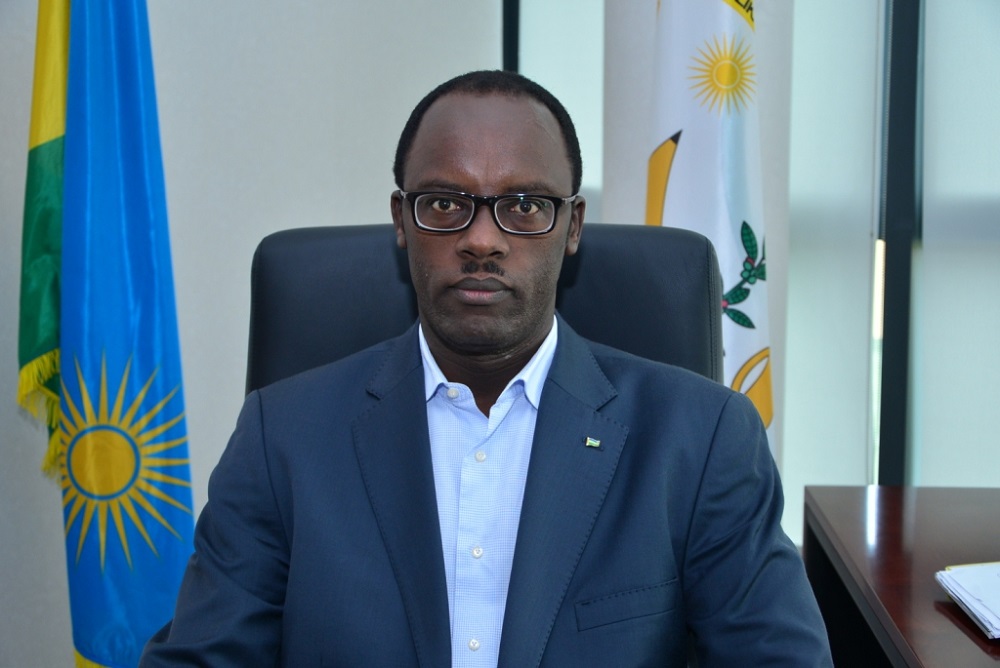
Ndayisaba gets a new appointment after the Government dissolved three institutions including NURC which saw their duties merged under the newly created Ministry of National Unity and Civic Engagement.
Following his appointment, Ndayisaba thanked President Paul Kagame for trust bestowed upon him and pledged to work hard with utmost efficiency.
“I am deeply humbled and thankful to His Excellency President Paul Kagame for the continued trust and confidence. Looking forward to serve with valiant efforts in new responsibilities as Director General of SINELAC,” he tweeted.
Ndayisaba held different positions as the Governor of Southern Province and the Mayor of Kigali City from where he moved to head NURC prior to his new appointment.
Headquartered in Mururu sector, Rusizi district in Western Province; SINELAC has been operational since 1983.
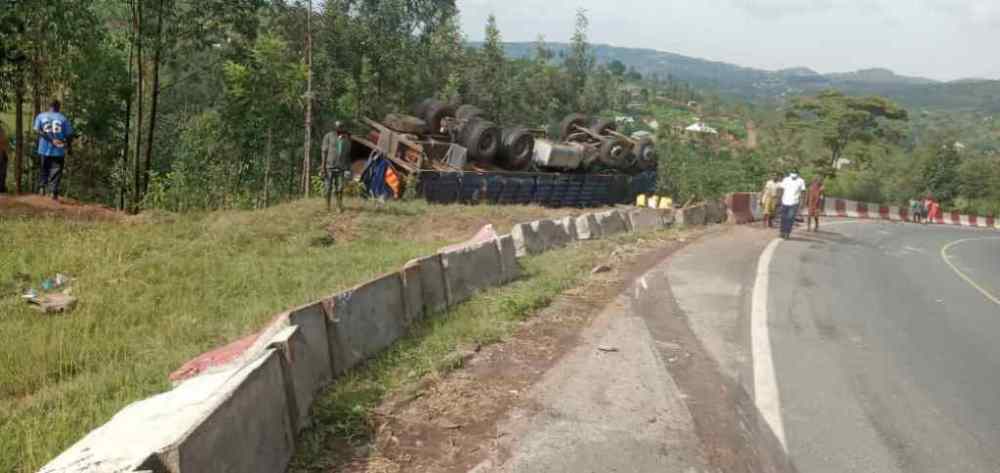
The incident took place in the morning of Tuesday 19th October 2021 in Nyarusange village, Karengera cell, Musambira sector in Kamonyi district.
The truck which moved along the road Kigali-Huye, was carrying goods from Uganda to the Democratic Republic of Congo (DRC).
It is said that the teacher was footing the journey to daily job at Groupe Scolaire Wimana located in Kivumu sector along with his colleague identified as Lindy Kirabo, 25, who survived with serious injuries.
Sebanani and Kirabo hail from Nyaruguru and Kayonza districts respectively.
The Acting Mayor of Kamonyi district, Thaddée Tuyizere has said that the accident might have been triggered by reckless driving adding that the driver run away following the incident.
“It is apparent that the accident resulted from reckless driving. The driver escaped immediately after the accident,” he said.
Kirabo was taken to Musambira Health Center for medical attention.
Approved leaders were appointed by the cabinet meeting held recently on 13th October 2021.
The senate made the approval after assessing their dossiers and establishing that they meet requirements to assume assigned duties.
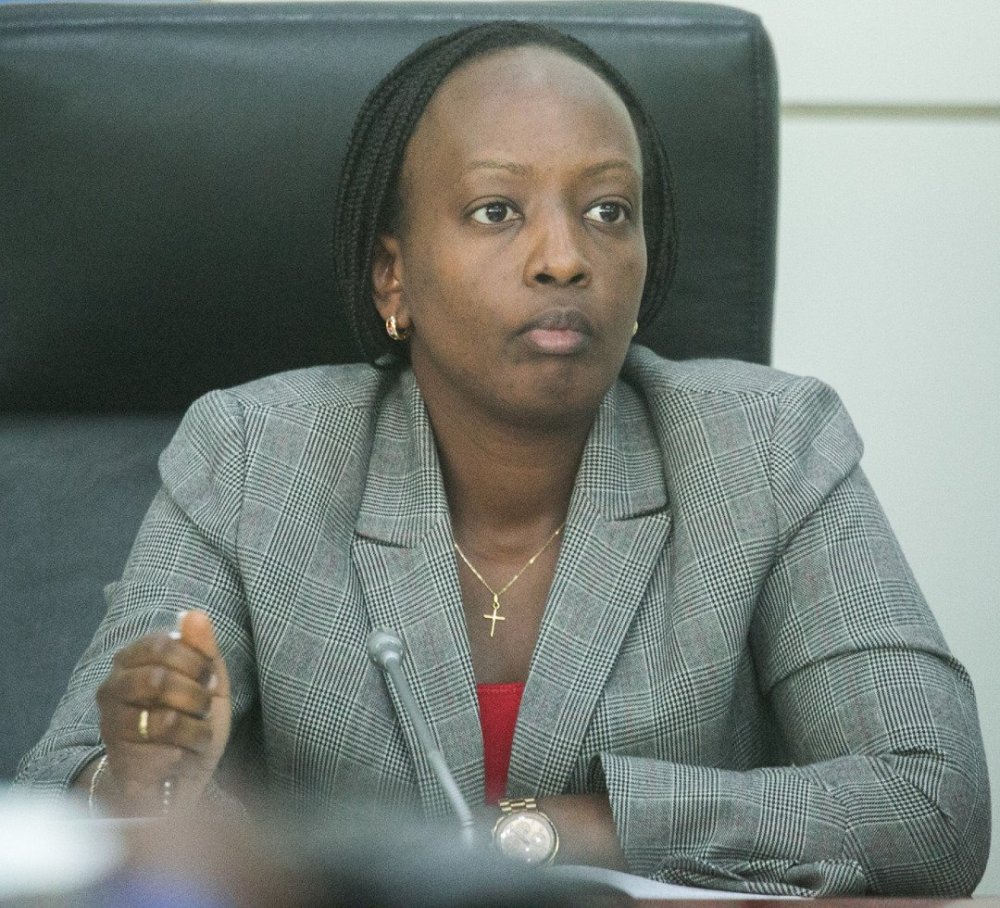
The report of the Senatorial Standing Committee on Economic Development and Finance indicates that Kamuhire pledged to draw attention to efficient public funds management, overseeing social protection programs and preventive controls.
Meanwhile, the senatorial Standing Committee on Social Affairs and Human Rights which assessed files of Umutoni also indicates that the latter plans to work with parents to bring up children properly and collaborate with the judiciary to bring defilement suspects to book .
Kamuhire became the Auditor General replacing Obadiah Biraro who had held the position since June 2011. The cabinet meeting held in 2016, extended his office term for more five years prior to his replacement.
The new Director General of NCD, Umutoni previously served as Kigali City vice mayor in charge of socio-economic affairs.
The Senate has the powers to approve the appointment of senior public officials. These include the President, the Vice President and the Judges of the Supreme Court, the President and Vice President of the High Court and of the Commercial High Court, the Prosecutor General, Deputy Prosecutor General, Ambassadors and High Commissioners, heads of statutory agencies, among others.
They were arrested in the latest Rwanda National Police (RNP) operations against drunk-driving conducted between October 14th and 18th.
The group was paraded before the media on Wednesday, October 19, at Nyarugenge District Police Unit in Rwezamenyo Sector.
Jean Pierre Bigirimana, one of drivers paraded, admitted that he had taken alcohol before riding and asked for leniency.
“I was arrested on Friday, October 15, in Nyabugogo after the breathalyzer detected 2.46 millilitres of alcohol in my body. I had taken two bottles of beer,” Bigirimana said.
RNP Deputy spokesperson, Chief Superintendent of Police (CSP) Africa Sendahangarwa Apollo said that these are part of the continuous Police operations to fight against causes of accidents.
“Similar operations have been conducted in the past drunk motorists arrested and paraded. These operations will continue to prevent such errant people with life threatening behaviours,” CSP Africa said.
He emphasized that Police does not prevent people from drinking but “will not allow anyone, to drive or ride while drunk to kill people and destroy property.”
He urged motorista to take necessary precautions to prevent road accidents and loss of lives.
The statement released last night shows that 32 people have caught the virus out of 7792 sample tests, three recovered, four are critically ill while the positivity rate stands at 0.4%.
A total of 1,739,947 people have been fully vaccinated while 3,328,947 have received the first dose of COVID-19 since Rwanda began countrywide inoculation program on 5th March 2021.
Coronavirus symptoms include coughing, flu, and difficulty in breathing. The virus is said to be transmitted through the mucous membranes of the respiratory tract.
Rwandans are urged to adhere to COVID-19 health guidelines, washing hands frequently using soaps and safe water, wearing face masks and respecting social distancing.
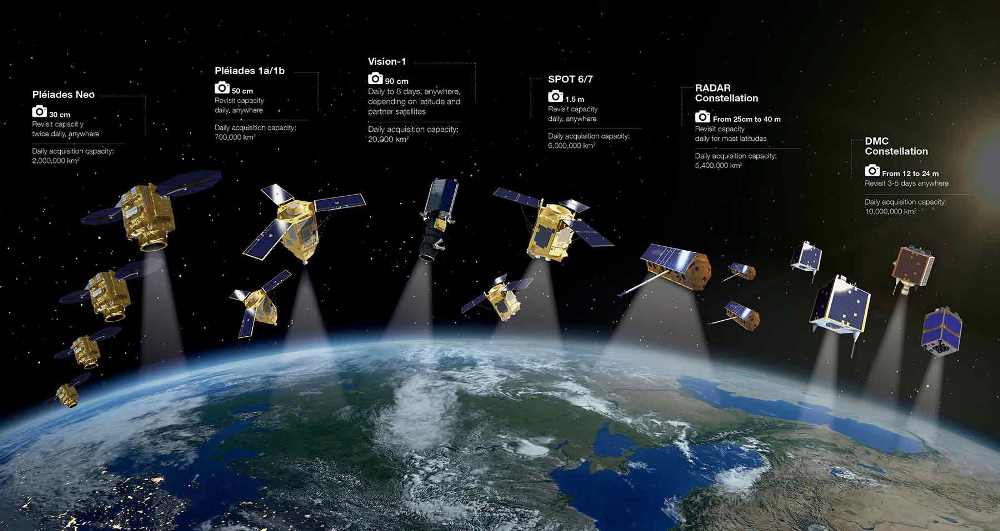
Francis Ngabo, the CEO of RSA has explained that filings with the ITU are essential to register satellite frequencies and orbital slots, and to secure the possibility of future satellite launches.
“This process is consistent with the ambition of the Government of Rwanda to make space a new frontier for our national development. With the technology now available to make full use of these slots, Rwanda plans to develop projects that will provide various essential services and open up the country as a hub for the African space industry,” he said.
The space industry is worth over $400bn, and the satellite industry, which represents 74% of the total space economy, is a particularly important area.
Rwanda continues to work to provide a secure and stable environment for investment by improving infrastructure, technology, and education, and creating conducive regulatory and taxation frameworks. The space sector holds enormous potential for Rwanda, and the Rwanda Space Agency looks forward to developing this area in the coming years.
While the development of the Rwandan space sector is still in its early stages, RSA has through a statement released yesterday emphasized that the ITU filing marks an exciting step in the ongoing efforts. Progress towards RSA’s goals will be achieved in collaboration with national, regional, and international partners, and with the full co-operation of the ITU and its members.
Further details on the space agency’s plans, and on the future of these constellations are expected to be announced in the coming months.