The incident took place on Sunday 28th November 2021 in Sunzu village, Nkenke cell of Kinoni sector in Burera district, Northern Province.
Before they went to swim, the three students were along with colleagues at a nearby football pitch where their school participated in inter-schools’ football competition.
The executive secretary of Kinoni sector, Marie Nyirasafari has said that their bodies have been retrieved and taken to Ruhengeri Hospital for postmortem.
He appealed on residents to avoid swimming in the lake noting as more people have drowned in it due to its structure.
“We want schools to alert local leaders and security officials in case they are organizing similar events to prevent such incidences,” he said.
The deceased include a 18-year old male student from Musanze district who was studying Construction in senior four, 21-year old girl hailing from Rubavu district who studied in senior six, the same option and another young man aged 19 from Nyabihu who was studying Tourism in senior five.
IGIHE has learnt, by press time, that the head teacher and prefect of discipline who had escorted students to the match have been arrested.
Their strengthened partnership will promote social inclusion and improve economic outcomes for human development contributing to the socio-economic transformation of Rwanda.
The partnership will strive to achieve the SDGs in Rwanda through a public private partnership for achieving the SDGs and supporting Rwanda’s transition as an emerging Middle-Income Country. It will harness innovative partnerships, investments, and financing to accelerate the SDGs for poverty alleviation, and minimizing reliance on aid for transformation of the lives and livelihoods of the Rwandan people.
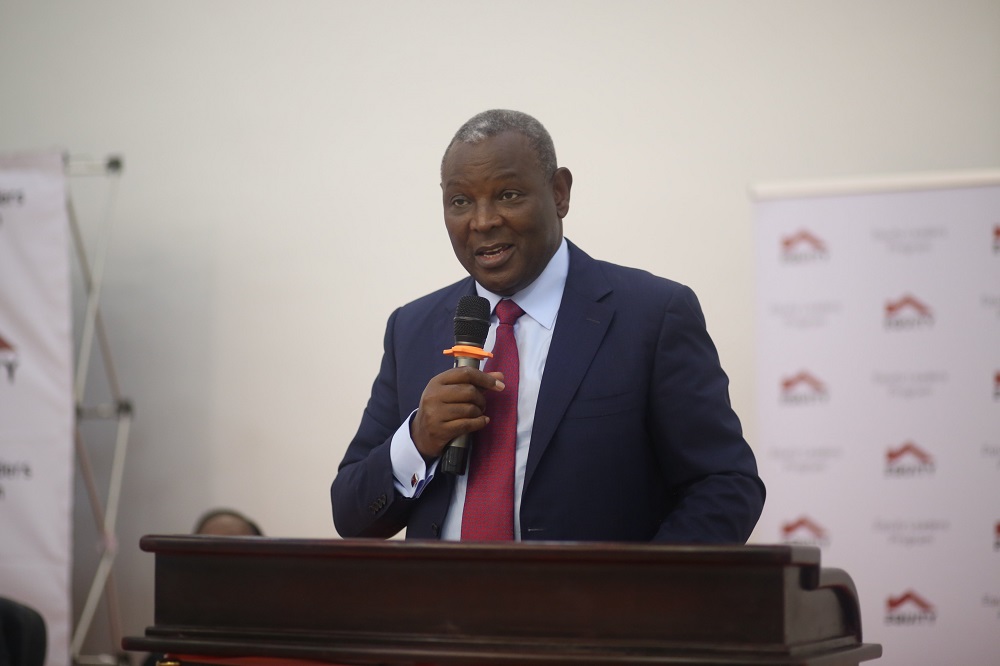
Collaboration discussions between the partners have been underway for several month during which areas of collective activities have been determined and laid out in detail. The enhanced framework for partnership was culminated with a signing and exchange of expressions of intent letters between the organizations in Kigali, Rwanda between Dr. James Mwangi, Equity Group Holdings MD and CEO, also Executive Chairman of the Equity Group Foundation (EGF), and Mr. Fodé Ndiaye, the United Nations Resident Coordinator in Rwanda.
Speaking at the signing ceremony, Dr. Mwangi said that existing partnerships with UN agencies, including systemwide agreements in both Kenya and Uganda have proven to be mutually beneficial to the ‘our common objectives of socio-economic development through the transformation of lives and livelihoods’.
“For instance, alongside UN agencies and Government in our Social Protection work we have supported 3.3 million refugee and vulnerable beneficiaries and provided US$ 852 million, as well as capacity building to advance their financial inclusion,” he said.
Through the enhanced partnership, Equity will work together with the UN Resident Coordinators Office and its various agencies with operations in Rwanda through the activities of a public private partnership that will strive to achieve and implement Equity Group’s `Africa Recovery and Resilience Plan’ in line with the Rwandan National Development Plan, Vision 2050 with a focus on 7 Key Areas:
{{1.Youth Education:}} beginning with the launch of our Equity Leaders Program which took place on November 27.
{{2.Job Creation:}} Equity Bank Rwanda and EGF will forge partnerships with the various UN and governmental Agencies to support economic inclusion.
{{3.Financial Inclusion:}} Utilize Equity’s de-risking education strategies to offer financial training to MSMES, particularly women and youth, in the sectors of Agriculture, Health, Education and Manufacturing in order create a more bankable population.
{{4.Agriculture Development and Support:}} Create partnerships in forming a youth-centered agri-business facility including tailored products for the youth in agribusiness to support them create and sustain new agribusiness startups.
{{5.Women’s Empowerment and Financing:}} Support women owned/led businesses with concessional financing to boost trade and other economic activities.
{{6.Health: }} Support the UN Rwanda `A Thousand Health Posts in the Land of a Thousand Hills: Promoting Universal Health Coverage’ by Catalyzing Investments in Financially and Environmentally Sustainable Primary Health Care and by enhancing Equity’s support for COVID 19 Recovery and Resiliency.
{{7.Energy and Environment:}} Strengthen market systems for a more inclusive, green, and diversified local economies through a combination of increased financing, policy, capacity development, MSMEs green competitiveness, sustainable value chains, green policies, ecopreneurship and strategic partnerships towards a more productive economy.
In addition to helping to develop and implement an impact finance strategy to drive the transition from SDG Funding to Financing for the SDGs in Rwanda, the partnership will support SMEs/MSMEs with training and catalytic investments to facilitate market access and cross border trade across diverse value chains especially for women and youth entrepreneurs. The two partners will also collaborate together on the development and implementation of Equity’s `Africa Plan for Resilience and Recovery’, in light of the impacts of COVID-19, aligned with the 2030 SDGs and the opportunity to build back better in a post COVID environment.
In warmly welcoming the new partnership, Mr. Fodé Ndiaye, UN Resident Coordinator in Rwanda, “Without the energies and expertise of the private sector, we will never reach the SDGs. This mutual framework for collaboration we have signed today strongly articulates and reflects our joint determination and the spirit of partnership that will help drive social and economic impacts at a crucial time for Rwanda in its recovery and growth efforts following the COVID-19 pandemic. And we are confident that this pioneering collaboration with Equity Bank will serve to inspire others to come forward.”
Equity has a unique position of co-designing evidence-based socio-economic interventions informed by insights from a customer base of 15 million clients and by leveraging on the Group’s bespoke implementation model which combines Equity’s ability to apply its commercial infrastructure and sunk capital to deliver efficient and impactful social impact programs, thus guaranteeing a high return on social impact investments.
“Equity Group Holdings Plc whose purpose is to transform lives, give dignity and expand opportunities for wealth creation, continues to play a leading role in contributing to the achievement of the 2030 Agenda on the Sustainable Development Goals. Through our regional banking subsidiaries, Equity is already collaborating with UN agencies in Rwanda, Uganda, and Kenya and in other footprint countries and aims to utilize this partnership to contribute to the acceleration of the achievement of the SDGs”, said Dr. Mwangi.
“As Equity Group we are committed to not only grow with our customers but also to empower them socially and economically by availing opportunities and solutions that cater for their diverse needs enabling them to transform their lives and livelihoods.”
{{About the UN in Rwanda}}
The United Nations system in Rwanda consists of 22 UN agencies, programmes, and funds, both resident and non-resident. Since the Genocide against the Tutsi in 1994, the UN system has been a fundamental partner in the reconstruction of Rwanda. Since 2008, they have been delivering as one: ‘One UN’. You can read more, here: https://rwanda.un.org/
{{About Equity Group Holdings}}
Equity Group Holdings (EGHL) is a Pan-African financial services holding company listed at the Nairobi Securities Exchange, Uganda Securities Exchange, and Rwanda Stock Exchange. The organization is Kenya’s first trillion-shilling balance sheet bank.
The Group has banking subsidiaries in Kenya, Rwanda, Uganda, South Sudan, Tanzania, and DRC and a representative office in Ethiopia. It has other subsidiaries in investment banking, insurance, telecom, fintech and social impact investments.
Equity Group has an asset base of over USD $10 billion. With 15 million customers, the Group is one of the largest banks by customer base in the region. Since 2008, the Group’s corporate foundation, Equity Group Foundation (EGF), has delivered social impact and development programs in Education and Leadership, Food and Agriculture, Social Protection, Health, Energy and the Environment, Enterprise Development and Financial Inclusion to millions of Africans. EGF has a networked health care provider, Equity Afia which has been supporting COVID-19 relief efforts. https://equitygroupholdings.com and https://equitygroupfoundation.com/
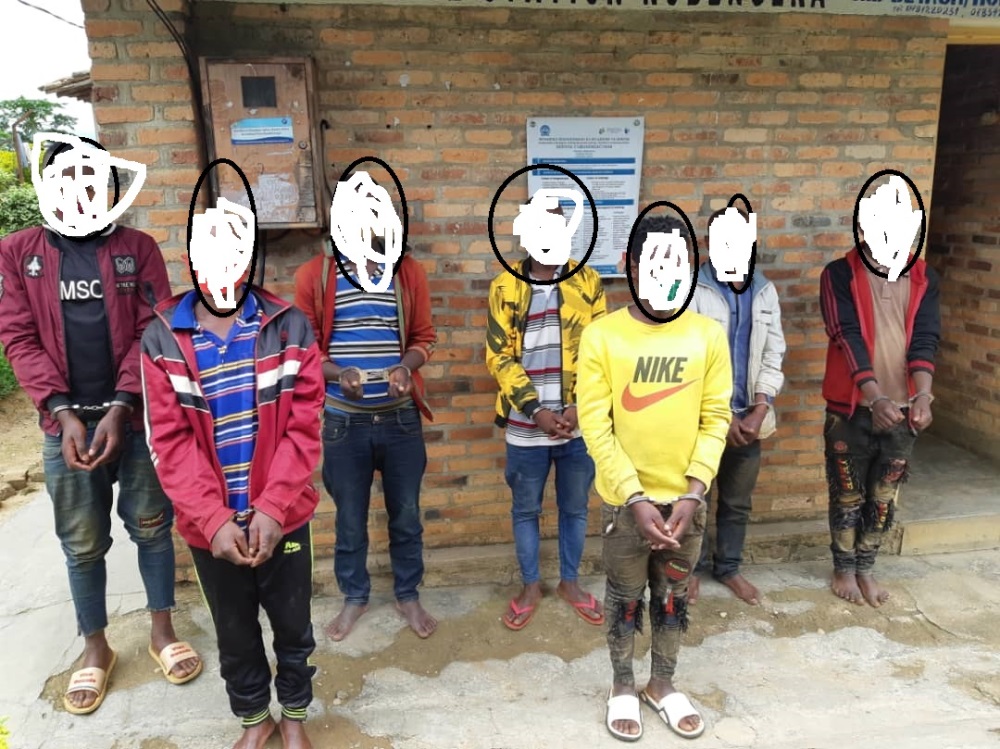
The suspects are identified as Eugene Bikorimana, 23, Innocent Bavugirije, 24, Nyandwi, 20, Gervais Hakizimana, 49, Theogene Nshimiyimana, 30, Eric Uwitonze, 18, and Nzabahimana, 24.
They allegedly assaulted the security guards as they attempted to prevent them from sneaking into the mining concession owned by of Ali Group Holding located in Kazizi Village, Kabuga Cell in Mukura Sector.
The Western region Police spokesperson, Chief Inspector of Police (CIP) Bonaventure Twizere Karekezi said that the group was attempting to sneak into the coltan concession in the night.
“At about 10pm on Saturday, Police received information from security guards of Ali Group Holding Mining Company, which is currently conducting a research on the concession, after they were beaten and injured by the group to force their way into the concession. Police swiftly conducted an operation and arrested all the seven people at the scene,” said CIP Karekezi.
CIP Karekezi warned against illegal mining activities and violent conduct.
The suspects were handed over to RIB at Rubengera station for further legal process while the victims were taken to Rubengera health center for medical treatment.
Article 54 of the law N° 58/2018 of 13/08/2018 on mining and quarry operations, states that; any person, who undertakes mineral or quarry exploration, exploitation, processing or trading without a licence commits an offence.
Upon conviction, the offender is liable to imprisonment for a term of between two and six months and a fine of not less than Rwf1 million and not more than Rwf5 million or only one of these penalties.
The court also orders confiscation of any seized minerals or quarry in storage, trading or processing without a license.
In article 121 of the law Nº68/2018 of 30/08/2018 determining offences and penalties in general; any person who, wilfully, injures, beats or commits any serious violence against another person, commits an offence.
Upon conviction, he/she is liable to imprisonment for a term of not less than three years and not more than five years and a fine of not less than Rwf500, 000 and not more than Rwf1 million.
The resolution follows the confirmation of a new serious variant of COVID-19 dubbed ‘Omicron’.
The World Health Organization (WHO) has declared the new coronavirus variant to be “of concern” noting that it has a large number of mutations, and early evidence suggested an increased reinfection risk.
The new variant was first confirmed in South Africa on 24th November 2021, and has also been identified in Botswana, Belgium, Hong Kong, Italy, Germany, the United Kingdom, the Netherlands and Israel.
Considering the severity of the new variant, different countries have banned to and from southern Africa.
In the Netherlands, 13 people were recently detected with the new variant after arriving in Amsterdam from South Africa.
The cabinet meeting held on Sunday ,chaired by President Paul Kagame discusssed Rwanda’s response to COVID-19 Omicron variant which has been reported a variant of concern.
Rwandans have been urged to exercise extra vigilance in the practice and enforcement of preventive measures.
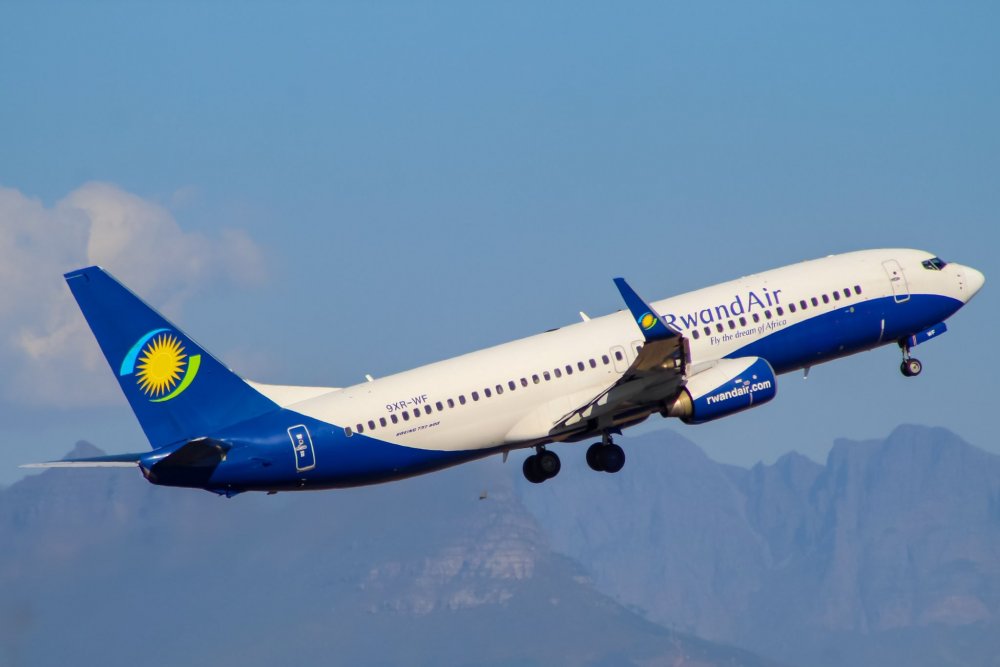
“Direct flights between Rwanda and southern Africa countries are temporarily suspended,” reads part of resolutions of the cabinet meeting.
Among others, all arriving and departing passengers at Kigali International Airport must present a negative COVID-19 PCR test taken in 72 hours prior to the departure.
The cabinet meeting has also resolved that all arriving passengers must quarantine for 24 hours at a designated hotel at their own cost.
However, a seven-day quarantine will be required for passengers travelling from , or those with a recent history of travel in , particularly affected countries.
The Ministry of Health will release the list of those countries following continuous assessment of global health conditions in collaboration with relevant international institutions.
People attending events including conferences, concerts, weddings, festivals, or exhibitions must be fully vaccinated and tested.
The statement reads that gatherings should take place outdoors or in well-ventilated spaces as much as possible.
Rwandans have been urged to get fully vaccinated, frequently tested and continue being vigilant in practicing COVID-19 preventive measures including physical distancing, properly wearing face masks, ensuring proper ventilation and hand hygiene.
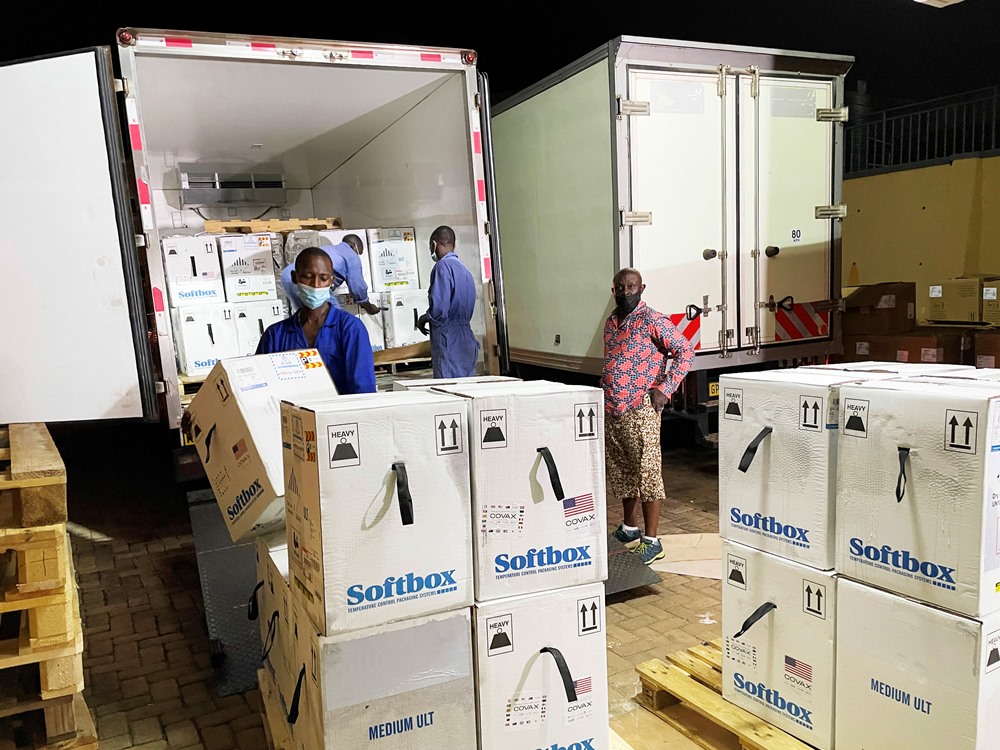
This brings the total current US donation of COVID-19 vaccines to Rwanda to 1,960,550 doses. These vaccine doses are accompanied by U.S. donated syringes and the United States provides 1,350,000 needed syringes to fill a critical gap.
The donation is considered a symbol of US commitment to work with the Government of Rwanda to protect the health of the Rwandan people.
Commenting on the development, Ambassador Vrooman said: “The United States has provided nearly 2 million vaccine doses to Rwanda, with another million of doses due to arrive via COVAX in December.”
To date, the United States has donated more than 240 million COVID-19 vaccine doses to more than 100 countries, a major step in ending the pandemic globally.
In Sub-Saharan Africa alone, the United States provided more than 65 million vaccine doses. And we are not done yet. Working together with COVAX, WHO, UNICEF, and partner countries, the United States is committed to donating 1.1 billion vaccine doses to where they are needed most to end the global pandemic.
“We also appreciate our partnership with Rwanda. In delivering donations of life-saving vaccines, personal protective equipment, training, and testing capabilities, Rwanda can be well on the way to ending this pandemic’s high toll on life, livelihoods, and secondary social and economic impacts,” reads part of the statement released by US Embassy in Rwanda.
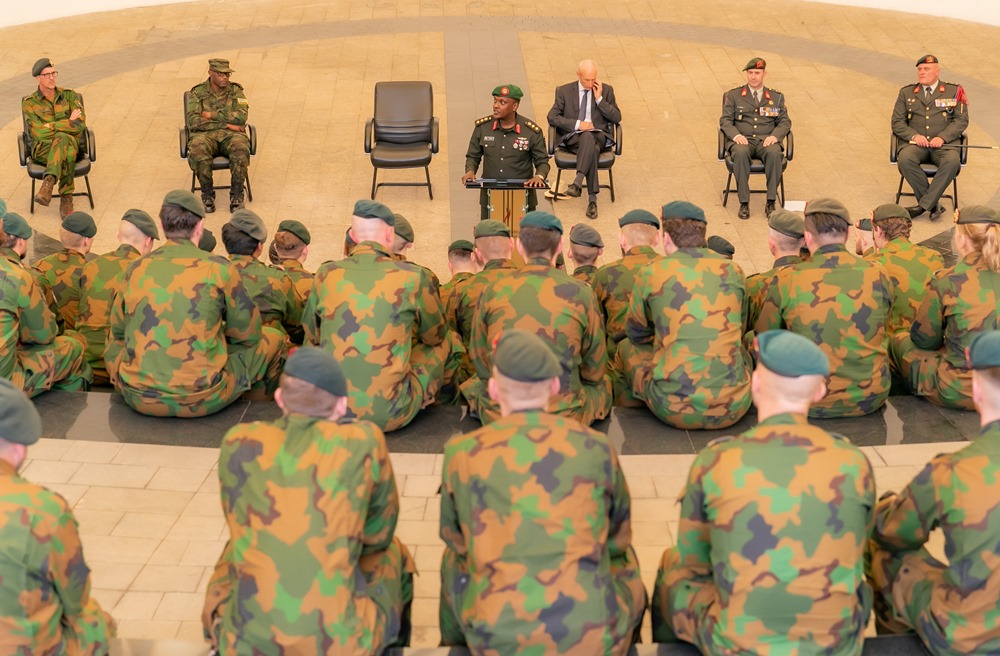
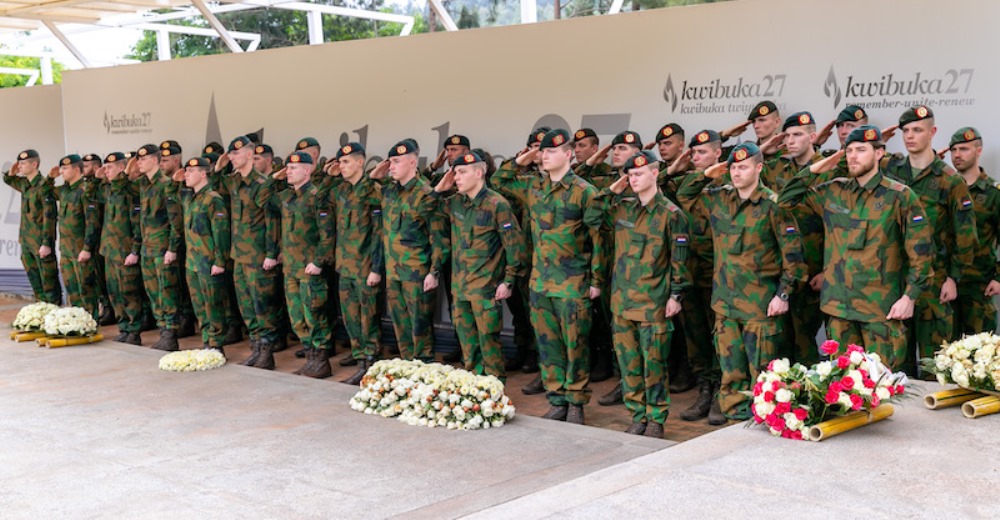
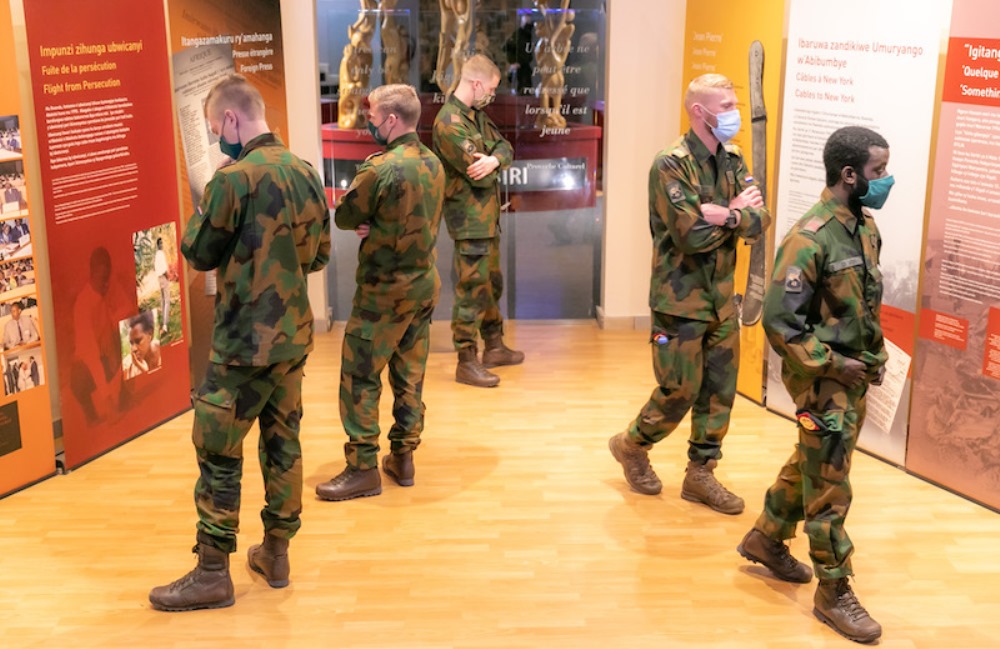
On Sunday, the contingent paid respect to the victims of 1994 Genocide against the Tutsi at Kigali Genocide Memorial located in Gisozi.
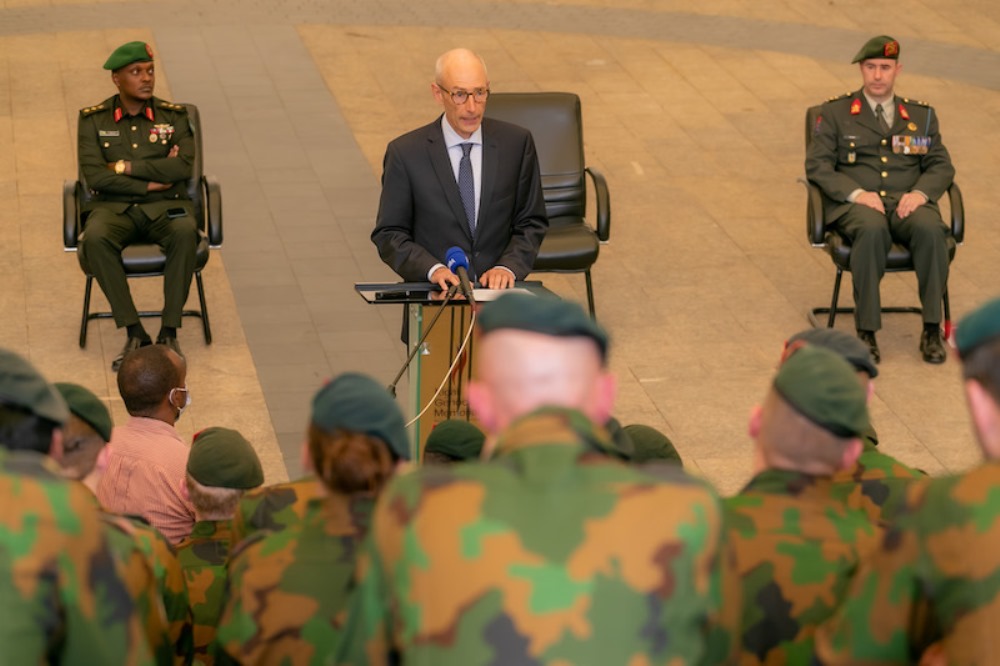
Speaking during the visit, the Royal Netherlands Ambassador to Rwanda, Matthijs Wolters said that the 1994 Genocide against the Tutsi has clearly shown the importance of value-based leadership in the armed forces for the protection of civilians, and regrettably the consequences of a lack thereof.
“Let these lessons not be forgotten,” he said.
Wolters thanked RDF for offering the opportunity for their contingent to train in Rwanda to build their skills and maintain their preparedness.
The RDF Spokesperson, Col Ronald Rwivanga commended the strong partnership between the Kingdom of the Netherlands and the Republic of Rwanda in different areas including training in justice and humanitarian law and law of armed conflict as well as support in logistics for RDF peacekeepers among others.
He said that the Field Exercise reflects the depth of the relationship between the two Defence Forces.
Rwanda and the Kingdom of the Netherlands maintain strong military relationship dating back from a Memorandum of Understanding on bilateral military cooperation between the Ministry of Defence of Rwanda and the Ministry of Defence of the Kingdom of the Netherlands signed on 14th June 2005.
The Equity Leaders Program which is one of the programs under EGF’s Education and Leadership Development Pillar has launched in Rwanda by selecting 32 top-performing male and female students across different Districts where Equity Bank Rwanda has a branch presence.
The scholars who were selected based on the Senior Six National leaving examination results obtained from the National Examination and Schools Inspection Authority (NESA) will form the first cohort of ELP beneficiaries in Rwanda bringing the total number of beneficiaries within East Africa to 17,072 since the inception of the program. This includes graduates from Equity’s bespoke secondary school scholarship program, Wings to Fly.
The 32 scholars have just concluded a one-week induction process and will now proceed to join Equity Bank for a 3 months paid-internship program where each scholar will get a monthly stipend and will experience on-the-job training and mentorship within various departments. Outside the 3-month paid internship period, the mentorship and coaching engagement with the scholars will be maintained for the period they are in university.
Speaking during the official ELP launch in Rwanda, Equity Group Holdings MD and CEO, and Executive Chairman of the Equity Group Foundation Dr. James Mwangi stated: “Over the last three decades, Equity Group has recognized the importance of investing in human capital. In Kenya and through our Equity Leaders Program (ELP), the Group has identified close to 7,000 of the most gifted boys and girls who have graduated secondary school and nurtured them through paid internship work experience, coaching and mentorship while supporting their transition to the best local and global universities as we prepare them to enter the world of work. Testament to the success of the ELP is our current Managing Director of Equity Bank Uganda is a beneficiary of the program.”
Over 700 of ELP scholars have gone ahead to complete their global education in leading universities like Yale, Harvard, MIT, Science Po, Columbia among others.
Most have proceeded to securing employment and senior positions in top companies such as a Vice President at Bain Capital, Director of Government Affairs at Astra Zeneca, Senior Consultant at Boston Consulting Group, Software Engineer at Bloomberg just to name a few. They continue to occupy senior leadership positions upon their return to the continent.
The Equity Leaders Program has been uniquely designed offering the 32 scholars an opportunity to apply for admission and full financial aid at global universities through admission into the College Counselling Program, a program that runs for 3 months and is aimed at exposing them to the global universities’ admissions process.
Speaking during the launch, Equity Bank Rwanda Managing Director Hannington Namara explained that Equity Bank is excited to continue impacting lives and livelihoods in Rwanda by implementing efficient and productive programs that can sustainably create change.
“We intend to leverage on our banking infrastructure to connect the youth, farmers, MSMEs, women and communities to educational, health and economic opportunities, tools and technologies that will promote personal progress and wealth creation,” he said.
In addition to the skills training, ELP aims to empower young academically gifted scholars through mentorship and leadership development and is also keen on spurring personal and professional development, creativity, innovation, and community engagement amongst the scholars thus moulding them into forward-thinking young professionals with an ethical focus on giving back to their communities.
Dr. Mwangi further stated that the youth hold great potential and are the future of African continent noting that Equity Leaders Program is scaling its reach across the region to give opportunities to Rwandan youth to explore their potential and obtain job training even before university.
“By working with Equity, they will also enjoy access to a regional network of international professionals while also having a chance to network and form strong relationships critical in promoting innovation and entrepreneurship thus contributing to both the social and economic development of Africa,” he noted.
Speaking as part of the launch program, State Minister for Primary and Secondary Education, the Honorable Gaspard Twagirayezu said: “We are delighted to partner with Equity Bank to create world class transformational leaders of tomorrow who will inspire change through taking responsibility to shape the future .The top performing scholars were selected based on the Senior Six exams results and have received training during the boot camp which will expose them to be great leaders in different spheres of life and be able to study in various universities both local and global.”
The 32 scholars who have completed a rigorous training exercise and induction program will commence their paid internship this coming Monday.
{{About Equity Bank Rwanda}}
Equity Bank Rwanda began its operations in 2011 and is registered as a commercial bank by the National Bank of Rwanda. The Bank has its Head Office located in Kigali, with a footprint of 15 branches and is supported by 3,173 agents, 1,861 merchants and a network of 22 ATMs.
Equity Bank Rwanda is a subsidiary of Equity Group Holdings Plc, a financial services company listed at the Nairobi Securities Exchange, Uganda Securities Exchange, and Rwanda Stock Exchange. In addition to Equity Bank Uganda, the Group has banking subsidiaries in, Kenya, Rwanda, Tanzania, DRC, South Sudan, and a Commercial Representative Office in Ethiopia; with additional non-banking subsidiaries engaged in the provision of investment banking, custodial, insurance agency, philanthropy, consulting, and infrastructure services.
Equity Group is the largest bank in the region with assets of USD 11.2 billion. It is also the largest bank in terms of deposits, with a market capitalisation of USD 2 billion and a customer base of over 15 million. The Group has 337 branches, 56,772 agents, 32,269 merchants, 697 ATMs and has widely adopted digital banking channels.
The Banker’s Top 1,000 World Banks 2020 ranked Equity Bank 754th in its global ranking, 62nd in terms of Capital Assets to Assets ratio, 55th in terms of Profits on Capital and 20th in terms of Return on Assets. The Banker’s Top 100 African Banks 2020 ranked the Bank 7th among the top 10 banks in Africa, 5th for strength, 9th for growth performance, 8th for return on risk and 6th for profitability and leverage category. In the same year, Moody’s gave the Bank an overall rating of B2 with a negative outlook, identical to the Kenyan government’s sovereign rating, due to the Bank’s strong brand recognition, strong liquidity buffers and resilient funding profile, well-established national franchise, and strong adoption of digital and alternative distribution channels.
{{About the Equity Leaders Program}}
The Equity Leaders Program was founded in 1998 and has scaled up over time to benefit 17,072 scholars in both Kenya and Rwanda. The paid internship component of the Equity Leaders Program admits the top performing boy and girl in the secondary level final exams from each District in Uganda where Equity Bank has a branch. The program aims at empowering young academically gifted scholars by supporting their access to education in public universities in Kenya and around the globe, as well as equipping them with leadership skills.
The paid internship runs for the 3-6 months between secondary school completion and the beginning of university. In Kenya, 6,713 scholars have benefitted from internships at Equity Bank prior to joining local or global universities. Of these, 688 scholars have secured admissions and scholarships in top global universities.
The leadership development model seeks to develop scholars in four program areas:
1. Personal and Professional Development to enable scholars to identify their unique talents and strengths and to match their individual interests with meaningful career opportunities.
2. Global exposure to encourage scholars to expand their horizons and become world class-leaders who can compete and succeed in a global marketplace.
3. Creativity and Innovation to empower scholars to think creatively about providing solutions to the challenges and opportunities facing communities around the world.
4. Community Engagement to inspire scholars to use their abilities for good and to make a positive impact on society.
While developing individual scholars in these thematic areas, the program also endeavours to create a strong network of scholars working together across disciplines and sectors to transform their communities, their country, and the world at large. This leadership development model is delivered through the following initiatives:
•The Internship Program which allows scholars at local universities to return for internships with Equity Group and its partners during university holidays to get professional experience while saving for their university education. The program runs for the 3-6 months between secondary school completion and the beginning of university.
•The Global Summer Internship Program which allows scholars studying at international universities to return to Africa for their summer holidays and intern with Equity Group and its partners, giving them work experience and building their professional networks on the continent.
•The College Counselling Program which supports Equity scholars to access admission and scholarships to some of the world’s leading universities, including the Ivy League universities in the US.
•The Annual Leadership Congress which allows scholars to connect with each other to form a strong community, learn about leadership and employability skills, and interact with successful leaders from various industries
•The Innovators Program which trains and develops scholars in innovation and entrepreneurship skills, allowing them to write business plans and pitch their ideas for seed funding.
•The Centers of Excellence Program where scholars provide residential mentorship to various secondary schools
•The University Chapters at campuses in Kenya and abroad that serve as platforms for interaction, networking, and activities for the scholars during their university session.
•The Wings to Fly Mentorship Program which enables scholars to visit Wings to Fly high school scholarship recipients at their respective high schools to provide mentorship and academic coaching.
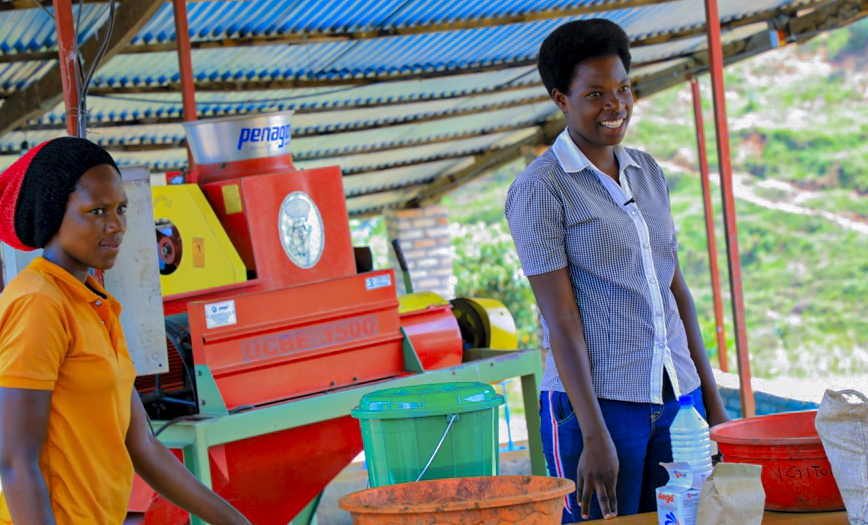
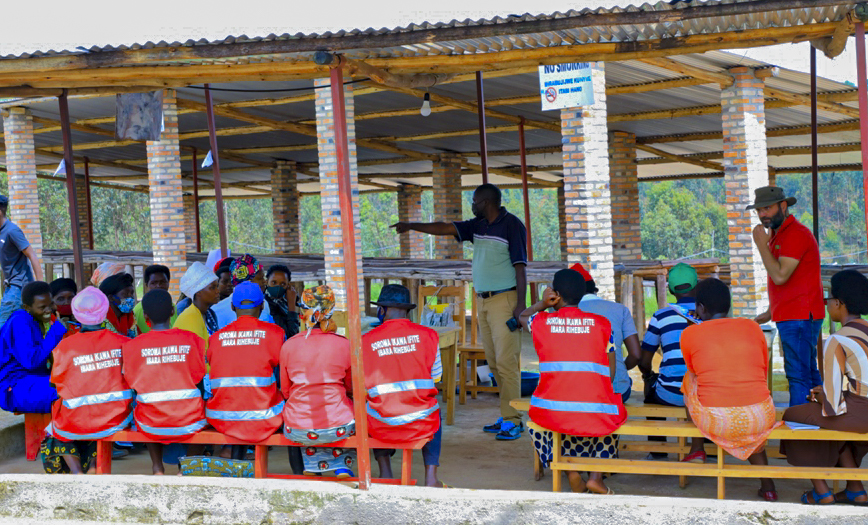
Beneficiaries of the training organized by Sustainable Growers Rwanda are from Nyampinga Cooperative comprised of 1163 members involved in coffee growing and processing based in Jari village, Bunge cell.
The cooperative is composed of different groups each with 15 members. The training started with farmer promoters who will also share acquired skills with all colleagues.
Farmer promoters are model farmers whose agricultural yields are comparatively higher owing to improved agricultural practices.
Such farmers facilitate the extension of best practices and skills to other farmers to improve yields.
Sustainable Growers is an organization committed to increase economic opportunities for women and their families through coffee farming.
Fabien Twahirwa, a coffee agronomist working with Sustainable Growers has told IGIHE that they have been helping women and families to grow their income with the latest training being part of other kinds of support extended to farmers.
“The training will help them address the shortage of organic fertilizers to increase agricultural yields,” he said.
“We are currently working with Nyampinga Cooperative which has 1163 members. These are women from different families who will share acquired skills with other members of the community to increase yields,“ added Twahirwa.
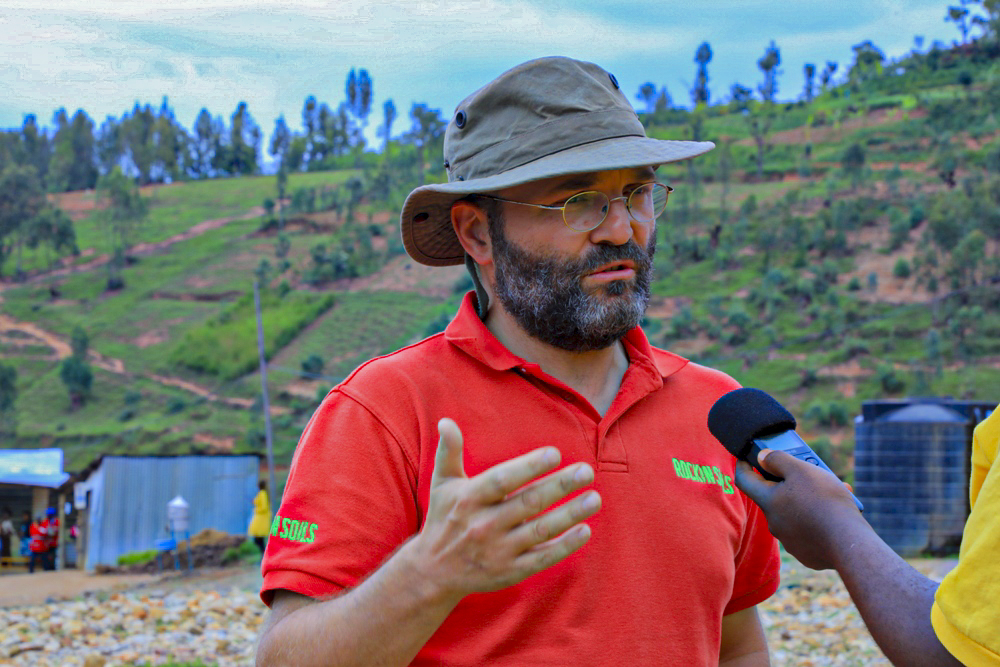
Ruben Borge, a Spanish trainer said that the coffee farmers were equipped with relevant skills to make compost and liquid fertilizer.
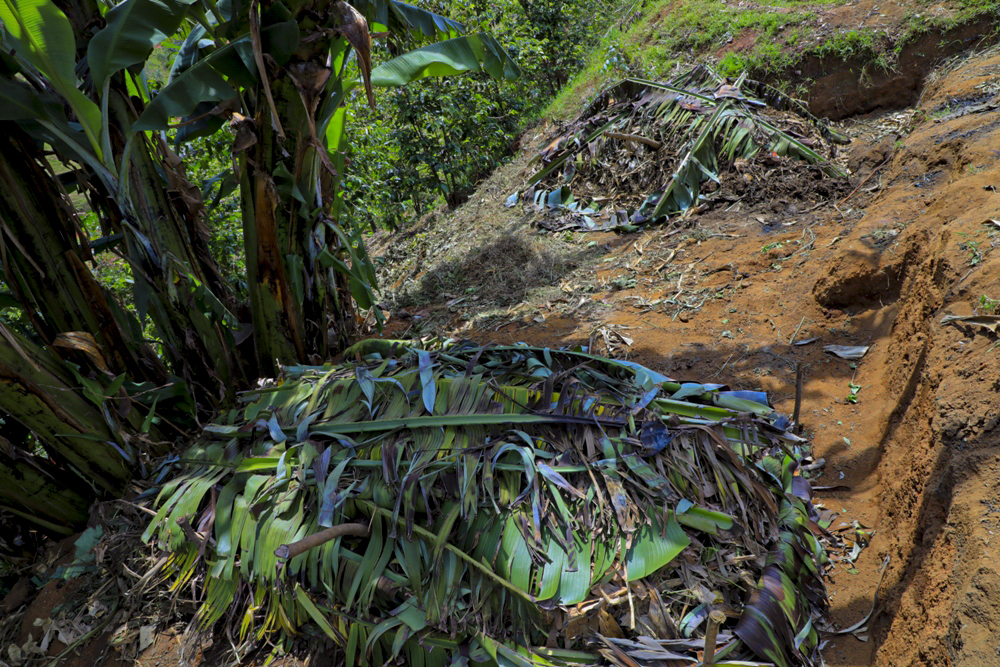
The compost manure is comprised of a mix of dry and fresh decomposable grasses, mixed with soil, coffee residues, charcoal, ash, and other catalysts including water, sugar or sugar cane leftovers.
The foliar spray fertilizer is composed of cow dung, water, milk, sugar blended with catalysts, ash, ground black stones and microbes.
“The compost makes the land more productive and helps to increase yields while the foliar plant spray ensures smooth growth of leaves. It also serves as a pesticide to destroy insects,” he said.
He told trainees that the two types also contribute a lot to coffee’s quality and great taste.
Trainees explained that acquired skills will help them turn their land more productive and increase yields.
“I am a farmer promoter among coffee growers but the produce is still low. I will train fellow farmers so that everyone will be able to make own compost to increase yields for coffee and other crops,” said Odette Mukakayiro.
“Farmers in my group harvest between two and three kilograms of coffee per tree. We are optimistic that the compost will help us to increase the produce to six or seven kilograms,” she added.
Epihanie Dusabe, another training beneficiary also emphasized that acquired skills will undoubtedly help farmers to improve yields.
Esther Mukangango, the president of Nyampinga Cooperative urged trainees to put acquired skills to good use.
“We need to remain consistent and put into practice what we have learnt to multiply coffee produce, improve its quality and become excellent growers,” she said.
The training held from 14th to 25th November 2021 was also extended to farmers in other districts covered by Sustainable Growers interventions.
At least 63 farmer promoters from cooperatives working with Sustainable Growers received the training.
They are expected to train more 5000 farmers working with the organization.
Other trainees include farmers from other agriculture related projects including Agriterra , Impexcol and Rwanda Agriculture Board (RAB).
Sustainable Growers works with six cooperatives of coffee farmers in six districts.
These include Nyampinga in Nyaruguru, Gashonga in Rusizi, KOAKAA in Nyamasheke, Twongere Umusaruro wa Kawa in Kayonza, Mayogi in Gicumbi and Abahingakawa in Gakenke district.
The training was organized by Sustainable Growers Rwanda in partnership with Bloomberg Philanthropies and Centre for the promotion of Imports from Developing countries (CBI) from the Netherlands.
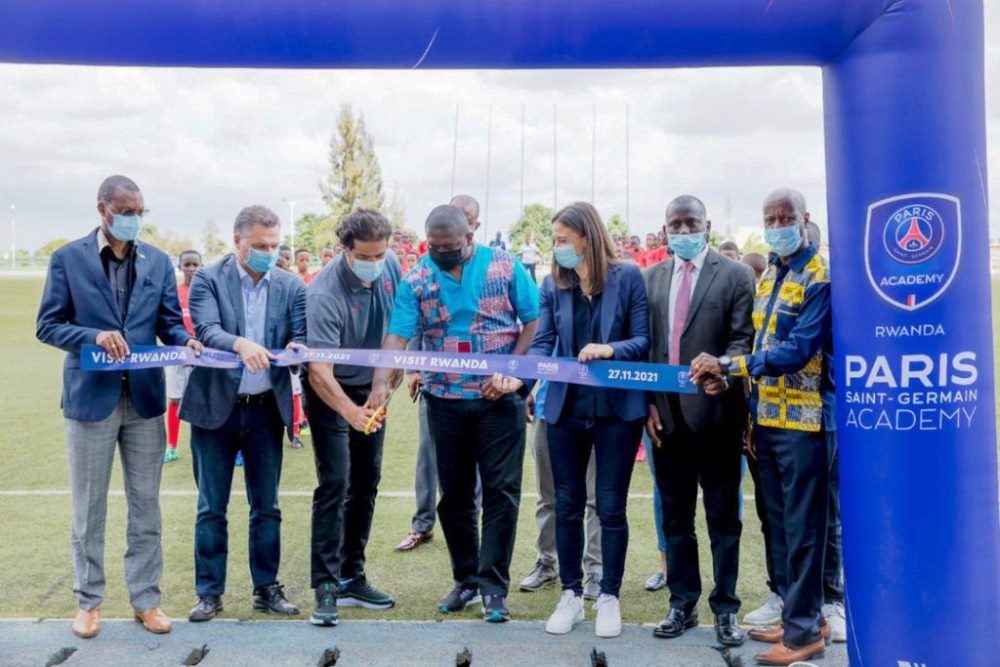
The flagship programme of the partnership between Paris Saint-Germain and Visit Rwanda, the PSG Academy in Huye is completely free and has the mission of training future talents and encouraging Rwandan youngsters to play football.
This season, 172 children – boys and girls aged between 6 and 16, who were selected during scouting sessions attended by 2,000 children – are taking part in the academy’s project. For one season, these youngsters will have the opportunity to train in a Rwandan first-division stadium. The training sessions will be led by local staff trained by the club and are designed by the club’s Technical Director according to each child’s skill level and in keeping with the Paris Saint-Germain style of play.
Every year, around 500 additional children will be invited to take part in courses or one-off events organised on the site, in order to give them a taste of the Paris Saint-Germain experience.
During the inauguration, the children present were able to meet iconic footballer Rai and join him for a training session. The social media entertainer Boris Becker also got into the spirit of the day and enjoyed a kick-about with the young footballers.
“We welcome the contribution of the PSG academy in Rwanda to the country’s football development through professionalizing Rwandan players from a young age. The introduction of specialized training to Rwandan football technicians and coaches is an added advantage to Rwanda’s football development. The academy in Huye district will also improve the socio-economic situation of the local population. The Government of Rwanda is committed to continuing the development of this program so that it can reach its intended objective,” said Shema Maboko Didier, the Permanent Secretary in the Ministry of Sports.
Nadia Benmokhtar, Head of Brand Development at Paris Saint-Germain also expressed delight for the opening of a new academy in Rwanda.
“This project, fruit of a long-term collaboration with our partner Visit Rwanda, is very important to us. It marks a new stage in the development of football in Rwanda and will make it easier for many young Rwandan players to access top-level apprenticeships. This academy also boosts the club’s presence in Africa,” she noted.
“The creation of this academy is very emotional for me as it echoes my own experience. At age 14, a professional football club gave me a chance after seeing me play in the street. At the time, there were no organisations like this! This academy gives many young people a fantastic opportunity to fulfil their potential. I am delighted to have met them and wish them great success for the future,” added Raí, former Paris Saint-Germain player, present at official opening.
{{About RDB}}
The Rwanda Development Board (RDB) is a government agency in Rwanda with a vision to transform Rwanda into a dynamic global hub for business, investment, and innovation. Its mission is to fast-track economic development in Rwanda by enabling private sector growth. Learn more about the Rwanda Development Board www.rdb.rw
{{About Paris Saint-Germain}}
Paris Saint-Germain football club was created in 1970 and celebrated its 50th anniversary in 2020. Ever since QSI purchased the club in 2011, Paris Saint-Germain has undergone a transformation to become one of the world’s top football clubs and global sports brands. The Club has won 27 trophies in just ten years, making it the most successful football club in France. Paris Saint-Germain has attracted many great players including Ronaldinho, Beckham, Ibrahimovic, and currently Messi, Neymar Jr and Mbappé, some of the best players in the world. The international popularity of the Club never stops growing.
It is now the one of the most followed clubs in the world, expanding from zero to a community over 100 million social media followers in ten years. This pioneering Club – which includes men’s football, women’s football, handball and judo squads – made the ground-breaking move to incorporate an Esports team in 2016. Giving back to the community is fundamental to the Club, which has drastically increased the capacity of its Foundation to develop wide-reaching and efficient programmes to help underprivileged youngsters.
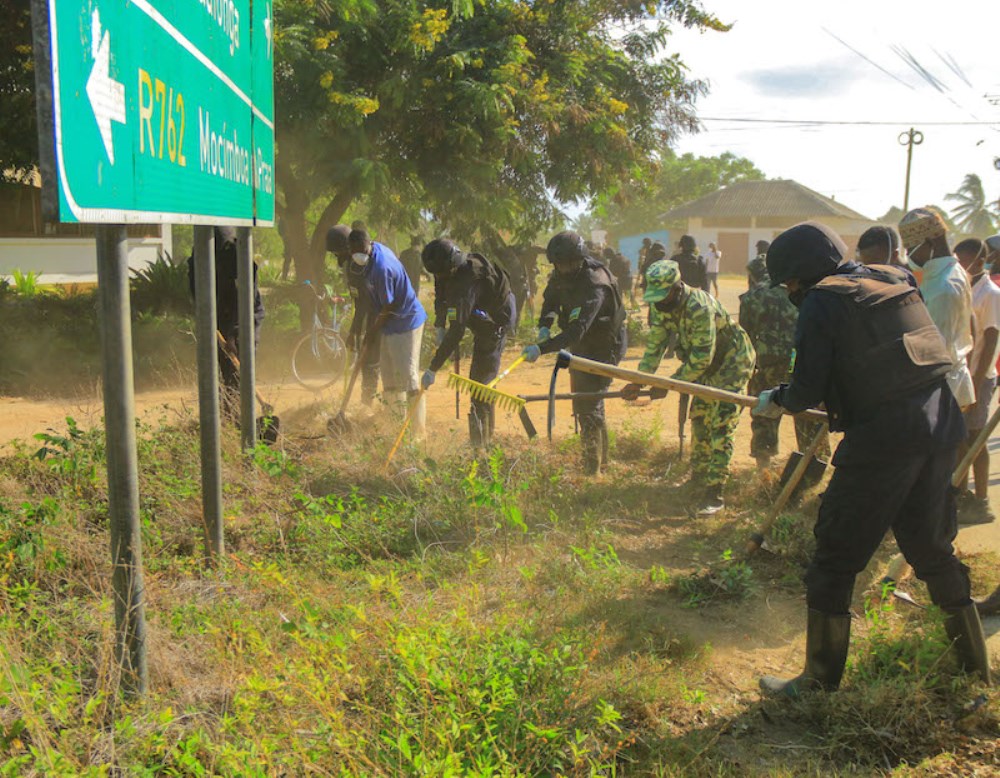
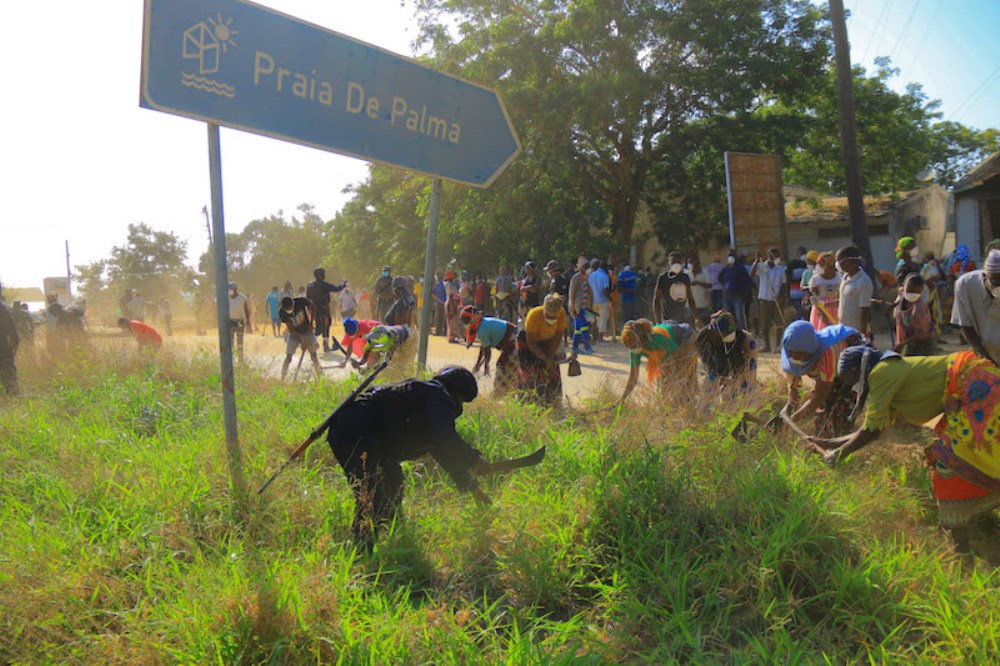
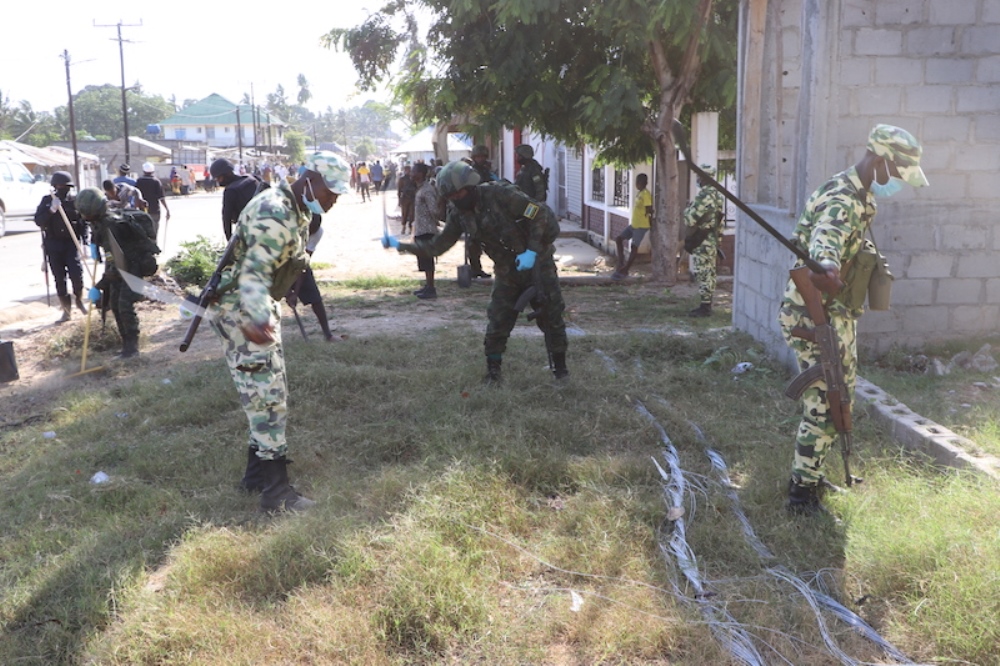
The activity held on Saturday 27th November 2021 was aimed at cleaning the streets of Palma town and enhancing the culture of working together in transforming their community. The activity was conducted jointly with the population and local authorities as well as the Mozambican National Security Organs.
The community work initiated by Rwanda Security Force (RSF) aimed at not only contributing to cleanliness of the town but also bridging the gap between the population and leadership at different levels in enhancing stabilisation efforts.
The inaugural community work attracted about 4,000 residents of Palma town. The activity was attended by the key leaders of the district including Mr. Martins Egidis Nkamate, the Director of Infrastructure in Palma District and local government representatives.
The cleaning activities covered main road, feeder roads, streets, roadside waterways along 3 kilometer stretch of Palma town.
Nkamate who spoke on behalf of the Government of Mozambique, commended the Rwanda Security Force for their support and contribution to the Peace and Security in Mozambique. He also encouraged the local population and leaders to continue participating in community work in order to rebuild and protect infrastructure in the district.