The funding worth Rwf2 billion was secured through the partnership between Rwanda and Belgian Development Agency, Enabel.
Enabel works with the Government of Rwanda on different projects meant to promote poultry, pig farming and agro-processing.
Normally, commercial banks provide loans with interest rates between 16% and 17%. The interest rate on loan from Saving and Credit Cooperatives (SACCOs) can go up to 22% while the Development Bank of Rwanda (BRD) offers loans at 12%.
The Rwf2 billion funding will be channeled through the Development Bank of Rwanda (BRD) which will also work with commercial banks to lend it out to beneficiaries with poultry, pig farming projects as well as those producing animal feeds effective from January 2022.
Dr. Solange Uwituze, the Deputy Director General in charge of Animal Resources Research and Technology Transfer at Rwanda Agricultural and Animal Resources Development Board (RAB) has told IGIHE that beneficiaries will receive loans at 8% interest rate.
“If someone applies for Rwf50 million loan in a commercial bank, the latter will consider 8% interest rate to be paid by the farmer or animal feed producer while the Government will cater for the remaining 8%,” she said.
Dr. Uwituze explained that the interest rate subsidy will not go beyond Rwf100 million.
“The Government shall only pay the interest rate not exceeding Rwf100 million for a farmer or animal feed producers requesting loan under this financing scheme,” she revealed.
Beneficiaries will have to go through existing loan application processes. Those without collateral will continue seeking assistance from Business Development Fund (BDF).
The Government mulls increasing the Rwf2 billion allocated to the fund depending on available means.
Poultry and pig farming are among projects benefitting from the subsidized National Agriculture Insurance Scheme launched in 2019.
It is implemented by the Ministry of Agriculture and Animal Resources (MINAGRI) in collaboration with partners including Radiant Insurance, Access to Finance Rwanda, Prime Insurance and Sonarwa.
Under the subsidized agriculture insurance scheme, a farmer provides 60% of insurance fees while the Government caters for 40% of farmers payments.
The cost of insurance equals 4.5% of the total value of the cow.
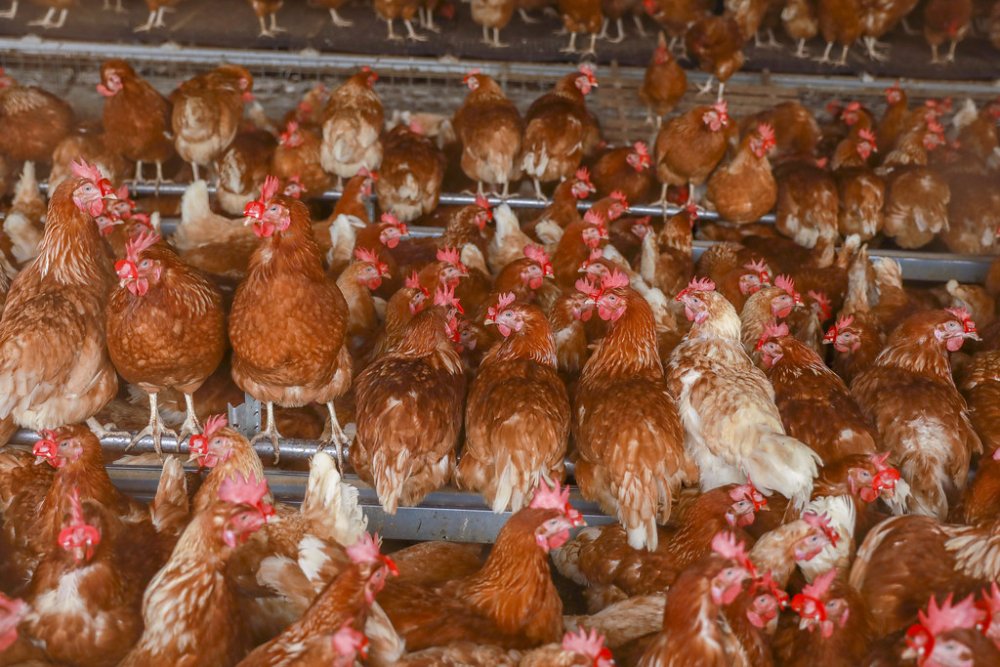
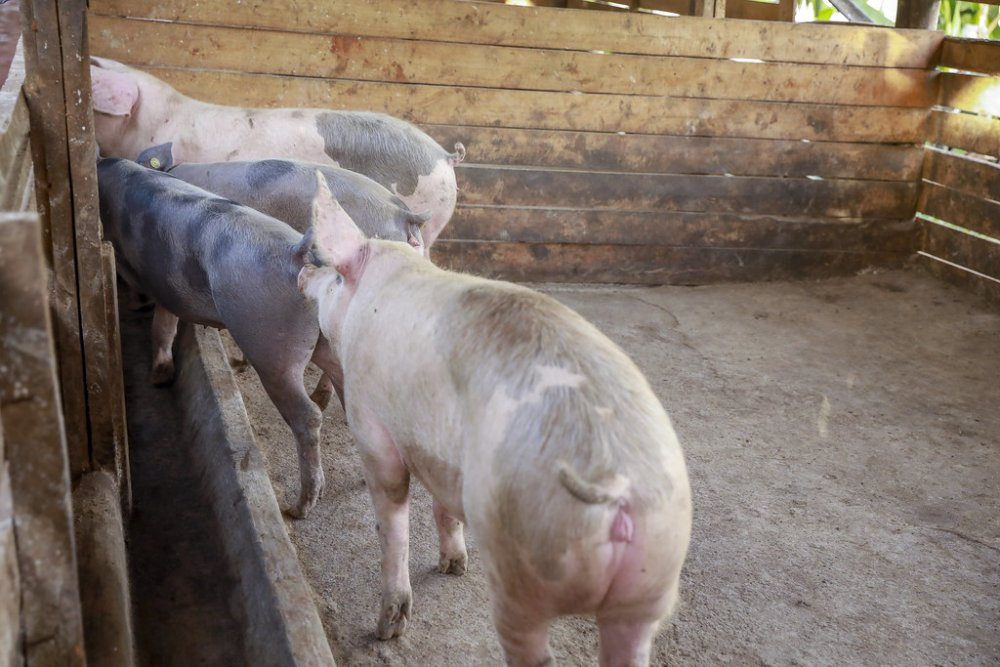
So far, a total of 208,749 chickens and 3,020 pigs have been insured.
While humanitarian assistance has effectively supported displaced populations in emergencies, a different approach is needed involving new actors, predominantly the private sector in contributing to sustainable solutions for refugees and displaced persons.
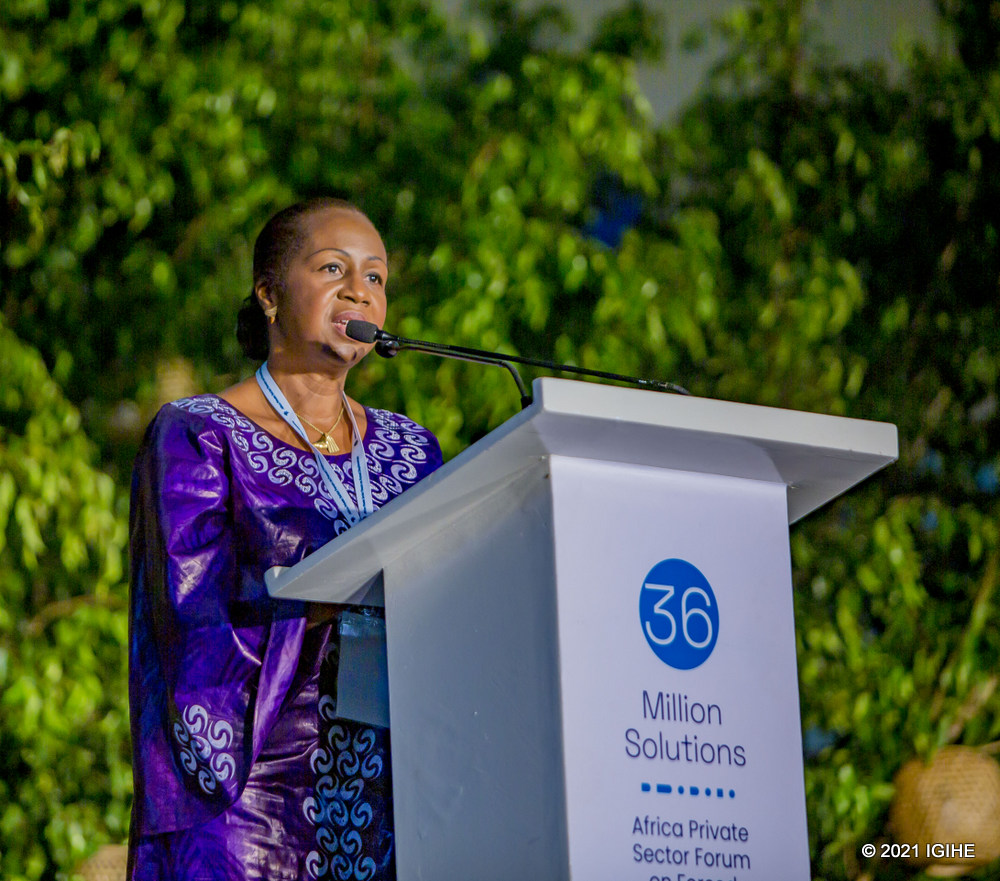
It is against this background that the Amahoro Coalition and the United Nations High Commissioner for Refugees (UNHCR) have convened the inaugural ‘36 Million Solutions: Africa Private Sector Forum on Forced Displacement’ taking place in Kigali, the capital of Rwanda from 30th November to 2nd December 2021.
The Amahoro Coalition is an African-led initiative convening multi-sector actors from across the region to accelerate private sector leadership in driving sustainable market-based interventions that advance economic inclusion for displaced populations.
Guided by the Global Compact on Refugees and the pledges made at the 2019 Global Refugee Forum, the event brings together Africa’s private sector firms to explore solutions that promote economic inclusion for Africa’s forcibly displaced persons and their host communities.
The Forum’s theme, 36 Million Solutions, references the number of people forced to flee across the region and the opportunities to invest in their potential.
Alongside private sector leaders, the Forum brings together refugees and displaced persons, government representatives, and humanitarian actors to actualize a multi-stakeholder Pan-African approach to the displacement crisis.
Clementine Nkweta-Salami, UNHCR Director of the Regional Bureau for the East, Horn of Africa and the Great Lakes said that the number of displaced persons and refugees has been on high rise for the past ten years.
The issue is mainly reported in Central African Republic, South Sudan, Burundi and Mozambique.
She said that African countries should not perceive refugees as a burden but rather an investment opportunity.
Salami thanked Rwanda and Djibouti for achieved milestone towards the cause and urged the private sector to work with Governments and other organizations to support refugees and displaced persons.
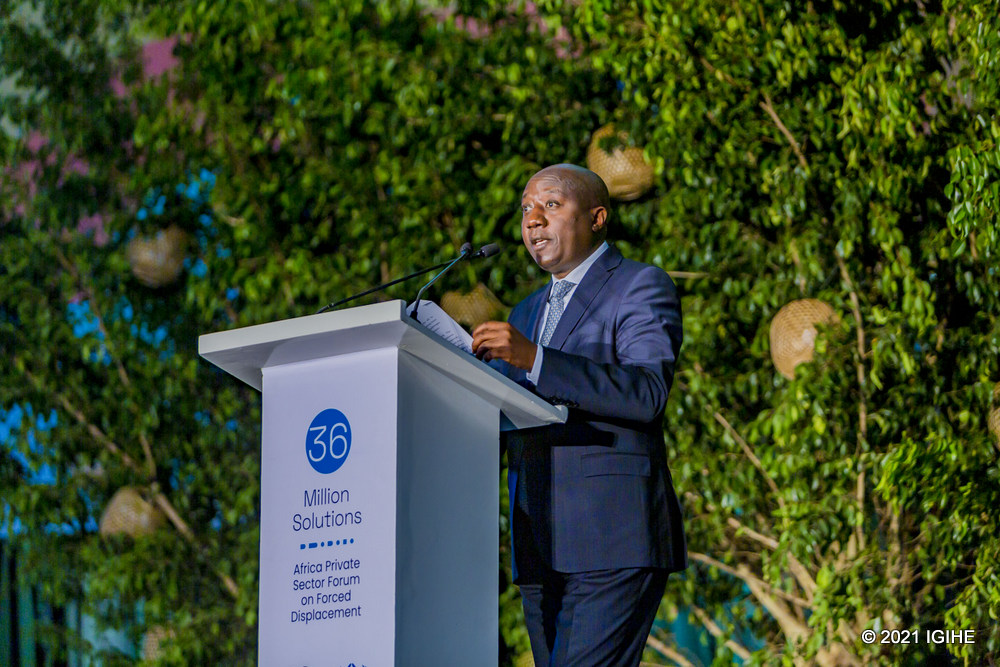
Also present, was Rwanda’s Prime Minister, Dr. Edouard Ngirente who officially opened the forum on behalf of President Paul Kagame on Wednesday 1st December 2021.
As he delivered remarks, Premier Ngirente highlighted that the number of refugees and displaced persons continues to increase particularly in Sub-Sahara African countries and shared needed actions to manage refugee crisis.
“Forced displacement has reached its highest level in Africa. Statistics indicate that in 2020, the number of displaced people in Sub-Saharan Africa reached an alarming record of 35.9 million people, representing 45% of the total number of refugees globally,” he said.
Reports from SOS Children’s Village, the world’s largest non-governmental organization focused on supporting children without parental care and families at risk, show that poverty is among six major reasons behind increasing number of African refugees.
Other causes include armed conflicts and climate change.
Premier Ngirente went on to explain that efficient use of available resources is of critical significance to solve the issue of economic refugees.
“As it is well documented, Africa has a significant economic potential which, if well exploited, the continent can at least minimize the number of economic refugees by giving different opportunities to our youth,” he said.
Dr. Ngirente urged the private sector to contribute to the creation of jobs to tackle unemployment among the youth.
“It is therefore our responsibility to work closely with the private sector to use properly these resources by creating enough jobs for our youth. This will economically and socially empower them to address the issue of their risky migration to other continents,” he noted.
Also top on the forum’s agenda, is to explore solutions that promote economic inclusion for Africa’s forcibly displaced persons and their host communities.
Dr. Ngirente stressed that facilitating refugees’ access to the job market, decreases their dependence on aid and help the host economy to tap into full potential of their skills and consumption.
{{Rwanda’s strides}}
Premier Ngirente also shared Rwanda’s efforts in supporting refugees and asylum seekers to lead dignified life.
“About 10% of refugees in Rwanda live in urban areas, while the remaining 90% are settled in 5 camps across the country. We all know that receiving refugees is one good thing but ensuring that they live in conditions of dignity is another,” he said.
Dr. Ngirente revealed that all refugees aged 16 years and above, like any other Rwandan, have been issued with ID card to enable them get access to various services.
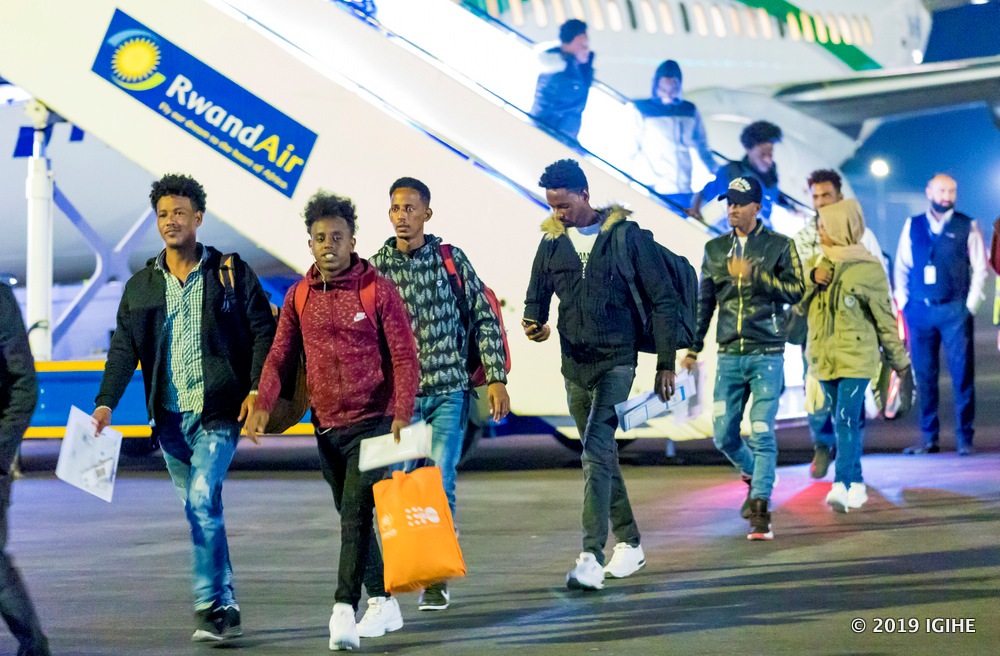
Today, there are 55,000 refugee students enrolled in various education levels in Rwanda, from early childhood, to primary through secondary schools. In addition, more than 500 refugees are currently enrolled in different universities under several scholarship programs.
Regarding the access to healthcare, in collaboration with The United Nations High Commissioner for Refugees (UNHCR), all camp-based refugees receive healthcare services at no cost. Those settled in urban areas are enrolled in the National Community-Based Health Insurance Scheme known as Mutuelle de santé.
Through Government of Rwanda, the United Nations High Commissioner for Refugees (UNHCR) and their partners, various projects owned by refugees and host communities have been funded whereby cash grants are extended to refugees to support their livelihood activities including money to start small businesses and to improve their agricultural activities.
Premier Ngirente reiterated Rwanda’s commitment to continue playing its role by ensuring refugee protection, security and social economic inclusion.
Rwanda accommodates over 148,938 refugees from different countries including the Democratic Republic of Congo (51%) and Burundi (48%).
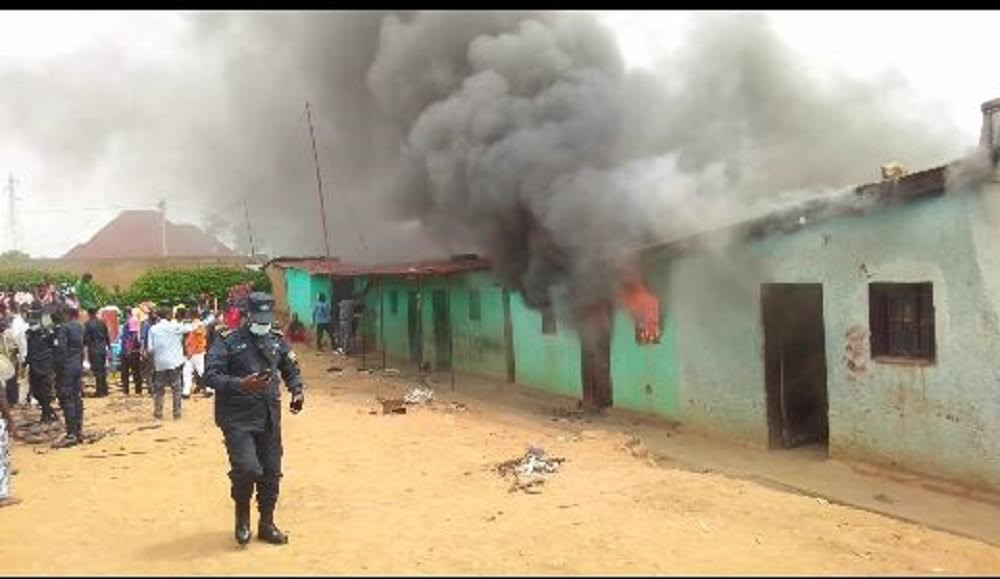
The incident took place on Wednesday 1st December 2021 around 10a.m.
Police Spokesperson in Eastern Province, CIP Hamdoun Twizeyimana has told IGIHE that the exact cause of the fire remains unknown.
“We have not yet established the cause of this incident. We rushed to extinguish the fire outbreak which destroyed different items inside the building including shoes repairing equipment, shoes, motorcycle and vehicle spare parts,” he said.
CIP Twizeyimana revealed that the value of destroyed items is estimated at Rwf3 million.
He also urged the general public to develop precautionary and safety measures to contain fire.
The webinar which was opened on Friday 26th November 2021 was attended by representatives of the public, private and non-governmental organizations.
Speaking at the event, the Permanent Secretary in MINICOM, Yves Bernard Ningabire highlighted that the Made in Rwanda program, launched in 2015, was initially a “campaign” aimed at showcasing Rwandan products, so as to reduce importation of goods that could be produced locally, hence reducing the country’s trade deficit.
Ningabire particularly cited a report by the National Institute of Statistics showing that in September 2021, the trade deficit stood at US$ 223 million compared to US$ 139 million in September last year, adding that the Made in Rwanda program can still play an important role in reducing this gap.
The various speakers at the webinar highlighted the considerable impact that the Made in Rwanda program has had on the economy so far, especially through the development of the industrial sector. Ms. Amina Rwakunda, Chief Economist at the Ministry of Finance and Economic Planning particularly pointed out that between 2010 and 2019, the industrial sector’s output increased from 4% per annum (2010 – 2016) to 10.7% per annum (2017 – 2019), which had a positive impact on the Gross Domestic Product (GDP).
However, despite this achievement, there are still opportunities in the Made in Rwanda industries for the private sector and for the economy in general. Particularly at a time when the country is facing the effects of the Covid-19 epidemic, the industrial sector has shown resilience compared to other sectors of the economy, with its output rising by 2% in 2020, while sectors such as construction, hospitality, mining, trade and others were in recession.
This industrial output has been achieved as a result of efforts put in implementation of the Made in Rwanda policy since 2017. In the short to medium term, the policy is expected to continue to play an important role in tackling the gap that continues to be created by Covid-19, while other sectors will be recovering.
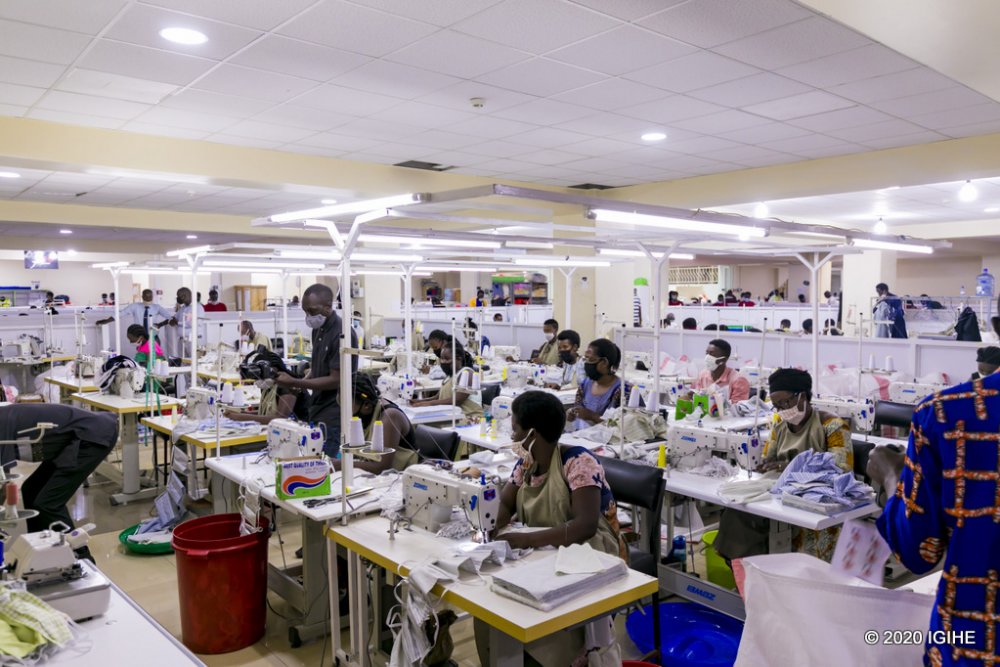
The Made in Rwanda Policy focuses on enhancing the quality and durability of Rwandan products, with a particular attention on increasing investment in agro-processing, light manufacturing products and construction materials, which are also expected to increase decent jobs among Rwandans. The policy also aims at supporting the Made in Rwanda enterprises (especially small and medium-sized enterprises) through various projects aimed at accompanying these enterprises in their activities. Changing the mindset on the use of Rwandan products is another priority under the Policy, from the estimated positive perception of 60% as shown in various reports to 100% in the near future.
In his presentation, Louis Antoine Muhire, Coordinator of the Made in Rwanda Secretariat at MINICOM, highlighted that while implementation of the Made in Rwanda Policy remains on track with relatively satisfactory performance (in the range of 50% according to initial findings from a Made in Rwanda Policy mid-term evaluation exercise being undertaken), some key challenges still need close attention in order to achieve even better results. These include – among others – access to raw materials, high utility costs, labour shortages, infrastructure deficits, etc.
Egide Mutabazi, Analyst at the Ministry of Agriculture and Animal Resources (MINAGRI) on his part shared with the audience the particular importance of sector strategies in ensuring success of initiatives such as Made in Rwanda. He briefly unpacked the fourth edition of the Strategic Plan for Agriculture Transformation (PSTA 4) currently being implemented, particularly insisting on the role of technology and innovation in driving the sector’s transformation.
On the other hand, the role of Made in Rwanda industries in creating and maintaining productive and decent jobs for Rwandans cannot be ignored if the country is to achieve the target of 1,500,000 jobs by 2024 from around 800.000 jobs to date, said Faustin Mwambari, Head of Employment Ecosystem at the Ministry of Labor (MIFOTRA).
One of his key recommendations is that public private dialogue platforms should be strengthened for regular interactions on opportunities and challenges that need attention in the Made in Rwanda priority industries, with a particular objective of increasing public and private investments in these important economic sectors.
These webinars will be held in five sessions by May 2022 where each of the pillars of the Made in Rwanda Policy will be discussed in detail. It is expected that participants would benefit from the useful information to be exchanged and would gain significant knowledge on various topics. The outcomes and suggestions from the webinars are also expected to contribute in accelerating the different interventions under the Made in Rwanda Policy by the different implementing institutions.
It is expected that in Summer of 2022, a National High-level Dialogue on Made in Rwanda would be organised to discuss about – among other activities – the outcomes from the five webinars, but also from other ongoing discussions on Made in Rwanda across the country. The conclusions from the National Dialogue would aim at sustaining the achievements registered so far as well as at closing the gaps that still exist, leading to even more successes of the Made in Rwanda program.
The training extended to 126 Military Police officers at their offices in Kanombe, Kicukiro District, was organized and conducted by the Rwanda National Police (RNP) Fire and Rescue Brigade (FRB).
It was part of the RNP initiative to equip different institutions in Rwanda with basic skills against fire emergencies.
Assistant Commissinoner of Police (ACP) Paul Gatambira, the Commanding officer for Fire and Rescue Brigade said that the Military Police was trained on fire components and its causes as well as firefighting techniques.
“Trainees were first explained on the causes and components of fire to have the knowledge and skills on rescue operations. They were also enlightened on techniques used to prevent fire from escalating,” said ACP Gatambira.
Other skills given to the officers include precautionary measures when using cooking gas to prevent one of the causes of fire caused by recklessness and lack of knowledge on how to use it safely.
They were also enlightened on types of fire extinguishers and how to use them to respond to fire.
ACP Gatambira explained that Police took this initiative to equip institutions with basic skills on fire emergencies to prevent or alleviate the possible losses.
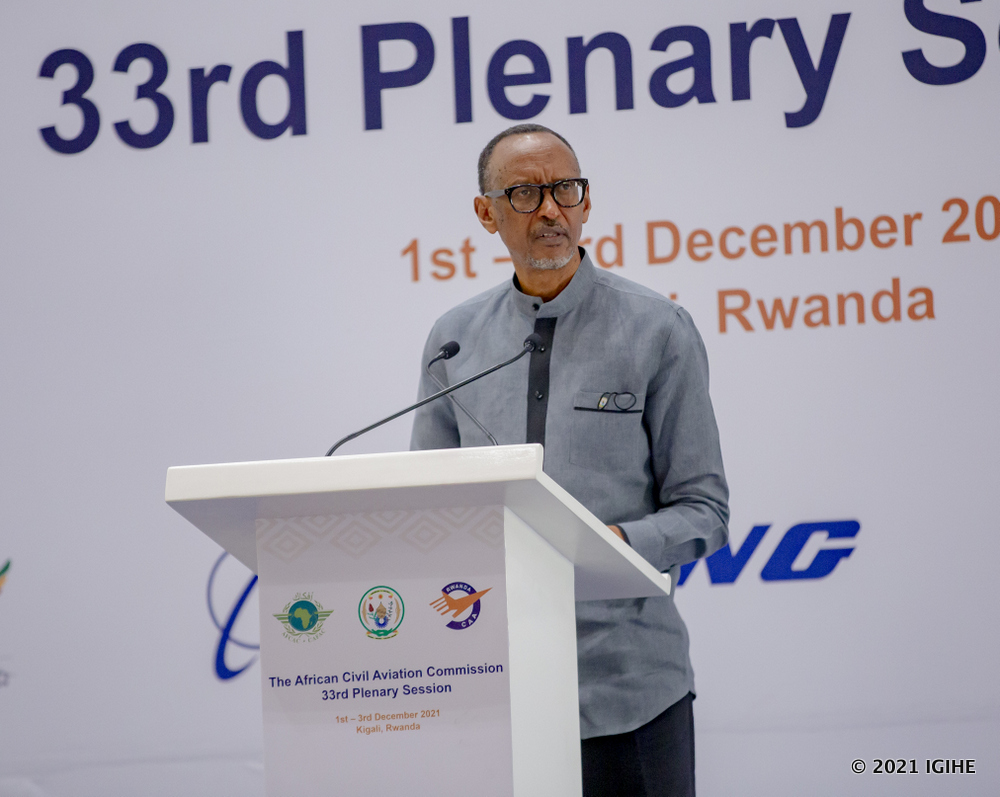
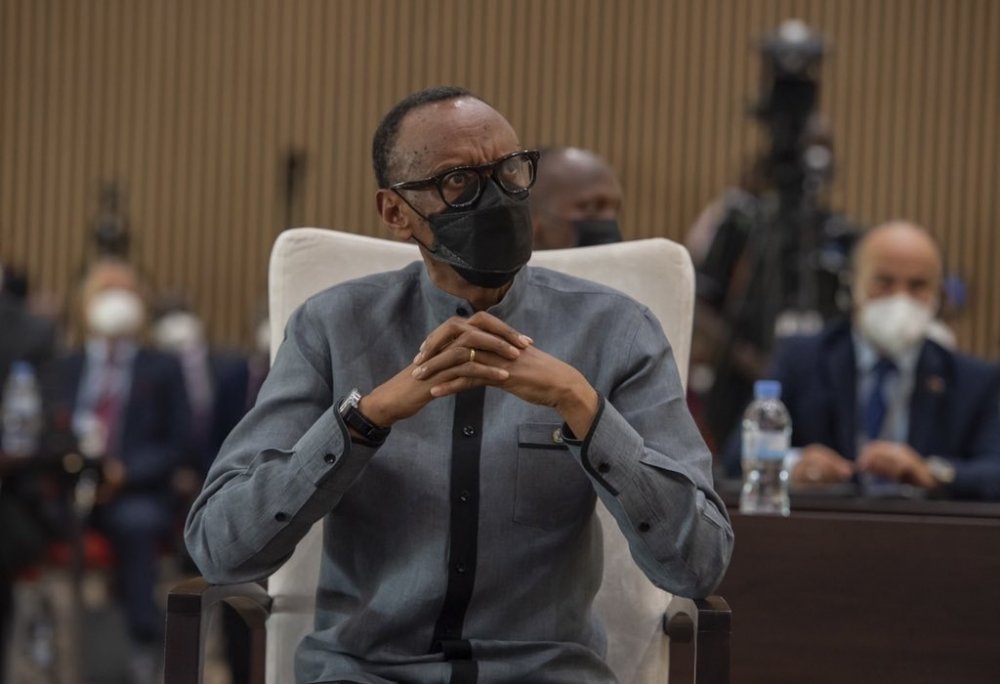
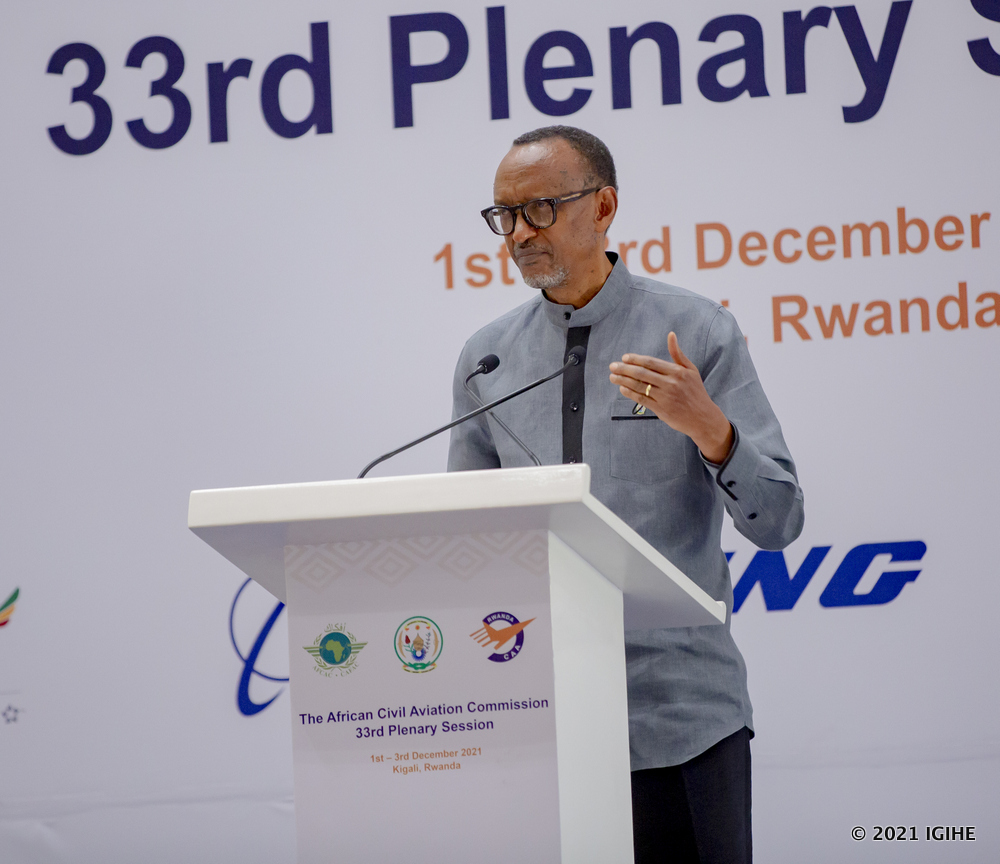
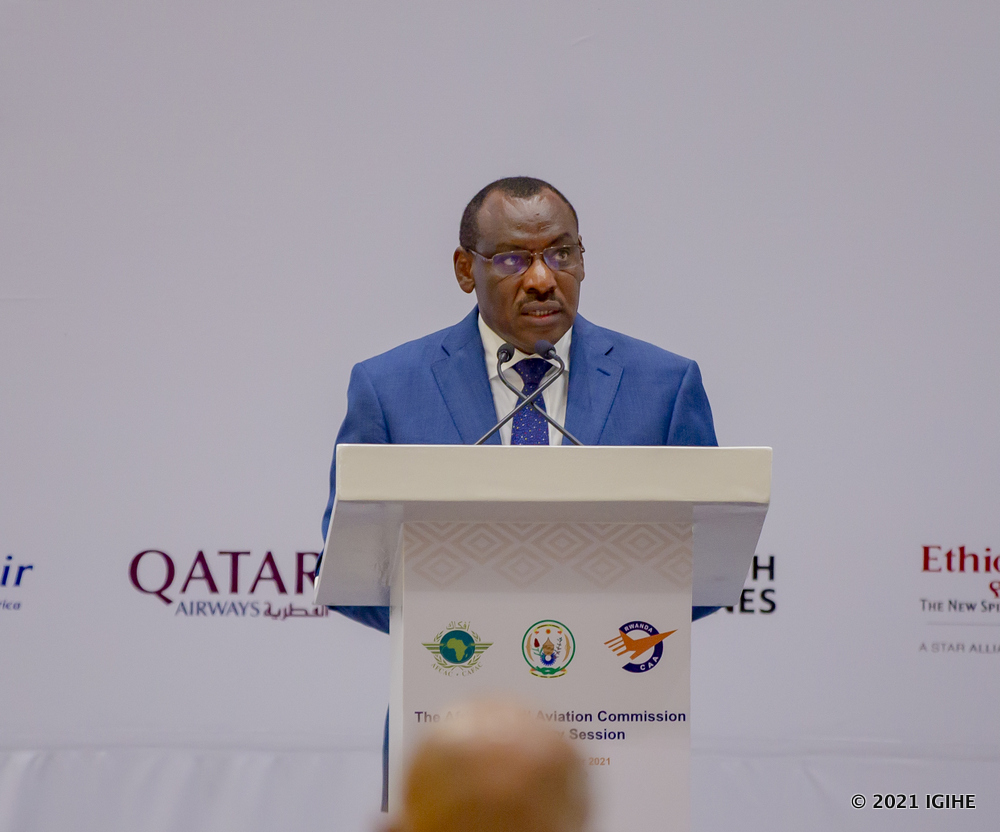
Kagame was speaking at the opening of the 33rd Plenary session of the African Civil Aviation Commission (AFCAC) taking place in Kigali, the capital of Rwanda.
“First, investment in Infrastructure is very critical. Rwanda’s aviation industry continues to see considerable growth particularly with the increase in capacity, of RwandAir and construction of the new International Airport,” he revealed.
The Head of State explained that these investments support connectivity within Africa, and complements Rwanda’s decision to remove visa requirements for fellow Africans.
Secondly, Kagame highlighted that affordability needs to be at the forefront of the continent’s strategy where ‘the aviation sector should not be over taxed and overburdened with charges compared to other sectors’.
The President also stressed the need to encourage citizens to travel within the continent and integrate digital processes to enhance safety.
“Lastly, innovation is key for sustainability. Digital processes should be adopted to manage travel health credentials. In the long run, this will minimize airport disruptions and increase confidence in safety. As we work towards fully opening our skies, the adoption of a dispute settlement mechanism should be a priority,” he stated.
Kagame emphasized that the aforementioned efforts will help create the impetus for more countries to liberalize their bilateral air service agreement.
Among others, the Head of State said that investing in people and creating the necessary skills to help them take advantage of the wide social and economic benefits that the market offers will be of great significance to sustain the gains already made.
AFCAC is a Specialized Agency of the African Union mandated to oversee matters related to aviation across Africa.
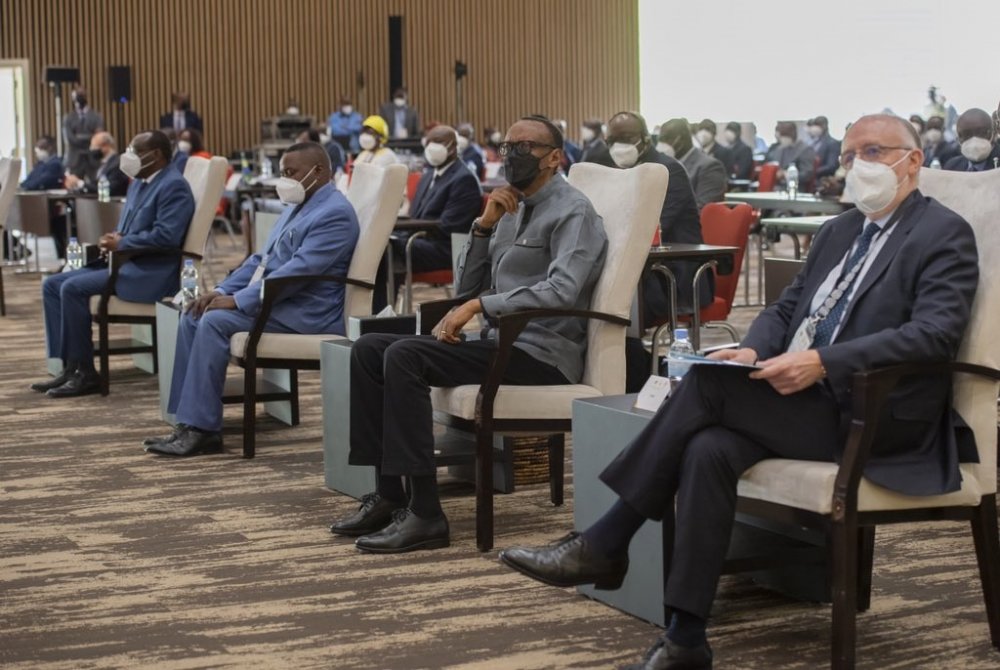
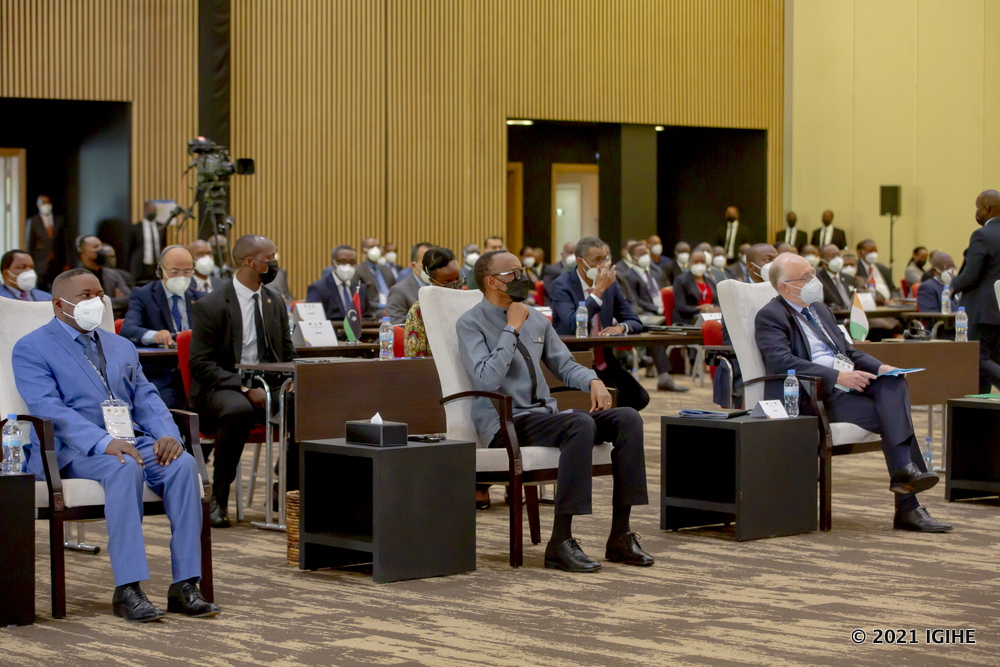
The meeting brought together different participants including the President of the African Civil Aviation Commission (AFCAC), Gabriel Lesa, President of the International Civil Aviation Organization (ICAO), Salvatore Sciacchitano and other delegates from the aviation sector.
AFCAC’s Ordinary Plenary sessions, held every three years, are attended by delegates from the 55 African Member States, the African Union Commission, State Ministers responsible for civil aviation, the International Civil Aviation Organization (ICAO), sister organizations such as the Arab Civil Aviation Organization (ACAO), the Latin American Civil Aviation Commission (LACAC) and other high ranking decision-makers in the global aviation industry. The last Plenary session was held in Lusaka in 2018.
Participants of the three-day meeting taking place in Kigali, are expected to deliberate and take decisions on crucial matters affecting the Commission and the African civil aviation industry, in the areas of safety, security, sustainable development of air transport in Africa, the Yamoussoukro Decision, and the Single African Air Transport Market.
Irere made the request on Friday 26th November 2021 as she visited the school.
Davis College (formerly known as Akilah) began operations in 2010 educating female students from vulnerable families.
So far, the school has graduated 1082 female students.
Davis College graduates students with diplomas in Hospitality and Tourism Management, Information Systems, and Business Management & Entrepreneurship.
In September 2020, Davis College launched another cohort for both male and female students which operates alongside the women only cohort.
Minister Irere thanked the school for promoting quality education and urged the management to scale up efforts to maintain excellence.
After touring the school and being taken through its unique academic systems, most especially in the areas of faculty support mechanisms and effective engagement with the industry players among others, Irere called on other higher learning institutions to borrow a leaf from what Davis College does.
“The program initiated to train lecturers is very much needed. Many schools only consider students and dedicate no special attention to lecturers. This is a secret to success that other schools should emulate,” she said.
Irere also requested the school’s management to increase the number of male students.
“The fact that you have started welcoming boys and girls is welcome because they raise each other. Building girls’ capacity is a good idea,but it is much better when they are together with their brothers,” she advised.
The President of Davis College, Paul Swaga has told igihe.com that the minister’s visit reflects how the government of Rwanda recognizes their efforts and contribution to the education sector noting that it gives his team motivation to continue advancing quality education.
He explained that the team is excited about enrolling male students to study with their sisters.
“We started enrolling male students last year, and we are engaging the parents of our potential students on the benefits of having their sons attend classes with their sisters from an environment which promotes gender equity.
It is important to note that the female students educated here will be favourably competing with their male counterparts at the labour market after graduation. That is why teaching both female and male students using our unique gender-responsive pedagogy is of great significance,” Swaga said.
The school’s management has revealed that students have been receiving support to continue their studies undisrupted during the COVID-19 pandemic.
The support includes provision of laptops and data stipends which facilitate online learning.
The institution offers the Competence Based Education model which puts emphasis on skills development. It also equips learners with English, leadership, digital literacy and career readiness skills which enable them to become competitive at the job market.
Kagame made the revelation at the opening of the 33rd Plenary session of the African Civil Aviation Commission taking place in Kigali, Rwanda.
The three-day meeting brought together different participants including the President of the African Civil Aviation Commission (AFCAC), Gabriel Lesa, President of the International Civil Aviation Organization (ICAO), Salvatore Sciacchitano and other delegates from the aviation sector.
AFCAC is a Specialized Agency of the African Union mandated to oversee matters related to aviation across Africa.
The aviation is among sectors seriously affected by COVID-19 pandemic where passenger revenue losses were estimated at US$10.2 billion in 2020.
The loss is projected to reach US$8.2 billion this year while the number of passengers declined by 67.7% from 95 million to 34.7 million in 2020.
Rwanda’s Minister of Infrastructure. Amb. Claver Gatete has said that Africa has booming tourism industry that needs support of the aviation sector.
He emphasized the situation requires significant support to the airline industry by Governments. The Minister pointed out Rwanda’s case where the country supported air transport recovery through the economic recovery fund and introduced COVID-19 screening robots at the airport to minimize physical contacts among others.
Amb. Gatete stressed the need to build infrastructures to enhance resilience to other COVID-19 variants and future pandemics.
President Kagame said that the COVID-19 pandemic has negatively impacted the aviation sector globally and continues to affect everyone.
He reminisced on the new COVID-19 variant dubbed Omicron noting that it has created confusion everywhere.
“One simple example is a recent variant of COVID-19, Omicron variant and the confusion it has really brought everywhere, including in the air transport. I am saying this because you have seen that South Africa was generous in sharing information of what they had just discovered of this variant. […] Of course, there is a reaction towards that. Airlines started suspending flights to the southern Africa. Out of our continent, passengers originating from there going towards different parts of the world were blocked,” Kagame said.
As the President highlighted, it was latter established that the variant had been detected out of the continent before.
On Tuesday, the Netherlands announced that it had detected the new Omicron variant eleven days ago evidencing that it emerged in Europe before South Africa.
Kagame stressed the need for better organization, better communication, and concerted effort to minimize effects of the pandemic and shed light on Rwanda’s decision to suspend flights to and from southern Africa.
Rwanda suspended flights to Cape Town and Johannesburg in South Africa, Harare in Zimbabwe and Lusaka in Zambia.
“When we learnt of this variant like any other country, we had to take immediate action. At least, we had to figure out what to do in response to that. That was already happening because of what actions, other people were taking,” he noted.
The Head of State revealed that RwandAir had to suspend flights to the southern African region of the continent.
“Even though, the information that everybody was operating on was that this variant was in southern Africa, we found it was somewhere else. In fact, I agree [with him]. I saw the President of South Africa, saying that the country was punished for being transparent and putting information out there of what they had discovered, but others who identified it had been quiet, and had discovered that before,” he said.
“In our case, Rwanda had to take measures internally, here in the country but naturally also to do with beyond our borders. And the simple reason was that for example the flights that come from, southern Africa, most of the passengers who come to Kigali don’t terminate their journey in Rwanda. The majority are going through to other destinations,” Kagame added.
The Head of State said that there could be huge losses, if RwandAir just went to southern Africa because it would be not bringing passengers given that they normally come through Rwanda to other destinations.
“We might be able to carry passengers to southern Africa, originating from here but on the way back, the flight would always be empty every time. So, it wouldn’t make economic sense. Probably, we would make a huge loss around that. One of the measures was to say; well, let us wait and see what happens across the world. Let us stop on flying to southern Africa,” he revealed.
The Commonwealth has played an important role in providing linkages and boosting trade within Member States. In its Charter, the Commonwealth acknowledges the uncertainty and changing dynamics of global trade and commerce. It is also alive to the essence of connectivity across regions and amongst factors of production as a driver of economic prosperity.
In line with this, the Commonwealth has identified five key areas of connectivity to drive this agenda namely; digital, physical, regulatory, supply side and business to business connectivity. It is estimated that by the year 2030, intra-Commonwealth trade will amount to USD 2 trillion. In this regard, the Commonwealth Heads of Government Meeting (CHOGM) launched the Commonwealth Connectivity Agenda for Trade and Investment in 2018.
The ever-evolving threats to peace and security, the urgency to address climate change and to press for realization of the Sustainable Development Goals (SDGs) are also at the top of the Commonwealth agenda. About 32 Member States of the Commonwealth are Small Island Nations to which climate change is an existential threat.
The challenges facing the Commonwealth call for solutions both immediate and anticipatory, to ensure today’s challenges are met while future threats are identified in time and strategies put in place to mitigate them. In this regard, the Commonwealth needs at its helm a dynamic and agile Secretary General to address the technical issues and leadership needs of the Commonwealth, all anchored on consensus.
Election of the Secretary General of the Commonwealth, who also serves as the Chief Executive Officer of the organization takes place during the Commonwealth Heads of Government Meeting (CHOGM). Due to the impact of the COVID-19 pandemic, CHOGM 2021 which was to take place in Kigali, Rwanda was postponed.
The COVID-19 pandemic which continues to unsettle the world, is also compounding other pressures the world is facing from the adverse effects of climate change, violent conflict, terrorism, economic disruptions, the quest to realize the SDGs and high-stake geostrategic competitions. Majority of these pressures already impact the Commonwealth family, directly and indirectly.
Kenya has been a steadfast member of the Commonwealth since independence in 1963. Kenya believes in the strength of the Commonwealth to address current challenges facing Member States as well as on its ability to forge ahead and shape the solutions based on emerging trends and the forecast on salient issues. Implementation of decisions based on the common aspirations of Member States and optimally delivering on the needs of its Member States (both present and future) remain central yardsticks of measuring the success and relevance of the Commonwealth.
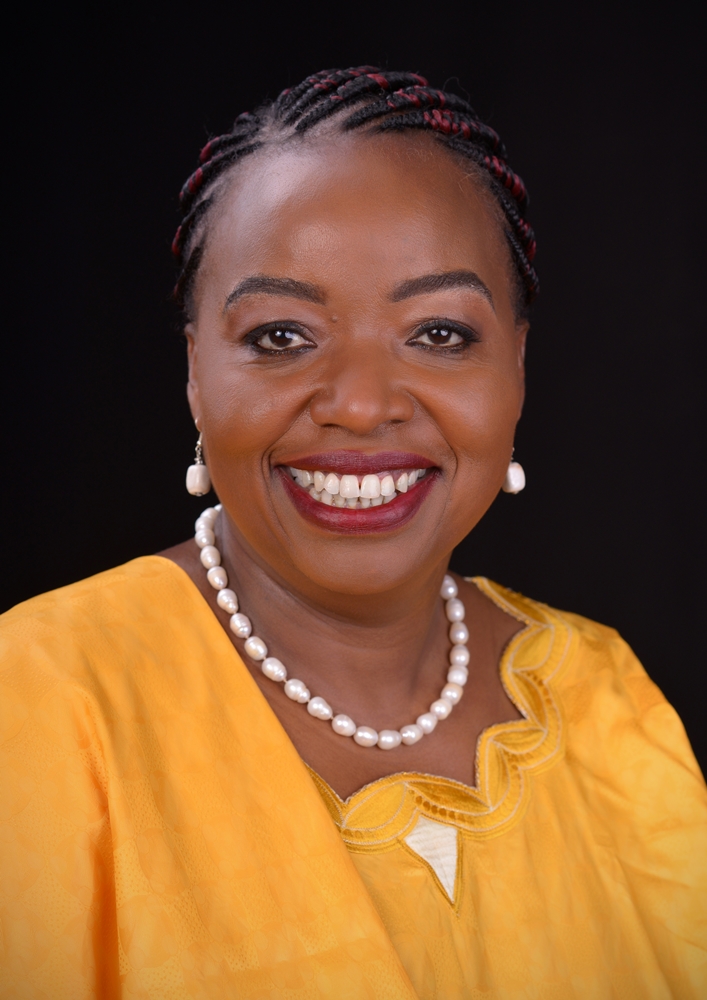
Kenya remains committed to multilateralism and ensuring that the Commonwealth realizes its immense potential for all its people. To this end, Kenya believes that the leadership of the Commonwealth Secretariat is crucial in delivering on the goals, priorities and aspirations of its Member States and has proffered the candidature of Amb. Dr Monica Juma for this role.
The choice of the candidate by Kenya is informed by the conviction that Dr. Juma’s visionary, transformative, agile and consensus-building approach speaks to the needs of the Commonwealth. Kenya also seeks to bring on board Dr. Juma’s vast diplomatic experience and expertise in key technical issues that also resonate with the core mandate and business of the Commonwealth.
Dr. Juma has served with distinction within the international and national civil service where she served as a distinguished Ambassador and Permanent Representative, Principal Secretary and Cabinet Secretary (Minister) in the Ministries of Foreign Affairs, Defence and currently the Ministry of Energy. Through her visionary leadership, Dr. Juma has steered a transformative agenda in the Ministries she has led. Dr. Juma is also a researcher and an academic. She has a track-record of excellence in strategic management, policy-making and analysis in international affairs, development, peace, security, governance and humanitarian affairs.
In the face of socio-economic and political effects of the COVID-19 pandemic and the quest for recovery, climate change challenges and the opportunities within the blue economy, emerging peace and security threats and the question of leveraging on the youth dividend around the world and specifically within the Commonwealth, it is imperative that the Commonwealth has a leadership that technically and institutionally addresses these pressing demands. And this fundamental duality is what Dr. Juma brings on board.
While the principality of these competencies cannot be overemphasized, Dr. Juma has underscored her clarion call to build consensus among Member States, which she notes as critical in addressing existing gaps, emerging challenges and harnessing available opportunities within the Commonwealth family.
Her rich diplomatic background, coupled with strong negotiation and advocacy skills on multilateralism will ensure a global perspective in addressing issues and in nurturing inclusivity in decision-making. Dr. Juma served as Ambassador Extra-Ordinary and Plenipotentiary of Kenya to Ethiopia and Djibouti, Permanent Representative of Kenya to the African Union (AU), the Inter-Governmental Authority on Development (IGAD) and the United Nations Economic Commission for Africa (UNECA) between 2010 and 2013.
In the pursuit of a more equal world, a world that addresses pressing issues urgently, a world that seeks to thrive on consensus-building and a world that embraces innovation to find solutions, there is no doubt that Dr. Monica Juma is fit-for-purpose to be the next Secretary General of the Commonwealth.
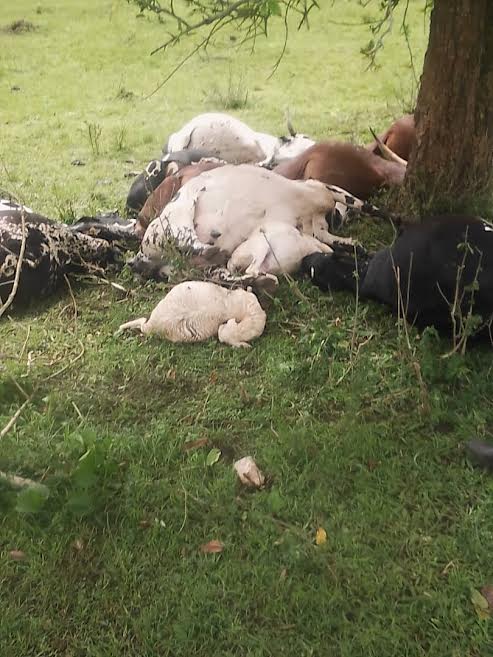
The executive secretary of Rwimiyaga sector, Sam Gatunge has told IGIHE that lightning struck dead these cows during heavy rain.
“Eleven of the cows struck dead belong to a resident identified as Sam Ruzindana. Two sheep were also struck dead. The incident happened as they sought shelter under a tree during heavy rain,” he said.
Apart from killed livestock, Gatunge explained that the rain did not cause more ravages.
He advised residents to avoid seeking shelters under trees and using electronics during rains.