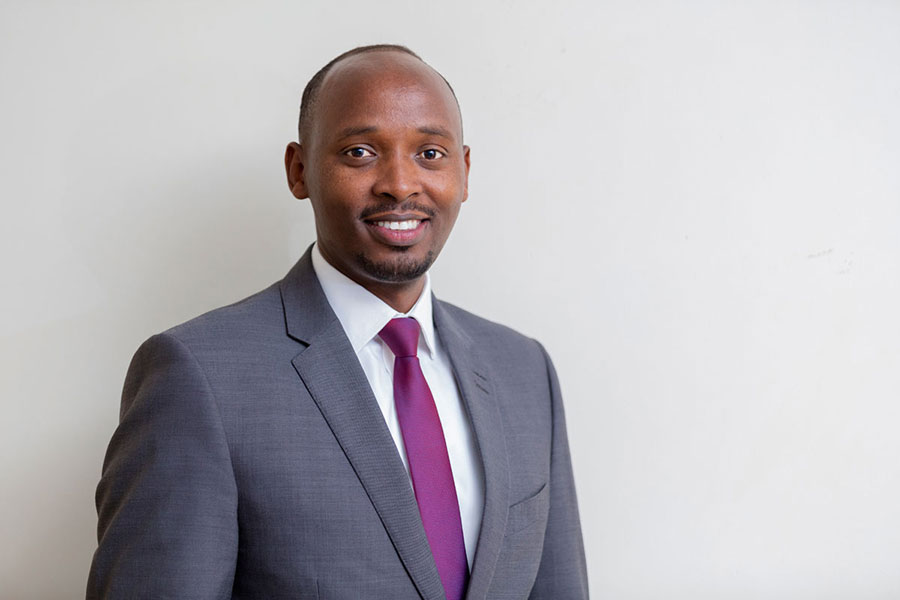
His suspension was announced through a communiqué released by the Office of Prime Minister on Tuesday 7th December 2021.
The communiqué reads that Dr. Nsanzimana was suspended due to ‘matters of accountability under investigation’.
Speaking to IGIHE, the Spokesperson of RIB, Dr. Thierry B. Murangira has confirmed to that investigation has started but declined to comment on alleged crimes lest it tampers with evidences.
Dr. Nsanzimana was appointed to the position in July 2019 replacing Dr. Jeanne Condo.
It is said that Dr. Nsanzimana is probed over crimes related to the management of the institution’s resources.
RBC is the nation’s central health implementation agency established in 2011 through a merger of fourteen key health institutions.
It is comprised of 13 divisions mandated to improve the health of the Rwandan population by providing high quality, affordable and sustainable health care services.
RBC conducts scientific research, provides diagnostics services, and implements innovative health interventions to protect the nation against diseases and other health threats.
Figures show that RBC spends annual budget of up to Rwf15 billion including funds raised from donors and other international organizations.
These include USAID, Global Fund, Clinton Foundation, Enabel, World Bank and UNICEF among others.
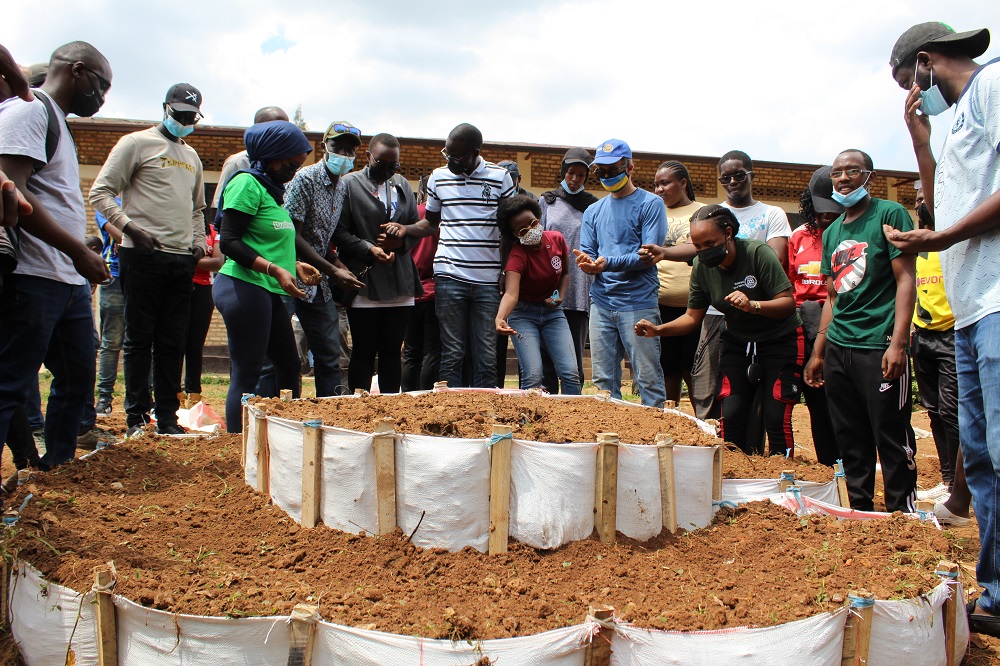
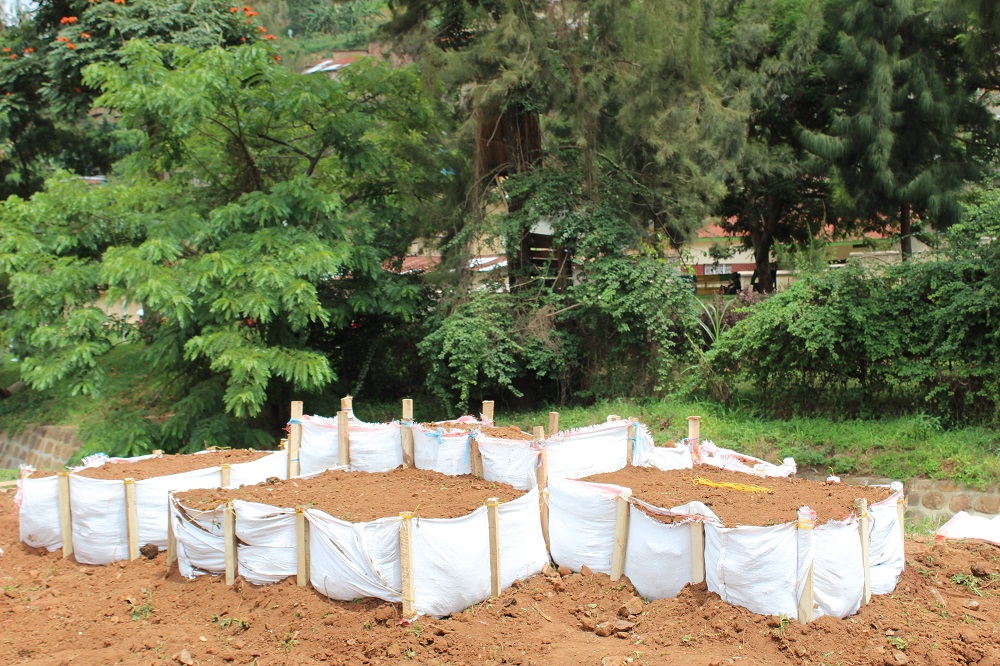
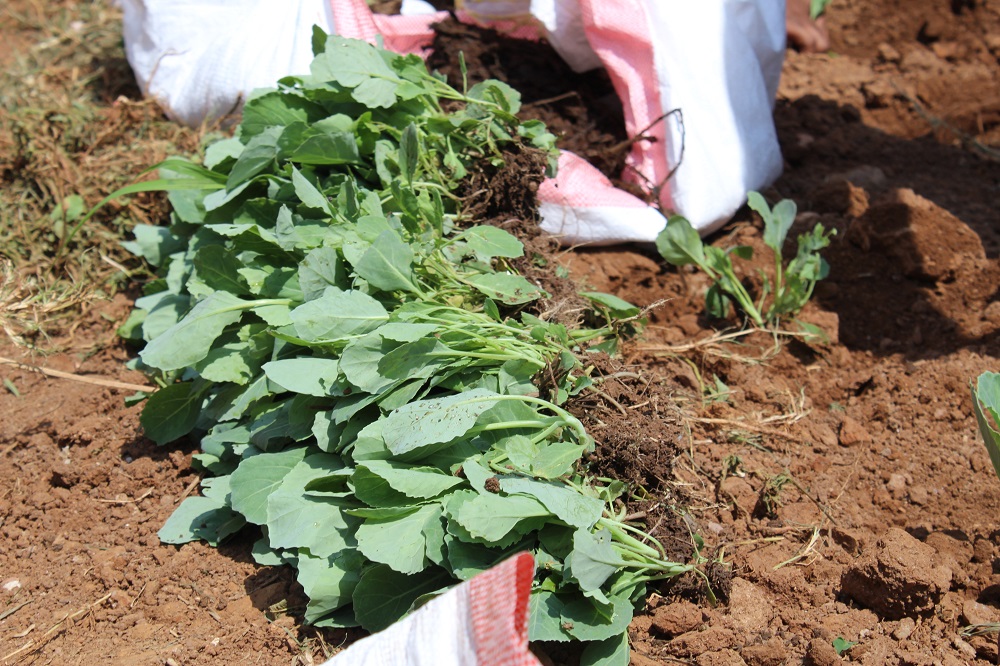
The call was made during the launch of the Community Kitchen Garden Project implemented by the Rotaract Club of KIE where three kitchen gardens at Groupe Scolaire Kimisagara were built on 4th December 2021.
The Executive Administrator of Nyarugenge district Ngabonziza Emmy requested parents and community health workers to remain proactive instead of dealing with effects of malnutrition.
“We have heavy responsibility to consolidate gains and prevent malnutrition or stunting among children. That is why building kitchen gardens is given much attention to feed children with balanced diet. Prevention is better than cure,” he said.
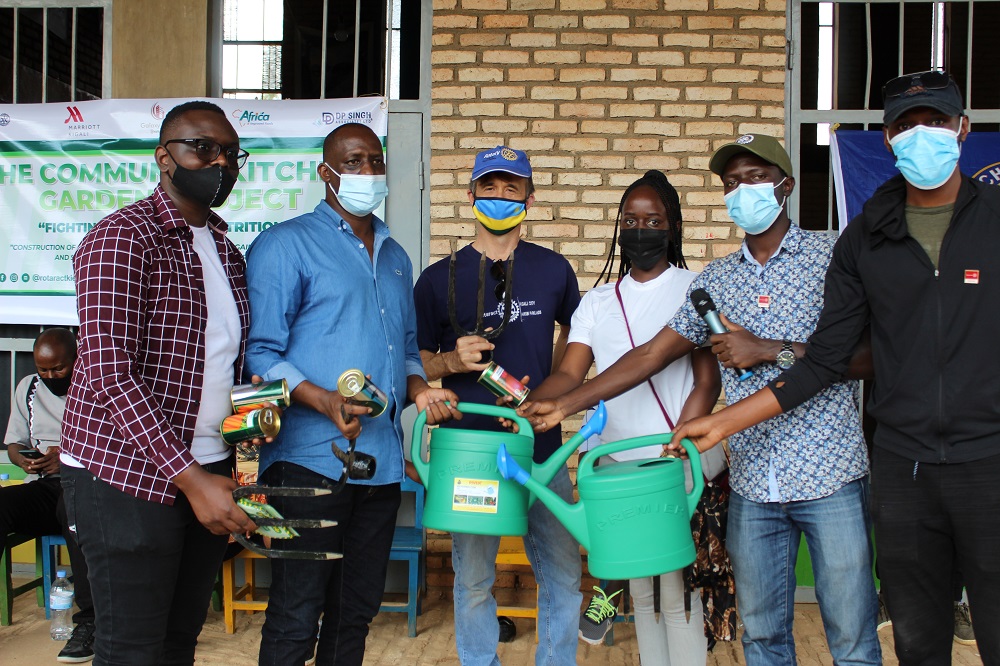
The Community Kitchen Garden Project was sponsored by Rotaract Club of KIE in partnership with the Marriott Hotel Kigali, Africa Improved Foods, DP Singh Associates Ltd, The Zipliner, Galaxy Hotel and implemented in partnership with Kimisagara sector, Rwanda Youth Volunteers in Community Policing in Kimisagara, CMS Cor-Unum.
Rotaract Club of KIE is the oldest among four Rotaract clubs working with seven Rotary Clubs in Rwanda.
Rotary club is an organization purposed to bring together businesses and professionals to provide humanitarian services and providing support in addressing problems facing the world by combating illiteracy and poverty, contributing to the provision of safe water, handling disputes and fighting disease.
It is classified into three categories including Interact Club made of children in the age bracket between 12 and 18, Rotaract Club brings together members from the university and youth in the age between 18 to 30 while people aged beyond 30 are classified in the category of Rotary Club.
Speaking the during the project launch, the President of Rotaract Club of KIE, Félix Mihigo highlighted that the exercise aligns with their mission to combat malnutrition.
“Malnutrition is still an issue of concern. Any interventions designed to prevent it is of critical significance. That is why we have built community kitchen gardens to support the cause,” he said.
Mihigo explained that the main objective of the project is to build 13 kitchen gardens in 13 villages of Katabaro cell, provide seeds and gardening tools for sustainable management of the gardens.
The US Ambassador to Rwanda and member of the Rotary club of Kigali Virunga, Peter Vrooman, also graced the event and acquainted those who were present with various thematic areas of the Rotary international.
Apart from the Kitchen gardens constructed, the club has handed over vegetable seeds, gardening tools for management of kitchen gardens and one ton of enriched porridge flour to the CMS Cor-Unum health Centre to help the children below 5 years old with malnutrition in Kimisagara.
Malnutrition is an issue of concern that needs special attention to be eradicated as the country continues moving forward to implement different programs improving citizens’ wellbeing.
Alphonsine Gakuru, one of parents who participated in the in the event pledged to make possible efforts to improve dietary intake, prevent malnutrition and its effects.
Community health workers who were present during the event also tipped parents on best techniques to prepare balanced diet without spending much money.
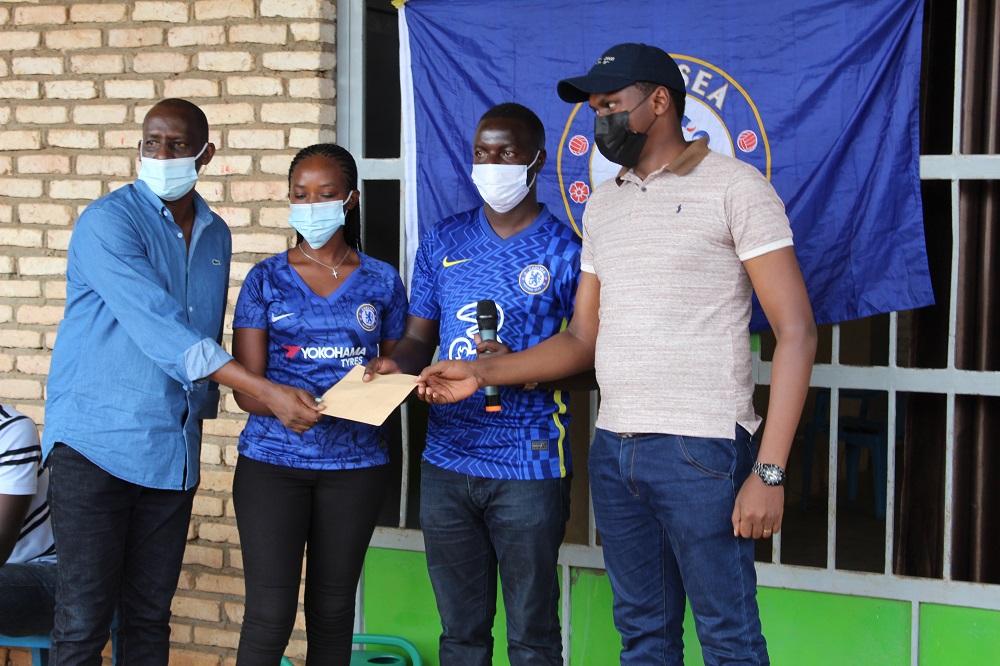
During the event, Chelsea FC fans who lent a hand in construction of the gardens also subscribed 180 residents for community based health insurance commonly known as Mutuelle de Santé.
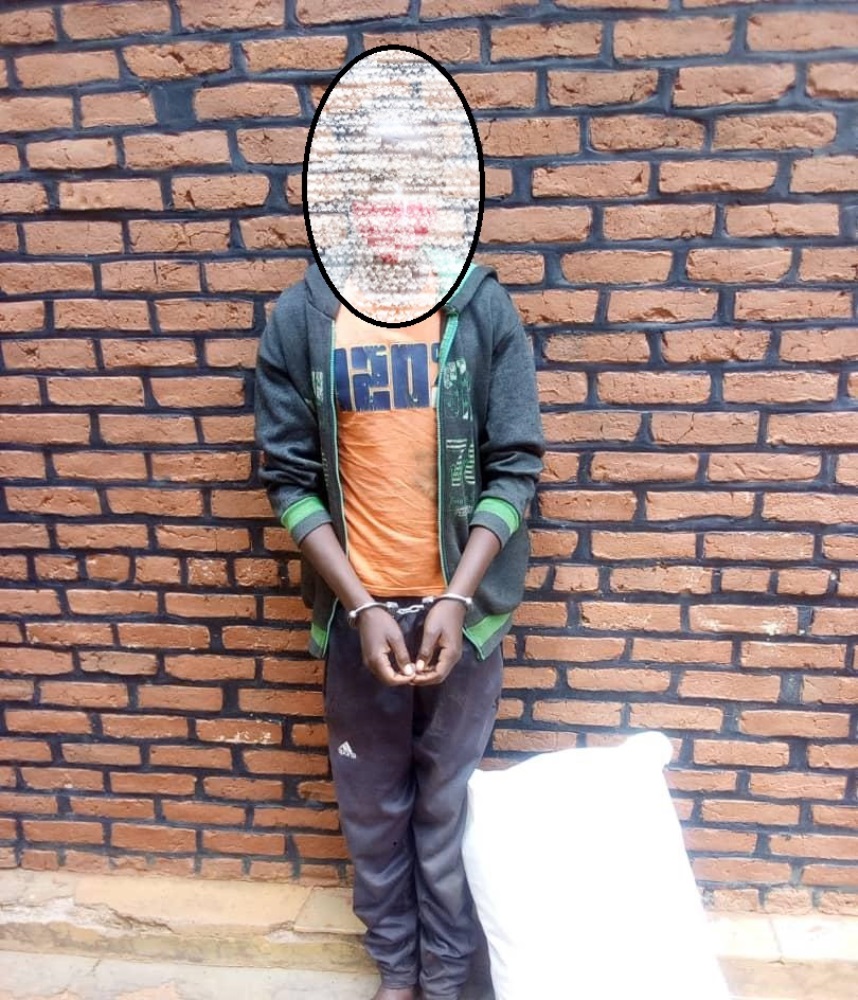
Chief Inspector of Police (CIP) Hamduni Twizeyimana, the Police spokesperson for the Eastern region, said that Nshimyumuremyi was arrested by the security patrol as he crossed into Rwanda through an illegal border point.
“Police officers, who were on patrol in Rwempasha Sector, stopped Nshimyumuremyi, who was carrying a luggage of 20, 000 pieces of banned plastic bags,” CIP Twizeyimana said.
CIP Twizeyimana warned against illegal border crossing and selling of outlawed products in particular polythene bags, which were banned in Rwanda due to their ill-effects on the environment.
He further urged the public to report people, who traffic, sell and package goods in the outlawed polythene bags.
Nshimyumuremyi along with the plastic bags was handed over to RIB at Rwempasha station for further legal process.
Manufacturing, use, importation or sale of plastic carry bags and single-use plastic items are prohibited under article 3 of law N° 17/2019 of 10/08/2019 relating to the prohibition of manufacturing, importation, use, and sale of plastic carry bags and single-use plastic items in Rwanda.
In article 10, any person, who imports plastic carry bags and single-use plastic items is liable to the dispossession of those plastic carry bags and such items, and to an administrative fine equivalent to ten times the value of those plastic carry bags and single-use plastic items.
In article 11, a wholesaler of plastic carry bags and single use plastic items is liable to an administrative fine of Rwf700, 000 and dispossession of those plastic carry bags and such items.
In article 12, a retailer of plastic carry bags and single-use plastic items is liable to an administrative fine of Rwf300, 000 and dispossession of those plastic carry bags and such items.
To ensure these good behaviours and practices among the children, Rwanda National Police (RNP) has started fire safety education programme for pupils to improve their safety knowledge and skills.
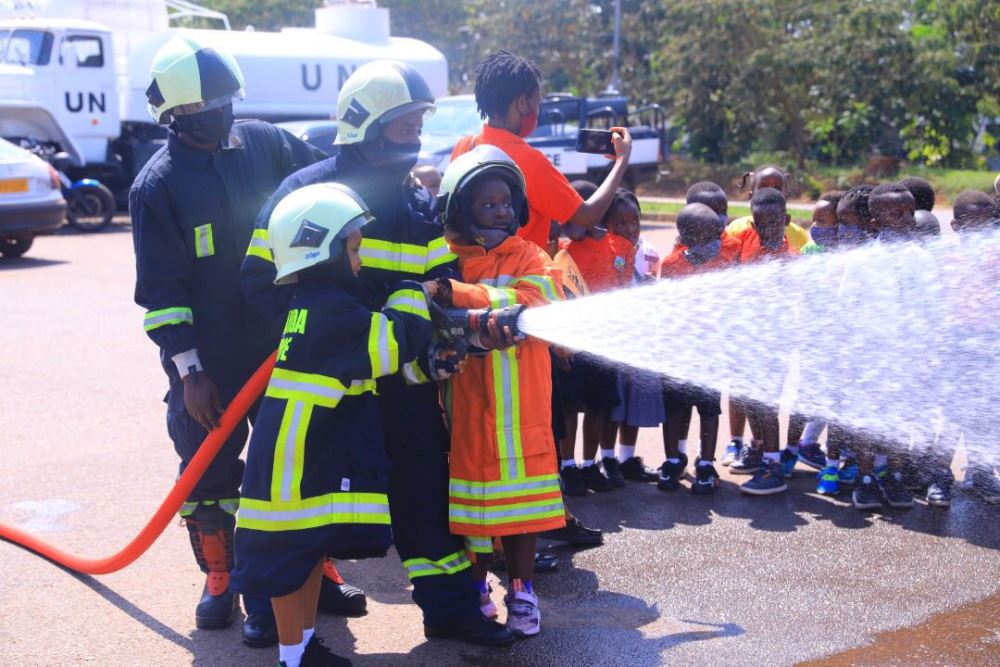
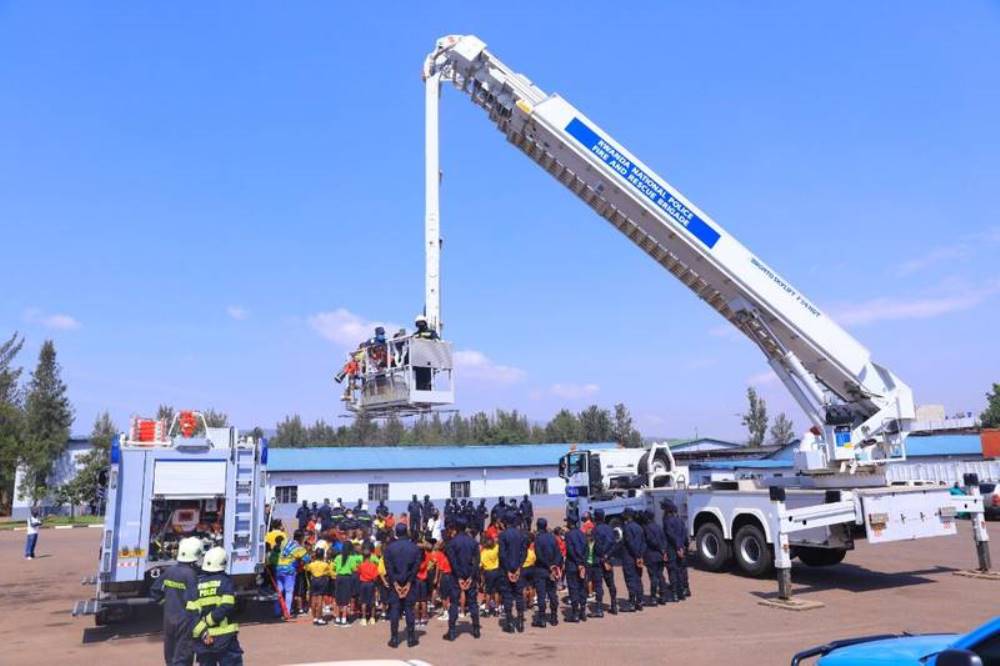
On Tuesday, December 7, the RNP Fire and Rescue Brigade (FRB) extended fire safety education to about 150 pupils of Path to Success International School (PTS) located in Kigarama Sector, Kicukiro District.
The outreach is part of the RNP programme to equip different institutions and groups of people in Rwanda with basic knowledge and skills against fire emergencies.
The Commanding officer for Fire and Rescue Brigade, Assistant Commissioner of Police (ACP) Paul Gatambira said that young children were trained on the causes of fire and the prevention mechanisms.
“Children are often curious and are inspired to manipulate separate materials and devices including those which can cause fire outbreak. It is, therefore, important to educate them on how to safely use these electric appliances such as cables, power plugs and sockets, wall switch and liquidified cooking gas,” ACP Gatambira said.
At the RNP General Headquarters in Kacyiru, the pupils were showed different firefighting equipment that RNP uses in emergency circumstances including the crane, fire trucks to rescue people trapped in buildings, underground and to extinguish the fire.
“Training children at such a young age is planning for the future of the country in all aspects of security. Such children will keep in mind what they learnt and will practice them but also teach their generation,” said ACP Gatambira.
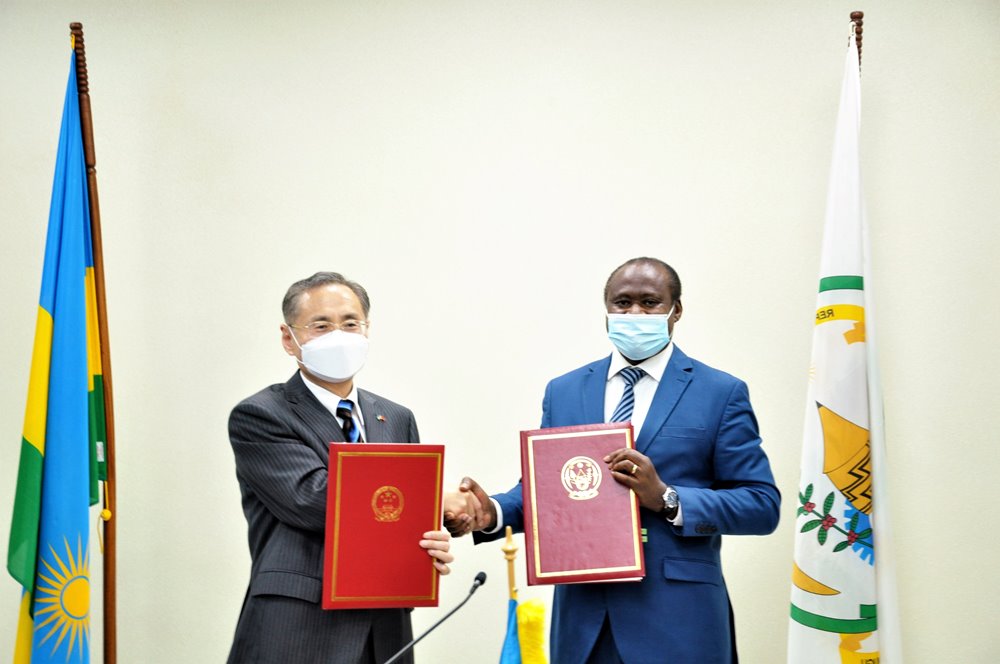
This agreement will play an instrumental role in promoting bilateral trade and investment between both countries, by removing the burden of double taxation on investors from both countries
“This agreement marks an important milestone in our quest to position Rwanda as a financial hub. Rwanda is in process on increasing its DTAA network to attract investment to Rwanda and from Rwanda to the region and beyond,” Dr. Uzziel Ndagijimana, the Minister of Finance and Economic Planning said.
“The signing of the agreement and its affiliated protocol will effectively reduce the tax burden of taxpayers investing in any either country and further facilitate bilateral economic and trade cooperation and personnel exchange. It will also make a good beginning of the countries’ future cooperation in different fields including improving the capability of tax administration, strengthening the prevention system of tax evasion and avoidance, safeguarding bilateral tax interests and the international tax order,” Rao Hongwei, the Chinese Ambassador to Rwanda said.
“Rwanda and China have a half a century long-standing relationship that extends across multiple disciplines. The DTAA signing today marks another important step towards further strengthening this relationship to better support the expansion of Chinese businesses through Kigali International Financial Centre (KIFC),” Nick Barigye, CEO of Rwanda Finance Limited said.
Key factors that led Rwanda to conclude the DTAA with the Peoples Republic of China include but not limited to, large numbers of investors coming from China, the robust cross border trade, growing appetite for Rwandans to invest in China, sound tax system and good economic relationship between the two countries.
Currently, more than twelve (12) DTAAs have been signed and several others are under negotiation. The Government’s target is to conclude more DTAAs in FY2021/22 in a bid to widen the DTAA network and improve the ease of doing business in Rwanda.
The existing DTAAs already in place have shown a big impact in terms of boosting the inflow of investment and trade from treaty partners. There is a pattern in terms of investors origins and countries that Rwanda has already secured a DTAA with. For instance, there has been a rise in numbers of investors coming from Turkey, Qatar, UAE, Mauritius, Morocco, South Africa, and Singapore which already have DTTA agreement with Rwanda.
His suspension has been announced through a Communiqué released by Office of the Prime Minister on Tuesday 7th December 2021.
“Dr. Sabin Nsanzimana has been suspended from the position of Director General of Rwanda Biomedical Center owing to matters of accountability under investigation,” reads the statement in part.
Dr. Nsanzimana had been appointed to the position in July 2019 replacing Dr. Condo Jeannine.
Dr. Nsanzimana has extensive experience in HIV program design, strategic planning, implementation, and operational research with a focus on global care and treatment of people living with HIV.
He holds a Medical Degree (MD) and a Master’s Degree in Clinical Epidemiology from the National University of Rwanda; a PhD in Epidemiology from Swiss Tropical and Public Health Institute,University of Basel, Switzerland.
Dr. Nsanzimana also served as Assistant Professor of Global Health at the University of Global Health Equity (UGHE) and taught Epidemiology and Research Methodology at the University of Rwanda among others.
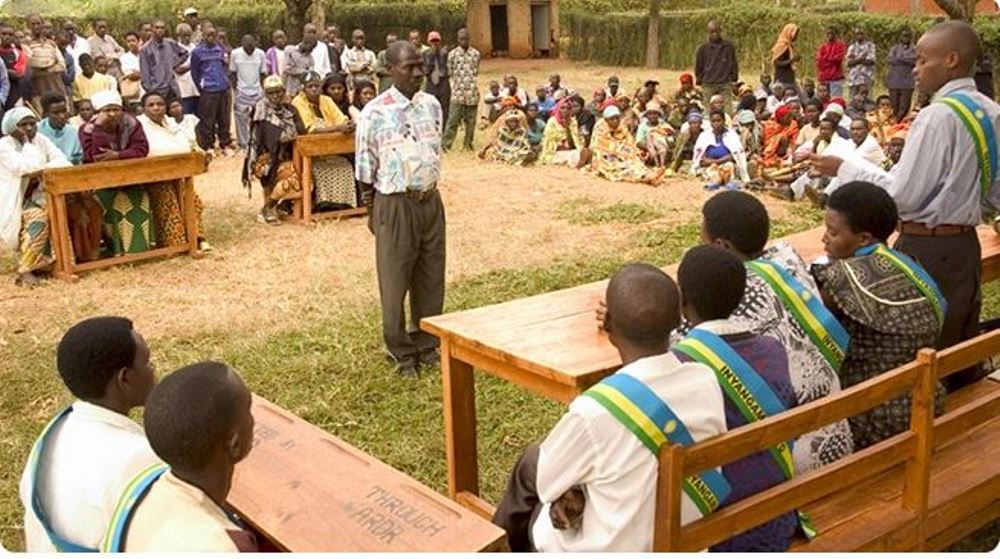
Following the 1994 Genocide against Tutsi, Rwanda turned to the semi-traditional justice system to help clear a backlog of Genocide related cases.
The Government launched Gacaca in 2002 expedite reconciliatory and restorative justice as well as establish the whole truth about the Genocide.
The courts were closed in 2012 after settling nearly 2 million cases including 1,266,632 related to properties looted during the Genocide.
The Ministry of Justice had planned to get these cases finalized in 2010 but over 52,000 were still pending in 2019.
Challenges that hindered timely finalization of the cases include financial constraints where some culprits failed to pay or reconcile with offended Genocide survivors.
Finalizing property-related court cases is normally exercised by professional court bailiffs from the Association of Independent Professional Court Bailiffs in Rwanda operating under the auspice of the Ministry of Justice or non-professional court bailiffs including cell, sector and district executive secretaries.
The President of the Association of Professional Court Bailiffs, Lawyer Valerien Munyaneza has said that the need to leave the execution of these judgments under the power of local leaders was discussed during recent discussions with the Ministry of Justice.
“We had suggested that local leaders be granted the power to exercise the duties because they do not demand the fees charged by court bailiffs,” Munyaneza revealed during an interactive session between members of the judiciary and press on Monday 6th December 2021.
A professional court bailiff receives fees not less than Rwf300,000 as per legal provisions yet some culprits defeated in Gacaca court cases cannot afford Rwf100,000.
{{Hindrances}}
Recently, the Government enacted a Ministerial Order stipulating that the enforcement orders and documents relating to their execution must be published in electronic system of execution of enforcement orders.
However, there is a cost behind the electronic system where the order stipulates that the document related to the execution of enforcement order must be announced through radio advertisement or have it published by online media house.
“Sometimes, the winner of a court case is required to cater for that cost to be refunded later. It has been observed that court cases with possibility of being finalized swiftly are the ones involving huge amount of money to be recovered where they can be handled by professional court bailiffs using the technology,” Munyaneza observed.
“Because it is not the primary job of local leaders, such issues are not handled with urgency while some of them might not be familiar with the electronic system. These are major challenges behind delayed completion of such court cases,” he added.
Munyaneza explained that the unique approach used to try suspects in Gacaca courts was also applied in related execution.
“We would bring citizens together under a unique approach where a culprit owing Rwf100,000 to the offended person, can till his/her land at least 20 times, provide a cow or goat for us to resolve that the case is closed,” he noted.
“However, there are no slots where these arrangements can be recorded in the electronic system to decide on finalization of a court case. We had suggested that such cases be executed in a unique way that does not require the technology,” Munyaneza added.
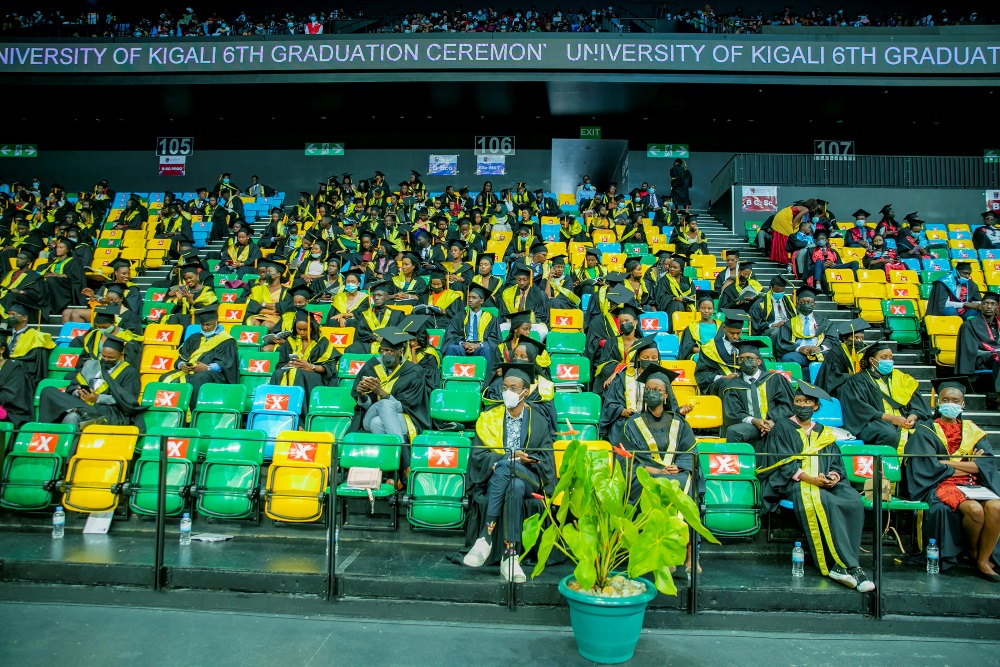
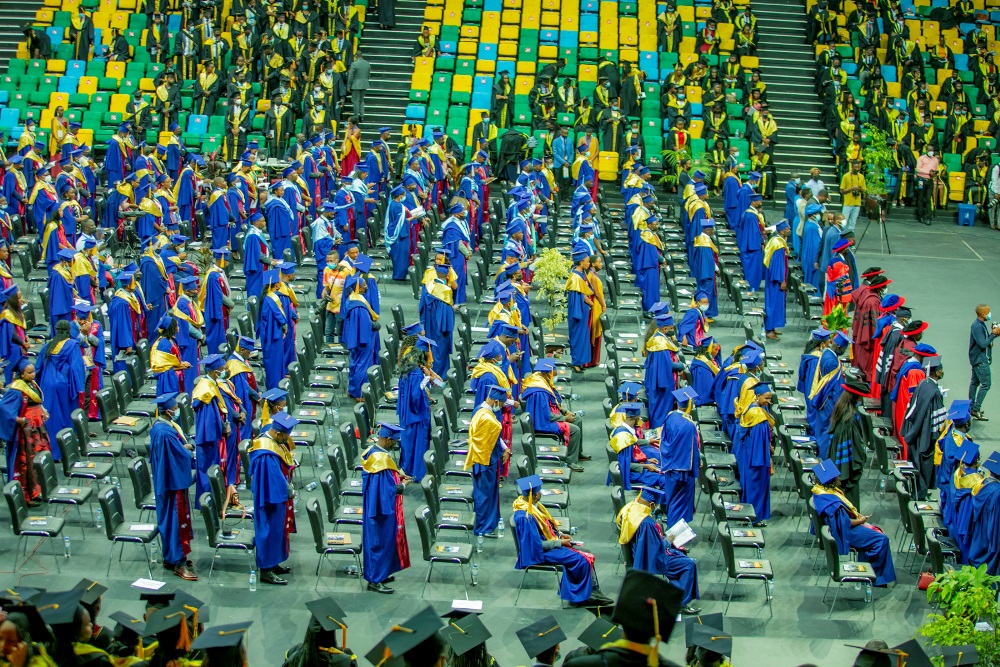
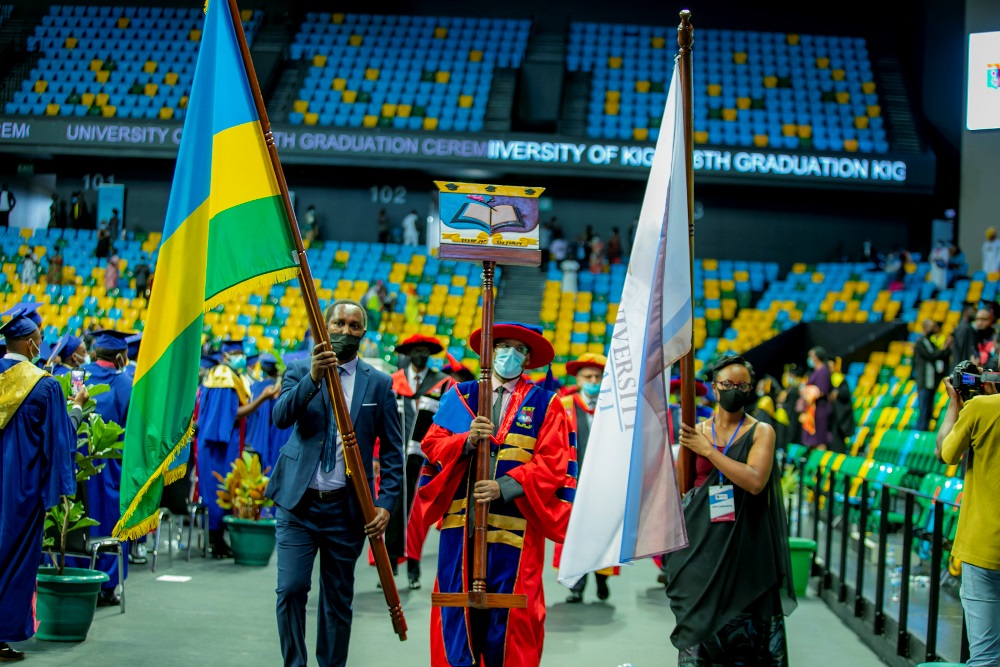
The ceremony, which took place at Kigali Arena in Gasabo District started with an academic procession including Dr. Carlos Fernando – the Chancellor, the Vice Chancellor ,members of the Board of Promoters, Deputy Vice Chancellors, Deans and other invited guests.
UoK’s Chancellor, Dr. Carlos Fernando Sotz, congratulated the 2021 graduating class adding that “all the successful graduates are a true testimony of UoK’s success and demonstrate the university’s continuous contribution to skills development in Rwanda and across the globe”.
With the main campus located in Kacyiru, next to the plush Kigali Heights, about 3 Kilometers from Kigali City Centre, UoK is a fully-accredited university chartered by the Government of Rwanda.
Following the recent graduation ceremony, the university has opened admissions for the next academic intake 2022 and encourages students not to miss the opportunity to study at one of the leading private higher learning institutions in Rwanda.
UoK with fully-accredited university chartered by the Government of the Republic of Rwanda.
{{Here Are 5 reasons why you must apply to study at UoK in 2022:}}
{{1.World-class Schools, Centres & Academies}}
UoK has 7 world-class and well-equipped schools, 3 centres and 2 academies which use effective as well as globally-acclaimed resources to deliver excellent academic services to students in diverse fields of study.
{{These are:}}
• School of Business and Management
• School of Computing and Information Technology
• School of Education
• School of Law
• School of Professional and Executive Programmes
• Center for Modern Languages (CML)
{{2. Industry-relevant and Globally-recognized Academic Programmes }}
At UoK, you have the opportunity to choose from a plethora of industry-relevant and globally-recognized academic programmes ranging from Undergraduate Degrees, Postgraduate Degrees, Professional and Executive Certificates as well as Postgraduate Diplomas in the fields of Marketing, Accounting, Finance, Economics, Law, Procurement & Supply Chain, Computer Science, IT, Business Administration, Early Childhood Education, CPA (Rwanda), CPA (Kenya), ACCA, CIPS, CIA, IPSAS, etc.
{{3. Experienced Multi-cultural Human Resource}}
UoK has a multicultural and experienced academic and non-academic staff. Currently, our programme modules are taught by 9 professors and 32 PhD holders in various disciplines, with exposure from different parts of the world and vast experience in both industry practice and academia.
{{4. International Partnerships}}
UoK believes in diversity, creation and dissemination of critical knowledge embedded in the wealth and potential of the region and the world. Consequently, we have partnered with reputable universities and Institutions from Kenya, Uganda, India, South Africa, Germany, Italy, Canada, UK, Poland, Ghana among others to give students and staff international exchange opportunities. Some of our exchange programmes are in Kenya, AIESEC, Erasmus, Erasmus+ and Germany through the support of the European Union.
{{5. Massive International Student Population}}
As a university of choice for international students with a drive towards internationalization and excellence, UoK has an international office which is solely responsible for the welfare of international students from the time of entry till they graduate. Currently, we have students from Angola, Nigeria, Gabon, Ivory Coast, Ethiopia, Sierra Leone, Malawi, China, Turkey, Burundi, Uganda, Kenya, Democratic Republic of Congo, India, Chad, etc.
{{Testimonials from some of our 2021 Graduates}}
1.Grace Ntihemuka, who graduated with a bachelor’s degree in marketing told The New Times that she is grateful for the opportunity to study at UoK, adding that though it was a long and tough journey since she enrolled in 2018, the journey has been worthwhile and she’s well equipped to face the corporate world.
“I am very happy about my experience at UoK and encourage prospective students who are out there looking for a better university to enroll at UoK because they have everything and the university is full of opportunities.
2. Another master’s degree graduate, Evariste Manishimwe said that he is thankful for the university’s support during the peak of the COVID-19 pandemic, adding that they provided and still provide the best teaching experience to students.
“I enrolled for my master’s programme in 2019, unfortunately, the following year, COVID-19 struck but the university helped us a lot and now we are celebrating our success though the pandemic is not yet over,” he said.
He added that the UoK was his first choice at the time he wanted to upgrade his education and he strongly encourages others to enroll at UoK because it is among the top universities with qualified lectures as well as programmes fit for local, international and global labor.
UoK is welcoming new students as registration is ongoing for 2022 January, May and October intakes. Apply now and be well-equipped to seize the future!
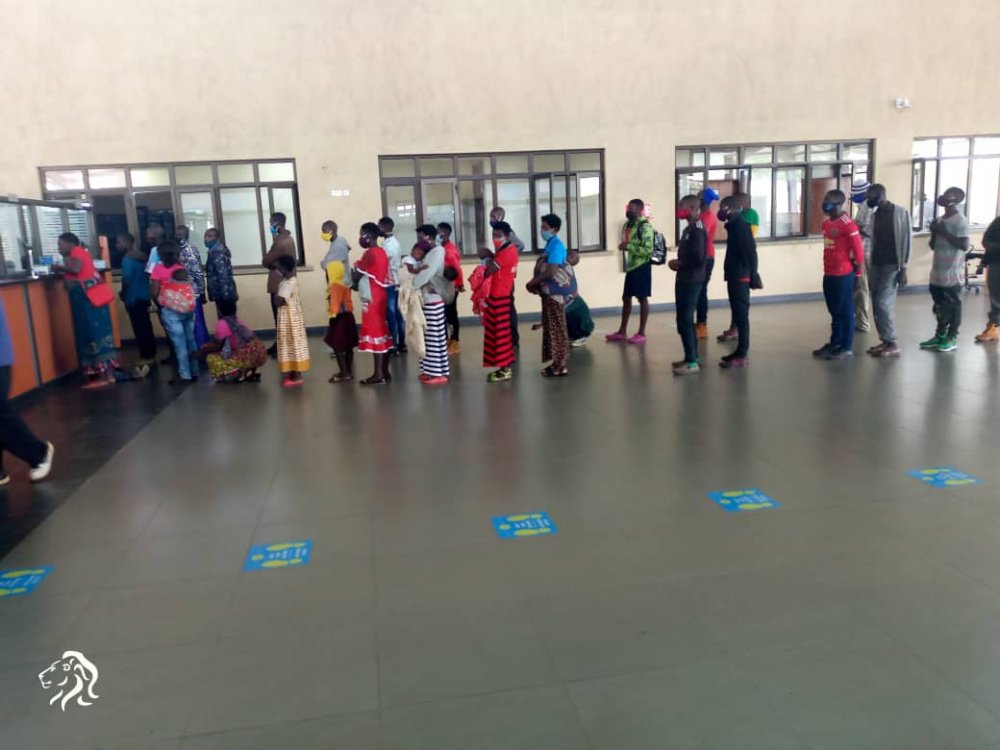
Upon arrival on Monday 6th December 2021, the deportees including 19 men, 6 women and 10 children narrated their ordeal where they endured torture in Uganda’s detention facilities accused of being spies. As they explained, some of their colleagues were killed.
It is said that espionage allegations are often raised against Rwandans after declining to join RNC terror group founded by Kayumba Nyamwasa.
On 29th November 2021, Uganda evicted more eight Rwandans after spending days in its detention facilities without consular access.
The recent deportation follows series of circumstances under which Uganda has been expelling Rwandans after enduring torture in its detention facilities accusing them of being spies yet they had traveled to the country to run businesses or visit relatives among other reasons.
In the past few months, Uganda handed over bodies of two Rwandans killed in the country.
The deceased include Theoneste Dusabimana, 52, hailing from Rubaya sector and Paul Bangirana, 47, from Kaniga sector. They were respectively killed on 30th August and 1st September 2021.
Rwanda, Uganda relations worsened since 2017. Rwanda has been expressing concerns over Rwandans who travel to Uganda for business purposes but are abducted, imprisoned and tortured accused of being spies.
Rwanda also accuses Uganda of hosting dissidents posing threat to national security.
In March 2019, the Government of Rwanda officially advised citizens not to travel to Uganda for their security following testimonies of over 1000 Rwandans tortured and deported from Uganda.
In August 2019, President Yoweri Museveni of Uganda and his Rwandan counterpart, Paul Kagame signed memorandum of understanding ‘Luanda Agreement’ in a bid to solve conflicts between both countries.
Despite efforts to sign the agreement between both heads of state witnessed by mediators including the President of Angola, Joao Lourenço and Felix Tshisekedi of the Democratic Republic of Congo (DRC), the situation is still worsening as Uganda continues with arbitrary detention of Rwandans who are subjected to torture in its facilities.
It is said that the duo had saved Rwf500,000 which they planned to increase to buy a plot of land and build own house.
As they got in heated arguments, Murebe left their home with all the money. During interrogation, Kanyamibare explained that taking away the money angered him and started plans to kill his wife.
He is detained at Nyarugunga RIB Post as investigation awaiting his dossier to be transferred to the Prosecution.
If convicted, he is liable to life imprisonment as stipulated in the article 107 of the Law No68/2018 of 30/08/2018 determining offences and penalties.
RIB has appealed on the general public to shun disputes or seek assistance from relevant authorities to prevent similar incidents.
Local leaders have been also urged to identify and report families with strained relations or engulfed in disputes to receive support on time.