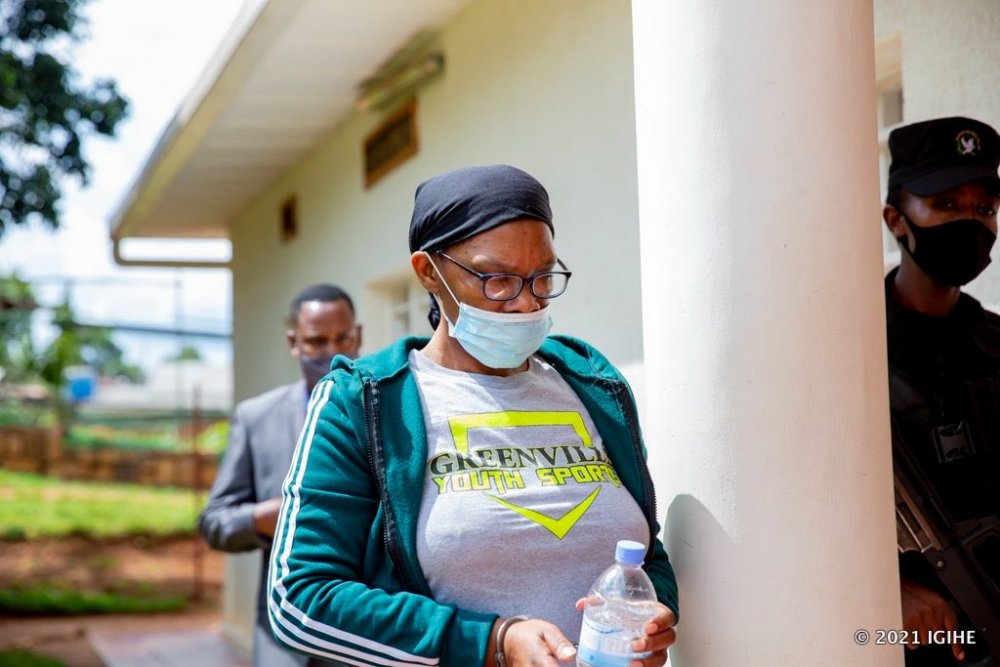
The trial was scheduled to take place virtually on Thursday 9th December 2021.
The court’s registrar has told IGIHE that the trial has been postponed to 6th January 2022 because assigned judges have left for training.
Munyenyezi had filed a request to be tried in-person which was expected to be reviewed today.
She is facing seven charges linked to her role in Genocide and crimes against humanity.
These include manslaughter as Genocide crime, preparation of Genocide, direct or indirect mobilization to perpetrate Genocide, conspiracy during Genocide, extermination as a crime against humanity and conspiracy to commit rape.
Munyenyezi was deported to Rwanda from the United States on 16th April 2021 and appeared before court towards the end of same month.
Her trial is postponed shortly after rejecting two defense lawyers including Gatera Gashabana and Pierre Célestin Buhuru.
IGIHE has learnt that lawyer Bruce Bikotwa is the current lead defense lawyer of Munyenyezi.
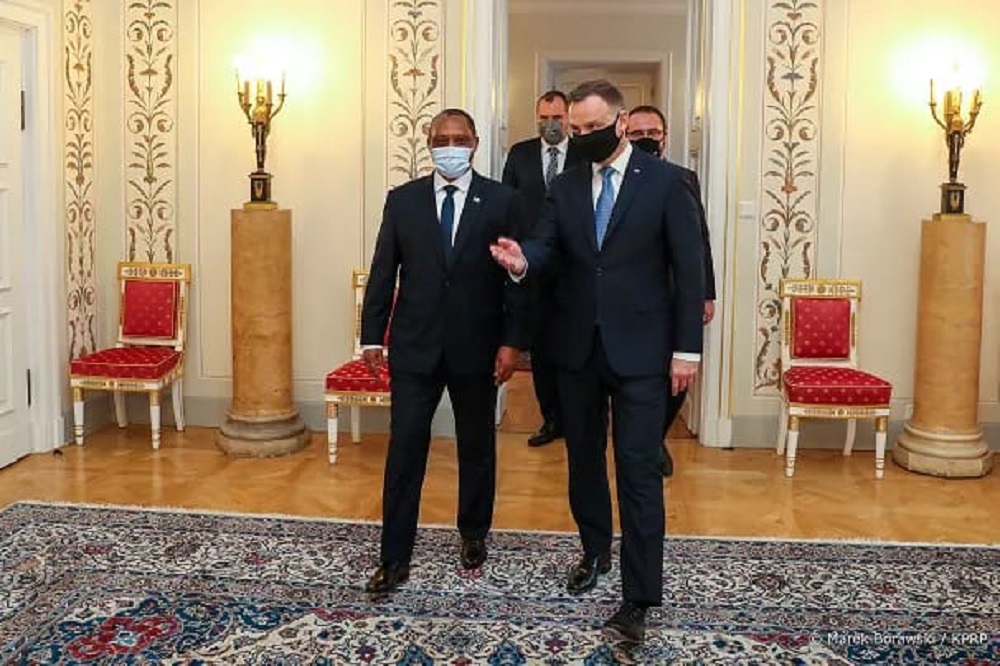
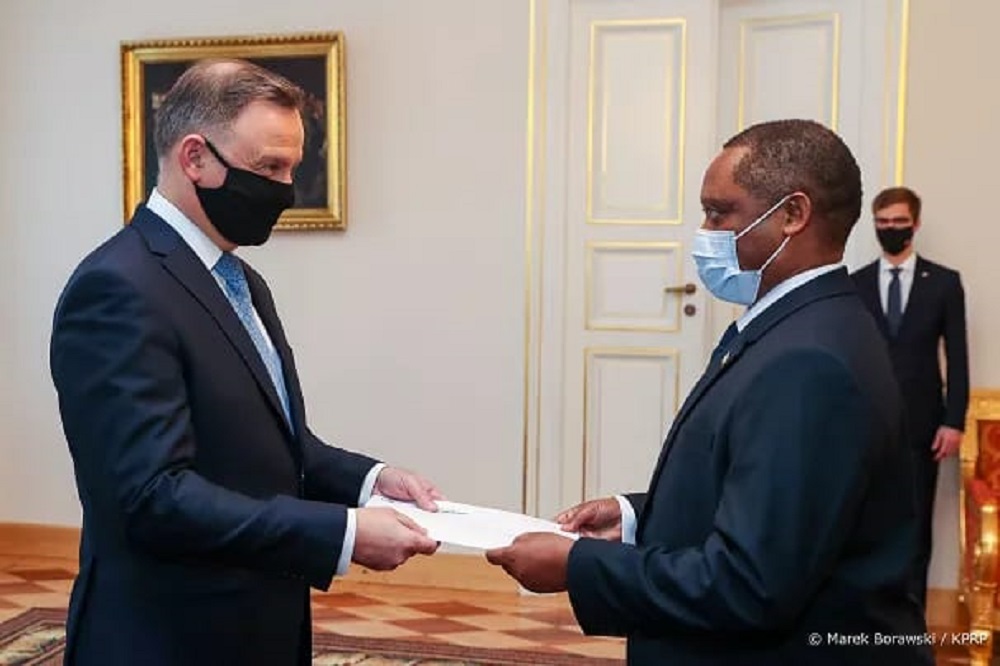
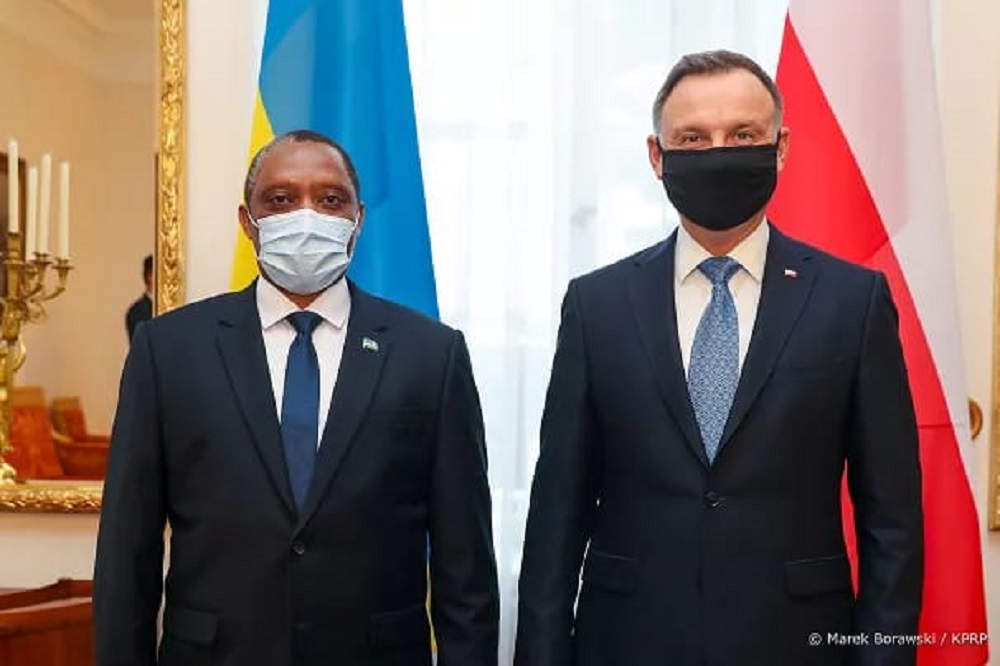
Duda made the appreciation on 7th December 2021 as he hosted Ambassador Prof. Anastase Shyaka who presented credentials to represent Rwanda in the country.
After stopping the 1994 Genocide against Tutsi, RPA Inkotanyi soldiers installed non-divisive leadership promoting unity, reconciliation, and inclusive development among Rwandans under the championship of President Paul Kagame.
Rwanda experienced serious economic collapse but has today become a resilient country with impressive transformations in various aspects of life that it is seen as a role model for many countries.
The country has been also enhancing foreign policy with the opening of new diplomatic missions.
Prof. Shyaka was named ambassador to Poland in June 2021 becoming the first envoy representing Rwanda to the country.
Speaking to IGIHE, Prof. Shyaka revealed that he also held discussions with the President of Poland who commended his counterpart of Rwanda for willingness to enhance relations through the opening of embassy in the country.
Duda reiterated his country’s commitment to promote cooperation between both countries.
“He said that the day was a historic occasion and thanked President of the Republic of Rwanda for opening embassy in the country. He expressed willingness to maintain collaboration to enhance bilateral ties and cooperation,” Prof. Shyaka revealed.
Rwanda’s ambassador to Poland also underscored that it is of great significance to have embassy in the country which accommodates a large number of Rwandans involved in various businesses.
“I thank President of the Republic for trust bestowed upon me to represent him to the country. They expressed willingness to stand with Rwanda and commended the country’s remarkable progress and governance,” he said.
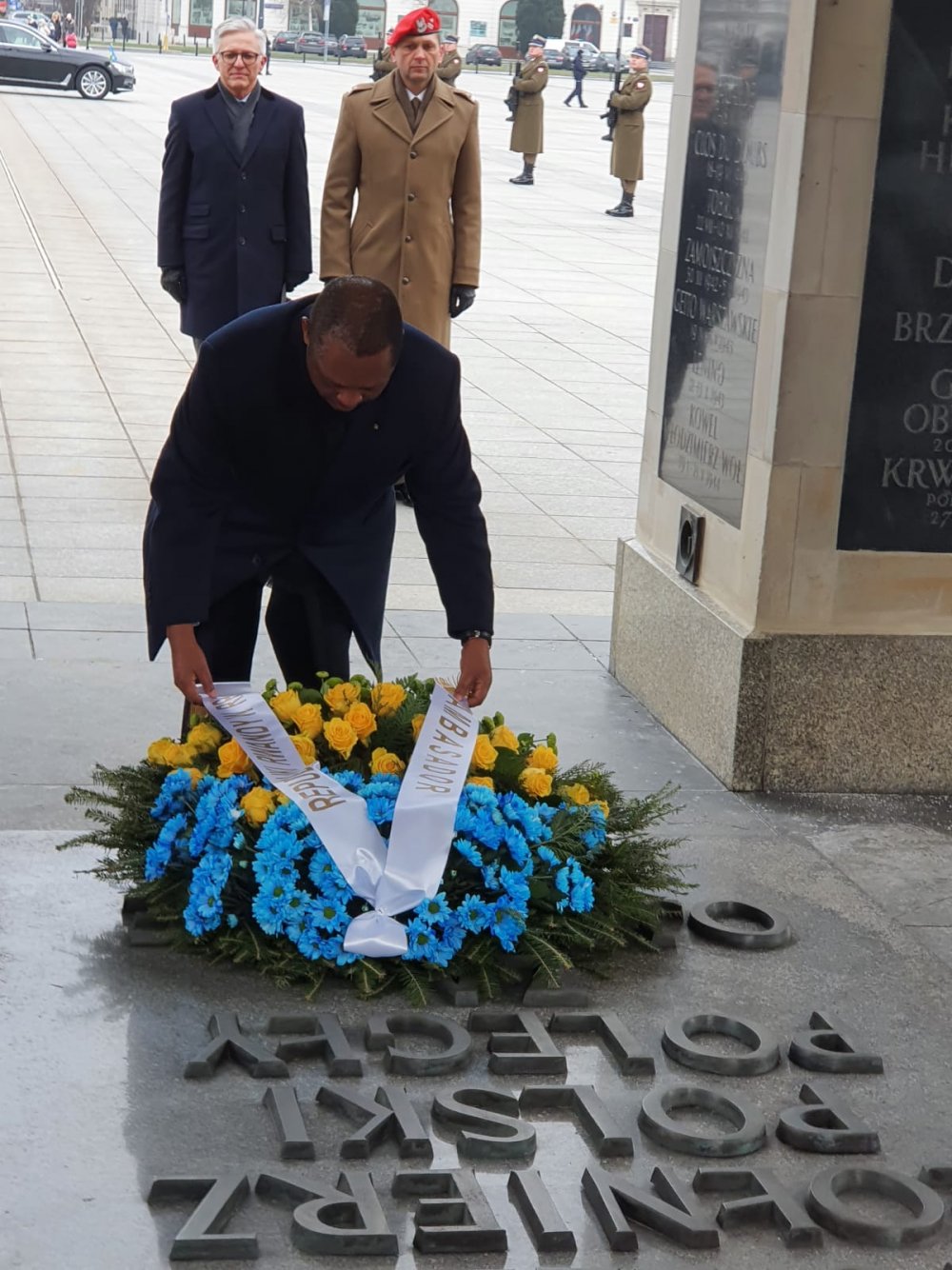
The event was followed by the laying of wreath to the grave of unknown soldier at Piłsudski Square.
The latter is an enormous square in central Warsaw, best known as the home of the Tomb of the Unknown Soldier. This square is home to several noteworthy monuments related to Polish history and celebrating military heroics.
It was known as Adolf Hitler Platz under Nazi occupation and later as Victory Square under the Communist rule. Today, the square is named for Jozef Piłsudski, who helped lead Poland to independence in 1918.
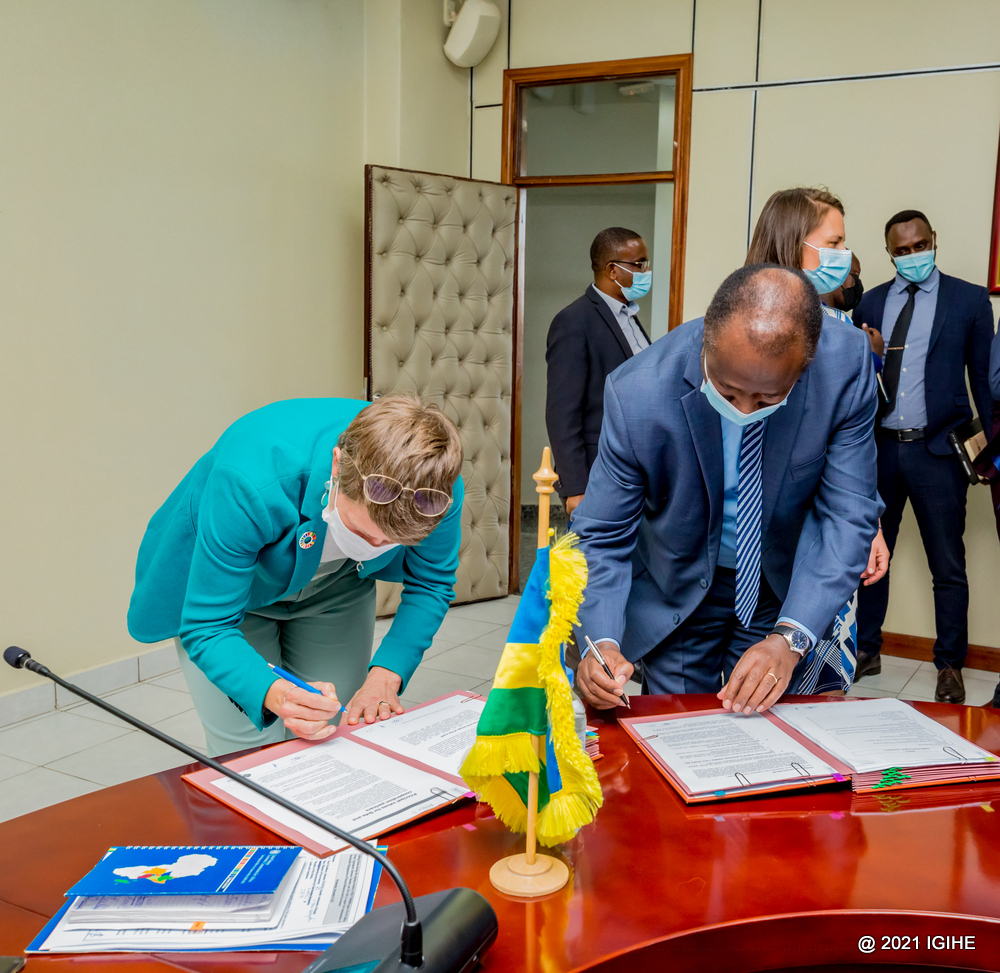
The agreement was signed on Wednesday 8th December 2021 between the Minister of Finance and Economic Planning, Dr. Uzziel Ndagijimana and the Ambassador of Sweden in Rwanda, Johanna Teague on behalf of both countries.
It will support a project aimed at reducing vulnerability to climate change through community-based biodiversity restoration and conservation.
The project, known as COMBIO, is a joint effort led by the Ministry of Environment with implementation support from the Rwanda Forestry Authority, the International Union for the Conservation of Nature (IUCN) and Enabel, the Belgian Development Agency, institutions that implement the Transforming Eastern Province Through Adaptation (TREPA) Project to build synergy impact.
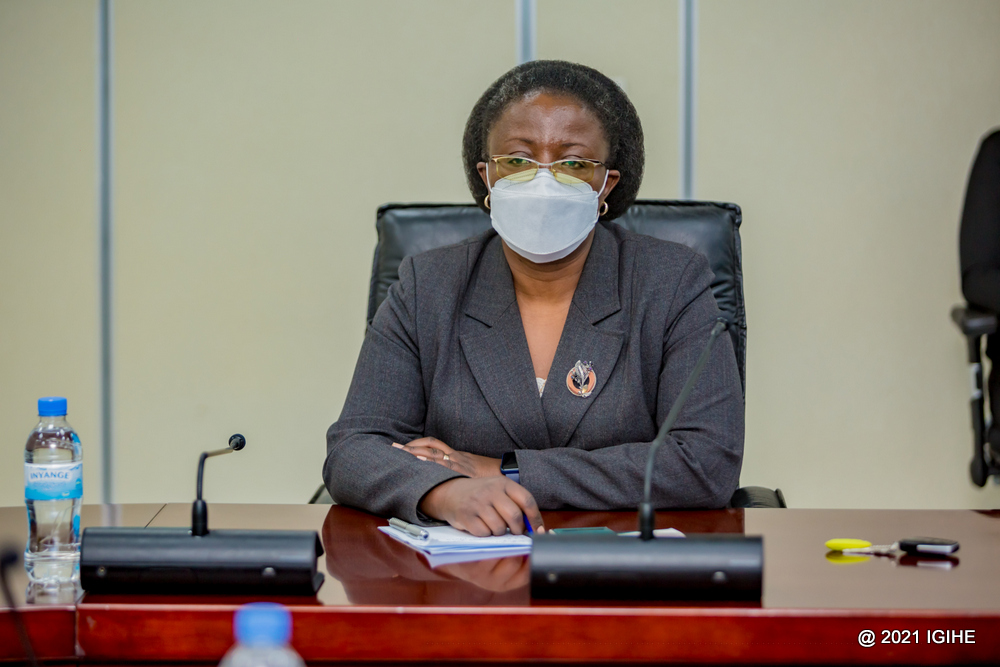
Commenting on the development, Rwanda’s Minister of Environment, Jeanne d’Arc Mujawamariya highlighted that the country can only achieve its Vision 2050 goal of being carbon neutral and climate resilient if communities have the knowledge, skills and tools to adapt to a changing climate.
She revealed that this new initiative will not only restore and promote biodiversity in Rwanda’s Eastern Province, but also provide incentives for farmers to be part of the solution by harnessing the power of nature.
“We are grateful for the support of Swedish government and other partners, and look forward to working with communities in areas of intervention impacted by climate change such as droughts, to make the project a success,” Dr. Mujawamariya said.
The project aims to restore and sustain the biodiversity in protected natural forests and establish new biodiversity sanctuaries.
It will also integrate diverse native species into productive crop lands and forests to enhance ecosystem’s biodiversity.
The project is also expected to support farmer’s to develop viable nature-based value chains and enterprises, and establish community-based payment for ecosystem services to reward farmers for promoting biodiversity and native species on their lands.
The unique and innovative initiative will also mainstream biodiversity conservation in institutional and community development strategies, programmes and action plans.
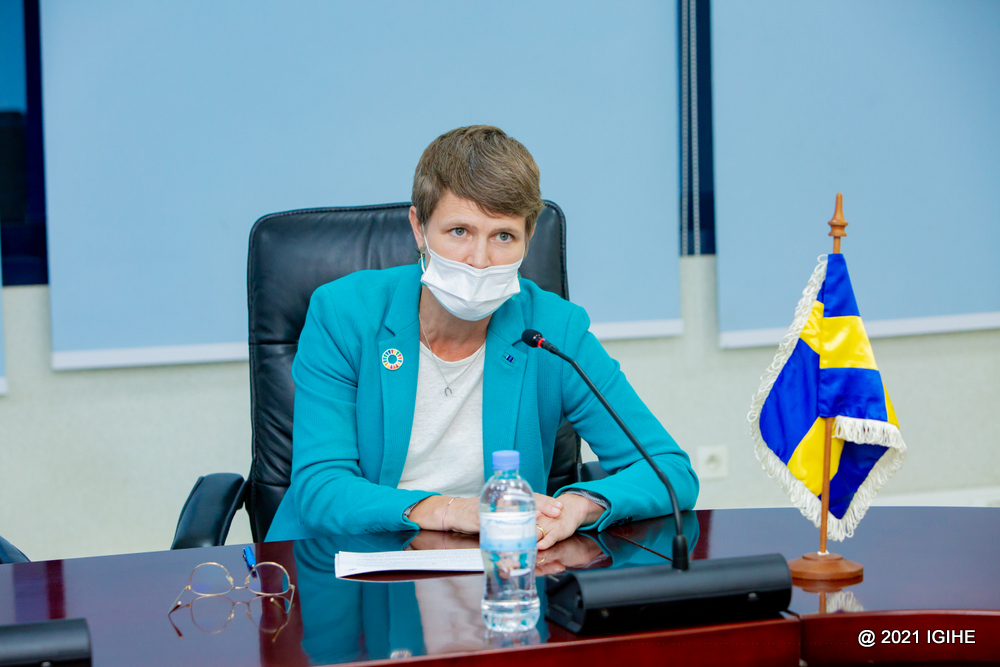
“This collaboration has high potential with its focus on biodiversity and climate change. I am pleased to enter unchartered terrain with key partners, not least to explore long term financing solutions for biodiversity and strengthening of livelihoods of local communities together. The initiative builds on a local knowledge base and aims to benefit people living in the Eastern Province, and set standards on national level,” said the Ambassador of Sweden to Rwanda, Johanna Teague
The 8,723,277.90 Euros project include 10.8% of co-finance by the implementing partner.
The project will be implemented in the districts of Kayonza, Nyagatare, Gatsibo, Kirehe, Ngoma, Bugesera and Rwamagana of whole Eastern Province. The project will be implemented for six years from December 2021 to December 2027.
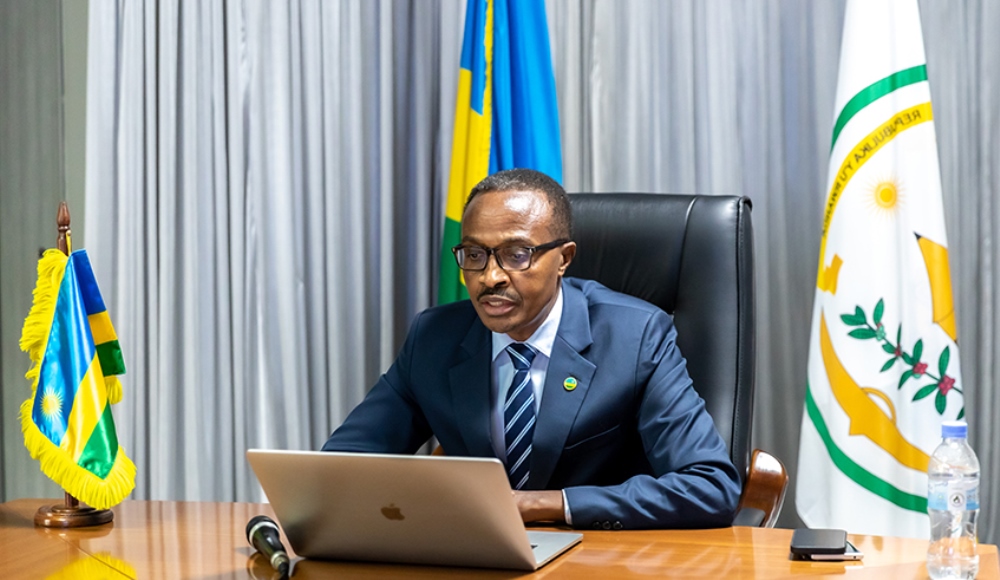
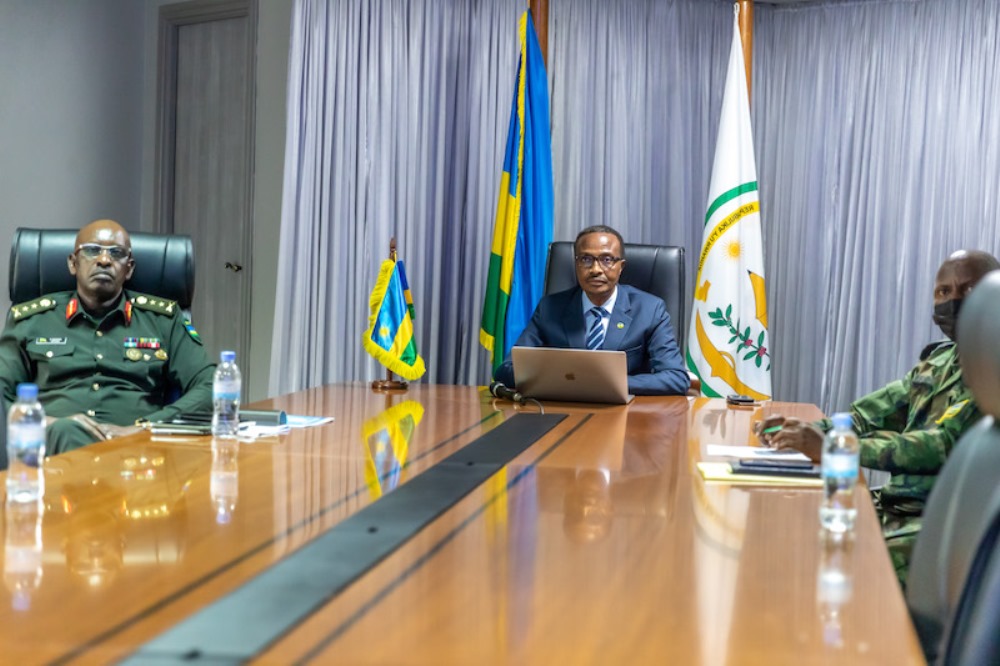
In his key note address, Maj Gen Murasira said hat Rwanda continues to bring innovations to peacekeeping including Kigali Principles on Protection of Civilians that have been adopted by 55 member states.
The Kigali principles is perceived a positive initiative to enhance commitment and accountability of troops and Police contributing countries with regards to “Protection of Civilians “.
Minister Murasira further reiterated Rwanda’s commitment to international peace and stability and to enhance the new initiative for digital and medical capabilities in peacekeeping missions.
“I cannot end my remarks without reiterating Rwanda’s commitment to Women, Peace and Security agenda. Rwanda continues its journey to increase the participation of women in peacekeeping missions and also to assign them command and leadership responsibilities and hope to meet the UN target in the near future,” he noted.
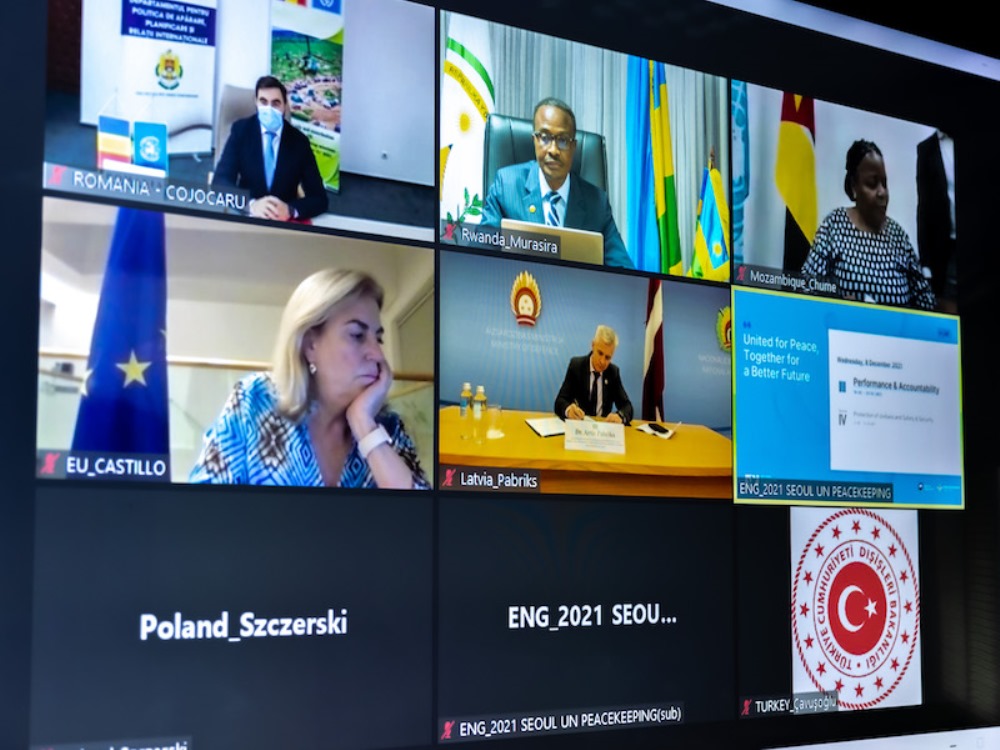
The UN peacekeeping ministerial is aimed at strengthening peacekeeping operations by improving the performance and impact of operations in line with Action for Peacekeeping Plus (A4P+), close capability gaps through concreate pledges by facilitating new and sustainable partnerships while strengthening the existing ones.
Rwanda as a key player in peace support operations, co-hosted with the USA, international preparatory meetings on “Protection of Civilians” in 2019 and on performance and accountability in July 2021. Rwanda is ranked 4th Troops and Police contributing country worldwide and is credited for its exemplary and selfless performance in peacekeeping missions.
The UN Peacekeeping Ministerial Conference is the latest in a series of meetings at the Head of State, Government or Ministerial level since 2014. The previous UN Peacekeeping Ministerial Conferences were held in London in 2017, in Vancouver Canada in 2018, in New York 2019 and this year in the Republic of Korea.
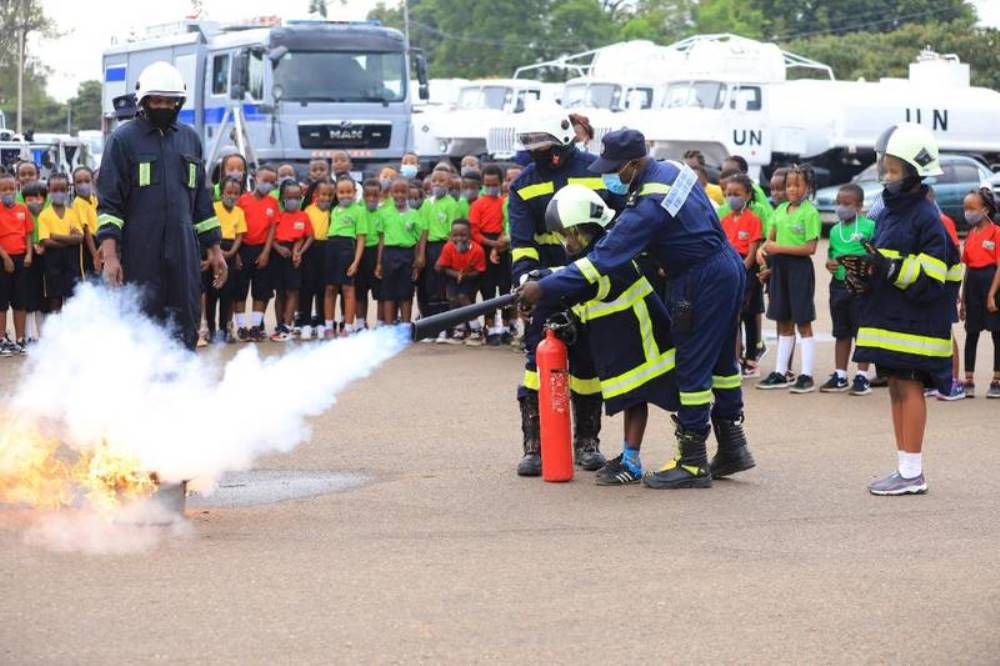
ACP Gatambira not that most fires start small especially in residential houses but escalate because occupants have no basic fire fighting equipment that can be used by people at home.
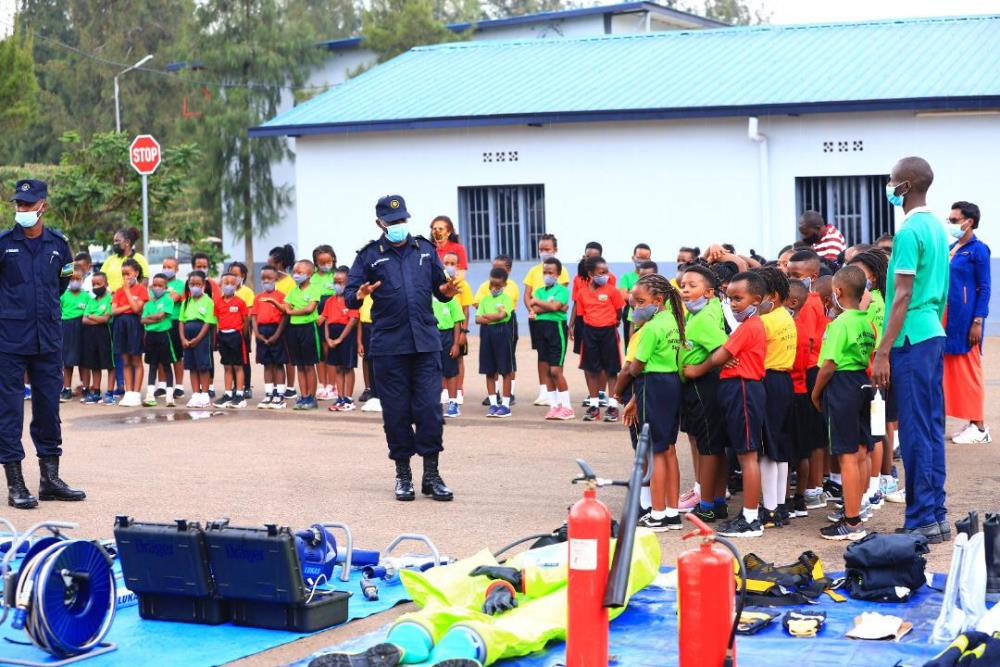
He made the observation on Wednesday, December 8, while extended fire safety education to the second batch of 130 pupils of Path to Success International School (PTS) located in Kigarama Sector, Kicukiro District.
The school is being used as a pilot project as Rwanda National Police plans to roll out fire education programmes in schools across the country.
This is part of the efforts to prevent fire emergencies caused by recklessness or lack of knowledge on fire safety.
“It part of efforts to educate people on fire safety and how to use different fire fighting tools and equipment to extinguish the fire but it would produce no expected results if these equipment are not available in homes for use in case of fire outbreak,” ACP Gatambira said.
He, however, added that the outreach is a continuous programme initiated by RNP to share knowledge and experience to the public to make sure that they are equipped with proactive skills fire.
ACP Gatambira called upon parents and schools management to put in place the basic facilities usable to overcome the fire associated challenges and to always be quick to call the Police.
Lita Beria, a teacher at Path to Success International School thanked RNP for the fire safety lessons, which will help the pupils to be conscious against fire in their homes and how to use portable fire extinguisher.
“These are important lessons that the school will continue to emphasize for them children to make safe decisions when using electric appliances and other equipment that can cause fire, but also to know what to do in case fire breaks out,” said Lita.
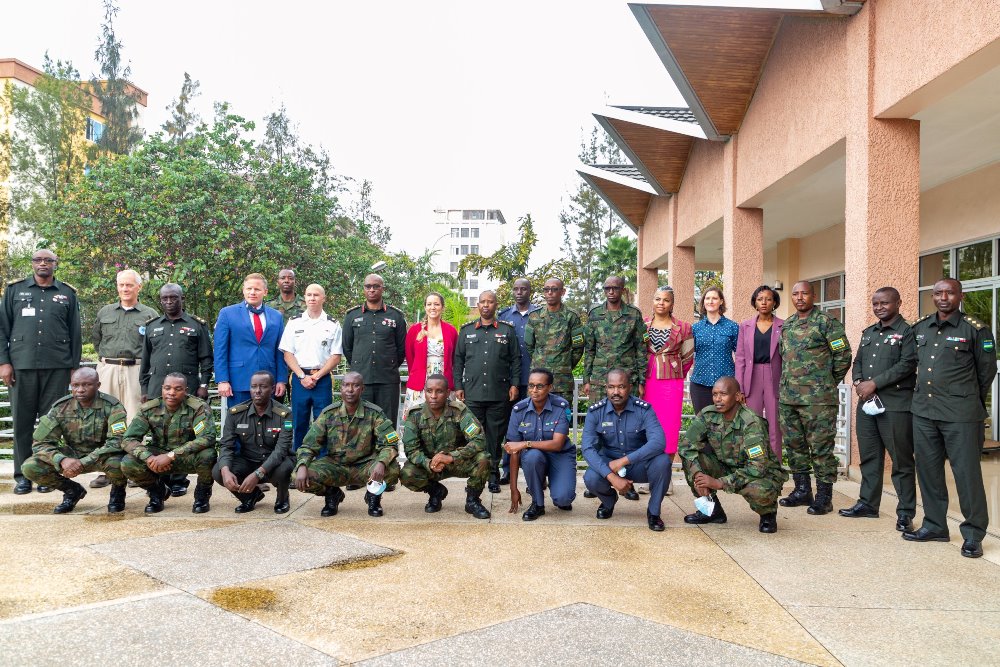
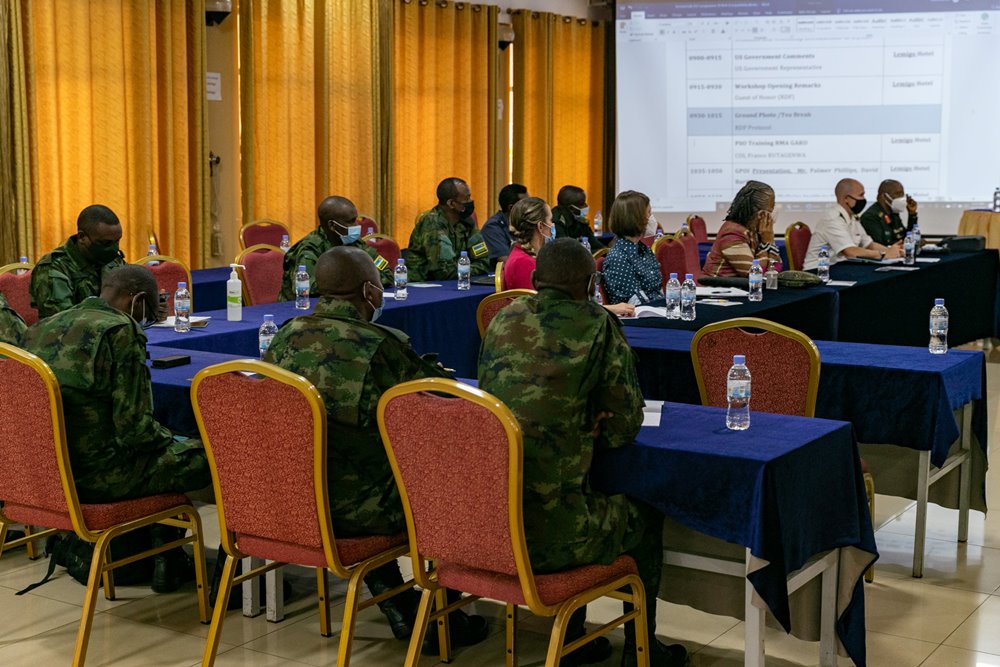
In his opening remarks, Col Chrisostome Ngendahimana, the RDF Chief J3 praised the initiative and reiterated the importance of sharing lessons learnt from peacekeeping operations.
“Experience acquired during our tour of duty in UN missions is very productive; during these two days of the workshop participants will benefit by sharing lessons learnt and best practices for the effective conduct of future peace support operations.
The RDF leadership appreciates our partners’ commitment. We look forward to continuing to work together”.
Mr. Palmer Philips, The Division Manager of Global Peace Operation Initiative (GPOI) from the United States Department of State, Bureau of political-military affairs appreciated the performance of RDF in peacekeeping operations.
“RDF is one of our good examples of African peacekeeping Partners in building rapid peacekeeping response capabilities especially in (Aviation, Engineering, and Medical). It is the first and only troop-contributing country in Sub-Saharan Africa to elevate and deploy a rapid deployment battalion from the UN Peacekeeping Capability Readiness System,” he said.
The Peacekeeping Operations Lessons learnt Workshops have been fruitful over the past years amongst the RDF personnel and various other partners.
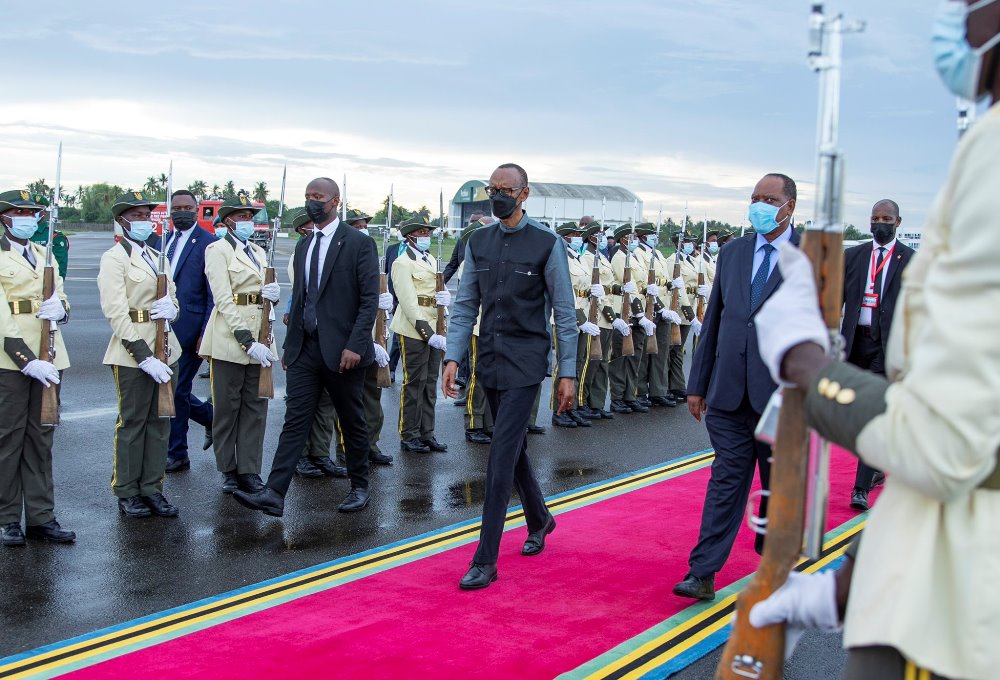
Early August this year, Tanzania’s President Suluhu, 61, came to Rwanda for two-day working visit.
He was received by the Minister of Foreign Affairs, Dr. Vincent Biruta upon arrival before meeting with her counterpart of Rwanda at Village Urugwiro where they held bilateral talks and witnessed the signing of four agreements in the areas of information and communication technology, immigration, education and regulation of medical products.
Suluhu who was in Rwanda for her maiden visit after assuming office in March 2021, also visited Kigali Genocide Memorial where she paid tribute to over 250,000 victims of the 1994 Genocide against Tutsi laid there.
In the evening, Kagame hosted her counterpart to the State Banquet at Kigali Convention Center. On the last day of her stay in Rwanda, Suluhu and Kagamevisited Special Economic Zone.
Rwanda and Tanzania enjoy cordial relations and cooperation in the areas of politics, infrastructure, economy and security.
Tanzania is considered a major development partner where over 70% of Rwanda’s imports and exports are transited through.
{{What to know about Tanzania’s Independence }}
Tanzania Independence Day is celebrated on December 9 every year. 2021 marks the 60th year of the country’s independence from Britain, which governed Tanzania till 1961 under the name of Tanganyika.
Tanzania’s independence movement started in 1954 led by Julius Nyerere, who co-founded the “Tanganyika African National Union (TANU)”.
Nyerere was educated in Uganda and Scotland and began voicing his anti-colonial, Africanist political agenda as he returned to his country.
His ideology was inspired by the non-violent independence movement waged by Mahatma Gandhi in India and advocated for a similar resistance in Tanganyika.
Nyerere was instrumental in uniting several tribal factions over the region to launch a united front against the British.
Elected to the General Council in the national elections of 1958–59, Nyerere, known as teacher or ‘Mwalimu’ in Swahili because of his teaching career, became the first President of an independent Tanganyika in 1961.
The latter became a Republic the next year and merged with Zanzibar in 1964 after Sultan of Zanzibar was overthrown. This is when the name of the country changed to Tanzania.
Among others, Nyerere was also a socialist who laid down state-ownership policies for services and community ownership for farms.
When his plans failed to make Tanzania self-reliant, he became the first African leader to voluntarily resign from office. He remains a respected figure in the region because of his ethical principles.
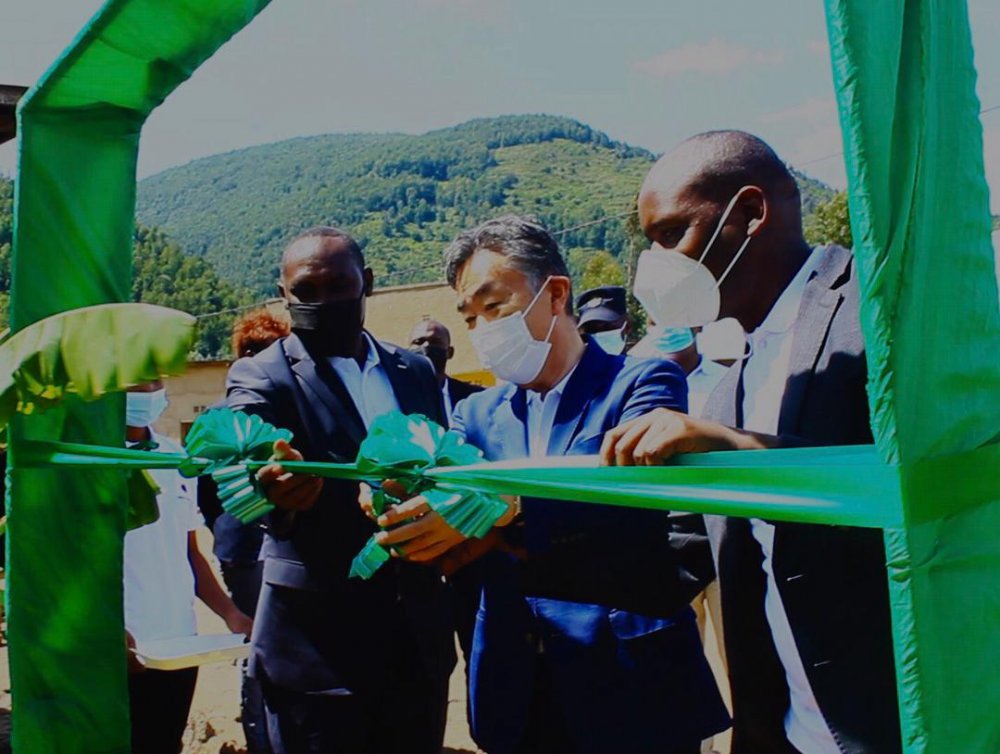
The 4.37 kilometer water supply system and related infrastructures including two water kiosks, water tanks, and two valve chambers were inaugurated on Tuesday 7th December 2021 in Rega cell of Bigogwe sector.
The infrastructures were completed at a cost of US$ 81,788 provided by the Government of Japan through the Association Rwandaise pour le Développement Endogène (ARDE Kubaho), a non-governmental organization conducting advocacy for access to safe water.
The ambassador of Japan to Rwanda, Masahiro Imai who graced the event commended ARDE Kubaho for contribution to improved hygiene and sanitation among residents particularly through the inaugurated project.
Masahiro urged residents to take good care of infrastructures made available and use the water to improve their wellbeing.
The President of ARDE Kubaho, Paul Murenzi revealed that there are more rural areas struggling to access safe water and requested Japan to continue supporting the good cause.
He also advised residents against destroying the infrastructures to avoid difficulties they went through.
The funding was provided through Japan’s Grant Assistance for Grassroots Human Security Projects, GGP).
Under this program, Japan channels funds through non-governmental organizations and local leaders to implement designed projects beneficial to citizens.
For the past 23 years, the program has supported 101 projects in the areas of education, health, hygiene and sanitation as well as agriculture.
Amb. Masahiro said that relations between Rwanda and Japan have deepened roots given that both countries will celebrate 60 years of diplomatic cooperation in 2022.
He reiterated his country’s commitment to continue partnering with Rwanda to promote citizens’ wellbeing.
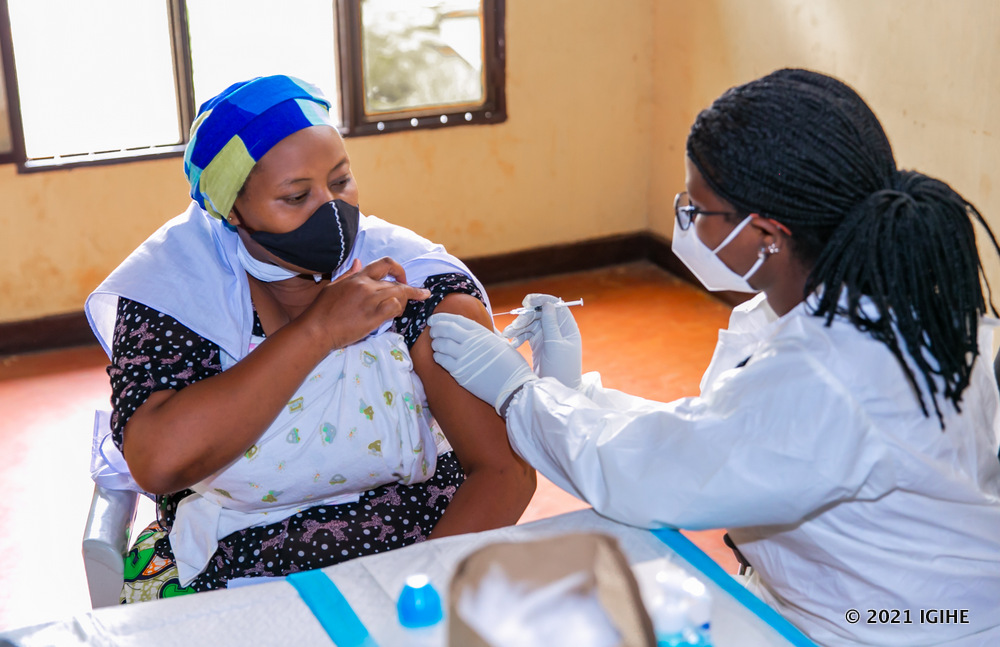
The development was announced by the Minister of Health, Dr. Daniel Ngamije on Wednesday 8th December 2021 via Twitter handle.
“Today, Rwanda achieves its Covid-19 vaccination target of covering 30% of the total population with 2 doses by the end of 2021. The objective is 70% by December 2022 (Latest!). This milestone is highly attributed to Leadership, Partnership, Coordination and Community engagement,” he revealed.
Prime Minister, Dr. Edouard Ngirente recently told parliamentarians that Rwanda has so far administered COVID-19 vaccine doses to 6,065,691 (46%) of the total population including recipients of one dose.
Among others, he revealed that the country has received 12,900,760 COVID-19 vaccine doses since the inoculation program was rolled out countrywide in March 2021.
Premier Ngirente said that the number of COVID-19 vaccine recipients are expected to reach 9,063,245 next year, following the country’s commitment to start administering vaccines to people in the age bracket between 12 and 17.
“All these people will have been vaccinated by December 2022 but we might hit the number before in consideration of expended efforts,” he revealed.
In Kigali City alone, more than 869,000 dwellers (89.2%) aged 12 and above have received two doses of COVID-19 vaccine while 1,032,499 have received the first dose.
The vaccination efforts in the remaining parts of the country have seen 2,755,727 (34%) people fully vaccinated while 62% have received the first dose of COVID-19.
Rwanda has been administering eight types of COVID-19 vaccines. As at 2nd December 2021, the country had received 12,900,760 doses that can be used to vaccinate 6,736,220 people excluding the booster dose.
Rwanda received the doses through COVAX, a global initiative aimed at ensuring equitable distribution of vaccines, direct purchases while others were donated by partner countries.
The incident took place in the night of 6th December 2021 in Nyamuremure village, Mahoko cell of Kanama sector.
It is said that neighbors heard the child crying and rushed for rescue but their efforts ended up in vain as they found him dead upon arrival.
The Executive Secretary of Kanama sector, Honoré Mugisha has revealed that the suspected woman is held in nearby detention facility.
“It is true that the woman suspected of killing own child is detained at Kanama RIB Post,” he said.
It is reported that the woman had attempted to kill the child several times where she would be arrested and released later.
Upon conviction, the suspect is liable to life imprisonment as per article 107 of the Law No 68/2018 of 30/08/2018 determining penalties for murder crimes.