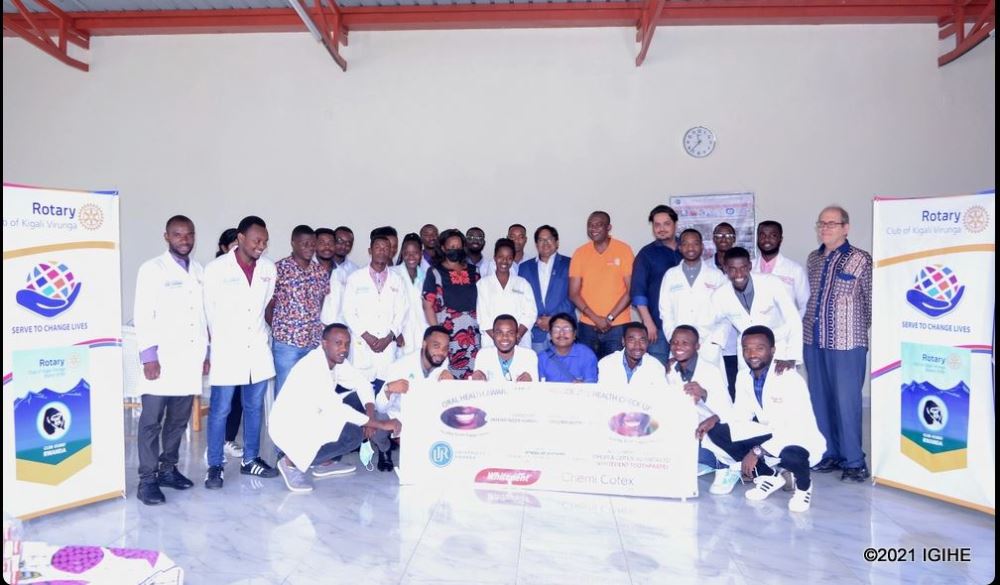
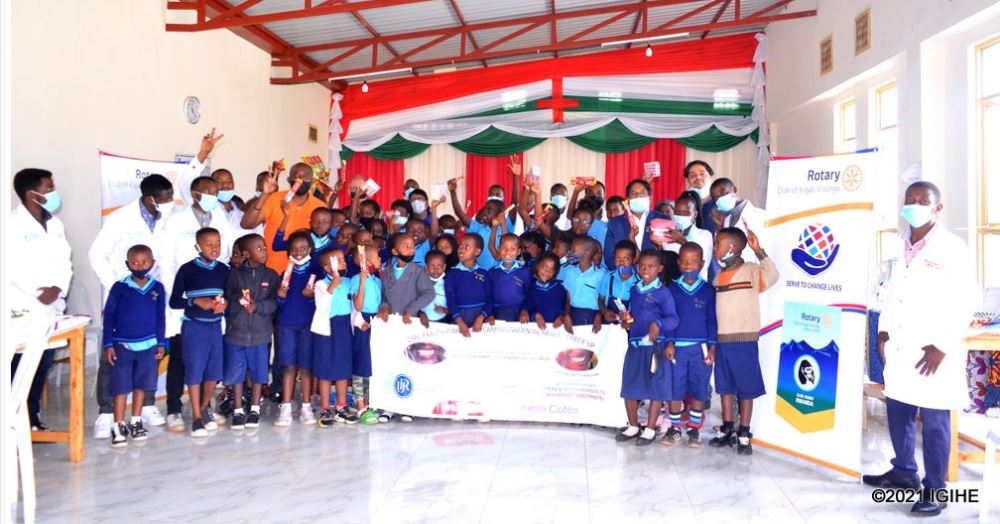
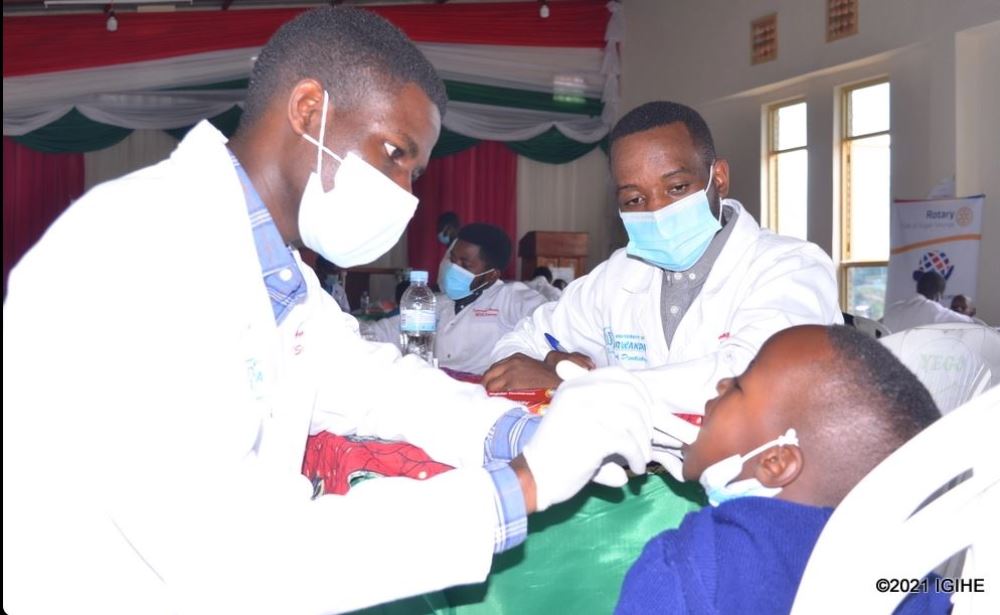
The exercise which took place on Thursday 9th December 2021 is a result of fruitful collaboration between Rotary Club Kigali Virunga and Bright School aimed at promoting healthy living among learners.
The President of Rotary Club Kigali Virunga, Suman Alla has divulged that more efforts are being put in place to expand the partnership with Bright School in the near future.
“Apart from dental check-ups, we are planning to build new classrooms at the school, and a decent kitchen so that pupils can be fed at school,” he noted.
The legal representative of Bright School, Bill Whipple expressed delight to have witnessed the event during which learners were enlightened on causes of oral diseases and preventive measures.
He commended Rotary Club Kigali Virunga and UR-CMHS for partnership with the school.
“We are very excited to have awareness of oral diseases ad healthy guidelines extended to parents with children at this school,” he revealed.
“We voice appreciation to Rotary Club Kigali Virunga and the medical team which helped us during this exercise. We pray that future interventions will also be fruitful to address some challenges,” added Whipple.
The representative of parents with children pursuing studies at Bright School, Joseph Kabundi said that the gesture reminded them that children need regular check-ups.
“It is assumed that all everyone including the elderly and young people consult health workers when they are sick but this mindset is primitive. We need to seek medical attention before we get critically ill. It should be better if partners extend the support to other schools,” he enthused.
Donat Uwayezu, a lecturer at UR-CMHS who accompanied students to conduct check-ups explained that the exercise will be helpful to people with oral diseases and determine how children can be assisted to access healthcare.
“We shall dedicate time to share tips with parents. Besides, we can attend to beneficiaries with complications at our clinic,” he noted.
Rotary Club Kigali Virunga has been providing humanitarian services aimed at changing citizens’ livelihoods. It also provides support in addressing problems facing the world by combating illiteracy and poverty, contributing to the provision of safe water, handling disputes and fighting disease.
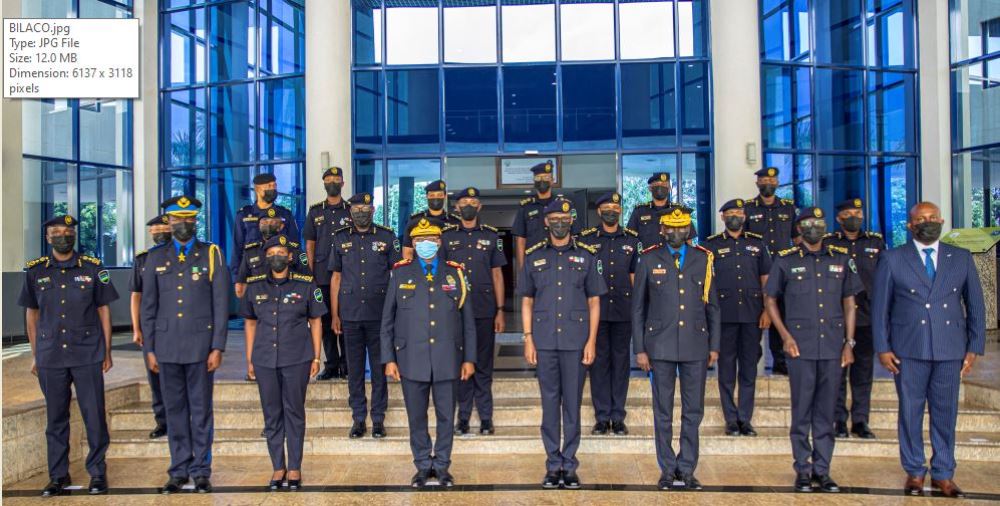
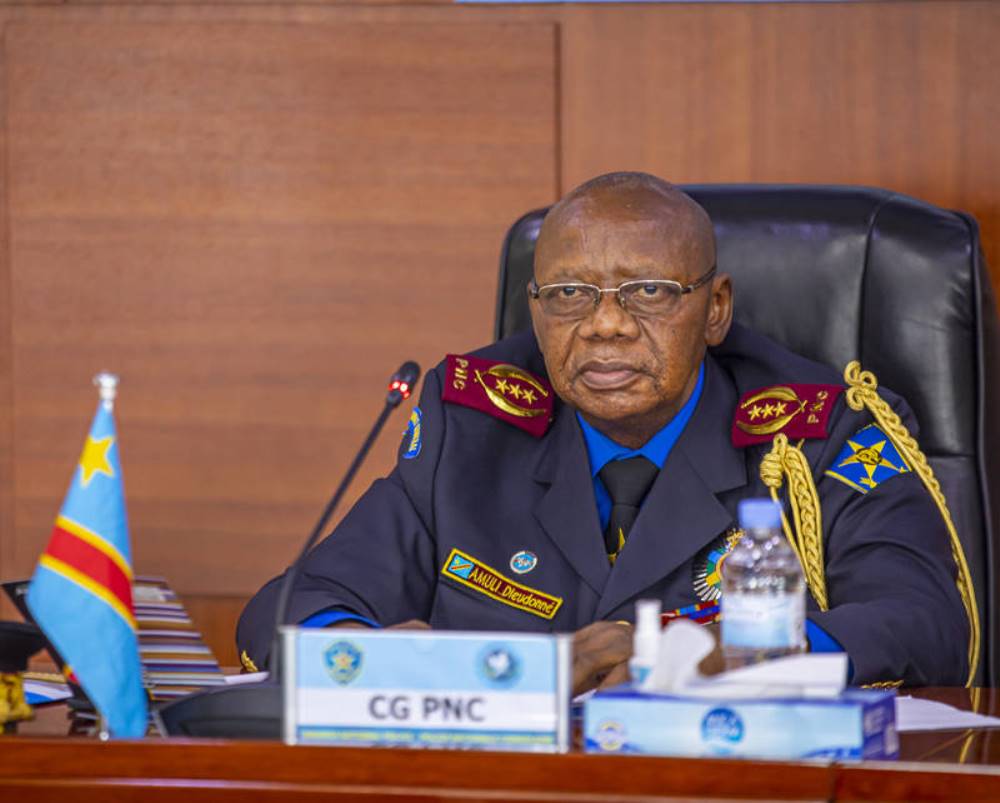
The cooperation pact was signed in Kigali between the Inspector General of Police (IGP) Dan Munyuza and his visiting counterpart of the Democratic Republic of Congo (DRC), Commissioner General Dieudonné Amuli Bahigwa.
The agreement was part of the bilateral meeting between the two institutions held at the RNP General Headquarters in Kacyiru and co-chaired by the two Police Chiefs.
CG Bahigwa and his delegation are in Rwanda since Sunday for a three-day visit.
The MoU binds the two Police institutions to join efforts against transnational organized crime and terrorism; smuggling and trafficking in narcotics and psychotropic substances as well as their precursors; currency counterfeiting and the proliferation of small arms and light weapons.
Other areas of partnership include expertise and intelligence sharing, conducting joint or simultaneous operations, fighting against cyber criminality, human trafficking, organ trafficking and document fraud.
IGP Munyuza, while speaking during the bilateral meeting, said that the visit is a milestone in enhancing security cooperation between Rwanda and DRC.
“Our two countries are not only neighbours, but also brothers. Our region continues to experience a number of security challenges including Islamic jihadists, terrorism, drug trafficking, and smuggling among others, which requires us to establish strong cooperation and join efforts to combat organized, cross-border and transnational crimes threatening our region,” IGP Munyuza said.
He added that it is the primary responsibility of Police institutions to work closely together to ensure safety and security of the people, and pave the way for sustainable development of their respective societies.
“We need to create practical channels of sharing information and intelligence on crimes, conducting joint operations against criminals, and joint training to deal with the ever-increasing security threats and transnational crimes. This visit, therefore, provides another platform to discuss in detail issues affecting security within our two countries and how best we can work together to deal with them.”
On the signed Memorandum of Understanding, IGP Munyuza observed that it demonstrates shared intention to explore more formal arrangements in order to further enhance cooperation between the two Police institutions.
With CG Bahigwa, the current chair of the regional Police body—EAPCCO—IGP Munyuza reiterated Rwanda’s commitment to work with DRC Police and other regional Police institutions in establishing a joint operational unit in Goma, Eastern DRC, to collect information on terrorism activities in the region as resolved in the recent General Assembly in Kinshasa.
“Fighting violent extremism is a complex battle that no country alone can defeat. We are, therefore, compelled to neither give them a chance for their networks to grow in our countries nor a haven on our territory to threaten security in our region,” IGP Munyuza said.
On his part, CG Bahigwa noted that such cross-border partnership initiatives provide a platform to collectively ensure stability in the Great Lakes region.
“Thank you for the brotherly invitation to this friendly country with which we share the borders. Our Heads of State have laid a channel for us to explore and pool efforts together to make our countries safer for the people and development,” said CG Bahigwa.
He added that the signed cooperation agreement will impact in combating cross-border crimes faced by the two countries.
“The memorandum of understanding will create impact to the successful cooperation of our two Police institutions in fighting cross-border and transnational crimes. Nowadays, it is essential that Police institutions work closely to be able to confront emerging security threats collectively and effectively,” CG Bahigwa said.
During his stay in Rwanda, Gen. Bahigwa and his delegation will also visit other RNP facilities including the Police Training School (PTS) Gishari in Rwamagana District and National Police College (NPC) in Musanze District.
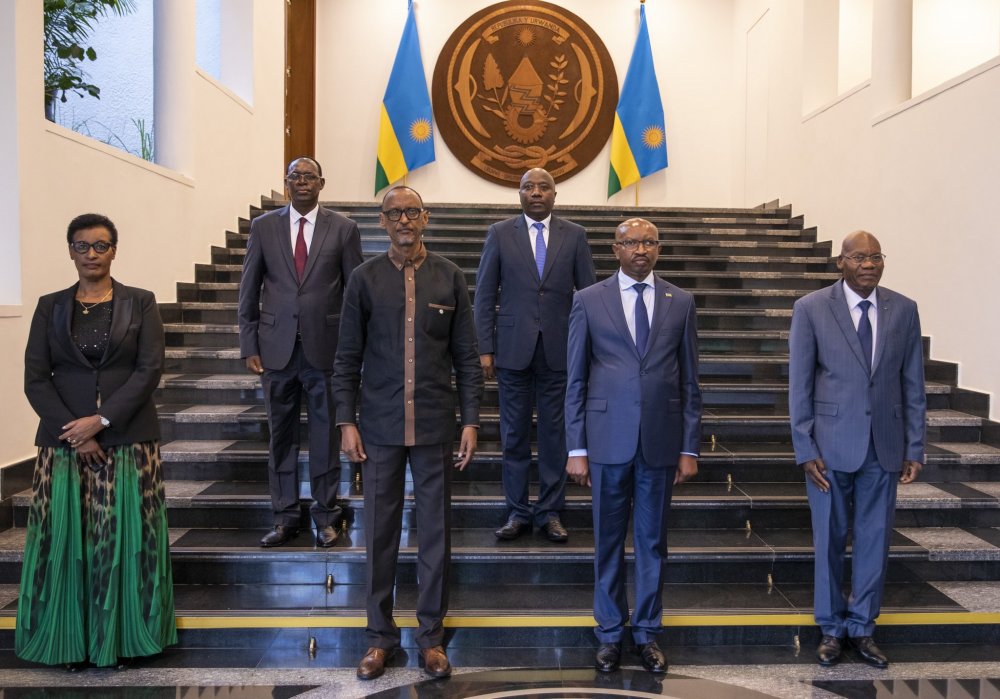
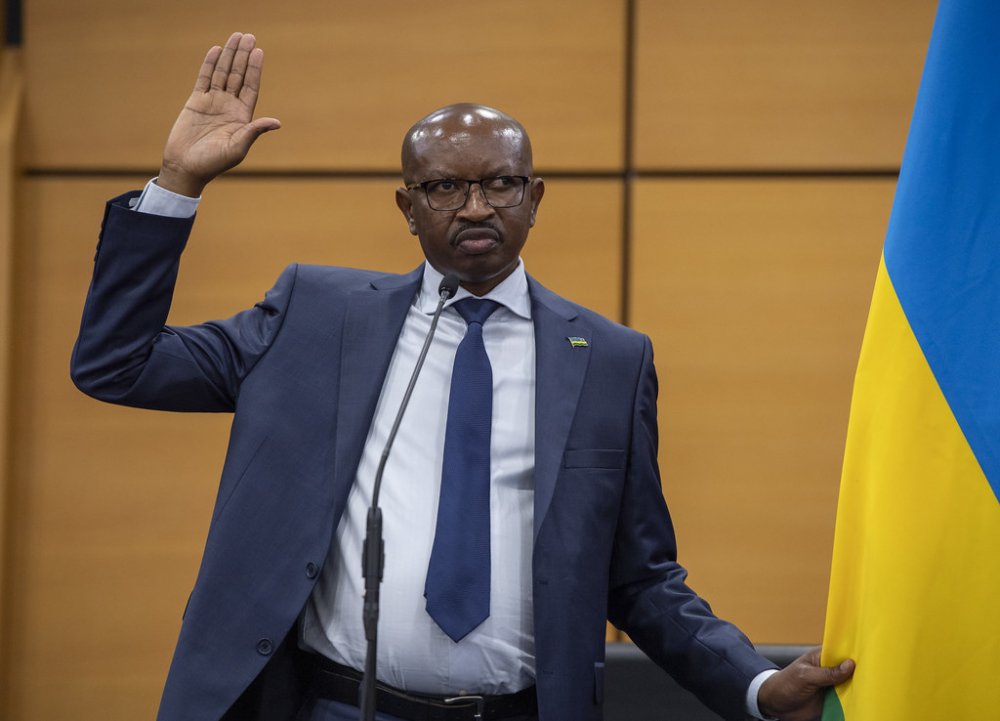
Kagame has welcomed the new minister and expressed optimism that he will leverage on his experience to fulfill duties diligently.
He further stated that Gasana is familiar with security matters, considering his previous line of duty on which he will build to ‘continue performing well for the benefit of the country’.
The President also congratulated the new Minister and wished him well in his new responsibilities.
“I assure him of our collaboration and support,” he promised.
Among others, the Head of State highlighted that the country has made commendable progress in fighting this Covid-19 pandemic including vaccinating a big number of its population and reducing positive cases.
He however stressed the need to strengthen preventive measures as the festive season begins to unfold considering that fact that the pandemic has not yet been defeated. He said that the Ministry of Interior has a role to play as the country seeks to enhance response to the pandemic.
“When people meet in big numbers to socialize, they fail to respect the established preventive measures properly. The Ministry of Interior is also part of our lead institutions in fighting this pandemic, working together with the Ministry of Health as well as the Ministry for Local Government,” Kagame noted.
Gasana was named Minister of Interior on 10th December 2021 replacing Gen Patrick Nyamvumba who held the position for five months until April 2020.
Gasana once served as a legislator in the Lower Chamber of Parliament and was later named Director-General in charge of Internal Security at National Intelligence and Security Services (NISS) prior to his new appointment.
The Ministry of Internal Security was once led by Sheikh Musa Fazil Harerimana for ten years before it was dissolved in 2016. It was re-established in 2019.
His predecessors include Jean de Dieu Ntiruhungwa from 2001 until 2005 when he was replaced by Christophe Bazivamo.
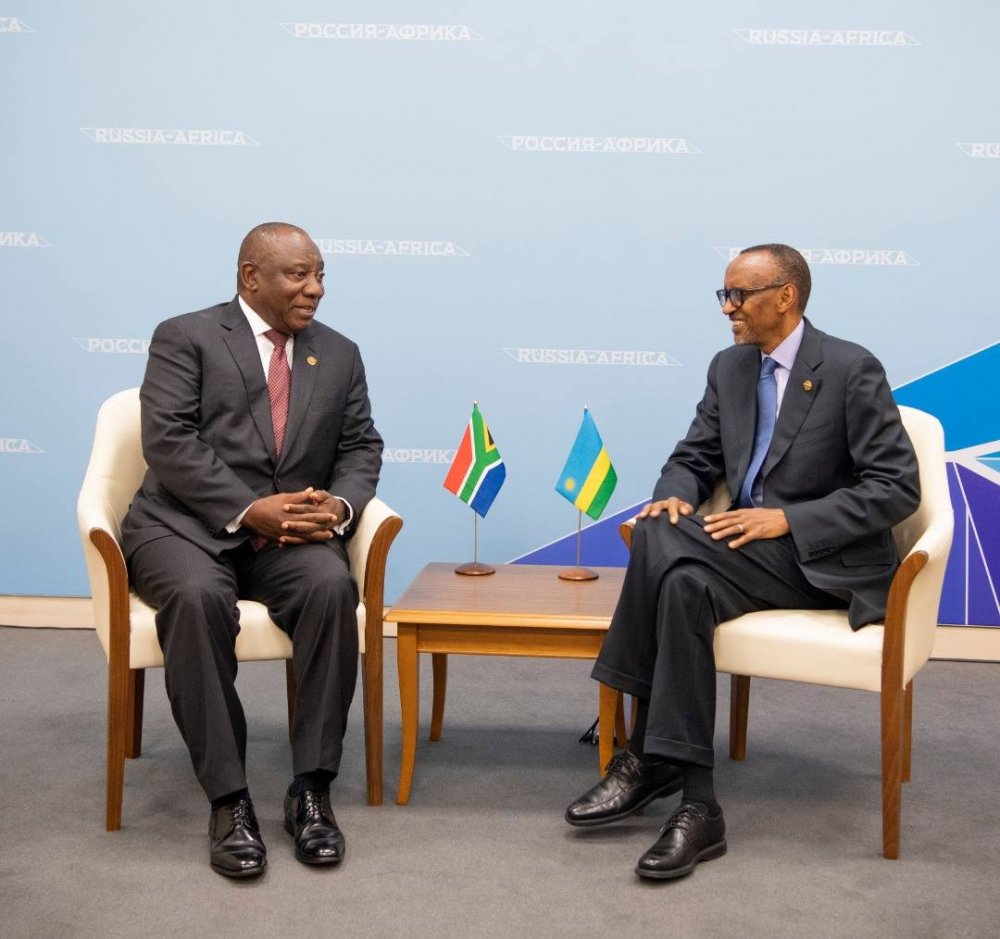
“Best wishes to my brother President Cyril Ramaphosa for quick recovery,” he tweeted.
Ramaphosa who tested positive for COVID-19 on Sunday 12th December 2021 is in self-isolation in Cape Town where he is receiving treatment for mild Covid-19 symptoms.
The statement released by the office of the presidency reads that Ramaphosa has delegated all responsibilities to Deputy President David Mabuza for the next week.
The President started feeling unwell after leaving the State Memorial Service in honor of former Deputy President FW de Klerk in Cape Town earlier today,” the presidency statement said.
He is however “in good spirits” and is being monitored by the South African Military Health Service of the South African National Defence Force.
“President Ramaphosa says his own infection serves as a caution to all people in the country to be vaccinated and remain vigilant against exposure. Vaccination remains the best protection against severe illness and hospitalization,” adds the statement.
South Africa is among southern Africa countries where the new COVID-19 Omicron variant was reported recently.
According to CNN’s global vaccine tracker, over 25% of the country has been fully vaccinated, with an additional 5% partially vaccinated.
On his recent visit to four West African states, President Ramaphosa and the South African delegation were tested for COVID-19 in all countries.
The President and the delegation returned to South Africa from the Republic of Senegal on Wednesday, 8 December 2021, after obtaining negative test results. The President also tested negative on his return to Johannesburg on 8th December.
Ramaphosa has via twitter handle thanked South Africans for their good wishes and warned citizens to remain vigilant in the fight against the virus.
Busingye was appointed High Commissioner to the UK in August 2021. Prior to the new appointment, he had served as the Minister of Justice for eight years.
Four months following his appointment, Chris Bryant, one of UK parliamentarians has requested his country to reject Busingye’s nomination citing concerns linked to his involvement in the ‘abduction’ of Rusesabagina.
Bryant filed the request during a debate held at British Parliament which also recommended sanctions on other leaders from Sudan and Iran over human rights abuse allegations.
According to BBC, Bryant has recommended his country to reject Busingye’s appointment.
“In August last year, Paul Rusesabagina, the subject of the film [Hotel Rwanda], which many members may have seen, and a vocal critic of President Kagame … was drugged, bound and forcefully returned to Rwanda, where he has been imprisoned and tortured,” he said.
He further suggested that ‘Busingye should be on a list of sanctioned individuals, not of people to be escorted to Buckingham Palace to have their credentials agreed by Her Majesty’.
The parliamentarian also recommended sanctions on Colonel Jeannot Ruhunga, the Secretary General of the Rwanda Investigation Bureau.
UK based media houses have reported about the issue noting that Foreign Secretary Liz Truss has been advised to block the appointment of Rwanda’s top diplomat in London ‘over his central role in the kidnap and detention of human rights activist’.
“Mr Busingye was demoted by Rwandan President Paul Kagame after admitting that their government chartered a flight that led to the seizure of Paul Rusesabagina,” Daily Mail has reported.
{{Rwanda’s stand}}
Following the story published by Daily Mail, the Spokesperson of the Government of Rwanda, Yolande Makolo has via Twitter handle revealed that the media house’s story is misleading.
“The Daily Mail and The Times are misinforming readers when the true facts are so easily verifiable. A reminder: Johnston Busingye, Rwanda’s high commissioner-designate to the UK, has served with distinction as Justice Minister and Attorney-General since 2013,” she tweeted.
Makolo went on to clarify that Rusesabagina was arrested over terrorism in an operation planned by the Rwanda Investigation Bureau and arrested in Kigali on an outstanding warrant for terrorism and related offences, in compliance with all domestic and international laws.
“The Government of Rwanda has made it clear on numerous occasions since September 2020 how & why Rusesabagina was tricked into coming to Rwanda. He has since been convicted & sentenced following a fair & transparent trial along with 20 co-accused of the FLN armed group which he led,” she revealed.
In September 2021, the High Court Chamber for International and Cross-border Crimes handed 25-year sentence to Rusesabagina after he was found guilty of terrorism charges.
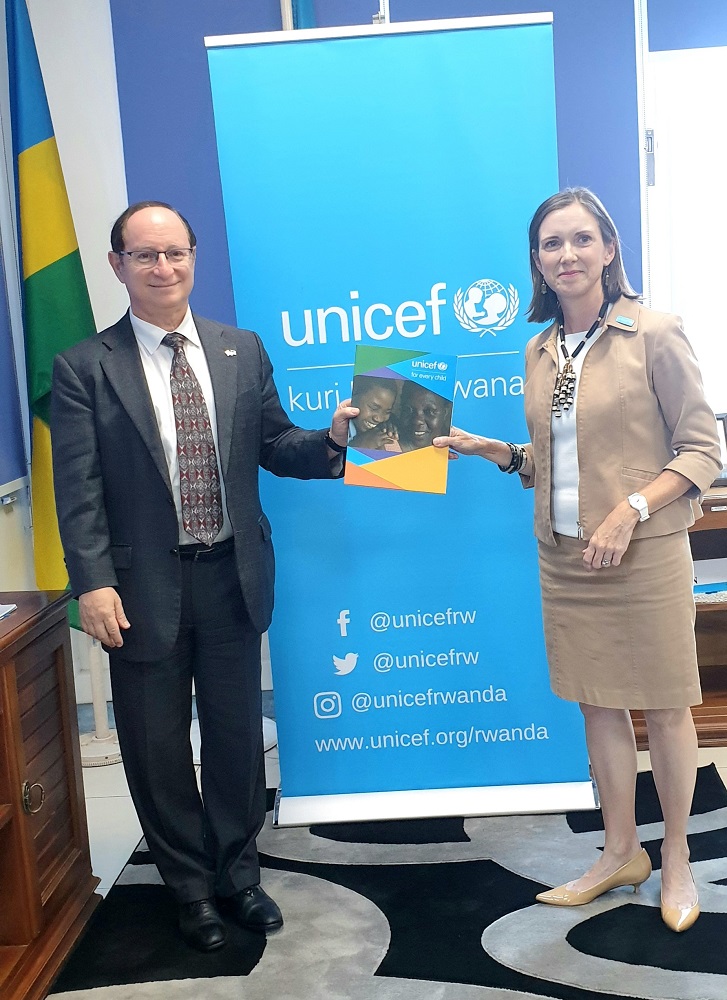
Giga project was launched in 2019 by the United Nations Children’s Fund (UNICEF) and the International Telecommunication Union (ITU), with aim to provide connectivity to every school in the world by 2030. As co-chair of the UN Broadband Commission, Rwanda supported the initiative and, in 2020, was chosen to lead the implementation of Giga in Africa.
Speaking on the funding, the Ambassador of Israel in Rwanda, Dr. Ron Adam, commended the strides made in Rwanda’s education sector over the years, and noted that Israel is pleased to support the country’s ground-breaking goal of universal connectivity in schools.
“Education is the foundation of everything, and this goes hand in hand with the quality. In this era, you can’t talk about quality while excluding technology. We believe that this support from Israel will be yet another stepping stone for Rwanda to realize its ambition of universal connectivity in schools and becoming a knowledge-based economy,” he said and added: “ Behind every child there is a scientist”.
According to UNICEF, in the 63 pilot schools of the Giga project, only 29 per cent of required computers and other devices for students and teachers is available, hence the need for more devices.
“We are grateful to the Israel Embassy in Rwanda for this generous support to Giga connect initiative in Rwanda. This support will enable the purchase of laptops for teachers in schools that are being connected to the internet across the country. The funding also comes to reduce the funding gap and bridge digital divide in schools, which is a barrier to quality learning,” said Julianna Lindsey, UNICEF Country Representative to Rwanda.
The Southern region Police spokesperson, Superintendent of Police (SP) Theobald Kanamugire said that Gatete was trying to seduce the traffic officer with the bribe to let him continue the journey without the required traffic related documents.
“Gatete was driving a truck ‘FUSO’ and was stopped by Traffic officers for their usual road traffic control duties. They found that the truck had no inspection certificate, no transport authorisation and with worn tyres. Instead, he tried to bribe the officers with Rwf2, 000 so as to let him continue his journey and to prevent penalties for the violation of traffic regulations, leading to his arrest for the alleged attempted bribery,” SP Kanamugire said.
SP Kanamugire warned motorists against such criminal mentality, which will only lead to arrest and imprisonment.
“Respect traffic rules and regulations. If you are caught in any violations, do not turn it into a criminal act by trying to offer bribes,” he advised
Under article 4 of law n° 54/2018 of 13/08/2018 on fighting against corruption, any person who solicits, accepts or receives, by any means, an illegal benefit for himself/ herself or another person or accepts a promise in order to render or omit a service under his or her mandate or uses his or her position to render or omit a service commits an offence.
Upon conviction, he/she is liable to imprisonment for a term of more than five years but not more than seven years with a fine of three to five times the value of the illegal benefit offered, solicited or received.
Penalties provided under this article also apply to a person, who offers or promises to offer a benefit, by any means, an illegal benefit for him/ herself or another person to have a service rendered or omitted.
The minerals had been smuggled into Rwanda from the neighbouring Uganda, Burera District Police Commander, Superintendent of Police (SP) Aphrodis Nkundineza, said.
“A resident called the Police to report Masengesho after seeing him transporting heavy sacks from the border with Uganda to his home, which is about 3kms from the borderline,” SP Nkurunziza said.
He added: “In response to the call, Police went to Masengesho’s home, searched the house and recovered sacks of wolfram minerals hidded in a hole, which he dug in one of the quarters.”
Following his arrest, Masengesho indeed said that smuggled them into Rwanda from Uganda. He further alleged that the minerals belong to a man, whom he only identified as Christophe, living in Rubavu District.
The DPC reminded the public that engaging in mining operations and trade requires an official license and warned that anyone involving in such illegal practices will be arrested.
He equally thanked the resident, who shared information leading to the arrest of the suspect and seizure of the minerals.
Masengesho along with the minerals were handed over to RIB at Cyanika station for further investigation while the search of anyone connected to this criminal act is still ongoing .
Article 54 of the law N° 58/2018 of 13/08/2018 on mining and quarry operations, states that; any person, who undertakes mineral or quarry exploration, exploitation, processing or trading without a licence, commits an offence.
Upon conviction, the offender is liable to imprisonment for a term of between two and six months and a fine of not less than Rwf1 million and not more than Rwf5 million or only one of these penalties.
The court also orders confiscation of any seized minerals or quarry in storage, trading or processing without a license.
The suspects were arrested red-handed in possession of 46 metres of electric cables, which they cut from different homes.
“The cables were connecting homes from electricity poles and because of this vandalism and theft of cable, they experienced power outage,” Chief Inspector of Police (CIP) Hamduni Twizeyimana, the Eastern region Police spokesperson, said.
The criminal acts were reported by the affected residents, he added.
“Police worked with the residents to identify those behind the criminal acts. On Thursday night at about 10pm, when some homes experienced the same issue, they immediately called the Police and local leaders and the suspects were located and arrested red-handed with the cables,” said CIP Twizeyimana.
The suspects were handed over to RIB at Mukarange station for further investigation and legal process.
Article 182 of the law relating to offences and penalties in general states that “any person, who maliciously demolishes or damages in any way, in whole or in part of construction, building, bridge, dams, water pipes and their routes, railway rails or any other means of communication or electric power infrastructure, wells or any other constructions, which do not belong to him/her, commits an offence.”
Upon conviction, he/she is liable to imprisonment for a term of not less than three (3) years and not more than five (5) years with a fine of not less than Rwf3 million and not more than Rwf5 million.
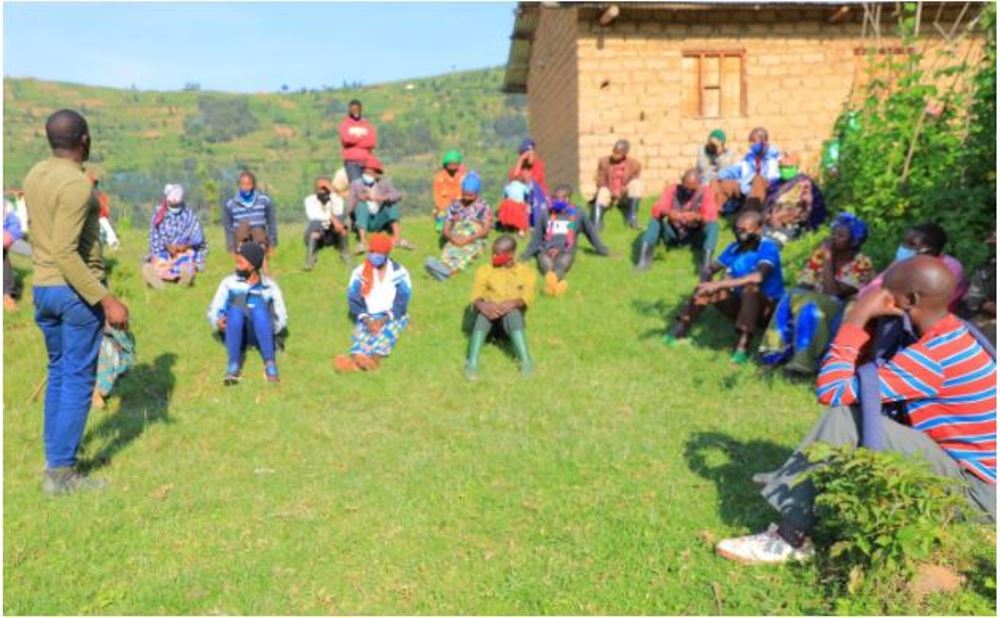
The project’s activities started in four target districts of Burera, Gakenke, Gicumbi, and Huye in Northern Province and Southern Province respectively, with awareness workshops at Sector level and training of Sector officials and Social and Economic Development Officers (SEDOs) followed by village meetings conducted in each target village during which villagers selected Community Based Facilitators (CBFs).
The interactive workshops intend to build social inclusion enabling target villages to have an agile way to provide feedback and information about their villages to deliver better-improved livelihoods.
Sada Murekatete, a CBF from Gaseke Cell said the FCAP training equipped her with facilitation skills that will enable her to better train other village members and change their pathway-related behaviors, hence ensuring the future development for their village.
“We have learned that the development starts from a concept to a village project. As a facilitator, I will engage my village in participatory planning to assess development challenges and prepare a village project built from existing resources and opportunities”, she mentioned.
Brigitte Mukakamari, one of the village members in Gaseke Cell, Mutete Sector said that the ACE project is an additional asset to her farming activities. “The project will help me to increase agricultural productivity and enhance household food production”, she said.
Rosine Nishimwe, Spark Microgrants’s Trainer in Mutete Sector, Gicumbi District said that the training was launched to build the confidence of SEDOs and CBFs and refresh their knowledge in the Facilitated Collective Action Process (FCAP) sessions.
“During village meetings, an overview of the ACE project was discussed as well as the role of CBFs, commonly known as Inyenyeri – two volunteers elected by village members- including one para-social worker to monitor the village programs throughout the pathway,” Mrs. Nishimwe said, adding that 76 Inyenyeri from 38 villages were trained in two phases.
Nishimwe explains that in the first phase, SEDOs trained CBFs from 19 villages under the technical support of Spark Microgrants’s staff, and in October 2021, concluded the second phase, which involved 19 Inyenyeri from 19 remaining villages.
Dr. Joseph Nzirorera, the Agronomist of the Kinyababa Sector, states that the population is eagerly awaiting the ACE Project, which is expected to improve this sector’s social cohesion and development.
“During different meetings, we discussed development challenges in our sector and key areas of priorities. We expect that the ACE project will help to address challenges facing our region”, Mr. Nzirorera stressed.
Nkundabaganwa Sosthène, one of Inyenyeri in Gaseke cell, Mutete Sector said that the training equipped him with skills to better organize the development plans supported with clear objectives, starting with his own family.
“This includes tangible projects that guide my engagement in the pathway, which will therefore help me to apprehend the needs and challenges of village members I will train”, he said.
On the other hand, the SEDO of Gaseke cell confirmed that the ongoing training is the pillar to village-led planning and development ahead of the project implementation phase.
He noted that village members take advantage of the meeting to identify local development opportunities that will guide their villages’ selection of development projects.
“The training received aimed at empowering village members and equipping them with skills and knowledge in developing projects that will last longer even after ACE Project. Spark Microgrants aims to reinforce projects initiated by villagers themselves”, he noted.
He also observed that Spark Microgrants promotes an approach that encourages communities to select viable and environment-friendly projects.
The Advancing Citizen Engagement Project (ACE) project officially launched September 22, to support small businesses creation to improve livelihoods and strengthen social cohesion for around 76,000 people across 249 rural poor villages through small grants and village-based facilitation.
Through the FCAP, the project is meant to build capacities of each target village for planning, financial management, and advocacy skills to plan and execute the collective project.
During the village meeting in Kaganda Cell, Kinyababa Sector, Habanabakize Pierre Celestin, and Cell’s SEDO encouraged villagers to increase profits from the projects that each village will select.
“Projects that you wish to select should aim at addressing development challenges in your respective villages. The ACE project will last for two years and the third year for phasing out. If the grant of 7,600,000 Rwf given to each village does not make around 25million in that period that will be considered as failed projects”. He advised community members.
He also encouraged villagers to regularly and actively participate in village weekly meetings, which will increase their knowledge of enhancing participation in village savings and make their projects more resilient.
A total of 173 people of whom 85 are women have been trained in Mutete and Kinyababa sectors. They include 140 CBFs, 9 SEDOs, and 24 Sector officials.
The project is an initiative of Spark Microgrants, implemented through the collaboration of the World Bank, Spark Microgrants, Comic Relief, and Governments of Rwanda and Japan. A total population of 152,645 will benefit from the project in terms of improved village planning and engagement with local government.
This will include an enhanced understanding of access to government social protection programs through engaging residents in project proposals that respond to the social development and priorities of their villages.
The US$6 million projects are meant to strengthen citizen engagement, support livelihoods and income generation in rural areas.
It will also provide training and support to government officials on how to engage citizens in local development planning at the national and local levels. Working in partnership with the Ministry of Local Government, this practical experience will inform a new national framework on participatory village planning.