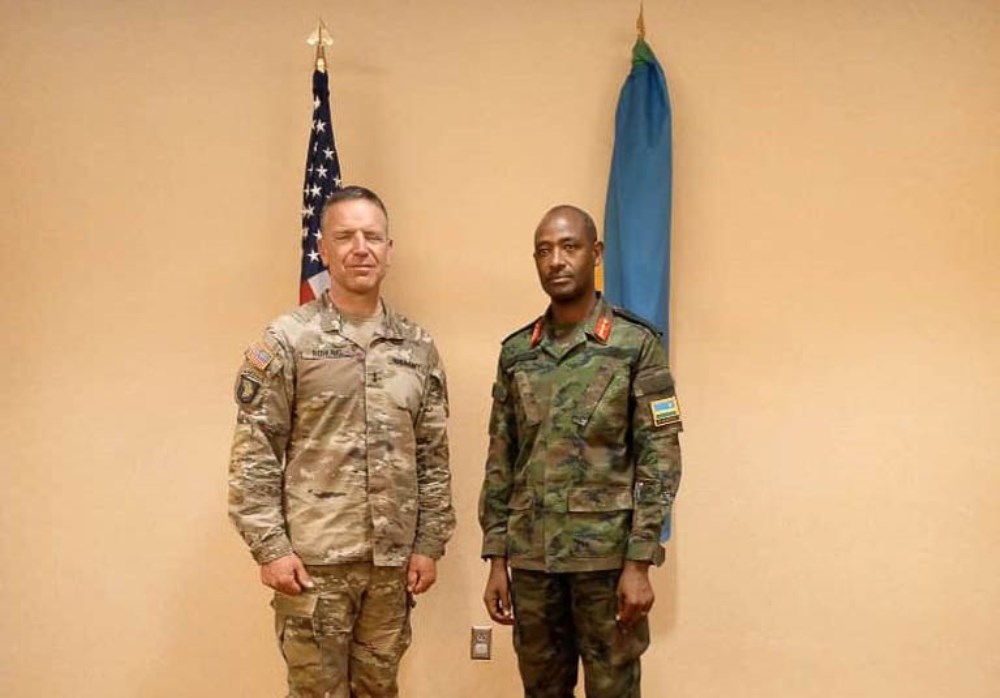
The official opening was attended by invited African Land forces Chiefs of staff as well as US Senior Defence and Military officials including Maj Gen Andrew M. Rohling, the Commanding General of the US Army Southern European Task Force, Africa and Miss Childi Blyden, Deputy Assistant Secretary of Defense for African Affairs.
After the day’s event, the RDF ACOS held a bilateral meeting with Maj Gen Andrew M. Rohling at Fort Benning to discuss partnership in capacity building (training) and other related matters.
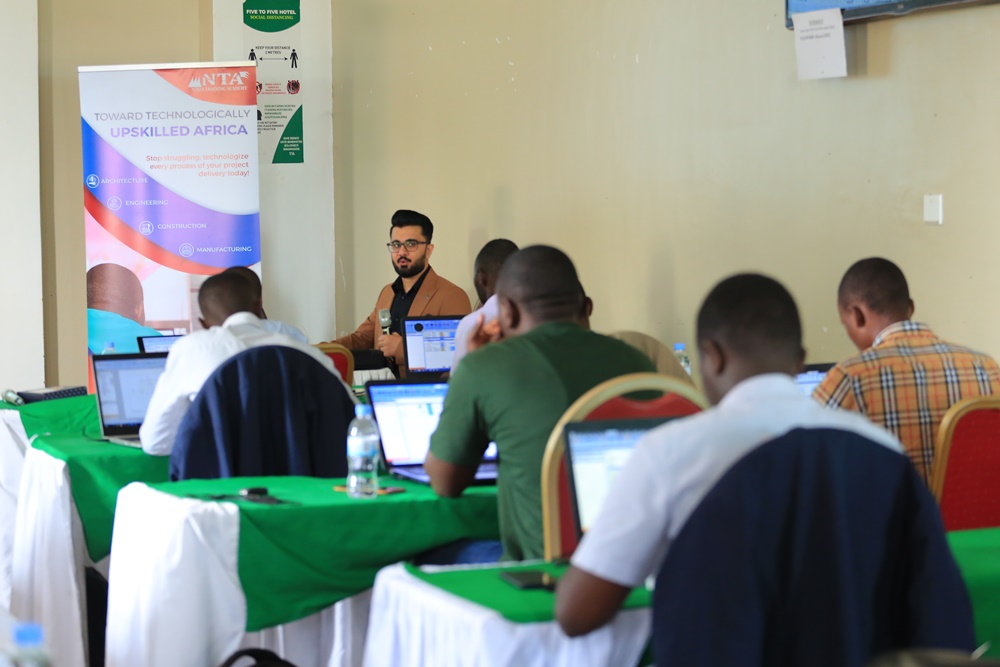
In partnership with Rwanda’s premier skills development center for AEC Professionals, Nziza Training Academy and MIDAS in line with ambitions to help local professionals to gain high-level competing skills to handle complicated and high budget projects, both companies have joined hands to provide hands-on training on bridge design, which is formulated for local engineers in the related fields.
The Institution of Engineers Rwanda (IER) recognizes this special training where registered engineers will be awarded 25 CPD Points after attending.
Rwanda is rapidly developing infrastructures, the first flyover bridge is being erected at KICUKIRO Centre roads junction and many more are to come.
Are our local engineers ready to plan, inspect, study and technically verify these kinds of projects compared to the standard level? To answer that question, MIDAS and Nziza Training Academy are going to provide 6 days of special training to be delivered by South Korean bridge experts from March 29, 2022.
The training will mainly focus on the use of Midas Civil software, MIDAS Civil is a Finite Element Analysis software, which is used for bridge design and analysis. It combines the powerful pre-and post-processing features with an extremely fast solver that makes bridge modeling and analysis simple, quick, and effective. In addition to that, several easy parameter modification tools are available, that can be used for parametric analysis leading to optimized and economical design.
To attend this training you must have a college degree in the option of Civil Engineering, Structural Engineering, Roads and Highway Engineering, or Bridge Engineering. Moreover, you must have advanced knowledge and understanding of structural design.
Interested individuals can call or WhatsApp Nziza Training Academy hotline at +250785568718 or +250788472191 for registration
This training will run from 30th March to 3rd April 2022.Professionals who will be trained on bridge design, together with other professionals that were trained by Nziza Training Academy in the class of 2020, 2021, as well as those who attended other seminars in 2022 will receive certificates on 4th April at 4 p.m at M Hotel.
During the ceremony, there will also be a launch of RWANDA POLYTECHNIC’s IPRC Gishari masterplan 2050, the very first mega project to ever be studied hundred percent by Rwandans placed on 45 hectares, designed by Nziza Training academy trained architects and designers.
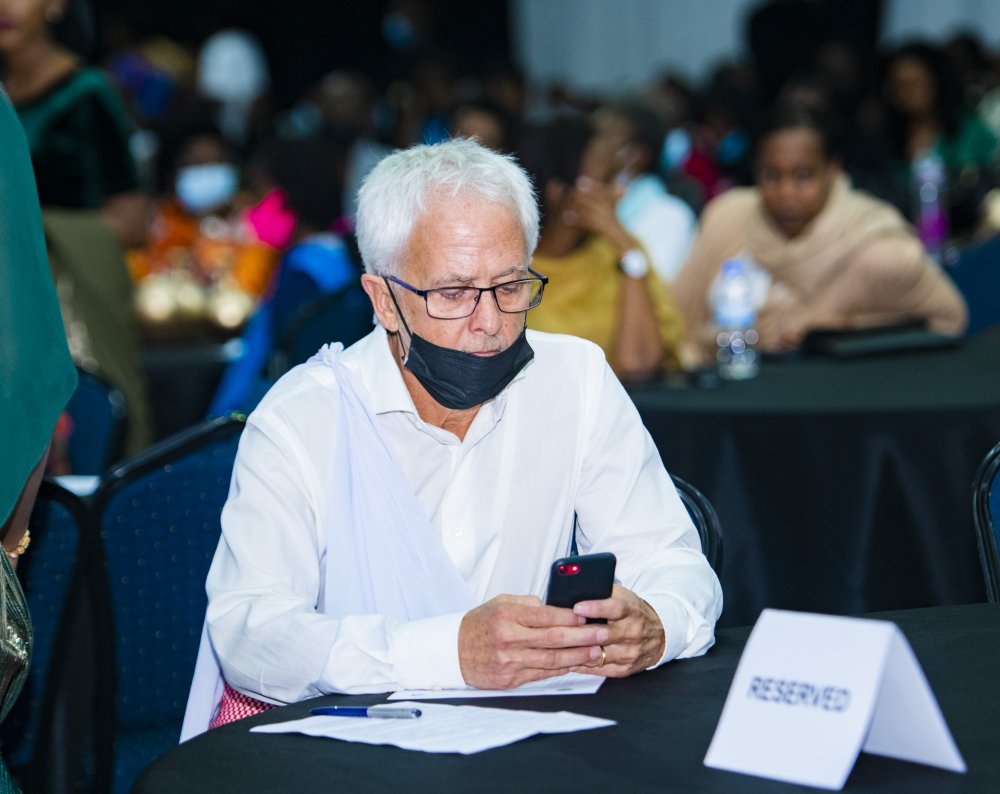
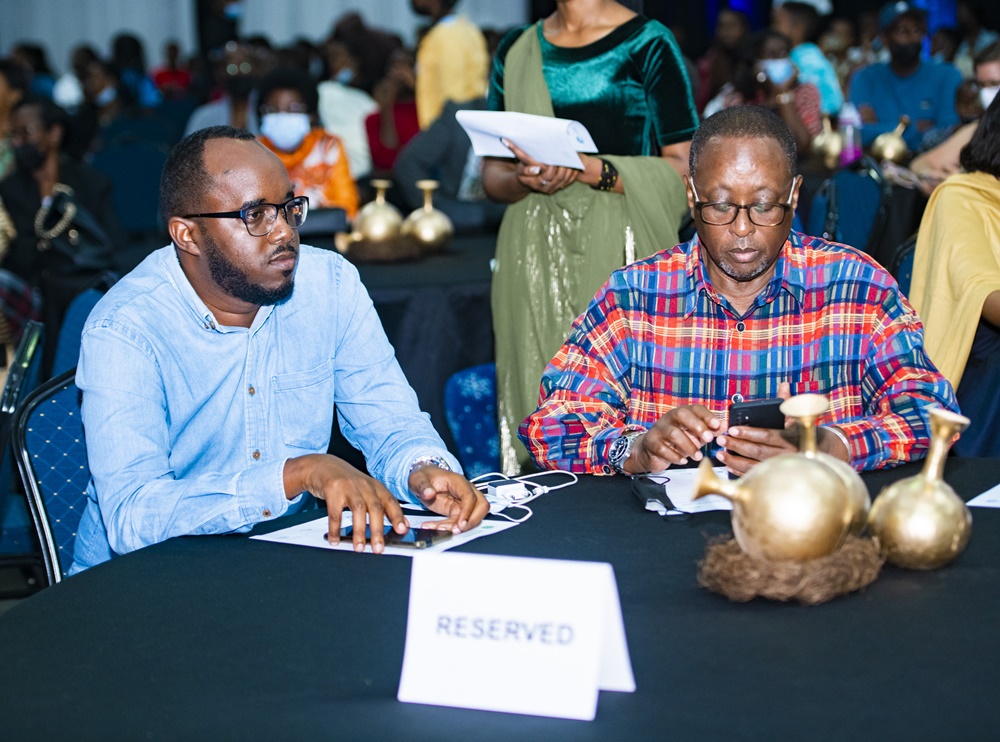
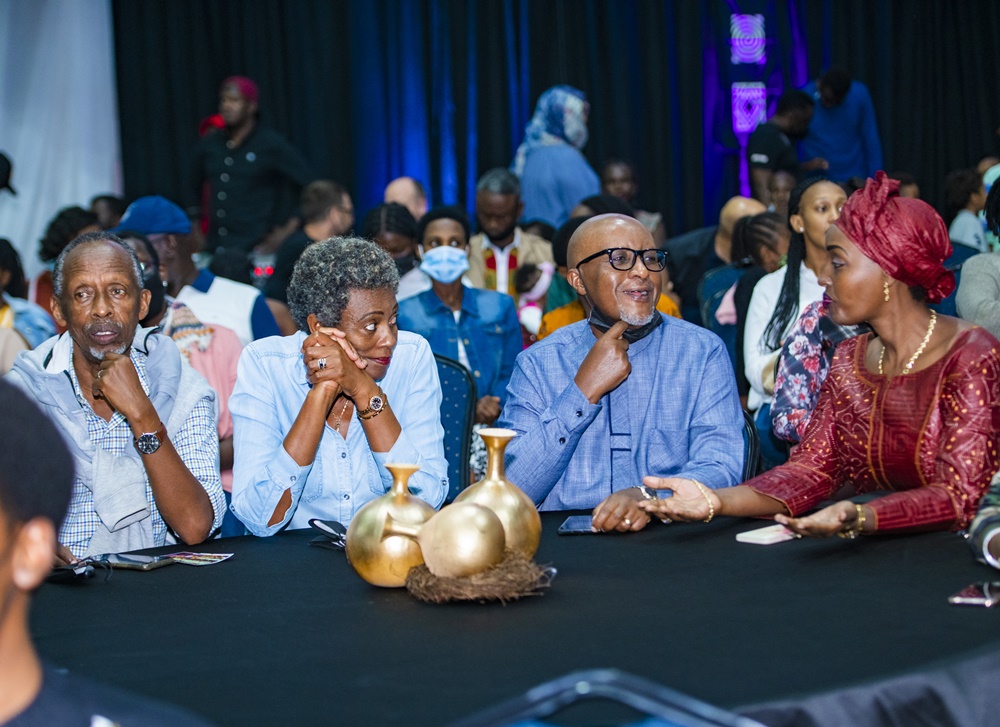
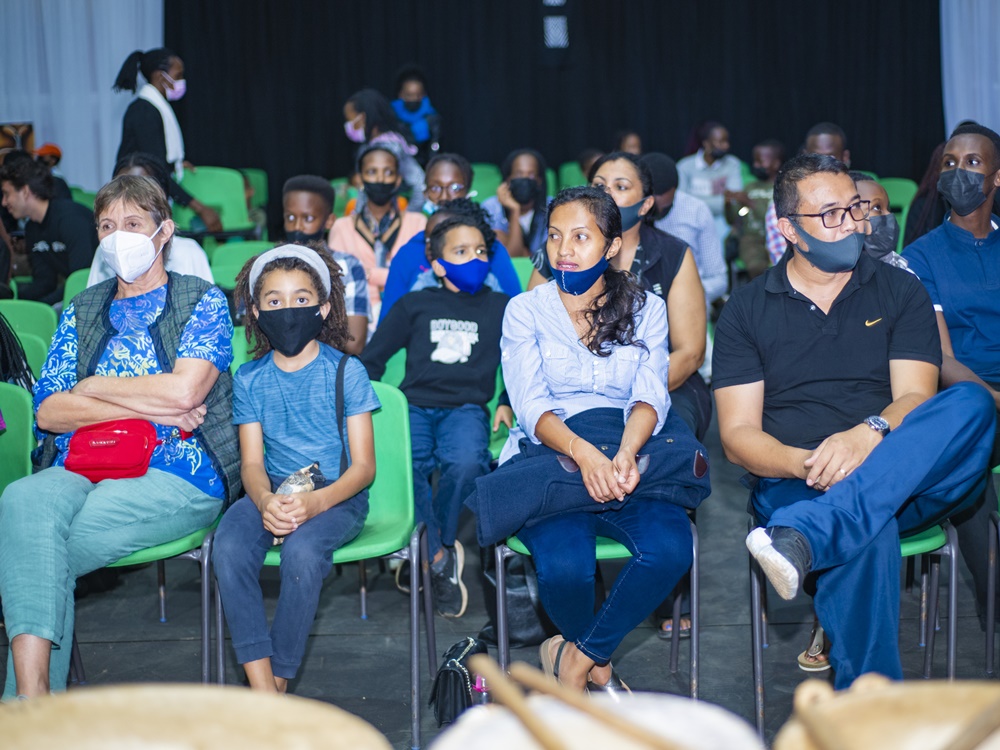
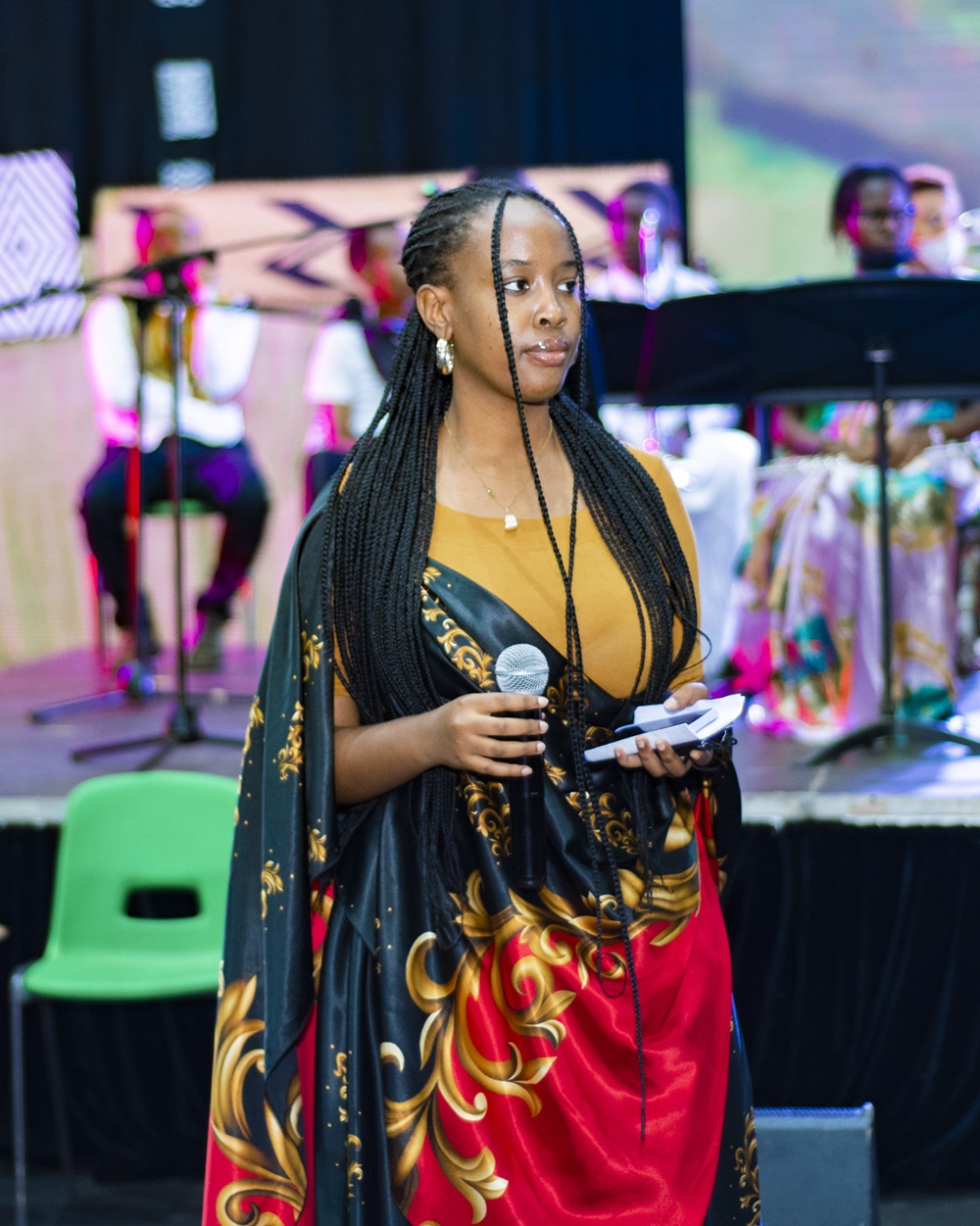
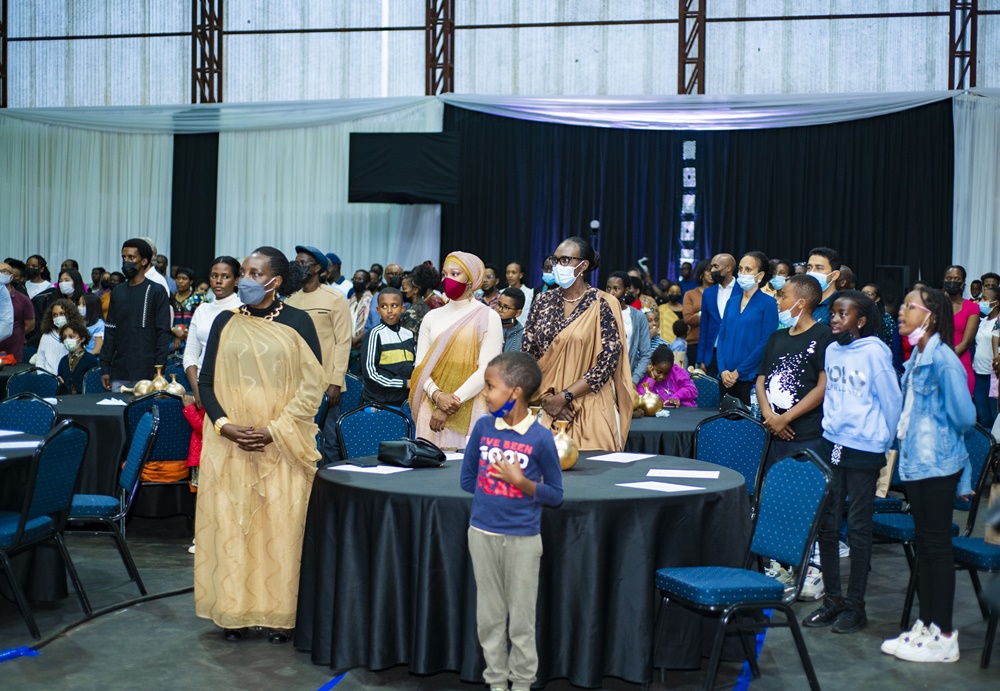
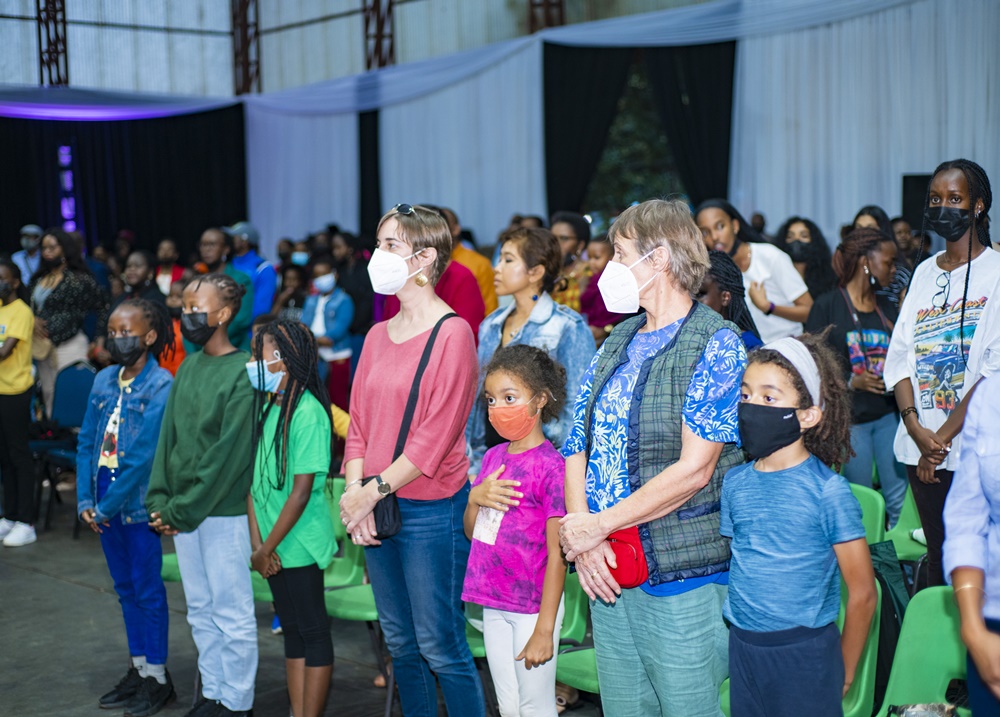
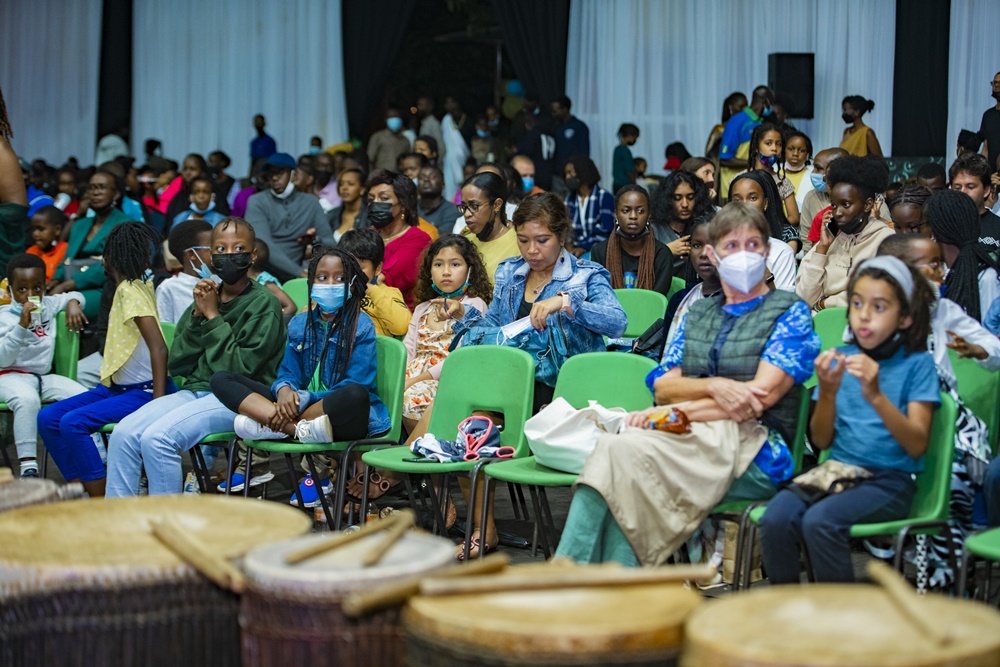
The event is part of annual cultural celebrations organized by GHA to promote Rwandan culture.
It brings together parents with children studying at the school, students, the management, teachers and Government officials among others.
The festival was last held on 7th February 2020 before the onset of COVID-19.
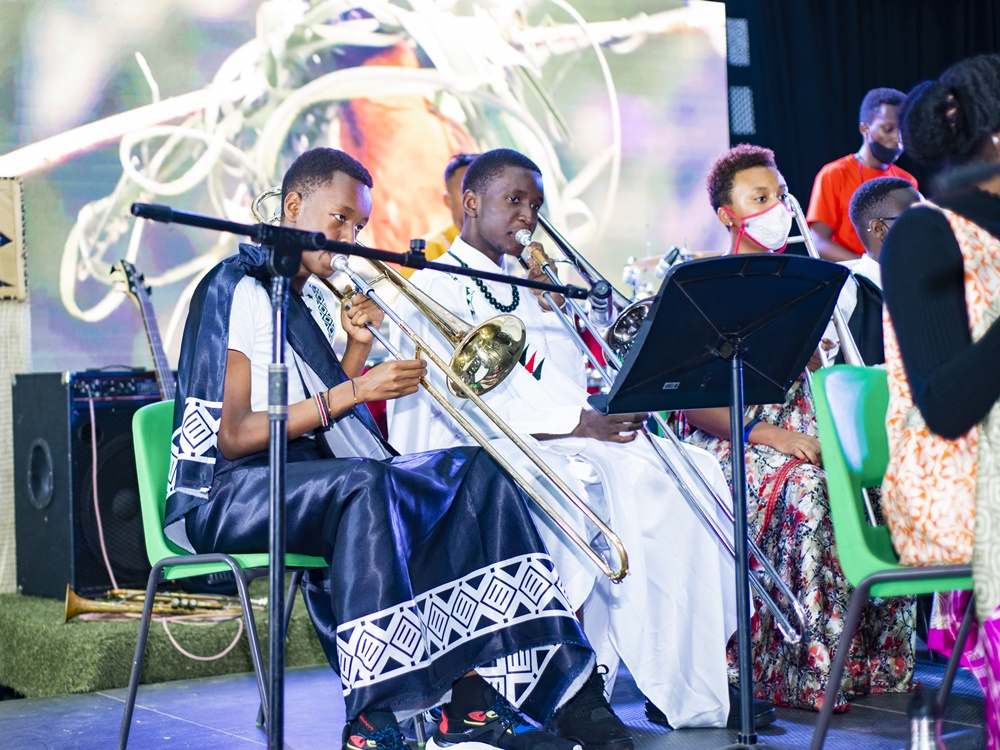
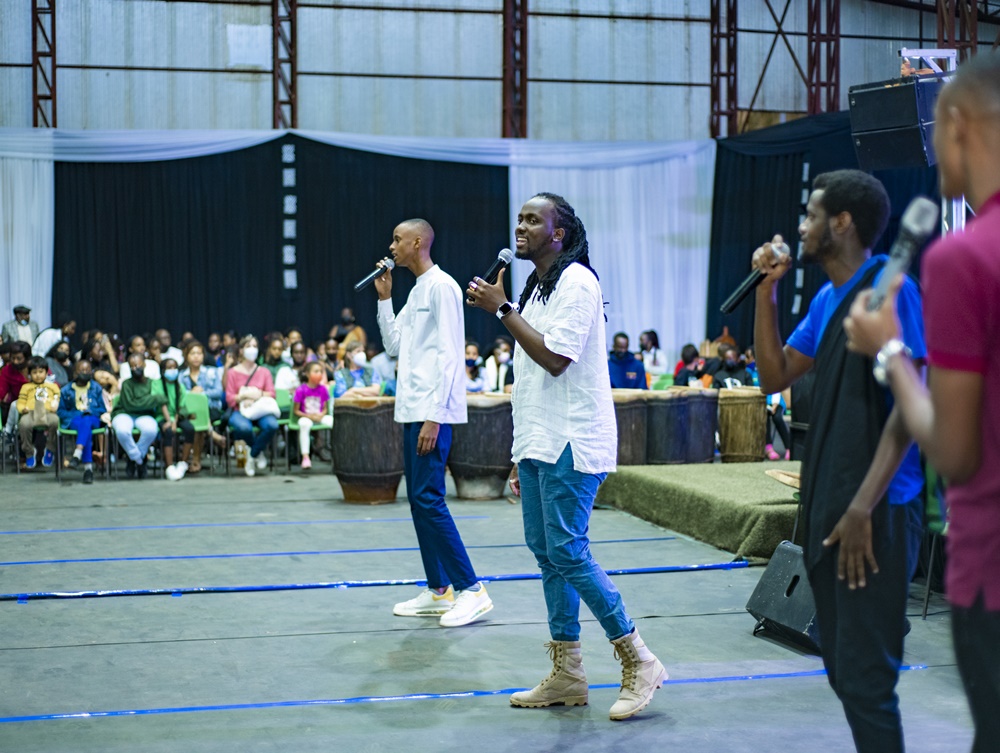
It resumed with a concert dubbed “Izuba ry’Amahoro” translated as the ‘Sun of Peace’ which featured a play echoing the relevance of striving for peace and patriotism.
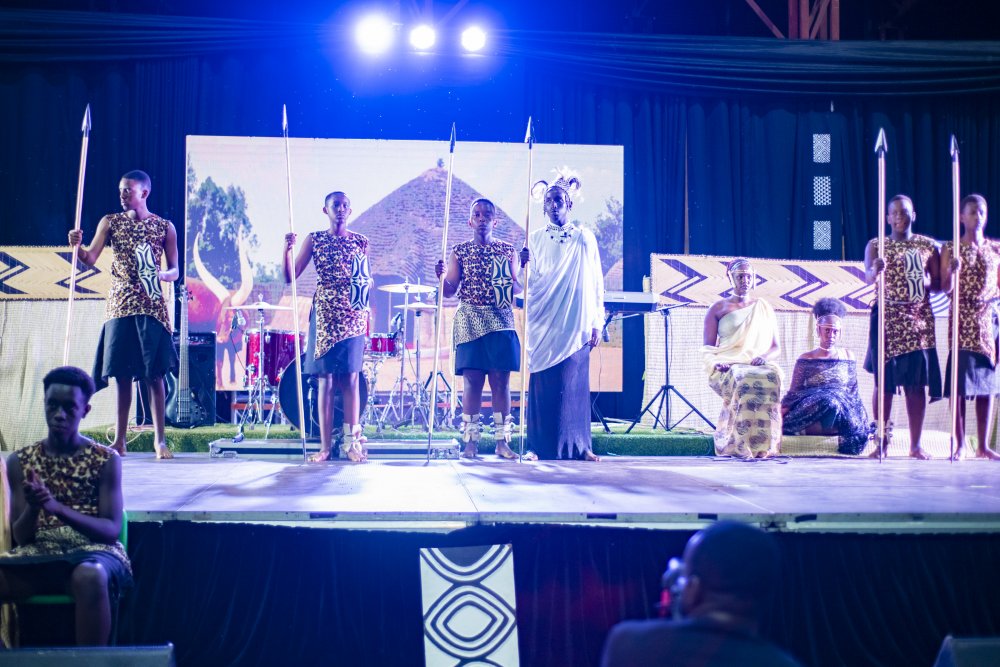
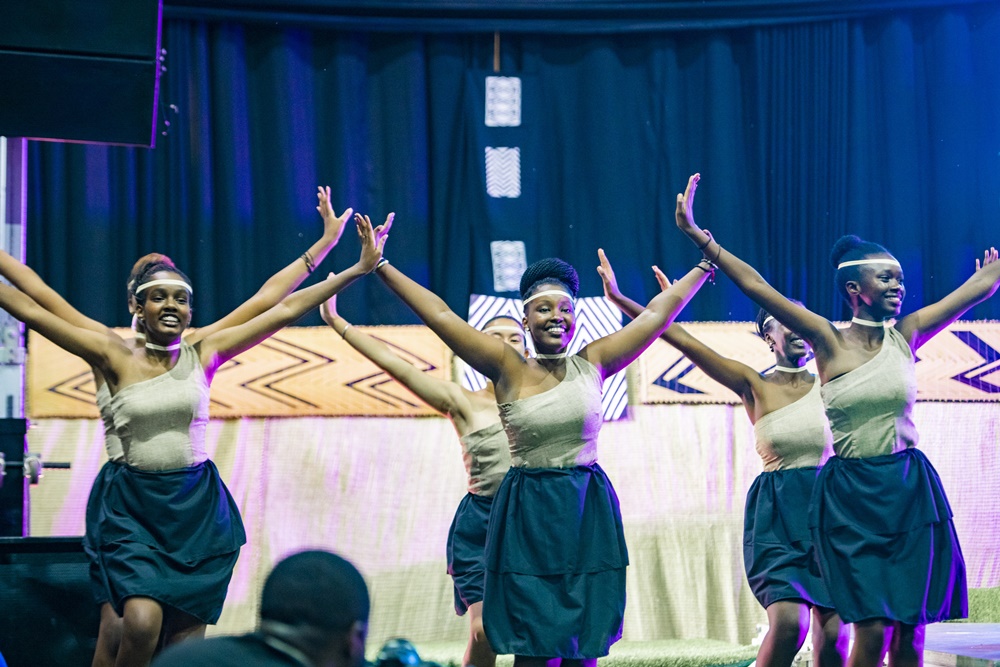
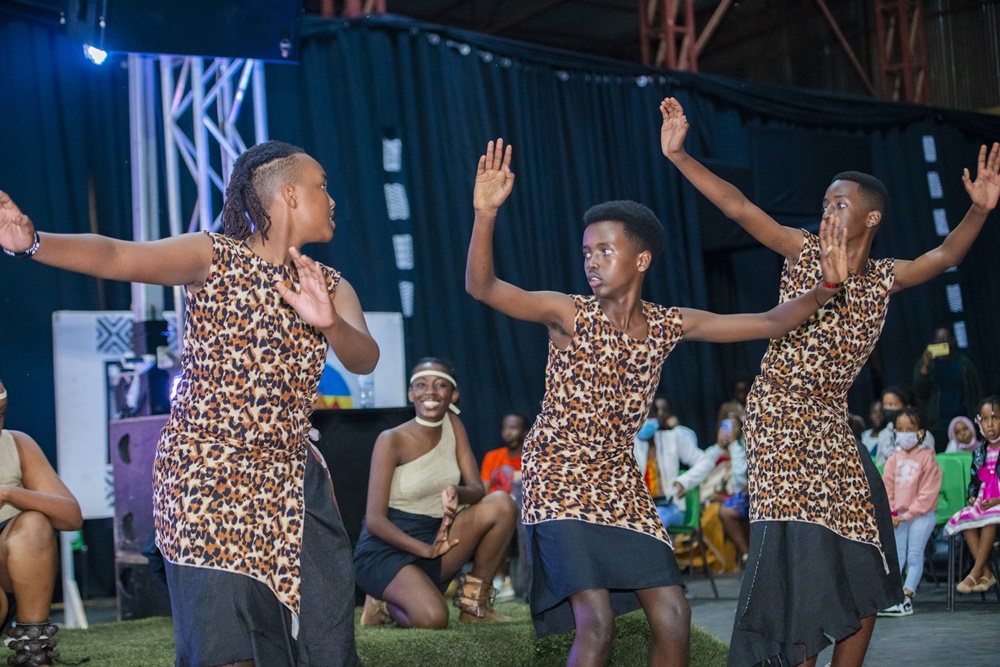
Students also exhibited their talents with plays reflecting on cultural values and traditional performances.
Participants were also entertained by artiste Muyango and Yvan Buravan.
The Minister of education, Dr. Valentine Uwamariya thanked GHA for organizing such event and stressed the need to impart students with knowledge rooted on culture.
“As you know, a school is the foundation for knowledge and has the duties to ensure proper upbringing and instill cultural values among children and the youth, complement parents’ efforts as it turns them into good citizens ready to contribute to the development of their country,” she said.
“It is important to align our education with proper upbringing to nurture children enough, be it in terms of science and culture,” Minister Uwamariya added.
The teacher of Culture at Green Hills Academy, Serge Nahimana revealed that the day is organized to celebrate Rwanda’s culture.
Located in Kigali city, Green Hills Academy was founded in 1997. With the Nursery, Primary and Secondary section, the school polishes learners’ language proficiencies in Kinyarwanda, English, French and Deutsch.
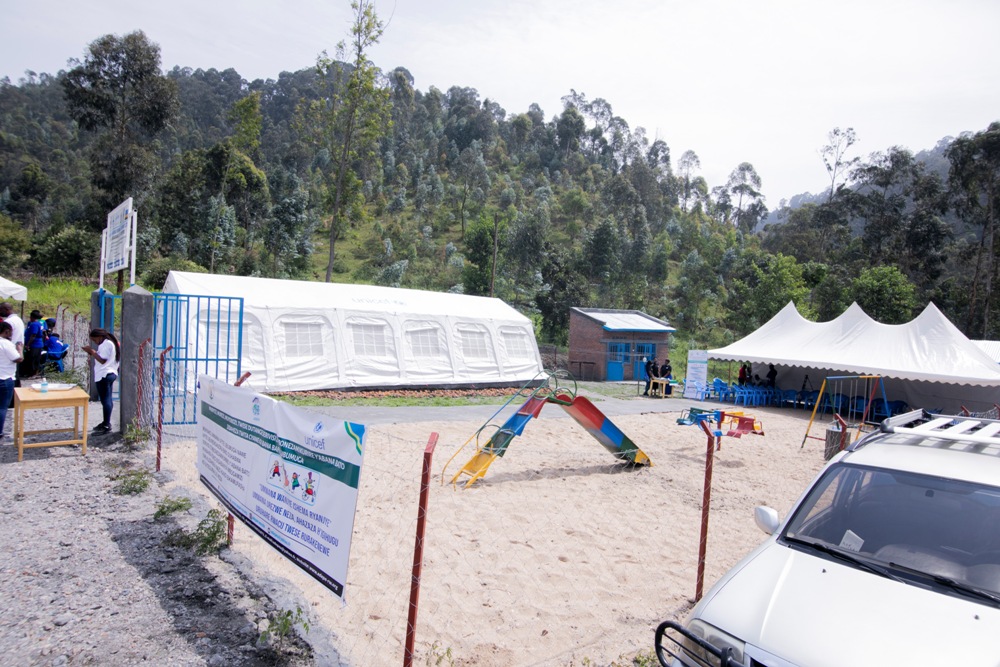
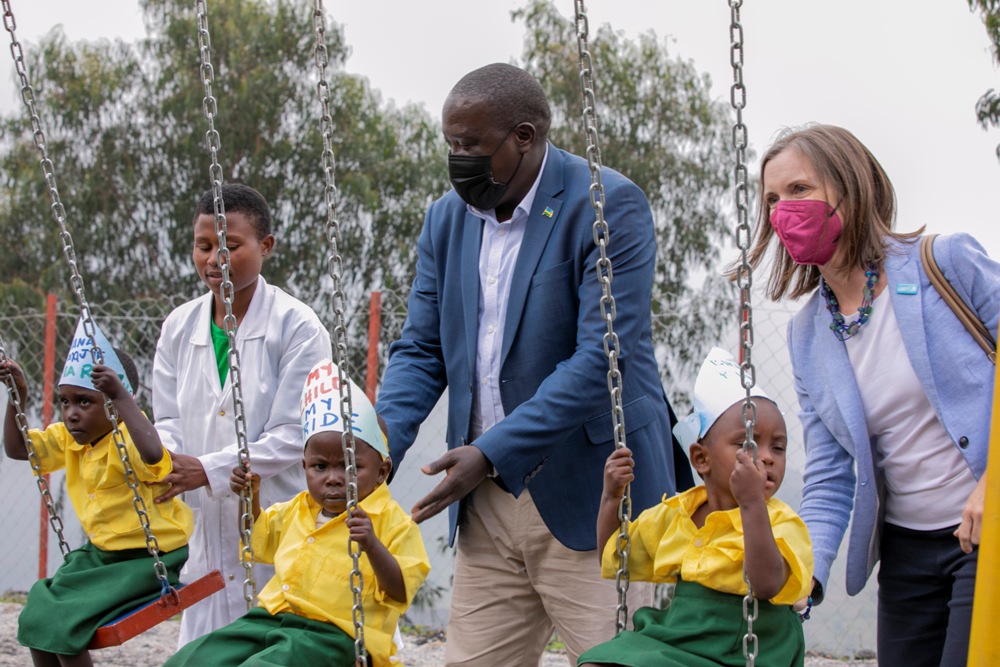
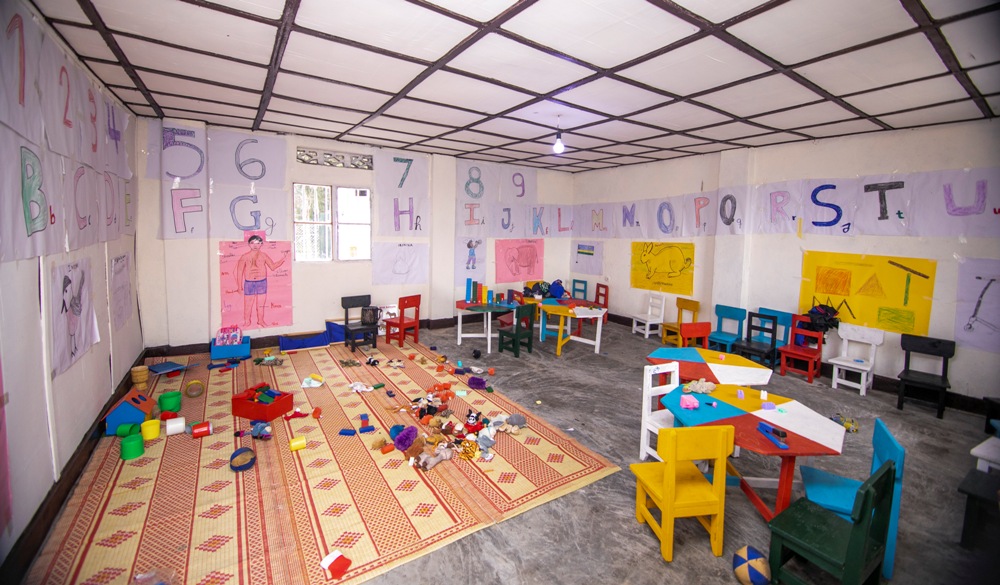
The day care facilities were inaugurated recently at New Rugarama Mining in Kagogo sector and Fifurwe Mining site in Rugendabare sector in Burera District.
The facilities completed at a tune of Rwf40 million give relief to parents involved in minerals excavation who were subjected to risks of being laid off as they take care of their children or would see their children stunting over inadequate parenting.
The ECDs were completed through the collaboration between mining companies in respective areas, Rwandan Extractive industry Workers Union (REWU), Rwanda Mines, Petroleum and Gas Board (RMB) on the funding of UNICEF.
Beneficiaries have revealed that some of them would lose jobs after giving birth or would not find enough time to take care of their children.
“We are excited and thank donors for building this modern ECD for us. I was once unable to go to work for long after giving birth and resumed work later. I struggled that time because I was obliged to hire a domestic worker to look after my child. Besides, I would not be concentrated at work thinking of my child’s safety. Today, the situation has changed as we work without disruptions and get time to check on our children whom we find in good conditions at the centers,” Jeanne d’Arc Nyiraburiri said.
Another beneficiary, Marceline Yankurije highlighted that they are no longer worried of their children’s wellbeing as they go to work.
“Our children are decently taken care of. We drop them here at the daycare center as we go to work. We are given time to breastfeed our children that we have no worries of their wellbeing,” she said.
Aloysie Nyirangirimana has expressed optimism for positive transformations as the work will be done smoothly while children get decent treatment at the launched ECDs.
“We extend our gratitude to the Government because our children are properly raised free of charge,” she noted.
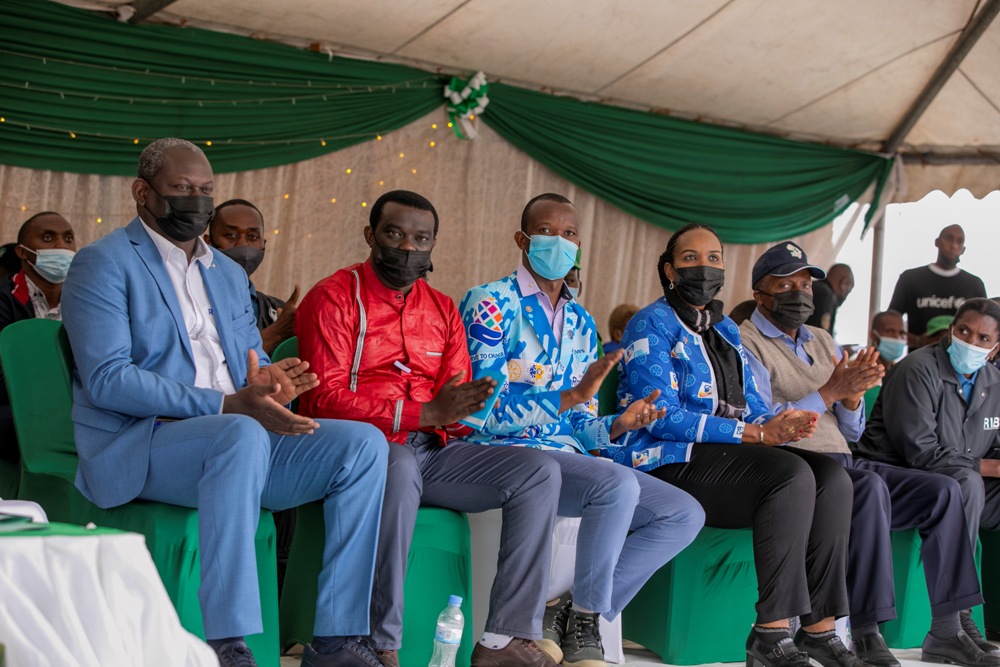
The Secretary General of Rwanda Extractive Industry Workers Union, André Mutsindashyaka hailed the program expected to help mothers do their jobs smoothly and become more productive and prosper.
“We are excited for this program promising to reassure parents as they stay concentrated at work being assured of their children’s safety. This will help them to increase productivity, spur individual’s growth and contribute to national economy as well,” he said.
The CEO of RMB, Amb. Yamina Karitanyi commended the great initiative and urged more mining companies to follow the suit, if they are to maintain sustainable growth.
“Promoting the mining sector should go hand in hand with the progress of workers. We appreciate this initiative to set up these day care centers for children born to parents working in mining excavations. We would like to request more mining firms to establish similar facilities to help their workers,” she said.
Julianna Lindsey, the Representative of UNICEF in Rwanda extolled existing good cooperation with Rwanda and called for concerted efforts to take care of children’s upbringing.
The Minister of Local Government, Jean Marie Vianney Gatabazi has requested all mining companies to establish daycares to help mothers working with them.
“Supporting children incurs no loss. It is rewarding. We would like to request mining companies to set up such Early Childhood Development Centers to help children born to employed parents and others in the neighborhoods. Proper upbringing prevents stunting and benefits the country, particularly this sector because they are tomorrow’s workforce to replace parents in their advanced ages,” he said.
The daycares launched recently started with 66 children.
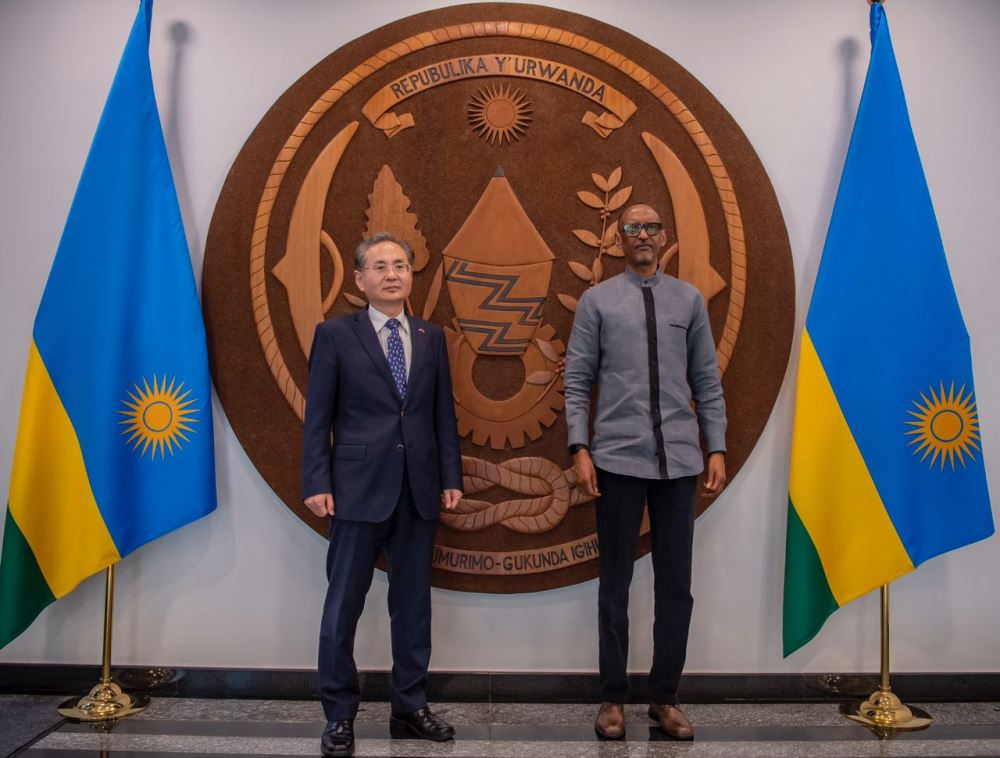
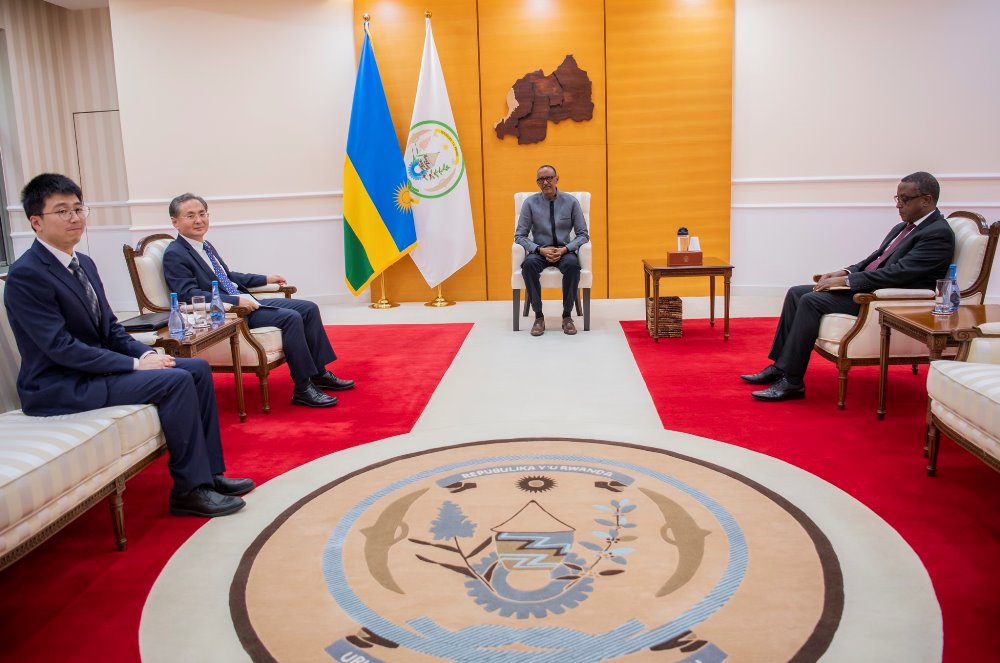
Rwanda’s Presidency has revealed via Twitter handle that the envoy was received this afternoon at Urugwiro Village.
Amb. Rao Hongwei had presented credentials to President Paul Kagame in April 2017.
Rwanda and China started bilateral ties only after a decade of Rwanda’s Independence from Belgium.
Since 1971 and more particularly after the 1994 Genocide against the Tutsi in Rwanda, the two countries have worked closely to strategically develop their political and socio-economic ties.
China has greatly contributed to the development of Rwanda in key sectors ranging from investment, infrastructure, Information and Communication Technology (ICT), to mining, health, agriculture, defense and security.
Among others, China currently ranks among the top investors in Rwanda which has created thousands of jobs in different sectors.
In addition to traditional cooperation areas, the two countries enjoy cooperation in e-commerce, trade in high-quality agricultural produce, as well as combating the COVID-19 pandemic.
Rwanda’s coffee beans are popular on China’s e-commerce platforms.
Rwanda became the first African country to export dried chili to China. Figures released last year show that some 50,000 tons of dried chili were expected to be exported to China in 5 years.
Speaking at the celebration the 50th anniversary of diplomatic relations between Rwanda and China, Amb. Hongwei said that the two countries have developed high-level political mutual trust over the years ‘making bilateral relations as stable as a great rock in the face of any changes in the international situation’.
“Our economic and trade cooperation has gotten closer. China is proud to be Rwanda’s largest trading partner and largest project contractor,” he said.
The bilateral trade volume between the two countries in 2020 reached 321 million U.S. dollars despite the impact of COVID-19.
Since 1982, China has dispatched 21 medical teams to Rwanda, with a total of 258 doctors providing medical services to more than 700,000 local people, according to data from the embassy.
Over 5,000 students were enrolled by the Confucius Institute at the University of Rwanda while more than 2,000 members registered with the Rwanda Kung-Fu Wushu Federation.
Hundreds of Rwandan students receive Chinese scholarships to study in China every year while more and more Chinese have been learning about Rwanda and visiting for sightseeing and business.
Noting that people-to-people exchanges have expanded, the envoy also noted that the two countries support each other in international affairs and speak in one voice on many issues such as development and human rights.
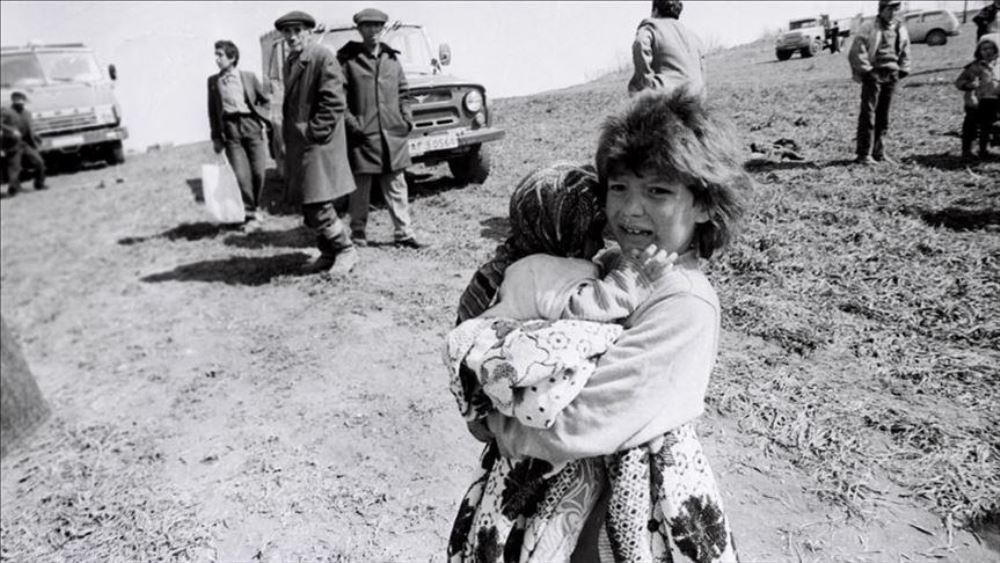
The call was made recently at the 30th anniversary of Khojaly Genocide in Addis Ababa.
The event brought together various personalities including those from the diplomatic community, human rights and law professionals, literature, humanity and other disciplines on the commemoration event held in Addis Ababa.
The Genocide which was committed between 25th and 26th February 1992, by the armed forces of Armenia during the Armenian aggression against Azerbaijan, claimed the lives of 613 people including 63 children, 106 women and 70 elderly citizens.
Speaking to participants of the event, Mr. Ruslan Nasibov, Chargé d’Affaires of the Republic of Azerbaijan said that the Genocide was one of the gravest crimes committed against the civilian population during the decades of Armenian aggression against Azerbaijan.
“From October 1991, the town was surrounded by the armed forces of Armenia. In the night of 25th February 1992, following massive artillery bombardment of Khojaly, the armed forces of Armenia with the help of the former USSR infantry guards regiment No.366 of which the Armenians constituted the majority, forcibly seized control of Khojaly. Invaders destroyed the city and, with particular brutality, brought violence to its peaceful population,” said Ruslan.
“… and the most tragic page of the First Karabakh War, was the destruction of the city of Khojaly and the Genocide perpetrated against its inhabitants. Before the conflict, Khojaly, located in the Karabakh region of Azerbaijan, was a home to over 7,000 people: men, women, children, families,” he added.
According to Ruslan; a total of 5,379 inhabitants of the city were also forcefully expelled; 1,275 were captured, taken hostage and tortured while 487 were injured.
“The fate of 150 of those captured, including 68 women and 26 children, remains unknown to this day. The actions of the armed forces of Armenia tore families apart. Eight families were wiped out. 130 children lost a parent, 25 children lost both parents,” said Ruslan.
Perpetrators of this indiscriminate killing of Azerbaijanis because of their identity, which was against all international conventions and laws, haven’t been held accountable although national legislative bodies of 17 countries, as well as 23 States of the USA, the Organization of Islamic Cooperation and the Organization of Turkic States have adopted a number of resolutions and decisions condemning the killing of civilians in Khojaly.
Ruslan underscored the commitment of the Republic of Azerbaijan to continuously take measures at the national level, as well as within the framework of existing international law.
He also believes the international community, in general, and people and governments of Africa will support Azerbaijan as it strives to serve to end impunity and bring to justice those responsible for serious crimes committed during Armenia’s aggression against Azerbaijan.
The adjournment was announced by the President of the Court of Appeal, François Regis Rukundakuvuga.
He revealed that the ruling is postponed to 4th April 2022 at 9:00 a.m.
The ruling on the appeal against the 21 accused individuals sentenced in September 2021, was expected to be read on Monday 21st March 2022.
The decision was announced virtually where the accused followed the event from prison while the Prosecution, one defence lawyer and judges were present in-person at the court.
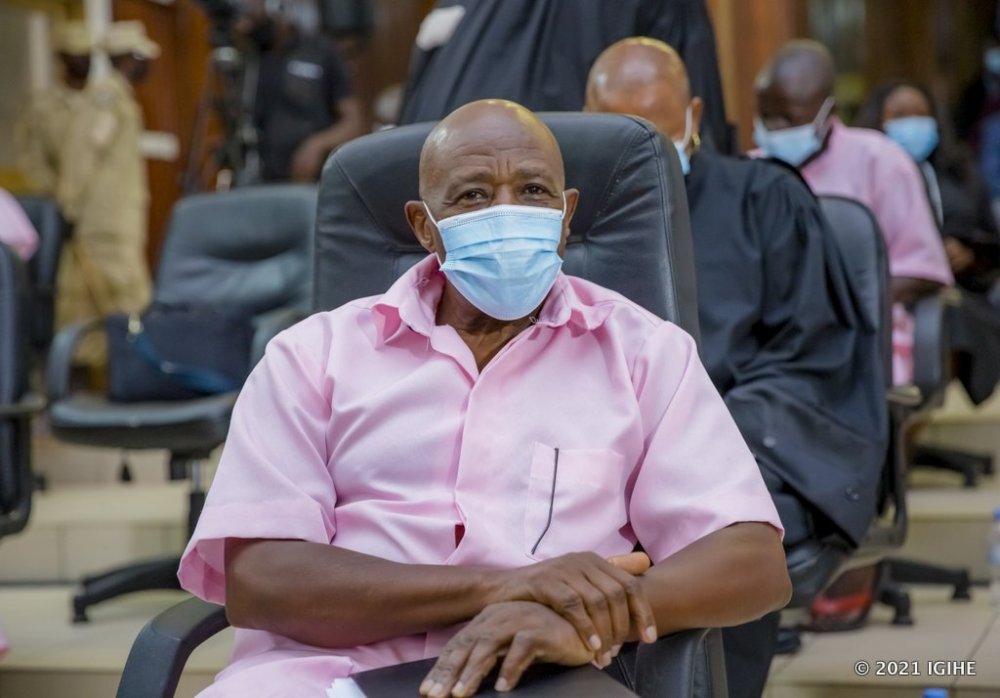
Rusesabagina who did not appeal against the 25-year jail term, had boycotted the court during trial proceedings citing zero expectation of fair trial. He was also absent during today’s session.
On 20th September 2021, the High Court Special Chamber for International and Cross-border crimes convicted these individuals of different charges including terrorism.
The High Court Chamber for International and Cross-Border Crimes convicted former President of MRCD-FLN terrorist group, Paul Rusesabagina of terrorism charges and handed him 25-year jail term while Callixte Nsabimana alias Sankara, the former spokesperson for the terror group was sentenced to 20 years behind bars.
The remaining nineteen co-accused individuals were sentenced from three to 20 years.
Following the ruling, the accused, plaintiffs and the Prosecution were given 30 days for appeal
Later on, it was said that 13 of convicts and 74 survivors of FLN attacks who sought compensation expressed dissatisfaction with the judgment separately and filed an appeal.
During trial proceedings, 94 survivors of the attacks sought over Rwf1 billion but the court resolved that few of them would get compensated and the amount was below demanded compensation.
Towards the end of last year; the Prosecutor General, Aimable Havugiyaremye said that the appeal was filed following dissatisfaction with verdicts.
He also revealed that the Prosecution was not happy with the acquittal of Rusesabagina on the formation of an irregular armed group and handed sentence among others.
The convicts faced charges including the formation of an irregular armed group, membership of a terrorist group, financing terrorism, murder as an act of terrorism, arson as an act of terrorism, attempted murder as an act of terrorism, and assault and battery as an act of terrorism.
The crimes were committed since 2018 when MRDC/FLN combatants plotted attacks to Rwanda which claimed lives of nine innocent residents in the Southern Province.
They left many others gravely injured, and caused significant material and economic damage in South-West Rwanda.
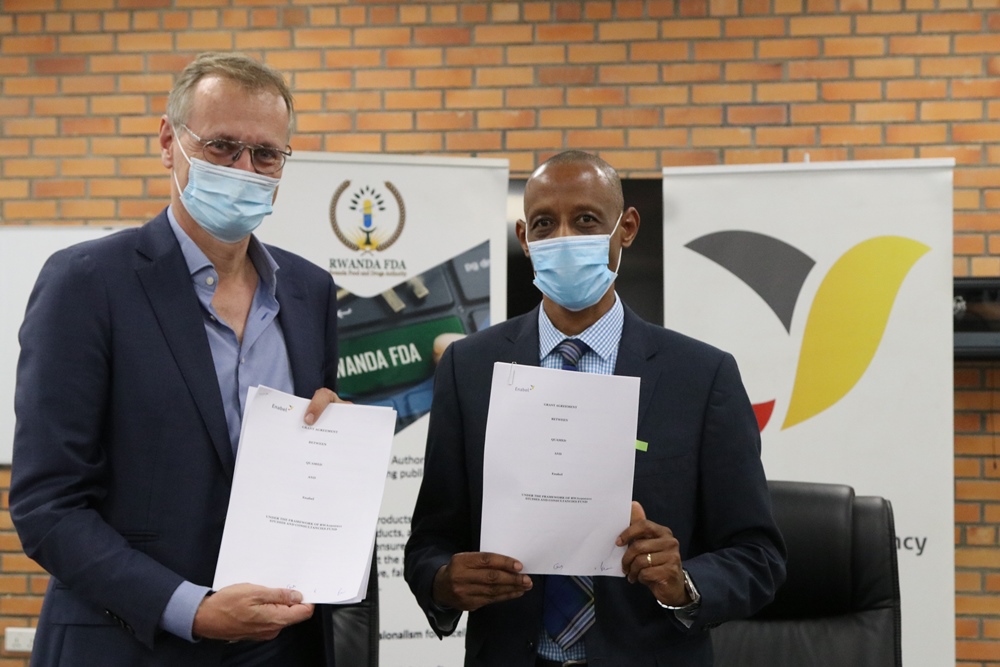
Enabel, Belgian Development Agency, has partnered with Quamed, a Belgian-based not-for-profit association with an objective to improve access to quality medicines, to support the Rwanda FDA. This partnership builds on an already existing program between Enabel and Rwanda Food and Drug Authority, funded by the European Union with the aim of establishing a laboratory information Management system that is fit for purpose.
Through the new partnership with Quamed, Enabel will deploy world-class experts to provide hands-on mentorship to the Rwanda FDA team, set up best practice quality assurance procedures and implement a capacity building plan to reach a high level of operational capacity. Rwanda FDA aims to reach a maturity level 3 certification as defined by the World Health Organization, which is a requirement to be able to provide regulatory oversight for vaccine manufacturing.
Under the leadership of Rwanda Food and Drug Authority, this partnership was brought together in a very short time, responding to a pressing need to reduce dependency from imported pharmaceuticals and global supply chain constraints. This will also encourage investors and boost the economy as a new industry starts to develop in Rwanda. As an example, BioNTech is currently preparing to launch mRNA vaccine production in the country, which will pave the way for a rapid growth in this area.
Quamed brings the right expertise at the right time and one can expect a rapid evolution at Rwanda FDA. In addition, future new projects include an upcoming EU-funded project that will be implemented by Enabel to further enhance the support to Rwanda FDA. This will include but not limited to digitalization, products assessment and market authorization, post-market surveillance and pharmacovigilance to quality, ensure safe and efficacious medical products in the country.
This new partnership is in line with the Belgo-Rwanda cooperation agreement that mainly focuses on Health, Agriculture, urbanization and public finance management.
The deal was inked at the African Investment Forum concluded on Thursday last week as the East African has reported.
The US$8.7 billion worth of investments will be earmarked to different sectors including transport, healthcare, energy and agriculture.
The three-day event was organized by the African Development Bank (AfDB) in collaboration with other finance organisations including Africa Export-Import (Afrexim) Bank and others.
The forum saw a total of US$36.2 billion raised out of the expected US$58 billion.
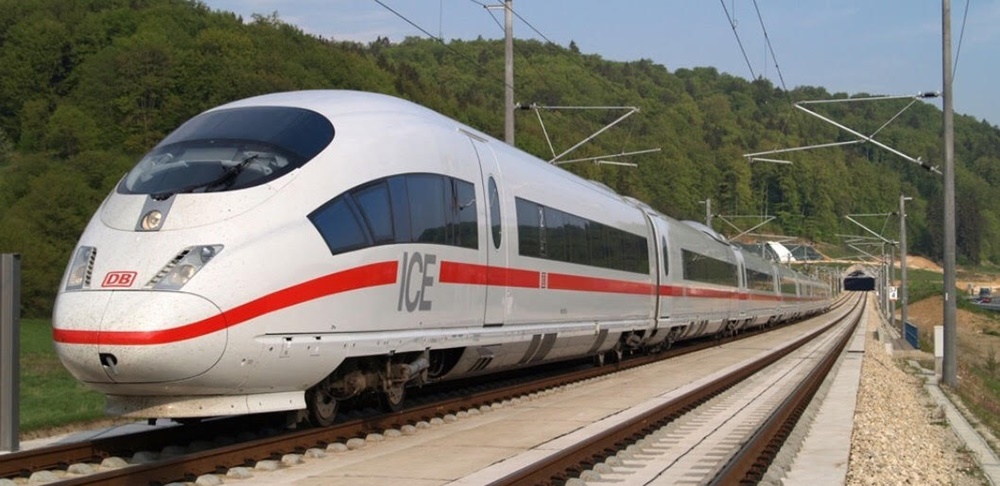
Of the funding, US$3.3 billion will be allocated for the construction of Isaka-Kigali railway.
The latter will be completed through public-private partnerships.
Commenting on the development; Dr. Akinwumi Adesina, AfDB president and chair of the forum said: “There is a lot of political support and goodwill for this, I can’t wait to see this railway. This is all part of improving the regional integration, and also accelerating the Africa Free Trade Area. It is going to drive down the cost of moving things.”
Other deals inked during the forum include an unspecified amount that will facilitate vaccines production in Kenya and agricultural investment to improve East Africa’s food security, especially wheat and grain production.
Isaka-Kigali is a joint 532 km railway project between Rwanda and Tanzania expected to be completed at a cost of USD$3.3 billion.
The project is much anticipated between both countries especially for Rwanda as a landlocked nation.
Sources reveal that Rwanda is required to pay US$4,990 per single container carrying 25,400 kgs. Once completed, the railway anticipates reduced transport costs by 40% hence positively impacting on Rwanda’s imports and exports.
Among others, the project will be impactful particularly for Rwandan traders considering the fact that 70% of Rwanda’s imported or exported cargos are transited through Dar es Salaam Port.
Rwanda and Tanzania began discussions for the construction of Isaka-Kigali railway in 2000. It will follow the track from Dar es Salaam, through Isaka and Rusumo in Kirehe before reaching Kigali.
Agreements to construct the 532-railway were signed on 9th March 2018.
On the side of Rwanda, the 532-km railway will pass through Rusumo border to Kigali city (at headquarters of Dubai Ports in Kicukiro). There will be an extra 18-km part of the railway leading to Bugesera International Airport.
The railway on the side of Rwanda will be 138 km with the rest of 394 being on Tanzania side.
Of the total US$3.6 billion estimated cost; Tanzania shall meet US$2.3 billion while US$ 1.3 billion is required on Rwanda’s side.
It is reported that landmarks for Isaka-Kigali railway passage have been erected from Rusumo to Ndera in Kigali city.
It is expected that the railway will be expanded to the democratic Republic of Congo (DRC), once the country’s request is approved.
Apart from Isaka-Kigali railway, Rwanda also joined Northern Corridor countries including Kenya, Uganda and South Sudan for the implementation of a $13.8 billion flagship railway project that links Mombasa to Kigali and the railway expected to dramatically boost East African’s position as a regional economic hub.
Speaking to the media on Thursday 9th September 2021, the former Minister of Infrastructure, Amb. Claver Gatete said that the construction of a railway linking Kigali to Isaka in Tanzania would begin in the near future.
At the time, he disclosed that almost all discussions and feasibility study had been finalized.
“We have made two major steps paving the way for implementation. The first is about meeting all requirements to begin construction of the railway. The second is about making a holistic project study preceding construction. In fact, we have completed all basic preparations,” he said.
“The remaining task is to work with the African Development Bank which helped us to design the project’s study so that we can discuss sources of funds to build the railway, consider how much we have and need as well as determining how best they can be utilized. This is what we are discussing,” Amb. Gatete added.
The Minister also revealed that construction works would begin right after settling the issue.
The quartet of Xavier Dusabumuremyi, 42, Bernard Dusingizimana, 41, Vestine Mukarukundo, 29, and Medald Bakundukize, 41, was arrested by the
Anti-Narcotics Unit (ANU) in Kigimbu Village, Nyamagana Cell, Ruhango Sector with combined 18,000 pellets of cannabis.
Superintendent of Police (SP) Theobald Kanamugire, the Police spokesperson for the Southern region, said that the suspects were arrested following a tip-off from a local resident.
“Police received information from a resident in Nyamagana about four people, who were suspected to be supplying narcotics to retailers in the area. Information indicated that the were using Medald Bakundukize’s house as store,” SP Kanamugire said.
Police, he added, went to the said home where 18,000 rolls of cannabis were recovered and Bakundukize taken into custody alongside his three accomplices, who were also found at the same home.
SP Kanamugire attributed successful operations to public ownership against drug dealers.
The suspects were handed over to RIB at Ruhango station for further legal process.
Cannabis is listed as a very severe drug in Rwanda with a sentence ranging between 20 years and life imprisonment, and a fine of up to Rwf30 million.