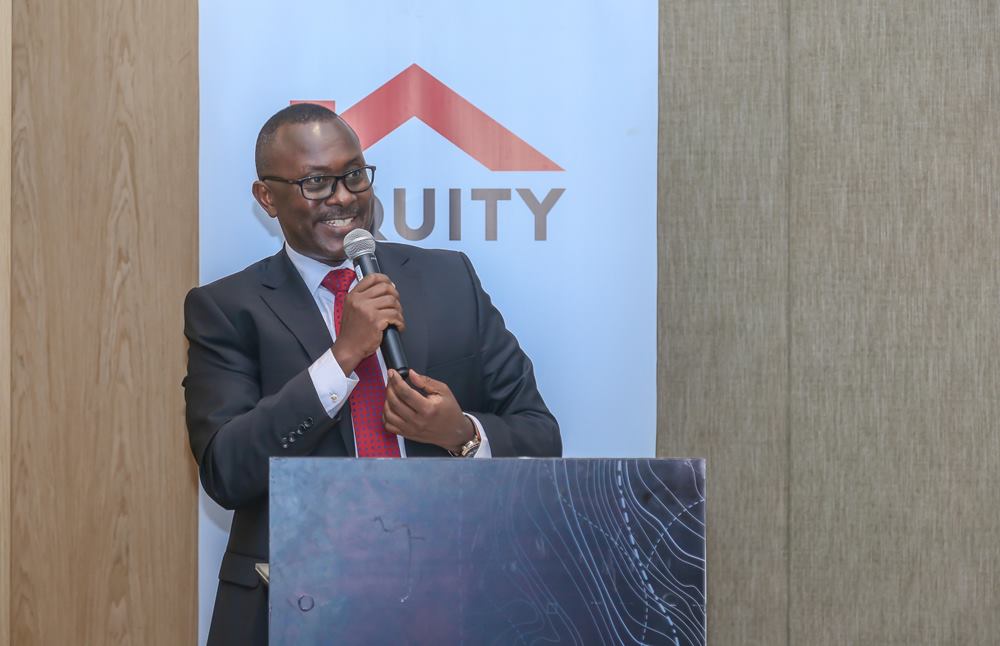
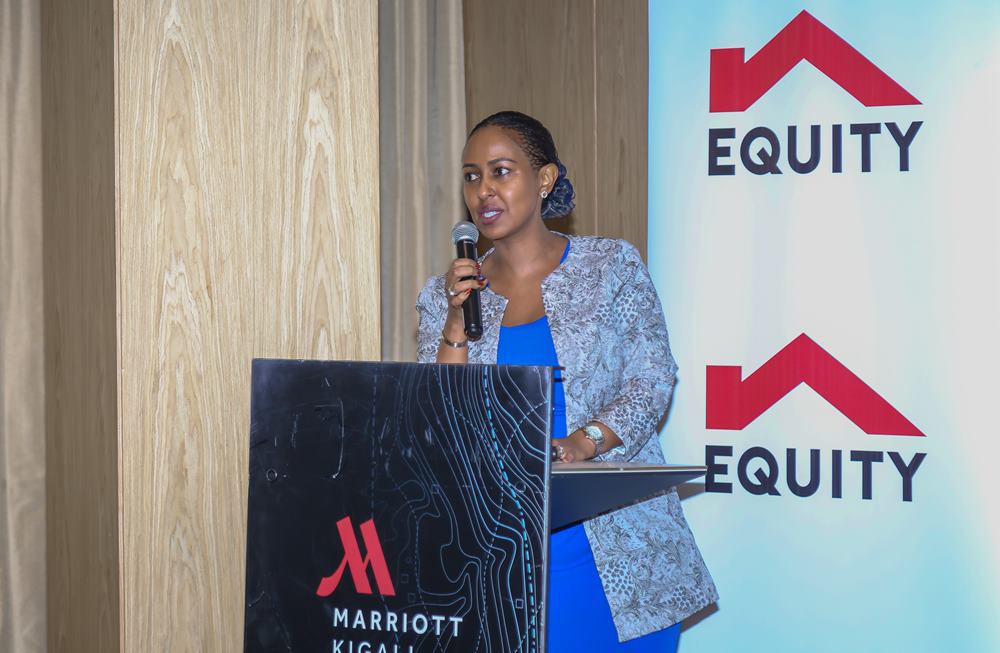
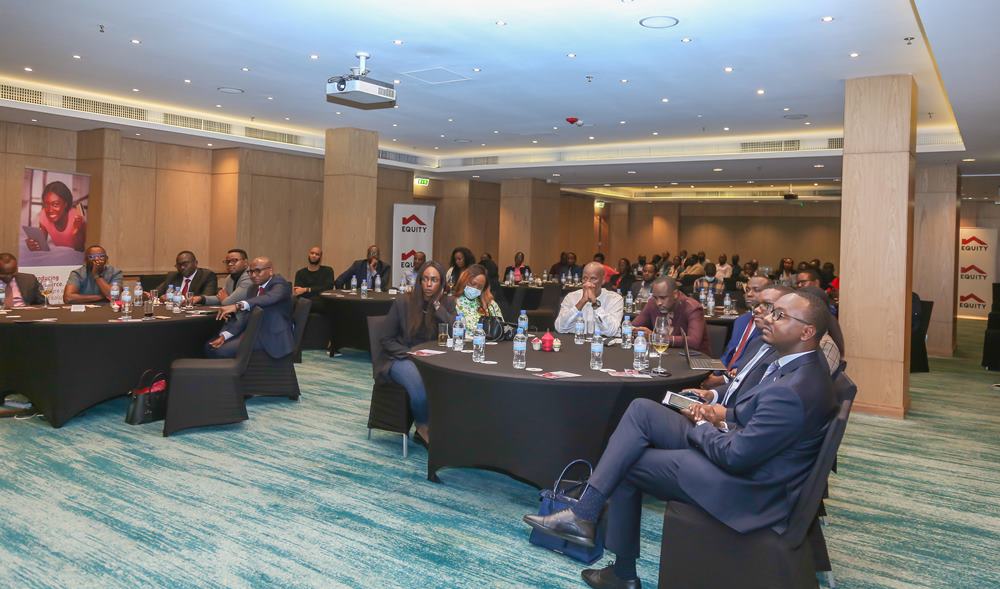
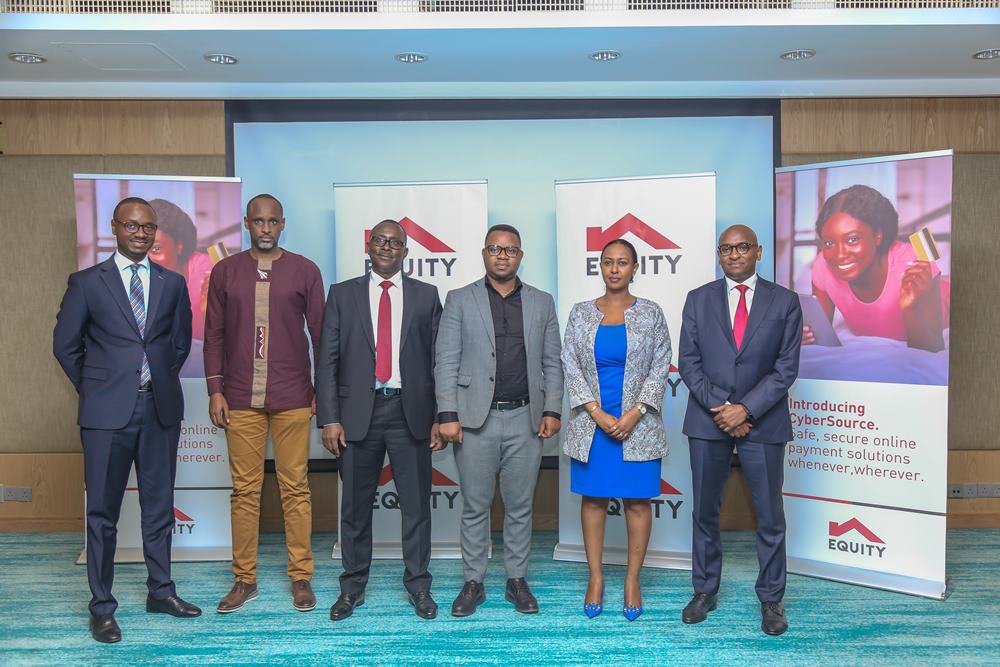
The payment platform dubbed ‘CyberSource’ introduced in partnership with Visa is different from the existing digital payment methods. It offers several features like invoicing (payment links), secure acceptance, direct API integration and payments tokenization.
CyberSource offers a much-needed payment solution to businesses in key sectors that include hospitality, tourism & e-commerce. CyberSource is also suitable for payment aggregators and service providers who receive payments through their websites and / or apps.
The platform gives users different payment options in currencies of their choice, making payments with Debit Card, Credit Card and soon, Mobile Money wallets will be integrated.
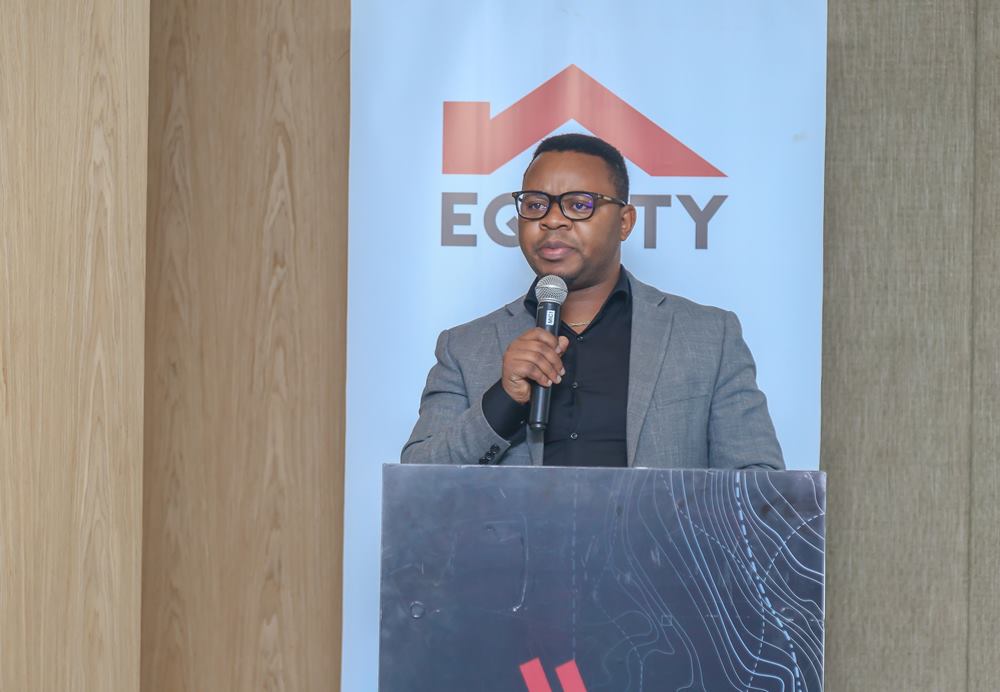
Jean Jacques Kajuga, the Head of Payments & Digital Channels at Equity Bank Rwanda PLC has said that the new platform will contribute to efforts aimed at driving Rwandans into cashless transactions.
“COVID-19 has presented unprecedented challenges requiring businesses to opt for technology. Besides, clients’ mindsets have changed. Many people prefer to make payments electronically as the Government expends much effort to embrace cashless transactions. It is against this backdrop that Equity Bank always strives to become the most preferred financial institution among Rwandans,” he said.
“We have maintained the lead in digital financial services. By introducing the Cyber Source platform, we want to make our services more efficient for all clients. It is simple and reliable and helps users to monitor business transactions,” Kajuga added.
The E-Commerce Manager at Equity Bank Rwanda, Patrick Gakuba has said that the new payment method is reliable and accessed through websites of merchants interested to use the technology. Businesses using Cyber Source can receive payments from anywhere across the world.
The Permanent Secretary at the Ministry of ICT and Innovation, Yves Iradukunda has said that technology continues to take center stage for the development of Rwanda particularly in business transactions and urged members of the private sector to contribute to this case.
The Country Manager of Visa in Rwanda, Salma Ingabire has observed that making electronic payments is the only reliable payment method for clients.
“Regarding investment, it tackles challenges arising from the circulation of money, reduces pressure of customers expressing lamentations for prices, increases customers and sells merchandise,” she said.
Ingabire went on to explain that shopping online has become popular among clients where online payments and e-commerce are expected to promote investment along the journey towards economic recovery.
The report released on Thursday 24th March 2022 is based on archives of French foreign intelligence agency (DGSE) compiled between May and August 1994.
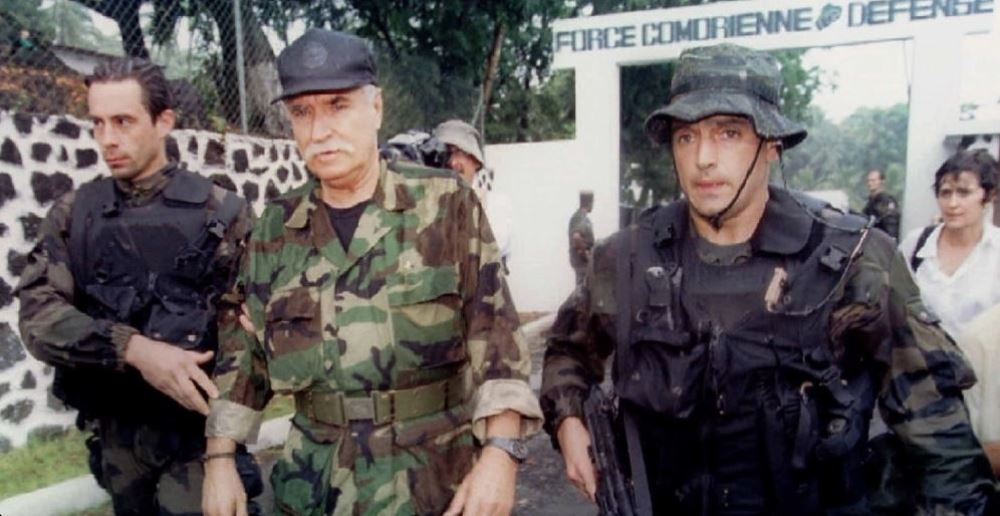
It discloses the role of French mercenaries Paul Barril and Bod Denard in supporting the genocidaire Government.
As the report shows, Paul Barril and Bob Denard and their friends worked closely with individuals from the genocidaire Government who fled to France. Those include Agathe Habyarimana, the wife of former President Juvenal Habyarimana.
It is said that the two men had entered agreements with the interim Government to provide intelligence report and weapons used during the Genocide.
The recent report indicates that they organized different activities overseen by DGSE which also reported the situation to Élysée, the office of Prime Minister and other ministries.
François Crétollier, one of contributors of the report released by Survie has revealed that France was aware that the mercenaries, Bob Denard, Paul Barril and their friends had been dispatched to Rwanda.
“French Government behaved as if it knew nothing about the issue for several years. This is a lie,” he said.
Crétollier also revealed that the Government of Habyarimana was at the axis of these activities to dodge imposed sanctions.
Robert Denard who died in 2007, was a French soldier who served as a mercenary and was involved in different activities under false identity by changing his names to “Gilbert Bourgeaud” and “Saïd Mustapha Mahdjoub”.
It is said that Denard used to send his subordinates to Rwanda during the Genocide with different missions and paid through BNP Paribas, a French international banking group.
The bank was recently taken to court for role in the 1994 Genocide against Tutsi due to the money released on the request of officials in the then Rwandan Government to buy weapons yet UN had imposed sanctions against the country.
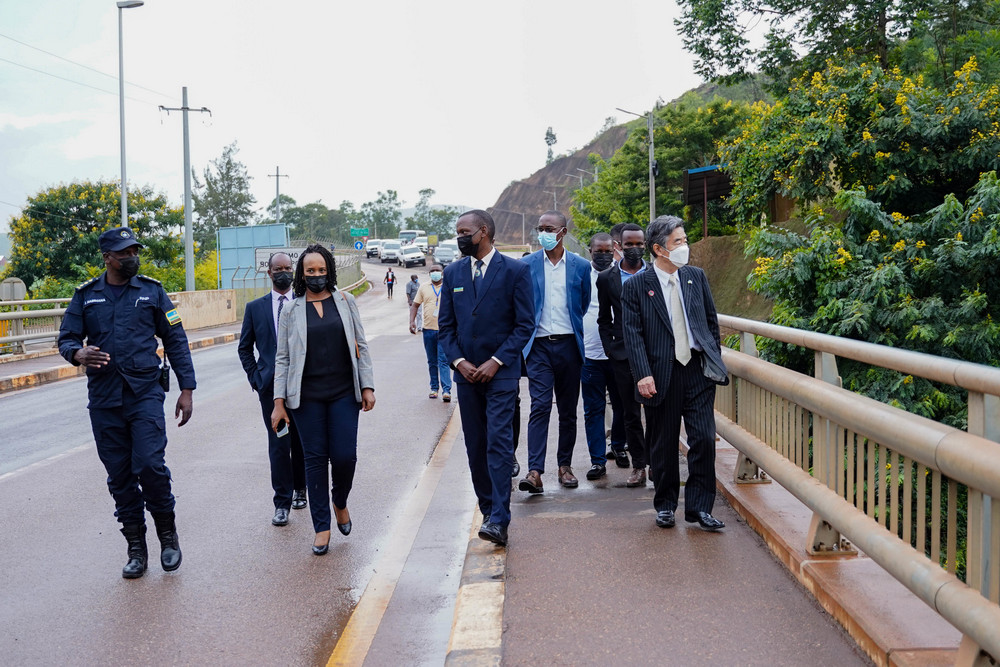
As both countries celebrate the 60th Anniversary of unwavering diplomatic relationships, Mr. Ernest Rwamucyo, Ambassador of Rwanda to Japan, and Mr. Masahiro Imai, Ambassador of Japan to Rwanda exchange their views on the past, present and future of the Rwanda-Japan relationship.
{{Excerpts:}}
{{Q. What has built the sound and friendly bilateral relationship between the two countries? How do you evaluate achievements made by both countries and people?}}
{{Ambassador Rwamucyo: }}
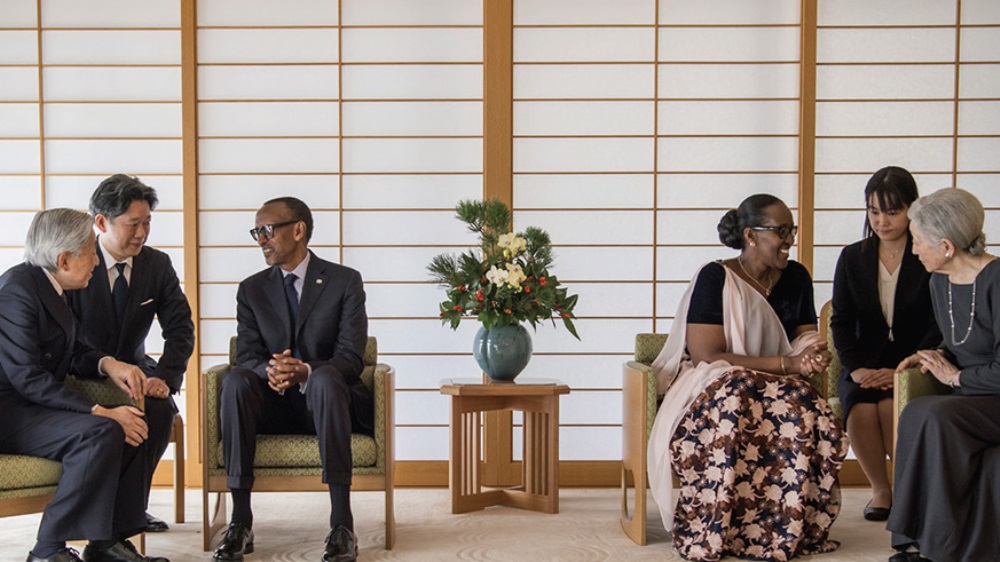
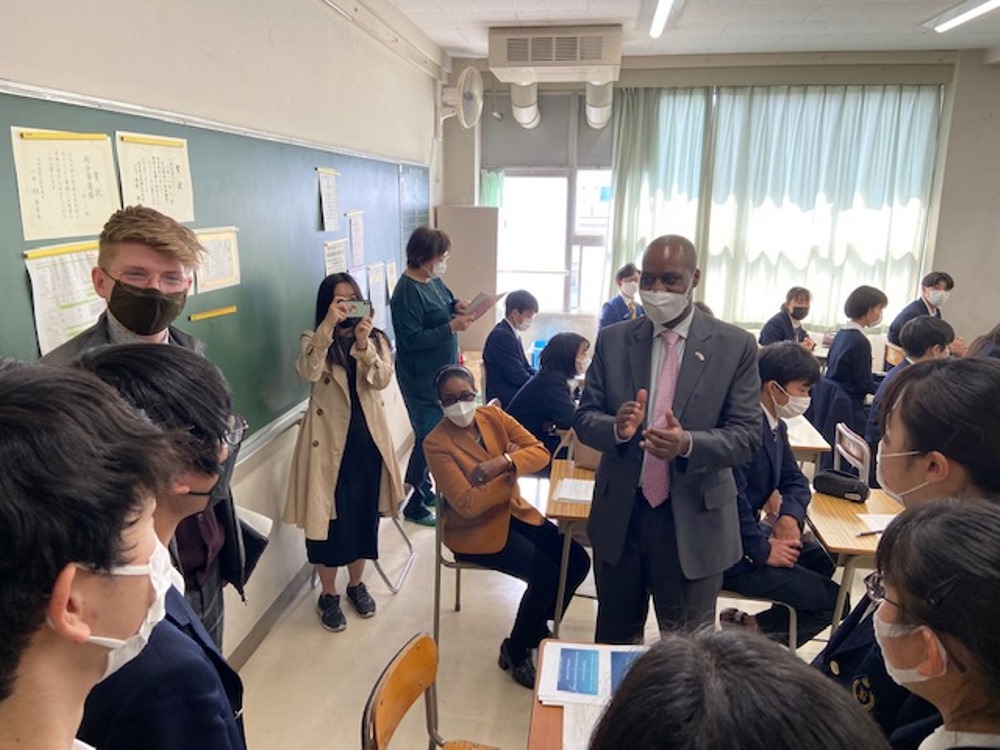
Rwanda and Japan share an unbreakable bond of friendship which is built on mutual trust, shared interests, solidarity, growing people-to-people contact and cultural connection; and shared belief in multilateralism coupled with strong political will of the leadership of the two countries. There has been high level connection between the political leaders of Rwanda and Japan. H..E. President Paul Kagame has participated in the Tokyo International Conference on African Development (TICAD) Summits. In January 2019, the President made an official visit to Japan and held high level meetings with His Majesty Emperor Akihito and Prime Minister ABE Shinzo. The President also visited Japan in August 2019 to participate in TICAD 7 in Yokohama and again held productive bilateral discussions with Prime Minister ABE. The President also worked very closely with former Japan Prime Minister, Yoshihide SUGA on the global fight against Covid-19 and mobilization for global equitable access to covid-19 vaccines for developing countries.
{{Ambassador Imai:}}
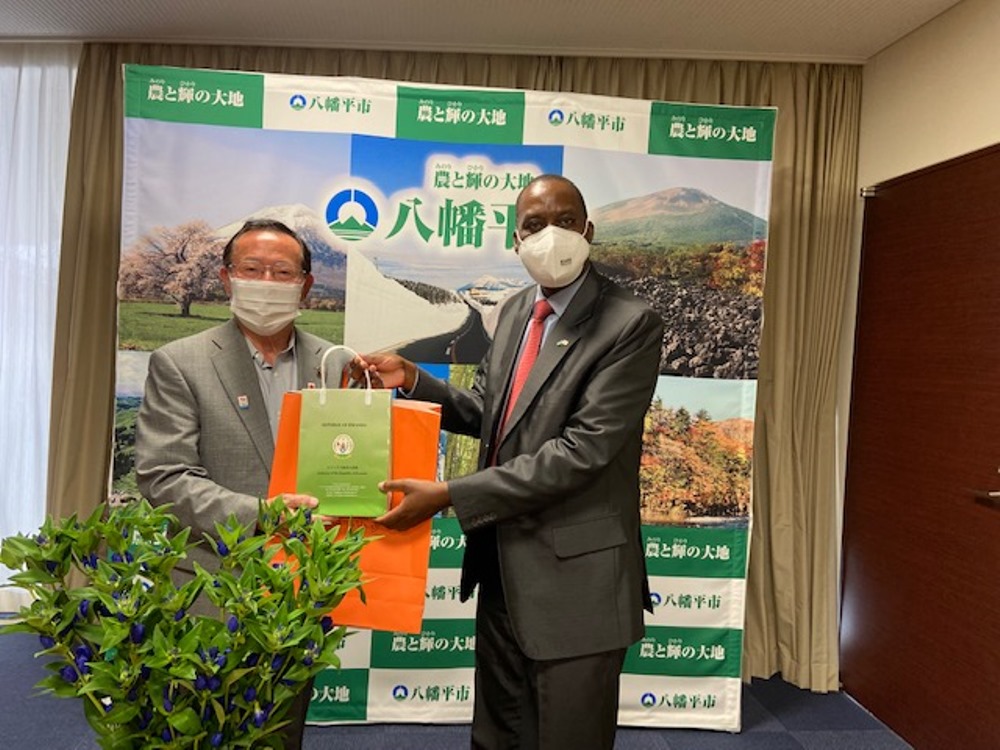
People-to-people exchange and mutual support, from top-level to local community, have created mutual trust as a foundation of the friendship between two countries. Besides the high-level connection, at local level, the City of Kobe has the partnership agreement with Kigali City for economic cooperation. Hachimantai, the host city for the Rwandan Olympic athletes at the Tokyo Olympic Games in 2021, has a good relation with Rwanda in the area of floriculture. Most importantly, Japan still remembers that we received warm messages and financial support from the Government and the people of Rwanda during the Great East Japan Earthquake in 2011. Through those collaborations, both Governments and people work together, learn from each other and have developed solid mutual-trust between two countries and people, which are irreplaceable achievements we have made.
{{Ambassador Rwamucyo:}}
In this regard, Japan has over the last decade sent over 300 Japanese overseas volunteers who bring critical skills in a varied number of sectors across Rwanda. These return to Japan after two years’ experience and knowledge of the country as Ambassadors who promote people-to-people connection between Rwanda and Japan.
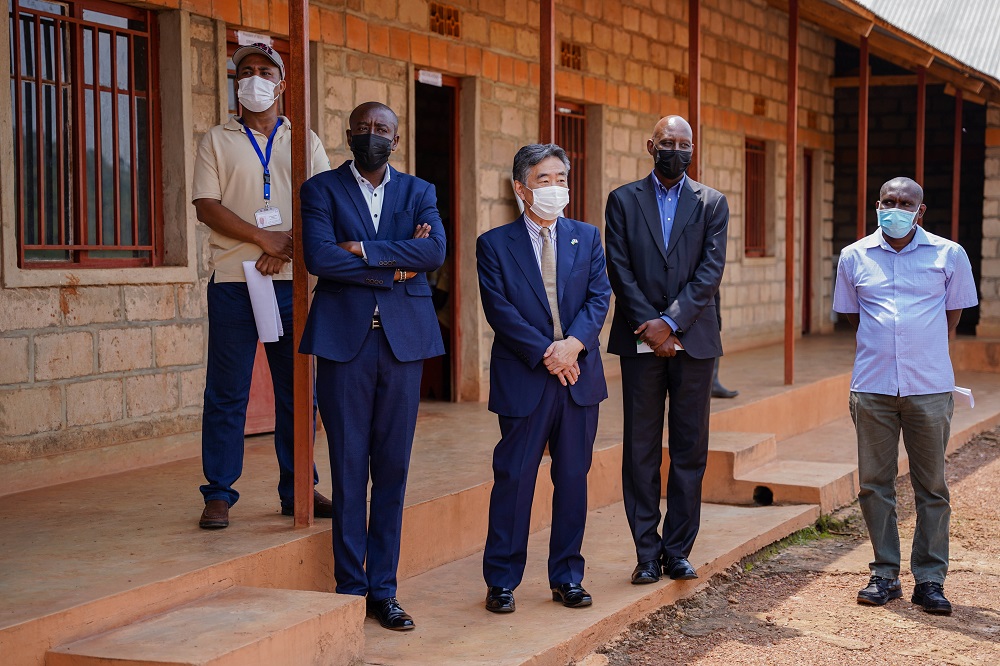
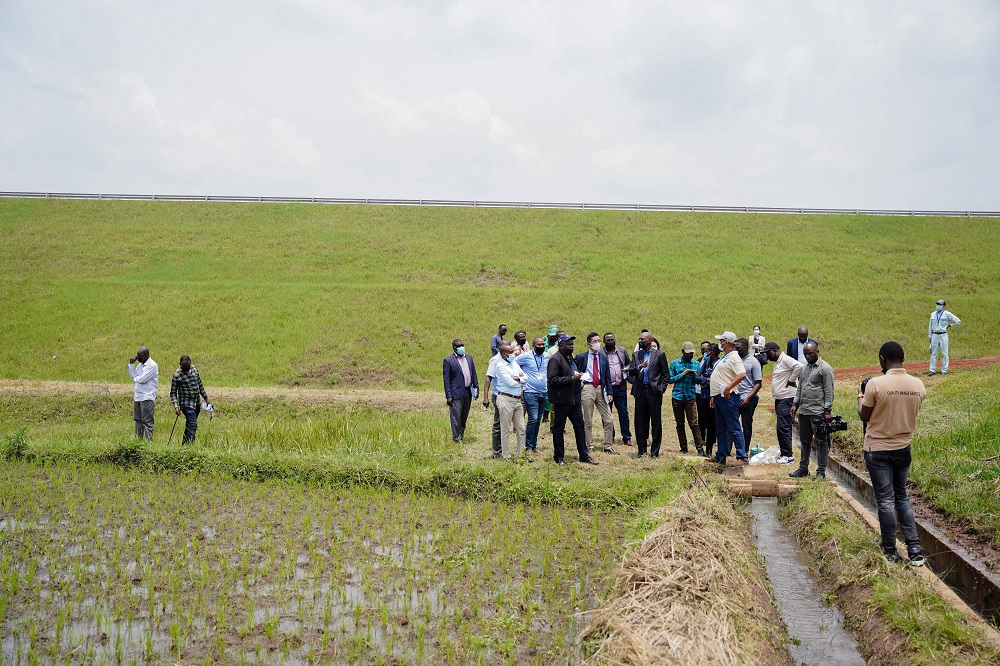
Japan has been one of the reliable partners in Rwanda’s post-genocide reconstruction; and implementation of Rwanda’s Vision 2020 and the current Vision 2050. Since 2005, JICA has intervened in 22 projects valued at more than US$201 million. Between 2022 and 2026, it is projected that Japan through JICA will have supported 42 domestic projects and 3 East African integration projects worth over US$337 million.
The projects focus on critical development priorities for Rwanda in economic infrastructure, agriculture, energy, water and sanitation, education, ICT and private sector development. Notable projects include Rusumo – Kayonza road, Ngoma – Ramiro Road, Nzove – Ntora principal water transmission pipeline, electricity transmission lines and substations, WASAC utility turn-around with Kaizan approach project and projects to promote basic education, early child-hood development and nutrition.
The relationship between the two countries continues to flourish under the current challenging global context including on issues of climate change, implementation of sustainable development goals, coronavirus pandemic, global peace keeping and security.
{{Q2. Which areas do you think should be given priority? }}
{{Ambassador Rwamucyo:}}
The most important driver of growth for Rwanda will be foreign direct investment. Rwanda looks to tap into Japan’s private sector investment. The country has significant amount of capital and renowned corporates and financial institutions. Rwanda’s strategic investments in infrastructure like the Kigali International Financial Centre and Kigali Innovation City would greatly benefit from Japan’s resources and technology. Our Embassies in Kigali and Tokyo continue to work in tandem with Rwanda Development Board to promote investment opportunities in Rwanda and to woo Japanese investors. There is already good progress with Japanese businesses collaborating with Rwandan private sector partners in areas of start-ups in the ICT sector, innovation and technology development.
{{Ambassador Imai:}}
I hope to see more Japanese business investing in Rwanda. By taking advantage of Rwanda’s pleasant climate and geography, some Japanese companies produce agriculture products and export them to the American and European markets, which contributes to Rwandan economy. I have been told that some of these products are quite popular. This started in small volume but it has been steadily increasing in quantity & quality over the last several years.
Needless to say, Japan also continues to contribute to sustainable growth, poverty reduction and job creation in Rwanda through supporting “Economic Infrastructure Development”, “Agricultural Development”, “Social Service Improvement” and “Human Resources Development for Sustainable Growth and Job Creation”.
{{Q3. What do you want to achieve as Ambassador to strengthen bilateral relationship?}}
{{Ambassador Imai:}}
Before I arrived here about 2 years ago, I received an order from the then Prime Minister Shinzo Abe to boost up our bilateral economic cooperation. My journey is still halfway through to that goal, and I intend to do my best to produce tangible results in this commemorative year of the 60th anniversary of Friendship and of holding the TICAD 8 in this August. In my understanding Japan’s technology, discipline and ethics as well as finance are what Rwanda wants to introduce and invite from Japan. I will work to build mutually supportive economic cooperation and win-win bilateral relation, which makes our two countries enjoy the fruits of our efforts and mutual benefits.
{{Ambassador Rwamucyo:}}
The relationship between Rwanda and Japan is strong and enduring. We will continue to nurture it and ensure it grows to even greater heights. Negotiation and signature of the bilateral investment treaty and avoidance of double taxation agreement between Rwanda and Japan will be very important milestones for the two countries. These will create an environment conducive for increased trade, investment and technology exchange. Our countries will also work for continued people-to-people and cultural connection between our citizens.
{{Q4. What message do you have for readers?}}
{{Ambassador Imai: }}
We have a saying in Japanese, “Sanpo Yoshi”, which shows a business philosophy; meaning a triple-win for the buyer, the seller, and society. As it applies exactly the same with diplomacy, I would like to put our efforts together to realize a triple-win for Japan, Rwanda and the world. Rwanda is full of the motivated youth and women and I expect that they will play more important roles in the future. I believe that if we work together on our mutual trust which has been nurtured through a lot of exchanges and collaborations on various levels in the past 60 years, we can make a big difference.
{{Ambassador Rwamucyo:}}
Celebration of 60 years of bilateral relations between Rwanda and Japan is an important milestone for the two countries and our people. This remains an exemplary relationship built on mutual trust, respect and solidarity. It continues to be productive and mutually beneficial for the people of Rwanda and Japan. We encourage our people to reap the benefits of this flourishing friendship through increased trade and business connection, people-to-people contact and cultural exchange. We look to increased travel and tourism between the two countries.
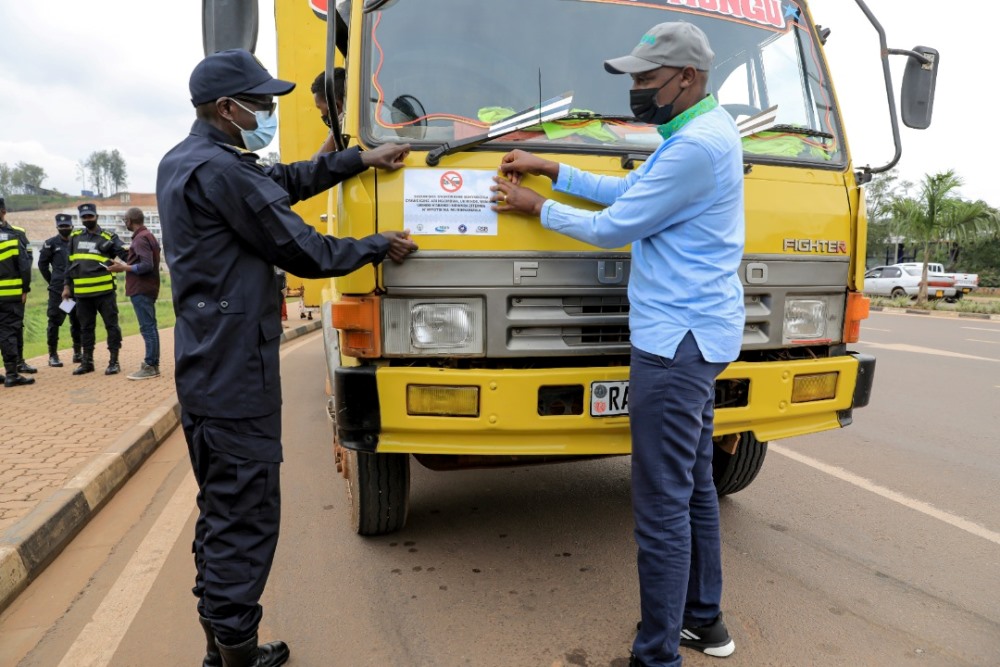
The campaign was jointly launched on Thursday, March 24, in the City of Kigali by Rwanda Environment Management Authority (REMA), Rwanda Standards Board (RSB), Rwanda Space Agency (RSA) and Rwanda National Police.
It targets owners of fossil-fuel powered vehicles and machines using petroleum products to properly service and keep them in good working conditions to reduce emissions, which contribute to global warming.
It also aims to urge owners of automobiles to use fuels that comply with national standards, in a bid to reduce greenhouse gas emissions to preserve air quality for all.
During the campaign, mobile emissions testing will be conducted in the City of Kigali as well as Huye, Rwamagana, Musanze and Rubavu districts.
The public will also be engaged through radio and TV talk shows to be encouraged to share their personal efforts to fight air-pollution.
Air pollution is the leading environmental threat to human health. Today 90% of people globally breathe polluted air and approximately 7 million of people die from air pollution related causes every year.
The Deputy Director General for REMA, Faustin Munyazikwiye said that most of pollutants are generated by petrol and diesel powered vehicles and machines.
“Rwanda has built a nationwide monitoring system that provides real-time data on the quality of the air at 23 sites across the country. The system highlights the dominant air pollutants responsible for air quality degradation, and most of those pollutants are related to vehicular emissions and machines using fossil-fuel like petrol and diesel,” said Munyazikwiye.
He urged the public, where possible, to shift from fossil-fuel vehicles to electric ones.
“It is everyone’s responsibility to regularly service their vehicles, use fuel complying with rational standards, and shift from fossil-fuel powered vehicles to electric vehicle where possible, to ensure clean air for all,” Munyazikwiye added.
He pointed out that the number of vehicles on Rwanda’s roads is expected to double by 2030 and so pollution, climate impacts as well as societal costs linked to congestion and health will also rise if nothing is done now.
A study released by REMA in 2017 indicated that vehicle emissions are the biggest contributor to poor air quality in Rwanda’s cities.
On his part, Commissioner of Police (CP) John Bosco Kabera, the RNP pokesperson, said that emissions inspection and testing is an obligation to all vehicles in Rwanda to prevent air pollution.
“The contribution of vehicles to the city’s ambient air pollution cannot be ignored. All motor-vehicles in Rwanda are required to undergo emissions inspection and testing at the Motor Vehicle Inspection Center. Any vehicle that does not meet applicable emissions standards is not authorized to operate in Rwanda,” said CP Kabera.
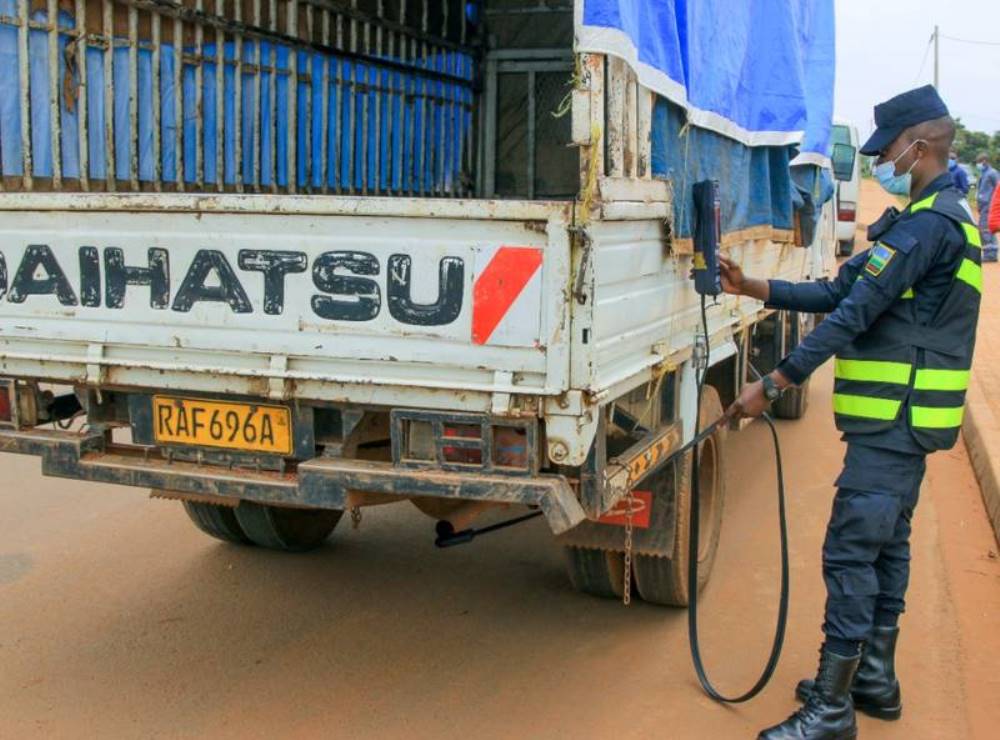
The Traffic Police, he added, also has mobile hand-held vehicle emissions inspection equipment for on-the-spot emission checks.
In 2019 and 2020, Rwanda Standard Board published standards for air quality and emissions limit for road vehicles as well as automotive fuels equivalent to euro 4.
Those standards serve as bench marks for the control of air pollution, testing and inspection of vehicle emissions with a view to protecting the environment, health and safety of the Rwandan population.
Under the Ministerial Order on air pollution and emissions, the owner or operator of a machine using petroleum products must service the machine and maintain it in line with the best technical practices to keep it within the authorized air pollutants emissions limits.
Similarly, under the law of preservation of air quality and prevention of air pollution in Rwanda, any person owning any means of transport of people and goods which is an emission source must control the production and emission of air pollutants.
Rotary club is an organization purposed to bring together businesses and professionals to provide humanitarian services and providing support in addressing problems facing the world.
It draws much attention on seven areas of focus namely; disease prevention and treatment, water and sanitation, maternal and child health, basic education and literacy, economic and community development, environment protection, peace and conflict resolution.
Rotary Club International was established 116 years ago. It is currently comprised of 1.2 million members from 200 countries.
The club has been in Rwanda for more than 20 years where it has established 10 clubs that contributed to the country’s development in different areas.
On 14th March 2022, Edgar Cyr Tougouma began visit to Rwanda aimed at witnessing the achievements of the 10 clubs established in Rwanda.
During his ten-day sojourn, Tougouma visited different projects and interacted with members of Rotary Clubs in Rwanda to discuss challenges, the way forward and remind them of Rotary International broader vision.
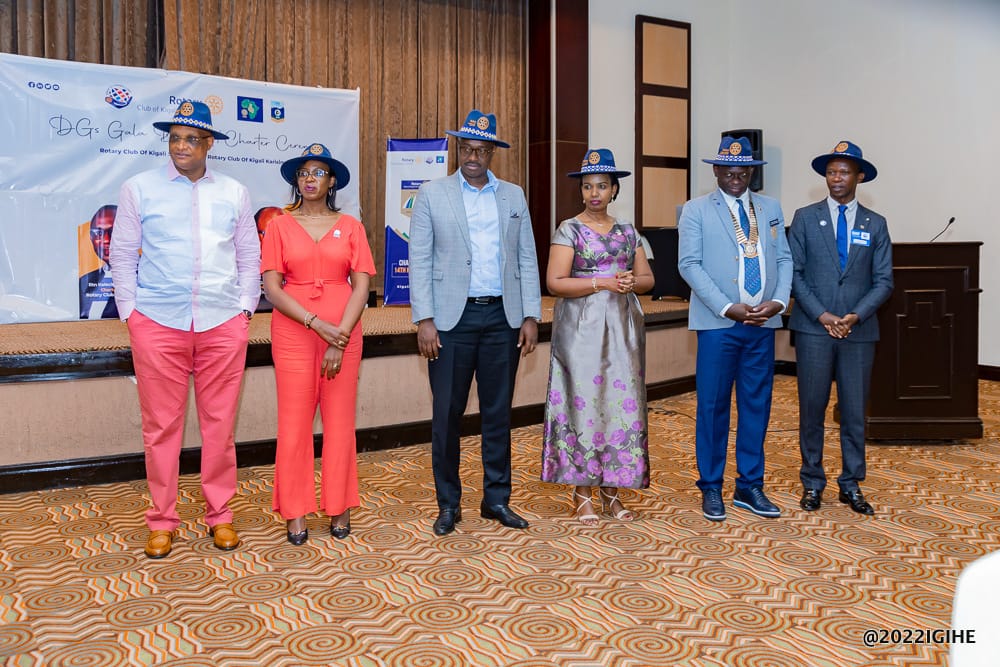
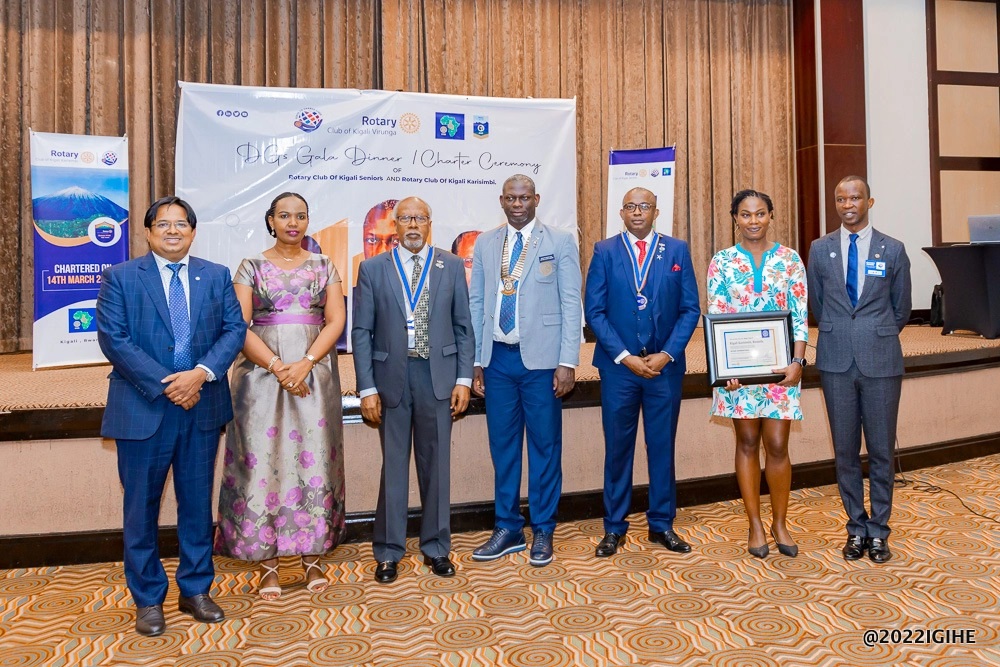
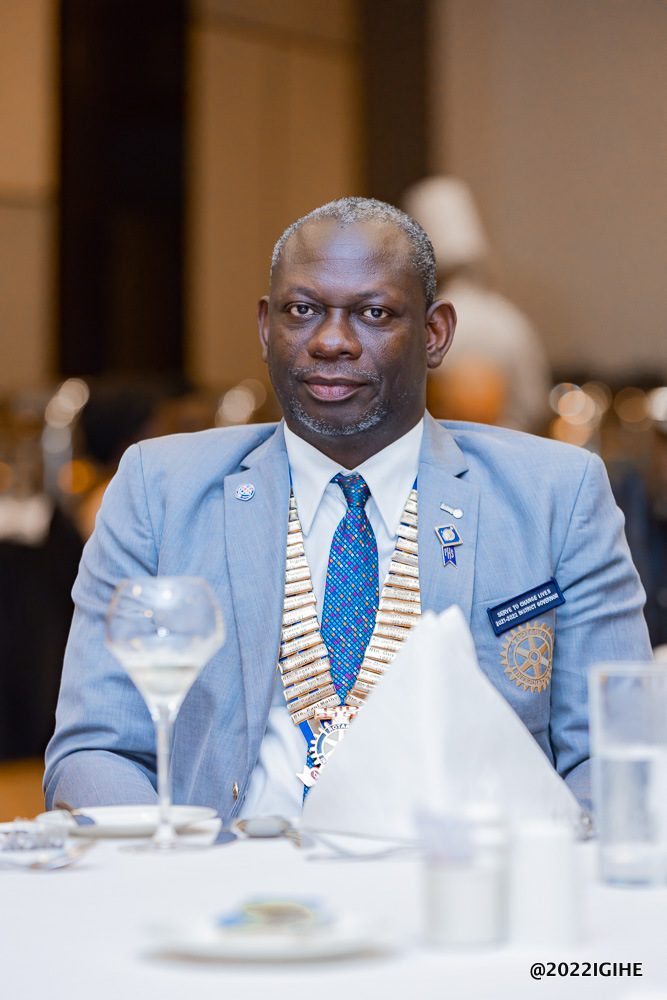
On 19th March 2022, Rotary Club Virunga hosted a dinner party to bid farewell to Governor Tougouma.
The event brought together different dignitaries including members of the private sector and Government officials led by the Mayor of Kigali City, Pudence Rubingisa.
As he addressed participants of the event, Governor Tougouma urged members of Rotary Club in Rwanda to beef up efforts in activities meant to transform citizens’ livelihoods.
“We must take a giant stride in activities bringing impact to the society,” he said.
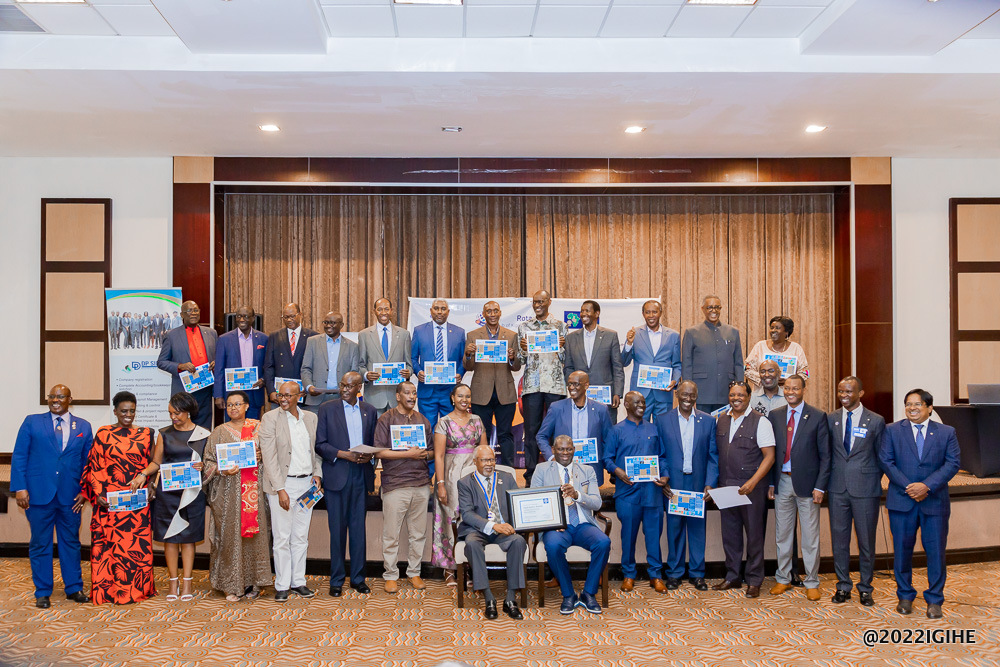
The event also saw two new clubs launched. These include Rotary Club Senior which began with 60 members led by Gérard Mpyisi as its President.
The second club launched during the event is Karisimbi Rotary Club which started with 25 members led by Kelechi R Anyanwu who is the Vice President of Nigerian diaspora in Rwanda.
New members who joined different clubs in Rwanda recently were also welcomed aboard. These include seven members of Rotary Club Virunga, four of Rotary Club Senior and two members of Rotary Club Karisimbi.
Governor Edgar Cyr Tougouma also commended the Government of Rwanda for supporting Rotary to achieve its goals.
He disclosed that the organization seeks to launch clubs in every district of the country in collaboration with the Ministry of Local Government.
As of today, there are 40 volunteers interested to start a new Rotary Club in Gicumbi District.
The District 9150 of Rotary International is constituted of ten countries including Rwanda, Burundi, Cameroun, Congo, Gabon, Equatorial Guinea, the Democratic Republic of Congo, Central African Republic, Tchad and Sao Tomé-et-Principe.The district has 100 clubs.
Rotary Club Rwanda is comprised of ten clubs namely; Rotary Club Kigali, Rotary Club Butare, Rotary Club Kigali Mont Jali, Rotary Club Kigali Virunga, Rotary Club Kigali Gasabo, Rotary Club Musanze Murera, Rotary Club Bugoyi Ibirunga, Rotary Club Kivu Lake, Rotary Club Kigali Senior and Rotary Club Kigali Karisimbi.
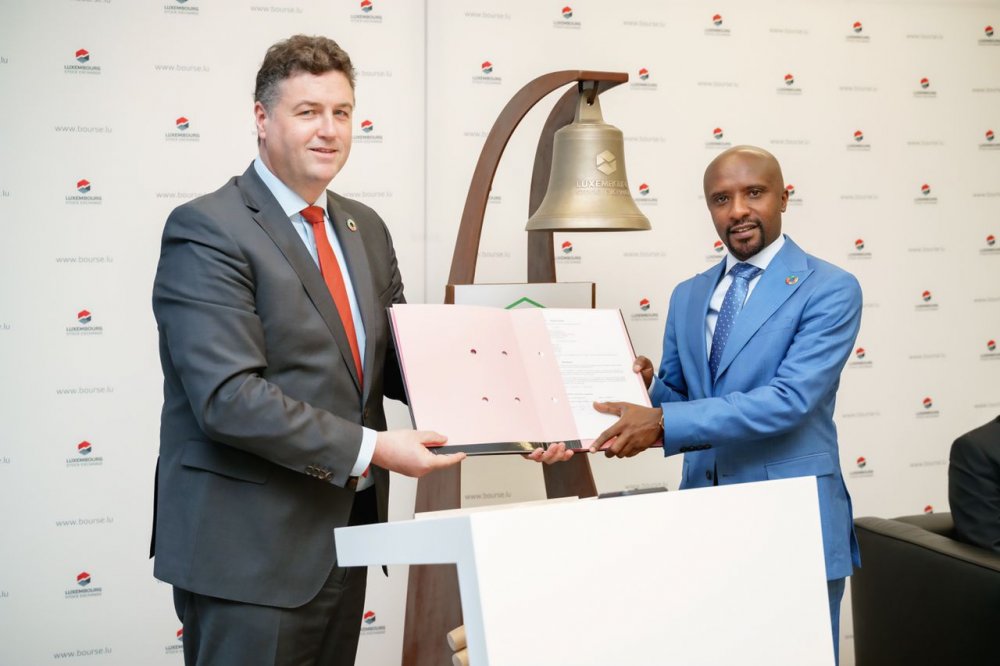
The MoU signed on 23rd March 2022, aims to establish a long-term cooperation between the two exchanges and contribute to building bridges between the financial services industries in Luxembourg and Rwanda, with a specific focus on the development of sustainable finance in the African country.
{{Bridging the gap between Luxembourg and Rwanda}}
Along with the aim of contributing to orderly financial markets through capacity building and skills development within Rwanda’s Kigali International Financial Centre, the MoU will also facilitate joint work on market developments and new products, including a possible future dual-listing scheme between the two institutions.
Commenting on the development, Mr Arnaud Delestienne, the Director of International Capital Markets and Member of the Executive Committee of LuxSE expressed delight for signed Memorandum of Understanding with Rwanda Stock Exchange.
“Stock exchanges have a crucial role to play in facilitating global cooperation when it comes to developing sustainable finance and international capital markets more generally. We look forward to working with Rwanda Stock Exchange and continue our mission to make sustainable finance truly global,” he said.
{{Creating inclusive and sustainable capital markets}}
Having first opened its doors for trading in January 2011, RSE is an exchange in the East African region which has big ambitions for the development of Rwanda’s capital markets and its future financial outlook.
In his remarks, CEO of Rwanda Stock Exchange, Mr Pierre Celestin Rwabukumba reemphasized the importance of this agreement for sustainable finance.
“Today’s official signing with LuxSE is a testimony to our exchange’s unwavering commitment and support to the sustainable development agenda fronted by our governments. The choice of LuxSE is no accident as it was the first exchange to introduce a platform for green financial instruments and this makes it the ideal venue for anyone in emerging or frontier markets who wants to cooperate and make fast progress in sustainable finance. We look forward to building a more resilient market, especially during this time where everyone is emerging from the COVID-19 pandemic and its aftermath,” he said.
{{Increased cooperation}}
LuxSE’s clear focus on sustainability through its UN-awarded sustainable finance platform the Luxembourg Green Exchange (LGX), has led the exchange to cooperate with exchanges and other financial institutions in emerging markets to foster sustainable finance across the world. Rwanda has launched several initiatives focused on increasing climate change awareness within and beyond its borders. It was the first African nation to ban the single-use of plastic in 2019 and set up Africa’s largest green fund, the National Fund for Environment – FONERWA in 2012, in order to finance its ambitious plans of being carbon neutral and climate resilient by 2050.
The MoU between the two exchanges reflects the increased cooperation between Luxembourg and Rwanda. In October 2021, Luxembourg’s Minister of the Economy and Development, Cooperation and Humanitarian Affairs Franz Fayot and Rwanda’s Minister of Finance and Economic Planning Dr. Uzziel Ndagijimana, signed an MoU on the development of a financial centre in Kigali, with a specific focus on capacity building, sustainable finance as well as the establishment of a fintech ecosystem and an impact investment market.
{{About the Luxembourg Stock Exchange}}
The Luxembourg Stock Exchange (LuxSE) is the gateway to access international investors. With more than 37,000 listed securities, including 33,000 debt instruments, from 2,000 issuers in 100 countries, LuxSE is one of the world’s leading exchanges for the listing of international debt securities and offers a unique and integrated service offering covering listing, trading and information services.
In 2016, LuxSE launched the Luxembourg Green Exchange (LGX) and became the first exchange in the world to operate a platform dedicated entirely to sustainable securities. LGX has become a meeting place for issuers of sustainable products and impact-conscious investors, and encompasses more than 1,300 green, social, sustainability and sustainability-linked bonds from 230 issuers in 50 countries. For more information, visit www.bourse.lu
{{About the Rwanda Stock Exchange}}
The Rwanda Stock Exchange Limited was incorporated on 7th October 2005 with the objective of carrying out stock market operations. The Stock Exchange was demutualized from the start as it was registered as a company limited by shares. The Company was officially launched on 31st January 2011.
Currently, the RSE has 10 listed companies 5 of which are domestic companies and five cross-listed companies from Kenya and South Africa and standalone fixed income board. For more information, visit www.rse.rw
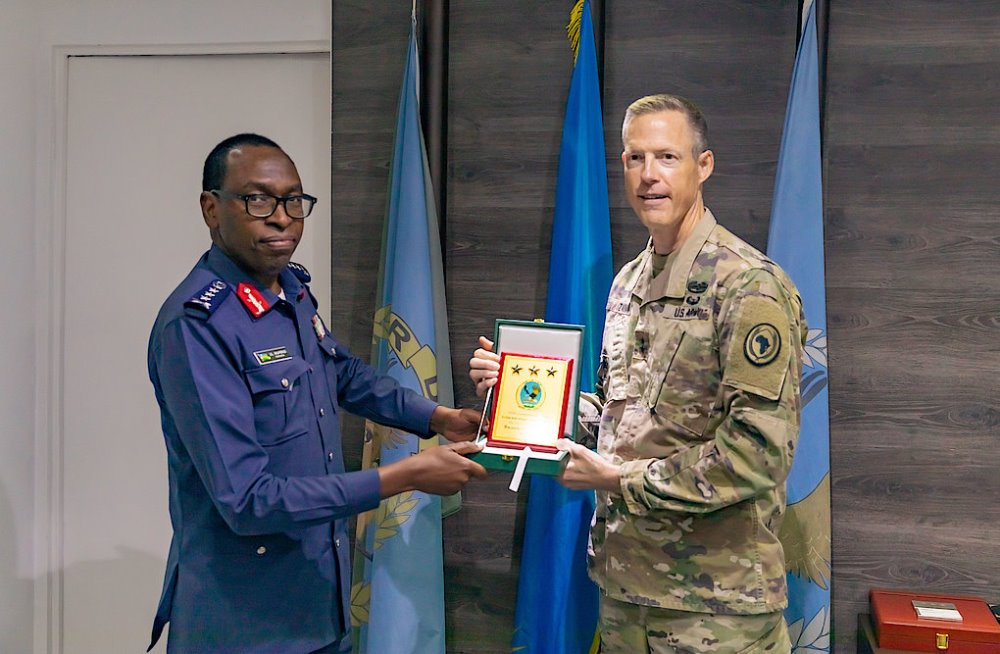
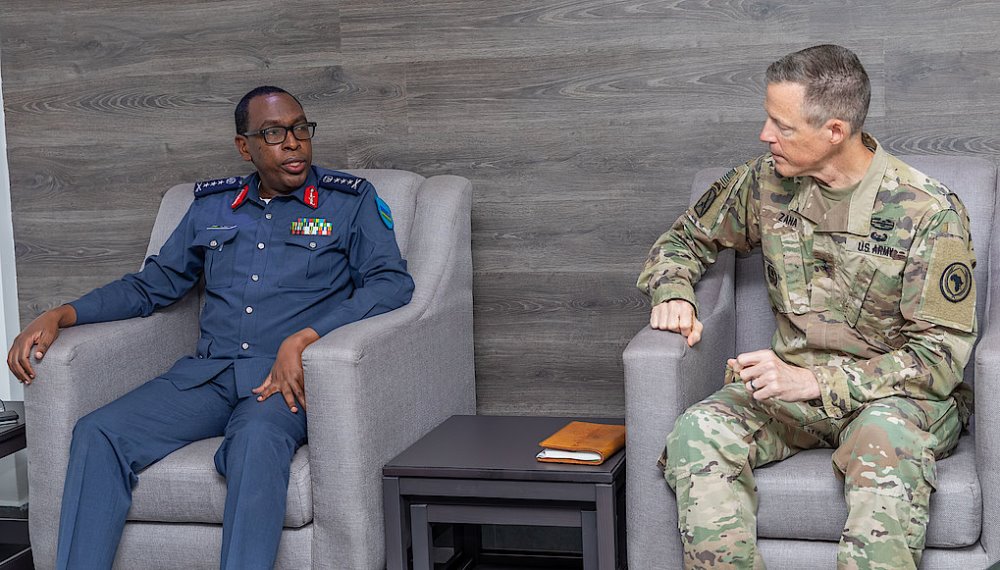
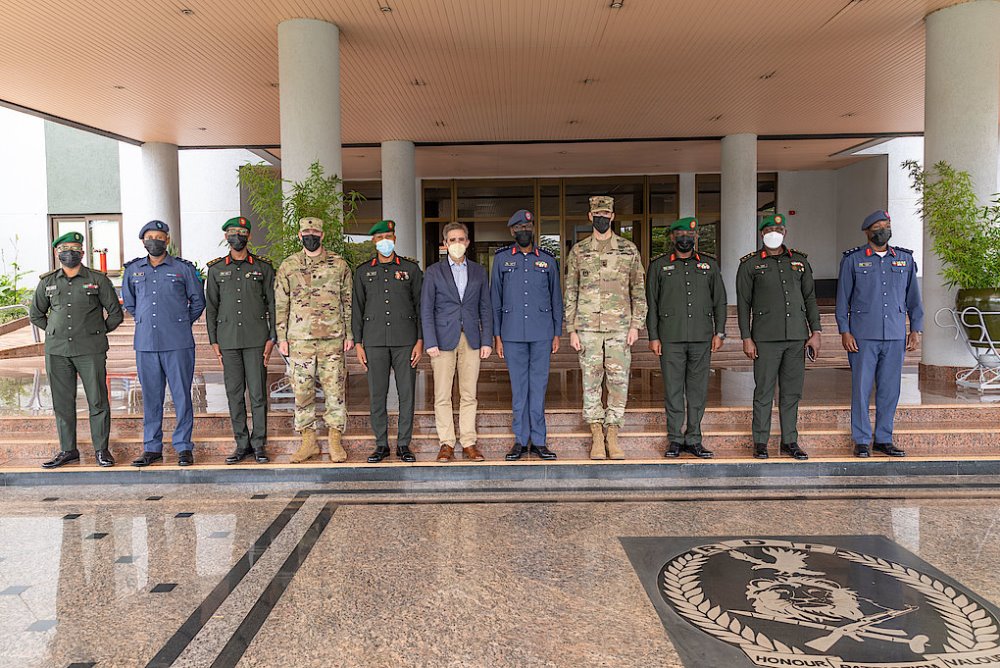
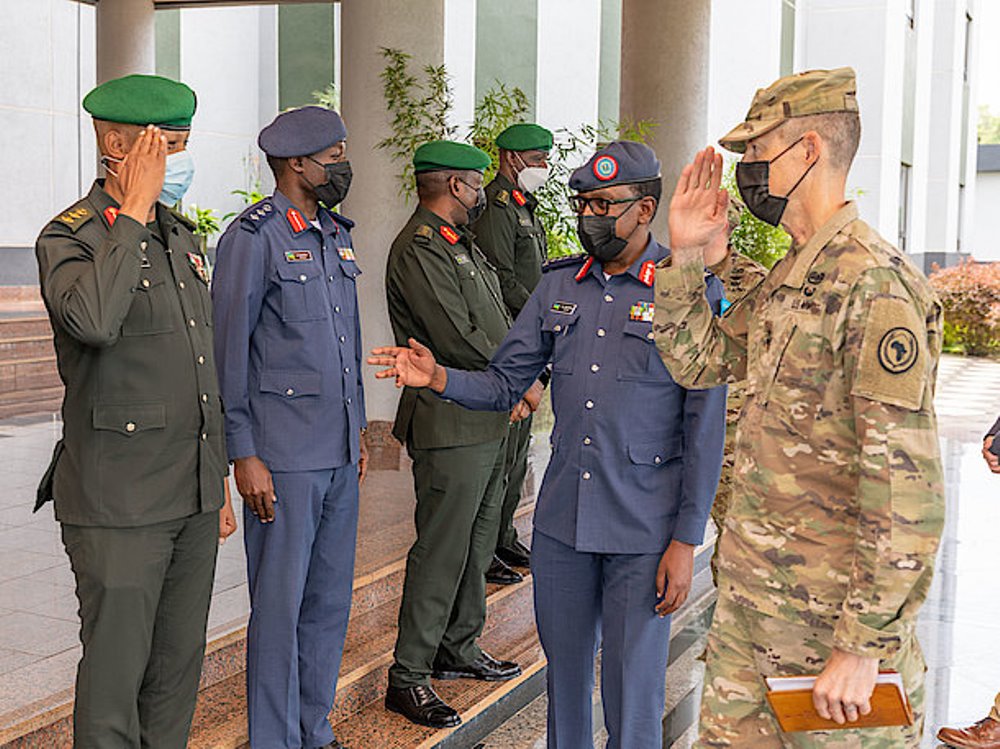
During the visit on Wednesday 24th March 2022, he was received by the RDF Air Force Chief of Staff, Lt Gen Jean Jacques Mupenzi on behalf of the Chief of Defence Staff.
They discussed security cooperation between RDF and US AFRICA Command (USAFRICOM) to include areas of partnership, opportunities and mutual interest.
They further discussed concerns regarding extremists’ organisations and the positive impressions of Rwanda’s contribution to security across the region and beyond.
The campaign started on Tuesday, March 22, and continued on Wednesday in various schools in Nyabihu, Rubavu, Karongi, Rutsiro, Nyamasheke, Rusizi and Ngororero districts.
The outreach is part of the Traffic and Road Safety department to enlighten the children, among other groups, on safer road usage to prevent them from being victims or causing accidents.
Superintendent of Police (SP) Bonaventure Twizere Karekezi, the Western region Police spokesperson, said that this is a deliberate effort to ensure that pupils adopt to good behaviours when using the road and to avoid dangerous practices, including playing in the road and reckless crossing.
The campaign was conducted in 11 primary schools in the first two days.
“Pedestrians are among the majority victims of road accidents, and schoolgoing children fall in this category.
Teaching children how safe to use the road including the meaning of signposts, using pedestrian crosswalks, walking on the left side of the road facing the oncoming automobiles, avoiding playing in the middle of the road or crossing carelessly; all these are good practices that keeps them safe in road. It’s a safe tradition that children should grow with as responsible road users,” said SP Karekezi.
“It is a week-long campaign targeting at least 14 schools every day; two schools in each district per day,” he added.
The money and other items including two Central Processing Units (CPUs), a laptop and television screen were recovered from two suspected thieves identified as Emmanuel Ishimwe, 26, and Tuyizere, 26.
The money and electronics were stolen on Monday from one Emmanuel Nshimiyimana, a businessman dealing in stationery in Musanze District.
Superintendent of Police (SP) Alex Ndayisenga, the Northern Region Political and Civic Education Officer, said that the victim reported the theft on Monday at about 9pm, after realising that he had been robbed.
“The victim suspected Tuyizere, his night guard and his close friend Ishimwe, as the prime suspects.
During investigations, Police first arrested Ishimwe in Muhoza Sector, who led officers to Tuyizere in Kaguhu Cell, Kinigi Sector, who was found with the money and the electronics,” SP Ndayisenga said.
The duo allegedly used a master key to break into the house. The suspects were handed over to RIB at Cyuve station.
Article 166 of the law determining offenses and penalties in general provides that any person convicted for theft is liable to imprisonment for a term of not less than one year and not more than two years and a fine of not less than Rwf1 million and not more than Rwf2 million, community service in a period of six months or only one of these penalties.
In article 167, the penalty for theft doubles if the offender committed the crime through burglary, climbing or possession of keys other than the owner; the theft is carried out during the night or the theft is carried out by more than one (1) person.
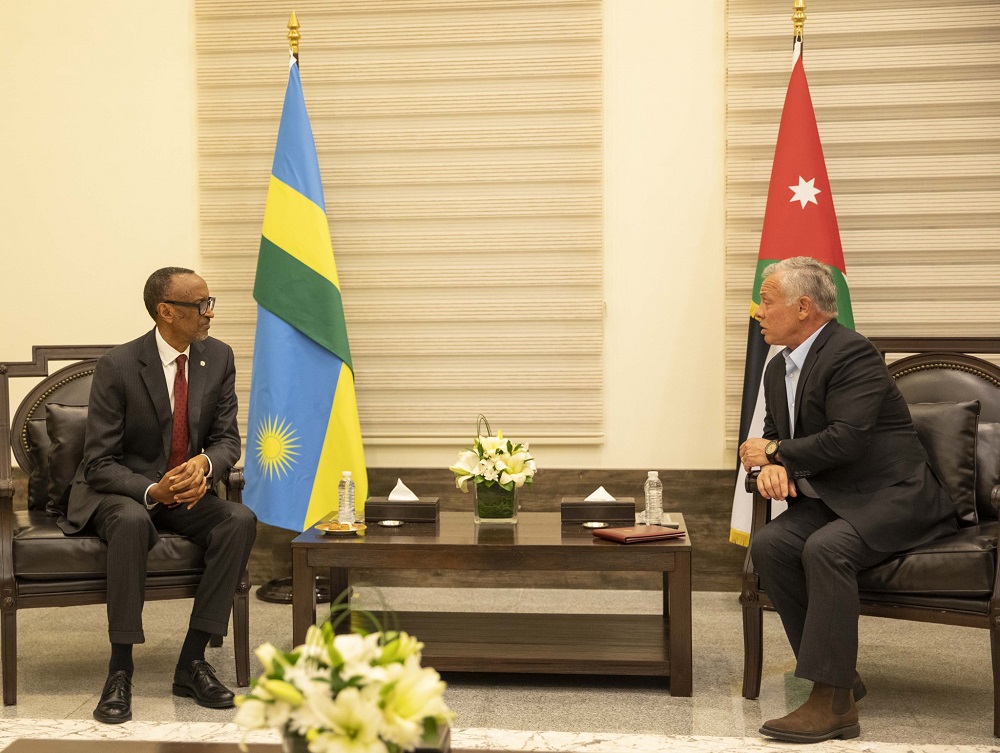
Rwanda’s Presidency has revealed that both leaders held discussions on enhancing ongoing areas of cooperation between Jordan and Rwanda.
Rwanda and Jordan enjoy cooperation in the areas of diplomacy and security among others.
Recently in January 2022, a delegation from Jordan headed by Maj Gen Ahmed Husni Hasan Hatoqia, the Director of General Intelligence Department today paid courtesy call on the Rwanda Defence Force Chief of Defence Staff, Gen J Bosco Kazura at RDF Headquarters, Kimihurura.
At the time, they discussed the bilateral defence cooperation between Jordan and Rwanda.
The Aqaba Process initiative launched by King Abdullah II of Jordan in 2015, aims to enhance security and military coordination and cooperation, as well as the exchange of expertise and information, among various regional and international stakeholders, to counter terrorism within a holistic approach.