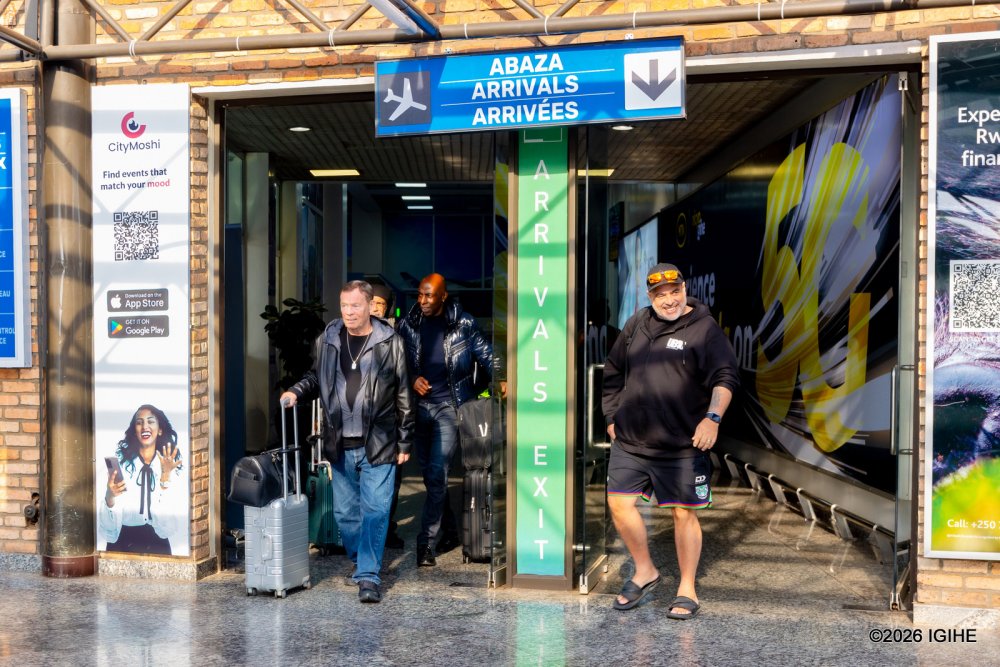
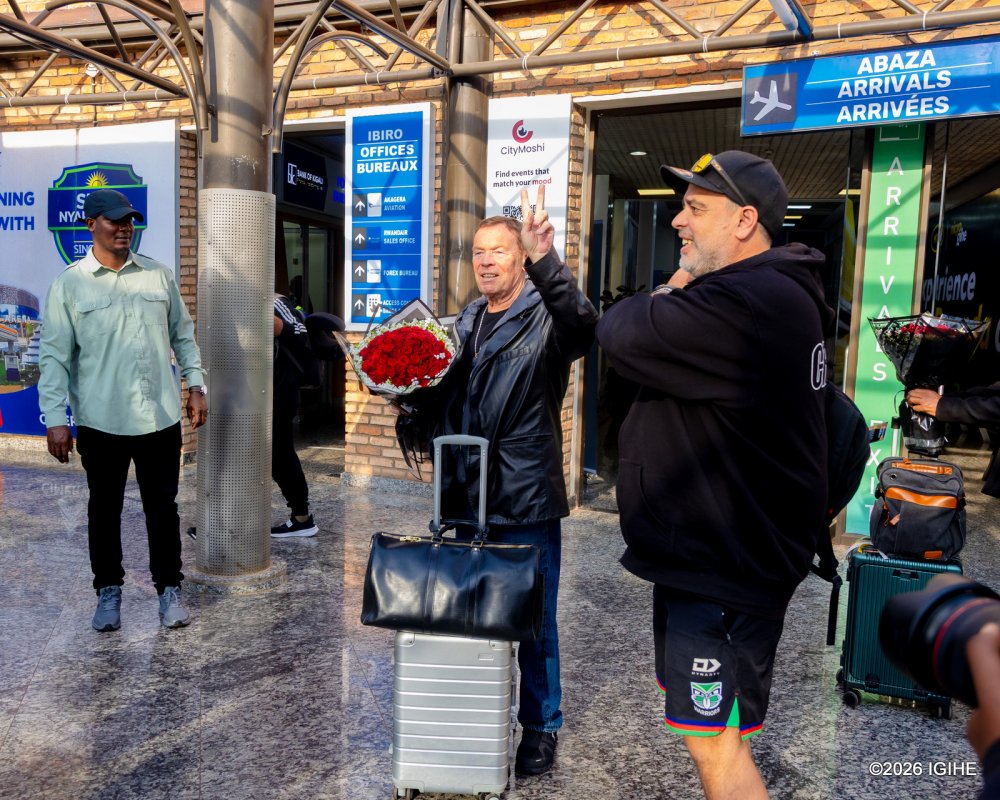
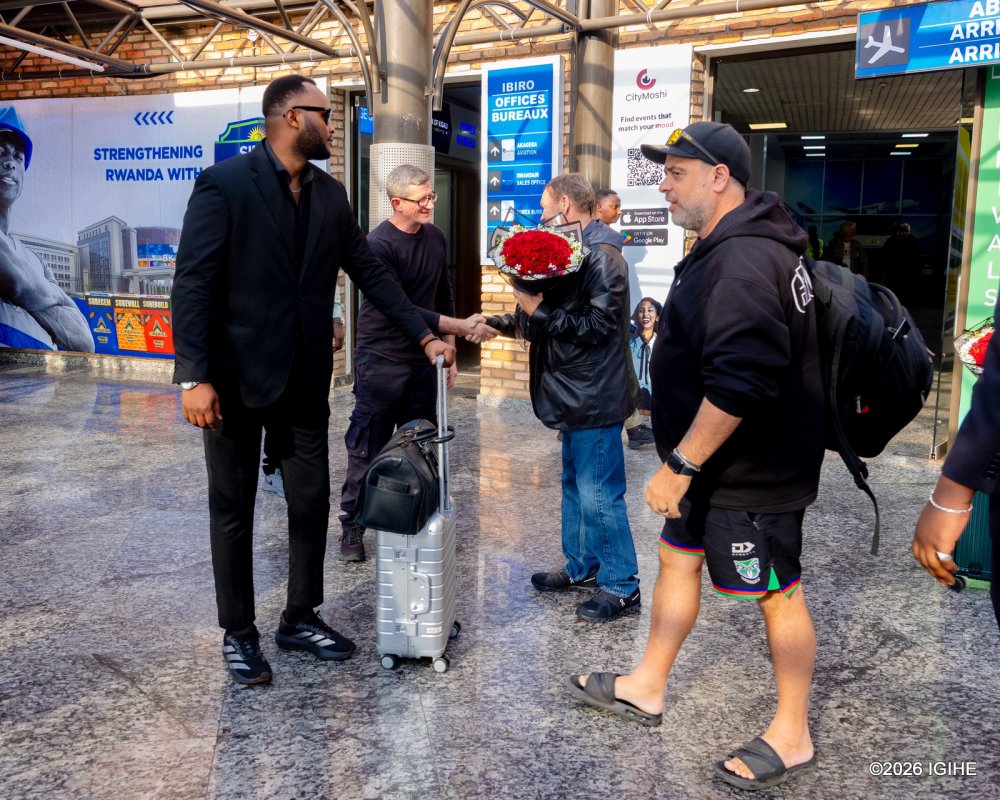
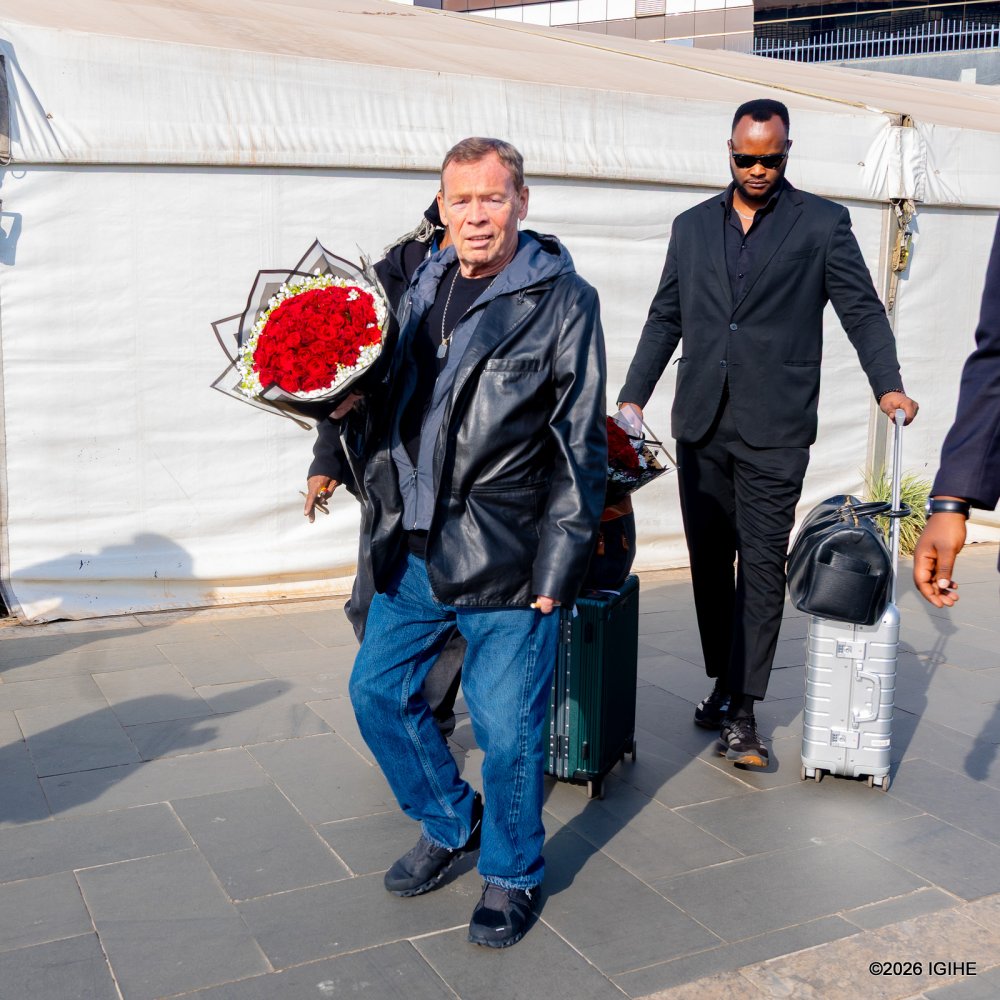
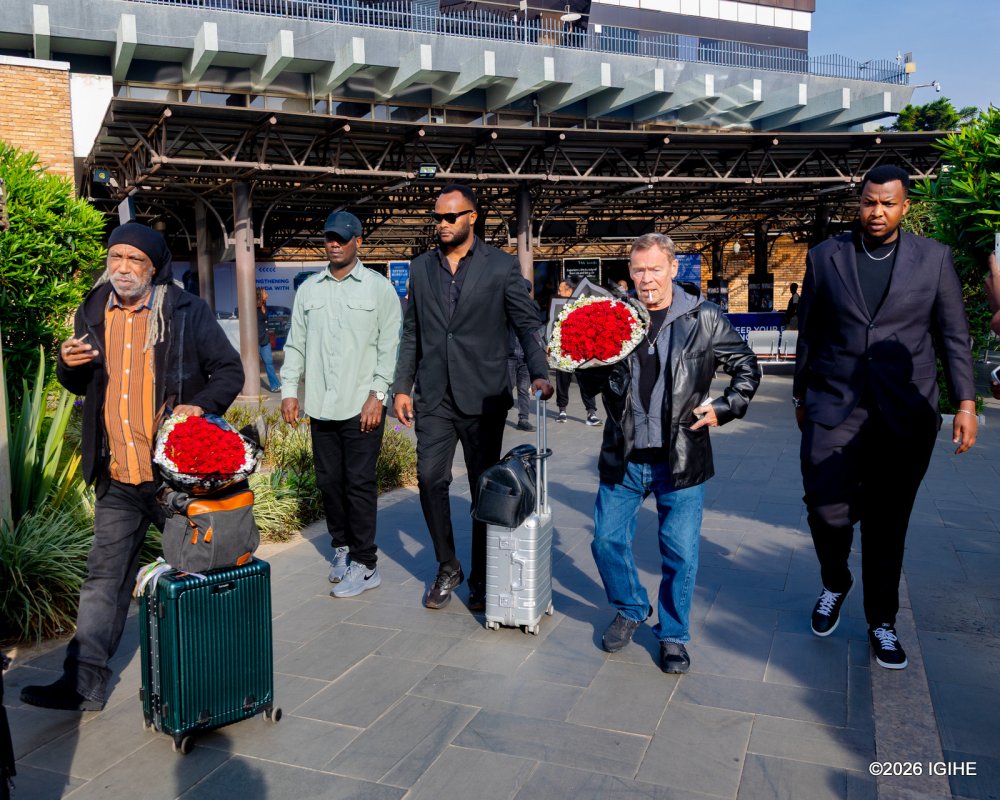
The group touched down from South Africa following a highly successful, fast-paced multi-city tour. The band kicked off their southern leg in Cape Town on June 2, moved to Durban on June 4, and wrapped up with back-to-back performances in Pretoria on June 6 and 7.
The band was originally expected to land in Kigali yesterday, June 8. However, due to the tight logistics of their packed touring schedule, management requested an extra night of rest, pushing their arrival to this morning.
UB40 was originally formed in Birmingham, United Kingdom, in 1978 by a group of working-class friends who took their name from the British unemployment benefit form. They went on to become one of the most commercially successful reggae acts in history, selling over 70 million records globally with timeless hits like “Red Red Wine,” “Kingston Town,” and “Can’t Help Falling in Love.”
Internal disagreements eventually led to a permanent split in the band’s legacy. In 2008, iconic lead vocalist Ali Campbell left the original lineup due to management disputes. Seeking to preserve the classic sound, he launched his own touring version of the group in 2014, known today as UB40 featuring Ali Campbell.
This spin-off previously featured original bandmates Mickey Virtue and Terence “Astro” Wilson, the latter of whom sadly passed away in late 2021. Meanwhile, the remaining original members of the 1978 group chose to keep the standard UB40 name, replacing Ali with his brother Duncan Campbell, and later, current vocalist Matt Doyle. That separate entity continues to tour globally with long-standing members like Robin Campbell, Jimmy Brown, Earl Falconer, and Norman Hassan.
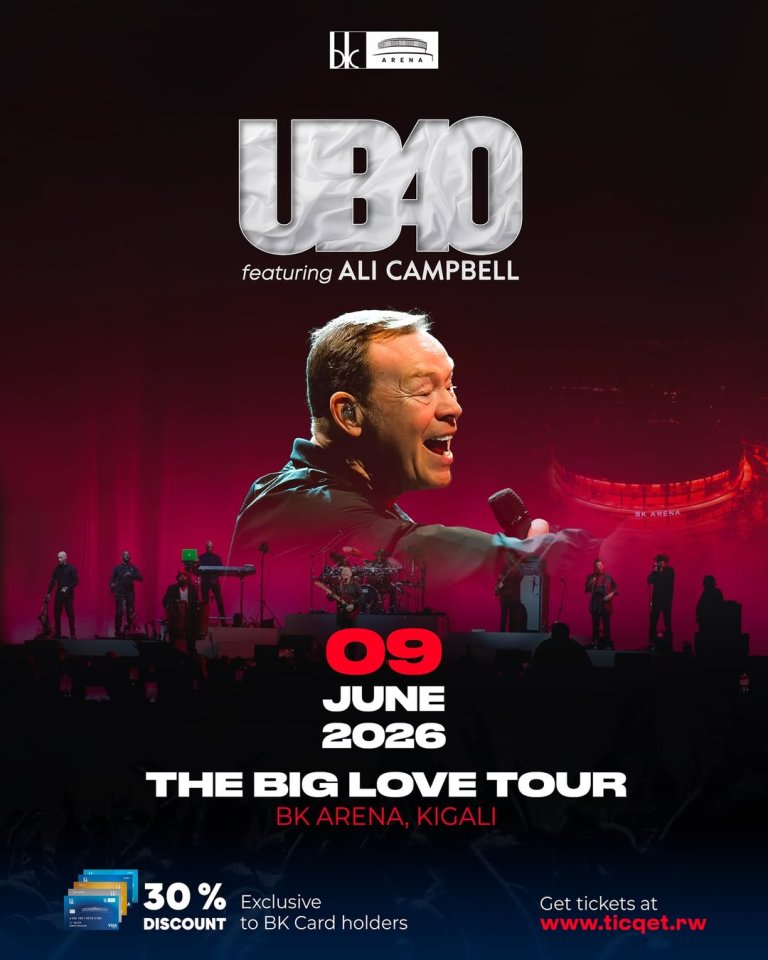
Because of this historic divide, it is strictly UB40 featuring Ali Campbell taking the stage in Kigali tonight, bringing the distinctive voice behind the band’s greatest studio hits to Rwanda for the very first time.
For generations of Rwandan music lovers who grew up hearing these songs on local radio stations, in public transport, and at family gatherings, tonight’s performance at the BK Arena represents a massive milestone, bridging nostalgia with a live, world-class production.
Legendary reggae group UB40, featuring Ali Campbell, arrived in Kigali early Tuesday morning ahead of their historic concert at BK Arena tonight.Upon arrival in Kigali, Ali Campbell first took time to greet a small group of journalists who were present at the airport.
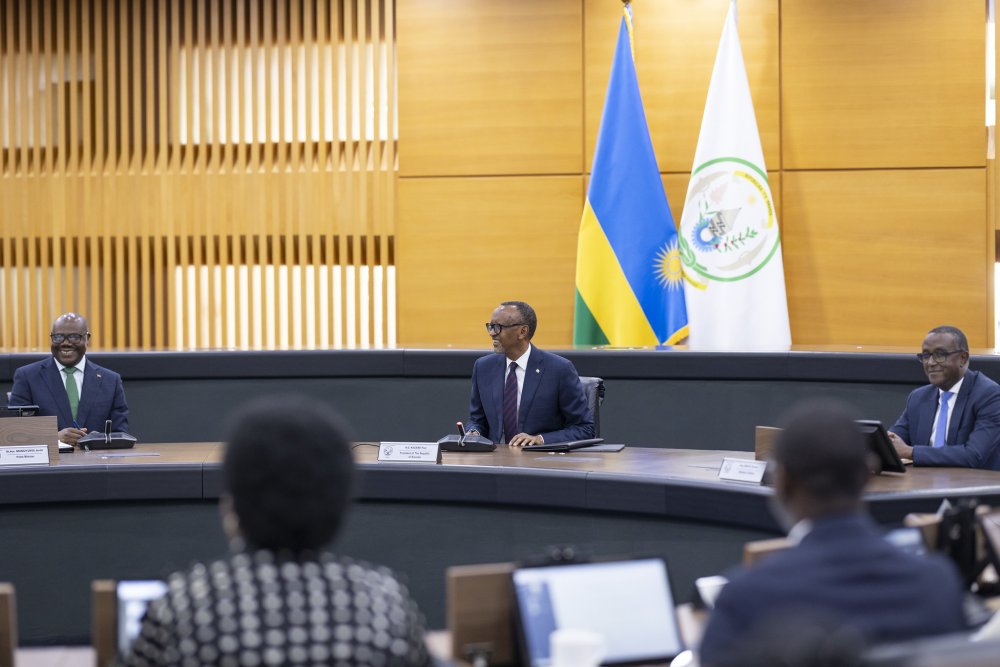
The proposed budget is designed to strengthen agricultural production, boost industrial growth, accelerate job creation and maintain macroeconomic stability, according to resolutions adopted during a Cabinet meeting chaired by President Paul Kagame on June 8.
The budget represents an increase of approximately Rwf 844.2 billion compared to the revised 2025/26 budget, reflecting the government’s continued focus on economic transformation and development.
Sixty-eight percent of the budget, equivalent to Rwf 5.3 trillion, will be financed through domestic resources, while foreign grants will account for 7 percent.
The government said the budget will prioritise interventions aimed at strengthening economic resilience while accelerating the implementation of key development projects and programmes across various sectors.
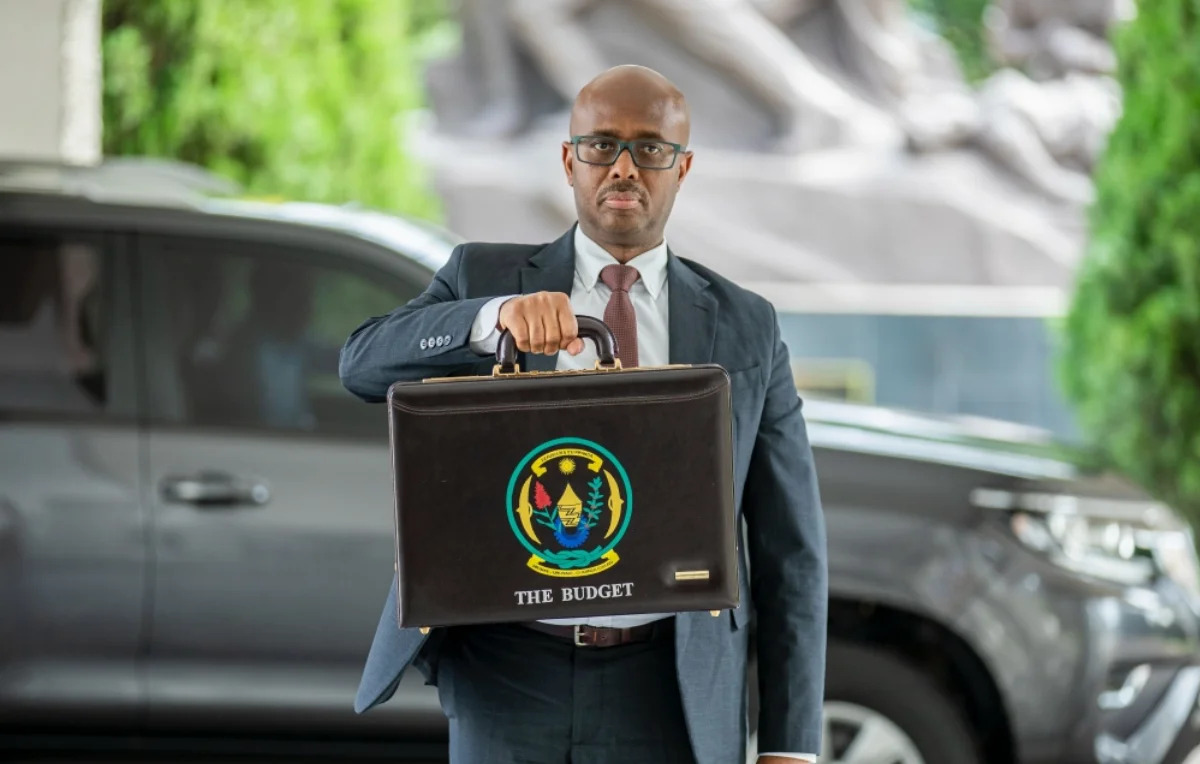
The Cabinet’s approval follows the presentation of the 2026/27 Budget Framework Paper to Parliament by Finance and Economic Planning Minister Yusuf Murangwa on May 11, 2026.
Murangwa is expected to formally table the budget before Parliament for debate and consideration on June 11, when Rwanda will join other member states of the East African Community in presenting their national budgets.
Finance Minister Yusuf Murangwa presents the 2025-26 national budget before parliament on June 12. Rwanda’s Cabinet has approved a draft law determining State finances for the 2026/27 fiscal year, endorsing a national budget of Rwf 7.8 trillion, a 12 percent increase from the previous year’s revised budget.
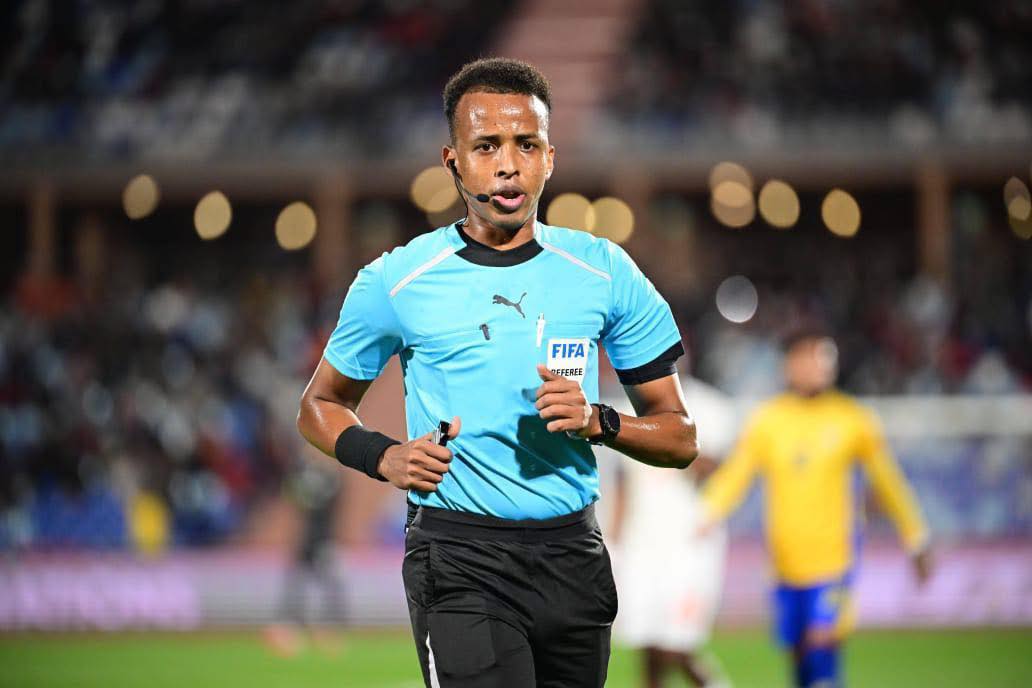
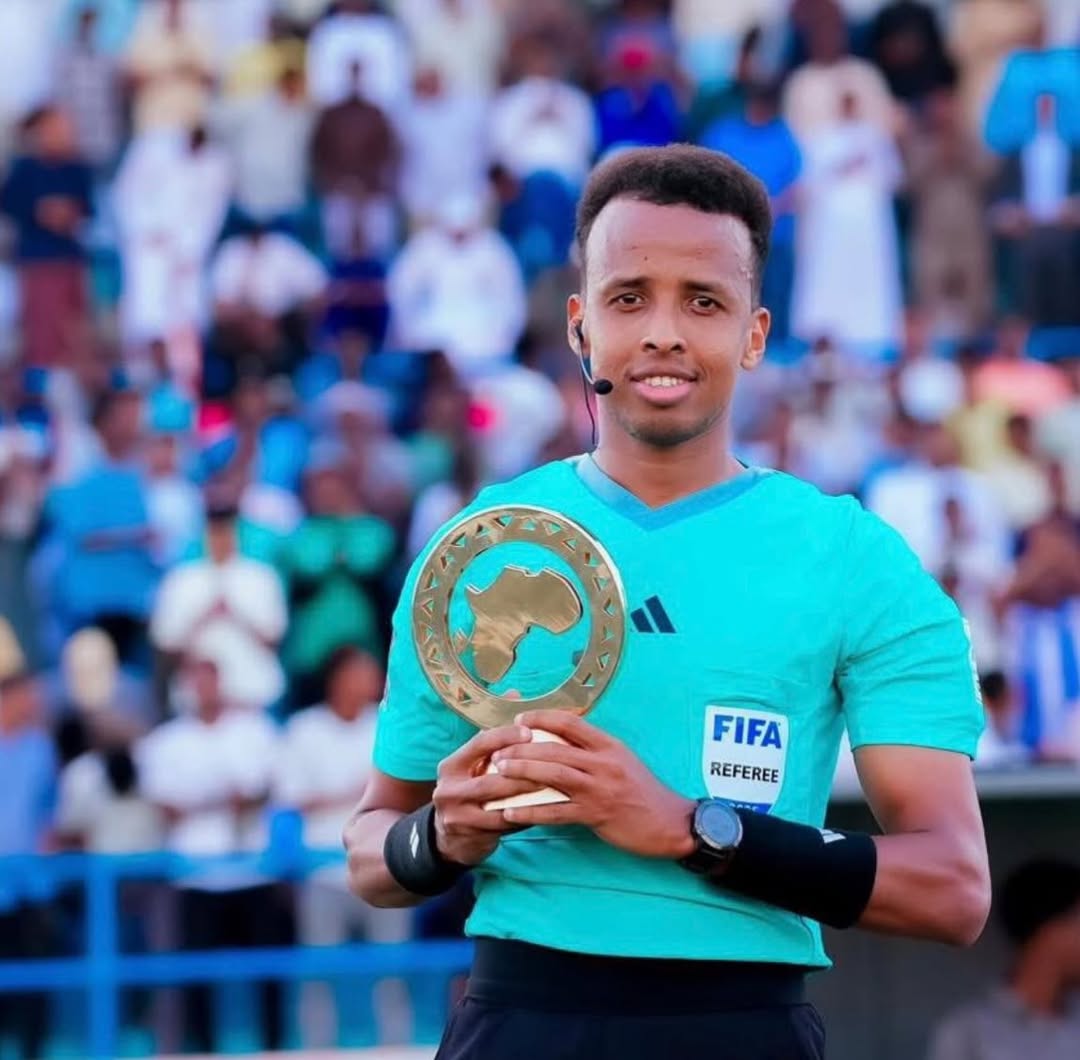
Artan arrived at Miami International Airport on Saturday on a flight from Istanbul and was subjected to additional screening by US Customs and Border Protection (CBP). Following the inspection, authorities determined that he was inadmissible due to unspecified vetting concerns and placed him on a return flight to Turkey.
The 52-year-old was among 52 referees selected by FIFA to officiate at the World Cup, which kicks off on June 11 across the United States, Canada and Mexico.
FIFA confirmed on Monday that Artan would be unable to participate in training or officiate at the tournament.
“FIFA is not involved in host country immigration processes, including visa adjudications,” a FIFA spokesperson said. “In line with previous FIFA events, a host government ultimately determines who receives a visa and who is admitted into their country.”
CBP said all travellers seeking entry into the United States, including athletes, coaches and tournament staff, are subject to inspection and vetting.
“Following inspection, the traveler, a referee for the FIFA World Cup, was determined to be inadmissible due to vetting concerns and was denied entry,” the agency said in a statement.
Officials in Somalia expressed disappointment over the decision. A senior adviser to Somalia’s Ministry of Youth and Sports said Artan had been travelling with valid documents, while a Somali embassy official noted that he had been issued a diplomatic passport to facilitate international travel after experiencing visa-related difficulties in the past.
The case has drawn attention because Somalia remains on President Donald Trump’s travel ban list. While exemptions exist for World Cup athletes and team personnel, those provisions reportedly did not apply to referees.
Artan’s exclusion marks a significant setback for a referee whose rise has been widely celebrated across Africa. In 2025, he was named Africa’s Referee of the Year by the Confederation of African Football and has officiated at major continental competitions, including the Africa Cup of Nations.
Earlier this year, Artan reflected on the challenges he faced pursuing a refereeing career in Somalia.
“At times, I have had to change my route to my local stadium because of explosions in the country,” he said. “You cannot give up as a referee. You have to have a target.”
Despite the setback, Artan struck a positive tone in a statement released on Monday.
“Despite the circumstances, I am in a positive mood and I am focused on the next challenges in my refereeing career,” he said. “I want to thank the football family for their messages and wish my colleagues all the best success during the World Cup.”
Ciise Aden Abshir, a senior adviser to Somalia’s Ministry of Youth and Sports and a former national team captain, said the decision undermined football’s values.
“Denying him entry to the United States and preventing him from officiating scheduled matches harms not only him personally but also undermines football’s commitment to fairness, merit, and the spirit of fair play,” he said.
The incident is the latest controversy surrounding US immigration policies and the World Cup, with concerns previously raised over visa processing delays for some participating nations.
Artan’s exclusion marks a significant setback for a referee whose rise has been widely celebrated across Africa. In 2025, he was named Africa’s Referee of the Year by the Confederation of African Football and has officiated at major continental competitions, including the Africa Cup of Nations.
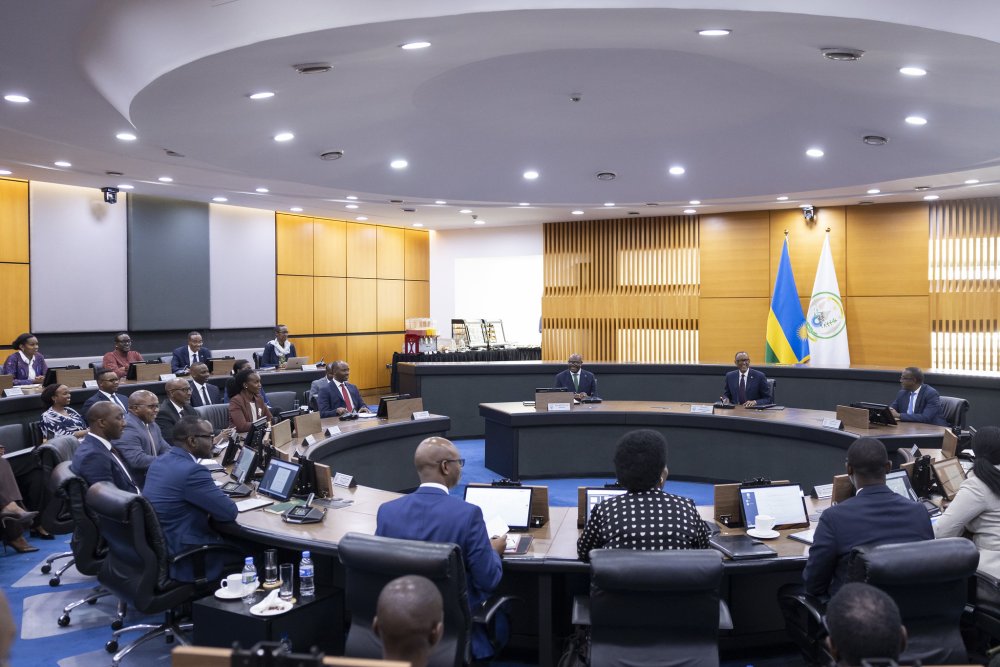
According to a communiqué issued after the meeting held at Urugwiro Village, the National Artificial Intelligence Agency will accelerate artificial intelligence development, innovation, adoption, investment and governance in support of Rwanda’s digital transformation and economic growth.
The agency is expected to play a central role in coordinating the country’s AI agenda as Rwanda seeks to strengthen its position as a regional technology and innovation hub.
The Cabinet also approved the draft law determining State finances for the 2026/27 fiscal year. The proposed budget prioritises strengthening agricultural production, boosting industrial growth, accelerating job creation and maintaining macroeconomic stability.
The approval follows the presentation of the 2026/27 Budget Framework Paper (BFP) to Parliament by Minister of Finance and Economic Planning Yusuf Murangwa on May 11, 2026. The government proposed a national budget of Rwf 7.8 trillion for the upcoming fiscal year, representing an increase of Rwf 844.2 billion from the revised budget for 2025/26.
Cabinet was also briefed on the ongoing Ebola outbreak in the region and Rwanda’s preparedness measures. The Ministry of Health reported that prevention, screening and surveillance efforts have been reinforced at all points of entry to safeguard public health.
The government reassured the public that there are currently no Ebola cases in Rwanda and that all activities continue as normal. Citizens were encouraged to remain vigilant and follow public health guidelines.
Several draft laws relating to financing and development cooperation were approved during the meeting.
Among them were draft laws ratifying loan agreements between Rwanda and the African Development Bank for additional financing of the Muvumba Multipurpose Water Resources Development Programme, a key initiative aimed at enhancing water resource management and supporting agricultural productivity.
Cabinet also approved the ratification of financing agreements between Rwanda and the International Development Association (IDA) for the second phase of the Socio-Economic Inclusion of Refugees and Host Communities in Rwanda Project, the Rwanda Urban Mobility Improvement Project, and the Rwanda Disaster Risk Management Development Policy Financing programme with a Catastrophe Deferred Drawdown Option.
The meeting further approved the ratification of an agreement between Rwanda and Botswana for the elimination of double taxation with respect to taxes on income and the prevention of tax evasion and avoidance.
In a move aimed at expanding Rwanda’s international aviation network, Cabinet approved draft laws ratifying air services agreements between Rwanda and the governments of Algeria, Azerbaijan, Botswana, Costa Rica, Guyana, Morocco, Senegal, Trinidad and Tobago, and the United Kingdom.
The agreements are expected to facilitate greater air connectivity, strengthen trade and tourism links, and support Rwanda’s ambition to become a regional aviation hub.
Cabinet also approved the ratification of the agreement establishing the Africa Risk Capacity (ARC) Agency, a specialised African Union institution that helps member states better prepare for, manage and respond to climate-related disasters and other natural shocks.
Beyond legislative approvals, Cabinet endorsed several policy and administrative measures.
These include a revised headquarters agreement between the Government of Rwanda and the Nile Basin Initiative’s Nile Equatorial Lakes Subsidiary Action Programme Coordination Unit (NELSAP-CU), approval of applications for mineral and quarry licences, and the lease of state land located in Karongi District to Zipline Rwanda Ltd.
The meeting also granted agrément to newly appointed diplomats and representatives of international organisations.
Those approved include Jérémie Blin as Ambassador Extraordinary and Plenipotentiary of the European Union to Rwanda, with residence in Kigali; Dr. Simone Knapp as Ambassador Extraordinary and Plenipotentiary of Austria to Rwanda, with residence in Nairobi; and Dede Ekoue as Country Representative of the International Fund for Agricultural Development (IFAD) in Rwanda, with residence in Kigali.
Cabinet further approved appointments across several public institutions.
At the Gender Monitoring Office, Habiyaremye Rurihose Florien’s term as Deputy Chief Gender Monitor in charge of Gender Mainstreaming was renewed.
Appointments were also made at the Rwanda Development Board, Rwanda Governance Board and the Higher Education Council, covering leadership positions in internal audit, governance, research, service delivery, digitalisation, legal affairs and communications.
The Cabinet was chaired by President Paul Kagame on Monday, June 8, 2026. The Cabinet approved the establishment of a National Artificial Intelligence Agency and endorsed the draft law determining State finances for the 2026/27 fiscal year, among a series of decisions aimed at advancing Rwanda’s economic transformation, digital innovation, infrastructure development and international cooperation.
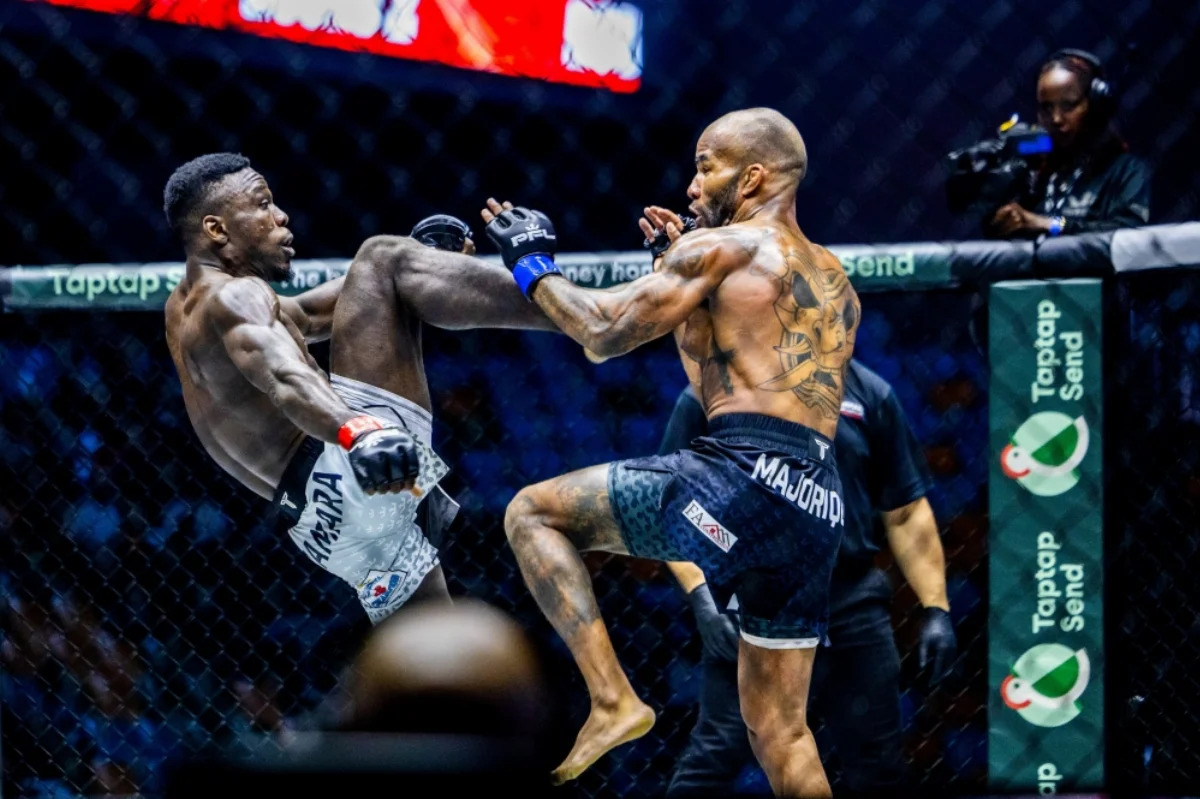
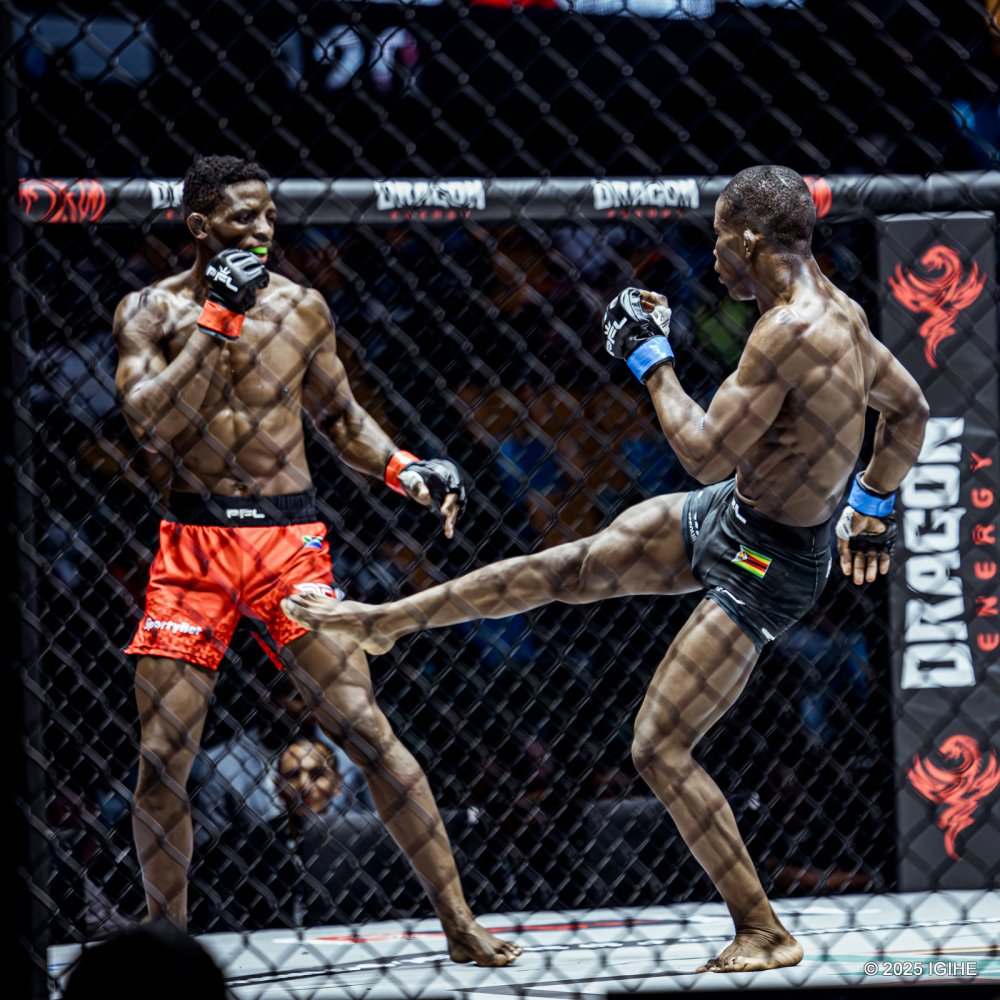
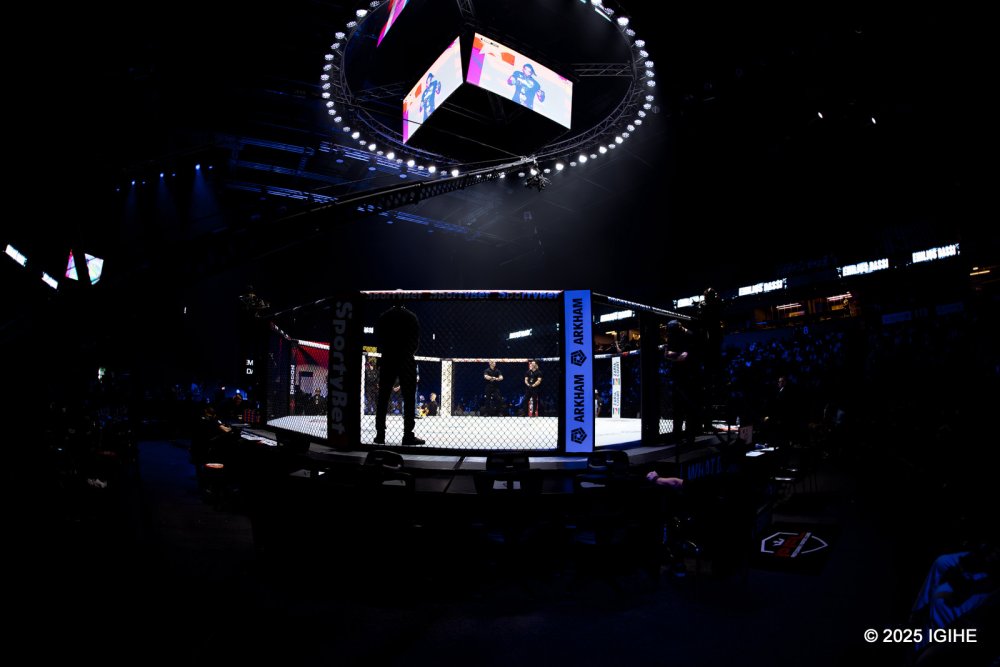
Speaking in an interview with combat sports journalist Tim Wheaton, PFL Africa General Manager Elias Schulze said Kigali has already proven itself as a reliable and high-performance host city, and expressed his wish for it to become the “anchor” of the league’s African calendar.
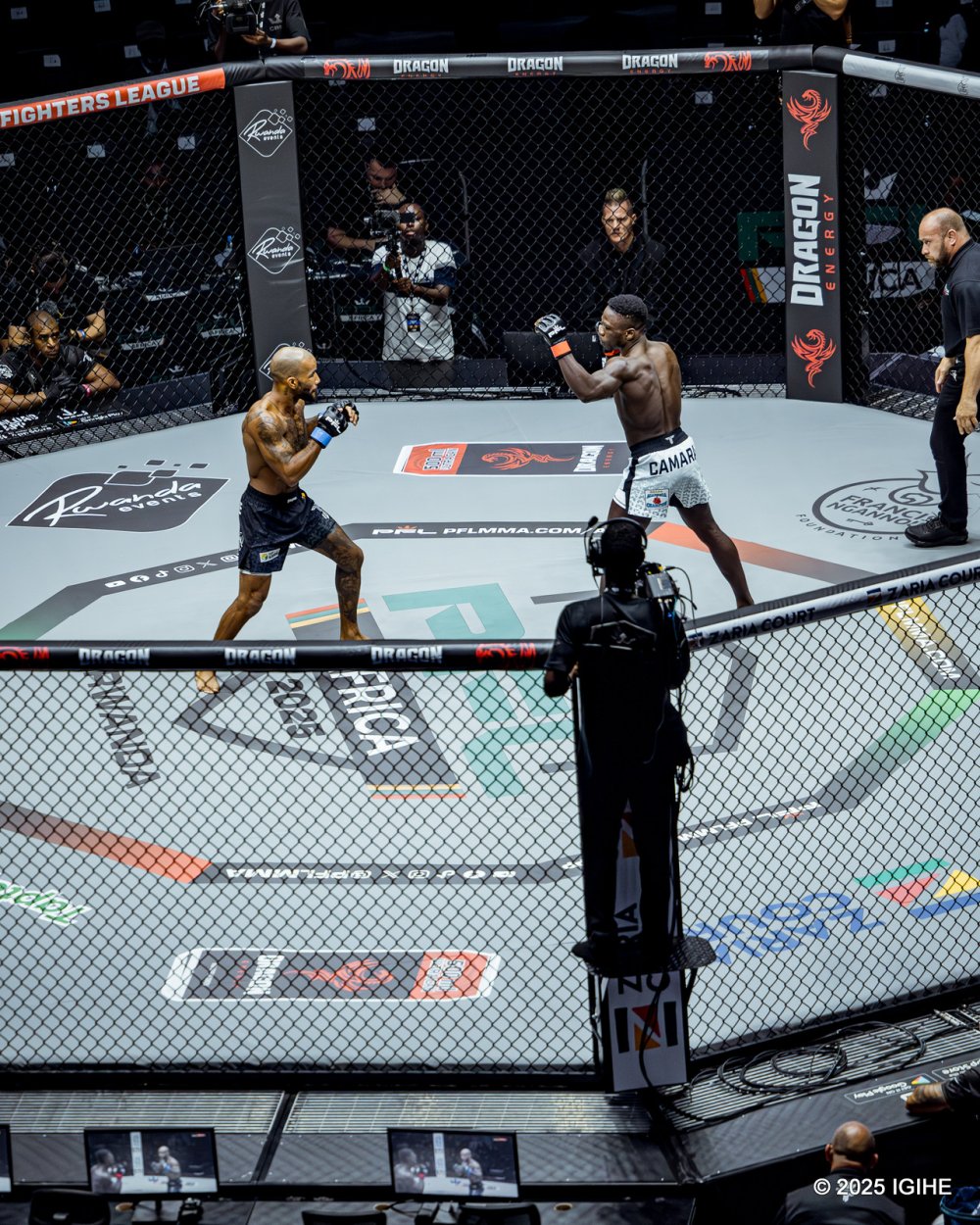
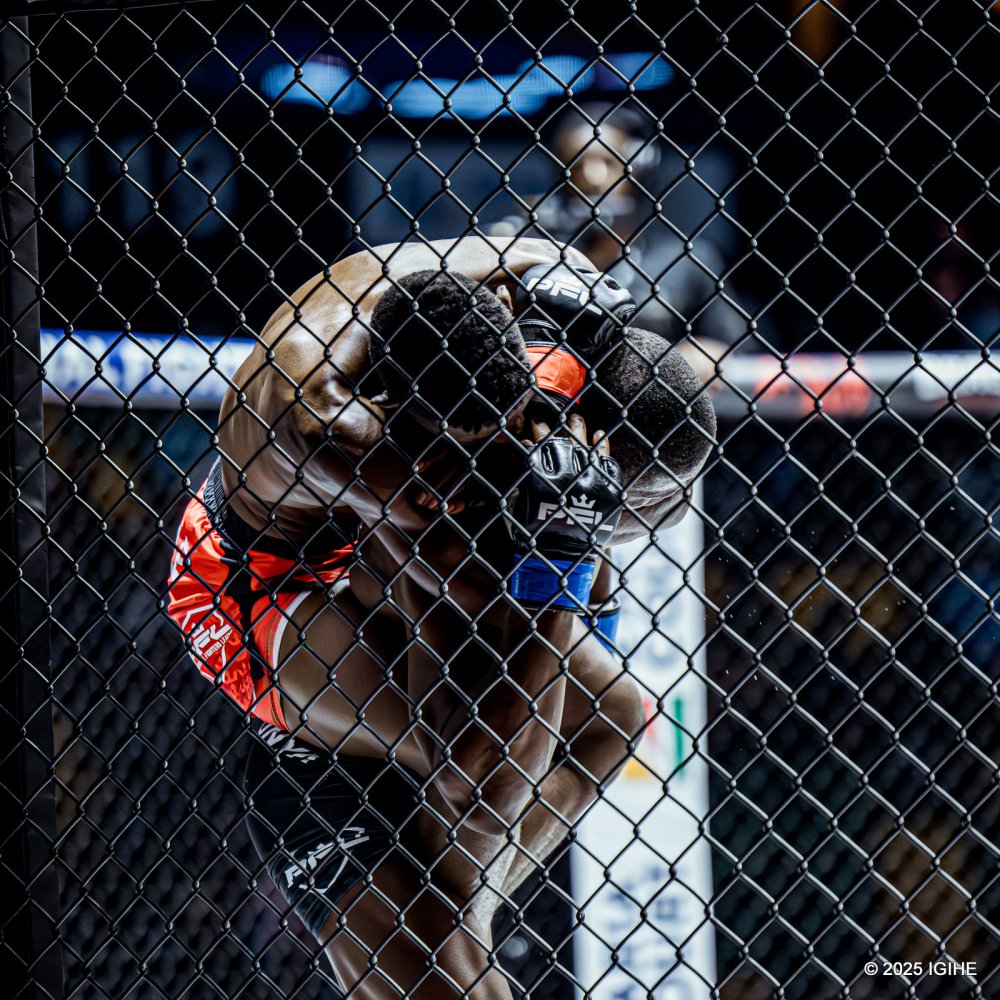
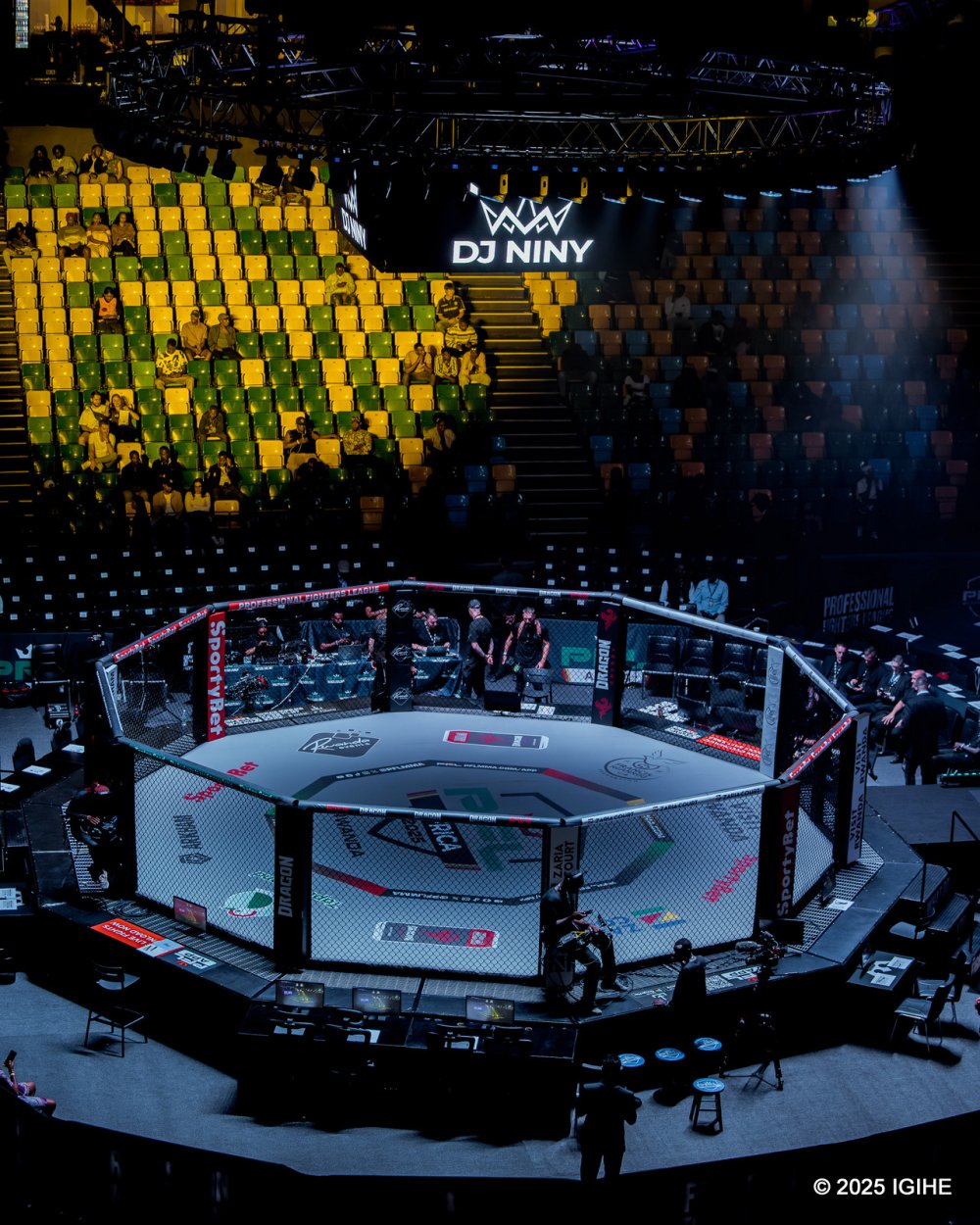
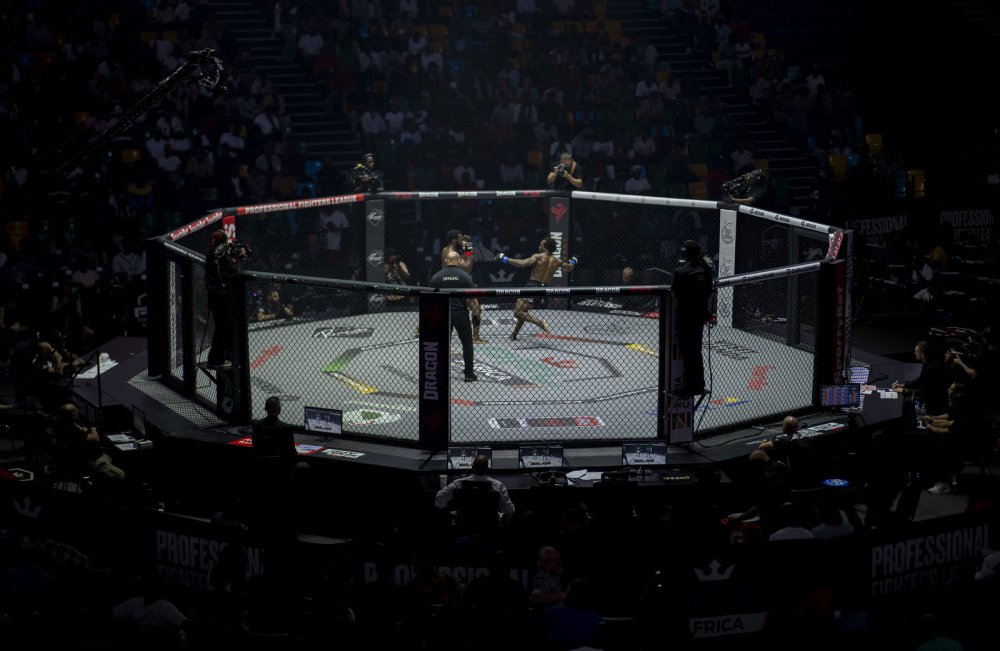
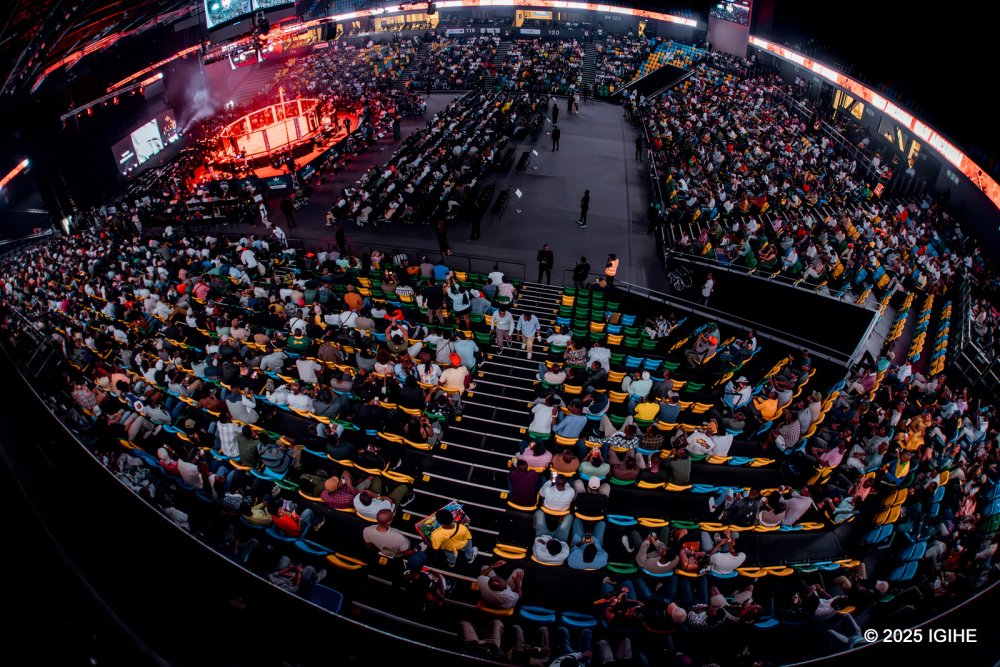
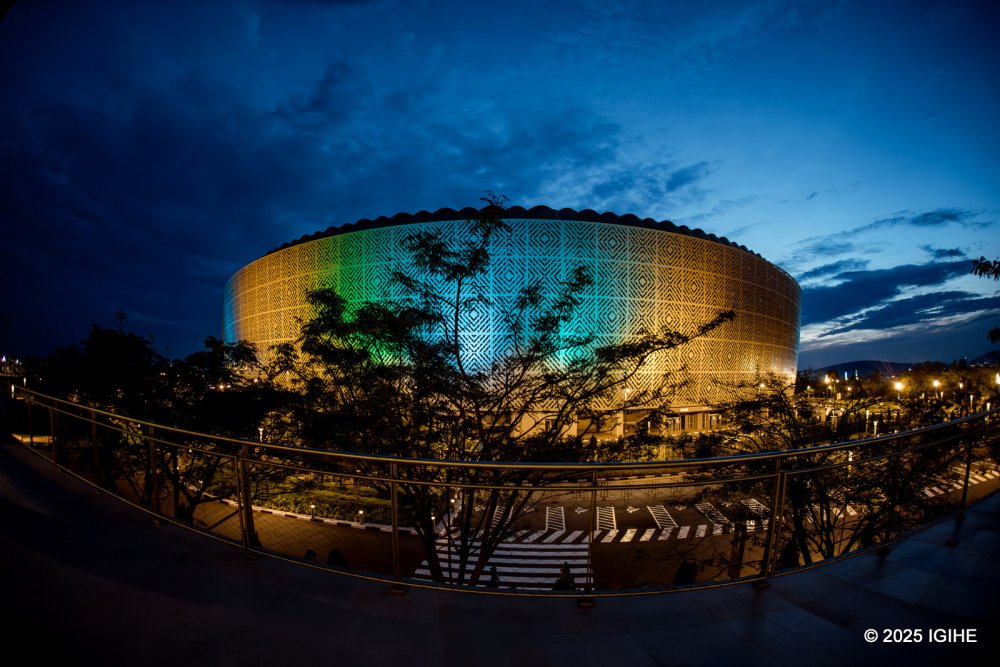
The development follows the successful staging of the PFL Africa Semifinals in Kigali in October last year at BK Arena, where an 11-fight card determined finalists across multiple weight divisions. The event was widely viewed within the organisation as a turning point in proving that Rwanda can deliver world-class MMA production at scale.
Schulze said Rwanda’s appeal lies in its combination of strong infrastructure, safety, and political support, even if MMA remains a relatively new sport for local audiences.
“Rwanda was a unique challenge,” he said. “It has world-class event infrastructure and a very safe environment, but relatively low consumer familiarity with MMA. What surprised us was how quickly people embraced it.”
“The seat for MMA headquarters in Africa is still open,” he said. “Rwanda has the enabling environment, infrastructure, and will to claim it.”
He credited what he called the “Rwandan model”, a strategy focused on deep community integration, for the strong local engagement around the sport. This included fighter homecomings, university activations, gym partnerships, and collaboration with the Ministry of Sports. The organisation said it was surprised by how quickly fans embraced MMA in Rwanda.
According to Schulze, this approach is now being replicated across other African markets as PFL expands its continental footprint. He pointed to key focus markets including Rwanda, Kenya, Nigeria, Angola, and Ivory Coast, with additional interest in Senegal and Tanzania, as well as North Africa, including Egypt, Morocco, and Algeria, as part of its long-term pan-African expansion strategy.
Beyond competition, PFL Africa says it is keen to develop a broader MMA ecosystem in Rwanda and other African markets, including training referees, judges, doctors, and production crews, as well as supporting the development of local fighters capable of competing internationally.
“If we host the finals in Kigali, I’m confident we’ll have at least two or three Rwandan fighters on the card,” Schulze noted.
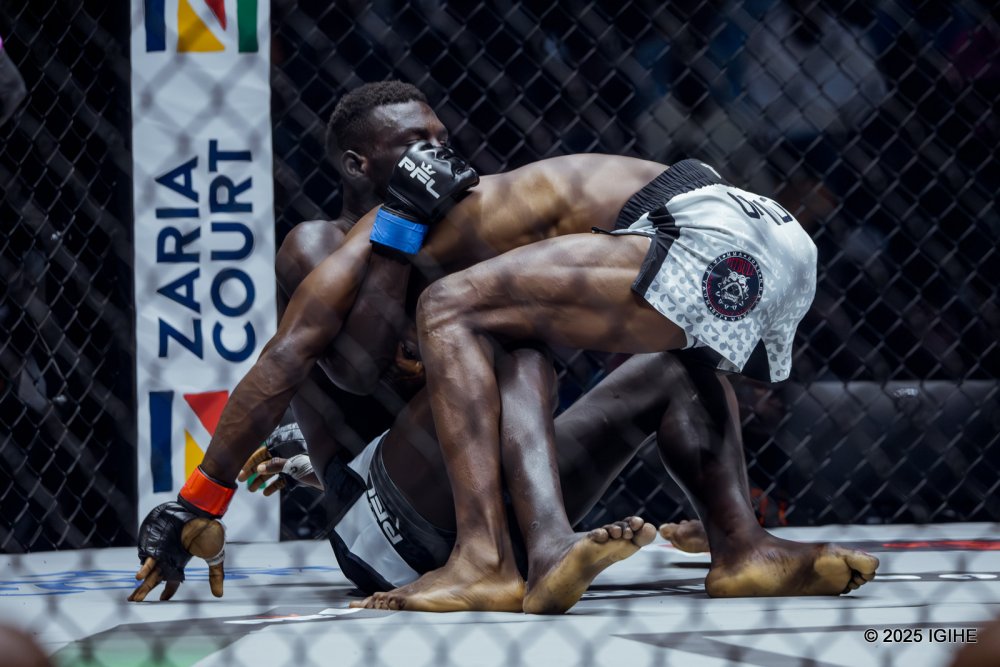
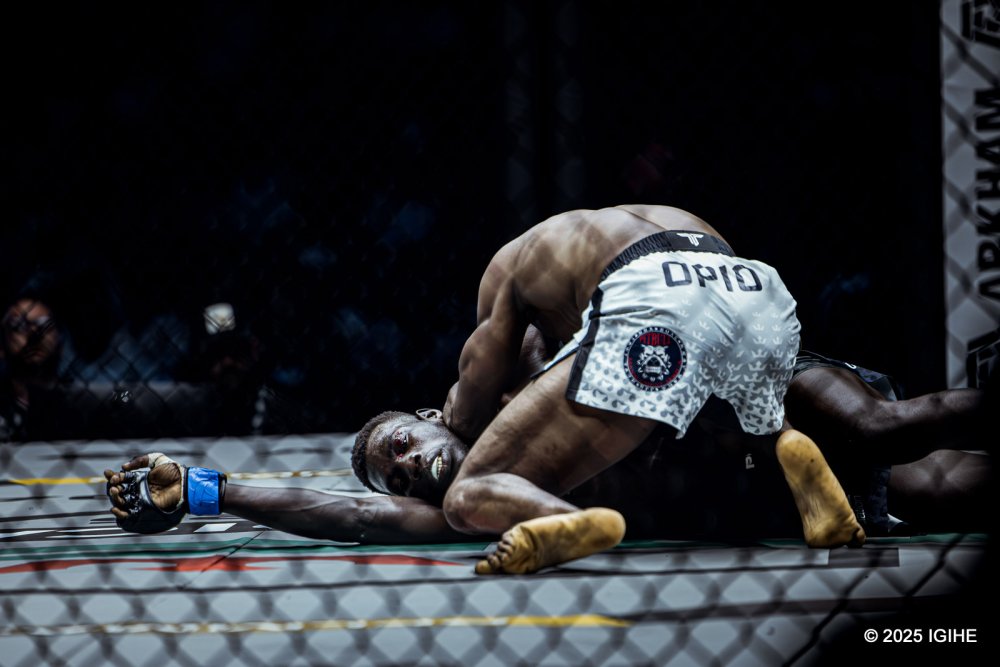
Rwanda was represented last year by James Opio at the PFL Africa event in Kigali. He featured in a highly anticipated East African featherweight showcase bout against Uganda’s Isaac Omeda.
Organising an event of this scale involves extensive logistics, including transporting and installing specialist production infrastructure such as lighting rigs, broadcast cameras, and regulation cages, alongside coordinating international fighters, coaching teams, and medical staff.
According to Schulze, PFL operates purpose-built cages and production systems across Africa to support back-to-back events in different markets, with South Africa also serving as one of the key established production and staging hubs on the continent. The organisation also works with local partners to recruit technical crews and manage hospitality requirements, including hundreds of hotel room nights for fighters, teams, and officials.
Nigeria set for historic debut after South Africa stop
While Kigali is being positioned as a potential championship hub, Nigeria is set to host a landmark milestone in the league’s expansion, with the continental tour heading to Lagos immediately following its recent stop in Pretoria, South Africa (PFL Africa 1).
The Professional Fighters League will stage PFL Africa 2: Nigeria – First Round on Saturday, June 13, 2026, at the Eko Convention Center in Lagos, marking the country’s entry into the league’s continental circuit.
Because PFL Africa staggers its weight classes to manage the tournament brackets, the Lagos event serves as the official opening First Round (Quarterfinals) exclusively for the Lightweight and Bantamweight tournaments, following April’s opening Welterweight matchups in Pretoria, South Africa.
Schulze described Nigeria as a “must-win market” for the organisation.
“You cannot claim to be a credible operator in Africa and neglect Nigeria,” he said. “It’s going to be a raucous event.”
He added that Nigeria’s strong sporting culture, spanning football, basketball, boxing, and traditional combat disciplines like Dambe, makes it a natural fit for MMA growth. PFL Africa views the country as a potential recurring anchor market alongside Rwanda and other priority destinations.
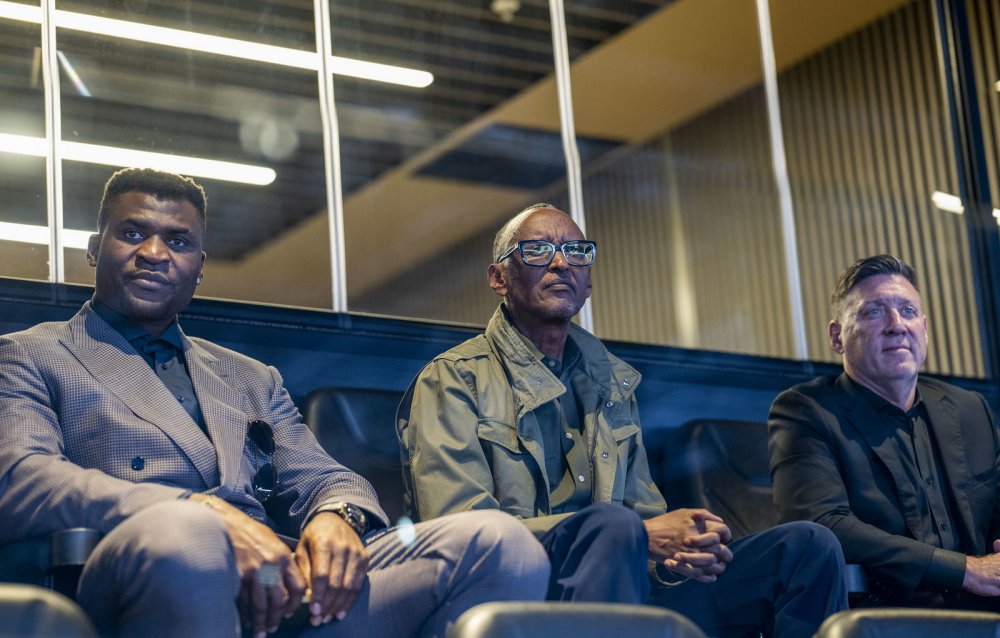
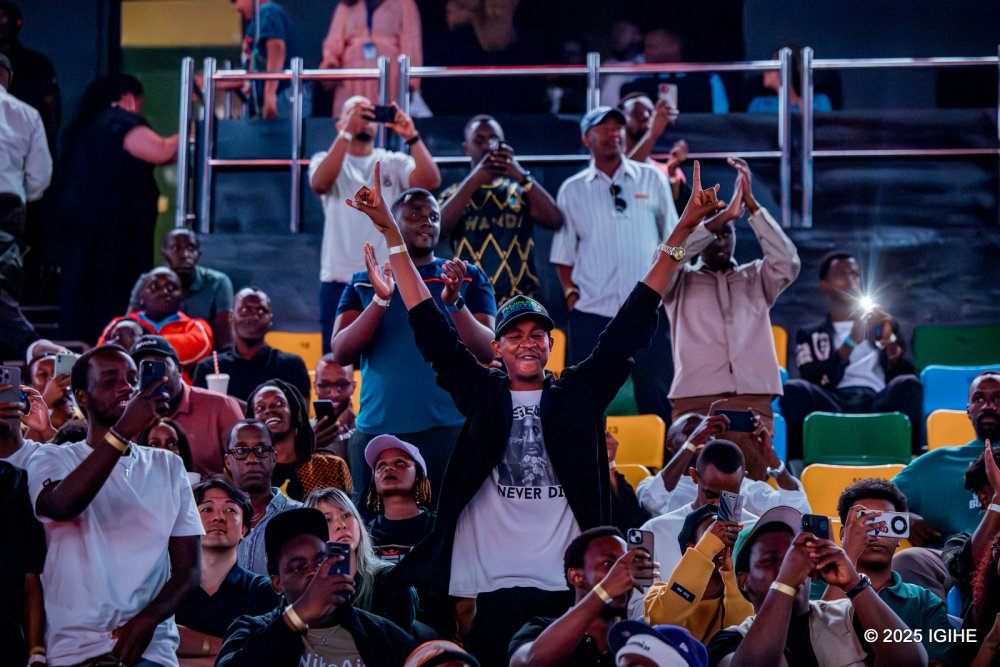
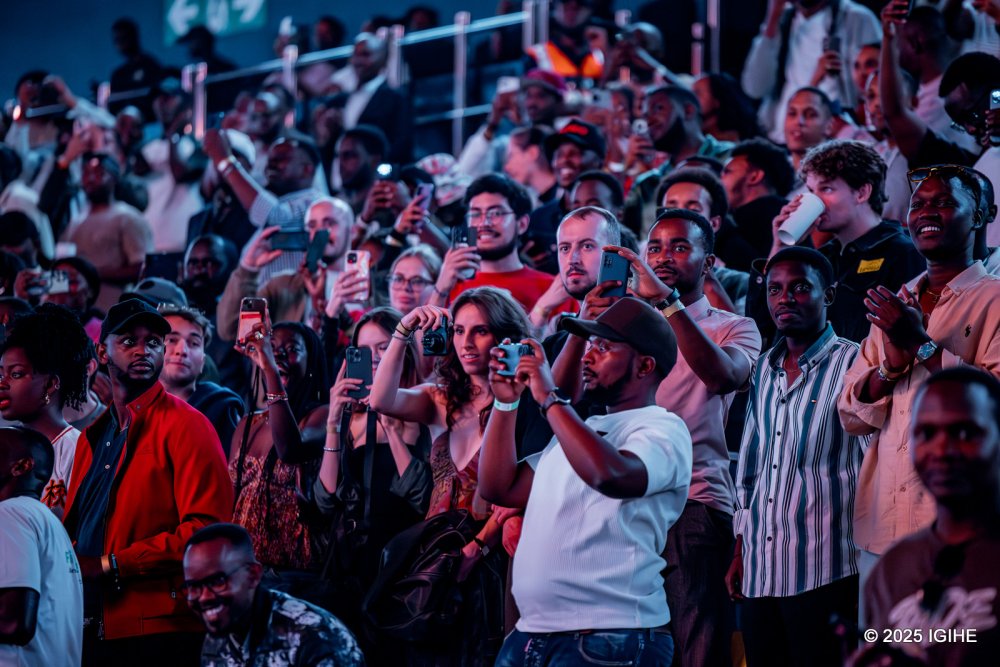
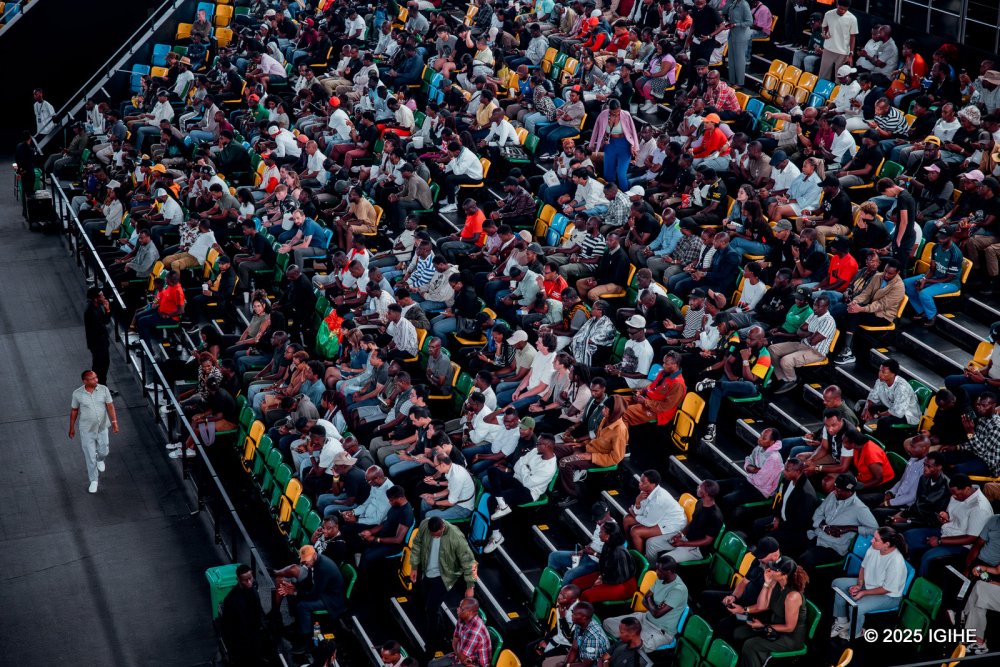
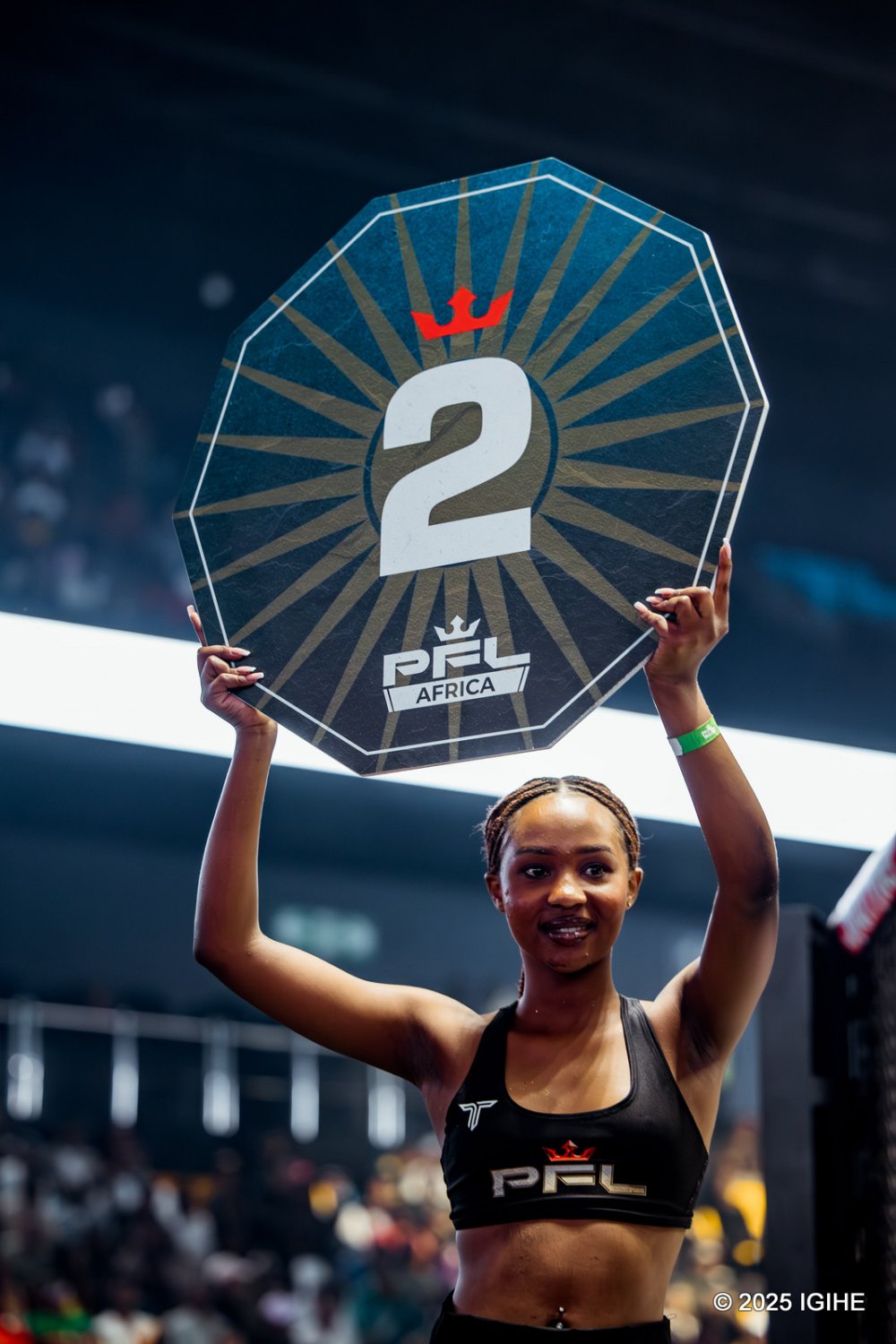
Professional Fighters League (PFL) Africa drew over 4,000 mixed martial arts (MMA) spectators at BK Arena on Saturday, October 18. President Kagame, WBC President Mauricio Sulaimán and MMA legend Francis Ngannou attended PFL Africa matches.Schulze said Rwanda’s appeal lies in its combination of strong infrastructure, safety, and political support, even if MMA remains a relatively new sport for local audiences.Rwanda was represented last year by James Opio at the PFL Africa event in Kigali. He featured in a highly anticipated East African featherweight showcase bout against Uganda’s Isaac Omeda.
The event, organised by DJ Spinny, will bring together music fans for a two-day experience combining live performances and entertainment activities. On July 18, revellers will enjoy performances from various artists, while July 19 will feature additional entertainment alongside the screening of the FIFA World Cup final.
Kabza De Small, born Kabelo Petrus Motha on November 27, 1992, in Mpumalanga and raised in Pretoria, is widely regarded as one of the pioneers of Amapiano, a genre that has gained massive global popularity in recent years.
He began his career as a DJ in 2009 and released his debut album Avenue Sounds in 2016. However, his breakthrough came with the rise of Amapiano, which propelled him to international recognition.
In 2018, his hit track Umshove further cemented his status, followed by successful projects including Pretty Girls Love Amapiano, I Am the King of Amapiano: Sweet & Dust, and Bab’Motha released in 2025.
Kabza De Small is also best known for his collaboration with DJ Maphorisa under the duo Scorpion Kings, a partnership that has played a key role in pushing Amapiano onto the global stage, with collaborations featuring artists such as Wizkid and Burna Boy.
This will be the second edition of the “Spinny and Friends” festival, following its debut in 2025, when DJ Spinny marked a decade in music with shows held in Uganda and Rwanda.
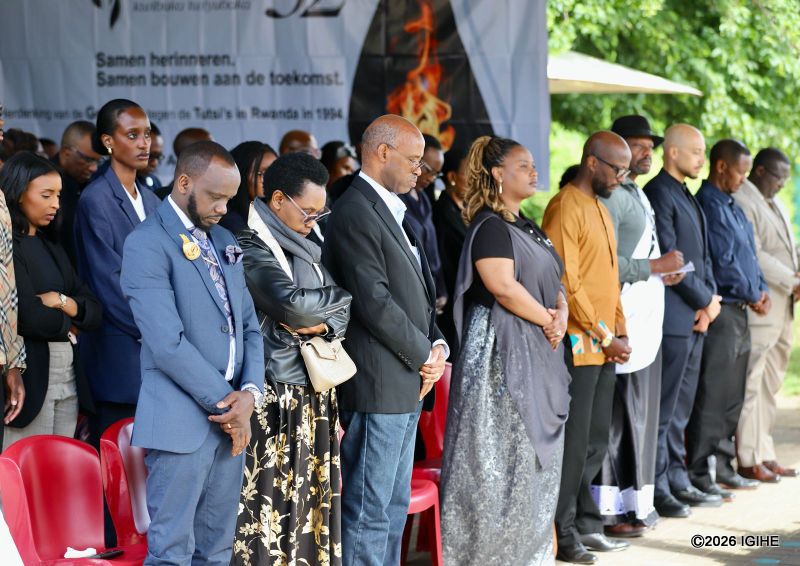
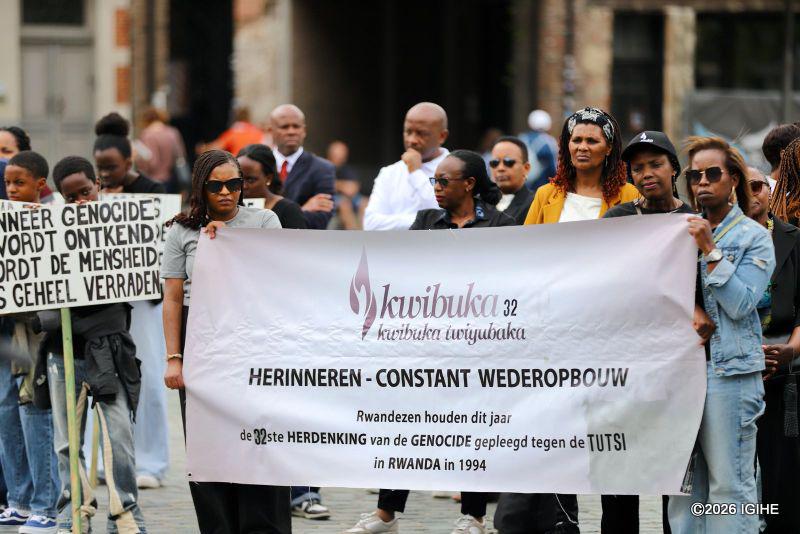
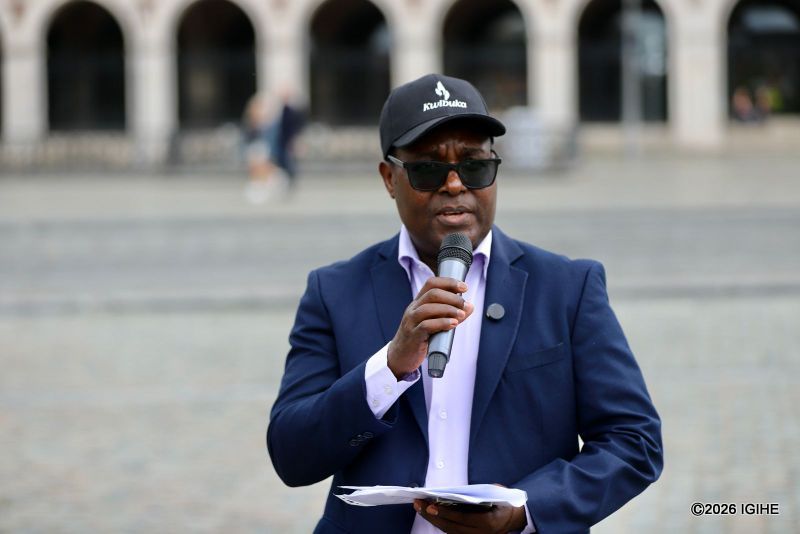
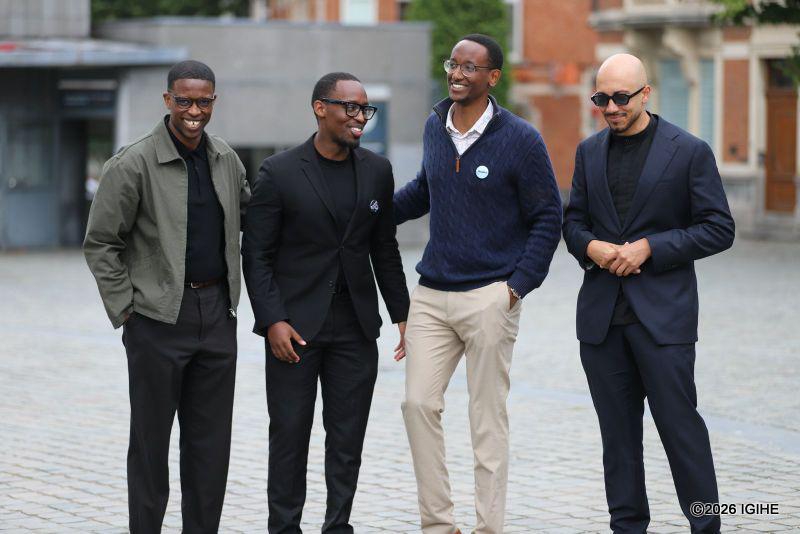
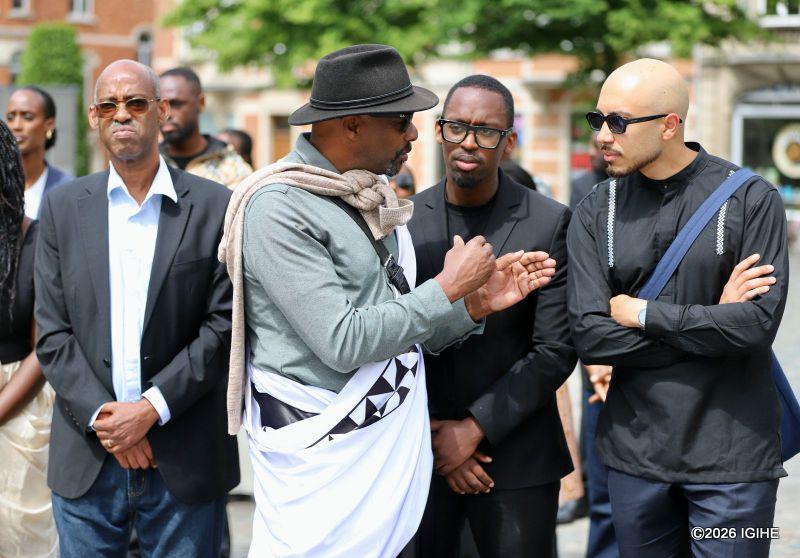
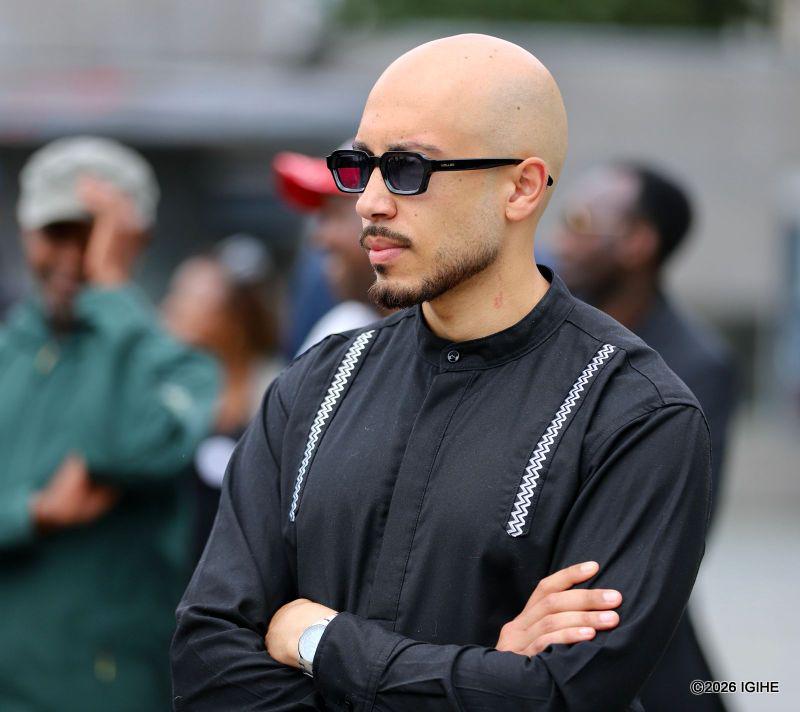
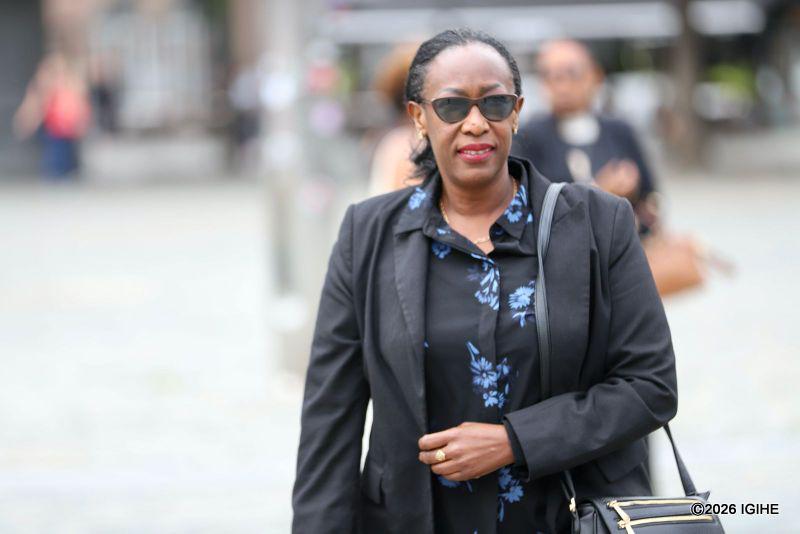
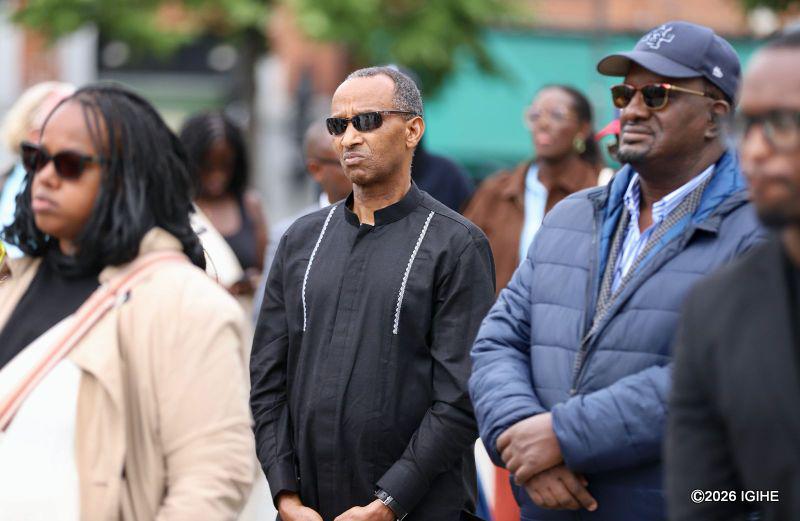
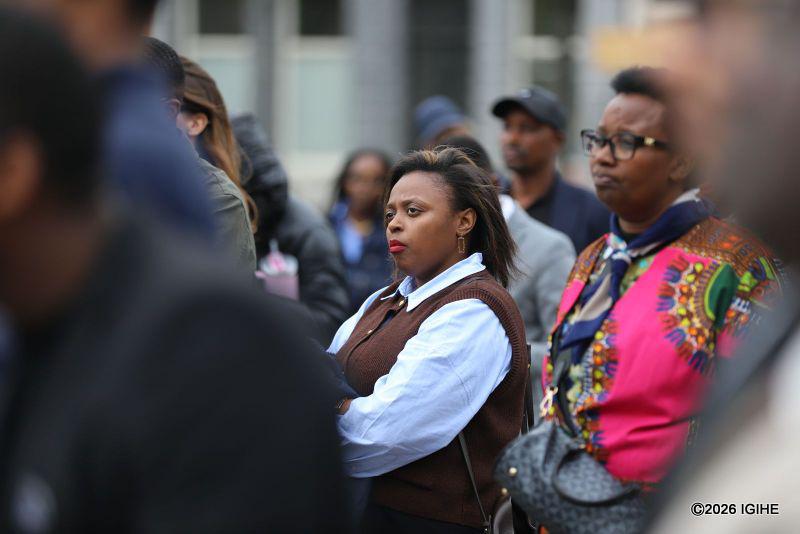
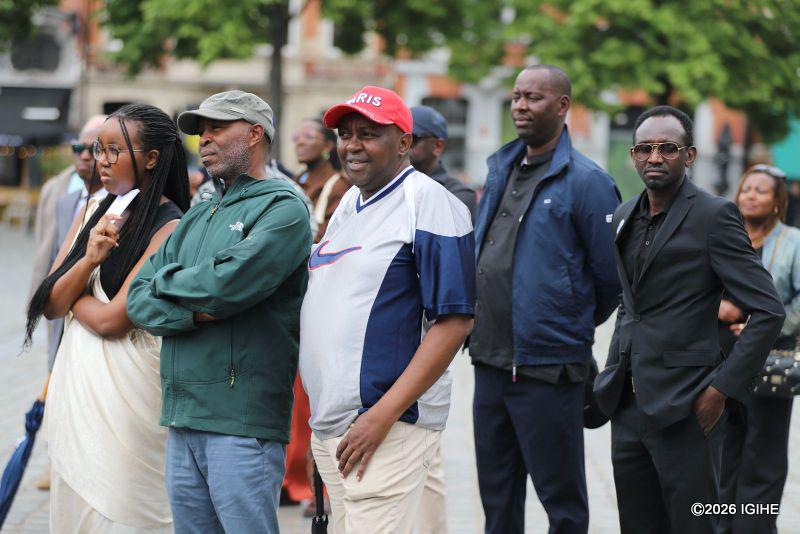
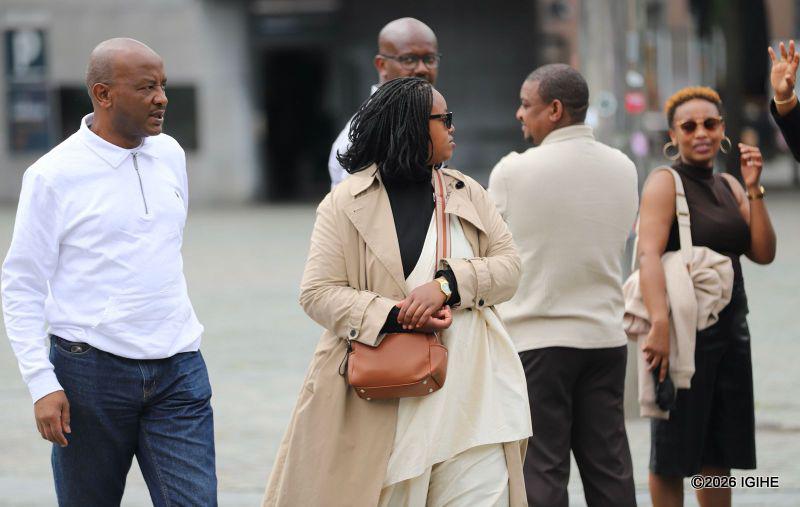
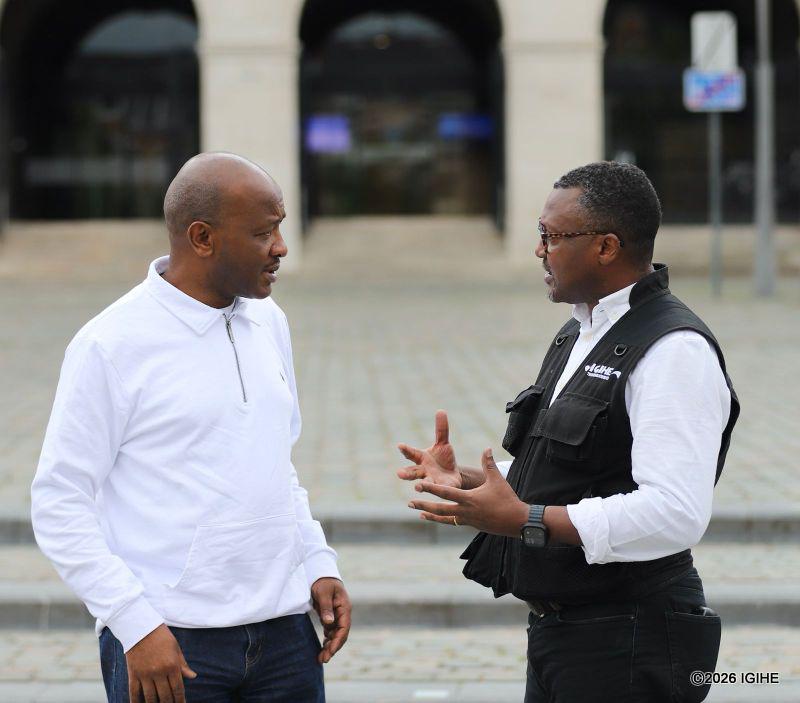
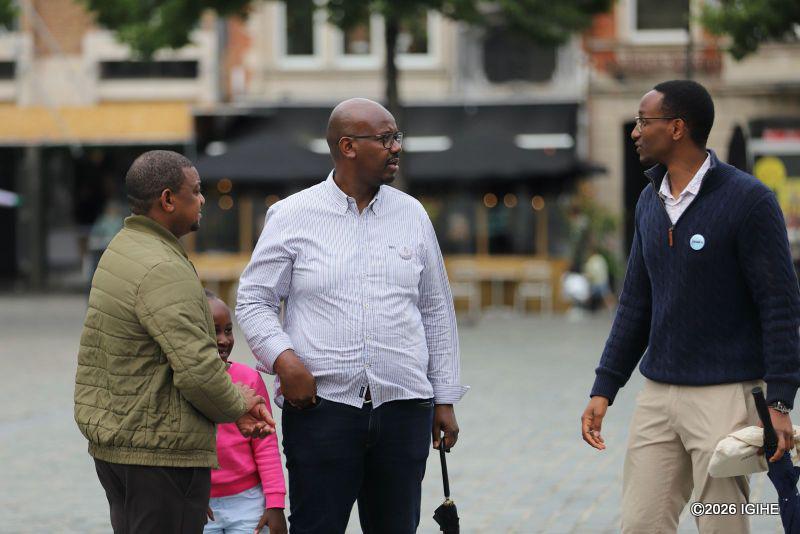
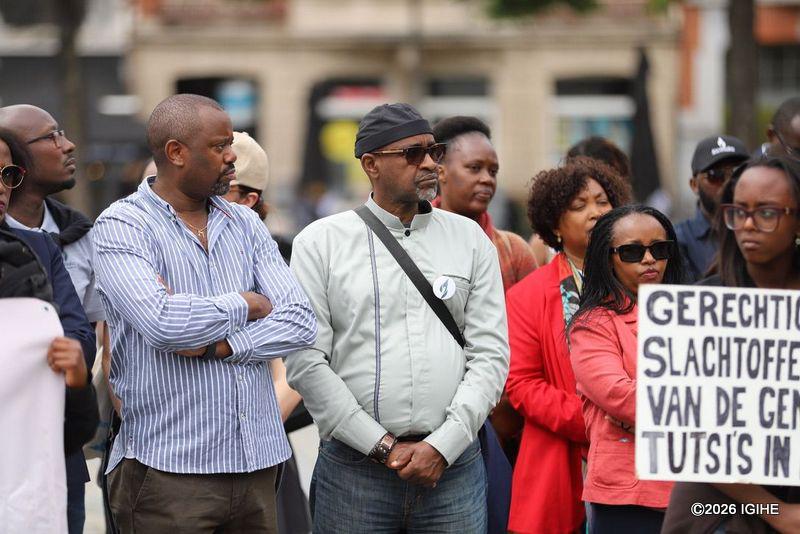
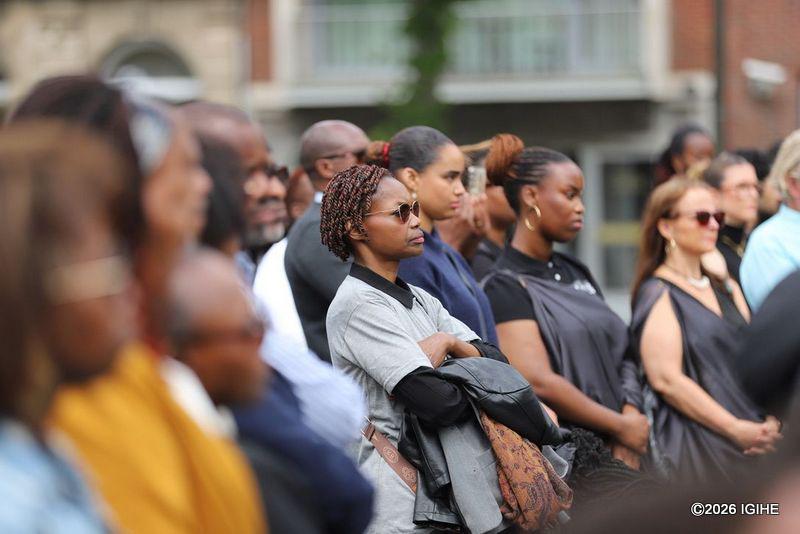
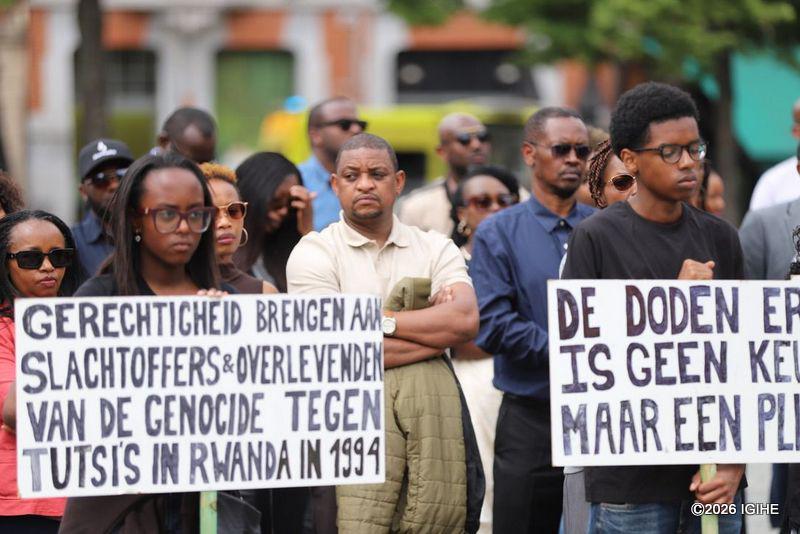
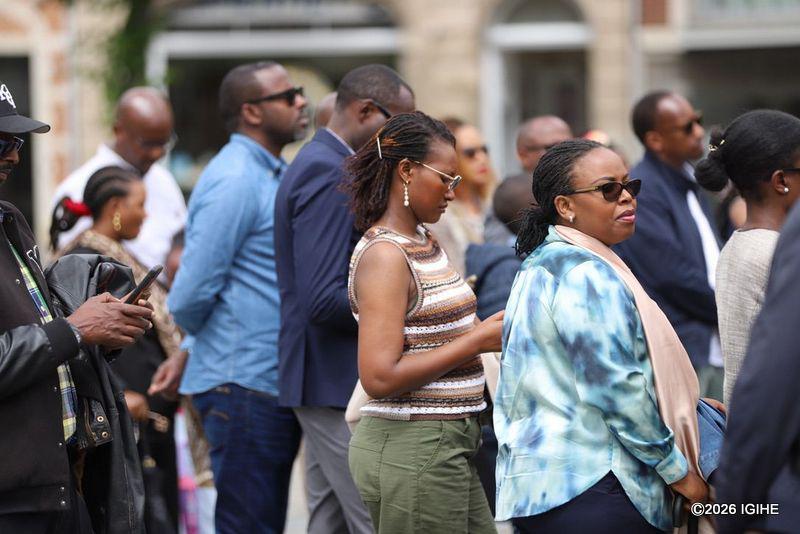
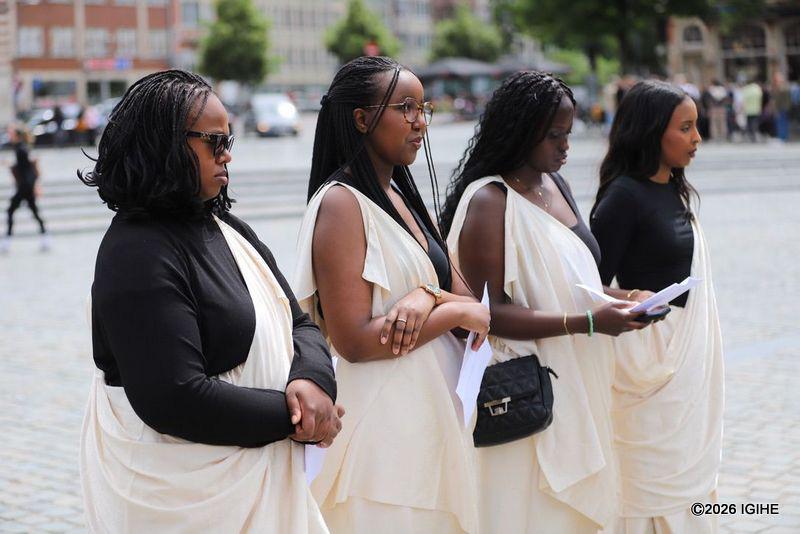
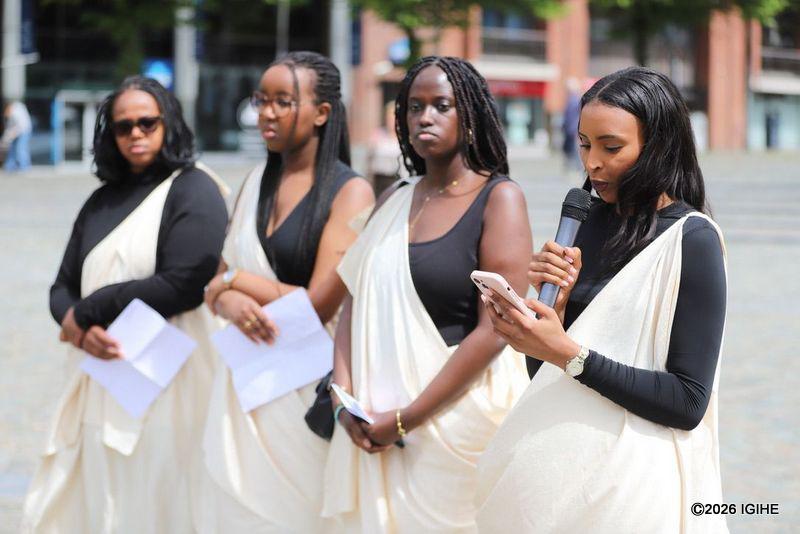
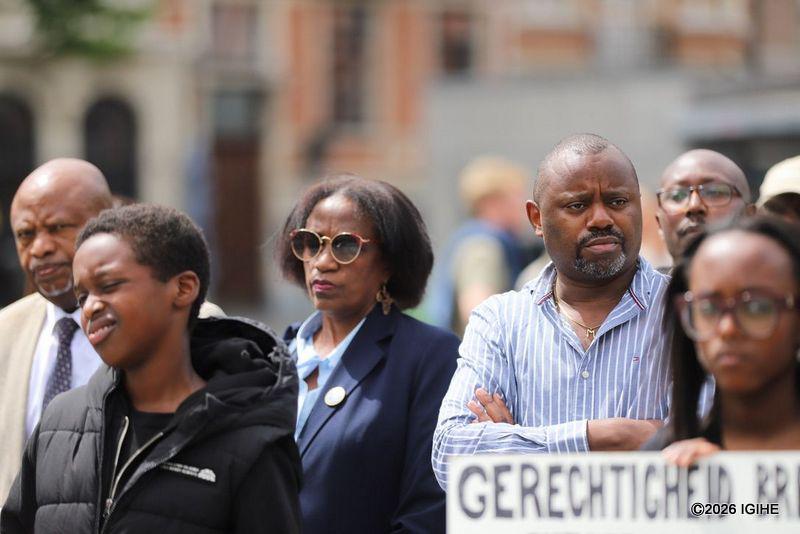
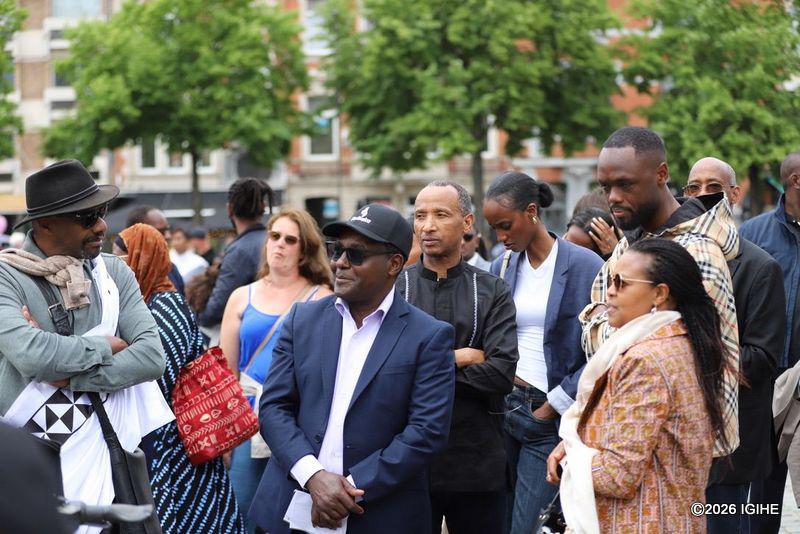
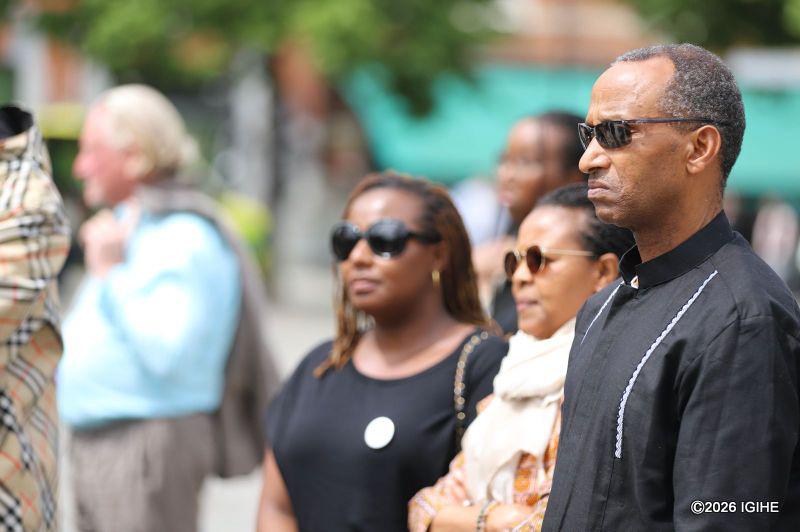
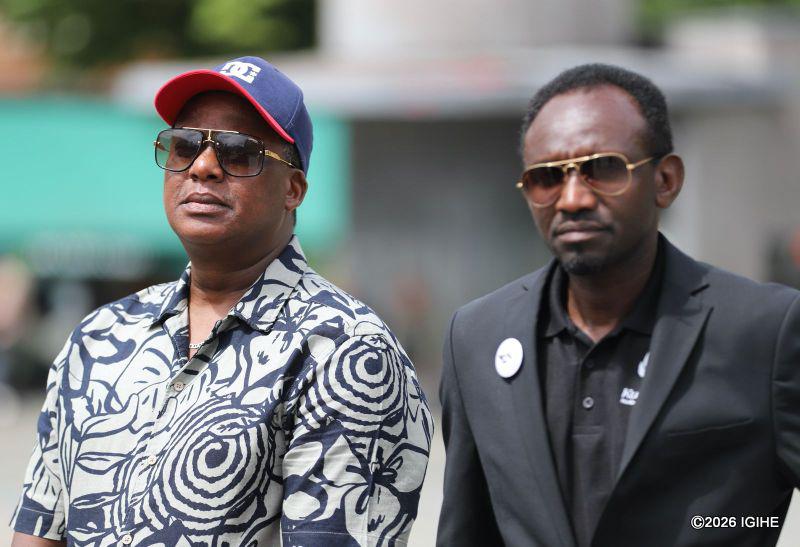
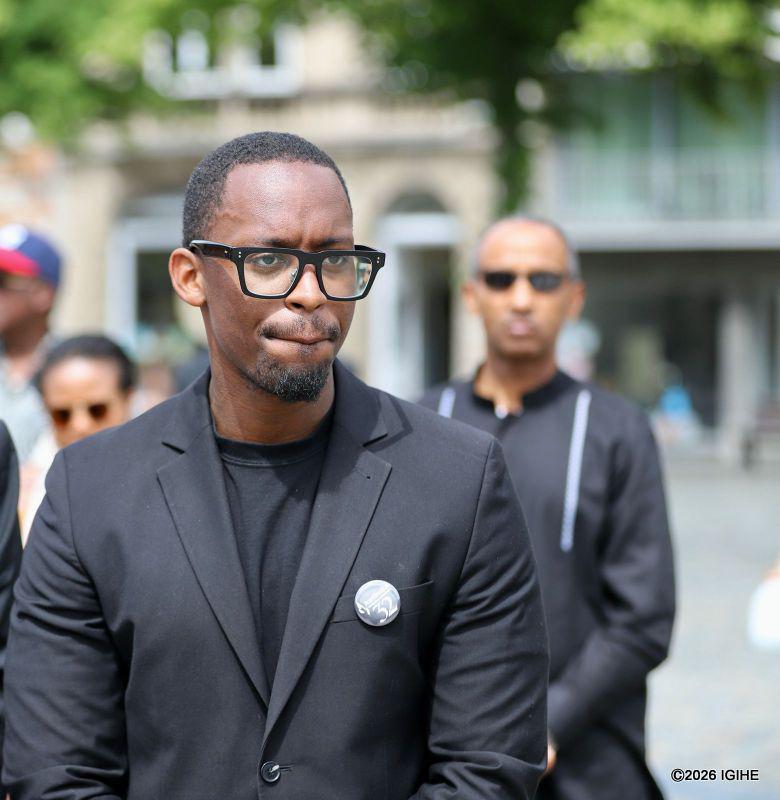
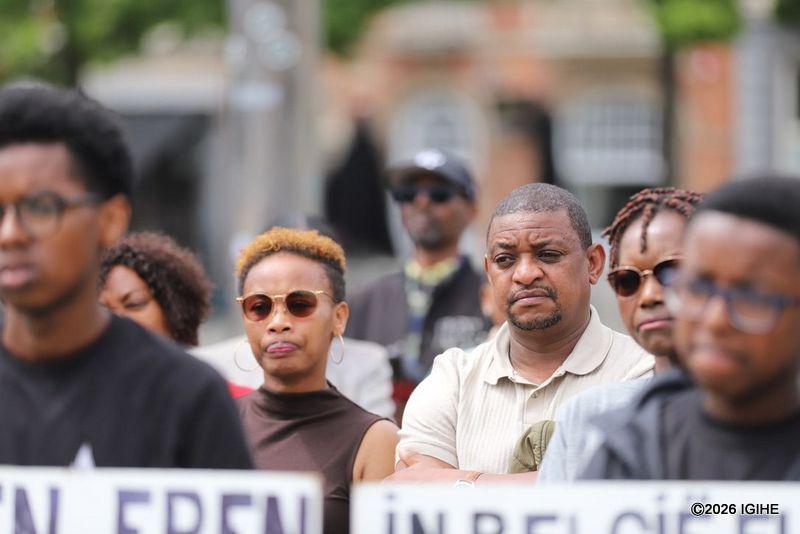
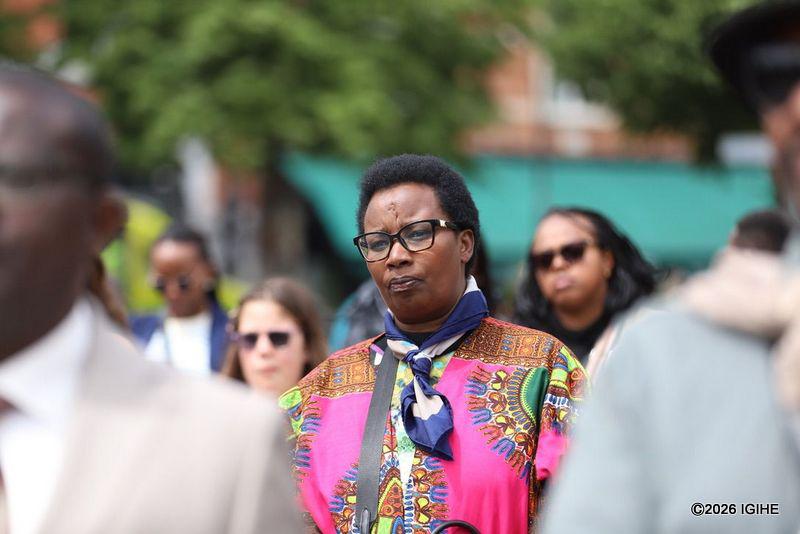
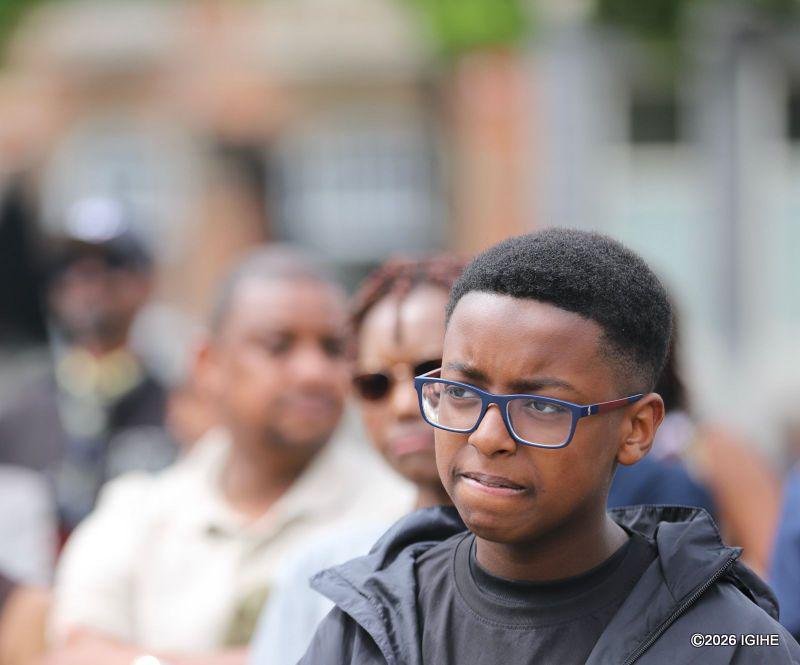
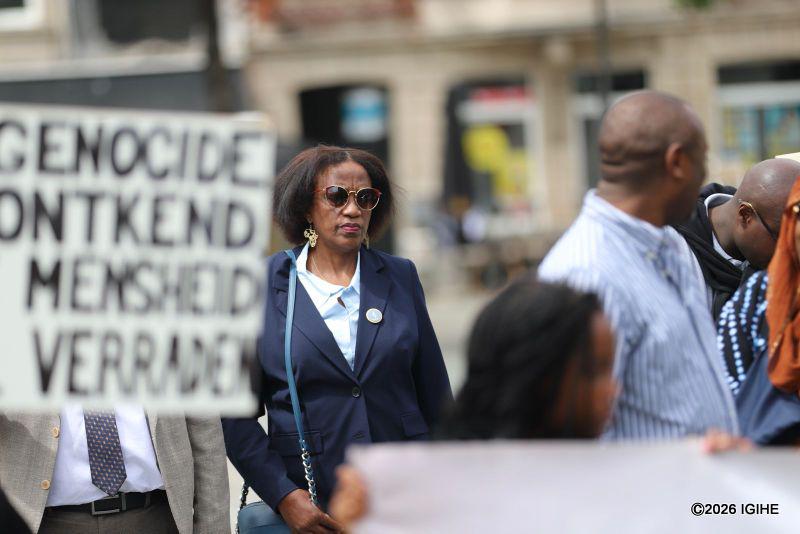
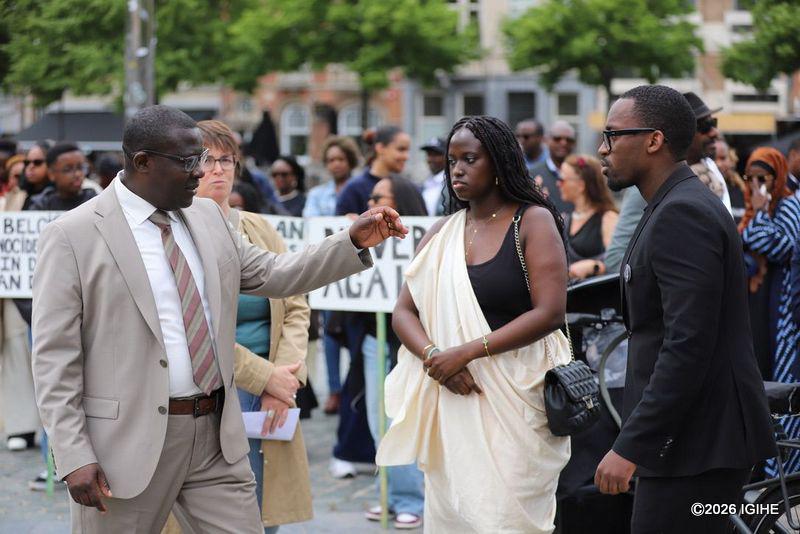
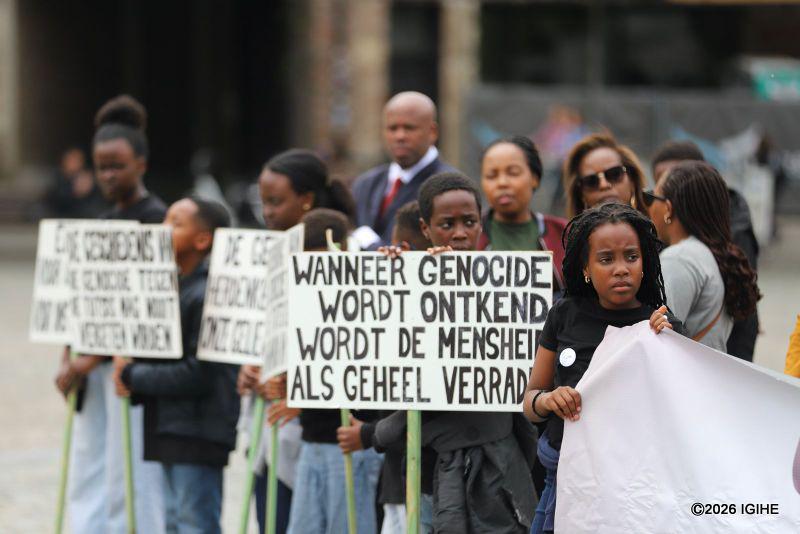
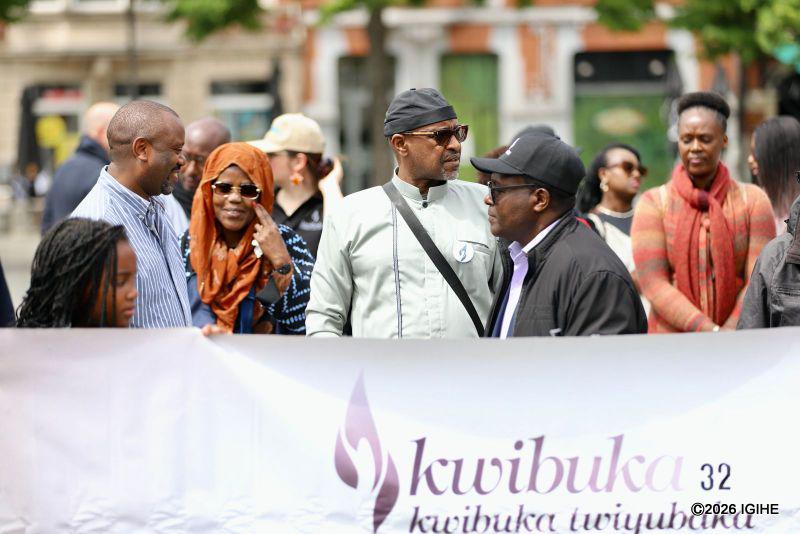
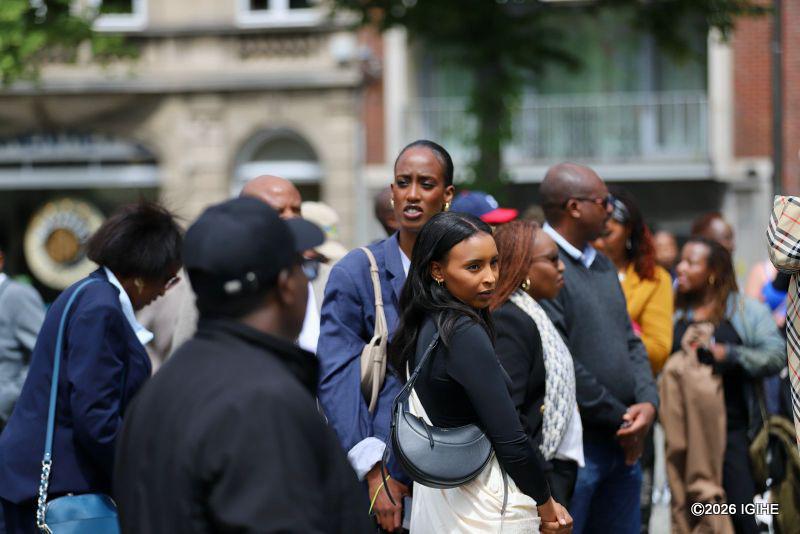
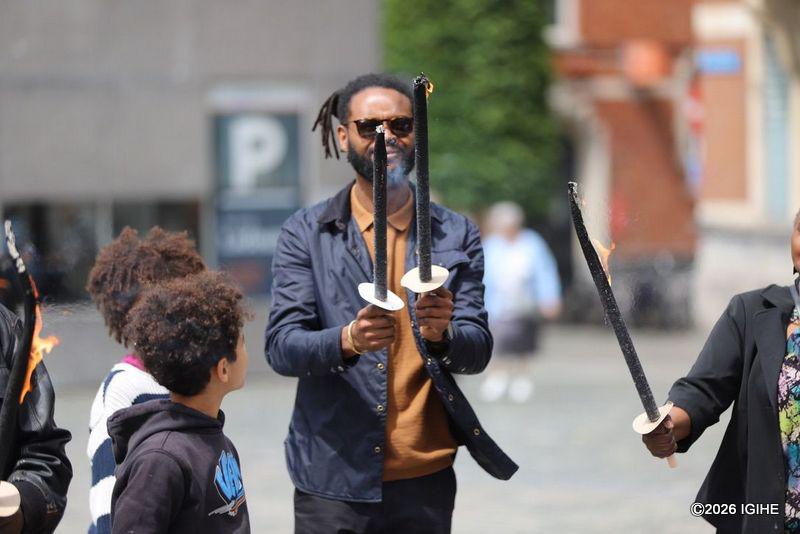
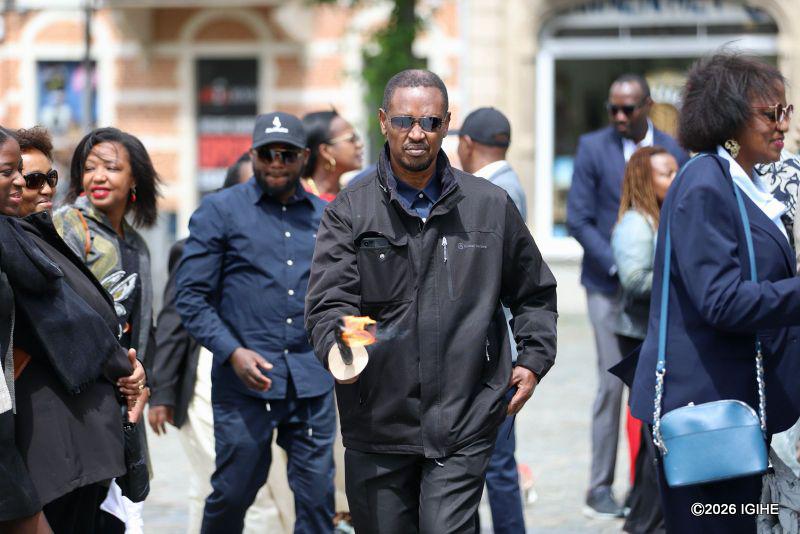
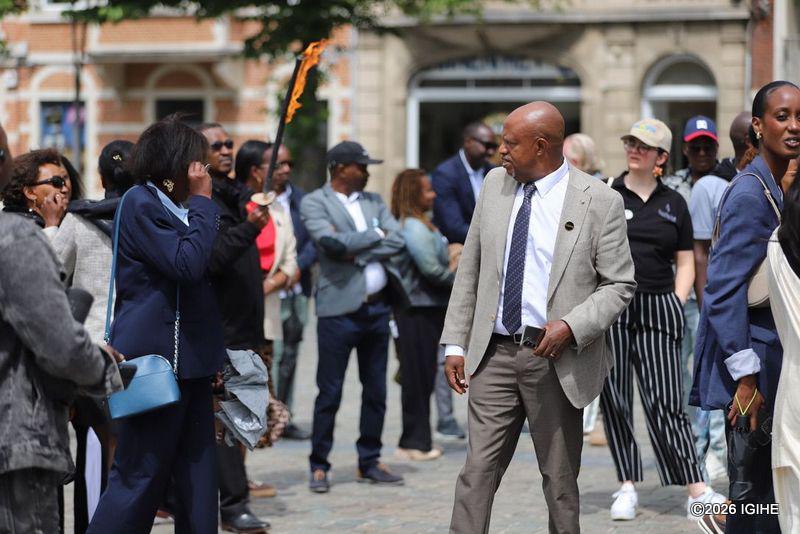
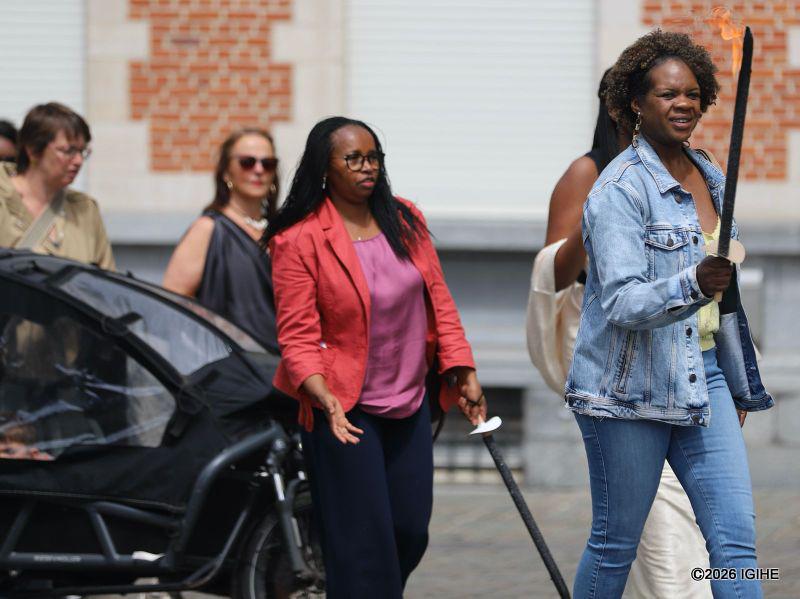
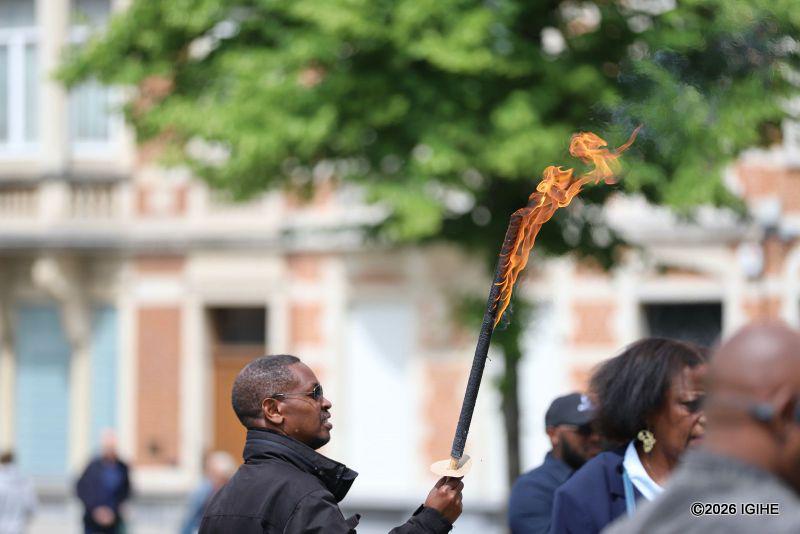
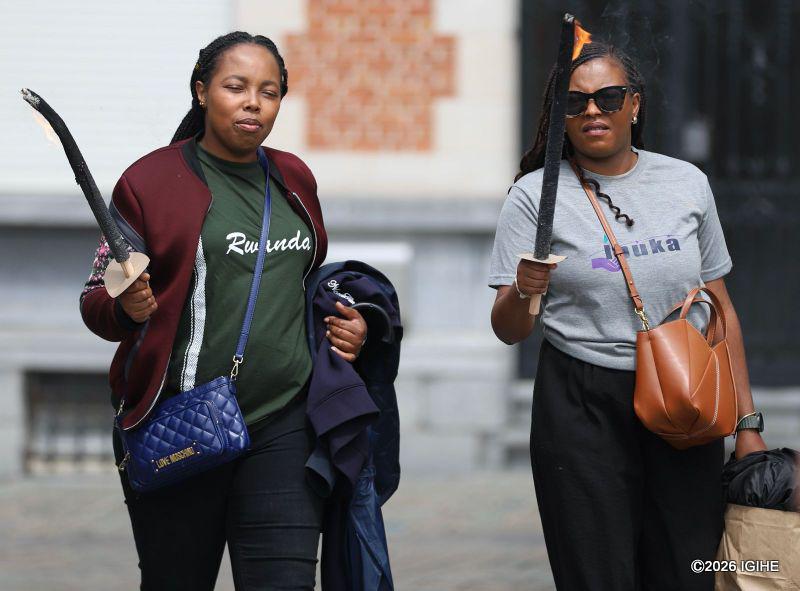
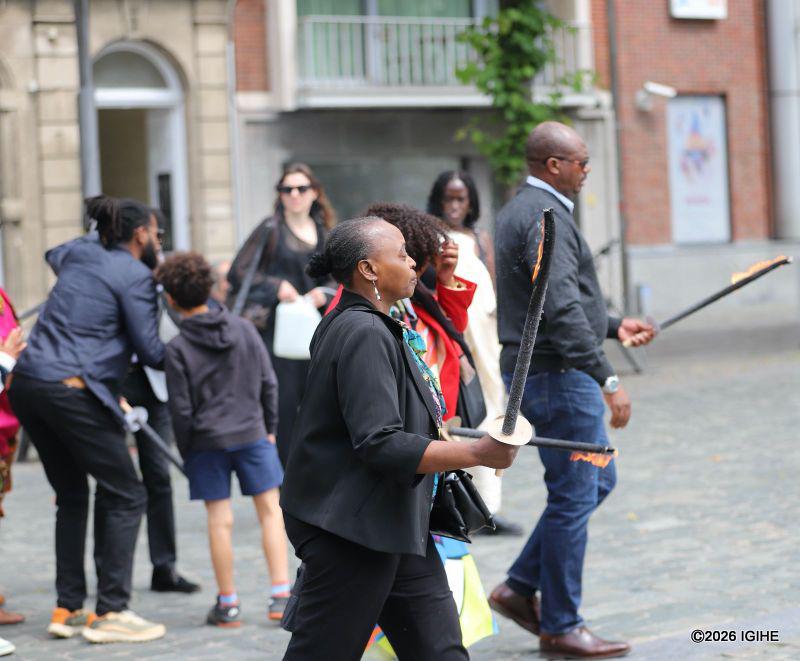
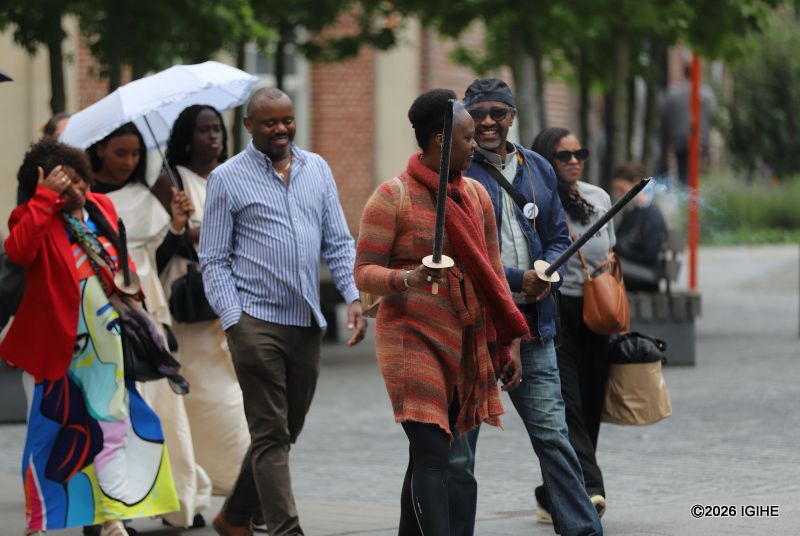
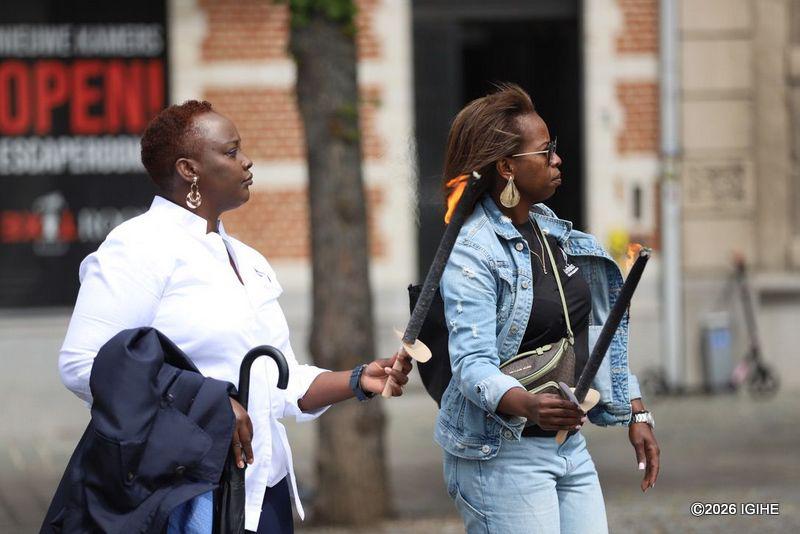
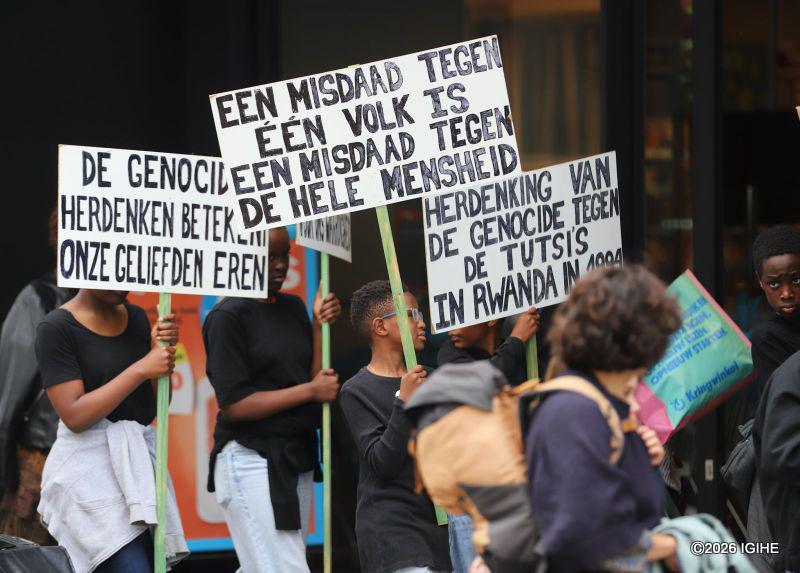
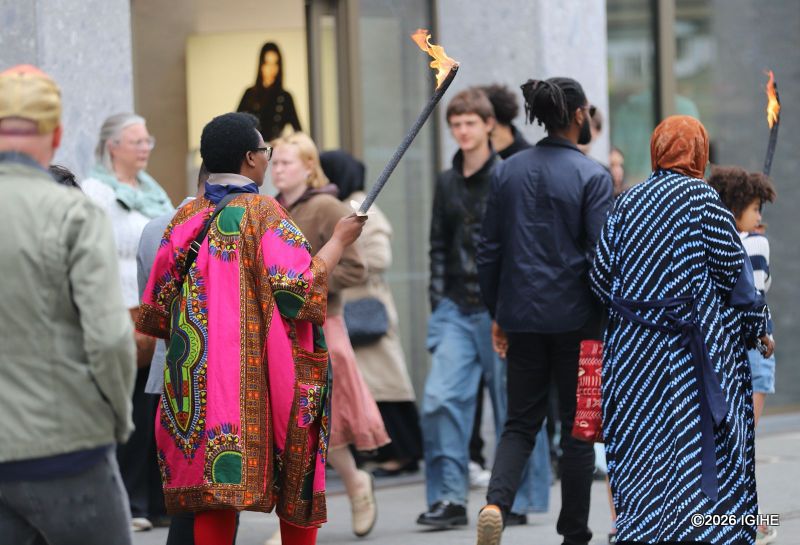
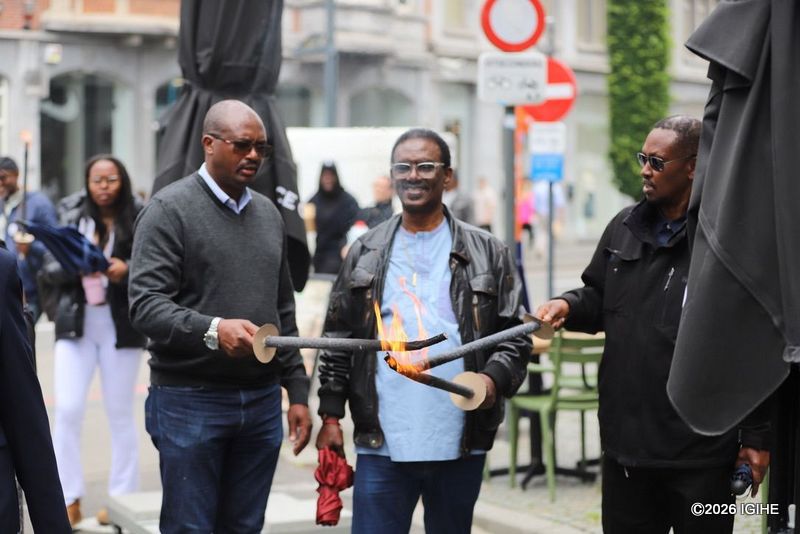
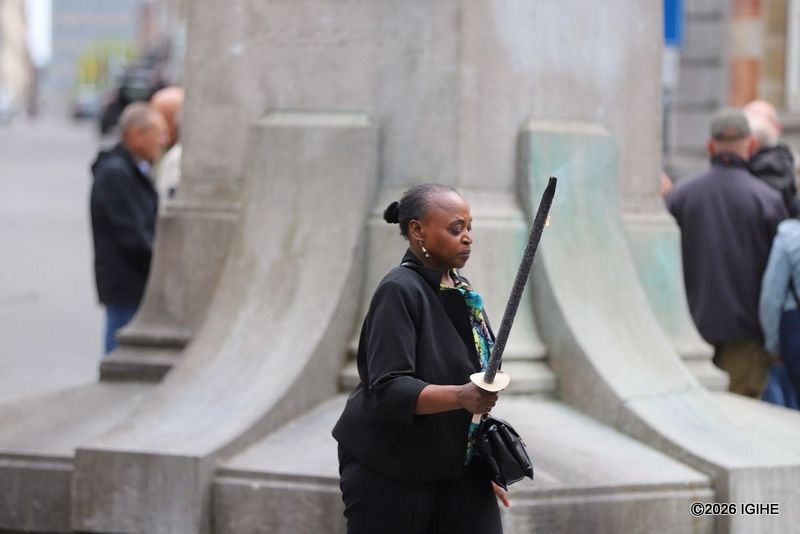
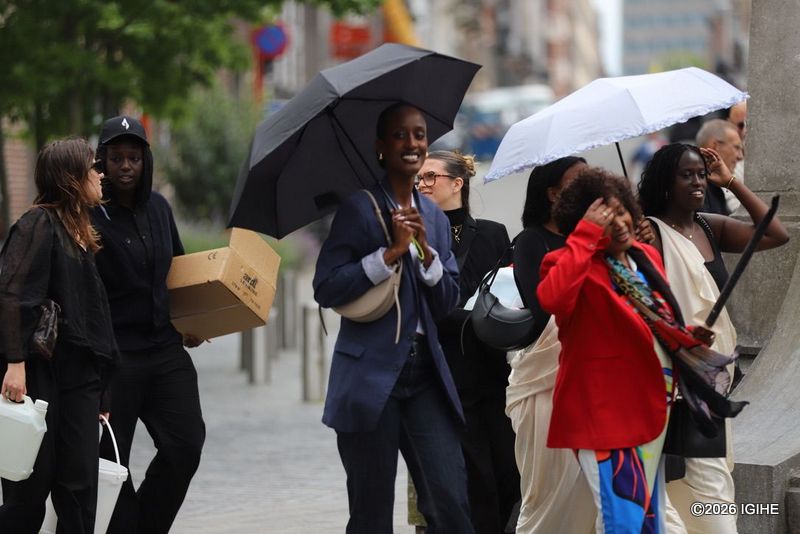
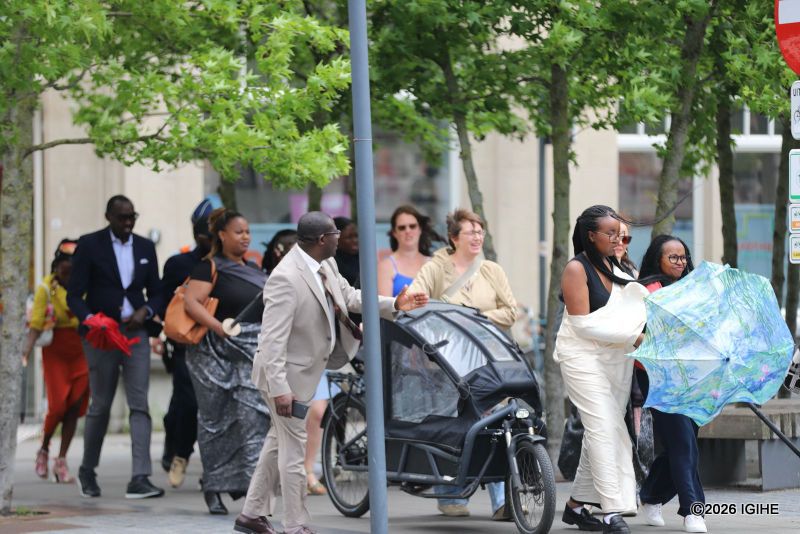
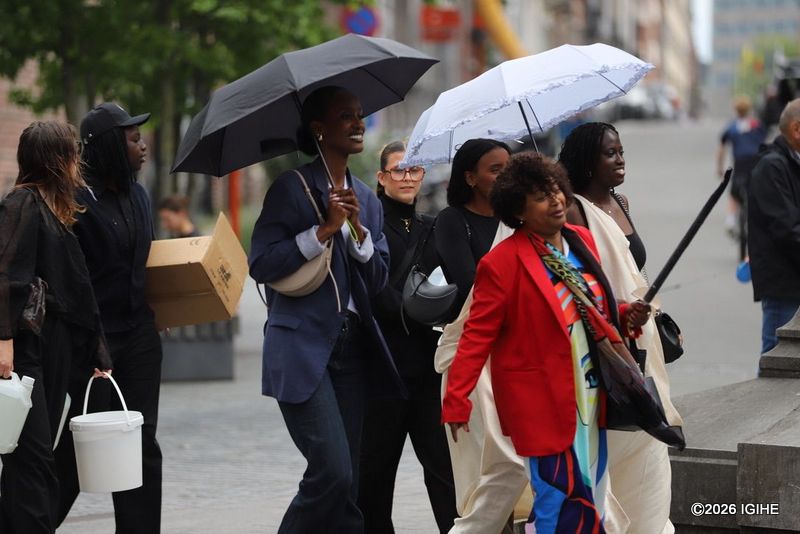
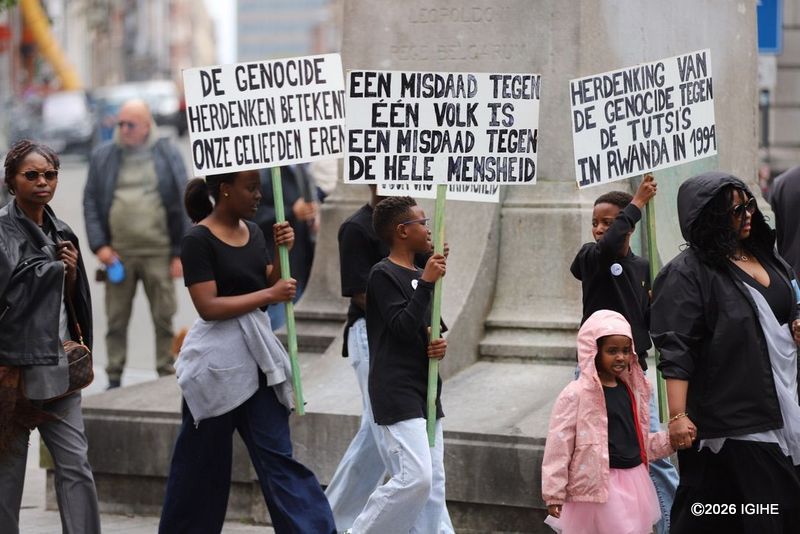
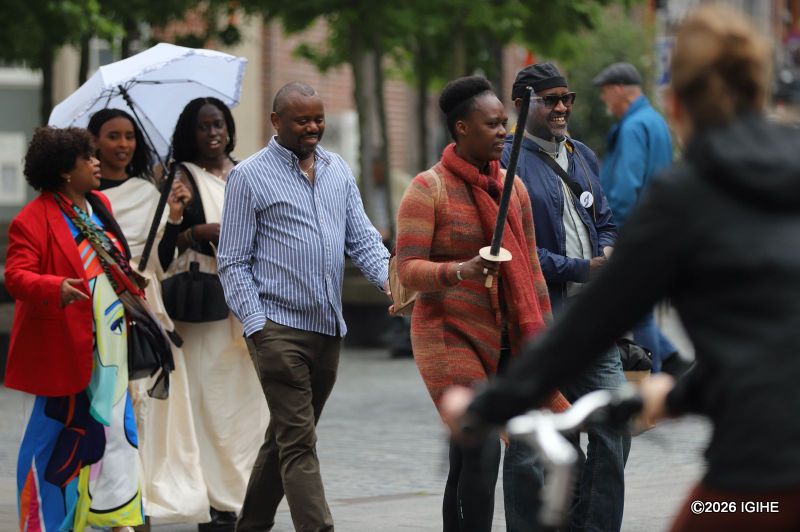
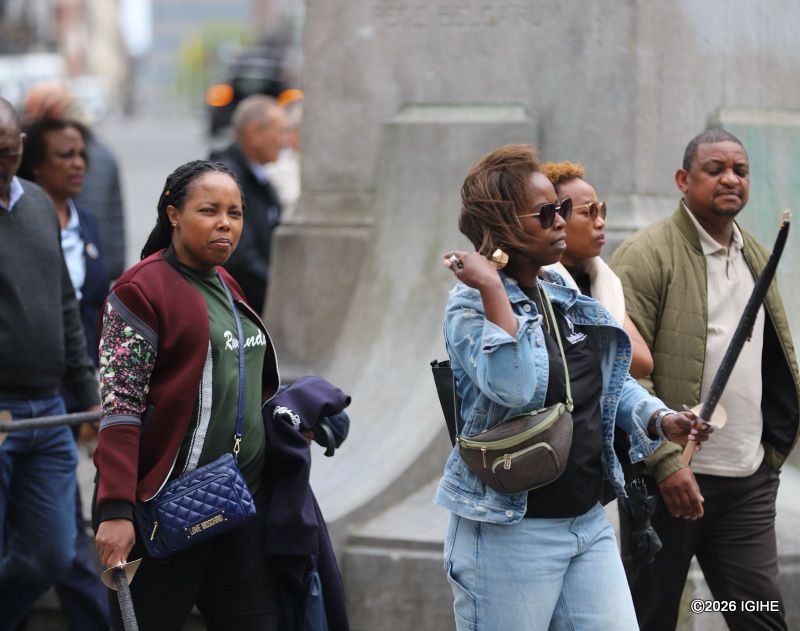
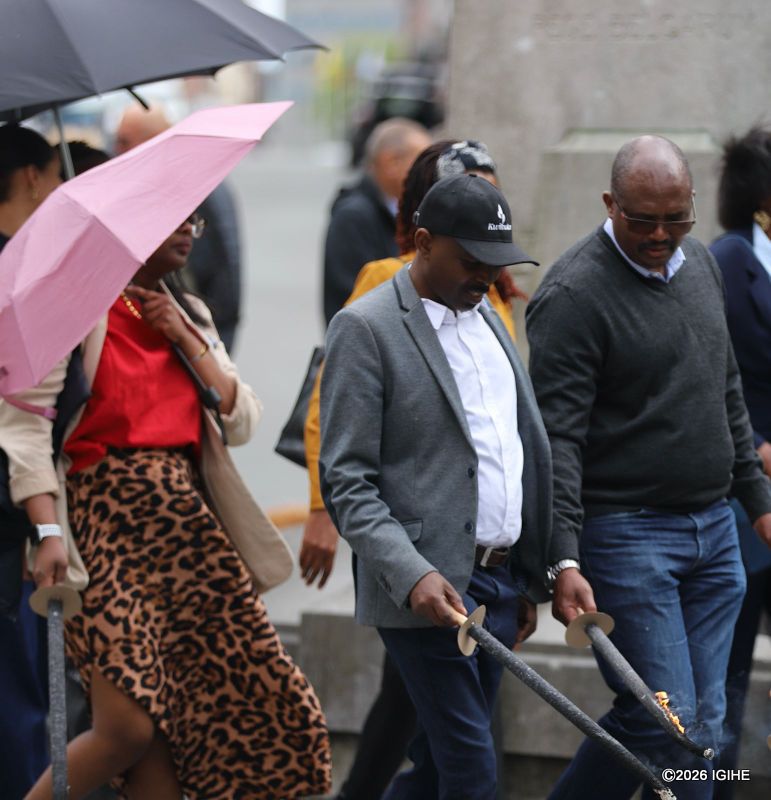
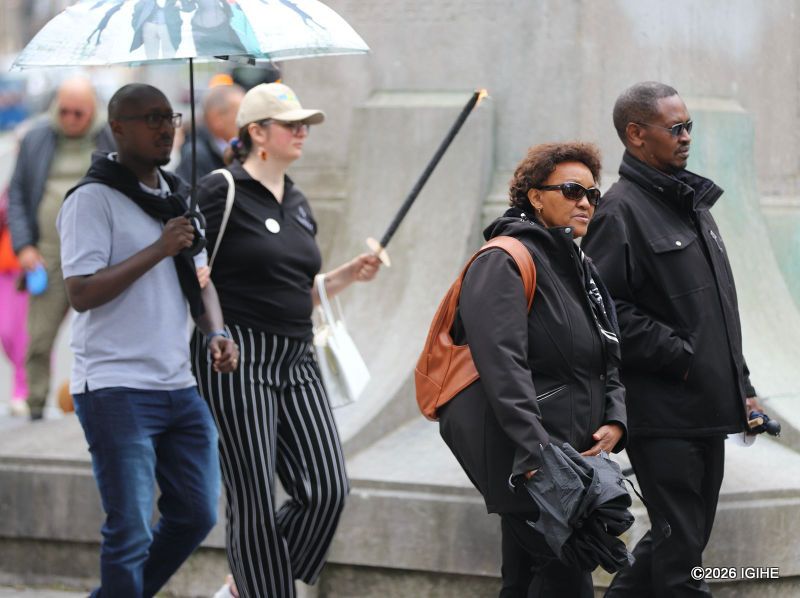
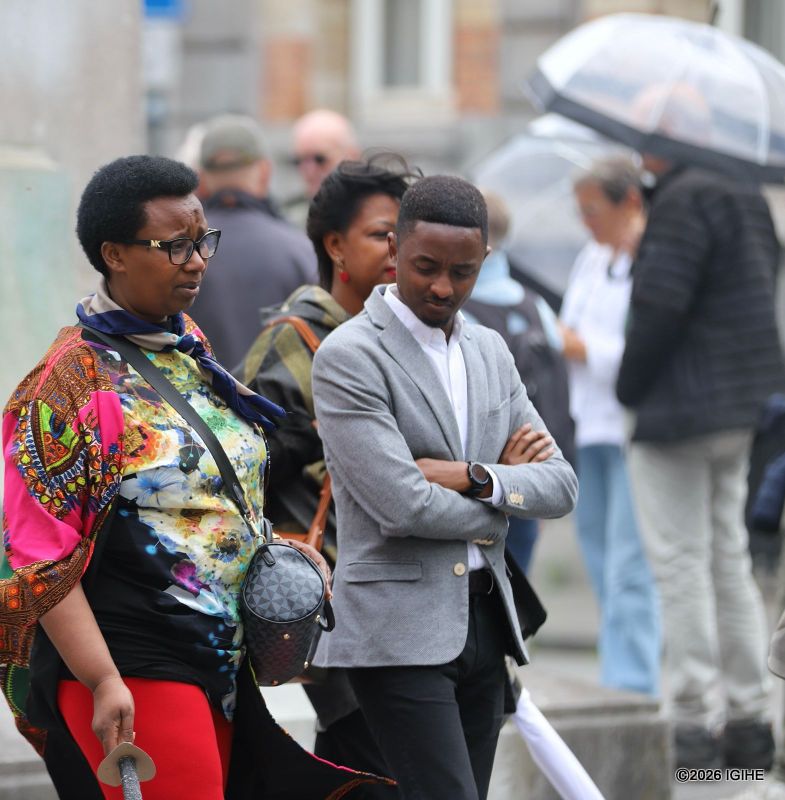
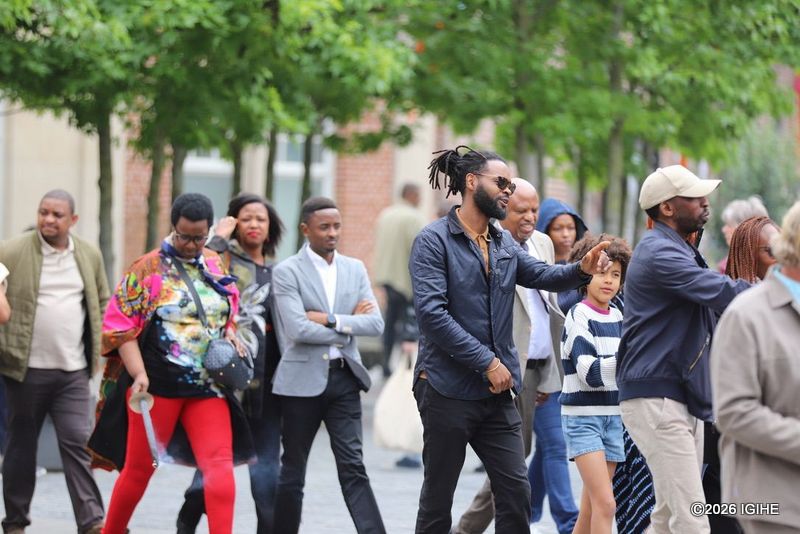
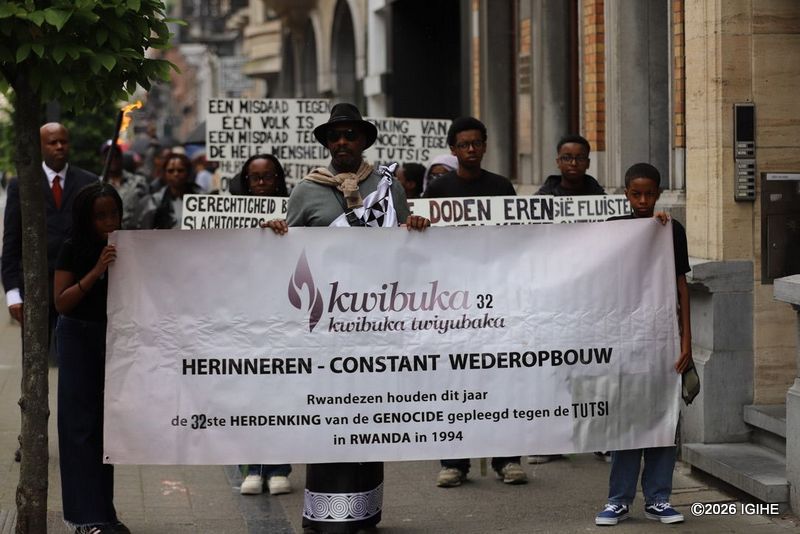
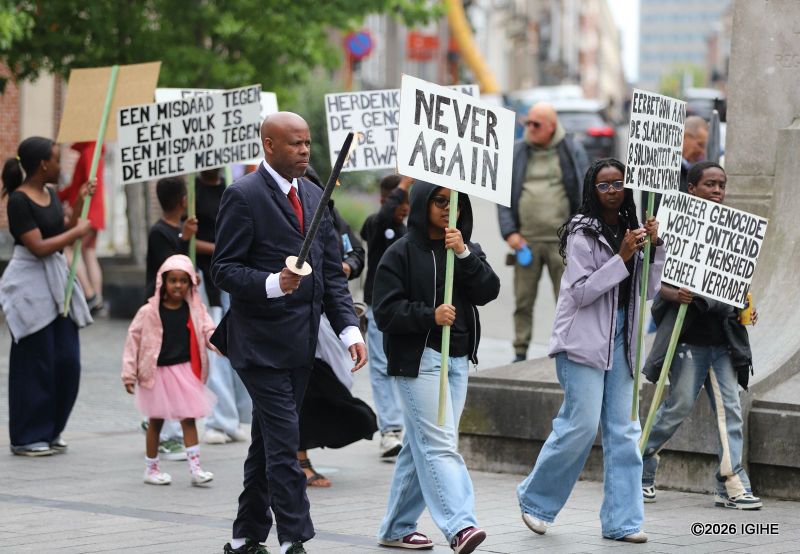
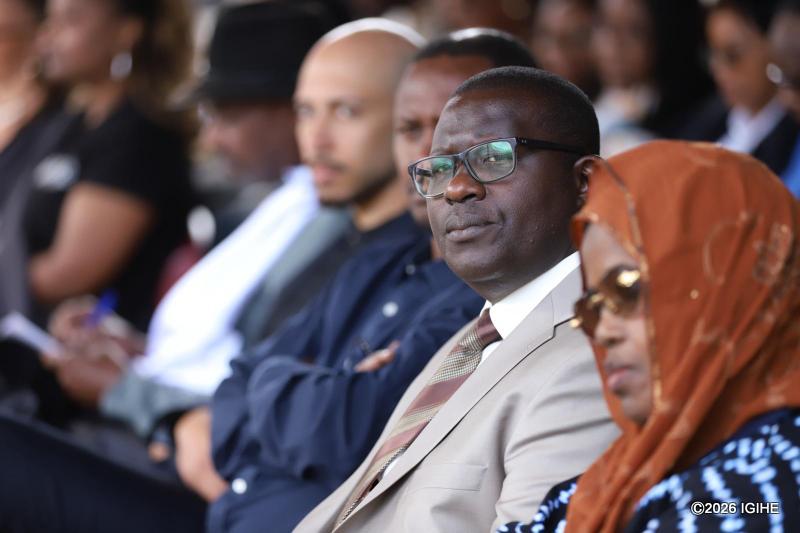
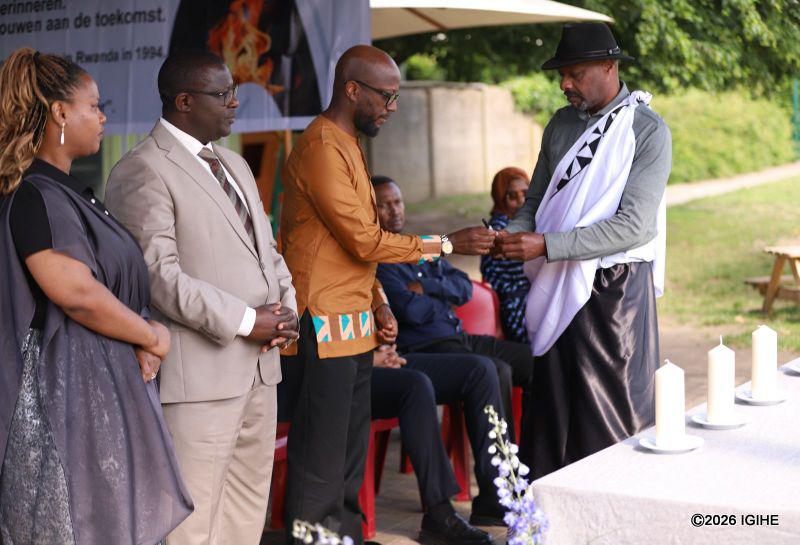
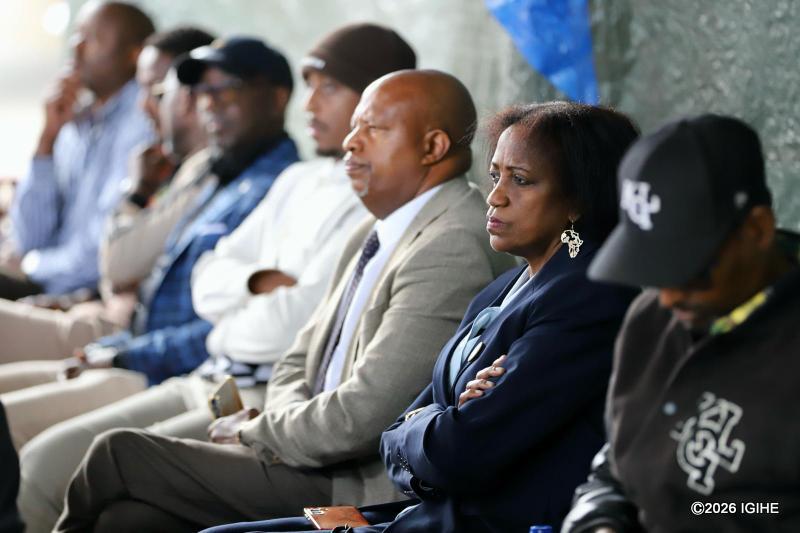
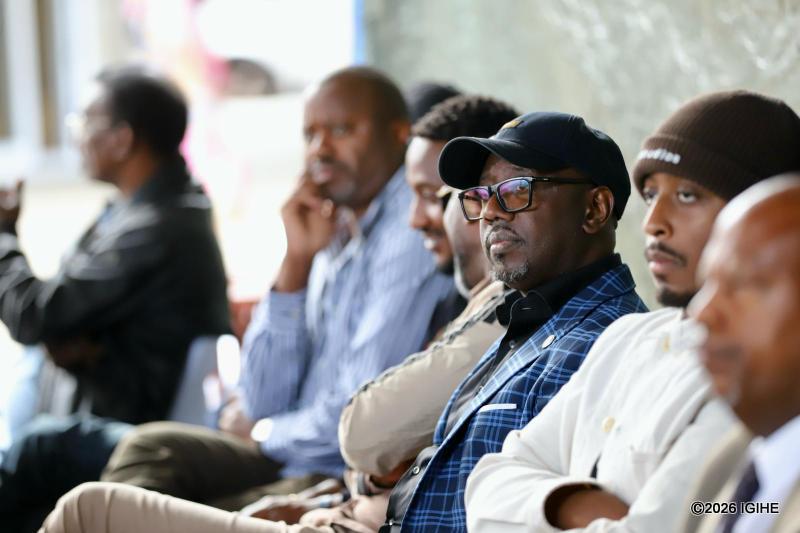
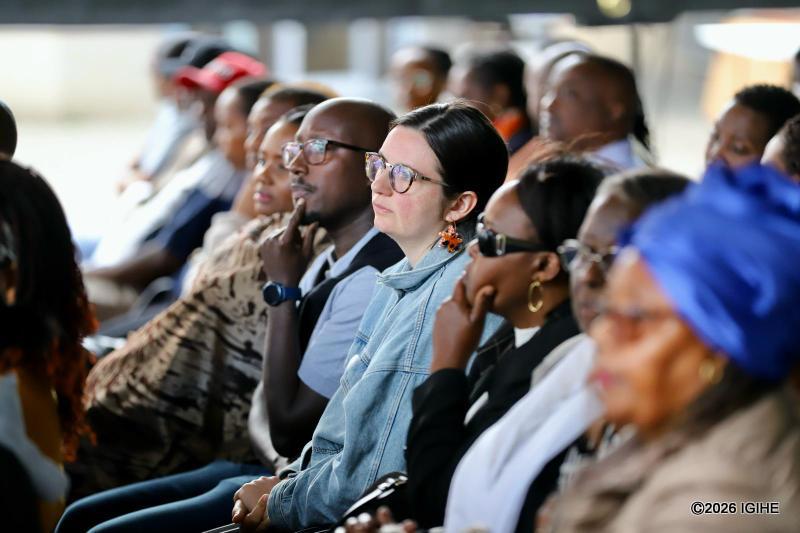
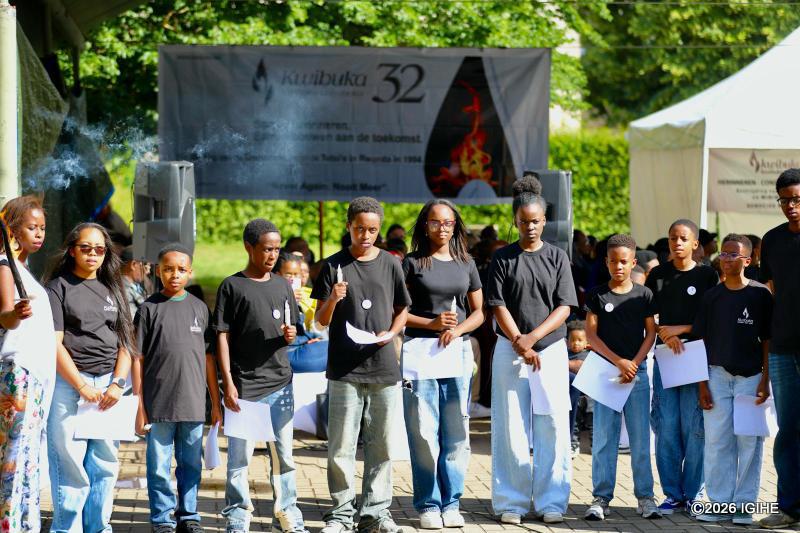
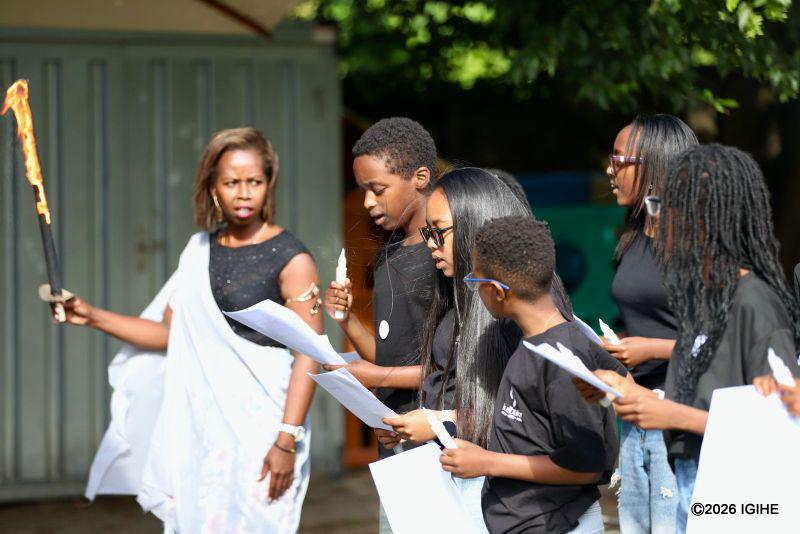
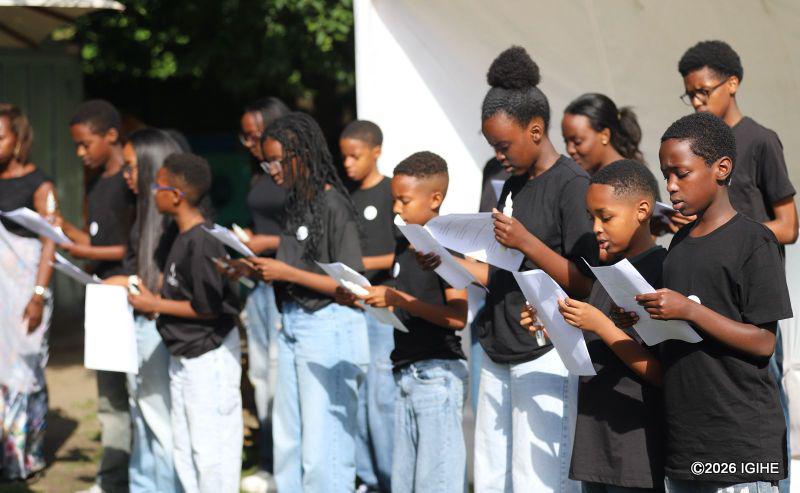
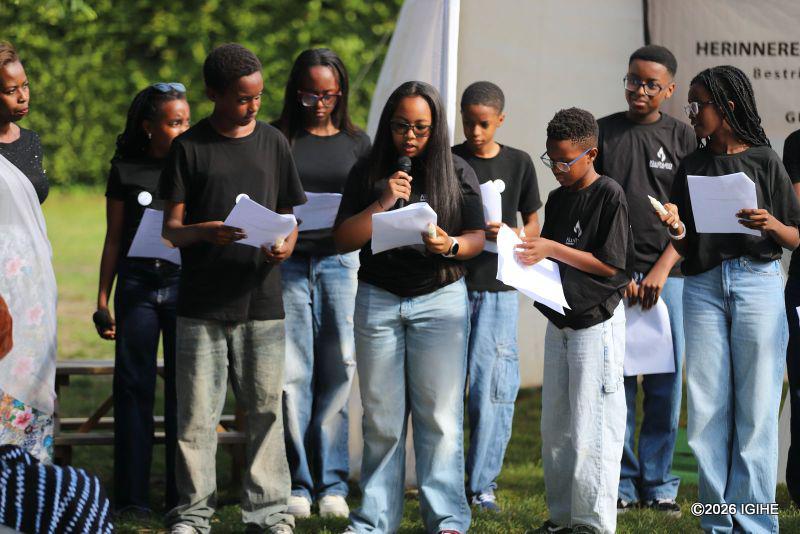
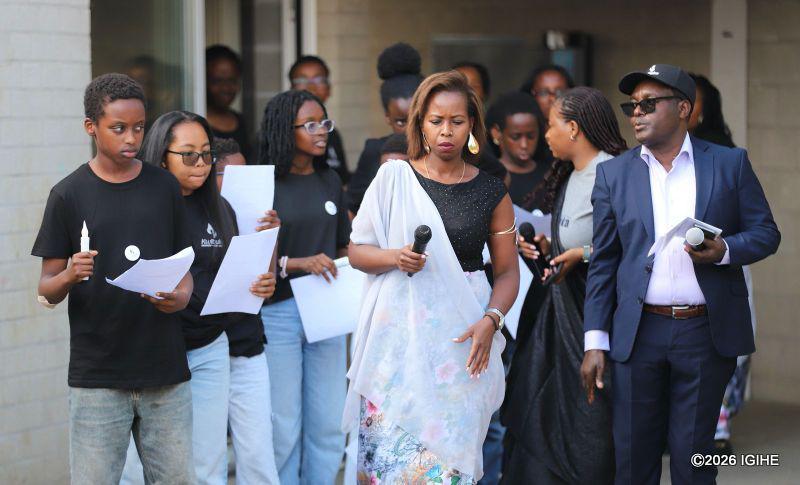
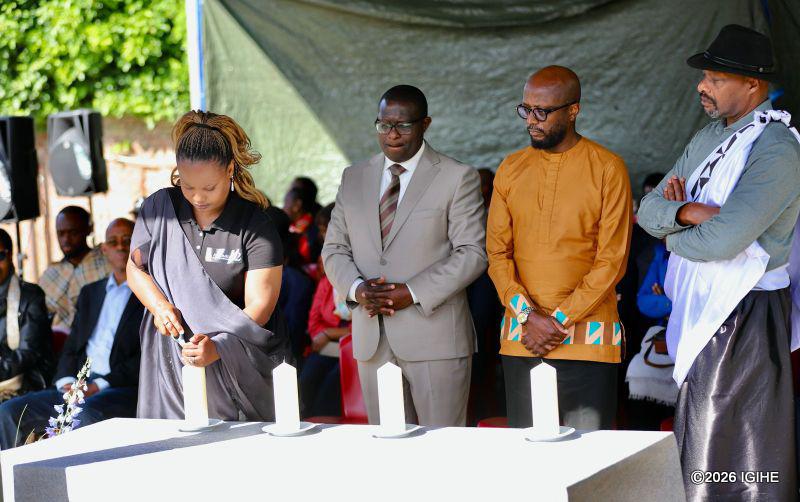
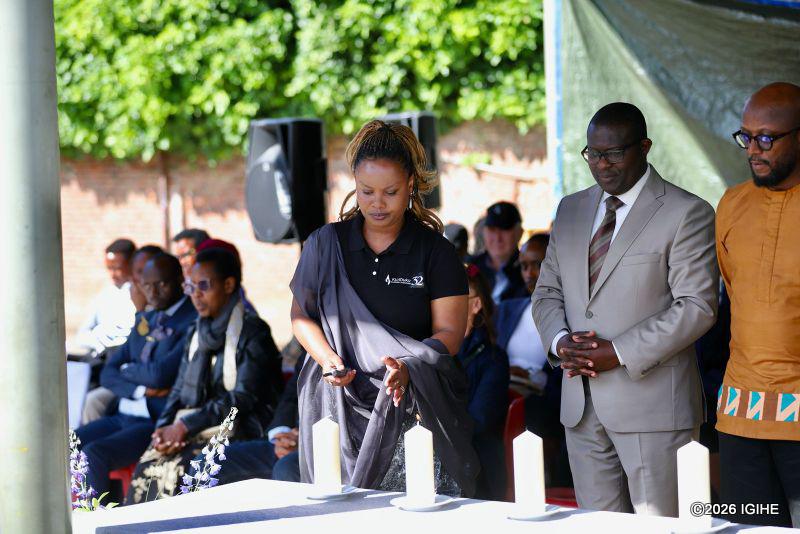
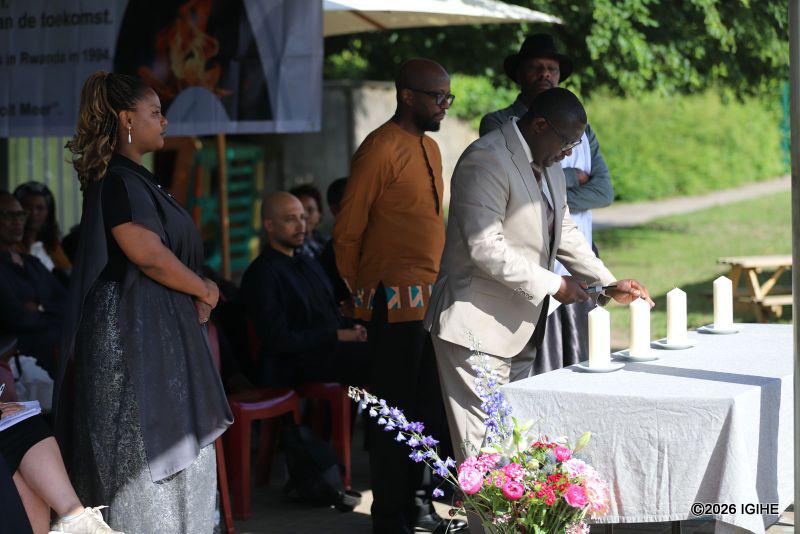
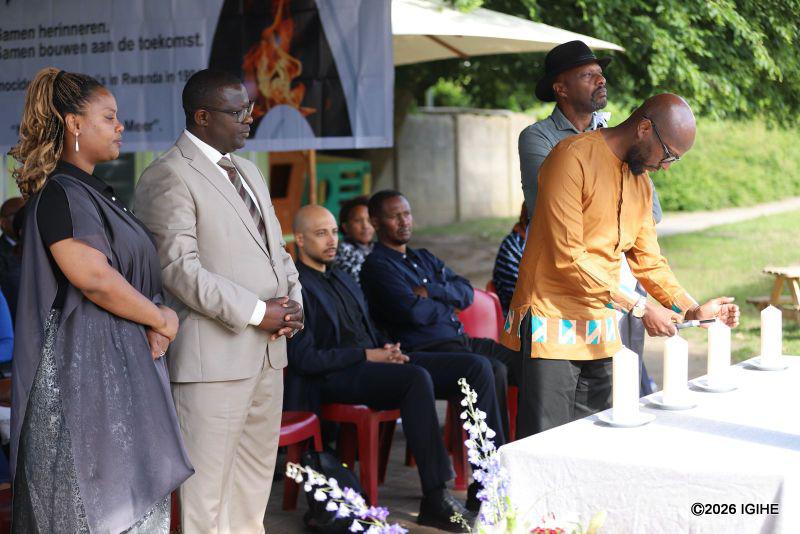
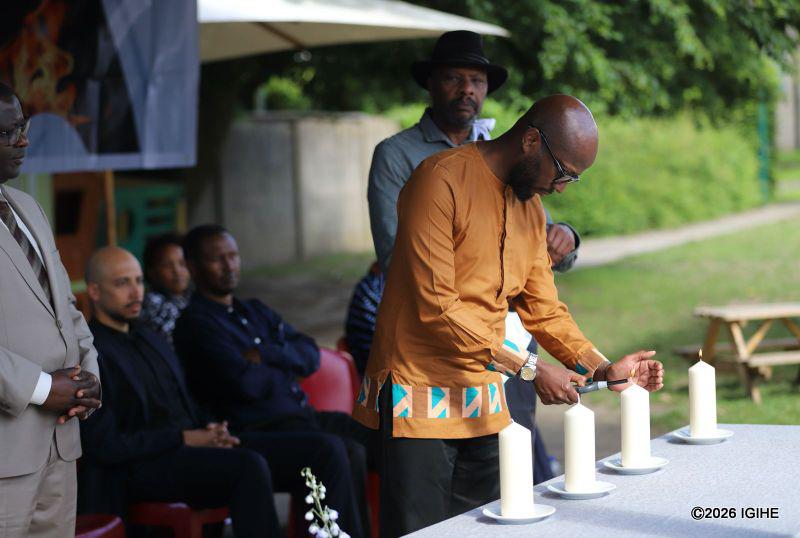
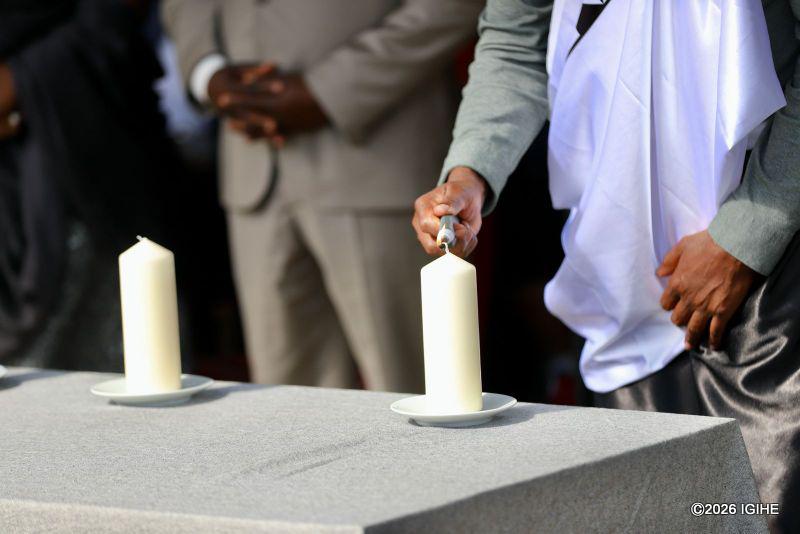
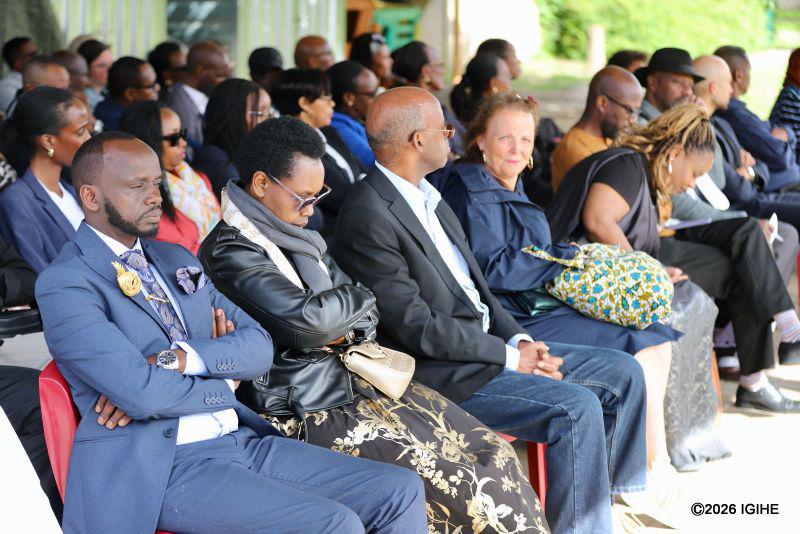
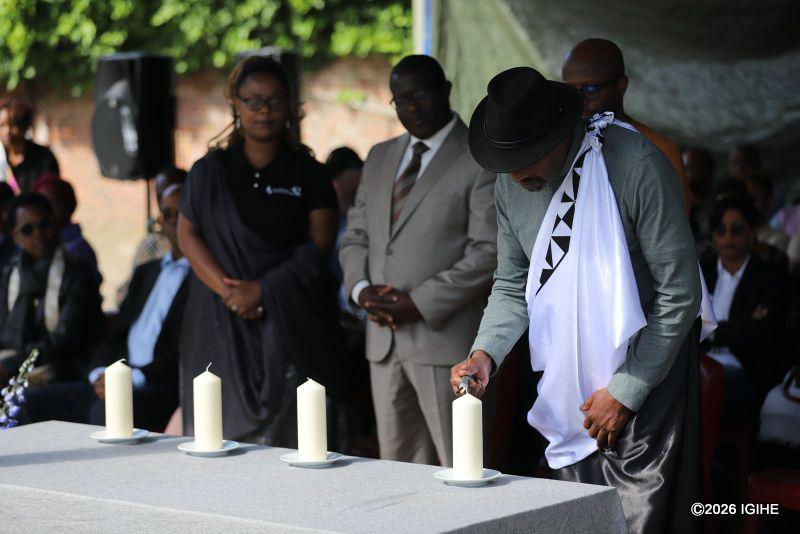
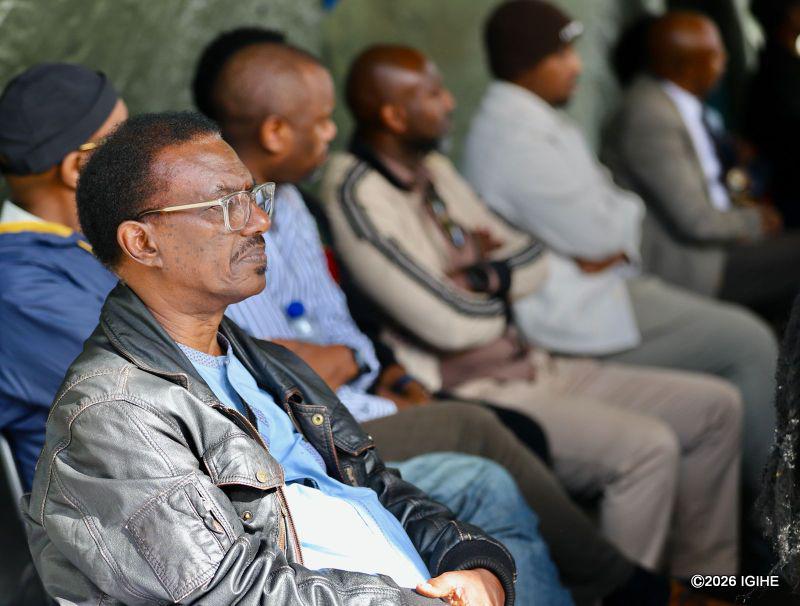
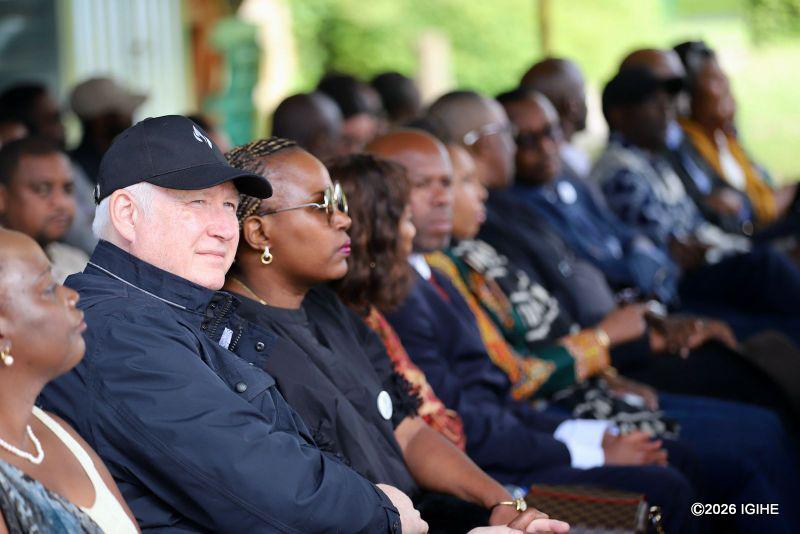
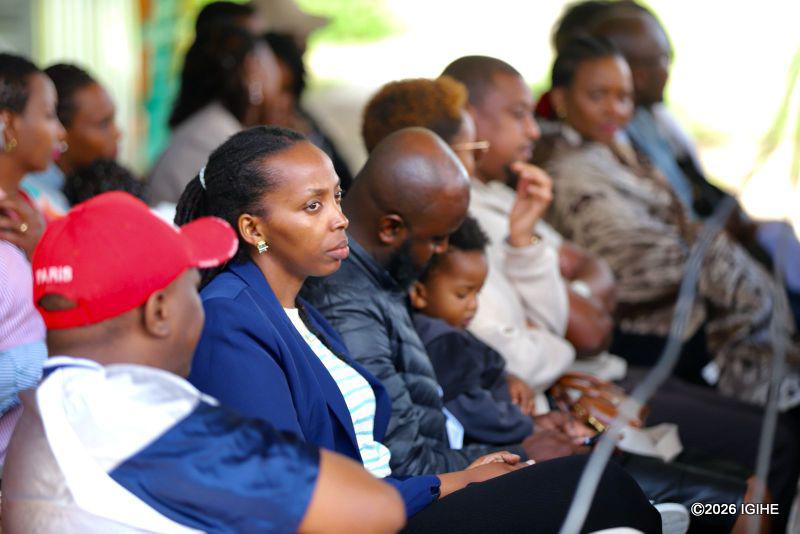
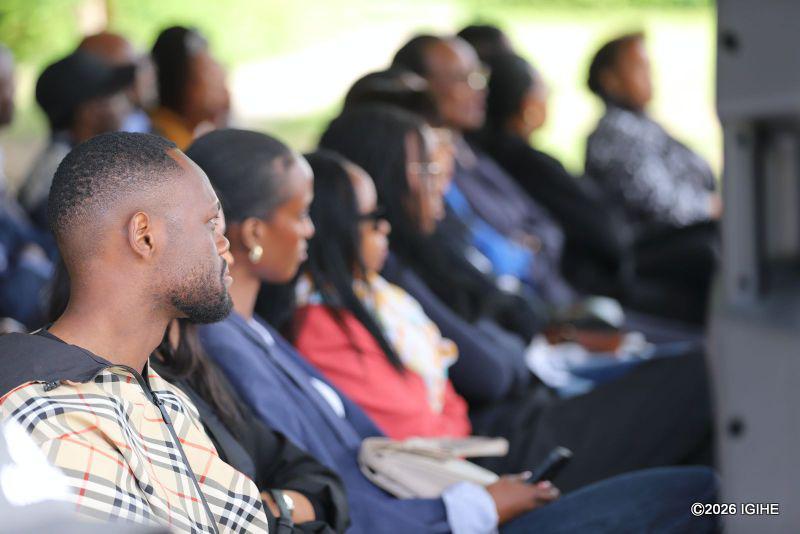
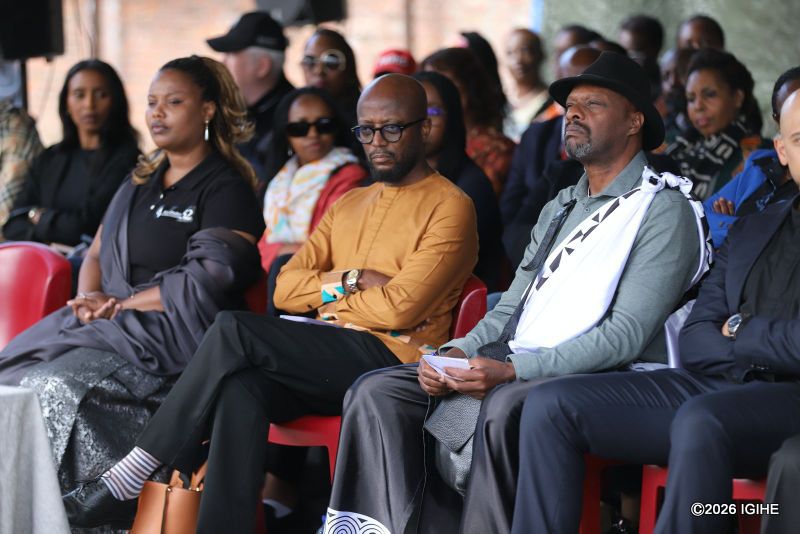
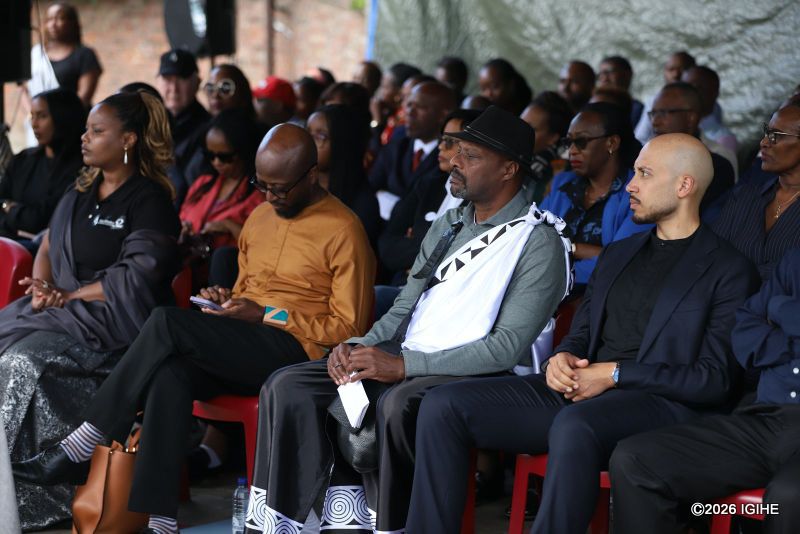
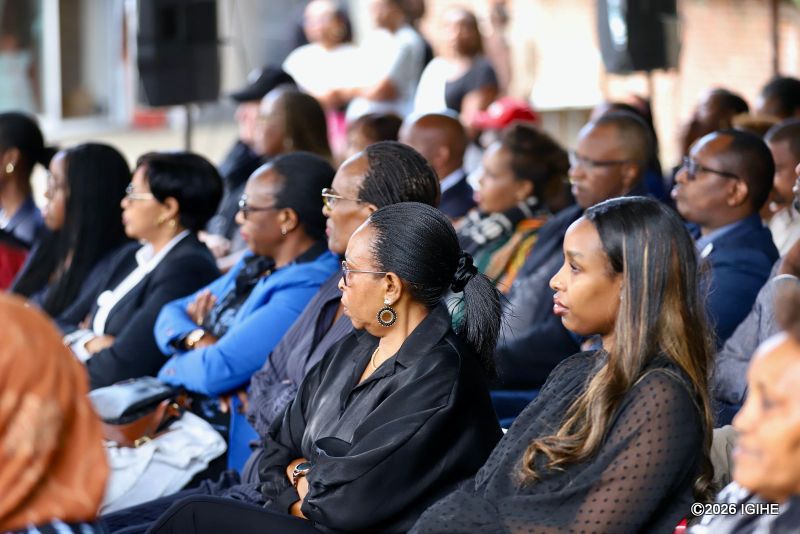
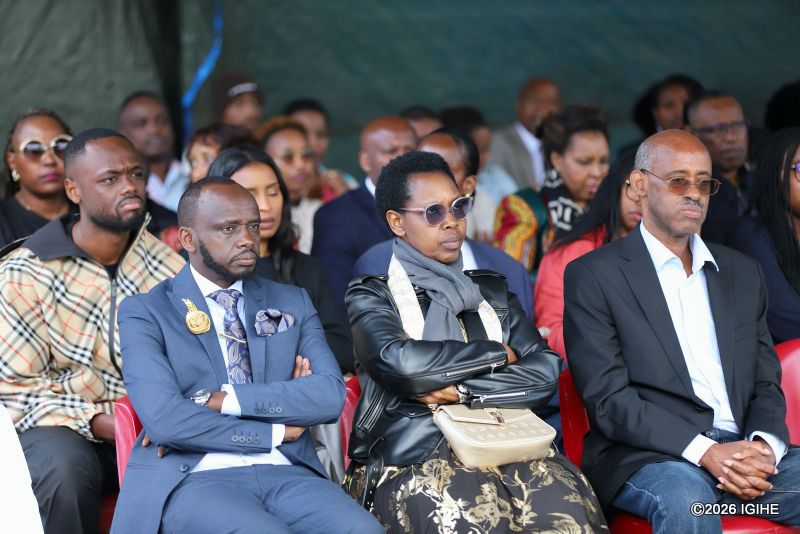
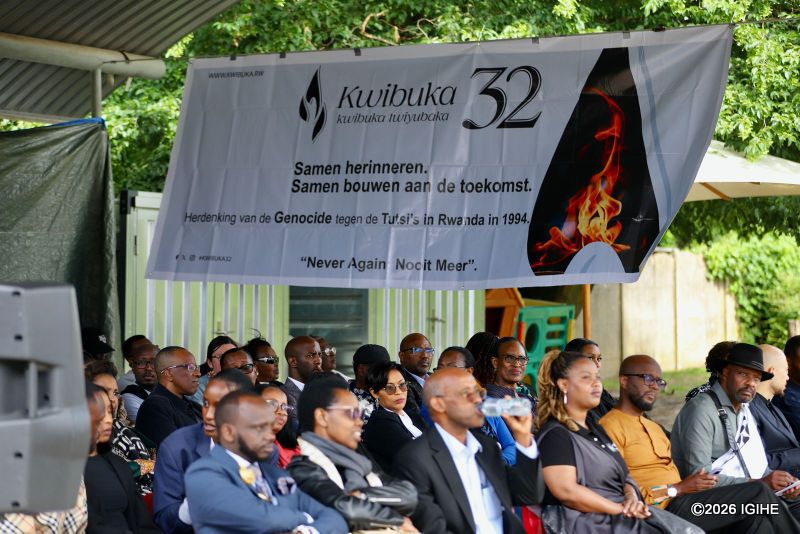
The remembrance event featured a walk from Leuven railway station to Ladeuzeplein, symbolizing solidarity with victims, followed by speeches, testimonies, reflections, and artistic performances dedicated to honoring the memory of those who were killed and reaffirming a commitment to never forget.
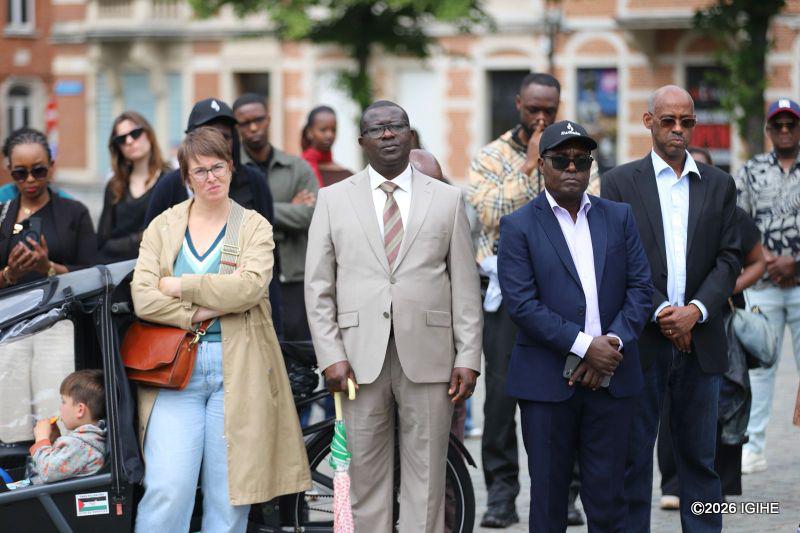
The commemoration was coordinated by Édouard Karangwa and attended by Leuven Alderman for International Affairs Lies Corneillie, alongside representatives of associations and members of the Rwandan youth community in Belgium.
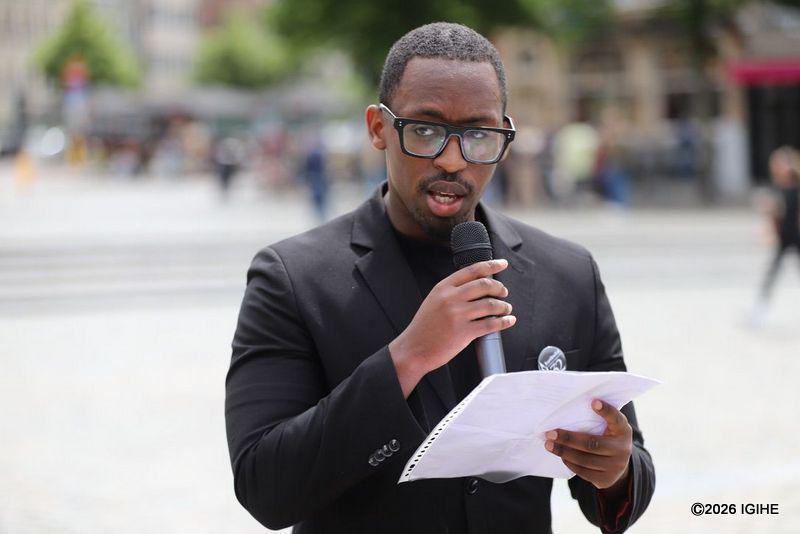
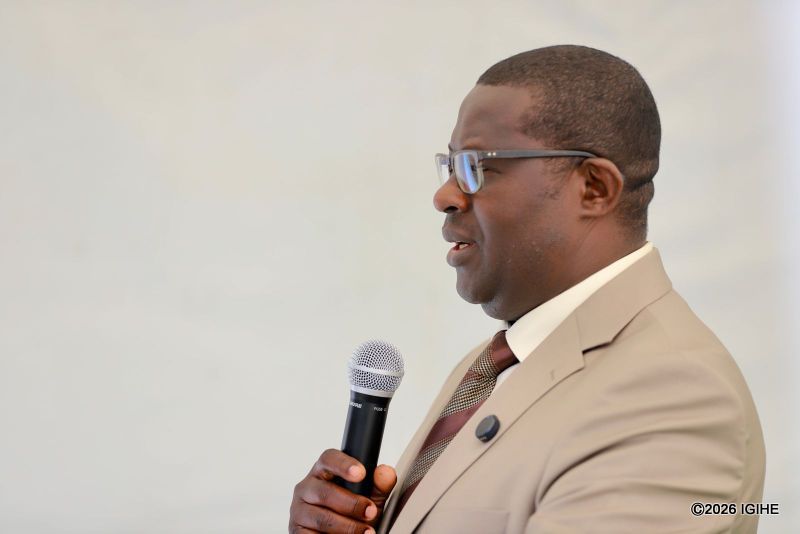
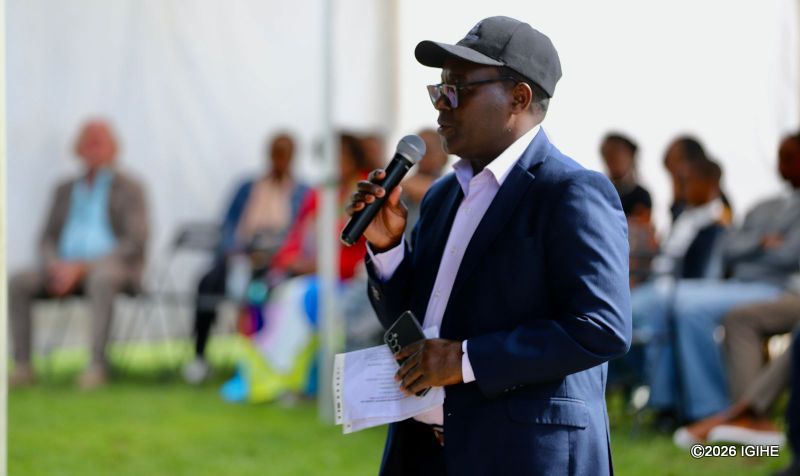
In his opening remarks, Rev. Dr. Martin Ikomeze, President of the Rwandan Diaspora in Belgium (DRB) in Leuven, thanked participants who had traveled from different parts of the country.
According to him, remembrance is a responsibility for every Rwandan and provides a unique opportunity to transmit historical truth.
He stressed the importance of honoring the victims of the Genocide against the Tutsi while continuing efforts toward unity and reconciliation.
Speaking about the role of testimonies, he underlined their importance in preserving memory, combating genocide denial, and transmitting history to younger generations so that such a tragedy may never happen again.
One of the most moving moments of the day was the testimony of Mrs. Jeannette Mukandwari, a survivor of the Genocide against the Tutsi.
Now a mother of two children, she shared a story marked by courage and resilience. Through her personal journey, she demonstrated her determination to overcome the hardships of the past and rebuild her life despite the wounds left by the genocide.
Speaking on behalf of Ibuka, Johan Sebukire highlighted the importance of remembrance for younger generations. He noted that although most young people in the diaspora did not experience the 1994 genocide themselves, they nevertheless carry its legacy through the stories of their families and communities.
He stressed the need to combat genocide denial, preserve the memory of the victims, and pass this history on to future generations.
On this occasion, he also called on the City of Leuven to consider, in consultation with the Rwandan community, the installation of a memorial plaque in honor of the victims of the Genocide against the Tutsi.
According to him, such a memorial site would serve as a place of reflection, an educational tool for future generations, and a powerful symbol of the city’s commitment against hatred, racism, and all forms of discrimination.
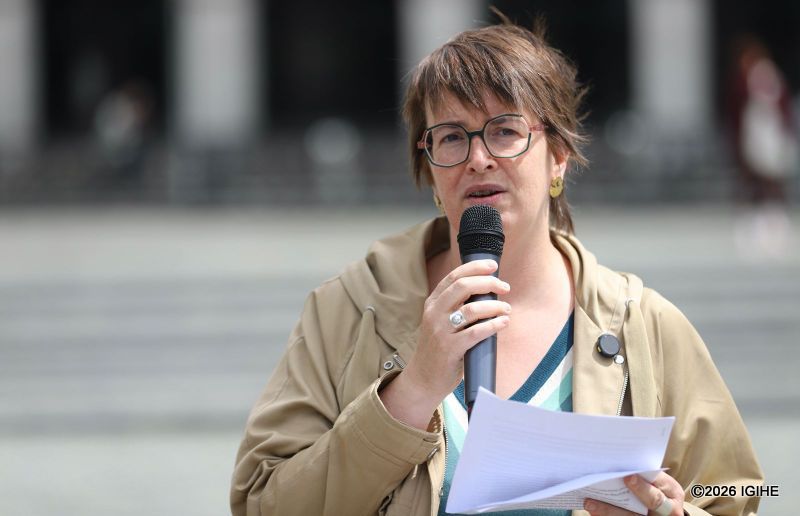
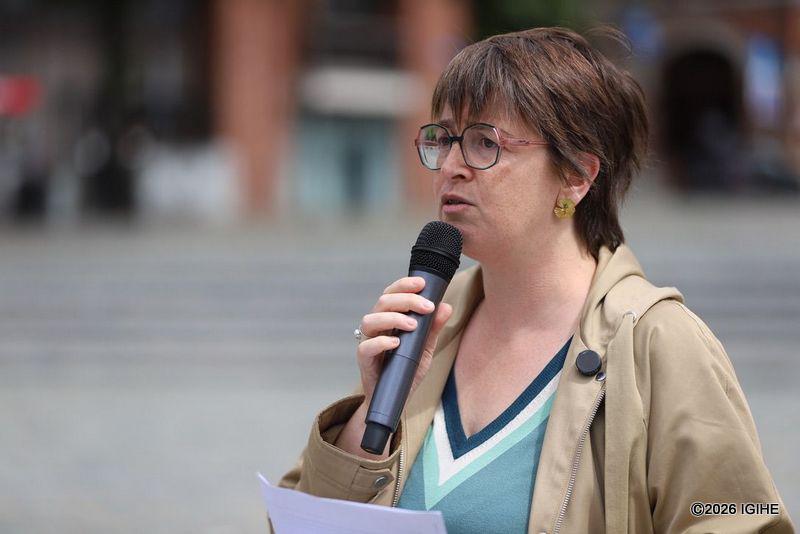
Lies Corneillie, Alderman for International Affairs of the City of Leuven, emphasized the importance of testimonies, the transmission of memory to younger generations, and the duty of remembrance.
She also expressed the City’s willingness to continue the dialogue on the establishment of a memorial site, with the aim of preserving the memory of the victims and raising awareness among future generations.
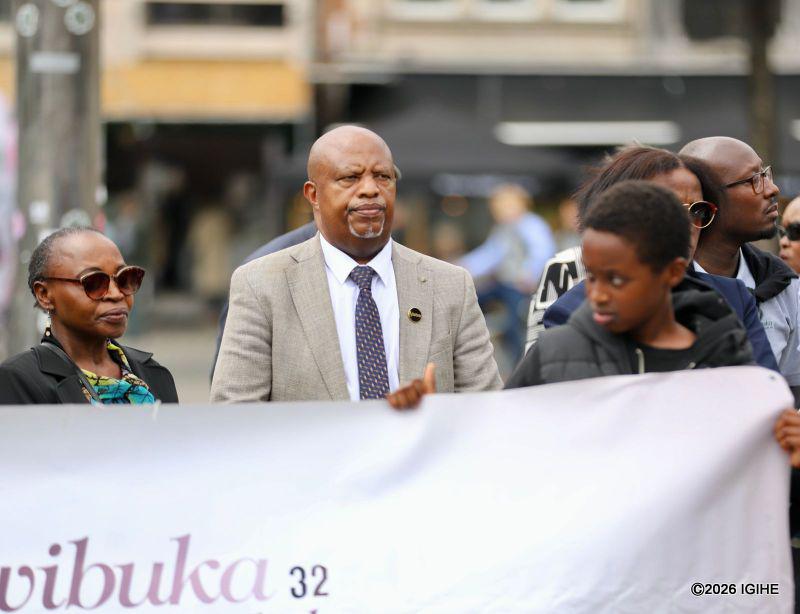
The Leuven ceremony also marked the final stage of the national program of the 32nd commemoration of the victims of the Genocide against the Tutsi, which had been organized in different cities across Belgium since April 7.
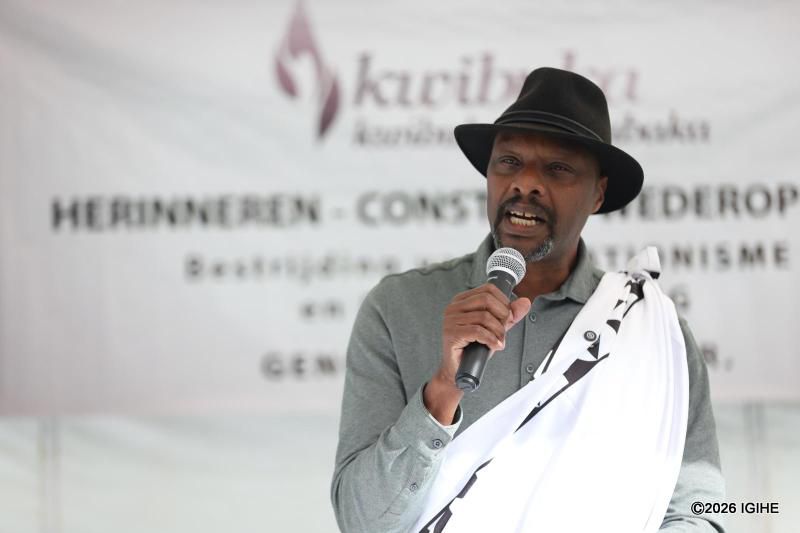
On this occasion, Gakuba Ernest, President of the Rwandan Diaspora in Belgium (DRB), recalled that remembrance is not limited to a particular period of the year but constitutes a permanent responsibility toward the victims and future generations.
Thirty-two years after the genocide, he noted, the wounds remain deep, and commemoration continues to be both a tribute to those who perished and a commitment to truth, as well as a safeguard against genocide denial and genocidal ideology.
He also referred to the historical factors that led to the genocide and the abandonment of Rwanda by the international community in 1994.
Paying tribute to the soldiers of the FPR-Inkotanyi who stopped the genocide and saved countless lives, he praised their decisive role in the liberation of the country.
Addressing young people, particularly those in the diaspora, he encouraged them to take ownership of this history, transmit it faithfully, and uphold the values of truth, unity, courage, and humanity.
The day concluded with a musical tribute by artist Nyiranyamibwa Suzanne. Through several deeply emotional songs, she honored the memory of the victims of the Genocide against the Tutsi and offered participants a moment of reflection and hope.
Beyond remembrance, this 32nd commemoration highlighted the importance of preserving historical truth, supporting survivors, and passing memory on to future generations.
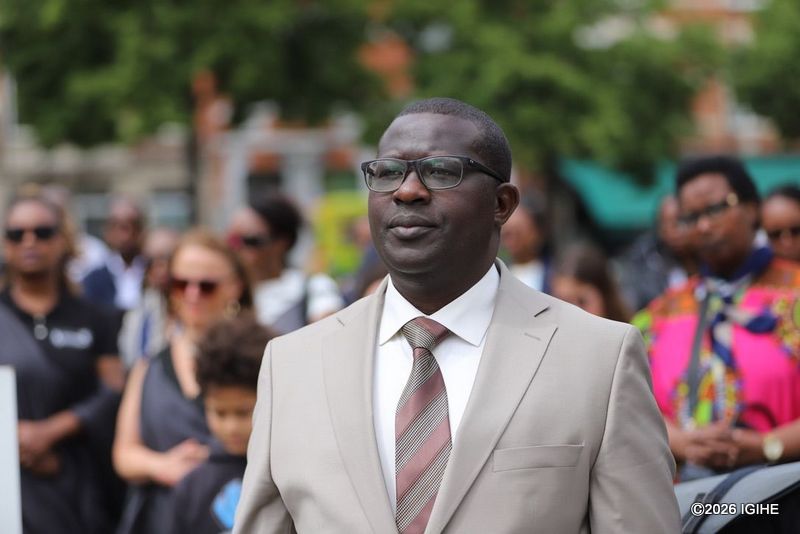
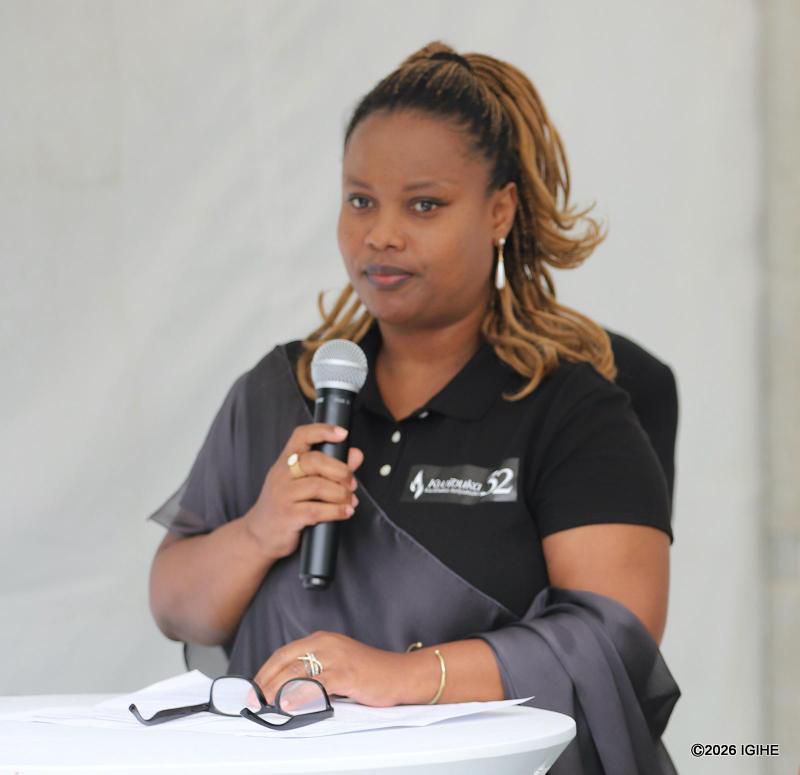
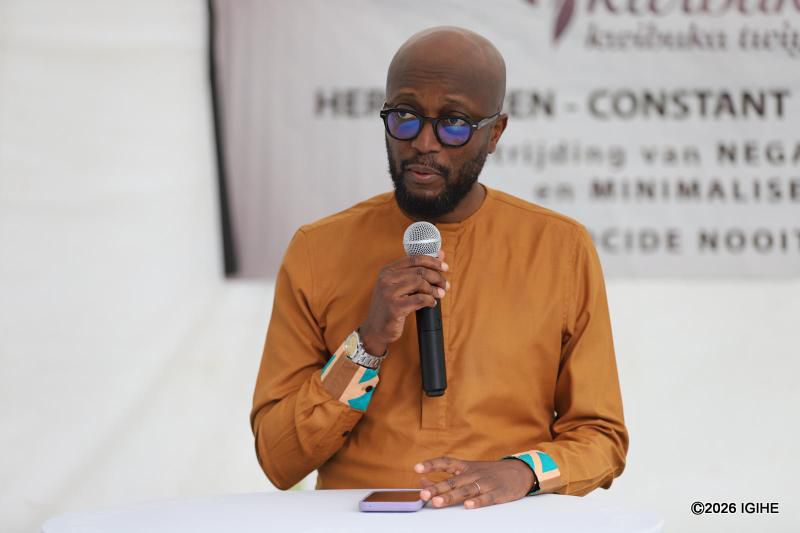
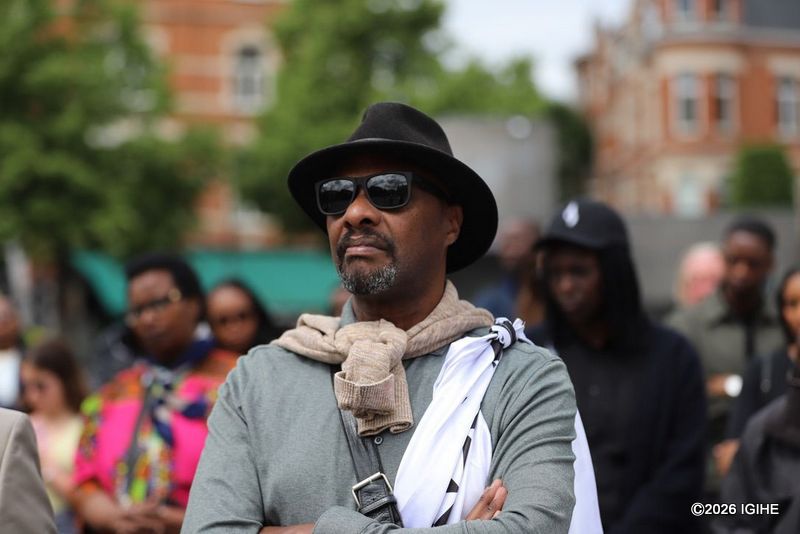
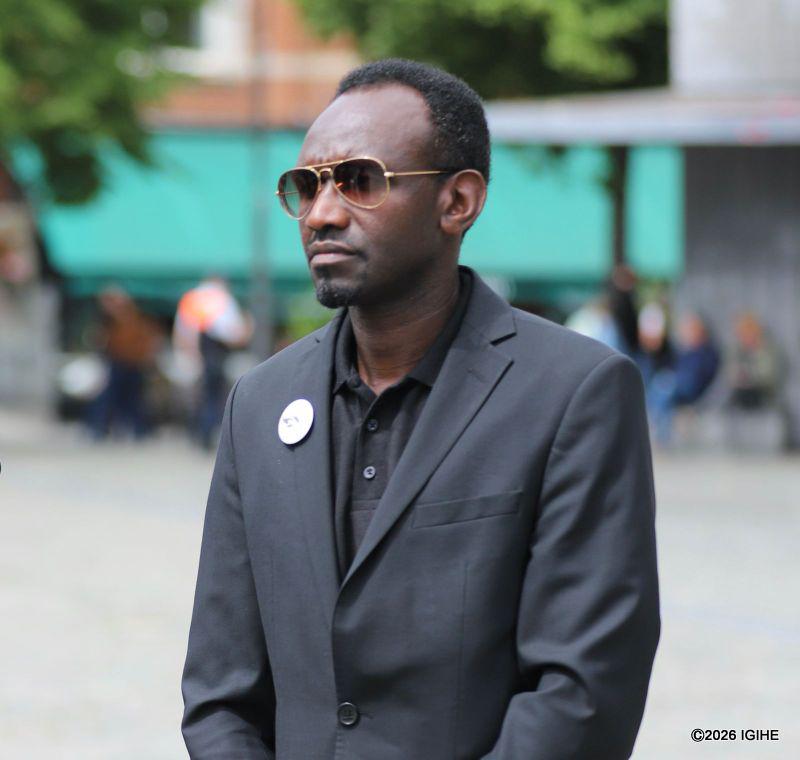
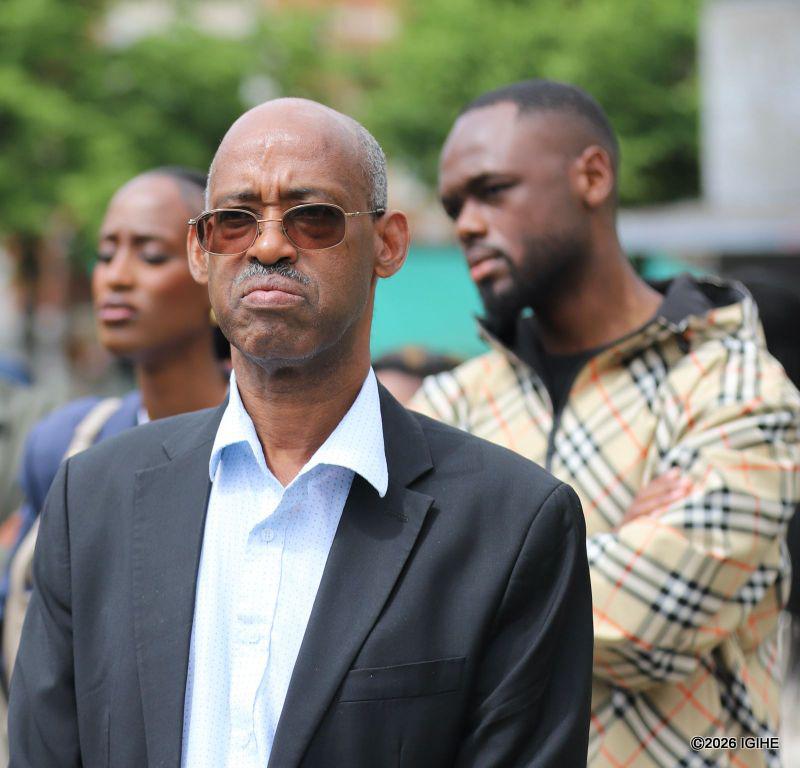
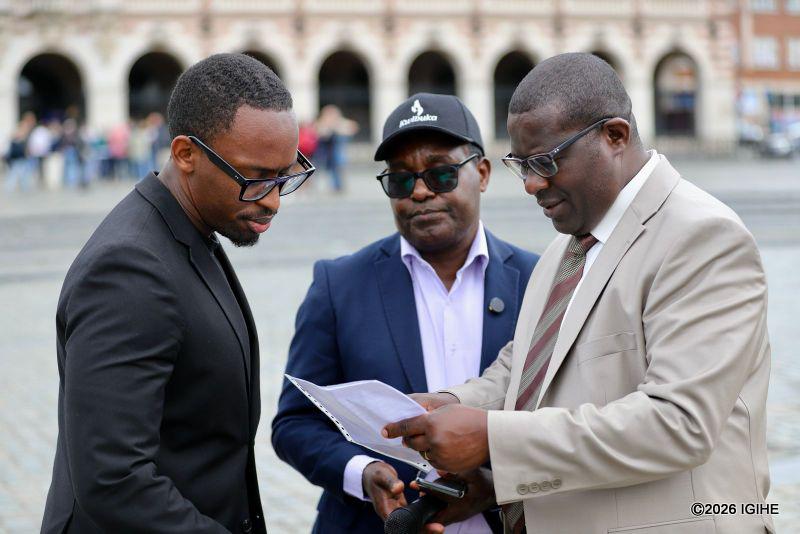
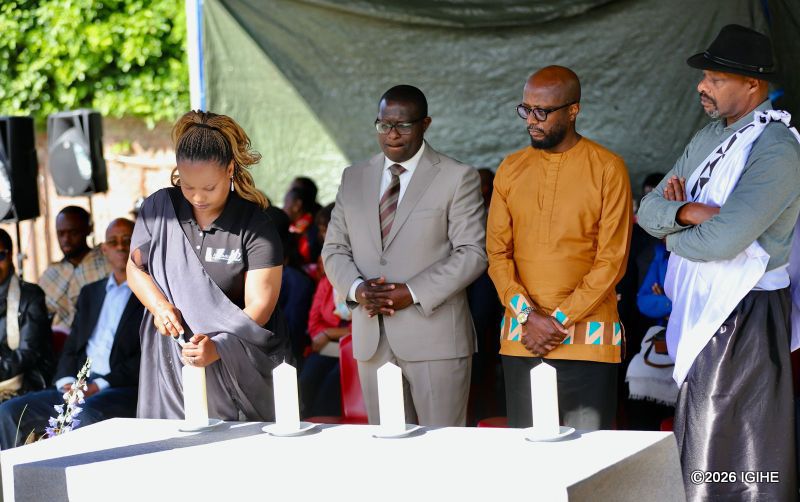
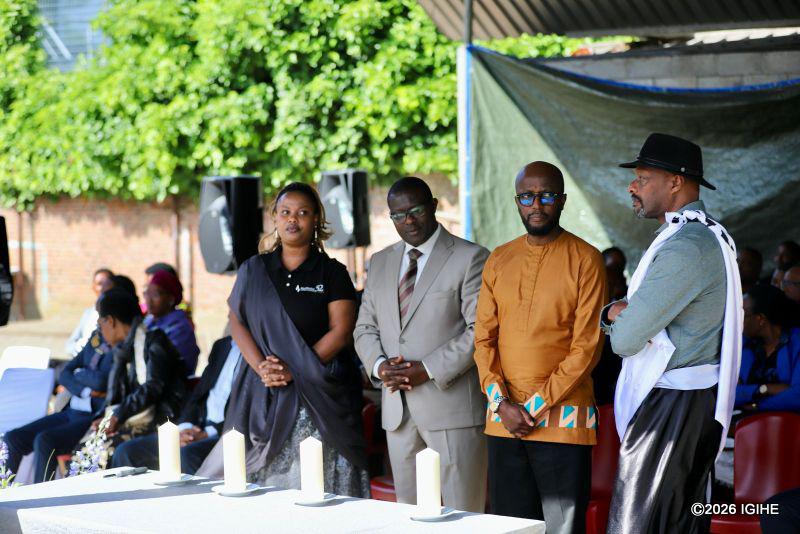
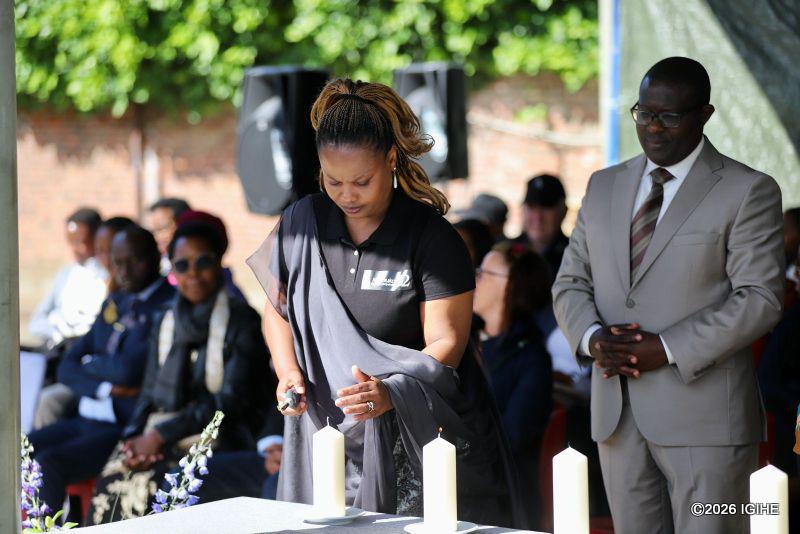
In his address, Rev. Dr. Martin Ikomeze, President of the Rwandan Diaspora in Belgium (DRB) in Leuven, welcomed participants who had come from different cities across Belgium to take part in the 32nd commemoration of the victims of the Genocide against the Tutsi.During the 32nd commemoration of the Genocide against the Tutsi in Leuven, Mrs. Jeannette Mukantwari, a survivor of the genocide and now a mother of two children, shared a moving testimony of courage and resilience.Gakuba Ernest, Federal President of the Rwandan Diaspora in Belgium (DRB), recalled that the duty of remembrance is not limited to a specific period of the year, but constitutes an ongoing responsibility toward the victims and future generations.The ceremony was notably attended by Lies Corneillie, Alderman for International Affairs of the City of LeuvenTwagira Mutabazi Eugène, President of Ibuka – Mémoire et Justice, BelgiqueÉdouard Karangwa served as the coordinator of the ceremony marking the 32nd commemoration of the victims of the Genocide against the Tutsi in Leuven.Johan Sebukire, speaking on behalf of Ibuka, highlighted the importance of the duty of remembrance for younger generations.
Photos showing the second part of the commemoration event
The Police FC side endured a disappointing 2025/26 campaign despite a promising start to the season. The club finished sixth in the league and was eliminated by Rayon Sports in the quarterfinals of the Peace Cup.
Their only silverware of the season came in February, when they won the Heroes Cup after defeating APR FC on penalties. However, the trophy was not enough to secure continental CAF qualification, unlike in the 2024/25 season.
The underwhelming results have prompted the club’s management to initiate a squad reshuffle, beginning with players whose contracts have come to an end.
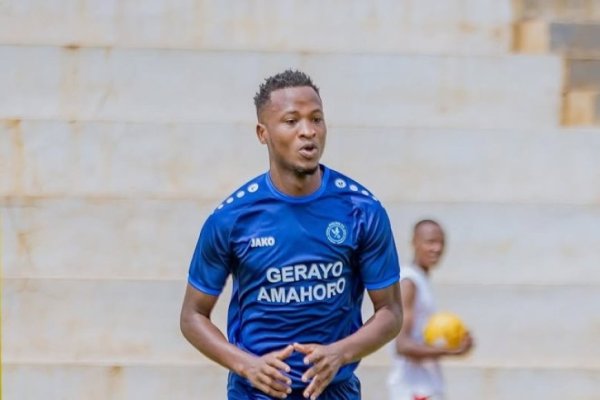
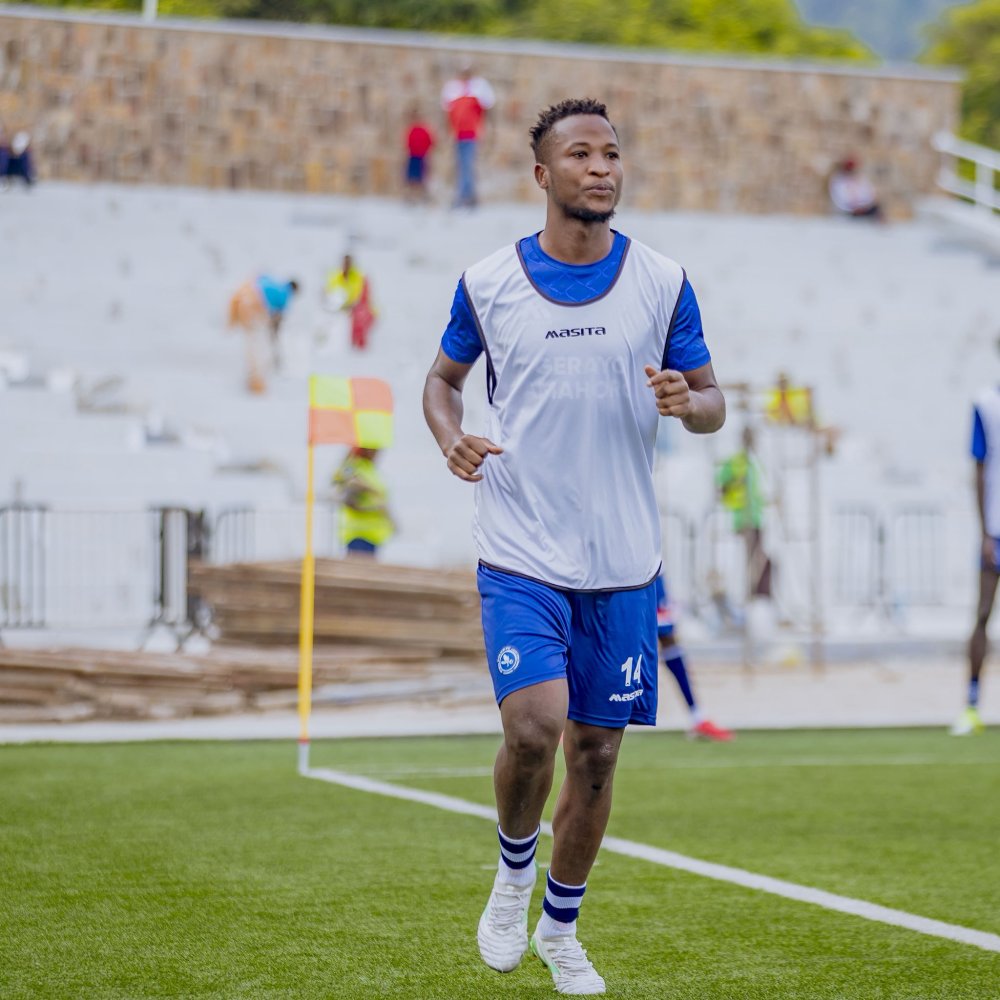
Among those released is Nigerian striker Ani Elijah, alongside Rwanda international Byiringiro Lague, the only Rwandan player in the group of seven departing players.
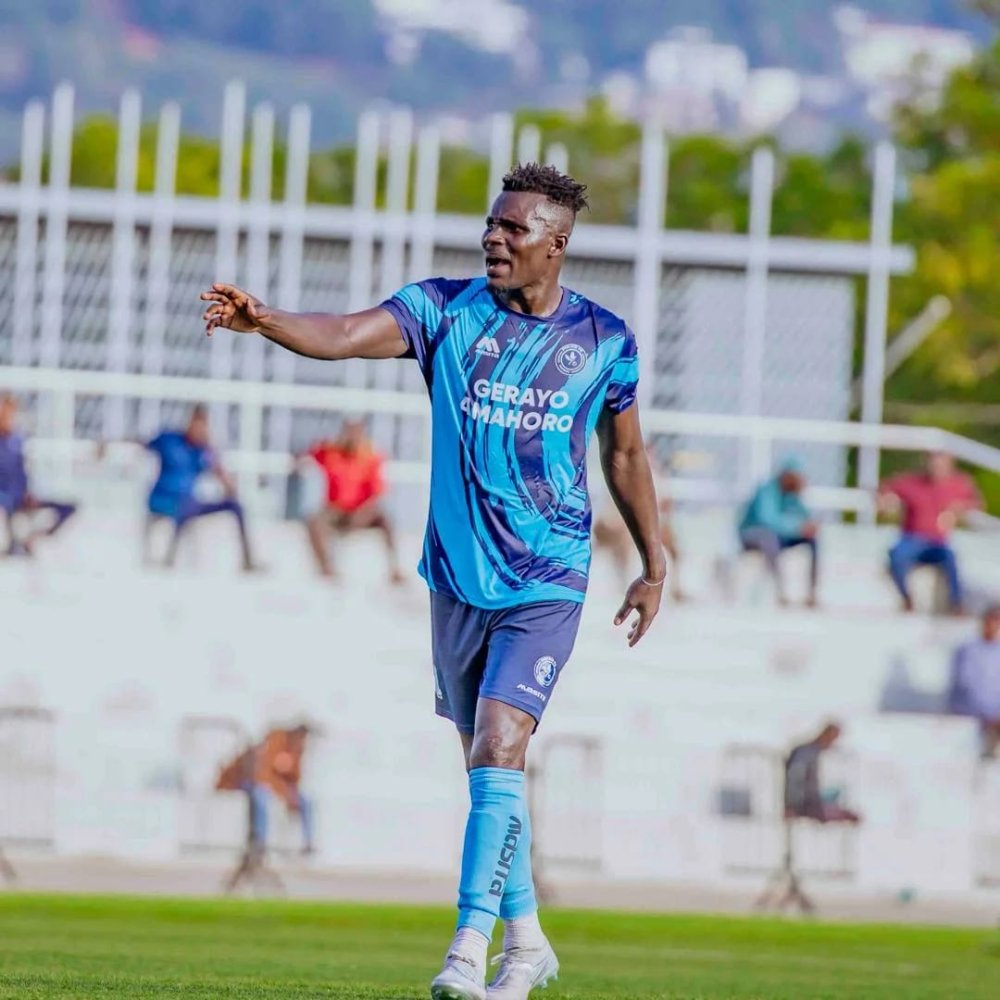
Others shown the exit include Ghanaian central defender Issah Yakubu, Nigerian defender David Chimezie, Burundian duo Msanga Henry and Richard Kirongozi, and Ugandan midfielder Allan Kateregga.
Msanga is reportedly close to joining Rayon Sports, with reports indicating he has agreed to a two-year deal.
Police FC has yet to officially announce new signings, although the club is reportedly targeting goalkeeper Tuyizere Jean Luc, whose contract with Mukura VS has expired, and midfielder Hoziyana Kennedy, who is also a free agent after leaving Marine FC.
Byiringiro Lague had spent just one and a half years at Police FC.Nigerian striker Ani Elijah parts ways with Police FC after two years at the club.Msanga is reportedly close to joining Rayon Sports, with reports indicating he has agreed to a two-year deal.Ghanaian central defender Issah Yakubu is among the players released by Police FC.
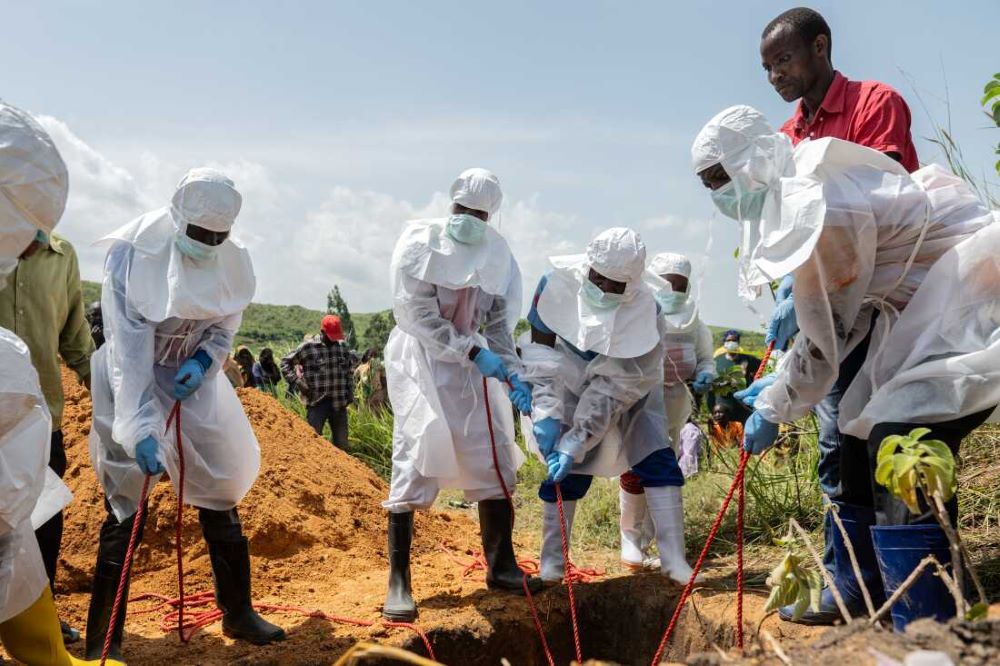
The update, published Sunday by the health ministry, said that three more patients were declared recovered, bringing the count of recoveries to 12 as of June 6.
The report said 117 suspected cases were recorded, while 283 patients remained in isolation or hospitalization.
The report said a large number of confirmed patients developed symptoms between May 14 and May 23, suggesting “increased contamination from a probable common source”, with a peak observed on May 18. It said another group of confirmed patients developed symptoms between May 25 and June 3, “demonstrating the spread of the disease” and possibly forming “an important reservoir.”
“An increase in cases may be recorded if adequate measures are not put in place very quickly,” it said.
The response remains hampered by weak contact tracing, community resistance to post-mortem testing, insufficient capacity at standardized Ebola treatment centers, shortages of infection prevention and control materials, and limited funding, according to the report.
The report said the overall contact follow-up rate in three affected provinces was 50.3 percent, far below the target of 95 percent.
Laboratory capacity also remains under pressure, with 193 test results still pending due to a reagent shortage in North Kivu province.
The current outbreak, caused by the Bundibugyo strain of the Ebola virus, was officially declared by the health ministry on May 15.
Red Cross workers bury an Ebola victim at the Rwampara Cemetery, in Rwampara, Congo, May 23, 2026.
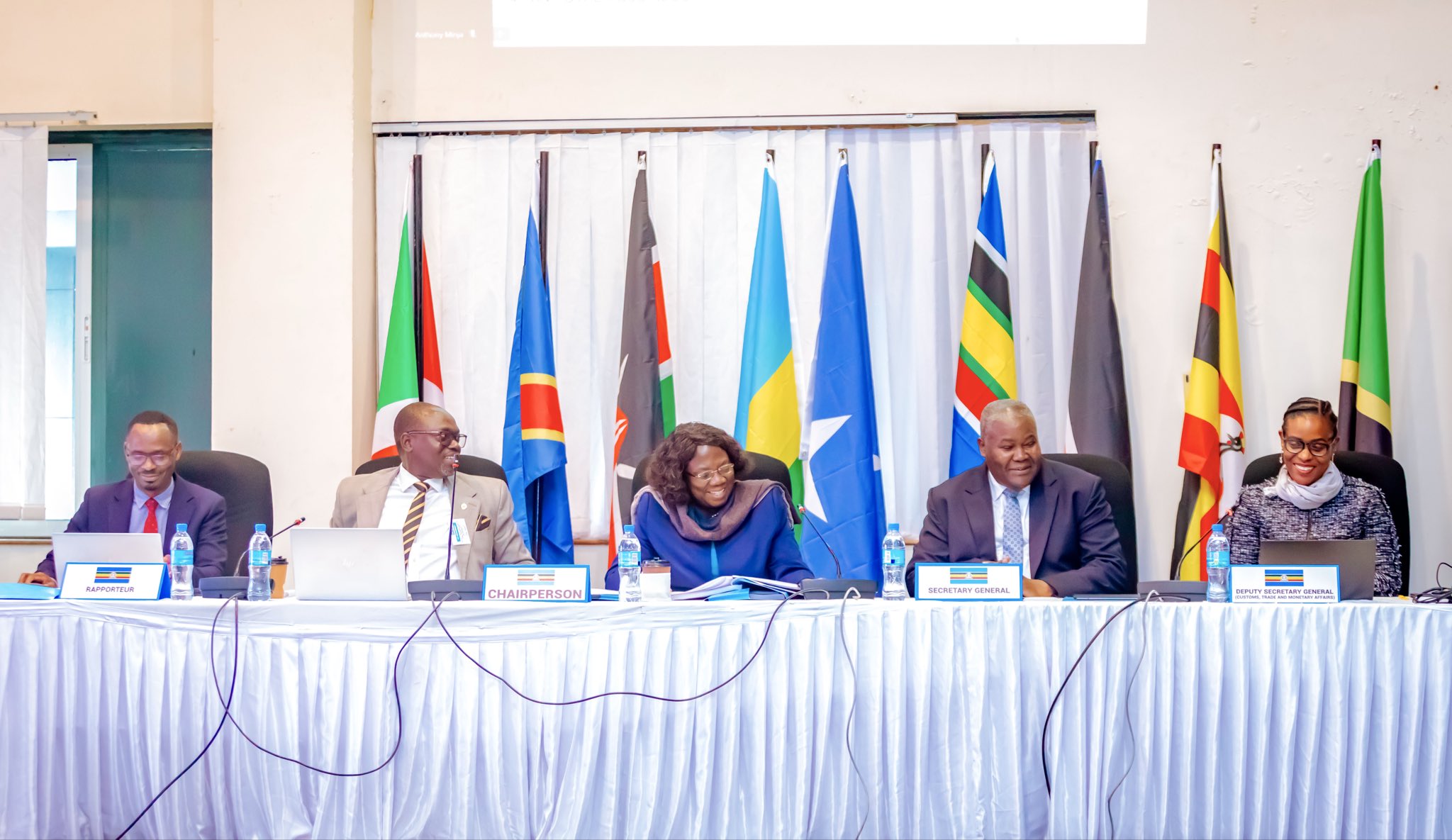
The decisions were reached during the 48th Meeting of the Sectoral Council on Trade, Industry, Finance and Investment (SCTIFI), which concluded in Arusha, Tanzania, this week.
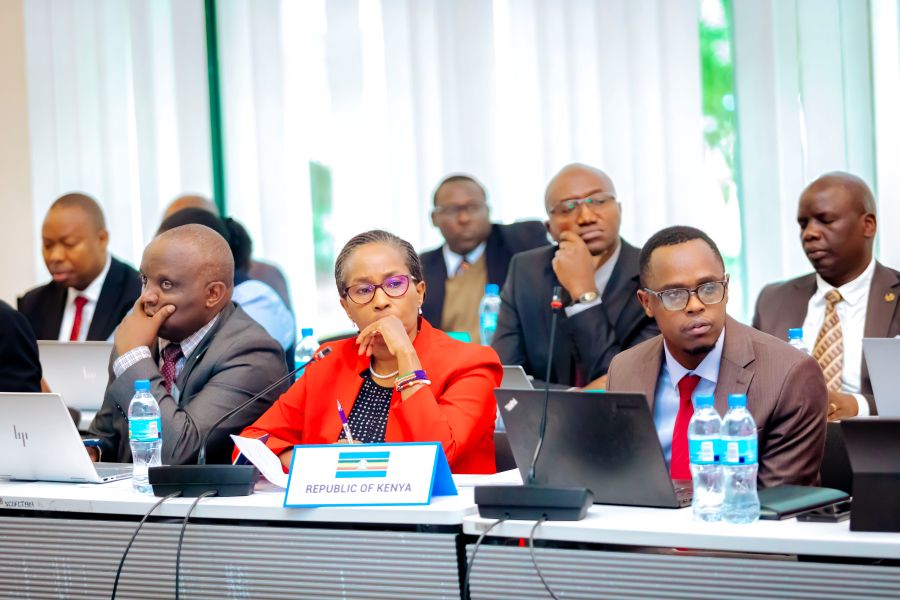
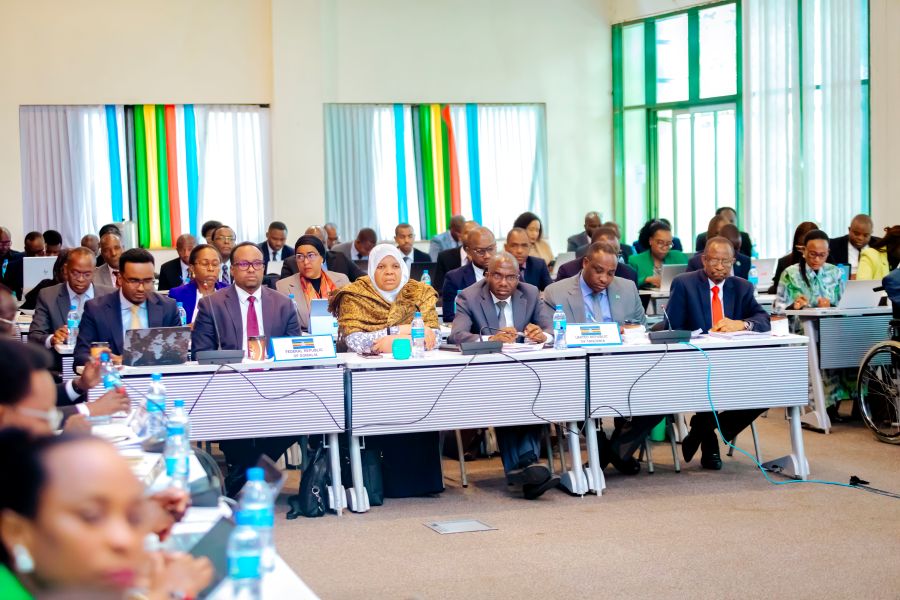
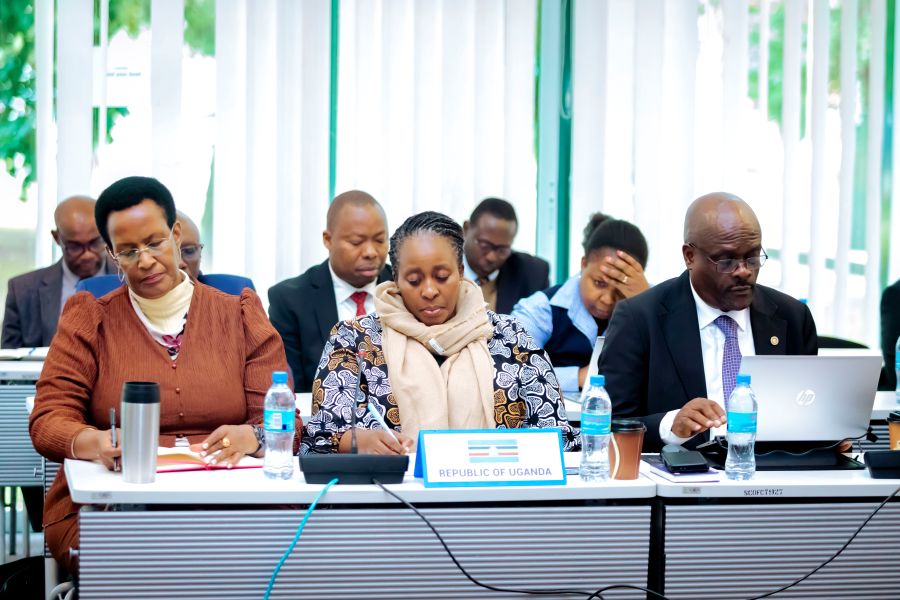
The meeting brought together ministers responsible for trade, industry, finance and EAC affairs, alongside senior government officials and technical experts from across the region.
Opening the meeting, EAC Secretary General Amb. Stephen P. Mbundi said the region is facing a challenging global environment marked by geopolitical tensions, disruptions to maritime trade routes, growing protectionism, and supply chain vulnerabilities.
He stressed the need for a stronger regional market, lower costs of doing business, and faster implementation of regional integration commitments, including the elimination of non-tariff barriers (NTBs).
The meeting brought together ministers responsible for trade, industry, finance and EAC affairs, alongside senior government officials and technical experts from across the region.
Customs and trade reforms
Among the key decisions, ministers endorsed the completion of Time Release Studies for the Northern and Central Corridors. The studies assess cargo clearance times and identify ways to simplify and harmonise customs procedures.
The findings showed that closer cooperation among customs authorities, border agencies, and the private sector has improved the efficiency of regional supply chains. However, they also highlighted areas requiring further reforms.
The council also adopted a framework to monitor implementation of the EAC Customs Union Protocol. The mechanism will help assess compliance by partner states with regional obligations.
In addition, ministers approved measures to integrate South Sudan into regional customs data-sharing systems.
Tackling non-tariff barriers
The council reaffirmed its commitment to eliminating non-tariff barriers, which continue to affect trade within the region.
Ministers reviewed proposals aimed at strengthening the legal framework for addressing NTBs, including possible sanctions and compensation mechanisms for traders who suffer losses due to illegal taxes or unauthorised trade restrictions.
The proposals will undergo further technical and legal review before being considered for adoption.
Supporting industrialisation
The meeting also approved a comprehensive review of the EAC Rules of Origin 2015 following extensive consultations among member states.
The Rules of Origin determine which products qualify for preferential tariff treatment within the EAC Customs Union and are considered a key instrument for promoting regional manufacturing and value addition.
Legal review of the updated rules is ongoing before implementation. Potential trade deal with Singapore
Ministers also discussed growing international interest in trade partnerships with the EAC.
Among the countries seeking closer economic ties is Singapore, which has formally proposed negotiations for an EAC-Singapore Free Trade Agreement. The council endorsed continued engagement with Singapore and instructed the EAC Secretariat to begin technical preparations, including developing an initial negotiation framework.
Ministers emphasised that any future negotiations should reflect the collective interests of all partner states and align with existing and planned trade agreements.
The council further endorsed fiscal measures agreed during the 2026/27 pre-budget consultations of finance ministers under the Common External Tariff framework.
The measures are currently being gazetted and are expected to take effect on July 1, 2026.
Implementation timelines
To ensure timely implementation of the decisions, ministers agreed on several deadlines.
Technical analysis of outstanding customs and trade facilitation matters is expected to be completed by August 30, 2026, while the Regional Steering Committee will conclude ongoing trade facilitation workstreams by September 30.
Partner states are also expected to submit recommendations on the regional duty remission framework by September 30, while approved fiscal measures should be gazetted by June 30.
The ministers said effective implementation of the agreed measures, timely payment of partner states’ contributions, and continued collaboration among regional institutions will be critical to achieving a more prosperous, competitive, and integrated East Africa.
The EAC is a regional intergovernmental organization comprising Rwanda, Democratic Republic of Congo, Somalia, Burundi, Kenya, South Sudan, Uganda and Tanzania.
The EAC aims to expand and deepen economic, political, social, and cultural integration to improve the quality of life of the people of East Africa through increased competitiveness, value-added production, trade, and investment.
The meeting brought together ministers responsible for trade, industry, finance and EAC affairs, alongside senior government officials and technical experts from across the region.