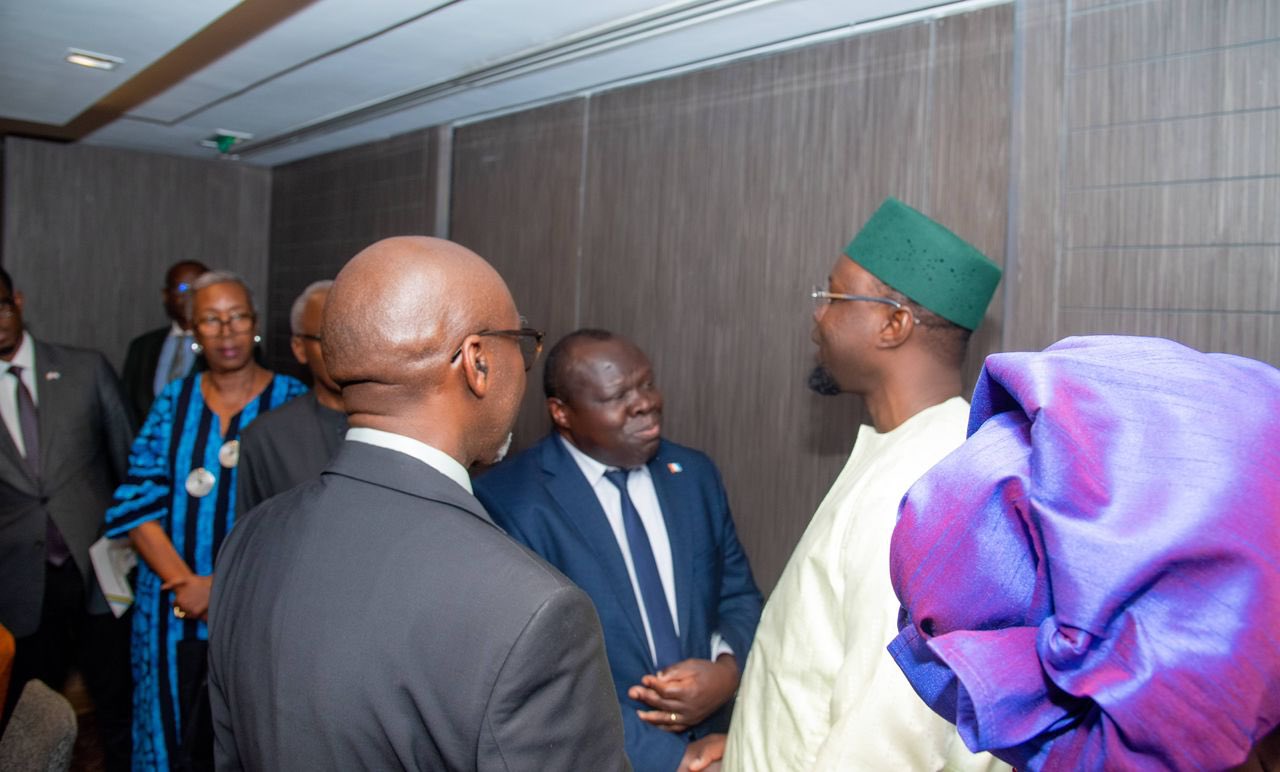
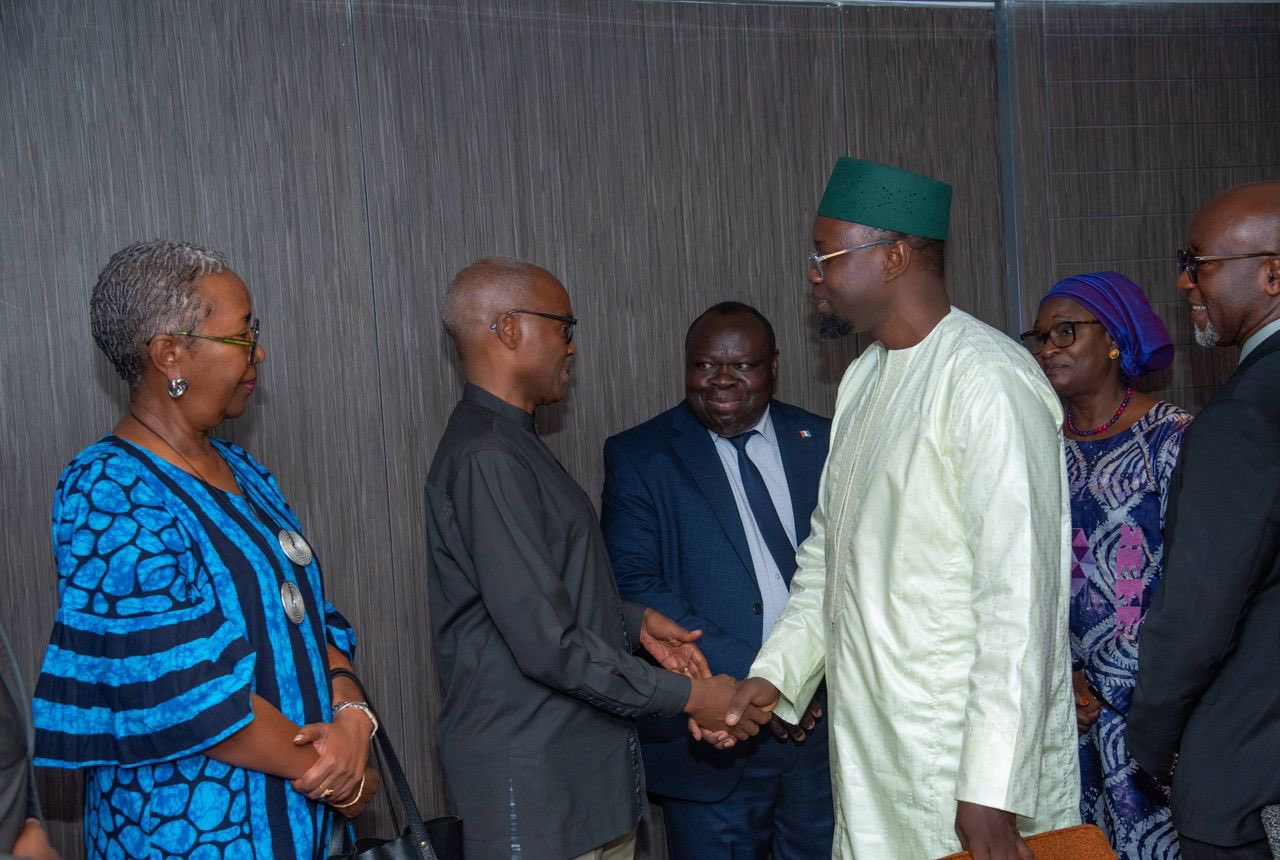
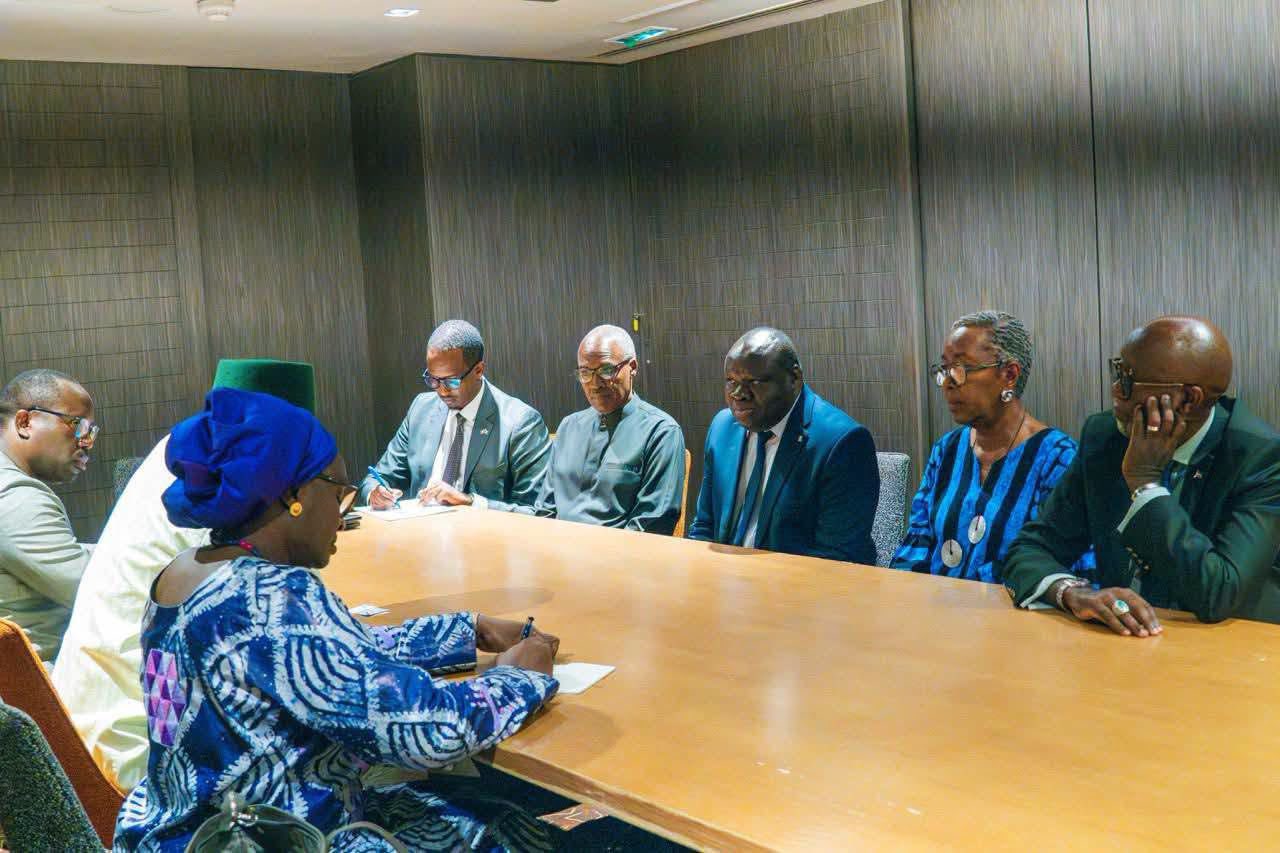
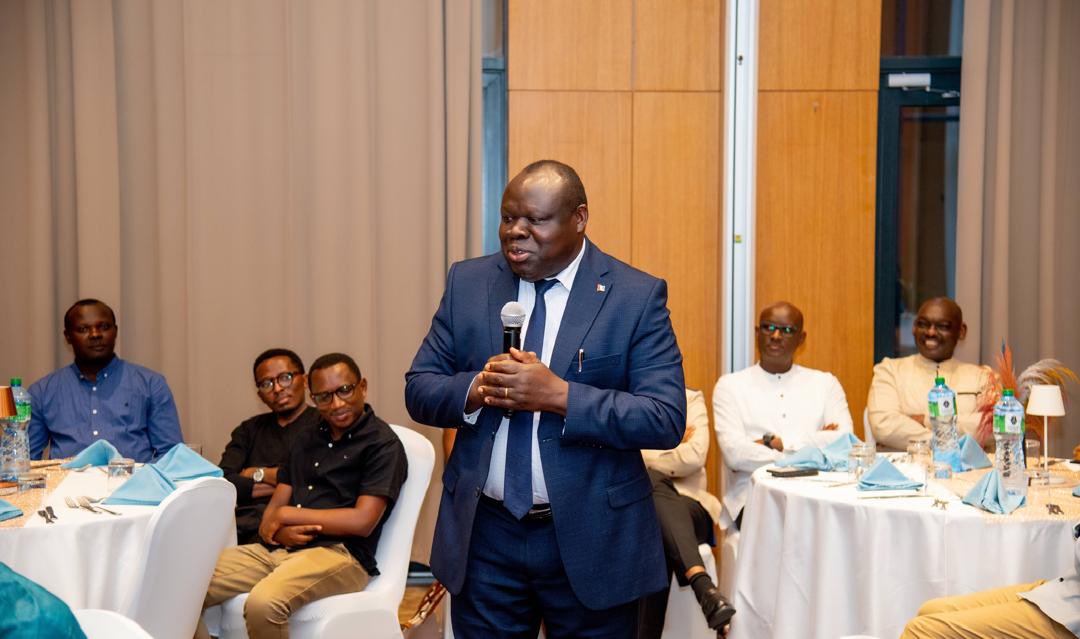
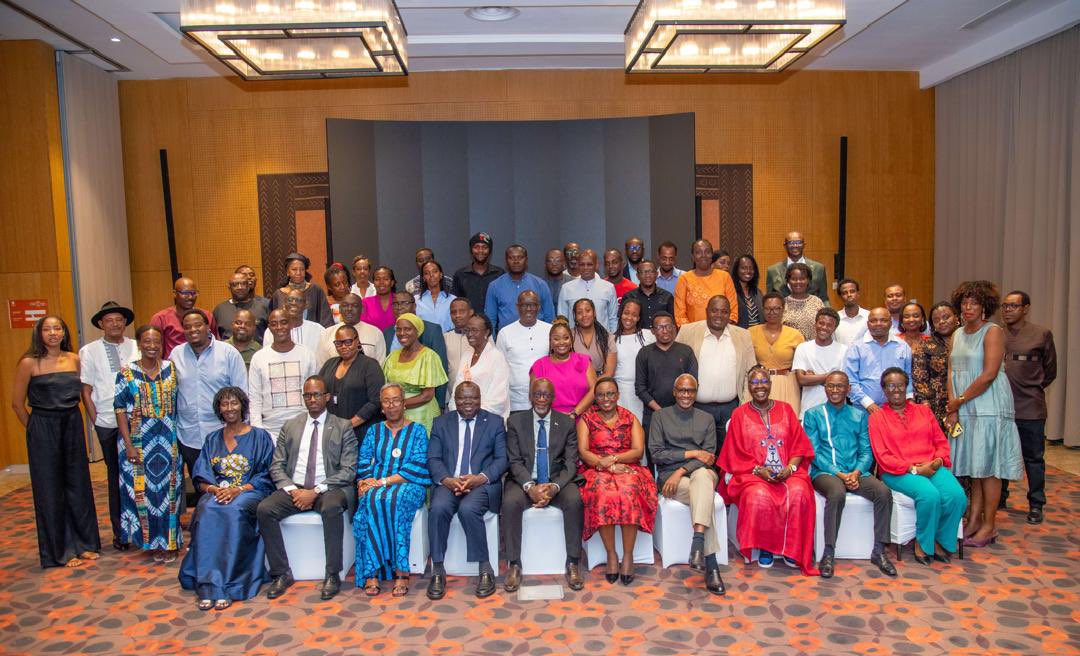
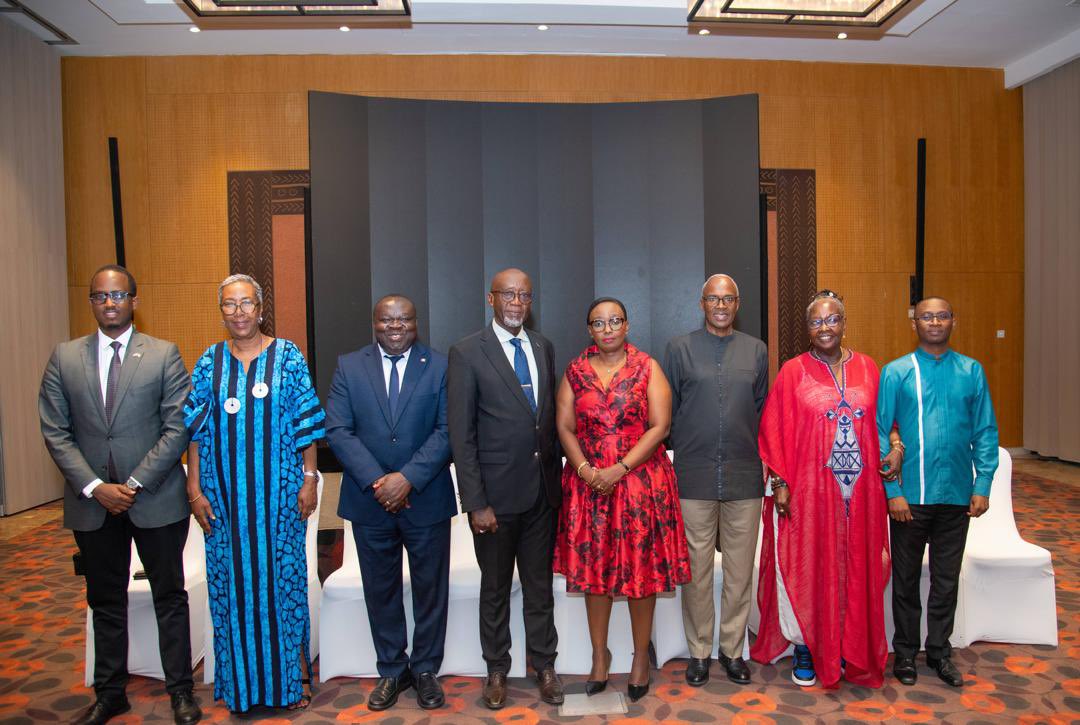
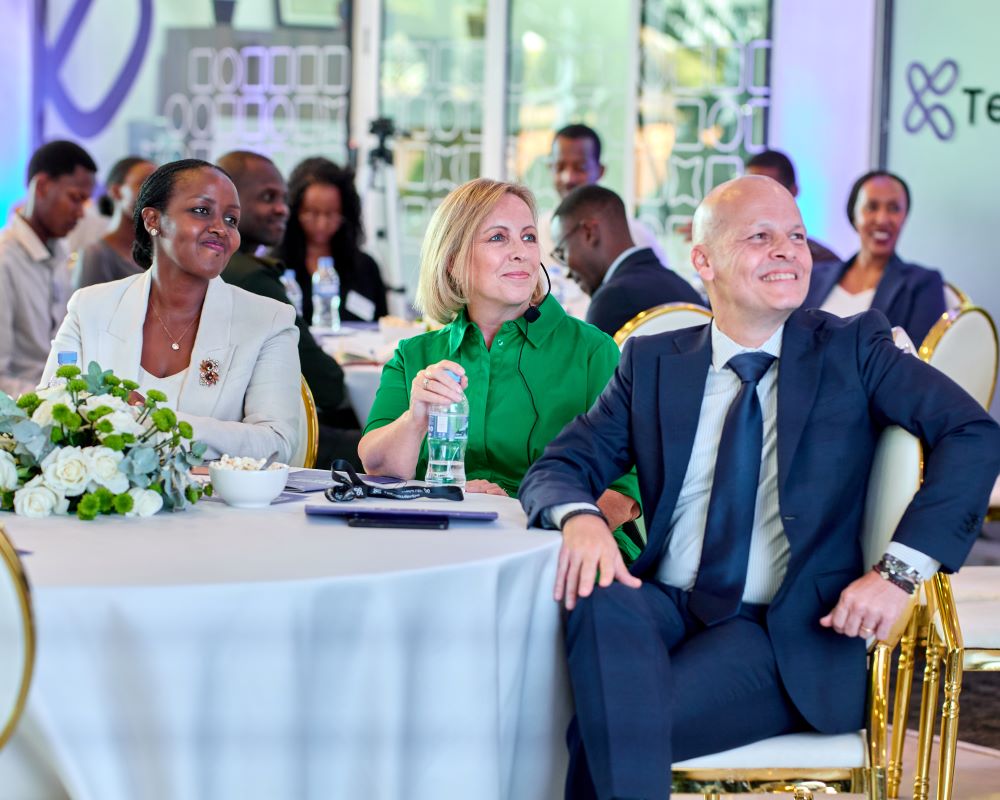
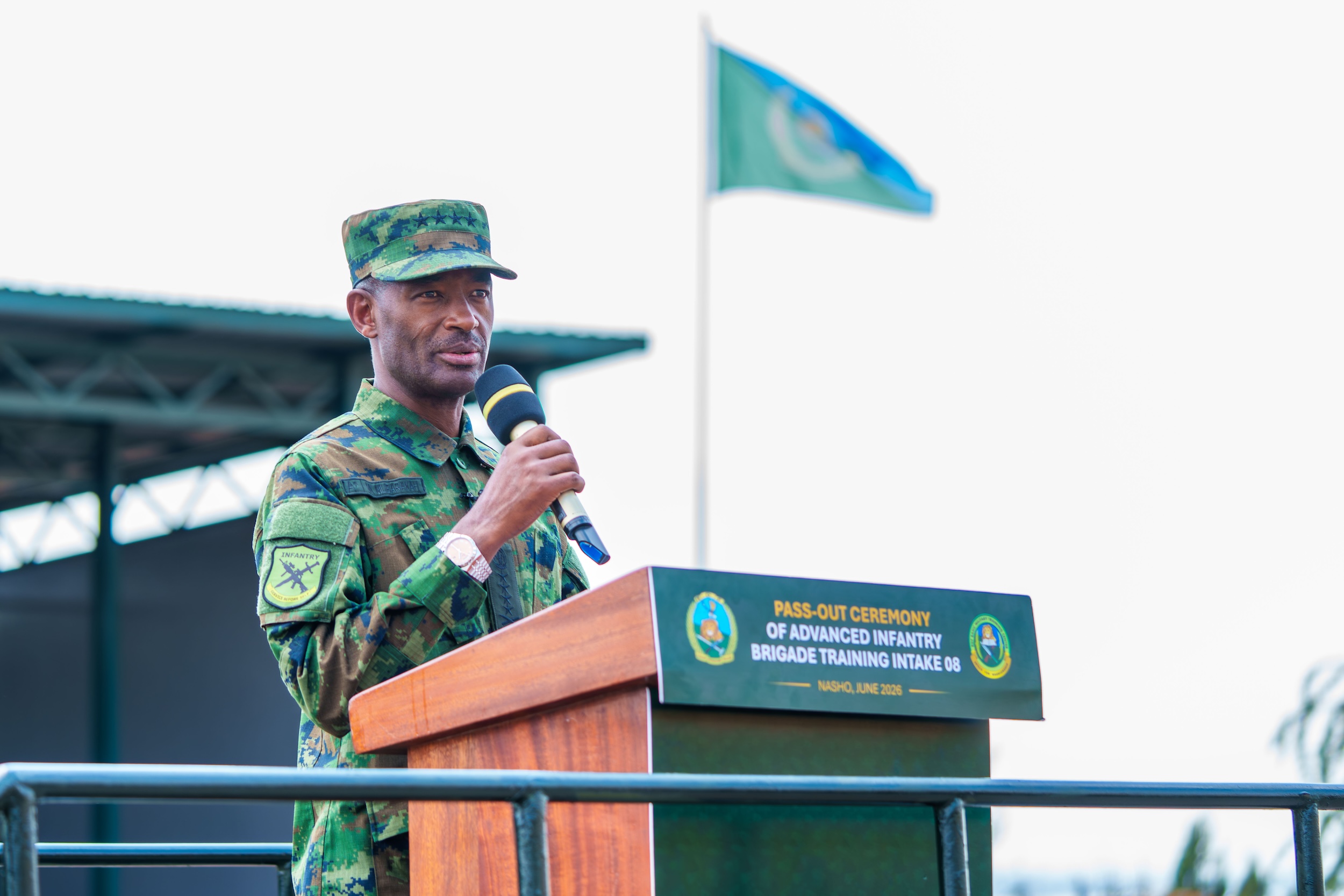
The meeting took place on June 6, 2026, during an engagement in Dakar, where the RPF-Inkotanyi delegation was received by PASTEF leadership.
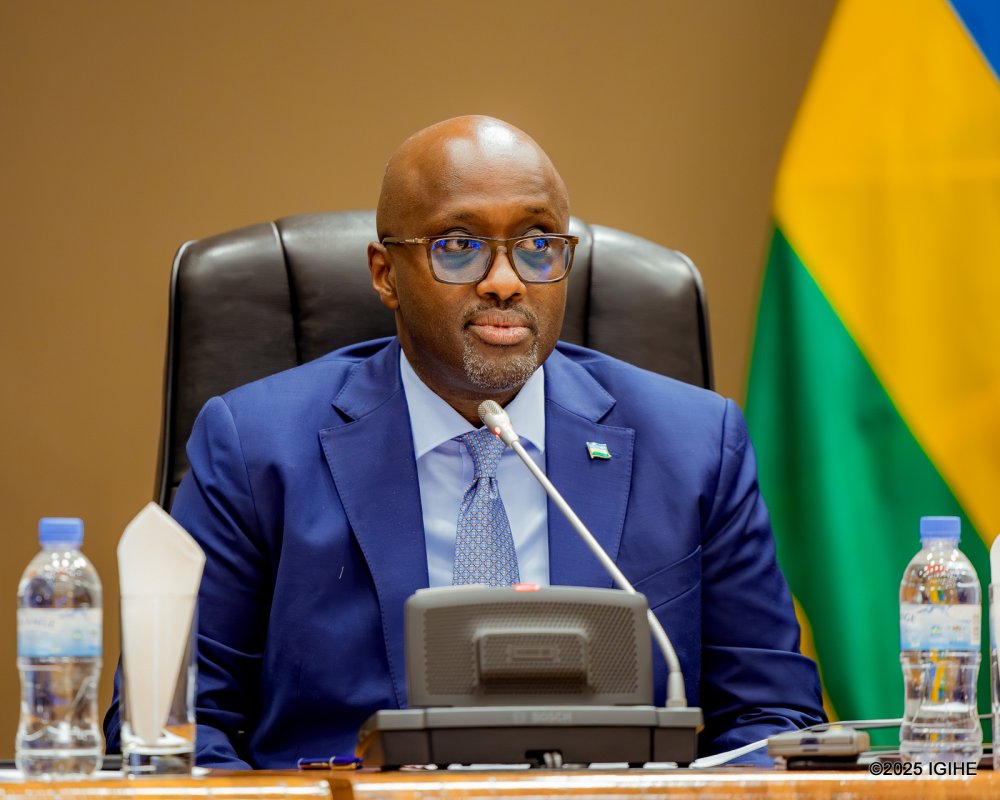
Amb. Bazivamo delivered a congratulatory message from the Chairman of FPR-Inkotanyi and President of the Republic, Paul Kagame, to PASTEF on the occasion of its first National Congress. He also expressed appreciation for the invitation extended to RPF-Inkotanyi to take part in the historic gathering.
The two leaders exchanged views on a range of issues of mutual interest, with emphasis on advancing party-to-party cooperation and consolidating the strong bilateral relationship between Rwanda and Senegal.
During his address at the congress, Amb. Bazivamo highlighted shared values between PASTEF and FPR-Inkotanyi, including patriotism, national sovereignty, integrity, good governance, unity, and African self-determination.
He reaffirmed FPR-Inkotanyi’s commitment to continued engagement with PASTEF, noting that exchanges of experience, political dialogue, and shared ideas would contribute to strengthening governance capacity and advancing sustainable development in both countries and across Africa.
He also extended an invitation to the PASTEF leadership to visit Rwanda in the near future.
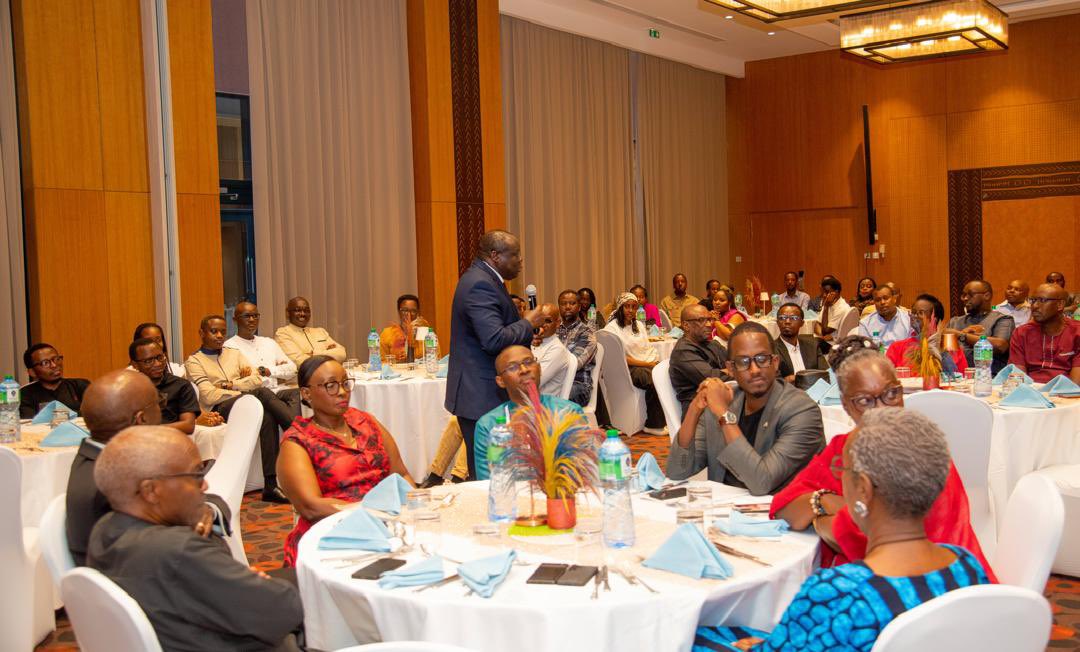
During his visit, the Secretary General of RPF-Inkotanyi, Amb. Christophe Bazivamo, met with Rwandans living in Senegal. In his remarks, Amb. Bazivamo thanked them for their contribution to the country’s development and outlined key national development policies.
He also urged them to remain united as Rwandans and to strive for development in their respective activities.
Amb. Bazivamo was accompanied by Senators Bibiane Mbaye Gahamanyi and Dr. Charles Murigande.
Amb. Bazivamo delivered a congratulatory message from the Chairman of FPR-Inkotanyi and President of the Republic, Paul Kagame, to PASTEF on the occasion of its first National Congress.The meeting took place on June 6, 2026, during an engagement in Dakar, where the RPF-Inkotanyi delegation was received by PASTEF leadership.Amb. Bazivamo also extended an invitation to the PASTEF leadership to visit Rwanda in the near future.During his visit, the Secretary General of RPF-Inkotanyi, Amb. Christophe Bazivamo, met with Rwandans living in Senegal.In his remarks, Amb. Bazivamo thanked them for their contribution to the country’s development and outlined key national development policies.
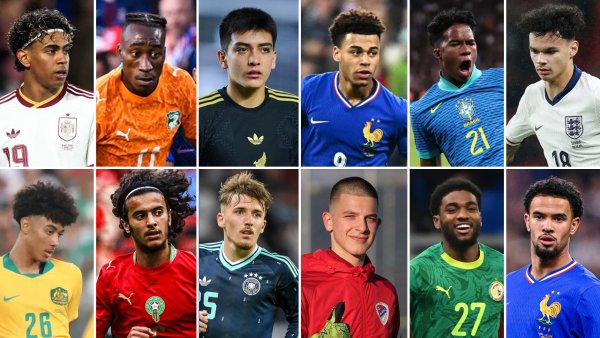
The tournament, scheduled from June 11 to July 19, 2026, will bring together the world’s top national teams. Alongside established stars, several emerging young talents are expected to play a major role for their countries, with some already viewed as long-term cornerstones of their national sides.
Below is a selection of young players expected to attract significant attention at the tournament, with one of them potentially emerging as the standout performer in the race for the Best Young Player award.
The current holder of the award is Enzo Fernández, who claimed the honour at the 2022 World Cup after helping Argentina lift the trophy. He was 21 at the time.
Lamine Yamal (Spain)
Lamine Yamal is among the leading contenders for the Best Young Player award, if he can overcome a hamstring injury that has clouded his World Cup preparations.
The 18-year-old is among the leading contenders for the Best Young Player award
The 18-year-old FC Barcelona forward played a key role in helping his club secure the Spanish league title, though he missed the final weeks of the season with a hamstring injury that has clouded his World Cup preparations. Spain manager Luis de la Fuente has expressed confidence he will be fit for their opening game, but his level of involvement remains uncertain.
He is expected to feature alongside Pau Cubarsí, as Spain looks to mount a serious title challenge. Yamal has already established himself as one of football’s most exciting prospects following his breakthrough at Euro 2024, where he became the youngest player to feature and score in the tournament’s history, as Spain won their fourth European Championship title.
Yan Diomande (Côte d’Ivoire)
Yan Diomande will enter the tournament at 19 years and 209 days.
He is among the most closely watched young players, having scored three goals in his last nine international appearances.
Yan Diomande will enter the tournament at 19 years and 209 days.
Diomande currently plays for RB Leipzig, although he is reportedly attracting interest from several European giants, including Liverpool, Paris Saint-Germain, and Bayern Munich, with a potential €100 million valuation.
Arda Güler (Türkiye)
Arda Güler remains one of the most highly anticipated young talents at the tournament.
Arda Güler remains one of the most highly anticipated young talents at the tournament.
The 21-year-old midfielder has stated he has no fear of any opponent at the World Cup. Following his impressive performances at Euro 2024, he is expected to lead Türkiye’s creative line alongside Kenan Yıldız.
Nico O’Reilly (England)
Nico O’Reilly is regarded as one of England’s most promising young talents.
The 21-year-old has shown remarkable versatility, operating both in defence and midfield.
After a breakthrough season with Manchester City, the 21-year-old has shown remarkable versatility, operating both in defence and midfield. He made 34 Premier League appearances, scoring five goals and providing three assists, and finished the campaign with nine goal involvements across all competitions, earning the Premier League Young Player of the Season award.
Nico Paz (Argentina)
Nico Paz is viewed as one of Argentina’s most exciting creative prospects.
The player turns 39 during the tournament, approaching what could be his final World Cup.
He is widely tipped as a potential successor in Argentina’s midfield evolution as Lionel Messi, who turns 39 during the tournament, approaches what could be his final World Cup.
Paz enjoyed an impressive 2025/26 campaign with Como 1907, scoring 12 goals and registering seven assists, helping the club secure UEFA Champions League qualification.
Rayan (Brazil)
Rayan Vitor Simplício Rocha is among Brazil’s emerging attacking prospects heading into the tournament.
Rayan Vitor Simplício Rocha is among Brazil’s emerging attacking prospects heading into the tournament.
The 19-year-old earned his call-up following an injury to Chelsea’s Estêvão Willian. He has already impressed in international friendlies, including Brazil’s 6–2 win over Panama.
After scoring 20 goals for Vasco da Gama, Rayan joined Bournemouth, where he has added five goals and two assists in 15 appearances, contributing to the club’s historic qualification for the UEFA Europa League.
Gilberto Mora (Mexico)
Gilberto Mora is expected to be the youngest player at the tournament at just 17 years and 240 days.
Gilberto Mora is widely regarded as one of the brightest young prospects in international football.
He made history in 2025 as one of Mexico’s youngest senior national team call-ups and played a key role in their CONCACAF Gold Cup triumph, where he also became the youngest player to feature.
Mora, who has also competed at the FIFA U-20 World Cup, is widely regarded as one of the brightest young prospects in international football.
Ibrahim Mbaye (Senegal)
Ibrahim Mbaye is one of Senegal’s most promising young attackers.
The 18-year-old is one of Senegal’s most promising young attackers.
The 18-year-old is still developing at Paris Saint-Germain but is expected to be part of Senegal’s attacking options at the tournament. He scored three goals in 24 appearances last season.
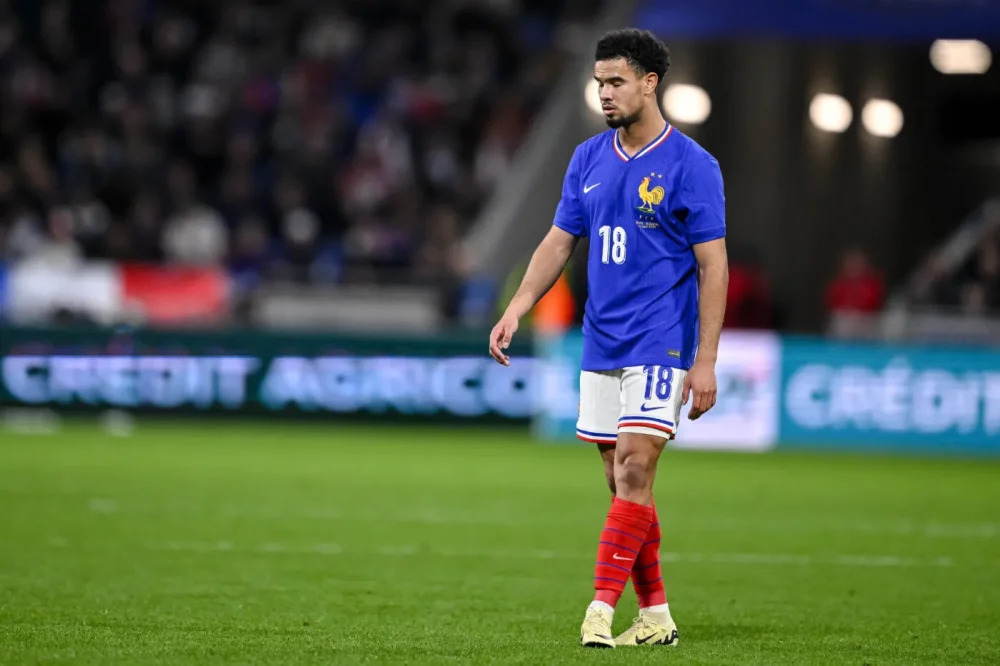
Warren Zaïre-Emery (France)
Warren Zaïre-Emery is one of the most highly rated midfield prospects in world football.
Warren Zaïre-Emery is one of the most highly rated midfield prospects in world football.
The 20-year-old is expected to compete for a place in a highly competitive French midfield featuring Aurélien Tchouaméni, Adrien Rabiot, N’Golo Kanté, and Manu Koné.
He made 32 appearances this season, scoring three goals and providing four assists across all competitions.
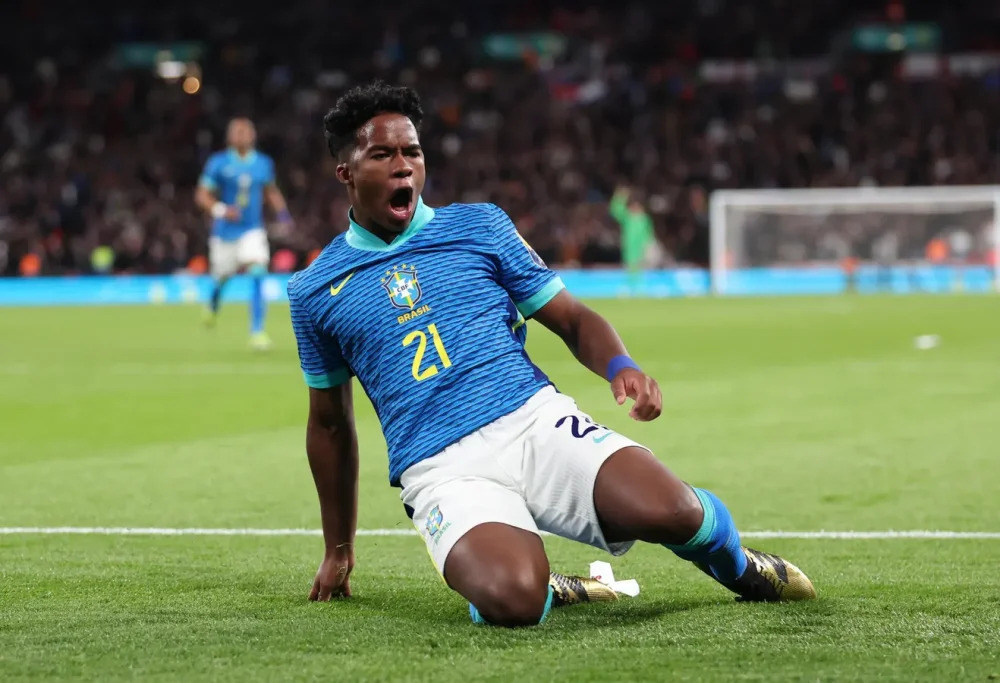
Endrick (Brazil)
Endrick is part of Brazil’s squad as they aim to reclaim the World Cup title for the first time in 24 years.
Endrick is part of Brazil’s squad aiming to win their first World Cup in 24 years.
The 19-year-old Real Madrid forward, who spent the second half of the season on loan at Olympique Lyonnais, continues to develop his reputation as one of the most exciting attacking prospects in world football.
Désiré Doué (France)
Désiré Doué has quickly established himself as one of Paris Saint-Germain’s most promising young talents.
Désiré Doué is one of Paris Saint-Germain’s most promising young talents.
The 21-year-old has already contributed to PSG’s recent European success, although his international opportunities remain limited due to strong competition in France’s attacking positions.
He has earned multiple individual accolades in both Ligue 1 and European competitions.
Lennart Karl (Germany)
Lennart Karl is among Germany’s emerging talents expected to feature at the World Cup.
Lennart Karl is one of Germany’s emerging talents expected at the World Cup.
The 18-year-old continues to develop at Bayern Munich, competing for a place alongside established young stars such as Jamal Musiala and Florian Wirtz.
This season, he has registered five goals and five assists in the Bundesliga, along with four goals in the UEFA Champions League.
Other young players to watch
Hugo Sochurek (Czech Republic, 18)
Hamza Abdelkarim (Egypt, 18)
Bara Sapoko Ndiaye (Senegal, 18)
Mladen Jurkas (Bosnia and Herzegovina, 18)
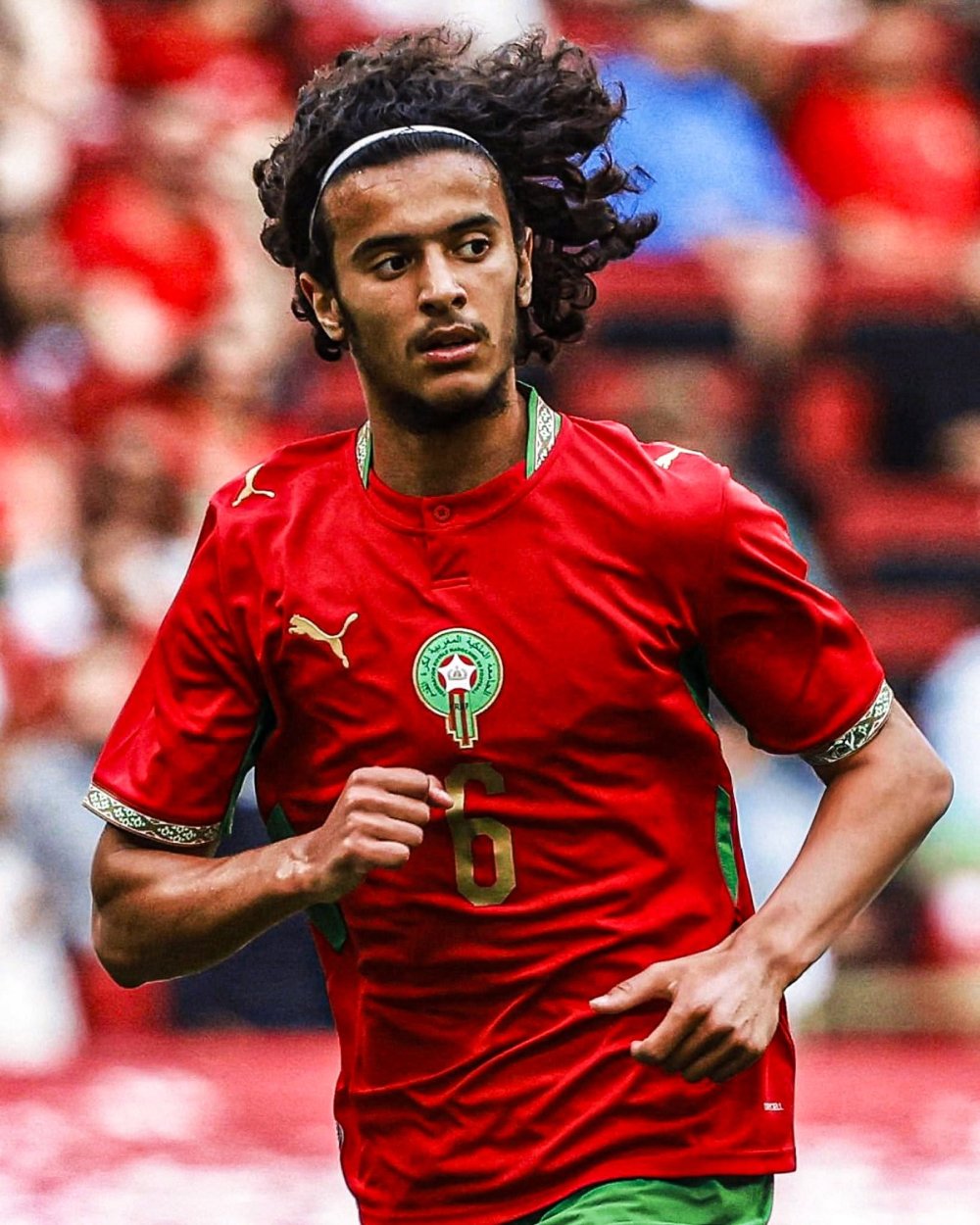
Ayyoub Bouaddi (Morocco, 18)
Kerim Alajbegovic (Bosnia and Herzegovina, 18)
Rayan Elloumi (Tunisia, 18)
Lucas Herrington (Australia, 18)
Behruzjon Karimov (Uzbekistan, 18)
Kendry Páez (Ecuador, 19)
Tyler Fletcher (Scotland, 19)
Luka Vušković (Croatia, 19)
Ayyoub Bouaddi is set to represent Morocco at the World Cup.
Major General Wu was received by the Rwanbatt-1 Contingent Commander, Lieutenant Colonel Paul Ndushabandi, along with subordinate commanders and staff officers. During the visit, he was briefed on key operations conducted by the contingent in support of civilian protection and force protection for humanitarian assistance activities.
In his remarks, Major General Wu commended the Rwanbatt-1 troops for their dedication, professionalism, and significant contribution to the UNMISS mandate through their efforts to promote peace, security, and stability in South Sudan.
As part of the visit, the Force Commander toured the Rwanbatt-1 Camp and participated in a symbolic tree-planting ceremony.
Maj Gen Junhui Wu participates in a symbolic tree-planting ceremony with Rwandan peacekeepers at UN Tomping Base Camp in Juba.UNMISS Force Commander Maj Gen Junhui Wu visits Rwandan peacekeepers (Rwanbatt-1) at Tomping Base Camp in Juba, where he was briefed on ongoing operations in South Sudan.Rwanbatt-1 troops welcomed UNMISS Force Commander Maj Gen Junhui Wu at their base in Juba, South Sudan, during an official visit.
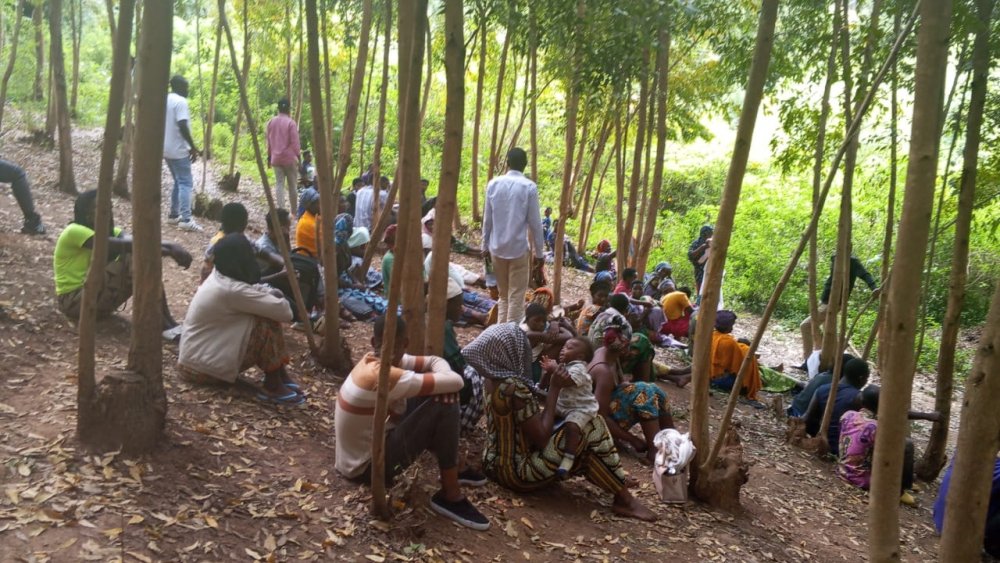
The arrests were made on Friday, June 5, 2026. Of those detained, 46 were found in Kigabiro Sector, Cyanya Cell, inside a forest where worshippers had nicknamed the site “Senga usubizwe” (Pray and be answered).
Among the 46 were 12 men and 34 women, including 10 nursing mothers. Ten students who were preparing for national examinations were also among those arrested after reportedly skipping school to pray, hoping for good results.
Another group of 22 people was arrested in Gahengeri Sector, Kagezi Cell, at Samatare rock site. The area had previously been sealed off by authorities using concrete due to safety concerns, but worshippers reportedly broke through the structure to access the site. Five nursing mothers were among those detained.
The Vice Mayor of Rwamagana in charge of Economic Development, Kagabo Rwamunono Richard, told IGIHE that those arrested were found praying in different illegal locations, with most coming from Rwamagana and others from Kayonza, Nyagatare, and Gatsibo districts.
“Most of them are from Rwamagana, but others came from Kayonza, Nyagatare, and Gatsibo. These are not authorized worship sites. They are forest areas that pose serious risks to their safety. We also found others at Samatare rock, which we had closed because it is dangerous. It is unfortunate that people choose such places to seek God,” he said.
He also accused the group of defying government decisions and damaging infrastructure that had been put in place for their protection.
He cited Samatare cave, where the government reportedly spent over Rwf3 million to secure the site and prevent accidents.
“Our message is that God is not found in caves or forests, and certainly not in places that endanger lives. The government does not allow such practices. Everyone should use recognized places of worship. Churches are available,” he said.
Authorities said the arrested individuals are currently undergoing civic education. They also indicated that the suspects may be required to pay for the damaged infrastructure and could face penalties for defying government directives and mobilizing others to do the same.
In 2024, during the Marburg virus outbreak in Rwanda, the Ministry of Health reported that the first patient was believed to have been infected through bats found in a mining cave near Kigali.
Since then, several cave sites across the country have been closed or reinforced. At Samatare rock, where some of the worshippers were arrested, authorities had previously spent more than Rwf3.3 million reinforcing the site for public safety, before it was damaged again by those accessing it for prayer.
Of those detained, 46 were found in Kigabiro Sector, Cyanya Cell, inside a forest where worshippers had nicknamed the site “Senga usubizwe” (Pray and be answered).
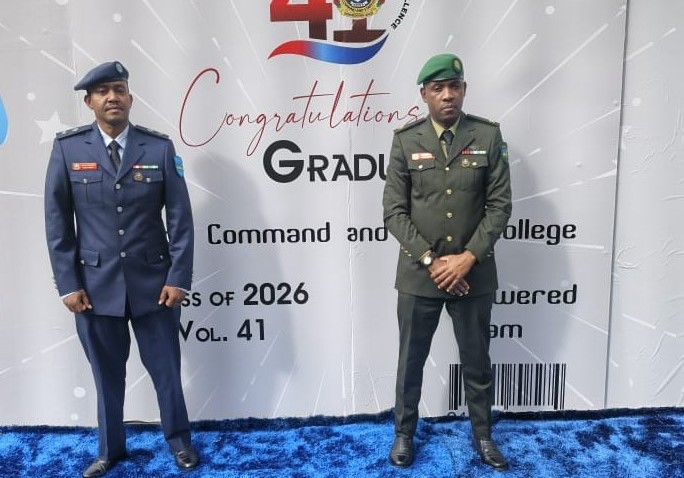
The officers, Lt Col Pacifique Kanyandekwe and Maj John Muhikira, graduated on June 4, 2026, after completing their programme in military leadership and joint command studies.
According to the Ministry of Defence, their graduation reflects dedication, professionalism, and a strong commitment to military excellence, highlighting Rwanda’s continued focus on strengthening professional military education and regional security cooperation.
The graduation ceremony brought together senior military officials and representatives from regional defence institutions.
Among those present were Brig Gen Ronald Rwivanga, Director of the Eastern Africa Standby Force (EASF), Brig Gen Andrew Nyamvumba, Commandant of the RDF Senior Command and Staff College, and Col Celestin Kamanda, Defence Attaché of Rwanda to Kenya.
Brig Gen Ronald Rwivanga, Director of the Eastern Africa Standby Force (EASF), Brig Gen Andrew Nyamvumba, Commandant of the RDF Senior Command and Staff College, and Col Celestin Kamanda, Defence Attaché of Rwanda to Kenya were among those present at the ceremony. The officers, Lt Col Pacifique Kanyandekwe and Maj John Muhikira, graduated on June 5, 2026.
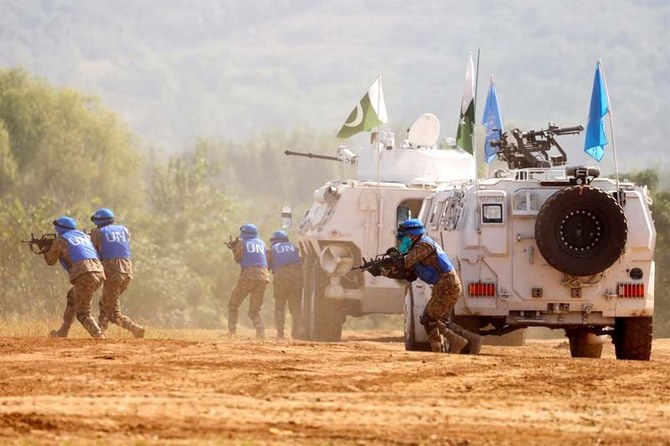
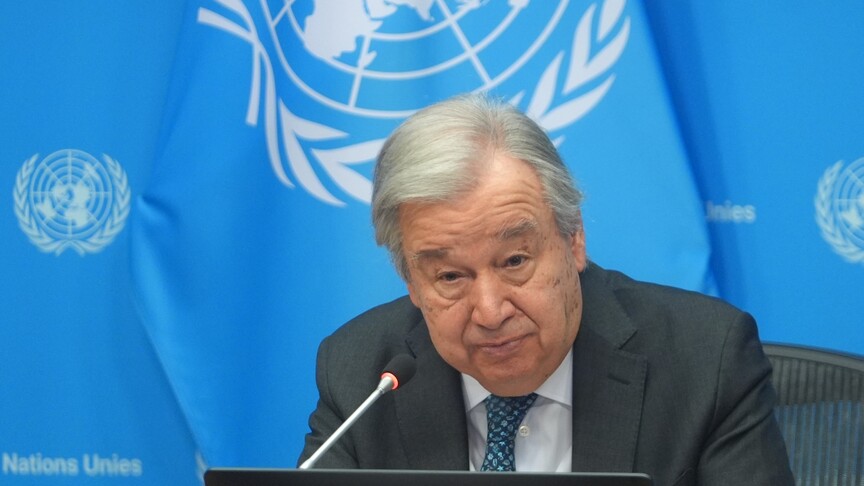
“Across the globe, the UN Blue Helmet is a symbol of hope for communities in their darkest hour,” UN Secretary-General Antonio Guterres said in remarks at the ceremonies to present the Dag Hammarskjöld Medal, the Captain Mbaye Diagne Medal for Exceptional Courage, and the UN Woman Police Officer of the Year and UN Military Gender Advocate of the Year awards, after laying a wreath at the Peacekeepers Memorial on the North Lawn of the UN headquarters in New York.
Underscoring that UN peacekeeping has proven to be one of the international community’s most effective responses to conflict, Guterres said the peacekeepers “are curbing violence, enabling political solutions, supporting elections, delivering humanitarian assistance, clearing landmines, and so much more.”
“They do so in the face of acute danger, displaying levels of bravery and initiative that stir the heart,” said the UN chief, adding that “we pay the highest tribute to their service and sacrifice.”
The secretary-general bestowed the Dag Hammarskjöld Medal on 68 peacekeepers from 33 nations, including 59 killed last year. “They represent the best of humanity — people prepared to risk everything to keep others safe,” he said.
Two peacekeepers were honored for their bravery, receiving the Captain Mbaye Diagne Medal for Exceptional Courage — the late Sergii Prykhodko of Ukraine, and Matias Reyes of Uruguay.
Abhilasha Barak of India, deployed with the UN Interim Force in Lebanon, received the UN Military Gender Advocate of the Year award, and Stephanie Königs of Germany, who served at the UN Mission in South Sudan, received the UN Woman Police Officer of the Year award.
According to the United Nations, currently more than 51,000 civilians, military and police personnel are employed across the globe in 11 UN peacekeeping missions, and over the 78 years since the United Nations began its peacekeeping work, more than 2 million peacekeepers have served in 71 peacekeeping missions on four continents.
The UN General Assembly adopted a resolution in 2003 to designate May 29 as the International Day of UN Peacekeepers.
Guterres said the peacekeepers “are curbing violence, enabling political solutions, supporting elections, delivering humanitarian assistance, clearing landmines, and so much more.”
In a statement issued on June 5, Rwanda responded to remarks made by U.S. Secretary of State Marco Rubio during a hearing before the House Foreign Affairs Committee on June 4.
Kigali noted Rubio’s acknowledgment that Rwanda is meeting its commitments and welcomed the continued engagement of the United States in efforts to address insecurity in eastern DRC.
According to the statement, the Washington Accords remain the key framework for tackling the root causes of conflict in the region.
However, Rwanda emphasized that the agreement places obligations on both parties and cannot be implemented selectively.
“The Accords cannot be implemented selectively, nor can obligations to be fulfilled by one party be separated from those to be fulfilled by the other,” the statement said, adding that regional challenges cannot be resolved through partial approaches.
Rwanda maintained that it is implementing its commitments under the agreement while accusing the DRC of violating its own obligations.
The government cited what it described as continued state support by the DRC for the FDLR terrorist group linked to perpetrators of the 1994 Genocide against the Tutsi. Rwanda said the militia has operated from Congolese territory for three decades and continues to pose a direct threat to its security.
Kigali also raised concerns over what it described as the continued use of armed drones in civilian areas.
Despite the concerns, Rwanda reiterated its commitment to the Washington Accords and said it remains ready to work with the United States, regional partners and other stakeholders to promote peace, security and economic development in the Great Lakes region.
The statement comes amid ongoing diplomatic efforts led by the United States and regional actors to ease tensions and support lasting stability in eastern DRC.
The agreements signed by both parties include provisions for the dismantling of the terrorist FDLR group by the Armed Forces of the Democratic Republic of Congo (FARDC). Once this is achieved, Rwanda is expected to lift its defensive measures. The accord also includes the repatriation of refugees.
In terms of infrastructure, Rwanda and the DRC are expected to strengthen cooperation in the construction of the Rusizi III hydropower dam, which is projected to generate 206 megawatts of electricity and supply power to more than 300,000 people. The project is expected to be completed by 2030 at a cost of $800 million.
The agreement also covers the mining sector, where Rwanda and the DRC are expected to move beyond extraction toward local processing, in order to maximize benefits for citizens in the region. It further provides for the establishment of harmonized regulations governing the security of mineral trade.
The Washington Accords also stipulate that the two countries will collaborate in the extraction and processing of methane gas from Lake Kivu for electricity generation.
The Government of Rwanda maintains that both countries have significant opportunities for economic gain that could help prevent future conflicts.
The Government of Rwanda has reaffirmed its commitment to the Washington Accords and condemned DRC’s continued support to FDLR.
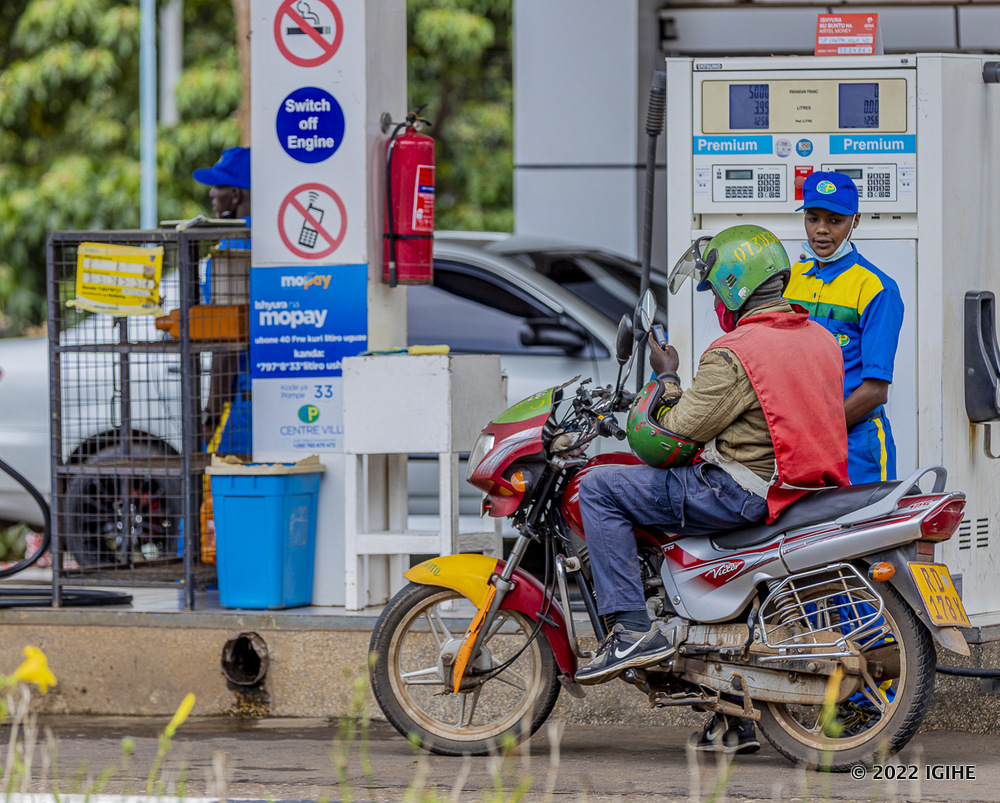
Under the revised prices, a litre of petrol will continue to retail at Rwf2,938, while a litre of diesel has increased from Rwf2,205 to Rwf2,927, representing a rise of Rwf722 per litre.
The new prices were announced on June 5 and will take effect from June 6, 2026, at midnight. The previous fuel price adjustment was made on April 16, 2026.
In a statement, RURA said the latest revision reflects developments on the international market while taking into account government measures aimed at maintaining stability in the petroleum sector and limiting the impact on the economy and consumers.
” Government interventions have helped moderate the increase in pump prices, keeping them below the level that would result from market conditions alone. This support is intended to cushion transport and freight services and reduces broader economic impact,” the statement reads.
The regulator also confirmed that fares for public transport services will remain unchanged.
“Public transport fares will remain unchanged. Government support measures will continue to assist public transport operators in managing high fuel costs and ensure affordable transport services for commuters,” RURA stated.
The authority added that it will continue monitoring developments in international and regional petroleum markets, while ensuring the reliable supply and distribution of fuel across the country.
The sharp increase in global fuel prices has largely been attributed to the ongoing conflict involving the United States, Israel and Iran, which began three months ago.
The conflict has disrupted traffic through the Strait of Hormuz, a critical shipping route through which about 20 percent of the world’s daily petroleum supply passes.
As of June 5, 2026, a barrel of crude oil was reportedly trading between $94 and $95.
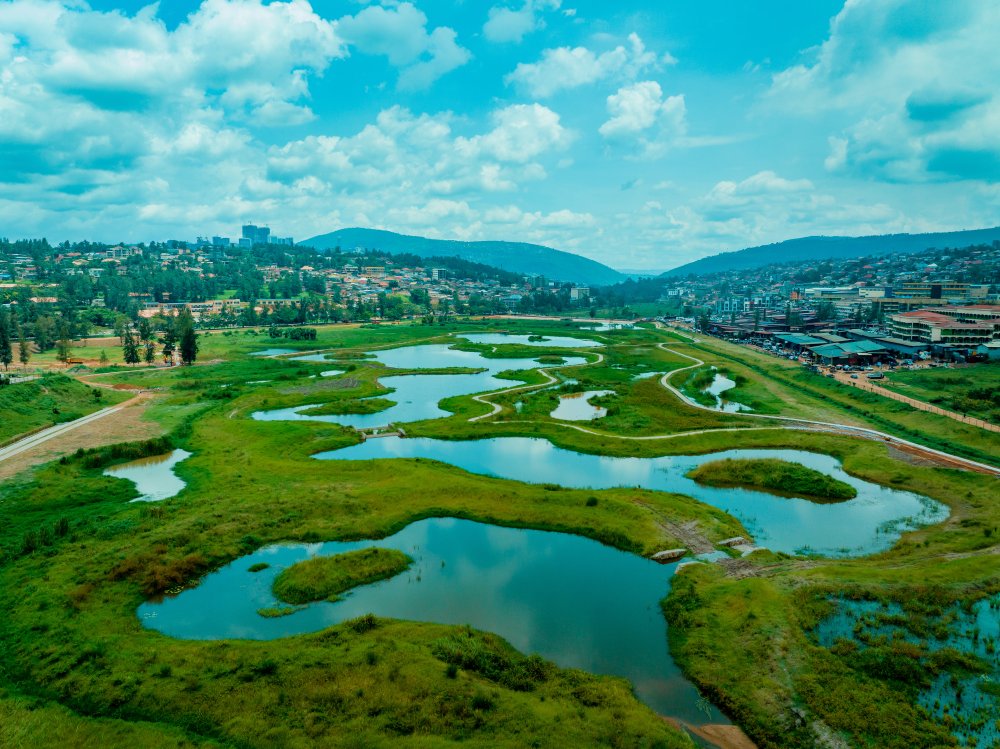
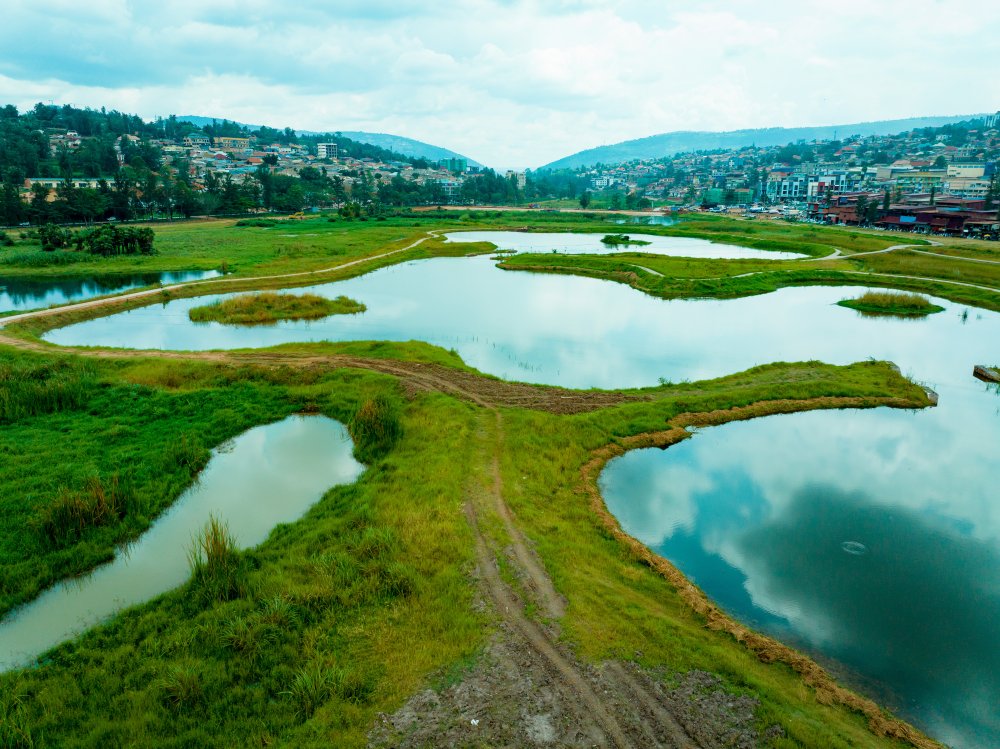
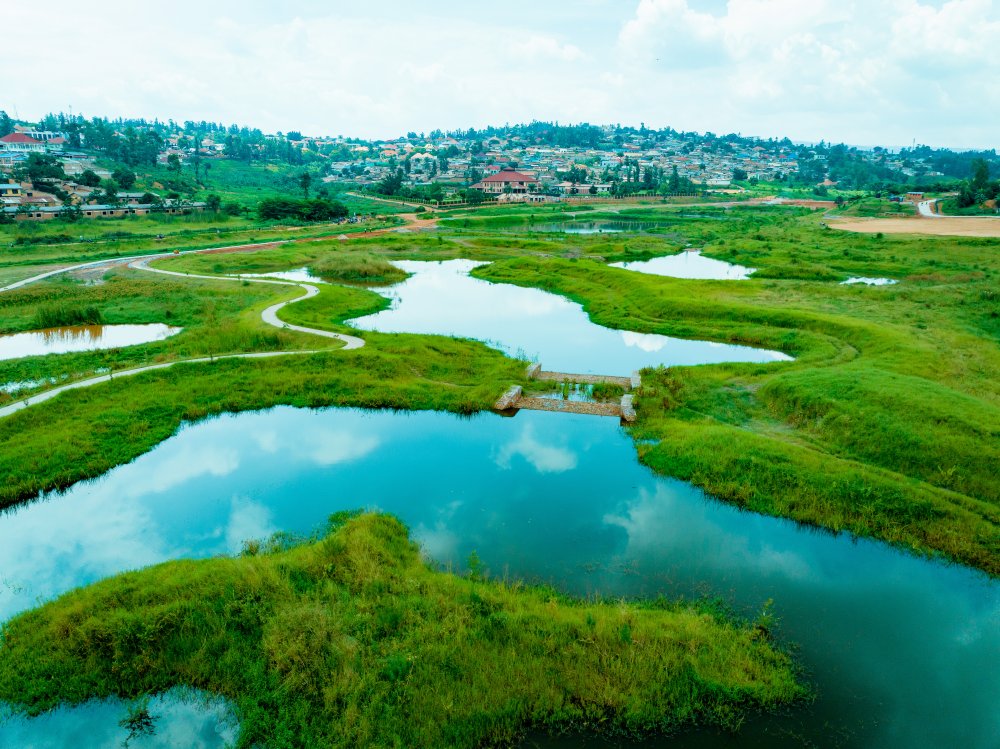
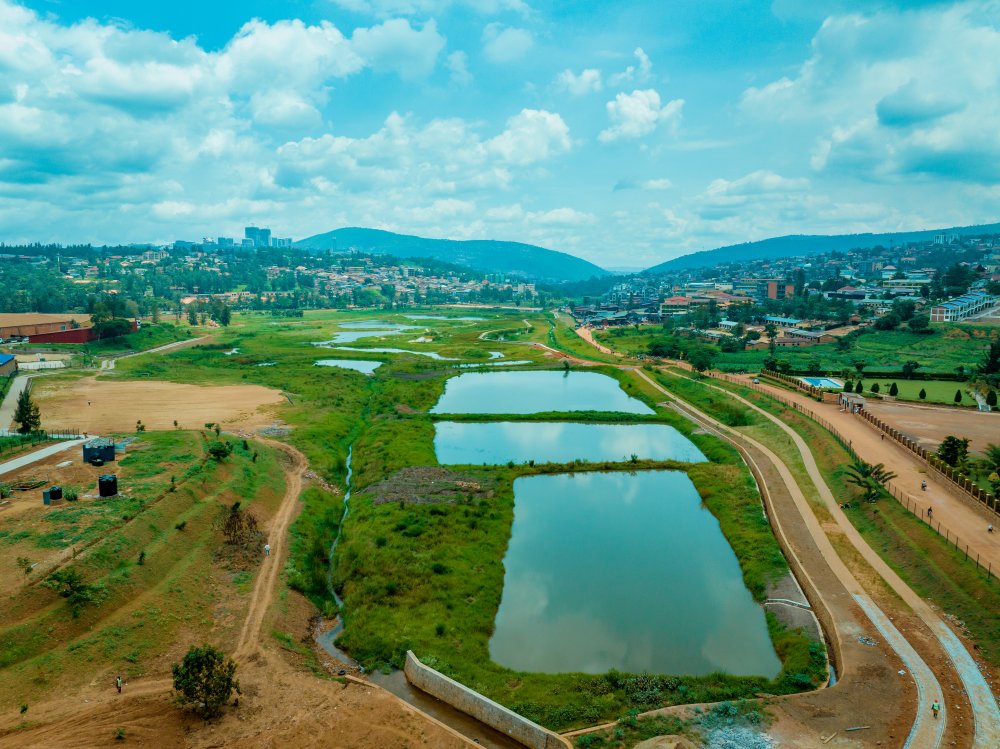
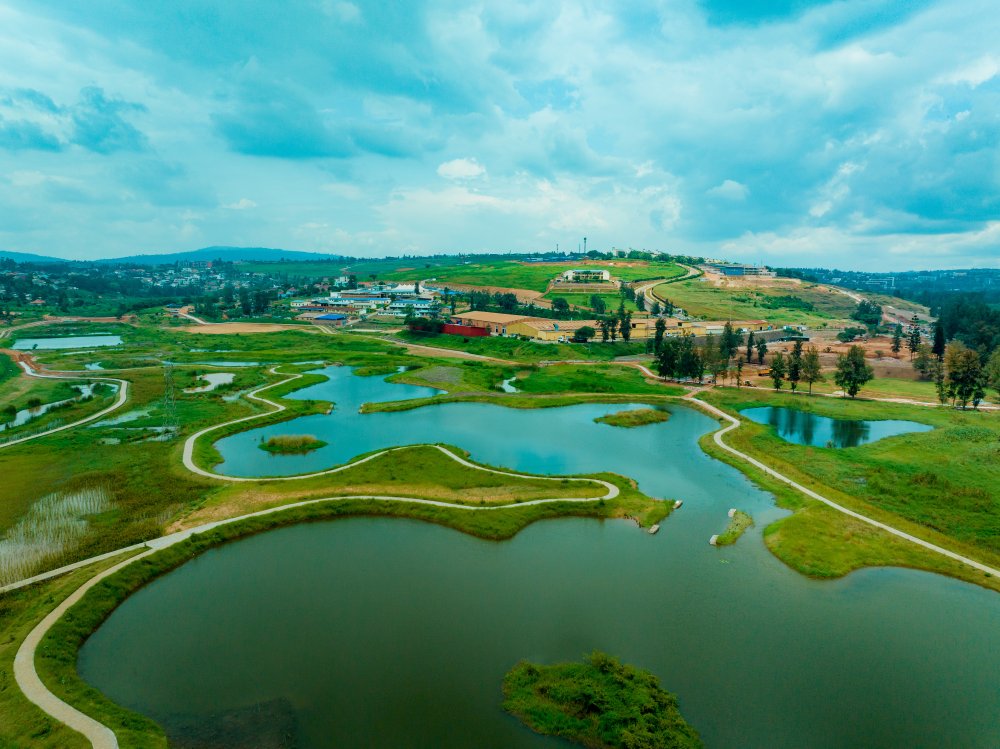
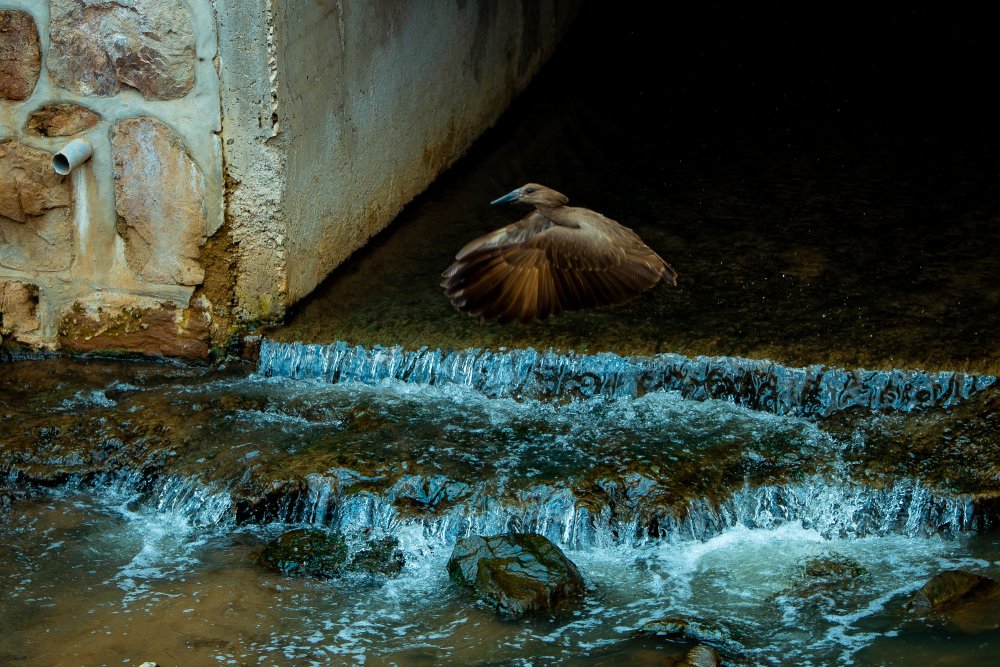
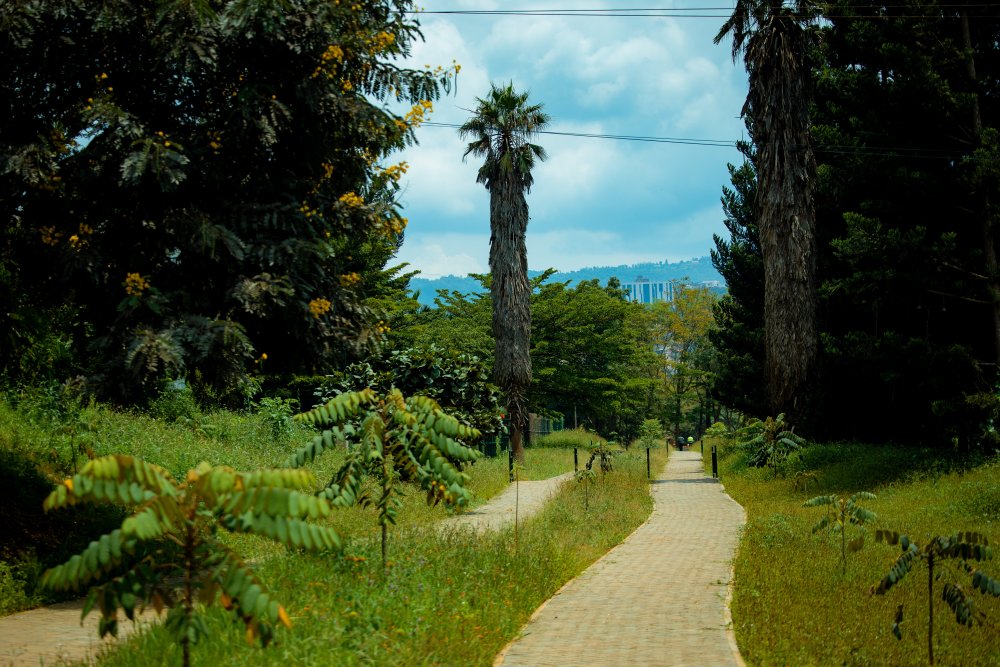
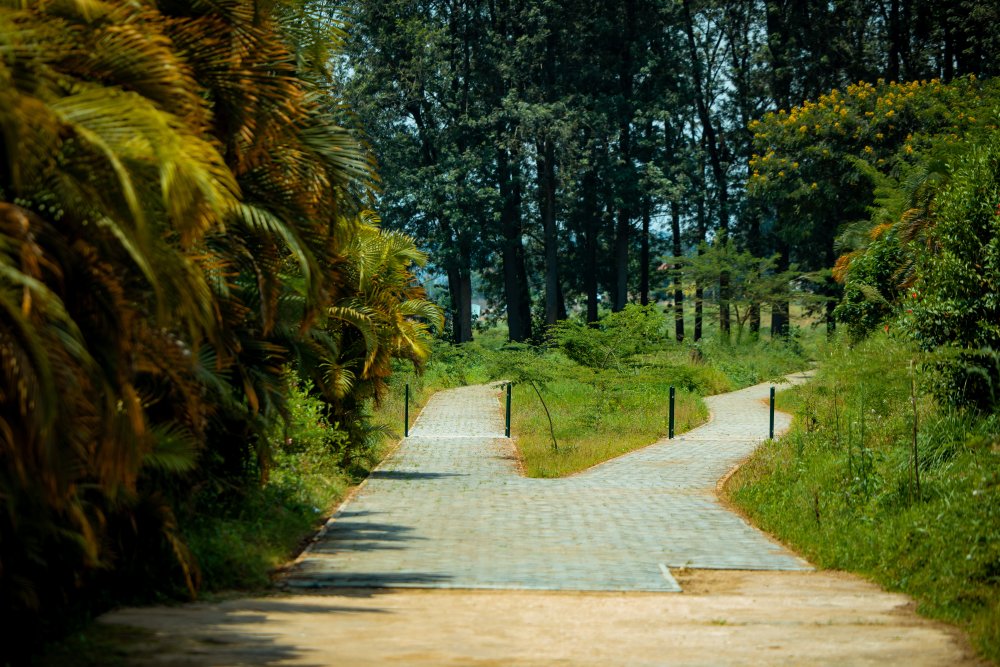
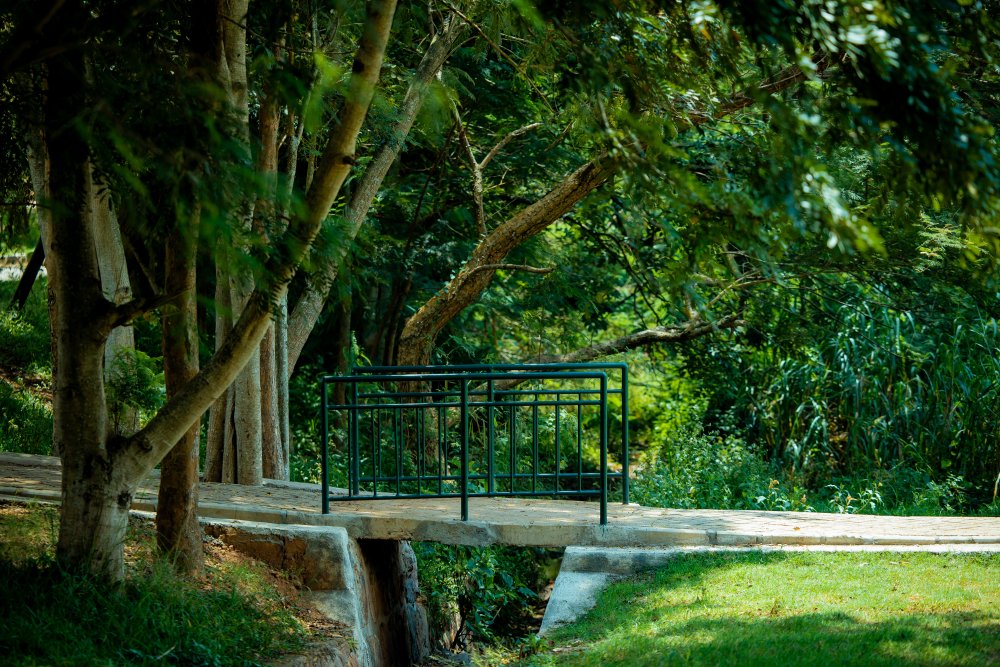
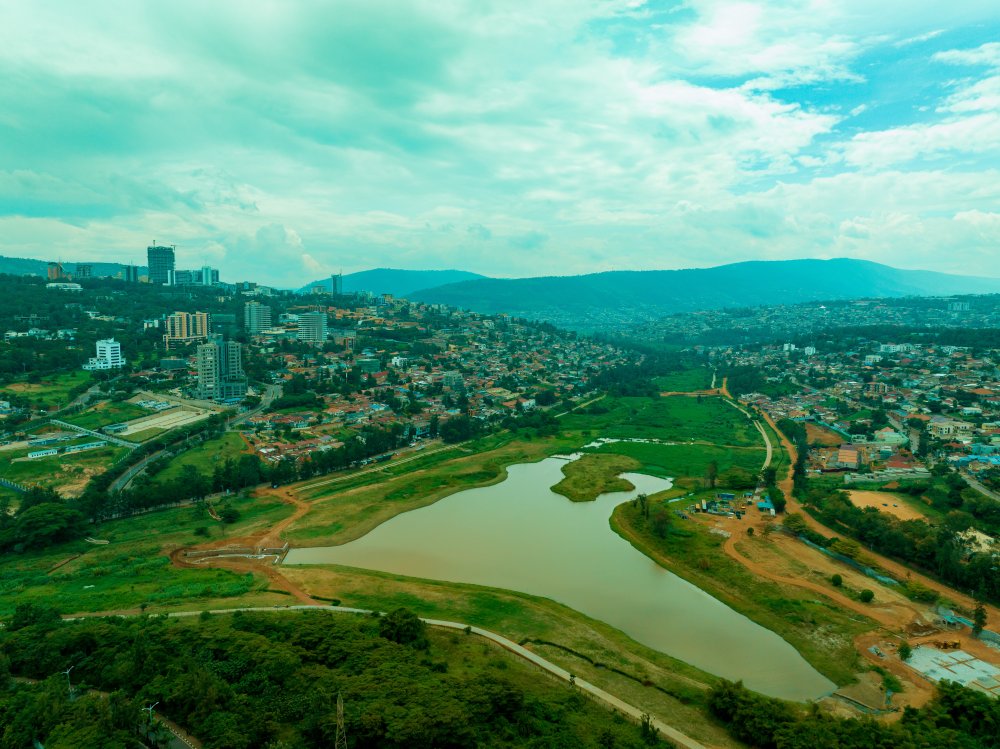
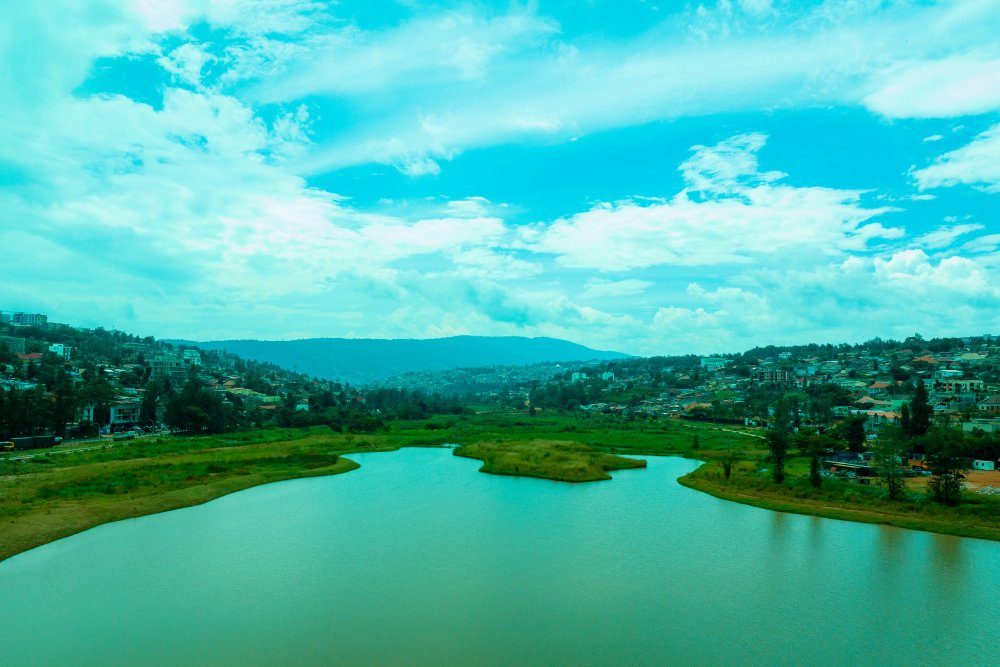
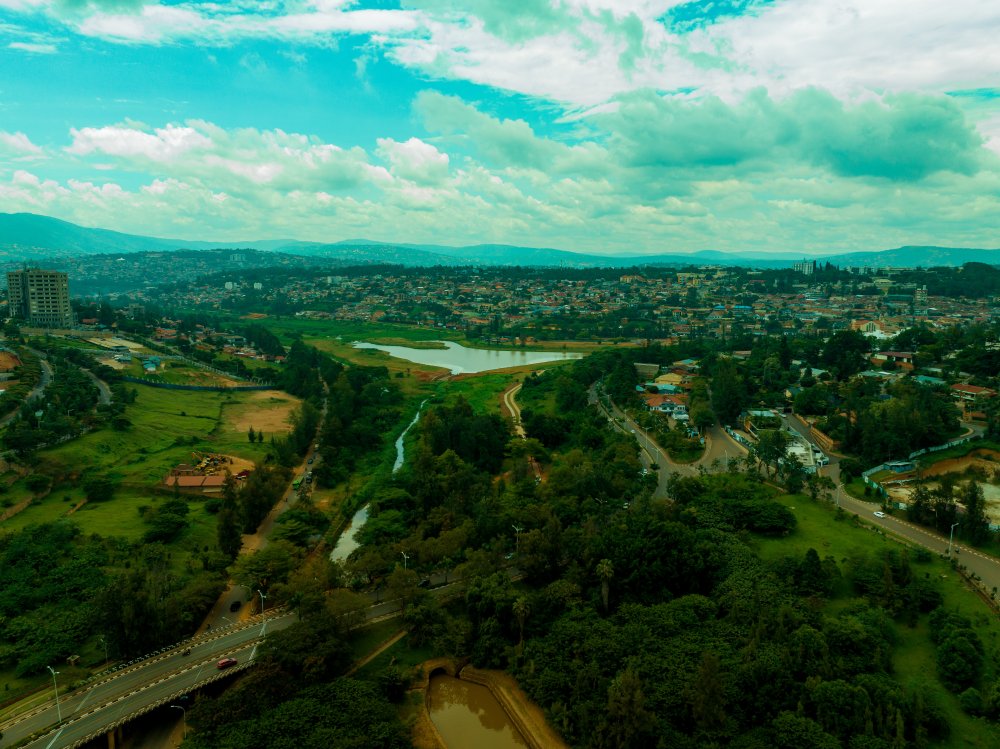
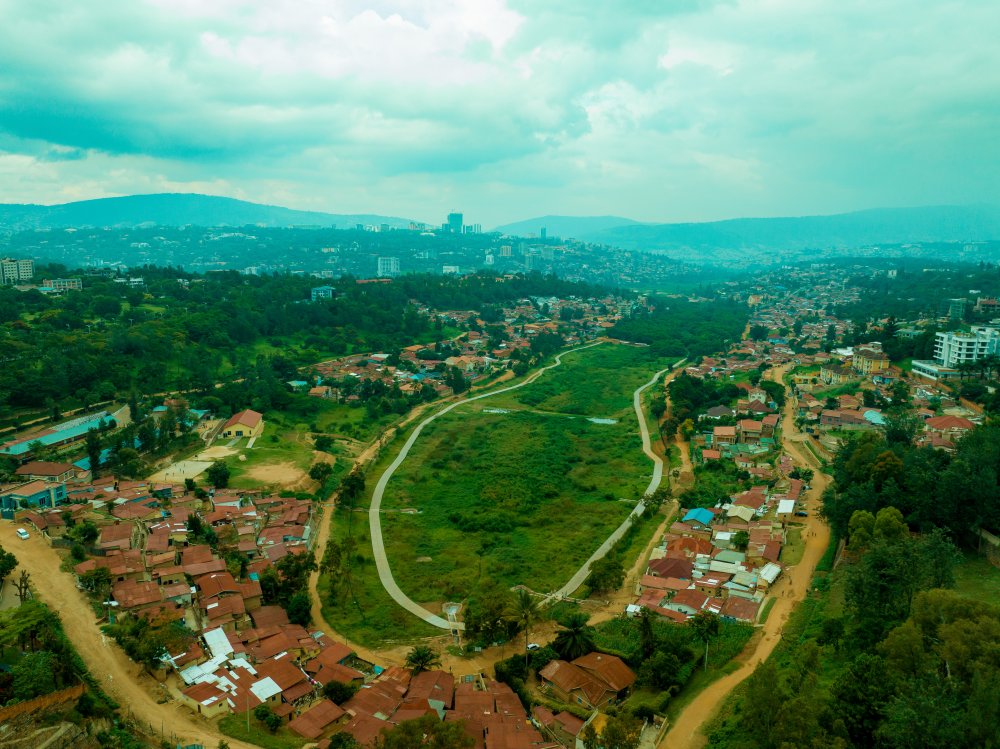
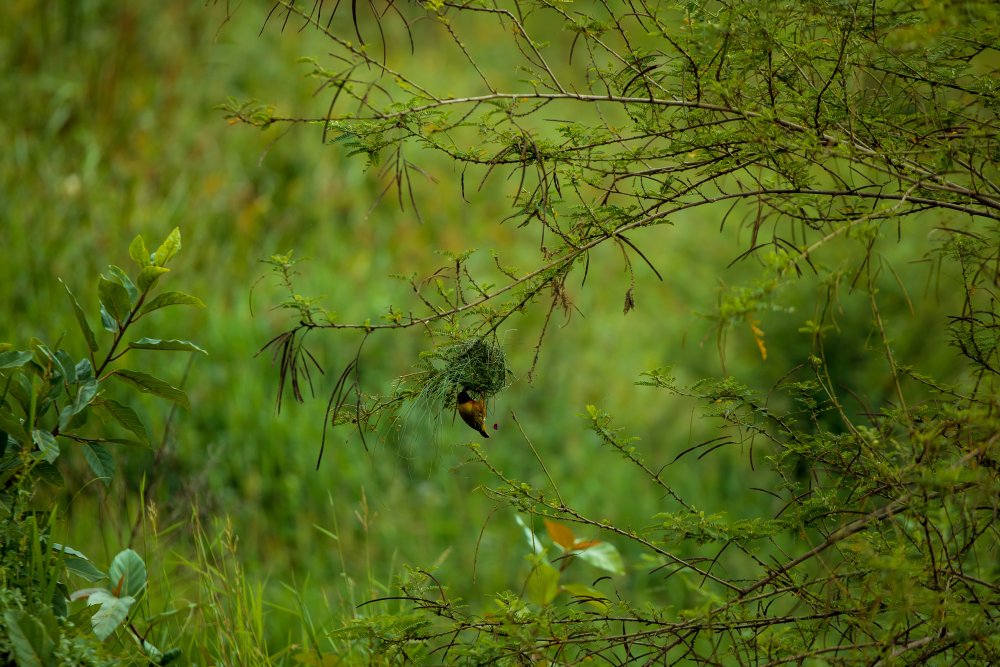
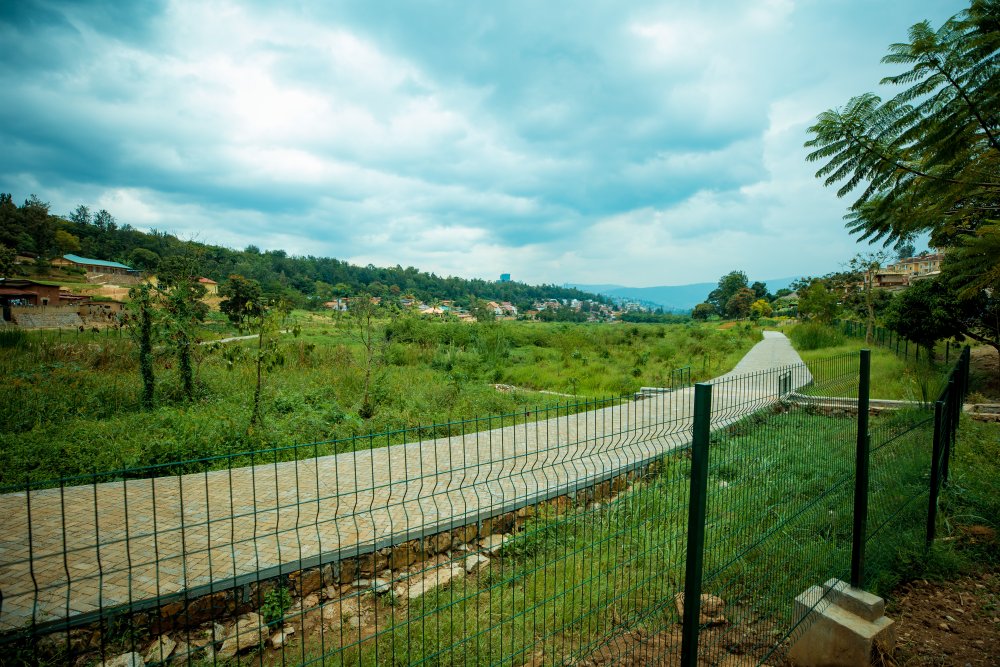
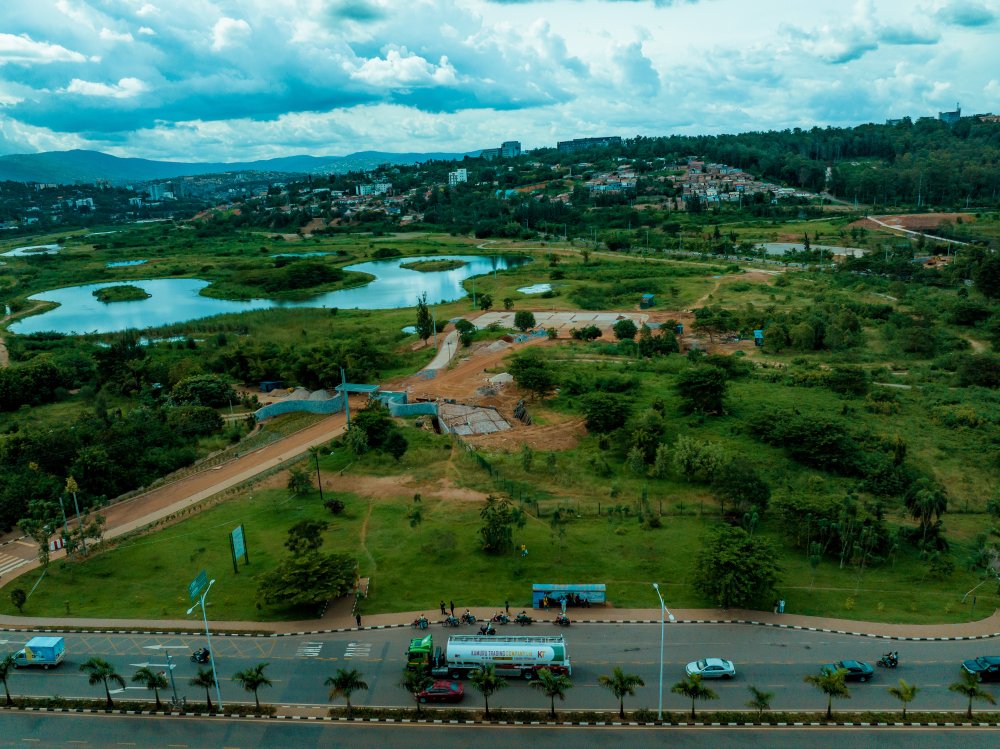
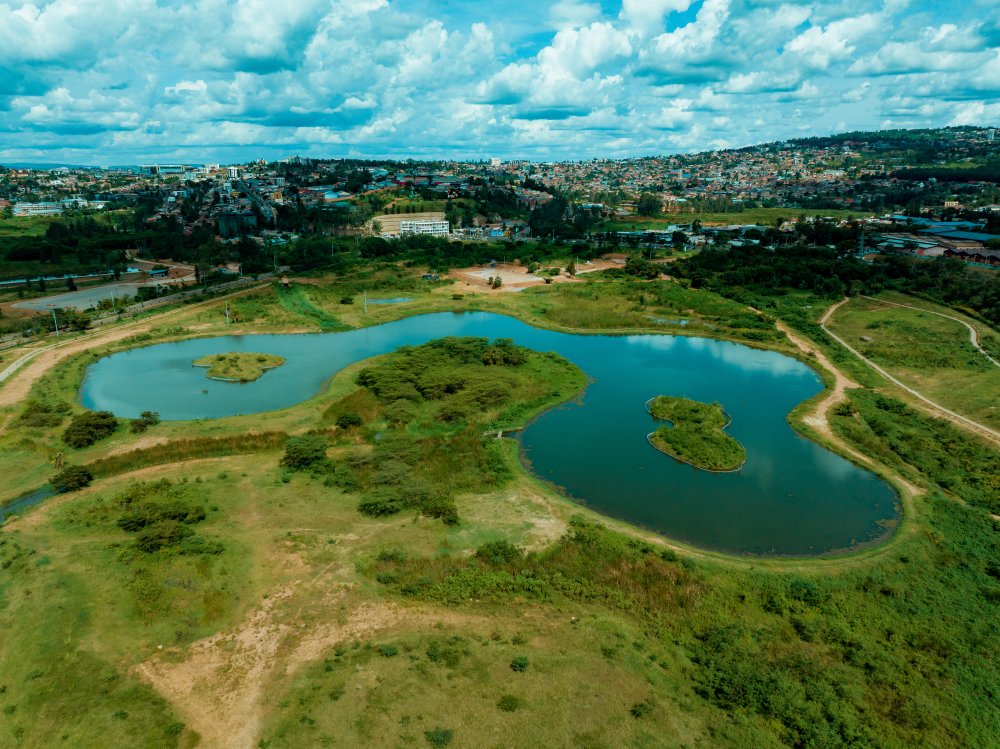
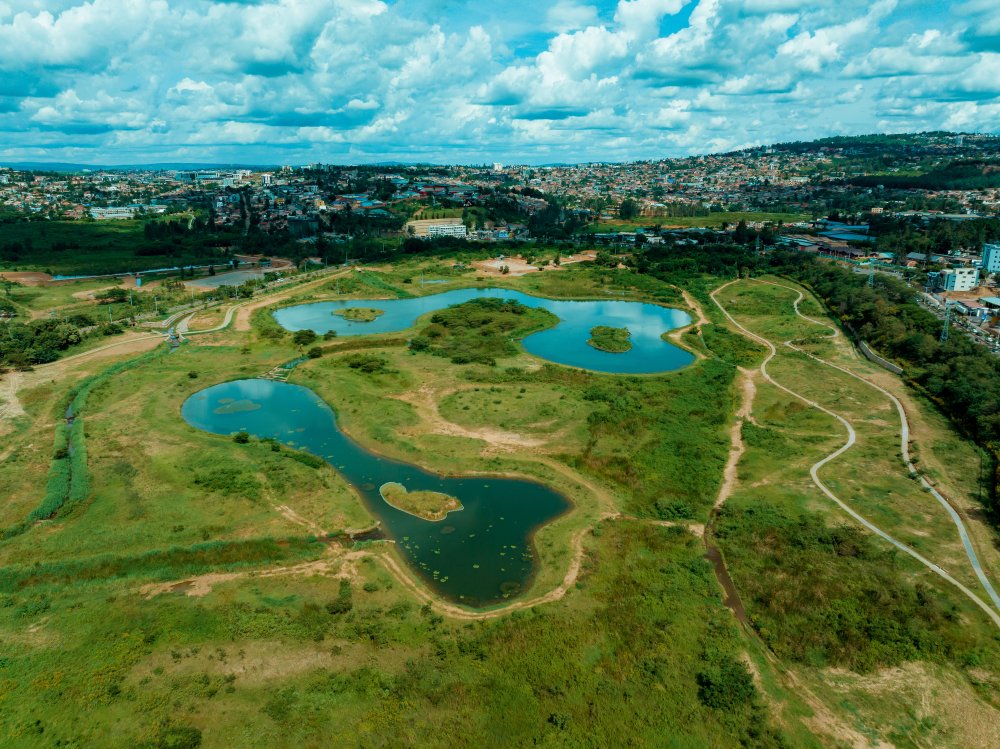
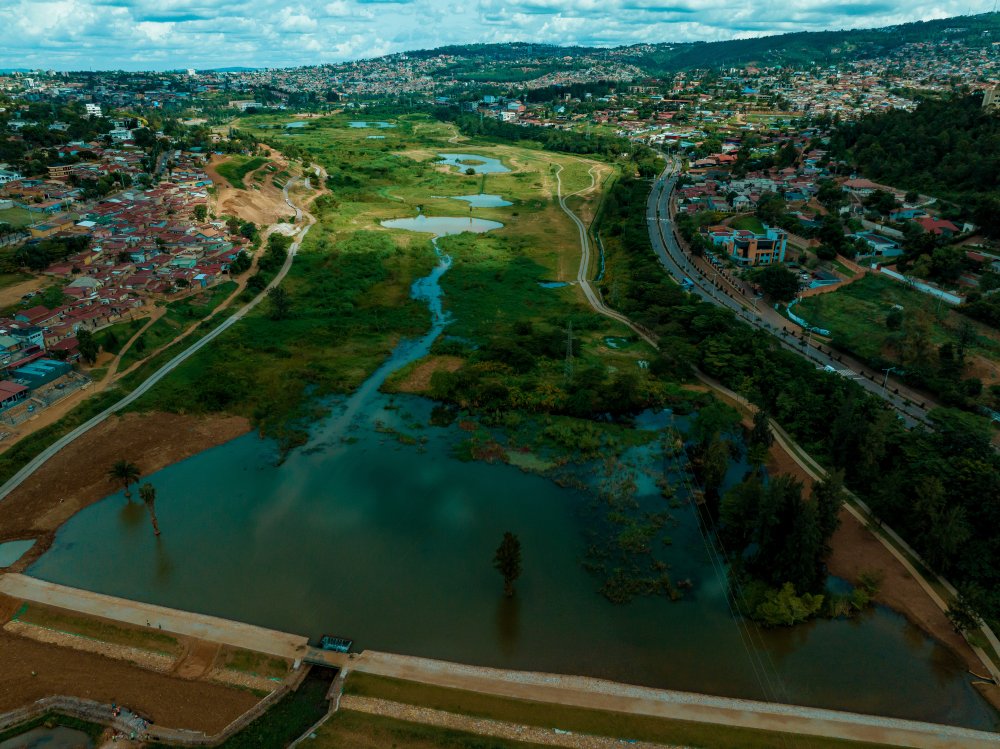
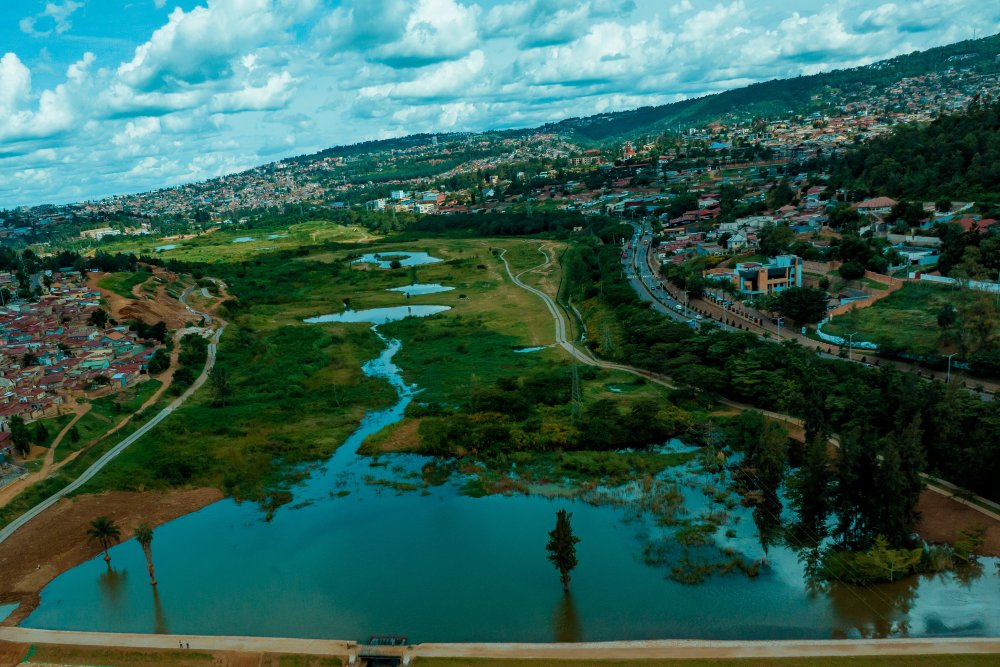
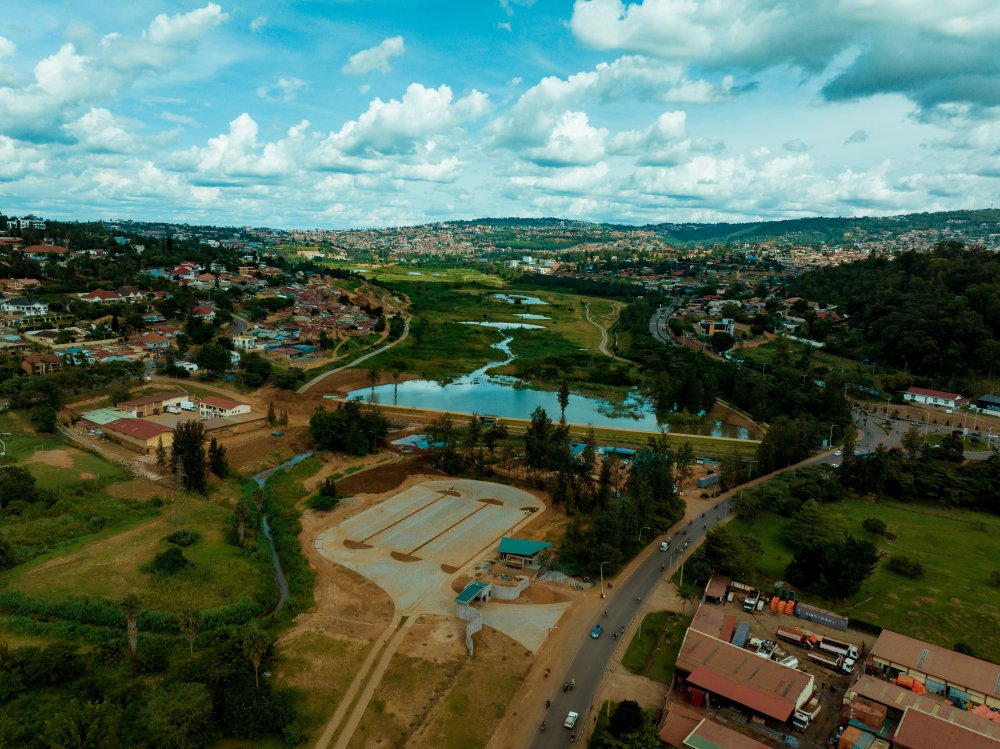
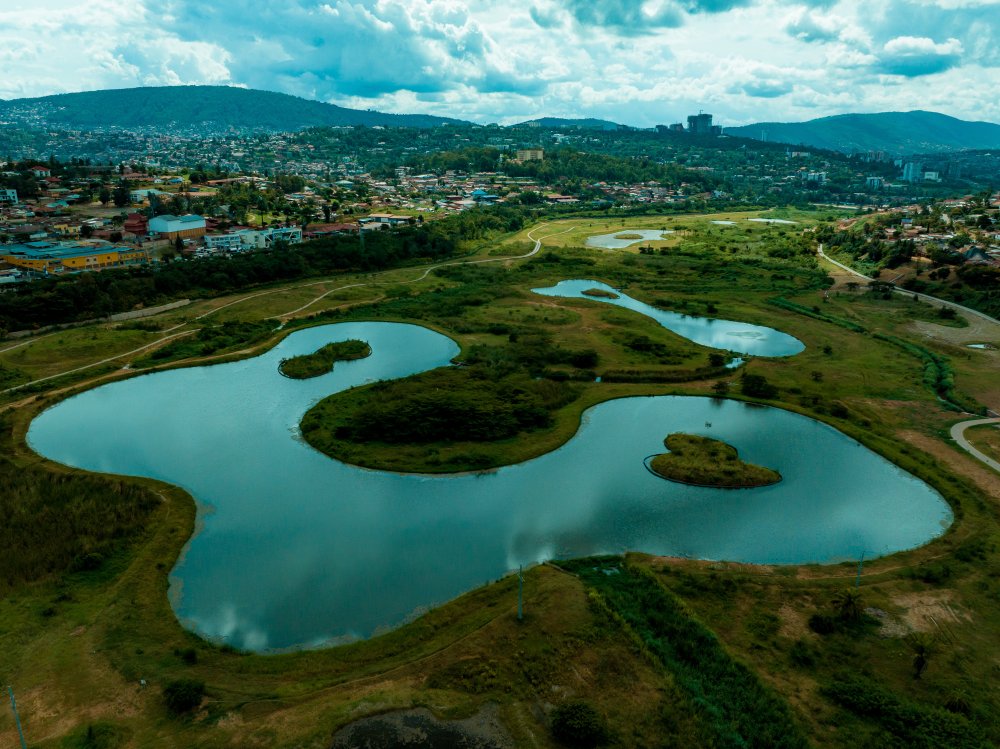
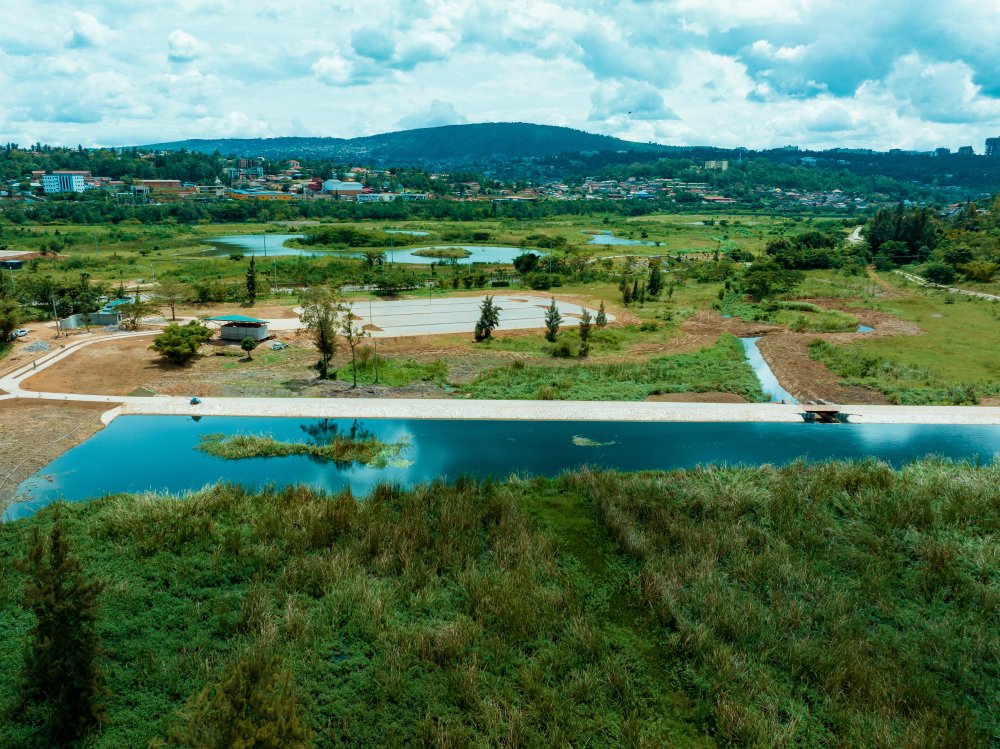
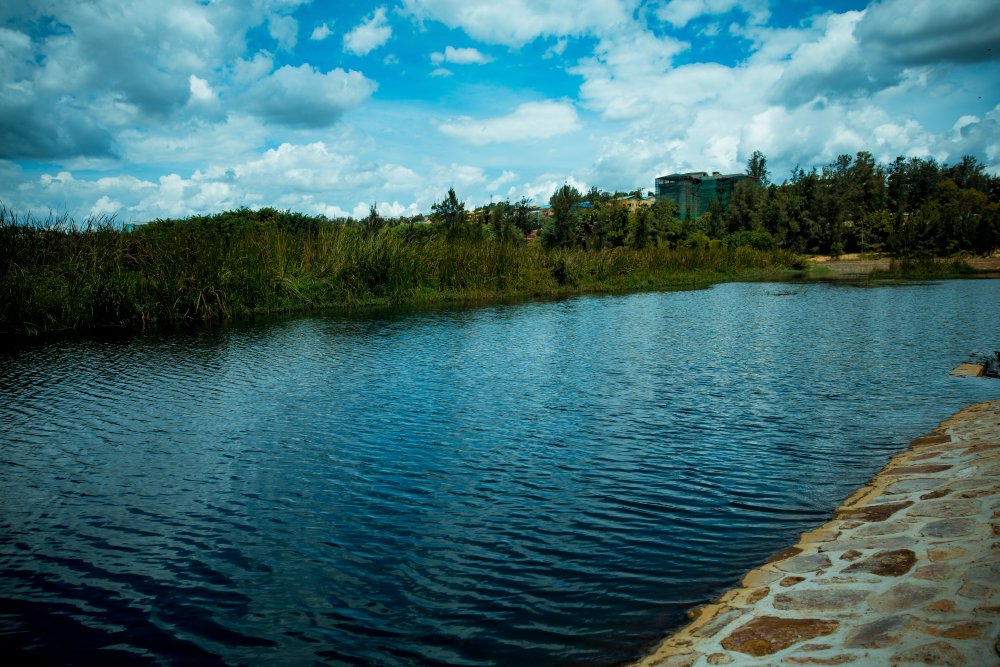
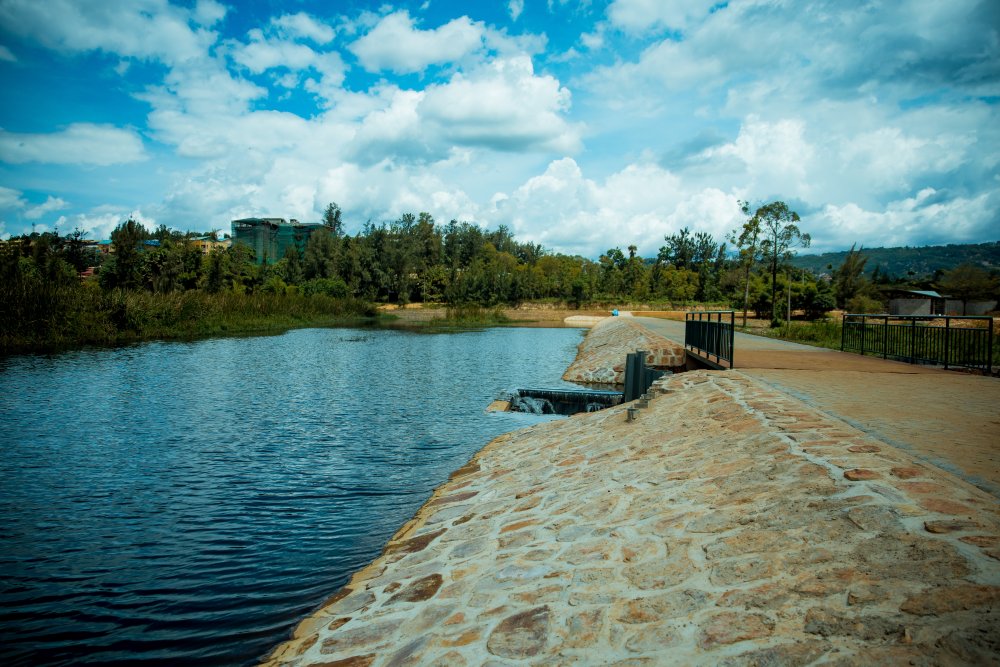
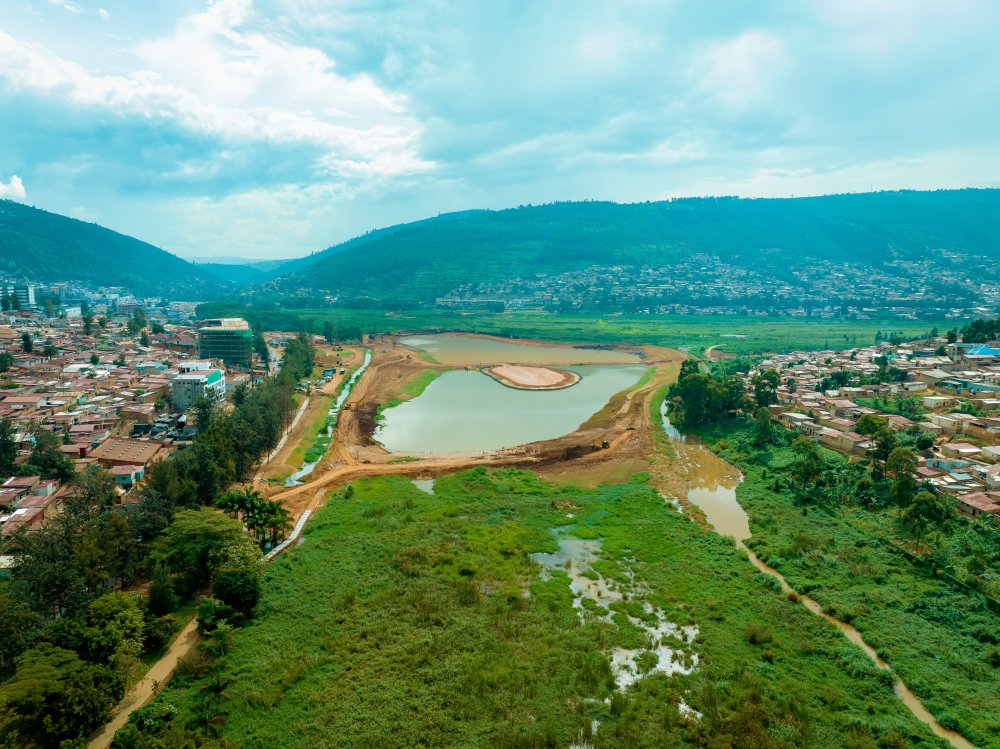
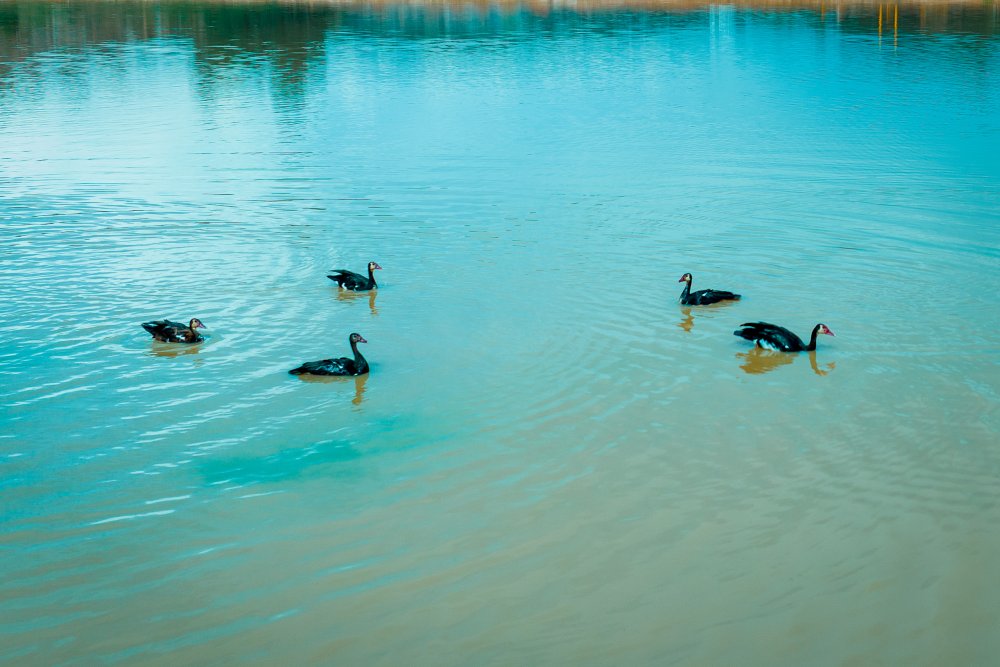
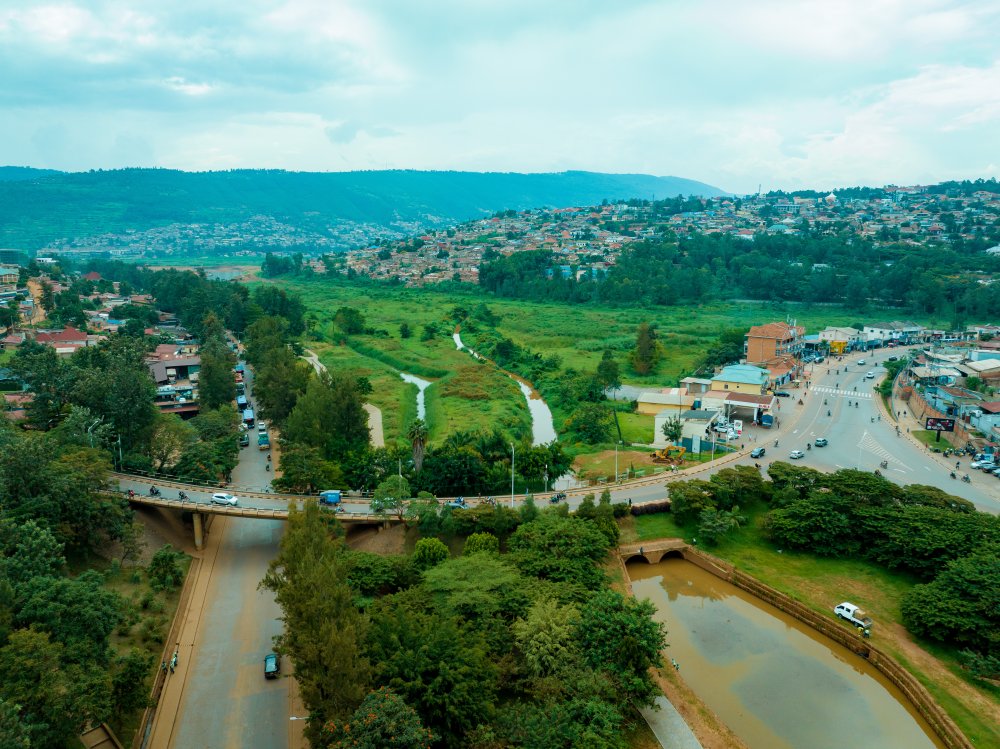
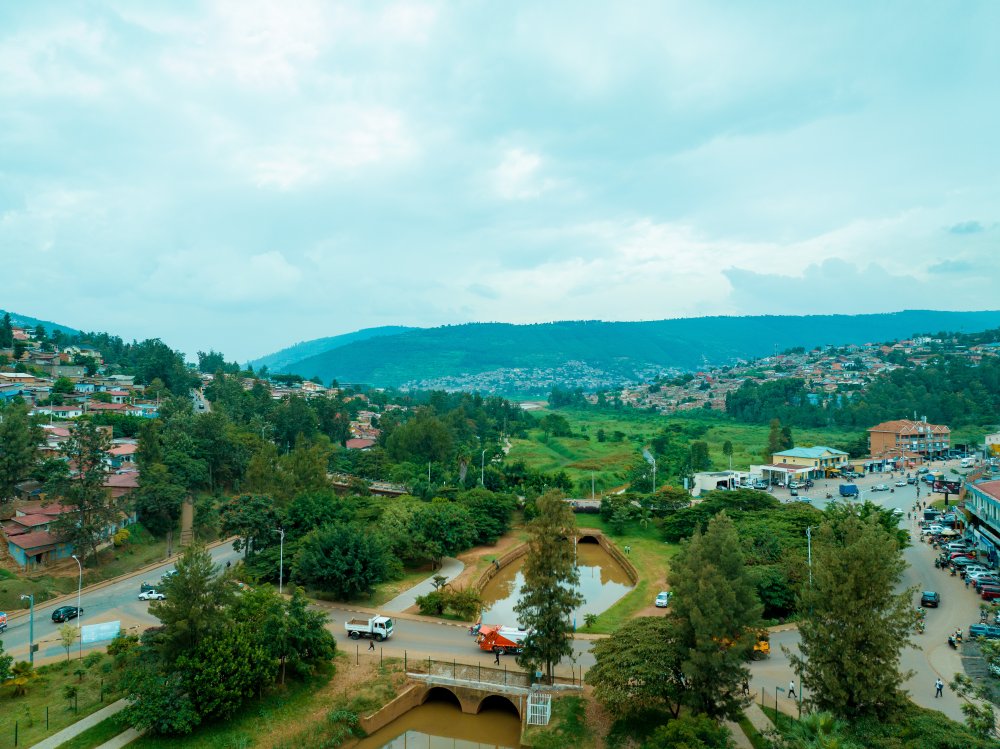
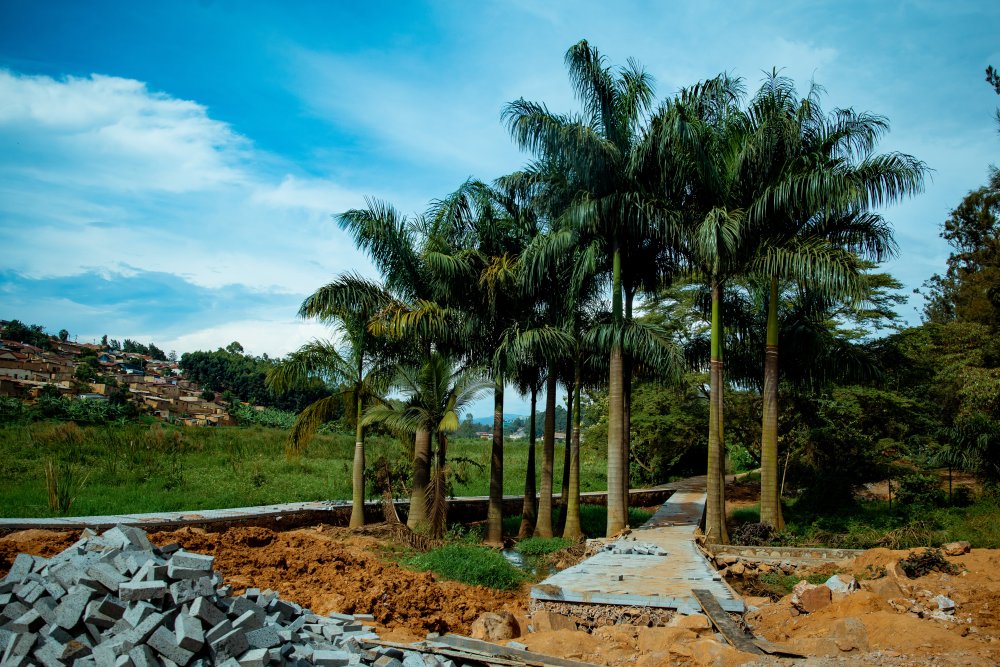
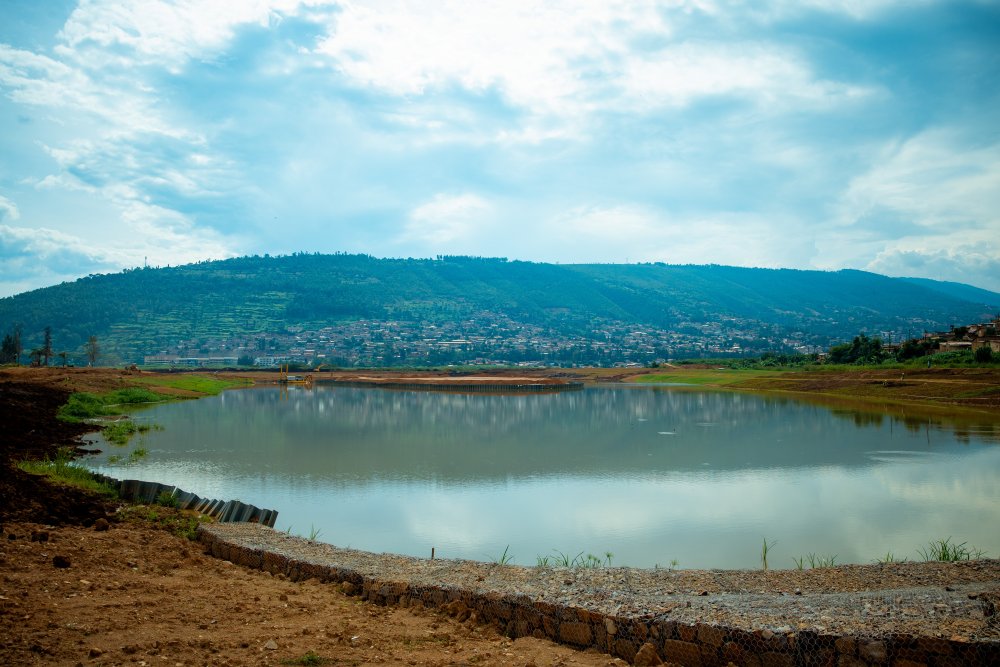
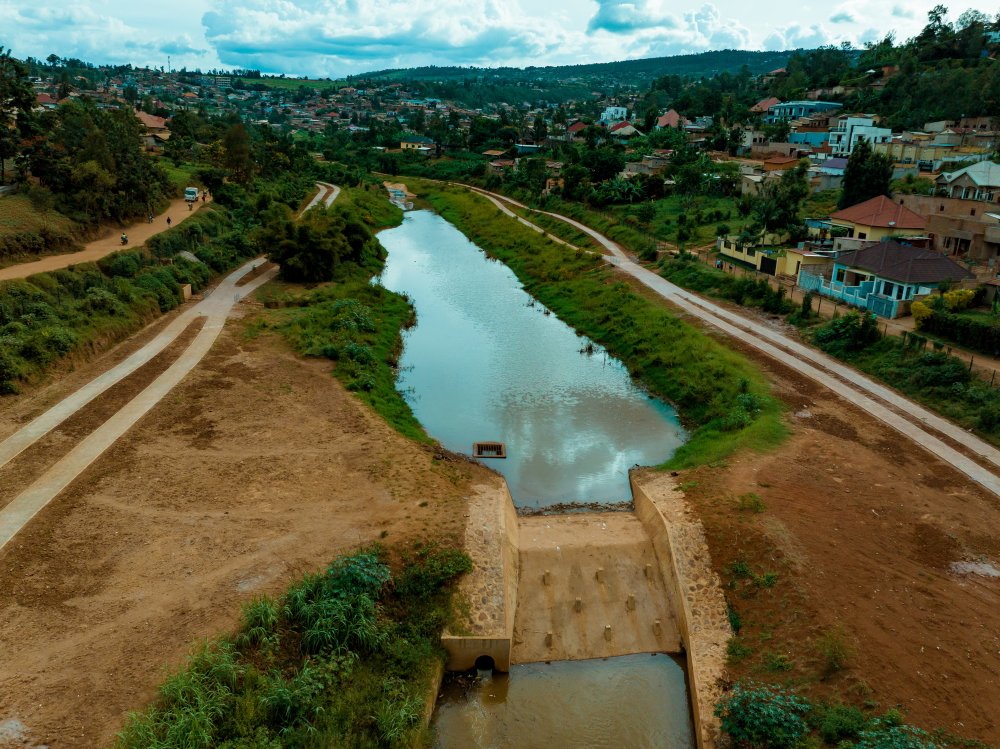
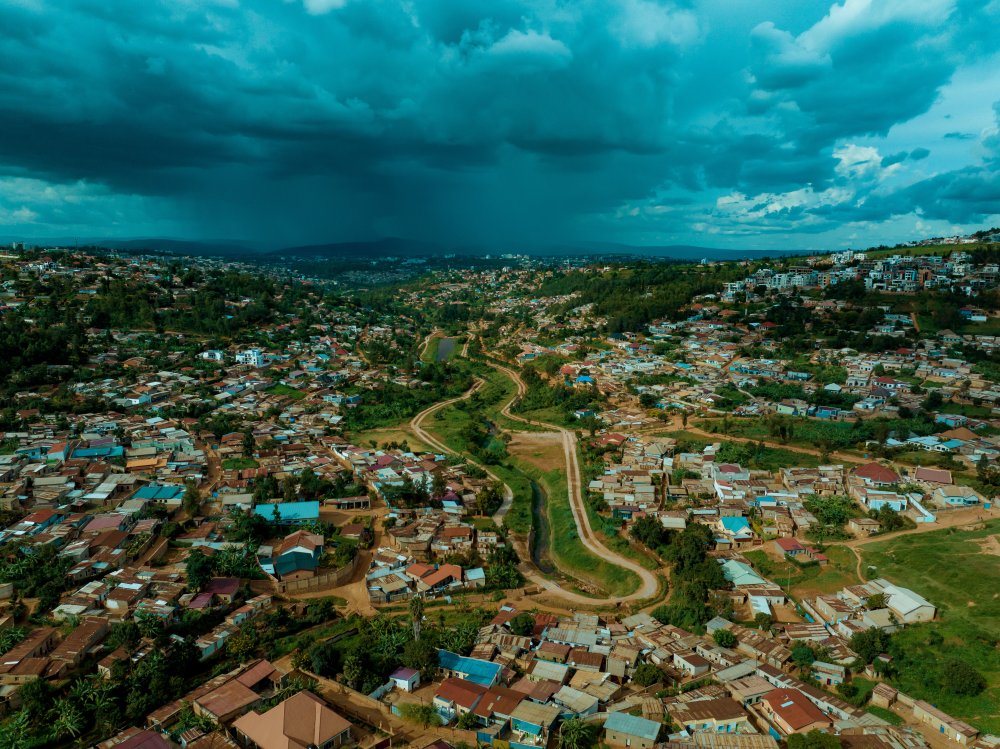
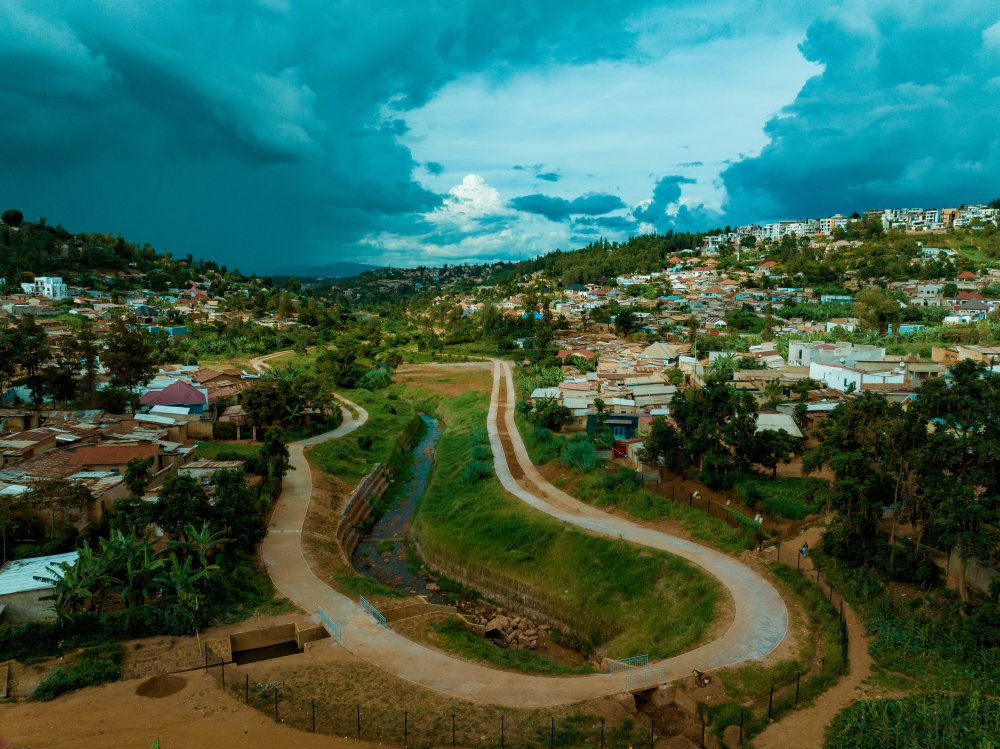
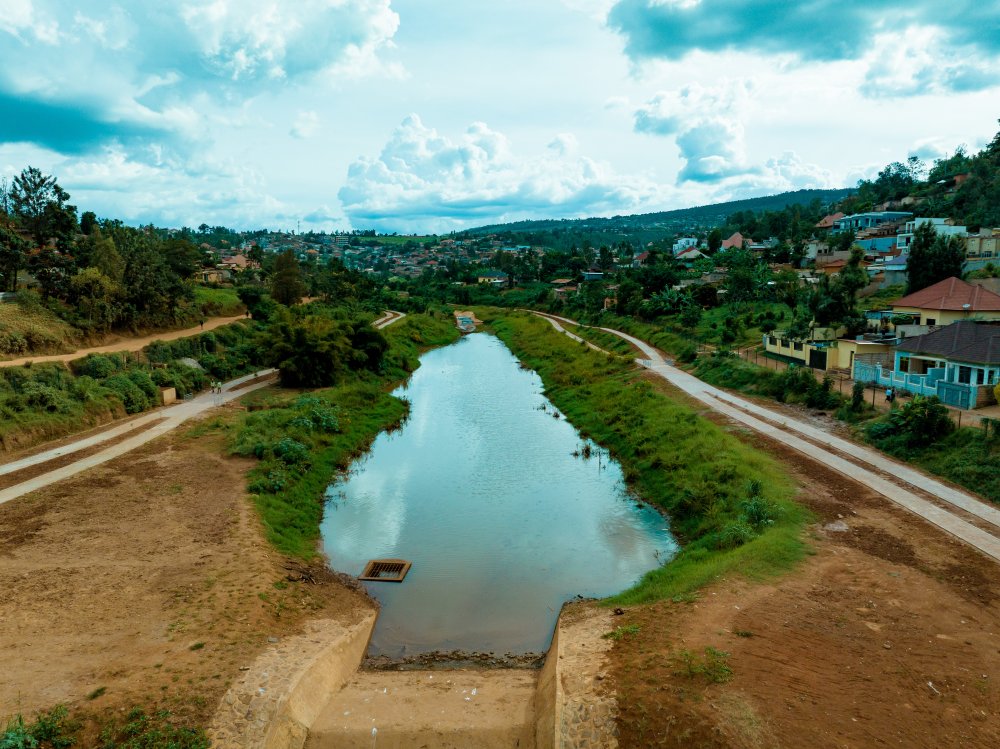
The initiative is expected to play a key role in environmental protection, flood mitigation, biodiversity conservation, improving air quality, and creating new recreational spaces for residents.
The wetlands under restoration include Gikondo (162 hectares), Nyabugogo (131 hectares), Kibumba (68 hectares), Rwampara (65 hectares), and Rugenge-Rwintare (65 hectares). Together, they cover a total area of 491 hectares and are expected to significantly transform Kigali’s urban landscape.
In a statement issued on Thursday, MININFRA announced that implementation of the first phase of the project had reached 94 percent.
Information obtained by IGIHE indicates that the remaining six percent of the work includes the construction of visitor information facilities that will be used by staff assisting tourists and visitors, as well as final landscaping and beautification activities.
While overall progress stands at 94 percent, implementation levels vary across the five wetlands. Rwampara is closest to completion, while Nyabugogo remains the least advanced due to ongoing works related to the development of lakefront areas.
Construction of sports facilities planned within some of the wetlands has also advanced considerably.
The entire project is expected to be completed by August 2026.
The restoration works are being carried out by Real Contractors Limited in partnership with NPD, another construction company operating in Rwanda.
Distinct identities for each wetland
Each wetland has been assigned a unique theme and purpose.
Gikondo Wetland is being developed as a tourism and leisure destination, showcasing Rwanda’s natural attractions. The site will feature libraries, restaurants, and dedicated relaxation areas.
Rugenge-Rwintare Wetland will host a five-hectare water reservoir that collects runoff from the Rwampara and Gikondo wetlands. The site is intended to highlight Rwanda’s progress in environmental conservation.
Kibumba Wetland is being developed around fisheries and aquatic ecosystems. It will include a series of ponds, flower gardens, and an exhibition facility dedicated to Rwanda’s fishing sector.
Meanwhile, Nyabugogo Wetland is being positioned as a center for research and education on biodiversity conservation and ecosystem protection.
Supporting climate resilience and urban well-being
Beyond their environmental role, the wetlands are expected to help address flooding in Kigali, preserve biodiversity, and naturally filter water flowing into the ecosystem.
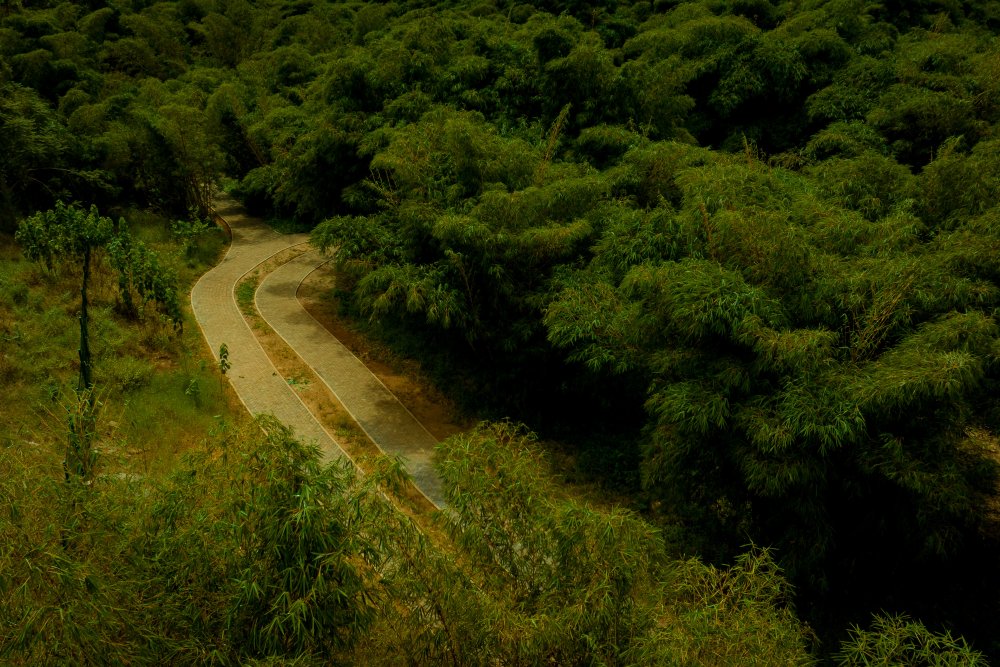
Once completed, the wetlands will feature a combined 61.5 kilometres of pedestrian and cycling paths. Gikondo will have 16.9 kilometres of trails, Rugenge-Rwintare 15.5 kilometres, and Rwampara 10 kilometres.
The sites are also being designed as recreational and sports hubs to provide residents with spaces for leisure and physical activity.
Planned sports facilities
Kibumba Wetland will accommodate two football pitches, while Gikondo will have one and Rwampara two.
Basketball facilities will include two courts at Kibumba, one at Gikondo, and one at Rugenge-Rwintare.
Volleyball infrastructure will comprise two courts at Kibumba, one at Gikondo, and one at Rugenge-Rwintare.
Handball courts will be established at both Gikondo and Rwampara, with one court at each site.
With completion targeted for August 2026, the restored wetlands are expected to become key environmental, educational, tourism, and recreational assets for Kigali.
The six-month strategy, spanning June to November 2026, aims to mobilise 518 million U.S. dollars to scale up rapid detection, cross-border surveillance, and containment measures across the region.
The intervention follows the declaration of the outbreak as a Public Health Emergency of International Concern by the WHO on May 16, 2026, a day after both the Democratic Republic of the Congo and Uganda confirmed localised transmission.
Currently, there are no licensed vaccines or approved therapeutics specifically targeting the Bundibugyo species of the virus, making rigorous public health infrastructure and early symptomatic care the primary lines of defence.
In the Democratic Republic of the Congo, health authorities have documented 381 confirmed cases and 64 deaths across 25 health zones in three provinces. The vast majority of the caseload is concentrated in Ituri province, which accounts for 359 cases and 50 deaths, while North Kivu has recorded 19 cases and South Kivu has registered three.
Frontline teams in the country are currently monitoring more than 4,000 active contacts alongside 116 suspected cases under investigation.
The virus has also crossed international borders into neighbouring Uganda, where 15 confirmed cases and one death have been reported, primarily concentrated within urban pockets of Kampala and Wakiso. At least 12 individuals remain hospitalised under strict isolation protocols, while response teams track 668 identified contacts.
Operational challenges in the field remain high, particularly in eastern DRC, where response efforts are consistently complicated by localised insecurity, population displacement, and dense informal mining networks.
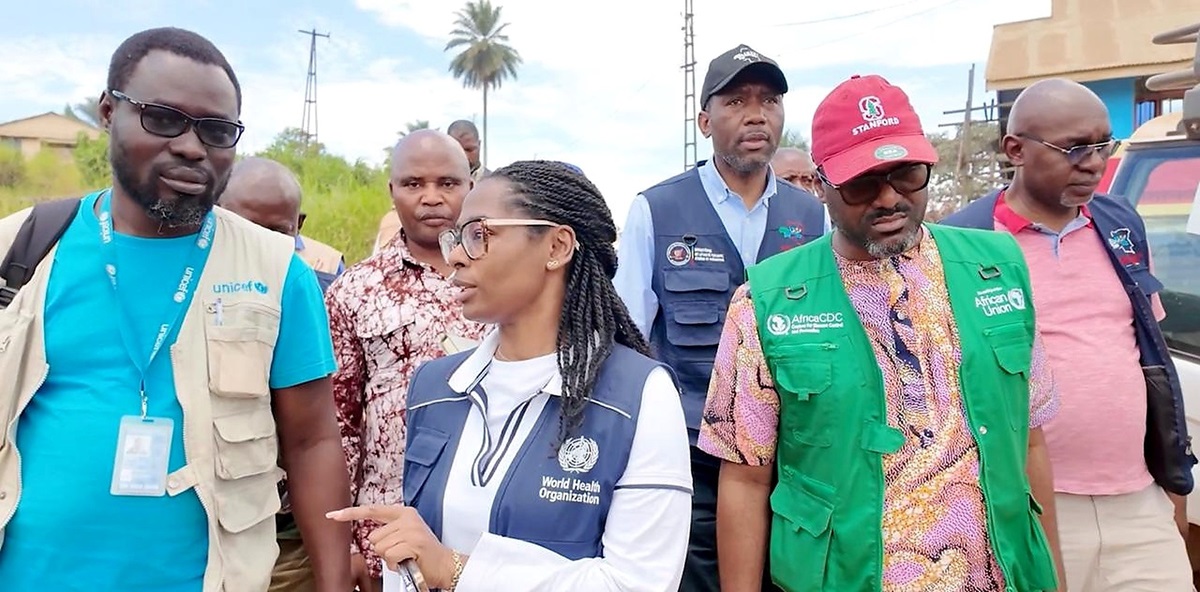
Addressing a joint press conference, WHO Director-General Dr. Tedros Adhanom Ghebreyesus emphasised that control depends entirely on a unified mechanism.
He noted that the only way to beat this outbreak is through close partnership under the leadership of the affected nations, guided by a single plan, budget, and team.
He added that containing Ebola relies heavily on political commitment, sustained financing, and community trust, warning that without active local participation, contact tracing falters and transmission continues.
The operational framework coordinates efforts under a unified “One Response” approach. Resources from the budget will be utilised to strengthen emergency coordination, improve diagnostic laboratory capacities, secure local clinic infection controls, and optimise logistics.
To prevent a wider regional fallout, international partners have already begun accelerating regional logistics, including a 45-ton delivery of emergency medical cargo, diagnostics, and personal protective equipment mobilised via regional coordinating channels.
Africa CDC Director-General Dr. Jean Kaseya noted that because Ebola moves fast, the continent must move faster.
He stated that the joint plan provides a clear framework to act with speed and unity to save lives, support affected states, and shield neighbouring communities. The strategy also outlines critical readiness protocols for 10 adjacent, high-risk priority countries to ensure early detection if the virus spreads further.
While health officials have urged member states to increase screening and public health measures at points of entry, the WHO currently assesses the global risk as low. The agency maintains a high alert status at national and regional levels but continues to advise against any international travel or trade restrictions.
The operational framework coordinates efforts under a unified “One Response” approach. Resources from the budget will be utilised to strengthen emergency coordination, improve diagnostic laboratory capacities, secure local clinic infection controls, and optimise logistics.