The investment, announced on June 22, follows Spiro’s earlier $215 million equity funding round backed by a consortium of institutional, international and regional investors. The latest financing reinforces investor confidence in Africa’s rapidly growing electric mobility sector and positions Spiro among the continent’s best-funded clean energy and e-mobility companies.
The company said the fresh capital will accelerate the expansion of its battery-swapping network, manufacturing capabilities and next-generation EV infrastructure across high-growth African markets.
Spiro currently operates in seven countries, Rwanda, Kenya, Uganda, Nigeria, Benin, Togo and Cameroon, where it is helping replace fuel-powered motorcycles with electric alternatives.
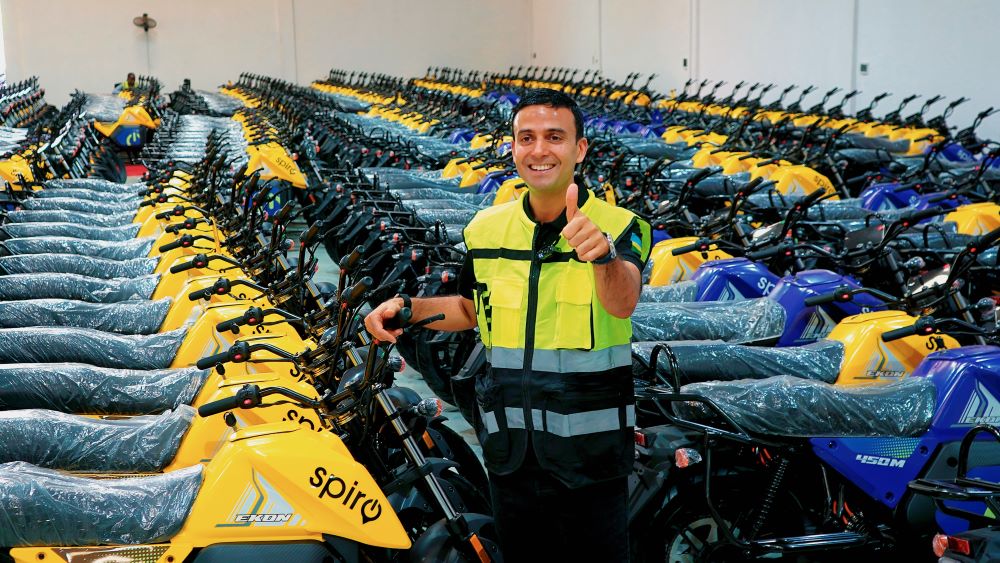
The company has deployed more than 100,000 electric motorcycles, established over 2,500 battery-swapping stations and completed more than 30 million battery swaps, making it Africa’s largest operator of battery-swapping infrastructure for electric two-wheel vehicles.
Spiro has deployed more than 100,000 electric motorcycles across its seven markets.
Beyond expanding its network, the partnership with NewTrails Capital is expected to strengthen Spiro’s manufacturing ambitions by supporting the localisation of production and supply chains in Africa, particularly through collaboration with Chinese suppliers.
Spiro Founder and Chairman of Equitane, Gagan Gupta, welcomed the investment, saying it reflects growing confidence in the company’s vision and progress.
“Partnering with NewTrail Capital’s deeply experienced team marks a powerful new chapter for Spiro as we prepare for the next steps of our pan-African and international expansion”, he stated.
NewTrails Capital Founding Partner Yufan Zhang said the investment reflects the firm’s confidence in Spiro’s business model and long-term prospects.
“Spiro’s core strengths lie in its deeply localized operating capabilities, vertically integrated supply chain, digitally enabled ecosystem, sound unit economics, and strong ability to scale rapidly,” Zhang noted.
The latest financing reinforces investor confidence in Africa’s rapidly growing electric mobility sector and positions Spiro among the continent’s best-funded clean energy and e-mobility companies.
Zhang added that the company has successfully integrated electric vehicles, batteries, energy replenishment, payments and service networks into a solution tailored to African markets, and that Chinese financing and supply chains can play an increasingly important role in supporting Africa’s clean energy transition.
The investment comes as many African countries seek to reduce dependence on imported fossil fuels, strengthen energy security and modernise urban transport systems. It also highlights increasing global investor interest in scalable EV infrastructure across the continent.
Founded to accelerate Africa’s transition to clean mobility, Spiro is expanding regional production and assembly operations with the goal of manufacturing electric vehicles in Africa for African and international markets.
Beyond expanding its network, the partnership with NewTrails Capital is expected to strengthen Spiro’s manufacturing ambitions by supporting the localisation of production and supply chains in Africa, particularly through collaboration with Chinese suppliers.
The 6-foot-10 former Tennessee Volunteers forward, who is a projected lottery pick, expressed deep pride in his Rwandan heritage and praised the explosive growth of the sport in his mother’s homeland.
Ament, who is just days away from hearing his name called in the draft, described a mix of excitement and reflection as the big moment approaches.
“Super excited, definitely a little reflective of just all I’ve gone through in my basketball process. You know, it was funny when I’m in, like inviting the people to come out and celebrate with me and watch,” he said.
“I just, you know, think about how much they’ve impacted my career and how much they helped me. I just want to give, you know, a bunch of thanks to those people.”
When asked which NBA teams have shown the most interest in him during the pre-draft process, Ament revealed the franchises he has worked out for.
“Well, I’ve only done four workouts. I’ve done Chicago, Brooklyn, OKC, and the Clippers. So they’ve shown a lot of love.”
With draft projections placing him around the top 10, including a mock selection to the Milwaukee Bucks, Ament said draft position matters less than impact.
“Honestly, I mean, for me, it’s just, you know, the fit, wherever I get drafted, I could, it doesn’t really matter, you know, if I get drafted high or low, I just want to be able to come in and impact the game immediately. So that sounds good to me as long as I’m playing.”
The young star, who grew up admiring Kevin Durant and Russell Westbrook, said the Oklahoma City Thunder trio of Durant, Westbrook, and James Harden was especially influential in his development.
“I was a big KD guy. I loved KD and I also love Russell Westbrook. I loved that OKC team when they had the KD. I had him, Harden, and Russ. That was my favourite team.”
Asked what it would feel like to face Kevin Durant in the NBA, Ament admitted it would be a surreal moment.
“It would be surreal. I mean, I’ve studied so much from his game. We’re from the same area and you hear about, you know, stories about him and, you know, how competitive he was in high school and then all the way into where he is now. So that would just be a surreal moment.”
He also shared a light-hearted remark about his college coach, Rick Barnes, who previously coached Durant at Texas.
“He’ll make comparisons to say that I’m not like KD. He’ll try to make fun of me and try to say like I’m not there yet and light a fire under my butt. But no, he’s great.”
One of the most notable aspects of Ament’s story is his strong connection to Rwanda through his mother’s side of the family.
“Yeah, my mother was born and raised there. I’m half Rwandan. My mom’s brother lives out there.”
Reflecting on his visits to Rwanda, he said each trip has helped him better understand his heritage.
“It’s great. I mean, it’s a different story each time. Just getting older and me being able to understand more about the country. But not only do I learn more about the country, I learn more about my family and our lineage and just what it means to be Rwandan.”
When asked directly whether he would consider playing for Rwanda’s national team, Ament did not hesitate.
“I would entertain it for sure, for sure. I mean, basketball is huge in that country and it means so much to their fans and their community. So I would definitely entertain it.”
Beyond basketball, Ament also spoke about his sporting versatility, including golf, soccer, and a memorable experience working with professional golfer Bryson DeChambeau.
“Yeah, he signed a Reebok, so am I. So it was, they kind of set it up for me. It was great. I don’t know if you saw that video, but I broke his driver. So that was, it was kind of awkward, but no, it was great.”
Explaining the incident, he added humorously:
“Well, it wasn’t his driver. He would never let me use his driver because he’s going to play with it in the tournament. It was the clubhouse’s driver, but he was just teaching me swings. And he was like, this was like my last swing before we had to get going. He was like, I just want you to give everything you have on this swing, let it rip. And I think I let it rip a little too hard and the driver had to go off.”
Despite the mishap, Ament said the experience was motivating.
“IT definitely motivated me a lot. I haven’t played in a minute, so we’ll see next time I get out there, but it definitely motivates me to keep going.”
As the NBA Draft approaches, Ament says he is ready for the next chapter of his career, wherever it begins.
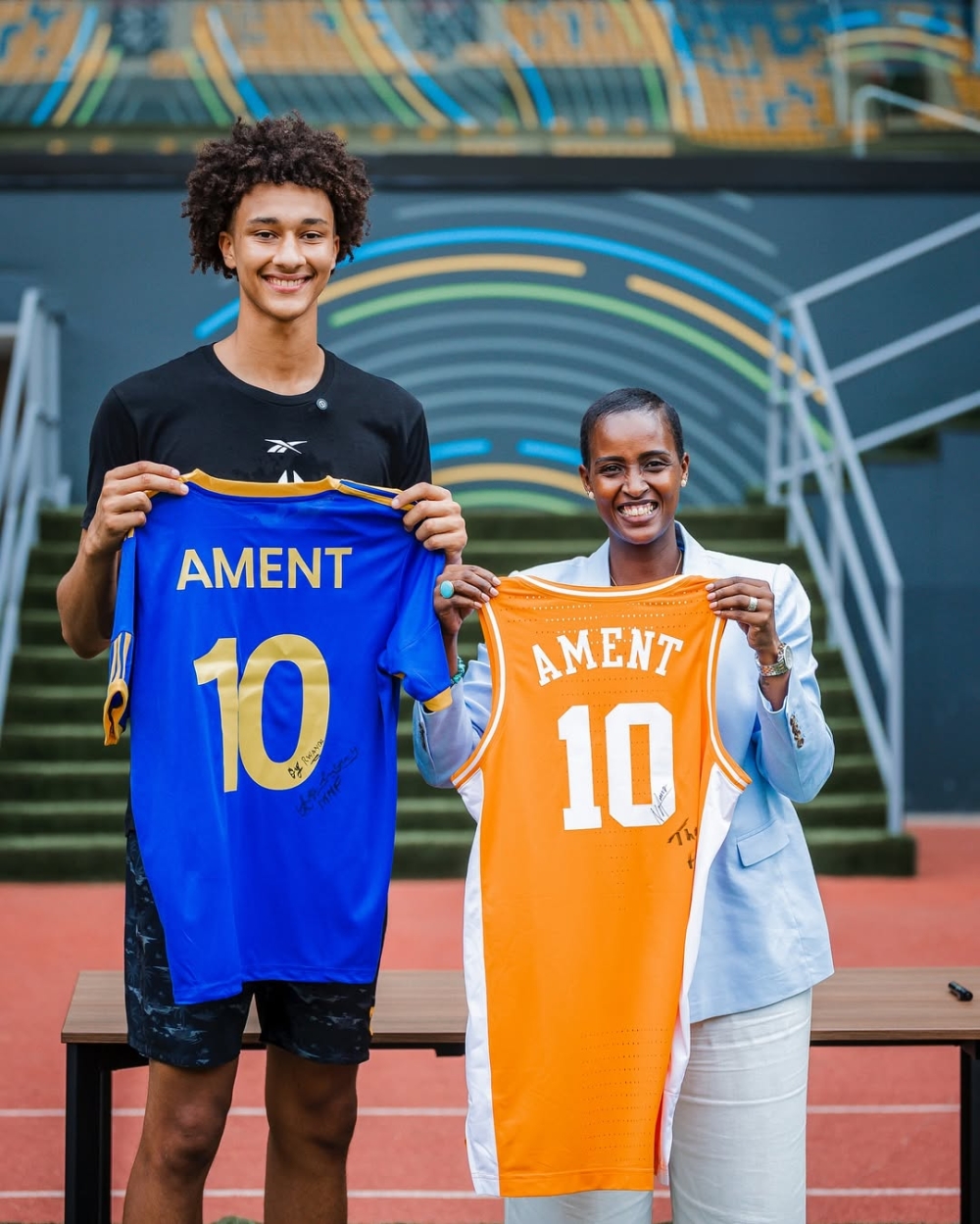
Nate Ament has expressed openness to representing Rwanda ahead of the 2026 NBA Draft.Rwandan-American NBA prospect Nate Ament exchanged jerseys with Sports Minister Nelly Mukazayire during a weeklong visit to Rwanda, his mother’s homeland, from August 9 to 13, 2025.
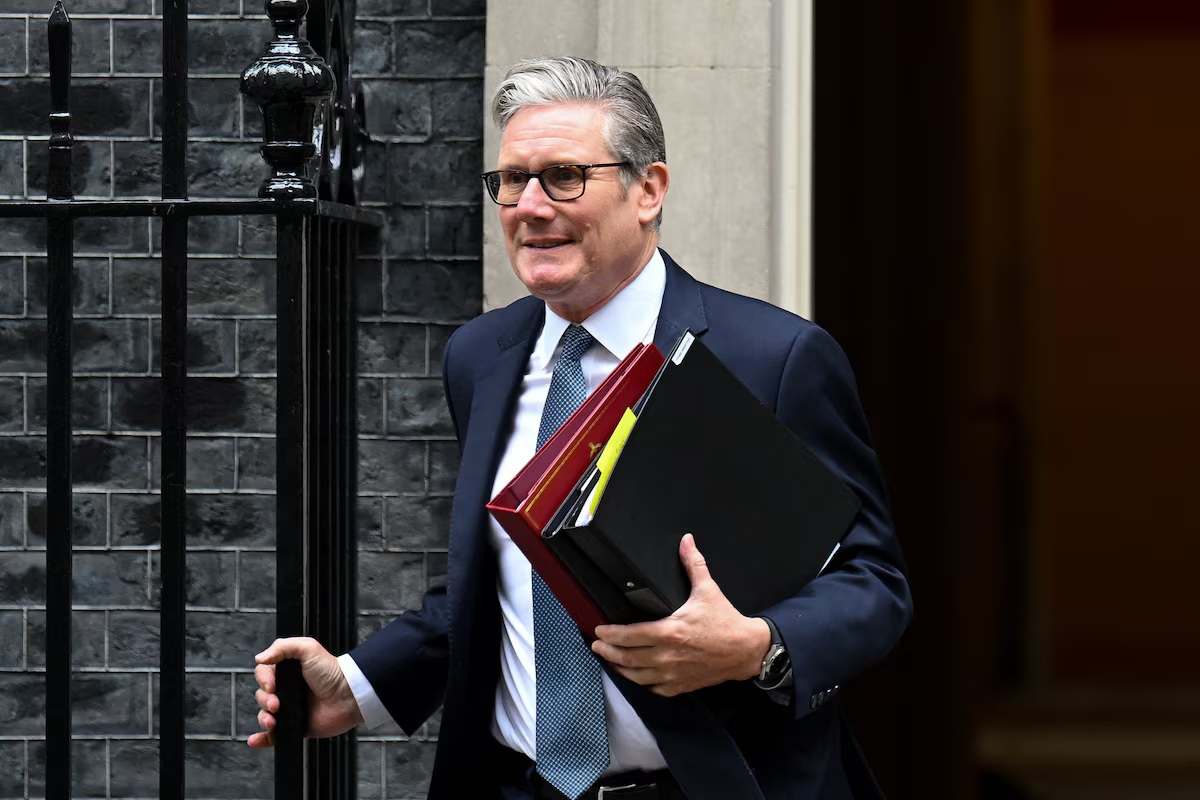
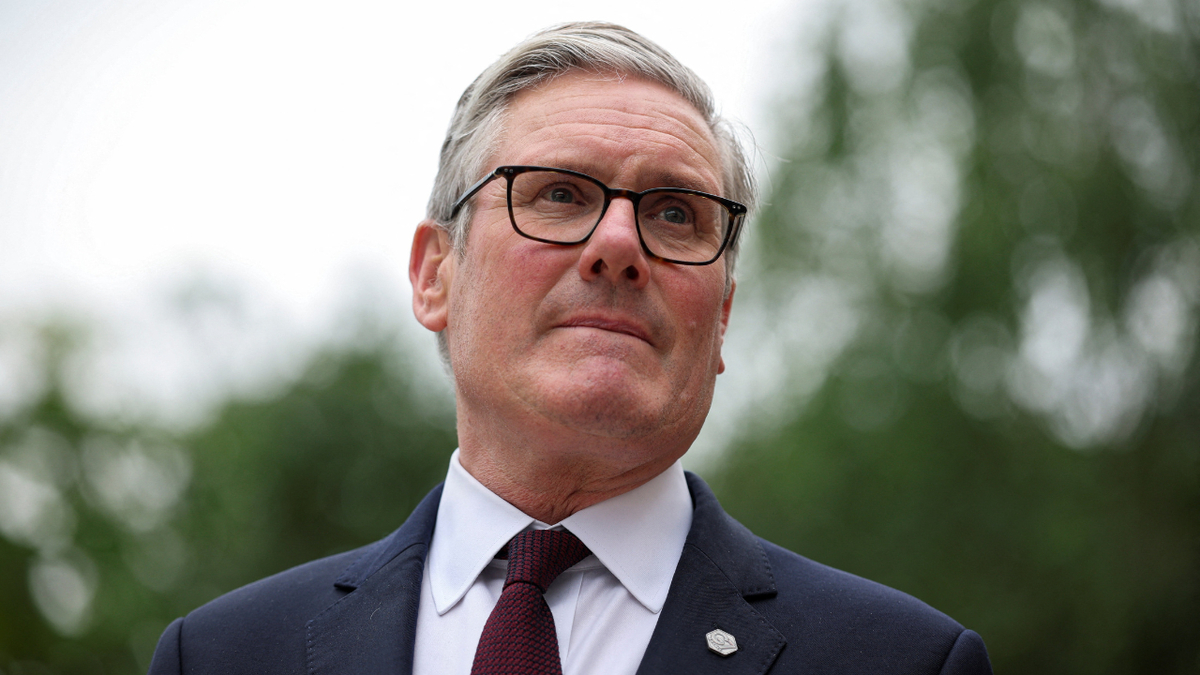
Starmer said he would step down as both prime minister and leader of the Labour Party, but would remain in office until the party elects a successor to ensure an orderly transition of power.
Speaking outside 10 Downing Street in London, an emotional Starmer described becoming prime minister as “the proudest moment of my life,” saying his government had helped restore Britain’s international standing, attract investment and strengthen workers’ rights.
However, he acknowledged that many Labour lawmakers no longer believed he was the right person to lead the party into the next general election.
“I have heard the answer from my parliamentary party. I accept that answer with good grace. I will resign as leader of the Labour Party,” he said.
Starmer’s resignation follows months of growing dissatisfaction within Labour after the party suffered heavy losses in local elections held in May. His government also faced criticism over fiscal policy, welfare reforms and a series of political controversies that weakened his standing among MPs and the wider public.
An Ipsos poll published last week found that 52% of Britons believed Starmer should step down, while only 35% wanted him to remain in office.
His departure comes less than two years after he led Labour to one of its biggest parliamentary majorities in the 2024 general election, ending 14 years of Conservative rule.
The resignation is expected to trigger a leadership contest that could make Britain home to its seventh prime minister in just 10 years. Former Greater Manchester mayor Andy Burnham, who recently returned to Parliament after winning a by-election, is widely viewed as the frontrunner, although other senior Labour figures could also enter the race.
The next prime minister will inherit significant economic challenges, pressure over public spending and an increasingly complex international environment.
For Rwanda, Starmer’s legacy is associated with his decision to cancel the UK-Rwanda Migration and Economic Development Partnership on his first day in office in July 2024. The agreement, signed under former Prime Minister Boris Johnson’s Conservative government in 2022, had sought to relocate some asylum seekers from the UK to Rwanda as part of efforts to deter illegal Channel crossings.
Although Starmer scrapped the policy, his government continued to face criticism over rising irregular migration, an issue that remained politically sensitive throughout his premiership.
Political analysts say the outcome of Labour’s leadership contest could influence the party’s future direction on immigration, public spending and foreign policy as it seeks to rebuild public confidence ahead of the next general election.
Starmer’s departure comes less than two years after he led Labour to one of its biggest parliamentary majorities in the 2024 general election, ending 14 years of Conservative rule.
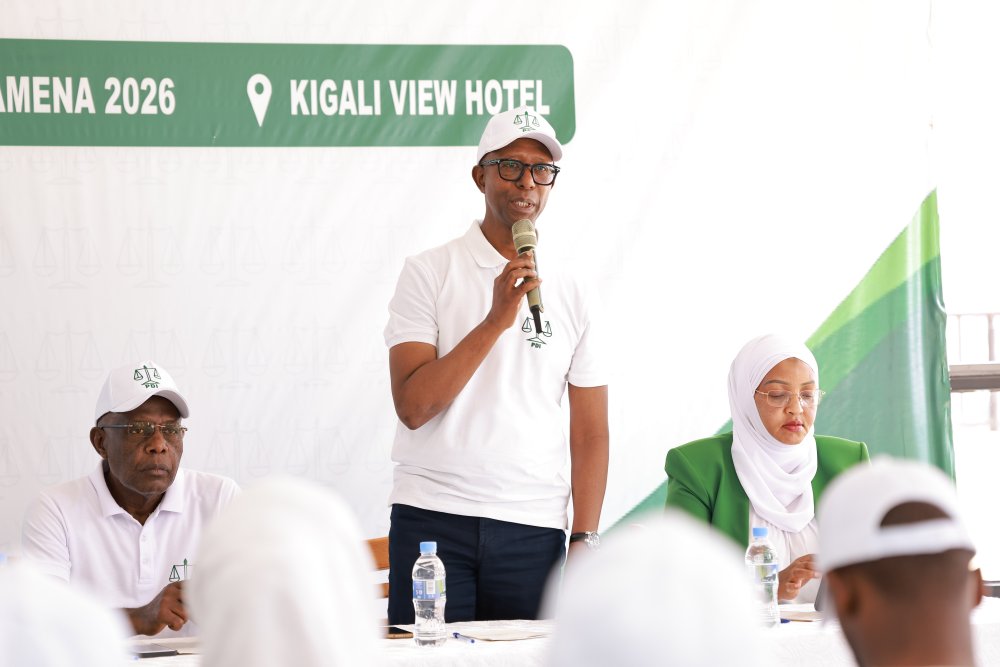
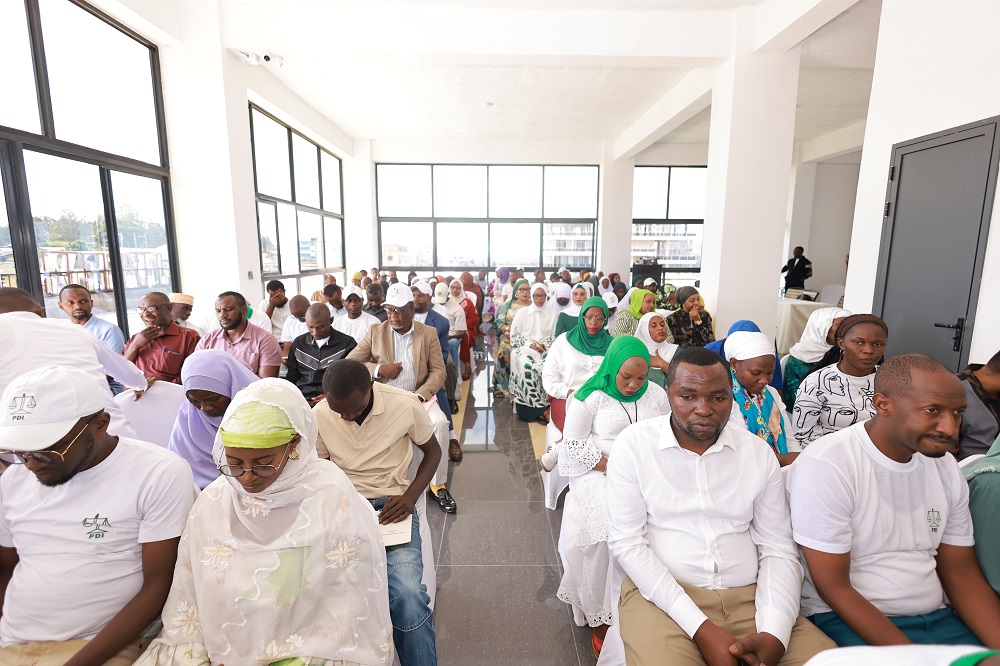
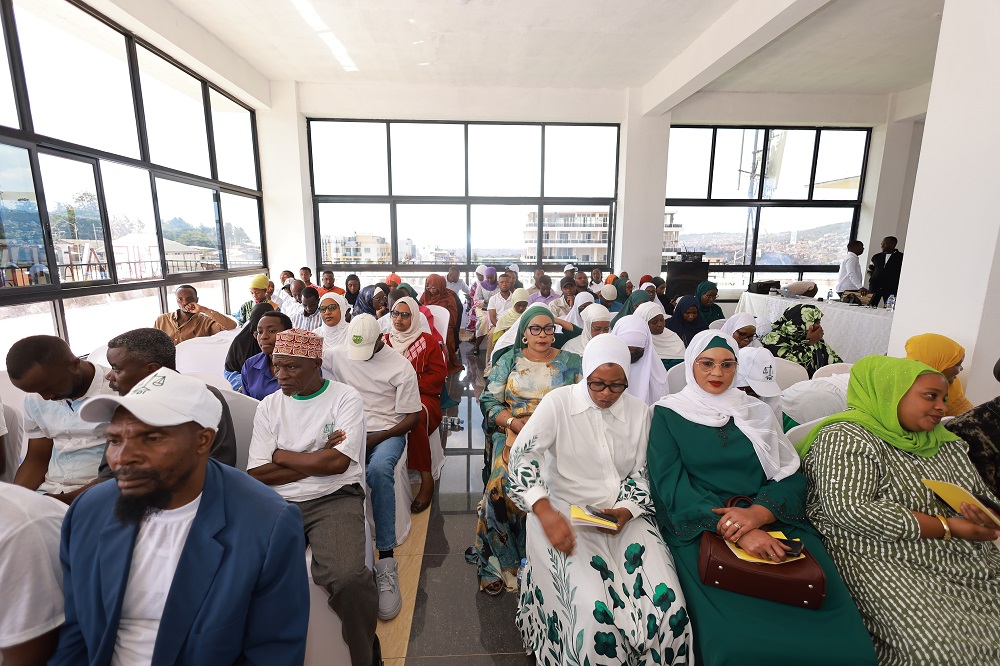
He made the remarks while opening the General Assembly of the Ideal Democratic Party (PDI), held on June 21, 2026.
Addressing party members, Harerimana reflected on Rwanda’s difficult history, marked by poor governance and ethnic discrimination under both the First and Second Republics.
He noted that instead of focusing on national development, past leaders were preoccupied with marginalizing and persecuting Tutsis, whom they regarded as enemies.
“Rather than developing the country, the focus became discrimination and division. Schools were limited and accessible to only a few, while healthcare services were largely unavailable. The government’s main concern was how to continue oppressing Tutsis. Instead of discussing roads, hotels, or how to make use of Rwanda’s tourism potential, leaders were consumed by the question of how to target Tutsis,” he said.
Harerimana emphasized that when Juvénal Habyarimana came to power, many expected the poor governance practices established under Grégoire Kayibanda to change. However, he argued that only the leadership changed, while the governing ideology remained the same.
“He changed the leaders but not the system or its direction. Kayibanda was replaced, PARMEHUTU became MRND, but hatred against Tutsis, division, and discrimination continued to grow. The faces changed, but the policy remained unchanged,” he stated.
According to Harerimana, this poor leadership eventually led to the planning and execution of the 1994 Genocide against the Tutsi, with some of the political parties operating at the time playing a role in the atrocities.
He also highlighted the efforts of Rwandan refugees who chose to return to their homeland, formed the Rwandan Patriotic Front (RPF-Inkotanyi), liberated the country, and brought an end to the Genocide against the Tutsi.
Harerimana further noted that the Rwandan Patriotic Army (RPA), under the leadership of President Paul Kagame, not only stopped the genocide but also played a central role in rebuilding a country that had been devastated by the tragedy.
He stressed that, 32 years later, the achievements made since then are evident to everyone and that safeguarding them is the responsibility of every Rwandan.
“Our responsibility is to protect Rwanda’s achievements, development, and national unity. The progress we are praised for today did not happen by chance.
It is the result of good governance and the strong relationship between citizens and their leaders. That relationship makes it possible for guidance to be given and for its outcomes to benefit the population,” he said.
Harerimana went on to explain that PDI is guided by three key pillars: promoting good governance in Rwanda, ensuring that the fundamental principles outlined in Article 10 of the Constitution remain the foundation of national development, and advocating for President Kagame’s guidance to continue serving as a model for the country’s leadership.
He added that President Kagame’s advice and vision should continue to guide Rwanda both now and in the centuries ahead.
“The guidance of Baba wa Taifa should continue to serve as a light for Rwanda, not only today but for hundreds of years to come. As different administrations succeed one another, this vision should remain a guiding principle and a roadmap for the governance of our country,” he said.
The Ideal Democratic Party (PDI) was founded in November 1991 with the aim of defending the rights of people who faced discrimination at the time, including members of the Muslim community in Rwanda, who were often denied fundamental rights under the government of that period.
PDI refers to President Kagame as “Baba wa Taifa,” a Swahili term meaning “Father of the Nation” or “Parent of the Nation.” The title is typically given to individuals who have made exceptional contributions to their country. One notable example is Julius Nyerere, who was widely known by the same title in Tanzania.
According to Sheikh Mussa Fazil Harerimana, the party chose to refer to President Kagame as Baba wa Taifa because of what it considers his outstanding contributions to Rwanda and the transformative impact he has had on the lives of Rwandans.
Among the achievements he highlighted are national unity, security, and sustainable development in a country that emerged from one of the darkest chapters in its history the 1994 Genocide against the Tutsi.
The President of the Ideal Democratic Party (PDI), Mussa Fazil Harerimana, lauded President Paul Kagame’s leadership while opening the party’s General Assembly on June 21, 2026.Addressing party members, Harerimana reflected on Rwanda’s difficult history, marked by poor governance and ethnic discrimination under both the First and Second Republics.
Unveiled in Lagos by the Federal Ministry of Industry, Trade and Investment over the weekend, the initiative connects Nigeria to key regional markets including Kigali, Lusaka and Harare, while also offering improved access to Nairobi and Johannesburg through RwandAir’s network.
Officials say the corridor is designed to reduce logistics barriers that have long limited the competitiveness of Nigerian exports. Cargo rates on RwandAir-operated routes are expected to fall to below $2 per kilogram for exporters holding AfCFTA Certificates of Origin issued by the Nigeria Customs Service.
Before the rollout of the expanded corridor, exporters reportedly paid between $3 and $10 per kilogram to ship goods to East and Southern African markets, a cost structure that significantly reduced profit margins and restricted market reach.
Officials say the new arrangement is part of Nigeria’s broader strategy under President Bola Ahmed Tinubu’s Renewed Hope Agenda to translate AfCFTA commitments into practical trade opportunities for businesses.
Speaking at the launch, Minister of Industry, Trade and Investment Jumoke Oduwole said the initiative reflects government efforts to dismantle trade barriers and expand continental market access for Nigerian companies.
“Our goal is clear: to make it easier and cheaper for Nigerian businesses to trade across Africa,” she said, noting that the corridor builds on a previous phase launched in 2025.
She added that the expanded network will particularly benefit exporters in agribusiness, fashion and textiles, cosmetics, processed foods and light manufacturing, sectors seen as key drivers of Nigeria’s non-oil export growth.
RwandAir’s Director of Cargo Services, Jean Bosco Gakwaya, said the partnership will enhance connectivity and strengthen economic ties across the continent by enabling more efficient movement of goods.
“This partnership between RwandAir Cargo and Nigeria’s Federal Ministry of Industry, Trade and Investment enables us to connect Nigerian manufacturers to key markets across East and Southern Africa using our RwandAir network,” he said.
He described the initiative as a “pivotal moment” for intra-African trade, highlighting the growing role of air cargo in supporting regional economic development.
The corridor follows an earlier arrangement launched in 2025 in partnership with Uganda Airlines, which connected Nigerian exporters to Entebbe, Nairobi and Johannesburg. The inclusion of RwandAir now broadens destination options and increases flexibility for traders across the continent.
Officials say the expansion is also a reflection of deepening economic cooperation between Nigeria and Rwanda, following recent engagements between President Bola Tinubu and President Paul Kagame at the Africa CEO Forum in Kigali.
The Nigerian government has urged exporters, logistics operators and small businesses to take advantage of the new corridor, which is expected to lower costs, improve efficiency and strengthen Nigeria’s non-oil export performance within Africa’s growing integrated market.
Unveiled in Lagos by the Federal Ministry of Industry, Trade and Investment over the weekend, the initiative connects Nigeria to key regional markets including Kigali, Lusaka and Harare, while also offering improved access to Nairobi and Johannesburg through RwandAir’s network.Officials say the new arrangement is part of Nigeria’s broader strategy under President Bola Ahmed Tinubu’s Renewed Hope Agenda to translate AfCFTA commitments into practical trade opportunities for businesses.The Nigerian government has urged exporters, logistics operators and small businesses to take advantage of the new corridor, which is expected to lower costs, improve efficiency and strengthen Nigeria’s non-oil export performance within Africa’s growing integrated market.
Relasss died on the morning of Tuesday, June 16, while awaiting trial at the High Court in Abuja in connection with a financial-related case.
He had been held in pre-trial detention since 2023 after a court denied him bail, citing concerns that, as a foreign national without Nigerian citizenship, he could abscond if released.
According to local media reports, correctional authorities convened an emergency management meeting following his death to establish the circumstances surrounding the incident. The meeting reportedly also reviewed the state of healthcare services available to other ill inmates.
Sources cited by Sahara TV alleged that inmates are required to pay for basic sanitary supplies for sick prisoners instead of having such essentials provided by the correctional service. The reports claim that inmates are asked to contribute 15,000 Nigerian naira (about $11) for hygiene materials.
The same sources further alleged that prisoners must also cover the cost of being transferred to hospitals outside the correctional facility for specialized treatment, a practice they claim contributed to Relasss’ death after he was unable to access medical care in time.
The allegations have not been independently verified.
The Nigerian Correctional Service has not publicly commented on the claims or the circumstances surrounding Relasss’ death. Sahara TV reported that the agency’s spokesperson, CSC Jane Osuji, did not respond to requests for comment.
The investigation is expected to determine the circumstances of the Rwandan national’s death and examine broader concerns over access to healthcare for inmates within Nigeria’s correctional facilities.
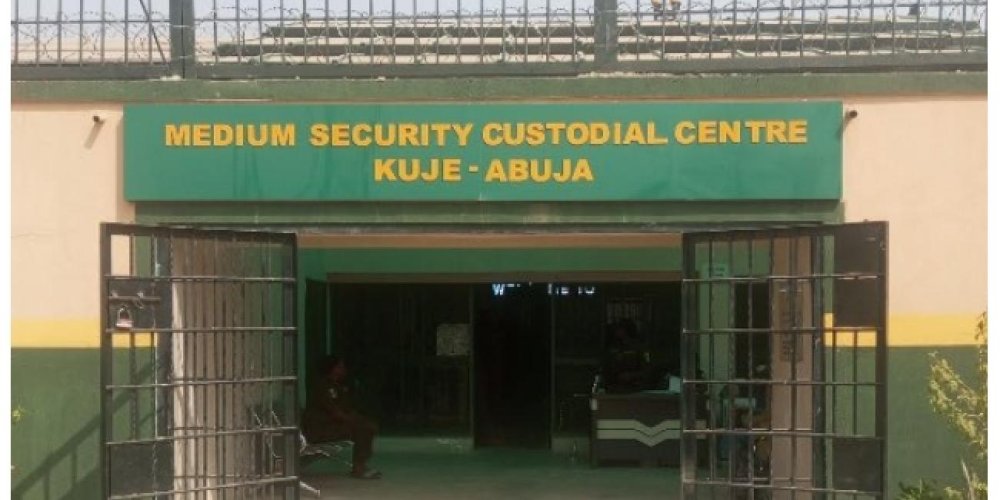
Nigeria’s National Correctional Service (NCS) has launched an investigation into the death of a Rwandan national, Benjamin Relasss, who died while in custody at Kuje Correctional Centre, amid allegations that he was denied timely medical care.
The proposal was presented during a high-level symposium held in Kigali on June 19, where government officials, fashion industry stakeholders, and university representatives toured the future campus facilities.
The institution is currently undergoing accreditation in Rwanda and the United States before launching degree programmes in fashion design and fashion merchandising.
Officials said the initiative aims to bridge the gap between creativity and business by training students in design, merchandising, branding, and fashion marketing. They noted that while Africa’s creative economy is valued at more than $58 billion, the continent remains underrepresented in the global fashion industry, currently worth about $1.8 trillion and projected to reach $2.3 trillion by 2030.
The proposed school is intended to help address shortages in specialized training, infrastructure, and industry support that have limited Africa’s participation in the sector.
Speaking at the event, Minister of Trade and Industry Antoine Kajangwe said the project aligns with Rwanda’s ambition to develop a competitive textile and garment industry capable of serving regional and global markets.
“As we continue our industrialization drive, skills development will be a very important component of that process,” Kajangwe said, adding that the programmes will help develop strong Made-in-Rwanda fashion brands.
Kent State University’s Vice President for Global Education, Marcello Fantoni, said Rwanda was selected after extensive research across Africa because of its strong investment in education and human capital development.
“We are not coming here to teach Rwandans how to do fashion. Rather, we are here to help Rwandans teach the world how they do fashion,” Fantoni said.
The proposed university also plans to incorporate African textile history and trade routes into its curriculum while maintaining international academic standards.
According to officials, graduates will receive qualifications equivalent to those awarded by Kent State University in the United States. Discussions are also underway with Rwanda’s Ministry of Education to facilitate sponsorship opportunities and preferential tuition arrangements for eligible students.
The university says the project is expected to support job creation, entrepreneurship, sustainability, and talent development while positioning Rwanda as an emerging hub for fashion, textiles, and the broader creative economy.
The proposal was announced during a high-level symposium held in Kigali on June 19, where government officials, fashion industry stakeholders, and university representatives toured the future campus facilities.
According to UK media reports, Starmer has come under increasing internal pressure following weeks of political uncertainty, with senior figures in the Labour Party urging him to make way for a new leader. Greater Manchester Mayor Andy Burnham has emerged as a leading contender to replace him, with supporters claiming he could command majority backing within the parliamentary party.
Speaking on Sunday, Business Secretary Peter Kyle acknowledged the growing political tension, saying the Prime Minister was “aware of the political realities” and would act in the national interest. However, he declined to confirm any final decision, describing the situation as fluid and uncertain.
The reported resignation plan would mark a dramatic turn in UK politics, just two years after Labour’s sweeping general election victory brought Starmer to power with a large parliamentary majority. Since then, his leadership has faced criticism over policy U-turns, declining poll numbers, and internal party divisions.
Starmer’s allies have insisted he would resist any leadership challenge, but pressure has intensified following Burnham’s strong political showing in recent contests, which has energised calls for a transition at the top of government.
If confirmed, Starmer’s departure would make him one of several UK prime ministers to leave office in rapid succession, reflecting ongoing instability in British politics and growing voter dissatisfaction with mainstream parties.
In Rwanda, his legacy is defined by scrapping the ‘Rwanda migration deal’ on his first day in office, as well as his failure to curb illegal Channel crossings and the resulting damage to voter confidence. The Rwanda scheme was first announced in April 2022 by the government of former Prime Minister Boris Johnson, following a deal with the Rwandan government.
Analysts say the potential leadership change could further reshape the Labour Party’s direction, particularly on immigration, public spending, and foreign policy, as it seeks to consolidate power ahead of the next general election.
Starmer has not yet made a formal public statement confirming his resignation, but government insiders suggest an announcement could come within days as pressure from within his party reaches a critical point.
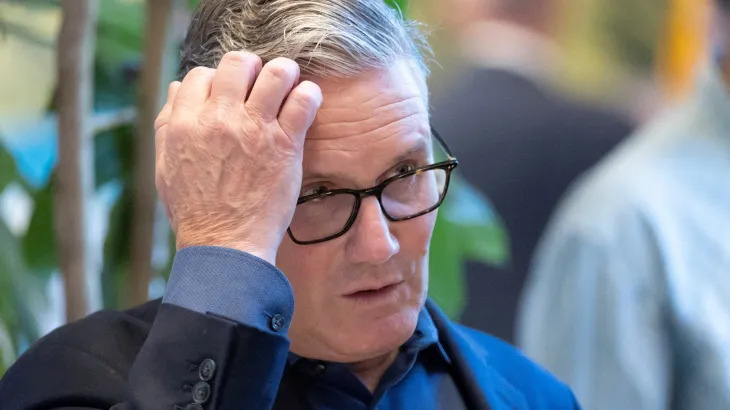
UK Prime Minister Keir Starmer is expected to resign on Monday after weeks of mounting pressure from Labour MPs calling for a leadership overhaul.
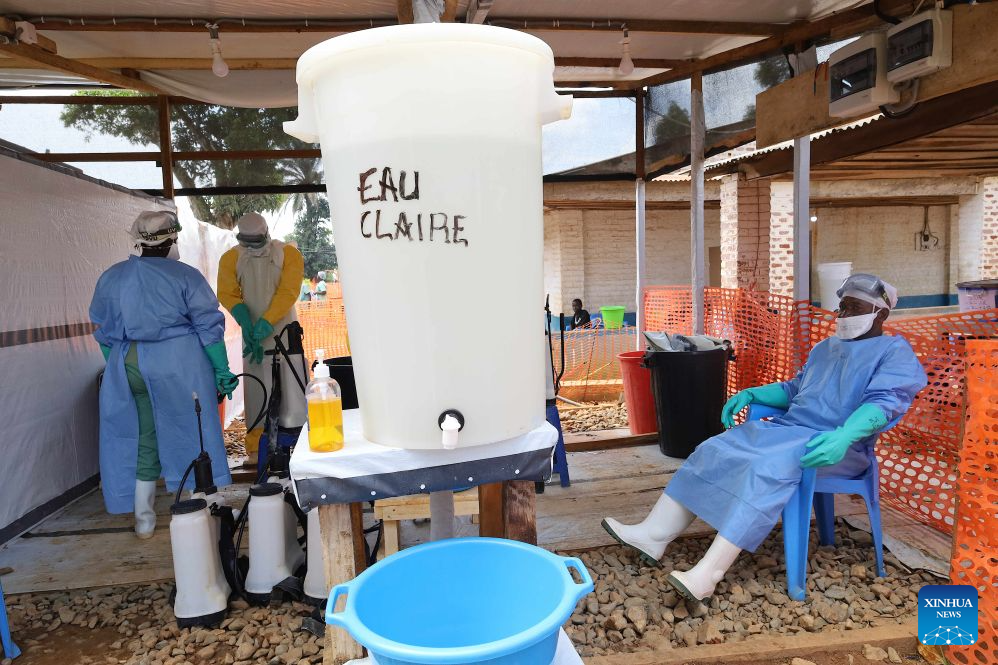
Twenty-three new confirmed cases, including two deaths, were reported Friday in the provinces of Ituri and North Kivu. Ituri remains the epicenter of the outbreak, with 874 confirmed cases and 201 deaths, accounting for more than 91 percent of the country’s confirmed cases.
A total of 92 patients have recovered, while 361 patients were in isolation or hospitalized.
The report also said 162 suspected cases were identified during the day, while the contact-tracing rate stood at 69.3 percent, below the 95-percent target set by health authorities.
At a press briefing Friday evening, DRC Health Minister Roger Kamba said the outbreak remained in an upward phase, with more confirmed cases expected as response teams expanded active case-finding and moved deeper into affected communities.
Kamba added that the authorities will only be able to say that the outbreak has reached its peak, plateaued, or begun to decline once the weekly figures have stabilized or begun to fall. For now, he said, efforts to detect cases, isolate and treat patients, and strengthen community engagement must continue.
The outbreak, caused by the Bundibugyo Ebola virus, was declared by the DRC authorities on May 15.
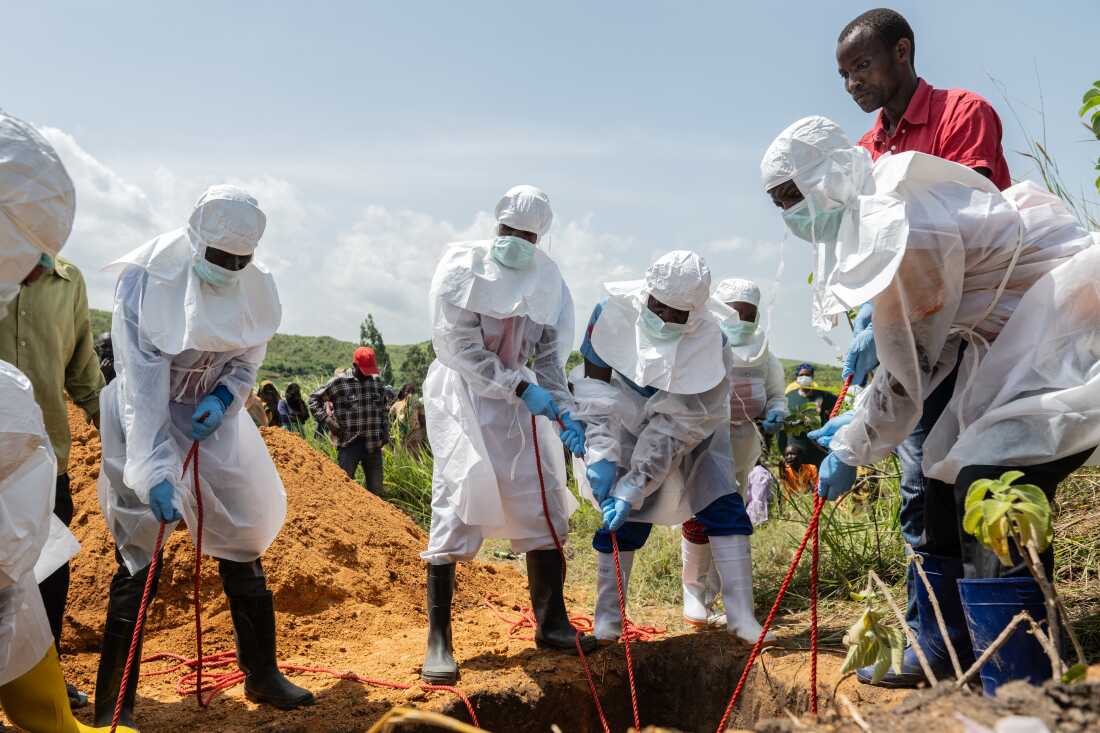
Red Cross workers bury an Ebola victim at the Rwampara Cemetery, in Rwampara, Congo, Saturday, May 23, 2026. (AP Photo/Moses Sawasawa) CORRECTION: City corrected to Rwampara, instead of Bunia
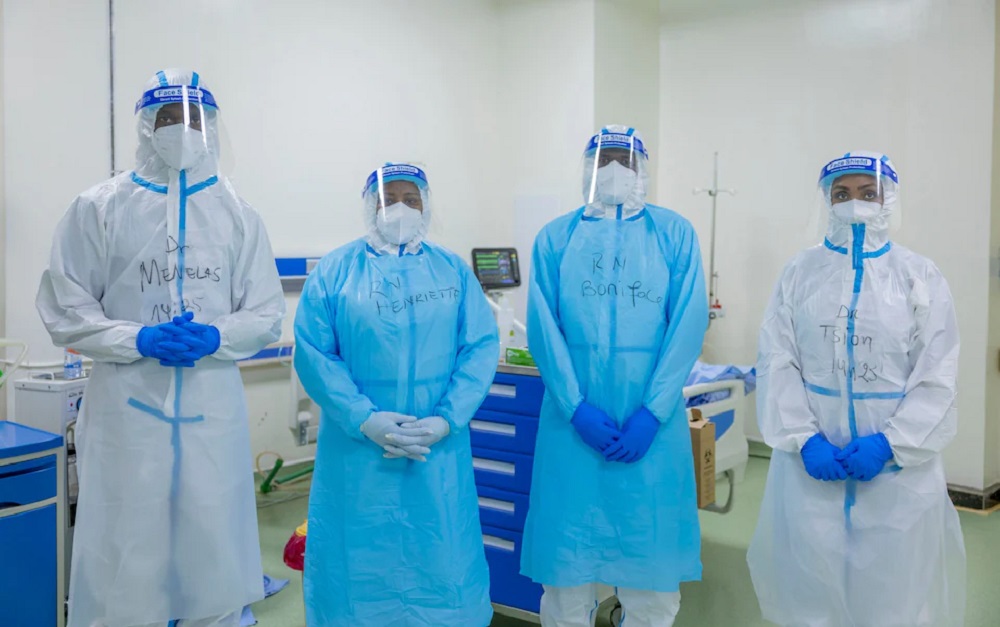
Published in Nature Health, the study was conducted by a multidisciplinary team of experts, including Dr. Menelas Nkeshimana, the Head of the Health Workforce Development Department at the Ministry of Health, alongside researchers from the Rwanda Biomedical Centre (RBC), the University of Rwanda, King Faisal Hospital, and other institutions.
While filoviruses such as Ebola and Marburg were already known to persist in certain body fluids after recovery, sexual transmission of Marburg had not been clearly documented in previous outbreaks across Africa. The new findings therefore, add important evidence to the understanding of viral persistence and post-recovery transmission risks.
Confirmed post-recovery transmission events
The study describes two separate transmission events in which recovered male patients, later confirmed to have viral remnants in semen, transmitted the infection to female partners through unprotected sexual contact.
Both men had previously been treated for Marburg and discharged after meeting clinical recovery criteria, including two consecutive negative blood tests taken 24 to 48 hours apart. No semen testing had been conducted at the time of discharge.
Shortly after discharge, both individuals engaged in unprotected sexual intercourse, after which both female partners developed symptoms consistent with Marburg infection and later tested positive.
Case A1 and Case A2
The first case involved a 25-year-old man (Case A1) who was infected between 8 and 15 September 2024 and developed symptoms on September 25, including fever, vomiting, nausea, diarrhoea, fatigue, and muscle and joint pain.
He was admitted to hospital on September 27 and tested positive for Marburg on September 28. He received treatment, including remdesivir, and was discharged on October 10, 2024, after clinical recovery and two negative blood tests.
Nine days after discharge, on October 19, 2024, he had unprotected sexual intercourse with a 21-year-old woman (Case A2). The woman developed symptoms on October 24 and was admitted to hospital on October 27. She tested positive for Marburg on October 29 and received treatment before being discharged on November 8, 2024.
Investigators found no alternative exposure to the virus apart from the post-discharge sexual contact.
Case B1 and Case B2
The second transmission event involved a 29-year-old man (Case B1) infected on September 23, 2024, who developed symptoms on September 30 and was admitted to hospital on 1 October after testing positive for Marburg.
He received treatment with remdesivir and showed clinical improvement. He was discharged on 15 October 2024 after two consecutive negative blood tests.
On October 19, 2024, he had unprotected sexual intercourse with a 29-year-old woman (Case B2). She developed symptoms on October 23, was admitted on October 25, and tested positive for Marburg on October 26. She was treated and discharged on November 5, 2024.
As with the first cluster, investigators did not identify any other plausible exposure route, making post-recovery sexual transmission the most likely explanation.
Laboratory and genomic findings
The research team conducted epidemiological investigations alongside partial genomic sequencing of viral samples. Although full genome recovery was not possible, sufficient genetic material was obtained to support outbreak linkage.
In Case A1, 71% of the viral genome was recovered, while in Case B2, 76% was recovered. The sequences were classified within Marburg clade B and showed close relation to strains previously identified in the Democratic Republic of Congo (1999–2000) and Uganda (2007–2009).
The sequences were labeled PZ112888 and PZ112889, and comparison with other outbreak data from Rwanda indicated strong genetic similarity, supporting a linked transmission chain.
Study limitations and public health implications
The researchers noted several limitations, including the inability to perform full viral sequencing and the lack of virus culture from semen samples due to limited laboratory capacity.
Importantly, no semen testing was performed before hospital discharge under earlier protocols, which relied solely on blood tests confirming the absence of detectable virus.
The researchers noted that these findings alter our understanding of post-recovery risks, stating: “While the persistence of filoviruses in immune-privileged sites like the testes has been documented, these findings provide definitive genomic and epidemiological confirmation of Marburg virus sexual transmission from recovered individuals. This underscores an urgent need to re-evaluate global discharge criteria…”
Following these findings, Rwanda revised its post-recovery monitoring guidelines for Marburg. New protocols now include testing of semen and other body fluids at defined intervals after recovery, as well as extended follow-up of survivors to better assess viral persistence and transmission risk.
Rwanda’s first-ever Marburg Virus Disease (MVD) outbreak was officially declared on September 27, 2024. Epidemiological investigations traced the origin of the outbreak to a zoonotic spillover event at a mining cave inhabited by Egyptian fruit bats (Rousettus aegyptiacus).
The index case, a 27-year-old miner who worked at the site, was subsequently admitted to King Faisal Hospital in Kigali, where the highly contagious virus quickly spread to healthcare workers.
Ultimately, approximately 78% of all confirmed cases involved clinical staff across two medical facilities in Kigali. While infections were detected in seven of Rwanda’s 30 districts, the highest concentration remained heavily localised within the three districts of Kigali City: Gasabo, Kicukiro, and Nyarugenge.
The outbreak resulted in 66 confirmed cases, 15 deaths, and 51 recoveries. In adherence to World Health Organisation (WHO) guidelines, the Government of Rwanda officially declared the end of the outbreak on December 20, 2024, marking 42 consecutive days, representing two full incubation periods, with zero new confirmed cases.
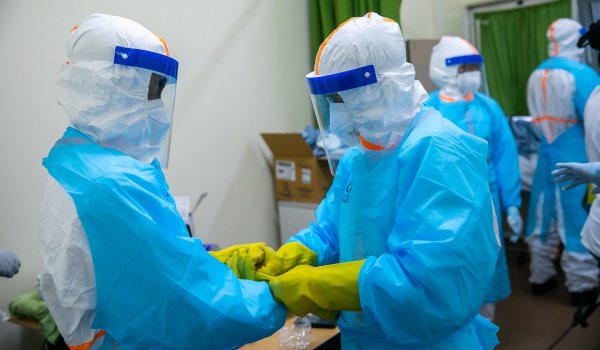
The Head of the Health Workforce Development Department at the Ministry of Health, Dr. Menelas Nkeshimana (first from the left), is among the medical professionals who responded to the Marburg outbreak and contributed to this study.