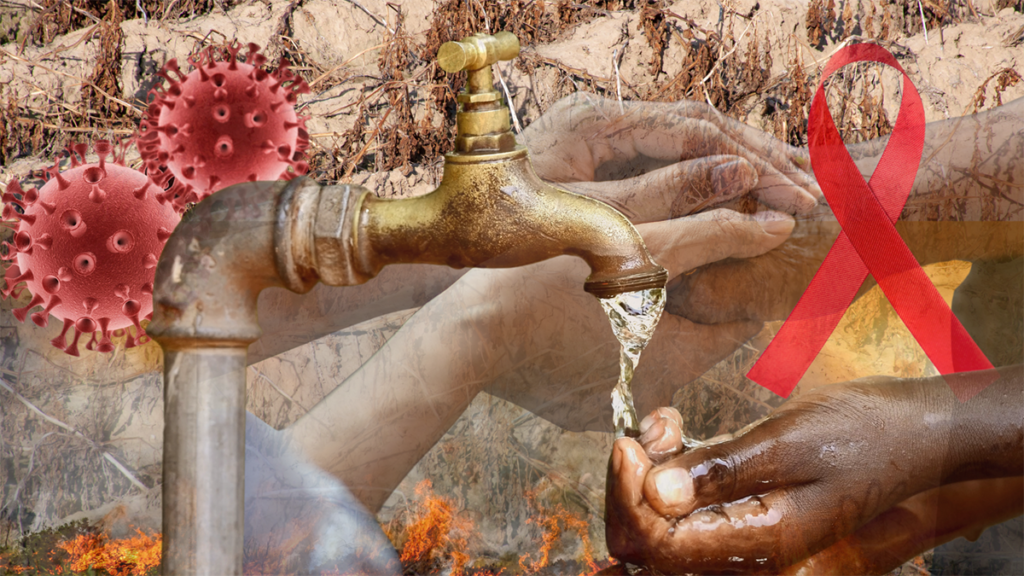
Researchers from UC Santa Barbara, UC San Francisco, and the City University of New York have linked decades of climate and weather data to a multinational cohort of 2.2 million people living with or at risk for HIV.
The study, published in GeoHealth and supported by the National Institutes of Health, highlights how EWEs affect HIV treatment and public health.
“People living with HIV are an especially vulnerable population, many of whom live in areas that are historically and/or increasingly prone to severe weather events,” said UCSB geographer Frank Davenport.
The research focused on 777 HIV clinics in the NIH-funded IeDEA network, tracking drought exposure from 1981 to 2023 and flood exposure from 2006 to 2023.
Lead author Sophia Arabadjis explained, “But when you have disruptions like floods and droughts, where people may not have access to the right drugs, care or basic food/water supplies, the viral load begins to build in these patients.”
Droughts typically have indirect effects, increasing food insecurity and prompting migration or transactional work that can disrupt treatment.
Floods often cause immediate damage to infrastructure, displacing patients and making clinic access difficult, while also raising the risk of waterborne or mosquito-borne diseases.
Southern Africa’s IeDEA sites are currently most exposed to both drought and flood risks. Arabadjis emphasized that “pinpointing which clinics are at-risk helps us target resources and mitigation efforts across the network.”
While the study does not examine patient-specific outcomes, it provides a foundational record for future research and could inform policies to protect HIV patients during extreme weather events.
In a statement, the Embassy reassured that all Rwandans in both countries remain safe.
“The Embassy and Consulate team is in close contact with Rwandans within our jurisdiction and is coordinating with relevant entities to ensure our citizens receive the necessary services and support,” the statement read.
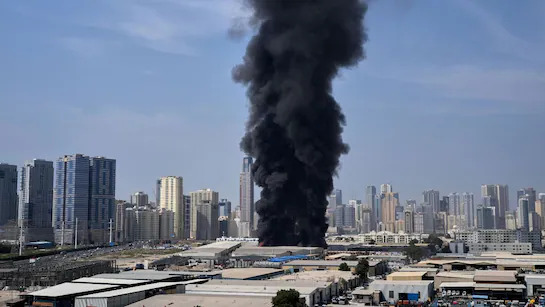
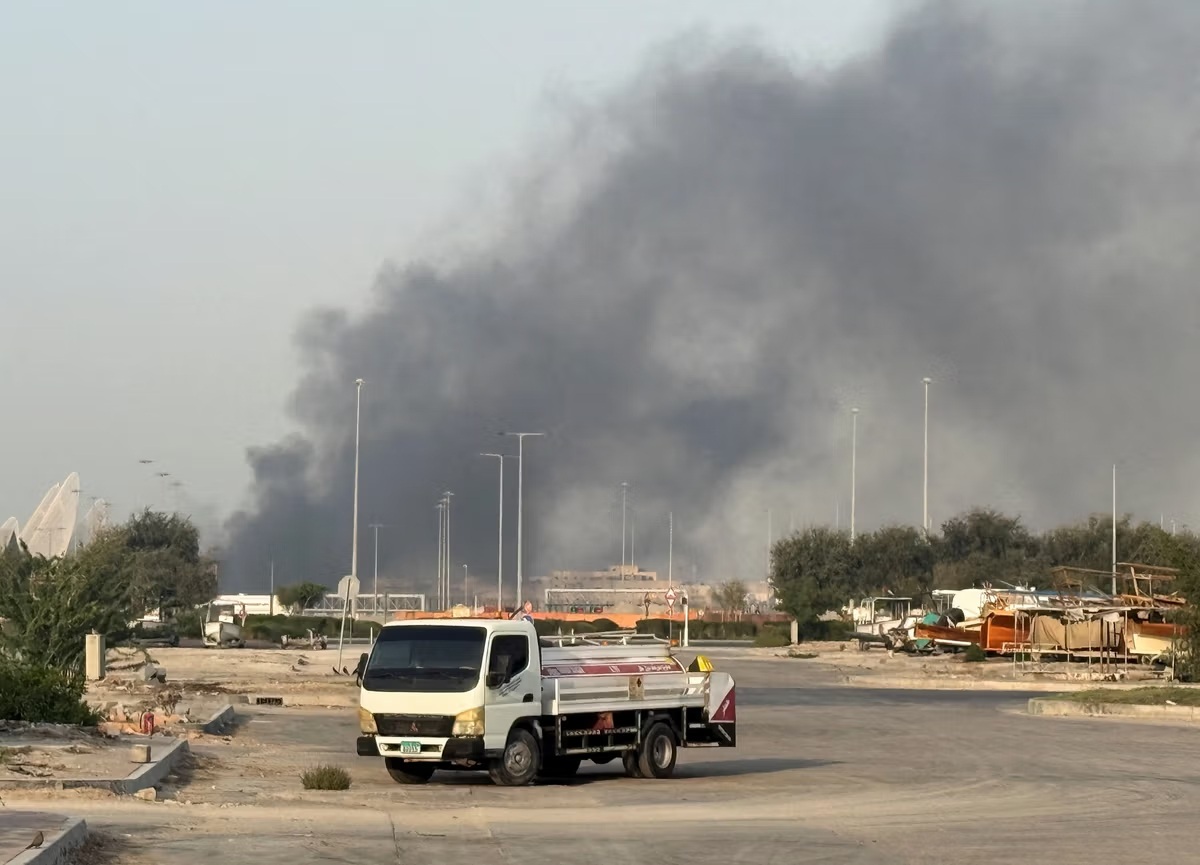
The advisory comes in the context of a critical escalation in the region following heavy strikes by the United States and Israel against Iran, which began on February 28, 2026. Iran has retaliated against neighbouring countries, including Qatar, Saudi Arabia, Kuwait, and Bahrain, causing disruptions to air traffic and widespread panic.
The Embassy urged all Rwandan citizens to follow the safety instructions issued by local authorities and particularly called on tourists stranded in the UAE to register their presence with the Embassy to facilitate necessary assistance.
The advisory comes in the context of a critical escalation in the region following heavy strikes by the United States and Israel against Iran, which began on February 28, 2026.
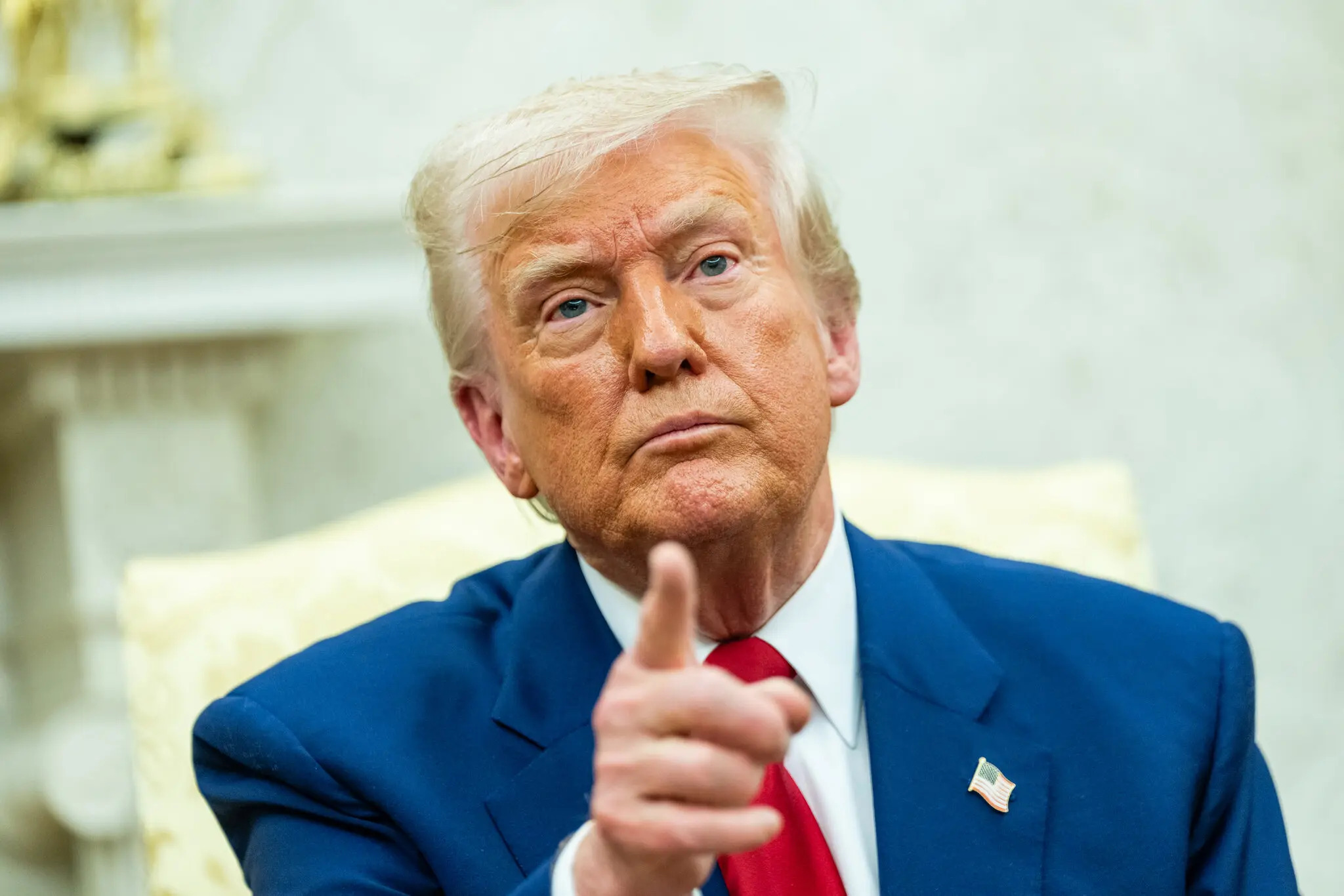
“We’re going to cut off all trade with Spain. We don’t want anything to do with Spain,” Trump told reporters at the beginning of his talks with German Chancellor Friedrich Merz in the Oval Office.
“By the way I’m not happy with the UK either,” Trump said. “This is not Winston Churchill that we’re dealing with.”
British Prime Minister Keir Starmer told Parliament on Monday that Britain is not joining the U.S.-Israeli “offensive strikes” on Iran.
Merz is the first foreign leader to meet Trump in person since the U.S. administration launched large-scale airstrikes against Iran on Saturday morning. The two leaders said the Iran operation will be a major topic during their closed-door meeting.
U.S. President Donald Trump on Tuesday threatened to “cut off all trade with Spain” for Spain’s refusal to allow the U.S. military to use its base for attacks on Iran.
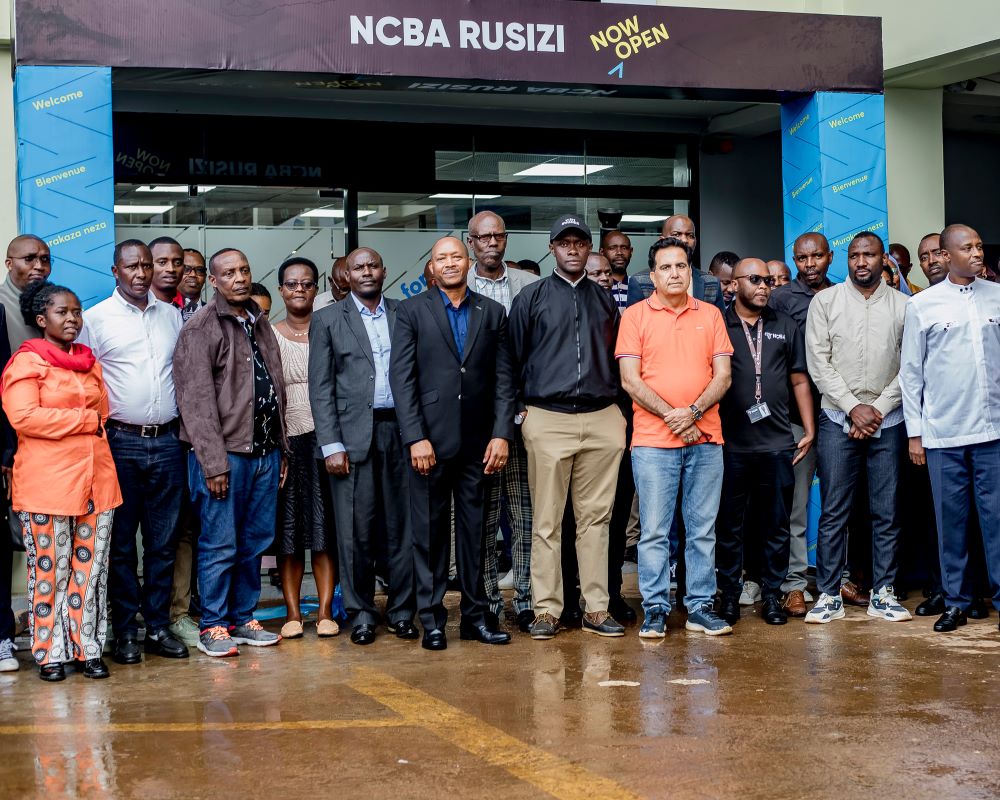
Located near Rusizi’s main commercial area, the new branch is strategically positioned to serve small and medium enterprises, cross-border traders, farmers, hospitality operators, and growing households.
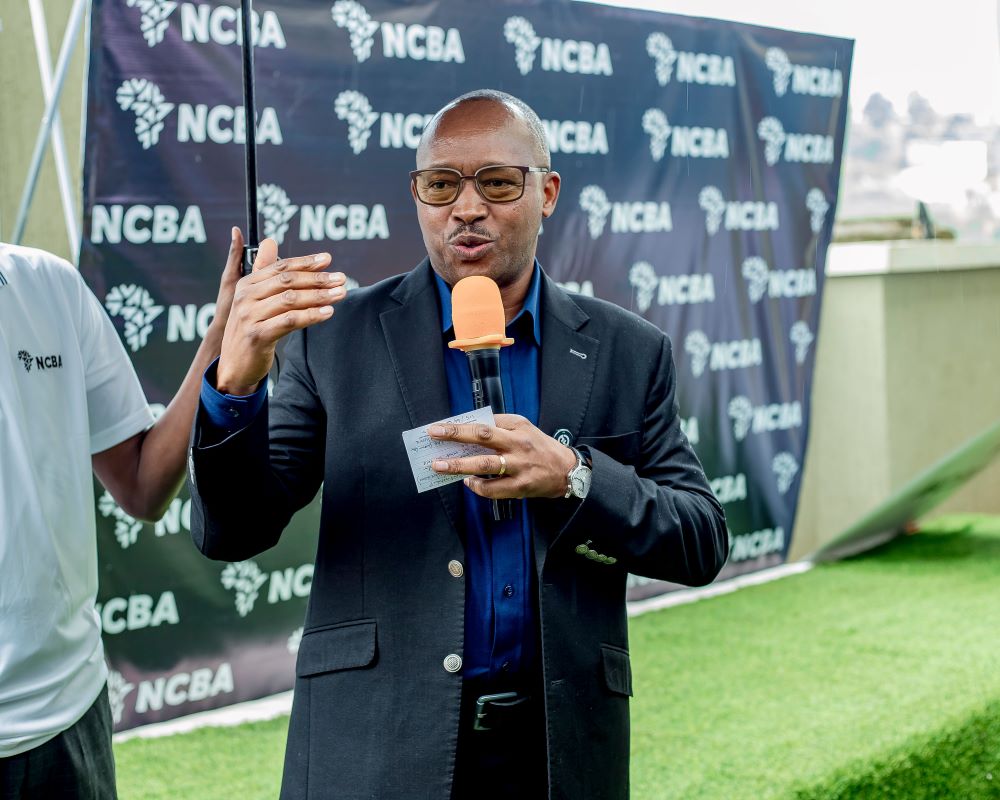
Speaking at the opening ceremony, NCBA Bank Rwanda Managing Director Maurice Toroitich thanked the community for the warm reception and described the move as a long-term partnership rather than a transactional expansion.
“We come here as a capable partner in the transformation of Rusizi — ready to listen, ready to support, and ready to grow alongside the businesses and people who work hard every day to develop themselves, their families, this district, and the country at large,” he said.
Rusizi’s strategic location as a gateway to Bukavu in the eastern Democratic Republic of Congo positions it as a dynamic commercial hub. However, bank officials emphasized that their support will extend beyond trade flows to the sectors shaping the district’s broader economic transformation.
The bank has already made commitments and attracted commercial farmers investing in the district’s fertile agricultural land, hoteliers expanding the hospitality sector along Lake Kivu, and developers responding to growing demand for residential and commercial real estate.
NCBA indicated it will continue focusing on enabling agribusiness growth, property development, and SME expansion across key value chains.
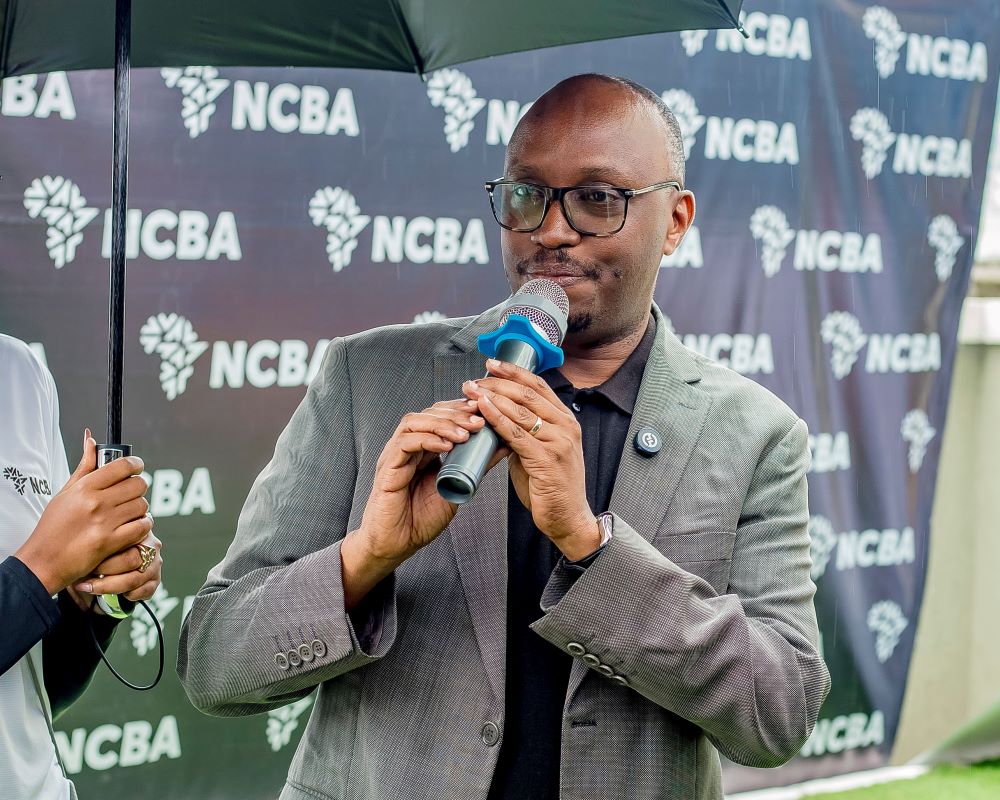
Head of Business at NCBA Bank Rwanda, Samuel Nkubito, said the branch was deliberately located close to the market to remain accessible to everyday entrepreneurs.
“Smal and medium enterprises are the backbone of Rwanda’s economy. From shop owners and boutique operators to agro-processors and service providers, these businesses create livelihoods for the majority. Our presence here is about giving them the financial tools to scale sustainably.”
The opening of the Rusizi branch also strengthens NCBA’s national and regional integration strategy.
As part of a banking group operating in five African countries; Kenya, Uganda, Tanzania, Rwanda, and Côte d’Ivoire, with over 115 branches and more than 60 million customers, NCBA connects clients to a wider East African financial network.
“When a client in Rusizi grows beyond one market, we are able to support that journey,” Toroitich added.
In addition to its physical expansion, NCBA highlighted its digital reach through MoKash, the mobile savings and lending platform operated in partnership with MTN Rwanda.
Through MoKash, the bank serves nearly six million customers nationwide, positioning it as Rwanda’s largest retail digital bank by customer numbers.
The Rusizi branch is expected to deepen that relationship by combining digital convenience with on-the-ground advisory and financing capabilities.
Local business leaders welcomed the bank’s arrival, noting that improved access to structured credit and responsive banking services will support enterprise growth across the district.
With existing branches in Kigali, Musanze, Nyagatare, Kayonza, and Rubavu, the addition of Rusizi signals NCBA’s continued expansion into high-potential and regionally connected markets.
Similar branch expansions have been executed by the bank in the various markets where it operates. The bank reaffirmed that its investment in Rusizi reflects confidence in the district’s future and a commitment to building lasting relationships with the community.
NCBA Bank Rwanda has expanded its footprint in Rwanda’s Western Province with the official opening of its Rusizi branch,. Speaking at the opening ceremony, NCBA Bank Rwanda Managing Director Maurice Toroitich described the move as a long-term partnership rather than a transactional expansion. Head of Business at NCBA Bank Rwanda, Samuel Nkubito speaking at the inauguration.
The analysis found that more than 40% of adults with chronic headache conditions experience symptoms of depression or anxiety.
Chronic headaches were defined as occurring on more than 15 days per month or lasting longer than three months.
Across 48 eligible studies, researchers reported that 43.1% of adults with chronic headaches had clinical symptoms of anxiety, while 45.9% showed symptoms of depression.
Compared with people without headaches, those with chronic headaches were nearly five times more likely to experience depression and more than seven times more likely to experience anxiety.
They were also more than twice as likely to report both conditions compared with individuals who suffer from episodic headaches.
The findings highlight the urgent need for improved mental health screening and treatment among people with chronic headache disorders.
Previous research has shown similar social and health patterns. The 2010 American Migraine Prevalence and Prevention study found that individuals with chronic migraine had lower household incomes, were less likely to work full time, and were more likely to experience occupational disability than those with episodic migraine.
They were also more likely to report respiratory illnesses such as asthma and bronchitis, as well as cardiovascular risk factors including hypertension, diabetes, high cholesterol and obesity.
Researchers note that chronic pain conditions show comparable mental health trends, reinforcing the need for targeted psychological support, particularly for women and younger patients.
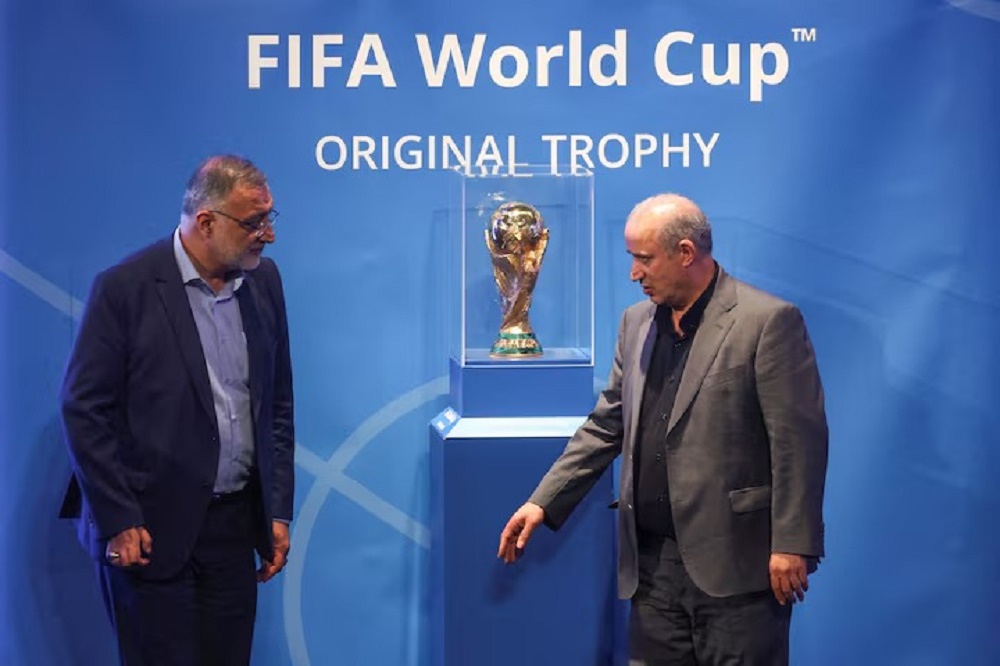
Speaking with state broadcaster IRIB TV3 and sports portal Varzesh3 on Monday, Taj addressed the escalating conflict and its impact on “Team Melli’s” appearance in the upcoming tournament, which is primarily hosted by the United States.
While stopping short of an official withdrawal, Taj indicated that the federation’s enthusiasm for the competition has evaporated following the attacks.
“What is certain is that after these strikes, it is hard to look at the World Cup with hope,” Taj stated. “I cannot say with certainty what the final outcome will be, but there will inevitably be consequences.”
The remarks come in the wake of the February 28, 2026, coordinated strikes by U.S. and Israeli forces targeting Iranian military infrastructure and leadership. Iran responded within 24 hours with a massive wave of retaliatory drone and missile attacks against U.S. military installations across the Middle East, including bases in Qatar, the UAE, Bahrain, and Kuwait.
Taj noted that the decision to travel to the U.S. is no longer a purely sporting matter. “All relevant football and high-ranking governing authorities in Iran will convene to take an appropriate decision,” he said. “At this moment, given the scale and intensity of the attacks, I do not believe this is a World Cup we are looking forward to.”
Tensions between the federation and the host nation were already high prior to the military escalation. In December 2025, Iranian representatives boycotted the World Cup draw in Washington, D.C., after the U.S. government denied visas to several members of the delegation, including Taj himself.
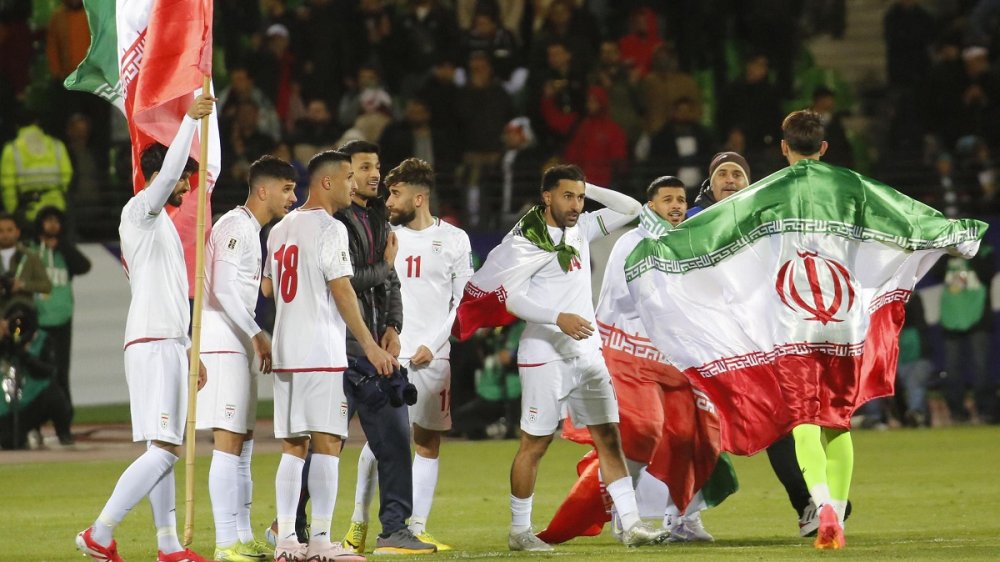
Iran is currently slated to compete in Group G alongside Belgium, Egypt, and New Zealand. All three of their group-stage matches are scheduled to take place on U.S. soil, with fixtures in Los Angeles and Seattle beginning June 15. FIFA has stated it is “monitoring the situation closely,” but has yet to comment on a potential replacement should Iran formally withdraw.
Iran could withdraw from the 2026 World Cup following attacks launched against it by the United States.
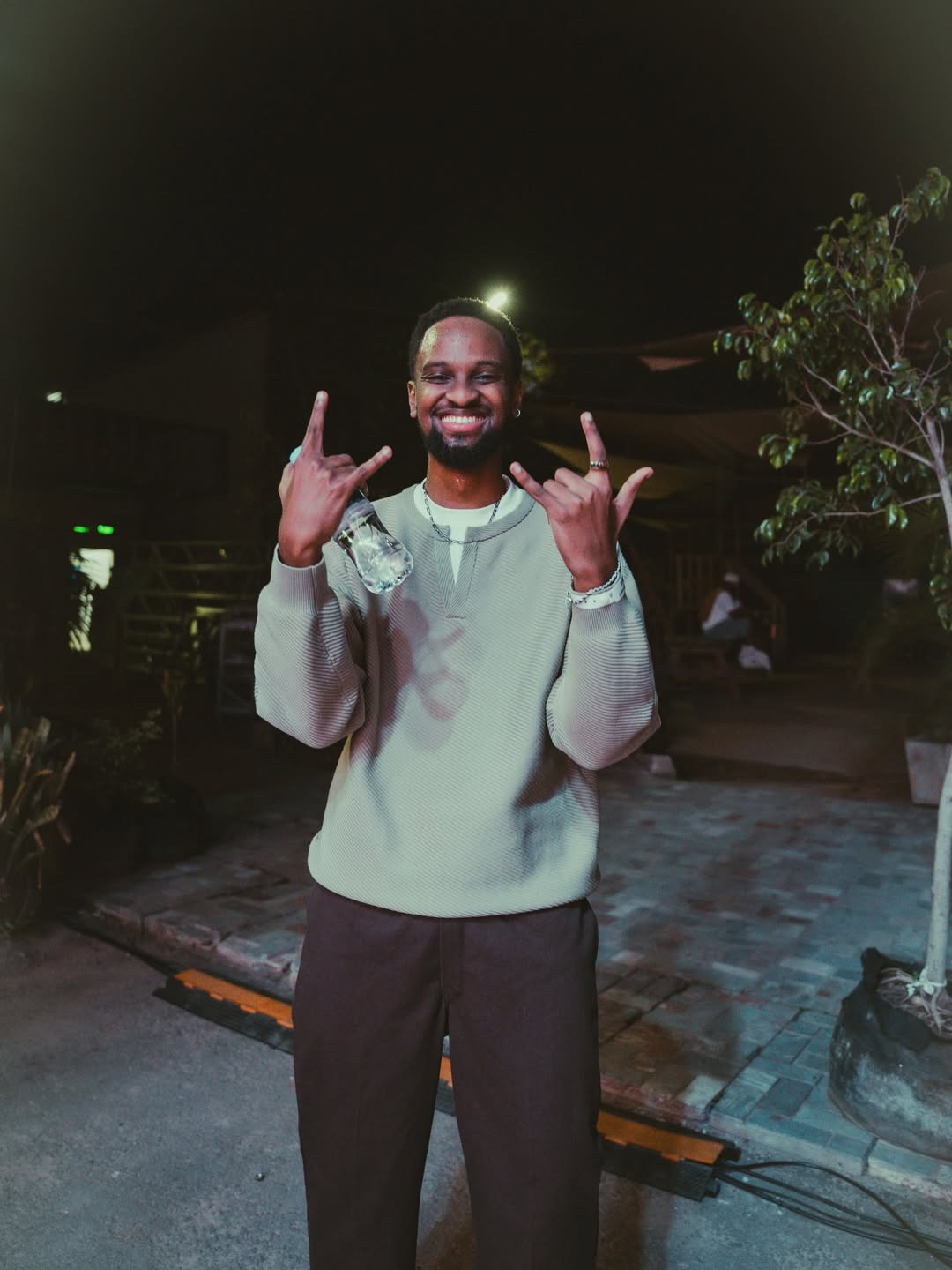
Known for his precision and “music geek” tendencies, E.T. brought a level of intensity to the conversation that borders on scientific, diving deep into the records that shaped his DNA and the specific behaviours that can instantly get someone kicked out of his recording sessions. It was a rare look at the man behind the music, revealing an artist who is as strict about his studio etiquette as he is passionate about a good plate of food in Kigali.
Music is perhaps the centre of E.T.’s universe, and he describes albums as his “everything.”
Music is clearly the centre of E.T.’s universe, and he describes albums as his “everything.” When asked to pick his all-time greats, he pointed to Kendrick Lamar’s Good Kid, M.A.A.D City as the definitive classic that drew him into hip-hop back in 2012. His taste is a sophisticated blend of influences, ranging from the technical brilliance of Isaiah Rashad’s The Sun’s Tirade to the timeless soul of Stevie Wonder’s Songs in the Key of Life.
He even revealed his technical side when breaking down his love for SZA, noting that her unique 5×5 verse structures are what set her apart from standard writers. Rounding out his list with Kanye West’s Graduation and a nod to his peer K-Shot, E.T. proved that his ear is always tuned toward longevity and craft.
However, that love for the craft comes with a very high standard for anyone entering his workspace. E.T. was remarkably candid about being “high-maintenance” in the studio, emphasising that when he is “cooking up,” it is strictly a “men at work” environment. His biggest vibe-killer is the presence of people in the studio for no reason, especially those who talk or distract the room while he is trying to capture a moment on the mic.
For E.T. Ndahigwa, the studio is a sacred space for focus.
He told fellow artists to practice before they arrive, noting that being slow or unprepared in the booth is an immediate way to kill the energy. For E.T., the studio is a sacred space for focus, not a place for gossip or sluggishness.
When he isn’t locked in the booth, E.T. is exploring the Kigali food scene with a discerning palate. Although he jokes that he shouldn’t give out free shoutouts without a sponsorship, he can’t help but praise the “goated” spots that keep him fed. He highlighted a Catholic brother–owned eatery in Kicukiro, known for its brochette, and Meze Fresh restaurant. For a more diverse experience, he directed listeners to Mumarangi in Nyamirambo and Gisementi Place, calling it the go-to spot for authentic Arabic and Nigerian cuisine. To him, the neighbourhood is about far more than just the parties; it’s a culinary destination that locals shouldn’t overlook.
Ending the segment on a personal note, E.T. shared the few things he truly cannot live without. He admitted to a self-confessed “bad” screen time habit on TikTok, but noted that he feels physically naked without his watch or his headphones.
Whether it is staying hydrated with water or geeking out over a new track, E.T. Ndahigwa remains a man of specific tastes and uncompromising standards. It is this mix of local pride and professional intensity that continues to define his rise in the Rwandan music scene.
Watch the full “Top Five” segment with E.T. Ndahigwa below:
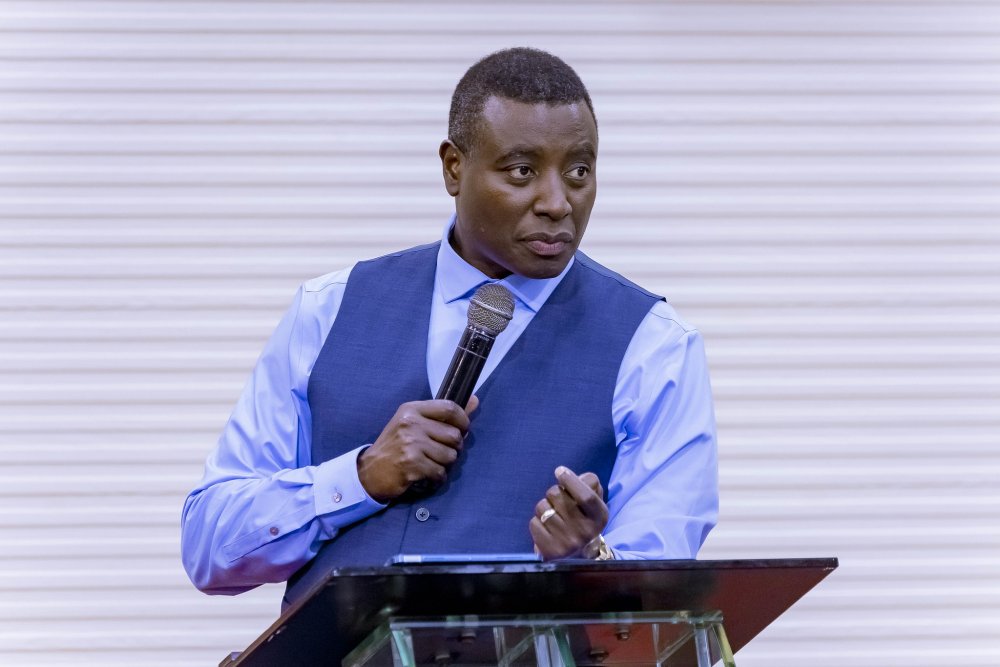
The decision was made public on the night of March 2, 2026, through a statement posted on his X account. The trip had been scheduled to take place from March 4 to March 13, 2026.
“The leadership of Authentic Word Ministries informs everyone who had registered to go to Israel for the prophetic tour that was scheduled for March 4–13, 2026, that it has been postponed due to security reasons,” the statement read.
Apostle Gitwaza added that those who had signed up, will be informed of the new dates once the trip is rescheduled.
Authentic Word Ministries decided to suspend the trip at a time when tensions continue to escalate in the Middle East. Ongoing conflict has pitted Iran against the United States, which, alongside Israel, has been involved in military strikes.
The fighting appears to be spreading across the region. After coming under attack, Iran reportedly retaliated by launching strikes on several U.S. partner countries, including Qatar, Kuwait, the United Arab Emirates, Bahrain, and Saudi Arabia.
Dr. Apostle Paul Gitwaza has announced the suspension of a planned prophetic tour to Israel.
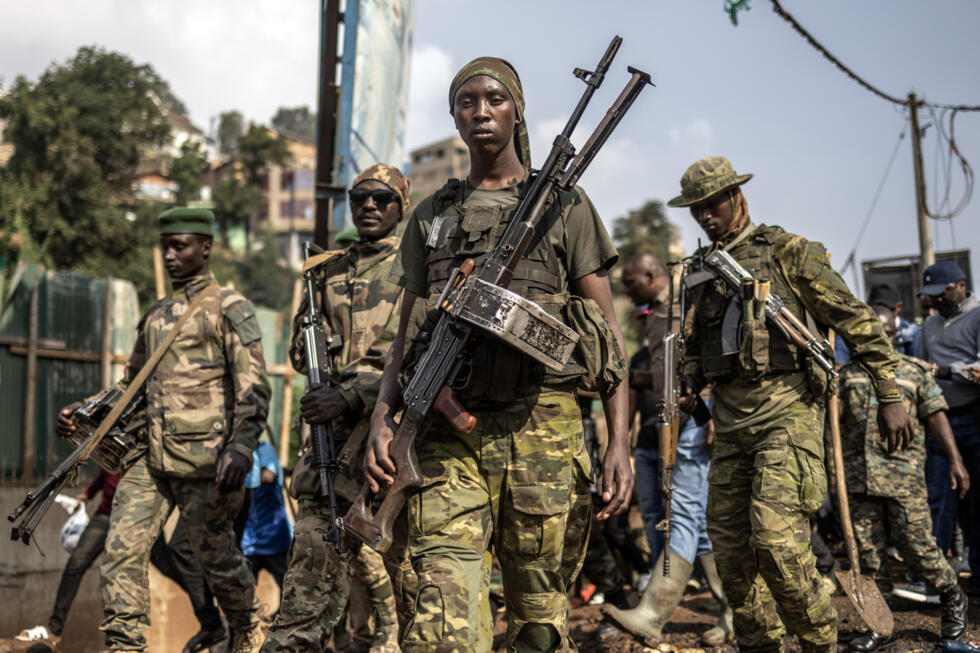
Local sources say the offensive was launched from Kilongo, in Osso Banyungu groupement of Masisi Territory. After hours of clashes, Congolese troops and Wazalendo fighters withdrew from Buhimba, retreating west toward Ngenge.
The fighting forced many residents to flee. Civilians in Ngenge and Kangati, fearing further advances, began moving toward forested areas and nearby localities including Kimua.
AFC/M23 escalated operations after government forces reportedly killed its military spokesperson, Lt Col Willy Ngoma, near Rubaya on February 24, 2026. Since then, the group says it has retaken several positions around Rubaya, accusing Kinshasa of breaching a ceasefire agreement signed in Qatar.
On March 1, four drones targeted Bangoka International Airport in Kisangani. Authorities said the drones were intercepted by the military.
Reports attribute the attack to AFC/M23, mirroring a similar incident reported last month.
Although Bangoka airport mainly serves civilian flights, part of the facility is used by the Congolese military, with its runway supporting combat aircraft and drones conducting operations in North Kivu and South Kivu.
The AFC/M23 rebel coalition recaptured the Buhimba trading center in Walikale Territory, following heavy fighting with forces.
For its part, Iranian officials have reiterated their long-standing position that the country is not seeking nuclear weapons, a pledge that formed the basis of the Joint Comprehensive Plan of Action (JCPOA), from which Trump unilaterally withdrew the United States during his first term.
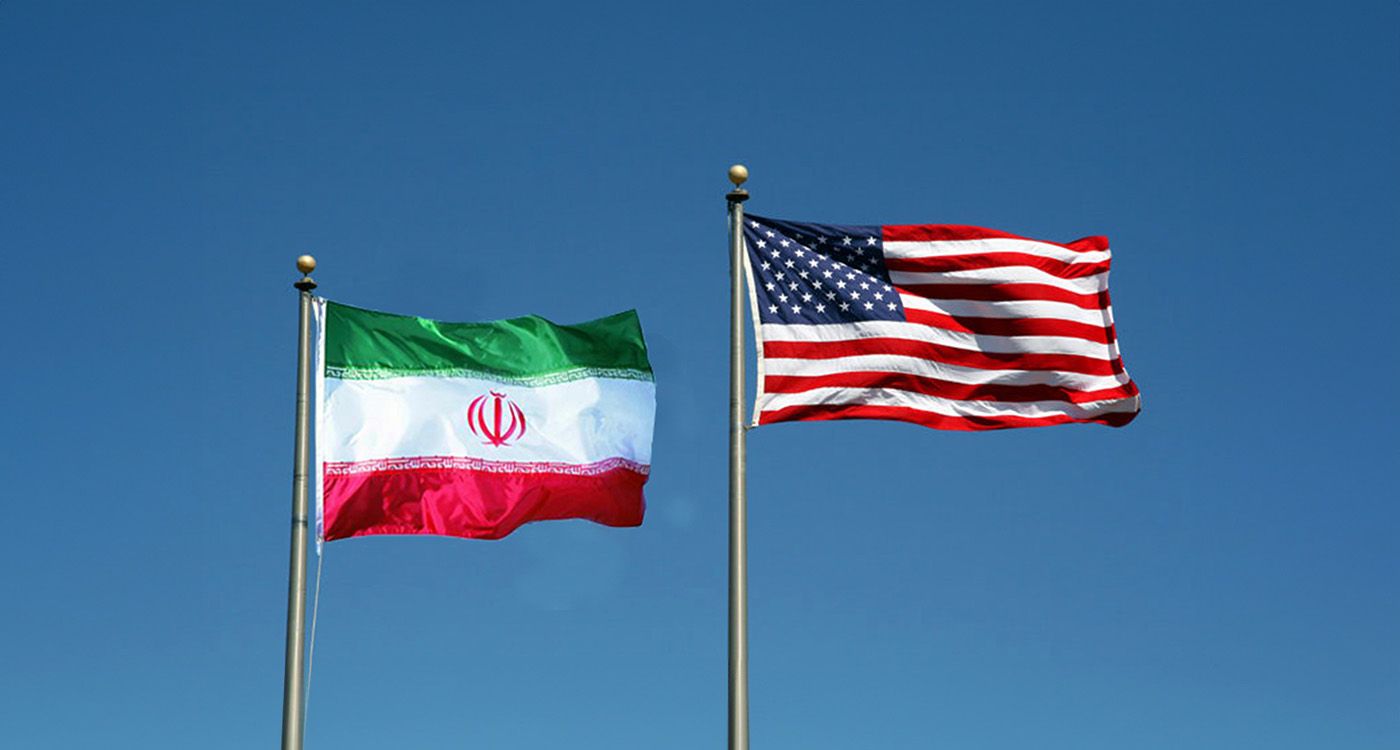
Tensions between Iran and the U.S. have shaped the Middle East for decades, revolving around Iran’s nuclear program, regional influence and recurring diplomatic crises.
After years of sanctions, covert operations and periodic negotiations since 1979, the 2015 JCPOA represented a rare opportunity for de-escalation and rapprochement.
The following timeline traces key events from that moment through early 2026, highlighting the ebb and flow of diplomacy, sanctions and military confrontations that have defined U.S.-Iran relations.
July 2015
The JCPOA was signed, with Iran accepting significant limits on its nuclear program in exchange for sanctions relief, primarily from the United States and the European Union. The deal was endorsed by the UN Security Council and supported by Russia and China. It was widely regarded as the closest Iran and Western powers had come to diplomatic rapprochement since 1979.
May 2018
During his first term, President Donald Trump unilaterally withdrew the U.S. from the JCPOA and mounted a “maximum pressure” campaign, reinstating and expanding sweeping sanctions. It sent Iran’s economy into a sharp and severe decline.
January 2020
On January 3, the U.S. assassinated Qassem Soleimani, commander of Iran’s Islamic Revolutionary Guard Corps (IRGC) Quds Force, in a drone strike at Baghdad International Airport. Iran retaliated on January 8, launching ballistic missiles at U.S. military bases in Iraq.
The Biden administration (January 2021- January 2025)
The Biden administration sought to revive the nuclear deal, but talks became protracted and ultimately reached an impasse, while Iran continued to advance its nuclear program, maintaining it was for “peaceful purposes.”
February 2025
After returning to the White House, President Trump swiftly reinstated his “maximum pressure” strategy, signing new executive orders targeting Iran. He warned that any attempt by Iran to assassinate him would result in the country’s destruction.
June 13-24, 2025
Israel and Iran engaged in a direct military confrontation in what became known as the Twelve-Day War, also referred to as the Iran–Israel War, with the U.S. providing significant defensive support to Israel.
June 22, 2025
U.S. military forces joined Israeli strikes on three Iranian nuclear facilities at Fordow, Natanz and Isfahan. This marked the first time since 1979 that the U.S. had directly attacked major facilities inside Iran, signaling Washington’s formal entry into the Israel-Iran conflict.
June 23-24, 2025
Iran launched retaliatory missile strikes on the U.S. military’s Al Udeid Air Base in Qatar, which resulted in no casualties. A ceasefire between Israel and Iran brokered by Qatar brought the Twelve-Day War to an end on June 24.
January 2026
Tensions spiraled through a cycle of U.S. military threats, sanctions and support for protests inside Iran. Tehran responded by demonstrating military readiness, engaging in diplomatic outreach and signaling openness to negotiations. Both sides engaged in brinkmanship over Iran’s nuclear program and regional stability.
February 2026
The U.S. and Iran held three rounds of indirect talks mediated by Omani Foreign Minister Sayyid Badr bin Hamad bin Hamood Albusaidi. No agreement was reached.