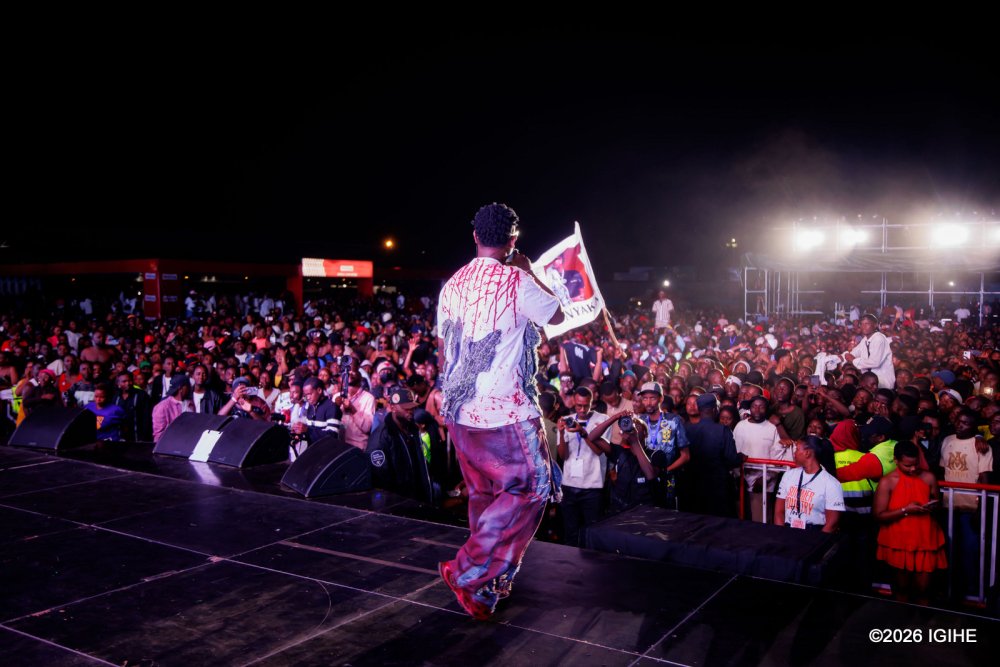
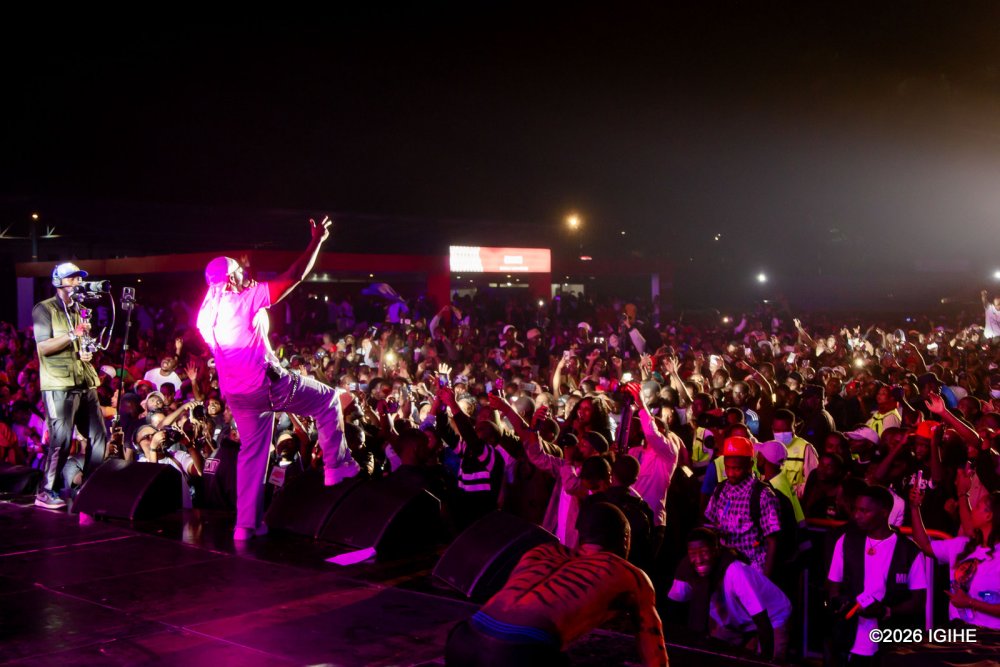
The concert will feature some of Rwanda’s leading artists, including Bruce Melodie, The Ben, Kitoko, and Bwiza.
Since the tour began, all performances have been streamed on Onstage.rw, where viewers can purchase access for 5,000 Rwandan francs and watch the full concert live from start to finish.
Amani Africa, who represents Artland, the company organising the tour in partnership with Watu Wave, said those unable to travel to Bugesera should not worry, as arrangements have been made to ensure they can still follow the event online.
He noted that lessons learned from the previous two concerts have helped improve the streaming experience, making it more reliable and enjoyable for viewers.
The Bugesera concert will be the third stop of the four-part Summer Country Tour, which began in Musanze on June 13, 2026, continued in Nyagatare on June 20, 2026, and will conclude on July 4, 2026, in Rubavu.
The concert has attracted a large number of music fans.Music fans attending the concerts continue to enjoy the experience.
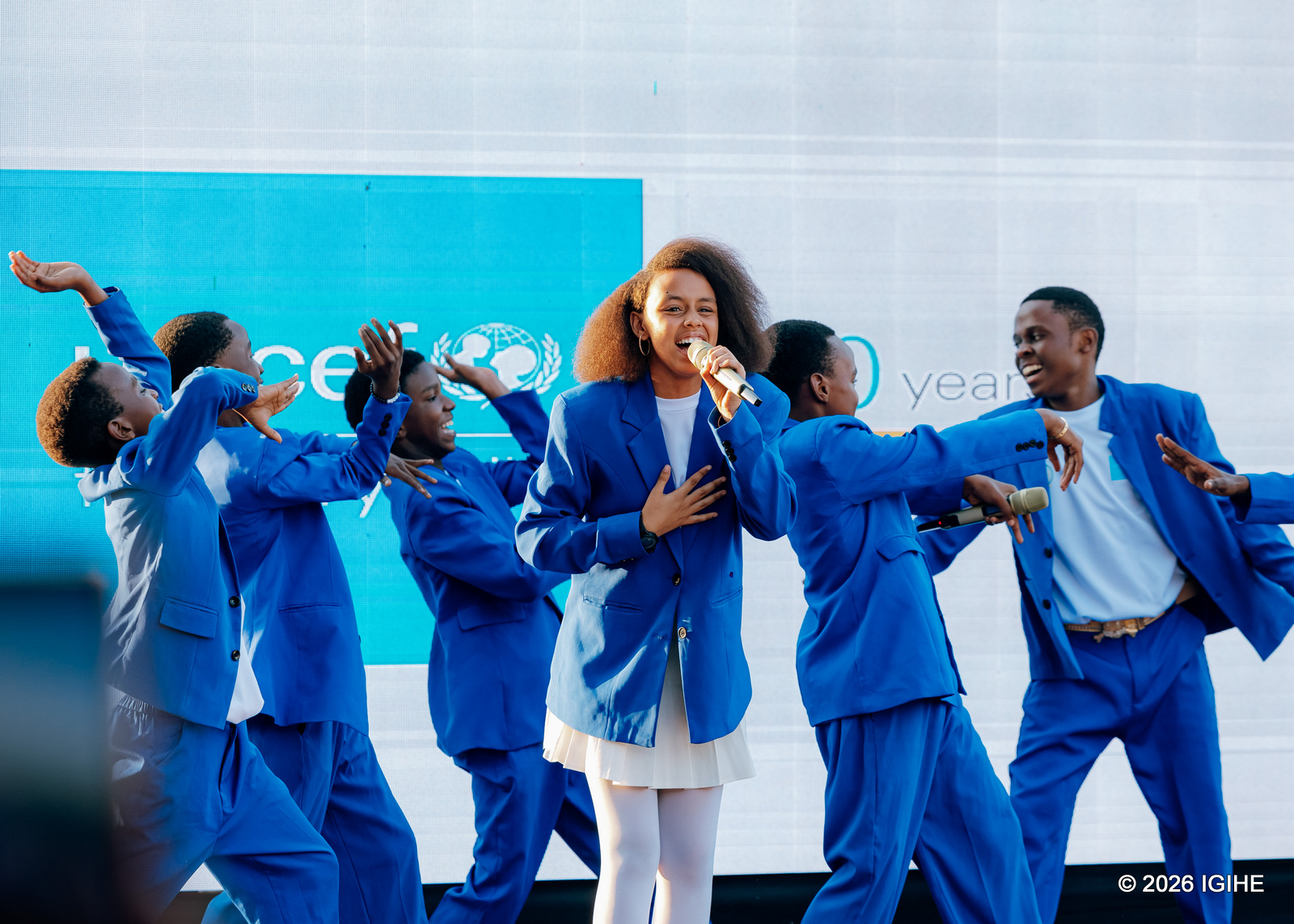
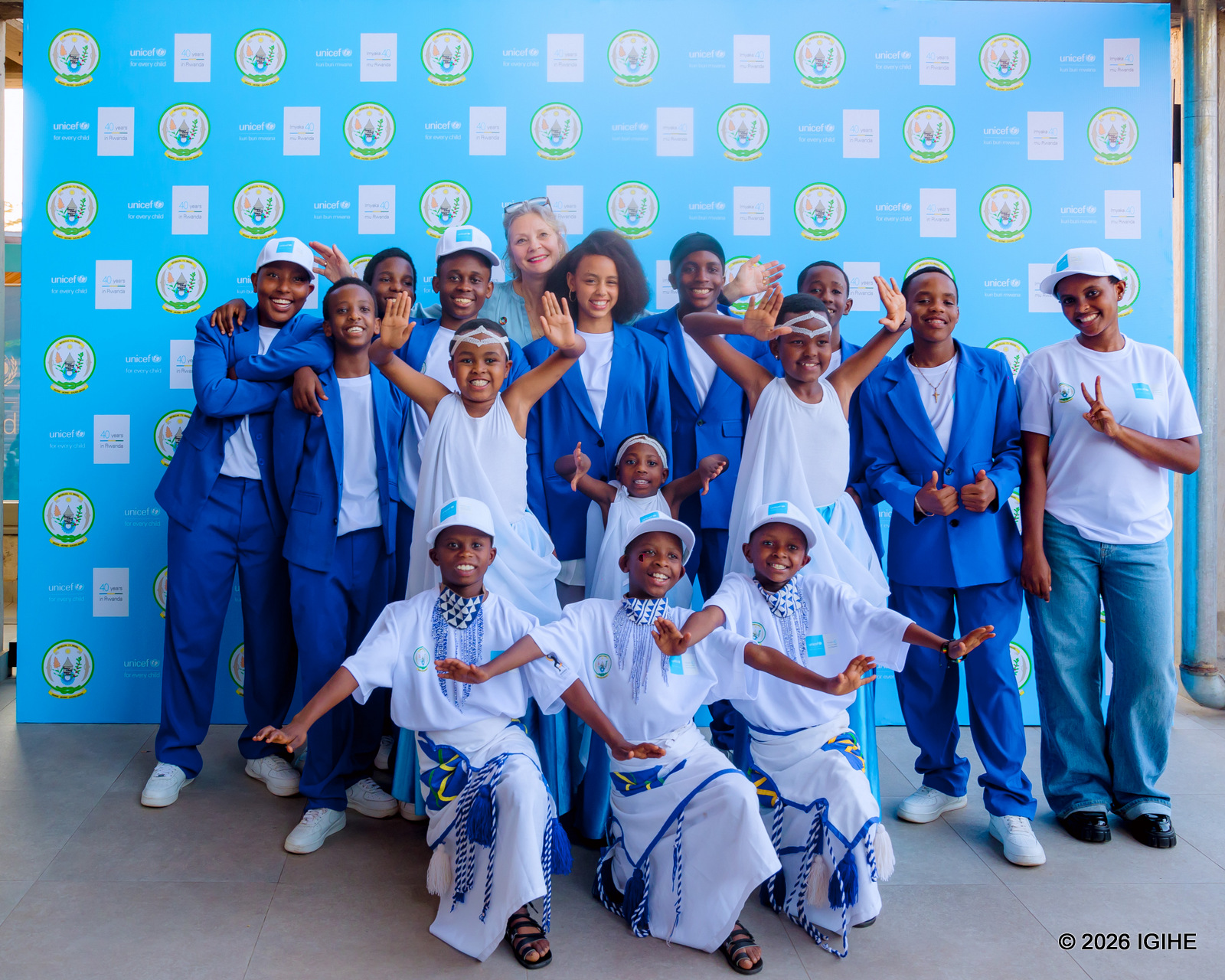
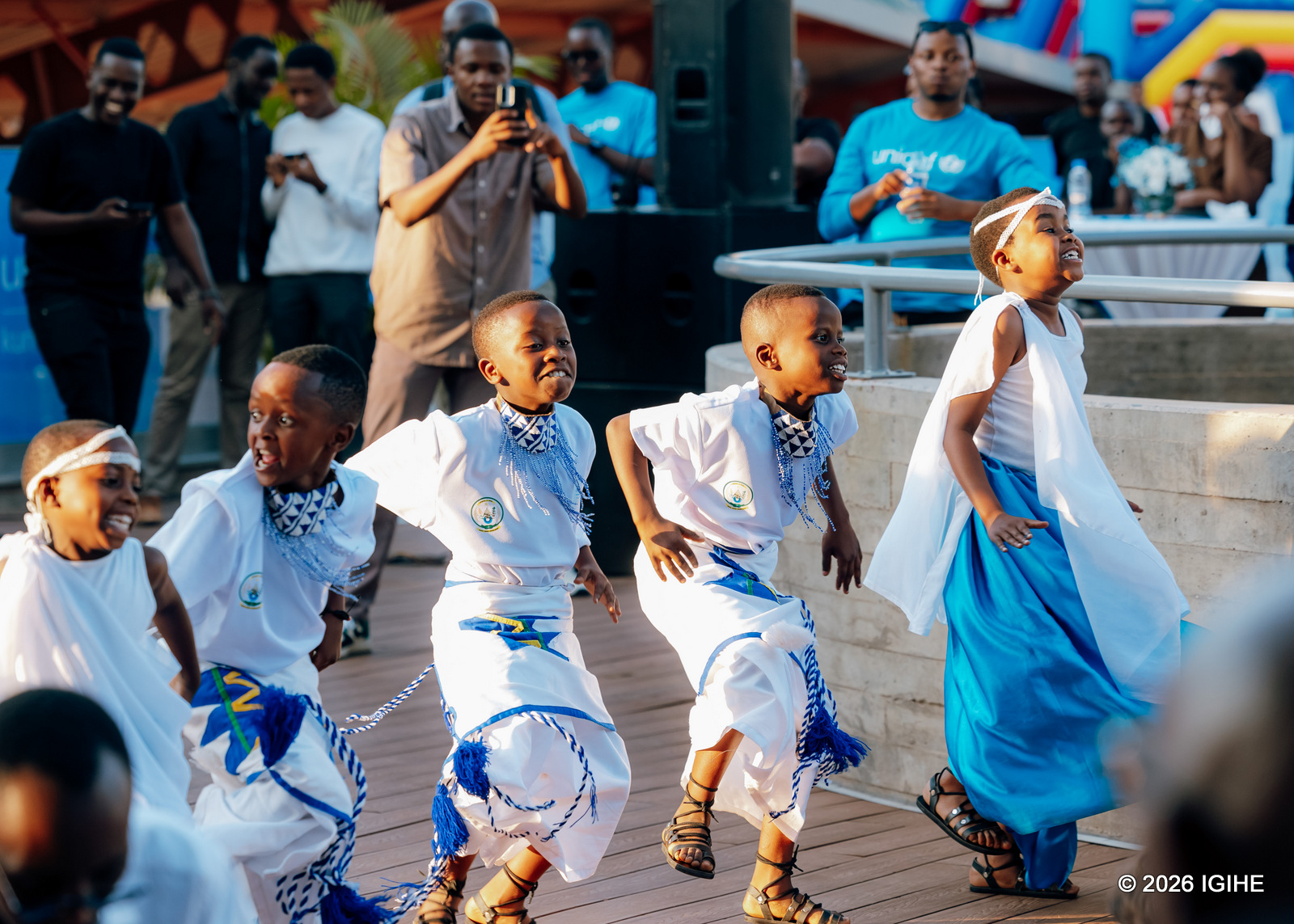
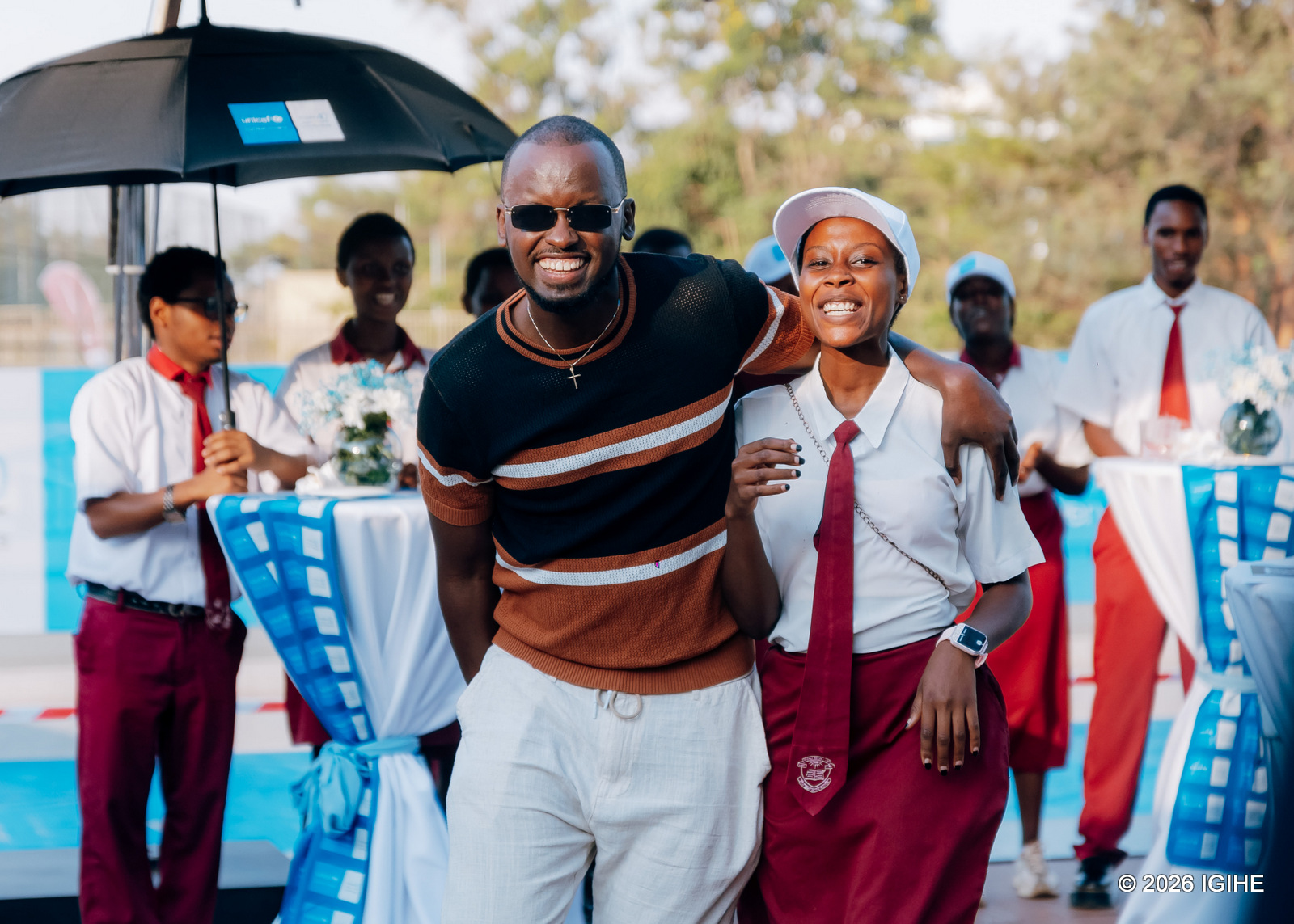
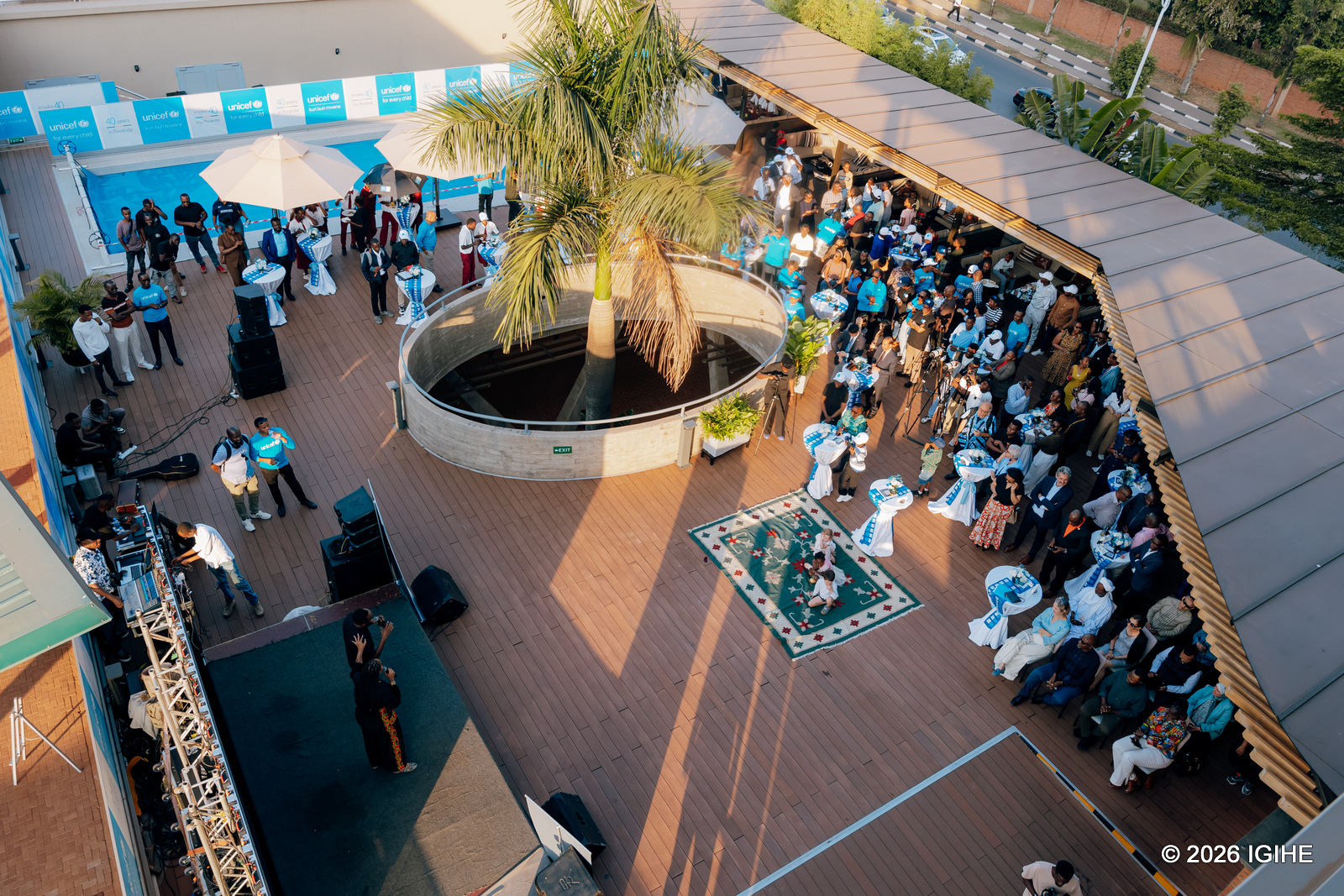
The colorful event, held at Zaria Court on Friday evening, opened with an energetic performance by children from the Sherrie Silver Foundation, whose dance reflected the confidence and potential of a generation that has benefited from improved healthcare, education and protection.
The anniversary song was performed by UNICEF Champion Andy Bumuntu and brought to life through choreography by internationally acclaimed dancer Sherrie Silver, alongside children from her foundation. Their performance captured the voices and aspirations of young people determined to shape Rwanda’s future.
Over the past 40 years, UNICEF and the Government of Rwanda have worked together to improve child survival, expand immunization, strengthen maternal healthcare, increase school enrolment, improve nutrition and widen access to clean water and child protection services.
Through the anniversary campaign, UNICEF hopes to inspire renewed commitment from all sectors of society to continue investing in every child’s future.
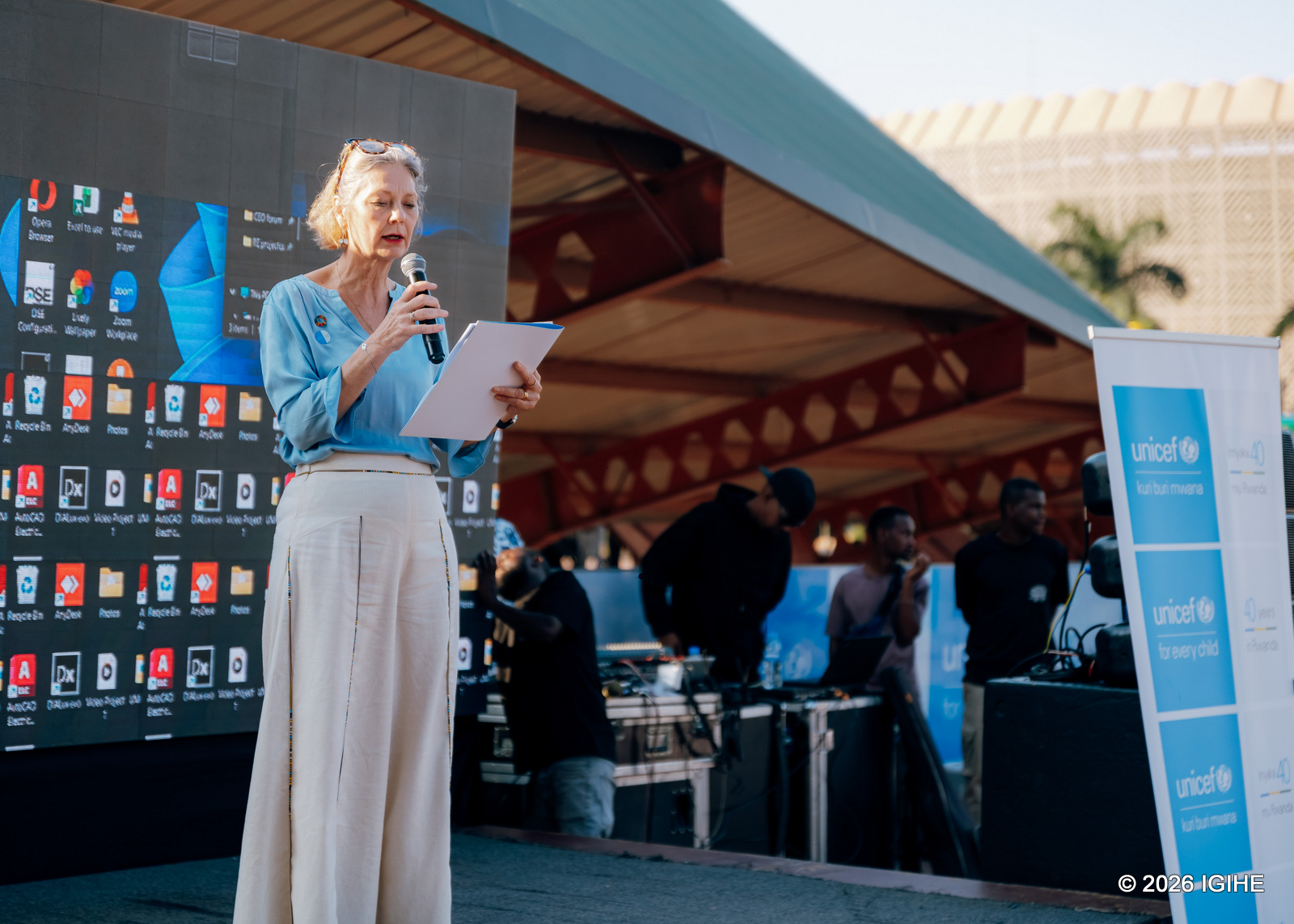
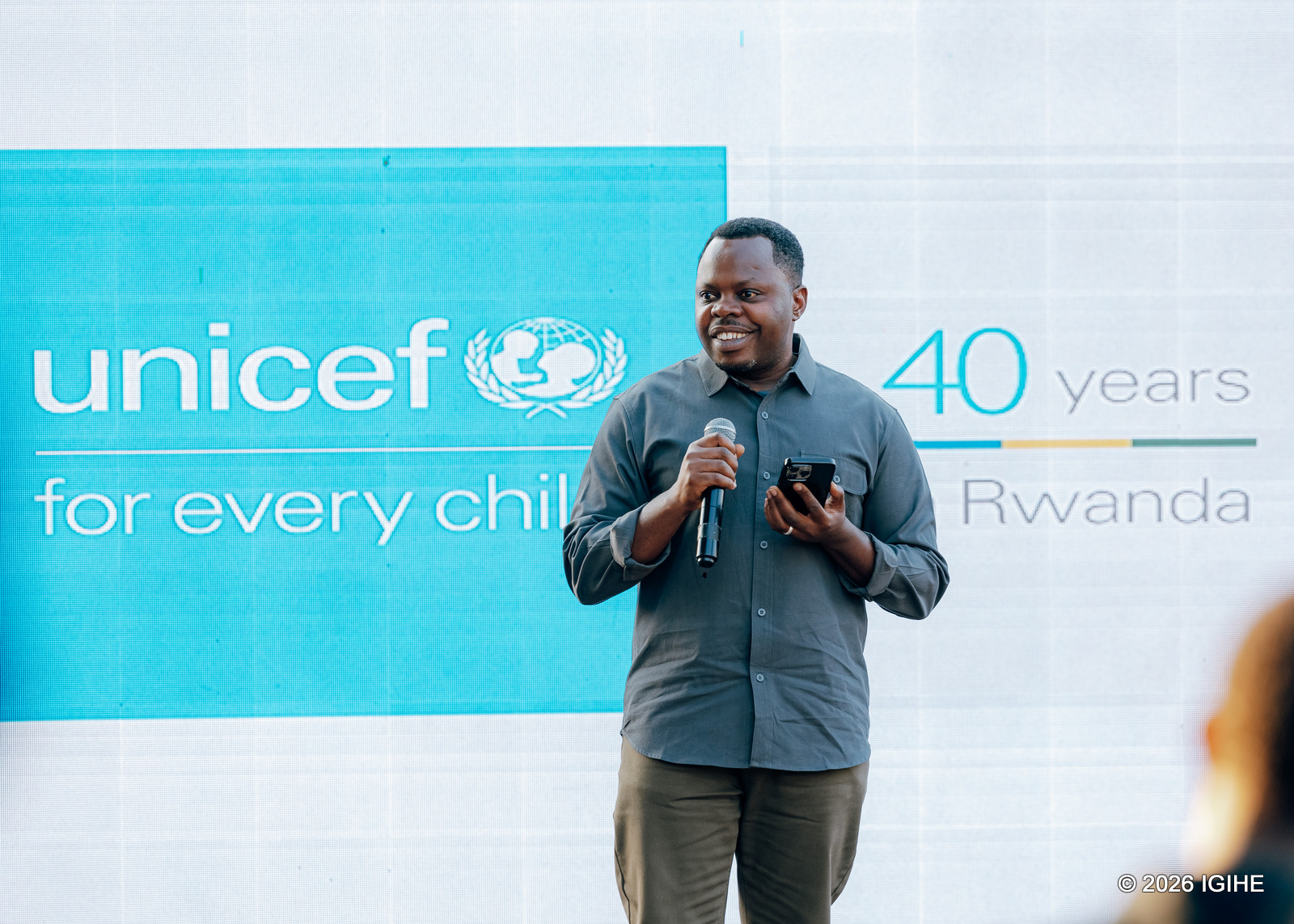
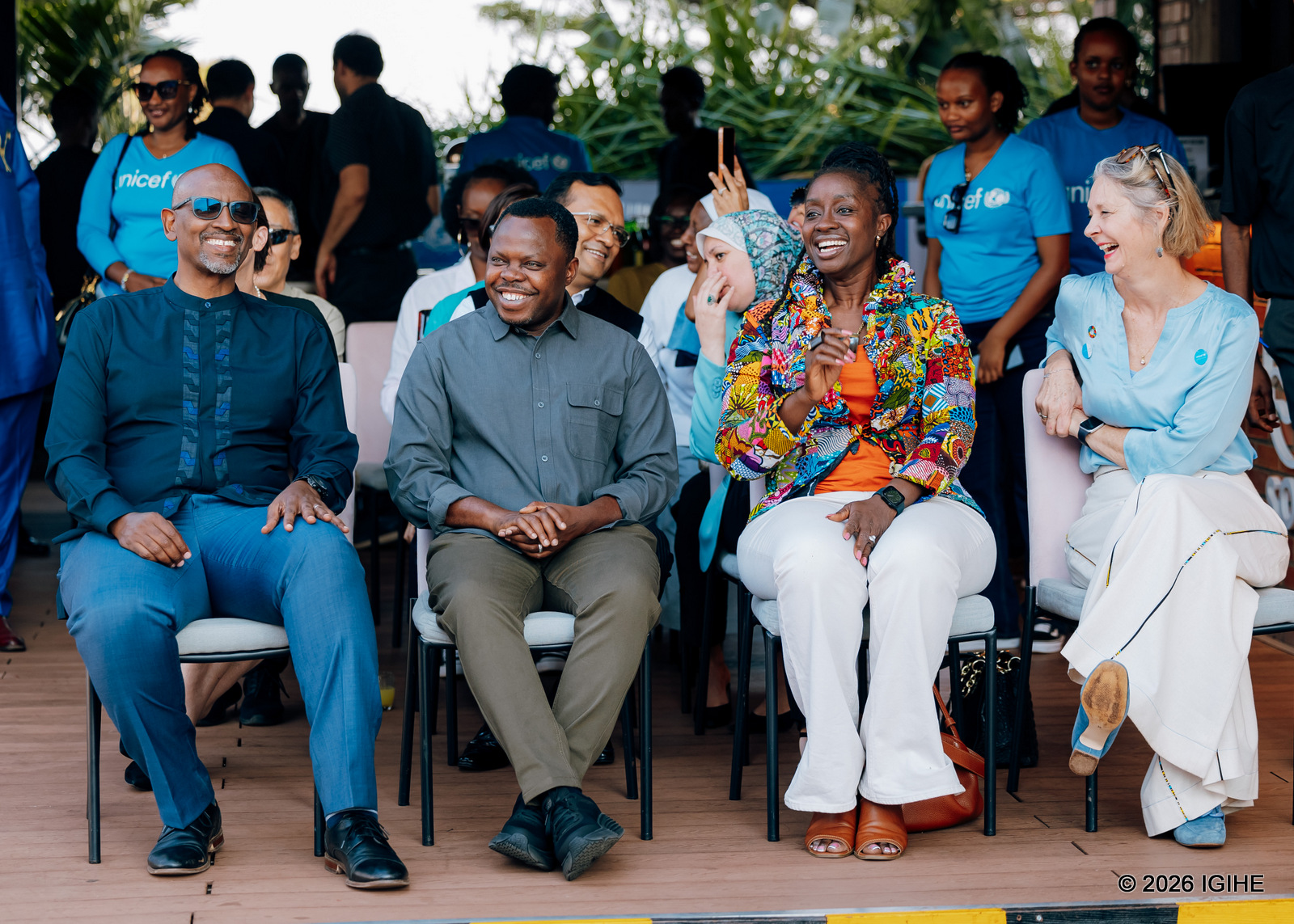
Speaking during the celebration, UNICEF Rwanda Country Representative Lieke van de Wiel described the anniversary as a tribute to everyone who has contributed to improving children’s lives over the years.
“Today is about celebrating every partner, every family, every community and every young person who has helped shape a Rwanda where children have greater opportunities than ever before,” she said.
She added that she hopes the anniversary song will become part of children’s everyday lives.
“My dream is that children will be singing this song in schools while planting trees, in summer camps, on playgrounds and in their homes. When music becomes part of children’s daily lives, so too can the values of hope, unity and protecting every child’s future,” she said.
UNICEF Rwanda Country Representative Lieke van de Wiel addresses guests during the launch of the Rwanda@40 anniversary song, celebrating four decades of partnership in advancing children’s rights.
The celebration also unveiled several initiatives that will be implemented throughout the anniversary year, including the planting of 40 fruit trees in every primary school across Rwanda in partnership with government ministries.
UNICEF will also engage university students through nationwide competitions and dialogue sessions aimed at promoting children’s rights.
Minister of Youth and Arts Dr. Utumatwishima Jean Nepo Abdallah praised the long-standing partnership between Rwanda and UNICEF.
“For forty years, our partnership with UNICEF has helped ensure that more children begin life with hope and opportunity. Together we have chosen that every child receives healthcare, proper nutrition, quality education and protection,” he said.
While celebrating four decades of achievements, speakers emphasized that continued collaboration will be essential to address remaining challenges and ensure that every child in Rwanda has the opportunity not only to survive, but also to thrive and fulfil their potential.
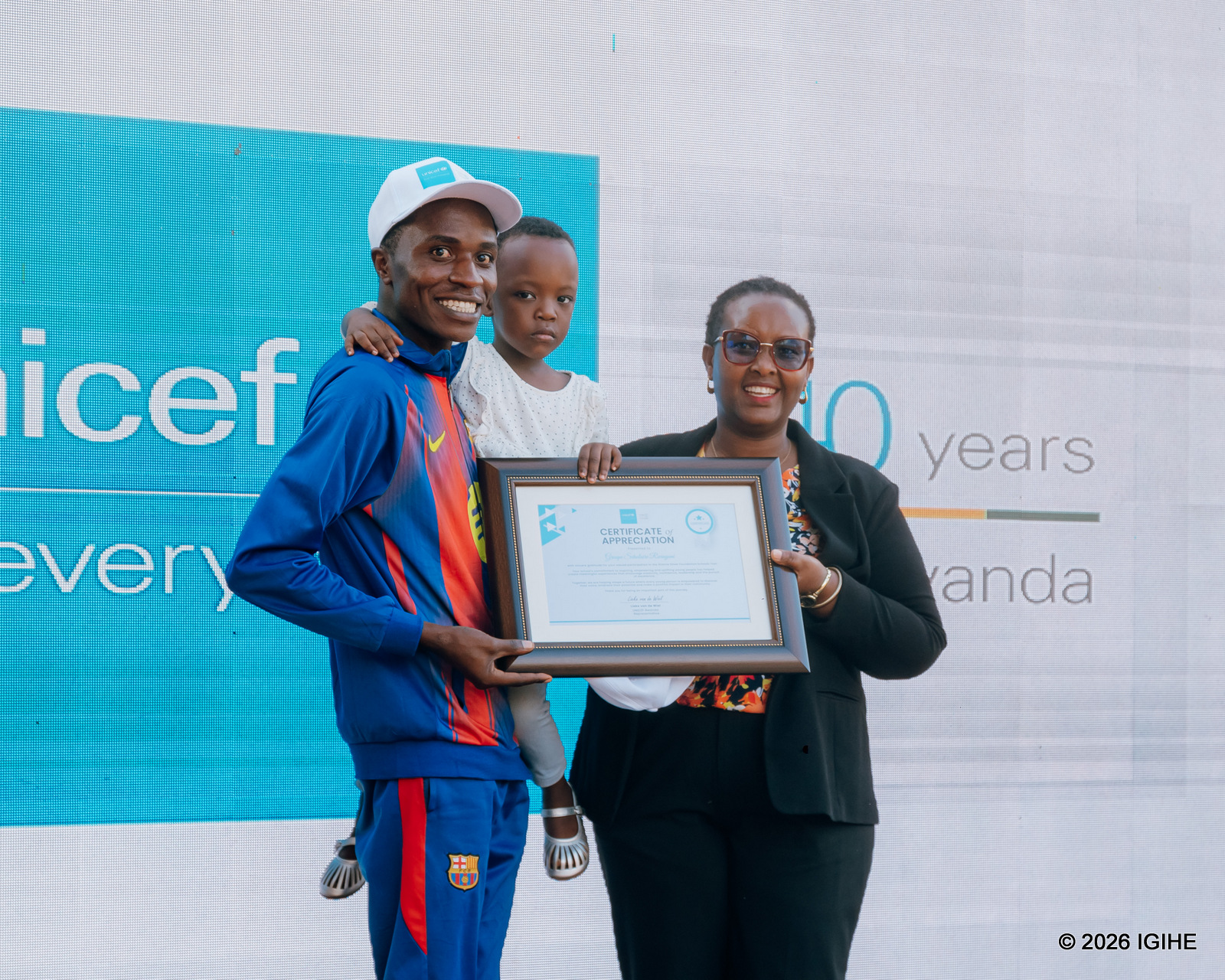
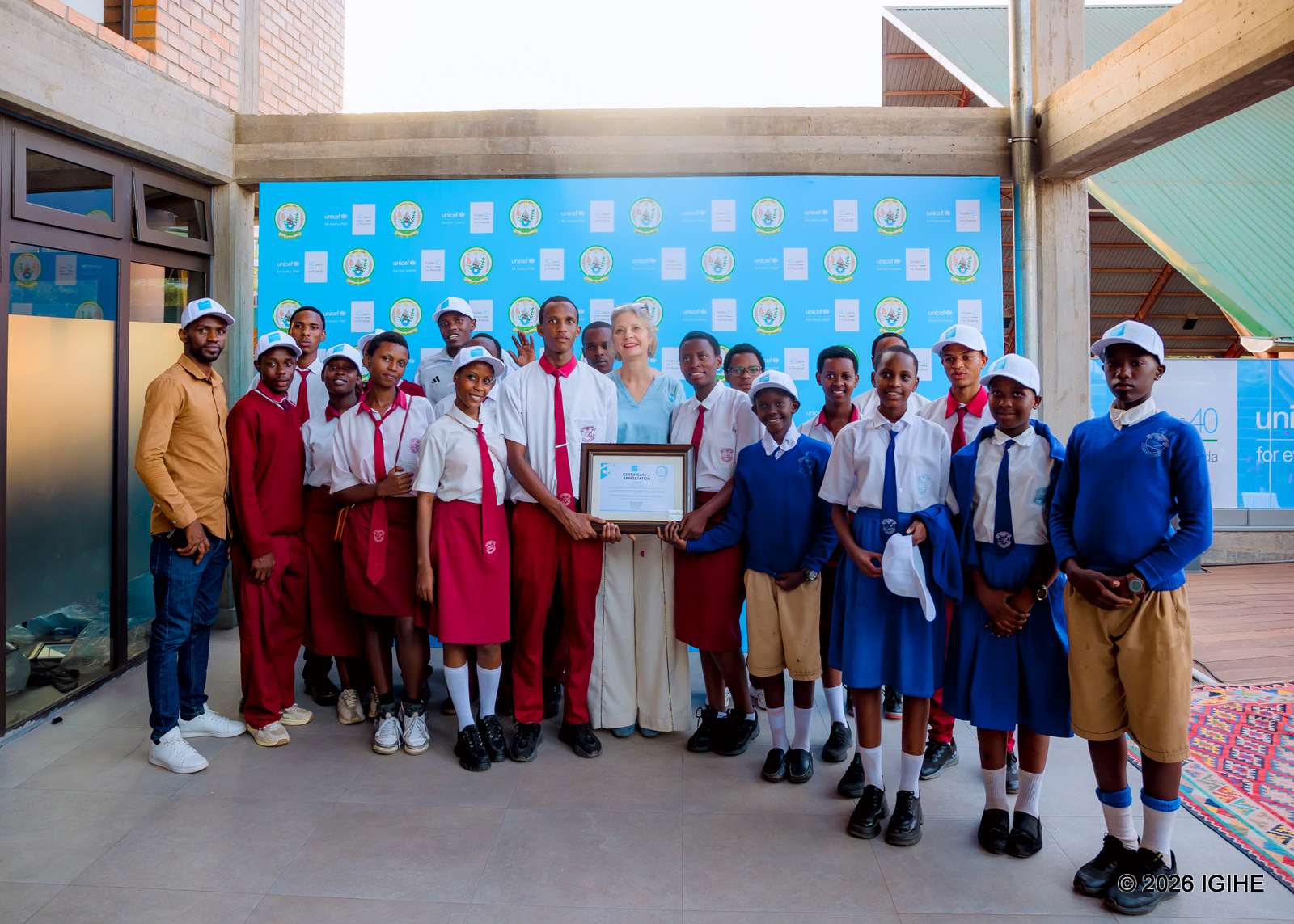
Minister of Youth and Arts Dr. Utumatwishima Jean Nepo Abdallah speaks during the UNICEF Rwanda@40 celebration, reaffirming the country’s commitment to improving the lives of every child.Children from the Sherrie Silver Foundation perform during the launch of UNICEF Rwanda’s 40th anniversary song,Outstanding schools receive awards during the UNICEF Rwanda@40 anniversary celebration, acknowledging their efforts in supporting children’s learning and wellbeing.
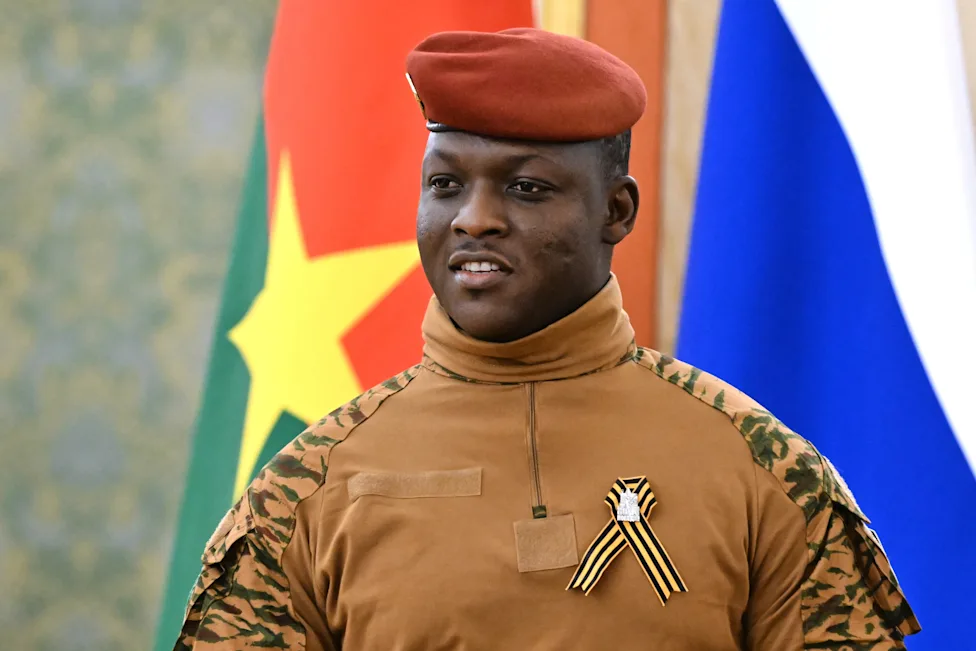
The decision was announced on Friday evening, June 26, 2026, in a statement read on national television by the military government of Captain Ibrahim Traoré, who has led the country since September 2022.
“The government of Burkina Faso hereby informs the national and international community that it has decided to sever diplomatic relations with France with effect from today, June 26, 2026,” Communications Minister Pingdwende Gilbert Ouédraogo stated.
Ouédraogo said the move followed a thorough review of bilateral relations, concluding that the “essential conditions for promoting relations based on mutual respect, reciprocal trust, respect for the principle of non-interference in internal affairs and national sovereignty are not in place.”
The junta went on to accuse Paris of persistent activism against Burkinabè interests, accusing it of “blatant neo-colonial ambitions” and active support for “subversive networks and terrorists” operating within the region.
Paris responds
France responded swiftly to the announcement through its Ministry of Foreign Affairs, firmly rejecting the accusations and condemning the move.
French Foreign Ministry spokesperson Pascal Confavreux denounced the immediate cutoff as a “hostile and unfounded decision.” In an official statement, Paris noted that the development “illustrates the worrying drift of the Burkinabè authorities.”
Confavreux added that France is actively monitoring the safety of its diplomatic personnel and French citizens remaining in the country, urging expatriates to exercise heightened vigilance. Furthermore, the ministry signaled a firm diplomatic counter-response, stating that “necessary reciprocal measures are currently under review.”
People-to-people ties preserved
In its initial statement, the Burkinabè government emphasised that the complete break concerns only the formal institutional framework between the two states.
“This decision exclusively concerns diplomatic relations between the two states and does not call into question the historical, human, cultural and social ties between the people of Burkina Faso and France,” the communiqué read.
Ouagadougou added that French nationals residing in Burkina Faso would continue to be protected in accordance with national laws, calling on citizens to show responsibility, restraint, and civic-mindedness toward expatriates.
Burkina Faso has been battered by a grueling security crisis for more than a decade, with armed extremist groups linked to Al-Qaeda and the Islamic State operating across its territory and the wider Sahel region. The ongoing conflict has caused thousands of deaths and displaced millions of people.
Relations between Paris and several Sahelian capitals have imploded in recent years. Following successive military coups, regional governments have aggressively reassessed their traditional political, military, and diplomatic reliance on the West.
France, which long maintained extensive post-colonial influence in West and Central Africa, already withdrew its military forces and suspended development aid to Burkina Faso in 2023.
This formal diplomatic break aligns with a broader foreign policy shift by the Alliance of Sahel States (AES), comprising Burkina Faso, Mali, and Niger, as they pivot away from traditional European partnerships to diversify international cooperation and strengthen ties with emerging global powers.
Burkina Faso has announced the immediate severance of diplomatic relations with France, marking a definitive rupture in the relationship between the West African country and its former colonial ruler.
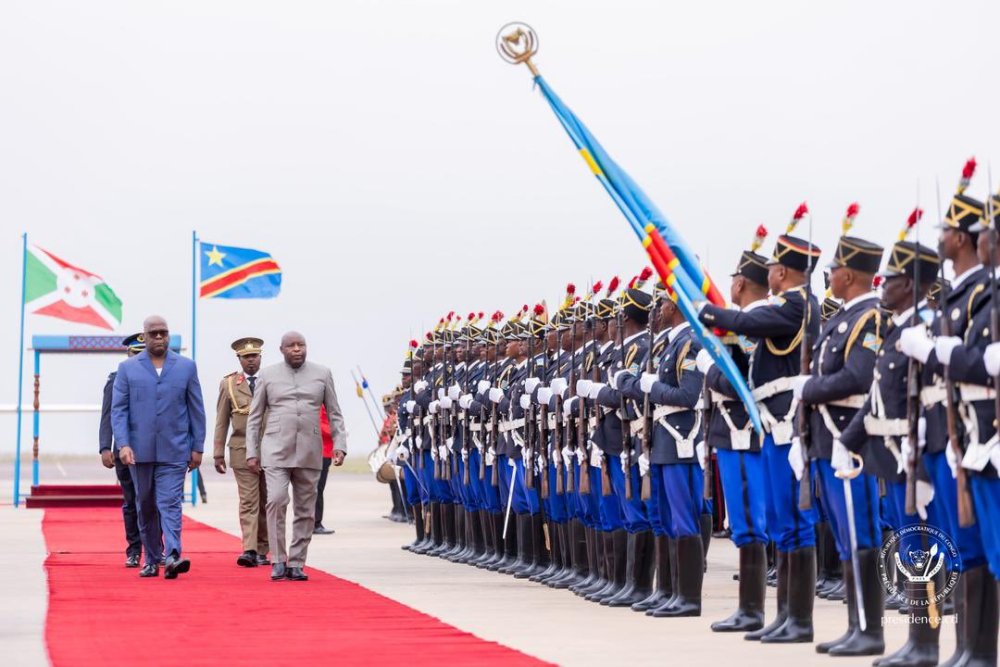
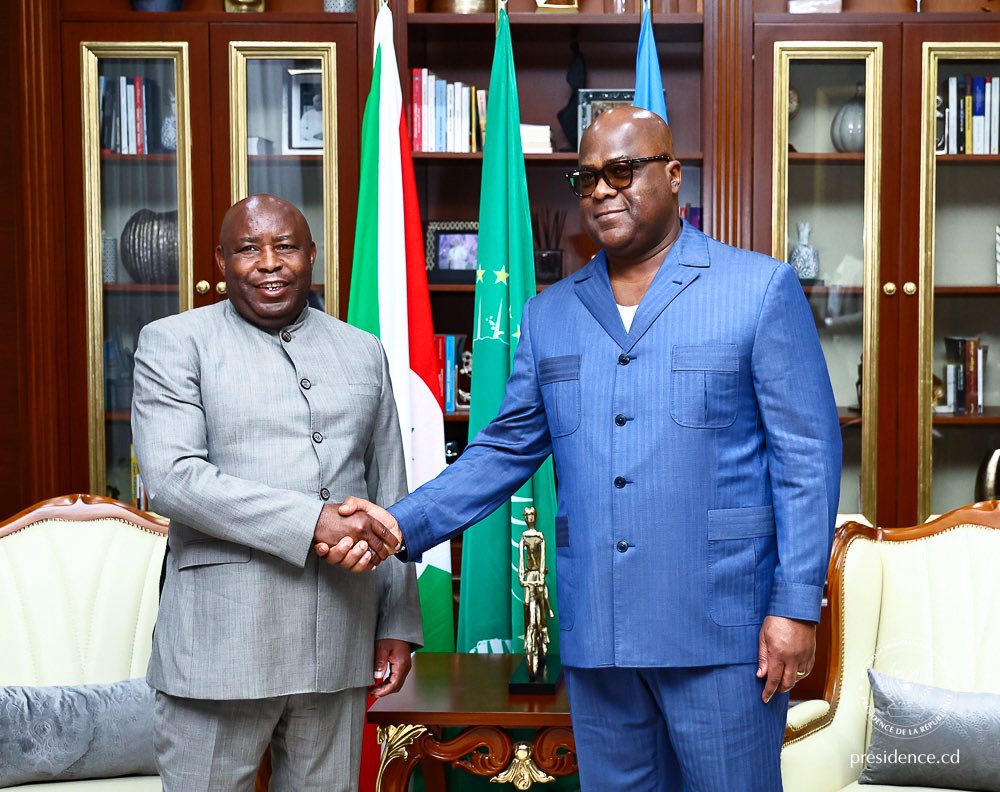
Addressing a Congolese audience alongside President Félix Tshisekedi, Ndayishimiye declared: “You must have confidence that you have a common enemy. When you have a common enemy, to fight it, unity is required.”
There is little doubt that this message is directed against Tutsi communities, particularly the Banyamulenge and other Congolese Tutsi populations who have long faced discrimination, exclusion, and violence in eastern DRC.
The context only reinforces this interpretation: Burundian forces are currently operating alongside a coalition that includes the Armed Forces of the DRC (FARDC), the FDLR genocidal group, Wazalendo militias, and foreign mercenaries.
Ndayishimiye’s remarks are neither a message of reconciliation nor de-escalation. On the contrary, they directly undermine diplomatic efforts led by the United States, Qatar, and the African Union.
The Washington peace agreement between Kigali and Kinshasa, as well as ongoing discussions between the Congolese government and the AFC/M23, are centered on peaceful conflict resolution and political dialogue, not military confrontation. Yet Ndayishimiye’s intent is to stir conflict and incite further violence against Congolese Tutsi communities.
Ndayishimiye’s remarks are neither a message of reconciliation nor de-escalation.
Shortly after his meeting with Tshisekedi, Ndayishimiye recommitted to sending several hundred additional Burundian troops to the DRC. This development coincides with reports that the FARDC-FDLR-Burundian coalition is reorganizing following recent battlefield setbacks. Military units are reportedly being reassembled around Minembwe, Kamanyola, and the Rusizi Plain, potentially in preparation for renewed large-scale operations.
Ndayishimiye has increasingly positioned himself as a central actor in policies and military actions that contribute to the marginalization and displacement of Tutsi communities in eastern DRC. Burundi has already deployed more than 20,000 troops, operating primarily in South Kivu, including Fizi, Mwenga, and areas surrounding Minembwe.
Concerns regarding Ndayishimiye’s stance toward the Congolese Tutsi, or Banyamulenge, are not new. In previous statements, he questioned the existence of the Banyamulenge as a distinct ethnic community, arguing that they lack a traditional chieftaincy, a claim that is historically inaccurate and politically significant, as it challenges the identity and legitimacy of a community that has lived in the region for centuries.
The Burundian president has also argued that the Banyamulenge issue emerged only after Rwanda’s intervention in Zaire in 1996. Historians and regional experts dispute this characterization, noting that disputes over the citizenship, identity, and political status of the Banyamulenge long predate the wars of the mid-1990s. The roots of these tensions stretch back decades and are deeply intertwined with colonial-era policies, questions of nationality, and local power struggles.
Ndayishimiye’s reference to a “common enemy” carries significant weight. In a region where ethnic tensions have repeatedly fuelled cycles of violence, such language cannot be interpreted as a simple call for unity. Instead, it reinforces narratives that portray entire communities as threats, inciting ethnic violence at a moment when political dialogue and reconciliation are urgently needed.
As peace initiatives continue to gain international support, the key question remains: will regional leaders pressure the Ndayishimiye-Tshisekedi alliance to embrace inclusive political solutions, or will they stand by as military escalations continue and eventually spiral out of control?
Shortly after his meeting with Tshisekedi, Ndayishimiye recommitted to sending several hundred additional Burundian troops to the DRC. This development coincides with reports that the FARDC-FDLR-Burundian coalition is reorganizing following recent battlefield setbacks.
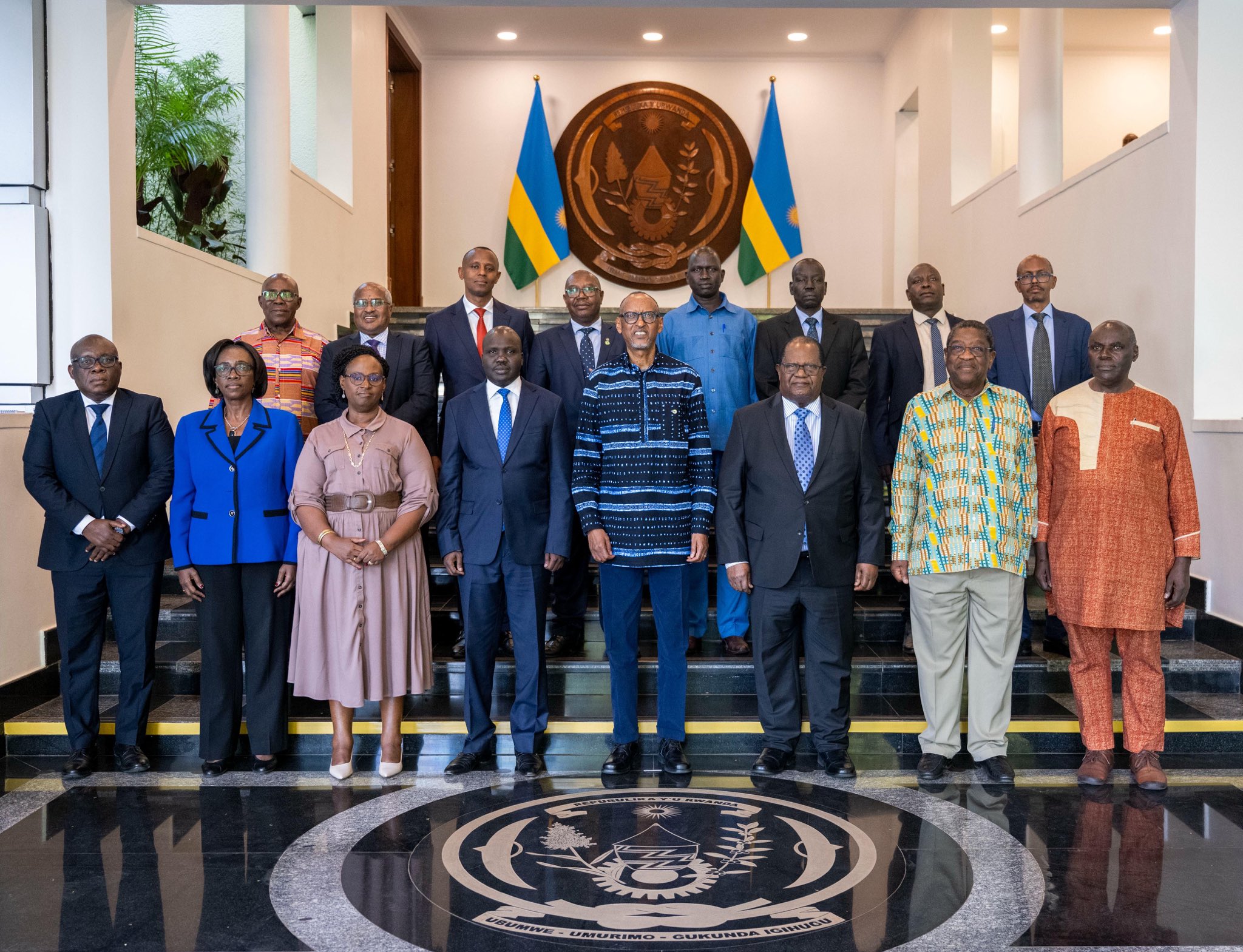
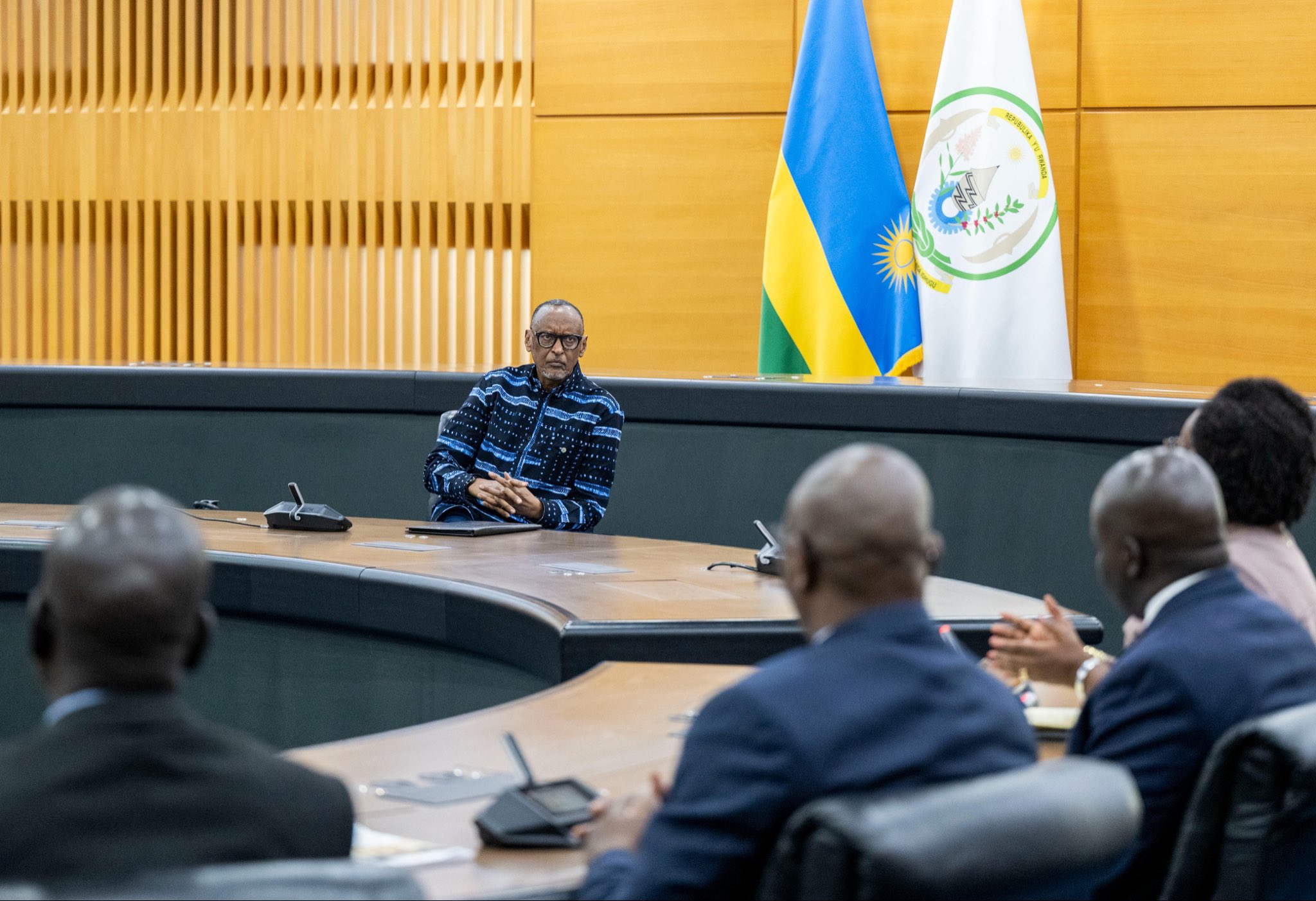
The discussions focused on the ongoing work towards the East African Political Confederation, with particular attention to progress on drafting its Constitution and the next steps in advancing the regional integration agenda.
The meeting comes as the EAC continues region-wide consultations on the proposed Political Confederation, a transitional arrangement adopted by Heads of State in 2017 as a pathway towards the eventual Political Federation of East African States.
In Rwanda, the consultations were launched on June 15 and were conducted across different parts of the country, including Kigali, Rubavu, Huye and Nyagatare. The two-week exercise, which concludes on June 27, is aimed at gathering citizens’ and stakeholders’ views to inform the drafting of the Constitution of the Political Confederation.
The consultations have brought together participants from government institutions, Parliament, the judiciary, academia, civil society, the private sector, youth and women’s groups, faith-based organisations, persons with disabilities, political parties and the media.
According to the EAC Secretariat, the views collected across Partner States will inform the development of the governance framework of the Political Confederation and help define institutional structures for the next phase of regional integration.
EAC officials describe the process as a key milestone in the broader integration agenda, which also includes the Customs Union, Common Market, and ongoing implementation of the Monetary Union Protocol, as Partner States work towards deeper economic and political integration.
Speaking during earlier phases of the consultations, EAC officials emphasized the importance of citizen participation in shaping the integration framework.
“This is not merely an exercise. The Treaty is very clear that the Community is people-centred, and therefore, citizens must be consulted when major decisions about our integration are being made,” said EAC Secretary General Ambassador Stephen Mbundi.
President Paul Kagame hosted the EAC delegation at Urugwiro Village.The discussions focused on the ongoing work towards the East African Political Confederation, with particular attention to progress on drafting its Constitution and the next steps in advancing the regional integration agenda.
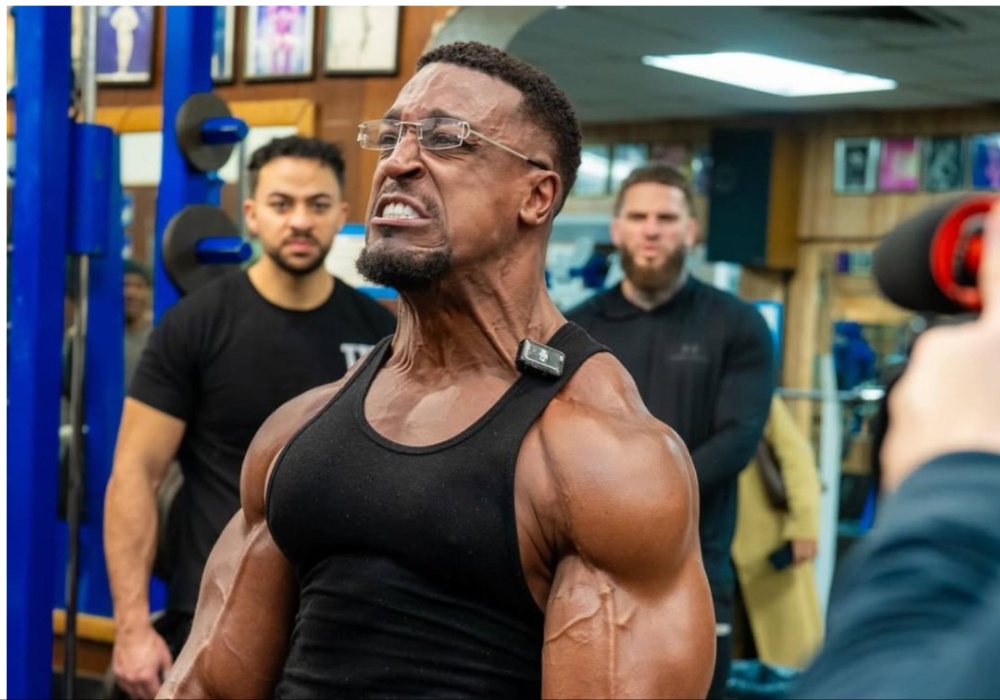
Hall, who has built a global following through viral, high-intensity fitness routines, recently teased the trip on his social media platforms.
In a series of clips showing him racing against cars and aircraft, the influencer repeatedly exclaimed “Africa,” signaling his forthcoming visit to the continent. He also shared a sequence of national flags outlining his planned itinerary, confirming that the tour will begin on June 28, 2026.
As part of the tour, Hall is expected to visit a series of African countries, including Algeria, Angola, Benin, Botswana, the Democratic Republic of the Congo, Burundi, Uganda, and South Africa, among others.
The 30-year-old influencer is known for his disciplined daily fitness regimen, typically carried out in the early morning hours. He says he has maintained this routine consistently for the past 15 years.
His upcoming African tour follows previous international visits to countries such as Germany, Puerto Rico, India, and the United Arab Emirates, where he has often collaborated with local creators and fitness enthusiasts.
In Rwanda, social media personality Kagarara has been among those inspired by Hall’s style of content creation. He began producing similar content after meeting American streamer IShowSpeed, who previously visited Rwanda.
Hall, who has built a global following through viral, high-intensity fitness routines, teased the trip on his social media platforms.The 30-year-old influencer is known for his disciplined daily fitness regimen, typically carried out in the early morning hours. He says he has maintained this routine consistently for the past 15 years.
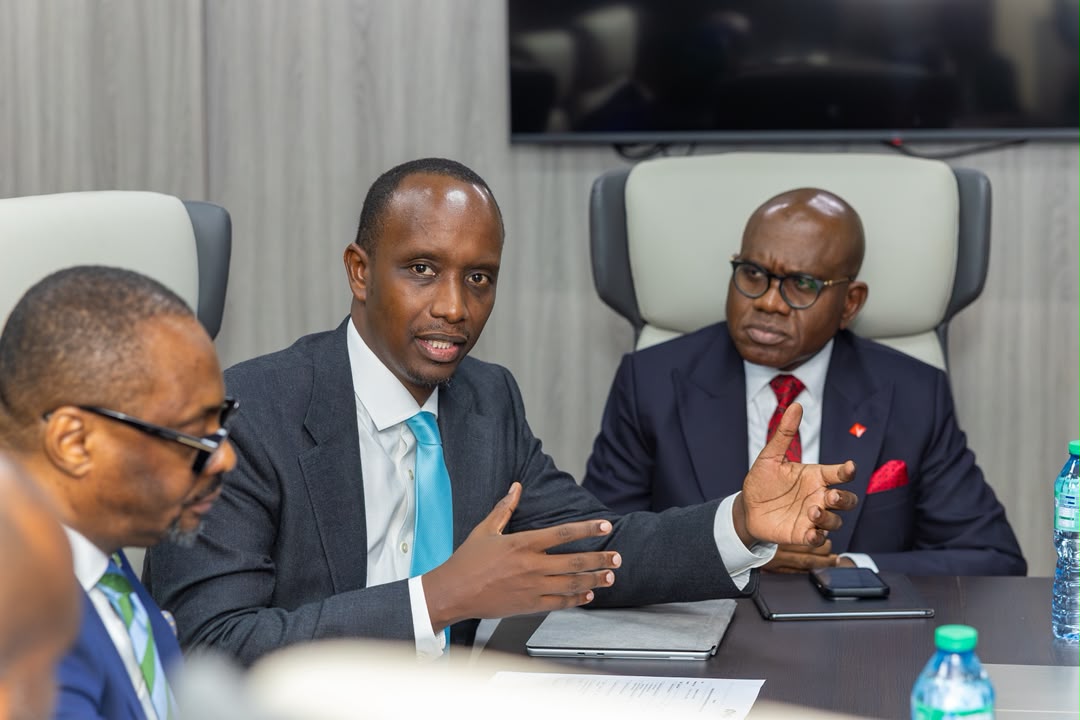
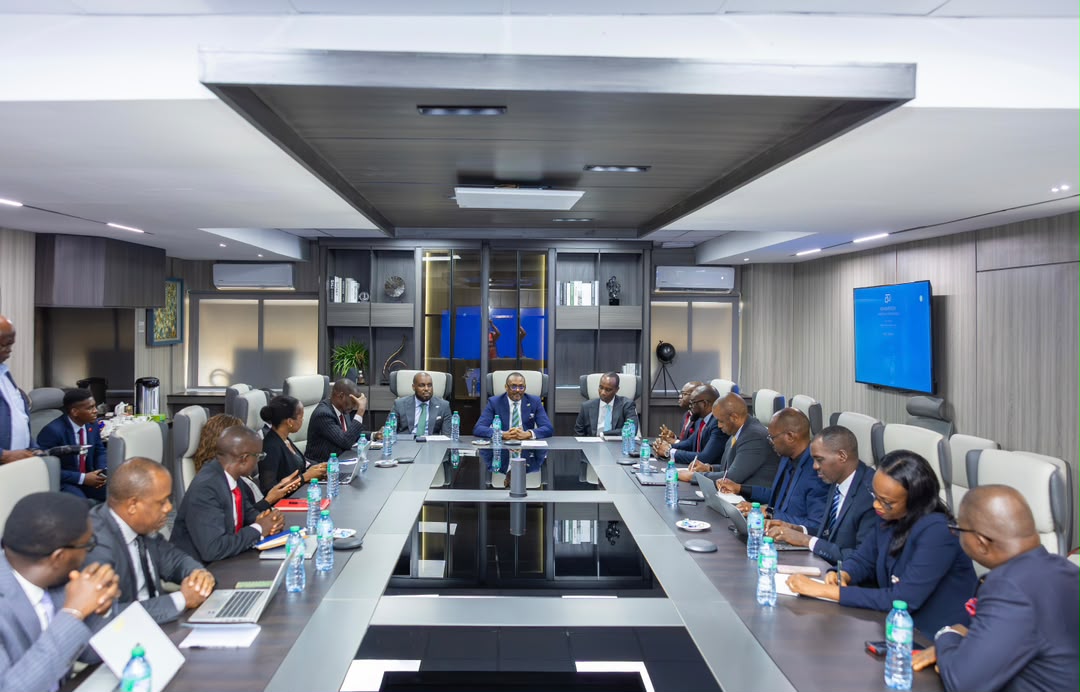
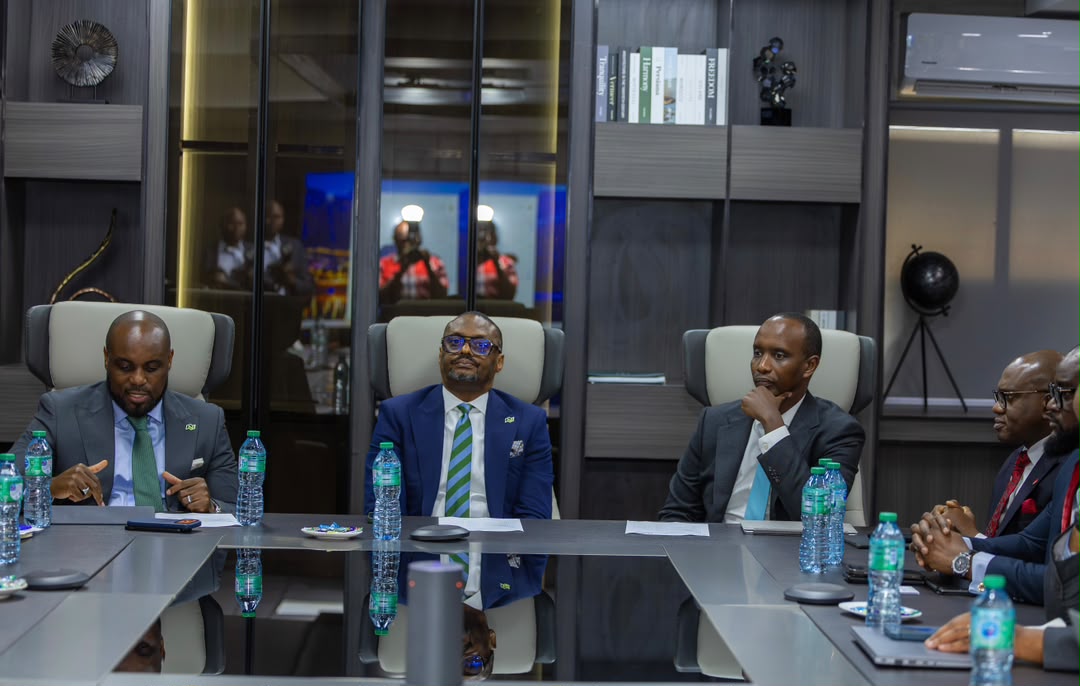
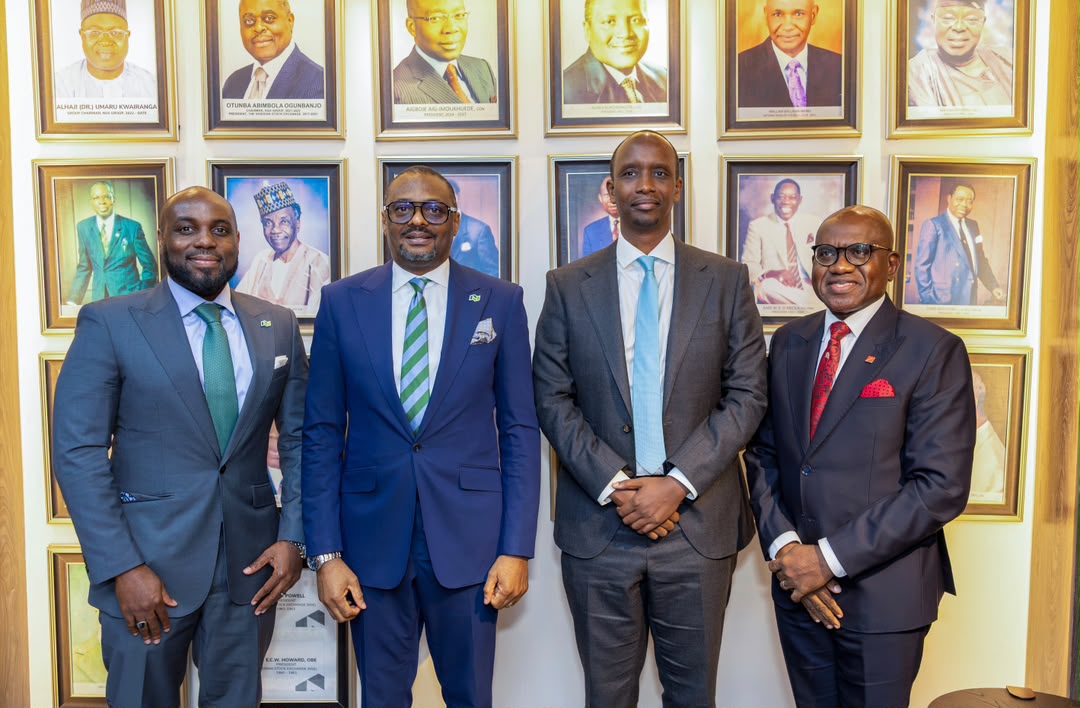
Led by Chief Executive Officer Romeo Ngarambe, the delegation held talks with the Nigerian Exchange Group and the Central Securities Clearing System in Lagos, drawing lessons from one of Africa’s largest capital markets.
At the Nigerian Exchange Group, the delegation met Jude Chiemeka, Chief Executive Officer of Nigerian Exchange Limited, and Temi Popoola, Group Managing Director and Chief Executive Officer of NGX Group. The discussions covered market regulation, trading systems, investor access and opportunities for closer links between African exchanges.
The institutions also examined cooperation through the African Securities Exchanges Association and the African Exchange Linkage Project, which is designed to enable investors to access securities listed across participating markets.
Greater cross-border market access could widen the pool of investors available to Rwandan companies, support capital raising and improve the movement of investment funds between African economies.
During discussions with the Central Securities Clearing System, the delegation reviewed Nigeria’s experience in securities depository services, settlement-cycle reform, market dematerialisation, risk management and post-trade technology.
The engagement included lessons from Nigeria’s move to a T+1 settlement cycle, where securities transactions are completed one business day after trading. Faster settlement can reduce transaction risks, improve market efficiency and allow investors to access their securities and funds sooner.
Ngarambe said cooperation between African institutions was essential to building stronger and more accessible markets.
“African capital markets can grow faster when institutions share experience and adapt solutions that have worked on the continent. Our objective is to build efficient, trusted and accessible market infrastructure that supports investment in Rwanda and regional integration,” he said.
The delegation also held engagements with Nigeria’s Securities and Exchange Commission and Debt Management Office.
CMA Rwanda said lessons from the mission would support ongoing efforts to strengthen supervision, improve market infrastructure, expand investment products and attract domestic and international investors.
The cooperation is expected to contribute to a more connected African capital market in which businesses can access long-term financing and investors can participate in opportunities beyond their domestic markets.
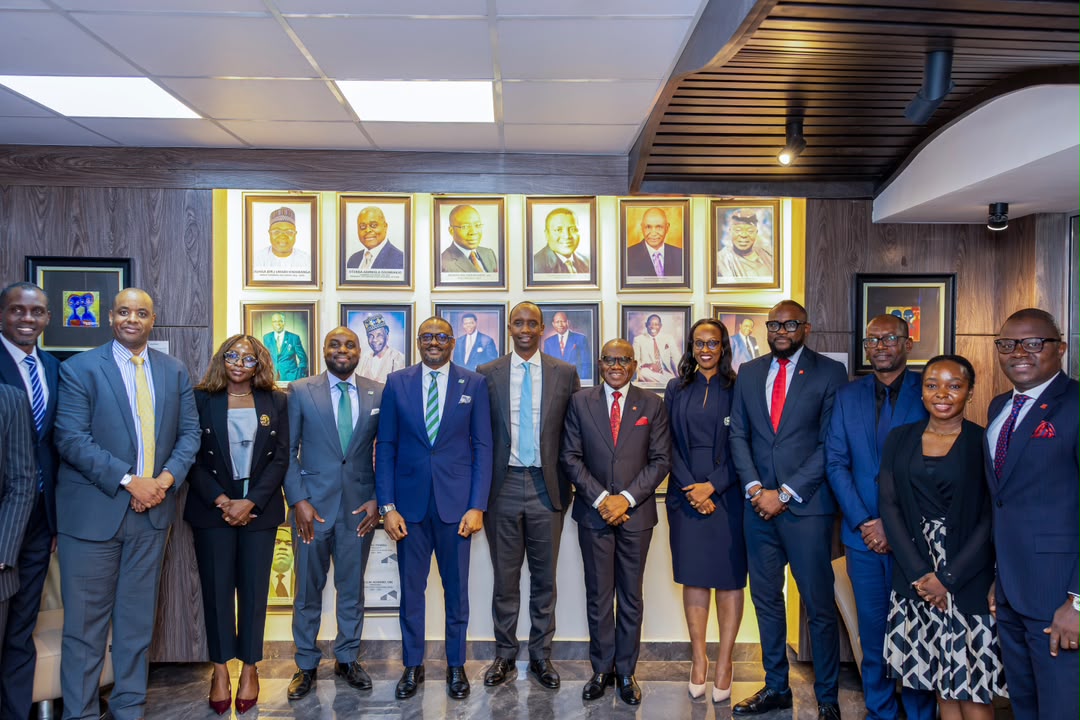
The mission, led by CMA Chief Executive Officer Romeo Ngarambe, took place in Lagos where the delegation held engagements with key Nigerian financial market institutions
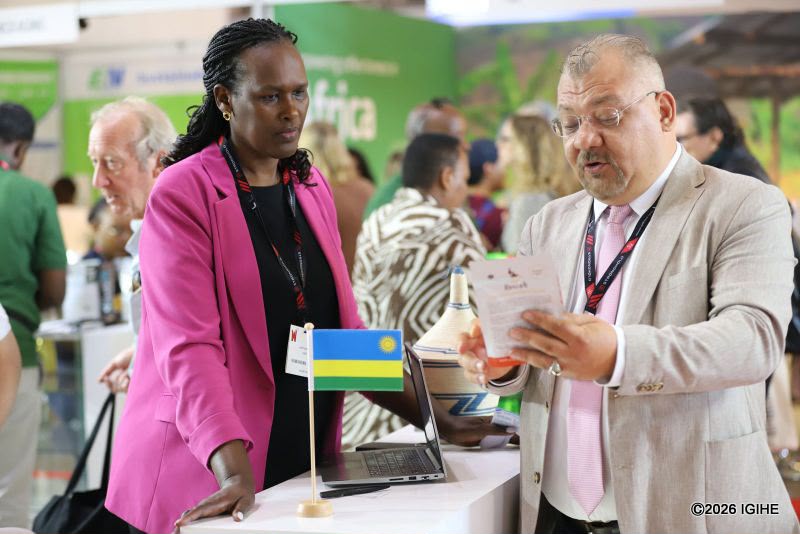
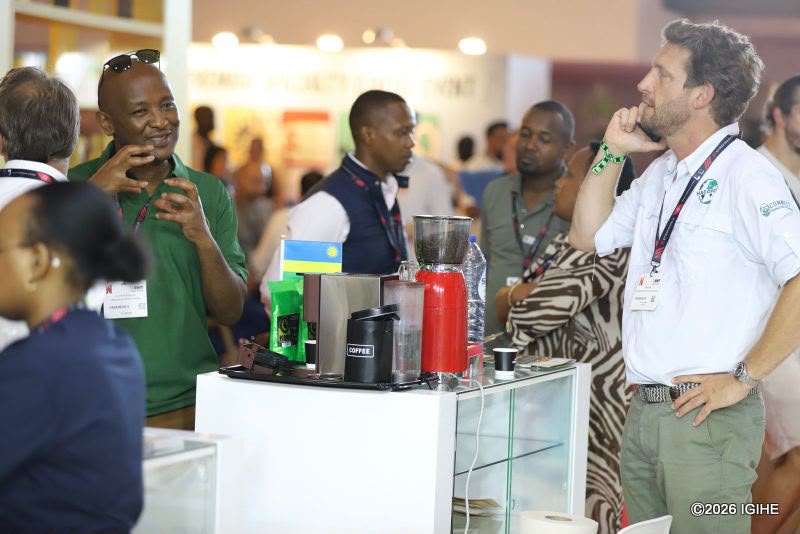
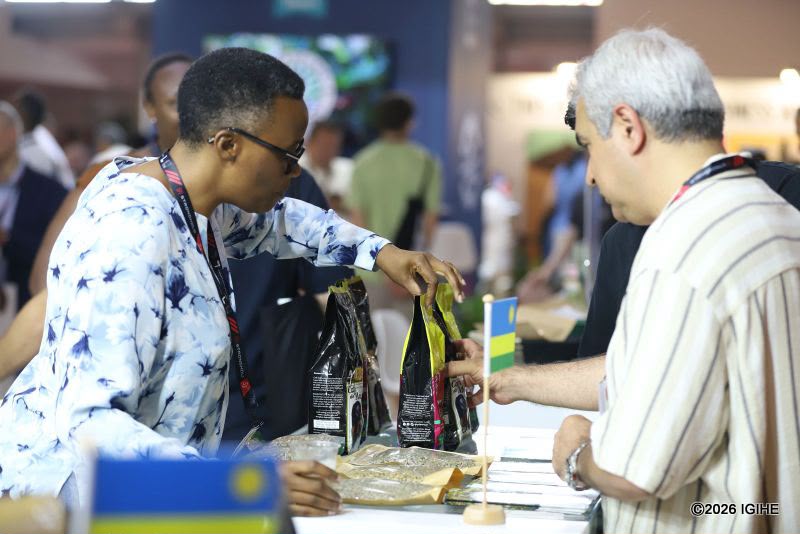
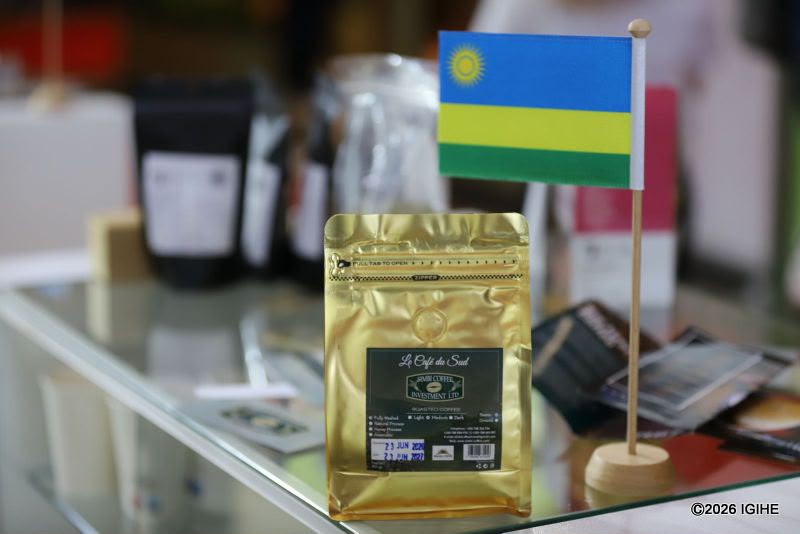
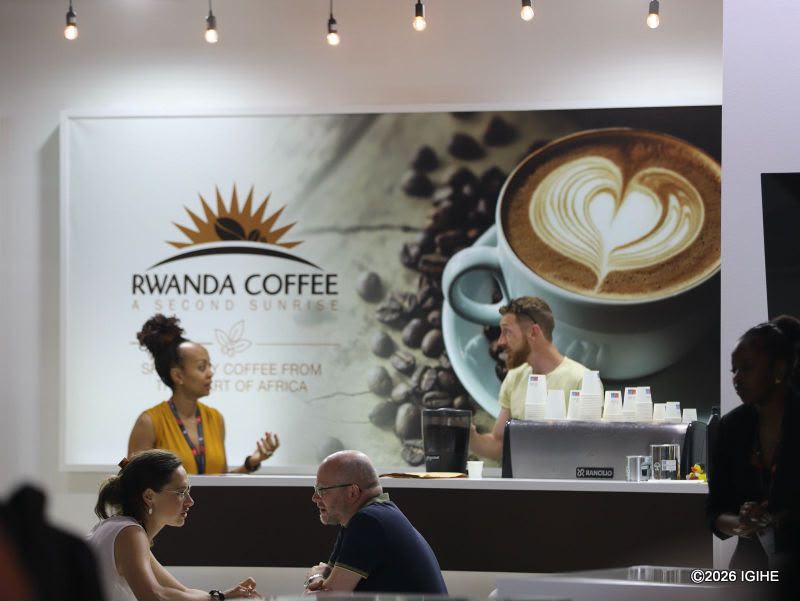
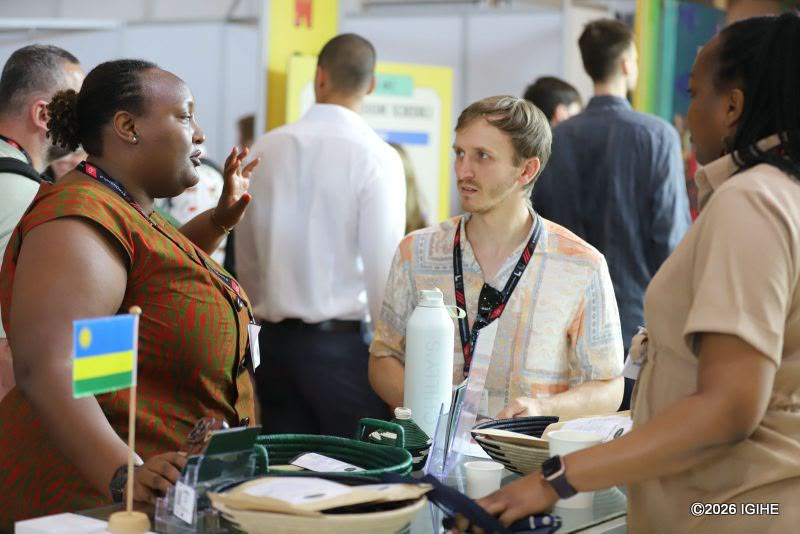
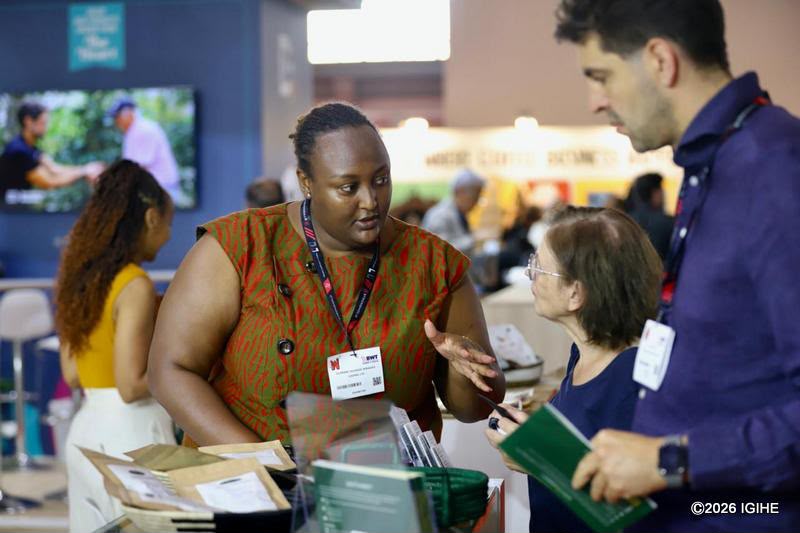
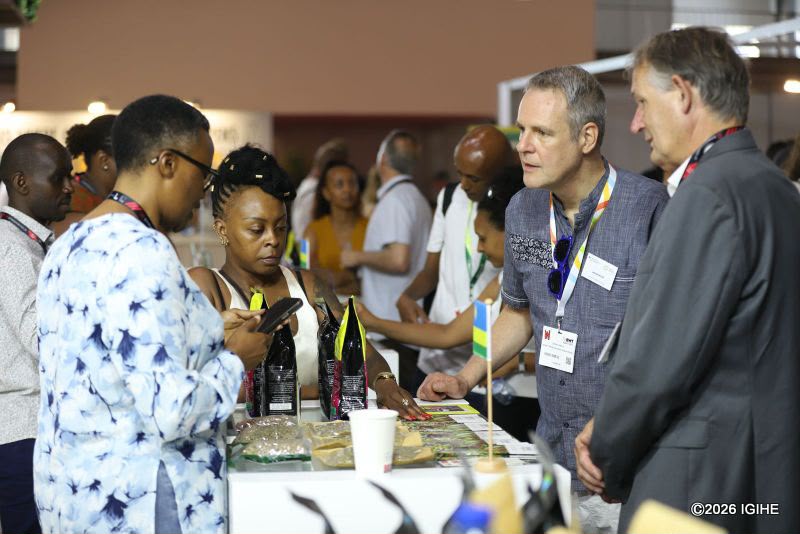
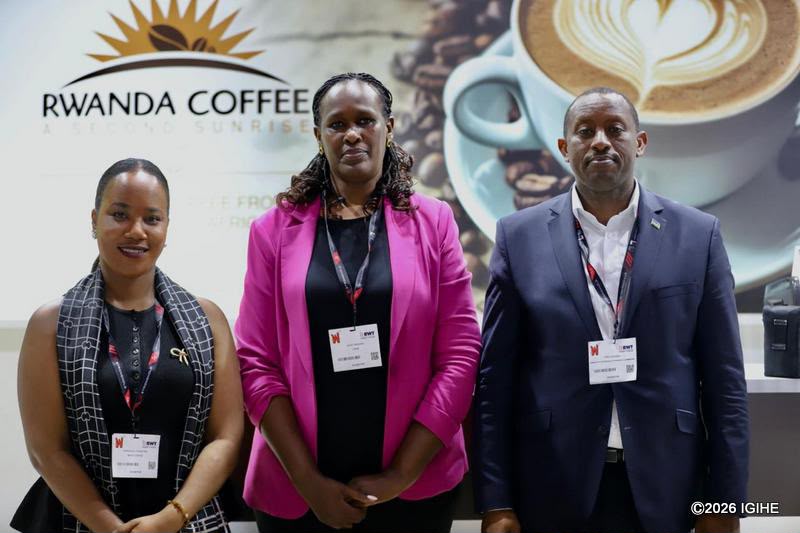
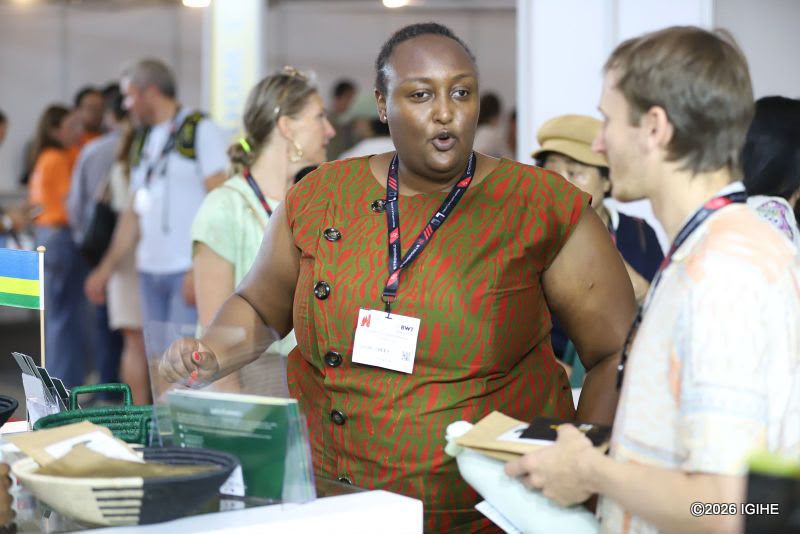
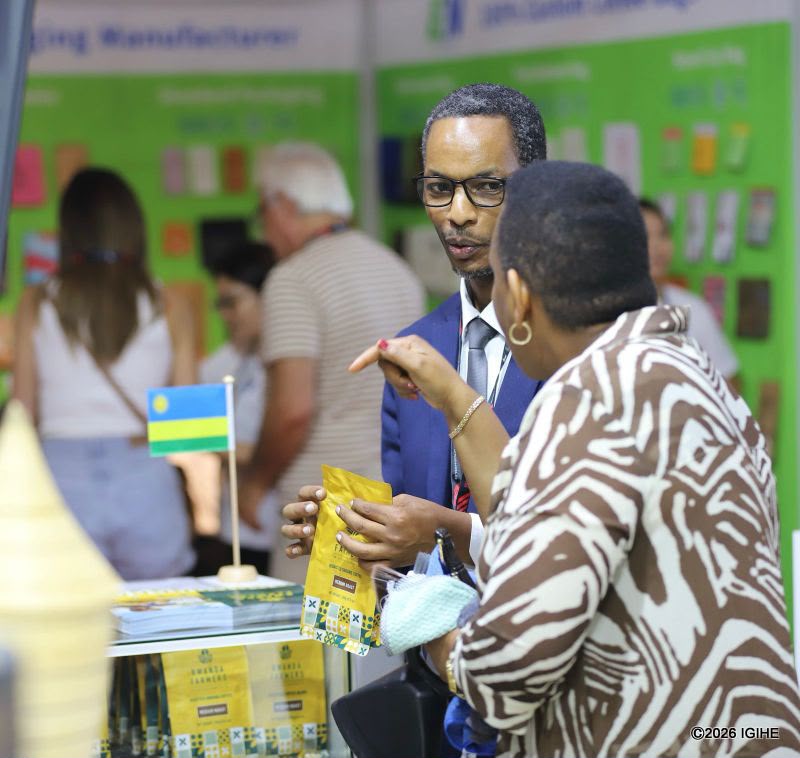
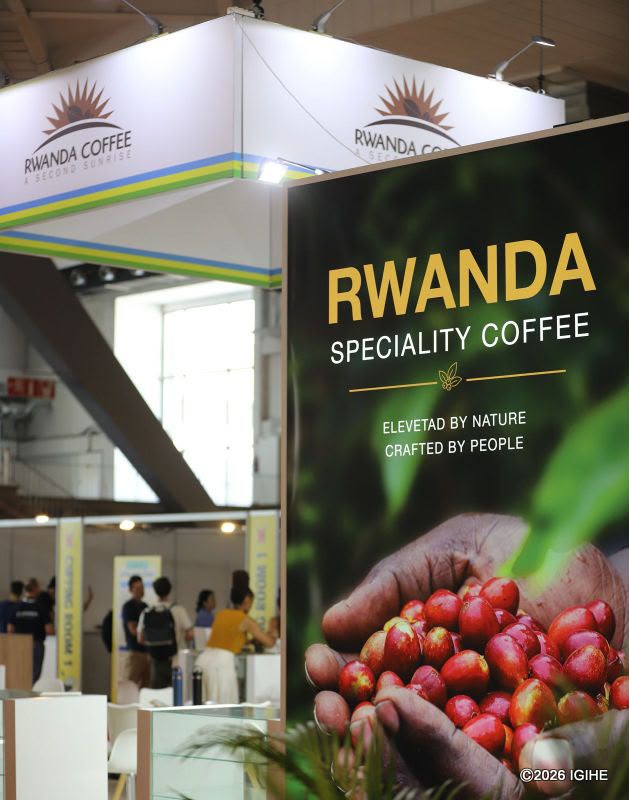
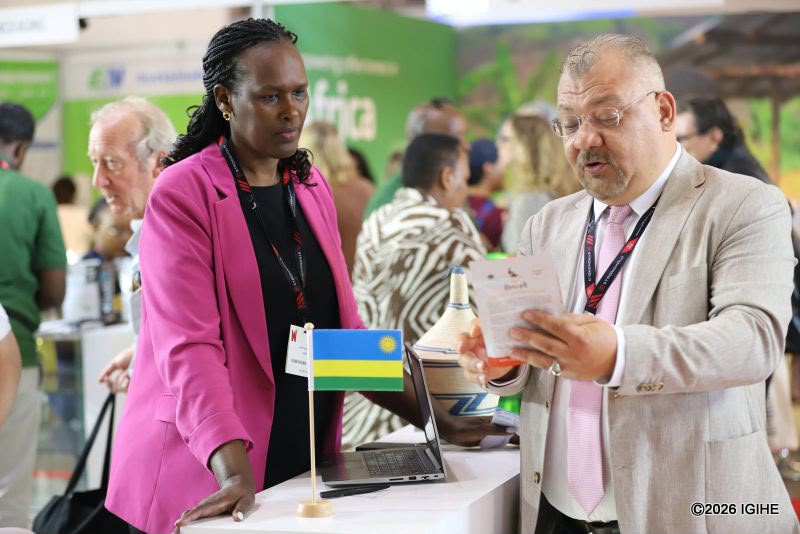
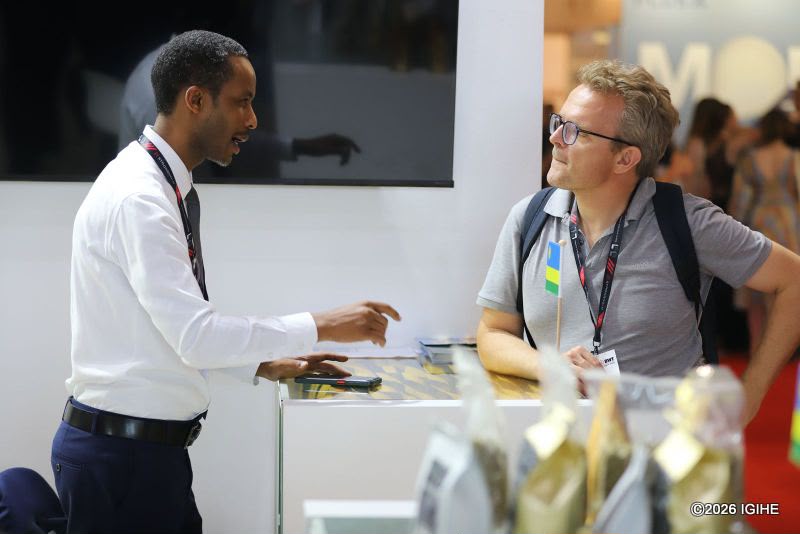
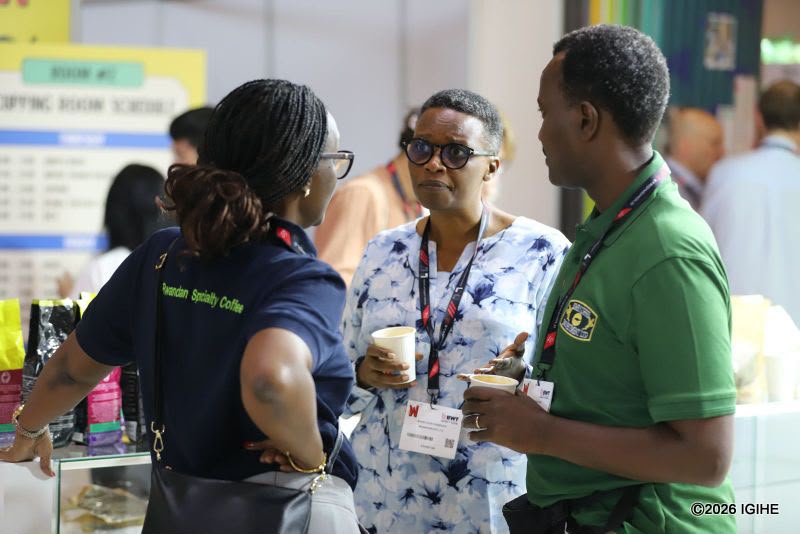
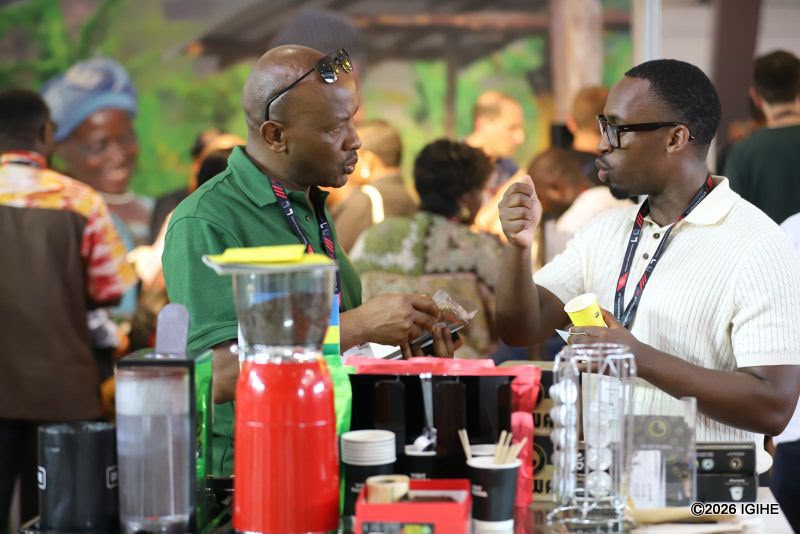
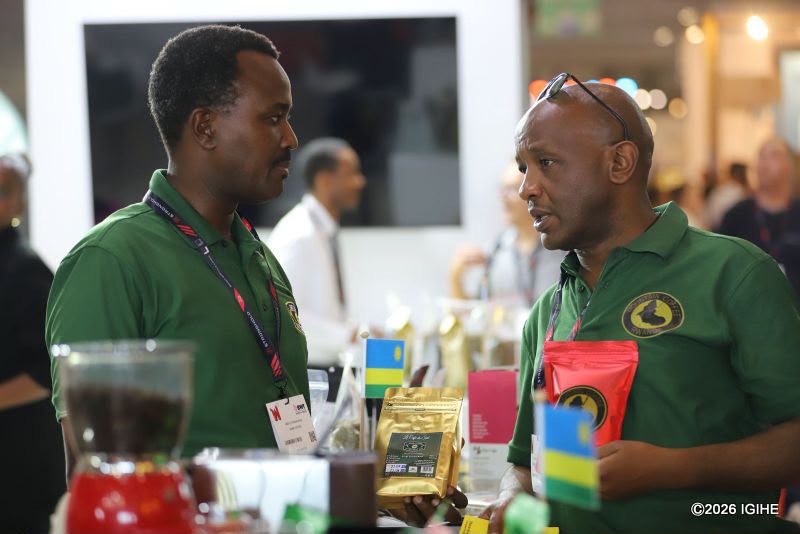
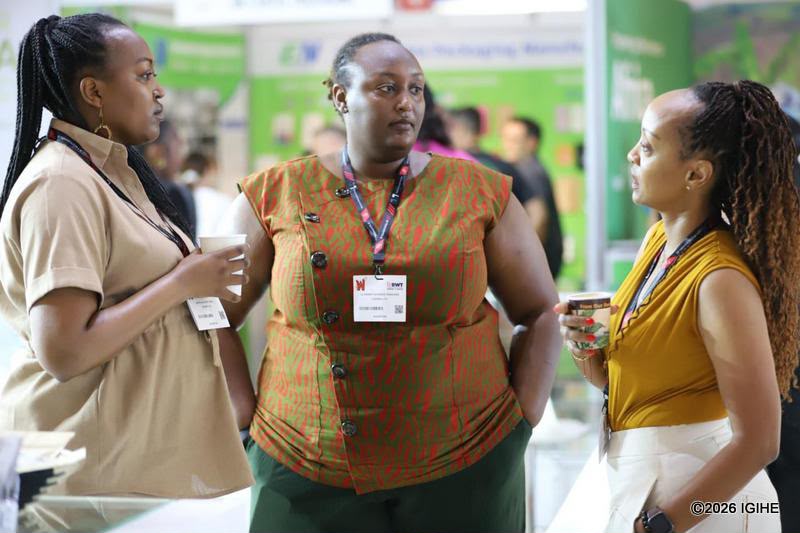
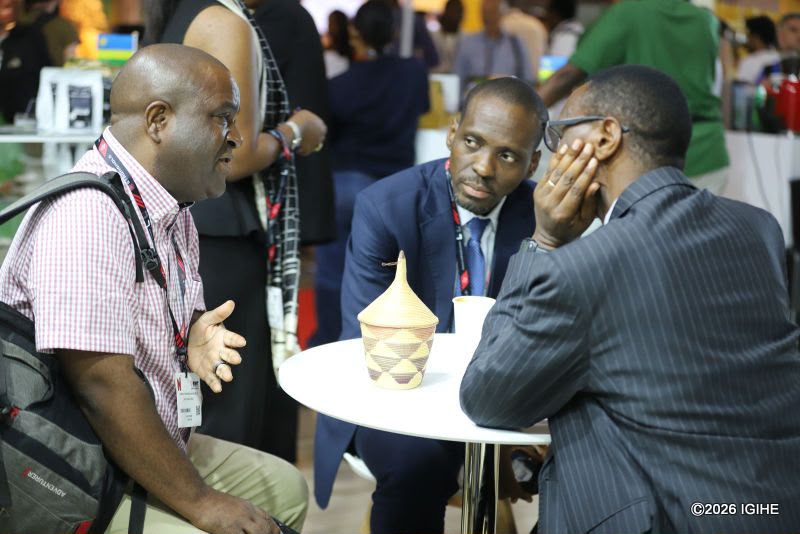
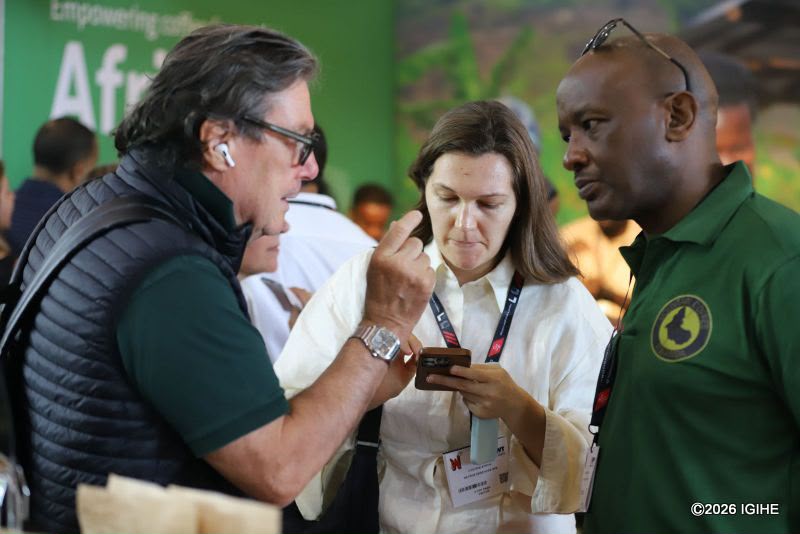
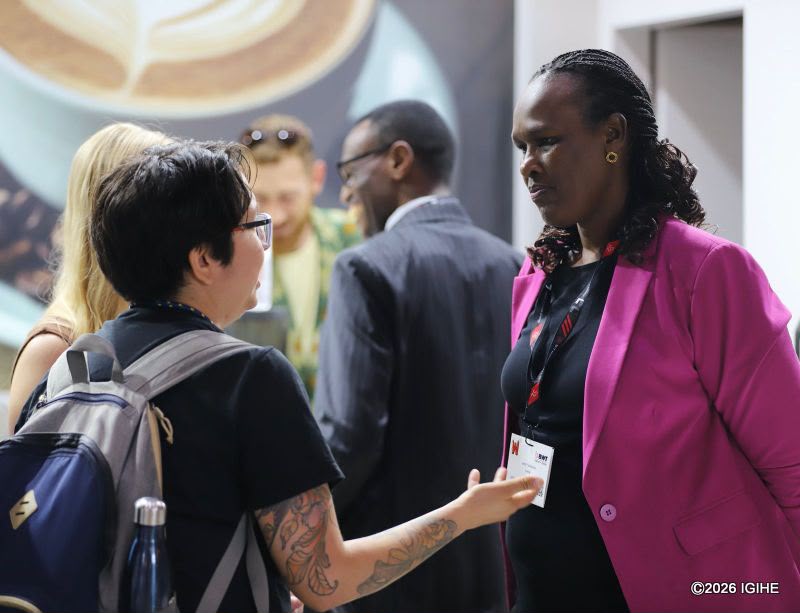
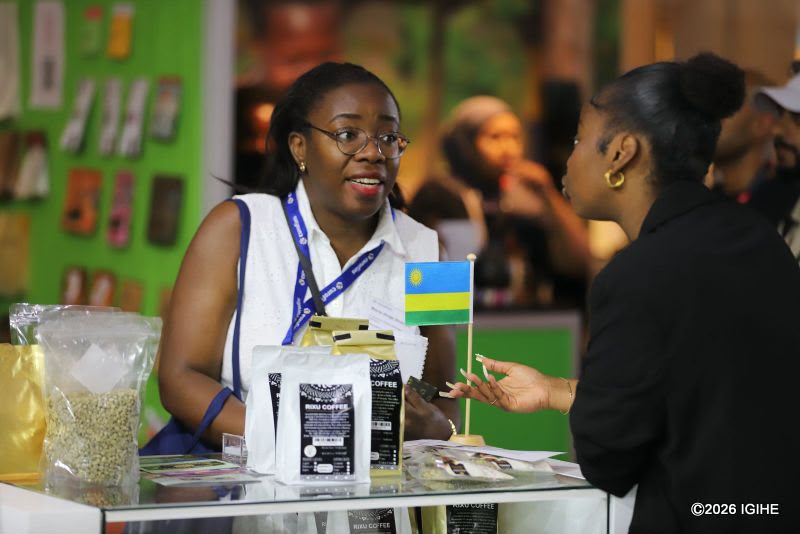
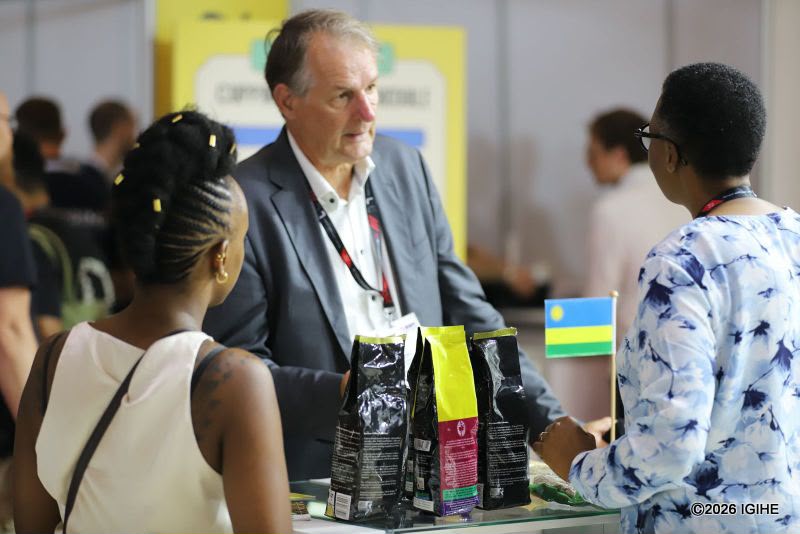
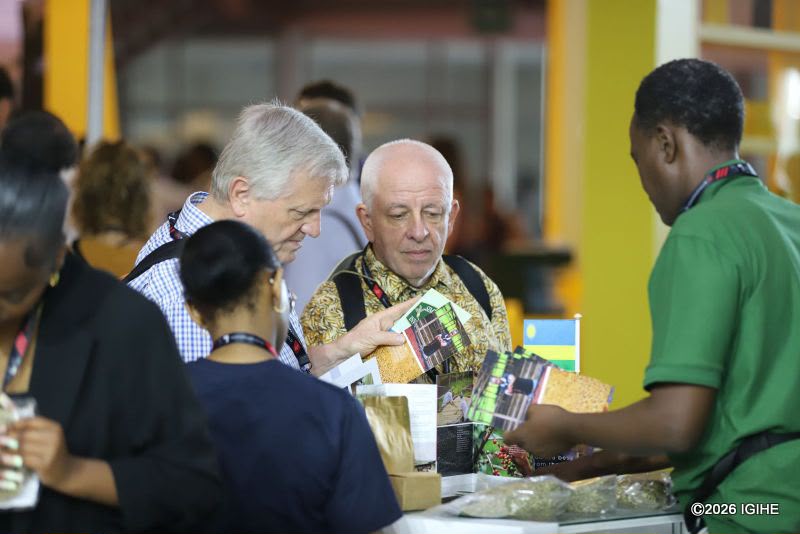
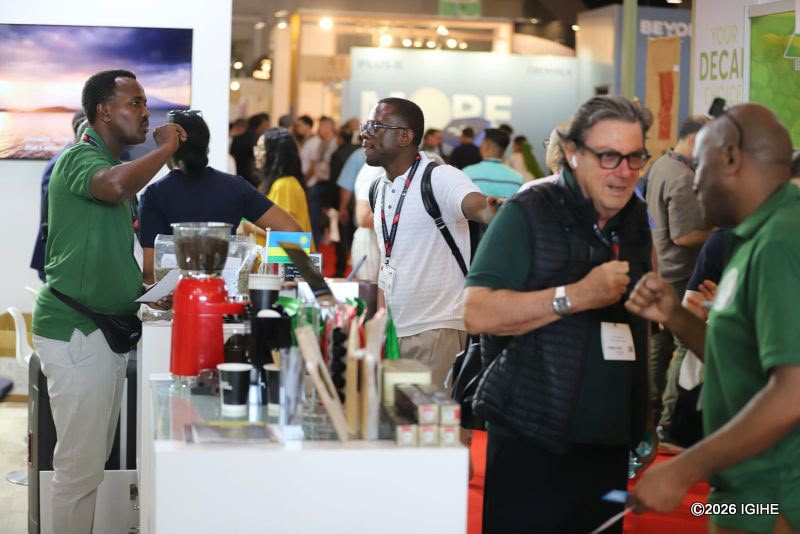
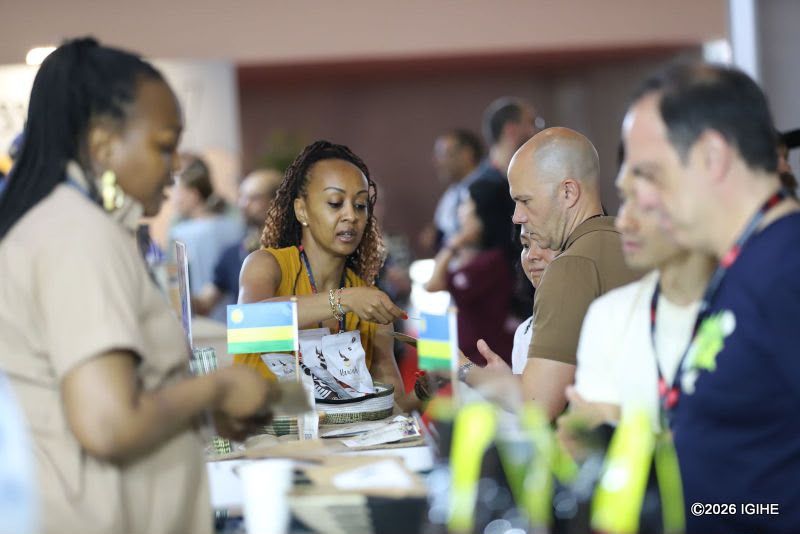
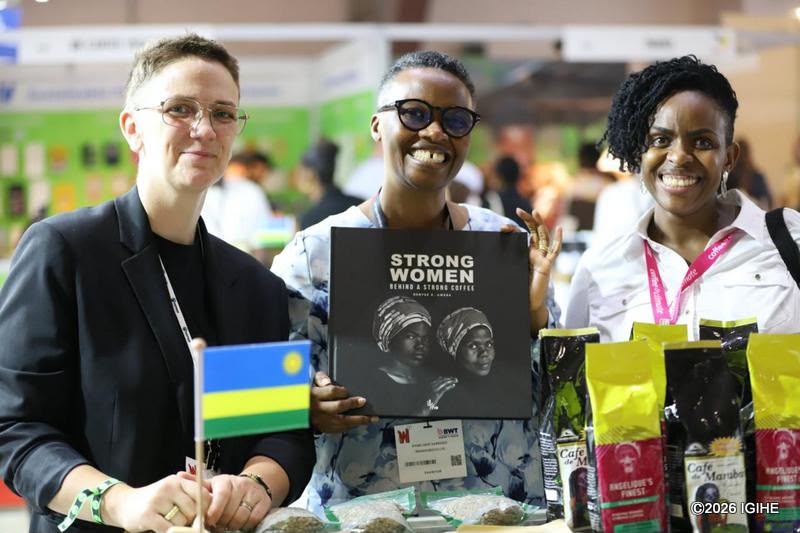
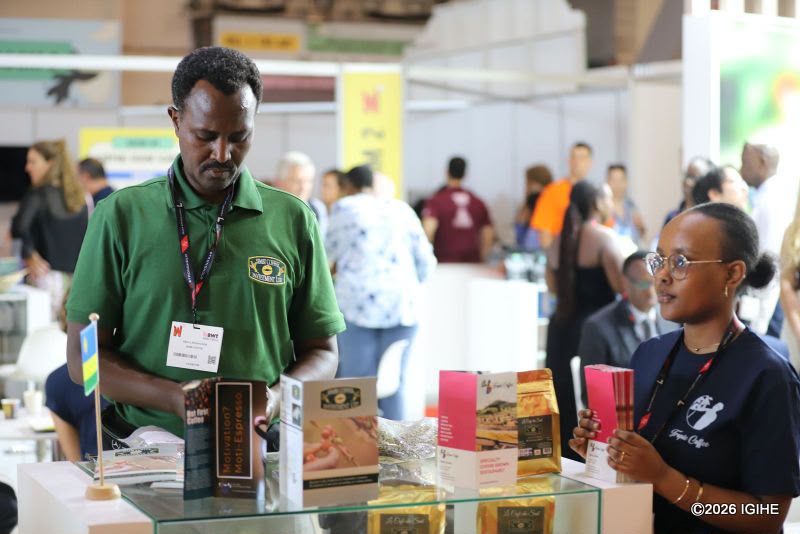
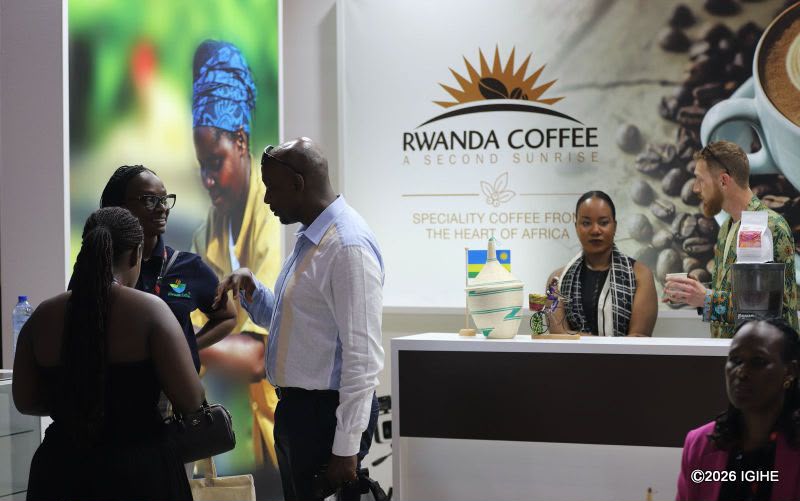
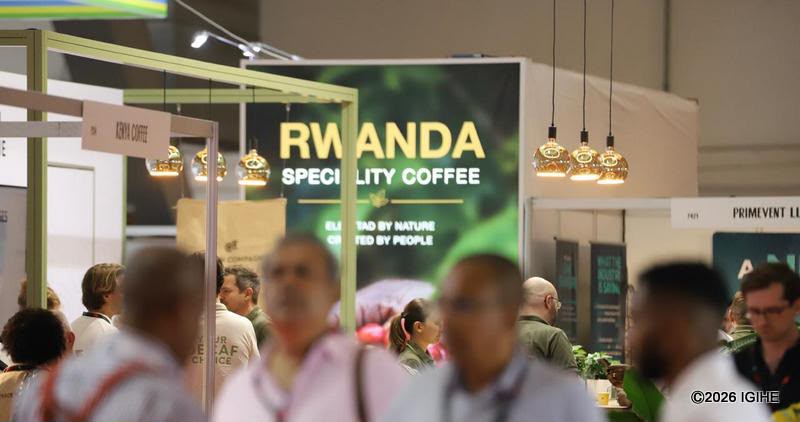
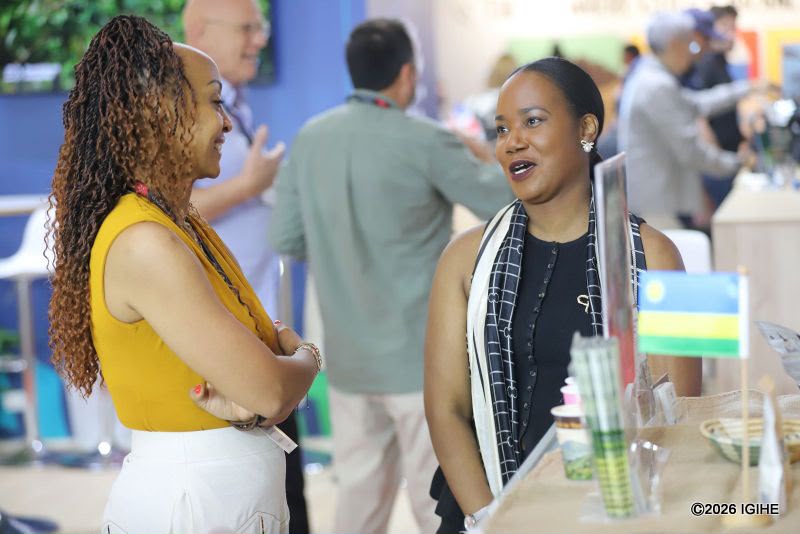
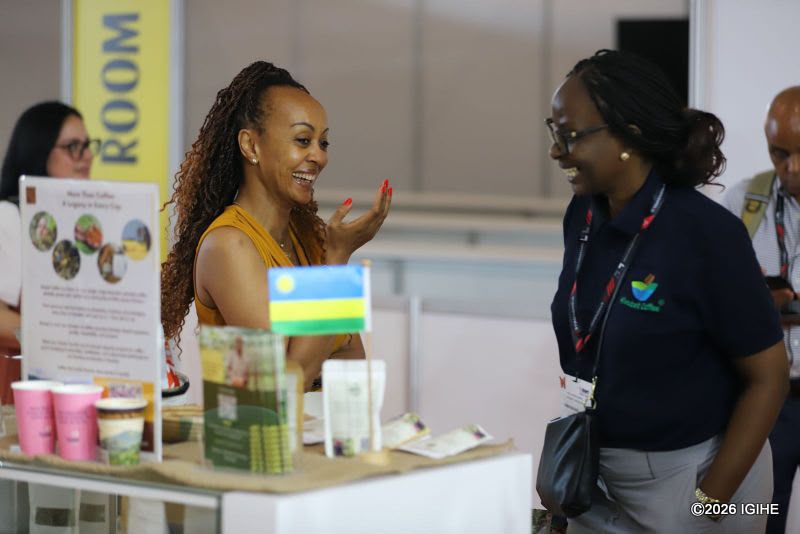
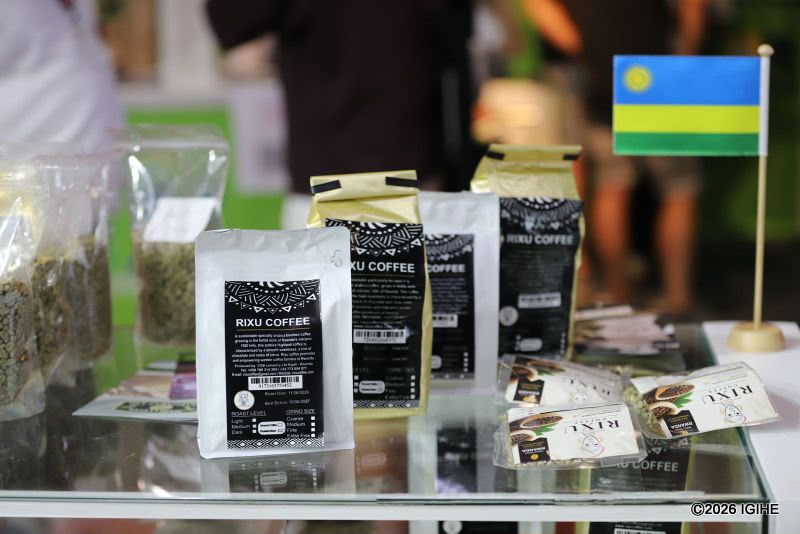
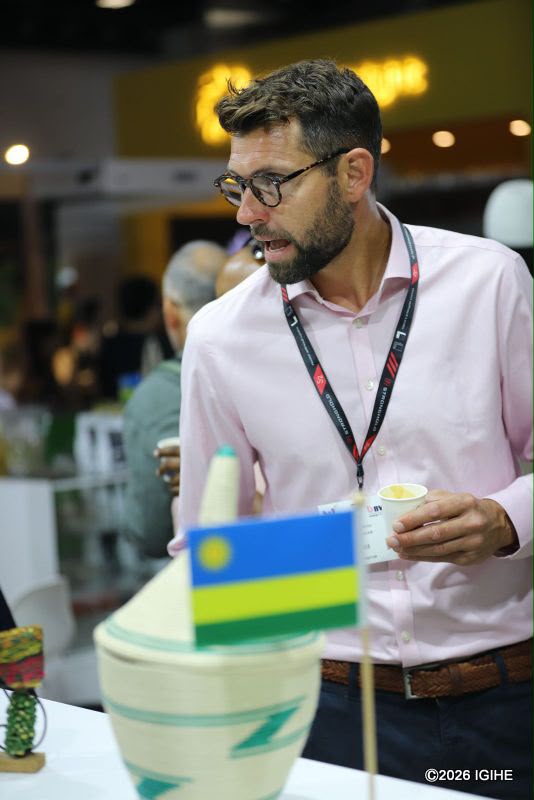
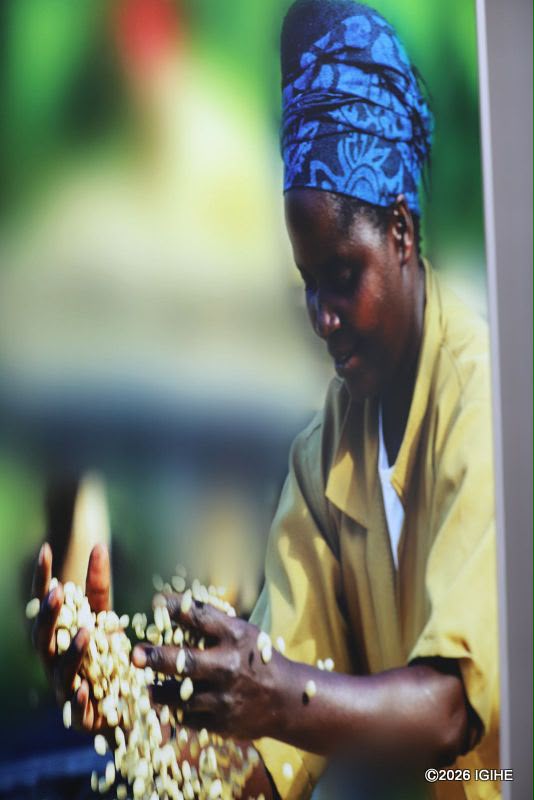
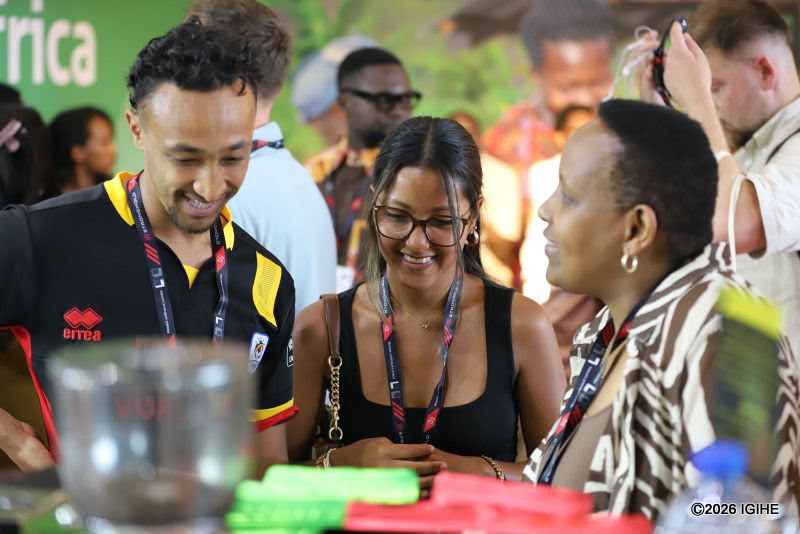
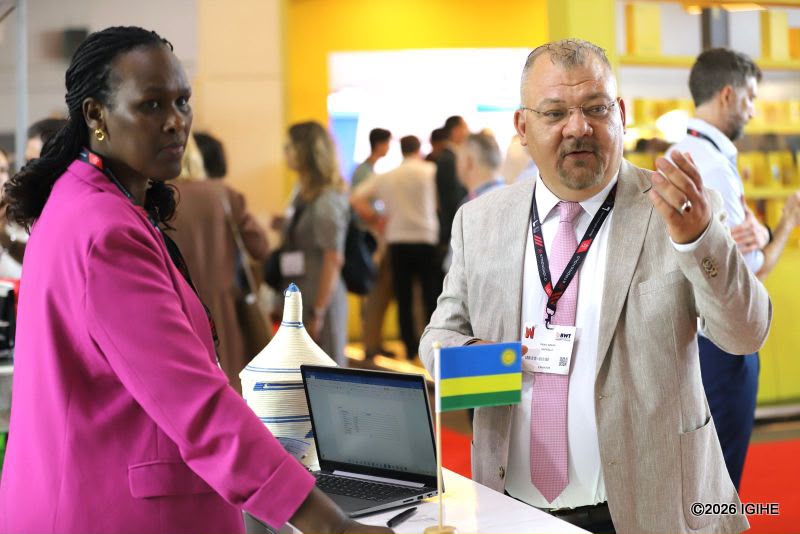
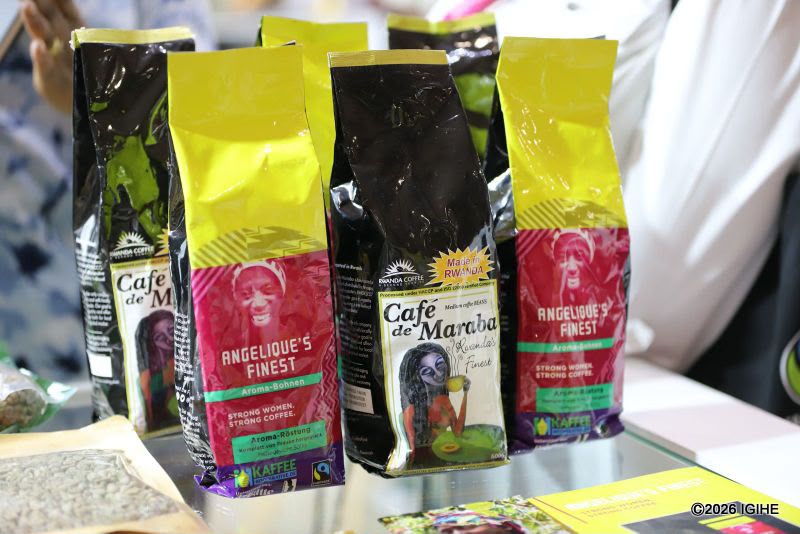
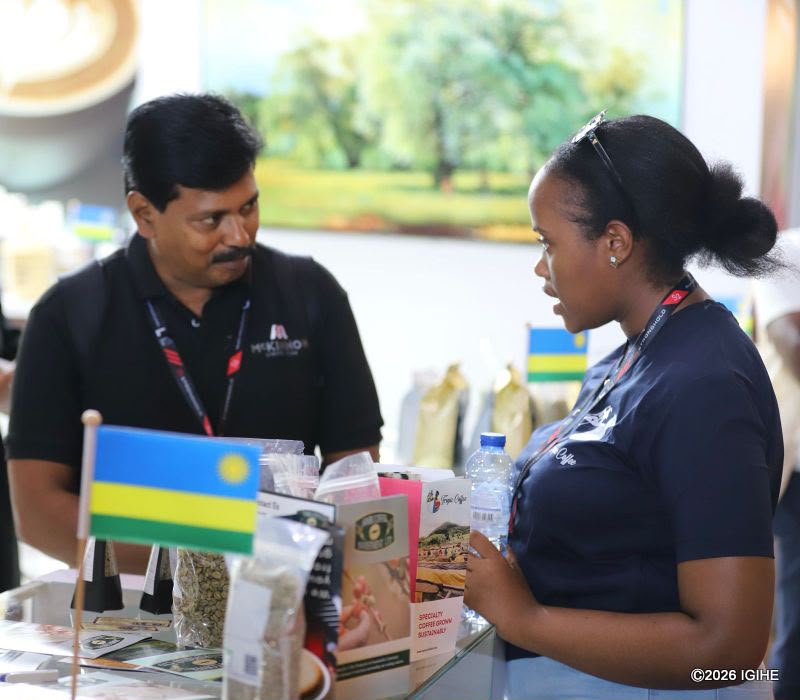
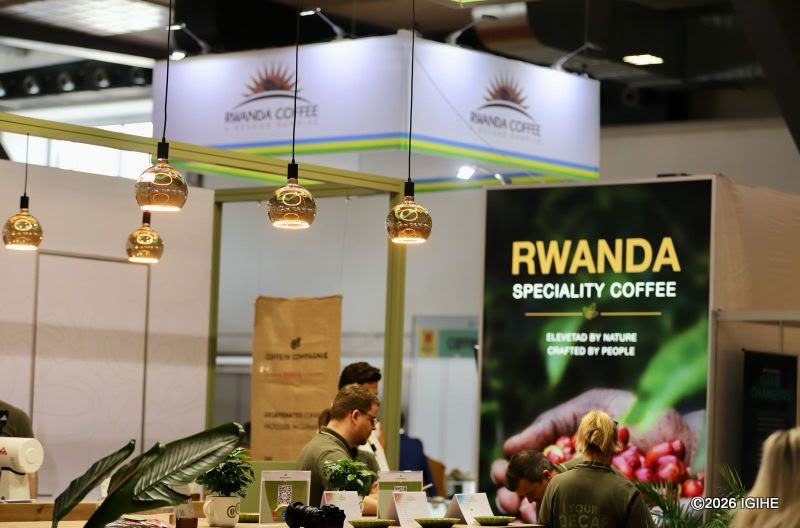
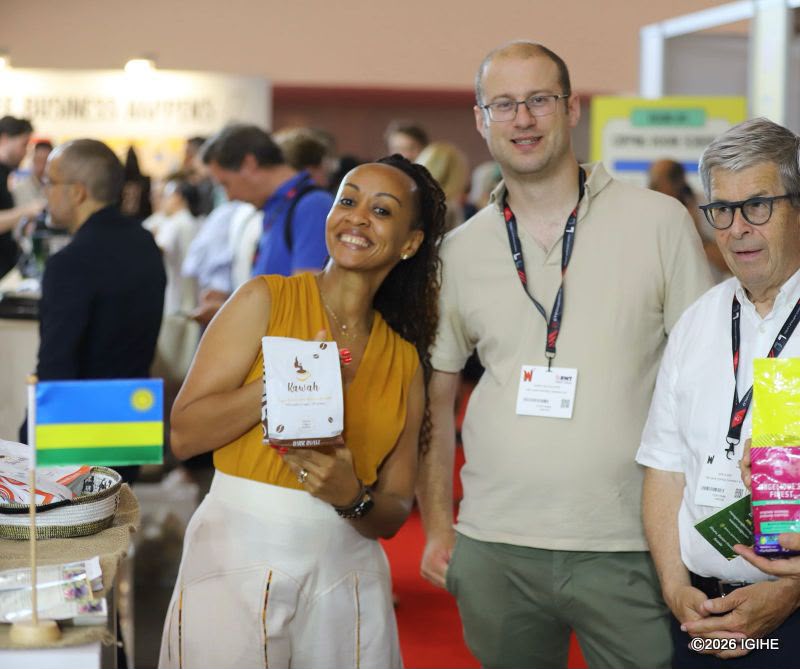
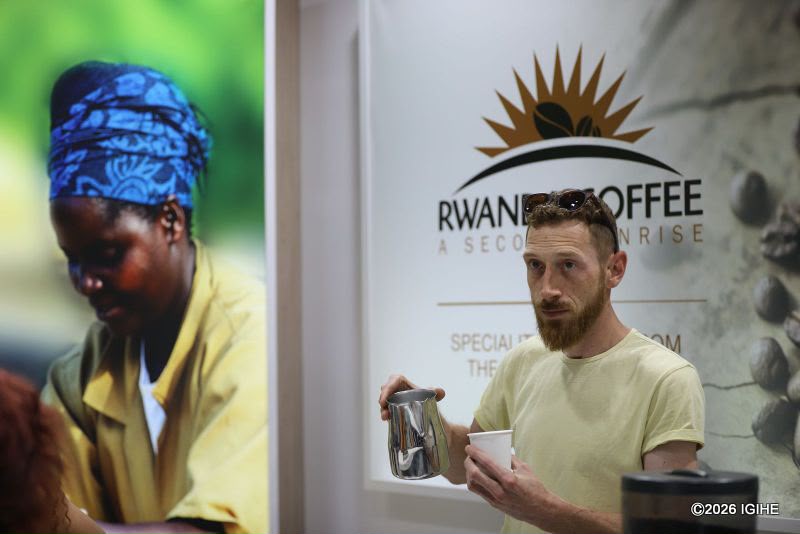
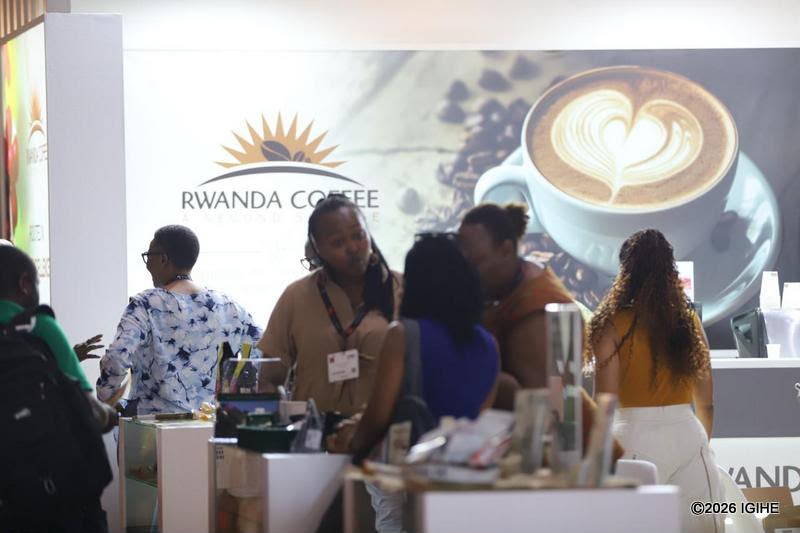
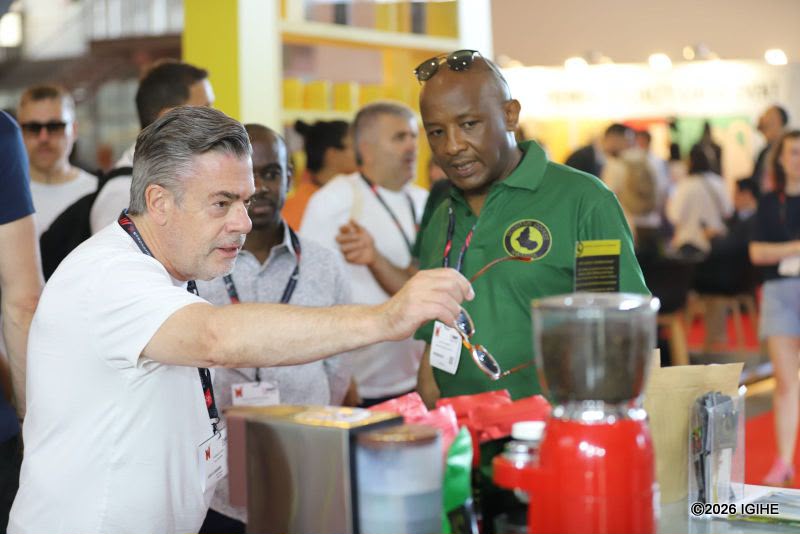
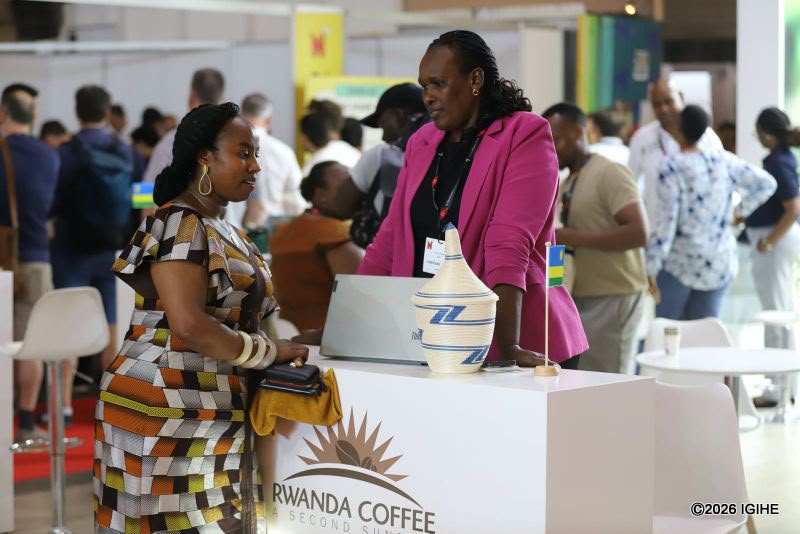
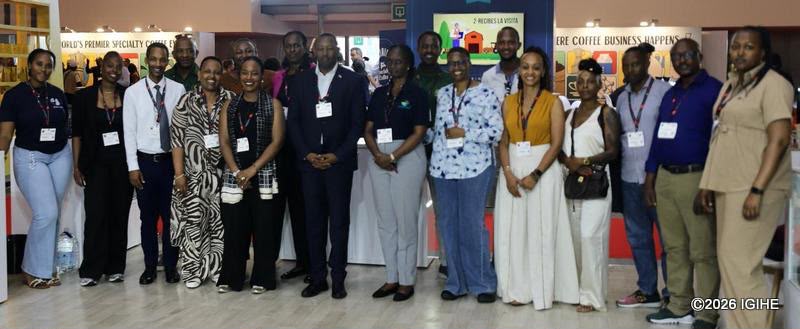
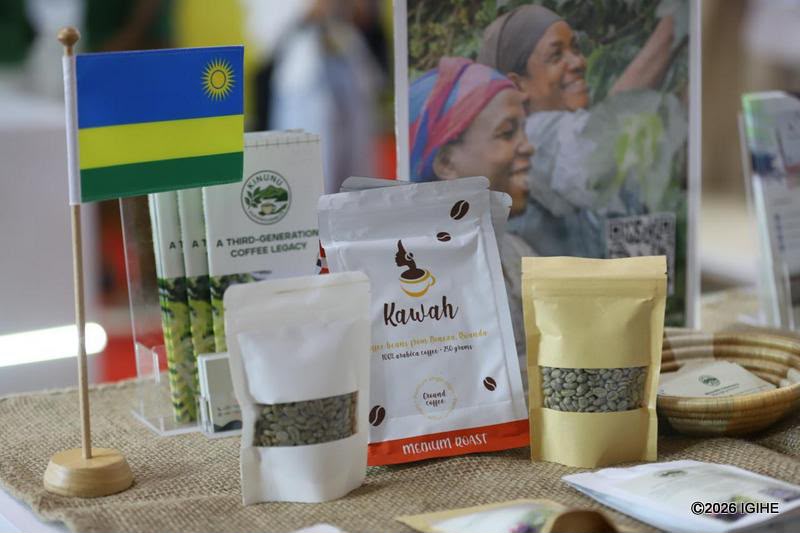
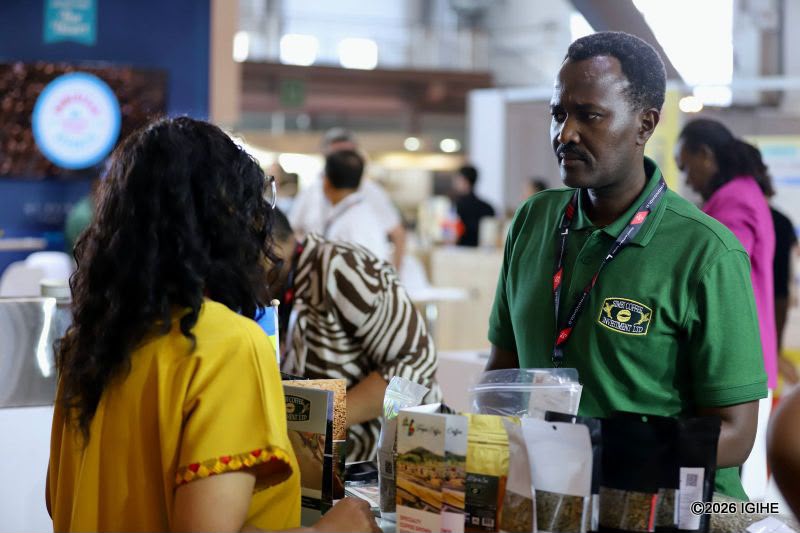
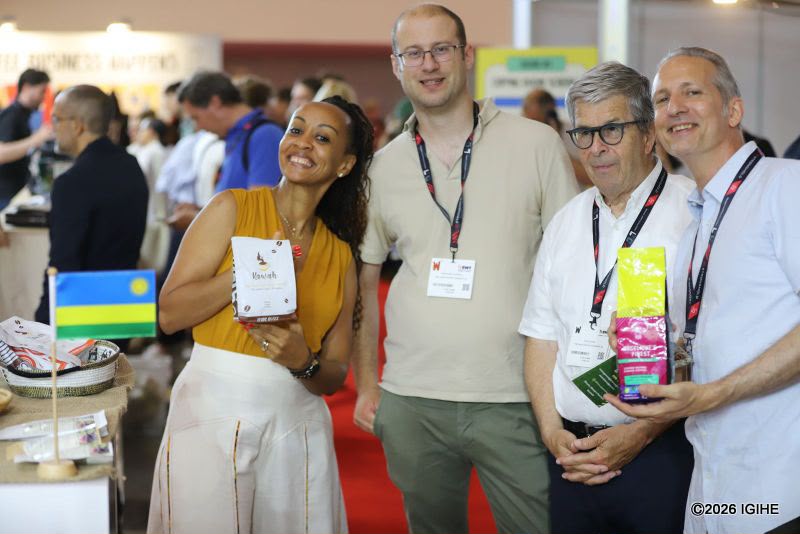
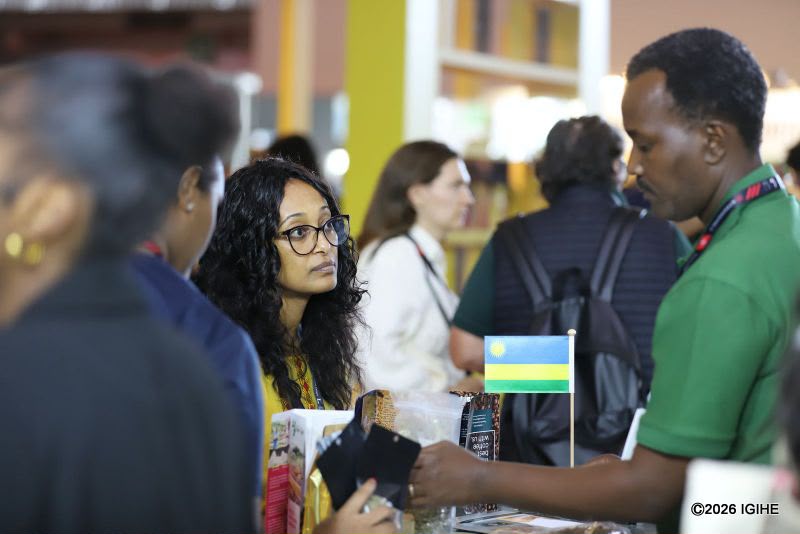
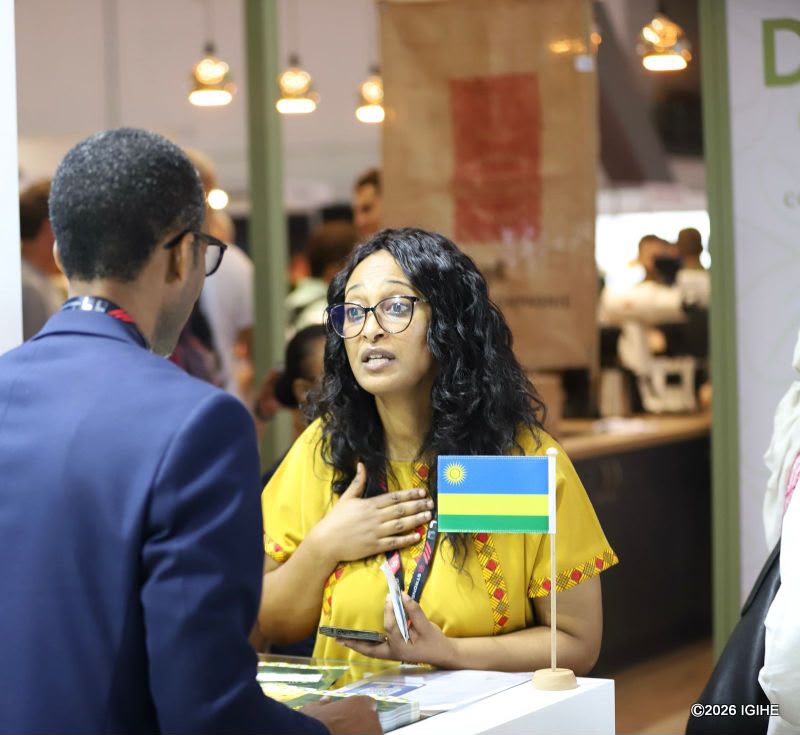
The exhibition, which opened on Thursday, has also brought together more than 30 Rwandan coffee companies involved in coffee processing, exporting, and trading.
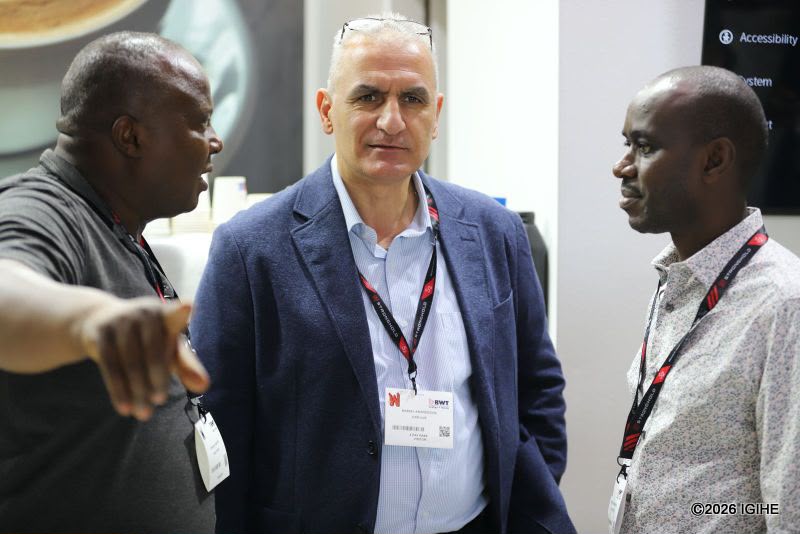
World of Coffee serves as a global platform where coffee producers, traders, buyers, and industry professionals exchange knowledge, explore new business opportunities, and strengthen partnerships.
For Rwanda, the event offers an important opportunity to expand export markets while showcasing the exceptional quality of Rwandan coffee to an international audience.
The three-day exhibition is being held at Brussels Expo and will conclude on June 27, 2026.
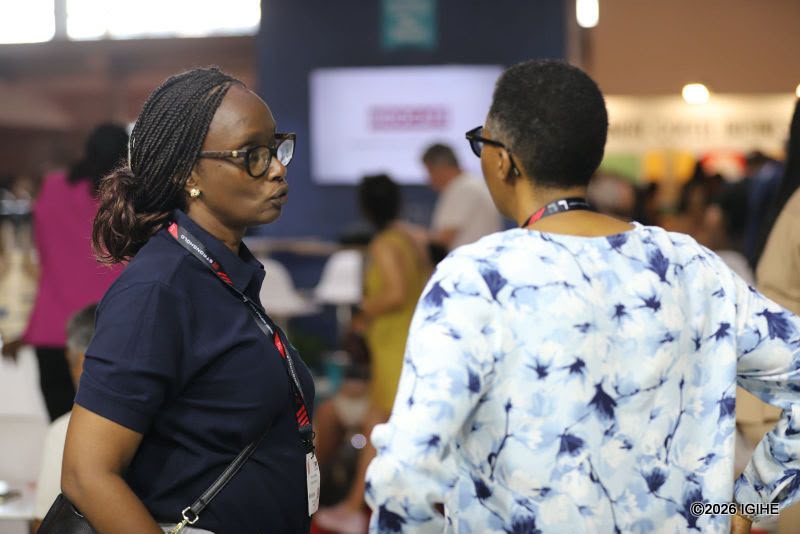
Thousands of participants from across the world, including coffee farmers, exporters, roasters, buyers, investors, and industry experts, are attending the event.
This marks the first time that World of Coffee has been hosted in Belgium.
Throughout the exhibition, participants will take part in business meetings, panel discussions, coffee tastings, international competitions, and networking sessions designed to foster collaboration across the global coffee sector.
Rwanda’s participation is part of its broader strategy to strengthen its position among the world’s leading producers of high-quality specialty coffee.
The country is showcasing the expertise of its coffee farmers, processors, cooperatives, and exporting companies, all of which play a vital role in the growth of Rwanda’s coffee industry and the national economy.
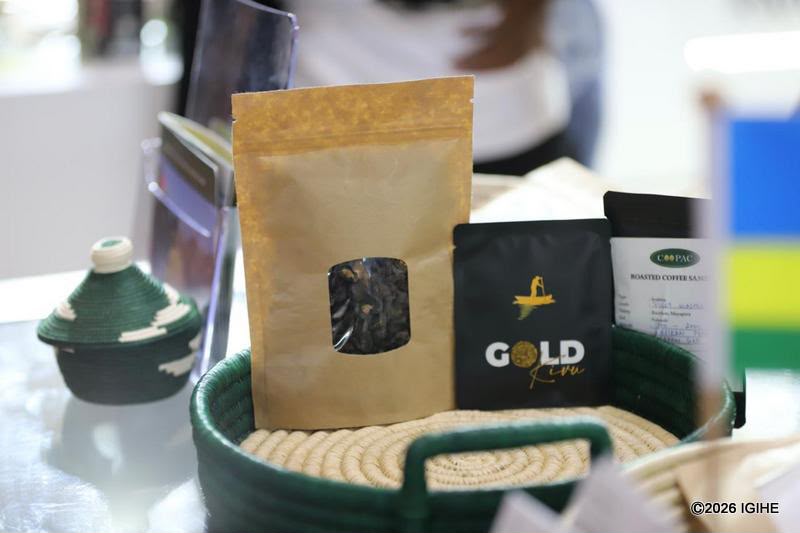
Europe remains Rwanda’s largest coffee export market, accounting for about 60% of total shipments, making the Brussels platform particularly important for deepening existing trade links and exploring new premium opportunities.
The participation comes at a time when Rwanda’s coffee sector is experiencing strong growth, generating a record $148.6 million in export revenues in 2025, a 65% increase compared to the previous year.
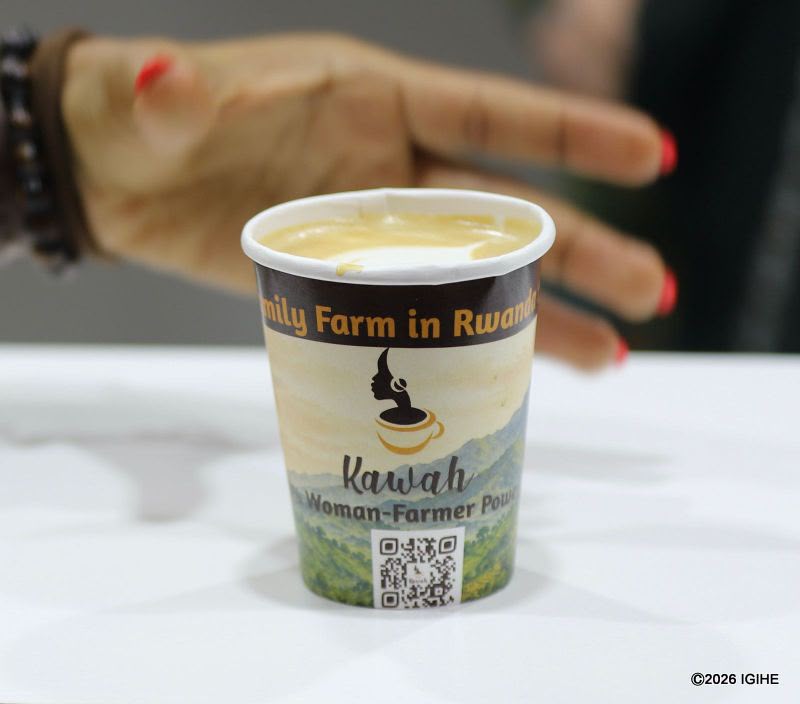
Photos from the opening day of the exhibition:
More than 30 Rwandan coffee companies involved in processing, exporting, and trading are participating.
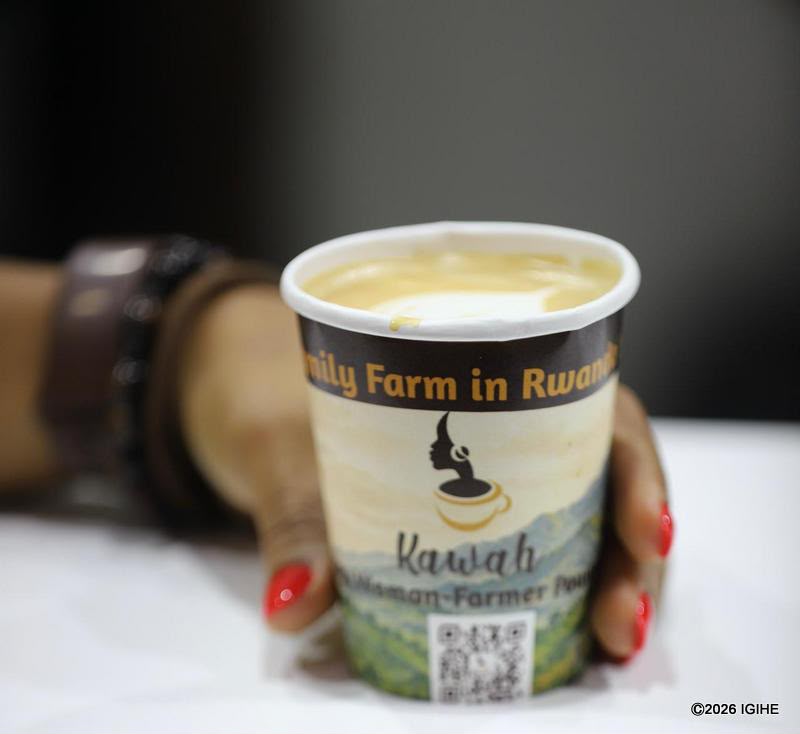
World of Coffee serves as a global platform where coffee producers, traders, buyers, and industry professionals exchange knowledge, explore new business opportunities, and strengthen partnerships.For Rwanda, the event offers an important opportunity to expand export markets while showcasing the exceptional quality of Rwandan coffee to an international audience.
The concerns were raised during hearings based on the Auditor General’s report for the financial year ending June 30, 2025. The sessions were held on June 25, 2026.
PAC noted that a recurring issue within RTDA is the use of short-term road repairs that fail to provide lasting solutions, resulting in repeated damage and continuous public expenditure.
One of the cited cases was the Rusizi–Bugarama road, where Rwf 392 million was spent on routine repairs, yet the road continues to deteriorate.
In the Northern Province, MPs also questioned the Musanze–Rubavu–Nyakinama road, where only localized repairs are carried out despite the road requiring full rehabilitation. According to PAC, repeated patching works on the road have already cost about Rwf 2.6 billion.
PAC Vice Chairperson Murumunawabo Cecile questioned the value for money in such interventions, asking how minor repairs could require such substantial funding.
Another concern was raised regarding the Huye–Gisagara road, where drainage systems and bridges remain incomplete, despite extended dry periods. RTDA attributed the delays to weather disruptions affecting construction schedules.
MPs further pointed to the Ngororero–Mukamira–Meru–Nyabarongo road, where Rwf 980 million has been spent on minor repairs despite ongoing structural deterioration, raising concerns about weak maintenance planning.
Concerns over unsustainable repair methods
MP Karinijabo Barthélemy criticized the continued use of temporary materials such as laterite for road patching, saying they are quickly washed away by rain, leading to repeated spending.
MP Karinijabo said temporary road repairs were not delivering value for public money.
He argued that such approaches result in continuous loss of public funds and fail to deliver durable infrastructure.
“Where laterite is used, it does not last long. We end up constantly repairing roads while public resources continue to be spent. Heavy rains and traffic quickly damage these sections,” he said, adding that more durable solutions should be prioritized.
He further questioned why short-term interventions are chosen when longer-lasting alternatives are available.
RTDA responds to concerns
RTDA Director General Imena Munyampenda acknowledged that some of the interventions have not been implemented optimally, attributing the situation to the condition of aging road infrastructure and budget constraints.
He explained that many roads have exceeded their intended lifespan, making repeated repairs unavoidable.
“When a road has aged beyond its lifespan, any intervention is temporary. Damage will continue to reappear in other sections,” he said.
He also noted that RTDA is working on improving the durability of maintenance works within available resources.
Rwf 2.6 billion spent on Cyanika–Musanze–Nyakinama road
PAC also highlighted concerns over Rwf 2.6 billion spent on temporary repairs of the Cyanika–Musanze–Nyakinama road instead of long-term rehabilitation.
RTDA explained that the road, sections of which were constructed as far back as 1982, has reached the end of its design lifespan and continues to deteriorate over time.
After several hours of deliberations, PAC Chairperson Muhakwa Valens said the committee remained unconvinced by the explanations provided by RTDA, particularly regarding value for money.
“We conclude this session not satisfied with the explanations given on the use of public funds, as the interventions appear to have little lasting impact,” he said.
He emphasized the need for a shift toward durable infrastructure investments that reduce the frequency of costly repairs.
PAC Chair Muhakwa Valens concluded that the committee was dissatisfied with the explanations on road maintenance.
76 institutions flagged by audit findings
PAC revealed that 76 institutions are set to appear before the committee after receiving adverse audit opinions from the Auditor General, related to financial mismanagement, non-compliance, or improper use of public funds.
Other institutions were assessed based on partial implementation of audit recommendations or through special and ICT-focused audits.
RTDA Director General Imena Munyampenda acknowledged that some of the interventions have not been implemented optimally, attributing the situation to the condition of aging road infrastructure and budget constraints.Vice PAC Chair Cecile Murumunawabo noted that repaired roads quickly degrade.
The delegation also included former Liberian President Ellen Johnson Sirleaf, a member of the Mastercard Foundation Board, alongside other Board and senior leadership members.
According to the Office of the President, the discussions focused on strengthening the Foundation’s collaboration with Rwanda and exploring new ways to equip young people with the skills and resources needed to thrive in a rapidly evolving economy.
President Kagame has frequently emphasized that Africa’s youth are the continent’s greatest resource. He consistently challenges leaders to empower young people and highlights that a fair chance to succeed is the universal desire of youth across the continent.
“Africa is not short of talent or ideas. What it has lacked, at times, is alignment between vision and execution. Countries like ours can help bridge this gap by working more closely together and delivering results,” he said during a state visit to Botswana in May.
Thursday’s meeting comes as the Mastercard Foundation continues to scale its investments in Rwanda under its Young Africa Works strategy, which aims to enable 300,000 young Rwandans to access dignified and fulfilling work by 2030. The initiative places particular emphasis on supporting young women, rural youth, and refugees through education, entrepreneurship, and access to employment opportunities.
Digital transformation remains a key pillar of the Foundation’s work in Rwanda. Earlier this month, the Mastercard Foundation, in partnership with the Rwanda ICT Chamber, launched the inaugural EdTech Fellowship Rwanda to support local education technology startups. The first cohort of eight startups received grant funding and business mentorship to expand digital learning solutions, particularly in underserved communities.
The Foundation also supports student entrepreneurship through the Scholars Entrepreneurship Fund, implemented in collaboration with BAG Technologies at the University of Rwanda. The initiative provides innovation bootcamps, mentorship, and prototype grants to help students transform ideas into scalable businesses that address regional development challenges.
Beyond entrepreneurship, Mastercard Foundation has maintained long-term partnerships with higher education institutions, including the University of Rwanda, Carnegie Mellon University Africa, and the African Leadership University. These collaborations provide scholarships, leadership development, and technical training for young Africans, with a focus on students from disadvantaged backgrounds, refugees, and persons with disabilities.
The Foundation has also expanded programmes that strengthen Rwanda’s micro, small and medium-sized enterprises (MSMEs), improve access to inclusive finance for entrepreneurs, and create career pathways for young graduates through paid work placements and professional mentorship.
In sectors such as tourism, hospitality, and agriculture, Mastercard Foundation works with local partners to deliver market-driven vocational training and help young entrepreneurs integrate into commercial value chains, supporting Rwanda’s broader economic transformation agenda.
The meeting reaffirmed the longstanding partnership between Rwanda and the Mastercard Foundation as both sides seek to create more opportunities for the country’s growing youth population through innovation, education, and inclusive economic growth.
The delegation also included former Liberian President Ellen Johnson Sirleaf, a member of the Mastercard Foundation Board, alongside other Board and senior leadership members.According to the Office of the President, the discussions focused on strengthening the Foundation’s collaboration with Rwanda and exploring new ways to equip young people with the skills and resources needed to thrive in a rapidly evolving economy.