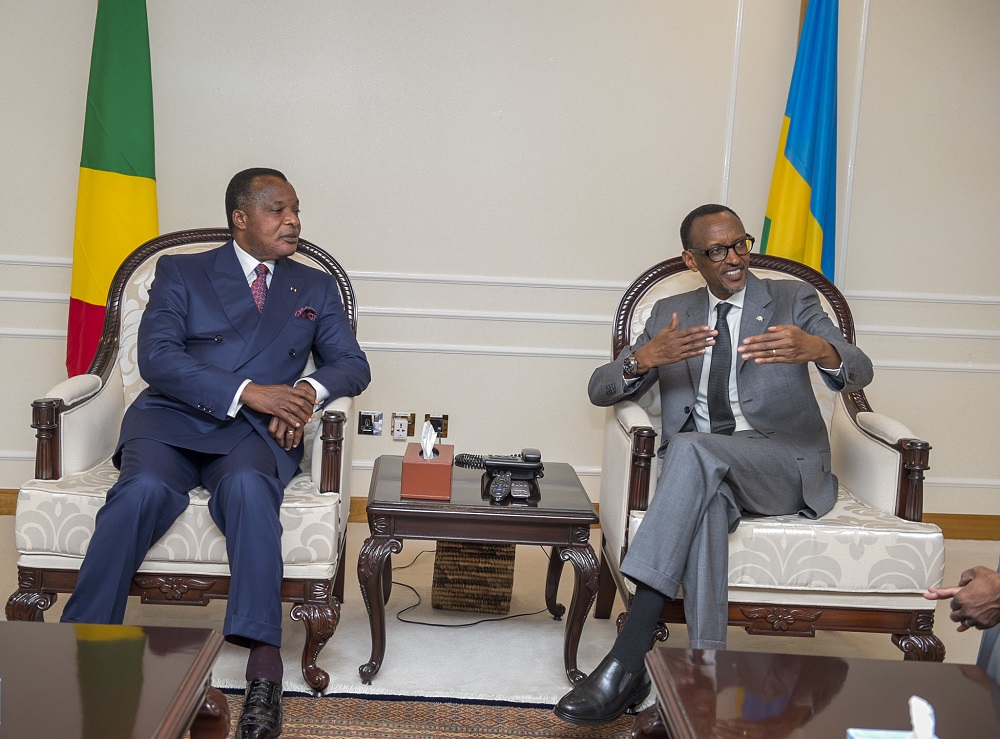
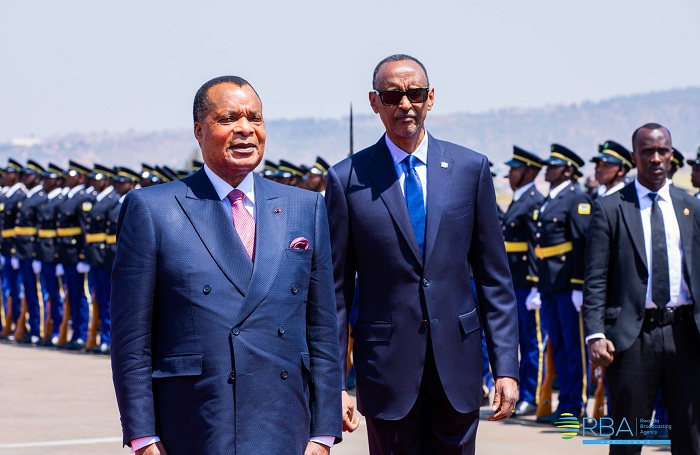
In a message shared on X, Kagame said he looks forward to the continuation of strong bilateral relations and close cooperation with the Republic of the Congo.
“Rwanda welcomes the strong quality of our bilateral relations and looks forward to continuing close cooperation in support of our shared priorities and the prosperity of our peoples,” President Kagame said on Friday.
Sassou Nguesso, 82, secured a fifth term after winning 94.82 percent of the vote in Sunday’s presidential election, according to the Interior Ministry. Out of 3,167,909 registered voters, turnout reached 84.64 percent, reflecting strong participation in the electoral process.
Seven candidates contested the election. Uphrem Dave Mafoula finished a distant second with about 1.03 percent of the vote. Other contenders included Joseph Kignoumbi Kia Mboungou, Anguios Nganguia Engambe, and first-time candidates Vivien Romain Manangou, Destin Gavet, and Mabio Mavoungou Zinga.
Under the country’s electoral framework, the president is elected through direct voting, with a two-round system applied if no candidate achieves a majority in the first round.
Rwanda and the Republic of the Congo have maintained a longstanding partnership marked by cooperation across multiple sectors, including diplomacy, trade, and security. In August 2016, Rwanda opened its embassy in Brazzaville, further strengthening diplomatic engagement.
The two countries signed a series of agreements in 2011 covering trade, air transport, tourism promotion, energy, security, environmental protection, and fisheries. Air connectivity has also been reinforced, with RwandAir operating flights between Kigali and Brazzaville since that year.
Cooperation expanded further in November 2021, when both nations signed agreements on military collaboration, higher education, land management, sustainable development, and trade promotion. Additional deals focused on environmental protection and expanding air transport links.
In the same year, Rwanda’s Housing Authority and Congo-Brazzaville’s SOPRIM entered into a partnership to promote housing development and the construction of affordable, modern homes.
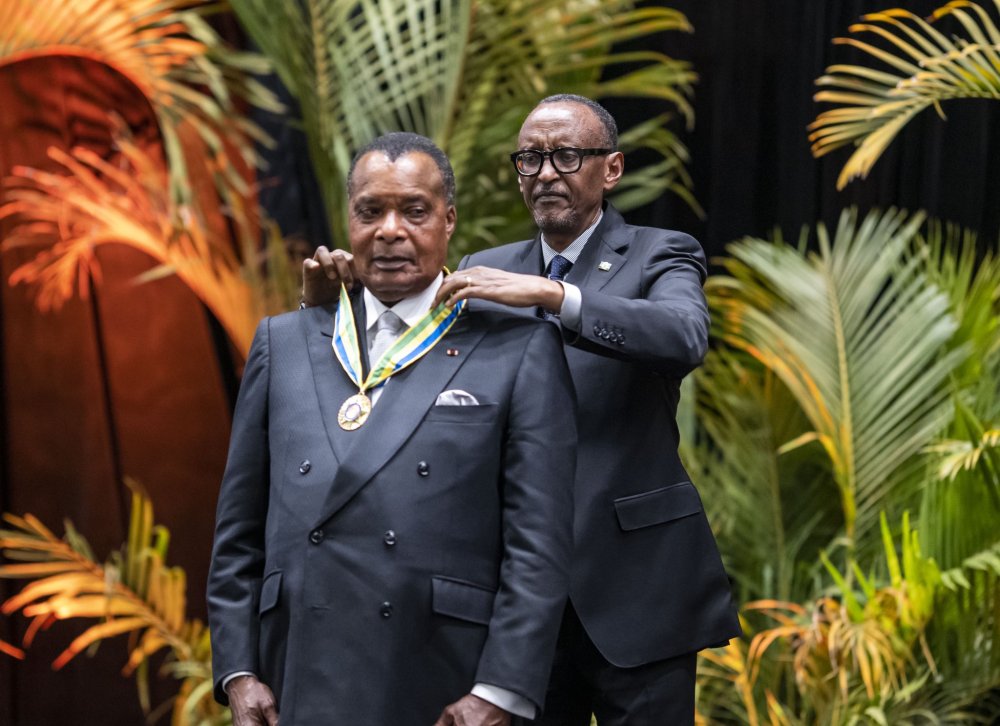
Relations between the two leaders have remained cordial over the years. During a visit to Rwanda in 2023, Sassou Nguesso was awarded the Agaciro Medal by President Kagame in recognition of his contribution to Africa’s development.
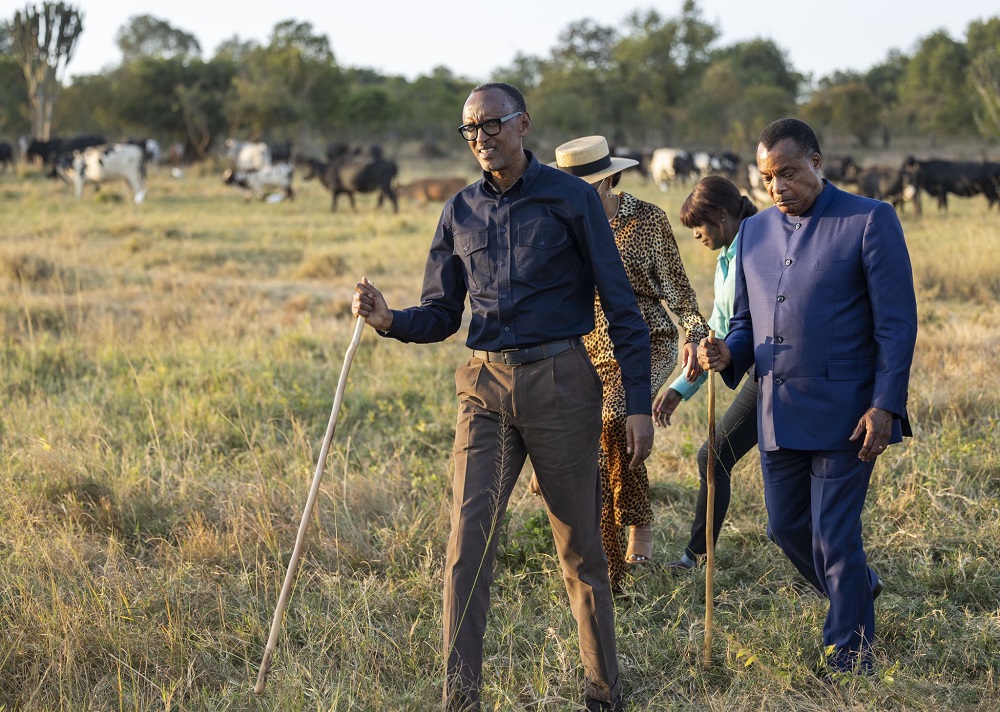
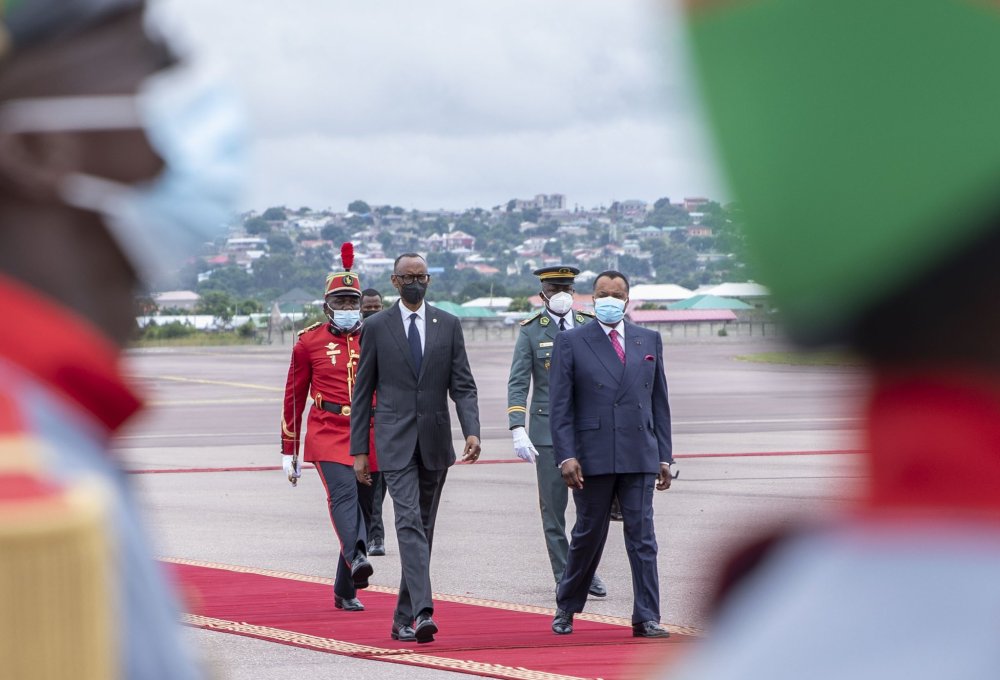
In 2023, President Kagame gifted cows to Denis Sassou Nguesso in a gesture of friendship and respect.President Kagame upon his arrival in Brazzaville, Republic of the Congo, in 2022. President Kagame during his third visit to Congo-Brazzaville in 2013.President Kagame praised the relations between Rwanda and the Republic of the Congo (Congo-Brazzaville). During a visit to Rwanda in 2023, Sassou Nguesso was awarded the Agaciro Medal by President Kagame in recognition of his contribution to Africa’s development.
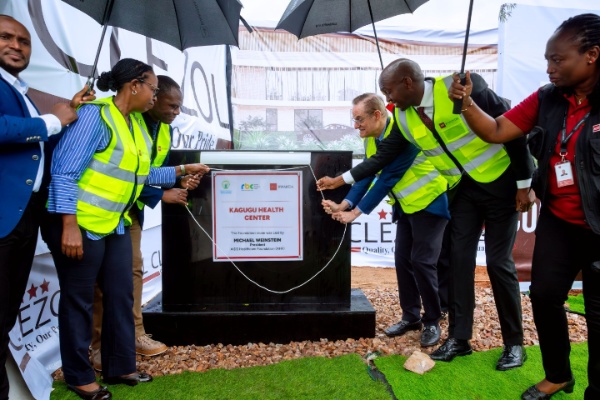
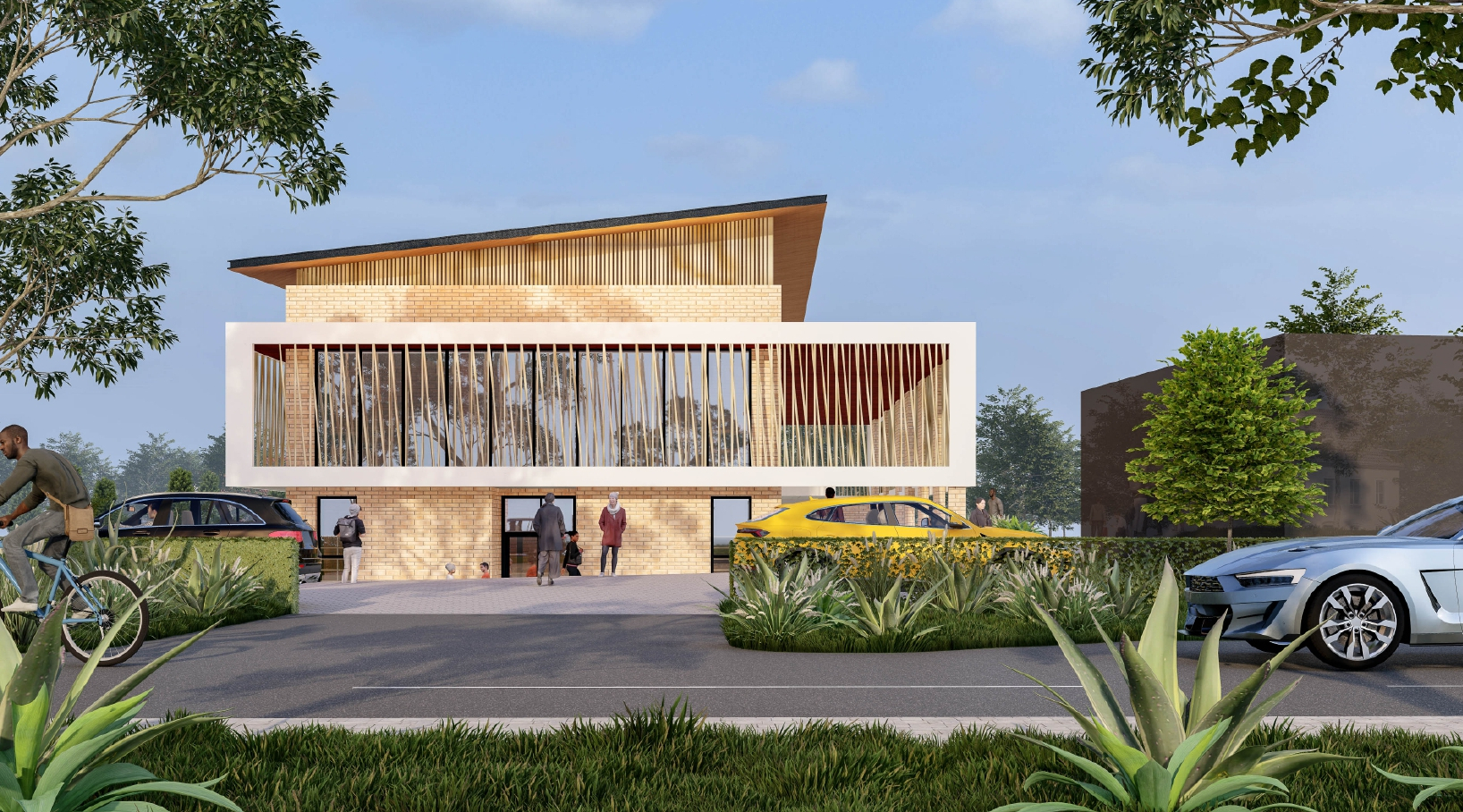
Construction of the two-storey building valued at Rwf 678 million is progressing, with partners laying a symbolic foundation stone on Wednesday, March 18, 2026, in a ceremony attended by senior government officials and development partners.
The project is expected to transform the existing facility into a modern, one-stop health centre offering integrated and client-centred services, particularly in HIV prevention, care, and treatment, as well as broader primary healthcare.
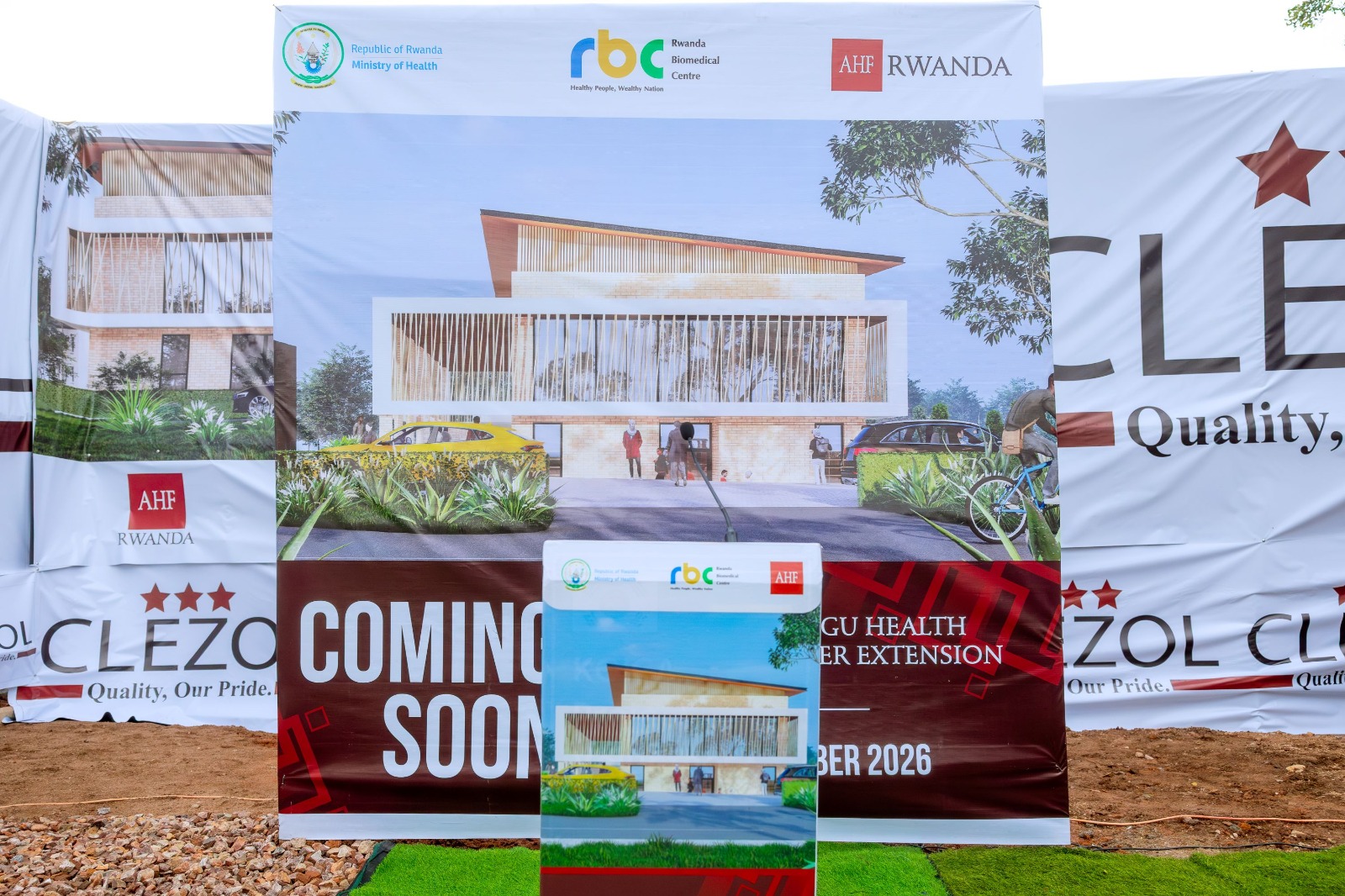
Artistic impression of the new modern facility, estimated to cost Rwf 678 million.
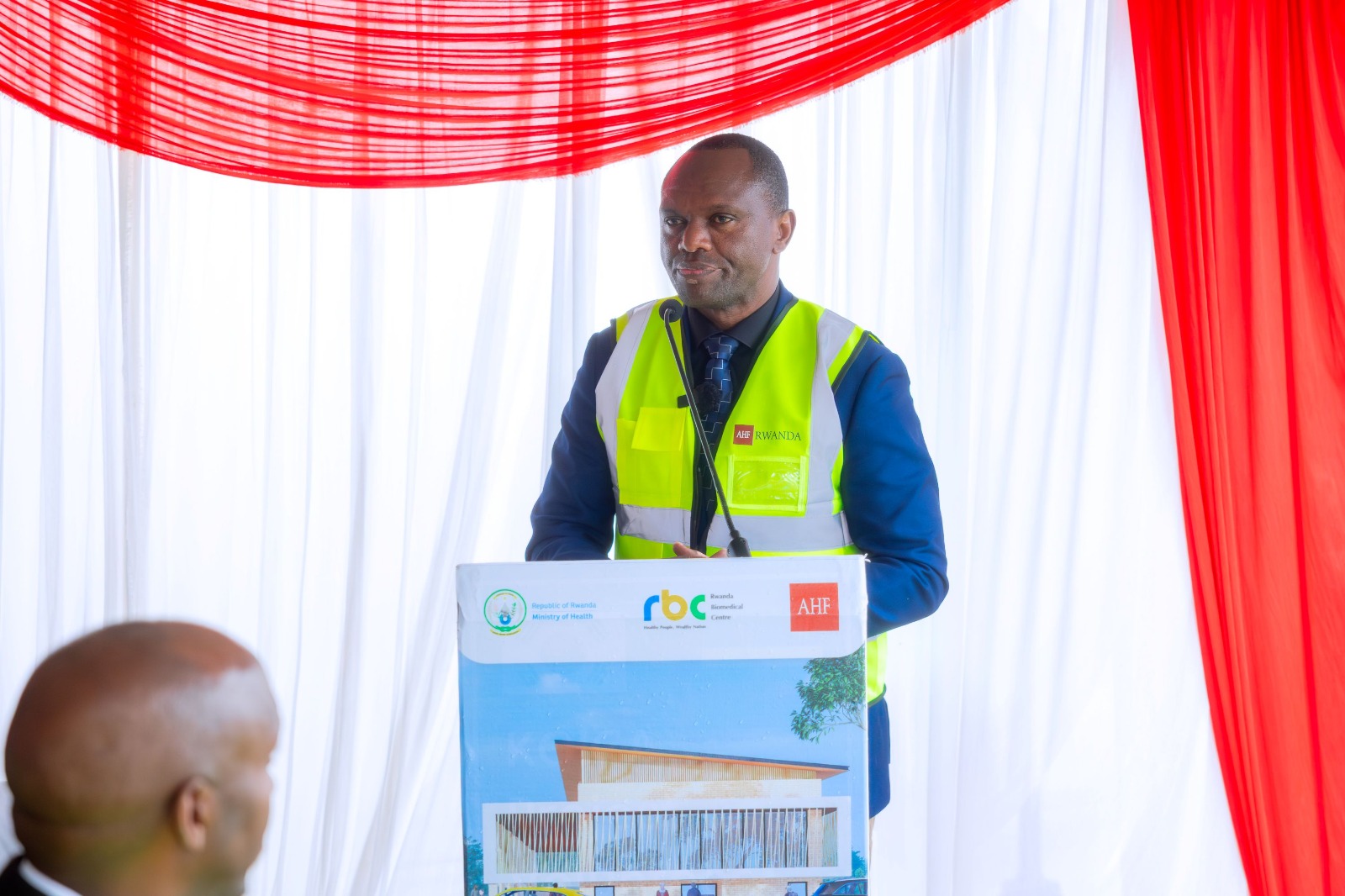
Speaking at the event, Dr. Lambert Rangira, AHF Rwanda Country Program Manager, said the expansion reflects a strong partnership between the Government of Rwanda and development partners aimed at strengthening the country’s health system.
“This project demonstrates what can be achieved when institutions work together toward a common goal, which is improving access to quality healthcare for all,” he said.
He also requested a collective commitment from all stakeholders to ensure that this investment translates into measurable impact for the Rwandan communities it will serve.
He emphasised that the new facility will go beyond infrastructure, delivering tangible benefits such as reduced waiting times, improved confidentiality, enhanced patient experience, and better health outcomes.
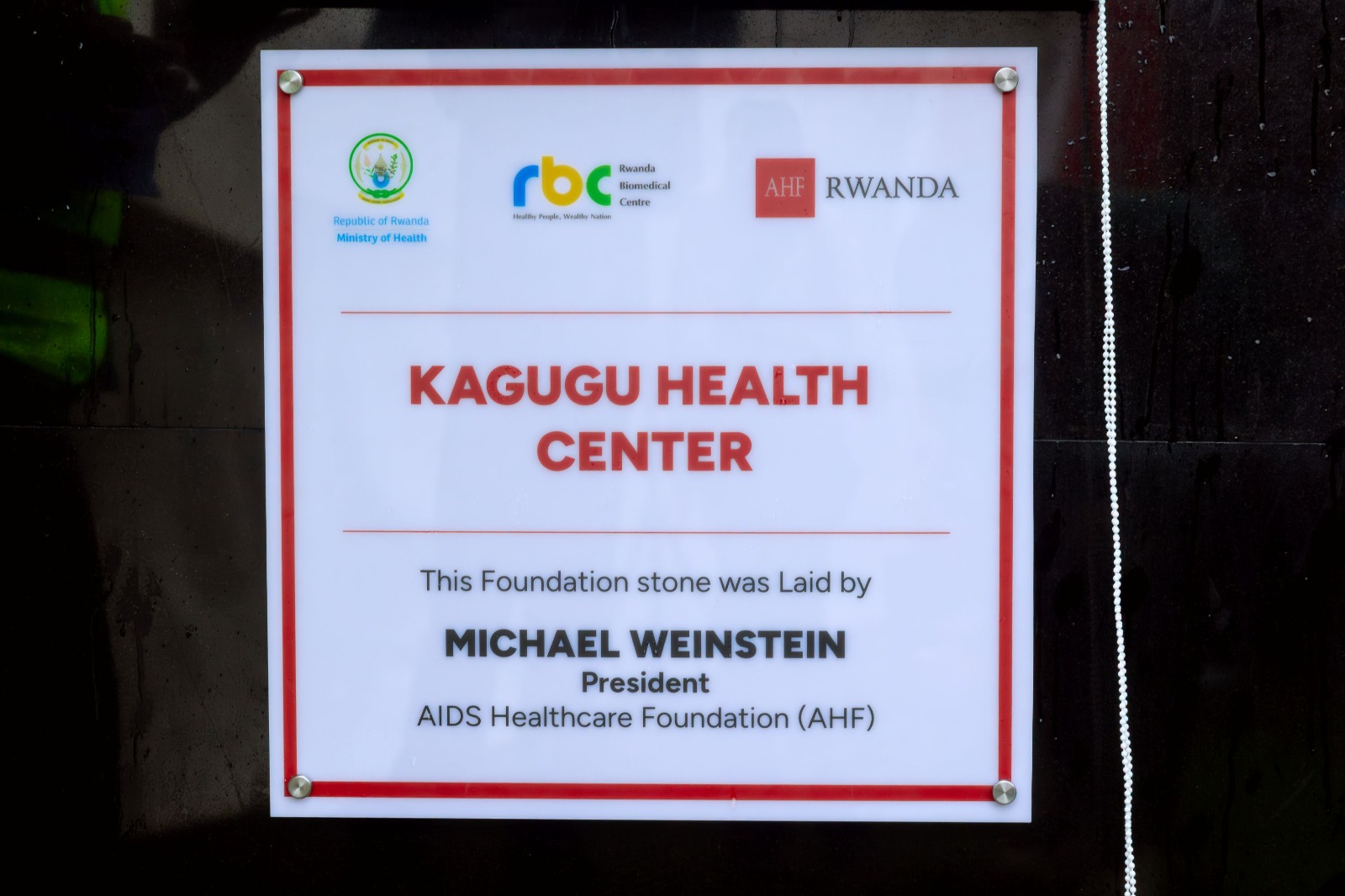
A symbolic foundation stone was laid at the site of the new facility on Wednesday, March 18, 2026.
The project is progressing well and is currently 38% complete, with full completion scheduled for October this year.
The expansion comes as AHF Rwanda continues to scale up its operations. Since launching in 2006, the organisation has grown from supporting just a few facilities to working in 11 districts. What began with three health facilities in Gasabo, Kicukiro, and Nyabihu districts with 850 patients in 2026 has expanded significantly over the past two decades. Today, AHF Rwanda supports 38 health facilities across 11 districts, collectively serving more than 47,200 people living with HIV.
The Kagugu Health Center expansion is also part of AHF Rwanda’s broader growth strategy. This year, the program plans to expand services to 24 additional sites, bringing care to an estimated 11,000 more clients across five new districts. By the end of the year, AHF Rwanda aims to reach 62 health facilities across 16 districts.
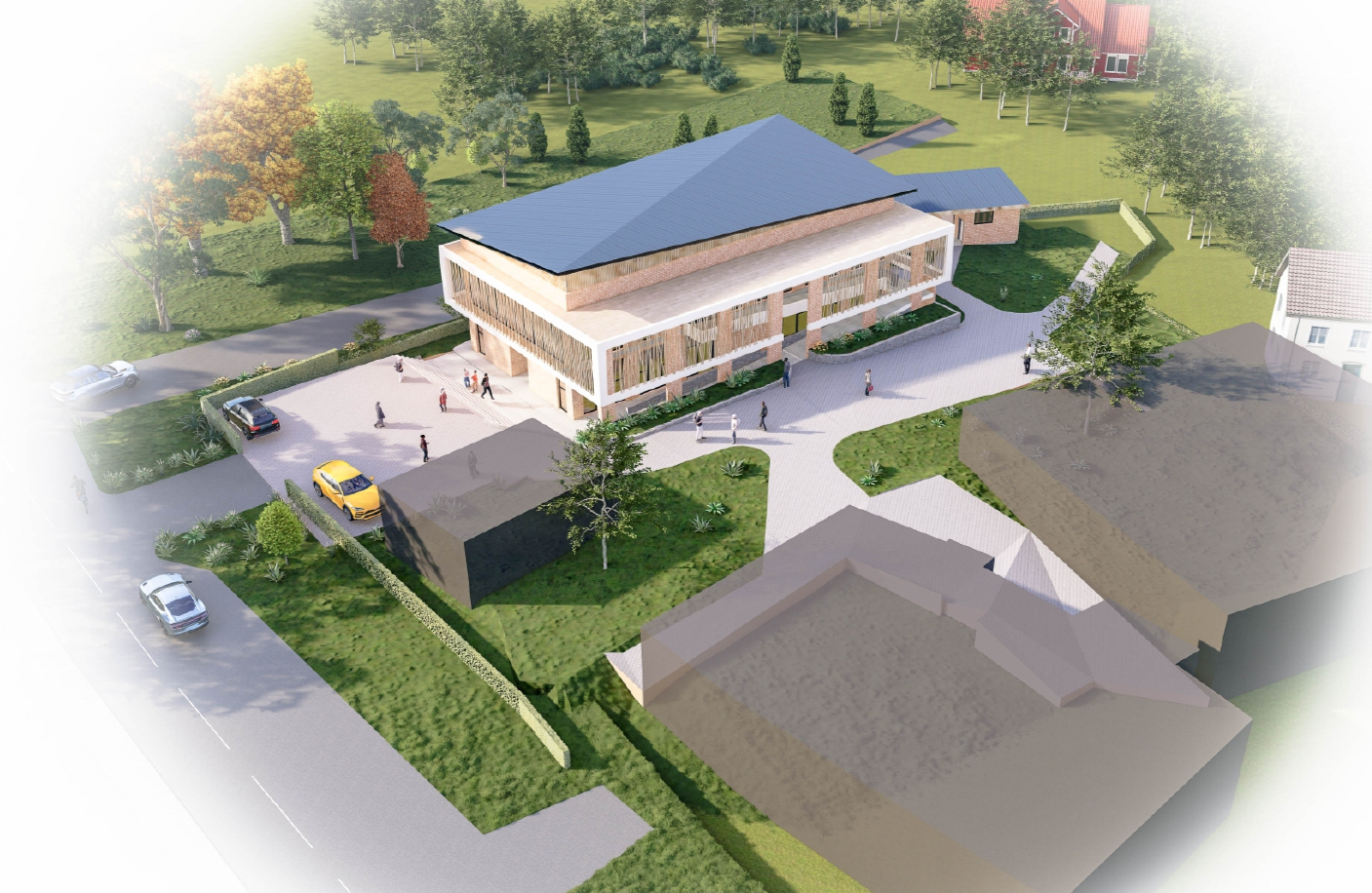
Aerial view of the new building. The project is expected to be completed by October 2026.
Founder and President of AIDS Healthcare Foundation Michael Weinstein, who was visiting Rwanda for the first time, commended the country’s coordinated approach to healthcare delivery, particularly in the fight against HIV.
“Rwanda has been a global leader in HIV response by ensuring that all partners work within one system,” he said. “Facilities like this need to be expanded to meet demand, and what we are seeing here is the essence of partnership.”
At the local level, the expansion is expected to address longstanding challenges at Kagugu Health Centre, which currently serves a population of over 100,000 people.
According to the facility’s head, Dogo Trésor, limited space has constrained service delivery despite growing demand.
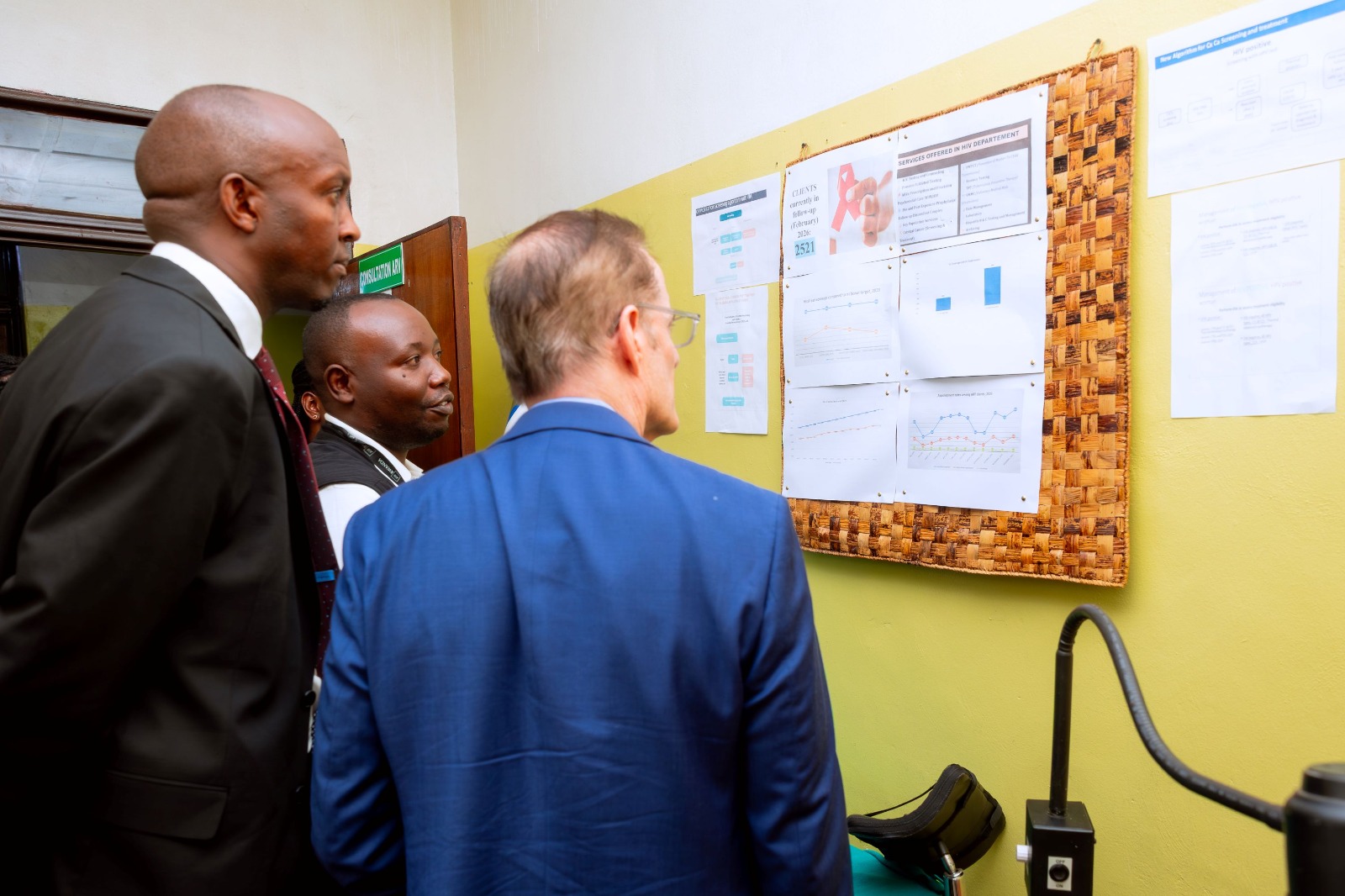
“We follow up nearly 3,000 HIV patients, with more than 2,500 active clients, and currently record over 40 new HIV cases each month. The current infrastructure is not enough,” he said, adding that the expansion will allow for improved working conditions and the recruitment of additional staff.
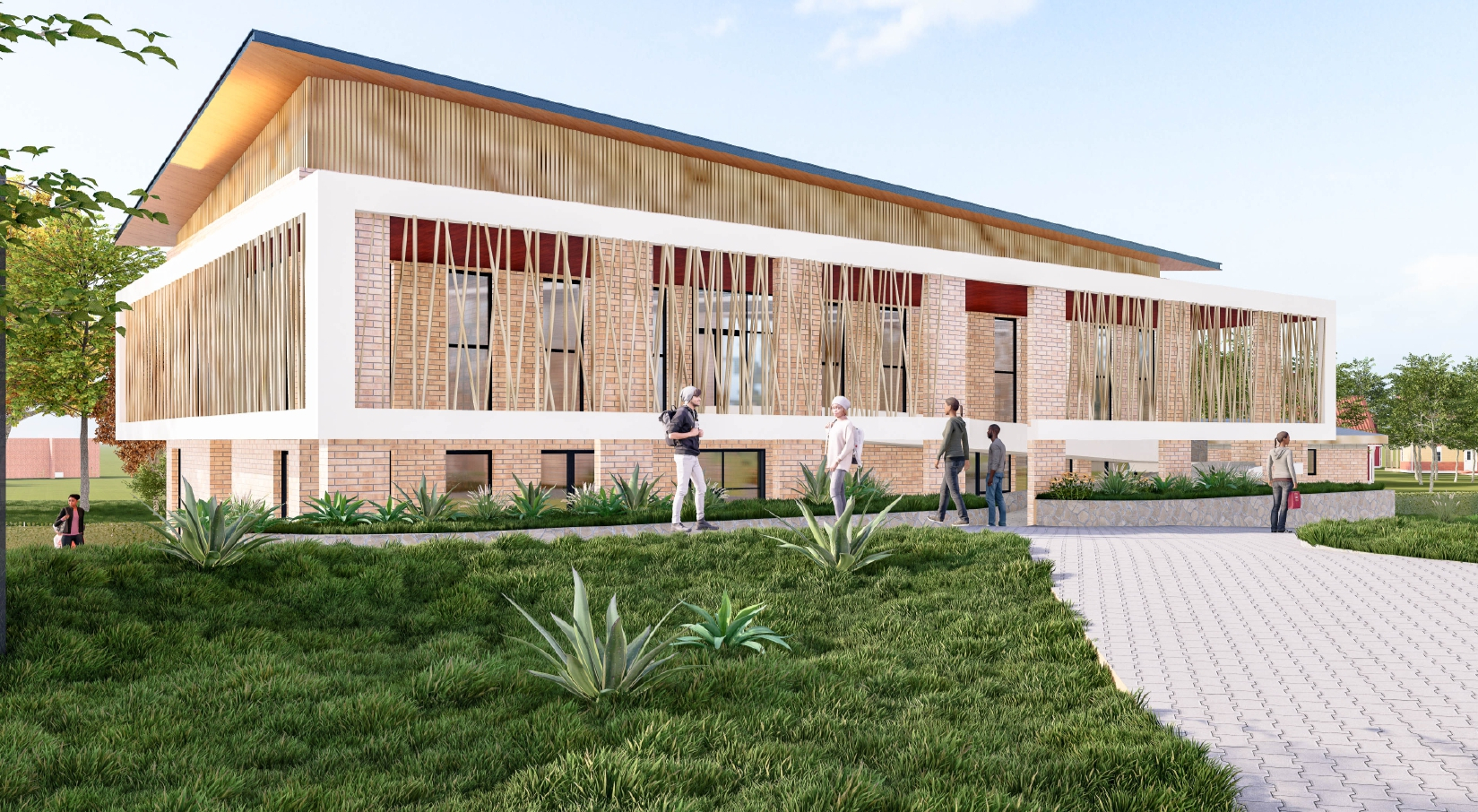
Front view of the modern hospital under construction at Kagugu Health Center.
Kigali City authorities also welcomed the project as a key contribution to urban health development. Urujeni Martine, Vice Mayor in charge of Socio-Economic Affairs, noted that the investment aligns with Kigali’s broader goal of ensuring residents have timely access to quality healthcare.
“This facility will play a critical role in improving the well-being of our citizens and supporting sustainable development,” she said.
From the national perspective, the Ministry of Health highlighted the project’s alignment with Rwanda’s priorities, including modernising health infrastructure and improving service delivery.
Representing the Ministry, Dr. Oreste Tuganeyezu said the expansion would significantly enhance the quality of care provided at the facility.
“This project contributes directly to improving healthcare quality and supporting health workers, while also strengthening services for people living with HIV,” he said, adding that AHF’s support has been instrumental in expanding access to care and supporting vulnerable populations by covering their Community-Based Health Insurance (Mutuelle de Santé) contributions.
Dr. Oreste also noted that the project aligns with Rwanda’s broader health sector goals, including the plan to quadruple the number of health professionals between 2025 and 2029, which will further improve service delivery and reduce the workload on existing staff.
Once completed, the upgraded facility will offer a wide range of services under one roof, including HIV testing and counselling, laboratory services, pharmacy, maternal and child health services, non-communicable disease screening, and dedicated youth-friendly spaces.
AHF, which has a presence in more than 50 countries across Africa, the Americas, the Asia/Pacific region, and Europe, has been operating in Rwanda for the last 20 years and offers a comprehensive range of services, including HIV testing, care and treatment, prevention programs including Condom education and distribution, and integrated non-communicable disease (NCD) services, advocacy initiatives, and provision of supplemental personnel and monthly operational funding to all supported sites.
With robust testing models and strong community outreach, AHF Rwanda ensures services reach hard-to-access areas. The organisation partners with community-based organisations (CBOs) for mobilisation, education, and referrals, while also advocating for policy changes to benefit people living with HIV (PLHIV). To date, it has distributed more than 3 million condoms through its strategically located condom kiosks and dispensers across the city.
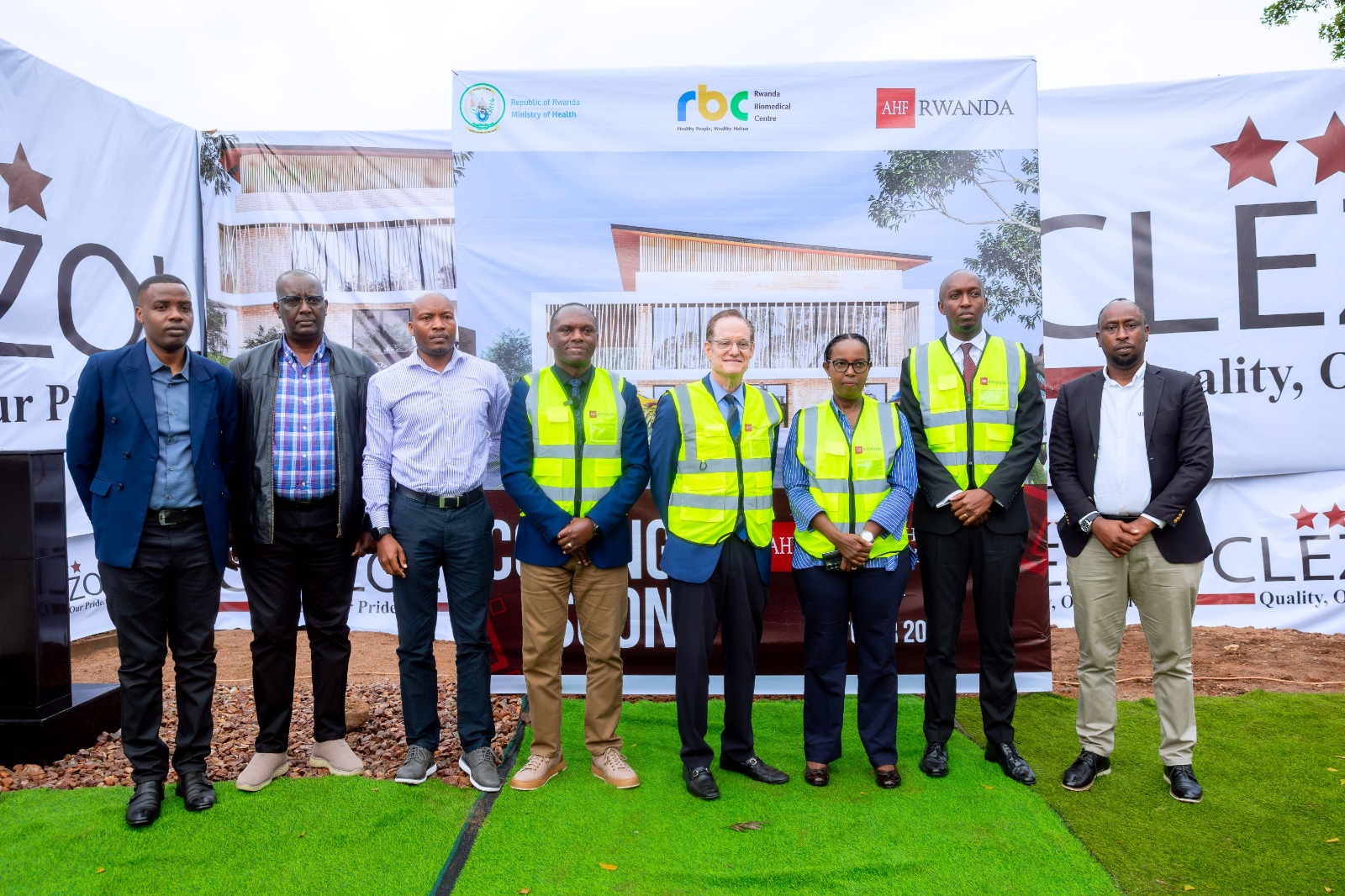
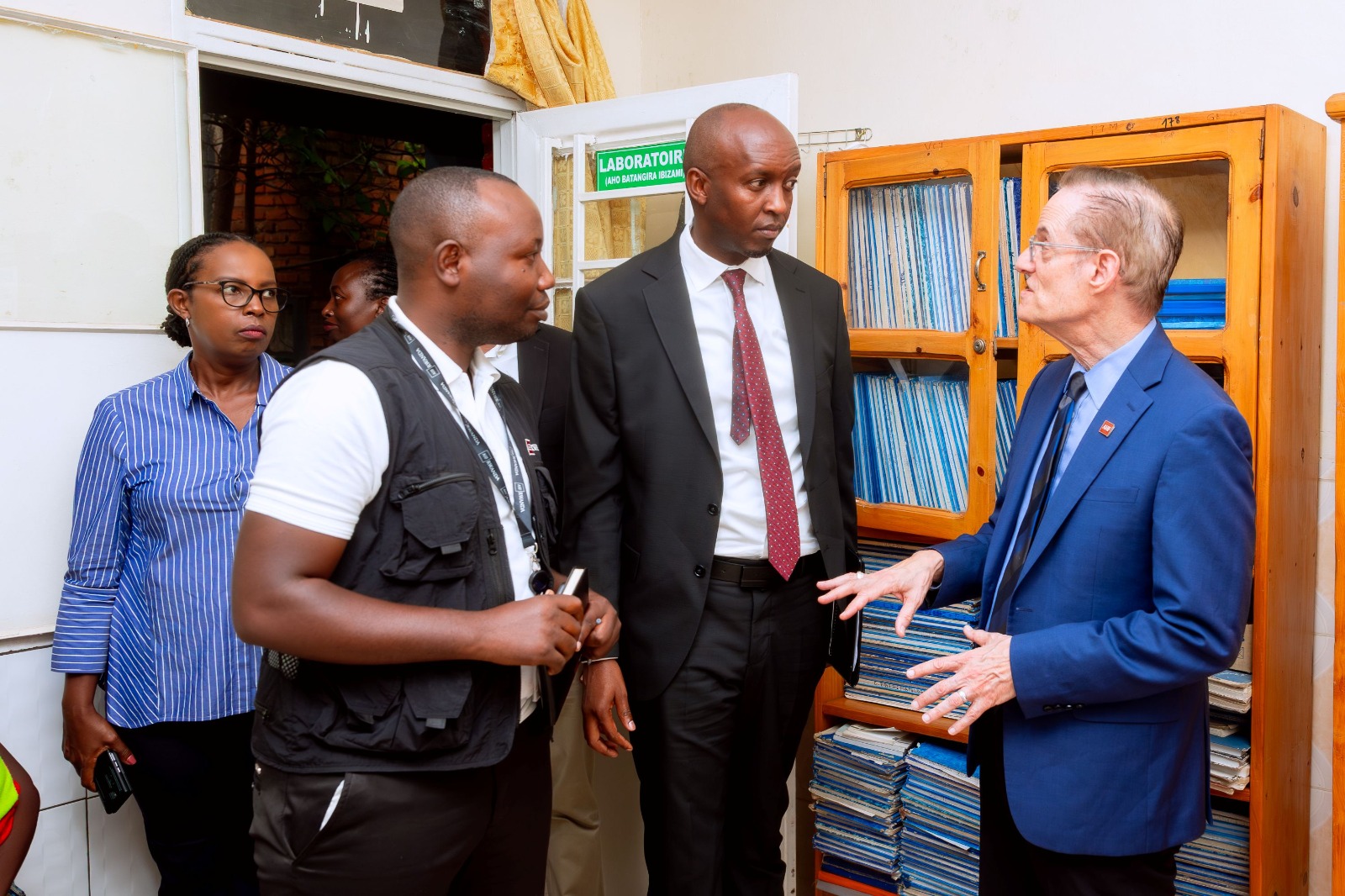
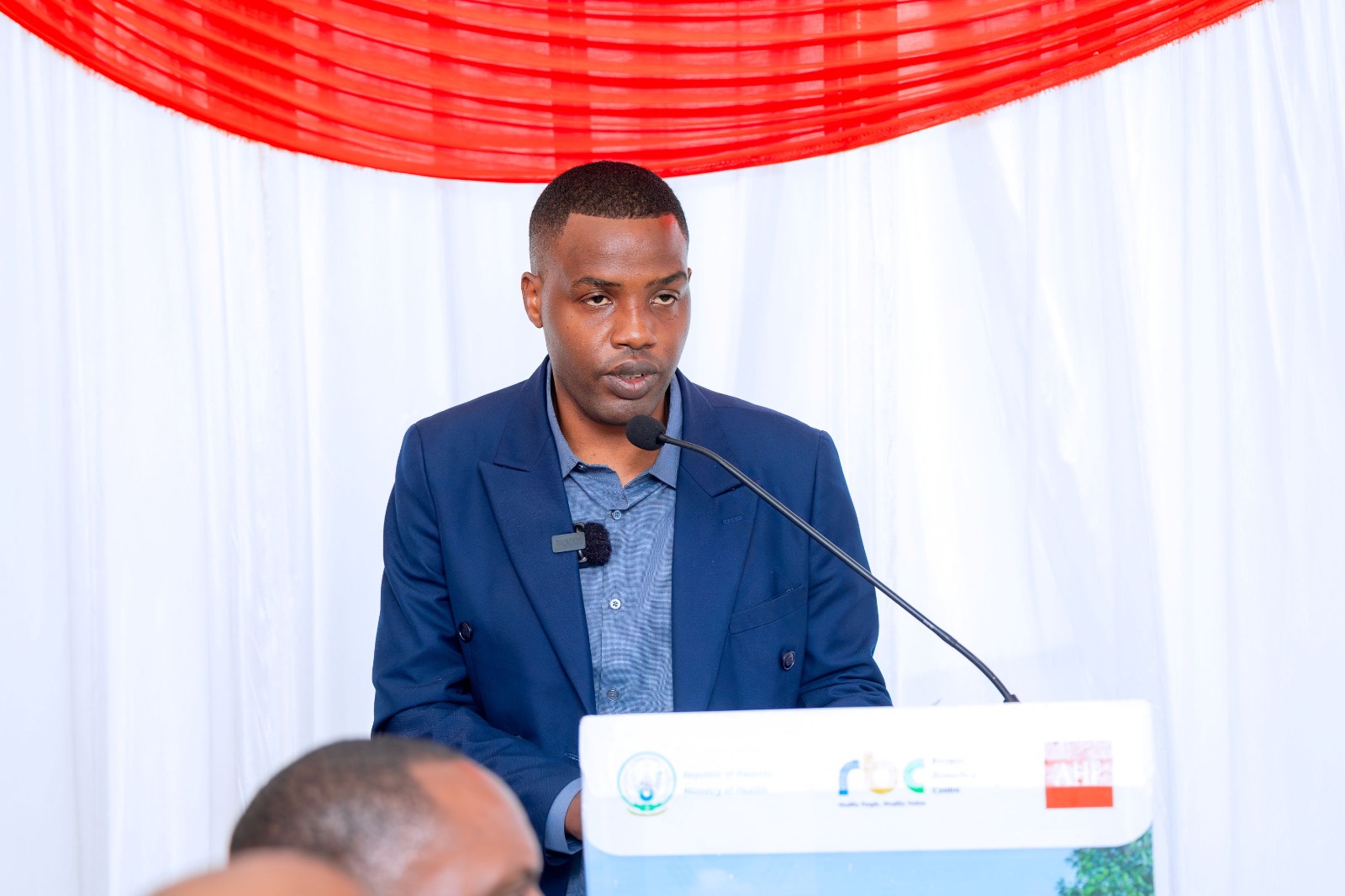
Founder and President of the AIDS Healthcare Foundation, Michael Weinstein, led other partners to lay a foundation stone for the new health facility under construction on Wednesday, March 18, 2026.The two-story building is 38% complete.Founder and President of the AIDS Healthcare Foundation, Michael Weinstein, during a tour of the Kagugu Health Center on Wednesday.Michael Weinstein, founder and president of the AIDS Healthcare Foundation, was given a tour of the hospital operations.Kagugu Health Center head, Dogo Trésor, said the expansion will provide much-needed relief to the hospital amid rising demand from the local community.Representing the Ministry, Dr. Oreste Tuganeyezu said the expansion would significantly enhance the quality of care provided at the facility.
The event, Soundz of Neptune, is set for Saturday, March 21, 2026, at Atelier du Vin. Upon arrival, DJ Neptune urged fans to get their tickets, promising an unforgettable music experience.
“Soundz of Neptune is raving the city of Kigali this weekend, and our selektas are itching to see you on the dance floor,” he wrote on Instagram.
The concert will feature DJ Neptune alongside renowned DJs including DJ Marnaud, DJ Ira, DJ Inno, DJ Lou, and others, bringing together some of Rwanda’s leading talent.
DJ Neptune, whose real name is Patrick Imohiosen, is one of Africa’s most prominent DJs and last performed in Rwanda in 2022. He began his music career at age 11 and is now celebrating 25 years in the industry, marking a journey that started in 2001.
He has collaborated with Rwandan artists such as Kenny Sol on “No One” and Bruce Melodie on “Forever”, which also featured Bayani. His extensive catalogue of African hits includes “So Nice” with Davido and Del B, “Baddest” with Olamide and Stonebwoy, “Marry” with Mr Eazi, “Wait” with Kizz Daniel, and “Demo” with Davido.
Fans in Kigali are eagerly anticipating the concert, which promises a night of high-energy music and unforgettable performances.
However, the pace of reduction in child mortality has slowed by over 60 percent since 2015, the “Levels & Trends in Child Mortality” report said.
An estimated 4.9 million children died before their fifth birthday in 2024, including 2.3 million newborns, and most of these deaths were preventable with proven, low-cost interventions and access to quality health care.
Newborn deaths accounted for nearly half of all under-five deaths, reflecting slower progress in preventing deaths around the time of birth, the report said.
Leading causes among newborns were complications from preterm birth and complications during labor and delivery, it said, adding that infections, including neonatal sepsis and congenital anomalies, were also important causes.
For the first time, the report estimated deaths directly caused by severe acute malnutrition, finding that more than 100,000 children aged 1 to 59 months died from it in 2024.
Child deaths remain highly concentrated geographically. In 2024, sub-Saharan Africa accounted for 58 percent of all under-five deaths, followed by Southern Asia with 25 percent, according to the report.
“To accelerate progress and save lives, UNICEF calls on governments, donors and partners to make child survival a political and financing priority, to focus on those at highest risk, strengthen accountability and invest in primary healthcare systems,” Farhan Haq, deputy spokesperson for the UN secretary-general, said at a daily briefing.
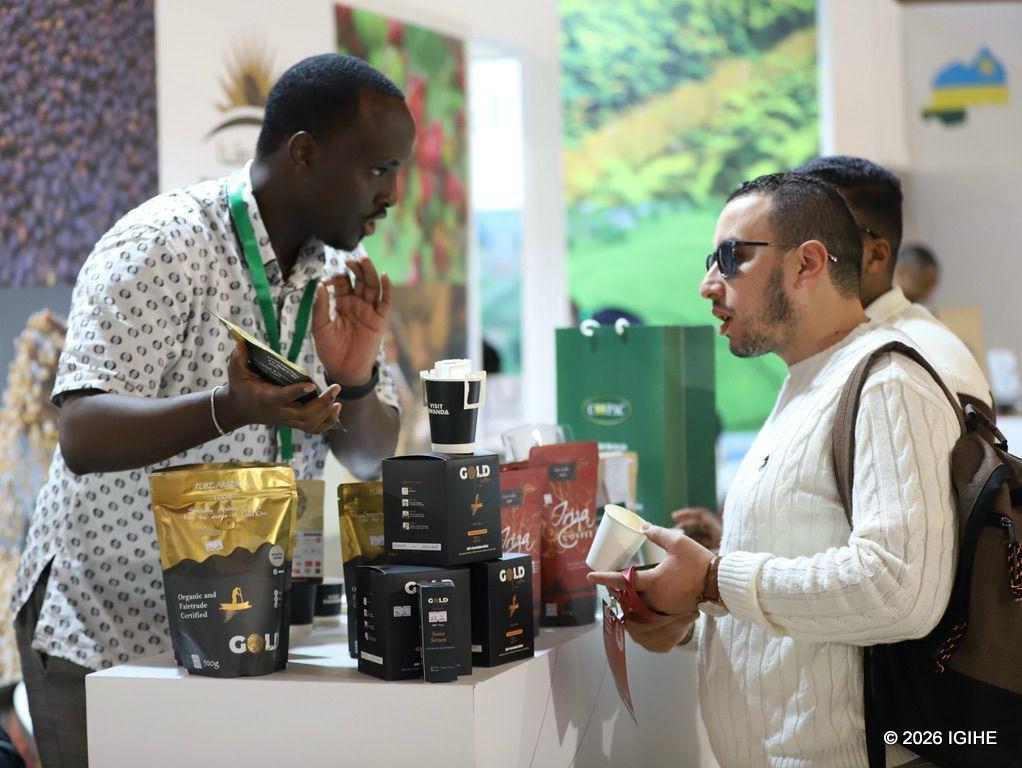
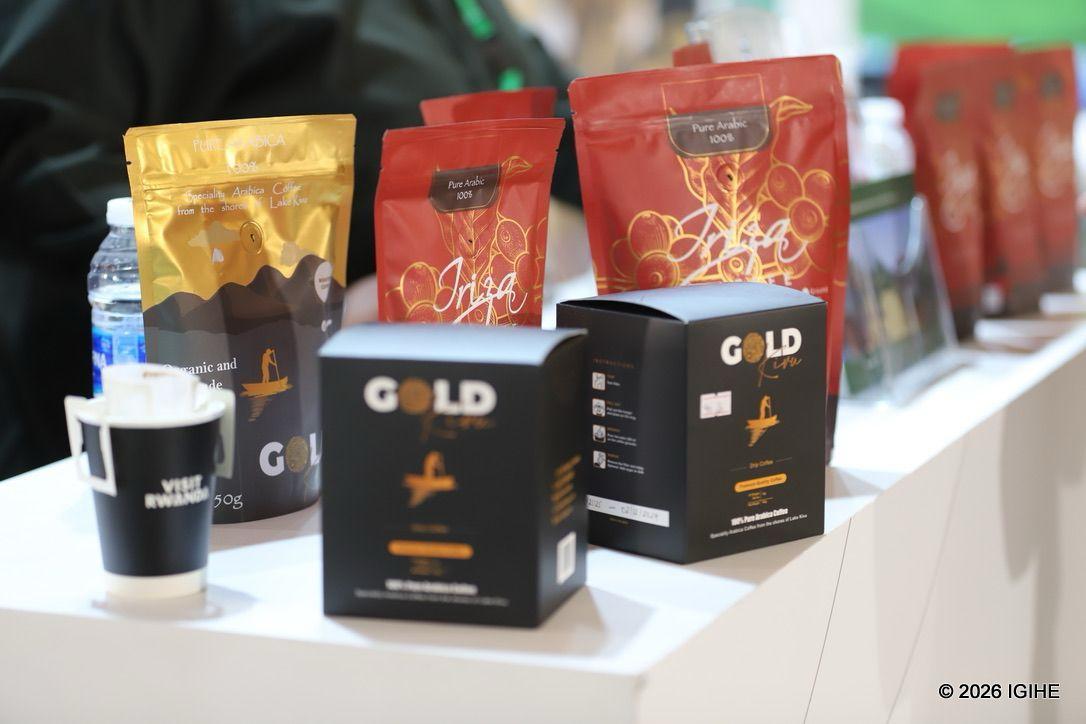
Among these trailblazers is Clarisse Nzungize, Managing Director of COOPAC Ltd, a family-owned coffee company that has become a beacon of innovation, sustainability, and empowerment in Rwanda’s coffee industry.
COOPAC Ltd, founded in 2001 by Emmanuel Nzungize Rwakagara and Maggie Kagimbanyi, started as a small initiative nestled in the hills surrounding Lake Kivu. Over the years, the company has grown into one of Rwanda’s most respected specialty coffee producers. Today, it not only produces and exports high-quality Arabica coffee but also stands as a testament to the power of female leadership in traditionally male-dominated industries.
Nzungize, the third-generation leader at COOPAC, is at the helm of a company that combines a rich family heritage with modern innovation. Her leadership exemplifies how women in Rwanda are reshaping the coffee sector.
Under her guidance, COOPAC continues to grow, focusing on quality, sustainability, and empowering local farmers. The company now works with over 5,300 farming families across three districts, helping to elevate their livelihoods while producing top-tier coffee that has earned Fairtrade and Organic certifications.
COOPAC’s success story is rooted in its people-centered business model. The company doesn’t just produce coffee; it reinvests in the communities that make its success possible. COOPAC actively empowers farmers through training in best agricultural practices, offering fair and stable prices, and providing women with leadership opportunities in the industry. This approach drives social change, making each harvest a step forward for community development.
The company is equally committed to sustainability, with environmental initiatives like planting thousands of indigenous trees each year, soil conservation through terracing, and safeguarding natural resources around Lake Kivu.
Besides, the company’s livestock programs have distributed over 3,000 cows and goats, improving nutrition and boosting household income. In addition, COOPAC supports education and healthcare by constructing and renovating classrooms and assisting local health centers and community clinics.
As COOPAC looks to the future, its vision remains rooted in the values of family, sustainability, and community. With a commitment to inspiring the next generation of coffee farmers, the company continues to share the rich culture of Lake Kivu’s coffee with the world.
Nzungize’s leadership exemplifies the role of women entrepreneurs in transforming industries and creating lasting social impact. As Rwanda celebrates women’s rights this month, it is leaders like Nzungize who are turning coffee into a powerful tool for empowerment, change, and hope.
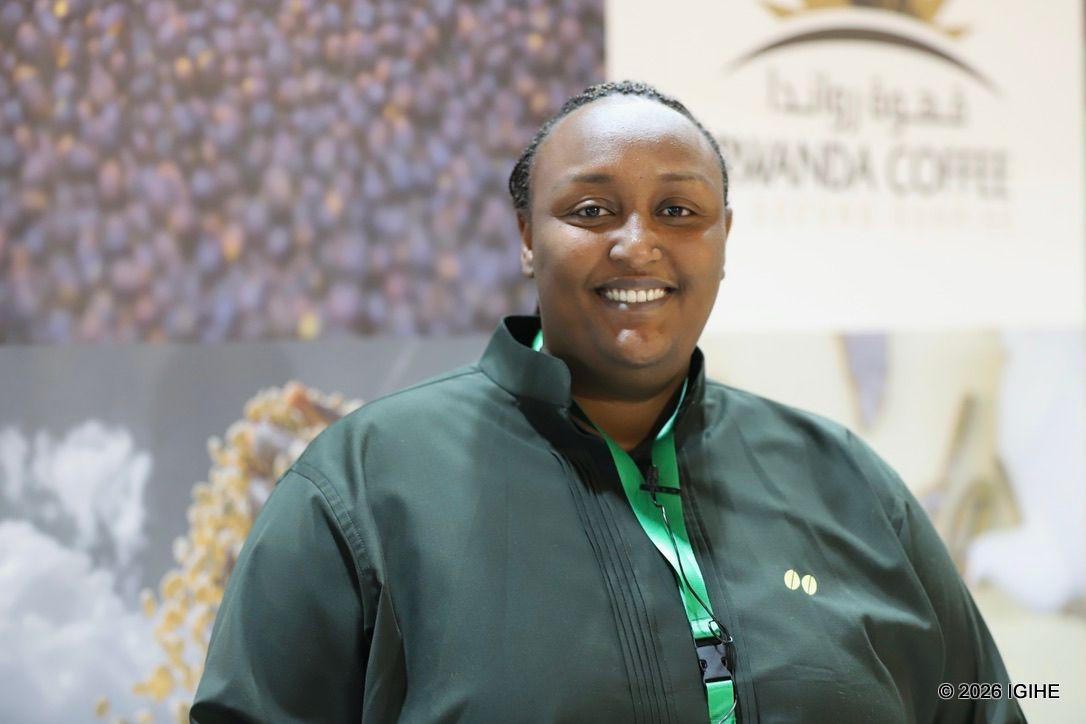
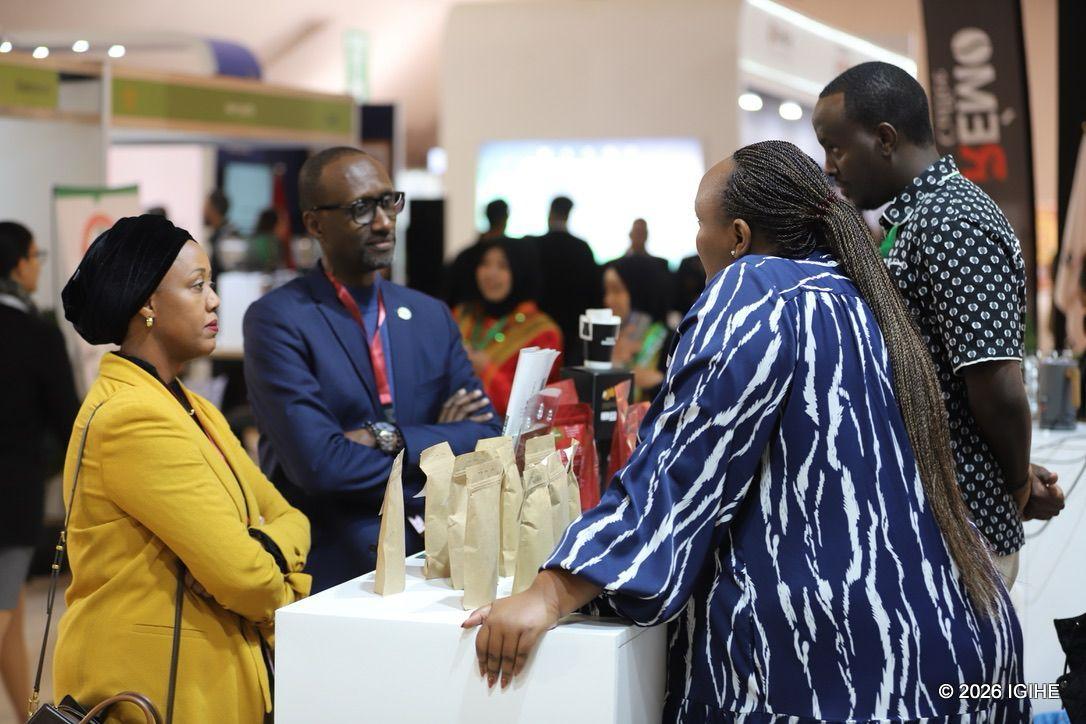
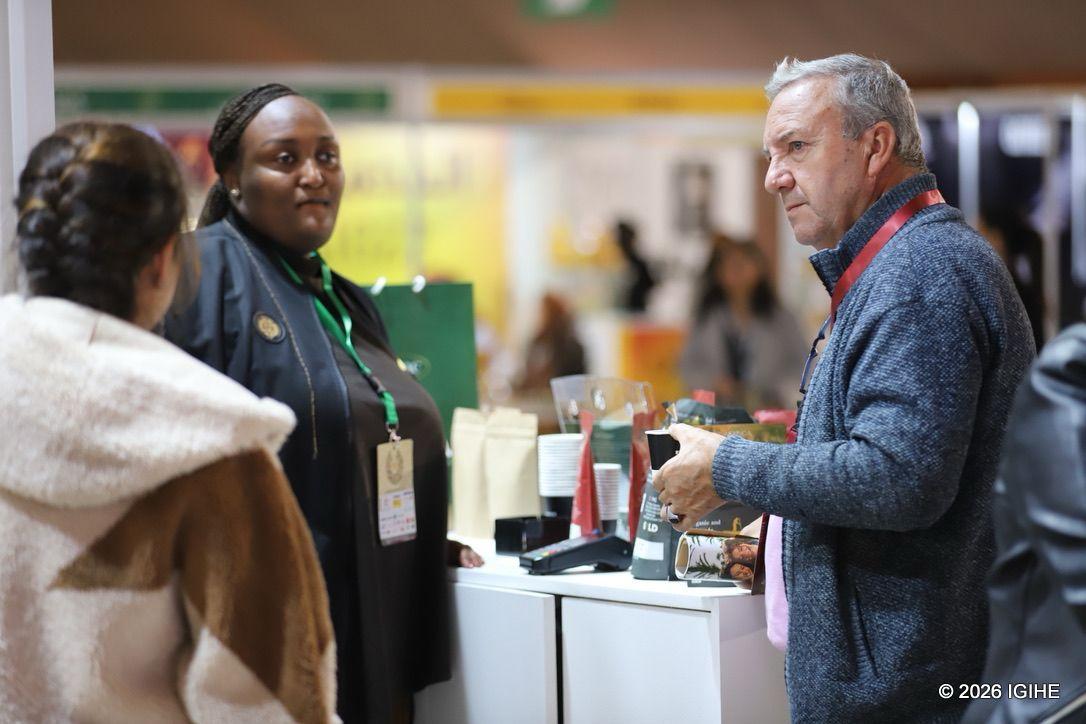
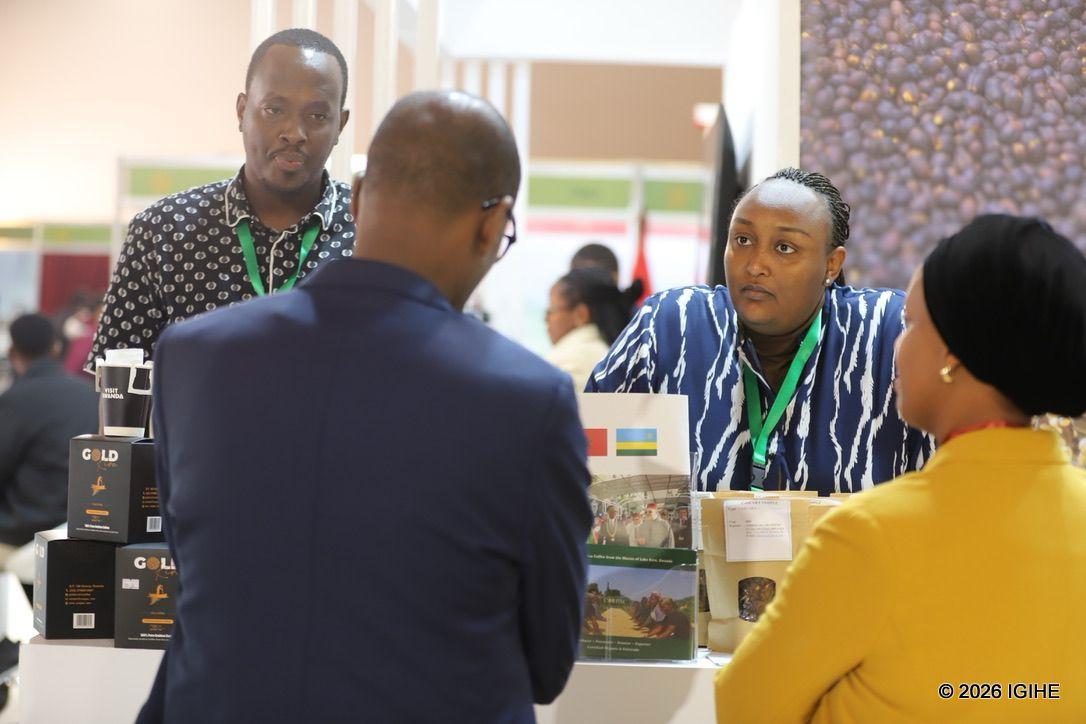
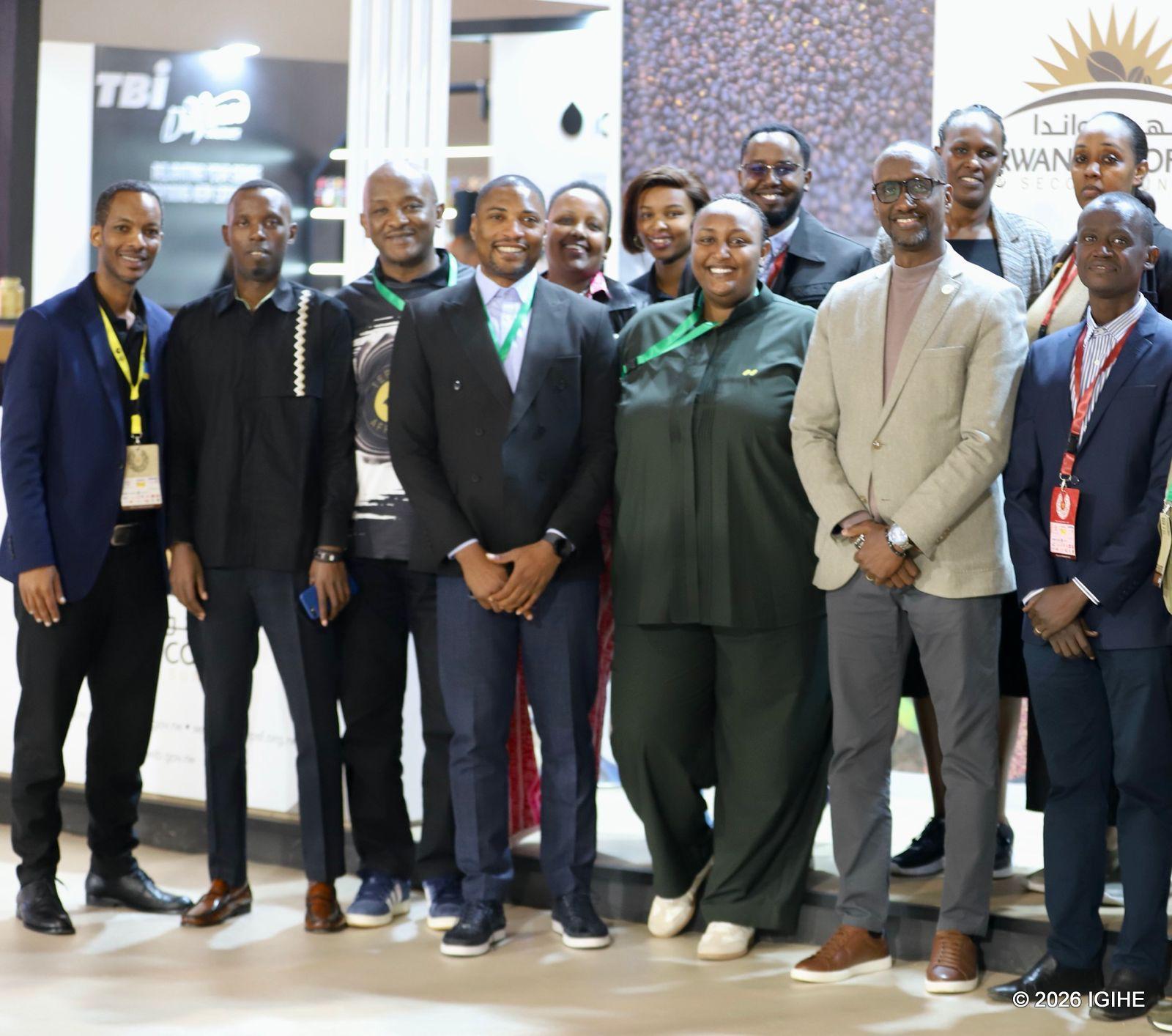
Clarisse Nzungize is the Managing Director of COOPAC Ltd Clarisse Nzungize, Managing Director of COOPAC Ltd, takes part in many exhibitions showcasing Rwanda. This illustration photo was taken in Morocco.Clarisse Nzungize, Managing Director of COOPAC Ltd attends many exhibitions.This photo shows her along with officials including NAEB CEO, Claude Bizimana at a past exhibition and Amb. Umutoni Shakilla, Rwanda’s Ambassador to Morocco.COOPAC Ltd stand at a past exhibition in Morocco. This photo shows samples of COOPAC Ltd coffee presented at the exhibition held in Marrakech.
This growth highlights the success of the Group’s strategic transformation, which includes diversified revenue streams, enhanced efficiency, and strong regional contributions.
The Group’s balance sheet expanded by 9% to KSh1.97 trillion, with customer deposits rising by 4% to KSh1.46 trillion and net loans increasing by 8% to KSh882.5 billion. Additionally, the number of customer accounts grew to 22.4 million, supported by a robust regional distribution and digital ecosystem.
Equity’s total income increased by 12% to KSh217.7 billion, reflecting strong performance across various income streams, including a 17% rise in net interest income and a 7% growth in non-funded income.
Operational efficiency saw a notable improvement, with the cost-to-income ratio dropping from 58.2% to 51%. Over 98% of customer transactions were processed outside branches, with 88.4% of these through digital channels, demonstrating the continued demand for digital services.
Dr. James Mwangi, Equity Group’s Managing Director and CEO, attributed the performance to the Group’s successful transformation into a diversified regional financial services group.
“Our regional subsidiaries now contribute about half of our banking profitability, demonstrating the value of our pan-African footprint,” he said.
Equity’s regional operations, including those in the DRC, Uganda, Rwanda, and Tanzania, contributed significantly to the Group’s profitability, with profits rising by 58% in the DRC and 500% in Uganda.
Subsidiaries accounted for 51% of banking profit before tax and 48% of banking profit after tax.
Equity Bank Kenya Limited (EBKL) also posted a strong performance, with a 63% increase in PAT to KSh39.2 billion, driven by a 28% rise in net interest income. The Bank’s leadership in MSME financing was recognized at the Kenya Bankers Association Sustainable Finance Initiative (KBA SFI) Awards, where it was named the Best Bank for MSME Financing, contributing 45% of all bank lending to SMEs.
The Group’s insurance subsidiary, Equity Insurance Group, also saw substantial growth, with gross written premiums rising 75% to KSh9.17 billion. Profit Before Tax for the insurance unit grew by 36%, and insurance revenue surged by 150%.
Equity’s strong performance is underpinned by its commitment to social impact. Through the Equity Group Foundation (EGF), the Group supported 1,115 scholars with global university scholarships, empowered nearly 1 million entrepreneurs, and provided over KSh401 billion in credit to MSMEs.
Additionally, EGF is training over 600,000 youth in AI, machine learning, and data analytics, further contributing to the continent’s sustainable growth.
As part of its growth strategy, Equity Group continues to execute its 2030 vision, which includes expanding its operations to 15 countries and serving 100 million customers by 2030. The Group is positioning itself as a “Transformation Finance Institution,” mobilizing capital and driving inclusive prosperity across Africa.
Dr. Mwangi concluded, “Through our Africa Recovery and Resilience Plan, we are investing in next-generation digital and AI-enabled capabilities that enhance customer experience, strengthen risk management, and lower the cost-to-serve, while extending access to affordable credit, insurance, and investment solutions.”
Equity Group remains focused on building a future-ready institution that drives inclusive, sustainable growth across Africa, leveraging digital transformation and strategic partnerships.
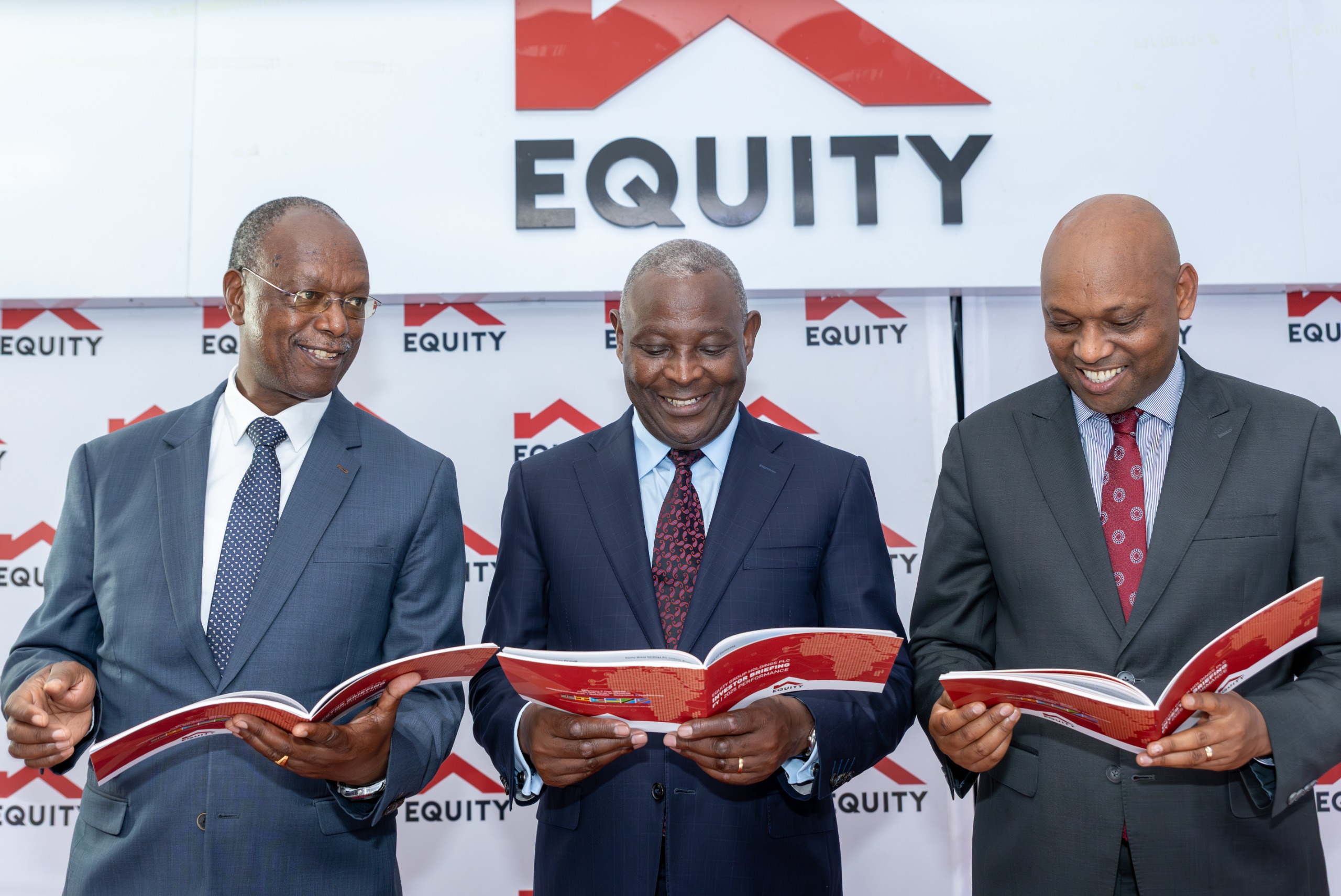
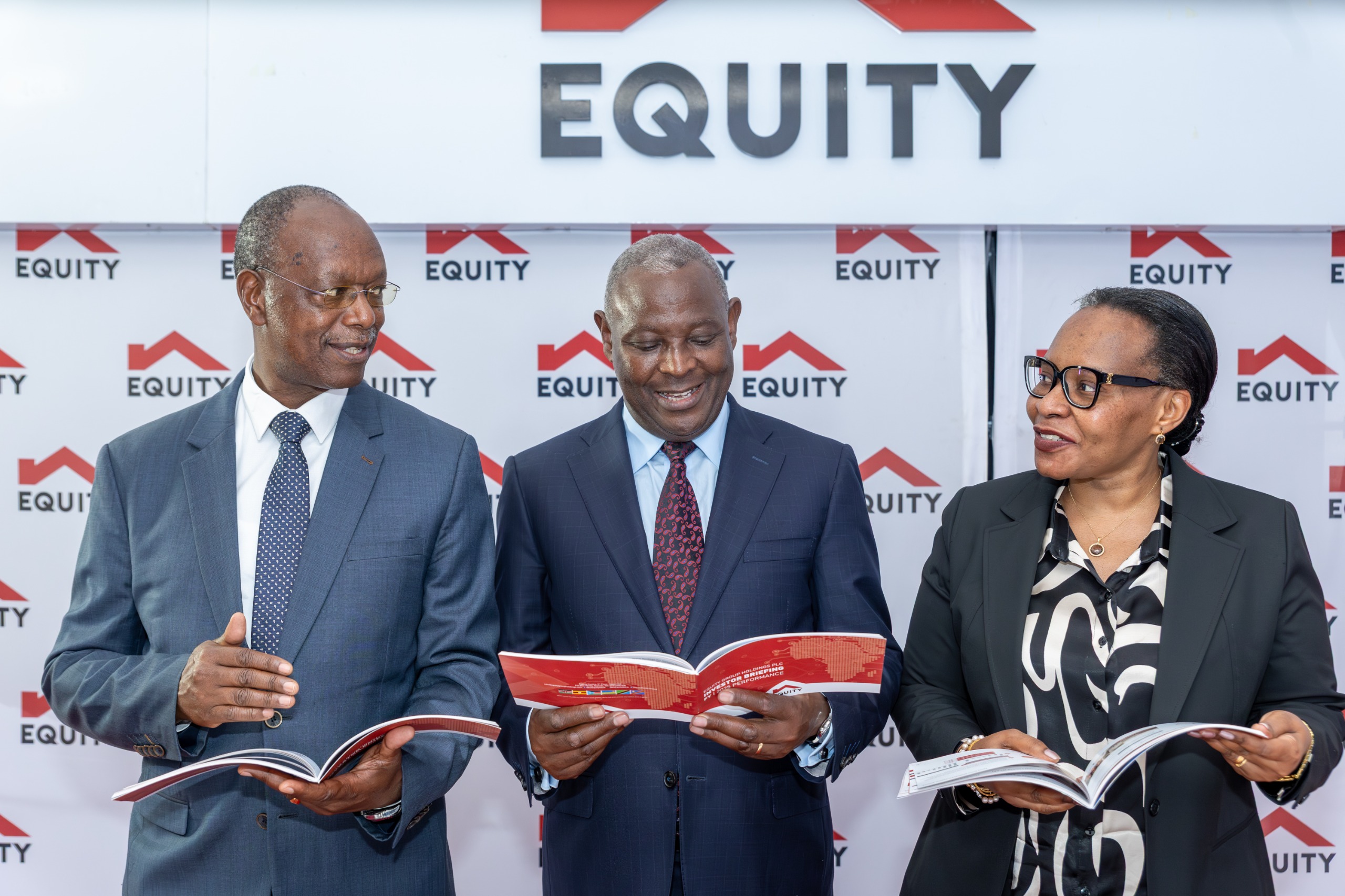
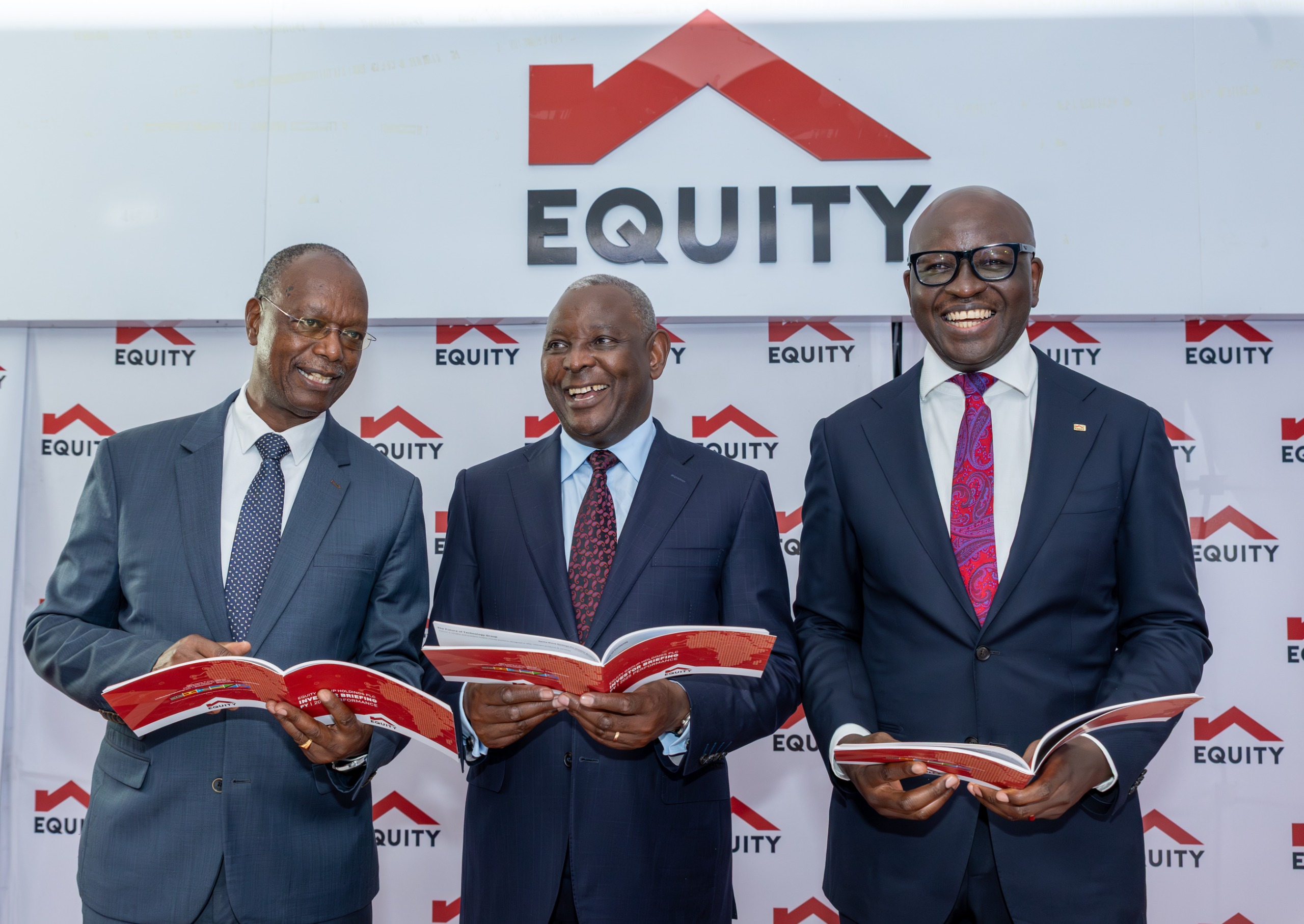
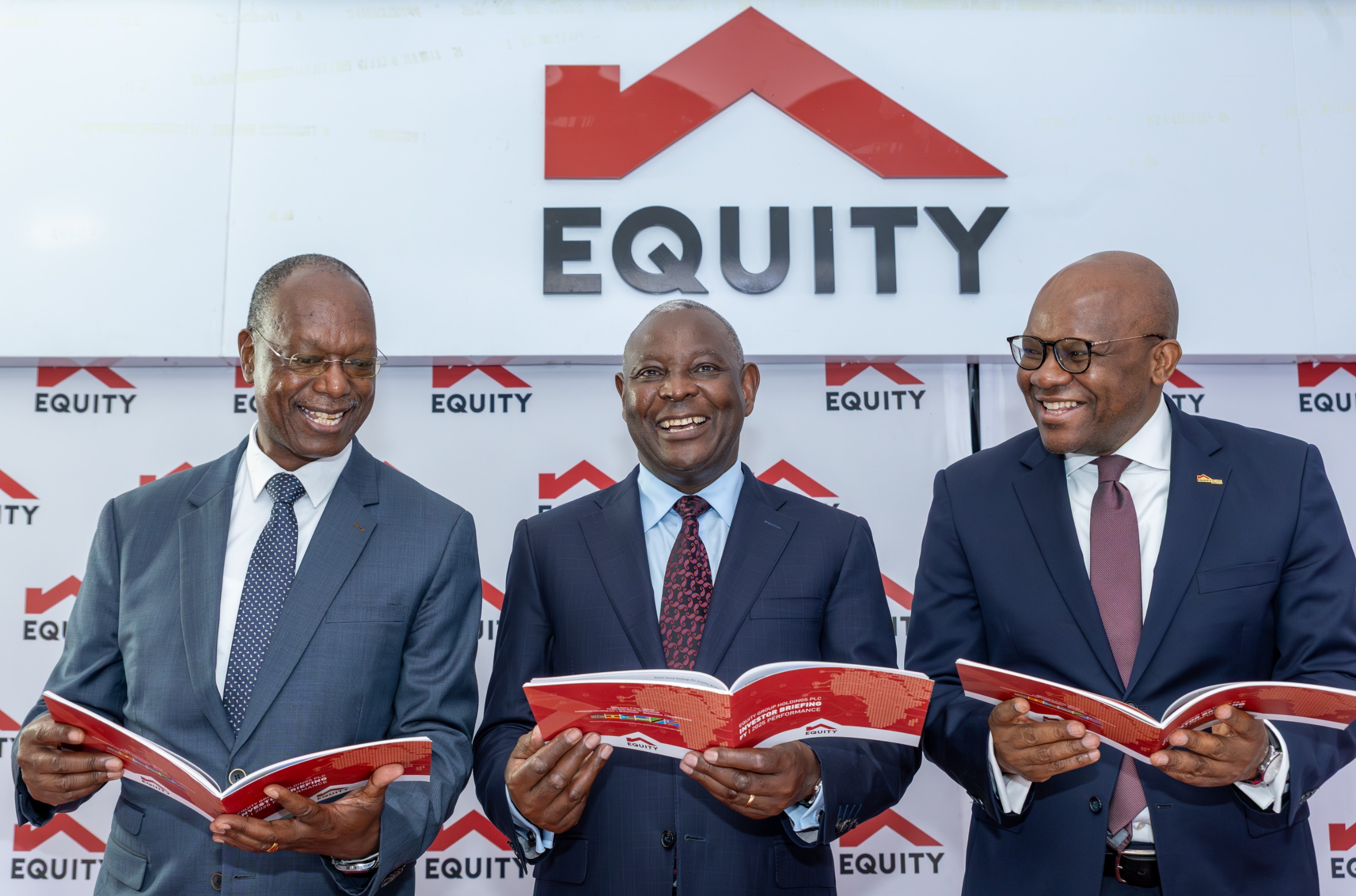
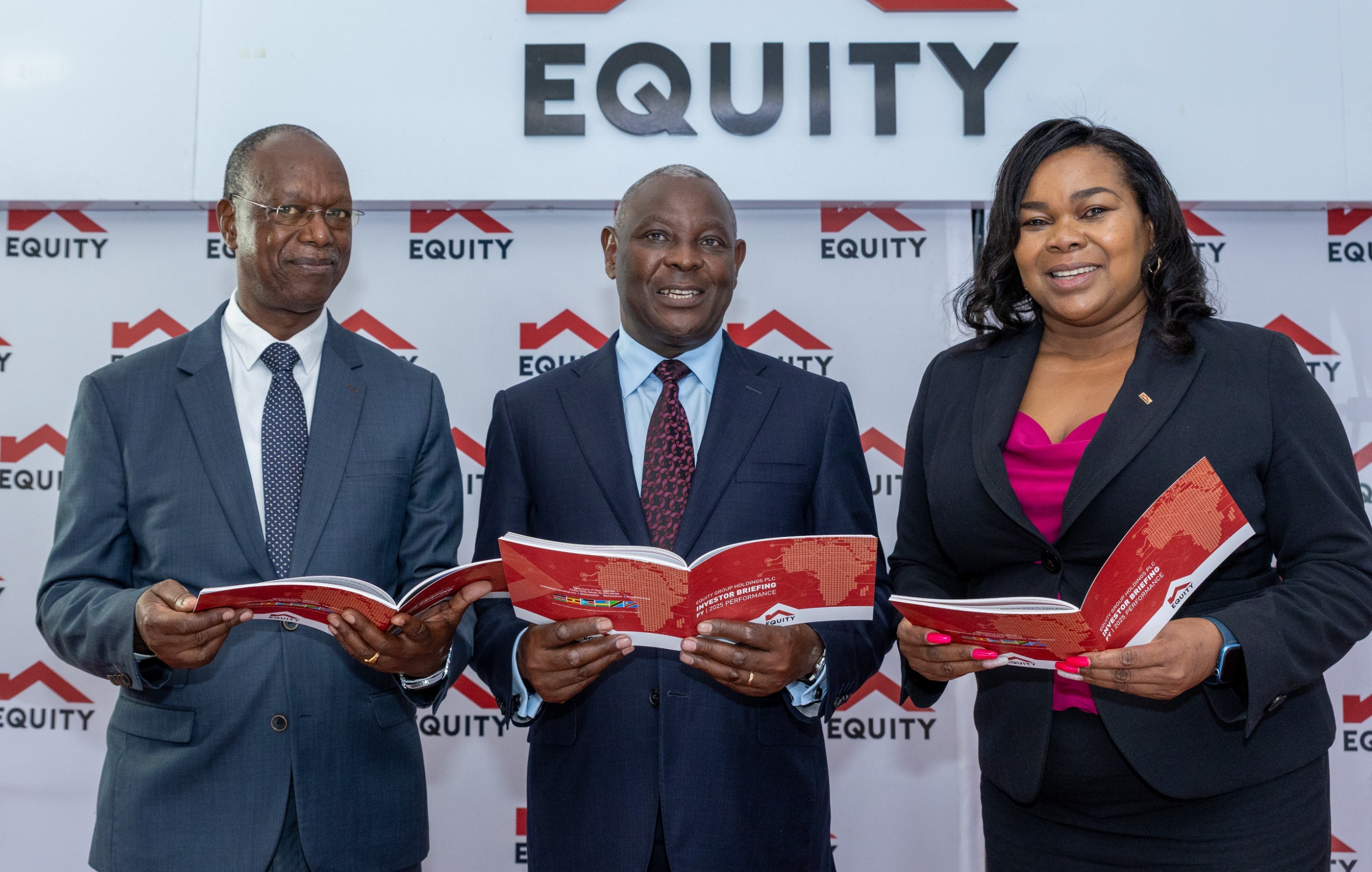
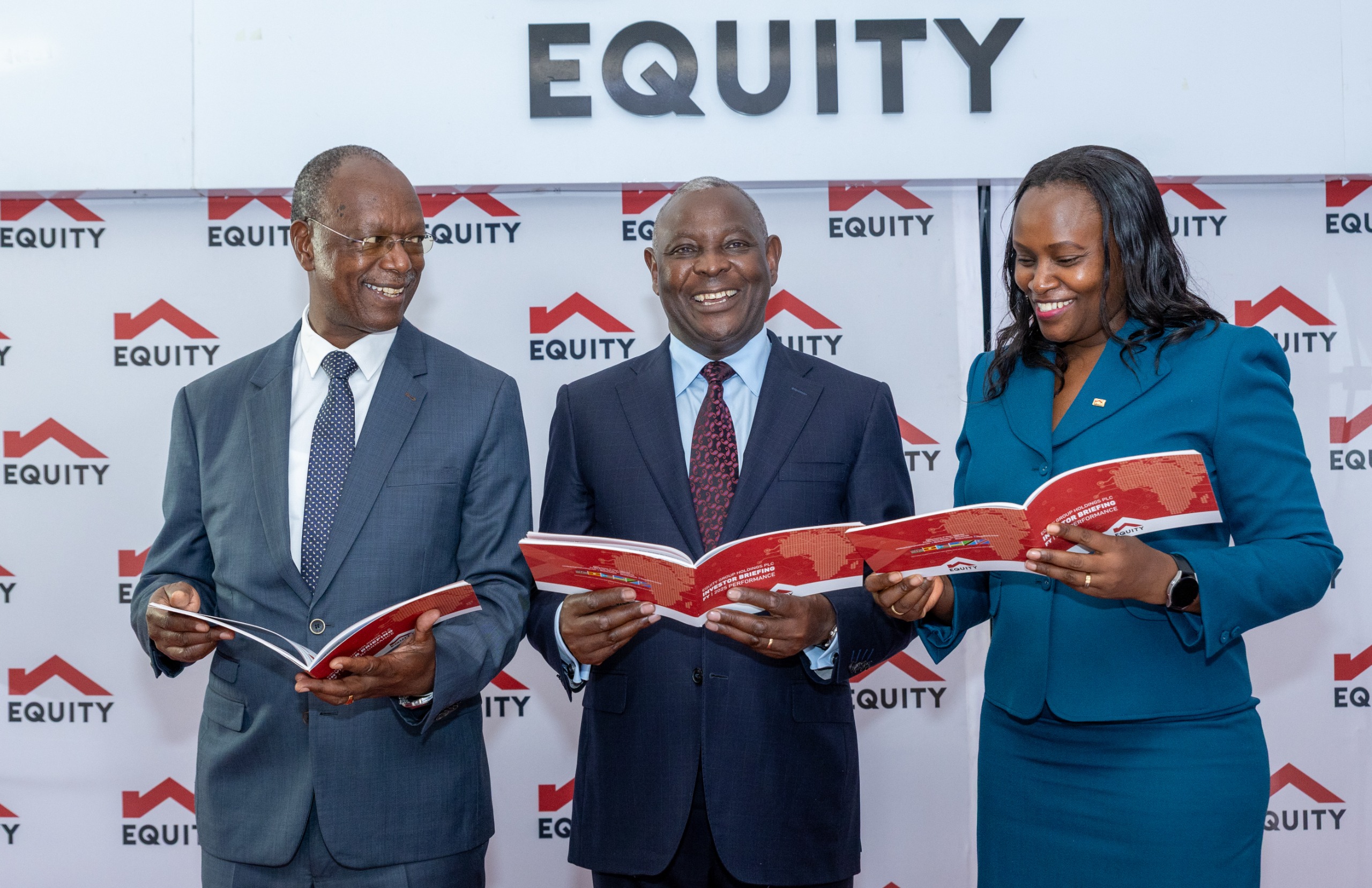
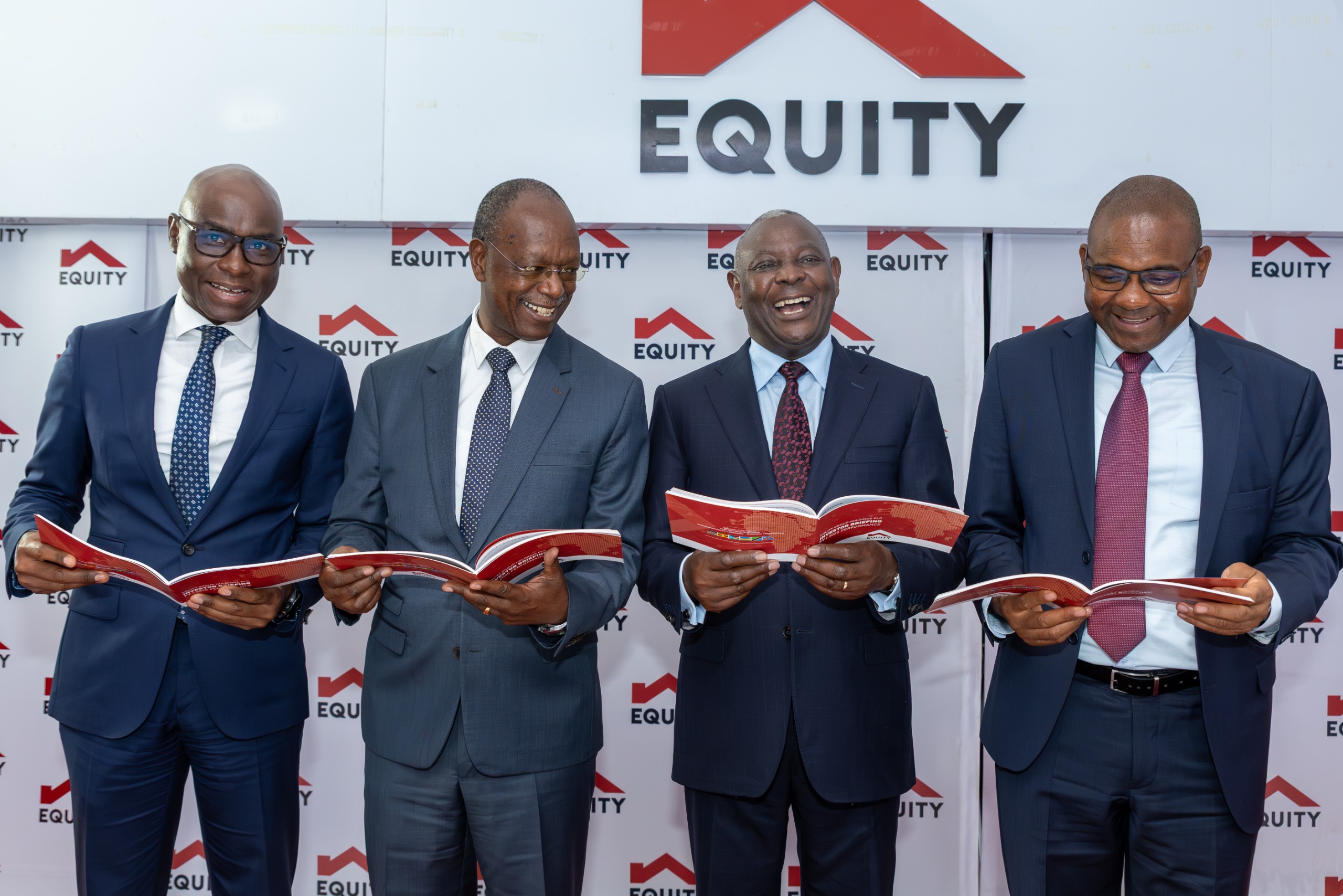
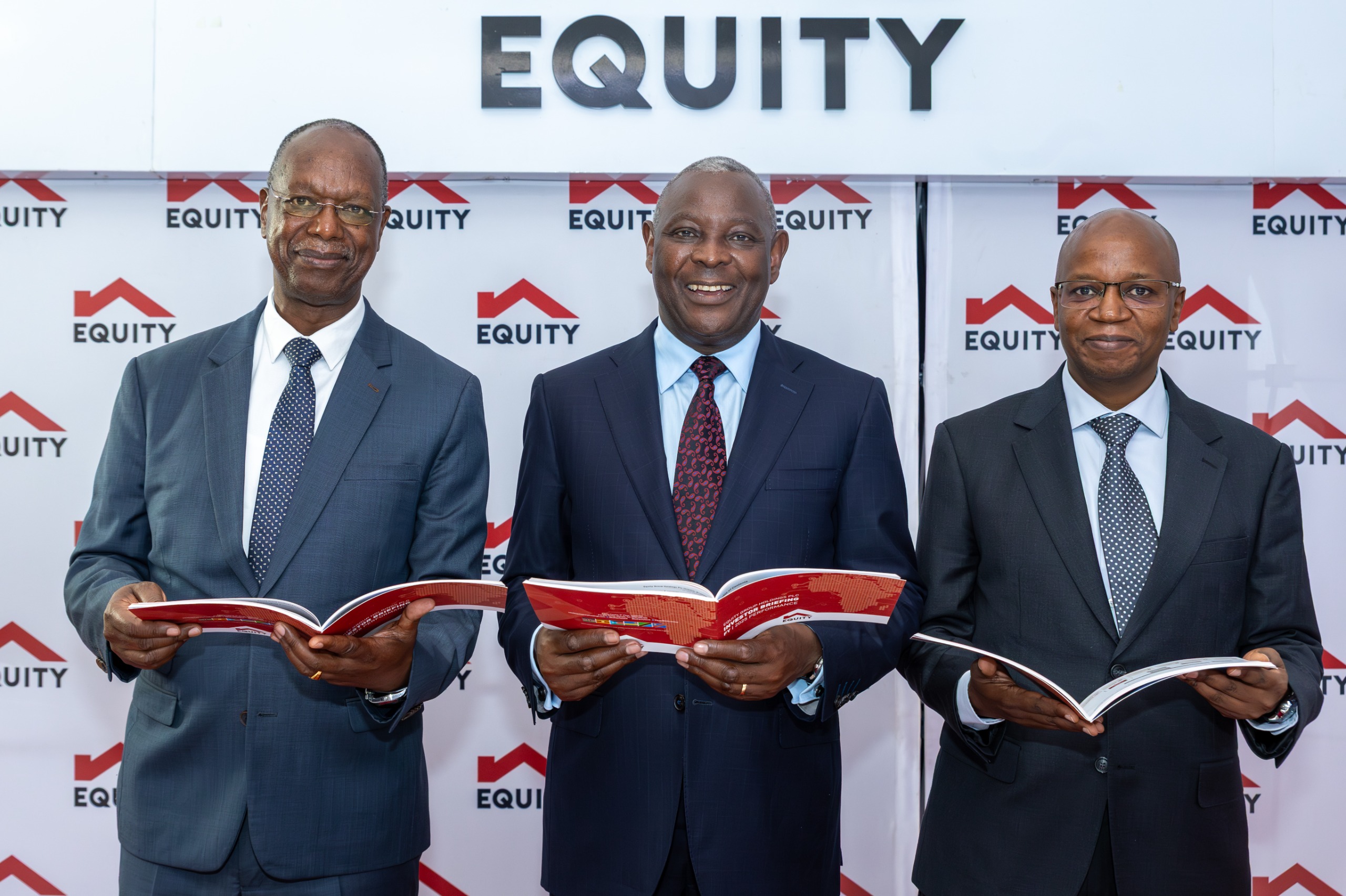
From L-R: Equity Group Chairman, Prof. Isaac Macharia, Group Managing Director and CEO, Dr. James Mwangi and Equity Bank Tanzania Managing Director, Isabela Maganga, during the FY 2025 Investor Briefing event.From L-R: Equity Group Chairman, Prof. Isaac Macharia, Group Managing Director and CEO, Dr. James Mwangi and Equity Bank Rwanda Managing Director, Hannington Namara, during the FY 2025 Investor Briefing event. From L-R: Equity Group Chairman, Prof. Isaac Macharia, Group Managing Director and CEO, Dr. James Mwangi and Equity Bank Kenya Managing Director, Moses Nyabanda, during the FY 2025 Investor Briefing event.From L-R: Equity Group Chairman, Prof. Isaac Macharia, Group Managing Director and CEO, Dr. James Mwangi and EquityBCDC Managing Director, Willy Mulamba, during the FY 2025 Investor Briefing event. From L-R: Equity Group Chairman, Prof. Isaac Macharia, Group Managing Director and CEO, Dr. James Mwangi and Equity Life Assurance Kenya Limited Managing Director, Angela Okinda, during the FY 2025 Investor Briefing event.From L-R: Equity Group Chairman, Prof. Isaac Macharia, Group Managing Director and CEO, Dr. James Mwangi and Director Equity Group Foundation Operations, Dr. Joanne Korir, during the FY 2025 Investor Briefing event. From L-R: Equity Bank Uganda Executive Director, Claver Serumaga, Equity Group Chairman, Prof. Isaac Macharia, Group Managing Director and CEO, Dr. James Mwangi and Equity Bank Uganda Managing Director, Gift Shoko, during the FY 2025 Investor Briefing event.
He made the remarks at the tribunal as hearings over an unimplemented asylum agreement between Rwanda and the United Kingdom began on Monday, March 18, 2026.
The three-day session runs March 18–20, with Rwanda represented by Minister of Justice and Attorney General Emmanuel Ugirashebuja.
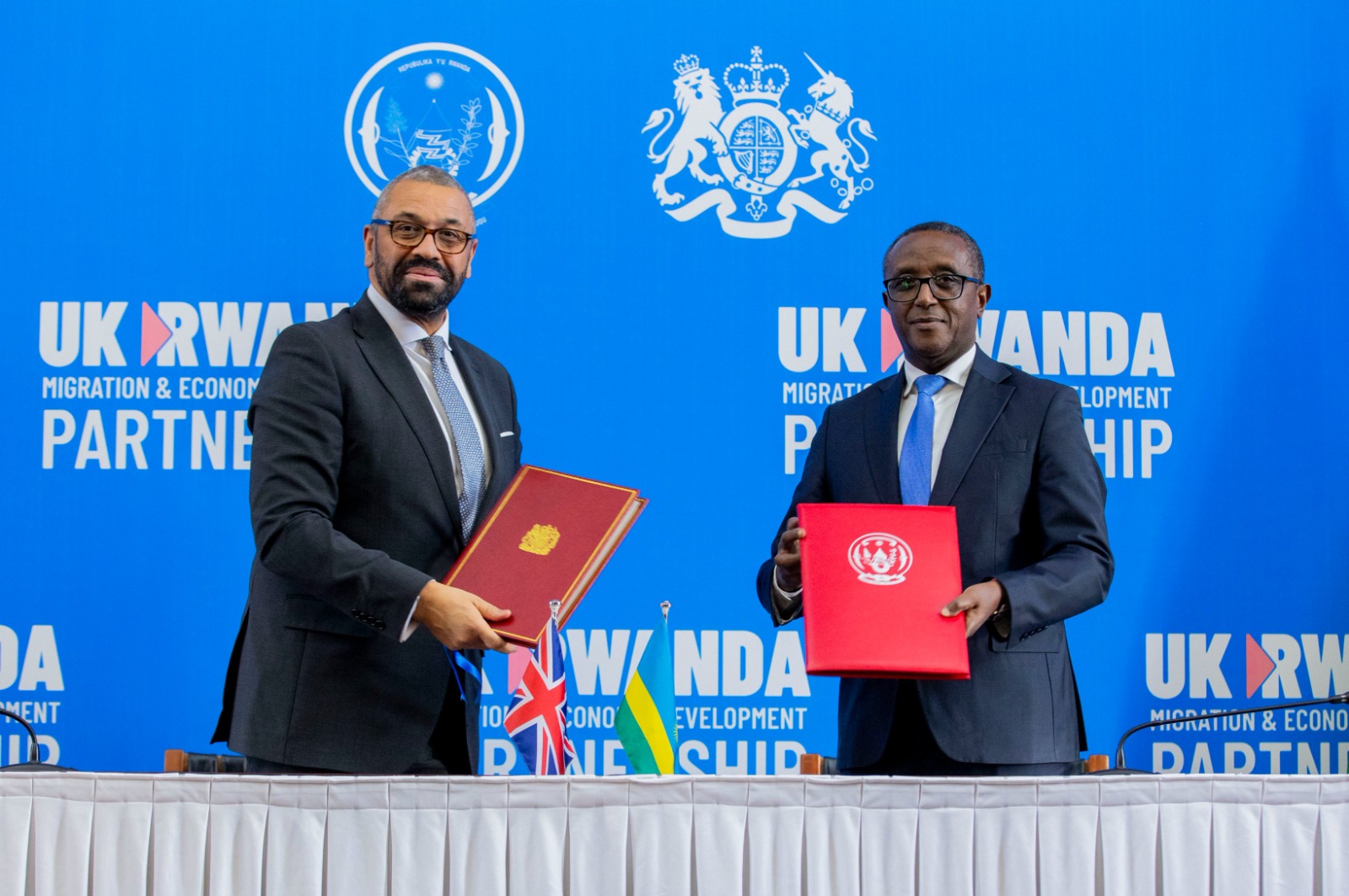
Rwanda accuses the UK of abandoning the Migration and Economic Development Partnership (MEDP), formalized in 2024 after initial agreements in April 2022, without honouring its commitments, including a £100 million fund (ETIF) intended to support refugees and host communities.
Rwanda initiated arbitration following the UK’s decision under new Prime Minister Keir Starmer in July 2024 to abandon the “Rwanda scheme,” a move that Rwanda learned about through media reports.
Speaking before the tribunal, Dr. Ugirashebuja, highlighted Rwanda’s historical empathy for displacement.
“Many Rwandans have experienced what it means to be displaced. It is this collective experience which has shaped the Rwandan Government’s policies on migration and asylum,” he noted.
Rwanda currently hosts over 130,000 refugees and asylum seekers registered with the United Nations High Commissioner for Refugees (UNHCR) welcoming people from neighboring countries like the Democratic Republic of Congo and Burundi, as well as from Libya and Afghanistan.
Recent examples include receiving 164 asylum seekers from Libya last month and relocating the School of Leadership Afghanistan (SOLA) to Kigali in 2021 for Afghan girls barred from education under the Taliban regime.
In 2023, Rwanda welcomed over 200 Sudanese medical students displaced by civil war.
Dr. Ugirashebuja explained Rwanda’s progressive refugee philosophy, noting that ‘Rwanda firmly believes that refugees make social, cultural and economic contributions to the societies in which they integrate, if they are allowed to do so’.
He referenced the 2021 joint UNHCR-Rwanda strategy for economic inclusion, contrasting it with traditional “warehousing” of refugees.
The MEDP, he said, aligned with this approach by deterring dangerous irregular migration while promoting economic opportunities.
“Both Parties described their partnership as the Migration and Economic Development Partnership, or MEDP… It reflected Rwanda’s commitment to protecting vulnerable people and built on Rwanda’s track record of welcoming and hosting refugees from around the world.”
Rwanda implemented reforms swiftly, including constitutional changes, legislation, an appeals tribunal, and reception facilities. The agreement included the Economic Transformation and Integration Fund (ETIF), with binding commitments in a June 2024 exchange of notes for £50 million payments in April 2025 and 2026.
However, after the UK government changed, the new Prime Minister declared the scheme “dead and buried.”
According to Dr. Ugirashebuja, the UK did not formally notify Rwanda in advance, with termination notice caming in December 2025.
“The simple fact remains that the United Kingdom did not give notice to terminate the Treaty until December 2025. The termination took effect only on Monday.
“The MEDP was in force for just over two months under the previous British Government, and the Finance Note for just over two weeks. Both of these binding legal instruments have been in force for over 18 months under the British Government that won the elections in July 2024.”
Rwanda claims breaches of financial obligations and Article 19 resettlement provisions for vulnerable refugees.
Dr. Ugirashebuja explained that Rwanda ‘seeks a modest sum in compensation, less than 10% of the UNHCR’s budget for Rwanda for one year alone, or alternatively an apology for the United Kingdom’s blatant disregard of this obligation’.
“The United Kingdom may well have wished Rwanda to forgo significant sums of money… Rwanda ultimately chose not to provide its consent,” Dr. Ugirashebuja said, noting Rwanda’s clear refusal in diplomatic notes.
He concluded by expressing regret over the need for arbitration but confidence in the tribunal; “Rwanda has enormous faith in this Tribunal to reach the right legal result. Whatever the outcome, Rwanda remains committed to finding solutions to the global migration crisis, including providing safety, dignity and opportunity to refugees and migrants who come to our country.”
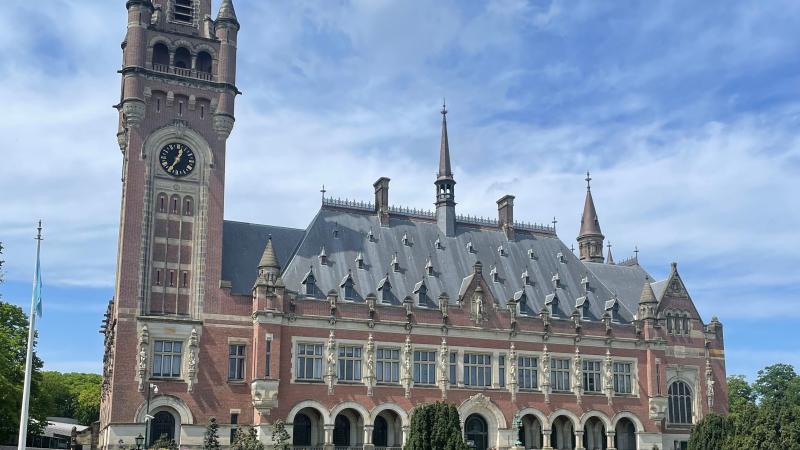
The Peace Palace is an international law administrative building in The Hague, the Netherlands that is often called “the seat of international law” because it houses the Permanent Court of Arbitration and International Court of Justice. Photo by Stephanie YeowThe Migration and Economic Development Partnership between Rwanda and UK had been signed in April 2022, before unilateral cancellation.
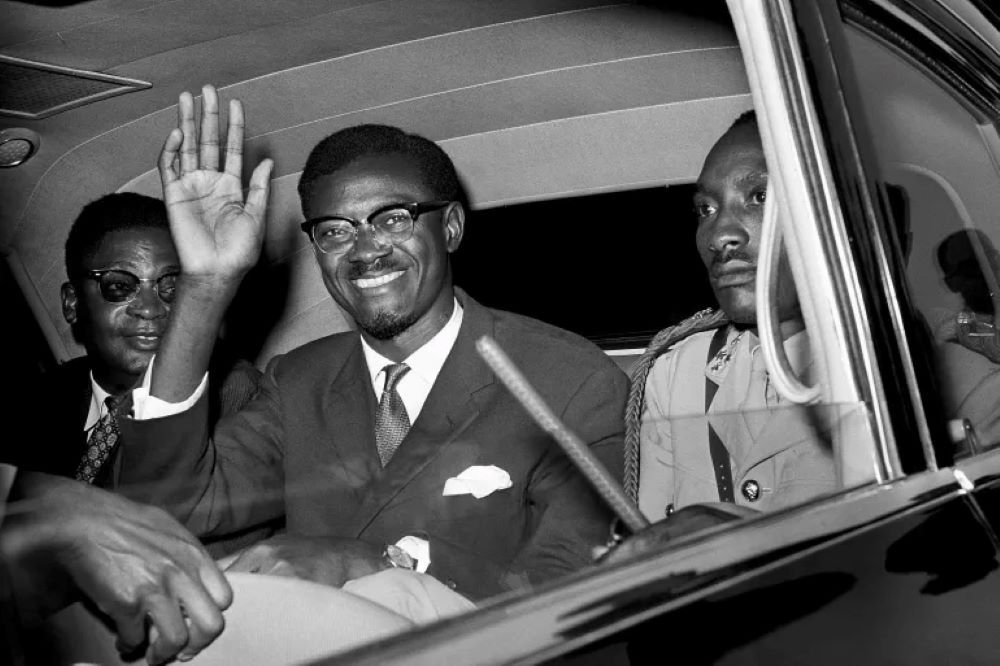
Lumumba, who became prime minister of the newly independent Democratic Republic of Congo in 1960, was reportedly overthrown and killed in January 1961 by Belgian-backed mercenaries, just months after taking office. In 2002, a Belgian parliamentary investigation acknowledged Belgium’s “moral responsibility” for Lumumba’s death.
Davignon, who was a junior diplomat at the time, is facing charges of war crimes, including complicity in the unlawful detention, transfer, and mistreatment of Lumumba.
He is also accused of being involved in the murder of Lumumba’s political allies, Maurice Mpolo and Joseph Okito. Prosecutors claim that Davignon participated in depriving Lumumba of a fair trial and subjected him to degrading treatment.
According to Reuters, the trial is a significant victory for Lumumba’s family, with his granddaughter, Yema Lumumba, describing it as a “step in the right direction.”
It also signals a reckoning with Belgium’s colonial history, as Davignon becomes the first Belgian official to face trial in connection with the 1961 killing.
Congo’s Prime Minister Patrice Lumumba waves as he sits in car for the drive from Idlewild Airport, New York July 24, 1960 [AP]
Priced at nearly $2,899 (approximately Rwf 4.2 million), the 10-inch trifold smartphone was primarily sold in South Korea and the United States, but its innovative design has drawn global attention as a glimpse into the future of mobile devices.
The Galaxy Z TriFold was first announced on December 1, 2025, made its debut in South Korea on December 12, and went on sale in the US on January 30. It features a 6.5-inch cover screen and two hinges that allow it to unfold into a 10-inch main display, combining smartphone portability with tablet-sized functionality.
According to Bloomberg, Samsung will begin the phase-out in its home market of South Korea and will stop selling the device in the US once current inventory is depleted. While the report cited a Samsung spokesperson, the company has not issued a formal public statement on the decision. In the US, the TriFold was available through Samsung’s website and select Experience Stores, with a few units reportedly sold recently in Texas and New York, shared by buyers on online communities.
Industry experts say the TriFold was never intended to be a regular part of Samsung’s lineup. South Korea’s Dong-A Ilbo reported that the device was designed as a “flagship showcase” to demonstrate Samsung’s technical prowess rather than to generate long-term profits. Only 3,000 units were sold on each of two days following the official release.
Rising component costs have also contributed to the device’s short market run. DRAM, NAND flash, and application processors, which power memory, storage, and operating systems, have surged in price this year due to increased demand for AI-related computing workloads. These higher costs reduced profit margins for the Galaxy Z TriFold, making it a niche luxury device rather than a mainstream smartphone.
Some of the tech enthusiasts who tested the device described it as “versatile, innovative and practical,” while noting that it is “not for everyone.” Its high price and limited availability have reinforced its status as a collectible tech statement rather than a mass-market product.
The Samsung Galaxy Z TriFold has two hinges and opens up into a 10-inch tablet.
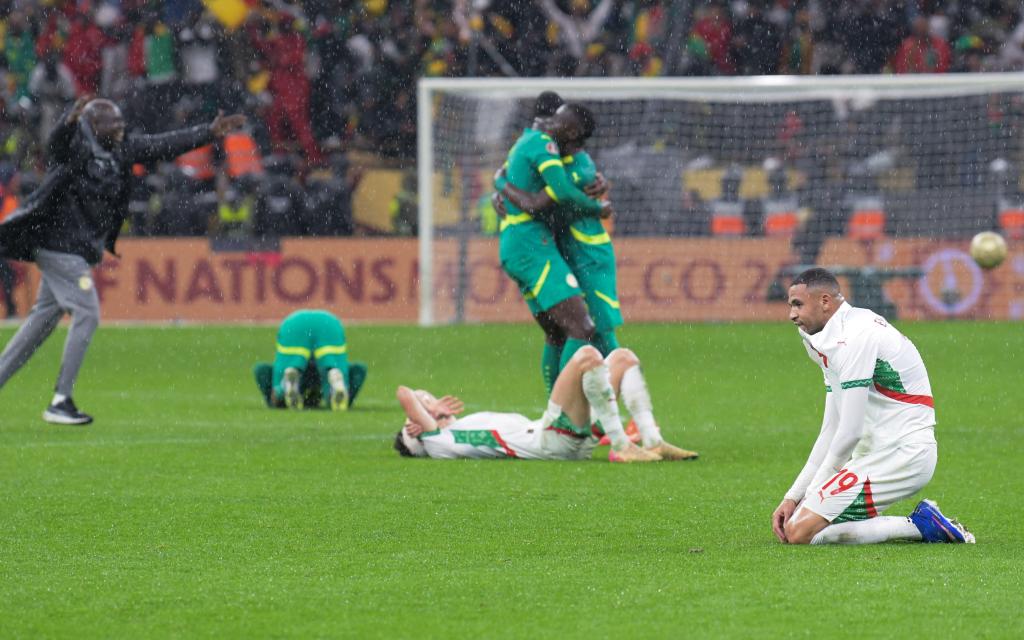
Senegal had beaten Morocco 1-0 in the January 18 final, but the match was marred by controversy when Senegal’s players refused to continue after Morocco was awarded a stoppage-time penalty with the score level.
Play resumed after a 17-minute delay. Brahim Diaz’s penalty was saved before Pape Gueye scored the winner for Senegal in extra time.
CAF said an appeals board had since ruled that Senegal forfeited the match. The result was recorded as a 3-0 victory for Morocco.
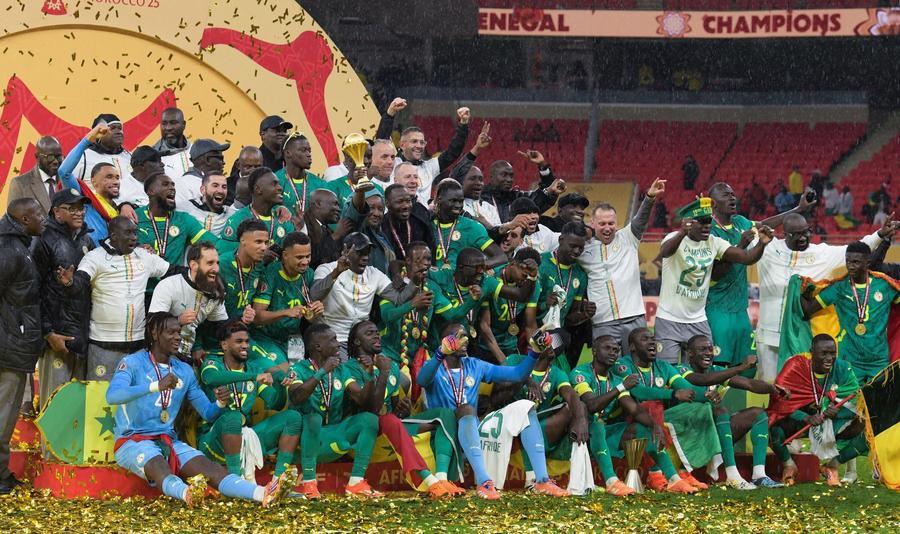
Morocco has been awarded the 2025 Africa Cup of Nations title after the Confederation of African Football overturned the result of the final following Senegal’s walk-off.
Senegal had beaten Morocco 1-0 in the January 18 final, but the match was marred by controversy when Senegal’s players refused to continue after Morocco was awarded a stoppage-time penalty with the score level.
Play resumed after a 17-minute delay. Brahim Diaz’s penalty was saved before Pape Gueye scored the winner for Senegal in extra time.
CAF said an appeals board had since ruled that Senegal forfeited the match. The result was recorded as a 3-0 victory for Morocco.
In a statement, CAF said Senegal breached Article 82 of the Africa Cup of Nations regulations, triggering the application of Article 84.
Article 82 states that a team that refuses to play or leaves the field without the referee’s authorization is considered to have lost and is eliminated from the competition. Article 84 adds that such a violation results in a 3-0 defeat and permanent elimination.
Senegal players celebrate with Africa Cup of Nations trophy after the final against Morocco in Rabat, Morocco, Jan. 18, 2026.Players of Morocco express their despair after the Africa Cup of Nations final between Senegal and Morocco in Rabat, Morocco, Jan. 18, 2026.