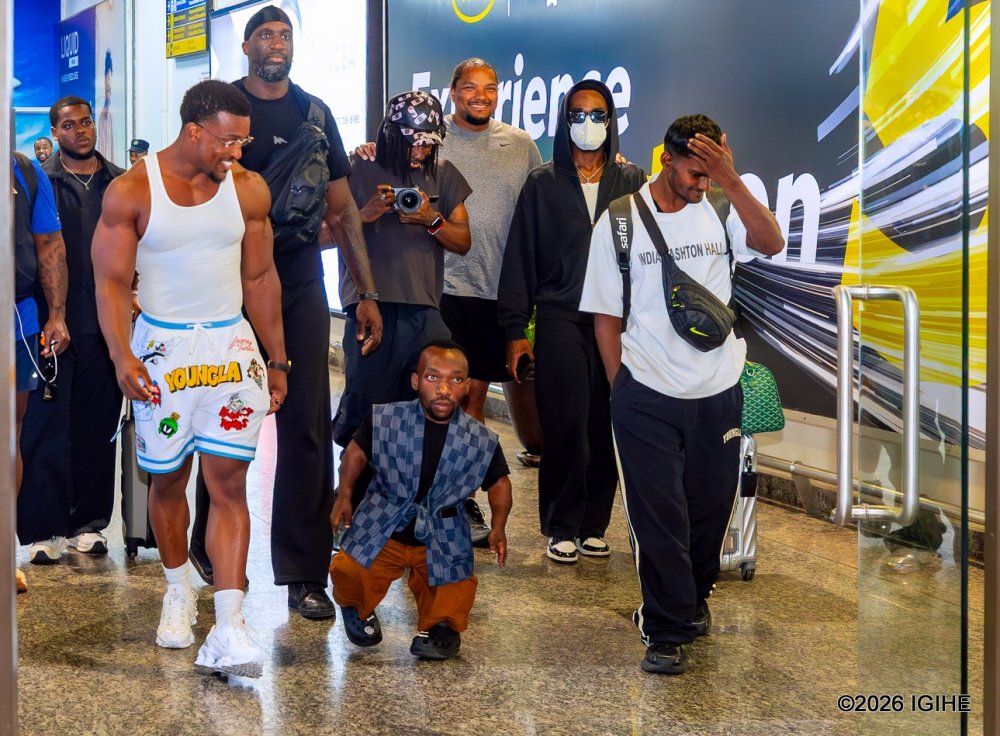
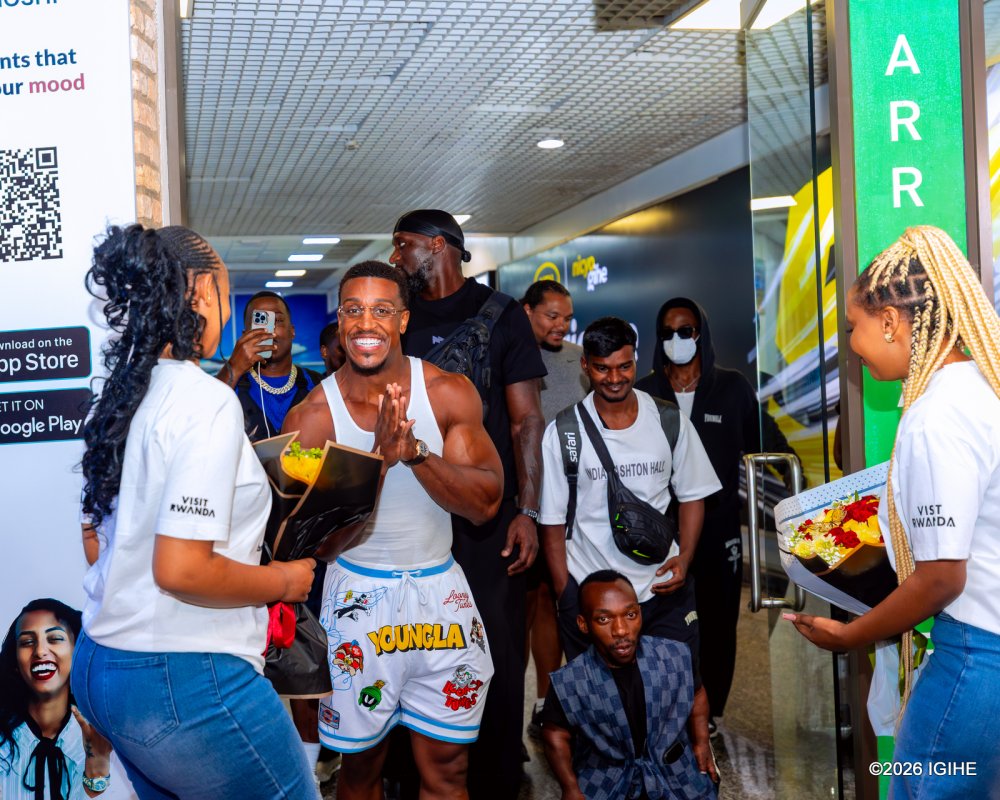
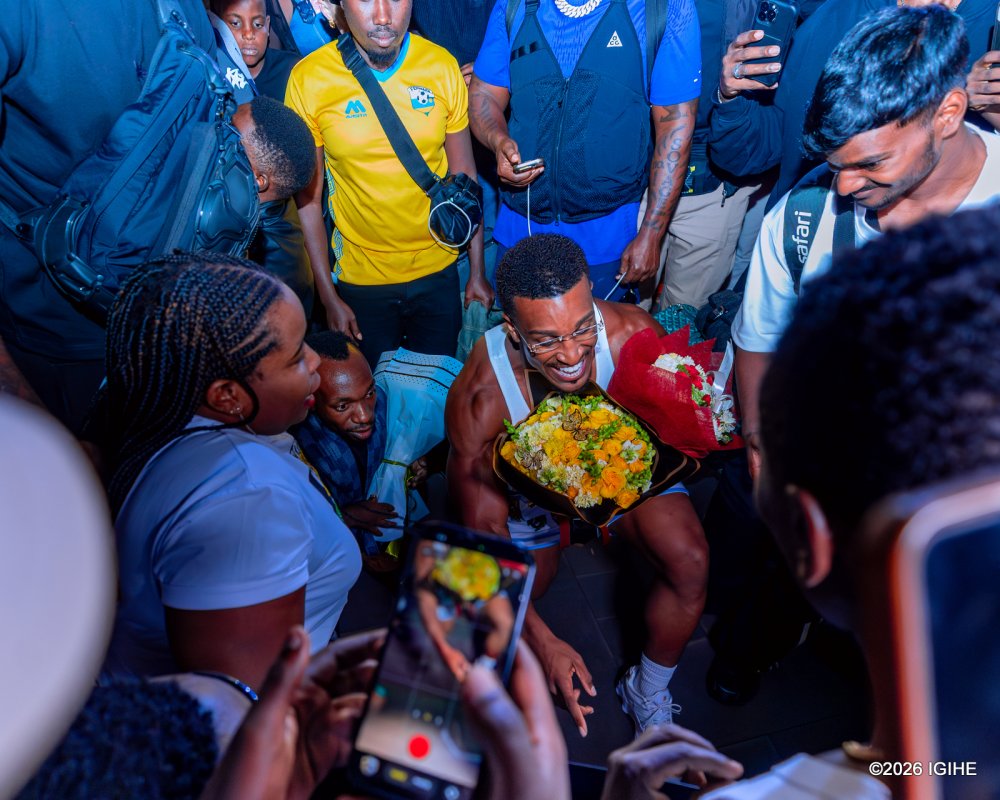
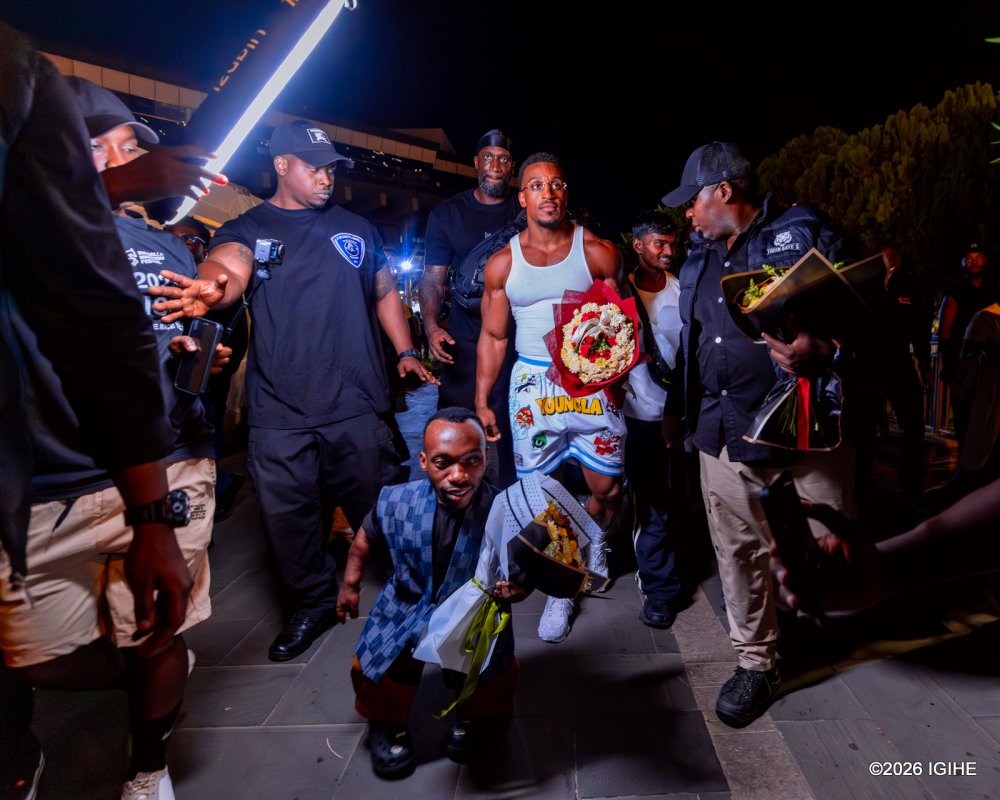
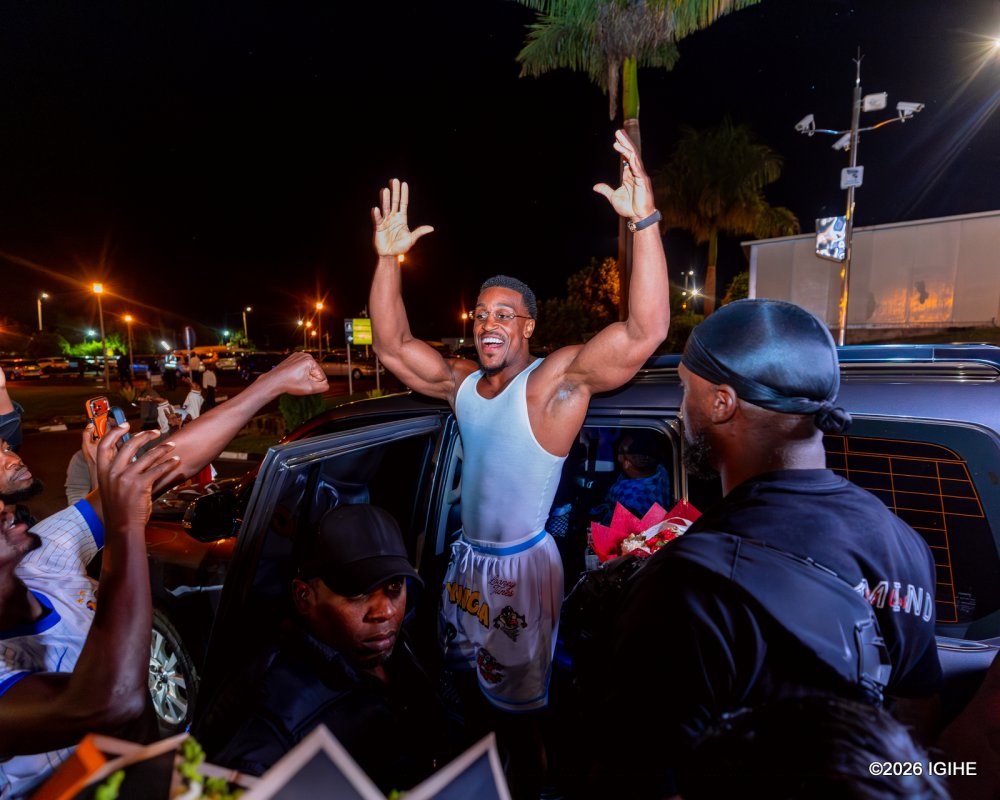
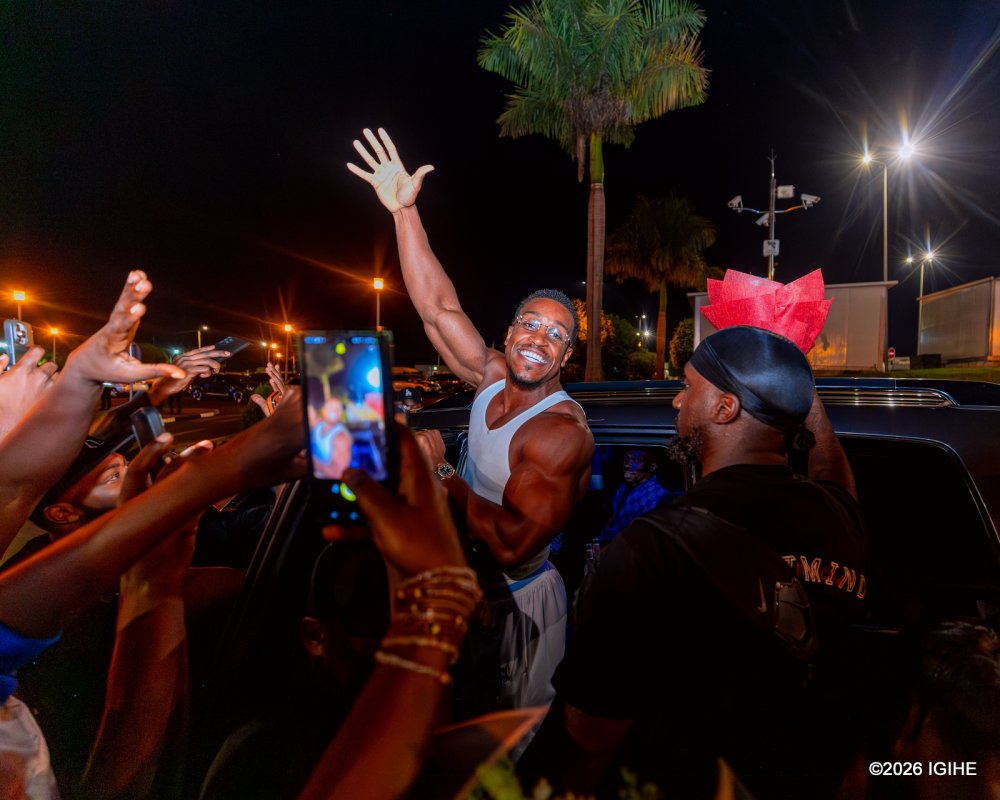
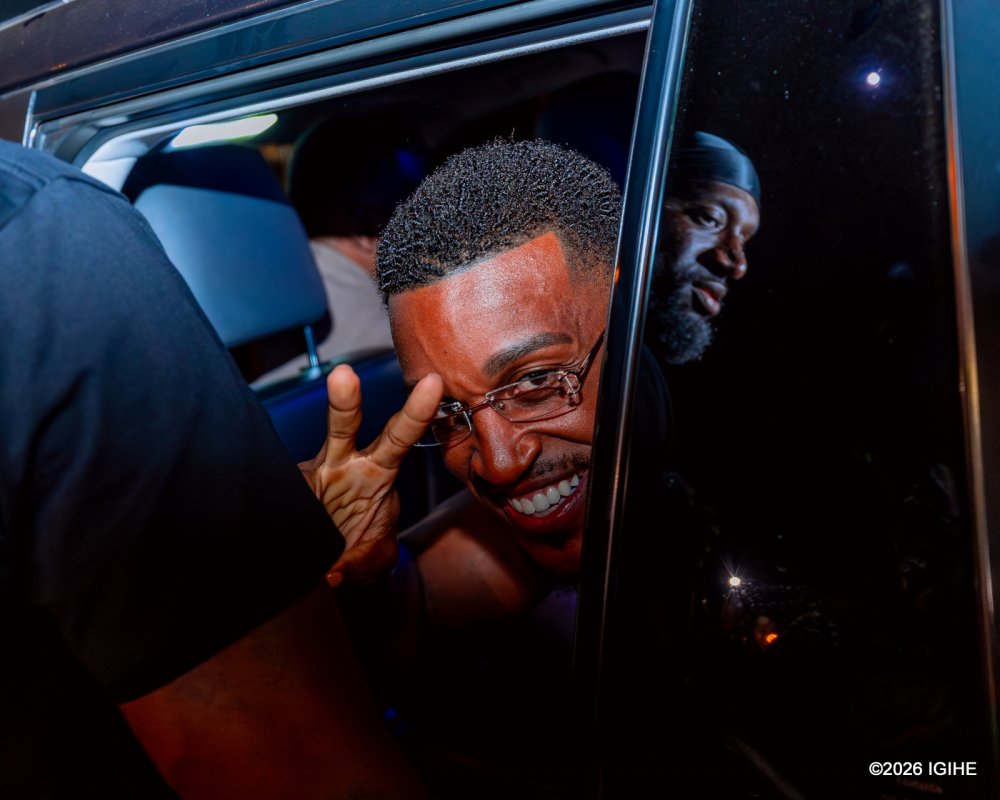
Upon arrial, they were welcomed by a large crowd of journalists and supporters at Kigali International Airport.
Speaking shortly after his arrival, Ashton Hall expressed his excitement about visiting Rwanda, the home country of his friend Ashton Small, better known as Kagarara.
Asked whether he knew anything about Rwanda before meeting Kagarara, Hall replied, “To be honest, I didn’t know Rwanda before. It was Ashton Small who introduced me to it.”
Hall also encouraged Rwandans to continue believing in their dreams and never lose hope, even when others dismiss their ambitions.
“Keep dreaming big and never give up. Don’t listen to people who discourage you or call you crazy because of the goals you want to achieve,” he said.
He also praised Ashton Small for his rapidly growing social media presence, especially on Instagram, and urged Rwandans to follow him so that his work can reach an even wider audience.
On June 16, 2026, Ashton Small shared a video inviting Ashton Hall to visit Rwanda and witness the extraordinary talents of Rwandans living with disabilities.
Since then, Ashton Small’s popularity has surged on social media. He now ranks among the Rwandans with the largest Instagram followings, having surpassed 300,000 followers.
His rapid rise has been driven largely by his ongoing tour with Ashton Hall, the American social media personality widely known for his fitness content, particularly videos showcasing his intense running workouts.
Hall recently announced his commitment to helping Ashton Small reach at least one million Instagram followers while also supporting him in various initiatives.
Rwanda is the latest stop on their African tour, following visits to Ghana, Cameroon, Nigeria, and Benin.
In the coming days, Ashton Hall and his team are expected to visit several locations across Kigali, tour Kagarara’s family home, and take part in a range of activities planned during their stay in Rwanda.
Kagarara arrives in Kigali alongside Ashton Hall and Indian AshtonAshton Hall delighted by warm welcome in RwandaAshton Hall credits Kagarara for introducing him to RwandaAshton Hall lowered himself to Kagarara’s level during a brief interaction with journalistsAshton Hall, Ashton Small, and Indian Ashton Hall headed to their waiting vehicle after arriving in KigaliDespite the late hour, Ashton Hall took time to greet the people who had gathered to welcome himAshton Hall bid farewell to those who had gathered to welcome him before heading to the hotelAshton Hall wished those who had come to welcome him well before heading to the hotel
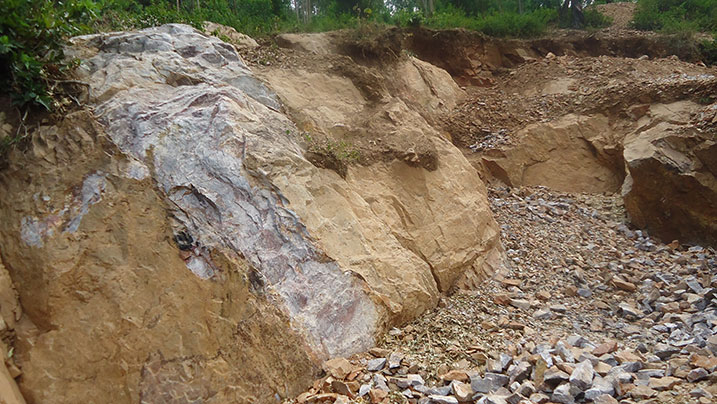
The incident occurred on July 9, 2026, in Nyamabuye Village, Kanzenze Cell, Ntarama Sector.
By the time of publication, security personnel and local residents had launched a rescue operation to retrieve those trapped.
The Executive Secretary of Ntarama Sector, Patrick Rwasa, told IGIHE that preliminary information indicated that between eight and 10 people were inside the quarry when it collapsed.
“We have been informed that between eight and 10 people were excavating in the quarry. It collapsed on all of them. We are doing everything possible to rescue them, although, given the time that has elapsed, we are not optimistic that they are still alive,” he said.
A quarry used for extracting construction stones in Bugesera District, Western Province collapsed on at several people on Thursday morning. Photo used for illustration
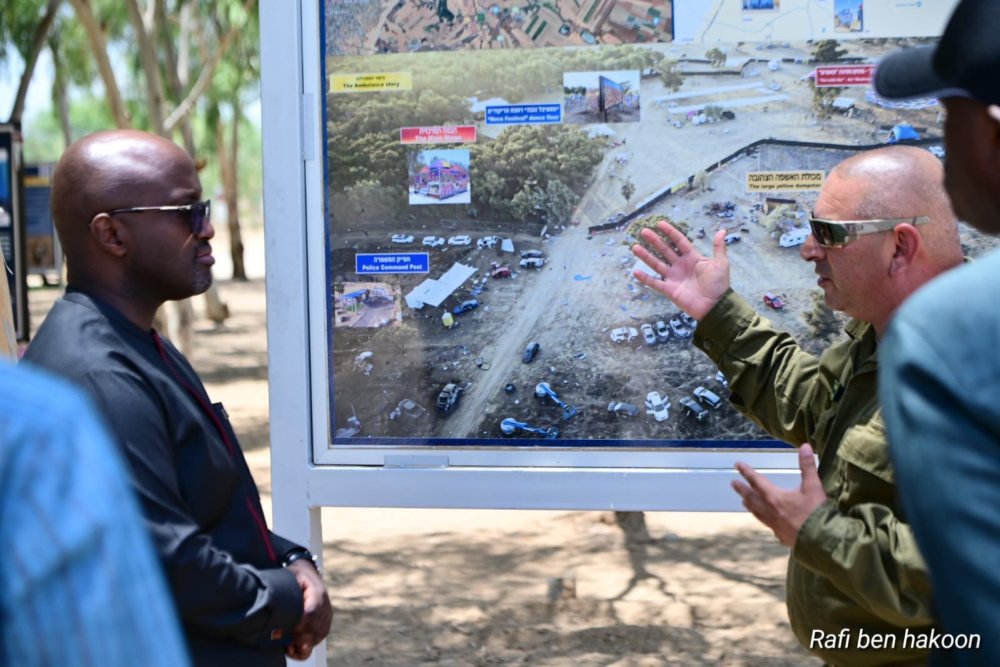
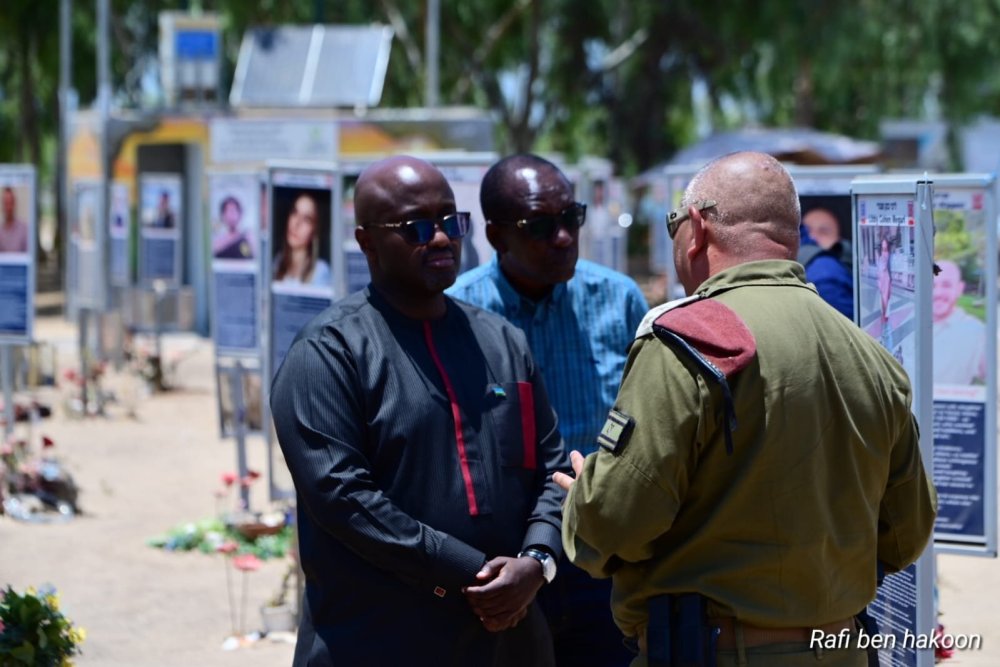
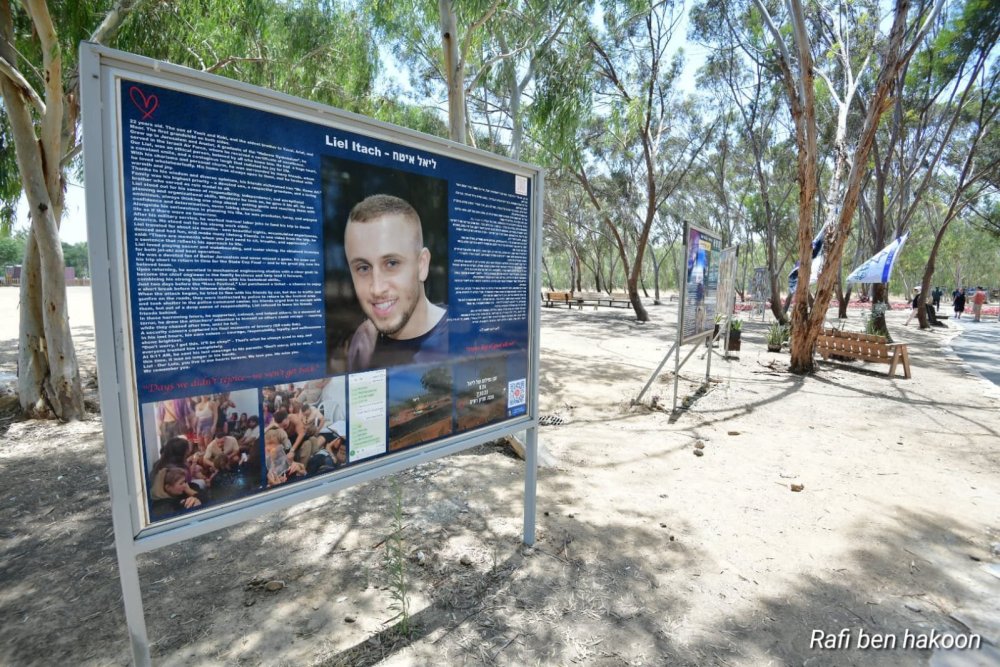
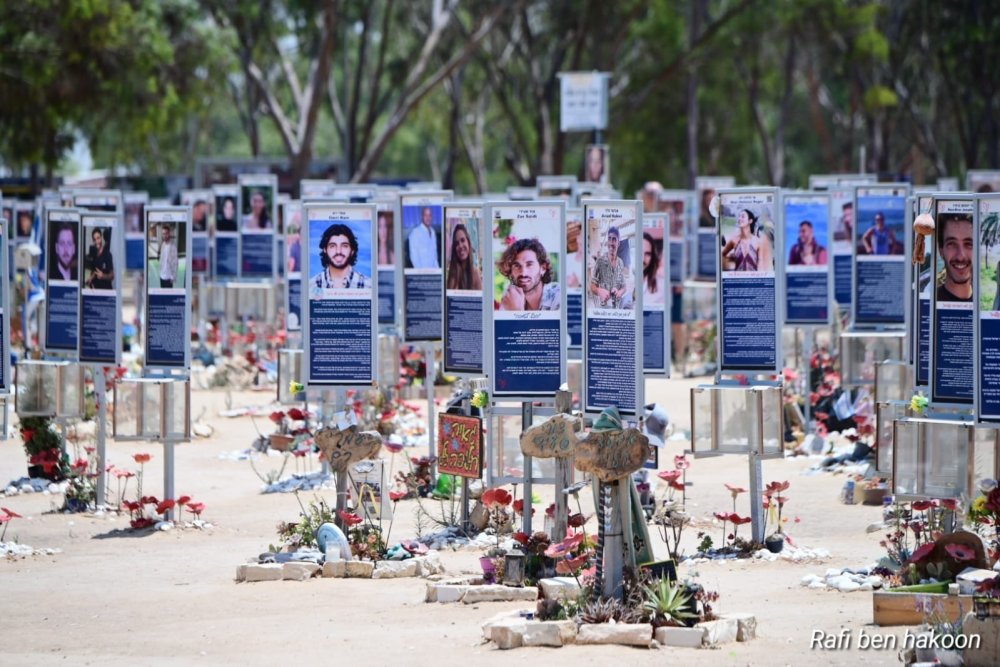
According to Rwanda’s Ministry of Foreign Affairs and International Cooperation, Minister Nduhungirehe visited Nova Music Festival Memorial Site in Re’im, southern Israel, where he honoured victims of the attack that targeted attendees of the festival.
Rwanda and Israel maintain relations based on cooperation in various areas, with both countries having highlighted the lessons drawn from painful historical experiences and the importance of combating hatred and violence against civilians.
Minister Nduhungirehe’s visit comes as security challenges in the Middle East continue to attract international attention following the war that began after Hamas launched an attack on Israel in October 2023.
The October 7, 2023 attack began when Hamas fighters entered Israel from the Gaza Strip and carried out attacks against civilians and security installations.
During the assault, many people were killed and others were taken hostage, including attendees of the Nova Festival, which was held near the Gaza-Israel border.
The attack triggered the ongoing war between Israel and Hamas, leading to major security and humanitarian challenges in Gaza and across the Middle East.
Minister Nduhungirehe’s visit to Israel concluded on July 8, after Rwanda and Israel signed two cooperation agreements in Jerusalem on July 6 aimed at strengthening collaboration in education, scientific research, ICT, vocational training and international development.
The agreements seek to deepen bilateral ties through knowledge exchange, capacity building and joint efforts to promote innovation and sustainable development.
Minister Nduhungirehe was briefed on the October 7 Hamas attack.Minister Nduhungirehe has paid tribute to Israelis who lost their lives in the Hamas attack.The memorial was built in remembrance of those killed in the Hamas attack.
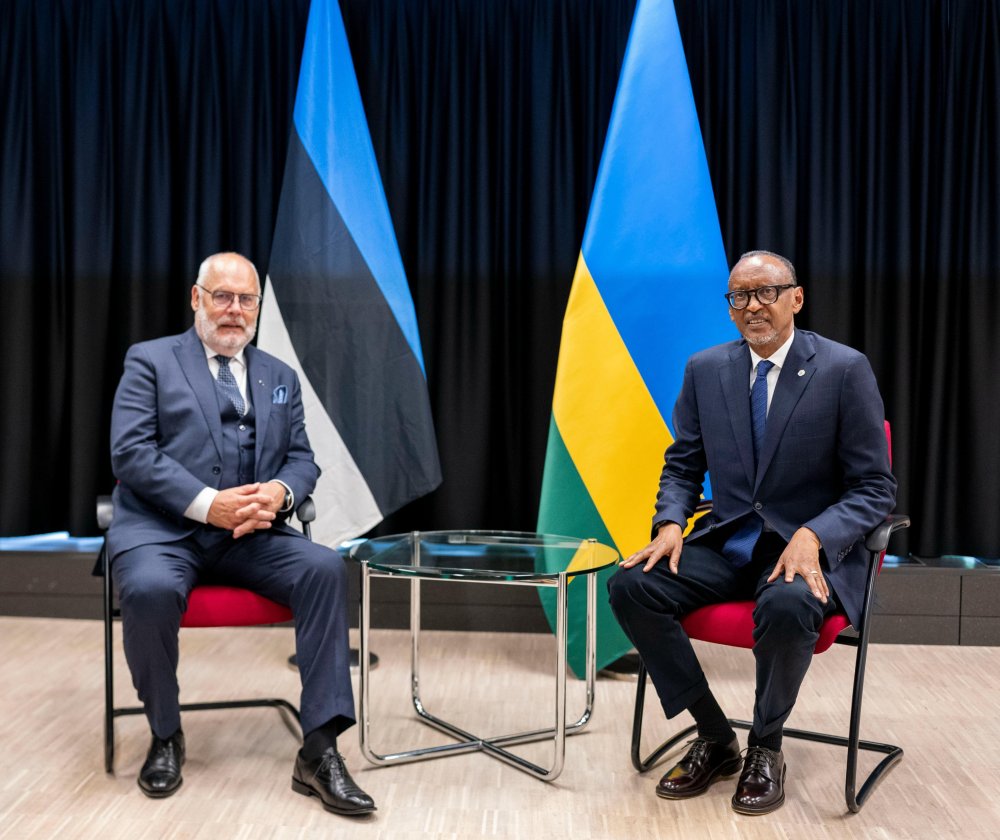
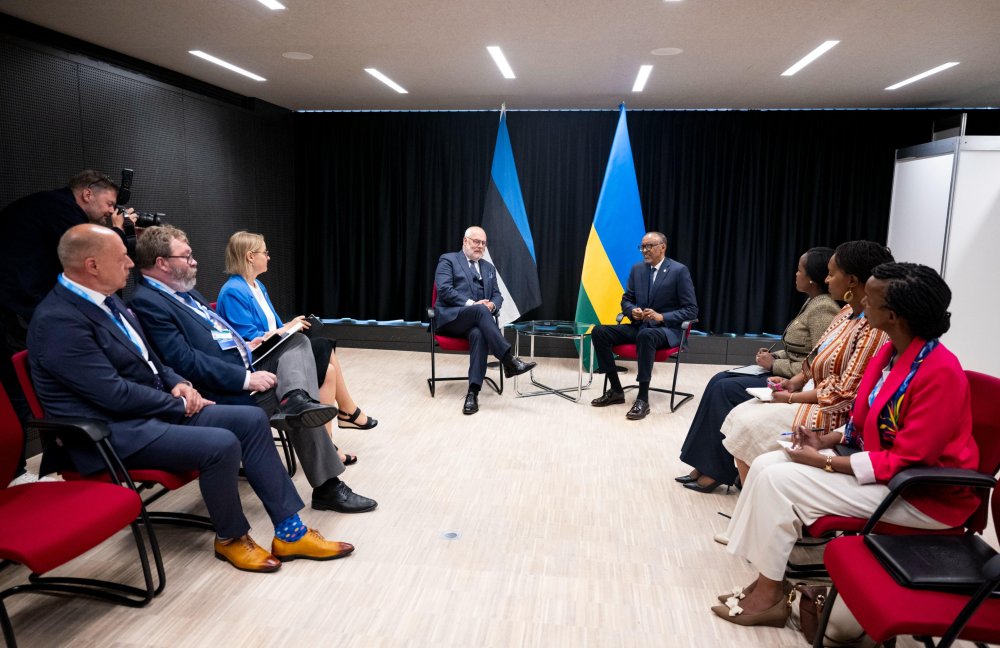
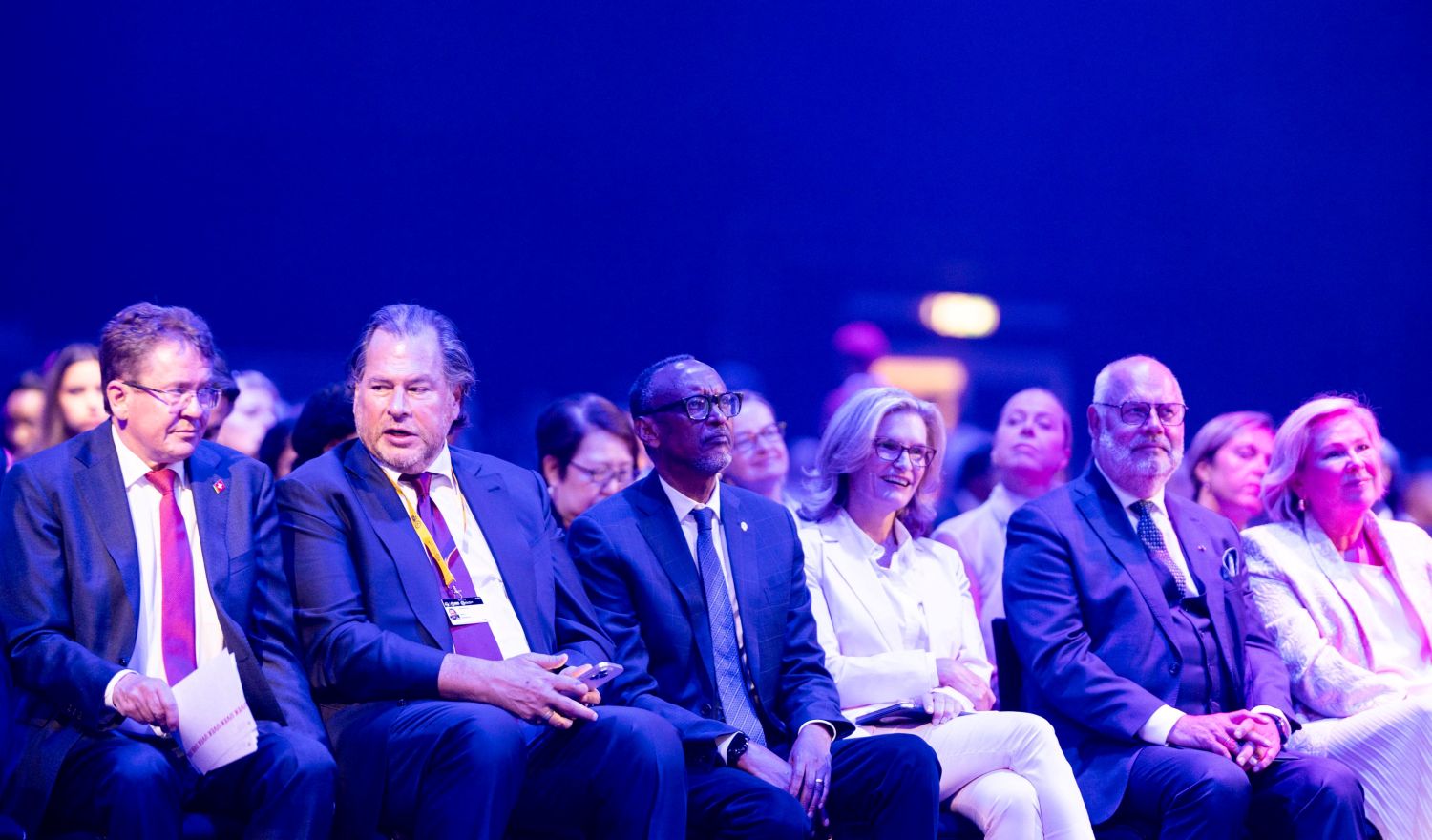
The meeting took place on July 8, 2026, on the sidelines of the AI for Good Global Summit 2026 in Geneva, Switzerland, according to the Office of the President.
Estonia is a small country in the Baltic region of Northern Europe. The capital, Tallinn, dates back to the 13th century and its Historic Centre, the Old Town is on UNESCO’s list of World Heritage Sites.
With a sparse population, over half of Estonia is covered with forests, the country has the 4th best urban air quality in the world and 2222 islands along its coastline.
With a total population of 1.3 million, about 1.1 million people speak Estonian, making it one of the world’s smallest official national languages.
The country has also transformed the government into a digital government, branding itself as e-Estonia. It was the first country to adopt online voting in 2005, first country with a data embassy and the first country to offer cross-border digital identity to anyone in the world.
President Alar Karis assumed office in 2021, succeeding Kersti Kaljulaid, who served as Estonia’s president from 2016.
Rwanda and Estonia have maintained cordial relations over the years, with leaders from both countries engaging regularly to advance bilateral cooperation.
In 2018, on the sidelines of the Munich Security Conference in Germany, President Kagame met with then-President Kersti Kaljulaid, shortly after her official visit to Rwanda.
Kaljulaid had visited Rwanda on November 16, 2017, during a trip from Ethiopia, marking her first visit to Africa since taking office.
During that visit, the two countries highlighted their shared commitment to digital innovation and identified significant opportunities for cooperation in technology-based development, e-government, and digital public services.
While in Rwanda, Kaljulaid also visited the Kigali Genocide Memorial, where she paid tribute to the victims of the 1994 Genocide against the Tutsi.
In a message left at the memorial, she conveyed condolences on behalf of the people of Estonia to Rwanda, survivors, and the families of those who died in the genocide.
President Paul Kagame and Estonian President Alar Karis held bilateral talks on the sidelines of the AI for Good Global Summit 2026 in Geneva, Switzerland.President Kagame and President Alar Karis exchanged views on expanding cooperation in digital innovation and e-governance.
“These incidents that we have seen in the last 24 hours risk derailing the diplomatic progress achieved between the Islamic Republic of Iran and the United States,” said Stephane Dujarric, the spokesman, at a daily press briefing.
He said that “a return to full-scale hostilities would have catastrophic consequences — for the peoples of the region, for international peace and security, and for the global economy as a whole.”
The secretary-general called on all parties to exercise maximum restraint, avoid any further escalatory action, and take immediate steps to de-escalate. The UN chief further recalled the obligations of all parties to fully comply with international law.
Guterres urged Iran and the United States to promptly resume negotiations and to address outstanding issues through diplomacy.
The United Nations remains committed to supporting all efforts to prevent a return to conflict, restore stability, and advance a comprehensive and durable resolution to this conflict, said the spokesman.
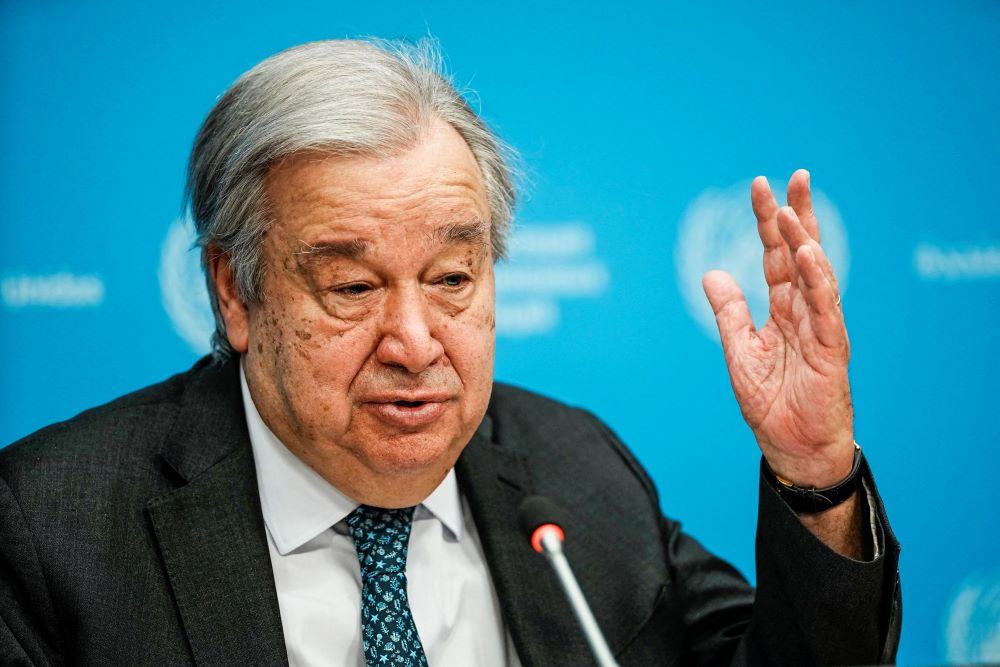
United Nations Secretary-General Antonio Guterres speaks during a press conference outlining his priorities for 2026 at U.N. headquarters in New York City, U.S., January 29, 2026. REUTERS/Eduardo Munoz
Kagame, who is co-chairing the Commission, will be joined by co-chair Marc Benioff, CEO and Co-Founder of Salesforce, and vice-chair Doreen Bogdan-Martin, Secretary-General of the International Telecommunication Union (ITU), amongst others.
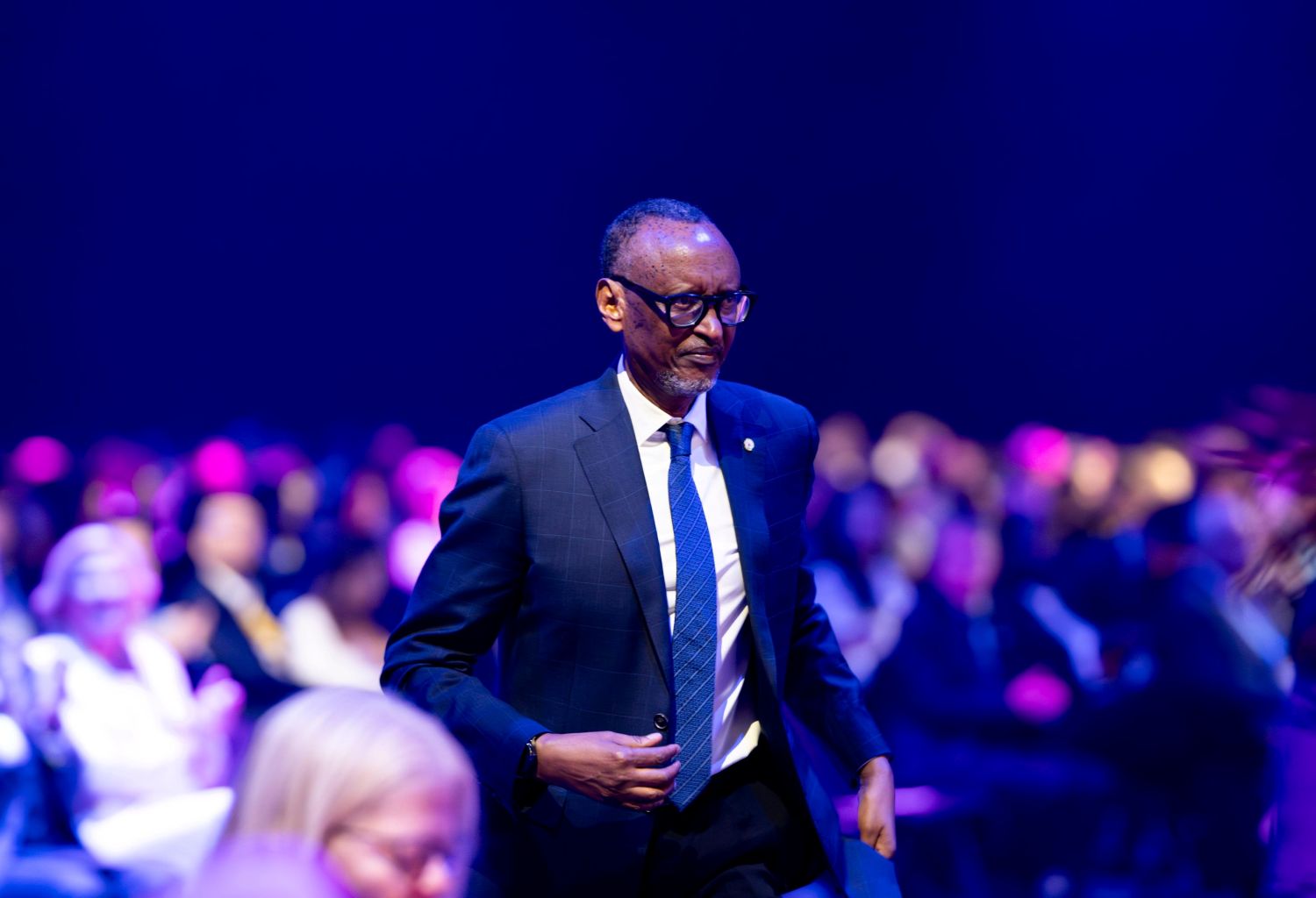
Kagame was appointed co-chair of the newly launched AI for Good Global Commission on July 2, 2026, alongside Marc Benioff.
The initiative brings together global leaders to promote responsible artificial intelligence development.
The Summit, co-convened by the ITU and Switzerland, brings together Heads of State and Government, industry leaders, policymakers, researchers, innovators and civil society representatives from across the globe, to explore AI’s potential, develop standards leading to more inclusive opportunities, and examine the evolving role of AI in supporting innovation.
This year’s Summit is being held under the theme, “Unlocking AI’s potential to serve humanity”.
Kagame will deliver remarks during the opening of the AI for Good Global Summit and participate in a fireside chat during the official launch of the AI for Good Global Commission. The head of state will also co-chair the inaugural meeting of the AI for Good Global Commission.
The AI for Good Global Commission is a high-level initiative uniting leaders from government, business, and international institutions to address the technical, socio-economic, and policy questions surrounding AI.
Its mandate is to define practical pathways to strengthen trust, expand access, build infrastructure and reduce inequalities, positioning AI as a tool for solving global challenges.
The initiative brings together global leaders to promote responsible artificial intelligence development.President Paul Kagame was appointed co-chair of the newly launched AI for Good Global Commission on July 2, 2026, alongside Marc Benioff.
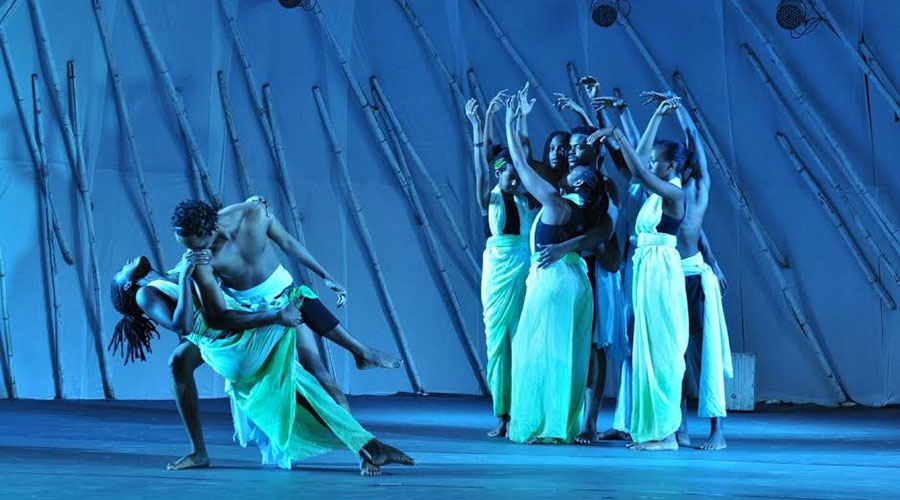
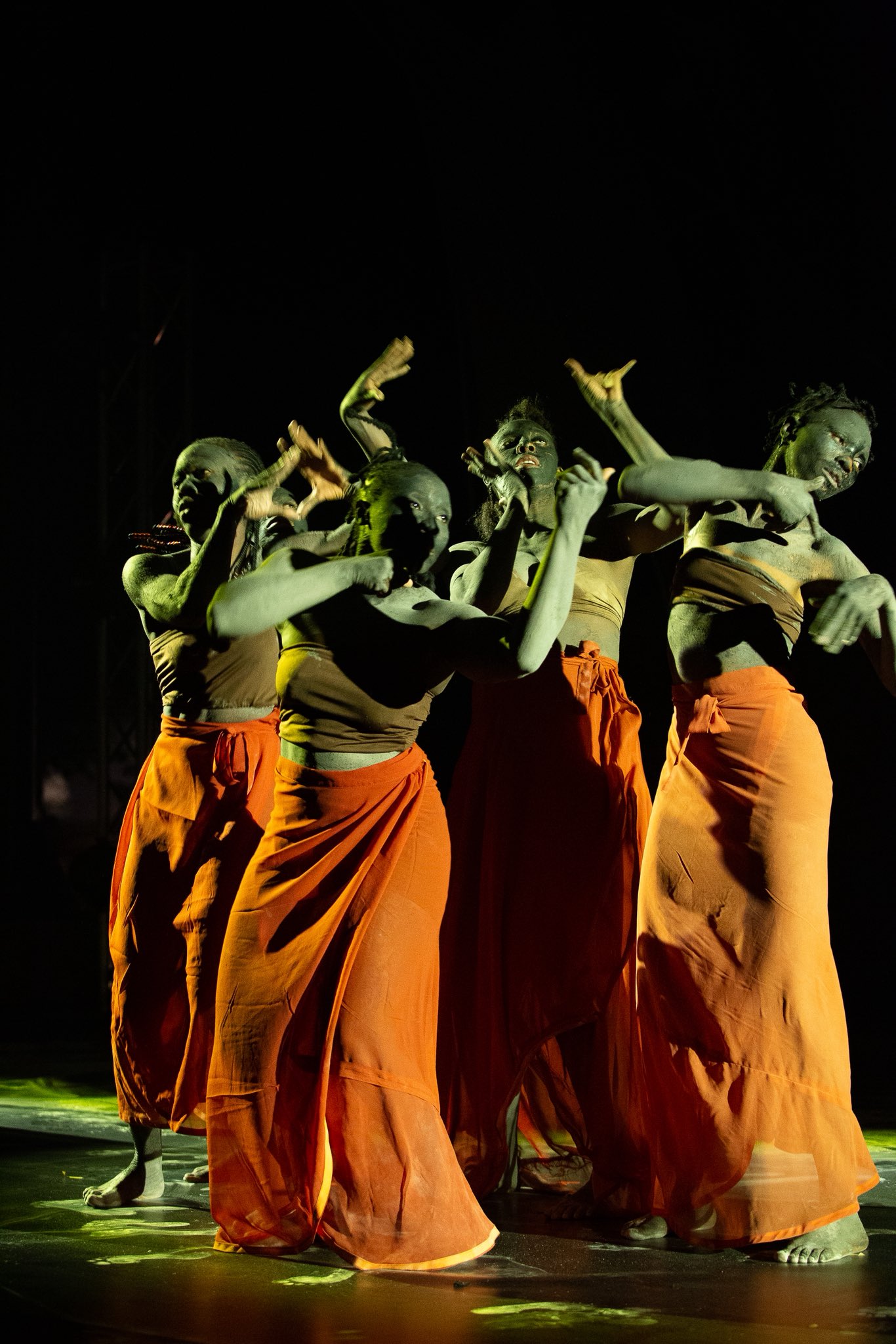
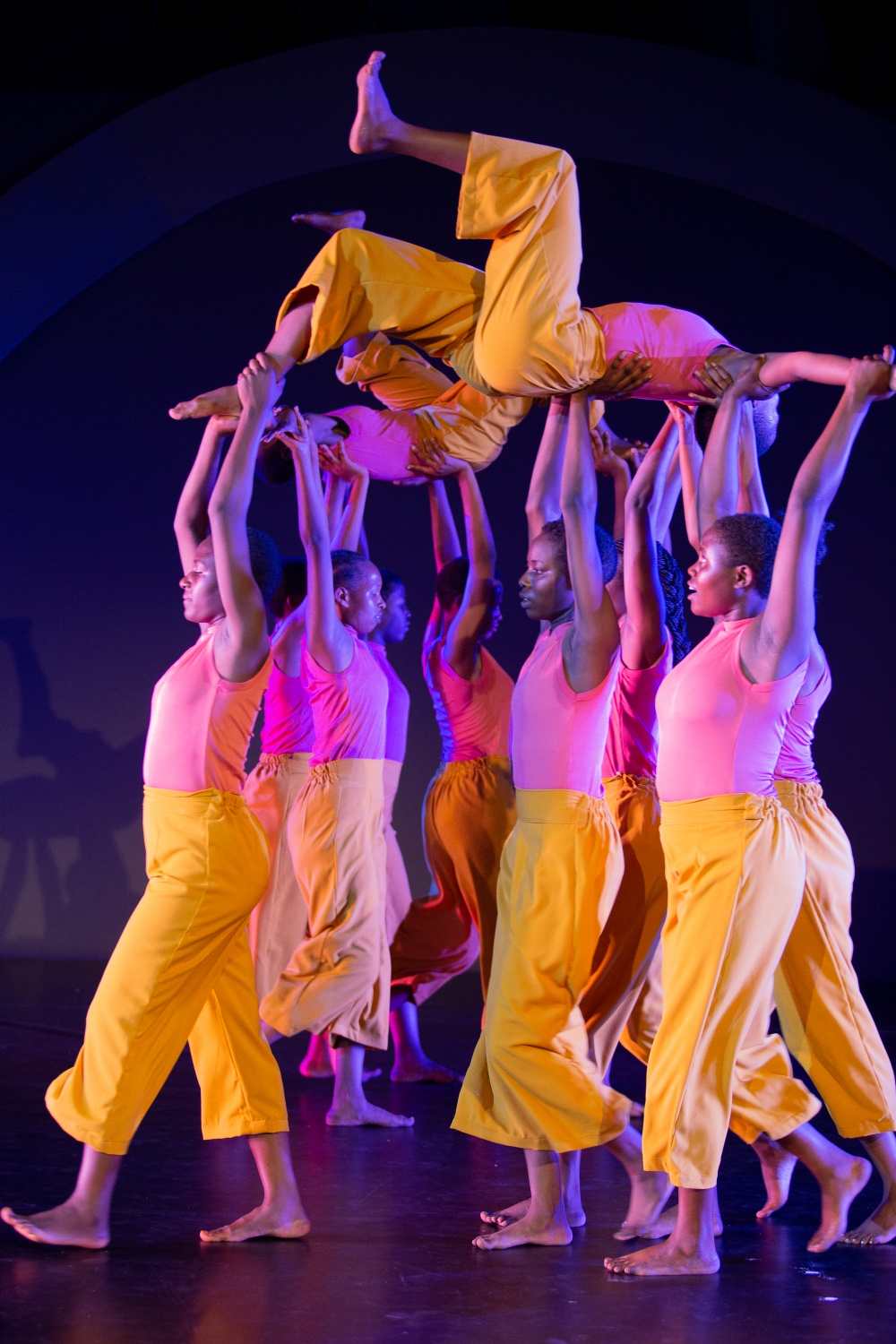
Held under the theme “Embracing Time: Holding On. Holding Together,” this year’s festival will feature a week-long programme of performances, discussions and creative engagements exploring healing, memory, resilience and human connection.
Organisers say the festival aims to highlight the role of art in transforming personal and collective struggles into shared strength while creating spaces for reflection, dialogue and renewed hope.
“This year’s theme speaks to where we are as people, as communities, and as a world still learning how to carry memory, pain, hope and possibility at the same time,” said Hope Azeda, Founder and Artistic Director of the Ubumuntu Arts Festival.
“Ubumuntu has always been about the power of art to remind us of our shared humanity. Through theatre, dance, music, literature and conversation, we are creating a space where people can pause, feel, remember, heal and imagine together,” she added.
Ubumuntu Arts Festival returns to Kigali for its 12th edition from July 13 to 19, 2026.
Founded in 2015 by Azeda, the Ubumuntu Arts Festival has grown into one of Rwanda’s leading international cultural events. Held annually after the 100-day commemoration of the 1994 Genocide against the Tutsi, the festival provides a platform for artists and audiences to engage with themes of memory, reconciliation, peace and social transformation.
The festival takes its name from the Kinyarwanda word “Ubumuntu,” meaning “being human,” reflecting its belief that art can unite people from diverse backgrounds through shared experiences and values.
The 2026 edition will begin on July 13 with Mental Health Day at Inzira Creative, focusing on the connection between artistic expression and mental well-being through workshops, discussions and interactive sessions.
Literature Day will follow on July 14, bringing together writers, poets and storytellers from Rwanda and beyond for readings, performances and conversations celebrating the written word.
Founded in 2015 by Azeda, the Ubumuntu Arts Festival has grown into one of Rwanda’s leading international cultural events.
On July 16, audiences will gather at Camp Kigali for Ikaze Night & Music Is Humanity, an evening of live performances centred on welcome, cultural exchange and unity.
The festival will conclude with the signature Ubumuntu Classic performances from July 17 to 19 at the Kigali Genocide Memorial, featuring nightly productions from 6:00 p.m. to 10:00 p.m.
The 12th edition will feature local and international artists and performing groups, including Afritheatre Collective, MindLeaps, Orly Portal Dance Company, World Pulse Ensemble, Atsushi Suzuki Crew, Agahozo Shalom, Beyond The Mainstream Storytellers, Ariel Rikka Dance, Backyard Stories, Inzozi Dance Company, Khalaha, Matthew Westerby Company, Teatro Azul, Playwright Playhouse, Lumina Dance Company and Millaz x Faiz Art Hub Foundation.
Ubumuntu Festival is set to return with stories of hope, healing and humanity.
Their performances will explore themes of identity, remembrance, resilience, belonging and hope.
Over the years, the festival has gained recognition as a platform where art intersects with healing and social change, bringing together voices from different continents to reflect on dignity, reconciliation and the shared human experience.
Its timing in Rwanda following the national commemoration period gives the festival a symbolic role in encouraging conversations on how creativity can contribute to building peaceful and inclusive societies.
The 2026 edition is supported by venue partners Inzira Creative, MÖVENPICK Hotel, Camp Kigali and the Kigali Genocide Memorial.
All activities are open to the public free of charge, with organisers inviting artists, students, cultural practitioners, families, media and visitors to Kigali to take part in the week-long celebration.
Held under the theme “Embracing Time: Holding On. Holding Together,” this year’s festival will feature a week-long programme of performances, discussions and creative engagements exploring healing, memory, resilience and human connection.
Since the 2030 Agenda for Sustainable Development was adopted in 2015, sustained investment, sound policies and international cooperation have improved the lives of billions of people worldwide with measurable gains across the SDGs, says The Sustainable Development Goals Report 2026.
Nearly 1 billion people gained access to safely managed drinking water and 1.2 billion people to safely managed sanitation. New HIV infections fell by 30 percent between 2015 and 2024, and AIDS-related deaths by 35 percent. Electricity now reaches 92 percent of the world’s population. Internet access has surged from 40 percent to 74 percent. Social protection covers more than half the global population for the first time in history, according to the report.
“Guided by the data in this report, our vision of the 2030 Agenda remains within reach,” said UN Secretary-General Antonio Guterres in the report. “Together, let us make a decisive final push to achieve the Sustainable Development Goals and build a healthy, prosperous future for all.”
Despite the progress, major challenges persist, the report shows.
One in 10 people still lives in extreme poverty. Around 2.3 billion people face moderate or severe food insecurity. More than 150 million children remain stunted. Maternal mortality stands at nearly three times the global target. The number of people affected by climate-related disasters has more than doubled since 2015, according to the report.
Escalating conflicts, climate change, slowing economic growth, rising debt, and a record decline in official development assistance are compounding the shortfall and disproportionately affecting the world’s most vulnerable people, it added.
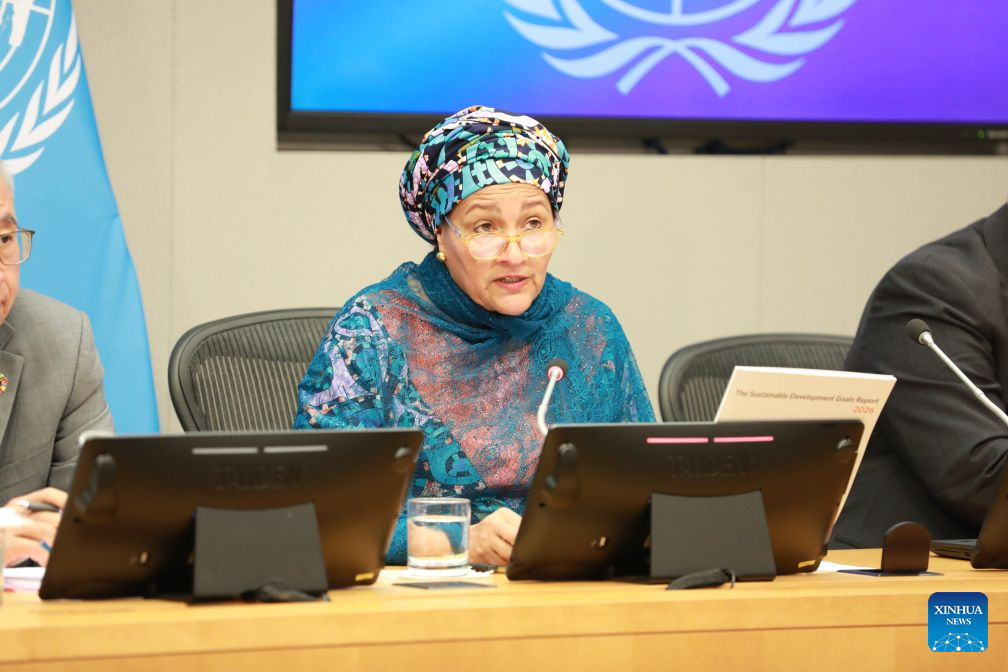
At the press conference during which the report was released, UN Deputy Secretary-General Amina Mohammed said that the SDGs are sound. “Where they have been backed by political will and resources, they do deliver,” she said, warning of the existence of a deepening crisis in the means of implementation.
She called for three commitments: advancing gender equality as an enabler of every goal, accelerating the transition to renewable energy, and putting peace first by investing in the instruments of development rather than ever-rising military spending.
“None of today’s defining challenges can be solved by countries acting alone. The evidence presented in this report makes one thing unmistakably clear: the Sustainable Development Goals remain achievable if we choose to act together with greater urgency, scale, solidarity and resolve,” said Mohammed. “But that choice must be made now. It must be made with four years to go for a decisive final push to change the trajectory that we are currently on.”
UN Under-Secretary-General for Economic and Social Affairs Li Junhua said the 2030 Agenda recognizes that sustainable development is a shared endeavor, not a zero-sum game.
Recent milestones, such as legally protecting the high seas, or the surge in renewable electricity-generating capacity in developing countries, prove that ambitious, coordinated action delivers, Li said in the report.
“The next four years will test our momentum. The choices we make now regarding financing, global cooperation and collective crisis management will echo for generations,” he said. “The evidence in this report proves the goals we set in 2015 were never beyond us. We must now summon the resolve to finish what we began.”
UN Deputy Secretary-General Amina Mohammed speaks at the press briefing to launch The Sustainable Development Goals Report 2026 at the UN headquarters in New York, July 7, 2026. With four years to go, only 36 percent of the assessable targets of the Sustainable Development Goals (SDGs) are on track, with nearly half stalling, and 15 percent have regressed, according to a UN report released Tuesday. (Xinhua/Xie E)
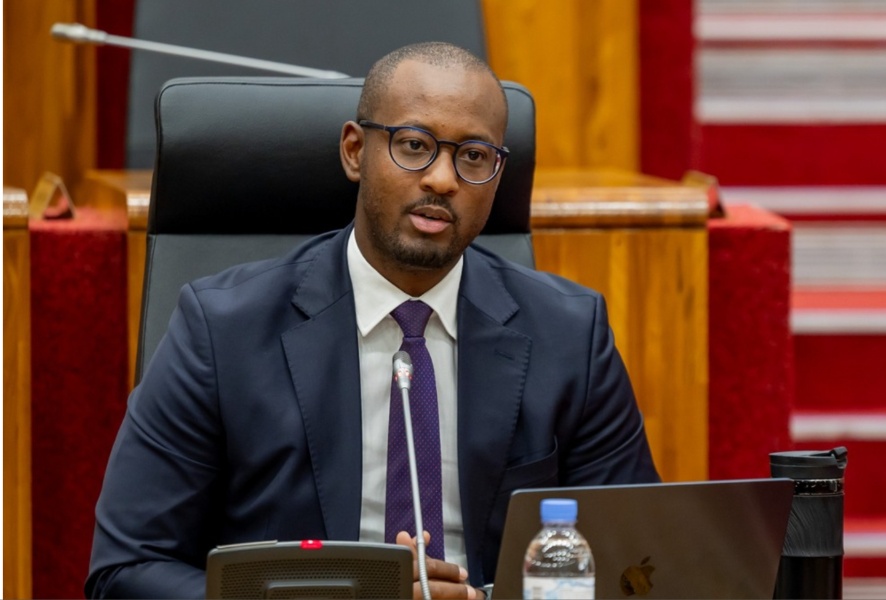
Kajangwe said the agreements will strengthen Rwanda’s access to petroleum infrastructure while creating opportunities for the country to trade fuel products with neighbouring markets.
Speaking to Rwanda Broadcasting Agency (RBA), the minister highlighted the importance of the agreements signed with companies in Kenya and Tanzania, which allow Rwanda to import petroleum products from international markets through the ports of Mombasa and Tanga.
On June 29, 2026, Rwanda signed a cooperation agreement with Kenya to facilitate the importation of petroleum products through the Port of Mombasa. The deal provides Rwanda with access to storage facilities, transportation services and petroleum distribution infrastructure in Kenya.
The agreement establishes a government-to-government framework for fuel imports, a move expected to improve supply security, reduce logistical barriers and make fuel procurement more predictable.
Petroleum volumes transported to Rwanda through the Northern Corridor are expected to increase more than tenfold, from about 50,000 cubic metres annually to more than 500,000 cubic metres, according to Kenya’s Cabinet Secretary for Energy and Petroleum, Opiyo Wandayi.
Rwanda later signed a similar agreement with Tanzania on July 3 to import petrol and diesel through the Port of Tanga. The agreement was signed between Rwanda National Energy Company (RNEC) and Gulf Bulk Petroleum Tanzania Limited (GBP).
The agreements come amid continued volatility in global fuel prices, which has affected markets in Rwanda and other parts of the world.
Kajangwe said the arrangements could allow Rwanda to leverage its strategic location to serve as a fuel distribution hub for the region.
“We believe this can strengthen regional trade, allowing Rwanda, given its geographical position, to supply petroleum products to neighbouring countries. Our goal is to have sufficient petroleum products that can meet demand in Rwanda and also serve markets in the region,” he said.
Rwanda, a landlocked country, imports all its petroleum products through neighbouring countries, mainly using the Port of Dar es Salaam in Tanzania and the Port of Mombasa in Kenya.
The government has in recent years pursued measures to strengthen fuel security by diversifying import routes and improving access to storage and transport infrastructure.
Minister of Trade and Industry Antoine Marie Kajangwe said the agreements will strengthen Rwanda’s access to petroleum infrastructure while creating opportunities for the country to trade fuel products with neighbouring markets.
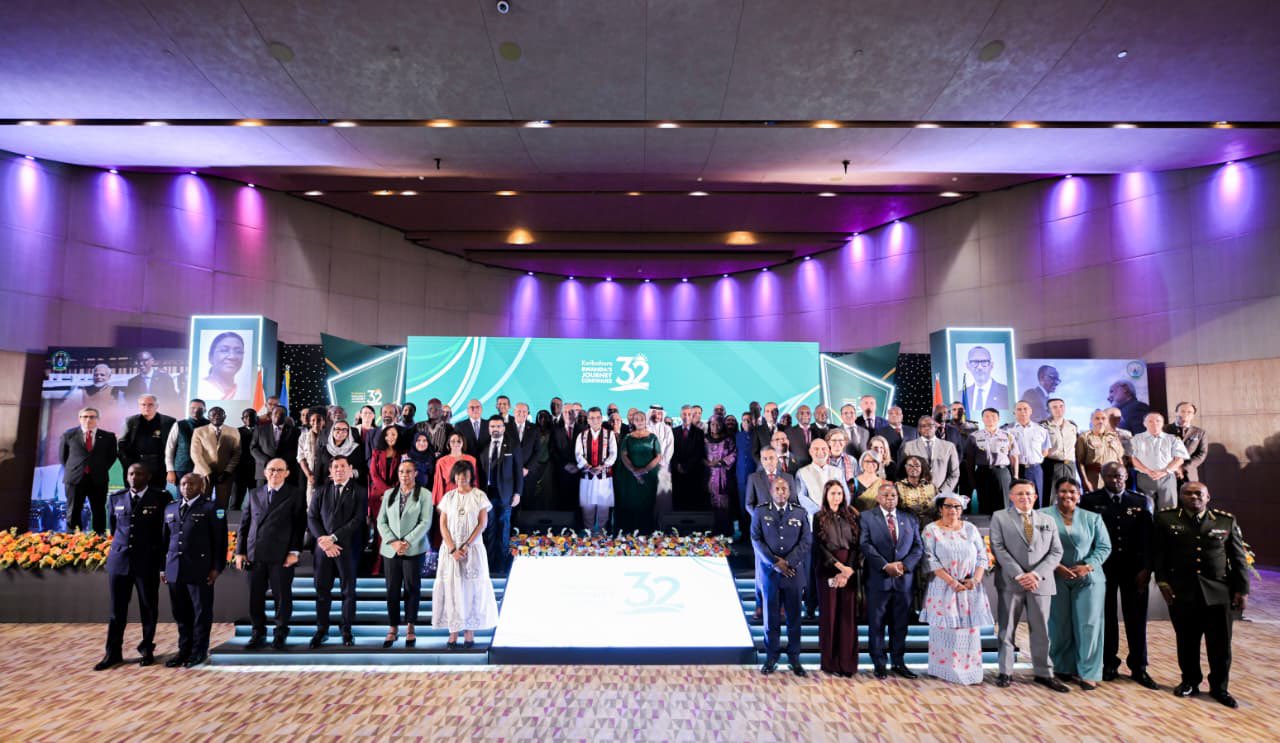
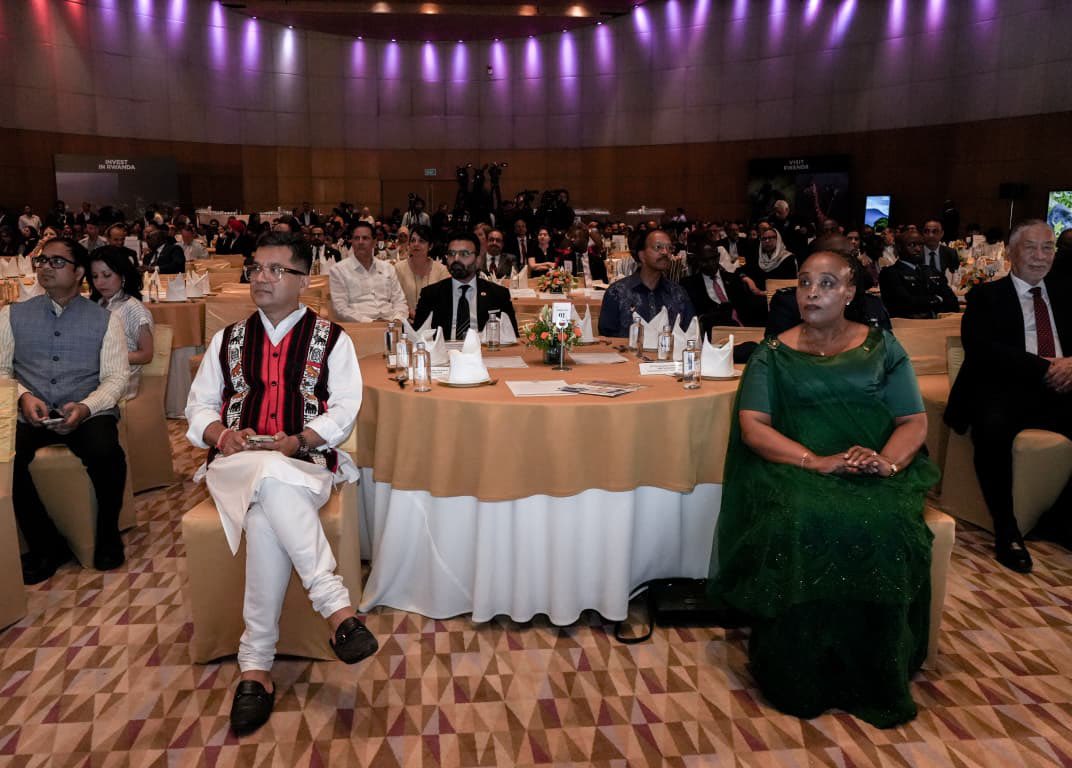
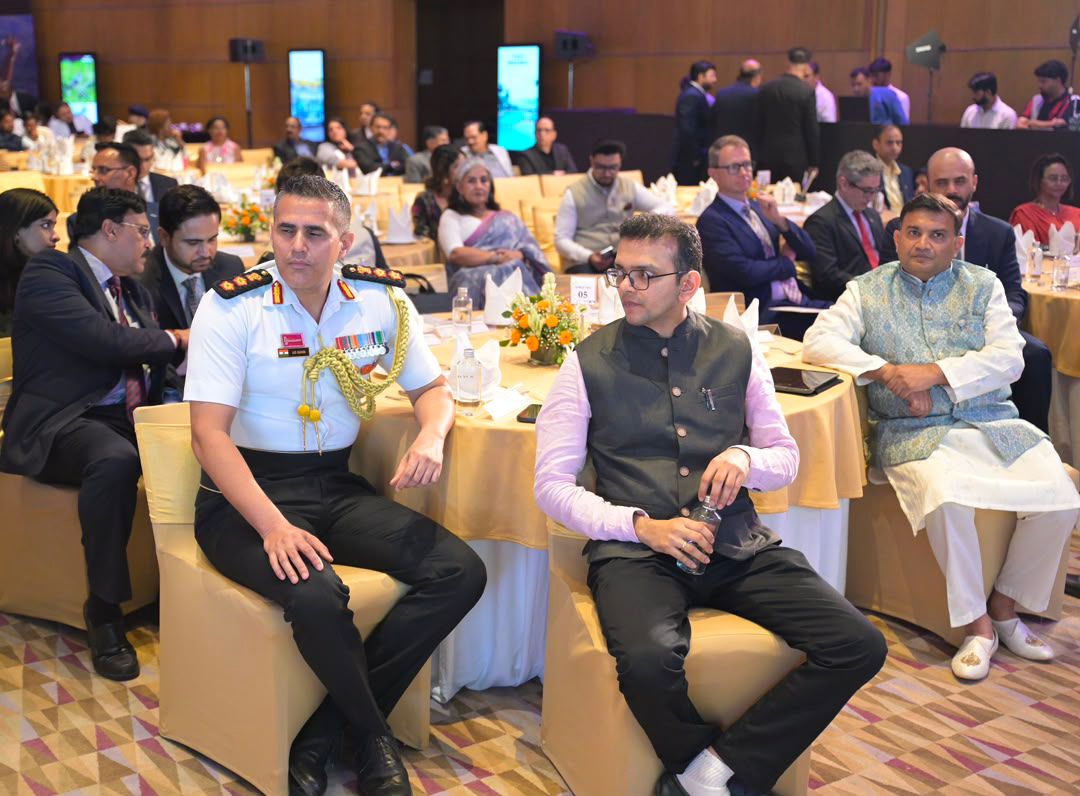
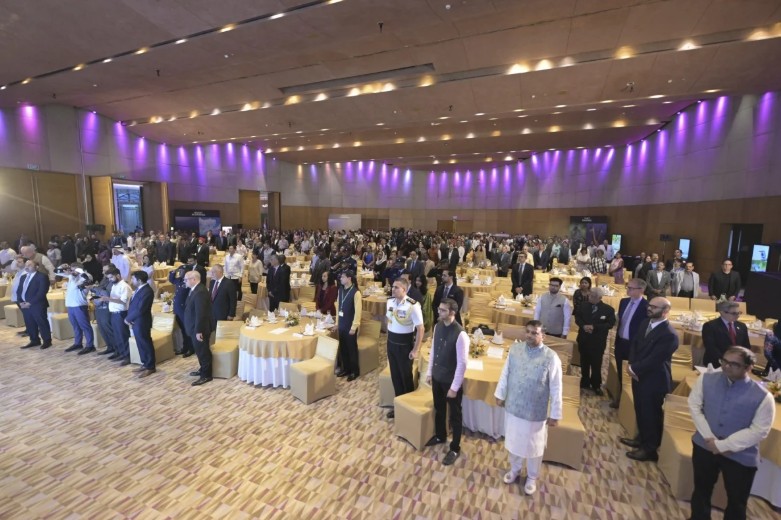
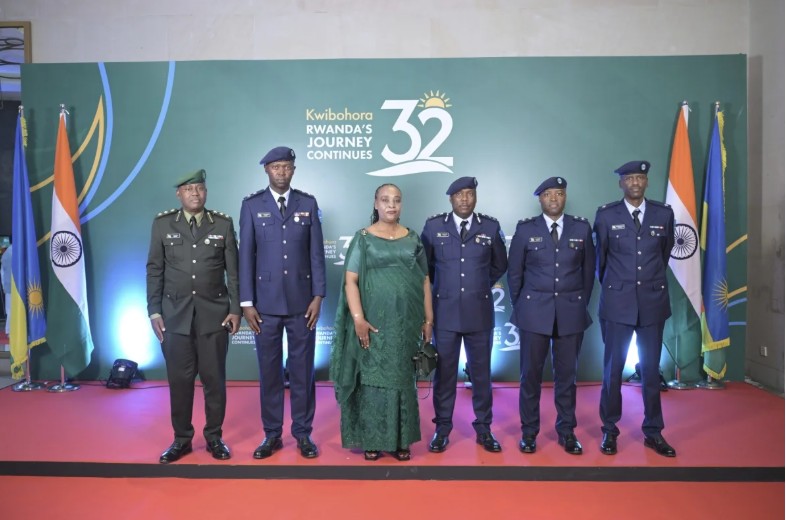
Held in New Delhi on Monday, July 6, the event brought together nearly 1,000 guests, including Indian government officials, members of the diplomatic corps, business leaders, scholars, media professionals, civil society representatives, friends of Rwanda and members of the Rwandan community in India.
The celebration highlighted Rwanda’s progress since the 1994 Genocide against the Tutsi, showcasing the country’s achievements in peacebuilding, national reconciliation, economic growth, good governance and sustainable development.
Kwibohora, celebrated every year on July 4, commemorates Rwanda’s liberation and marks the day the Rwanda Patriotic Army (RPA), led by President Paul Kagame, stopped the 1994 Genocide against the Tutsi. It reflects Rwanda’s journey of rebuilding through unity, resilience and a shared vision for development.
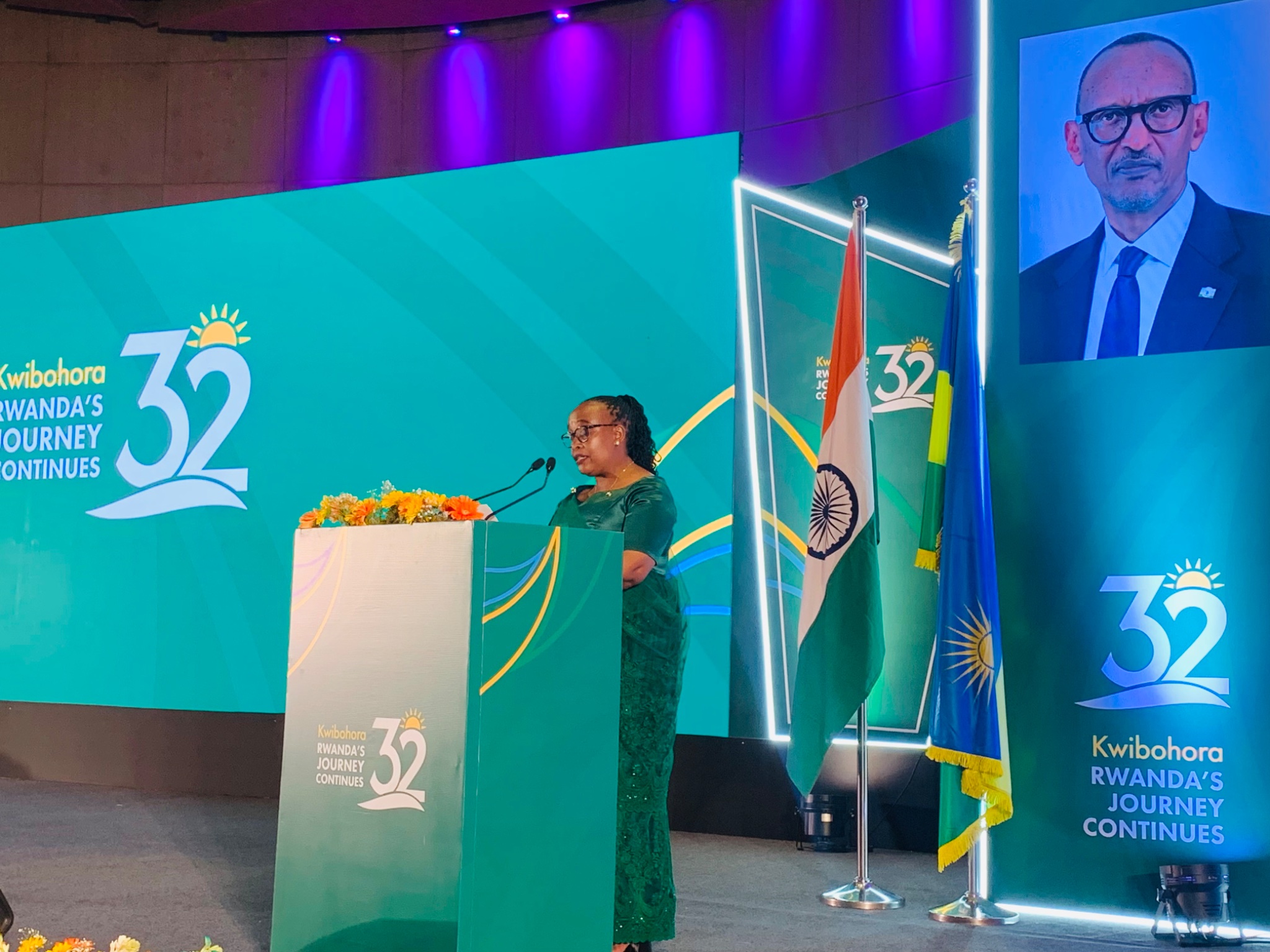
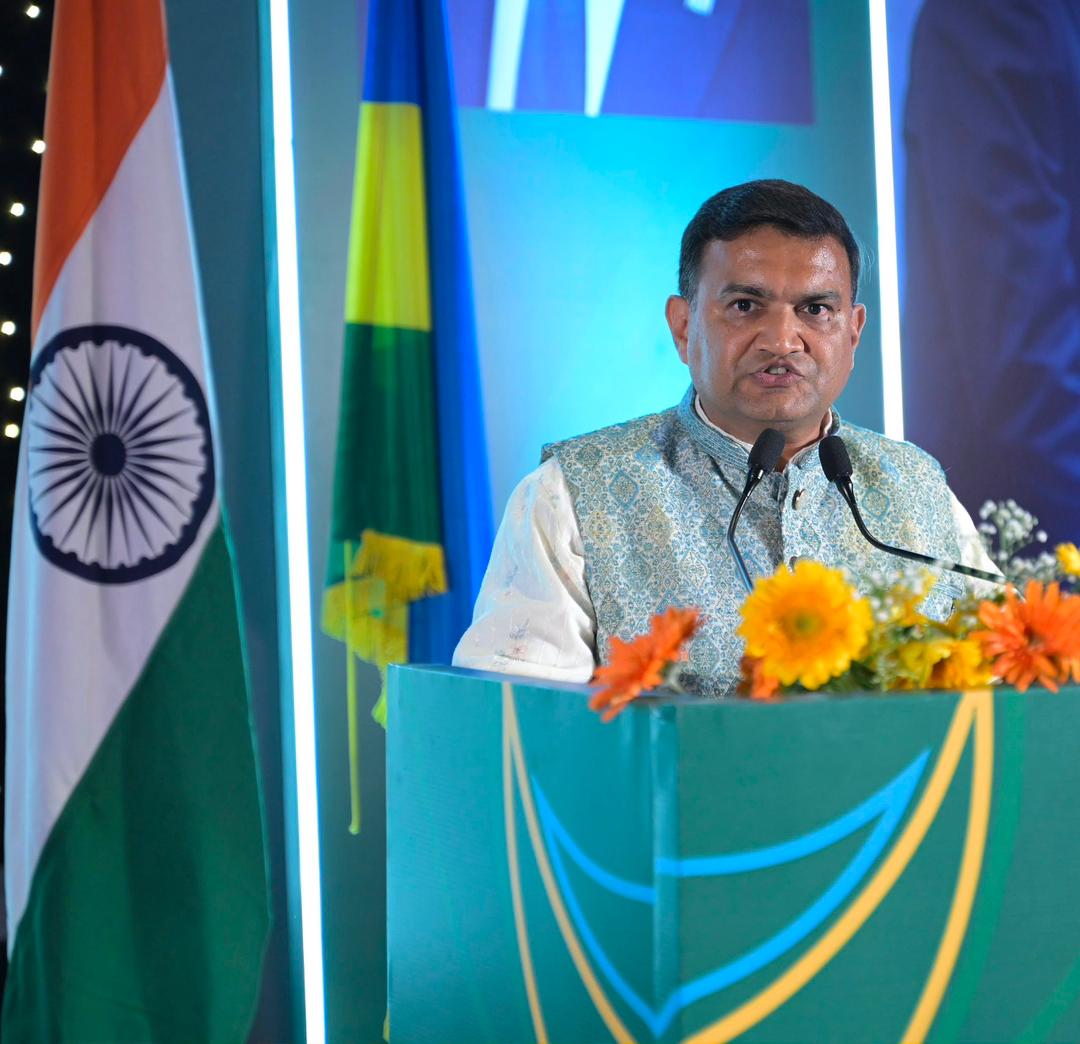
Addressing guests, Rwanda’s High Commissioner to India, Amb. Jacqueline Mukangira, paid tribute to the men and women of the former RPA whose sacrifices restored peace, unity and national dignity.
She said the liberation victory marked a defining moment in restoring Rwanda’s sovereignty and laying the foundation for national reconstruction.
Mukangira reflected on Rwanda’s transformation from a country devastated by genocide to one recognised for stability, economic progress and effective governance.
She attributed the country’s achievements to the values of unity, resilience, inclusion, innovation and accountable leadership, saying three decades of peace, stability and good governance have created a predictable and investor-friendly environment.
The High Commissioner called on Indian investors to explore opportunities created by Rwanda’s transformation, highlighting potential areas of cooperation including trade, investment, technology, education, healthcare and capacity building.
She also expressed appreciation for India’s continued partnership with Rwanda, noting that bilateral relations have expanded in areas such as ICT, trade, investment, education and defence.
“Rwanda remains committed to strengthening partnerships anchored in peace, justice and shared prosperity,” she said.
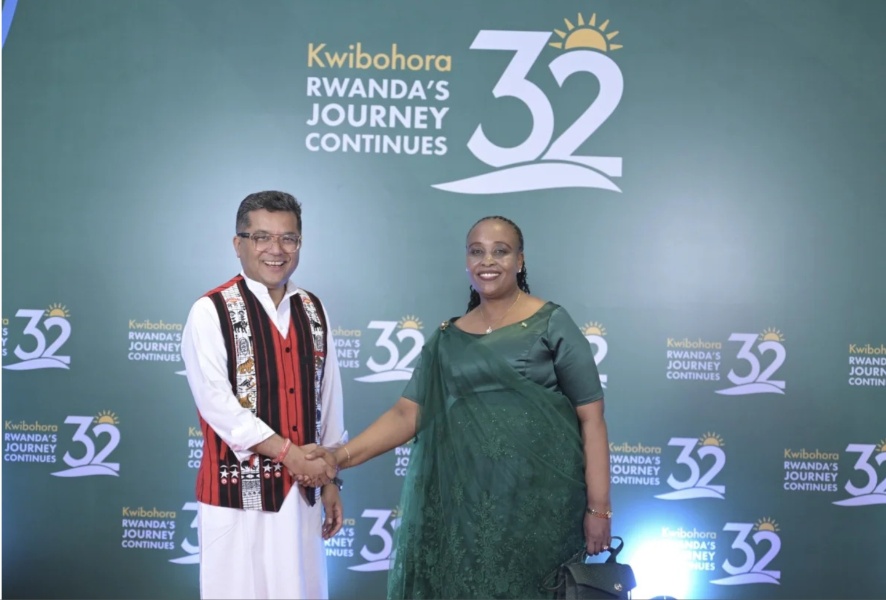
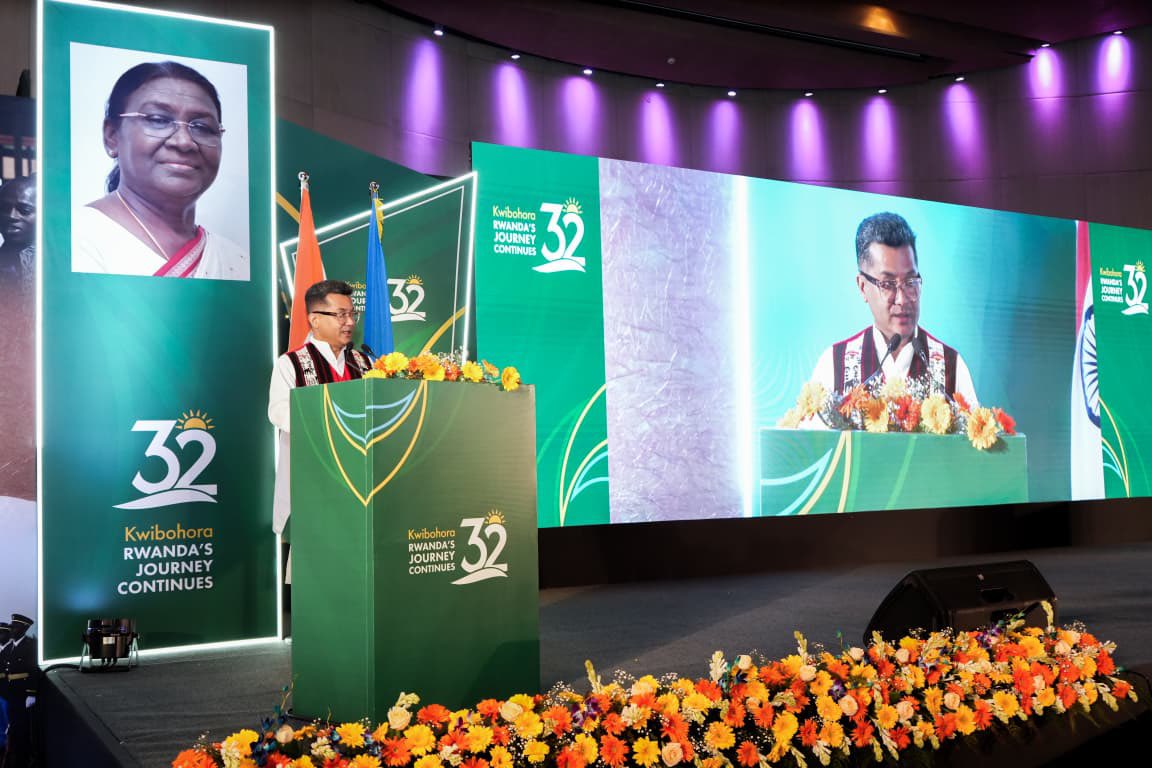
India’s Minister of State for External Affairs and Textiles, Shri Pabitra Margherita, attended the event as the chief guest and congratulated Rwanda on the Liberation Day anniversary.
He commended Rwanda’s reconciliation efforts following the 1994 Genocide against the Tutsi and praised the growing partnership between the two countries.
Also attending the celebration was a delegation from Rwanda’s Ministry of Defence, which was in New Delhi for the second Rwanda-India Joint Defence Cooperation Committee meeting.
The event also featured remarks from Indian investors and friends of Rwanda, including Dr Saurabh Singhal, Head of the Rwanda Chapter of The Diplomatic Club, who highlighted Rwanda’s growing appeal as an investment and innovation hub.
Singhal shared his experience of witnessing Rwanda’s transformation since his first visit in 2005 and praised the country’s safety, governance, digital systems and investor-friendly environment.
He described Rwanda as “not only the Land of a Thousand Hills but also the Land of a Thousand Opportunities,” encouraging businesses to explore opportunities in the country.
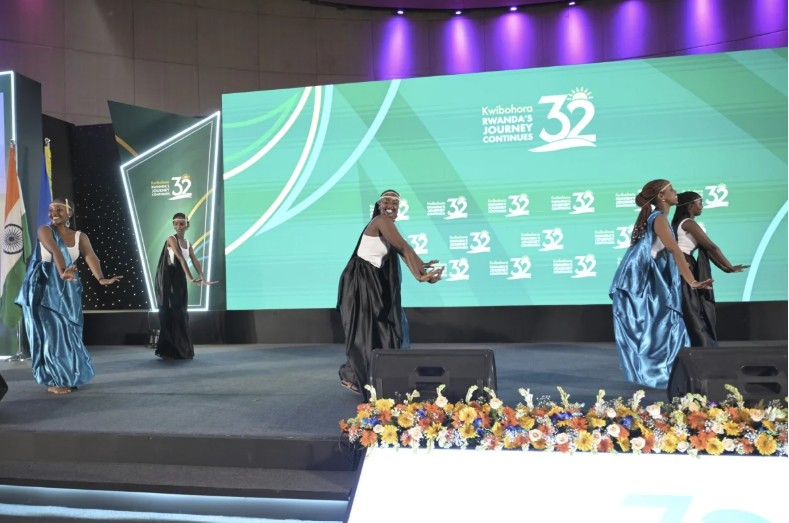
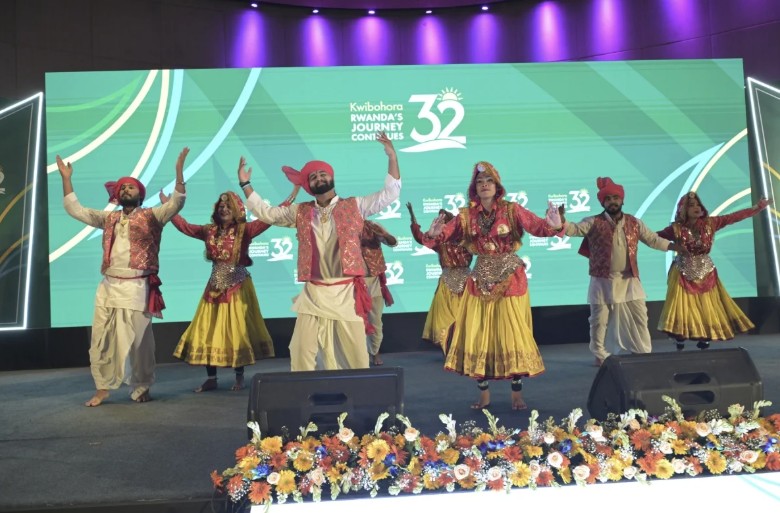
The evening concluded with cultural performances celebrating Rwanda’s heritage and reaffirming the friendship between Rwanda and India as both countries continue to strengthen cooperation for shared development and prosperity.
Held in New Delhi on Monday, July 6, the event brought together Indian government officials, members of the diplomatic corps, business leaders, scholars, media professionals, civil society representatives, friends of Rwanda and members of the Rwandan community in India.Amb. Jacqueline Mukangira and India’s Minister of State for External Affairs and Textiles, Shri Pabitra Margherita. Rwanda’s High Commissioner to India, Amb. Jacqueline Mukangira, paid tribute to the men and women of the former RPA whose sacrifices restored peace, unity and national dignity.India’s Minister of State for External Affairs and Textiles, Shri Pabitra Margherita, commended Rwanda’s reconciliation efforts following the 1994 Genocide against the Tutsi. and praised the growing partnership between the two countries.The celebration highlighted Rwanda’s progress since the 1994 Genocide against the Tutsi, showcasing the country’s achievements in peacebuilding, national reconciliation, economic growth, good governance and sustainable development.Dr Saurabh Singhal, Head of the Rwanda Chapter of The Diplomatic Club, shared his experience of witnessing Rwanda’s transformation since his first visit to the country in 2005, praising its safety, governance, digital systems and investor-friendly environment. The evening concluded with cultural performances celebrating Rwanda’s heritage and reaffirming the friendship between Rwanda and India.