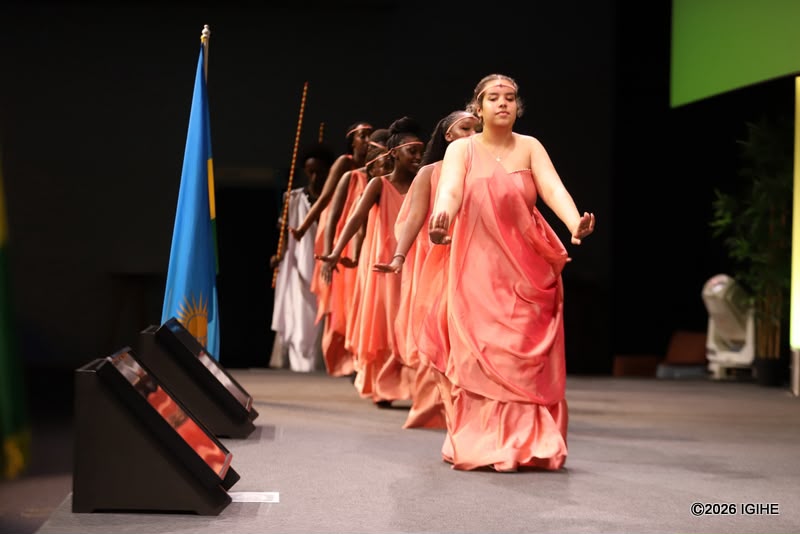
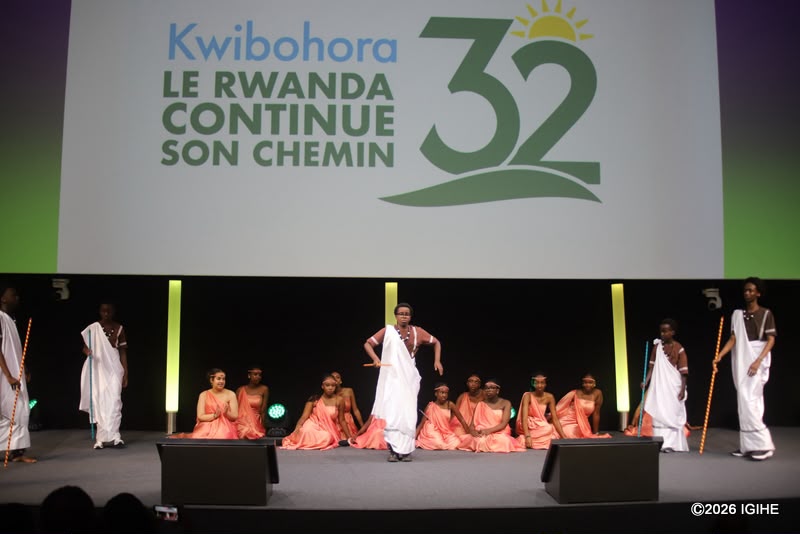
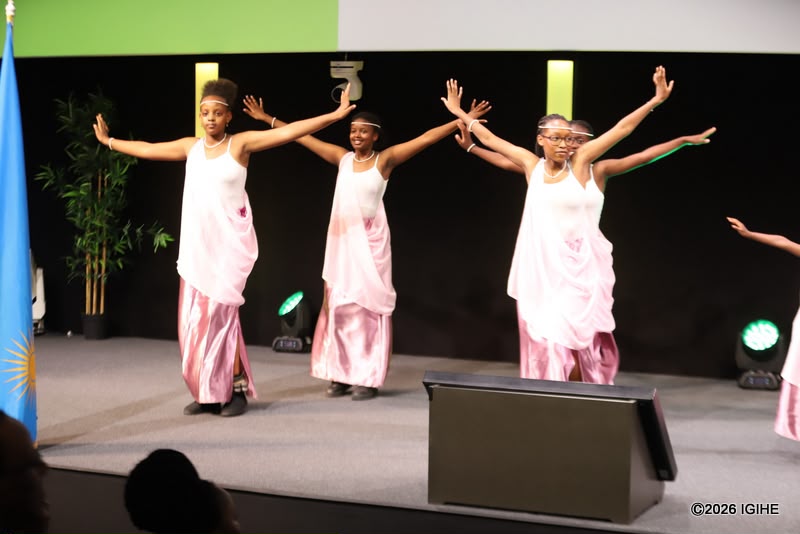
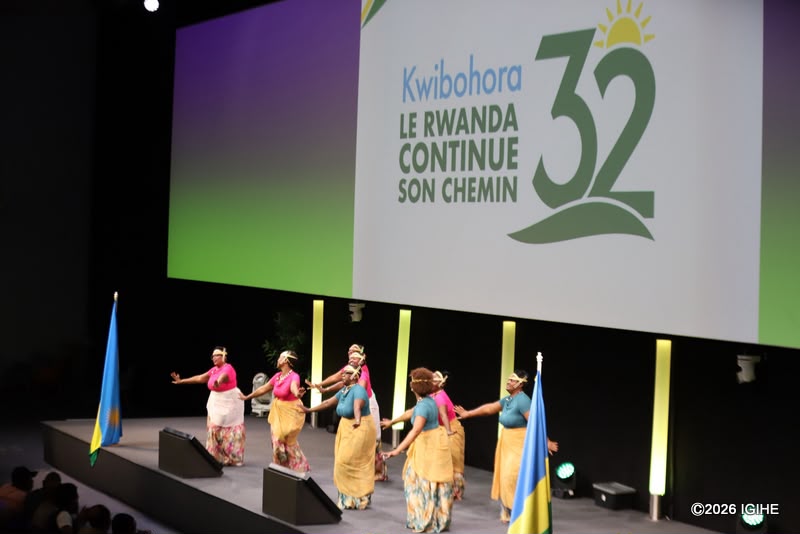
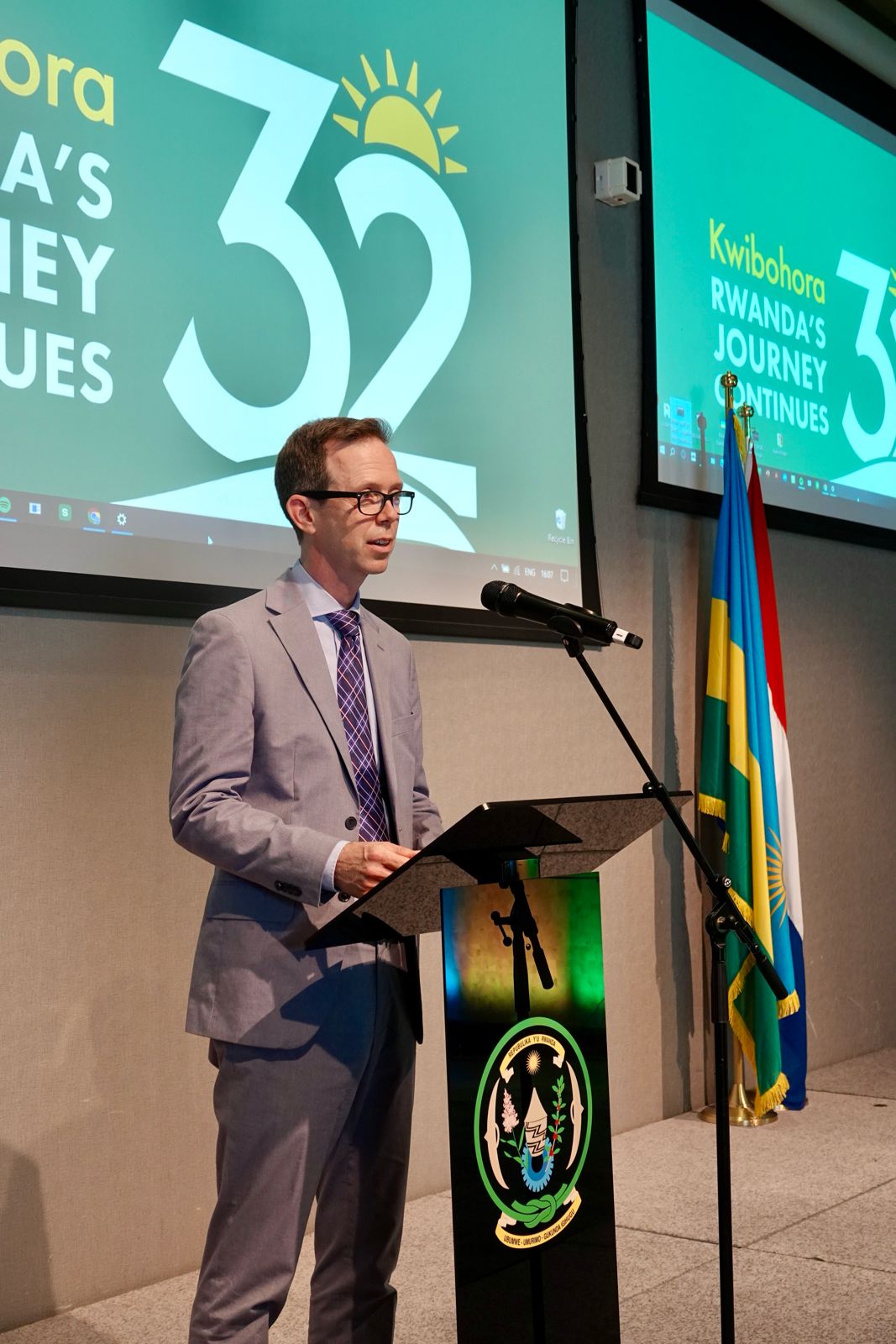
His address highlighted Rwanda’s profound transformation from a nation devastated by the 1994 Genocide against the Tutsi into a country committed to peace, development, and hope.
For the Rwandan diplomat, July 4 is not merely a military victory or a historical milestone. Above all, it symbolizes the rebirth of a nation. It marks the moment when Rwanda regained its dignity, sovereignty, and ability to build a future founded on unity and inclusion.
The Ambassador emphasized that rebuilding Rwanda after the genocide was far from an easy task. Faced with immense human, social, and institutional destruction, the country could easily have descended into instability. Instead, Rwandans chose a different path, one of reconciliation, collective responsibility, and confidence in the future.
According to Amb. Dushimimana, the progress achieved over the past three decades is the result of clear vision and sustained commitment.
Rwanda’s development has not been driven by an abundance of natural resources, but by strategic investments in human capital, strong institutions, women’s and youth empowerment, innovation, and environmental protection.
“Rwanda’s development story is not the result of abundant natural resources; it is the product of purposeful leadership, national unity, and the unwavering determination of its citizens,” he stated.
The Ambassador also stressed that liberation should not be viewed as an event confined to the past. Rather, it is an ongoing responsibility that falls upon every generation.
Safeguarding peace, strengthening national cohesion, and creating greater opportunities for future generations remain essential priorities for Rwanda.
In his speech, he also paid tribute to Rwanda’s international partners, particularly the Kingdom of the Netherlands, which has supported the country’s reconstruction and development efforts for decades. Today, Rwanda and the Netherlands enjoy a dynamic partnership spanning trade and investment, agriculture, innovation, and education.
According to the Ambassador, this relationship, built on mutual respect and shared ambitions, demonstrates the importance of international partnerships in promoting prosperity and stability. He expressed Rwanda’s commitment to further strengthening ties with the Netherlands and with the broader African continent as new economic opportunities continue to emerge.
Amb. Dushimimana also praised the Rwandan diaspora in the Netherlands, describing it as a vital bridge between the two nations.
Through their professionalism, achievements, and enduring connection to their homeland, members of the diaspora contribute significantly to Rwanda’s international profile and to the strengthening of bilateral relations.
The diplomat also underscored that the true essence of Liberation lies in hope, where he highlighted that a nation’s greatest achievement is not simply overcoming adversity, but transforming painful experiences into a source of confidence, opportunity, and hope for future generations.
Thirty-two years after its Liberation, Rwanda continues to present itself to the world as a nation that has chosen unity, resilience, and ambition as the foundations of its development, demonstrating that a brighter future can be built even after the darkest chapters of history.
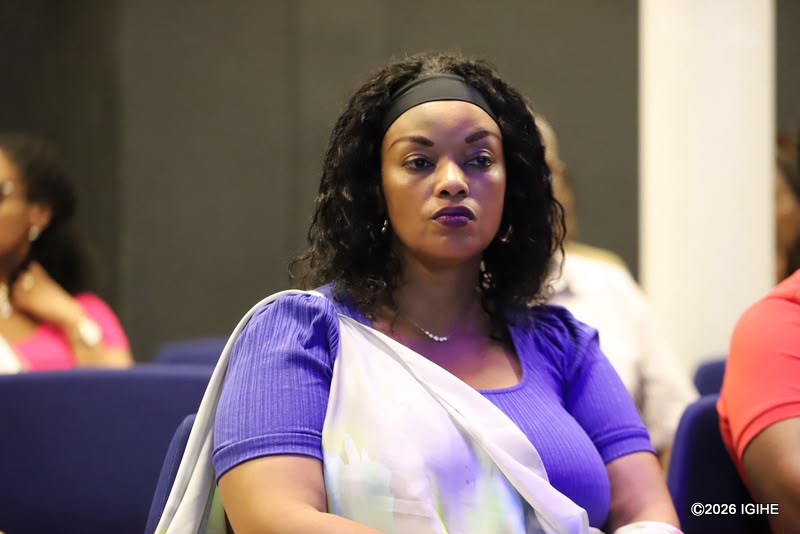
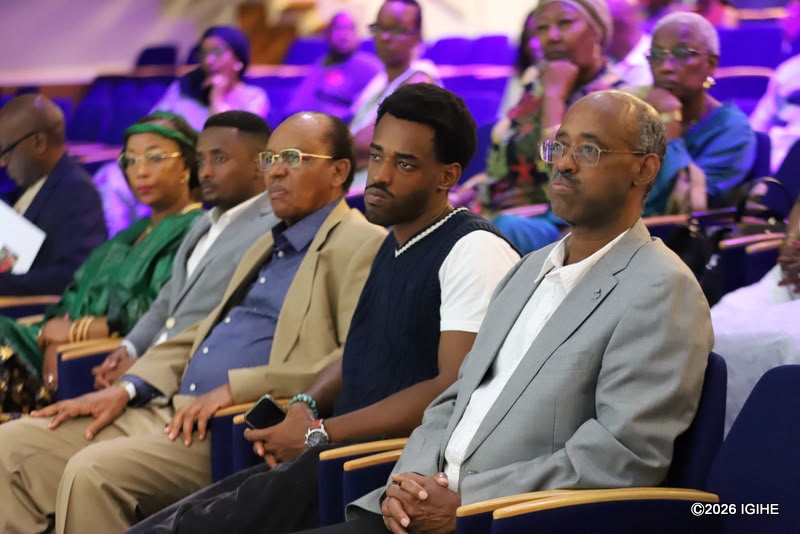
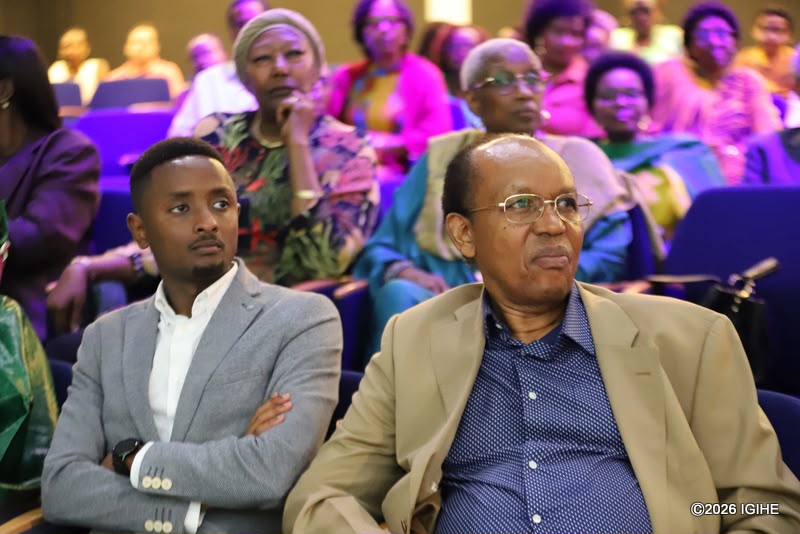
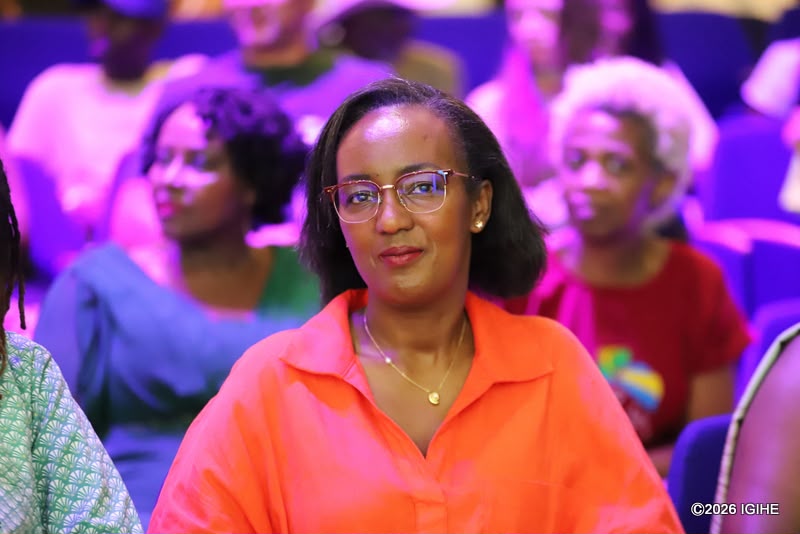
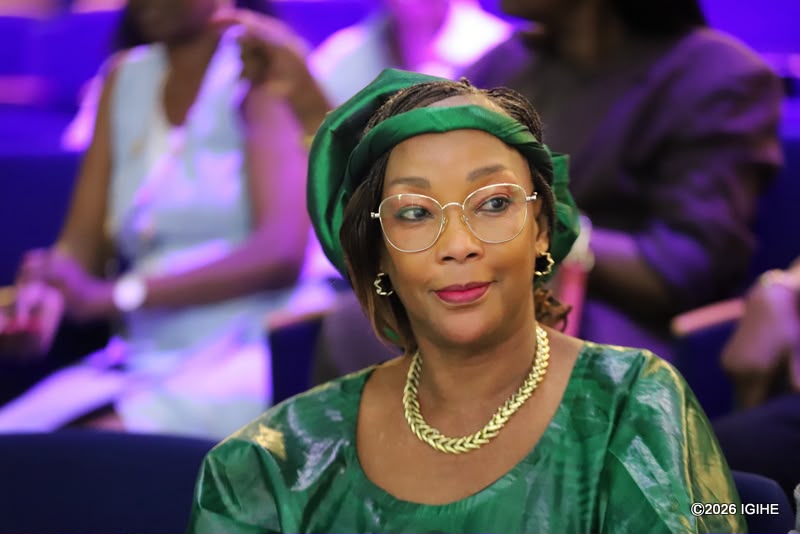
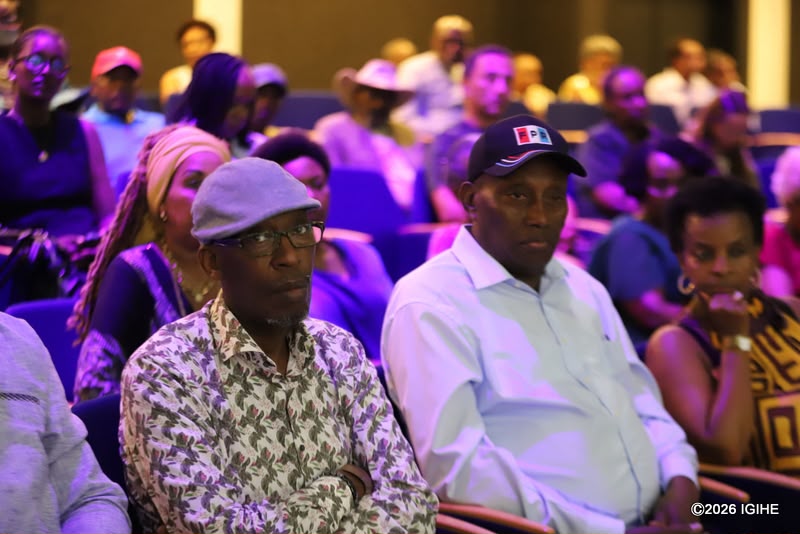
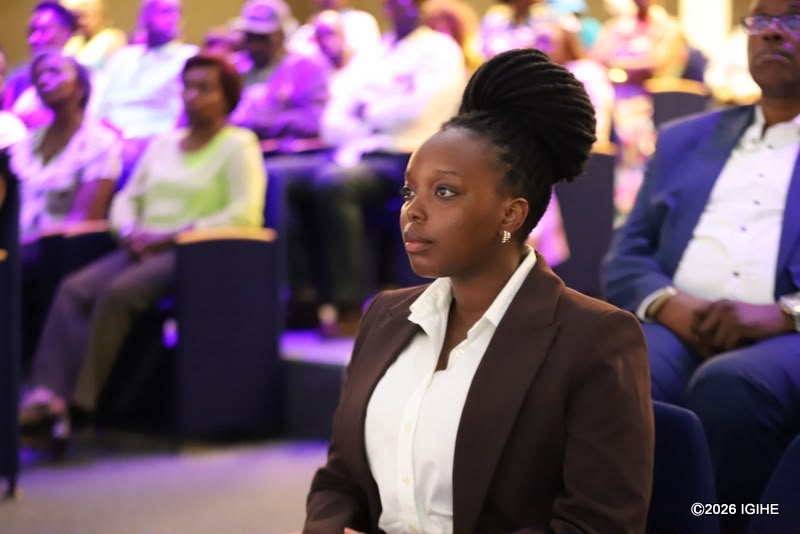
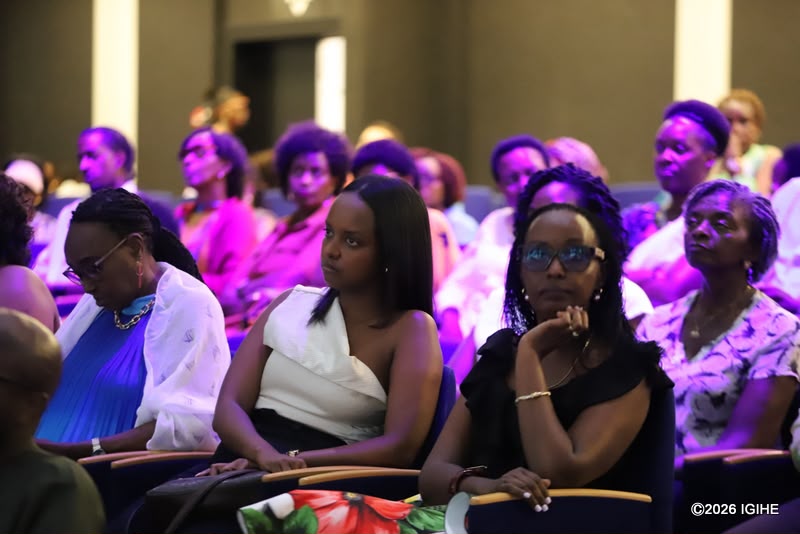
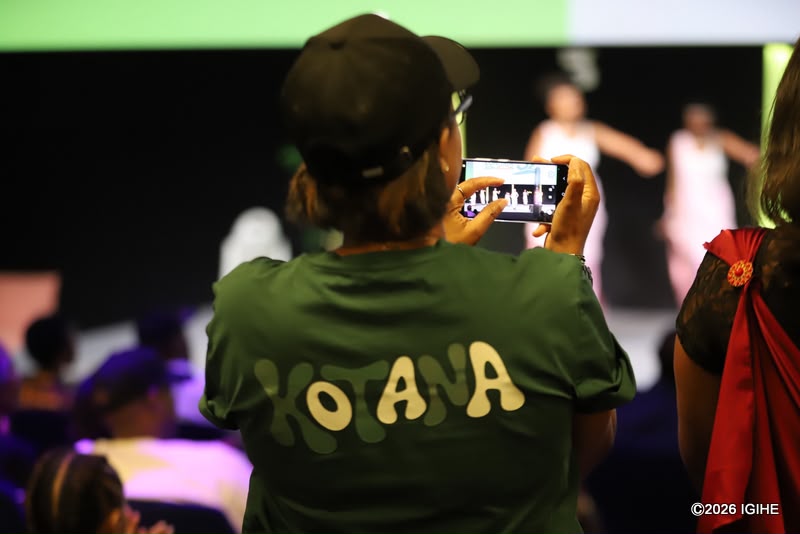
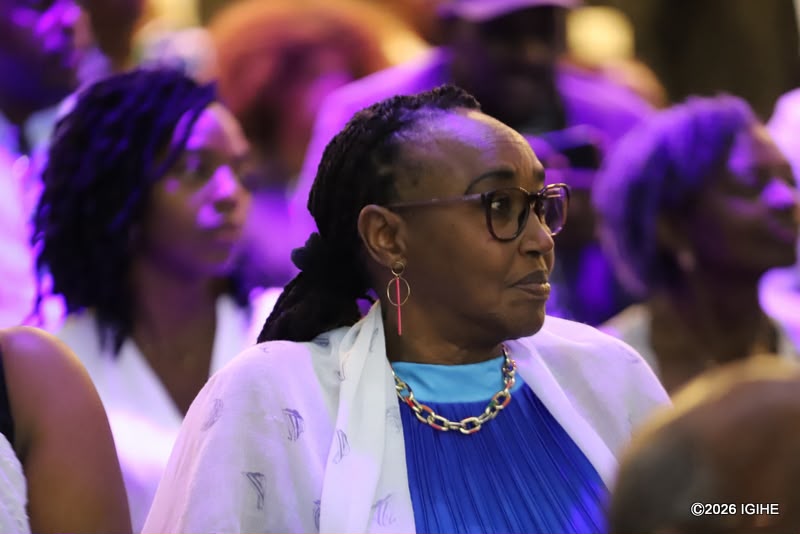
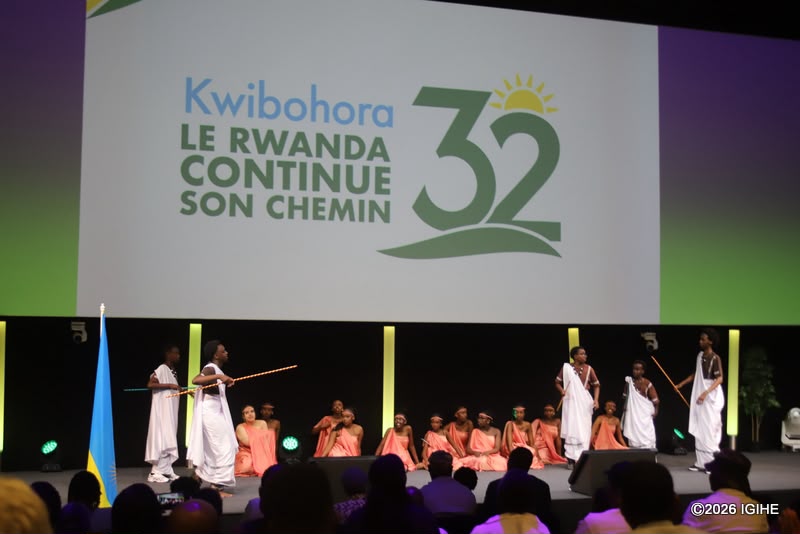
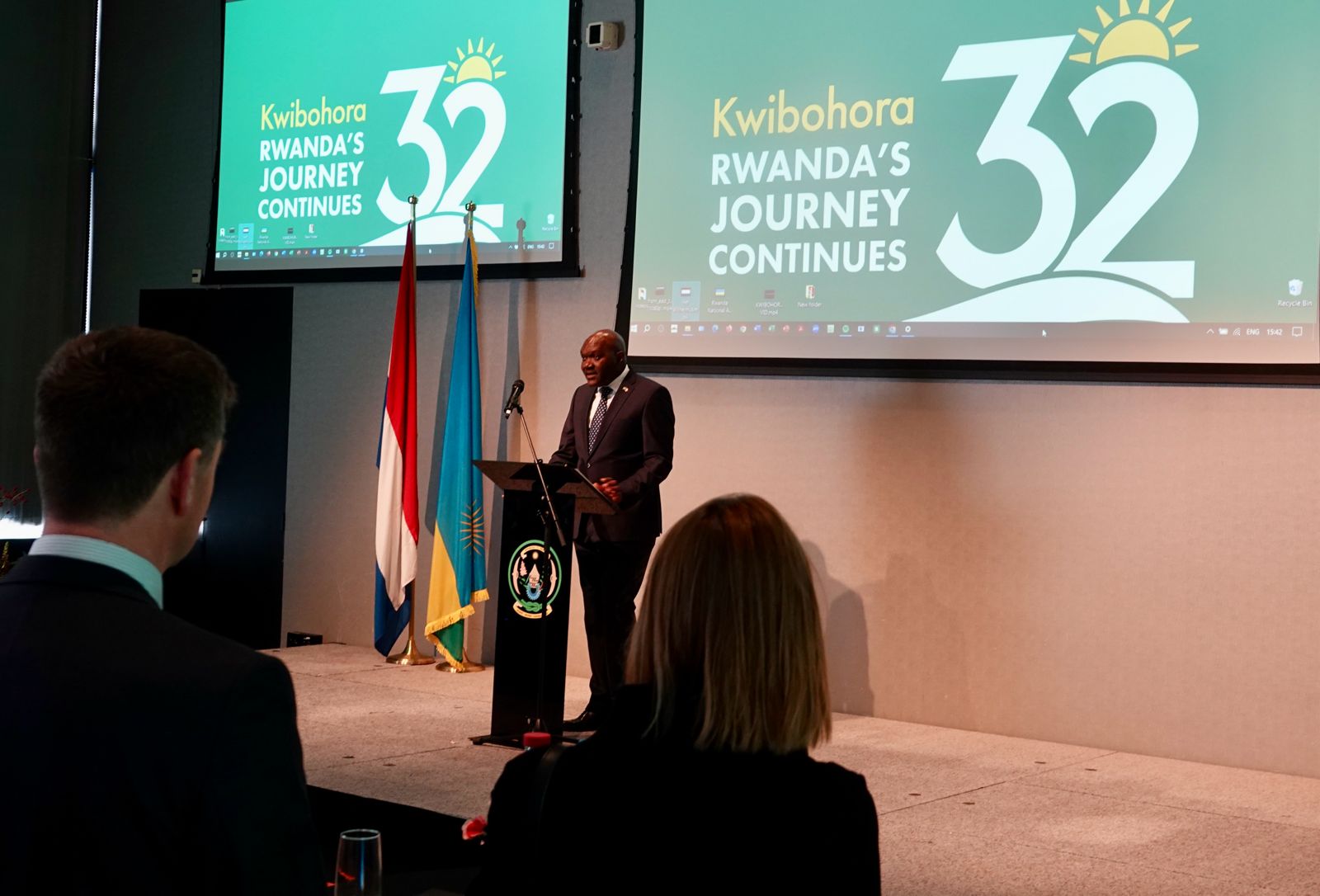
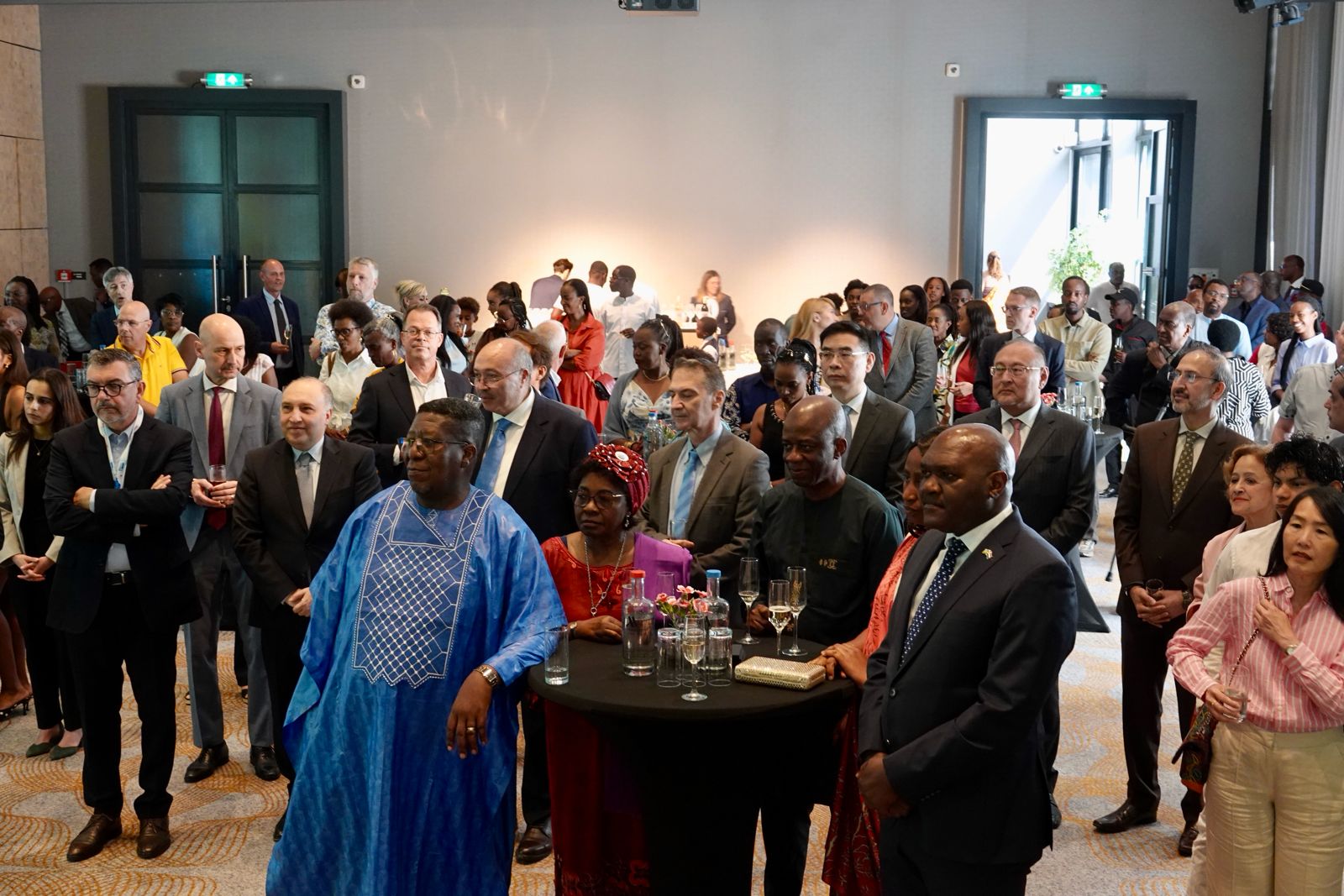
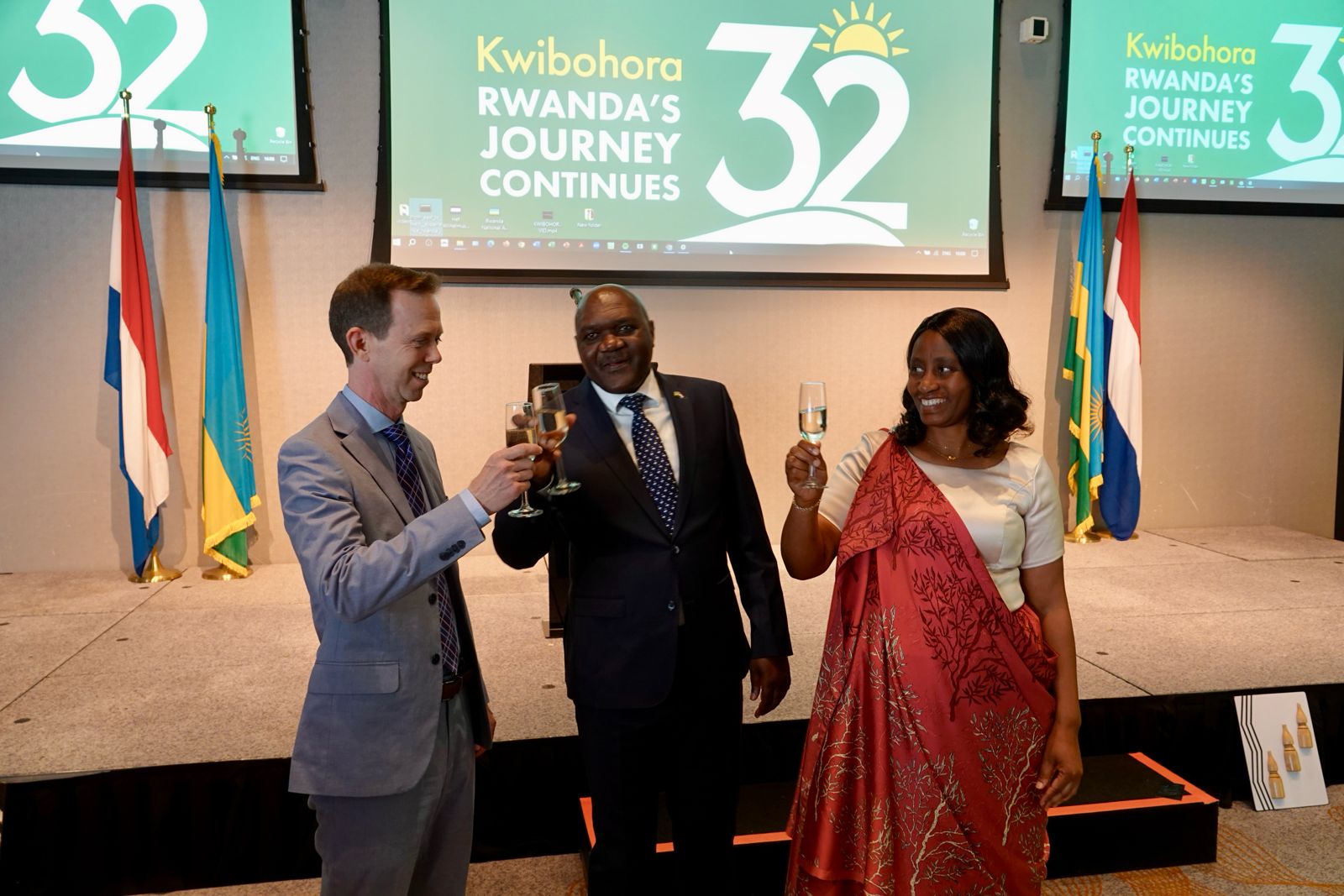
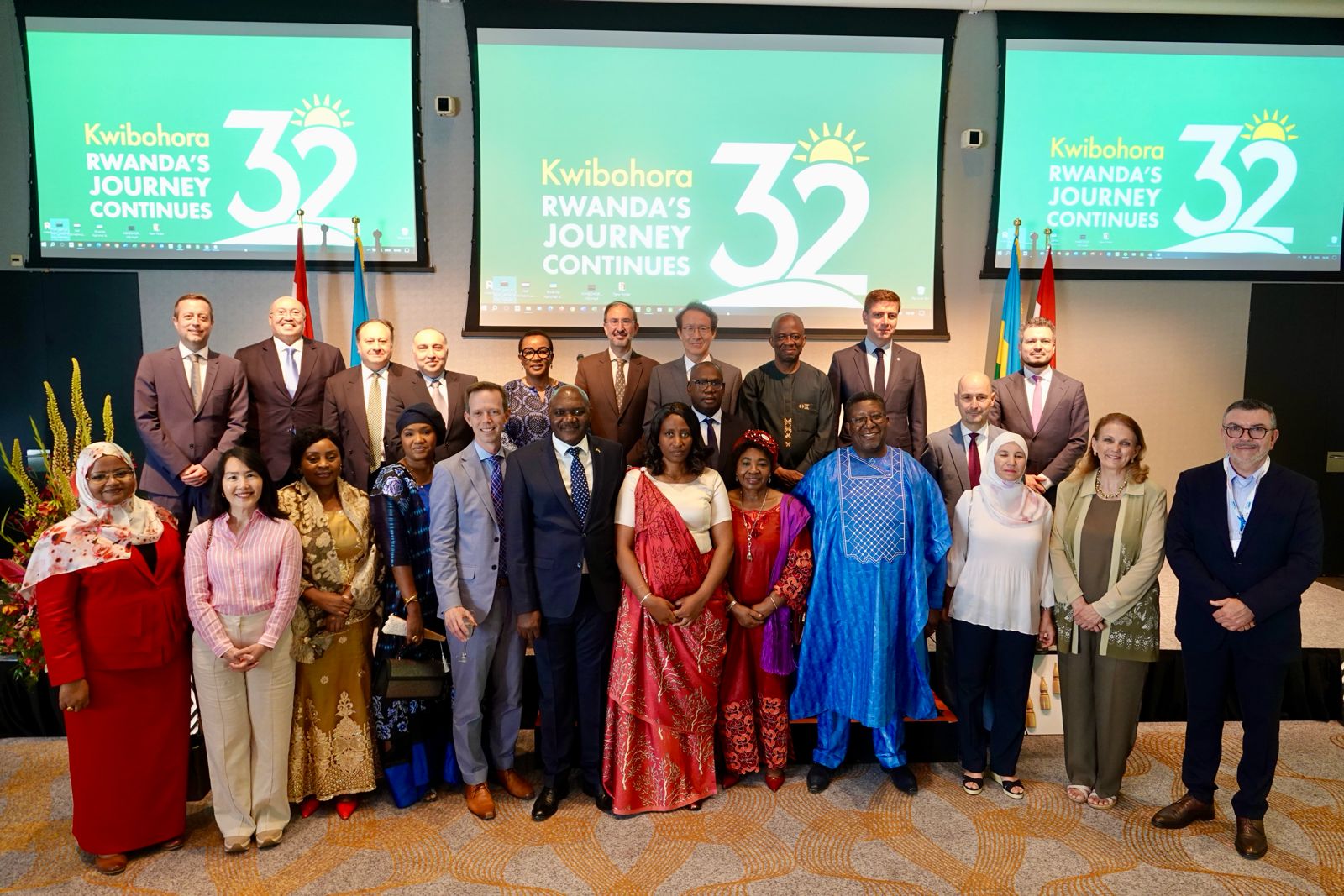
Rwanda’s Ambassador to the Netherlands, Lambert Dushimimana, addresses guests during the 32nd Liberation anniversary celebration, reflecting on the country’s journey since 1994.Participants attend Rwanda’s 32nd Liberation anniversary event in the Netherlands, which highlighted messages of unity, resilience, and hope.Rwanda’s Liberation anniversary event in the Netherlands highlighted the importance of unity, reconciliation, and continued efforts toward national development.The celebration brought together members of the Rwandan diaspora and friends of Rwanda in the Netherlands to mark 32 years since Liberation.
Today, this evolution is most vividly reflected in its cities, and few capture that story better than Shanghai.
Set along China’s eastern coastline, Shanghai rises as a symbol of the nation’s modern ambition and global connectivity. It is a city where history is not left behind, but rather built into the foundations of progress, where ancient waterways, colonial-era streets, and futuristic skylines converge into one living landscape of change.
Shanghai stands today as one of China’s most influential and dynamic cities, defined by transformation, ambition, and international reach. Located at the mouth of the Yangtze River, it spans 6,340.5 square kilometres and is home to nearly 25 million people. Positioned at the heart of the Yangtze River Delta and facing the Pacific Ocean, the city serves as a vital gateway linking China’s vast interior with global markets.
Often referred to as the “Dragon Head” of the Yangtze River, Shanghai plays a leading role in the development of the Yangtze Economic Belt. Its strategic position and economic weight have earned it designation as an international centre for economy, finance, trade, shipping, and technological innovation, collectively known as the “Five Centers.”
By 2019, Shanghai’s GDP had reached approximately 524.02 billion US dollars, with a per capita income of about 20,398 US dollars.
During the same period, more than 720 multinational companies had established headquarters in the city, alongside over 460 research and development institutions, reinforcing its position as a global hub for business and innovation.
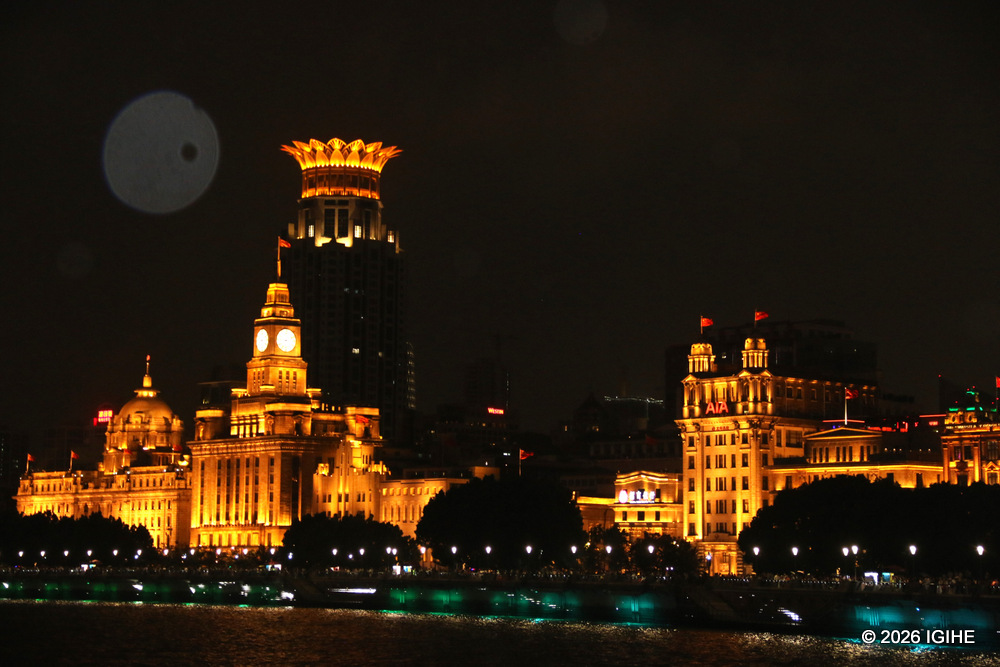
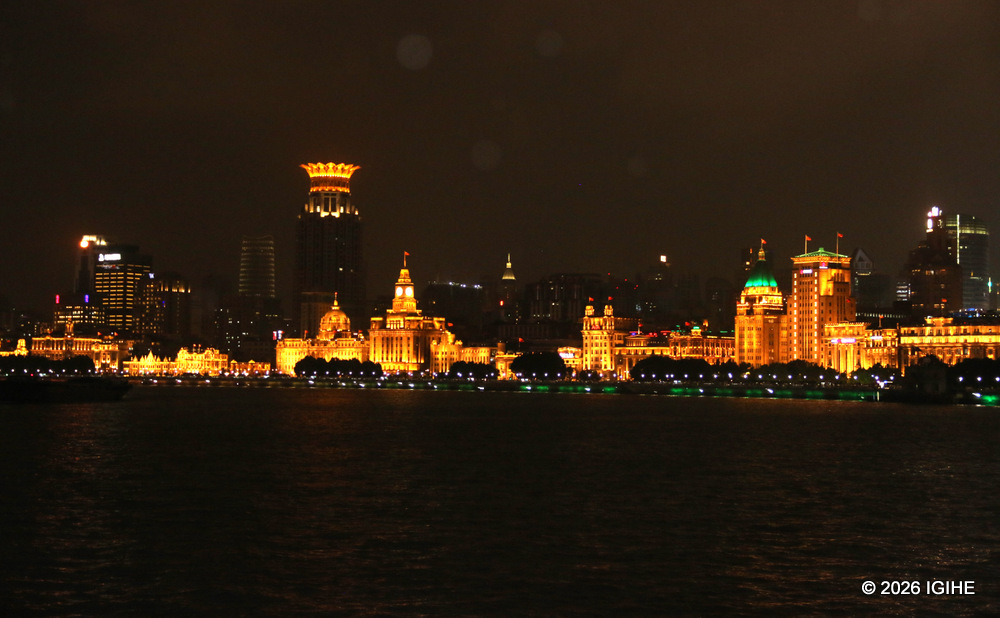
The historic buildings along the Bund showcase Shanghai’s architectural heritage and the city’s evolution as a global port.
A defining chapter in Shanghai’s modern story is the Pudong New Area. In 1990, when China launched its development and opening-up policies there, Pudong was largely composed of farmland and low-rise industrial buildings.
In just over three decades, it has been transformed into one of the world’s most recognizable urban skylines.
By 2025, Pudong’s GDP had reached 1.88 trillion yuan (approximately 276.9 billion US dollars), accounting for about one-third of Shanghai’s total economy.
It now hosts around 60 percent of the city’s licensed financial institutions and nearly half of the regional headquarters of multinational corporations.
Its foreign trade volume reached 2.76 trillion yuan (approximately $406.5 billion USD) , while key industries such as integrated circuits, biomedicine, and artificial intelligence expanded to a combined scale of about 970 billion yuan (about $142.87 billion USD).
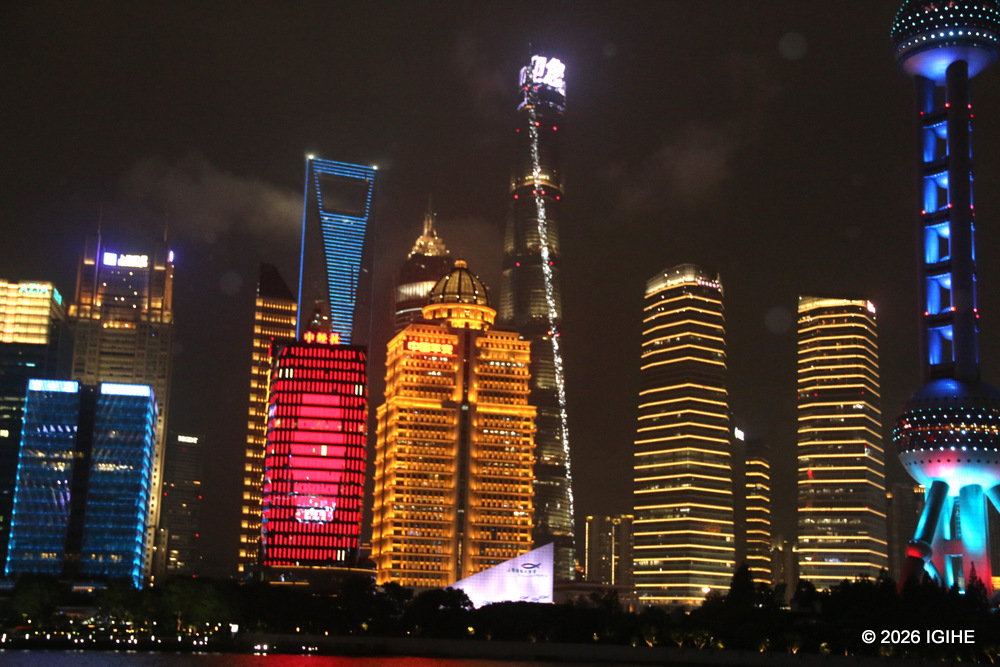
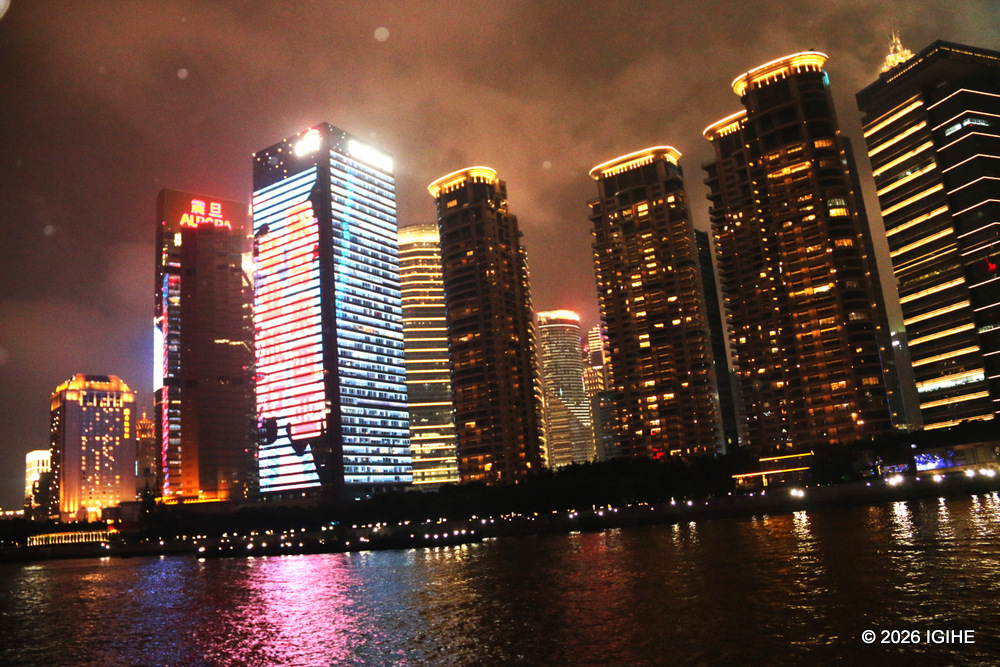
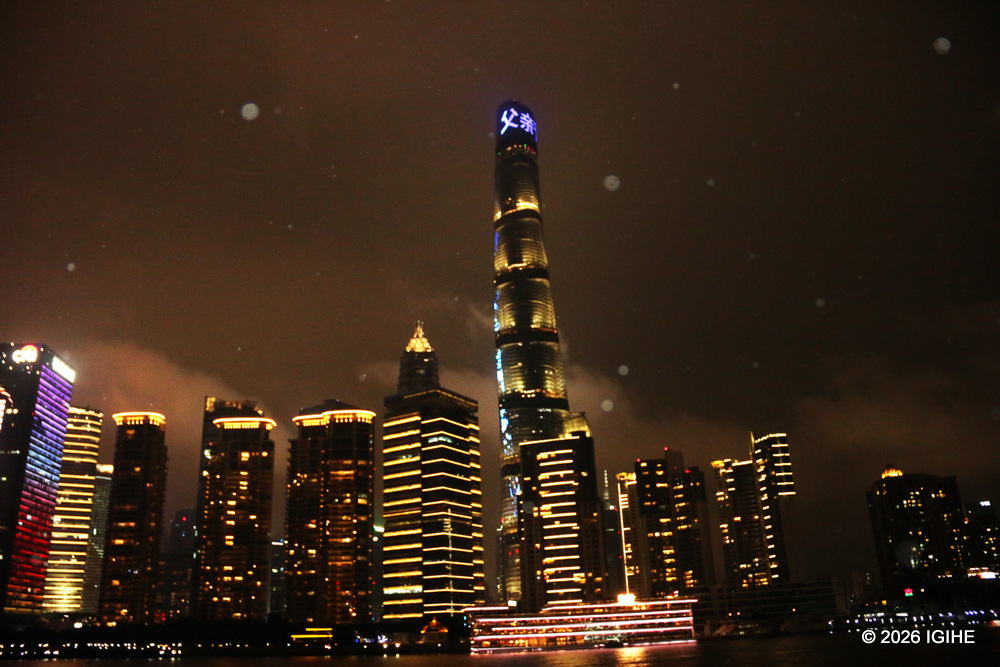
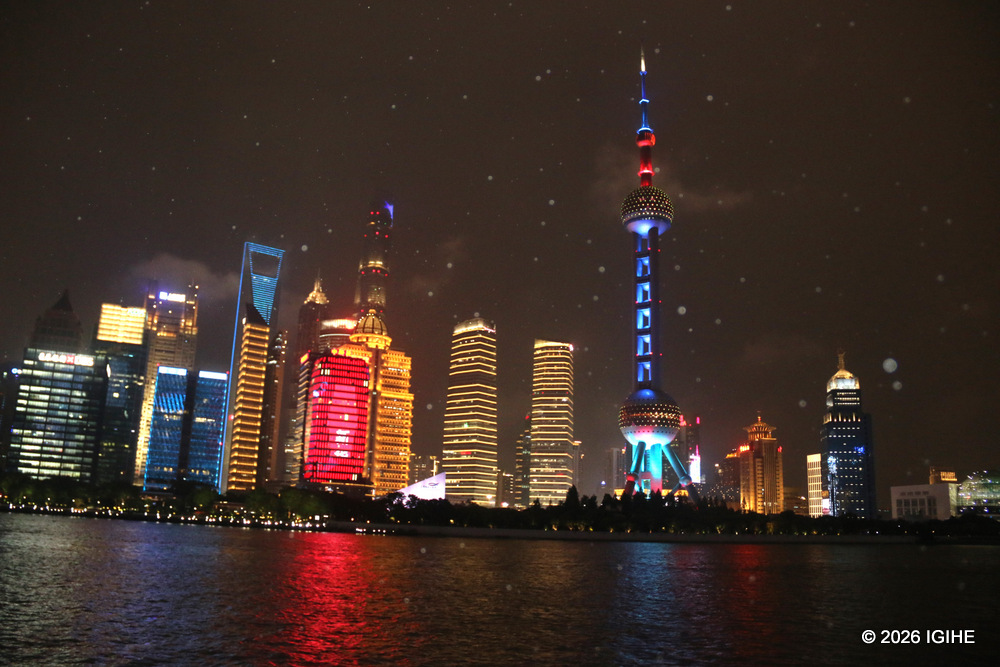
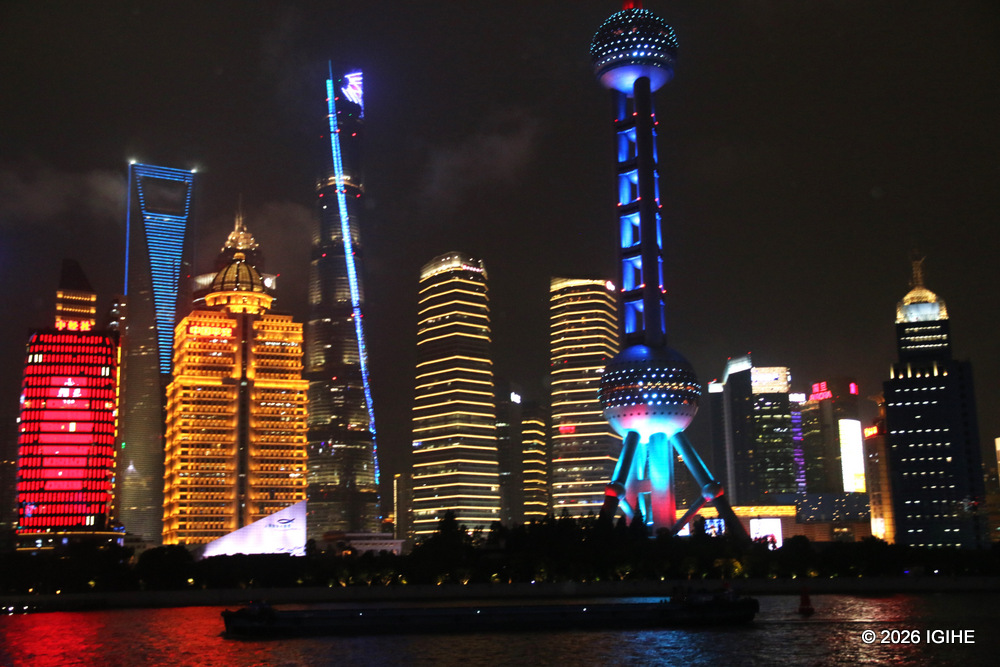
At the heart of this transformation lies the Lujiazui Financial District, home to Shanghai’s iconic skyline and its famous trio of skyscrapers known as the “Three-Piece Set.” These buildings represent not just architectural achievement, but the story of a city evolving across decades.
The Jin Mao Tower, completed in 1999 and rising 420.5 metres, reflects the early phase of modern development in Pudong. Inspired by traditional Chinese pagoda design, it blends cultural heritage with modern engineering.
Nearby stands the Shanghai World Financial Centre, completed in 2008 and reaching 492 metres. Its distinctive trapezoidal opening near the top, resembling a bottle opener, symbolizes openness and Shanghai’s growing role in global finance.
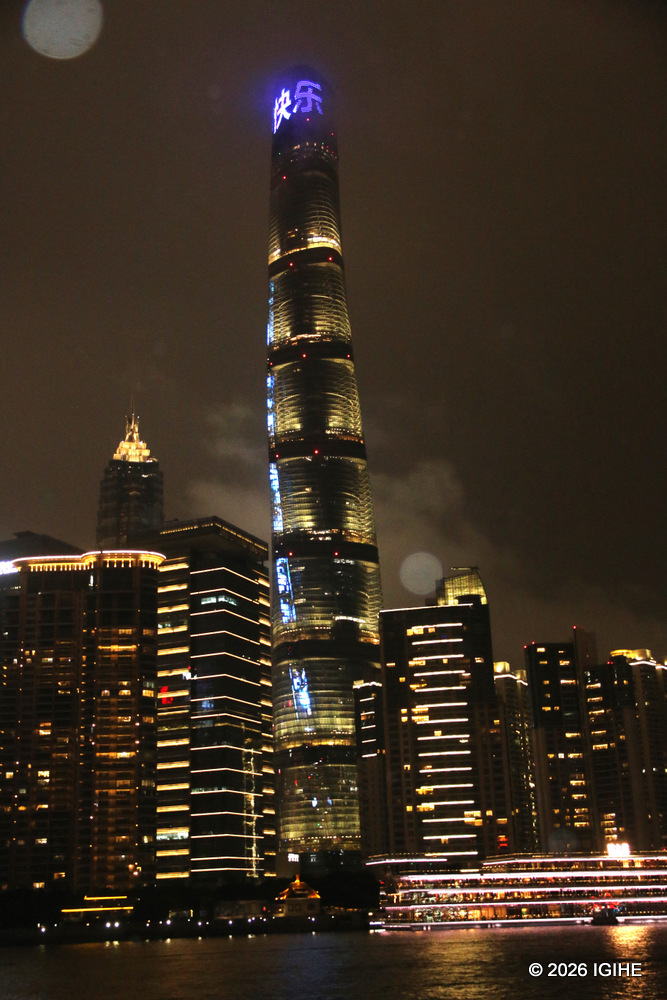
Towering above them is the Shanghai Tower, completed in 2016. At 632 metres, it is the tallest building in China and the third tallest in the world. Its spiralling glass façade reduces wind pressure while symbolizing innovation and sustainability.
Inside, it functions as a vertical city, combining offices, hotels, retail spaces, and observation decks. High-speed elevators carry visitors to the “Top of Shanghai” observatory on the 118th floor in just 55 seconds.
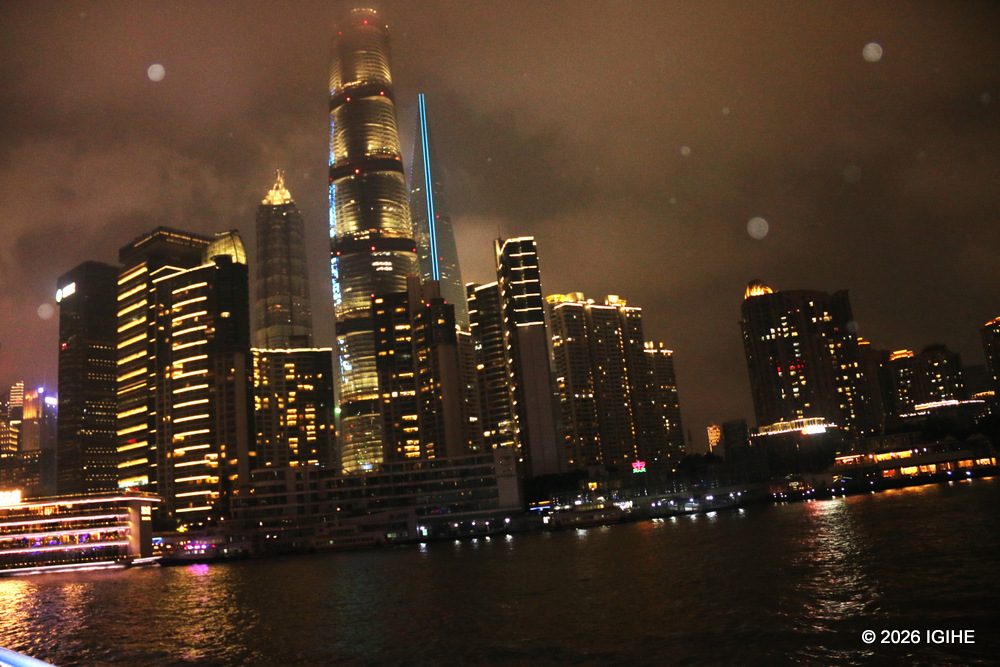
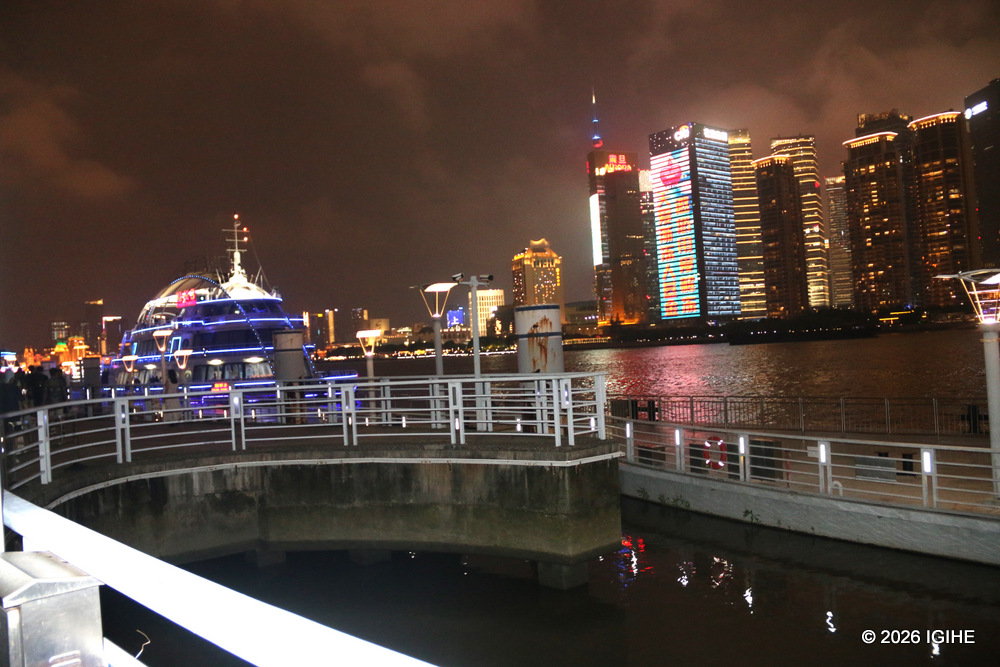
Yet Shanghai’s identity is not defined by skyscrapers alone. The city is shaped by its waterways, including the Yangtze River, Huangpu River, and Suzhou Creek. The Huangpu River divides Shanghai into two contrasting yet connected worlds: Puxi in the west and Pudong in the east.
On the Puxi side, the historic Bund preserves a skyline of colonial-era buildings that reflect Shanghai’s trading past and early international influence. Across the river, Pudong rises as a symbol of modern China; bold, futuristic, and ever-evolving.
Historical influences from the 19th-century Opium War era, including British and French concessions, left a lasting architectural imprint on the city.
European-style buildings still stand in parts of Shanghai today, blending into its wider urban identity and offering a reminder of its complex historical journey.
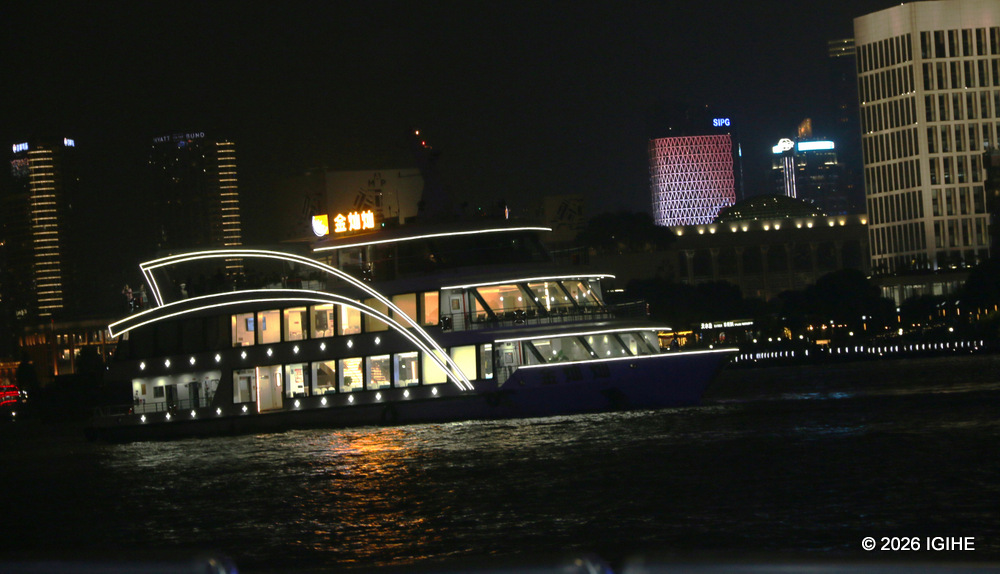
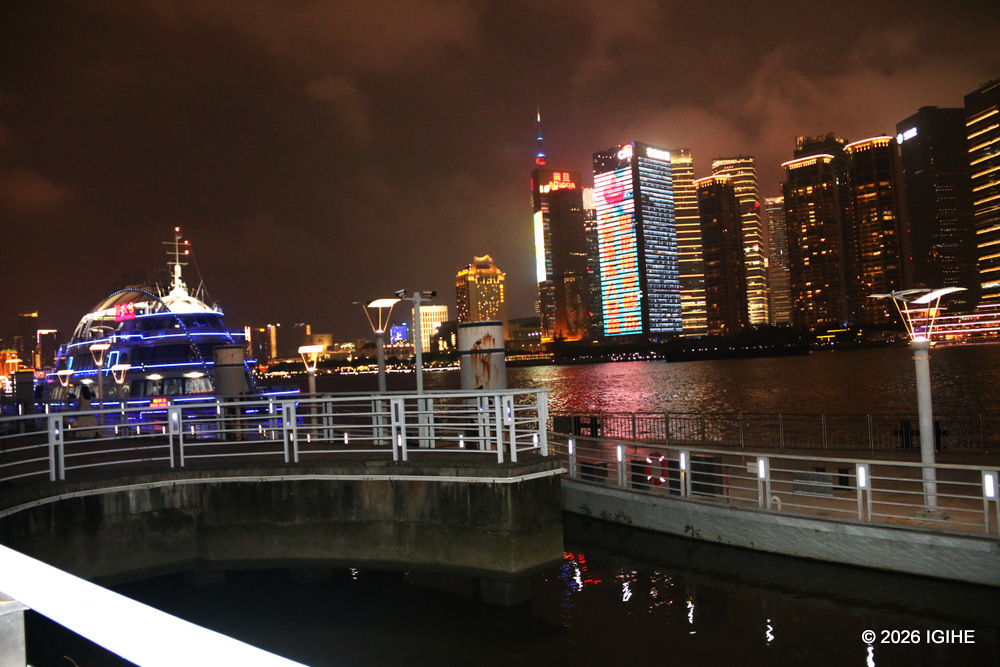
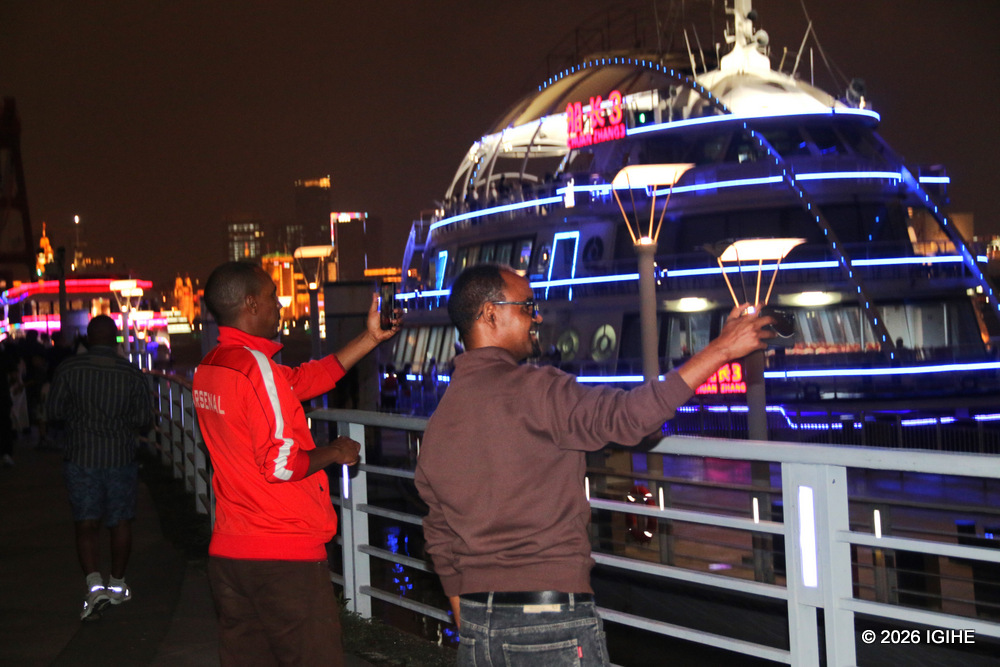
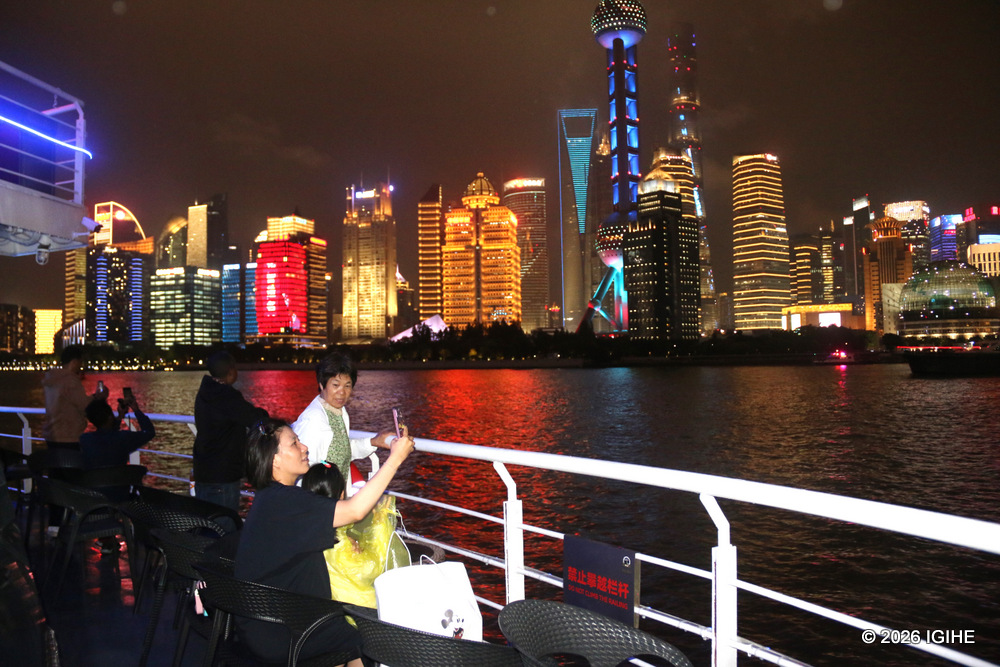
One of the most powerful ways to experience Shanghai is along the Huangpu waterfront, where sweeping views capture both the Bund’s historic architecture and the towering skyline of Lujiazui in a single frame. It is a rare visual dialogue between centuries, where heritage and innovation exist side by side.
Beyond the modern metropolis lies Zhujiajiao, a beautifully preserved water town that offers a quieter reflection of Shanghai’s past. Known for its ancient stone bridges, narrow canals, traditional houses, and artisan shops, it preserves the atmosphere of Jiangnan culture. At night, lantern-lit reflections shimmer across the water, while visitors explore tea culture, handmade crafts, and local traditions passed down through generations.
Today, Shanghai stands as a global metropolis defined by openness, resilience, and continuous reinvention. From its ancient river towns and historic waterfronts to its soaring modern skyline, the city tells a powerful story of transformation—one where tradition is not replaced by progress, but carried forward as part of it.
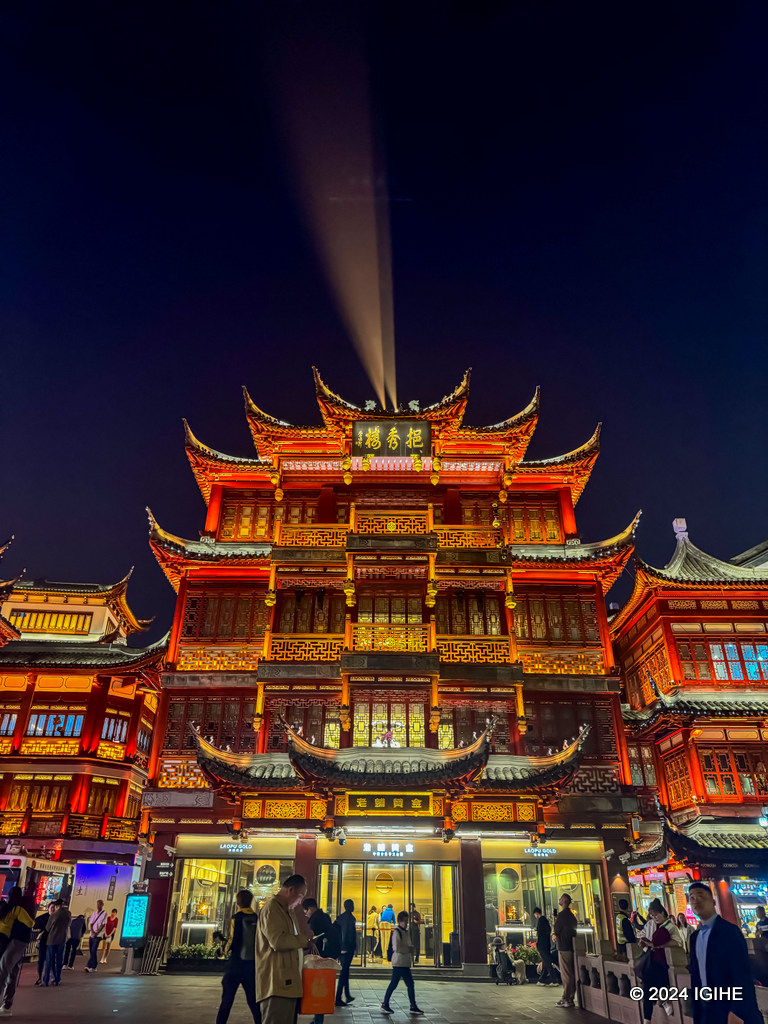
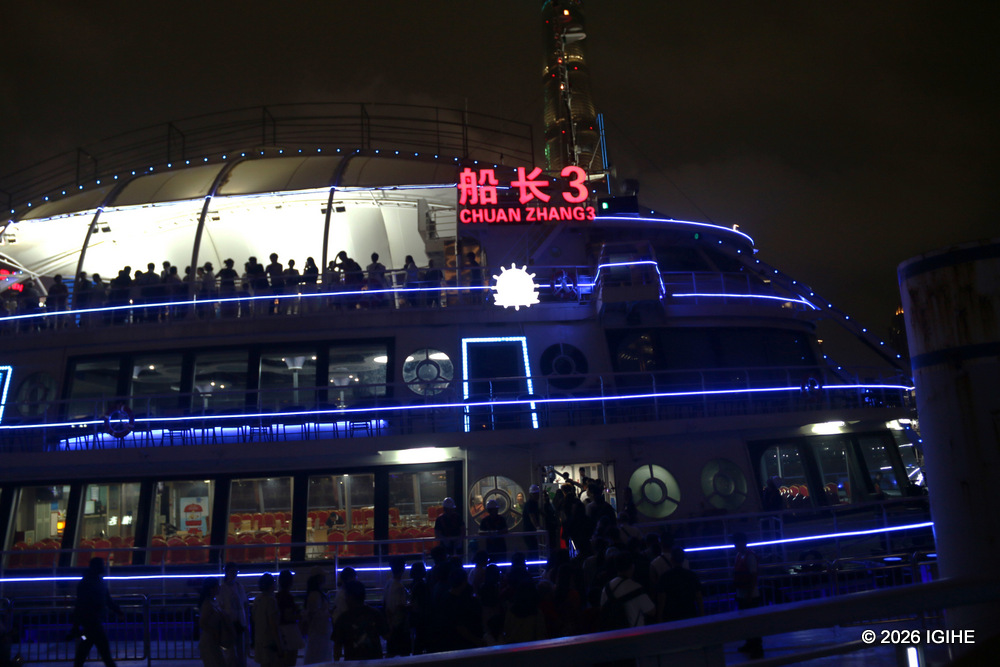
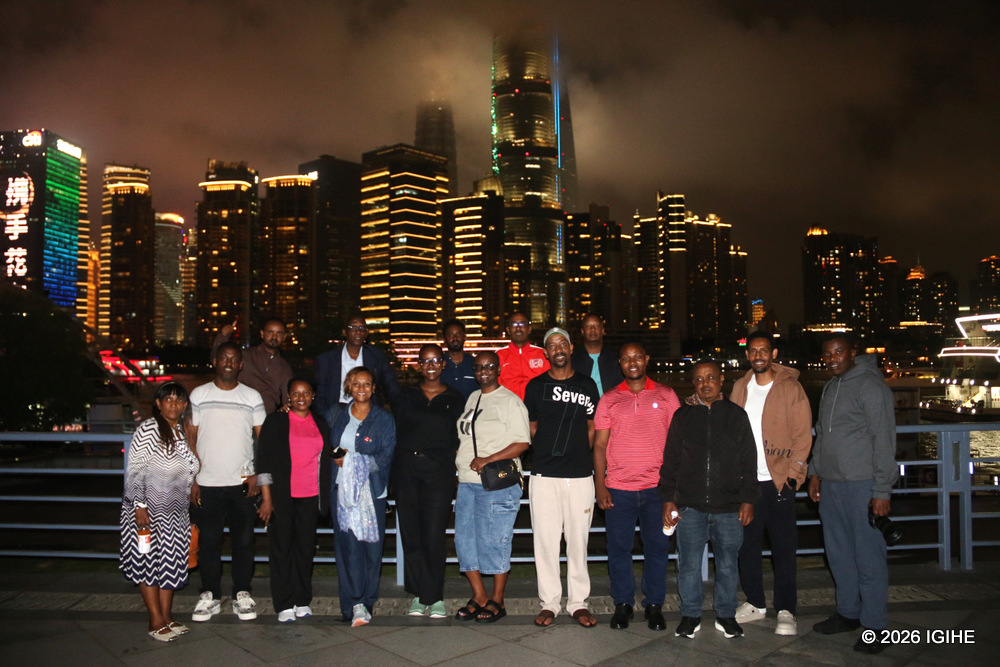
Traditional buildings in Shanghai preserve the city’s rich architectural heritage, offering a glimpse into its historical journey and cultural identity.Historic structures across Shanghai showcase the city’s traditional architecture, where past generations’ craftsmanship continues to stand alongside modern developments.The Huangpu River divides Shanghai into two connected worlds: historic Puxi and futuristic Pudong. Shanghai’s towering skyscrapers define the city’s modern identity while reflecting decades of economic growth and urban development.Tourists enjoy a Huangpu River cruise, one of the most popular ways to experience Shanghai’s blend of history, culture, and modern development.The Huangpu River provides a unique viewpoint where Shanghai’s historic Bund and modern Pudong skyline meet in a single landscape. Visitors gather along the Huangpu waterfront to admire views of Shanghai’s famous skyline and historic riverfront buildings.Shanghai’s iconic skyline rises along the Huangpu River, showcasing the city’s transformation into one of the world’s leading financial and economic centres.A nighttime view from the Huangpu River captures the contrast between Shanghai’s historic buildings and its futuristic skyscrapers.A cruise along the Huangpu River offers visitors a panoramic view of Shanghai’s futuristic skyline and the architectural landmarks of Pudong.The three landmark skyscrapers of Lujiazui Financial District — Jin Mao Tower, Shanghai World Financial Centre, and Shanghai Tower — stand as symbols of Shanghai’s rapid modernization. Shanghai continues to present a powerful story of reinvention, where ancient heritage and modern ambition exist side by side. A cruise along the Huangpu River offers a panoramic view of Shanghai’s futuristic skyline and the architectural landmarks of Pudong.The historic buildings along the Bund showcase Shanghai’s architectural heritage and the city’s evolution as a global port.The Bund’s historic architecture stands across from Pudong’s towering skyline, illustrating Shanghai’s connection between heritage and progress.Visitors often gather along the Huangpu waterfront to admire views of Shanghai’s famous skyline and historic riverfront buildings.The Shanghai Tower, China’s tallest building, dominates the city skyline with its spiralling design that represents innovation and sustainable architecture.Pudong’s modern skyline rises across the Huangpu River, representing Shanghai’s ambition, openness, and economic transformation.
The announcement was made by the International Telecommunication Union (ITU), the specialised United Nations agency for digital technologies and information and communication technologies, on July 2, 2026. President Kagame will co-chair the commission alongside Marc Benioff, while ITU Secretary-General Doreen Bogdan-Martin will serve as vice-chair.
The AI for Good Global Commission brings together more than 40 founding members, including heads of state and government, technology executives, and leaders of international institutions, with the goal of identifying practical ways to strengthen trust, expand access and unlock AI’s potential to address global challenges.
The commission seeks to connect leaders involved in building technology, deploying it at scale, shaping policy and representing communities to promote responsible AI solutions across sectors and borders, while ensuring developing countries are part of the global AI conversation.
“Technology is supposed to be a force for good, and we have a responsibility to use it accordingly,” Kagame said, according to the statement announcing the launch of the commission. “Let us work together to reduce inequality, and allow more and more of our citizens to benefit from the good AI can deliver to all of us.”
The commission’s launch comes amid growing global efforts to ensure artificial intelligence contributes to inclusive development. According to the statement, about 2.2 billion people remain offline, limiting their ability to benefit from advances in AI and other digital technologies.
A key focus of the commission will be bridging digital divides and ensuring AI becomes a tool for solving global challenges rather than widening existing inequalities.
Benioff said the future of AI depends not only on economic opportunities created by the technology but also on building trust.
“The promise of AI is built on not only incredible opportunities for the growth of our economy, but on the foundation of trust that is required for our shared success,” he said.
The commission builds on the work of the multi-stakeholder ITU/UNESCO Broadband Commission for Sustainable Development, which has contributed to global efforts on connectivity, digital inclusion and economic development.
Bogdan-Martin said collaboration across sectors would be essential to ensure AI serves communities worldwide.
“No organization can single-handedly put AI at the service of all humanity,” she said. “It will take collective leadership and the combined expertise of partners from across sectors to ensure AI benefits all people, everywhere.”
The AI for Good Global Commission will hold its inaugural meeting in Geneva, Switzerland, during the AI for Good Global Summit 2026, scheduled for July 7–10, 2026.
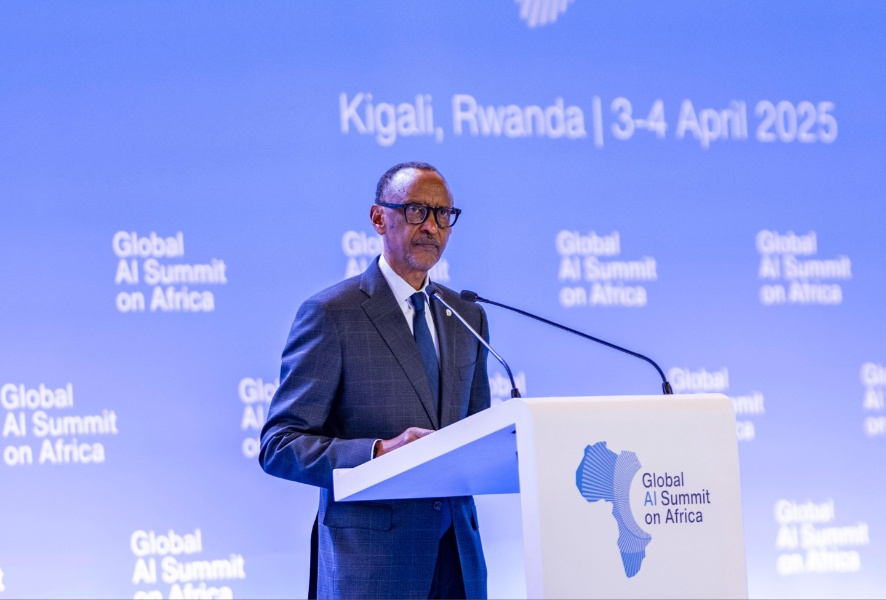
Kagame’s appointment builds on his continued advocacy for Africa’s participation in the global AI revolution. During the inaugural Global AI Summit on Africa 2025, he called on African countries to invest in digital infrastructure, skills development and cooperation to ensure the continent competes in AI rather than remains a consumer of technologies developed elsewhere.
“We have to adapt, cooperate, and compete because it is in our best interest to do so,” Kagame said at the summit.
He has also emphasised the need for AI to be used as a tool for economic transformation, social progress and reducing inequalities, while warning against allowing the technology to negatively influence critical areas such as politics and diplomacy.
Following his 2025 remarks, Rwanda has continued to position itself at the forefront of efforts to harness AI for good through initiatives across sectors such as healthcare, agriculture, public administration, and urban planning.
In June 2026, the Cabinet, chaired by President Kagame, approved the establishment of the National Artificial Intelligence Agency, which will drive AI development, innovation, adoption, investment and governance in support of Rwanda’s digital transformation and economic growth.
The agency is expected to play a central role in coordinating Rwanda’s AI agenda as the country seeks to strengthen its position as a regional technology and innovation hub.
The founding members of the AI for Good Global Commission include leaders from major technology companies, international organisations and governments, including representatives from Microsoft, Google, Amazon, NVIDIA, UNDP, UNESCO and the World Trade Organization.
President Paul Kagame has often advocated for Africa’s active role in the global AI revolution, urging investment in digital infrastructure, skills and cooperation to help the continent compete in AI.
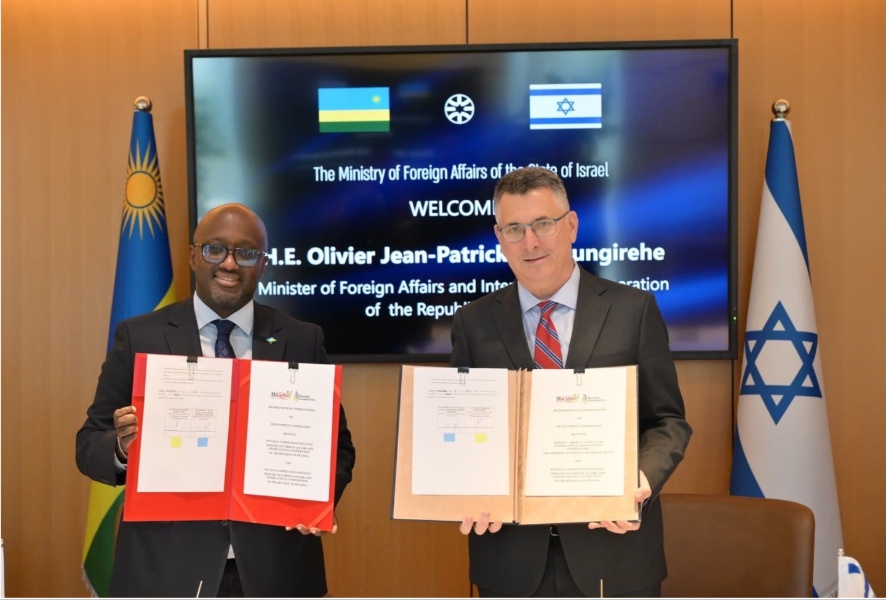
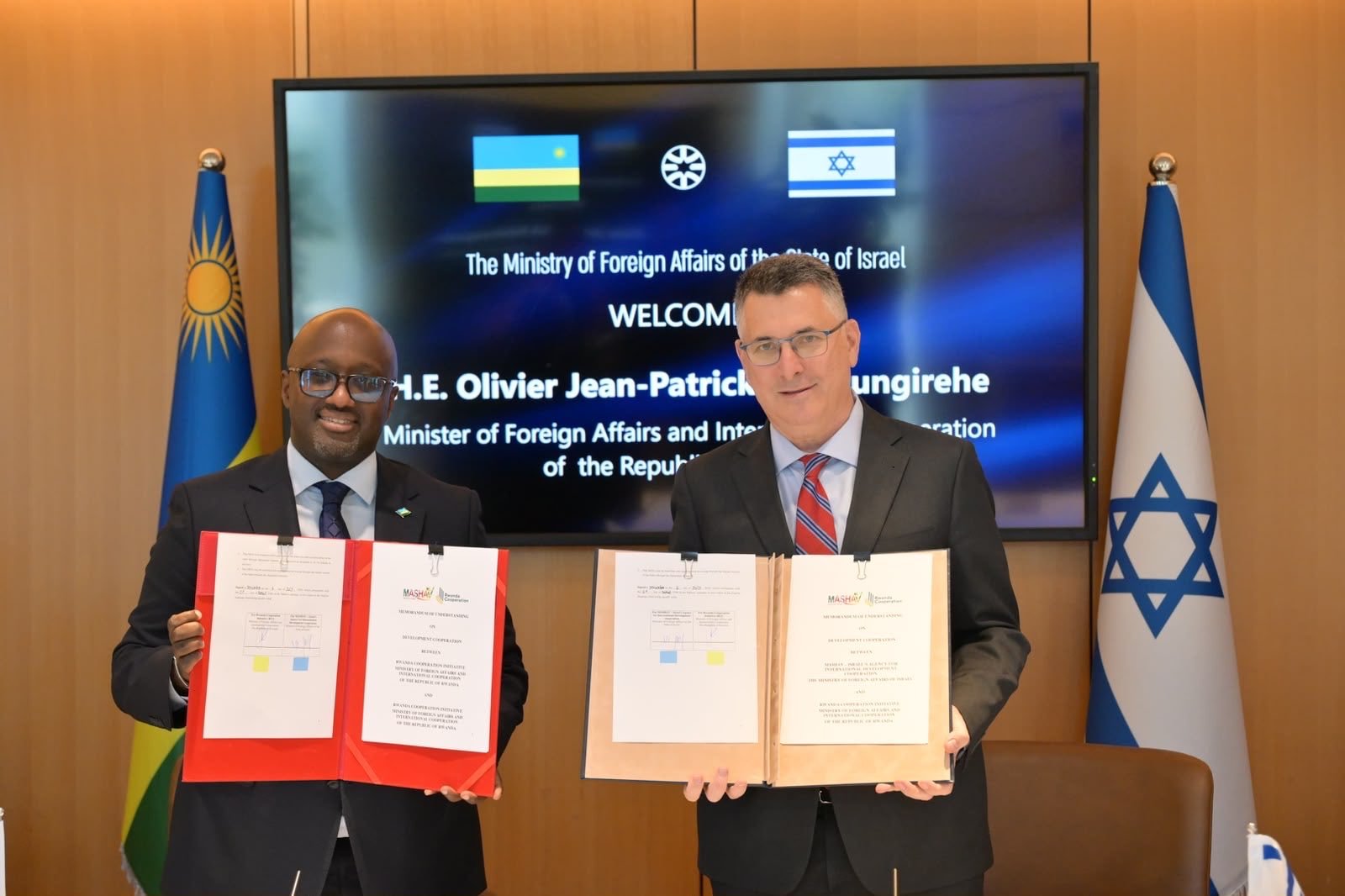
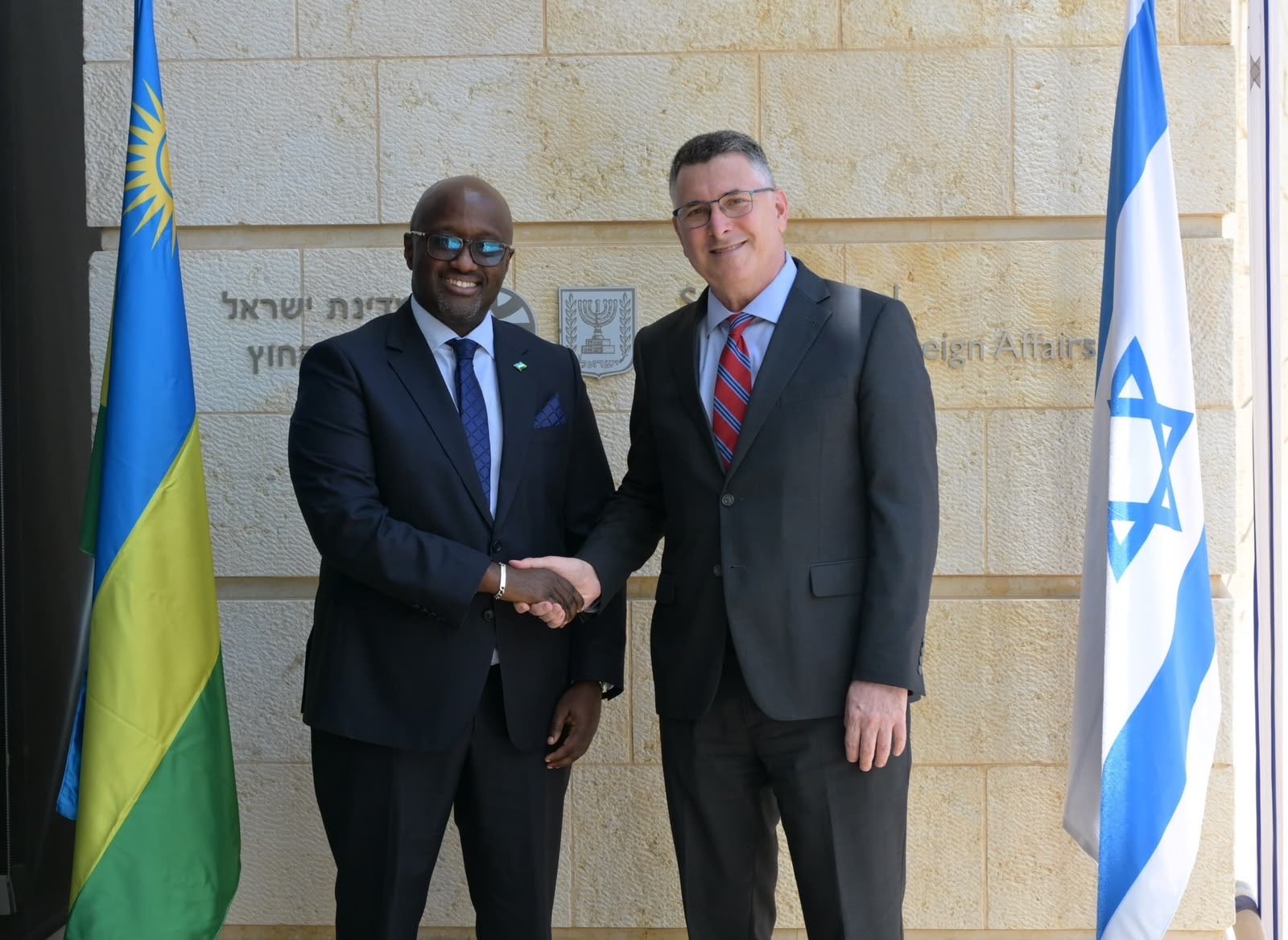
The agreements were signed in Jerusalem on Monday, July 6, during a meeting between Rwanda’s Minister of Foreign Affairs and International Cooperation, Ambassador Olivier Nduhungirehe, and Israel’s Minister of Foreign Affairs, Gideon Sa’ar.
The first agreement establishes cooperation between the Government of Rwanda and the Government of Israel in the fields of basic education, information and communication technology (ICT), technical and vocational education and training (TVET), higher education, and scientific research.
The second is a memorandum of understanding between MASHAV, Israel’s Agency for International Development Cooperation under the Ministry of Foreign Affairs, and the Rwanda Cooperation Initiative under Rwanda’s Ministry of Foreign Affairs and International Cooperation. The agreement seeks to enhance collaboration on development cooperation and facilitate the exchange of expertise and homegrown solutions.
Speaking after the signing ceremony, Sa’ar described Rwanda and Israel as two nations whose histories have been marked by profound tragedies but whose people chose to rebuild rather than be defined by the past.
“Israel and Rwanda are two small nations with difficult pasts, but a great belief in the future,” Sa’ar said.
“The Jewish people suffered the Holocaust. Rwanda endured the Genocide against the Tutsi. Different histories, different regions. Yet, our nations did not allow tragedy to define our future. Instead, we chose to rebuild.”
He noted that this shared experience had created a “unique moral and natural bond” between the two countries, adding that cooperation in remembrance, education and development would continue to grow.
Sa’ar praised Rwanda’s economic transformation, describing the country as one of Africa’s fastest-growing economies with a strong vision for innovation and development.
He said both countries understood that “a nation’s greatest resource is its people” and noted that the newly signed agreements would strengthen cooperation in areas including agriculture, innovation, education and leadership development.
The Israeli foreign minister also welcomed the peace agreement between Rwanda and the Democratic Republic of Congo under the Washington Accords signed last year, saying Israel supported its full implementation while reaffirming his country’s commitment to regional security.
For his part, Nduhungirehe said discussions with his Israeli counterpart had been constructive and forward-looking, helping both sides review key areas of cooperation and strengthen the foundations of bilateral relations.
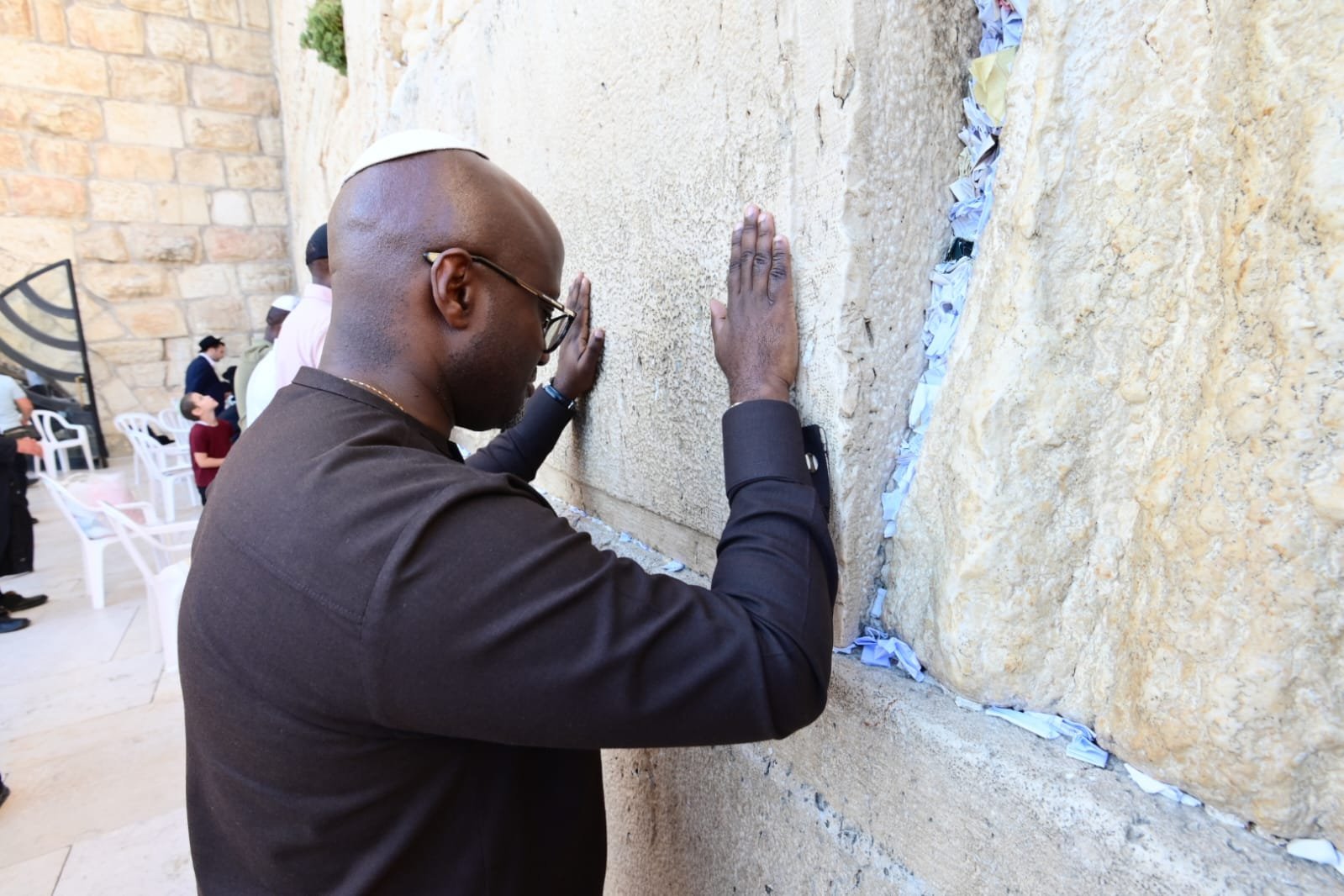
Before the official talks, the minister visited Jerusalem’s Old City and the Western Wall, as well as Yad Vashem, Israel’s Holocaust memorial, where he met its chairman, Dani Dayan, who visited Kigali during Kwibuka 32, Rwanda’s annual commemoration of the 1994 Genocide against the Tutsi.
He said the visits provided an opportunity to reflect on the histories of both countries, the horrors of genocide, and the importance of safeguarding peace.
“When I was a kid, I learned about the Holocaust through movies. I thought it was fiction until I realised it was real history. Then a similar tragedy happened in my own country,” he said.
“It allowed me to reflect on the limits of a human being, who can decide to solve any problem by exterminating a whole group of people.”
He said Rwanda and Israel share strong ties that go beyond diplomacy.
“Both our countries are marked by difficult histories and profound tragedies, but what defines us is the resilience of our peoples and our determination to turn adversity into progress.”
According to Nduhungirehe, the agreements signed in Jerusalem reflect a shared commitment to expanding exchanges, training programmes, and institutional partnerships.
“The agreement between MASHAV and Rwanda Cooperation reflects our shared commitment to exchanging development experience and homegrown solutions, while the education agreement will strengthen cooperation between institutions of both countries and expand exchanges, training programmes and capacity-building opportunities,” he stated.
He added that both delegations also exchanged views on the security situations in their respective regions and reaffirmed the importance of dialogue, diplomacy and international cooperation.
“Today’s discussions and agreements reflect the strength of our partnership and our shared ambition to deepen cooperation for mutual benefit,” Nduhungirehe said. “I am confident that this visit will bring new momentum to Rwanda-Israel relations.”
The agreements were signed in Jerusalem on Monday, July 6, during a meeting between Rwanda’s Minister of Foreign Affairs and International Cooperation, Ambassador Olivier Nduhungirehe, and Israel’s Minister of Foreign Affairs, Gideon Sa’ar.During the visit to Israel, Nduhungirehe toured Jerusalem’s Old City and the Western Wall. The minister also visited Yad Vashem, Israel’s official memorial to Holocaust victims.
Organisers say preparations are in their final stages, with confidence that the city is fully ready to welcome international delegates.
Father Professor Walter Chikwendu Ihejirika, President of SIGNIS Africa and Chairperson of the African organising committee, has emphasized that both continental and local teams have been working intensively to ensure a smooth and successful event.
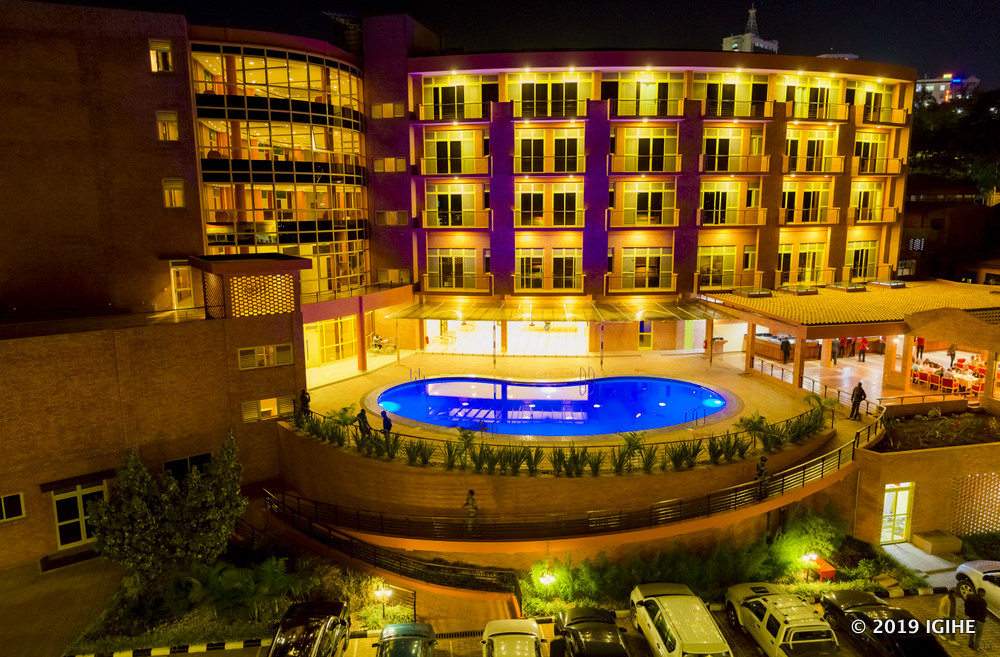
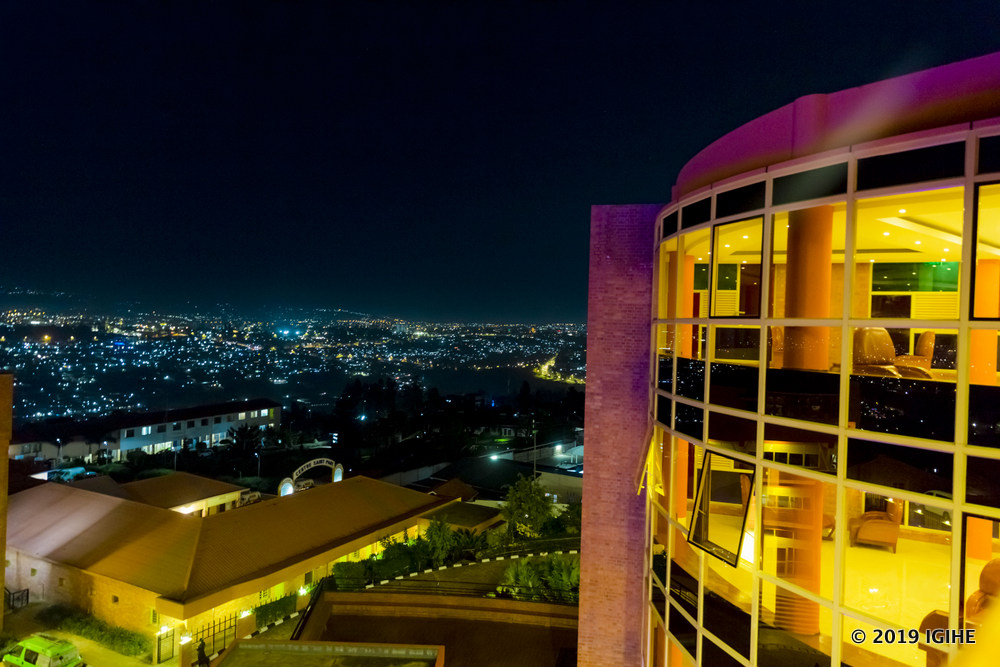
The congress will be hosted at the Sainte Famille Hotel in central Kigali. The venue is expected to accommodate a wide range of activities, including plenary sessions, workshops, exhibitions, and networking forums designed to strengthen global Catholic communication networks.
One of the key priorities for organisers is logistics. Dedicated teams are handling airport reception, accommodation, transportation, and guest coordination.
According to Fr. Ihejirika, the goal is to ensure that participants “experience a smooth arrival and leave with warm memories of Rwanda and its hospitality.”
Registration systems have also been active, and even though official registration closed on 30 June, last-minute participants are still being accommodated through direct contact with the organising committee.
Health and safety have also been part of the preparations. Concerns had been raised following an Ebola outbreak in neighbouring parts of the Democratic Republic of Congo. However, organisers, working closely with Rwanda’s Ministry of Health and the World Health Organization, have reassured participants that Rwanda remains free of Ebola and that no travel alerts have been issued for the country. Authorities insist that there is no cause for alarm for those traveling to Kigali.
The 2026 congress is also expected to engage deeply with contemporary global issues. Its theme—“Digital communication for communion, equity, and environmental well-being”—aligns with recent Catholic reflections on technology and human dignity, particularly in the context of artificial intelligence and digital transformation.
A strong international presence is expected, including senior Vatican officials from Vatican City, cardinals, archbishops, and representatives from major Catholic organisations. These include EWTN, the Conrad N. Hilton Foundation, Catholic Relief Services, and the American Bible Society, among others.
To ease travel, organisers have also negotiated discounted fares with major African carriers, including RwandAir, Ethiopian Airlines, and Kenya Airways. Delegates using these airlines will benefit from promotional codes offering up to 15% discounts.
Beyond formal sessions, the congress is expected to serve as a cultural exchange platform, showcasing Rwanda’s identity, hospitality, and diversity. Organisers say participants will not only engage in professional dialogue but also experience African culture beyond global headlines.
As Kigali prepares for August, the SIGNIS World Congress stands out as both a professional milestone for Catholic communicators and a major international event positioning Rwanda as a hub for global dialogue on media, ethics, and digital transformation.
The SIGNIS World Congress will take place at the Sainte Famille Hotel, a key venue in central Kigali set to host global Catholic media professionals from August 3–8, 2026.Kigali is set to host the SIGNIS World Congress from August 3 to 8, 2026, bringing together Catholic communicators from over 100 countries.Located in the heart of Kigali city, the Sainte Famille Hotel has been selected as the main venue for the upcoming SIGNIS World Congress 2026.
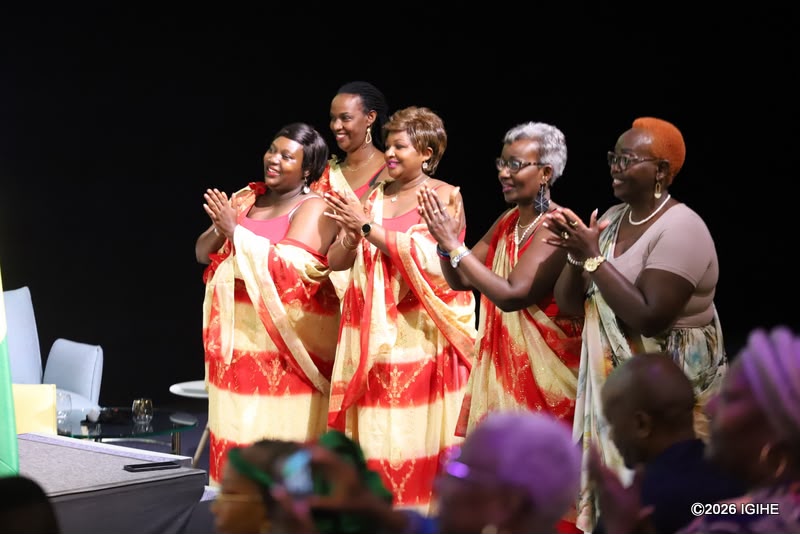
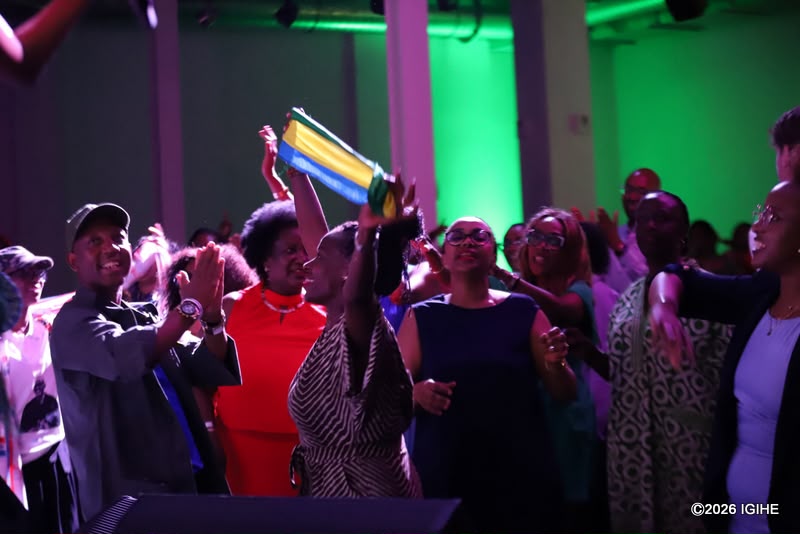
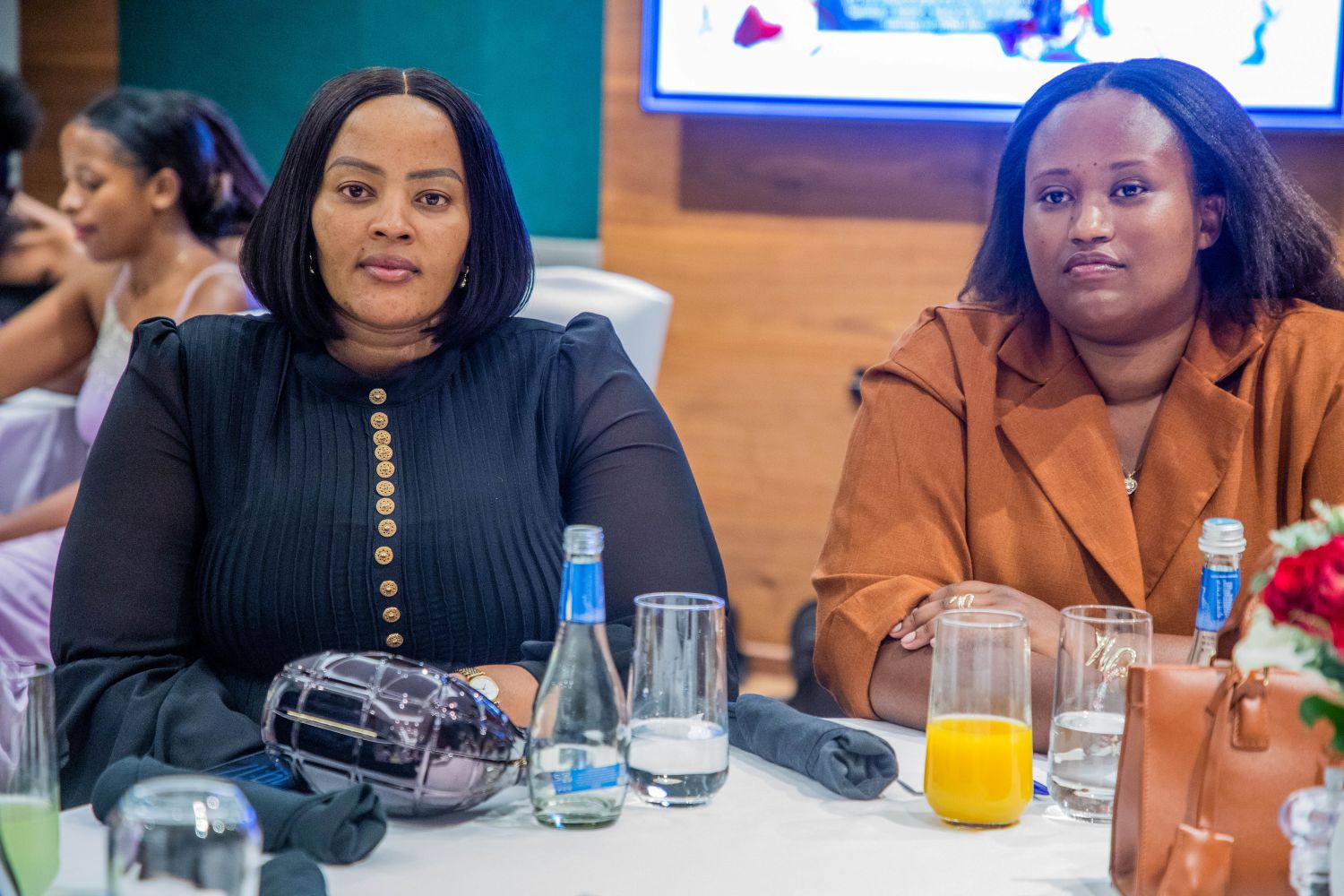
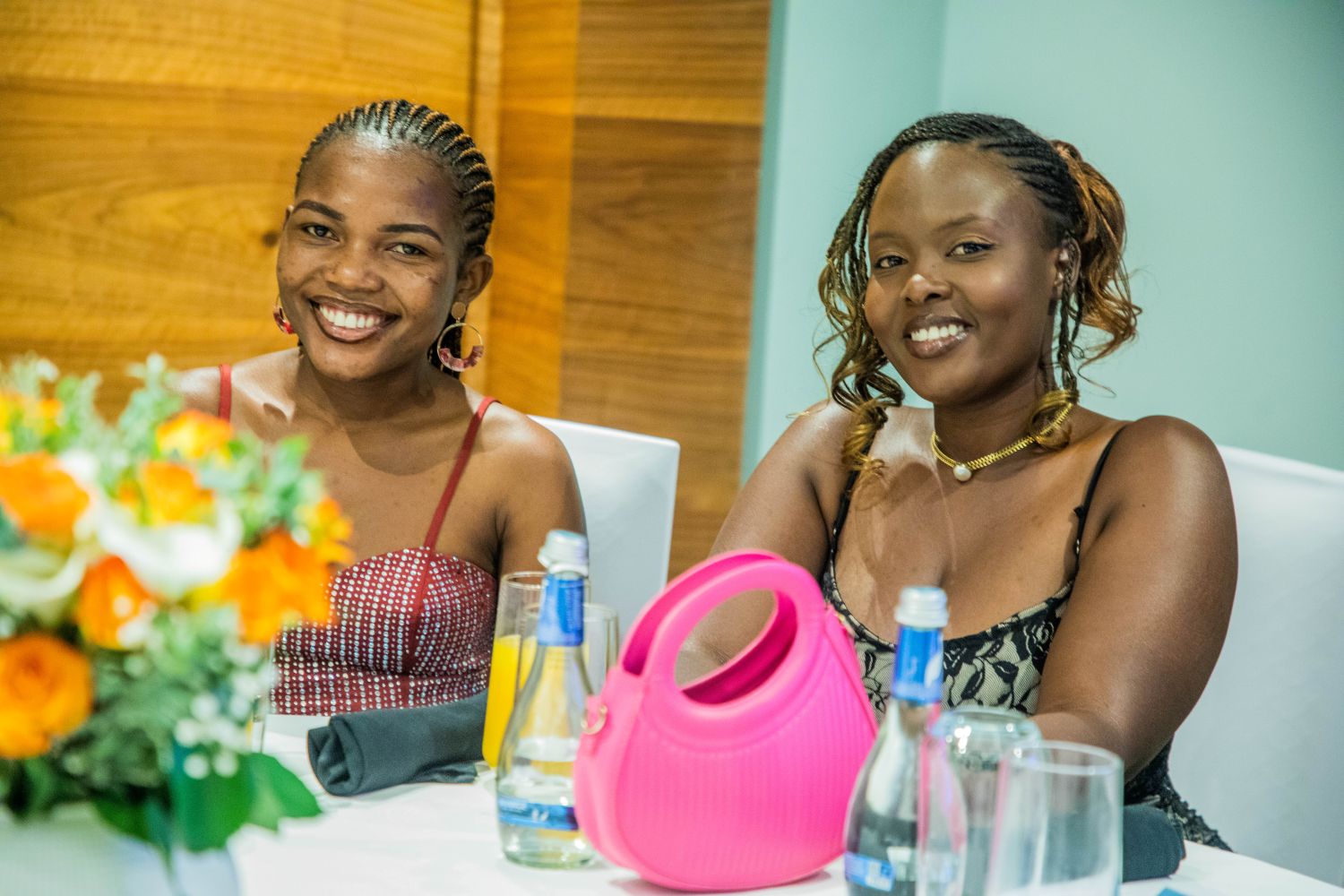
Despite the current absence of a Rwandan Ambassador or official representative of the Embassy of Rwanda in Belgium, the celebration attracted a large number of members of the Rwandan community who came together to commemorate a historic milestone that symbolizes the end of one of the darkest periods in Rwanda’s history and the beginning of a new era of reconstruction and development.
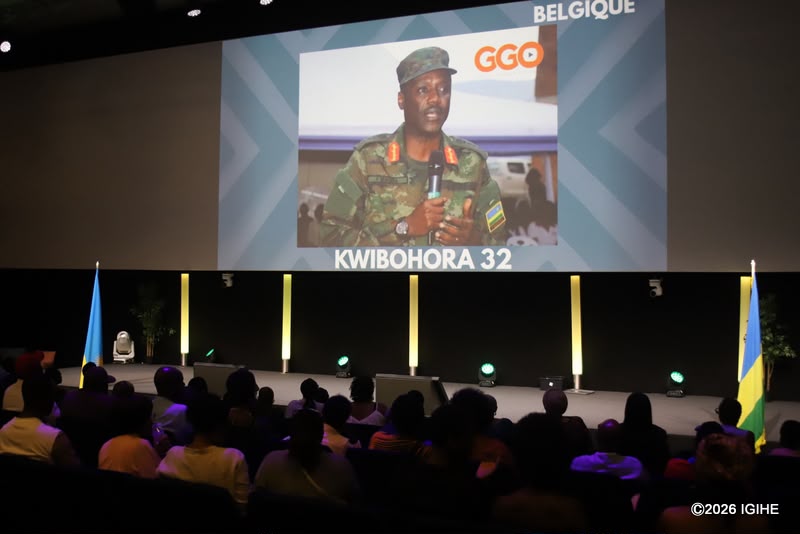
The event began with the reception of guests, followed by the official opening ceremony. Participants sang the Rwandan National Anthem and observed a moment of silence in honor of the nation’s heroes before watching a documentary highlighting the history of Rwanda’s liberation struggle and the country’s transformation journey.
In his opening remarks, the President of the Rwandan Diaspora in Belgium (DRB-Rugari), Ernest Gakuba, emphasized the significance of Kwibohora in Rwanda’s contemporary history and underscored the important role the diaspora continues to play in the country’s development.
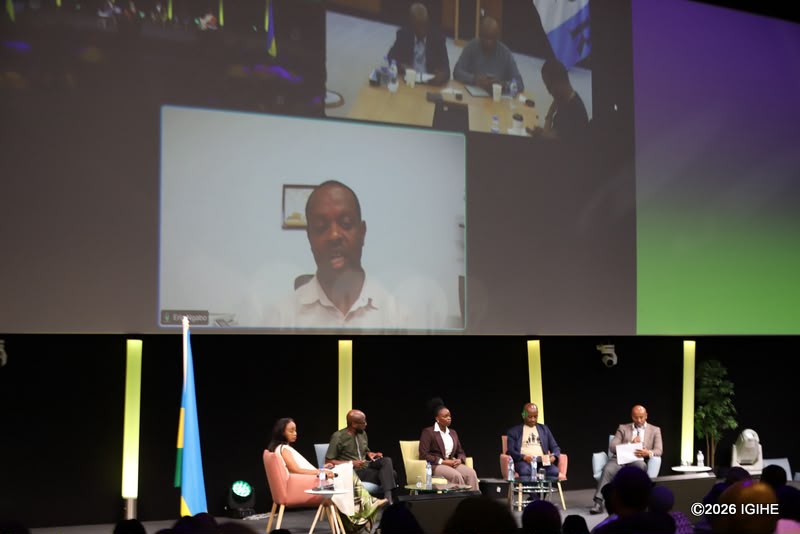
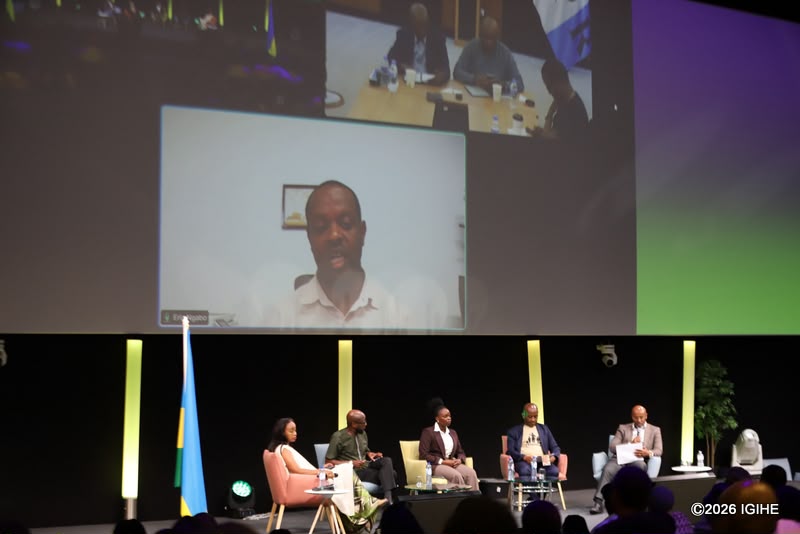
One of the highlights of the celebration was a panel discussion focusing on the history of Rwanda’s liberation and the country’s remarkable progress over the past 32 years.
Faustin Musare reflected on the origins of the liberation struggle and the circumstances that led to its launch. Dr. Assumpta Kayiranga, who joined from Canada, spoke about the 1994 Genocide against the Tutsi, the resilience of survivors, and Rwanda’s journey toward recovery and renewal.
Meanwhile, Lawyer Richard Gisagara, speaking from France, addressed issues of justice, reconciliation, and national unity, while Aimée Rulinda highlighted the role of Rwandan citizens in driving the country’s transformation.
The second panel focused on Rwanda’s reconstruction after 1994. Protais Musoni shared insights into rebuilding national institutions and infrastructure, while Eric Ngabo discussed Rwanda’s achievements in technology and innovation. Béatrice Feza highlighted the contribution of women and youth to national development, and Aloys Rubayiza spoke about the importance of investment in fostering economic growth.
The discussions concluded with an interactive question-and-answer session with participants, followed by remarks from Ernest Gakuba on the contribution of the Rwandan diaspora to Rwanda’s development and international visibility.
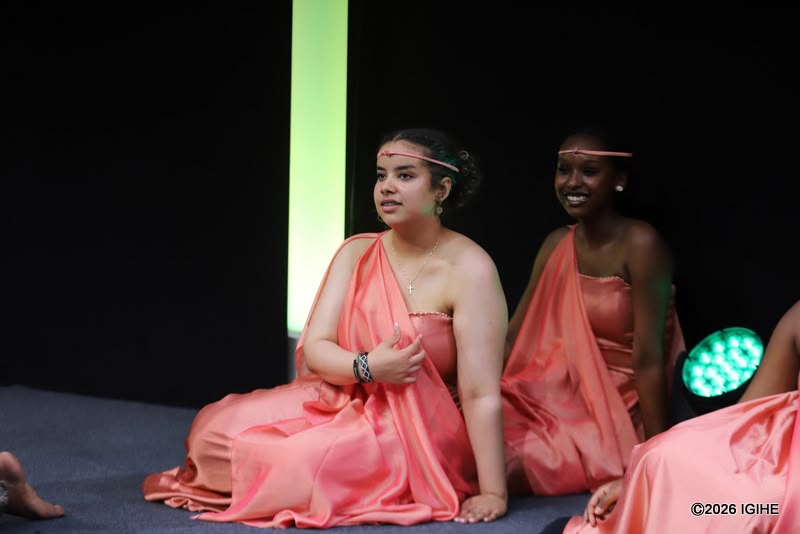
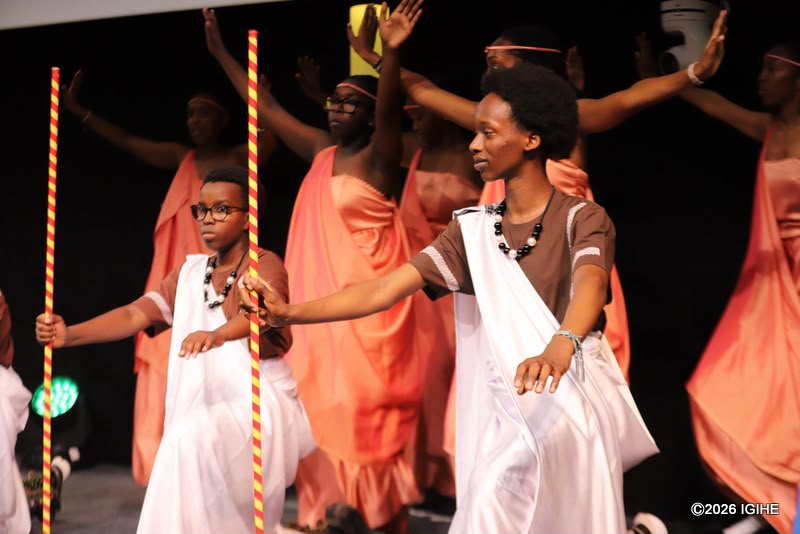
Rwandan culture also featured prominently throughout the celebration. Traditional dance groups Amariza, Itetero, and Umurage showcased Rwanda’s rich cultural heritage through captivating performances.
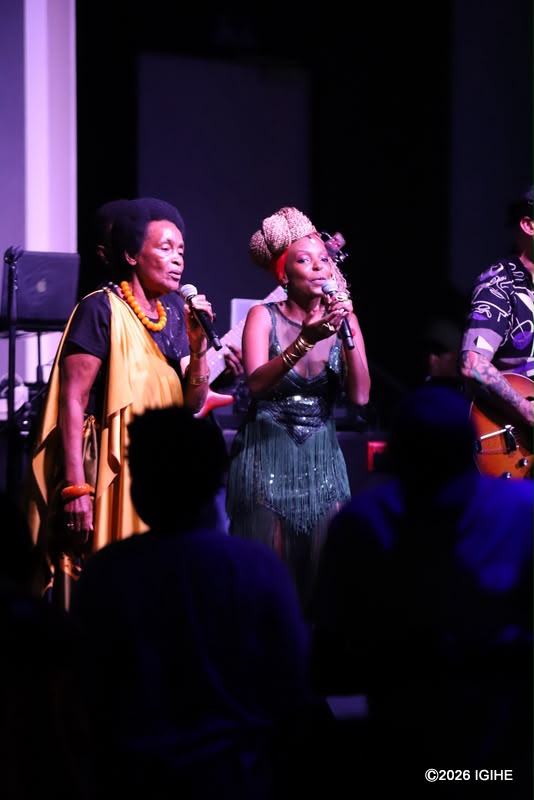
Musicians Cyusa Ibrahim and Diana Teta also entertained attendees with performances that added a festive atmosphere to the event.
The celebration ended with a social gathering that provided participants with an opportunity to reconnect, strengthen community ties, and share experiences.
Beyond commemorating the victory that ended the Genocide against the Tutsi and liberated Rwanda, Kwibohora32 in Belgium served as an important platform for transmitting history to younger generations, promoting the values of unity and resilience, and reaffirming the commitment of the Rwandan diaspora to Rwanda’s continued development and progress.
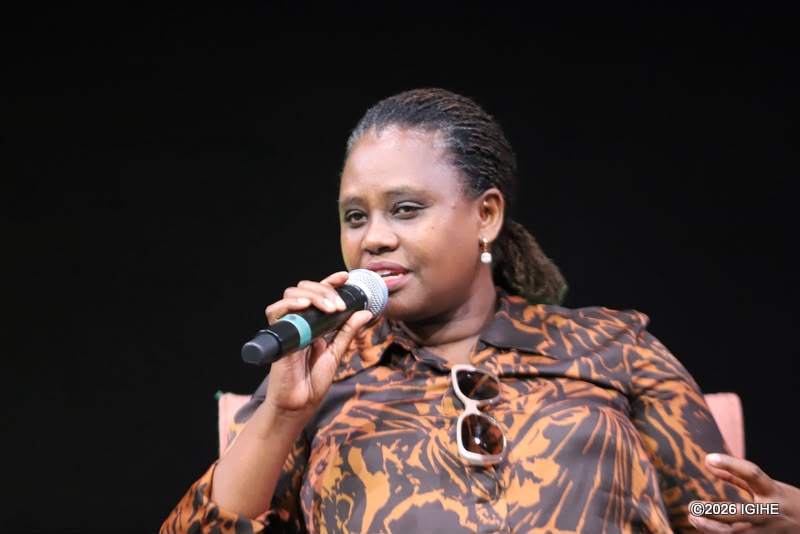
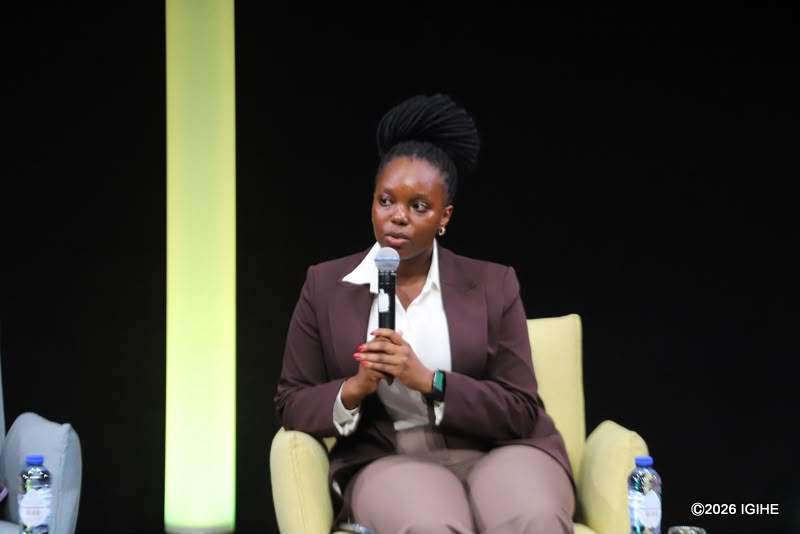
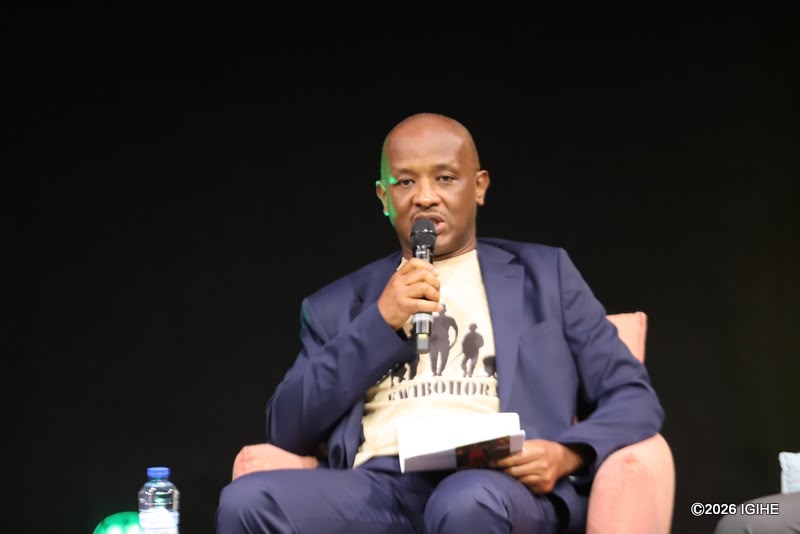
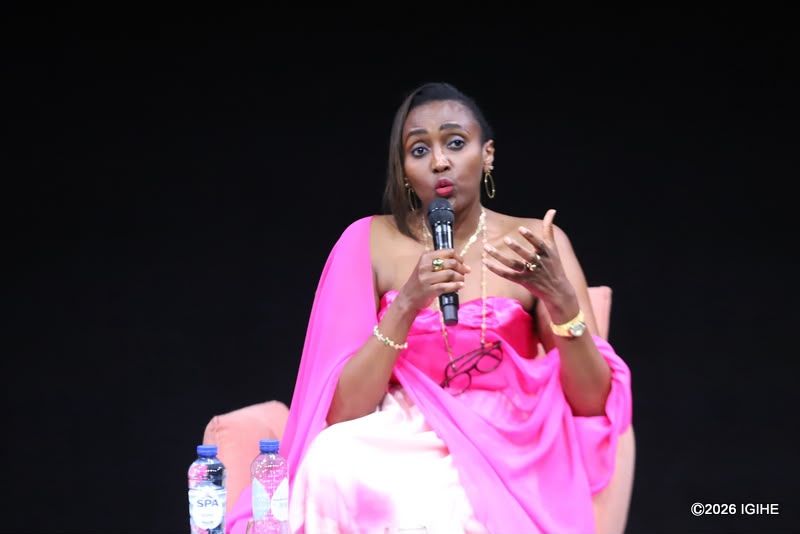
The President of the Rwandan Diaspora in Belgium (DRB-Rugari), Ernest Gakuba, emphasized the significance of Kwibohora in Rwanda’s contemporary historyLawyer Richard Gisagara, speaking from France, delivered a presentation on justice, reconciliation, and national unityDr. Assumpta Kayiranga, a specialist in mental health, human relations, governance, and family trauma care, joined the discussion from Canada.Béatrice Feza highlighted the vital role of women and youth in Rwanda’s development.Dr. Aloys Rubayiza emphasized the importance of investment in driving economic growth and development.Aimée Rulinda highlighted the role of Rwandan citizens in driving the country’s transformation. Claire Kayirangwa, one of the moderators of the discussions.
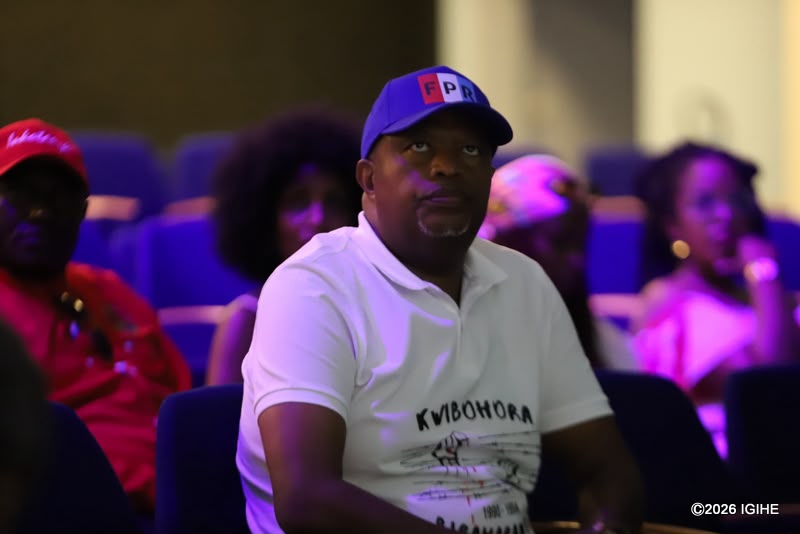
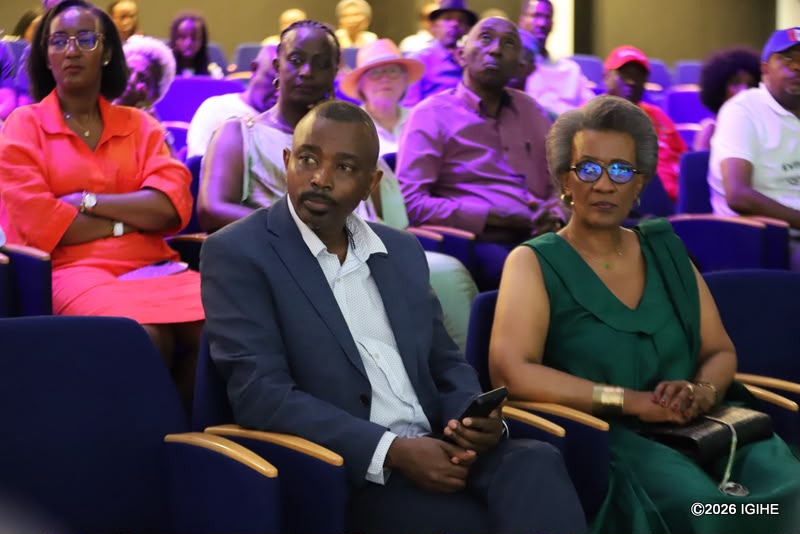
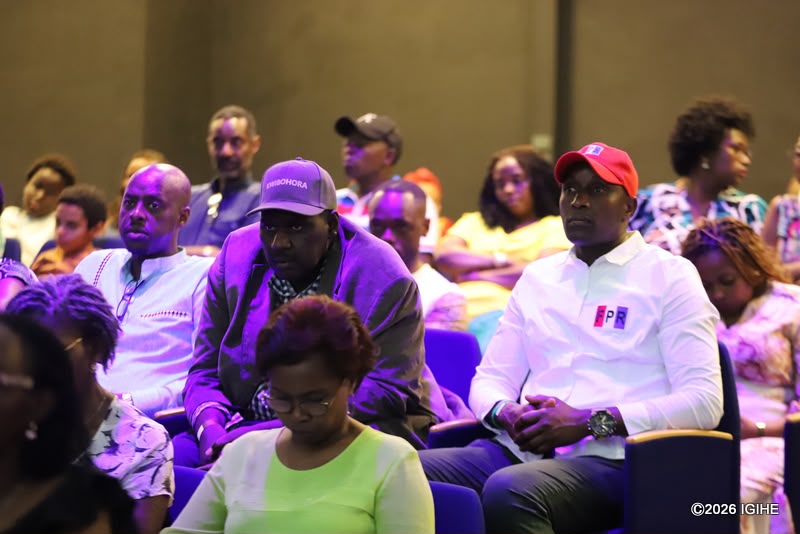
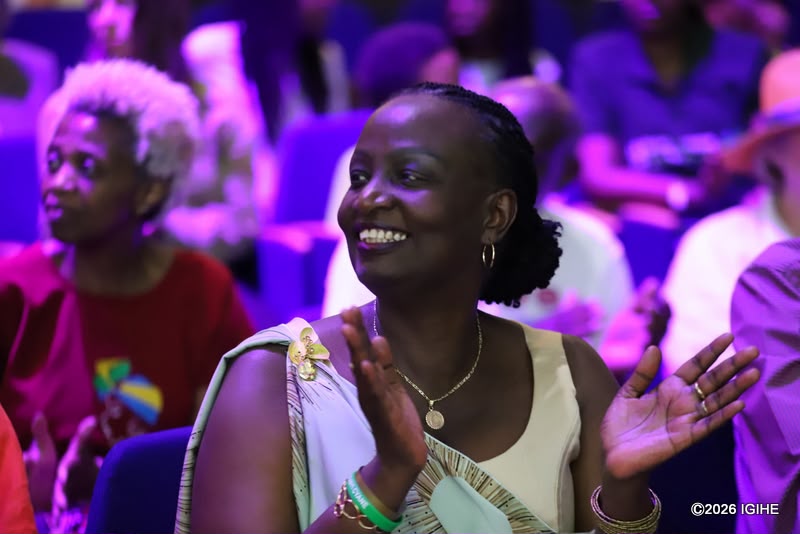
The photos below show participants watching a documentary on Rwanda’s liberation struggle and the country’s journey of development and transformation
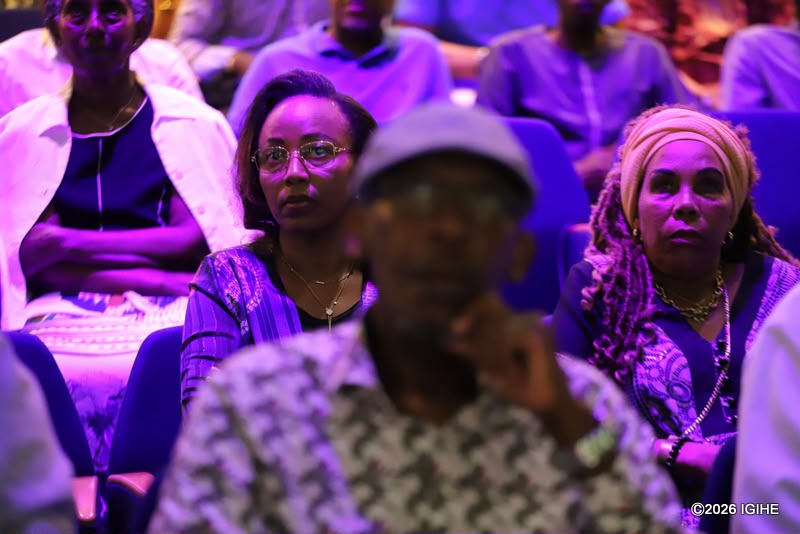
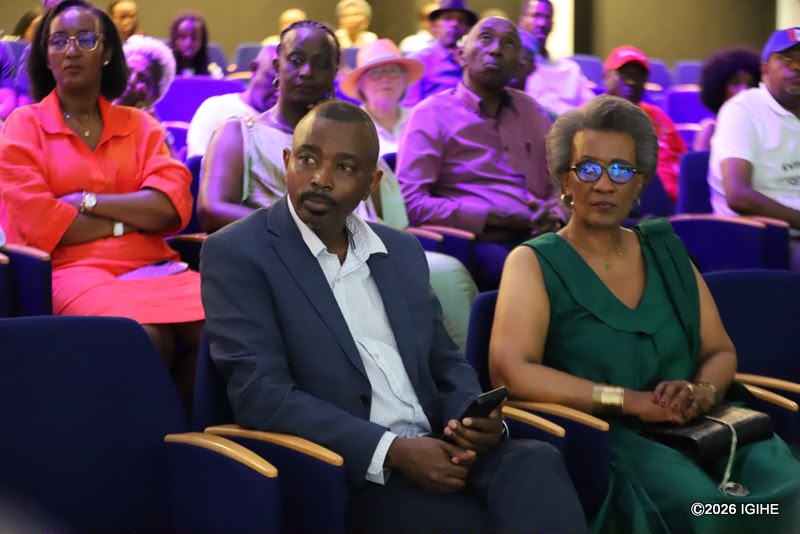
The photos below capture participants following discussions on the history of Rwanda’s liberation struggle and the progress the country has achieved over the past 32 years
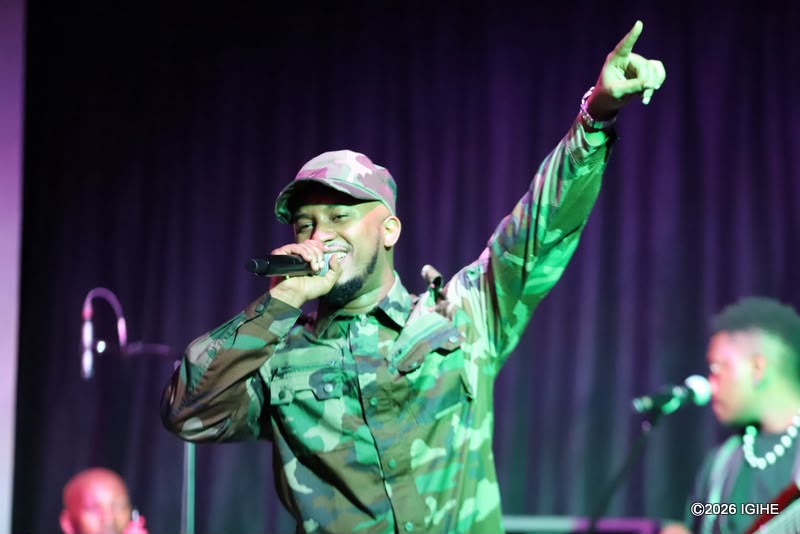
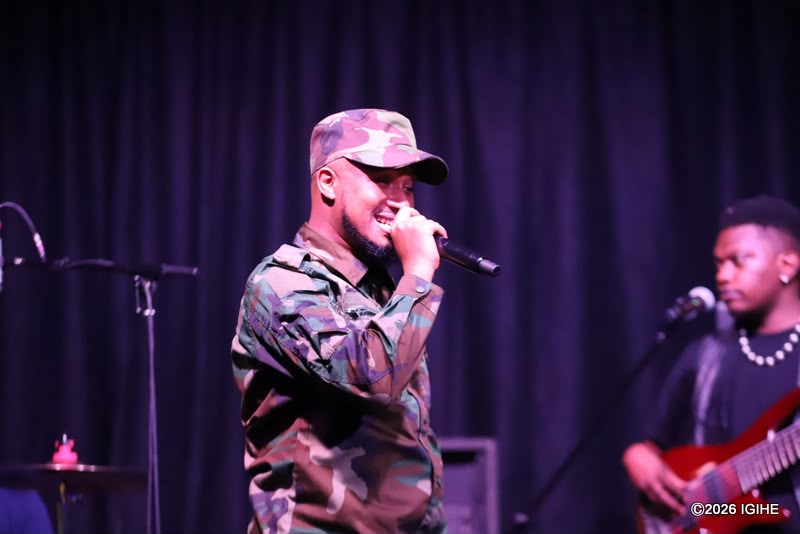
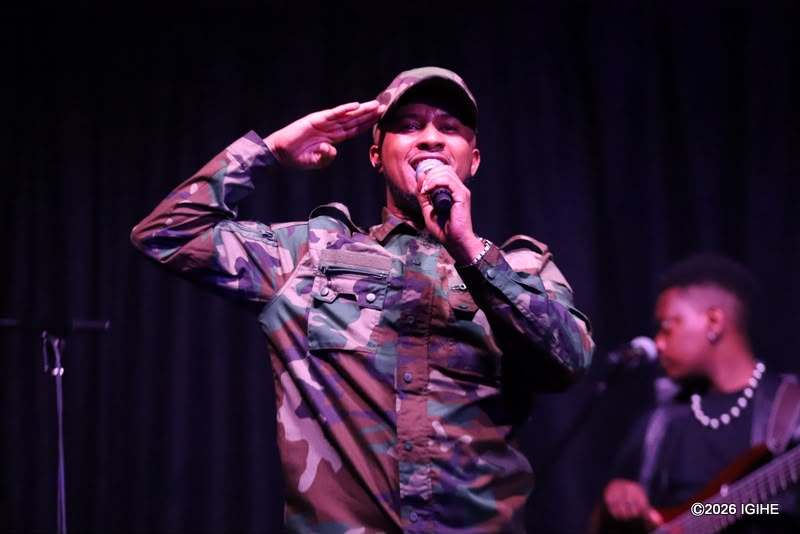
The event also featured cultural performances by artists Teta Diana and Cyusa Ibrahim, alongside traditional performances by the Amariza, Itetero, and Umurage cultural troupes
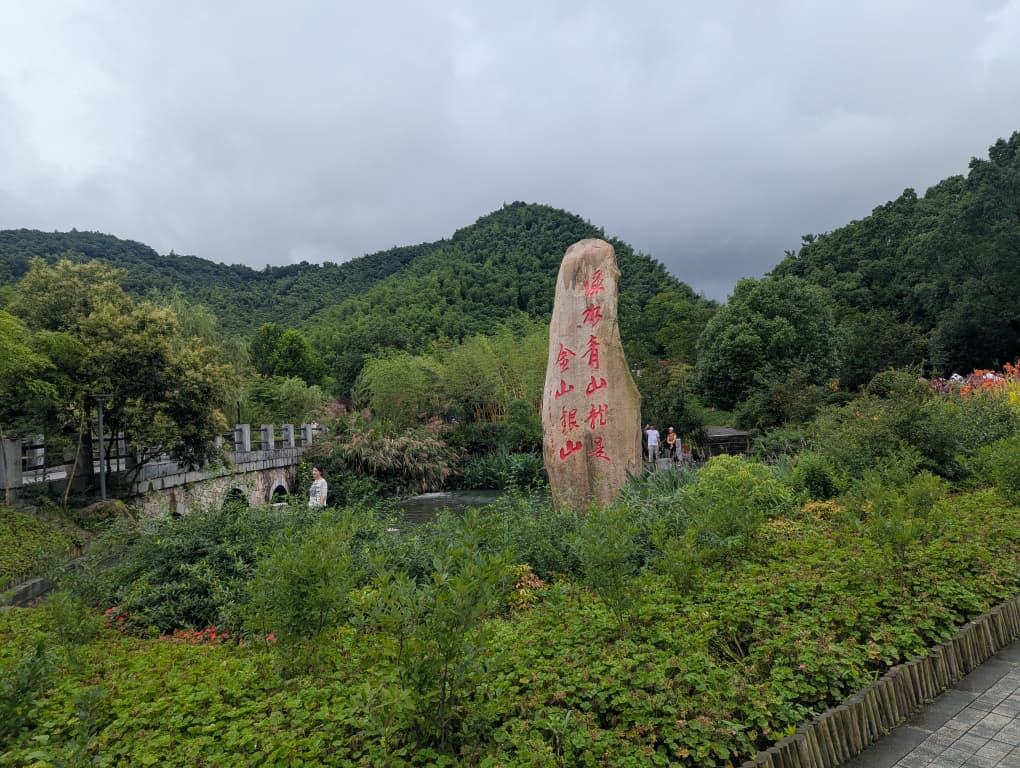
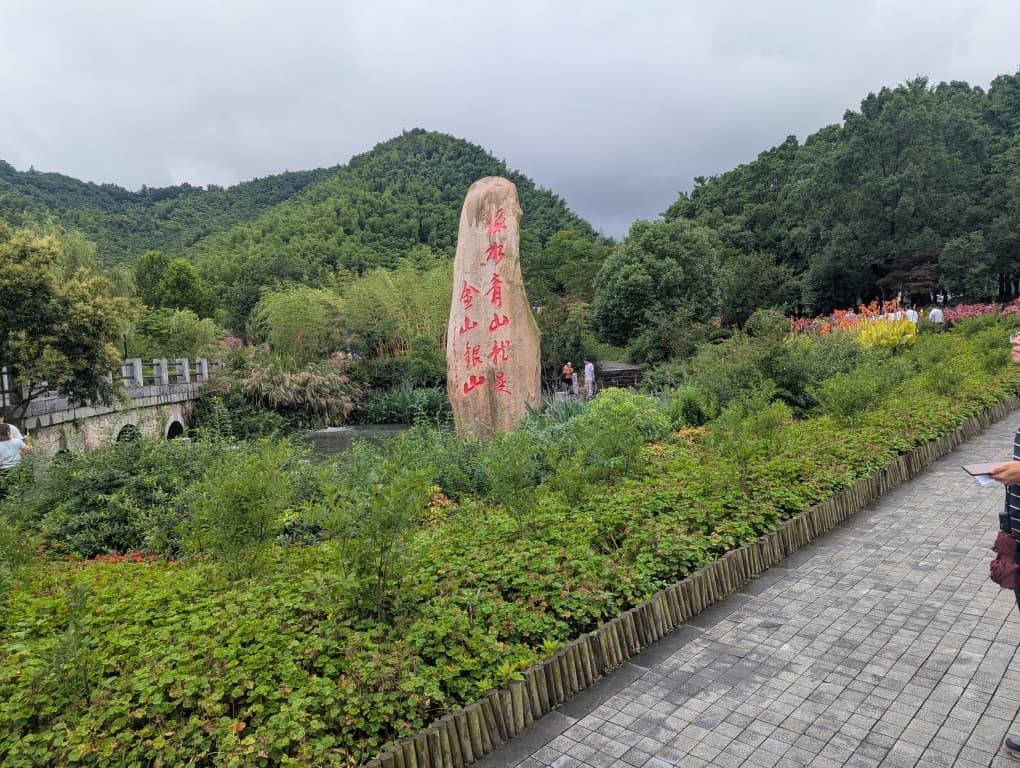
Yet behind this calm landscape lies one of China’s most remarkable development transformations, often described as a living model of ecological civilisation.
Yucun is a small village of just over 1,000 residents, covering 4.86 square kilometres, located in Zhejiang Province, one of China’s most dynamic coastal regions.
Zhejiang itself is an economic powerhouse of the Yangtze River Delta, with a 2025 GDP of about 9.45 trillion yuan ( approximately 1.4 trillion USD), and has become a national leader in “high-quality development,” where growth is measured not only in economic output but also in environmental sustainability and social wellbeing.
Walking through Yucun today, it is difficult to imagine that this landscape was once shaped by heavy limestone mining and cement production. In the late 1990s, the village’s economy was strong by rural standards, but the environment was under severe strain; dust-filled air, scarred hillsides, and degraded ecosystems.
The turning point came in the early 2000s, when local leaders and residents made a decisive choice: to close polluting industries and restore the land. It was a moment that reshaped not only the village’s economy, but its identity.
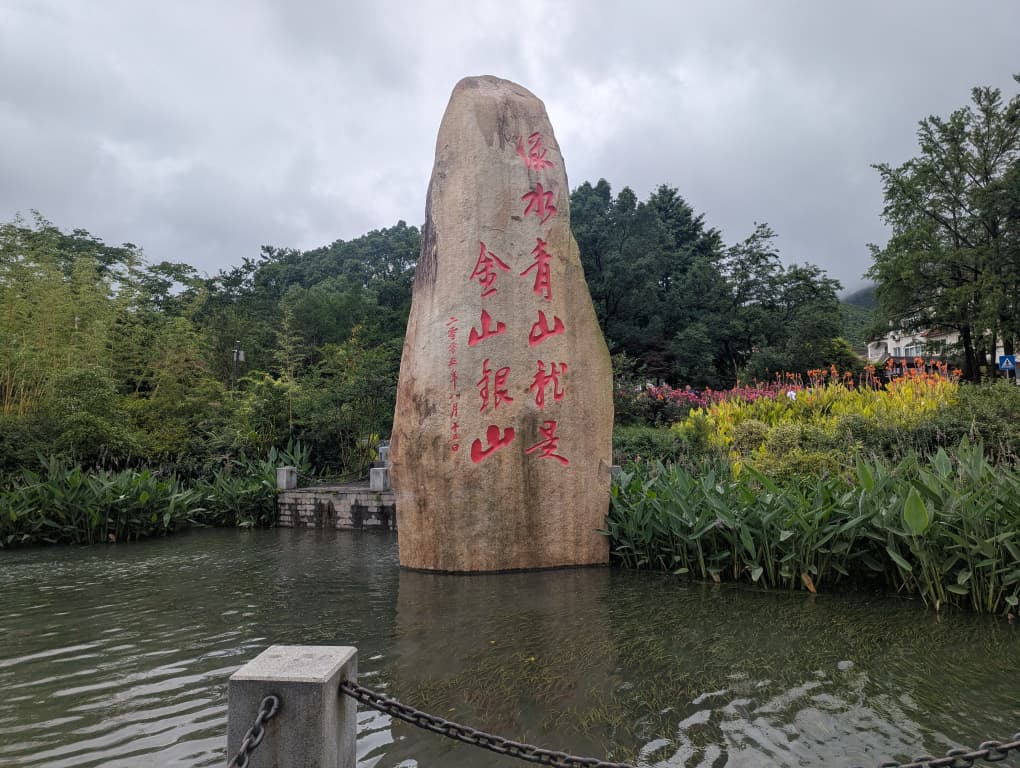
A defining milestone followed on August 15, 2005, when President Xi Jinping, then Secretary of the Zhejiang Provincial Committee of the Communist Party of China, visited Yucun and for the first time and articulated a phrase that would later gain national significance: “lucid waters and lush mountains are invaluable assets.”
This idea evolved into the “Two Mountains” philosophy, now widely recognised as a foundation of China’s ecological civilisation framework under the Communist Party of China (CPC).
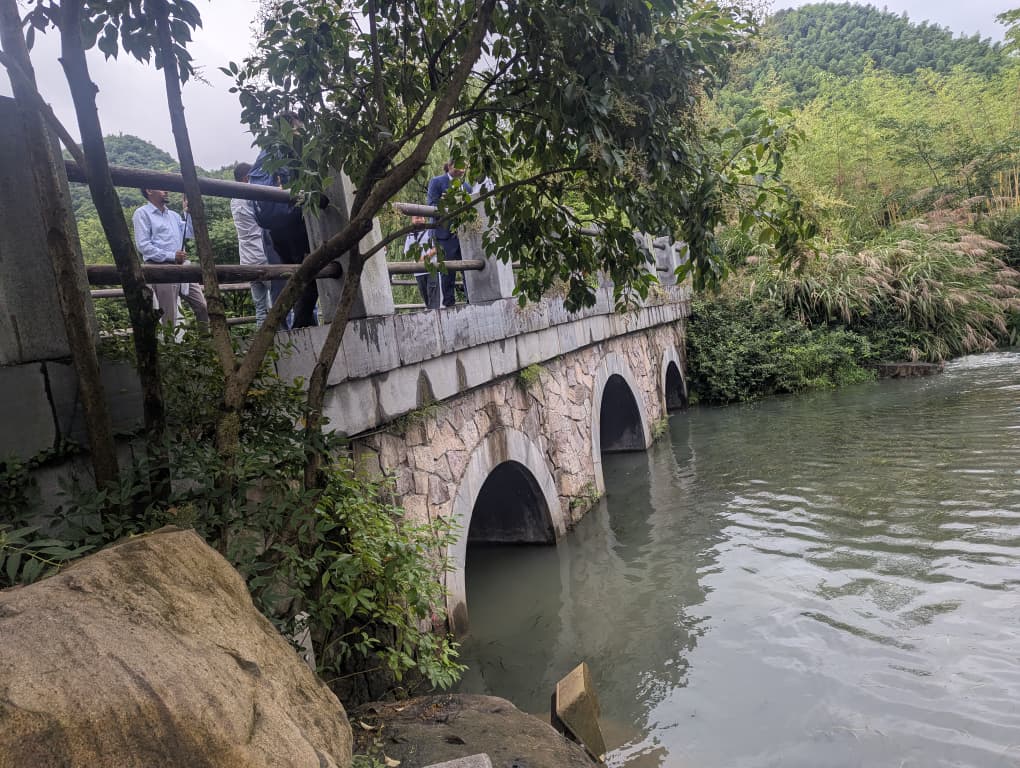
In Yucun, it is not an abstract theory, it is visible in every restored hillside, every green pathway, and every redesigned public space.
As the village stepped away from mining, a new journey began. Abandoned industrial sites were rehabilitated, forests were replanted, and traditional rural landscapes were carefully preserved.
The “two mountains” theory monument is seen at Yucun village
Today, Yucun attracts over one million visitors annually, drawn by bamboo sea landscapes, ecological trails, and cultural experiences rooted in Jiangnan traditions.
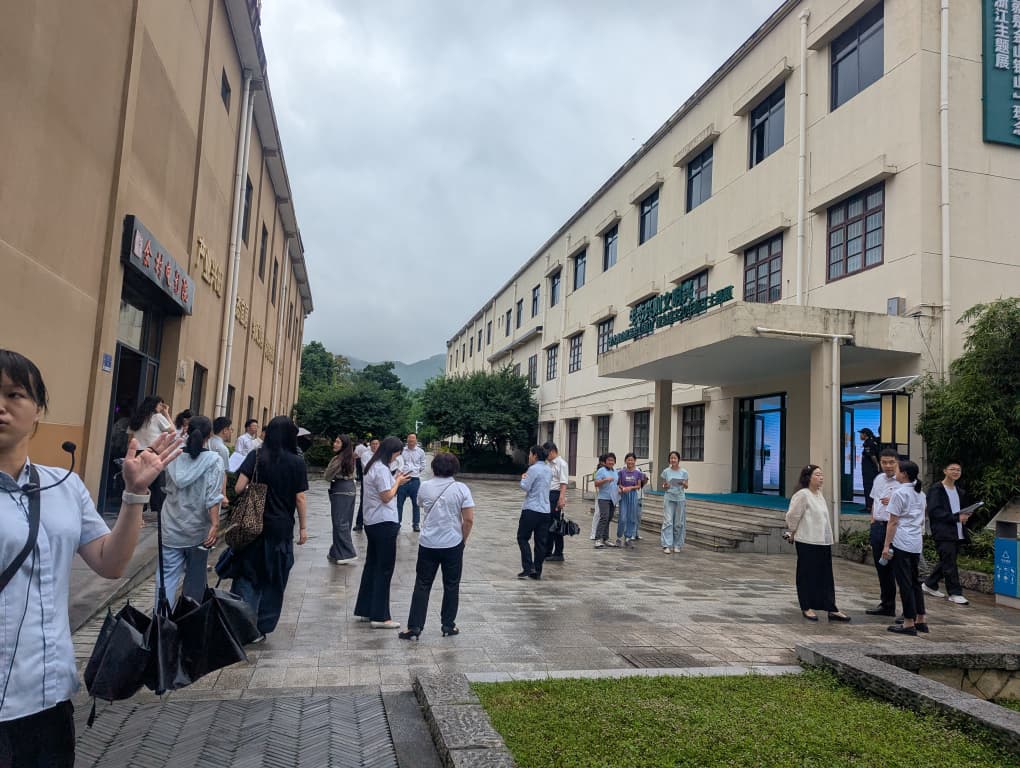
One of its most striking landmarks is the transformation of a former cement factory into “Yucun Impression,” a zero-carbon cultural complex powered by renewable energy and designed as a symbol of industrial rebirth.
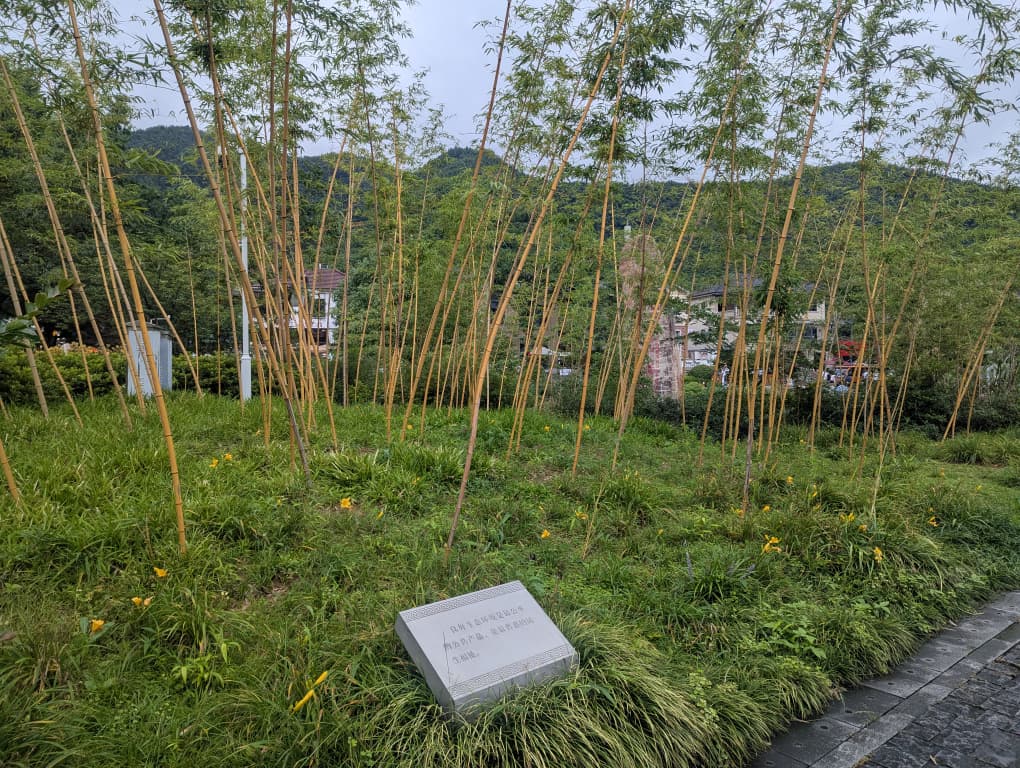
The ecological recovery is striking. Forest coverage now exceeds 85 percent, the climate remains humid and subtropical, and the village integrates natural terrain with carefully designed infrastructure.
Ancient ginkgo trees, some believed to be over 1,300 years old, stand alongside modern eco-friendly buildings, an unusual but seamless coexistence of heritage and innovation.
Over time, Yucun’s economy has shifted from extraction to experience. Agritainment businesses, eco-tourism services, and cultural industries now drive local income.
Collective village earnings have risen steadily into the tens of millions of yuan, while per capita income has surpassed 60,000 yuan (about 8,837.69 USD).
In 2024, villagers received direct dividend distributions, reinforcing a model of shared prosperity where development outcomes are visibly returned to the community.
This transformation has earned Yucun multiple national and international recognitions. It has been designated a National Civilised Village, a National Forest Village, a National Rural Tourism Key Village, and a National Rural Governance Demonstration Village.
It has also been listed among the United Nations World Tourism Organisation’s Best Tourism Villages, underscoring its global relevance as a rural development model.
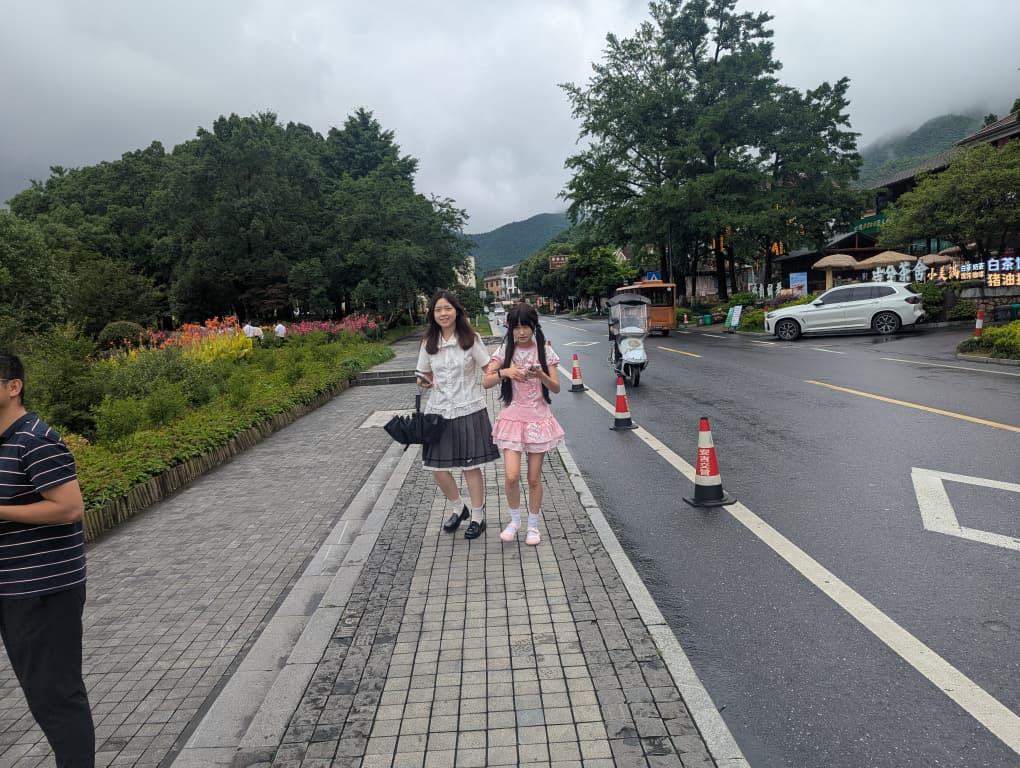
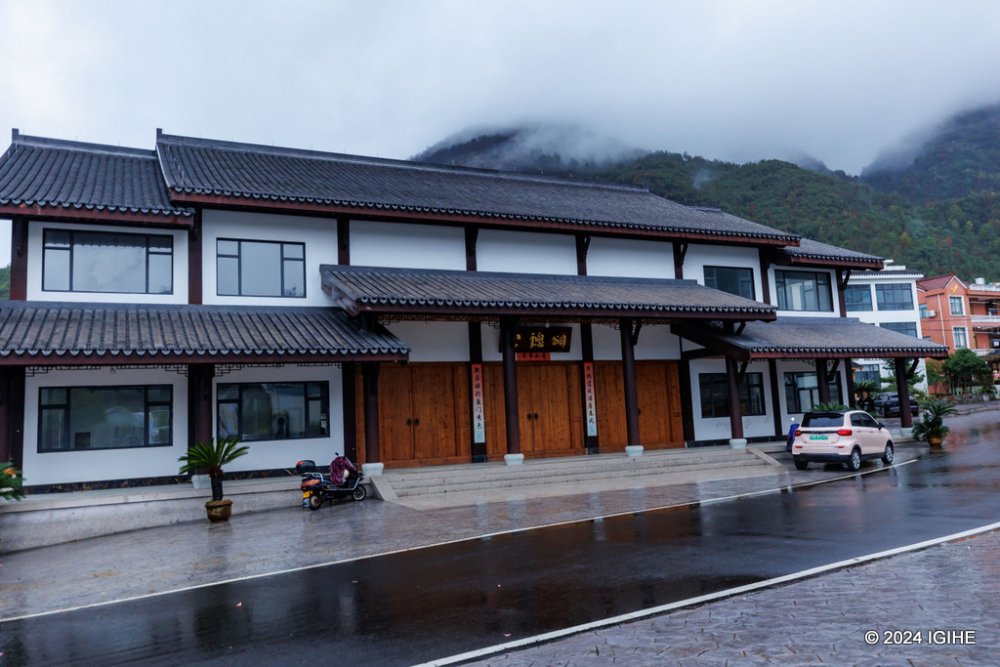
Eco-friendly pathways wind through Yucun Village, connecting restored hillsides and natural green spaces.
Beyond its scenic and economic appeal, Yucun is increasingly viewed as a policy reference point. It demonstrates how environmental restoration can become a driver of economic growth rather than a constraint, and how rural governance can align local participation with broader provincial and national strategies.
Within Zhejiang’s development framework, the village is often cited as a successful case of integrating ecological protection with rural revitalisation.
Zhejiang Province itself extends this philosophy into global engagement. As a key hub of China-Africa cooperation, the province recorded trade with Africa of 53.9 billion US dollars in 2023, expanding into manufacturing, digital economy, vocational training, and healthcare exchanges.
Thousands of African professionals have been trained in Zhejiang, while medical teams have supported healthcare services across multiple African countries. These partnerships reflect a broader emphasis on mutual learning and long-term cooperation.
Seen through this broader lens, Yucun becomes more than a rural destination; it becomes a starting point for understanding a development philosophy that suggests prosperity should not be built against nature, but alongside it.
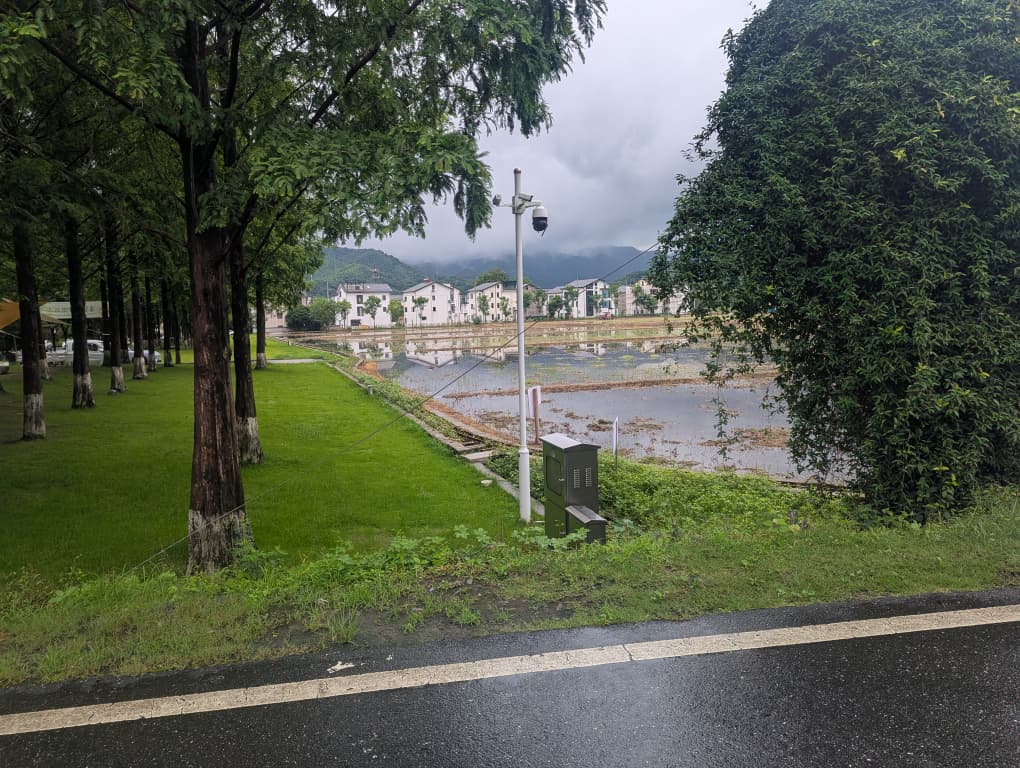
Yucun Village showcases a harmonious coexistence between ancient natural heritage and modern sustainable development.Yucun Village sits quietly at the northern foothills of the Tianmu Mountains, surrounded by bamboo forests and winding green valleys.Streams flow gently through Yucun Village, reflecting its transformation into a model of ecological civilisation.The scenic bamboo forests surrounding Yucun Village highlight its reputation as a restored natural landscape in Zhejiang Province.Tourists regularly explore ecological trails in Yucun Village, which now attracts over one million visitors annually.
His remarks come amid continued calls from the United States urging Rwanda to lift defensive measures deployed along its border with the Democratic Republic of Congo (DRC).
Washington has linked its position to agreements signed between Rwanda and the DRC on June 27, 2025, and again on December 4 of the same year, aimed at addressing insecurity in eastern Congo.
However, Kigali maintains that the DRC has not fully implemented its commitments, particularly regarding the dismantling of the FDLR terrorist group, which Rwanda considers a persistent security threat operating in the region.
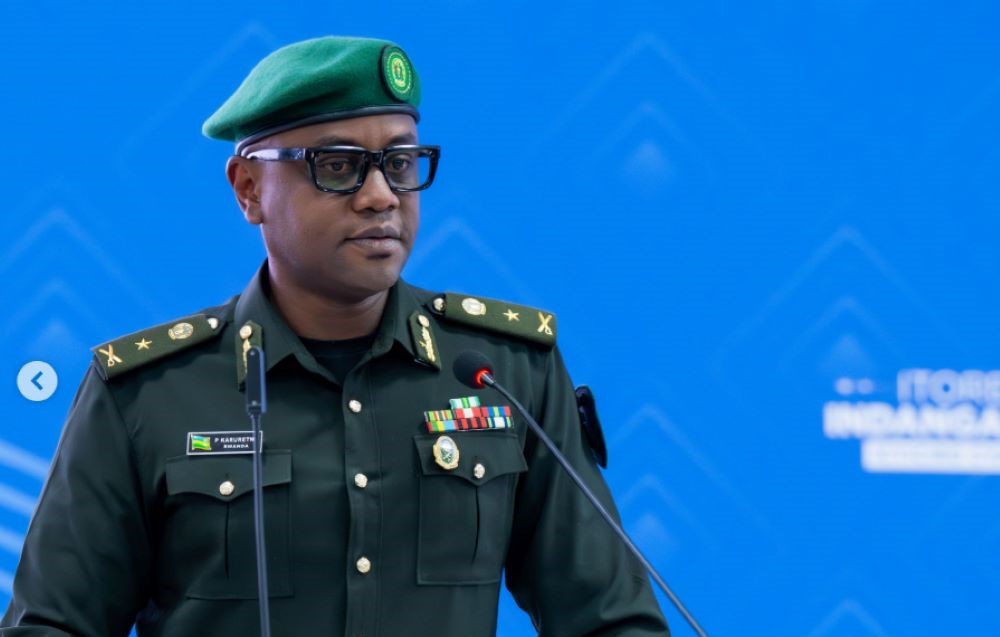
Speaking in an interview with RBA on July 5, 2026, Brig Gen Karuretwa said Rwanda’s current security posture is informed by past experiences, particularly the “Abacengezi” insurgency period, when waiting for threats to reach national borders resulted in severe consequences.
He explained that Rwanda’s approach is based on preventing insecurity before it reaches its territory.
“I referred to the Abacengezi war. Waiting for the enemy to reach our borders and bring their operations onto Rwandan soil is something we have experienced and know the consequences of. We are not poor students of history. Looking at how things unfolded during that period, decisions were taken on how defensive measures should be structured so that citizens can continue to live safely without being affected by threats originating from the DRC,” he said.
The RDF spokesperson added that all states maintain defensive measures tailored to protect national security and respond to evolving threats.
According to Brig Gen Karuretwa, Rwanda’s defensive posture has not remained static but has evolved over time. He noted that even joint operations conducted by Rwanda and the DRC in 2019 to dismantle armed groups were part of earlier defensive arrangements.
However, he said the current situation is different, alleging that elements within the DRC leadership have collaborated with hostile groups, complicating regional security dynamics.
“But when you face a situation like the one we have now, where the President of the DRC has chosen to work with our enemies in ways that bring insecurity from within Congo, defensive measures do not disappear—they change,” he said.
Brig Gen Karuretwa further stated that the FDLR remains a group composed of individuals responsible for the 1994 Genocide against the Tutsi, arguing that the group has continued to maintain hostile intent toward Rwanda.
He also claimed that the group has established structures, including training facilities in areas of eastern DRC such as Walikale and Pinga, which he described as widely known locations.
“Saying we should only focus on those who crossed at that time ignores reality. I do not know whether it is ignorance or deliberate denial. These are well-known facts. The issue of the FDLR has not reduced; it has increased,” he said.
He emphasized that Rwanda will not accept pressure to lift its defensive measures as long as what it considers the root security threat remains unresolved.
“There is no time when pressure on Rwanda has not existed. Defensive measures will remain. They will evolve depending on the situation. If we return to joint operations like those of the past, that would be welcome. But saying we should remove defensive measures entirely—that is not something we will do,” he said.
Brig Gen Karuretwa is also a member of a joint security committee involving Rwanda, the United States, and the DRC, which monitors the implementation of peace agreements. He reaffirmed that Rwanda’s position in these discussions has consistently been guided by what it considers national security realities rather than external pressure.
Brig Gen Karuretwa has said Rwanda’s current security posture is informed by past experiences.
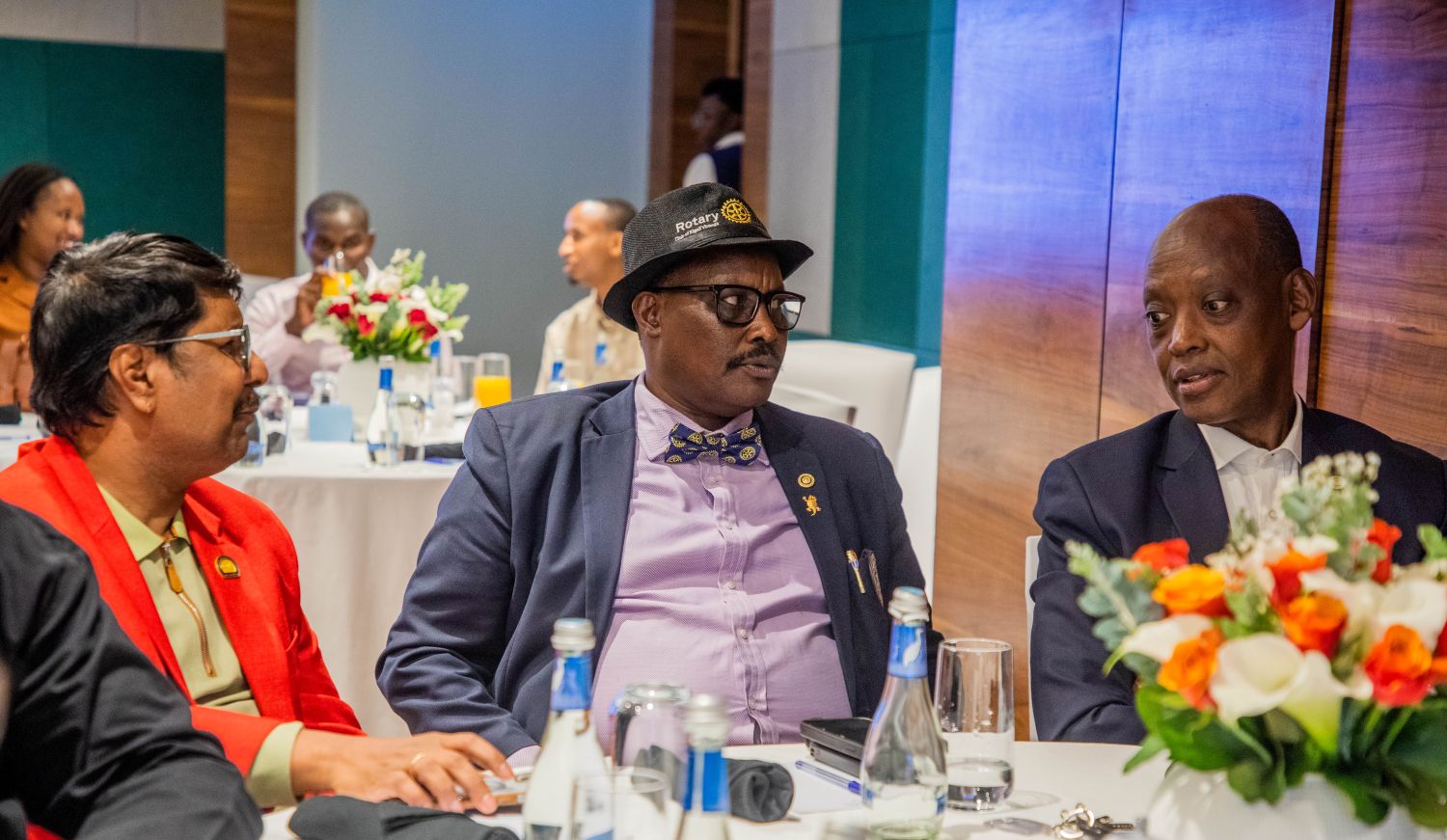
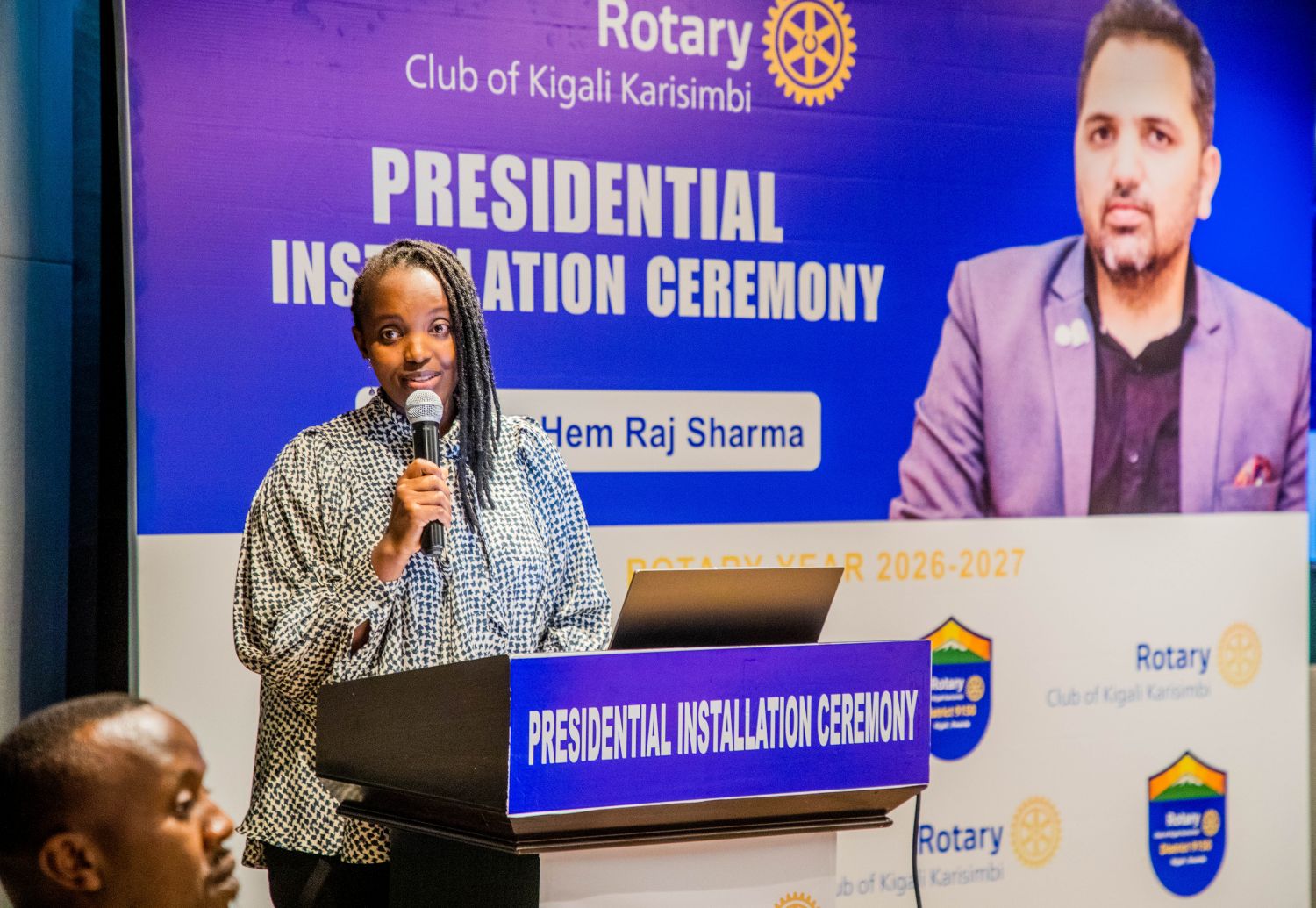
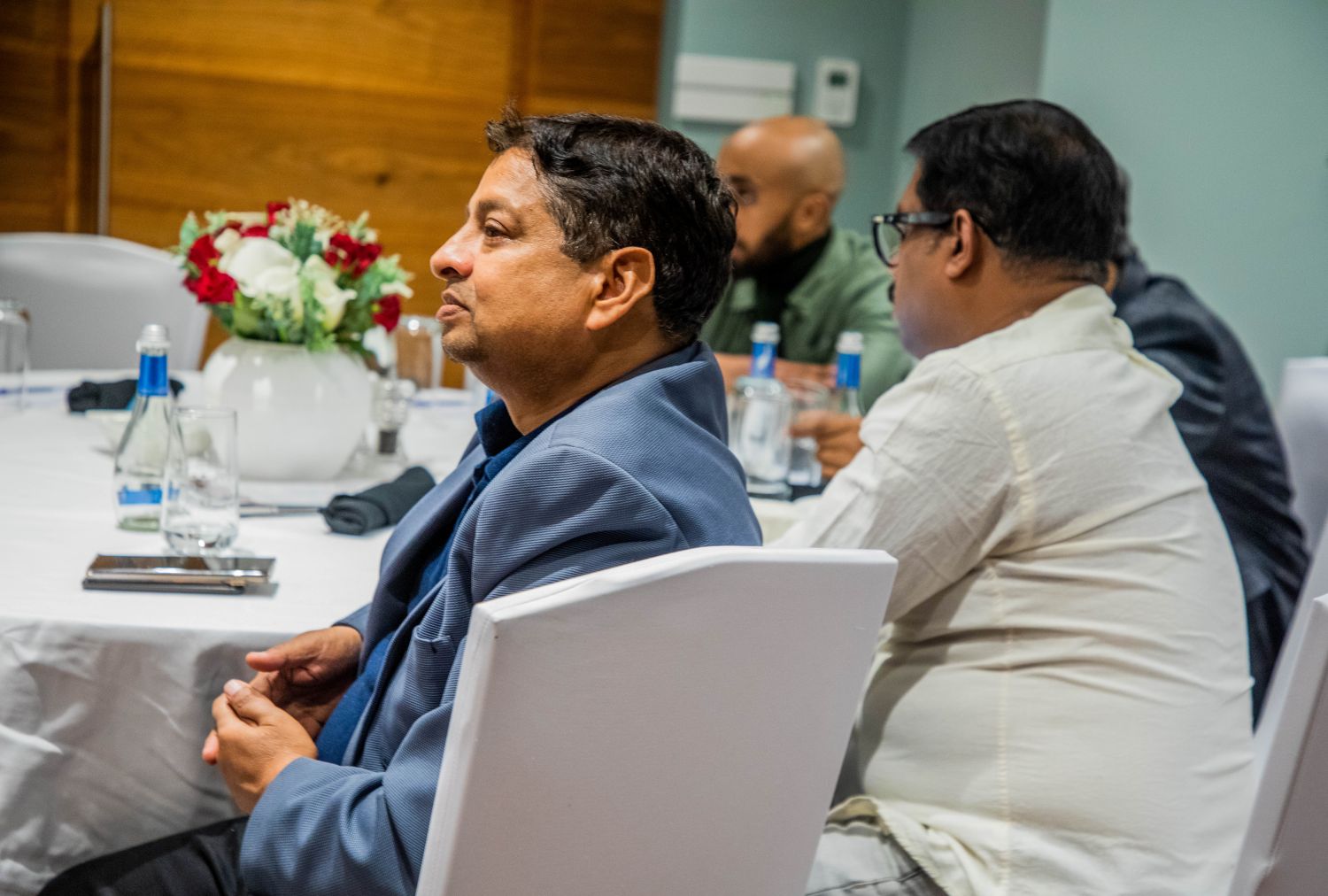
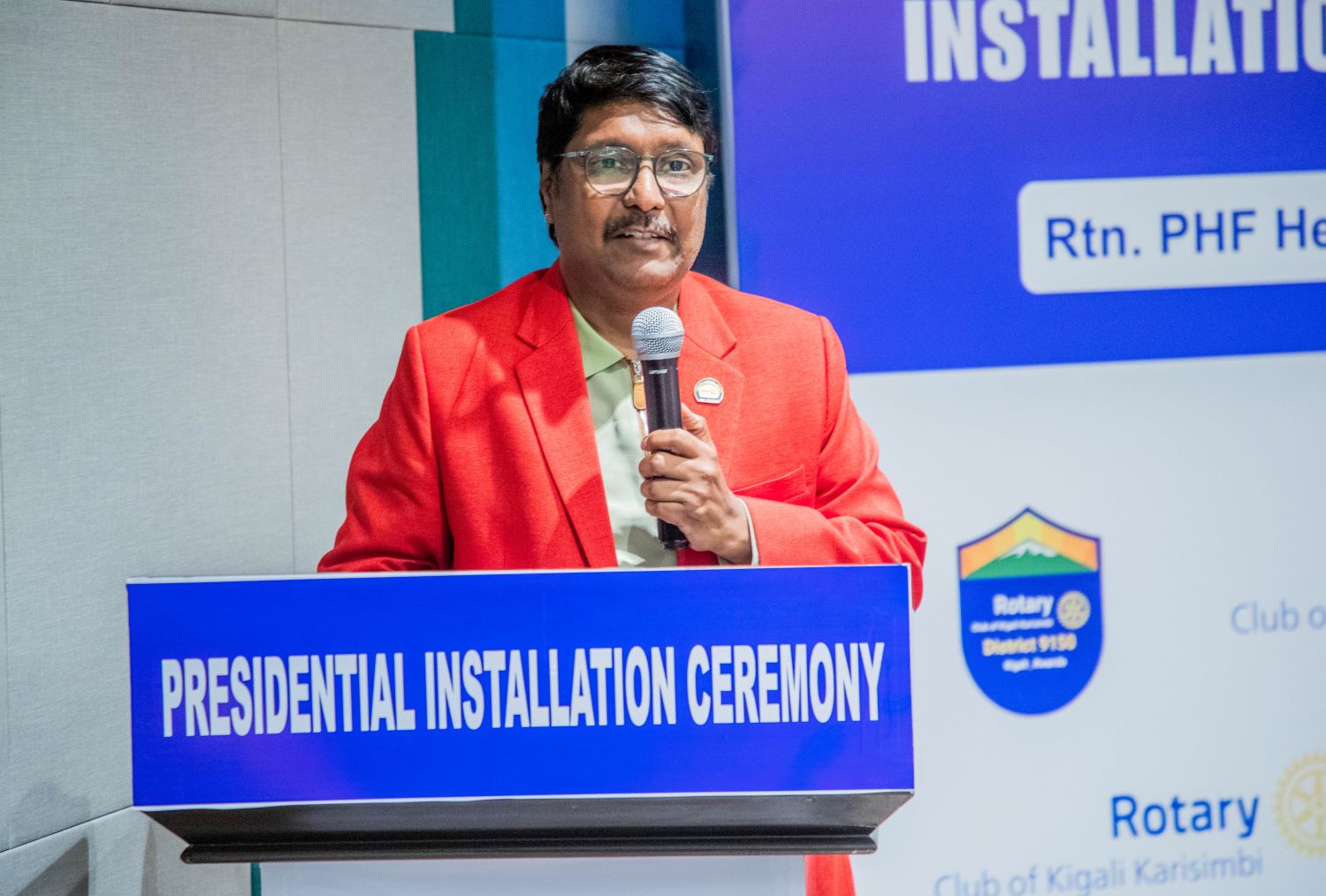
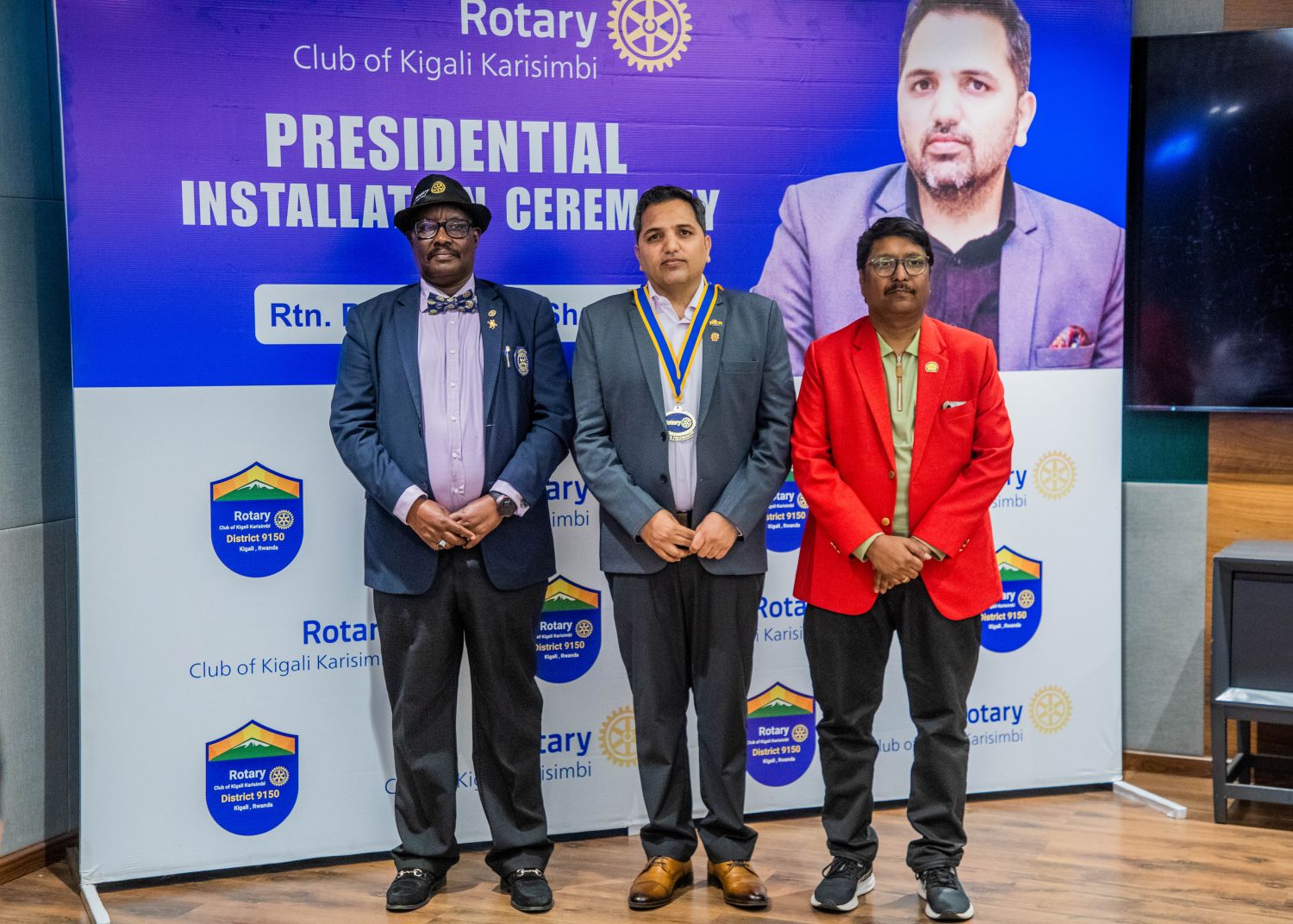
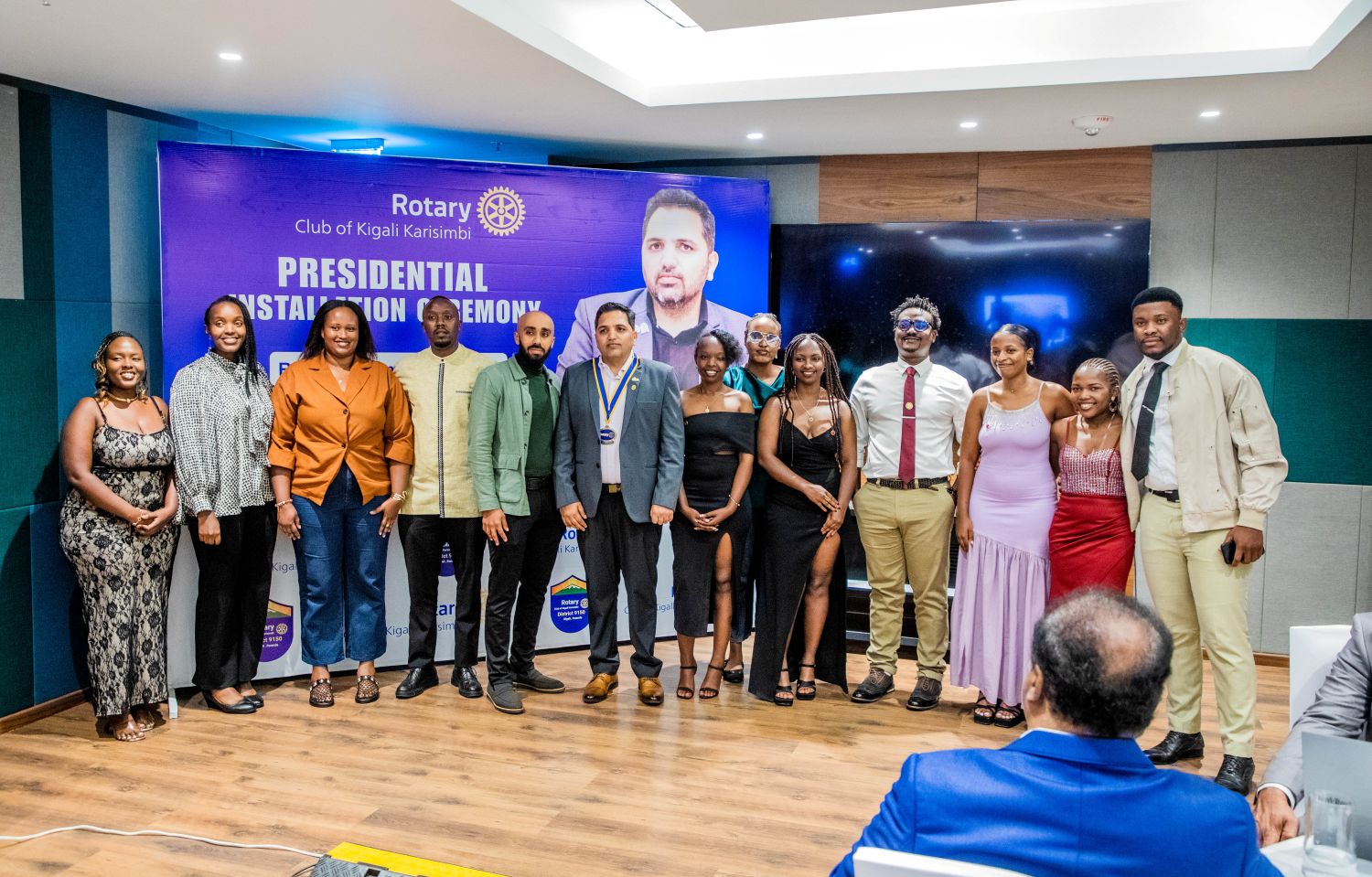
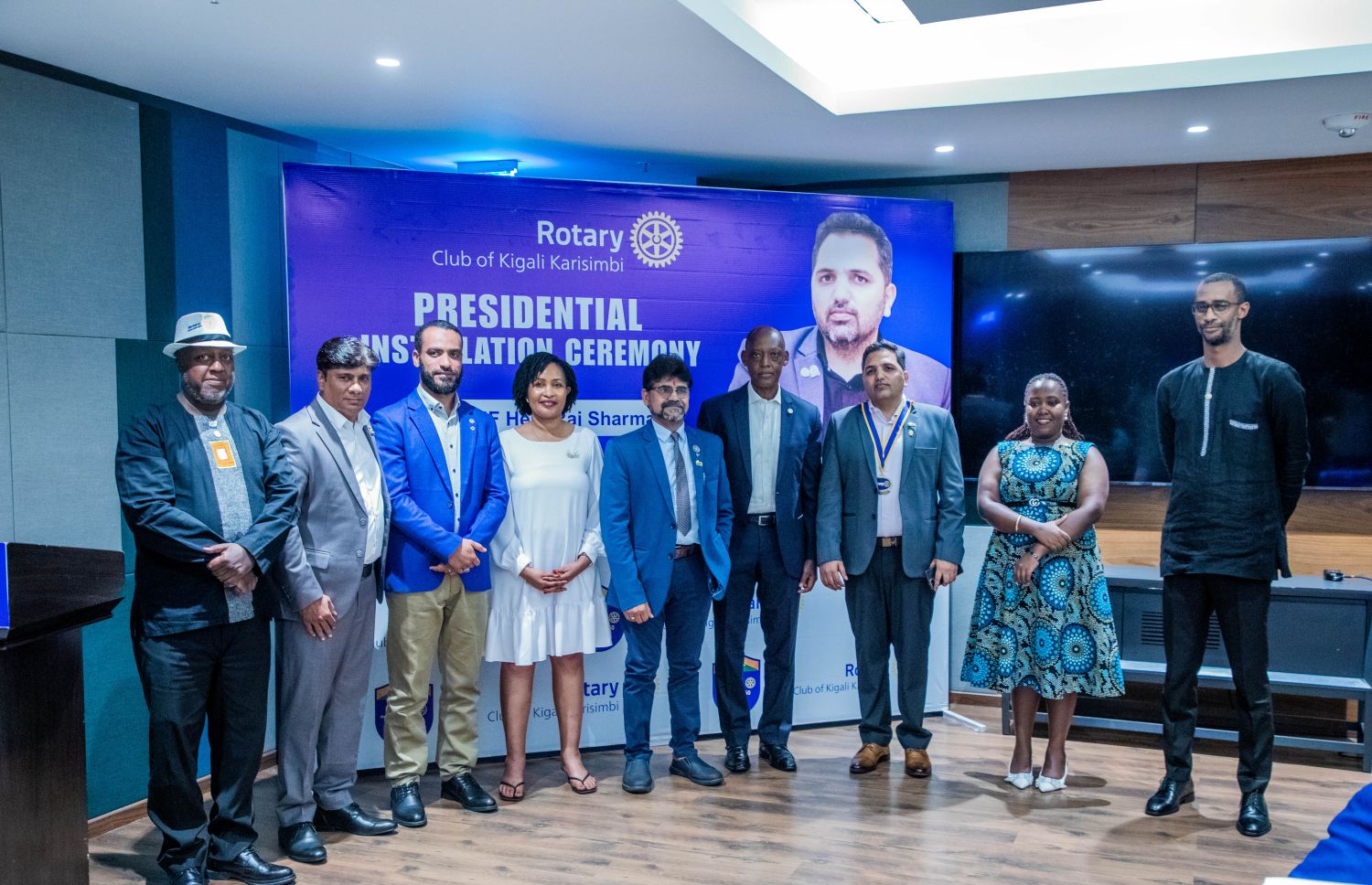
The installation ceremony, held on Sunday, July 5, 2026, at Four Points by Sheraton Kigali, brought together senior Rotary leaders, club members, Rotaractors, Interactors, and friends of Rotary from across the country. The event celebrated the outgoing leadership’s achievements while setting the tone for a new year of service-driven initiatives.
Assistant District Governor (ADG) Rtn. Jwala Vijay Kumar praised Rotary’s sustained impact in Rwanda, highlighting the organisation’s long-standing role in advancing community development across multiple sectors, including education, health, water, and environmental sustainability over the last 60 years. He noted that Rotary’s strength lies in its community-driven approach, which begins with identifying local needs and responding through practical interventions.
“Rotary works because we first listen to communities and understand their real needs. From clean water to education and health, we respond with sustainable solutions that create lasting impact,” he said.
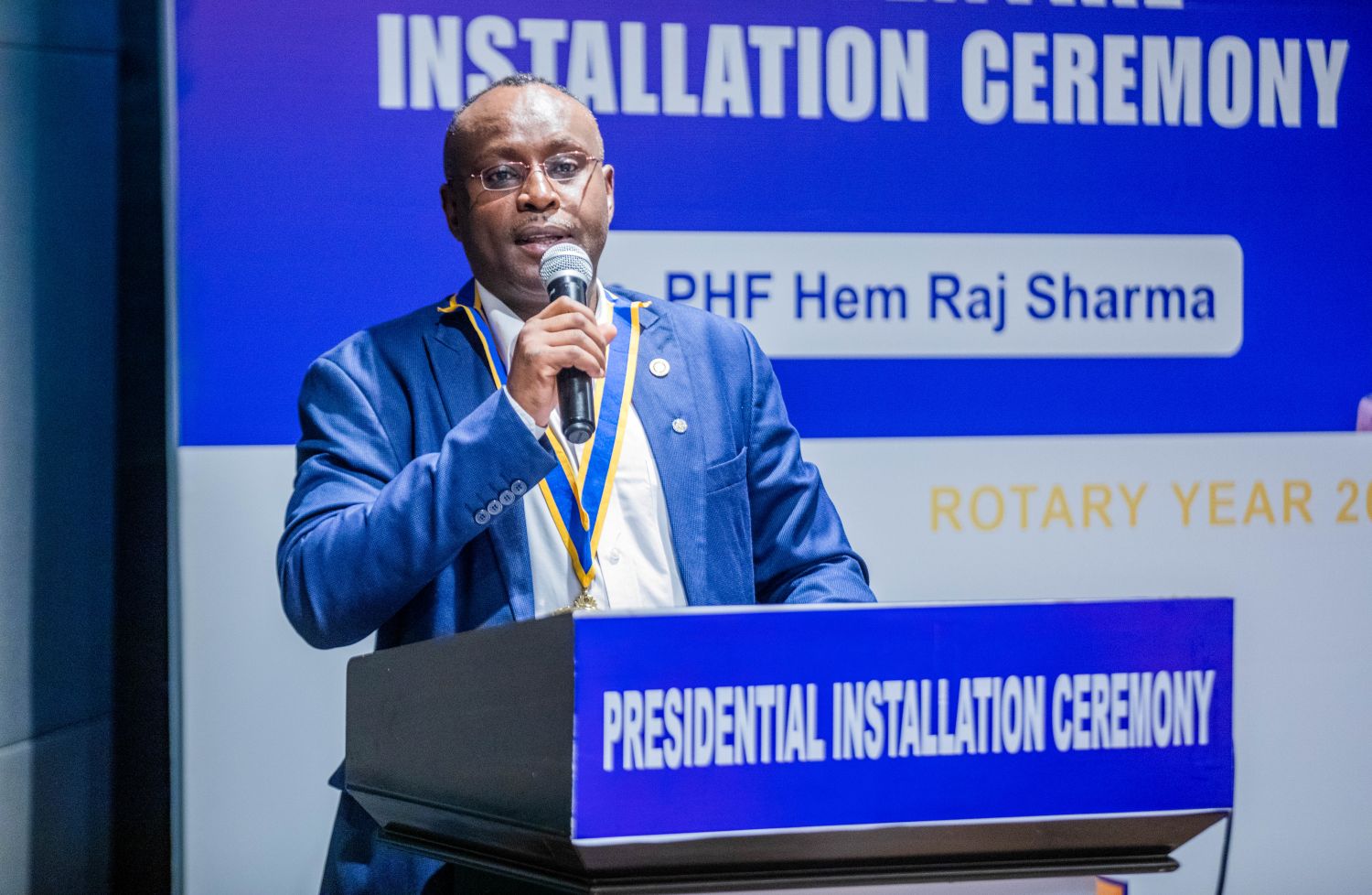
Outgoing club president Rtn. PHF Samuel Nzeki Munyao highlighted a year marked by strategic growth, expanded membership, and increased community impact. He noted that the club successfully implemented its annual goals through a structured five-year strategic plan developed collectively by members.
One of the most significant milestones, he said, was the doubling of club membership during the 2025–2026 Rotary year, driven largely by increased member engagement and participation in leadership roles.
“The moment people feel they are contributing meaningfully, they become more attached to the club and bring others along,” Munyao stated, emphasising the importance of inclusivity in membership growth.
He also pointed to the club’s successful acquisition of a District Grant through The Rotary Foundation, which supported key service projects, alongside increased contributions to the Rotary Annual Fund.
Community projects and impact
Throughout the past year, the Rotary Club of Kigali Karisimbi implemented a series of community-focused initiatives aligned with Rotary’s global areas of focus.
Among the standout activities was a professional logistics and road safety training programme conducted for drivers from both public and private institutions. The initiative aimed to improve defensive driving skills and enhance safety along regional transport corridors.
The club also continued work on infrastructure support in education, including the ongoing rehabilitation of EP Ntungamo Primary School in Muhanga District, reflecting its long-standing commitment to improving learning environments for children in underserved communities.
Environmental sustainability also featured prominently, with members participating in a tree-planting initiative at Rugabano Tea Estate in partnership with Rotaract Rwanda and Silverback Tea Company. The activity was part of broader efforts to promote environmental awareness and climate action.
Munyao noted that the club’s achievements were anchored in teamwork, structured planning, and member participation. He noted that the strategic plan developed during his tenure laid out short-, medium-, and long-term objectives that will continue guiding the club’s work in the coming years.
He expressed confidence in the incoming leadership, citing a strong succession process and collaborative spirit within the club.
New president outlines priorities
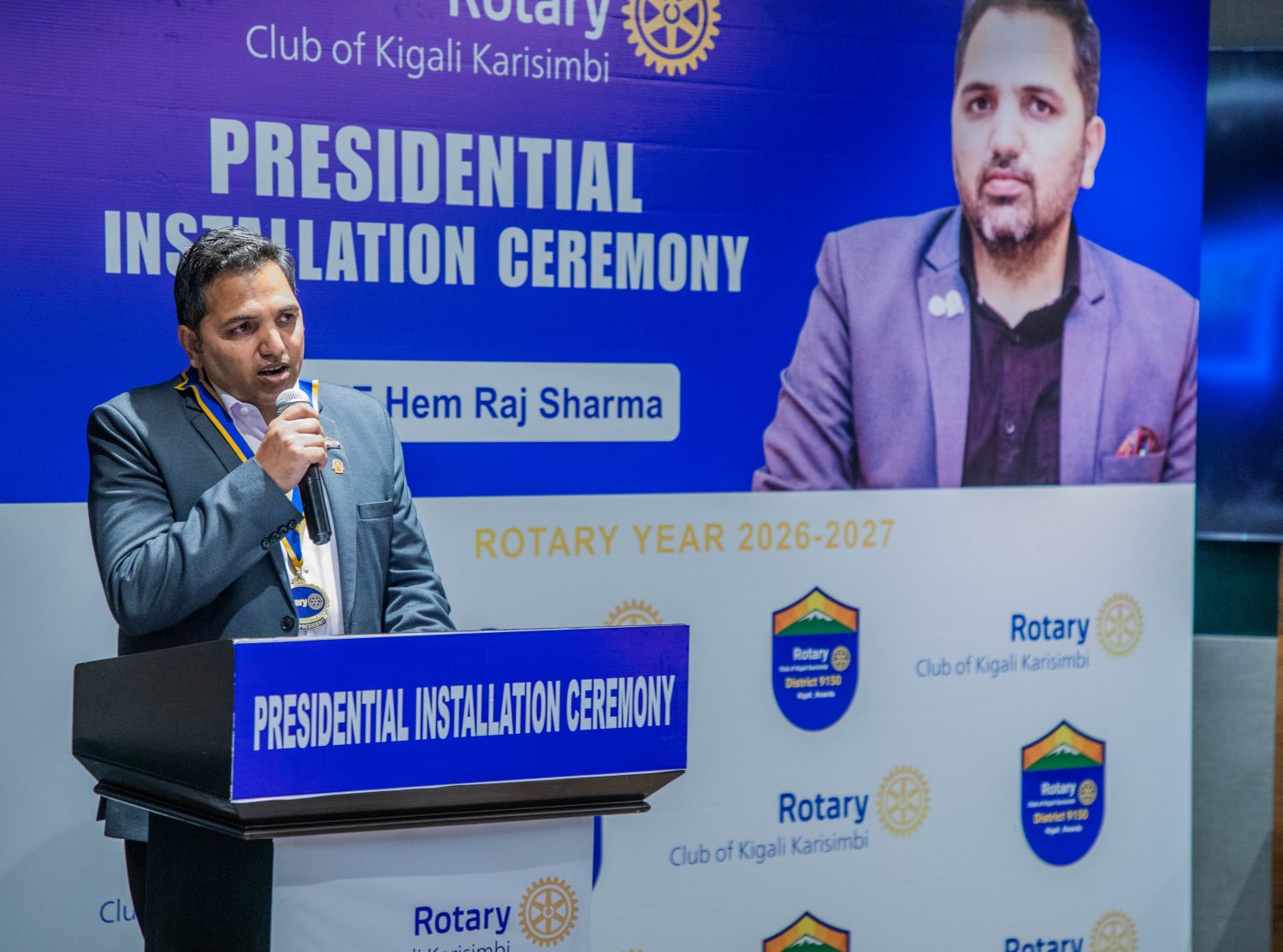
In his inaugural address, Rtn. PHF Hem Raj Sharma expressed gratitude for the trust placed in him and paid tribute to the outgoing leadership for laying a strong foundation of service and growth.
He reaffirmed that Rotary’s mission goes beyond titles and formal roles, stressing that the organisation’s true purpose lies in community impact.
“Rotary is about touching lives and responding to real needs in society,” he said.
For the 2026–2027 Rotary year, Sharma outlined two flagship priorities that will guide his presidency: education support and clean water access.
The club, which also unveiled a new board during Sunday’s installation, plans to expand educational sponsorships for underprivileged but high-potential students across Rwanda, ensuring access to quality education for those facing financial barriers.
In addition, the club is advancing a clean water project in the Karisimbi area, valued at over 30 million Rwandan francs. The project, which is already underway, is expected to be completed and handed over to the community by early 2027.
“These projects are not just interventions; they are long-term investments in dignity, opportunity, and public health,” Sharma noted.
With new leadership in place, the Rotary Club of Kigali Karisimbi is positioning itself to build on its recent achievements while deepening its impact in education, health, environment, and community empowerment.
As members transition into the new Rotary year, the club’s leadership emphasised continuity, collaboration, and sustained service delivery as guiding principles.
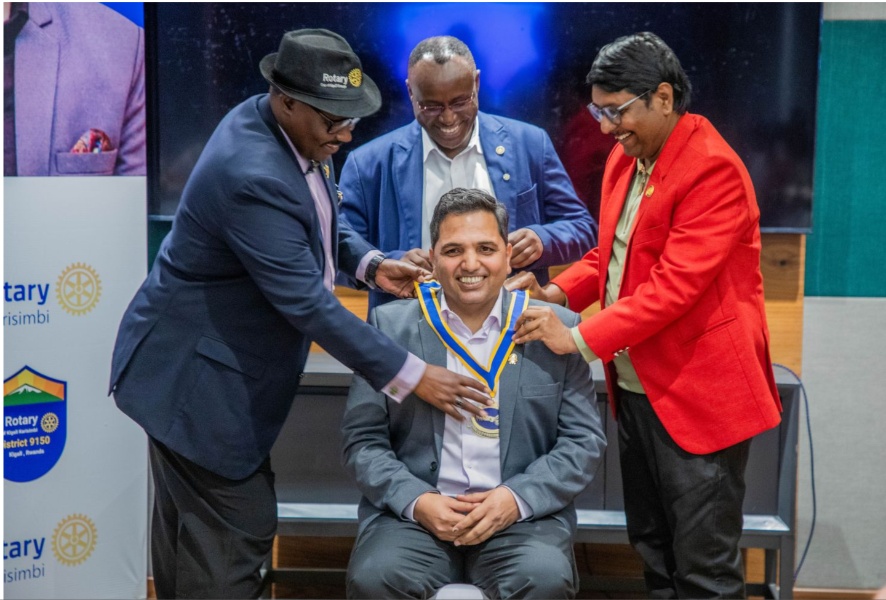
Rtn. PHF Hem Raj Sharma installed as the new president of the Rotary Club of Kigali Karisimbi for the 2026–2027 Rotary year.
, Rtn. PHF Hem Raj Sharma expressed gratitude for the trust placed in him and paid tribute to the outgoing leadership for laying a strong foundation of service and growth.The installation ceremony, held on Sunday, July 5, 2026, at Four Points by Sheraton Kigali, brought together senior Rotary leaders, club members, Rotaractors, Interactors, and friends of Rotary from across the country. The event celebrated the outgoing leadership’s achievements while setting the tone for a new year of service-driven initiatives.Outgoing club president Rtn. PHF Samuel Nzeki Munyao highlighted a year marked by strategic growth, expanded membership, and increased community impact. Assistant District Governor (ADG) Rtn. Jwala Vijay Kumar praised Rotary’s sustained impact in Rwanda.
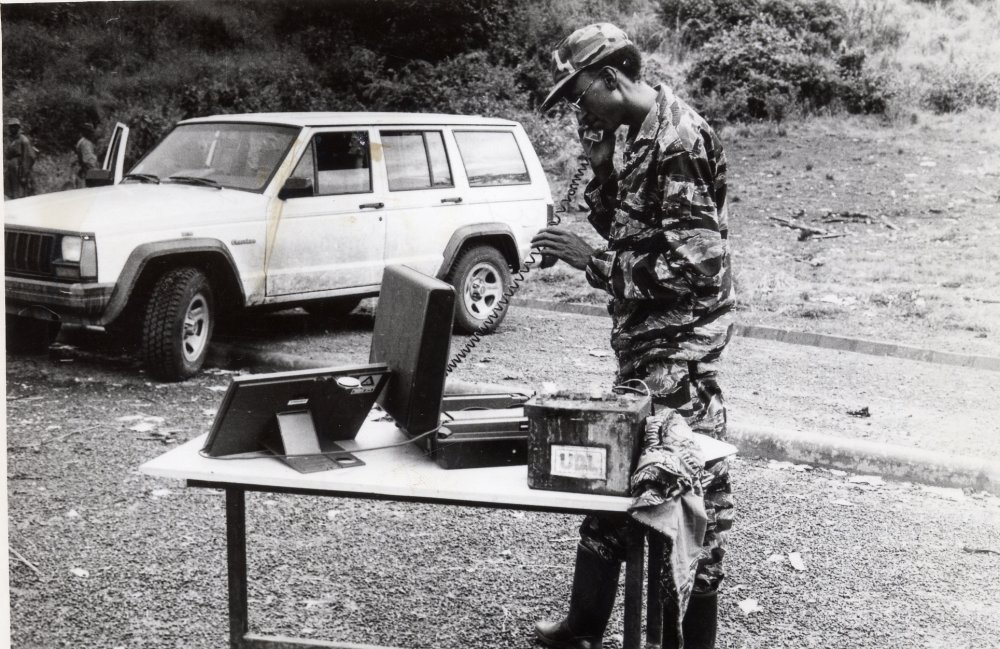
At the time, RPA forces had been fighting Ex-FAR for nearly four years. From the battalion of about 600 soldiers stationed at the CND building in Kigali, they received an urgent order from their commander, Major General Paul Kagame, to move quickly and rescue the Tutsi who were being massacred.
Speaking to Rwanda Broadcasting Agency (RBA) on July 5, 2026, the spokesperson of the Rwanda Defence Force (RDF), Brigadier General Patrick Karuretwa, recalled that in 1994 he was a very young soldier, not yet 20 years old, but old enough to understand the gravity of what was happening around him.
Brig Gen Karuretwa explained that as the RPA advanced toward Kigali, he began witnessing clear evidence of the genocide while passing through Nyacyonga. Bodies of victims murdered in horrific ways were scattered across the area. Some soldiers recognized members of their own families among the dead.
“I remember when we reached Nyacyonga on our way to Kigali. That was when the signs of the genocide became real to me. We saw bodies and the terrible ways in which people had been killed. The reports we had heard on the BBC and other radio stations were now unfolding before our eyes,” he said.
“Among us were soldiers who had originally come from Rwanda. As we advanced, some of them found the bodies of their close relatives—siblings, parents, even fiancées. We witnessed all of this firsthand.”
Brig Gen Karuretwa admitted that, as a young soldier, his immediate reaction was anger. Like many of his comrades, he felt that those responsible for the killings deserved to be killed in return. The RPA had the means to do so, as its soldiers were highly trained and heavily armed.
“To tell you the truth, as a young soldier who was not even 20 years old, I felt enormous anger. Most of us believed that those committing these atrocities should simply be killed. We had weapons, we were trained to fight, and we were soldiers,” he recalled.
He remembered questioning the logic of restraint at the time.
“I asked one of my colleagues, ‘We were trained to use weapons and fight the enemy. If the people who committed these crimes are not the enemy, then who is?’”
Yet, he said, the trust they had in their commanders, particularly in Paul Kagame, made the difference.
“The phrase ‘Afande yavuze’—‘The Commander has spoken’—was an order. We trusted our leaders completely.”
According to Brig Gen Karuretwa, one of the greatest achievements of the RPA leadership during the war to stop the genocide was preventing its soldiers from taking revenge despite the horrors they witnessed and the personal losses many suffered.
“The anger was real. I can honestly tell you that I carried that anger with me into Kigali. But ‘The Commander has spoken.’ That meant there was another way this problem would be solved. My job as Patrick Karuretwa, a young soldier at the time, was simply to continue carrying out my duties,” he said.
“We could easily have begun retaliating immediately. It is remarkable that a leadership could formulate such a vision, issue clear instructions, and have everyone follow them. That was extraordinary.”
After the liberation struggle ended on July 4, 1994, Rwanda faced a new challenge: building a national army. This required integrating former Ex-FAR soldiers who had remained in the country into the RPA, which later became the RDF.
Karuretwa acknowledged that, as a young soldier at the time, he struggled to understand why former enemies were being incorporated into the force.
“If you had asked Patrick Karuretwa as a private or corporal during those years whether he understood the decision to integrate Ex-FAR into the RDF, I would have been confused. These were people we had been fighting against,” he said.
“However, when I look at Rwanda today, I see that unity and reconciliation became one of the most important foundations of the country’s recovery. It all started then.”
He noted that even during the liberation struggle, some captured Ex-FAR soldiers were integrated into the RPA while retaining their ranks and being treated with dignity and respect. This reinforced a key message: the enemy was not an individual soldier, but bad leadership.
“It sent a very powerful message to Ex-FAR and to Rwandan society as a whole—that the enemy was not a person. The enemy was not the soldier standing before you; the enemy was bad governance,” he explained.
“If someone left that system and joined us, they were no longer our enemy. It was a powerful message that required a vision many people did not have at the time, especially considering that Ex-FAR soldiers had been taught that the Tutsi were the enemy.”
Karuretwa said President Kagame’s message that the enemy was not the individual soldier but the ideology and leadership behind the violence helped RPA troops understand the true purpose of their struggle.
“That approach helped us greatly because some of those soldiers who joined the RPA and later the RDF became excellent soldiers,” he said.
“Even today, there are commanders serving in leadership positions whom you would never imagine had once been part of a system that viewed Tutsi as enemies. At the time, it was difficult even to imagine such a thing, let alone implement it. But sometimes I ask myself: if we had not done it, where would we be today?”
Today, the Rwanda Defence Force is widely recognized for its professionalism, both within Rwanda and in international peacekeeping missions. Its conduct and achievements are often seen as a reflection of the unity, reconciliation, and progress that Rwanda has built over the past 32 years.
In 1994, after nearly four years of fighting Ex-FAR forces, RPA troops were ordered to urgently intervene and rescue Tutsi being targeted during the Genocide against the Tutsi.Major General Paul Kagame instructed RPA soldiers not to seek revenge, an order they strictly followed throughout the liberation struggle.Brig Gen Patrick Karuretwa said that as a young soldier in 1994, he did not initially understand the restriction on revenge, but later came to recognize the importance of unity and reconciliation.




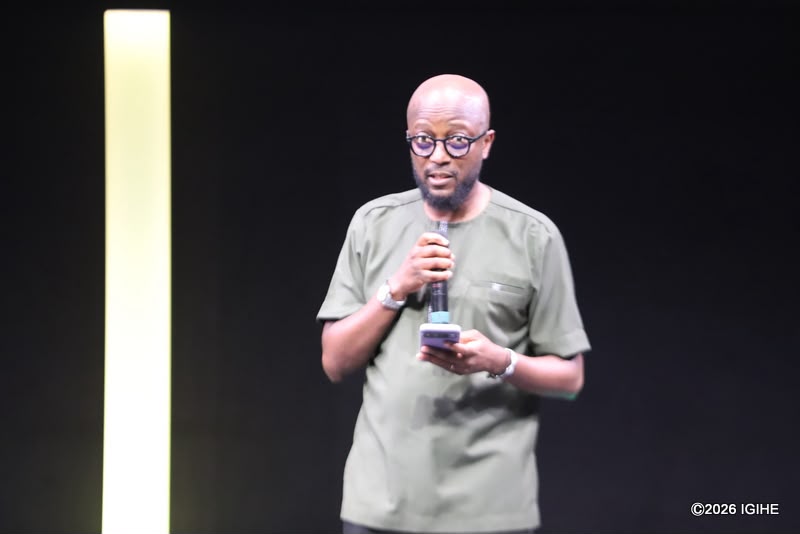
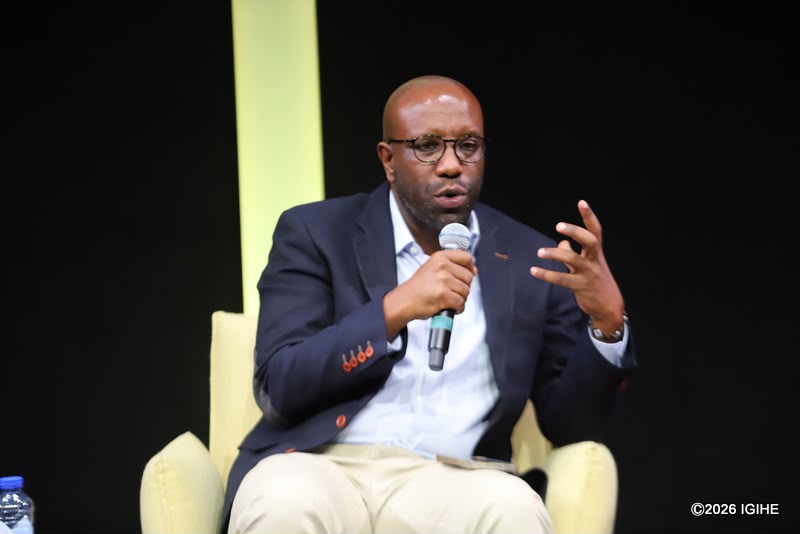
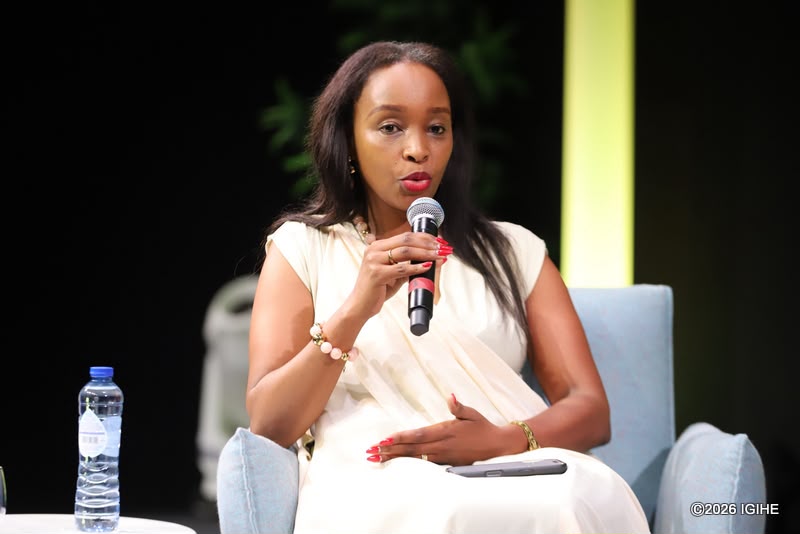 Claire Kayirangwa, one of the moderators of the discussions.