Those sanctioned include Brig Gen Sebastien Uwimbabazi, also known as Gilbert Kimenyi or Nyembo Kimenyi, who is identified by the UN as one of the top leaders of the FDLR.
Born in 1968, Uwimbabazi is originally from Murunda Sector in Rwanda’s Rutsiro District.
During the 1994 Genocide against the Tutsi in Rwanda, Uwimbabazi was a gendarmerie officer in Rwamagana, then part of Kibungo Prefecture. He later fled to Nyanza after the Rwanda Patriotic Army (RPA Inkotanyi) took control of the area.
The UN said Uwimbabazi continues to support activities that threaten peace, stability and security in eastern DRC.
The second sanctioned FDLR leader is Col Gustave Kubwayo, also known as Sirkoof, who heads the group’s special forces unit known as CRAP. He took over the unit after its former commander Protogene Ruvugayimikore, alias Col Ruhinda, was killed in December 2023.
Kubwayo, born in 1969, is from Karago Sector in Nyabihu District, Rwanda. He is accused of supporting FDLR operations targeting civilians, including kidnappings for ransom, as well as involvement in the illegal exploitation of natural resources in DRC.
In June 2026, the United States also sanctioned Kubwayo, saying he had led FDLR fighters operating in Nyiragongo Territory since 2022.
A UN Group of Experts report released in late June 2026 described FDLR as a continuing threat to peace and security in eastern DRC and the wider region. The report said the group has continued rebuilding its capacity, with support from authorities in Kinshasa.
FDLR claims to have more than 10,000 fighters, with about half involved in active military operations.
However, UN officials and intelligence agencies estimate the group’s strength at between 3,500 and 4,500 fighters. The Washington Accords also estimated its forces at between 3,000 and 3,500 members.
The UN Security Council also sanctioned other individuals linked to armed groups in eastern DRC, including AFC/M23 leader Corneille Nangaa, Col Nzenze Imani, who oversees intelligence and military operations for the alliance, and Brig Gen Charles Sematama, commander of the Twirwaneho armed group operating in Minembwe.
Nangaa was sanctioned over his leadership role in AFC, which the UN says works with the M23 armed group already under sanctions. Col Nzenze was sanctioned for his role in leading activities of a sanctioned armed group, while Brig Gen Sematama was accused of leading a group involved in attacks against civilians, recruitment of children into armed forces and activities undermining peace and security.
Mohammed Lumisa, a doctor and external supplies coordinator for the Allied Democratic Forces (ADF) terrorist group, was also sanctioned. The UN identifies him as originating from Kampala, Uganda.
UN sanctions include freezing assets held in member states, imposing travel bans and making individuals subject to arrest by international law enforcement bodies such as Interpol.
The UN Security Council has sanctioned two FDLR commanders.
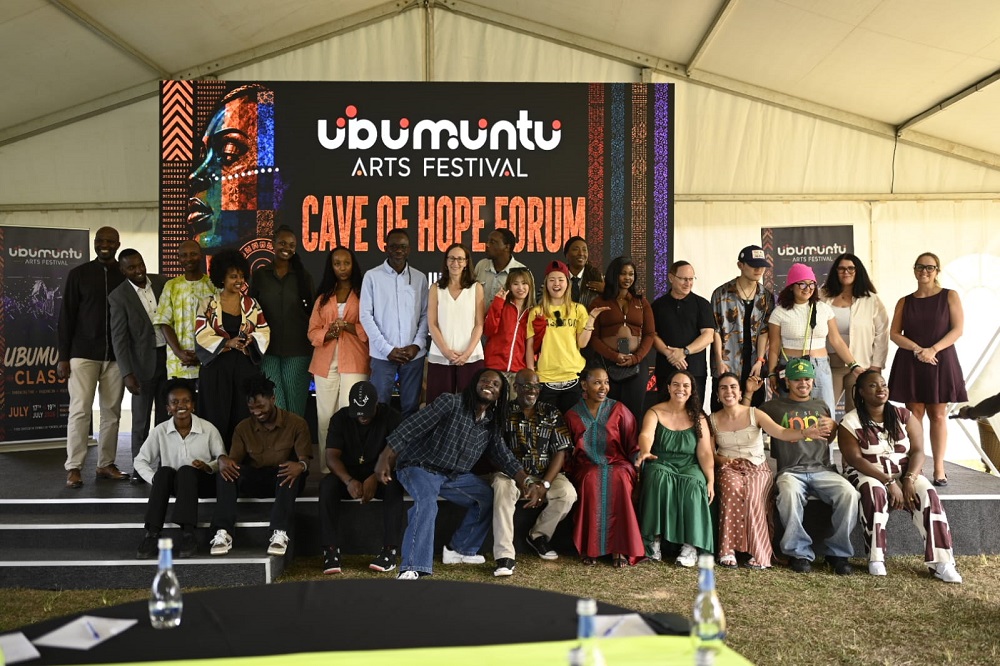
This sentiment was the cornerstone of The Cave of Hope Forum: An UnConference on Business, Sustainability & Cultural Diplomacy, held on Wednesday, 15 July 2026, at MÖVENPICK Hotel Kigali.
Creatives need greater financial support, stronger business skills and closer collaboration with financial institutions if Rwanda’s creative economy is to realise its full potential, participants at the 12th Ubumuntu Arts Festival stressed.
The call was made during The Cave of Hope Forum: An UnConference on Business, Sustainability & Cultural Diplomacy, held on Wednesday, July 15, 2026, at MÖVENPICK Hotel Kigali. The forum formed part of the 12th Ubumuntu Arts Festival, which is being held under the theme “Embracing Time: Holding On. Holding Together.”
Bringing together leaders from finance, the arts and mental health, the forum explored how creativity can be transformed into a sustainable economic sector through stronger financial support, business development and cultural diplomacy.
A recurring message throughout the discussions was that creativity extends far beyond entertainment. Speakers argued that when artists have access to financial knowledge, investment and appropriate financial products, the sector can generate jobs, revenue and broader social impact.
Among those advocating for stronger support was Bank of Kigali, which reaffirmed its commitment to helping creatives formalise their businesses and build sustainable enterprises capable of contributing more significantly to the national economy.
Marcelin Dukuzimana, Certified Product Manager at Bank of Kigali, said the bank views the creative industry as a sector with substantial emotional, social and economic value.
“When you empower one creative, you know that you are empowering an entire generation and the society around them,” he said.
Dukuzimana observed that while many creatives are already earning an income, they often operate informally, limiting their access to financing and opportunities for growth.
“These creatives are making money, although informally. As a bank, we have the expertise to help them put things in order, arrange their businesses, and convert their passion into entrepreneurial concepts that generate revenues,” he said.
He identified limited financial management skills and a lack of trust between creatives and financial institutions as key barriers preventing many artists from accessing formal financial services.
To bridge that gap, Bank of Kigali plans to roll out financial literacy programmes covering budgeting, bookkeeping, financial record-keeping and business planning. The initiative will be implemented through cohort-based training targeting creatives from different disciplines.
The bank is partnering with the Ministry of Youth and Arts and expects to launch the first training cohort in August 2026.
“We are going to keep training them every year until we establish a creative community that has the basics in terms of financial literacy,” Dukuzimana said.
The discussions extended beyond finance to examine the links between creativity, mental well-being and sustainable development.
During a roundtable titled “Building Sustainable Creative Futures through Cultural Diplomacy,” speakers highlighted how artistic expression can foster healing while also driving innovation and economic resilience.
Moderated by Fola Folayan, the panel brought together Dukuzimana, architectural consultant Fatou Dieye and Emmanuel Karamira, a clinical psychologist at Solid Minds. Their discussion explored how financial stability, mental well-being and cultural diplomacy can collectively strengthen the creative ecosystem.
The event concluded with remarks from Canada’s High Commissioner to Rwanda, Ambassador Judy Crowley, who praised The Cave of Hope initiative for creating a platform that connects art, creativity, nature and society.
“The inspiration that the team brought here this afternoon through discovering The Cave of Hope project is such a diverse and honest sharing experience. It is absolutely unique,” she said.
Crowley added that the initiative’s holistic approach has the potential to inspire similar collaborations beyond Rwanda.
“It is beautiful, it is well thought through, and the fact that it is bringing together nature, society, creativity, and art is truly inspiring,” she said.
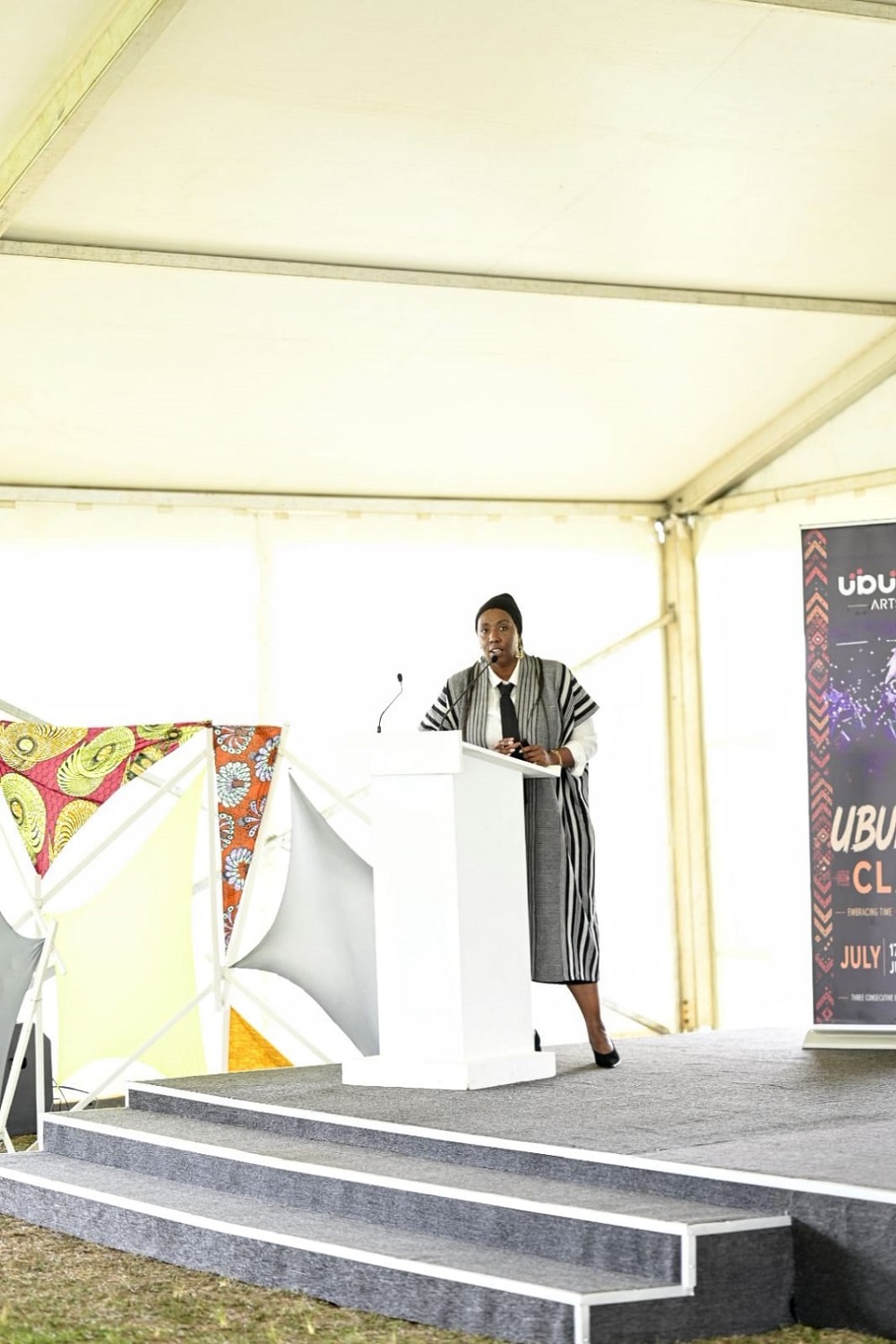
The forum began with participants touring The Cave of Hope Gallery before hearing opening remarks and a poetic reflection on hope by Hope Azeda. Fatou Dieye later presented The Cave of Hope concept, describing it as a space designed to encourage sustainable creative solutions, collaboration and innovation.
As discussions concluded, participants agreed that unlocking the full potential of Rwanda’s creative economy will require continued collaboration between artists, government, development partners and financial institutions.
The 12th Ubumuntu Arts Festival continues on Friday, July 17, with the Ubumuntu Classic performances at the Kigali Genocide Memorial amphitheatre, showcasing artists from around the world and reinforcing the festival’s commitment to promoting creativity, humanity and cultural exchange.
The forum formed part of the 12th Ubumuntu Arts Festival, which is being held under the theme “Embracing Time: Holding On. Holding Together.”Bringing together leaders from finance, the arts and mental health, the forum explored how creativity can be transformed into a sustainable economic sector.The discussions extended beyond finance to examine the links between creativity, mental well-being and sustainable development.
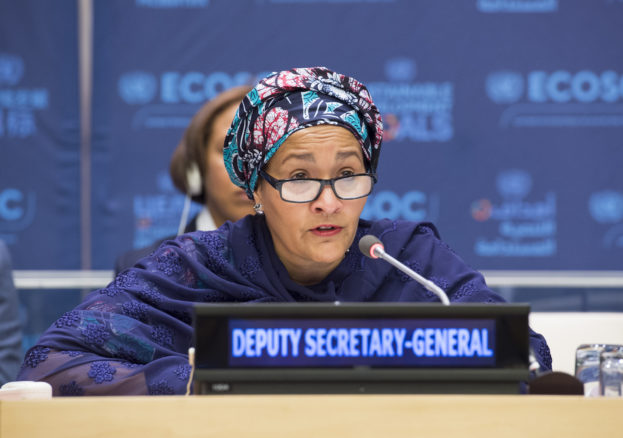
Speaking at the high-level segment of the Economic and Social Council on the “Way forward to 2030,” Mohammed said the 2026 UN Secretary-General’s report on progress toward the Sustainable Development Goals indicates that more than a third of SDG targets are on track or making moderate progress, but progress remains deeply uneven across the goals and among countries.
She said that among the more than one-third of the SDG targets on track or making moderate progress, access to electricity has reached 92 percent of the world’s population, and Internet connectivity has increased from 40 percent in 2015 to 74 percent today.
The SDGs matter, and they are making a difference, said Mohammed. “But our world today is very different from 2015.”
While multiple, intersecting crises — from geopolitical tensions and economic uncertainty to the climate crisis, biodiversity loss, food insecurity, debt distress, and widening inequalities — continue to slow progress across the SDGs and test the ability to deliver, the planet is warming at an alarming pace and violent conflict has reached its highest level in decades, she said.
“These are not isolated challenges,” warned the deputy secretary-general.
“The question before us is not whether the SDGs remain relevant … The question is whether we are prepared to make the choices, mobilize the financing and strengthen the cooperation required to deliver them,” she said, calling for stronger multilateral cooperation, increased investment, and integrated solutions that can advance multiple SDGs simultaneously while strengthening resilience to future shocks.
Describing the upcoming 2027 SDG Summit as a milestone, Mohammed said the summit must be more than “a stocktaking exercise,” and it must be a delivery moment: to sharpen priorities, scale what works and renew political commitment in the final stretch to deliver on the SDGs by 2030.
Mohammed said the 2026 UN Secretary-General’s report on progress toward the Sustainable Development Goals indicates that more than a third of SDG targets are on track
The discussions took place during the fifth meeting of the Joint Security Coordination Mechanism (JSCM), held on July 15-16, 2026, at the U.S. Mission in Geneva, Switzerland.
According to a joint statement released after the meeting, the parties “assessed the security environment in eastern DRC and worked toward a shared understanding of conditions on the ground.”
Rwanda and the DRC also “reaffirmed their commitment to rapidly implement the Washington Accords,” including accelerating efforts on the neutralization of the FDLR and lifting of defensive measures.”
A report by the United Nations Group of Experts on the Democratic Republic of the Congo identifies the Democratic Forces for the Liberation of Rwanda (FDLR) as a terrorist group that continues to play a significant role in destabilizing eastern DRC and posing a security threat to Rwanda.
The report describes the FDLR as comprising three main factions and at least four senior leaders.
While the group claims to have more than 10,000 fighters and its armed wing, CRAP (Commando de Recherche et d’Action en Profondeur), claims to have over 20,000 members, the UN and intelligence agencies estimate its actual strength at between 3,500 and 4,500 combatants.
According to the report, the FDLR is divided into three principal factions: FDLR-FOCA, FDLR-RUD, and FDLR-FPP.
The report further notes that these factions have adopted different names to conceal their affiliation with the FDLR.
FDLR-FOCA operates under the name “Bataillon Jungle,” FDLR-RUD uses “FDP-R,” while FDLR-FPP continues to operate as “FPP.” The report says these name changes are intended to disguise their links while continuing the same activities.
In late March 2026, the Armed Forces of the Democratic Republic of the Congo (FARDC) announced plans to eliminate the FDLR.
However, analysts familiar with the Congolese military argued that such an objective would be difficult to achieve, contending that any genuine effort to dismantle the group would first have to address FDLR elements integrated within state security forces.
Subsequently, FDLR fighters were redistributed among the Wazalendo militia groups.
To reinforce transparency and accountability, the parties agreed to explore possible verification mechanisms to support implementation of the Washington Accords.
The meeting also received a briefing from the United Nations Organization Stabilization Mission in the DRC (MONUSCO) on its Disarmament, Demobilization and Reintegration programme.
The discussions focused on how the programme contributes to the objectives of the Washington Accords through the repatriation of FDLR members, while the parties also identified steps to strengthen coordination going forward.
In another commitment aimed at supporting the peace process, Rwanda and the DRC agreed to maintain regular information sharing to ensure “an accurate picture of developments on the ground in eastern DRC.”
The two countries also thanked the United States, Qatar, the African Union and Togo for their continued support throughout the peace process.
Describing the agreement as “an historic opportunity to unlock security and prosperity for people in the Great Lakes region,” the parties reaffirmed their determination “to see this process through” and agreed to reconvene in the coming weeks to review progress on implementing the Washington Accords.
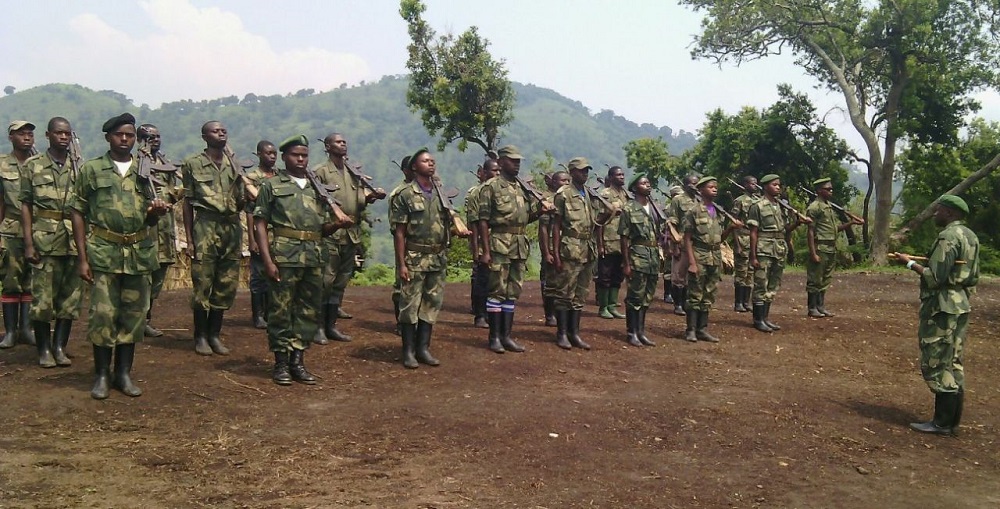
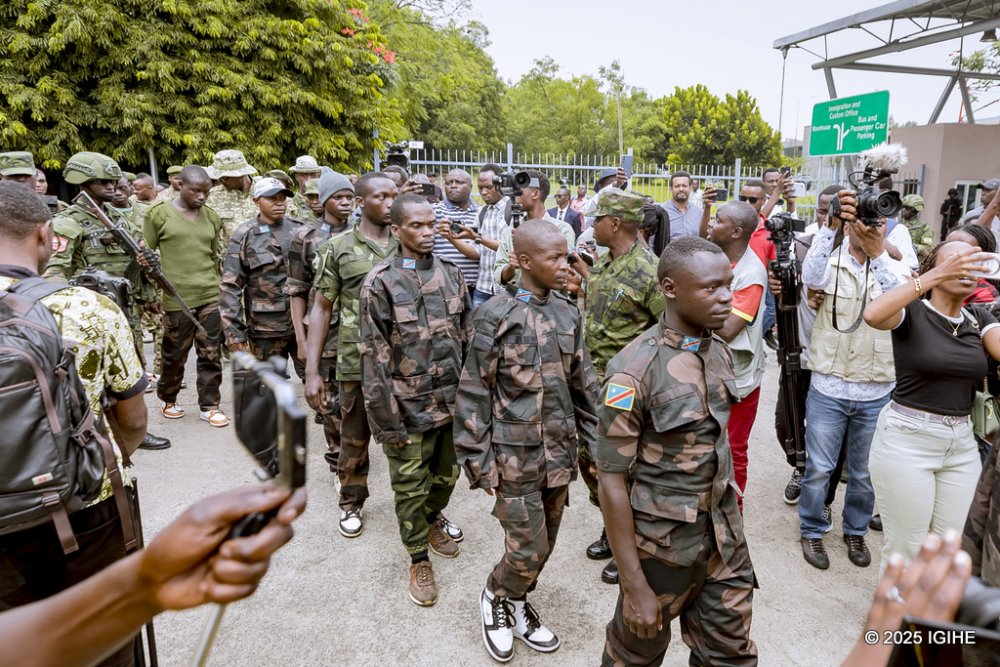
This photo shows some members of the FDLR including those captured during the fighting in Goma early 2025, repatriated to Rwanda.
A graduate in International Business with a specialization in Modern Logistics from WSG University (Wyższa Szkoła Gospodarki) in Poland, he currently works for Thales Alenia Space, a Franco-European company specializing in satellite and space technologies.
In an interview with IGIHE, Kevin Ishimwe spoke about the creation of Gerayo App, a mobile application he co-founded with Shema Aimé César, 24, from Nyarugenge, along with other Rwandan students living in Poland.
Designed to facilitate bus travel in Rwanda, the application aims to make public transport more accessible, predictable, and efficient for commuters.
An idea inspired by life in Poland
According to Kevin Ishimwe, the idea for Gerayo App emerged after observing the efficiency of Poland’s public transport system.
“As students living in Poland, we saw how transport applications make daily commuting easier. They allow users to know exactly when a bus, tram, or train will arrive, helping them avoid long waiting times at stations. We believed that introducing a similar system in Rwanda could further modernize public transport and make it more efficient and reliable,” he explained.
The knowledge gained through studies in international business, logistics, and modern technologies helped transform the idea into a practical solution tailored to Rwanda’s realities.
An application that helps users plan their journeys
Launched recently, Gerayo App enables passengers to plan their trips before leaving home.
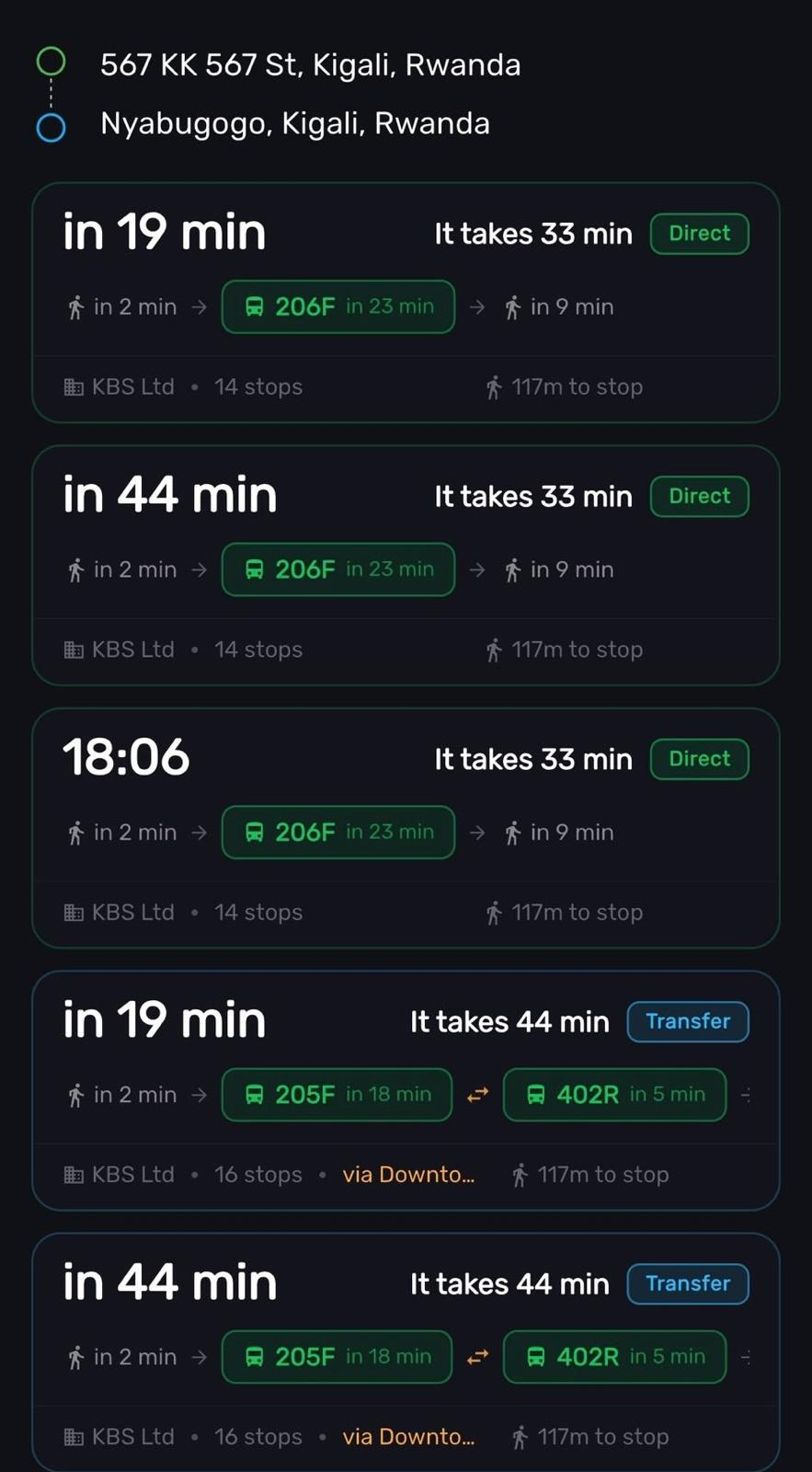
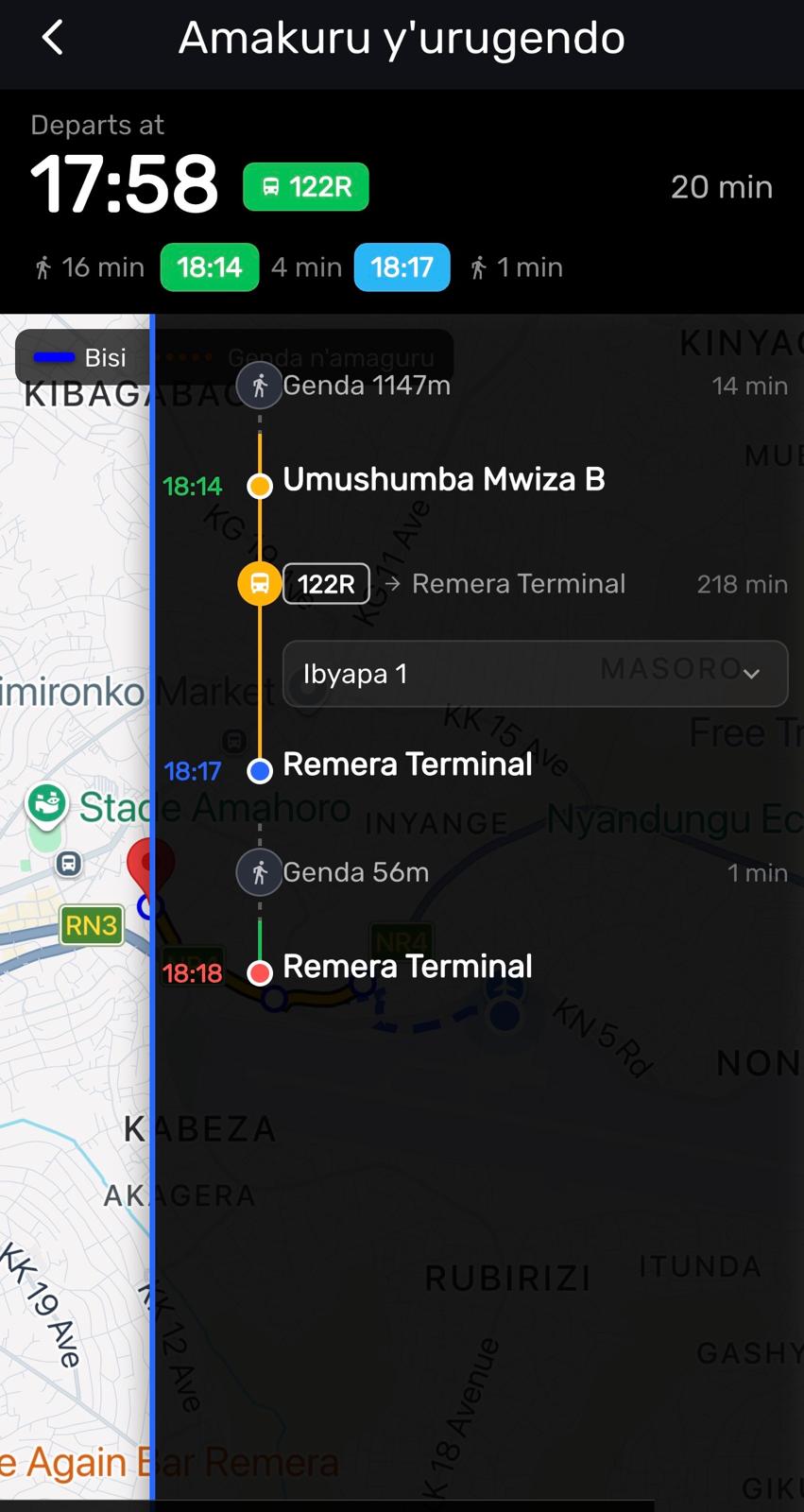
Available free of charge on both the App Store and Google Play Store, the application provides essential information such as bus schedules, available routes, transfer options, and the exact locations of departure and arrival bus stops.
“If you do not know when your bus will arrive or which route to take to reach your destination, Gerayo App provides that information. The application also suggests connecting routes when a journey requires more than one bus,” Ishimwe said.
Thanks to these features, users can better organize their daily travel and significantly reduce the time spent waiting at bus stops.
An innovation covering Kigali’s entire bus network
One of Gerayo App’s main strengths is its ability to centralize information related to Kigali’s public transport network.
The application displays bus routes operating across the city, bus stops, and scheduled arrival times. It also informs users about possible delays and helps them quickly identify the best options to reach their destinations.
“Our goal is to enable users to know exactly when their bus will arrive, where their bus stop is located, and what options are available to reach their destination,” he said.
The application also helps passengers identify the necessary connections to reach a particular destination, a feature that is especially useful for people who are not yet familiar with Kigali’s transport network.
More than 1,500 weekly users
Just two months after its launch, Gerayo App has already received an encouraging response from the public.
According to Ishimwe, the application currently records more than 1,500 active users every week.
Feedback from users has been overwhelmingly positive.
“Many users tell us that the application helps them avoid being late for work or school. Others appreciate not having to spend time searching for bus stops or waiting without knowing when the next bus will arrive,” he explained.
Some users also say the application helps them manage their time more effectively and plan their journeys with greater confidence.
Ambitions to expand services
The developers of Gerayo App aim to continue improving the platform by strengthening collaboration with institutions responsible for public transport as well as with the City of Kigali.
“We would like to work more closely with stakeholders in the public transport sector and with the City of Kigali to improve data quality and provide users with a faster and more reliable service,” Ishimwe explained.
The team also hopes to establish a partnership with the Tap&Go system, allowing users to access and manage their accounts directly through the application.
In addition, Gerayo App’s developers are exploring the possibility of integrating a digital ticket payment solution within the application. This feature would allow passengers to pay for their journeys even if they have forgotten their Tap&Go card or have not had enough time to top it up before the bus arrives.
Beyond Kigali, the team is already considering the gradual expansion of its services to other parts of Rwanda.
“We are currently exploring opportunities to extend our services to different provinces across Rwanda so that more citizens can benefit from this technology and better plan their daily journeys,” Ishimwe told IGIHE.
This ambition reflects the team’s vision of making Gerayo App a nationwide reference platform for public transport.
A solution designed for all users
The creators of Gerayo App believe the application meets the needs of different categories of users.
For professionals, it helps prevent delays to important meetings through better journey planning.
For students, it reduces the risk of missing classes or examinations due to transport uncertainty.
For visitors and tourists, it makes it easier to explore Kigali and use the public transport network like a local resident.
“Your bus. Your route. Your time,” summarizes the Gerayo App team.
Driven by Kevin Ishimwe, Shema Aimé César, and other young Rwandans trained in Poland, this innovation demonstrates how technology can improve citizens’ daily lives and contribute to the modernization of public services in Rwanda.
Already available on the App Store and Google Play Store, Gerayo App continues to evolve with the ambition of becoming a national reference in public transport information and mobility services across Rwanda.
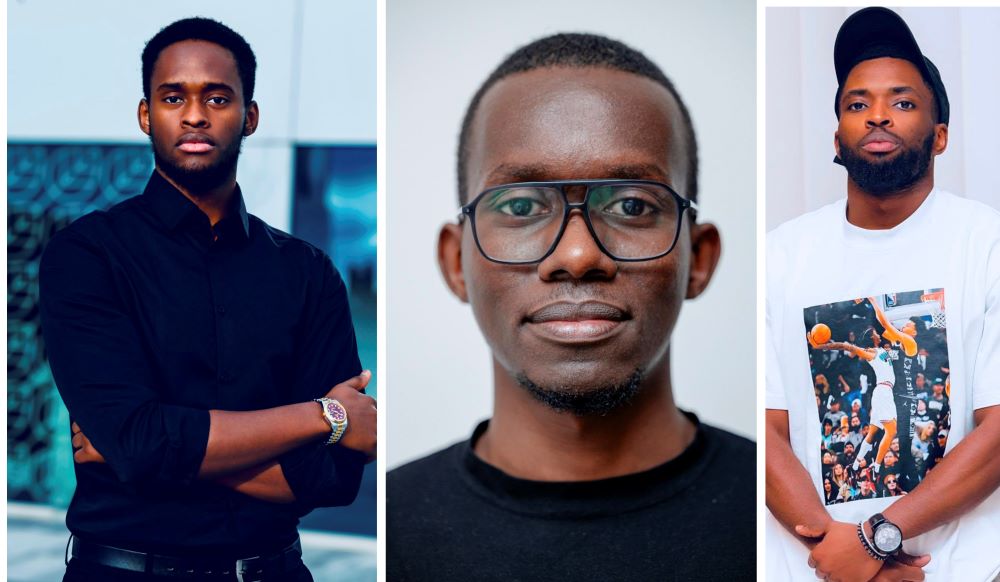
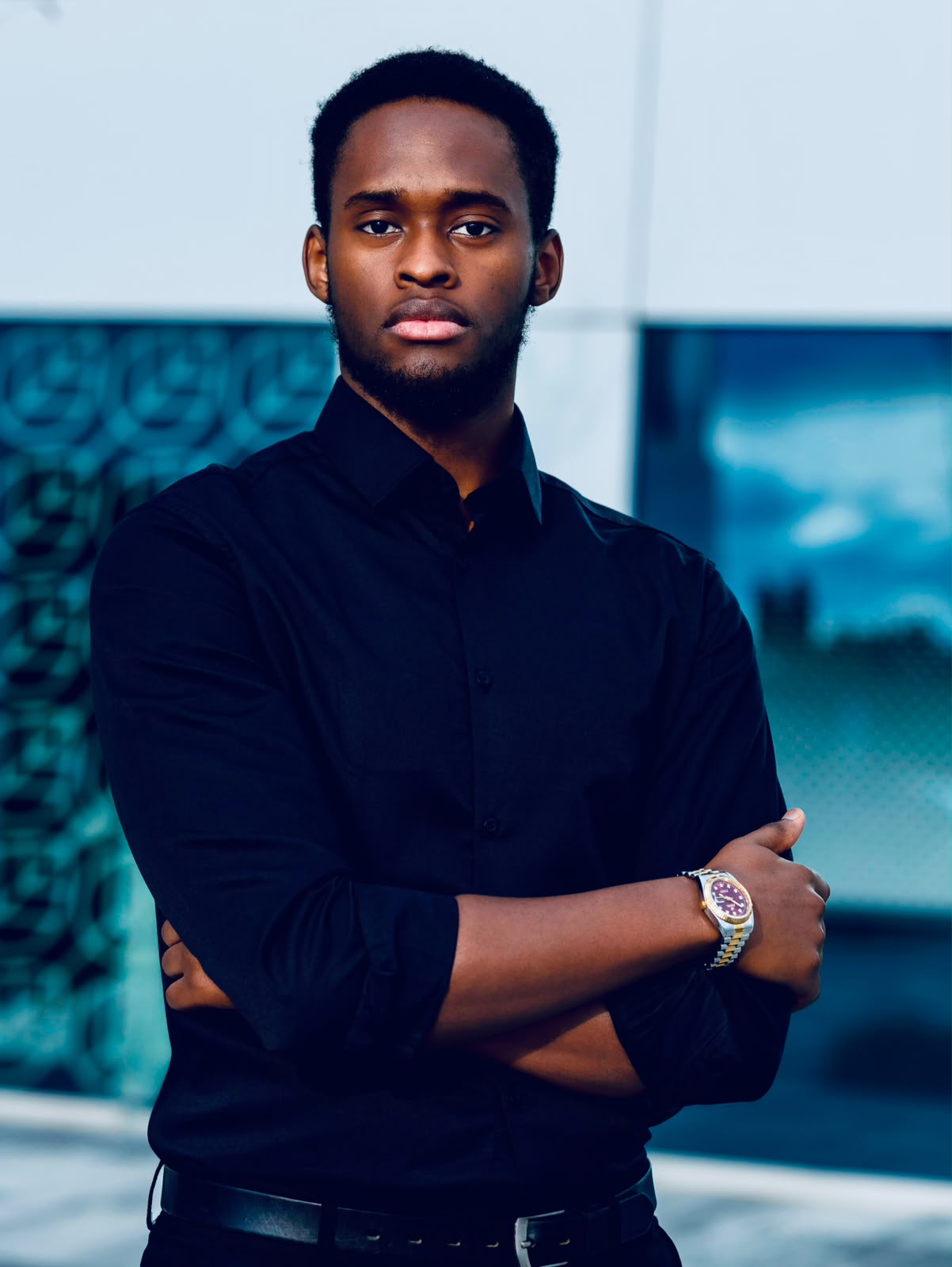
Kevin Ishimwe, Managing Director of Gerayo App, is part of the team behind the public transport application.Byiringiro Ishimwe Etienne, IT Director at Gerayo App, is part of the team driving the application’s technology development.Shema Aimé César, Chief of Operations and Marketing at Gerayo App, is among the team members developing the platform.
The largest share of the investment, Rwf 18.66 billion, will fund the construction of five specialized schools—one in each province and one in the City of Kigali. The schools will primarily serve children with autism and other intellectual and developmental disabilities.
An additional Rwf 3.75 billion will be used to build and equip 20 centres that provide support services for children with disabilities, while Rwf 2.4 billion has been allocated to strengthen inclusive education for learners with disabilities and those requiring special educational support.
The investment was announced by Irenée Muyizere, Head of the Department of Special Needs and Inclusive Education at the Rwanda Basic Education Board (REB), during the presentation of findings from a study on early childhood education for children with disabilities in Rwanda.
The study, released on July 15, 2026, was conducted by the African Child Policy Forum (ACPF) in partnership with CLADHO, the umbrella organization of Rwandan human rights groups.
According to the findings, about 4.4% of Rwandans aged five and above live with a disability. However, of the country’s 4.16 million learners, only about 39,000 (0.9%) are registered as having a disability.
Enrollment of children with disabilities in pre-primary education remains below 1%, limiting their access to early learning, which plays a critical role in cognitive, social and behavioural development.
The study also found that many families struggle to meet transport and healthcare costs, while children in rural areas face additional barriers, including inaccessible infrastructure and limited early intervention services.
Muyizere said the government aims to increase the number of children with disabilities enrolled in primary schools from 31,751 in the 2023/24 academic year to 80,323 by 2028/29.
“These schools will be located near mainstream schools and will also provide health services for learners,” he said, adding that government subsidies will help cover school fees.
He explained that children with severe autism will attend specialized schools, while those with milder forms of autism or other disabilities will be supported in mainstream schools through specialized resource classrooms, teacher training and assistive technologies such as sign language and Braille.
“We have already trained more than 4,000 teachers to identify and assess children with disabilities early so that they can receive timely support and appropriate learning plans,” Muyizere said.
The share of pre-primary schools implementing inclusive education has increased from 5.7% in 2017 to 66% in the 2024/25 academic year.
Over the same period, the number of children with disabilities enrolled in Early Childhood Development (ECD) centres more than doubled, rising from 1,362 to 3,125.
Rwanda is set to invest over Rwf 24 billion in improving education for children with disabilities
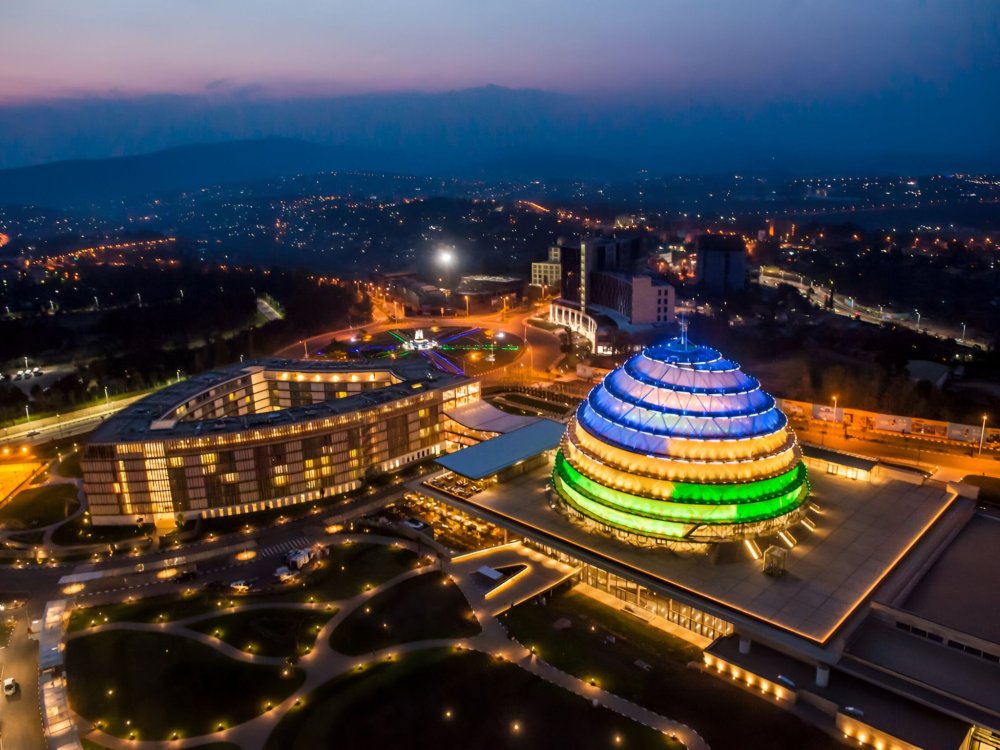
The alliance said Kigali earned its place through its growing reputation as a destination for global conferences, backed by modern infrastructure, sustainability efforts and a strong track record of hosting international events.
“As one of Africa’s fastest-growing meeting destinations, Kigali is a natural fit for BestCities,” said Julia Swanson, Board Chair of BestCities Global Alliance.
“The city exemplifies the qualities that define today’s leading convention destinations, including strong knowledge and innovation sectors, a commitment to sustainability, and an understanding of how business events can drive social and economic impact.”
Kigali is connected to more than 160 destinations through RwandAir and other international airlines, while visa-on-arrival for all nationalities makes travel easier for delegates.
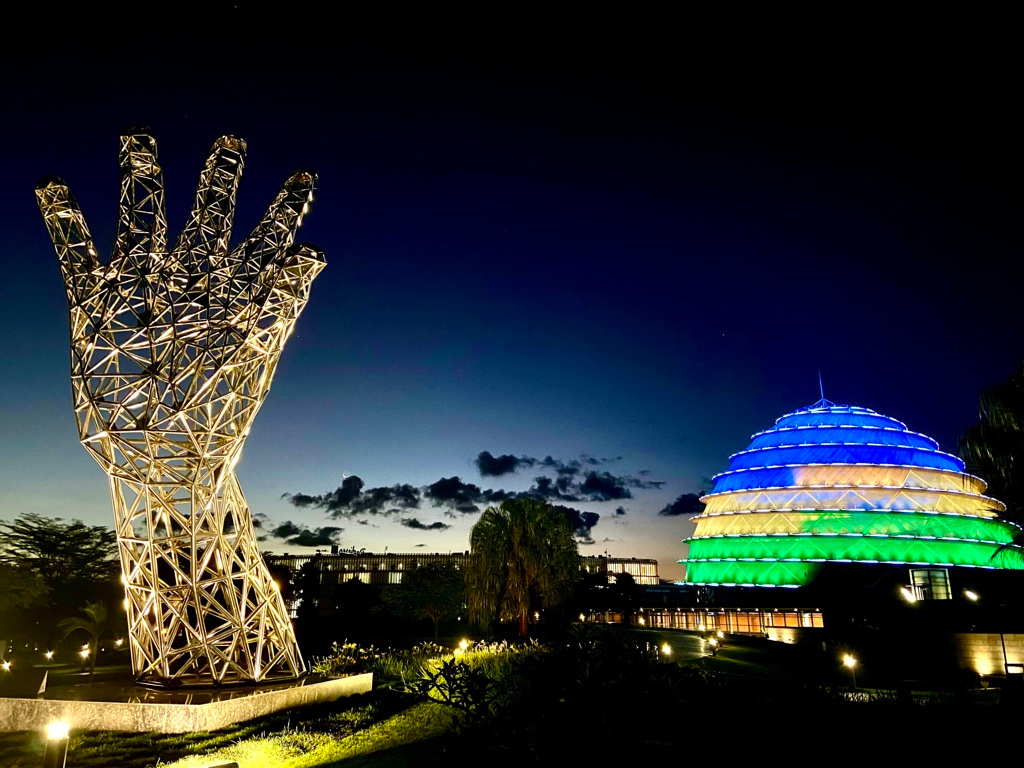
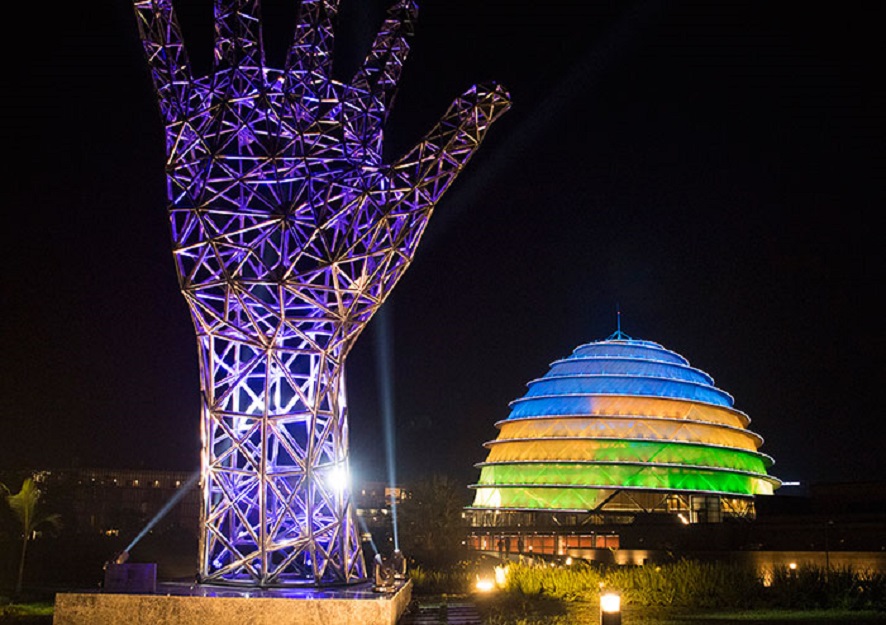
The city also offers major conference facilities, including the 5,000-seat Kigali Convention Centre and the 10,000-capacity BK Arena, alongside more than 10,000 hotel rooms.
The city has remained Africa’s second-ranked destination in the International Congress and Convention Association (ICCA) rankings for six consecutive years.
In 2025, Rwanda hosted more than 25 international association meetings, including the 13th International AIDS Society Conference and the 4th Global NCD Alliance Forum. Kigali is also set to host the ICCA Congress in 2027 and the World Nephrology Congress in 2029.
Janet Karemera, Chief Executive Officer of the Rwanda Convention Bureau, said joining the alliance reflects Kigali’s ambition to expand its global presence.
“We are delighted to join the BestCities Global Alliance,” she said. “Through this platform, we aim to further enhance our visibility, exchange expertise, and continue elevating Kigali as a competitive destination for global business events.”
BestCities has welcomed Kigali, Rwanda as its newest member of Global Alliance.
The ranking places Rwanda ahead of other African countries assessed in the index, which measures governments’ efforts to prevent and combat corruption through public institutions, including the executive, parliament, judiciary, public procurement systems and anti-corruption bodies.
It also considers corruption in the private sector and public perceptions of anti-corruption efforts.
Rwanda has maintained the leading position in the category since 2016, while Seychelles recorded the biggest improvement over the decade, gaining 26.3 points and rising 12 places to join Rwanda at the top of the ranking.
The two countries were followed by Mauritius, Senegal, Benin, Botswana, Namibia, Cape Verde, Tunisia and Burkina Faso, which completed the top ten list.
The preliminary IIAG 2026 findings show that Africa has made gradual progress in addressing corruption over the past decade.
The continent’s average score increased from 38.6 points in 2016 to 39.1 points in 2025. The Mo Ibrahim Foundation noted that while performance declined between 2016 and 2020, the continent recorded steady improvement during the second half of the decade.
Beyond the leading performers, several countries recorded notable gains. Angola, Chad, Somalia and Togo were among those that registered the biggest improvements between 2016 and 2025.
Somalia, despite remaining among the lowest-ranked countries, showed significant progress, demonstrating that sustained reforms can contribute to governance improvements.
However, some countries experienced setbacks, with Comoros, Liberia, South Africa, Niger and Botswana recording the largest declines over the decade.
The report also highlighted progress in reducing private-sector corruption, which was the most improved indicator assessed.
However, public confidence in the effectiveness of anti-corruption measures remains a challenge, despite signs of recovery after reaching its lowest point in 2022.
The full Ibrahim Index of African Governance 2026 report is expected to be published on October 31.
Rwanda has been ranked first in Africa’s anti-corruption performance in the preliminary 2026 Ibrahim Index of African Governance results.
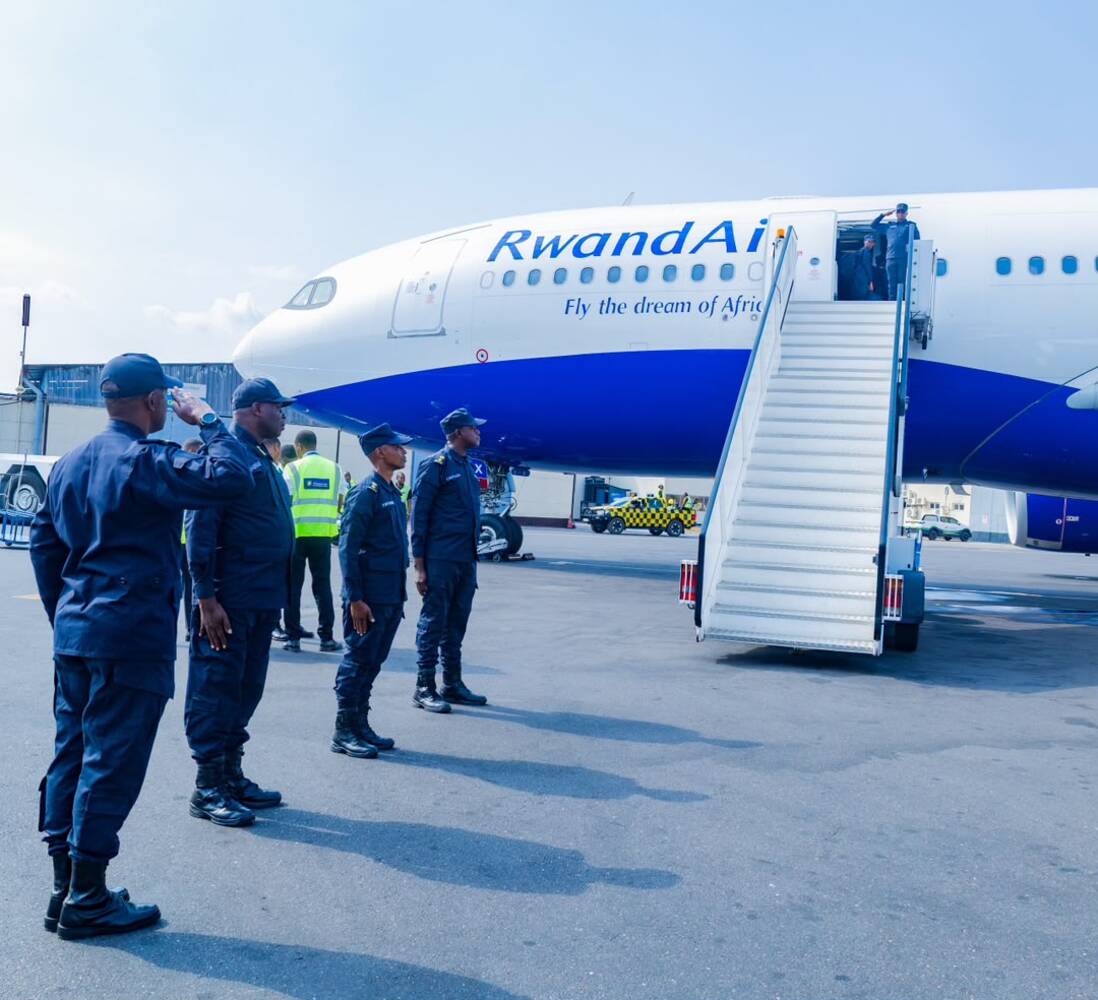
The returning contingent, commanded by Senior Superintendent of Police (SSP) Jean D’Amour Ndagijimana, arrived at Kigali International Airport on Wednesday, July 15, after serving under the United Nations Multidimensional Integrated Stabilization Mission in the Central African Republic (MINUSCA).
They were replaced by a new contingent led by Senior Superintendent of Police (SSP) Aimable Busasa, which departed earlier the same day to continue Rwanda’s peacekeeping responsibilities in the conflict-affected nation.
The rotation involved officers from three Rwanda National Police contingents deployed in CAR, including Rwanda Formed Police Unit One (RWAFPU-1), Rwanda Formed Police Unit Two (RWAFPU-2), and the Protection Support Unit (RWAPSU).
Welcoming the officers home, Commissioner of Police (CP) Yahaya Kamunuga, the Commissioner for Peace Support Operations, commended the contingent for demonstrating professionalism, discipline and dedication throughout their deployment.
“Today, we proudly welcome you home after a year of distinguished service under the United Nations flag. Your professionalism, discipline and commitment have not only represented the Rwanda National Police with honour but have also strengthened Rwanda’s reputation as a trusted contributor to international peacekeeping,” CP Kamunuga said.
He praised the officers for upholding the values expected of Rwandan peacekeepers despite serving far from their families and in a challenging security environment.
“Serving in a peacekeeping mission is both a privilege and a great responsibility. The excellence you demonstrated abroad reflects the values we uphold as a nation. Having successfully fulfilled this important mandate, I am confident you will continue serving our country with the same dedication as Rwanda advances its development and security agenda,” he added.
Speaking on behalf of the returning contingent, Senior Superintendent of Police (SSP) Jean D’Amour Ndagijimana said the officers successfully executed their mandate, which included conducting patrols, protecting public officials and maintaining public order and security.
He noted that, beyond their core security responsibilities, the contingent also prioritized community engagement initiatives to strengthen trust between security institutions and residents.
“Throughout our deployment, we remained committed not only to maintaining peace and protecting civilians but also to building lasting relationships with the communities we served. We participated in Umuganda, improved access to clean water and organised sporting activities with residents, initiatives that fostered cooperation, mutual trust and community resilience,” SSP Ndagijimana said.
He added that the mission’s success was made possible by teamwork, discipline, and the unwavering support of the Rwanda National Police leadership.
“We return home with valuable operational experience, stronger partnerships, and the satisfaction of having contributed to peace and stability in the Central African Republic. We remain ready to continue serving wherever our country calls upon us,” he said.
Rwanda has maintained police peacekeepers in the Central African Republic under MINUSCA since 2014 and remains among the leading contributors to United Nations peacekeeping operations.
The returning contingent, commanded by Senior Superintendent of Police (SSP) Jean D’Amour Ndagijimana, arrived at Kigali International Airport on Wednesday, July 15. Rwanda Police peacekeepers who completed a one-year UN mission in the Central African Republic arrive at Kigali International Airport.
The Director General for Banking and Non-Banking Services at the Ministry of Finance and Economic Planning, Cyrille Hategekimana, said the guarantees have supported projects across key sectors, including agriculture, agro-processing, livestock value addition, manufacturing and other industries that contribute to Rwanda’s economic development.
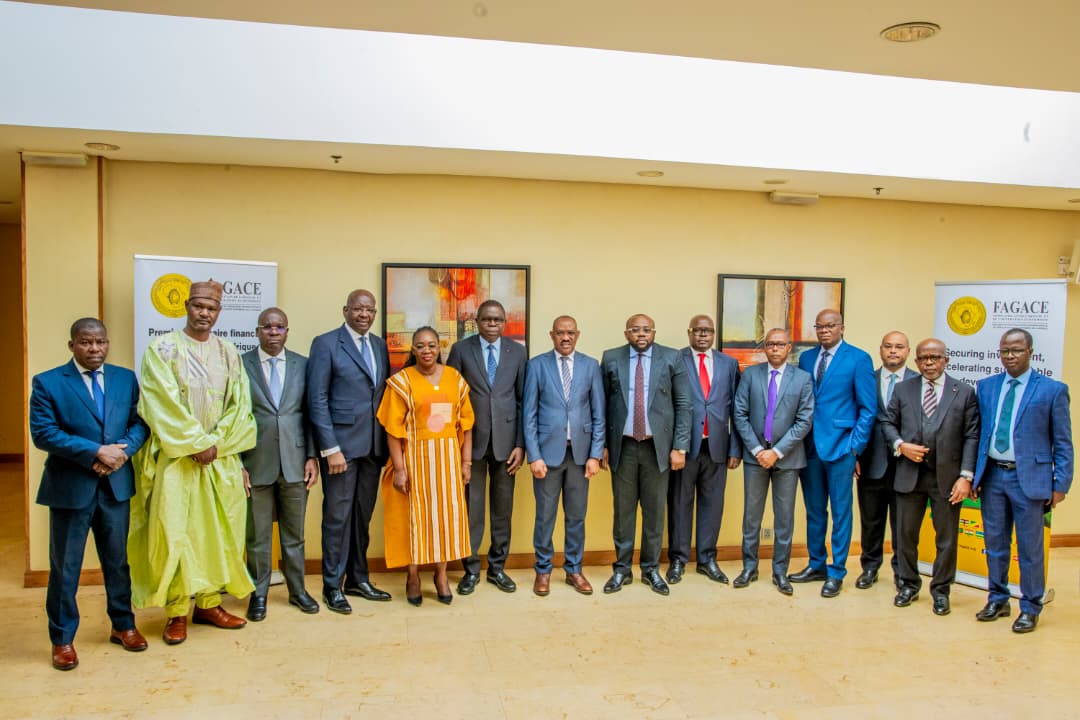
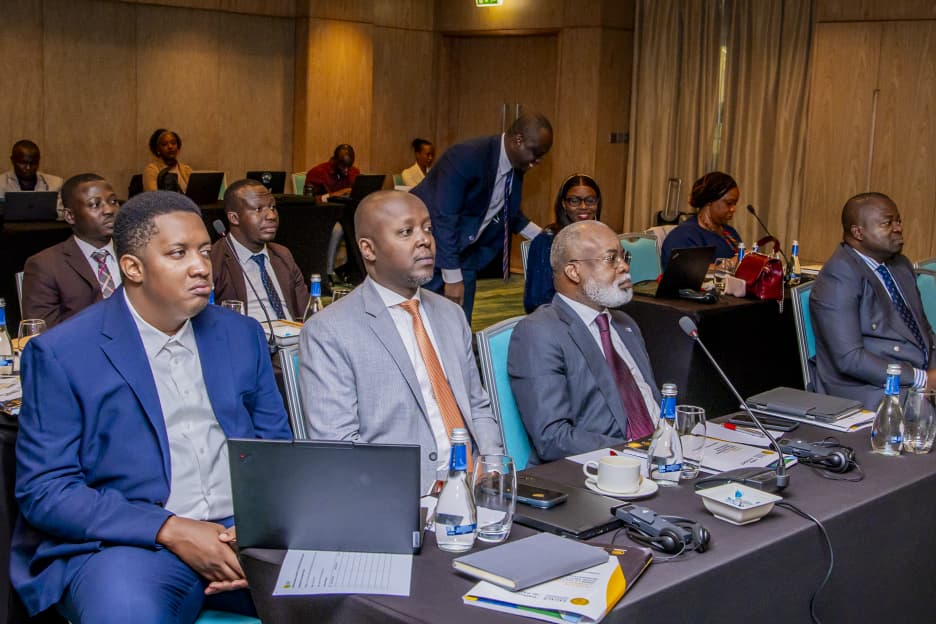
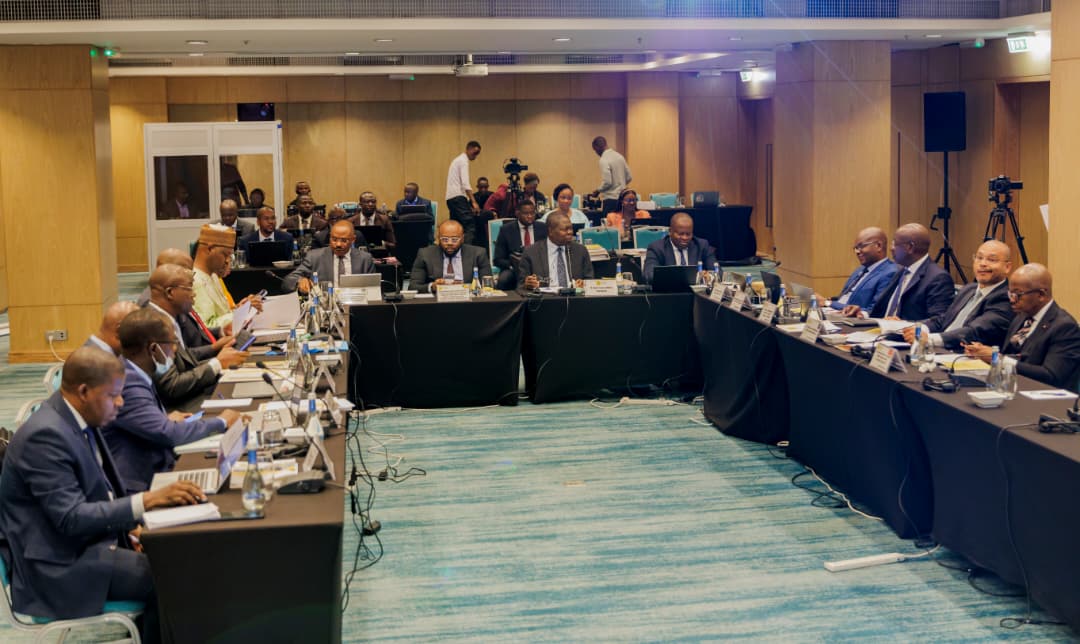
Speaking in Kigali during a meeting of FAGACE’s Board of Directors held in Kigali on July 15, 2026, Hategekimana explained that the guarantees have helped both small and large-scale projects secure loans from financial institutions.
“These are several projects, both small and large. More than 22 have already benefited from this support to obtain financing from our financial institutions, including the Development Bank of Rwanda and other commercial banks,” he said.
He also expressed hope that Rwanda will host the celebrations marking FAGACE’s 50th anniversary in 2027, noting that the fund was established in Kigali before relocating its headquarters to Benin.
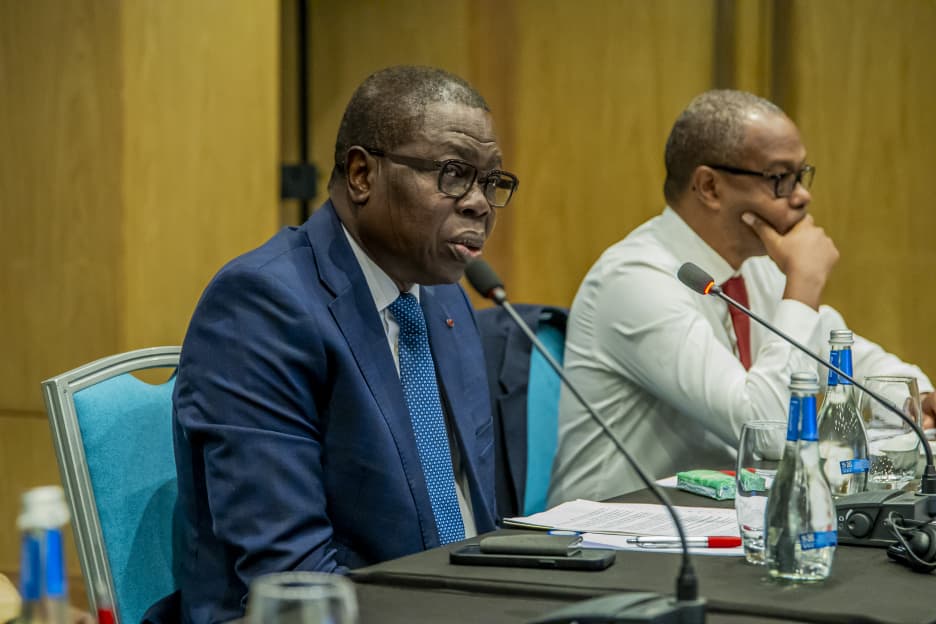
Speaking at the meeting, FAGACE Director General Dr. Ngueto Tiraïna Yambaye said the institution is committed to helping Rwandan banks, as well as African banks operating in Rwanda, reduce lending risks by providing credit guarantees.
He explained that FAGACE can guarantee between 50% and 70% of a loan, enabling banks to continue financing businesses and investment projects with greater confidence.
“We provide guarantees in all sectors except those prohibited by law. As long as an investment is legally permitted, we can support projects in every sector, including small businesses. We work closely with the banking sector, our main partner, as well as financial markets. We finance telecommunications, media, agriculture and many other sectors,” Yambaye said.
He noted that banks require guarantees to strengthen confidence in loan repayment and that FAGACE stands ready to provide that support.
According to Yambaye, the fund has so far mobilised more than $25 billion for the economies of its member states and plans to further expand its support for projects in Rwanda and across East Africa.
FAGACE was established in Kigali in 1977 before its headquarters were moved to Benin. The institution currently has 22 member states and has maintained a representative office in Rwanda since 2015, serving as its regional hub for Rwanda and East Africa.
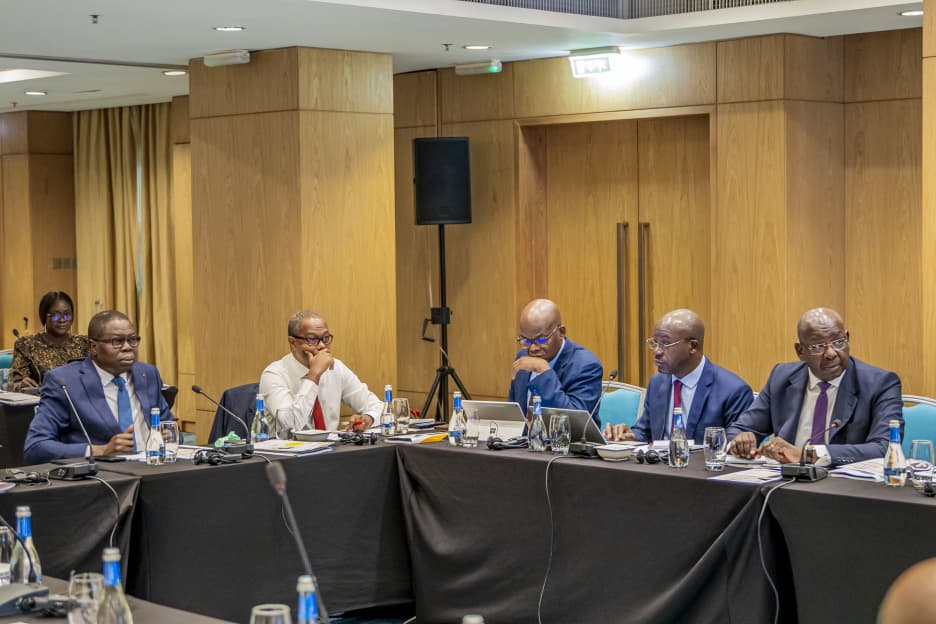
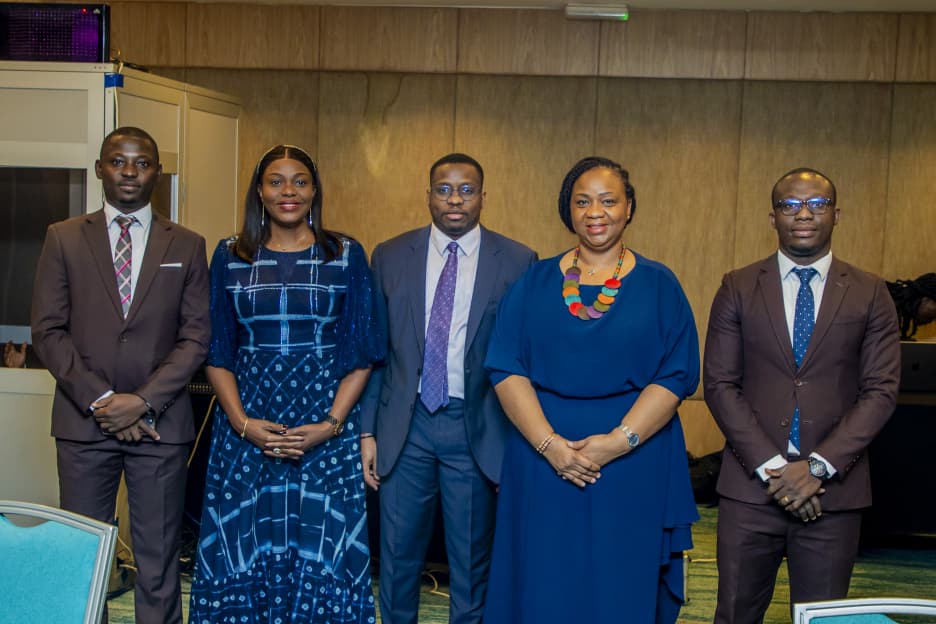
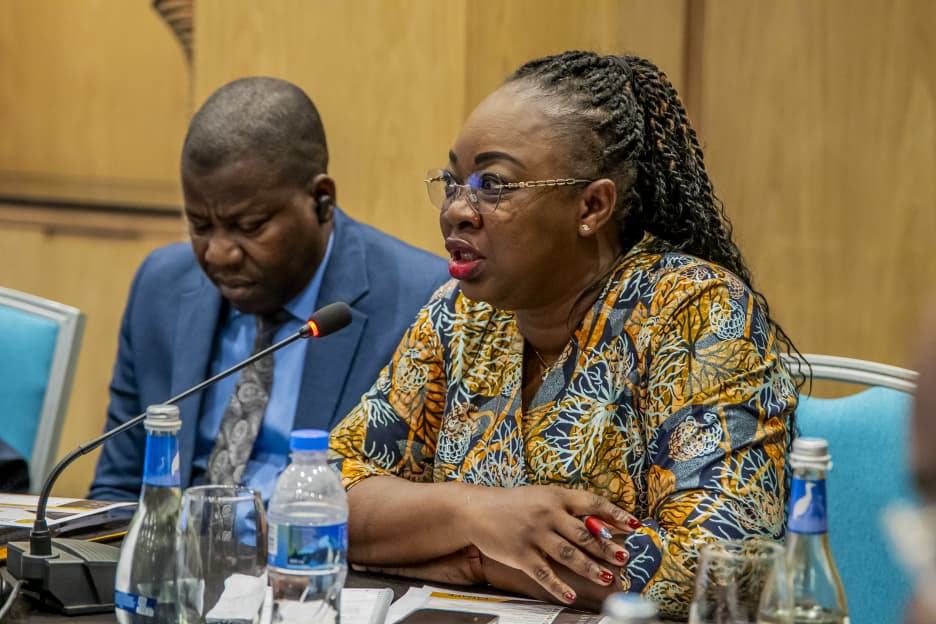
Yambaye said FAGACE is committed to increasing its support and investments in Rwanda, where the institution was founded.Rwanda has been proposed as the host country for FAGACE’s 50th anniversary celebrations in 2027.FAGACE’s Rwanda Country Representative, Eric Nkusi Bukeye (centre), was among the participants at the meeting.