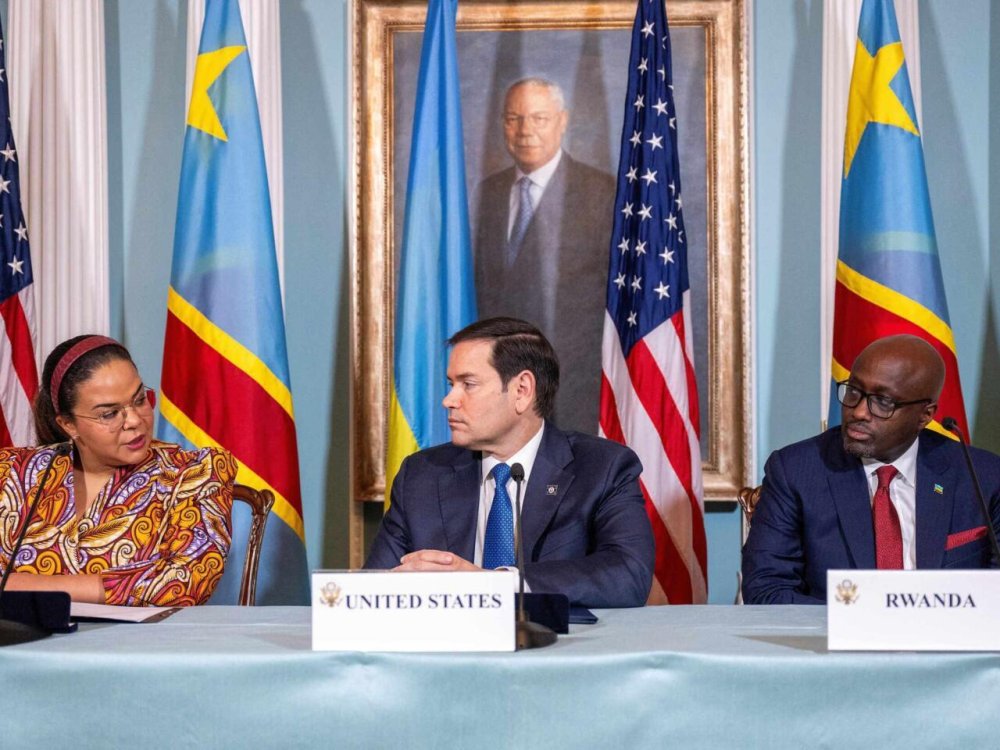
The International Contact Group (ICG) for the Great Lakes region said Kinshasa must ensure that its recently announced disarmament and demobilization arrangement with the militia group is implemented in accordance with obligations under the Washington Agreement signed in June last year and the subsequent CONOPS agreement on the lifting of Rwanda’s defensive measures.
The ICG, chaired by France and comprising the United States, Belgium, Canada, Denmark, the European Union, France, Germany, the Netherlands, Sweden, Switzerland and the United Kingdom, urged the Congolese authorities to immediately develop an operational plan and a realistic timeline for the “effective FDLR neutralization.”
The call comes after the Congolese government announced on July 28 that the FDLR had formally accepted and signed a protocol for voluntary disarmament, demobilization and cantonment.
The ICG stressed that any continued colocation or operational collaboration between Congolese forces and elements of the FDLR would be “fundamentally at odds” with the commitments made in the Washington Accords.
The firm statement comes amid reports that the FDLR group has continued to coordinate militarily with forces fighting the AFC/M23 coalition in North and South Kivu.
The ICG has called on the Congolese government to ensure that the neutralisation protocol is actually implemented and to clarify the mechanisms for combating impunity referred to in the agreement.
It also urged Kinshasa to work with MONUSCO, the UN peacekeeping mission in the DRC, as a key partner in carrying out the process.
The Washington Agreement has placed the dismantling of the militia group formed by individuals involved in the 1994 Genocide against the Tutsi among the key security commitments linked to broader efforts to end tensions between Rwanda and the DRC.
Rwanda has consistently maintained that the FDLR must be dismantled rather than accommodated, and has rejected the arrangement announced by Kinshasa on the grounds that it does not provide for the kind of alternative process proposed by the DRC.
According to Congolese authorities, the arrangement provides for fighters to surrender their weapons, move to secured transit centres and eventually be reintegrated into civilian life.
The FDLR has also proposed that fighters who do not want to return to Rwanda be assisted in resettling in third countries.
In a recent interview with BBC Gahuza, FDLR political spokesperson Cure Ngoma acknowledged that no timeline had been established for disarmament and reintegration.
Ngoma said the FDLR had conditions that it wanted addressed first, including guarantees for the security and dignity of people it describes as Rwandan refugees living in the DRC.
He further said the FDLR’s objective, after those issues were resolved, would be to participate in Rwanda’s political process.
That position has been rejected by Rwanda.
Foreign Minister Olivier Nduhungirehe has dismissed the idea of voluntary dissolution and insisted that no political platform can be opened to the FDLR.
He has maintained that the group must be dismantled as stipulated in the Washington Agreement and that its fighters should be repatriated to Rwanda without additional conditions.
The ICG’s latest statement effectively reinforces the centrality of that agreement, putting the focus back on whether the DRC’s actions will fulfil or undermine the commitments made in Washington.
The group said it was ready to welcome concrete steps by either the DRC or Rwanda to advance the peace process, but urged all parties to the Washington Accords and Doha Framework to implement the commitments they have already undertaken.
It also called on the African Union and other mediation efforts to continue pushing the parties towards implementation.
The group also welcomed the prisoner exchange agreement between the DRC and the AFC/M23 rebel coalition, describing it as an important confidence-building measure, and commended the International Committee of the Red Cross for facilitating a recent transfer of individuals released by Congolese authorities.
The Washington Agreement, signed by DRC President Félix Tshisekedi, Rwanda’s President Paul Kagame and U.S. President Donald Trump, commits the parties to the dismantling of the FDLR.
Police spokesperson ACP Boniface Rutikanga said the law classifies vaping products as drugs, meaning users cannot justify their use on the grounds that they produce little or no smoke or odor.
“I would like to urge those who use them to take this seriously and start thinking about putting them aside. They are not permitted; this is provided for by law,” Rutikanga said.
Health Minister Dr. Sabin Nsanzimana also warned about the health risks associated with vaping, describing it as among the substances of concern because of its potential harmful effects.
Nsanzimana made the remarks during a TikTok discussion with social media users focused on preventing the use of illicit or substandard alcoholic beverages and drugs.
Vapes, also known as e-cigarettes, are electronic devices that produce an aerosol for users to inhale. The aerosol can contain substances including nicotine, propylene glycol and glycerin.
Vaping devices come in various forms, including products designed to resemble pens and flash drives, which can make them difficult to identify without prior knowledge.
The availability of different flavors and scents, along with the design of the devices and their promotion or discussion on social media, has contributed to their growing popularity among young people.
While e-cigarettes are sometimes promoted as a way to help people who smoke conventional cigarettes quit, Nsanzimana said vaping can pose serious health risks.
“There are many drugs, including those used in vaping. To everyone listening to me, I say: stay away from vaping. It can kill you even more than ordinary cigarettes,” he said.
Nsanzimana said vaping has been associated with several health risks, including cancers affecting the lungs and digestive system. He added that research shows the nicotine contained in vaping products can lead to dependence.
He urged the public, particularly young people, to avoid vaping, warning that its perceived appeal and variety of flavors should not obscure the potential risks to users’ health.
Police spokesperson ACP Boniface Rutikanga said the law classifies vaping products as drugs, meaning users cannot justify their use on the grounds that they produce little or no smoke or odor.
Dr. Nsanzimana made the remarks during a virtual discussion with TikTok users on efforts to prevent the consumption of substandard alcohol, particularly among young people.
He said alcohol consumption had reached a level that was affecting the wellbeing of the population and the country’s development.
Dr. Nsanzimana said national institutions had been assessing issues that could hinder Rwanda’s progress and found that alcohol had become a major concern.
“Alcohol came to the forefront among the things that threaten the security of our future. In terms of health, we were already in a difficult situation because alcohol is a slow killer; it kills gradually,” he said.
The minister was asked why Rwanda had focused on curbing substandard alcohol while tobacco is also known to have serious effects on health.
He said the decision was based on available figures showing that tobacco use had declined following measures introduced earlier.
“Figures show that Rwandans who smoke have declined from 13 percent to 7 percent because of measures that were introduced earlier,” he said.
Alcohol consumption, however, remains widespread, according to the minister.
“One in two men drinks alcohol, and one in five women drinks alcohol. It is increasing, and now there are alcoholic drinks with 40 percent alcohol and above,” he said.
Dr. Nsanzimana said the government therefore started with the issue that was currently causing greater harm, while tobacco remains on the agenda.
“Tobacco will also be addressed, and it will not take long. We started by addressing the major problem that is killing people, but tobacco is also on our agenda, even though its use has been declining significantly,” he said.
Health Minister Dr. Sabin Nsanzimana said Rwanda will soon turn its attention to tobacco after tackling substandard alcohol consumption.
On August 5, 2026, the Rwanda Food and Drugs Authority (Rwanda FDA) temporarily suspended 52 imported alcoholic beverages that it said did not meet required quality standards. The products included Kenya King, Gilbey’s Gin, Avalon Premium Vodka, Safari Gin and Sweet Berry Vodka, which are manufactured in Kenya.
Following the suspension, KEBS said it had conducted inspections and laboratory tests on the five Kenyan alcoholic beverages and found that they complied with applicable Kenyan and EAC quality standards.
KEBS also said it was engaging Rwanda FDA and other regulatory authorities in the region to establish the basis for the suspension and find a resolution through mechanisms provided under the EAC framework.
Speaking during a social media engagement hosted on TikTok on August 12, Dr. Nsanzimana responded to the position taken by KEBS.
He said the fact that some of the beverages were reportedly marked for markets outside Kenya raised questions.
“We have seen what our neighbours said, but no one speaks ill of them,” Dr. Nsanzimana said.
“If some of those products were tested and there are labels showing that they are not allowed in their own country but are instead meant for other countries, that is an indication that they may also be seeking profits elsewhere and protecting themselves,” he said.
Dr. Nsanzimana said consumers also have a responsibility to understand the products they use and protect their families.
“Everyone should know what they are doing and how they protect their families,” he said.
The Minister said he did not expect the suspension of the alcoholic beverages to damage Rwanda’s relations with Kenya.
He said the relevant authorities, including those responsible for foreign relations, would work together to address the matter.
The development comes amid a broader crackdown by Rwanda on alcoholic beverages considered to pose quality or safety concerns.
Following the Rwanda FDA’s action against substandard locally produced alcoholic beverages, including the closure of 148 factories, the crackdown also extended to imported alcoholic beverages.
Minister Nsanzimana has defended Rwanda FDA’s decision to suspend the five Kenyan alcoholic beverage brands over quality concerns.Gilbey’s Gin is among the five Kenyan alcoholic beverage brands temporarily suspended from the Rwandan market.
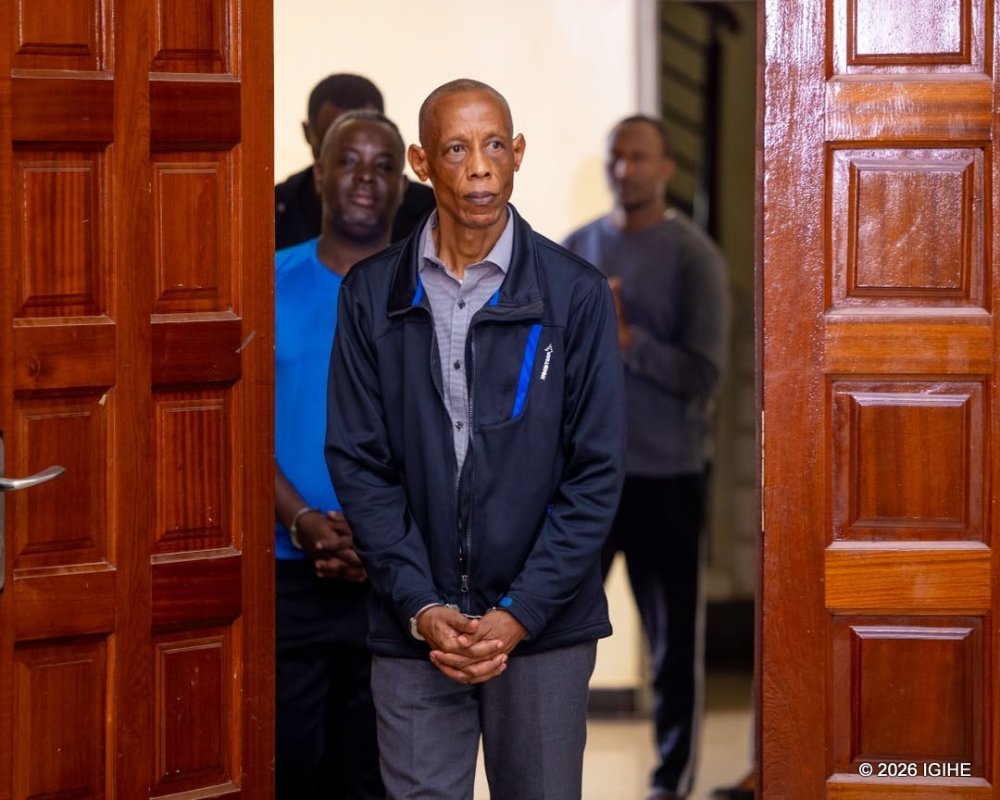
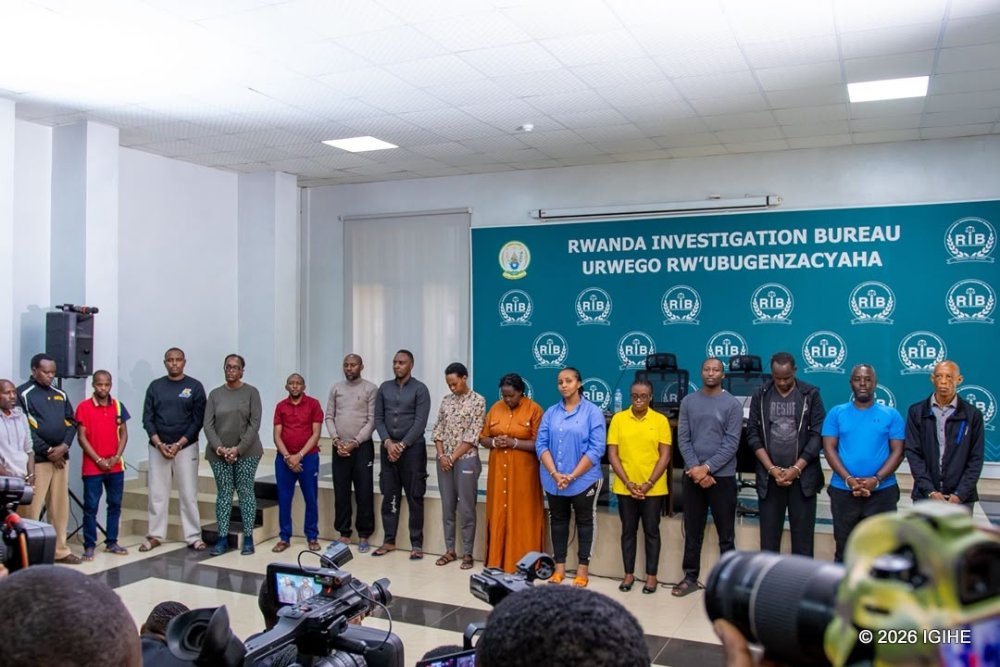
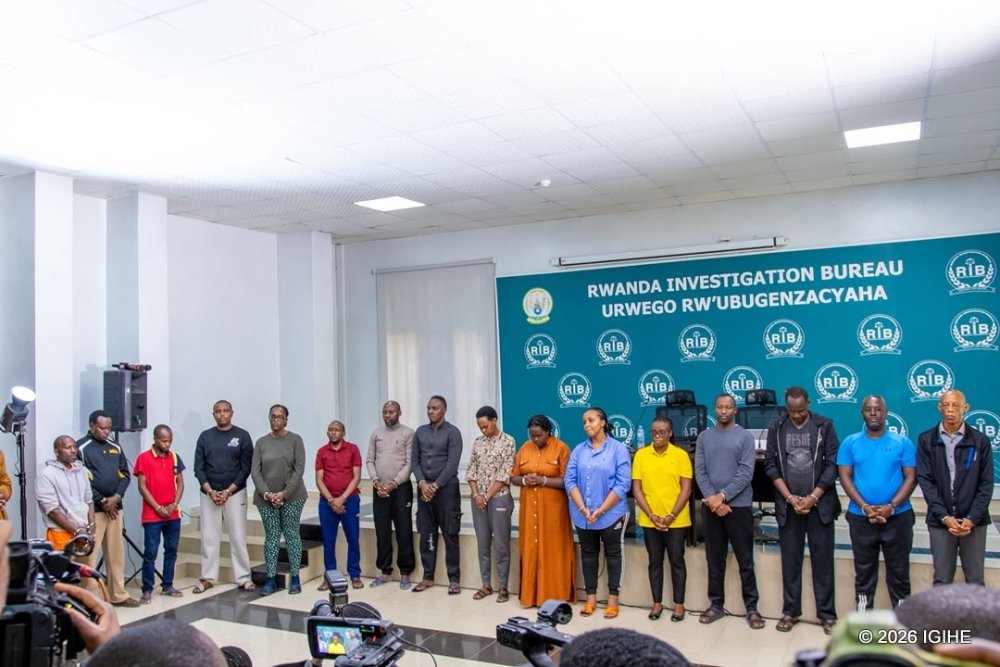
The suspects were presented on August 13, 2026, and all are public servants. Ten of them are employees of Rwanda FDA, while others are from the Rwanda Standards Board (RSB) and local government institutions.
Among the Rwanda FDA employees presented are Dr. Eric Nyirimigabo, Head of the Food Department; Dr. Nyamwasa, Division Manager of Food Safety Monitoring; Christian Namahoro, food inspection specialist; Muhimpundu Alice, Food Stores & Outlets Inspection Specialist at the Rwanda Food and Drugs Authority; Kangabe Benitha, food technology inspection specialist; and Uwamahoro Elizabeth, a specialist in food safety and monitoring.
The group also includes Niyigena Claudine, a specialist in the inspection of food storage facilities and markets; Ndayishima, a specialist responsible for monitoring medicines after they enter the market; and Nizeyimana Janvier, a specialist in the engineering of food-processing plants.
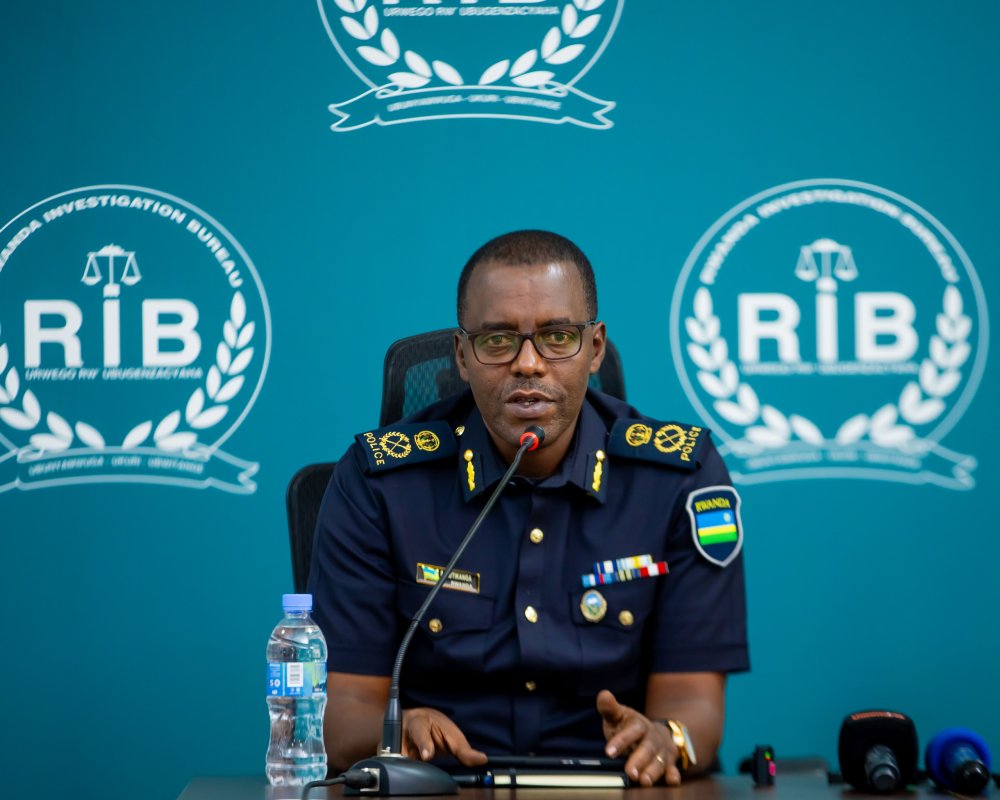
RIB spokesperson Dr Murangira B. Thierry said 104 people had been arrested since July 20, 2026, in connection with offences related to the production of substandard alcoholic beverages.
Of those arrested, 97 have had case files prepared and submitted to the prosecution, he said.
RIB questions licensing decisions
Dr. Murangira said preliminary investigations had found that some licences were issued without following the recommendations of Rwanda FDA’s Internal Technical Licensing Committee.
“The preliminary investigation showed that some licences were issued without being based on the decisions of the technical committee. We understand clearly that the committee’s decision is what should have been relied upon,” he said.
He cited an inspection of an alcoholic beverage factory where investigators found a machine used to extract juice that had significant amounts of rust.
Dr. Murangira said it was concerning that the factory was eventually granted a licence despite the inspection findings and despite the technical committee recommending against the licence.
According to the RIB spokesperson, on April 23, 2026, the Director General of Rwanda FDA issued a Food Business Operations (FBO) licence to the operator after three requirements had been met.
However, on May 19, the technical committee reviewed the inspectors’ report and recommended that the factory should not be granted the licence.
Dr. Murangira said the committee therefore reviewed a report concerning a licence that had already been issued.
RSB officials also arrested
Some of the suspects presented by RIB are officials from the Rwanda Standards Board who are responsible for issuing different certification documents.
They include Mporanzi Samuel, National Certification Division Manager; Kanyange Celine, Head of the Product Certification Division; and Kabanda Eric, Head of the Systems Certification Division.
Three other RSB employees are being investigated over the issuance of S-Mark certification, which indicates that a product meets the required quality standards.
RIB said the officials allegedly issued S-Mark certificates to more than 18 companies whose products did not meet requirements set by Rwanda FDA.
Dr. Murangira explained that, under normal procedures, a business or manufacturer applies for an S-Mark from RSB, after which the product is assessed to establish whether it meets Rwanda FDA requirements before certification is issued.
“We found a certain alcoholic beverage with an S-Mark, but when we checked its Rwanda FDA documentation, we found that it had none. This created a major gap and became one of the factors behind the proliferation of substandard products on the market,” he said.
Dr. Murangira said the officials arrested from quality-control institutions are suspected of abusing their authority for personal gain and failing to perform their duties for personal interests.
He said quality-control officials have the authority to seize or stop products that do not meet the required standards but allegedly failed to do so.
“The factories that were closed were operating and making money despite not having the required documents. This means that those responsible for issuing the documents turned a blind eye and deliberately ignored the violations, allowing people who should not have benefited to make profits,” he said.
The arrests come after the closure of more than 150 factories in Rwanda over the production of substandard alcoholic beverages.
Five local officials arrested
RIB also arrested five Executive Secretaries of cells and sectors who are suspected of being accomplices to an offence involving providing a person with an item capable of causing death or seriously damaging their health.
Dr Murangira said the local officials allegedly worked with owners of alcoholic beverage factories by warning them about planned enforcement operations or allowing factories that had been closed to resume operations without following legal procedures.
“There were times when we went out looking for places where those beverages were being produced. Because we work with local authorities, we would find that the operators had been warned,” he said.
He added that some of the officials were arrested after closed factories were allowed to resume production in recent days.
According to RIB, some local officials allegedly told factory owners that the closures were temporary and would soon be lifted.
Dr. Murangira, however, said authorities were now also pursuing officials who allegedly enabled the factories to operate without the required licences.
The investigation is part of a wider crackdown on substandard alcoholic beverages in Rwanda, which has so far resulted in the closure of more than 150 factories and the arrest of more than 100 people suspected of involvement in related offences.
Prof. Emile Bienvenu the Director General of Rwanda FDA has been arrested.Prof. Emile Bienvenu (front) was paraded on August 1, 2026.18 individuals, including the Director General of Rwanda FDA (front right) have been paraded.
The four-day forum in Kigali will examine the challenges and opportunities facing Africa’s Internet ecosystem, particularly inland markets that lack direct access to submarine cable landing stations, while exploring ways to build a more resilient, affordable and locally connected Internet across the continent.
By fostering a more connected and resilient Internet, these efforts can lower the cost of delivering digital services, improve online performance, and strengthen Africa’s ability to shape and sustain its own digital future.
Organised by the African IXP Association (Af-IX) and supported by the Rwanda Internet Community and Technology Alliance (RICTA), AfPIF is a leading forum for Africa’s Internet stakeholders to exchange ideas, build partnerships, and advance practical solutions to strengthen the continent’s digital infrastructure and Internet ecosystem.
Af-IX is a regional association dedicated to advancing the proliferation of Internet Exchange Points (IXPs) across the African continent.
Meanwhile, the Rwanda Internet Community and Technology Alliance (RICTA) is a not-for-profit organization representing the Rwanda Internet community. It was formed in 2005 with the objective of managing the .RW country code top level domain and the Rwanda internet exchange point.
“Hosting this year’s AfPIF in Rwanda gives us an important opportunity to put the spotlight on the realities of building and strengthening Internet infrastructure in inland East and Central Africa. We’re looking closely at both the challenges and opportunities facing inland markets that don’t have direct access to submarine cable landing stations, while exploring how stronger interconnection, carrier-neutral data centres, and local content delivery can help build a more resilient and affordable Internet across Africa.
“We’re looking forward to bringing our community together to share experience, identify solutions, and build the partnerships needed to turn these opportunities into lasting progress,” said Kyle Spencer, Executive Director of the African IXP Association.
As the local host of AfPIF 2026, RICTA is delighted to welcome delegates from across Africa and around the world to Rwanda, as the event returns to the country for the second time following the successful 2022 edition.
This year’s forum brings together a diverse community of stakeholders from across the Internet ecosystem, including Internet Exchange Points (IXPs), data centres, cloud and content delivery providers, Internet service providers, submarine cable operators, technology companies, governments, academia, research institutions, development partners, community networks, and the media.
“This rich diversity of expertise and perspectives is essential to fostering collaboration, strengthening Africa’s digital infrastructure, and accelerating the continent’s digital transformation,” said Grace Ingabire, CEO of RICTA.
“We warmly invite delegates to make the most of their time in Rwanda by experiencing the country’s vibrant digital and business landscape, discovering new opportunities for investment and innovation, and building partnerships that can contribute to the growth of Africa’s digital economy,” added Ingabire.
Hosted at the Kigali Marriott Hotel, AfPIF 2026 will explore the opportunities and challenges shaping East Africa’s digital future, with a focus on Internet policy, carrier-neutral data centres, and content delivery infrastructure.
The programme features workshops, keynote addresses, panel discussions, bilateral meetings, lightning talks, and networking events designed to share practical insights, encourage collaboration, and support new partnerships and investment across Africa’s Internet ecosystem.
Internet connectivity is increasingly becoming essential to communication, business and access to digital services.
The figure represents a 24.3 percent increase from the previous financial year, highlighting Rwanda’s continued efforts to strengthen the agricultural export sector, build resilience and expand access to international markets.
Agricultural and livestock exports generated $839.21 million in 2023/24, rising to $893 million in 2024/25 before exceeding $1.1 billion in 2025/26.
During the 2025/26 financial year, coffee, tea and pyrethrum generated $264.88 million in export revenues, while flowers, fruits and vegetables brought in $86.83 million.
Livestock products generated $204.79 million, while other agricultural and livestock-related products accounted for $554.28 million.
Rwanda exports agricultural and livestock products to markets including the United Arab Emirates, Qatar, China and other countries in Asia, as well as the United States, Europe and various African countries.
NAEB Director General Claude Bizimana told IGIHE that surpassing $1.1 billion was a reflection of the government’s continued investment in developing agricultural exports.
“Generating $1.1 billion for the first time in history demonstrates the efforts the country continues to make to develop the agricultural and livestock export sector and expand international markets,” Bizimana said.
The achievement comes as Rwanda seeks to increase the contribution of agriculture to economic development by boosting production, developing infrastructure to maintain the quality of exports and strengthening compliance with international standards, all aimed at expanding access to global markets.
Infrastructure as a pillar of export growth
Bizimana said the milestone was achieved as the government continued to invest in infrastructure designed to address challenges facing the agricultural export sector.
“Through NAEB, the government has developed various infrastructure, including coffee and tea processing and testing facilities, as well as facilities for maintaining the quality of produce before export, including sorting and storage facilities,” he said.
Rwanda currently has a laboratory at NAEB that has received international accreditation, enabling it to conduct tests whose results are recognised internationally.
The country also has facilities for sorting and storing coffee, as well as facilities for processing and cold storage of fruits and vegetables.
Focus on quality and traceability
Quality and traceability are among the key requirements in international agricultural markets, with buyers increasingly seeking information about the quality and origin of products. NAEB says Rwanda has developed systems to maintain export quality and provide international buyers with information about the products being exported.
The government also supports the promotion of Rwanda’s agricultural and livestock exports through international trade fairs and by connecting exporters with buyers, with NAEB playing a key role in facilitating these engagements.
As part of efforts to promote innovation and expand markets, NAEB has also introduced the annual Best of Rwanda coffee competition. Top-performing Rwandan coffees are sold through auctions, helping increase their value, expand markets and improve farmers’ earning potential.
NAEB has also increased the use of digital systems to speed up service delivery and make it easier for exporters to conduct business.
Increasing production and strengthening farmers’ capacity
One of the strategies for increasing foreign exchange earnings from agricultural and livestock exports is to increase both the volume and quality of production.
Bizimana said various programmes and projects have been introduced to support this goal, including helping farmers access high-quality seedlings that are resilient to climate change, providing technical support and conducting campaigns aimed at increasing productivity.
Rwanda is continuing efforts to meet the targets set under the second National Strategy for Transformation (NST2) and the fifth Strategic Plan for Agriculture Transformation (PSTA5).
NAEB says it is working with various partners to increase foreign exchange earnings from agricultural and livestock exports and expand Rwanda’s presence in international markets.
The country aims to increase revenues from agricultural and livestock exports to $1.5 billion by 2029.
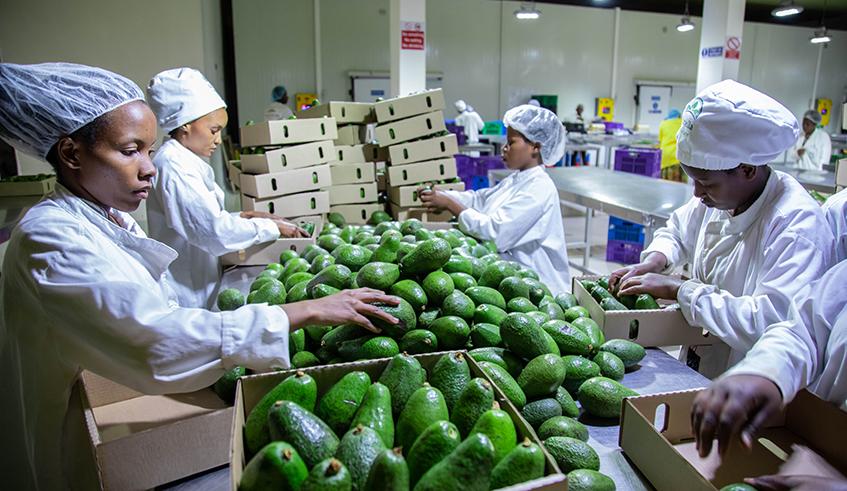
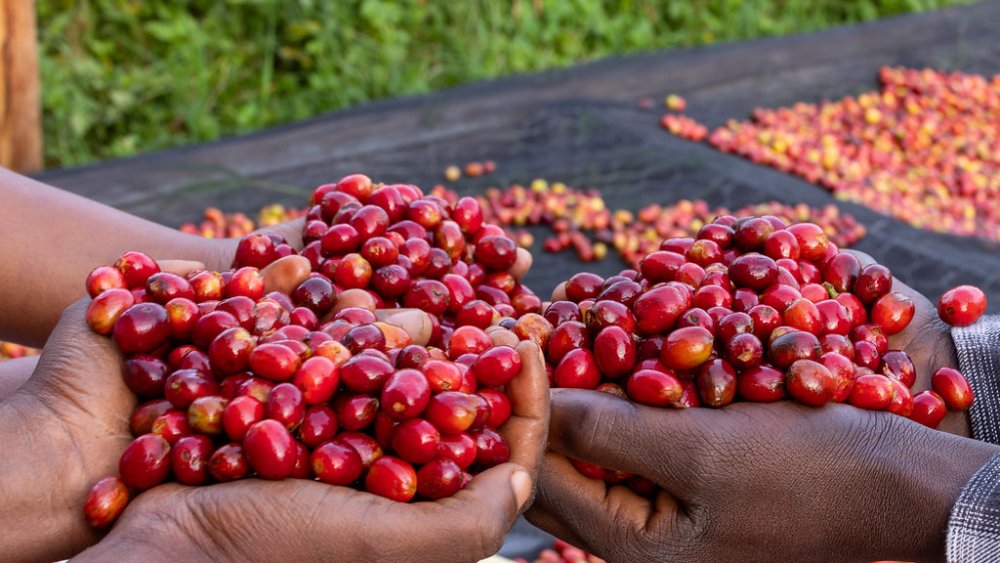
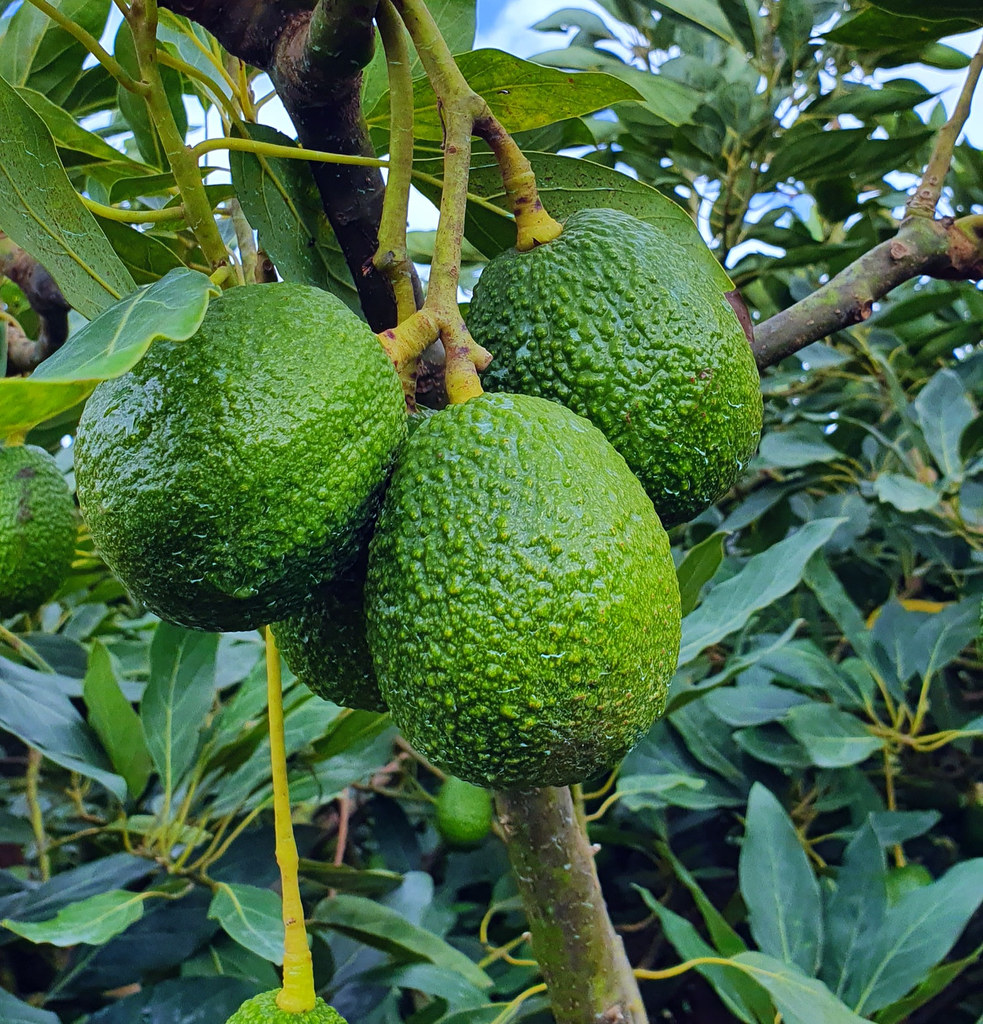
Coffee is one of Rwanda’s top foreign exchange earners.Tea is among Rwanda’s long-established export crops and remains a major source of export earnings.Fruit farming is becoming a lucrative venture for farmers.Rwanda has coffee tasting facilities that help ensure its coffee retains its distinctive flavour before export.Avocado farming is expanding in Rwanda.
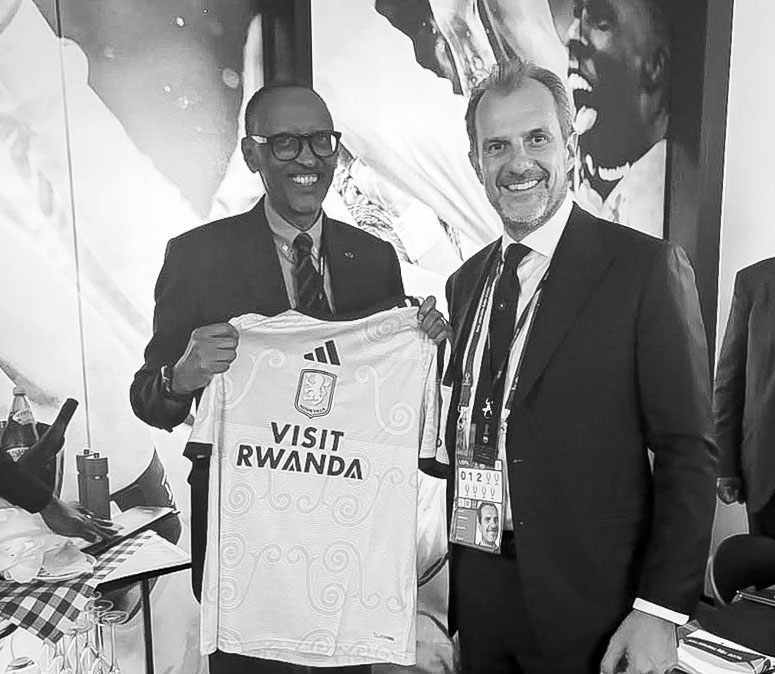
According to a post by the Office of the President on X, President Kagame attended the annual European season curtain-raiser, featuring PSG, the reigning UEFA Champions League winners, and Aston Villa, the UEFA Europa League winners and Visit Rwanda’s newest football partner.
PSG emerged victorious, defeating Aston Villa 2-1 to retain the UEFA Super Cup for a second consecutive year.
Khvicha Kvaratskhelia opened the scoring for PSG in the 20th minute before Aston Villa equalised through 17-year-old Brian Madjo. Madjo, making his competitive debut for the English club, became the youngest player to start and score in a UEFA Super Cup final.
PSG restored their advantage in the 61st minute when Désiré Doué converted a pass from Ousmane Dembélé. The goal was initially ruled out for offside but was awarded following a video review after Aston Villa defender Matty Cash was judged to have marginally played Doué onside.
The victory gave PSG their second successive UEFA Super Cup title and marked the beginning of a season in which the French side could compete for as many as six trophies.
The match also highlighted the growing visibility of Visit Rwanda’s partnerships with major international football clubs.
Rwanda announced its partnership with Aston Villa in July, naming Visit Rwanda the English club’s Official Front-of-Shirt Partner, Official Tourism Partner and Official Coffee Provider. The agreement covers Aston Villa’s men’s, women’s and youth teams, with the Visit Rwanda brand appearing on their shirts across domestic and European competitions.
The partnership is designed to promote Rwanda as a tourism, investment and business destination while using Aston Villa’s international reach to expand the country’s visibility in key global markets.
The agreement also includes international marketing campaigns, digital content, fan engagement initiatives and branding at Villa Park. Beyond commercial activities, the partnership provides for football development programmes, coach education, academy exchanges, charitable initiatives and leadership programmes in Rwanda.
The Aston Villa deal adds to Visit Rwanda’s established sports partnerships, including its collaboration with PSG, as well as partnerships involving Atlético de Madrid, the Basketball Africa League, the Los Angeles Clippers and the Los Angeles Rams.
Rwanda has increasingly used international sport as a platform for tourism promotion and economic development. The country recorded 9.4 percent economic growth in 2025, while tourism and conference activities generated a record $685 million in revenues, according to figures from the Rwanda Development Board.
Rwanda is targeting $1.1 billion in annual tourism revenues and $4.6 billion in private investment by 2029, with officials positioning international sports partnerships as part of efforts to attract visitors, investors and business opportunities.
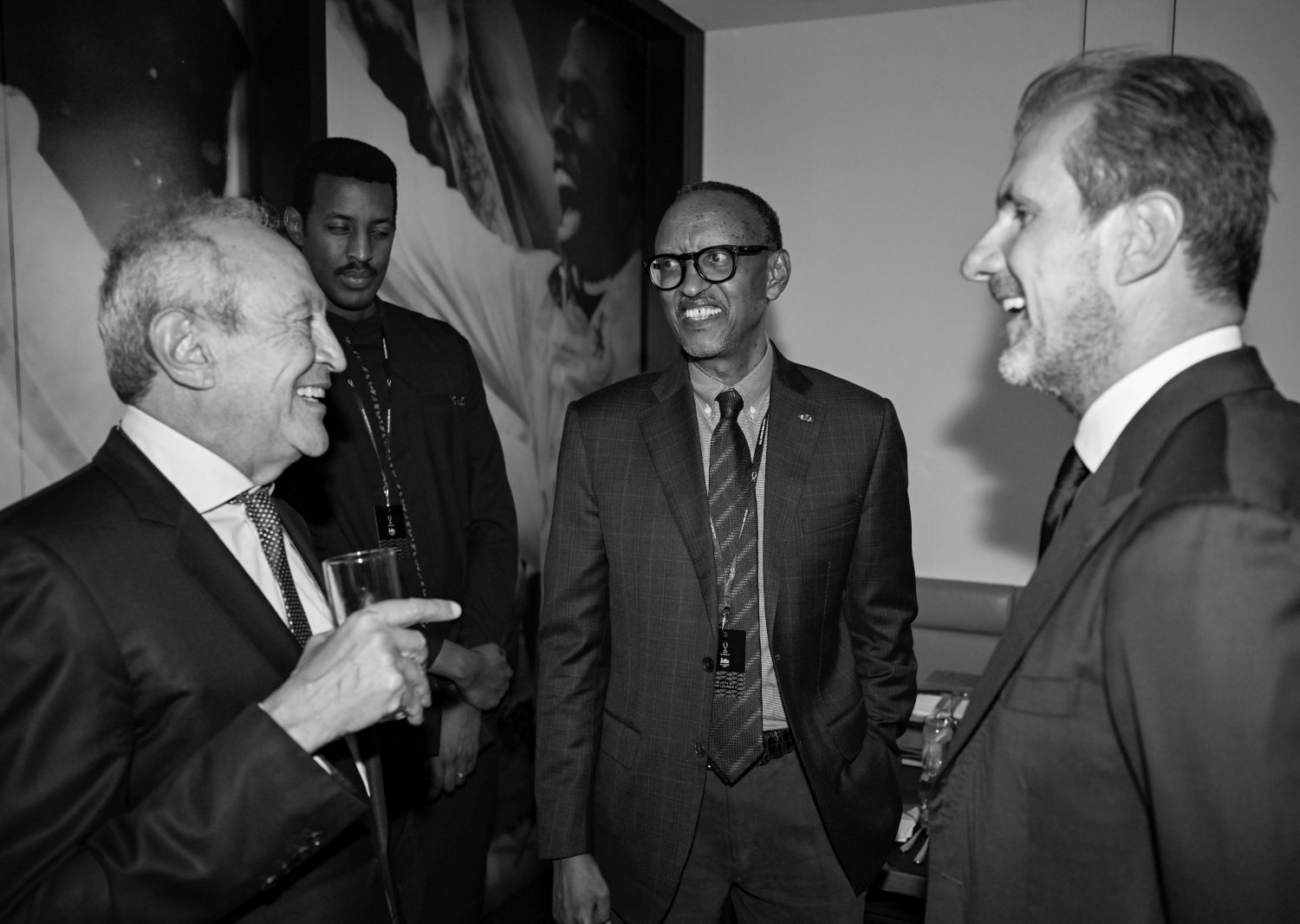
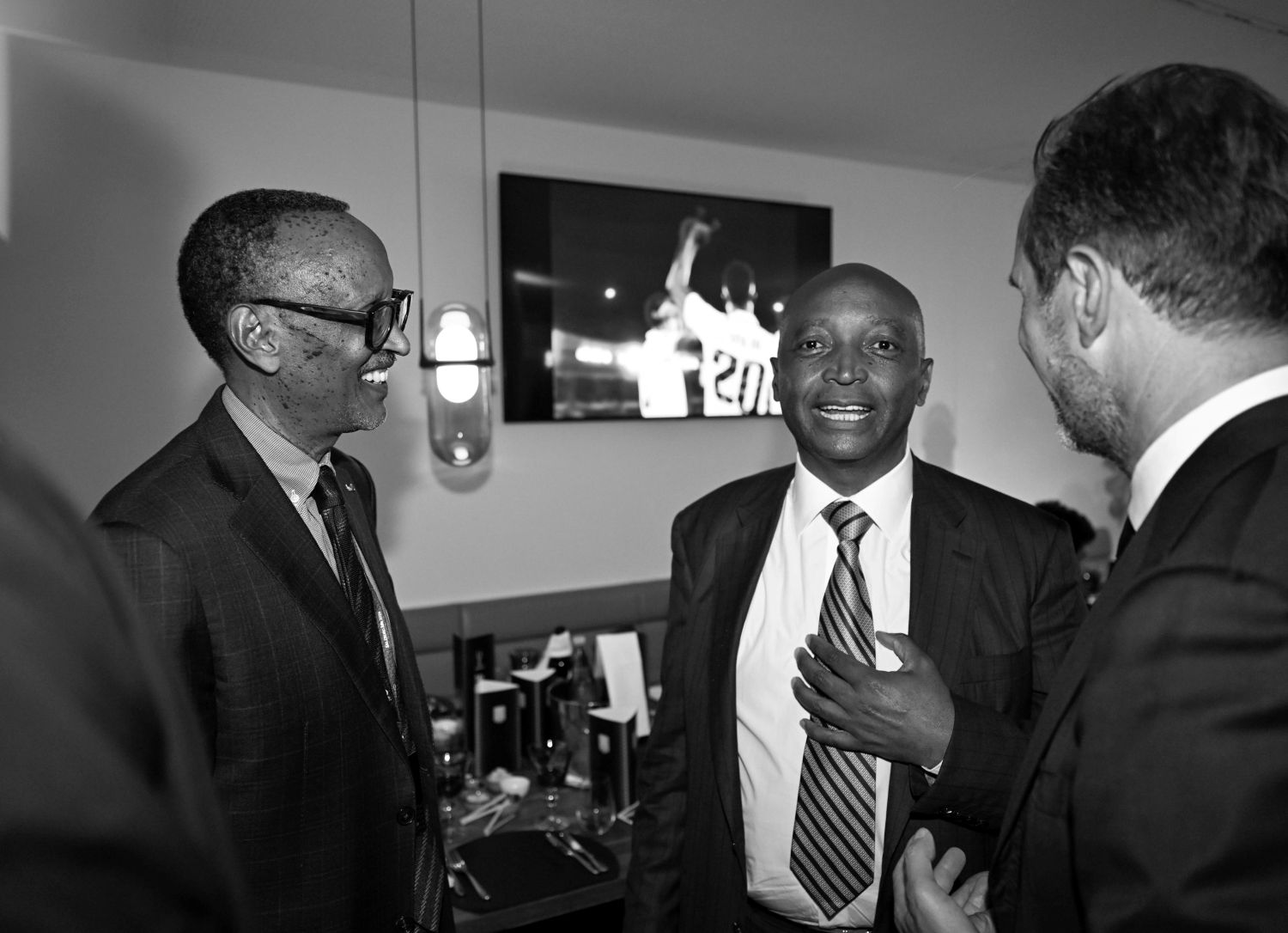
President Paul Kagame follows the 2026 UEFA Super Cup clash between PSG and Aston Villa in Salzburg.President Kagame with Patrice Motsepe, President of the Confederation of African Football (CAF).Aston Villa President of Business Operations Francesco Calvo with President Kagame.
Somali referee Omar Artan (center), who was denied entry to the United States and consequently missed the 2026 FIFA World Cup, officiated the match.PSG’s Desire Doue scored the second goal against Aston Villa.PSG emerged victorious, defeating Aston Villa 2-1 to retain the UEFA Super Cup for a second consecutive year.
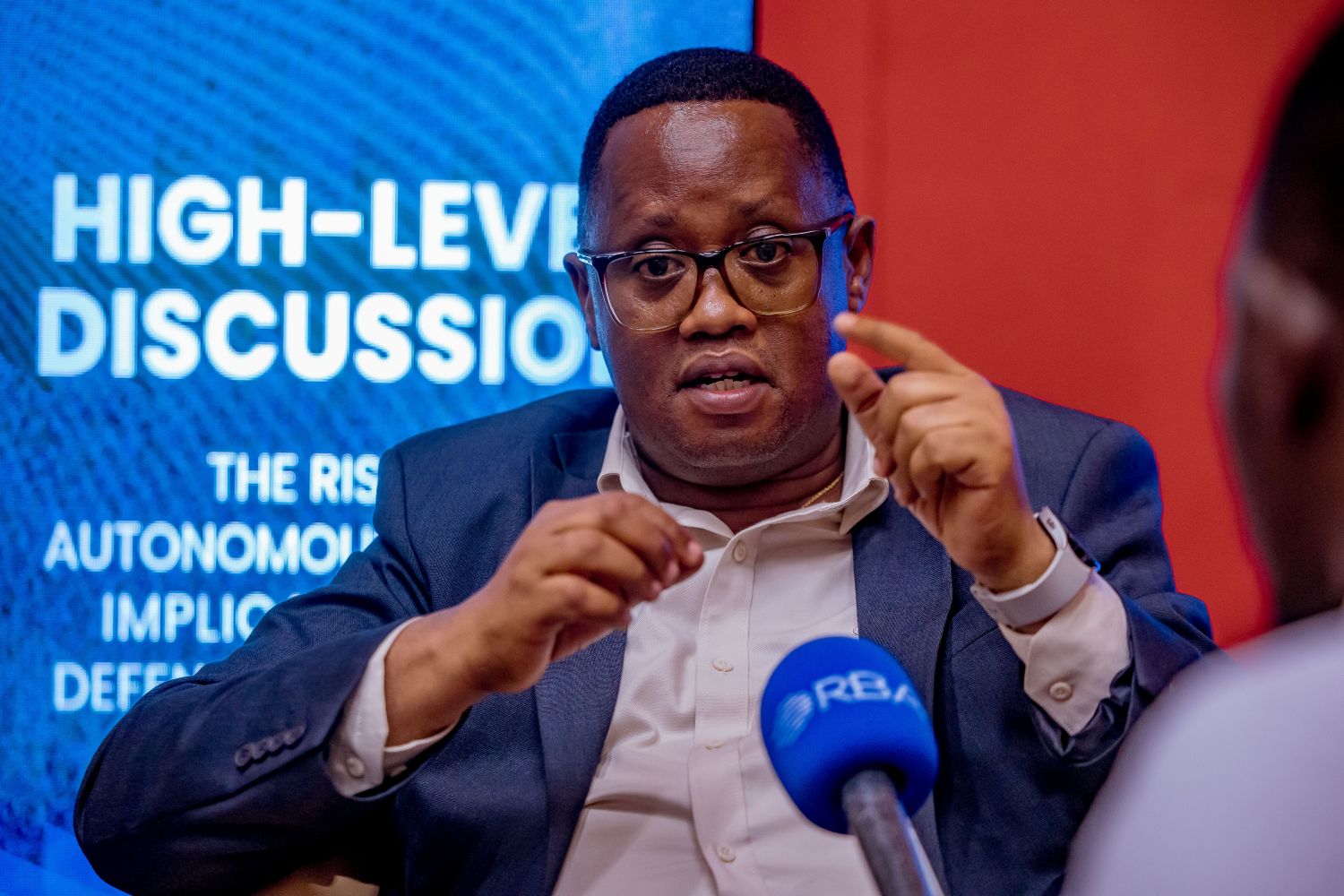
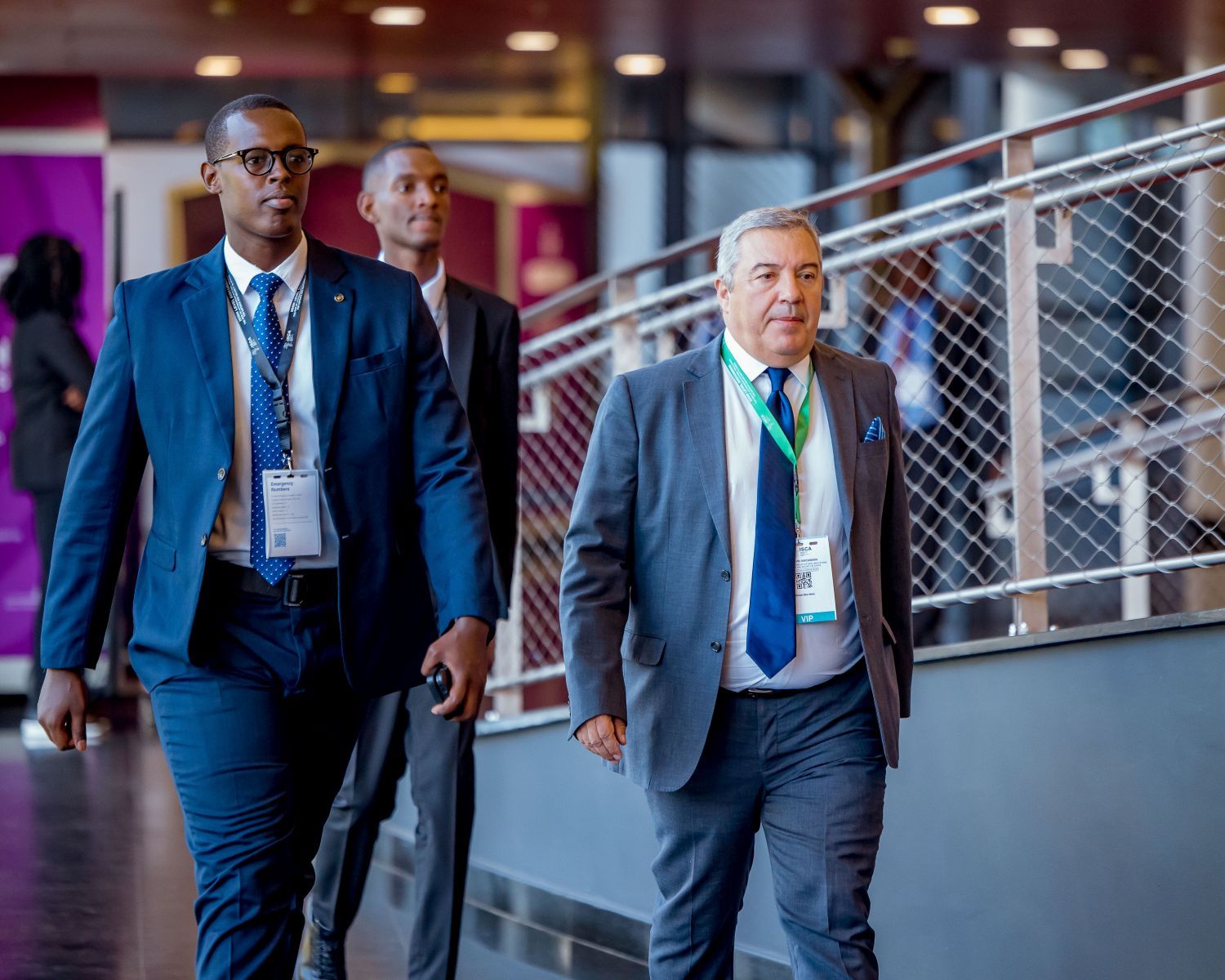
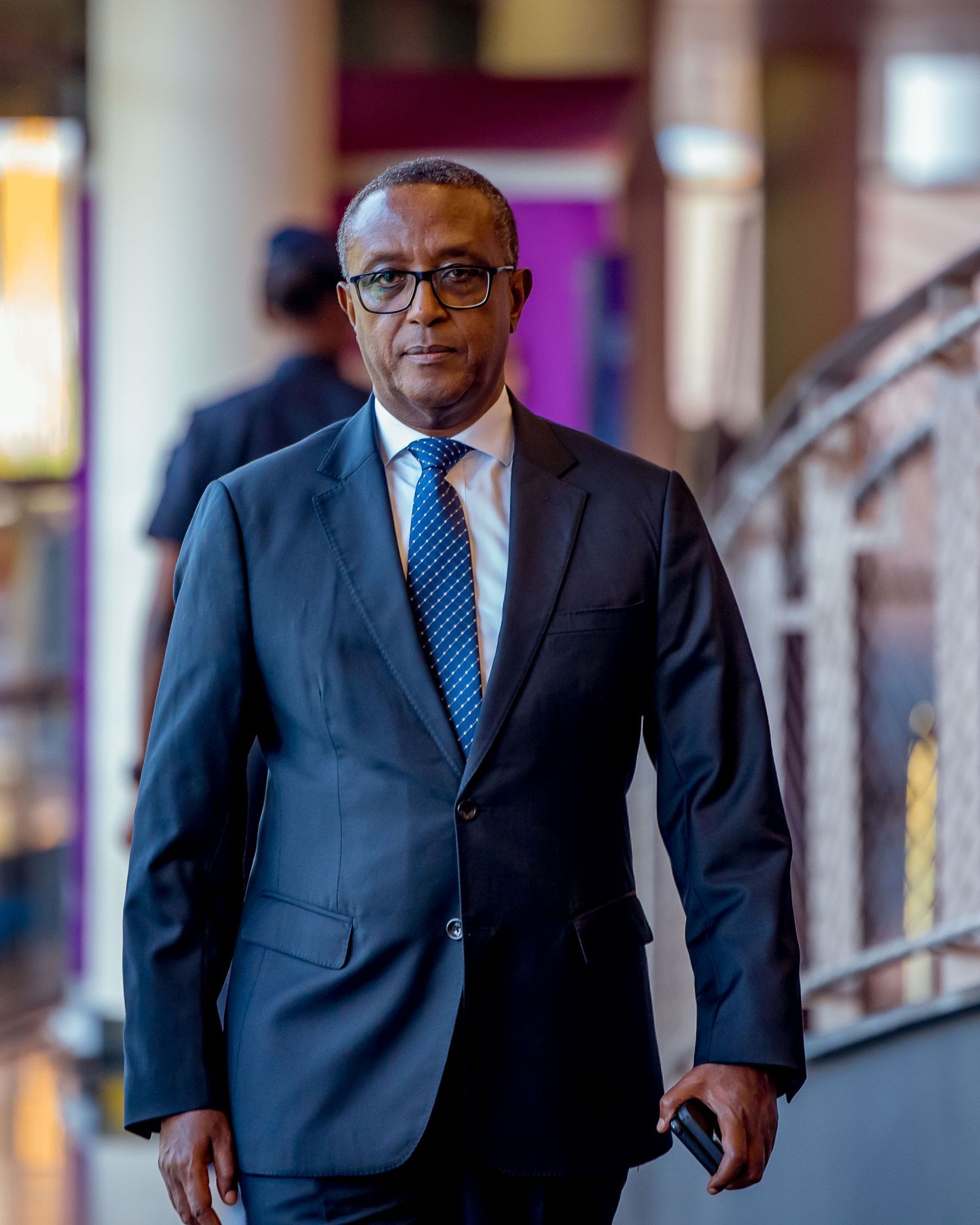
Speaking to journalists on the sidelines of the ISCA High-Level Discussion in Kigali on Wednesday, Dr. Ndushabandi said Rwanda’s governance, security institutions, research capacity and investment in education give it an advantage as African countries confront a rapidly changing technological and security environment.
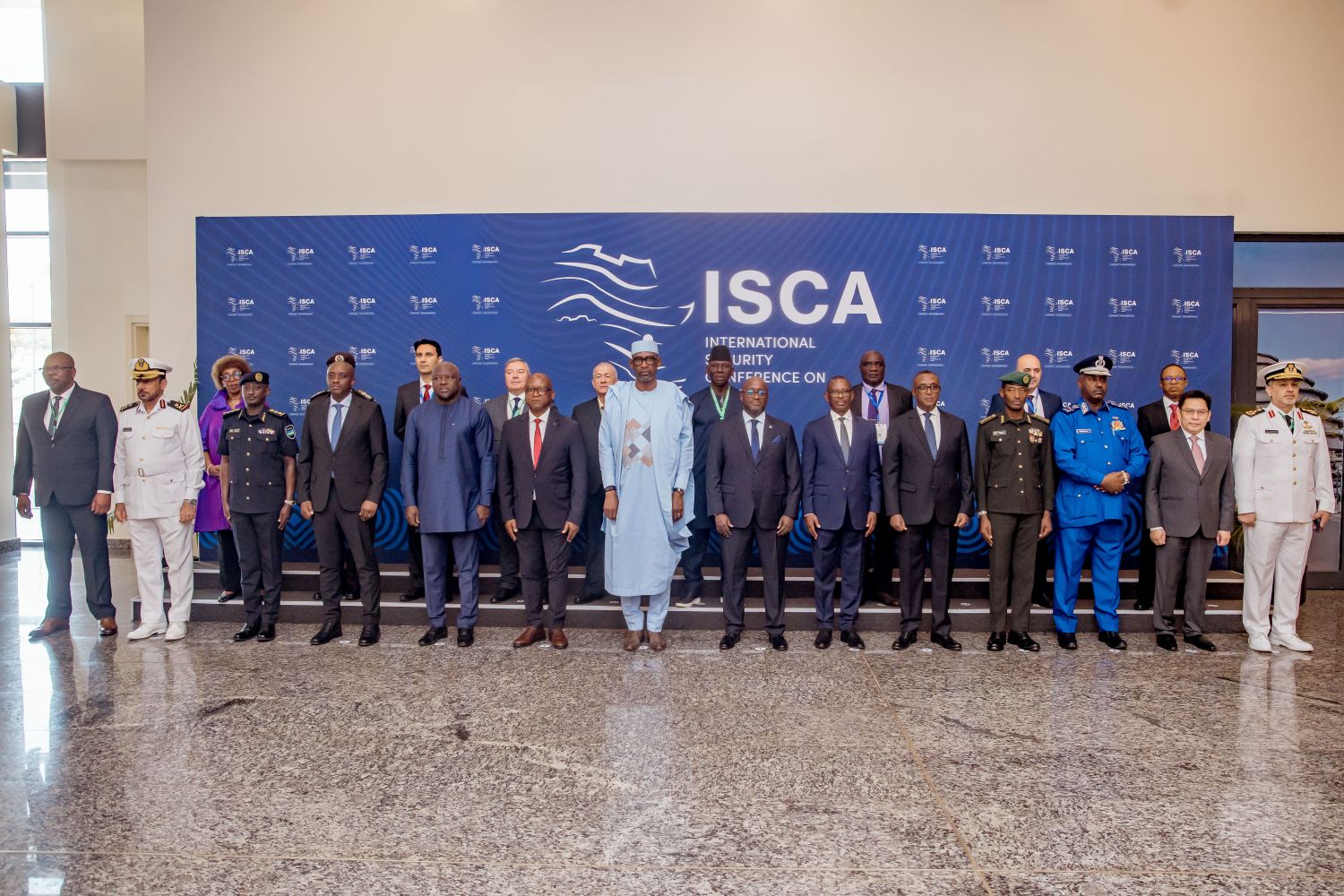
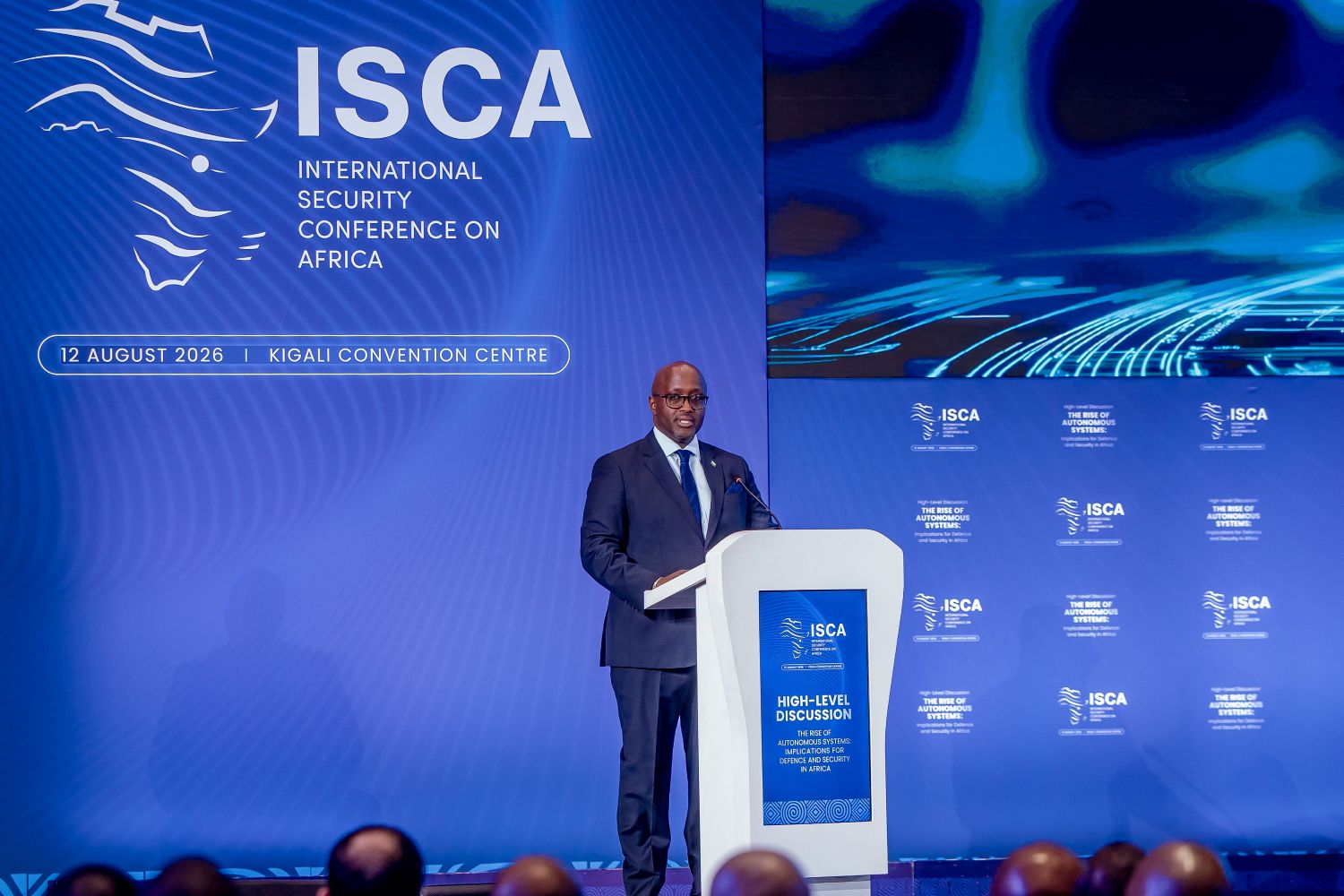
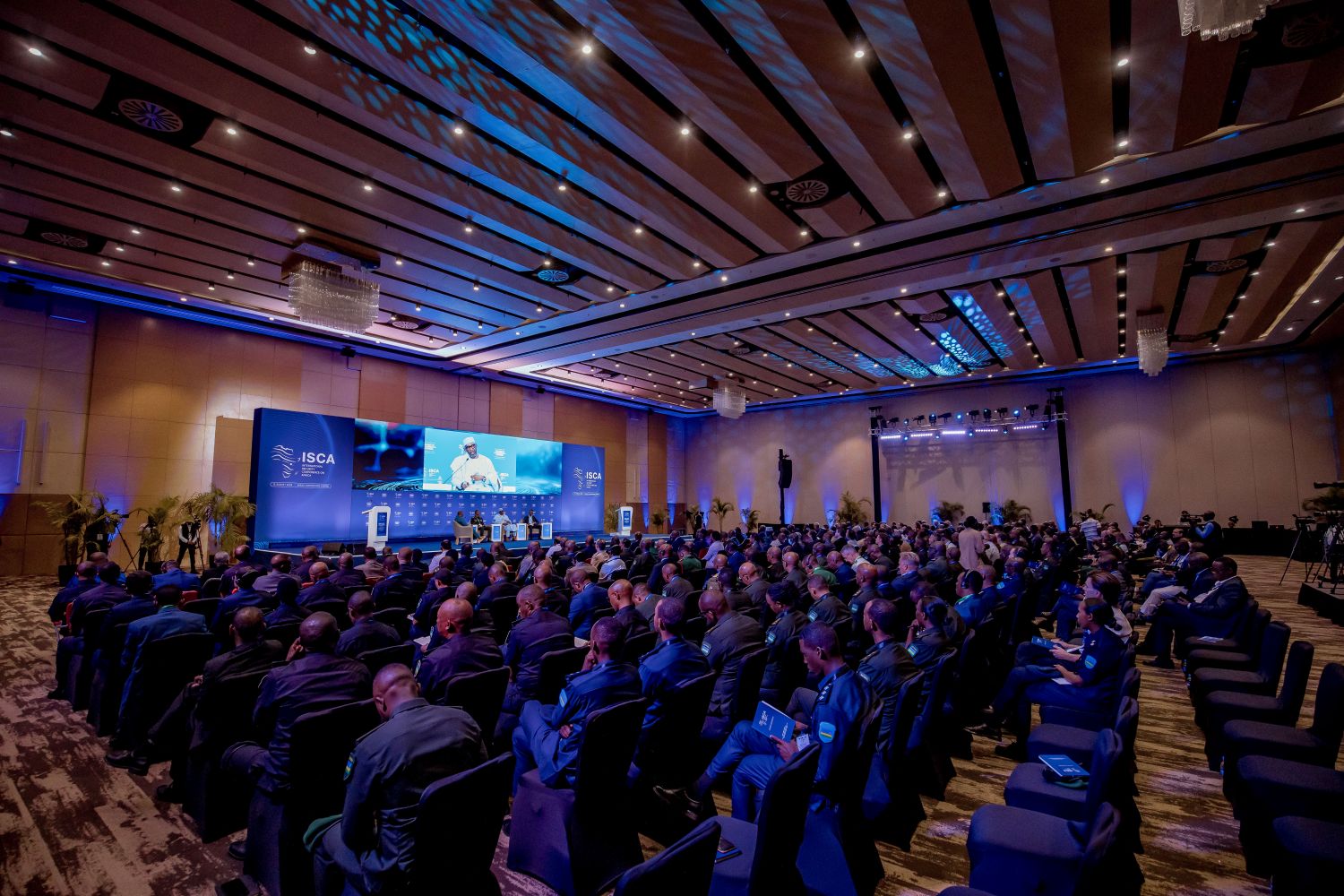
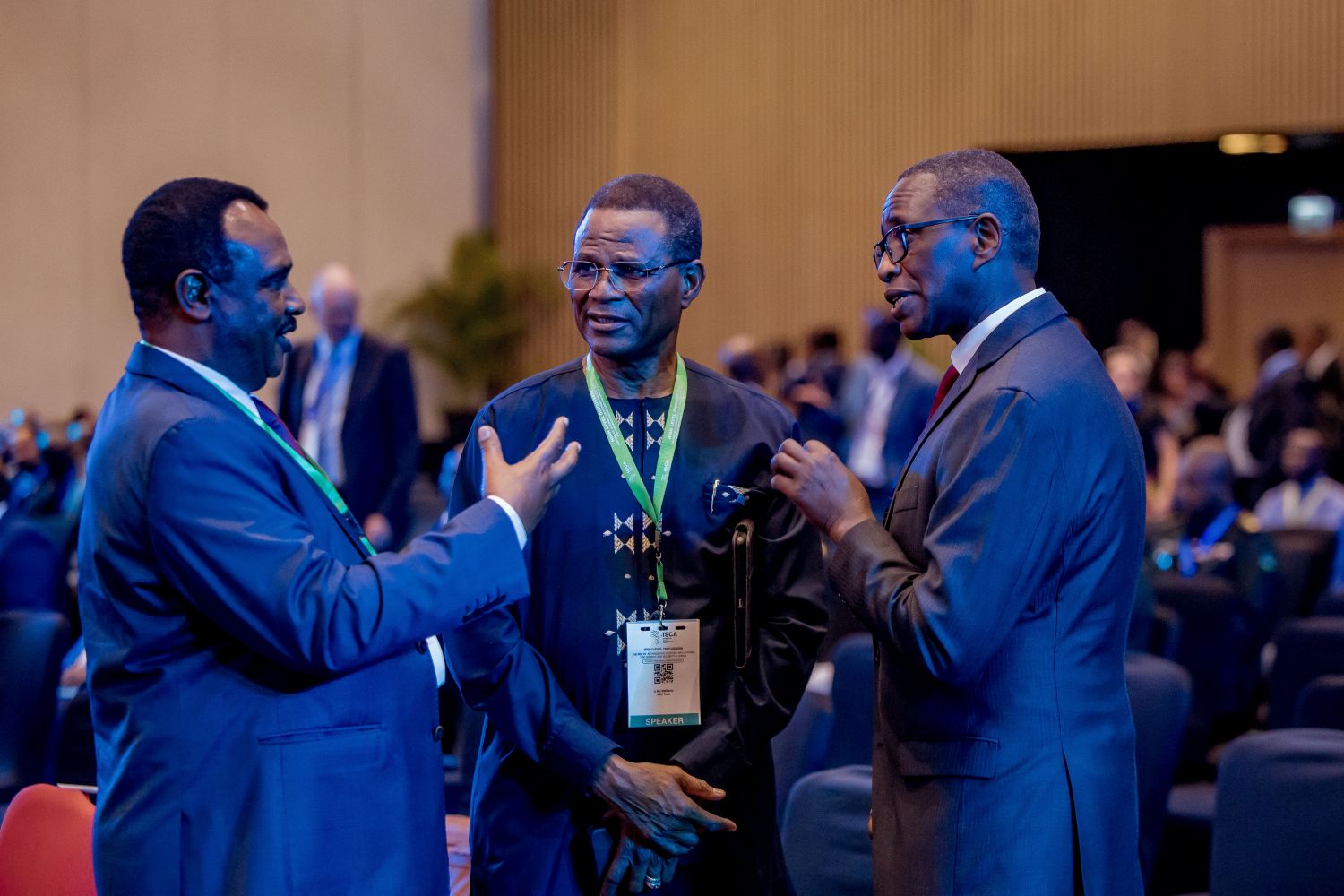
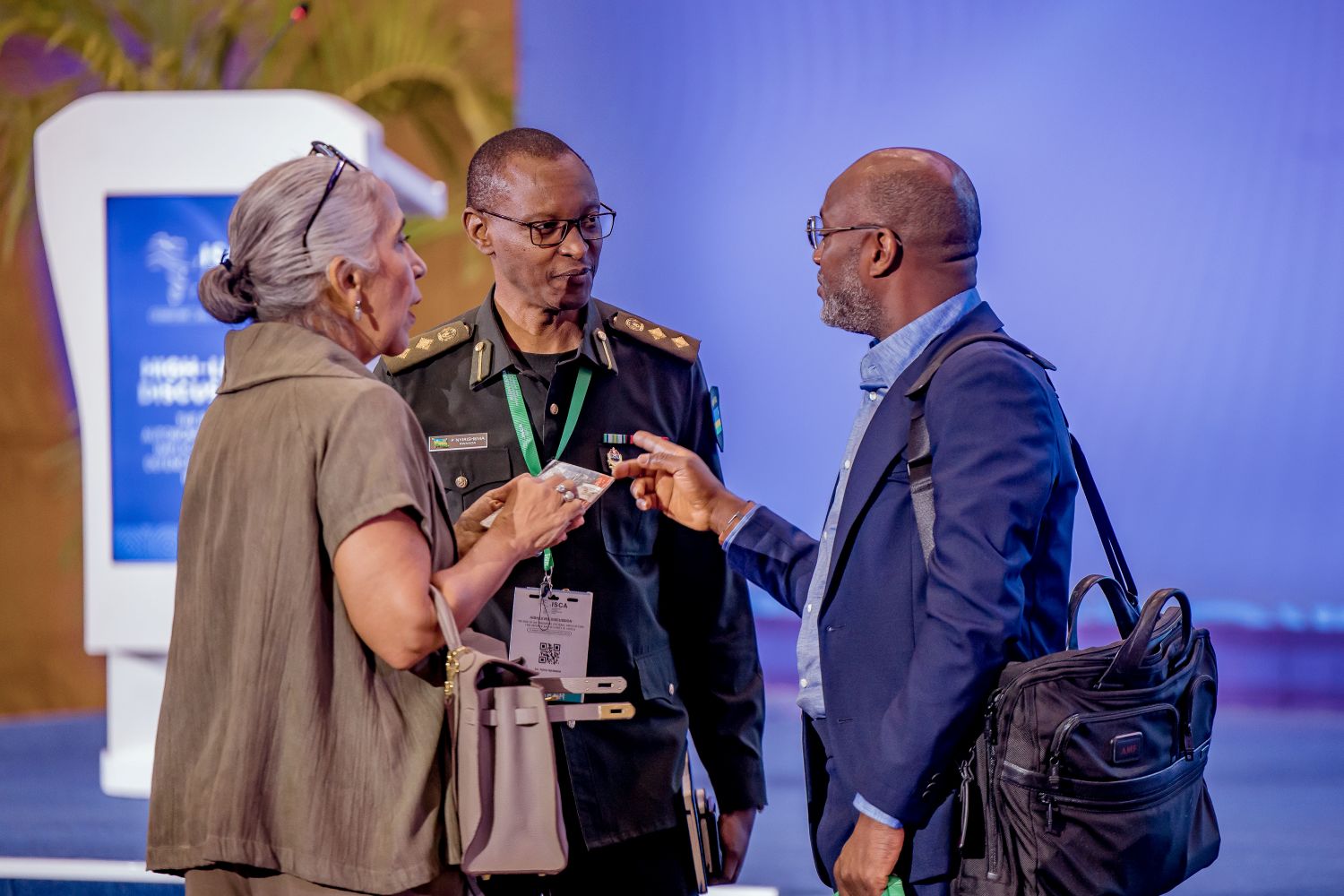
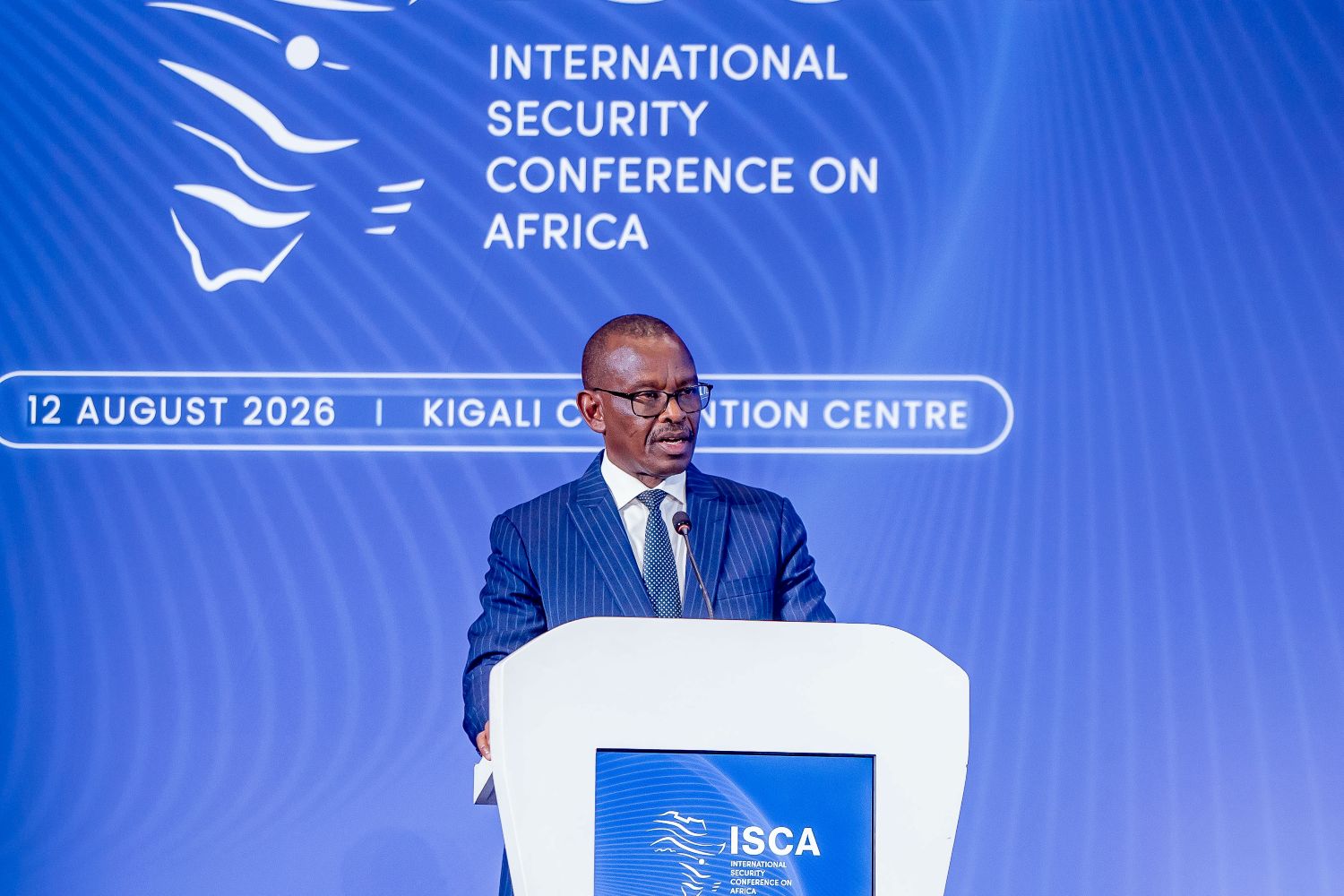
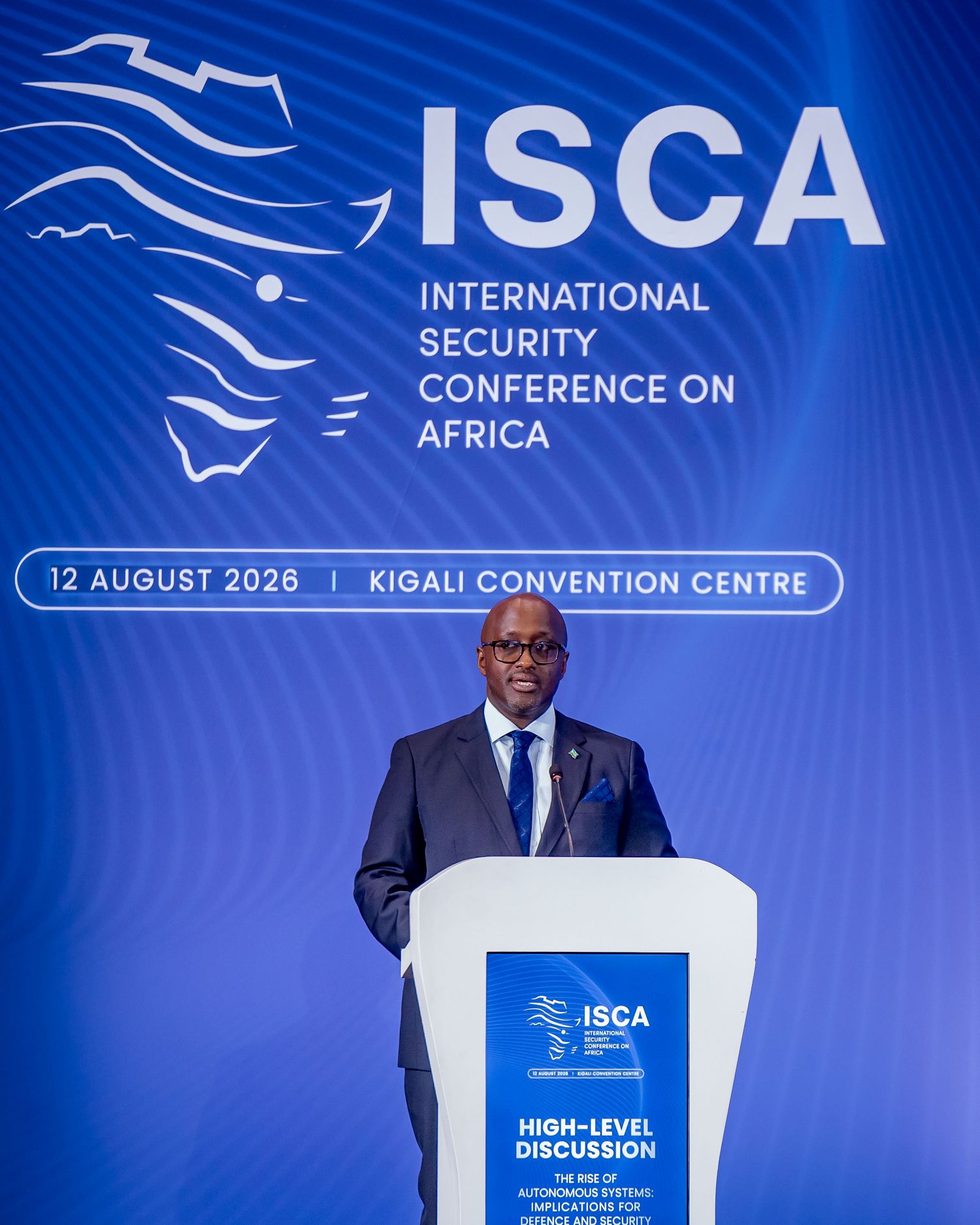
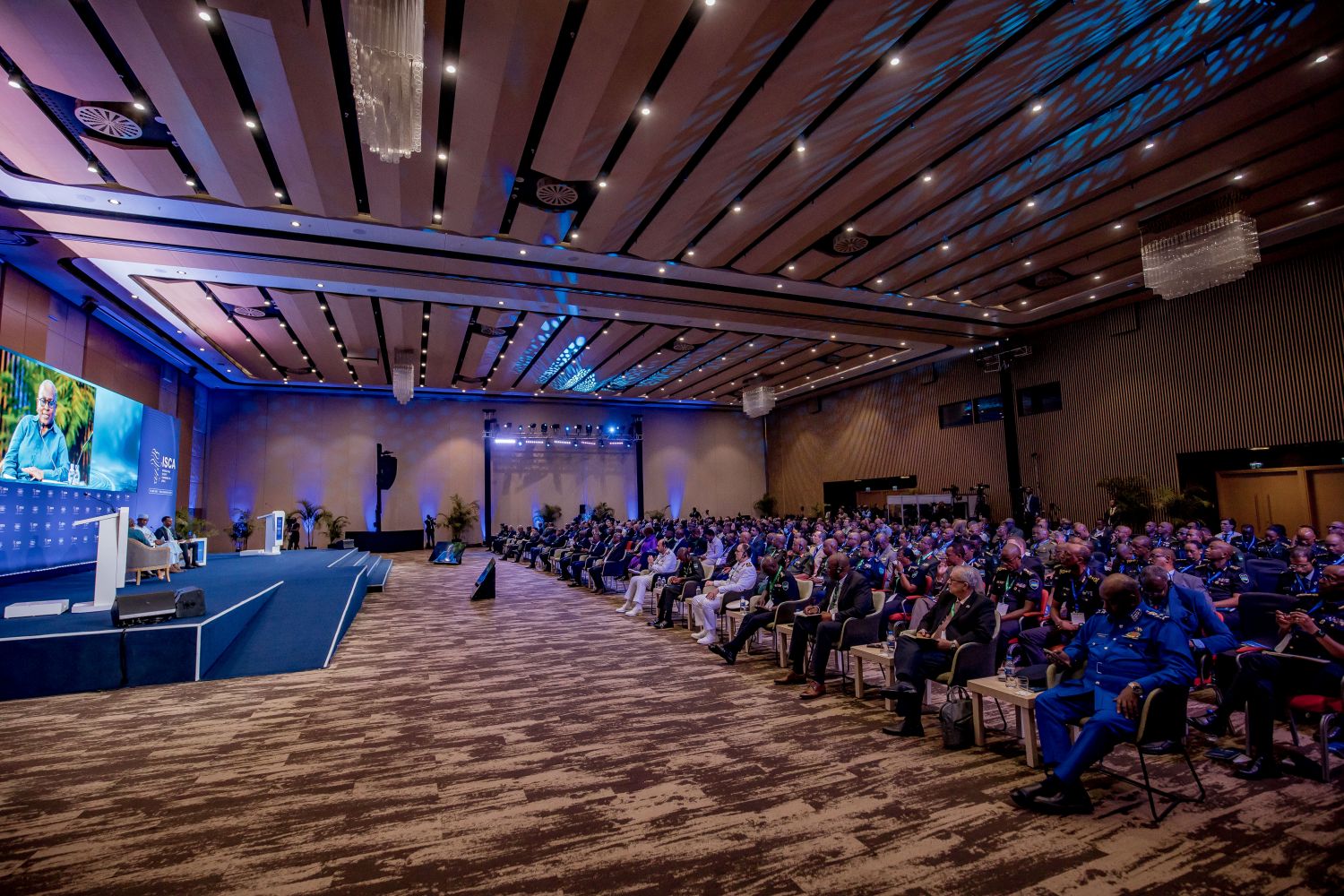
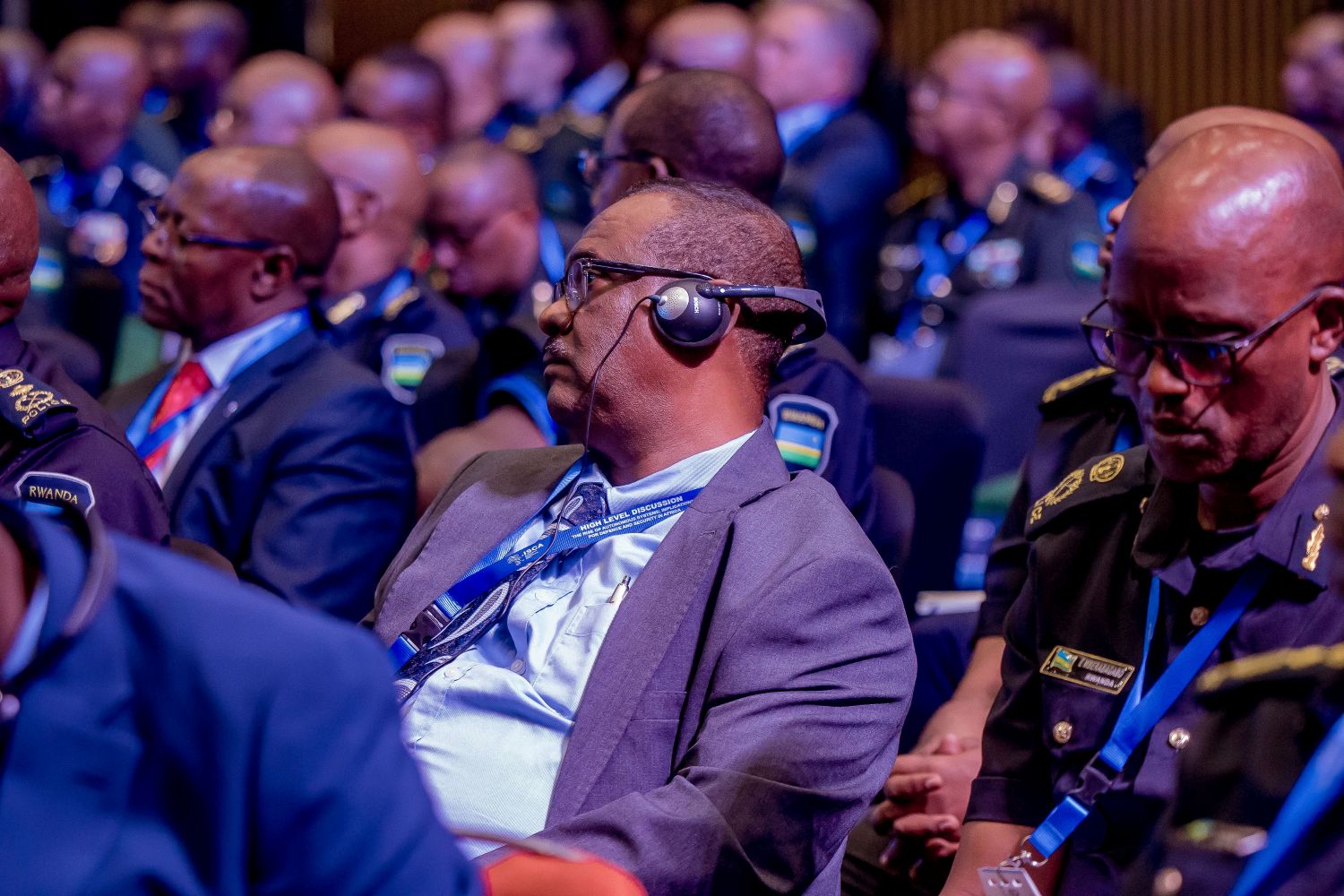
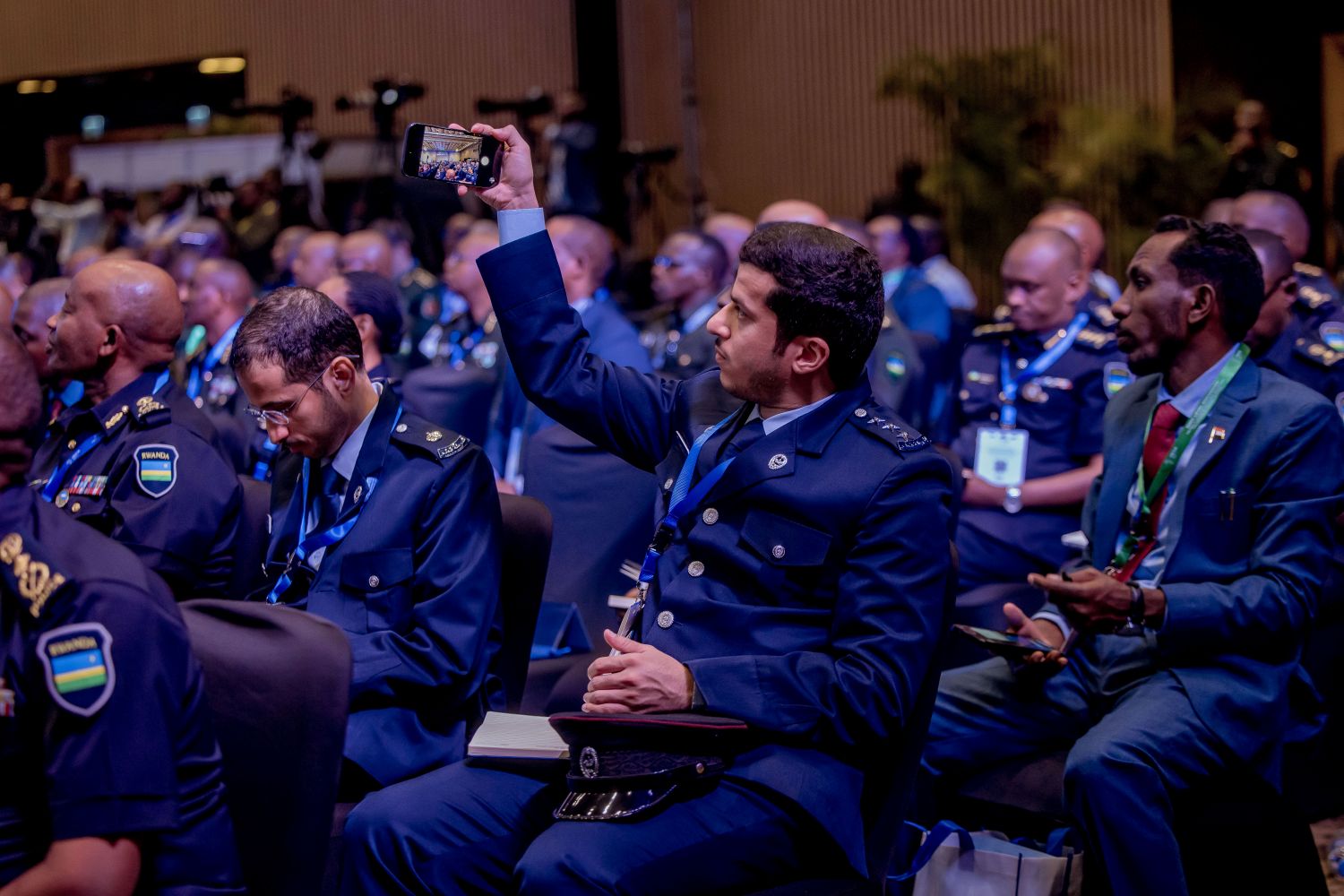
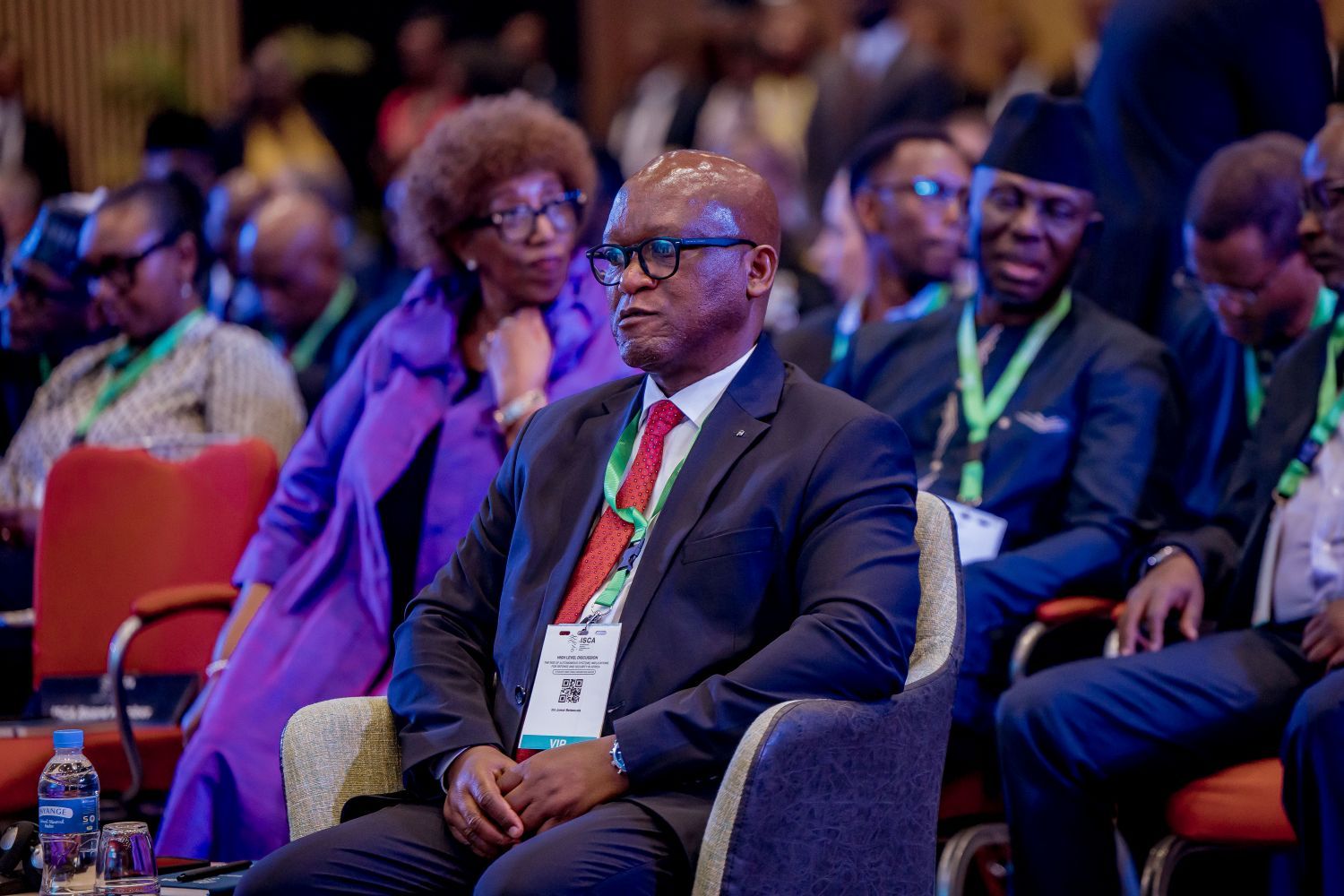
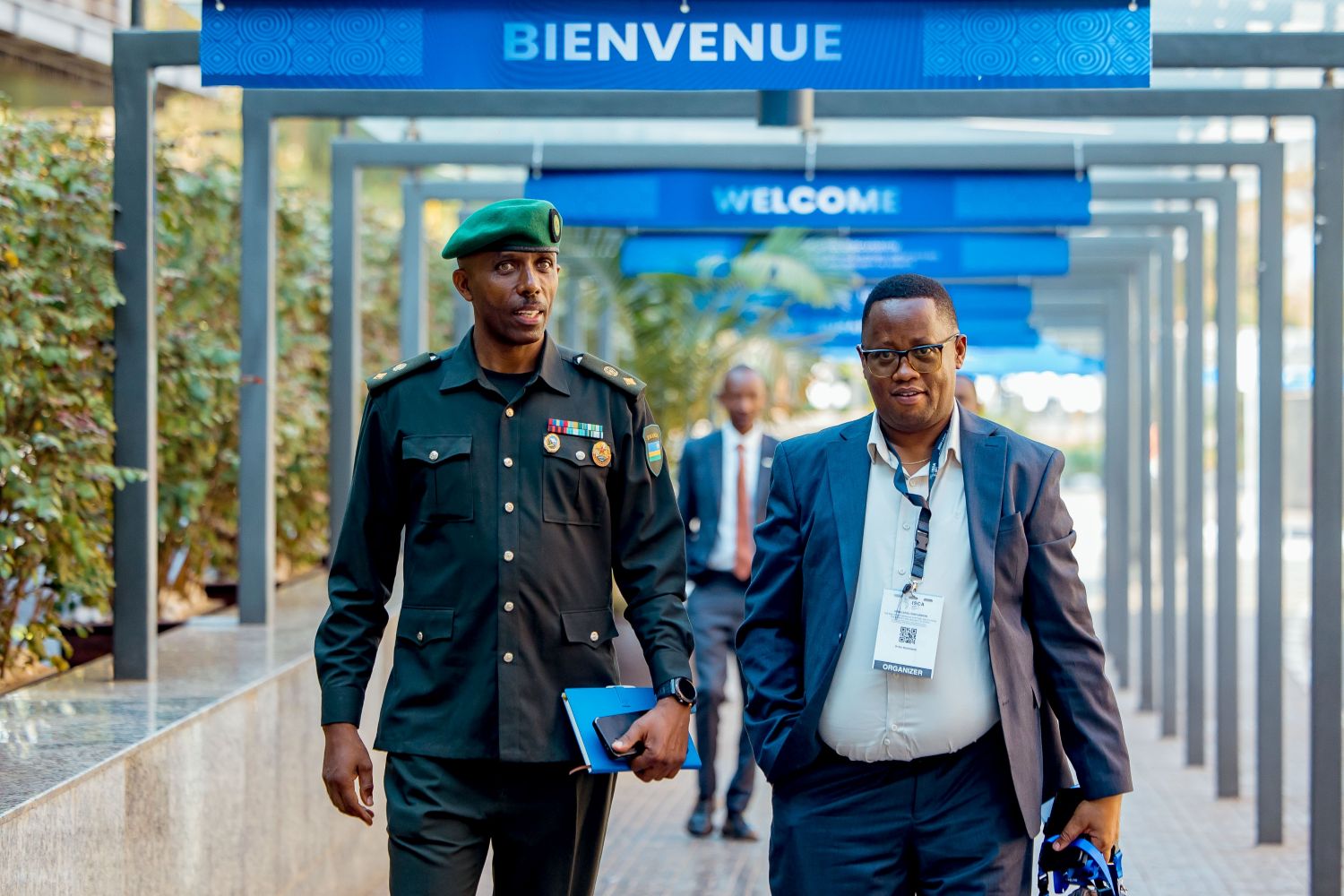
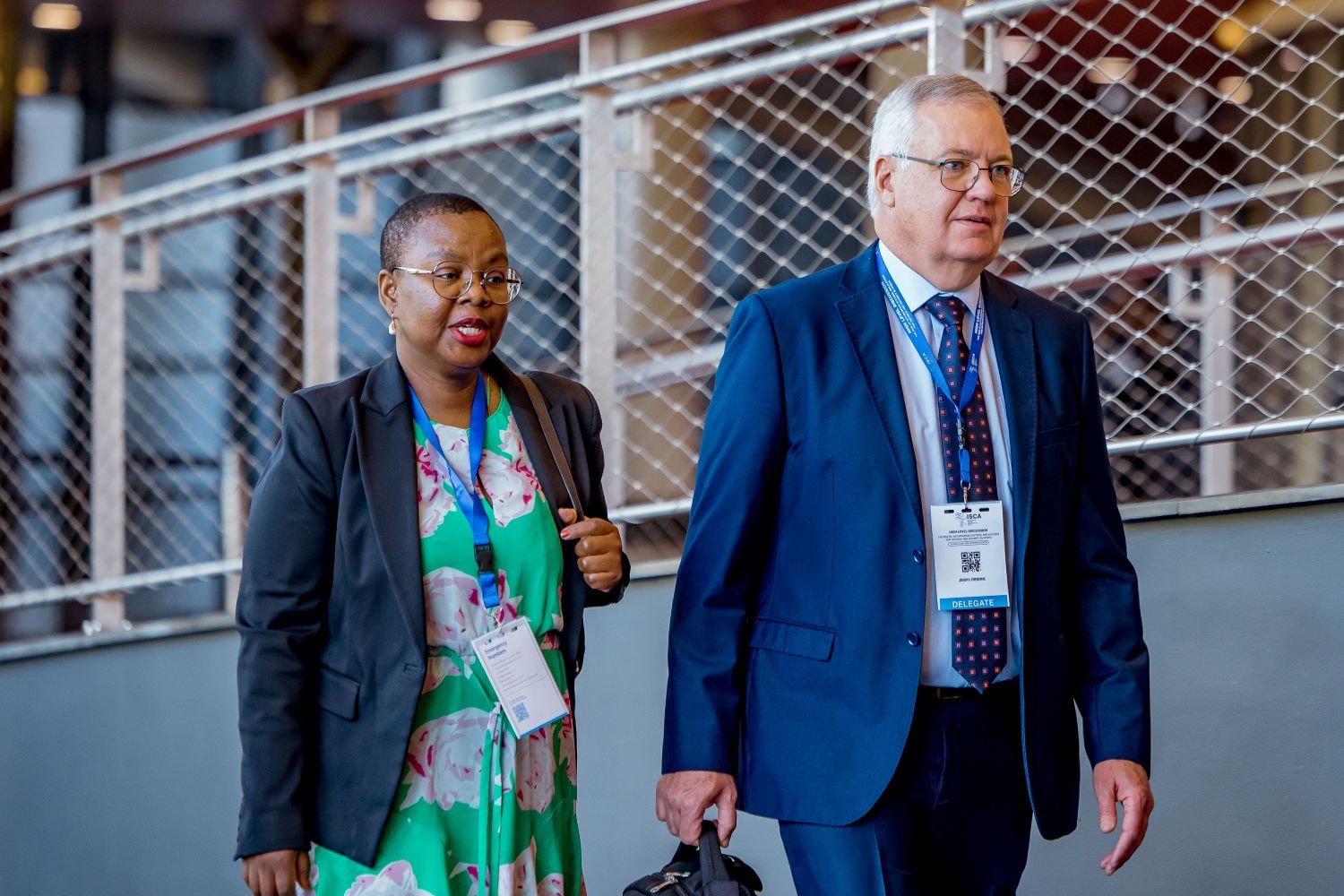
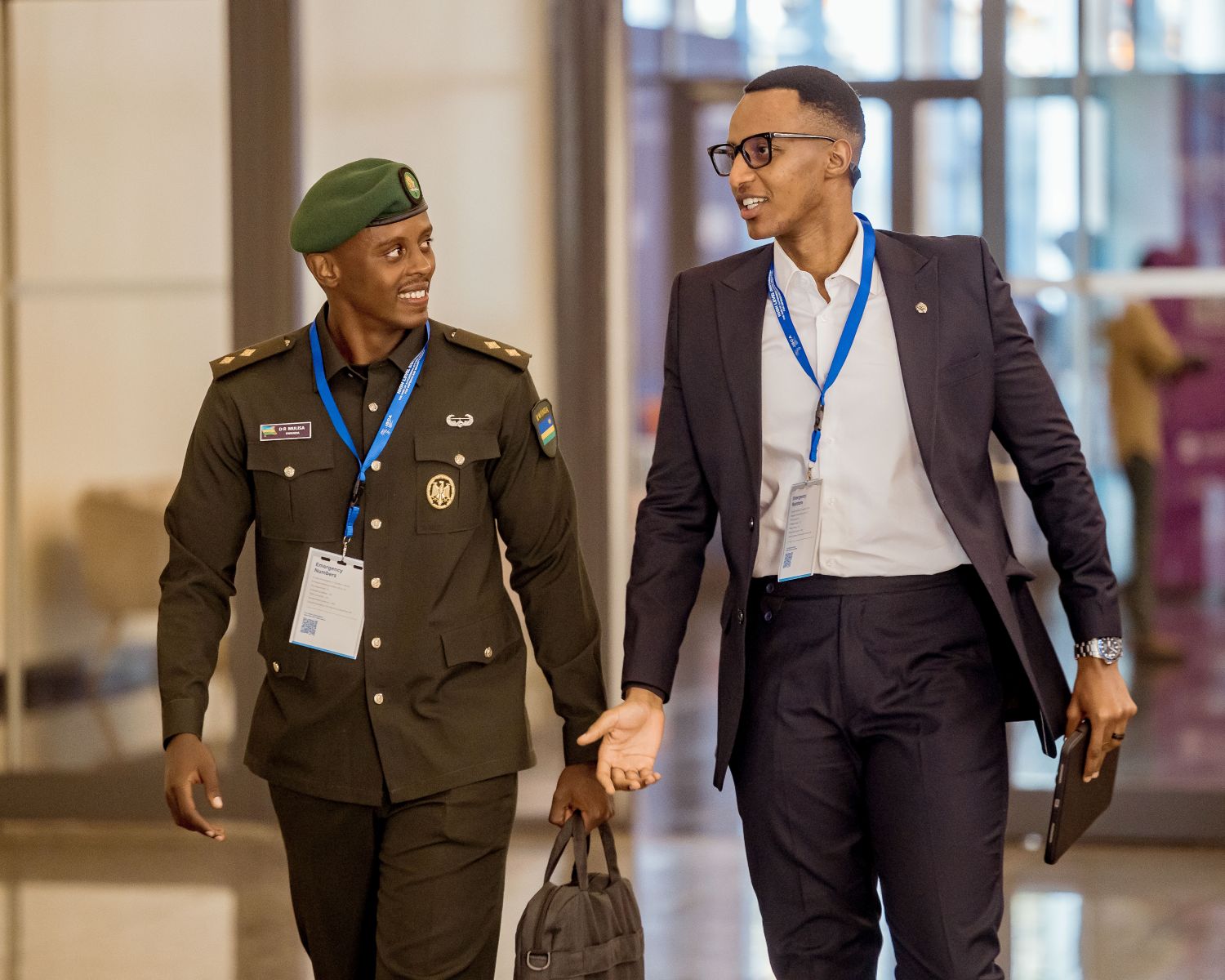
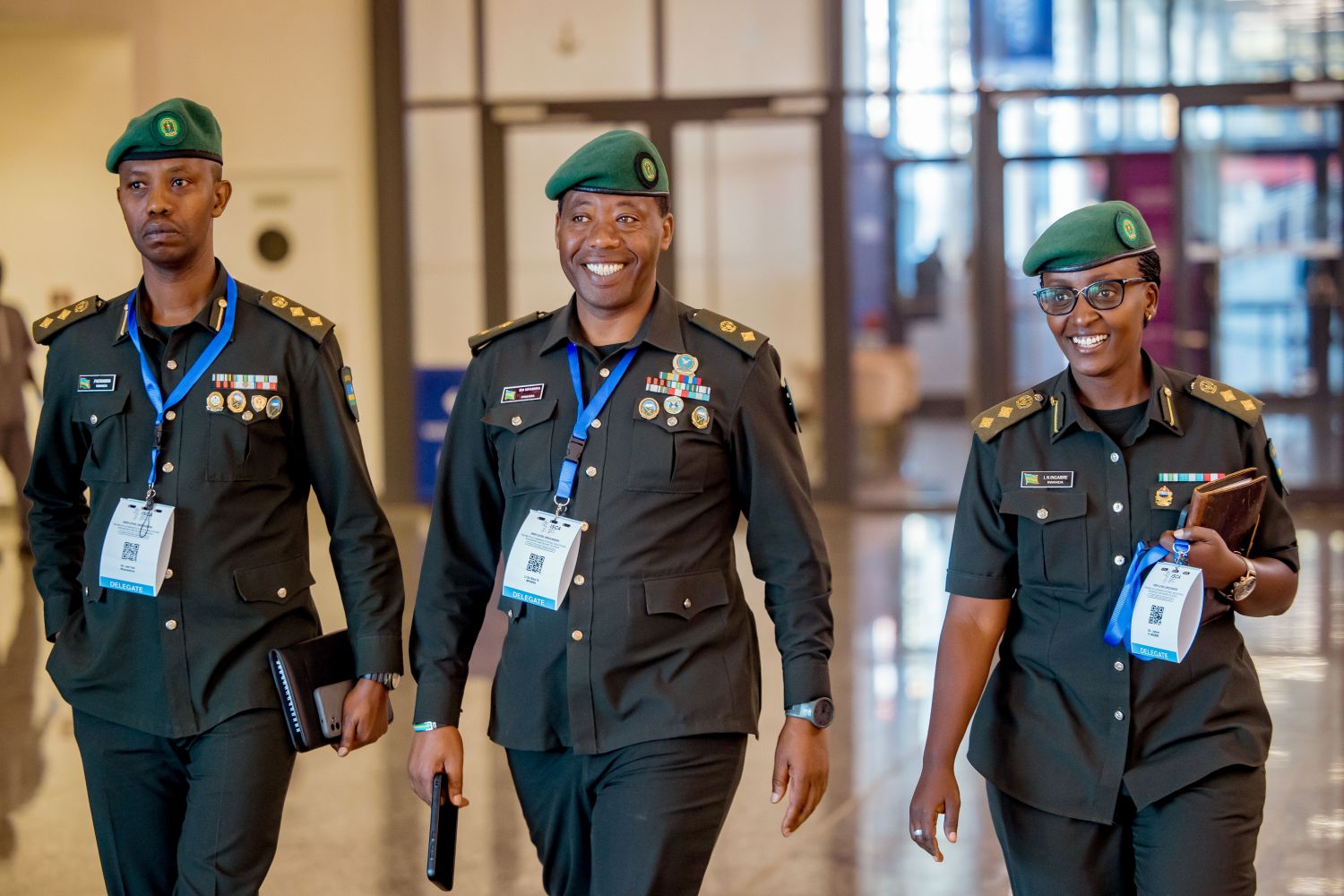
The high-level discussion, held at the Kigali Convention Centre under the theme “The Rise of Autonomous Systems: Implications for Defence and Security in Africa,” brought together more than 300 delegates from 50 countries, including policymakers, defence and security officials, researchers, technology experts and international partners.
Dr. Ndushabandi said the discussions had demonstrated that autonomous systems are no longer a distant technological development but are already changing the nature of conflict and security across Africa.
“Something is happening. The conflict, the landscape is changing,” he said, summarising one of the key conclusions emerging from the discussions.
He said autonomous systems are reshaping issues ranging from border security and military operations to cybersecurity, cross-border crime and immigration management, forcing African states to reconsider their doctrines, institutions and capabilities.
Rwanda’s advantage
According to Dr. Ndushabandi, Rwanda stands out in three key areas: governance and leadership, information and security capabilities, and human-centred development.
“From a research perspective, I could highlight three dimensions. The first one is governance and leadership,” he said, arguing that Rwanda’s experience in institution-building, governance and security provides lessons that could be relevant to other African countries.
He pointed to Rwanda’s participation in peace operations and counterterrorism efforts, including in Mozambique and the Central African Republic, as examples of the country’s developing security and military capabilities.
He also highlighted Rwanda’s ability to monitor and assess emerging security challenges, arguing that information capabilities will become increasingly important as autonomous technologies transform the security environment.
The third dimension, he said, is development, particularly education and the development of human capabilities.
“Capabilities goes with resources, capability, development of education systems,” Dr. Ndushabandi said, stressing that Africa’s response to autonomous technologies cannot be separated from investment in people.
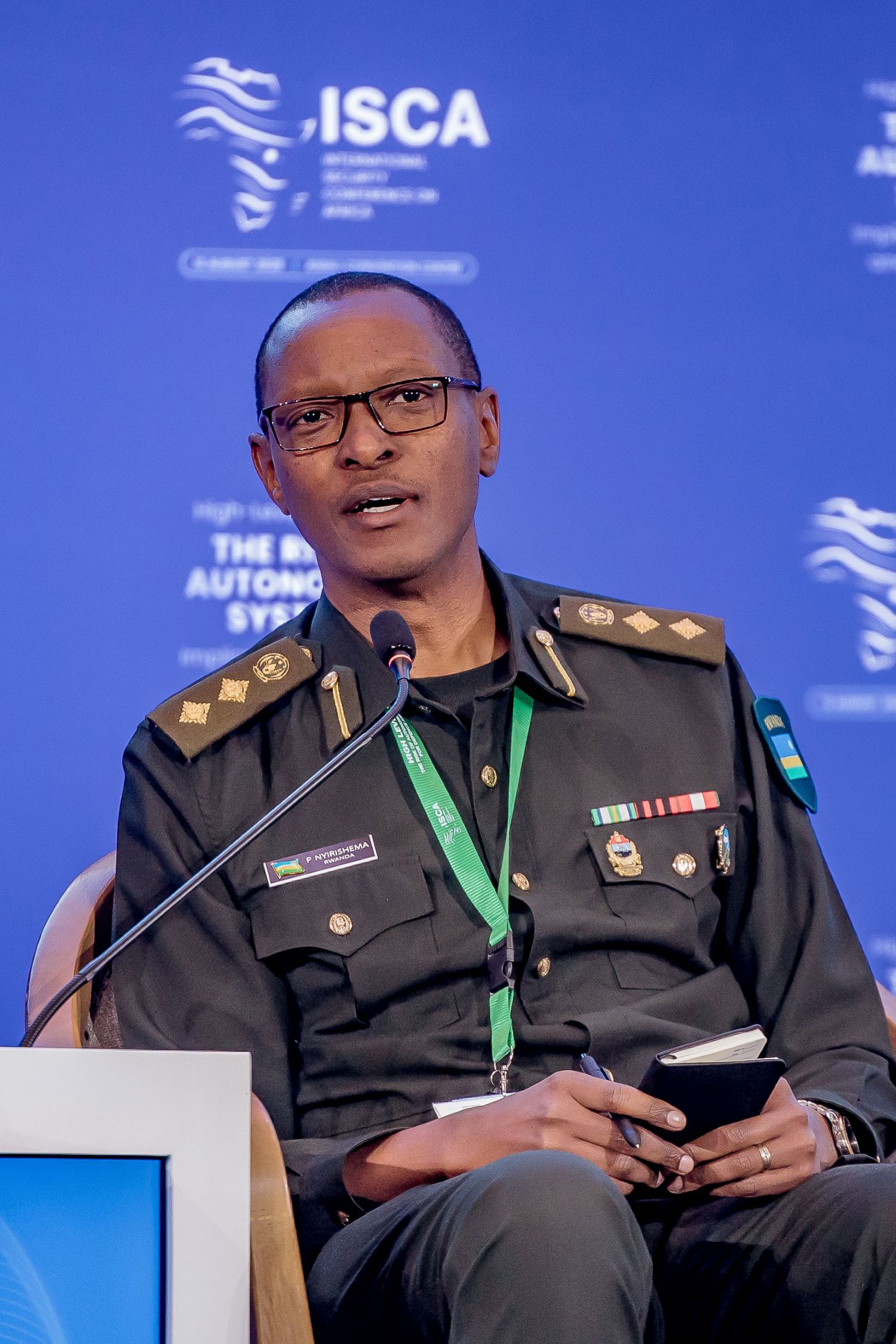
His assessment echoes comments made during the conference by Col. Patrick Nyirishema, Head of Defence Research and Development at the Rwanda Defence Force, who argued that Rwanda has a particular advantage because of its leadership’s emphasis on anticipating future security challenges.
Nyirishema said Africa faces a fundamental choice: whether to remain primarily a consumer of technologies developed elsewhere or to build the capabilities needed to shape and adapt them.
For him, the starting point is talent.
“Build talent. Build talent. Build talent,” Nyirishema told the panel, arguing that African countries need to develop technology ecosystems extending beyond defence institutions to universities, private companies, young innovators and other parts of society.
From buying technology to building capability
The conference repeatedly stressed that autonomous systems cannot simply be treated as another procurement item.
Col. (Rtd) David Kanamugire, Chief Executive Officer of Rwanda’s National Cyber Security Authority, said Africa could not “buy autonomy” because effective autonomous capability depends on much more than acquiring equipment.
He identified data, computing power, talent and adaptable institutions as essential components of the technology ecosystem.
“Autonomous-ready means you control the entire technology stack,” Kanamugire said, highlighting the importance of controlling sensors, communications, cybersecurity and other supporting systems.
This concern was also central to Dr. Ndushabandi’s assessment.
He said Africa should welcome technological opportunities coming from outside the continent, but should simultaneously develop the capacity to adapt and eventually develop technologies that respond to African needs.
“The objective is not simply going to be to regulate what comes from outside,” he said. “It is about being open to and aware of the opportunities these technologies offer.”
However, he stressed that imported systems must be adapted to local cultures, institutions and security realities.
The African context matters
The conference heard that technologies developed elsewhere may not perform in exactly the same way when deployed in African environments.
Moise Busogi, Assistant Teaching Professor at CMU-Africa, gave the example of artificial intelligence models used for image recognition. A model trained in one country can perform differently when deployed in another environment because of differences in terrain, infrastructure and other local conditions.
That, he argued, makes contextualisation and local innovation essential.
Nyirishema said autonomous systems designed for desert environments would need to operate differently from those deployed in forests, mountainous terrain or other settings, underscoring the need for African countries to develop the talent and institutions required to adapt such technologies to local conditions.
Security risks are also increasing
While autonomous systems offer opportunities in border surveillance, agriculture, infrastructure protection, intelligence gathering and military operations, speakers warned that their increasing accessibility also creates new security risks.
Rwanda’s Foreign Minister Olivier Nduhungirehe said autonomous systems and artificial intelligence are becoming increasingly accessible, including to non-state actors.
“Africa cannot afford to fall behind as these technologies continue to evolve,” Nduhungirehe said.
Dr. Ndushabandi similarly warned that autonomous technologies could become particularly problematic in countries affected by unresolved conflicts, weak governance or limited state control over territory.
He said the decreasing cost of autonomous systems could make them increasingly accessible to non-state groups, including armed groups, potentially intensifying existing conflicts.
Sovereignty and strategic autonomy
Another major concern emerging from the discussions was sovereignty.
Dr. Ndushabandi said autonomous systems can challenge traditional concepts of state sovereignty, particularly when systems operate across borders or when states become dependent on technologies, data or infrastructure controlled elsewhere.
The question for Africa, he said, is how to benefit from international technological cooperation while maintaining sufficient strategic autonomy.
Dr. Paul Simon Handy, Regional Director for East Africa and Representative of the African Union/Institute for Security Studies, argued that strategic autonomy should not mean that every African country manufactures every component of an autonomous system.
Instead, he said, it should mean having the knowledge and political freedom to understand, sustain and make decisions about the technologies countries acquire.
He also urged African states to rethink military doctrines rather than simply inserting new technologies into existing structures.
A continental opportunity
The discussions also pointed to greater cooperation between African countries.
Handy said no African state could independently develop the entire range of technologies required for autonomous systems, making regional cooperation and an intentional division of labour essential.
Dr. Ndushabandi said the ISCA platform had provided an opportunity for governments, security institutions, researchers, universities and international partners to begin developing such cooperation.
He noted that the discussions were also timely because technology is expected to feature prominently on the African Union agenda in 2027.
For Dr. Ndushabandi, Africa’s preparedness will ultimately depend on whether governments can translate the current debate into practical policies, stronger institutions, education programmes and technological capabilities.
Dr. Ndushabandi also urged young Africans to use growing access to AI and other technologies to develop specialised skills rather than focusing primarily on entertainment. “AI is giving opportunity for young people to access knowledge,” he said, stressing the importance of education and professionalisation as Africa prepares for the changing security and technological environment.
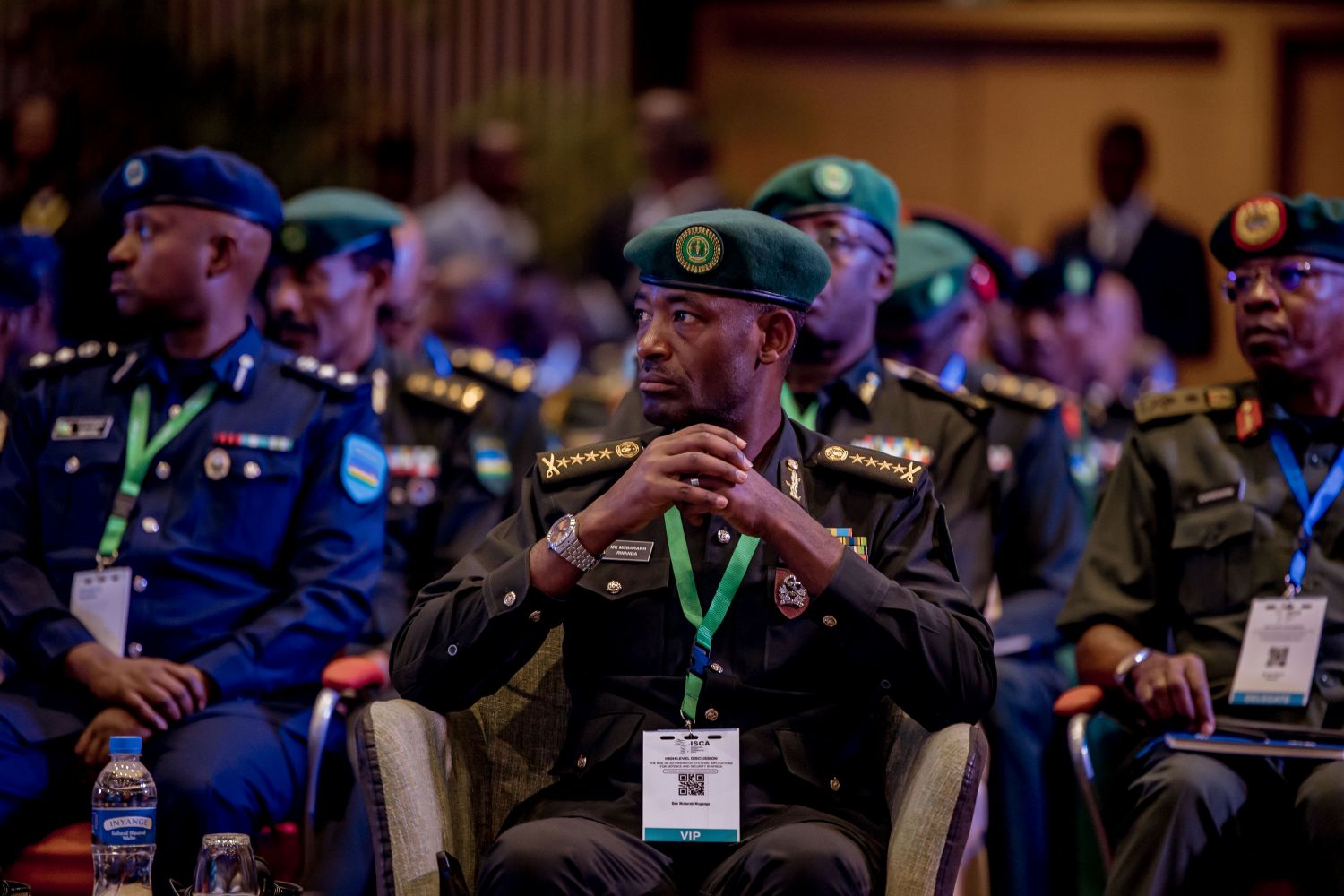
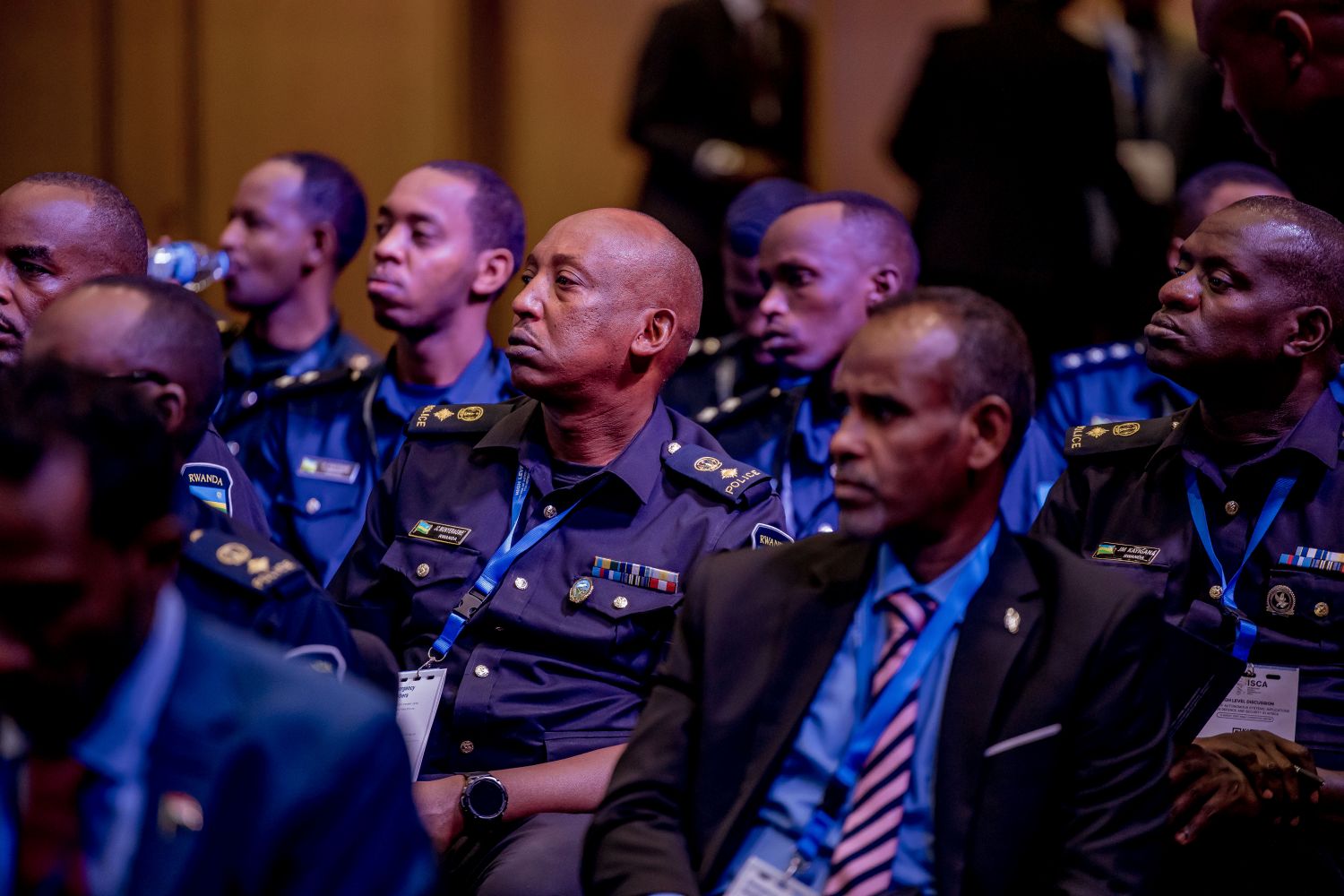
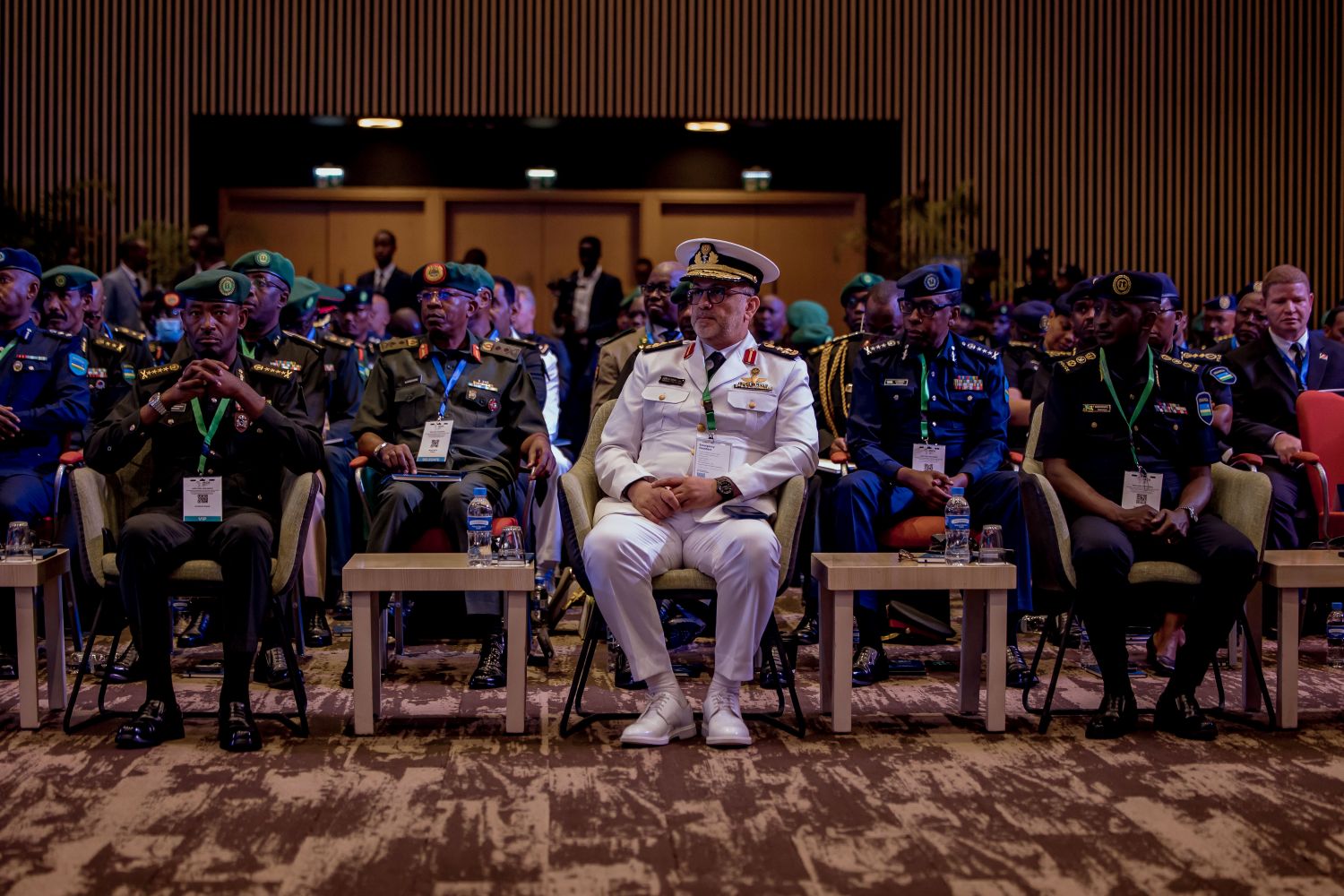
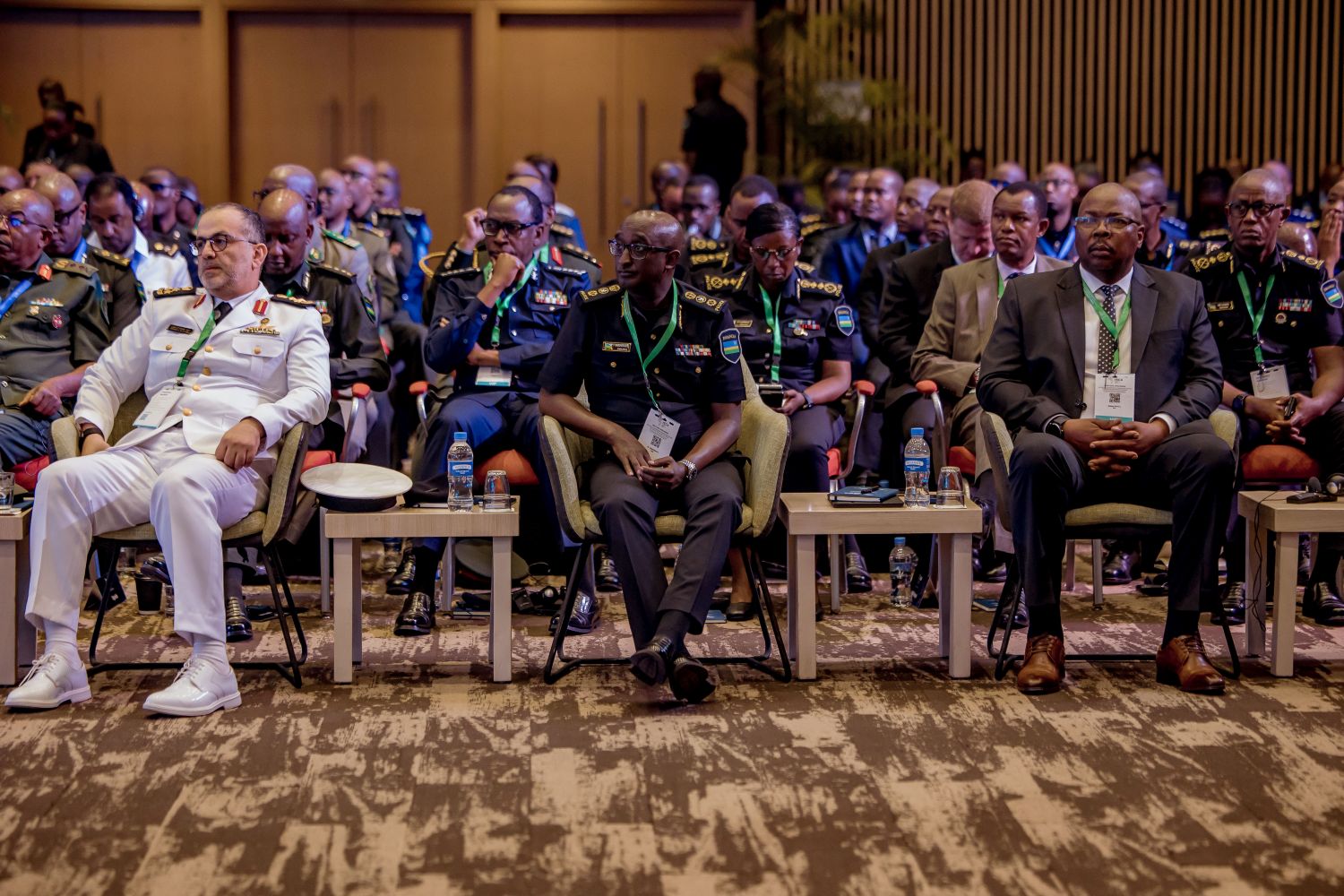
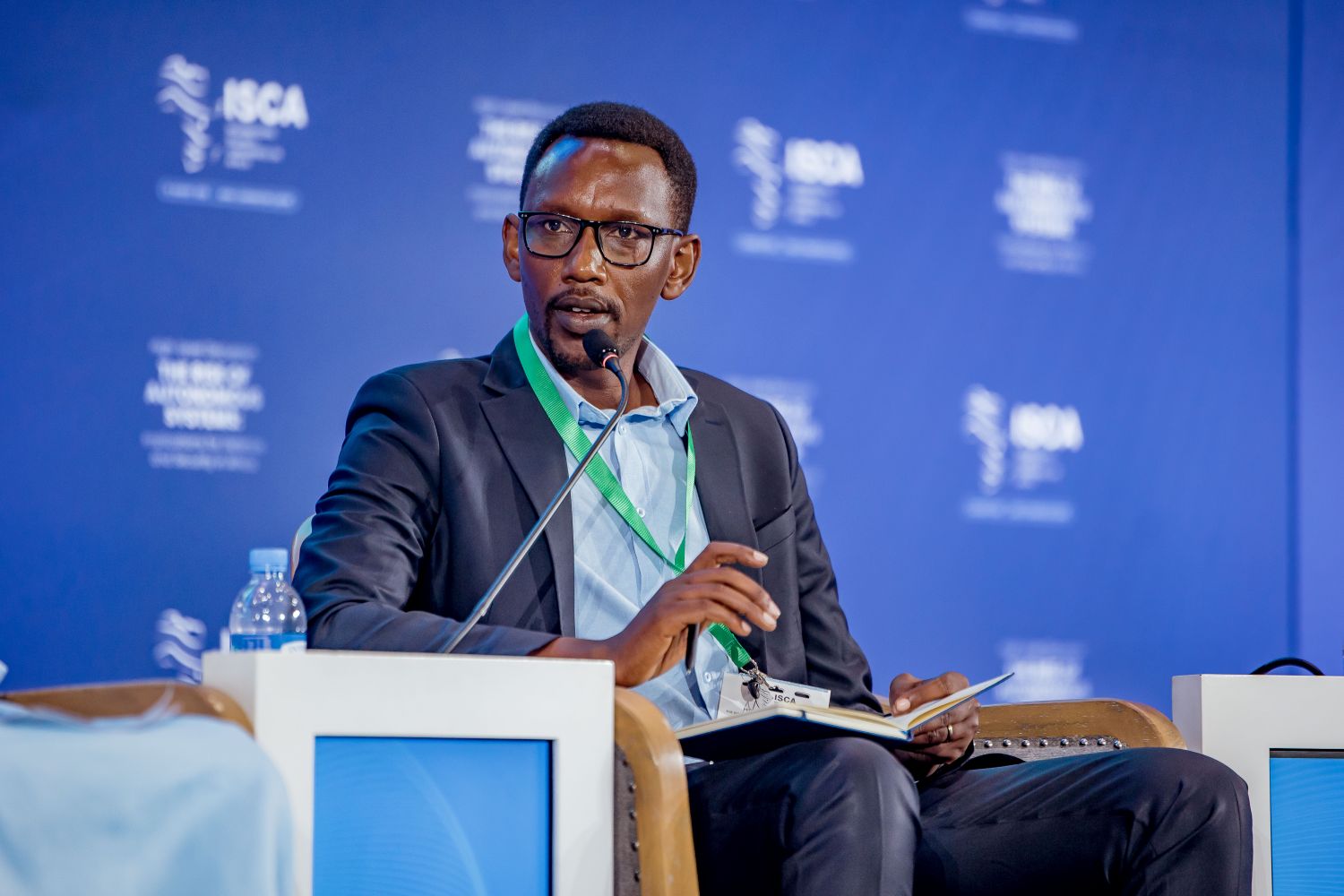
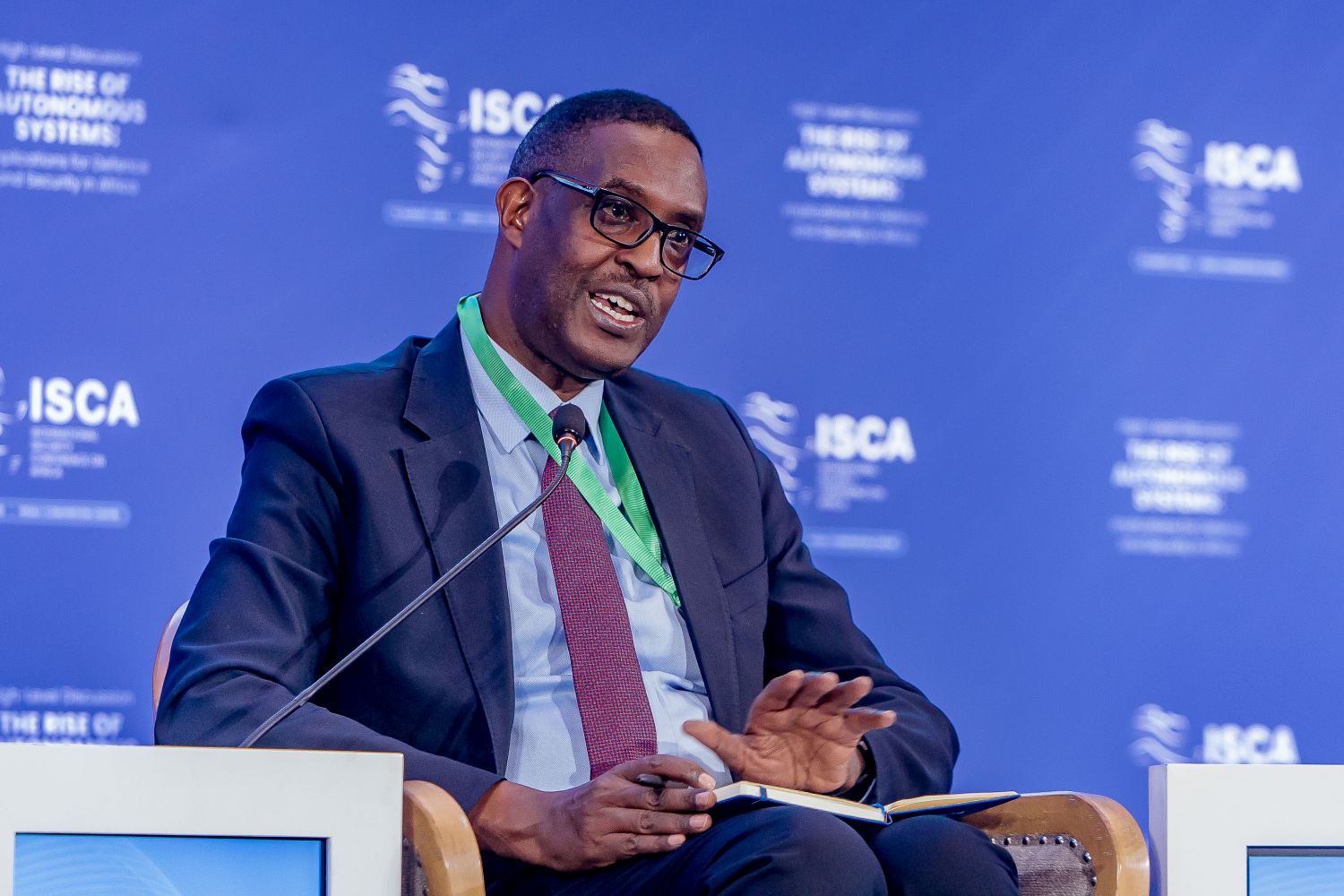
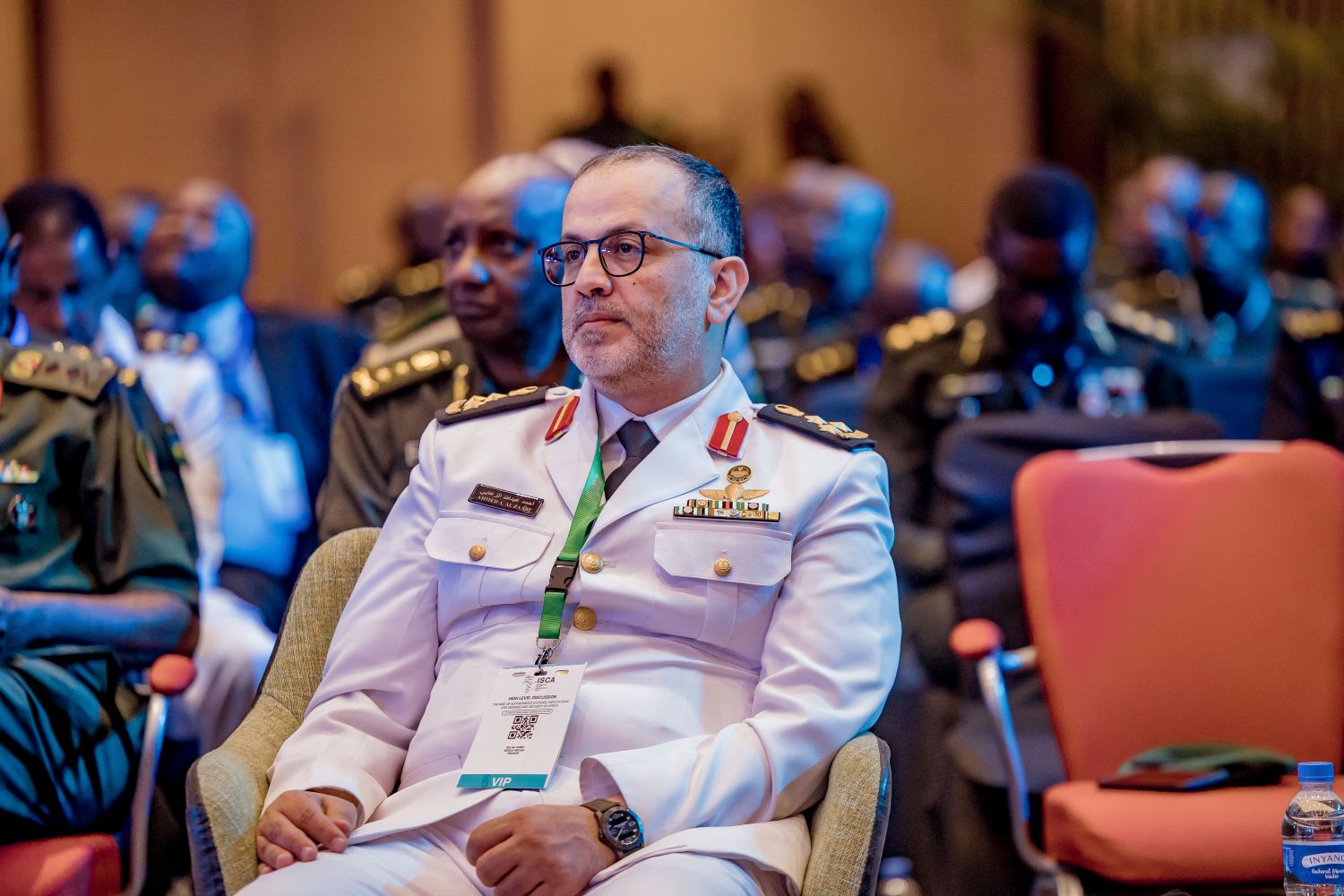
The high level convening brought together more than 300 delegates from 50 countries.Rwanda’s Foreign Minister Olivier Nduhungirehe said autonomous systems and artificial intelligence are becoming increasingly accessible, including to non-state actors.Chief of Defence Staff (CDS) of the Rwanda Defence Force, General Mubarakh Muganga, follows the discussions. The conference repeatedly stressed that autonomous systems cannot simply be treated as another procurement item.Col. Patrick Nyirishema, Head of Defence Research and Development at the Rwanda Defence Force, argued that Rwanda has a particular advantage because of its leadership’s emphasis on anticipating future security challenges.
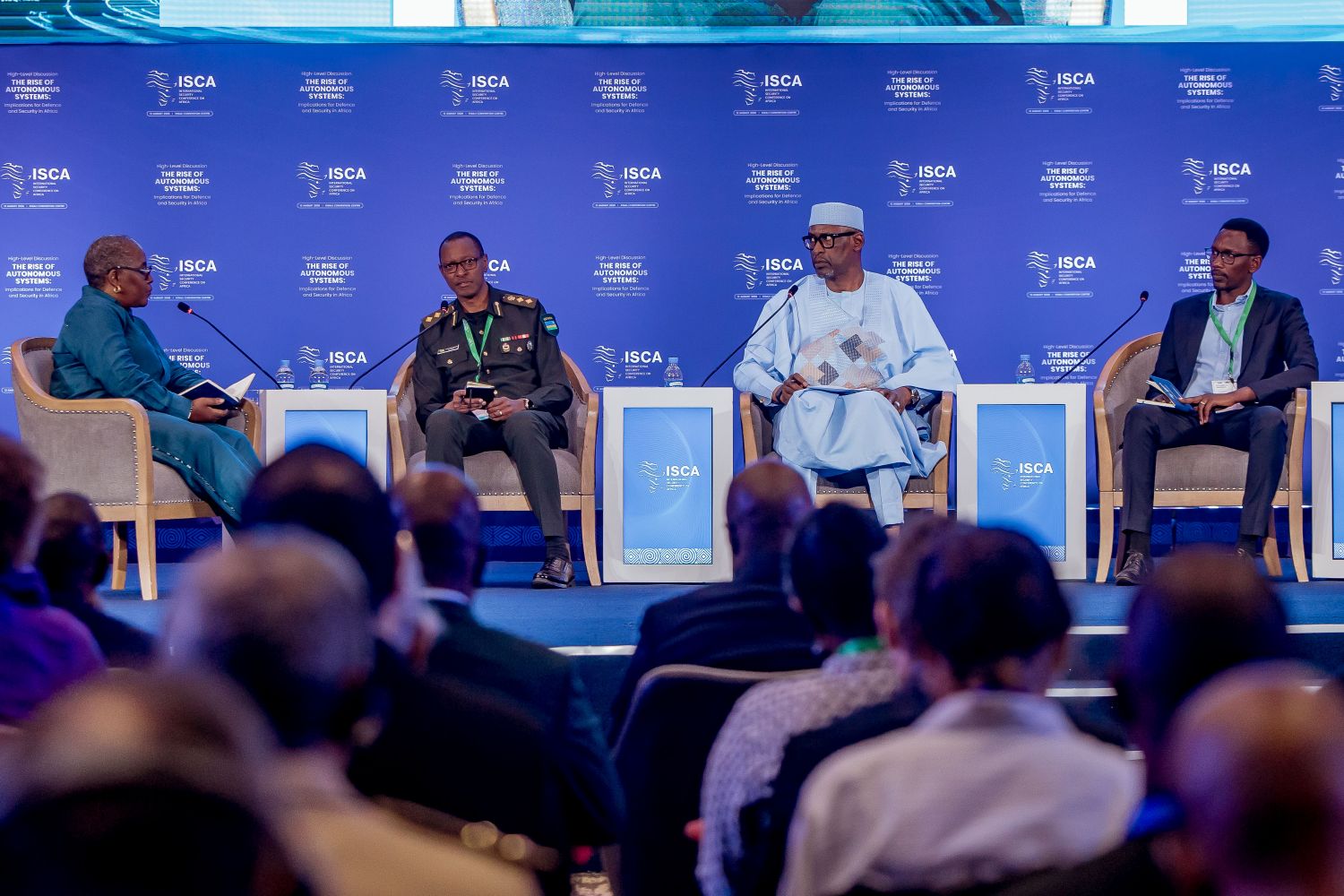
Held under the theme “The Rise of Autonomous Systems: Implications for Defence and Security in Africa,” the discussion brought together more than 300 delegates from 50 countries to examine how artificial intelligence and autonomous systems are changing warfare, border security and national defence.
Opening the discussion, ISCA Executive Director Lt. Gen. (Rtd) Frank Mushyo Kamanzi noted that advances in artificial intelligence and autonomous aerial, maritime and ground systems are already reshaping warfare, border security, peace support operations and national defence.
He highlighted their potential to strengthen intelligence gathering, border surveillance, maritime security and protection of critical infrastructure, while raising concerns about human oversight, accountability and possible misuse by non-state actors.
“These questions demand collective leadership and cooperation,” Kamanzi maintained, urging African governments, regional organisations, research institutions, industry and international partners to develop policies and capabilities suited to the continent’s security priorities.
The discussion brought together more than 300 delegates from 50 countries to examine how artificial intelligence and autonomous systems are changing warfare, border security and national defence.
Rwanda’s Foreign Affairs Minister Olivier Nduhungirehe warned that artificial intelligence and autonomous systems are becoming increasingly accessible, including to non-state actors.
“Africa cannot afford to fall behind as these technologies continue to evolve,” Nduhungirehe cautioned.
He called for greater investment in African skills, institutions and technological capacity while stressing the implications of autonomous systems for sovereignty and strategic autonomy.
Minister Nduhungirehe called for greater investment in African skills, institutions and technological capacity.
Mali’s experience
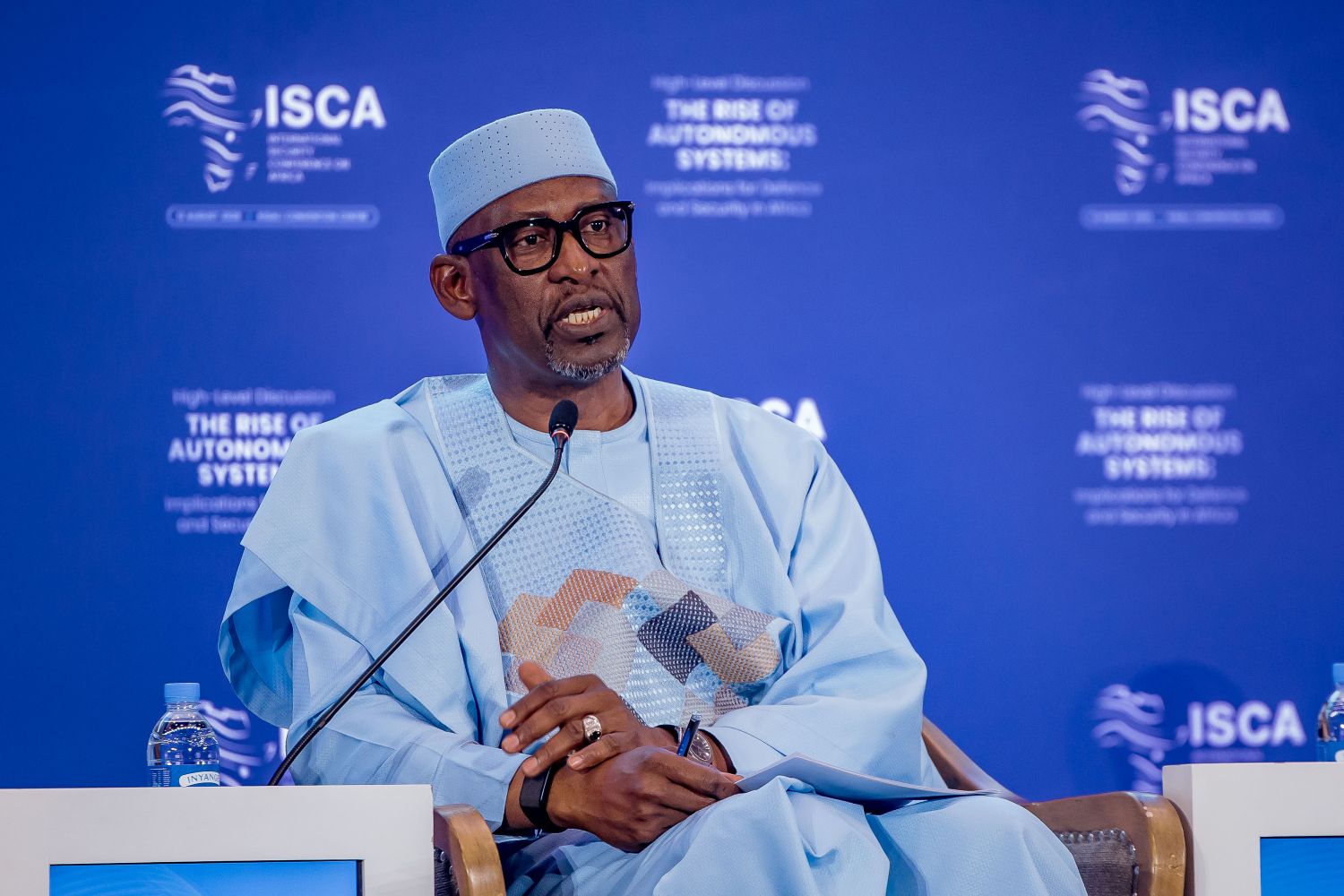
Mali’s Foreign Affairs Minister Abdoulaye Diop placed the debate within the broader question of sovereignty and Africa’s ability to provide for its own defence.
Mali, he noted, faces terrorism, separatism, inter-community conflicts and other threats across a territory of about 1.2 million square kilometres bordered by seven countries.
Diop explained that drones and other autonomous technologies have consequently become an increasingly important part of Mali’s security architecture. Mali, he indicated, had almost no drones five years ago but now has dozens, approaching hundreds, operated by Malian defence and security personnel.
He stressed that training and technology transfer are essential if African countries are to avoid replacing one form of dependence with another.
“It is a bit like cutting the logic of dependence,” he remarked, describing Mali’s efforts to strengthen its own defence capabilities.
Minister Diop revealed that drones and other autonomous technologies have consequently become an increasingly important part of Mali’s security architecture.
Mali has incorporated training and technology transfer into defence agreements and established a national artificial intelligence centre where young people receive training for applications in defence, medicine, energy and other sectors.
But Diop also warned that autonomous technologies are increasingly available to terrorist groups, adding another layer to asymmetric threats.
“We are not only in an asymmetrical war, but the autonomous system also brings a level of asymmetry that competes with the state,” he observed.
From consumers to technology builders
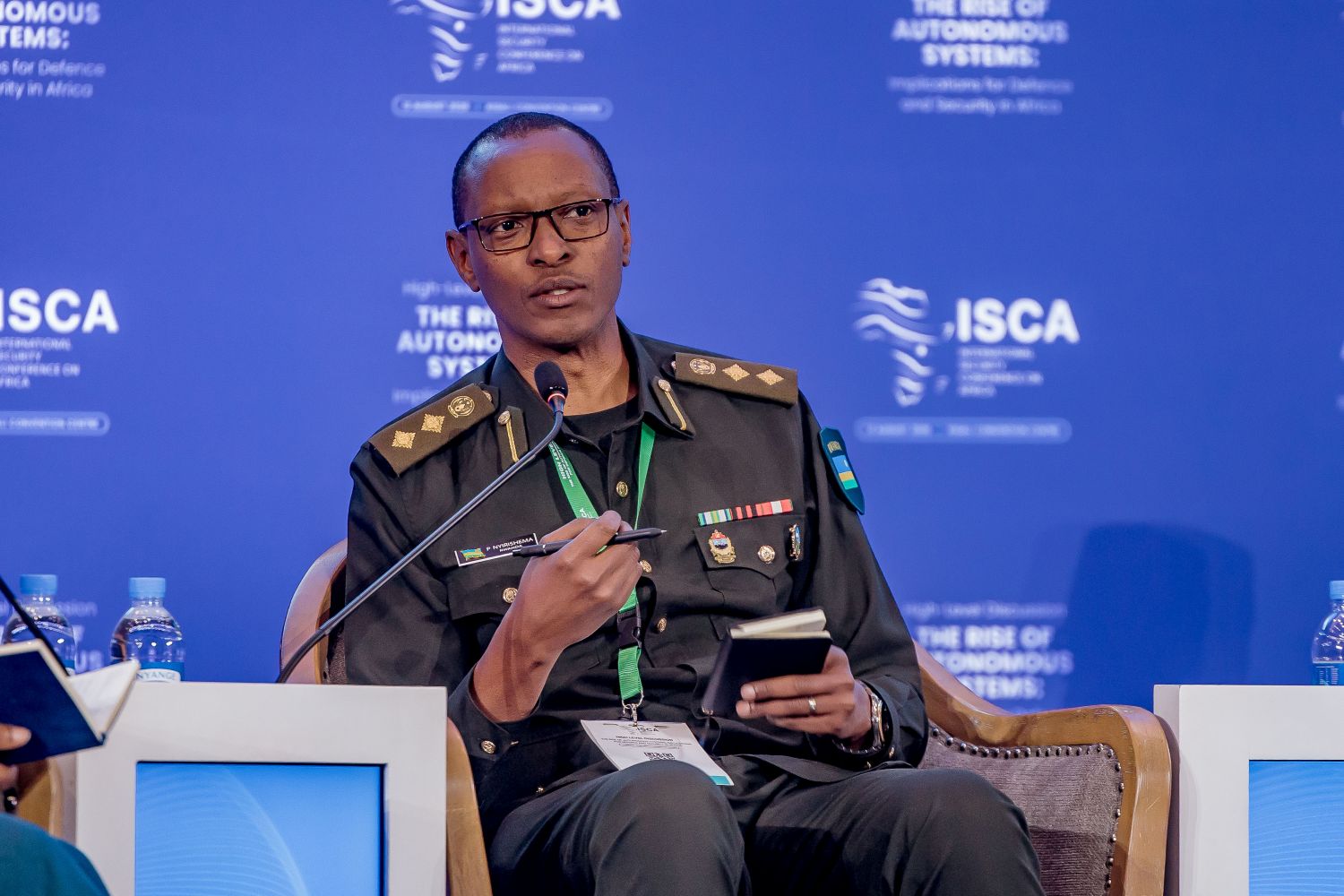
Col. Patrick Nyirishema, Head of Defence Research and Development at the Rwanda Defence Force, argued that autonomous systems are changing the traditional understanding of military power.
“For centuries, military power was determined by who had more soldiers… But we’ve entered an era where machines can see. Machines can analyse. Machines can make decisions. And machines can act with diminishing human intervention,” he noted.
Col. Patrick Nyirishema, Head of Defence Research and Development at the Rwanda Defence Force, argued that autonomous systems are changing the traditional understanding of military power.
African countries now face a choice between remaining consumers of emerging technologies or investing in capabilities that allow them to shape them.
“The question is whether Africa can position itself so that this rise of autonomous systems and other related technologies and capabilities can be converted into a strategic advantage. Or whether it becomes a strategic vulnerability,” Nyirishema remarked.
He placed particular emphasis on talent.
“I think the starting point is talent. Build talent. Build talent,” he stressed, calling for national technology ecosystems in which young people can experiment, innovate and develop dual-use applications.
Such technologies, he noted, could support border surveillance, cross-border crime prevention, agriculture and other civilian activities in addition to defence.
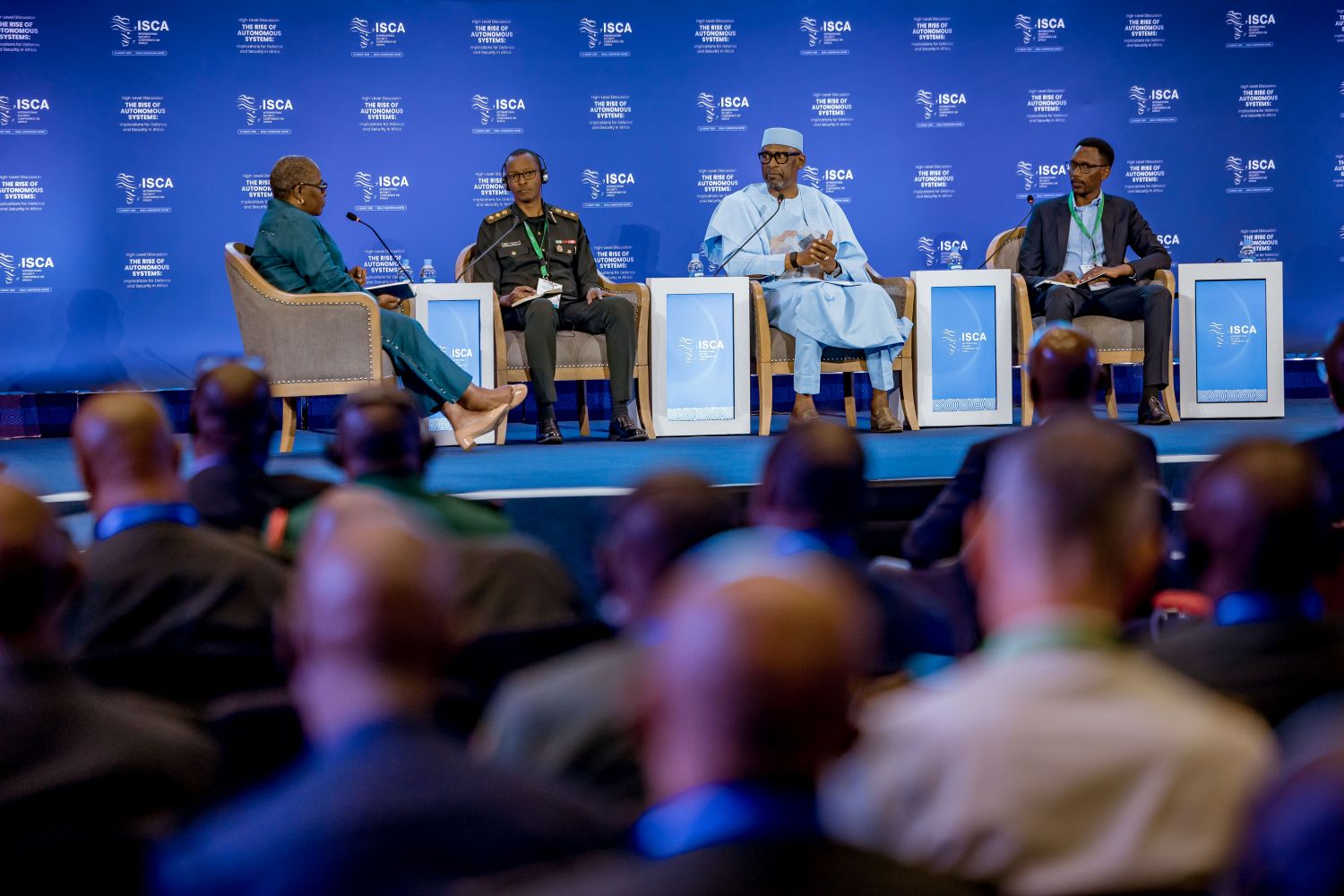
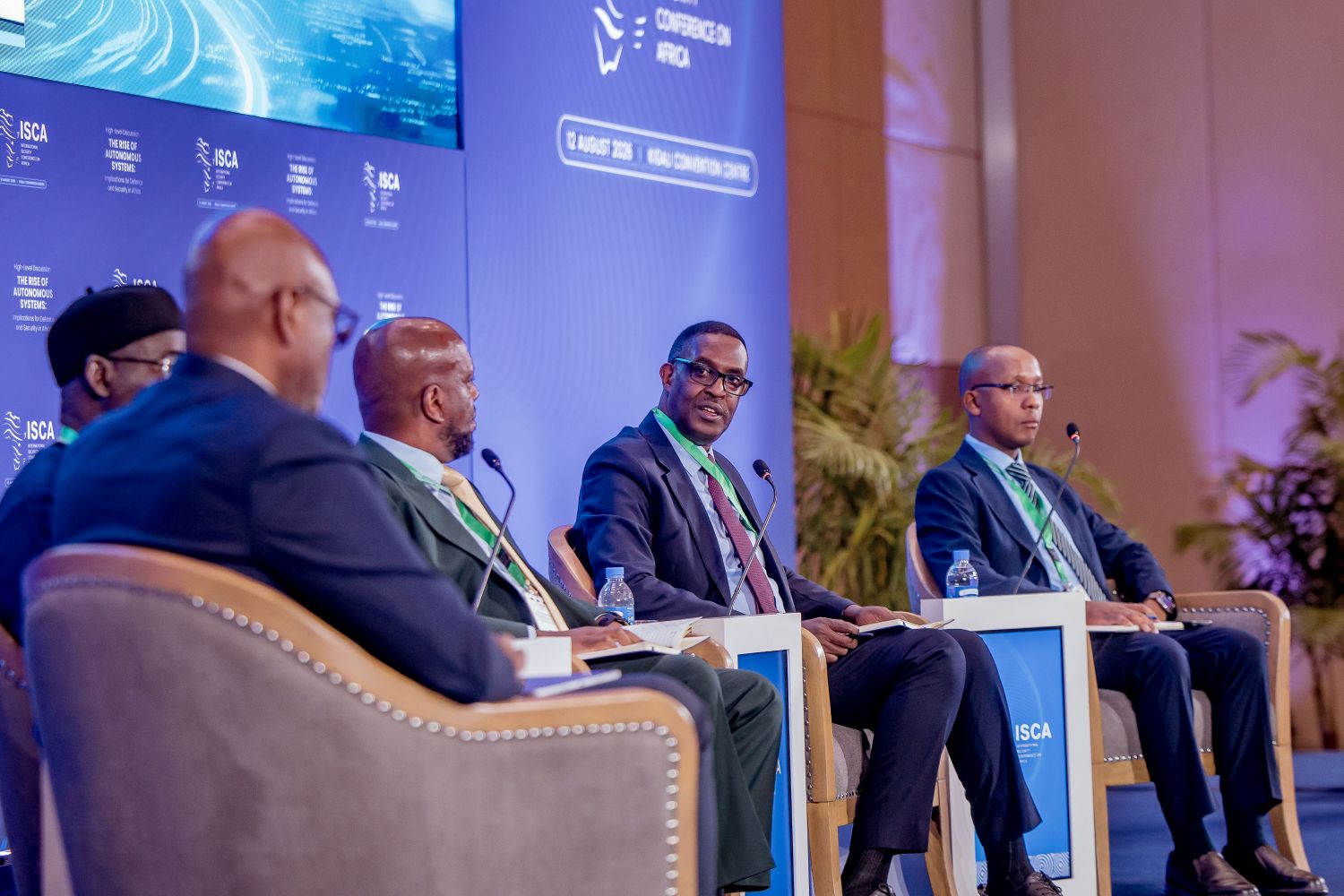
Panellists during a discussion focused on Africa’s evolving security environment in autonomous defence and security systems.
Buratai praises Rwanda, urges African defence fund
Former Nigerian Chief of Army Staff Lt. Gen. (Rtd) Tukur Yusuf Buratai linked autonomous systems to the wider questions of governance, independence and indigenous technological capacity.
Buratai praised Rwanda for its leadership in advancing African defence and security solutions, recalling his participation in the country’s Armed Forces Commanders Conference the previous year.
“The Rwandan government has been in the forefront with projecting African defence and security solutions,” he noted, describing Rwanda’s approach as evidence of leadership and commitment to African security knowledge.
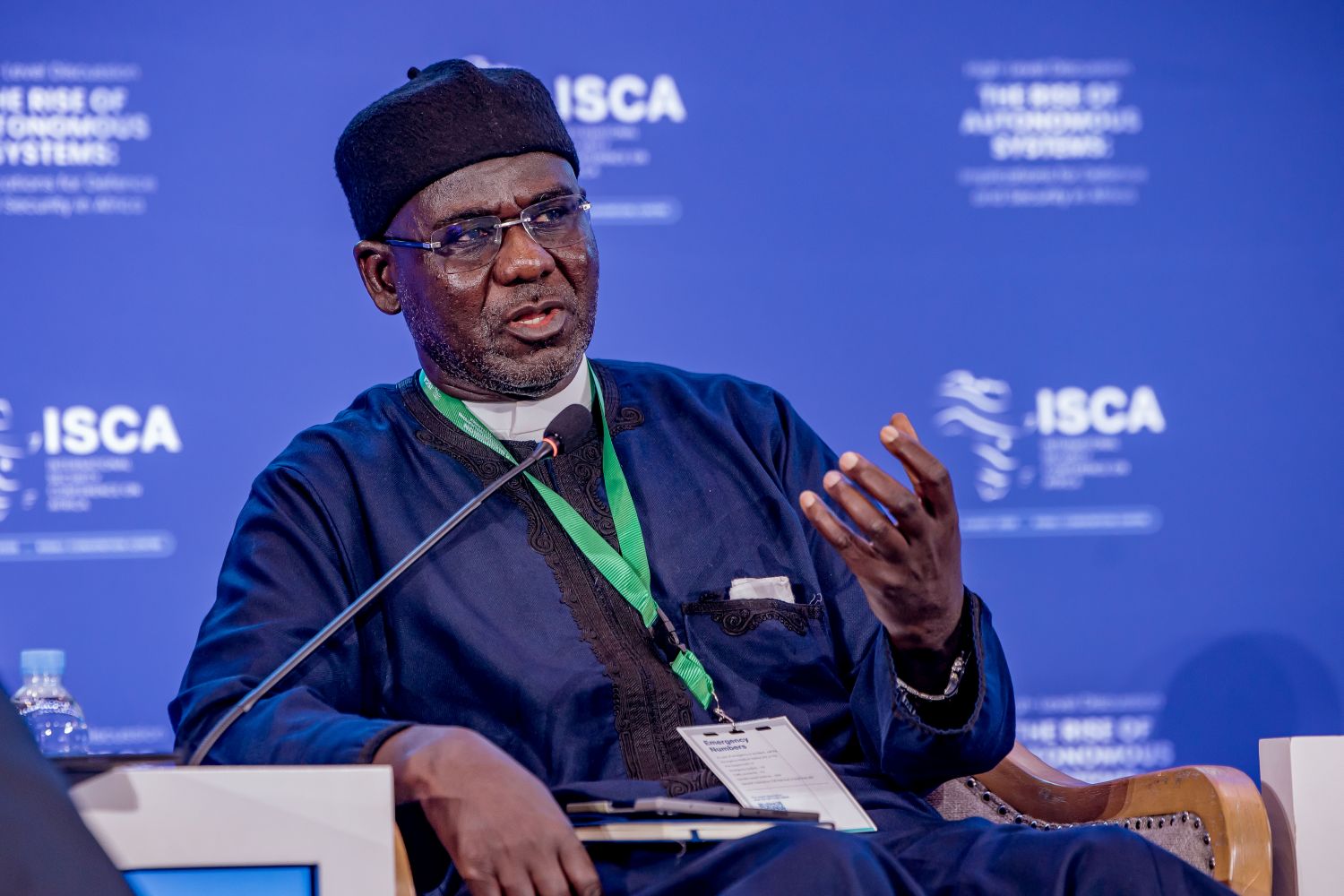
Former Nigerian Chief of Army Staff Lt. Gen. (Rtd) Tukur Yusuf Buratai linked autonomous systems to the wider questions of governance, independence and indigenous technological capacity.
He argued that autonomous systems must be considered at the strategic level rather than simply as tactical military equipment, while emphasising the importance of indigenous technology and investment in Africa’s young innovators.
Buratai also called for a dedicated African defence fund to help the continent respond to existing and emerging security threats.
Funding, he maintained, has been a longstanding challenge for the African Union and regional organisations, with external financing sometimes influencing African security priorities.
He further linked security to governance and socio-economic development, noting from Nigeria’s experience that counter-insurgency efforts must be accompanied by measures addressing unemployment, education and other conditions that contribute to insecurity.
Technology must fit African realities
Moise Busogi, an Assistant Teaching Professor at CMU-Africa, cautioned that technologies developed elsewhere cannot automatically be expected to perform effectively in African environments.
“Many of these technologies are global, but usually the environment is very local,” Busogi noted.
Moise Busogi, an Assistant Teaching Professor at CMU-Africa, argued that technologies developed elsewhere cannot automatically be expected to perform effectively in African environments.
Drawing from his work in computer vision, he explained that AI models can perform differently when moved from one environment to another, making local expertise and contextualisation essential.
He also encouraged African institutions to give locally developed technologies greater opportunities to mature, arguing that African innovation cannot grow if funding and confidence consistently favour foreign products.
Rethinking doctrine and strategic autonomy
Dr. Paul-Simon Handy, Regional Director for East Africa and Representative to the African Union at the Institute for Security Studies, argued that autonomous systems should not simply be inserted into existing military structures.
“Adopting this technology is not just a matter of automating existing doctrines,” Handy maintained. “Actually, we should rethink doctrines in light of this development.”
African states, he argued, need to identify the security problems they are trying to solve, determine which decisions can legitimately be delegated to machines and establish where meaningful human control must remain.
Handy also cautioned that countries should prepare to defend themselves against autonomous systems, not merely acquire them. A country that obtains drones without investing in counter-capabilities, he observed, may become more technologically equipped without necessarily becoming more secure.
He called for stronger regional cooperation, noting that no single African country can develop every component required for autonomous technologies. Strategic autonomy, he argued, does not mean manufacturing everything domestically but retaining sufficient knowledge, capacity and political freedom to understand and sustain critical systems.
Autonomy cannot simply be bought
Col. (Rtd) David Kanamugire, CEO of Rwanda’s National Cyber Security Authority, warned against treating autonomous capability as a procurement exercise.
“We can’t look at autonomy as a procurement problem. You can’t buy autonomy. That’s not possible,” Kanamugire stressed.
Col. (Rtd) David Kanamugire, CEO of Rwanda’s National Cyber Security Authority, speaks during the second panel discussion, which focused on “Africa’s Strategic Response: Adaptation, Governance, and Development of Strategic Capabilities.
He identified data, computing power, talent and adaptable institutions as the foundations of genuine autonomous capability. Countries, he argued, need the ability to control and understand the wider technology stack, including sensors, communications and protection against cyber and electronic threats.
The discussions underscored that autonomous systems present Africa with both an opportunity and a growing security challenge. While they could strengthen surveillance, intelligence, border management, agriculture and other civilian services, they are also becoming accessible to non-state actors.
For the panellists, the central question is no longer whether autonomous technologies will transform African security, but whether African states will develop the talent, institutions, infrastructure and strategic cooperation required to shape that transformation on their own terms.
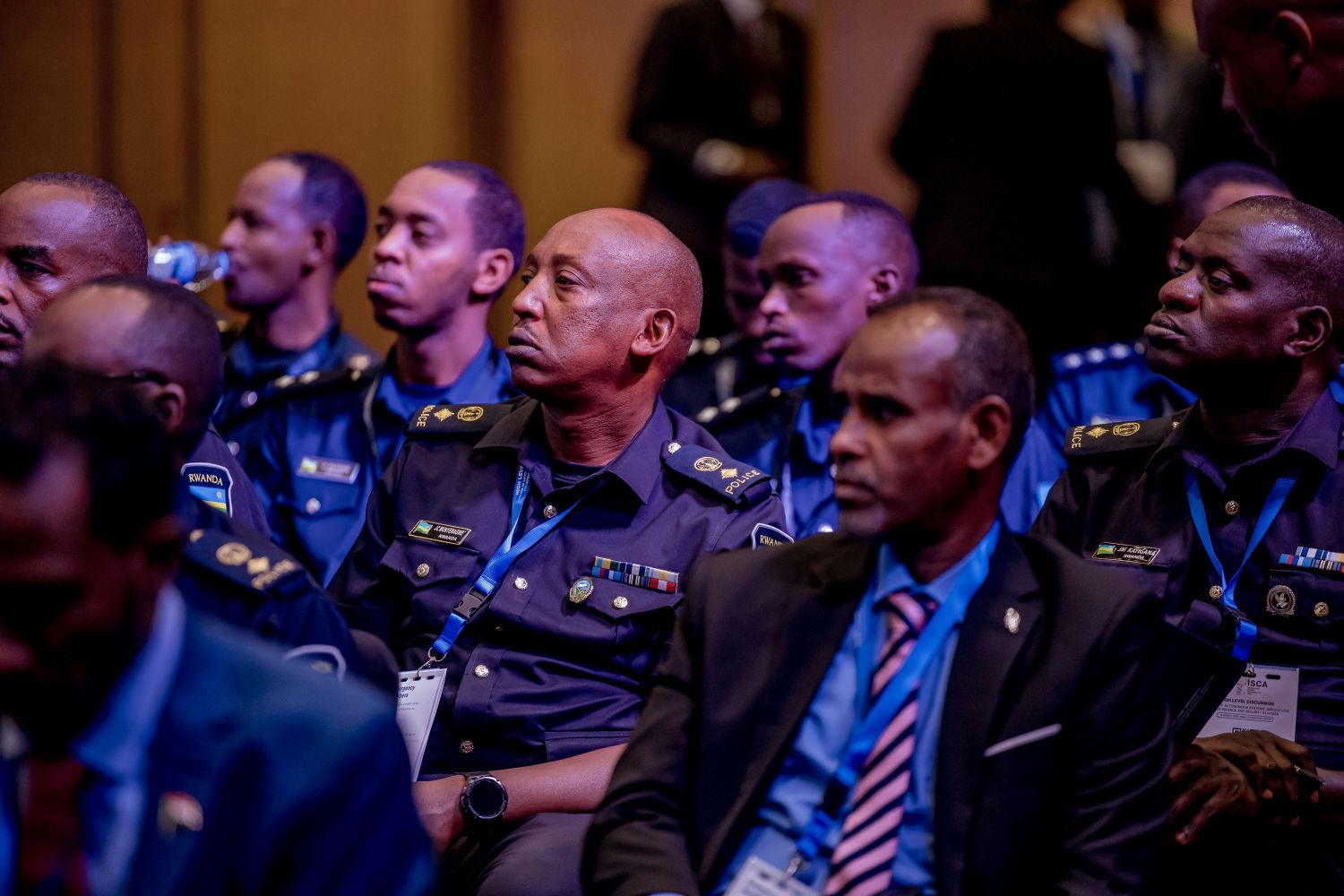
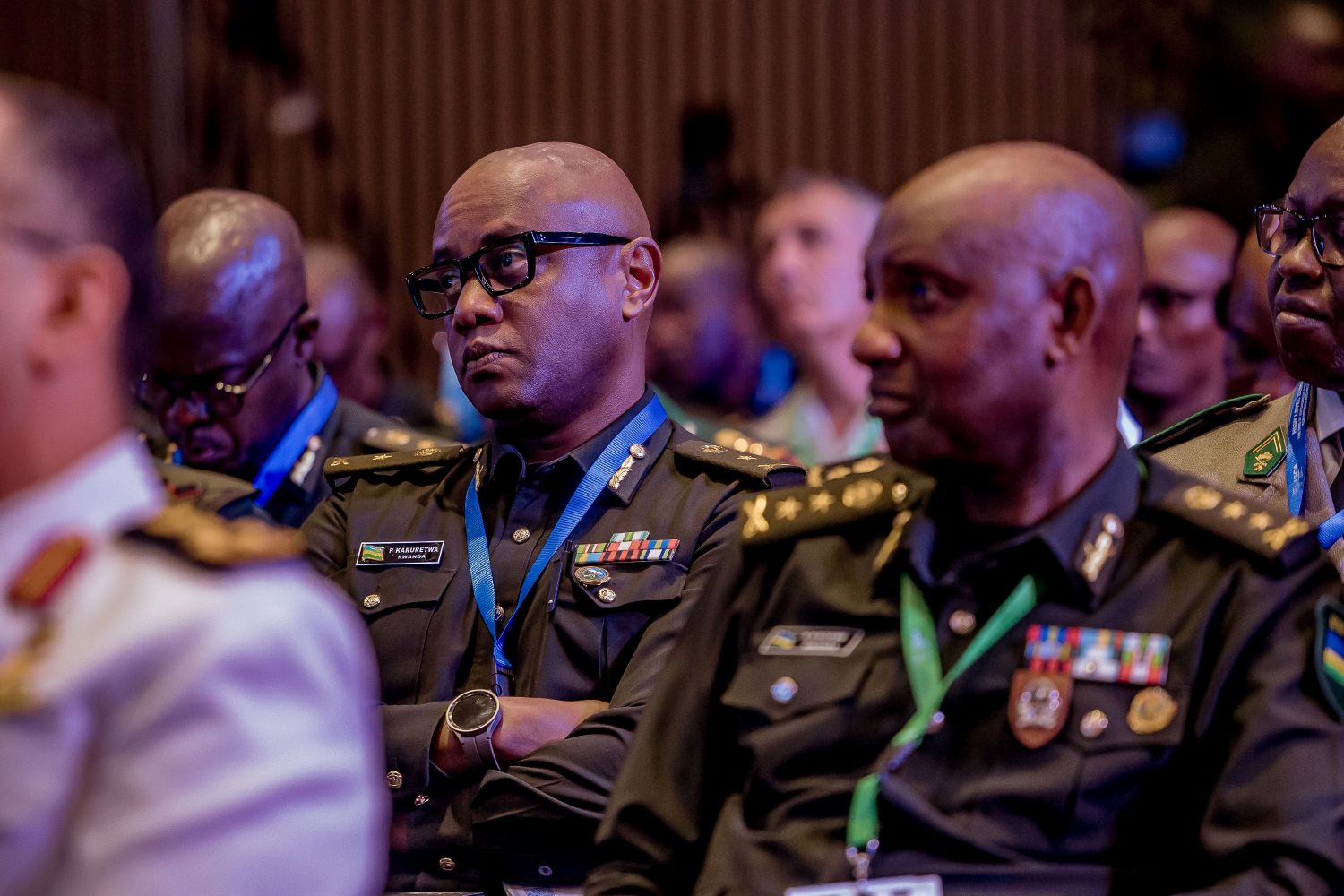
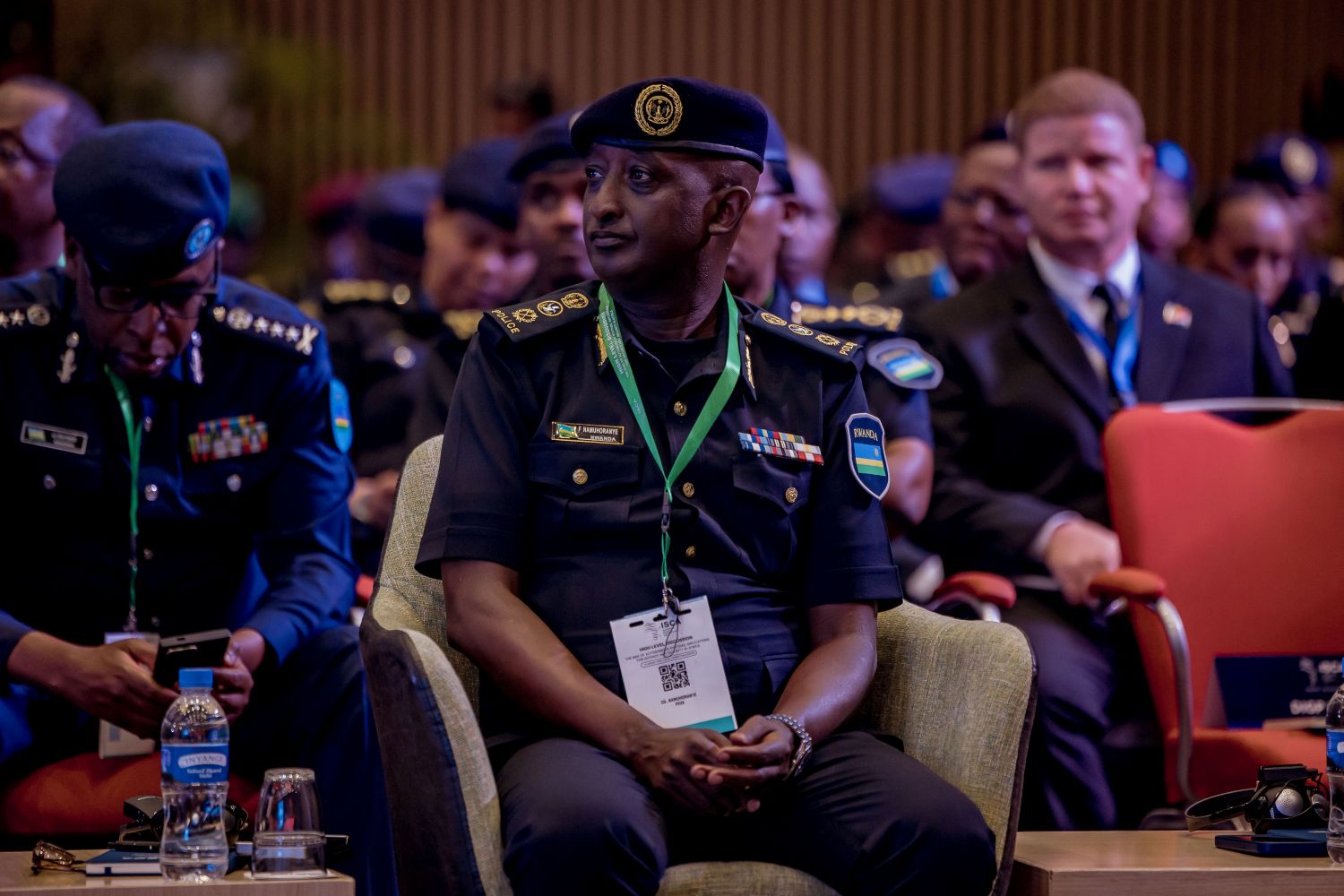
Rwanda’s Foreign Affairs Minister Olivier Nduhungirehe warned that artificial intelligence and autonomous systems are becoming increasingly accessible, including to non-state actors.The event brought together more than 300 delegates from 50 countries to examine how artificial intelligence and autonomous systems are changing warfare, border security and national defence.Chief of Defence Staff (CDS) of the Rwanda Defence Force, General Mubarakh Muganga, follows the discussions.Inspector General of Police (IGP) Felix Namuhoranye also attended the event.Rwanda’s Minister of Defence, Juvenal Marizamunda, follows the discussions.Rwanda’s Minister of Interior, Dr. Vincent Biruta, attended the event.