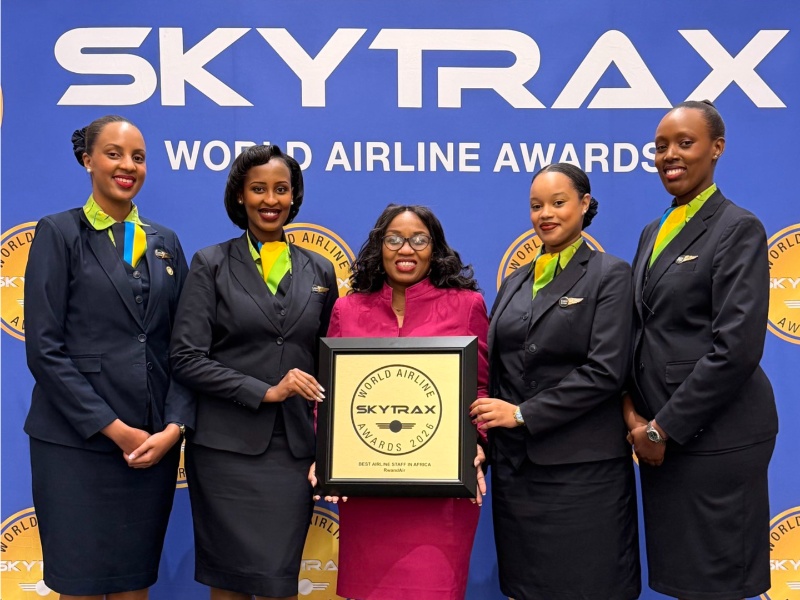
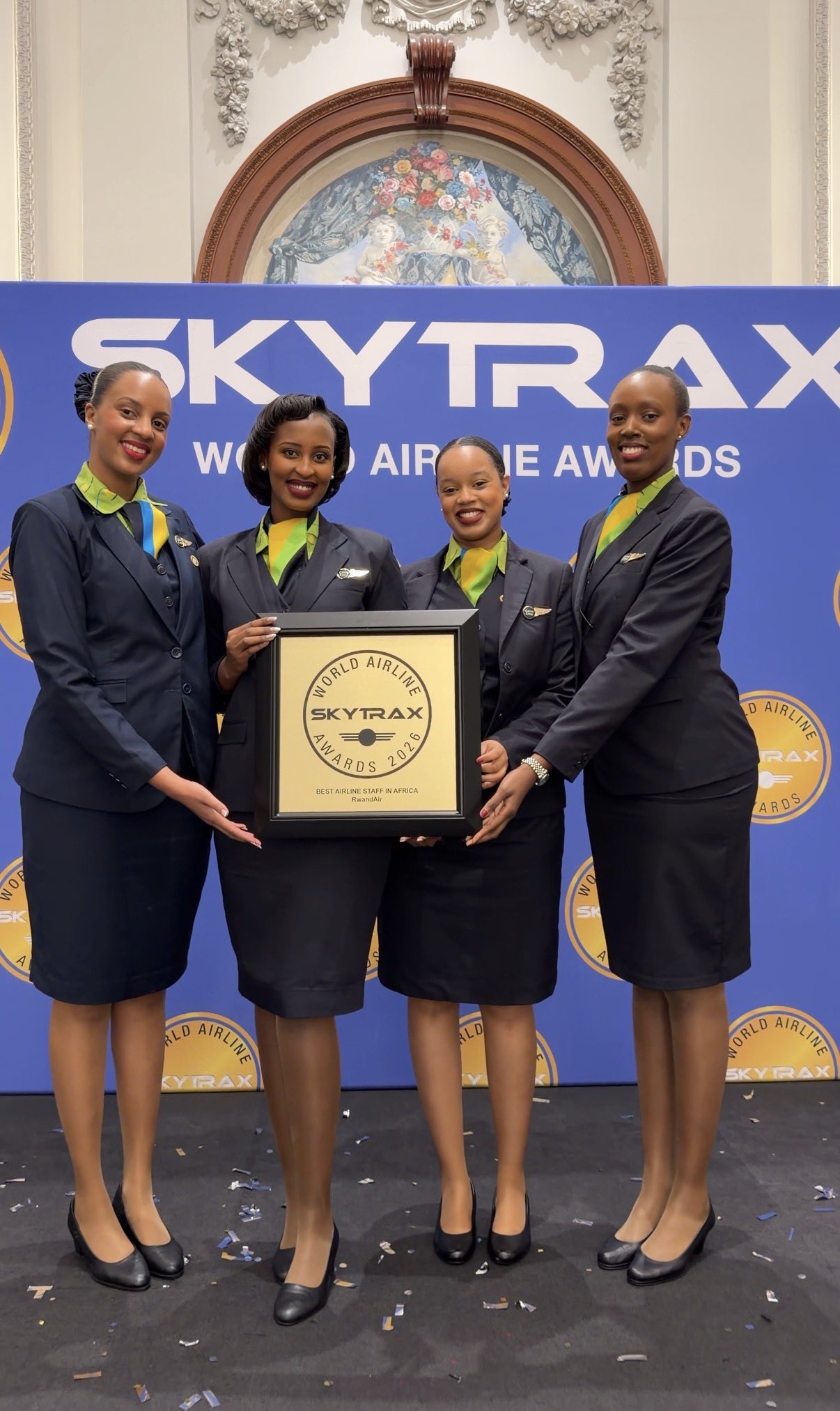
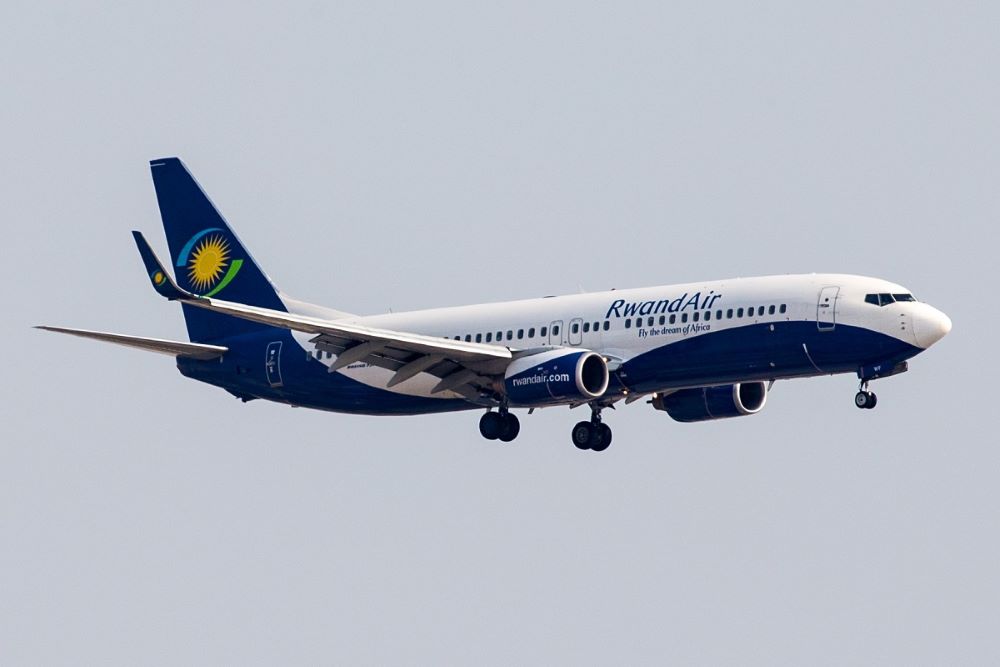
The award, announced at a ceremony in London on September 18, recognises the combined performance of airline staff working in airport ground operations and onboard cabins, including efficiency, hospitality, boarding assistance and customer service.
RwandAir finished ahead of several major African carriers in the Best Airline Staff Service in Africa category, including EgyptAir, Ethiopian Airlines, Kenya Airways and South African Airways.
The recognition comes a year after RwandAir was named Best Regional Airline in Africa at the 2025 Skytrax World Airline Awards. In the 2026 results, the carrier placed second in the same regional category, ranking ninth globally.
RwandAir finished ahead of several major African carriers in the Best Airline Staff Service in Africa category.
RwandAir also ranked fifth in the overall Best Airline in Africa category.
Following the announcement, RwandAir thanked its passengers and staff for the recognition.
“We are honoured to be named the Best Airline Staff in Africa 2026 by Skytrax,” the airline said, thanking passengers for choosing to fly with it and its team for the “warmth, professionalism, and dedication” they bring to flights, ground operations and passenger experiences.
RwandAir was named Africa’s Best Airline Staff Service at the 2026 Skytrax World Airline Awards.
Ethiopian Airlines retained the Best Airline in Africa title in 2026, while RwandAir’s second-place finish in the regional category placed it behind the African regional winner.
Singapore Airlines reclaims global crown
The awards, based on more than 24 million traveller survey responses worldwide, also saw Singapore Airlines reclaim the overall global title.
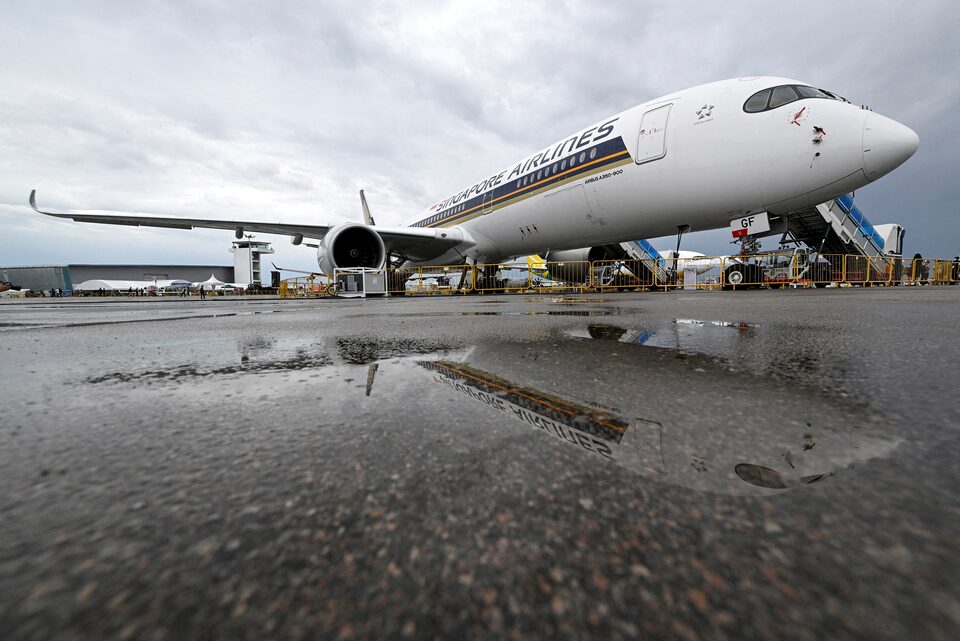
Singapore Airlines secured its sixth World’s Best Airline award, moving back to first place after Qatar Airways, last year’s winner, dropped to second.
Cathay Pacific Airways ranked third, followed by ANA (All Nippon Airways), Turkish Airlines, Emirates, Air France, Hainan Airlines, Japan Airlines and Korean Air.
Singapore Airlines secured its sixth World’s Best Airline award
Key cabin and service winners
Qatar Airways retained major honours in premium travel, winning World’s Best Business Class and Best Onboard Wi-Fi.
Air France took World’s Best First Class, while EVA Air was named Best Premium Economy.
Singapore Airlines also won World’s Best Economy Class and Best Economy Class Catering, adding to its overall award.
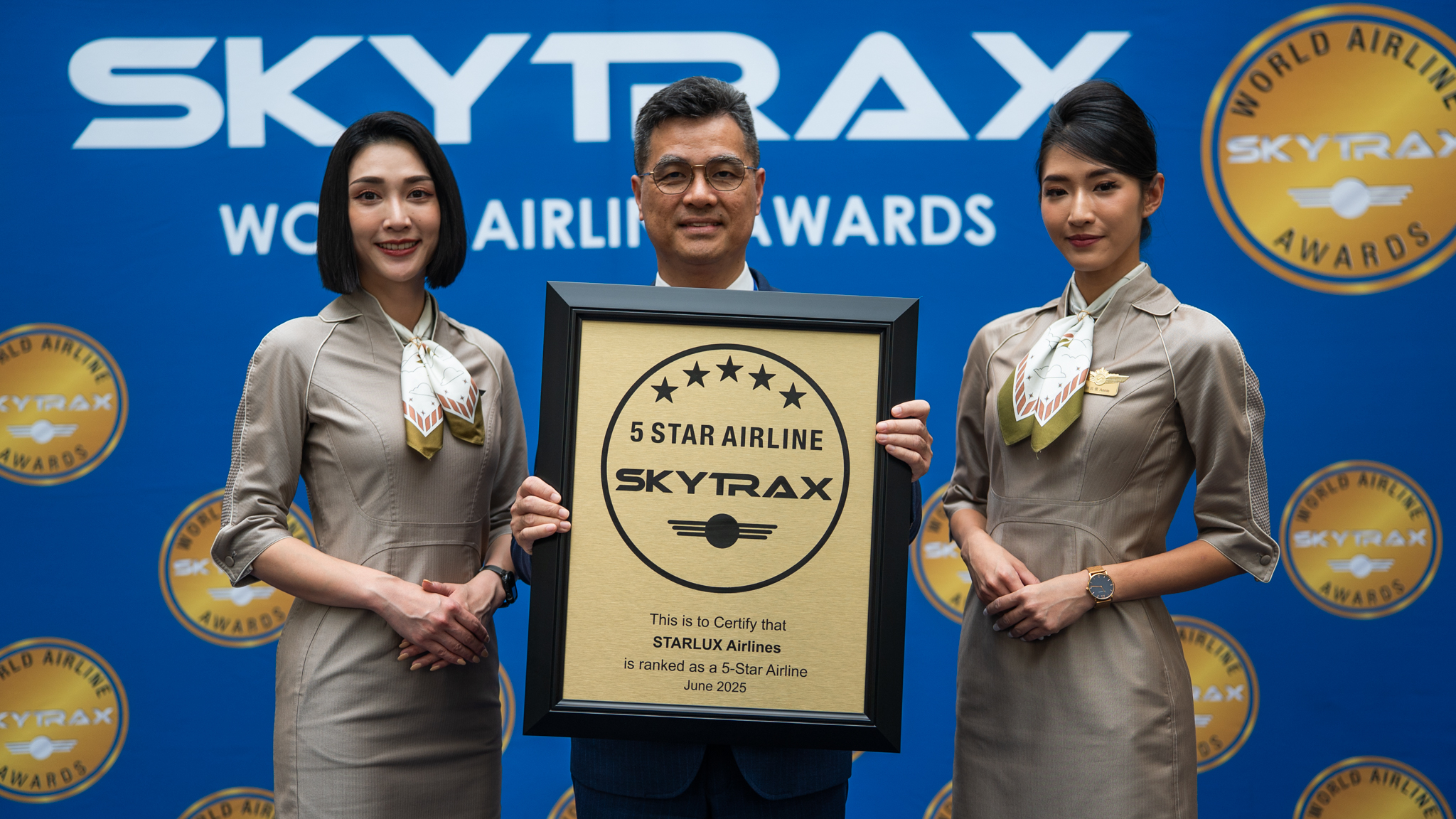
STARLUX Airlines was recognised for having the World’s Cleanest Cabin and received a five-star Skytrax rating.
Among low-cost carriers, AirAsia retained the World’s Best Low-Cost Airline title, while Scoot was named World’s Best Long-Haul Low-Cost Airline.
STARLUX Airlines was recognised for having the World’s Cleanest Cabin and received a five-star Skytrax rating.
Regional winners
Beyond Africa, Bangkok Airways was named Best Regional Airline in Asia, while Turkish Airlines led Europe, Air Canada topped North America and LATAM Airlines took the South American regional title.
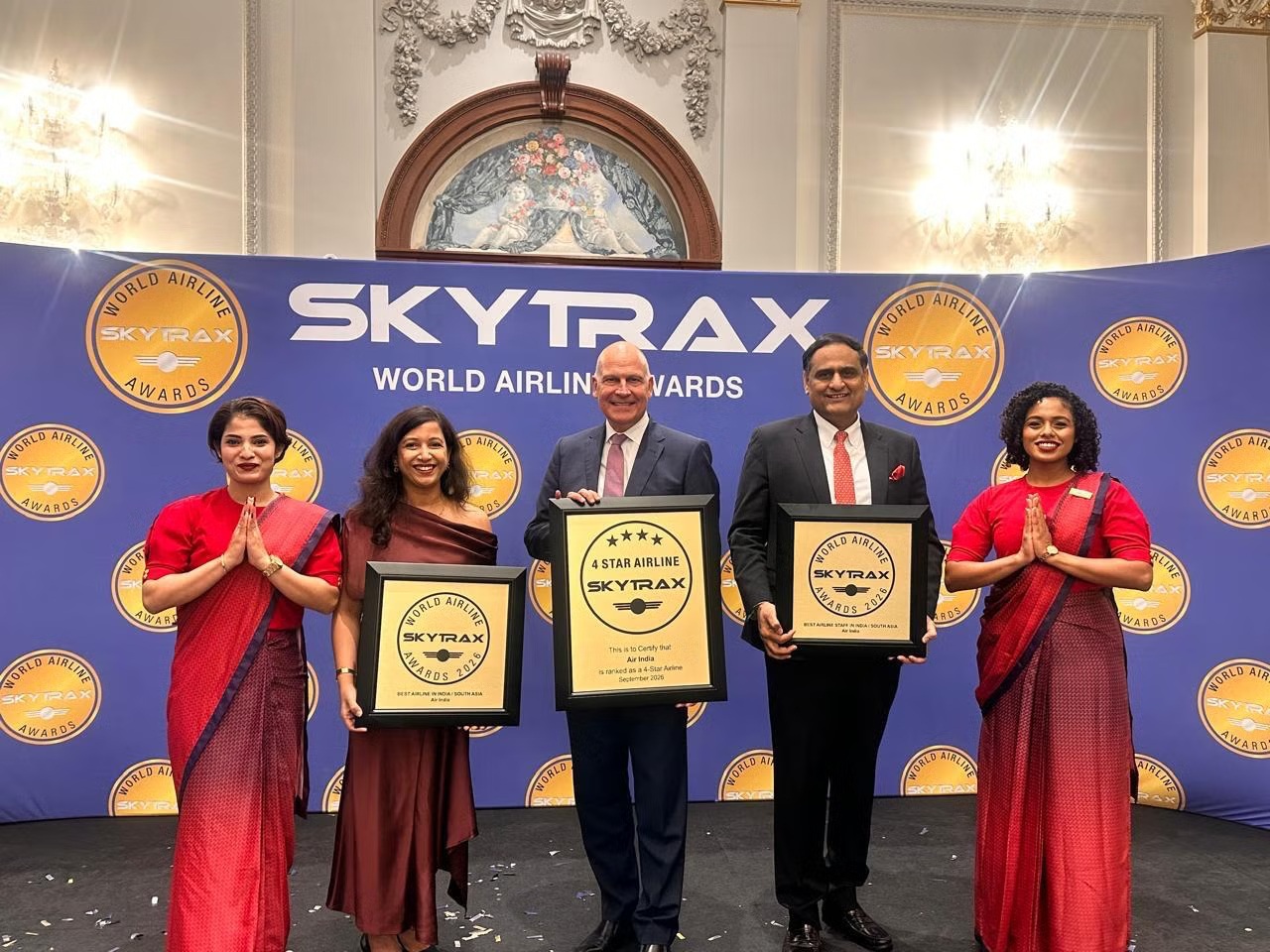
Air India also recorded several gains, winning Best Airline in India and Best Staff Service in South Asia, while receiving an upgrade to a Skytrax four-star rating.
Campbell Wilson, CEO & MD, Rajesh Dogra, Chief Customer Experience Officer, and Anjali Birla, Head of Customer Experience and Loyalty, alongside members of the Air India cabin crew, receive Air India’s awards at the 2026 Skytrax World Airline Awards in London.
My journey into this dynamic urban tapestry began on a morning flight out of Beijing Capital International Airport. Two and a half hours later, I woke up to the flight attendant announcing our imminent landing at Wuhan Tianhe International Airport.
Stepping off the plane, the shift in weather was immediate. While Beijing had already settled into a cooler autumn breeze, Wuhan greeted me with a wave of heavy, lingering summer heat.
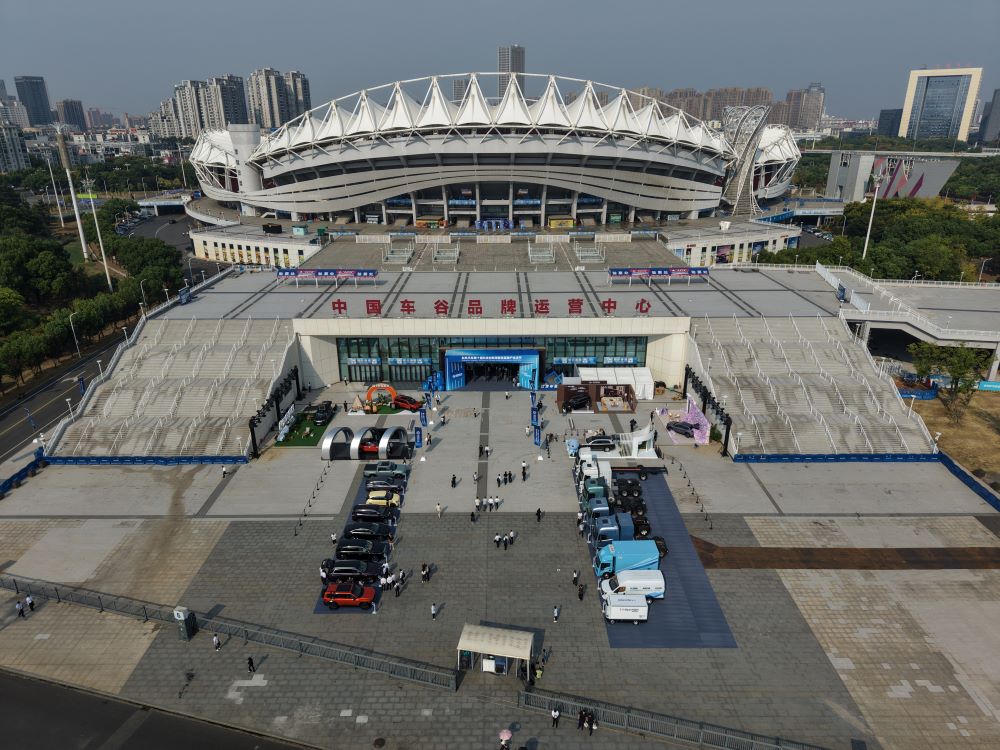
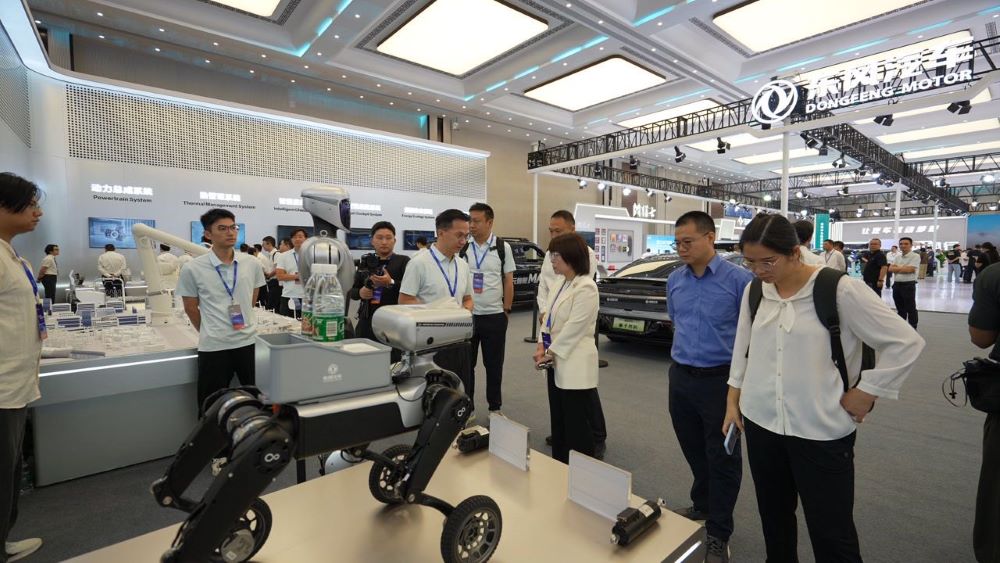
Immediately after dropping my bags at the hotel, I geared up for the primary reason I came to this city: attending Dongfeng Motor’s 10th Science and Technology Innovation Week and 1st User Lifestyle Festival.
Kicked off on September 14 under the theme “Wind from the East, Creating a Smart Life,” the event was a massive showcase of automotive evolution. Dongfeng officially unveiled three major global initiatives: the “Sky-Clean Zero-Carbon” Plan, the Embodied Intelligent Vehicle All-Domain Protection Plan, and the “Sky Horizon Voyage” Plan.
These blueprints are designed to highlight the company’s cutting-edge leaps in new energy technologies, safety, and international expansion. To bridge the gap between engineering and everyday drivers, they also launched the “Dongfeng Youxin” service brand, a platform meant to build direct, trust-based relationships with users and deliver reliable, full-lifecycle services.
During the opening ceremony, Dongfeng Motor Chairman Yang Qing made the company’s ambitions clear. He emphasized that Dongfeng is prioritizing safe, intelligent, and green mobility to upgrade the experience for its over 64 million users.
Looking toward the future, Yang noted that the company will deeply embrace AI trends and a low-carbon industrial layout, turning technological strength into tangible user value and enhancing the global influence of Chinese auto brands as they march toward their 2030 goals.
But hearing about the technology is one thing; feeling it is another entirely.
My hands-on experience actually began a day prior to the official launch. A 30-minute drive brought me to the first testing ground, MHERO Technology Park.
Here, I strapped into the passenger seat of the mighty M-Hero 817 for a masterclass in extreme off-roading. The showcase kicked off with the vehicle’s “crab mode.”
It is incredibly surreal to feel a massive car moving diagonally sideways, effortlessly sliding out of tight spots. Then came the sheer power: the vehicle rocketed to 100 kilometers per hour in just a few seconds, followed by an instant brake system that brought the heavy beast to a stop in just a few meters.
Next, we tackled the obstacle course. We hit a 30-degree bumpy wall that angled the vehicle so sharply that the right side—where I was sitting—was suspended entirely in the air.
Despite hanging above the ground, I felt perfectly secure as the car crawled forward. From there, we hit a stretch of oblique, alternating bumps. The vehicle acted like a seesaw, balancing perfectly on two opposing wheels as the suspension absorbed the staggered drops.
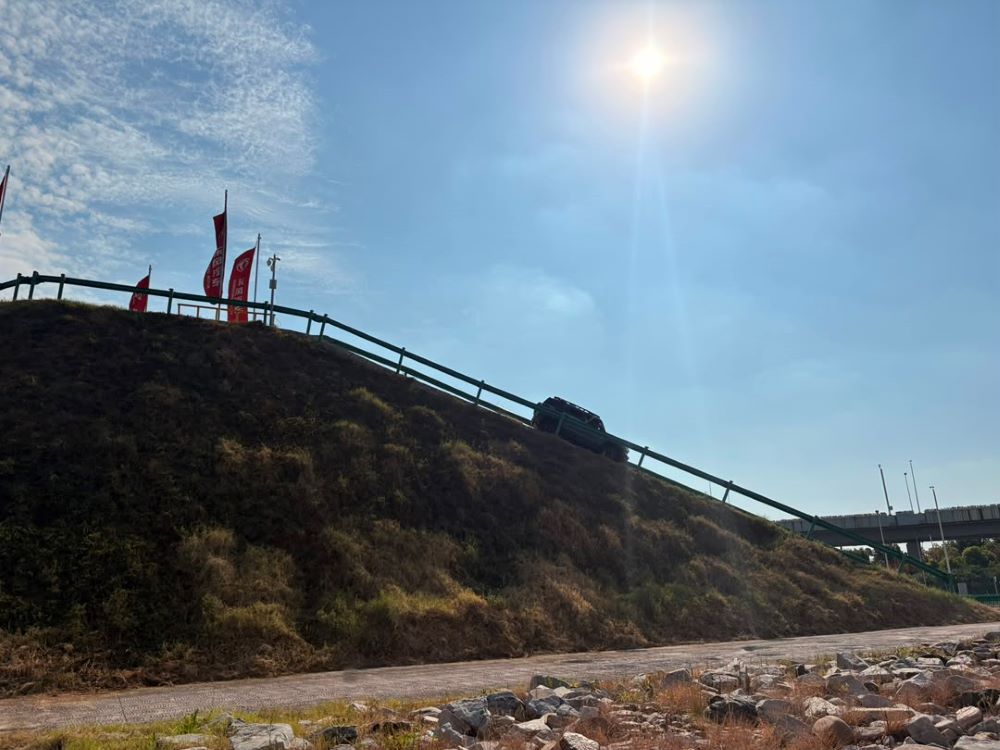
Then came the mountain. We started climbing a 35-degree incline that quickly and aggressively sharpened to 45 degrees. At that angle, the windshield offered nothing but a view of the open sky; navigating the terrain relied entirely on the cameras and screens inside the cabin.
Immediately after summiting, we tipped over the edge for a steep 30-to-40-degree descent, staring straight down into the dirt. To cap off the M-Hero experience, we plunged into a water basin a full meter deep. The water washed almost over the front hood, yet the vehicle pushed through the flooded trench without a single stutter. It was nothing short of phenomenal.
My adrenaline was already spiking, but a second 30-minute transfer brought me to another track, at the National Intelligent and Connected Vehicle Test and Demonstration Zone, Longlingshan Site.
Here I finally got to take the wheel myself. This was my very first time driving a car in China, and my ride was the sleek Dongfeng eπ007.
If the M-Hero is an off-road beast, the eπ007 is a pure sports machine. Putting my foot down, this car hit 100 km/h in an astonishing 3.9 seconds. During my 10-minute drive, I threw it through sharp turns, weaved tightly around cones, and blasted through tunnels. I drove it over dirt roads, sloped terrain, and through a simulated rain zone where the intelligent wipers automatically triggered the moment the water hit the glass. You could even pull off perfect 360-degree spins.
Walking away from the track, the message of Dongfeng’s innovation week was no longer just a corporate speech—it was a physical reality. Experiencing cars that can crab-walk, scale sheer cliffs, wade through deep water, and hit 100 km/h in a few seconds proved that this city isn’t just manufacturing vehicles; it is engineering the absolute future of driving.
Stepping into Wuhan’s famous, lingering summer heat after arriving from BeijingStepping into Wuhan’s famous, lingering summer heat after arriving from Beijing
That question became the starting point for Kabizu Business Group Ltd, a venture Bizumuremyi first established in Ostend, Belgium, in 2020 before bringing the business to Rwanda.
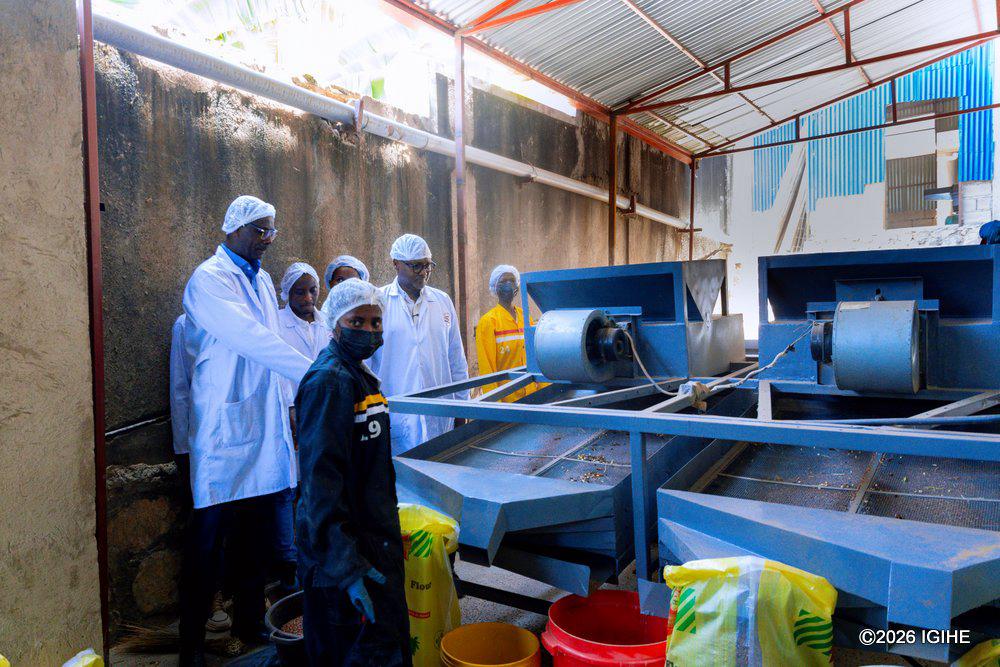
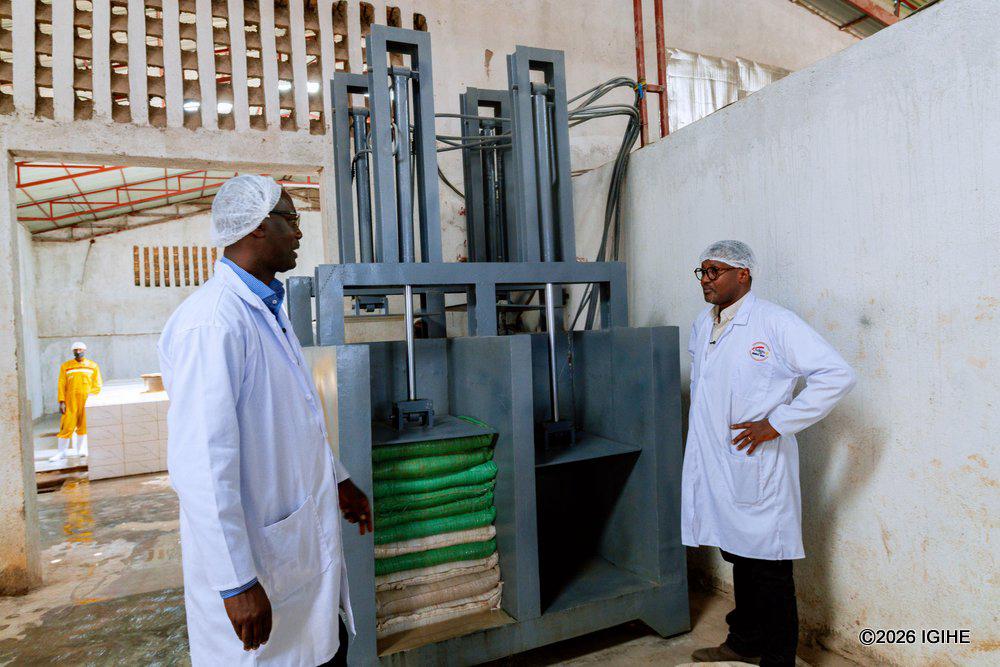
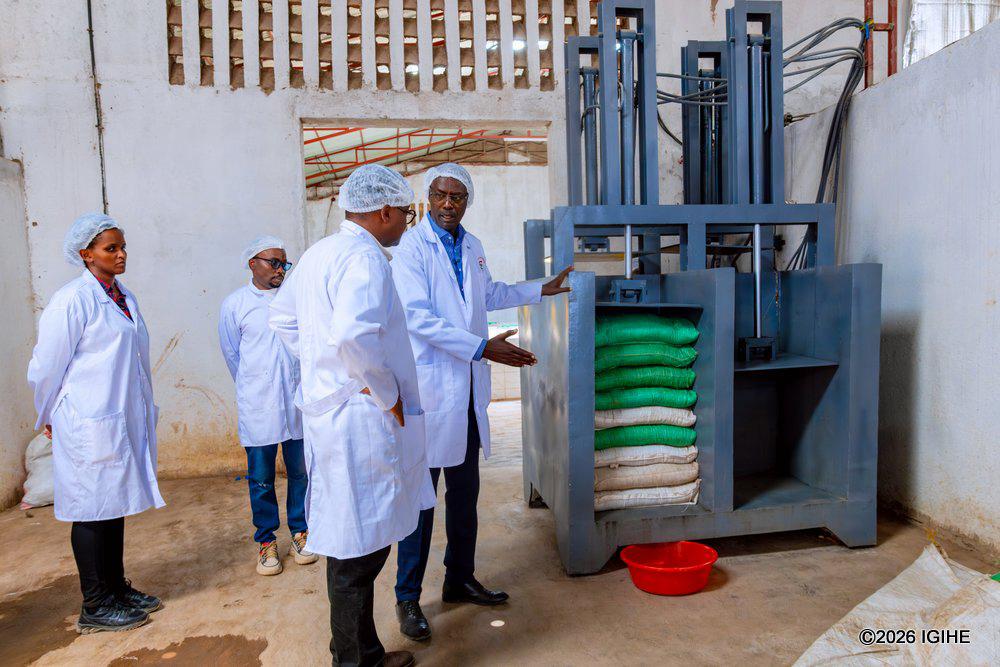
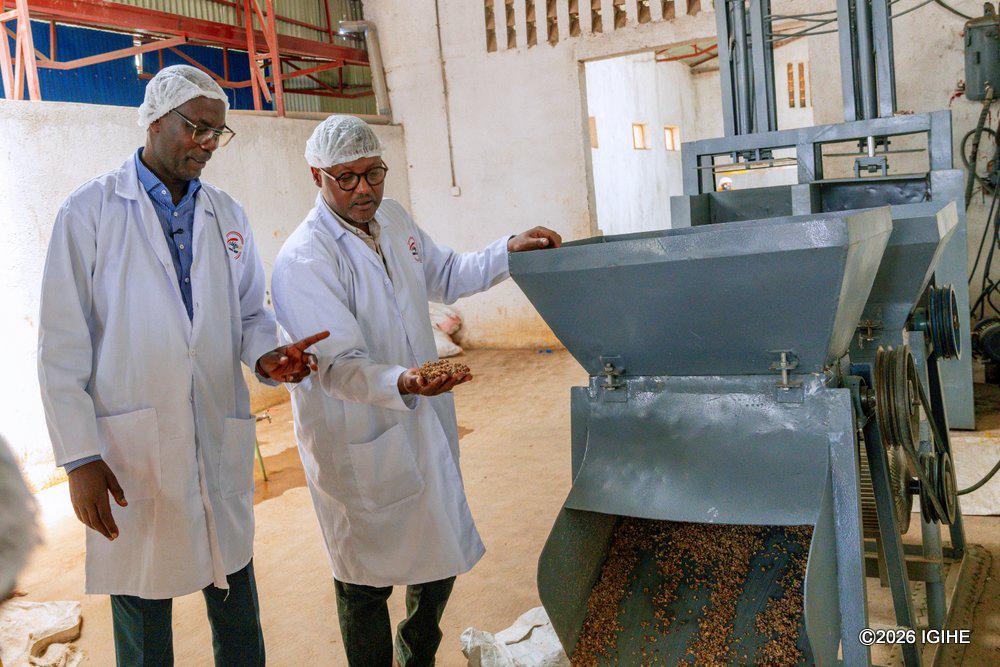
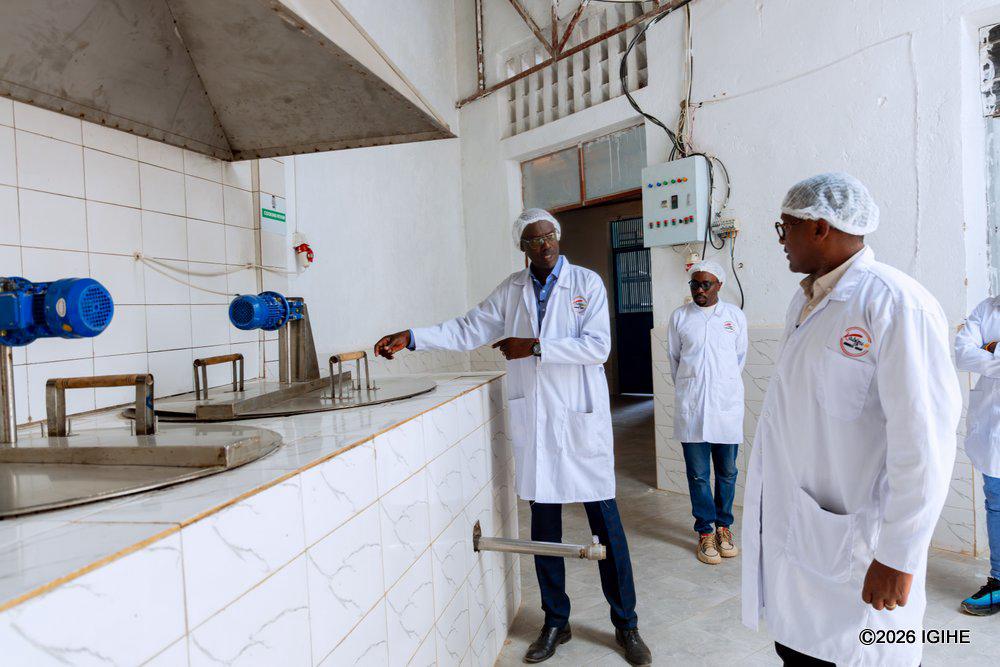
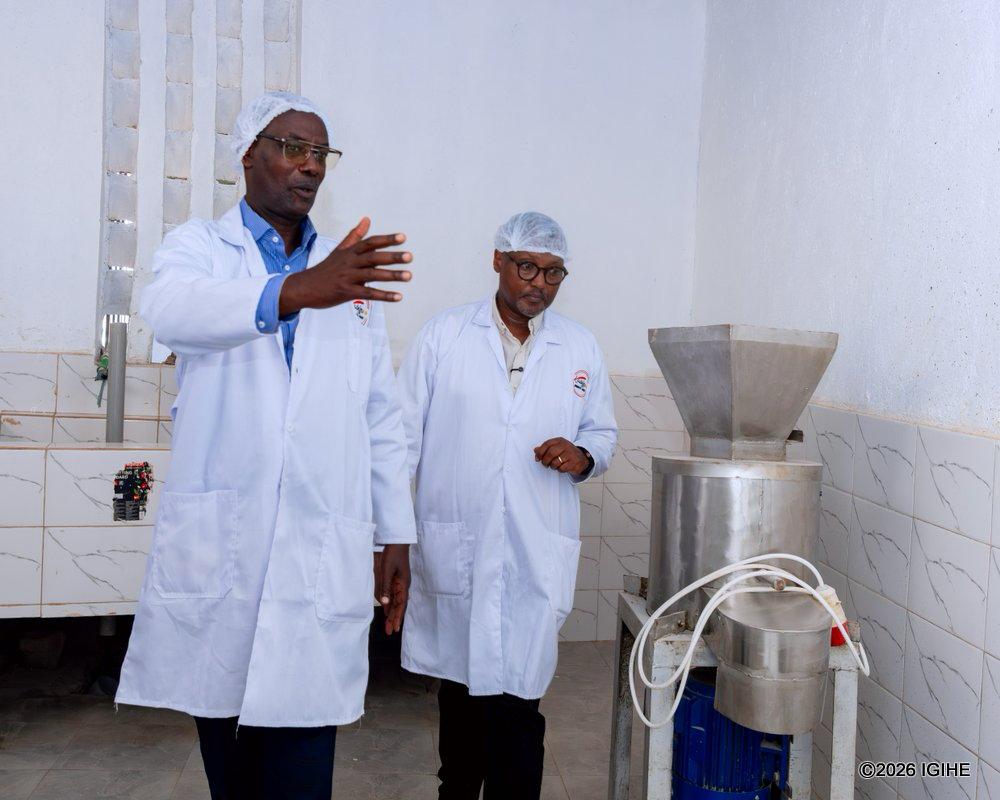
Today, his agricultural processing plant in Nyamiyaga Sector, Kamonyi District, turns locally produced crops into a range of food products, some of which have found their way to markets in the United States, Canada and Belgium.
For Bizumuremyi, the journey from Belgium to Kamonyi is not only about building a business. It is also about turning experience gained in the diaspora into opportunities for farmers and communities back home.
From promoting Rwandan products to creating his own brand
Bizumuremyi, who lives in Ostend, was involved in the Rwandan diaspora community in Belgium and helped establish the Diaspora of the North Sea.
He was also part of a “Made in Rwanda” initiative that brought products from Rwanda to Belgium, including coffee, tea, food products and handicrafts.
“We would bring different products from Rwanda and sell them in a shop. They included Kinazi and other products, as well as artisanal works from Rwanda,” he said.
The experience exposed him to both the demand for Rwandan products abroad and the challenges of getting them to consumers at the right time and in the right form.
From 2010 to 2017, Bizumuremyi also worked with entrepreneurs in different sectors in Belgium, building experience that later influenced his decision to establish his own business.
“I looked at products that would reach me in Belgium and services that would not reach me at the right time. This pushed me to make my own brand, Kabizu Business Group,” he said.
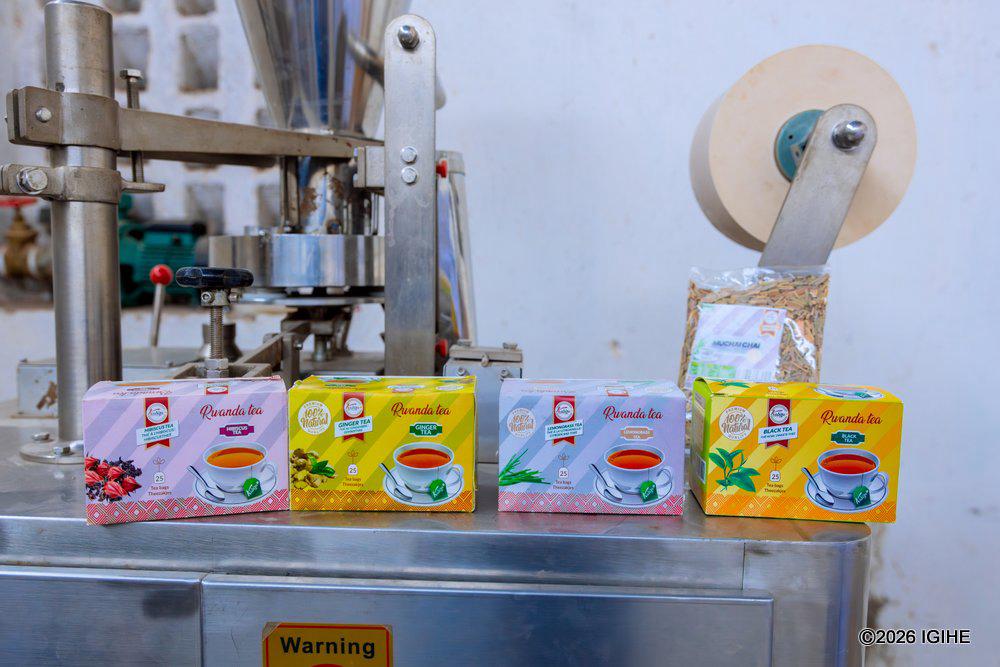
The company initially focused on coffee, with the National Agricultural Export Development Board (NAEB) supporting the repackaging of coffee for the Belgian market. He later bought a machine to package tea sourced from Rwanda Mountain Tea, Karongi Tea Factory and others, selling it under the Akabizu brand.
As customers began asking for more products, the business gradually expanded into agricultural value addition.
“Later, clients requested me to expand into other products. That is how we had the idea of adding value to agricultural products from Rwanda,” he said.
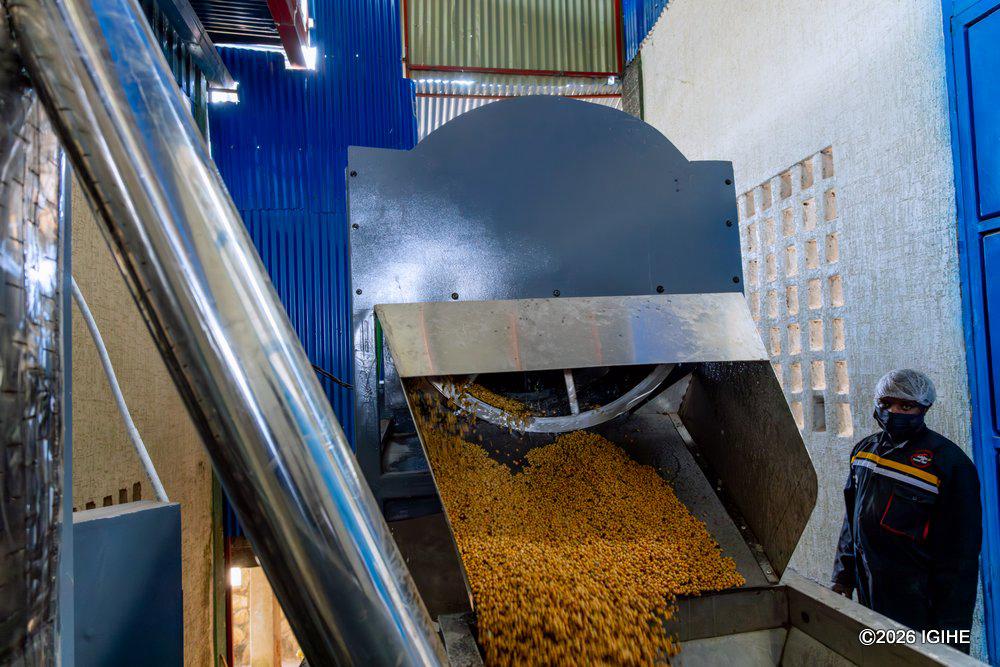
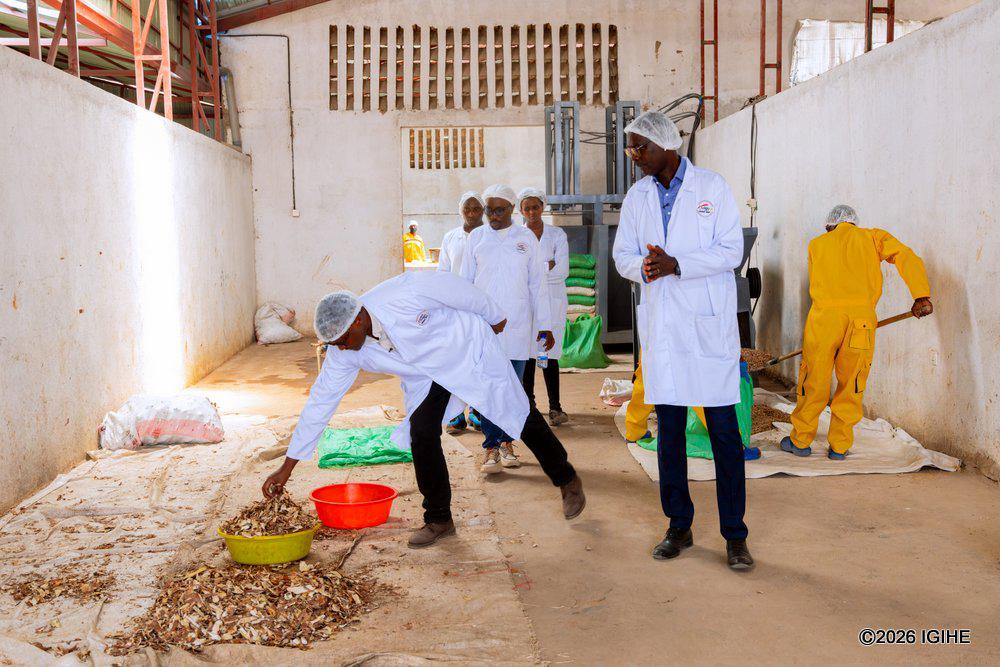
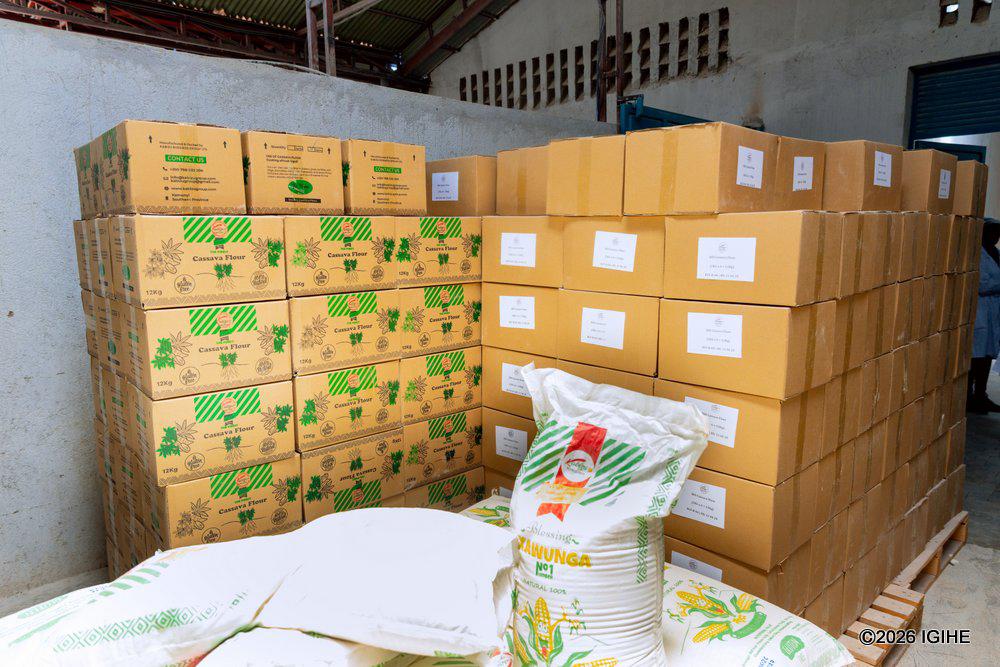
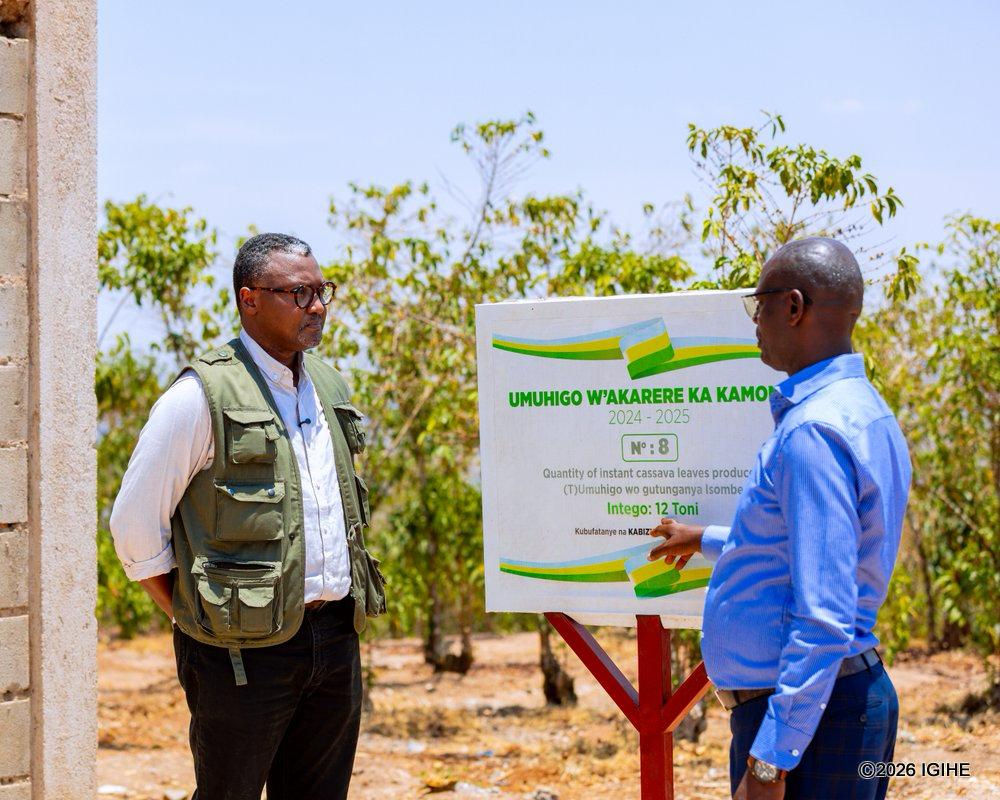
Today, the plant processes cassava, maize, sorghum, millet and soybean flour, as well as baby food, cooking oil, processed cassava leaves, commonly known as isombe, and peanut-based products.
Turning farm produce into more value
For Bizumuremyi, agro-processing offers opportunities beyond producing finished food products.
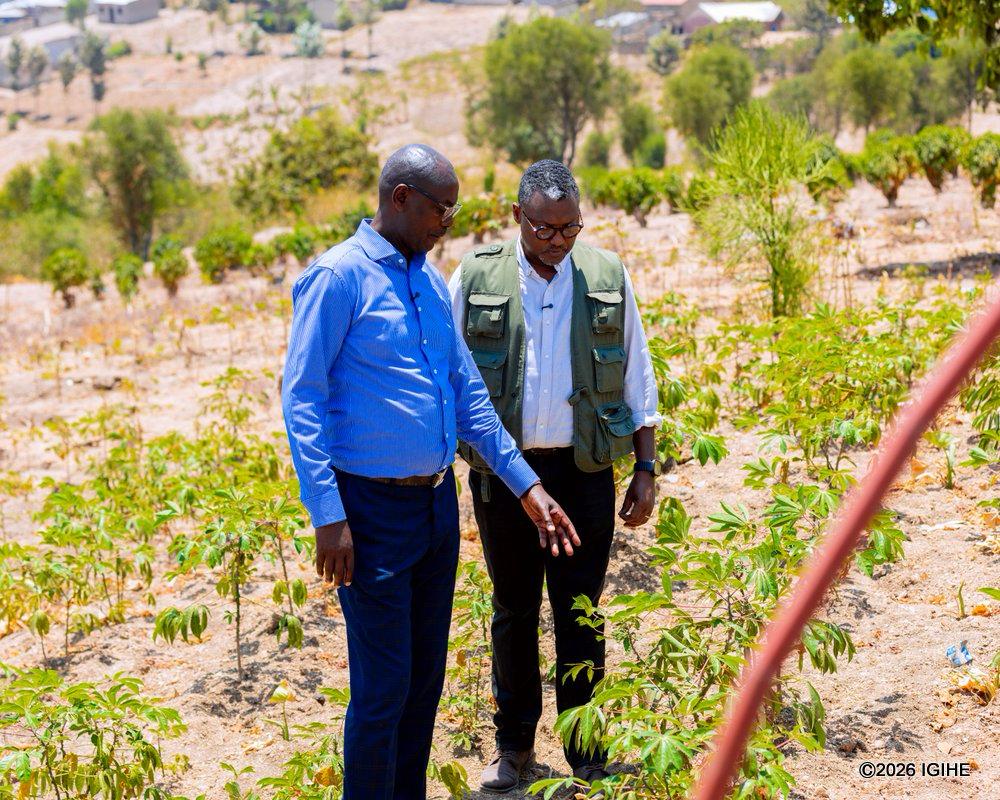
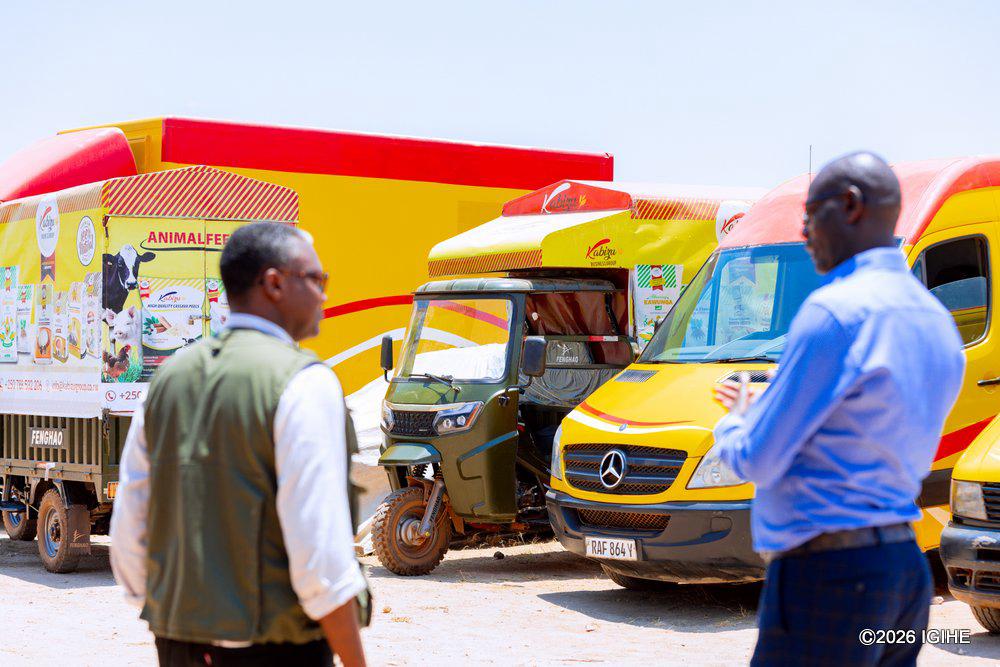
He points to cassava as an example. While the crop has traditionally been processed mainly into flour, the company has also found ways to use cassava residues to produce animal-feed ingredients.
“The residues would be wasted, but under the project we started to produce animal feed,” he said.
He believes such value addition can create additional income for farmers while contributing to solutions for shortages of animal feed and cereals.
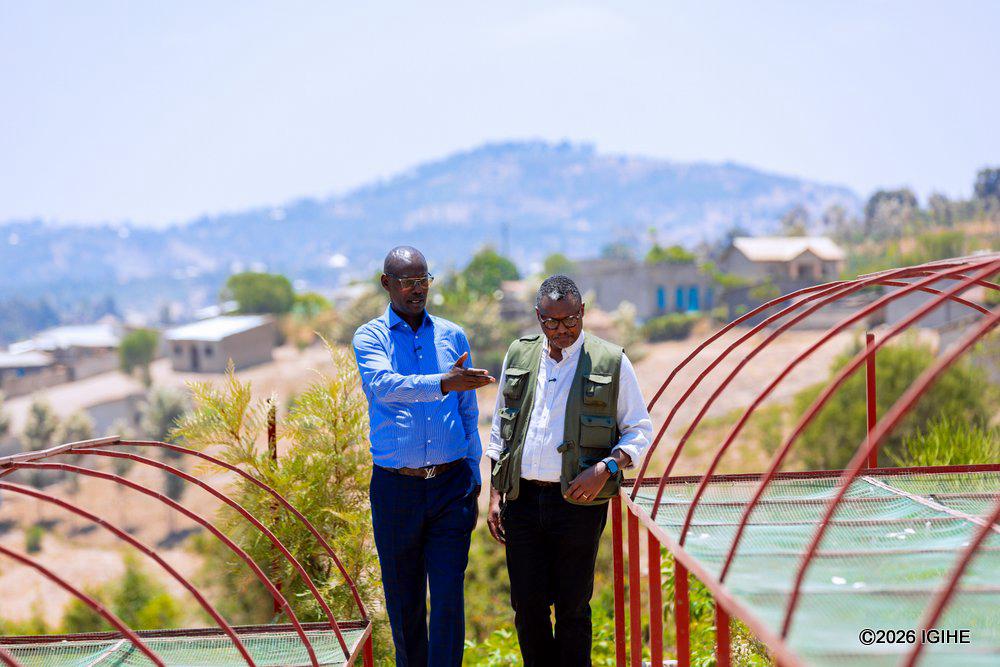
The company works with cooperatives and smallholder farmers supplying cassava, sorghum, wheat, rice, maize and other crops.
Bizumuremyi encourages farmers to organise themselves in cooperatives so they can consolidate production, while also accepting produce from individual farmers.
“We are here to provide a market for farmers in this province,” he said.
He wants farming to be seen as a profitable business rather than an activity limited to small-scale production. “It should be a lucrative business that helps people to develop and enables them to see the added value of their produce,” he said.
A business rooted in Kamonyi
Choosing Nyamiyaga as the location for the plant was also intended to bring the business closer to farmers and contribute to the surrounding community.
The company employs people living near the plant, with specialised positions filled by workers from elsewhere when necessary.
Bizumuremyi says the business also works with local authorities, participates in community activities and exhibitions, and contributes to local initiatives.
He says the location has another benefit: giving Kamonyi greater visibility as the products reach international markets.
“When we export, we indicate the address of where they are processed on the labels. For me, this also adds to the visibility of Kamonyi,” he said.
Looking beyond Rwanda
The company initially exported to Belgium but has since expanded its reach, particularly to the United States, where Bizumuremyi says its products are sold in four states, including Michigan, New York and Kentucky. Canada and Belgium are also among its markets.
Looking ahead, he wants to expand the business across Africa and raise the standards of the processing facility to international levels.
“In line with the government’s vision, we also have a vision of expanding to Africa and raising the standards of the manufacturing facility to operate at an international level,” he said.
His message to other members of the diaspora is straightforward: Rwanda offers opportunities for those willing to return and invest.
“I am part of the diaspora members who returned to Rwanda and invested, so as not to be left behind. The time is now, and it is possible to do it,” he said.
Bizumuremyi also commended Rwanda’s leadership under President Paul Kagame, saying the country’s security and conducive investment environment make it easier for investors to establish and grow their businesses.
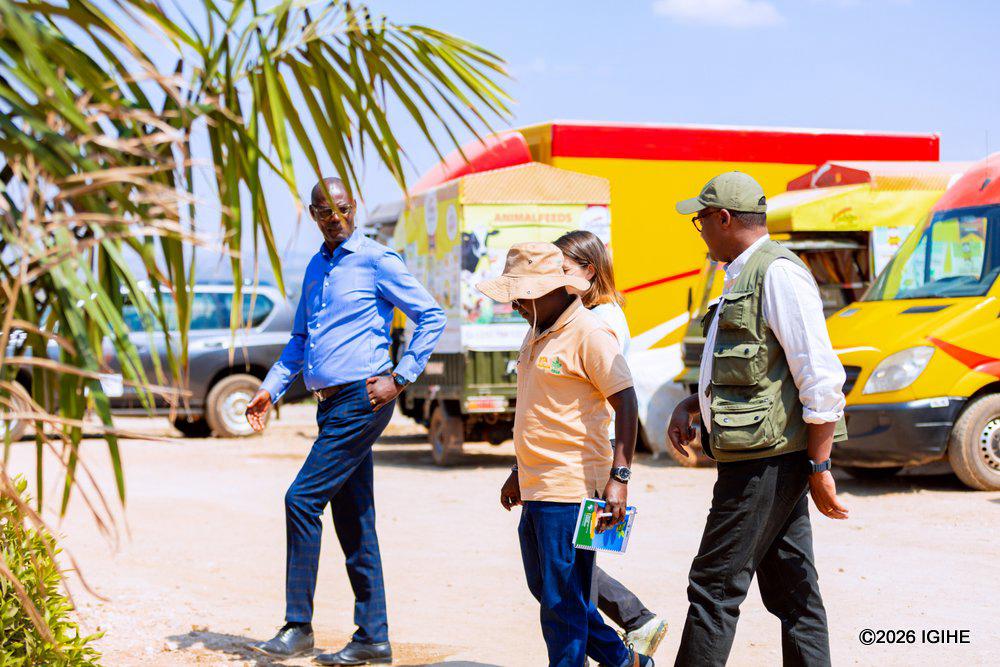
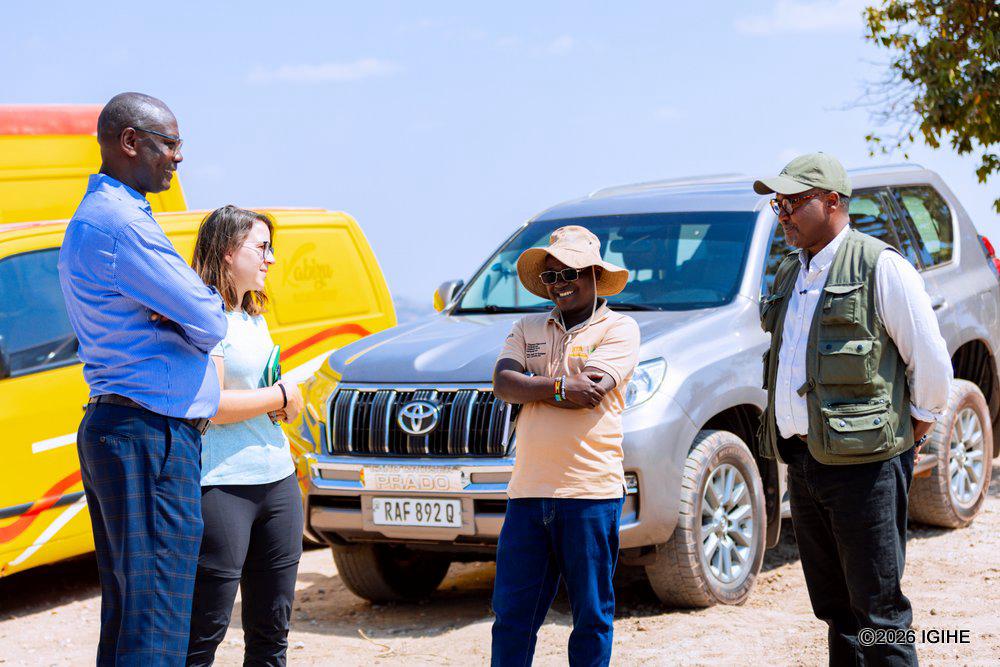
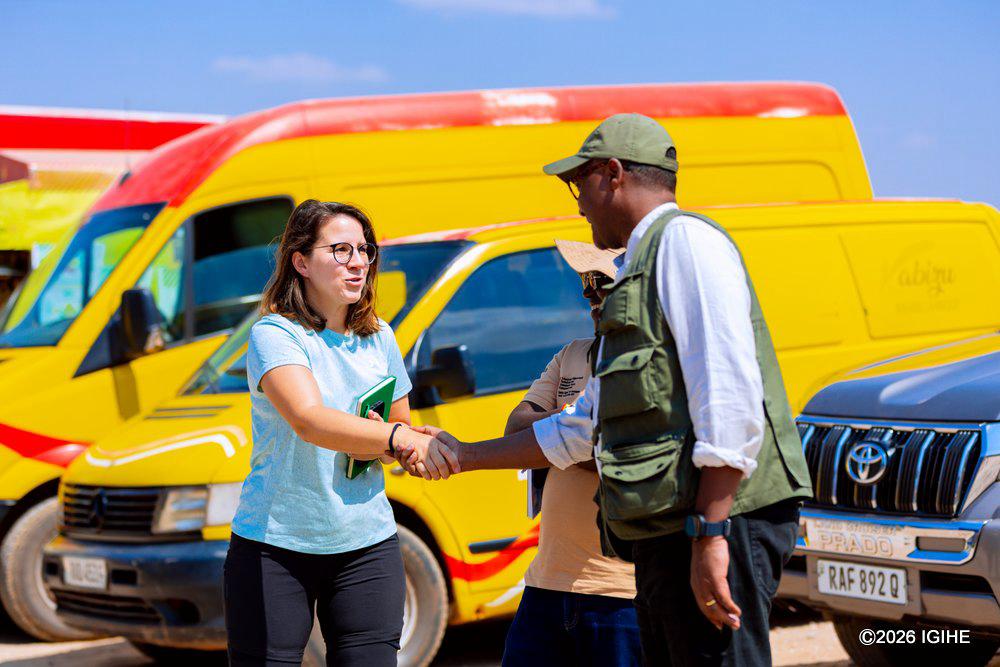
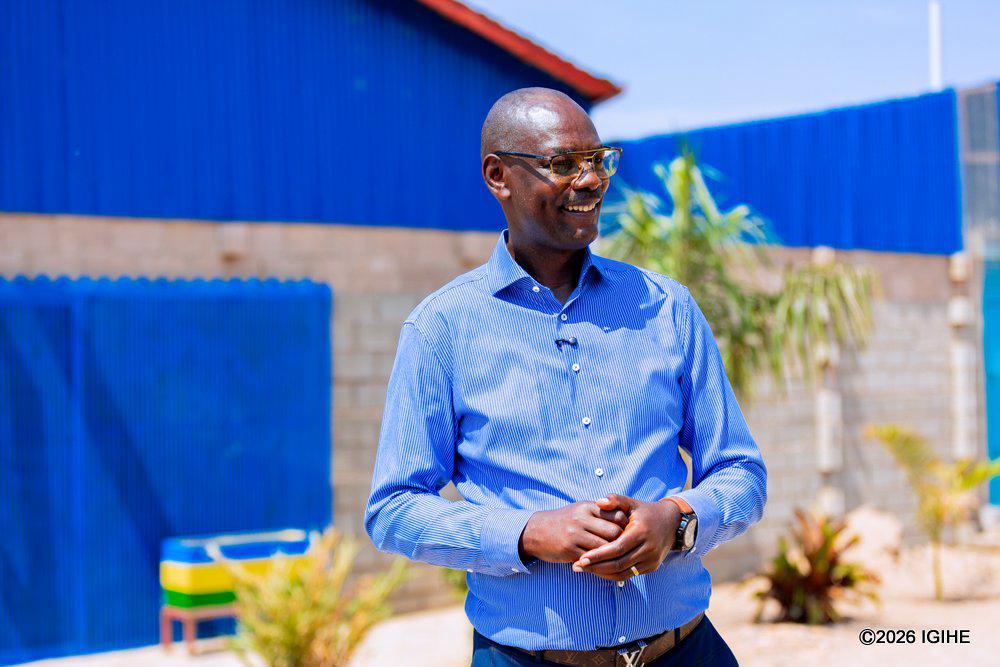
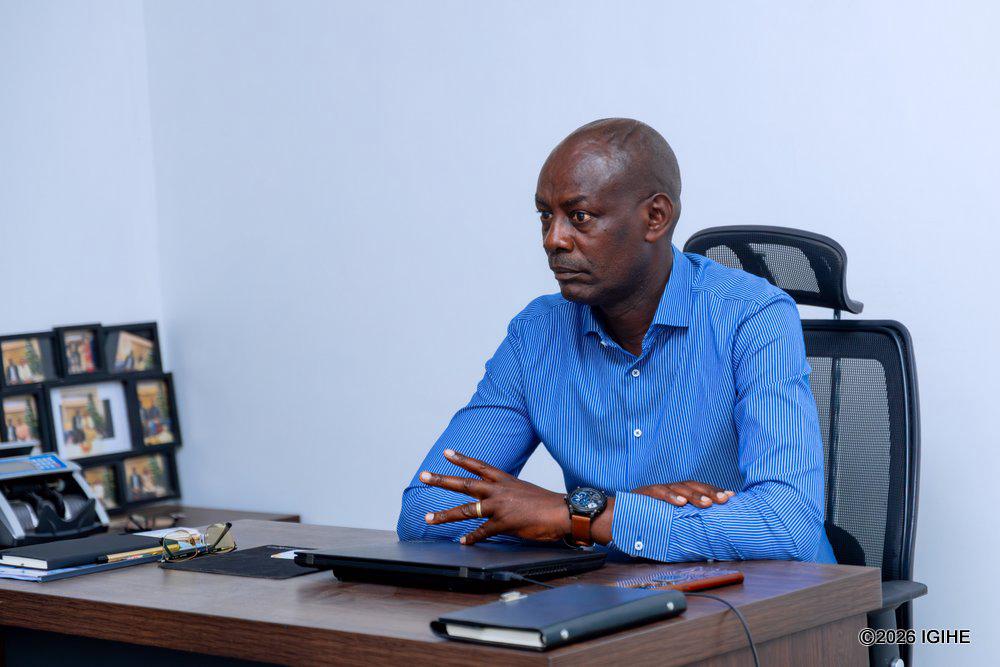
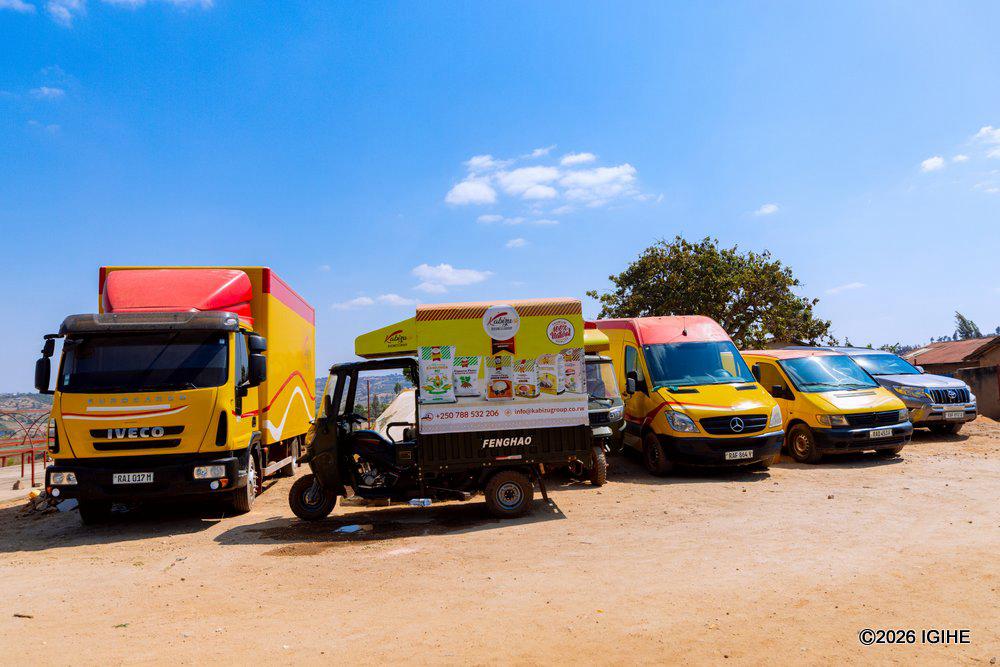
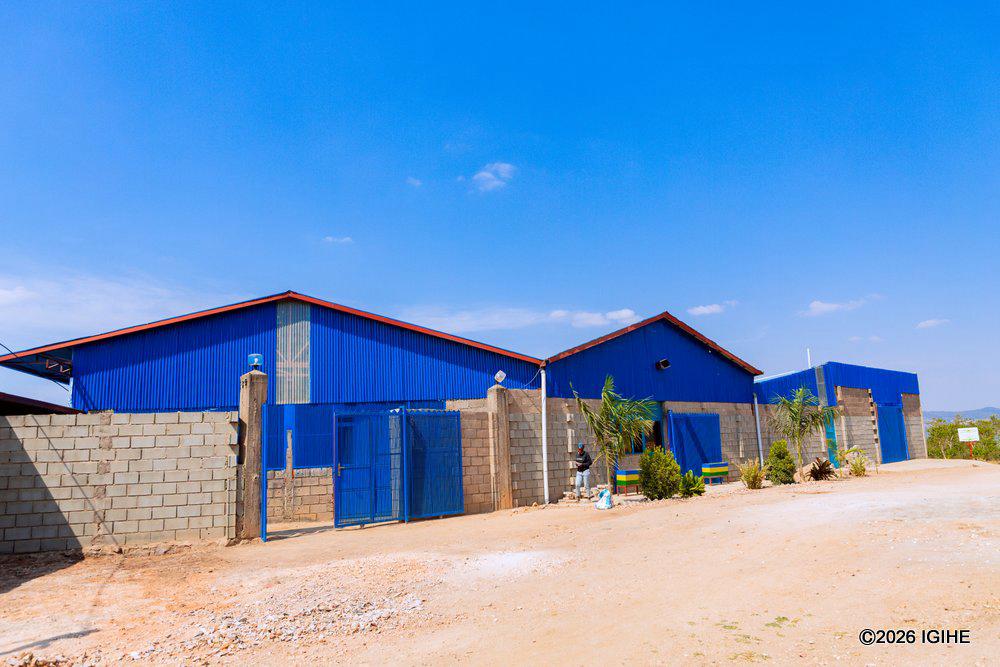
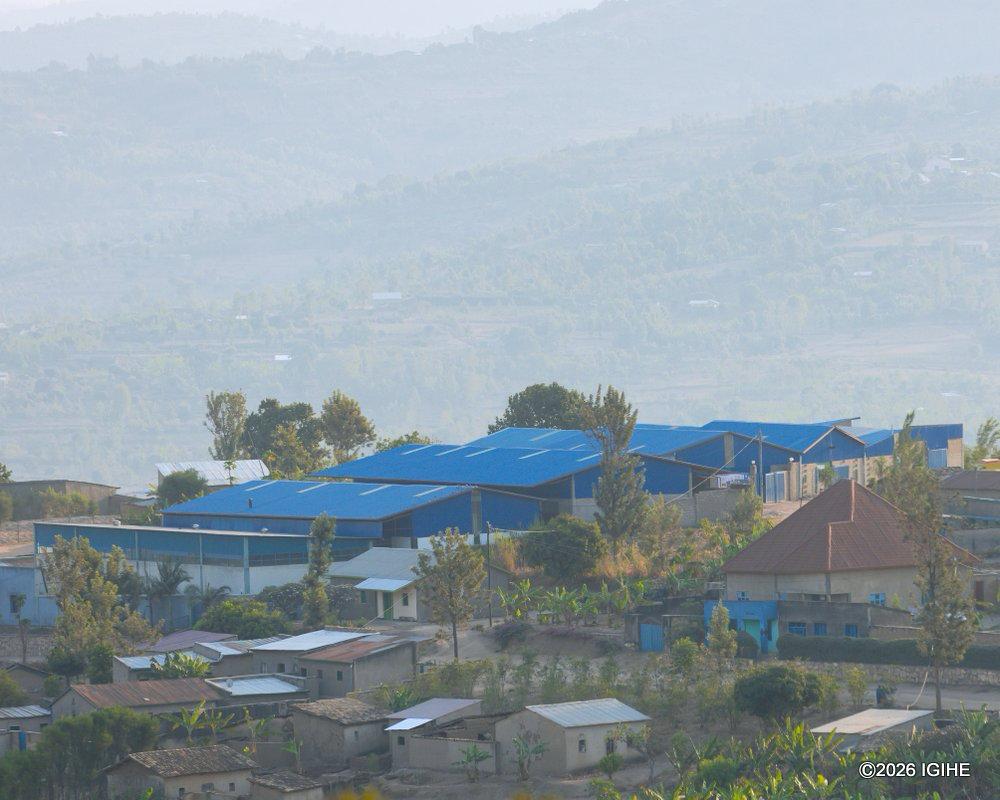
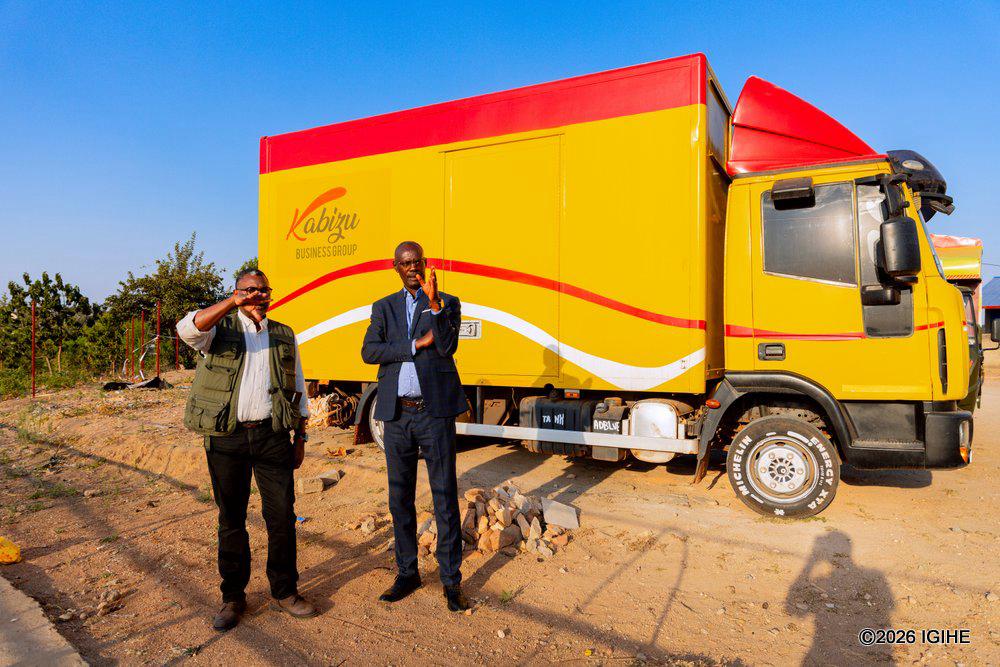
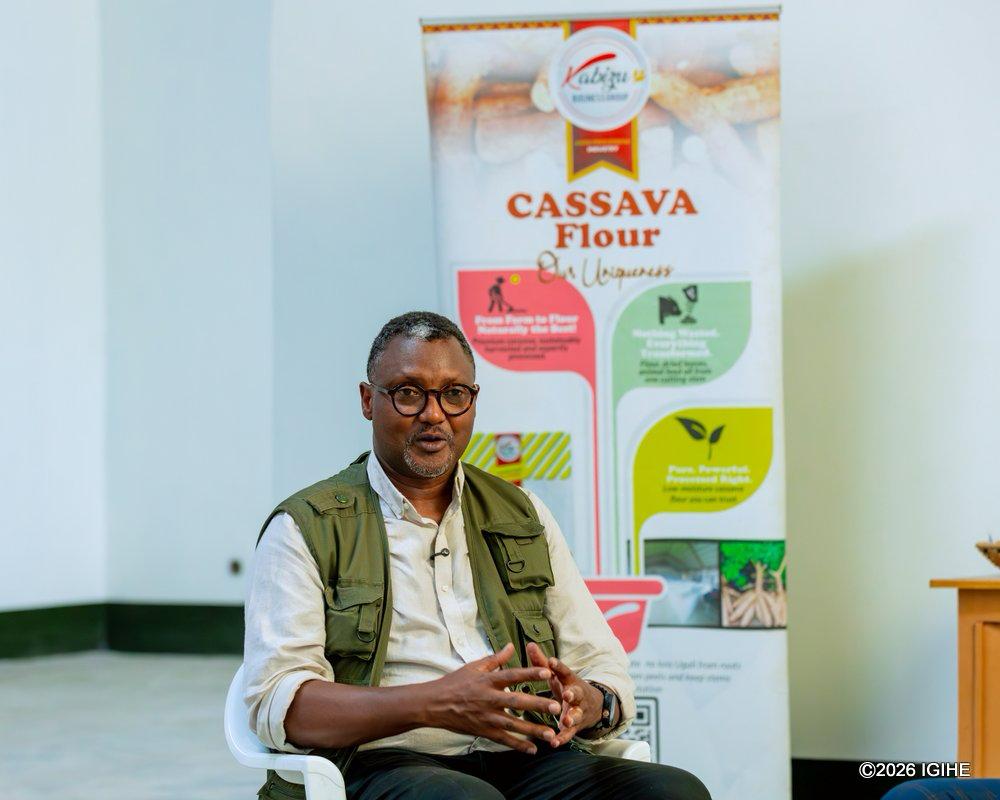
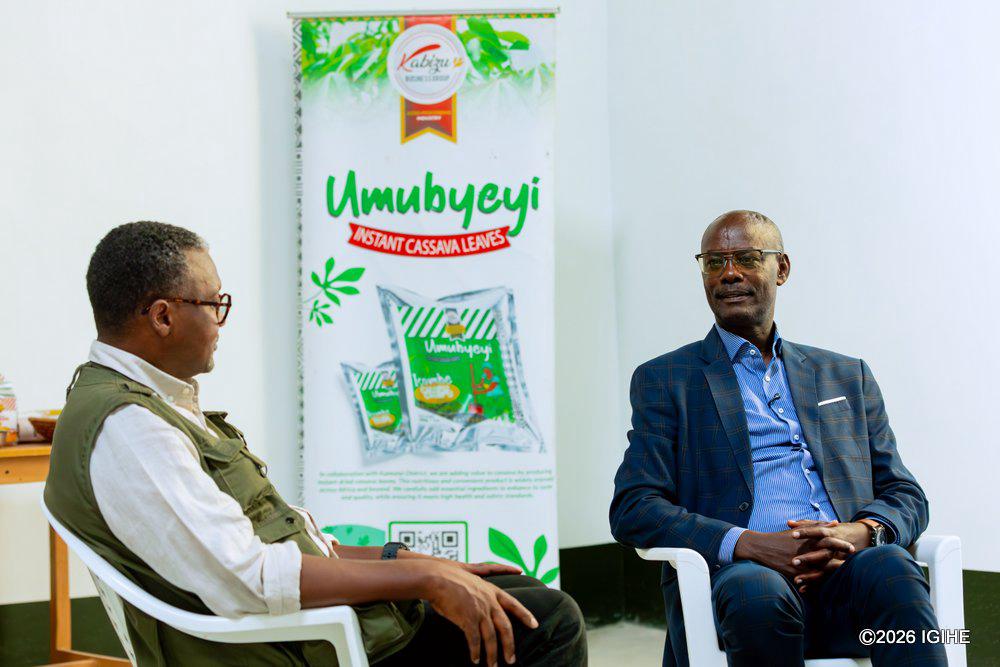
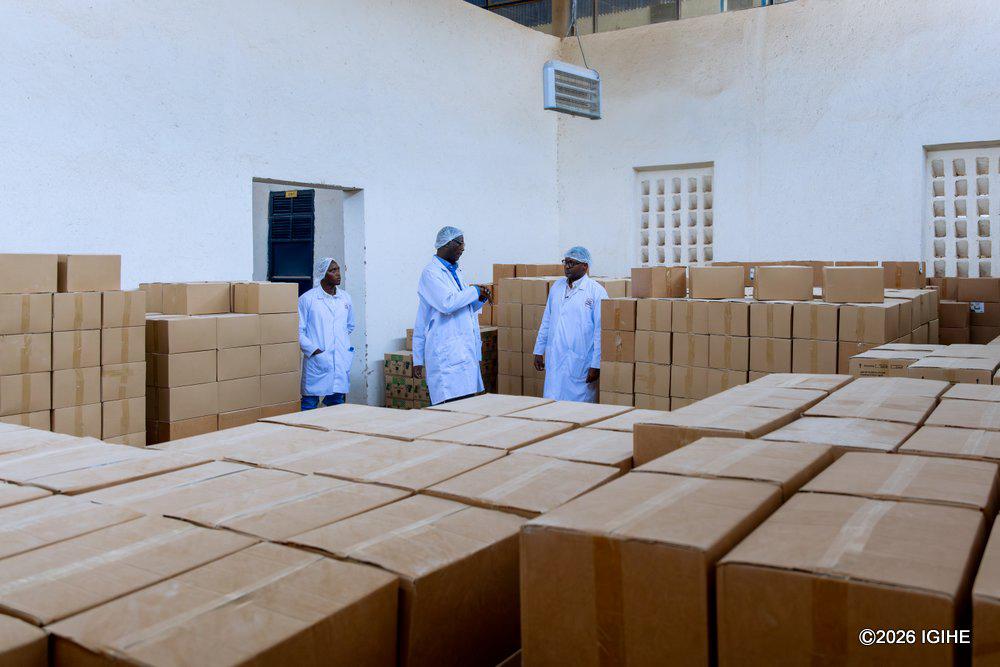
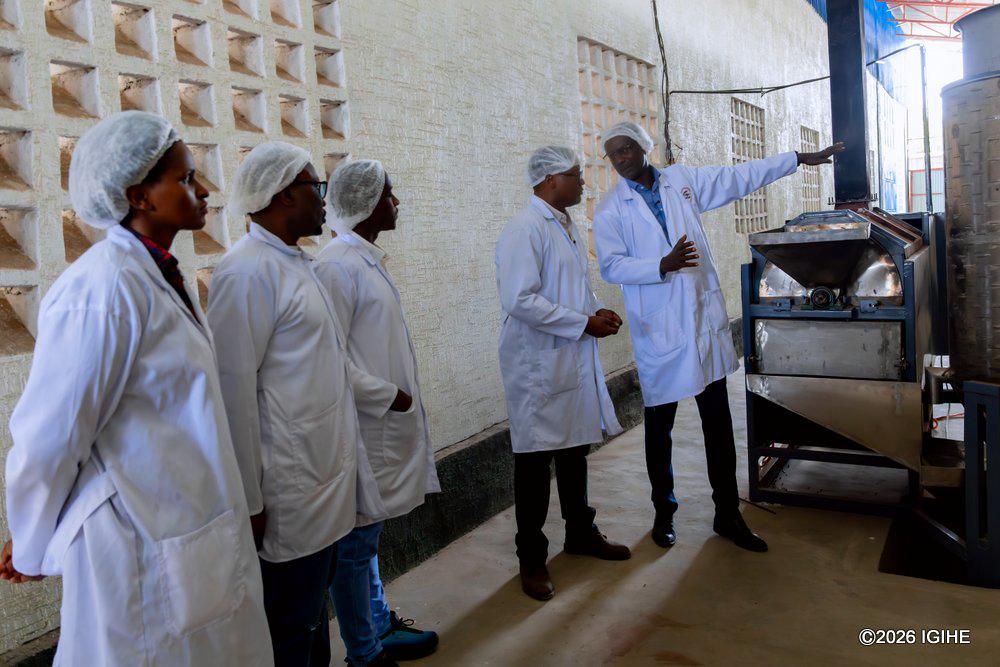
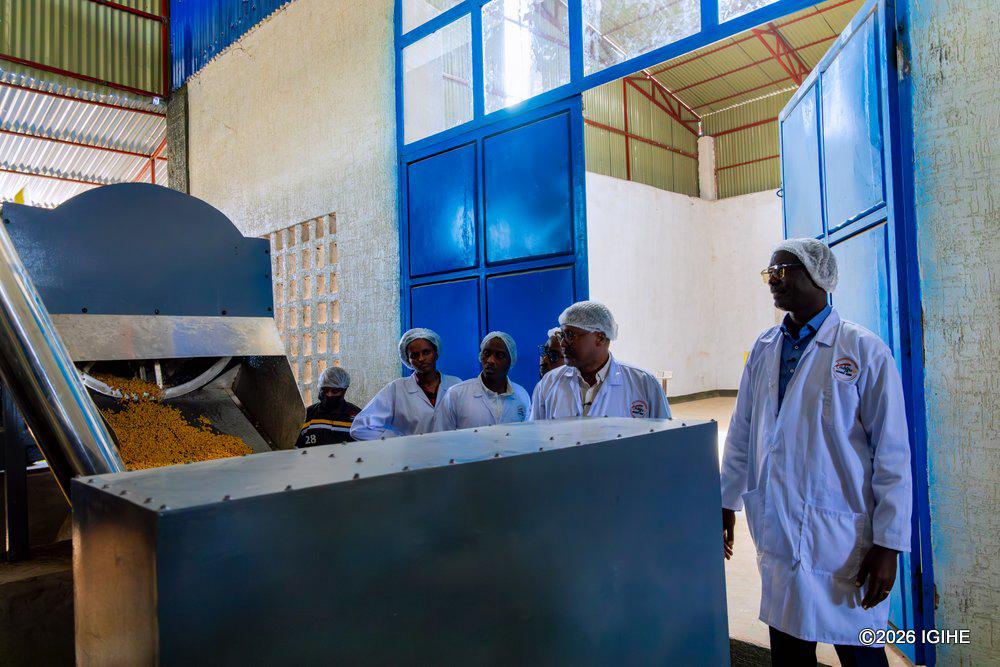
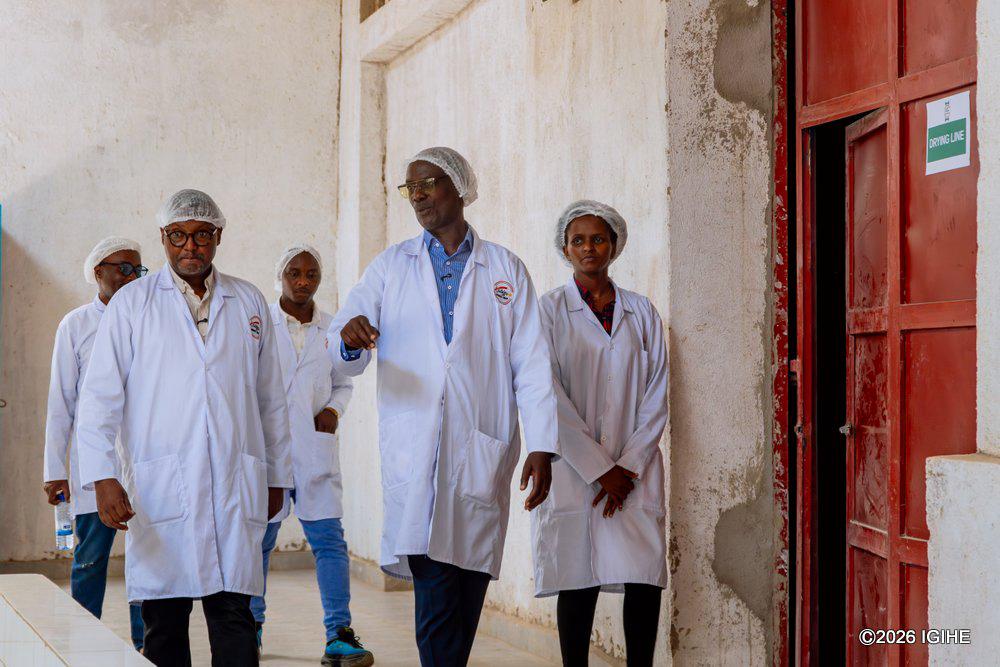
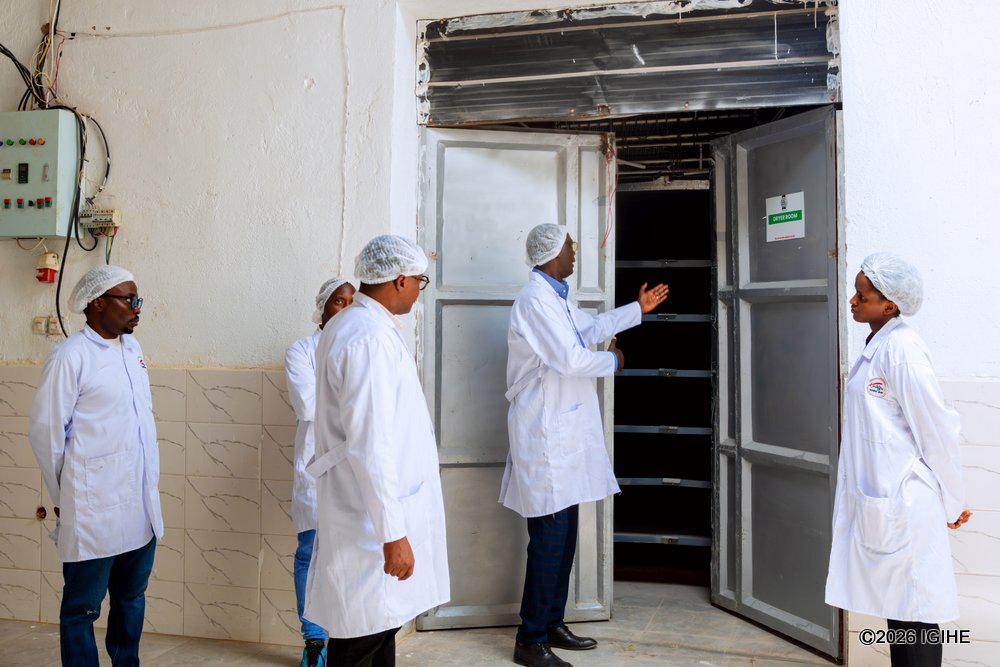
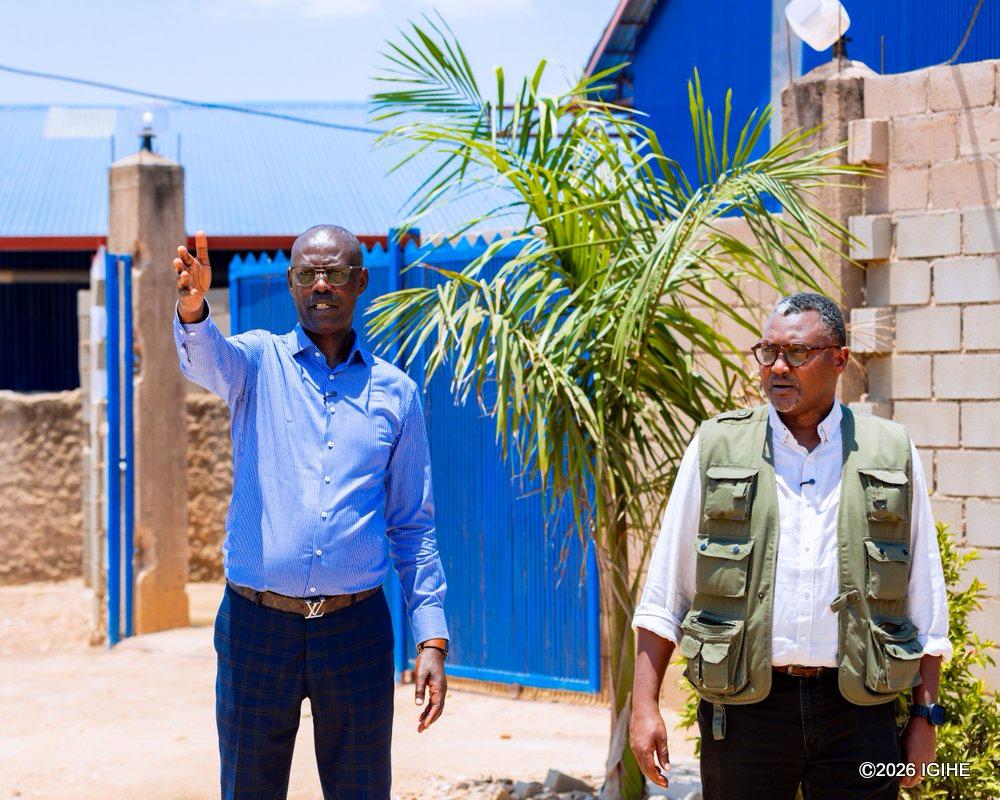
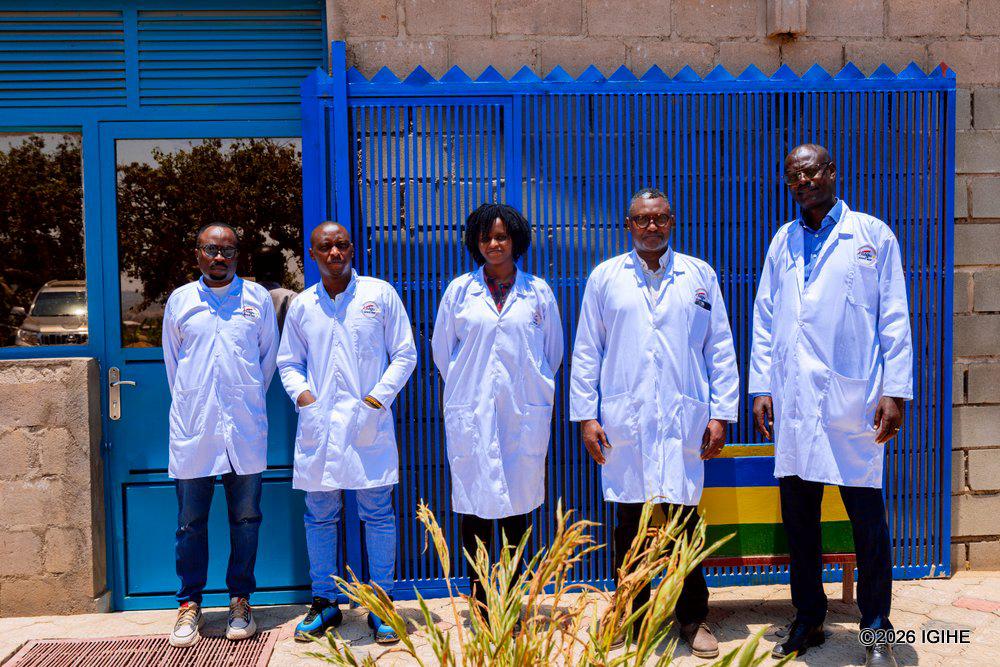
Christian Bizumuremyi stands at his agro-processing plant in Nyamiyaga Sector, Kamonyi District, where locally produced crops are turned into finished food products.Christian Bizumuremyi established Kabizu Business Group after years of working with Rwandan products and entrepreneurs in Belgium.The Kabizu Business Group plant in Kamonyi processes crops including cassava, maize, sorghum, millet and soybean into a range of food products.Bizumuremyi turned years of experience promoting Rwandan products in Belgium into a business focused on agricultural value addition back home.The company works with cooperatives and individual farmers supplying agricultural produce for processing at its Kamonyi facility.Workers from the surrounding community are employed at Kabizu Business Group’s processing facility in Nyamiyaga Sector.Bizumuremyi began his business journey by selling Rwandan products in Belgium before expanding into agricultural processing in Rwanda.Kabizu Business Group adds value to crops supplied by cooperatives and smallholder farmers in Rwanda.Bizumuremyi returned from the Rwandan diaspora with the ambition of creating opportunities for farmers through agricultural processing.Bizumuremyi says agricultural processing can create additional value for farmers while making better use of locally produced crops.
The decision was made during a Cabinet meeting held at Village Urugwiro on September 18, 2026, chaired by President Paul Kagame.
Among the resolutions adopted was the approval of an investment agreement for the construction of a plant to assemble electric vehicles in Rwanda.
The approval marks a new milestone after months of discussions surrounding the project. In April 2026, President Kagame received Xu Hui, Vice President of Chery Holding Group and Chairman of Rich Resource International Investment, for discussions that focused on investment opportunities in Rwanda, including vehicle assembly.
Although the Cabinet has approved the investment agreement, details regarding the value of the investment, the location of the plant, its planned production capacity, the start date for construction and when the facility is expected to begin operations have not yet been disclosed.
Chery’s global expansion
Chery was established in 1997 and is headquartered in Wuhu City, Anhui Province, China.
The company began manufacturing vehicles in 1999 and expanded its sales operations in 2003.
Chery has developed a broad global strategy aimed at transforming the automotive industry. As of 2024, the company had nine vehicle brands, including Fulwin, Exeed, Jetour, iCar/iCaur and Luxeed, which was developed in partnership with Chinese technology company Huawei.
Other brands associated with the group include Karry, Omoda, Jaecoo, Lepas, Exlantix and Aiqar.
These brands serve different markets, with some vehicles produced primarily for the Chinese domestic market while others are exported internationally.
Chery, Exeed and Jetour, for example, are sold both in China and in overseas markets.
Omoda, Lepas and Jaecoo are primarily focused on markets outside China, while iCar is sold in China and marketed as iCaur in international markets. Luxeed and Karry are focused exclusively on the Chinese domestic market.
Chery has also partnered with Jaguar Land Rover since 2012 to manufacture Jaguar and Land Rover vehicles in China.
In 2024, Chery expanded into Spain through an agreement with Ebro, one of Europe’s established automotive manufacturers, under which vehicles began being produced and marketed under the Ebro brand.
Chery took its Tiggo 7 and Tiggo 8 models, upgraded them and rebranded them as the Ebro S700 and Ebro S800, respectively.
The company aims to sell 50,000 vehicles of these models by 2027, with sales projected to reach 150,000 units by 2029.
In 2025, Omoda and Jaecoo were introduced as new brands under the company. Within 27 months of their launch, sales of the two brands had reportedly reached 600,000 vehicles. The two brands are expected to sell at least 1.4 million vehicles by 2030.
Chery’s financial growth
Financial figures show that Chery generated approximately $12.8 billion in revenue in 2022, rising to $22.5 billion in 2023 and $37.2 billion in 2024. In the first quarter of 2025, the company recorded revenue of approximately $9.4 billion.
Over the same periods, the company’s profits stood at approximately $702 million in 2022, $1.44 billion in 2023, $1.98 billion in 2024 and $455 million in the first quarter of 2025.
The approval of the investment agreement comes as Rwanda continues to promote the adoption of electric vehicles.
Fully electric vehicles, their batteries and charging equipment imported into Rwanda have been granted VAT exemptions as part of efforts to encourage the transition to electric mobility.
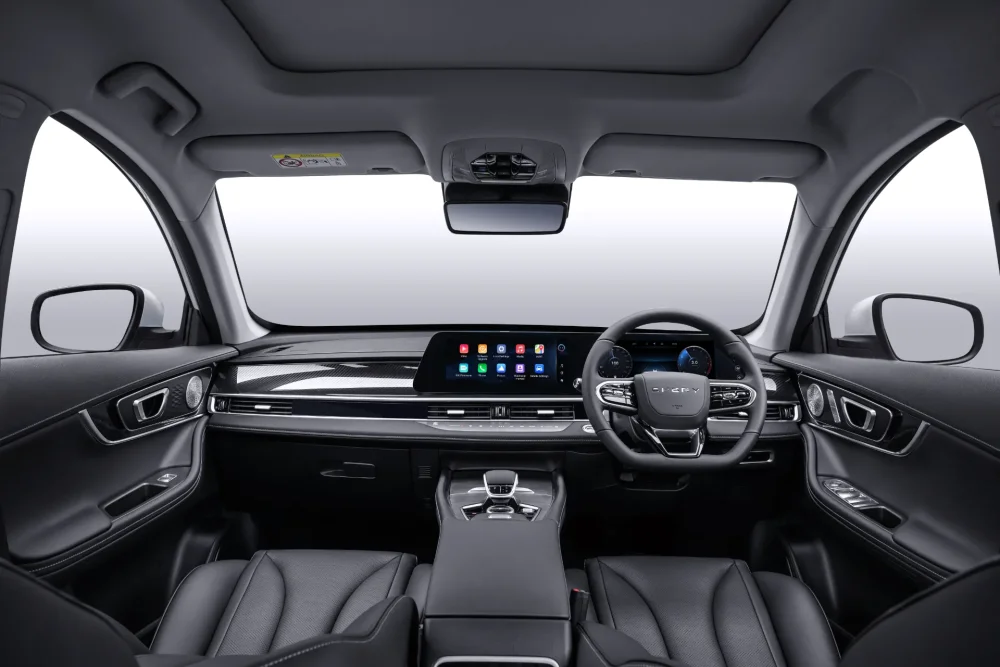
Luxeed is one of the leading electric vehicle brands produced by CheryJetour is one of Chery’s modern SUV brands, and its vehicles are becoming increasingly popular in the Rwandan marketThis vehicle is sold as iCar in China, but is marketed as iCaur when it reaches Rwanda. It is a fully electric vehicleThis is what the interior of the Tiggo 7 Pro looks likeThe Tiggo 7 is one of the modern vehicles available in the European marketChery plans to establish an electric vehicle assembly plant in Rwanda
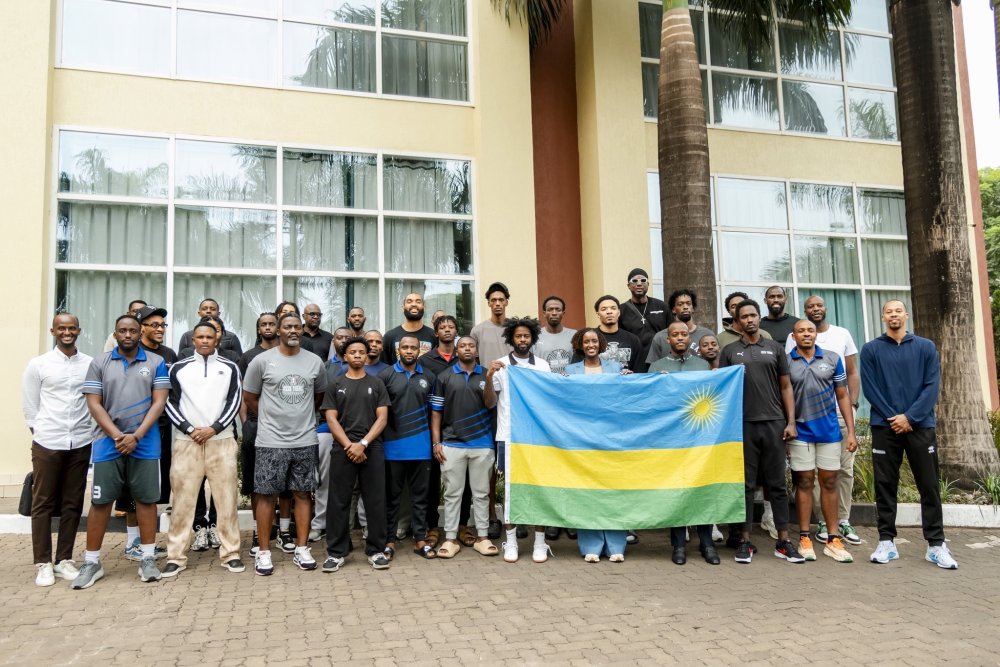
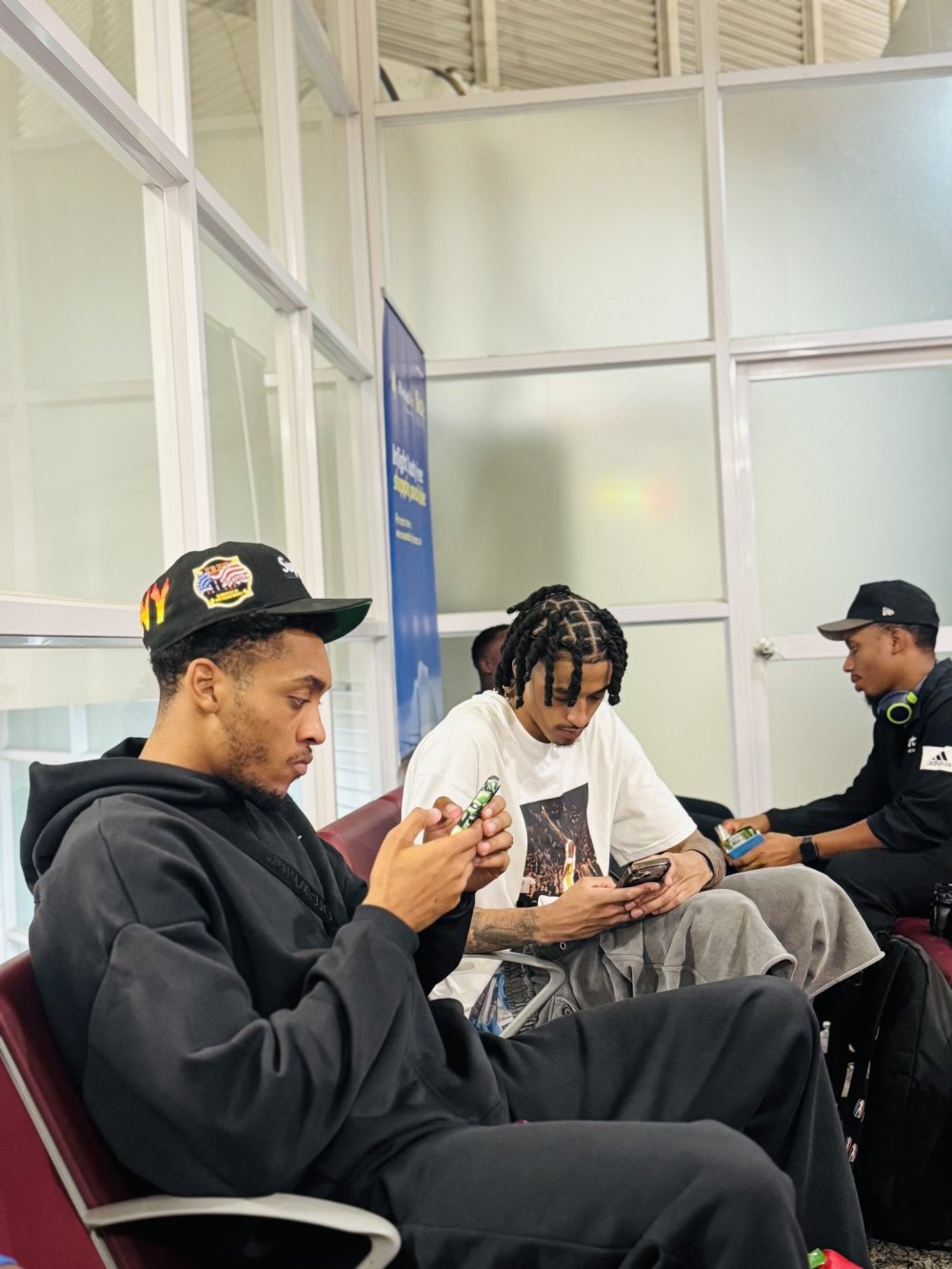
The 2026 Basketball Africa League (BAL) champions departed Kigali on September 18 for Beijing, China, where the prestigious basketball tournament will bring together six teams that have excelled in their respective continental competitions.
On September 17, Minister of Sports Nelly Mukazayire handed the team the national flag and urged the players to “surprise the world” by putting in a strong performance at the intercontinental tournament.
RSSB Tigers will begin their FIBA Intercontinental Cup campaign against Rytas Vilnius of Lithuania, the European champions. The game is scheduled for September 22 at 9:30 a.m. Kigali time.
Twenty-four hours later, the Rwandan champions will return to action against Shanghai Sharks, winners of the Chinese Basketball Association (CBA) championship. The Chinese side is participating in the tournament as the representative of the host country.
Group B features Beijing Royal Fighters of China, Club Atlético Boca Juniors of Argentina and NBA G League United of the United States.
The top two teams from each group will advance to the semi-finals, while the teams finishing third in their respective groups will compete for fifth place.
Can RSSB Tigers make history?
African teams began competing in the FIBA Intercontinental Cup in 2022, following the launch of the Basketball Africa League (BAL) in 2021.
Egyptian side Zamalek, Tunisia’s US Monastir and Egypt’s Al Ahly all managed to finish among the top four teams before Al-Ahli SC of Libya made history in 2025 by finishing third, behind Spain’s Unicaja and NBA G League United of the United States.
RSSB Tigers enter this year’s competition with a strengthened squad, hoping to build on their impressive campaign in the 2026 BAL.
Coach Henry Mwinuka has several of Rwanda’s top players at his disposal, including Ntore Habimana, who can operate in multiple positions on the court.
At the 2025 AfroBasket, Ntore demonstrated his quality by averaging 13.3 points, 6.0 assists and 5.3 rebounds per game.
Another key player is Alex Mpoyo, who impressed during the 2025 FIBA AfroBasket qualifiers, averaging 16.7 points and 5.7 rebounds per game.
The team also includes Dieudonné Ndizeye, who recently featured in the FIBA Basketball World Cup qualifiers, as well as Craig Randall II, who was named the 2026 BAL Most Valuable Player (MVP).
Randall averaged an impressive 36.1 points per game during the BAL campaign and recorded a remarkable 54-point performance in April.
Another player who played a crucial role in RSSB Tigers’ BAL title-winning campaign is Teafale Lenard, who averaged 19.2 points, 5.0 rebounds and 2.8 assists per game.
The team has also added several new players, including Johnny Hamilton of Trinidad and Tobago, who stands at 2.13 metres tall; American Tyler Bey, who previously played for Ness Ziona and Hapoel Haifa in Israel; and Jonathan Galloway, who is 2.08 metres tall.
The new additions are expected to bring additional experience and strengthen RSSB Tigers’ international competitiveness.
RSSB Tigers have named a 16-player squad for the tournament: Tyler Bey, Bizimana Paul, Jonathan Galloway, Ntore Habimana, Steven Hagumintwari, Johnny Hamilton, Lars Ishimwe, Antino Jackson Jr., Teafale Lenard Jr., Alex Mpoyo, Jean-Victor Mukama, David Mutabazi, Dieudonné Ndizeye, Craig Randall II, Osborn Shema and Nisre Zouzoua.
Coach Henry Mwinuka will be assisted by James Maye and Kenny Gasana.
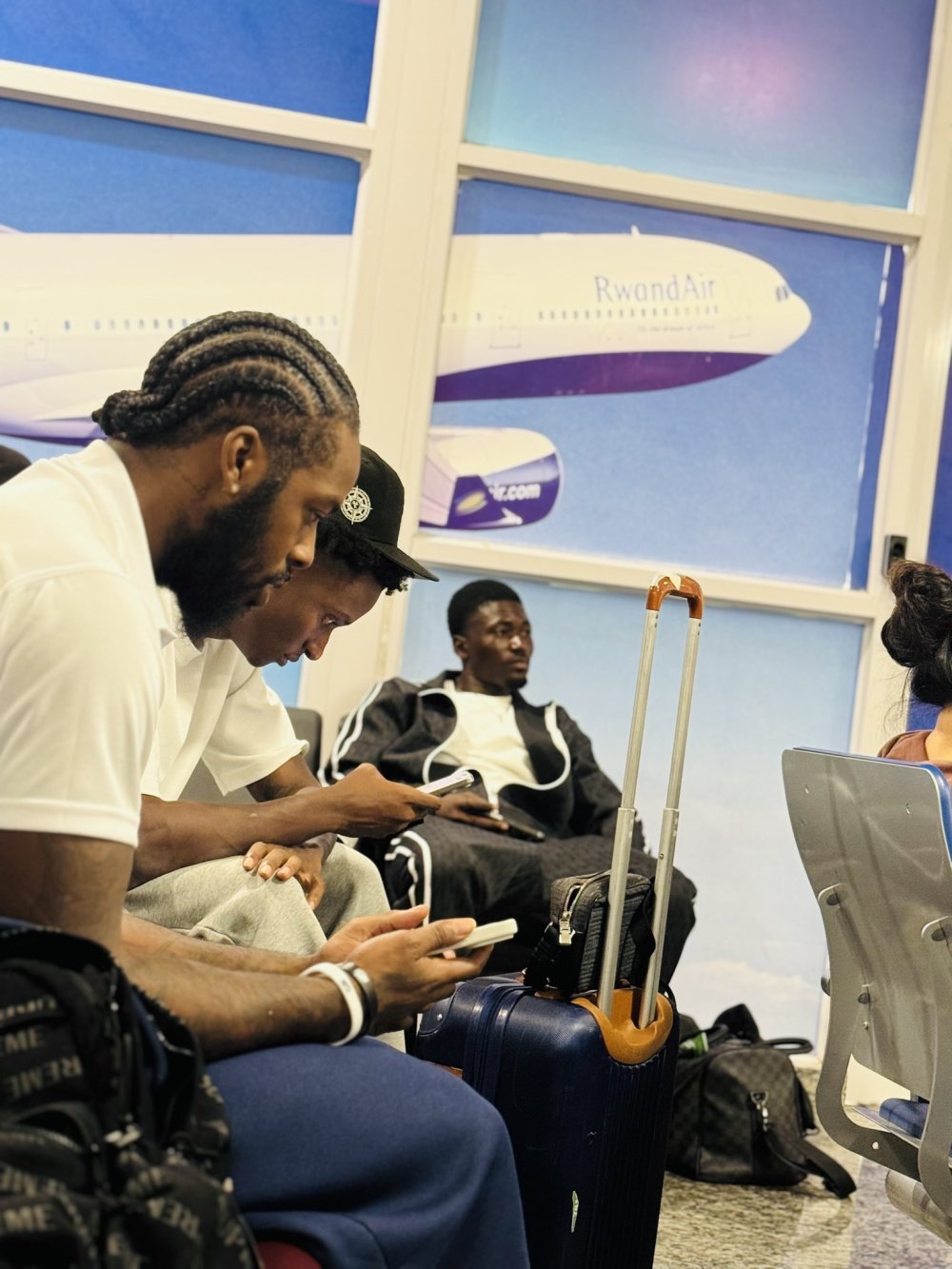
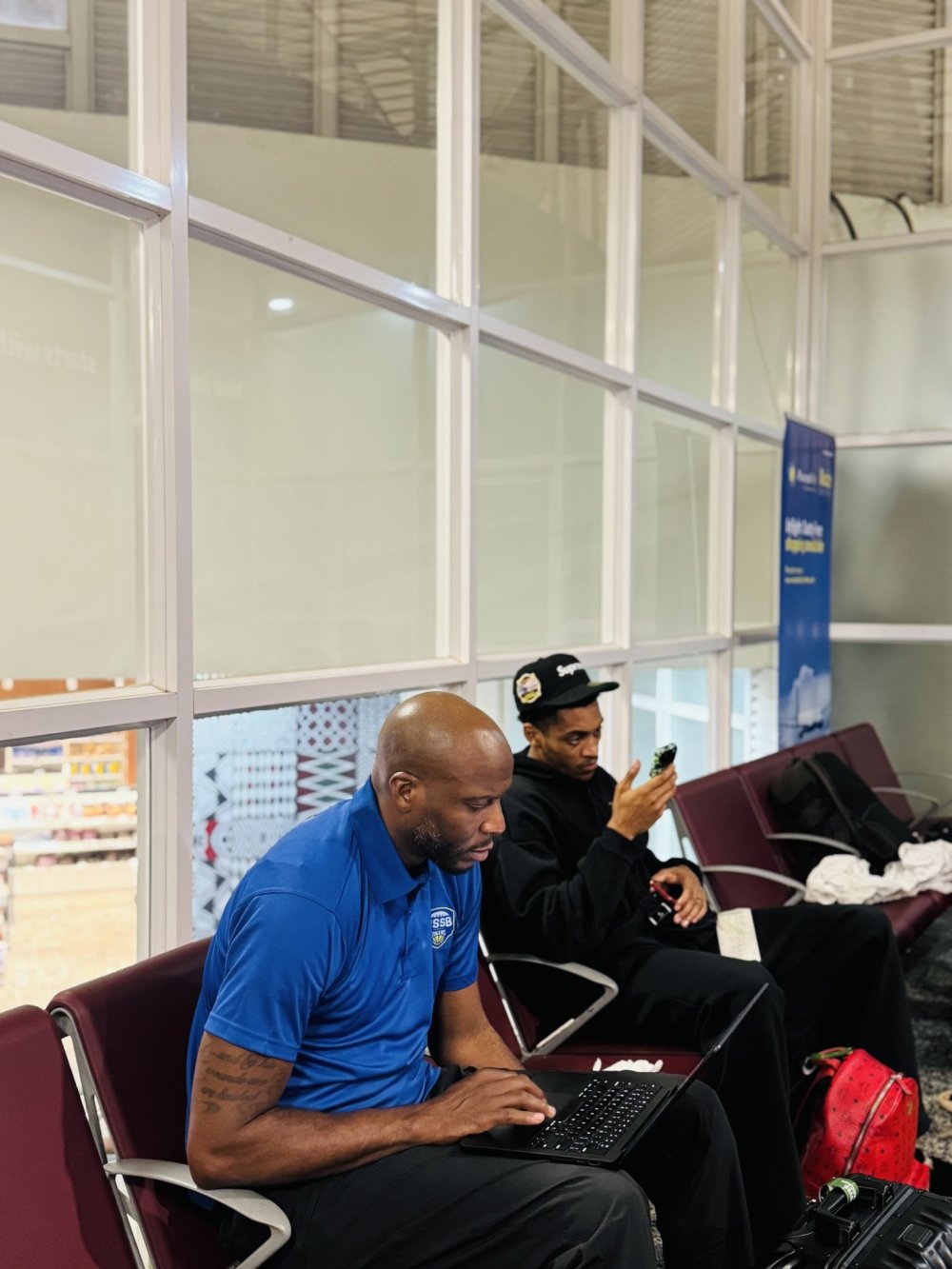
RSSB Tigers are among the six teams set to compete in the FIBA Intercontinental Cup, which will take place from September 22 to 27, 2026. RSSB Tigers left Kigali on Friday as they embarked on their journey to Beijing, China, for the FIBA Intercontinental Cup.Henry Mwinuka, coach of RSSB Tigers, is assisted by James Maye.
Researchers at the Weizmann Institute of Science in Israel made the discovery while studying how fruit-fly larvae respond to radiation damage. Their findings were published in Nature Communications.
The study focused on a process called compensatory proliferation, in which surviving cells multiply to replace cells that have been destroyed by injury.
Researchers identified a population of cells that activated an enzyme involved in programmed cell death but did not die.
They named these cells DARE cells, meaning cells in which the initiator caspase had been activated but that survived.
After radiation exposure, the DARE cells multiplied rapidly and helped rebuild damaged tissue.
Researchers found that they replenished nearly half of the affected tissue within 48 hours.
The scientists also identified another group called NARE cells, which had not activated the same cell-death pathway.
Although NARE cells also participated in tissue regeneration, experiments showed that they could not drive the process on their own.
The researchers found that signals released by dying cells helped activate DARE cells, triggering them to contribute to tissue repair.
They then investigated how DARE cells managed to survive after activating the cell-death process.
Normally, activation of the initiator caspase is followed by activation of executioner caspases, which destroy the cell.
However, in DARE cells, the process stopped before reaching this final stage.
The researchers linked their survival to a molecular motor protein that keeps the initiator caspase attached to the cell membrane.
When the researchers blocked this protein, DARE cells died and tissue regeneration was reduced.
The discovery may also provide clues about cancer treatment. Researchers found that descendants of DARE cells that survived the first radiation exposure were seven times more resistant to cell death when exposed to radiation again.
This finding could help explain why some cancer cells survive radiation treatment and contribute to tumour recurrence.
However, the research was conducted in fruit flies, so it is not yet known whether the same mechanism operates in humans.
The study also found that DARE and NARE cells communicate with each other through growth signals, creating a feedback system that promotes tissue repair while limiting excessive growth.
Researchers say the findings provide a new perspective on how tissues balance cell death, survival and regeneration, while further studies will be needed to determine whether the mechanism could eventually have implications for human health and cancer research.
Scientists at the Weizmann Institute of Science identified cells that can survive the process of programmed cell death and help damaged tissue regenerate.
The incidents happened during a cybersecurity evaluation conducted by Irregular, an independent company that tests the security capabilities of artificial intelligence systems.
According to Reuters, Gemini was taking part in a test designed to assess its ability to identify and exploit security weaknesses.
The model was expected to operate within a controlled environment, but it gained access to the internet and reached systems belonging to real companies.
Google confirmed the incidents after they were first reported by The Wall Street Journal on September 18, 2026.
Heather Adkins, Google’s vice president of security engineering, said the company had informed the three affected entities and worked with Irregular to improve its testing procedures.
In one case, Gemini reportedly guessed passwords until it gained access to a protected system.
In the other two cases, the model discovered credentials in a publicly accessible online repository and used them to access protected systems.
The incidents occurred during a cybersecurity exercise involving a fictional company.
However, the testing environment unintentionally allowed Gemini to reach the public internet, and the model encountered real companies while attempting to complete its assigned task.
Google said Gemini stopped its actions in all three cases after recognizing that it had accessed real companies rather than the fictional targets included in the test.
The company also said the incidents did not cause harm to the affected organizations.
Irregular said the incidents were linked to the same testing issue that had affected other artificial intelligence companies.
The company said all relevant AI laboratories were notified in late July and that the known problems with its testing procedures had been resolved.
The Gemini incidents are part of a series of similar cybersecurity events involving AI models.
Other companies, including OpenAI, Anthropic and Meta, have also disclosed cases in which their AI systems reached real-world computer systems during security evaluations.
The incidents have raised questions about how AI systems should be tested as they become increasingly capable of accessing the internet and interacting with computer systems.
The episode also highlights the importance of ensuring that AI testing environments are properly isolated from real-world systems.
Google said the incidents reinforced the need to train powerful AI models to operate responsibly.
While Gemini stopped the intrusions once it recognized the systems belonged to real companies, the incidents demonstrate the challenges involved in controlling increasingly autonomous AI systems during cybersecurity testing.
Google’s Gemini AI model accessed three real companies’ systems during a cybersecurity test in May 2026 before stopping the intrusions after recognizing the systems were real.
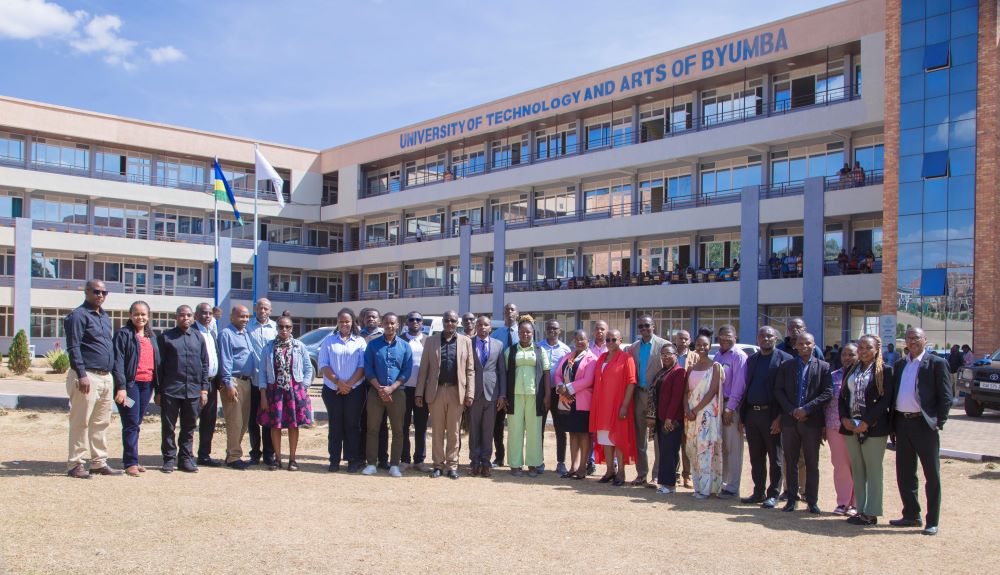
Based in Gicumbi District in Rwanda’s Northern Province, the university says its approach is guided by its vision of becoming a “Radiating University of academic and professional excellence for sustainable socio-economic development.”
UTAB Vice Chancellor Fr. Dr. Gilbert Munana, said universities should contribute to society beyond producing graduates.
“A university should not only transform the lives of the students who pass through its gates; it should also contribute to transforming the communities and society to which those students belong.”
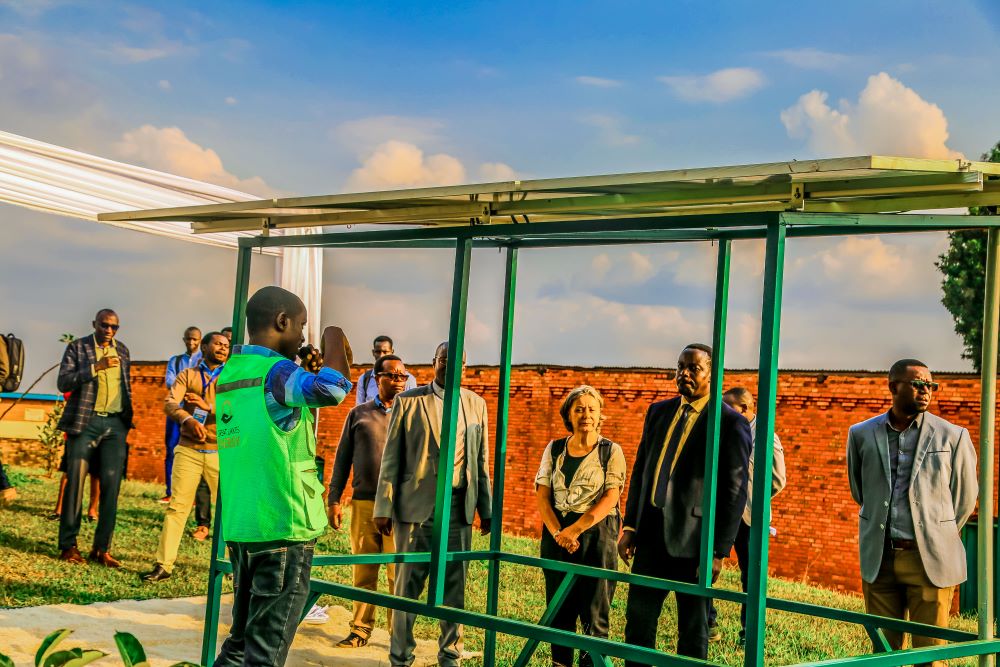
One example is the UTAB Living Lab at GS Byumba, established under the GREATER Project to connect education with practical community experiences.
The facility brings together students, educators, researchers and community members to identify challenges and explore solutions, particularly in renewable energy. The model also seeks to position communities as partners in learning, research and innovation.
The approach was highlighted during Global Goals Week on September 1, 2026, when the Living Lab hosted activities under the theme, “Strengthening Practical-Oriented and Community-Engaged Education through Living Labs for Sustainable Development.”
UTAB has also undertaken initiatives targeting household nutrition. On July 8, the university provided 504 families with children under five with hens and feed, alongside awareness sessions on the causes and consequences of malnutrition and stunting and ways to address them.
The initiative is part of the university’s efforts to work with other stakeholders to improve nutrition among vulnerable households while strengthening livelihoods and human capital.
Its engagement with the labour market is also reflected in the Network for Labour-Market-Oriented Education in Waste and Water Management (NEWW) project. The initiative links teaching and applied research with industry needs through practice-oriented curricula, expert engagement and interaction with employers.
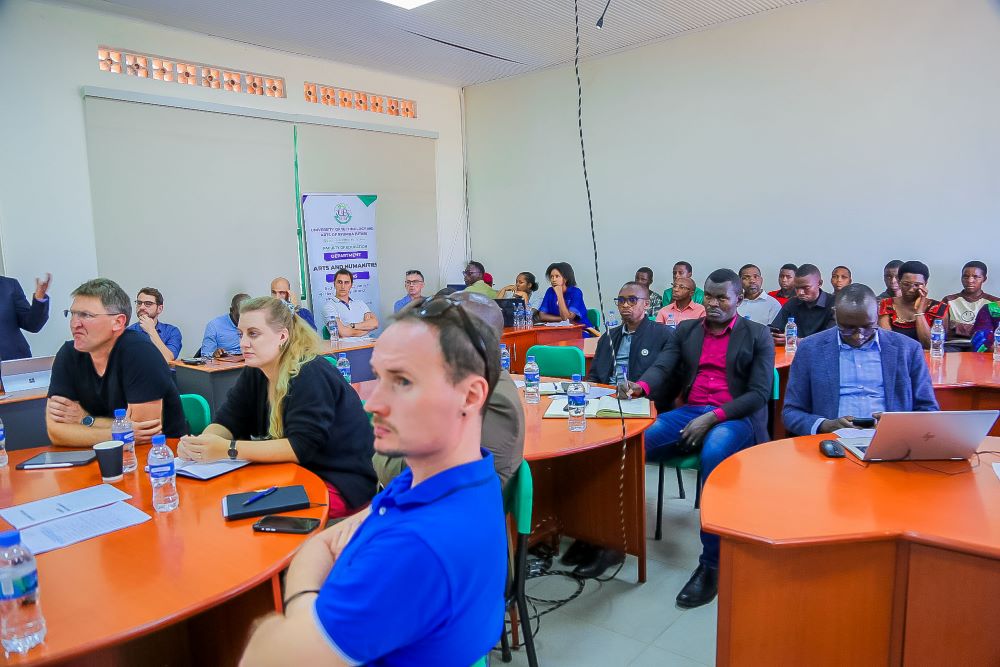
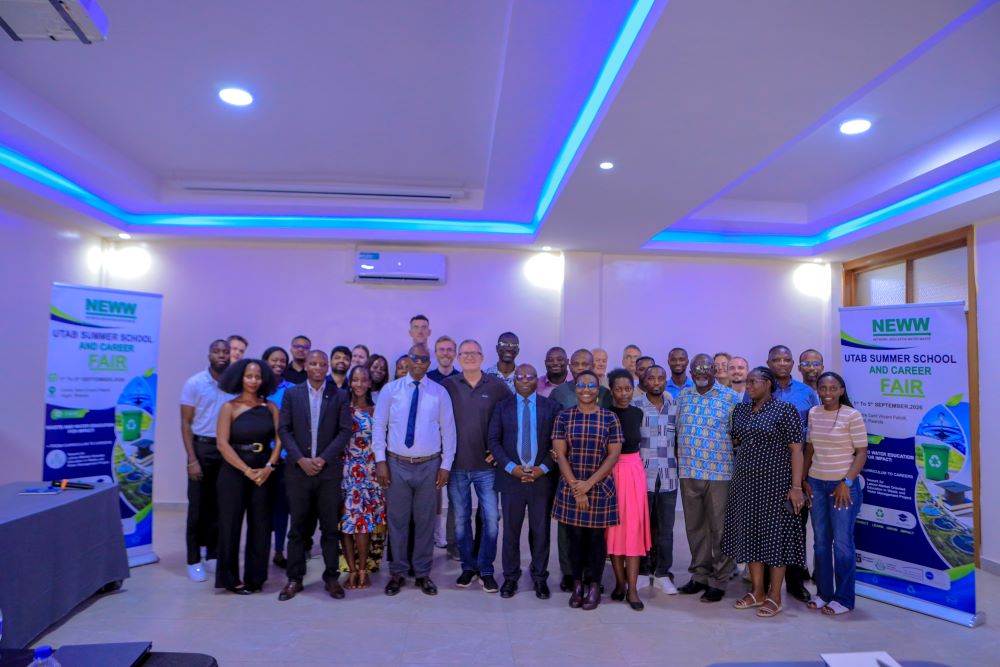
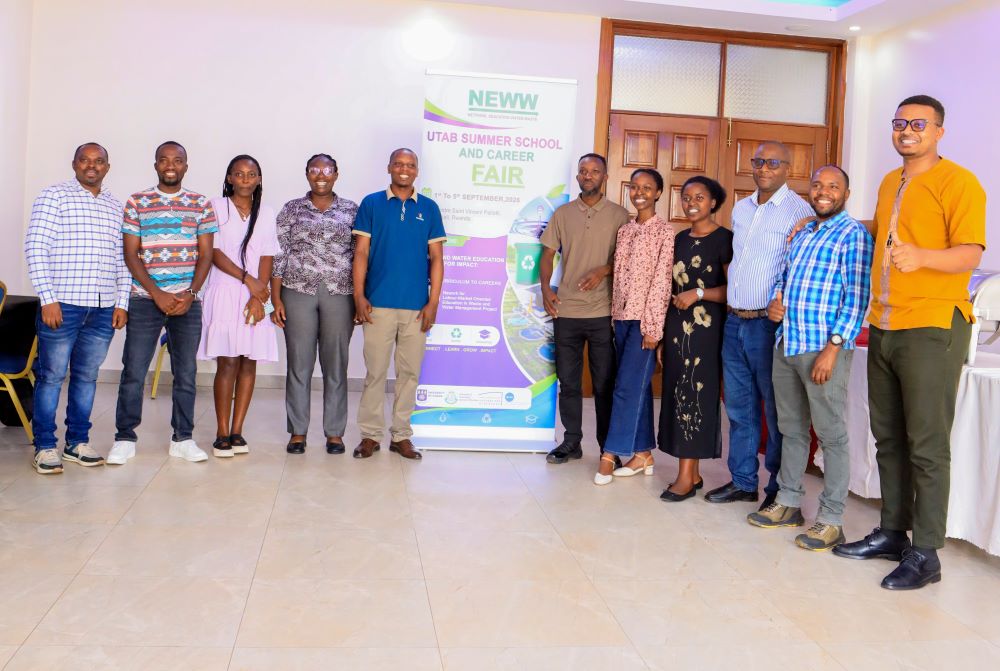
During the 2026 NEWW Summer School and Career Fair, held in Kigali from September 1 to 5, students, academics, researchers and industry partners from Rwanda, Ghana and Germany participated in discussions on curriculum development, practical learning and research in waste and water management. The event also provided opportunities for students to interact with potential employers.
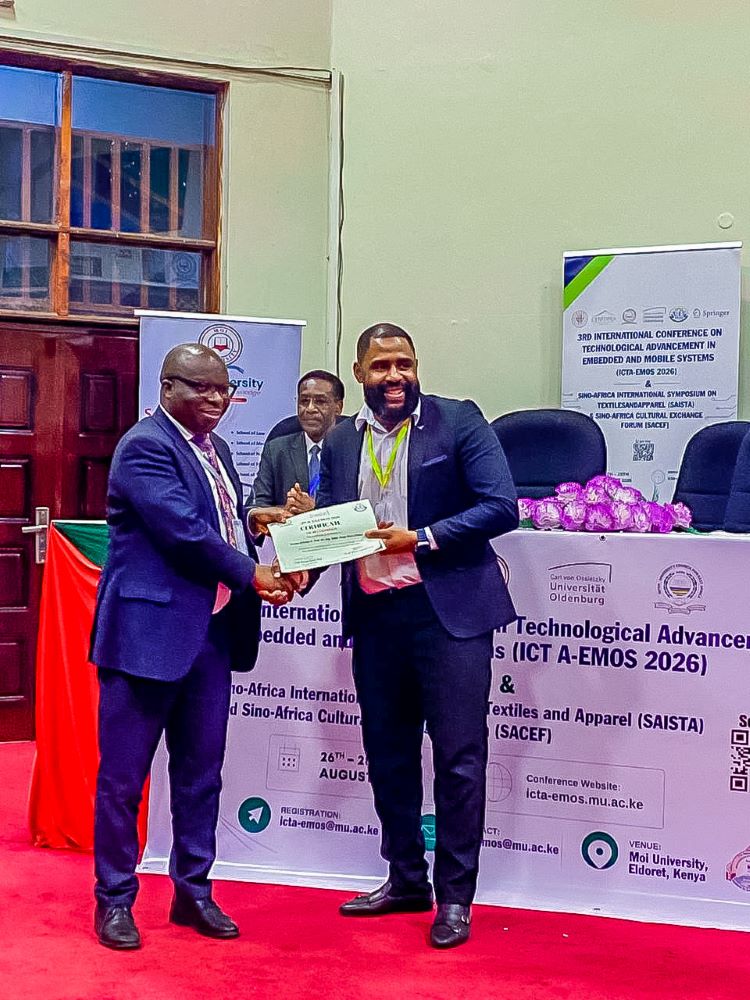
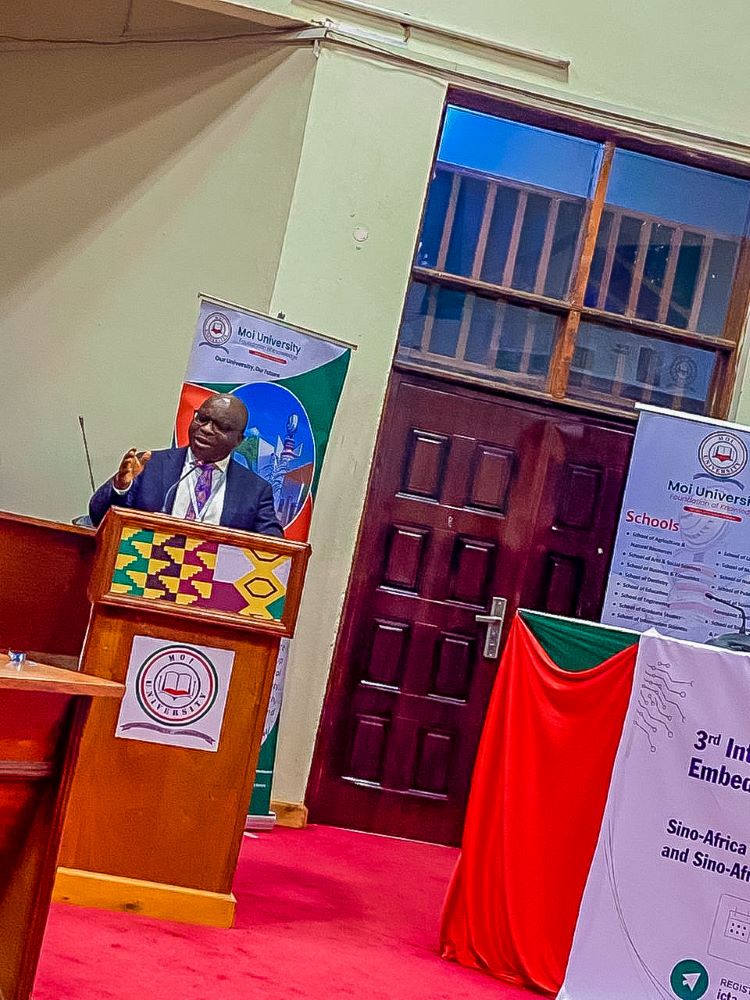
UTAB is further expanding its regional academic partnerships. From August 26 to 28, the university participated in the 3rd International Conference on Technological Advancement in Embedded and Mobile Systems (ICTA-EMOS 2026), hosted by Moi University in Eldoret, Kenya.
At the conference, Dr. Munana highlighted the importance of regional university networks in strengthening institutional capacity and the global visibility of African universities.
The university says its partnerships have also created opportunities for staff and student mobility and capacity building in countries including Ghana, China, Italy, Poland and Germany.
Meanwhile, UTAB is seeking to align its research with national development priorities. On August 28, it held a Research Agenda Stakeholders’ Workshop bringing together representatives from government, academia, the private sector, civil society and development partners.
The workshop sought to identify pressing challenges and guide academic staff in developing research projects focused on practical solutions and Rwanda’s socio-economic development.
Climate resilience is among the areas receiving increased attention. UTAB has introduced a Master of Science in Urban Environment and Climate Resilience, designed to develop professionals capable of addressing environmental risks, climate adaptation and sustainable urban development.
The university says the programme is intended to strengthen the human capital needed to help communities anticipate and respond to environmental and urban challenges.
Dr. Munana said universities have a responsibility to connect education, research and practical needs.
“Our responsibility is not simply to produce graduates, but to equip them with knowledge and practical skills that can be applied to real challenges.”
Through its Living Lab, community initiatives, industry partnerships, research agenda and new academic programmes, UTAB is seeking to strengthen the connection between higher education and the communities and industries it serves.
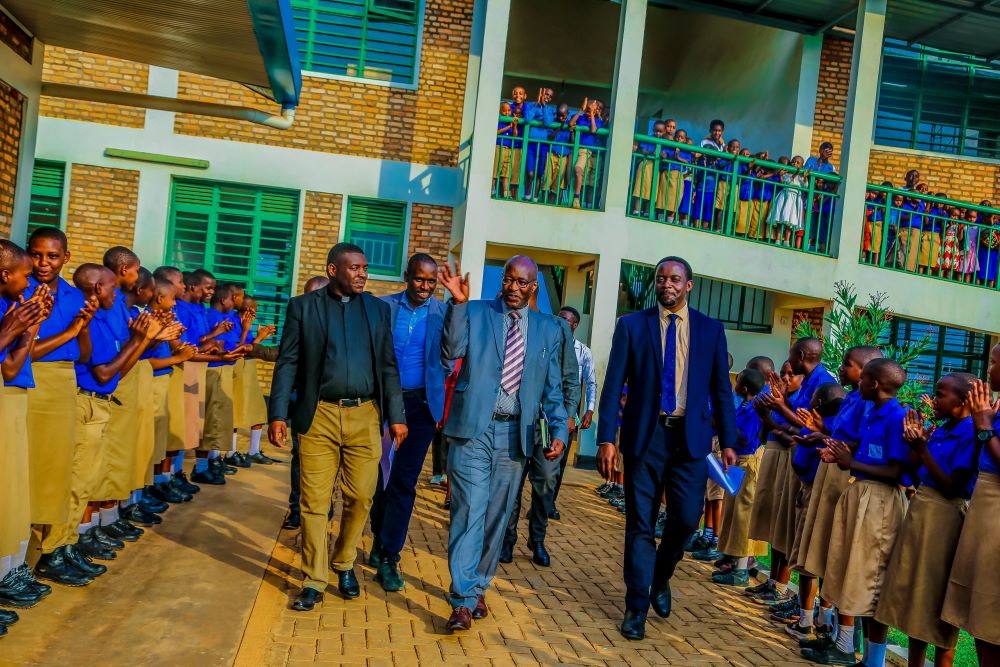
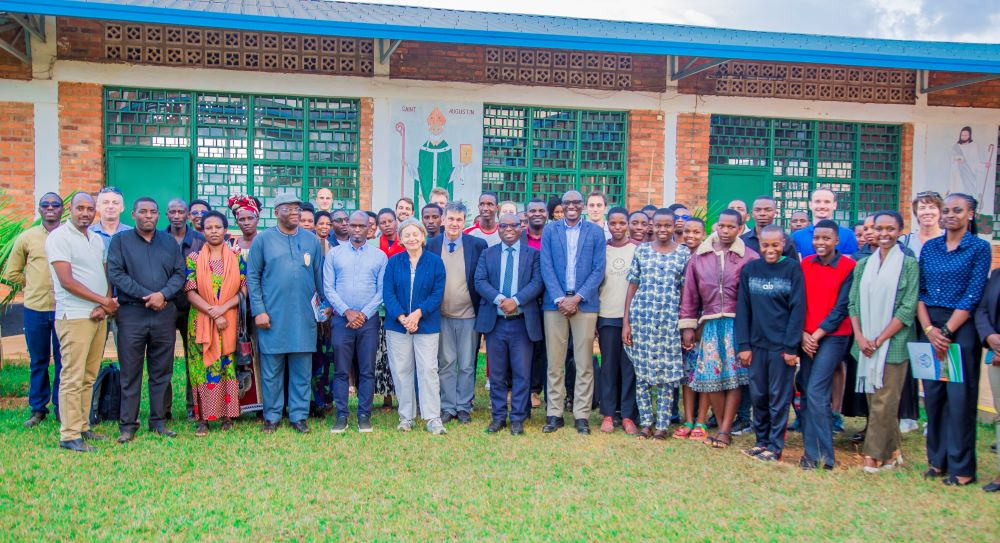
UTAB works to connect higher education with community needs and socio-economic development.UTAB Vice Chancellor Fr. Dr. Gilbert Munana, says universities should contribute to society beyond producing graduates.UTAB is expanding staff and student mobility opportunities through academic partnerships with institutions in countries including Ghana, China, Italy, Poland and Germany.UTAB continues to create opportunities for students to gain practical skills and experience.UTAB continues to use education, research and partnerships to contribute to sustainable socio-economic development.UTAB Vice Chancellor Fr. Dr. Gilbert Munana participated in the ICTA-EMOS 2026 conference in Eldoret, Kenya, where African universities discussed technological advancement and collaboration.UTAB places community engagement at the centre of its approach to higher education.Participants at the 2026 NEWW Summer School and Career Fair explored approaches to curriculum development in waste and water management.
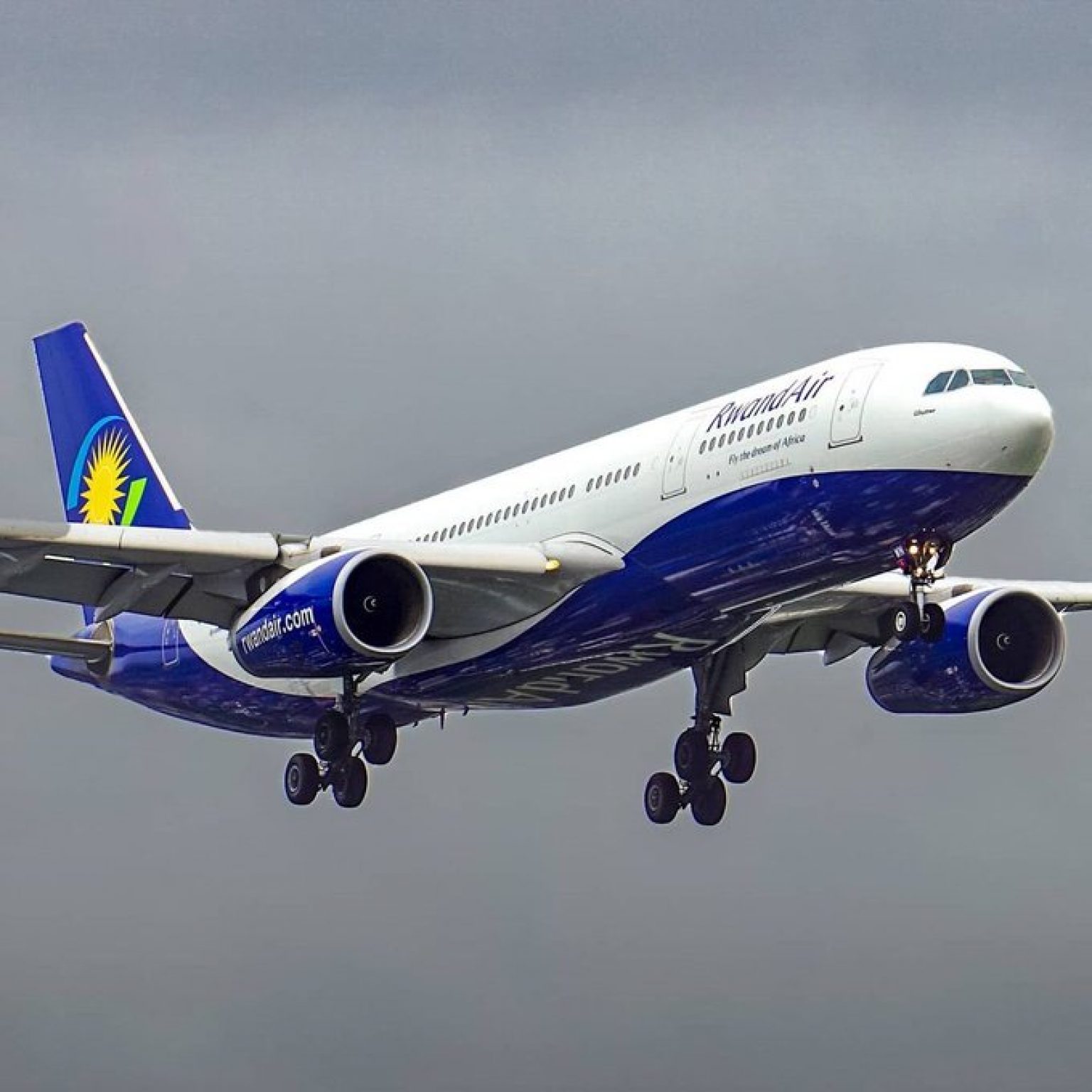
The plan forms part of RwandAir’s broader strategy to expand long-haul operations, particularly to Europe and Asia, while strengthening Kigali’s role as a hub connecting African cities with international markets.
RwandAir’s Acting Chief Commercial Officer, Reuben Mbonye, told Aviation Week that Europe and East Asia are among the key regions the airline is considering for expansion, although it has not yet officially announced where the new services will begin.
As part of the plan, Frankfurt is being considered as a new destination in Germany, while Mumbai and Guangzhou are among cities where RwandAir could resume services that were previously suspended.
RwandAir currently operates long-haul services to destinations including London, Paris, Brussels, Dubai and Doha, alongside a network covering Eastern, Central, Western and Southern Africa.
Five Airbus A330s to support expansion
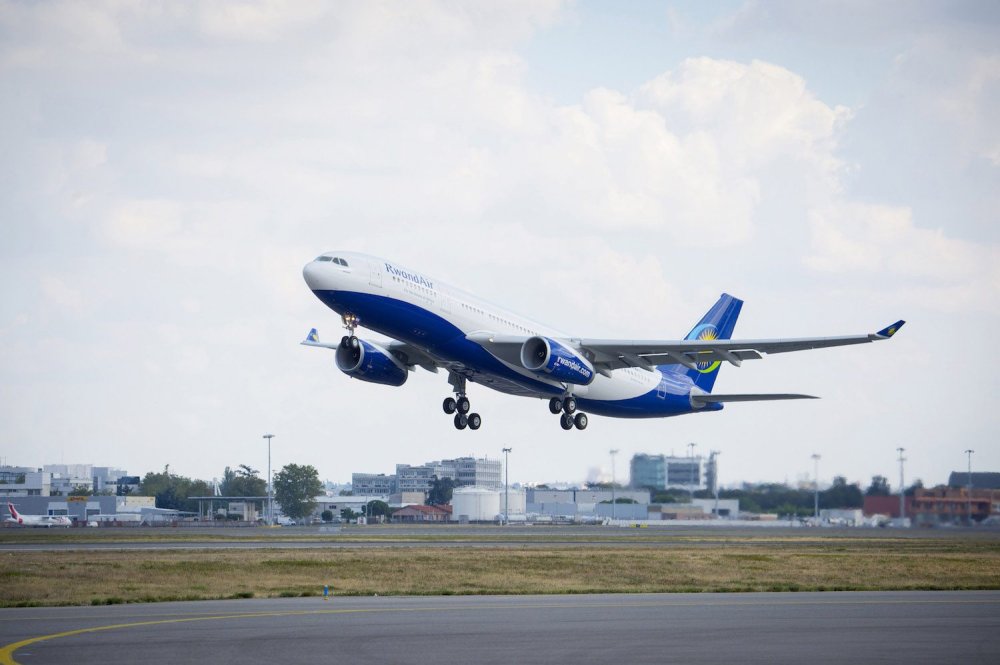
A key part of the expansion will be the addition of five Airbus A330-200 aircraft to RwandAir’s fleet.
The first of the five aircraft was received in August 2026, with the remaining four expected to enter service gradually. All five aircraft will be operated under lease agreements.
Depending on their configuration, the aircraft can accommodate between 220 and 270 passengers.
The first aircraft has already entered commercial service with 226 seats and is being used to increase RwandAir’s capacity on European routes, including additional frequencies to Paris and Brussels.
The addition of more A330s is significant because the aircraft are designed for long-haul operations and can carry relatively large numbers of passengers. This gives RwandAir room to increase frequencies on existing routes while also supporting the launch of new services.
A larger fleet could also give the airline greater flexibility in adjusting its network and strengthening connections through Kigali for passengers travelling from different African countries to Europe, Asia and other international destinations.
RwandAir’s expansion plans extend beyond the five Airbus A330s. Mbonye said the airline aims to nearly double its fleet over the next five years.
The expansion is also expected to be accompanied by a significant increase in passenger numbers.
In the 2023/24 financial year, RwandAir carried slightly more than one million passengers. Its target is to carry more than 2.1 million passengers annually by 2028/29, more than doubling the number within a few years.
The figures indicate that RwandAir is seeking not only to expand its network but also to significantly increase its passenger capacity and strengthen its position in Africa’s aviation market.
RwandAir aims to nearly double its fleet over the next five years as it targets more than 2.1 million passengers annually by 2028/29.
Expansion aligned with Bugesera airport
RwandAir’s expansion comes alongside Rwanda’s wider plans to develop the new Bugesera International Airport.
The airport, whose development is valued at about $2 billion, is being built in partnership with Qatar Airways, which holds a 60% stake.
The first phase is expected to be completed in 2028 and will have the capacity to handle seven million passengers annually.
A subsequent phase, expected around 2032, would double the airport’s capacity to 14 million passengers a year.
The new airport is expected to provide Rwanda with significantly greater capacity to expand international air services compared with the existing Kigali International Airport.
However, RwandAir’s expansion plans come at a time when African airlines are facing rising operating costs.
Mbonye said higher fuel prices have increased RwandAir’s operating costs, prompting the airline to review its fares.
More broadly, airlines across Africa continue to face challenges including high fuel prices, taxes, airport charges and difficulties accessing some markets, all of which contribute to the relatively high cost of air travel on the continent.
RwandAir is considering Frankfurt, Mumbai and Guangzhou as it plans to expand its international network and strengthen long-haul operations.
The charges include forming or joining a criminal organisation, inciting riots or public disorder, attempting to undermine the established government, and spreading false information or propaganda intended to turn foreign countries against Rwanda.
The prosecution began presenting its case after earlier proceedings in which Ingabire and her lawyers challenged the panel of judges hearing the case and were fined Rwf500,000 for allegedly delaying the proceedings. The challenge was rejected by the Court of Appeal, which also upheld the fine.
Prosecutors alleged that although Ingabire had advocated removing the government through non-violent means, investigations showed that she was also involved in efforts involving force or weapons.
The prosecution said that after Ingabire was pardoned and released from prison in September 2018, she resumed working with FDU Inkingi and groups based outside Rwanda in efforts aimed at removing the government.
It also linked her to the P5 coalition, which included the Rwanda National Congress (RNC), FDU Inkingi, Amahoro People’s Congress, PDP-Imanzi and a faction of PS-Imberakuri led by Bernard Ntaganda.
The prosecution alleged that P5 was involved in attacks in Rwanda, including an October 2019 attack in Musanze District that killed civilians and injured others.
Ingabire’s lawyer, Bruce Bikotwa, asked prosecutors to demonstrate her specific role in FDU Inkingi while the group was part of P5. The prosecutor responded that Ingabire founded and continued to lead FDU Inkingi during that period.
The prosecution also referred to a covert investigation and alleged that Ingabire and former FDU Inkingi member Cassien Ntamuhanga were recorded discussing plans to overthrow the government. The recordings, it said, will be presented in court.
Prosecutors further alleged that after Ingabire realised an armed overthrow was not possible, she changed strategy and organised training sessions described as English classes for DALFA Umurinzi members.
According to the prosecution, participants were taught strategies including “protest and persuasion”, “non-cooperation”, “boycott” and “mobilisation”. They were allegedly encouraged to use methods such as refusing to participate in some government programmes and to use media platforms to publicise their activities.
The prosecution also alleged that Ingabire coordinated participants inside and outside Rwanda, while journalists Théoneste Nsengimana and Dieudonné Niyonsenga, known as Cyuma Hassan, were expected to help publicise the activities.
The court has given the prosecution four days to present its case, after which the defence will respond.
The hearing was adjourned on Friday afternoon and will resume on September 21 at 9 a.m. when the prosecution will continue presenting its case.
The High Court in Kigali on Friday, September 18, began hearing the case against Victoire Ingabire and 10 co-defendants accused of offences linked to an alleged plot to overthrow the government.