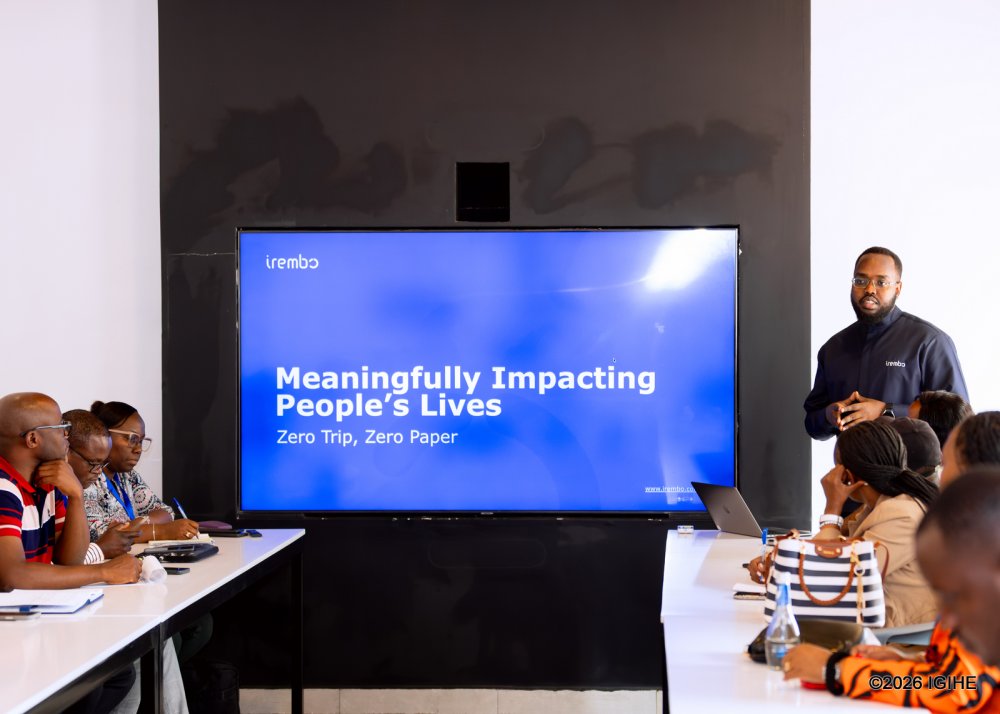
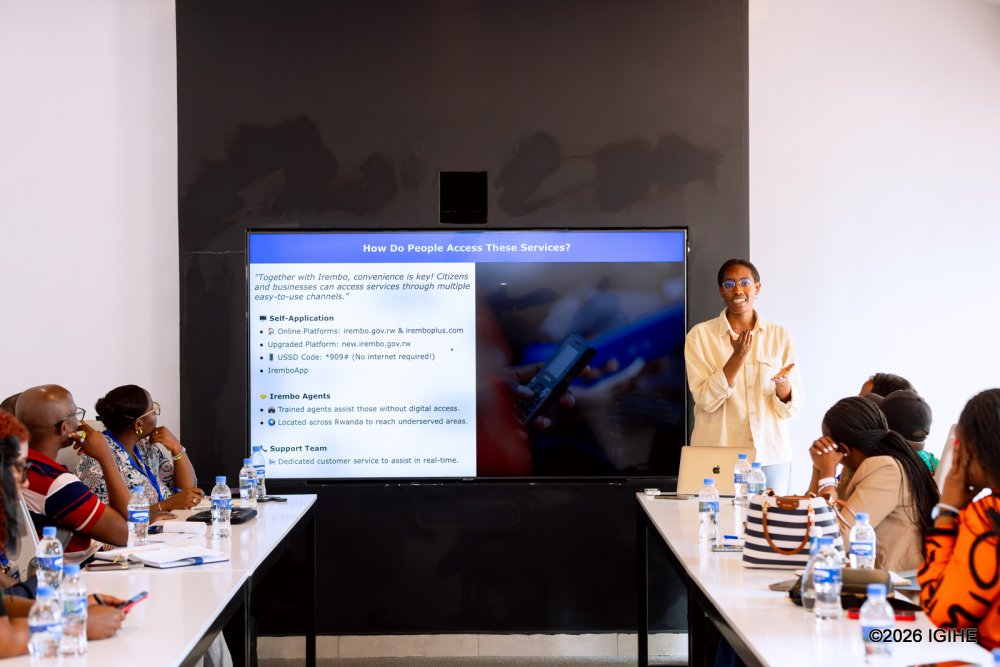
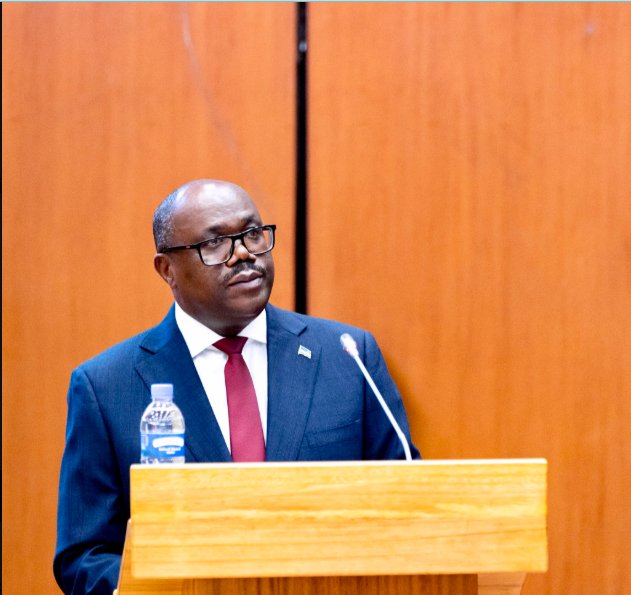
During the visit, participants were briefed on how Irembo has made it easier for citizens to access public services while also helping the government deliver services more efficiently.
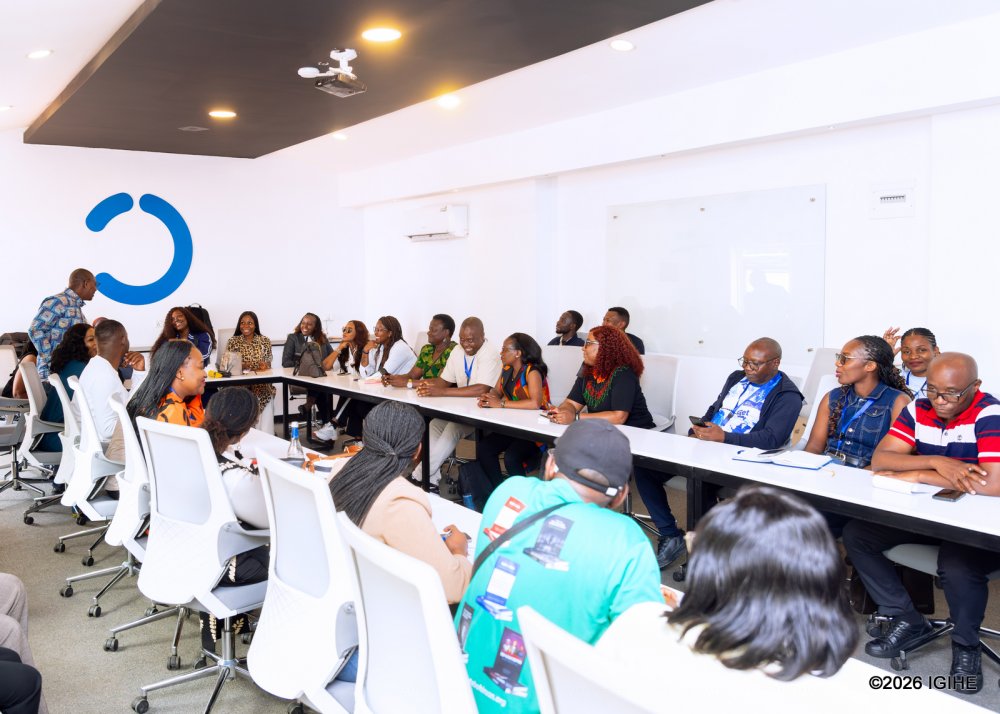
More than 300 participants from different countries attended the forum, which focused on ways to improve service delivery across Africa and ensure that citizens have a better experience when accessing public services.
The participants were shown some of the services available on Irembo, as well as the ‘Byikorere’ initiative, which allows Rwandans to apply for services directly through their mobile phones without having to visit Irembo agents.
They were also briefed on the role of Digital Ambassadors deployed across the country to help citizens understand how Irembo works and assist them in using technology to apply for and access public services.
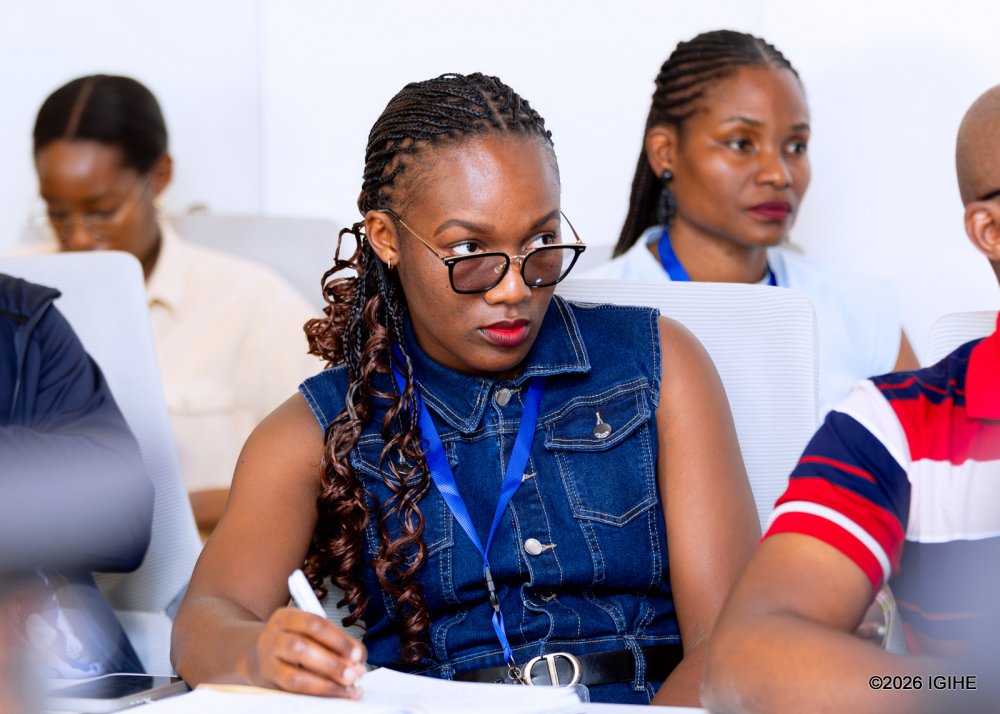
Samuel Afotoye from Ghana, one of the forum participants, described Irembo as a good example of how technology can simplify access to public services.
He said Ghana also has digital platforms through which people can access services, but they are not consolidated in one place as they are on Irembo.
“We do not have services brought together in a one-stop centre like Irembo. Each service is usually handled by the institution responsible for it,” he said. Afotoye said bringing services together on one platform makes it easier for people to access them without having to move from one institution to another.
Sibusiso Nyasulu from Malawi said platforms such as Irembo can also help reduce corruption in public service delivery.
“Standing in queues to get a stamp slows down the quality of service. Because the world we live in is moving very fast, it is important for countries to consider putting in place digital infrastructure that can speed up service delivery,” he said.
Nyasulu, however, noted that limited access to digital devices such as mobile phones and internet connectivity in many African countries remains one of the challenges to expanding digital public services.
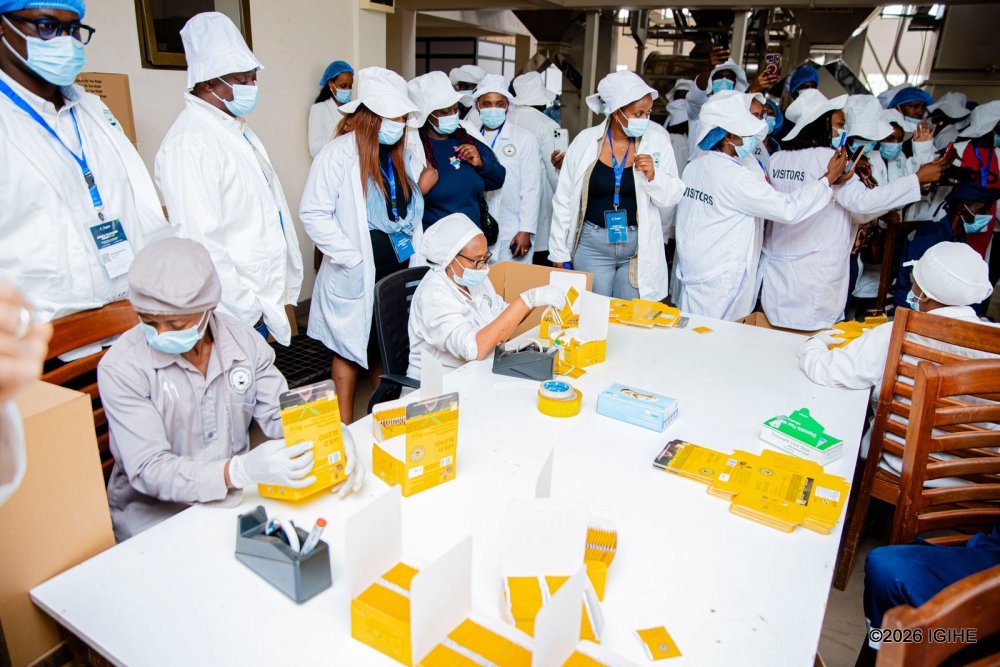
As part of their programme in Rwanda, the forum participants also visited Rwanda Mountain Tea factory in the Masoro Industrial Zone, where they observed its operations and measures put in place to improve service delivery and the quality of its products.
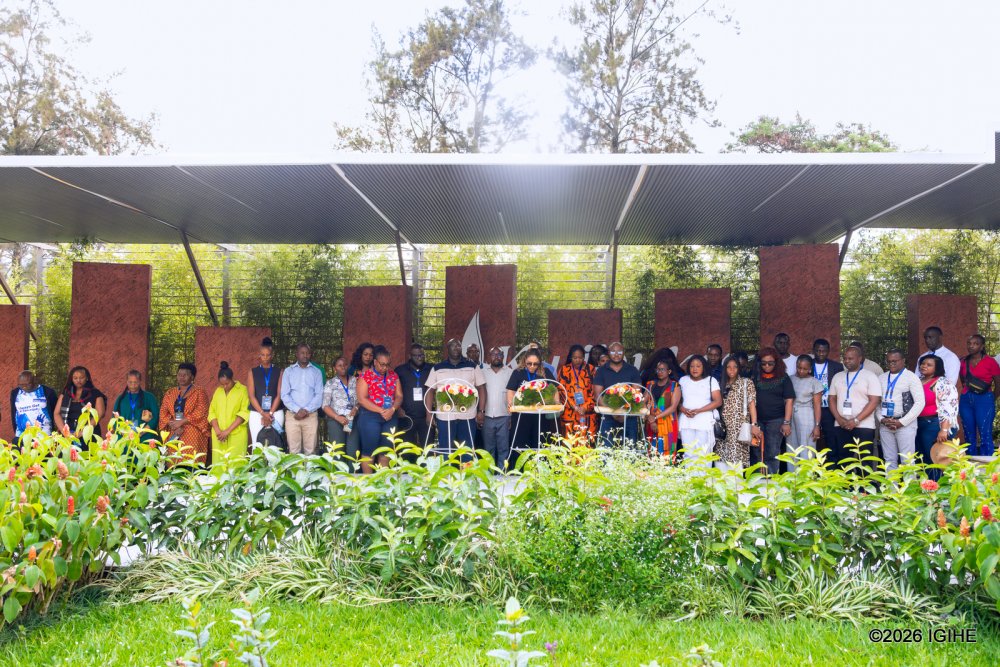
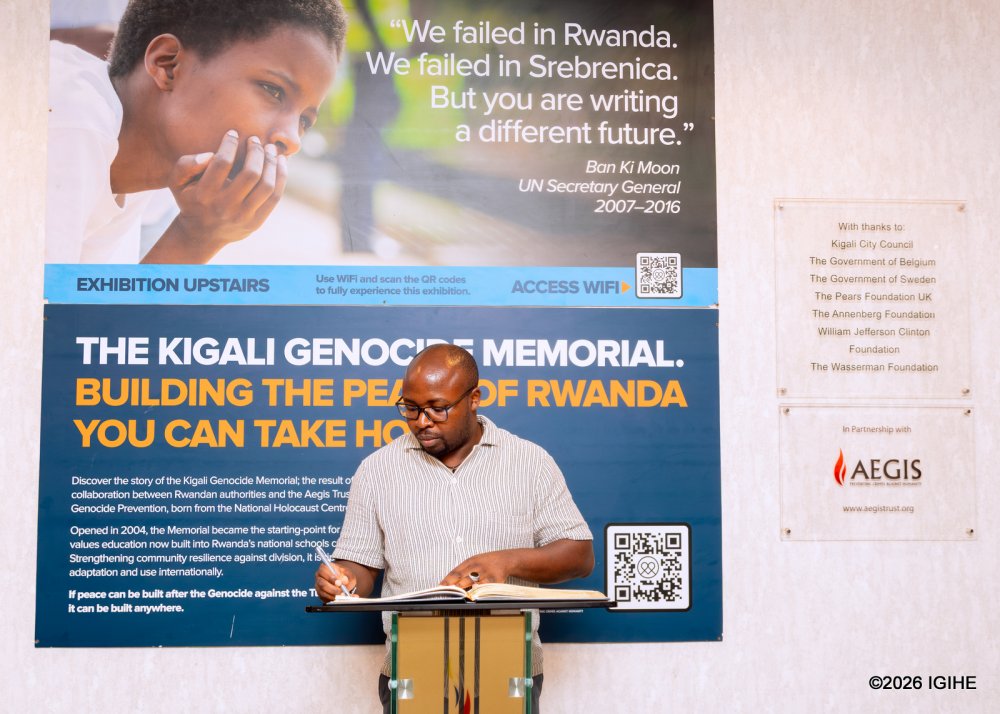
They also visited the Kigali Genocide Memorial in Gisozi, where they paid tribute and laid flowers at the graves of victims of the 1994 Genocide against the Tutsi.
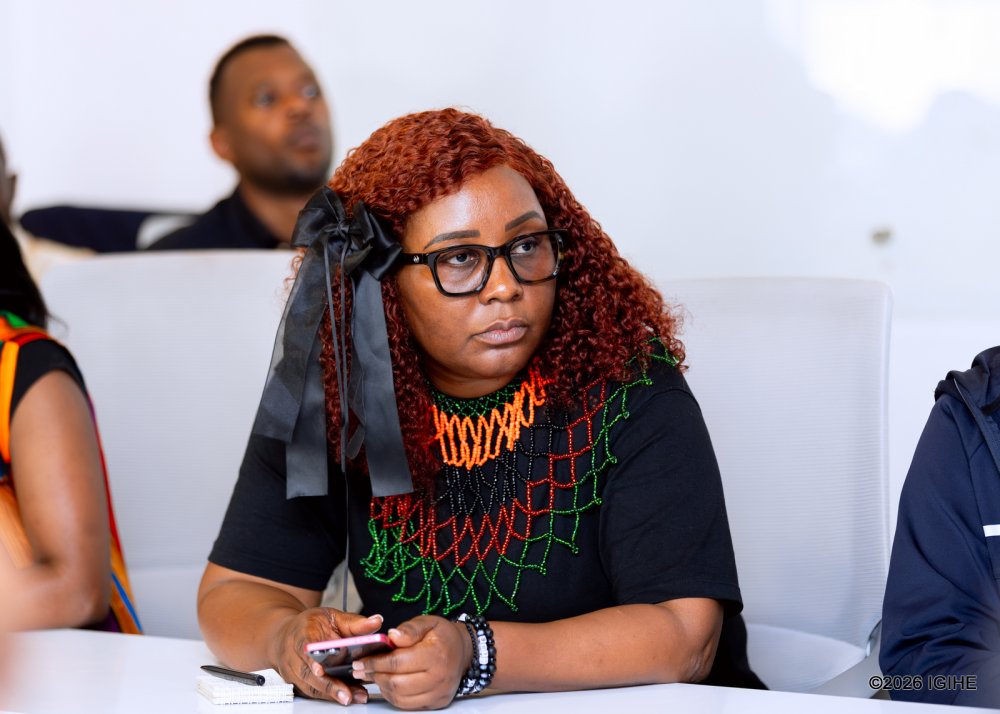
Africa CX Leaders Forum participants explore how Irembo is transforming public service deliveryAfrica CX Leaders Forum participants toured Rwanda Mountain Tea factory in the Masoro Industrial Zone to learn about its operations and quality measures.Africa CX Leaders Forum participants explored Irembo’s digital platform and its role in making public services faster and easier to access.Africa CX Leaders Forum participants also paid tribute to victims of the 1994 Genocide against the Tutsi during a visit to the Kigali Genocide Memorial.
For years, Mwalimu kept the experience largely to herself. Her mother could not talk about it either, she says, and the subject remained something she was expected to leave in the past.
But she could not simply move on.
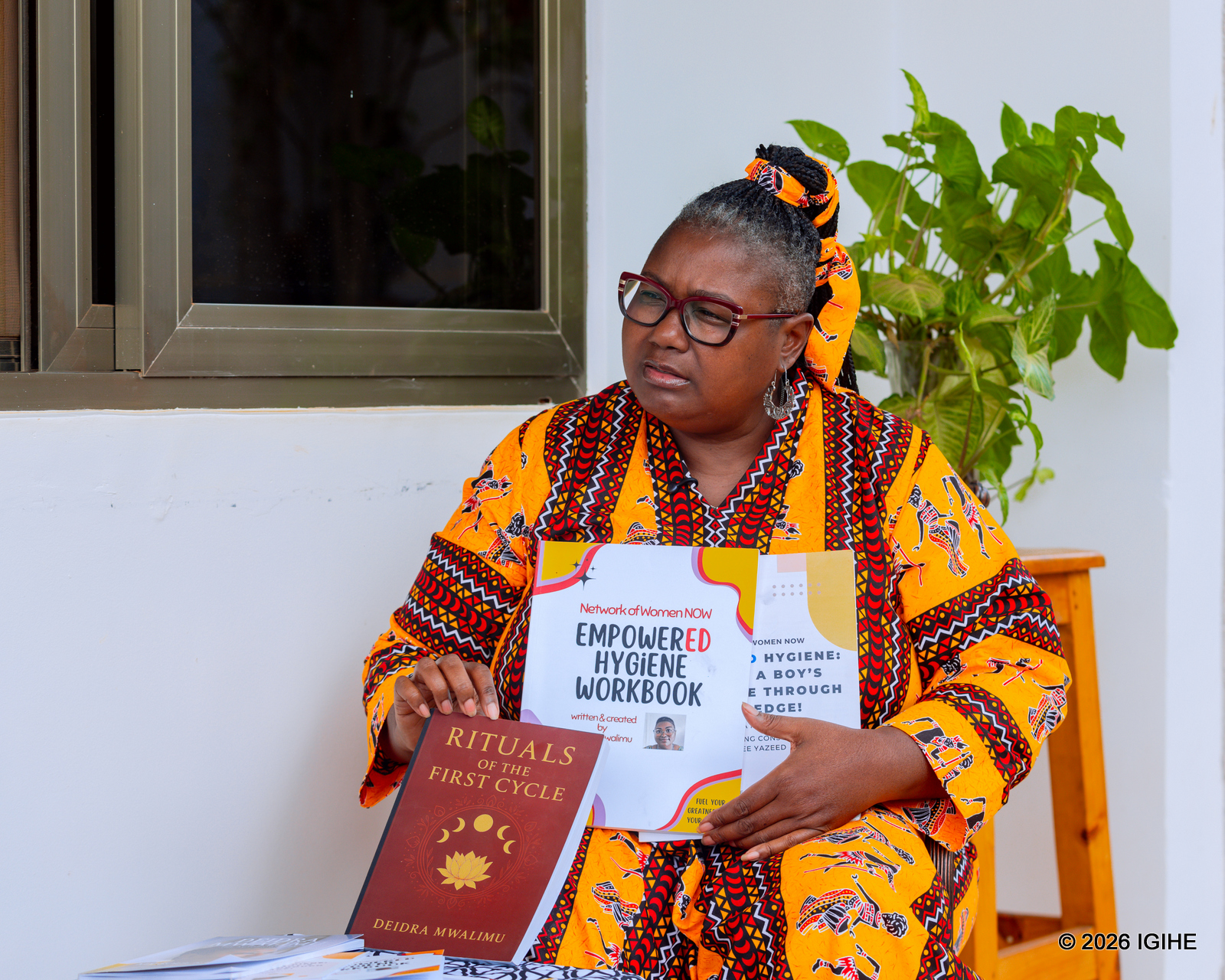
That experience eventually became part of the reason Mwalimu founded Network of Women Now, an organisation focused on reproductive and menstrual health education, women’s empowerment and economic opportunities.
Today, more than 15 years into her work in nonprofit leadership and international development, she is taking that mission to women and girls in Rwanda, where she says she wants young people to have the information and confidence she did not have at 15.
“At 15, if I knew the information that I have now, probably what happened to me would have never happened,” she says.
At 15, Deidra Mwalimu was medically sterilized, an experience that shaped her mission to empower women and girls through reproductive health education.
A decision she could not make for herself
Mwalimu says the circumstances surrounding her sterilization were deeply traumatic.
When she refused to go for treatment, she says doctors and the legal system put pressure on her mother, warning that her other children could be placed in foster care if she did not bring Mwalimu in.
Her mother was therefore forced to make a decision that Mwalimu believes was devastating for both of them.
“That’s a hard thing for a woman and a mother to do,” she says.
The experience was not isolated within her family. Mwalimu says her mother and grandmother had also been sterilized, leaving three generations with experiences of reproductive healthcare that she would later explore in her writing and advocacy.
She could not write about it while her mother was alive.
Mwalimu says the story was too painful and that writing it would have hurt her mother. It was only after her mother’s death that she felt able to confront the experience publicly.
In doing so, Mwalimu stresses, she came to understand more deeply how her own family’s reproductive health experiences had shaped the mission she was building.
“I never shared my story,” she reveals.
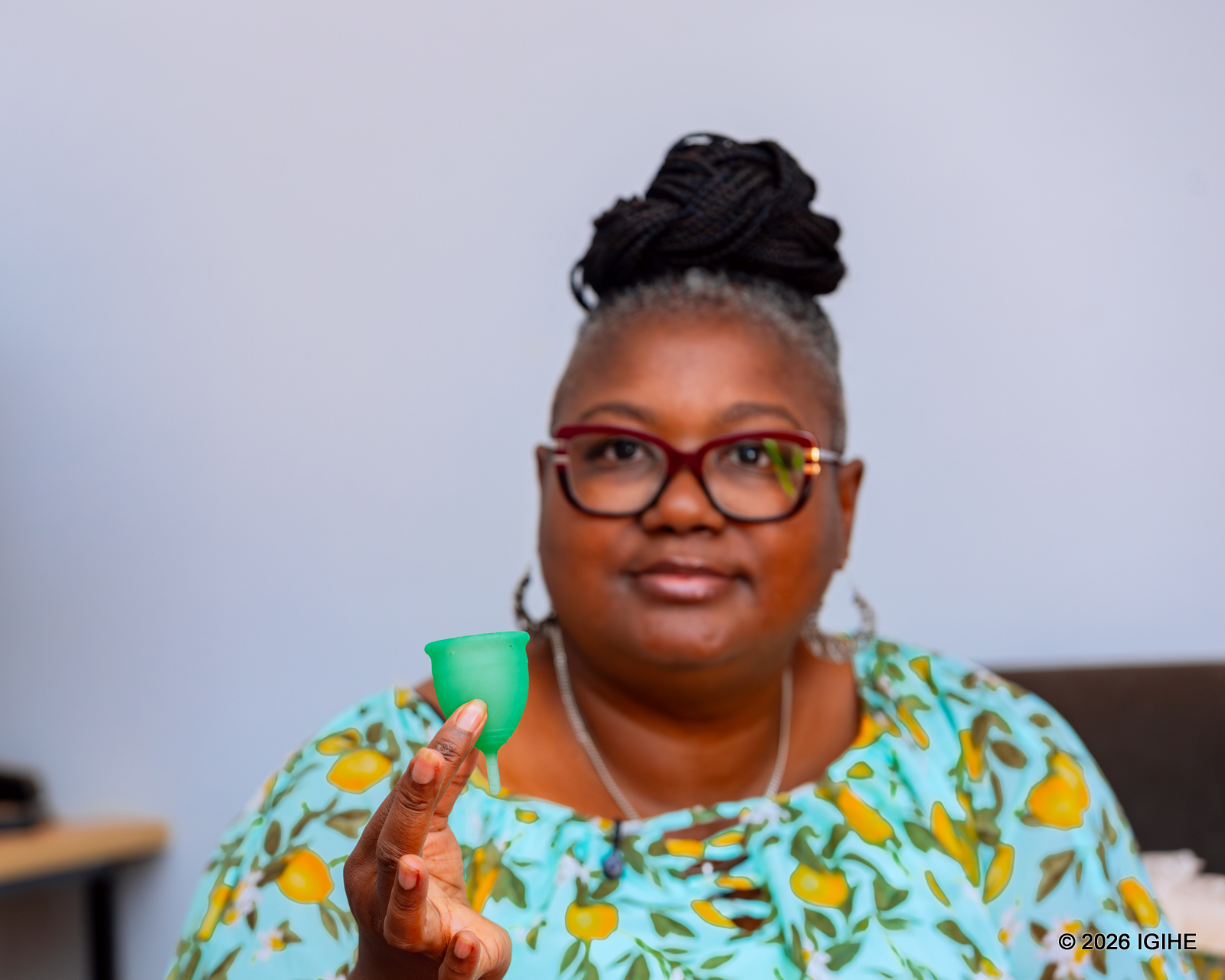
Deidra Mwalimu, founder and CEO of Network of Women Now, speaks about her journey in reproductive health advocacy.
Turning personal pain into advocacy
Mwalimu’s work is now centred on ensuring that women and girls understand their bodies and have the knowledge to advocate for themselves.
She says that is particularly important because reproductive health is still surrounded by stigma and silence.
“The conversation is personal, but the problems are not,” she notes.
For Mwalimu, that distinction matters.
Menstruation may be considered a private subject, but the consequences of inadequate information can affect whether a girl attends school, whether a woman seeks medical care and whether women are able to make informed decisions about their own health.
She believes girls should therefore begin learning about their bodies before they reach puberty.
Through Network of Women Now, she works with girls as young as six and has developed educational materials that cover menstrual products, body autonomy, boundaries, domestic violence and how to seek help when something is wrong.
The organisation also includes boys in some of its conversations, reflecting Mwalimu’s view that reproductive and menstrual health cannot be addressed by women and girls alone.
Families, schools, health professionals, policymakers and communities all have a role to play, she says.
Her personal experience at 15 inspired a lifelong commitment to empowering women and girls.
Why Rwanda?
Mwalimu’s work in Rwanda began after she was invited by an organisation that was already working in a similar area.
She had worked in different parts of the world, including India, Nepal, Belize and Brazil, but says Rwanda stood out because of the reception she received when she began engaging with schools and young people.
She found schools willing to open their doors and communities willing to engage in conversations about menstrual hygiene and reproductive health rights.
“I was really inspired by that to stay,” she adds.
Her connection with Rwanda has since grown beyond health education. Mwalimu is also interested in developing locally produced reusable menstrual products while creating opportunities for women to gain skills, generate income and participate in business.
The economics of a period
For Mwalimu, menstrual health is not only a health issue. It is also an economic one.
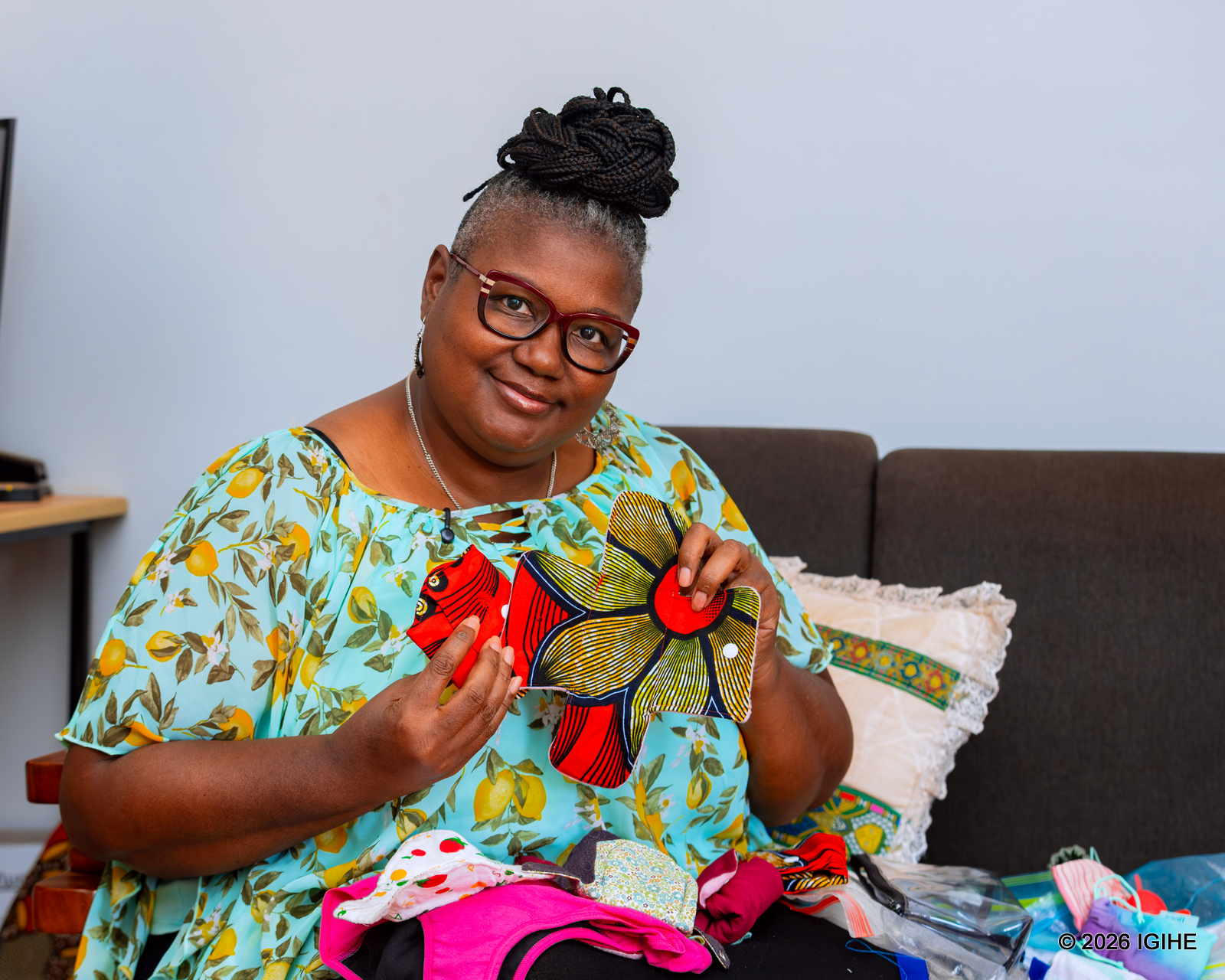
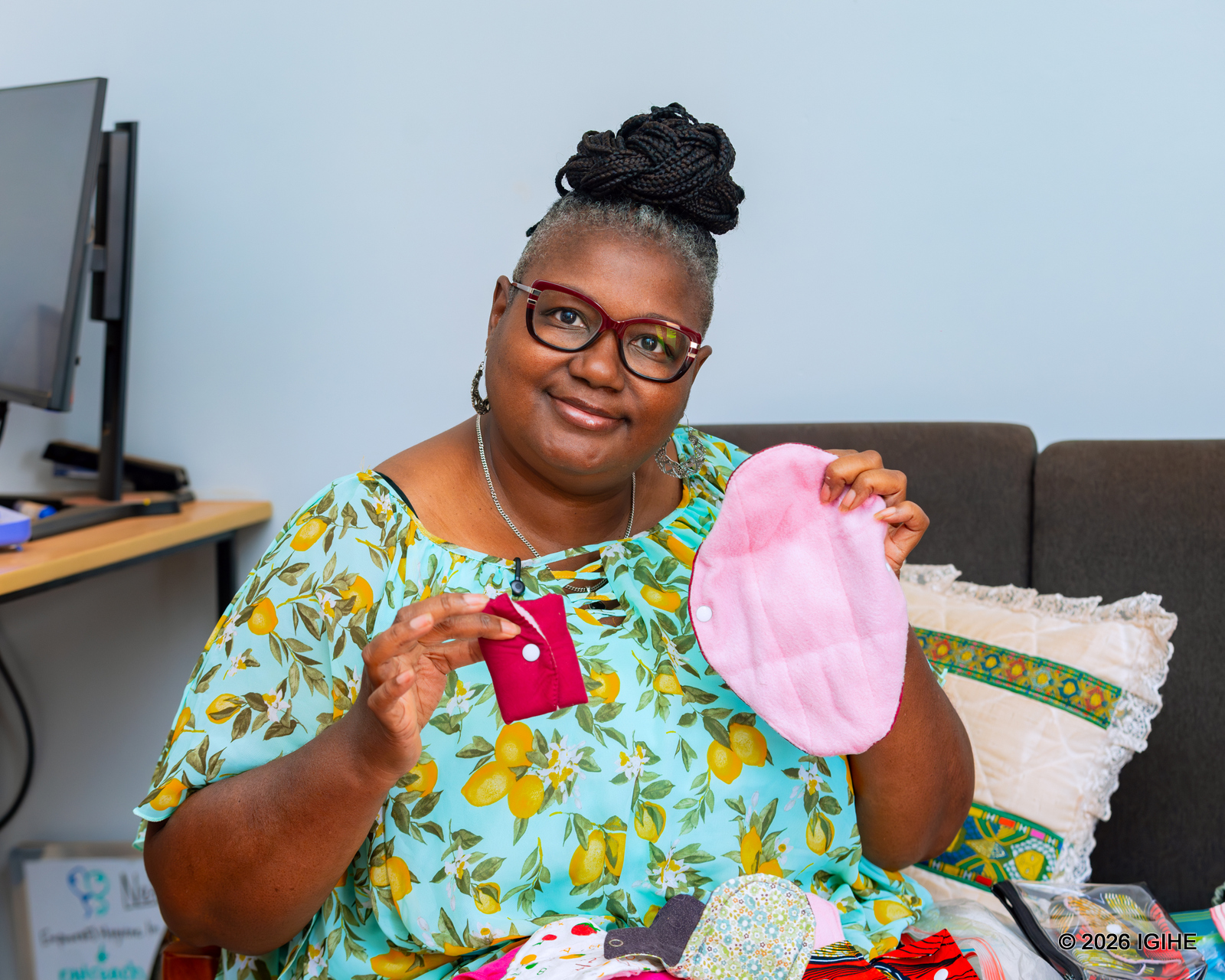
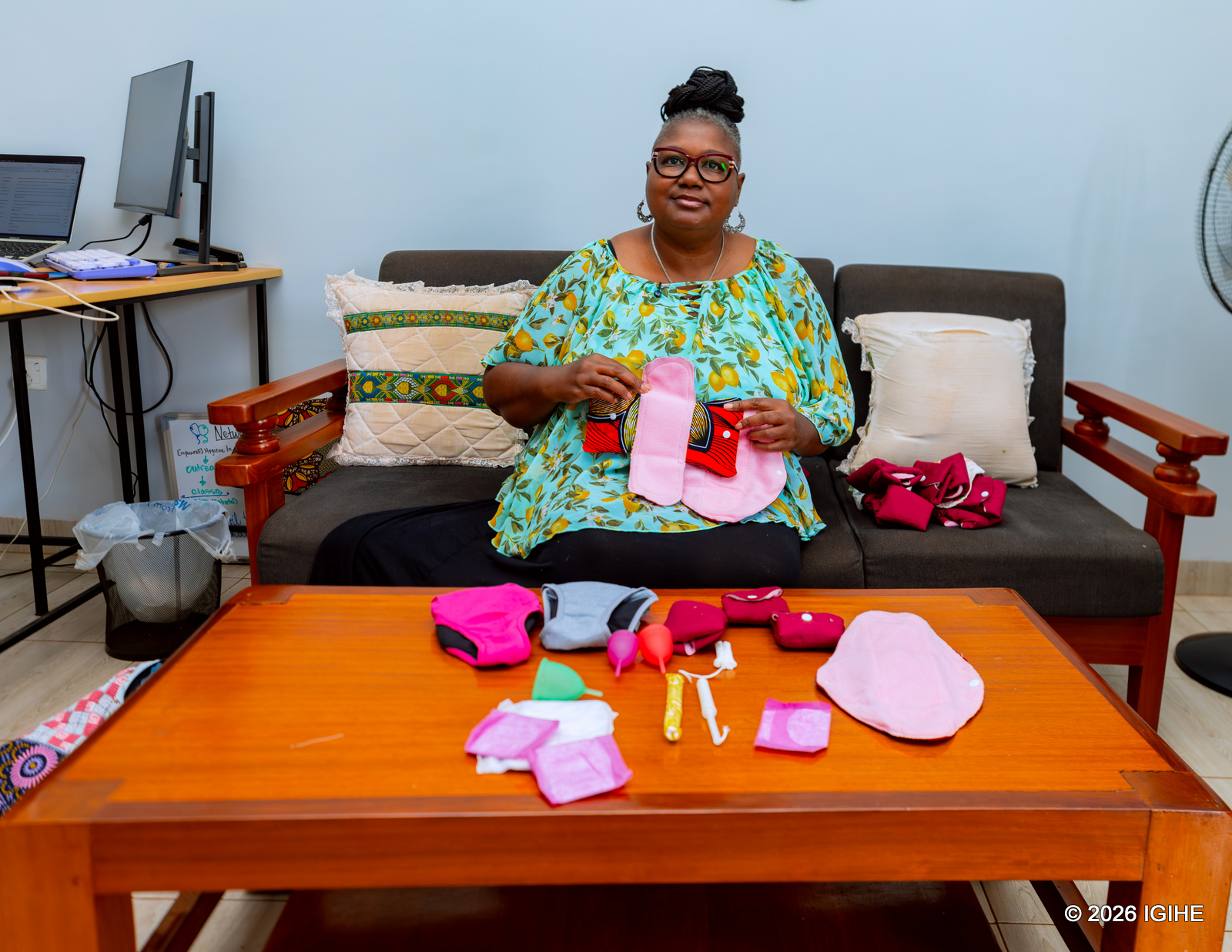
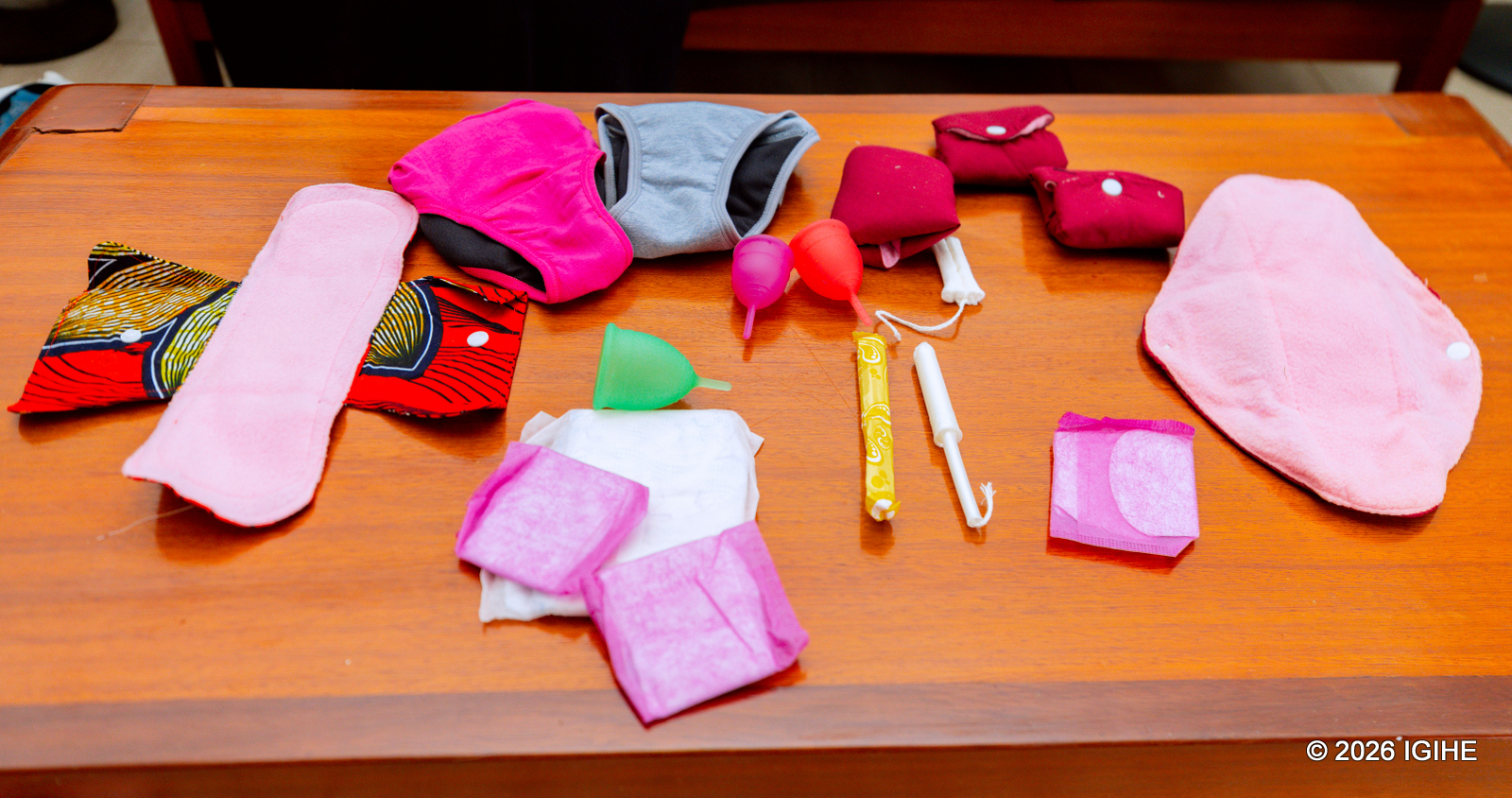
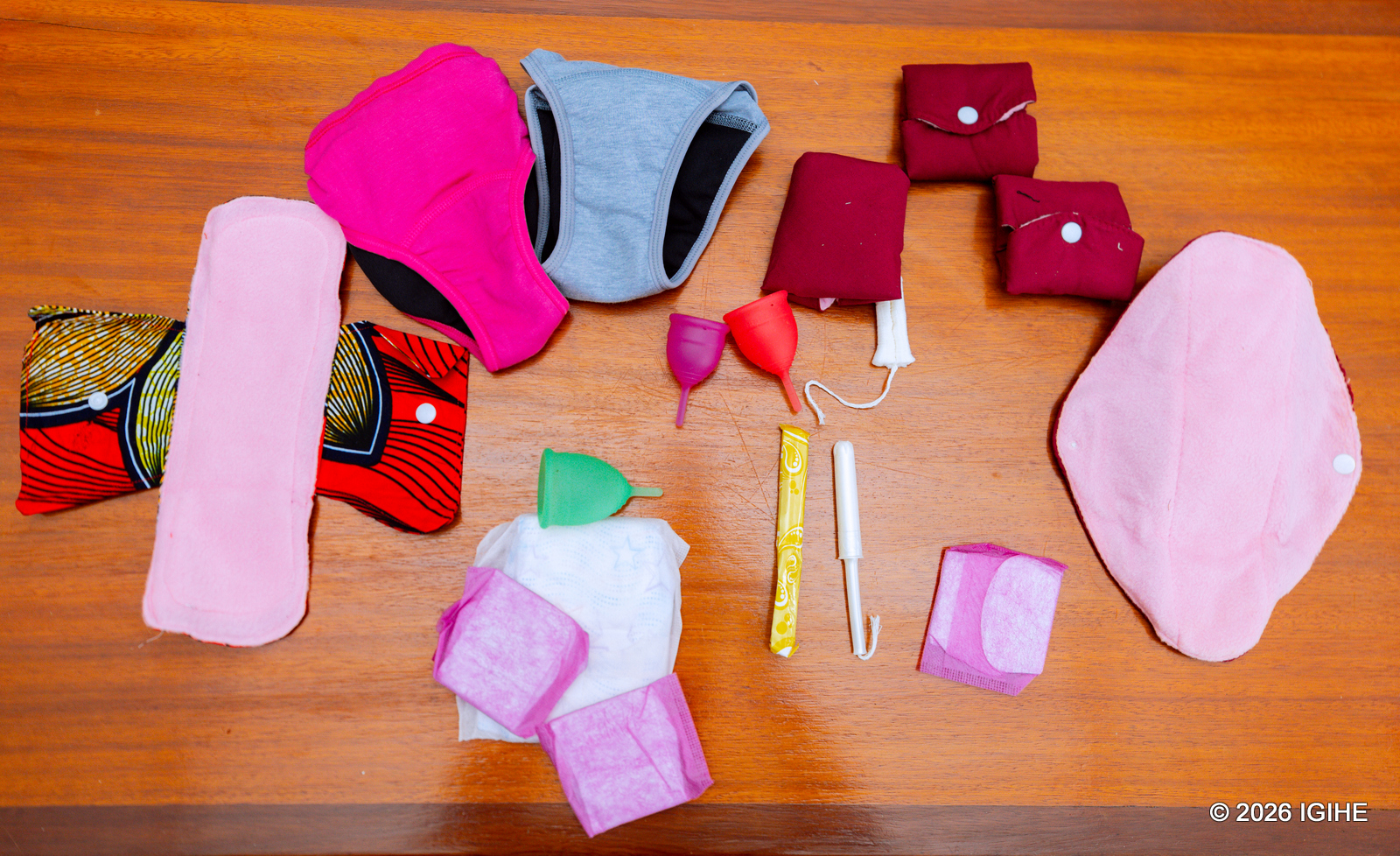
She promotes education around a range of menstrual products, including disposable pads, tampons, period underwear, reusable pads and menstrual cups, while encouraging women and girls to understand how different products work and choose what suits them.
Mwalimu is particularly interested in reusable products because of their potential to reduce the recurring cost of menstrual hygiene.
She says a girl can require hundreds of disposable pads in a year, meaning the cumulative cost over decades can be significant.
Reusable products, when properly cleaned and maintained, can be used for several years, she emphasizes.
Network of Women Now is working toward locally producing reusable menstrual products in Rwanda, including period underwear.
For Mwalimu, the opportunity goes beyond making products available.
“It teaches them skills,” she says of the economic side of the initiative. “It teaches them about how to generate income, how to run their own business.” That is where menstrual health and women’s economic empowerment intersect in her work.
Breaking the silence
Mwalimu believes one of the biggest barriers facing women and girls is not simply a lack of products, but the stigma surrounding menstruation and reproductive health.
One misconception she encounters is the idea that menstruation is a curse. She argues that such beliefs can prevent girls and women from talking openly about their health or seeking help when they need it.
The answer, she believes, is dialogue and education.
Girls should be able to understand what is happening to their bodies, recognise when something is wrong and know where to seek help.
That principle also extends to women who may face reproductive health problems later in life.
Mwalimu points to situations in which women discover after marriage that they cannot conceive and may face severe social consequences as a result.
Early education, she argues, can give women greater ability to understand their bodies and advocate for themselves before they reach such situations.
“You need to know yourself”
Mwalimu’s message to young women is rooted in the lesson she believes came too late in her own life.
“You need to know yourself,” she says. “You need to know how you work, how you think, how your body works, what your abilities are, and never stop learning.”
It is a simple message, but one that connects the different parts of her work.
“I want to be able to have girls advocate for themselves at a very young age,” she reflects.
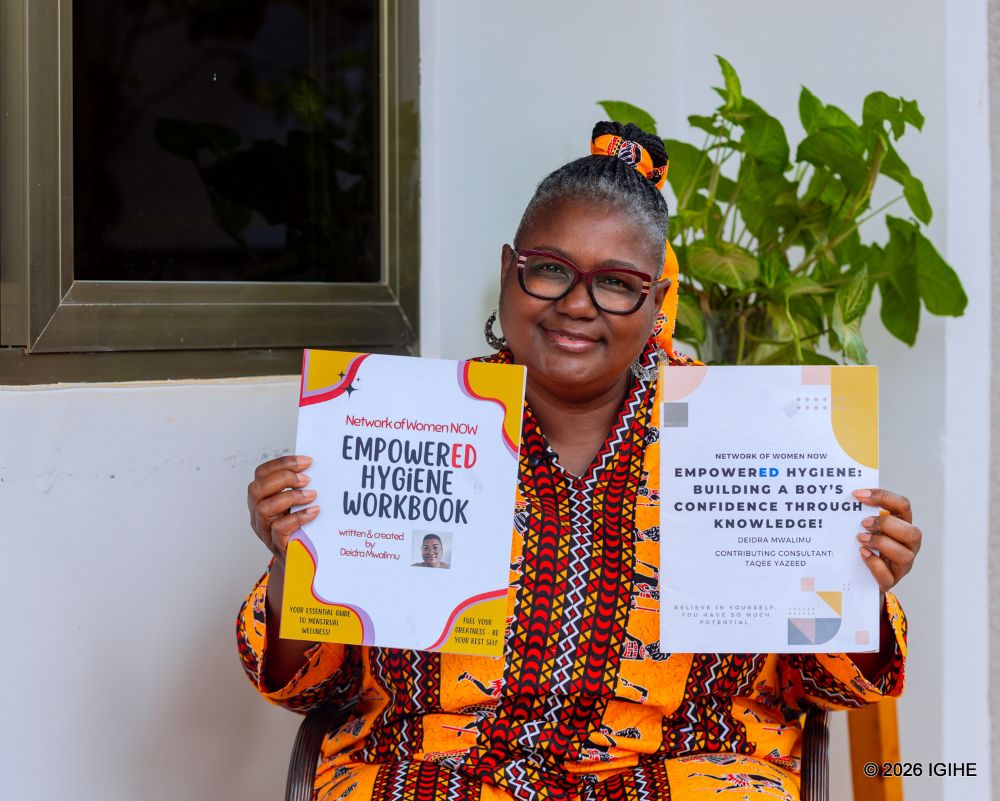
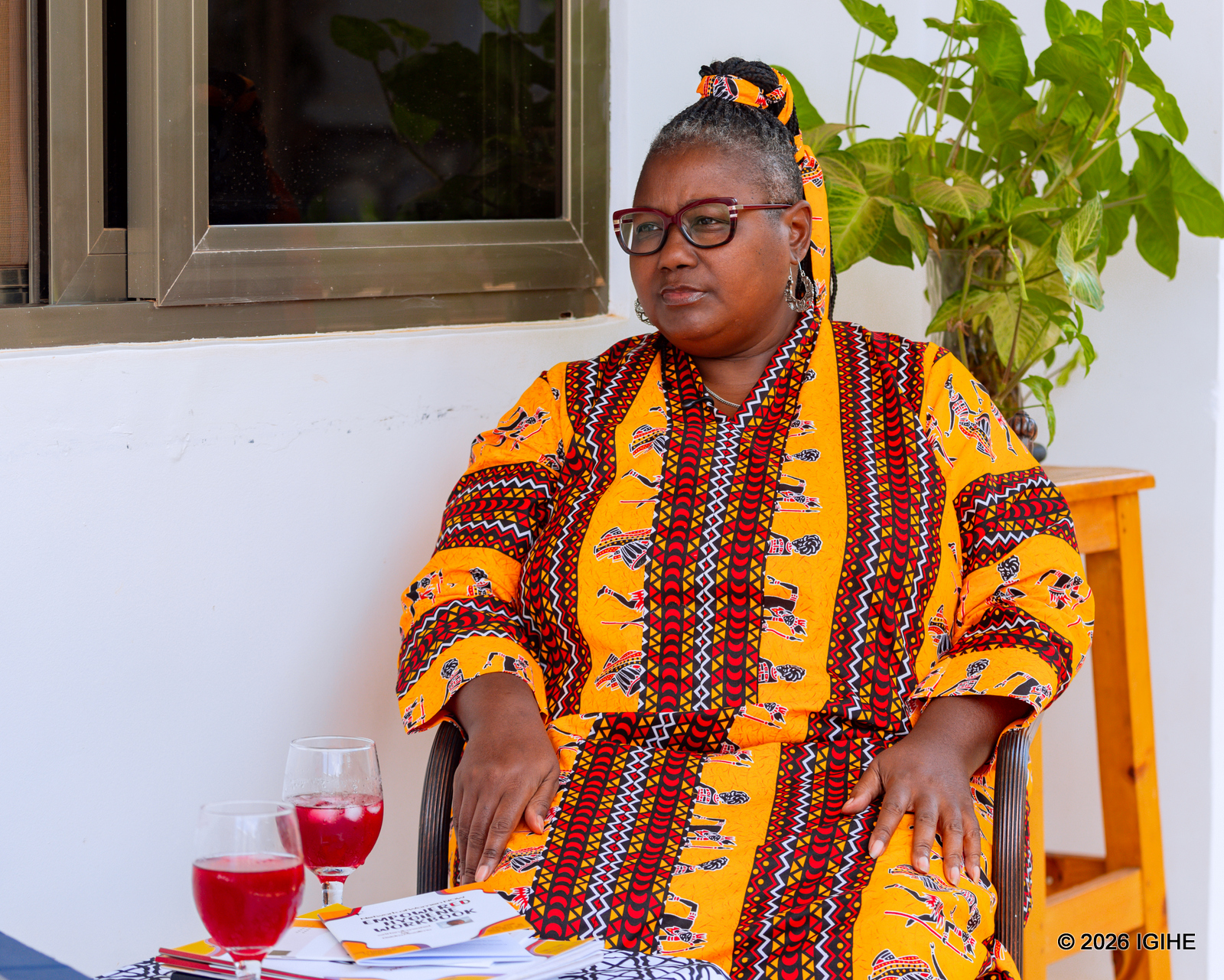
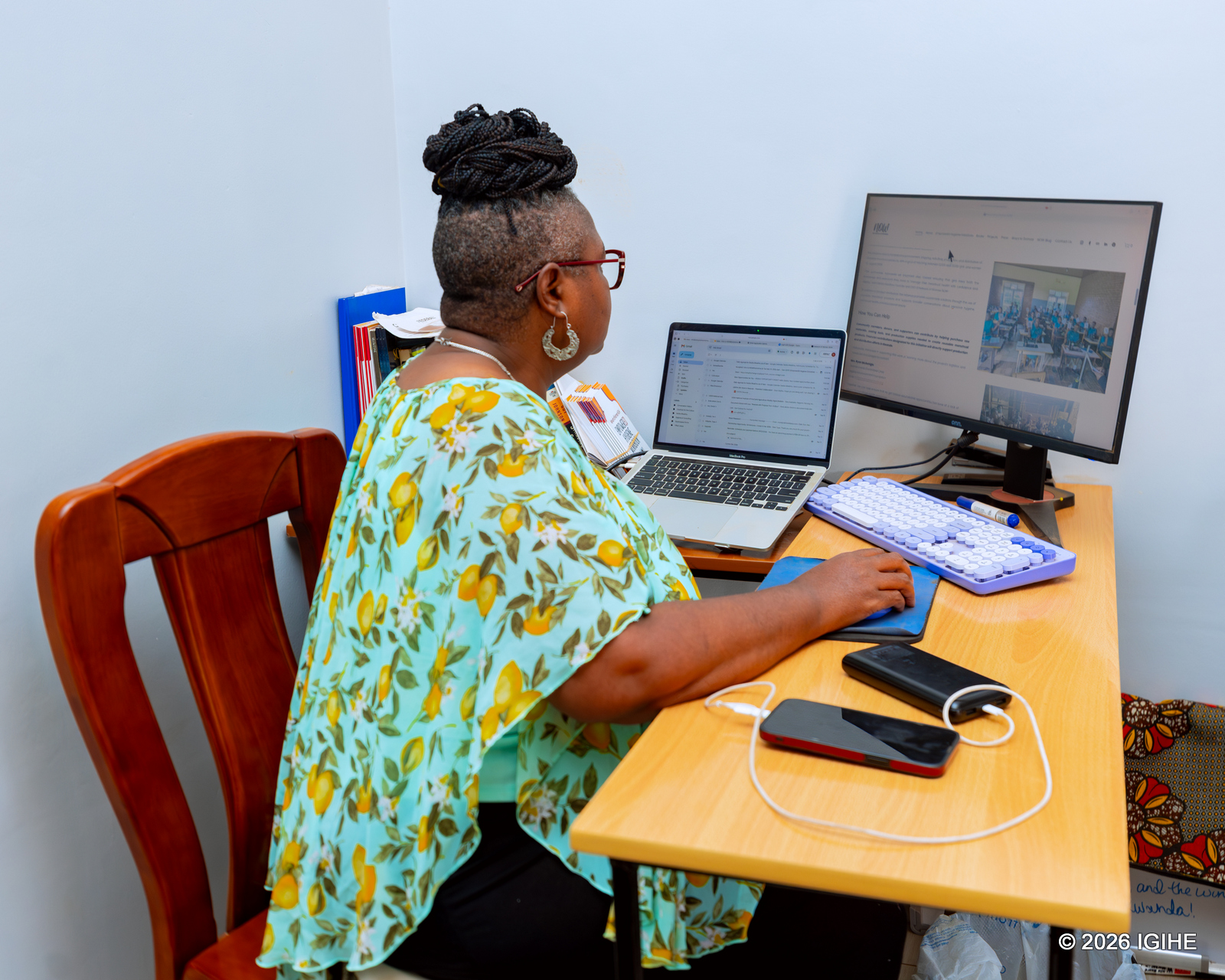
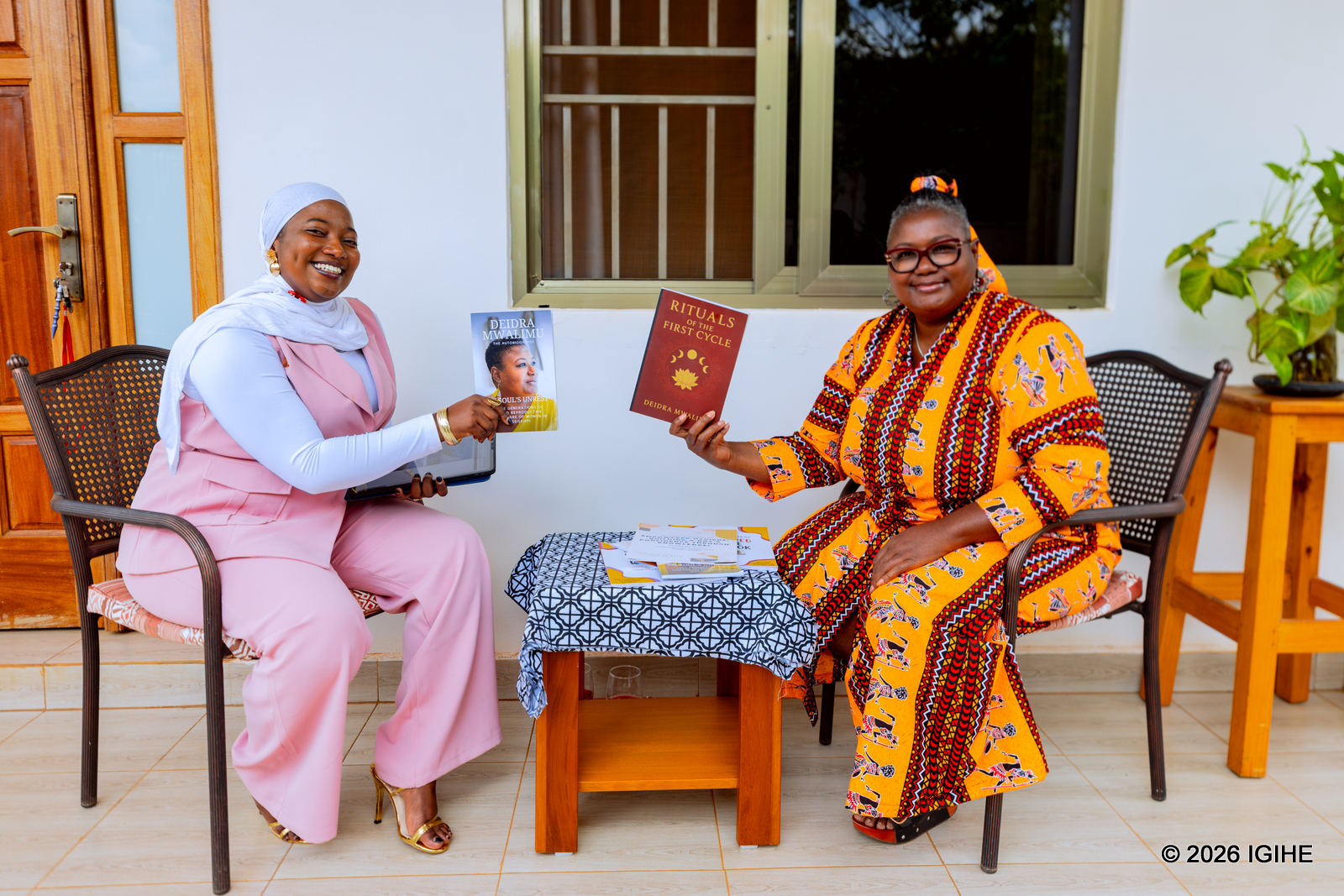
She is working to promote menstrual health education among girls and women in Rwanda.The initiative promotes menstrual health education alongside skills development and economic opportunities for women.She highlights the importance of helping girls understand their bodies and make informed health decisions.Reusable menstrual products are being promoted as an affordable and sustainable option for women and girls in Rwanda.She encourages young women to know their bodies, understand their abilities and never stop learning.Deidra Mwalimu discusses the importance of menstrual health education during an interview with IGIHE.
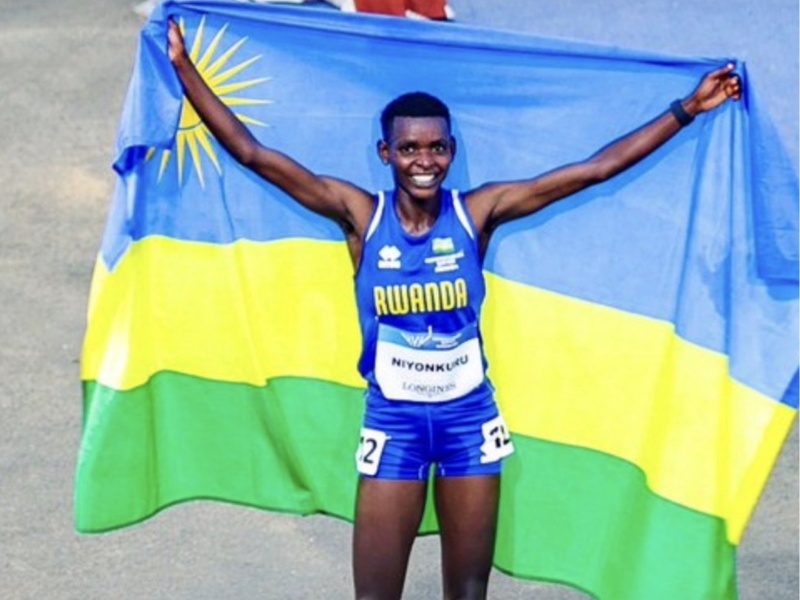
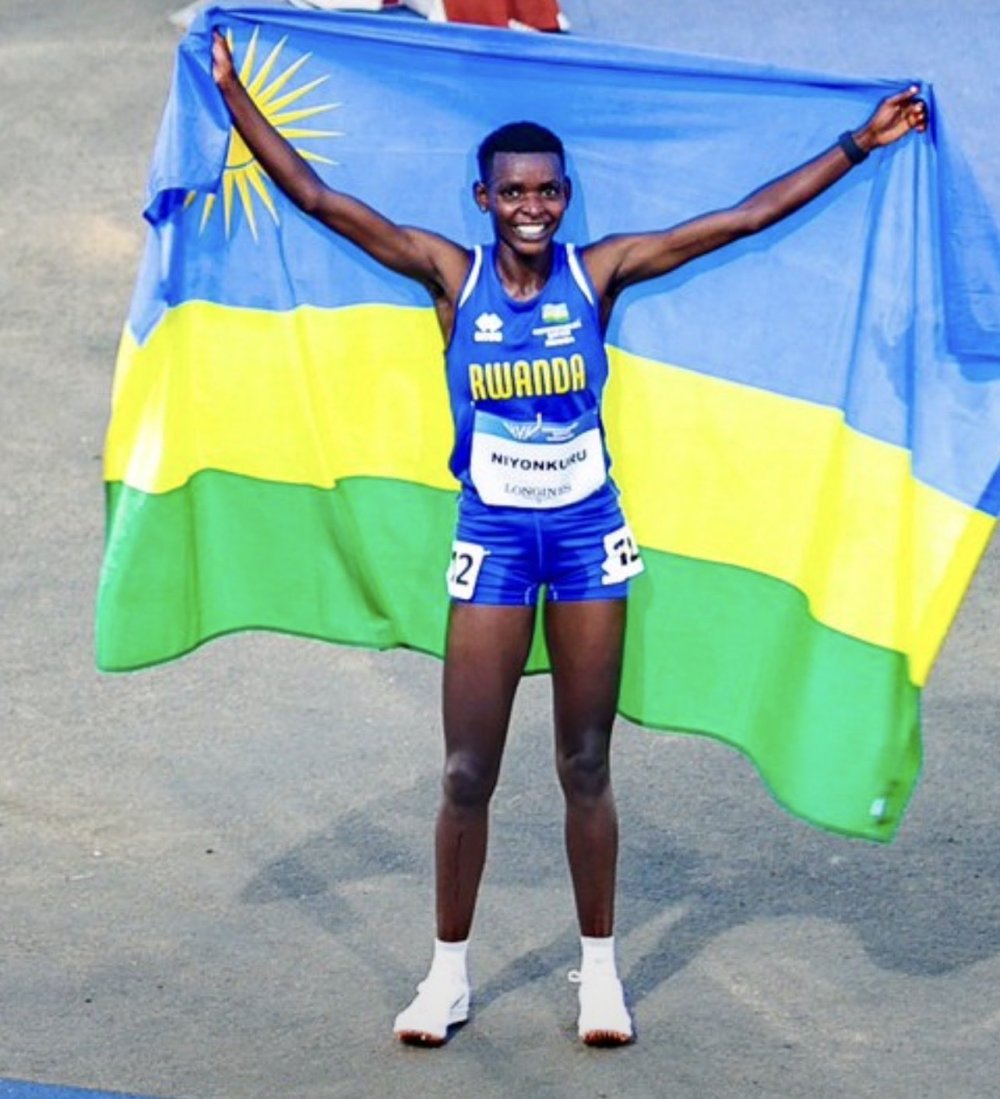
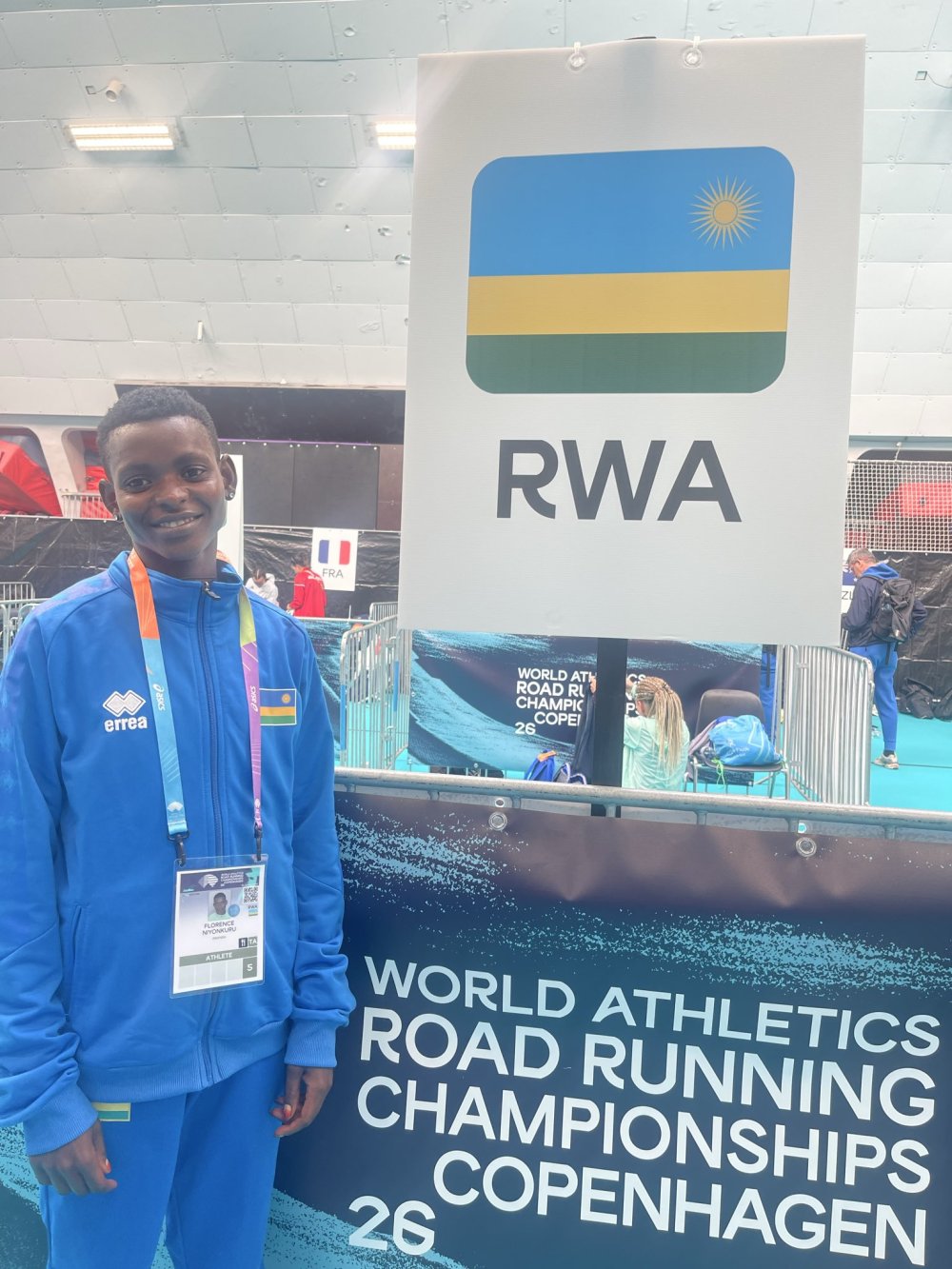
Niyonkuru Florence was the first to put Rwanda on the podium, winning bronze at the World Athletics Road Running Championships in Copenhagen, Denmark.
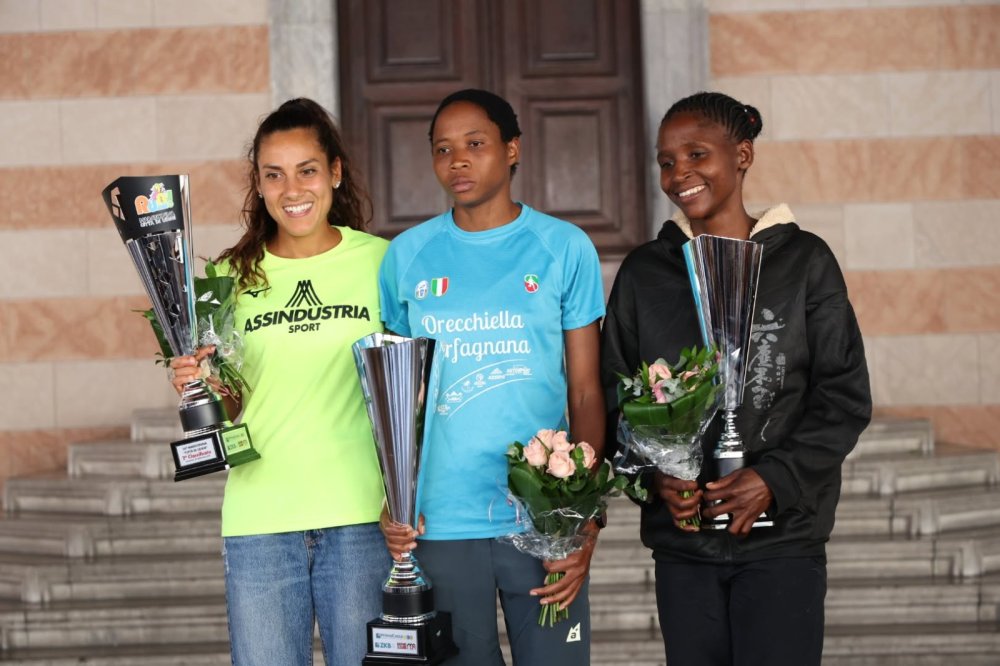
Rwanda’s success continued in Udine, Italy, where Musabyeyezu Adeline won gold in the women’s 21-kilometre half marathon.
Musabyeyezu clocked 1:14:02 to take the title. Italy’s Anna Frigerio finished second, 32 seconds behind the Rwandan, while Kenya’s Nyaboke Nyabocho was third in 1:20:05.
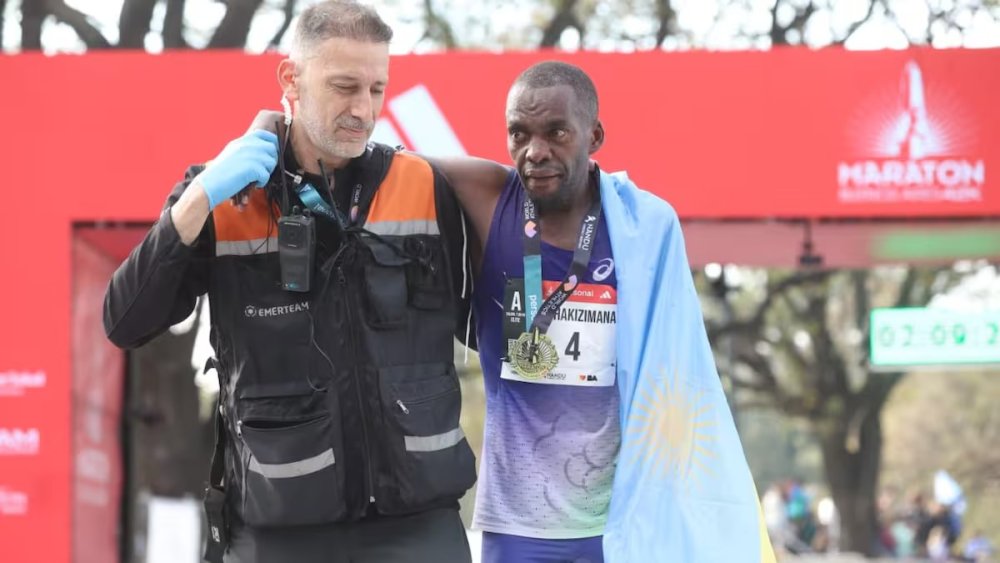
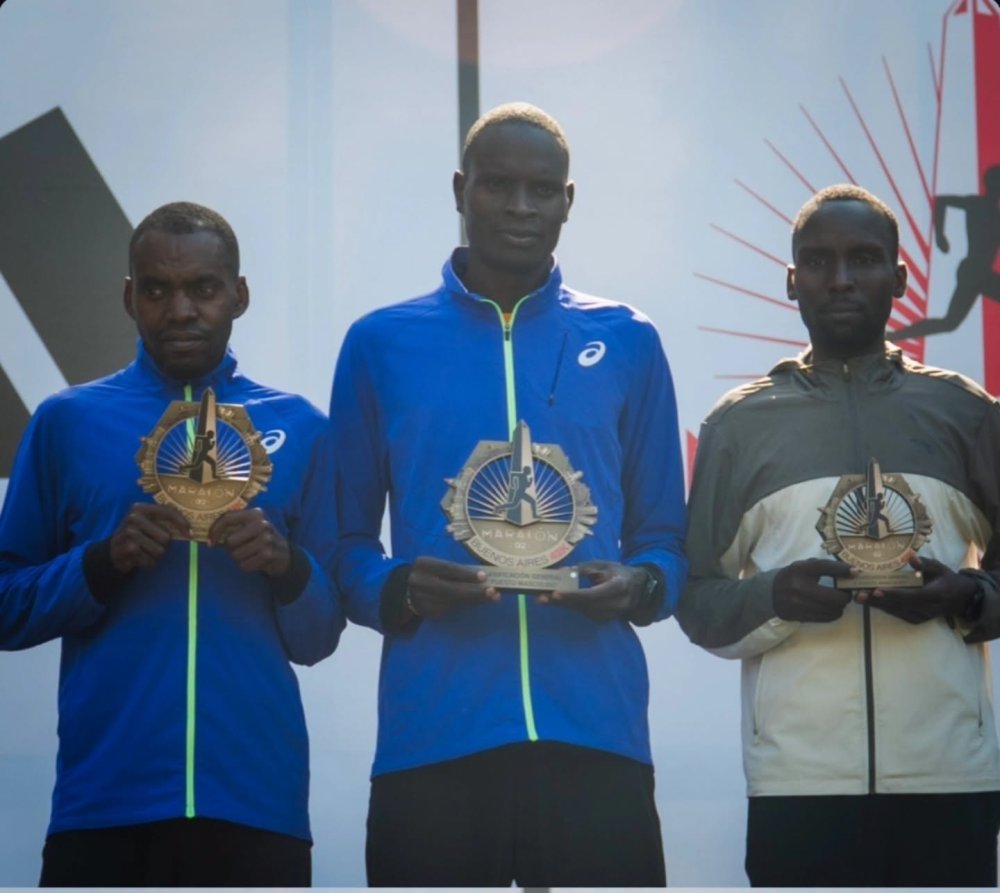
In Buenos Aires, Argentina, Hakizimana John added another Silver medal to Rwanda’s weekend haul by finishing second in the marathon.
Hakizimana completed the 42-kilometre race in 2:08:39, just 16 seconds behind winner Bethwel Chumba of Kenya. Another Kenyan, Felix Kiptoo Kirwa, finished third in 2:10:24.
The performances drew praise from Rwanda’s Minister of Sports, Nelly Mukazayire, who praised the performance of the Rwandan athletes in a post on X.
“Across three cities and three international stages, the Rwanda flag was raised with honour,” she said, highlighting it as a reflection of Rwanda’s growing presence and competitiveness on the international athletics stage.
Hakizimana John has finished second in the Buenos Aires Marathon in Argentina.Musabyeyezu Adeline (in the middle) has won gold in the women’s 21-kilometre half marathon in Udine, Italy, clocking 1:14:02.Hakizimana John (left) has won silver in the Buenos Aires Marathon in Argentina after finishing the 42-kilometre race in 2:08:39.
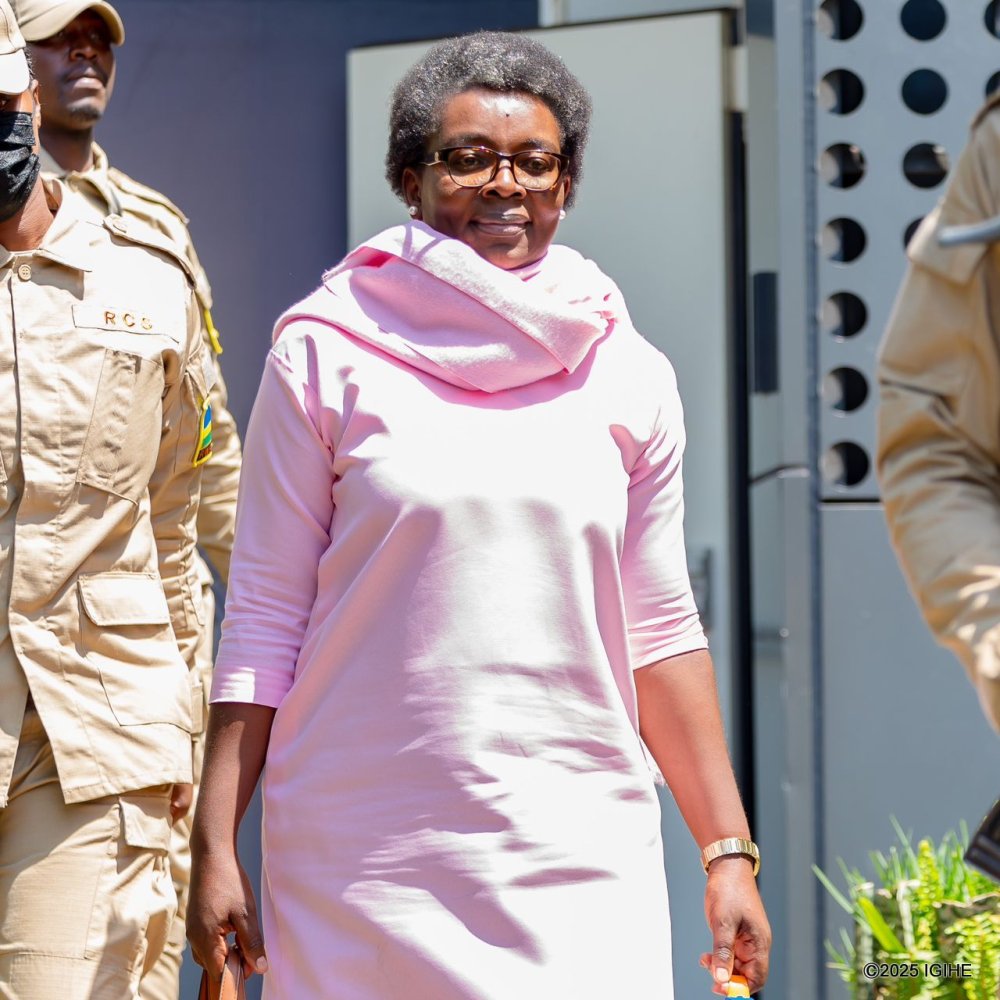
The prosecution, represented by two prosecutors, continued presenting testimony and evidence it said linked Ingabire to the alleged formation and activities of an organised criminal group.
Among the evidence presented was testimony by Fred Kananura, a fighter captured in eastern Democratic Republic of Congo (DRC), who reportedly said some members of the P5 coalition had previously been associated with FDU-Inkingi, the party founded and led by Ingabire.
The prosecution also cited testimony by Théoneste Habumukiza, who was captured after taking part in a 2019 attack in Musanze attributed to RUD-Urunana.
According to the testimony presented in court, FDU-Inkingi members inside Rwanda had agreed to meet at Cyanika and Kadatemwa during the attack.
The prosecution alleged that Ingabire later formed DALFA-Umurinzi to distance herself from attacks attributed to RUD-Urunana, but argued that the two political organisations remained linked.
It cited testimony from Boniface Nzabandora, who served as Ingabire’s secretary and lived at her home. When asked why she had left FDU-Inkingi and formed DALFA-Umurinzi, Nzabandora reportedly replied: “They were the same.”
The prosecution also referred to statements attributed to Ingabire that FDU-Inkingi members inside Rwanda joined DALFA-Umurinzi when it was established.
An audio recording of a November 16, 2018 conversation between Ingabire and Kelly Maroney, a foreign national, was also played in court.
According to the prosecution, Ingabire said FDU-Inkingi was the only P5 party with members inside Rwanda.
Alleged coup plans
The prosecution said testimony by Gaston Munyabugingo described an alleged plan by P5 to stage a coup during a leadership retreat in Gabiro, while Ingabire would organise demonstrations in support of the move.
According to the testimony, Ingabire had asked Munyabugingo to accommodate her because she feared for her safety during the alleged coup.
The prosecution further said Munyabugingo later hid Ingabire after she abandoned plans to move to Gicumbi. She was allegedly disguised in Muslim clothing and was not wearing glasses.
The court also heard allegations that Ingabire communicated with Charlotte Mukankusi, who was responsible for diplomatic affairs within the Rwanda National Congress (RNC), a group founded by Kayumba Nyamwasa.
Prosecutors said an RNC document outlining how Rwanda would be governed after an alleged coup was recovered from Ingabire’s phone.
They said the document included a list of 79 people, including government and military officials, alongside proposed changes to their positions based on ethnicity.
Military training in Burundi
The court listened to a May 21, 2020 telephone conversation between Ingabire and Cassien Ntamuhanga, in which they discussed military training and what prosecutors described as preparations for a coup.
The prosecution interpreted coded references in the conversation as discussions about heavy weapons and grenades, and alleged that the two also discussed training fighters in Mutaga, Burundi.
According to the prosecution, Ingabire asked Ntamuhanga to work with a person identified as Pracide to develop the training arrangements.
Prosecutors further alleged that Ingabire was expected to become head of state if the coup succeeded. They also said Ntamuhanga was expected to work with Phocas Ndayizera, who is in custody, on a phone-based system intended to detonate explosives in Kigali.
The court adjourned the hearing at 1:27 p.m. and scheduled the trial to resume on September 22, when the prosecution is expected to continue presenting its case.
Ingabire Victoire has been accused of planning a coup that would have made her President.
According to an advisory from the Office of the Prime Minister, Nsengiyumva will use the address to outline Rwanda’s perspectives and priorities on key global and regional issues.
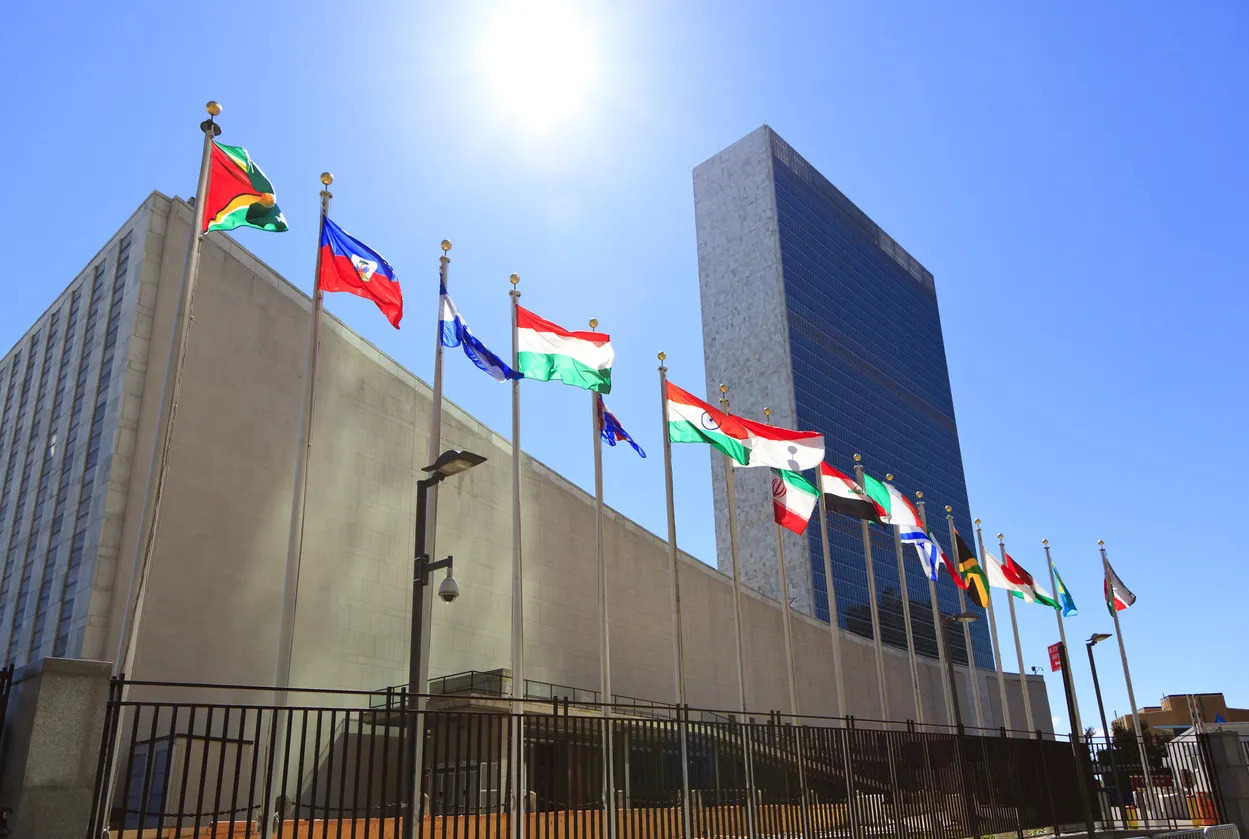
The 81st session officially opened on September 8, with the high-level General Debate taking place from September 22 to 28 at the UN Headquarters in New York. The debate brings together heads of state, heads of government and other high-level representatives from UN member states.
The session is being held under the theme “Restoring trust, managing transformation: A United Nations that delivers for all.” Bangladesh’s Foreign Minister Khalilur Rahman is presiding over the session as president of the General Assembly.
The agenda includes discussions on multilateral cooperation, peace and security, sustainable development, climate action, public health and human rights.
Several high-level meetings are also scheduled during the session. These include a meeting on the 40th anniversary of the Declaration on the Right to Development and a high-level event on climate action and the just transition on September 23, a meeting on the threats posed by sea-level rise on September 24, and a summit on pandemic prevention, preparedness and response on September 25.
The UN says the General Debate provides an opportunity for world leaders and other senior representatives to present their countries’ positions and priorities on major international challenges.
Beyond his national statement, Nsengiyumva is scheduled to participate in high-level meetings, side events and bilateral engagements with various partners during his time in New York.
The engagements are expected to provide opportunities for Rwanda to exchange views with other countries and international partners on issues of mutual interest, while strengthening bilateral and multilateral cooperation.
The UN General Assembly comprises all 193 UN member states, with each country having an equal vote in the body.
Prime Minister Justin Nsengiyumva will represent President Paul Kagame at the 81st Session of the United Nations General Assembly (UNGA 81) in New York, where he is expected to deliver Rwanda’s national statement on September 23.
They later formed the armed group Army for the Liberation of Rwanda (ALiR), which evolved into the Democratic Forces for the Liberation of Rwanda (FDLR). The group included former Rwandan Armed Forces (Ex-FAR) soldiers and Interahamwe militia members and continued its activities in the Democratic Republic of Congo (DRC), including attacks against Congolese Tutsi communities.
In 1997, ALiR fighters infiltrated Rwanda and carried out attacks in several areas, including Ngororero. They looted communities, abducted girls, subjected them to sexual violence, recruited them into their ranks and forced young men to join them.
One of the women abducted during that period is Mukagasana (not real name). Now 43, she is among former members of groups such as the FDLR who recently completed reintegration training at the Mutobo Demobilisation and Reintegration Centre in Musanze District.
Mukagasana was 14 when the infiltrators reached her family home in the former Kanama Commune in 1997. They killed her father and cousin, abducted her and took her to an area controlled by the group.
“They took my father and killed a visitor who was there, my cousin. They beheaded my father and took him to the area where the FDLR was operating. They hung him from a tree so that everyone could see,” she said.
The fighters also stole 10 cows from the family before taking Mukagasana to the former Ramba Commune.
She said she was sexually assaulted while still on the journey.
“They raped me because I was a young child. I was 14. I could no longer walk, so they left me along the way and later came back for me when I was able to walk,” she said.
She was later forced to undergo military training. According to her, the fighters gave her cannabis to make her less fearful of the activities they forced her to undertake.
She said the sexual abuse continued during her time with the group, including by commanders such as Colonel Nkundiye, making it impossible for her to determine how many men assaulted her.
Forced to participate in attacks
Mukagasana said she was also taken to areas where the group attacked communities sheltering Tutsi refugees, including Karumbi.
During one attack in 1997, she said, fighters killed a man, a woman and three girls aged 12, 13 and 14.
She was later ordered to look after children who had been abducted.
Mukagasana decided to help some of them escape.
“I told them, ‘I am going to help you. I will show you where to pass. Go and follow the route we came from,’” she said.
The fighters punished her with 150 strokes of the cane. The beating left her unable to walk properly and, she says, caused a disability that still prevents her from doing physically demanding work.
She was later taken to Mukura forest in the former Kibuye area, where the fighters left her with a large stone placed on her back to prevent her from escaping. She remained there for four days before they returned for her.
They subsequently continued using her knowledge of the area to identify households where they could obtain food.
Taking part in Nyange school attack
Mukagasana says she was among the fighters involved in the attack on students at Nyange Secondary School in the former Kibuye area on the night of March 18, 1997.
She said the operation was planned in the evening, with some fighters sent ahead to gather information about the area and security arrangements.
“We carried out the attack and asked them to separate, Tutsi on one side and Hutu on the other,” she said.
According to her account, the students refused to separate.
She said the fighters had expected to identify and abduct Hutu students and kill Tutsi students, but their refusal to separate disrupted that plan.
“The Tutsi could not separate and the Hutu could not separate, so we killed all of them and left,” she said.
She said the incident discouraged the attackers because they realised that distinguishing between the students was not possible.
Mukagasana also recalls taking part in other attacks, including one in which she says she shot and killed two soldiers.
FDLR fighters received support from the DRC
After arriving in the DRC, Mukagasana said, the fighters initially looted government facilities and health centres.
She said this later changed when Laurent-Désiré Kabila, who led the DRC from 1997 to 2001, began using the fighters in the conflict against Rwanda.
According to Mukagasana, the fighters received clothing, shoes and salaries from the Congolese government.
She held the rank of corporal in the FDLR.
She also recalls attacks in areas around Rubaya, where fighters looted cattle belonging to Congolese communities, including Banyamulenge.
“We killed them, took their cattle and ate them. We also abducted girls. Many died and others were raped,” she said.
Women were also used for intelligence gathering
Mukagasana said women and girls abducted by the group were subjected to sexual violence and were often assigned tasks such as gathering intelligence.
Some were selected because they were tall or could pass as members of Tutsi communities. They would enter areas inhabited by Congolese Tutsi communities to collect information without raising suspicion.
“During the day, her work was to gather information. Those who were not gathering information were raped or sent to loot and look for food,” she said.
Some women were also sent back into Rwanda to collect information before returning to report to the fighters.
Mukagasana said many did not perform these tasks willingly, but were controlled through threats and violence.
Returning home
She eventually escaped the FDLR and returned to Rwanda in 2003, but initially concealed her past because of fear.
She said fighters had told them that anyone who returned to Rwanda would be killed, creating fear among those who wanted to escape.
Mukagasana was pregnant when she returned to Rwanda as a result of sexual violence and did not know the identity of the father of her first child.
She later married a soldier in the Rwanda Defence Force (RDF), after first telling him about her past.
“He comforted me and told me that what happened was not something he would use against me or something that would make him stop loving me,” she said.
The couple now have four children.
Mukagasana says the stigma and trauma associated with her past made her fear that neighbours would label her an Interahamwe or an enemy of the country. She eventually asked her husband to move to another district.
She says her recent reintegration training at Mutobo has helped her overcome some of that fear after hearing the experiences of other former fighters.
Mukagasana also expressed gratitude to the Rwandan government for allowing her to rebuild her life, saying that much of what she experienced happened after she was abducted at the age of 14 and forced to participate in the group’s activities.
Mukagasana (name changed) explained that she was abducted by the infiltrators and took part in their attack on students at Nyange in Ngororero.
The case seeks to legally end their marriage and will be heard at the Kicukiro Primary Court.
Information obtained by IGIHE shows that the hearing will consider the requests and arguments raised by both parties during a preliminary hearing held on September 14, 2026.
Vestine, through her lawyer, told the court that she was seeking a divorce because Ouedraogo had concealed from her that he already had a family in Burkina Faso.
She told the court that after discovering this and confronting him about it, Ouedraogo began assaulting and beating her.
IGIHE has also learned that Vestine was informed that Ouedraogo had a family in Burkina Faso by his sister, who called her by phone.
During the preliminary hearing, Vestine said she was not seeking a share of any property with her husband.
She also told the court that she would continue raising their child, who lives with her and is still young.
Ouedraogo, however, denied the allegations through his lawyer and said he did not agree to the divorce.
“We do not accept the allegations made against us, and we also do not agree to the divorce because the grounds on which it is being sought never happened,” his lawyer told the court.
Ouedraogo’s side argued that if the court decides to grant the divorce, it should be based on grounds attributable to Vestine, including what it described as her abandonment of the marital home and other grounds presented to the court.
The lawyer also told the court that Ouedraogo believes the child is his but wants a DNA test conducted because there are doubts about their biological relationship.
Beyond the question of paternity, Ouedraogo’s side said he was concerned that he had not been able to see the child and asked the court to order Vestine to allow him to do so.
The court is expected to consider the arguments from both sides when it hears the case on December 3.
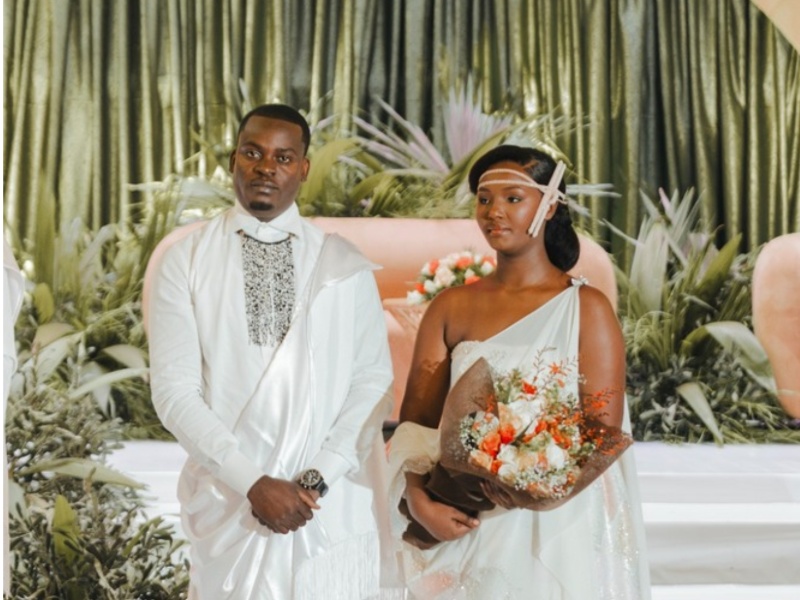
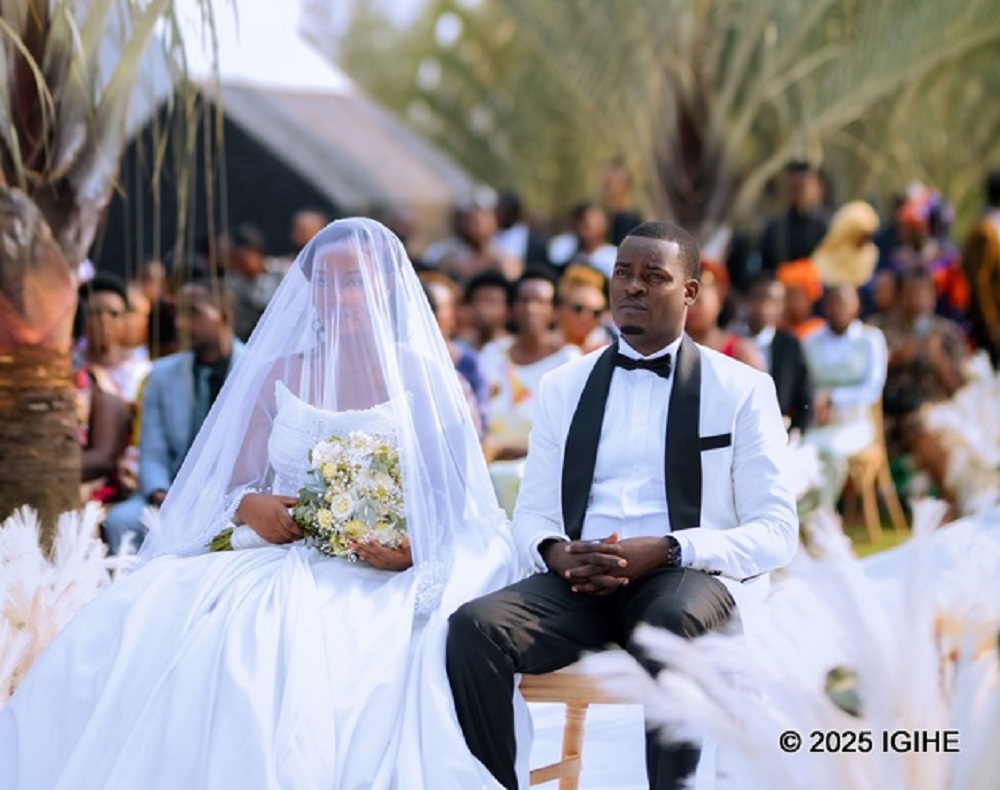
Vestine and Ouédraogo married on July 5, 2025, after their relationship became public. The couple had earlier formalised their union through a civil marriage.
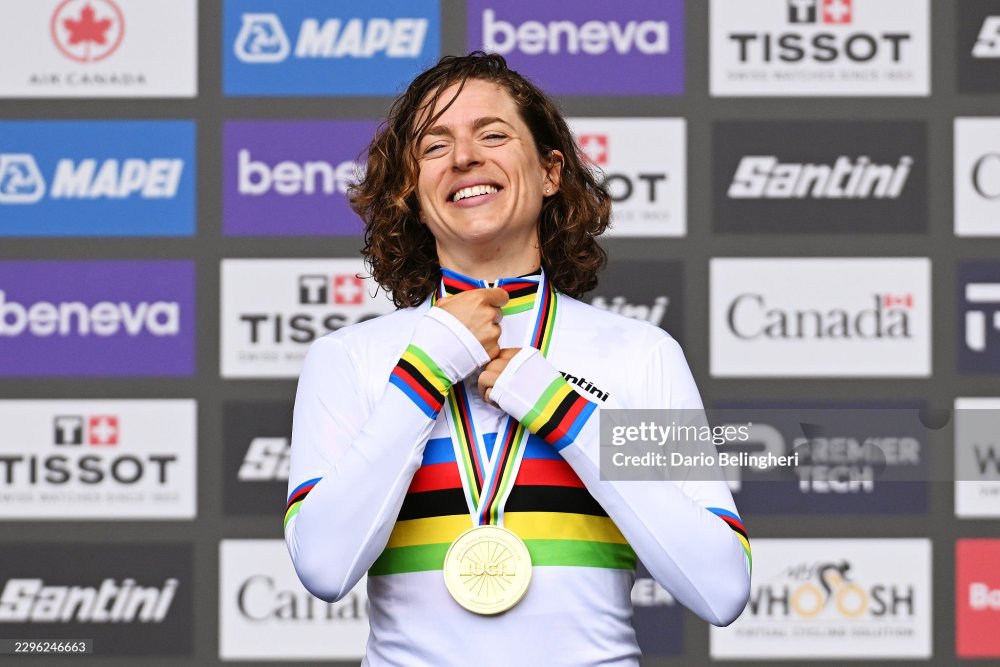
Reusser, who turned 35 on September 20, was the final rider to start the race and finished 40 seconds ahead of Britain’s Zoe Bäckstedt, who took silver. Germany’s Franziska Koch claimed bronze, 45 seconds behind the winner. Reusser had also won gold in the event at the 2025 World Championships in Kigali.
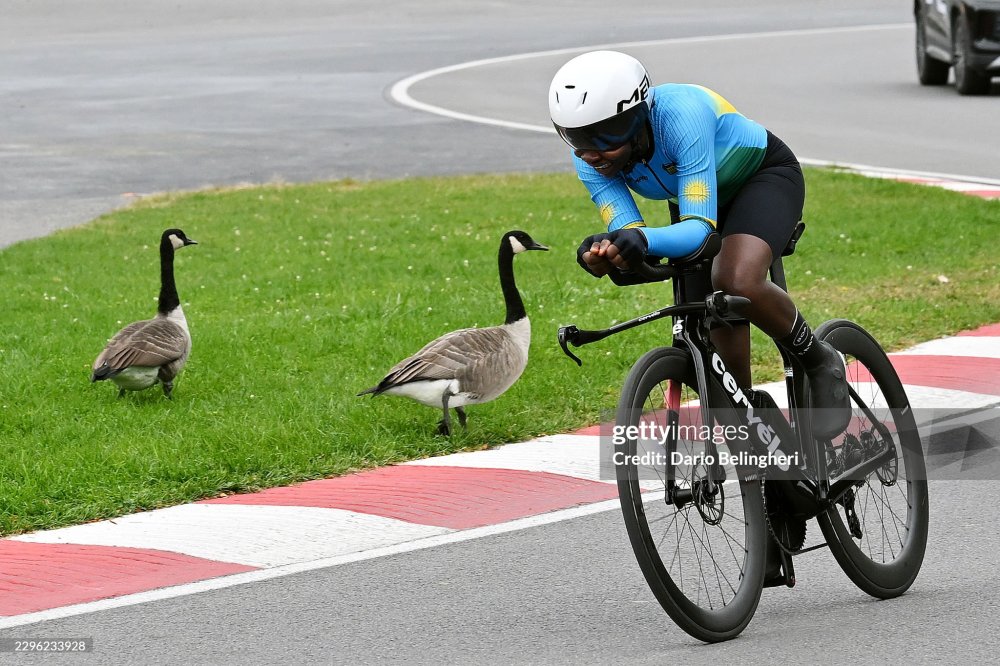
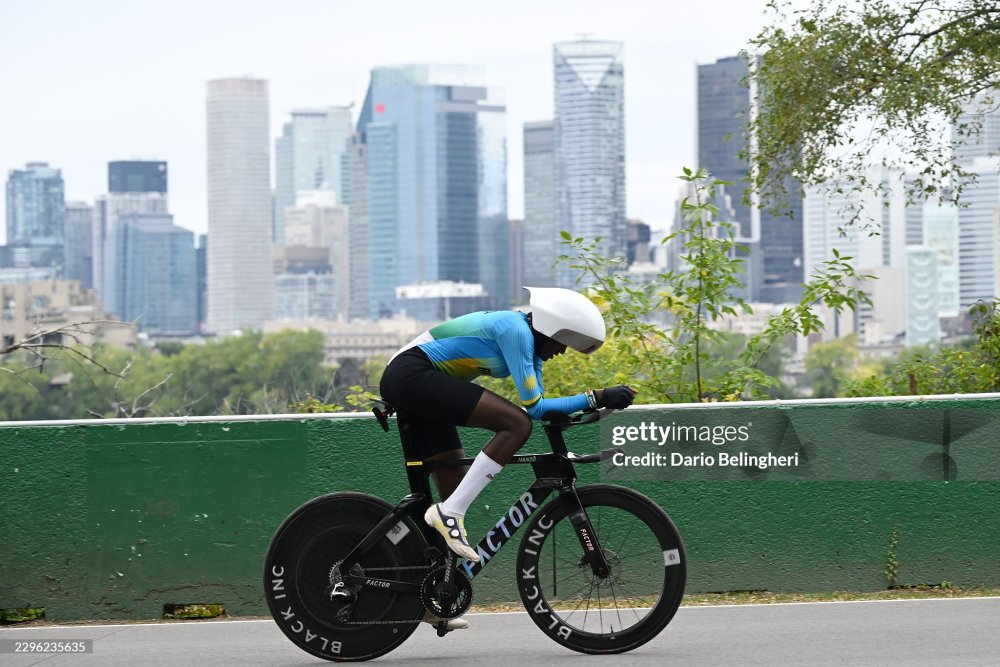
Rwanda’s Xaveline Nirere finished 37th in 59 minutes and 41 seconds, while Diane Ingabire was 38th in 1 hour and 9 seconds. Nirere finished nine minutes and 17 seconds behind Reusser, with Ingabire 9 minutes and 45 seconds off the winning time.
The pair were Rwanda’s only representatives in the women’s individual time trial, the first event featuring Rwandan riders at this year’s championships. A total of 11 Rwandan riders are expected to compete at the 2026 World Championships, with the team set to take part in 10 of the 13 events offering medals.
The men’s individual time trial was the second event on Sunday’s programme, where Belgium’s Remco Evenepoel claimed a historic fourth consecutive world title. Evenepoel, who previously won in 2023, 2024, and 2025, completed the 39.2-kilometre course in 44 minutes and 53 seconds to beat Italy’s Filippo Ganna by 57 seconds.
Evenepoel famously battled Tadej Pogačar for the 2025 world title in Kigali, with the race passing through the cobbled streets of Kimihurura. Pogačar, however, did not compete in Montréal after suffering a serious crash during the Vuelta a España on August 29, 2026.
Diane Ingabire was the first Rwandan rider to take part in the road events at this year’s World Championships. Xaveline Nirere competes in the time trial at the 2026 World Championships in Montréal. Marlen Reusser retains the women’s individual time trial world title at the World Championships.
Marlen Reusser (centre), Zoe Bäckstedt (left) and Franziska Koch (right) pose after finishing first, second and third.
Nduhungirehe’s remarks follow reports that Rwandans who had sought refuge in eastern DRC are continuing to return home. According to figures from the United Nations High Commissioner for Refugees (UNHCR), 3,752 Rwandans have returned home since the beginning of 2026.
Clarifying the details behind the figures in a post on X, Nduhungirehe pointed out that these 3,752 refugees, repatriated with the assistance of the UNHCR and MONUSCO, were located in territory controlled by the AFC/M23 alliance. Conversely, he emphasised that those living under Kinshasa’s control are being actively prevented from leaving.
“As for the refugees living in the government-controlled area, they are still being held hostage by the genocidal FDLR, which prevents them from returning to their country and subjects them to miserable living conditions,” Nduhungirehe said.
He further argued that the return of refugees poses a direct challenge to organisations claiming to protect them, as a successful repatriation process disproves their narrative that an ongoing Rwandan refugee crisis exists.
“Finally, it is surprising to see that RFI is attempting to give credence to the arguments of the ‘movements that present themselves as close to these refugees’, which have consistently obstructed the return of these refugees,” Nduhungirehe wrote.
“Their return would undermine the main argument of these genocidaires, along with their networks in Europe, such as Jambo ASBL, which present themselves as the ‘protectors’ of these refugees.”
The Radio France Internationale (RFI) report referenced by Nduhungirehe was published on September 20, 2026. While acknowledging that Rwandan refugees continue to return from eastern DRC, RFI raised questions about how information regarding departures from areas controlled by the AFC/M23 alliance is gathered. RFI reported that these concerns were voiced by civil society organisations close to the refugees.
UNHCR statistics confirm that 3,752 Rwandan refugees have been repatriated from the DRC since early 2026, including a recent cohort of 366 individuals returning from Kamanyola as well as the cities of Goma and Bukavu.
UNHCR maintains that these returns are voluntary, safe, and carried out under conditions respecting the dignity of the refugees.
According to data compiled by the UN Refugee Agency (UNHCR), approximately 194,500 Rwandans remain in the Democratic Republic of the Congo (DRC). The vast majority are located in the volatile eastern provinces of North Kivu and South Kivu.
Jambo ASBL is a Belgium-based non-governmental organisation largely comprised of diaspora Rwandans whose parents were key figures involved in the 1994 Genocide against the Tutsi, including high-ranking officials from the former regime of Juvénal Habyarimana. While the organisation claims to advocate for refugee interests and solutions grounded in international law, its members are accused of promoting genocide ideology and collaborating with FDLR combatants and the DRC government.
Kigali points to a recent statement by Jambo ASBL expressing support for a protocol signed between the DRC government and the FDLR on the disarmament, demobilisation and cantonment of the armed group as evidence of this connection.
Niyonkuru completed the 21-kilometre race in 1:06:08 (a new national record), finishing behind Kenya’s Agnes Jebet Ngetich, who set a women-only world record (1:05:15) for gold, and Kenya’s Veronica Loleo, who took silver in 1:06:05.
The 25-year-old was the best-performing of Rwanda’s three representatives in the race. Emeline Imanizabayo (15th) and Ibishatse Angelique (39th) also competed for Rwanda.
The World Athletics Road Running Championships are organised by World Athletics and were held in Copenhagen.
The bronze adds to Niyonkuru’s recent run of strong performances. She finished third in the 10,000 metres at the Commonwealth Games, winning Rwanda’s first-ever senior medal at the Games. She also won gold at the TCS World 10K Bengaluru in India earlier this year.
Niyonkuru completed the women’s half marathon in 1:06:08, setting a new Rwandan national record in the 21-kilometre race.The 25-year-old was the best-performing of Rwanda’s three representatives in the race.