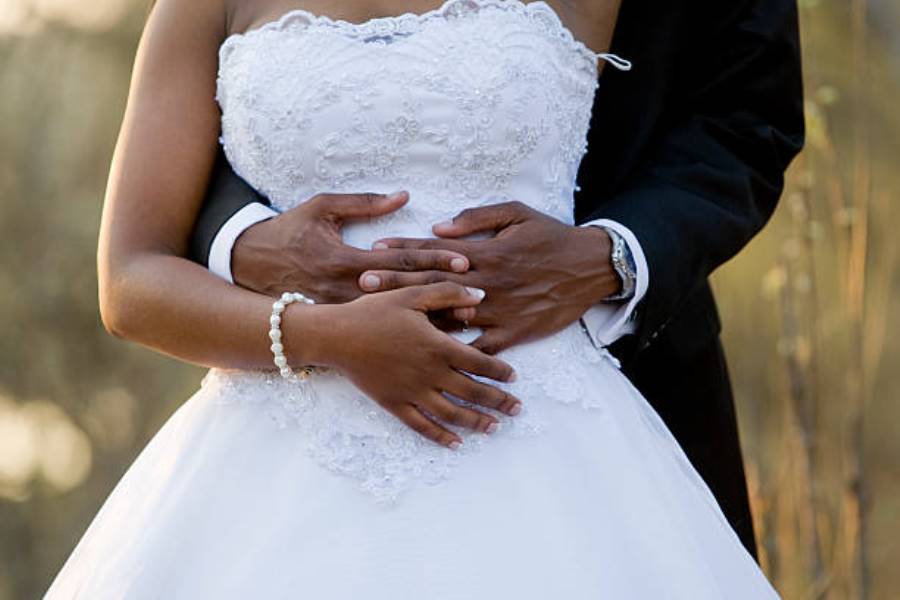
He noted that, contrary to the critics, the event drew participants from all walks of life, including individuals from the corporate sector, whom he said are often too busy to meet their “missing rib” through conventional dating.
Unlike conventional dating, which emphasizes longer, one-on-one interactions that allow people to build a deeper connection before deciding to pursue a relationship, speed dating involves meeting a large number of people in a short period to assess compatibility.
“There were so many young diplomats from international embassies in Rwanda, the corporate sector, and young entrepreneurs who don’t have time to go to bars and look for someone, or to ask their families to connect them to others. They want to meet in a more corporate environment, and that was the right place for them,” Bunyeshuri said.
He added, “People who are saying otherwise were not there and probably hate the feeling that people are falling in love.”
Bunyeshuri acknowledged that criticism and the fear of being judged are some of the challenges facing emerging trends in modern dating, especially in conservative societies.
“Speed dating in Rwanda, a very conservative country, obviously faces negative talk and criticism from people. This is expected,” he added.
“With the era of social media, anyone can say anything for likes and views. Young people should stay focused,” he emphasized.
Bunyeshuri is planning another event, which he says will take place between September and October this year.
He mentioned that he has received many requests to bring back the second edition of speed dating but cautioned those seeking to participate that finding a perfect match is not guaranteed.
“I don’t want them to think that when you come, it’s a done deal that you’re going to find someone. It doesn’t work like that—you have to make a connection,” he added.
Twenty-one Ministers and nine State Ministers were last week appointed with new faces including Amb. Christine Nkulikiyinka (Public Service and Labor), Prudence Sebahizi (Trade and Industry), and Richard Nyirishema (Sports).
Several existing ministers were also reappointed to continue heading their respective ministries.
Additionally, Dr. Doris Uwicyeza Picard was appointed as the CEO of Rwanda Governance Board (RGB) succeeding Dr. Usta Kayitesi.
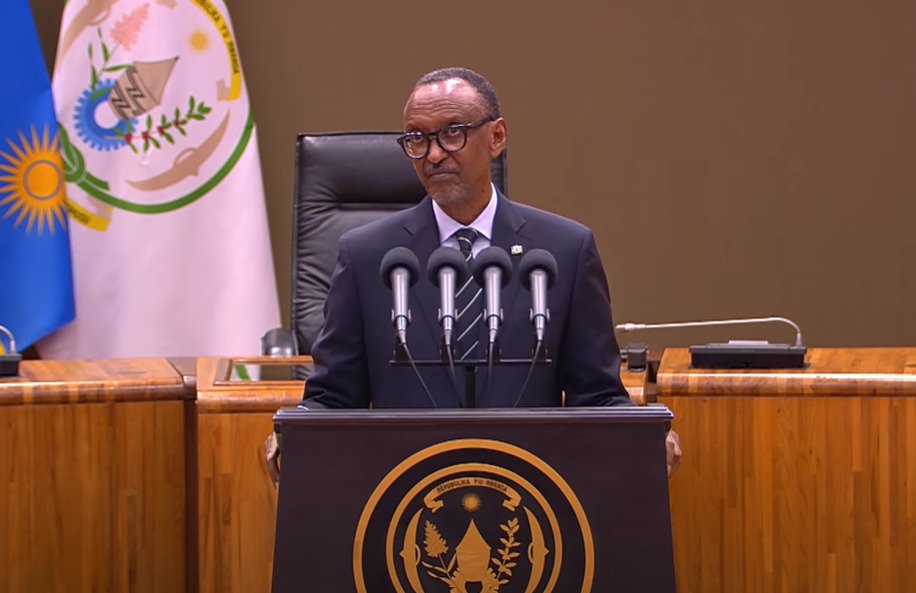
During Monday’s swearing-in ceremony, Kagame reminded both the newly appointed and returning leaders of the significant responsibility they bear in their roles.
He emphasized that the cabinet’s renewal is not merely a routine change but an opportunity for self-evaluation and a commitment to greater achievements.
“The way I see it, there are things we did well in the past, and things that did not go as well. It’s our duty to put everything together, analyze, and ask ourselves, ‘What can we do better moving forward?’ If you don’t see it this way, then there is a problem. What you did well before means you should do even better, and what was not done well needs to be corrected as we move on,” he advised.
Kagame also stressed the importance of appreciating public criticism and using it as a tool for correction to maintain the right direction when things are going well. However, he emphasized that self-evaluation should be a constant practice.
The Head of State urged the leaders to utilize available resources and their respective capacities efficiently to fulfil their responsibilities to the Rwandan people. He cautioned against prioritizing personal interests over the common good, stating, “This means that what you do for others should also be beneficial to you, but not something you do solely for your own benefit.”
President Kagame highlighted the significant progress Rwanda has made in recent years but warned against complacency, urging the leaders to strive for even greater accomplishments.
“We have achieved many things in the past, without a doubt. But when you do good things, it is not a time to relax. It is not a time to get carried away with joy to the point that what people have been working on could regress because you are no longer paying attention or following up. You should ask yourself, even though we have achieved a lot, couldn’t we have achieved even more?” he challenged.
He also encouraged the leaders to foster collaboration among institutions to ensure they complement each other in advancing the country’s development.
Addressing the absence of some officials from the recently formed cabinet, President Kagame clarified that it was not indicative of dismissal but rather a reassignment of duties.
He acknowledged that dismissals could occur due to accountability issues but assured those who did not retain their roles that future appointments would be announced in due course.
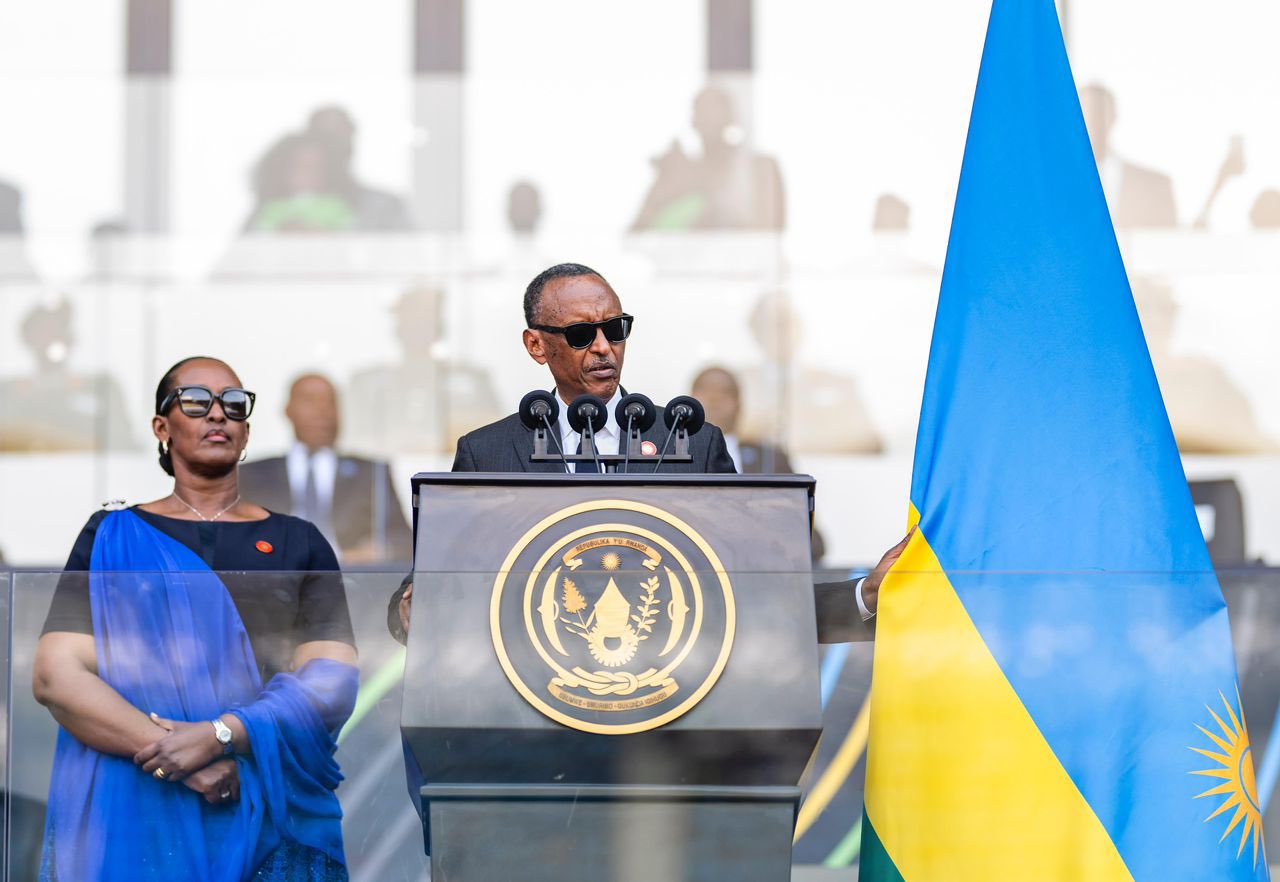
Addressing thousands of citizens and other dignitaries who gathered at Amahoro Stadium to witness the momentous occasion, the Head of State began by thanking Rwandans for granting him another term to continue his development agenda.
“The electoral campaign was a period of joy and satisfaction for all of us. Millions attended rallies, and almost everyone went to vote,” President Kagame commended Rwandans.
He noted that much has been achieved over the past 30 years, surpassing expectations.
“Over the past three decades, what Rwandans have managed to accomplish is even more than we expected. Indeed, it is beyond what words can describe, given where we started from,” Kagame said amid chants of jubilations with more than 20 Heads of State in attendance.
Recounting Rwanda’s rise from the ashes of the 1994 Genocide against the Tutsi, President Kagame revealed that the new term presented another opportunity to achieve even more.
“Our tragic past ignited a fire in each one of us: a fire of hope, resilience, and justice. This is who we have become as Rwandans,” he noted.
“Our focus now returns to the future. For the last thirty years, our country has been good work-in-progress. This new mandate means the beginning of even more hard work.”
He affirmed that with exemplary leadership and collaborations, no goal is beyond reach and all aspirations are achievable.
“Why not do even better than we have done? That expectation to keep improving is not a dream, it is realistic. We can do it, and we will do it,” President Kagame added.
Kagame, who led the Rwandan Patriotic Army to liberate Rwanda from the Genocidal regime of Juvénal Habyarimana in 1994, was re-elected with 99.18% of the votes cast in the July elections.
He ran against two competitors: Dr. Frank Habineza of the Democratic Green Party of Rwanda, who got 0.50% of the vote, and independent candidate Philippe Mpayimana, who managed only 0.32%.
In the coming days, the newly elected Parliament is expected to take oath and begin its term before which the President will later present his appointed cabinet for approval.
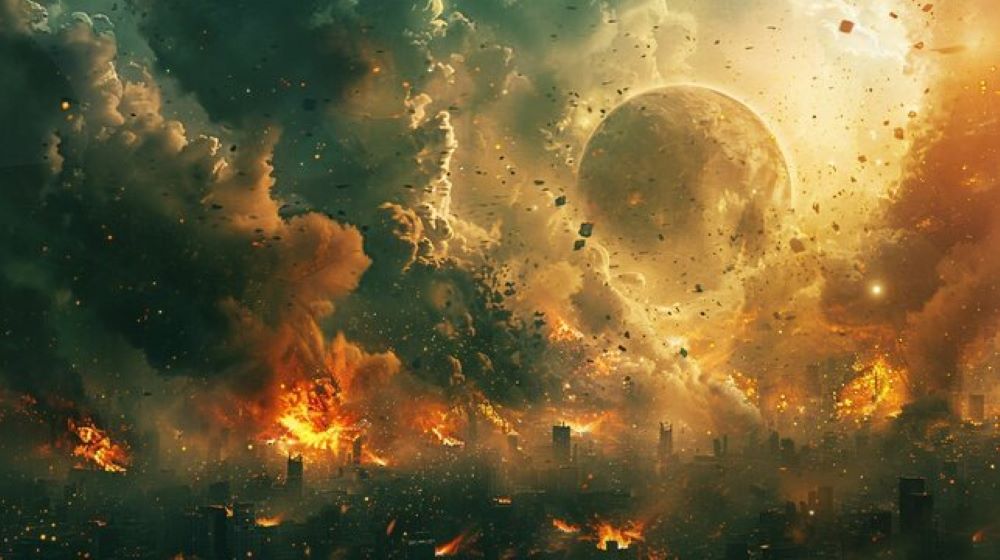
As the new millennium approached, anxiety gripped the world, driven by religious prophecies, technological fears, and a collective sense of uncertainty.
Certain religious groups and individuals, armed with biblical convictions or other religious teachings, were particularly inclined to make extreme preparations for the end of the world.
In countries including Rwanda and elsewhere people with fervent beliefs sold valuables, including land and homes, at bargain prices, convinced they would no longer need them after the supposed end.
Many donated their proceeds to religious organizations, paid off debts, or disposed of material possessions they believed would become meaningless in the face of an imminent apocalypse.
As New Year’s Eve of 1999 approached, a palpable sense of dread enveloped the globe. People stayed awake, waiting in confusion and fear for the unknown.
The clock ticking toward midnight on December 31, 1999, symbolized more than just the arrival of a new year—it was seen as the harbinger of apocalyptic doom.
Predictions of the end of time had circulated for years, fueled by religious interpretations, technological concerns, and societal anxiety. But when the clock struck midnight, the world did not end.
The feared doomsday proved to be nothing more than a phantom, leaving the world to grapple with the psychological, social, and economic aftermath of its own self-imposed panic.
When the year 2000 arrived without significant disruptions, those who had made drastic decisions based on doomsday fears, were left to face the consequences.
Financial hardships followed for many who had sold properties at subsidized prices or made irreversible financial choices. The episode remains a cautionary tale about the dangers of panic-driven decisions rooted in unfounded fears.
The roots of the millennium panic can be traced to a convergence of religious, technological, and cultural factors. For many, the year 2000 represented a significant milestone in biblical prophecy.
Edgar C. Whisenant, author of The End: Why Jesus Could Return by A.D. 2000, was among the most vocal proponents of the idea that the second coming of Christ was imminent.
His book resonated with millions who believed the world was nearing its final days, meticulously interpreting scripture to pinpoint the year 2000 as the likely time for Jesus’ return.
The religious anticipation extended beyond mainstream Christianity. Figures like Ben Ammi Ben-Israel, founder of the Black Hebrew Israelite religion, also predicted the end would occur in 2000, believing it would mark the beginning of divine justice and redemption for the chosen people.
The sense of urgency and anticipation was palpable, with communities preparing for what they believed would be a momentous, albeit catastrophic, event.
Even the academic and technological worlds were not immune to the apocalyptic fervor. The approach of the year 2000 brought with it the Y2K bug, a technological panic based on the fear that computer systems worldwide would malfunction when their clocks rolled over from ’99’ to ’00,’ interpreting the year 2000 as 1900.
Books like The Millennium Bug: How to Survive the Coming Chaos by Michael S. Hyatt capitalized on these fears, presenting doomsday scenarios where technology would fail, bringing modern civilization to its knees.
As the year 2000 drew closer, panic spread across the globe. Governments, corporations, and individuals scrambled to prepare for what they believed could be the end.
In the United States, President Bill Clinton established the President’s Council on Year 2000 Conversion, a task force dedicated to ensuring critical systems were Y2K compliant.
Companies spent billions on upgrades and contingency plans, while the public stockpiled essentials, bracing for a world where basic services might suddenly vanish.
Religious communities were particularly active in their preparations. Churches held vigils, prayer meetings, and other gatherings, where believers sought divine protection from the impending apocalypse. Some made pilgrimages to holy sites, hoping to be in the right place when the end came.
The media played a very significant role in fueling the panic, with news outlets running stories on various doomsday scenarios, from nuclear war to natural disasters, that could be triggered by the turn of the millennium.
Yet, as midnight struck on December 31, 1999, nothing happened. The Y2K bug turned out to be a minor glitch rather than the catastrophic event many had feared.
Planes did not fall from the sky as had been earlier anticipated, power grids did not fail, and financial markets did not collapse. The apocalyptic prophecies, too, proved unfounded. Jesus did not return, the chosen people were not delivered, and the new millennium began much like any other year, with fireworks, celebrations, and the usual mix of hope and uncertainty.
In the aftermath of the non-event, there was a collective sense of bewilderment. For those who had genuinely believed in the prophecies, the absence of catastrophe was disorienting. Some felt betrayed, questioning why the signs they had so carefully interpreted had not come to pass.
As explored in Leon Festinger’s When Prophecy Fails, people often respond to the failure of their expectations by doubling down on their beliefs rather than abandoning them.
This was evident after the year 2000, with some believers reinterpreting the events, suggesting that the world had been given a temporary reprieve or that the true end was still to come.
The economic impact of the millennium panic was significant. The billions spent on Y2K preparations, while arguably necessary to avoid potential disruptions, represented a massive expenditure driven largely by fear.
Companies that had invested heavily in Y2K compliance found themselves with surplus supplies and systems that, in many cases, were never needed. The public, too, was left with stockpiled goods, a reminder of the hysteria that had gripped the world.
Culturally, the year 2000 marked a turning point in how society viewed apocalyptic predictions. The panic preceding the new millennium was a testament to the power of prophecy, fear, and the human tendency to expect the worst.
It also highlighted the complexities of navigating a world where technological and religious anxieties can converge to create a perfect storm of fear.
As we moved into the 21st century, the lessons of the millennium panic remained, reminding us that while the future is uncertain, it is not something to be feared, but rather something to be appreciated and approached with caution, preparation, and a healthy dose of skepticism.
Unfortunately, some callous acts in the region that came in the aftermath of this hysteria left sad marks and scars that may never be healed in the world’s history.
About 130km from the Northern border of Rwanda and Uganda in Kanungu district, a self-styled high priestess Credonia Mwerinde had told her followers that the world was going to end on December 31, 1999 but when this did not happen, the cult leader and her accomplices decided to end it their way.
On March 16, 2000, over 600 cult members and their families were herded into a church hall named the Ark, in reference to the biblical Noah’s ark, all doors and windows were boarded up and nailed shut, and it was set ablaze.
Many of Credonia’s followers and even some of the renegade Catholic clerics believed she had spiritual powers following her claims to have seen apparitions of the Virgin Mary who directed her to spread the message of strict adherence to the 10 Commandments to avoid apocalyptic damnation.
Recently, RGB, in collaboration with local authorities, conducted inspections to assess whether churches meet the required standards.
During an interview with IGIHE, Dr. Usta Kaitesi, the CEO of RGB, explained that in nearly two weeks of inspection, more than 13,000 churches were visited to verify their compliance.
Dr. Kaitesi revealed that some closed churches lacked minor requirements that could be quickly addressed, while others required significant adjustments.
Additionally, there were churches operating without proper authorization, with individuals or groups having opened places of worship and erected signs without the necessary permits.
Despite the large number of churches in Rwanda, Dr. Kaitesi emphasized that the issue is not the quantity but whether they meet the required standards.
“The problem is not the large number of churches. The issue is whether this number aligns with our desired standards. Are the churches built according to legal requirements? Do the leaders of these congregations have the qualifications mandated by law? These are the questions we should focus on,” she said.
The inspections aimed to ensure the safety of Rwandans attending these places of worship rather than indiscriminately closing churches.
Dr. Kaitesi highlighted that instead of having multiple non-compliant churches, it would be better to build a single, large, compliant church that accommodates all followers in a safe environment, led by qualified leaders.
Addressing claims that the closures were sudden, Dr. Kaitesi clarified that inspections and assessments of churches are conducted annually, and churches were forewarned.
“This is part of our mandate. At RGB, we have a department responsible for faith-based organizations and other registered entities. This department is divided into registration and operational monitoring and inspection. We have always conducted inspections,” she stated.
In 2018, a similar inspection resulted in the closure of over 7,000 churches for non-compliance, with a five-year grace period granted for rectifying deficiencies.
“The five-year period ended in September last year, and in December 2023, we called them to review their status and submit staff qualifications and operational plans. Some did not have strategic plans, so we asked them to improve and provide that information,” Dr. Kaitesi explained.
In May 2024, RGB again wrote to religious organizations requesting information about their church locations, leadership, and educational qualifications.
According to RGB, some organizations were given time to meet the requirements and allowed to resume operations. However, monitoring and engaging religious leaders to address issues identified during inspections continued.
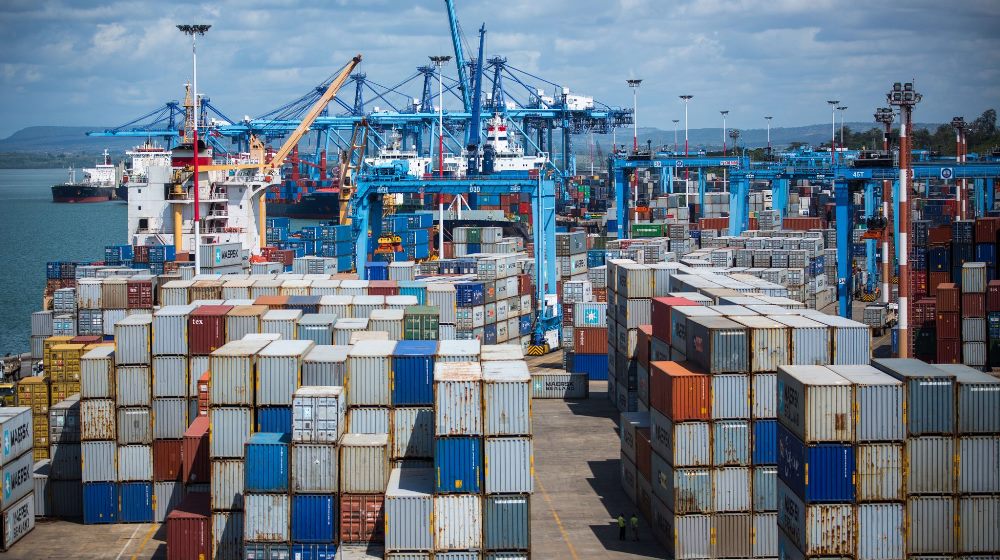
According to a report released by the National Institute of Statistics (NISR), total exports saw a slight increase from US$ 223.73 million in June 2023 to US$ 225.61 million in June 2024, reflecting a modest growth of 0.84%.
However, domestic exports declined by 0.21%, while re-exports increased by 4.15%. Despite this increase in exports, it was insufficient to counterbalance the substantial rise in imports, which surged by 18.39%, raising from US$ 538.23 million in June 2023 to US$ 637.23 million in June 2024.
Several categories experienced significant growth in imports. The value of food and live animal imports increased by 49.62%, rising from US$ 79.23 million in June 2023 to US$ 118.54 million in June 2024.
Similarly, imports of beverages and tobacco grew by 51.83%, and mineral fuels saw a 54.49% increase.
Additionally, imports of chemicals and related products rose by 32.09%, and manufactured goods classified chiefly by material saw a growth of 13.33%.
Examining the export goods by category, food and live animals exports rose by 24.35%, from US$ 19.87 million in June 2023 to US$ 24.71 million in June 2024. In contrast, exports of beverages and tobacco dropped sharply by 33.57%. Crude materials, inedible except fuels, also declined by 19.56%.
On the other hand, the export of chemicals and related products increased by 60.42%, and manufactured goods classified chiefly by material grew by 15.06%.
Rwanda’s main export partners in June 2024 were the United Arab Emirates, the Democratic Republic of Congo, and China.
Exports to the United Arab Emirates slightly decreased from US$ 111.74 million in June 2023 to US$ 107.68 million in June 2024. Exports to the Democratic Republic of Congo grew marginally, while exports to China showed a minor decrease.
China remained a dominant import partner, with imports raising from US$ 105.77 million in June 2023 to US$ 135.22 million in June 2024.
Kenya followed with a dramatic increase in imports, rising from US$ 25.77 million to US$ 130.44 million. Imports from India also grew from US$ 59.45 million to US$ 67.38 million.
In a press briefing last year, the Deputy Governor of the National Bank of Rwanda, Soraya Hakuziyaremye, explained that addressing the trade deficit is a long-term journey.
She highlighted measures such as the Made in Rwanda initiative, launched in 2018, which has boosted the production of locally made products, reducing reliance on imports.
Additionally, she emphasized the country’s goal to increase exports, whether from industrial or agricultural products.
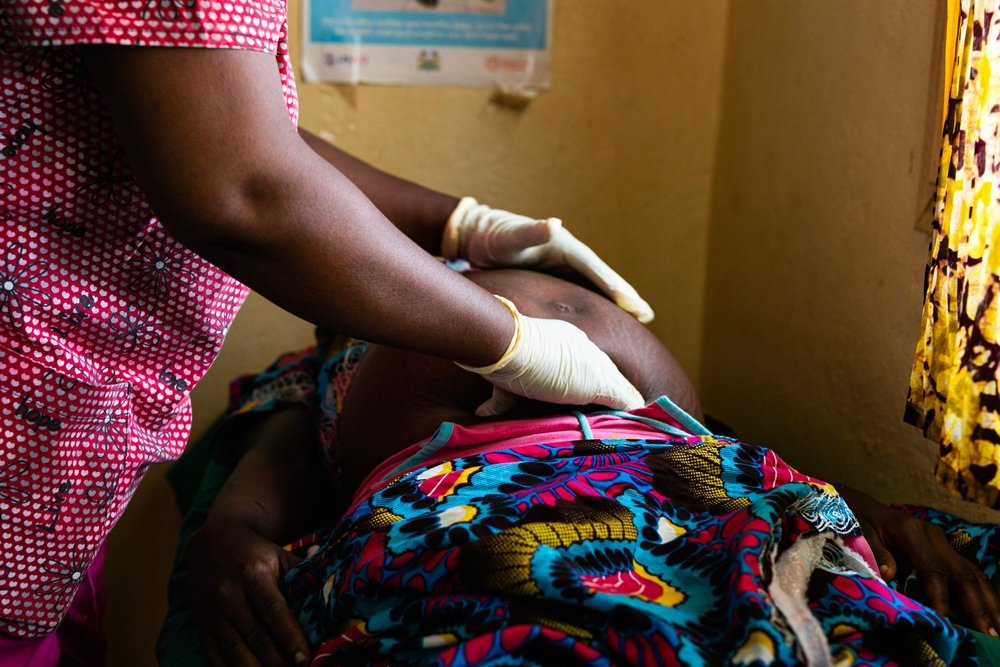
The prospect of labour pain, a shadow over the luminous joy of bringing forth new life, has long been a daunting spectre for expectant mothers. However, in the heart of Rwanda, a new promise is emerging; A promise of painless labour delivery, a gentle embrace of childbirth that seeks to alleviate the agony and accentuate the joy.
King Faisal Hospital and Clinique Bien Naître at Muhima are among the few sanctuaries of health and hope in Rwanda offering the gift of painless labour delivery.
While the specifics of its prevalence remain elusive, a steady truth stands tall: all referral hospitals in Rwanda, armed with skilled anaesthetists, are poised to offer this transformative experience. Even private health facilities are encouraged to follow suit.
Dr. Claude Nkundabagenzi, an obstetrician-gynaecologist and the visionary founder of Clinique Bien Naître, speaks with the gentle authority of one who has witnessed miracles.
“Painless labour delivery,” he explains, “is the art of minimizing or eliminating pain during childbirth, allowing mothers to embrace the arrival of their child with grace and serenity.”
This art encompasses a spectrum of techniques, from the medical marvels of epidural anaesthesia to the soothing embrace of water births and relaxation practices.
At the heart of this approach lies epidural anaesthesia, a beacon of hope for many. “The gold standard for painless childbirth remains epidural anaesthesia,” Dr. Nkundabagenzi remarks, his voice imbued with the confidence of experience.
This method, he elucidates, involves the precise administration of anaesthetic into the epidural space around the spinal cord, numbing the lower half of the body while keeping the mother awake, alert, and fully present in the moment of birth. It is a delicate balance of science and compassion, offering profound pain relief and a sense of control over the birthing process.
Yet, the journey to painless labour is not confined to epidurals alone. Spinal blocks, akin to their epidural counterparts, provide immediate and complete pain relief for shorter durations, often favoured for cesarean sections.
In rare instances, general anaesthesia steps in, enveloping the mother in a deep, restful sleep. While effective, it carries the weight of unconsciousness, a trade-off between pain relief and active participation in the birth.
Beyond the realm of medical interventions lies a tapestry of non-medical approaches, each thread woven with care and intention. The gentle caress of warm water in a birthing pool, the rhythmic patterns of Lamaze breathing, and the power of visualization form a mosaic of natural pain management techniques.
These methods empower women to reclaim their birthing experience, fostering a deep connection between body, mind, and the miracle of life.
The benefits of painless labour delivery ripple through the birthing process, touching both mother and child with their grace. For the mother, the reduction of pain and stress transforms the birthing room into a sanctuary of comfort and positivity.
“Reduced pain and stress, improved comfort and experience, better ability to participate,” Dr. Nkundabagenzi lists, each benefit a testament to the profound impact of this approach.
The emotional bonds forged in the crucible of a gentle birth extend into the postpartum period, easing recovery and enhancing the mother’s ability to nurture her newborn.
For the baby, the serenity of a mother free from the throes of pain creates a stable and nurturing environment. The steady rhythm of a heart unburdened by agony ensures a more abundant supply of oxygen, reducing the risk of complications and ushering new life into the world with calm assurance.
Yet, every rose has its thorns, and painless labour delivery is not without its risks and side effects. Commonly encountered are low blood pressure, itching, backache, and shivering.
Rarely, more severe complications like nerve damage or allergic reactions may arise.
“Most side effects of epidural anaesthesia are predictable and manageable,” Dr. Nkundabagenzi reassures, underscoring the importance of vigilant care and proper management.
The path to painless labour is paved with preparation and informed choices. Expectant mothers are encouraged to explore their options, attend childbirth classes, and engage in open dialogue with healthcare providers.
A flexible birth plan, crafted with care and supported by a dedicated birthing team, can transform fear into confidence, guiding mothers through the labyrinth of childbirth with grace.
In the broader landscape of Rwanda’s healthcare, the promise of painless labour is a beacon of hope, albeit one not yet universally accessible.
The nation’s public health insurance scheme, Mutuelle de Santé, does not yet cover the cost, a barrier for many. However, as resources grow and the tapestry of healthcare expands, there is hope that this gentle approach will become a cornerstone of Rwanda’s commitment to universal childbirth health coverage.
As Dr. Nkundabagenzi reflects on the journey of painless labour delivery, his words resonate with wisdom and compassion.
“By staying informed, preparing adequately, and maintaining open communication, expectant parents can make the experience as positive and comfortable as possible,” he says.
His vision, shared by many, is one where every mother can embrace childbirth with serenity, knowing that pain is not a requisite for bringing life into the world.
In the heart of Rwanda, the symphony of childbirth is being rewritten. The melodies of pain are giving way to the harmonious notes of painless labour, a testament to the power of medical innovation and human compassion.
And as each mother steps into the sacred dance of life, she does so with the promise of a gentle birth, where the joy of new beginnings shines brighter than ever before.
Man has pondered for ages trying to understand what happens after death, unfortunately we may never know because no dead ever comes back to give an account of what really happens.
The Holy scriptures paint an imagination of the afterlife but with existing accounts of people claiming near-death experiences, this topic remains a subject of contention.
Most religious beliefs adduce to the fact that there is a certain form of afterlife to which people transit after death. These are some of them. Almost all religious perceptions suggest that life after death is grounded in scriptures or traditions.
Christians believe that after death they will be taken into the presence of God, where they will be judged for their deeds while still alive. Depending on the outcome, one would qualify for heaven or hell.
The concept of Hell is also deeply rooted in the idea of free will. Hell is traditionally depicted as a place of eternal fire symbolizing pain and suffering. Hell is viewed as a punishment for not “doing” God’s will while still alive.
While religion teaches that earthly experiences are a foretaste of greater blessings to come after this life, some people dispute these accounts saying those are fabricated stories to attract relevance.
Although some claim to witness apparitions or experience ambiguous sparking thoughts about life beyond death, no one has ever rose from the dead to give a firsthand experience.
The Roman Catholic Church teaches the doctrine of Purgatory, an intermediate state between heaven and hell.
According to this belief, upon death, people who have sinned undergo purification as a way to enter heaven. The catechism of the Roman Catholic Church states that “all who die in God’s grace but still imperfectly purified, are indeed assured of their eternal salvation.
It suggests that the dead undergo a cleansing and purification process in purgatory, so as to achieve the “holiness” necessary to enter the joy of Heaven.
Fr. Fidele Mutabazi, Managing Director of Kinyamateka, a famous local tabloid, shares the view that earthly life is a preparation for a greater, eternal life.
“According to the Catechism of the Church, human life on earth is not merely for earthly pleasures; if it were, it would be a significant loss,” he says.
Mutabazi elaborates on the significance of Jesus Christ in Christian faith. “Jesus did not only teach about death but also demonstrated His power over it by raising the dead, such as Lazarus. His resurrection from the dead affirms that death is not the end,” he explains.
Christians believe that through baptism, they partake in the life and resurrection of Jesus, giving them hope of eternal life. However, some other different Christian denominations disagree with the idea of purgatory, arguing that once judgment occurs, individuals will stay in either Heaven or Hell for eternity.
Pastor Isaie Ndayizeye, a senior pastor and leader of the Association of Pentecostal churches of Rwanda (ADEPR), sticks to the hope of resurrection and eternal life for believers.
“According to our teachings, emphasis is put on the existence of eternal life for those who believe in Jesus Christ,” he reveals.
The resurrection of the dead is a cornerstone of his faith, hoping that Jesus will return to judge the living and the dead.
“We do not believe in reincarnation. Resurrection does not require one to come back through other forms of existence,” he says.
Theories about life after death, including resurrection, reincarnation, and perpetual oblivion, have been a subject of debate for centuries.
Sheikh Khalifa Nsengiyuma, an Islamic scholar based in Kigali explains that his faith agrees to life after death, based on the Quran teachings of the Prophet Muhammad.
“We believe a life after death but different from our current existence,” he reveals. Islam perceives life as a test determining one’s final destination, with good deeds leading to paradise and bad deeds to punishment.
Nsengiyuma believes in the concept of Barzakh, where one is rewarded according to their deeds. “Once someone enters this state, it marks the beginning of their individual Day of Judgment. If a person was a believer and did good deeds, they start receiving rewards immediately. On the other hand, a wicked person begins facing punishments for their sins,” he explains.
Sheikh Nsengiyuma pinpoints signs preceding the final judgement, as described by the Prophet Muhammad, such as a mother giving birth to a master, the emergence of a great beast from the earth speaking human language and the sun rising from the west.
“These are the indicators that the final day is approaching, although the exact timing is unknown,” he says.
Despite various debates, no one has definitively brought out the true picture of the afterlife, leaving many to focus on living meaningful lives on earth.
Jean-Paul Sartre, a renowned French philosopher and lifetime atheist is reported to have confessed to the possibility of God’s existence before his death in 1980.
Beliefs about life after death vary widely across religions and cultures. While some hold firm convictions based on scriptures, traditions and teachings, others remain skeptical due to the inconclusive nature of this subject.
Ultimately, the mystery of what happens after death continues to intrigue and inspire diverse opinions, leaving little room to fully understand the matter.
But as the old Rwandan adage goes, “Gira neza wigendere ineza uzayisanga imbere.” Do good and move on without expecting immediate rewards because those acts of kindness will eventually lead to positive outcomes in the future.
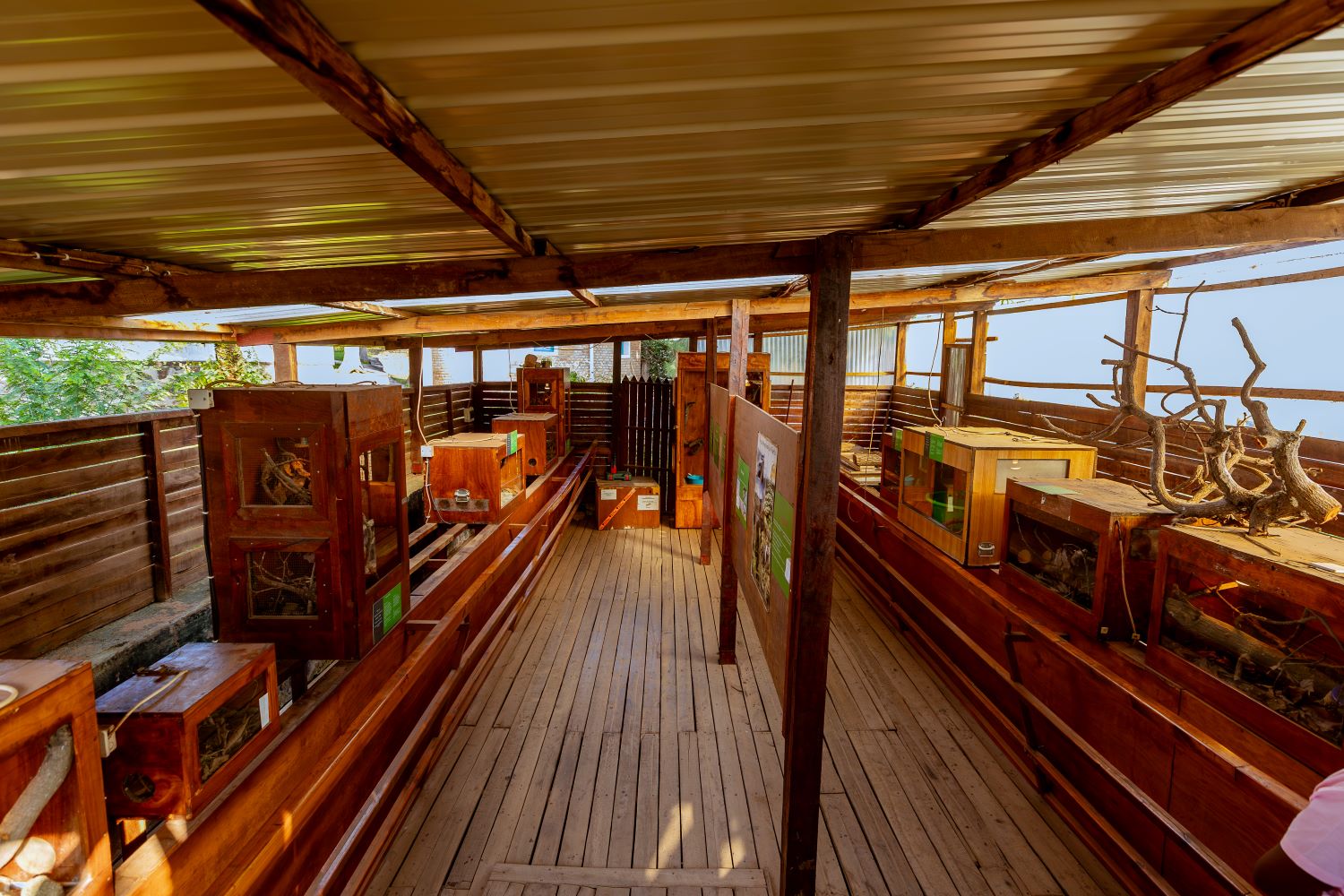
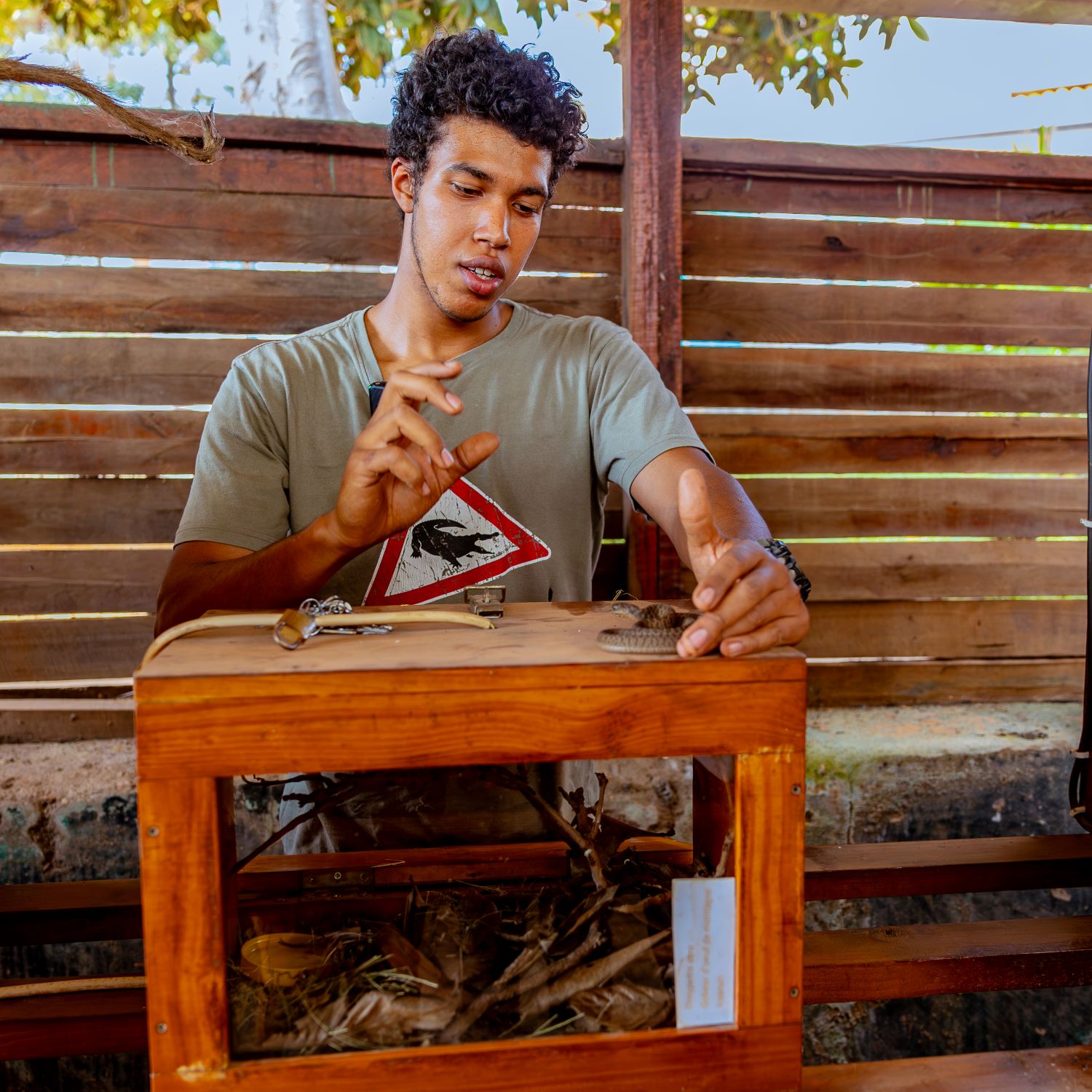
Available statistics show that there are 101 known species of snakes in Rwanda, seven of which are extremely venomous and considered life-threatening. Six of the venomous species can be viewed at the Kandt House Museum.
Named after Richard Kandt, a German physician, explorer, and writer believed to be the first European to have thoroughly documented the geography and wildlife of Rwanda, Kandt House Museum is located at his former residence in the heart of Kigali.
A snake and crocodile exhibition at the facility is regularly held to help educate the general public about human-wildlife interaction.
A large section of the museum is dedicated to showcasing Rwandan life in all aspects – social, economic, and political way even before the colonial times.
Richard Kandt is famous for using his explorations to serve as the first resident of Rwanda under German colonial rule and his administration laid the groundwork for the German colonial presence in the region.
Here are the venomous snakes housed at the Kandt House Museum:
{{1. Puff Adder
}}
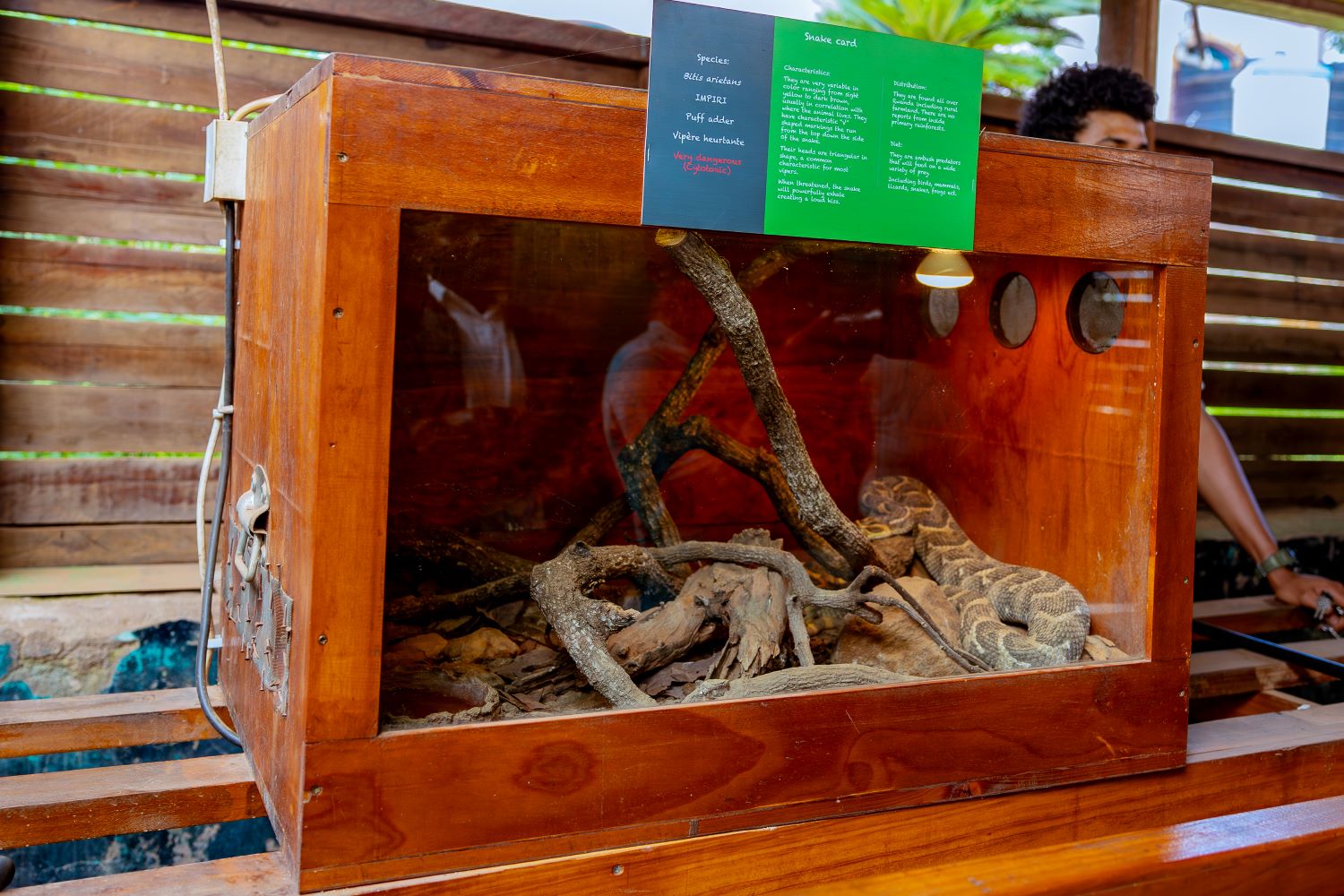
Puff adders are highly venomous snakes found in savannahs, grasslands, and rural farmland in Rwanda and most parts of Africa.
Hendrik Hinkel, a snake curator at the Richard Kandt House Museum, says that puff adders are responsible for most snakebite fatalities in Africa due to various factors, such as wide distribution, frequent occurrence in highly populated regions and their aggressive disposition.
“One thing that makes puff adders common is their tolerance to humans, unlike other snakes that live primarily in rainforests,” Hinkel explained during a visit by iGIHE.
He revealed that puff adders possess cytotoxic venom, which damages cells and tissues at the bite site, causing pain, swelling, blistering, and tissue destruction. In severe cases, this can lead to necrosis (tissue death) and potential loss of limbs, such as fingers or toes.
These snakes vary in colour ranging from sight yellow to dark brown, synonymous with their habitats. They have characteristic “V” shaped markings that run from top downwards the snake’s rib cage. Their heads are triangular in shape, a common characteristic for most venomous snakes.
When endangered, the snake powerfully exhales, creating a loud hissing sound.
Puff adders are ambush predators that feed on a variety of prey including birds, mammals, lizards, frogs or any remains of animal flesh.
{{2. Forest twig snake
}}
The Forest twig snakes possess hemotoxic venom, which affects the blood and tissues. The venom can either coagulate the blood or liquefy it, causing severe bleeding.
Forest twig snakes have a slim, brown coloured body with dark marks in the shape of a twig. The head is also often slim with a pointed snout and glittering eyes. The top of the head is usually green and the bottom orange for males and cyan/white for females.
When threatened they puff up their throat and are usually seen hanging in branches vertically with their heads facing downwards.
Their prey of choice are lizards and chameleons but they also eat frogs, fellow snakes and wild birds.
{{3. Black mamba
}}
The black mamba is a species of highly venomous snake belonging to the family Elapidae. The snake is known for its aggressive nature when endangered. It often rears up and strikes multiple times.
A black mamba possesses a highly potent neurotoxic venom that attacks the human central nervous system. The venom delivery is rapid due to long fangs and powerful muscles.
Ironically, the black mamba is not black in colour. Normally, it’s typically grey or dark brown, with a lighter underside. Its name originates from the black interior of its mouth.
This is one of the longest venomous snakes in the world and can grow up to 4.3 meters (14 feet). Its preferred habitat is thick savannas, woodlands, and rocky hills.
The black mamba primarily feeds on small mammals, birds, and reptiles.
{{4. Rhinoceros viper
}}
The Rhinoceros viper derives its name from the distinctive horn-like scales on its snout.
The snake’s venom is basically hemotoxic, although it also exhibits some cytotoxic properties.
These types of snakes are heavily coloured and patterned, with shades of green, yellow, blue, red, and black in various shapes and lines. Most notably, they have a pair of small horn-like structures protruding at the top of their snout.
Their heads are triangular in shape, a common characteristic of most vipers. When in danger, the snake powerfully exhales, creating a loud hissing sound.
Rhinoceros vipers are extremely rare and are only found in a few places in the rainforests of western Rwanda, such as Nyungwe Forest. They are usually camouflaged in the leaf litter.
Rhinoceros vipers are typically ambush predators that feed on a wide variety of prey, including birds, mammals, lizards, fellow snakes, and frogs.
5. Forest cobra
The forest cobra, also known as the black cobra or black and white-lipped cobra, is a large and highly venomous snake found in Rwanda. It has a very strong neurotoxic venom similar to but not as strong as that of the black mamba.
Whereas black mamba venom may kill you within four to five hours, the effects of forest cobra venom can last for 12 hours or more.
Bites from the forest cobra are rare because the snakes are “very shy” and tend to hide or move away when they cross roads with humans. The snakes are common near water sources such as Lake Muhazi or Lake Kivu. They are very good swimmers and enjoy spending time inside the water.
These types of snakes feed on a wide range of prey including fish, frogs, birds and their eggs, rodents, lizards and other water bodies.
{{6. Gaboon viper
}}
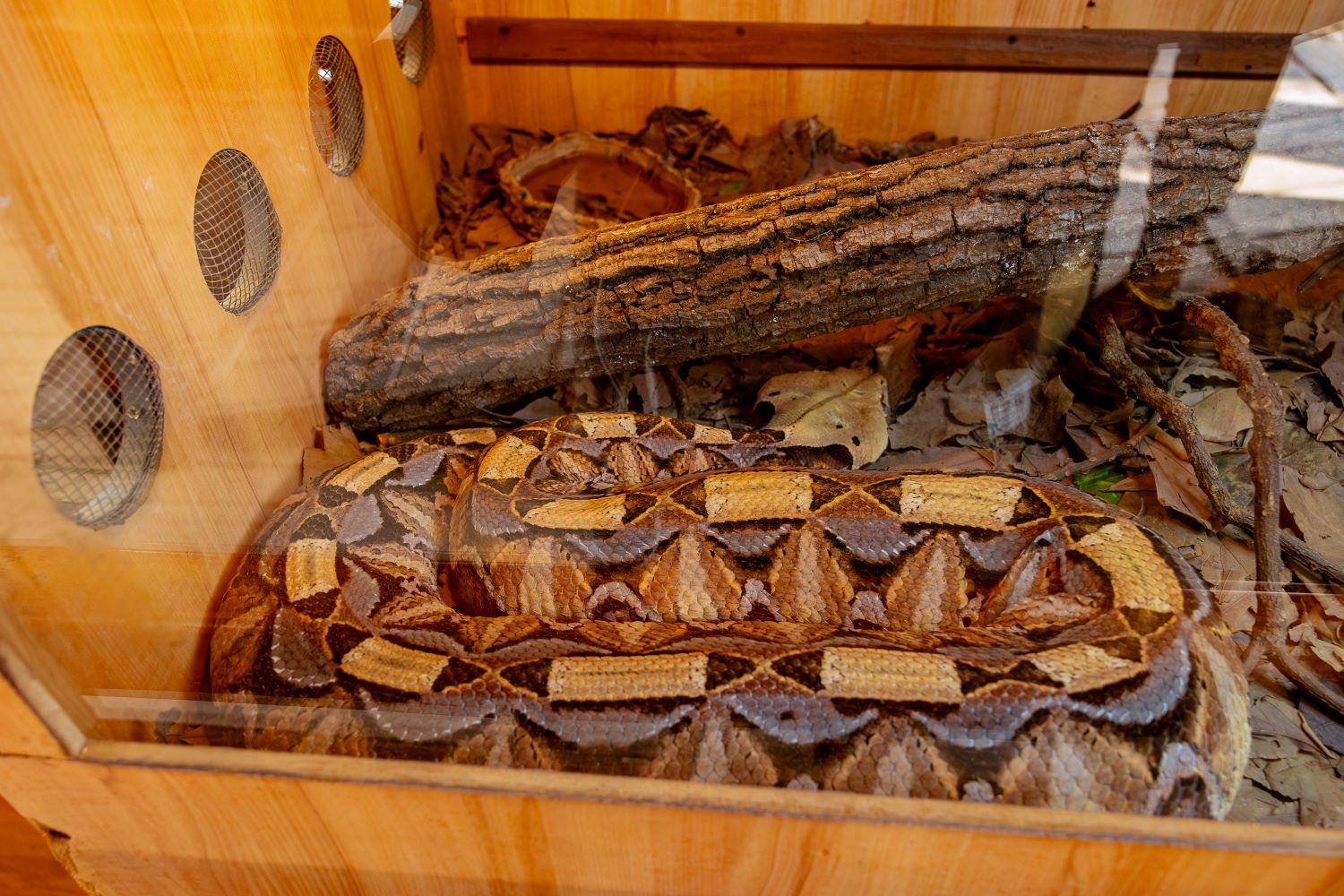
Gaboon vipers are heavily coloured and patterned, with a variety of brown, white and purple colours. They grow impressively large.
Their heads are triangular in shape, powerfully exhale and create a loud hissing when in danger. They are considered extinct in Rwanda.
The last sightings of Gaboon vipers were near the foot of Muhabura in the 1930s. These snakes are highly vulnerable and typically die when their forest habitat is destroyed.
These snakes are believed to have the longest fangs in the world measuring about 3.5 centimetres long. They also have the biggest stock of venom compared to most snakes in the universe.
If bitten by a Gaboon viper, it’s usually not the venom itself that kills, but rather a condition called anaphylaxis where the body can no longer handle the amount of foreign toxic substances and simply shuts down.
Apart from the venomous snakes, there are five non-venomous snakes at the Kandt House Museum. The species include the Dasypeltis atra, also known as the egg eater, the Angola bush snake, the Python, the brown house snake and the spotted bush snake.
Watch the video below to learn more facts about the snakes found in Rwanda.
In Rwanda, marriage is viewed as a significant decision that involves careful consideration of various factors, including financial stability, maturity, societal expectations, and individual needs.
In the wake of a legal proposal by the Rwanda government to reduce the marriage age from 21 to 18 years, the public is widely divided.
While some marry before the age of 25, others wait until their 40s or beyond based on personal experiences or observations. To some others, age is just a number.
To comprehensively explore perspectives on the ideal age for marriage and the factors influencing this decision, IGIHE spoke to different members of the society.
A 25-year-old motorcyclist, who preferred to remain anonymous, believes that marriage should begin from age 20.
“Marriage goes with financial ability. From my understanding, a person who is 20 years old or above can get married because at that age someone is at least financially stable to run a family,” he explained.
Yassin Munyentwari, a local journalist in his thirties thinks that there should be no specific age for getting married.
“A person should consider marriage when they feel fully prepared, both mentally and emotionally. This decision should be made after finding someone they believe can spend the rest of their life with them,” he reasoned.
According to him, once consensus between a couple is reached at considering current and future life needs, the decision to get married should apply equally to both girls and boys.
“Everyone should have the autonomy to decide when they feel ready for marriage, without being restricted by age,” he said.
Pascal Baziki, a 33-year-old airtime vendor from Rusizi District, observes that societal pressure often influences people to marry early.
“Some people do it under pressure basing on others who have got married or even given birth. However, I personally think this should be an individual choice,” he said.
Baziki has decided to marry in two years’ time when he clocks the age of 35 because that’s when he will be ready and well equipped to conduct a wedding ceremony without being a burden to anyone.
Solange Niyoniringiye is a 22-year-old businesswoman in Kigali. She shared her views emphasizing that no one should be compelled to marry just because others have.
“A person should be prepared enough to get married. Being engaged is one thing but transforming into a legal marriage involves many factors especially financially. It would be weird to get married and start soliciting for food from neighbors the next day,” she said.
Richard Twizeyimana, a 33-year-old man from Gatsibo District, says that engagements should last at least three years to allow for thorough consideration of one’s life partner.
“Nowadays, people’s engagements can last for one month, but it should be at least three years. That is when you will have enough time to get a thorough understanding of your life partner,” he says.
For ladies in particular, Twizeyimana explains that the perfect age for marriage should be 24 years old and above.
These diverse views highlight that marriage is a subject with varying perspectives.
To address this complex issue, the focus should be put on ensuring the well-being and future prospects of marriage as an institution. Young citizens should be empowered to enter marriage with the maturity and resources necessary for a stable and fulfilling relationship.
Rwandan family law currently sets the legal marriage age at 21. However, in March 2024, the Ministry of Gender and Family Promotion reported that numerous girls aged 18 to 20 sought permission from the Ministry of Local Government to marry, but their requests were denied.
Sources say that many of those seeking to marry before 21 were either pregnant or sought to take on employment opportunities abroad that require an affirmative marital status.
A legislative proposal is currently under review by the Rwandan Parliament that could potentially lower the marriage age to 18 if individuals have valid reasons.
According to The Barrett Academy, an international think-tank on human consciousness, there are seven stages of psychological development.
Between age 20 and 25, individuals typically reach physical and mental maturity, completing the first three stages: surviving, conforming, and differentiating.
Research by Nicholas H. Wolfinger from the University of Utah suggests that the optimal age for marriage is between 28 and 32.